
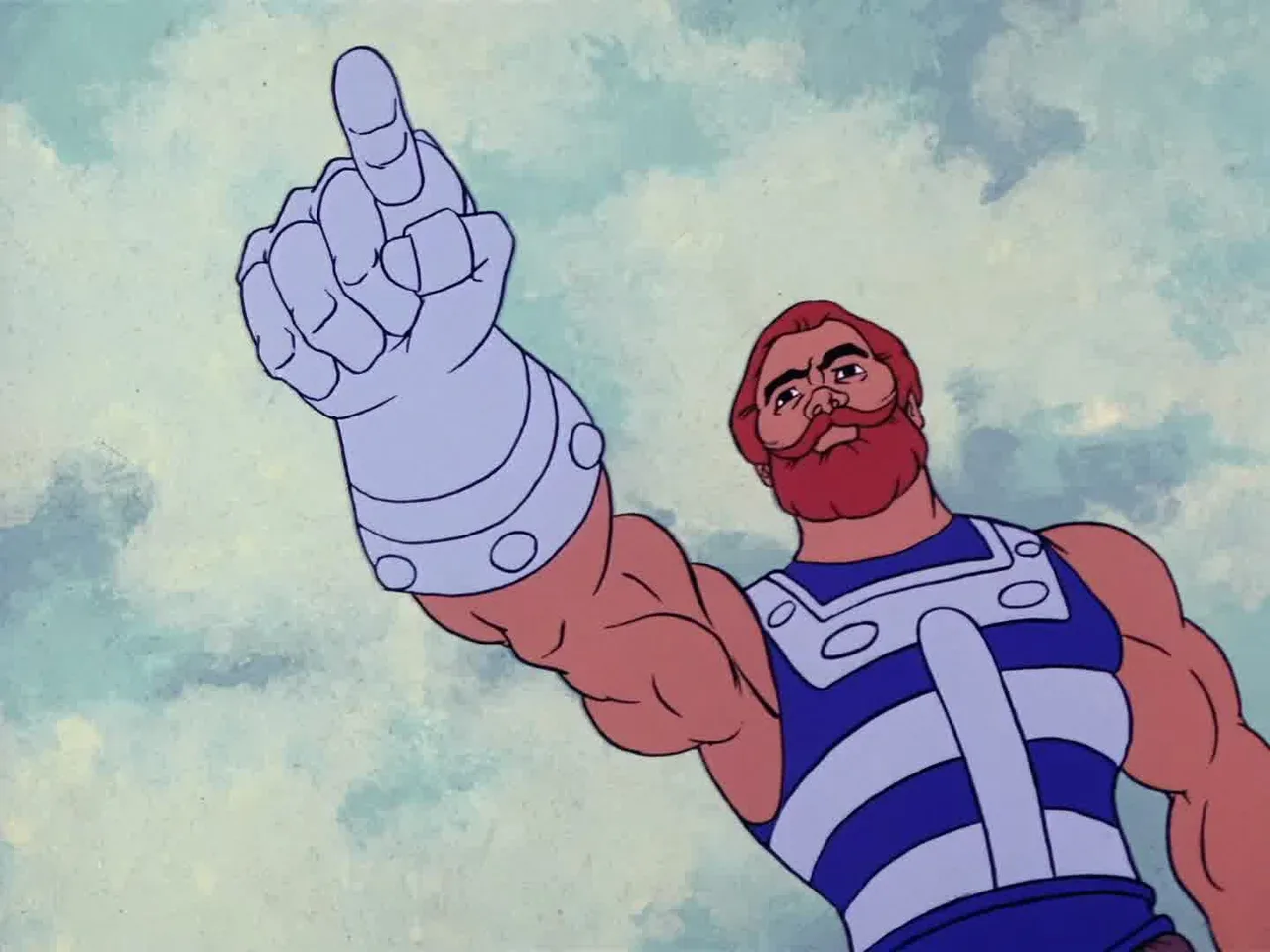
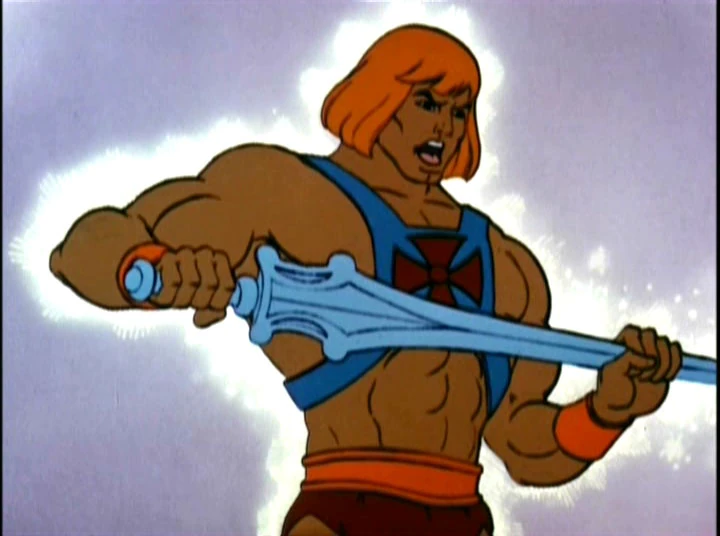
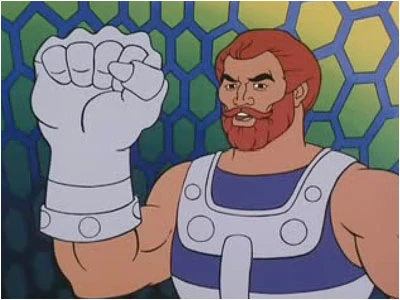
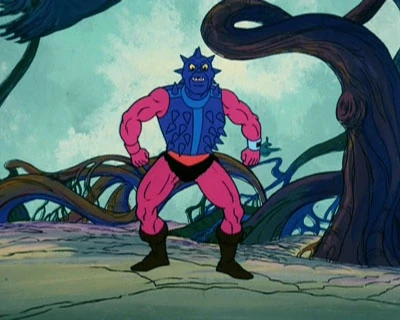
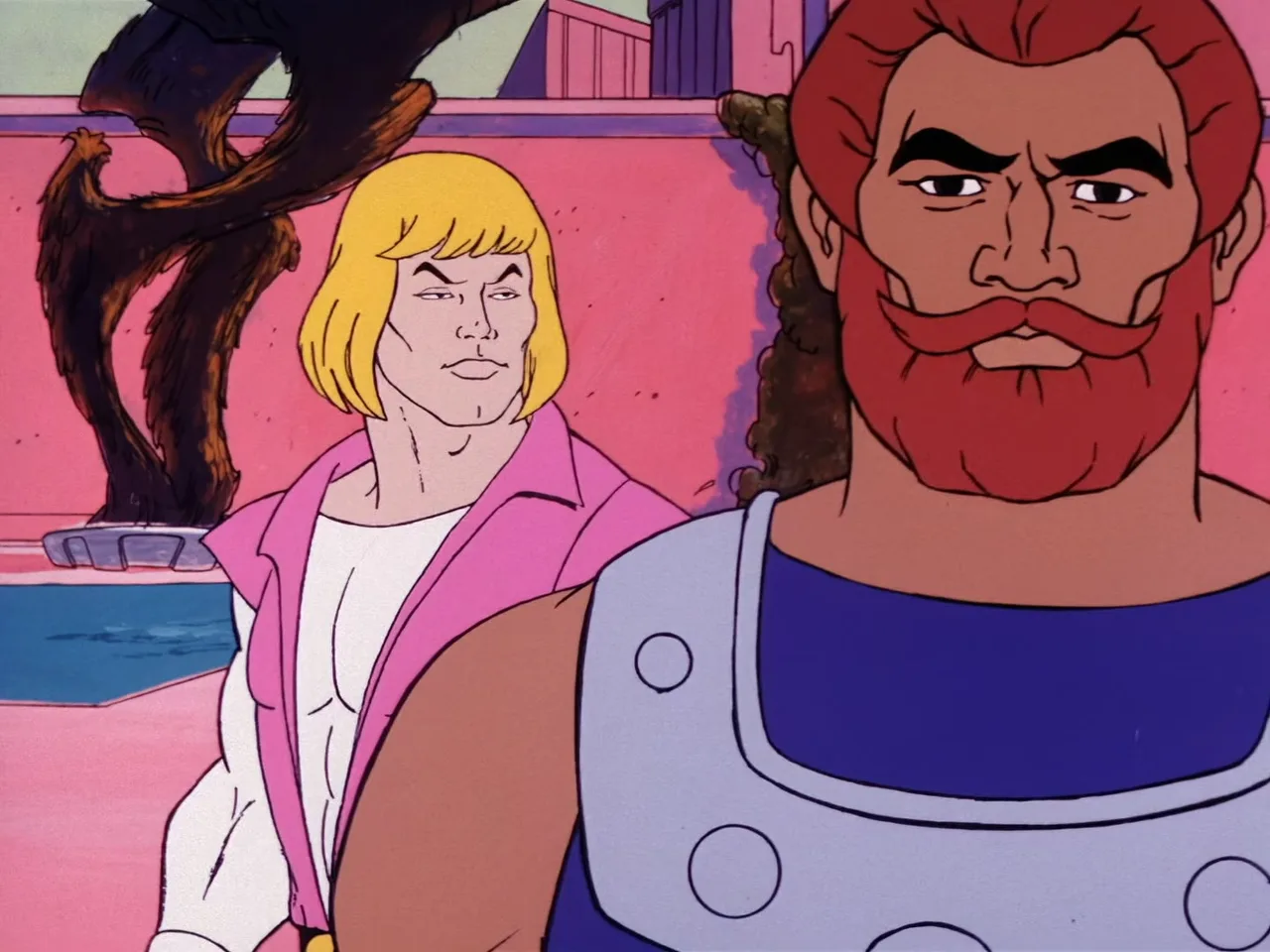
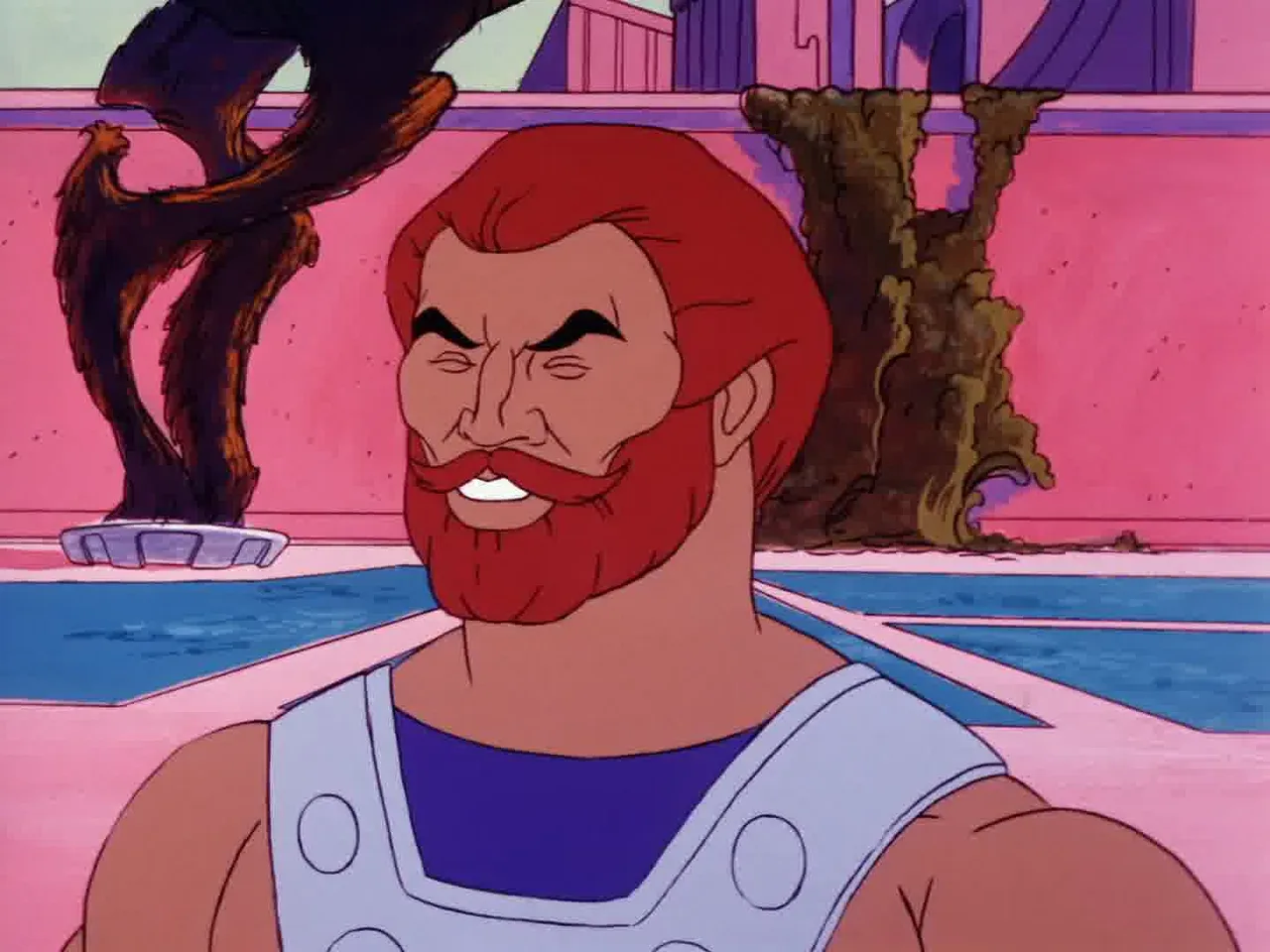
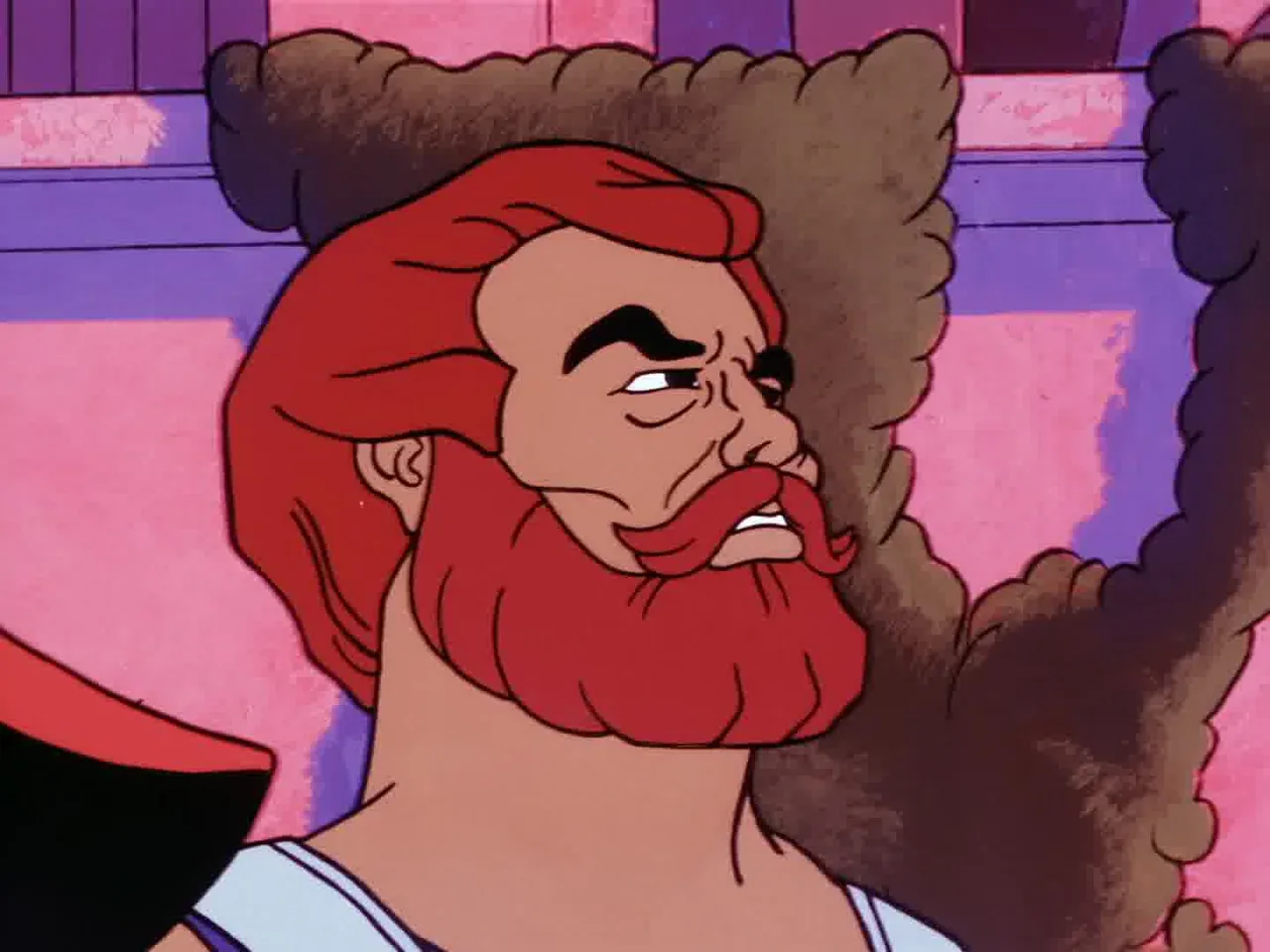
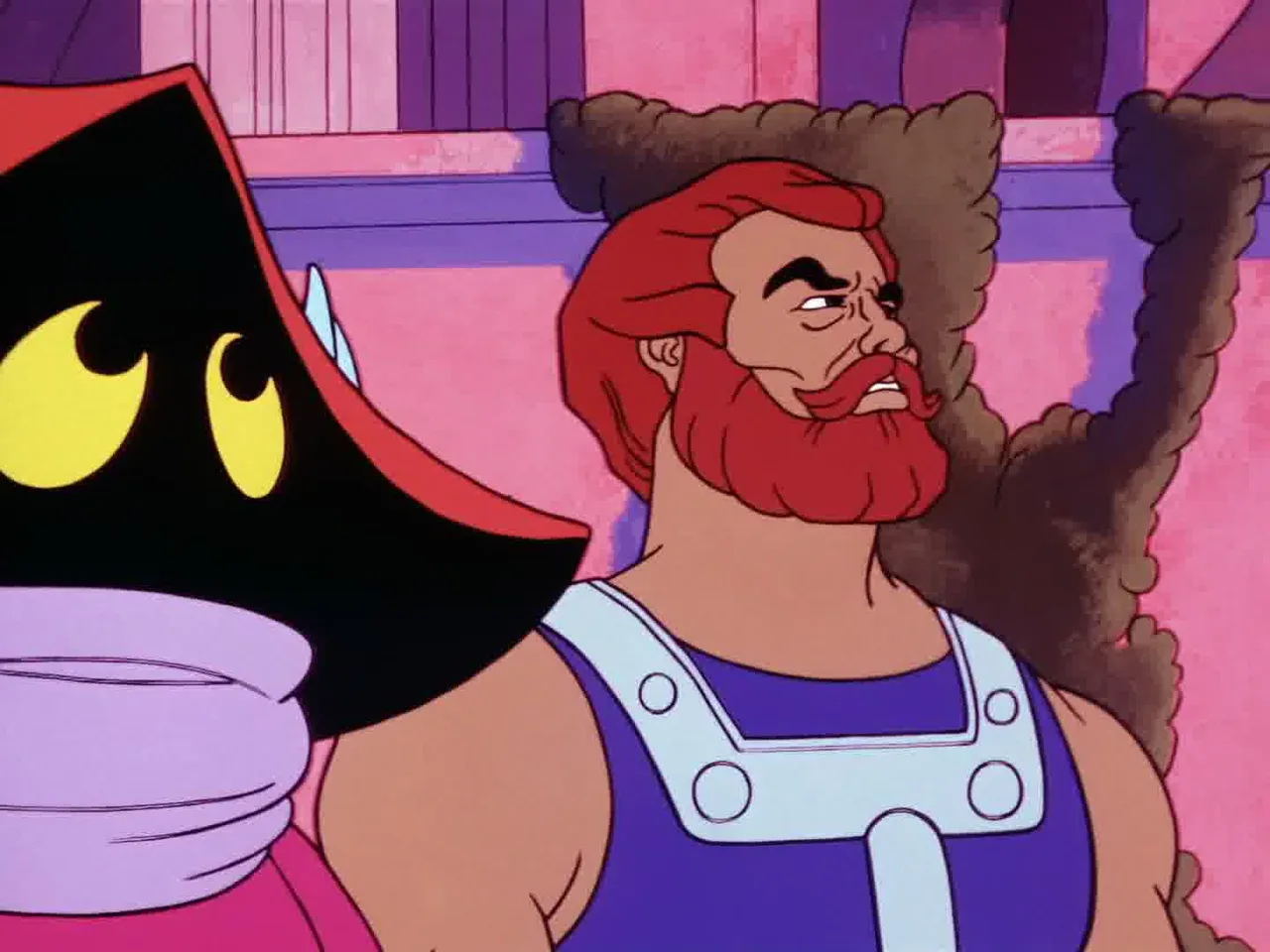
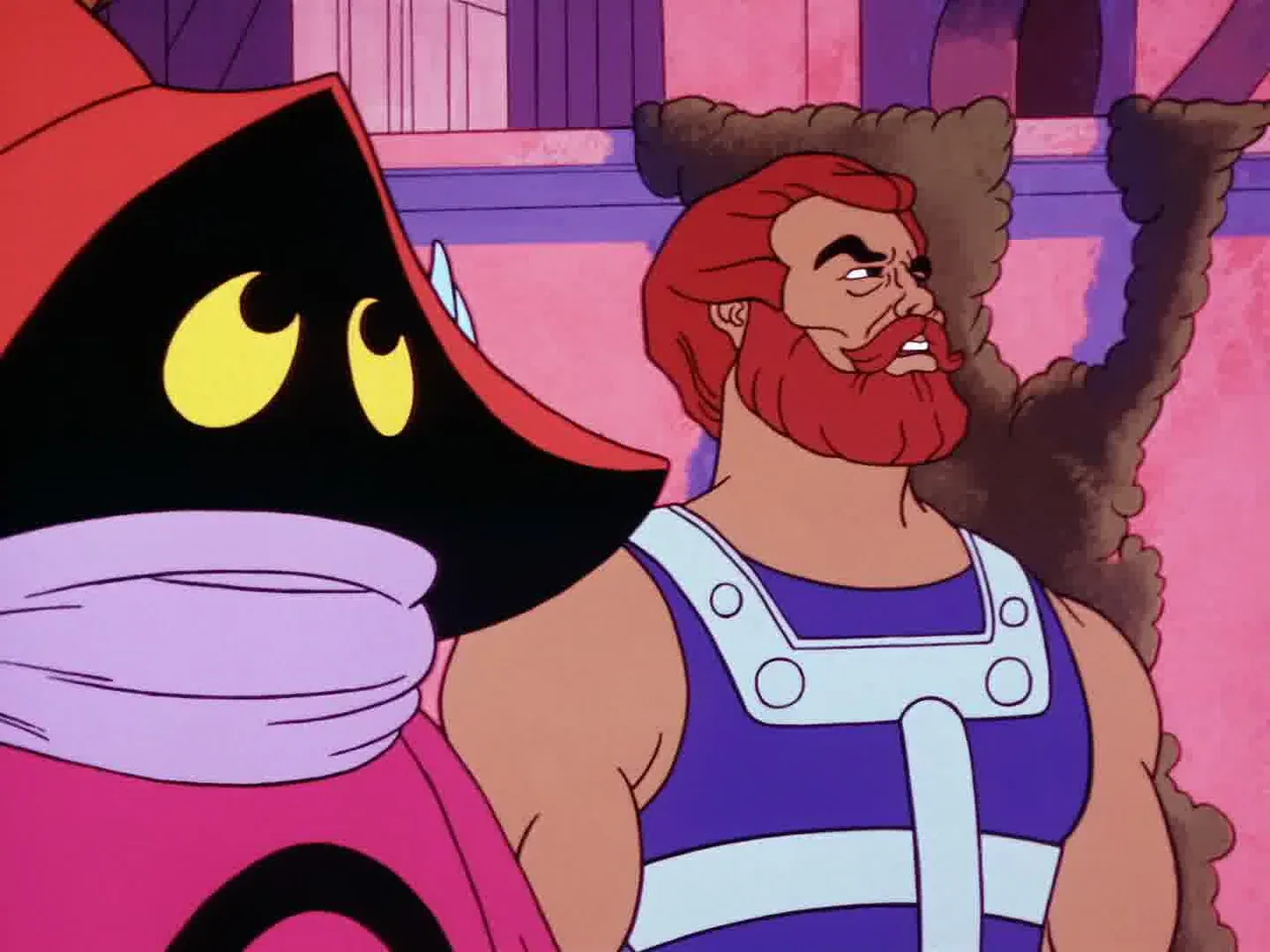
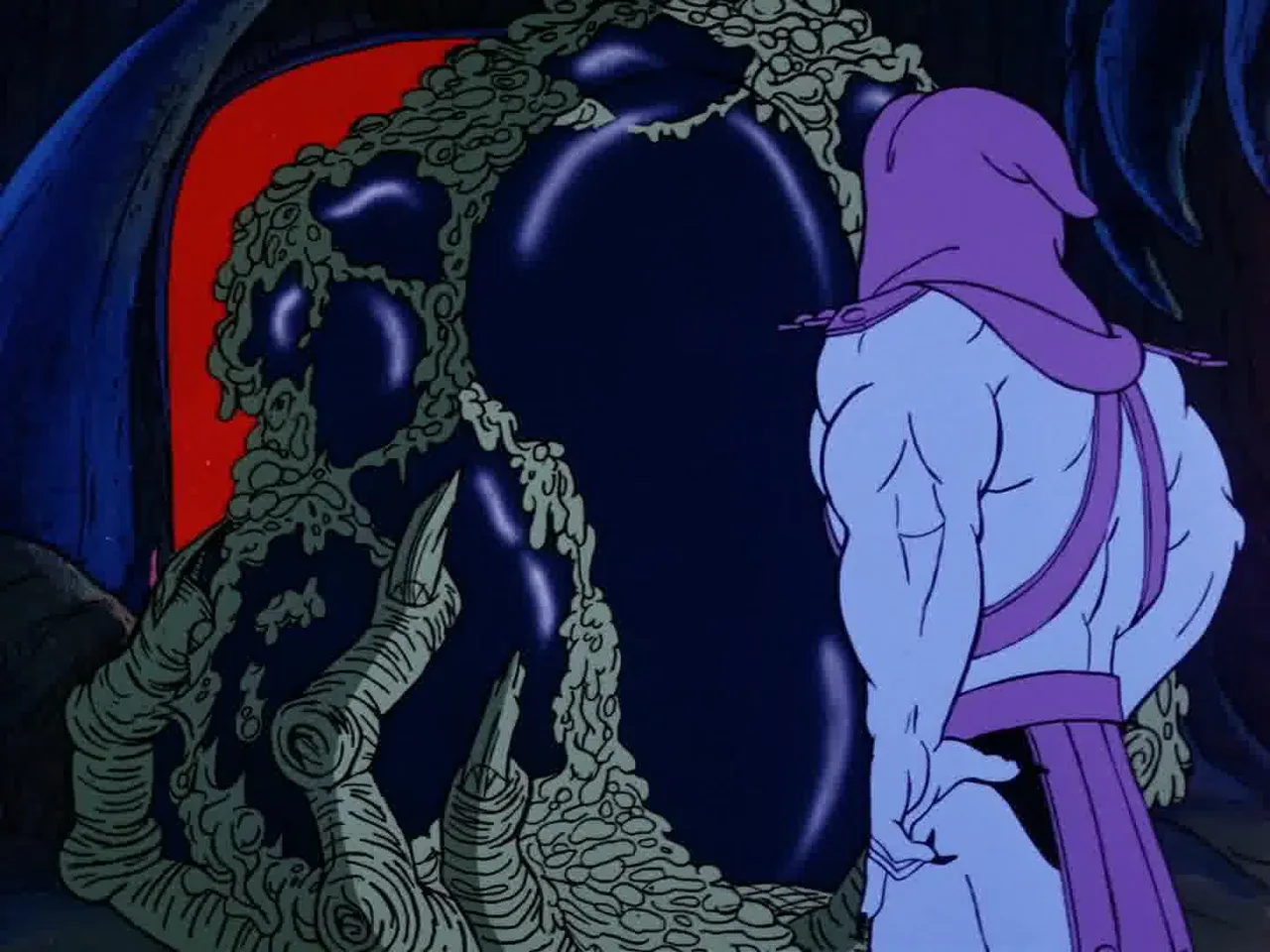
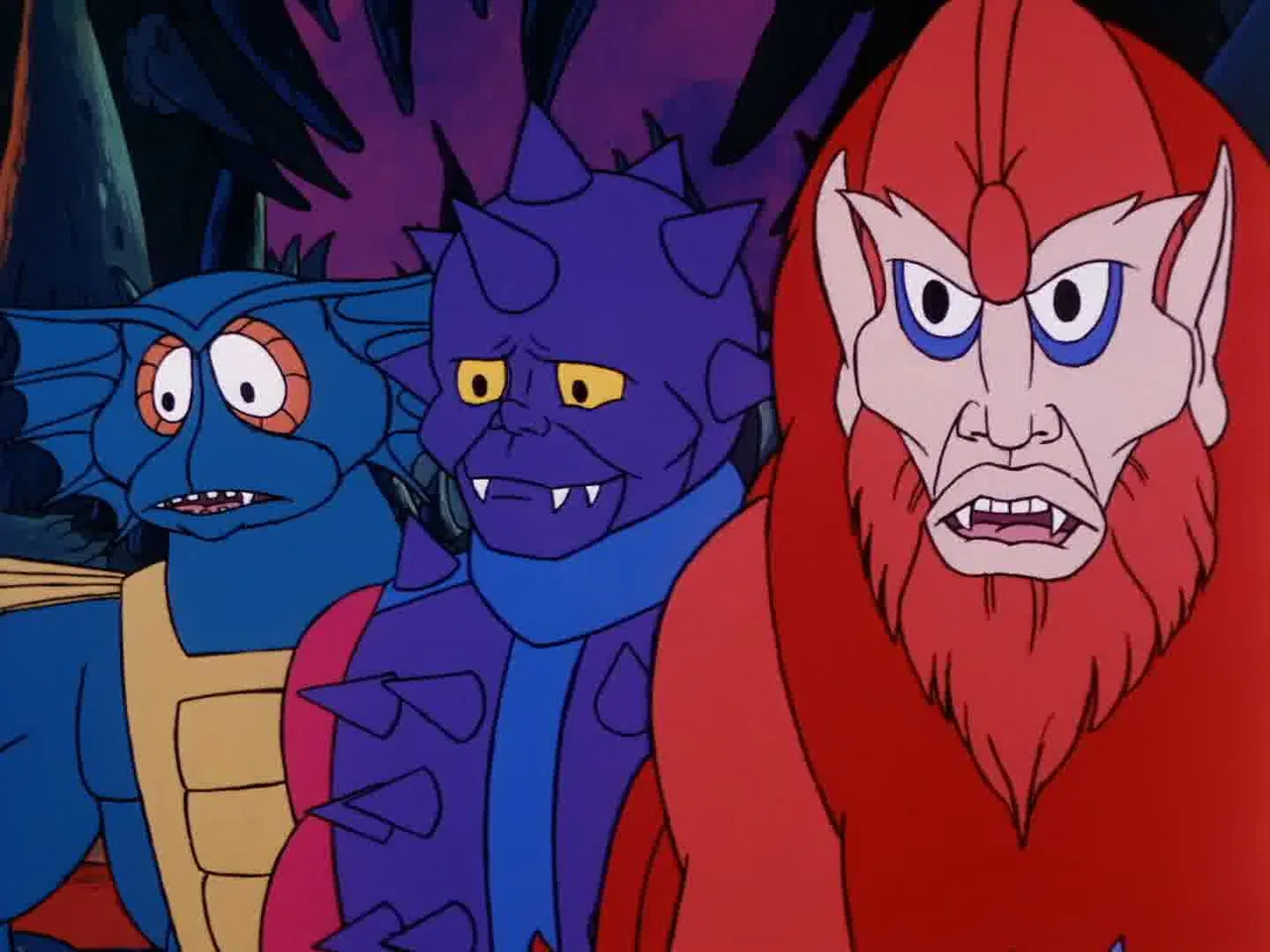
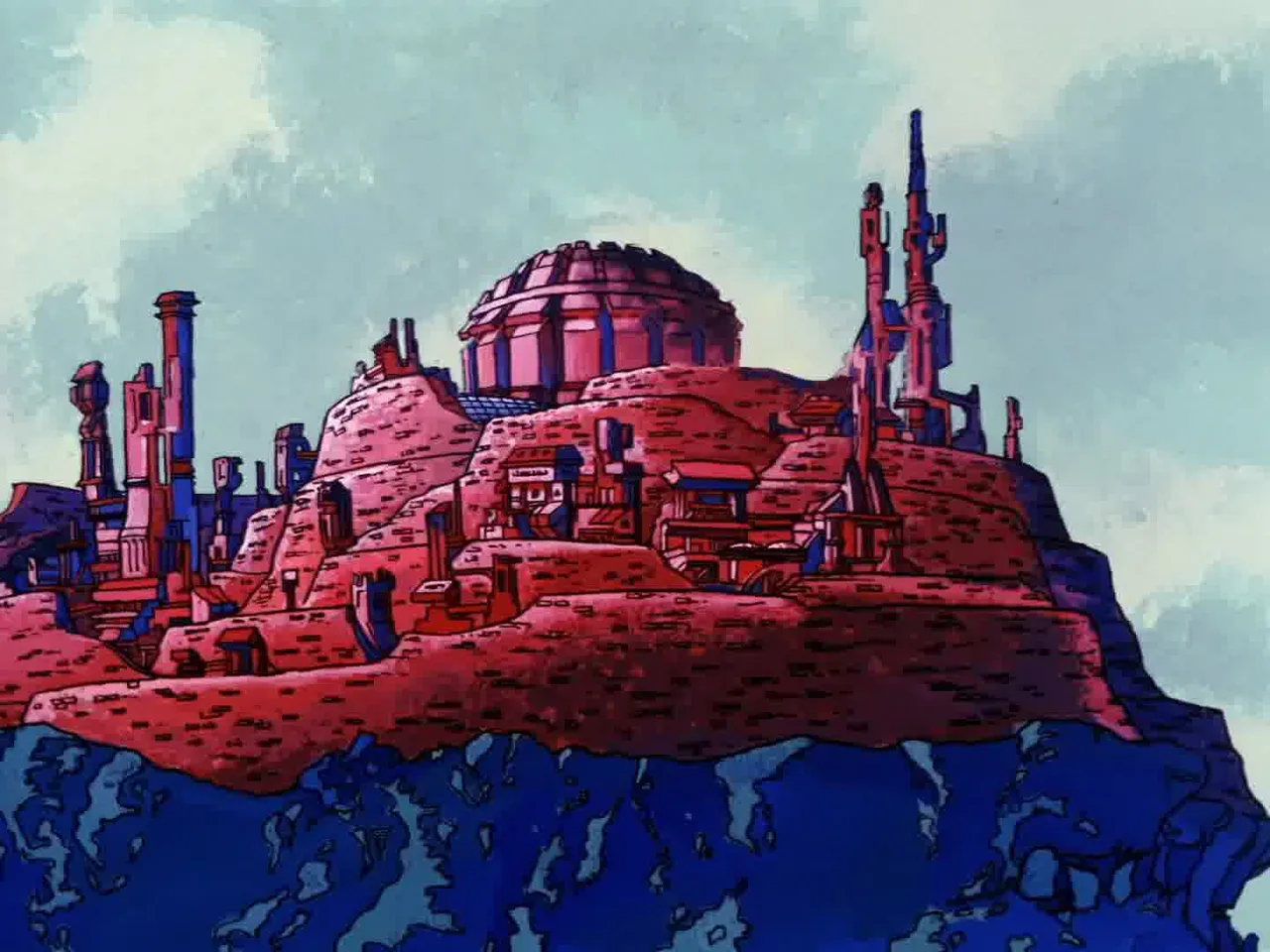
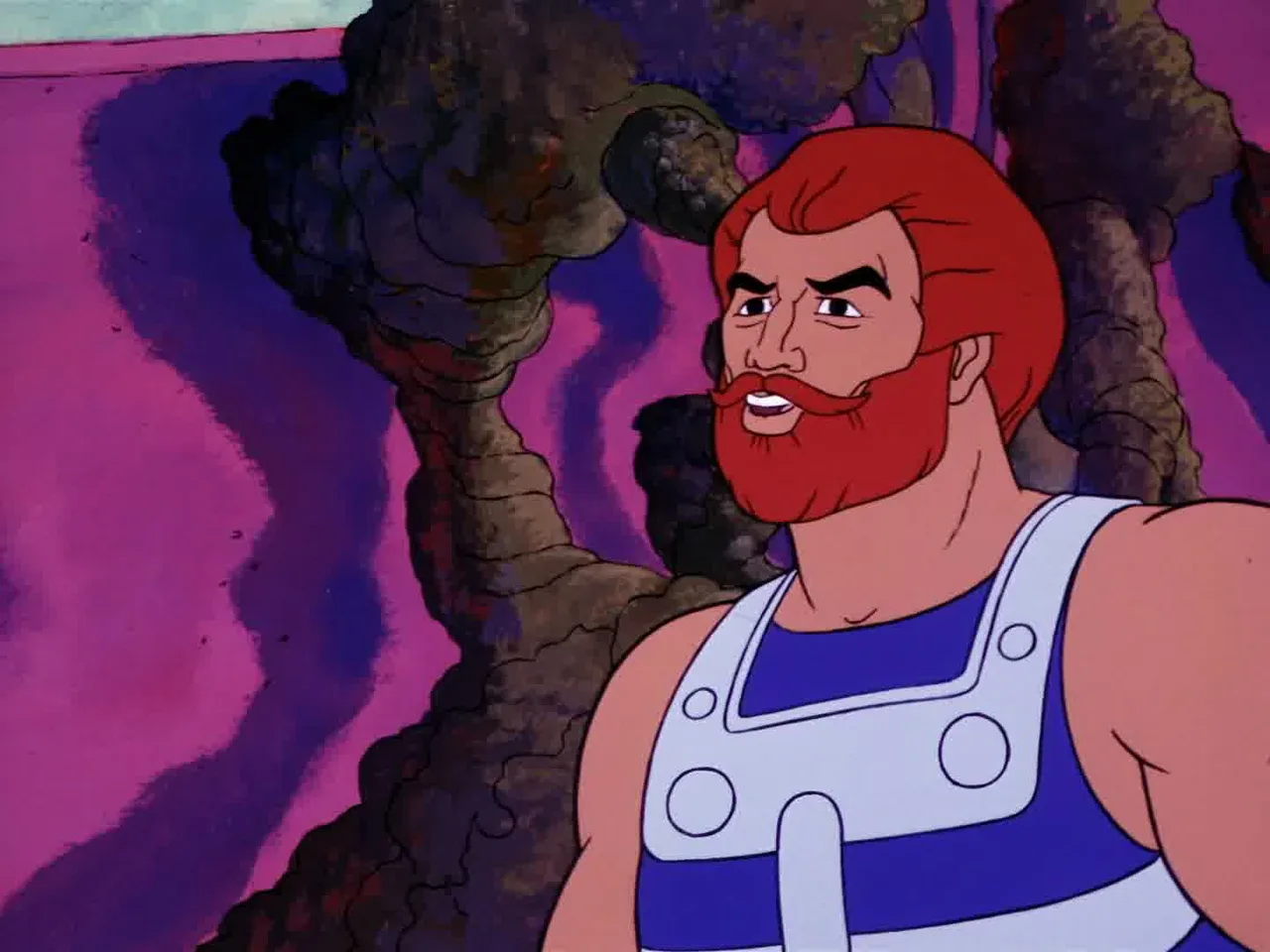
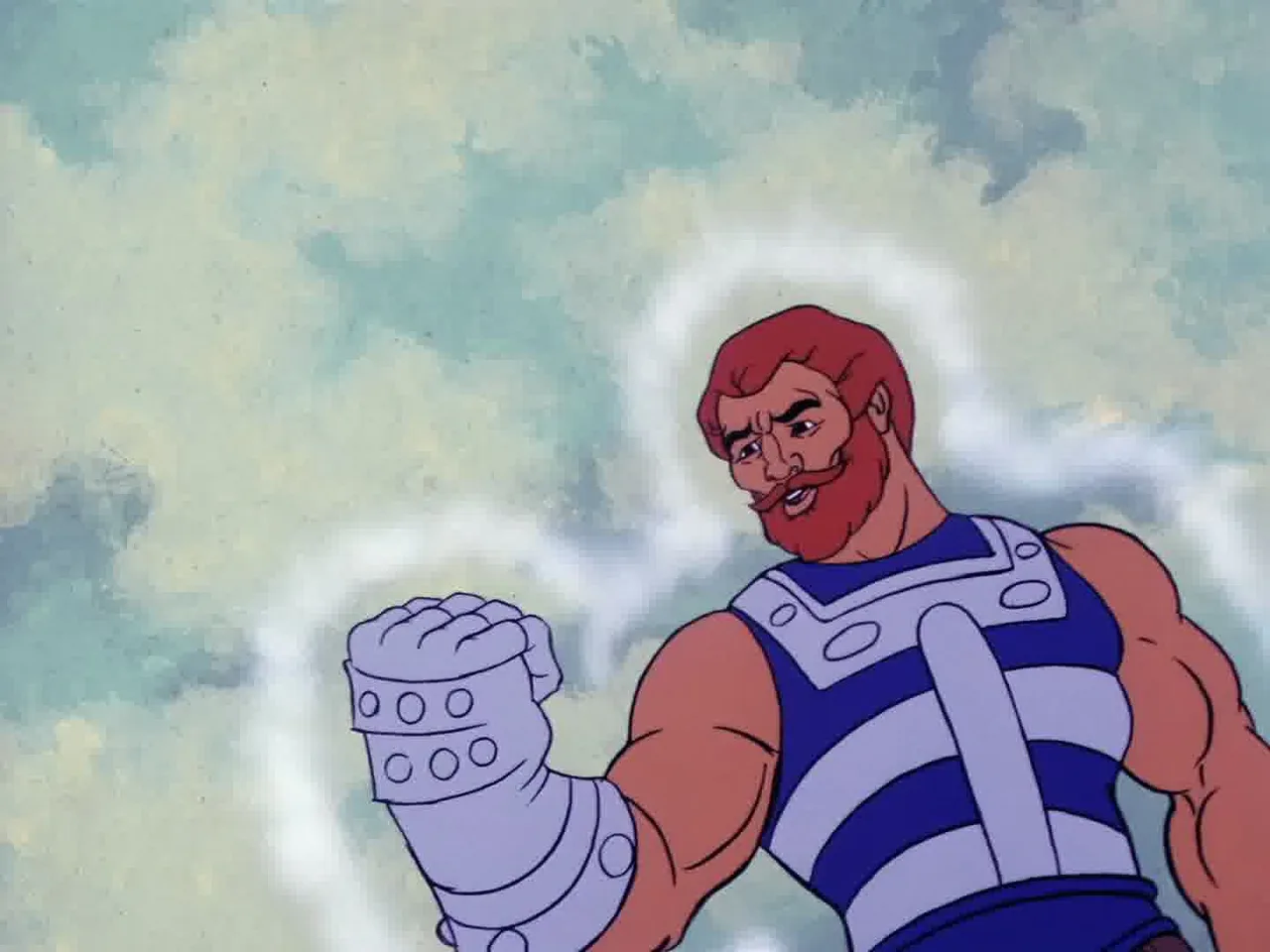
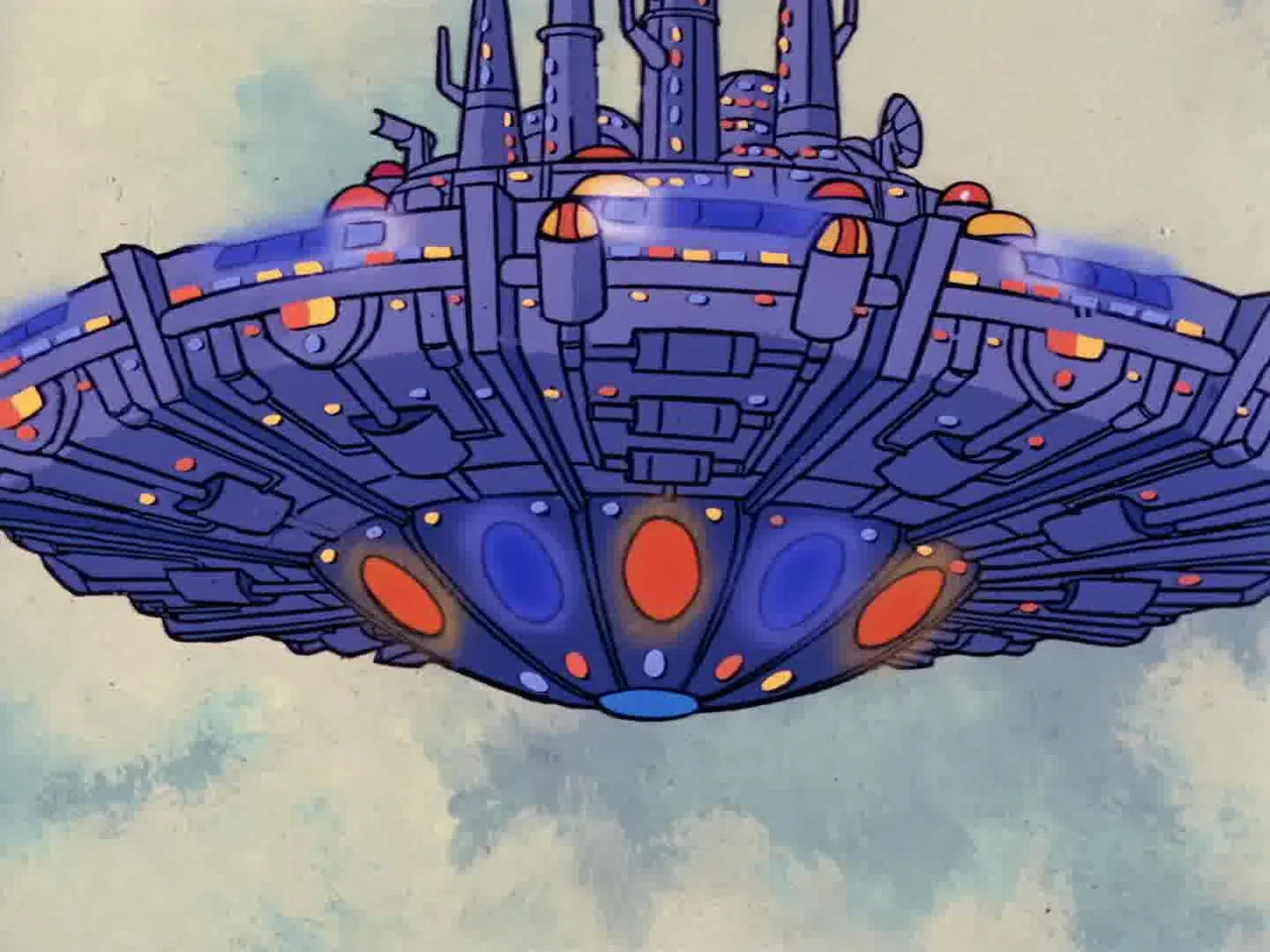
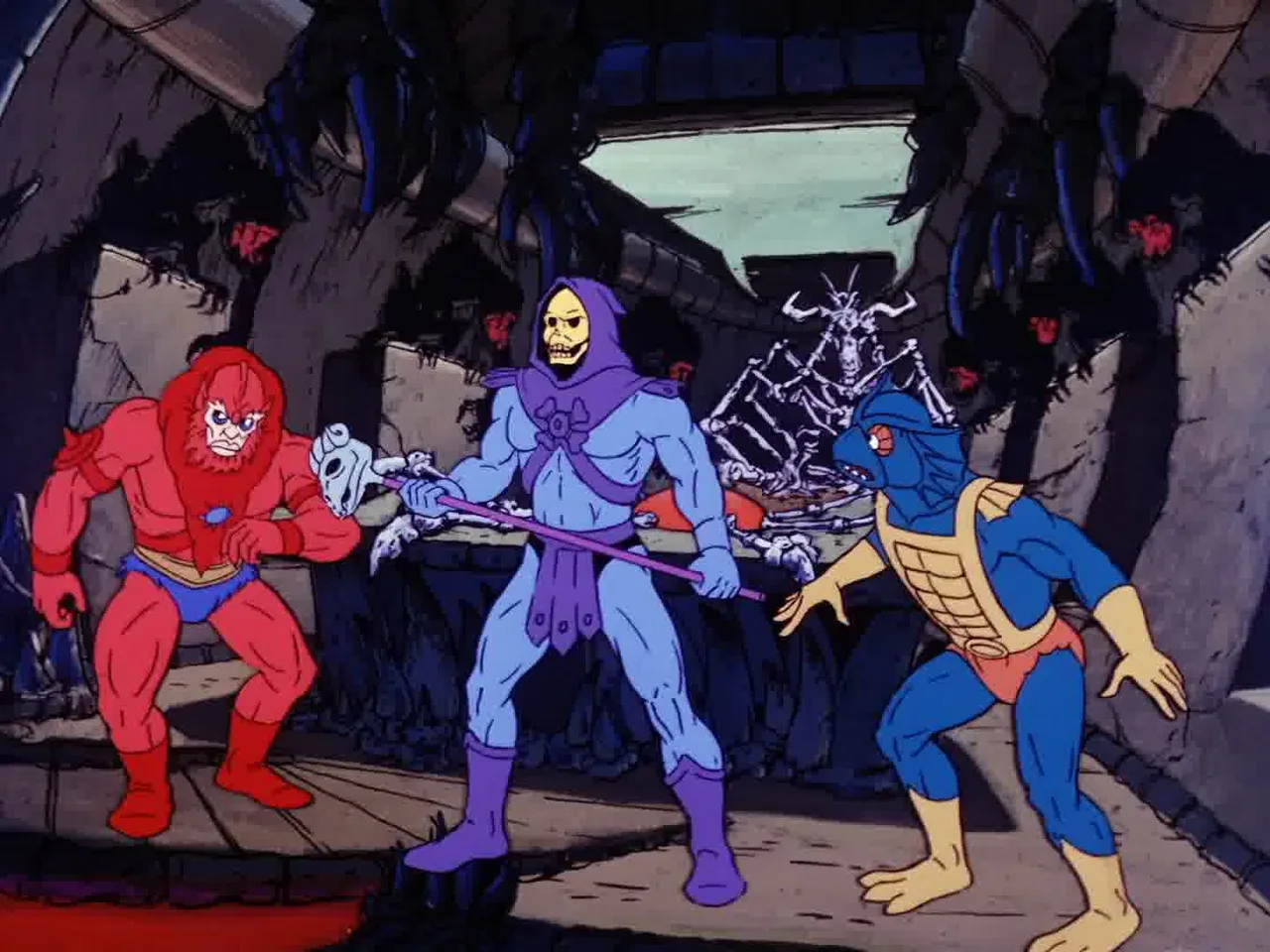
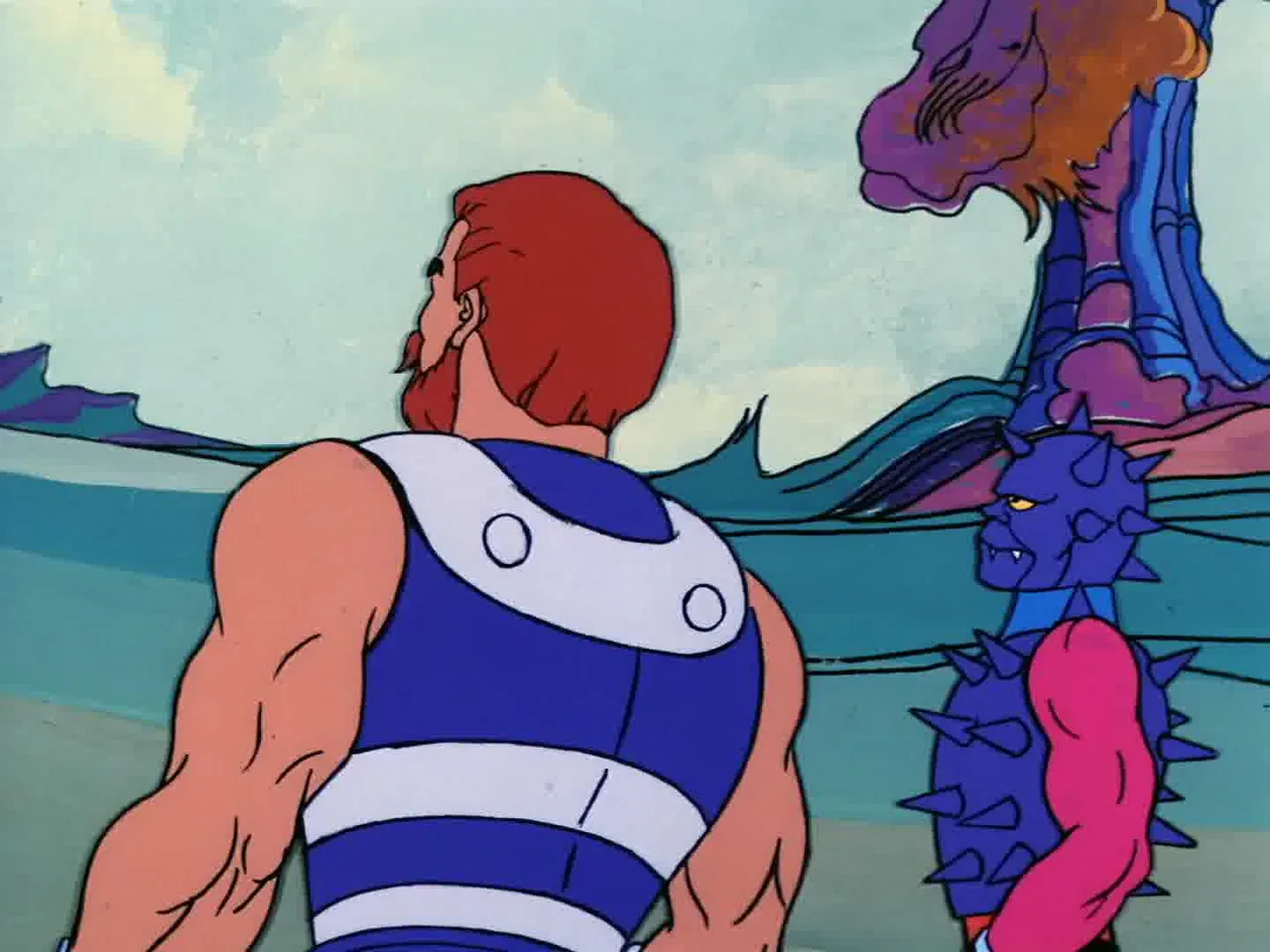
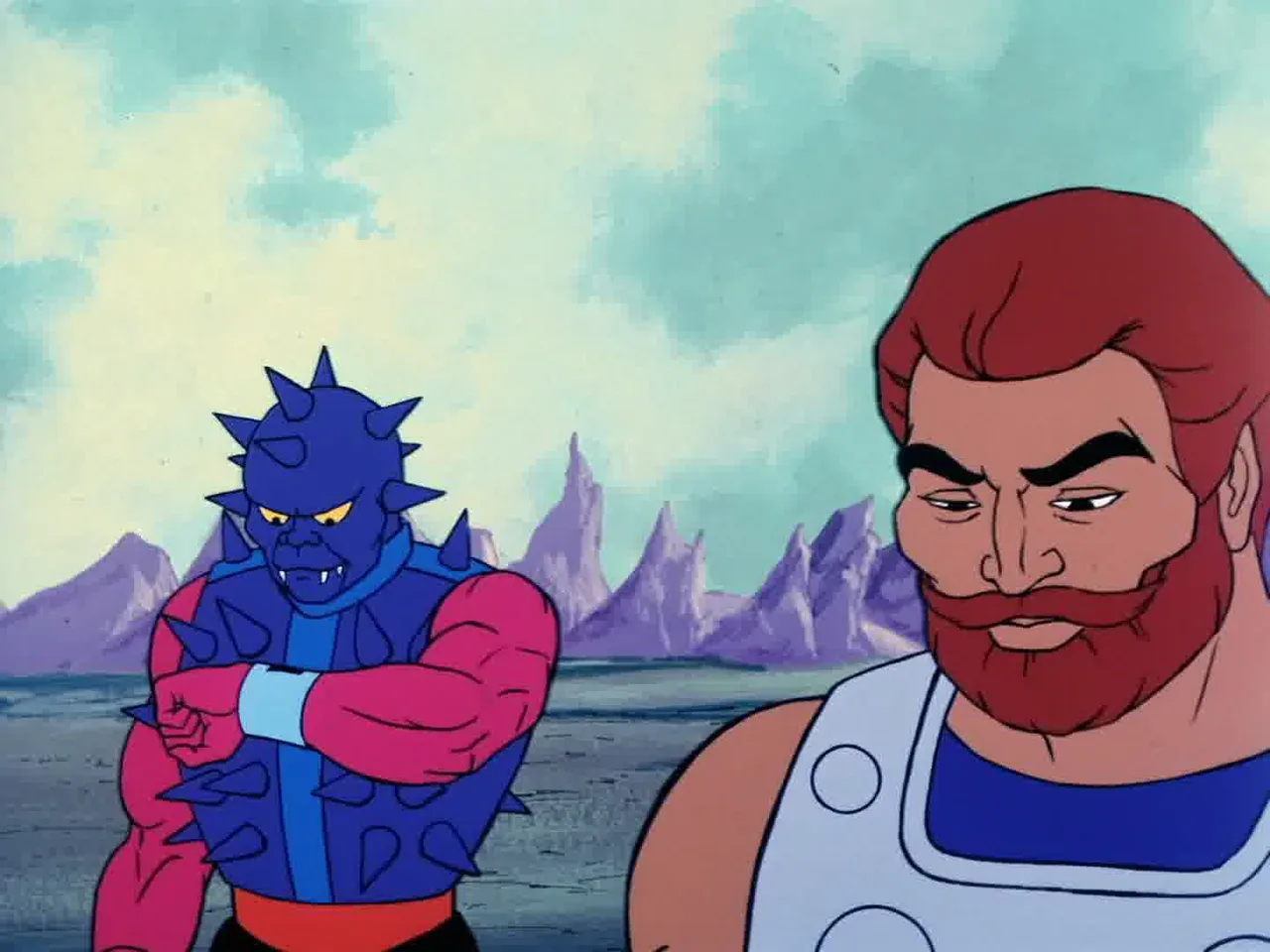
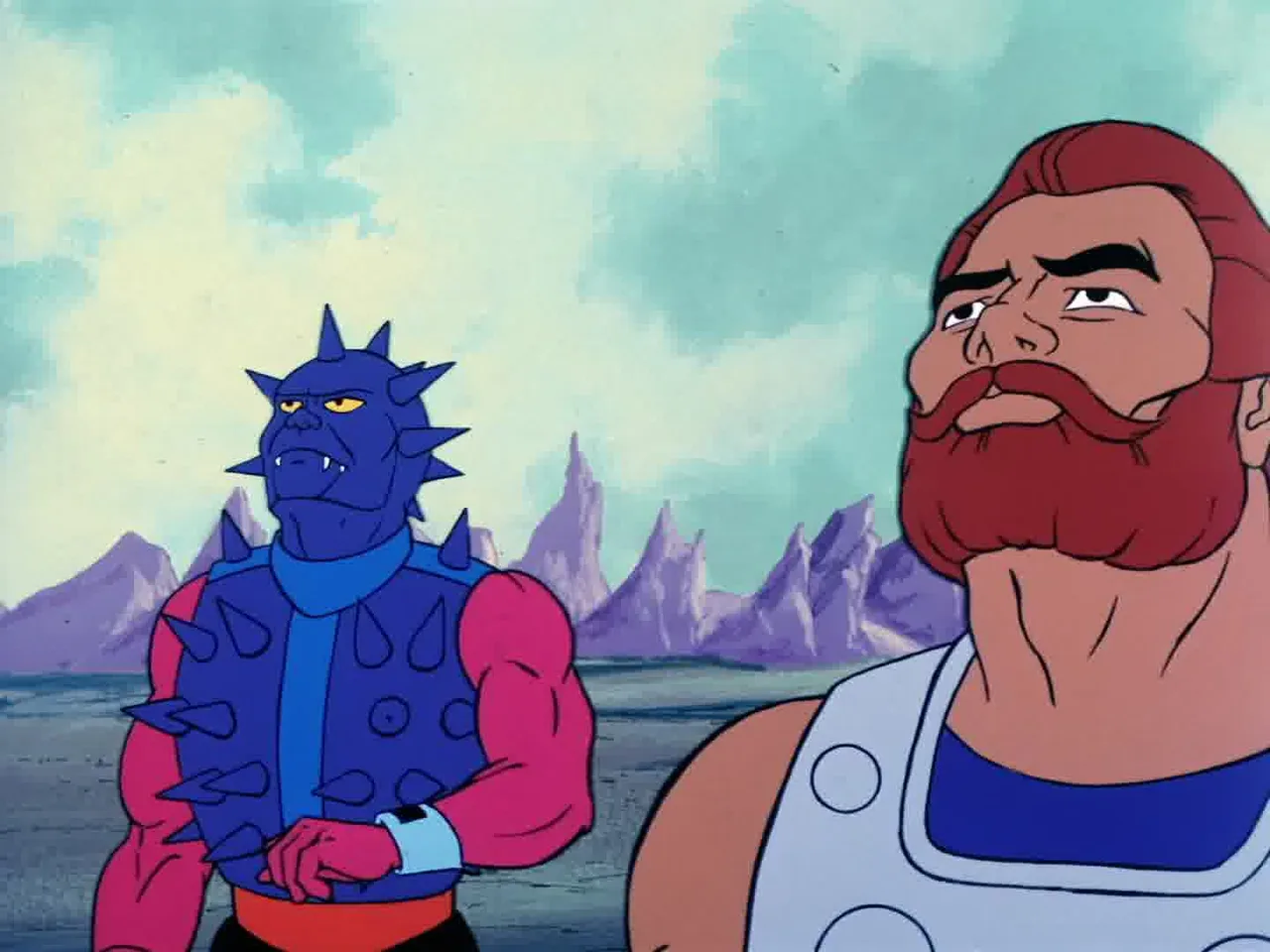
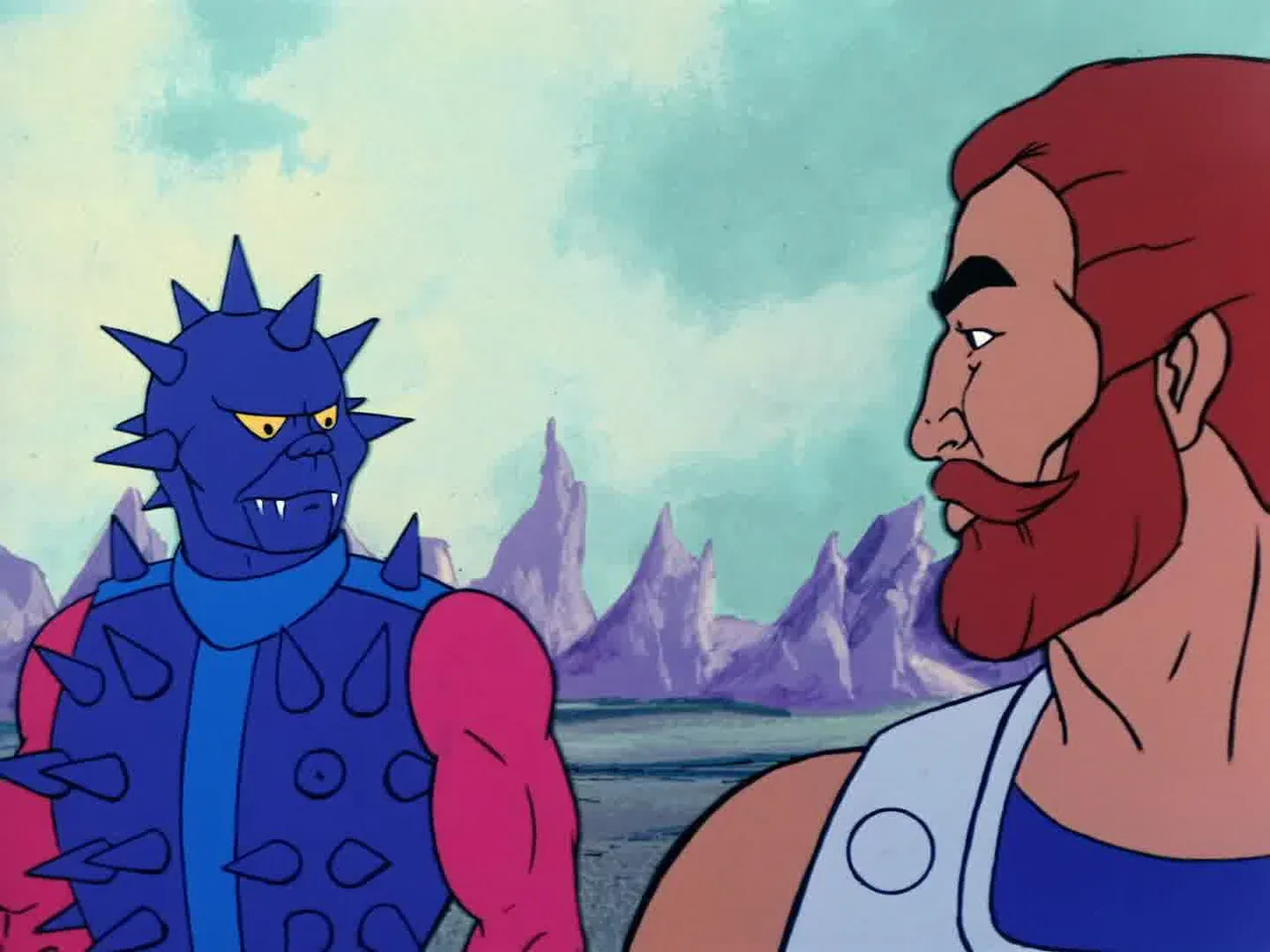
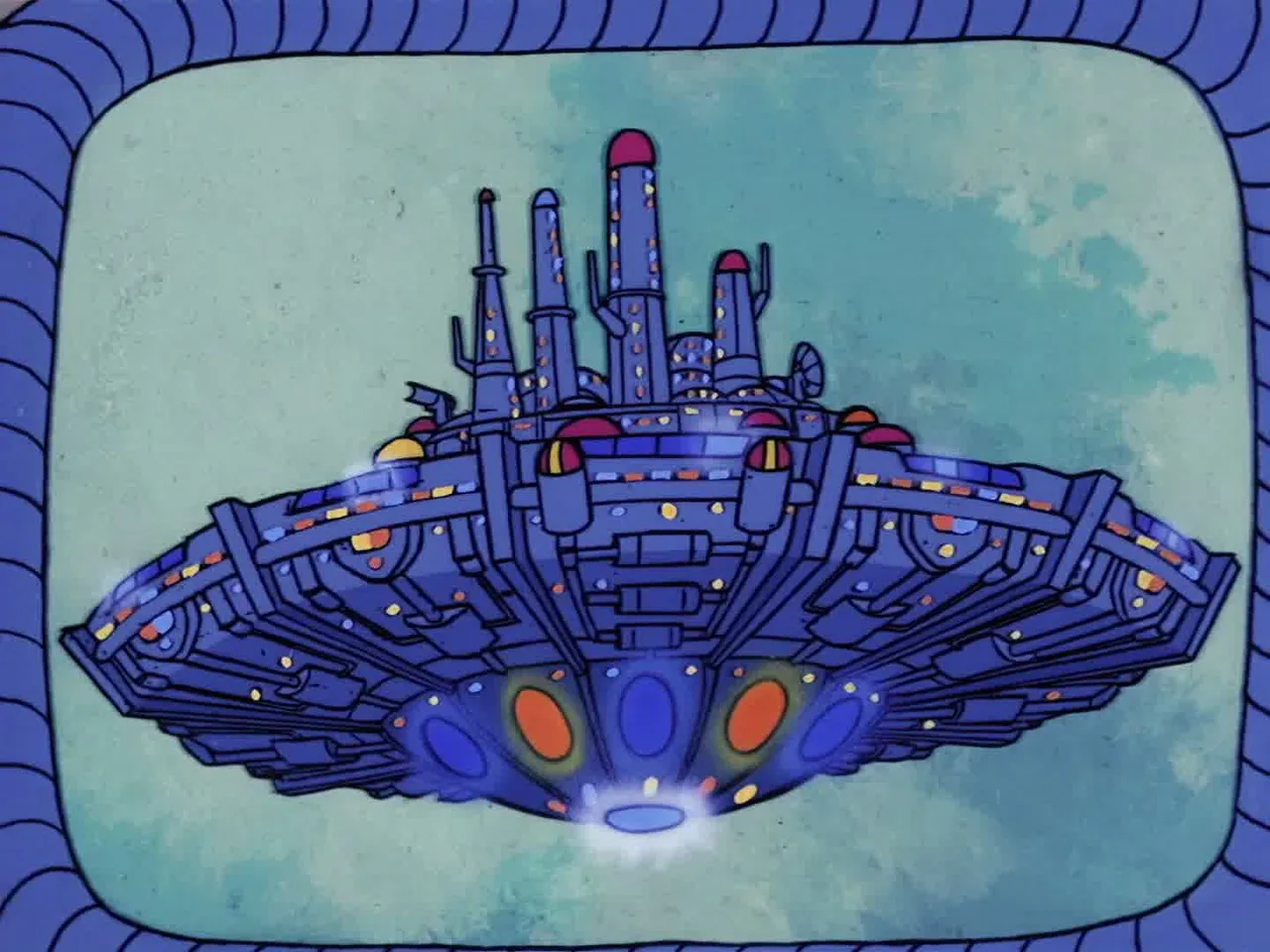
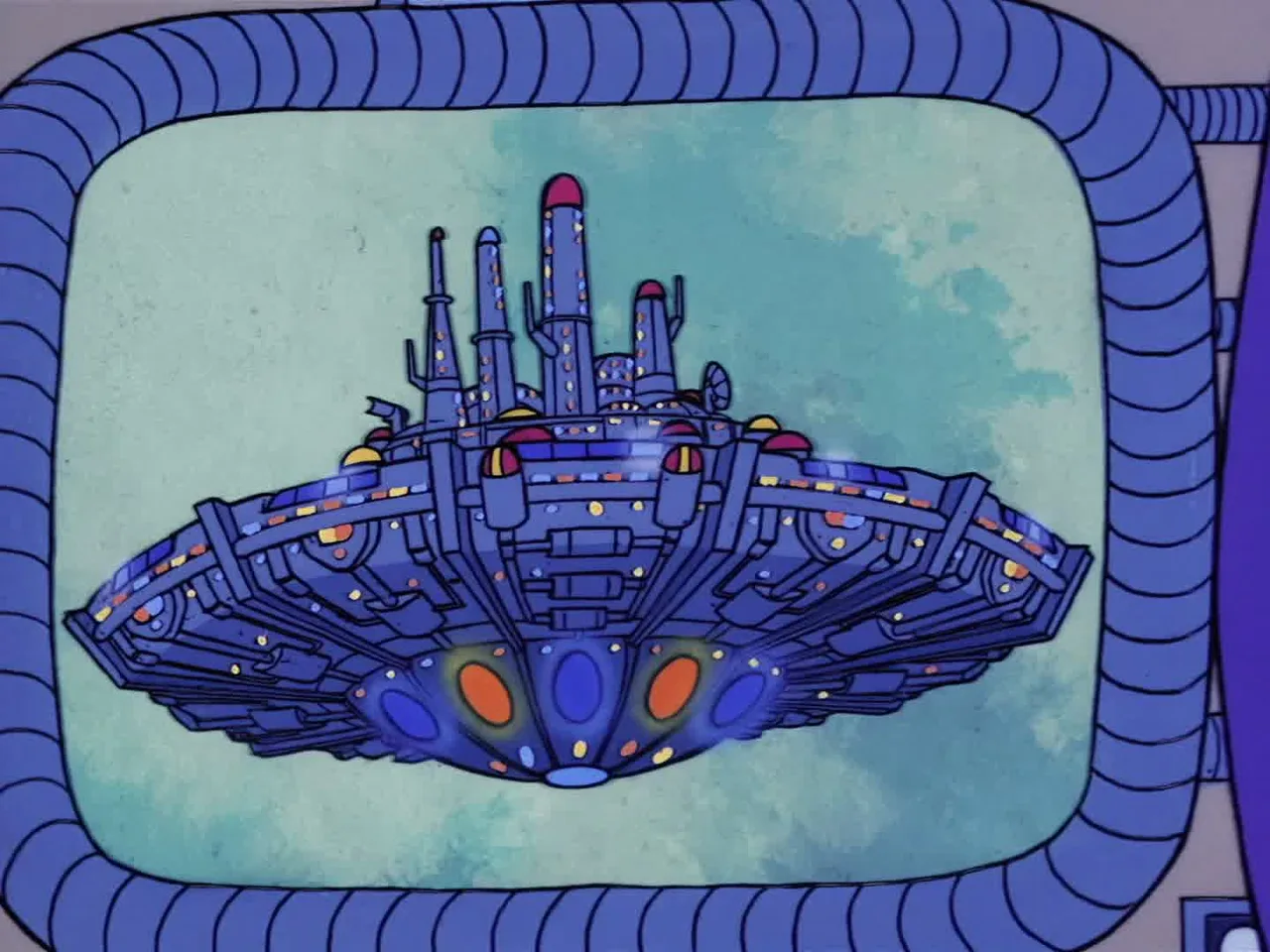
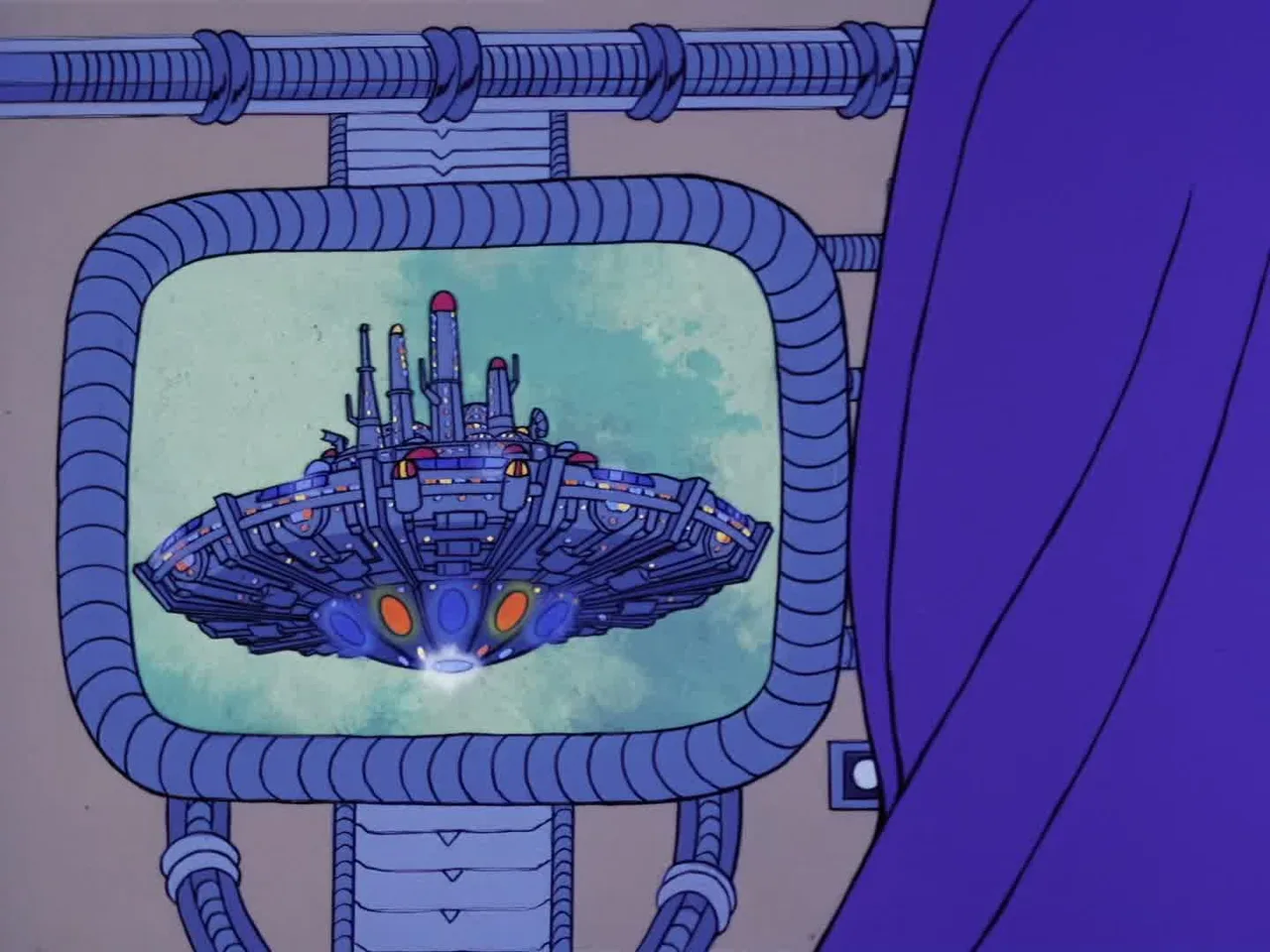
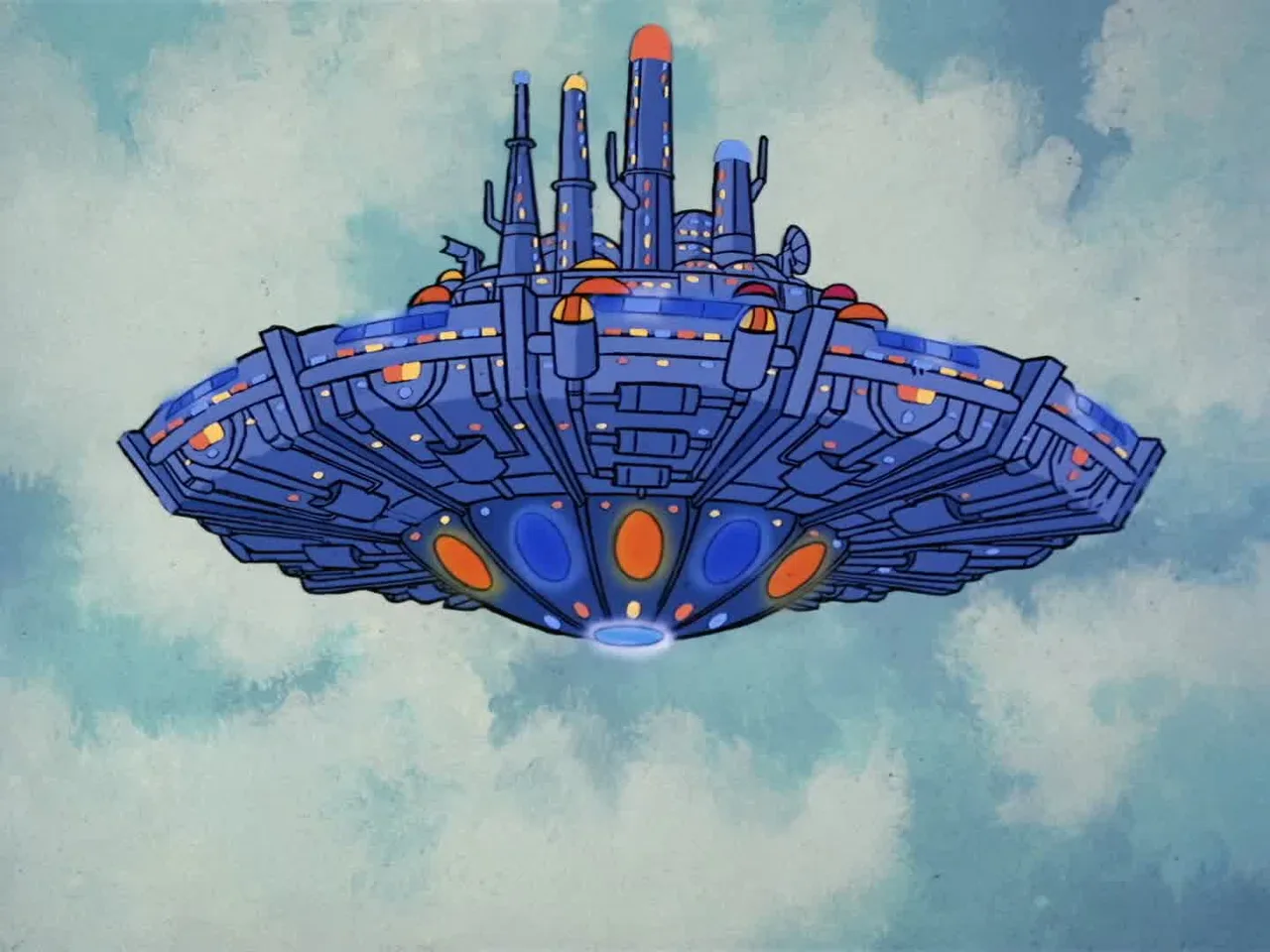
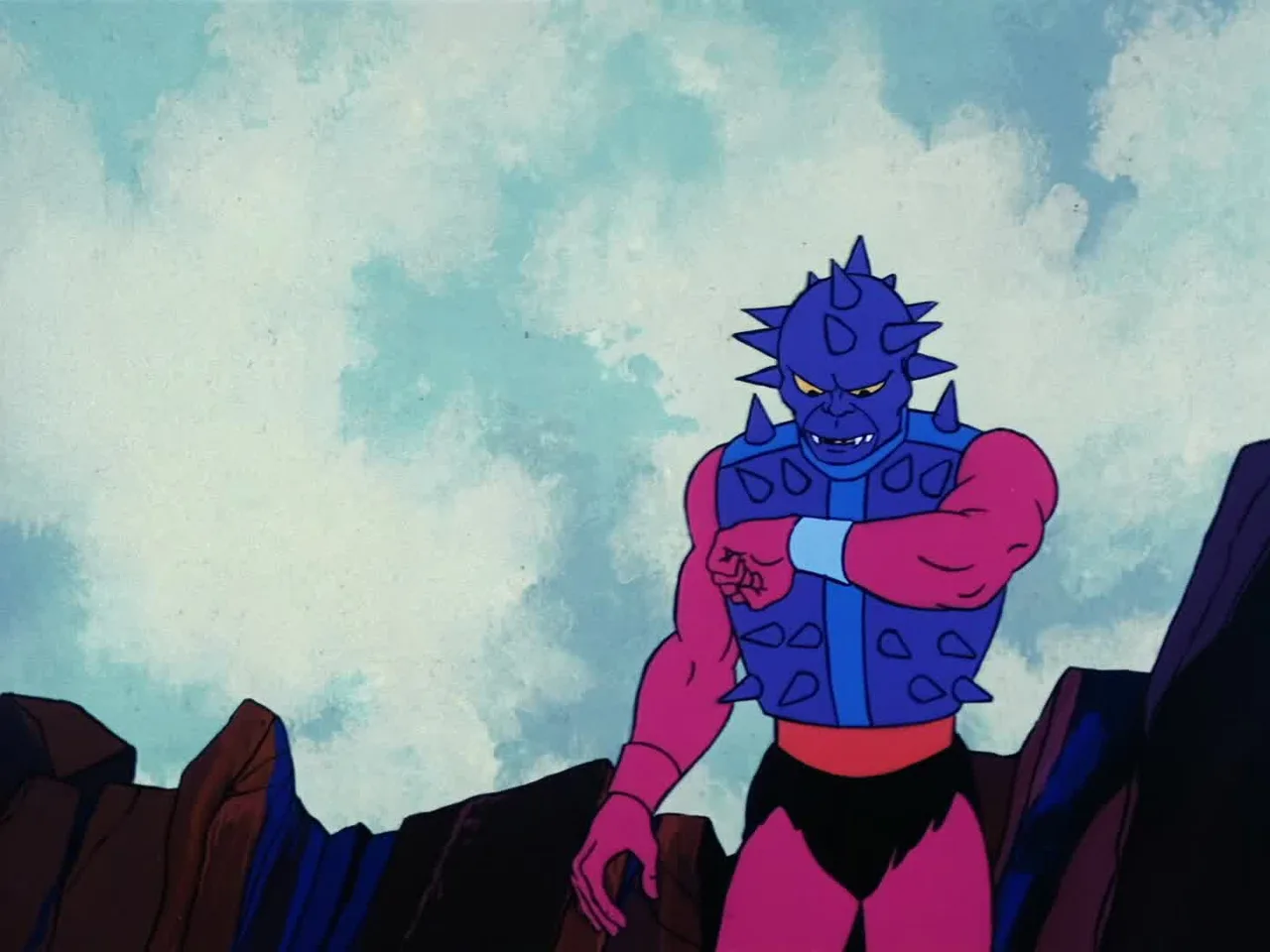
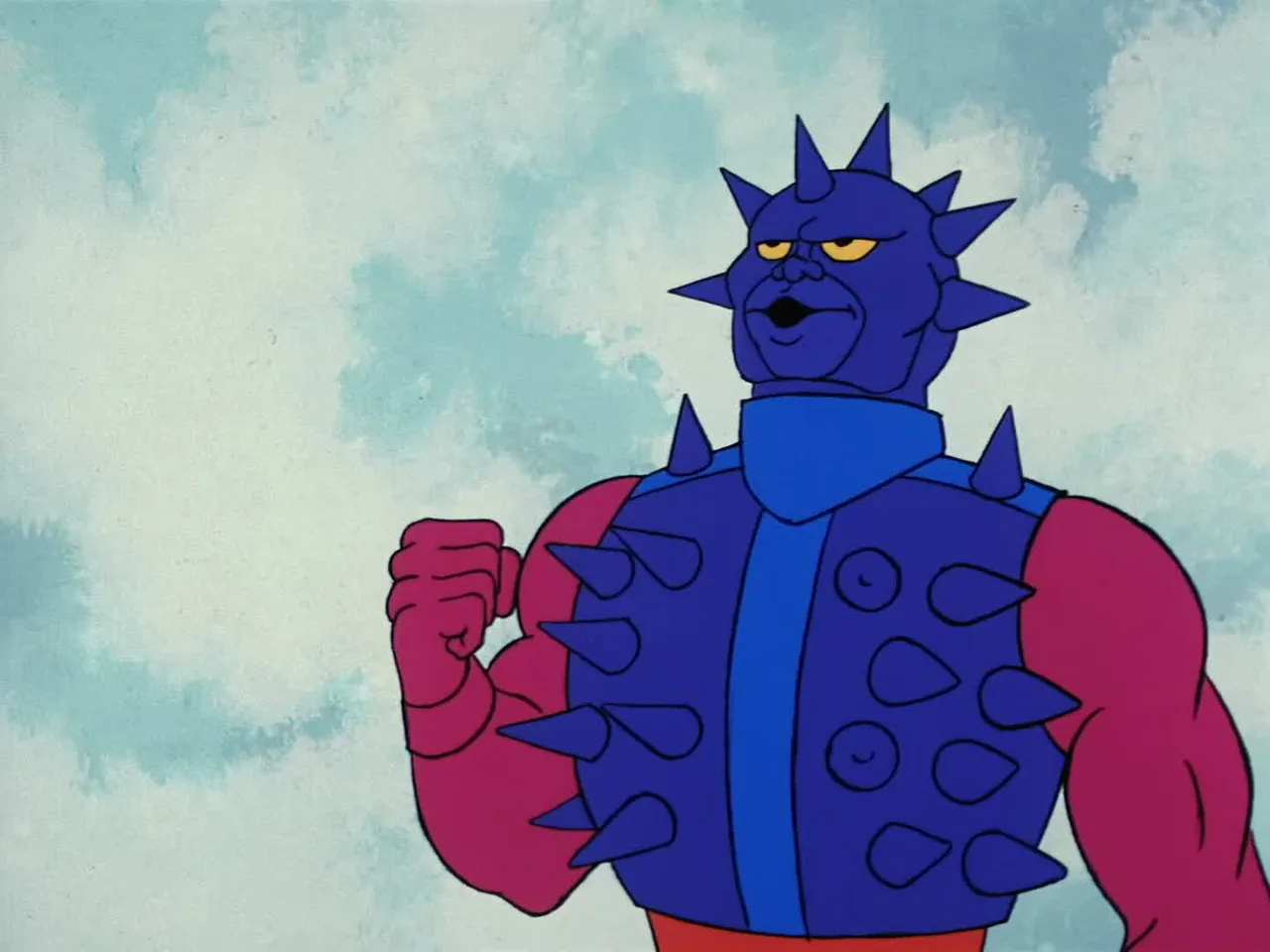
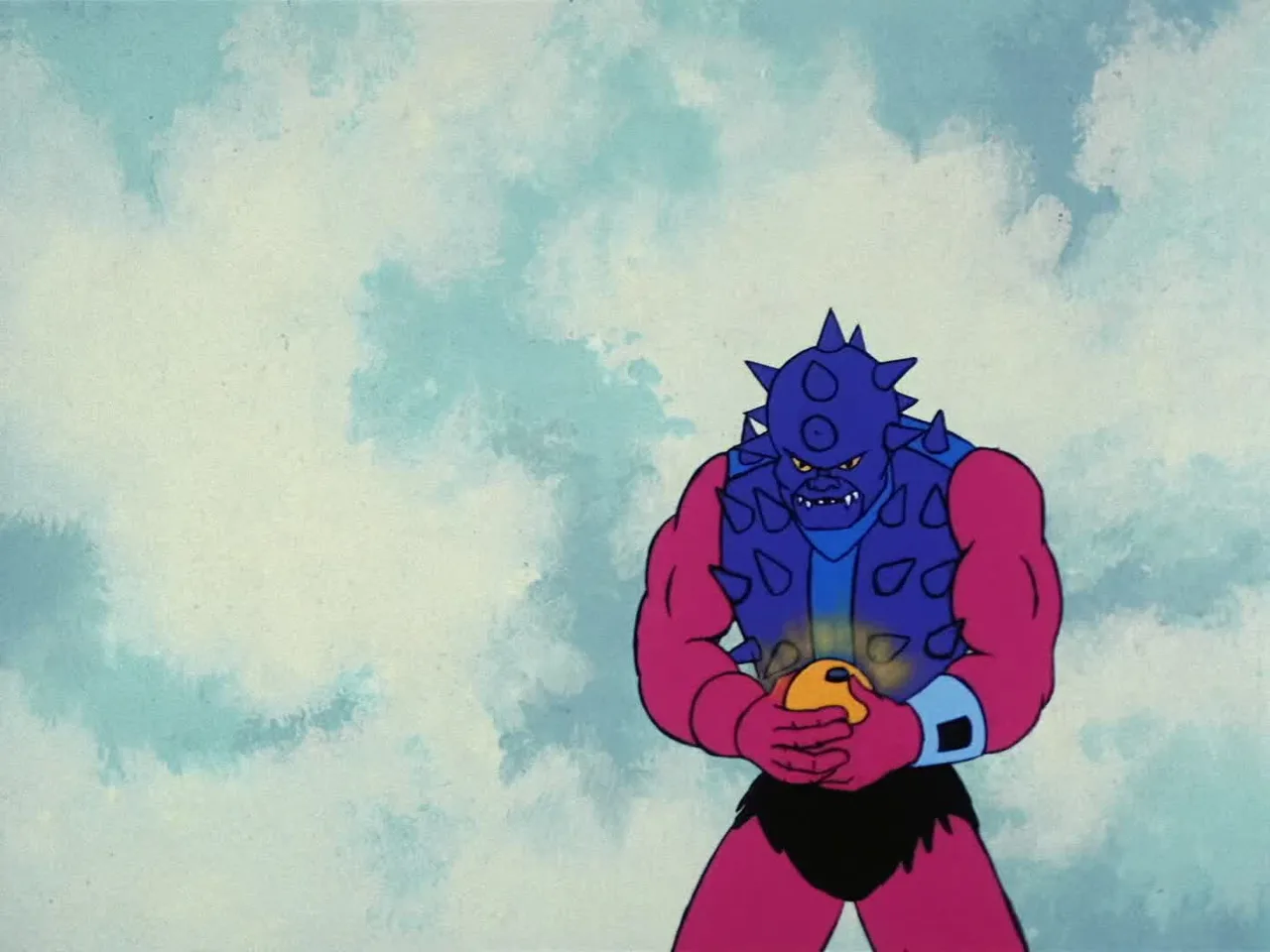
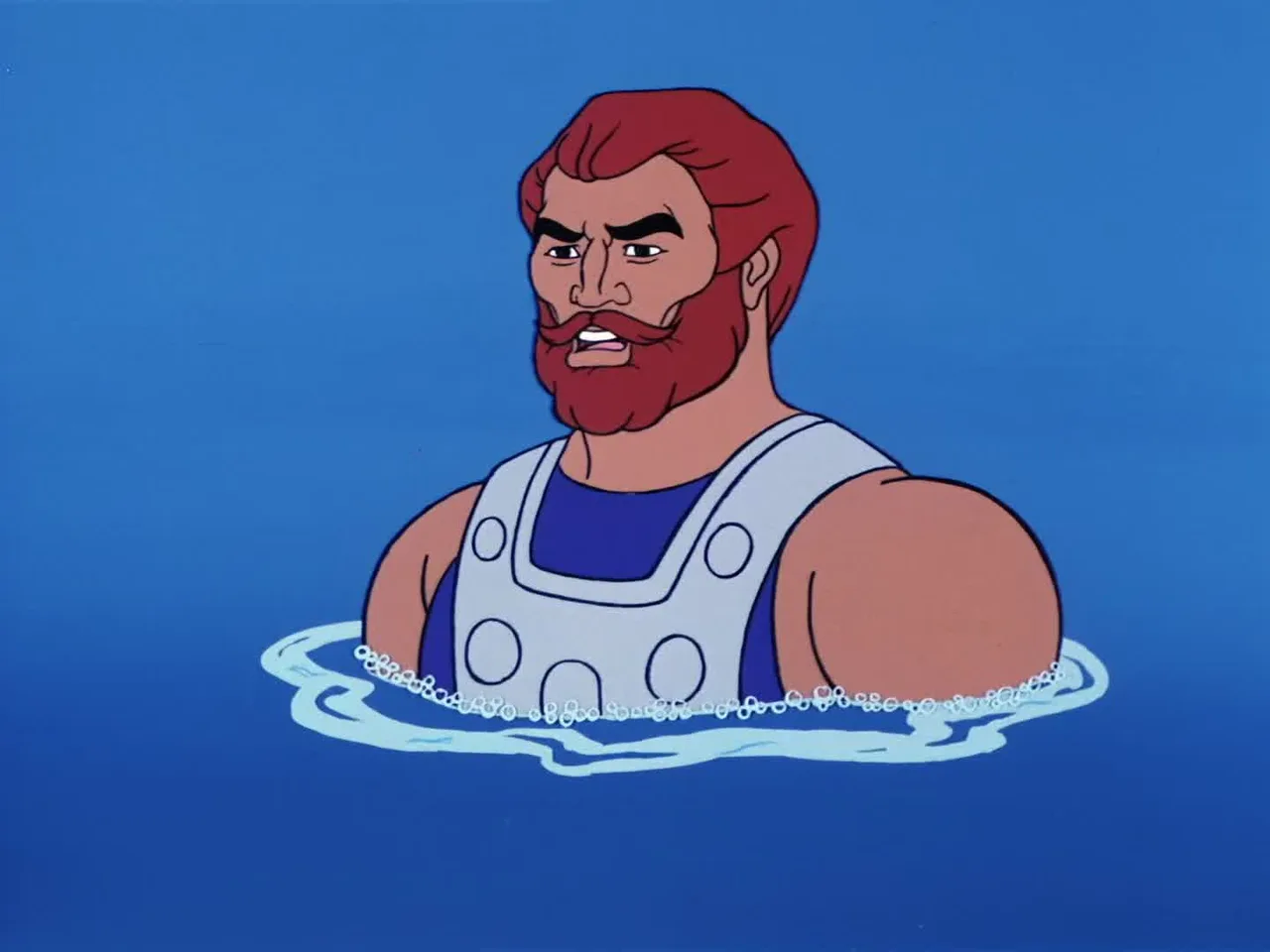
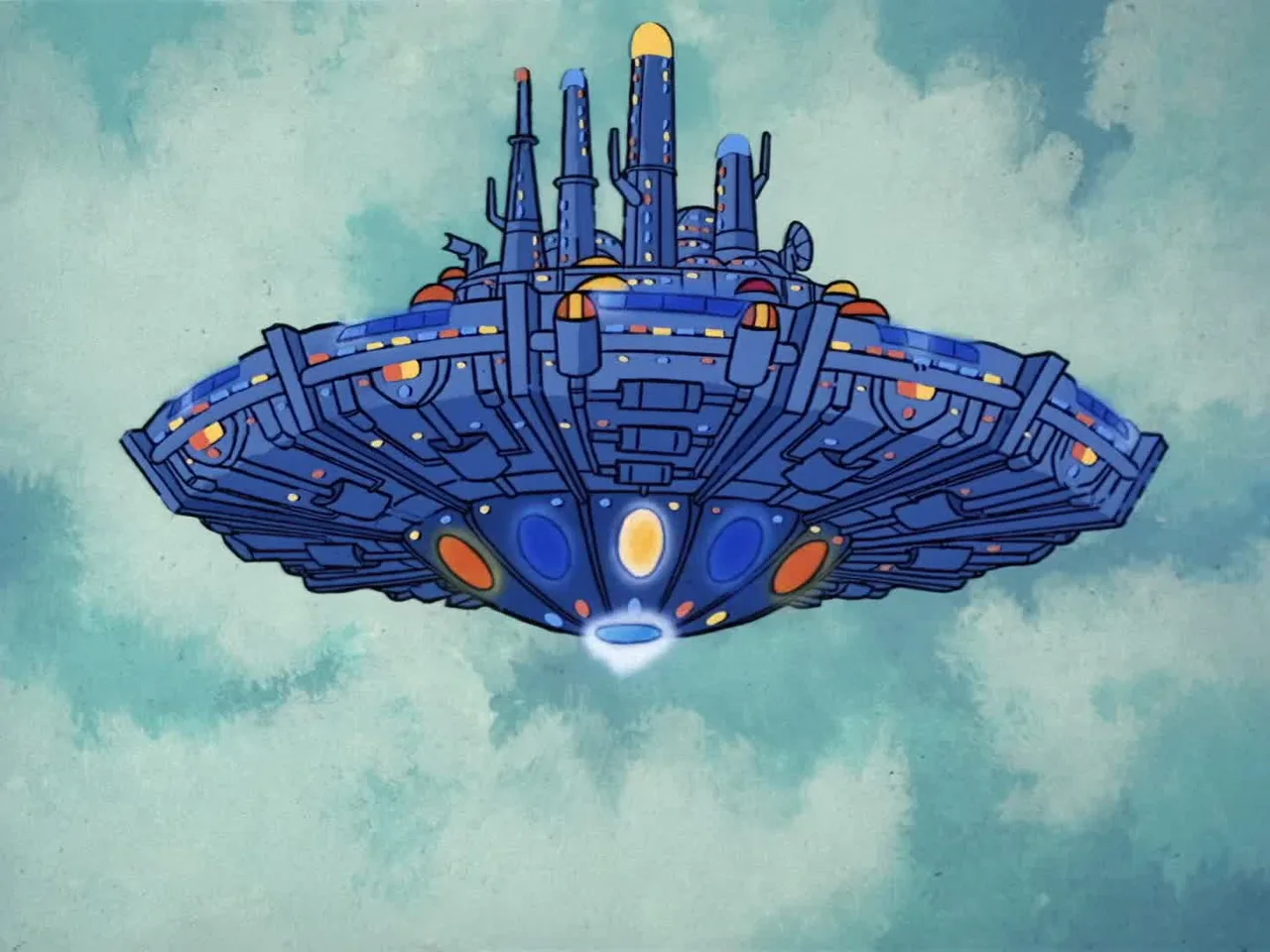
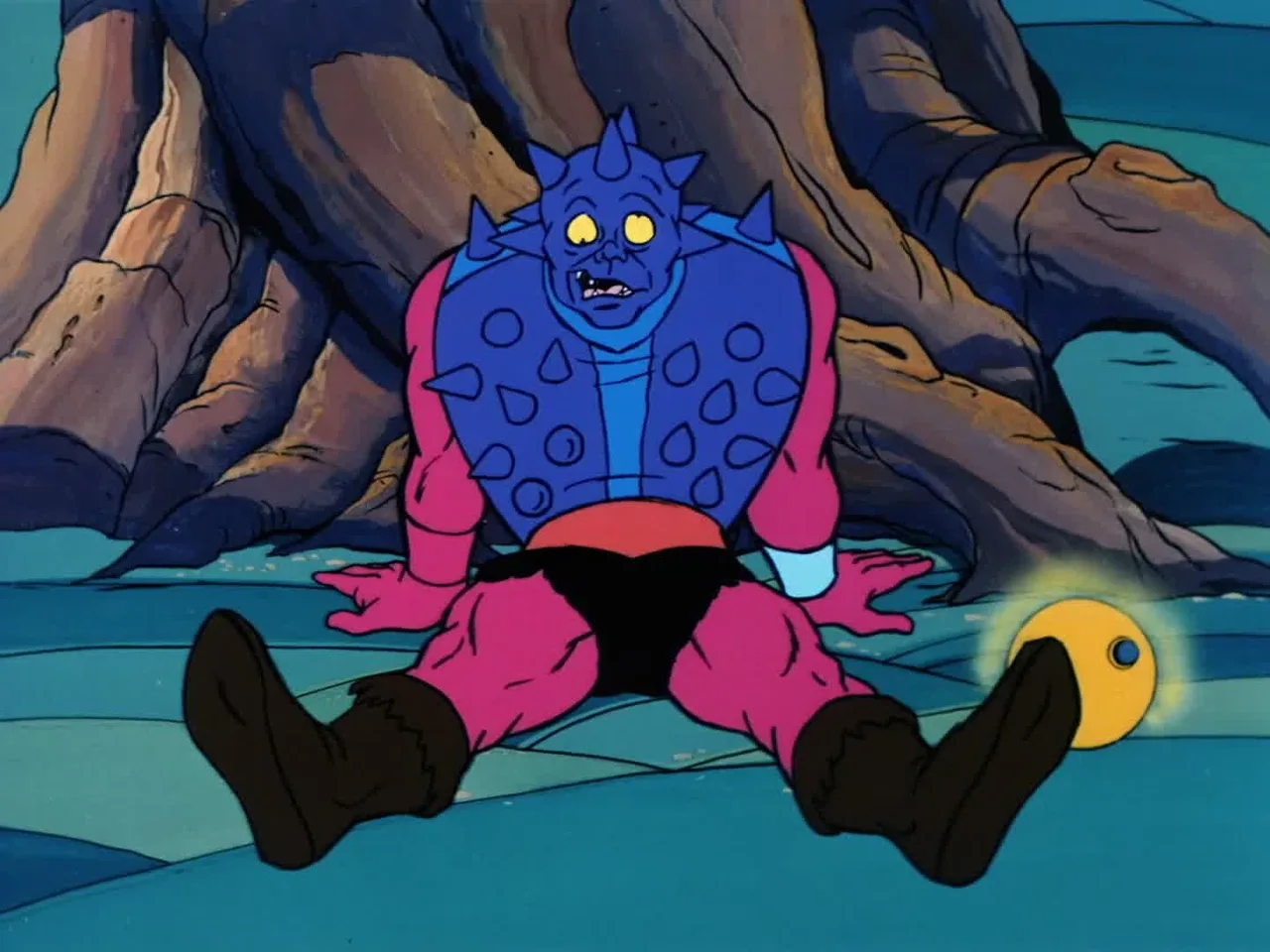
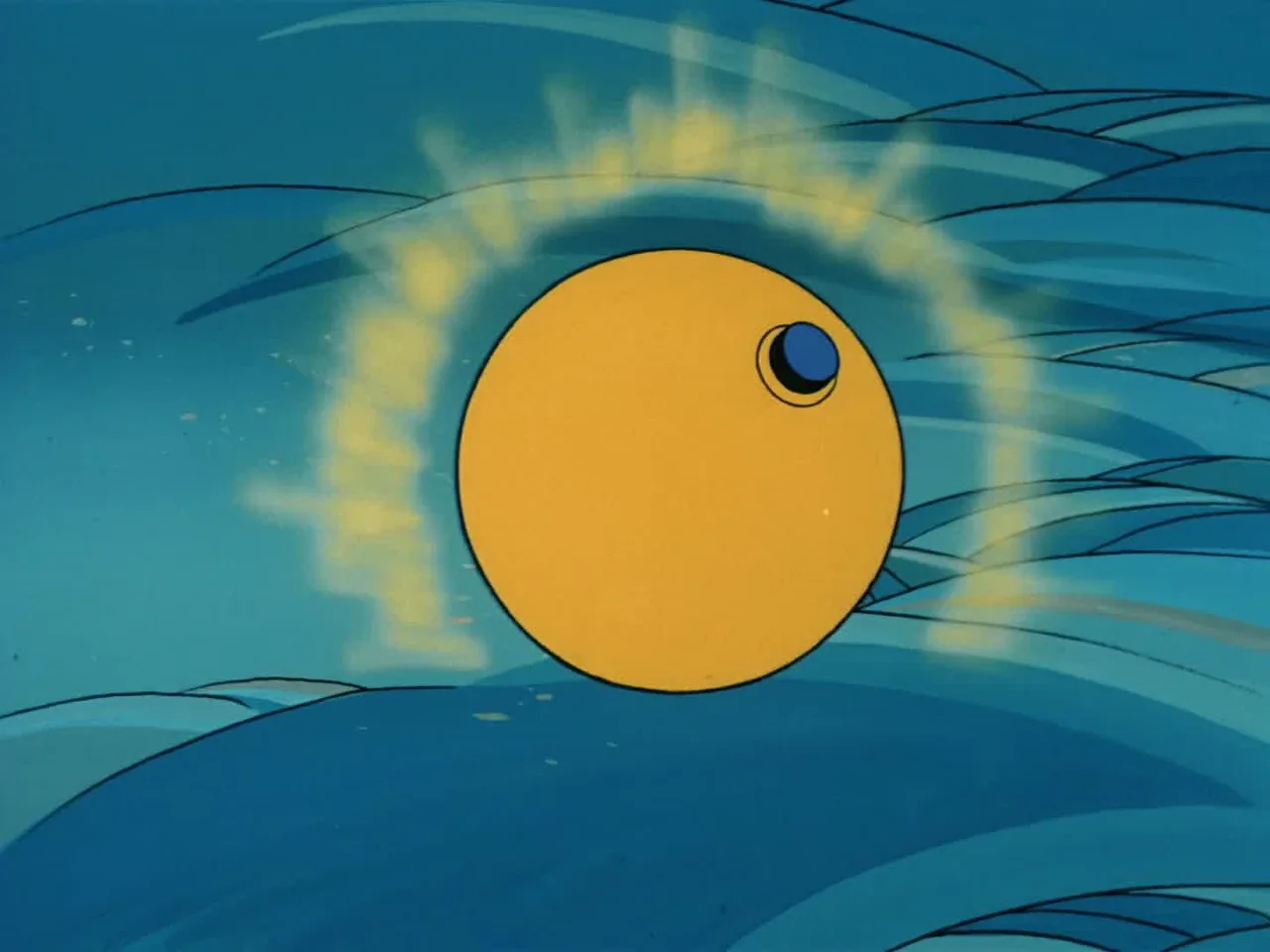
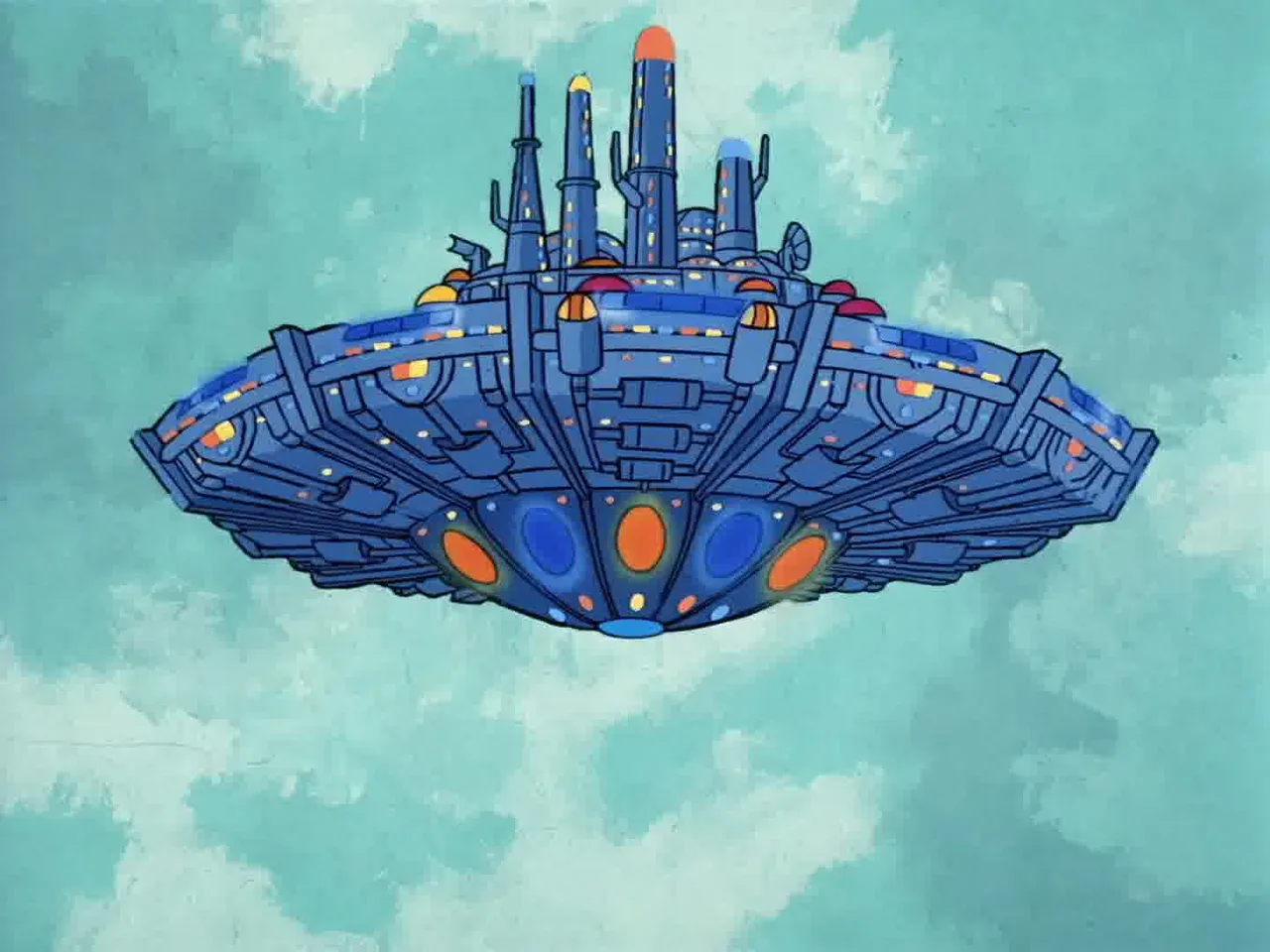
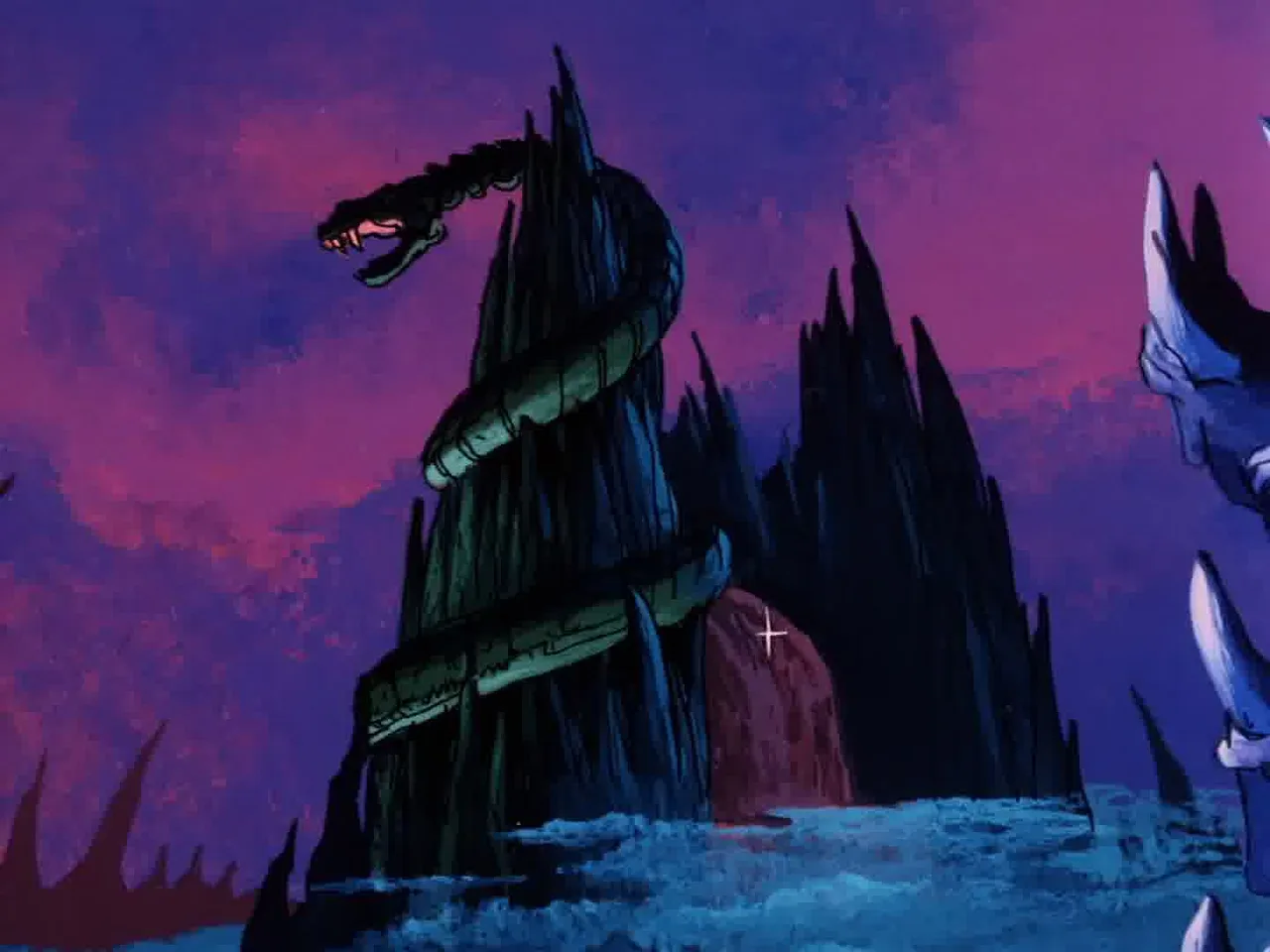
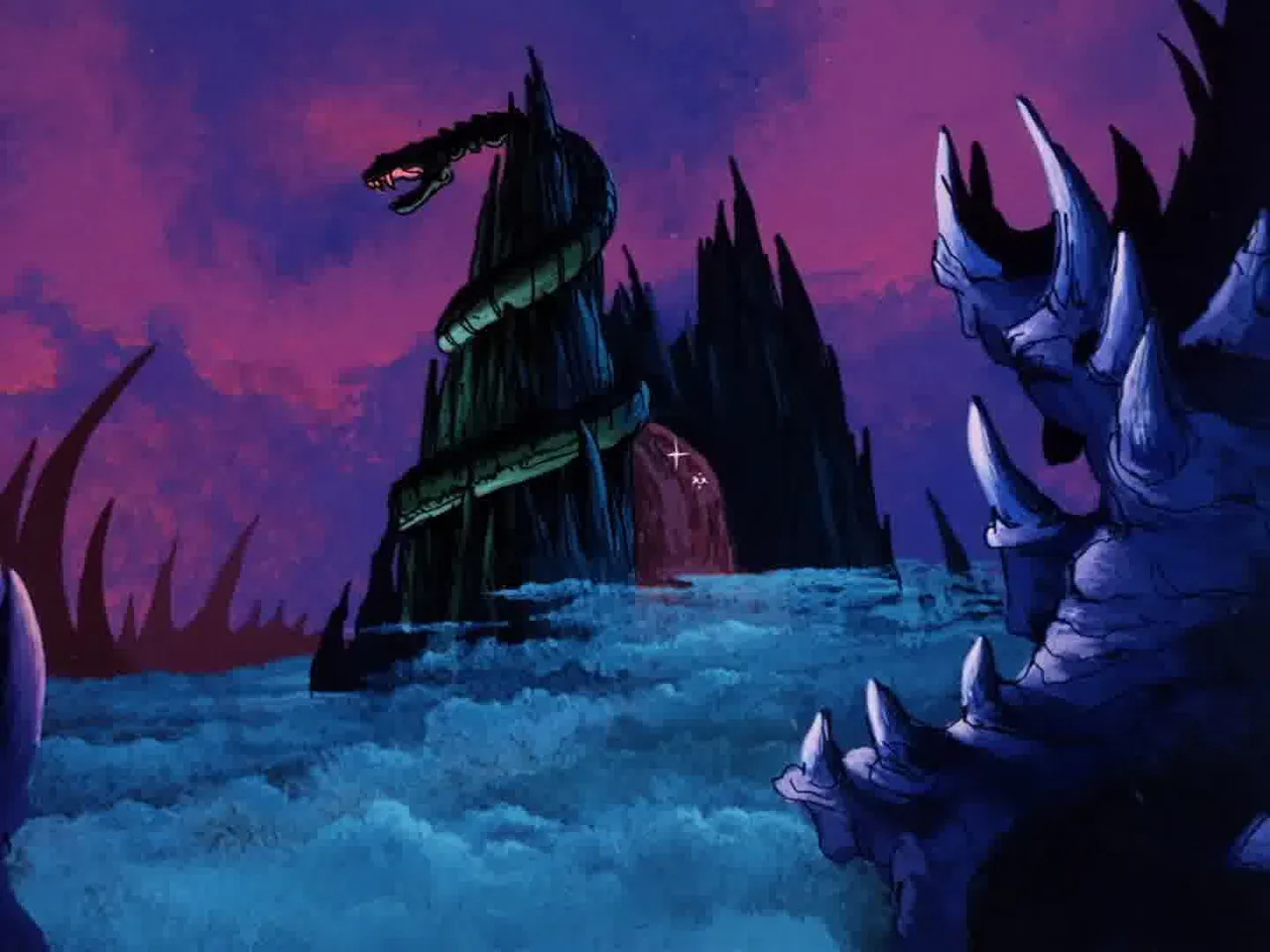
Fisto is chosen to represent the side of good in a series of games set by alien visitors called the Bendari, chosen over He-Man because their equipment cannot locate him. Skeletor's evil-gizer selects Spikor to represent evil, with Mer-Man and Beast Man helping him cheat. When Fisto is hurt, He-Man takes his place and has to make up a 2,000-point deficit while playing by the rules.
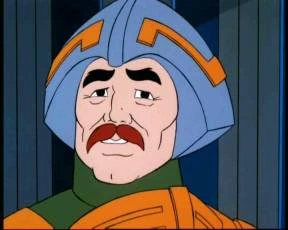
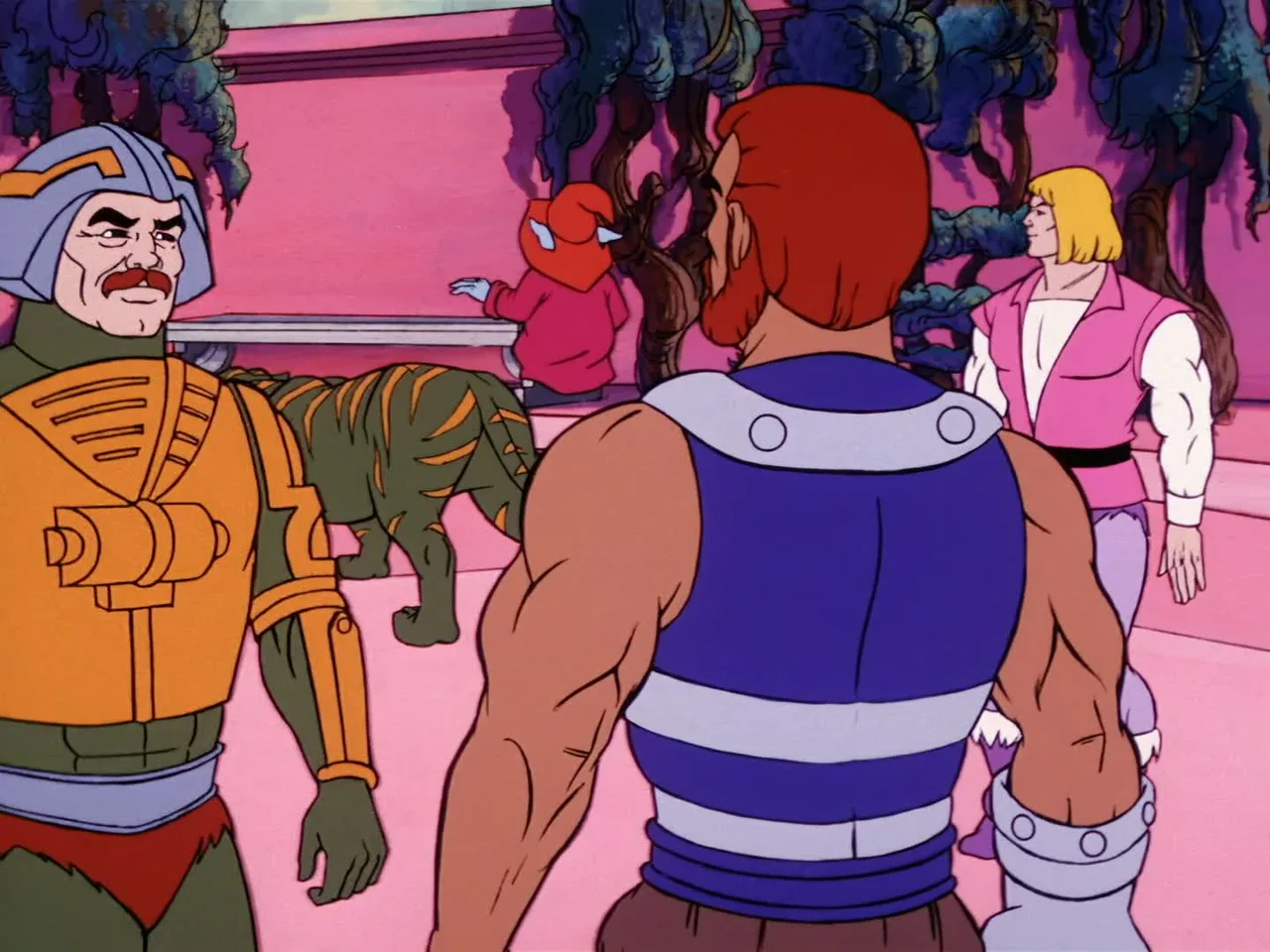
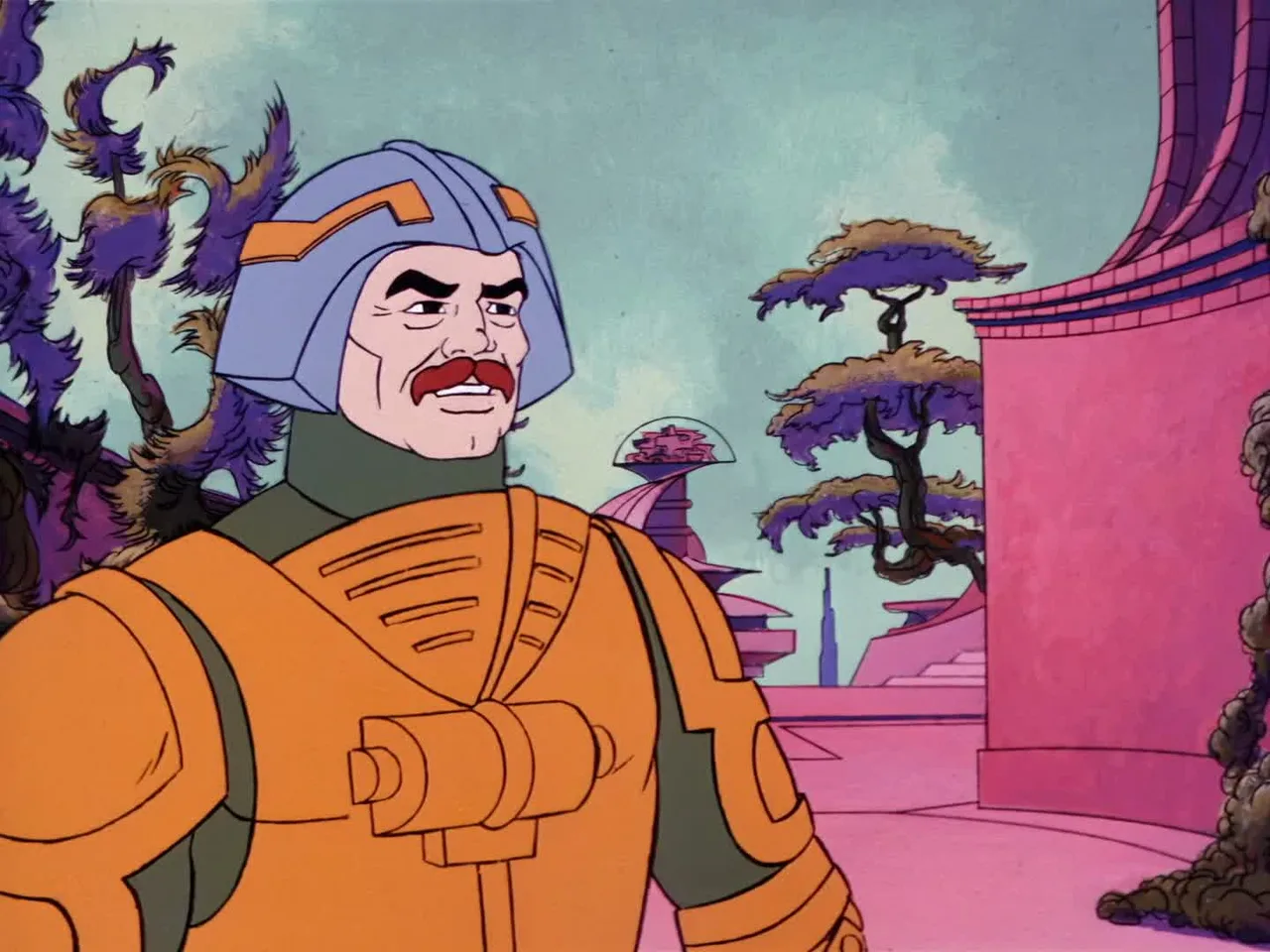
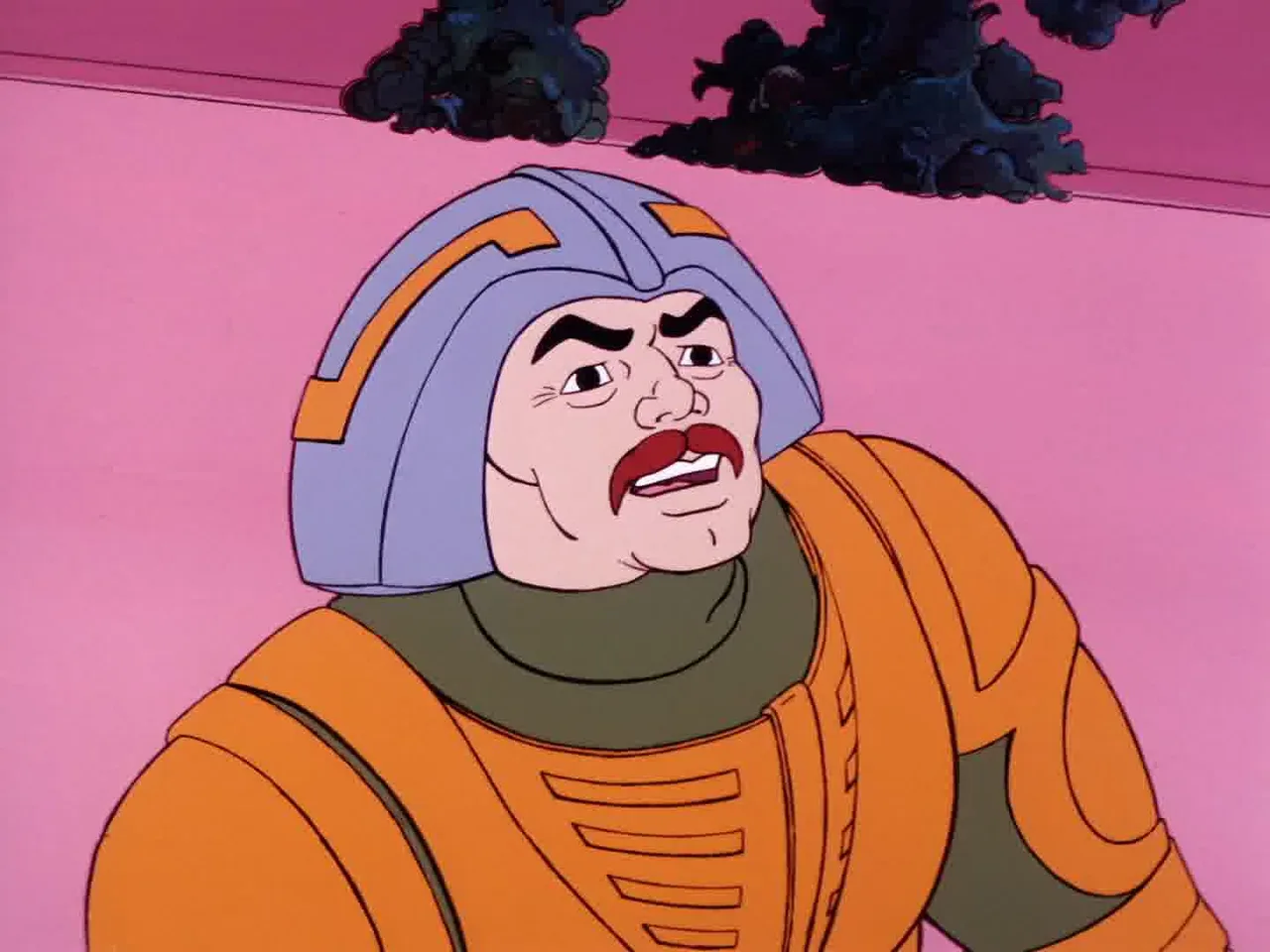
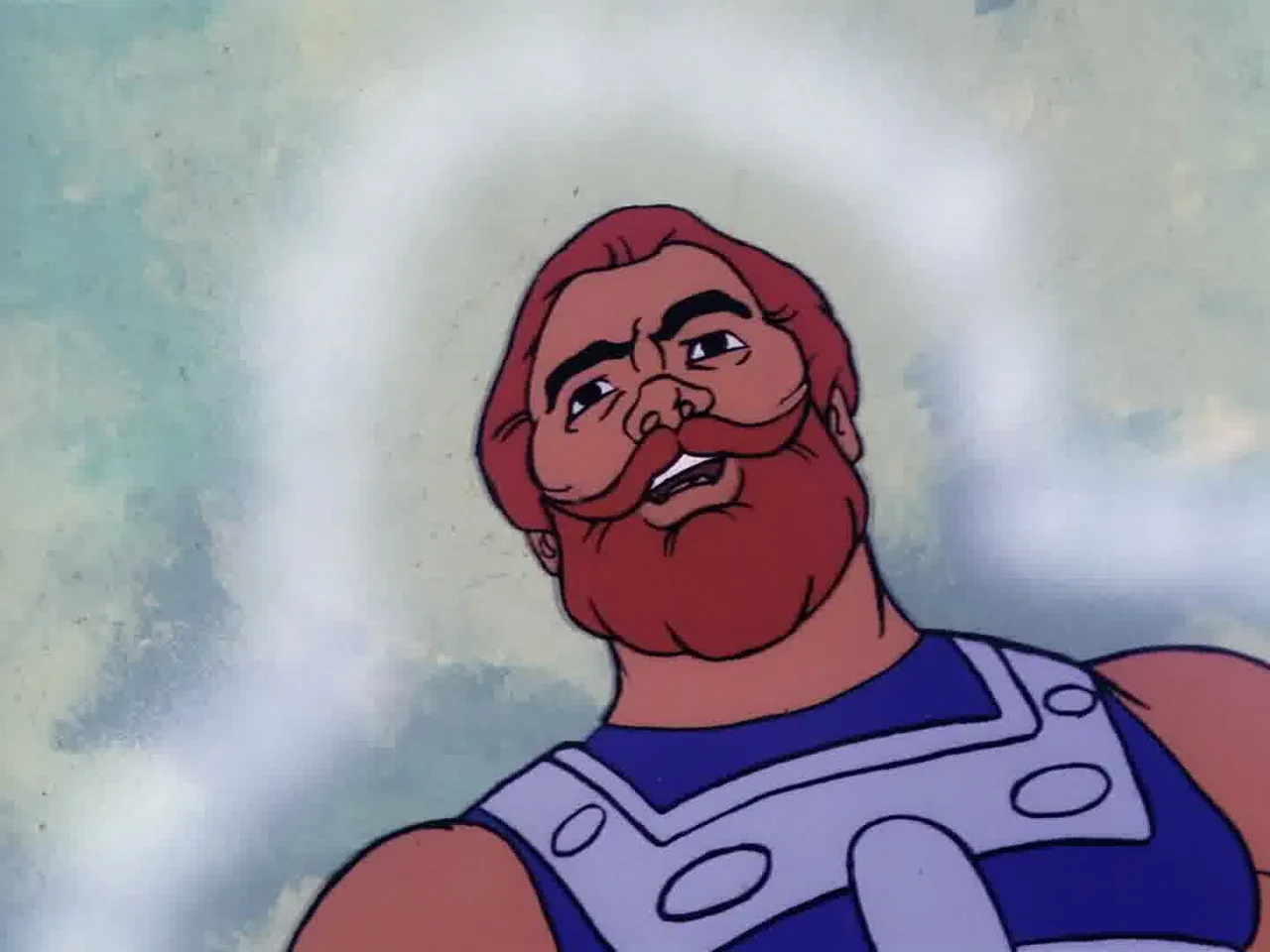
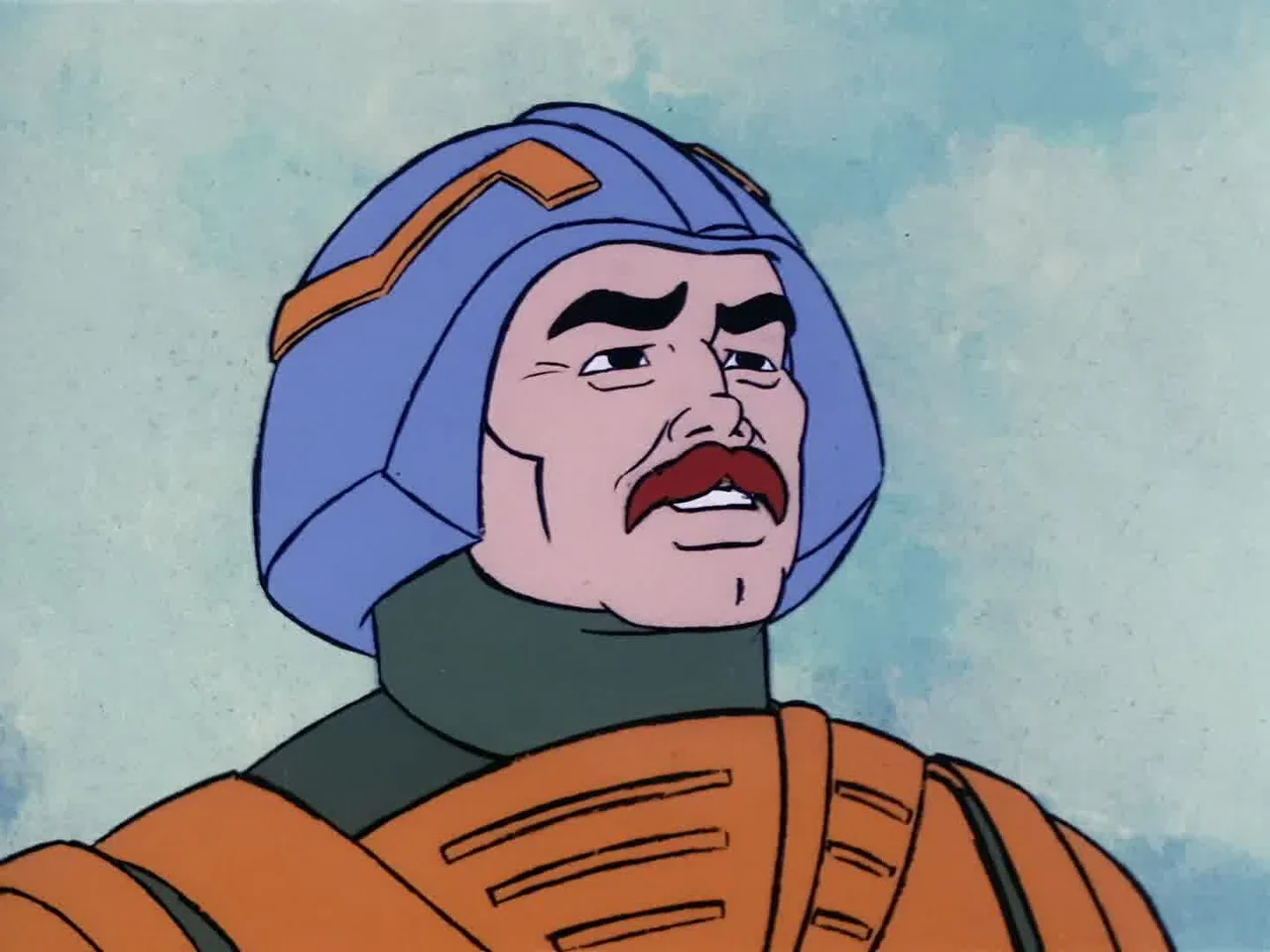
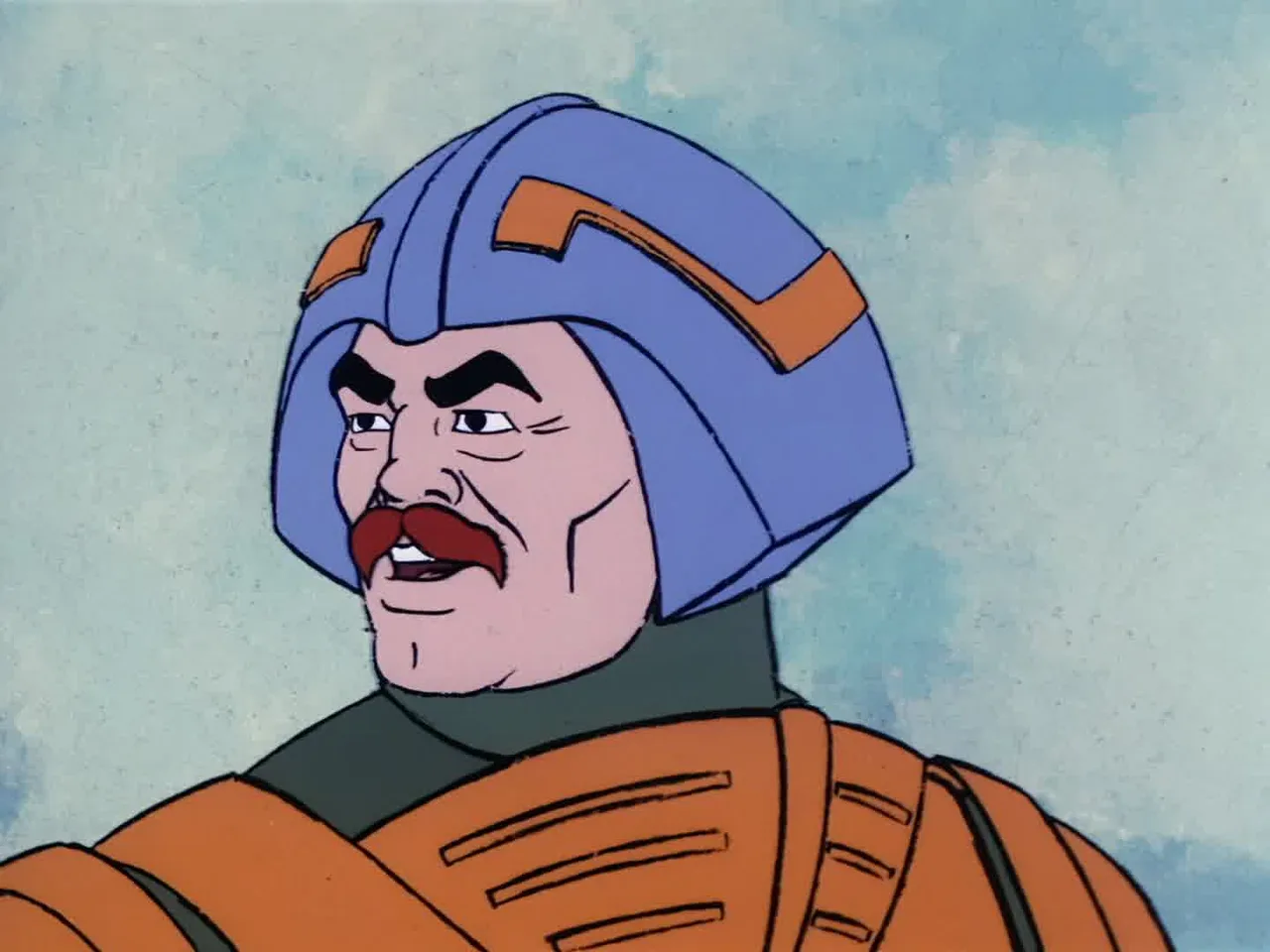
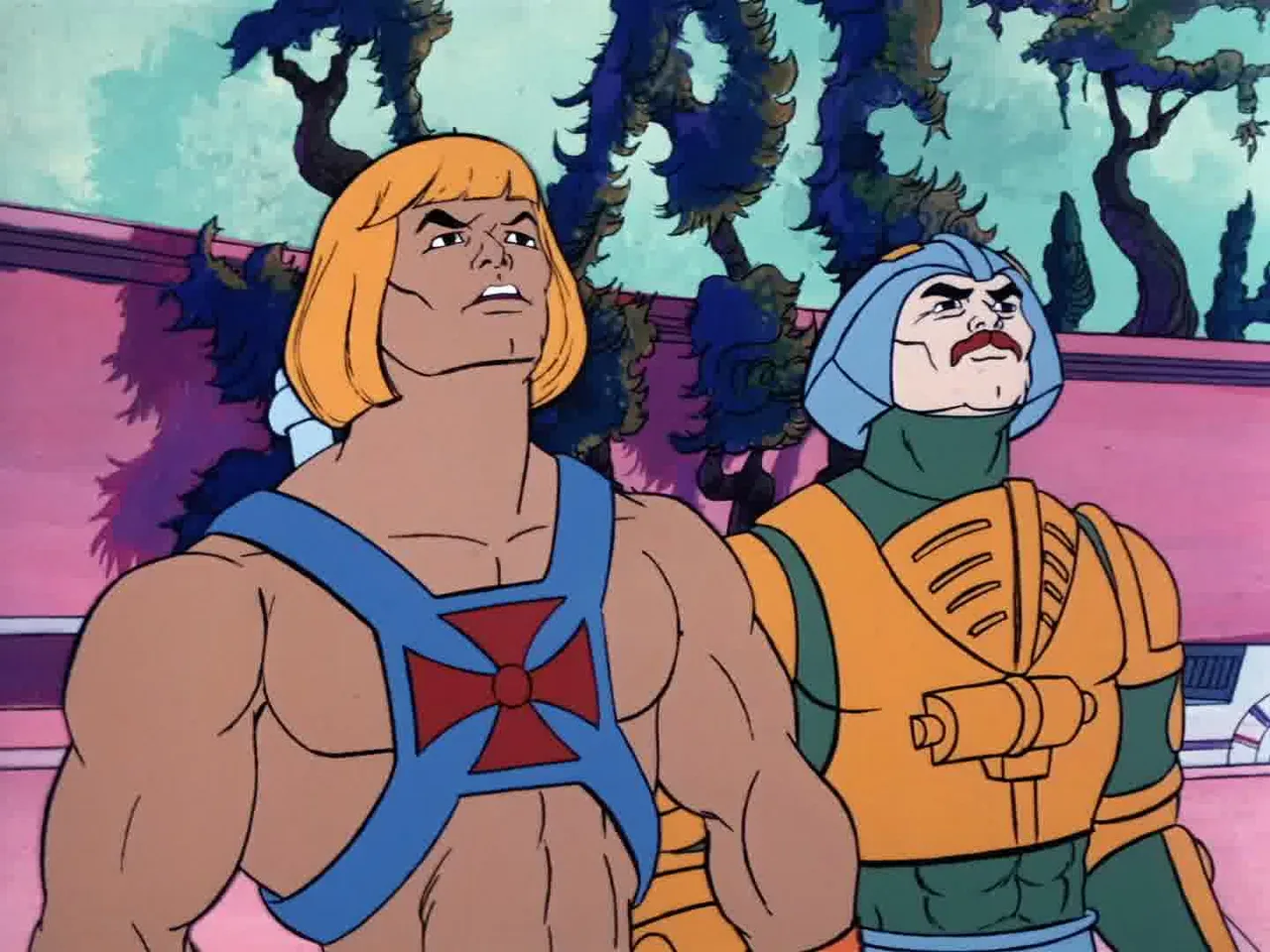
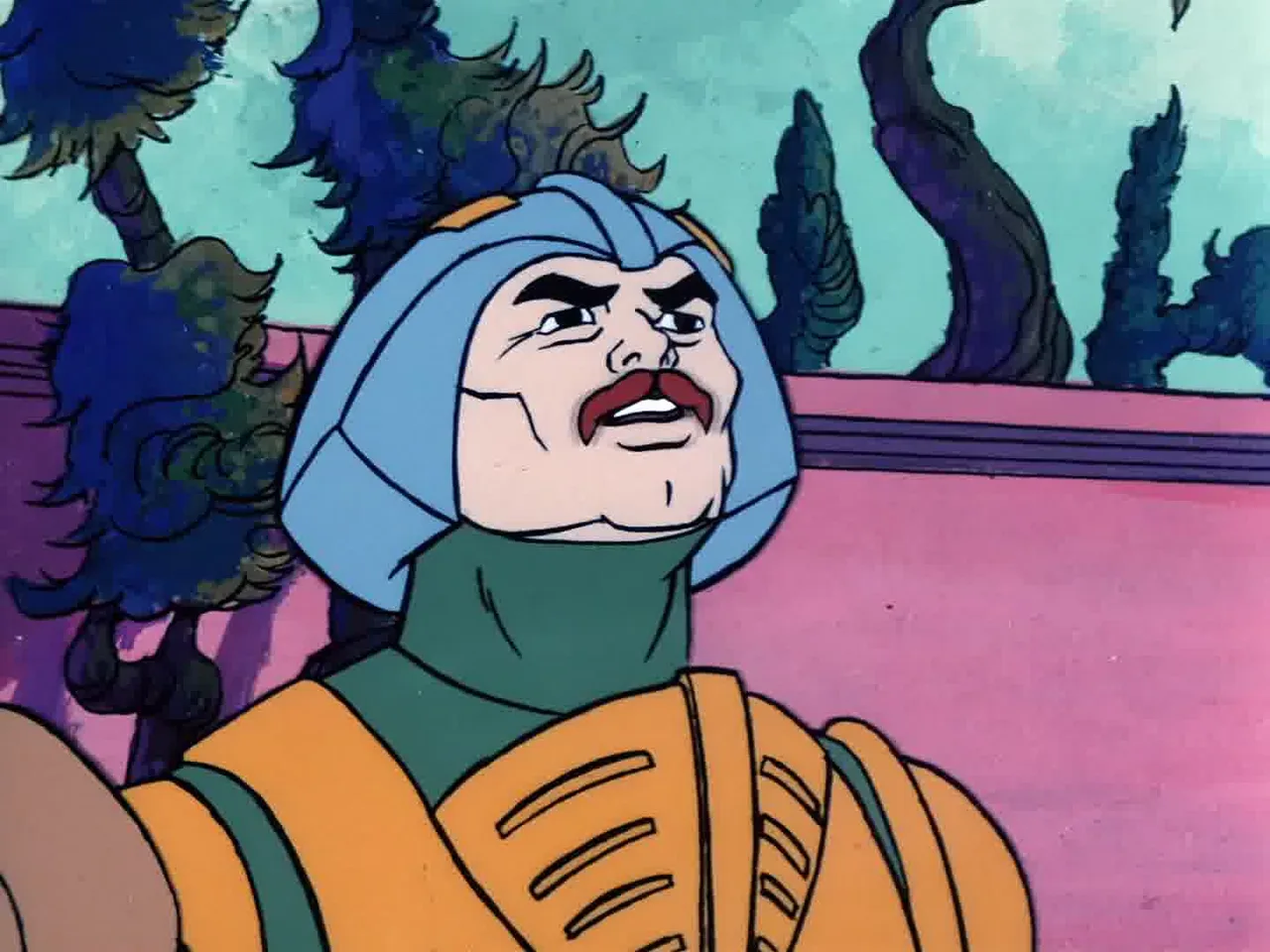
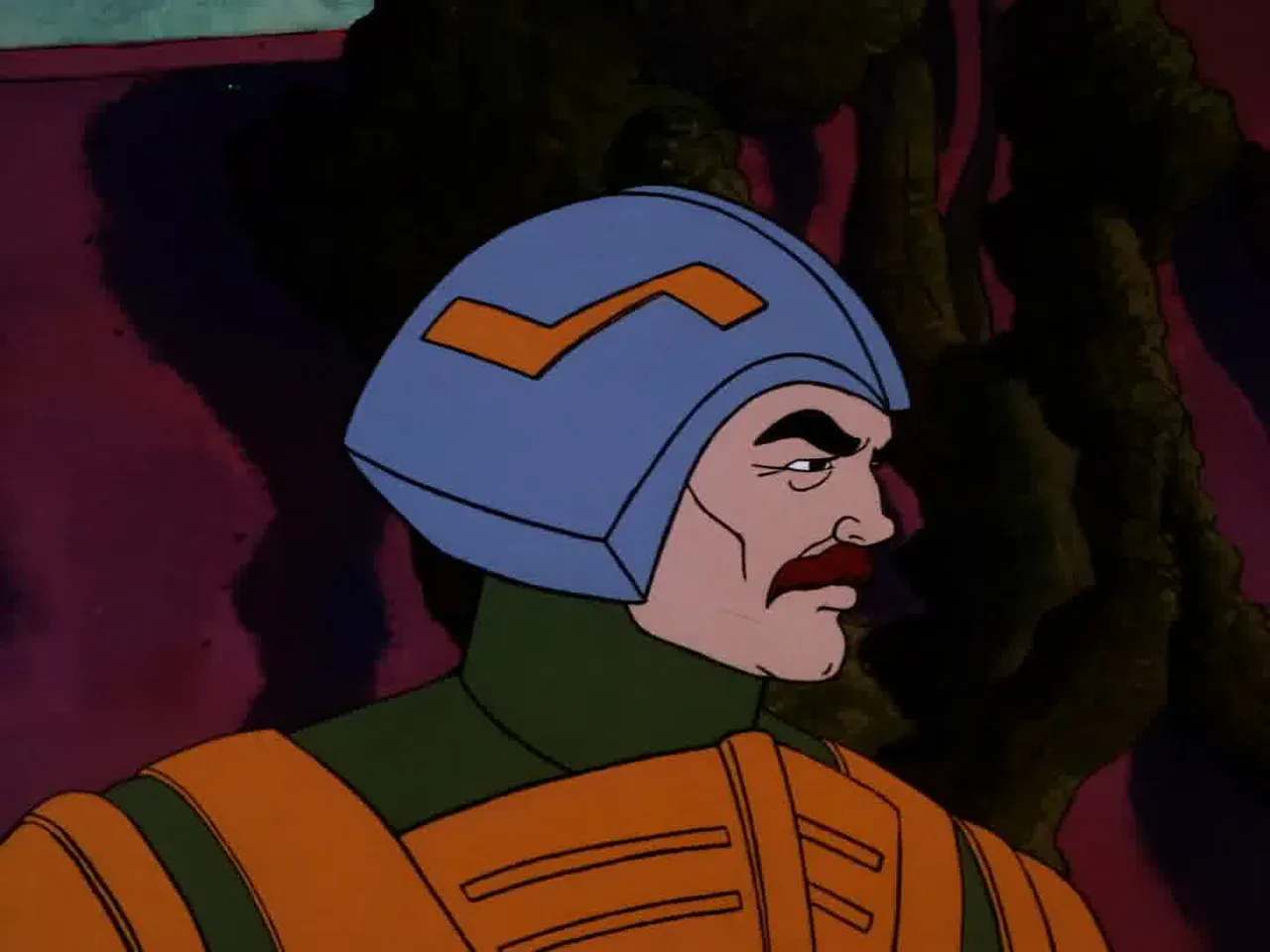
Man-At-Arms: "Today we learned about the value of trying, even when the odds are against you. Sometimes when people around us aren't playing by the rules or the job seems too big, it's easy to become discouraged. But that's when you really have to stick with it and keep trying, because that's how winners are born. So whether you're playing a game or doing your schoolwork, no matter how far behind you think you are, don't give up. Remember, you can't win if you don't try. See you next time."
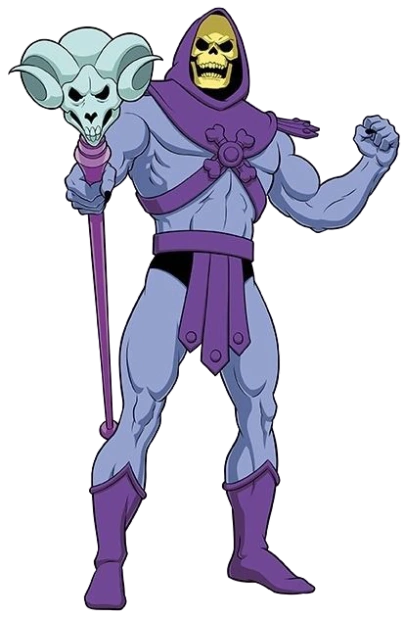
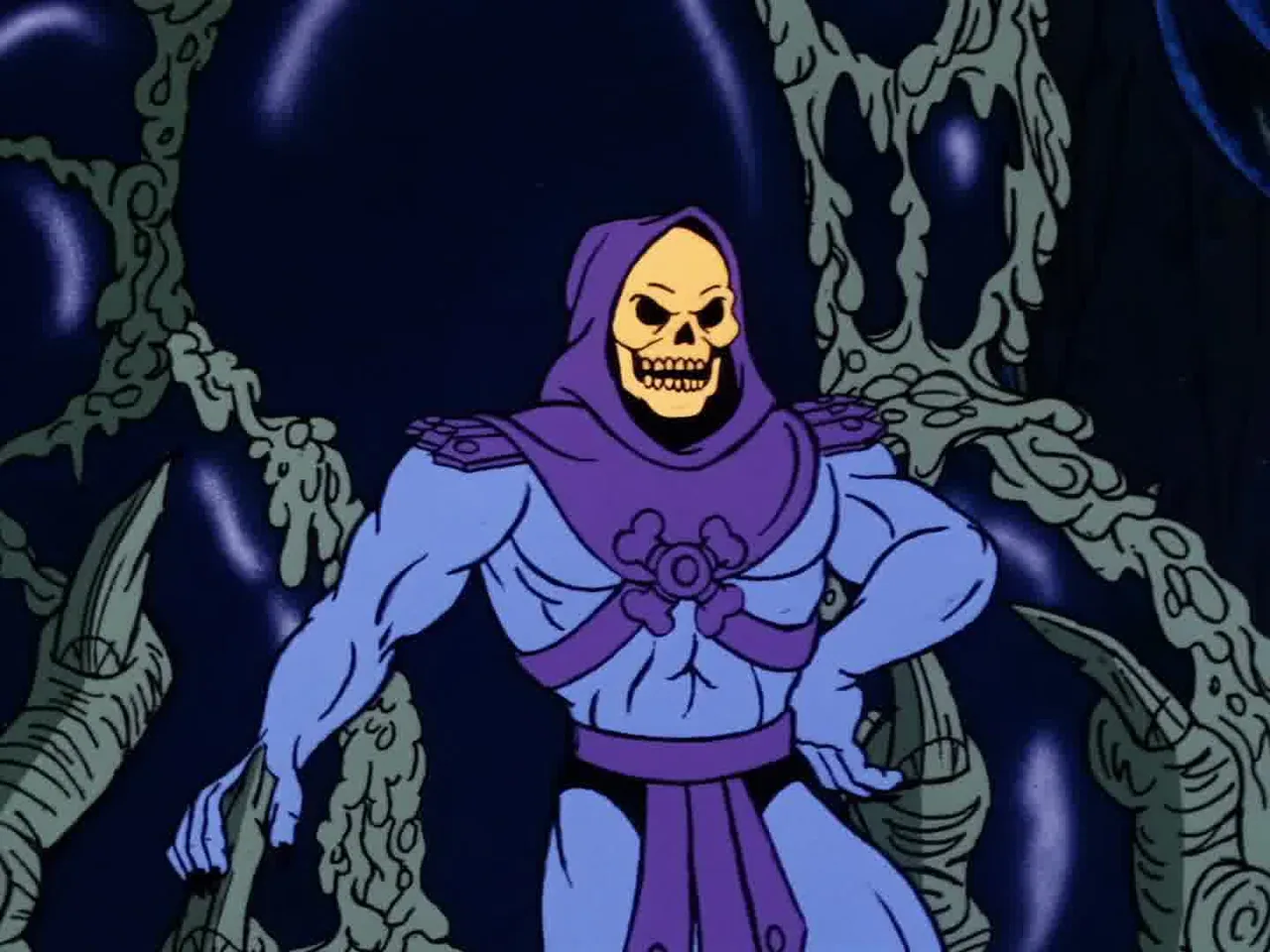
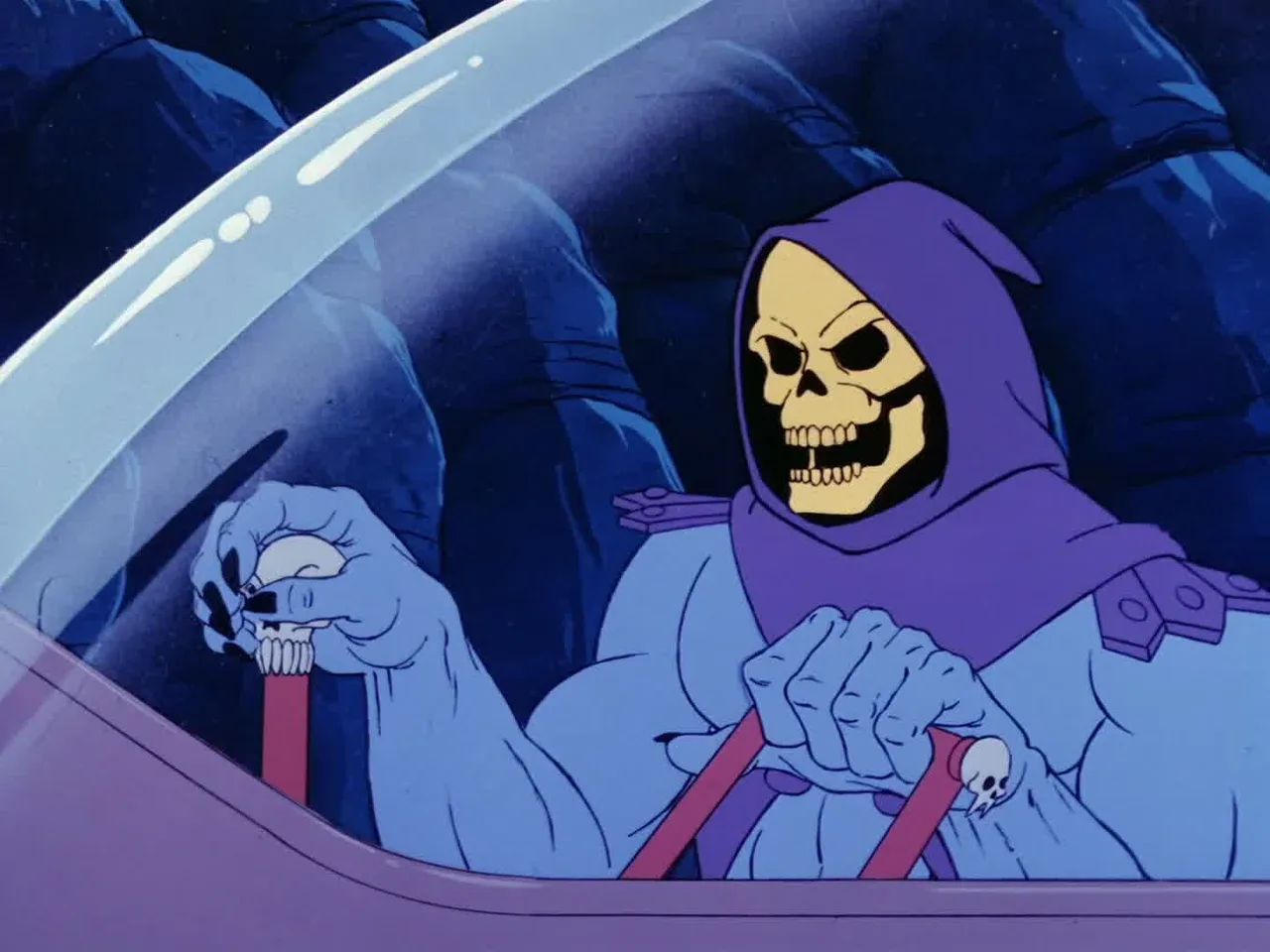
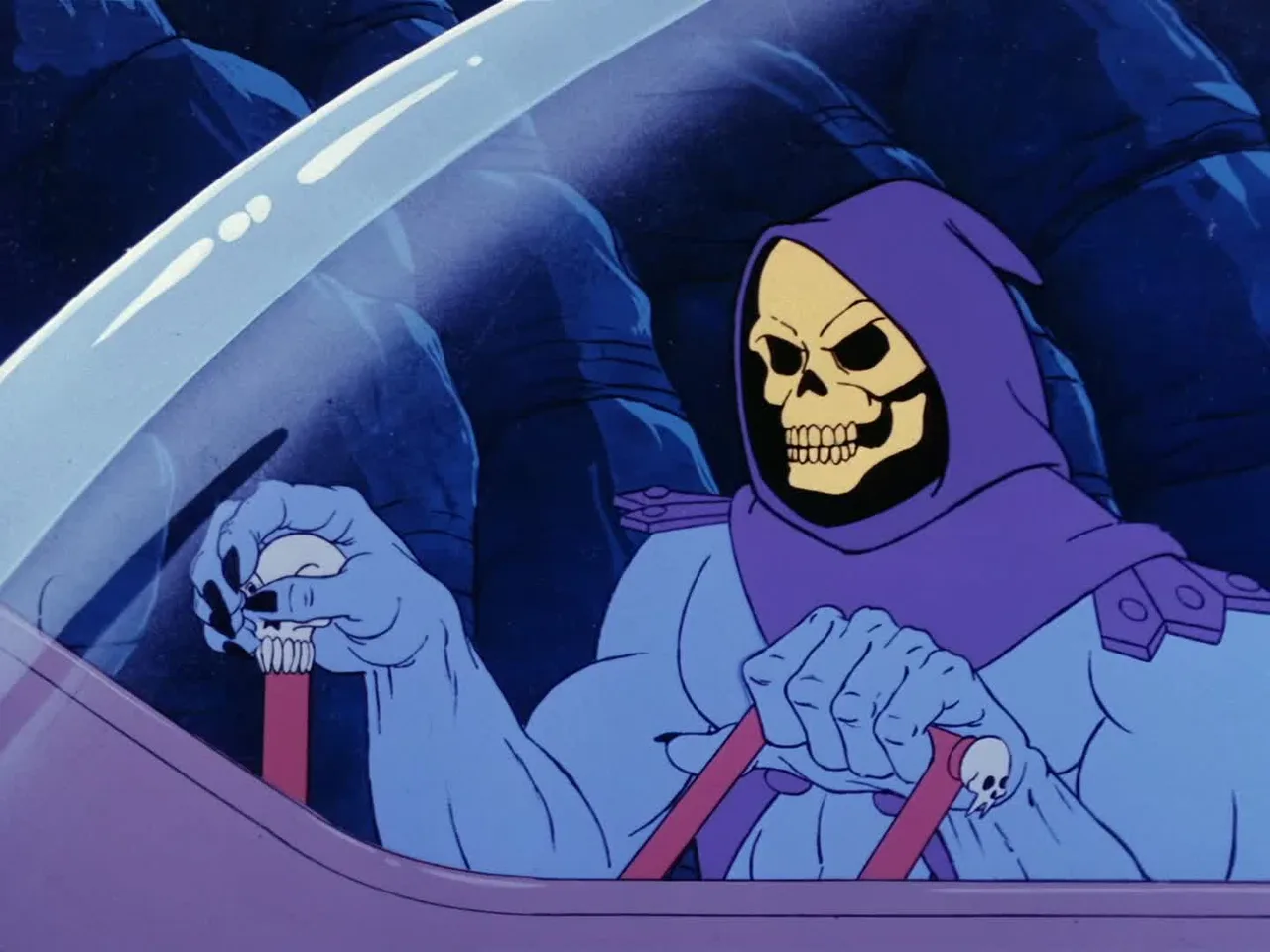
Skeletor: "I hate losing!"
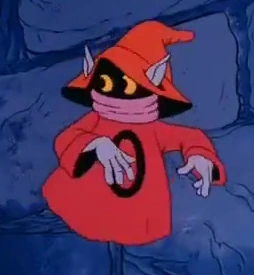
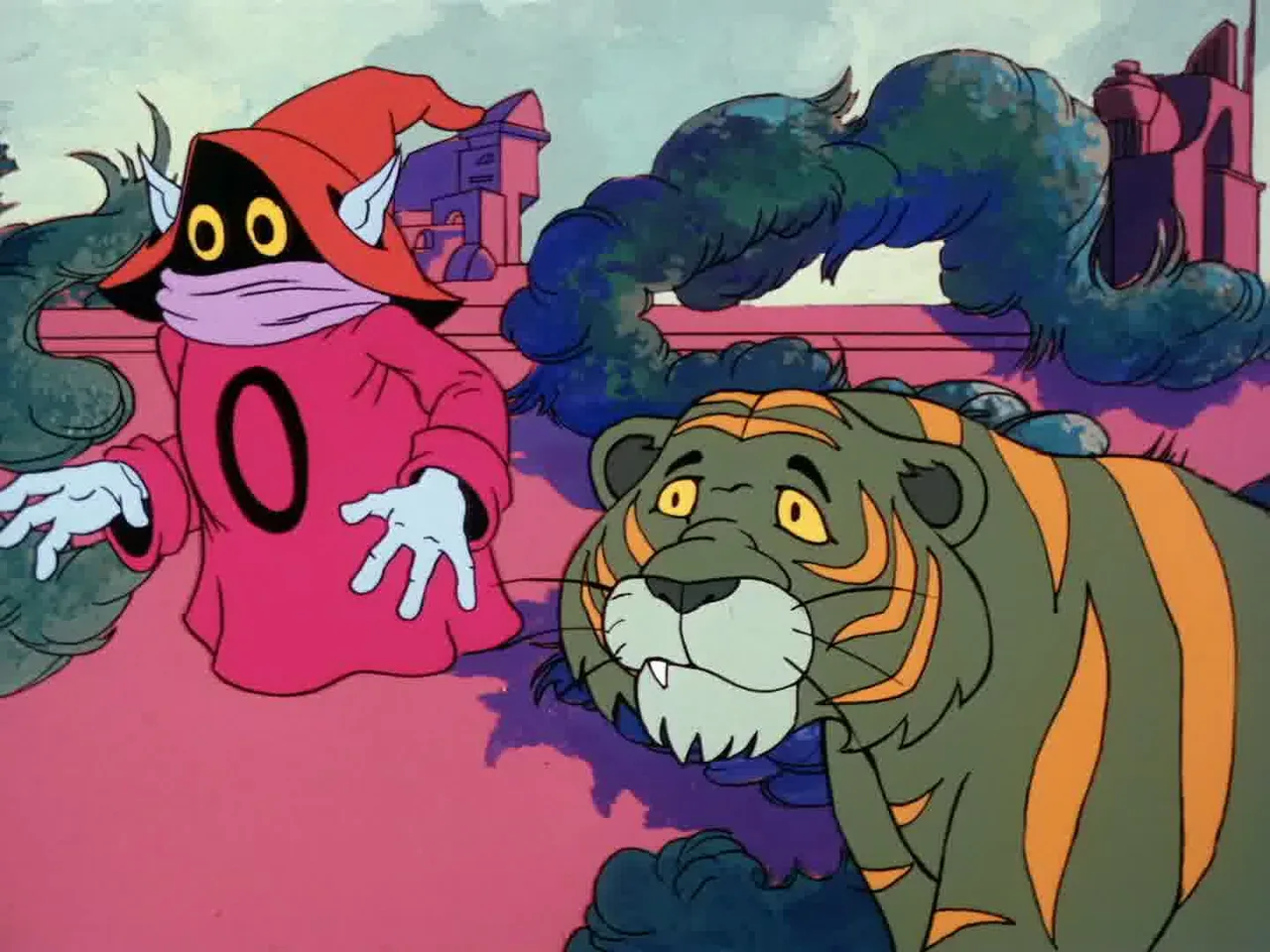
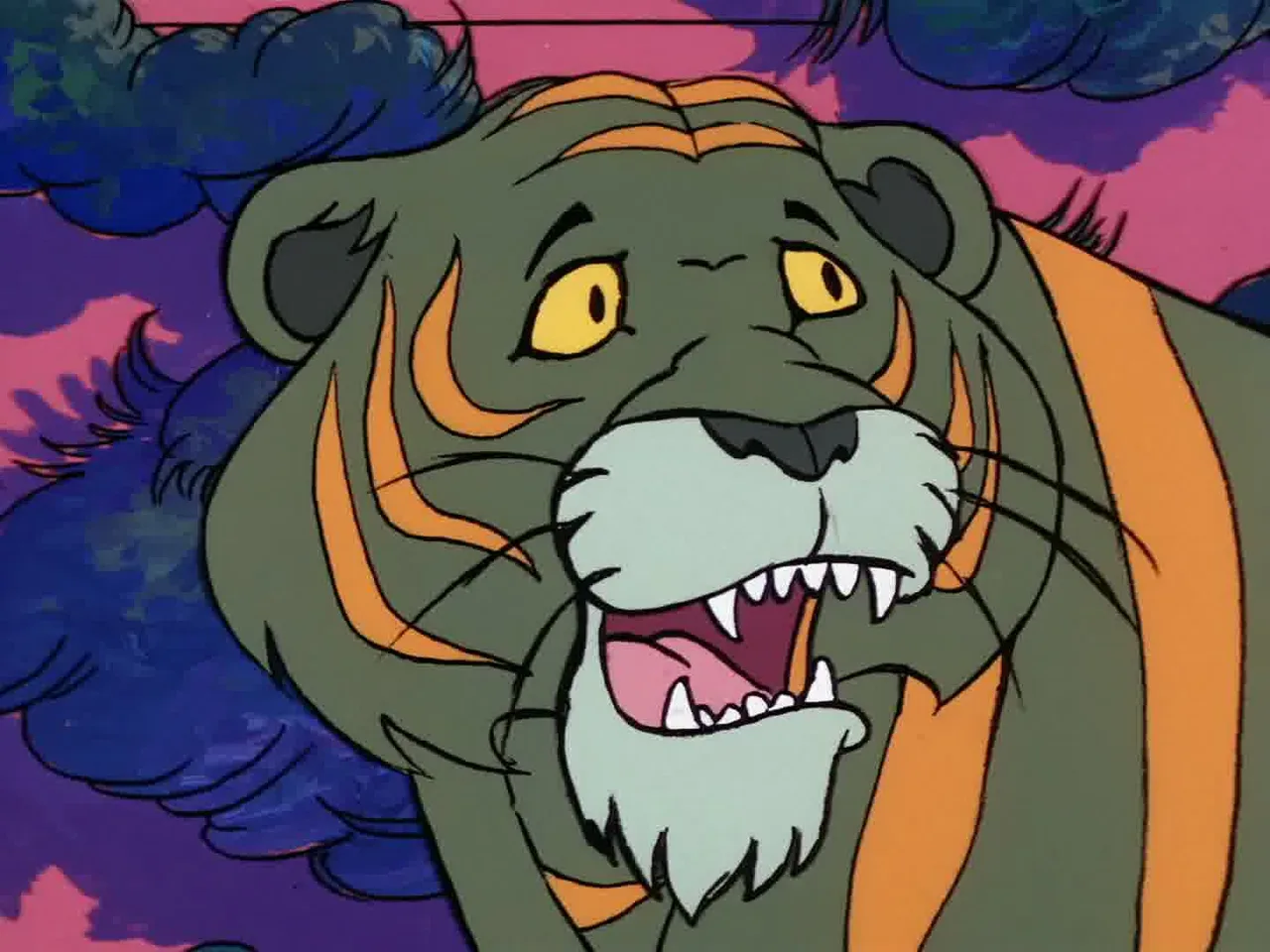
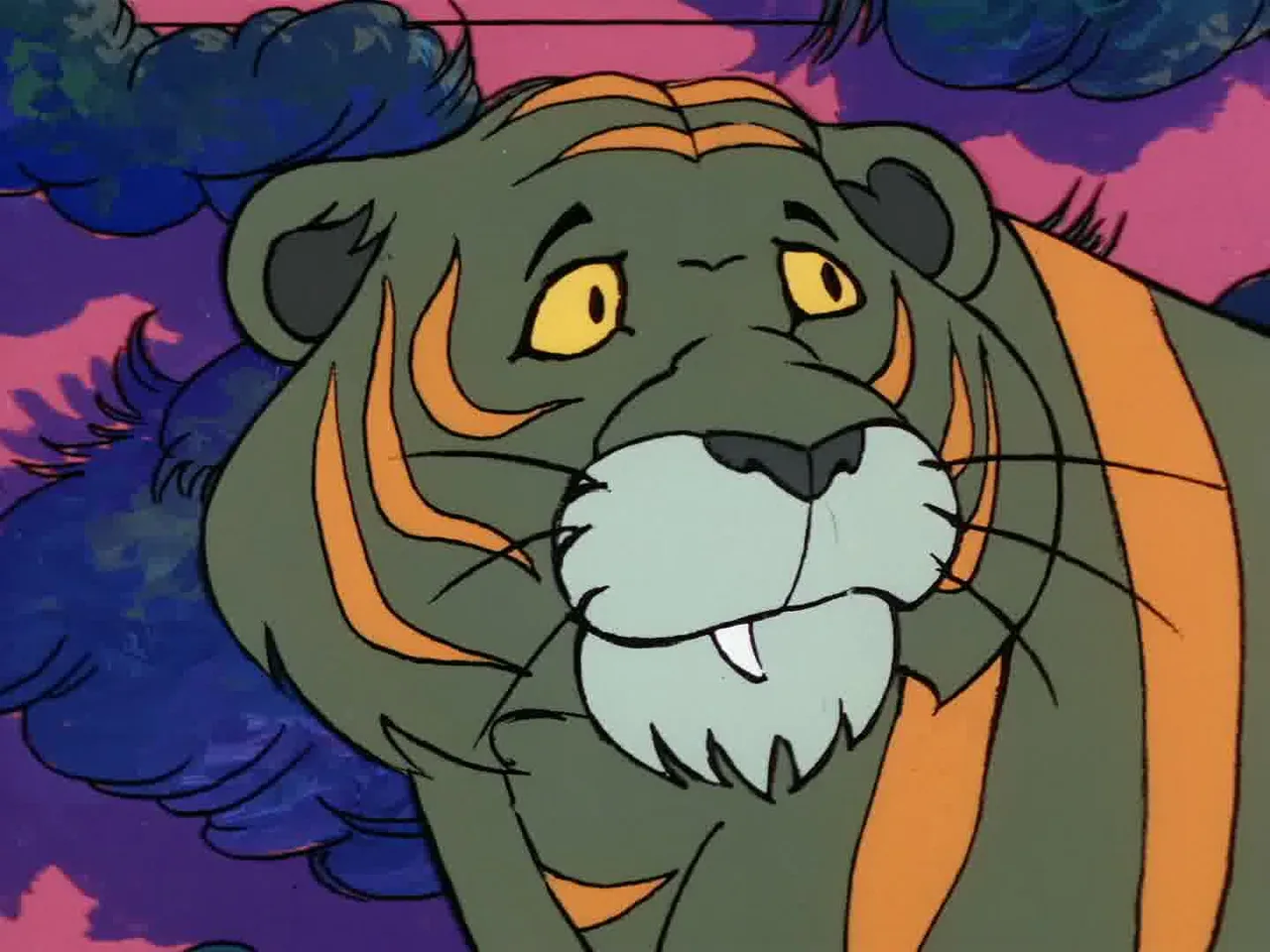
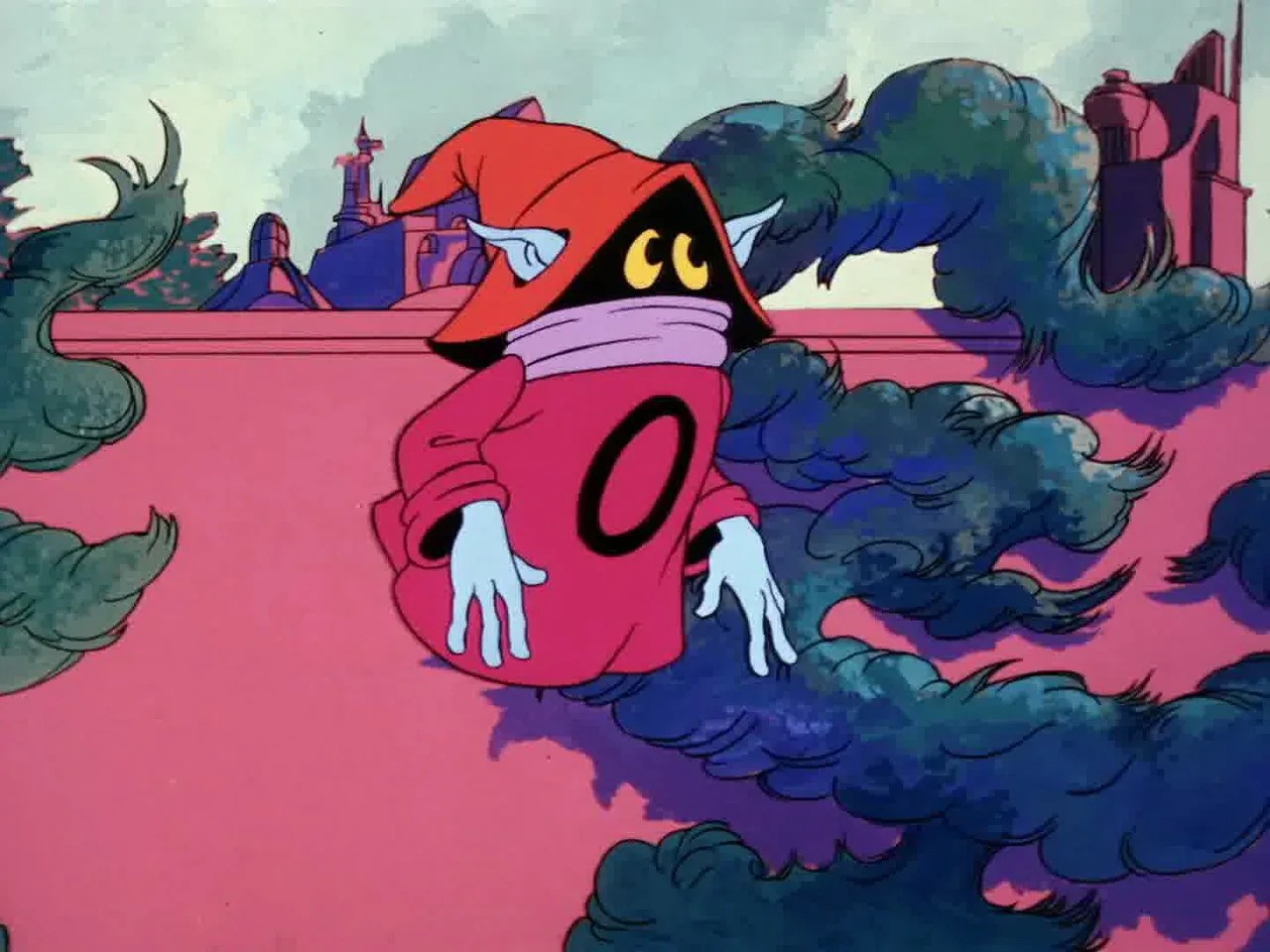
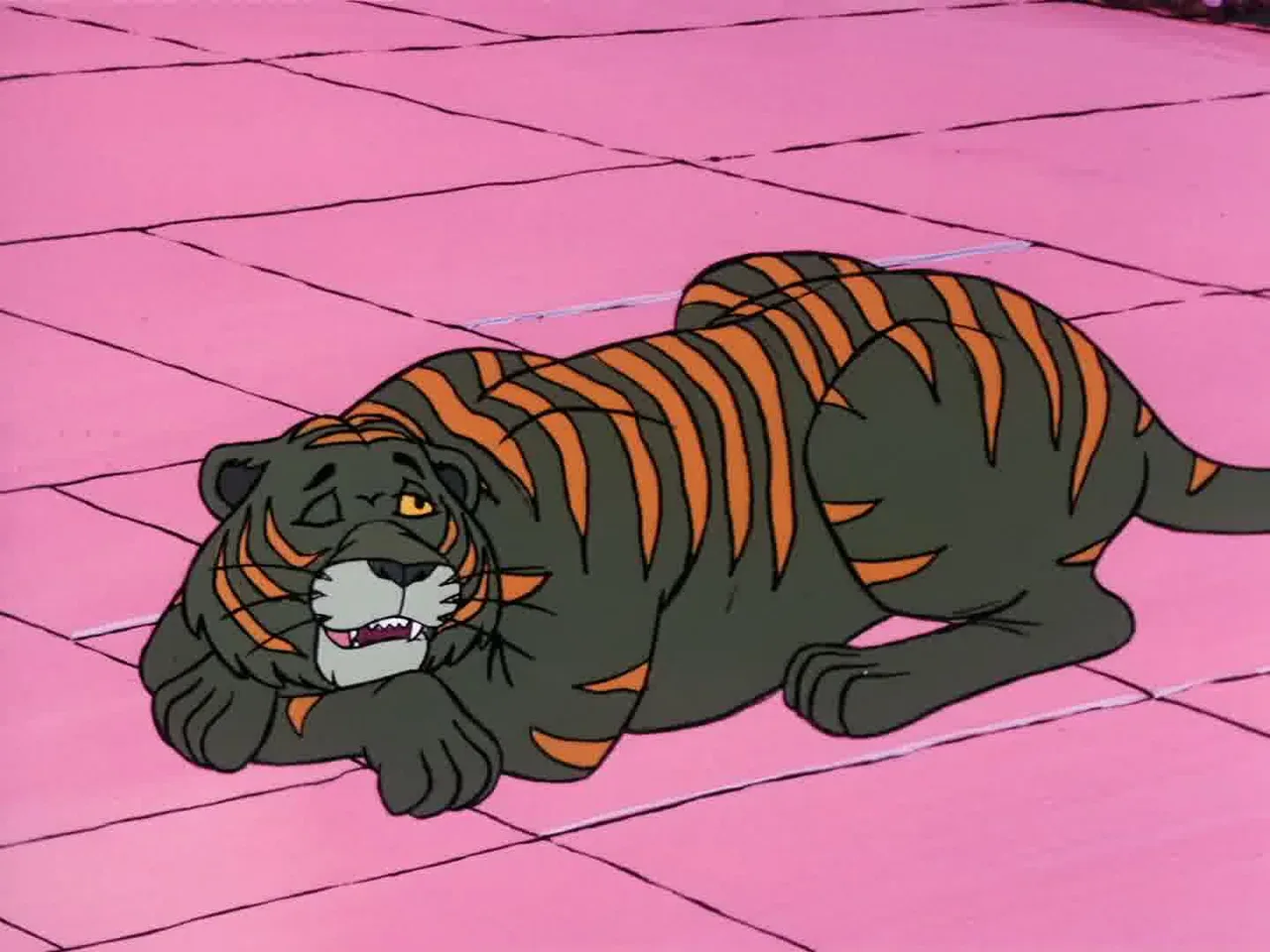
"The Games" opens on a joke about doing nothing: Orko and Cringer competing to see who can hold perfectly still the longest, a contest with no winner because neither will blink first. It is a strange way to open an episode about a cosmic test of good and evil, but J. Michael Straczynski's script keeps circling back to the same idea in sharper and sharper forms. Who gets chosen to represent something, and what they actually do once chosen, turn out to be two different questions, and the episode spends its back half arguing that only the second one matters.
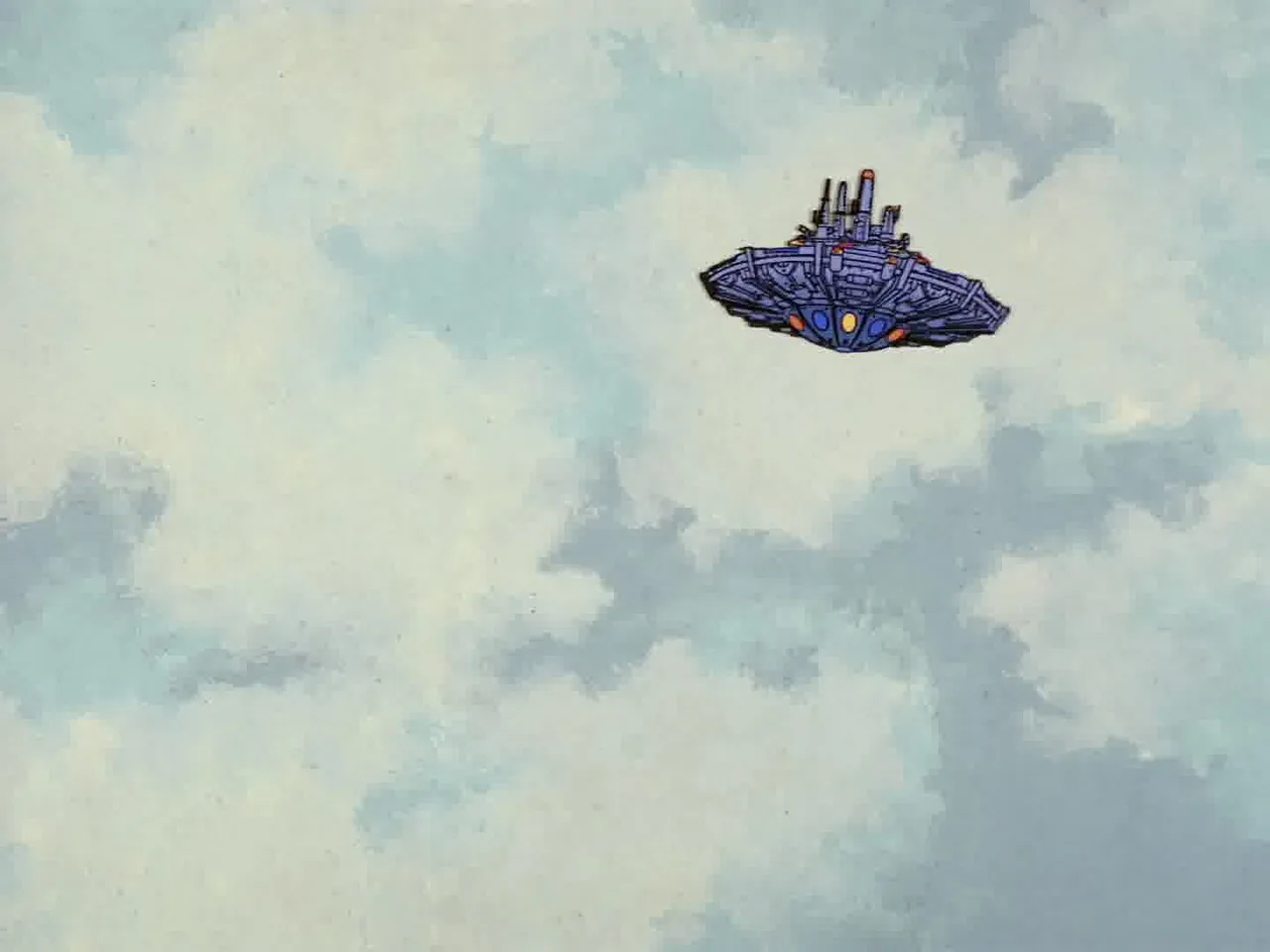
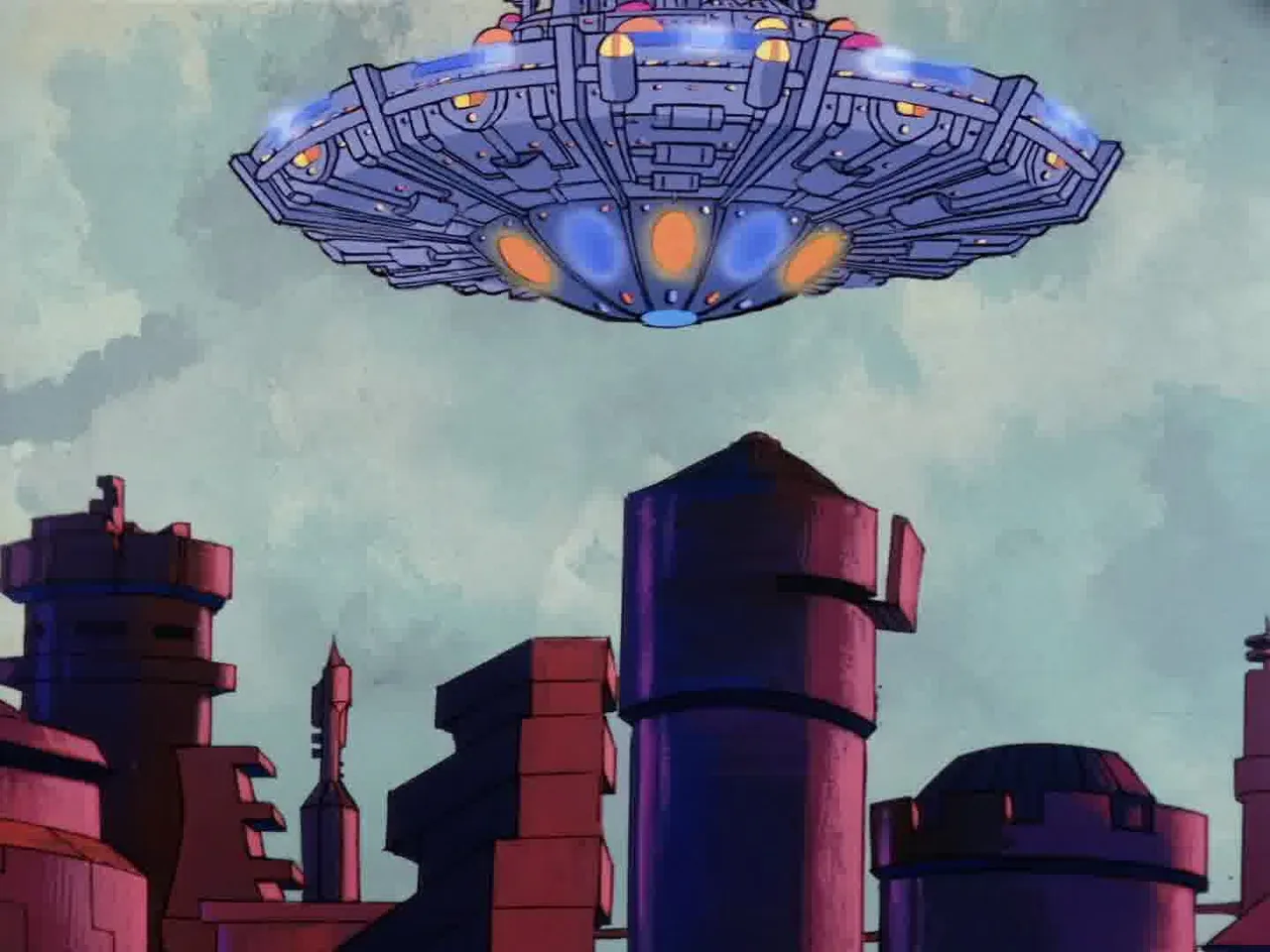
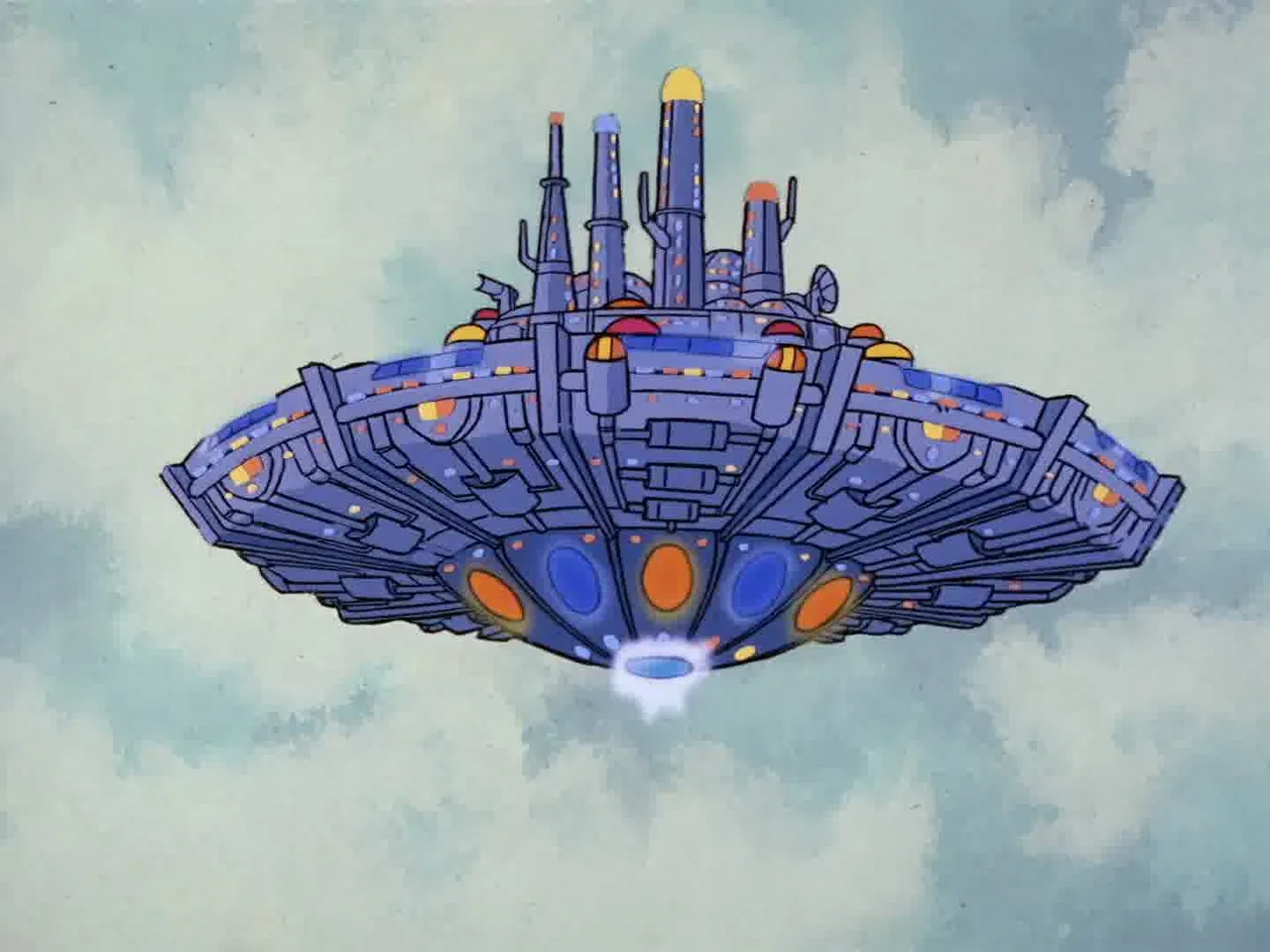
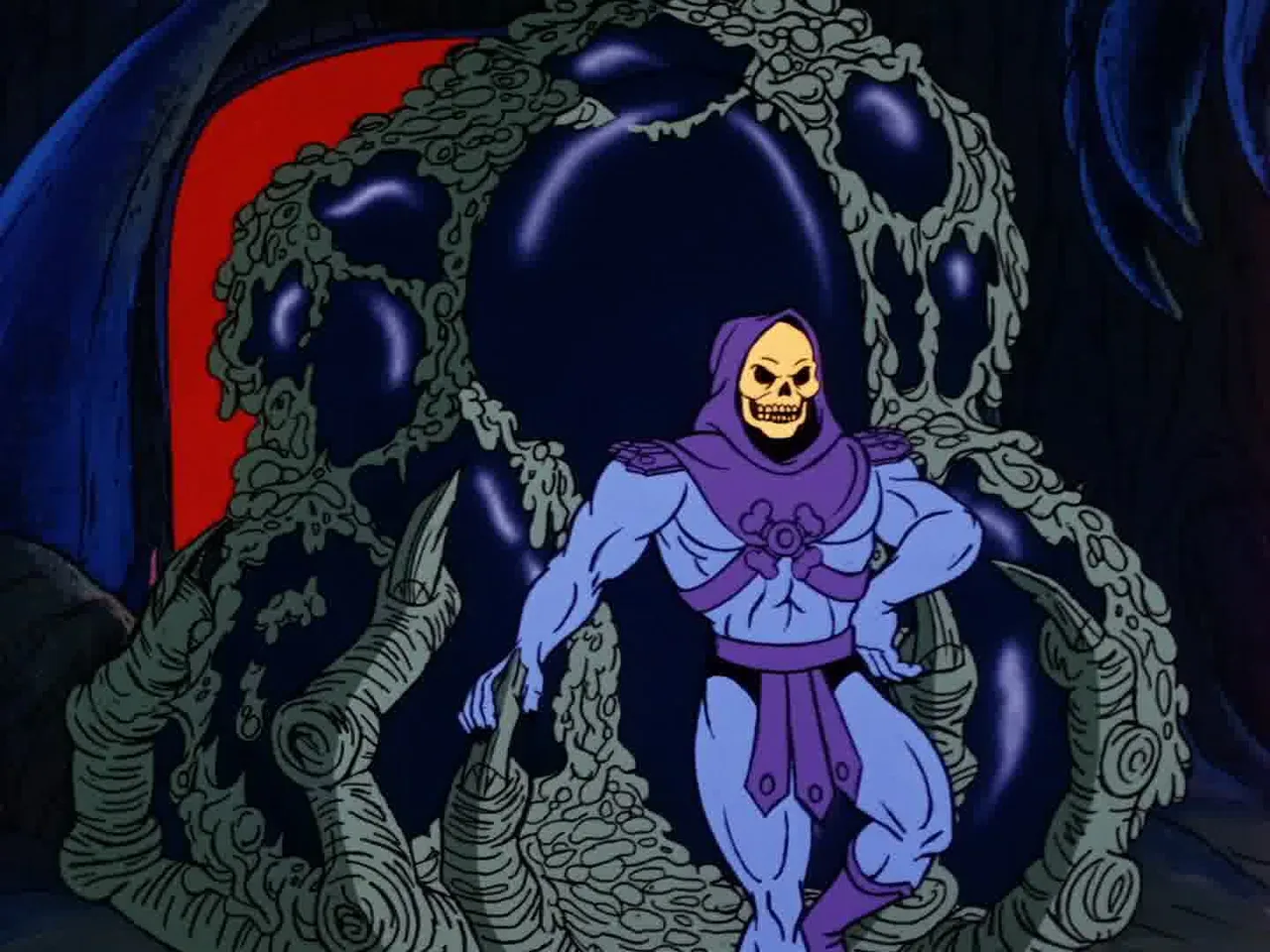
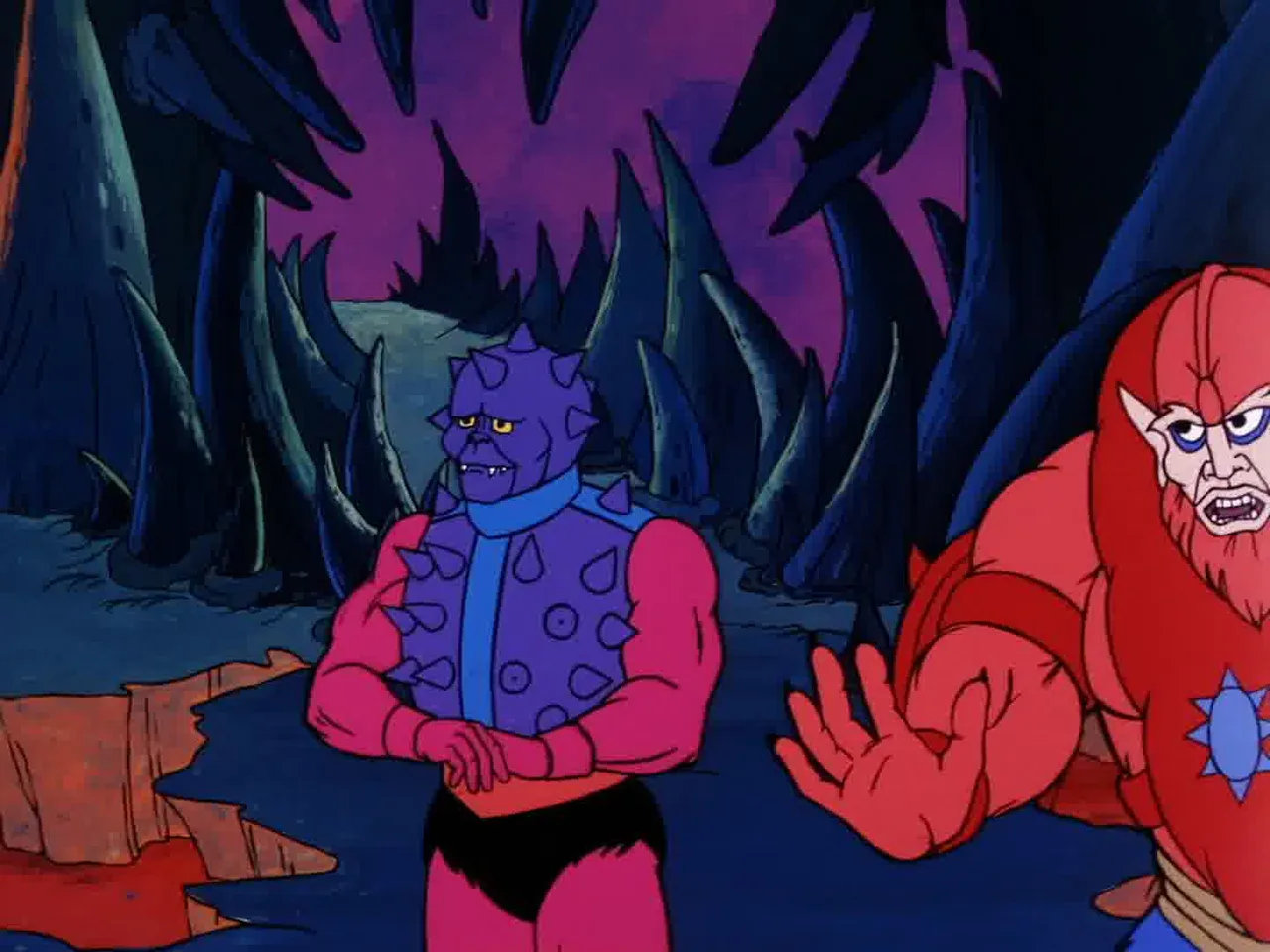
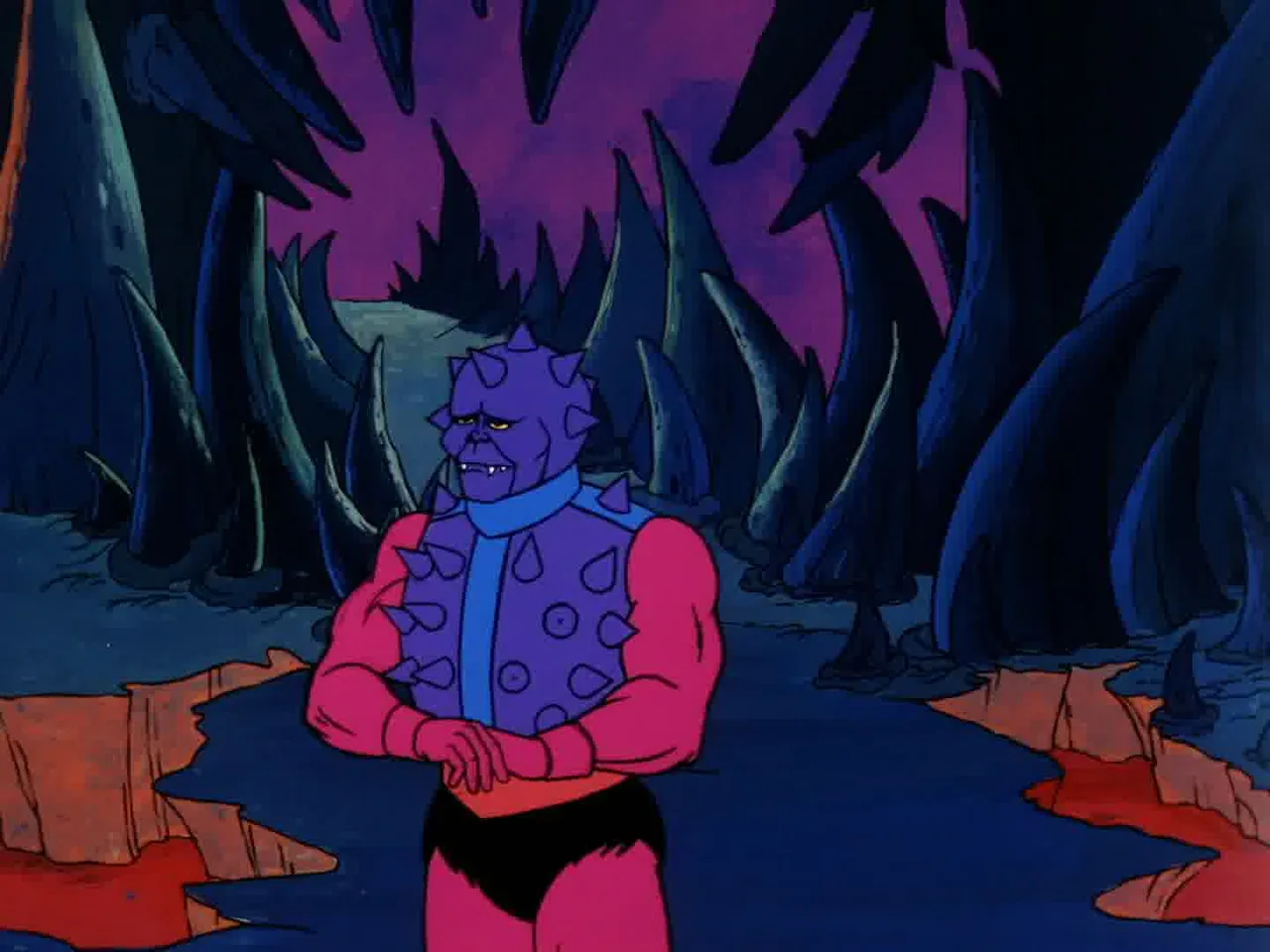
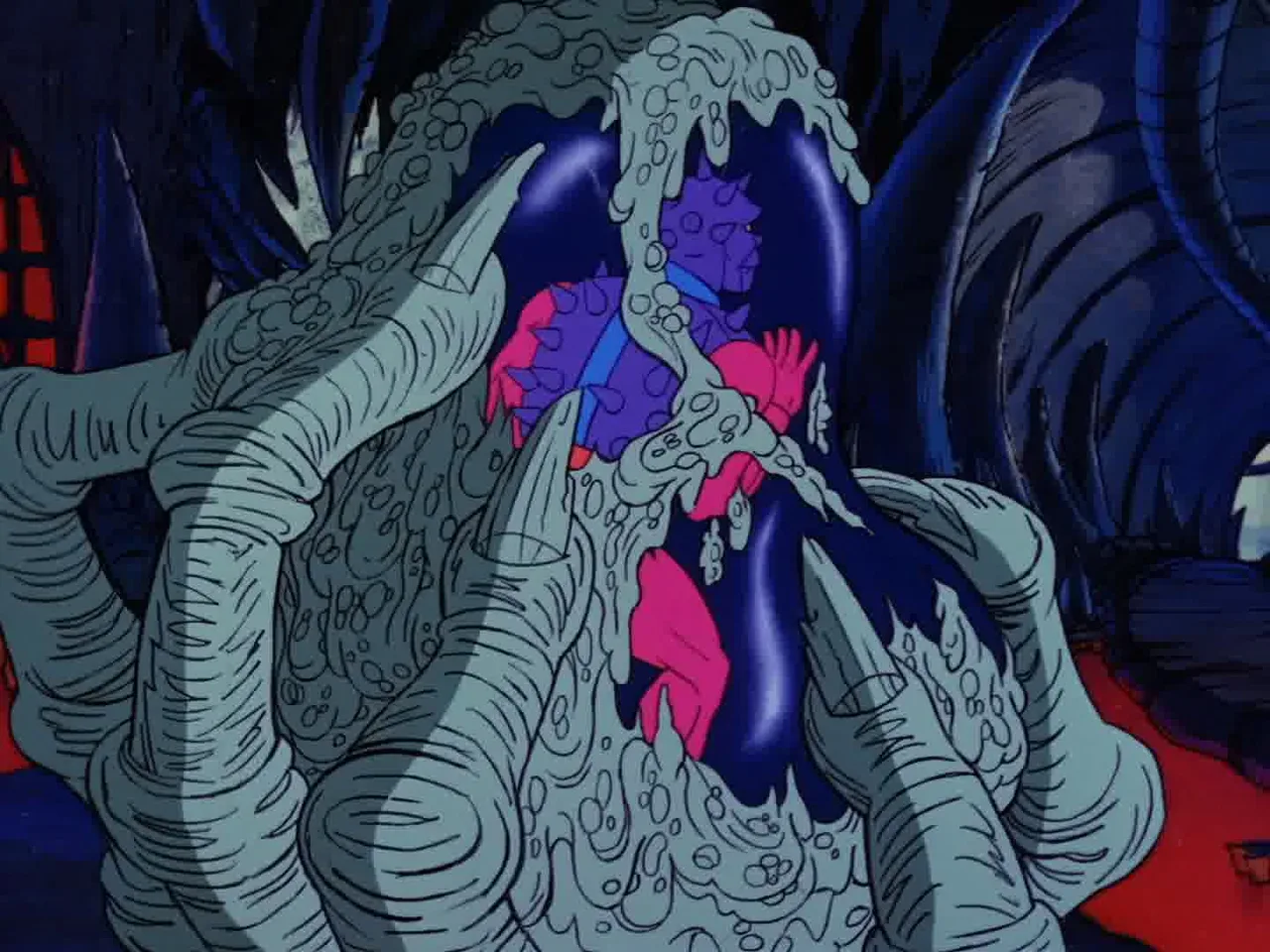
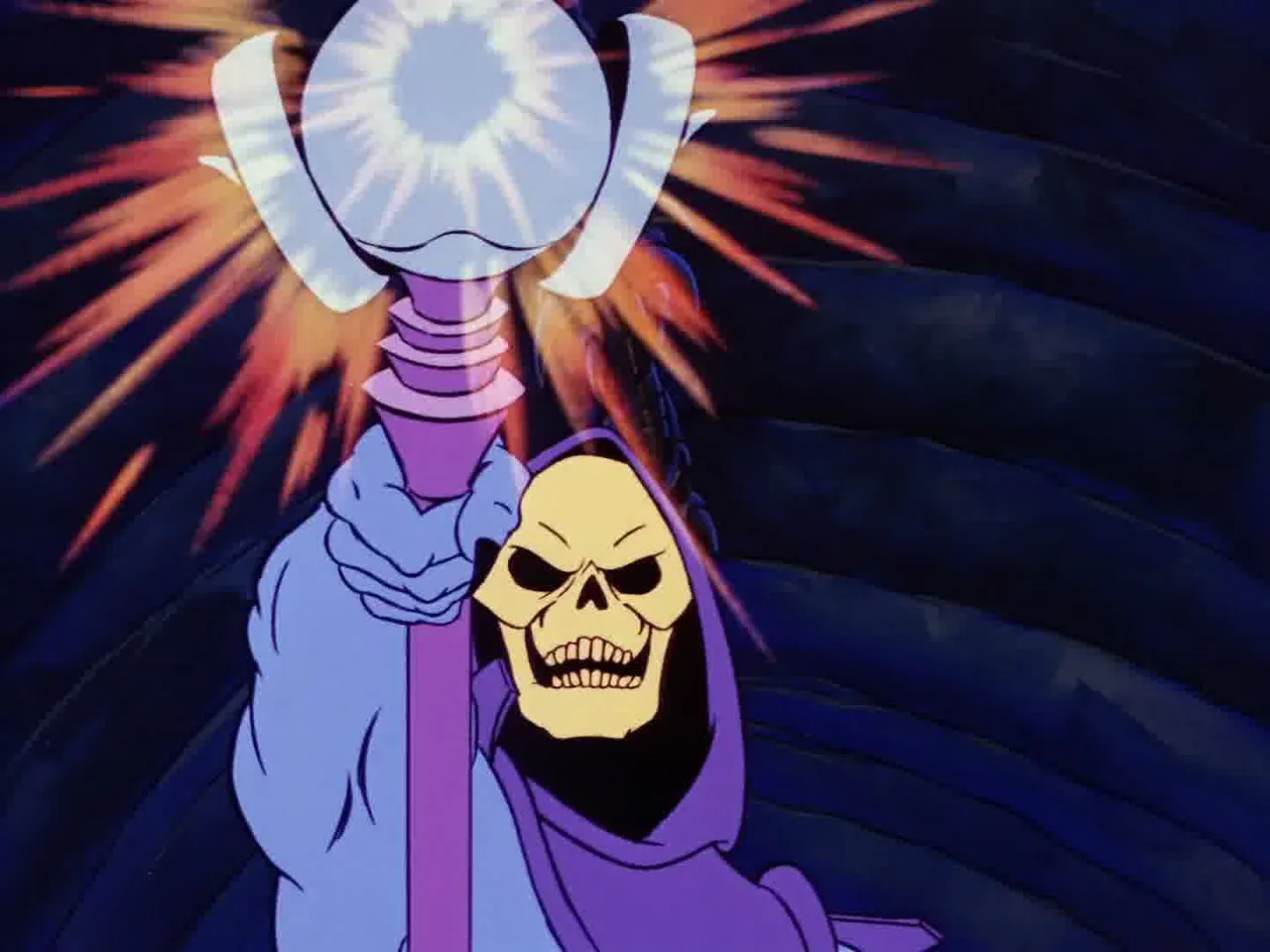
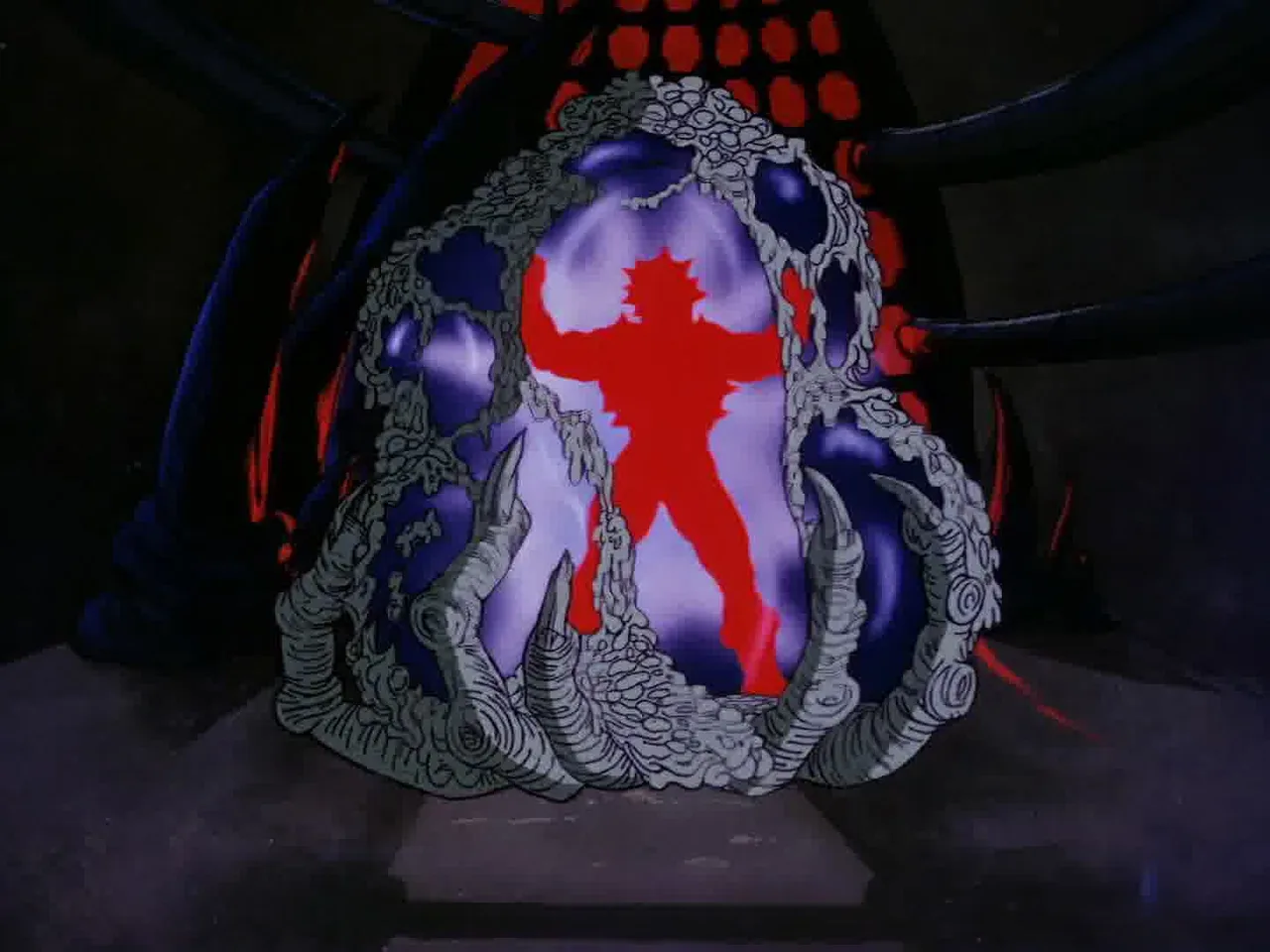
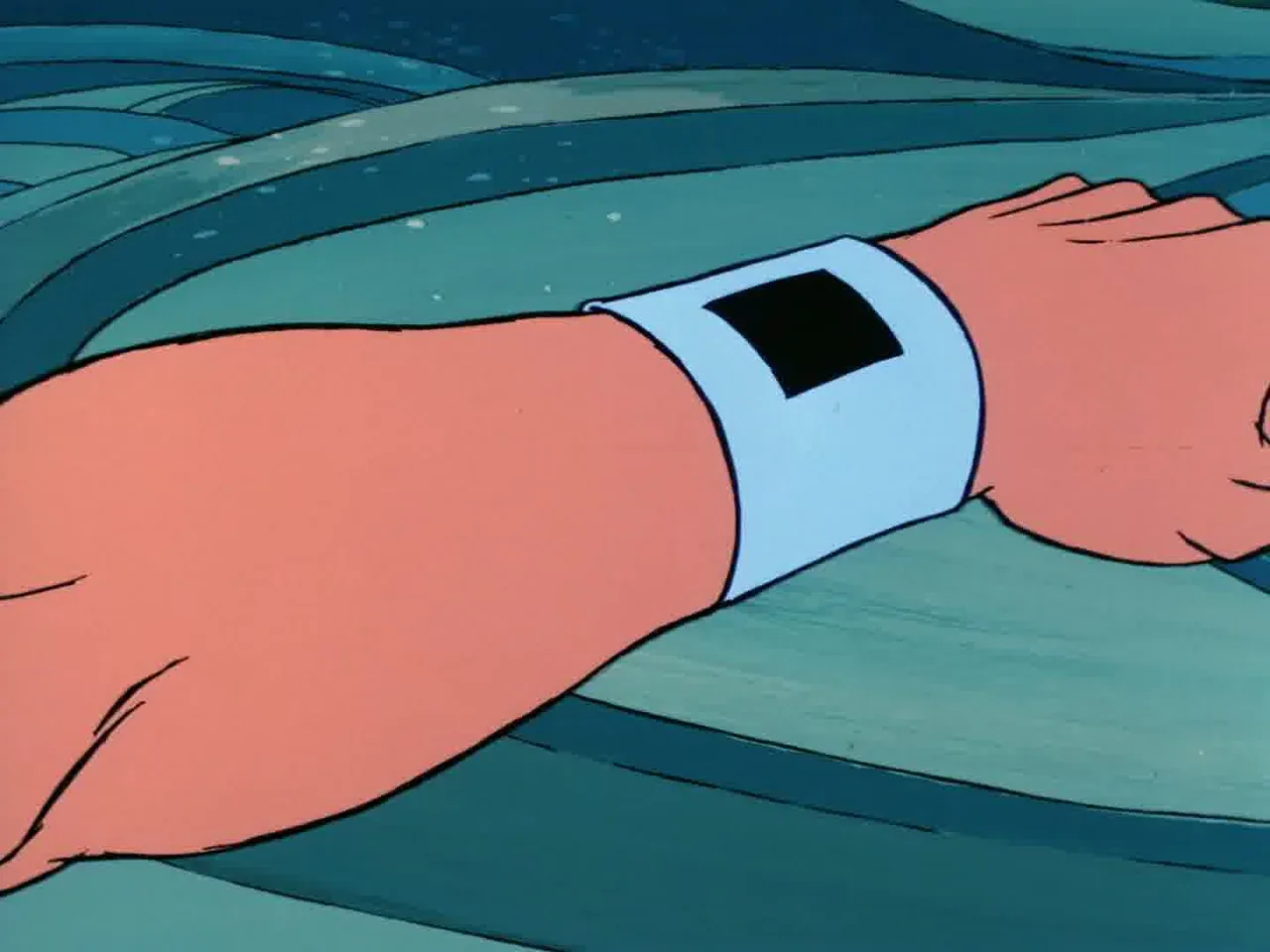
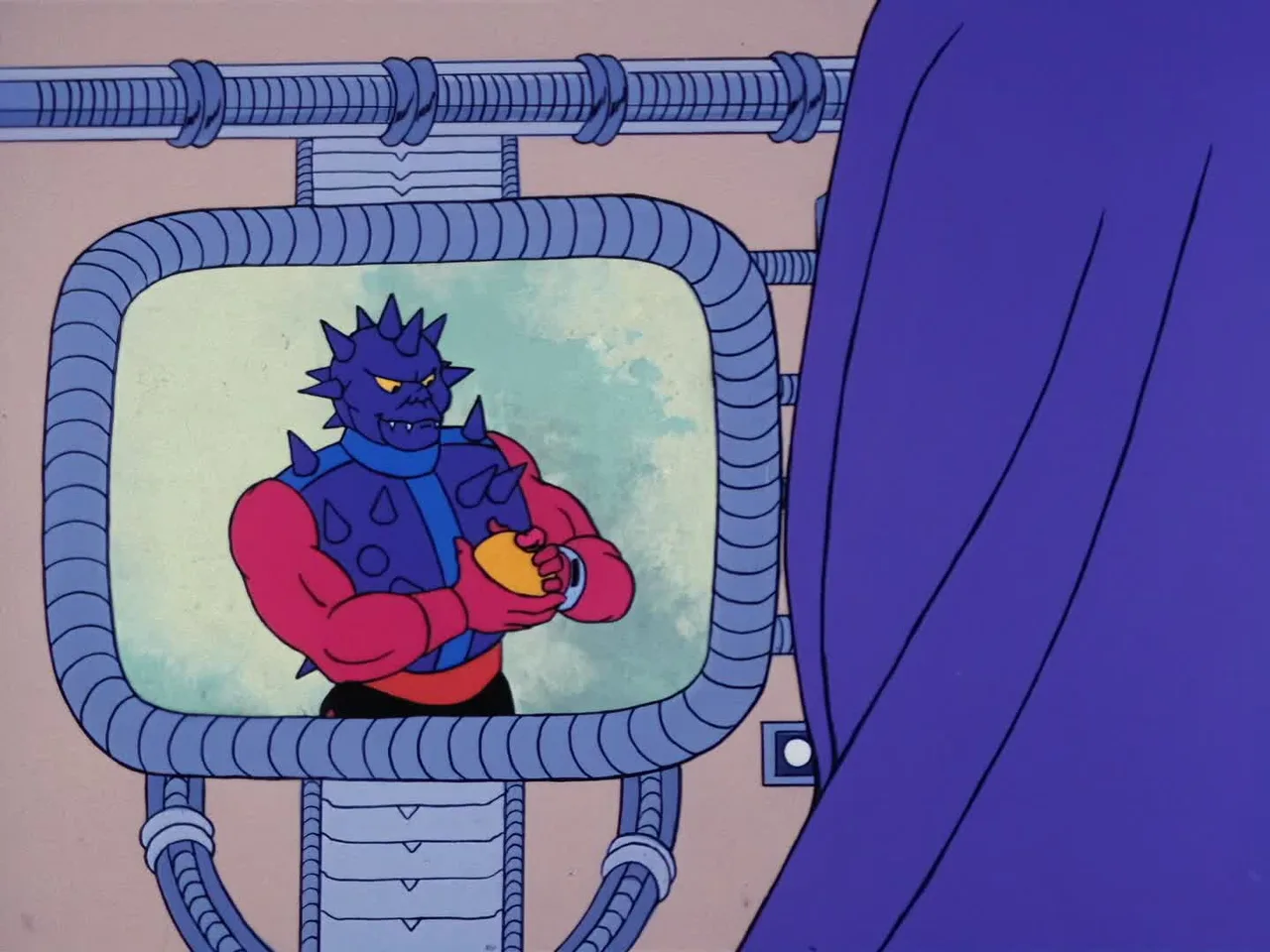
The Bendari's selection is the script's best joke and its real premise. They come looking for Eternia's most powerful champion of good and land on Fisto, specifically because their equipment cannot locate He-Man, who technically does not exist as a continuous being for a machine to track. It is a loophole dressed up as a verdict, and Fisto knows it; his own first reaction is that He-Man is "the logical choice," not him. Skeletor gets no such accident. He builds the evil-gizer to guarantee his own selection, discovers it might kill him, and hands it to Spikor instead, congratulating him on a volunteering he never did. Both sides get a champion who was not supposed to be the champion. The difference is what each side does next.
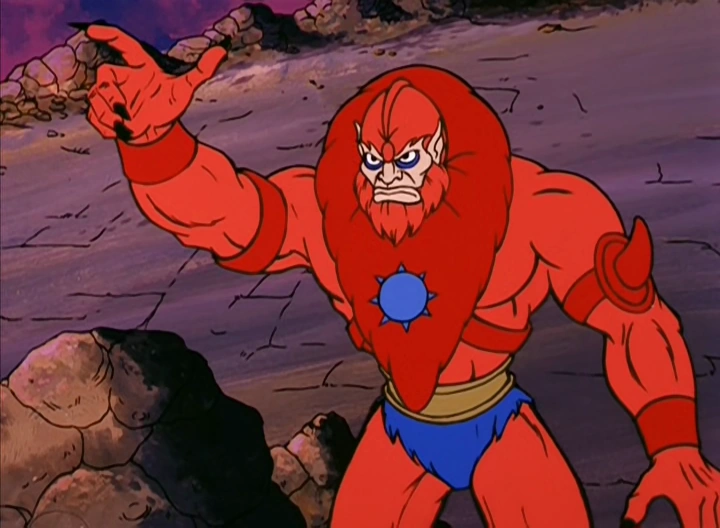
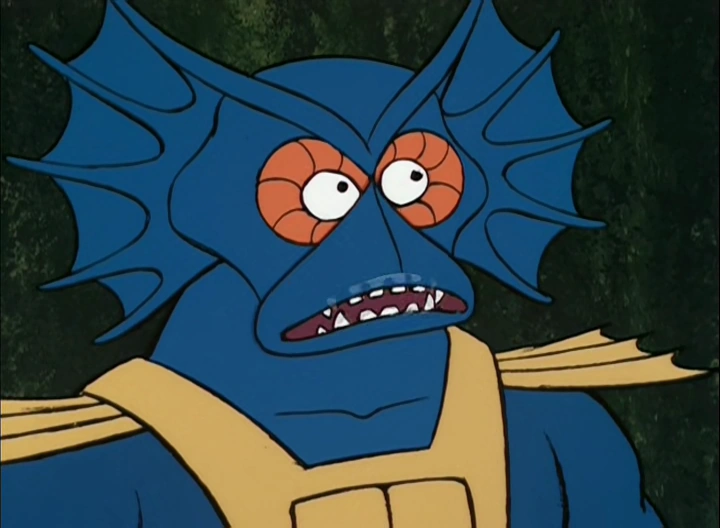
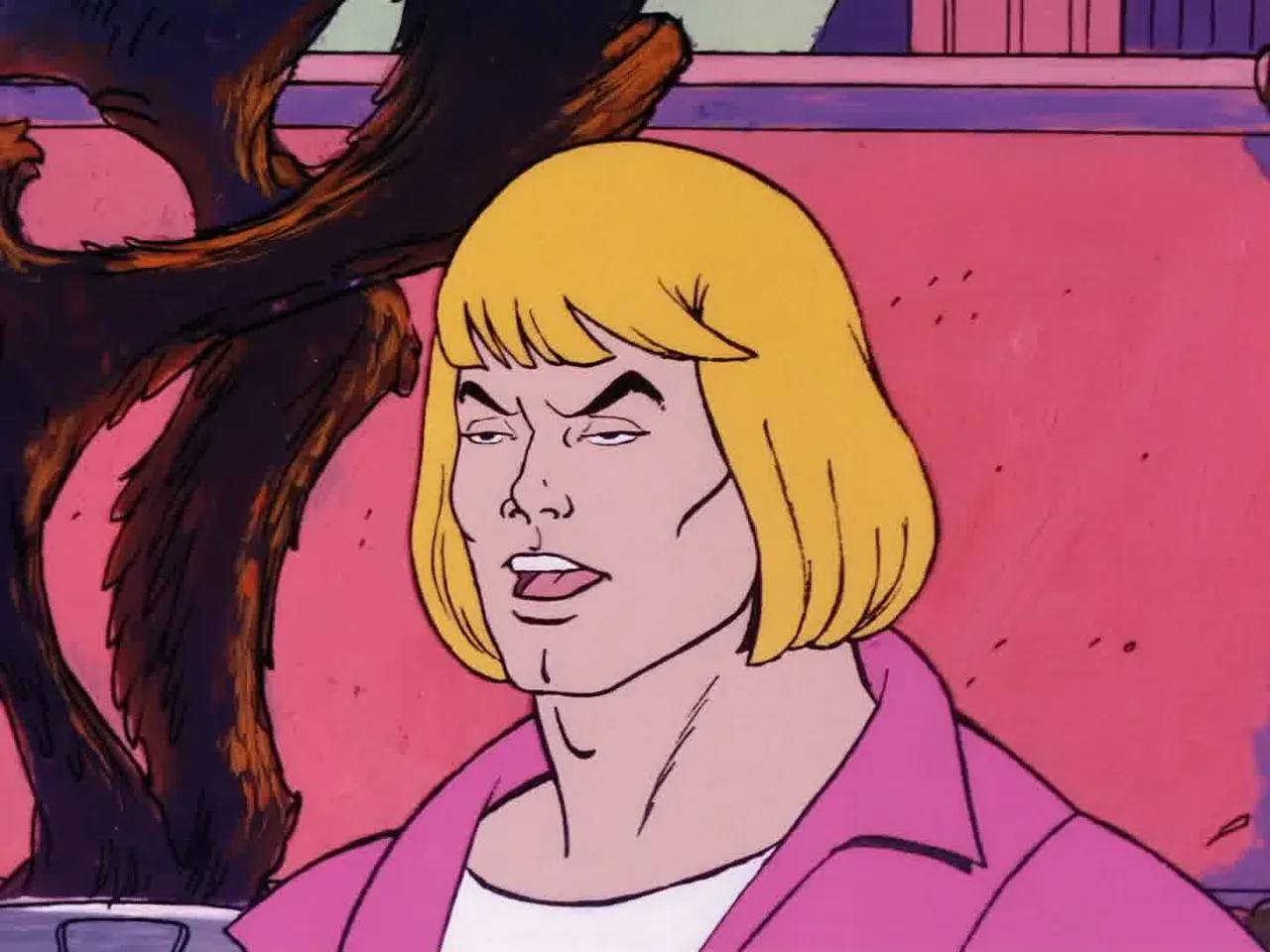
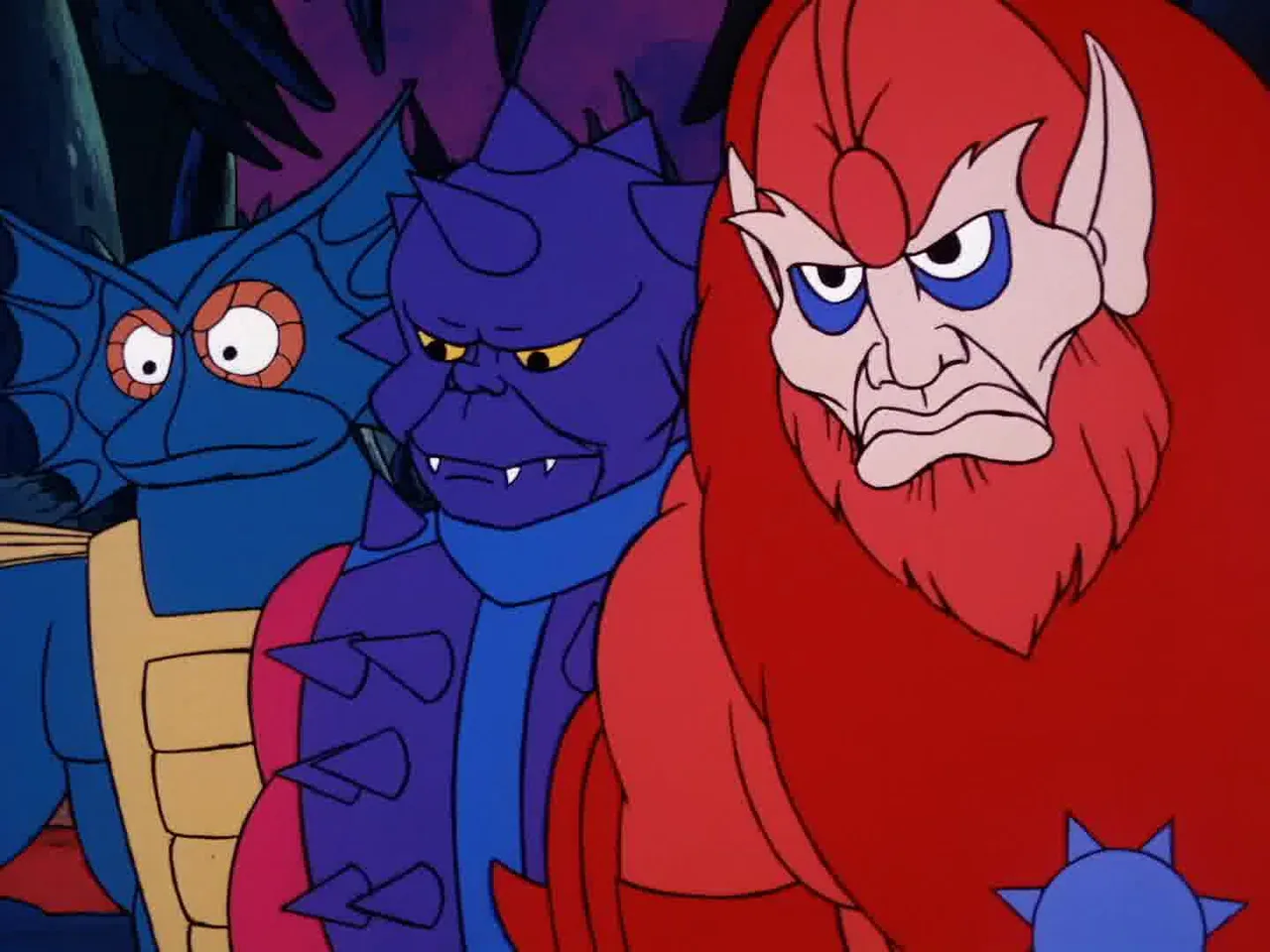
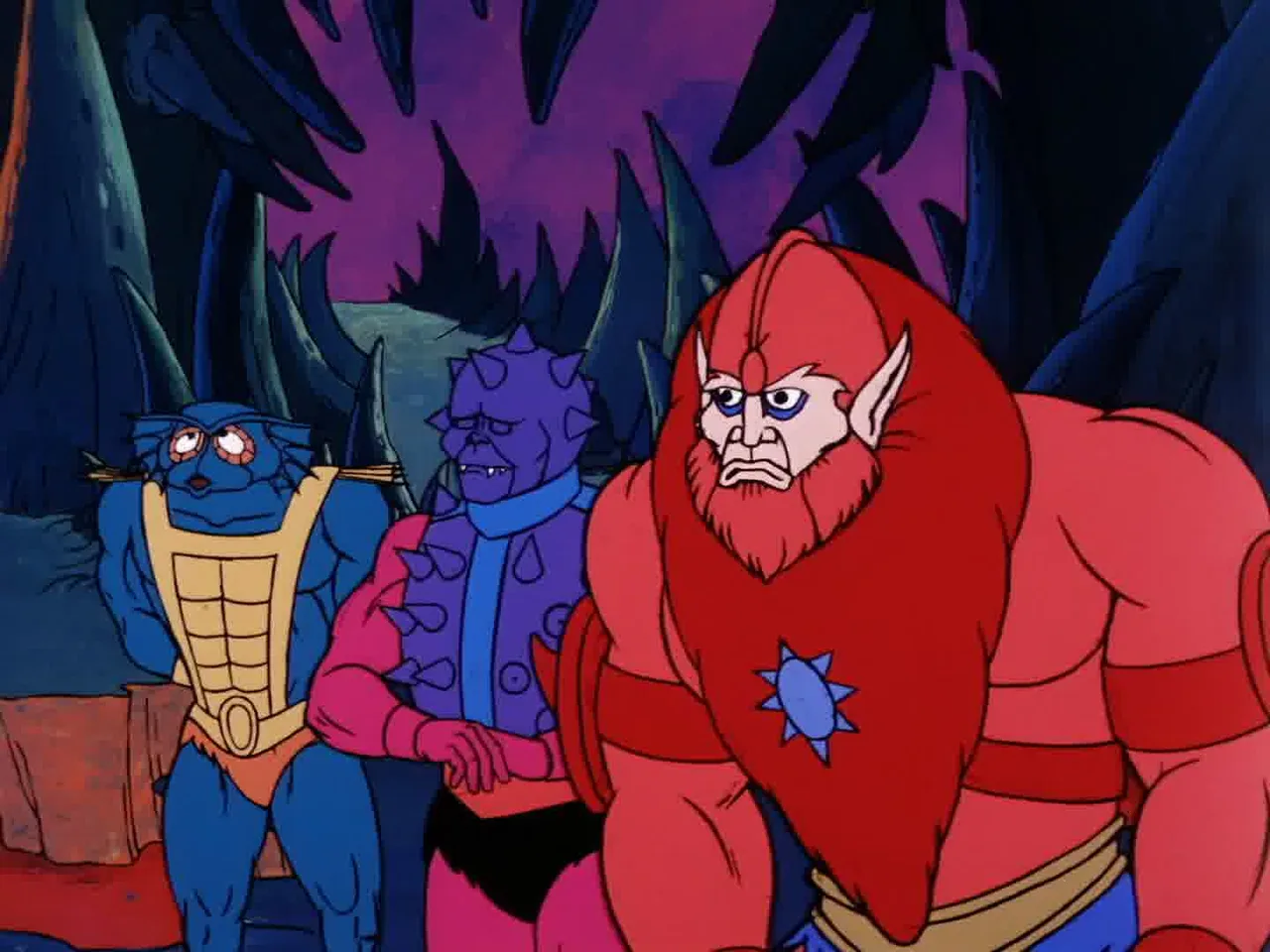
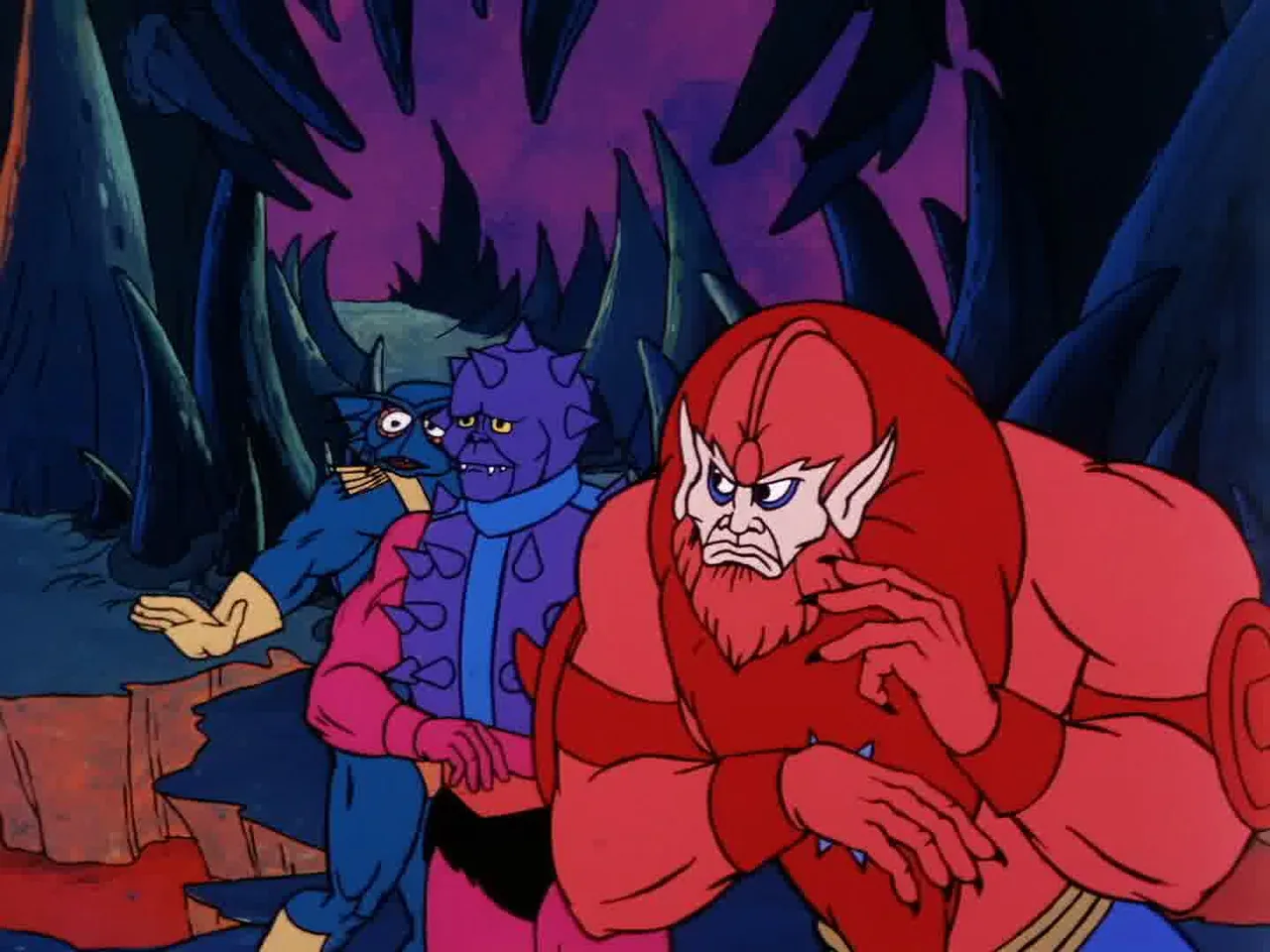
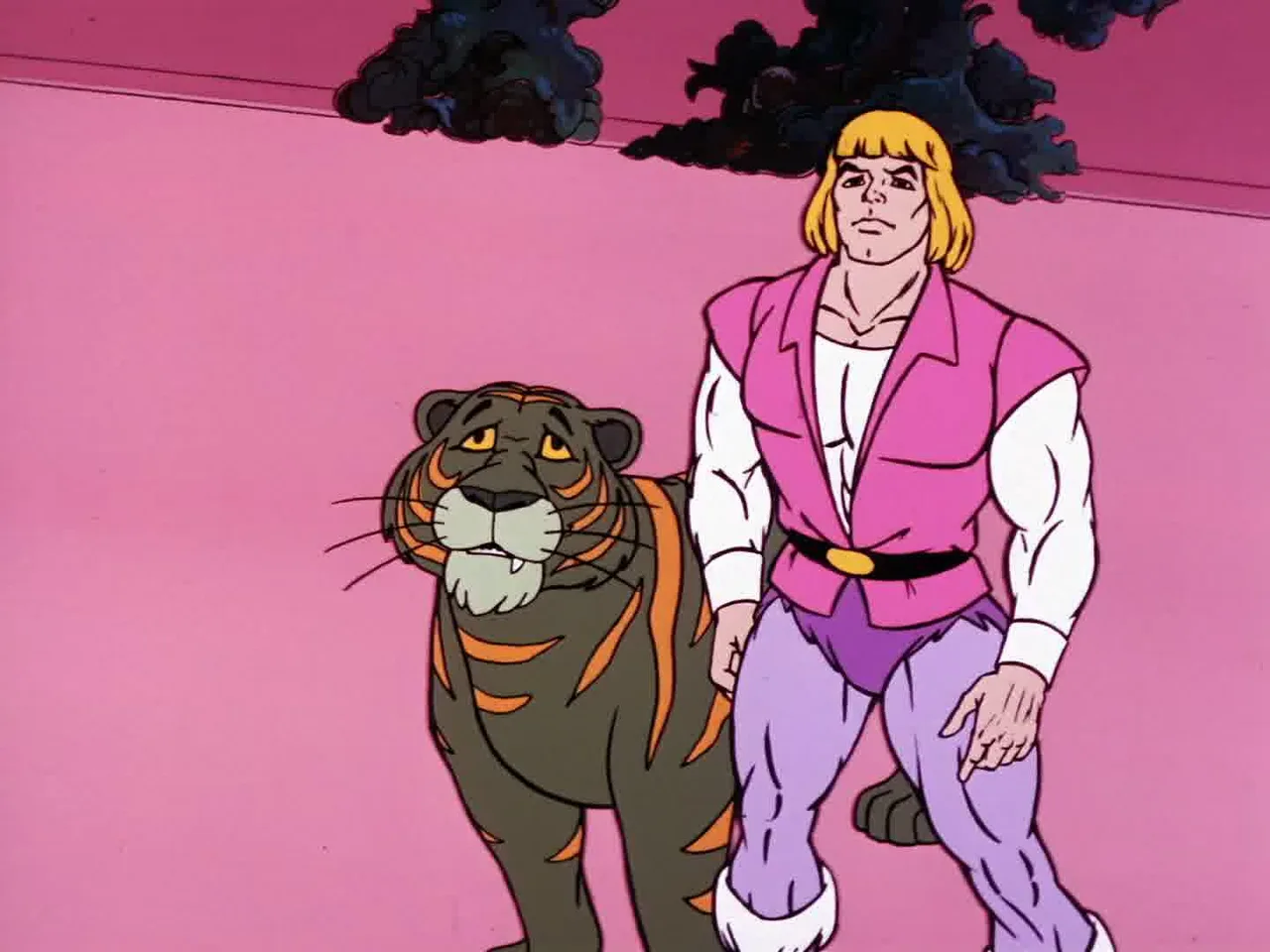
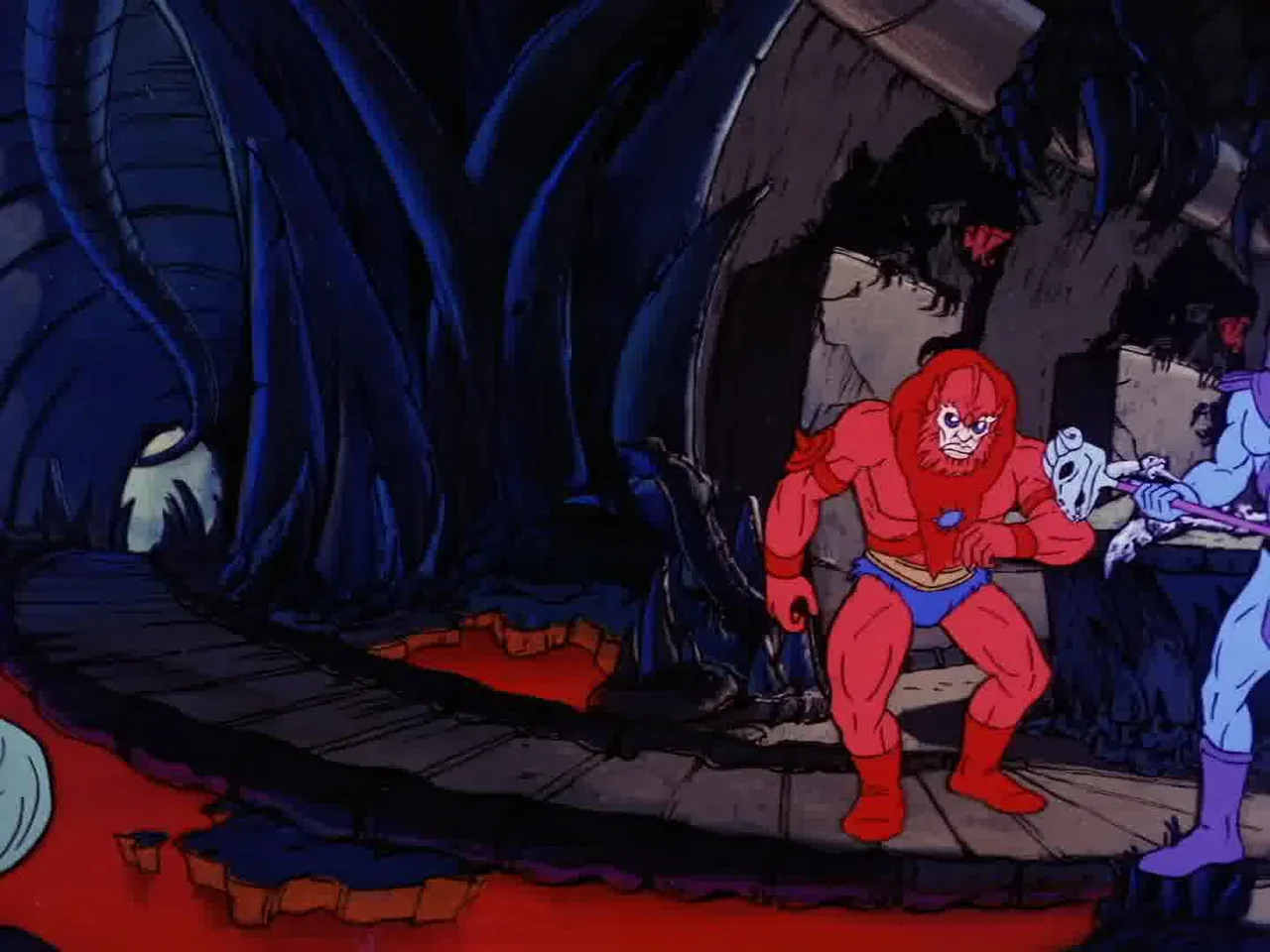
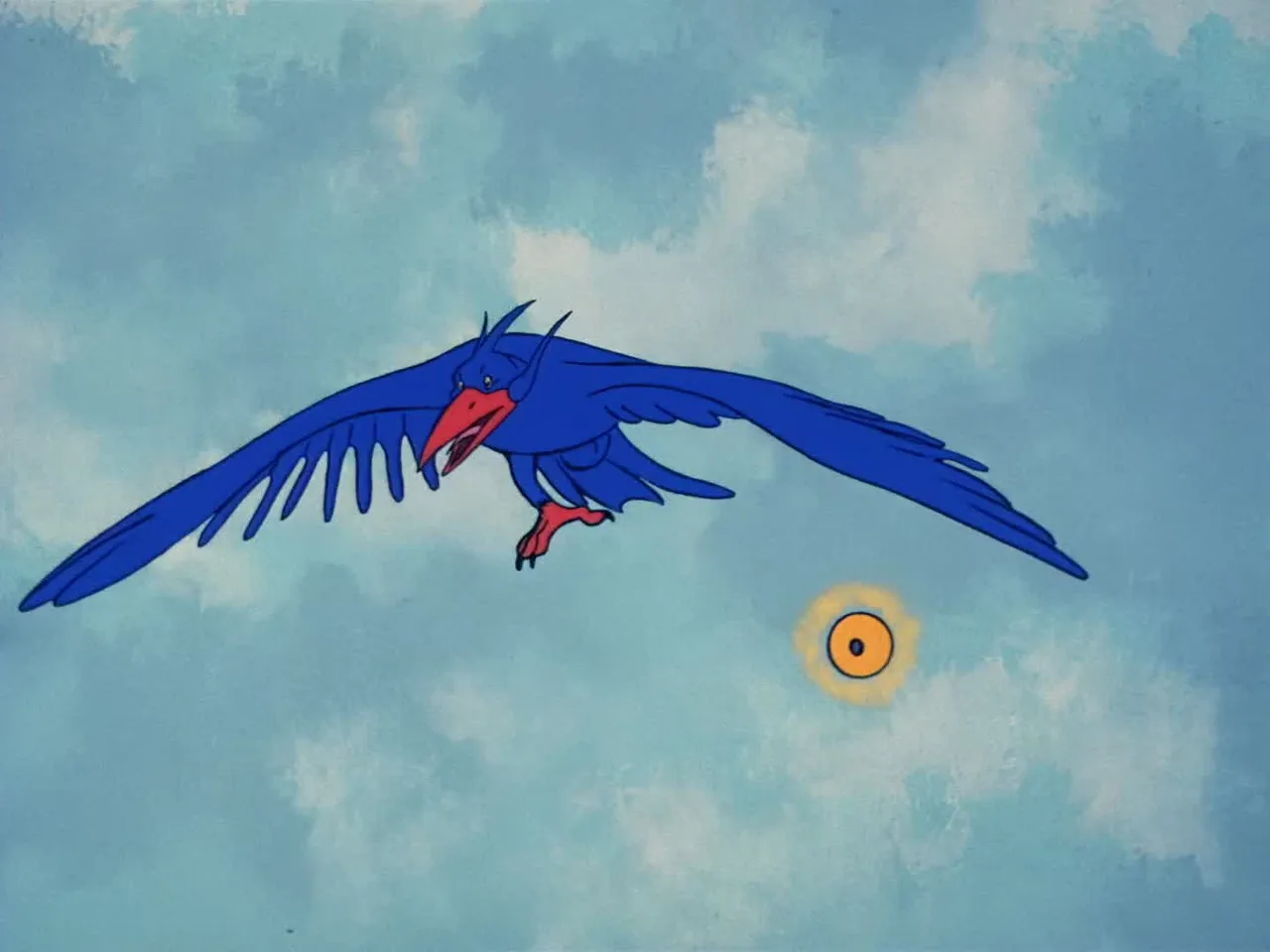
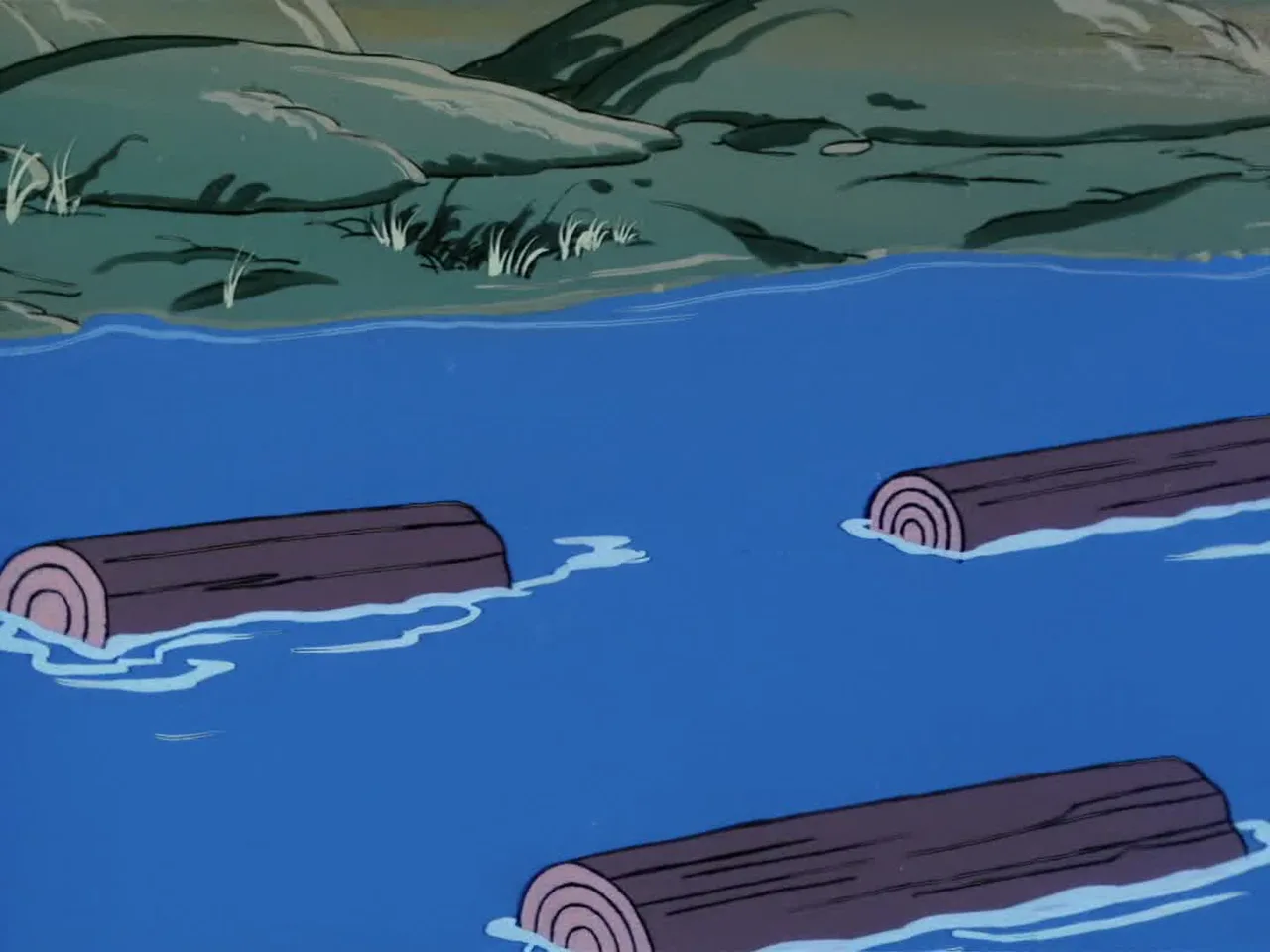
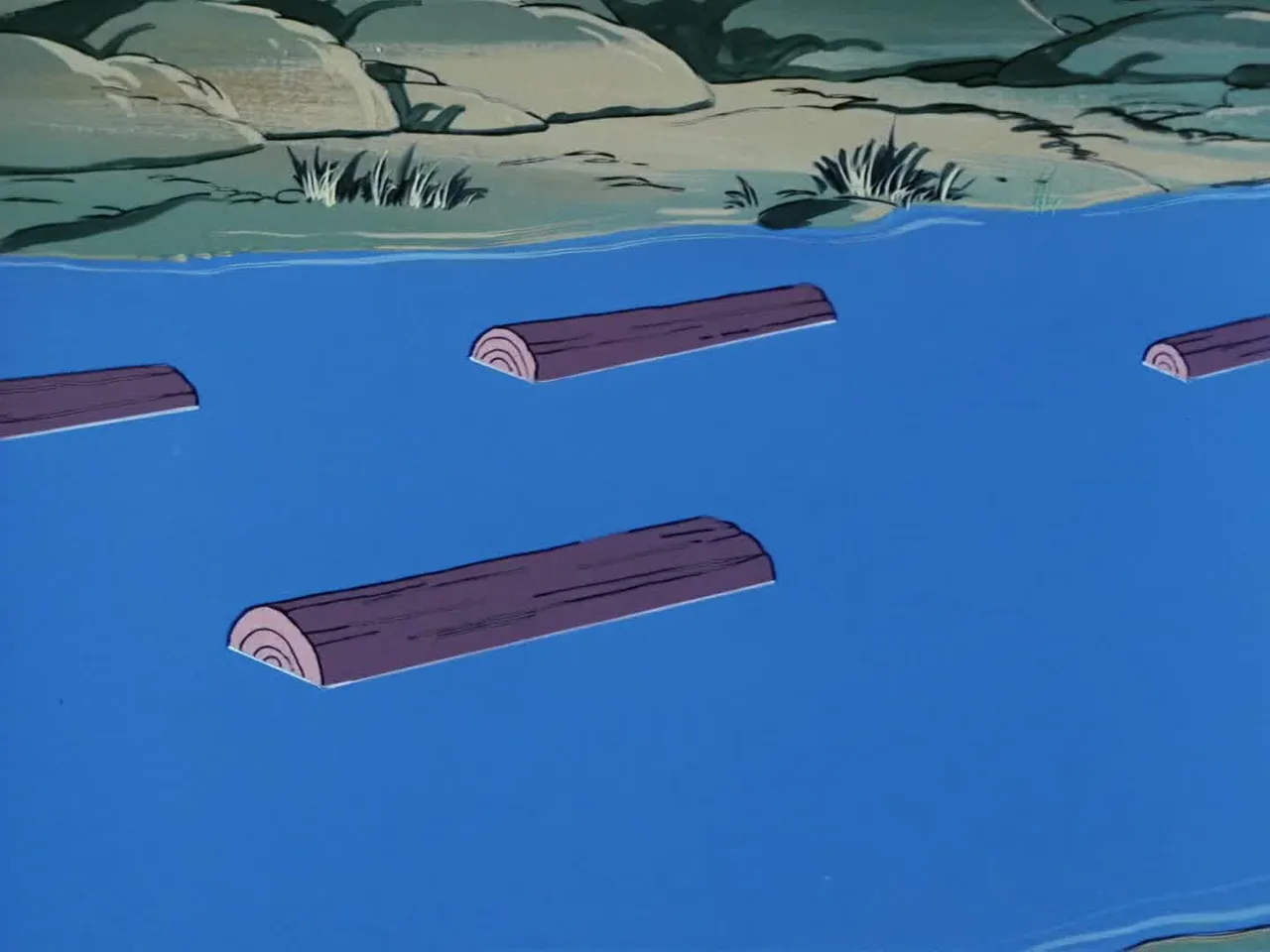
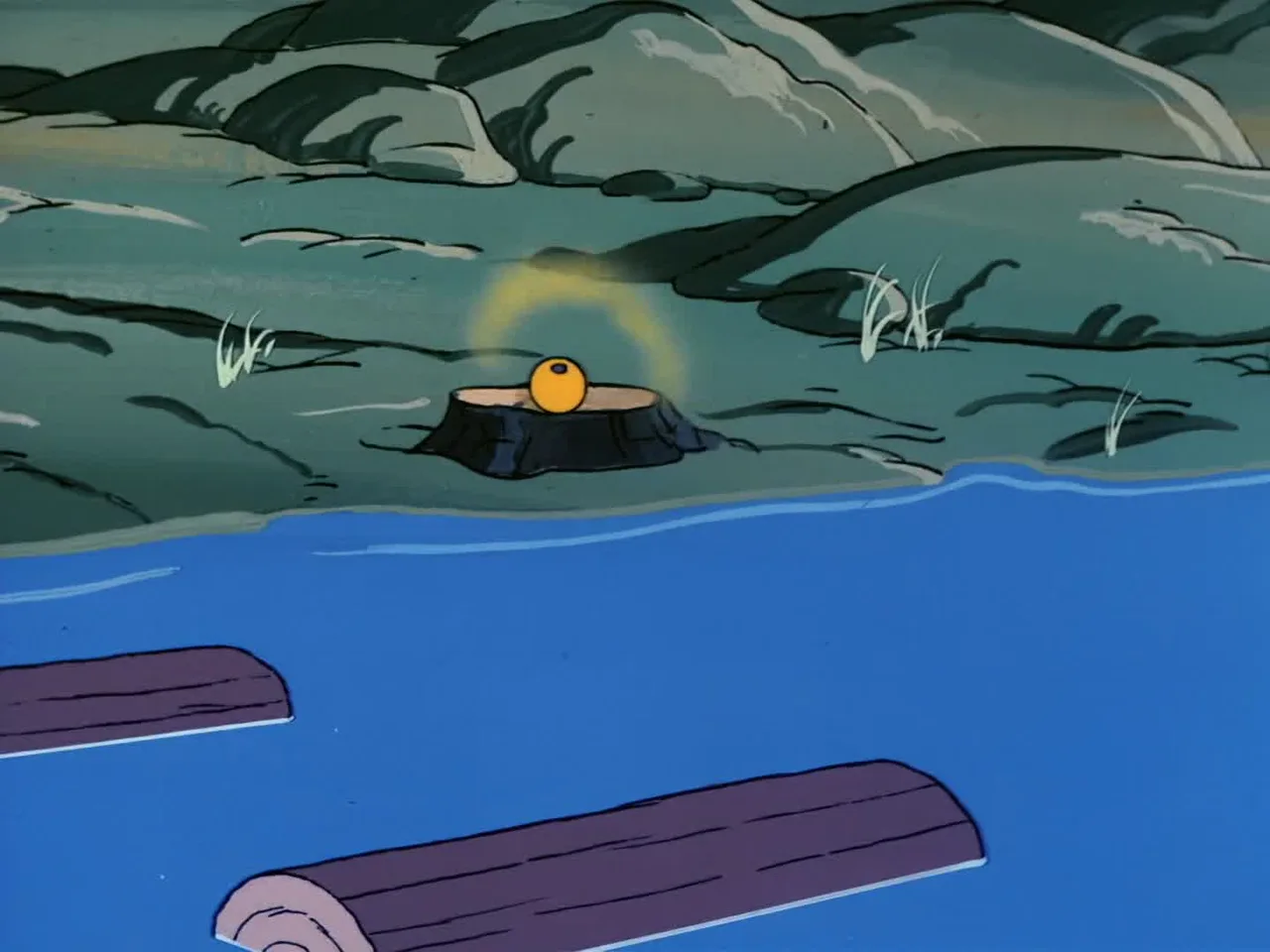
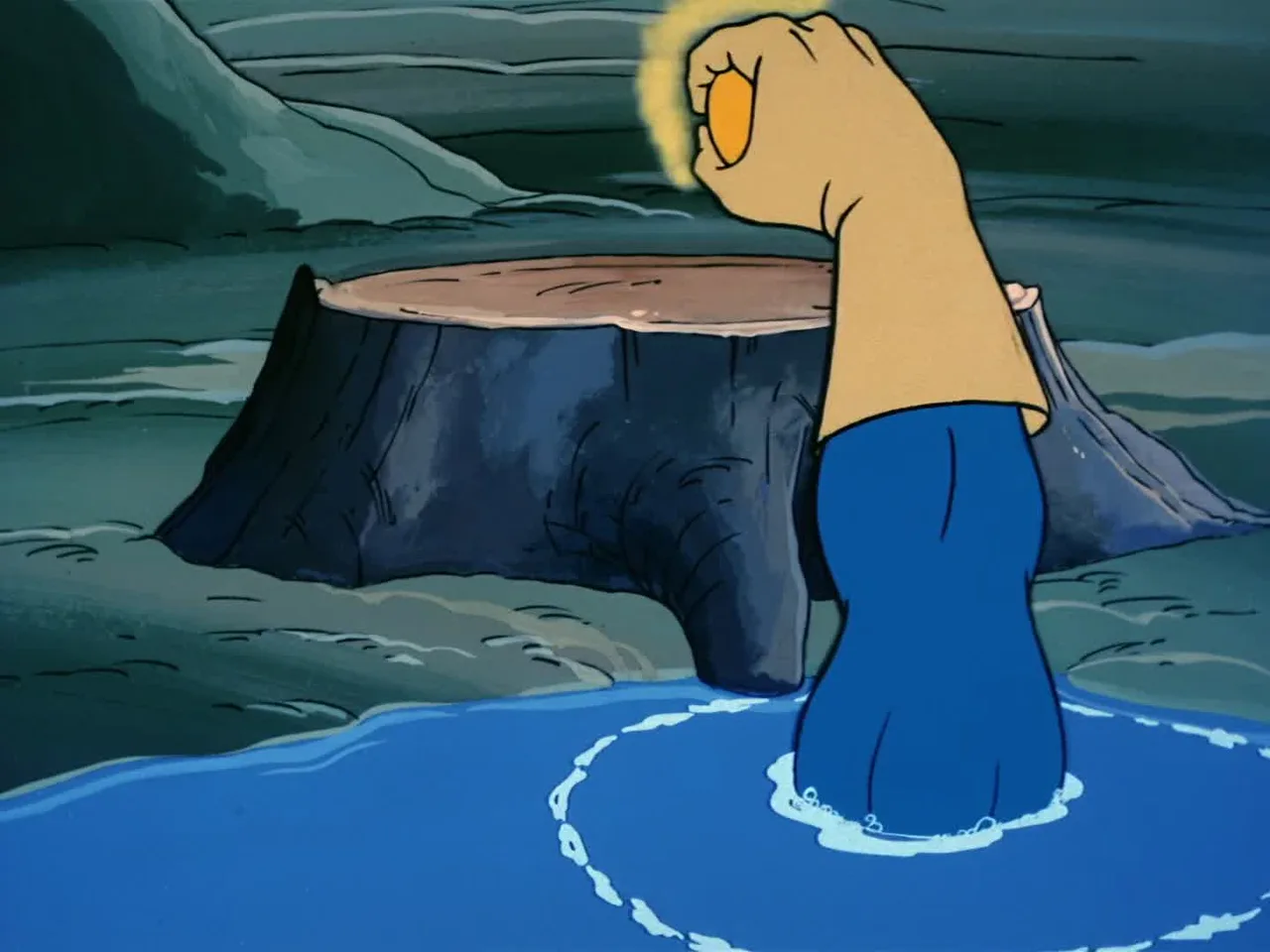
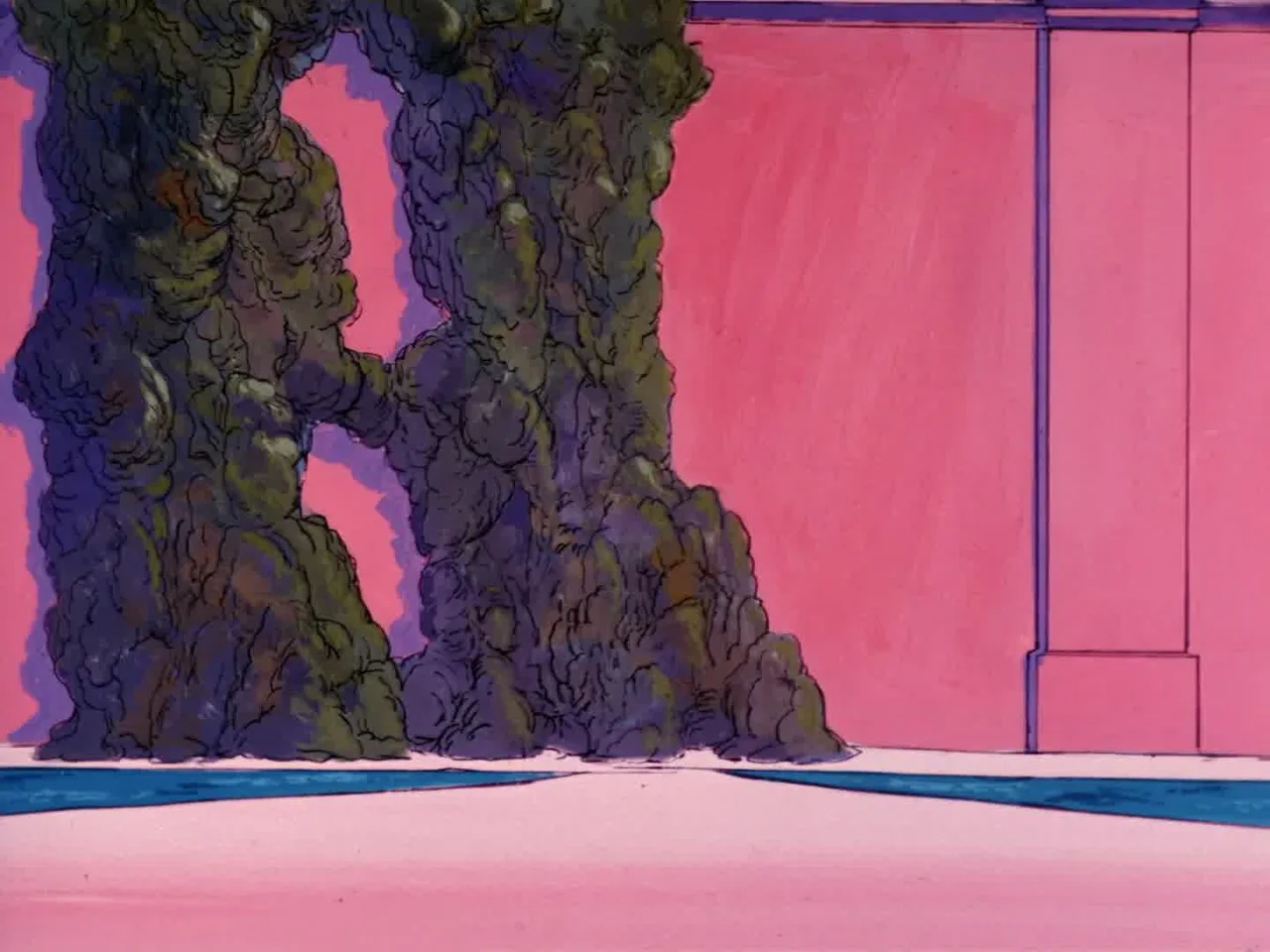
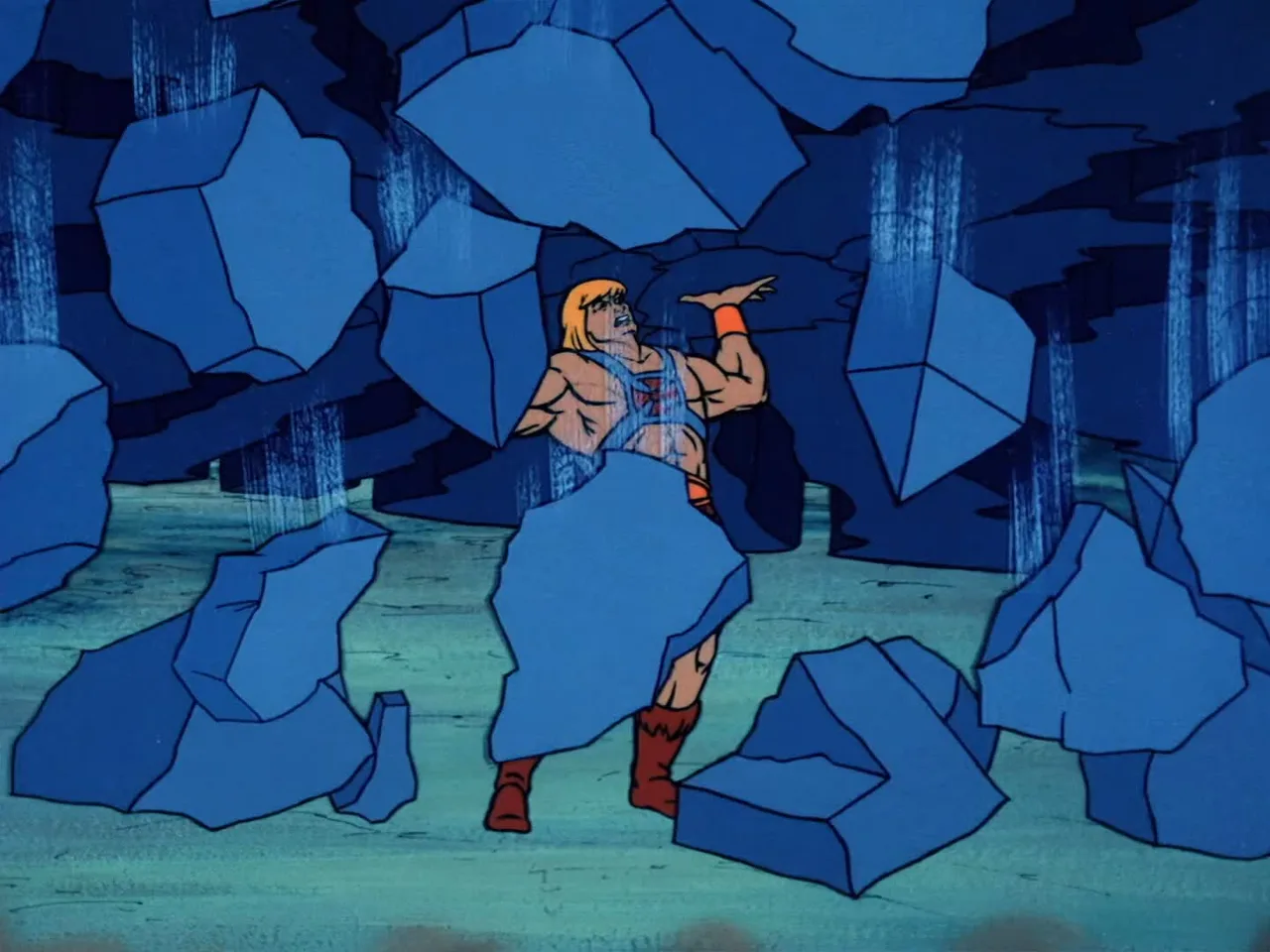
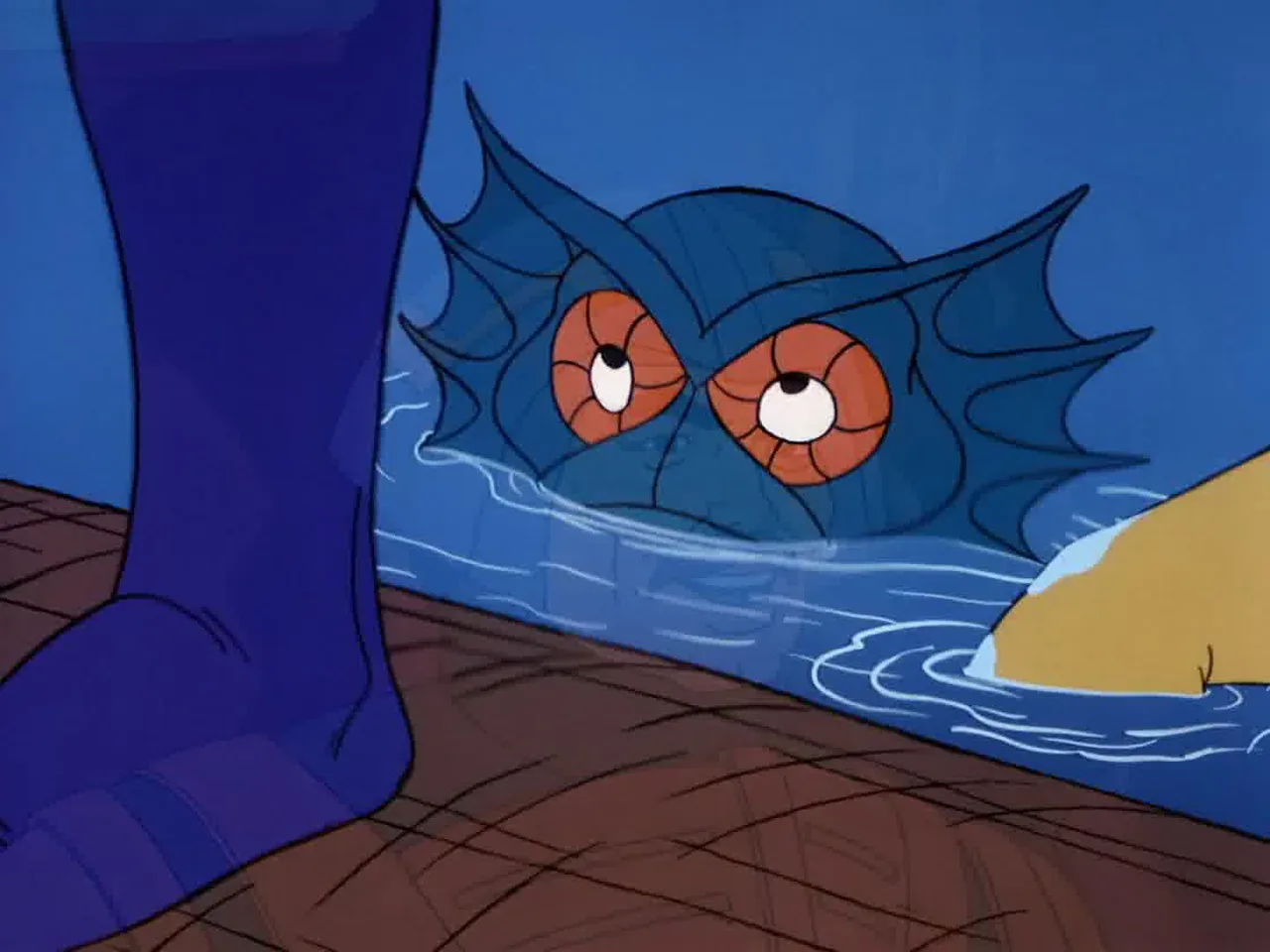
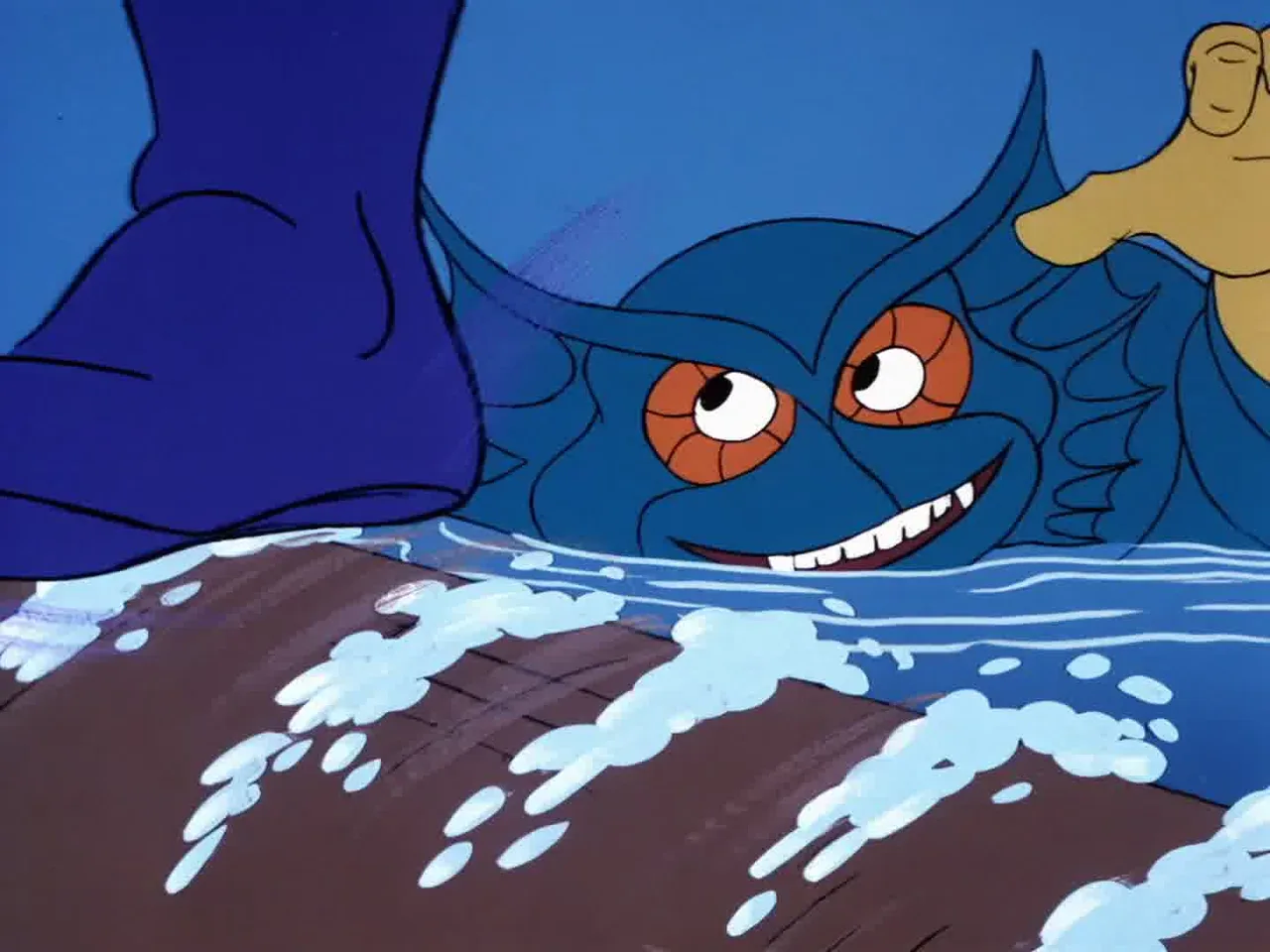
Spikor cheats from the opening whistle, aided by Beast Man's trained bird and Mer-Man surfacing under a log to steal game pieces outright, and the episode is candid that this works: by the time Fisto gets crushed under a stone Skeletor has rigged to grow heavier the longer he holds it, Spikor is nearly 2,000 points ahead. Adam's response is not outrage but a rule he states plainly to Orko and Man-At-Arms: good can only prove its case by winning straight. The episode never pretends that isn't a real handicap against an opponent who is cheating outright.
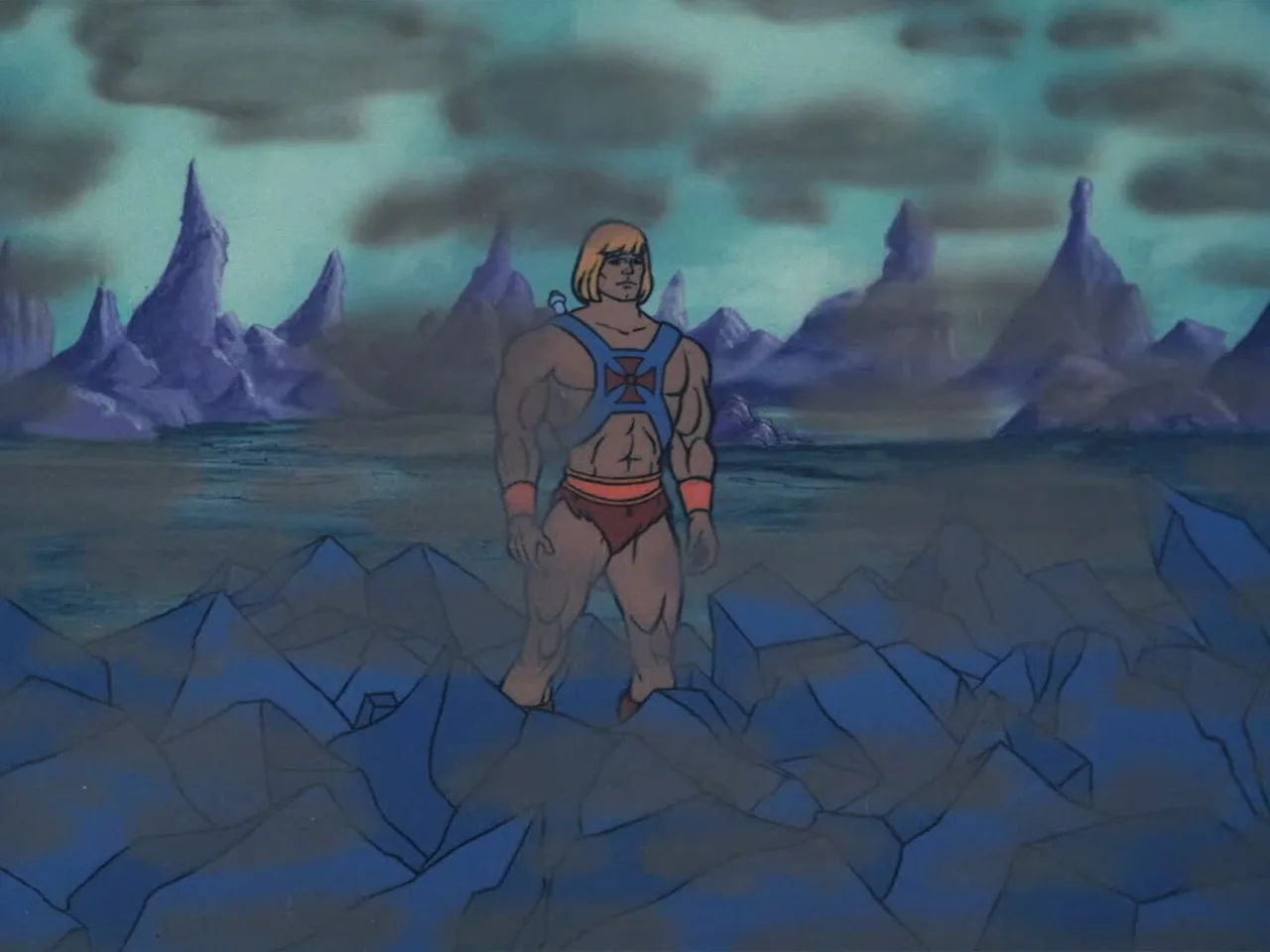
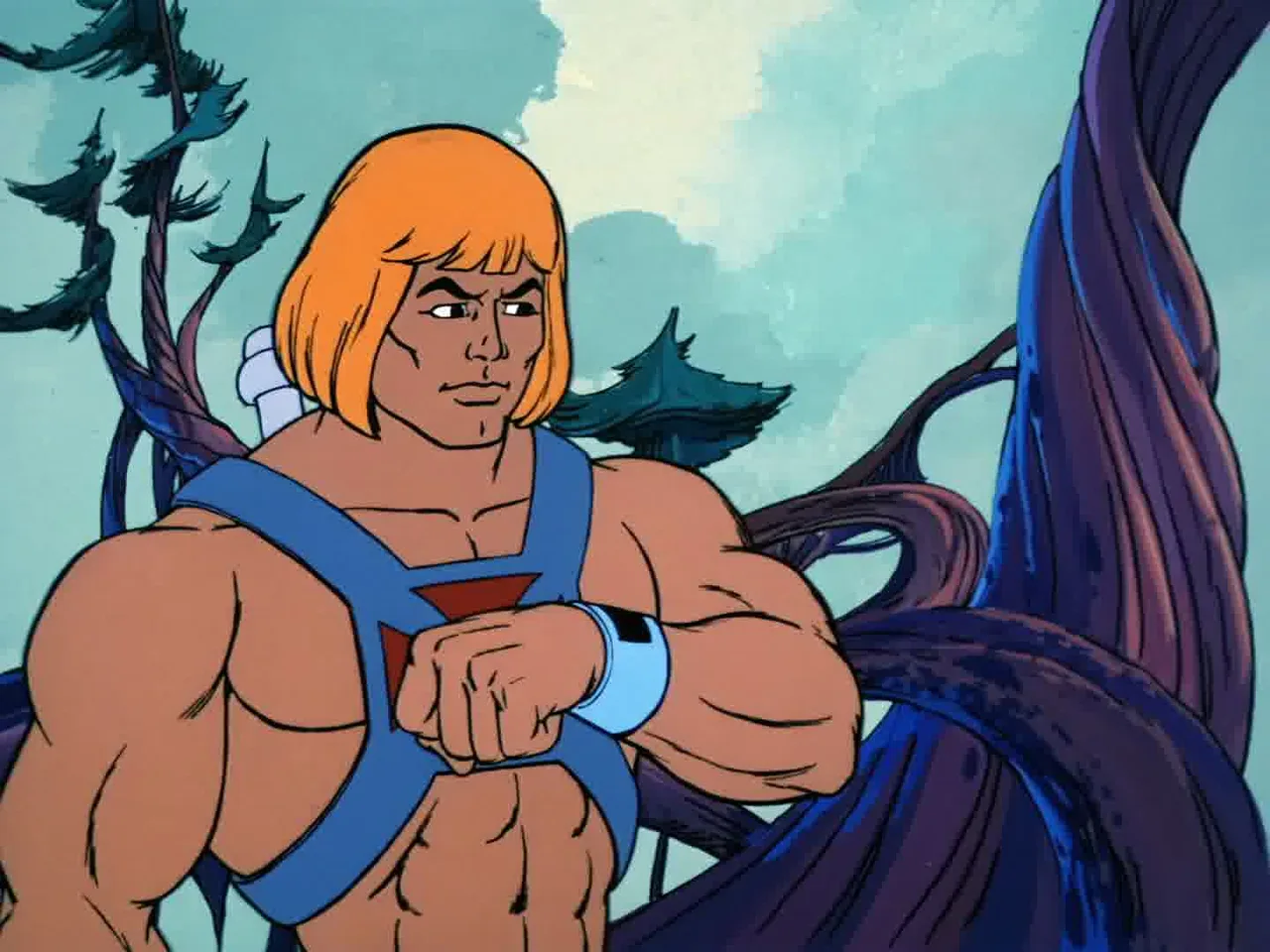
That handicap produces the episode's best scene, a small bit of lateral thinking rather than a fight: He-Man finds a game piece sealed behind a force field that only repels forward motion, and solves it by walking in backward. It is a rare Filmation puzzle that rewards closely reading its own rules instead of raw strength. He-Man wins it clean, with no sword and no fight.
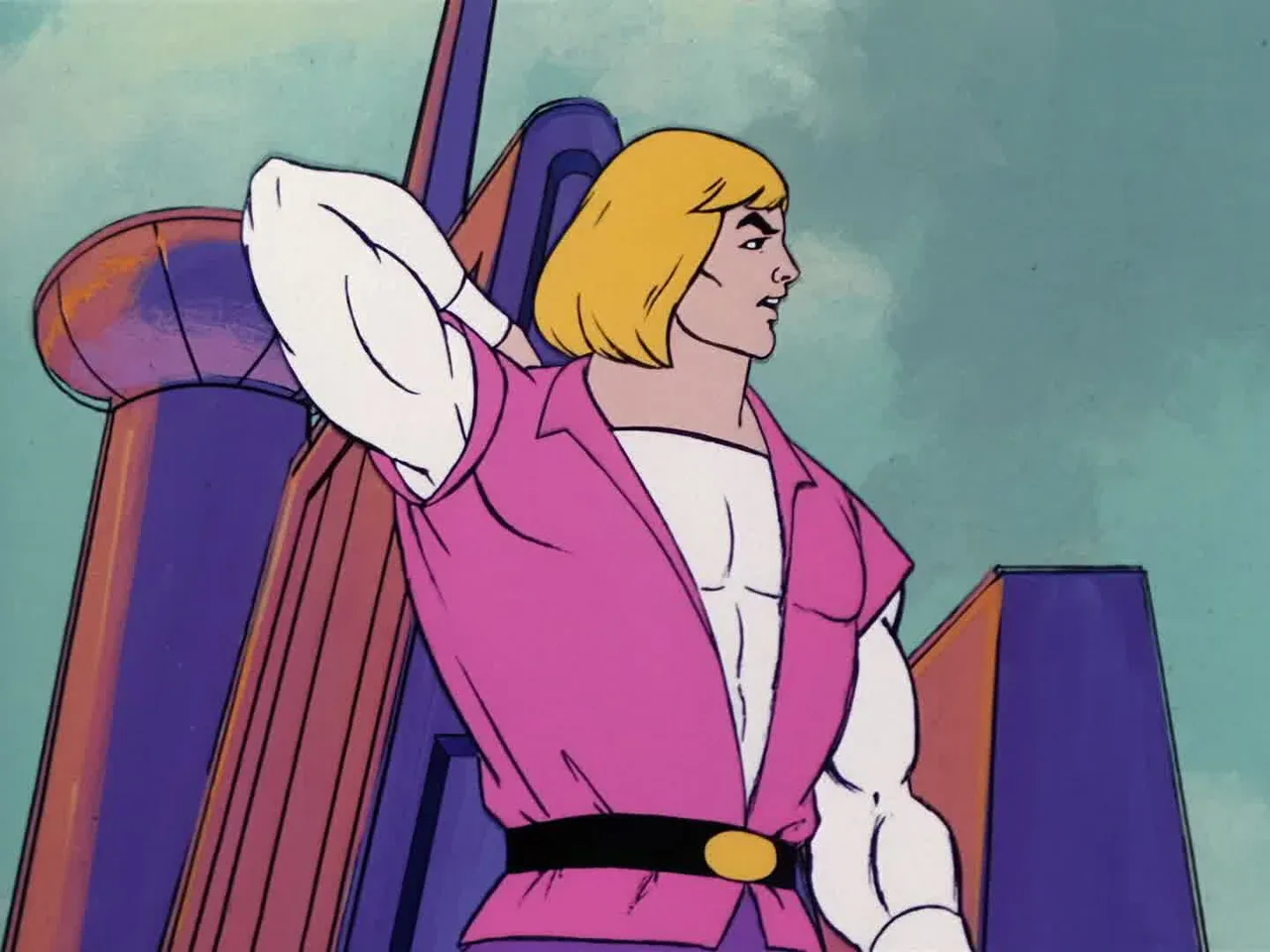
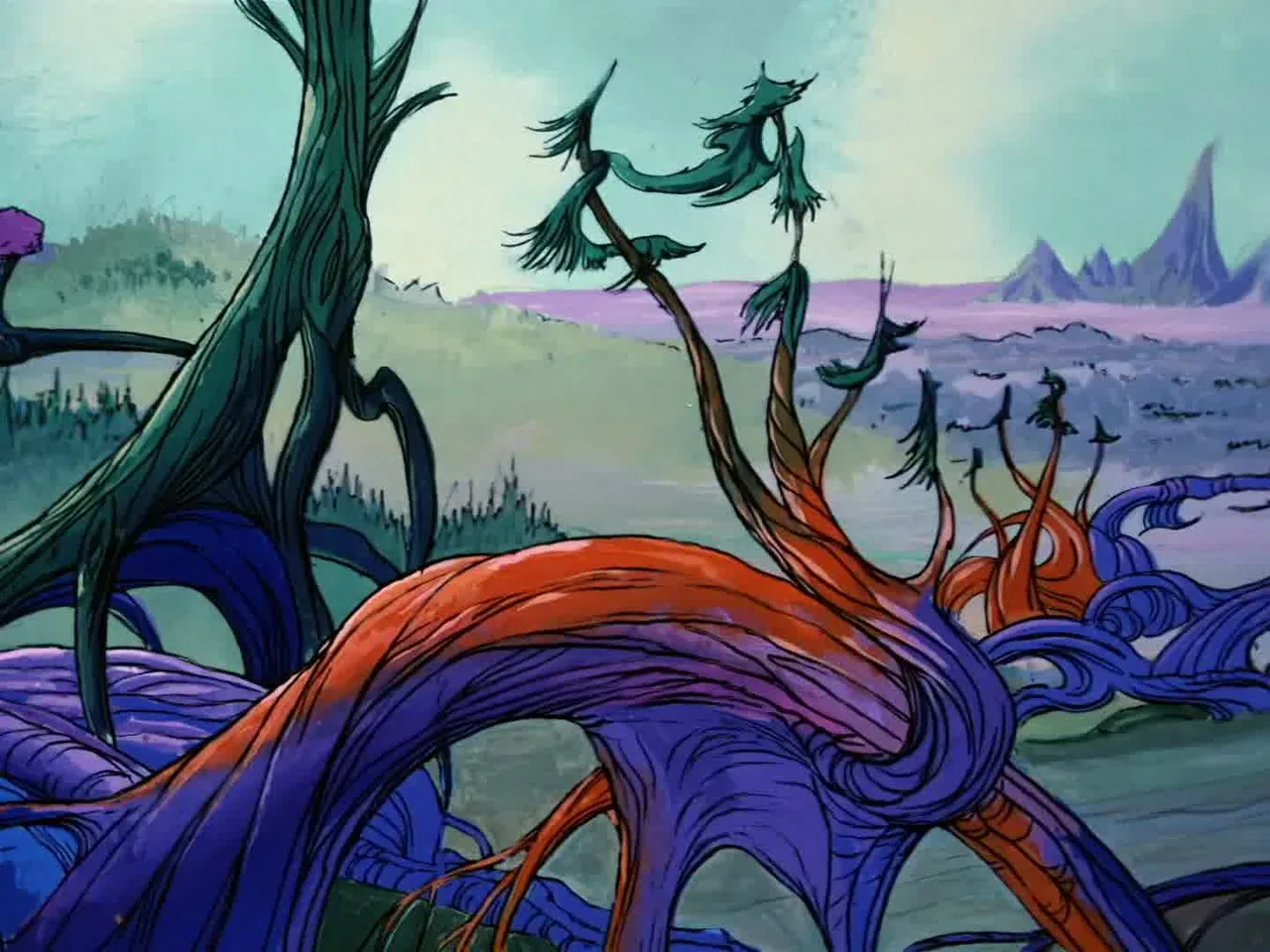
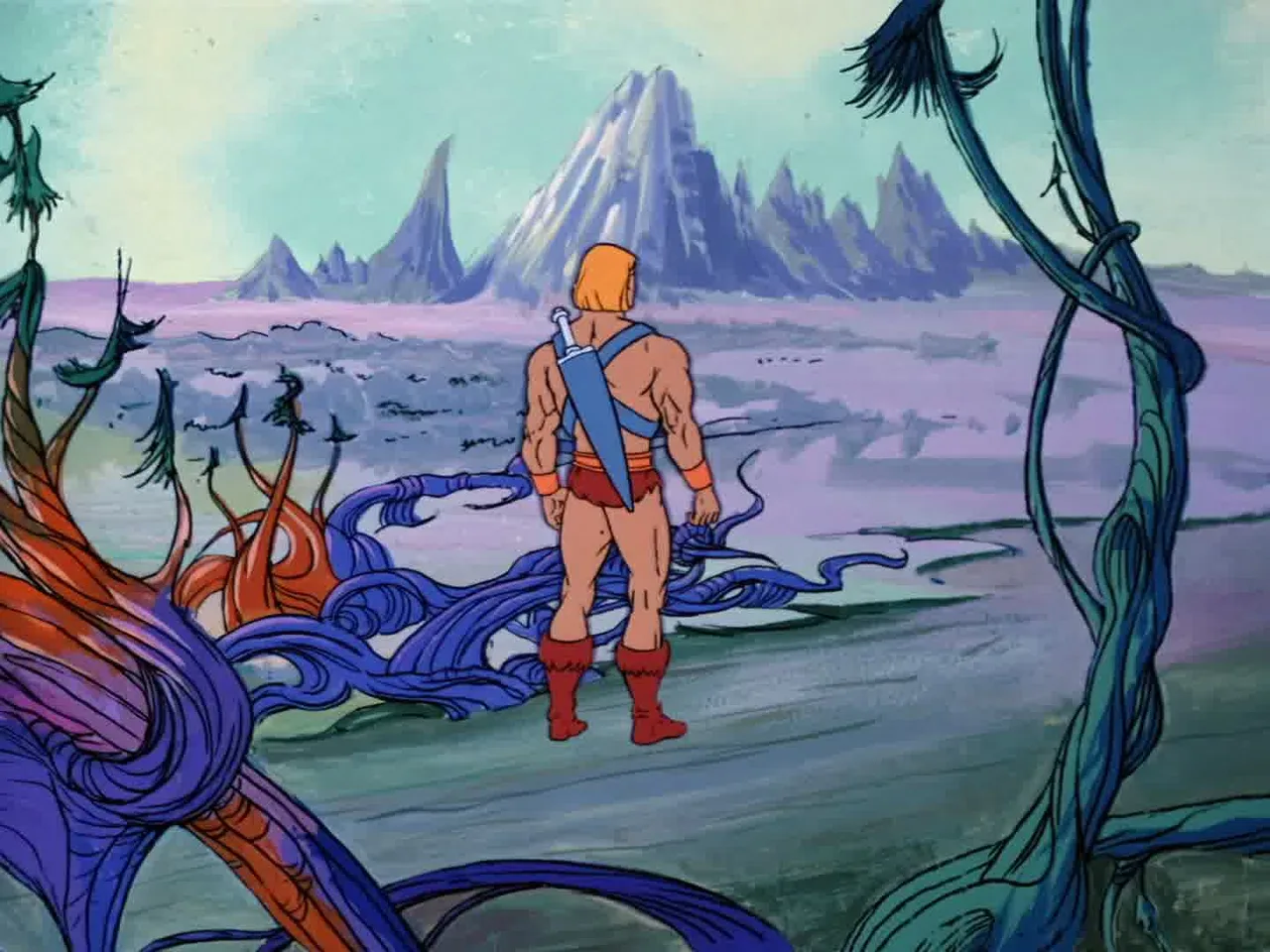
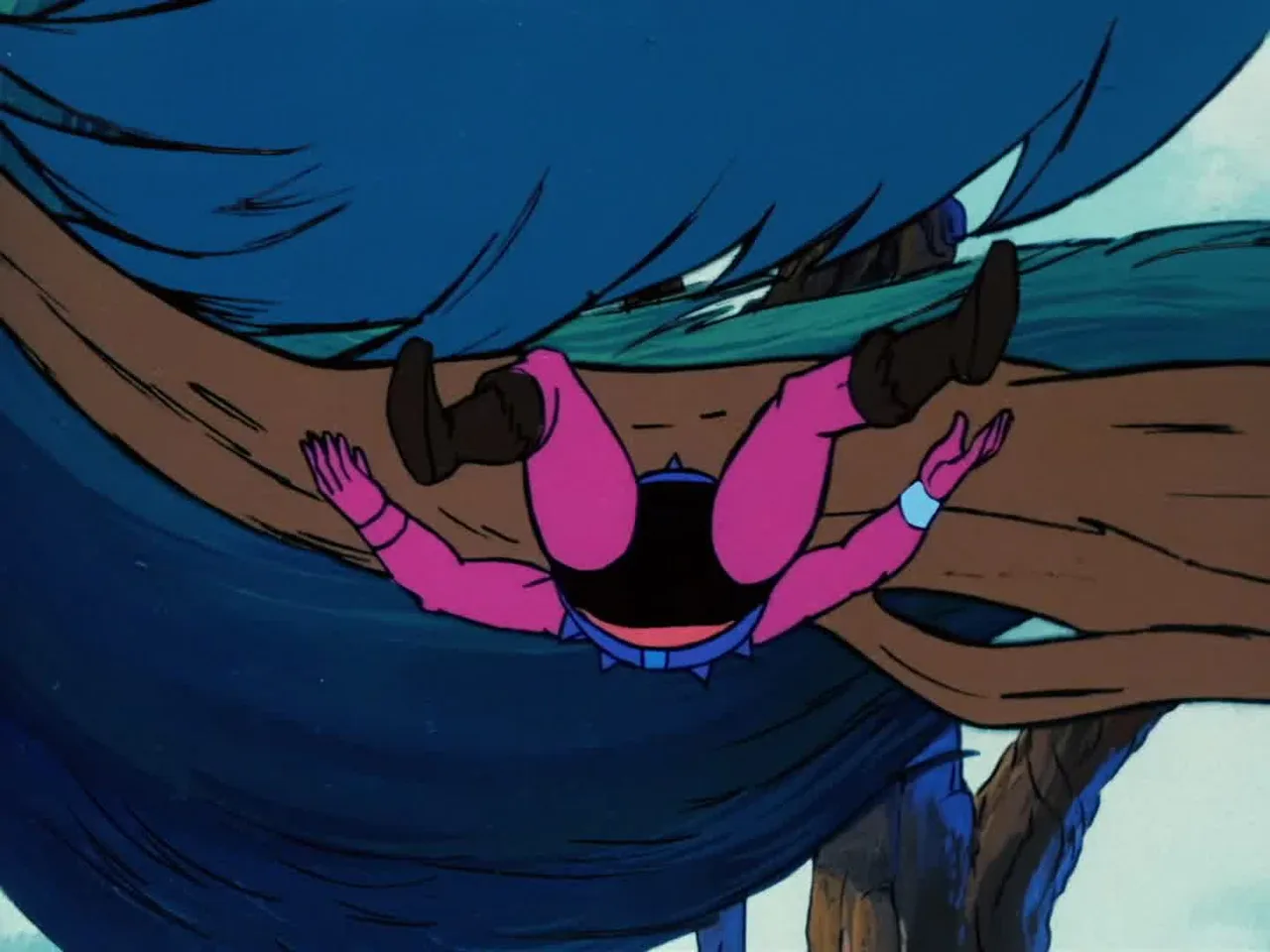
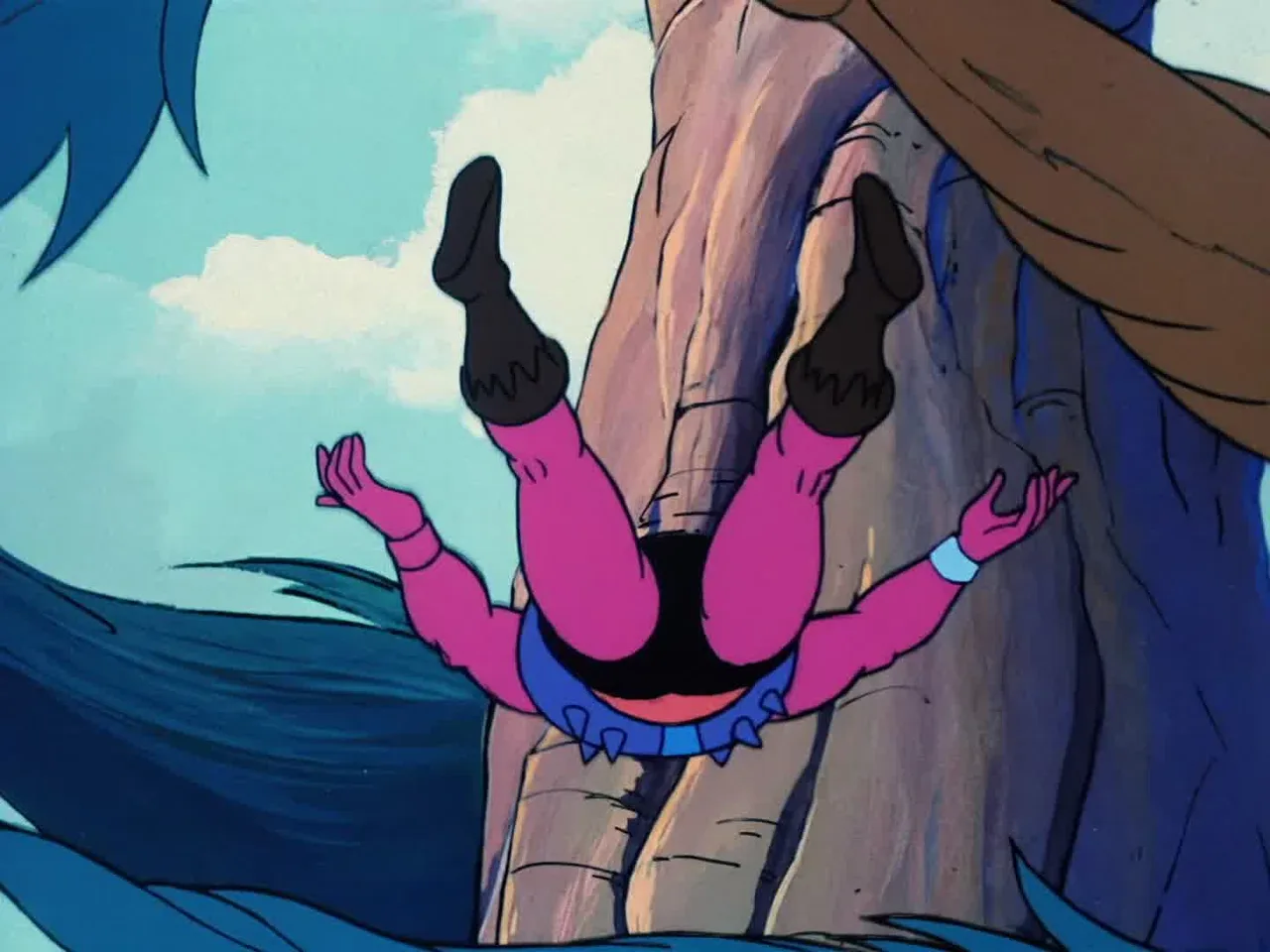
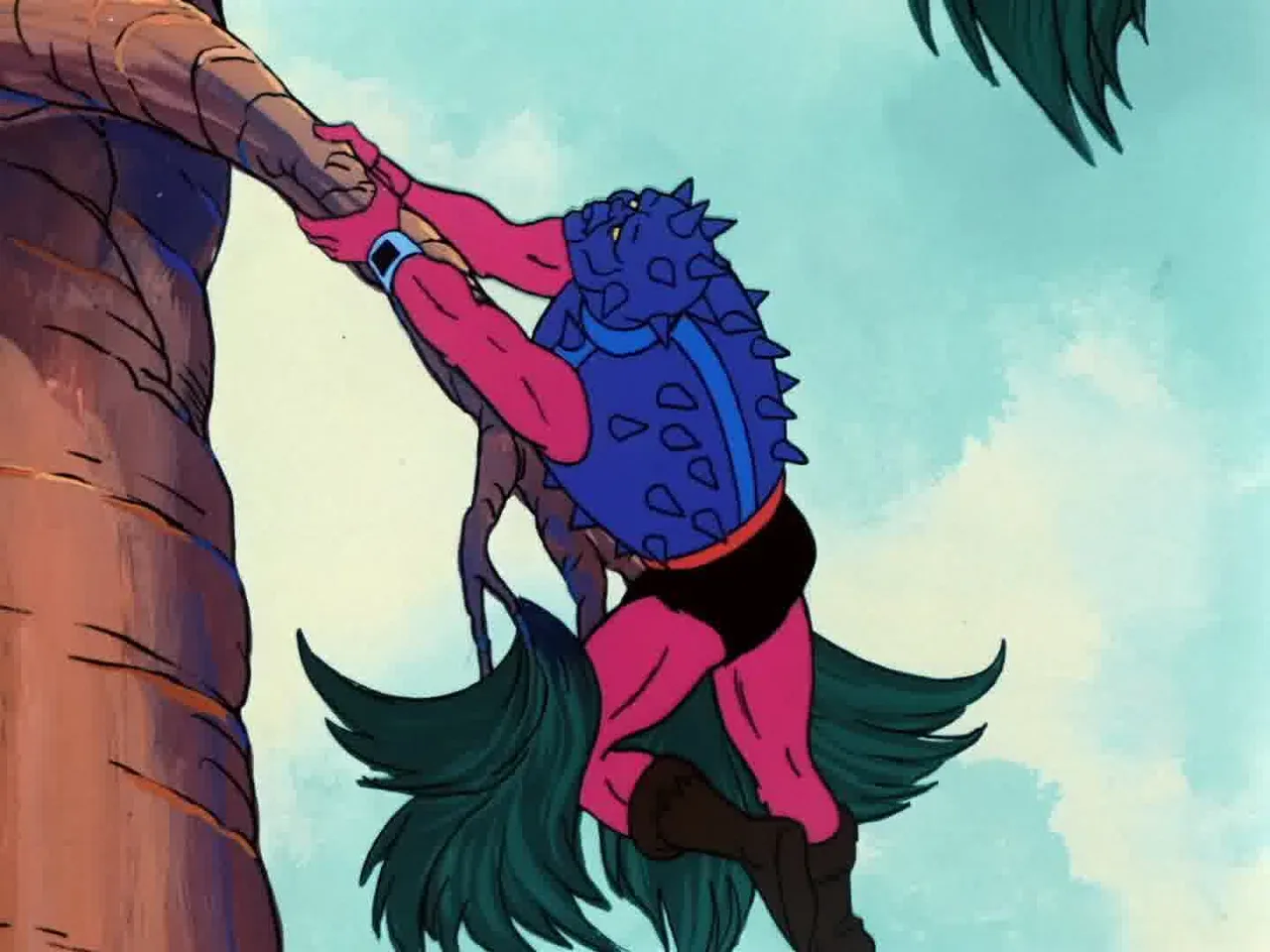
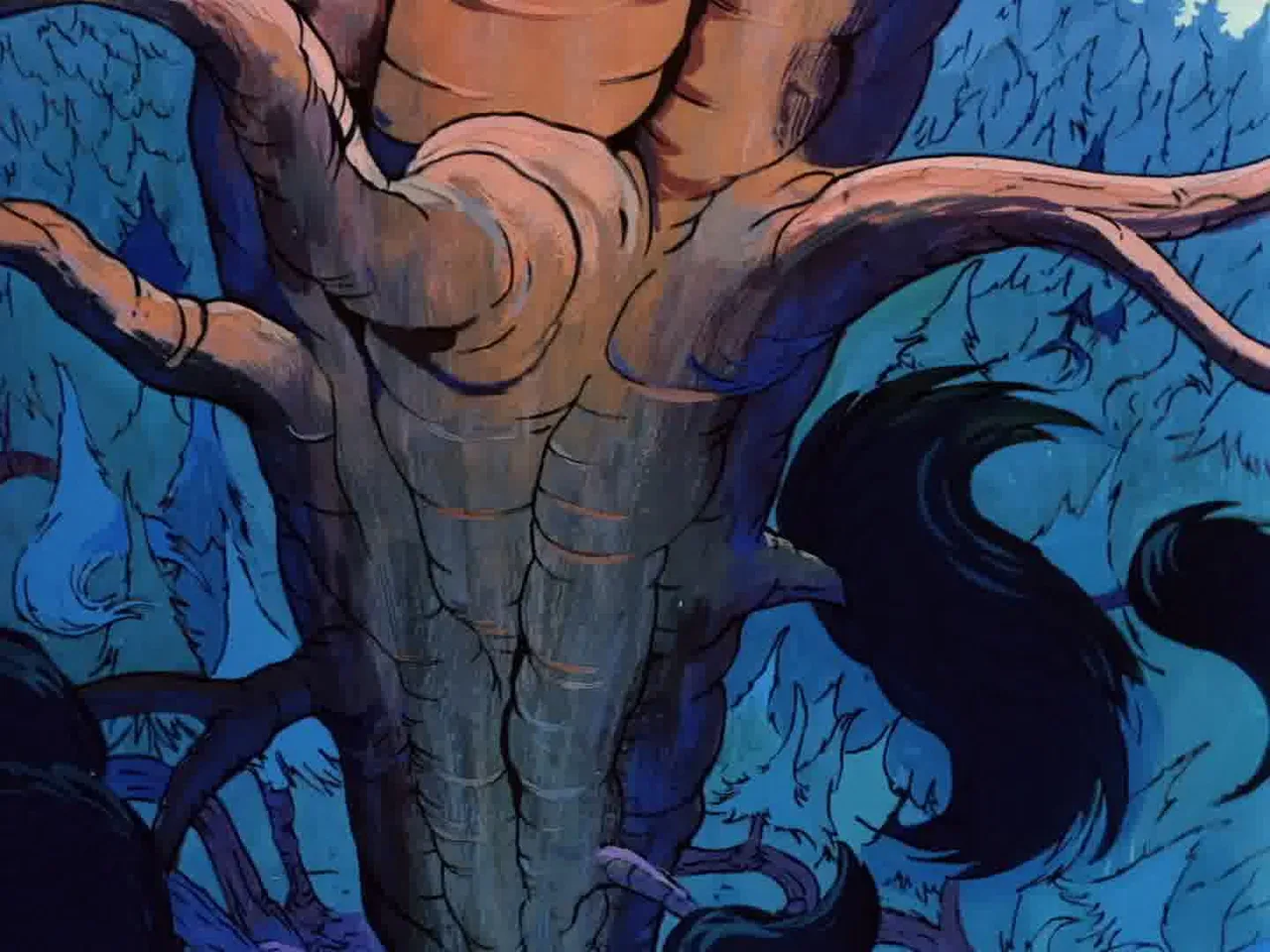
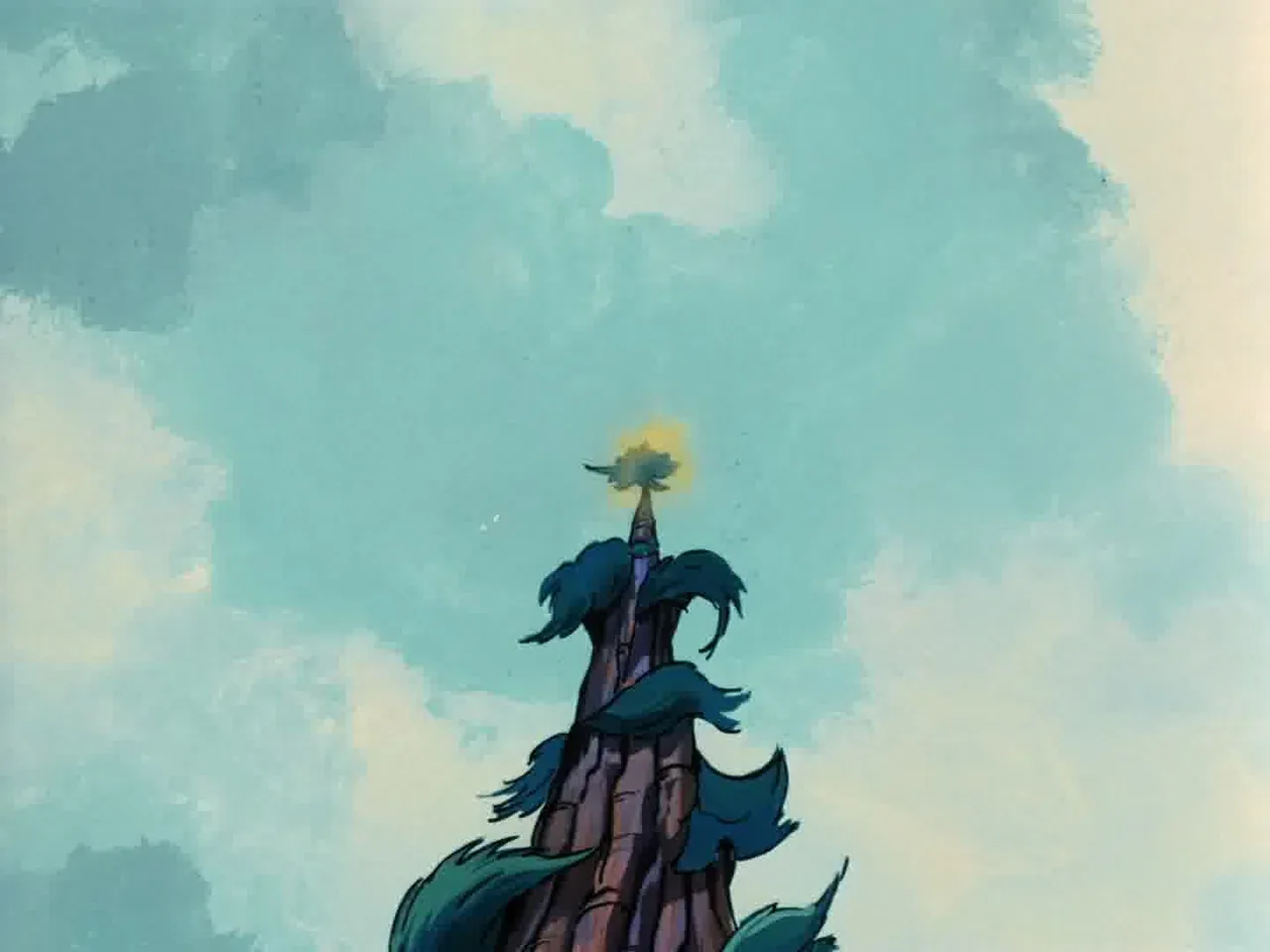
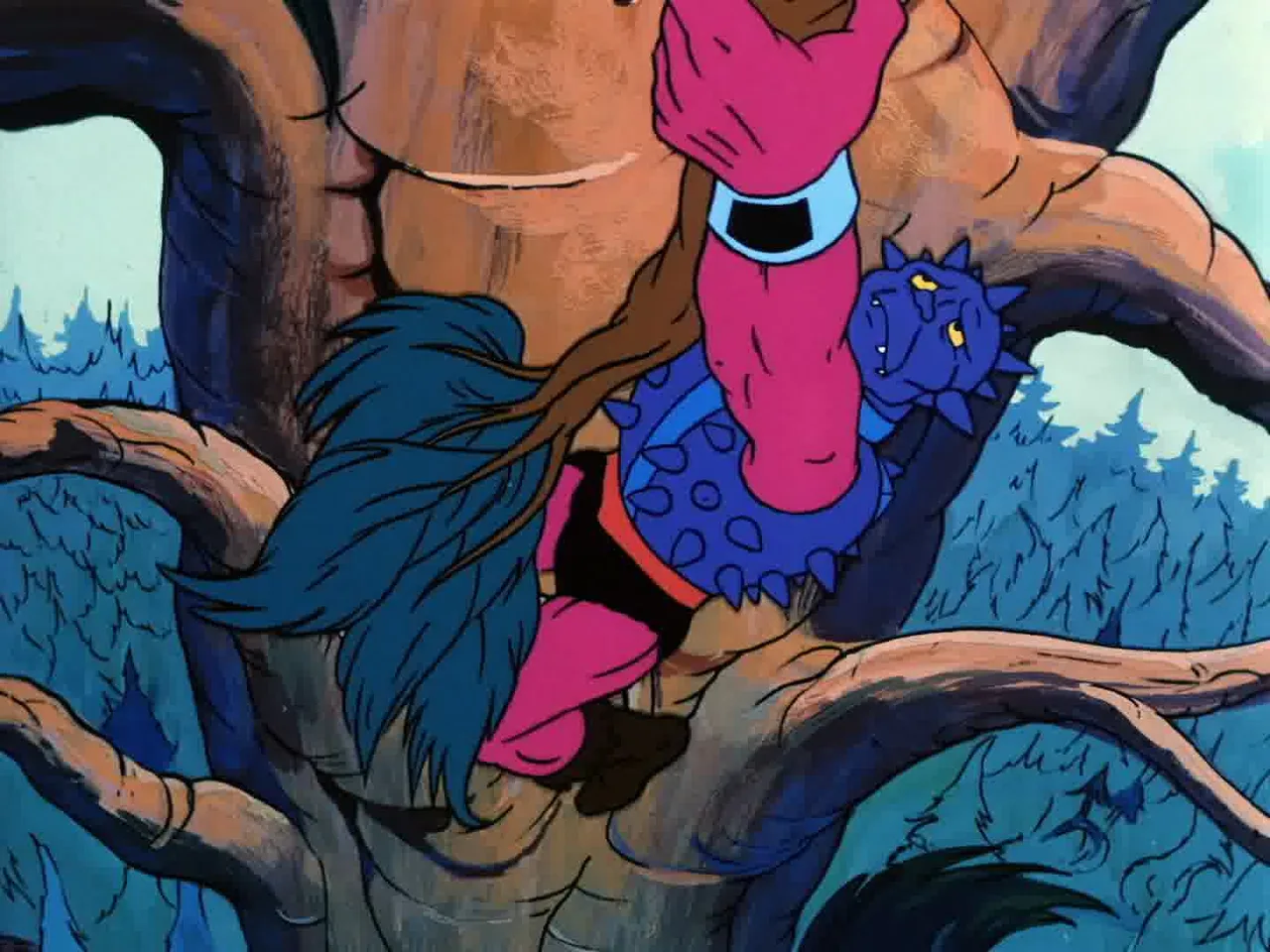
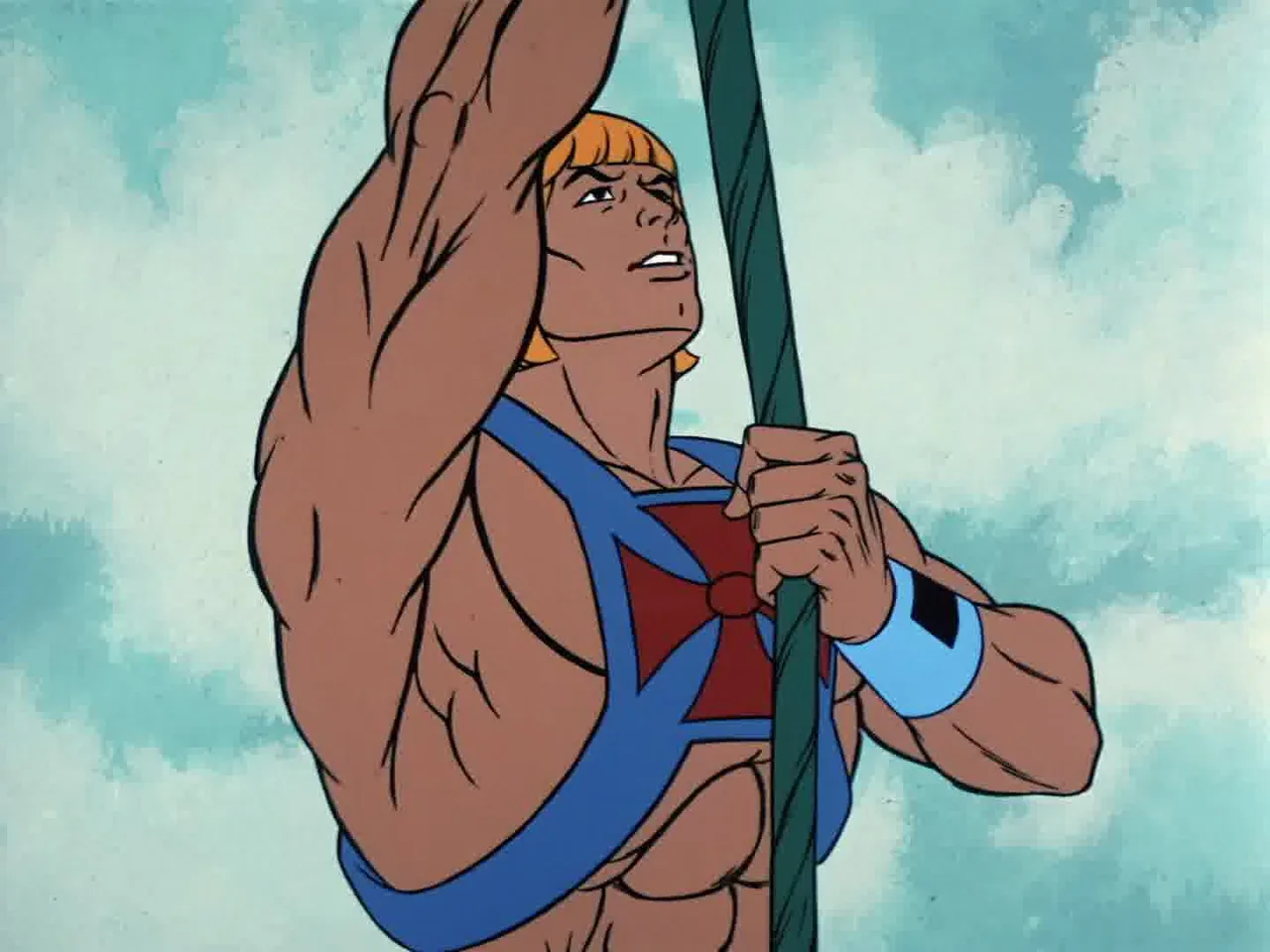
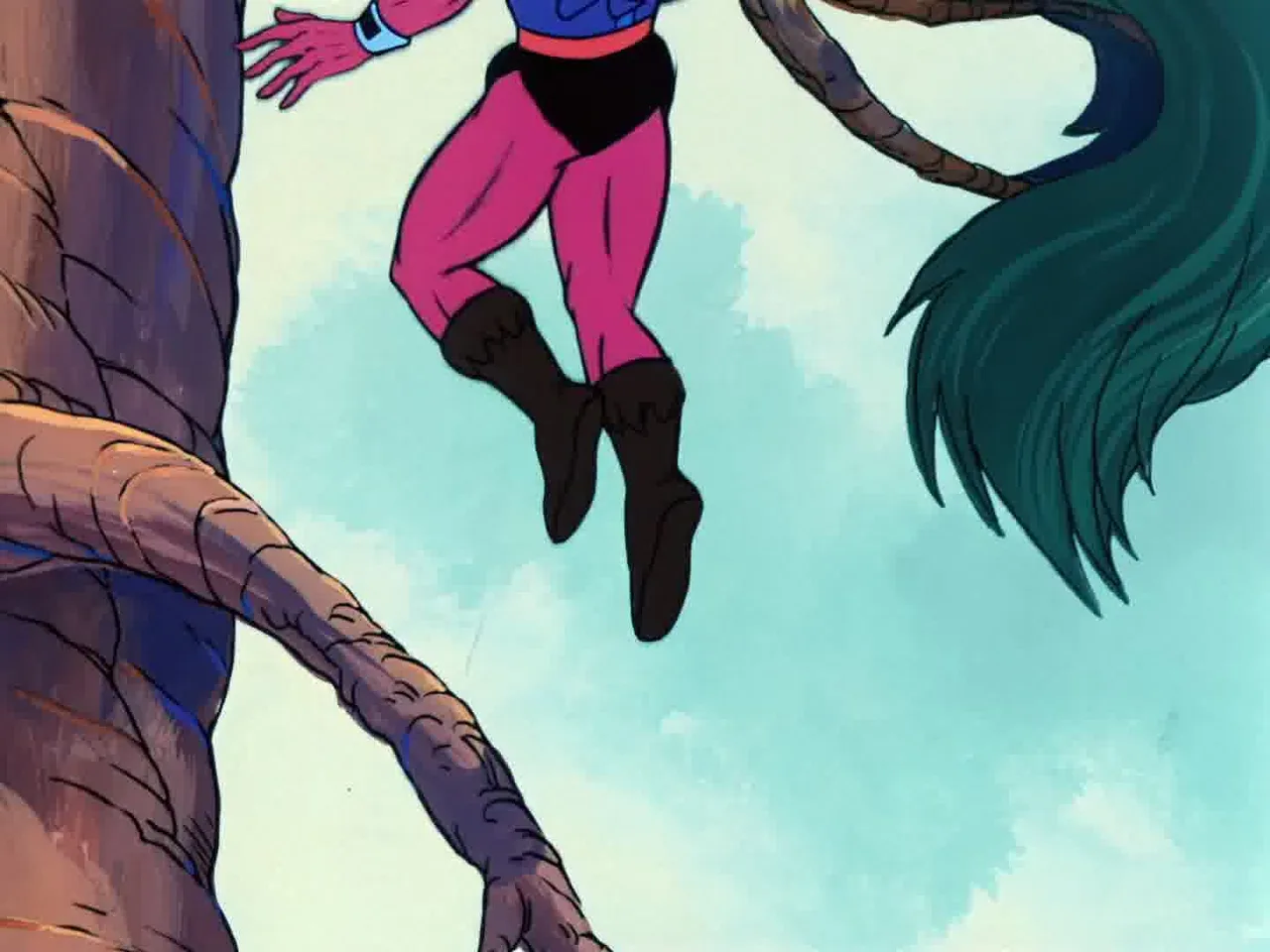
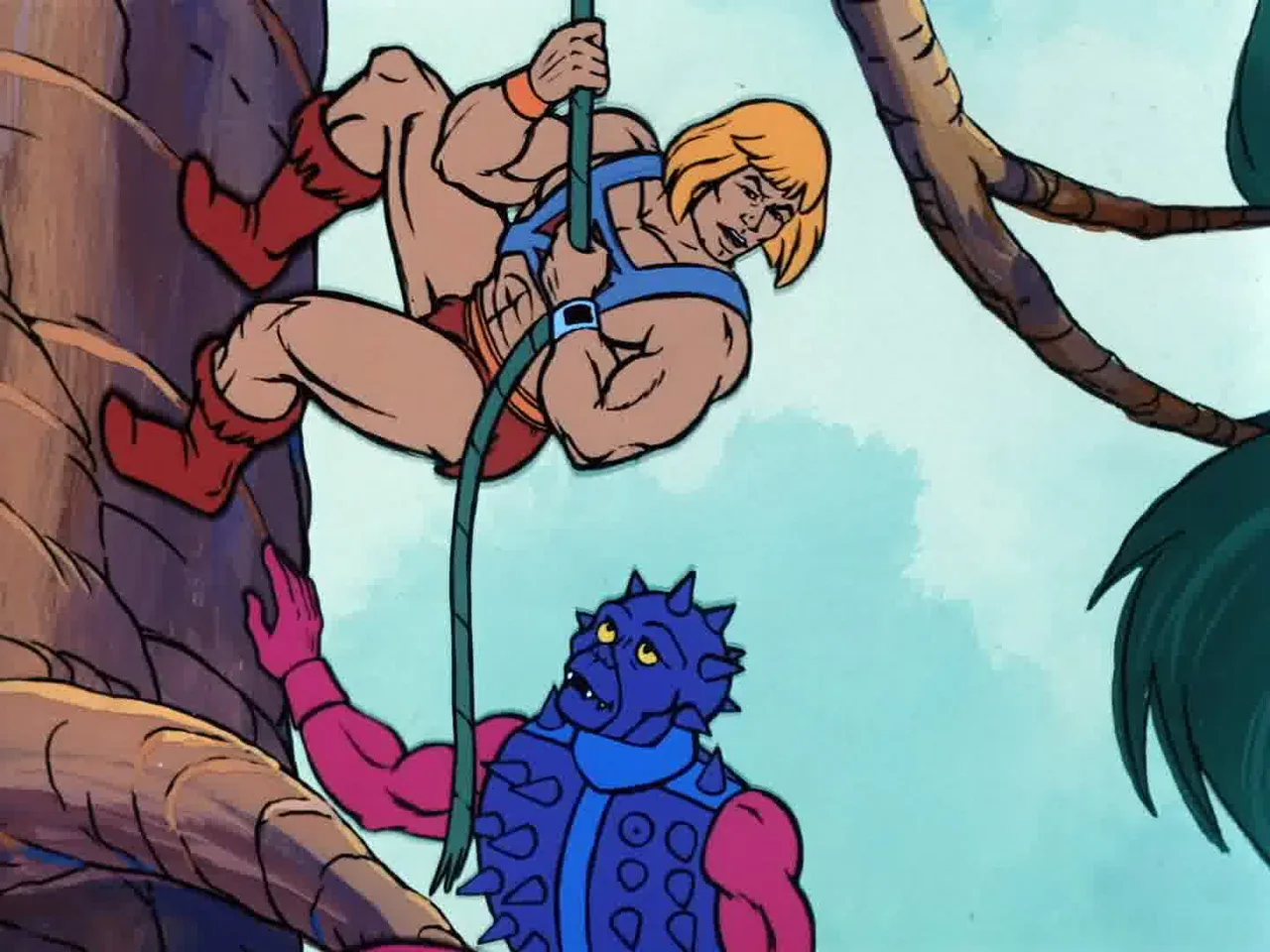
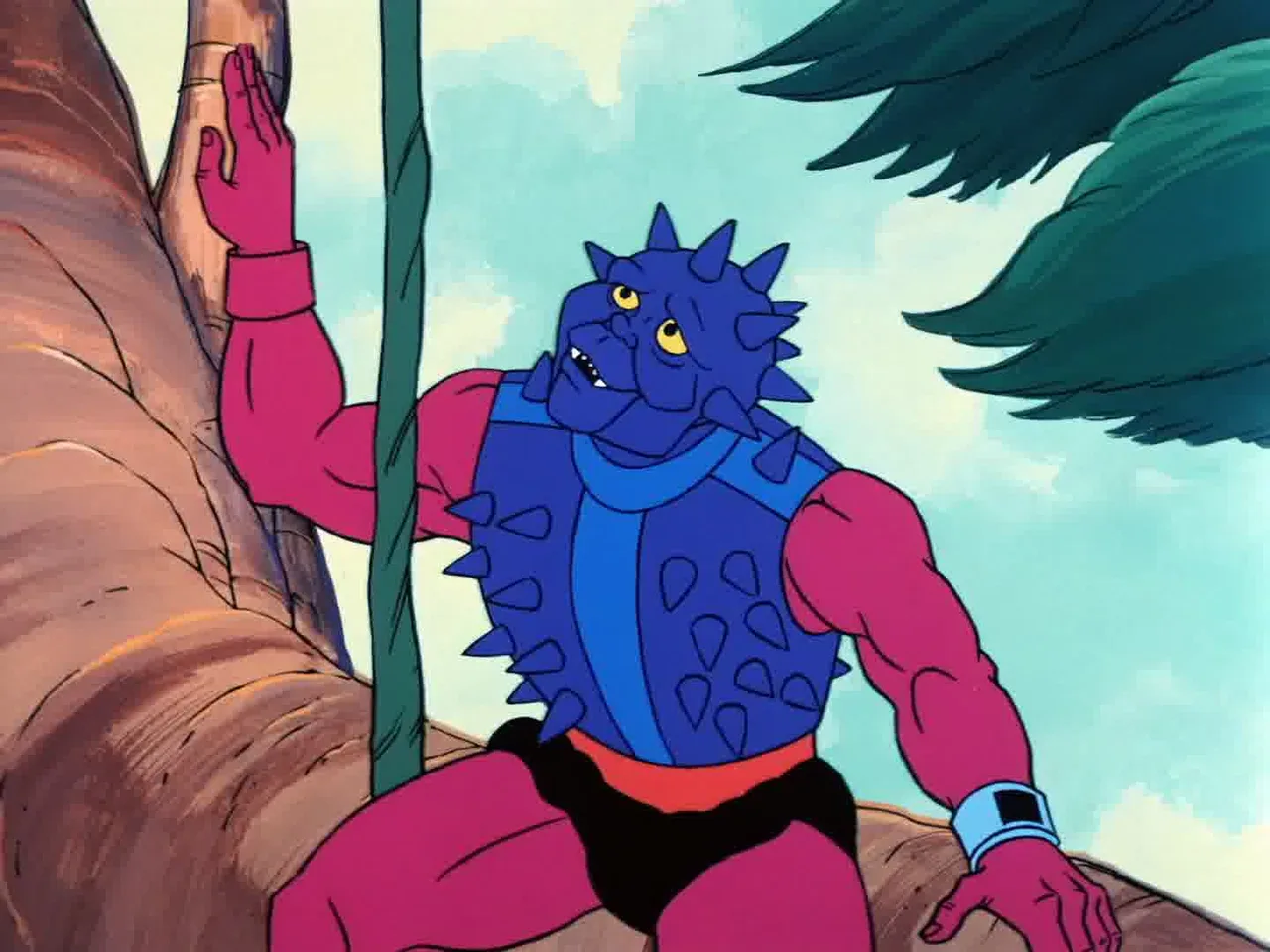
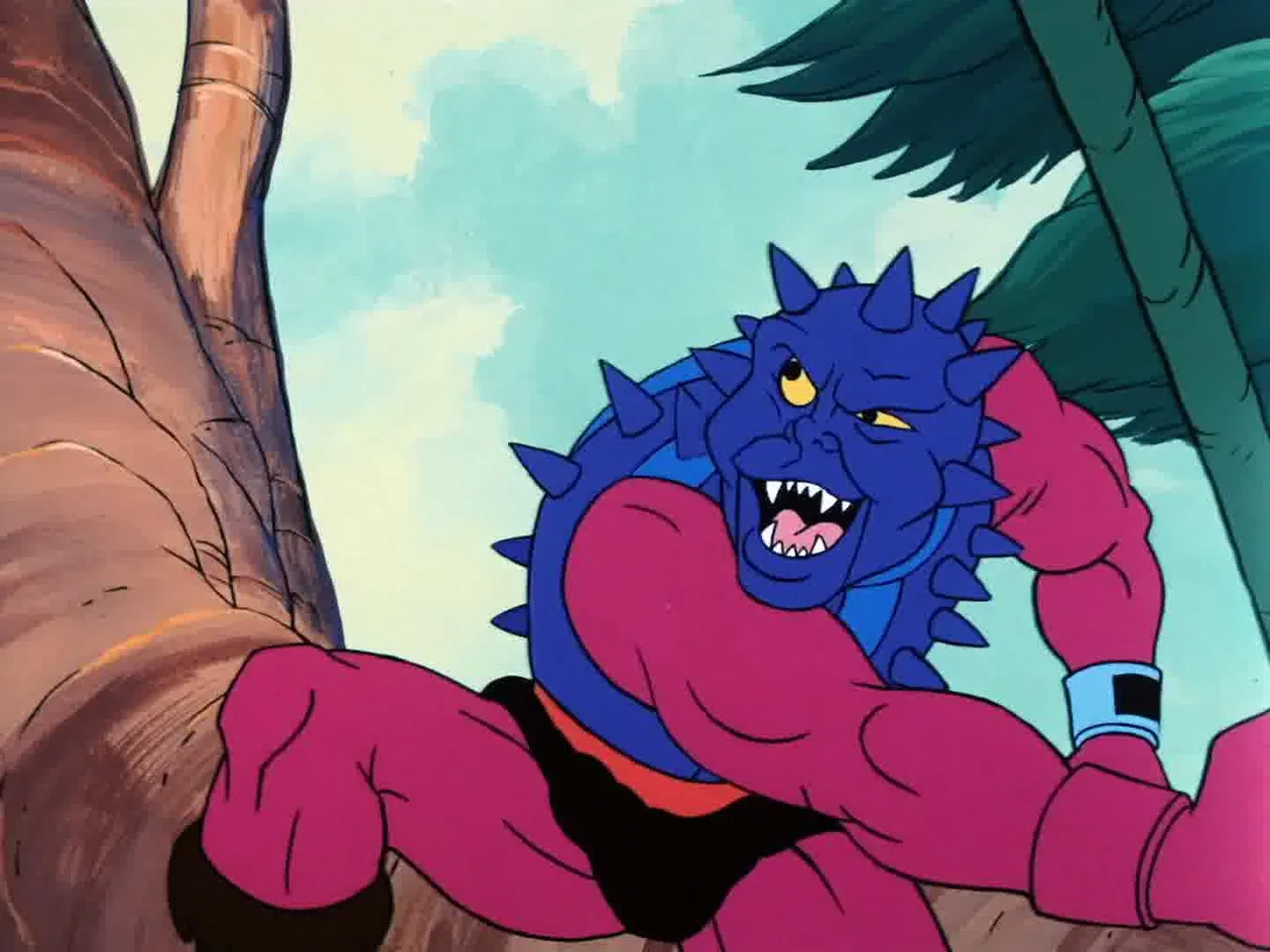
The climax complicates the morality further than it needed to. Spikor's spikes tangle him in vines near the top of the final tree, and He-Man, who is still behind on points and racing for the last piece, climbs down to save him instead of finishing the climb. Spikor's reply is to shake the vine and drop him. It is a small, mean beat, and the episode does not soften it or redeem Spikor for it; he simply loses anyway, to a He-Man who recovers in midair and beats him to the piece regardless. The show could have let the rescue cost He-Man the game and still made its point. Letting him win anyway blunts the one moment where sacrifice actually had stakes attached to it.
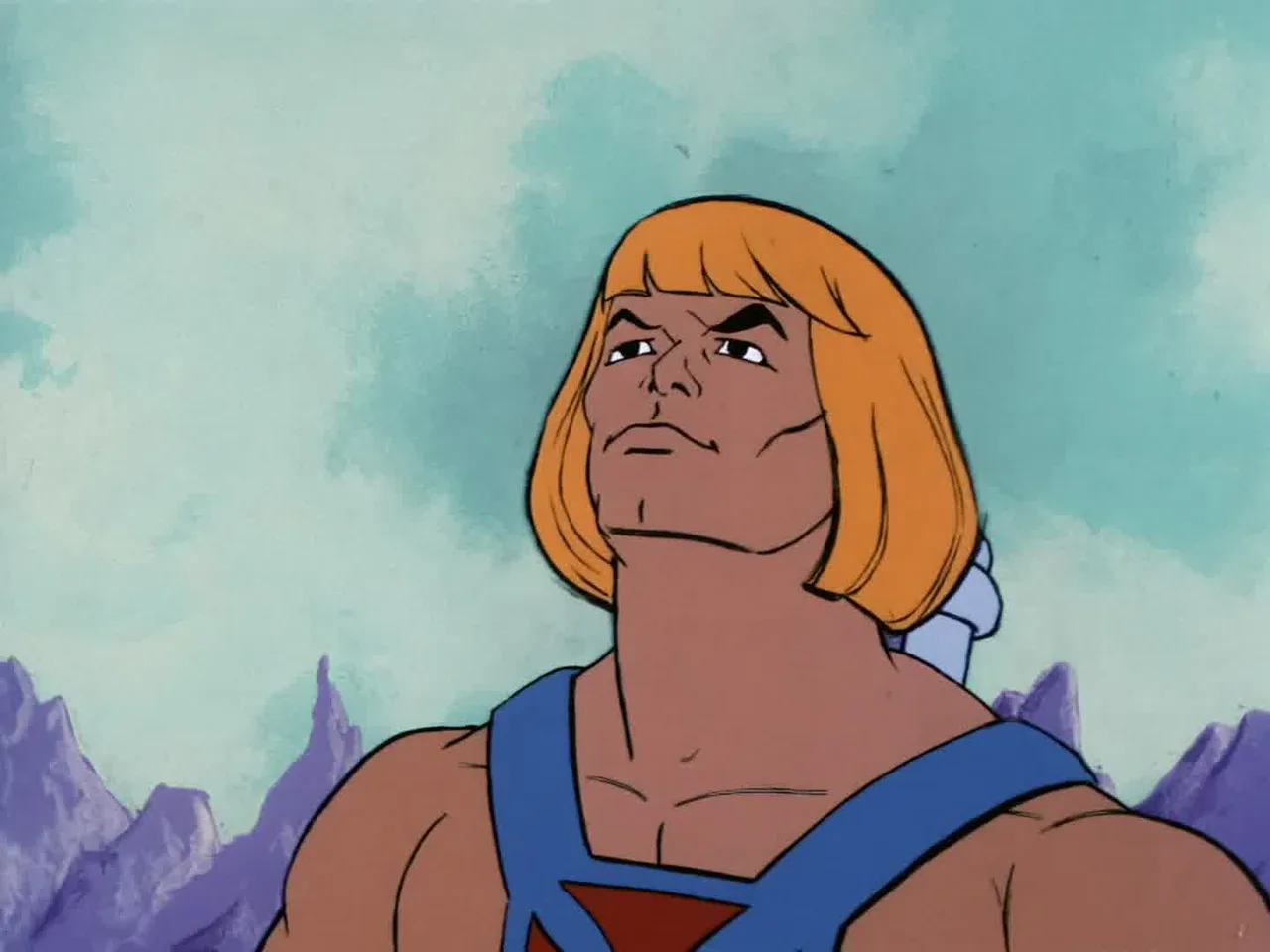
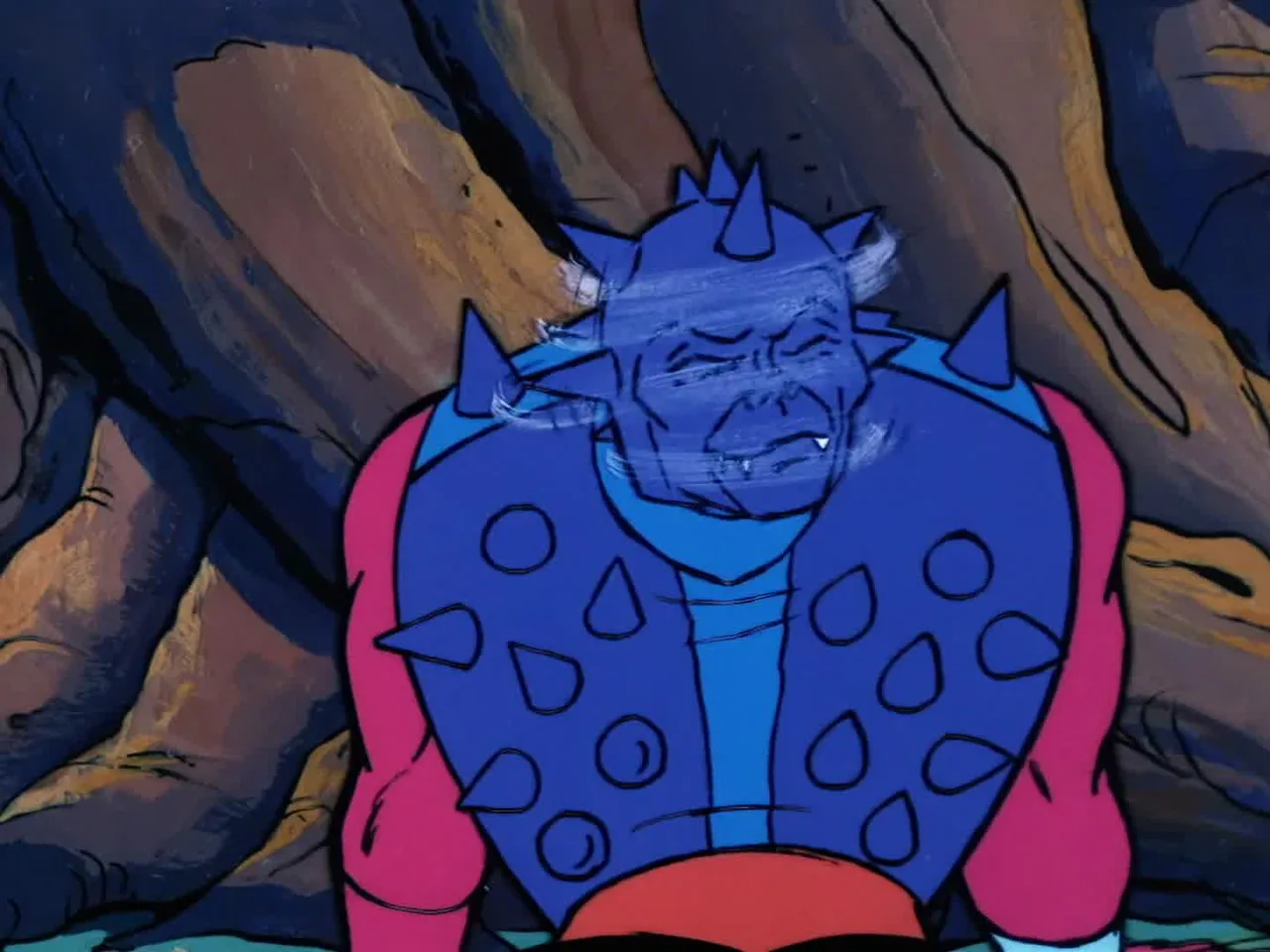
Skeletor supplies the episode's funniest exit. After the Bendari depart satisfied that good is "the greater power," he turns to Spikor with the air of a man about to share hard-won wisdom and announces that what he has really learned is that he hates losing. It is a better punchline than most of the series manages, mostly because it refuses him any growth at all. Man-At-Arms closes the episode with the expected moral about trying even when the odds are against you, which the episode has, to its credit, actually dramatized rather than just stated: Fisto crushed under a stone, He-Man climbing down instead of up. The lesson lands for once, even if the game itself never quite risked enough to prove it.
- Production: written by J. Michael Straczynski and directed by Richard Trueblood, part of the show's second season.
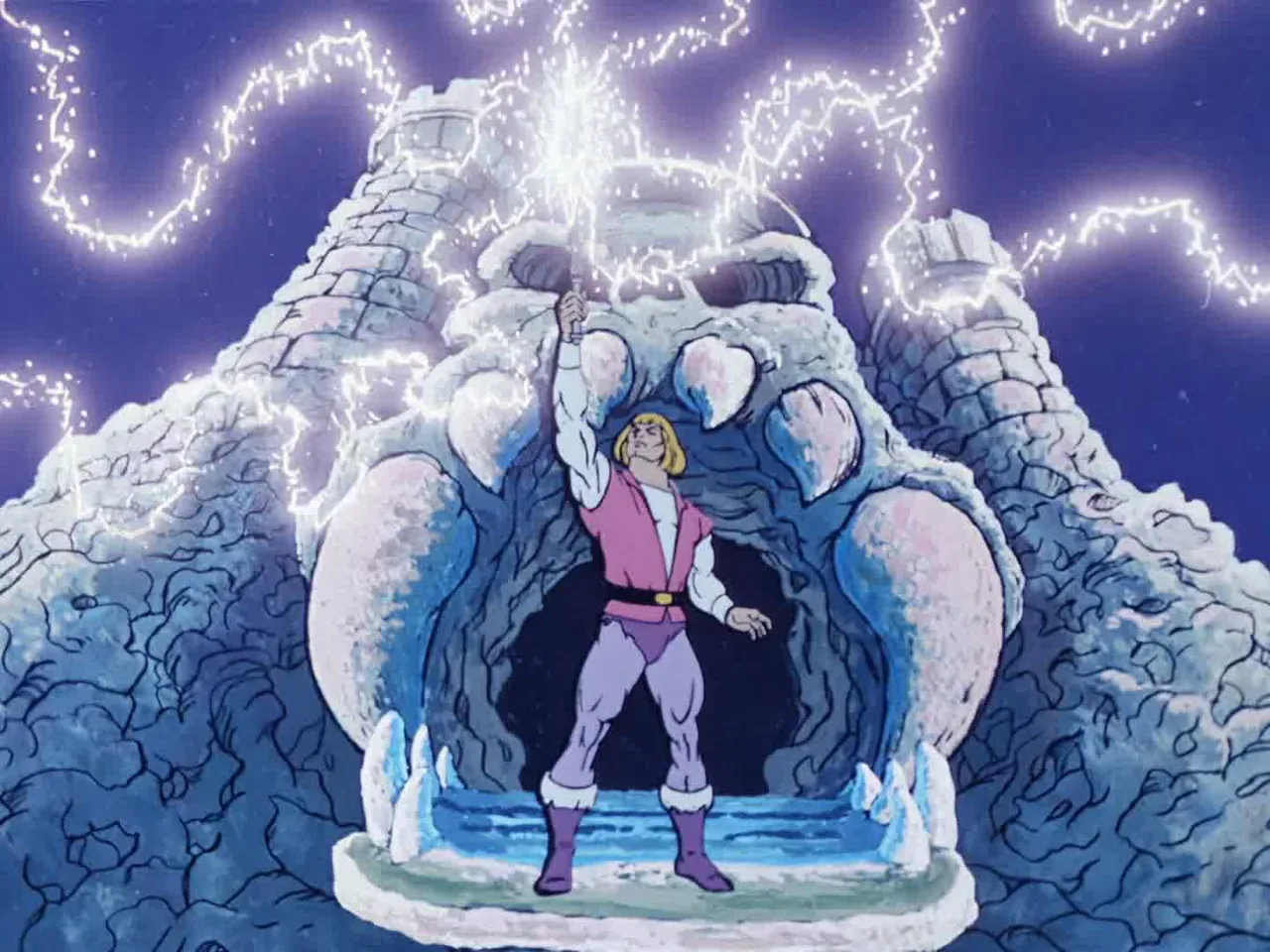
- The Bendari's equipment cannot locate He-Man because Prince Adam and He-Man register as the same being only at the moment of transformation, not as a continuously trackable individual; the script treats this as the reason Fisto gets chosen over him, rather than explaining it away.
- Spikor's power boost from the evil-gizer is never referenced again in the episode once the games begin; Skeletor's own warning that the device carries unforeseen dangers for its user goes unmentioned after Spikor survives it.
- Both of Skeletor's warriors cheat with abilities that are otherwise combat tools elsewhere in the series: Beast Man's trained bird and Mer-Man's underwater ambush are used here to steal game pieces rather than to fight.
- Man-At-Arms delivers the closing message directly to the audience, a role the series rotates among its cast rather than assigning to one character.









DISCUSSION
Join the conversation.
Comments below are mirrored on the heman.org forum. Sign in once, post anywhere.