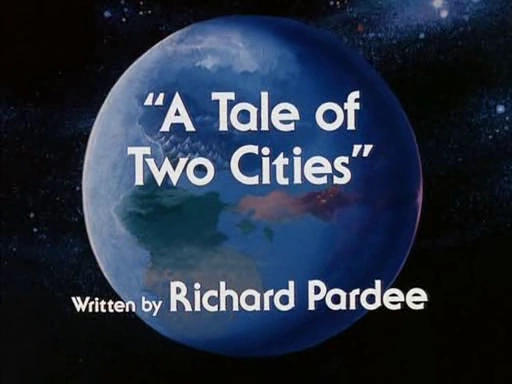
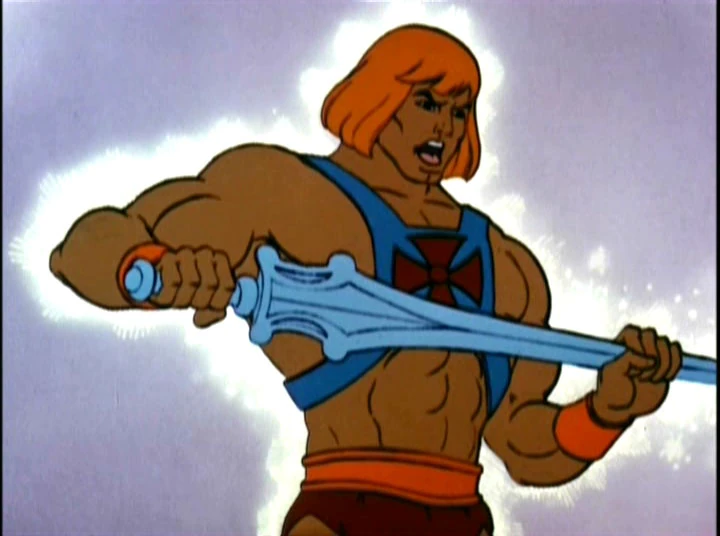
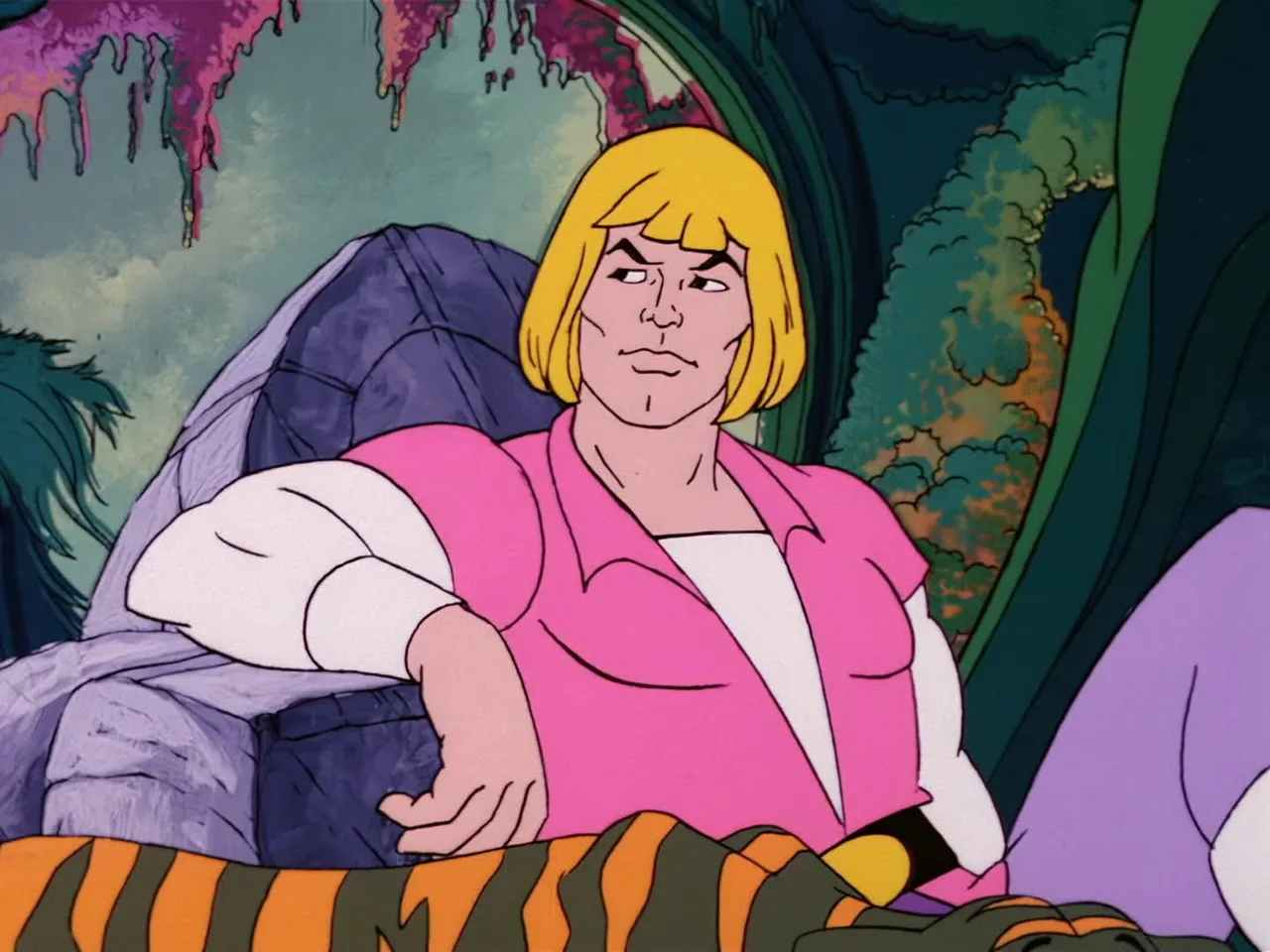
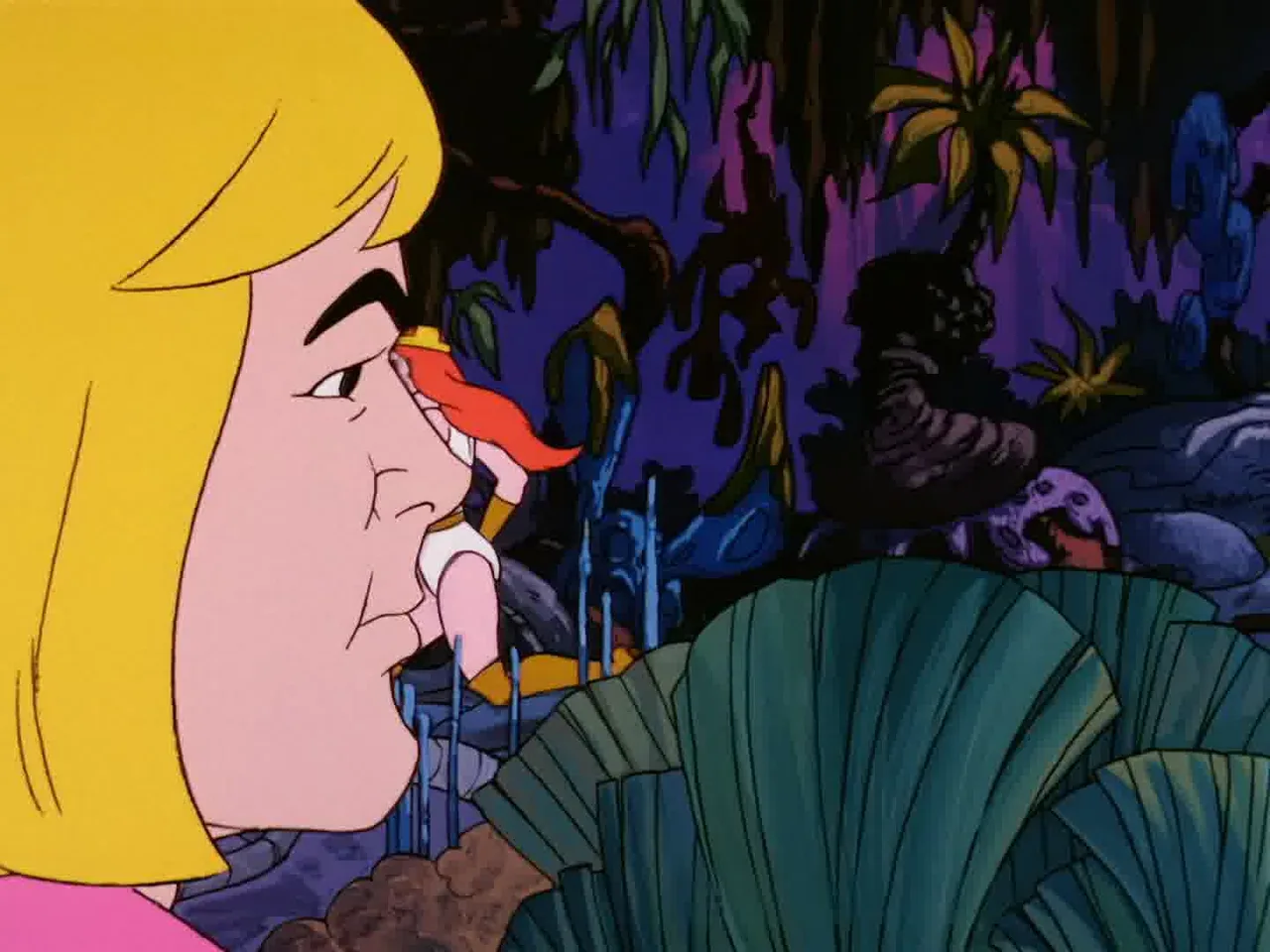
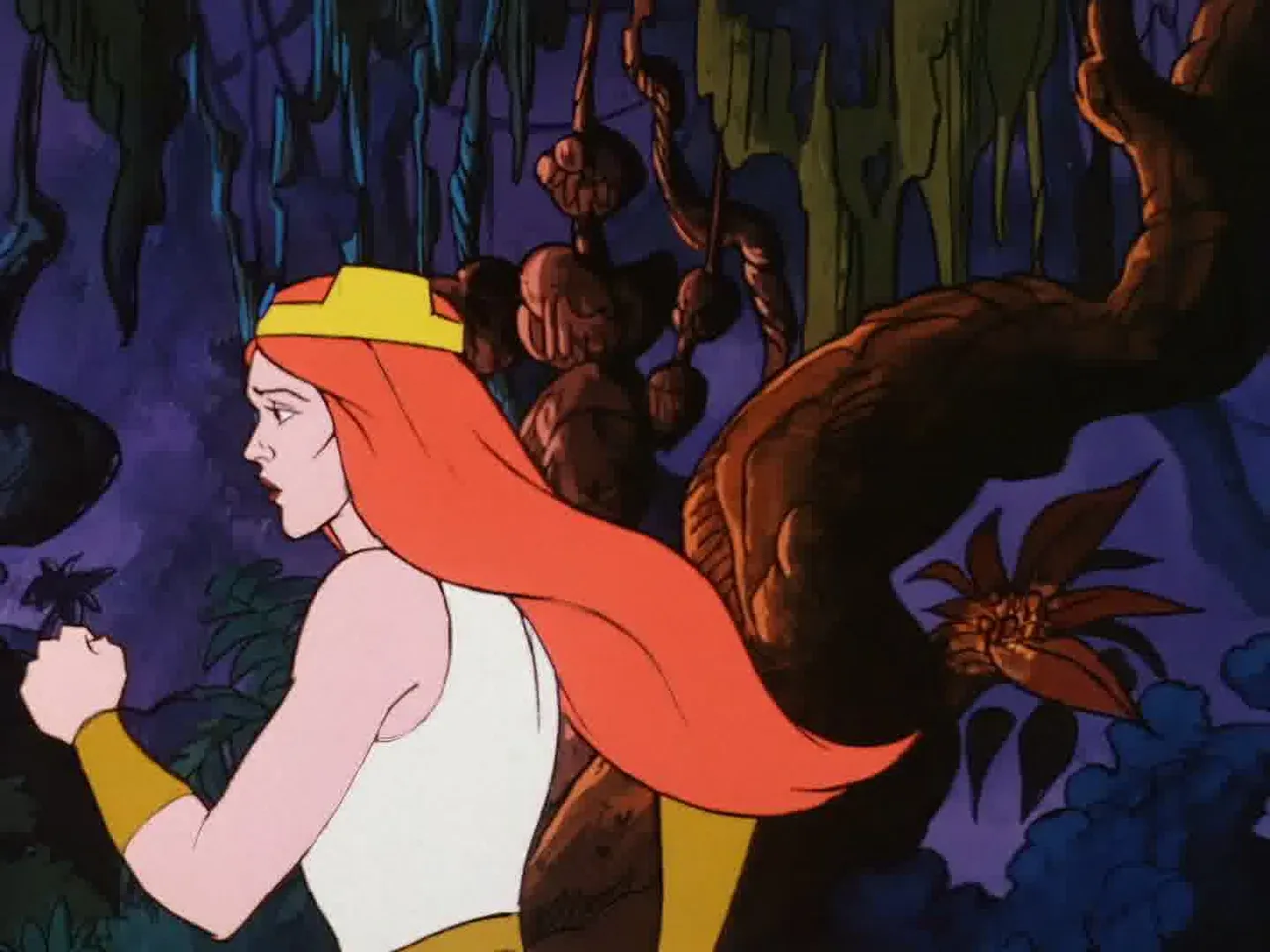
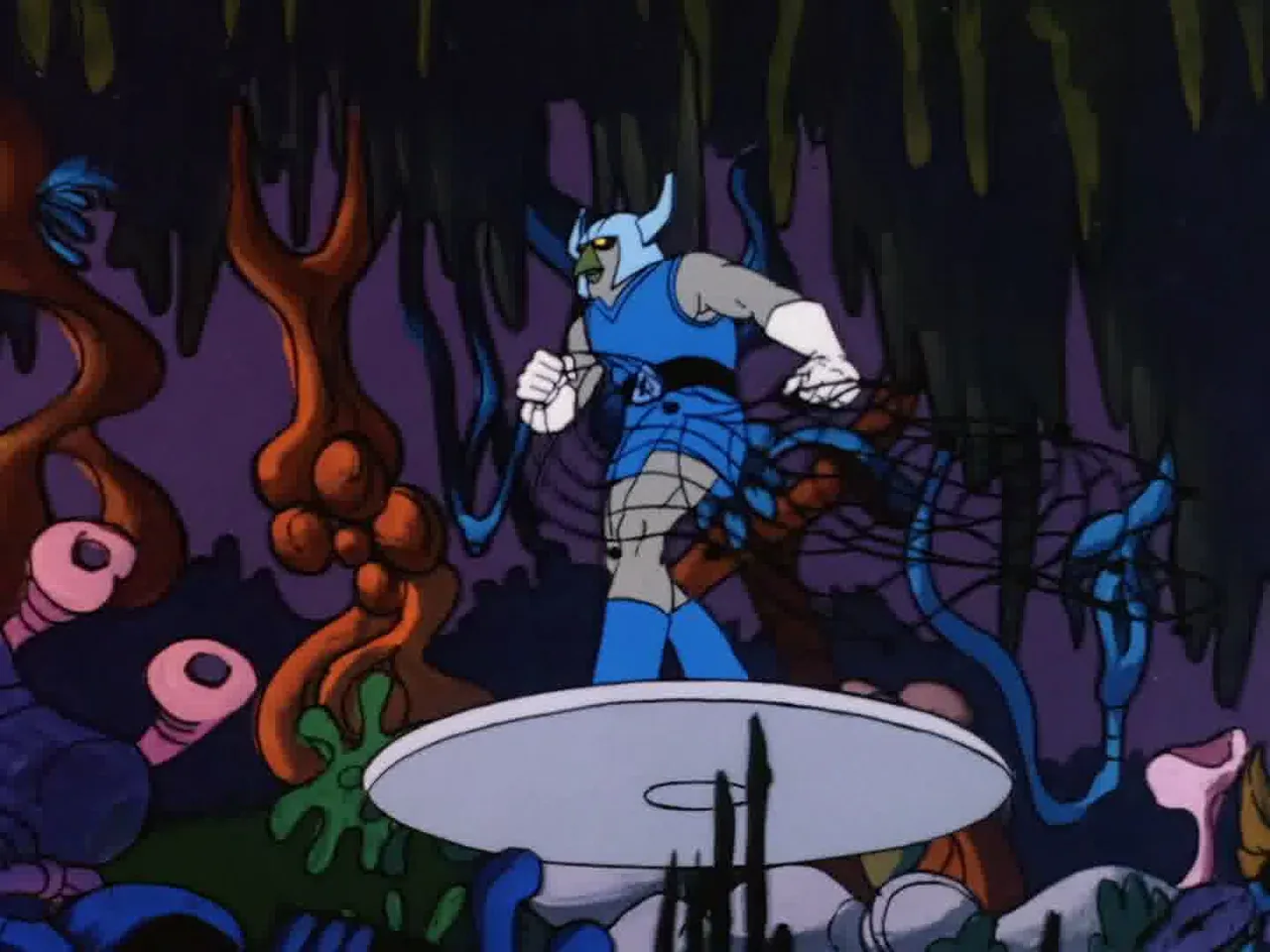
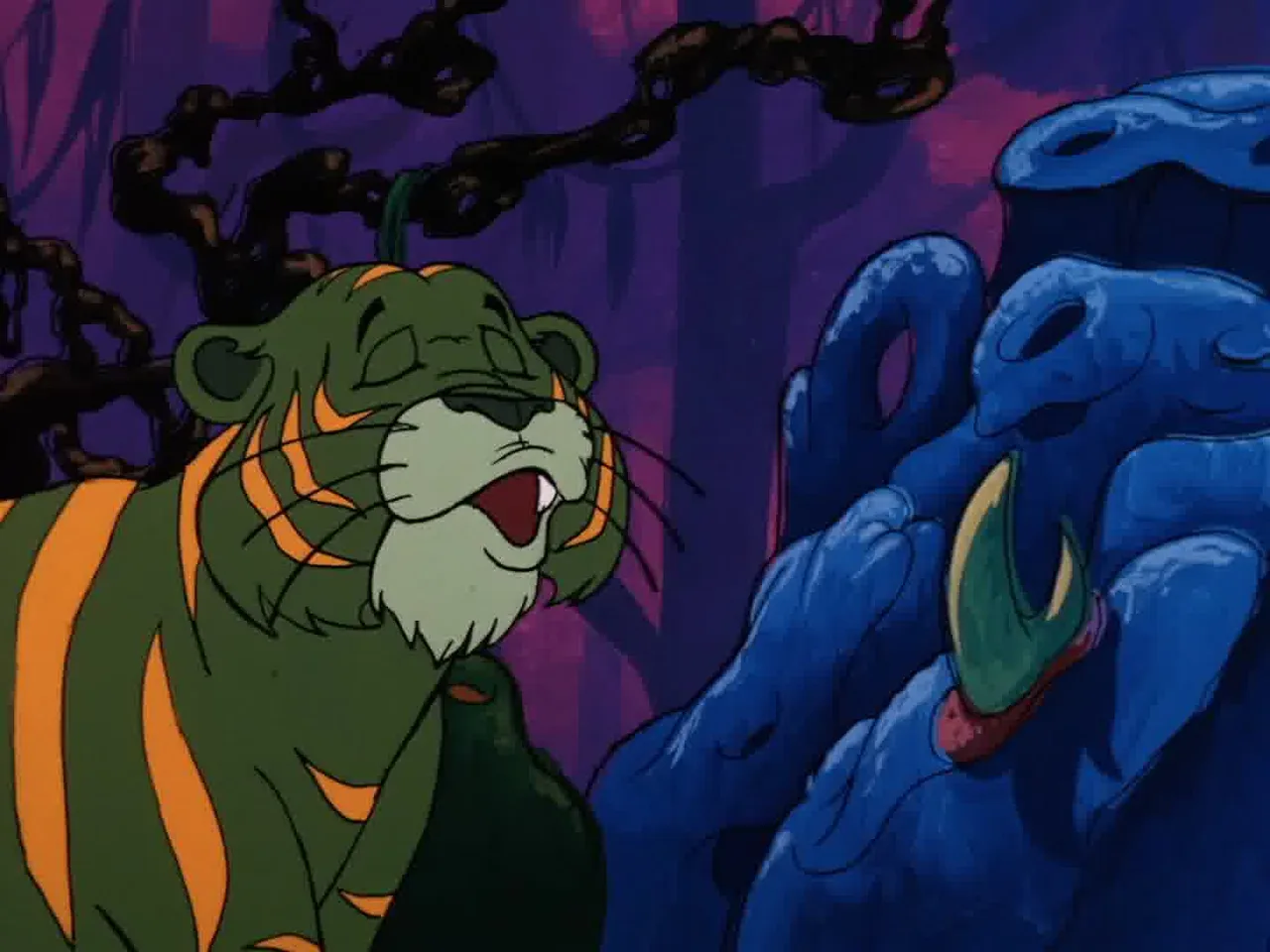
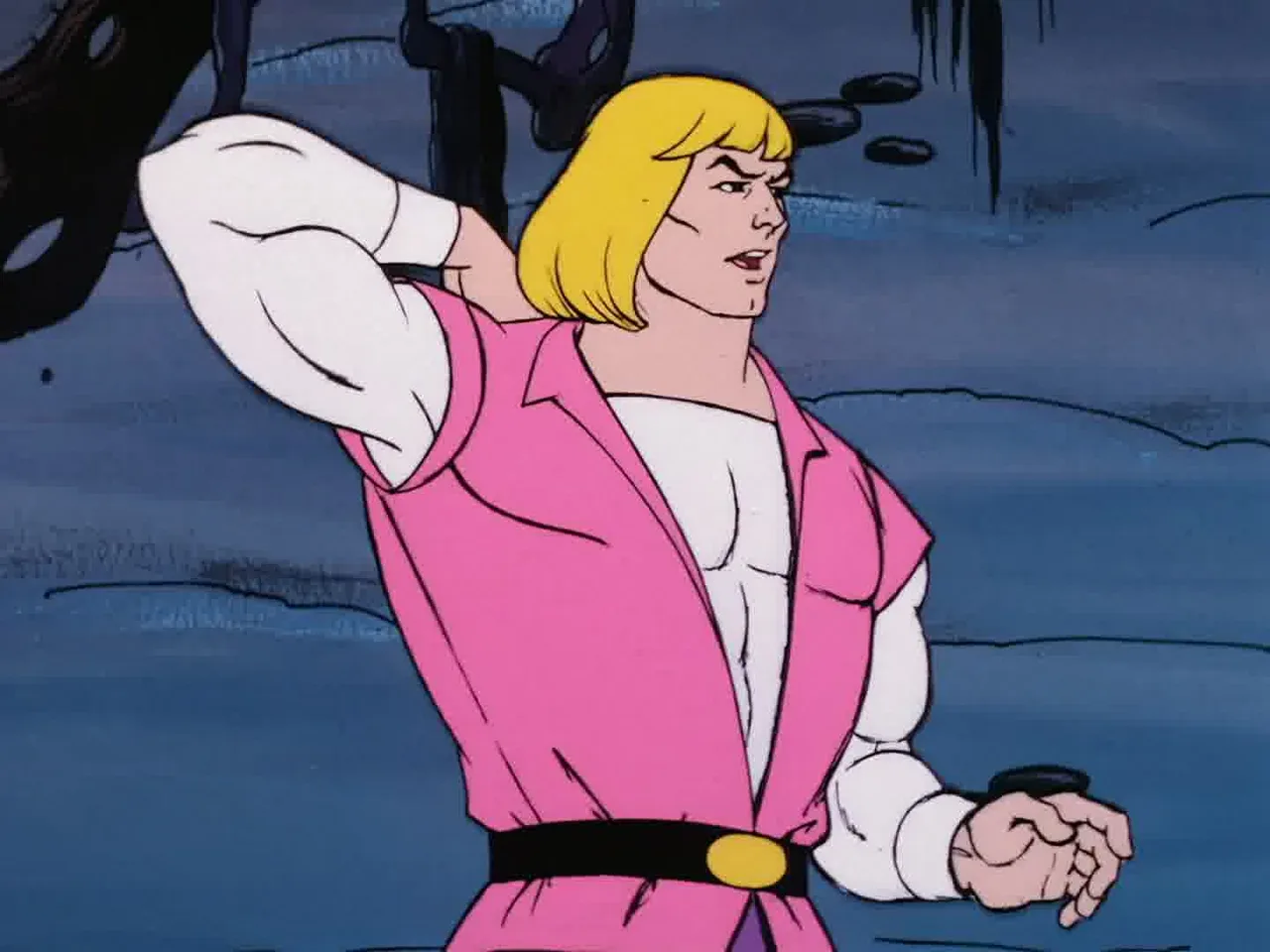
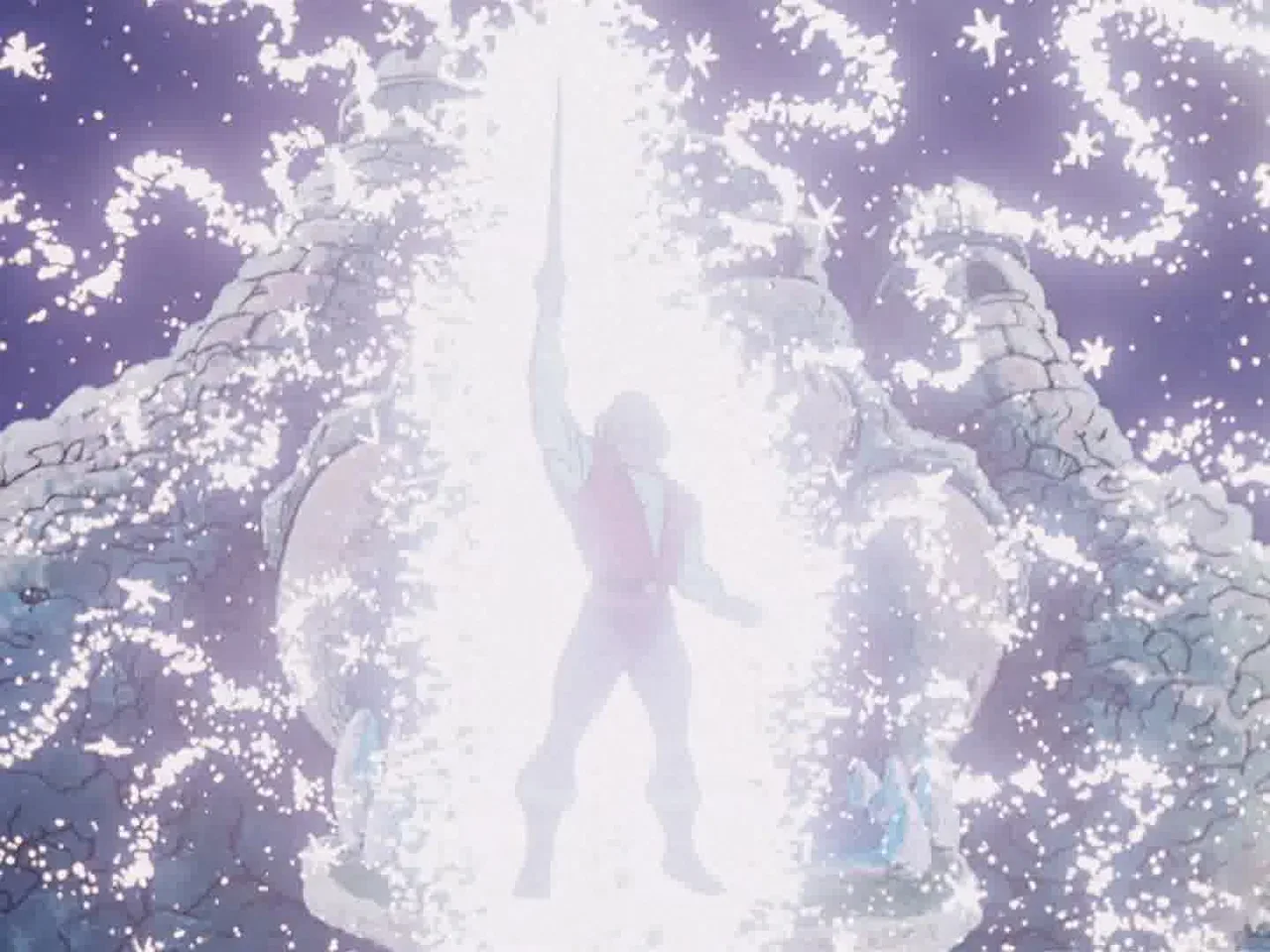
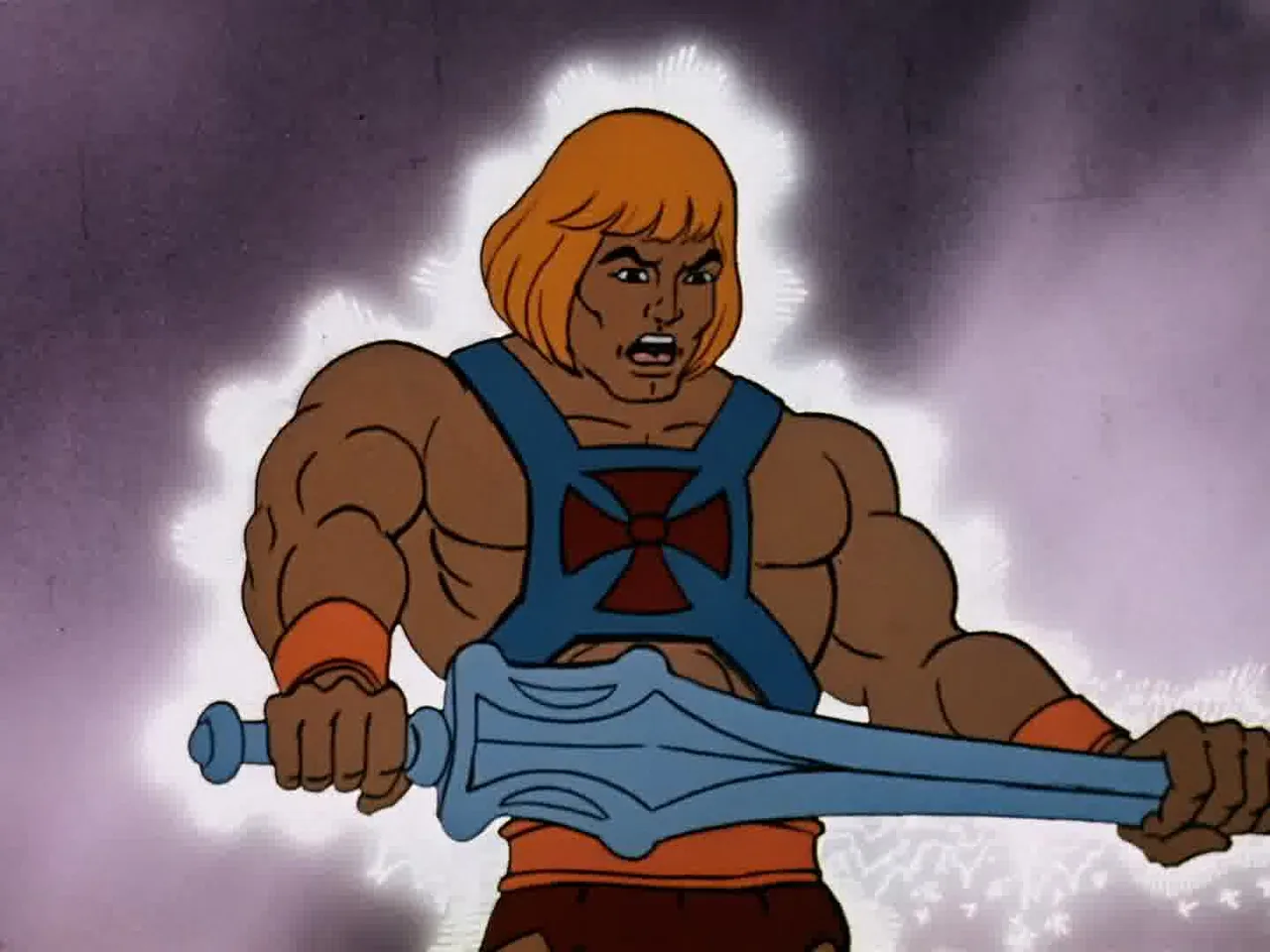
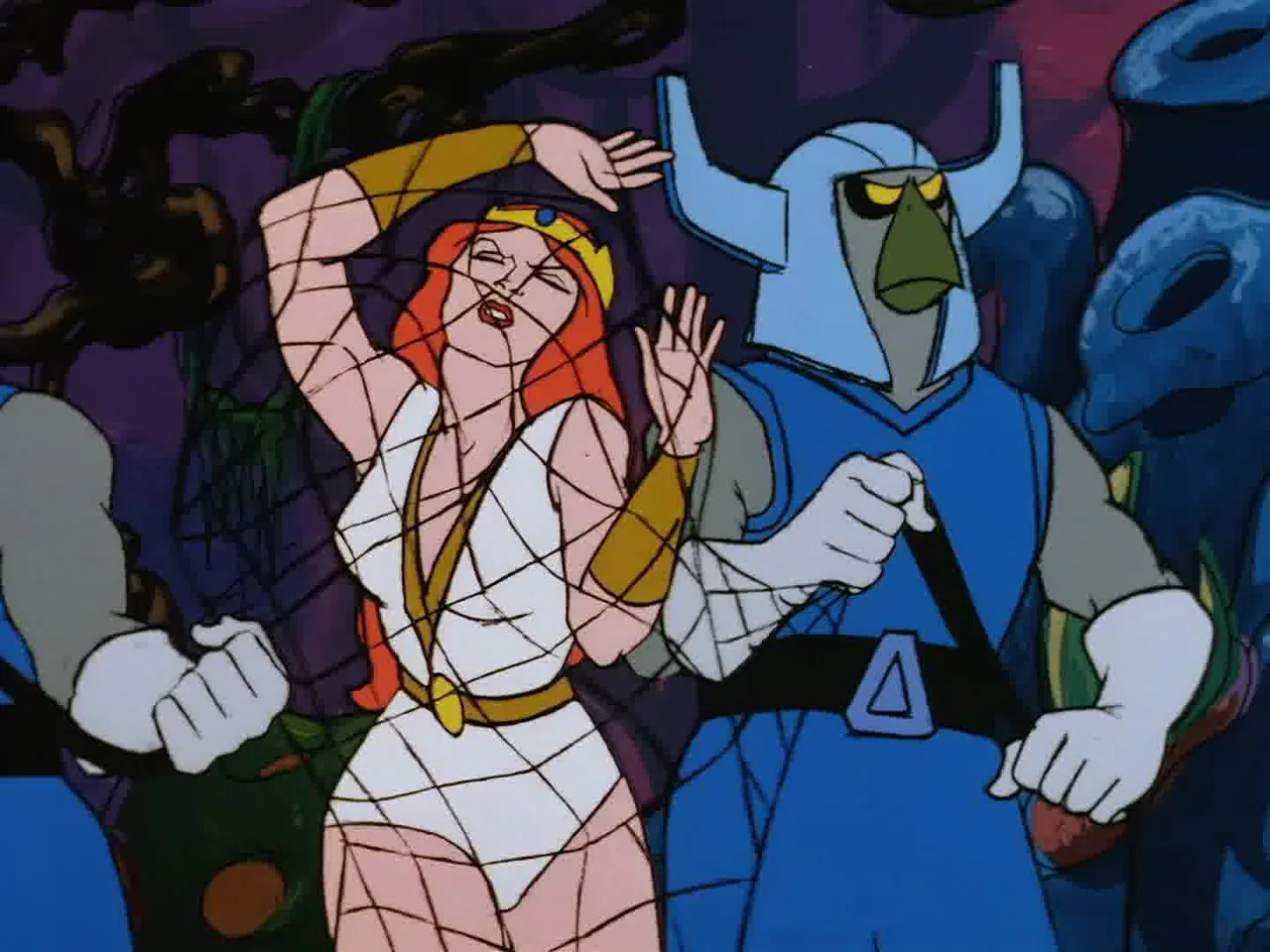
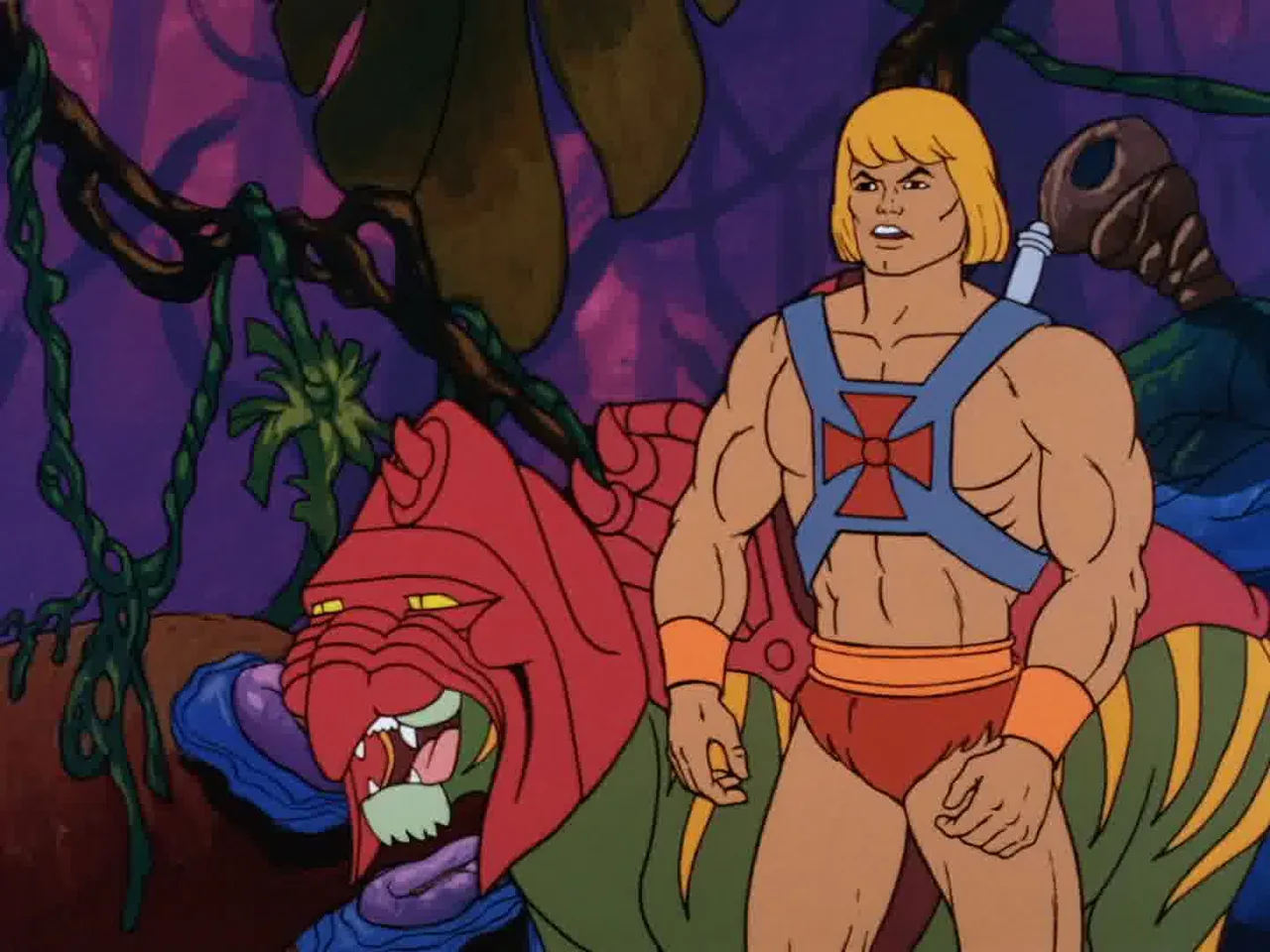
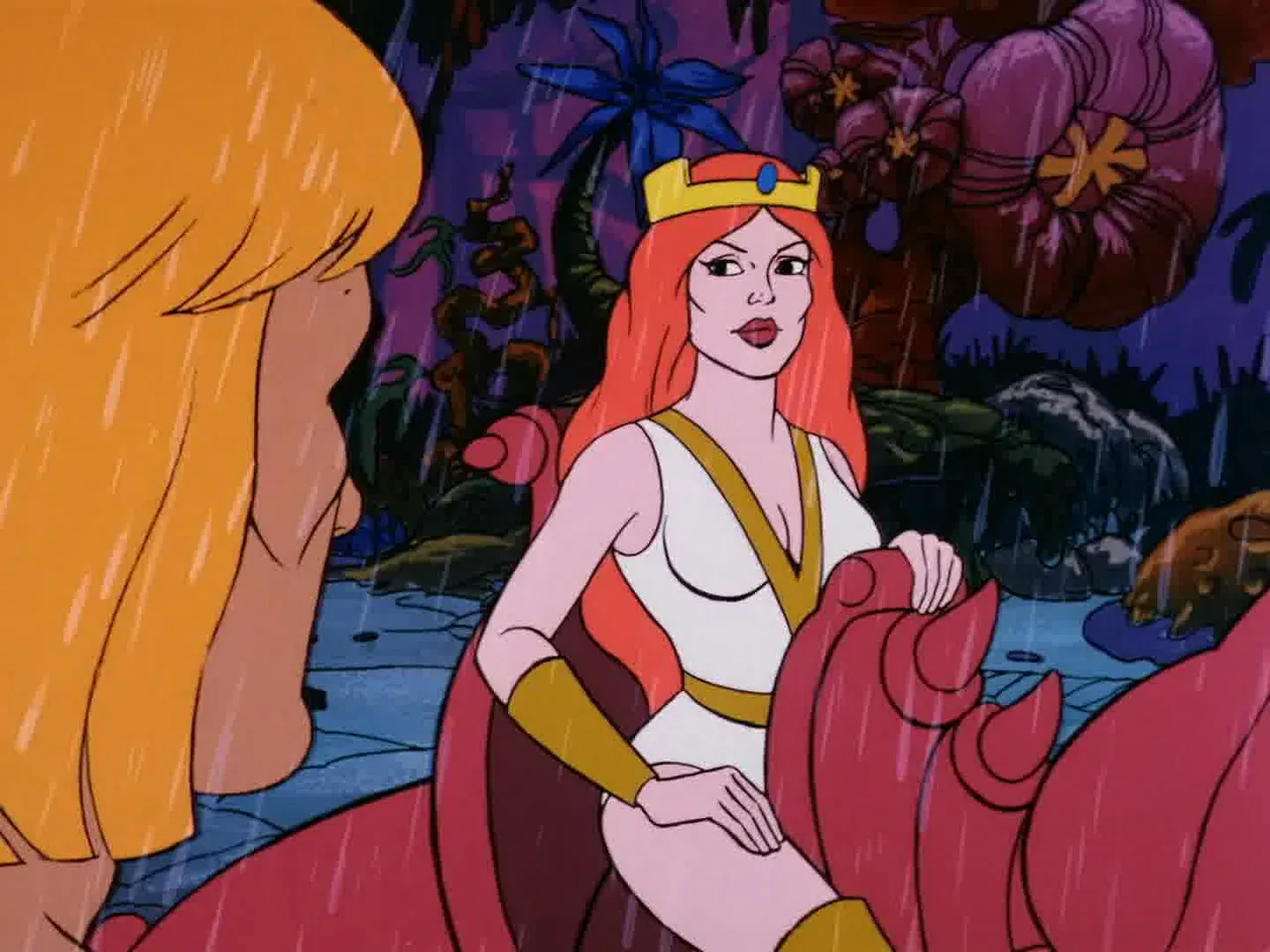
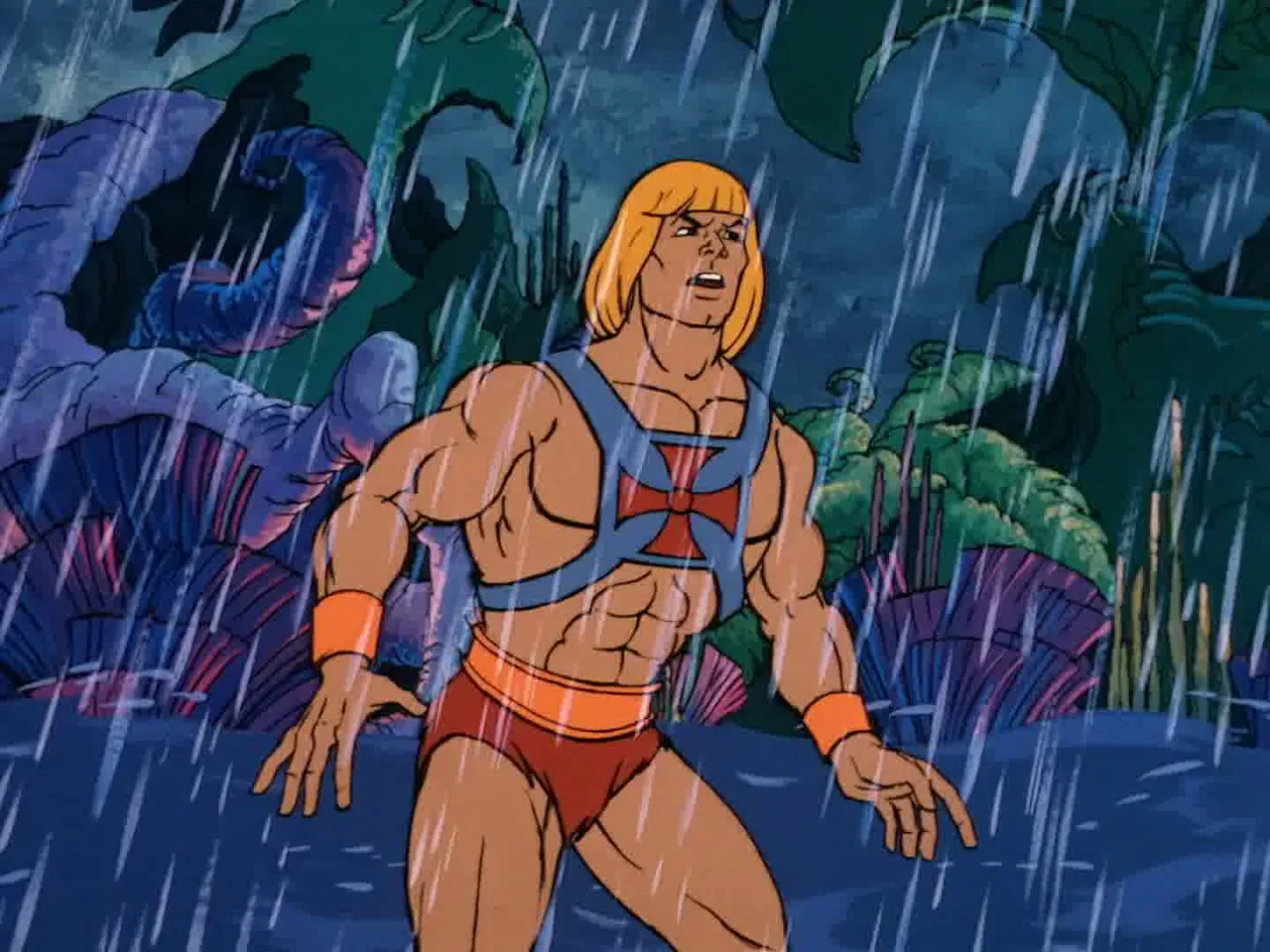
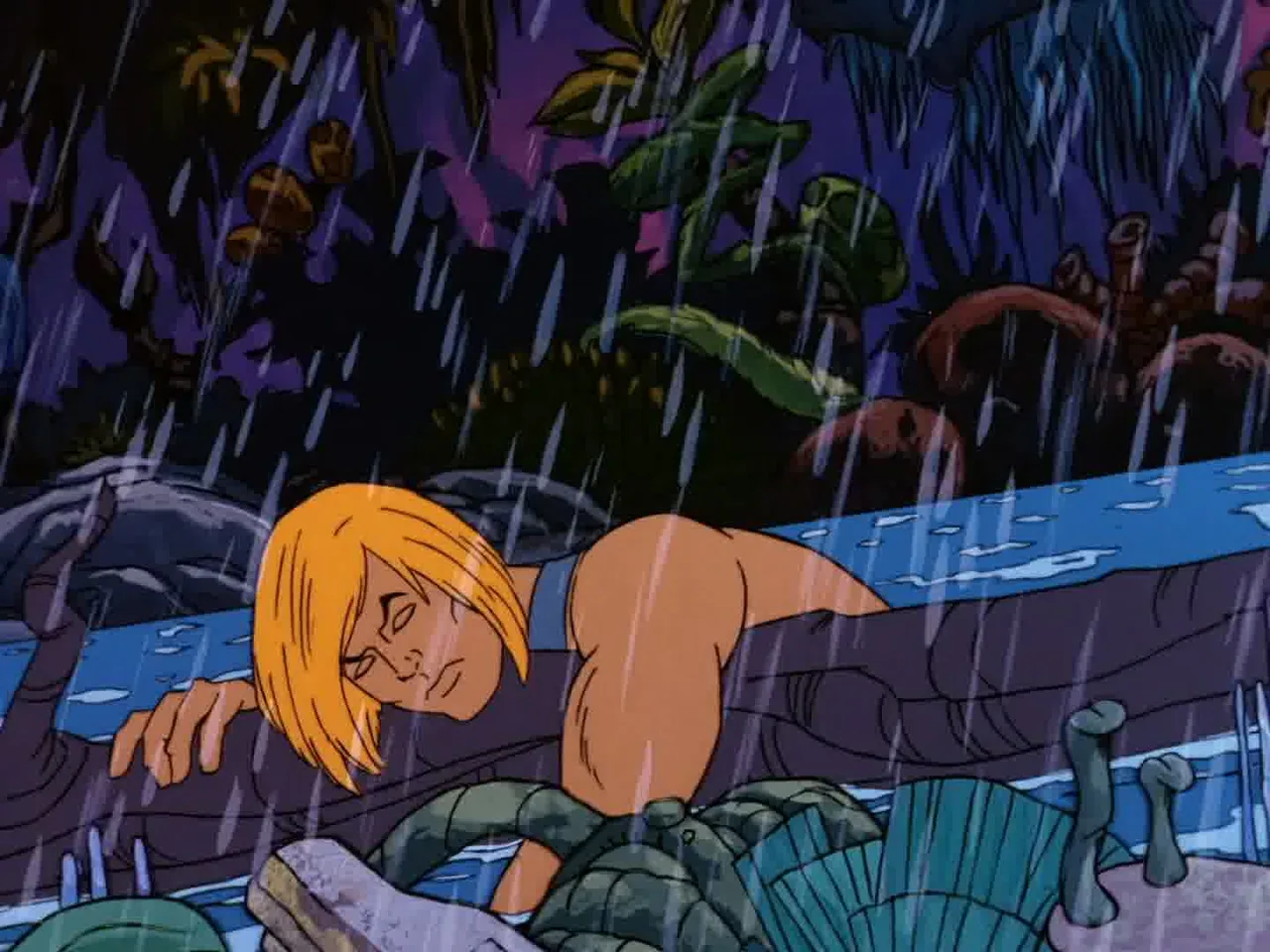
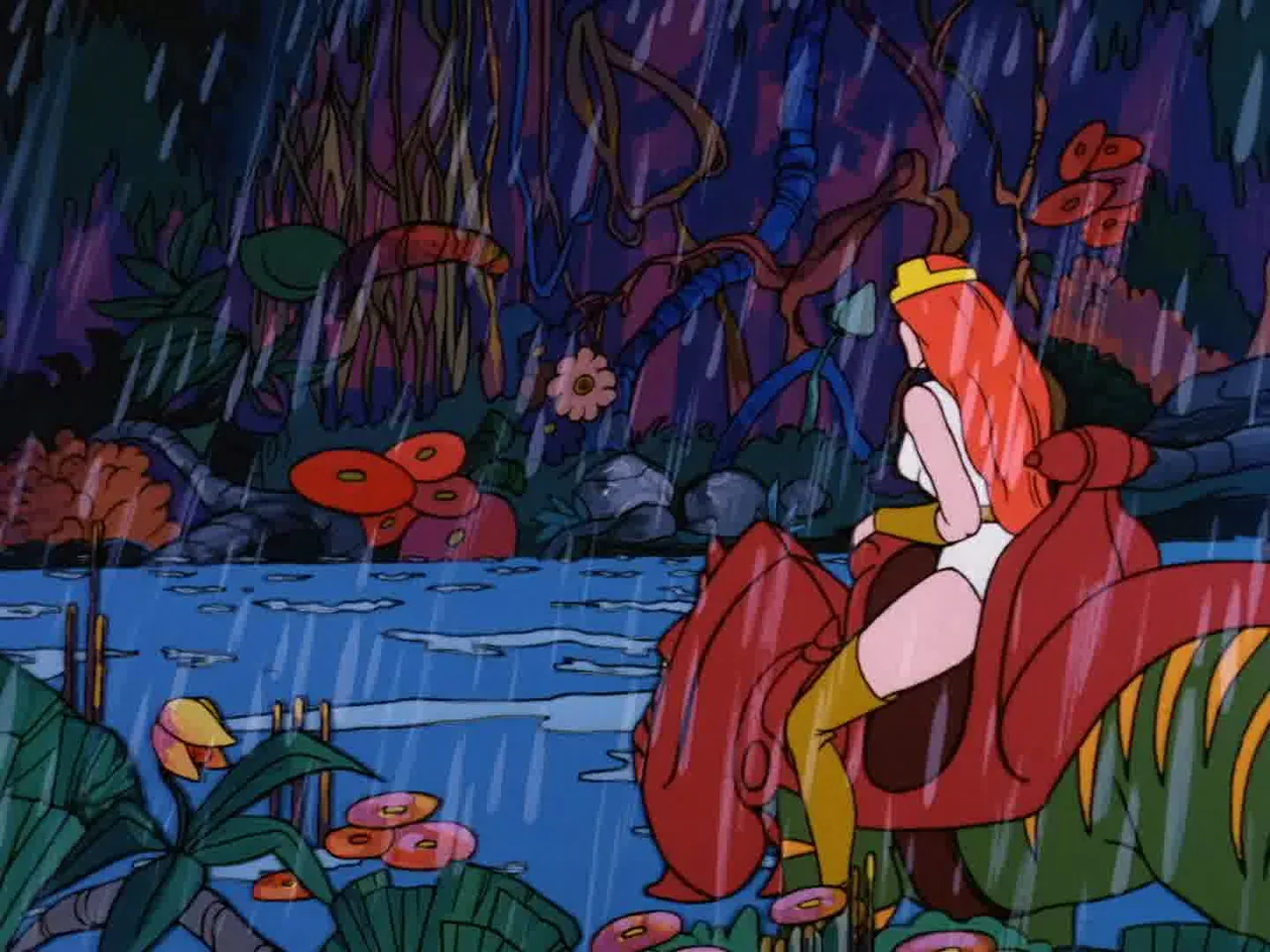
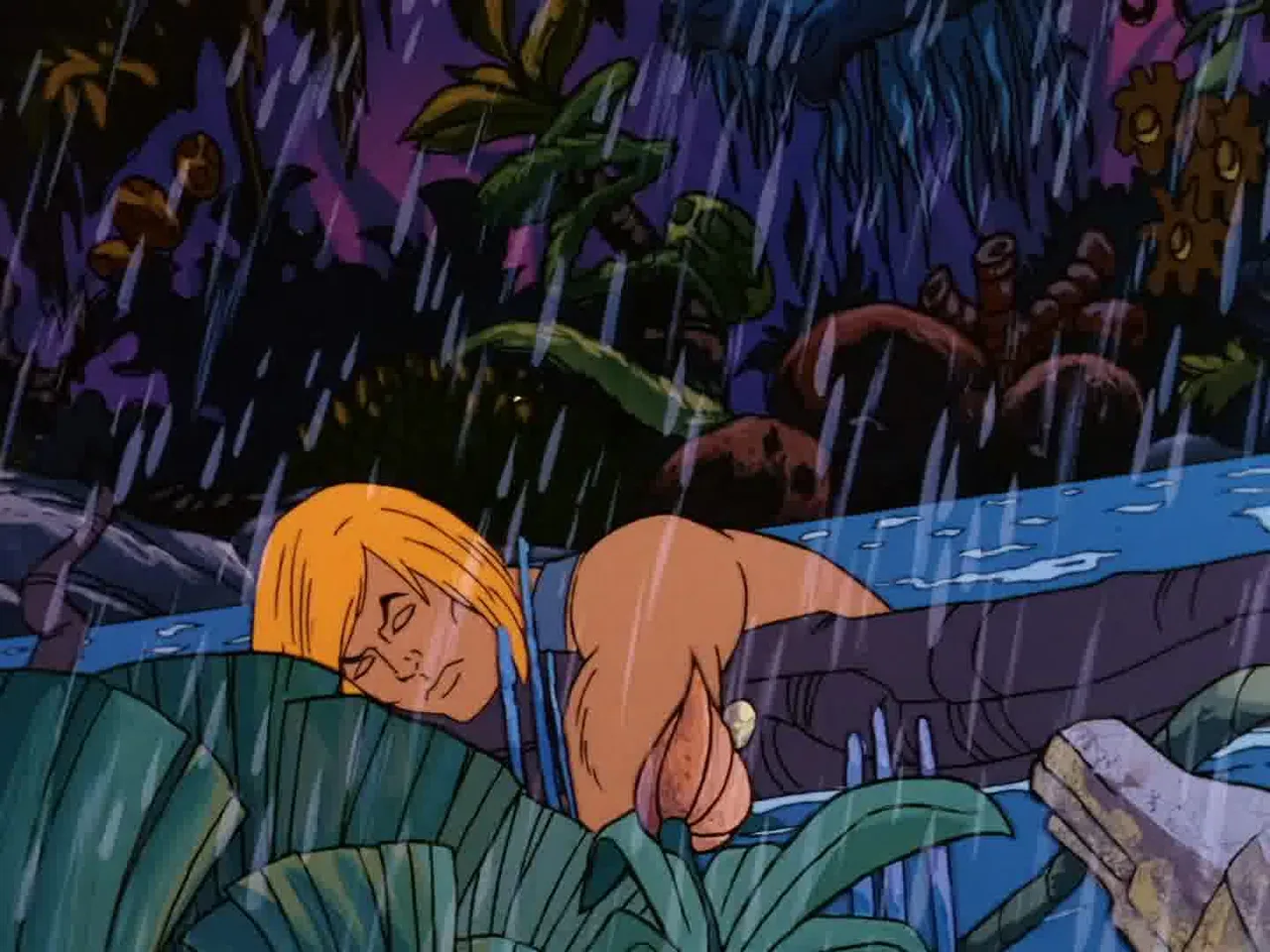
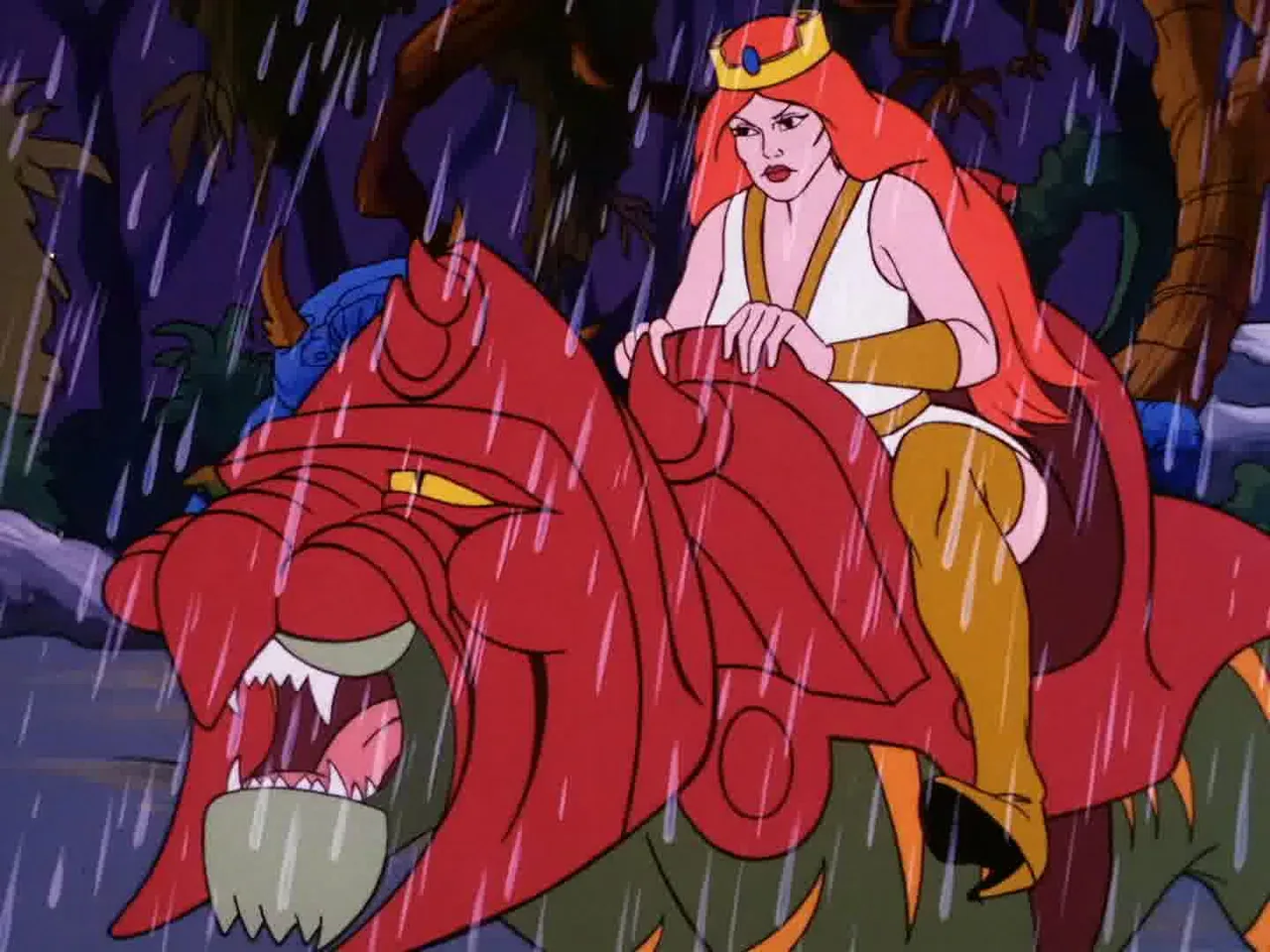
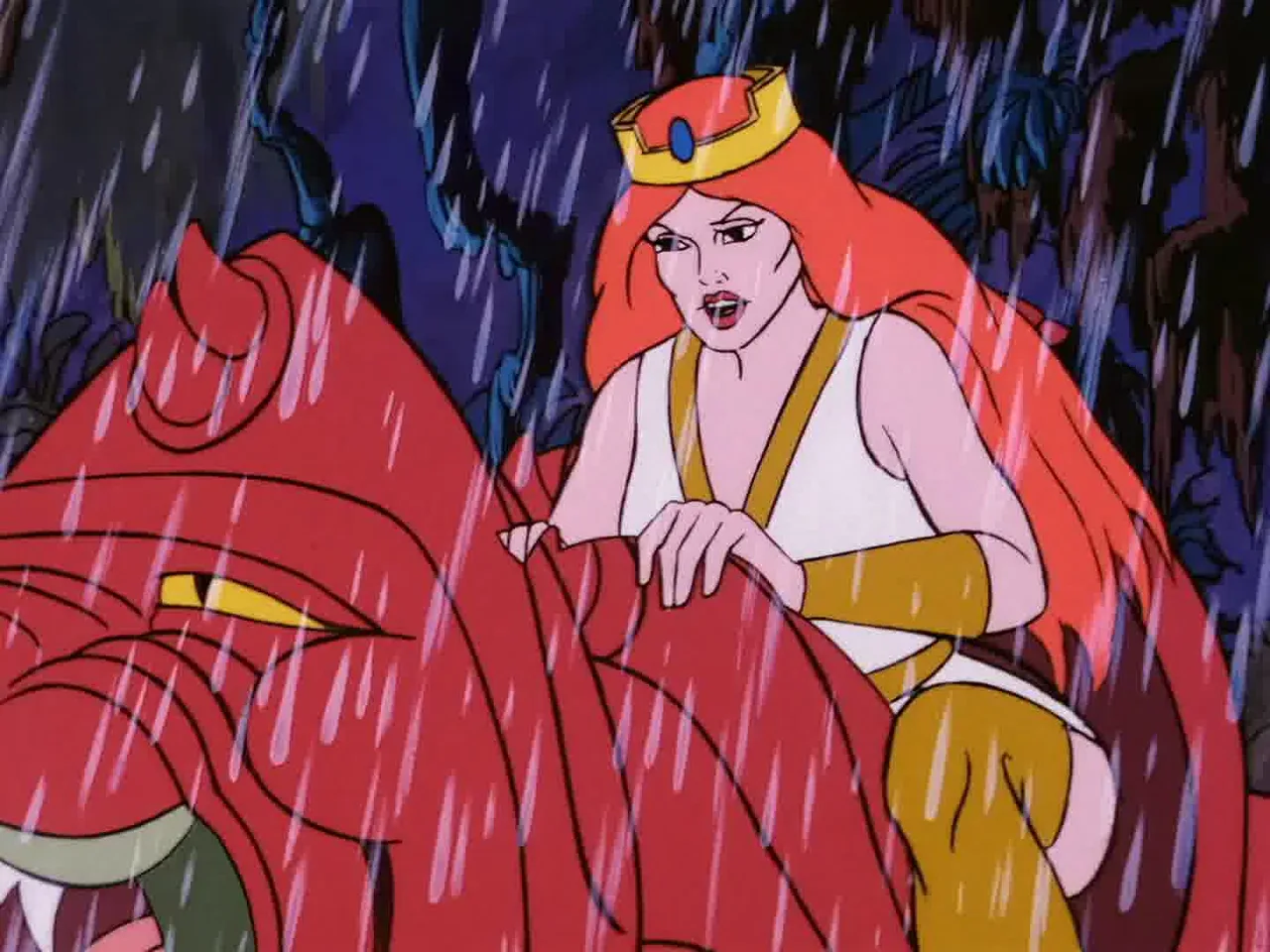
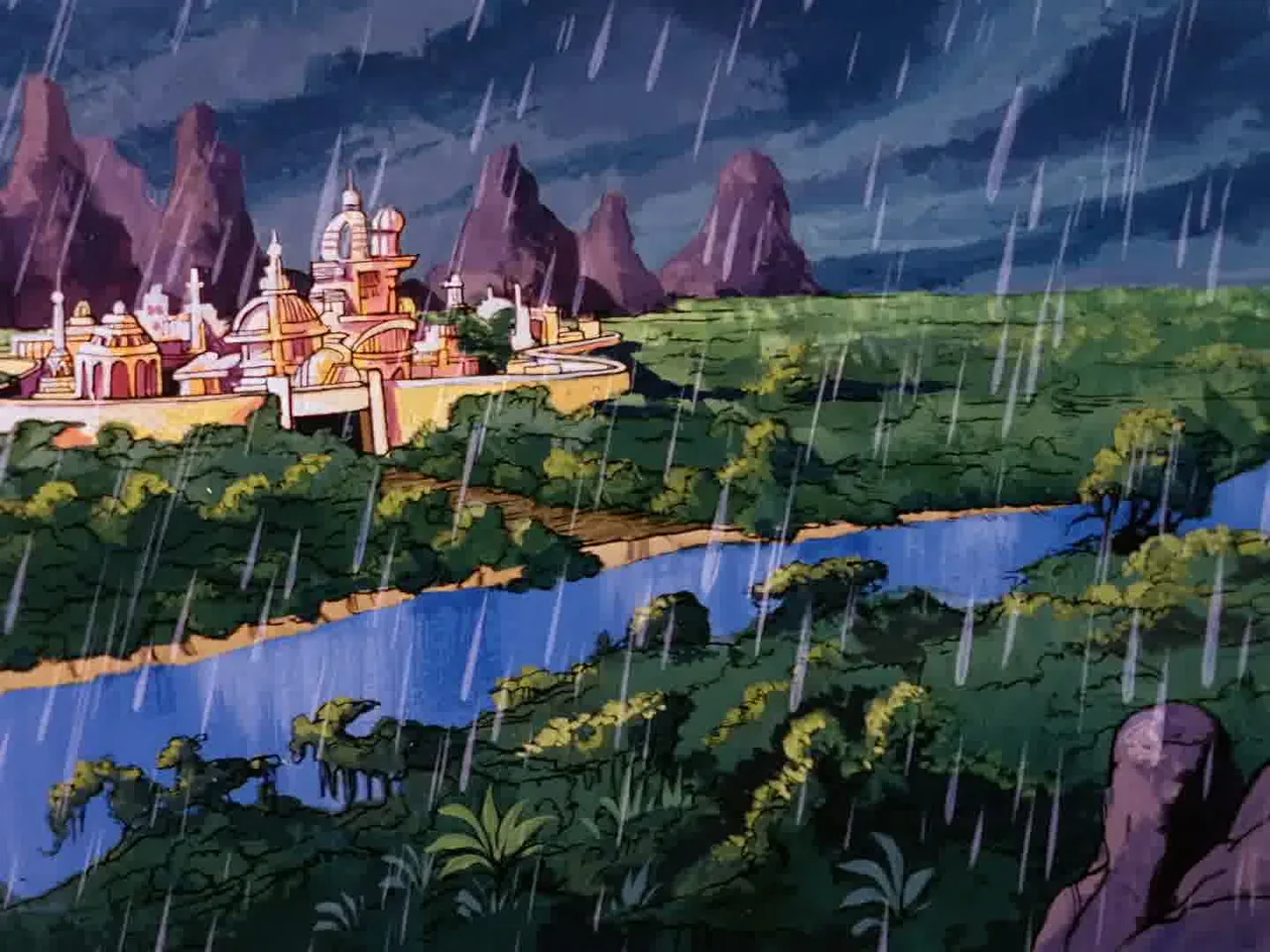
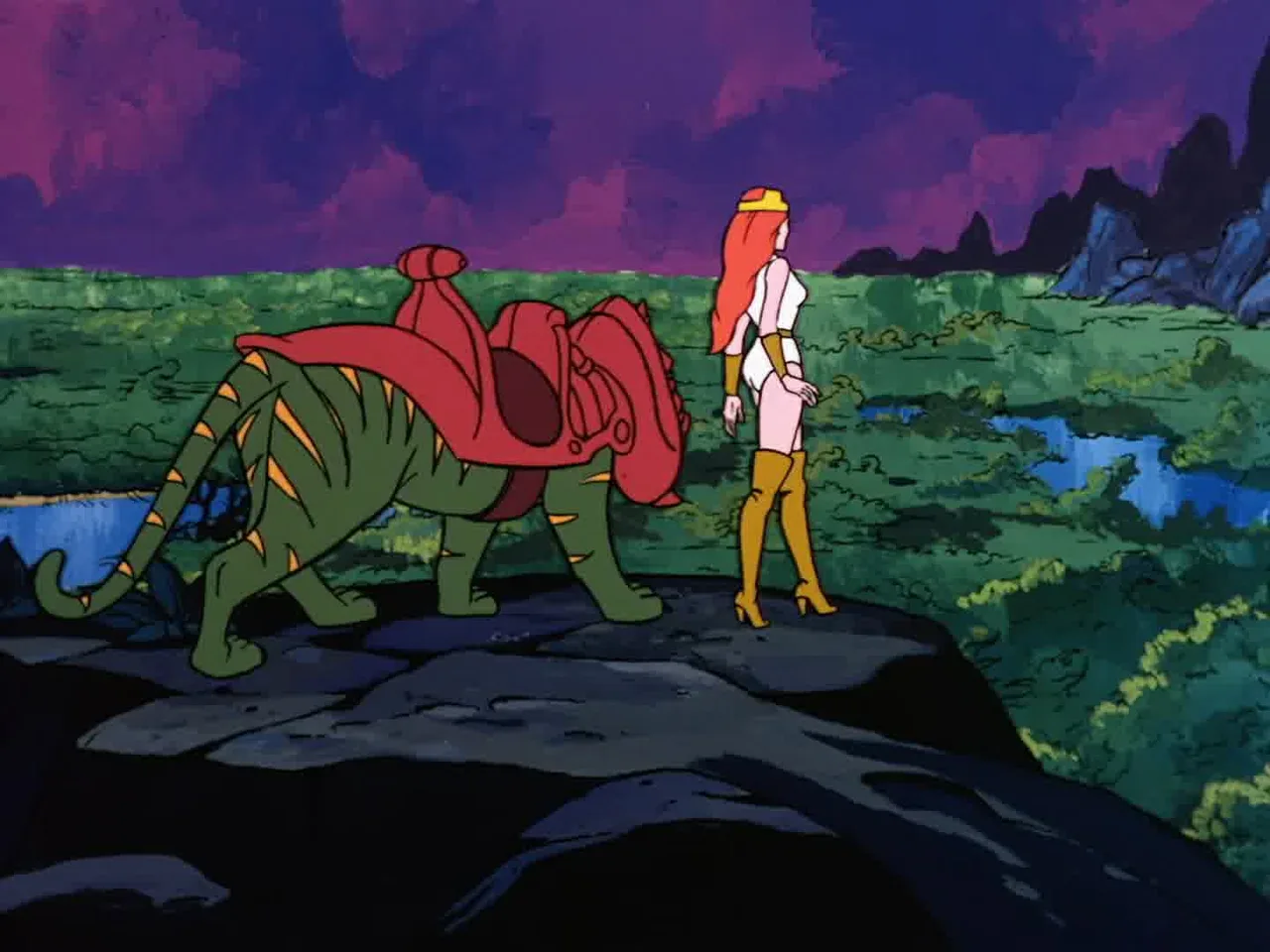
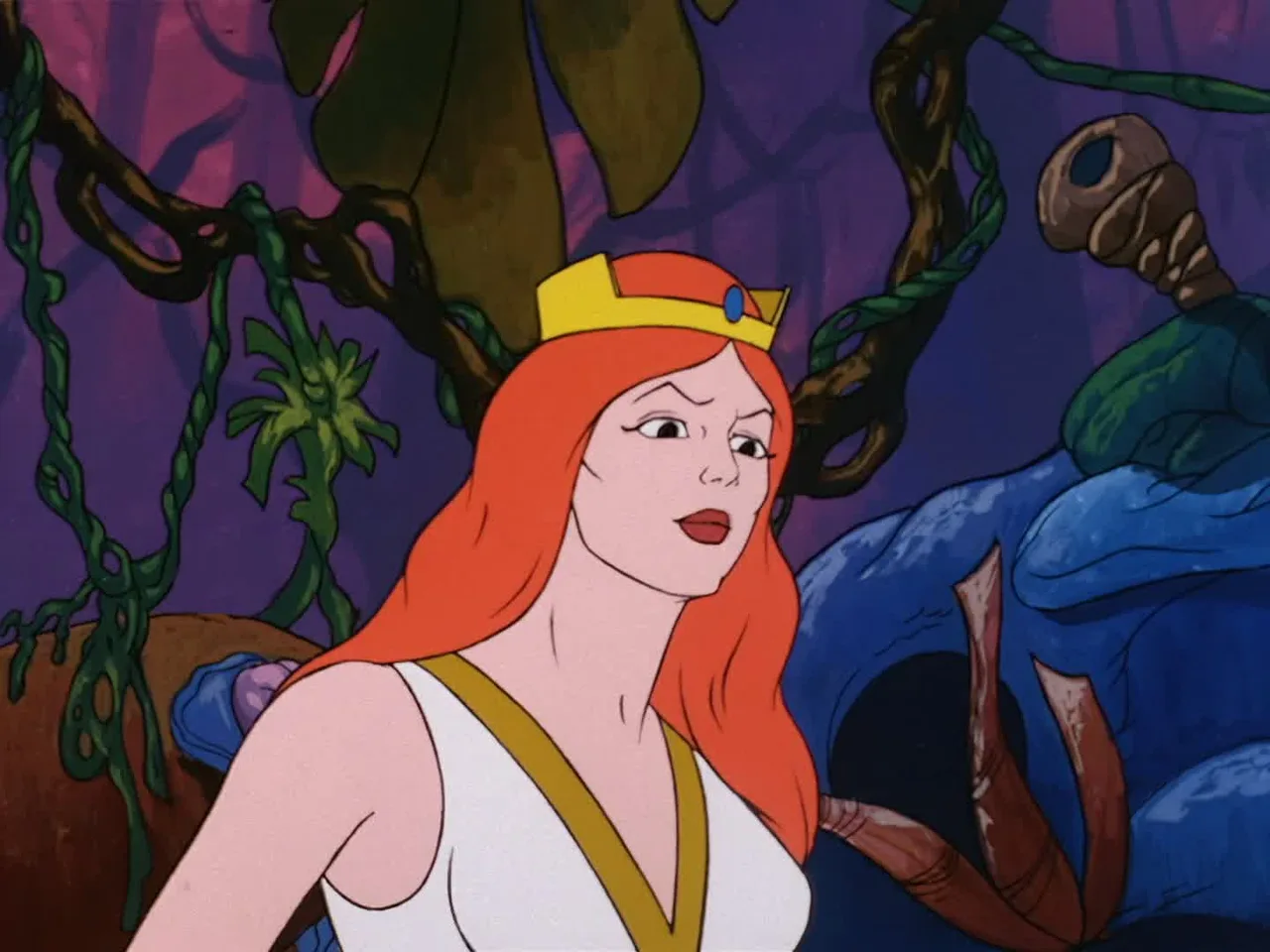
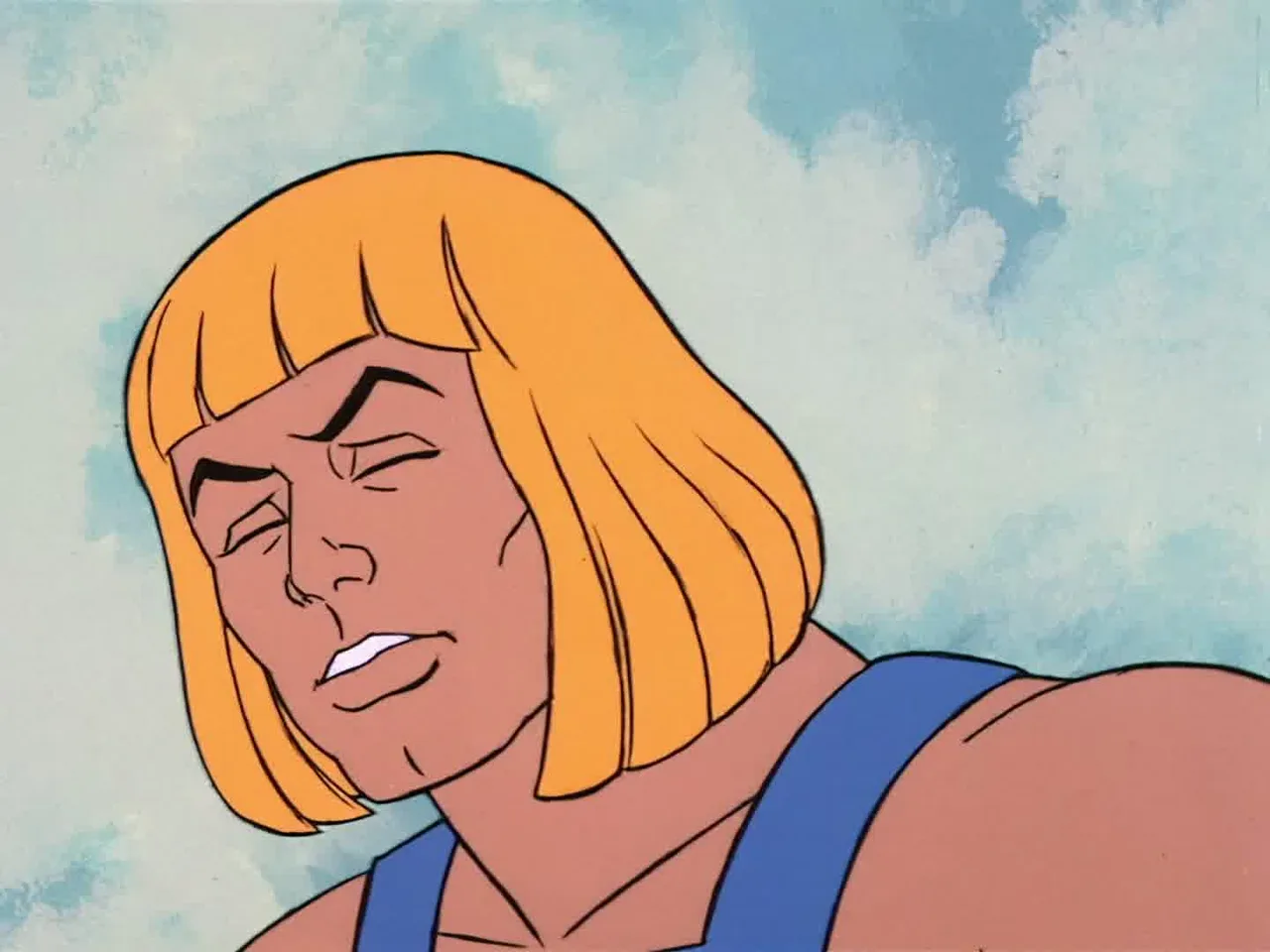
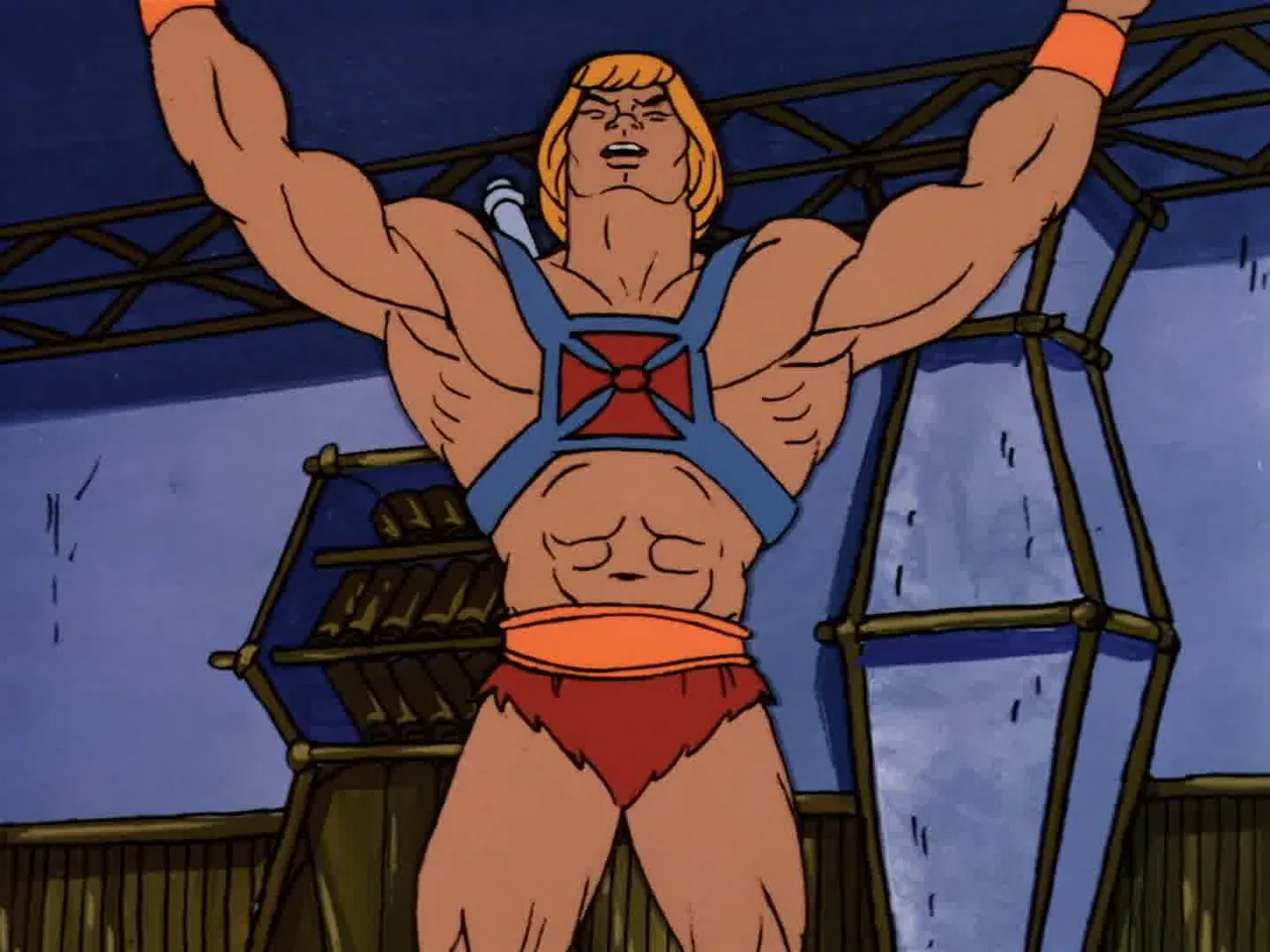
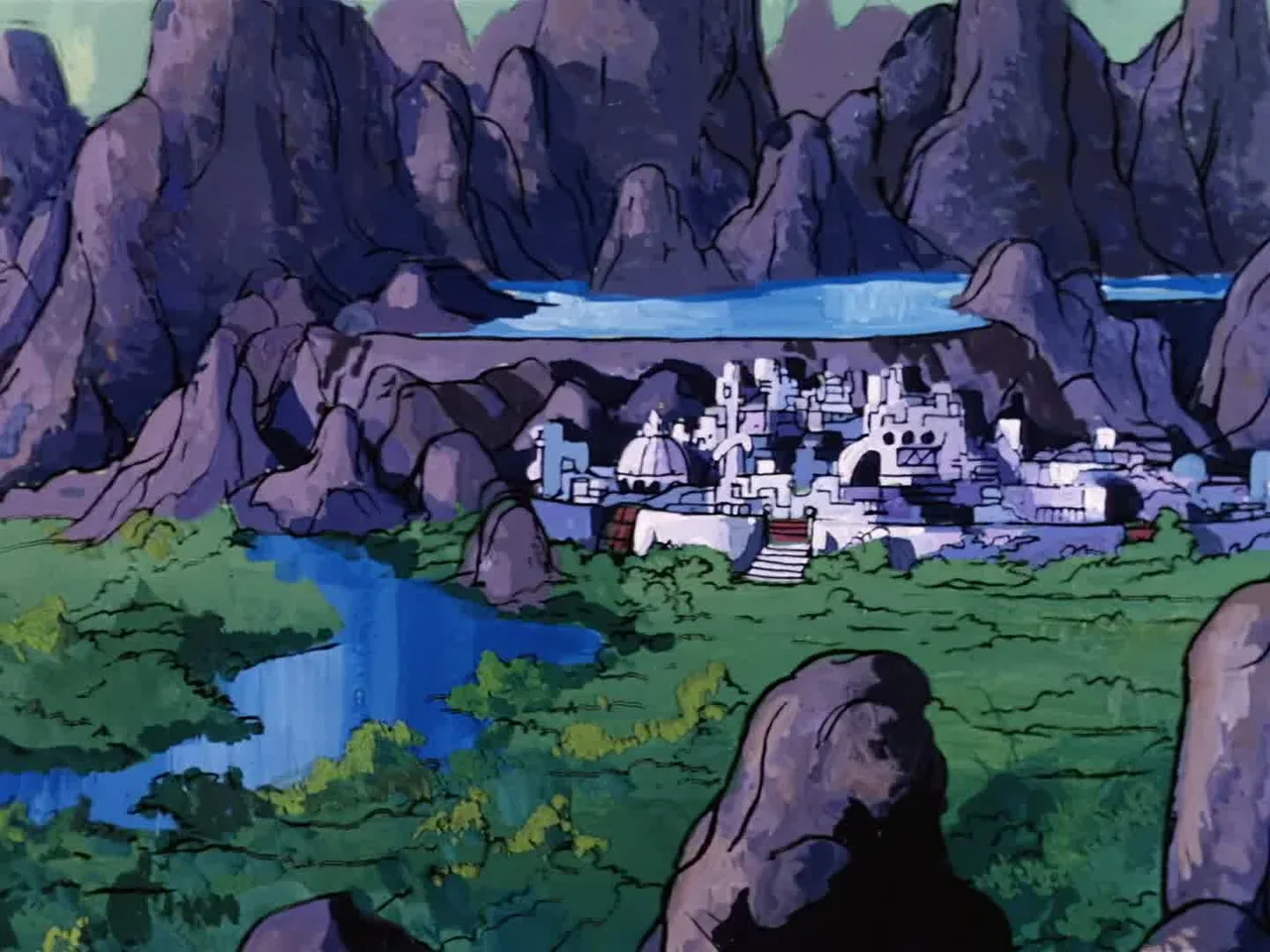
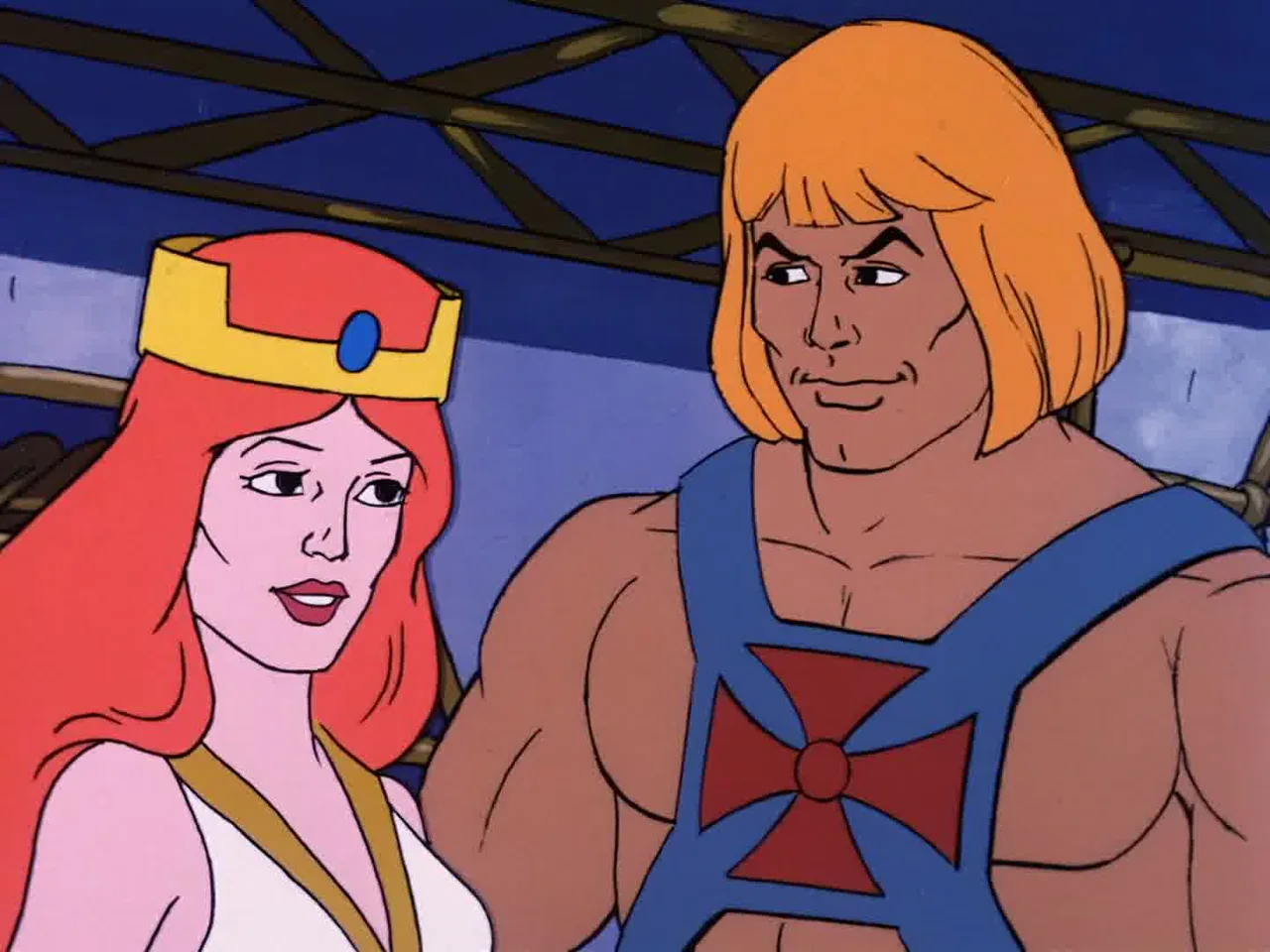
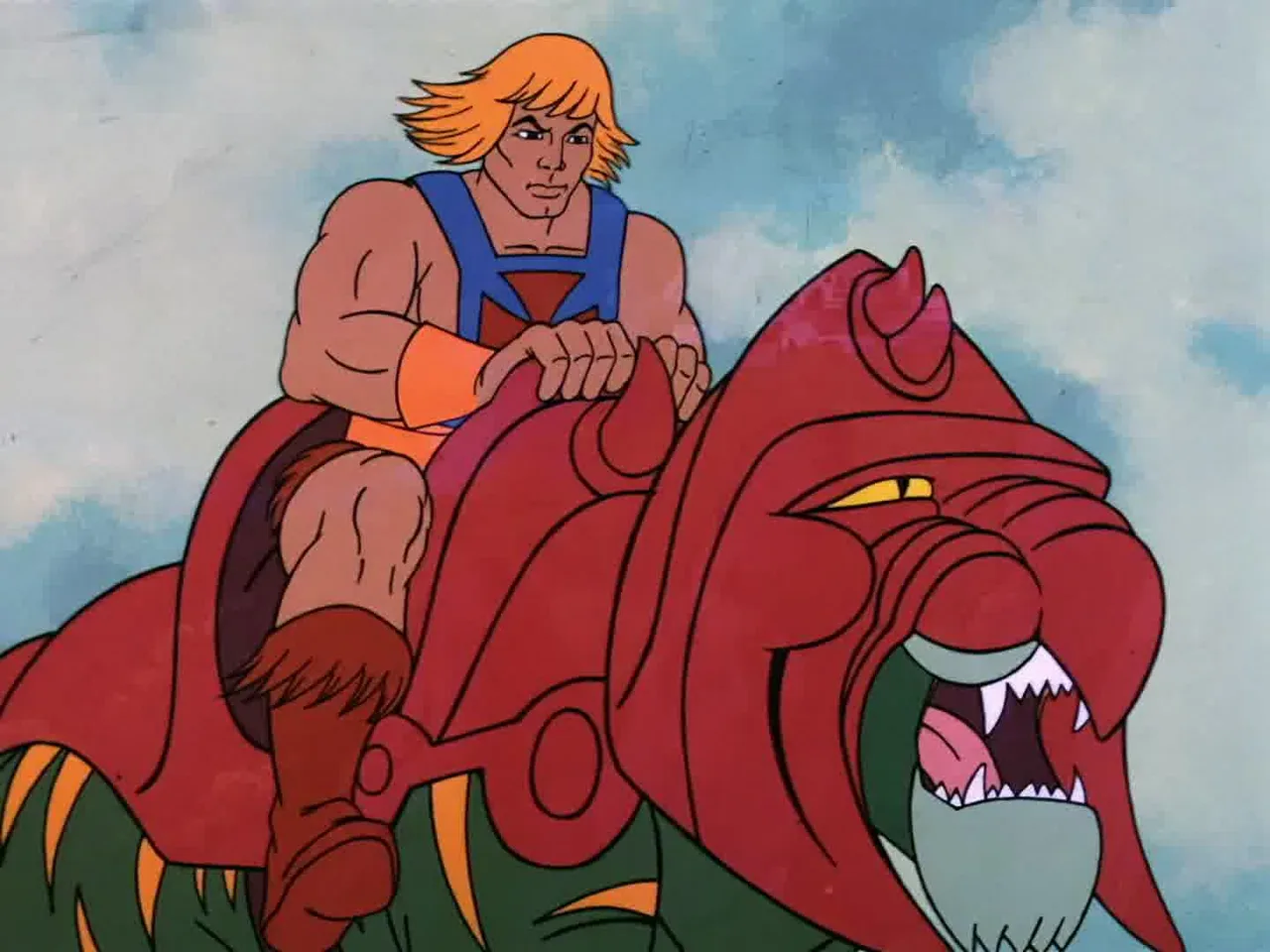
Prince Adam and Cringer spot a young woman, Princess Rhea, being chased by a soldier on a flying disc, and Adam transforms into He-Man to drive off her pursuers. He-Man offers to escort Rhea home to her father's city of Operon, and she explains along the way that Operon is locked in a bitter rivalry with the neighboring city of Targa. A sudden storm catches them crossing a river; lightning fells a tree onto He-Man, knocking him unconscious into the water, and he is swept over a waterfall and captured by soldiers from Targa before Battle Cat and Rhea can reach him.
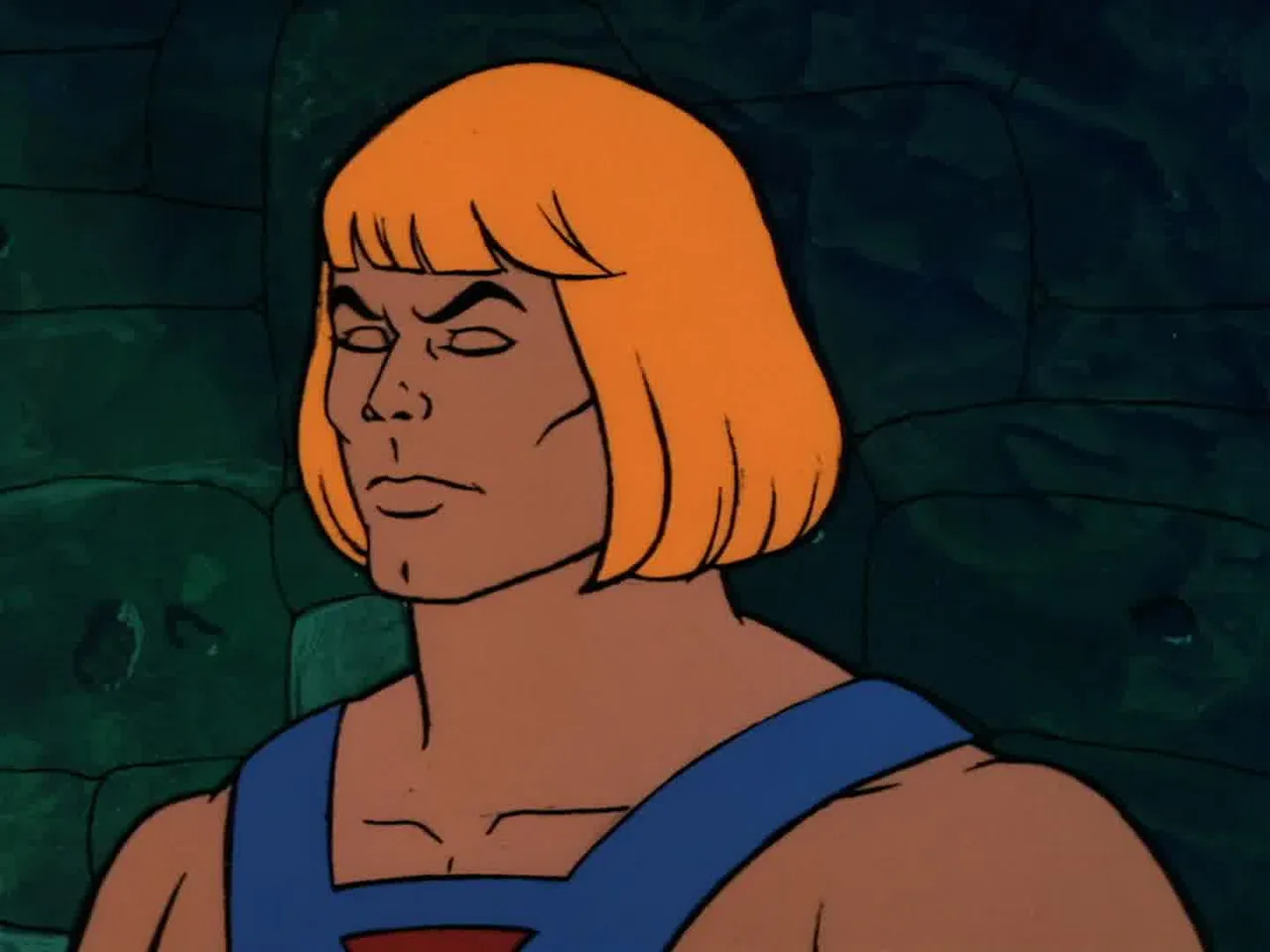
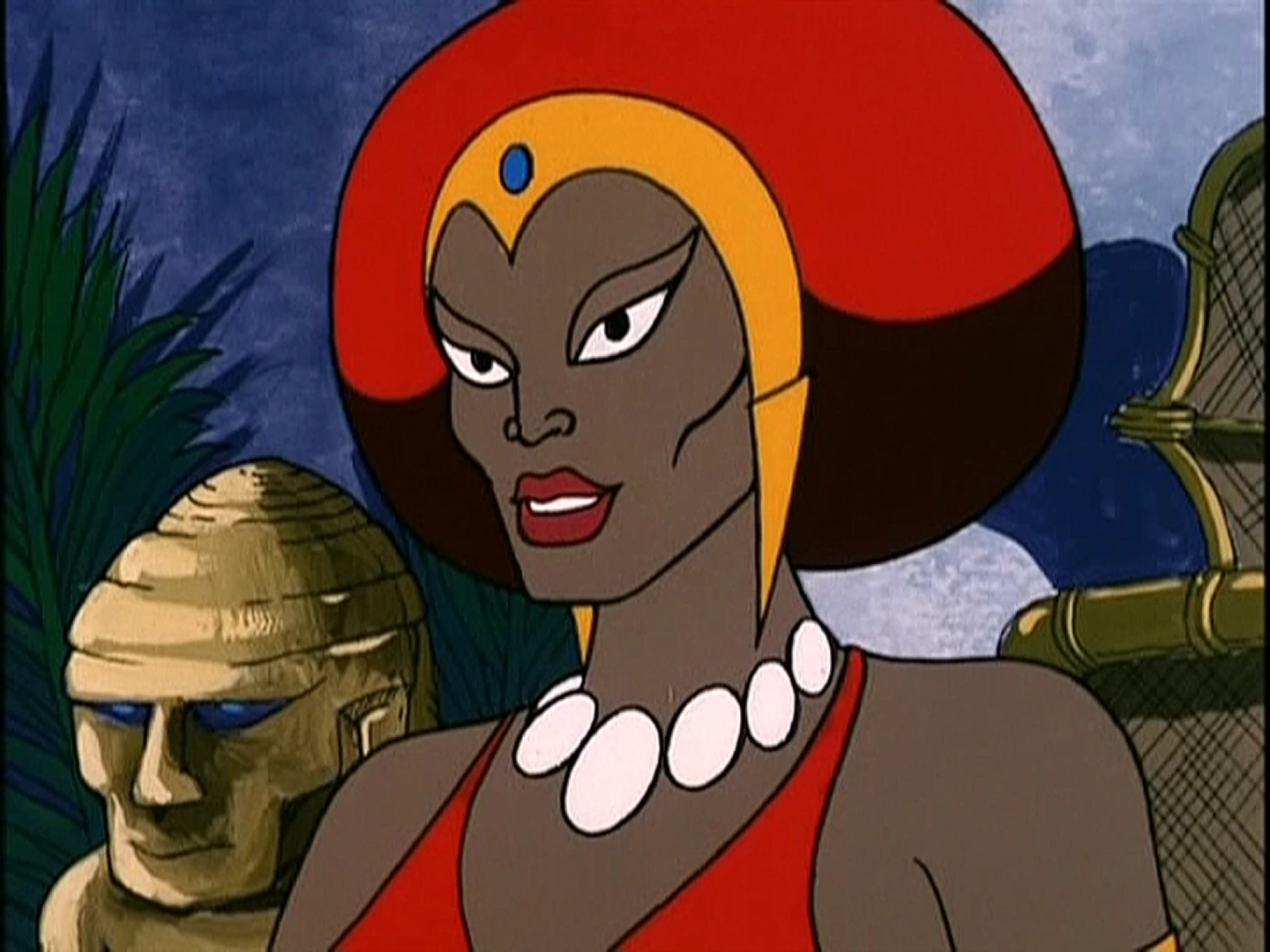
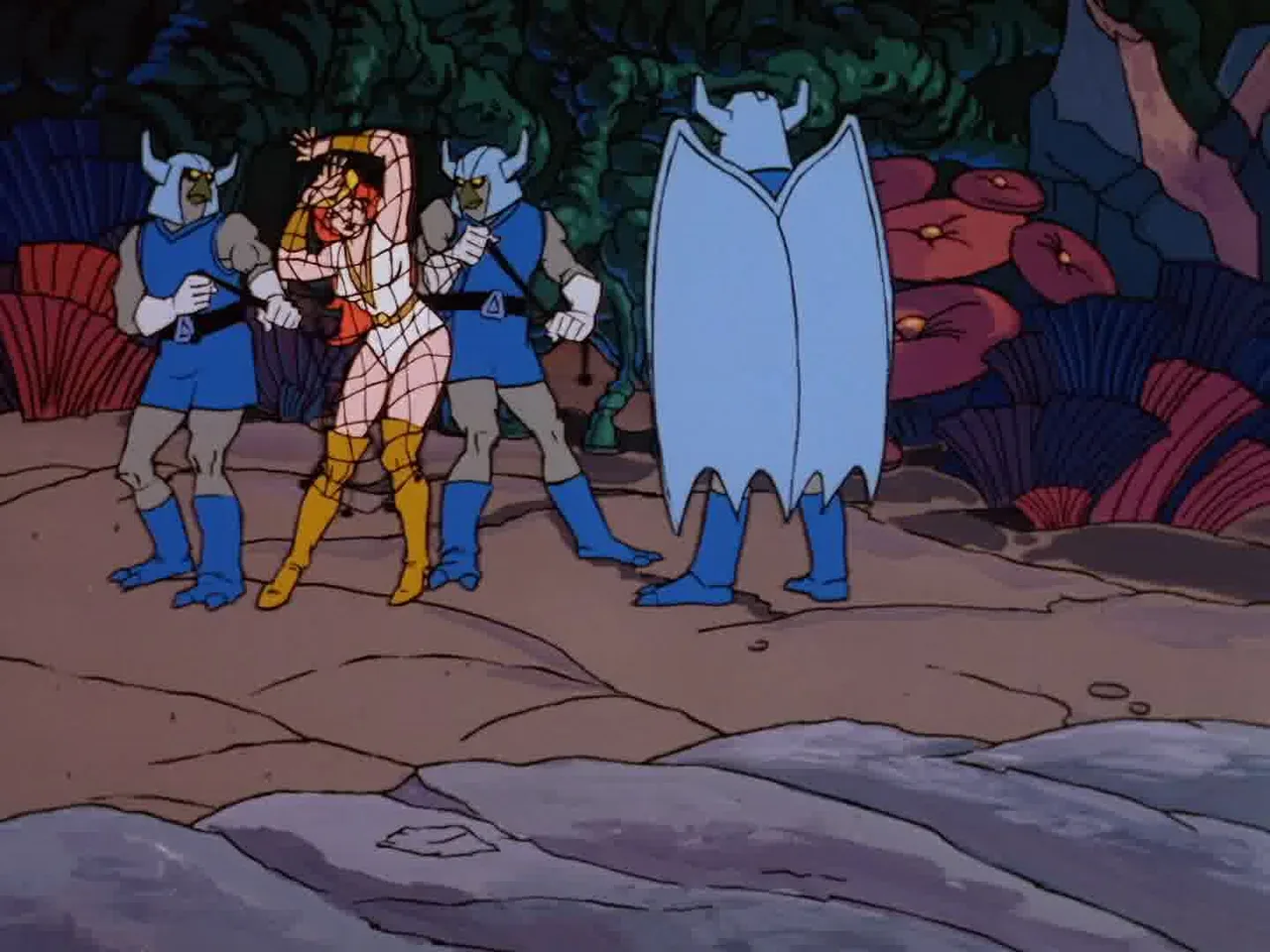
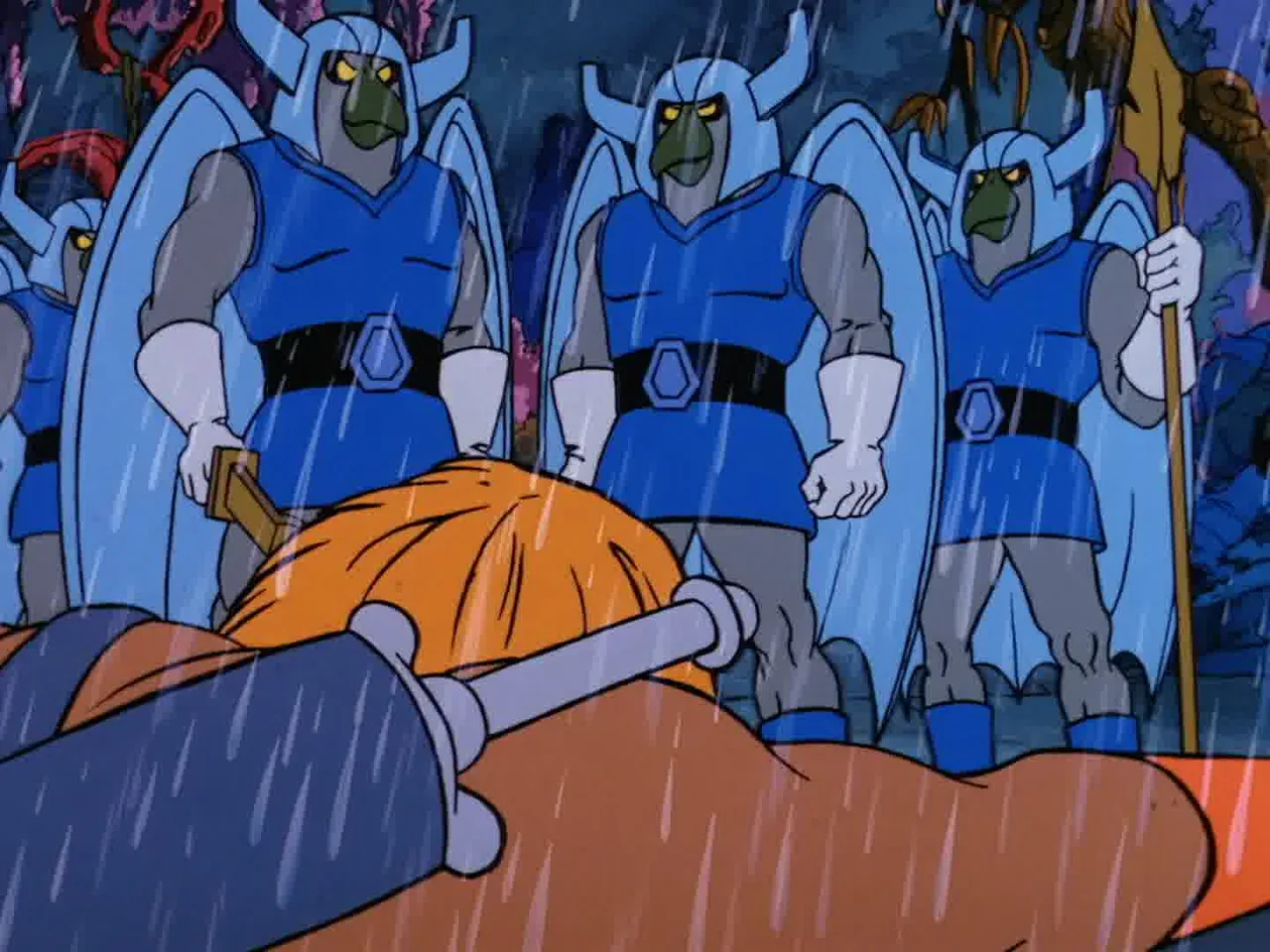
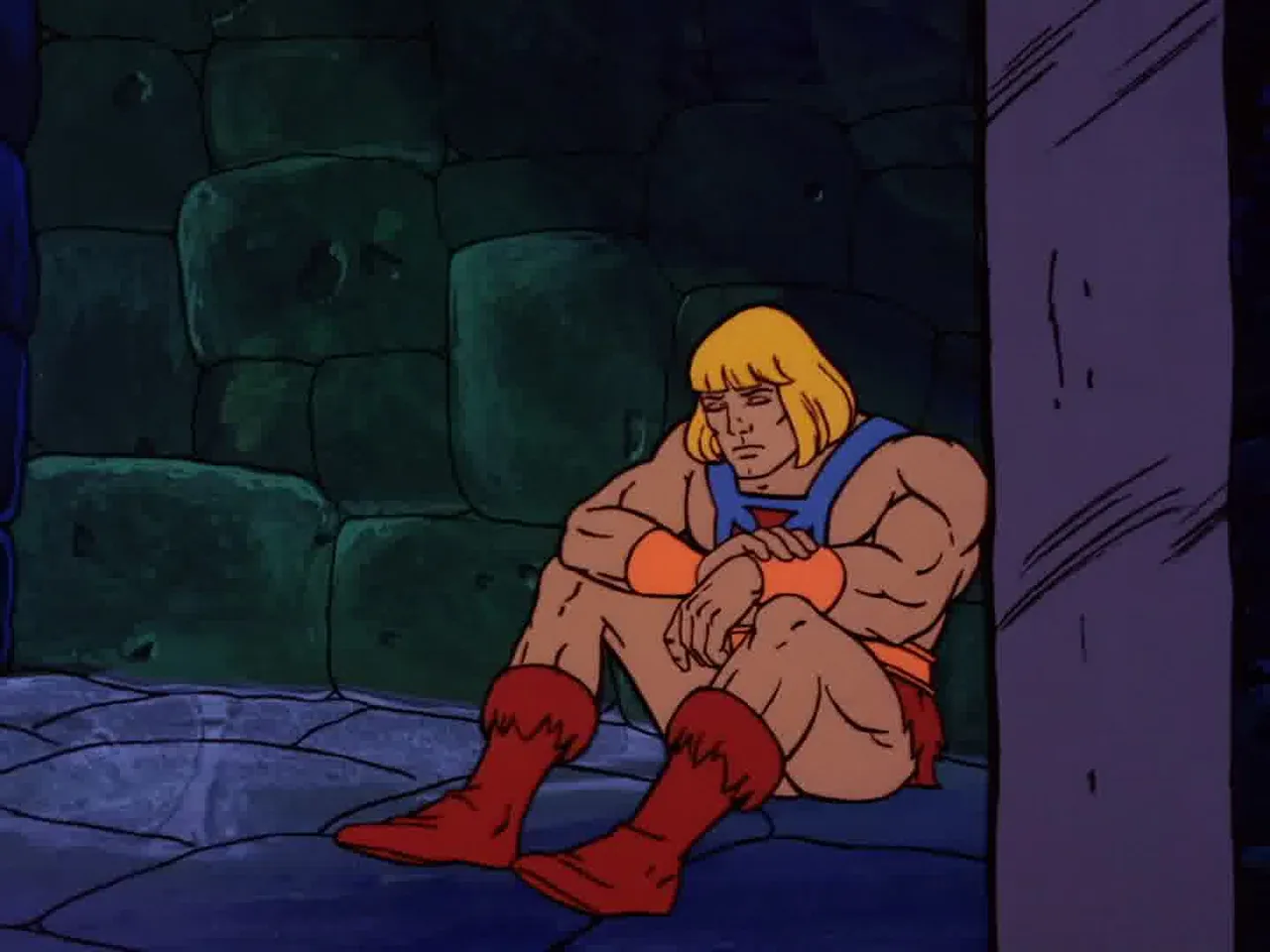
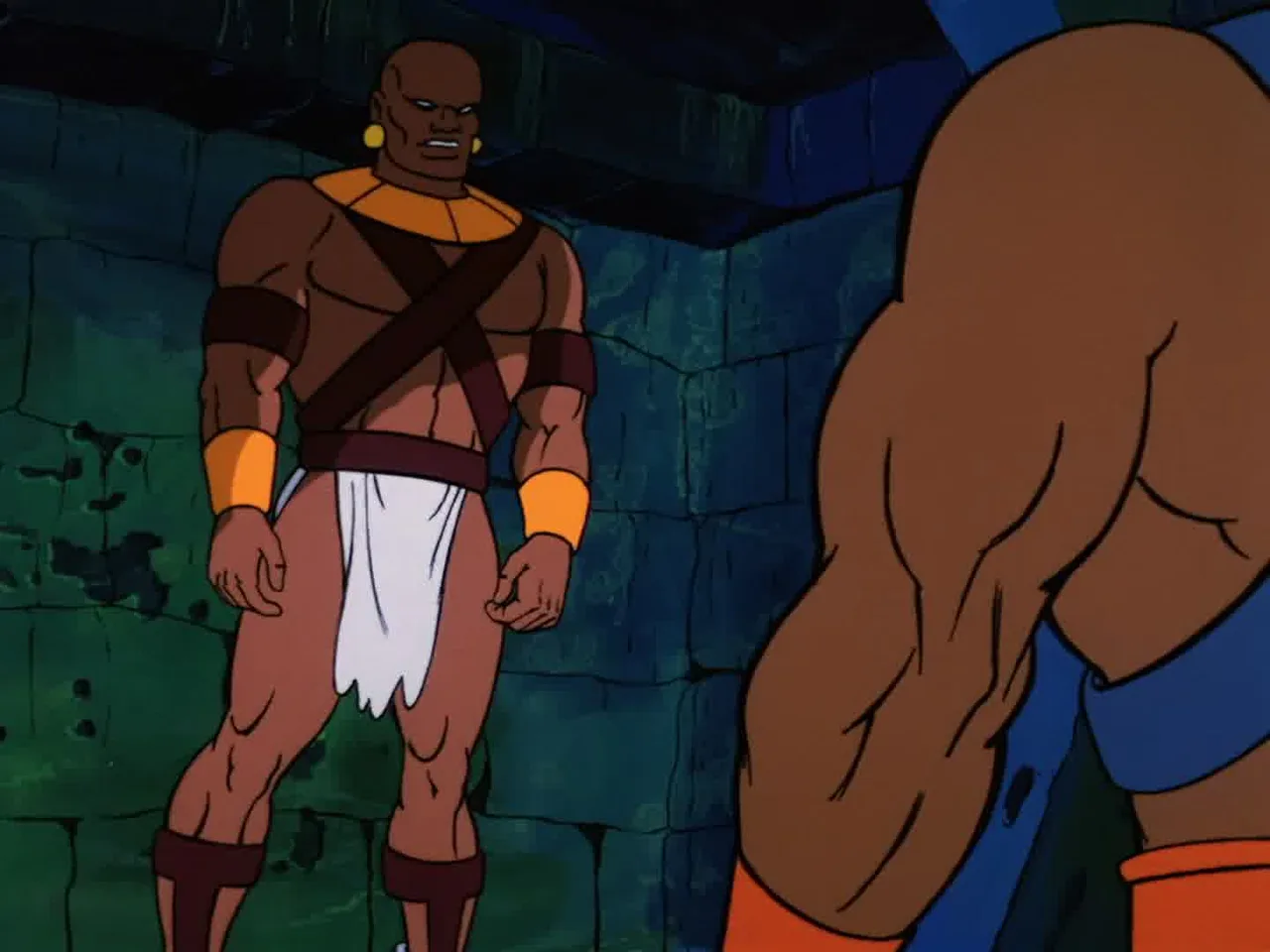
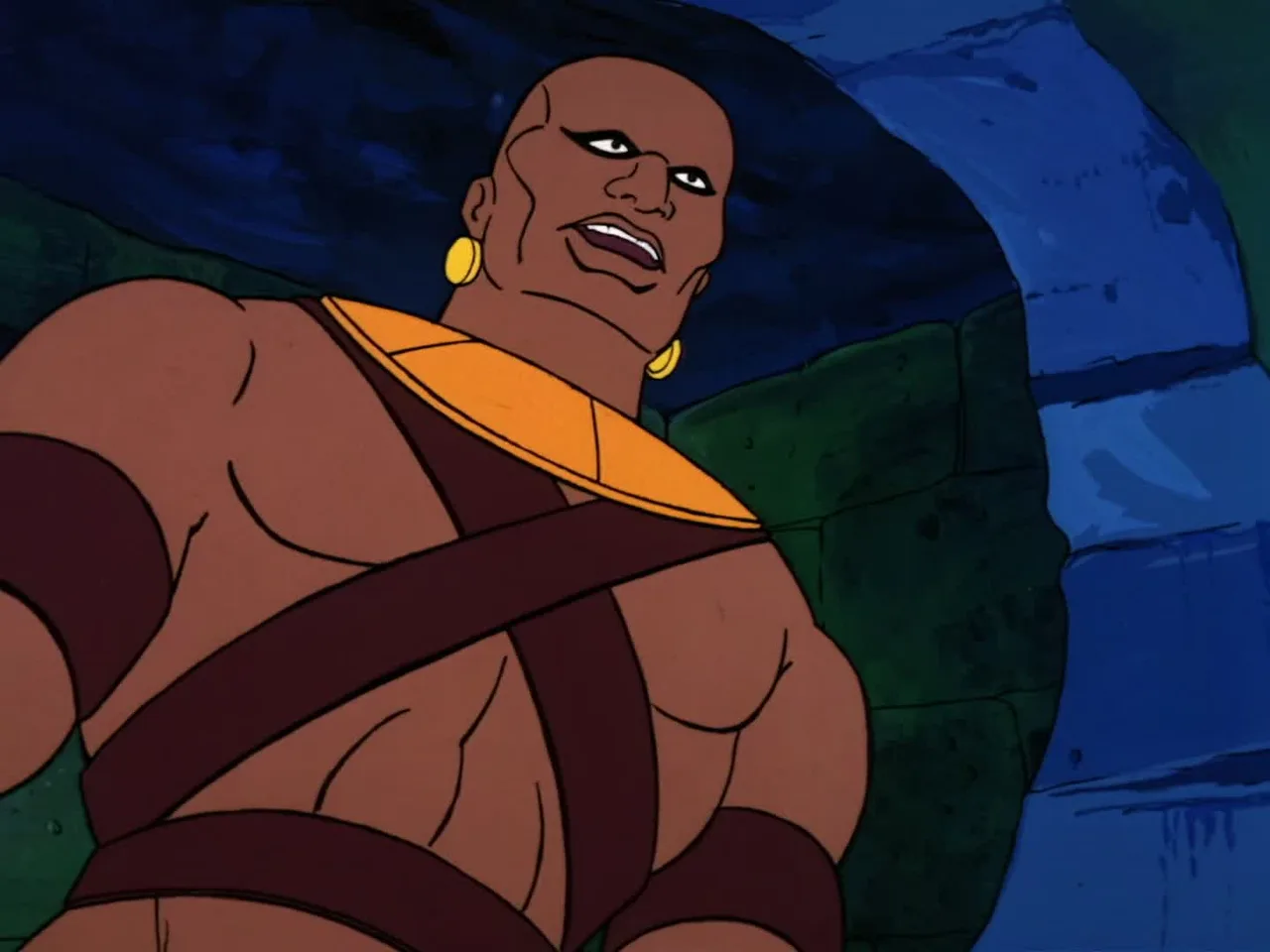
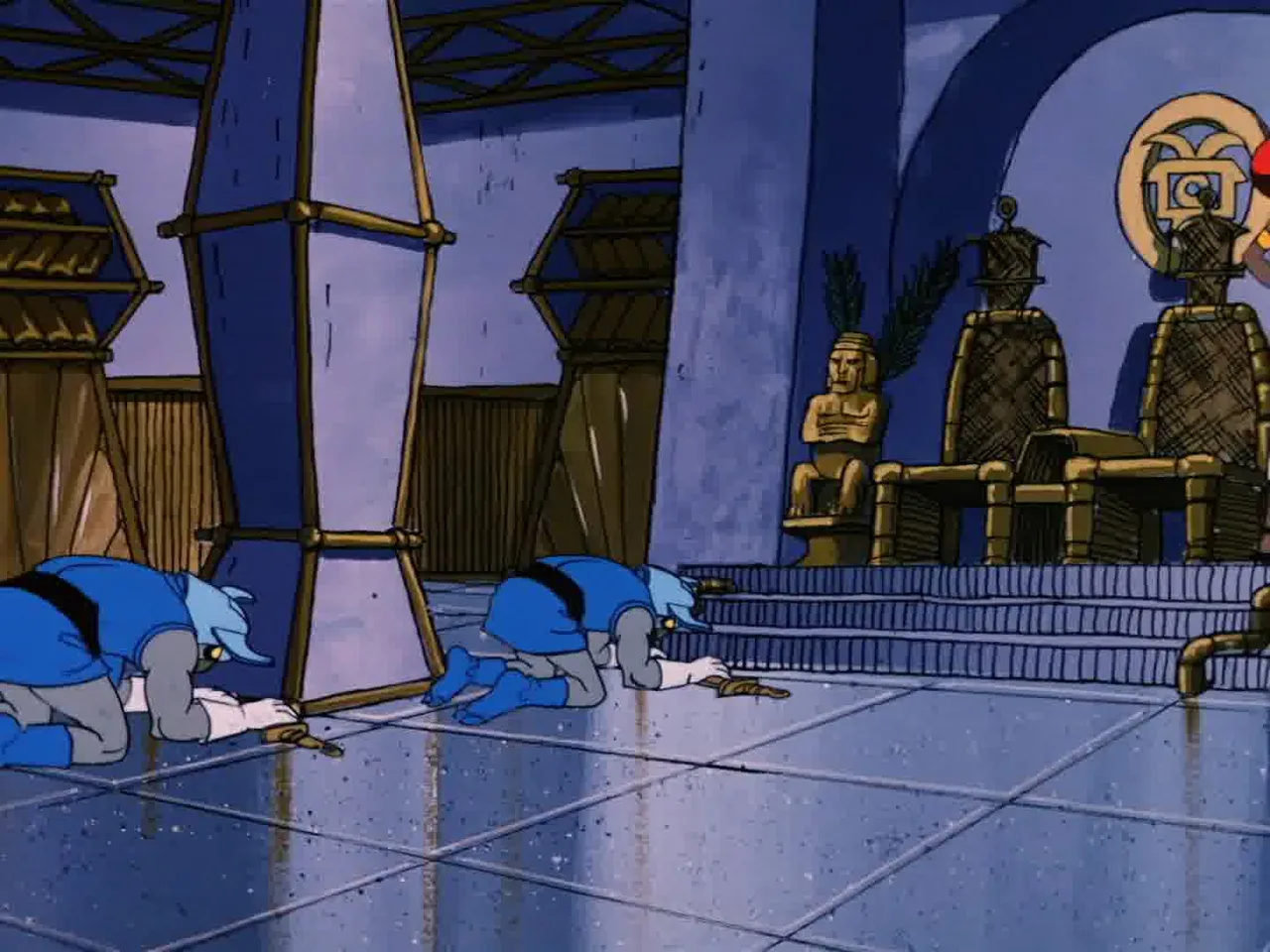
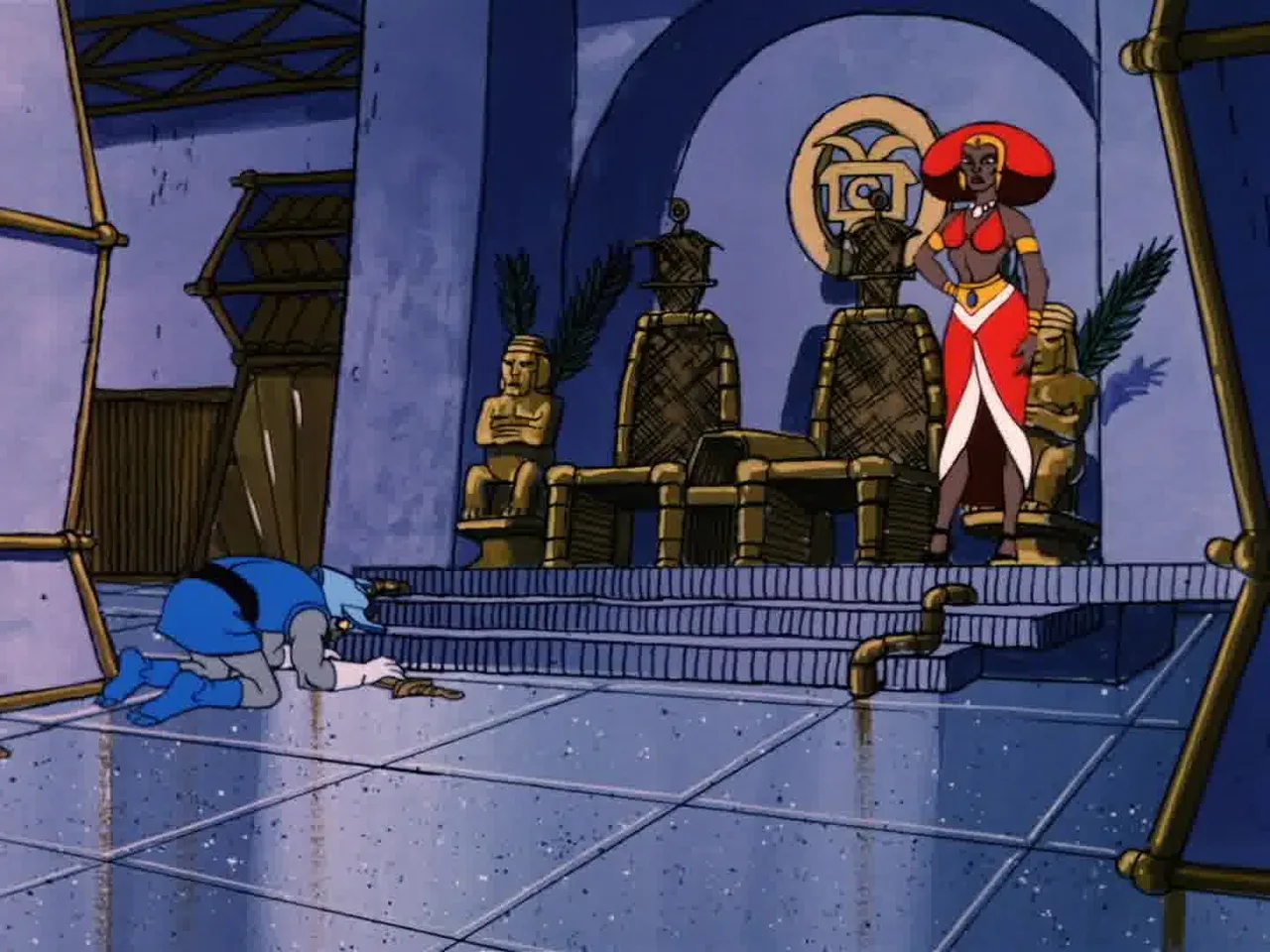
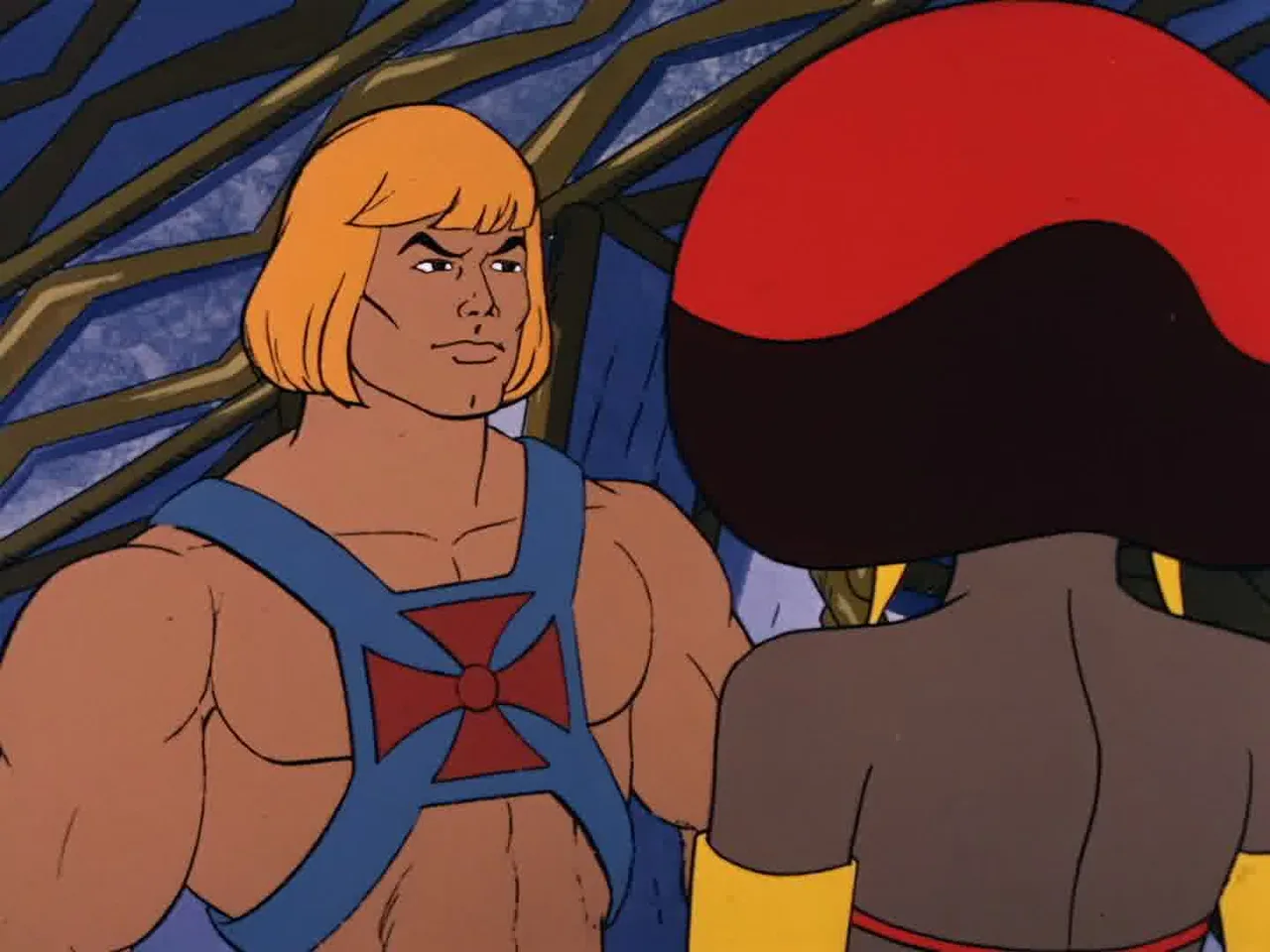
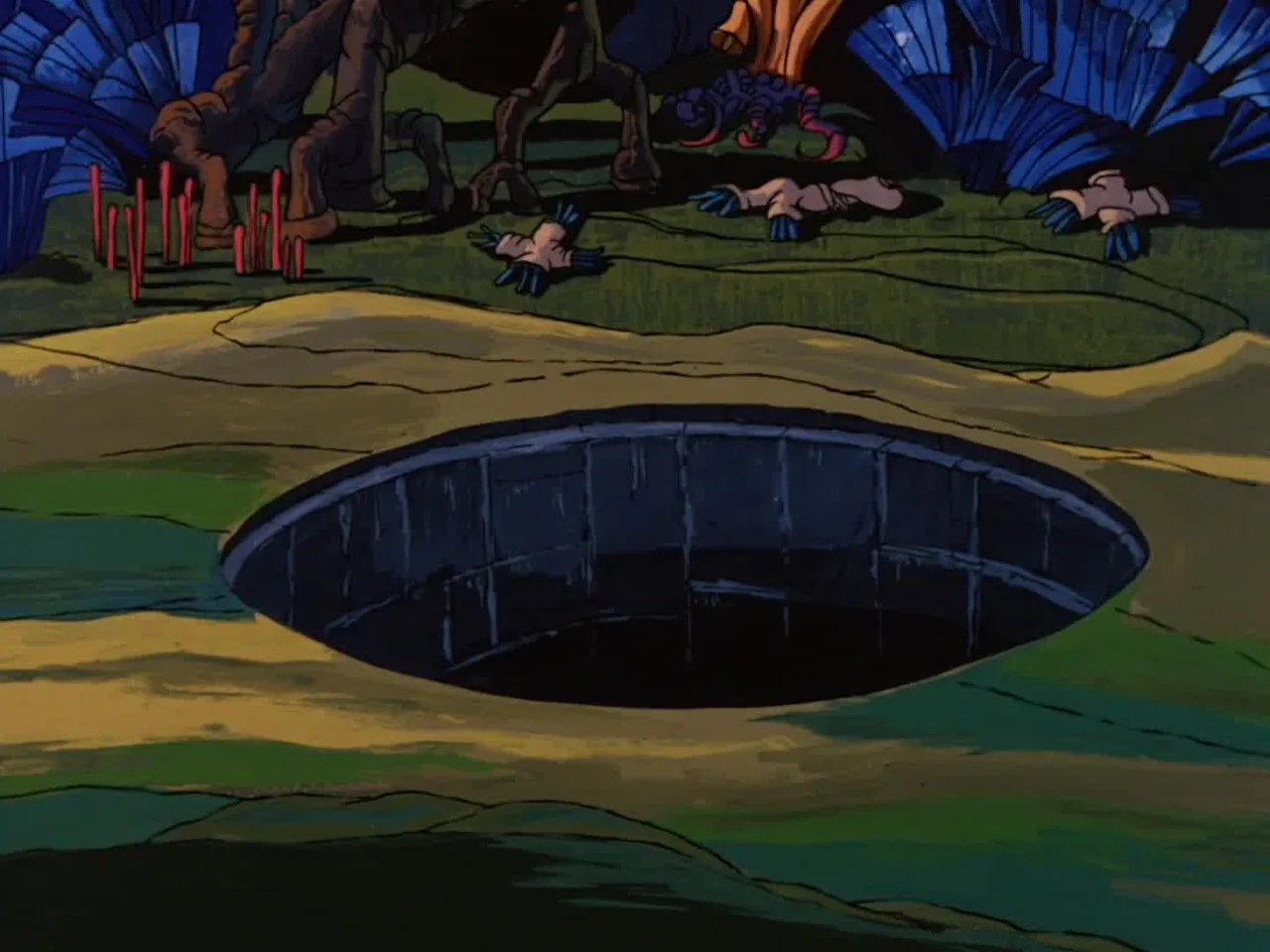
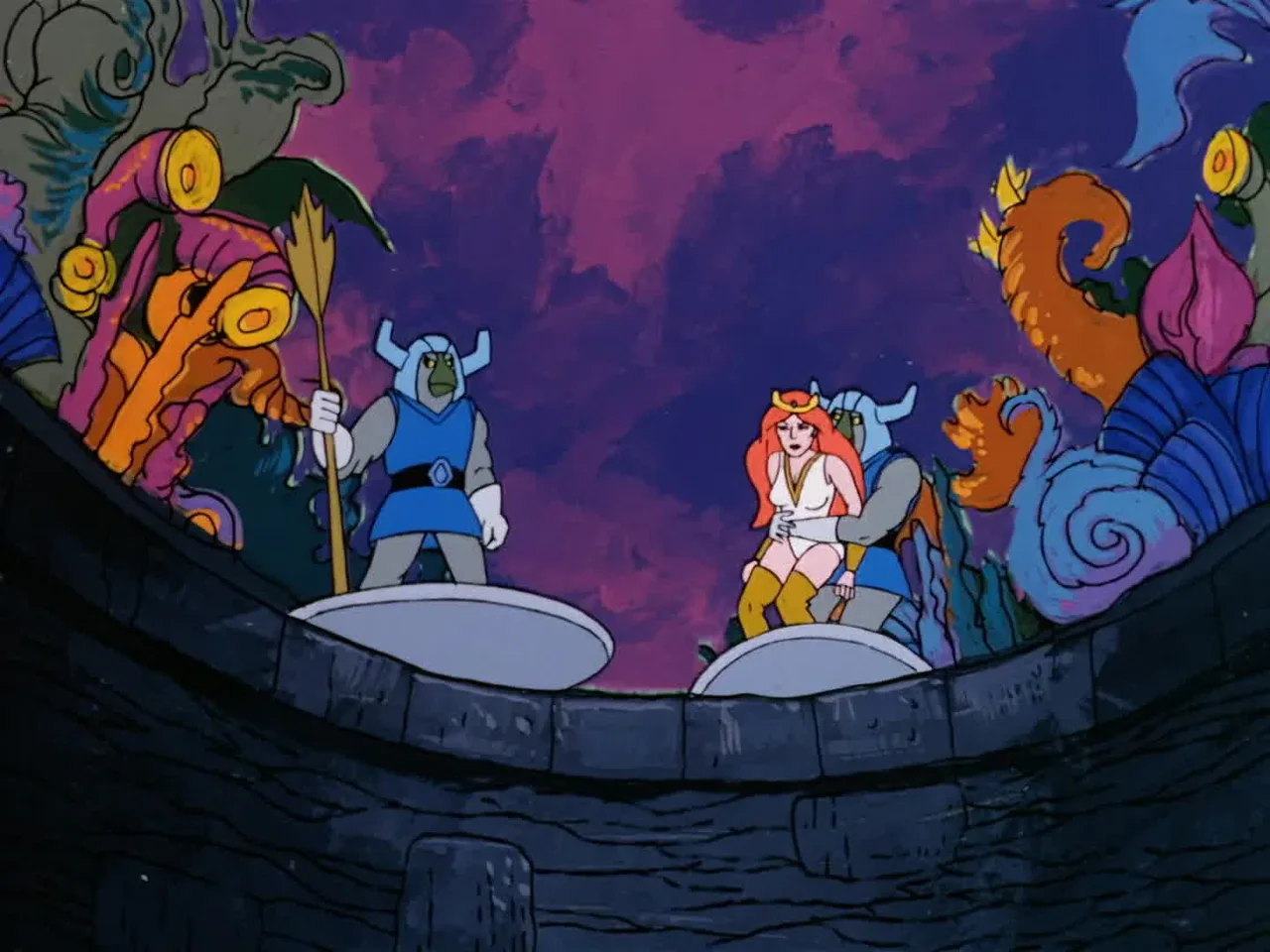
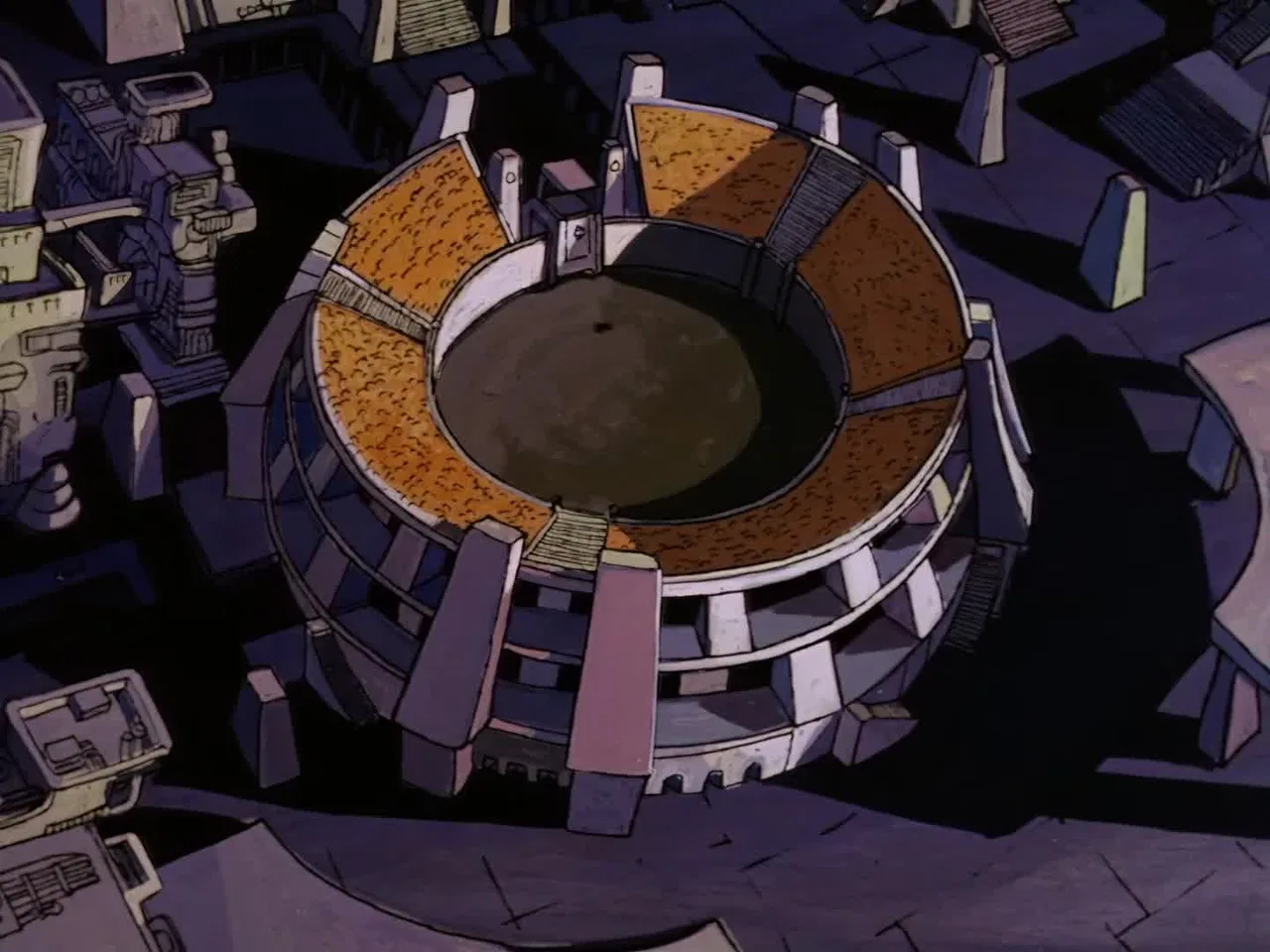
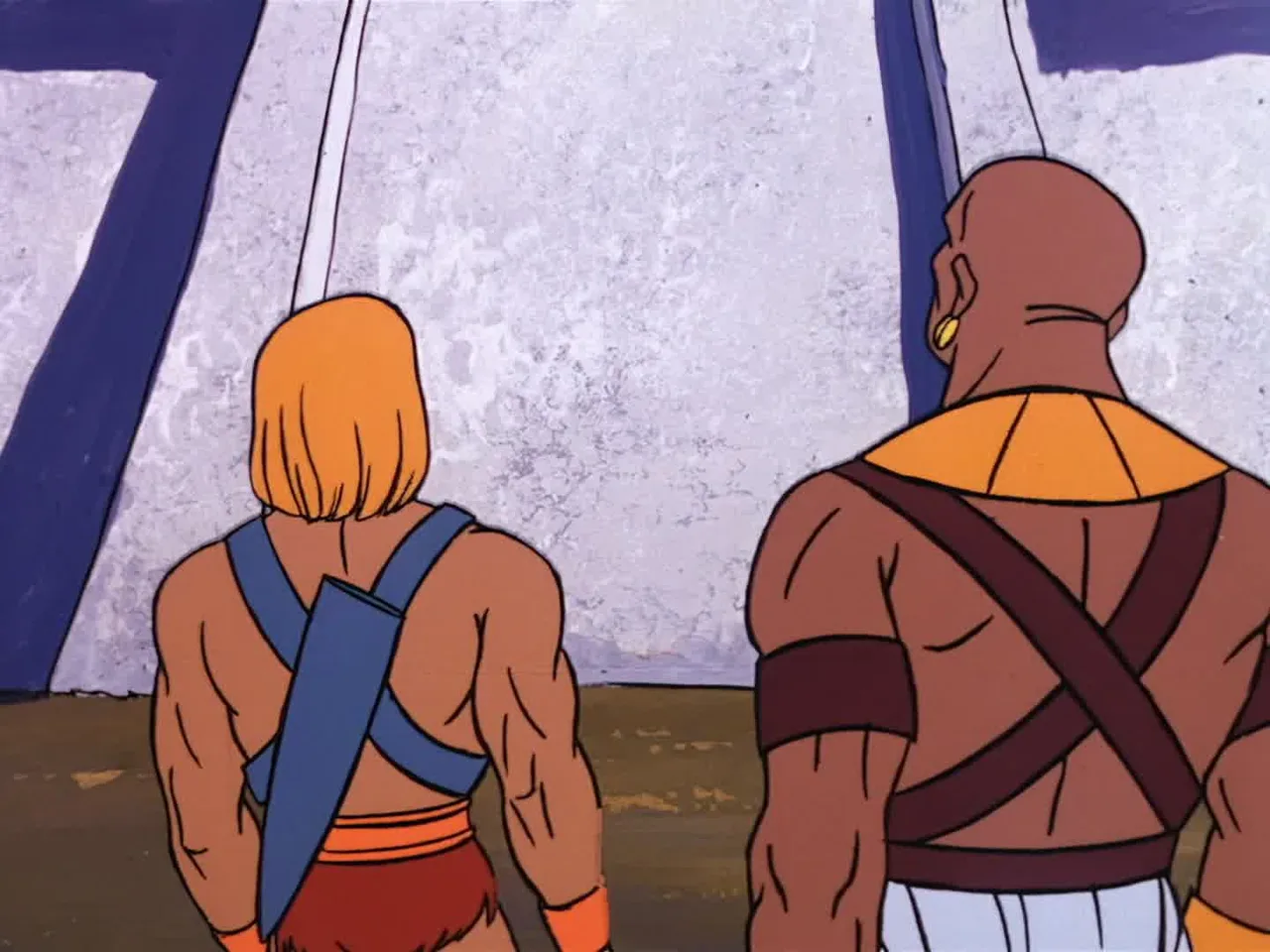
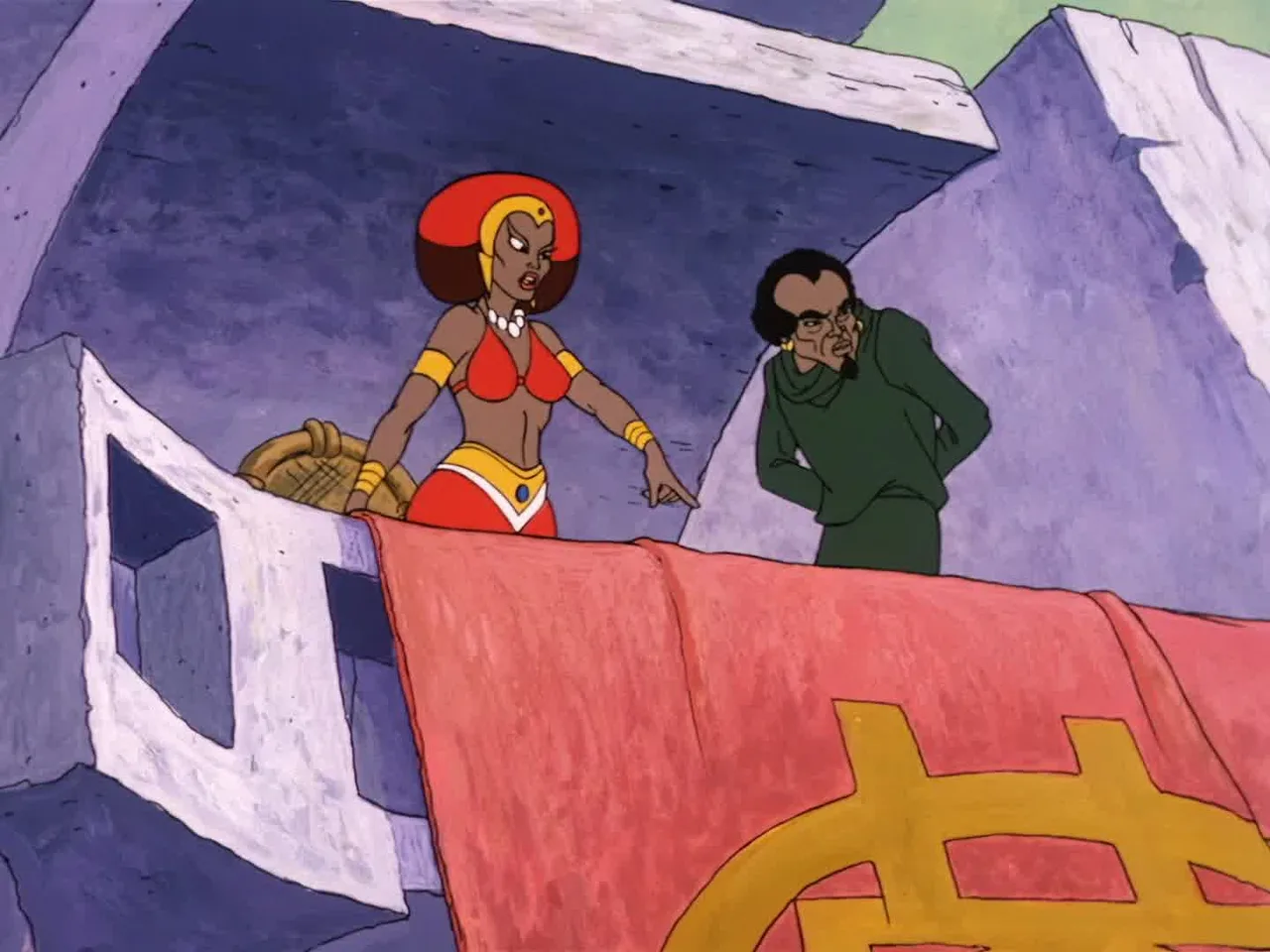
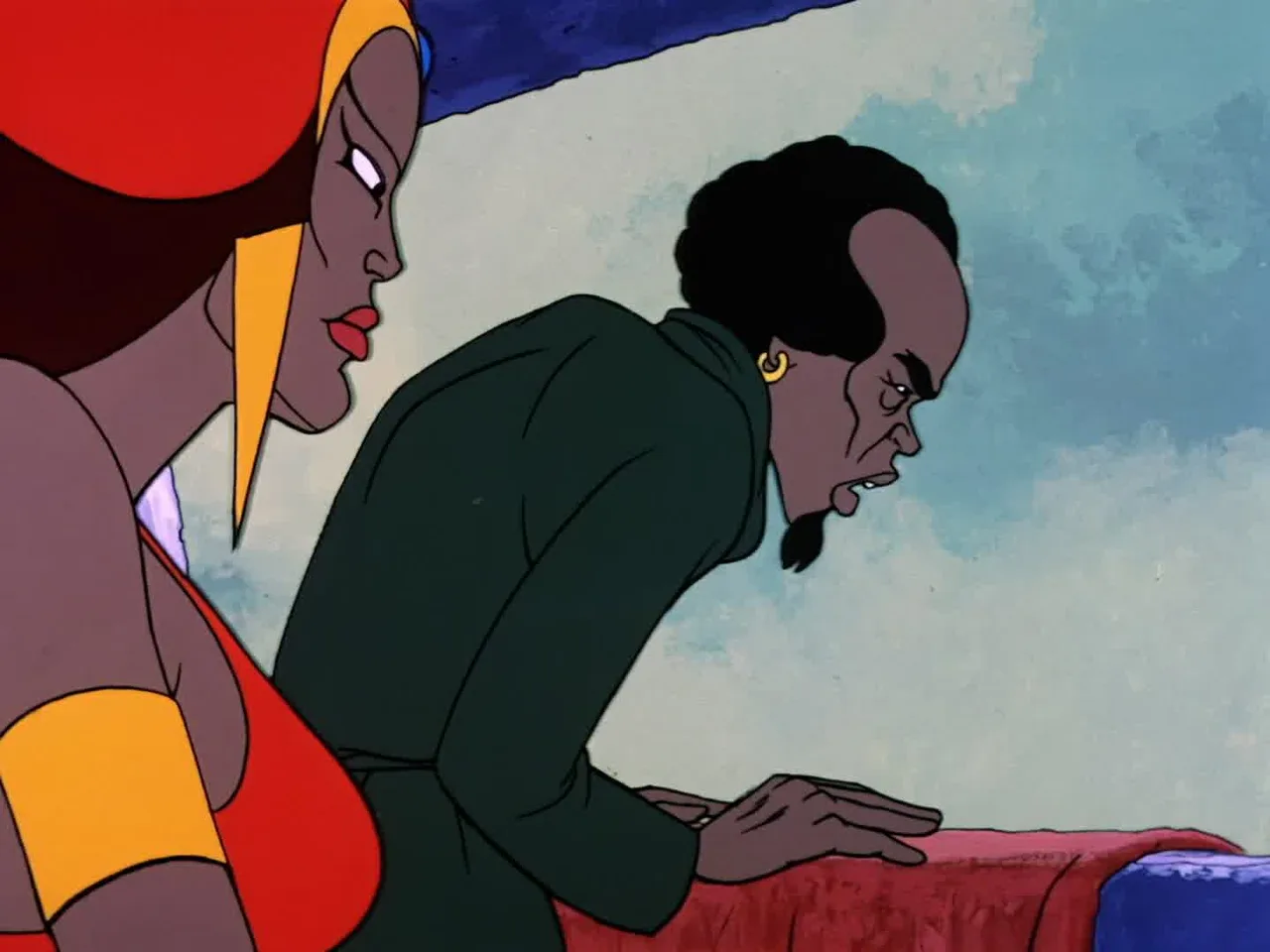
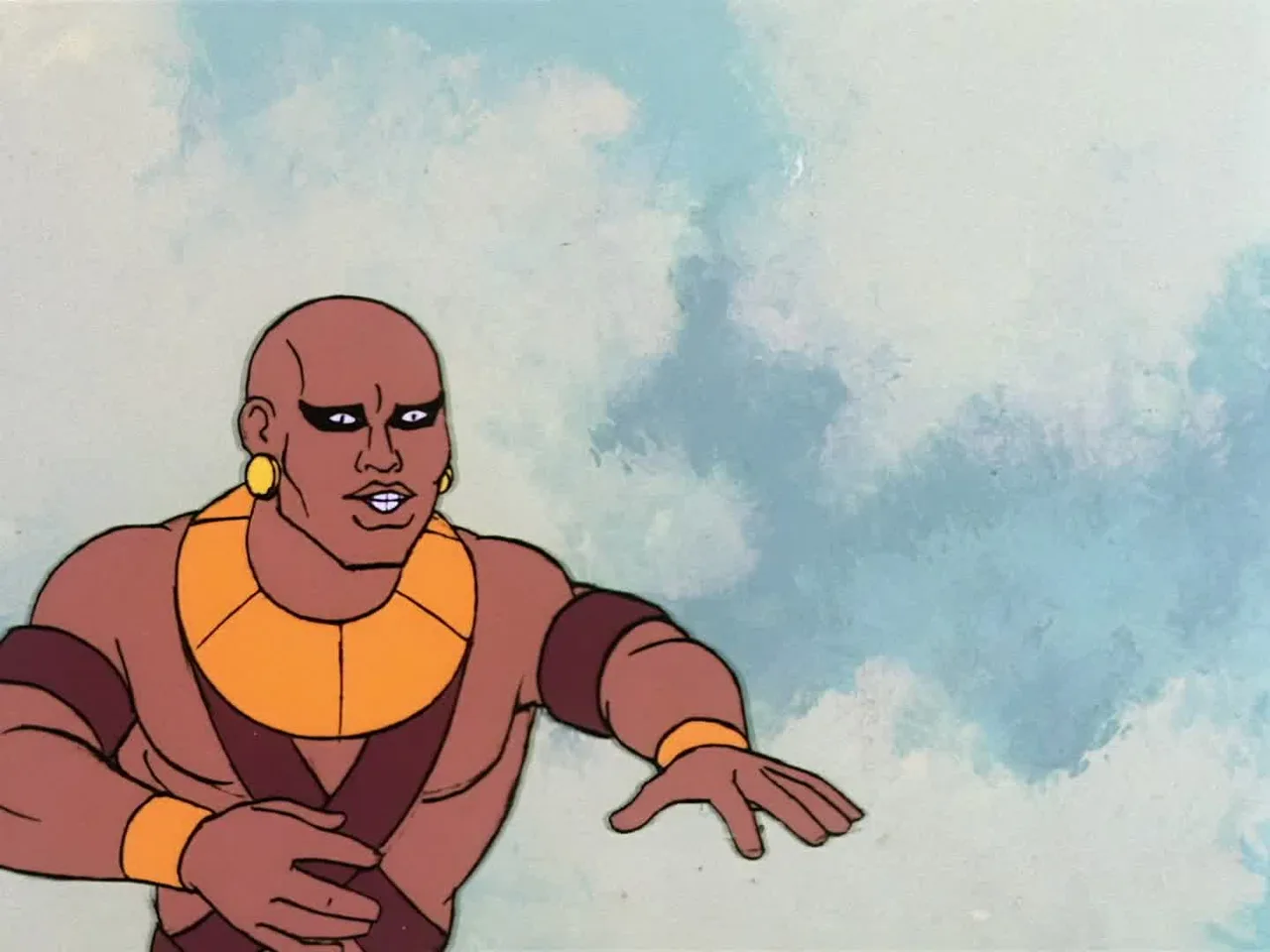
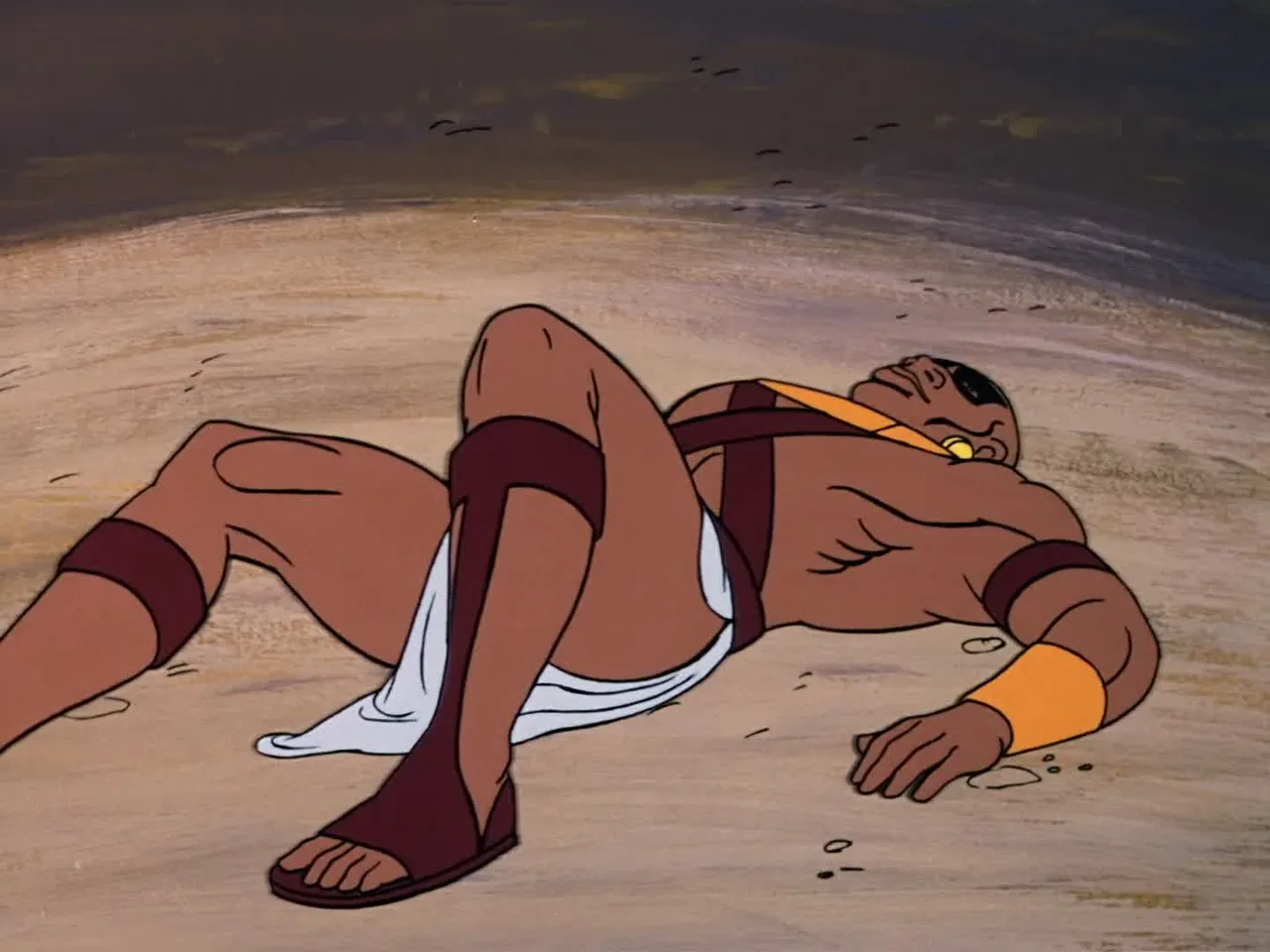
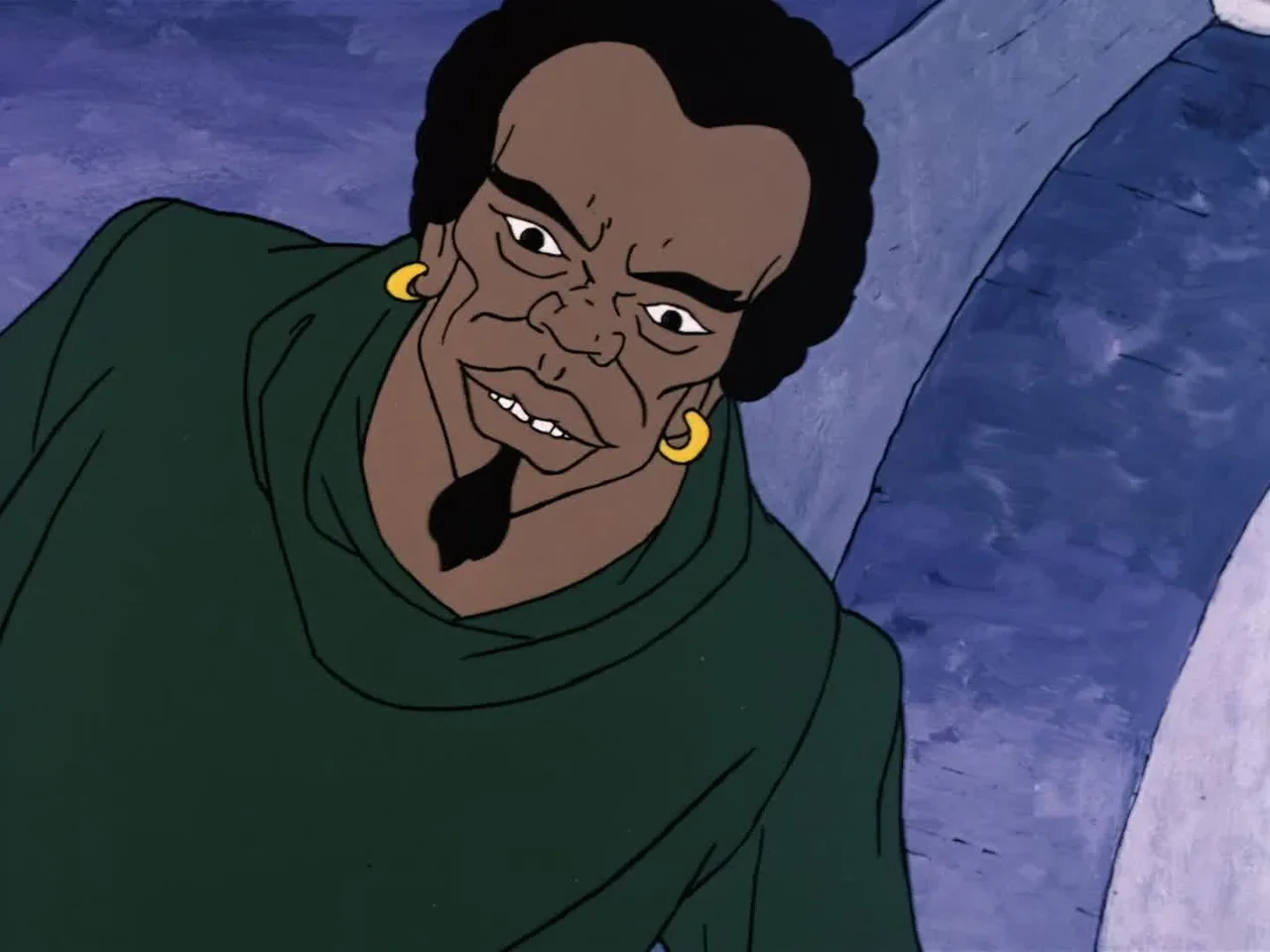
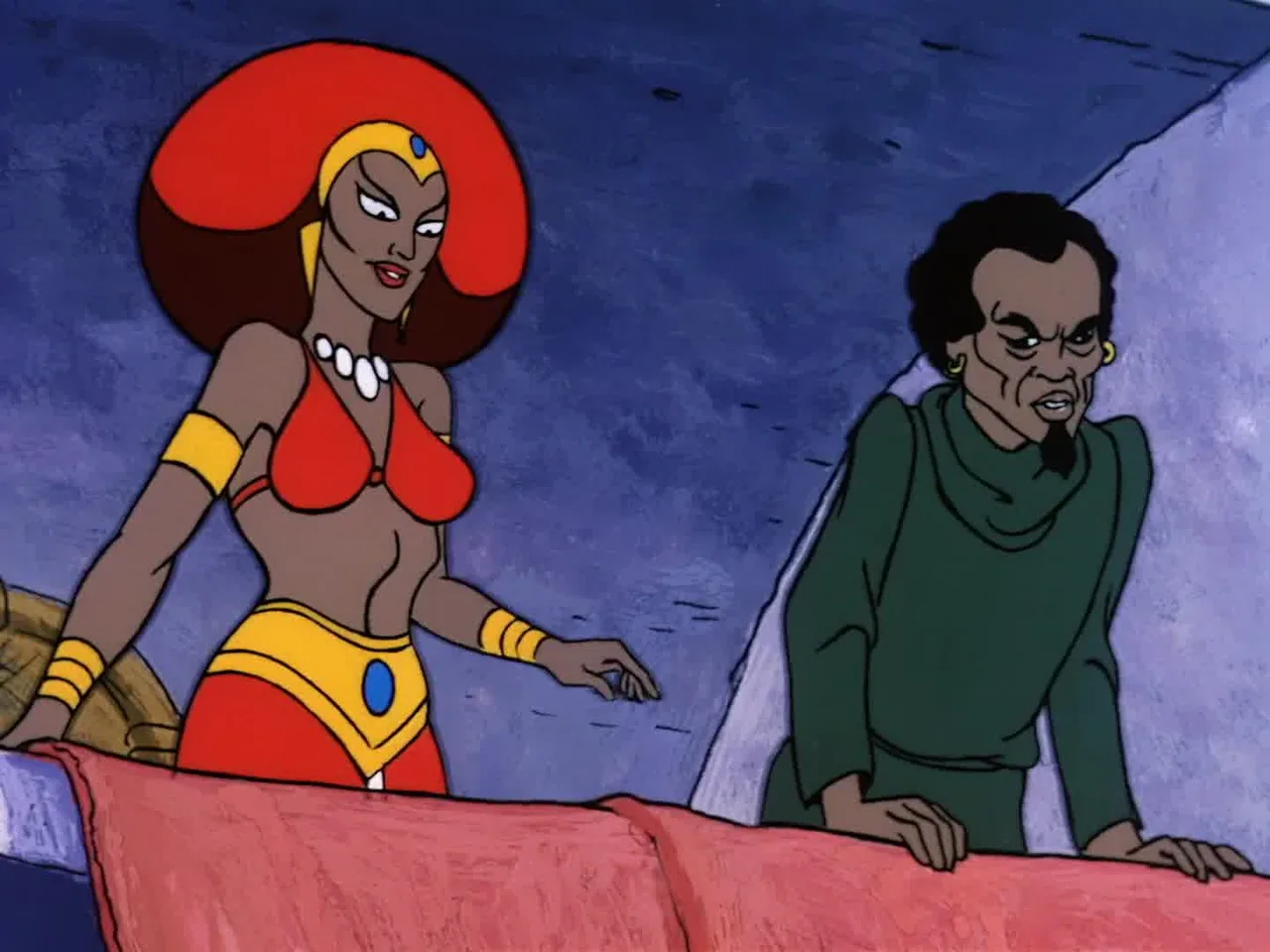
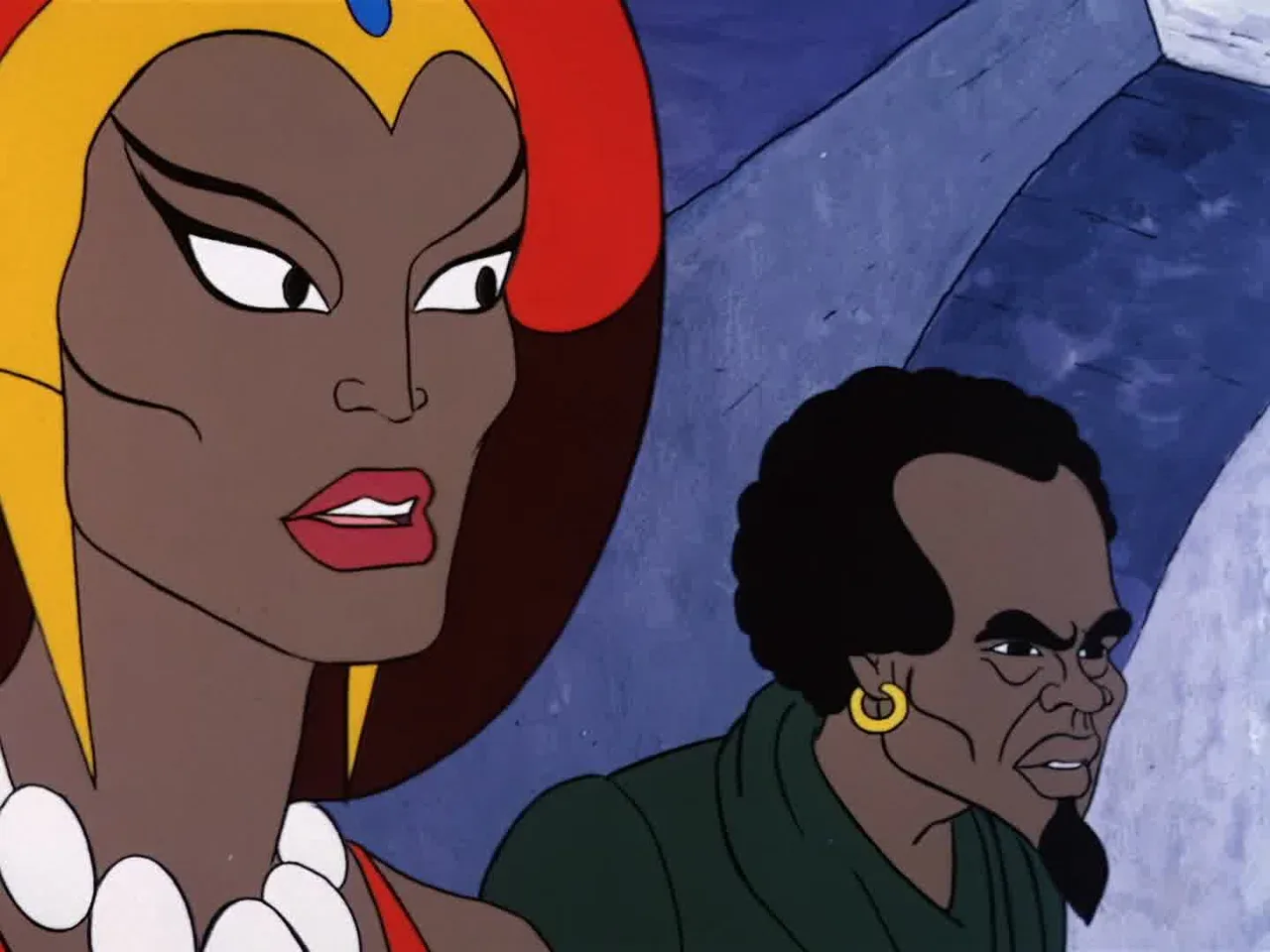
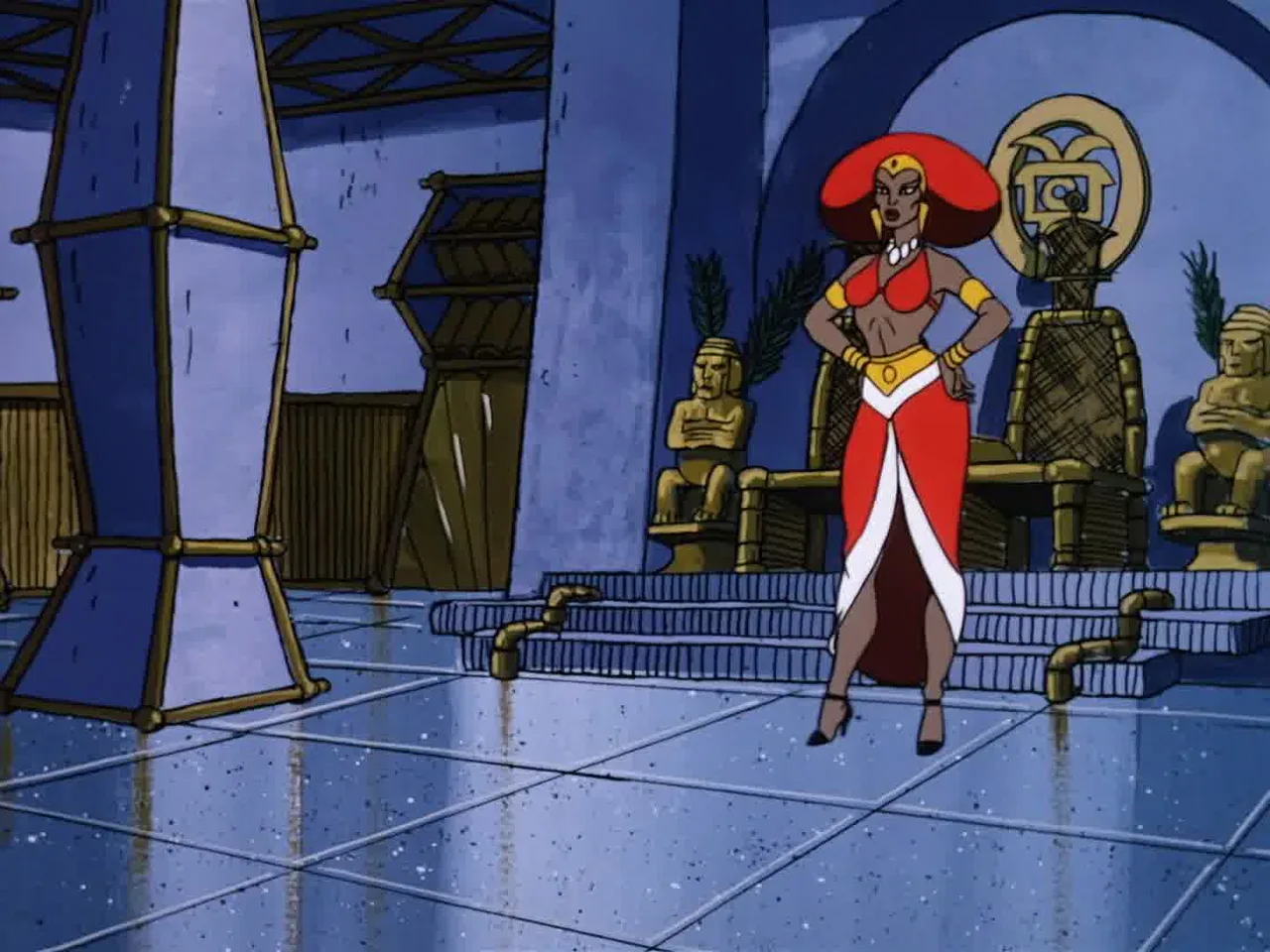
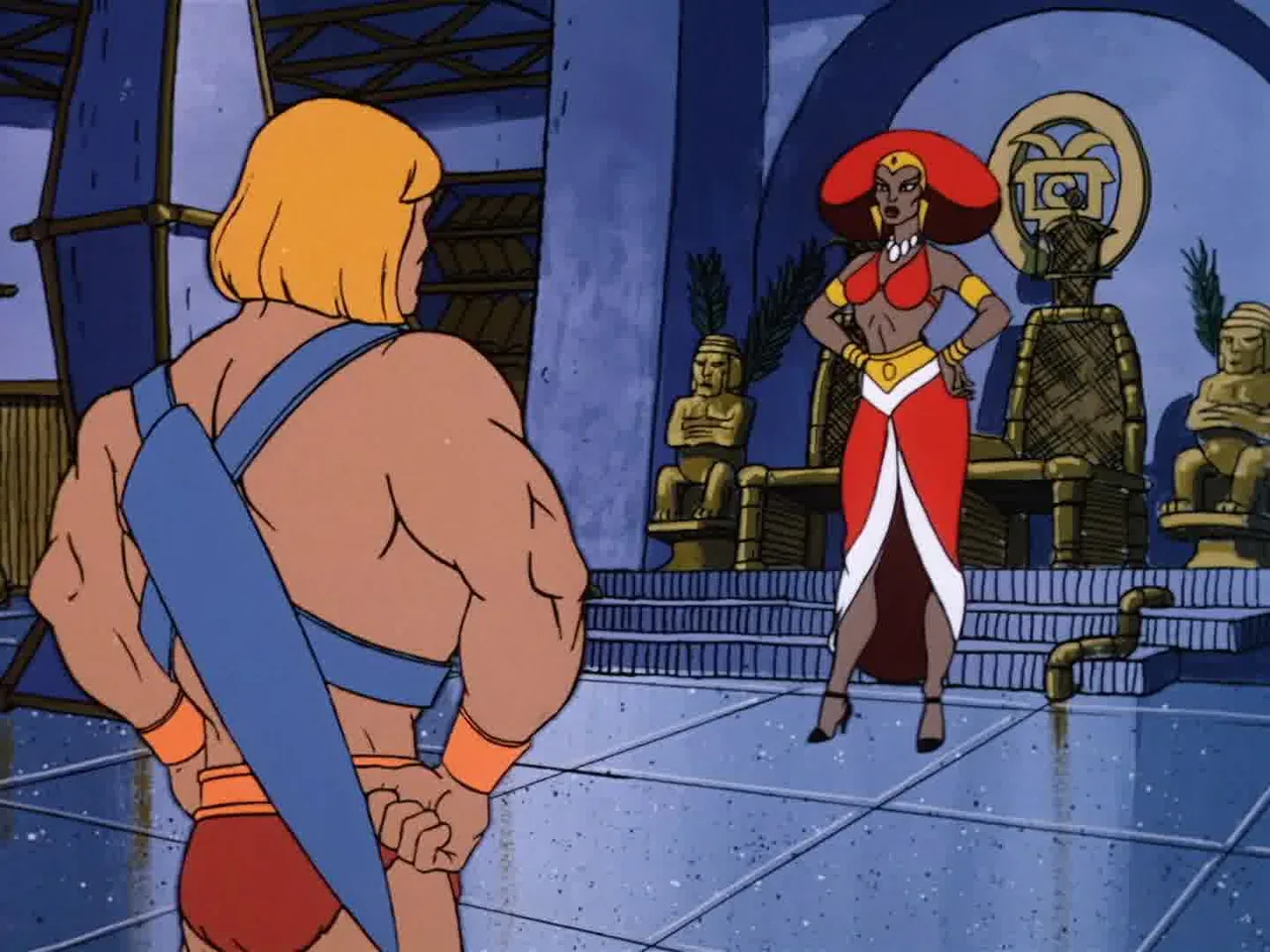
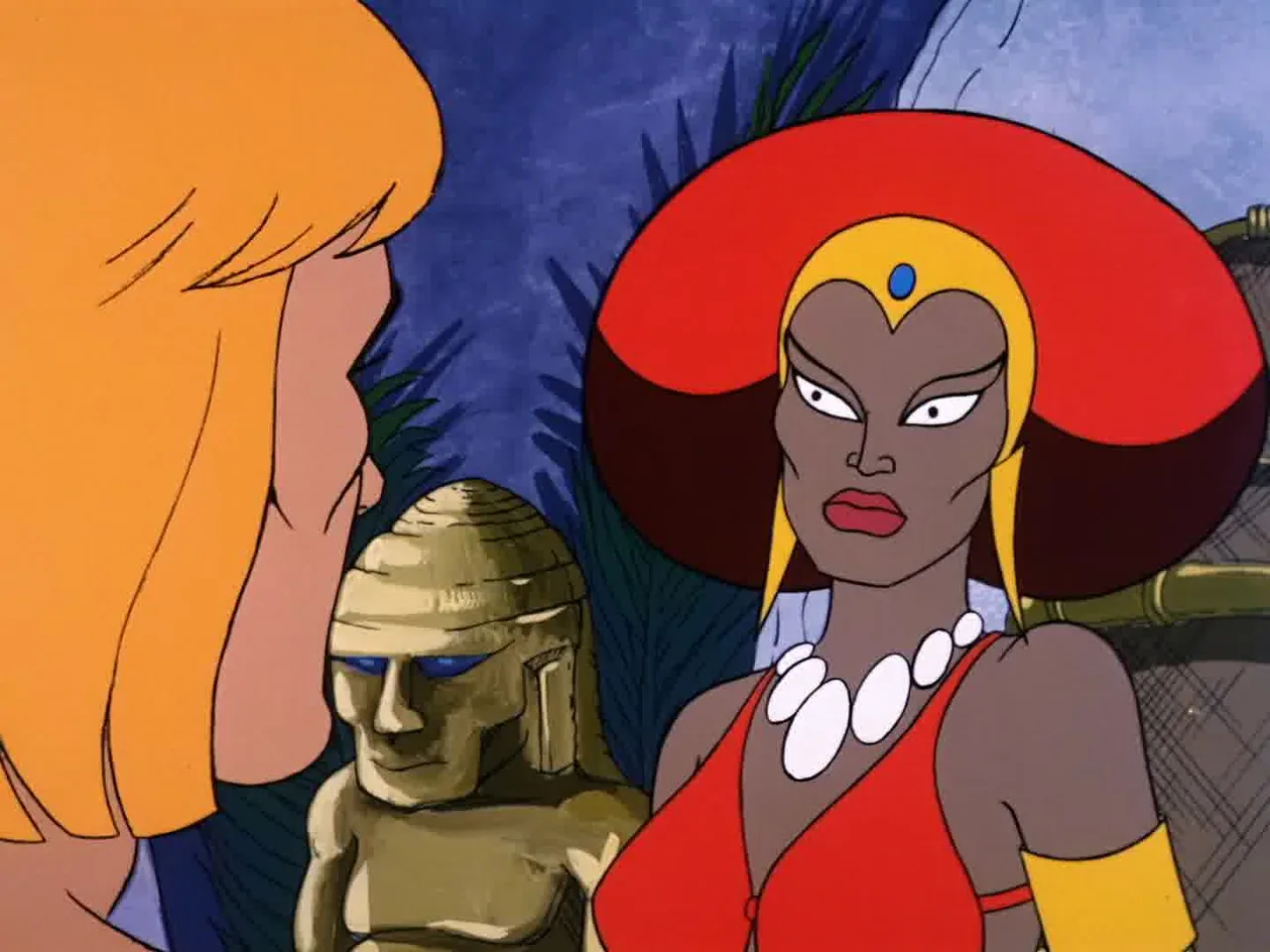
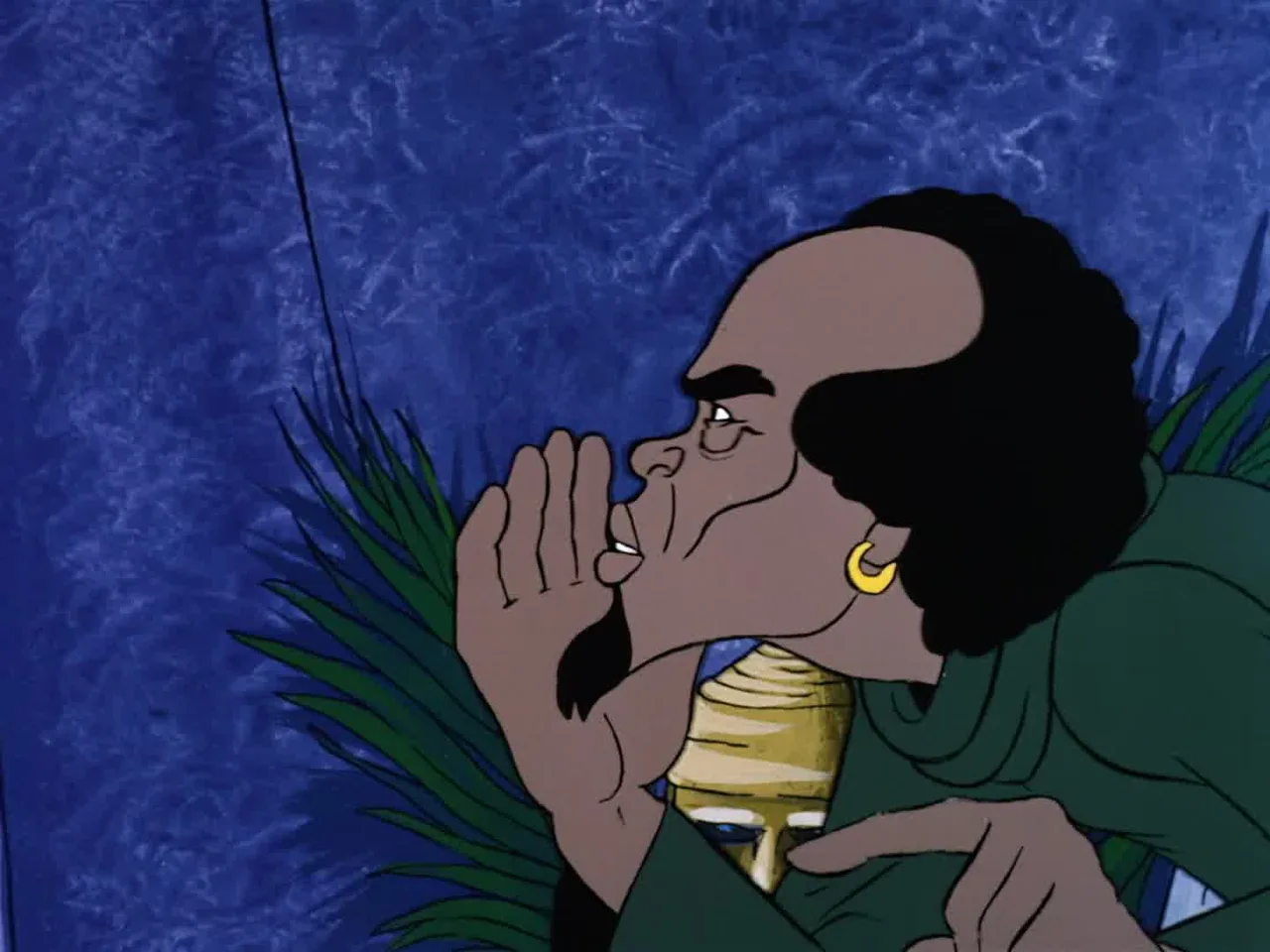
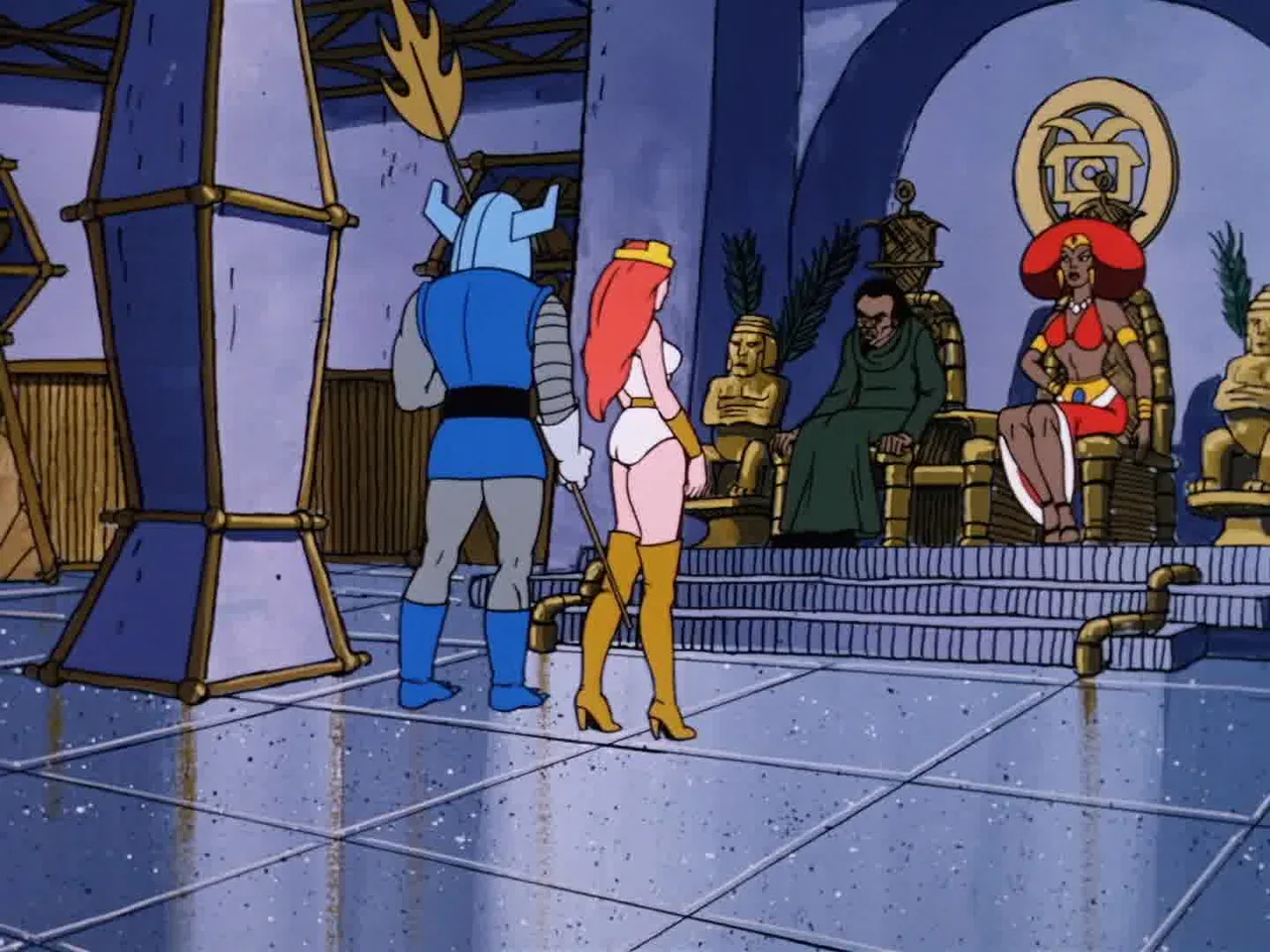
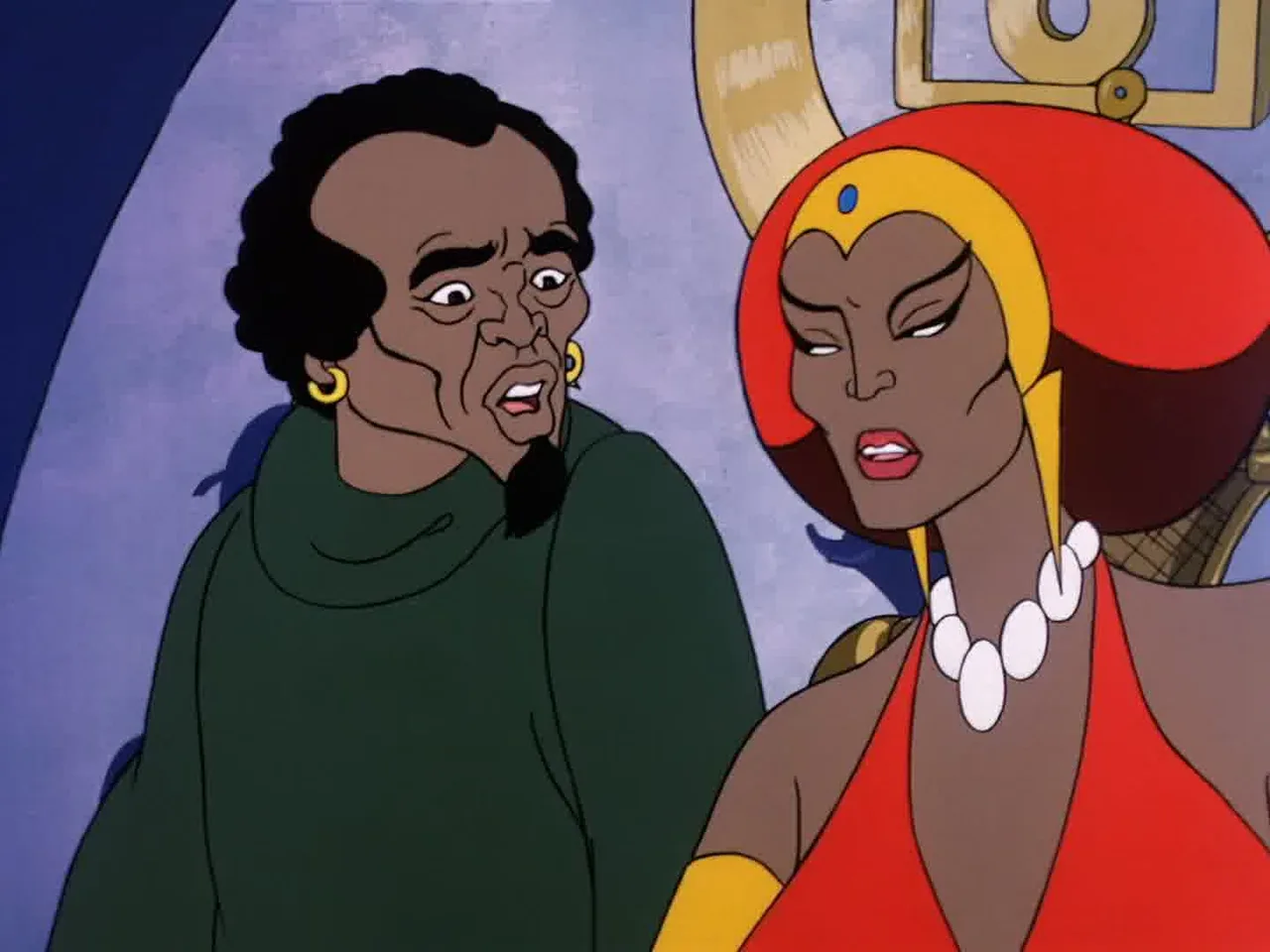
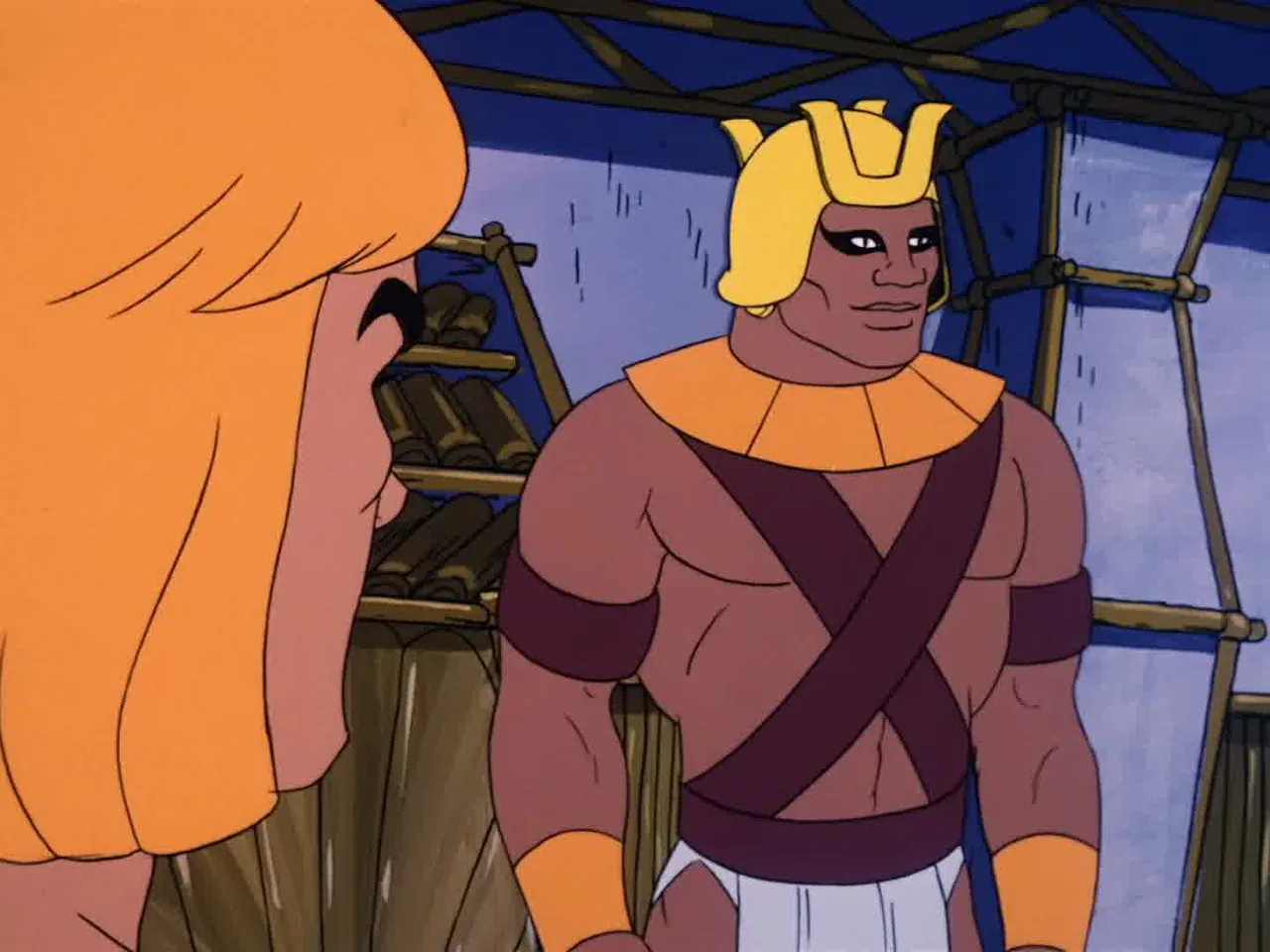
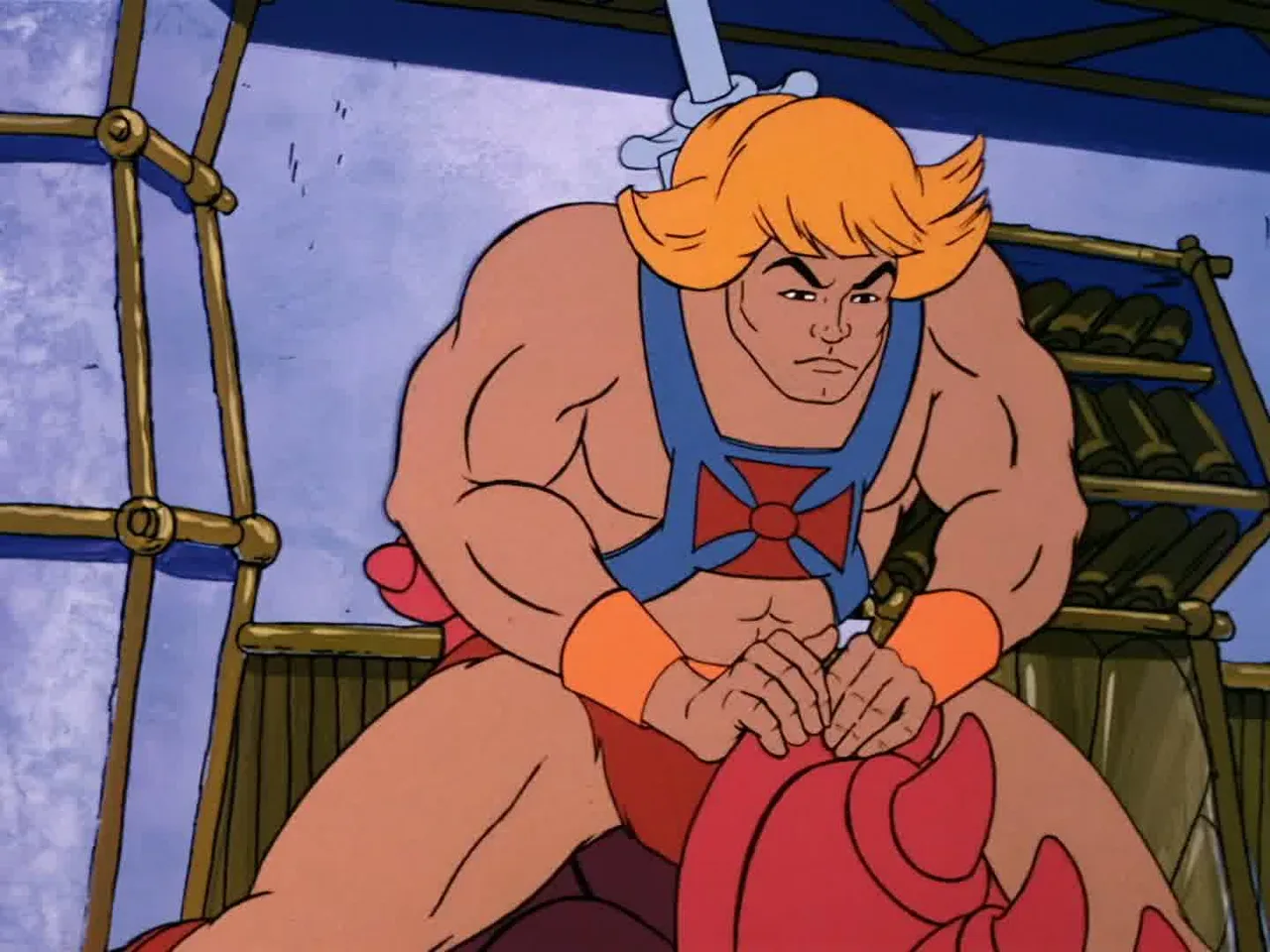
Having lost his memory from the blow, He-Man wakes in Targa's dungeon and meets Garn, a gladiator and master of the arena, before being brought before Queen Balina and her wizard Draca. Balina, convinced he is a spy from Operon, demands to know where he has hidden Rhea, but the amnesiac He-Man has no answer for her. Outside the city, Battle Cat falls into a trap pit while tracking He-Man's scent, and Gargon soldiers capture Rhea before she can free him. Balina forces He-Man into the arena against Garn, and Draca secretly boosts Garn's strength with magic; the blow that finally knocks He-Man down jars his memory back, and he defeats Garn cleanly, then insists Balina free him.
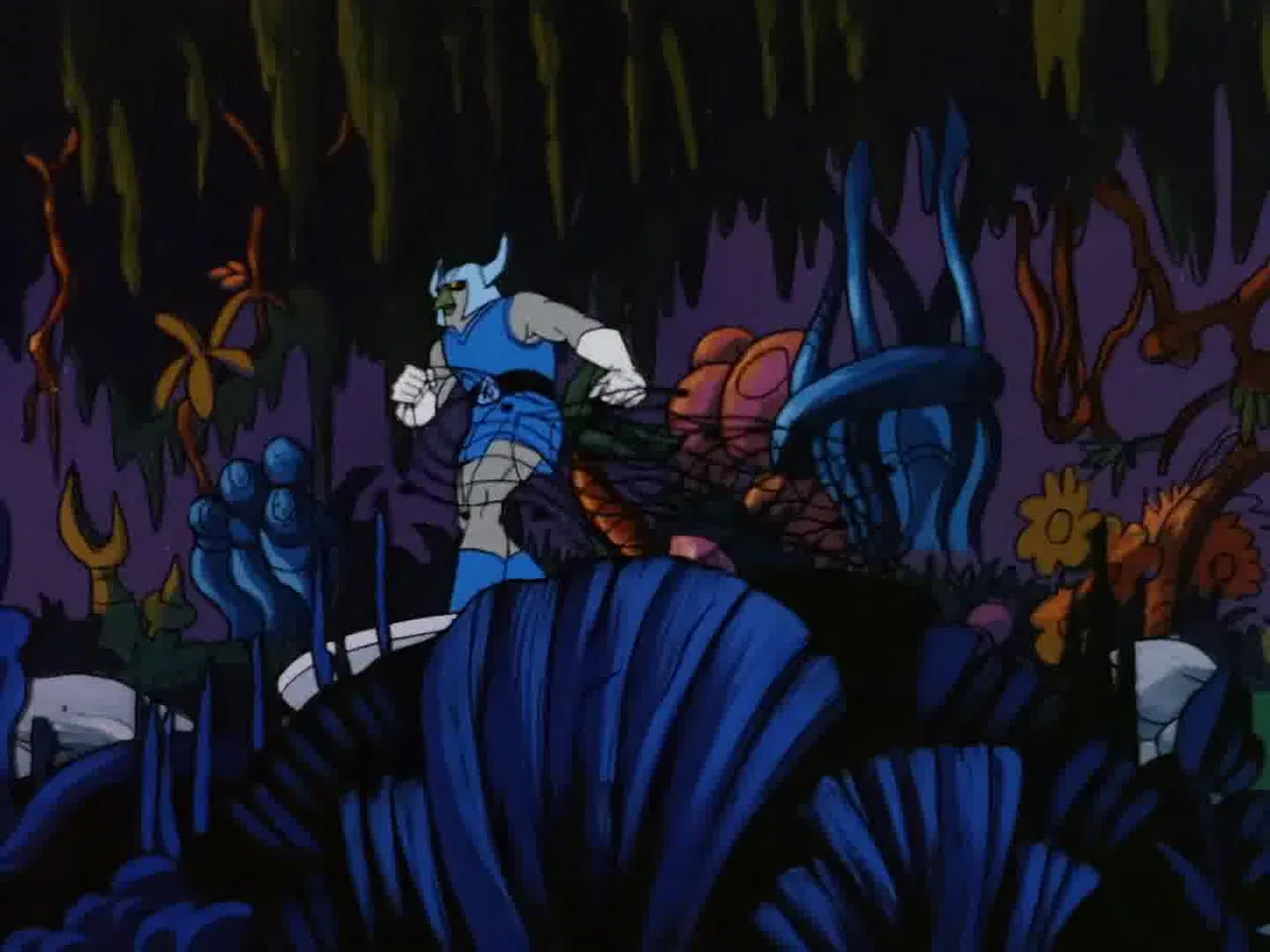
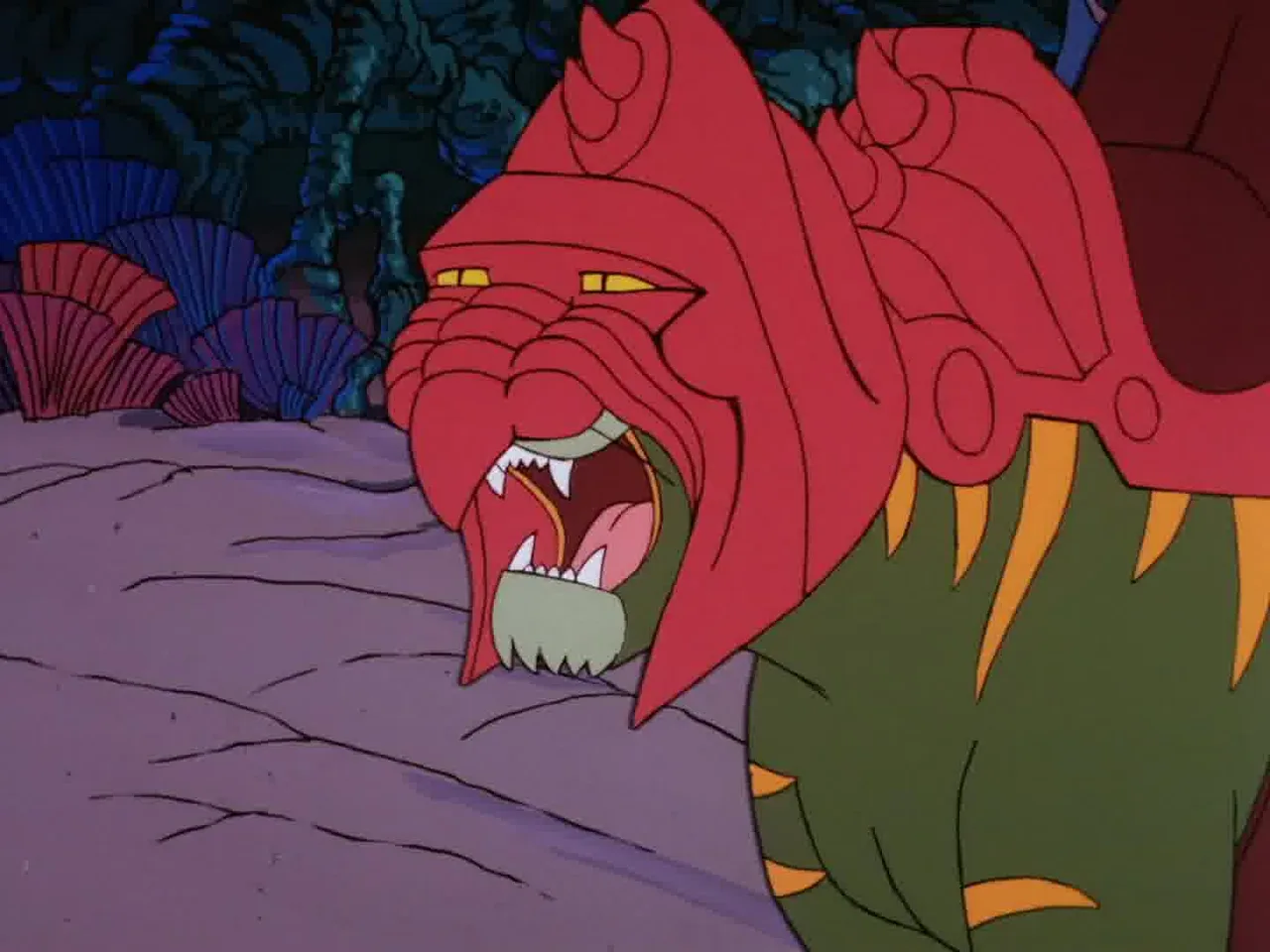
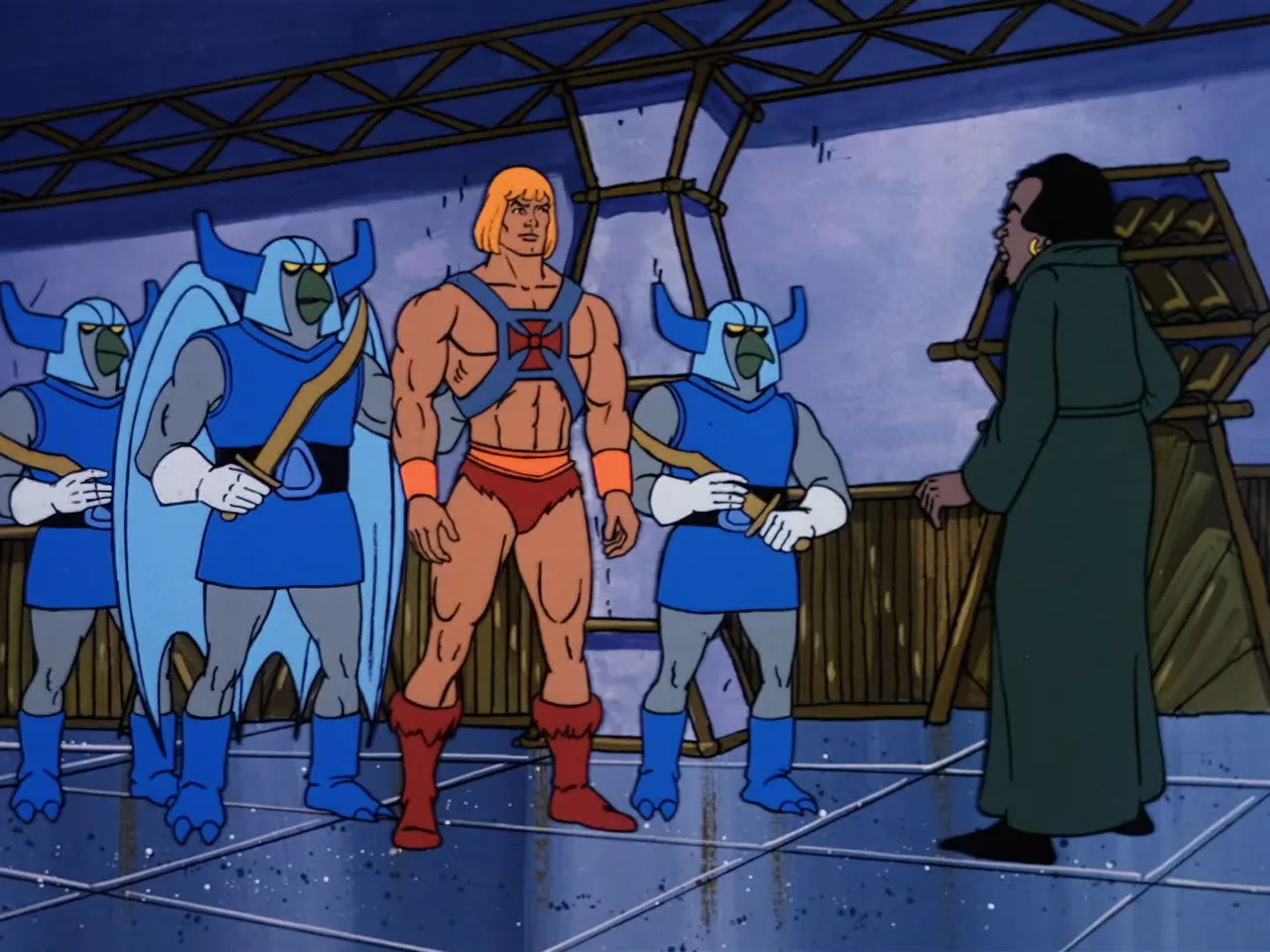
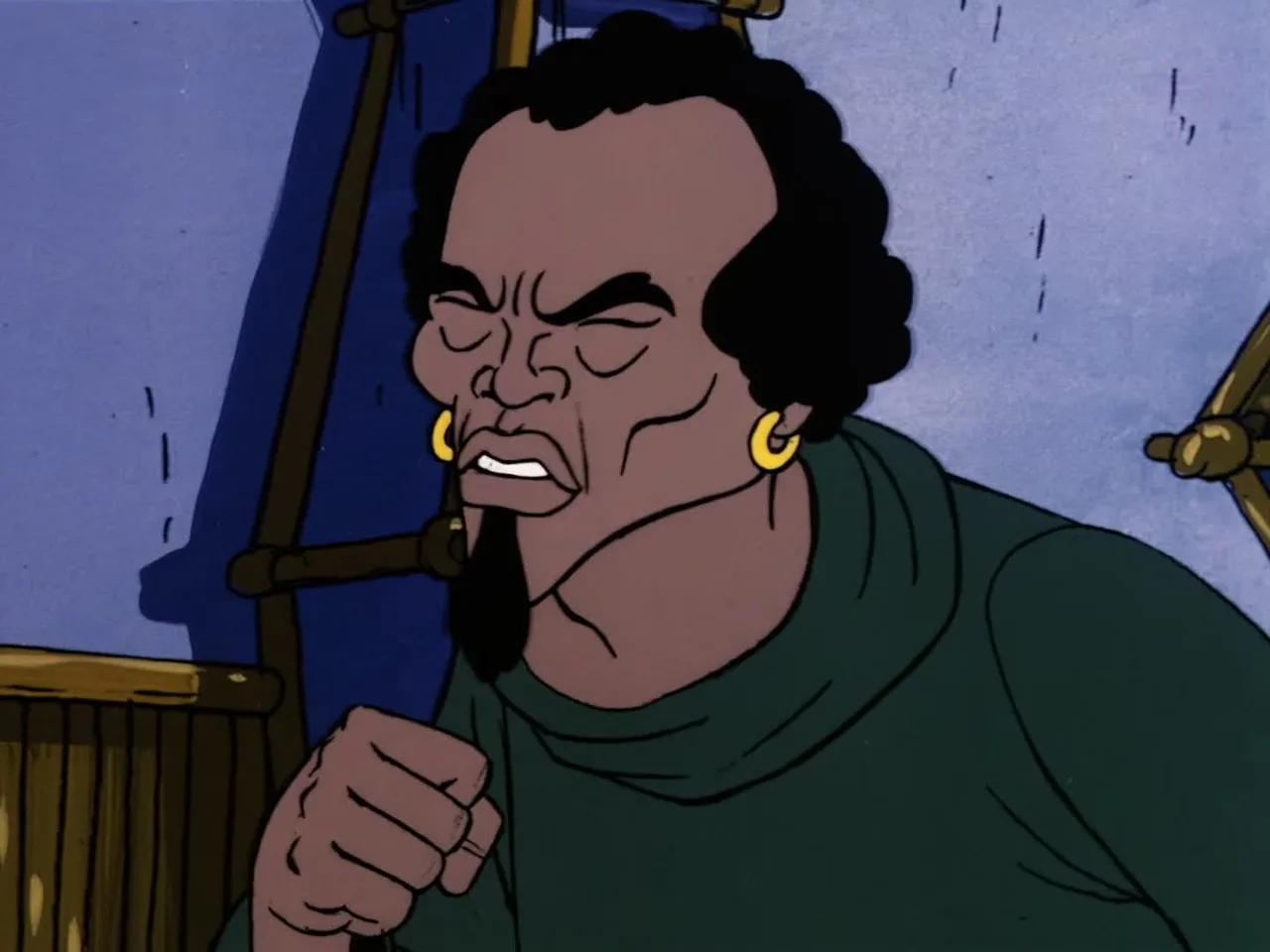
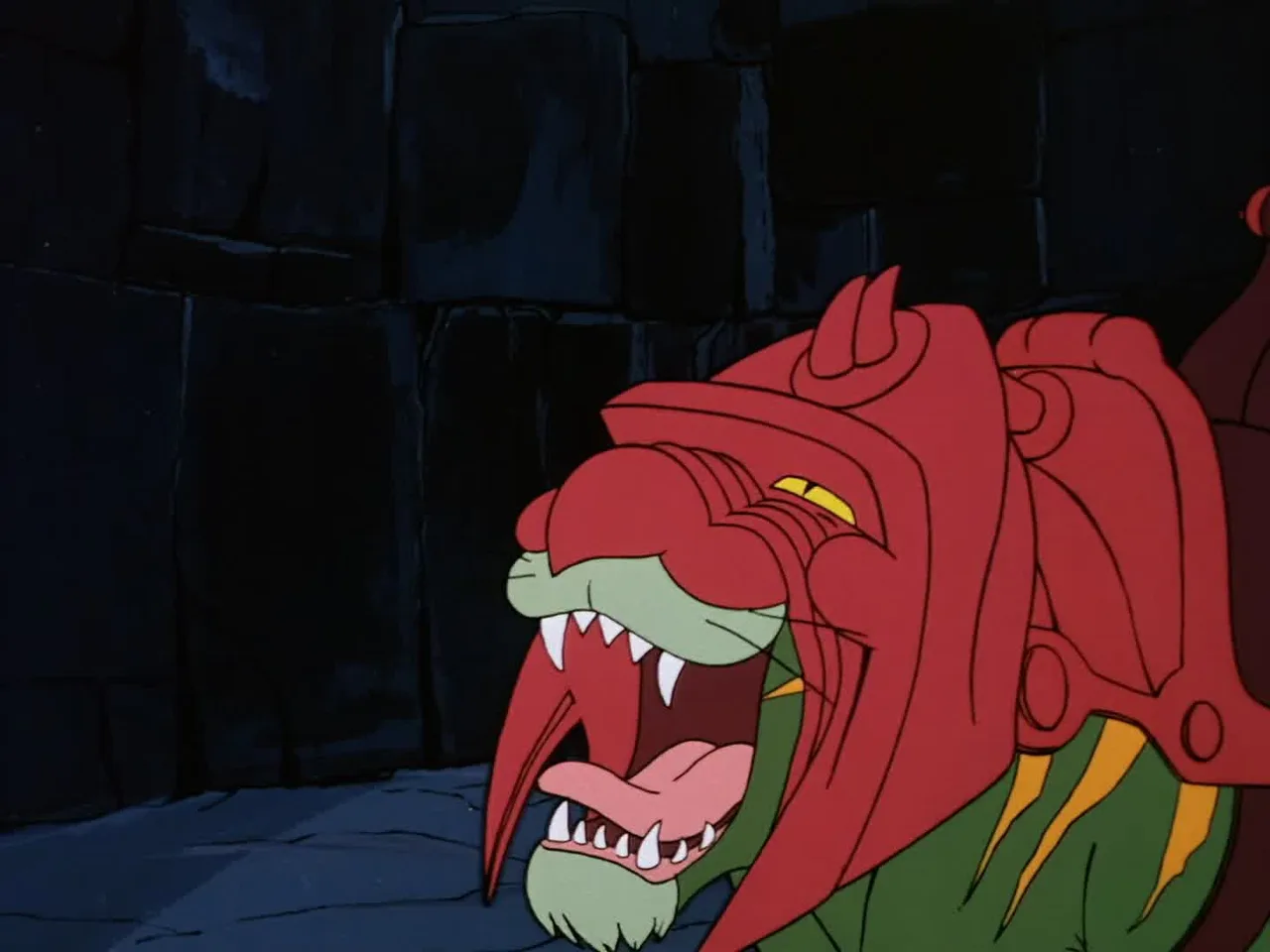
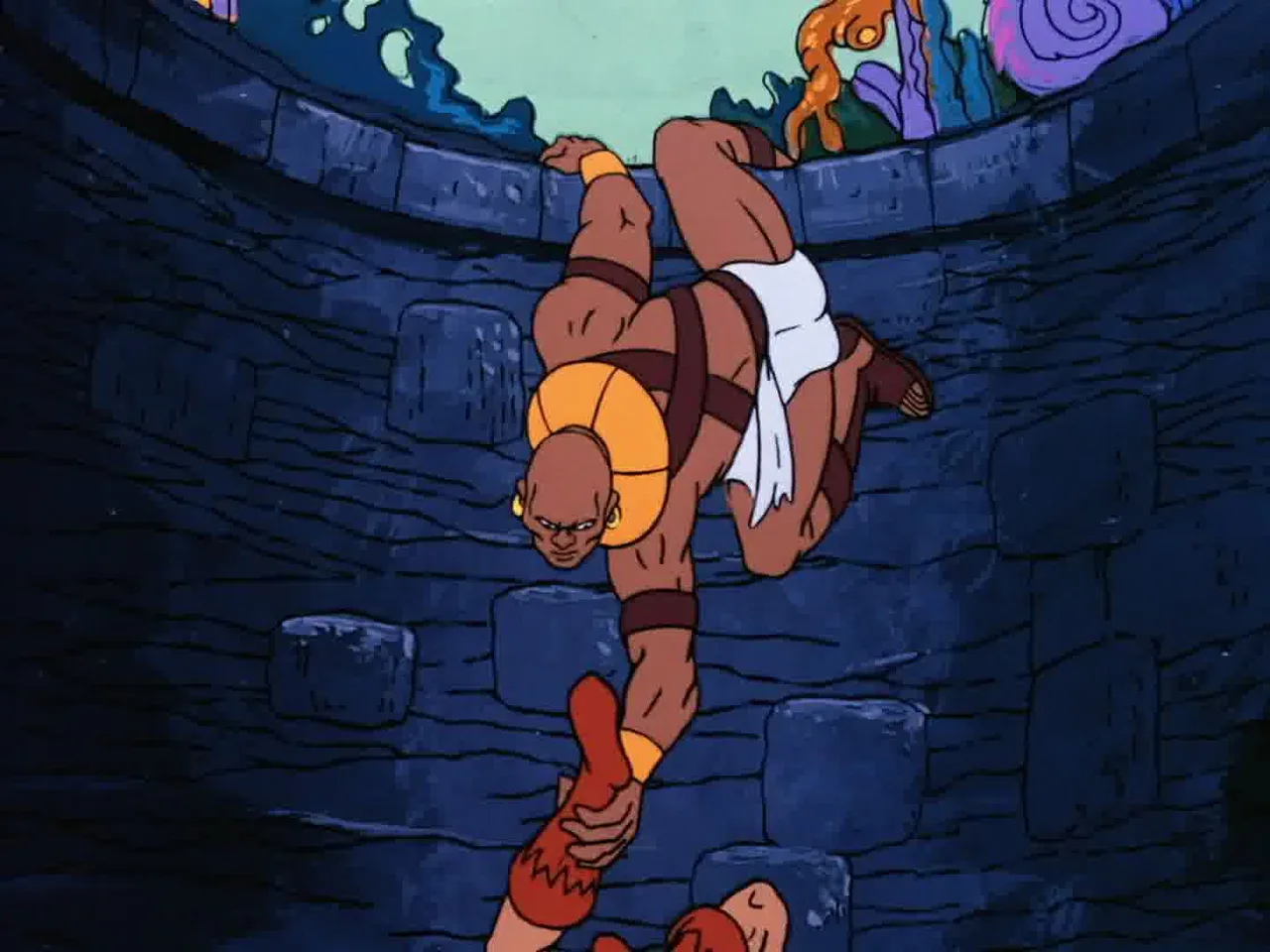
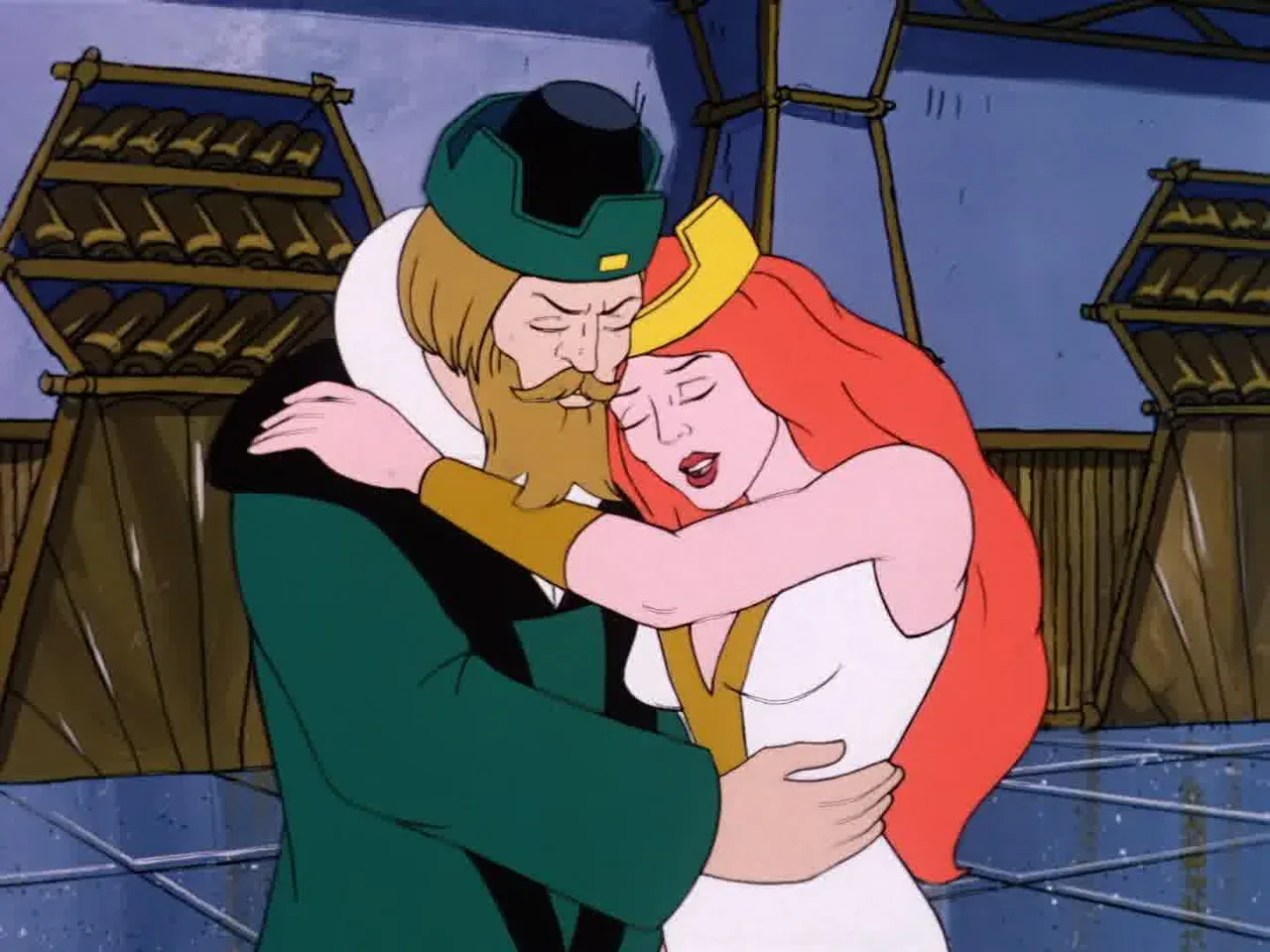
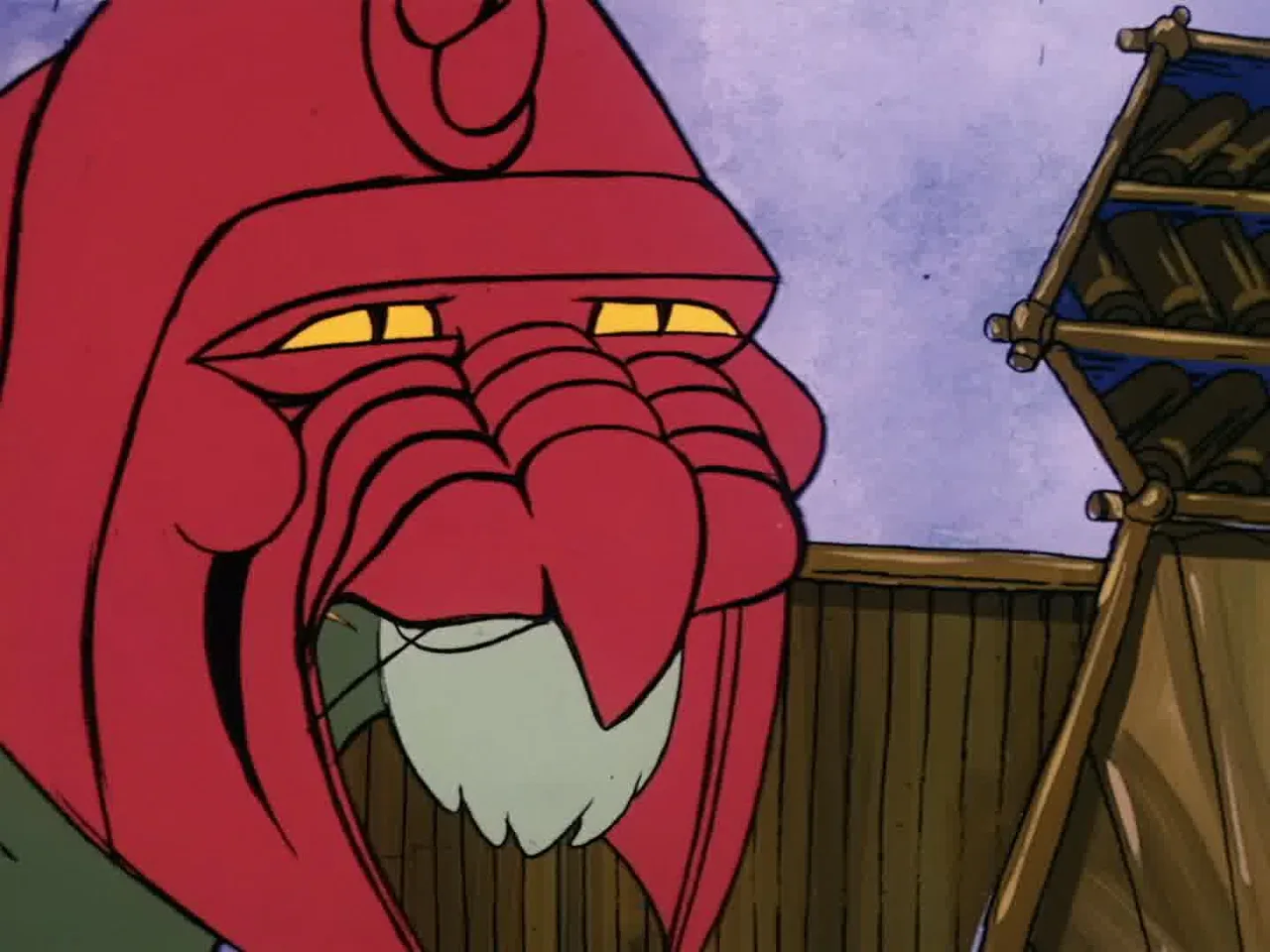
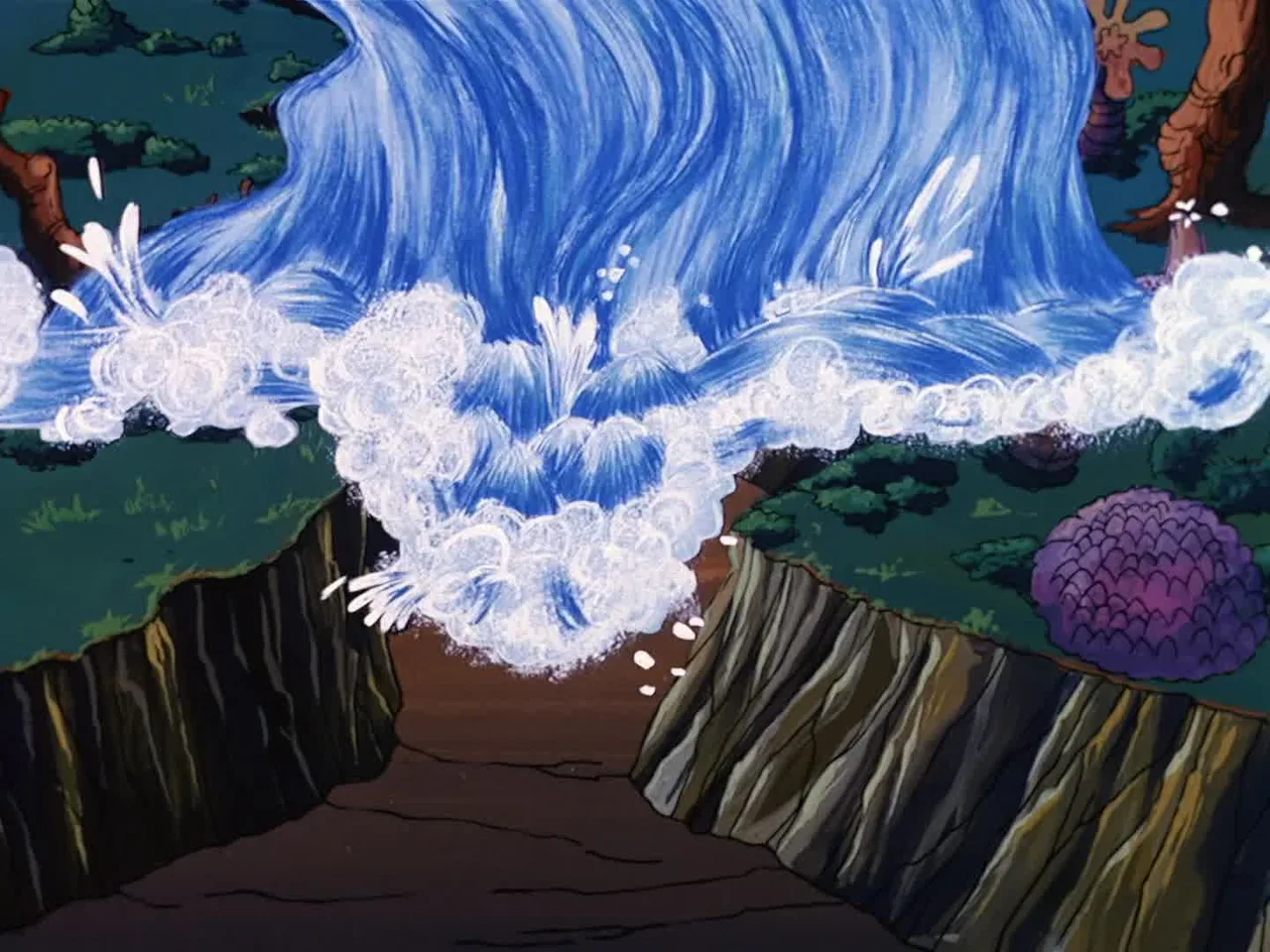
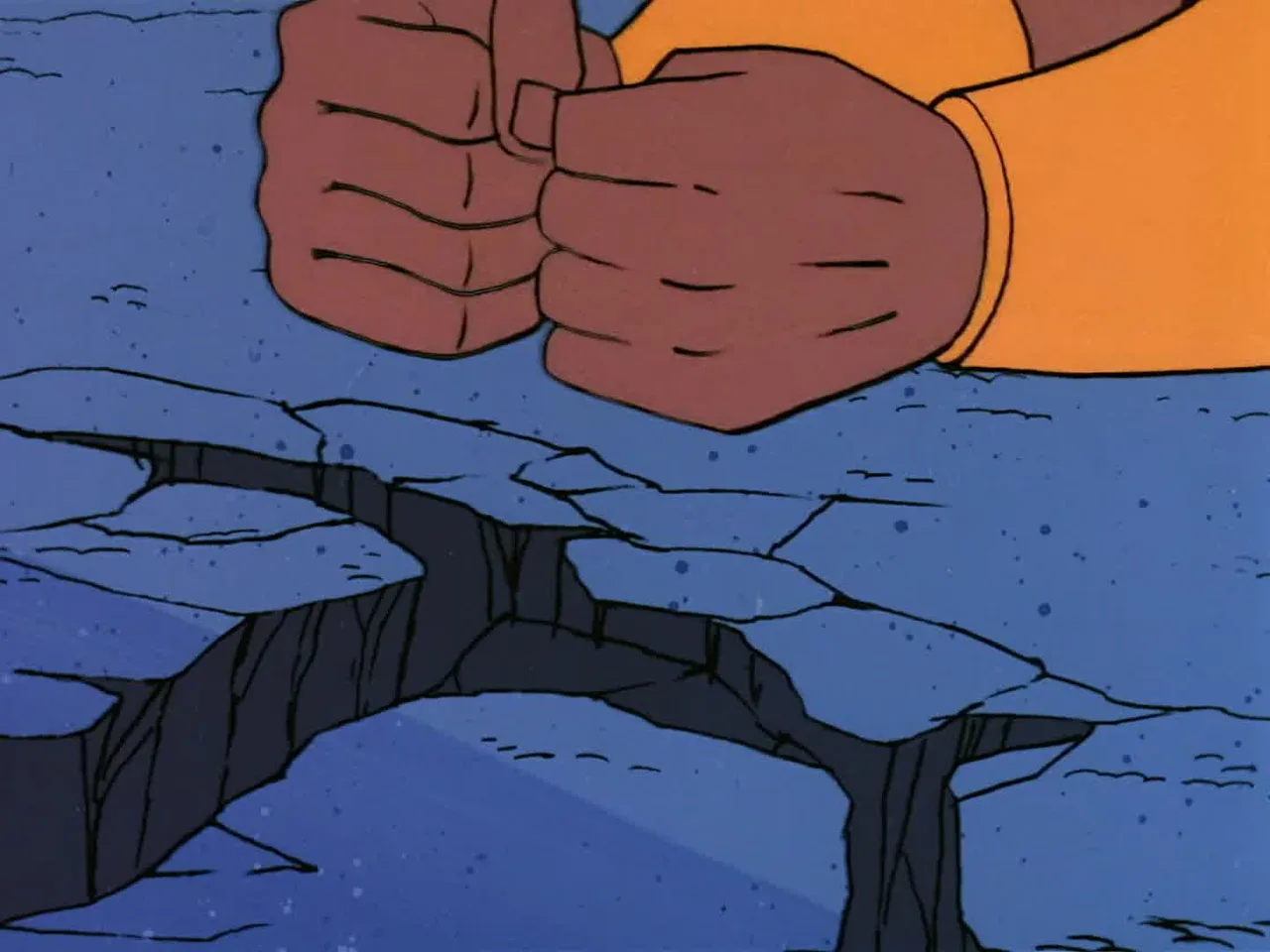
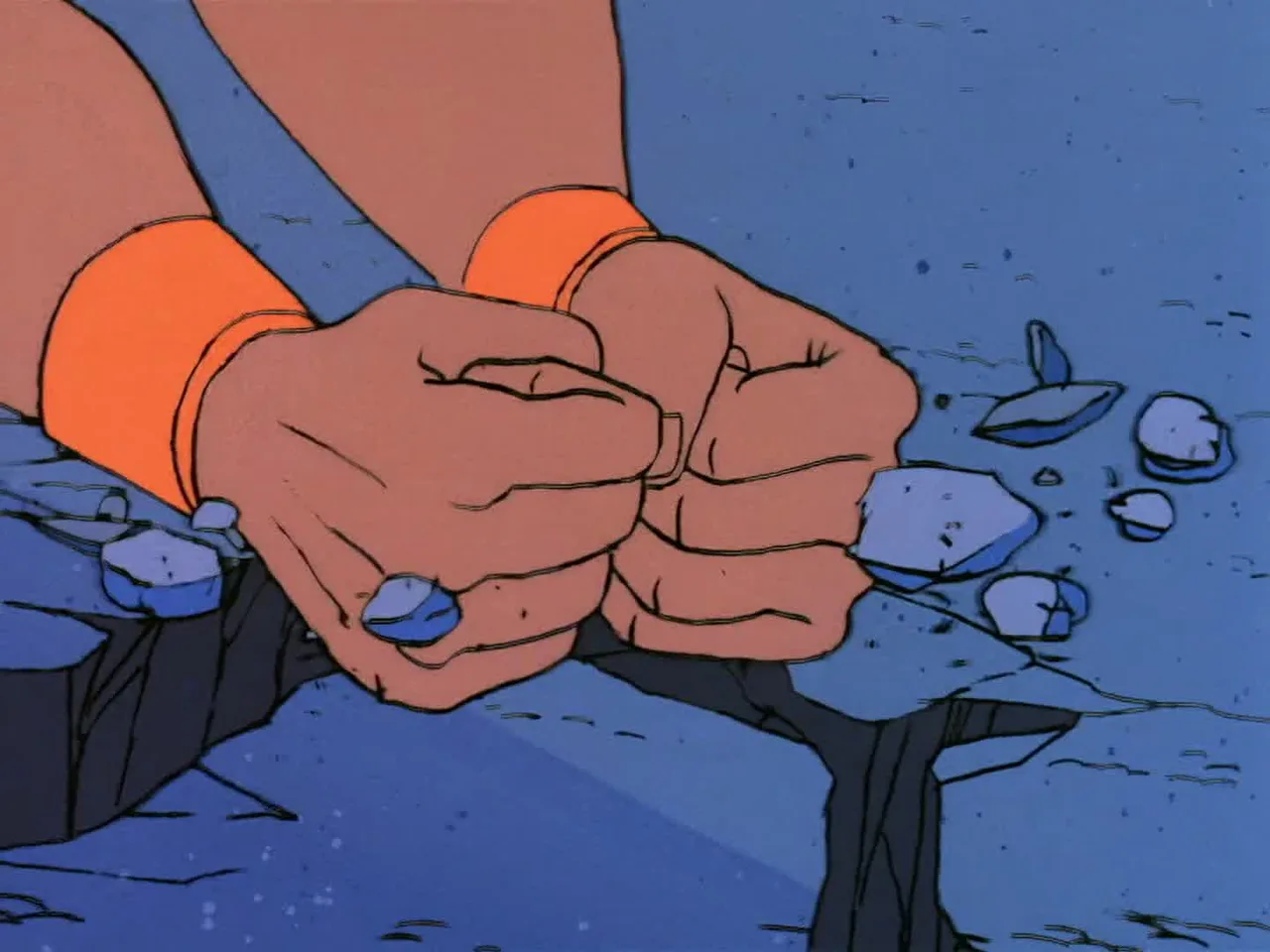
Garn, humbled to learn he fought the legendary He-Man, joins him after their release to search for Rhea, and together they free Battle Cat from the pit. The three return to Targa, where they spot King Thales, Rhea's captured ally, being led away by Balina's guards. He-Man disguises himself to free Thales, and the group confronts Balina and Draca directly in the throne room. Draca tries to shake the mountainside loose as a distraction, threatening to flood Targa, and He-Man appeals to Garn to help save the city despite their rivalry. Working together, the two of them carve a channel to drain the rising water and spare Targa from disaster.
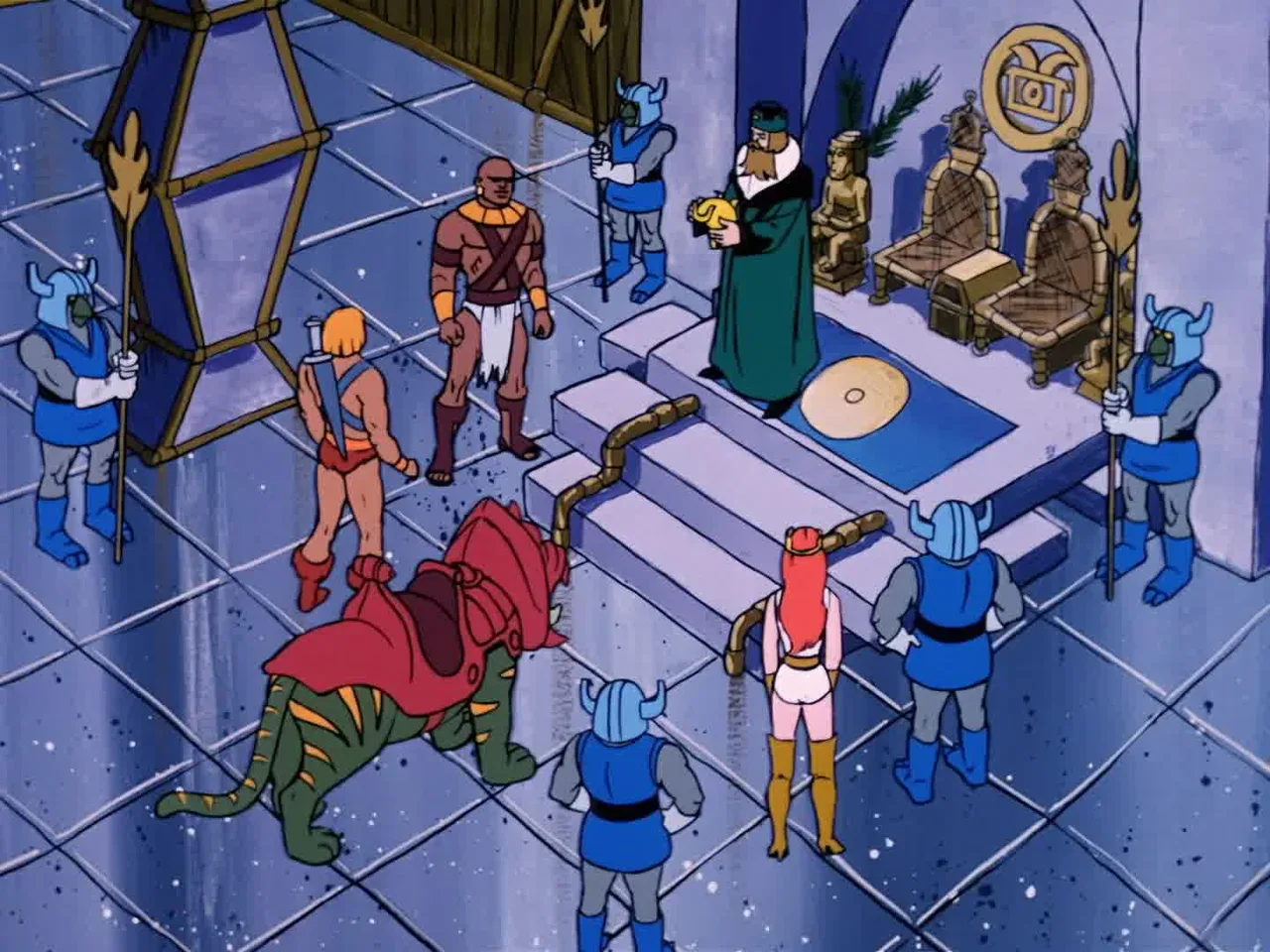
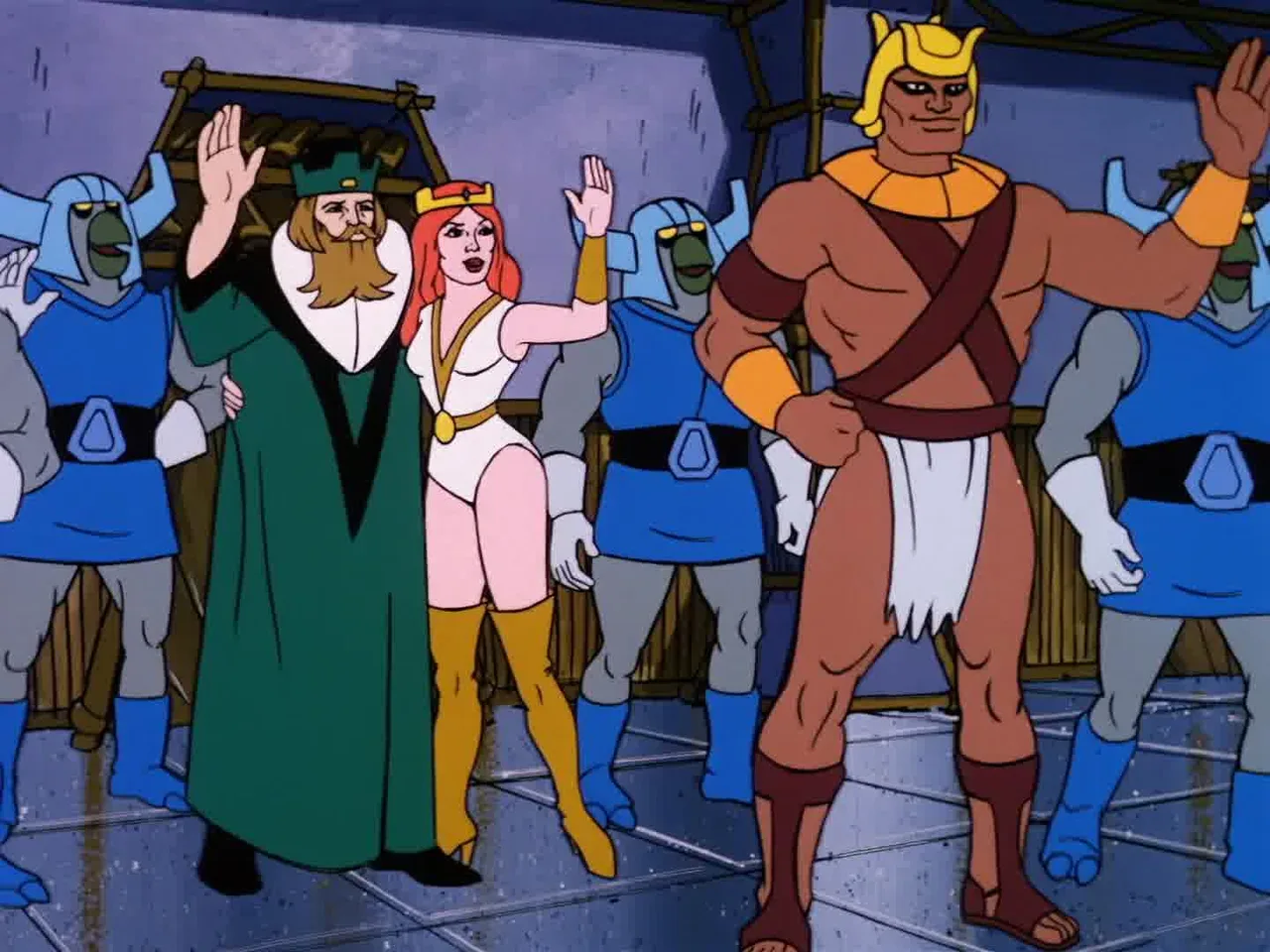
With the crisis past, King Thales crowns Garn the new ruler of Targa, a gesture that quietly ends the old feud between the two cities. He-Man takes his leave with Battle Cat, promising to visit again.
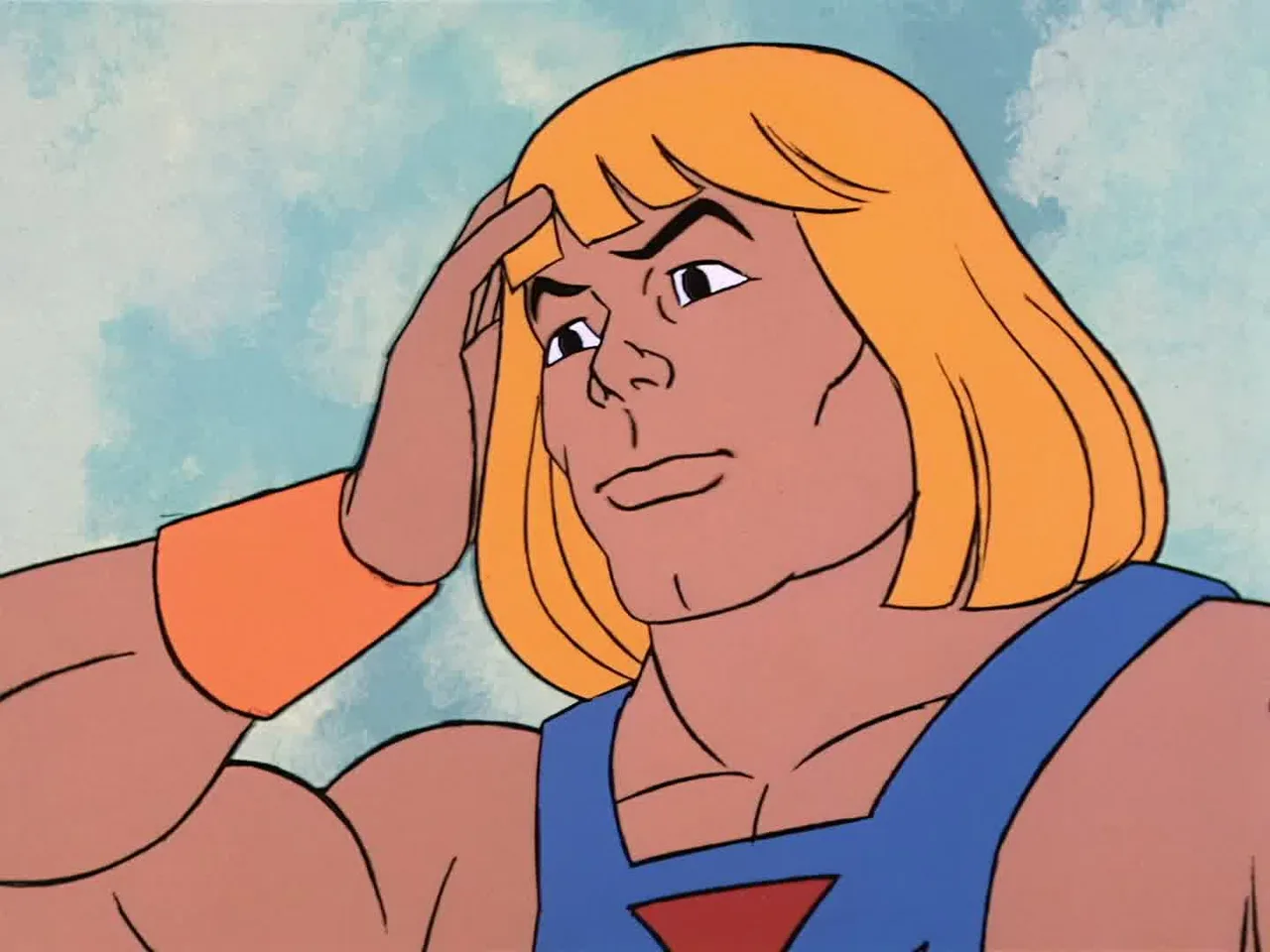
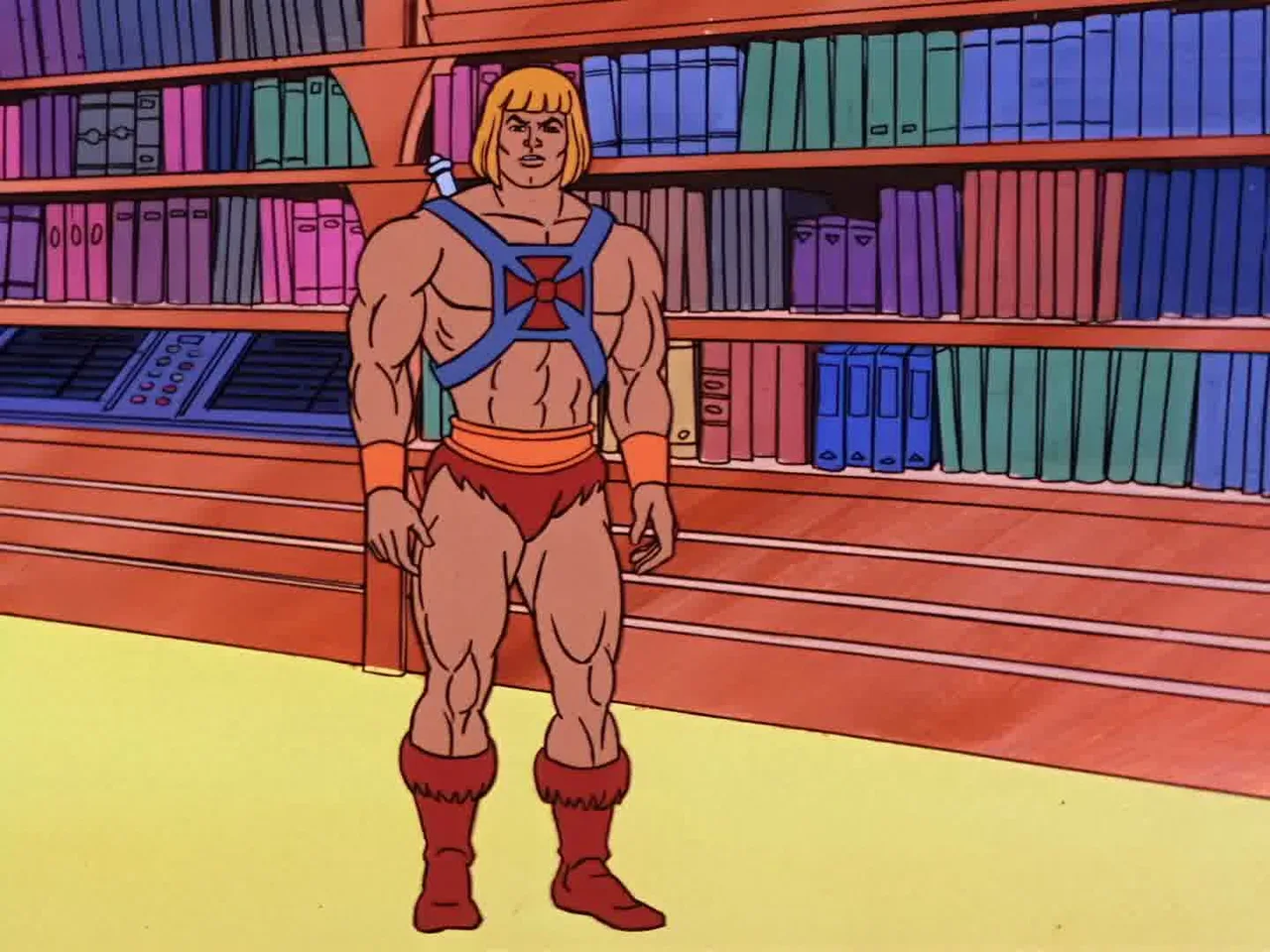
He-Man: "I hope you enjoyed today's adventure. You know, television is not the only way to be entertained by an exciting story. There is another way. It's called 'reading'. And one of the wonderful things about books is that they allow you to choose whatever kind of adventure you like. A trip with an astronaut, an adventure with the great detective Sherlock Holmes, a comedy, anything. You can find it in a book at your school or neighborhood library. Why, I'll bet there are even some good books right in your own home, just waiting to be read."
John Erwin as He-Man/Prince Adam and Gargon Warrior
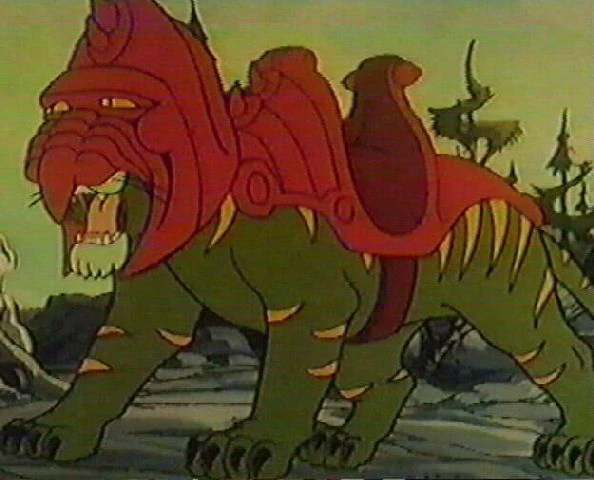
Alan Oppenheimer as Battle Cat/Cringer and Draca
Linda Gary as Princess Rhea and Queen Balina
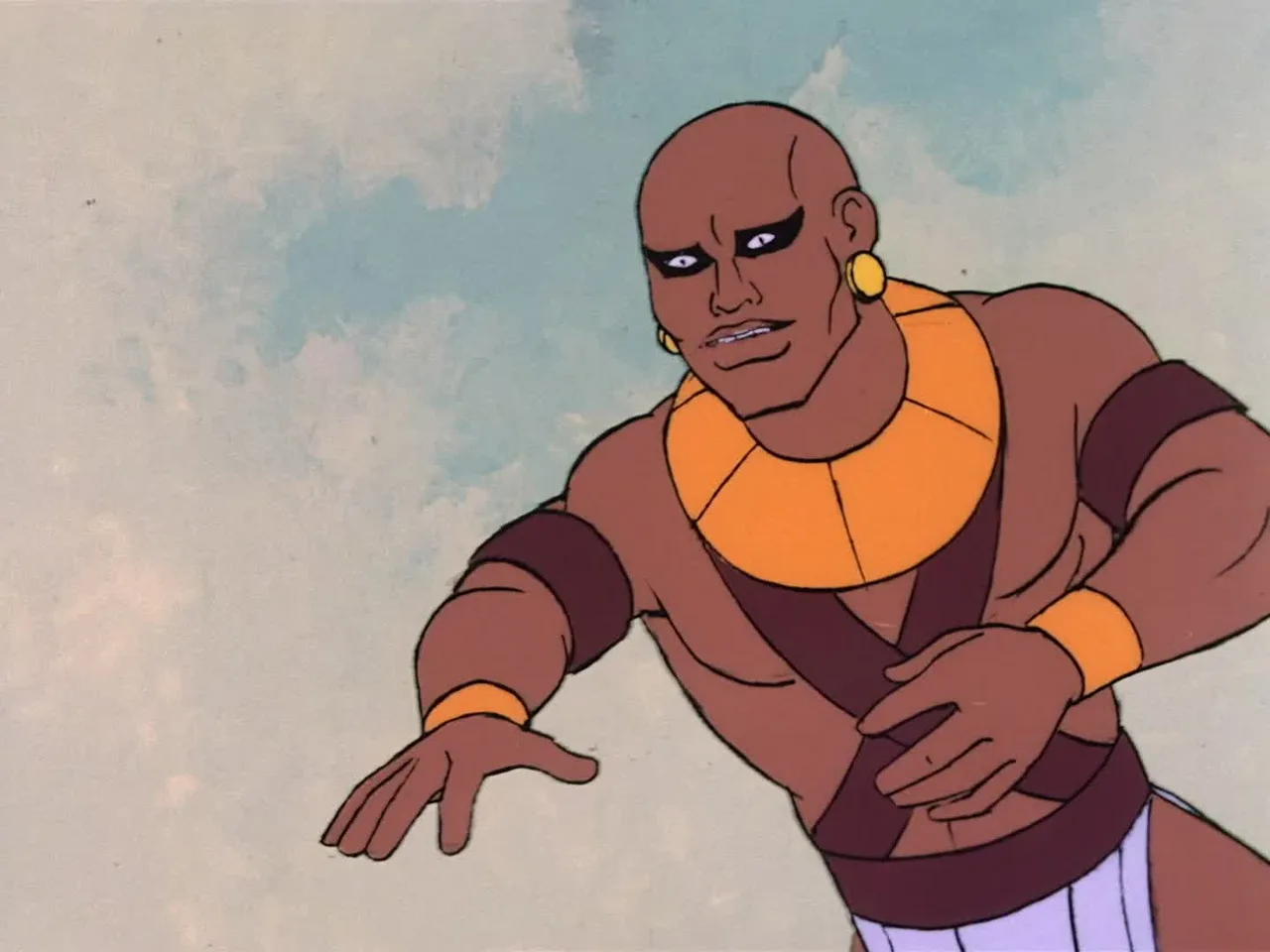
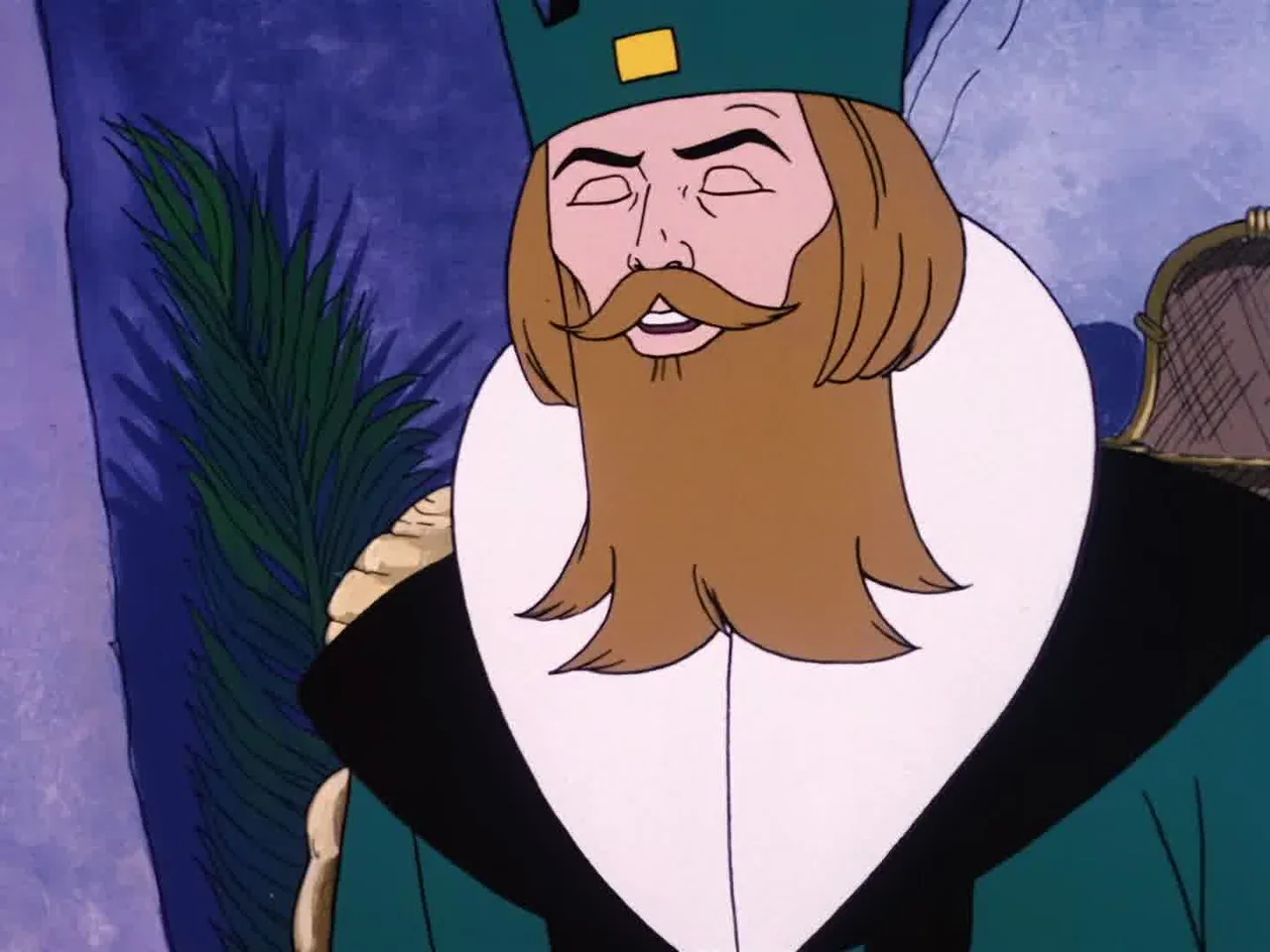
Lou Scheimer (credited as Erik Gunden) as Garn, Gargon Warrior and King Thales
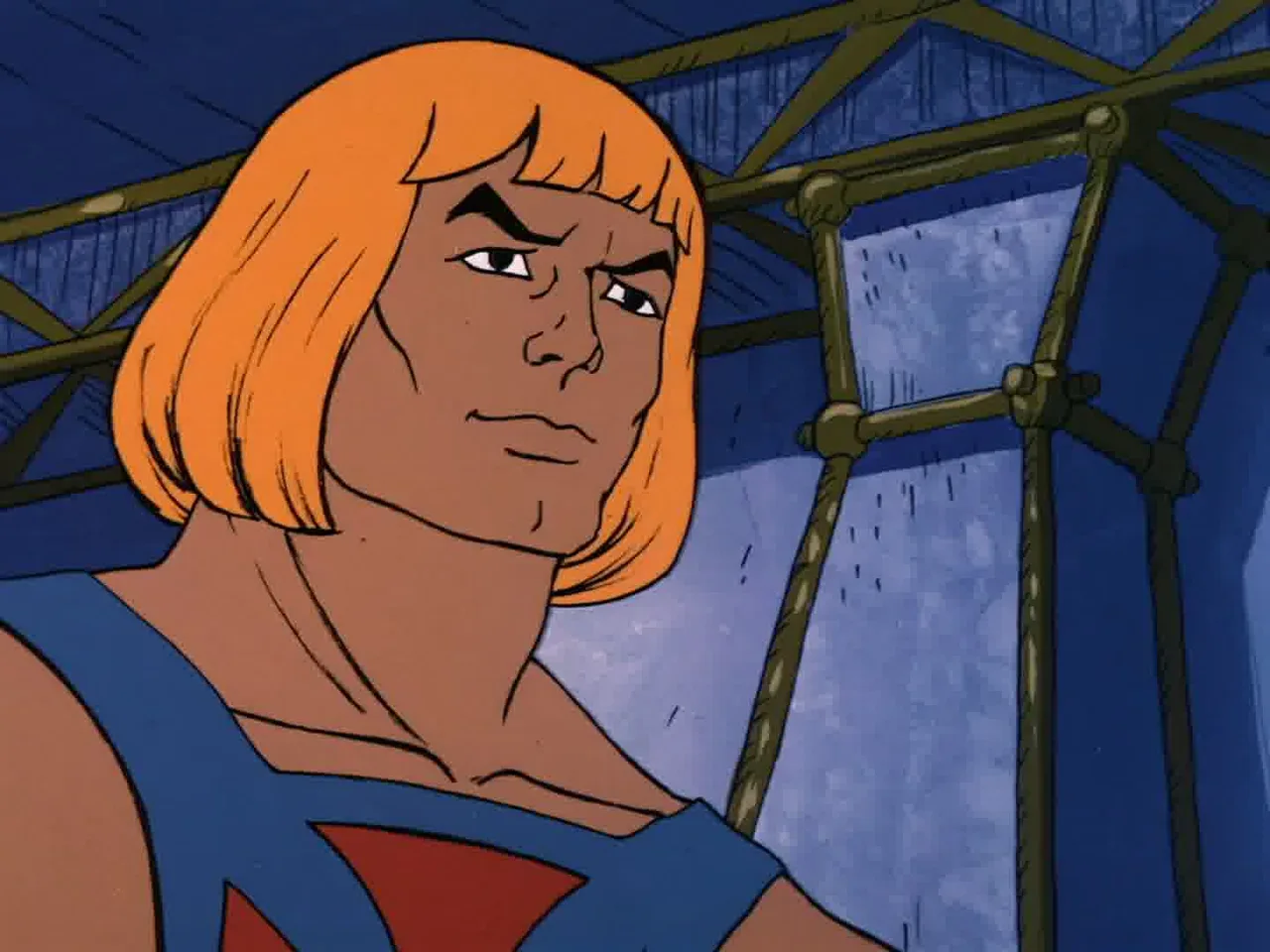
"I have seen that you are a cruel woman and I cannot be a part of cruelty."
― He-Man
A sword fight settles nothing in "A Tale of Two Cities." It only clears the ground for the conversation that actually matters.
The episode spends its first half on a plot so familiar it barely needs describing: Adam and Cringer become He-Man and Battle Cat to rescue a princess, a storm knocks the hero out, and he wakes up in a dungeon with no memory of who he is. Amnesia is a cheap device, and Filmation reaches for it often enough that a returning viewer can see the gears turning before Garn, the dungeon's reigning gladiator, even finishes introducing himself. What saves the setup is what it's used for: stripped of his name, his sword, and the reputation that usually does half his fighting for him, He-Man has nothing to offer Targa's queen except his hands, and the arena match that follows is staged as a genuine contest rather than a formality.
That contest is where the episode finds its actual subject, a third of the way in, once Draca's magic has tipped the fight and the amnesiac stranger has been knocked flat: who deserves a second chance, and who gets to decide. Garn, the forced gladiator chasing freedom through someone else's cruelty, is the one who hands the episode its real lesson, not He-Man. It's Garn who tells him afterward that "along with great strength goes great responsibility," a line that would read as a lecture from He-Man's own mouth and instead lands as something closer to a confession, from a man who has spent the whole episode being used as a weapon in other people's quarrels and finally recognizes the shape of it in the stranger across the ring from him.
The animation does its best work in that recognition, not the fight itself, which runs on the usual Filmation economy of repeated cycles and reused poses. The reversal comes down to two small choices: Draca's magic turning the tide, which forces He-Man to win on recovered memory rather than muscle, and the Queen's sentence on Garn's fate falling to Garn himself, a decision the show lets him sit with before he makes it. Handing the ex-slave the sentencing power, even for one scene, is a sharper piece of writing than the rest of the episode earns.
It's also an episode that resolves its stakes faster than it builds them. Operon and Targa are set up as a generations-old rivalry, with a kidnapped princess as the thing both sides are willing to fight over, and then the whole conflict drains out of a single flooding mountain lake, with Queen Balina and the wizard Draca gone from the story the moment the water starts moving. Nobody answers for the kidnapping plot, the arena cruelty, or the bounty on a foreign princess; Garn simply inherits a crown and the credits roll. A Saturday-morning adventure doesn't owe its villains a trial, but the arena material earlier in the episode is specific and earned enough that the ending's shrug feels like a shortcut rather than a choice.
He-Man's closing-segment pitch for books over television has nothing to do with any of this. The moral of the episode and the moral of the minute after it rarely rhyme. What "A Tale of Two Cities" actually argues, inside the story rather than after it, is that strength obligates rather than entitles, and the episode is confident enough to let a reformed gladiator say so instead of its own hero. That's a more interesting idea than the amnesia plot or the collapsing-city climax really deserve, and it's the reason this one is worth a second look past the familiar setup.
- Behind the scenes: Script was approved on April 4, 1983. This story was an adaption of the episode "Tarzan and the City of Gold" from the Filmation production "Tarzan, Lord of the Jungle" (1976) and was in turn partially adapted into a mini-comic that came with several Masters of the Universe action figures. Titled Slave City!, it was written by Michael Halperin and illustrated by Larry Houston. In this version, Queen Balina and Draca are replaced by a single villain, Lodar. The Gargon Warriors are called Kobolds and Princess Rhea is renamed Rana. Garn and the city of Targa retain the same names, but there is no city of Operon. Instead, Princess Rana is the rightful ruler of Targa. Originally, Gorgon's guards from The Defection were going to be reused as Queen Balina's warriors.
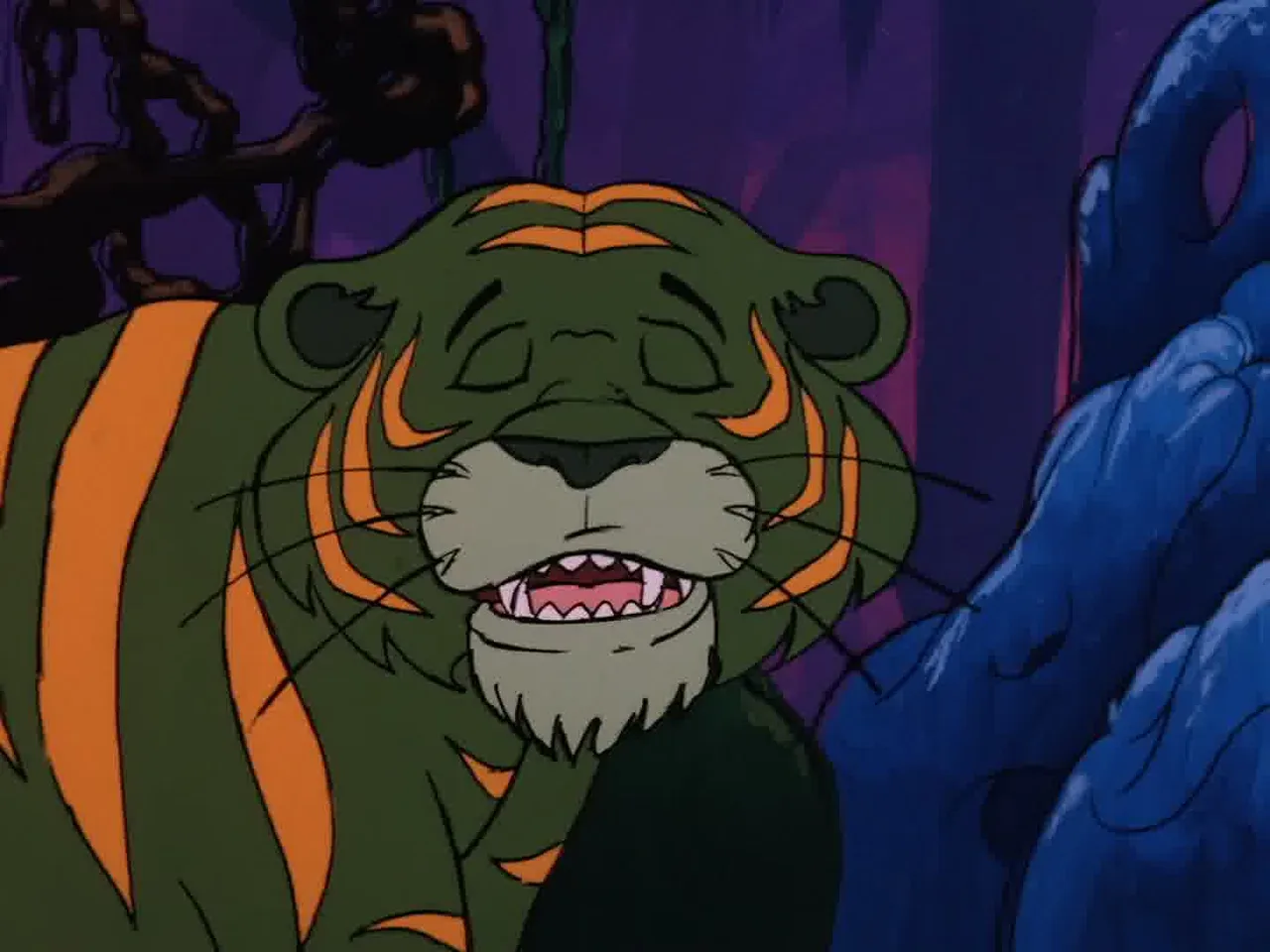
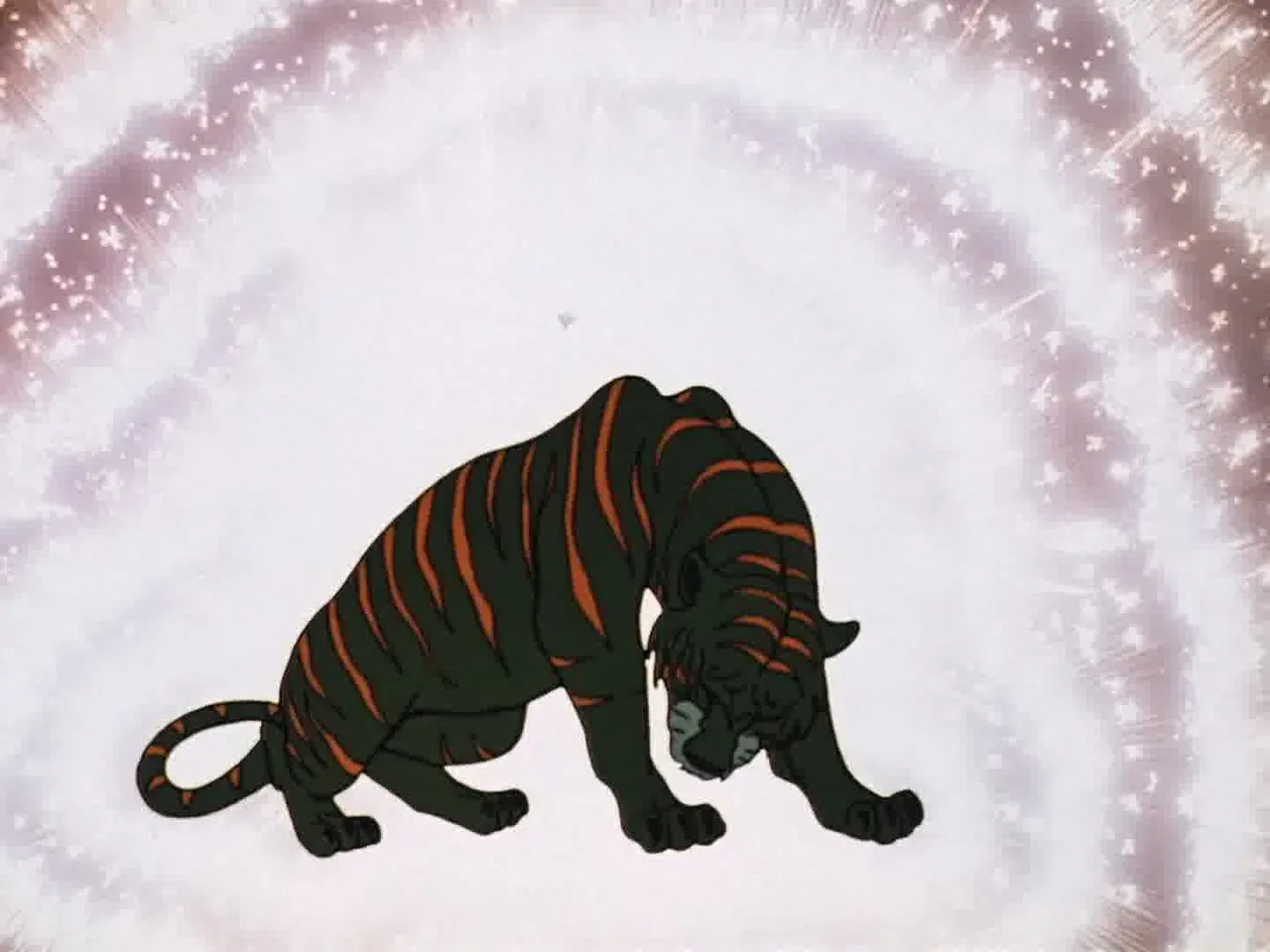
- In the script, Queen Balina had an evil-looking leopard called Sultar as a pet. Sultar was held on a diamond-studded leash and would cower behind the Queen's throne upon being frightened by Battle Cat's mighty roar. After He-Man and Garn save the city of Targa, Queen Balina and Draca are nowhere to be seen, while King Thales appears to be holding court in Targa rather than in his own city of Operon. He is seen putting a helmet on Garn's head in the Queen's throne room while the Gargon guards look on. The original script featured a piece of dialogue that would have explained Garn was being inaugurated as the new king of Targa here.
- Continuity: He-Man dodges a Gargon warrior and then picks him up. This same animation was used for him dodging and throwing Mer-Man in Diamond Ray of Disappearance and Evil-Lyn's Plot. Garn's character model was reused as a blacksmith in _One for All_. The animation of Garn trying to break free from He-Man's grip was first used in Diamond Ray of Disappearance, at which time it was He-Man trying to break free from Tri-Klops. It was used once again in It's Not My Fault, this time with Rago's guard trying to escape from Man-At-Arms' grip. King Thales' character model was used again as King Duplis in the She-Ra: Princess of Power episode The Mines of Mondor.
- More continuity: He-Man twice promises that he'll be back to visit Targa (and presumably, Operon since he also adresses Princess Rhea). While there never was another story featuring these locations, Prince Adam and Man-At-Arms do mention an off-screen visit to Garn in Targa in Happy Birthday Roboto.
- Animation errors and goofs: When He-Man throws a Gargon Warrior into a pool of mud, the horns on his helmet are gone when he emerges. When Garn and He-Man]] race towards the trap Battle Cat is stuck in, for once shot that shows their legs running towards the camera, He-Man is holding his Power Sword in his hand. In the shots preceding and following it, the sword is on his back. Battle Cat is trapped in a pit trap and twice do we get a sense of how deep it is during a panning shot. When He-Man and Garn rescue Battle Cat by forming a human ladder, the trap is suddenly much less deep than it was before. A Gargon guard hands He-Man back his Power Sword. In the next shot, He-Man is shown holding up his arm with it as if he had to reach up to grab it rather than from below.
- A Dini-scripted political-mediation script. The two-cities premise lets the writers stage a generation-old conflict and resolve it through patient negotiation rather than force.
DISCUSSION
Join the conversation.
Comments below are mirrored on the heman.org forum. Sign in once, post anywhere.