
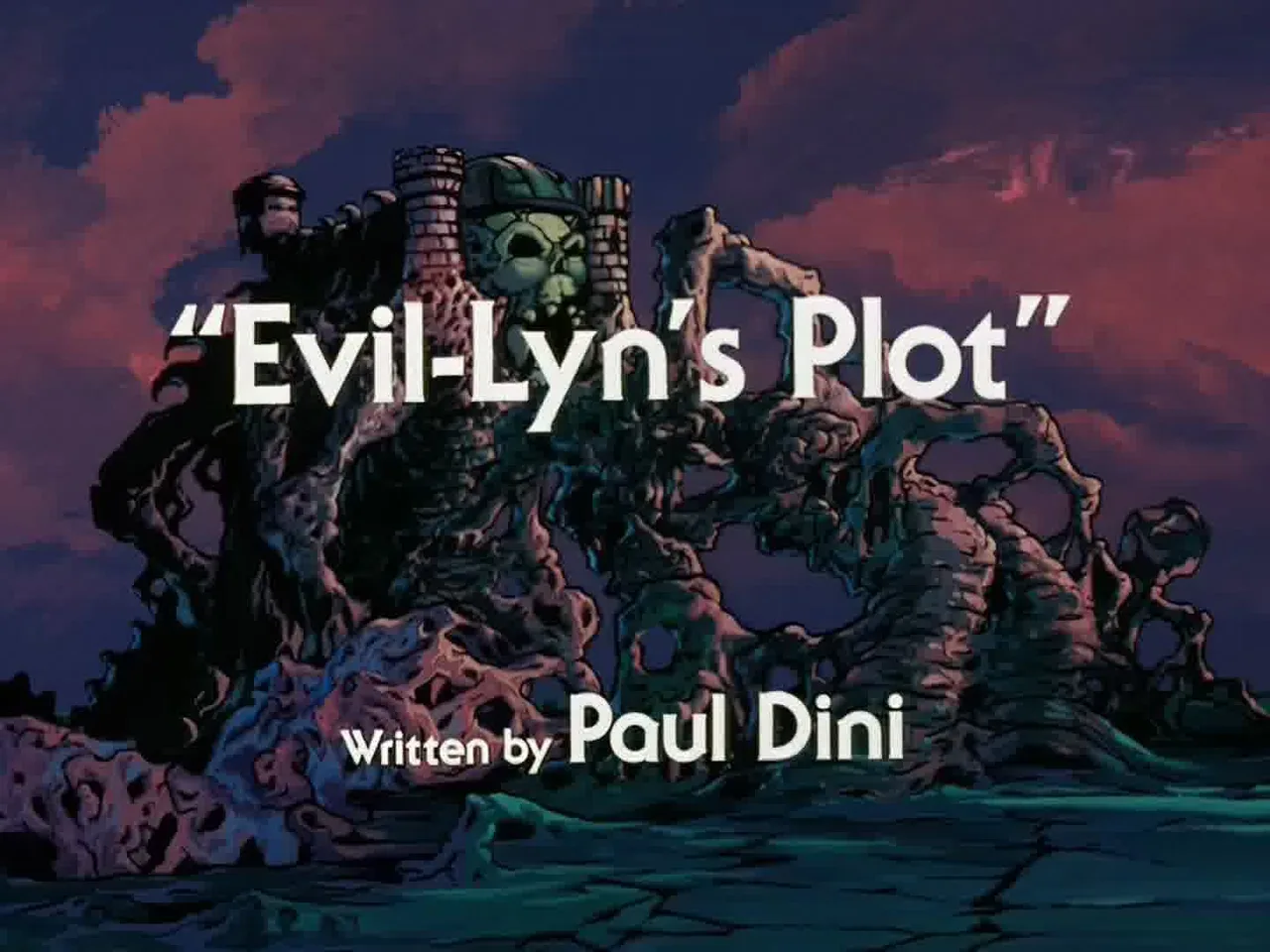

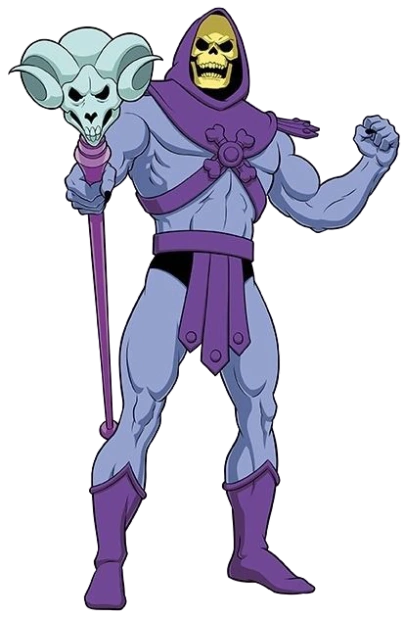
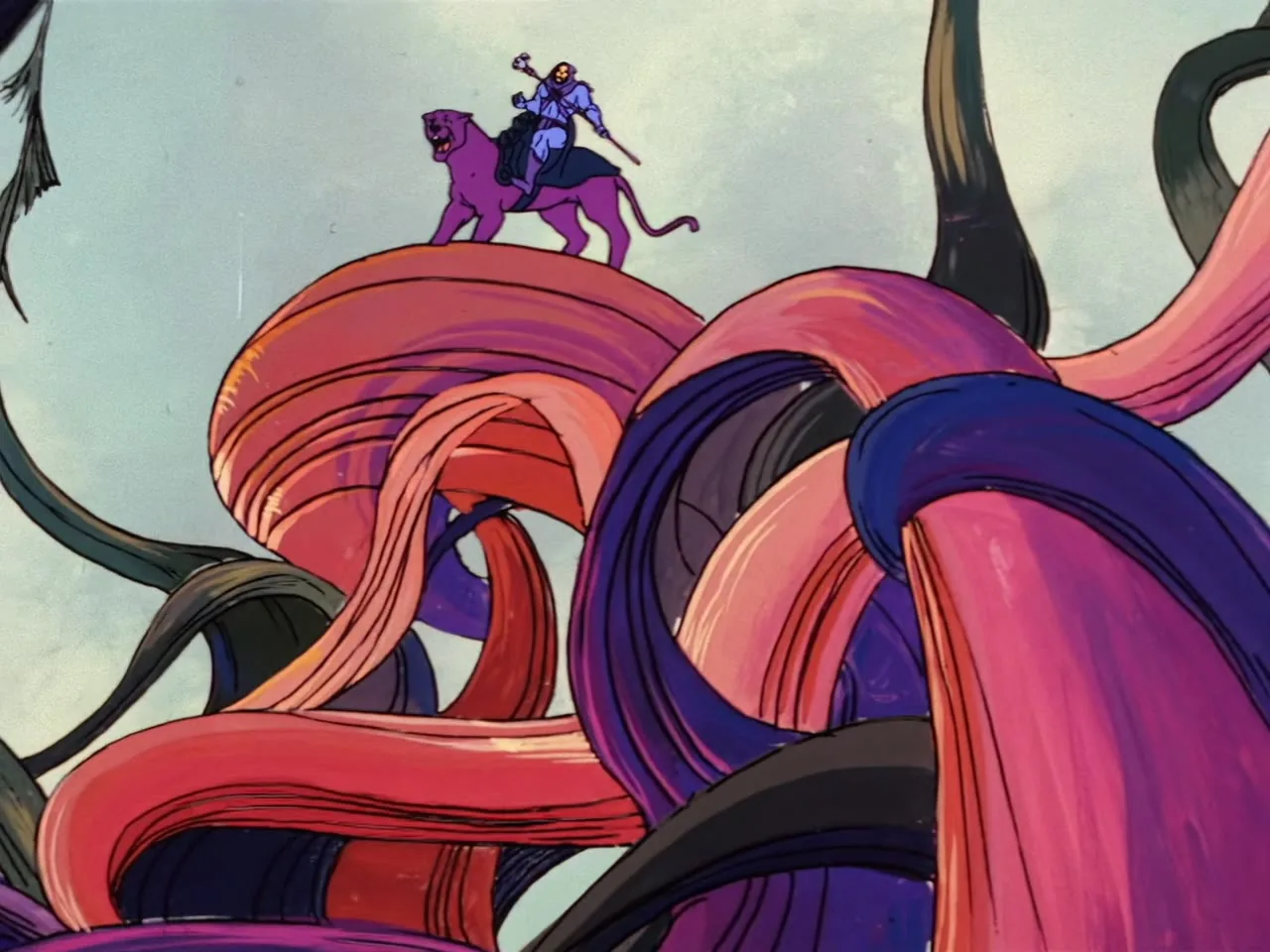
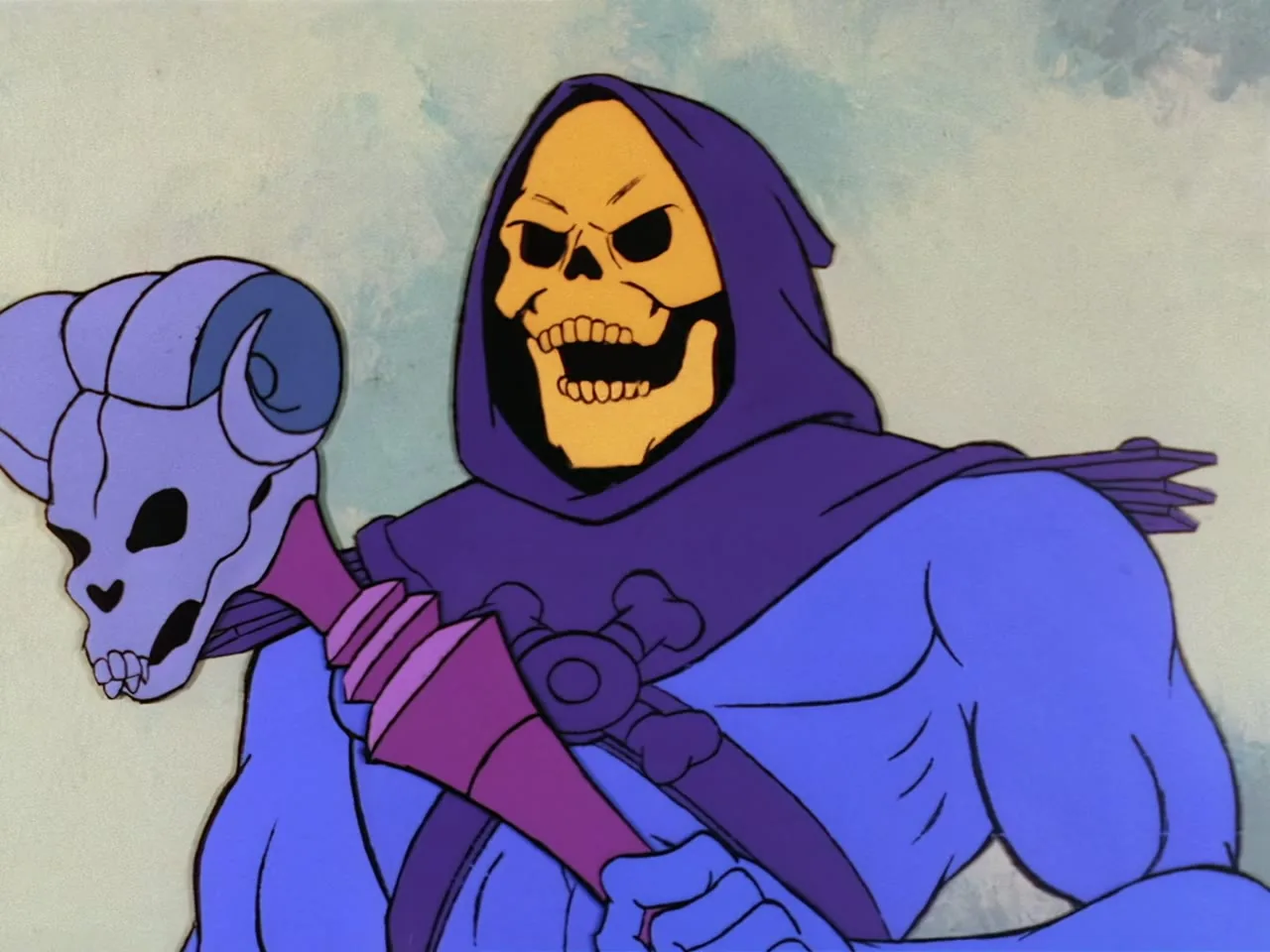
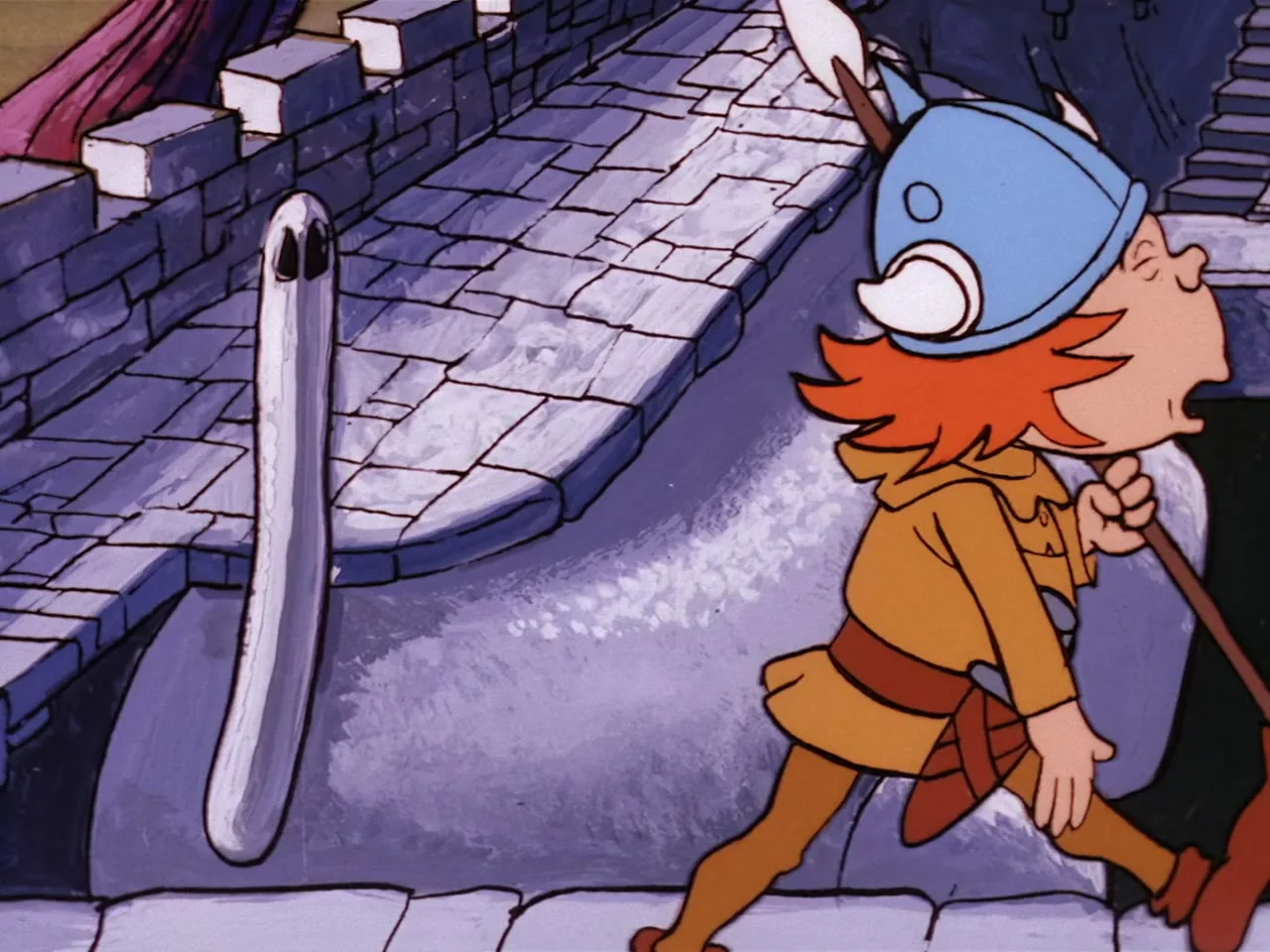
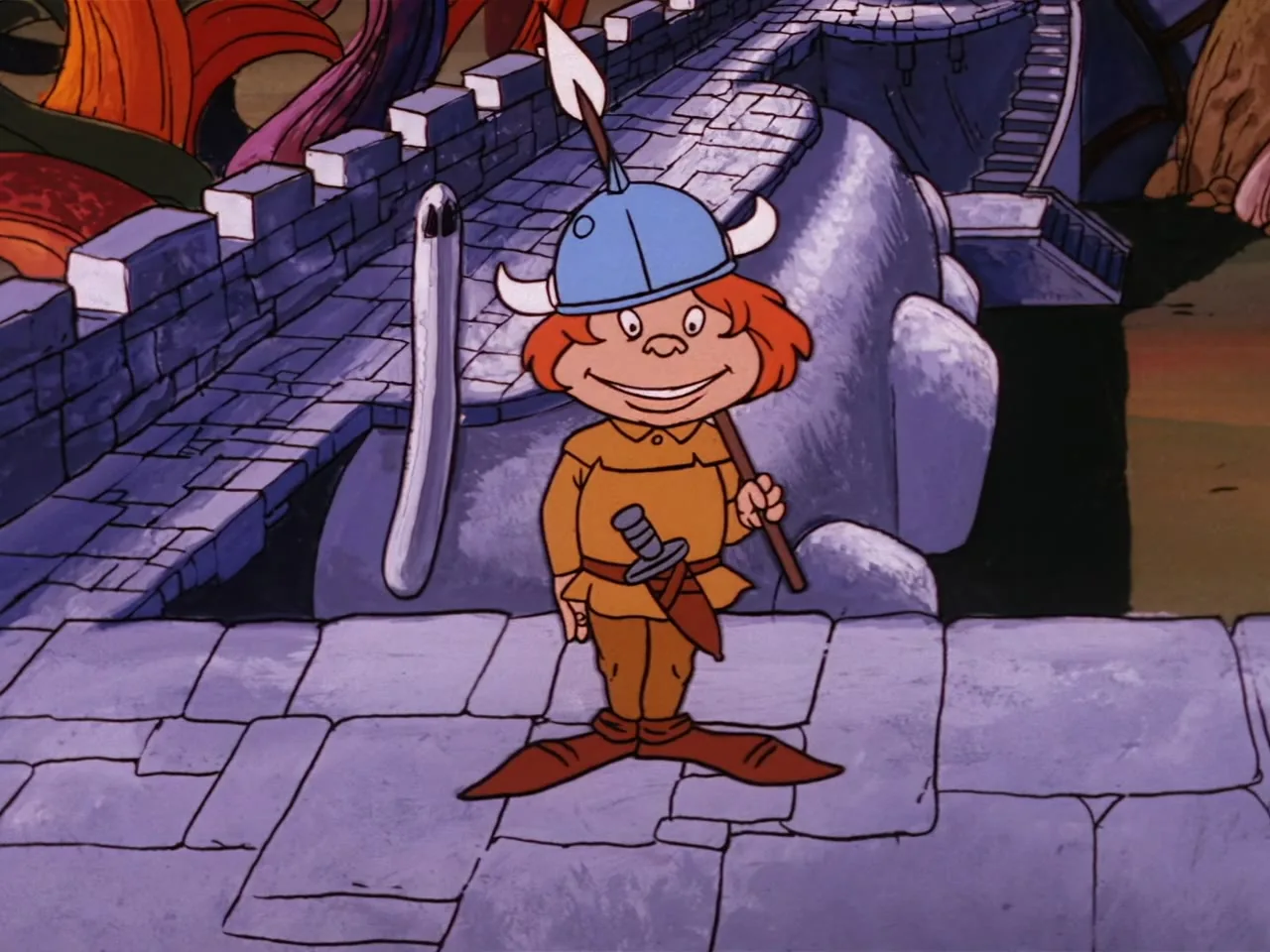
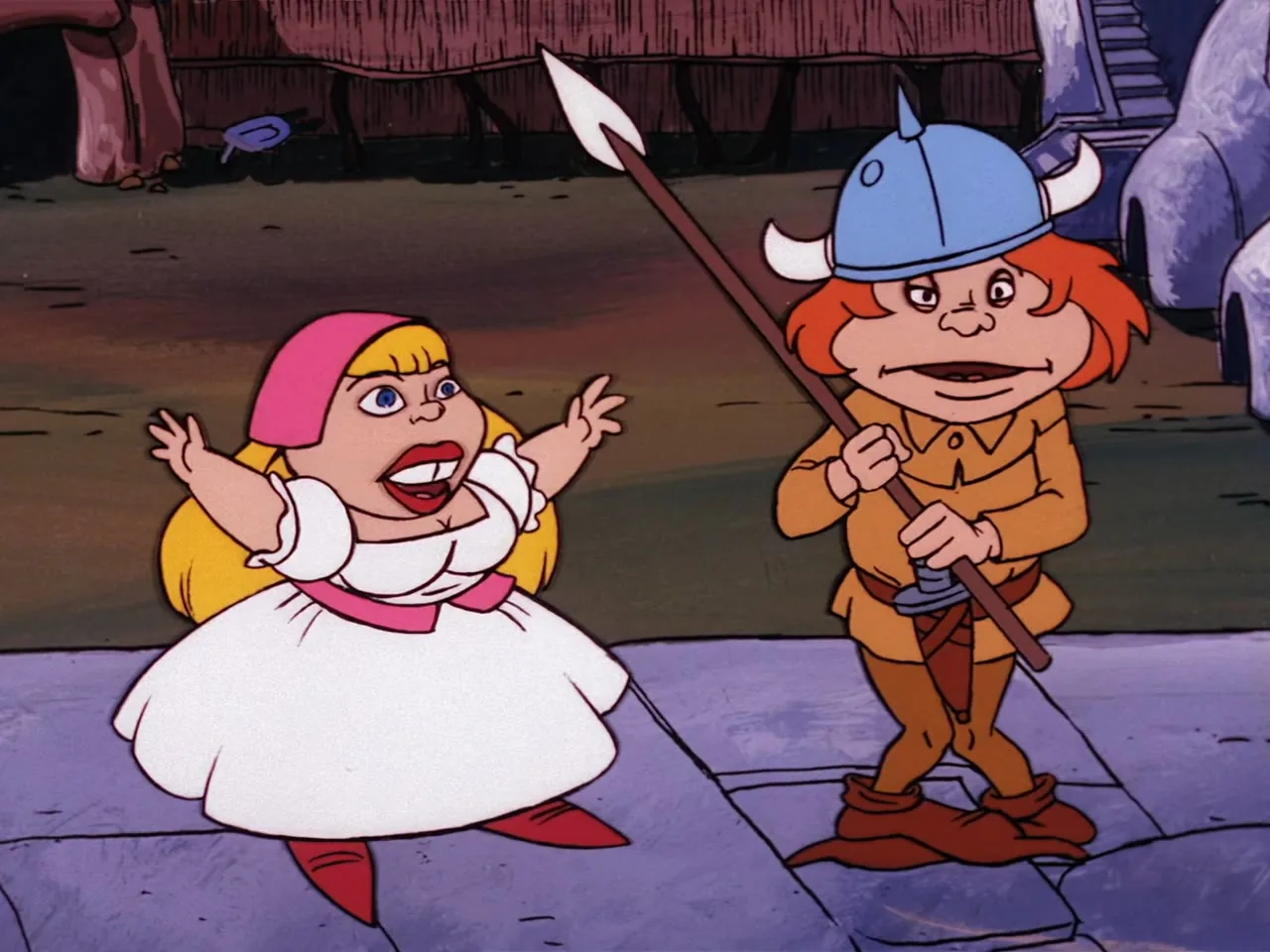
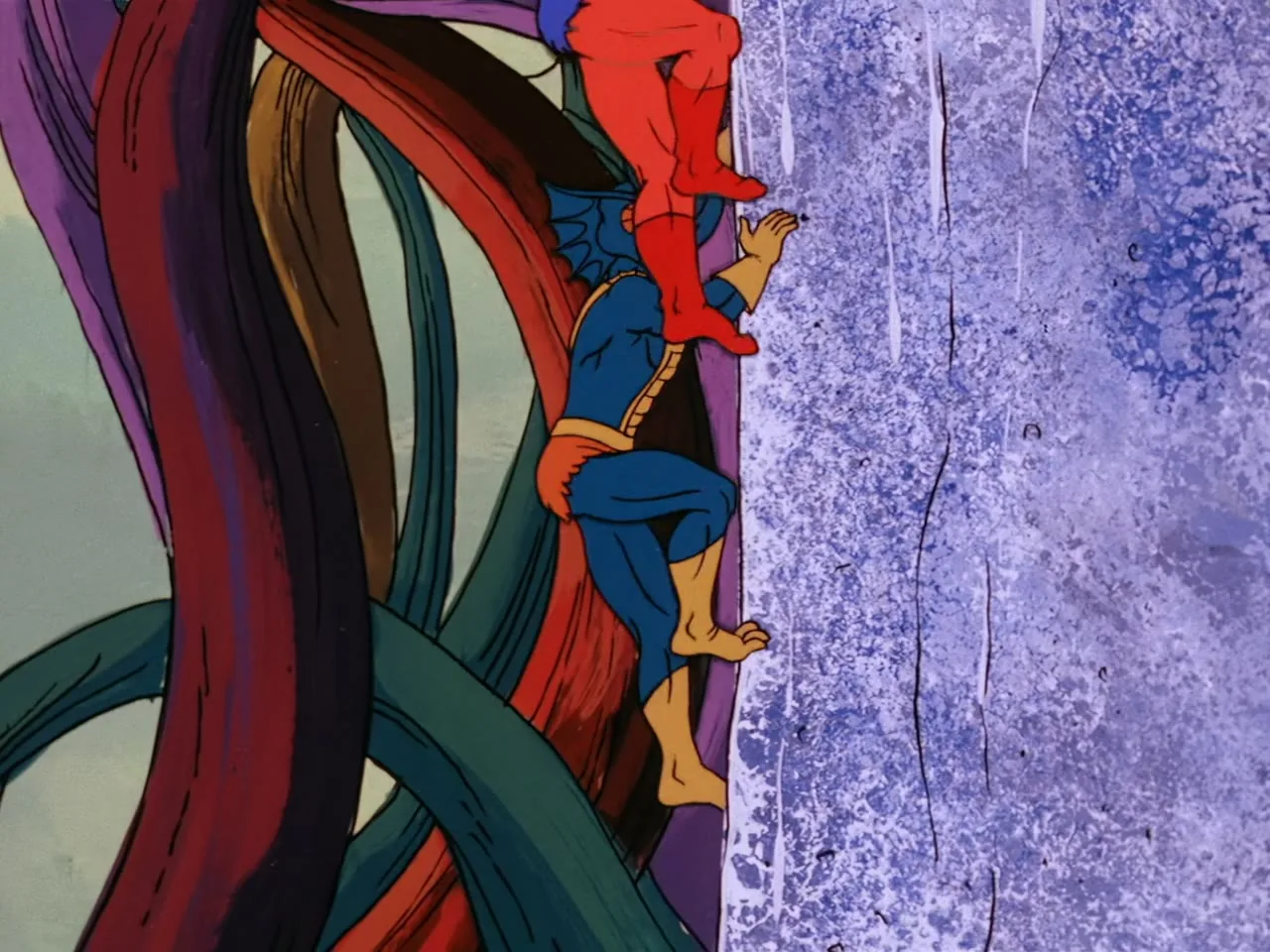
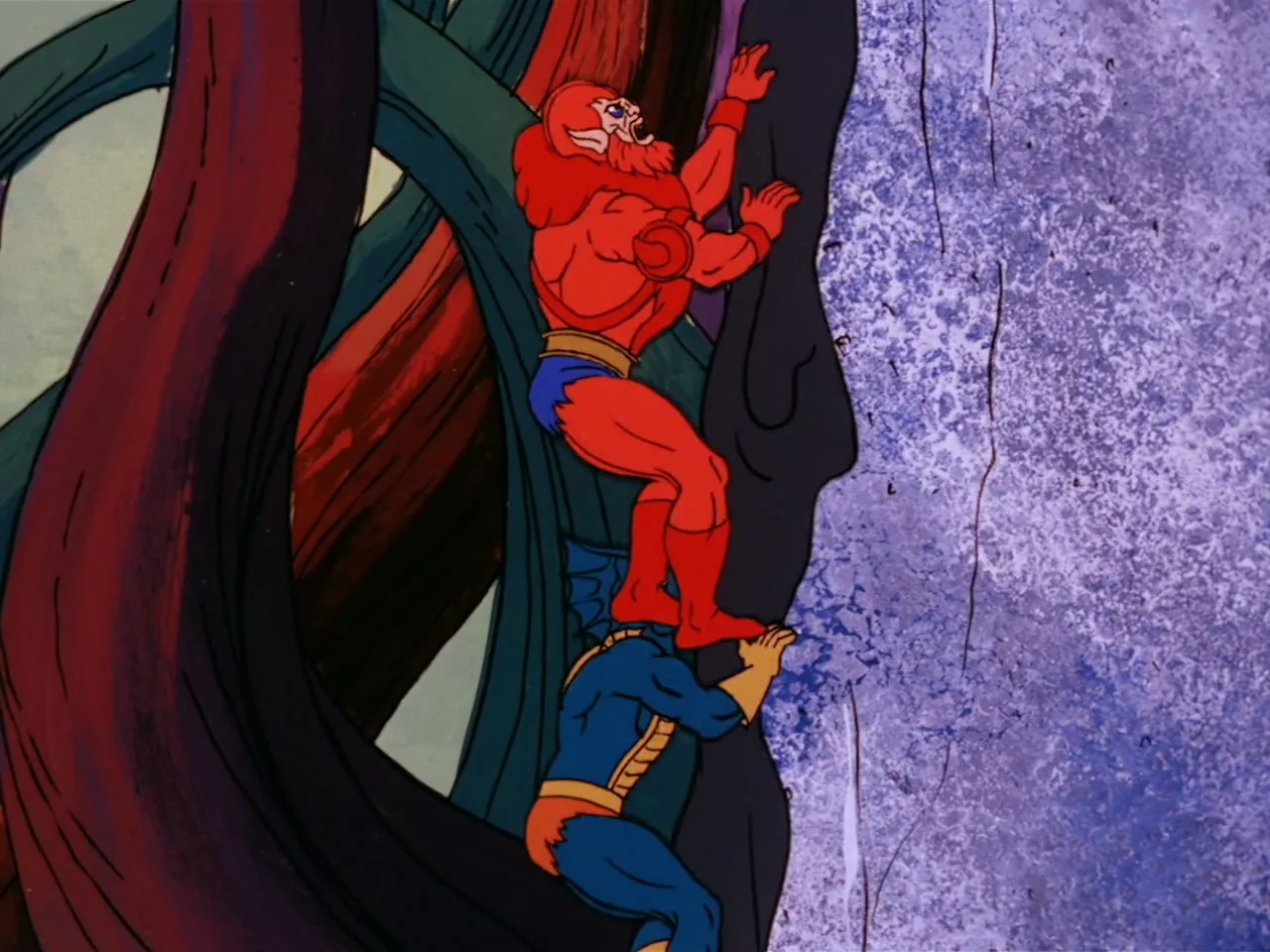
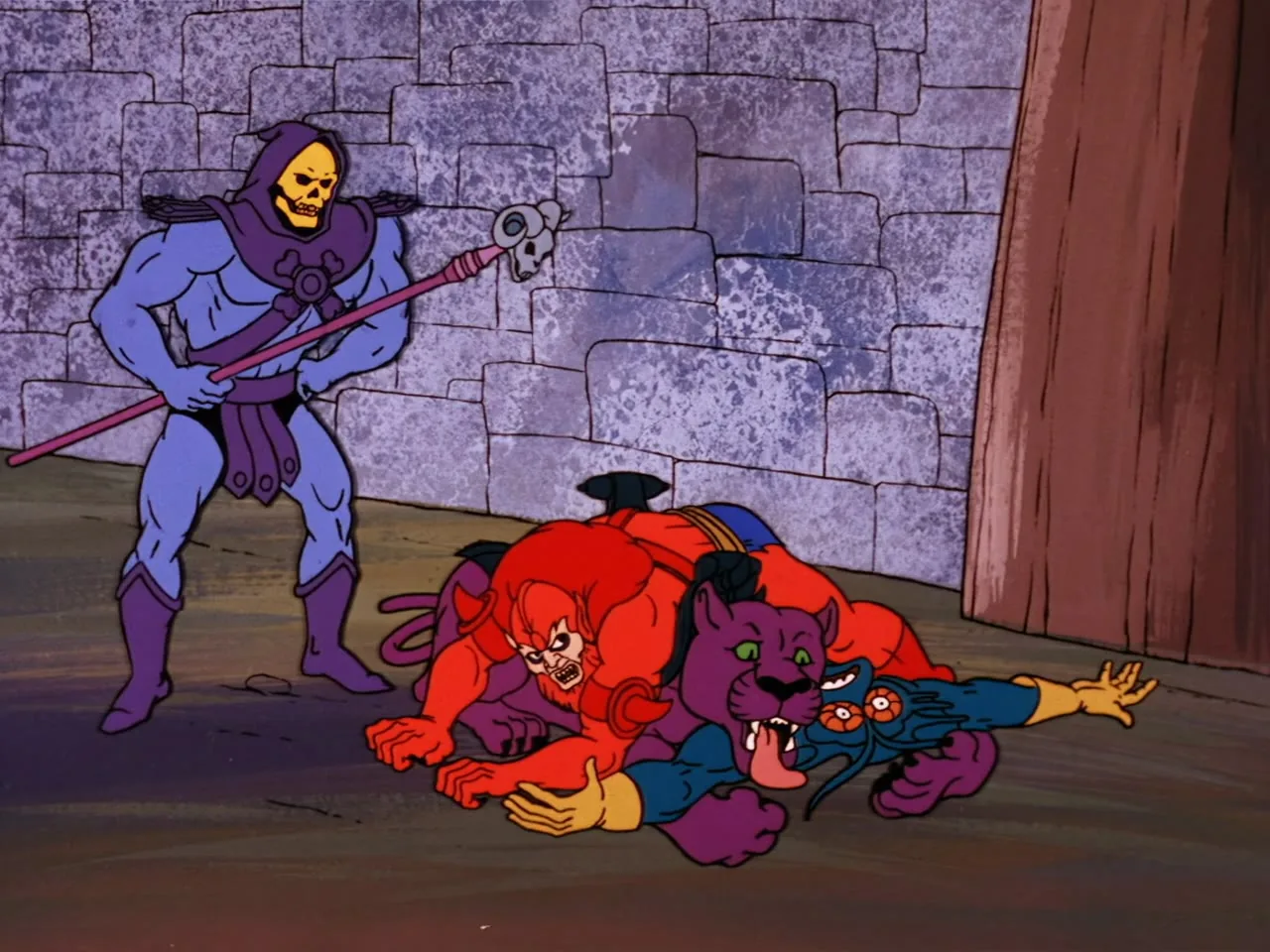
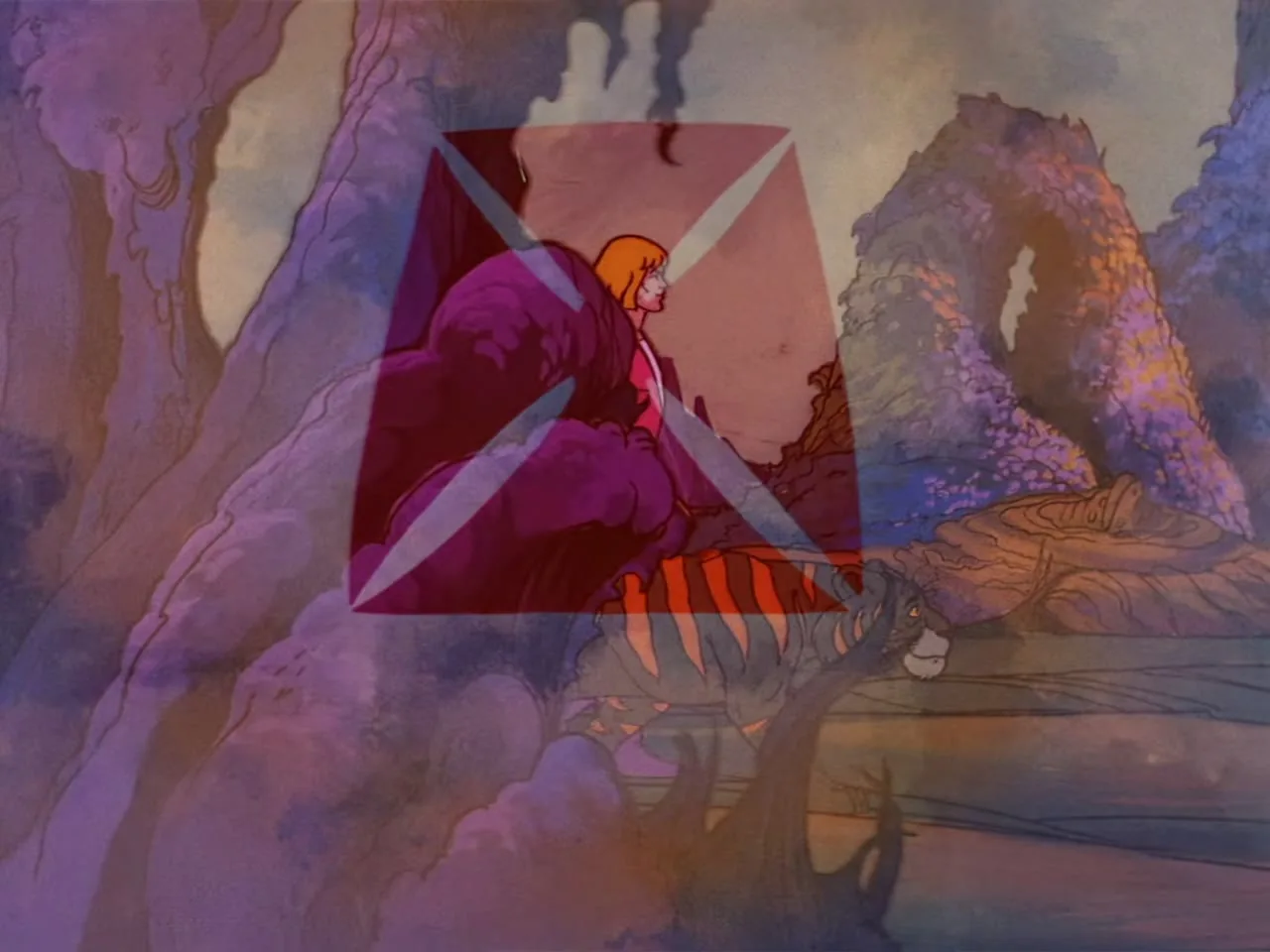
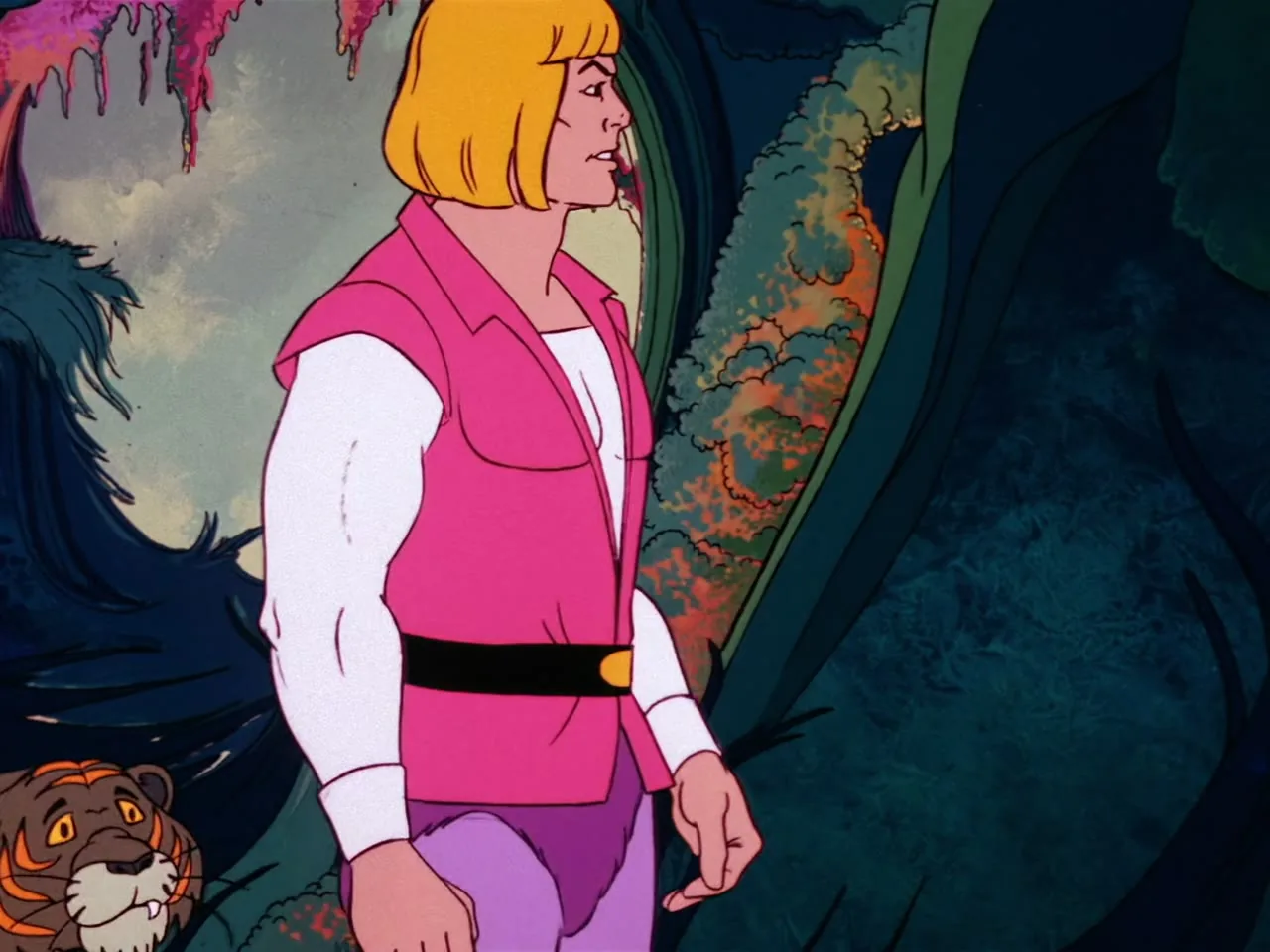
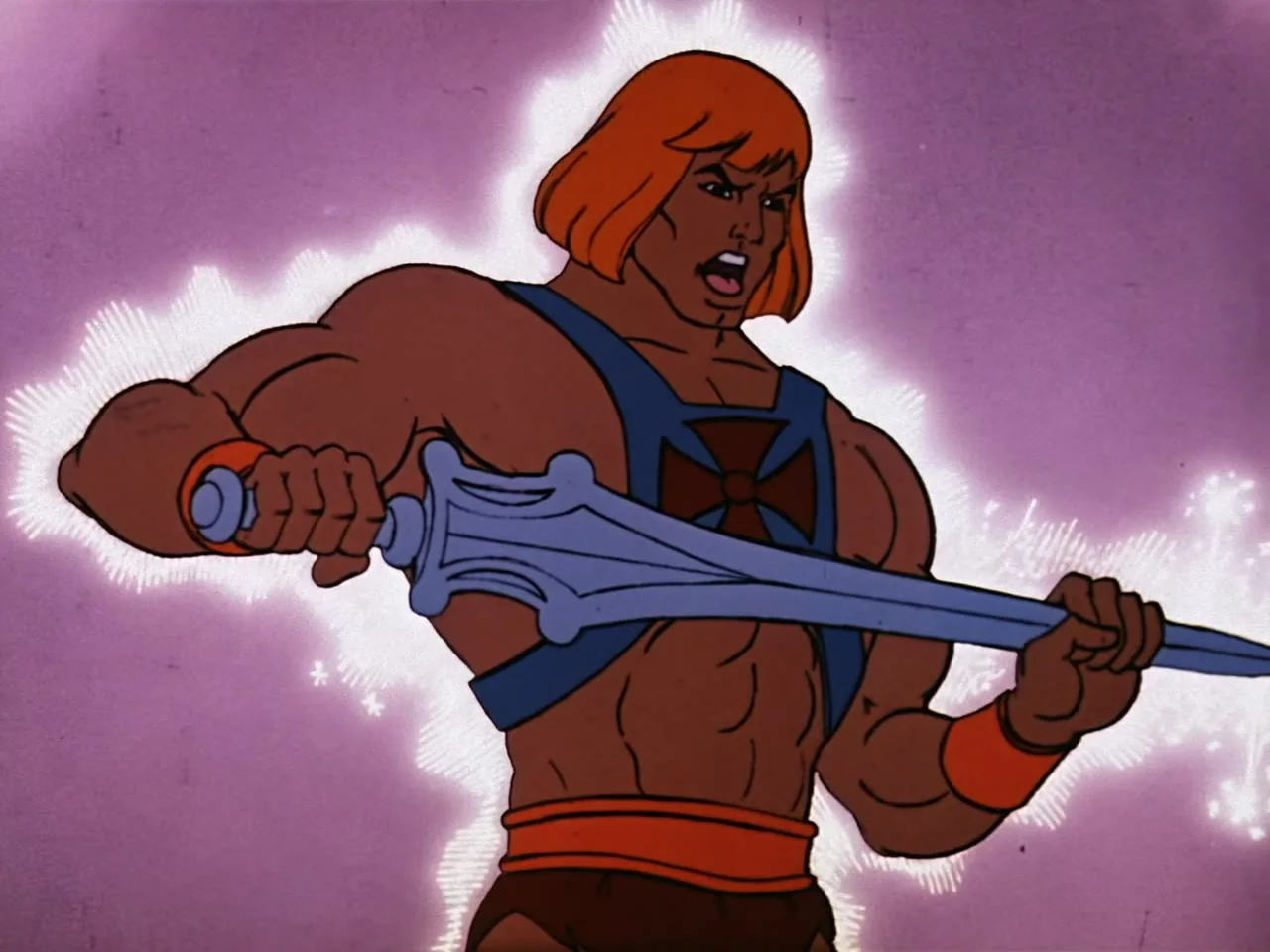
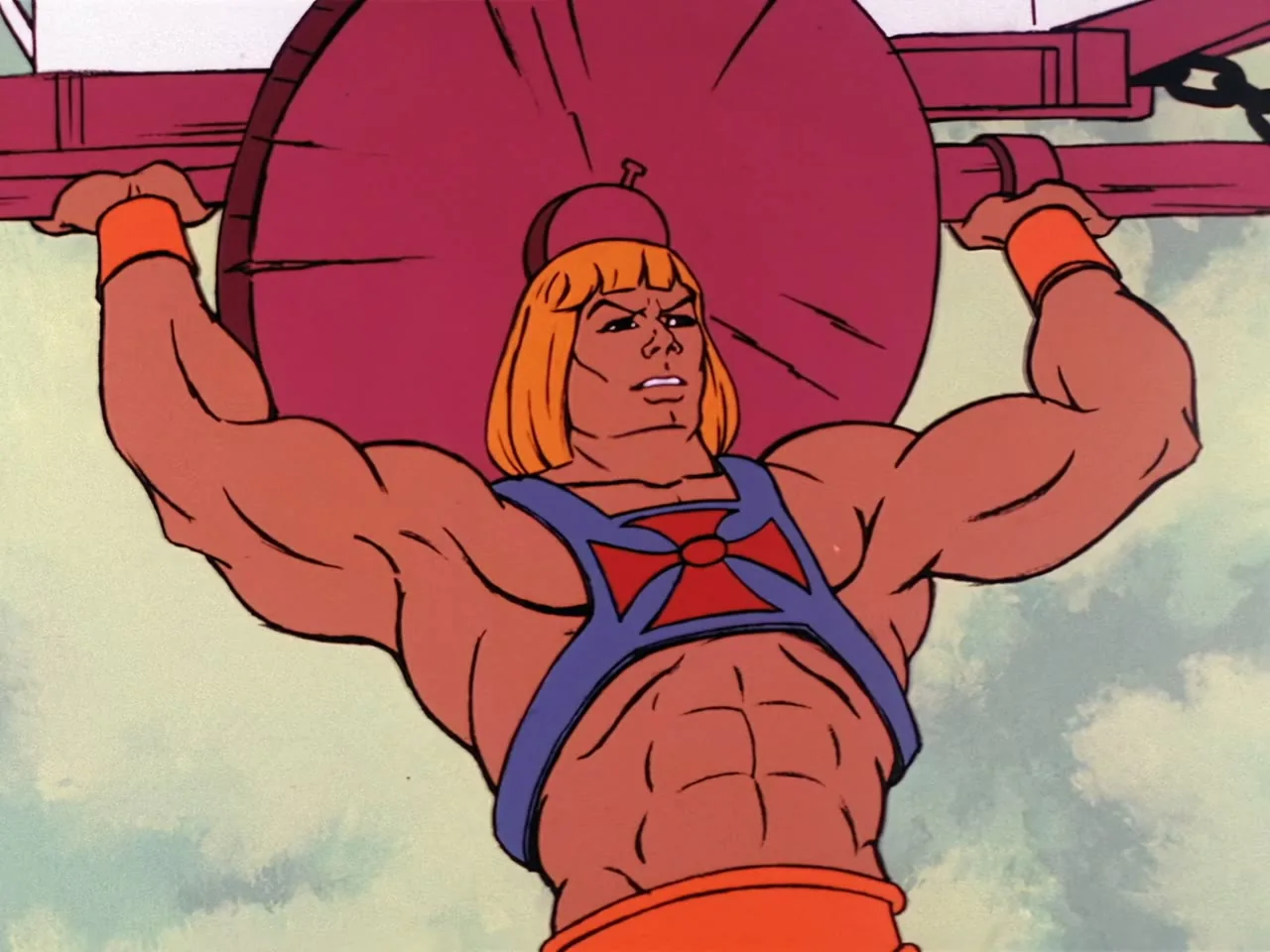
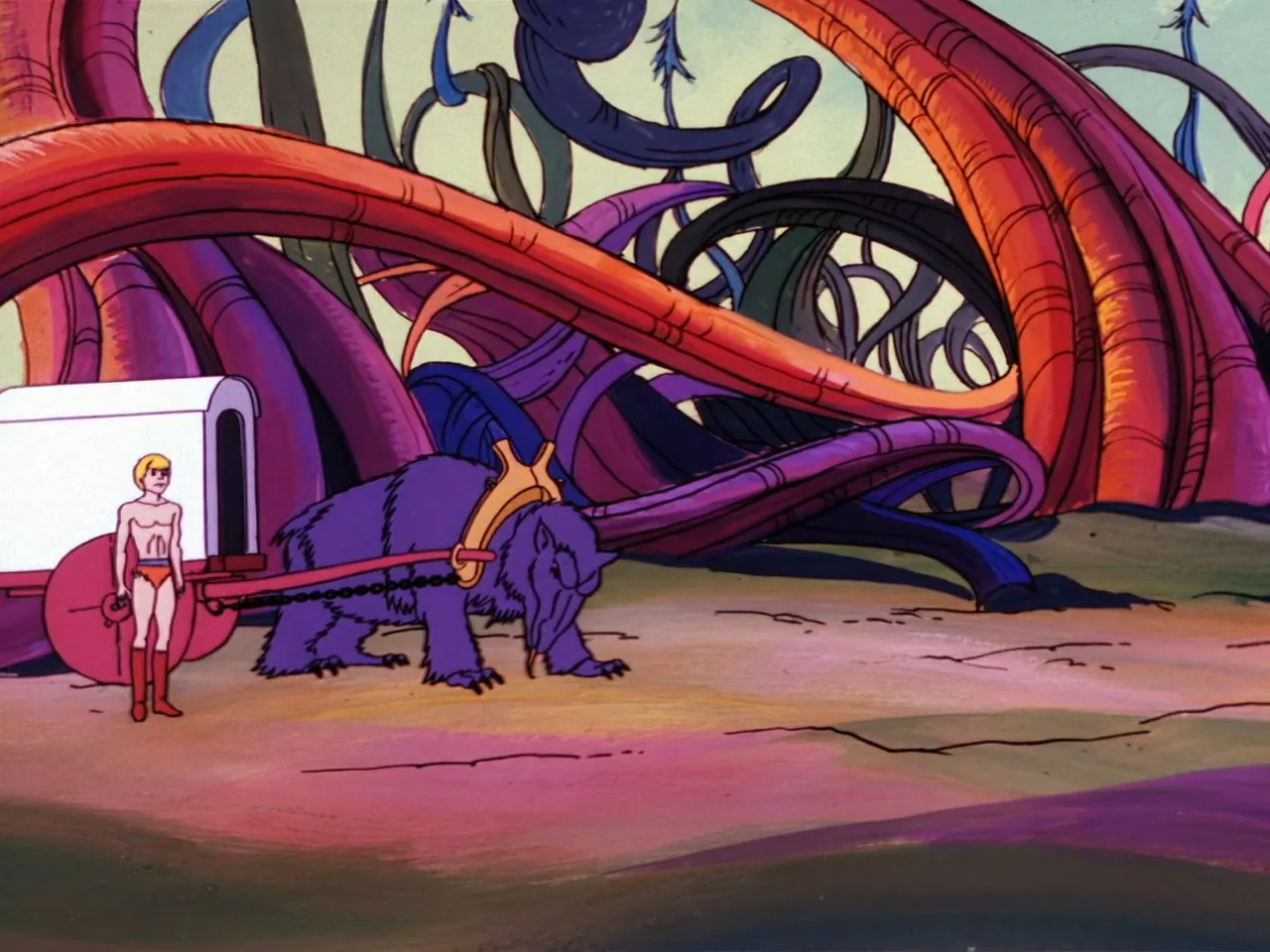
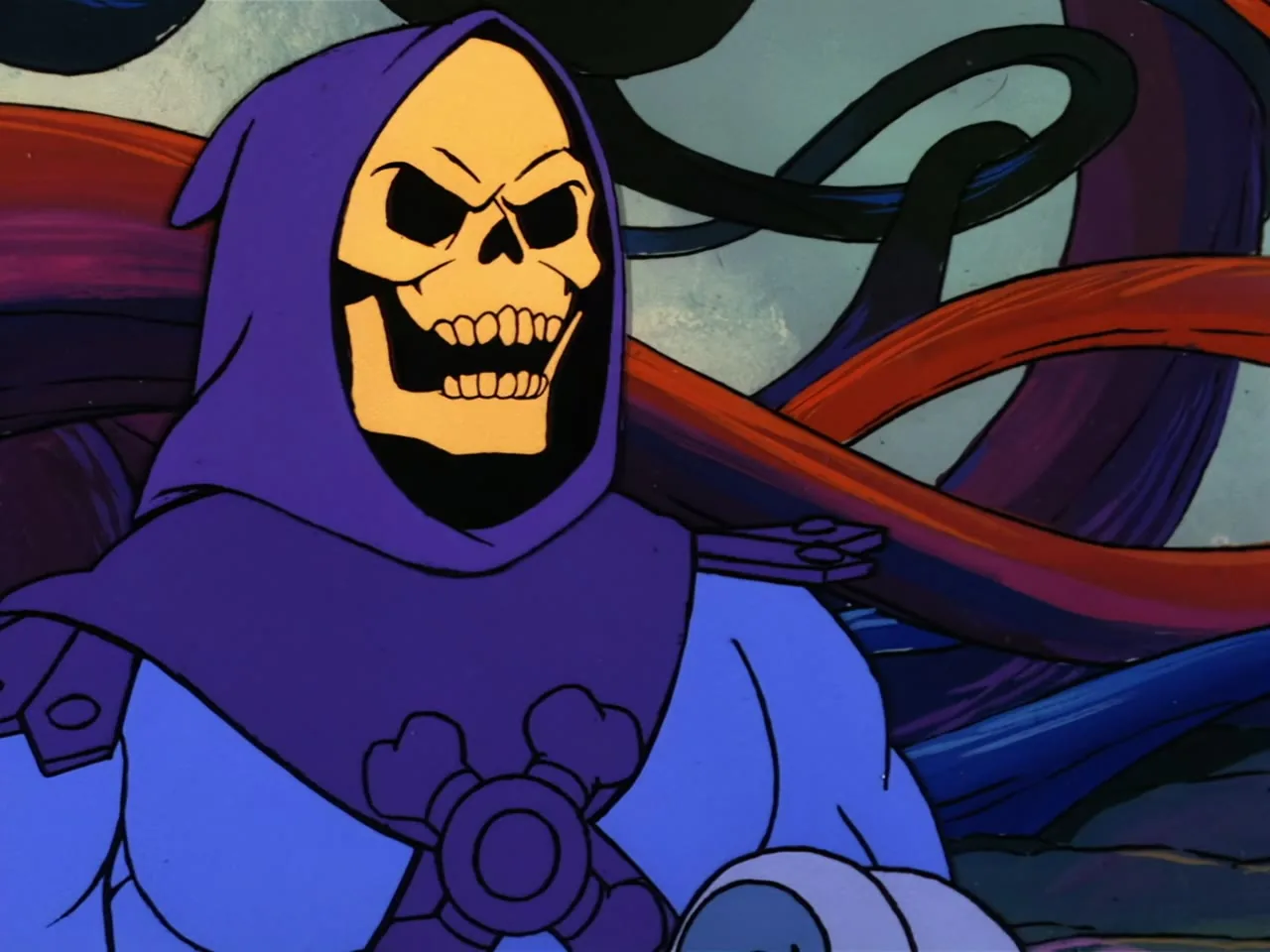
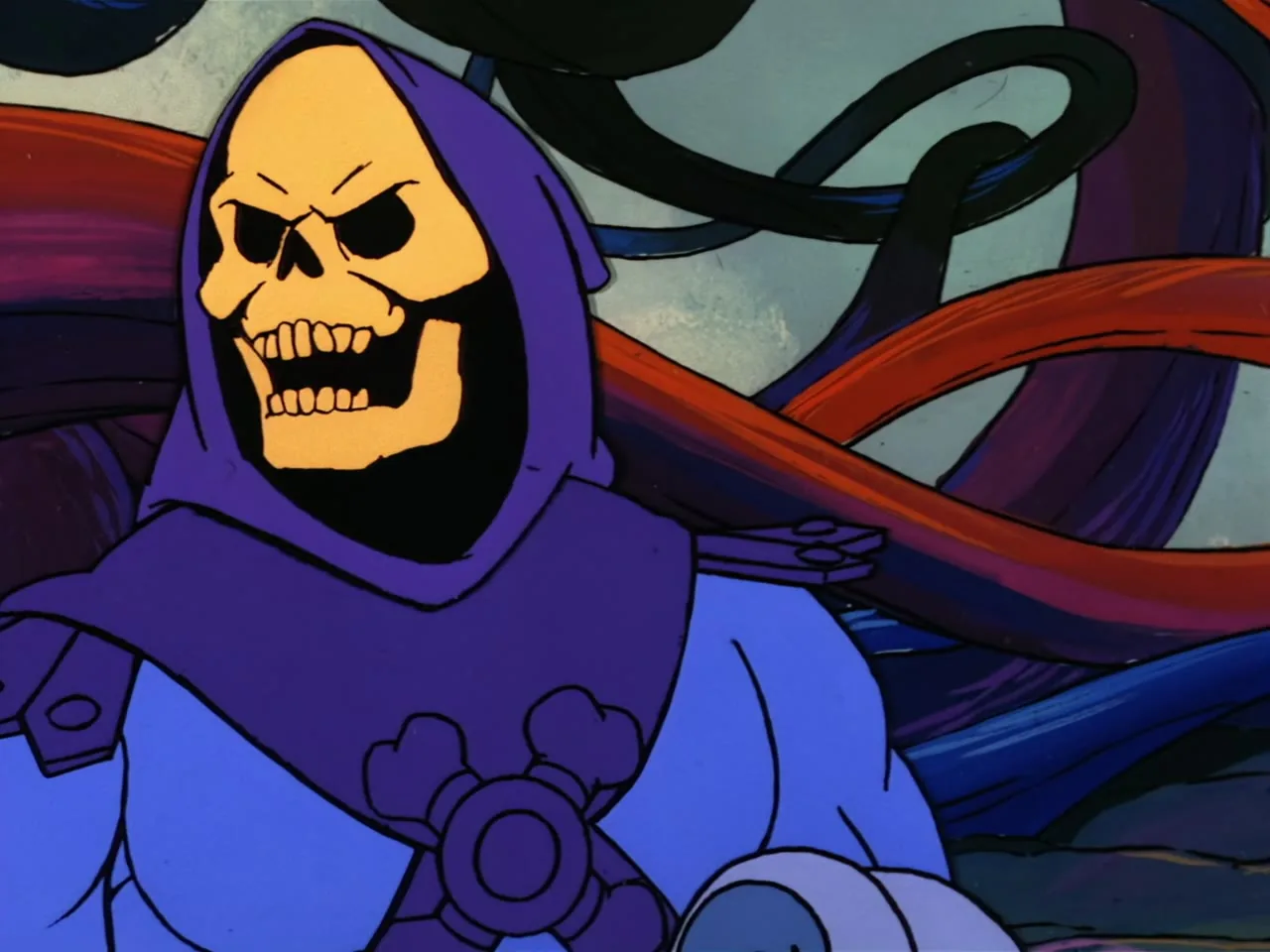
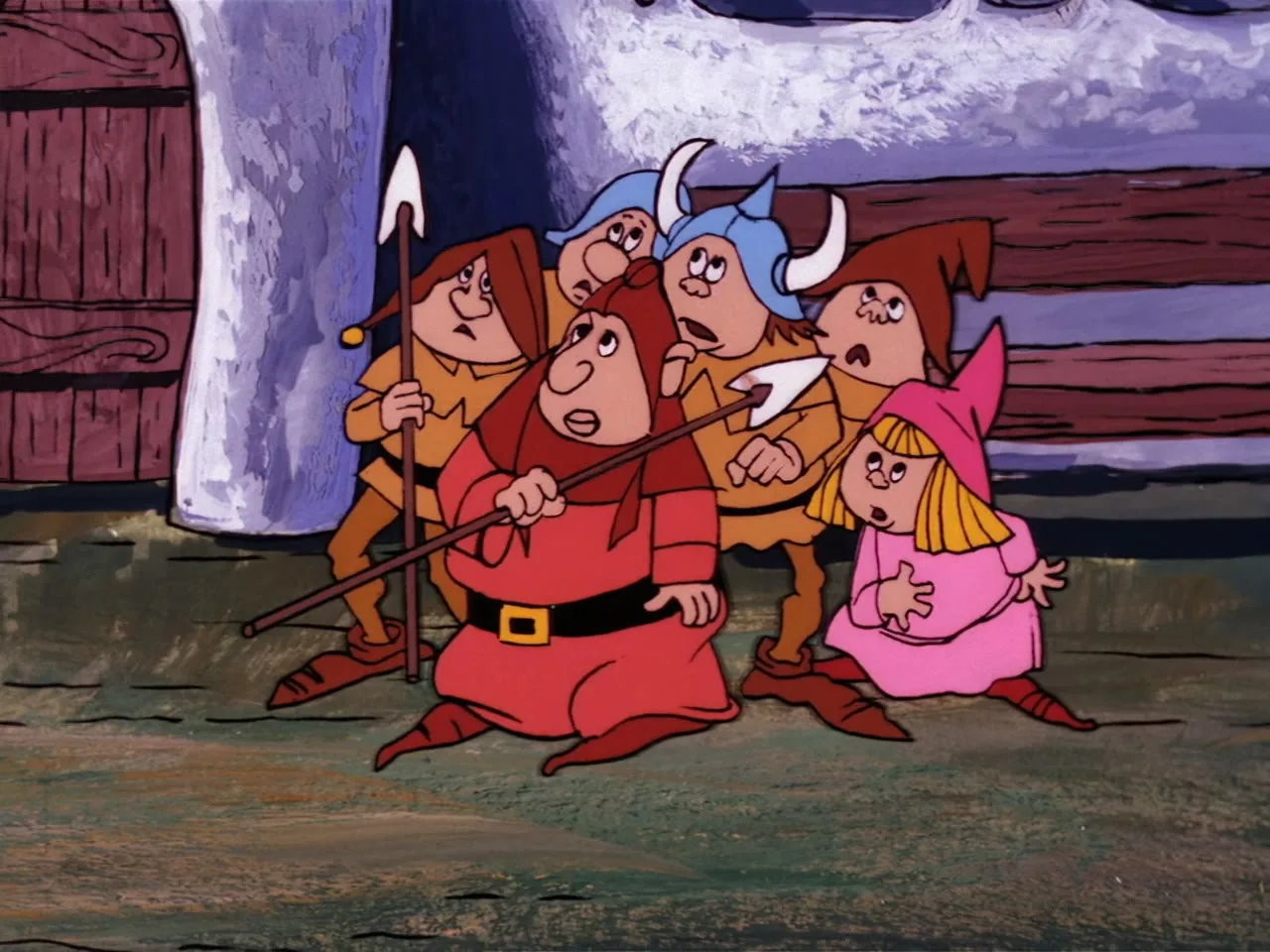
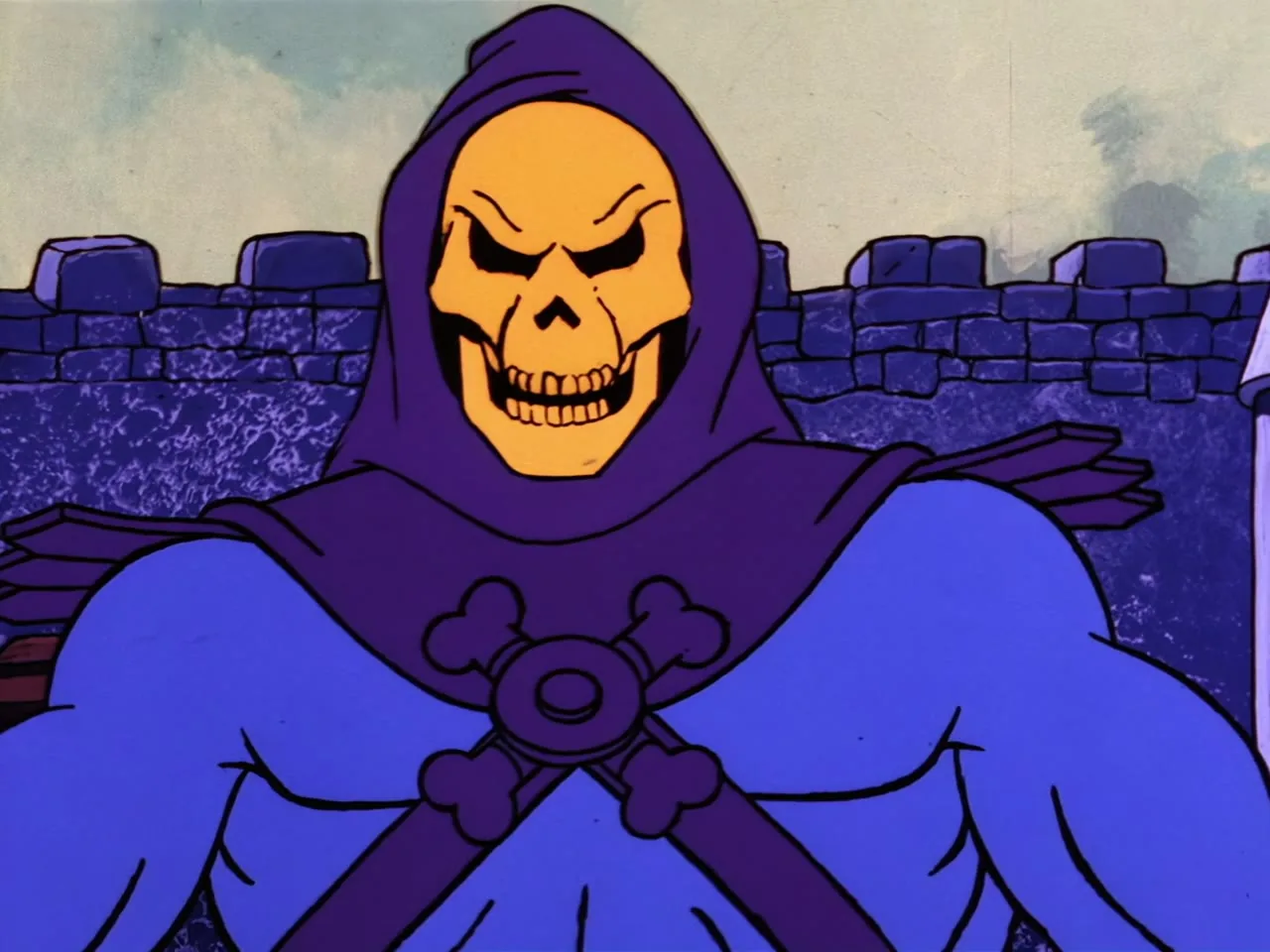
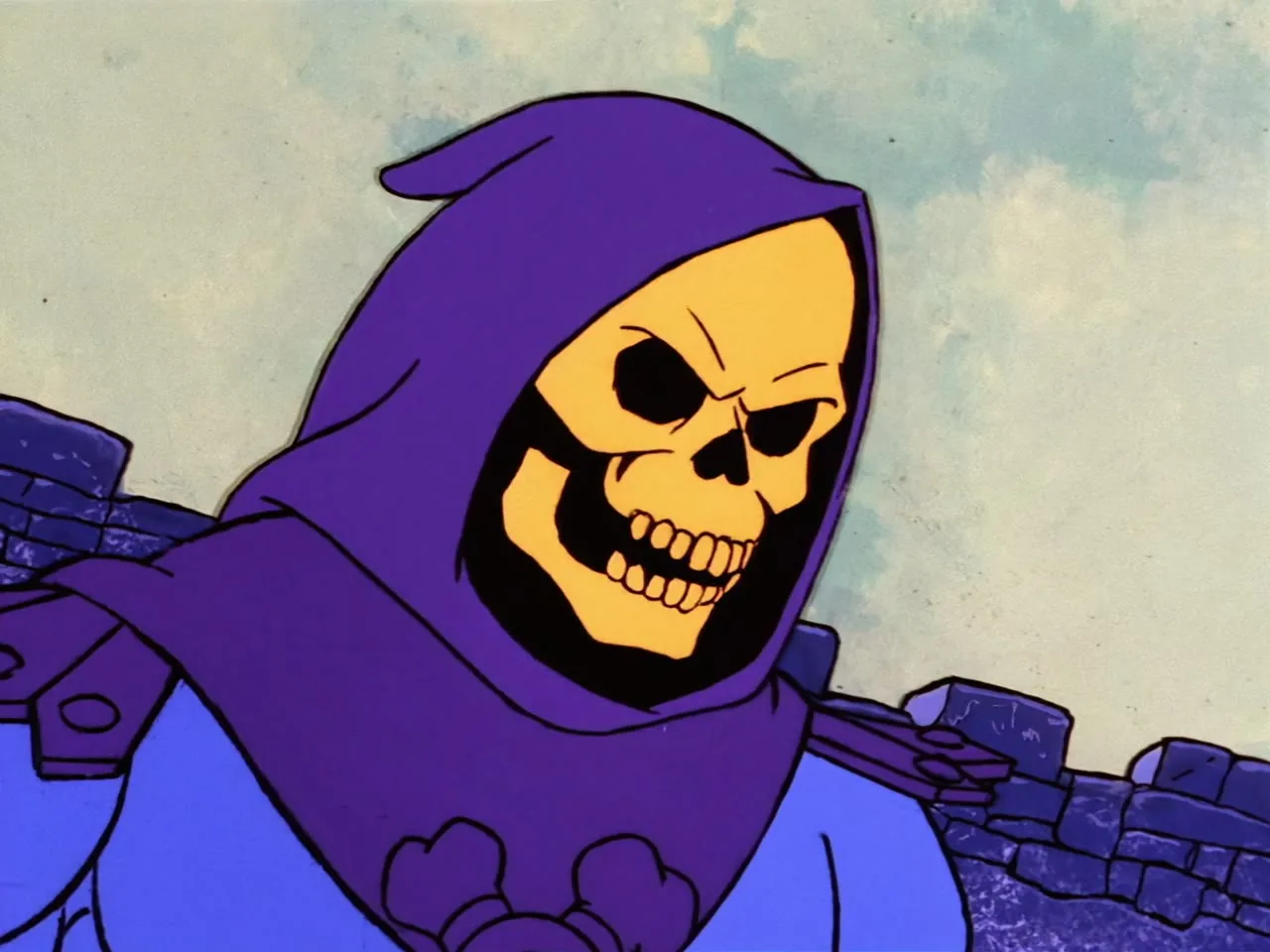
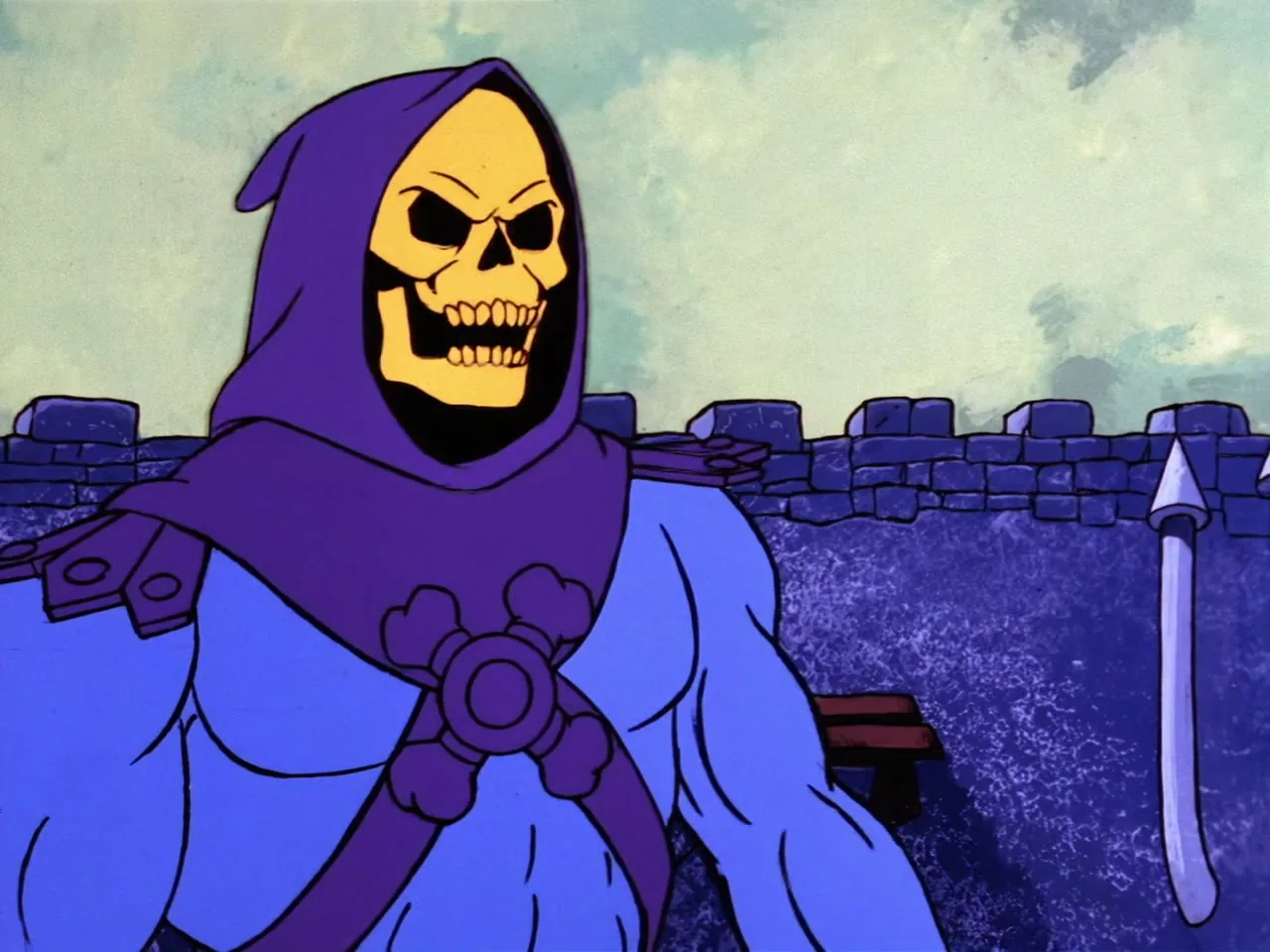
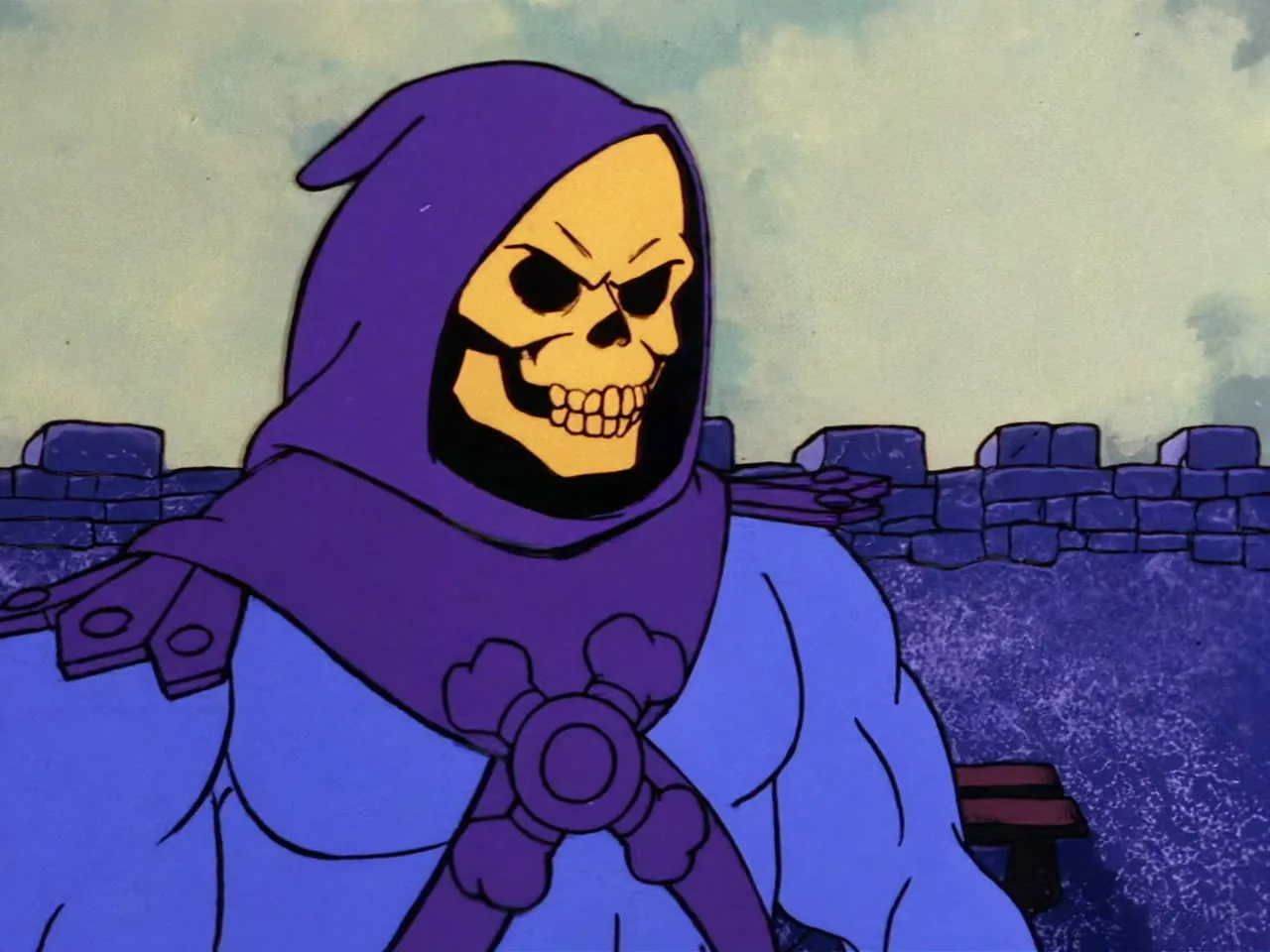
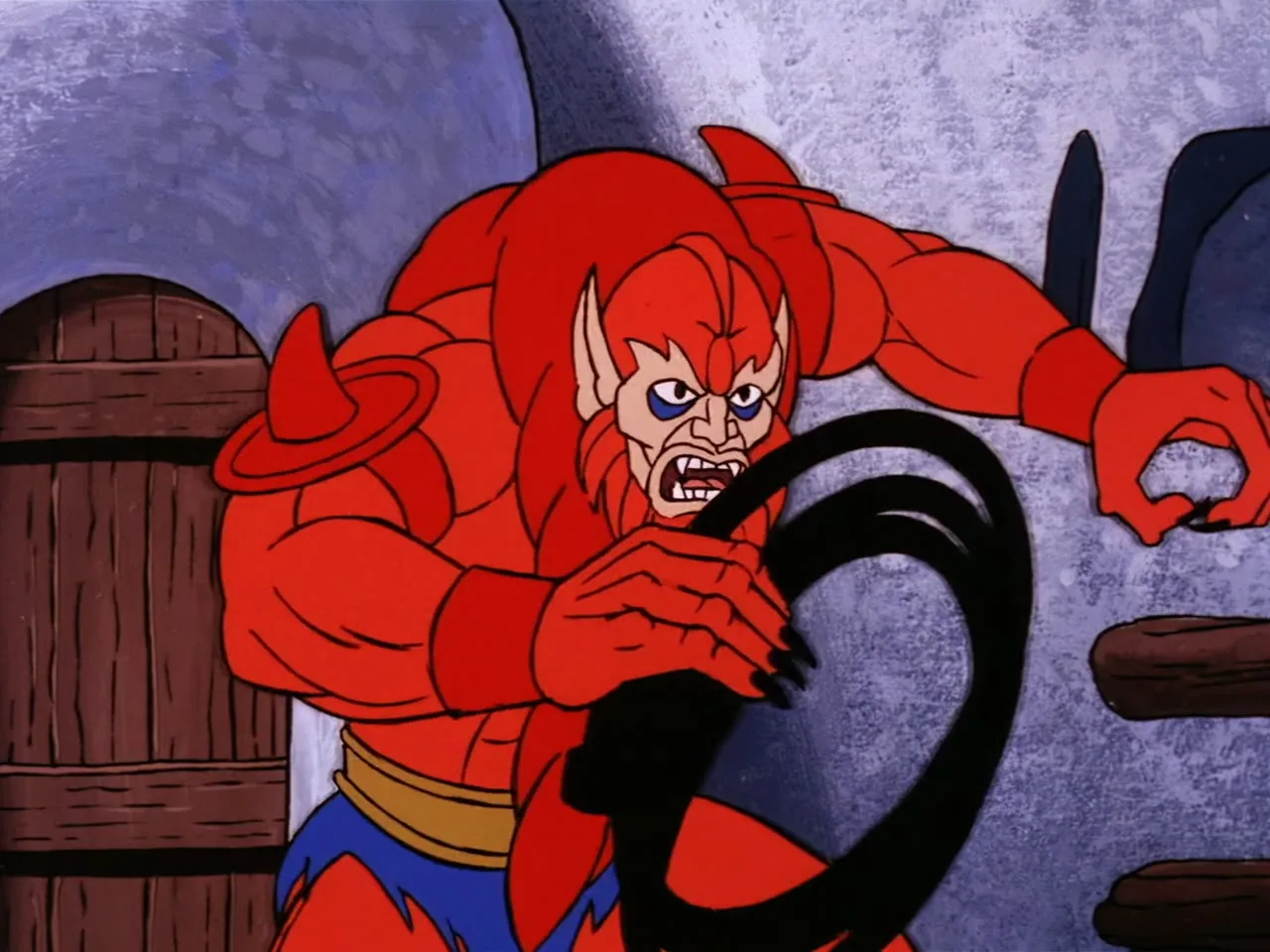
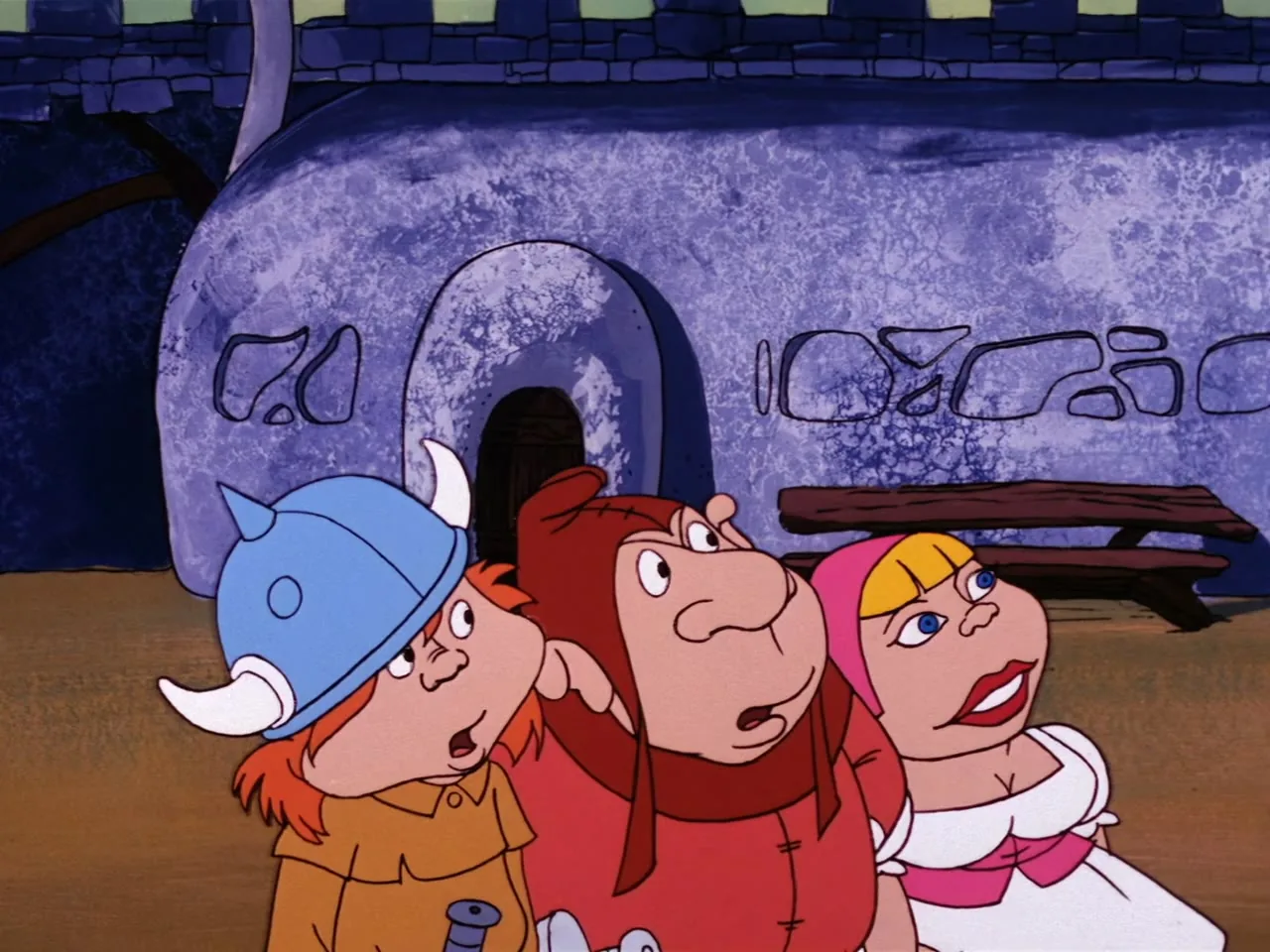
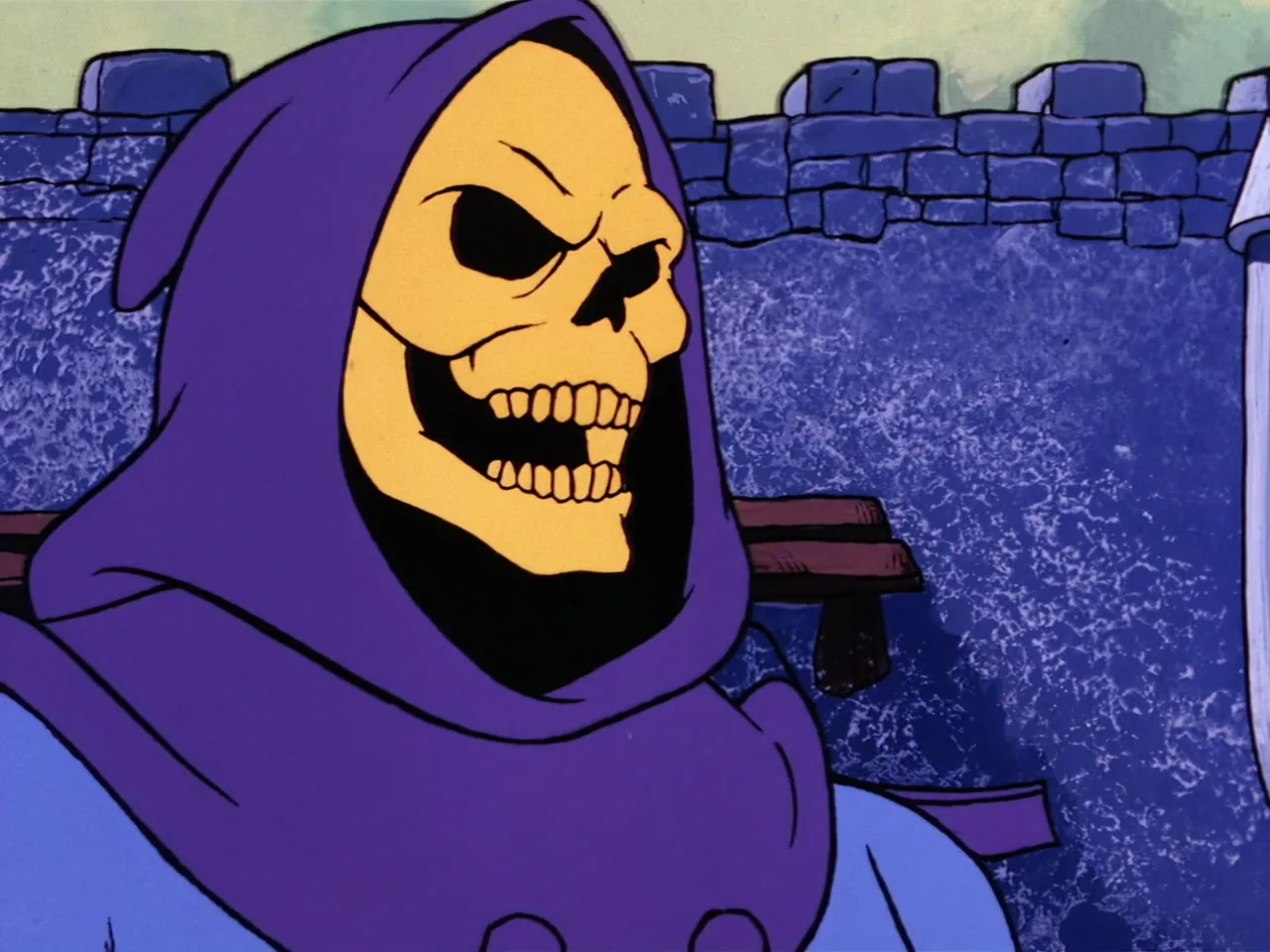
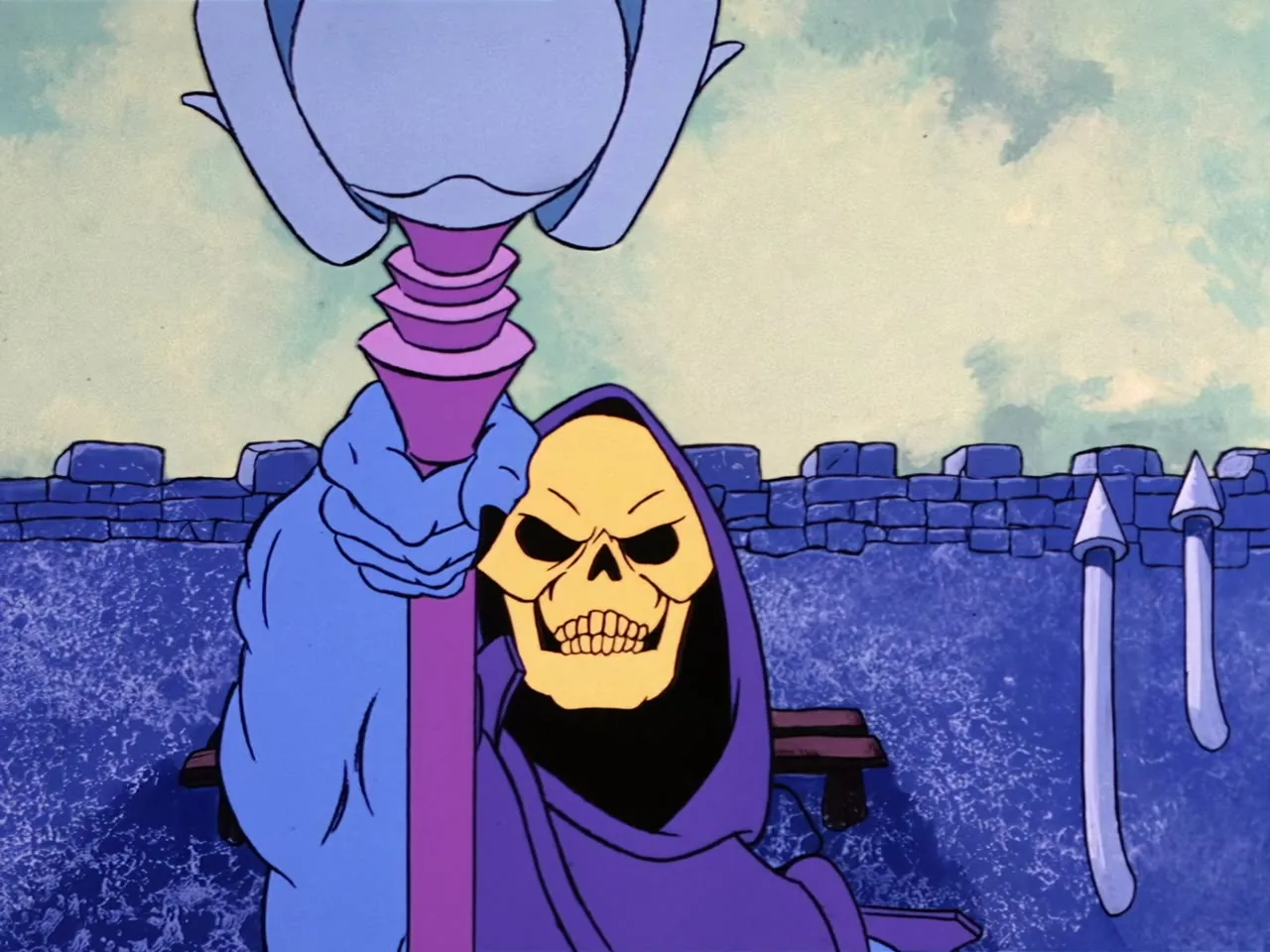
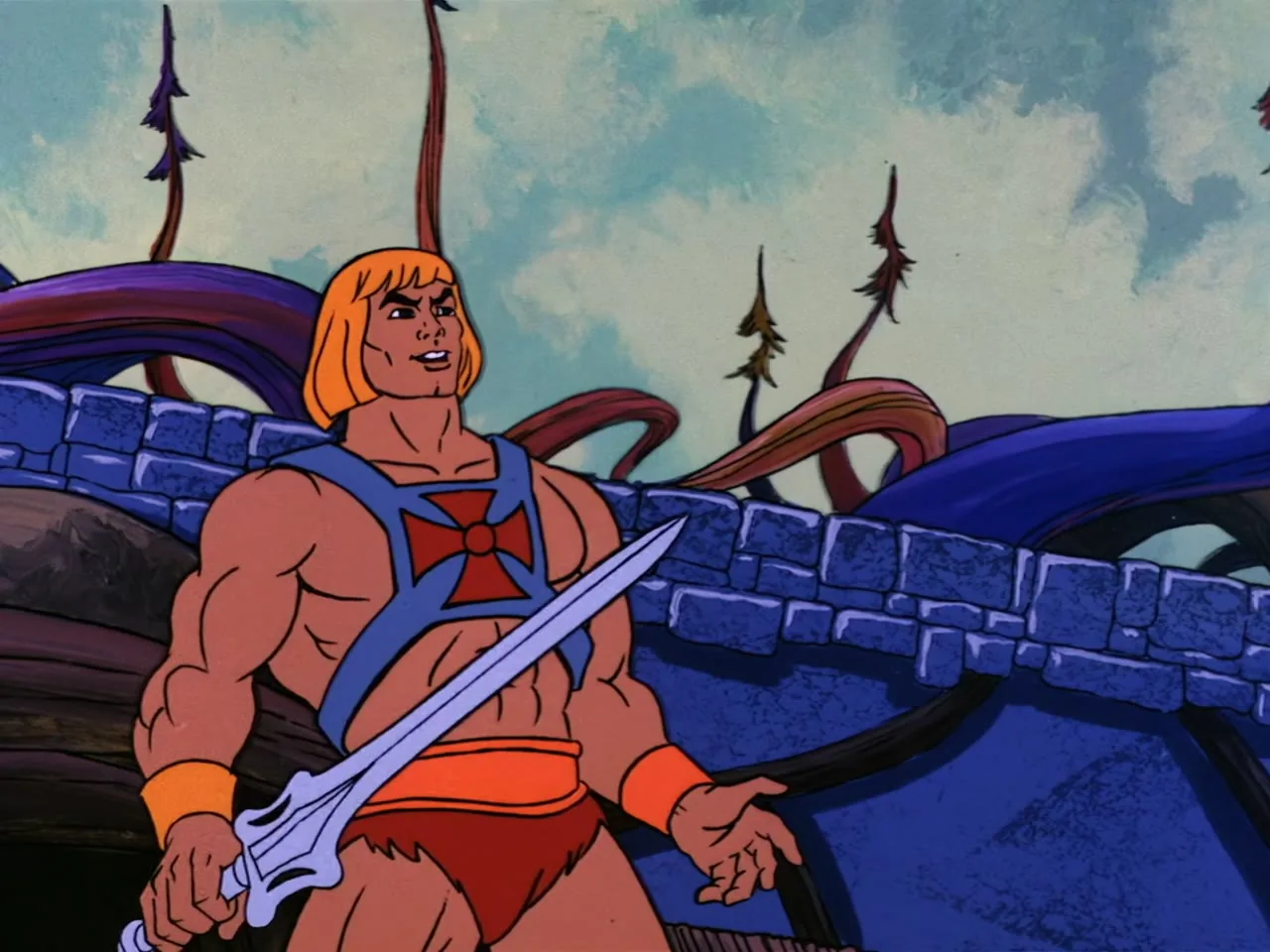
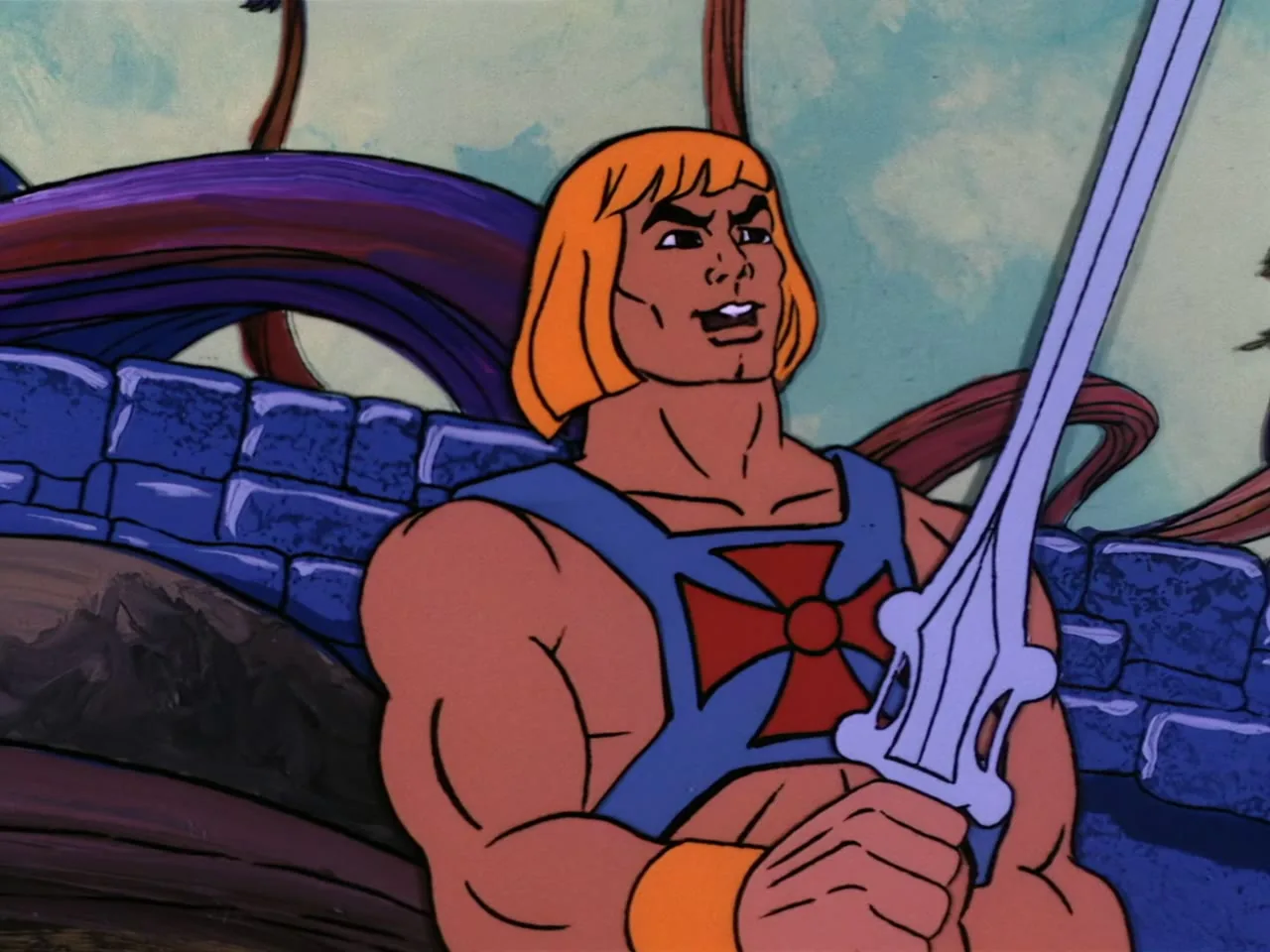
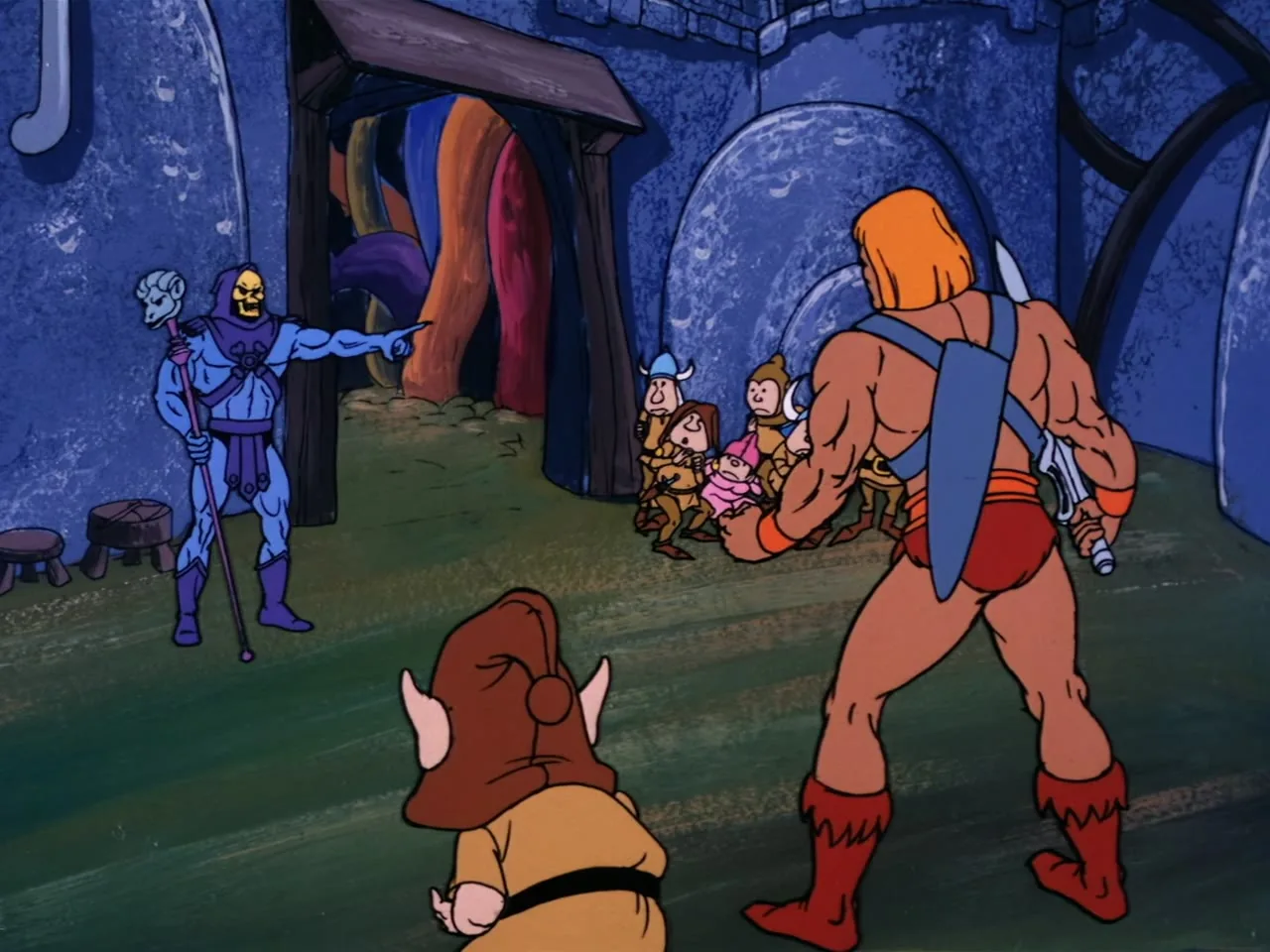
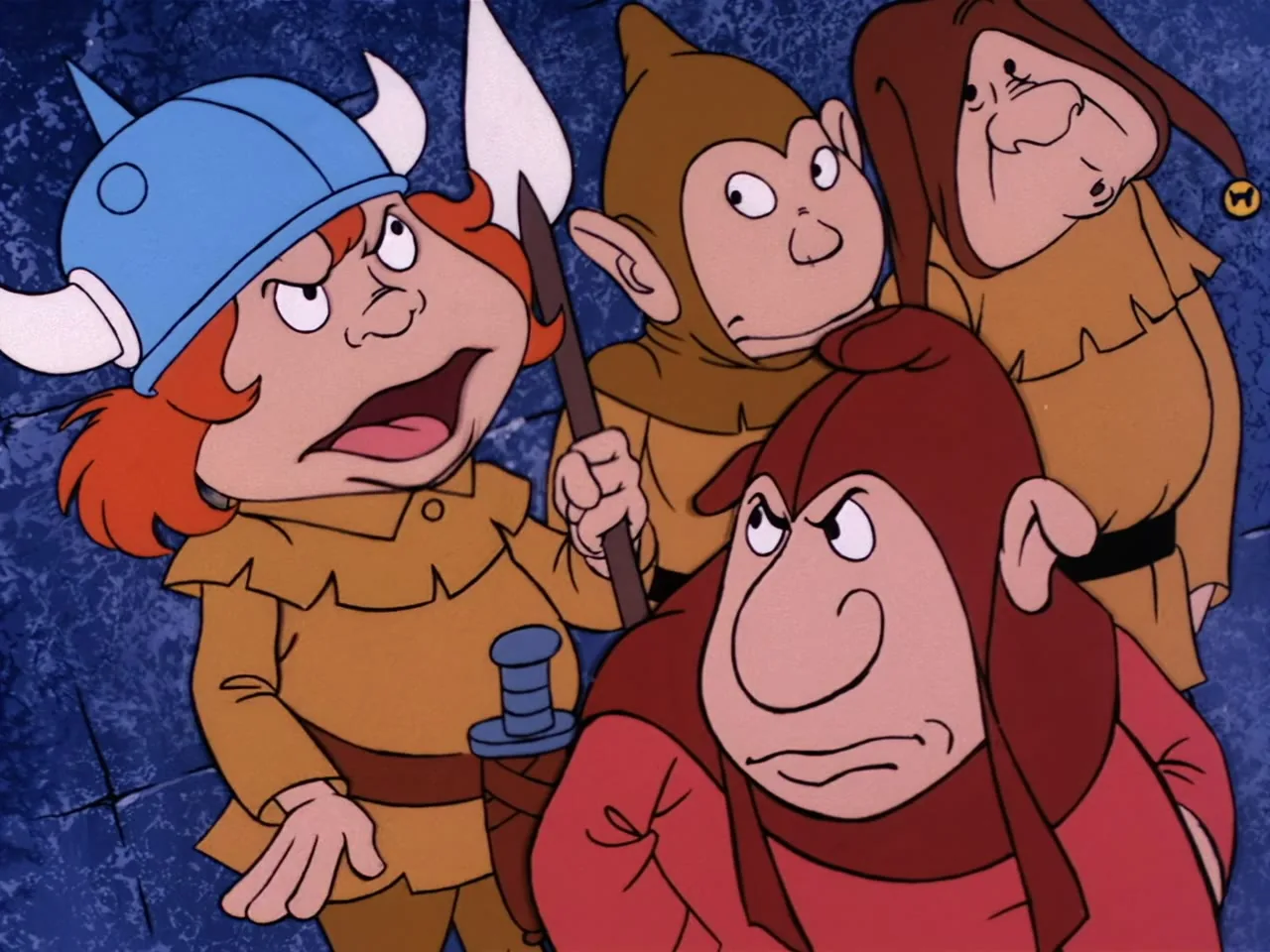
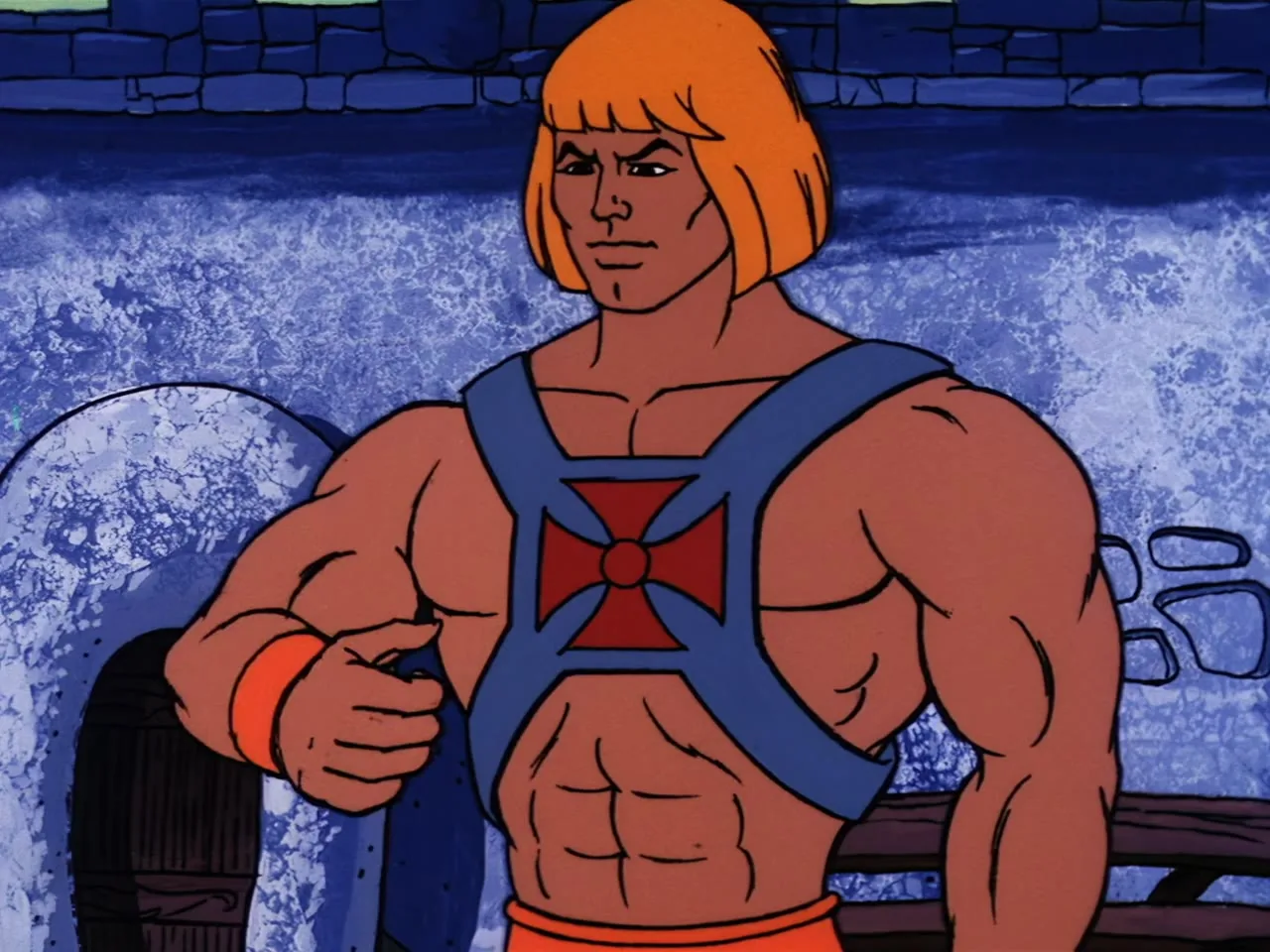
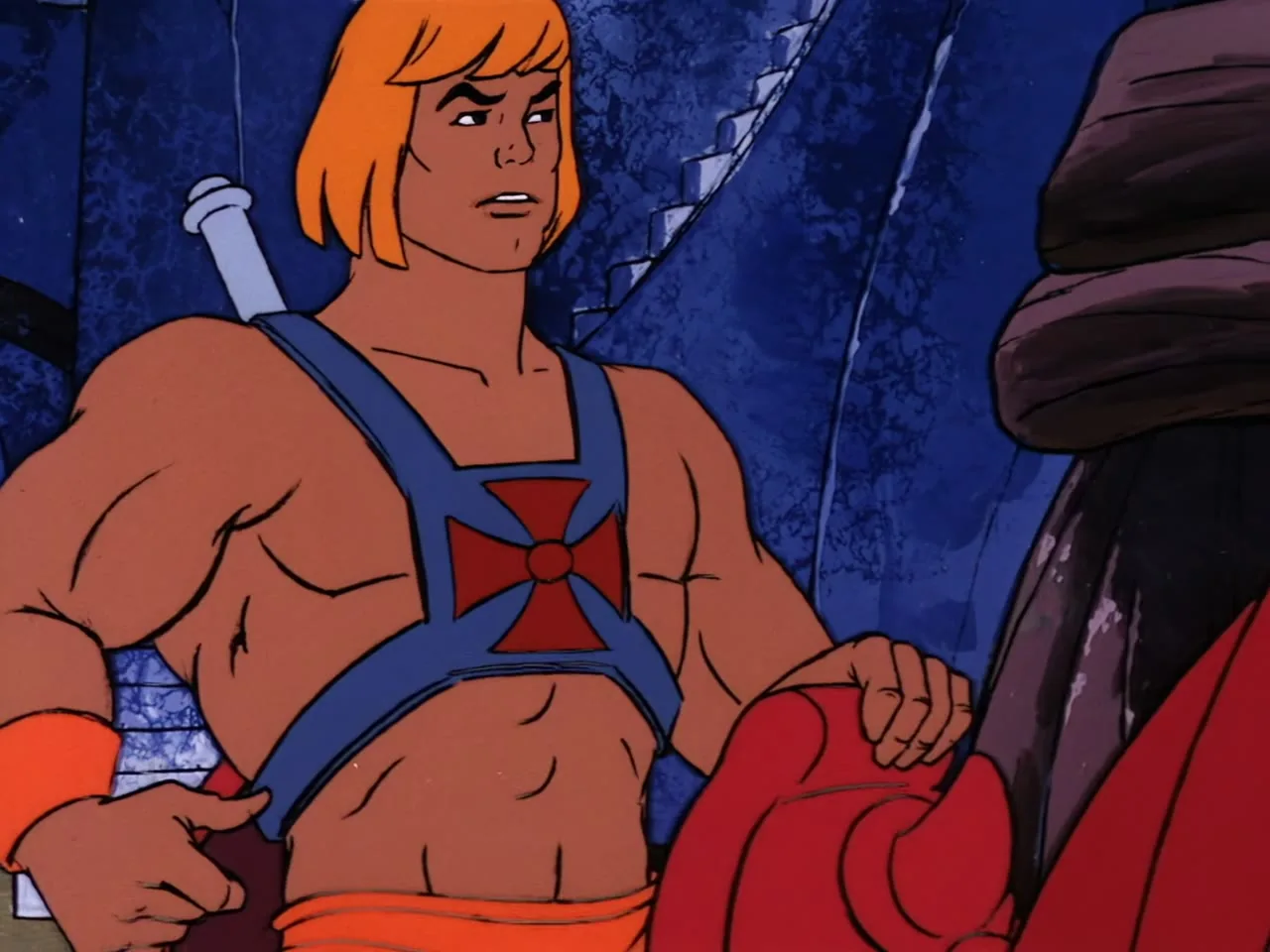
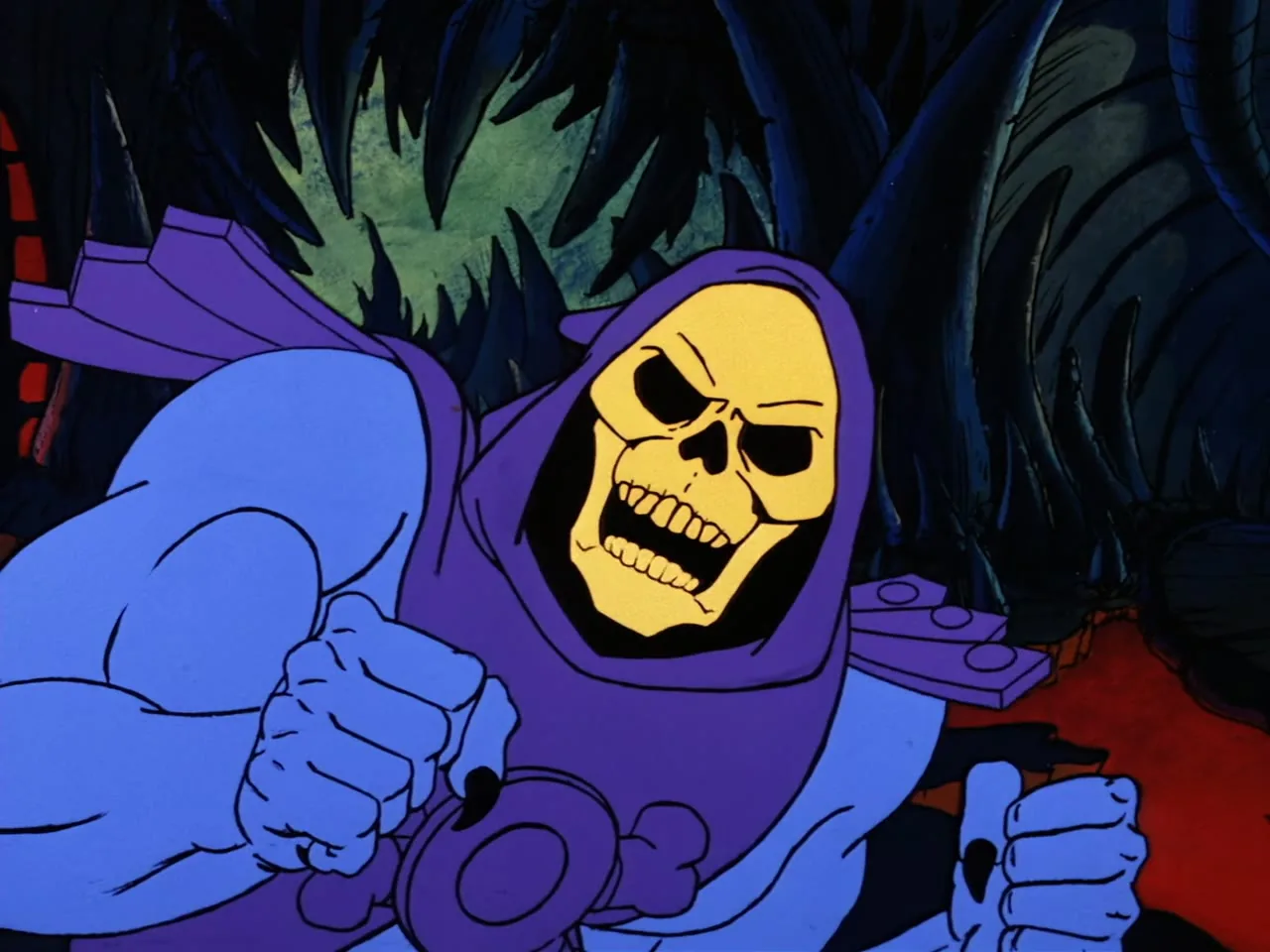
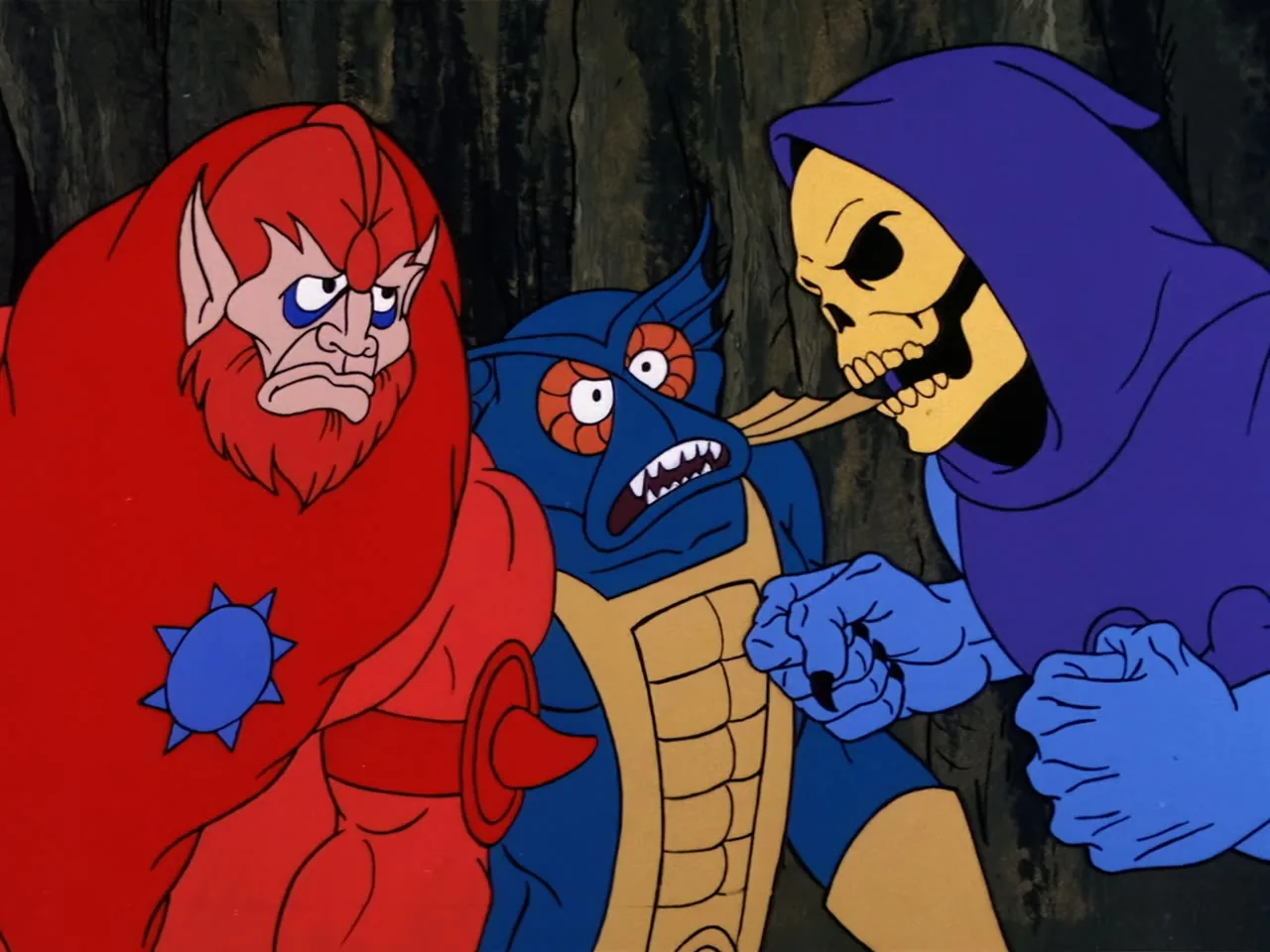
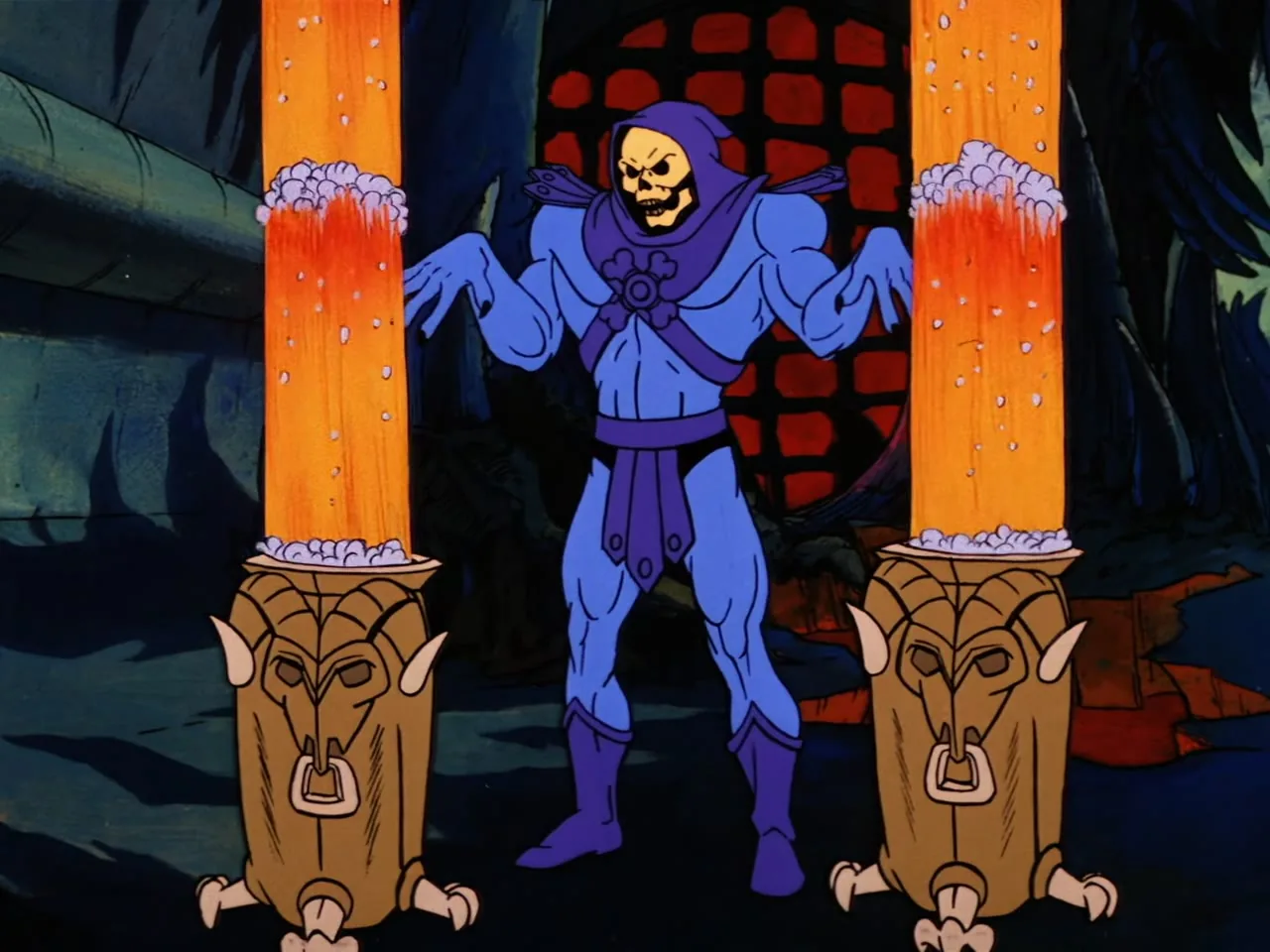
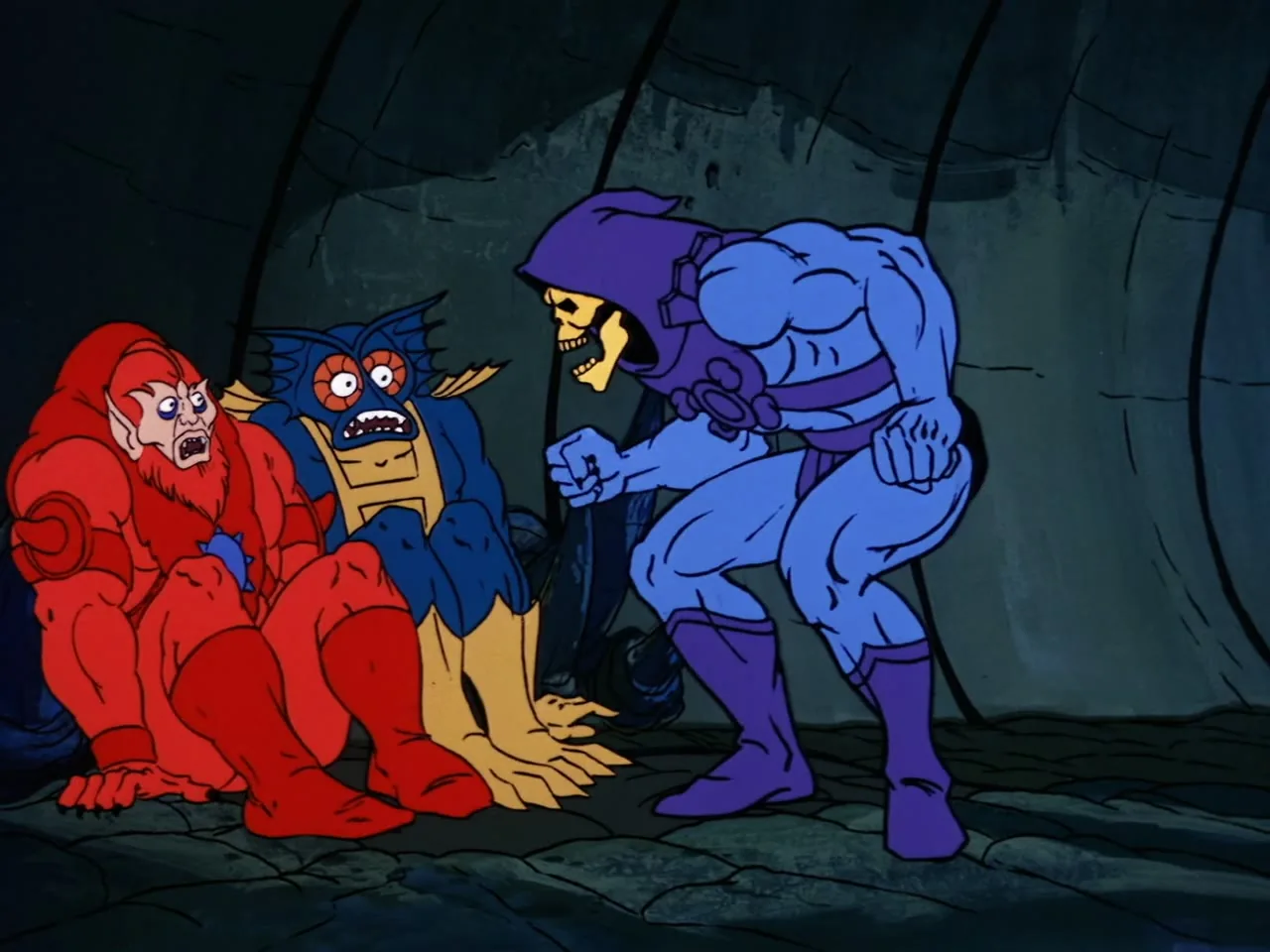
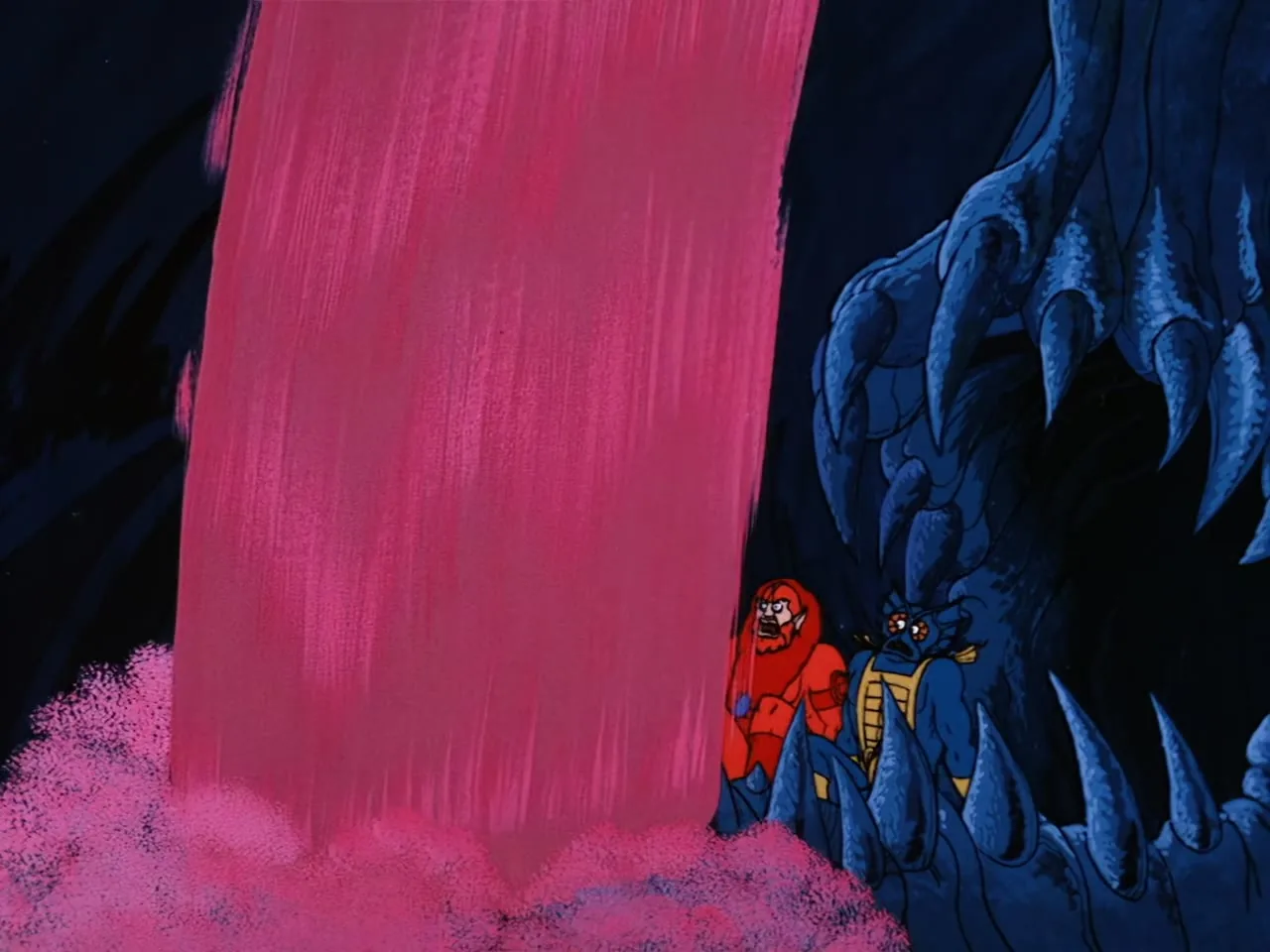
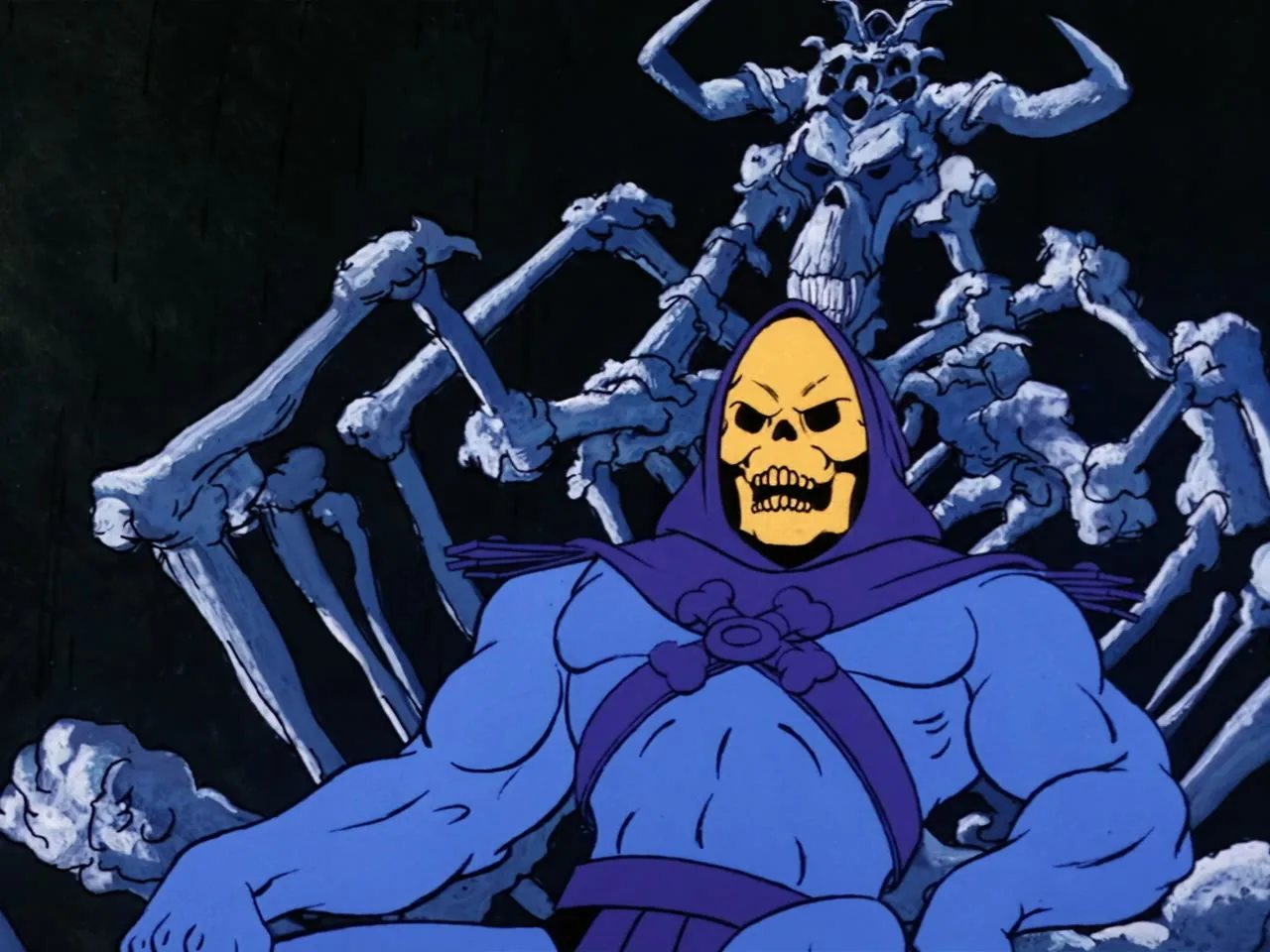
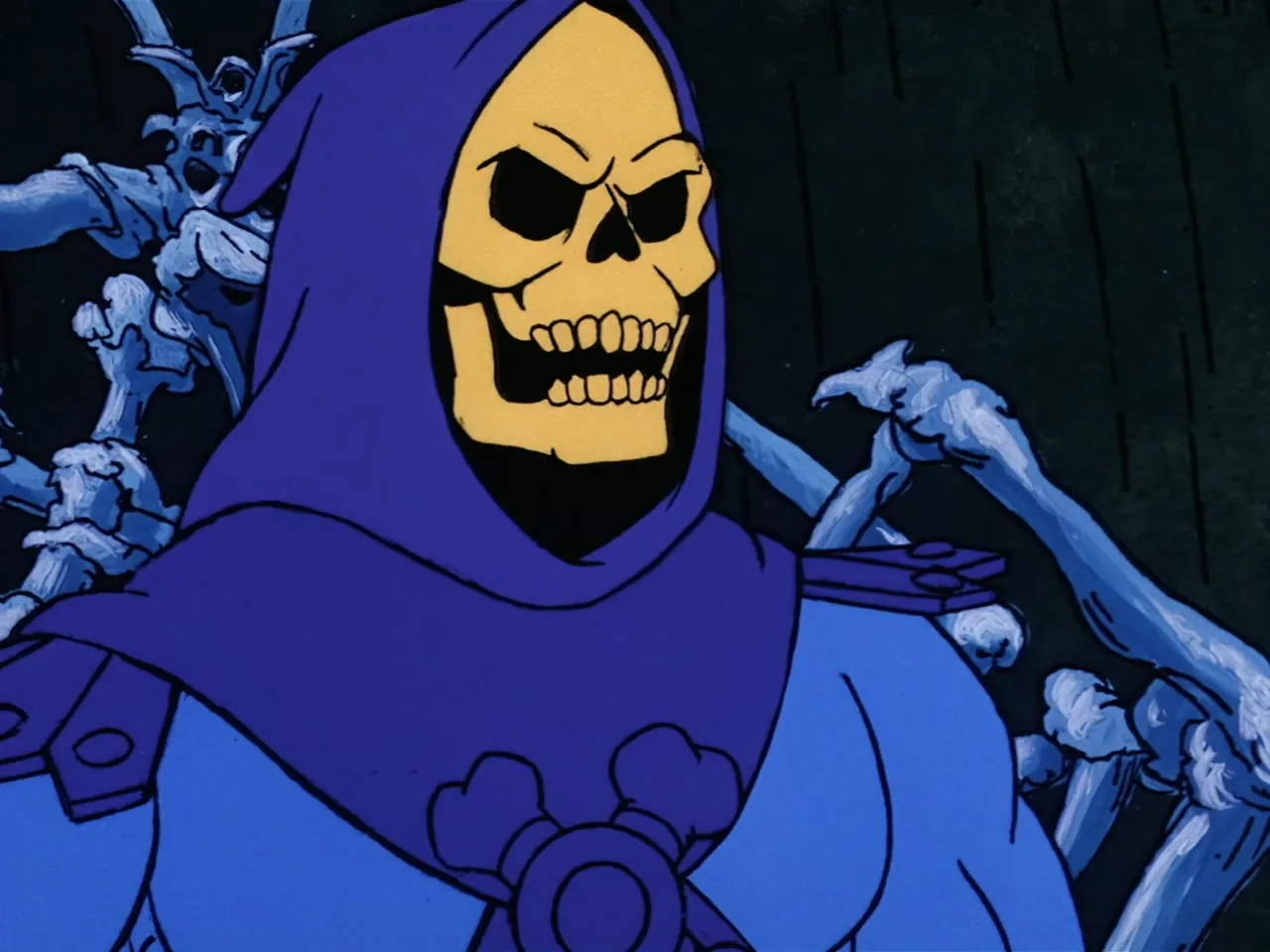
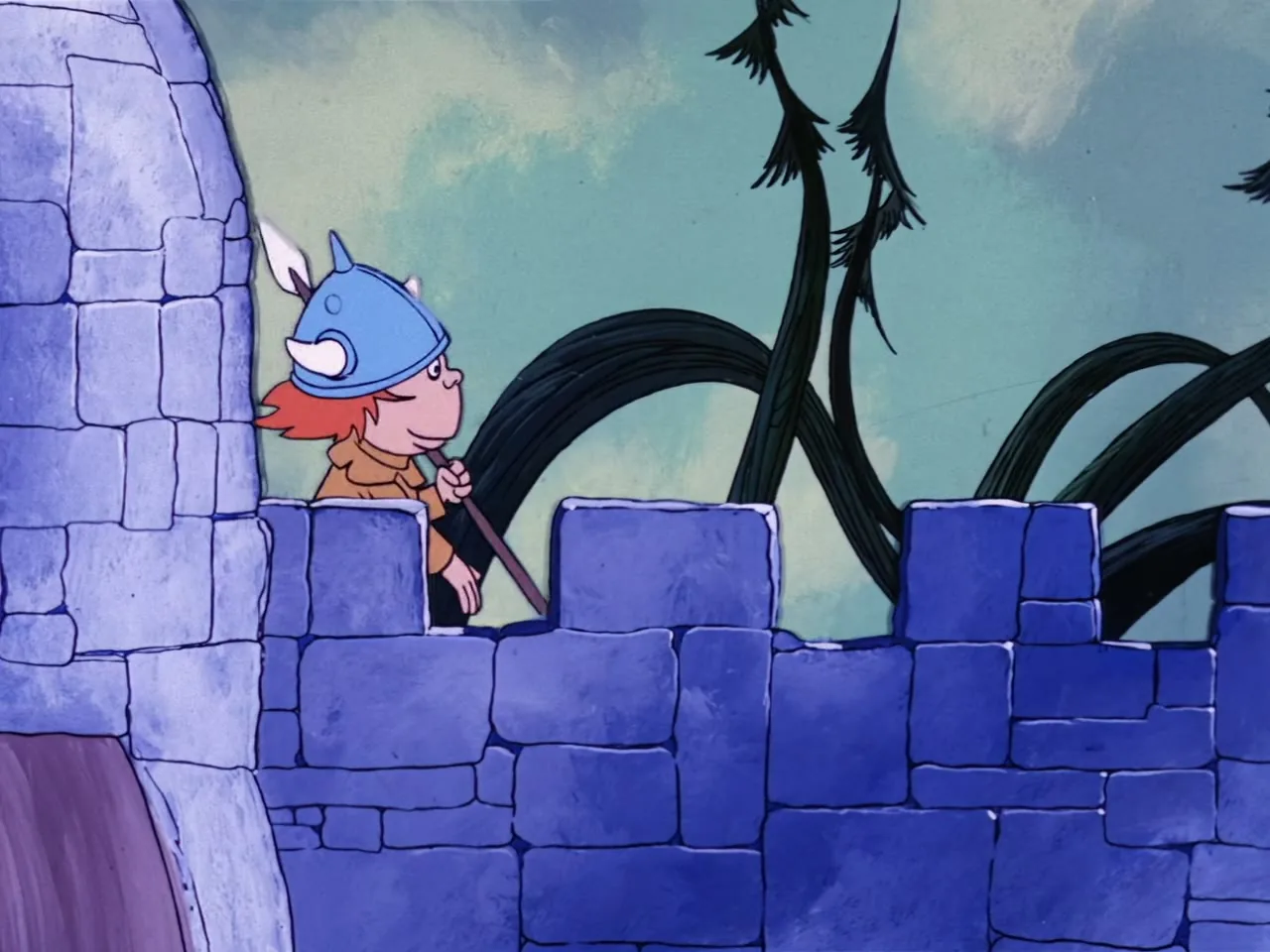
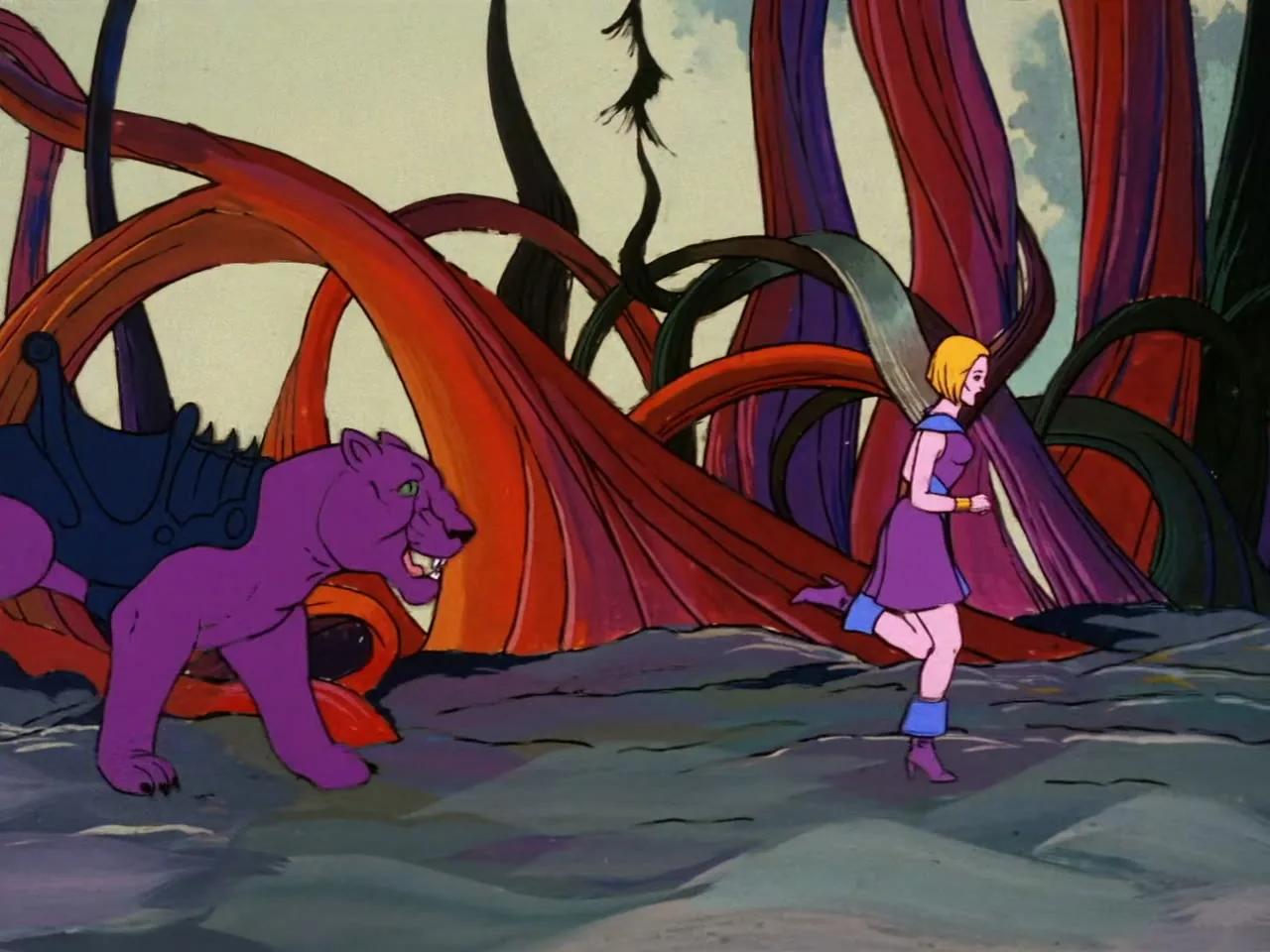
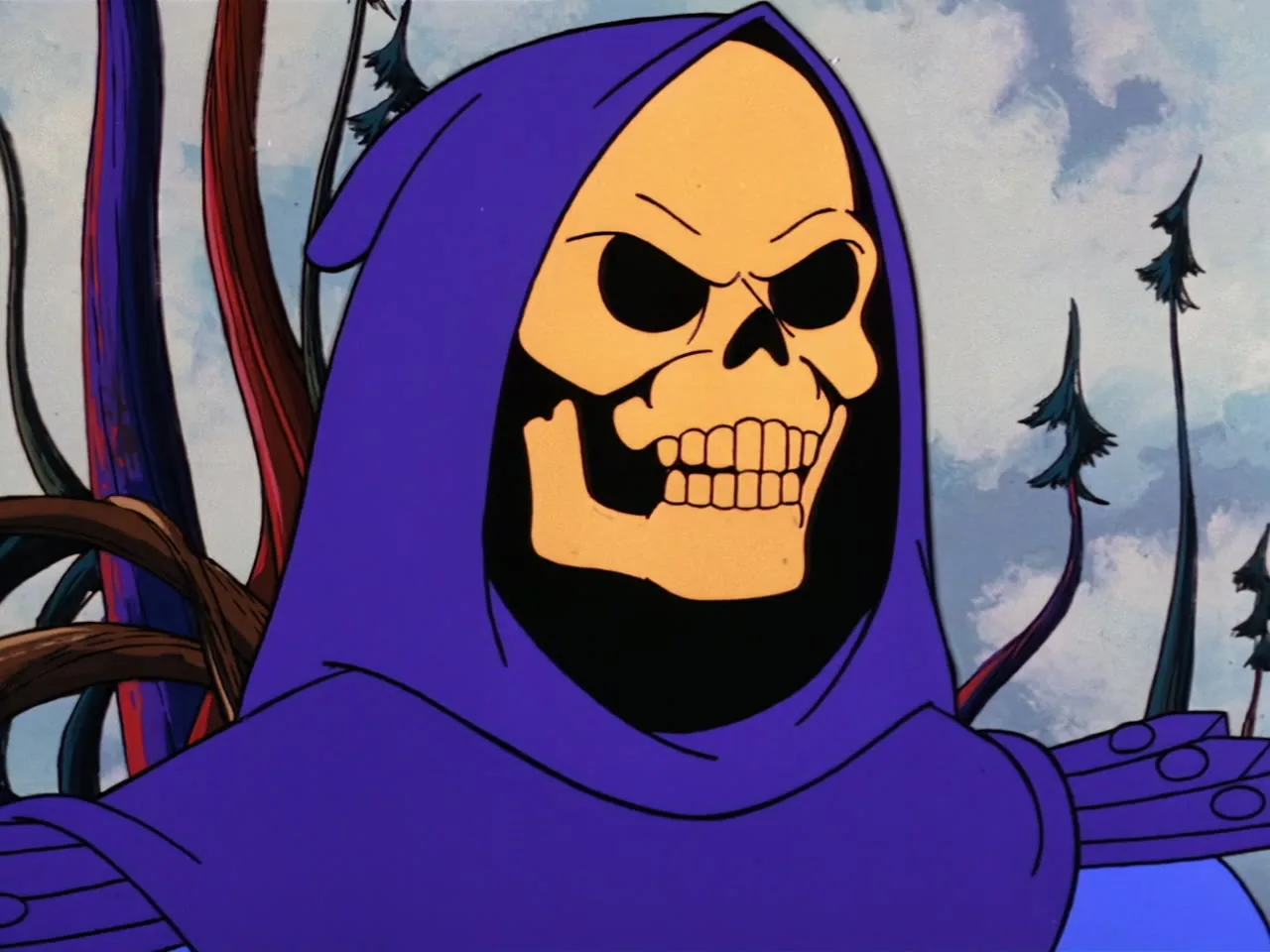
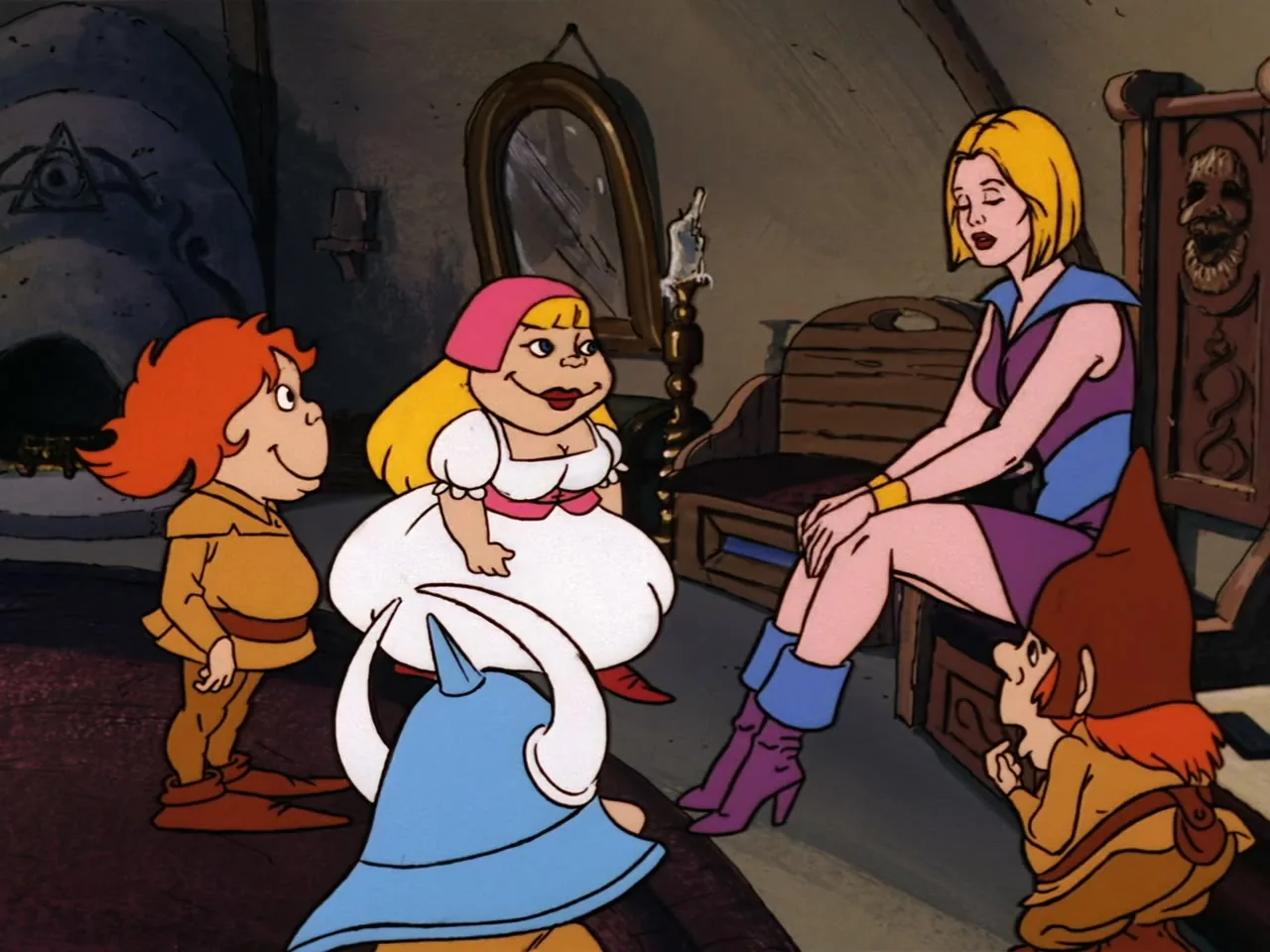
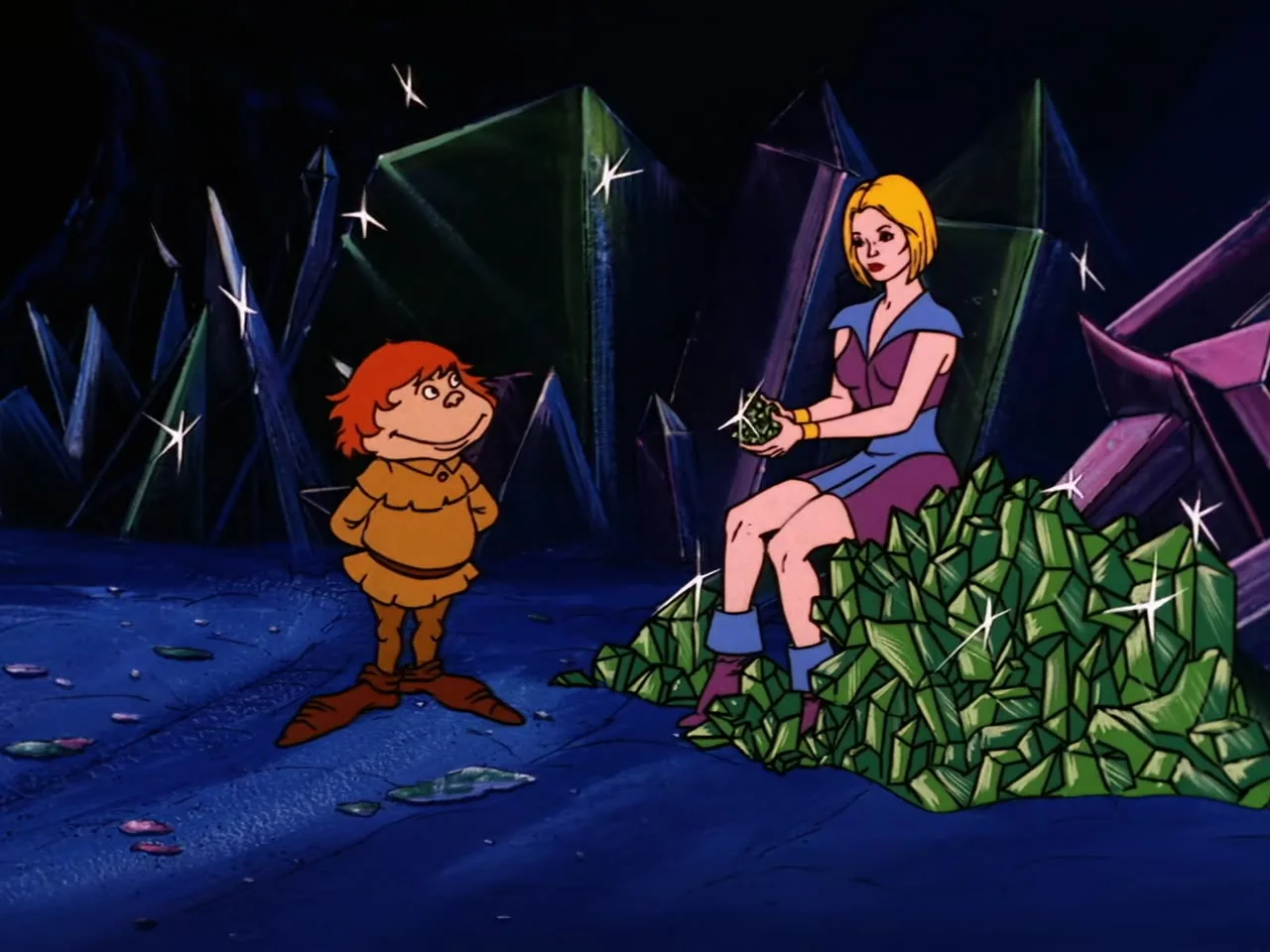
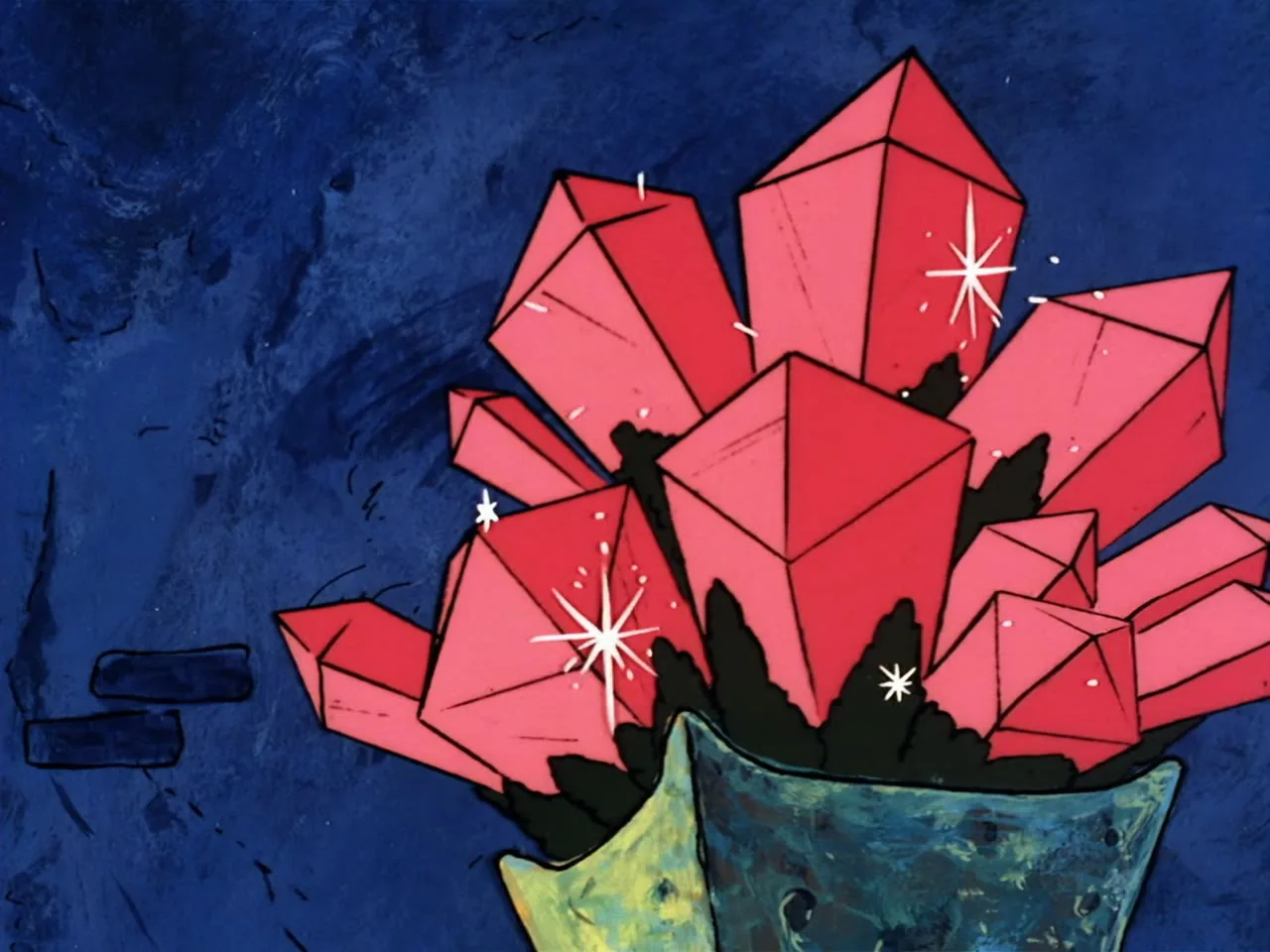
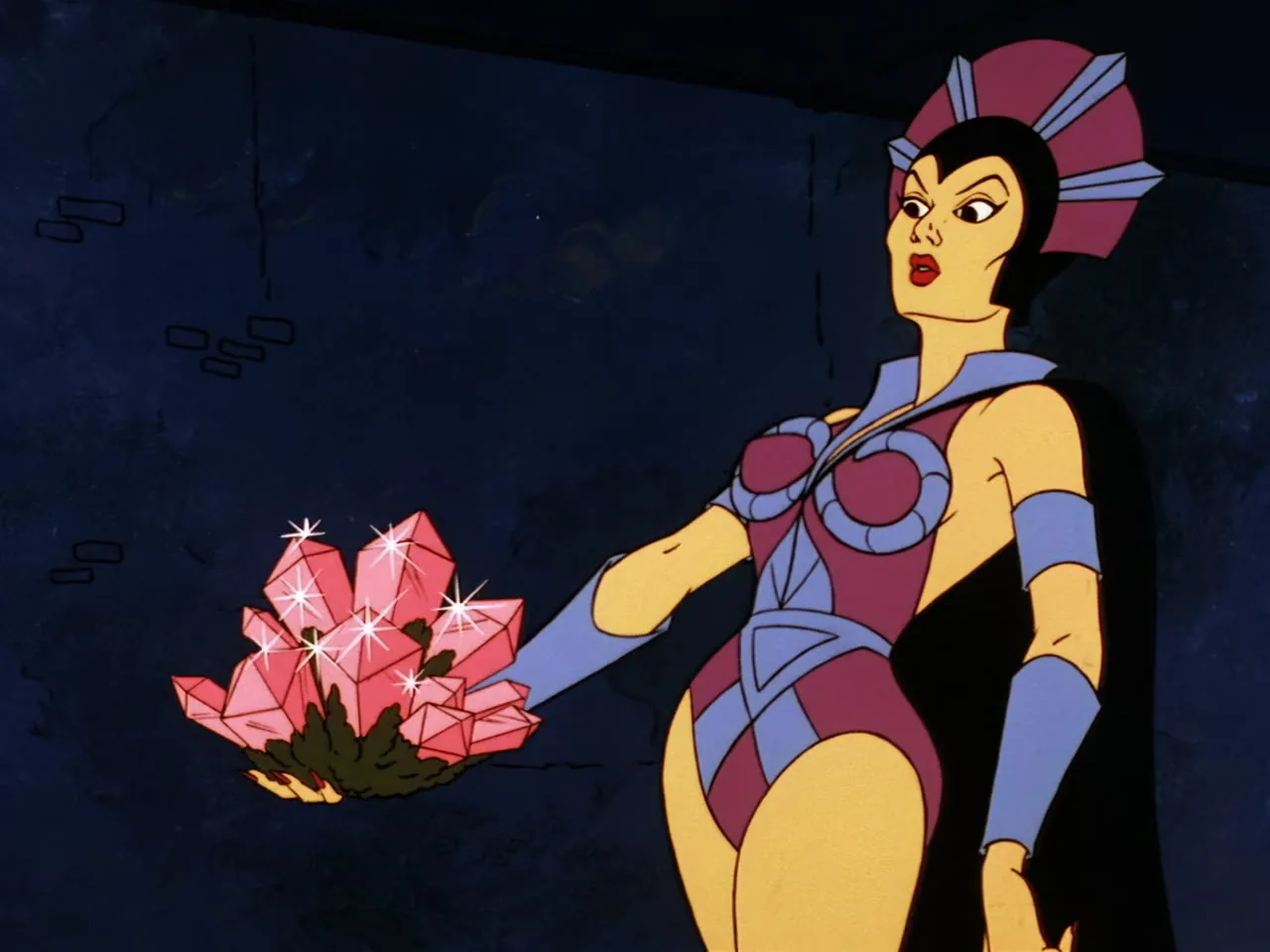
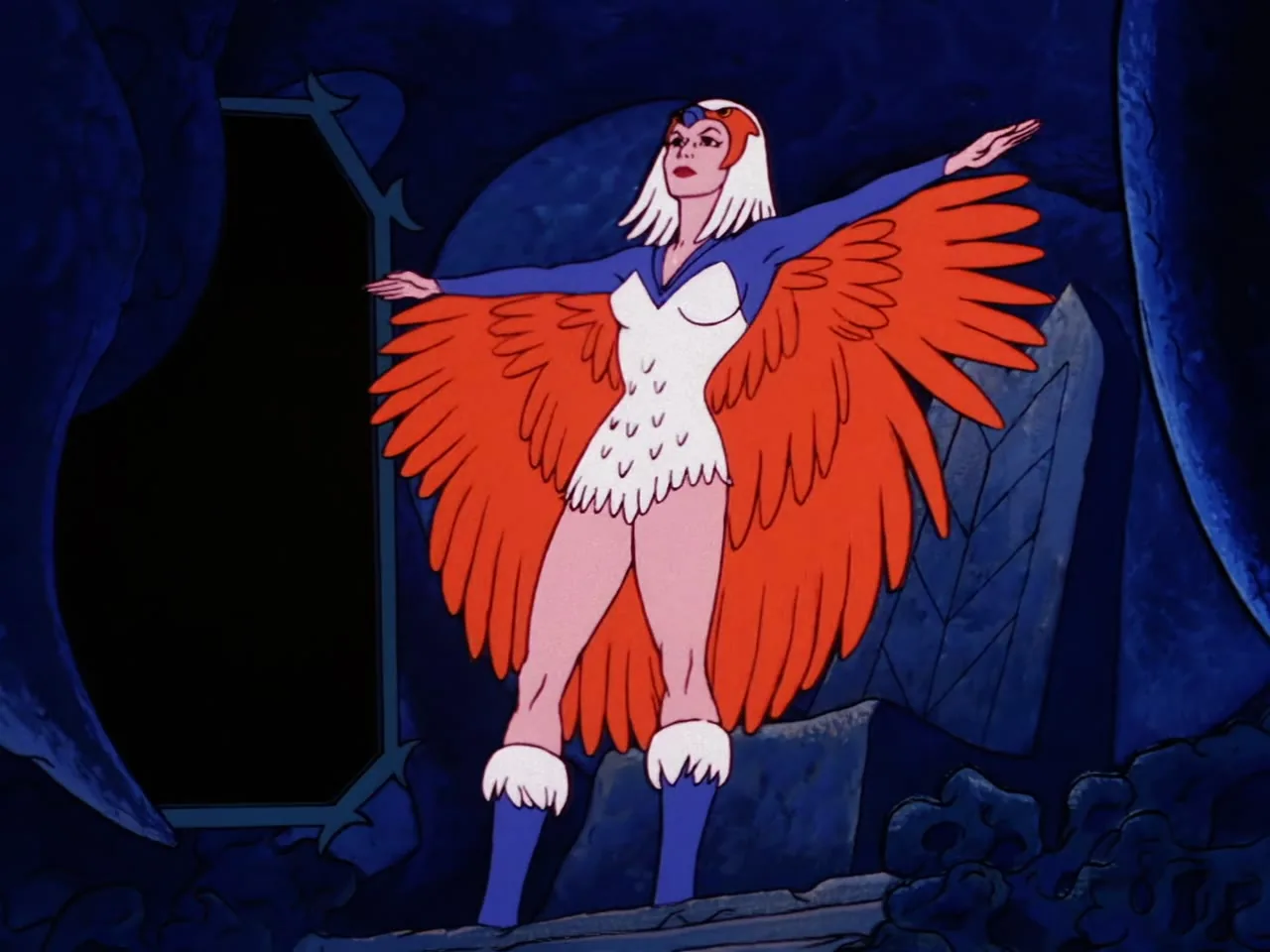
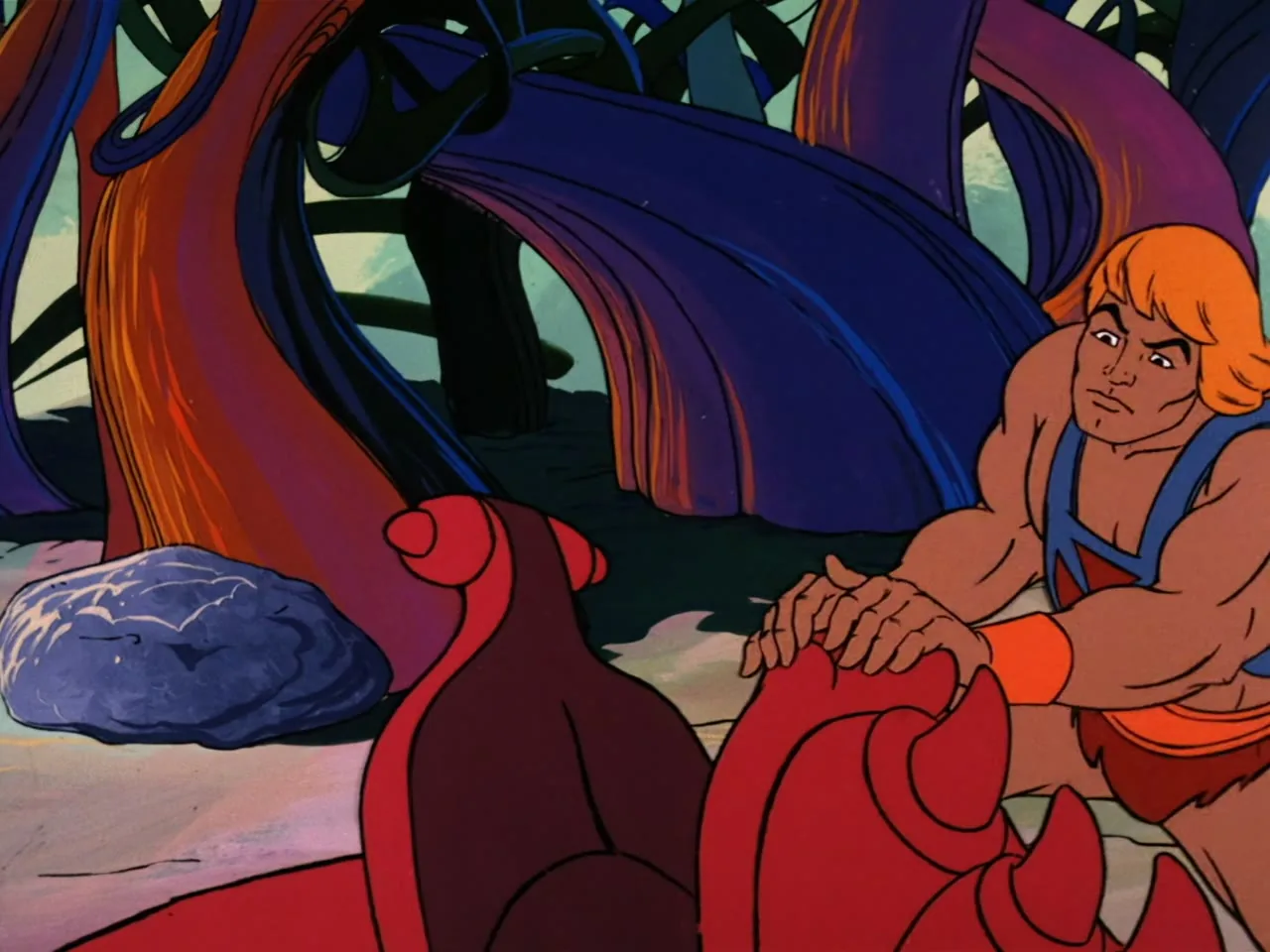
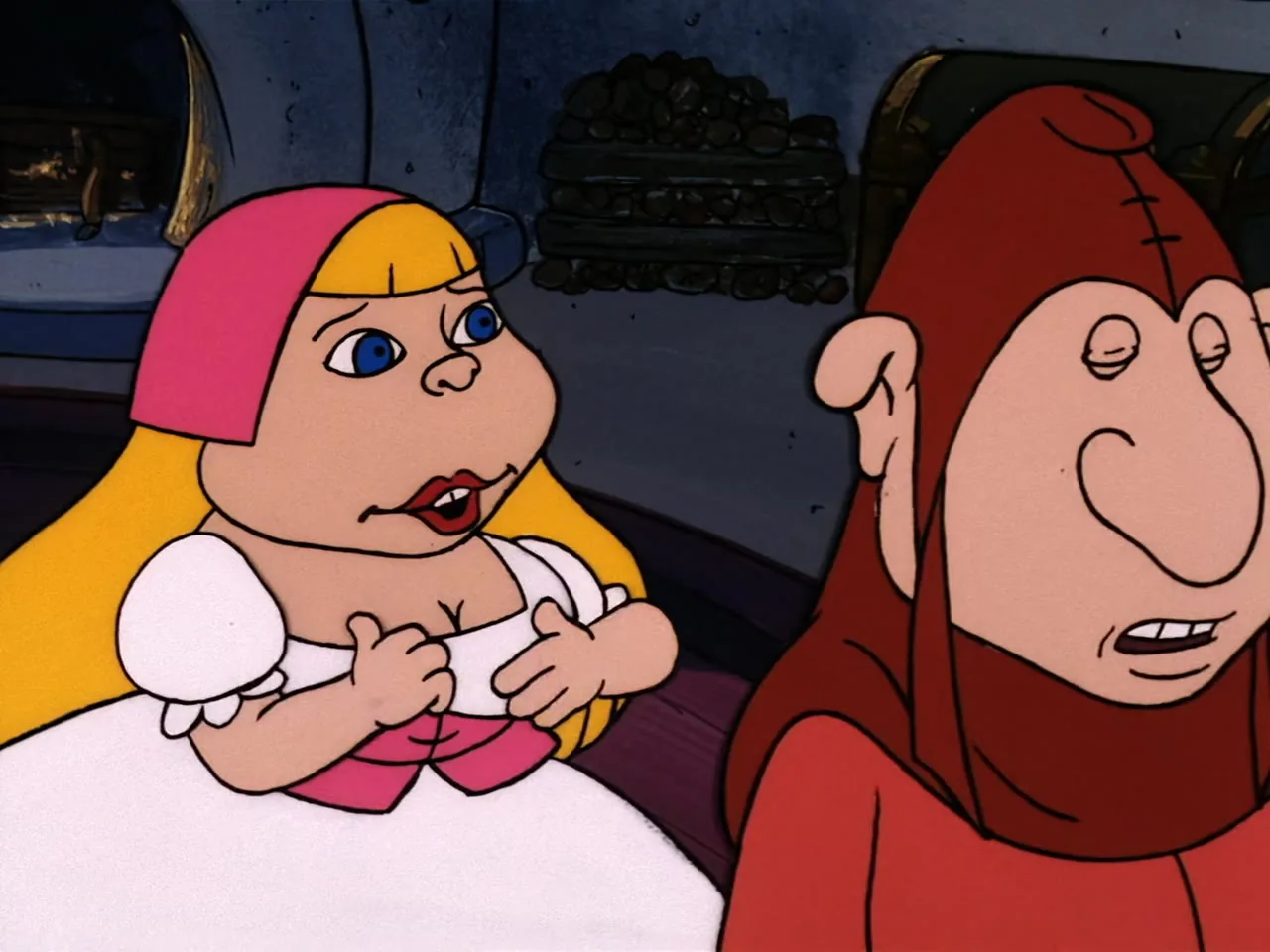
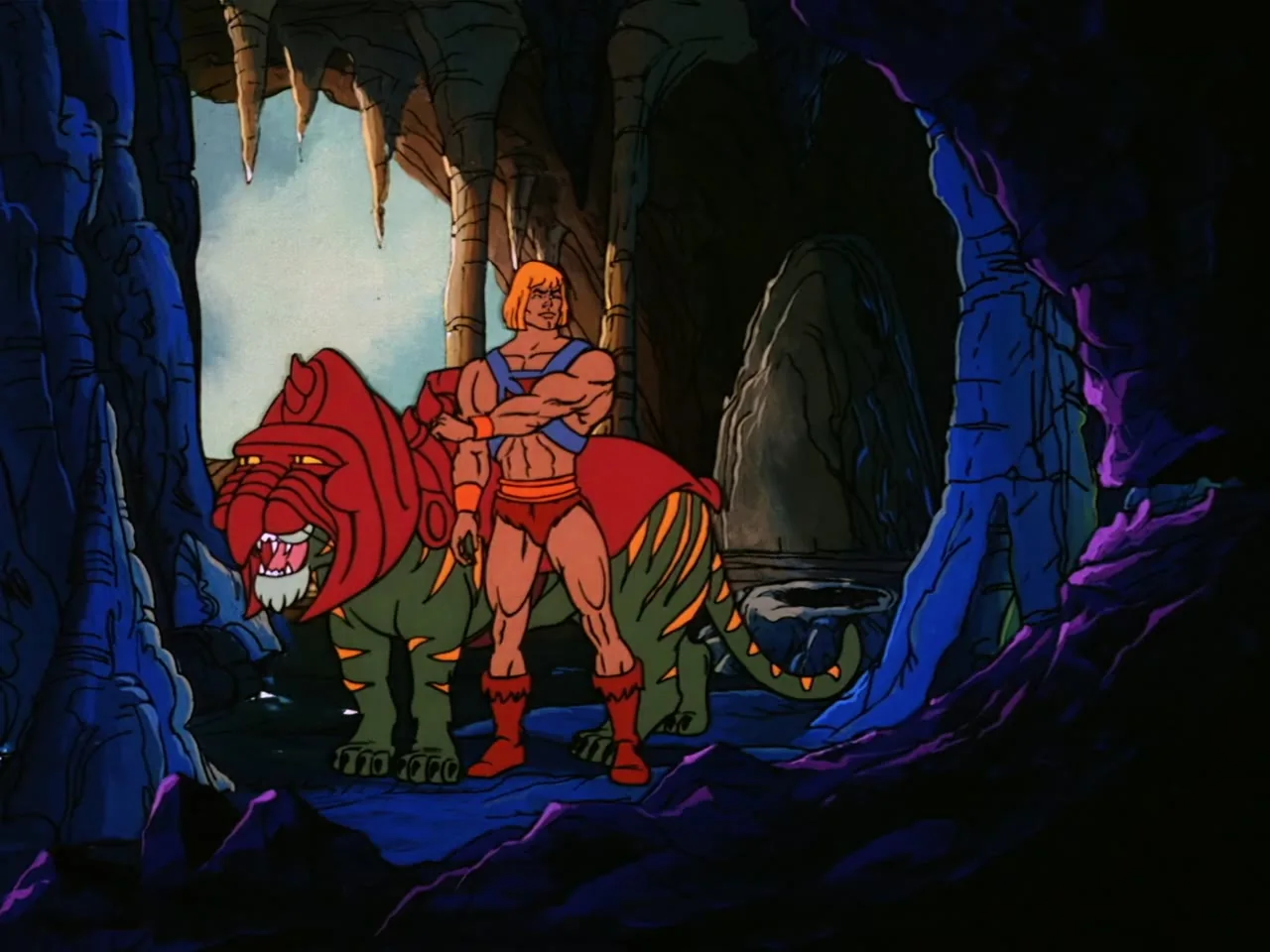
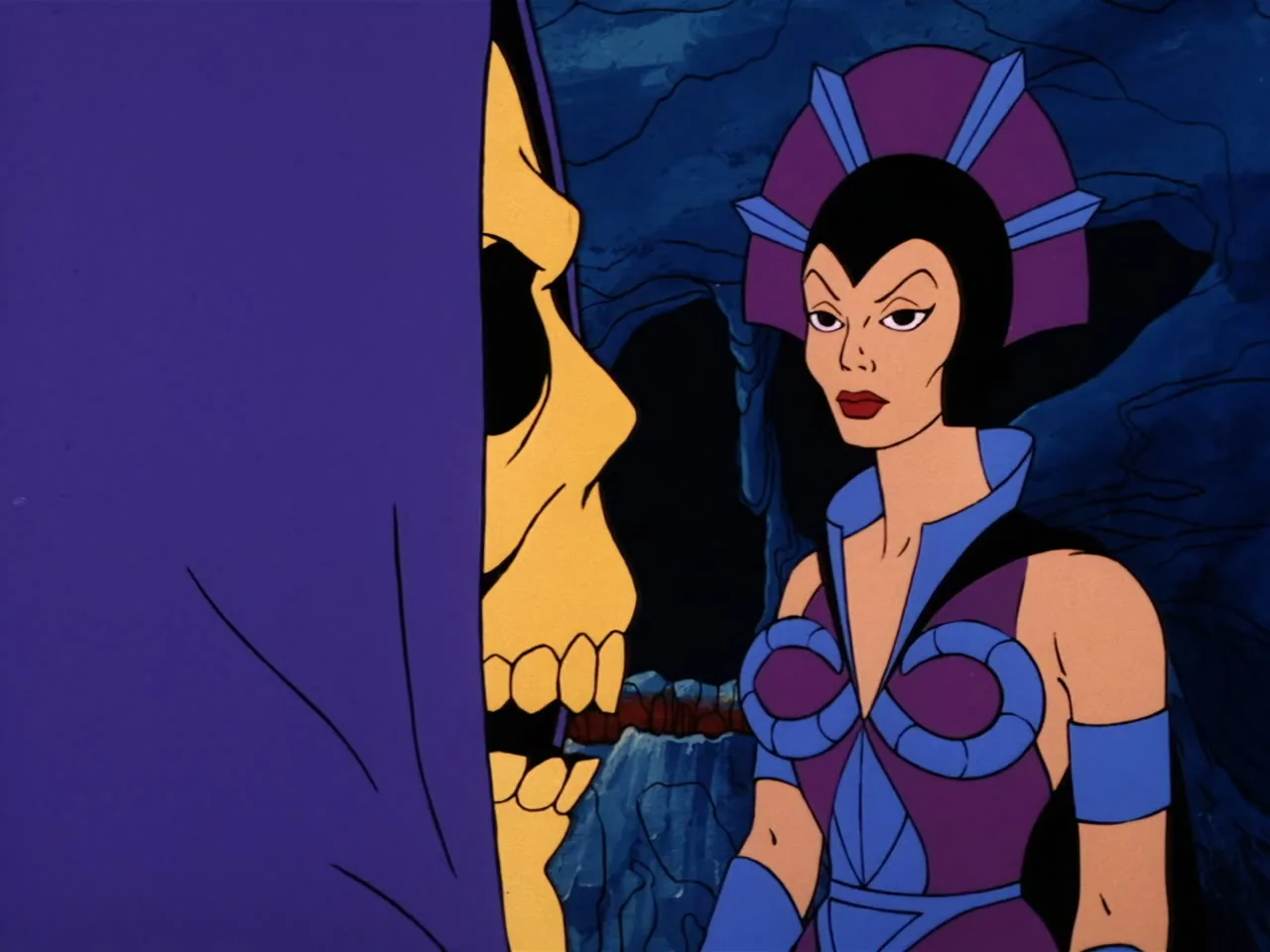
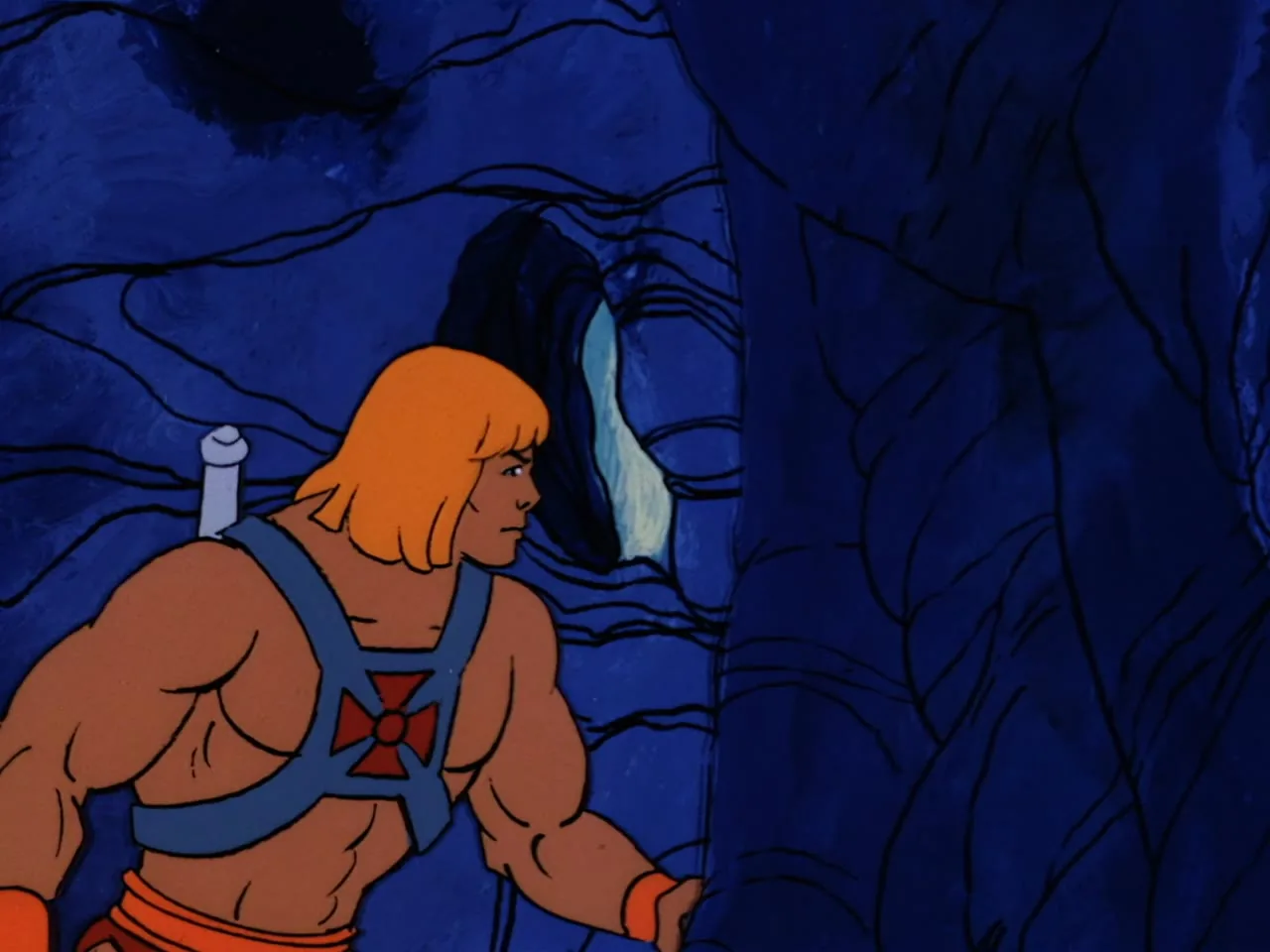
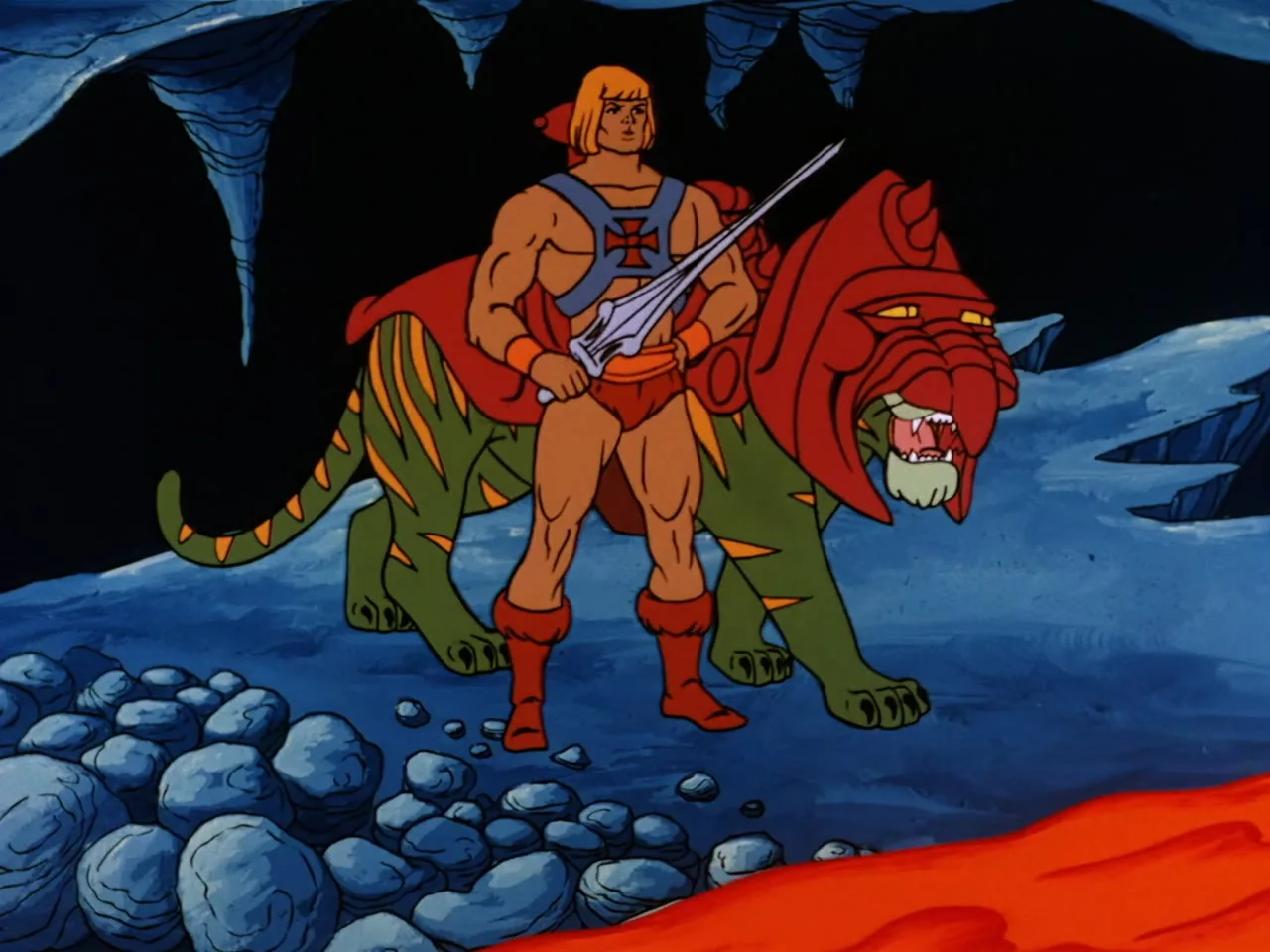
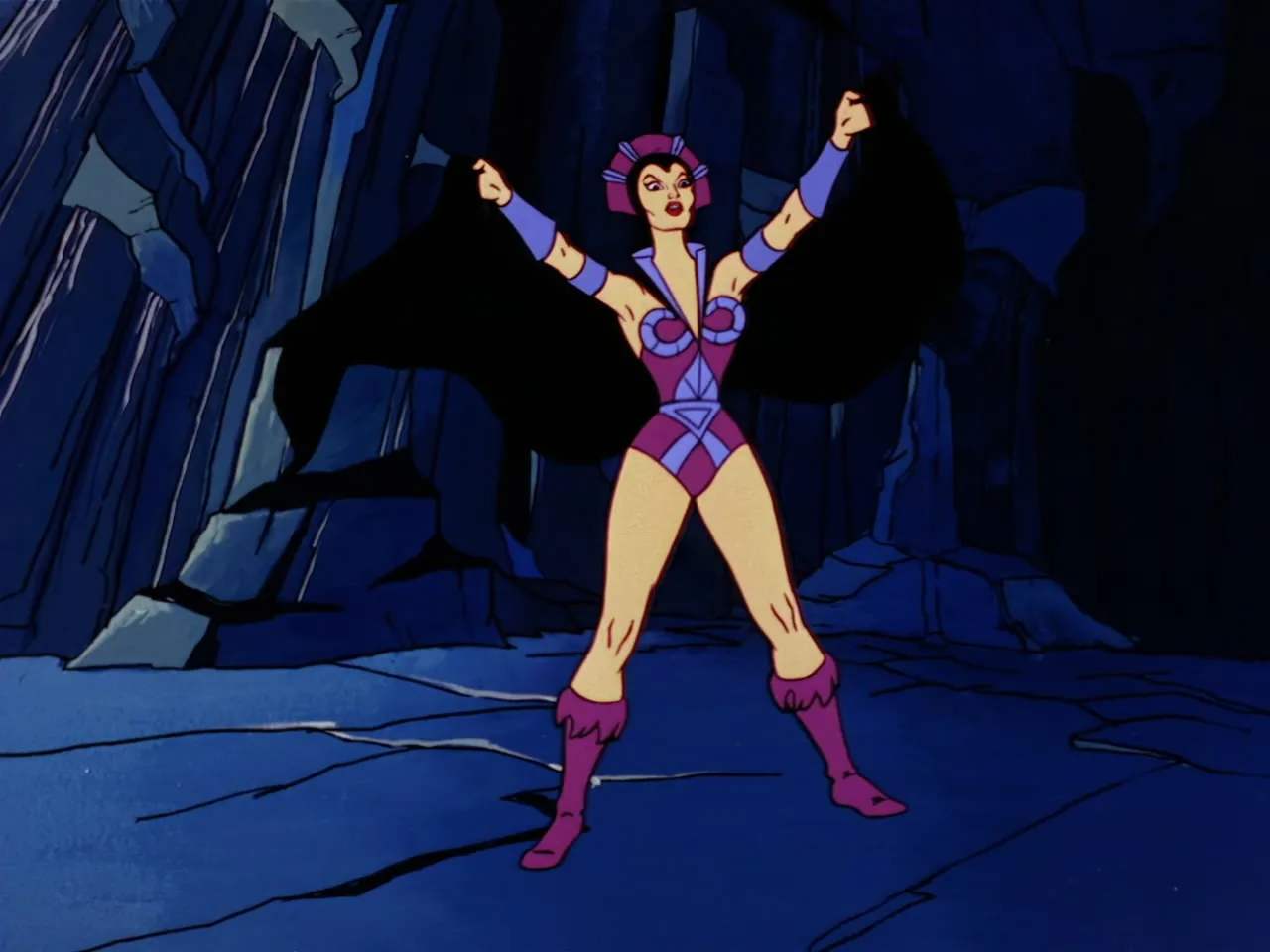
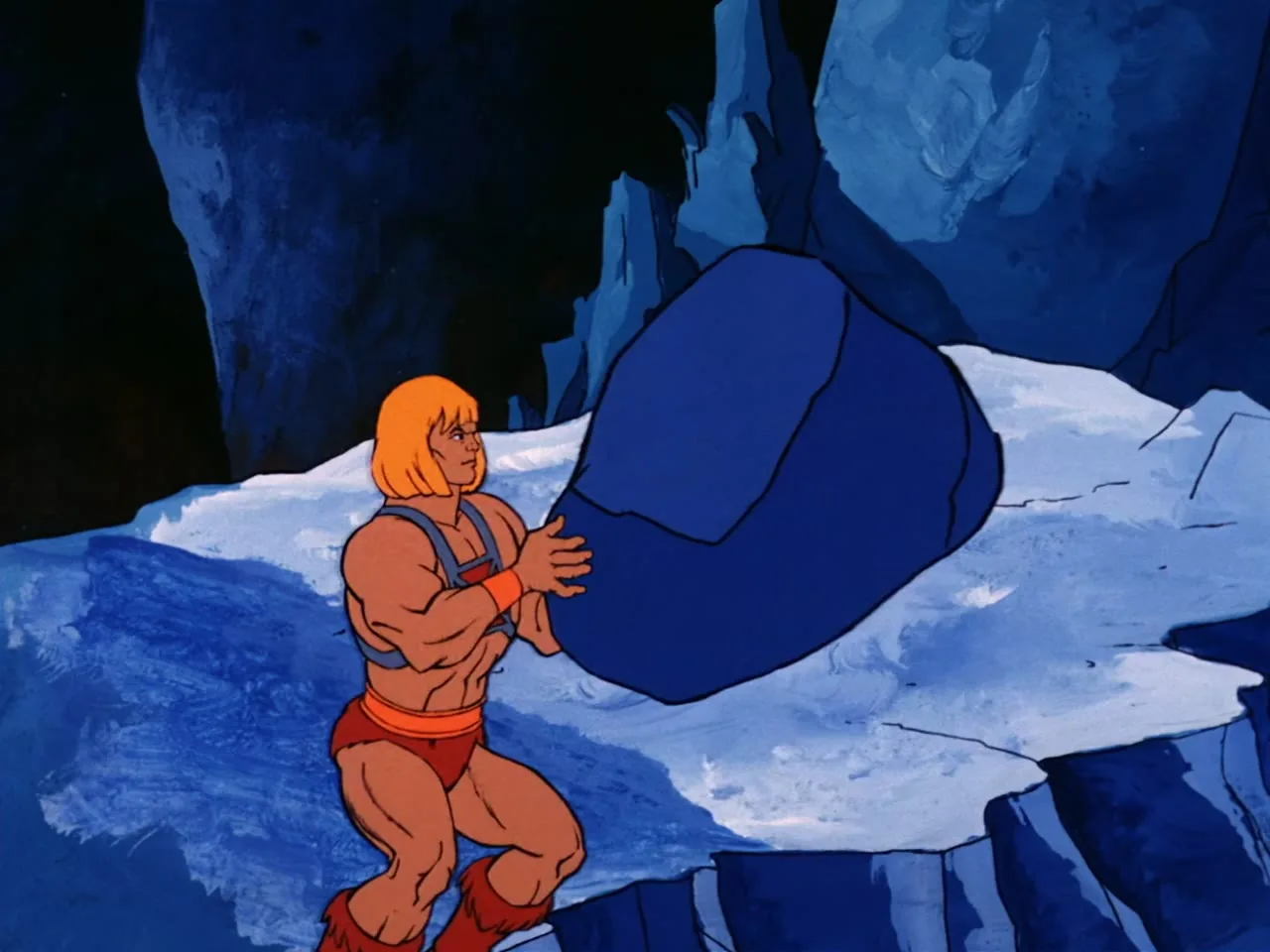
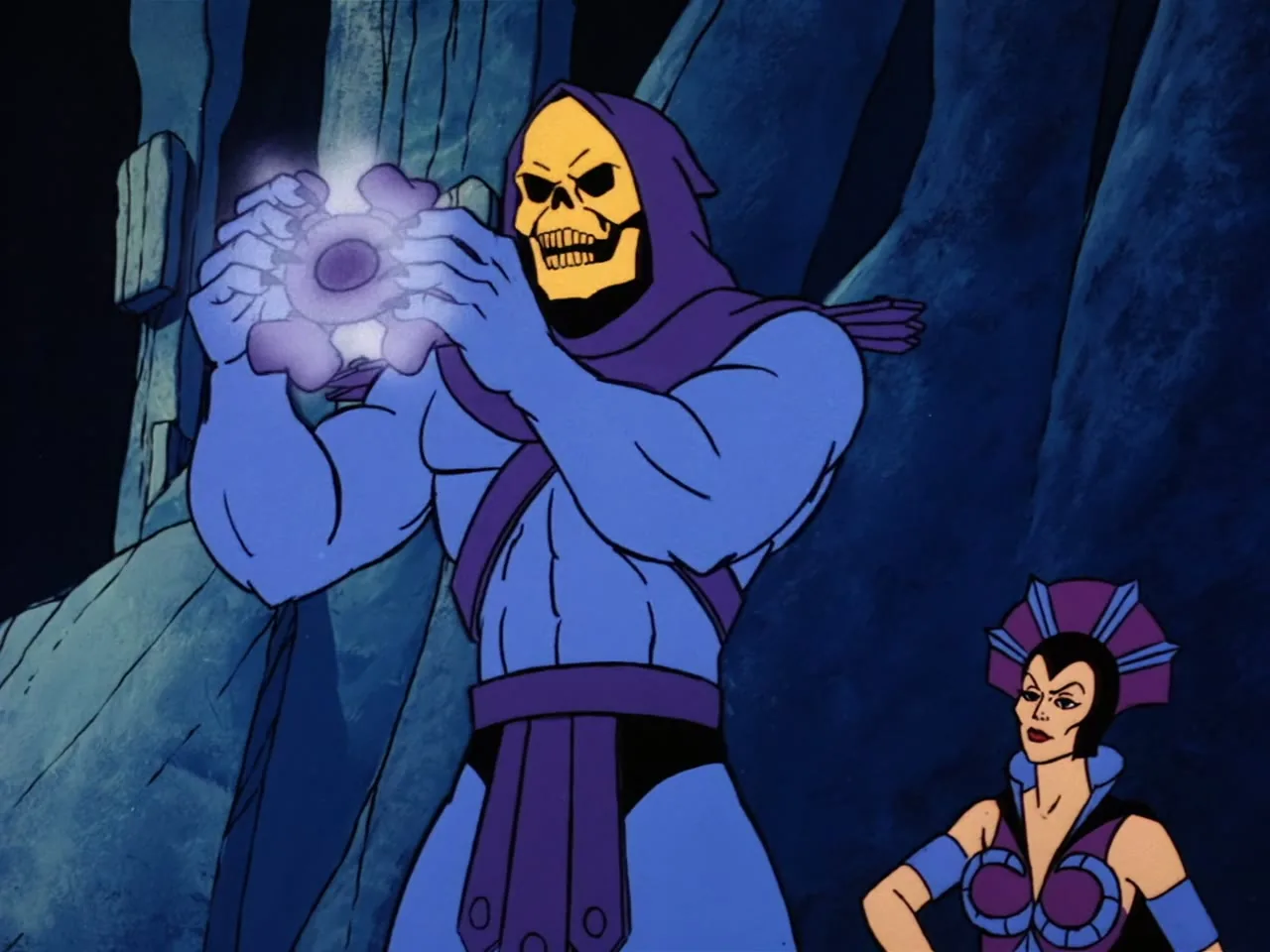
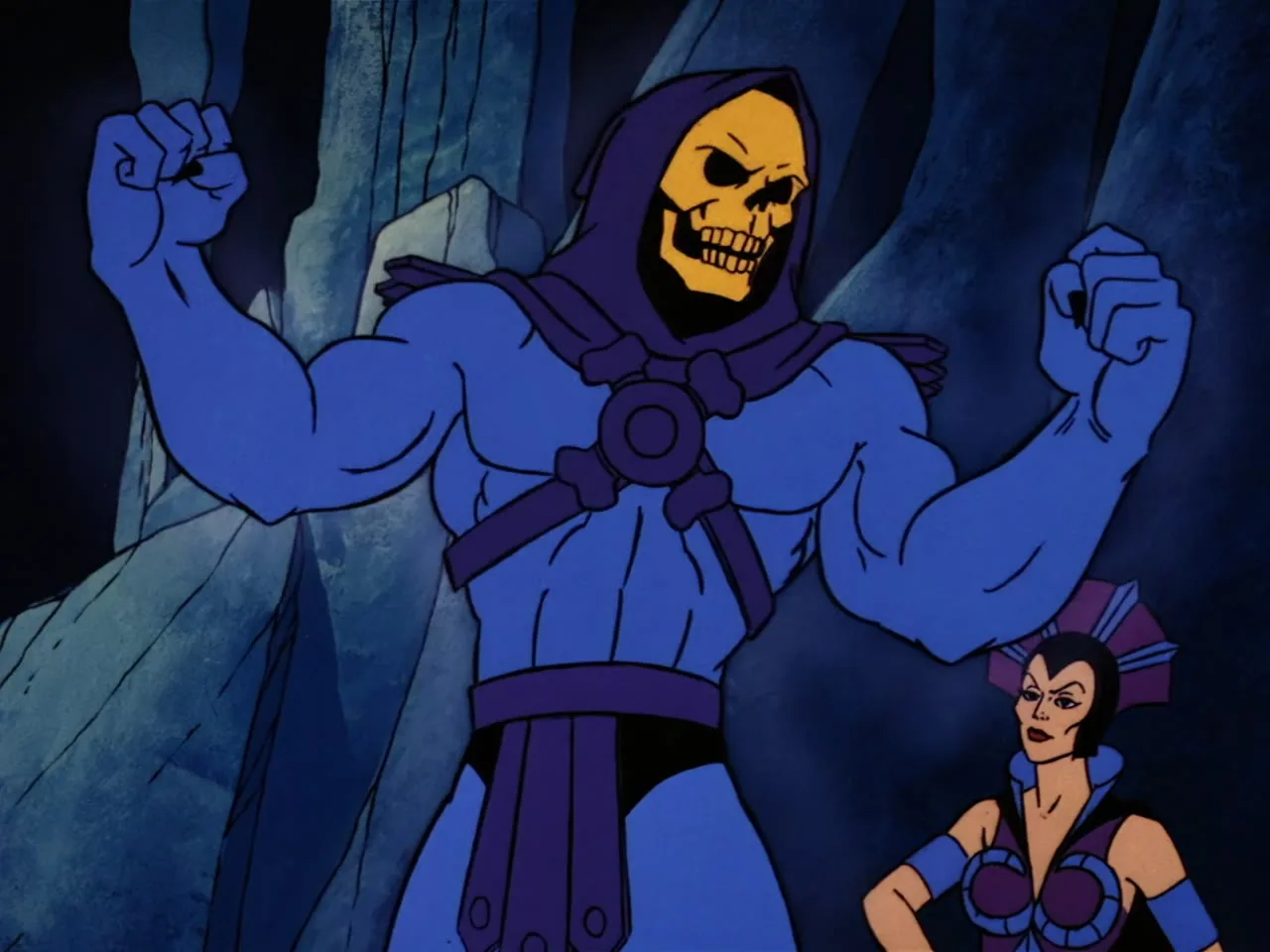
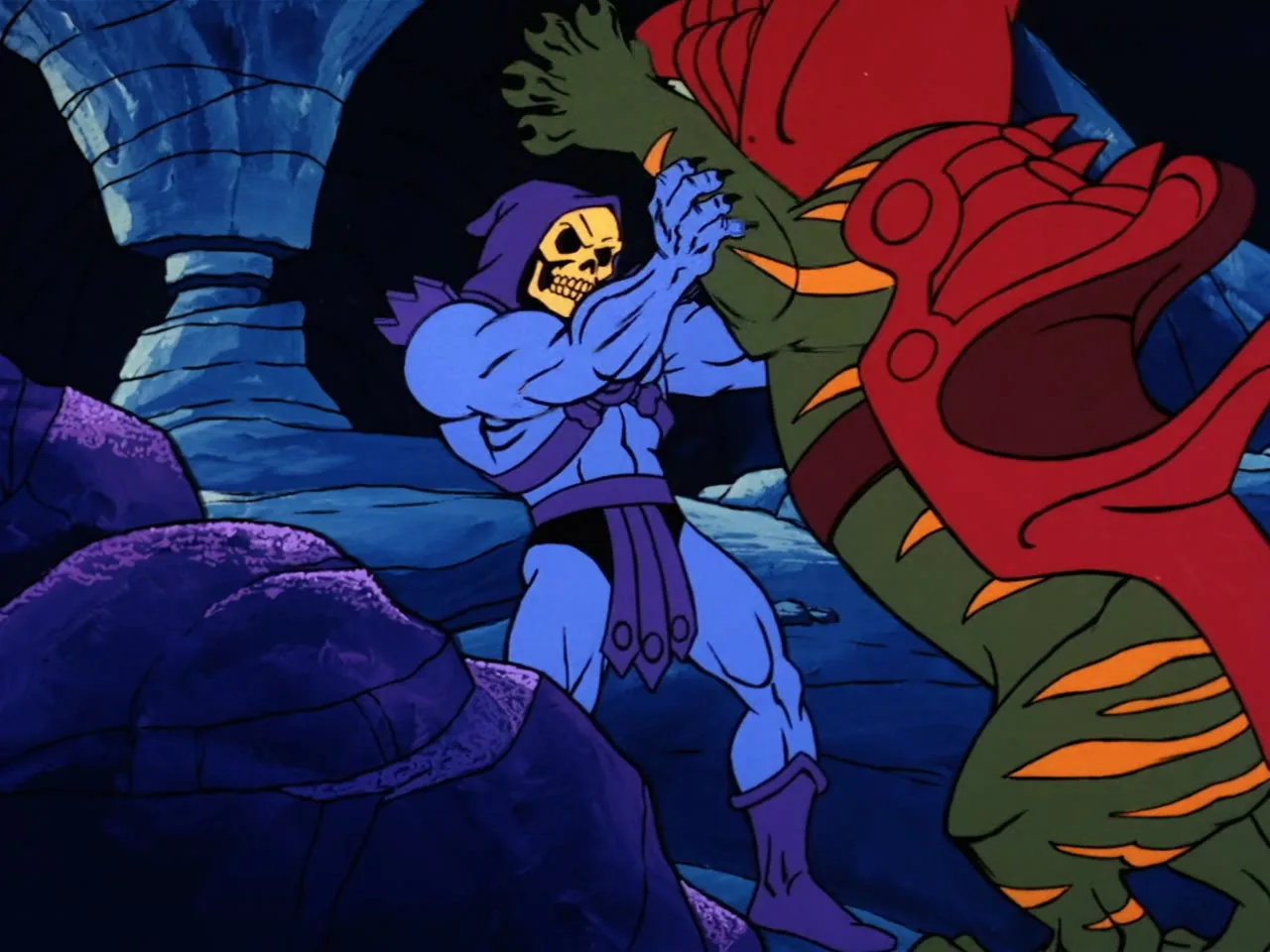
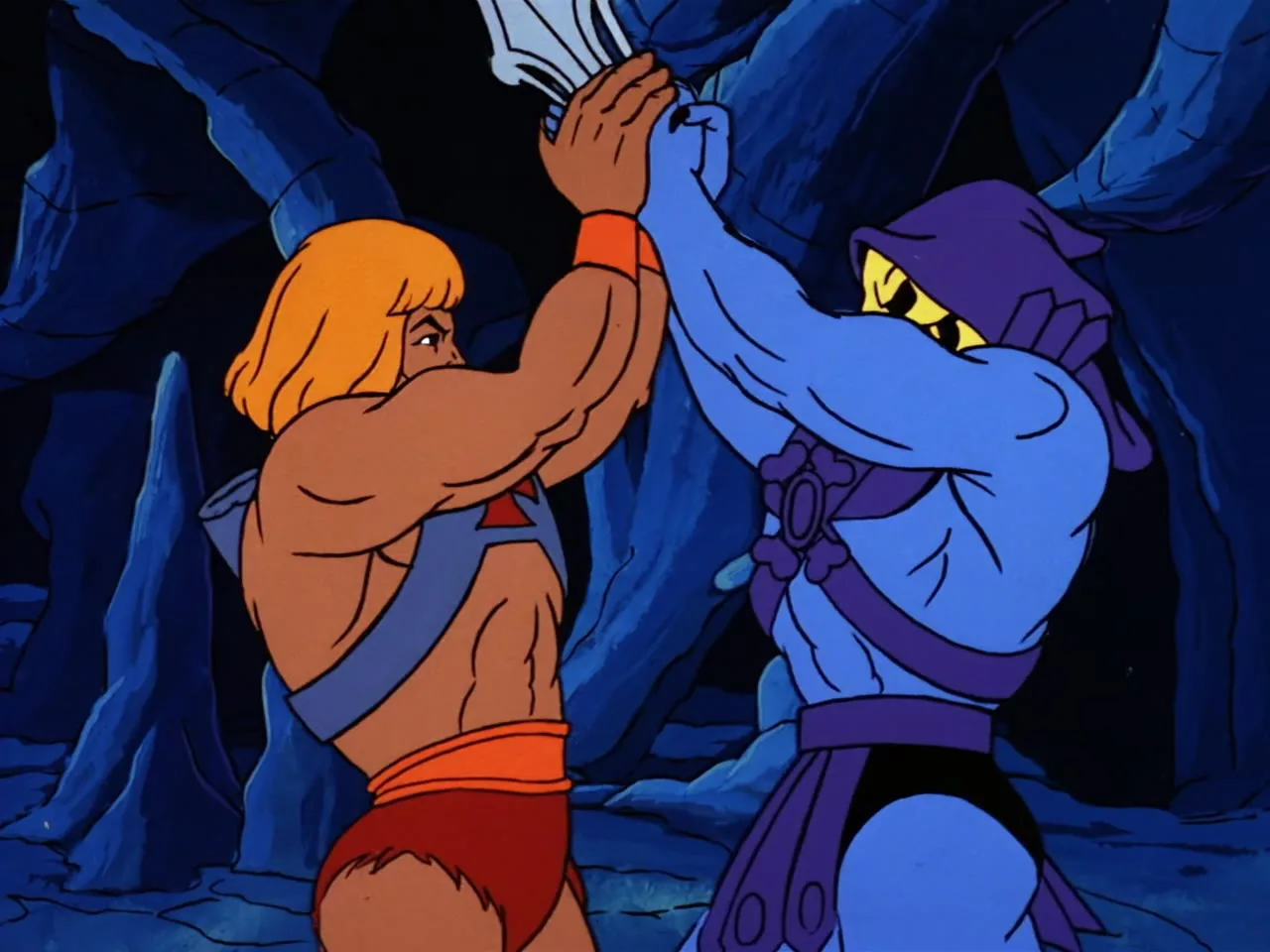
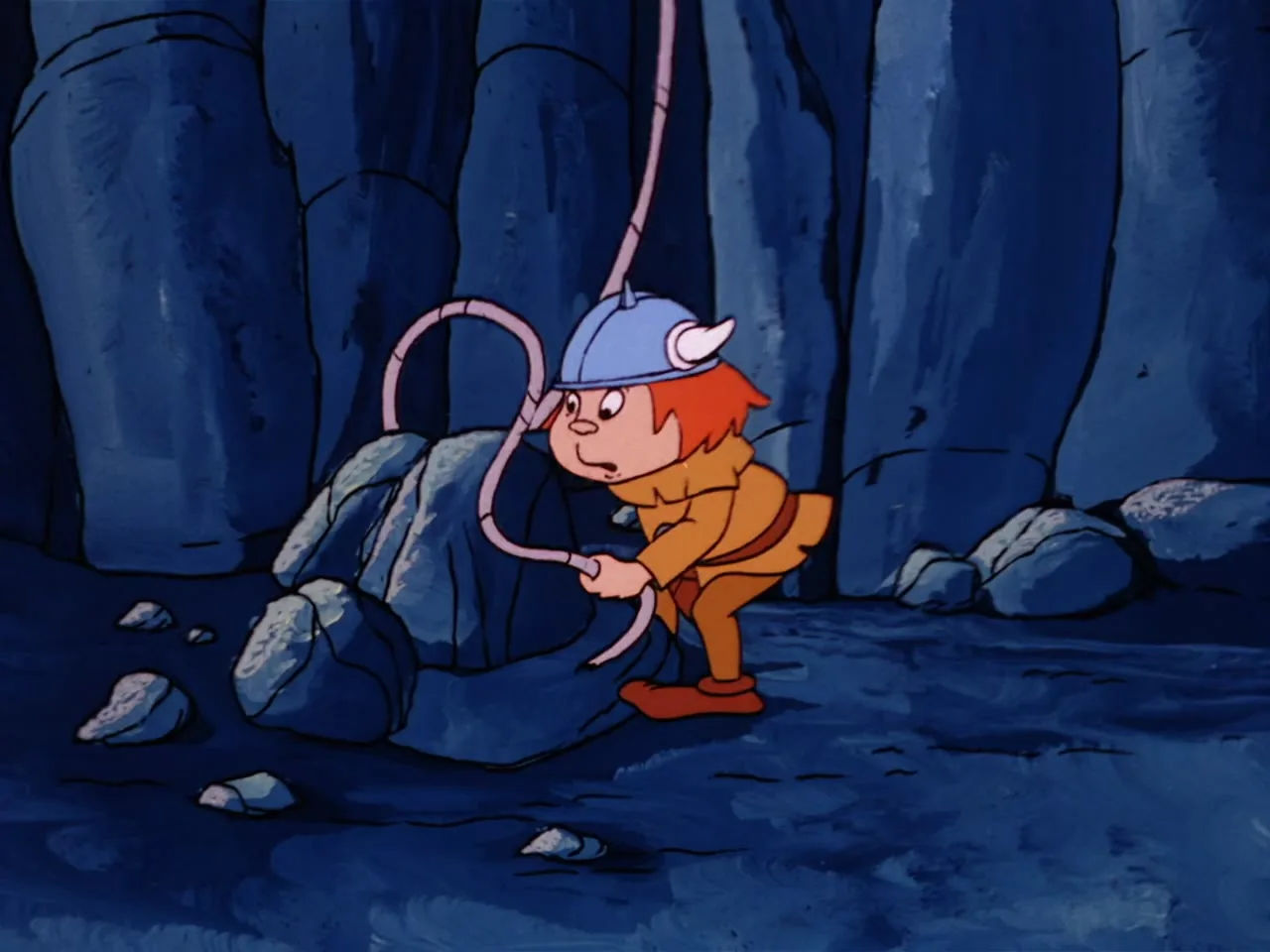
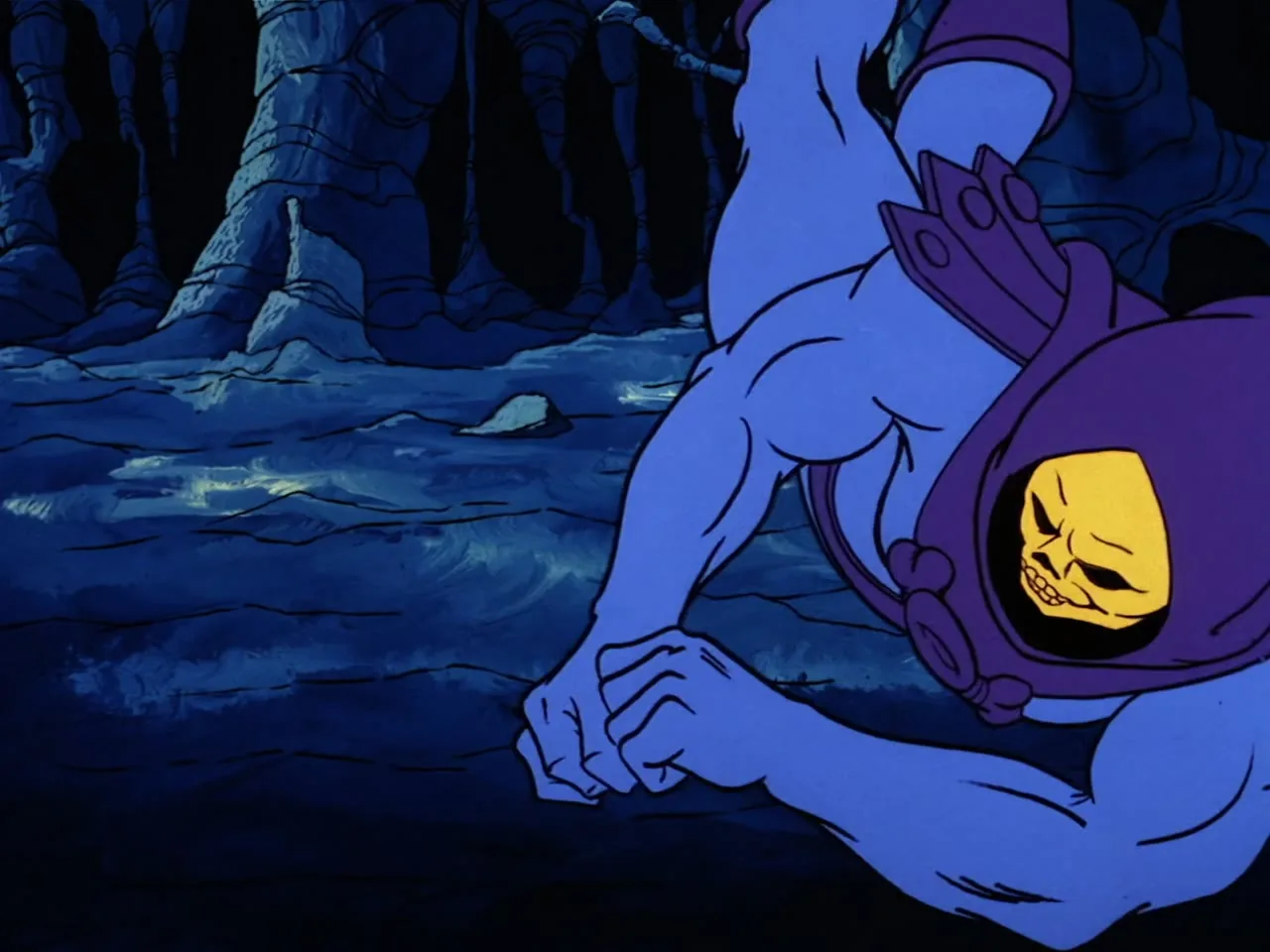
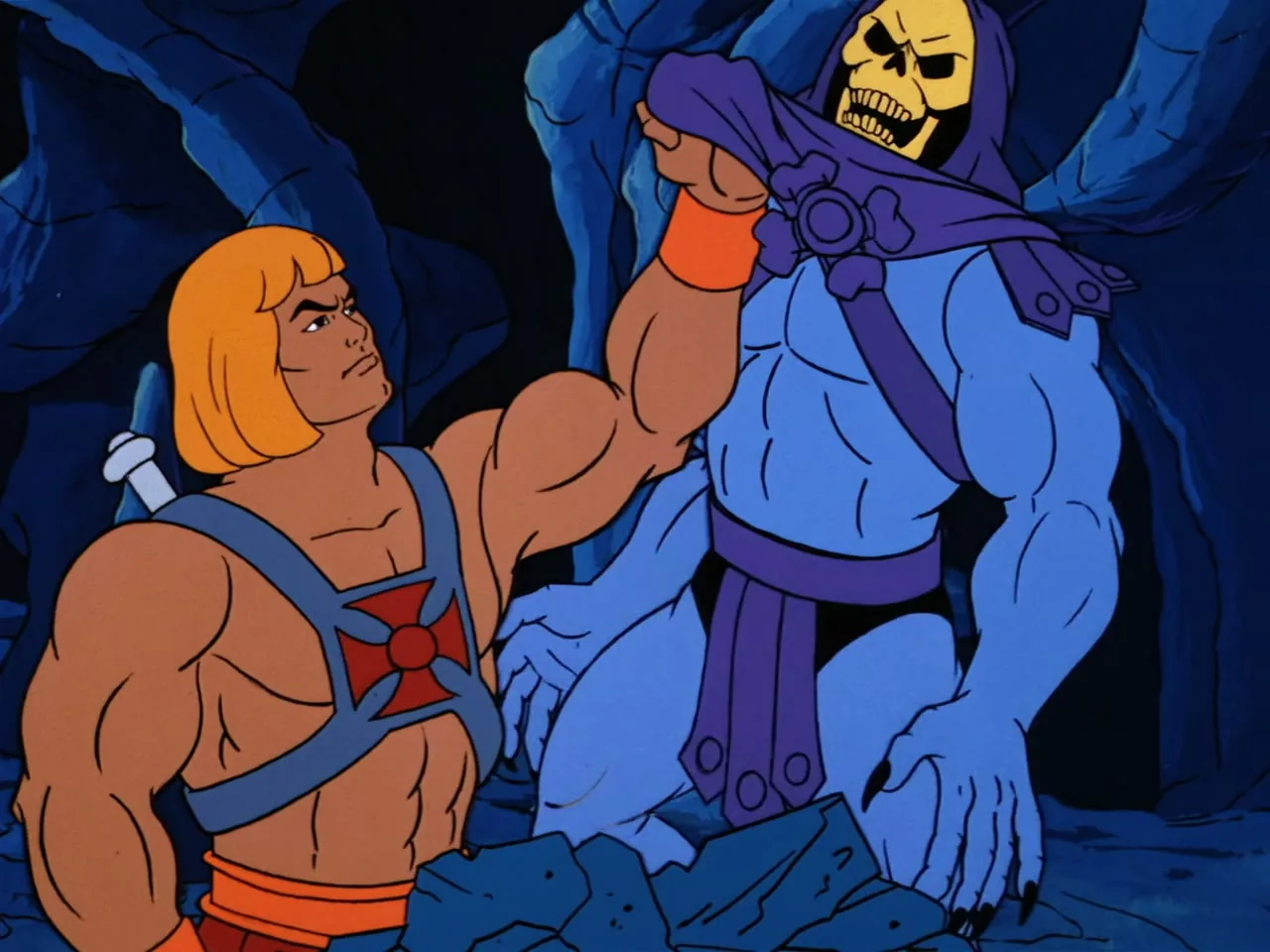
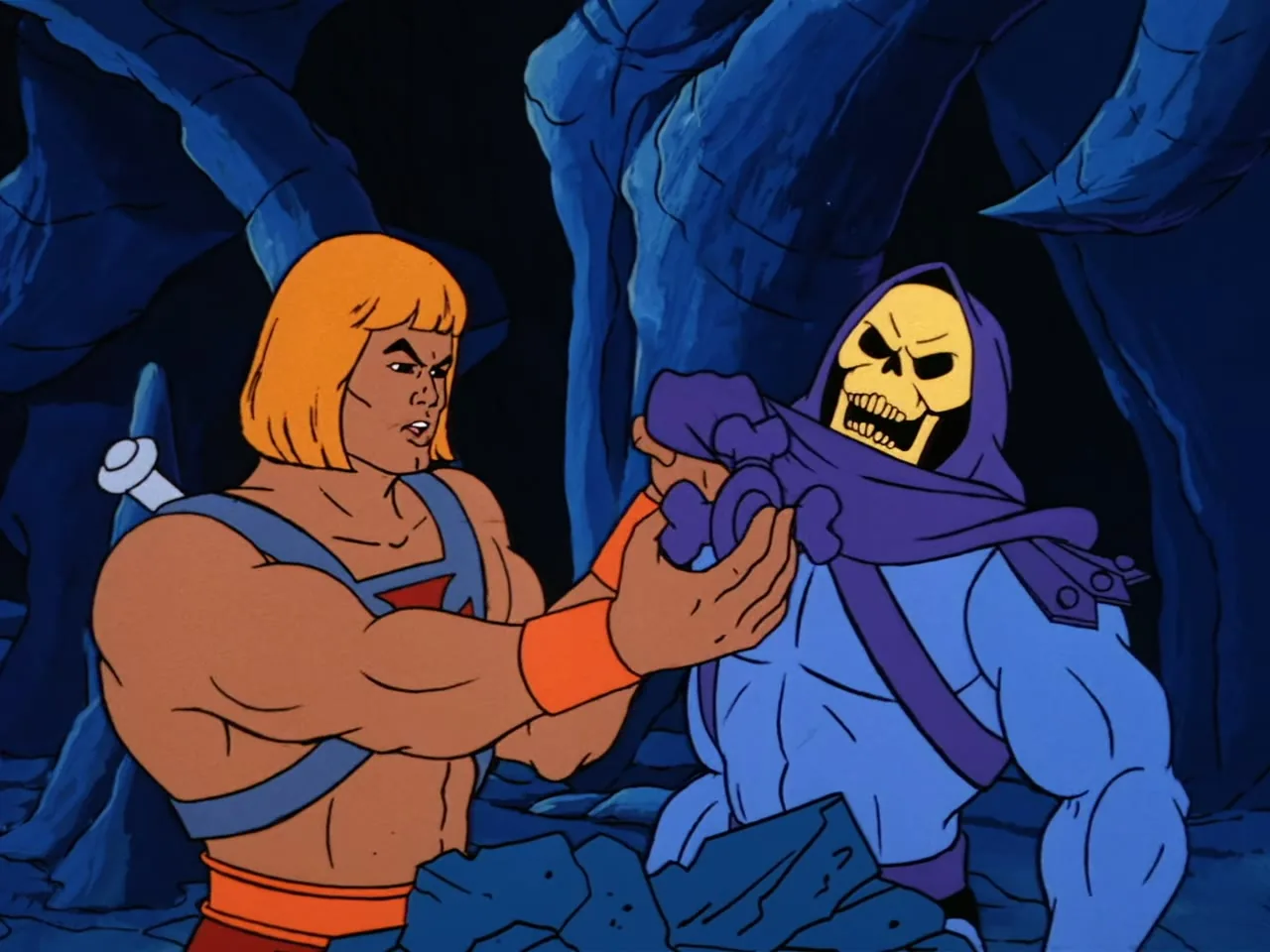
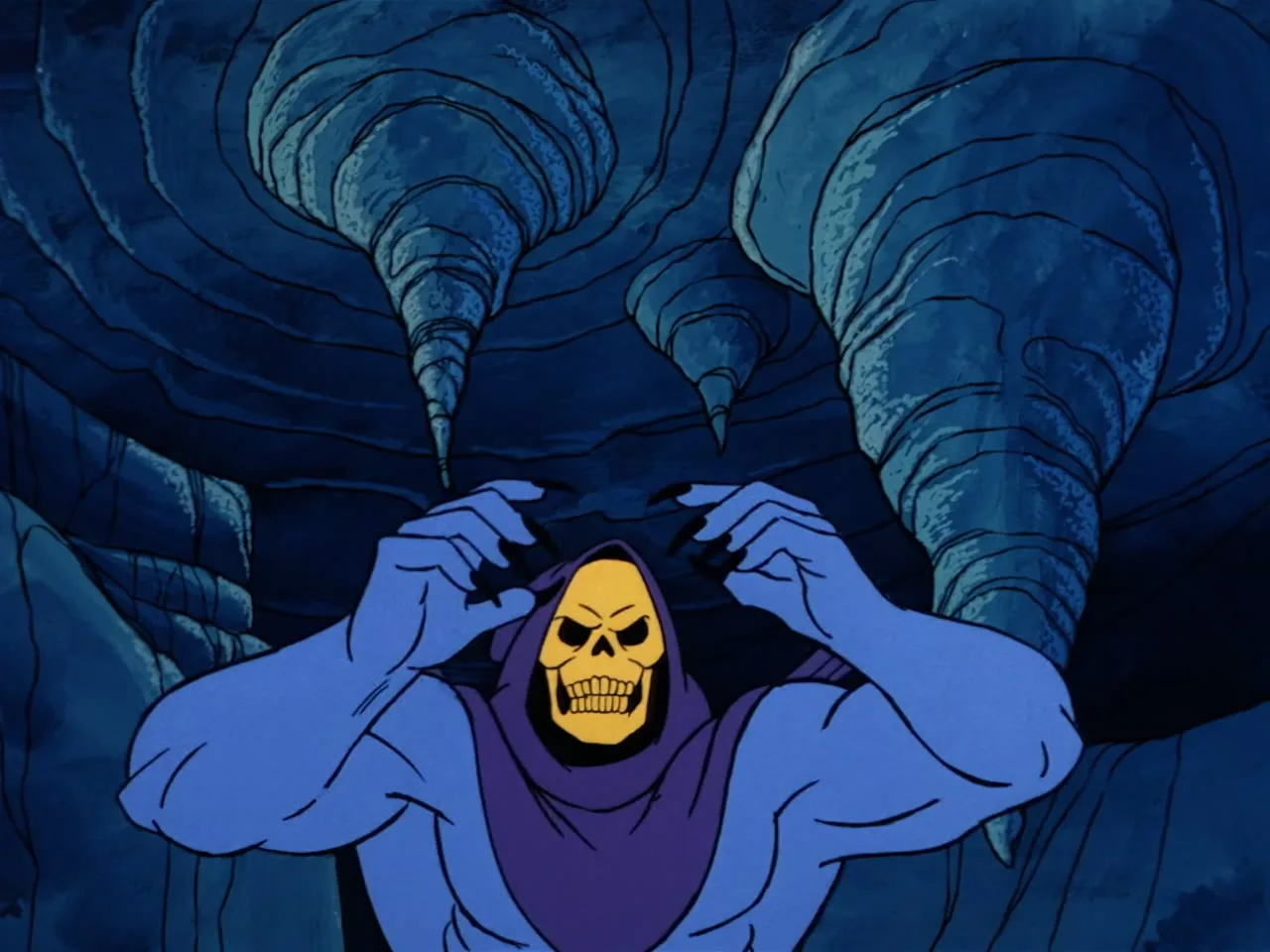
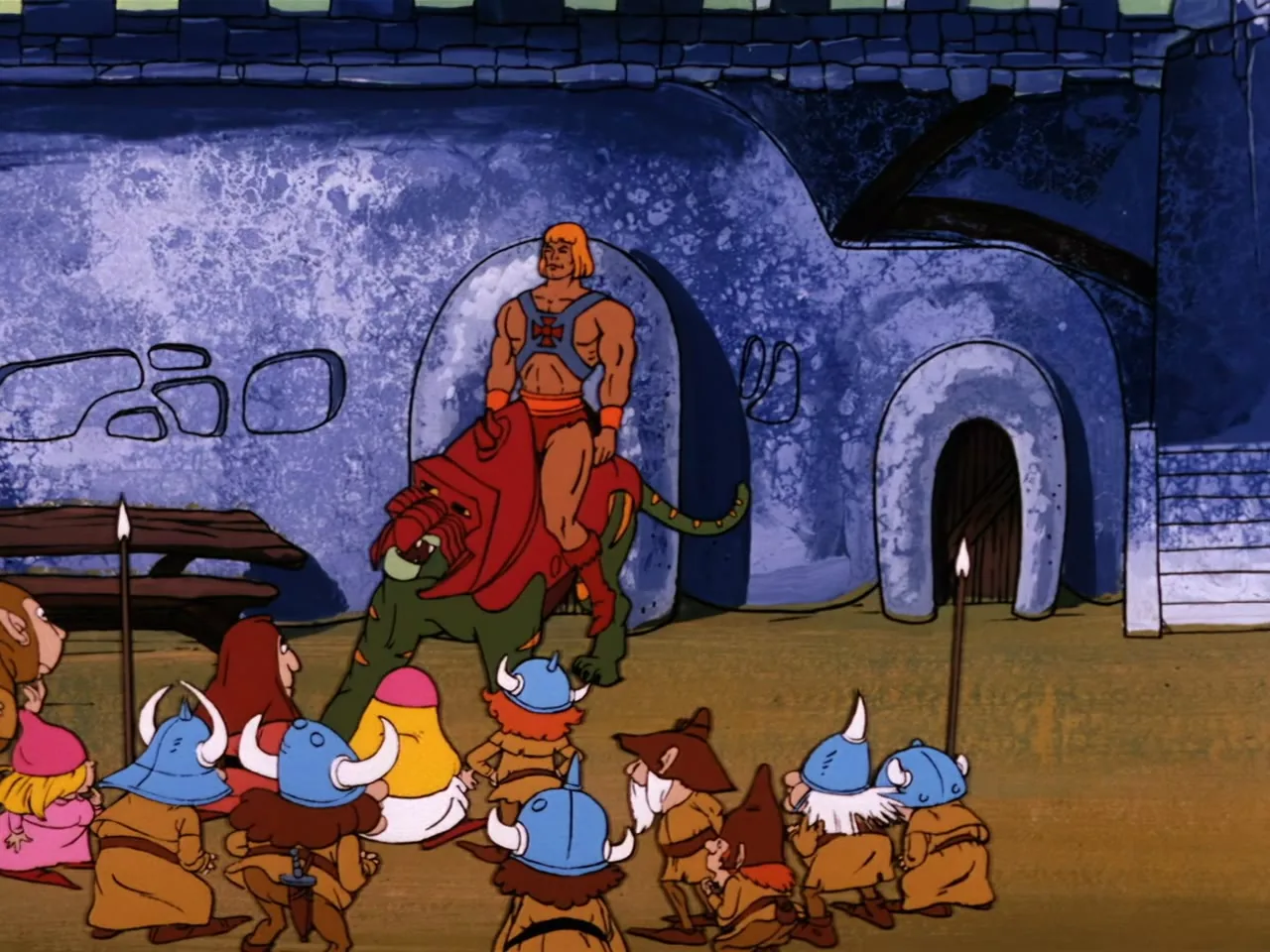
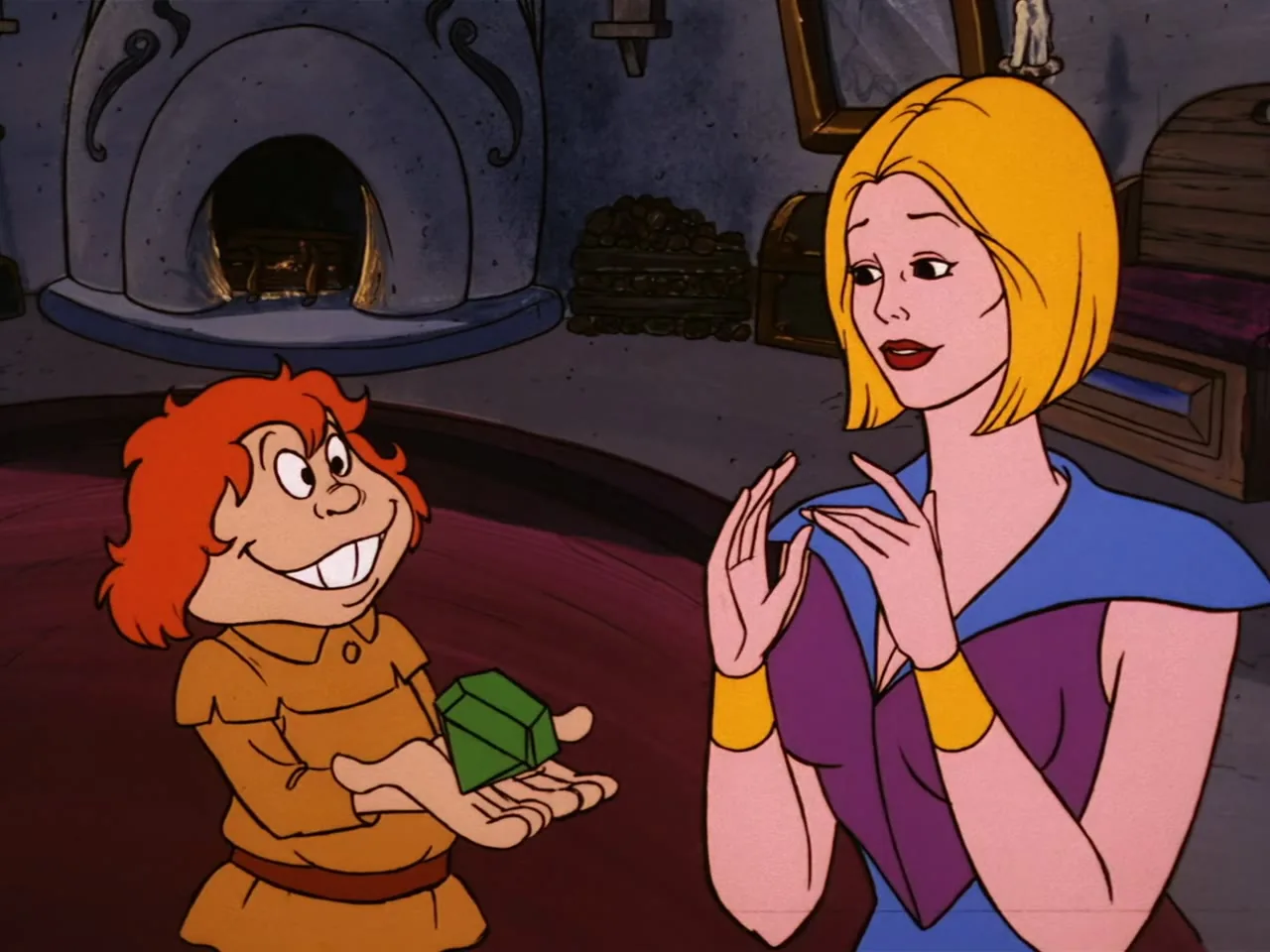
Skeletor wants coridite because He-Man's own baldric is made of it, and when a direct assault on the Widget Fortress fails, Evil-Lyn switches to a con instead: disguised as an innocent stranger, she stages her own rescue from Panthor to win the Widgets' trust before making off with their coridite supply.
Teela: "In today's story you saw how the Widgets were fooled by Evil-Lyn's disguise. They learned that bad things can be made to look good and why we should always be careful and question everything that doesn't seem right. But it works both ways, and that's why the saying "You can't judge a book by its cover" is so important. What it means is that appearances can be deceiving and you shouldn't judge books, or people, by the way they look. It's what's inside that really counts.
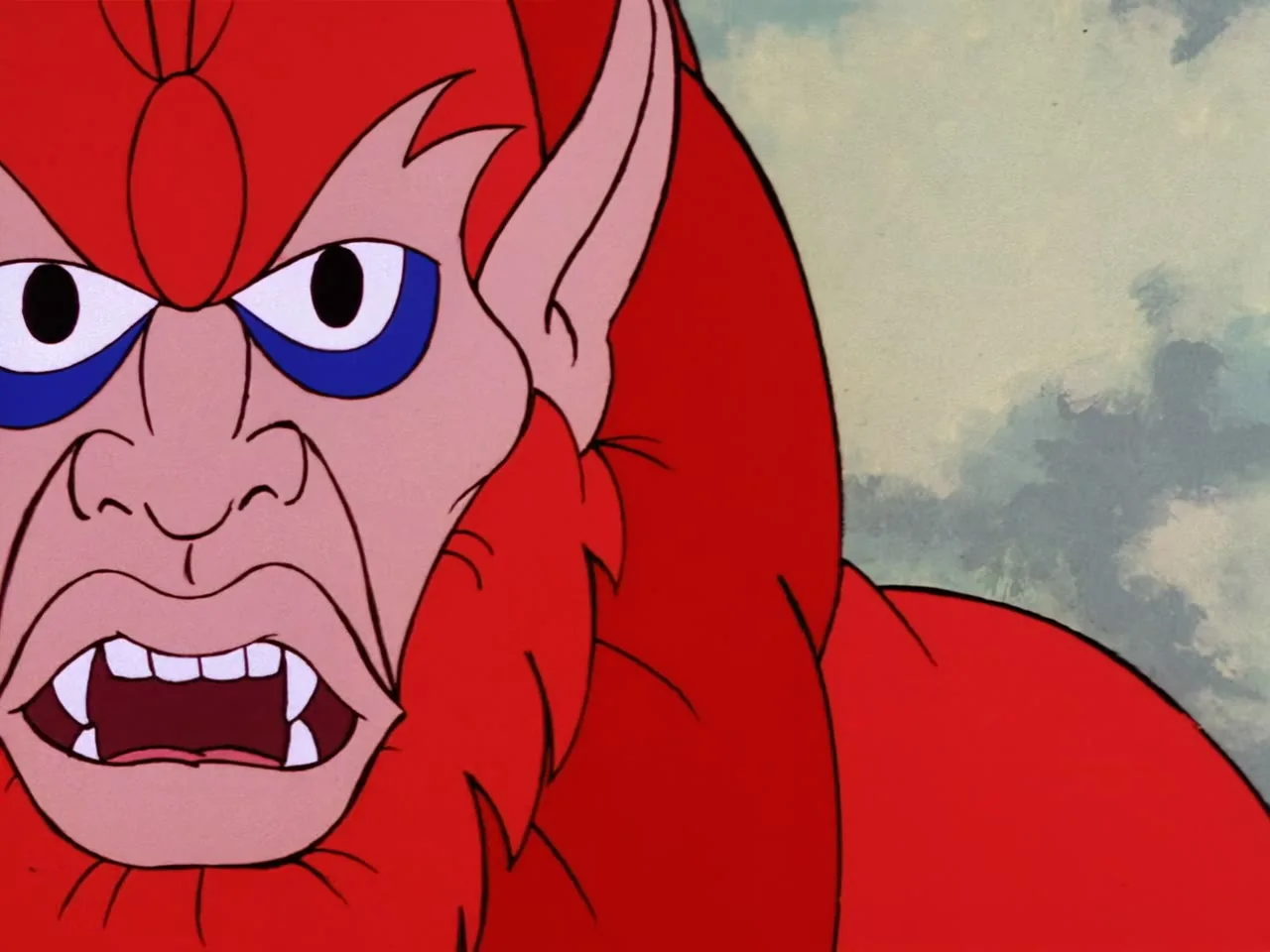
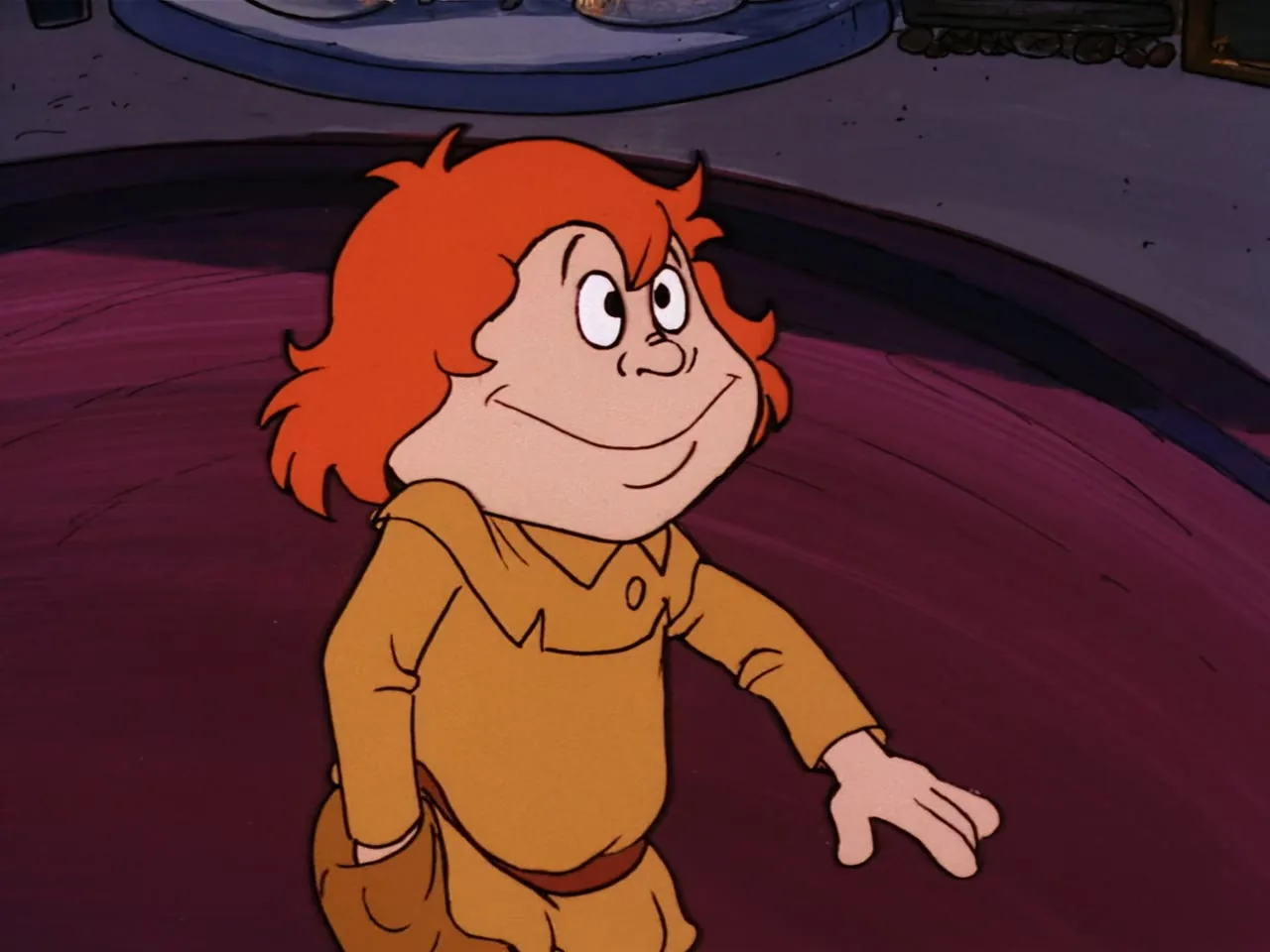
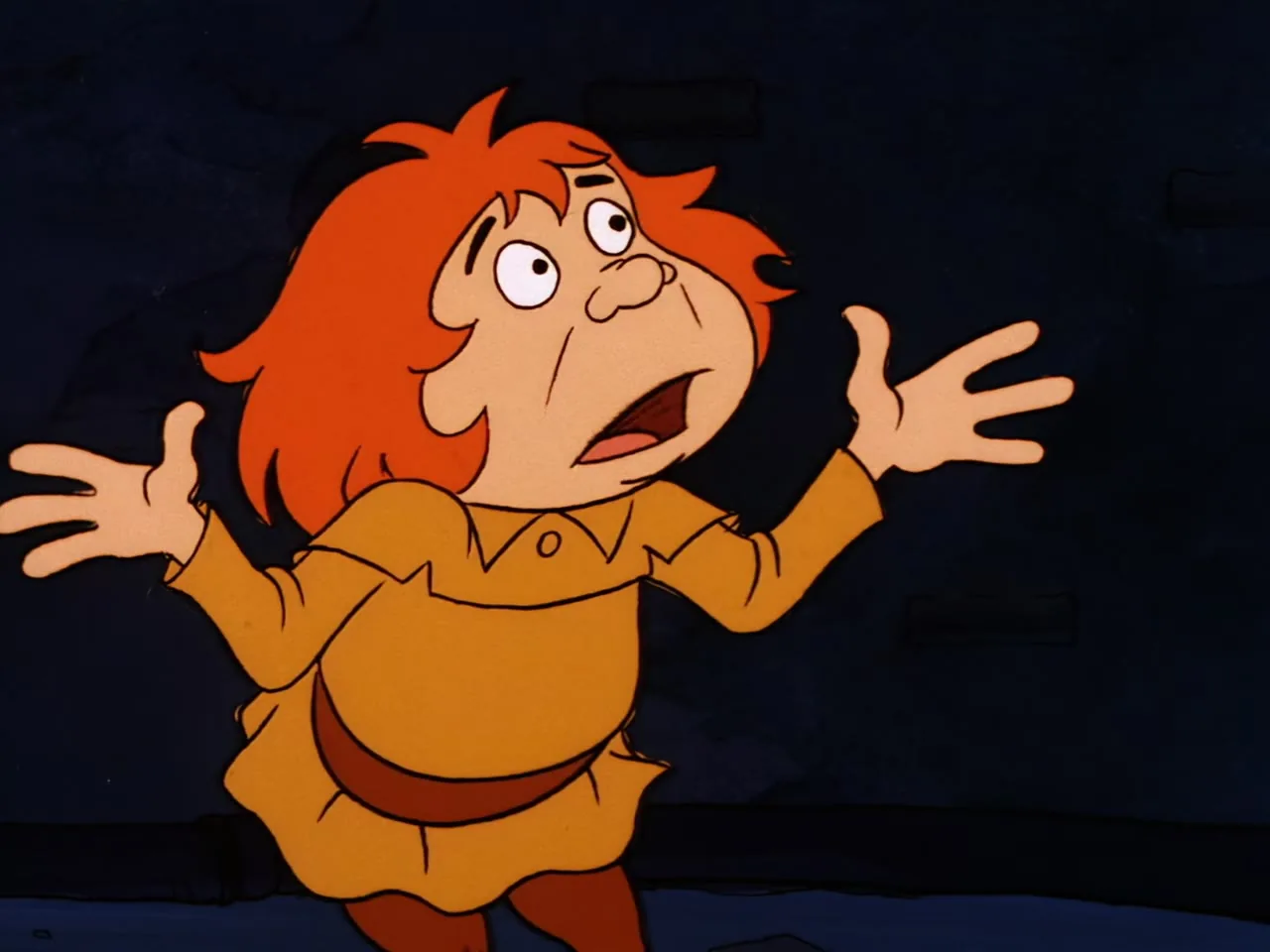
John Erwin as He-Man/Prince Adam, Beast Man and Squinch
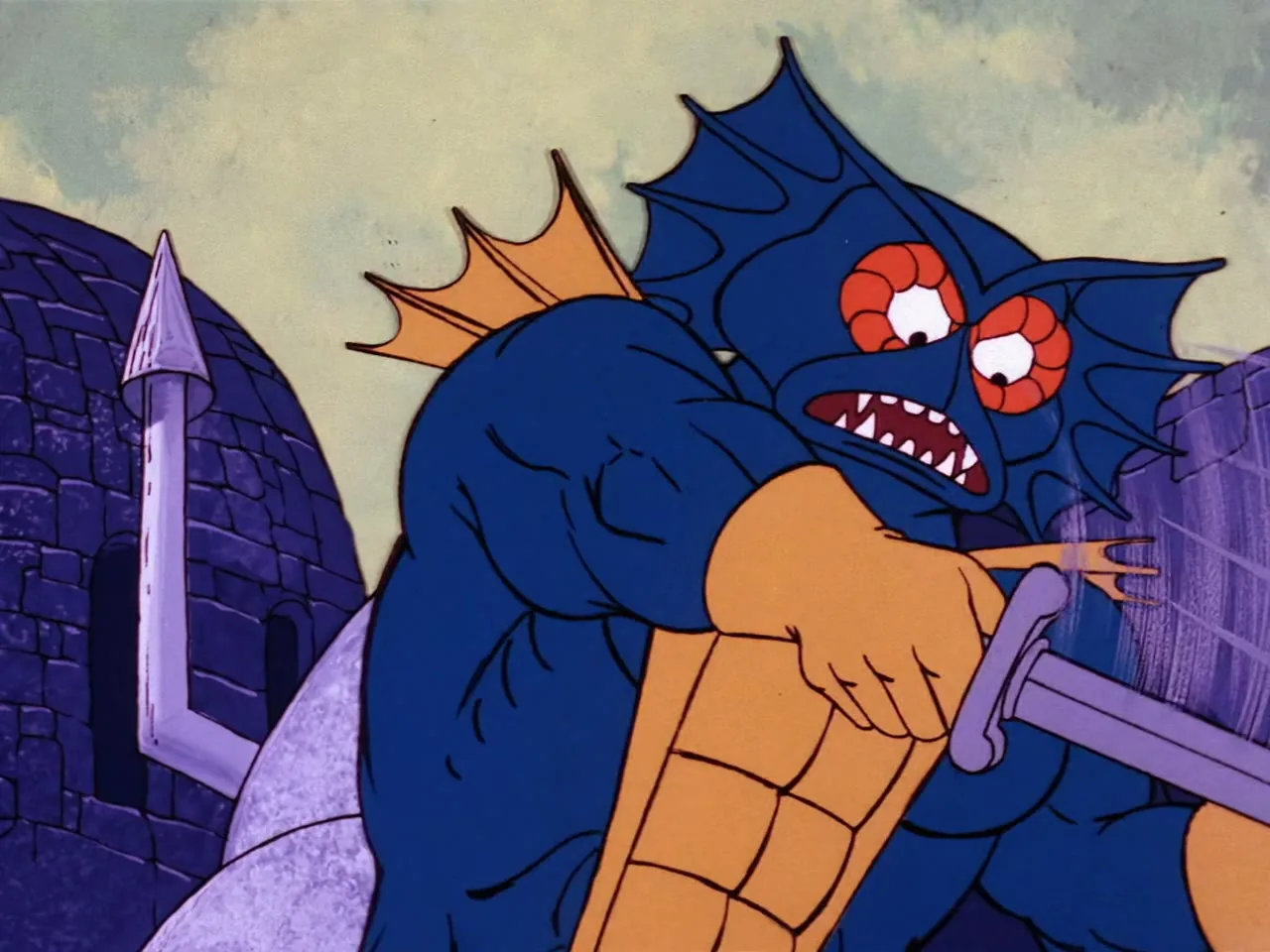
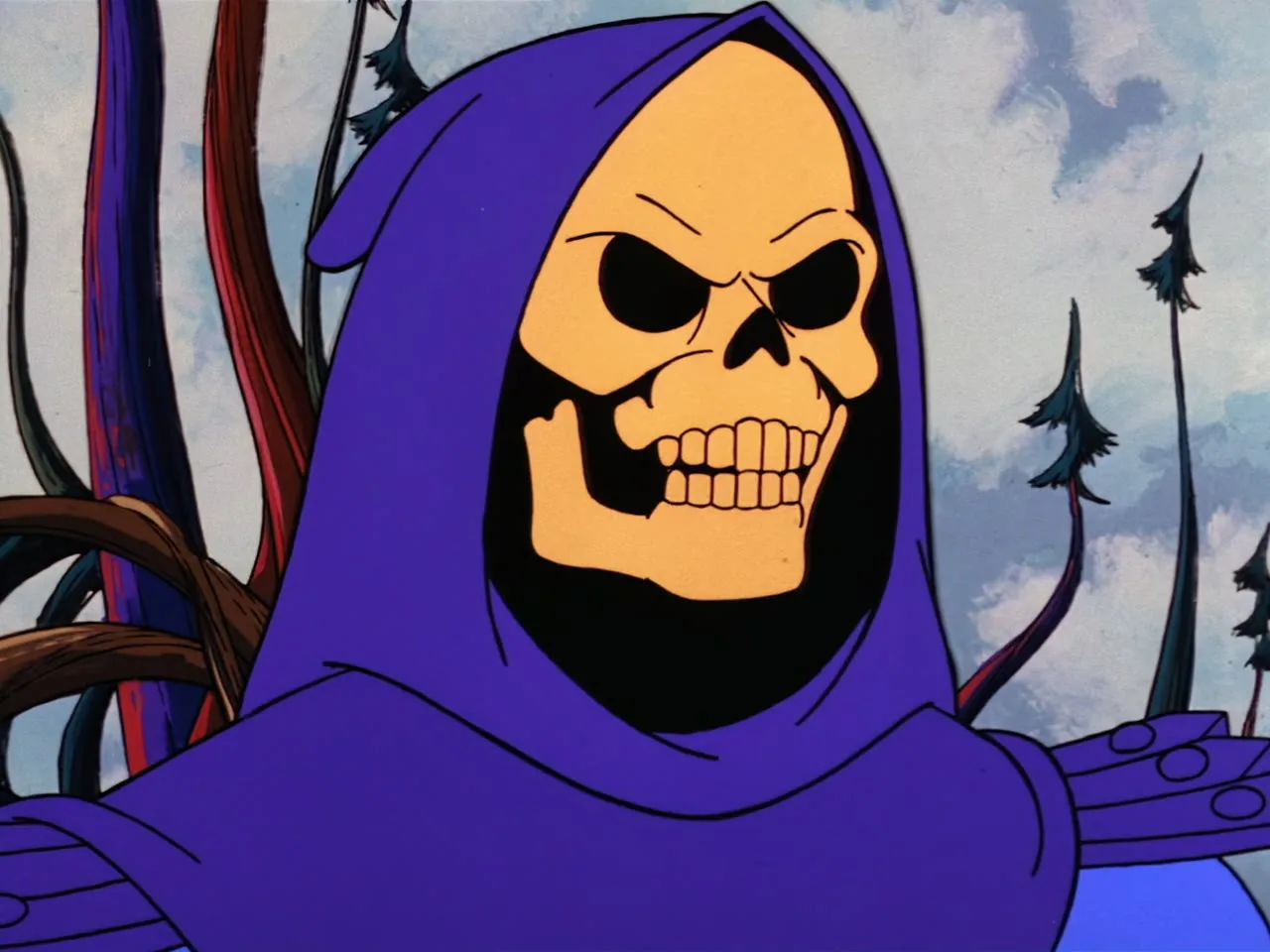
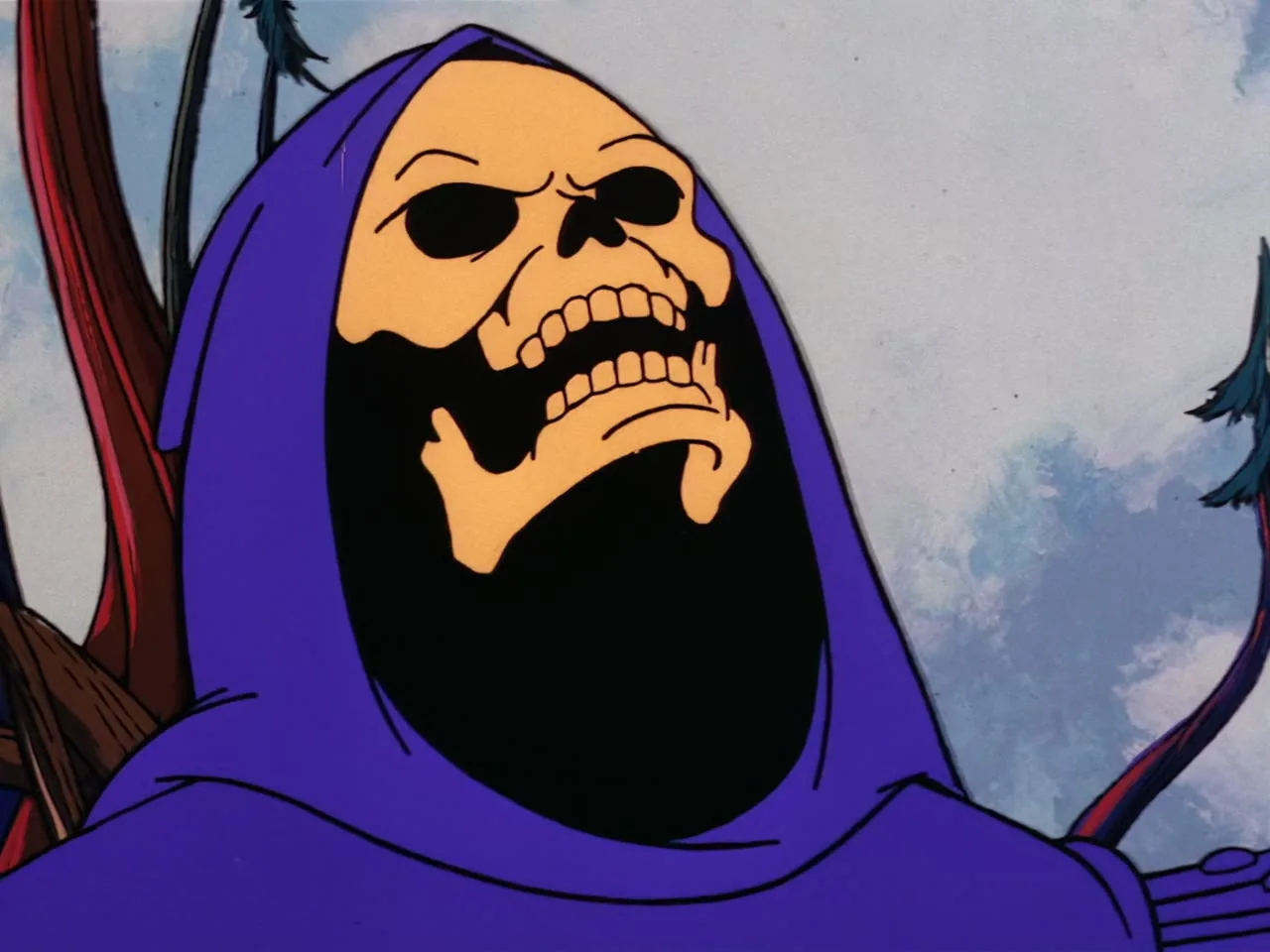
Alan Oppenheimer as Skeletor, Mer-Man and Battle Cat/Cringer
Linda Gary as Teela, Evil-Lyn, the Sorceress and Lara
Lou Scheimer (credited as Erik Gunden) as Kando and young fellow
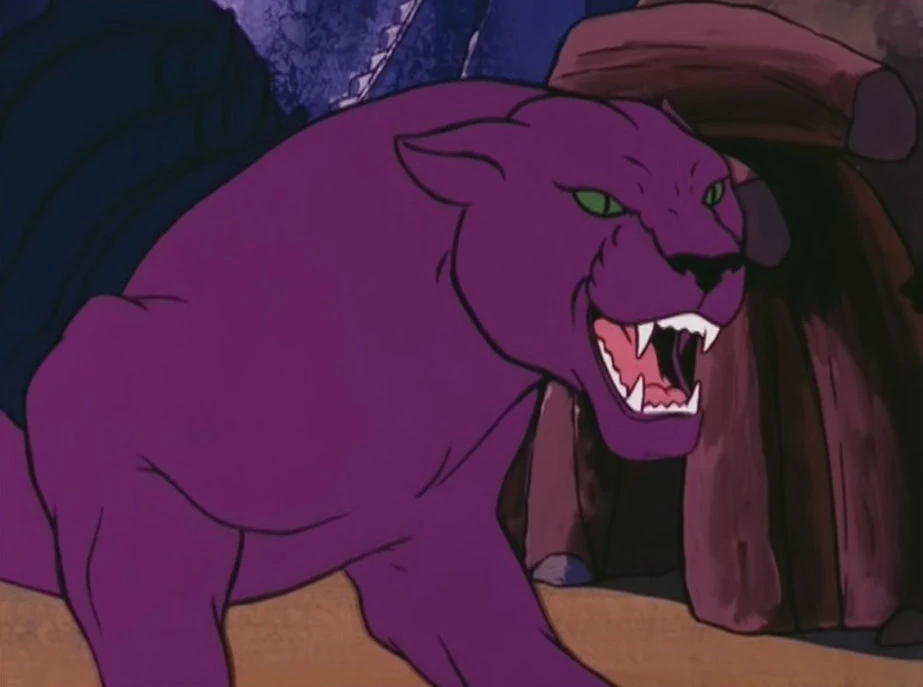
"Hey! Skeletor's mean kitty is after some poor gall."
― Squinch
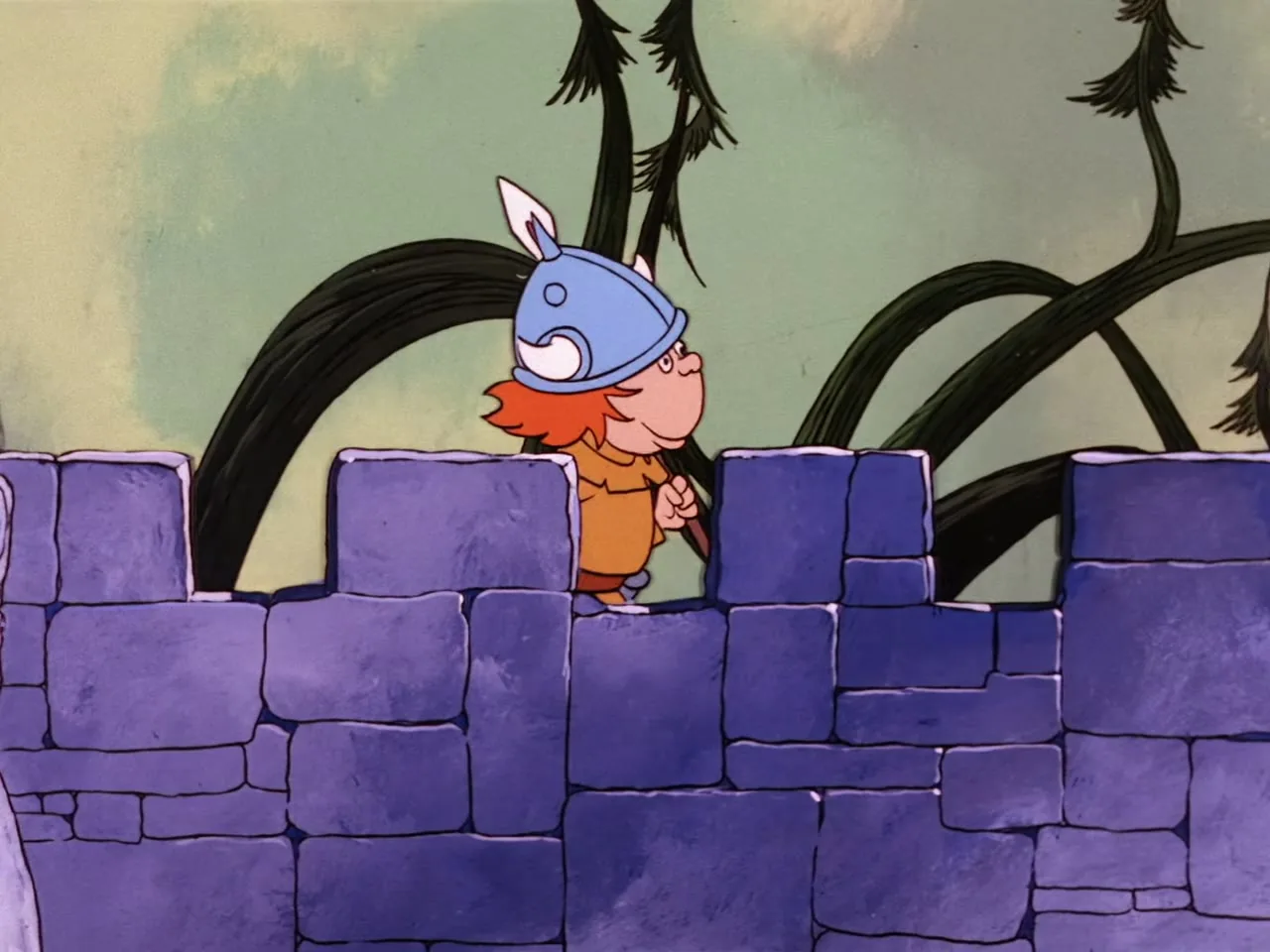
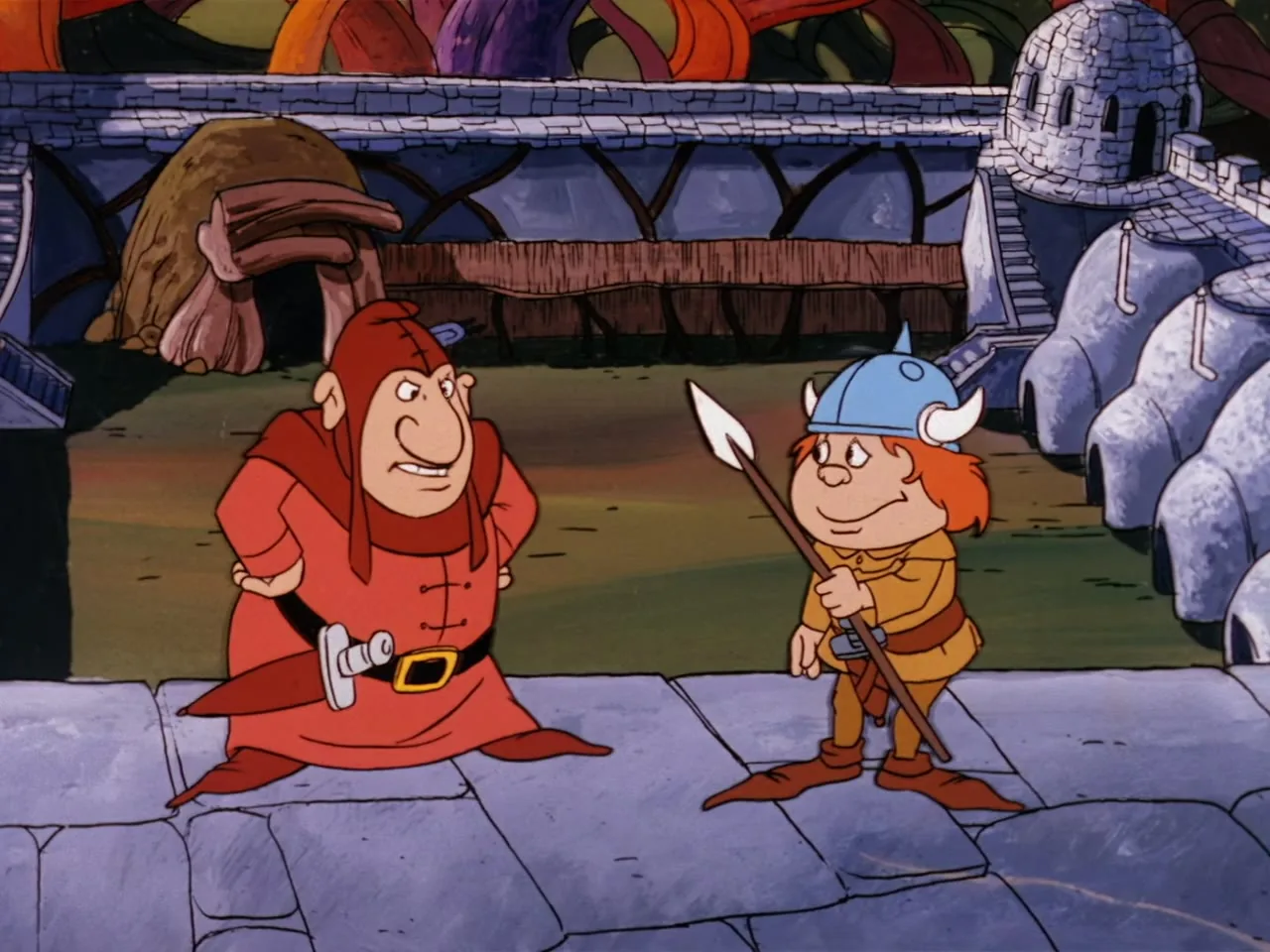
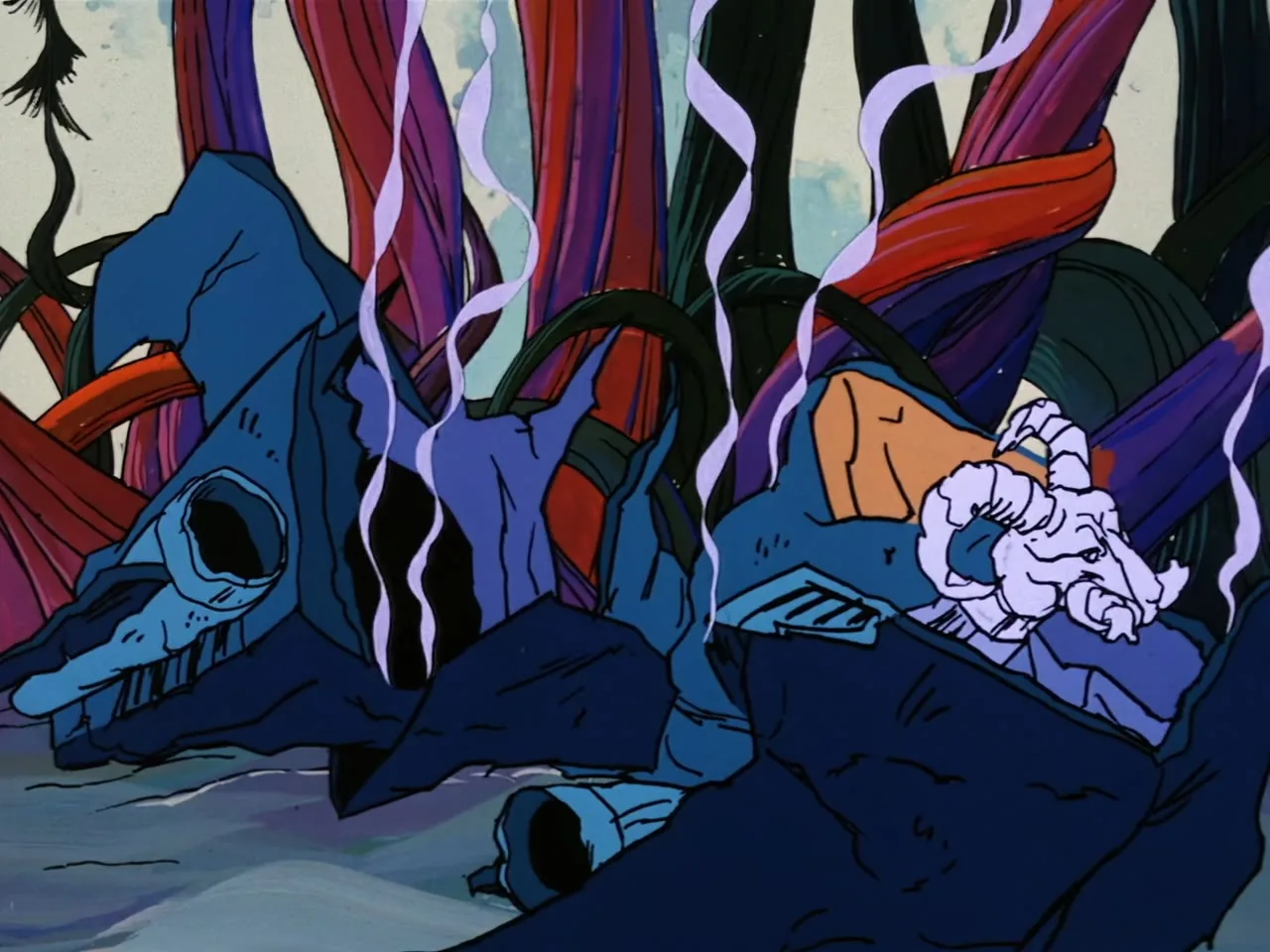
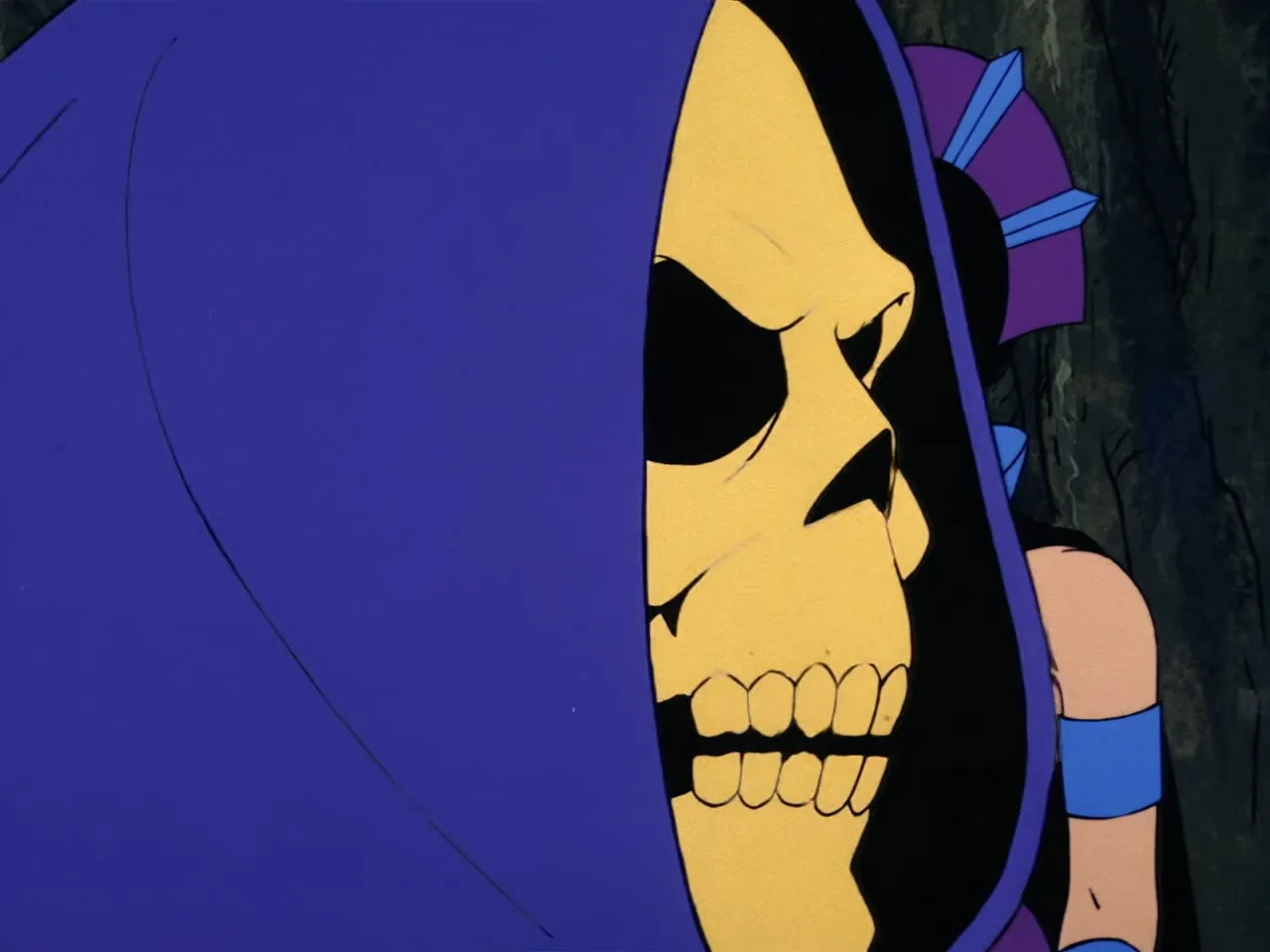
Paul Dini gives Evil-Lyn her clearest showcase yet, and the plotting is unusually elegant for a season built mostly around single-scheme episodes: Skeletor wants coridite because He-Man's own baldric is made of it, so the villain's goal is to match his enemy's power rather than overwhelm him outright, and when a direct assault on the Widget Fortress fails, Evil-Lyn switches to a con instead. Disguising herself as an innocent blonde woman and staging her own rescue from Panthor to win the Widgets' trust is a genuinely clever piece of villain strategy, using their instinct to protect a stranger against them.
Teela's closing message, warning viewers not to judge a book by its cover, is one of the rare instances this season where the moral actually maps cleanly onto the plot rather than gesturing near it; Evil-Lyn's whole scheme depends on being underestimated because of how she looks, and the episode is honest that the trick works precisely because kindness toward strangers is not, in itself, a flaw. It is a more grown-up idea than the show usually risks stating outright, since the lesson could curdle into distrust of strangers if the script were less careful.
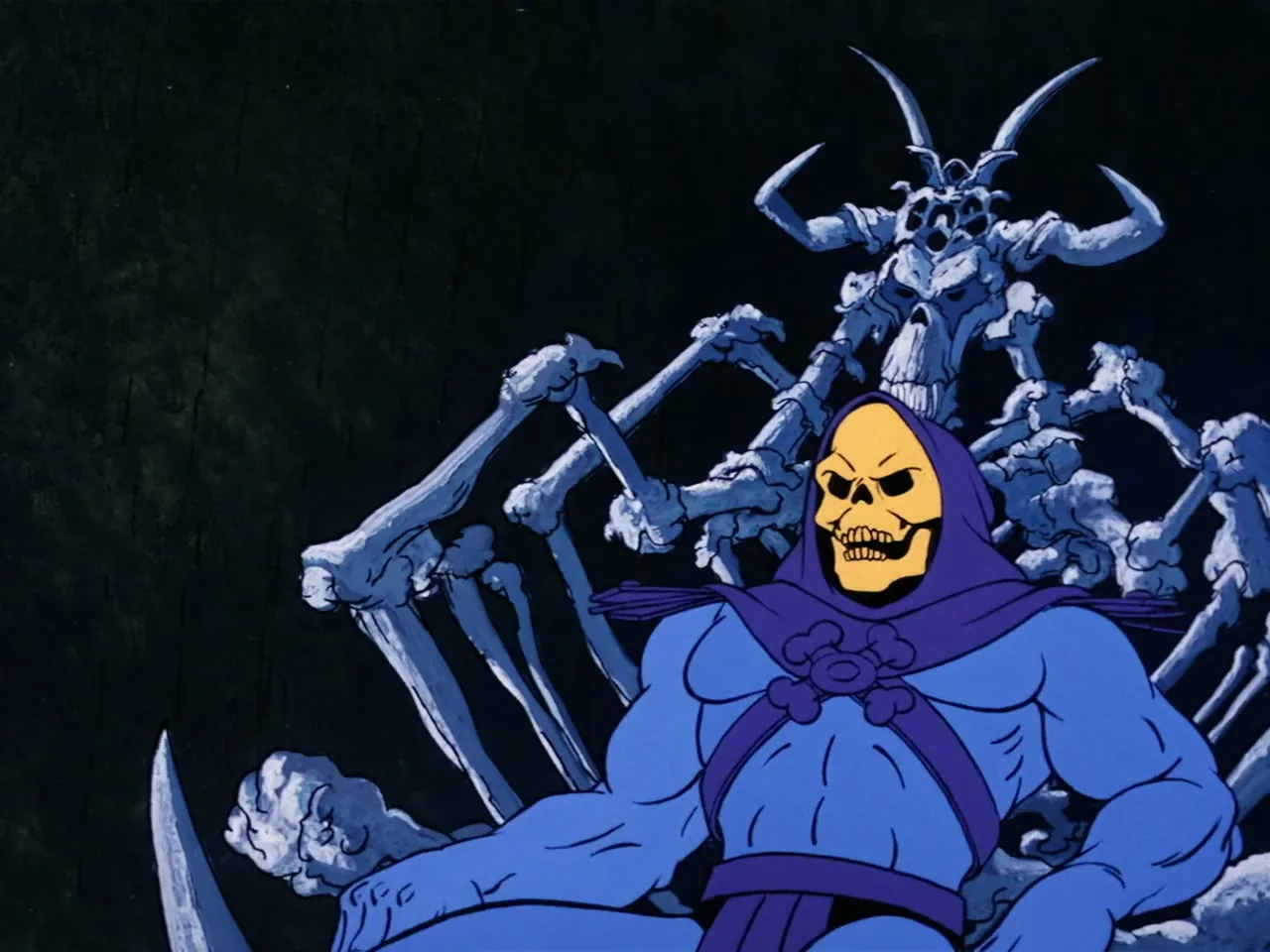
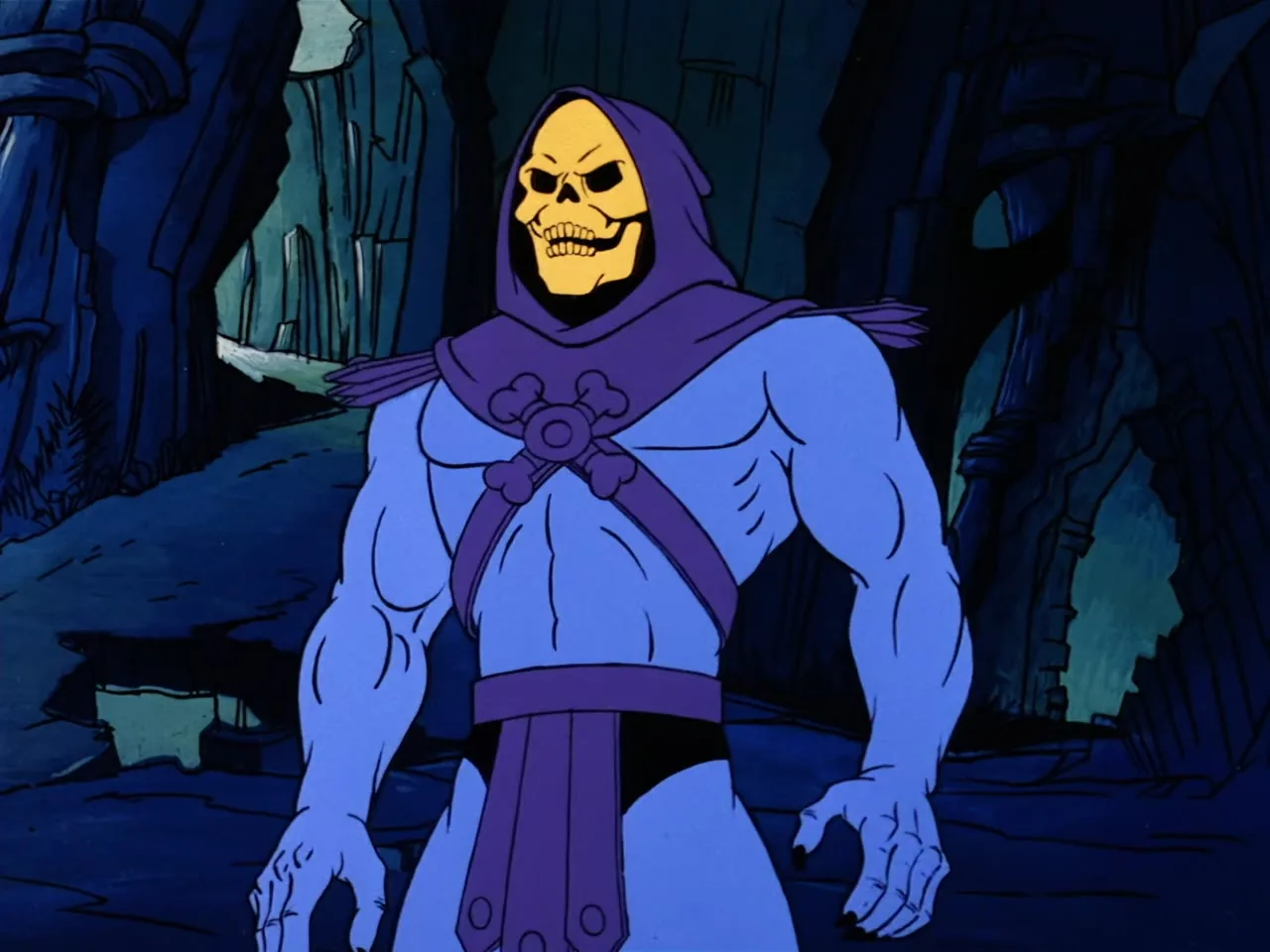
Where the episode is thinner is Skeletor's own half of the plot, which amounts to an opening assault that fails and a supporting role once Evil-Lyn's con takes over; he is present but not really driving the back two-thirds of his own episode. That is not necessarily a flaw so much as a choice, and it is the choice that makes the episode notable: handing the back half of a Skeletor-titled adventure to his lieutenant and trusting her to carry it. Evil-Lyn's Plot earns its name honestly, and it is one of the stronger pieces of evidence this season that she works better as a schemer with her own agenda than as Skeletor's second in line.
- Script approval came February 7, 1983, with a final revision dated August 18, 1983.
- An earlier version of the premise, outlined in Filmation's own series bible, called the Widgets the dwarves of the Iron Forest and coridite plain magic lodestone.
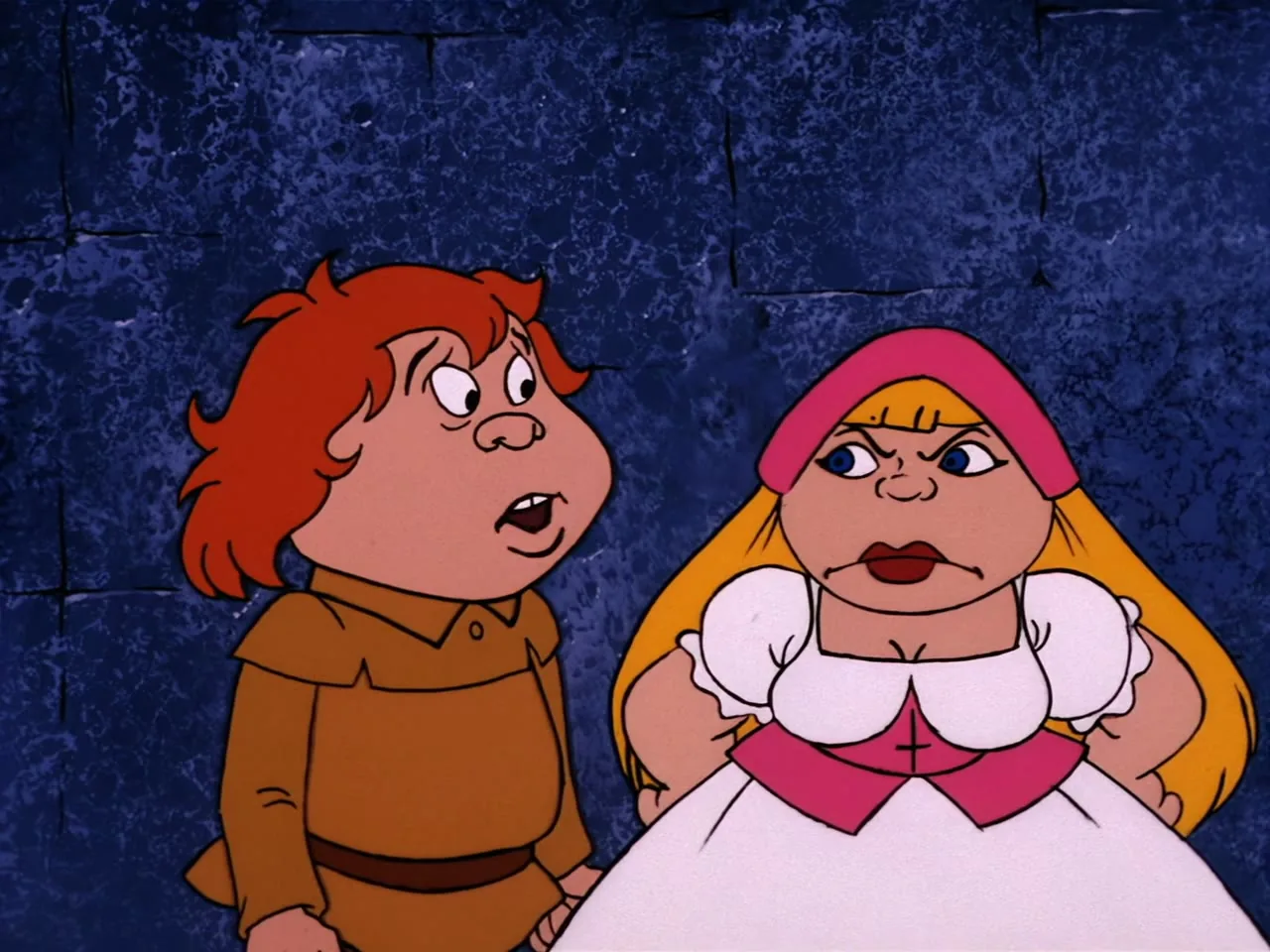
- Squinch, Kando and Lara were all conceived quite differently on paper: Squinch closer to a Gabby Hayes type, Kando with a white beard, Lara written as more of a tomboy.
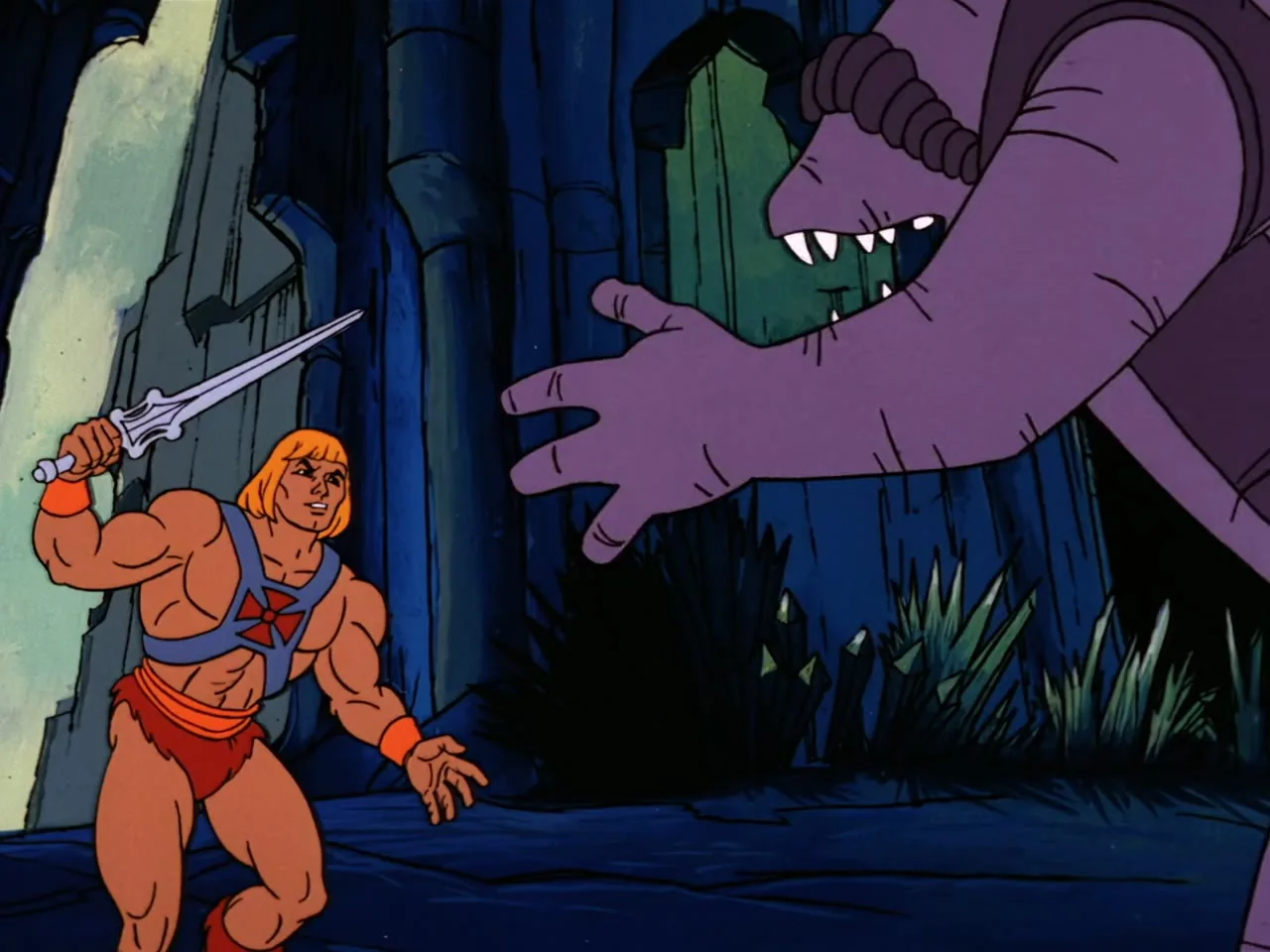
- He-Man's dodge-and-throw against Mer-Man debuts here and recurs twice more, against a Gorgon in A Tale of Two Cities and against Ollo in The Time Corridor.
- The Slotto's character model turns up again as part of the Keeper's menagerie in The Heart of a Giant.
- The first major Evil-Lyn spotlight episode. The script positions Evil-Lyn as a strategic threat with her own goals rather than a subordinate of Skeletor, a characterization that recurs across the rest of the Filmation run and pays off decades later in the 2021 Revelation continuation.






























DISCUSSION
Join the conversation.
Comments below are mirrored on the heman.org forum. Sign in once, post anywhere.