
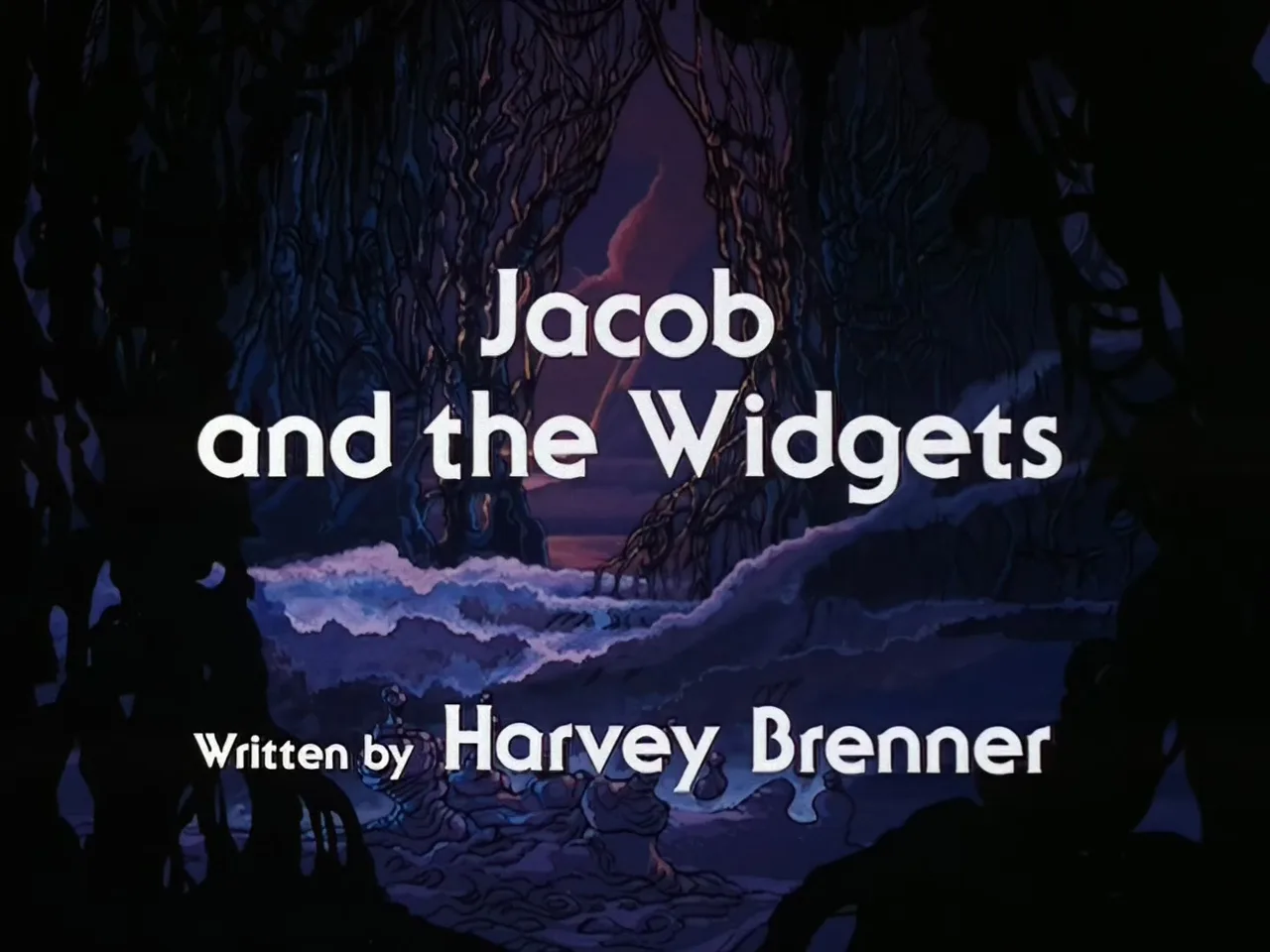
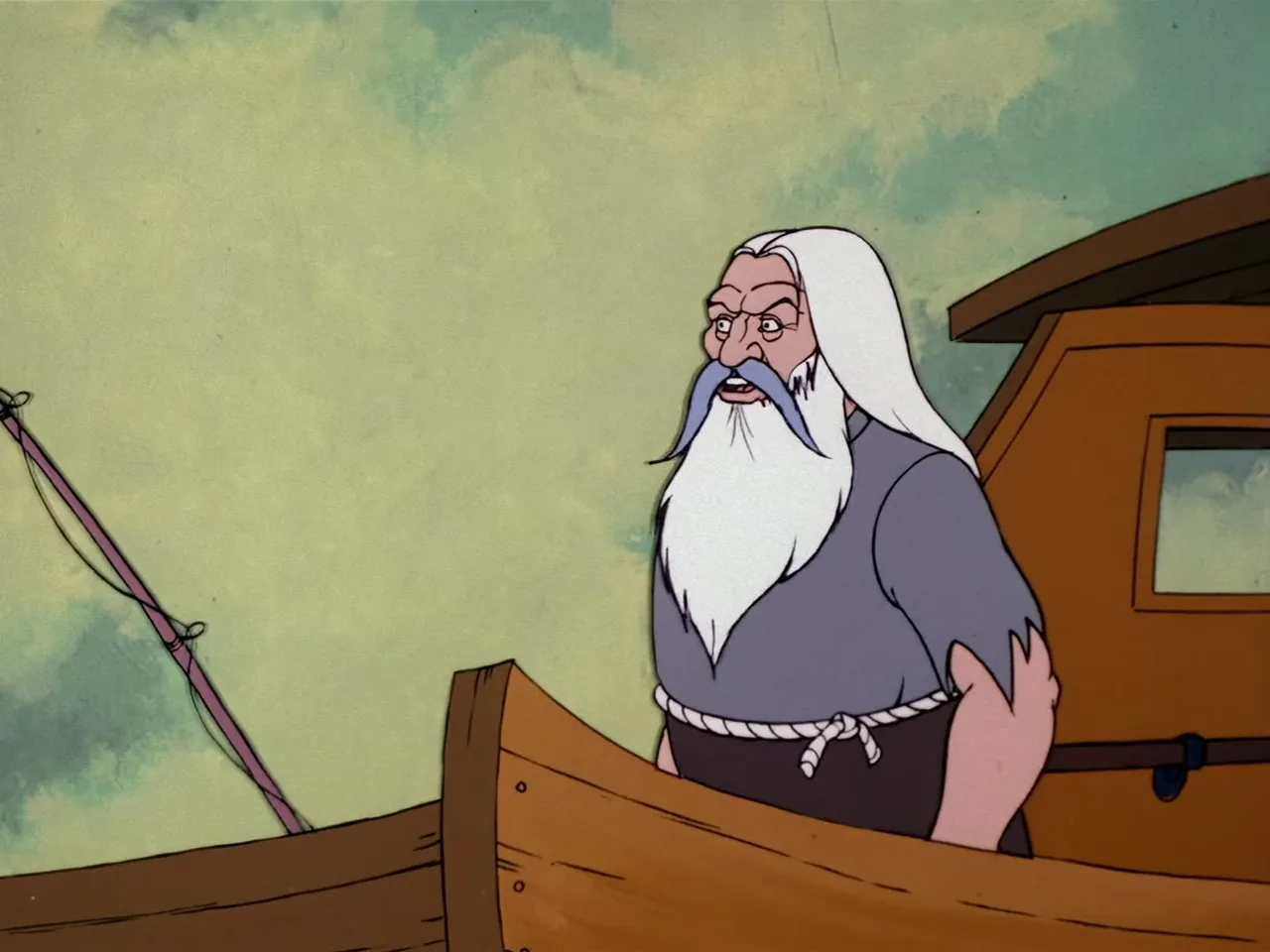
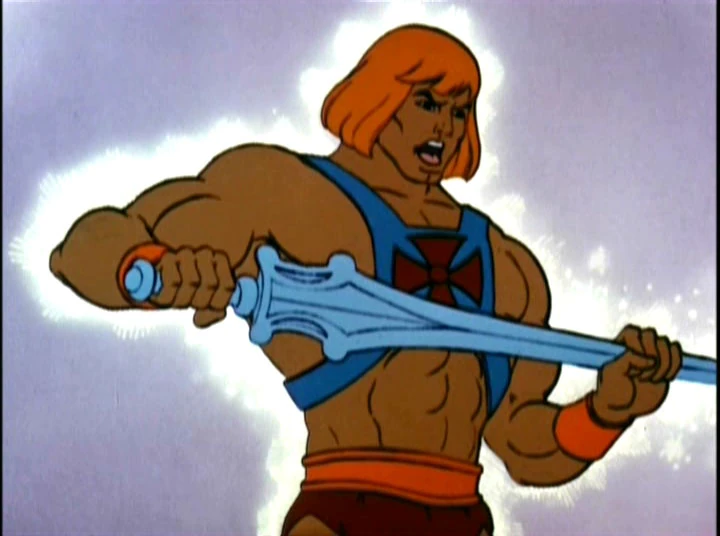
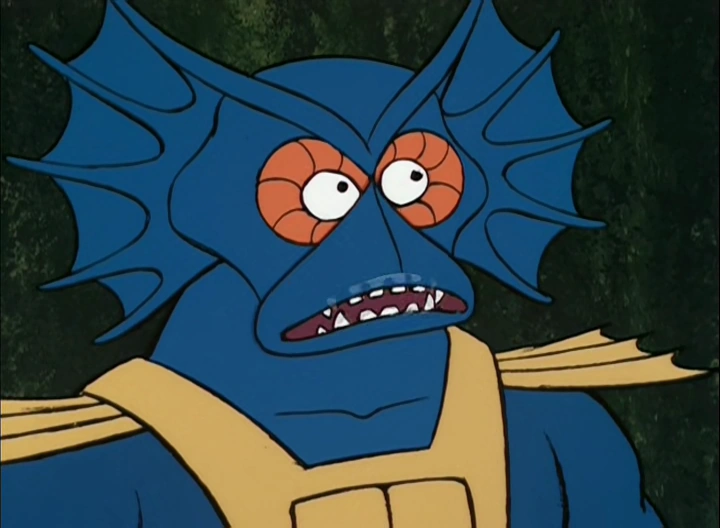
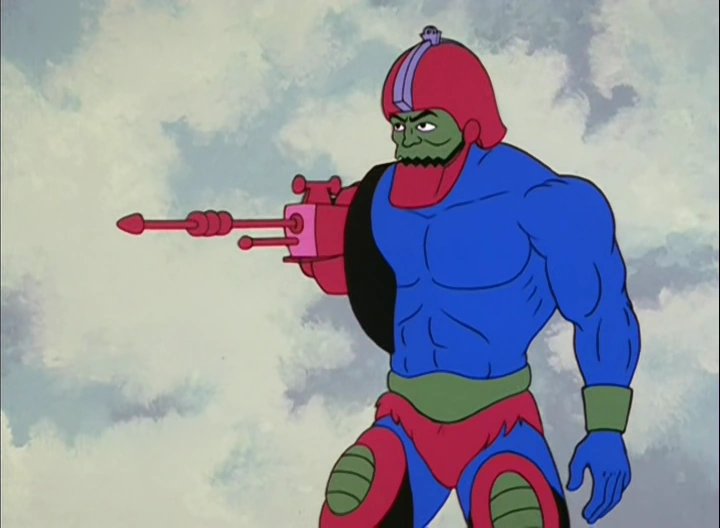
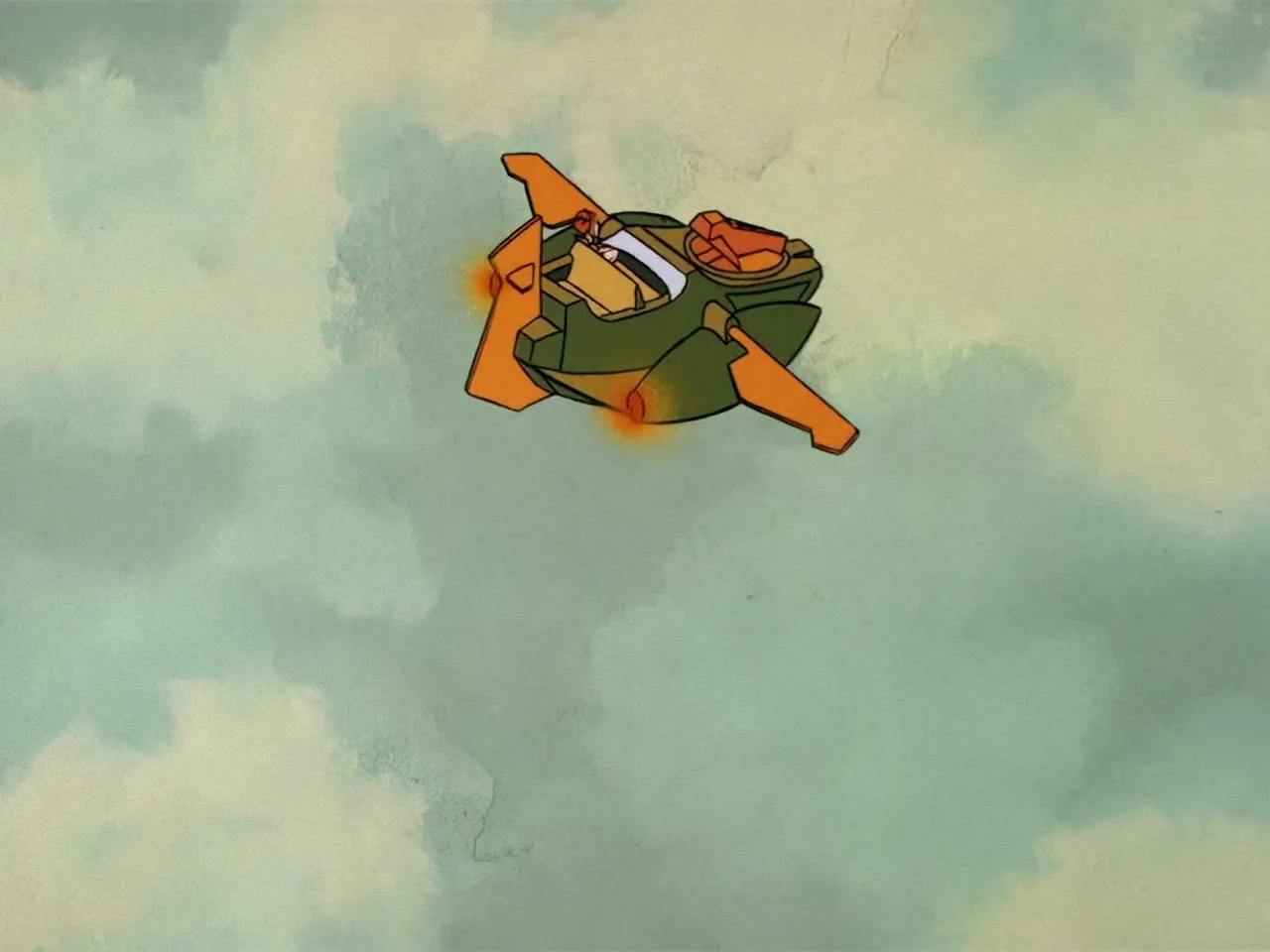
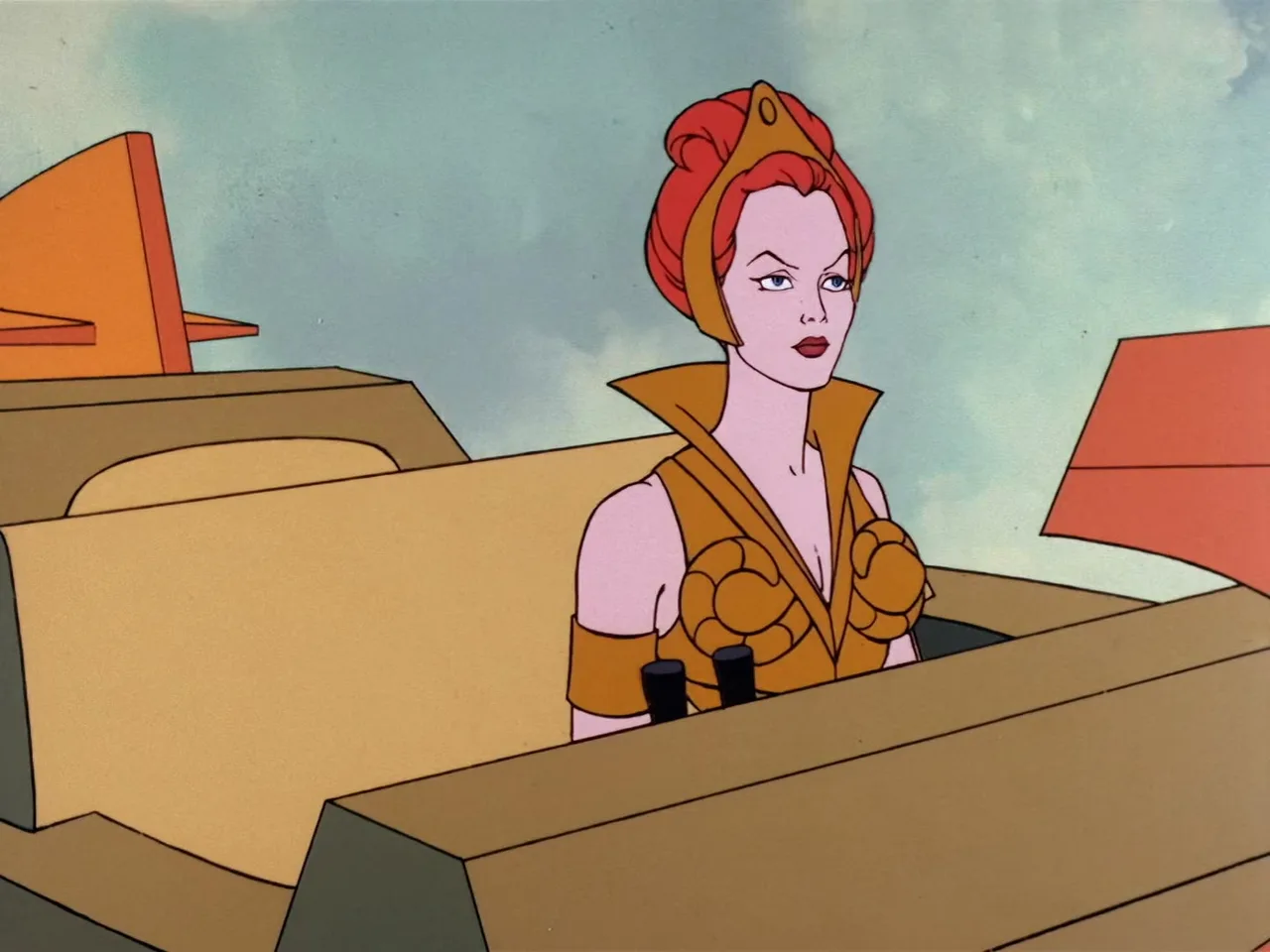
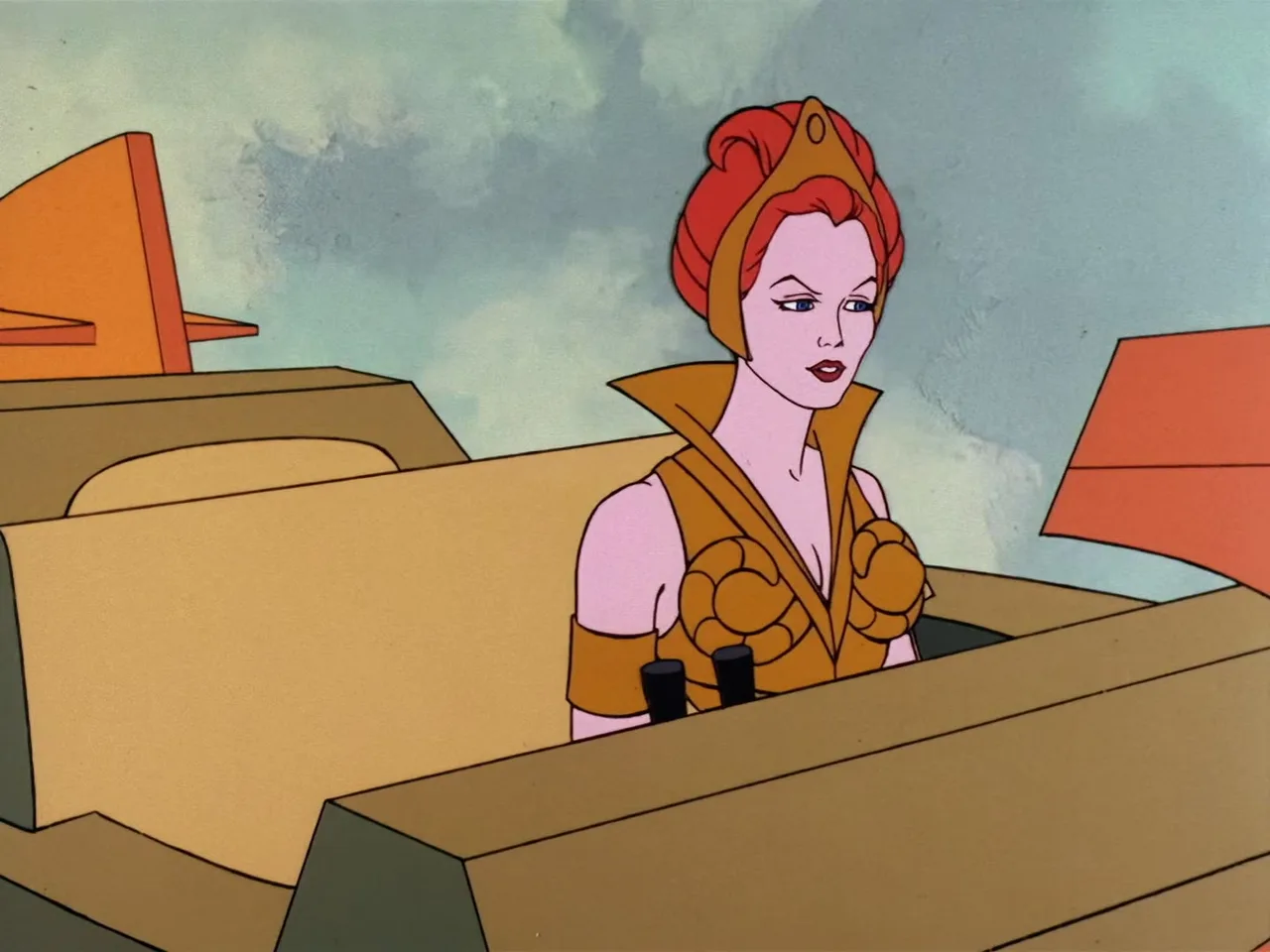
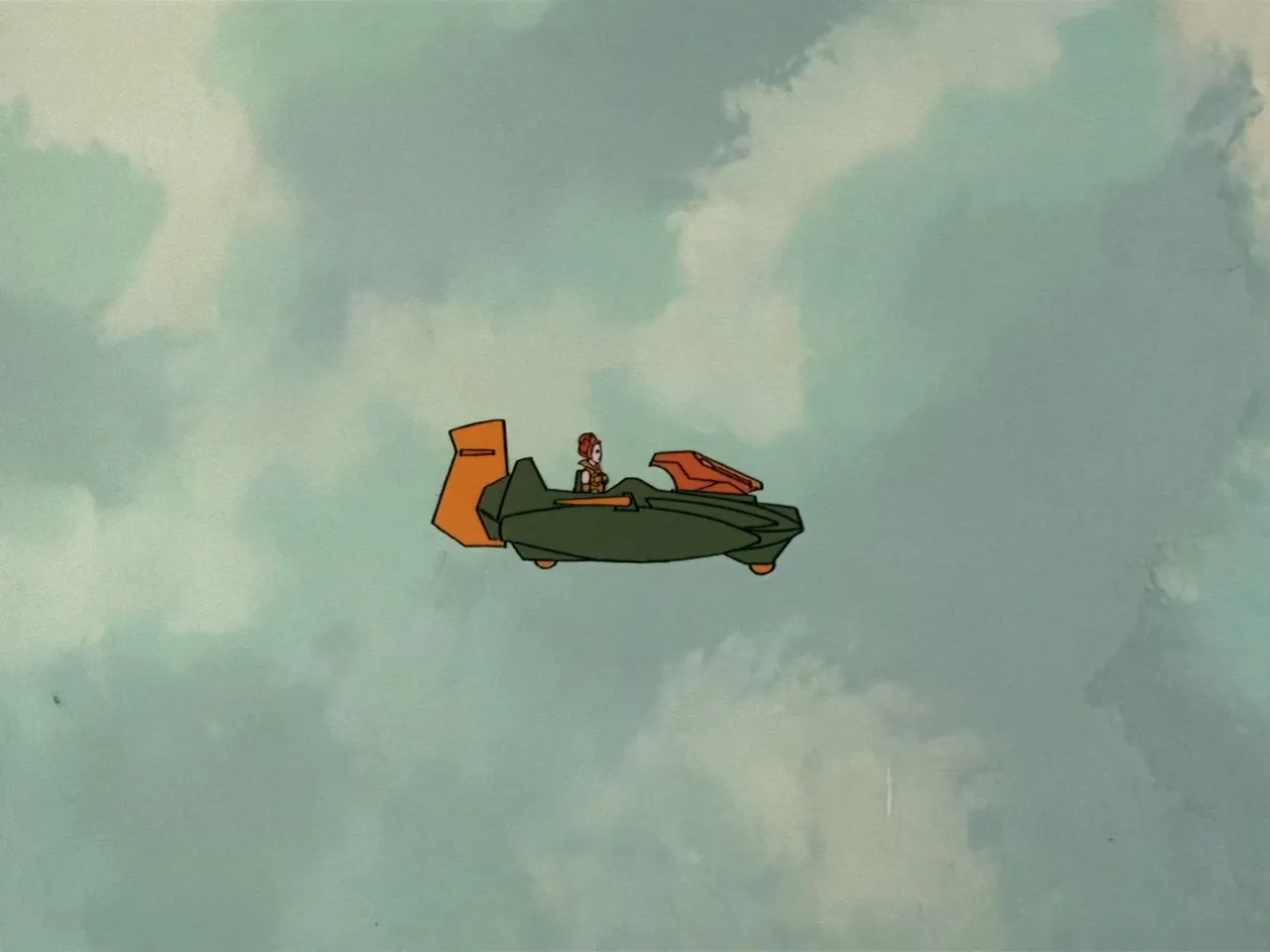
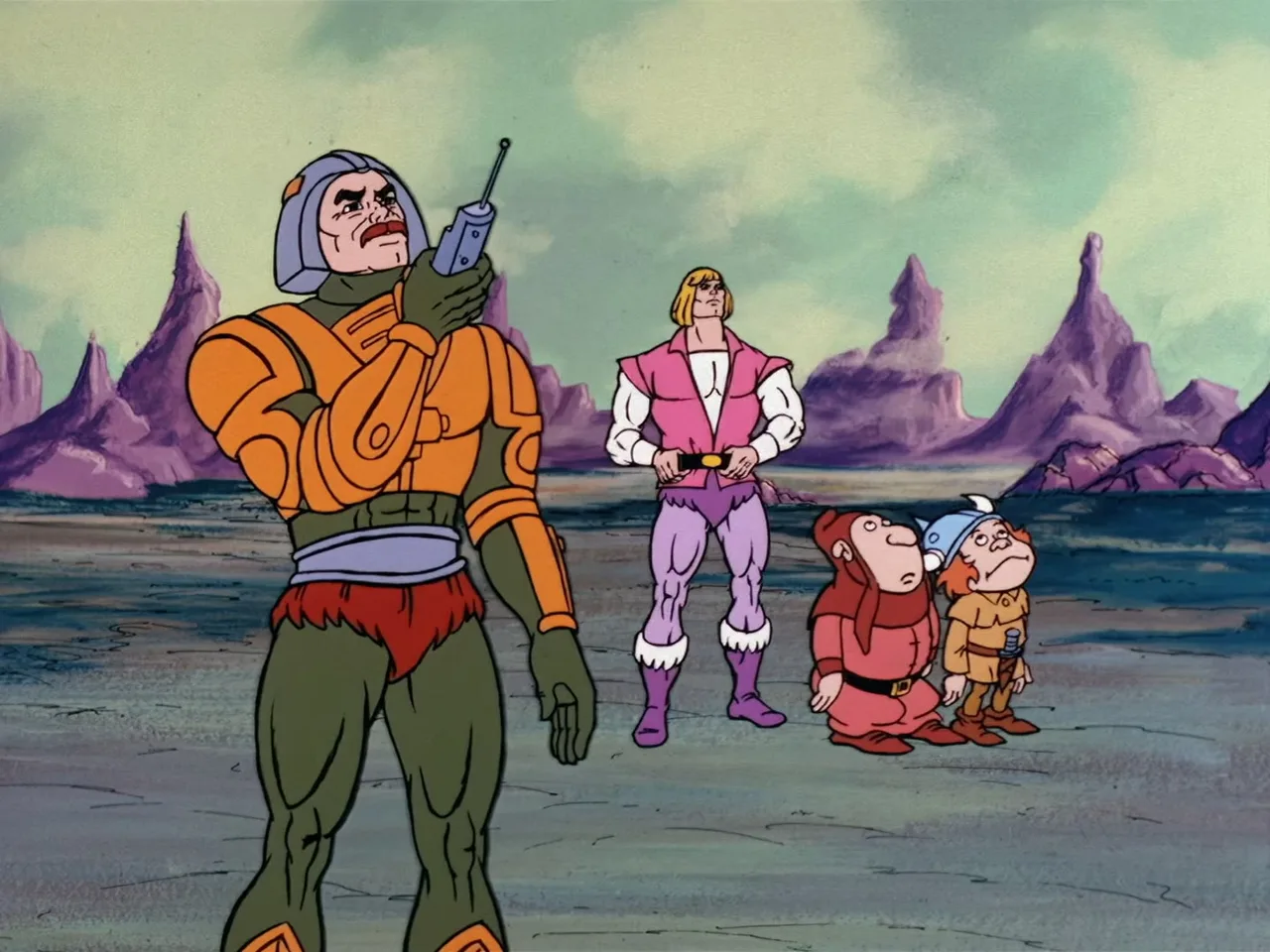
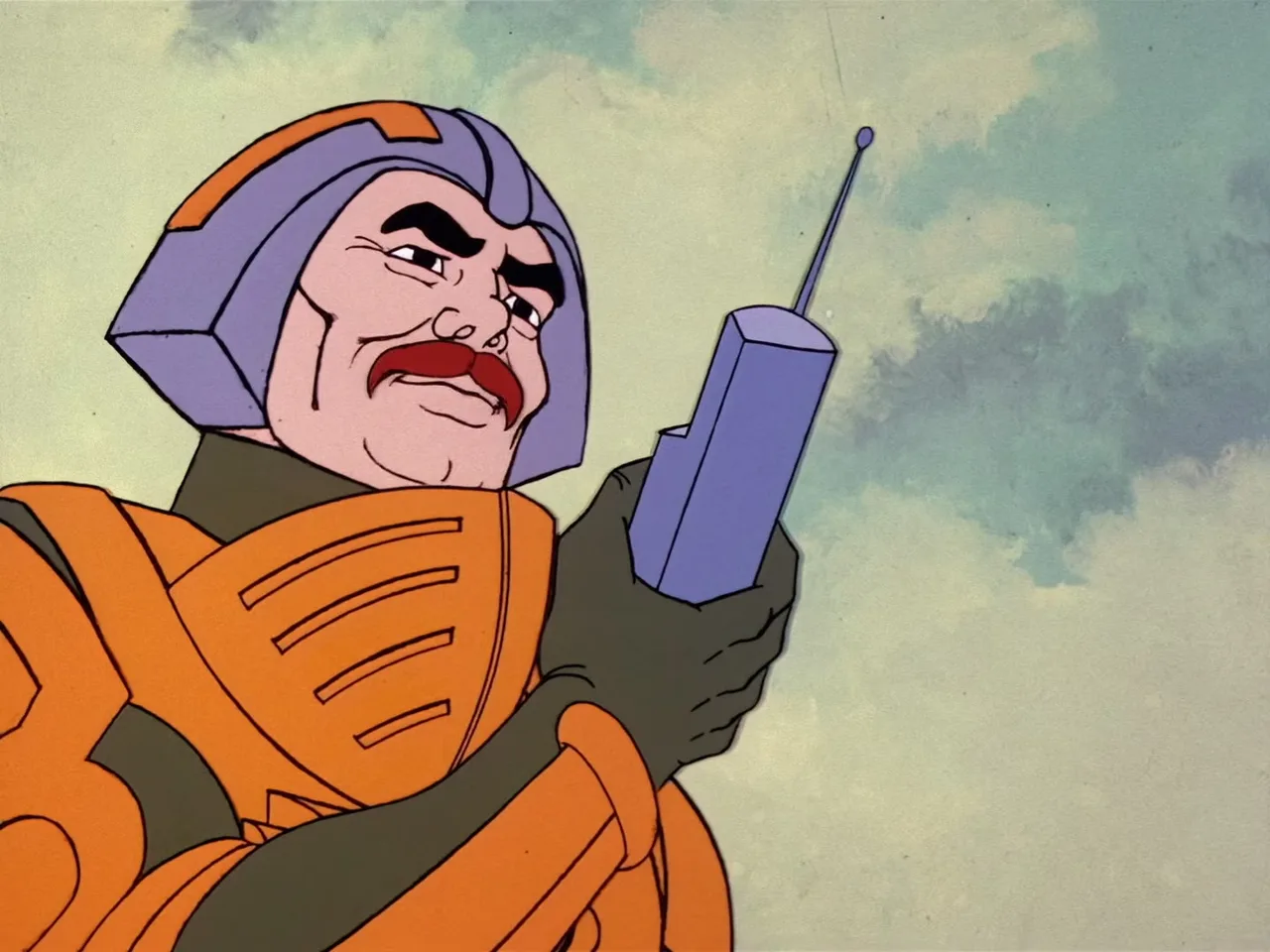
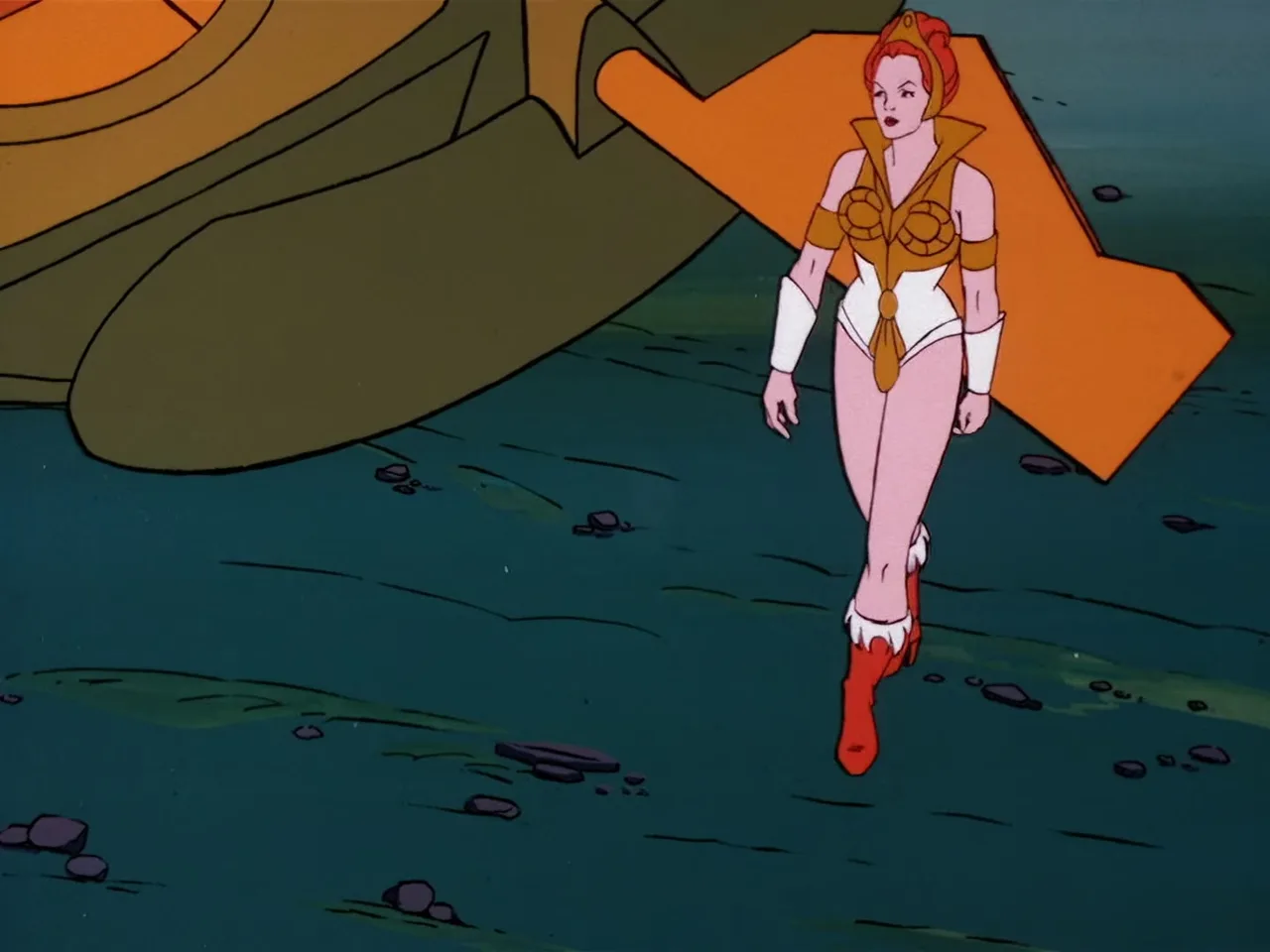
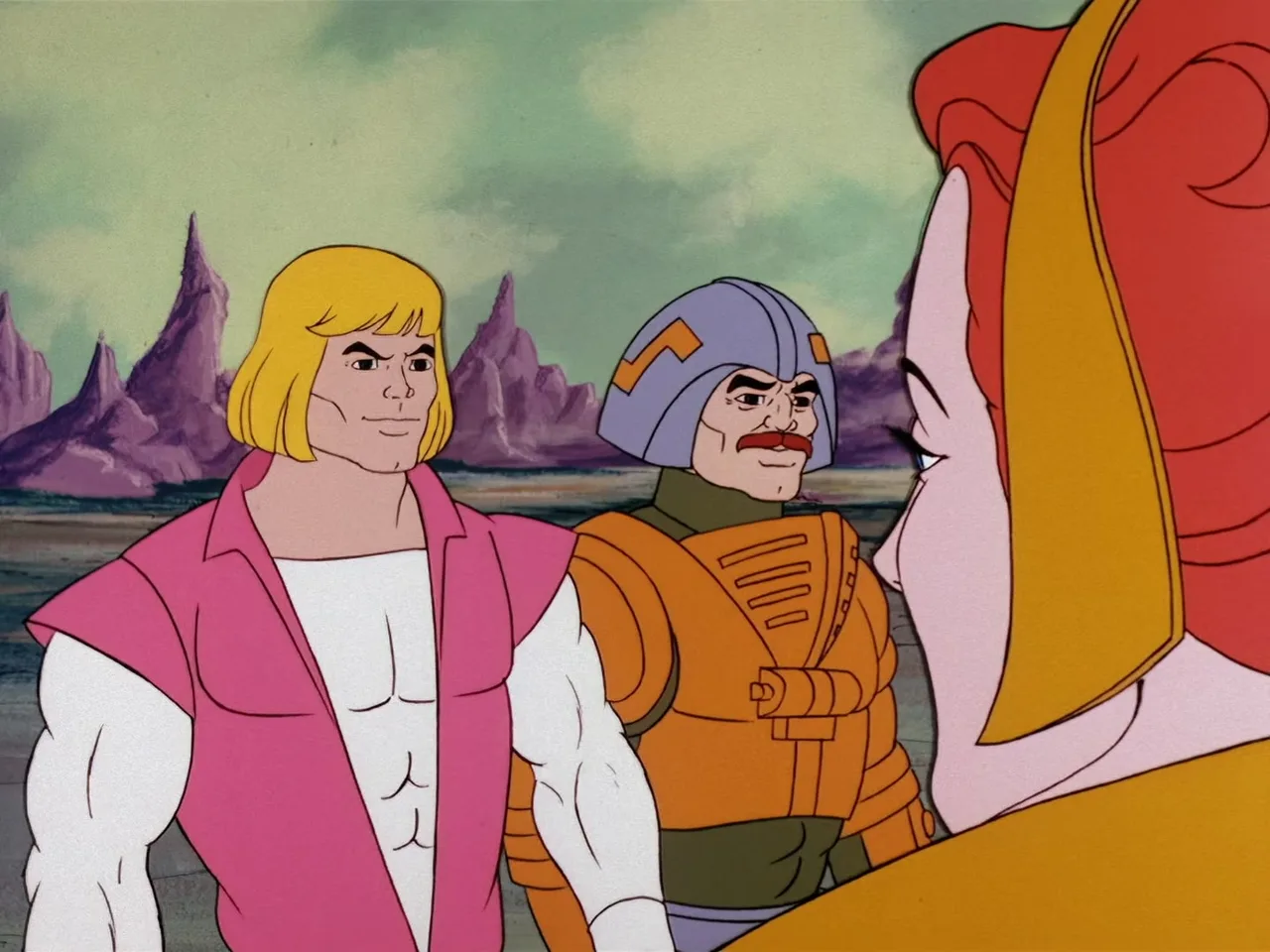
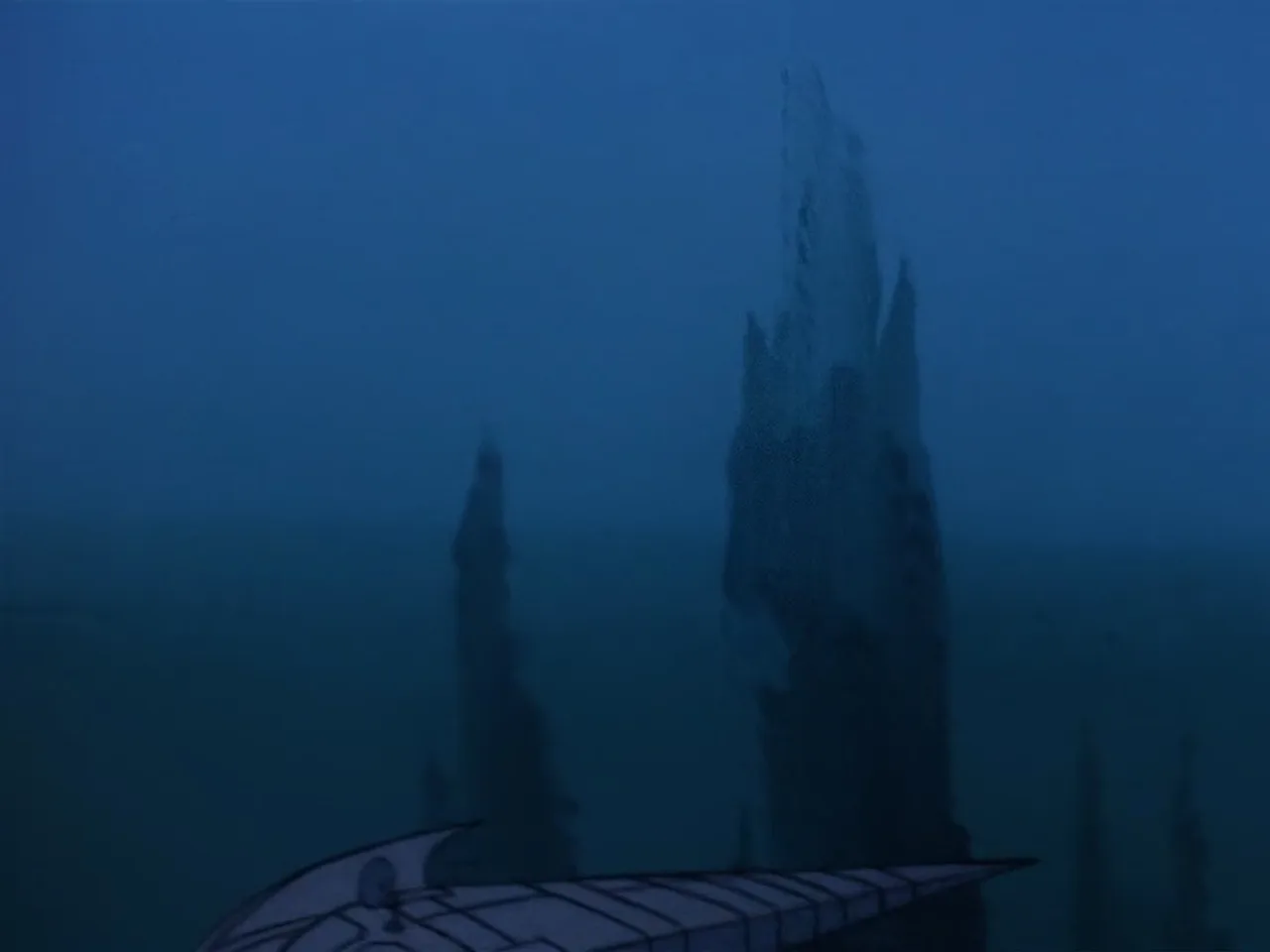
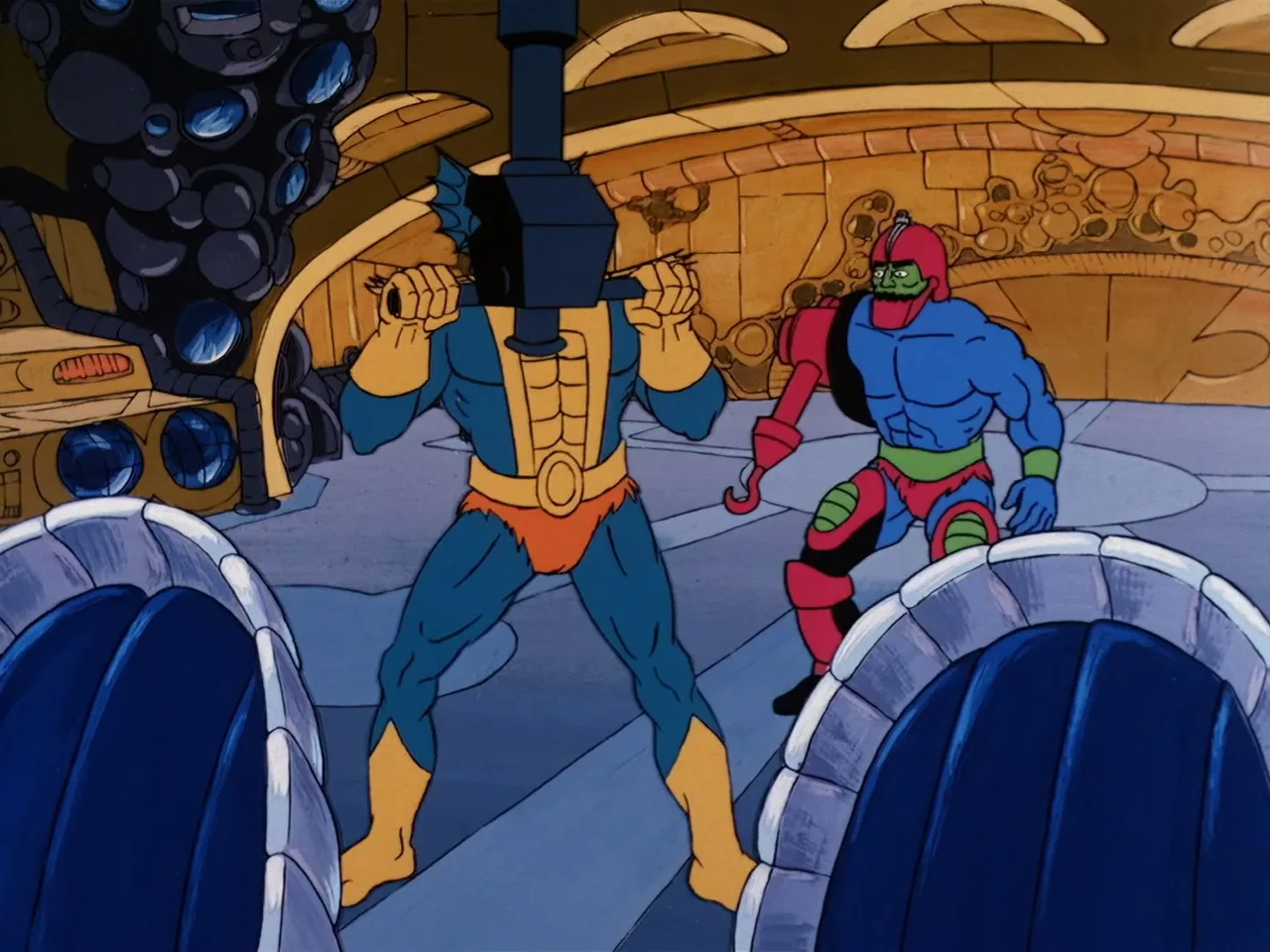
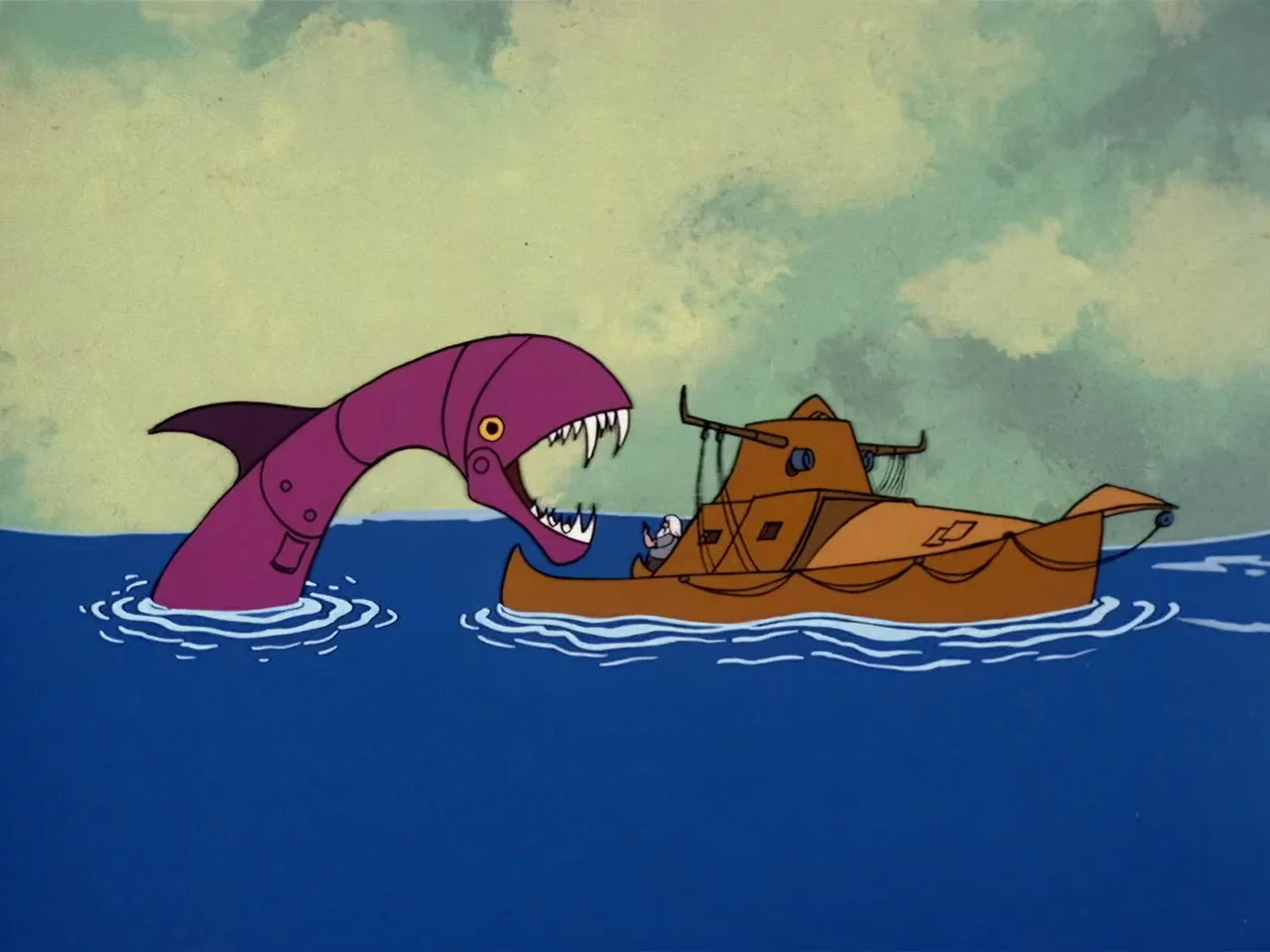
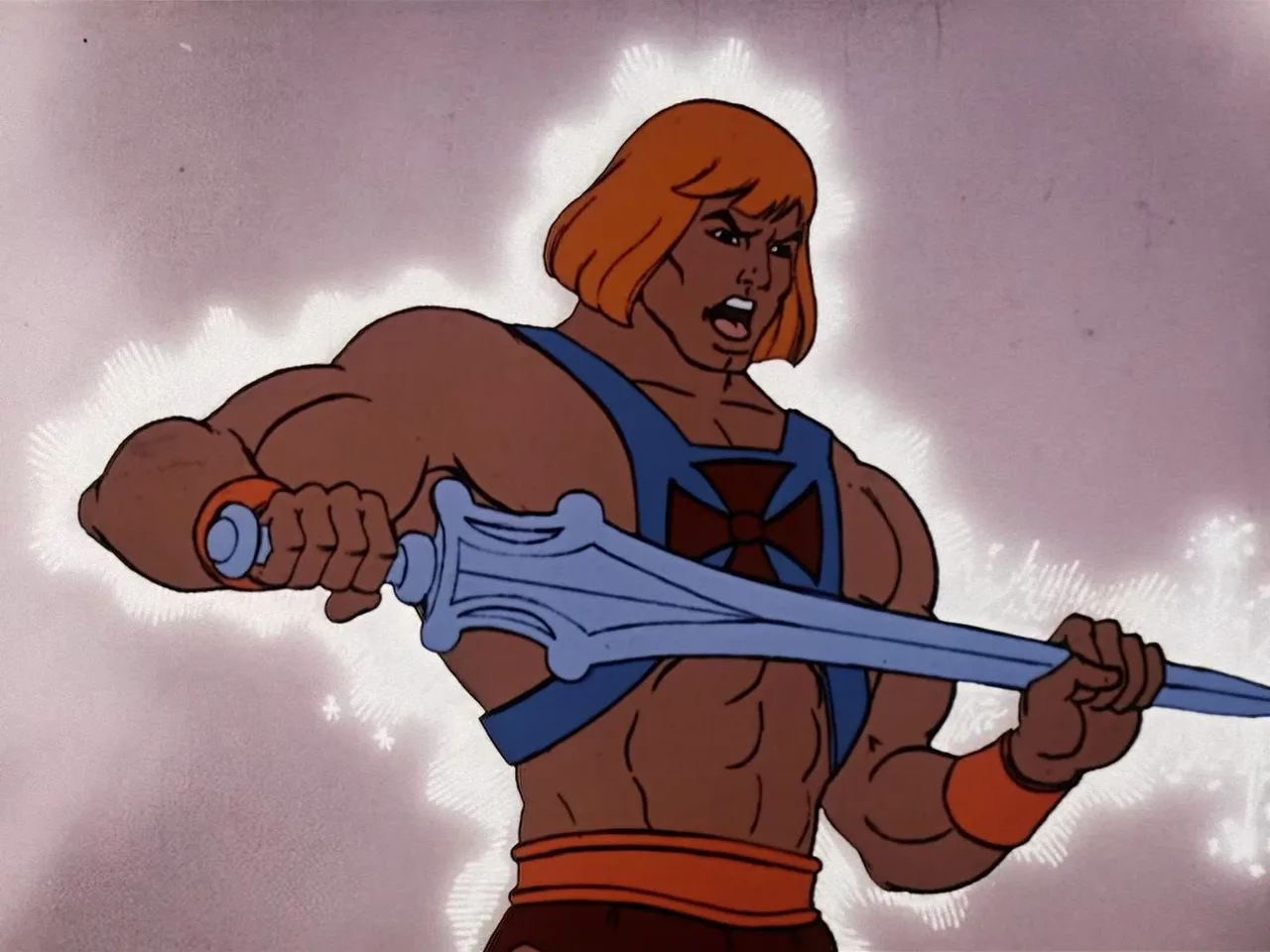
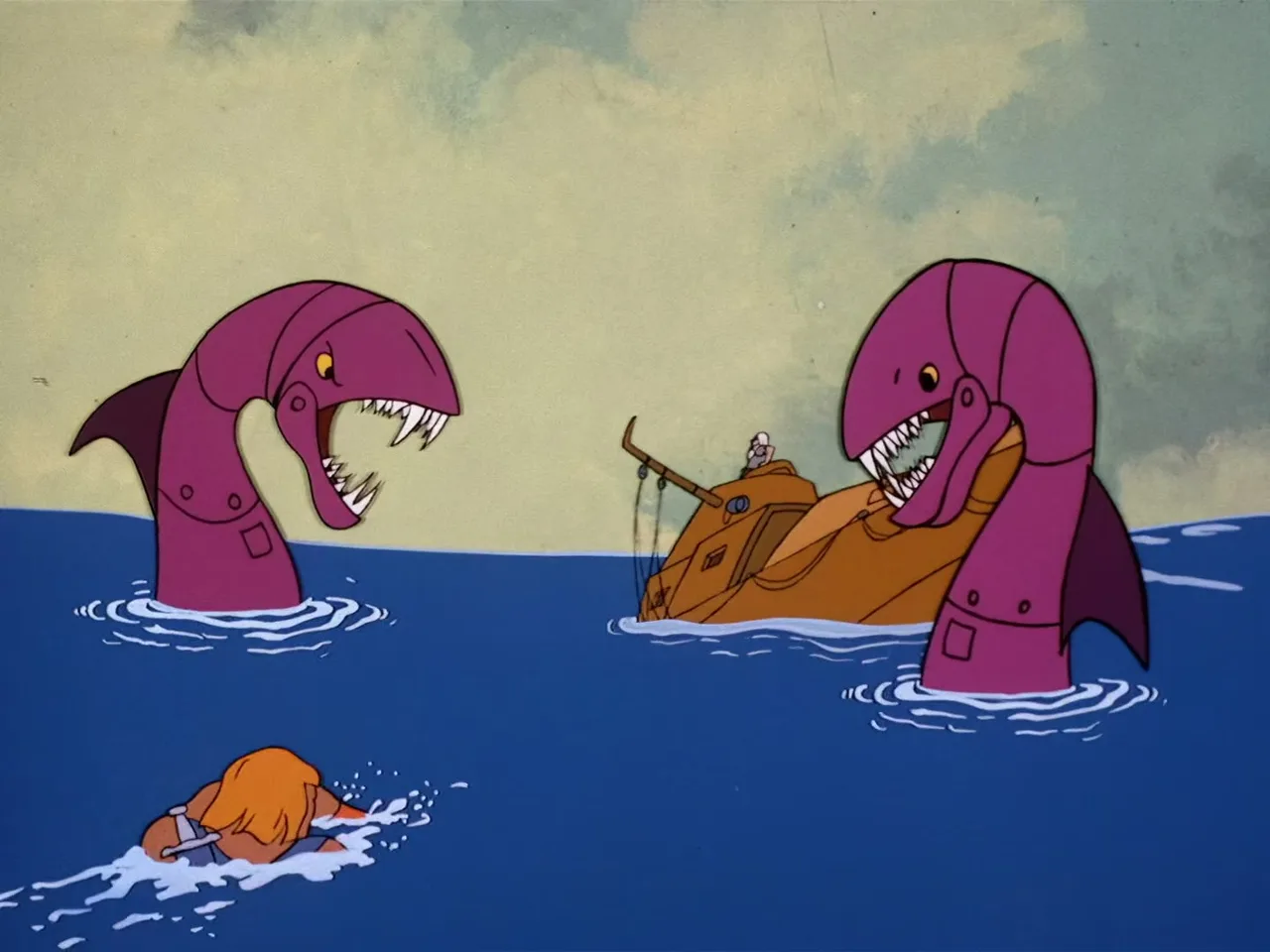
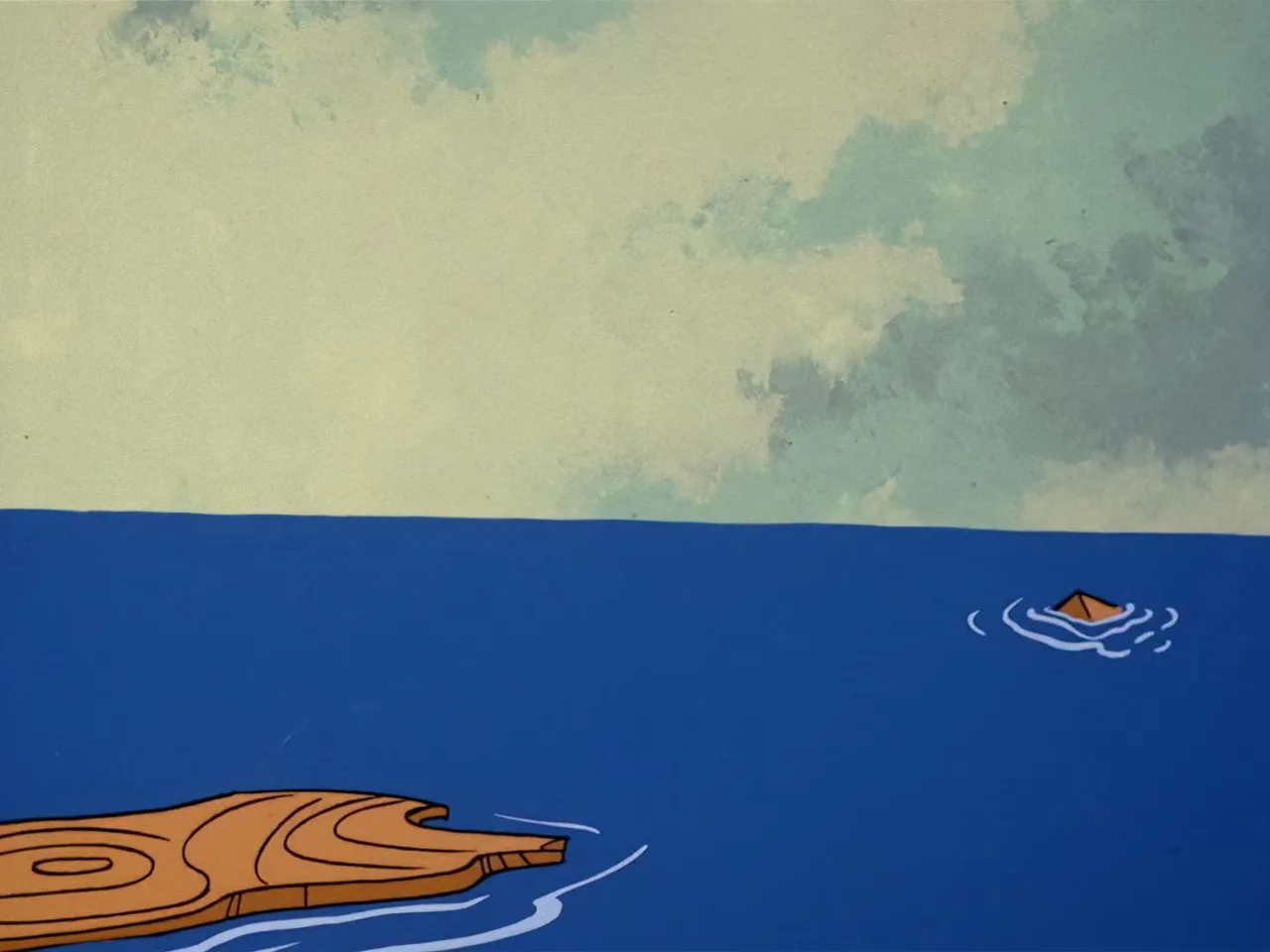
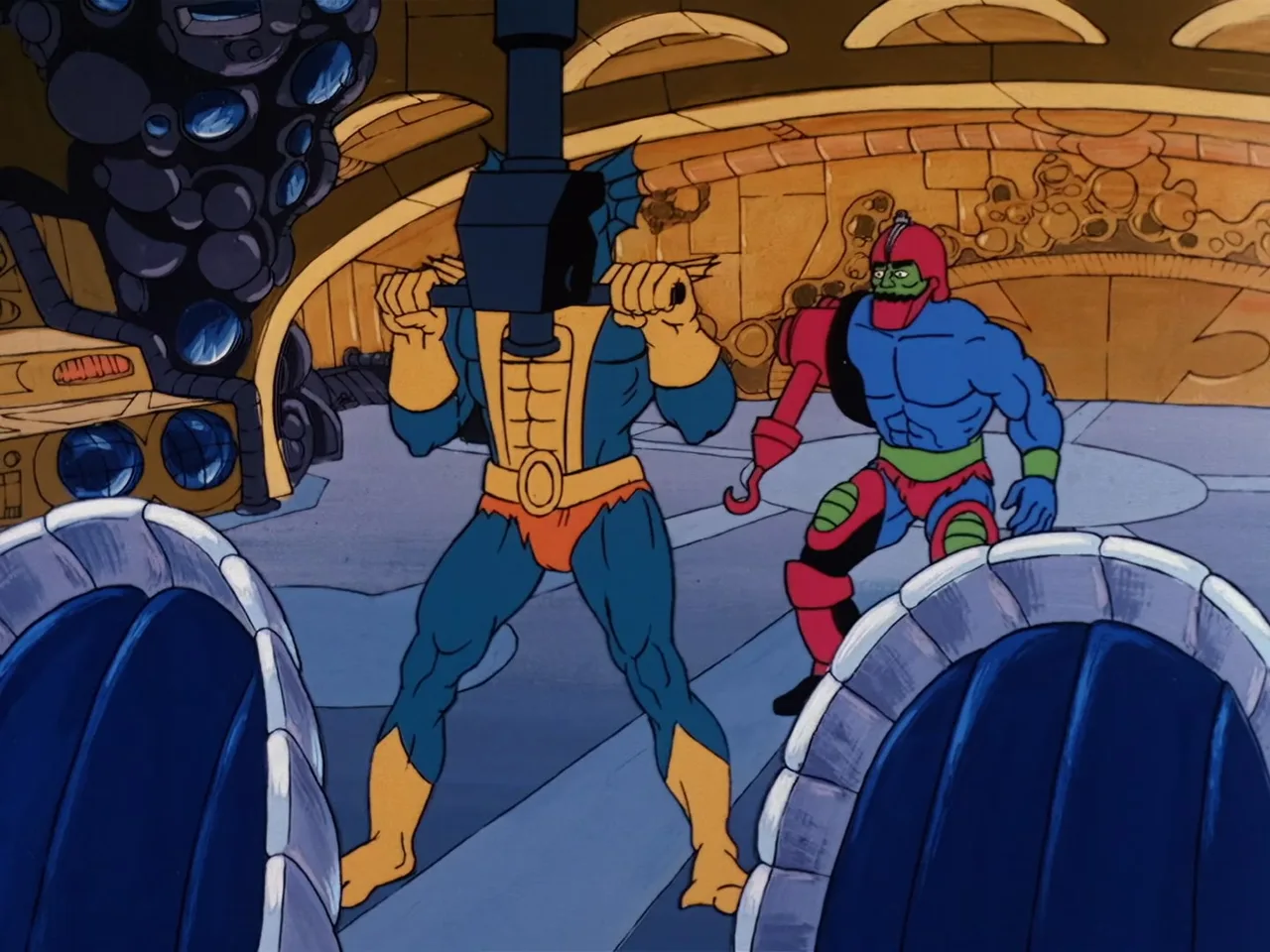
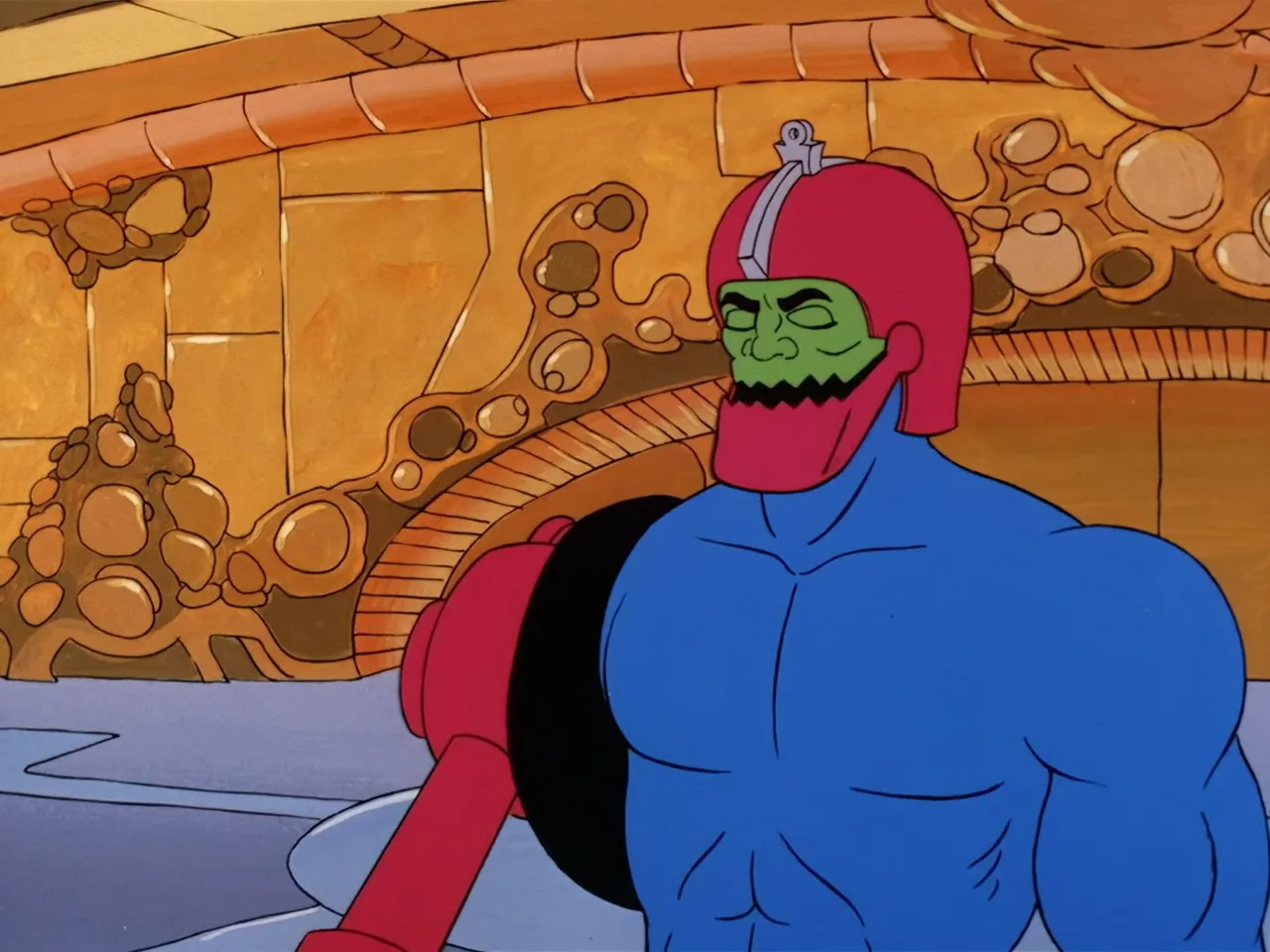
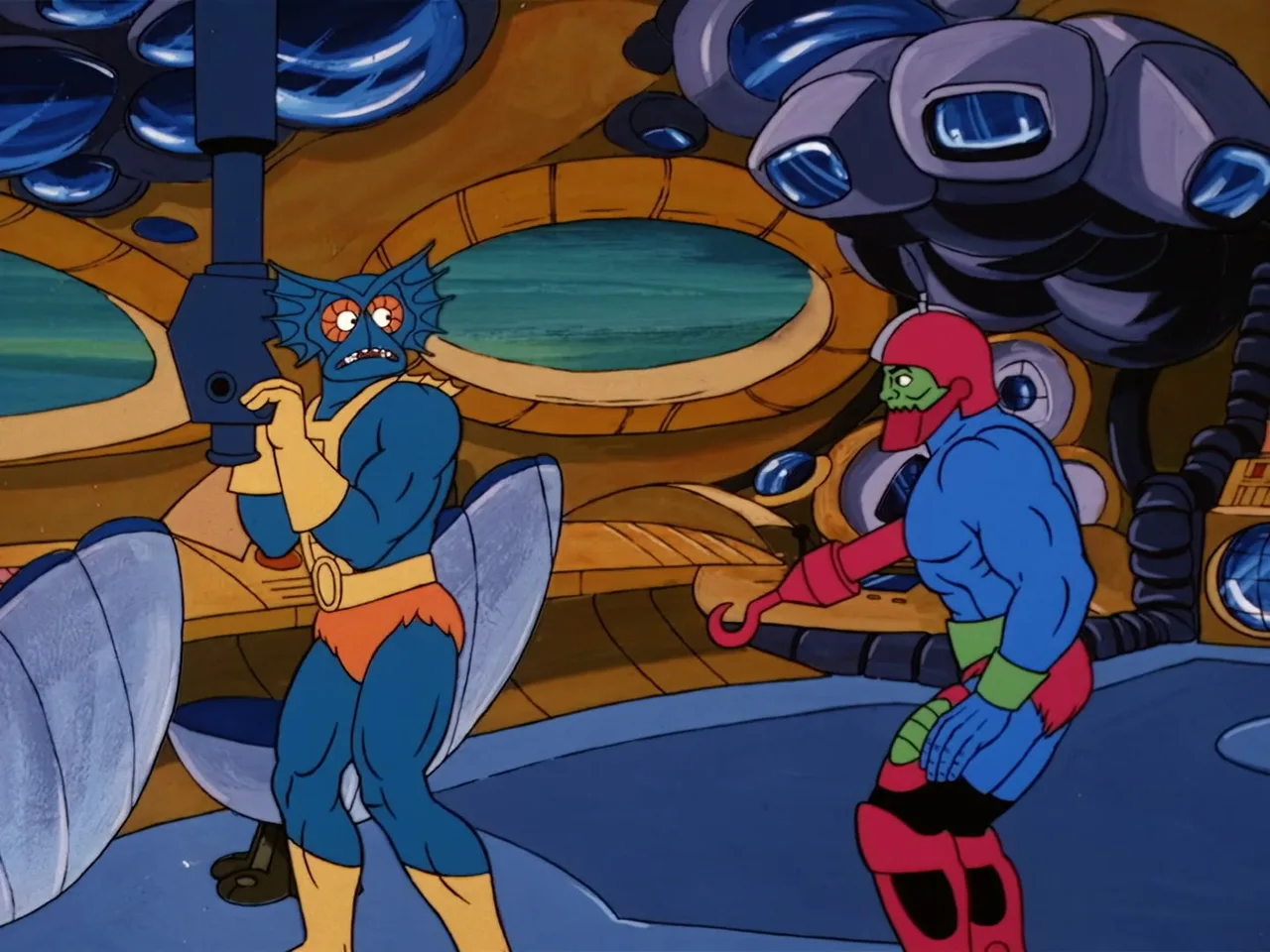
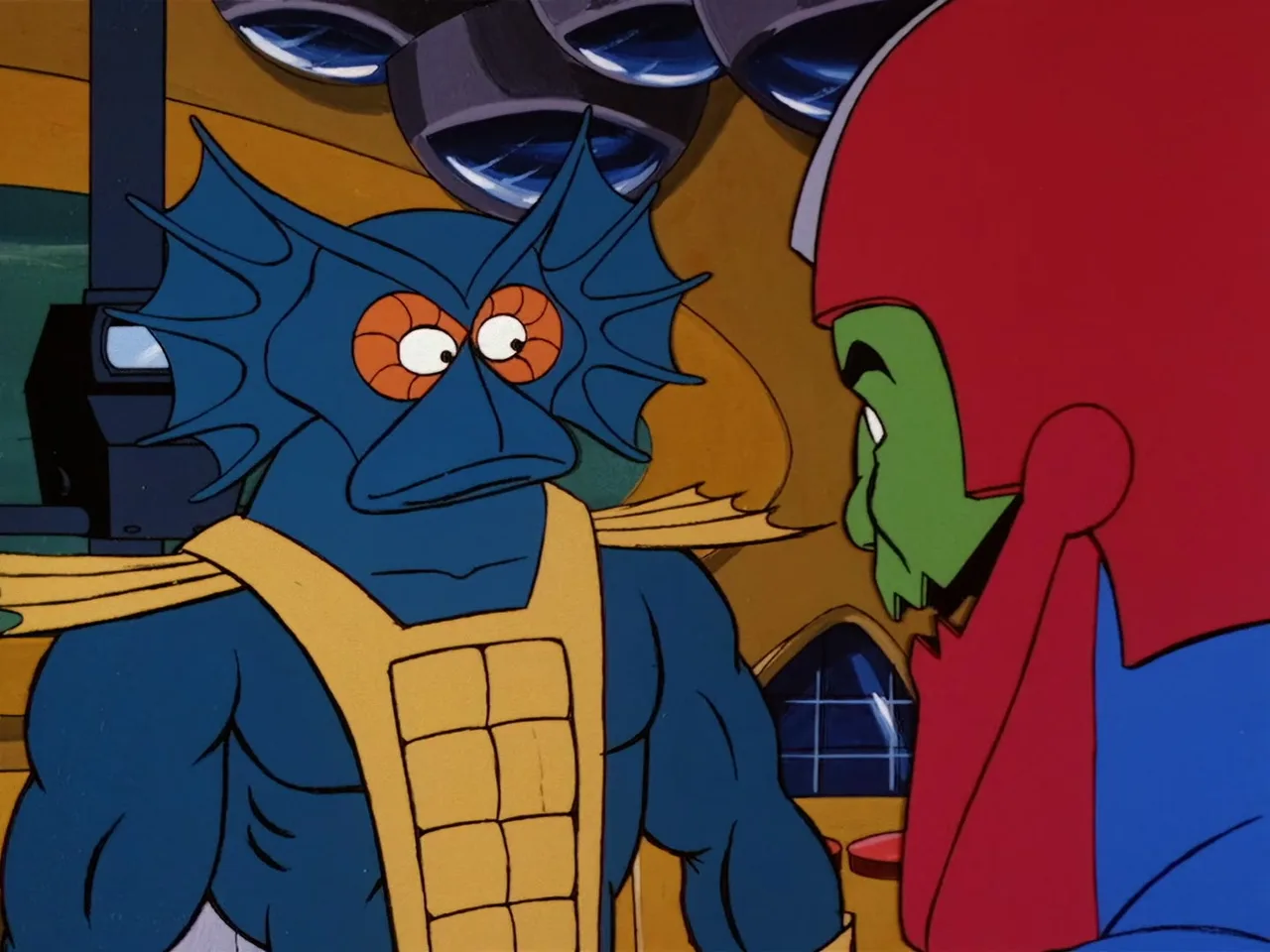
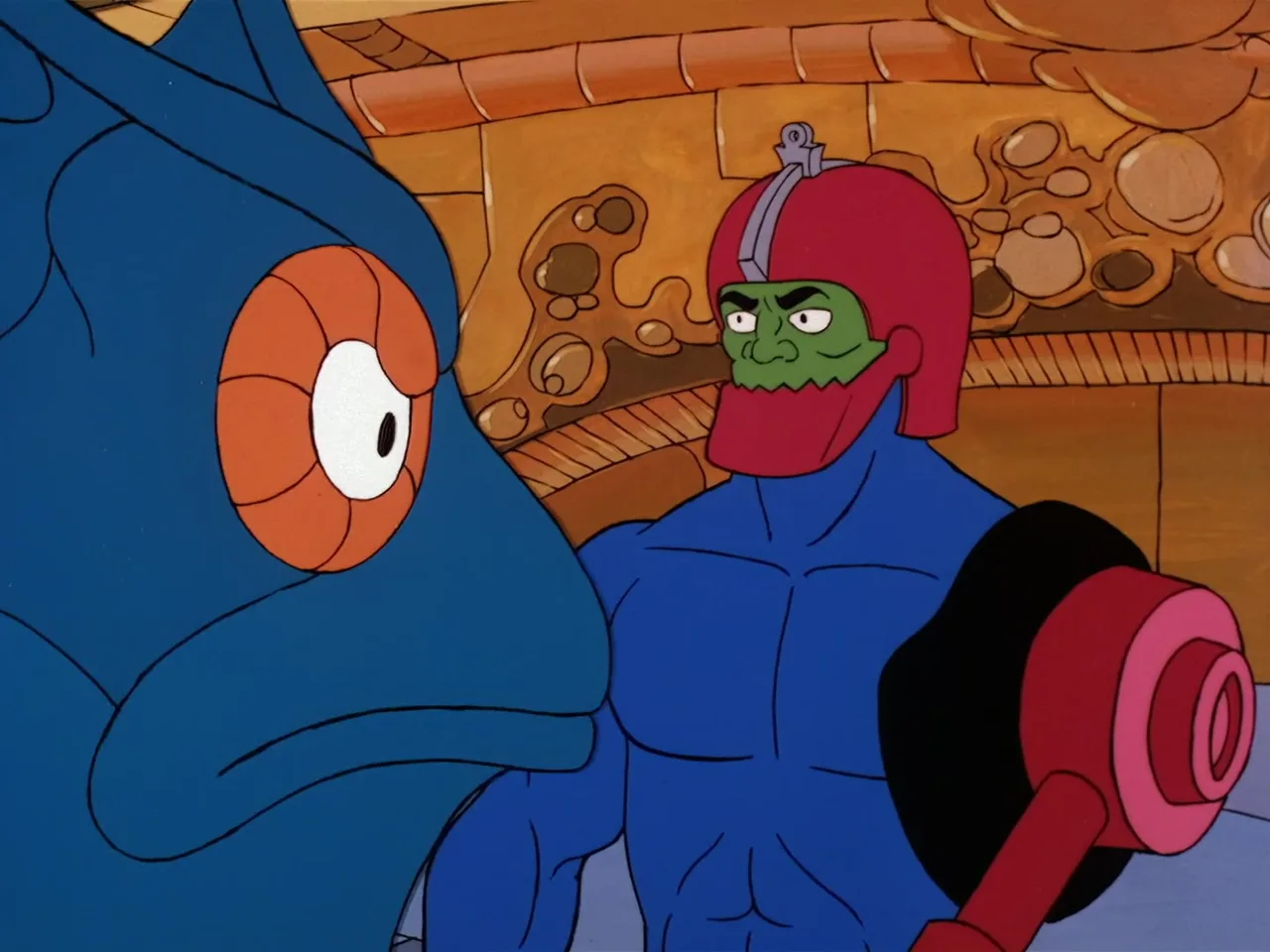
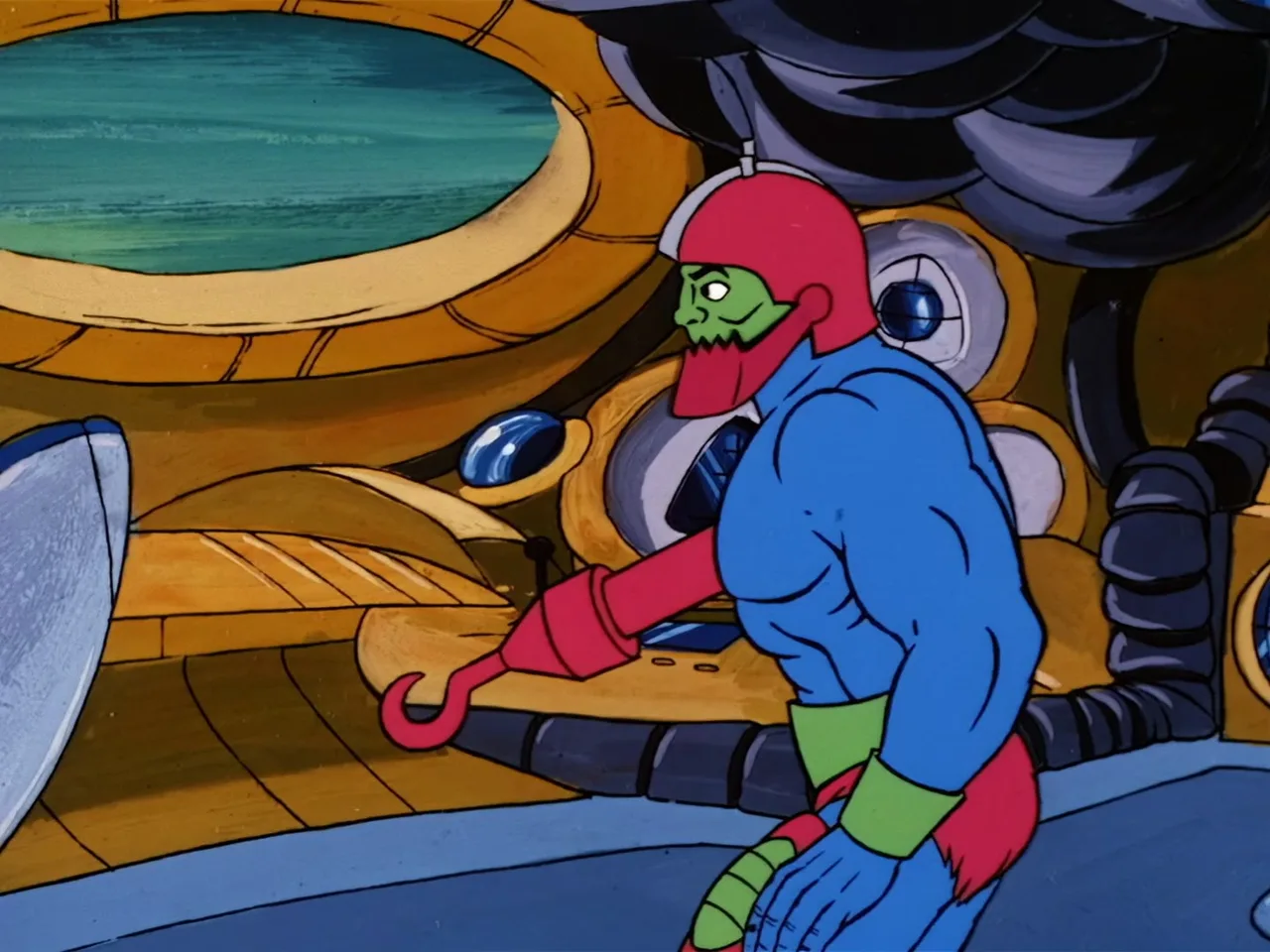
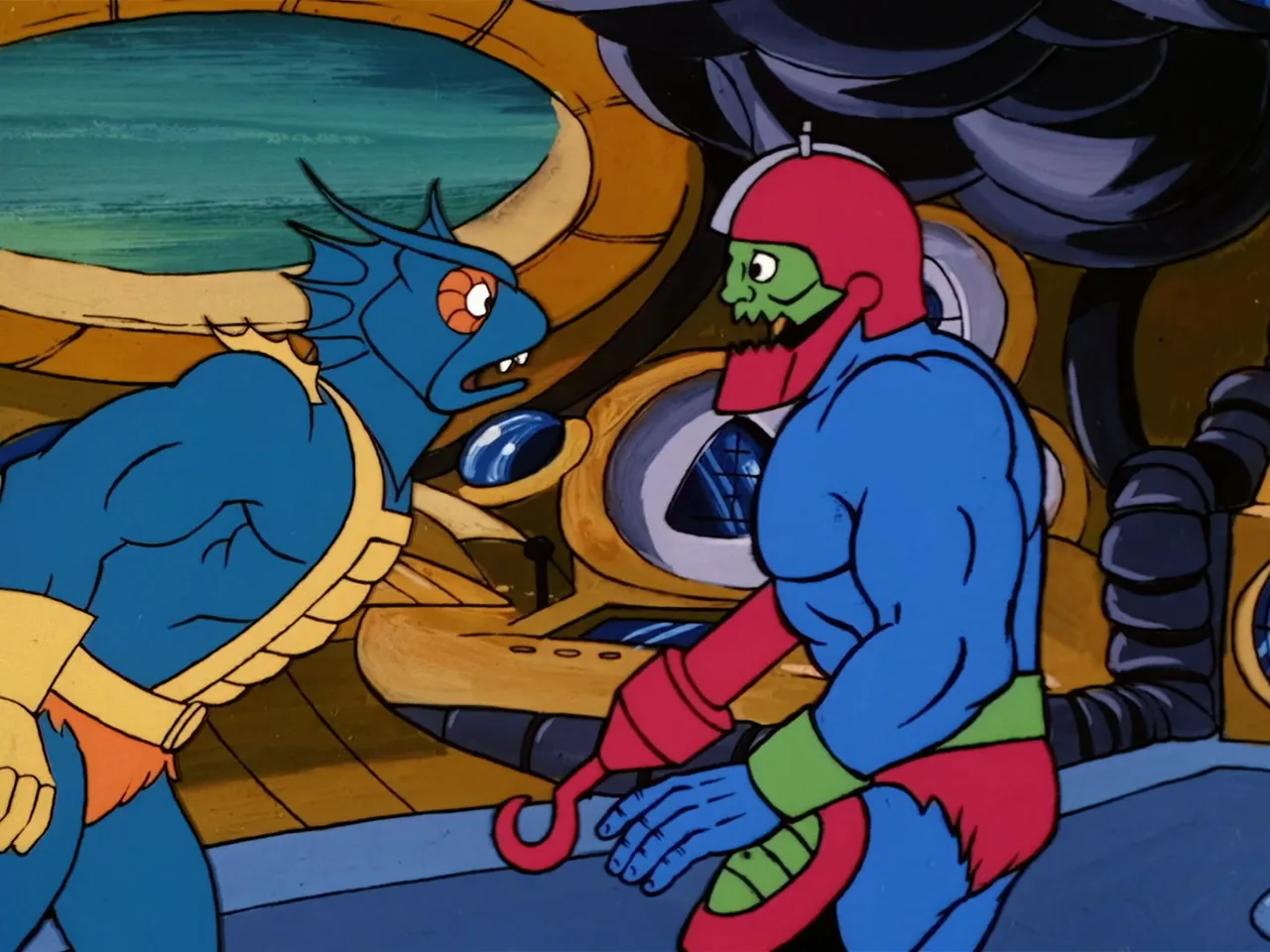
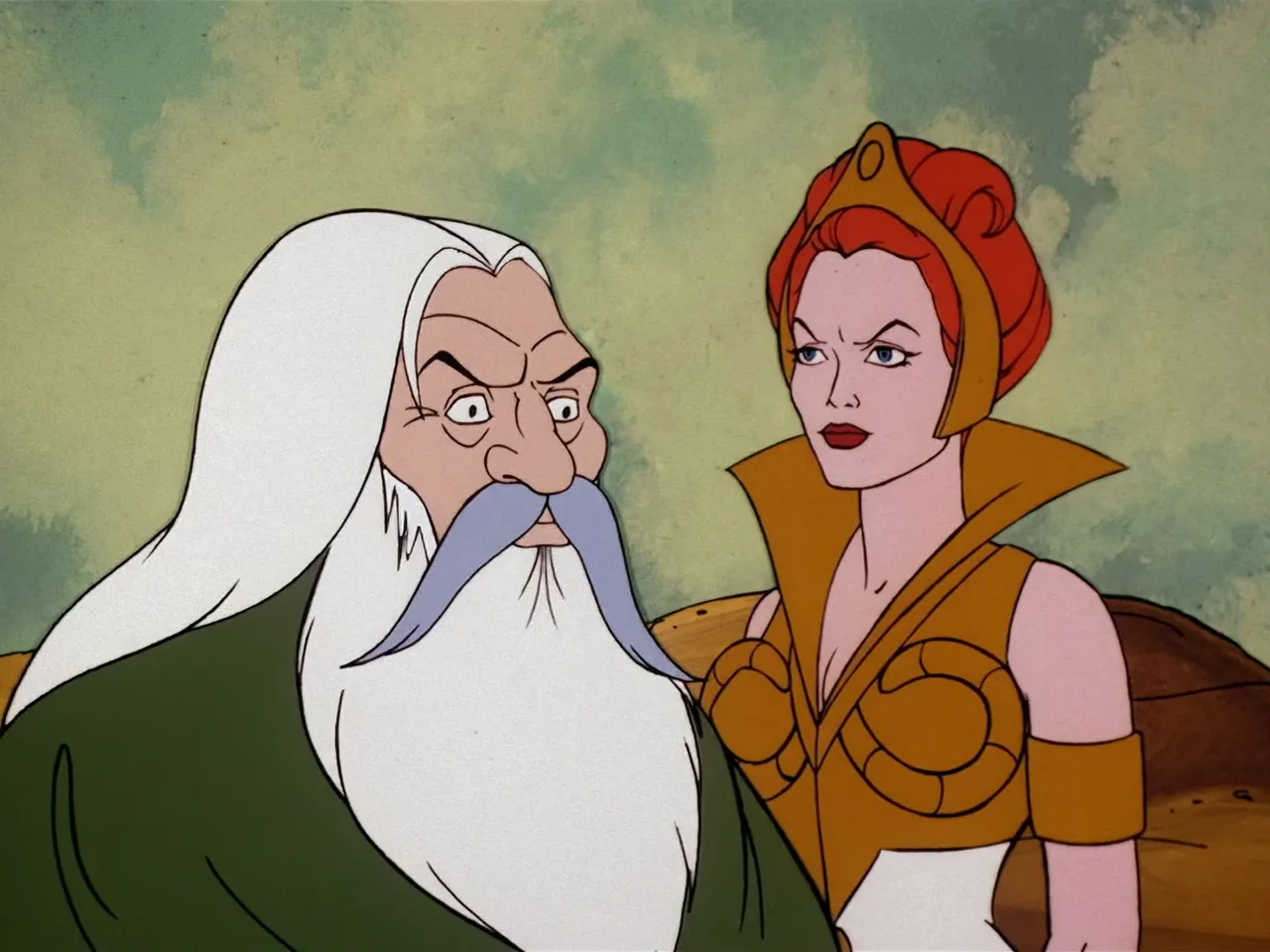
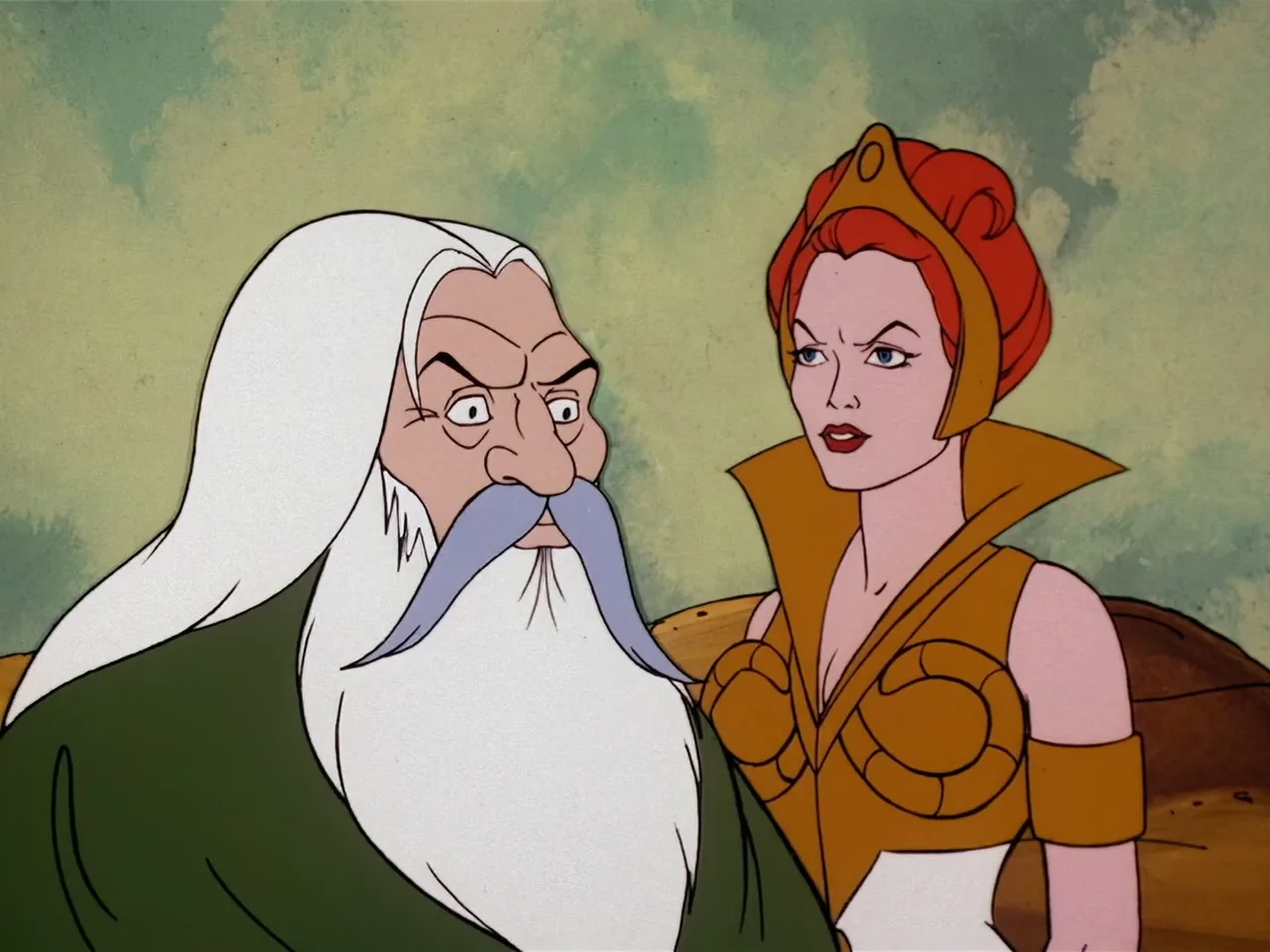
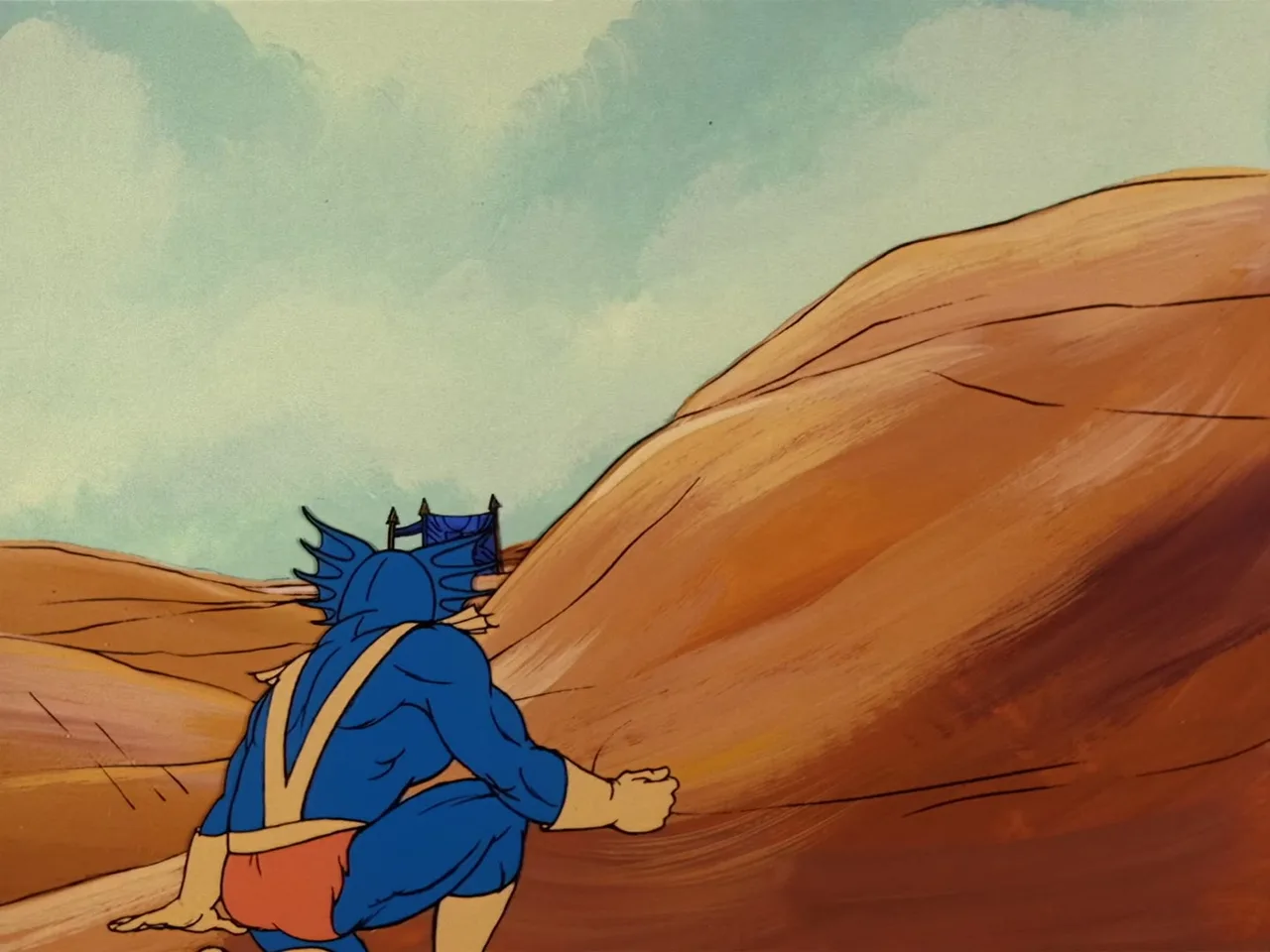
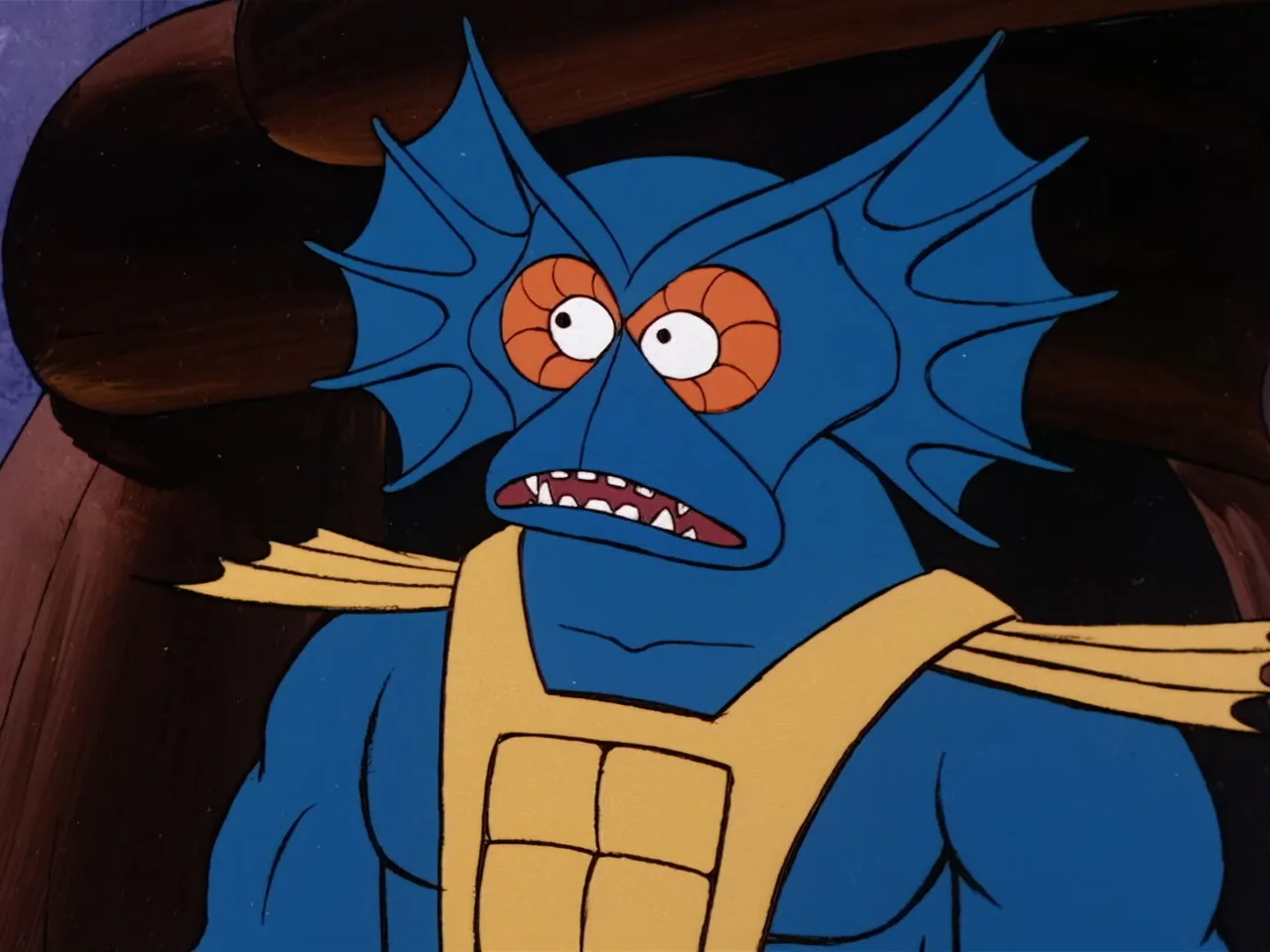
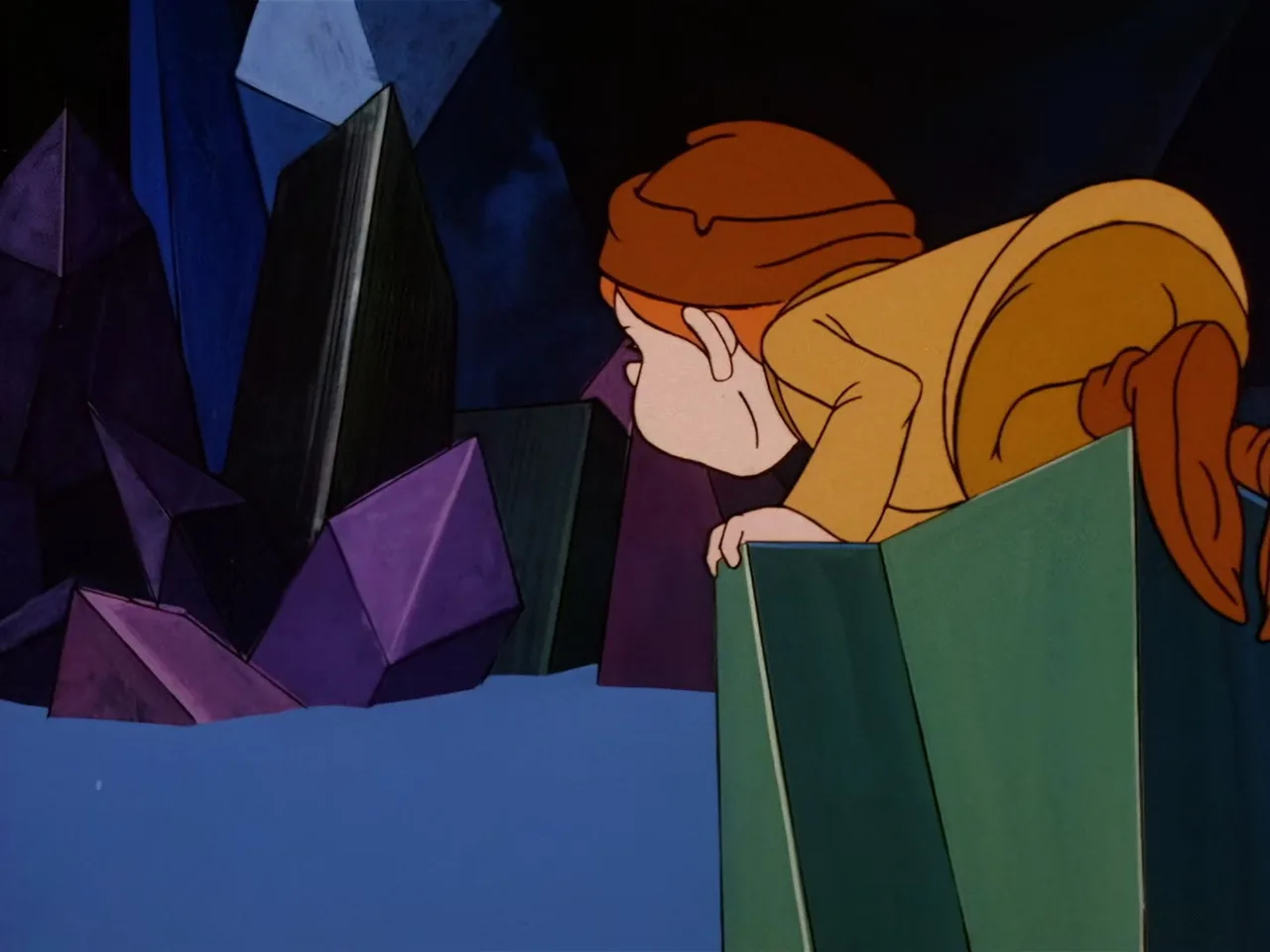
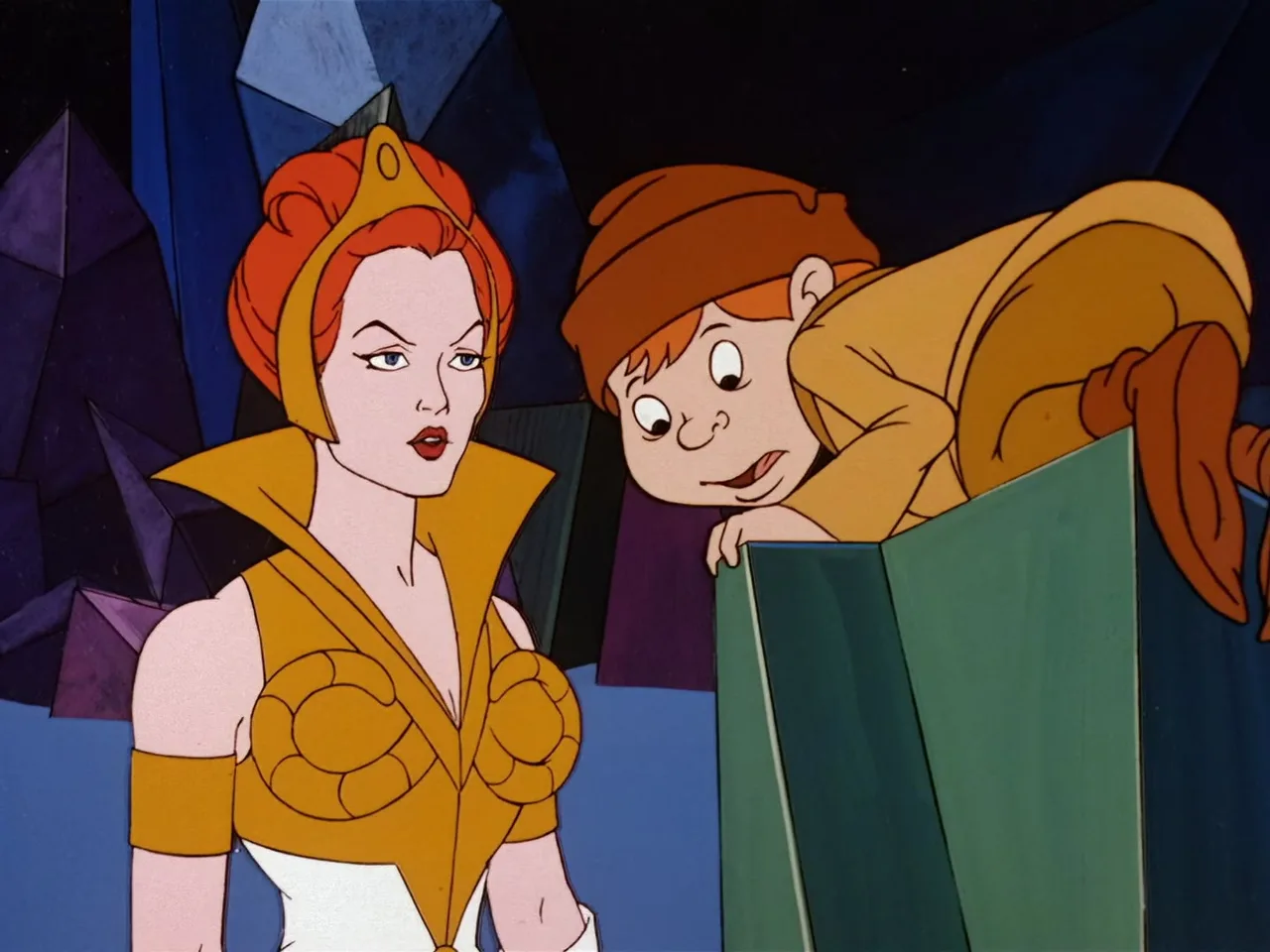
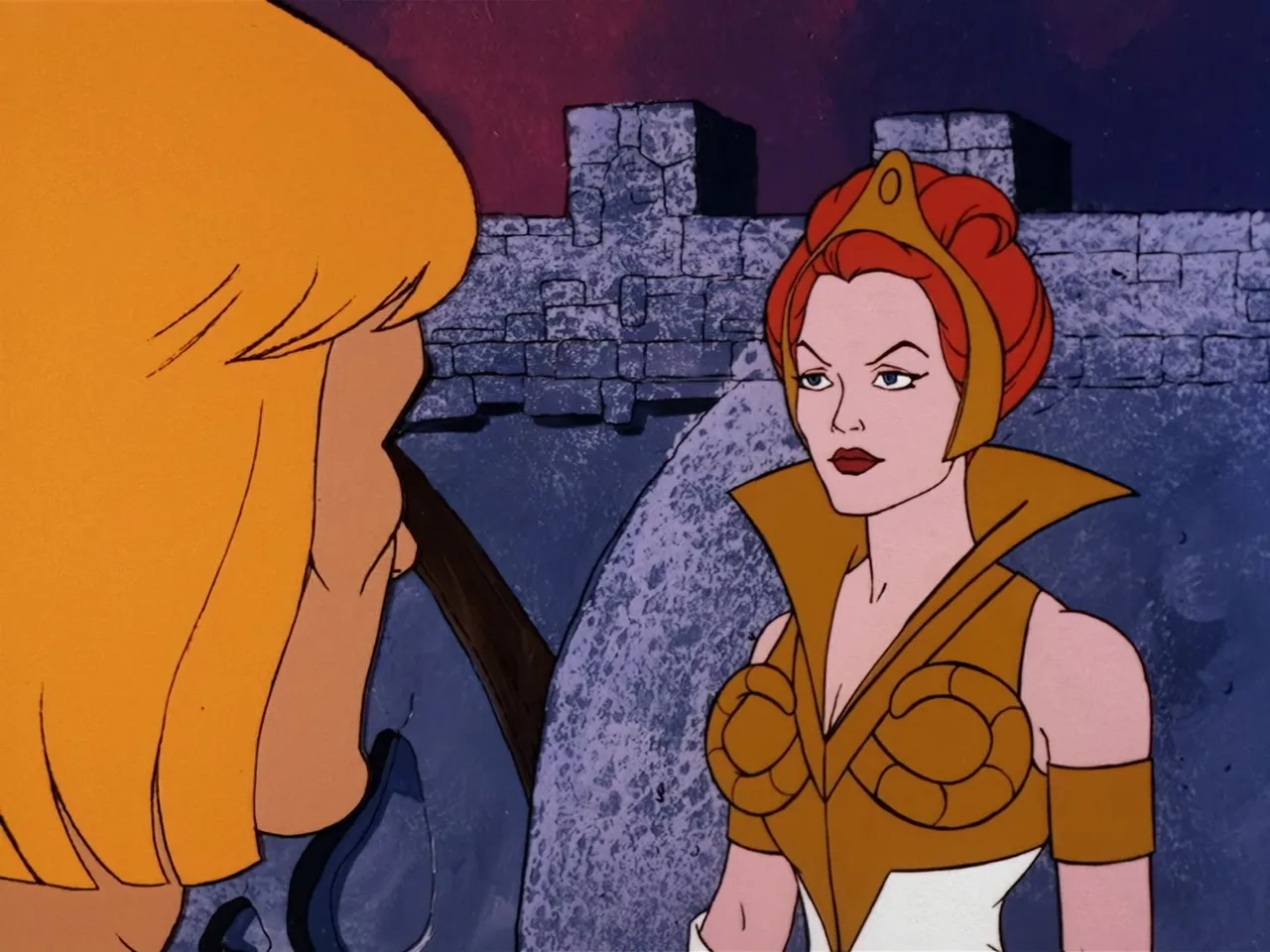
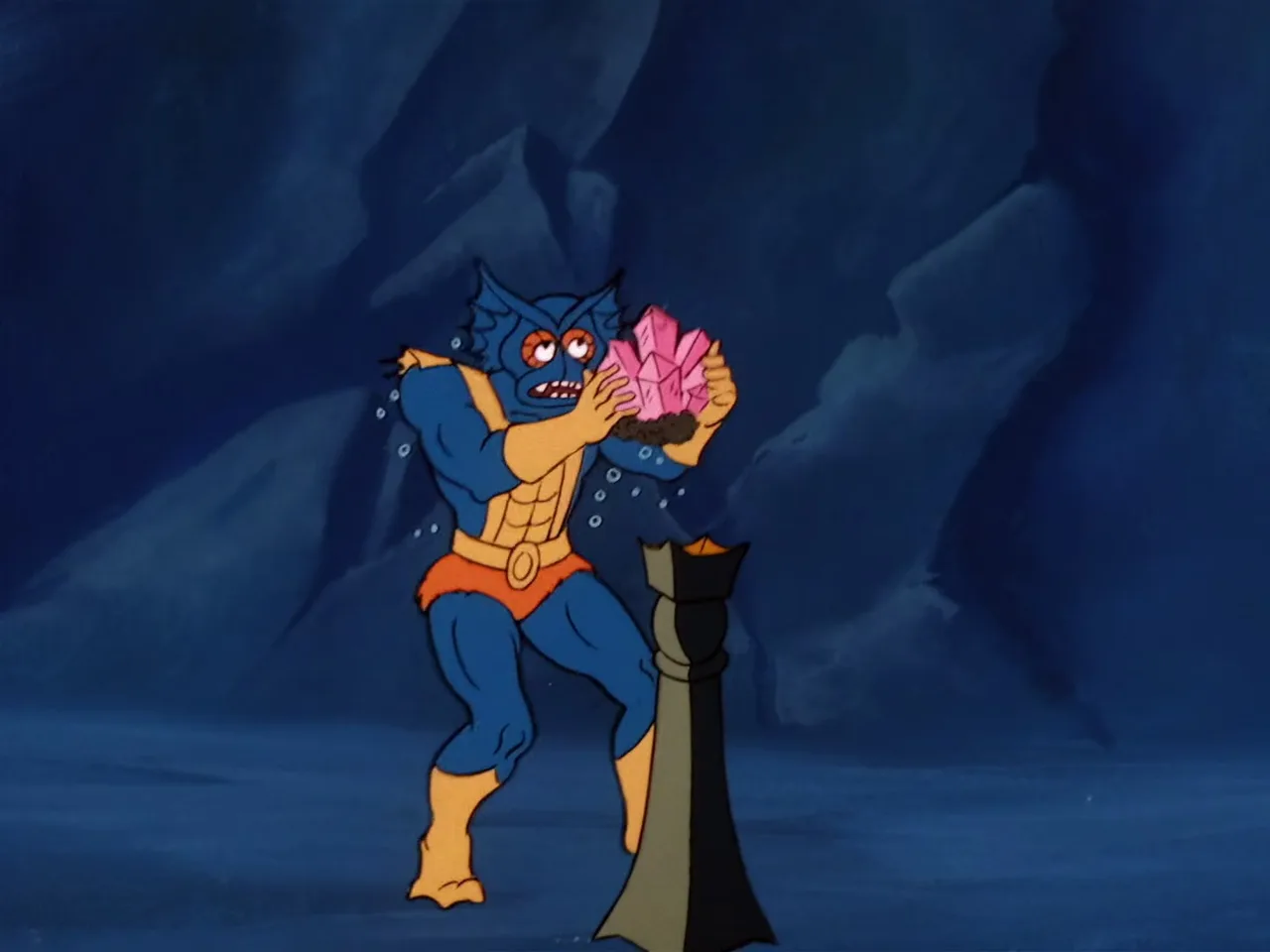
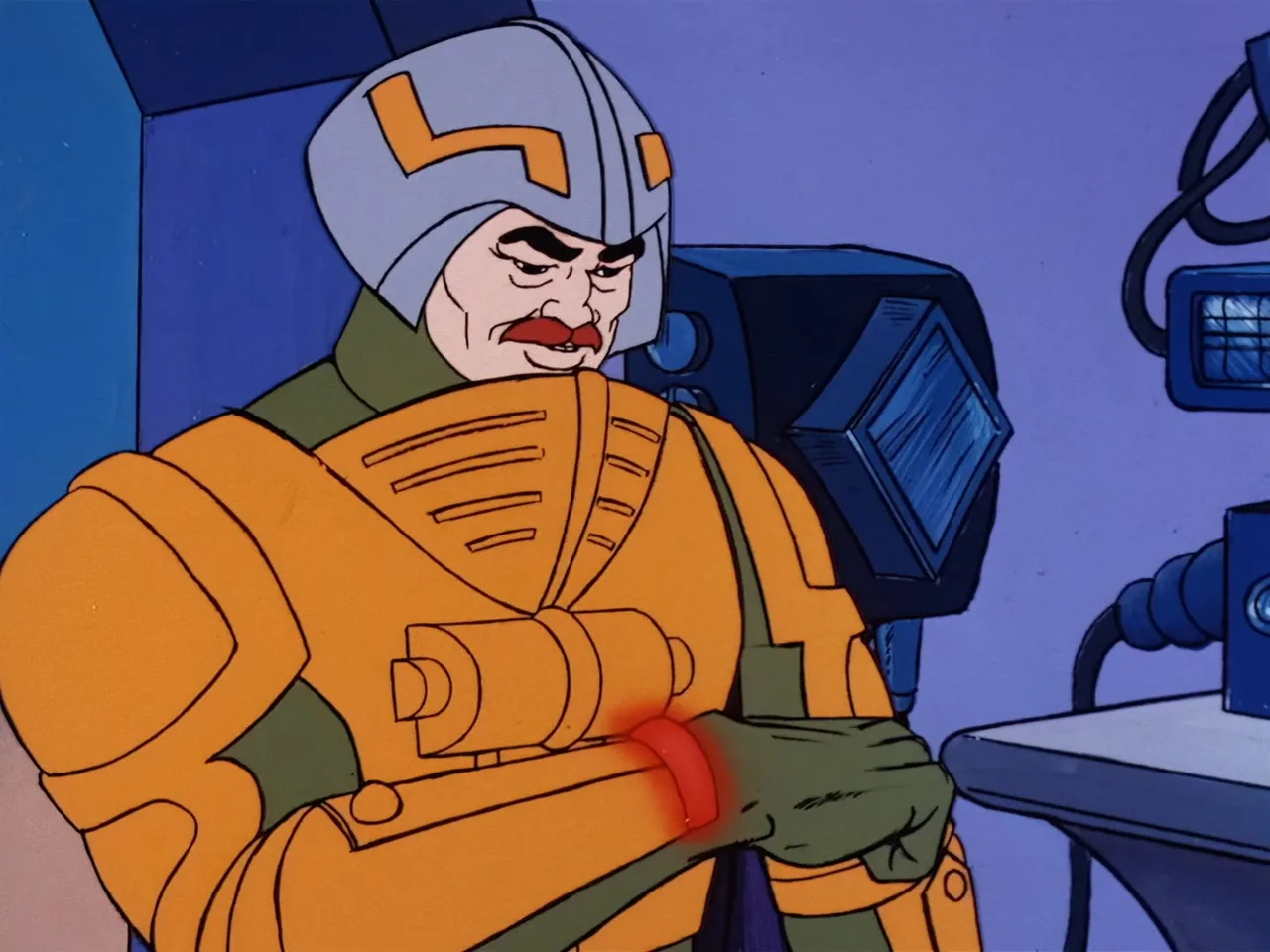
While Teela flight-tests the Wind Raider's new coridite-boosted engines for the Widgets who supplied the mineral, Mer-Man and Trap Jaw are scouting the coast in a submarine for targets for Mer-Man's new robotic sea monsters. They set the machines loose on a lone fisherman named Jacob, and Adam becomes He-Man in time to smash the robots and pull Jacob from the wreckage of his boat, though everything the old hermit owns goes down with it.
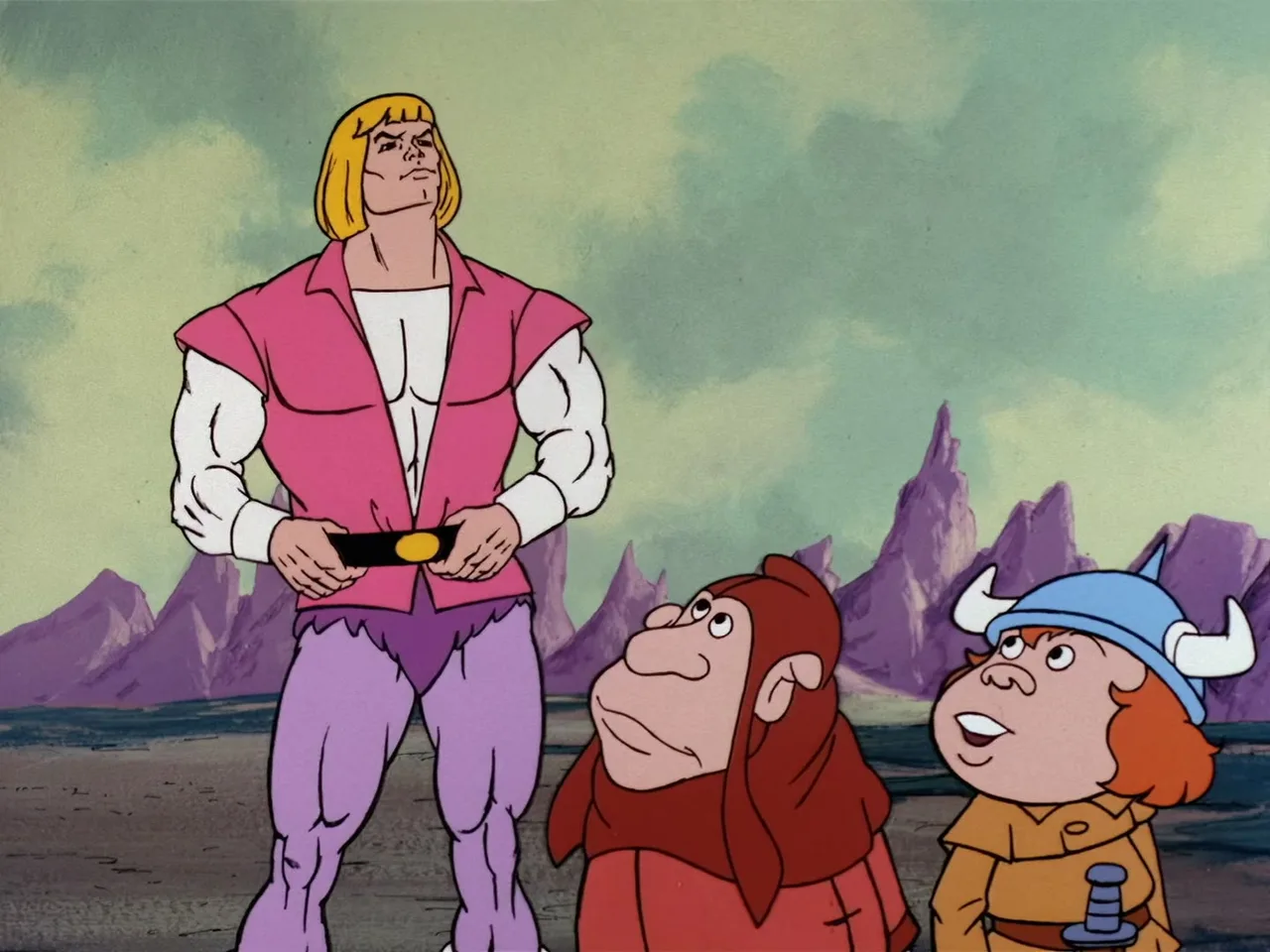
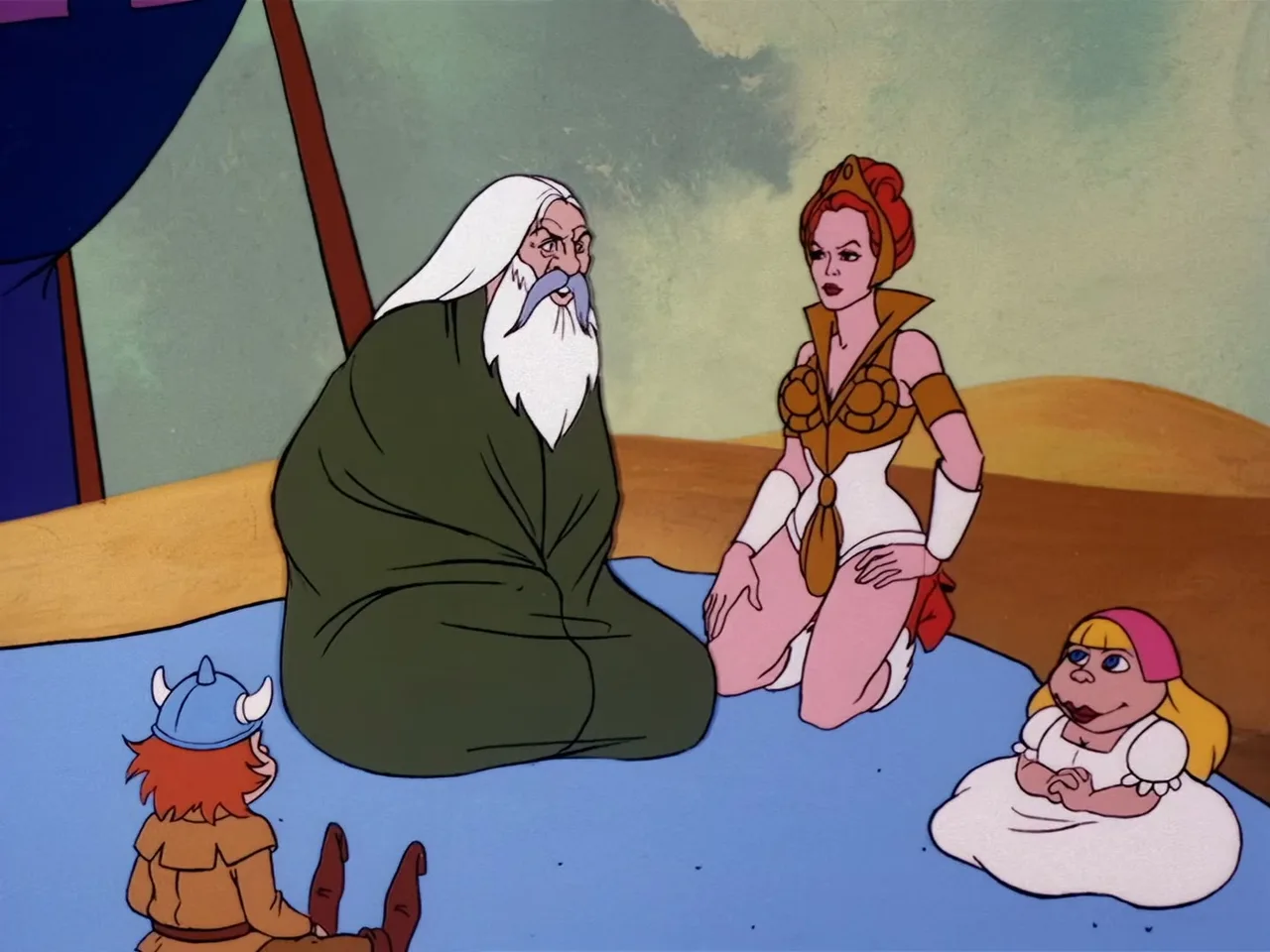
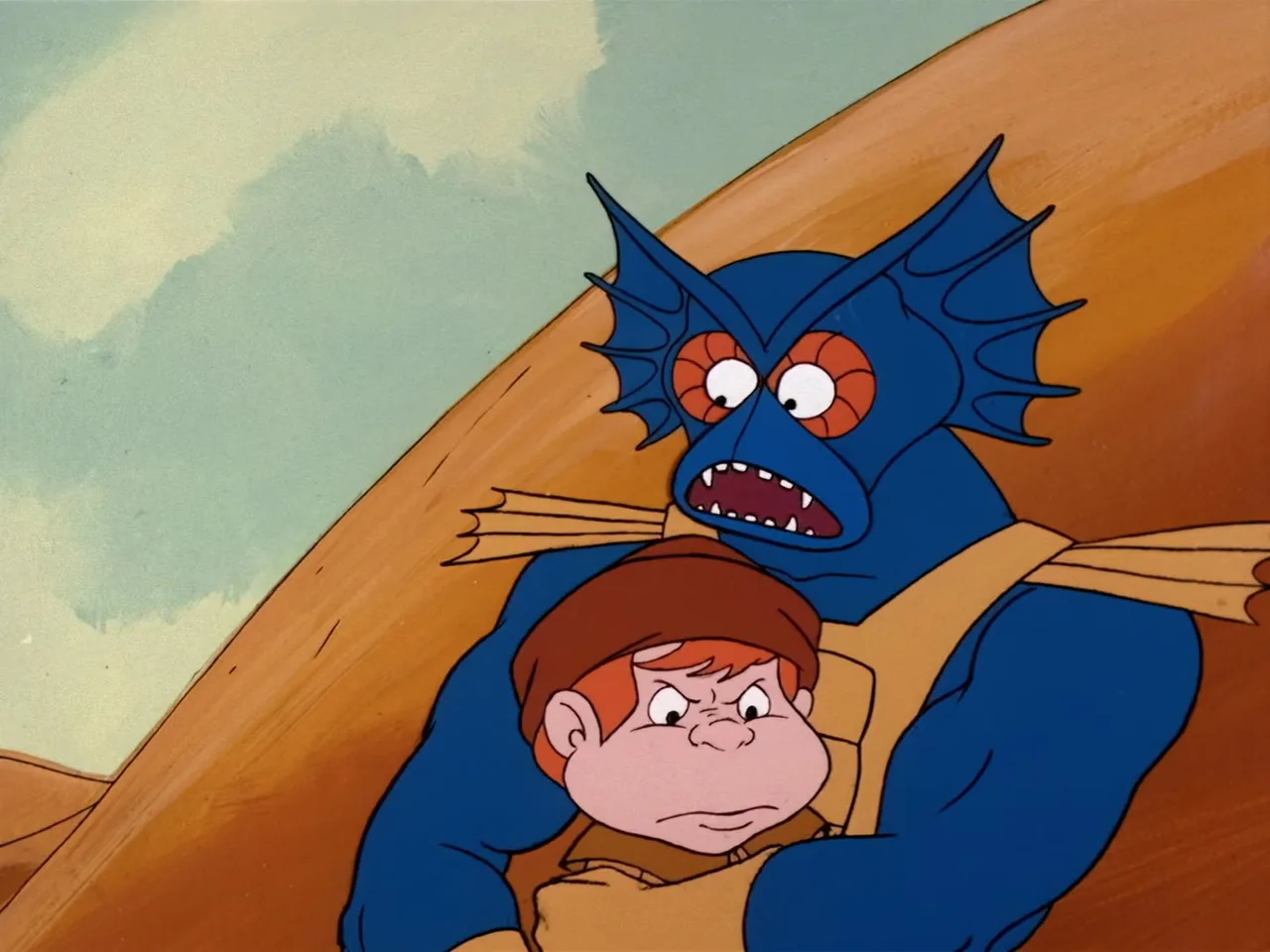
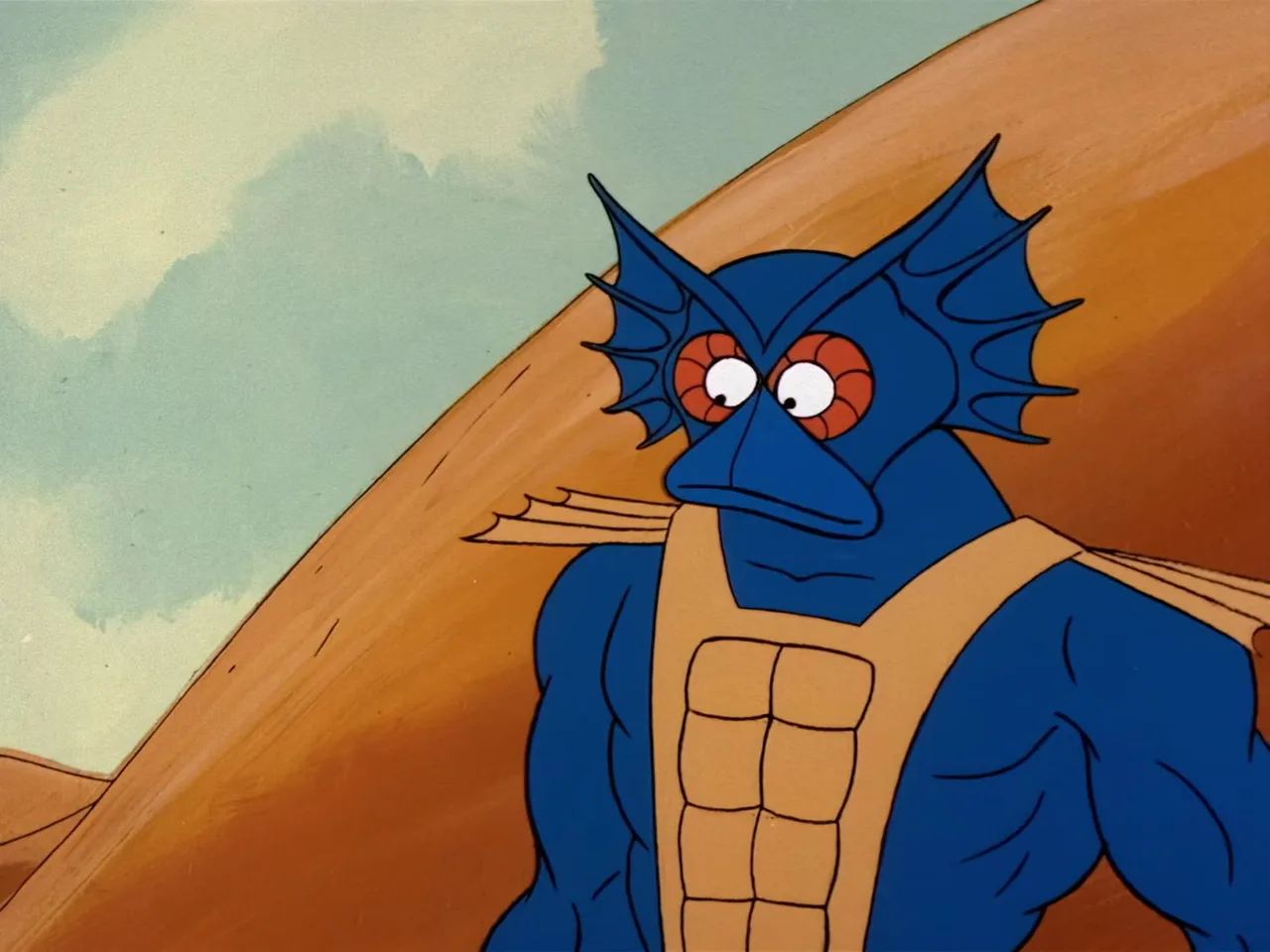
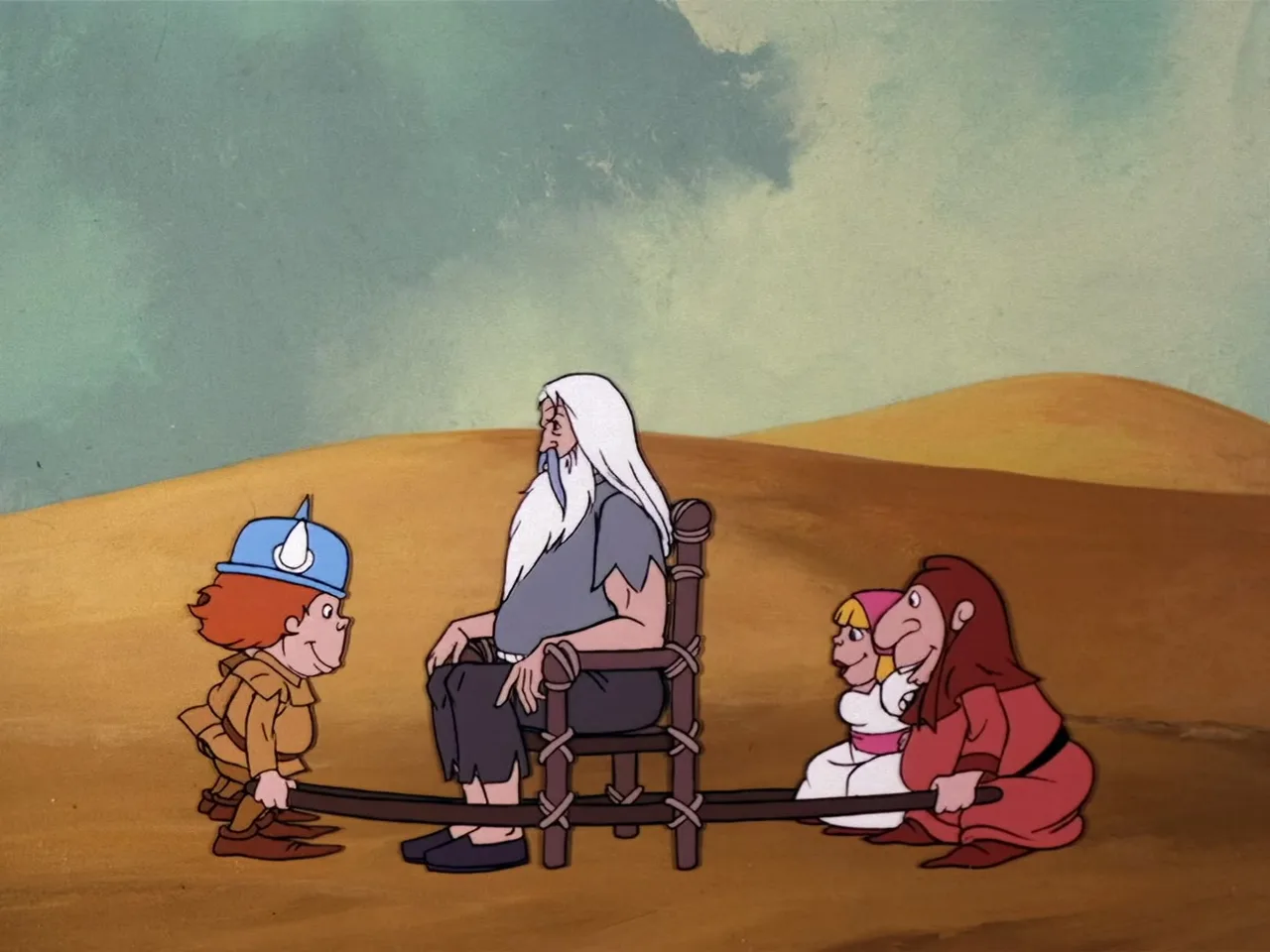
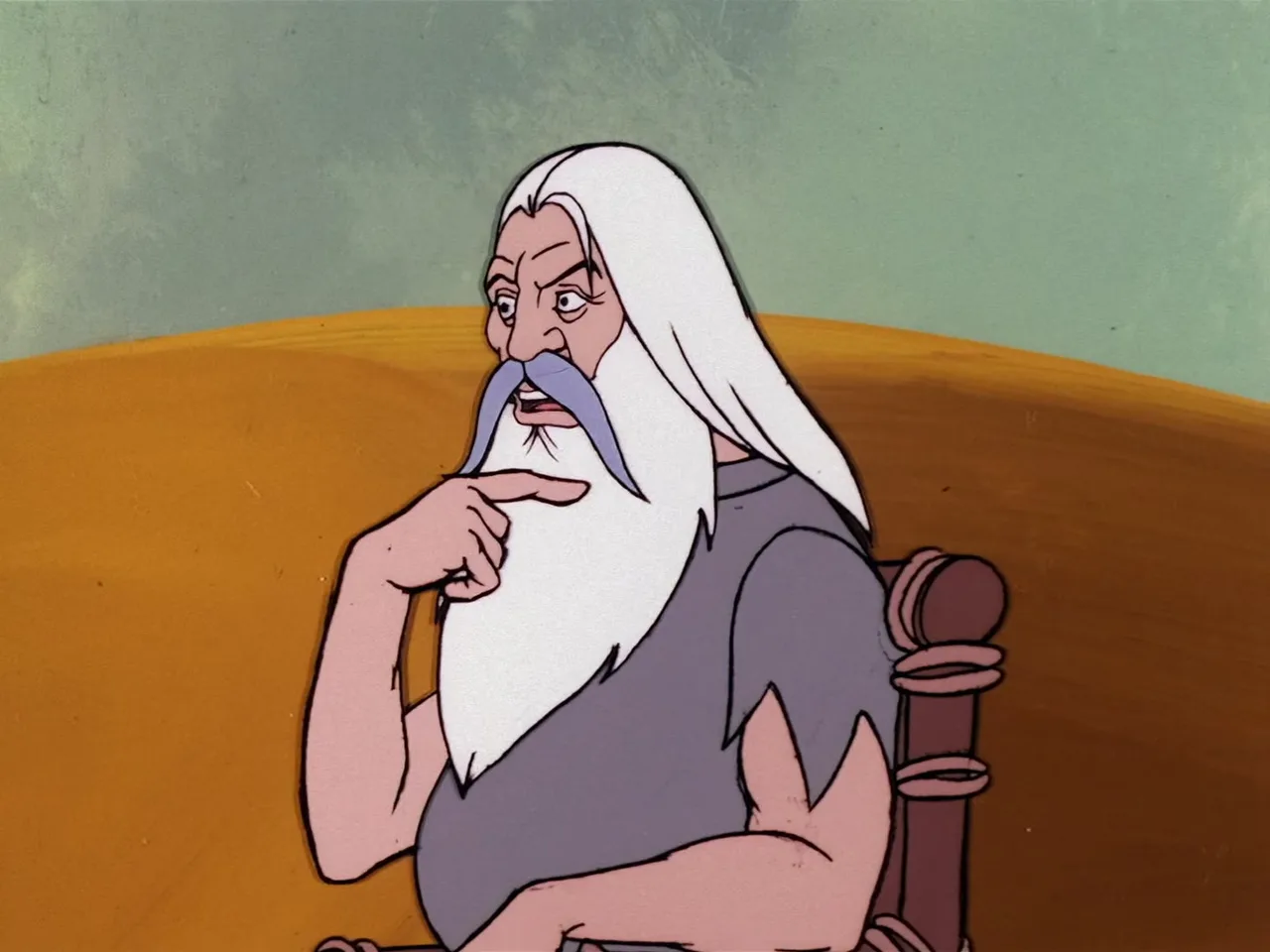
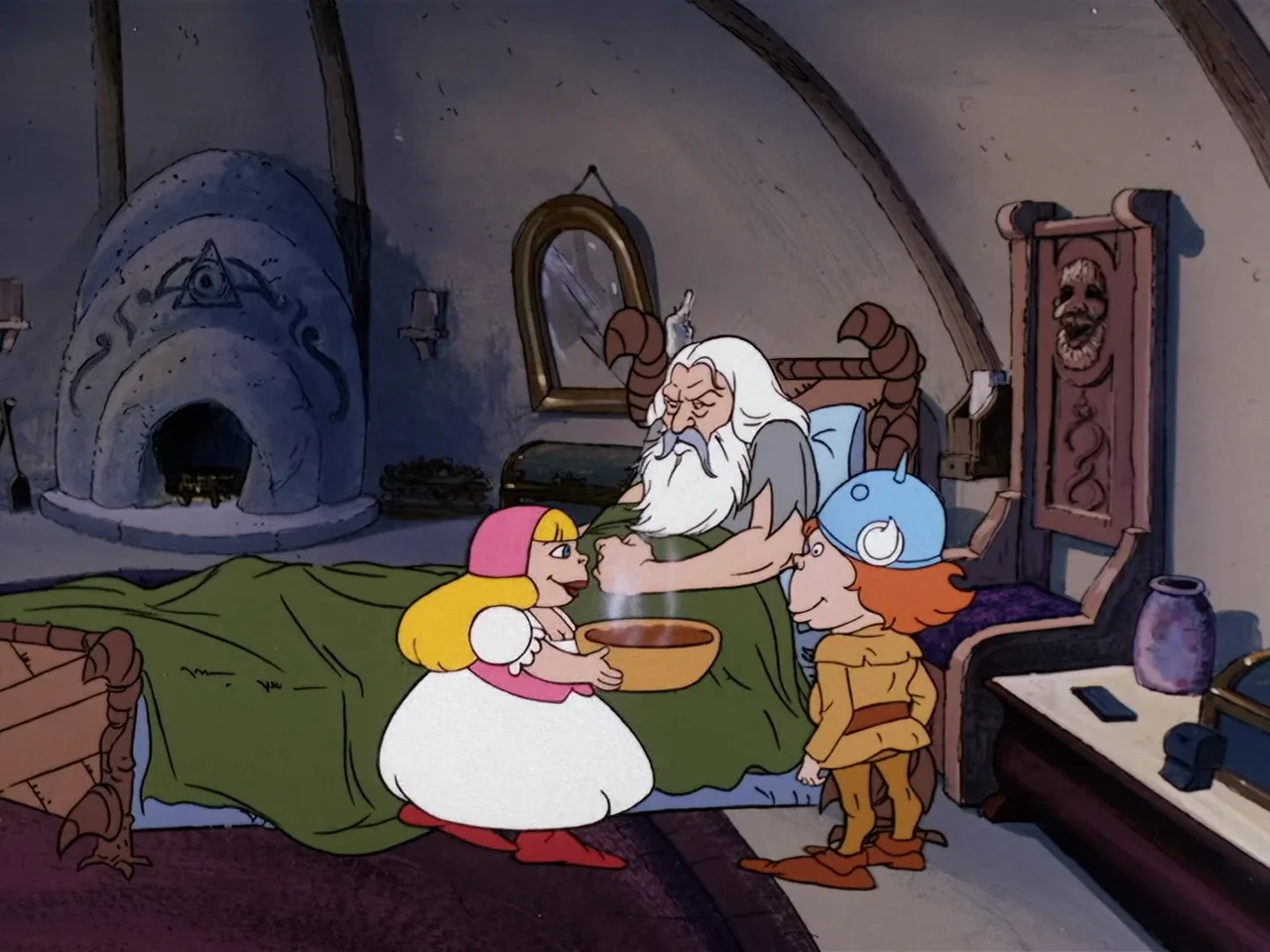
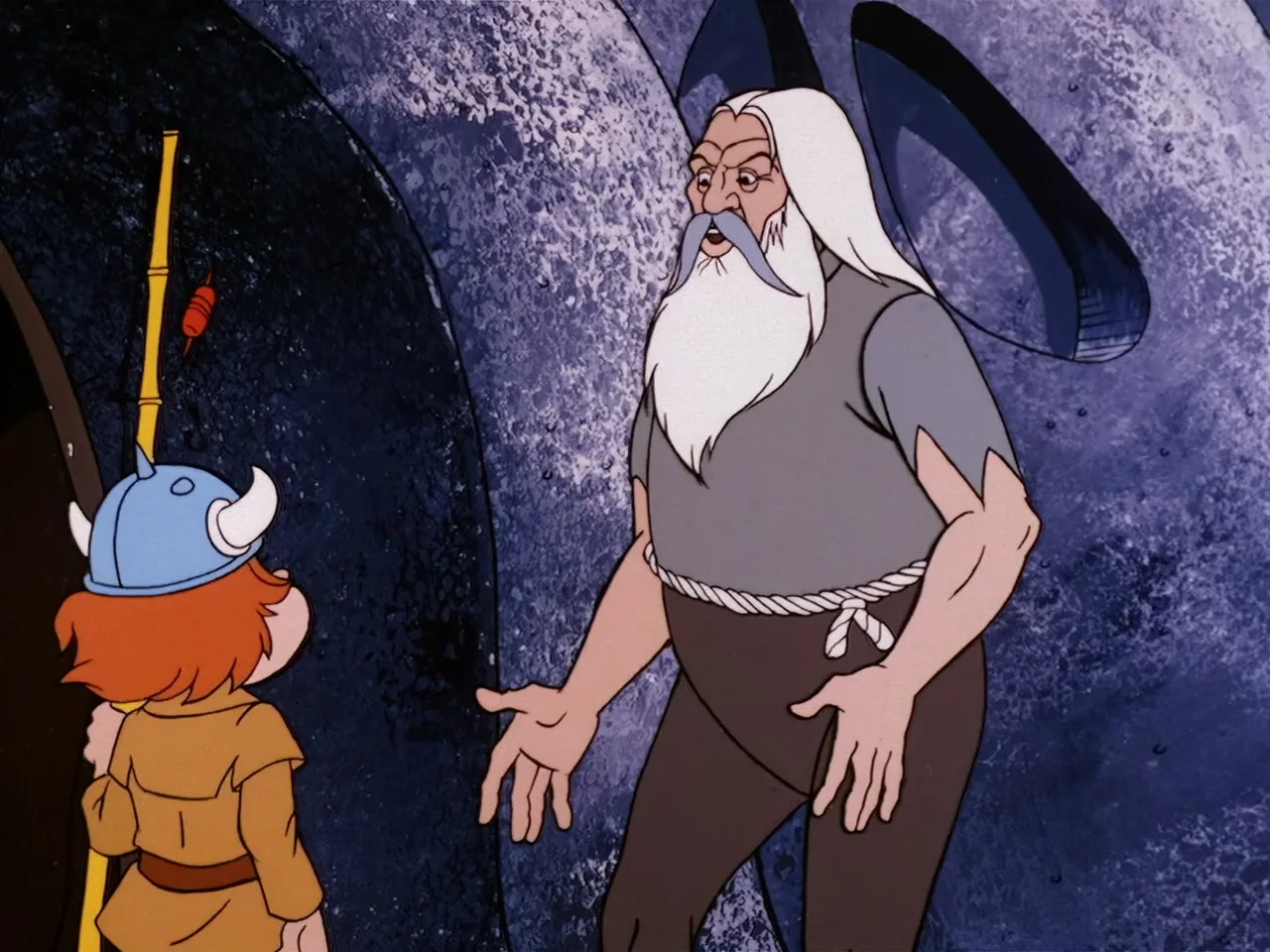
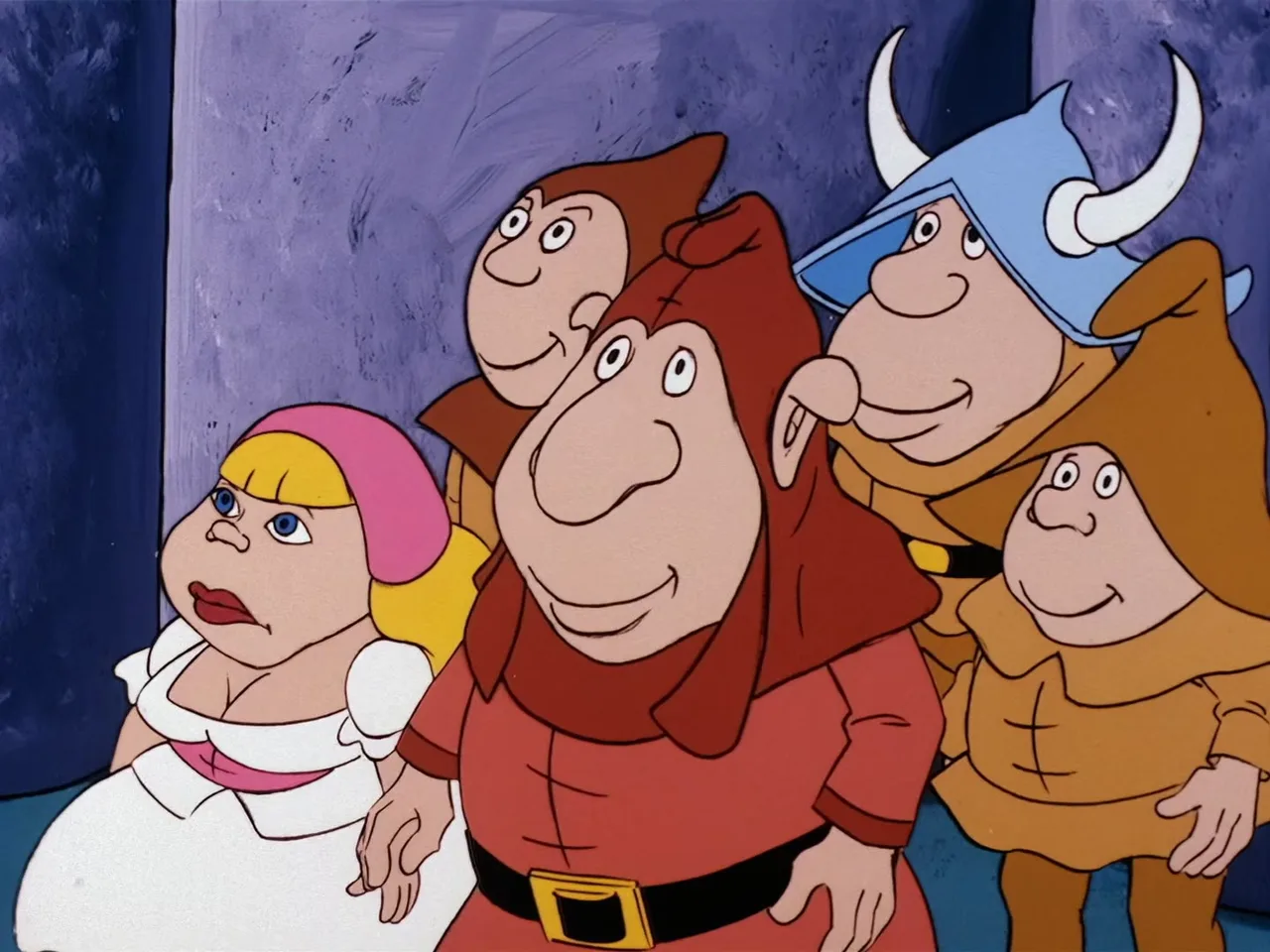
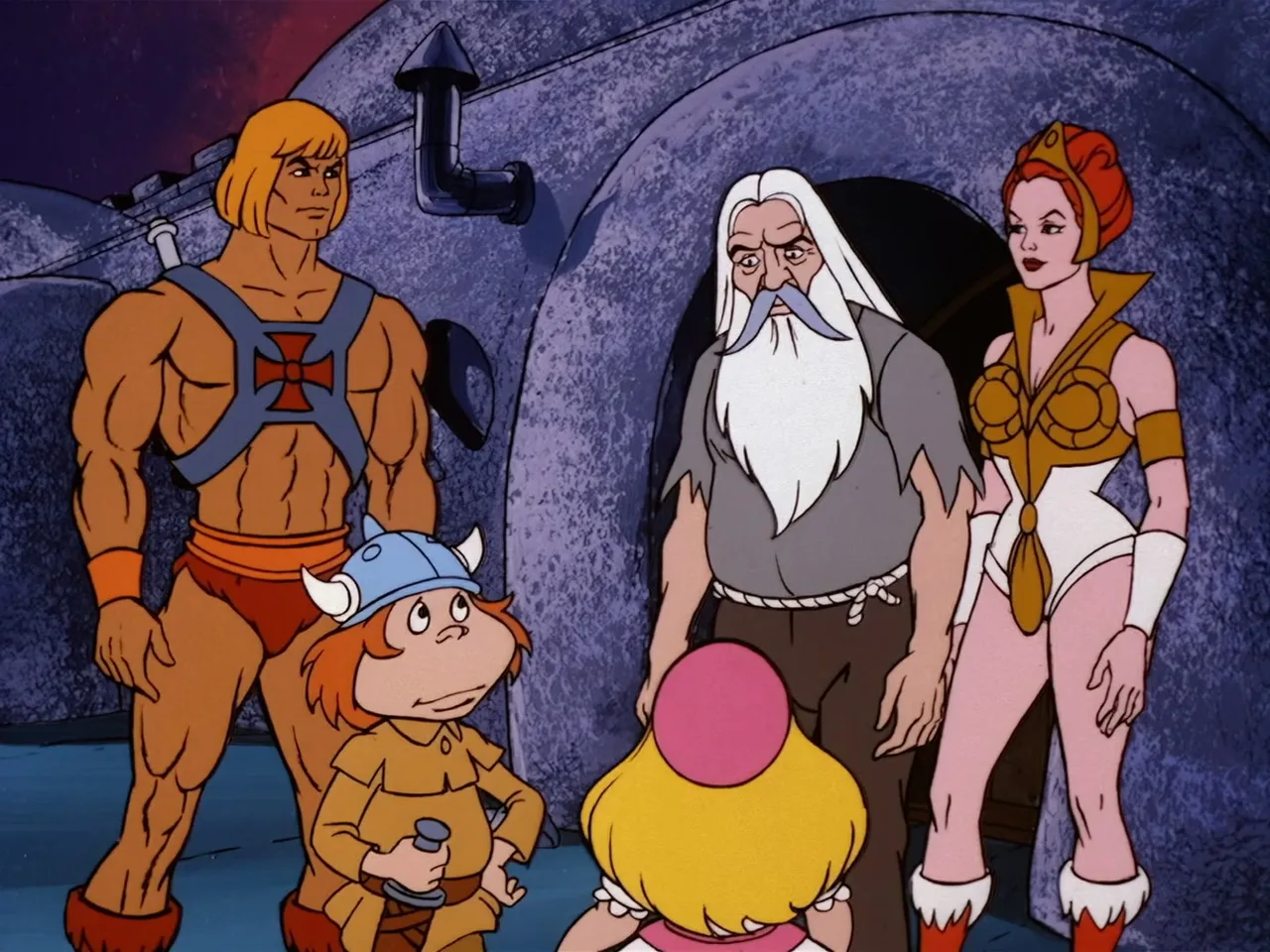
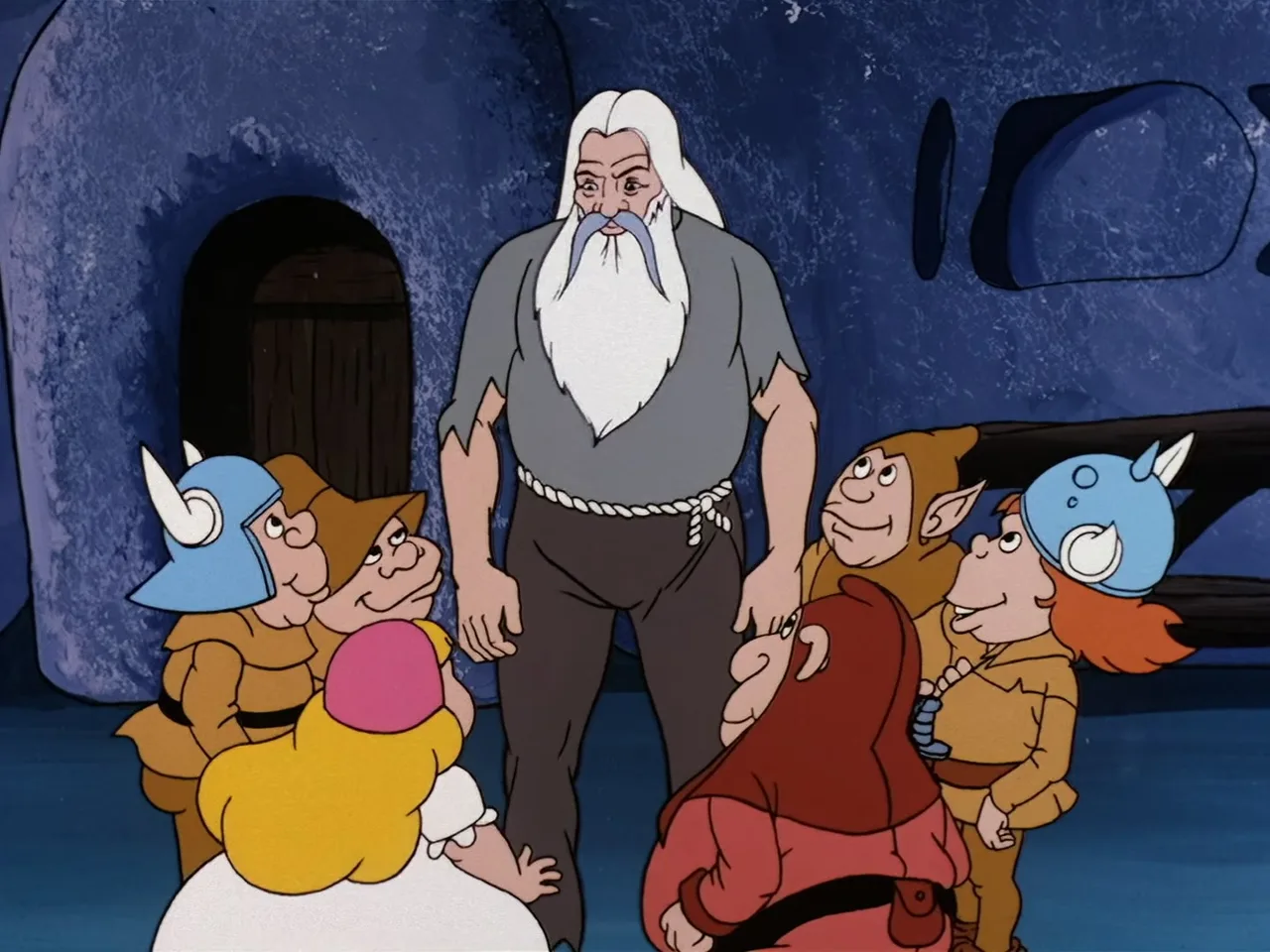
Jacob proves a reluctant guest, short-tempered about losing his solitary life, but the Widgets take him in anyway. Mer-Man, meanwhile, squeezes the location of the Widgets' hidden coridite deposit out of Biro and starts tunneling toward their fort to steal it, flooding the mine as he goes.
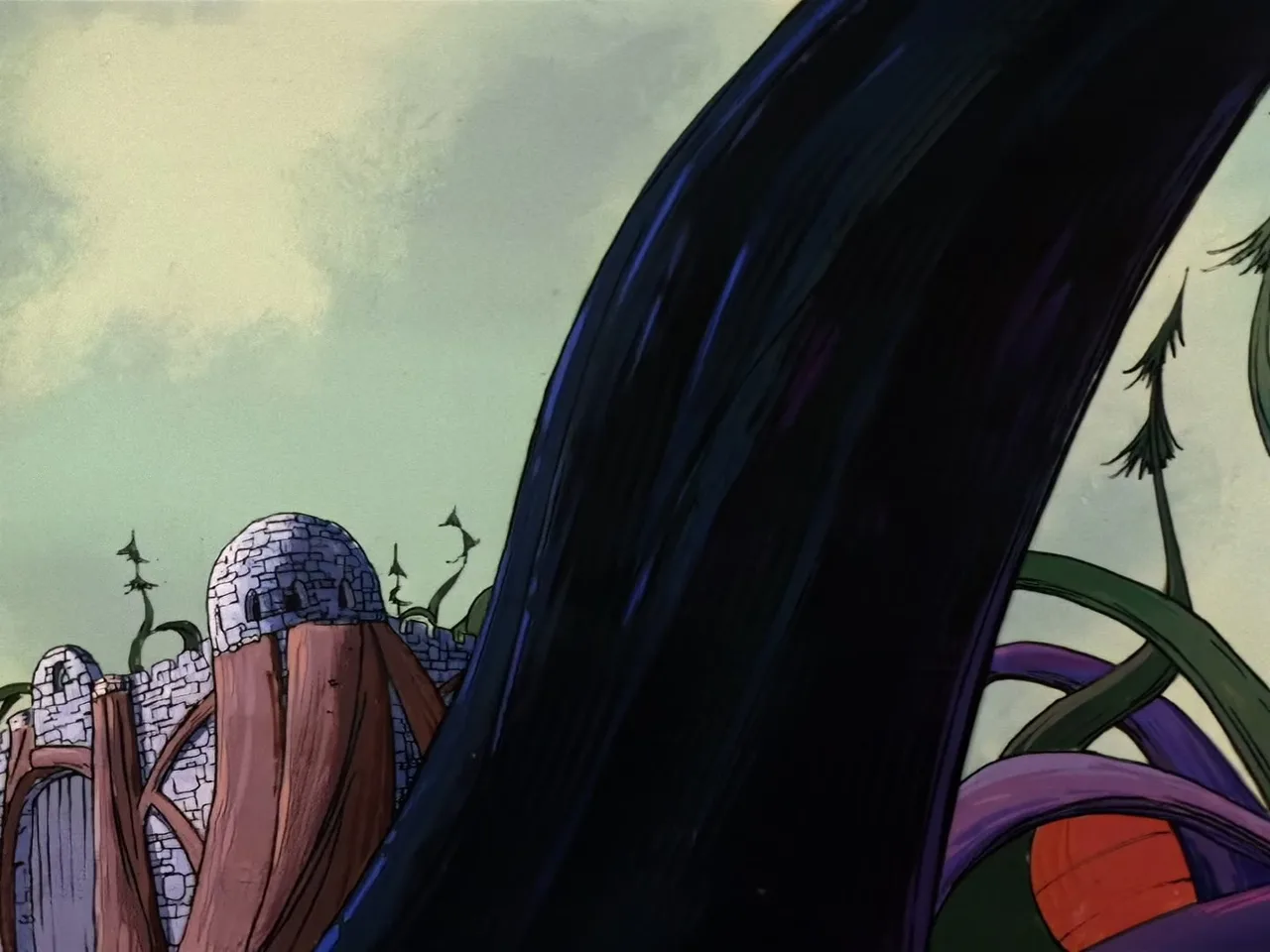
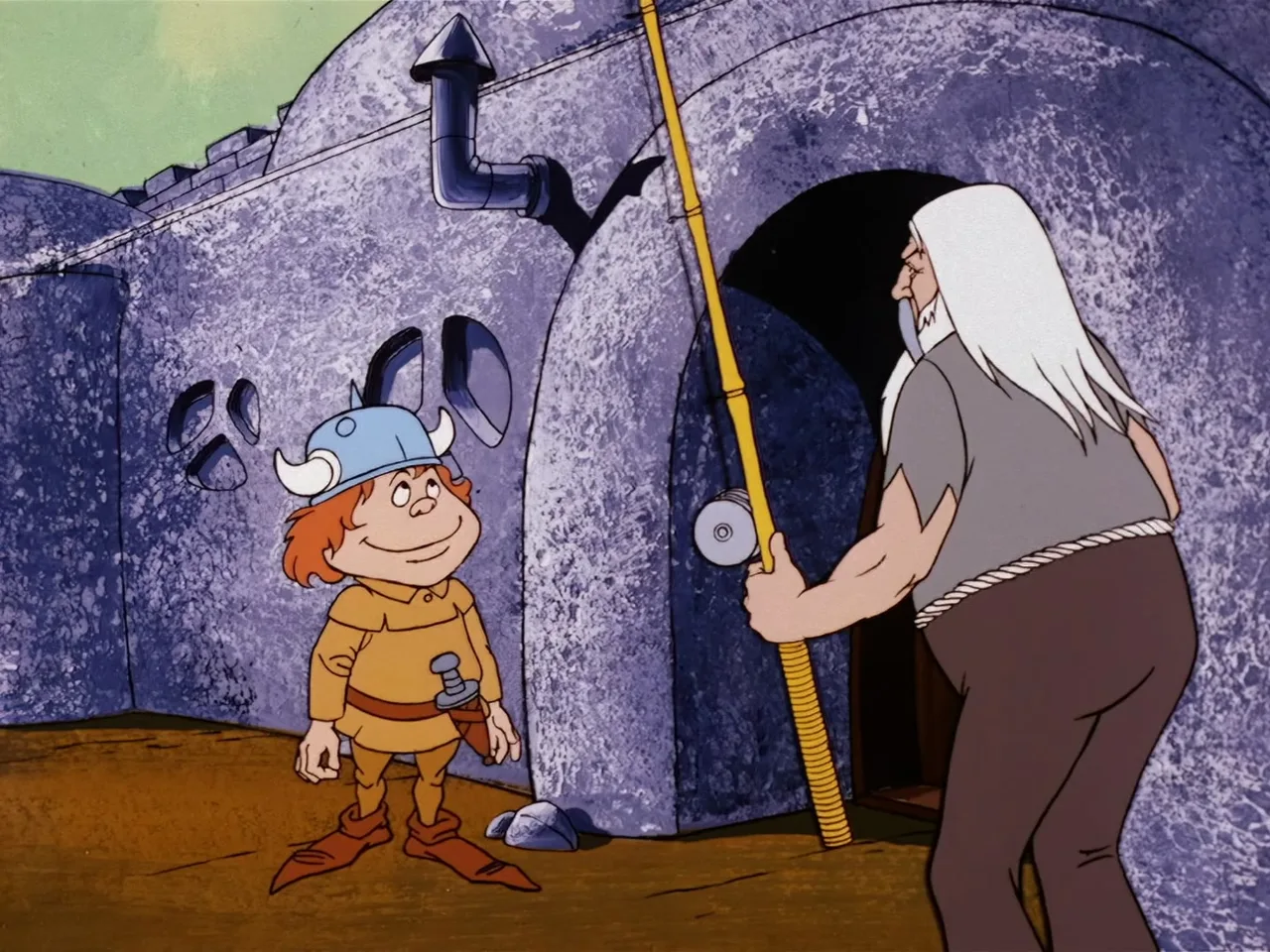
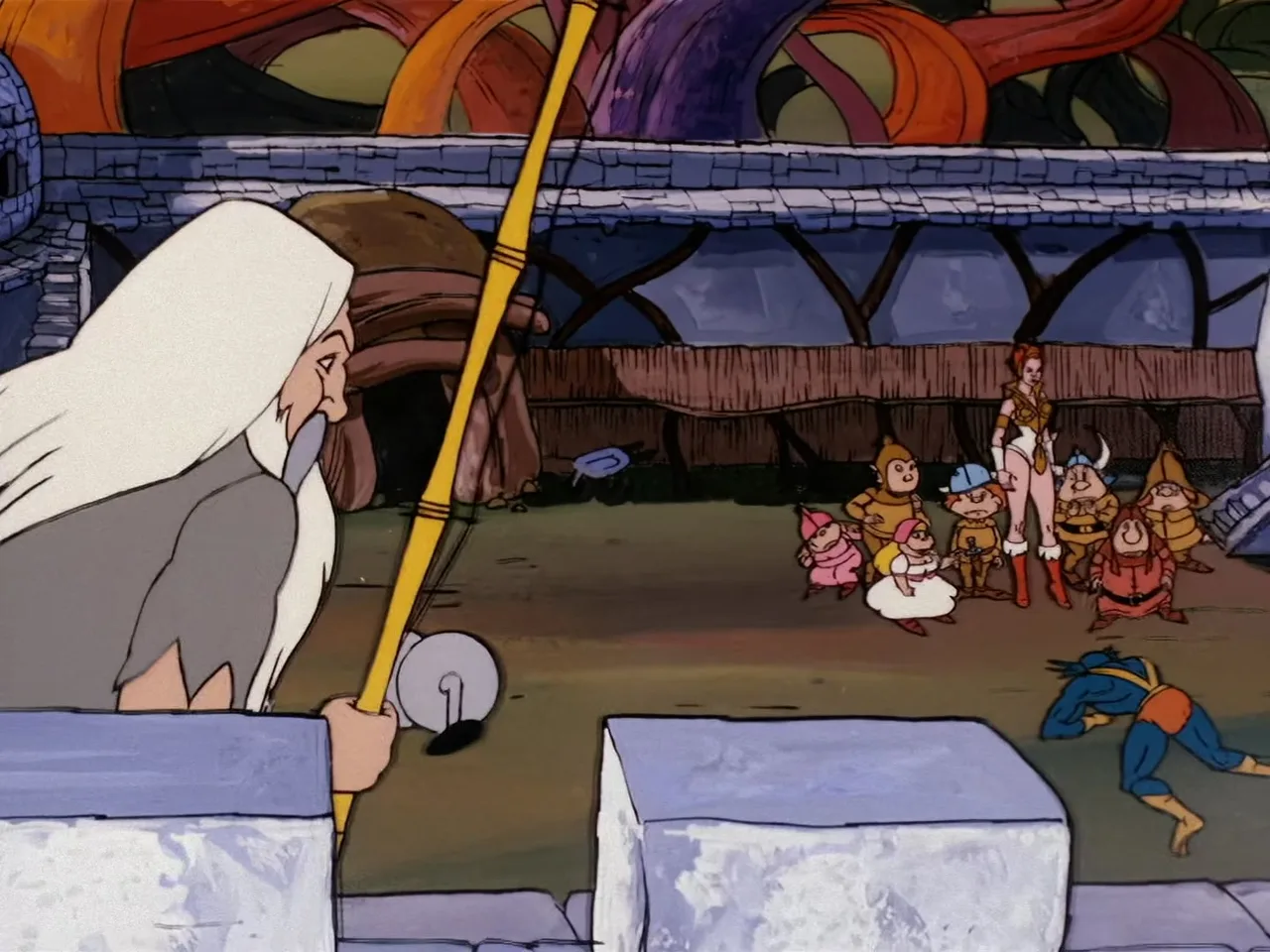
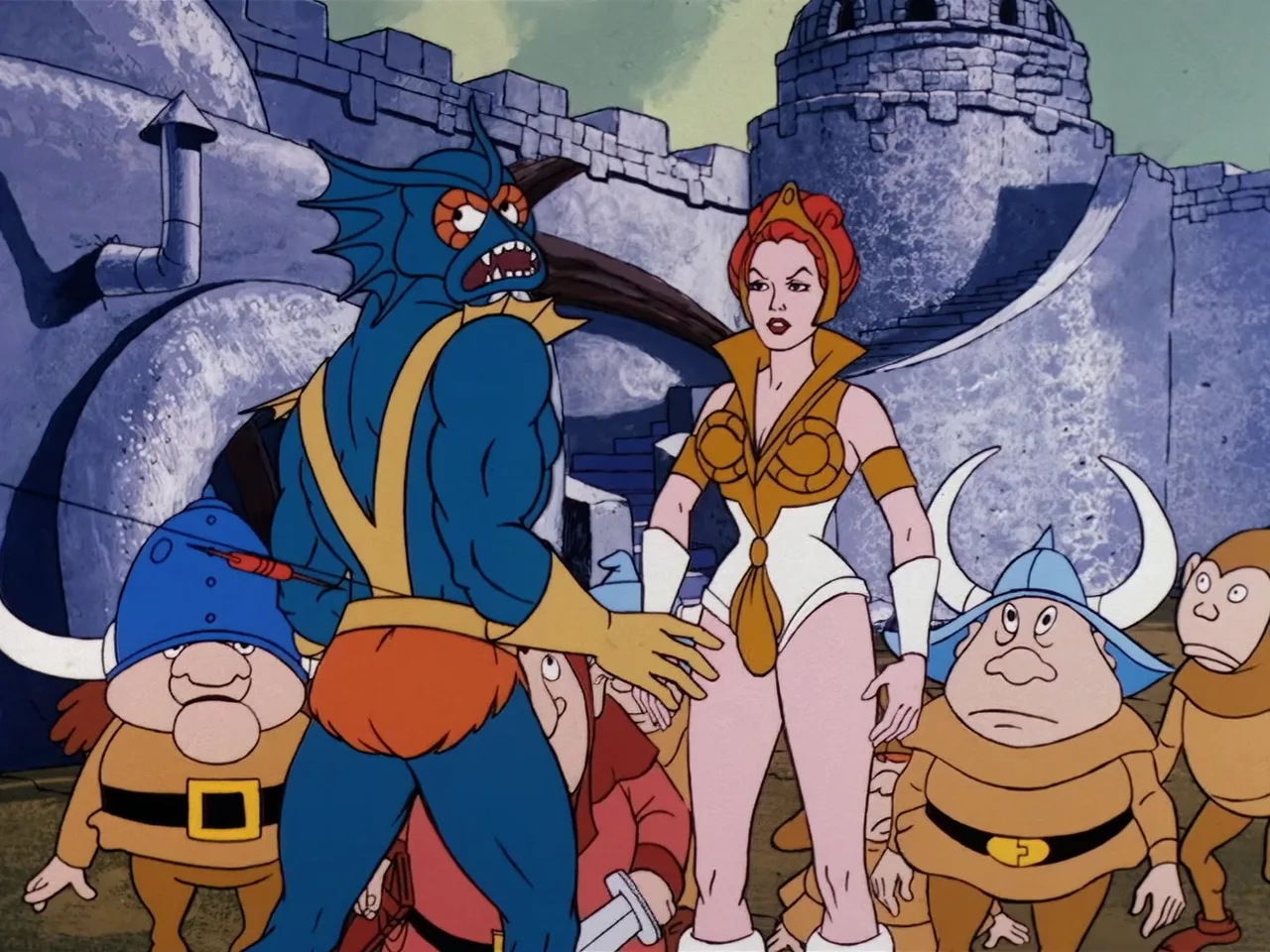
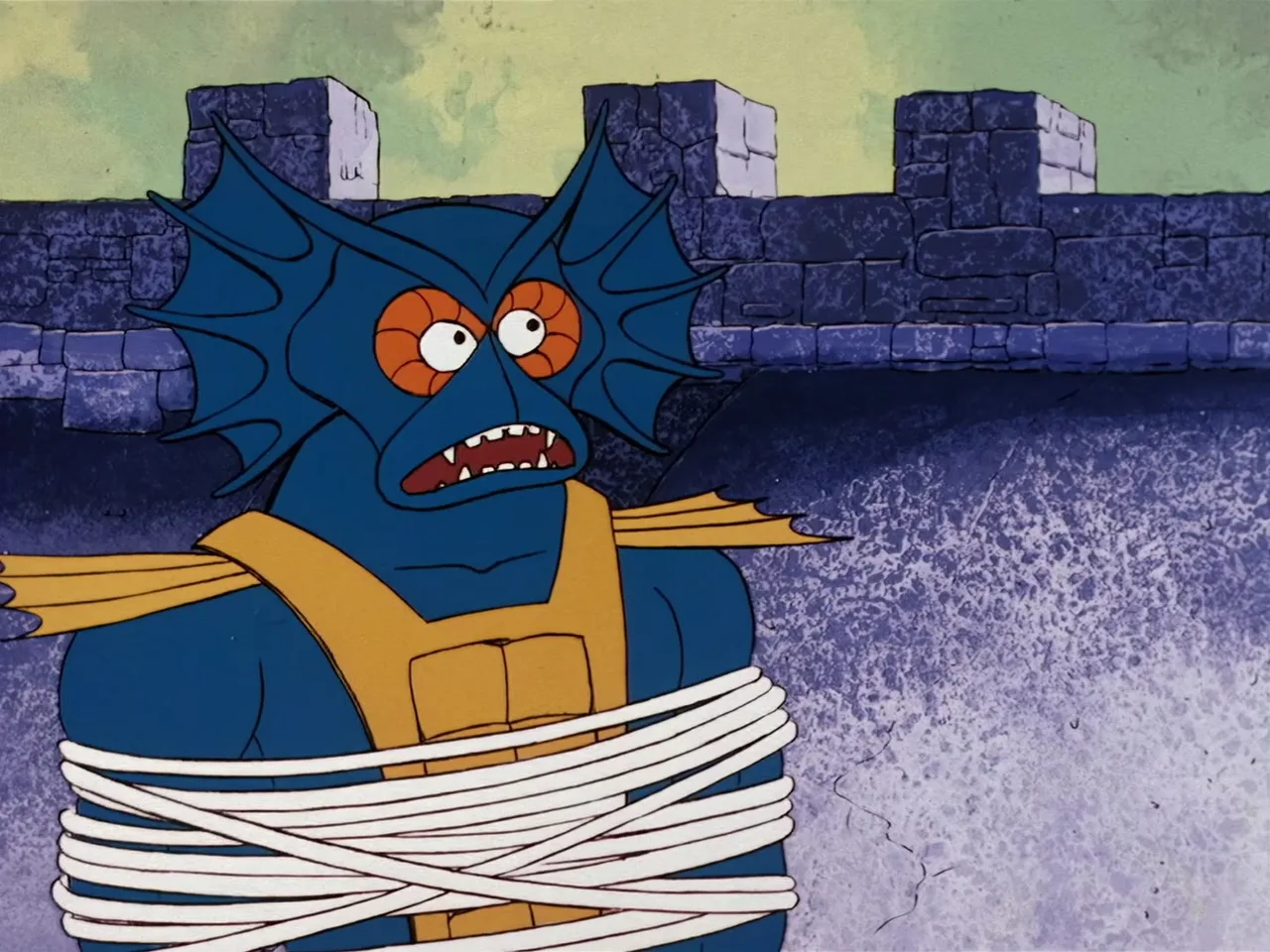
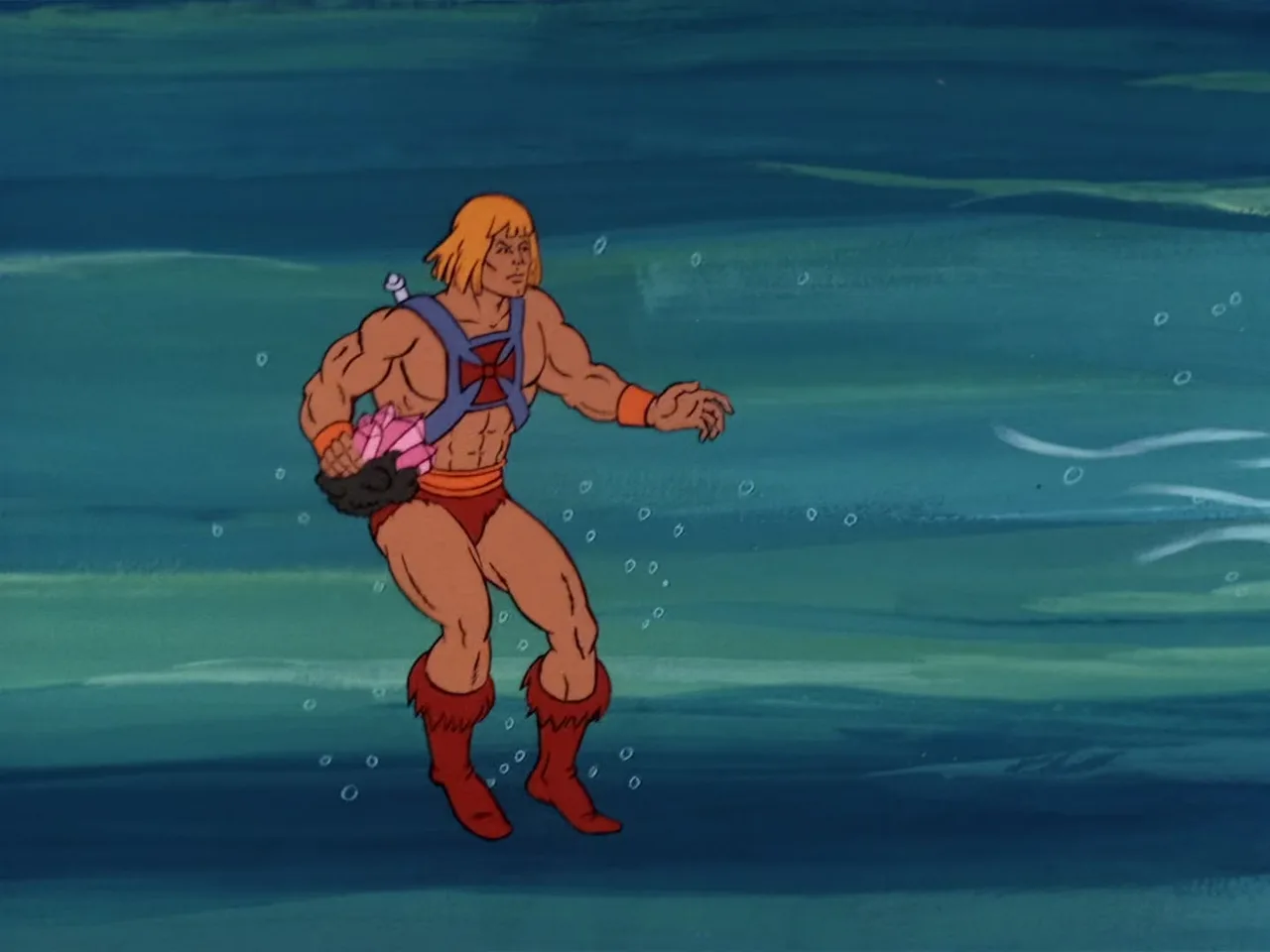
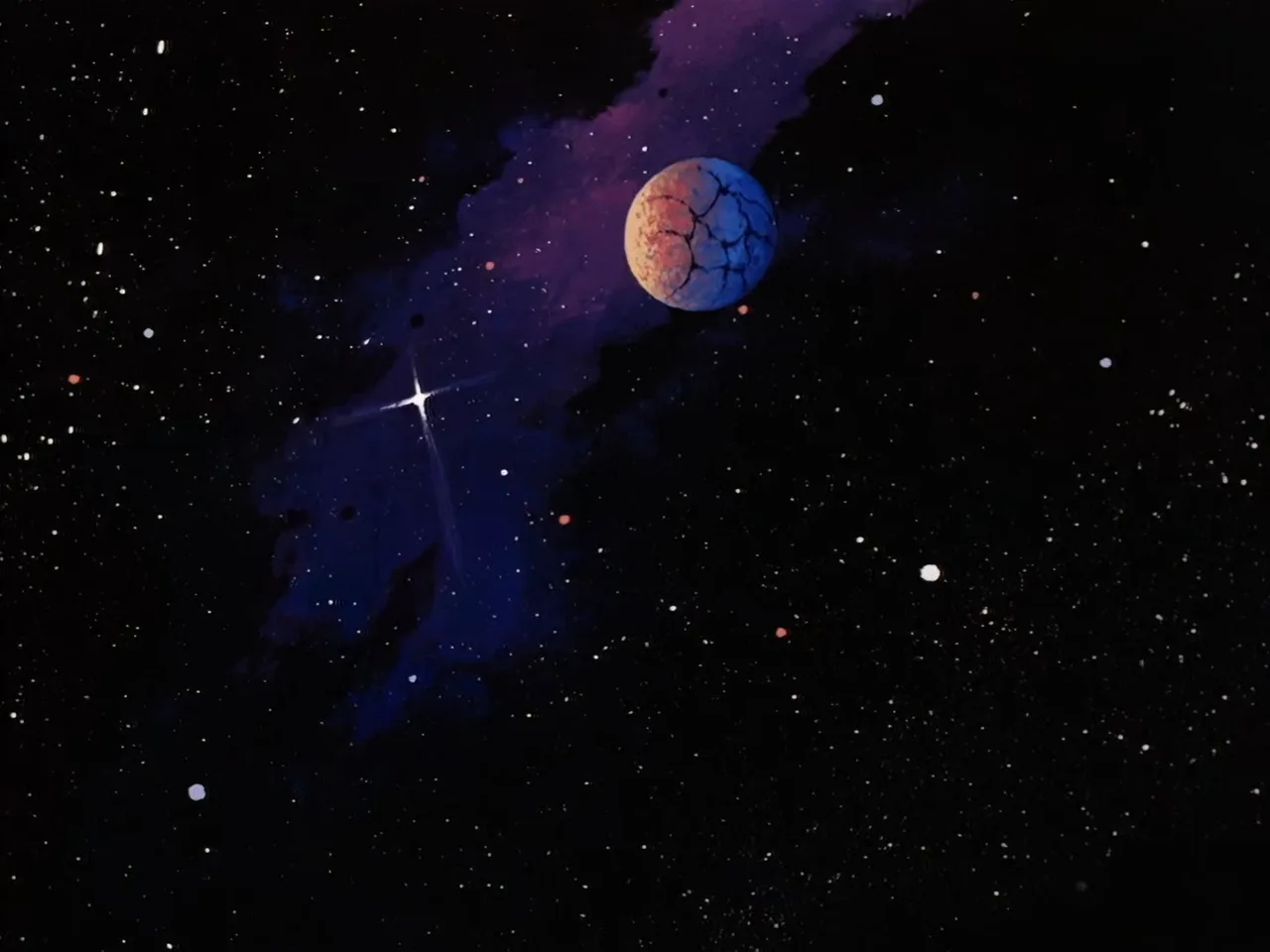
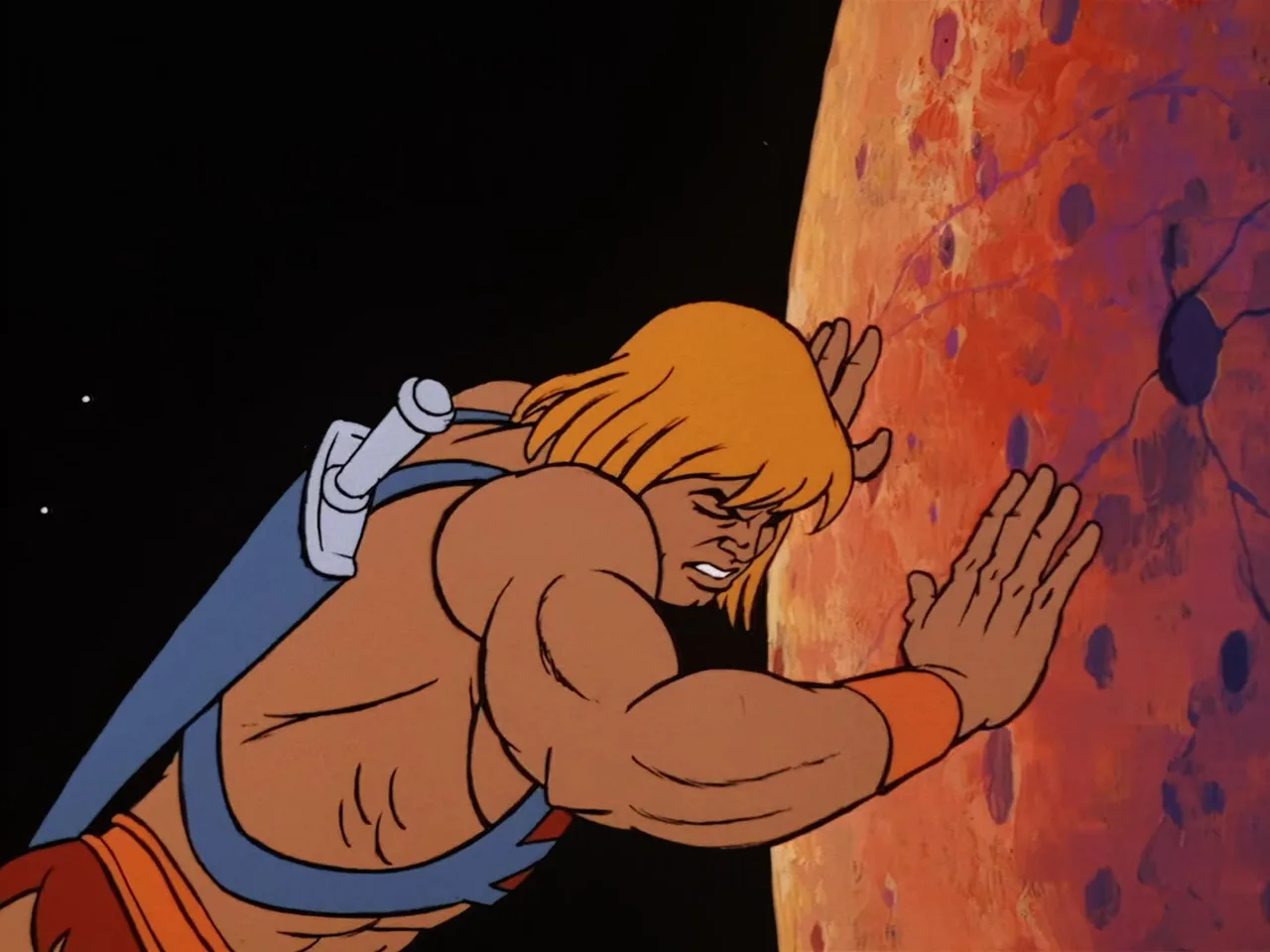
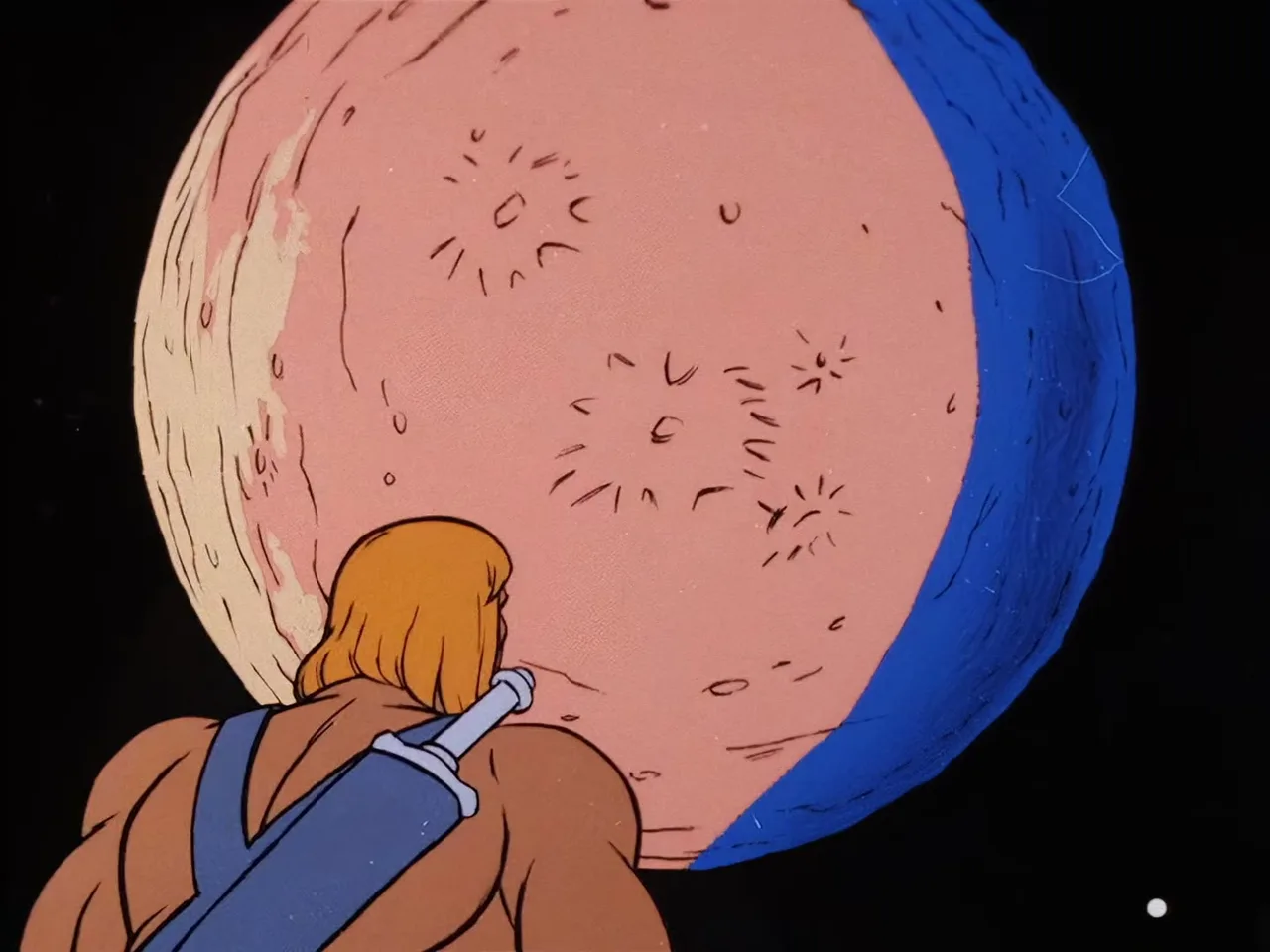
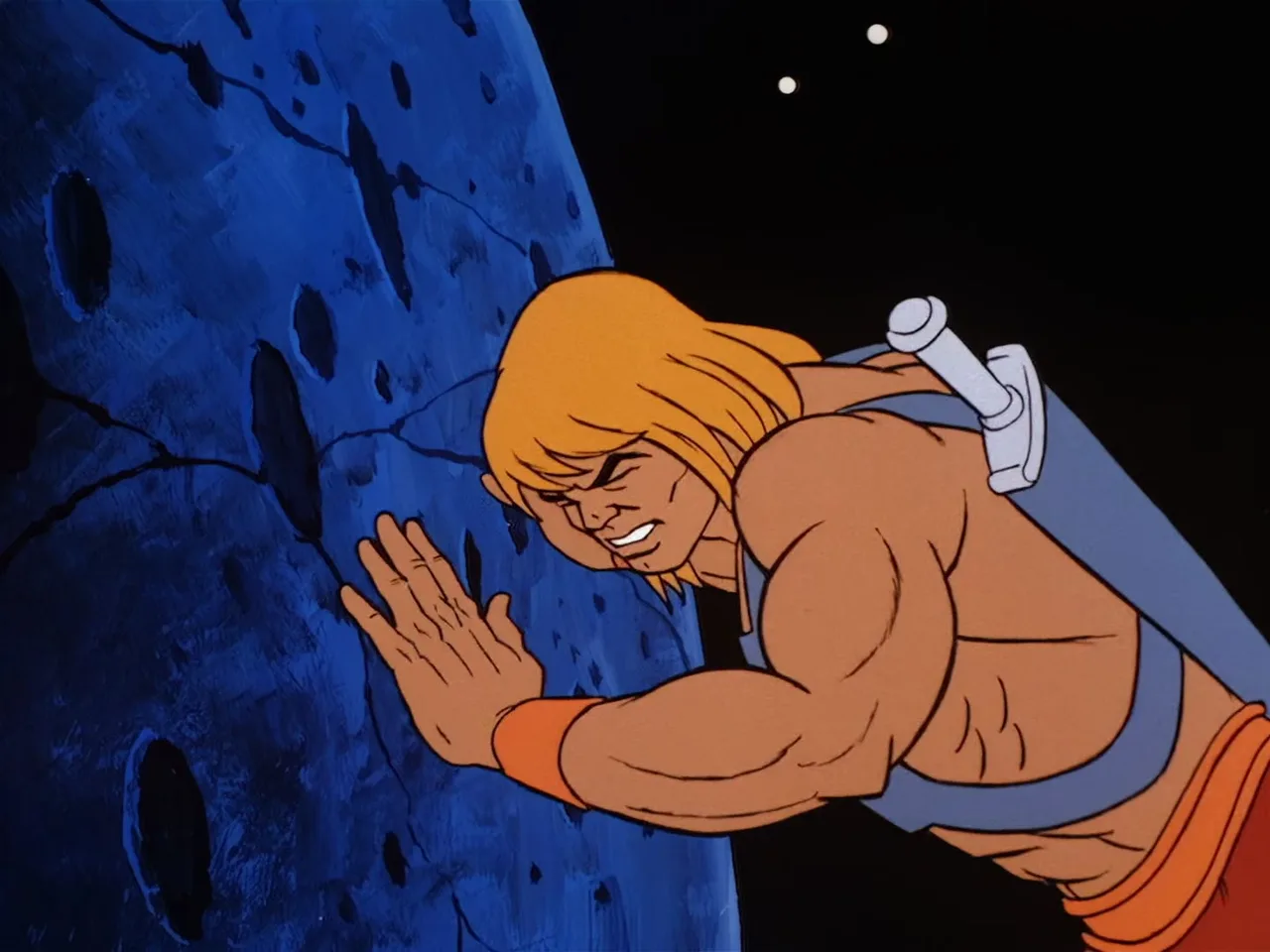
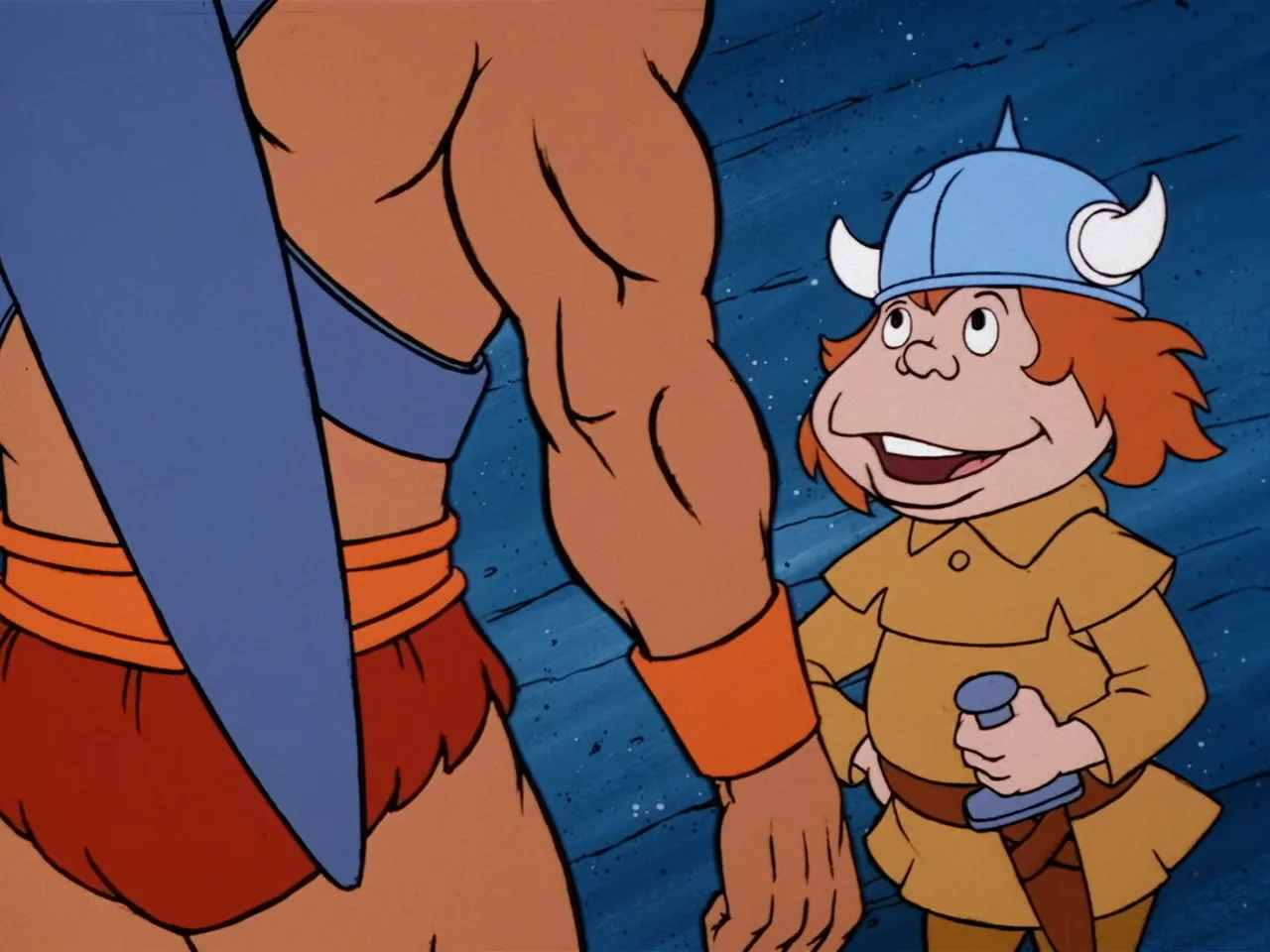
When the danger reaches the Widgets' home, Jacob surprises everyone, including himself, by using a fishing rod Squinch gave him to hook Mer-Man so Teela can subdue him. He-Man and Battle Cat, alerted by the Widgets' signal flare, retrieve the coridite from the flooded tunnel and have to shove one of Eternia's moons out of alignment and back again to bring the floodwaters under control.
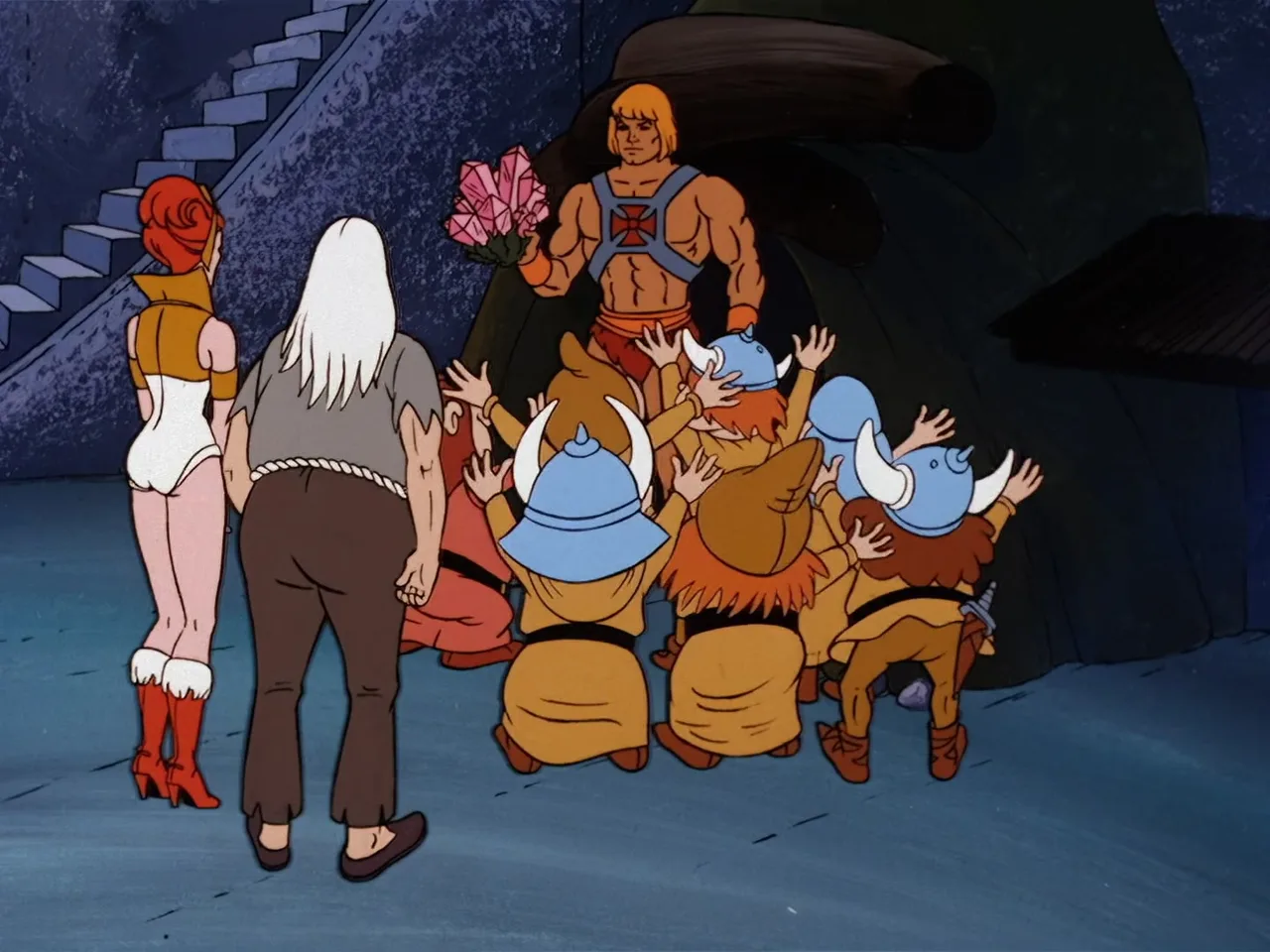
Grateful for everything the Widgets did for him, Jacob abandons his hermit's life for good, and the Widgets vote him in as their new mayor.
Teela: "Because the Widgets helped Jacob, he chose to stand beside them when they were in danger. Afterwards he planned to leave them because he was so used to living alone. Only after he discovered that he was really needed by the Widgets did Jacob agree to stay and be their mayor. It's important to let those around you know that we love and need them. Have you hugged your parents today?"
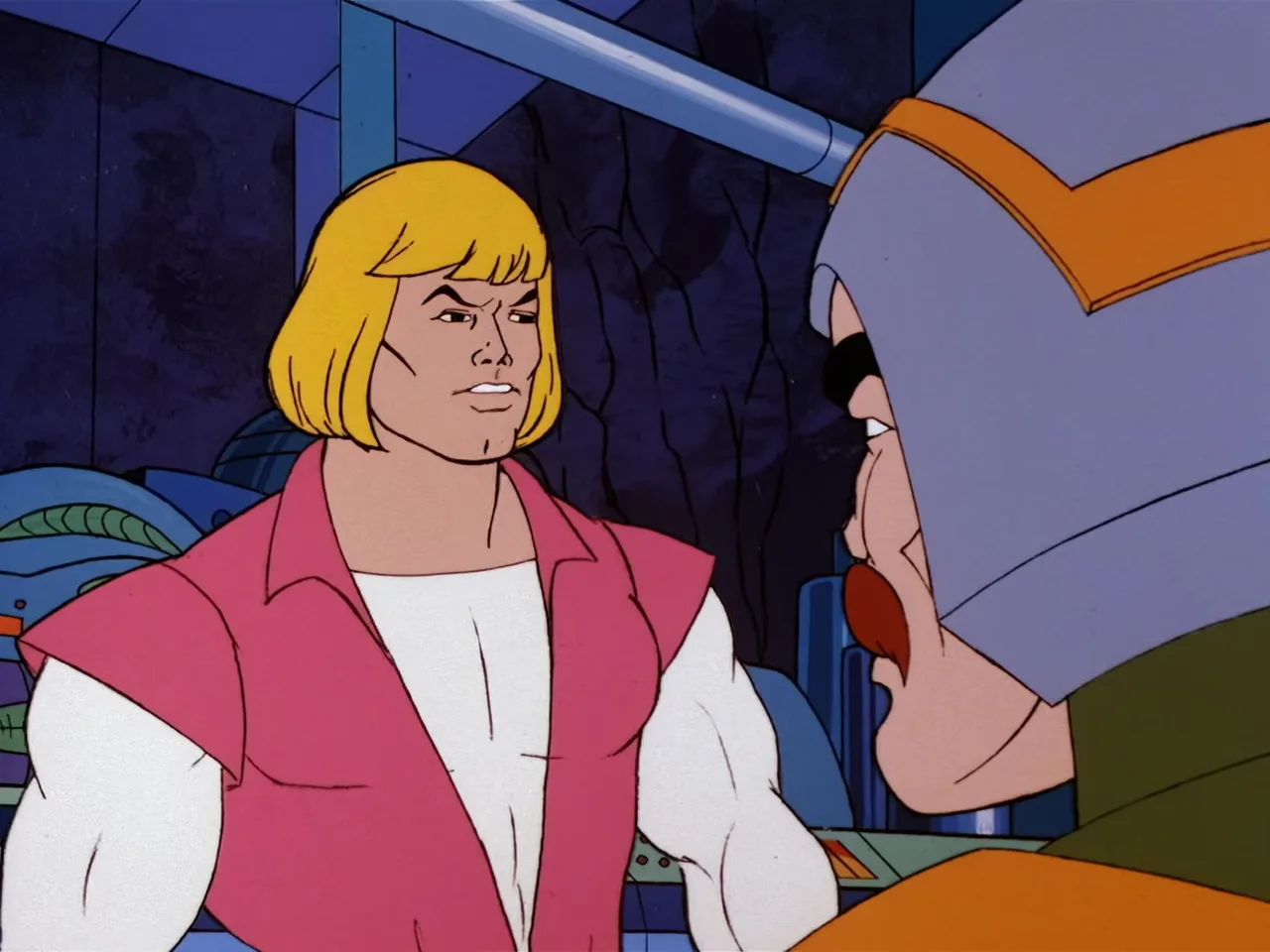
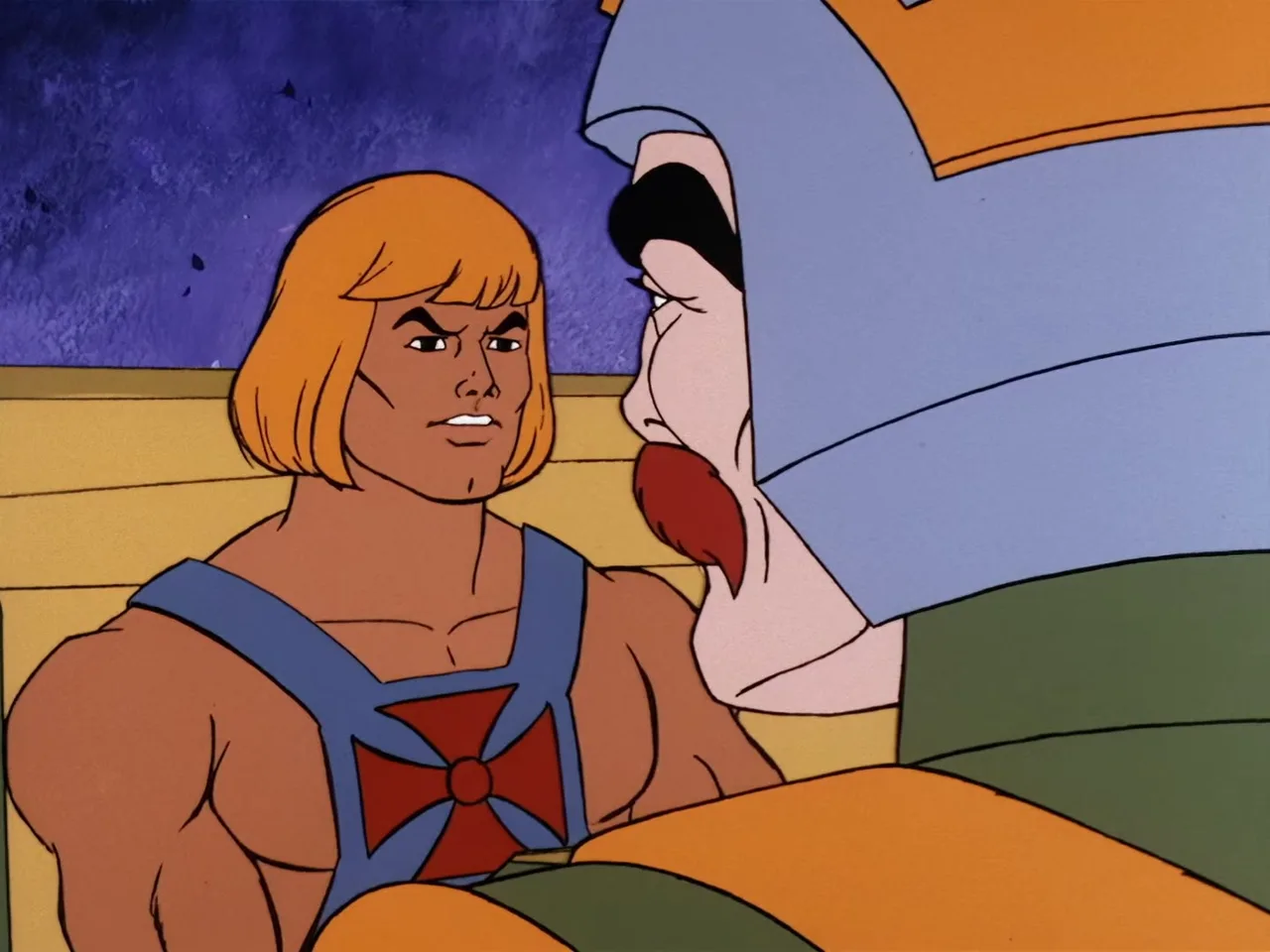
John Erwin as He-Man/Prince Adam, Jacob and Squinch
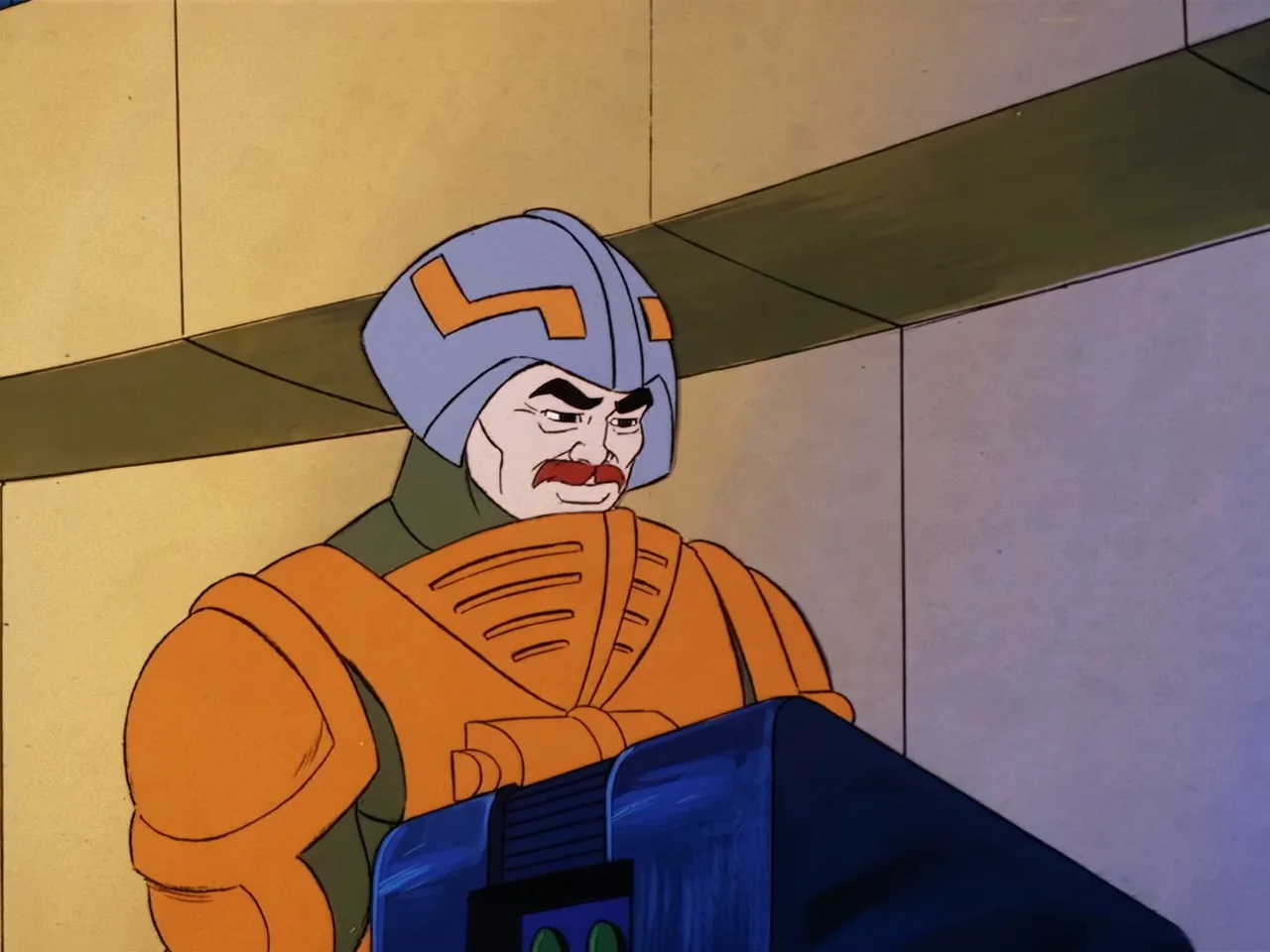
Alan Oppenheimer as Man-At-Arms, Cringer and Mer-Man
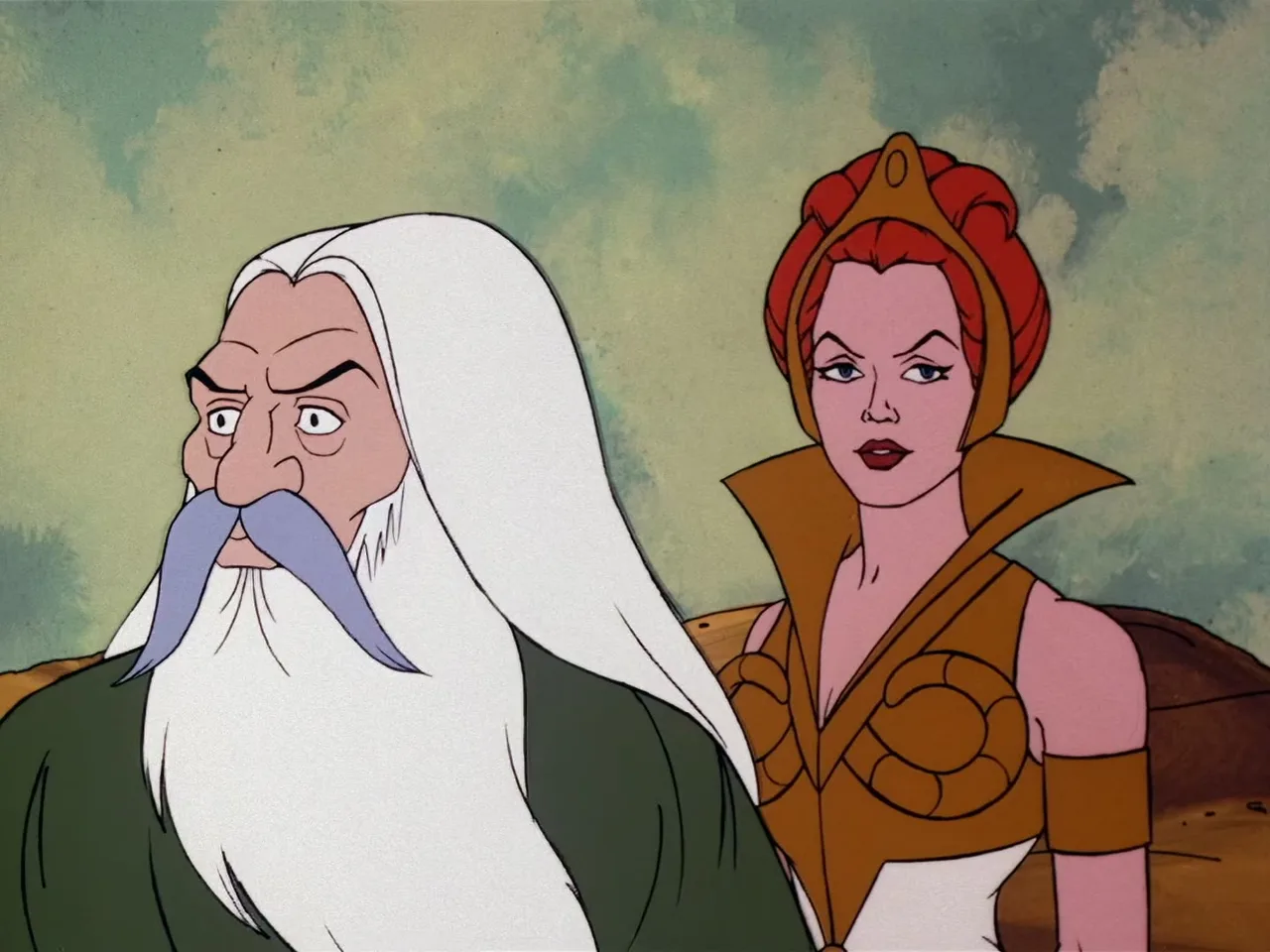
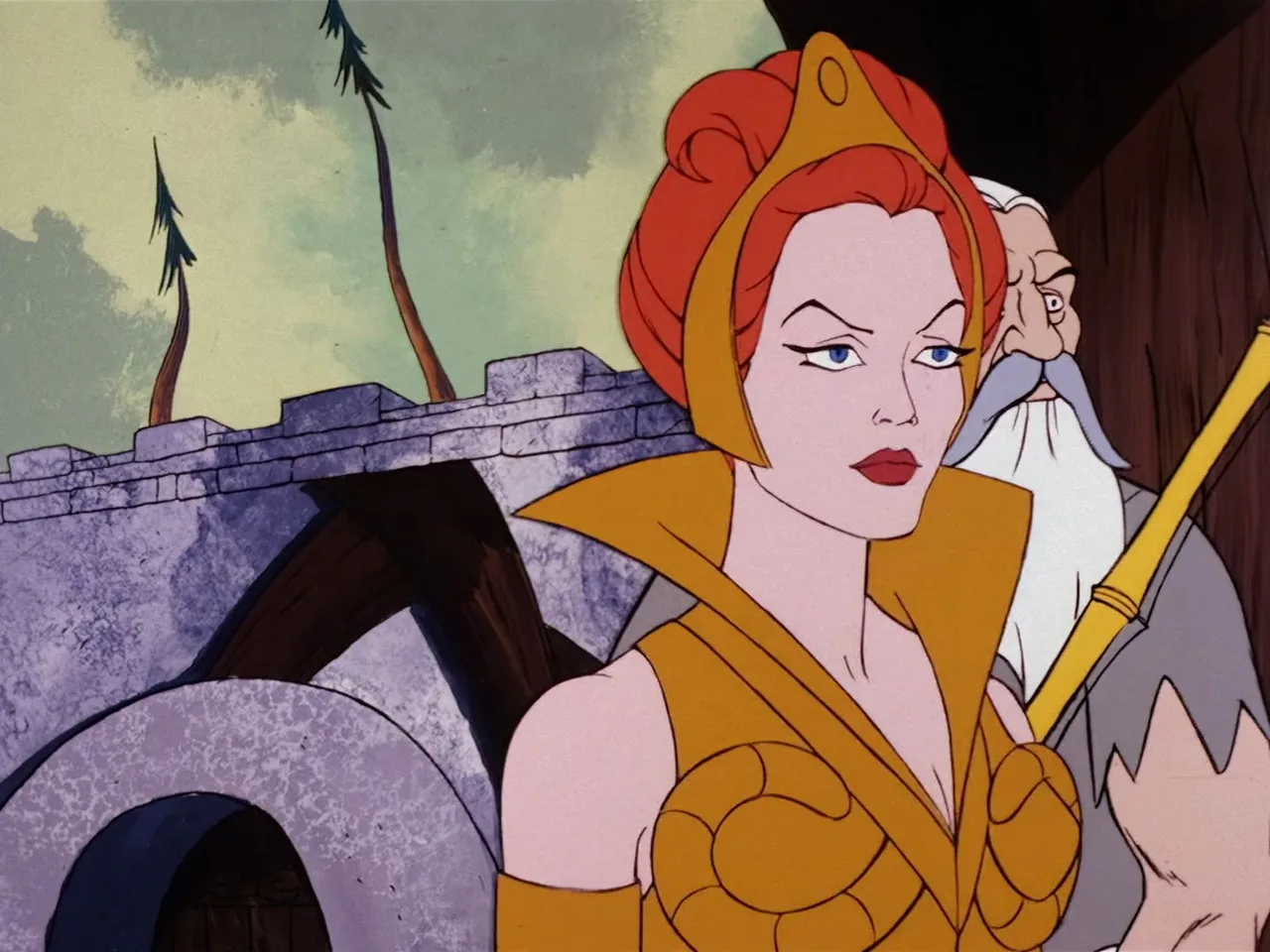
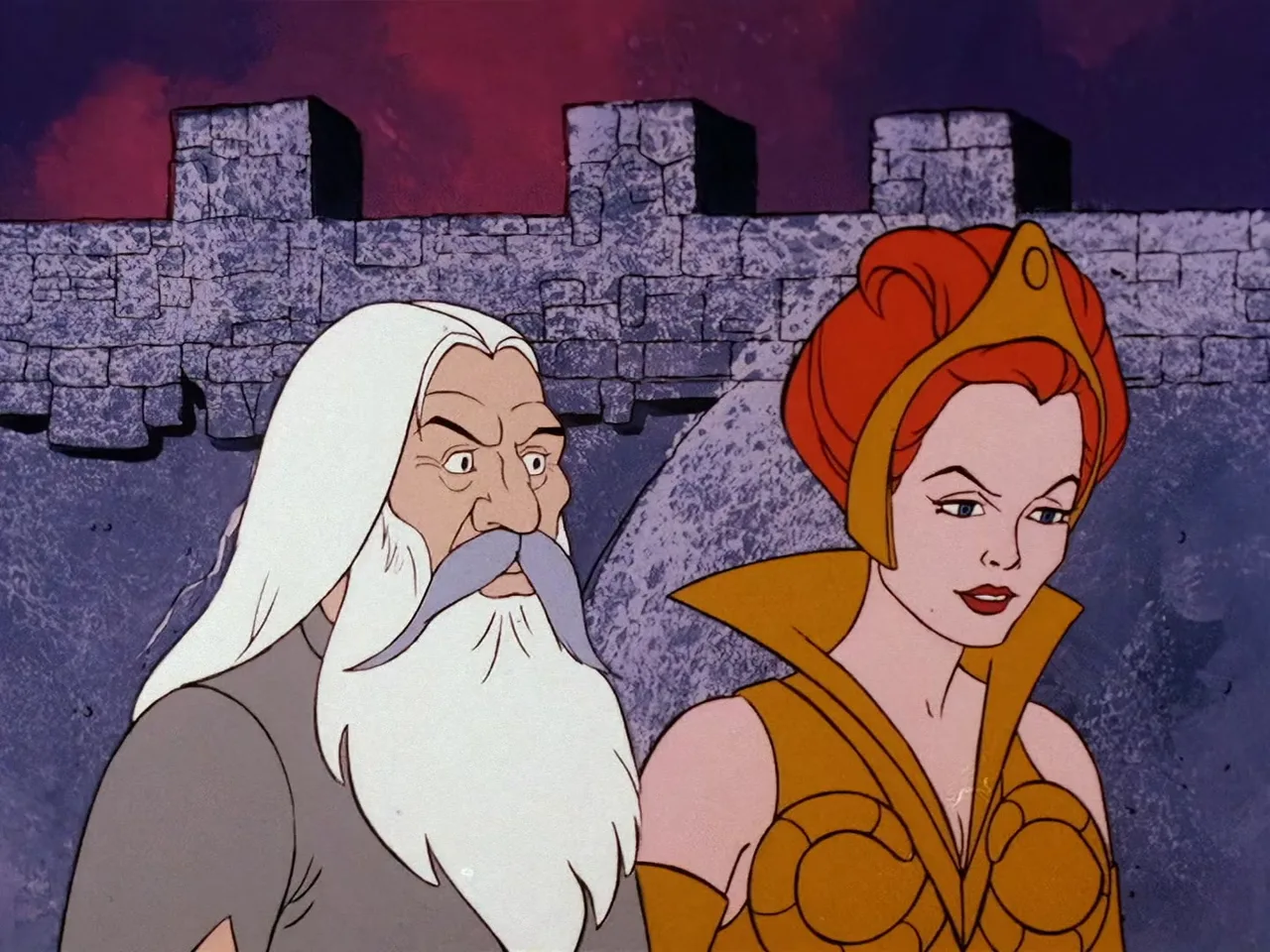
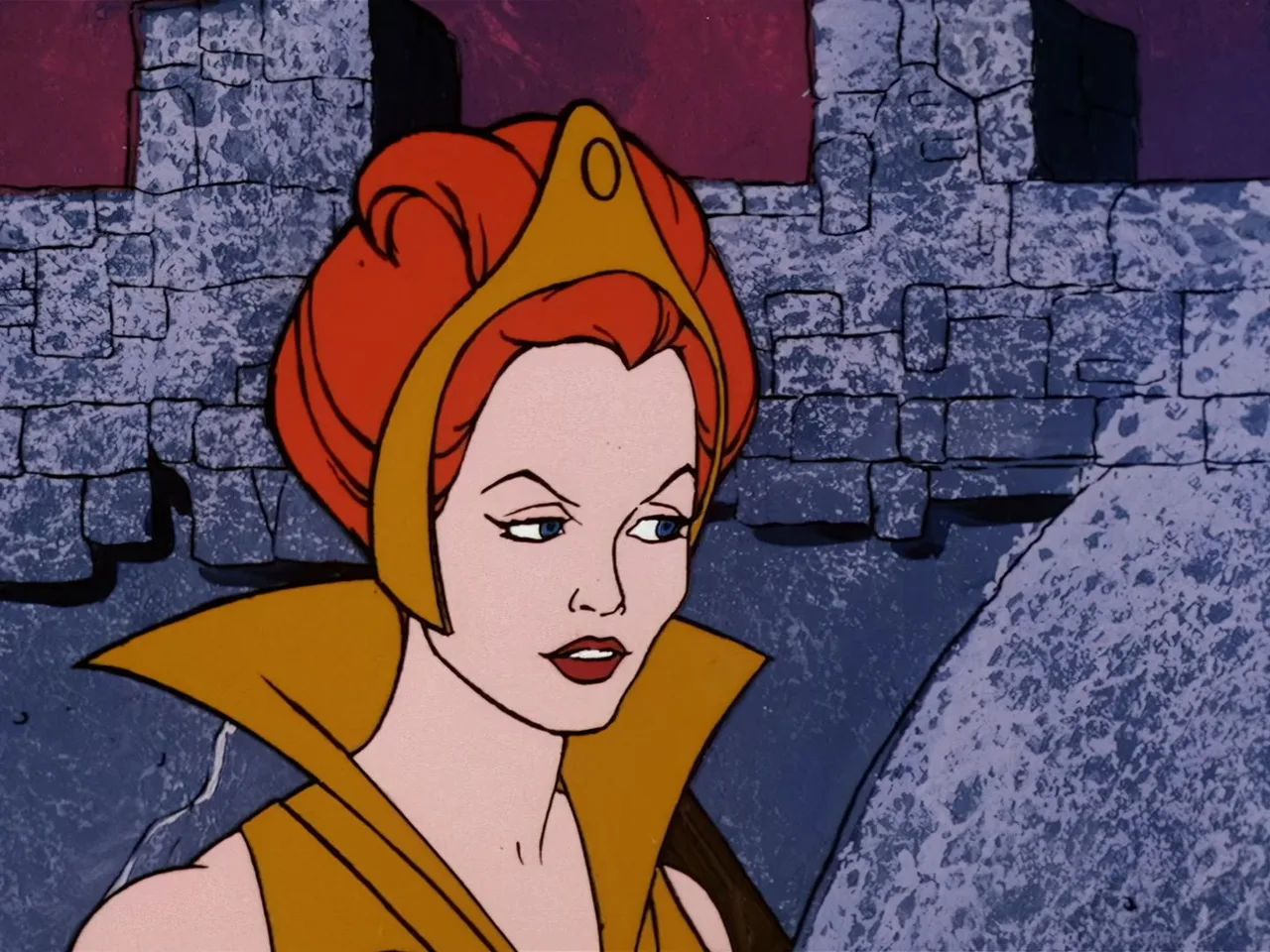
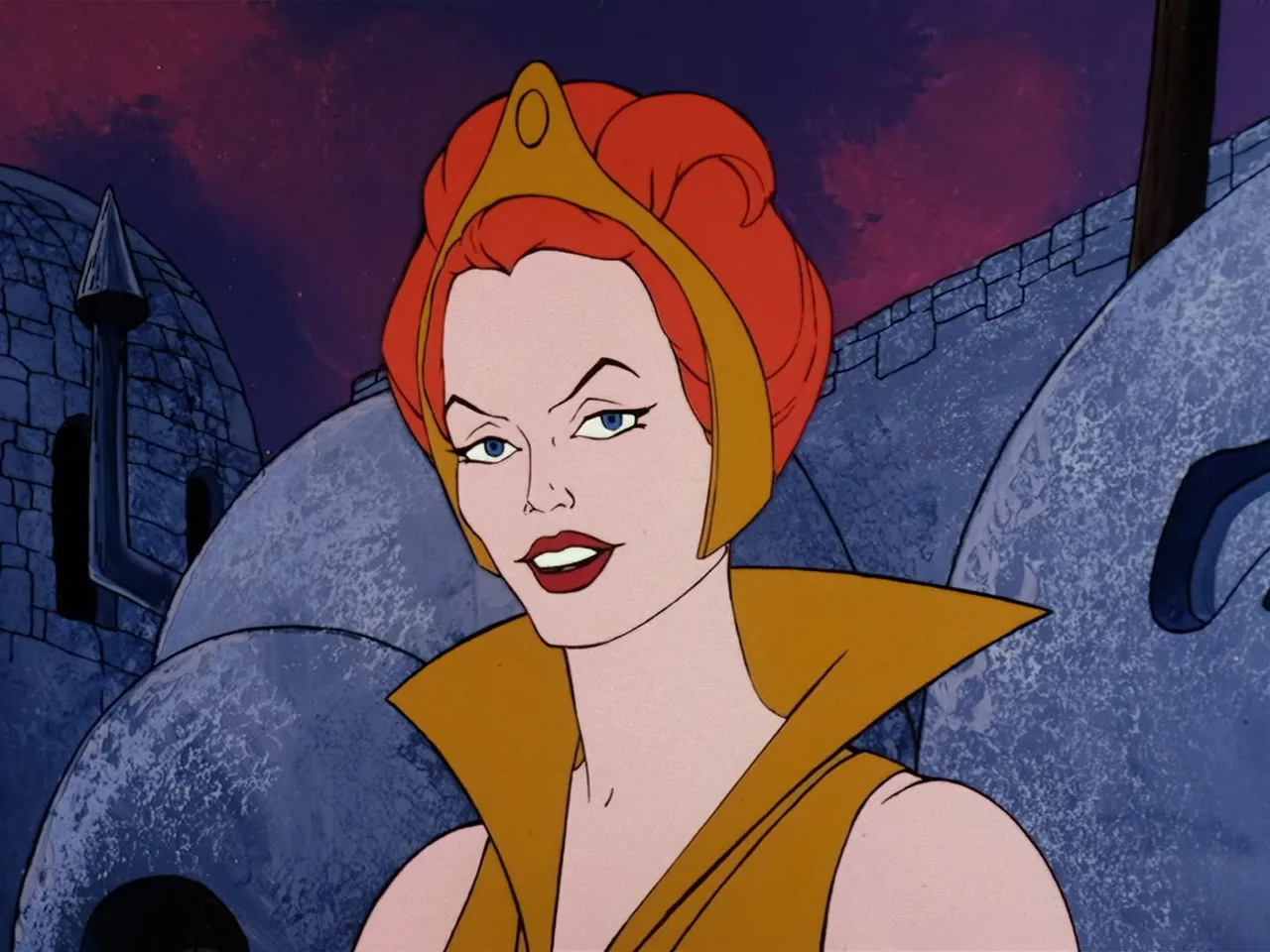
Linda Gary as Teela
Erik Gunden as Trap Jaw, Kando and Biro
Erika Scheimer as Lara
Jacob: "I don't know what's nice about it, but thanks."
Mer-Man, mocked by Trap Jaw after Jacob hooks him with a fishing rod: "You are a fish."
"Jacob and the Widgets" spends its cold open on a toy commercial disguised as a plot beat, Teela testing a coridite-boosted Wind Raider at the Widgets' own mine, and it would be easy to assume the episode has nothing more on its mind than moving product. But the booster test is a hinge, not a subject. It exists to put the Widgets and their coridite in Mer-Man's sightline, and once the actual story starts, with Jacob's little fishing boat under attack from a pair of robot sea monsters, the episode turns into something more specific than the usual villain-wants-a-resource plot: a character study of a man who has built an entire philosophy out of not needing anyone, forced to live inside a group of people who need each other constantly.
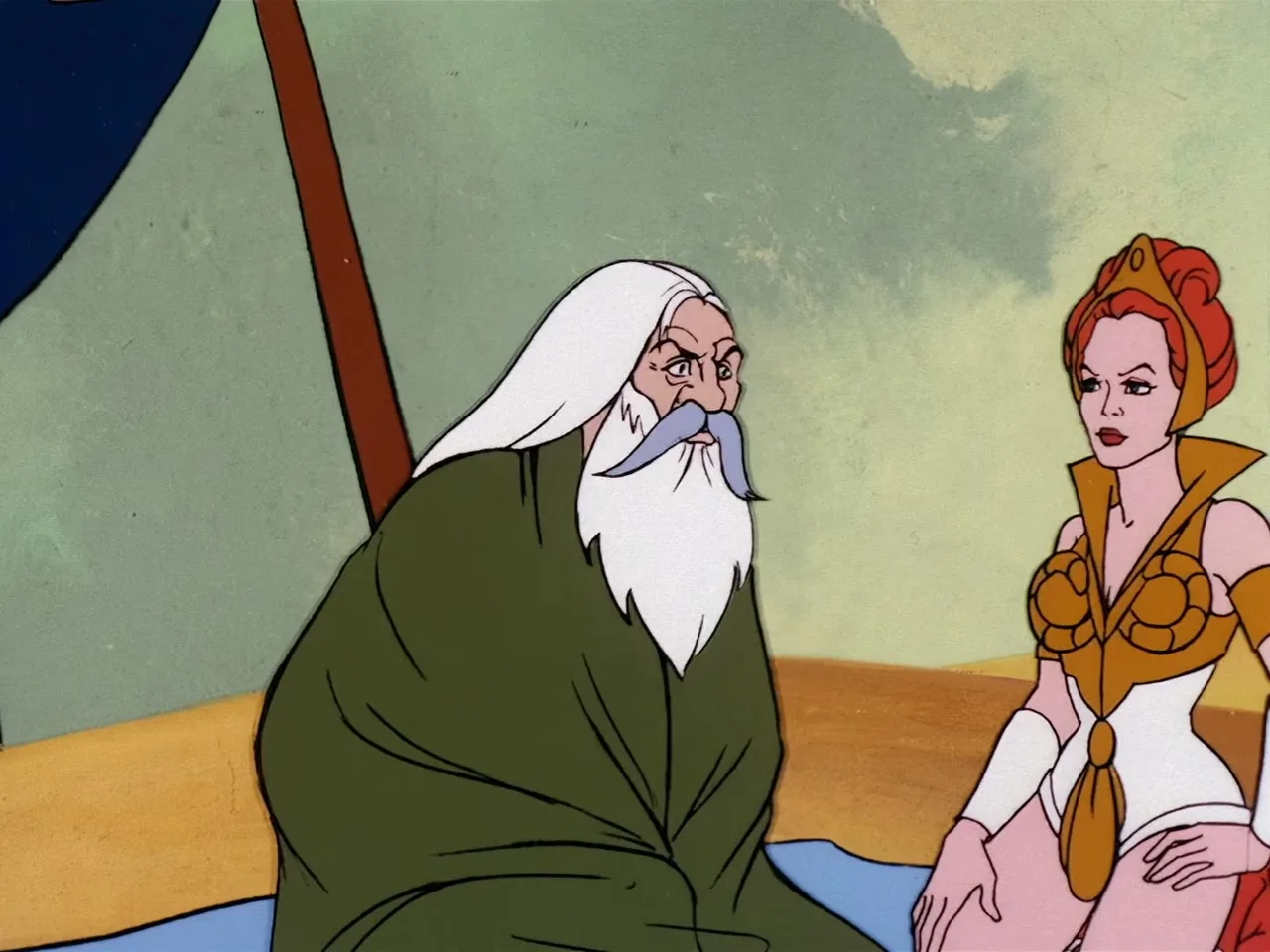
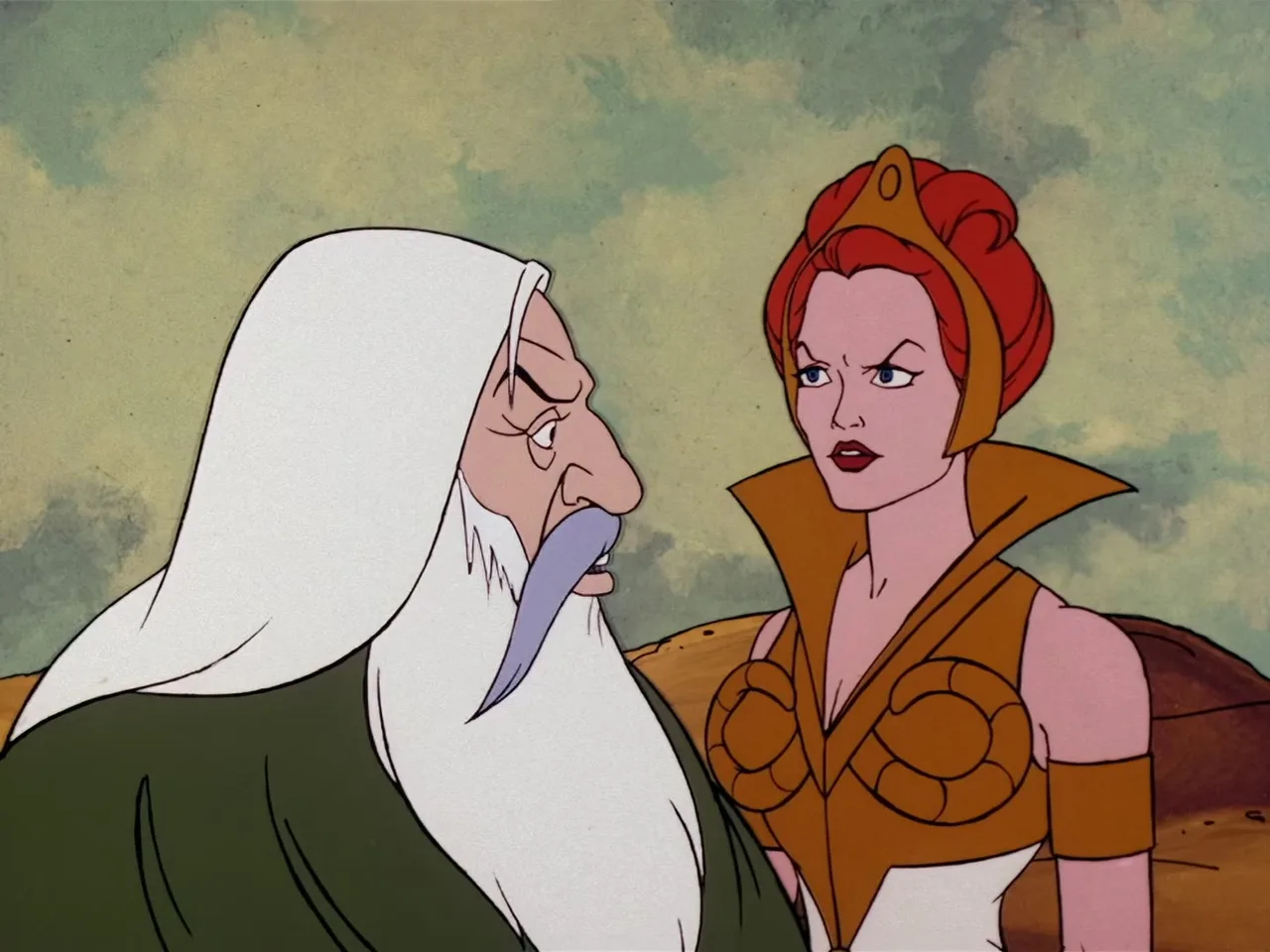
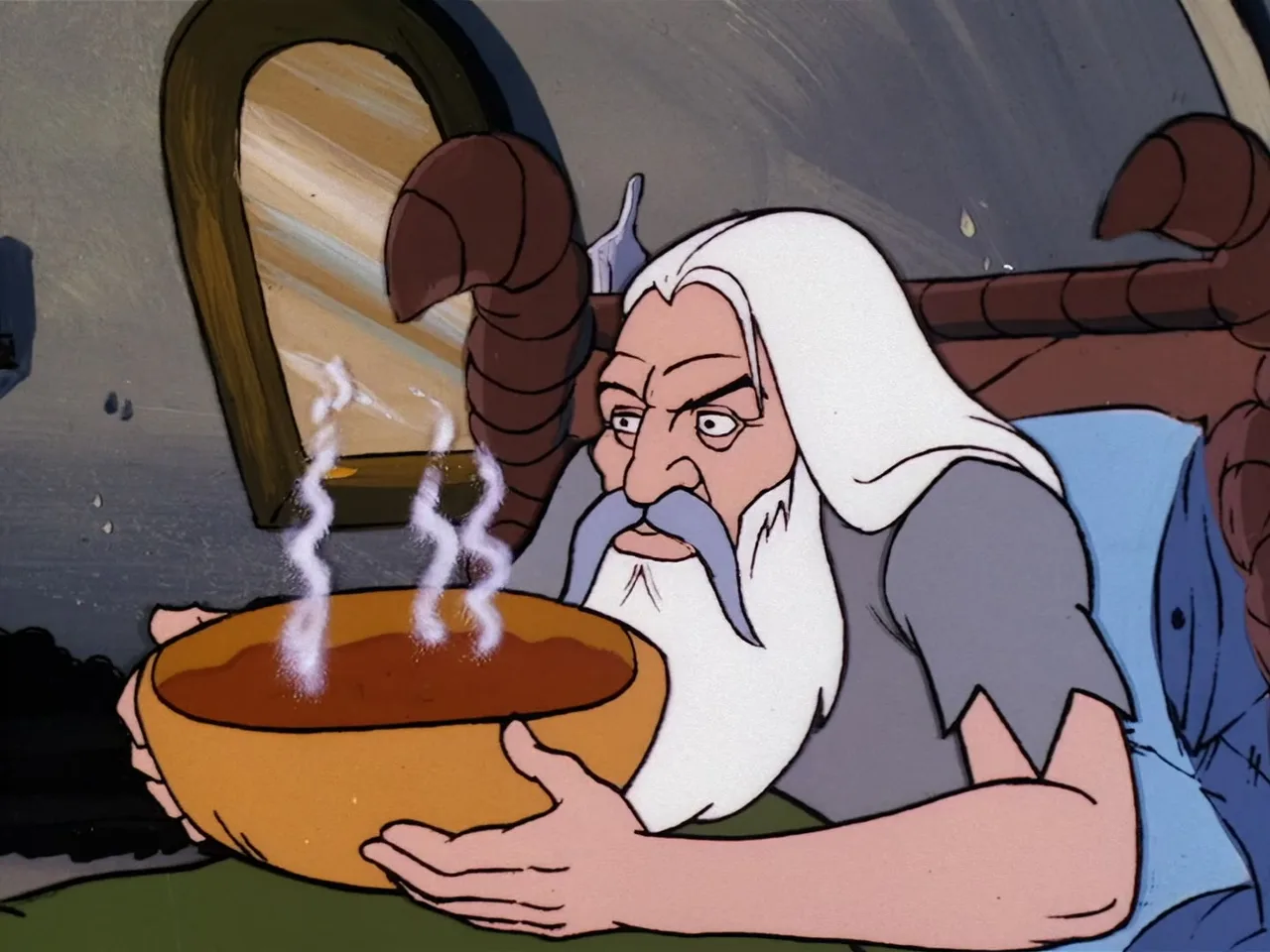
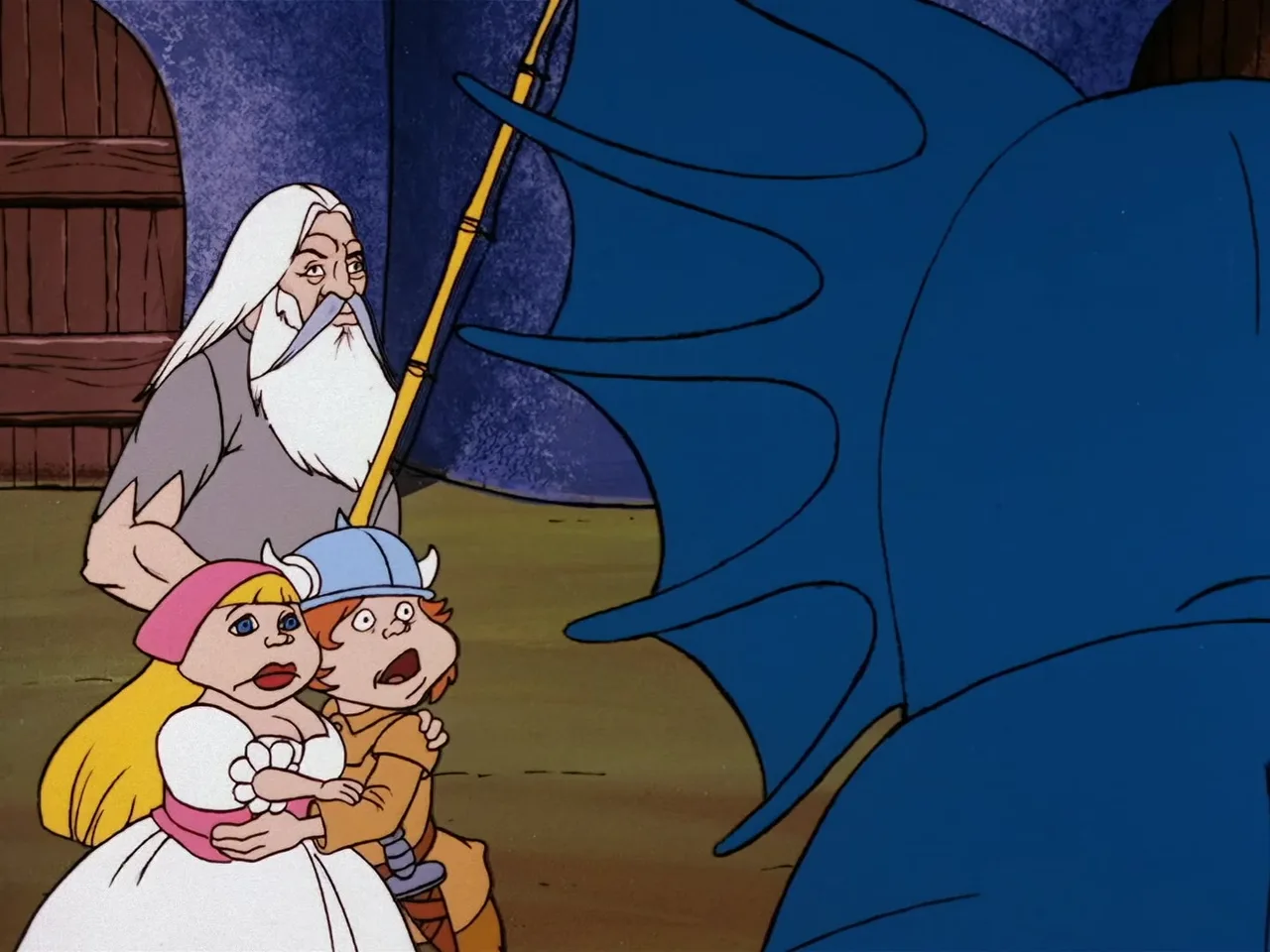
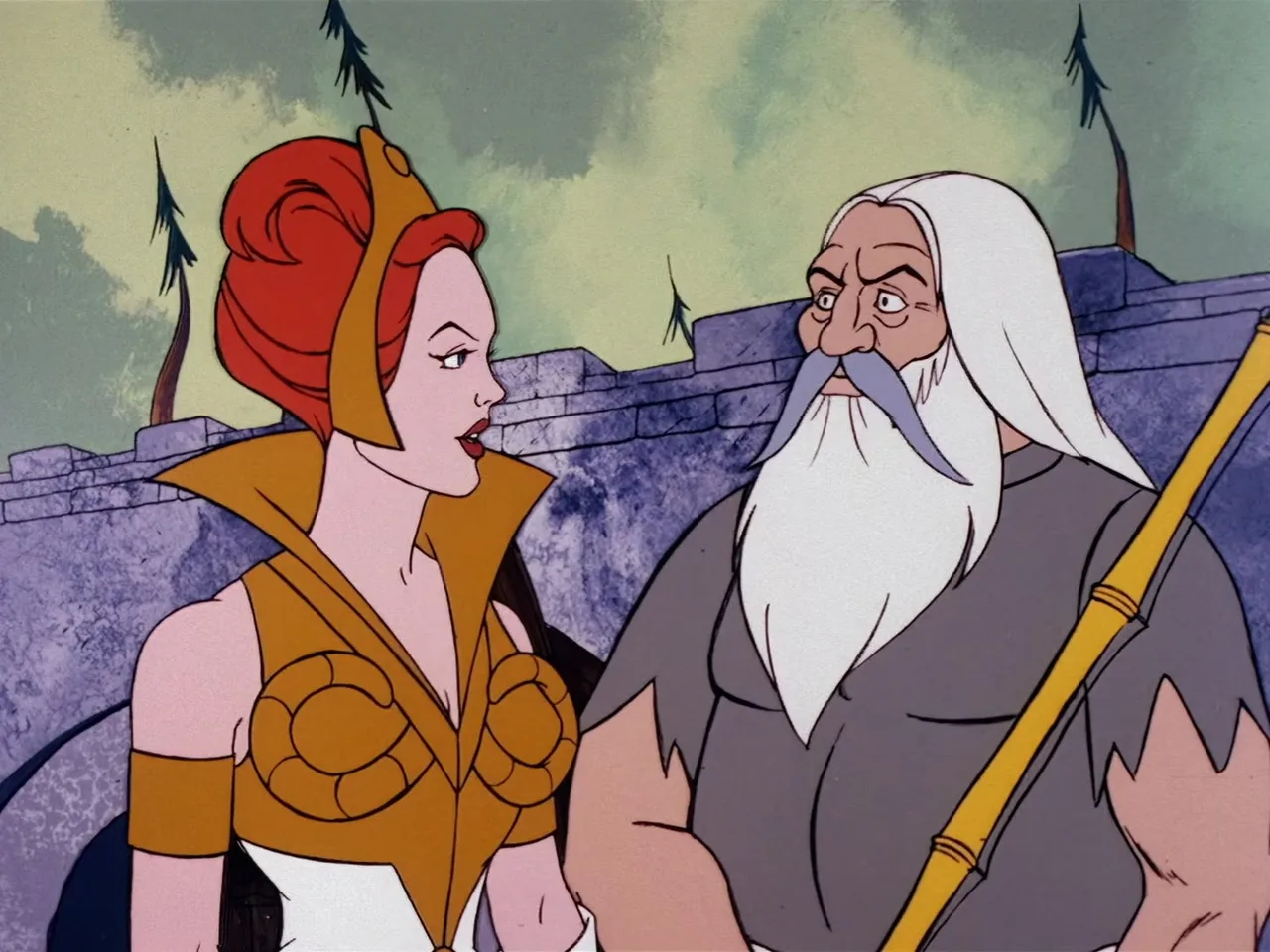
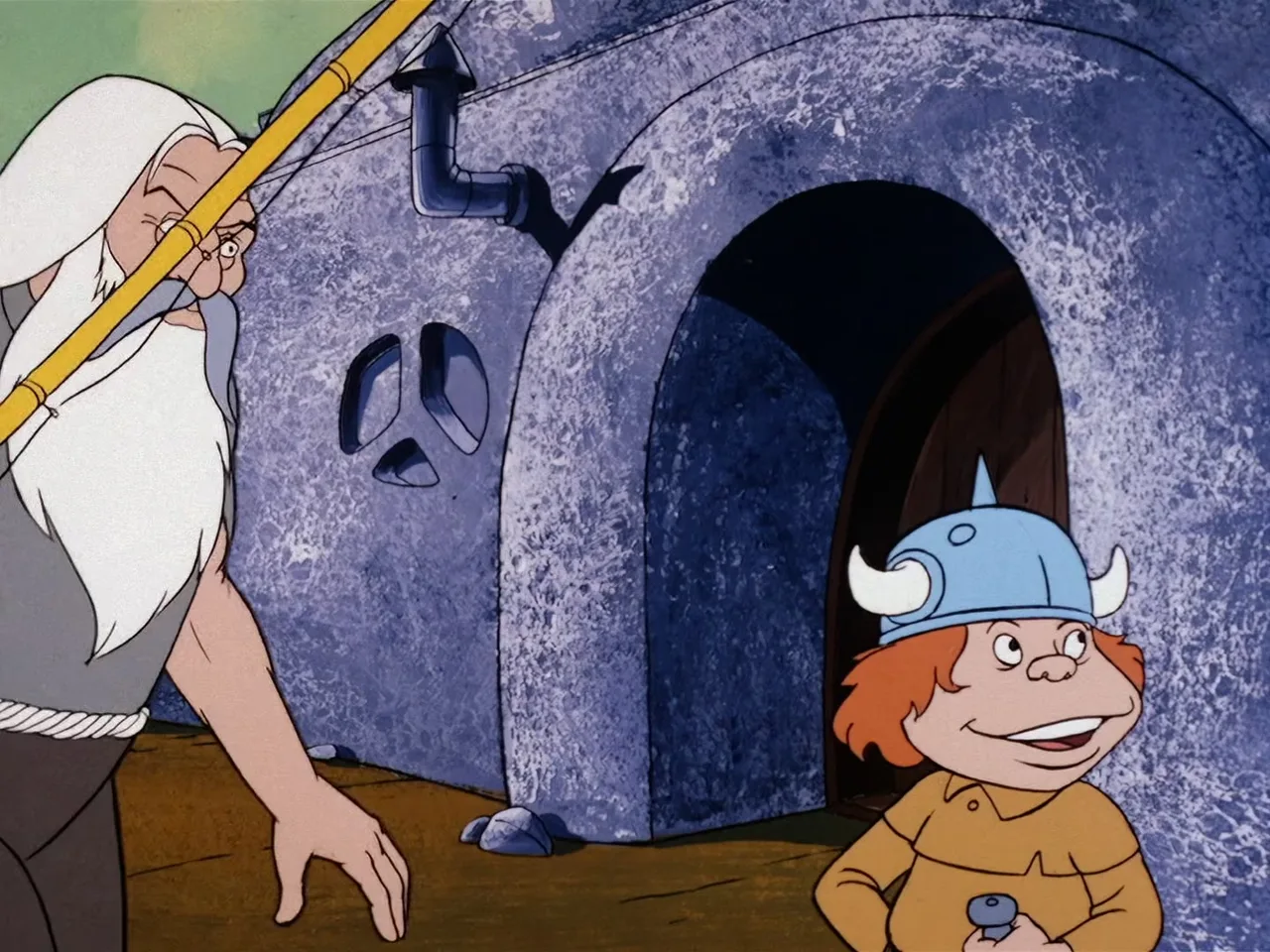
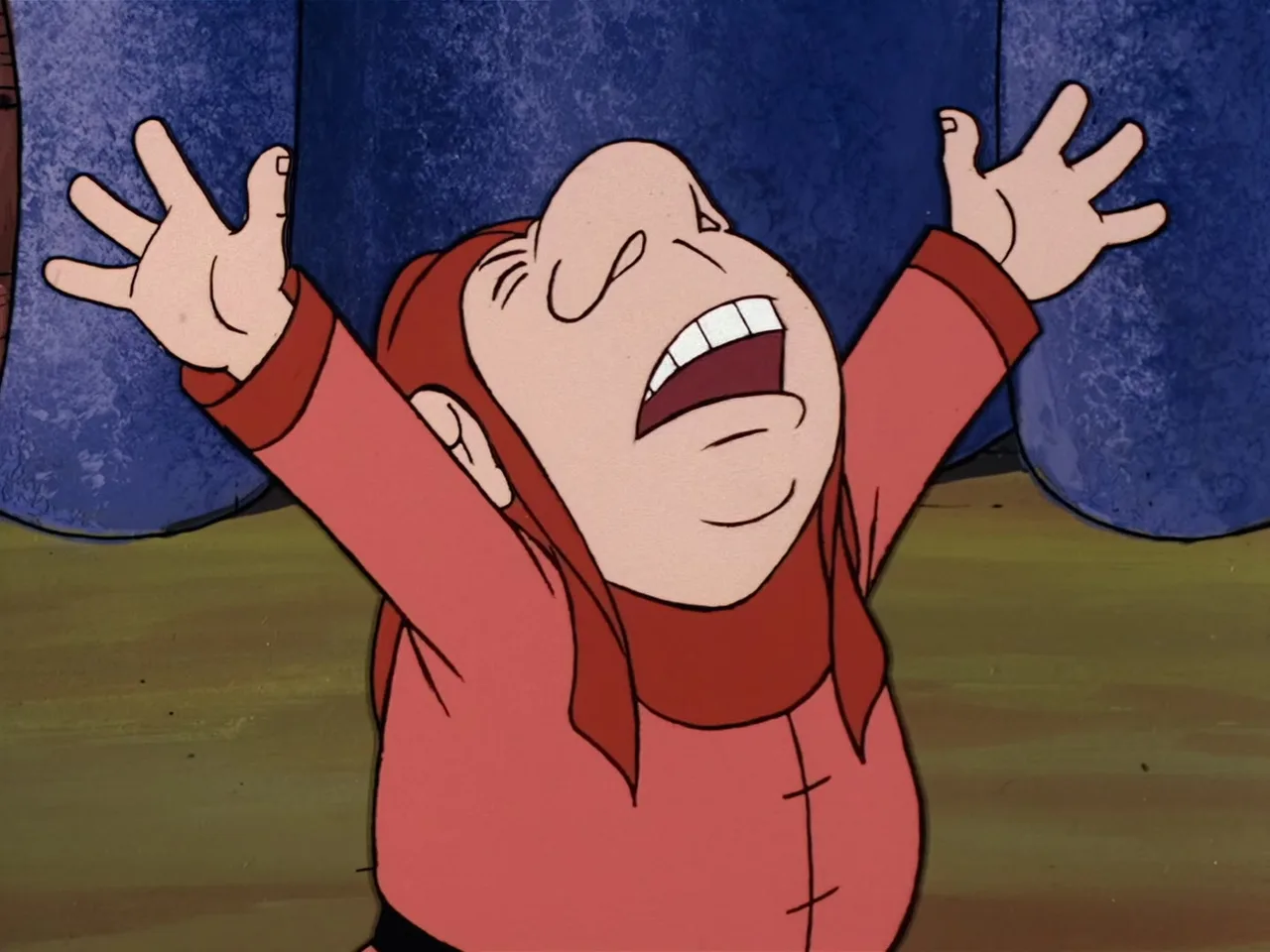
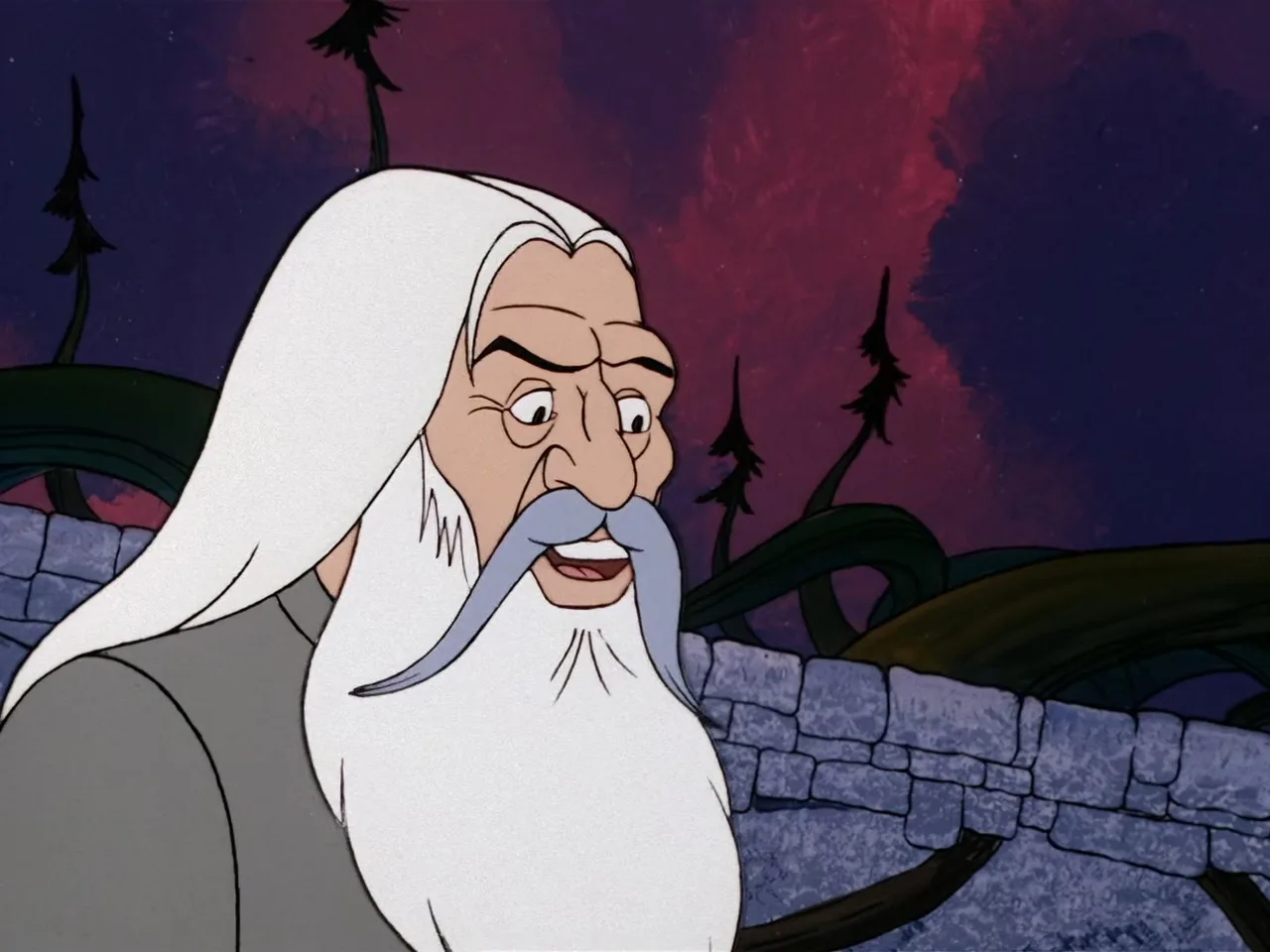
This is the real spine of the episode. Jacob gets rescued, and instead of gratitude we get fury: he is more upset about his lost fishing pole than his narrow escape from drowning. The show lets that sourness sit uncorrected for most of its runtime rather than softening him on contact with kindness. "I don't know what's nice about it, but thanks," he tells Teela. A more sentimental script would have given him an actual word of gratitude; Brenner lets him get only this far. Harvey Brenner's script understands that a hermit's crankiness is not a flaw to be cured by one act of charity; it is a habit built over years, and the Widgets' insistence on caring for him reads to Jacob less like comfort than like an intrusion he has no defense against.
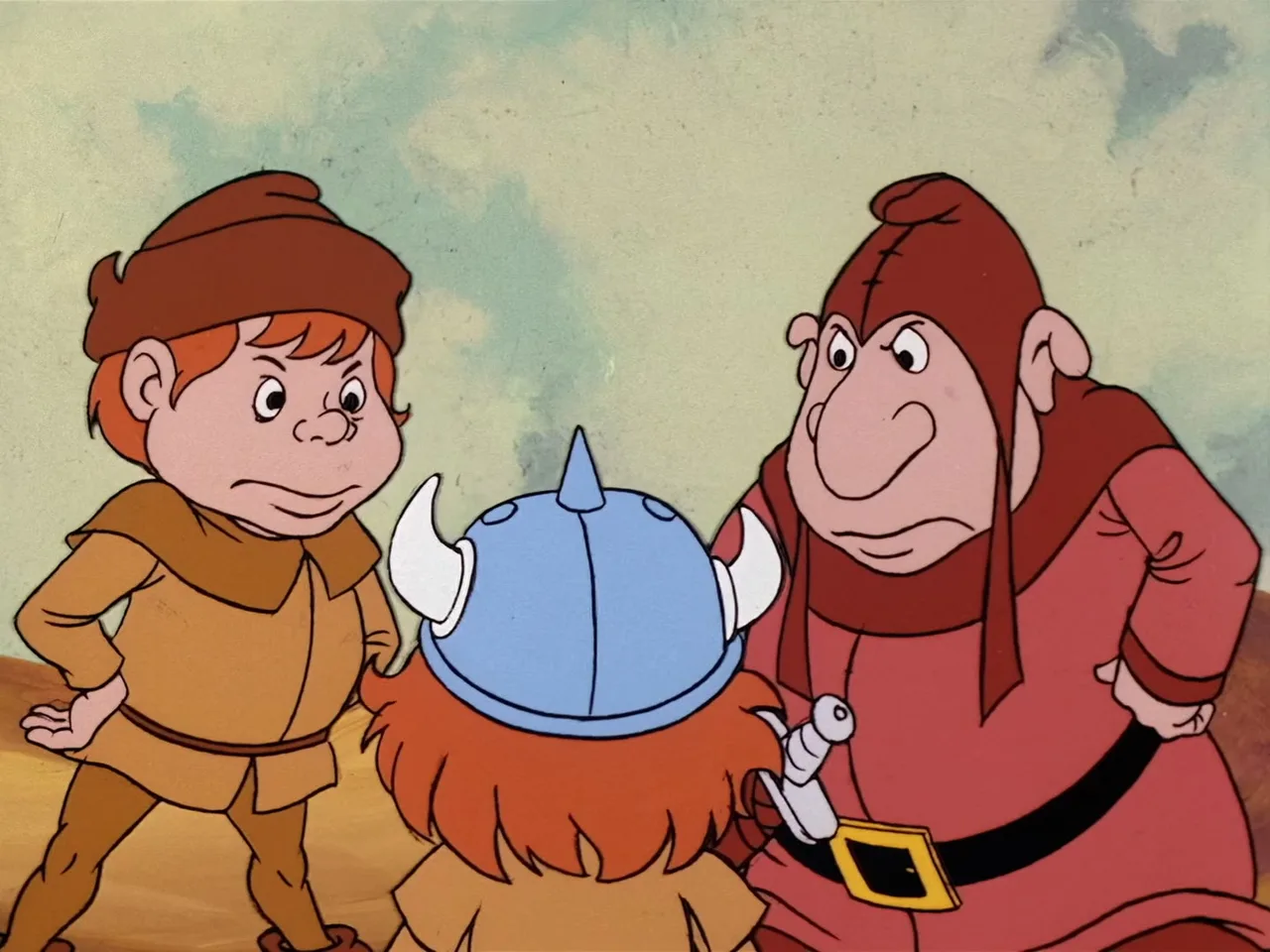
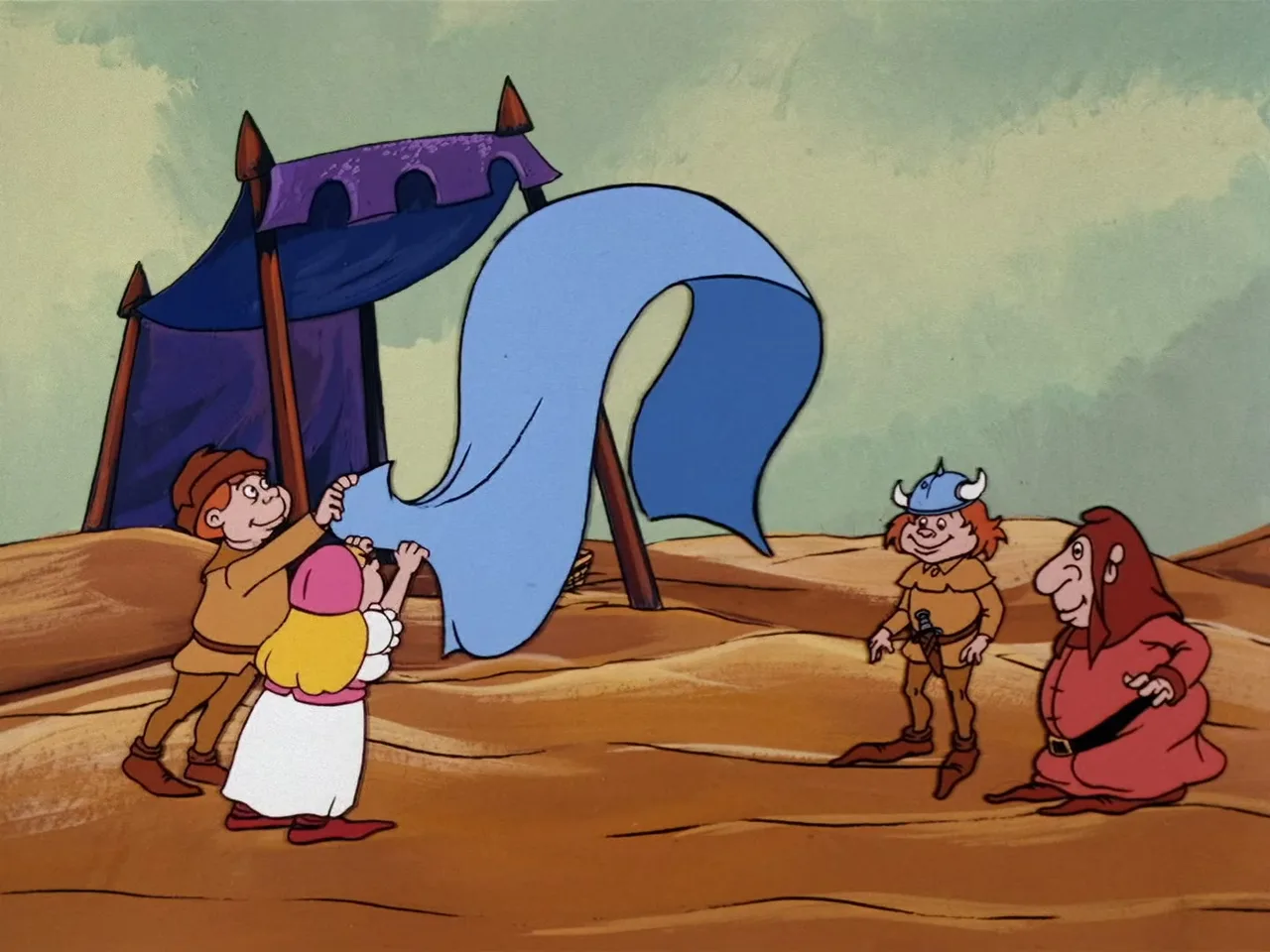
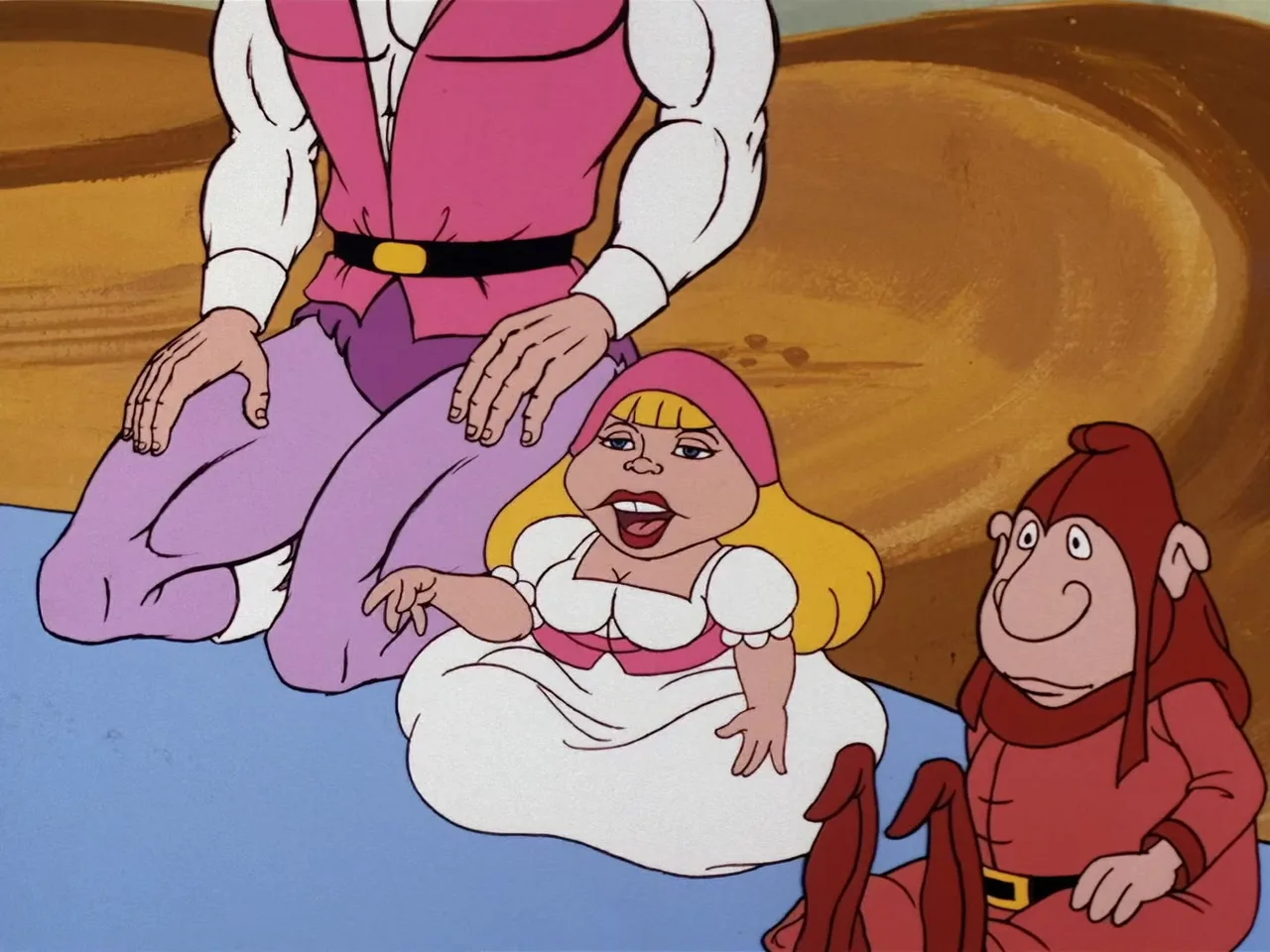
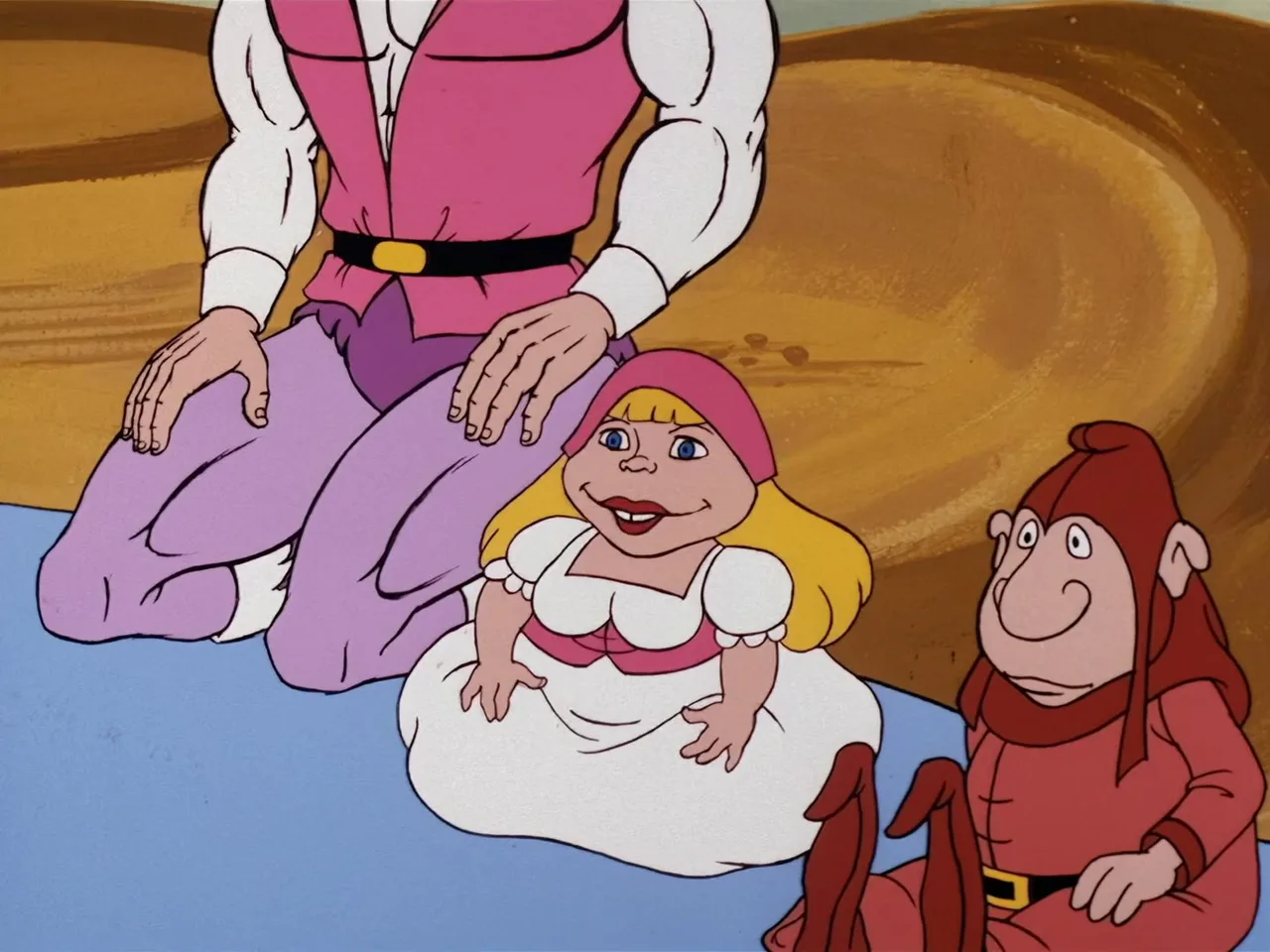
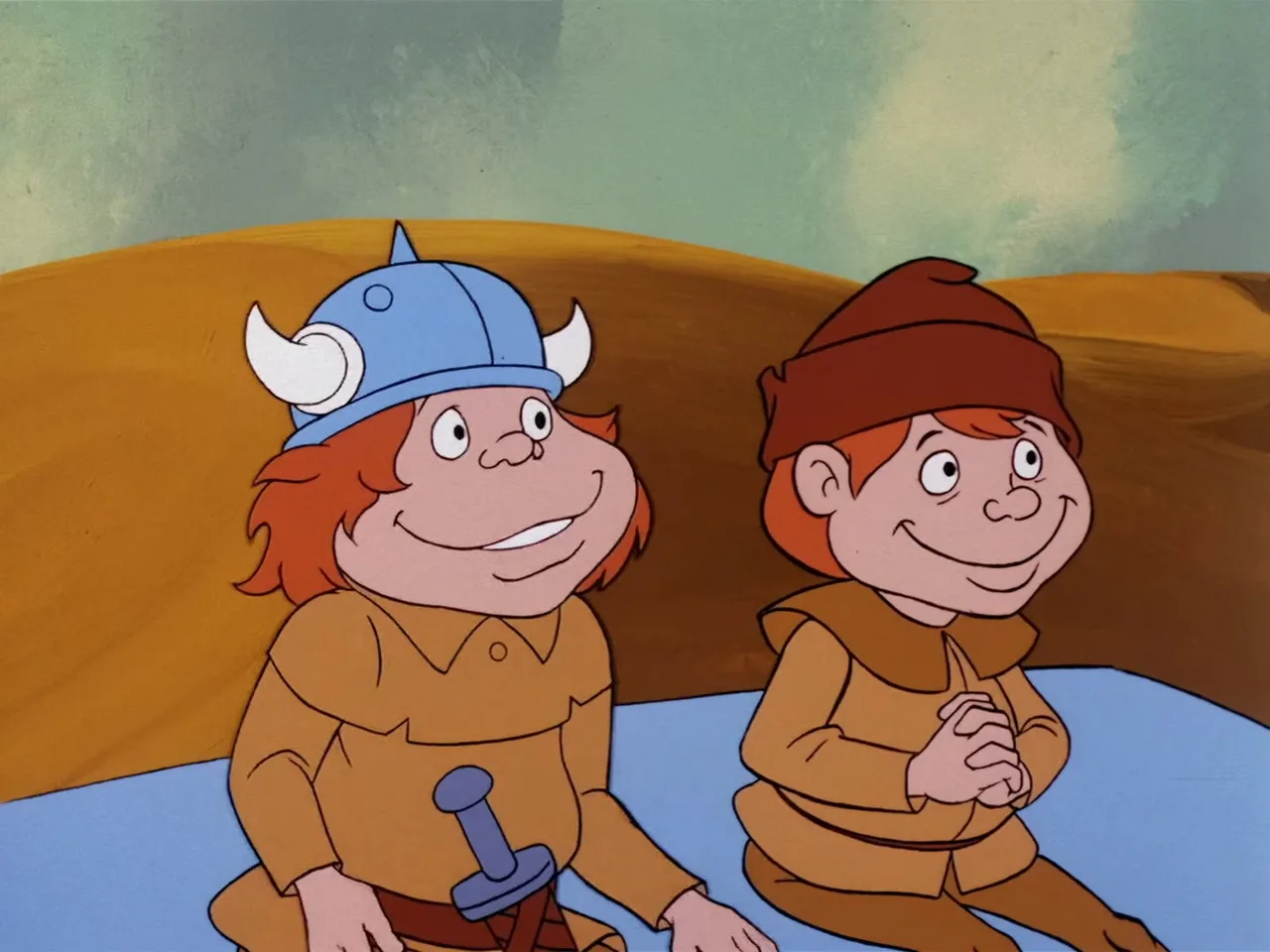
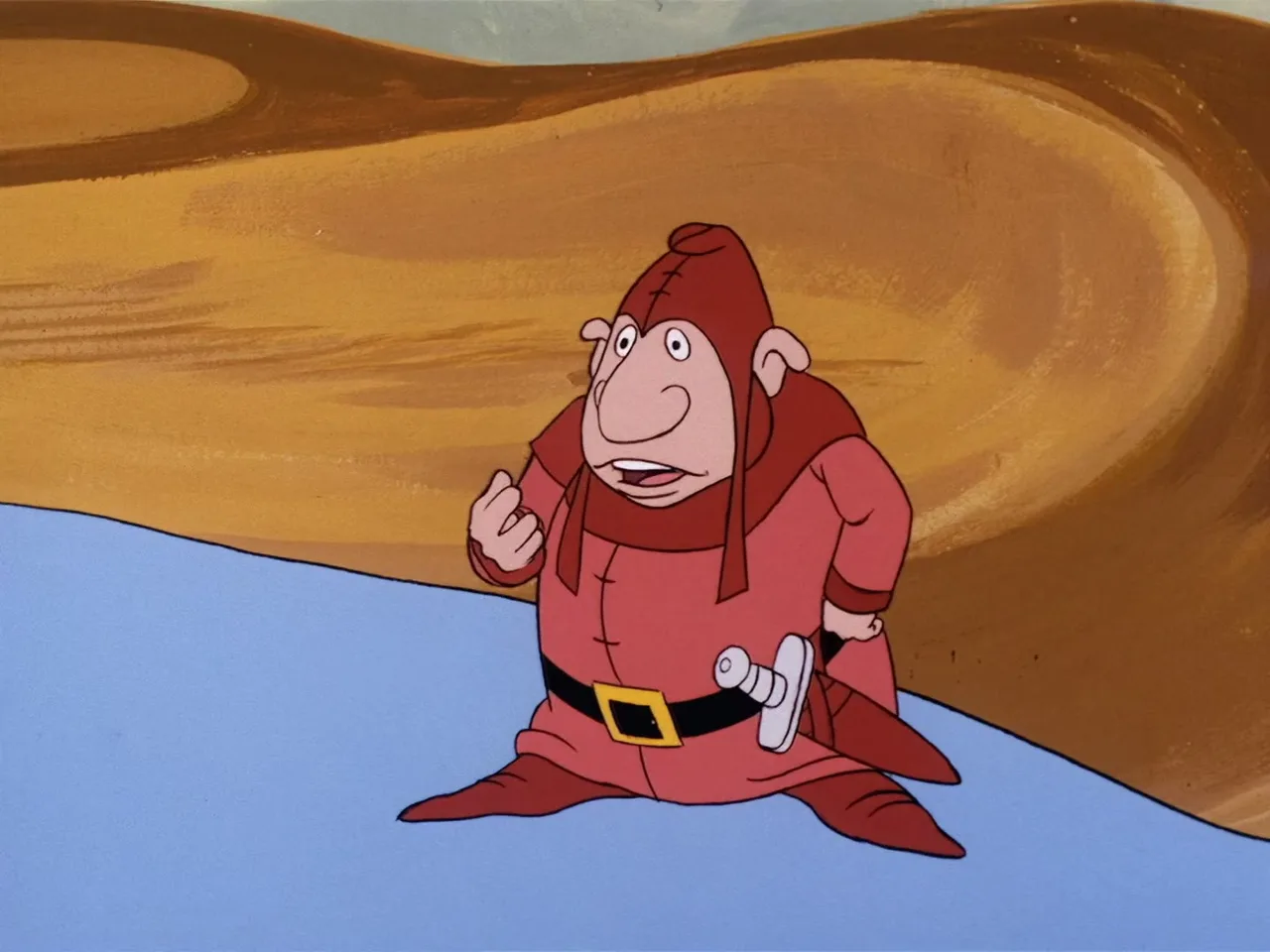
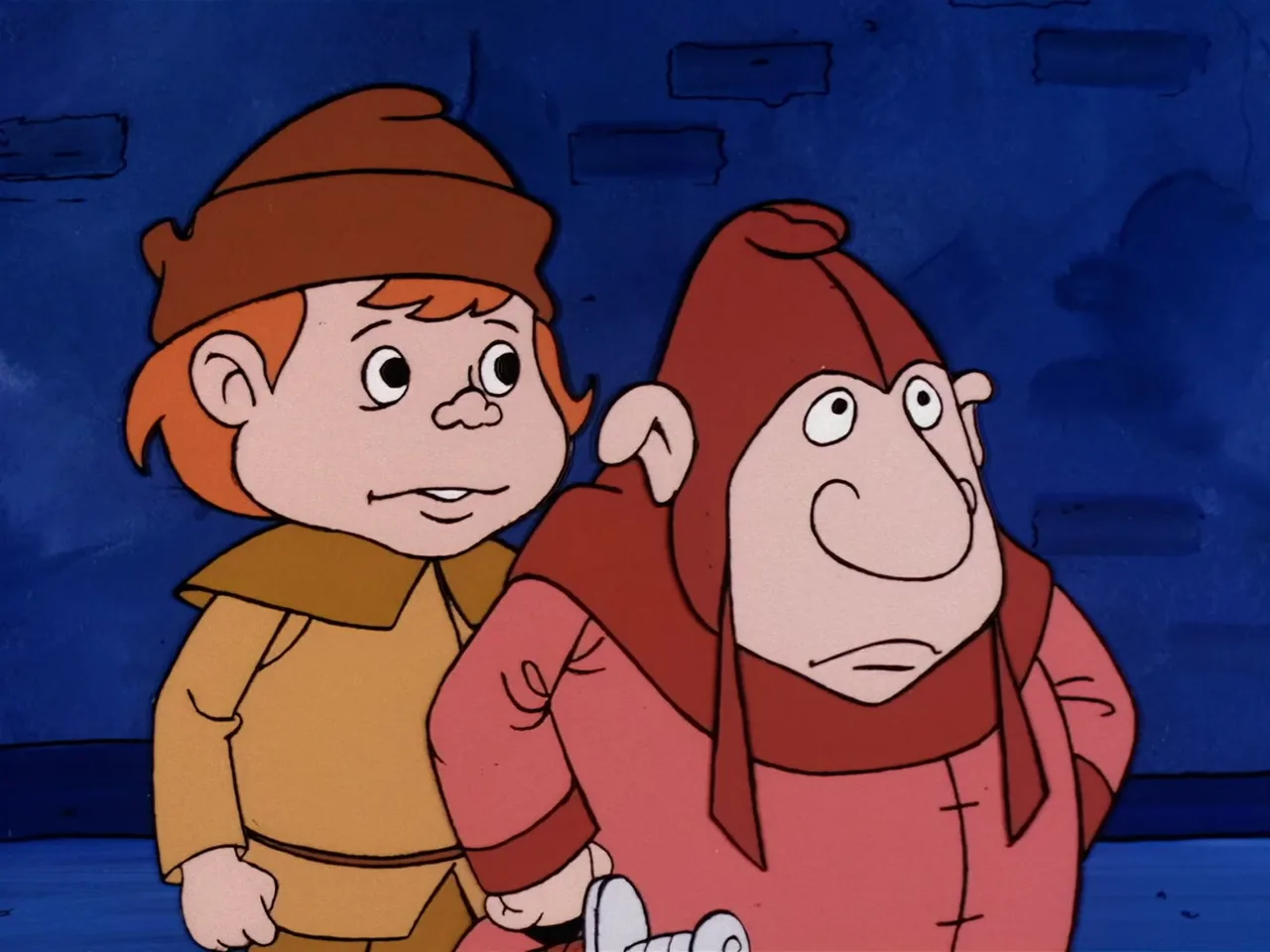
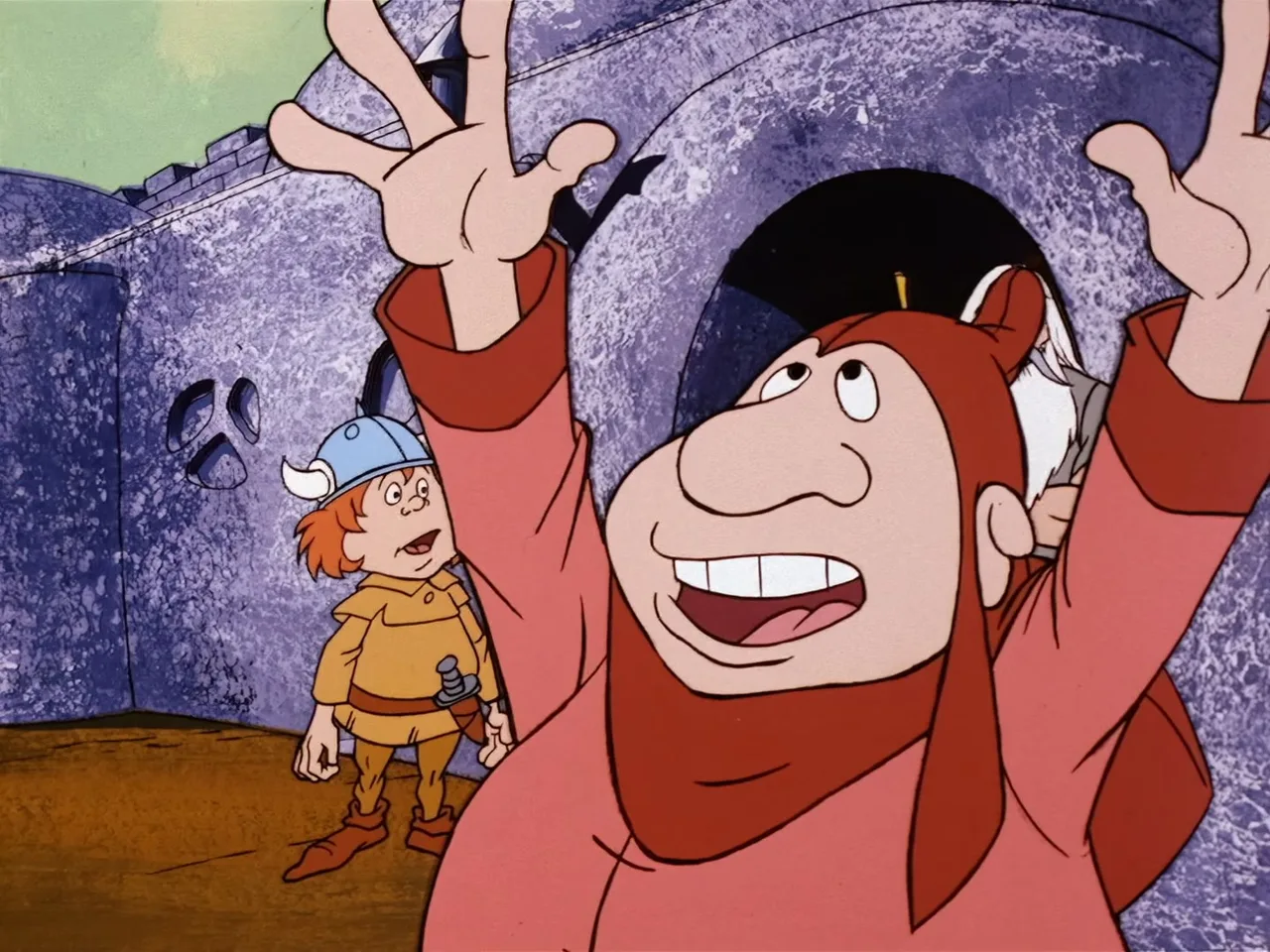
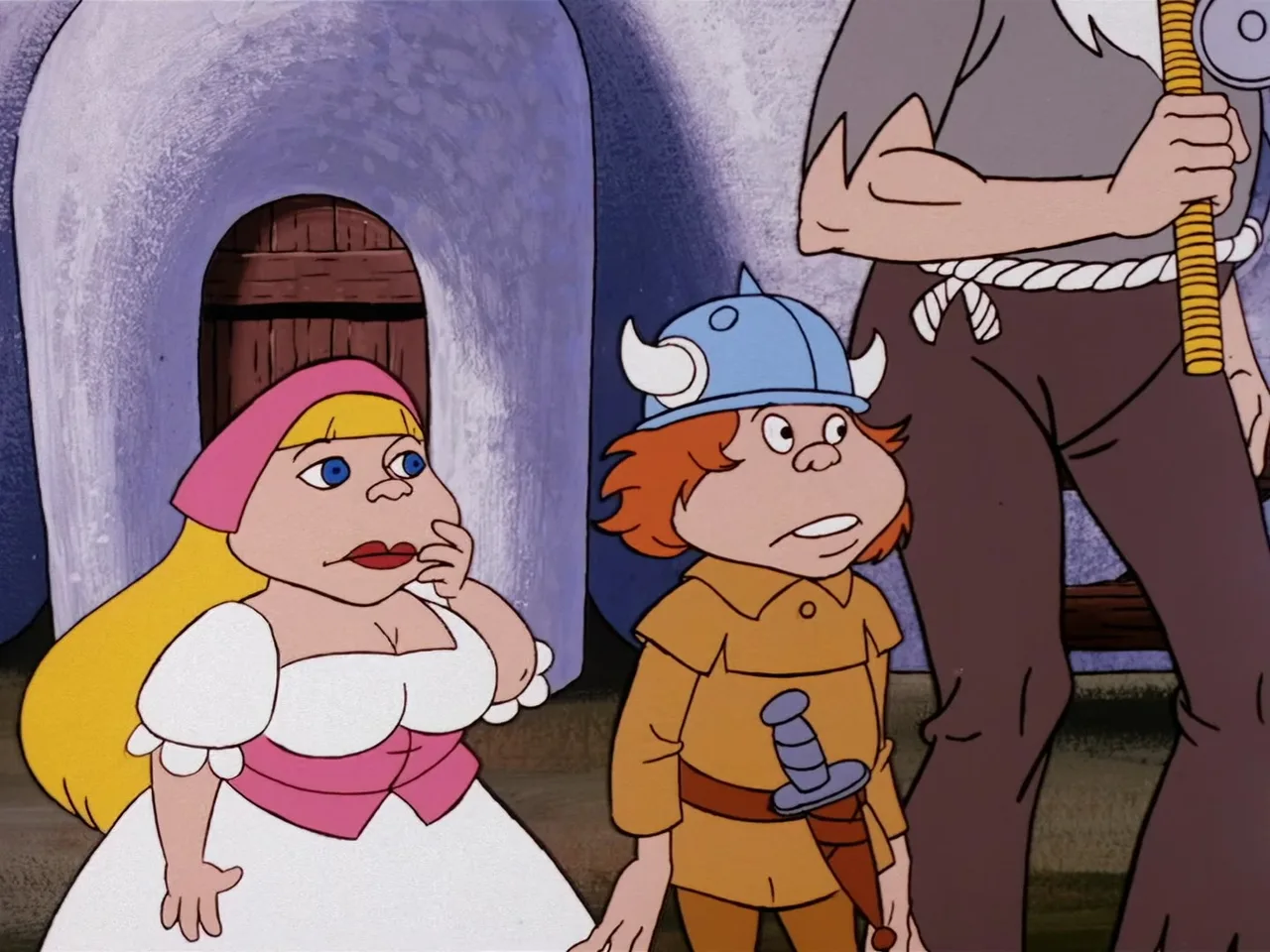
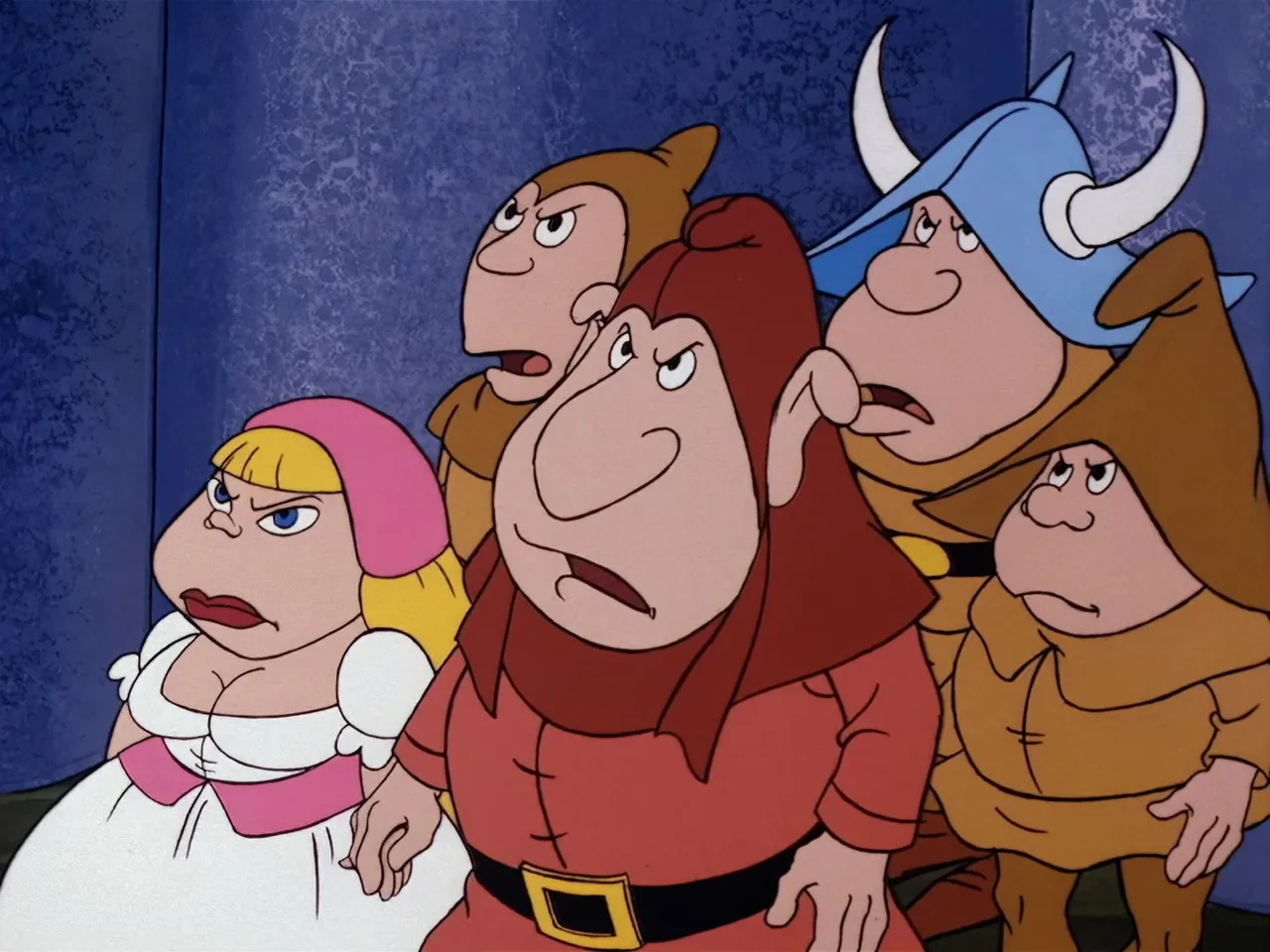
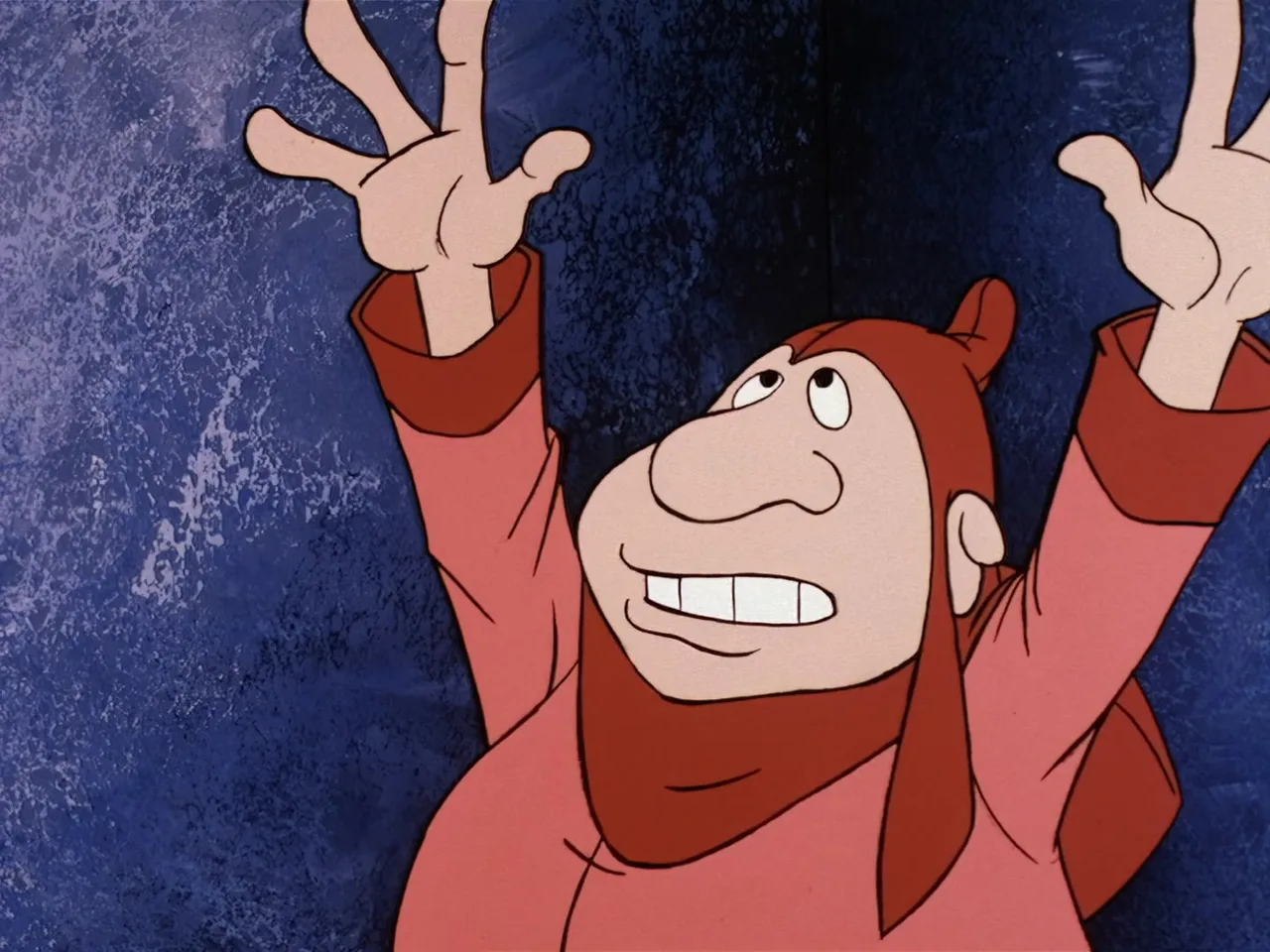
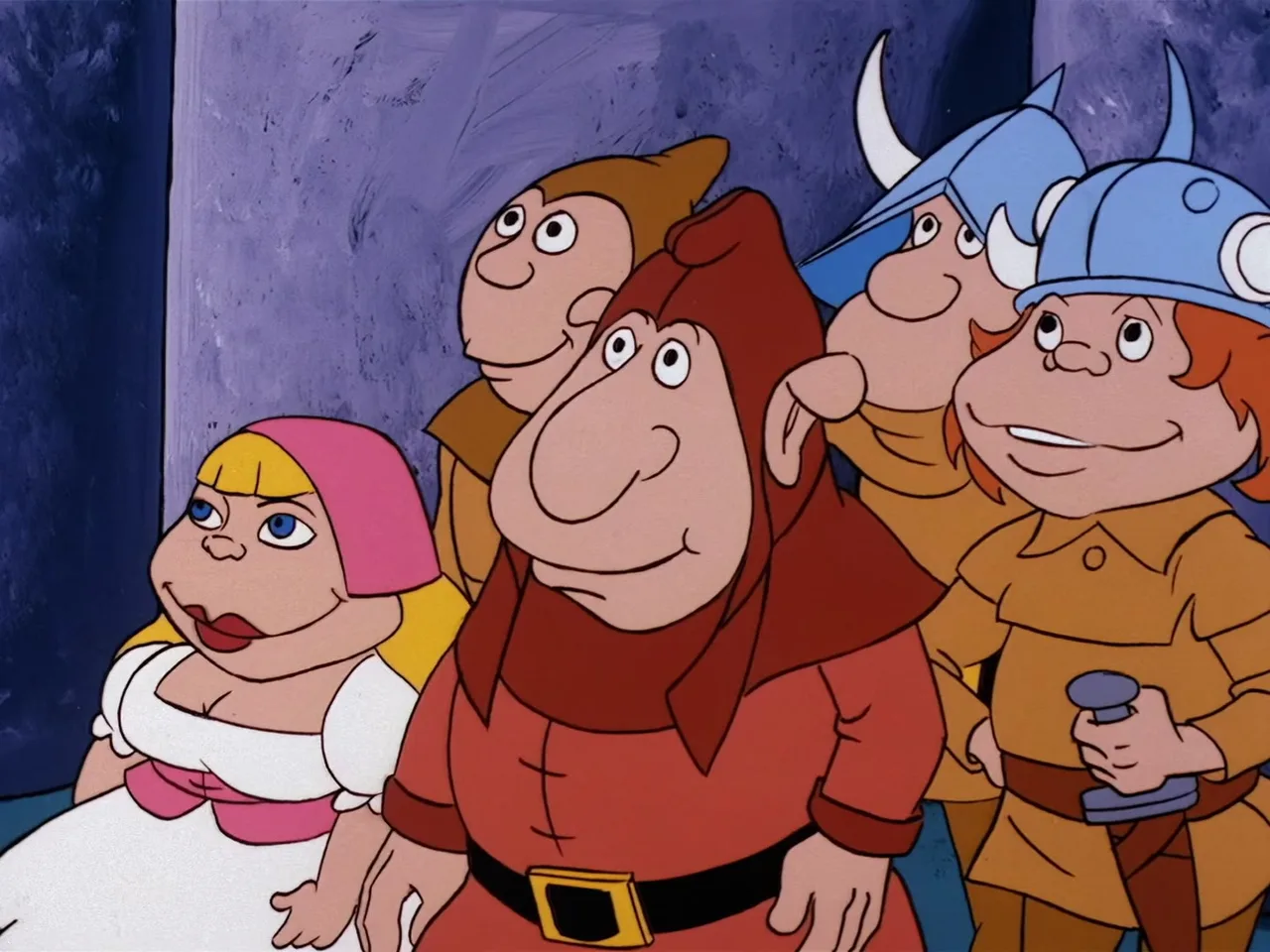
The Widgets themselves do the heavy lifting that makes this work. We usually get them as comic relief, a crowd of squat variations on the same design, but here the writing gives them a job: absorbing Jacob's rejection without retaliating, and without becoming pathetic about it either. Lara handing Biro off to Jacob mid-crisis, trusting a stranger she has known for an afternoon, is a small but well-chosen beat; it is the show demonstrating the community it wants Jacob to join rather than describing it to him. When Mer-Man finally corners the Widgets at their fort and threatens to flood it, the stakes land harder than the setup suggested they would, because the episode has spent its first half making the fort feel like a home worth protecting rather than a target waiting to be endangered.
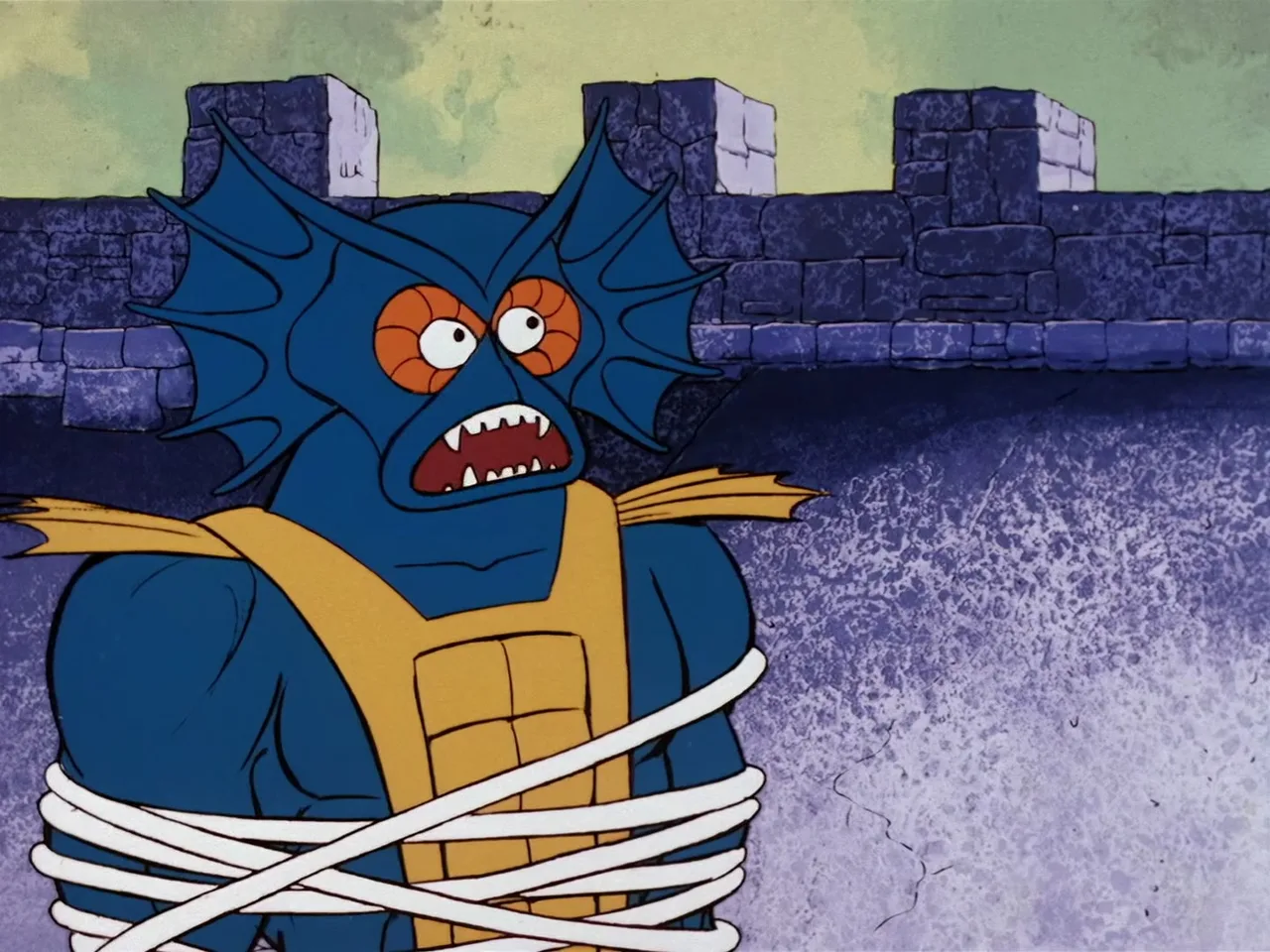
Mer-Man gets a nicely undignified defeat out of it! He spends the back half of the episode first interrogating Biro, then invading the fort directly, and the character design sells the threat even when the dialogue is mostly bluster. His capture, hooked and reeled in like the fish he resembles by Jacob's new fishing rod, is the episode's best joke and its clearest piece of thematic payoff. The gift the Widgets gave him becomes the tool that saves them, and Jacob lands the villain himself, not He-Man. He-Man's own contribution is nudging one of Eternia's moons to control the tide and drain the flooded mine. It makes for a satisfying bit of brute-force spectacle, but it is also the episode's weakest stretch of logic. The show has never established planetary-scale gravity manipulation as something within even He-Man's reach, and the sequence asks us to accept it on momentum alone.
What keeps the episode from feeling like two unrelated halves, a domestic drama about a difficult houseguest grafted onto a standard-issue villain plot, is that Mer-Man's attack and Jacob's loneliness are both framed as problems only community can solve. Jacob does not change because a monologue tells him to. He changes because the Widgets keep showing up for him past the point where showing up stops making narrative sense, and because, cornered at the fort wall with a fishing rod in his hands, he finds himself unwilling to let the people who annoyed him into caring also get hurt. Making him mayor at the end is a bit of a reach as municipal logic goes, but as a statement about what the episode has actually been arguing, that an outsider earns belonging by acting like he belongs, it is exactly the right note to close on.
- Behind the scenes: Script was approved April 24, 1984. Storyboards were completed on June 11, 1984. This story was used again, only with different characters in the Bravestarr episode titled Jeremiah and the Prairie People. In the original script, during the final scene the Widgets were to dance around Jacob, and Lara & Squinch were to bring He-Man and Teela into the dance.
- Mer-Man does not appear again for another 37 episodes.
- Corrected castAppearances: the end-credit voice card lists five distinct performers (John Erwin, Alan Oppenheimer, Linda Gary, Erik Gunden, Erika Scheimer), but the stub had folded Lara into Erik Gunden's roles alongside Trap Jaw, Kando and Biro. Split Lara out to Erika Scheimer, matching the separate credit read directly off the captured end-credits frames.
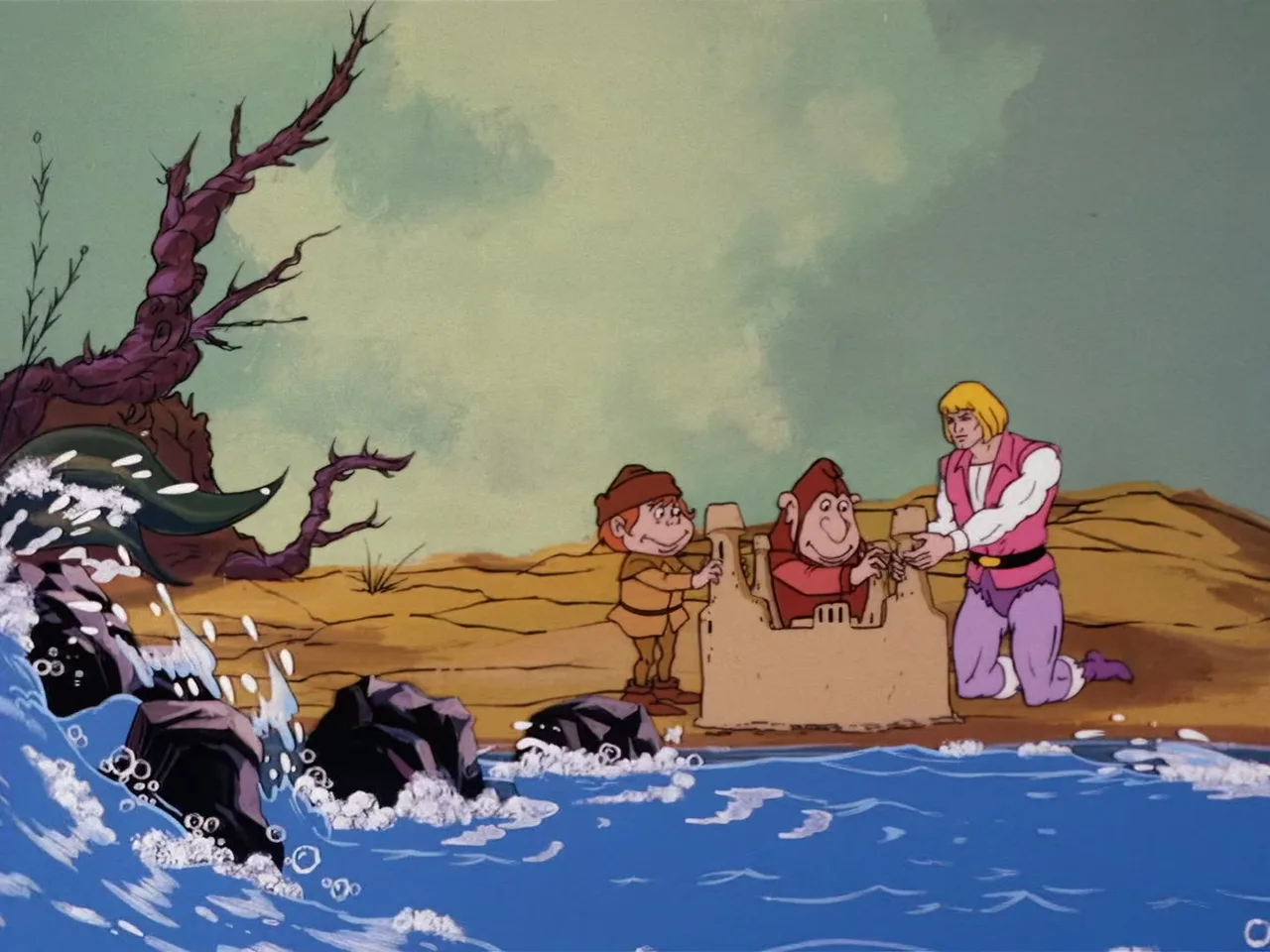
- Continuity: The animated sequence of He-Man running and diving was previously used in The Defection & Search for the VHO and will be seen again in Hunt for He Man. The Eternian beach background was previously used in The Rainbow Warrior.
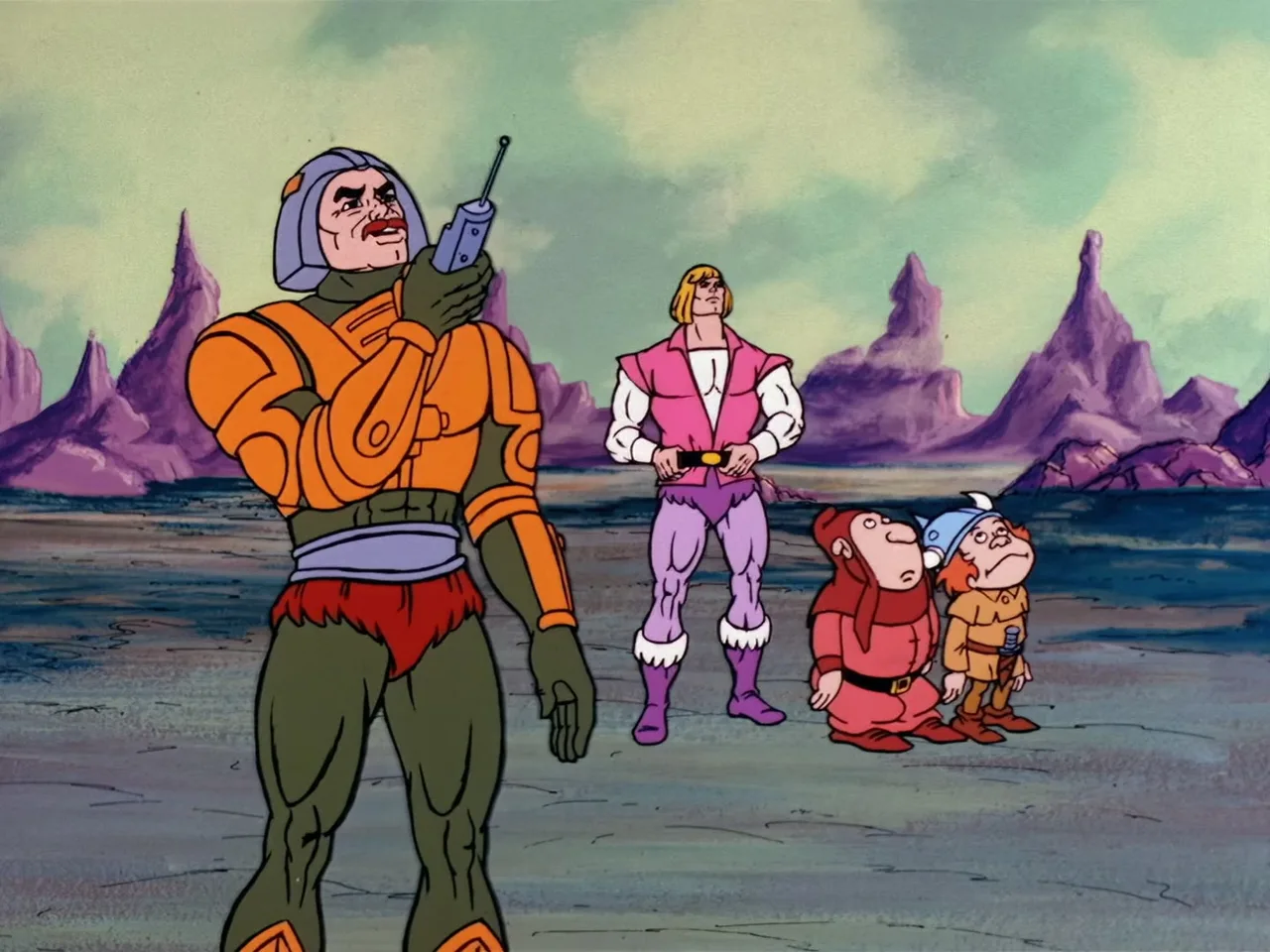
- Animation errors and goofs: In this story and in Eternal Darkness, it is stated that Eternia has only one moon. But in The Shadow of Skeletor, Into the Abyss and the She-Ra: Princess of Power episode He Ain't Heavy there are more than one. When He-Man uses the Wind Raider with the experimental boosters to move the moon, you'll notice that the Wind Raider isn't enclosed & He-Man wears no space suit or life support equipment. So how does He-Man breathe?
DISCUSSION
Join the conversation.
Comments below are mirrored on the heman.org forum. Sign in once, post anywhere.