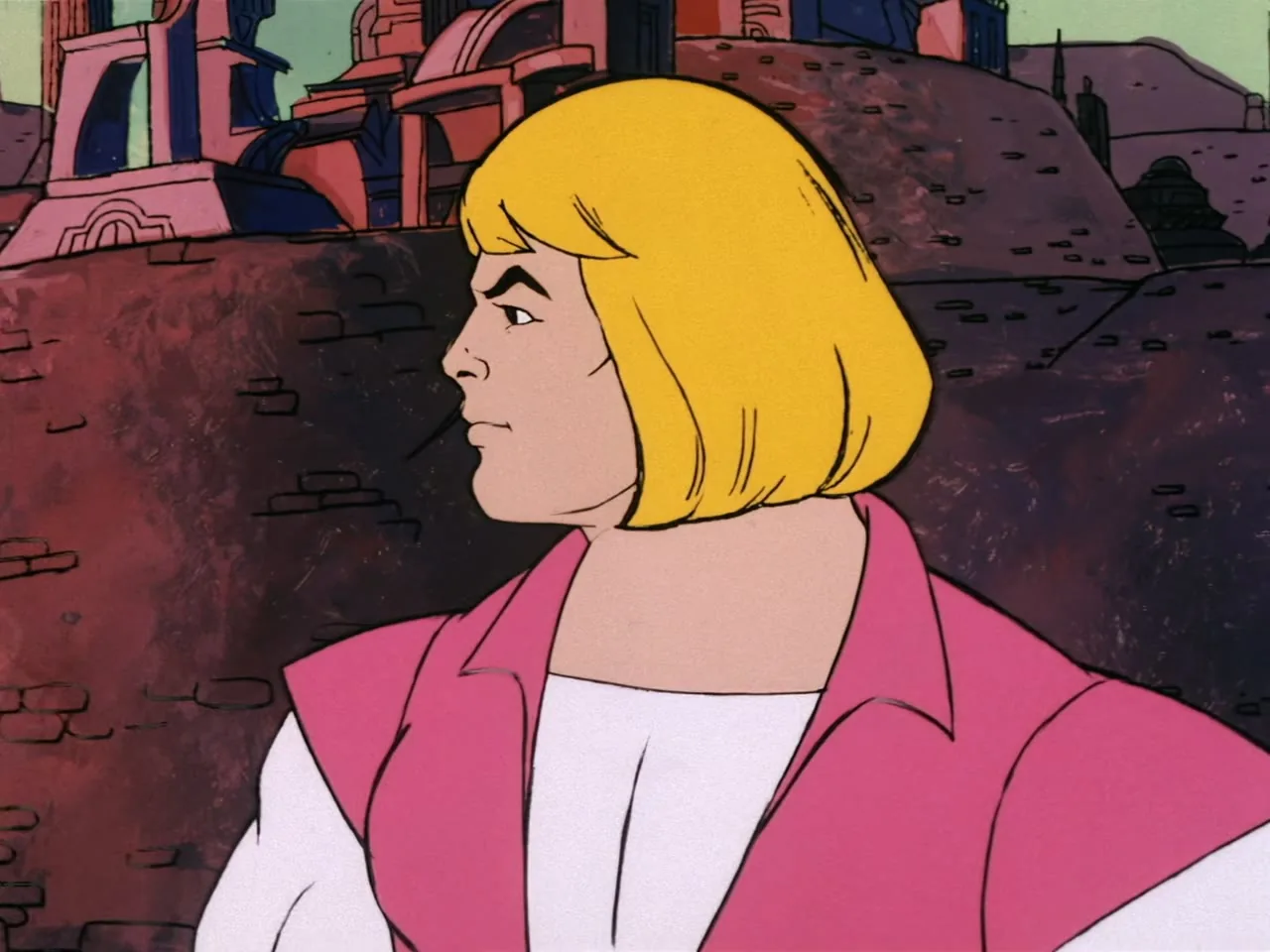
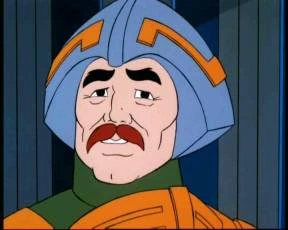
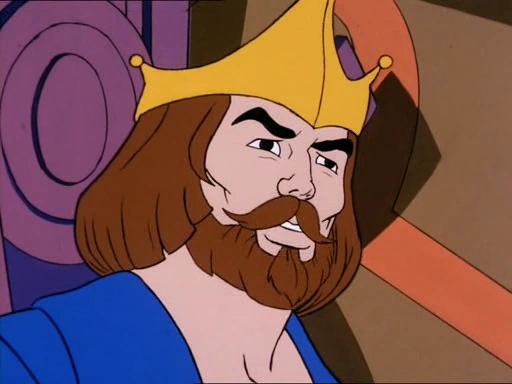
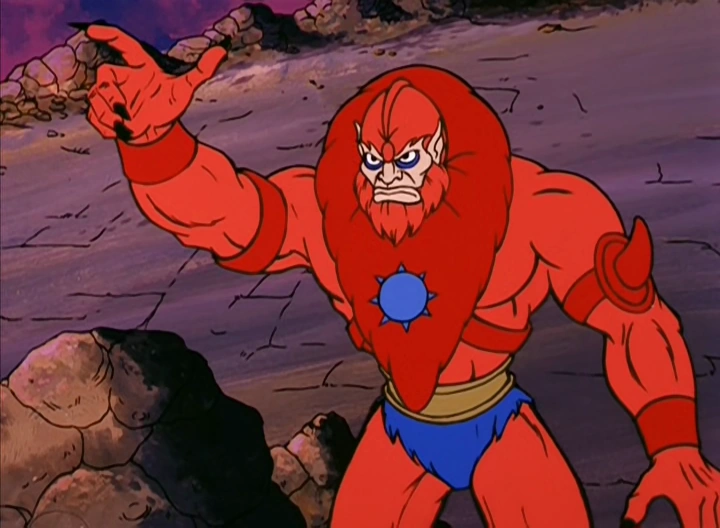
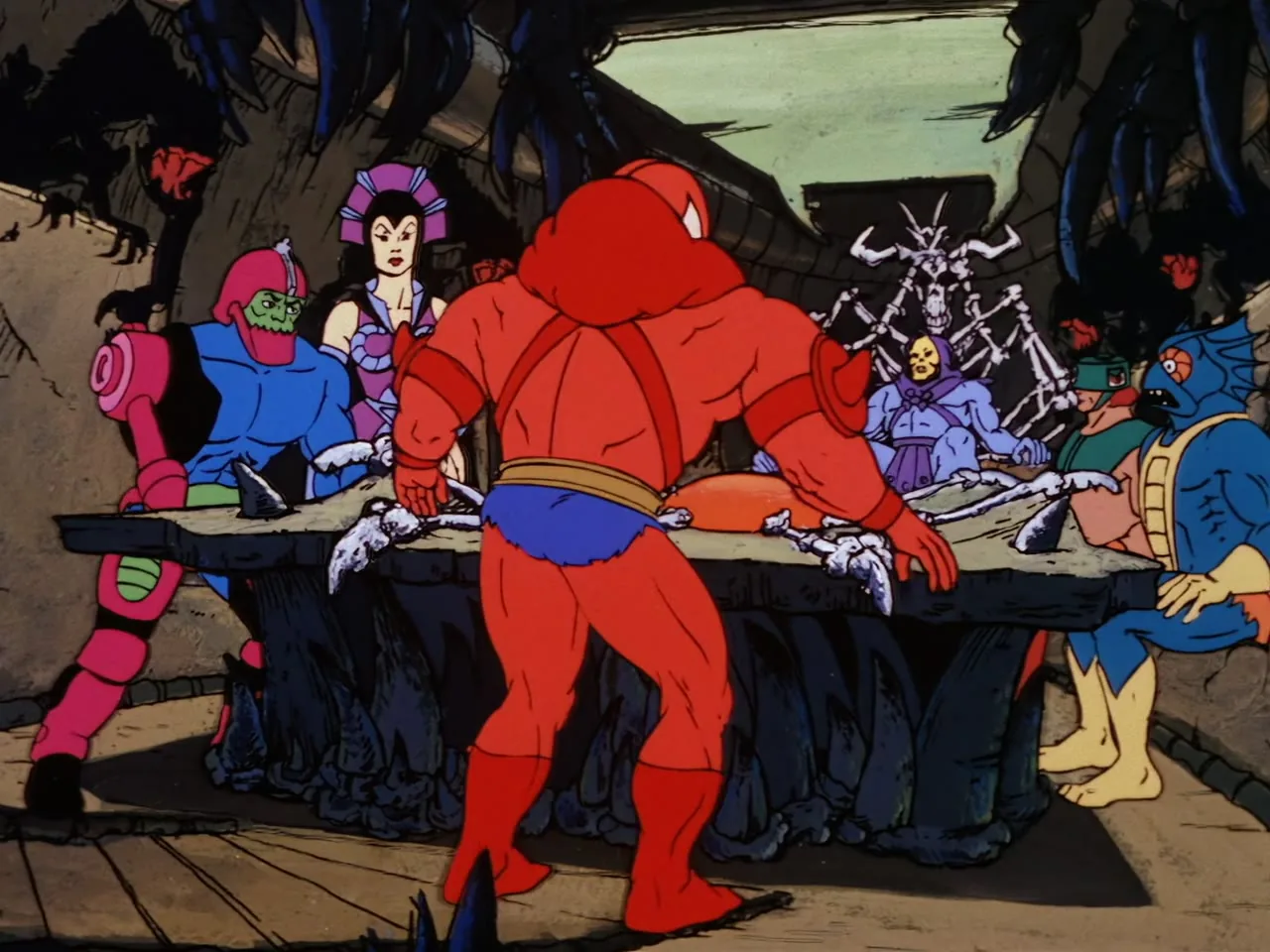
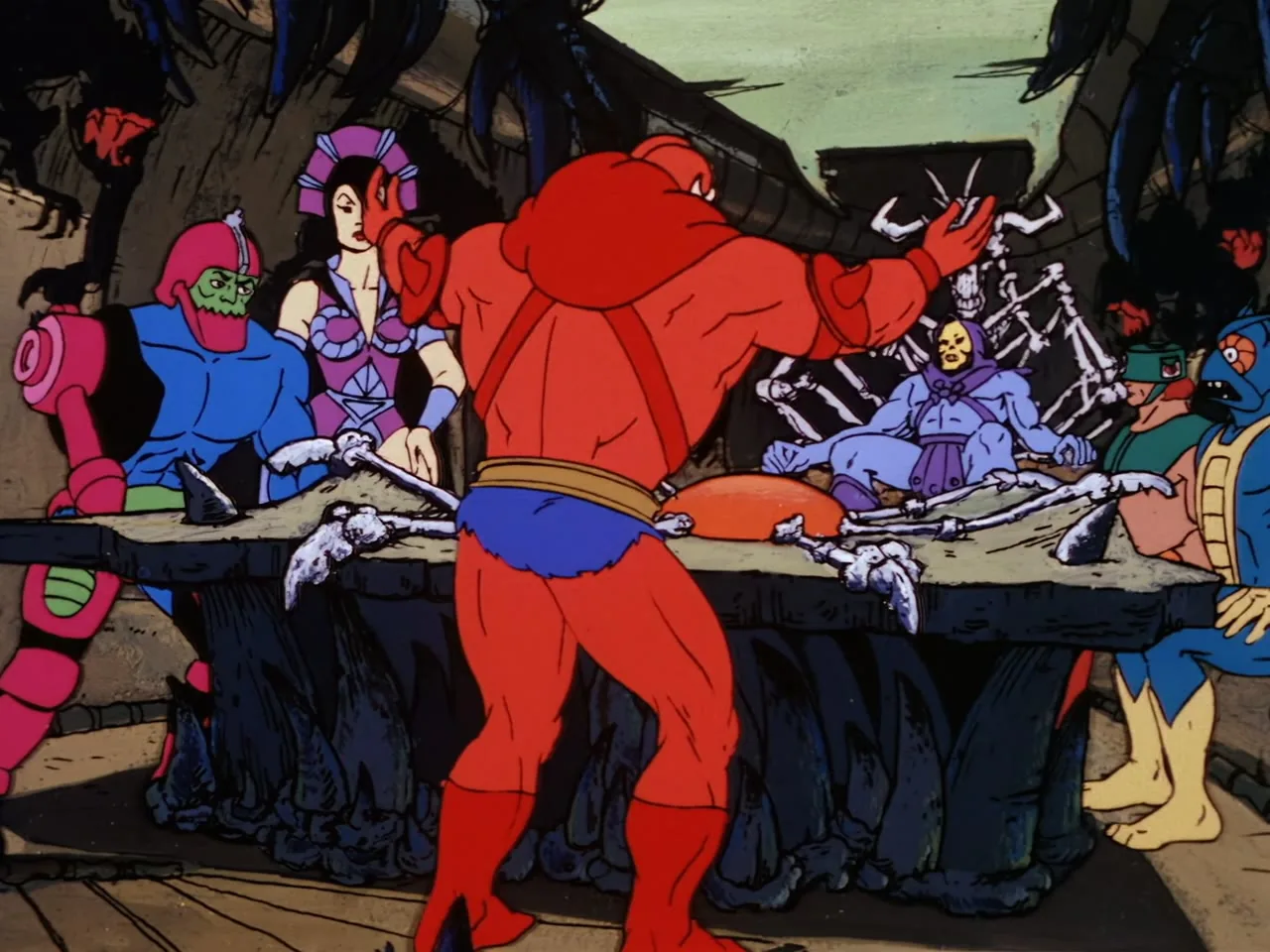
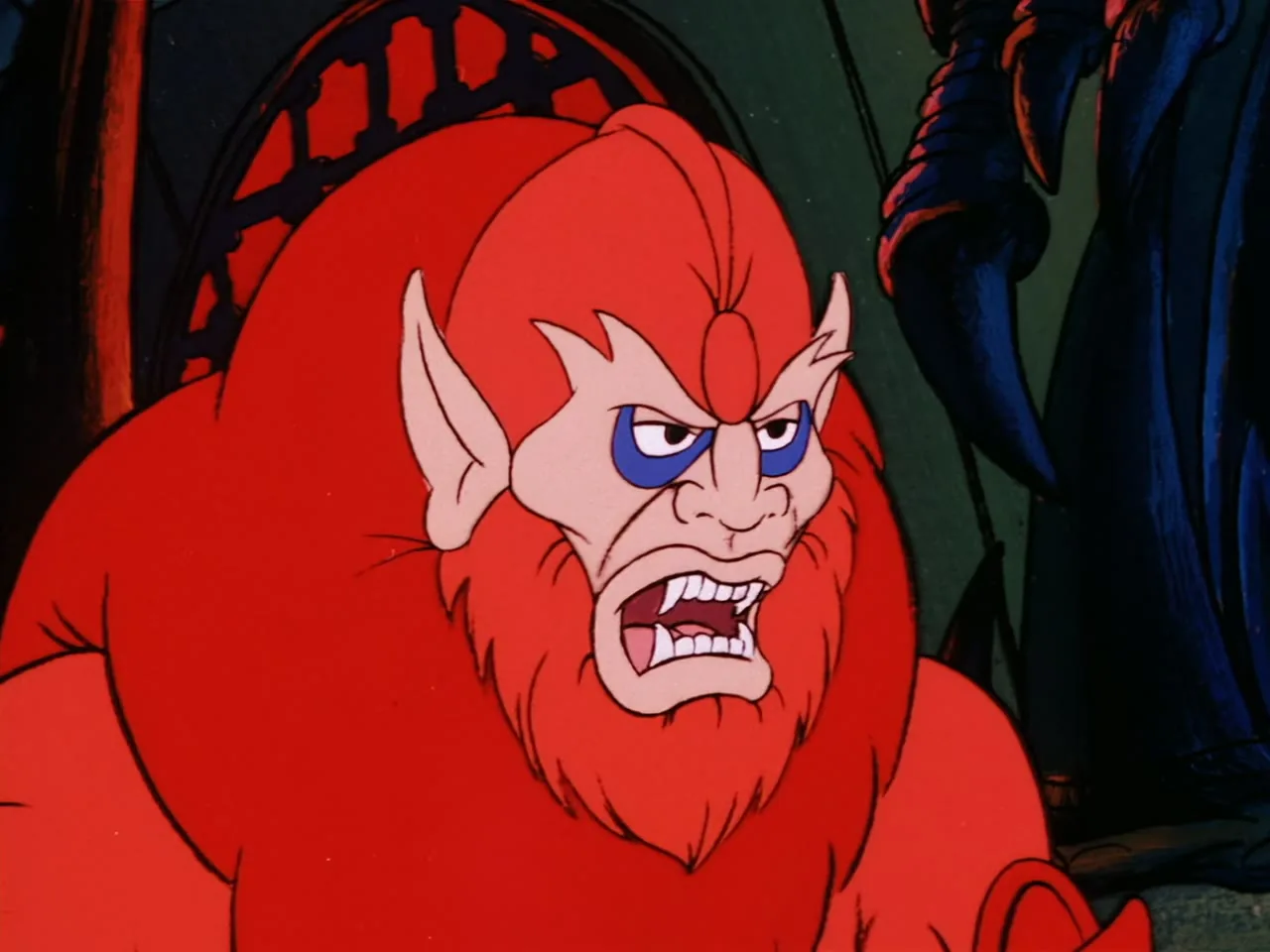
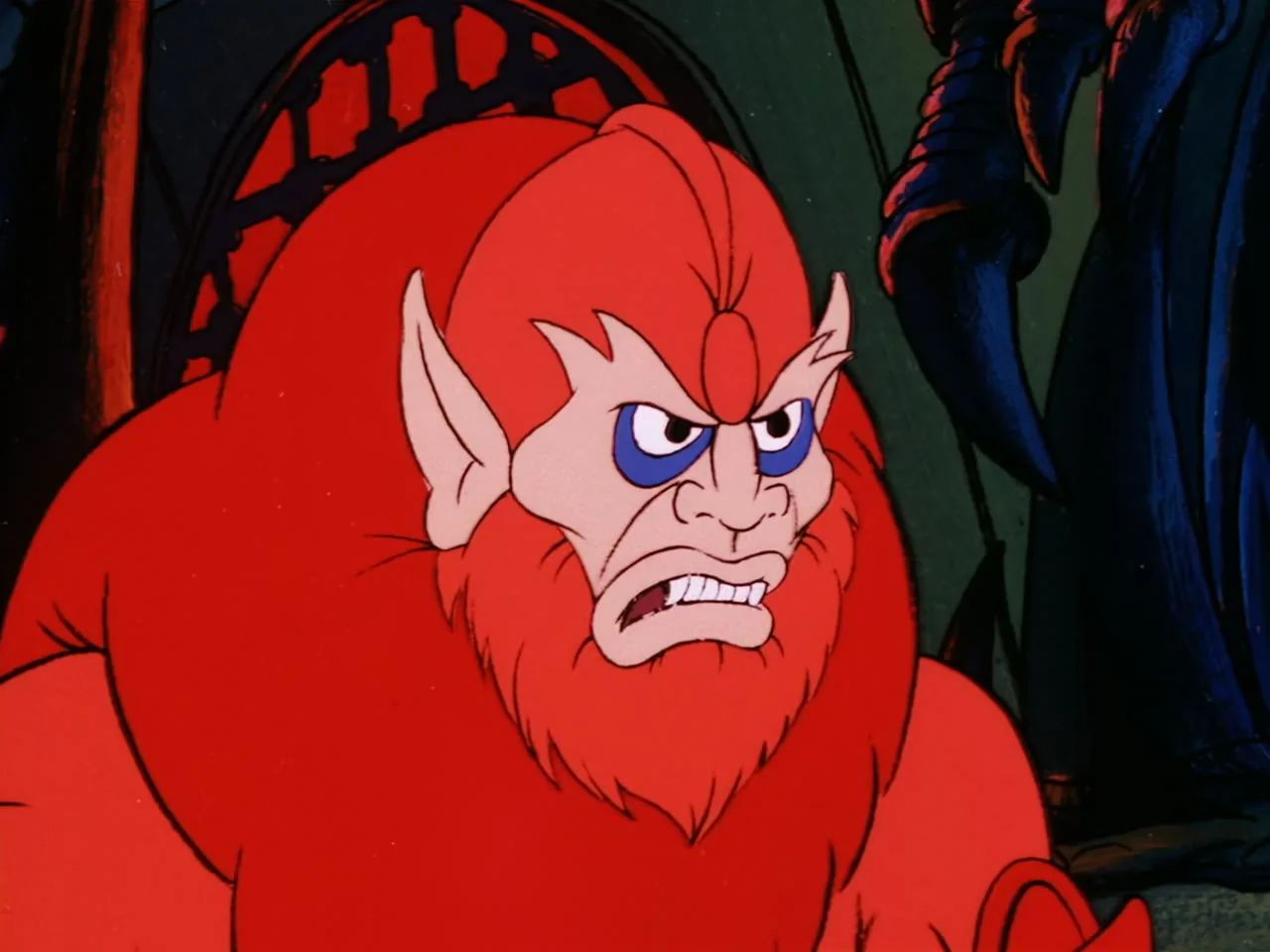
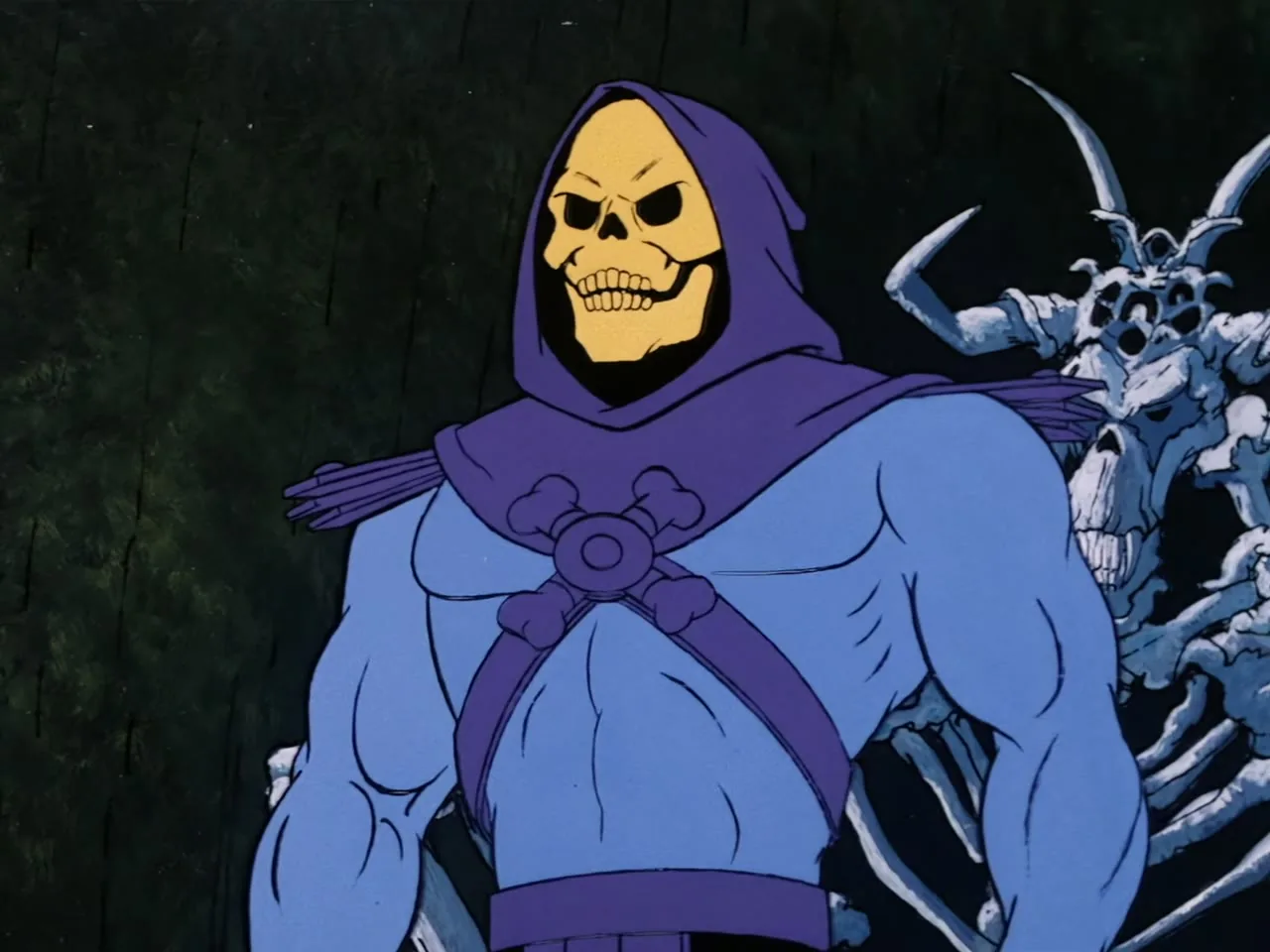
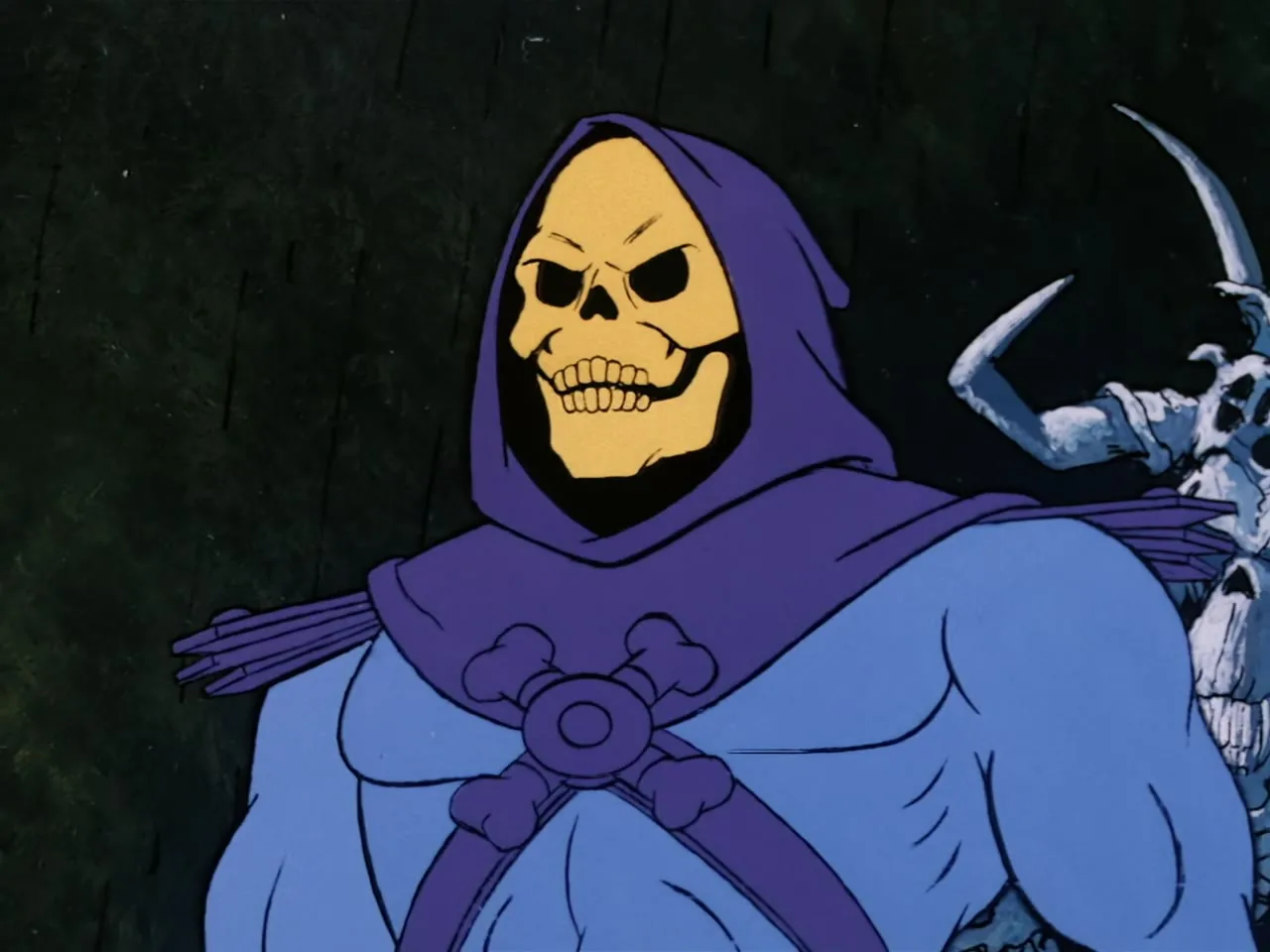
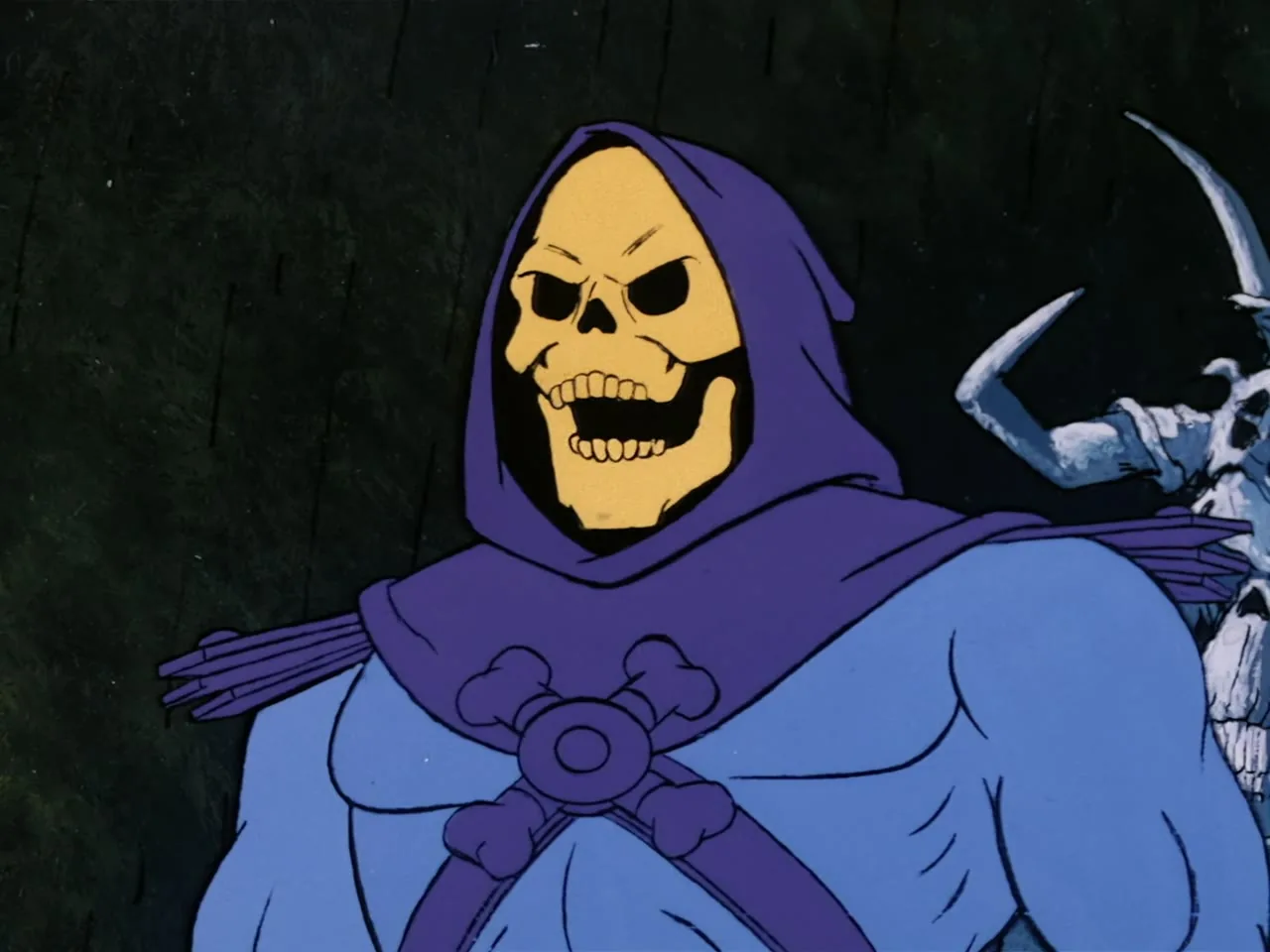
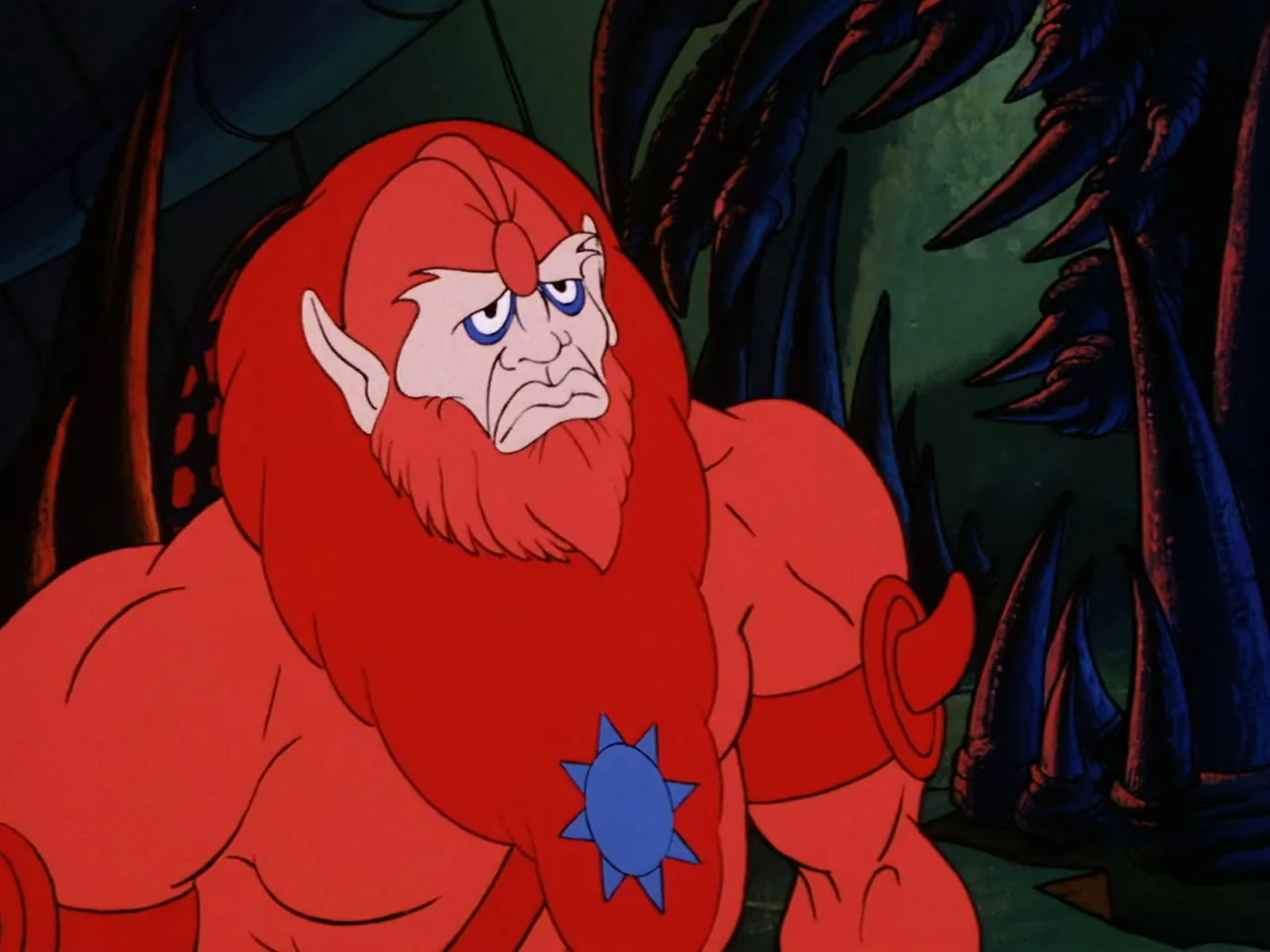
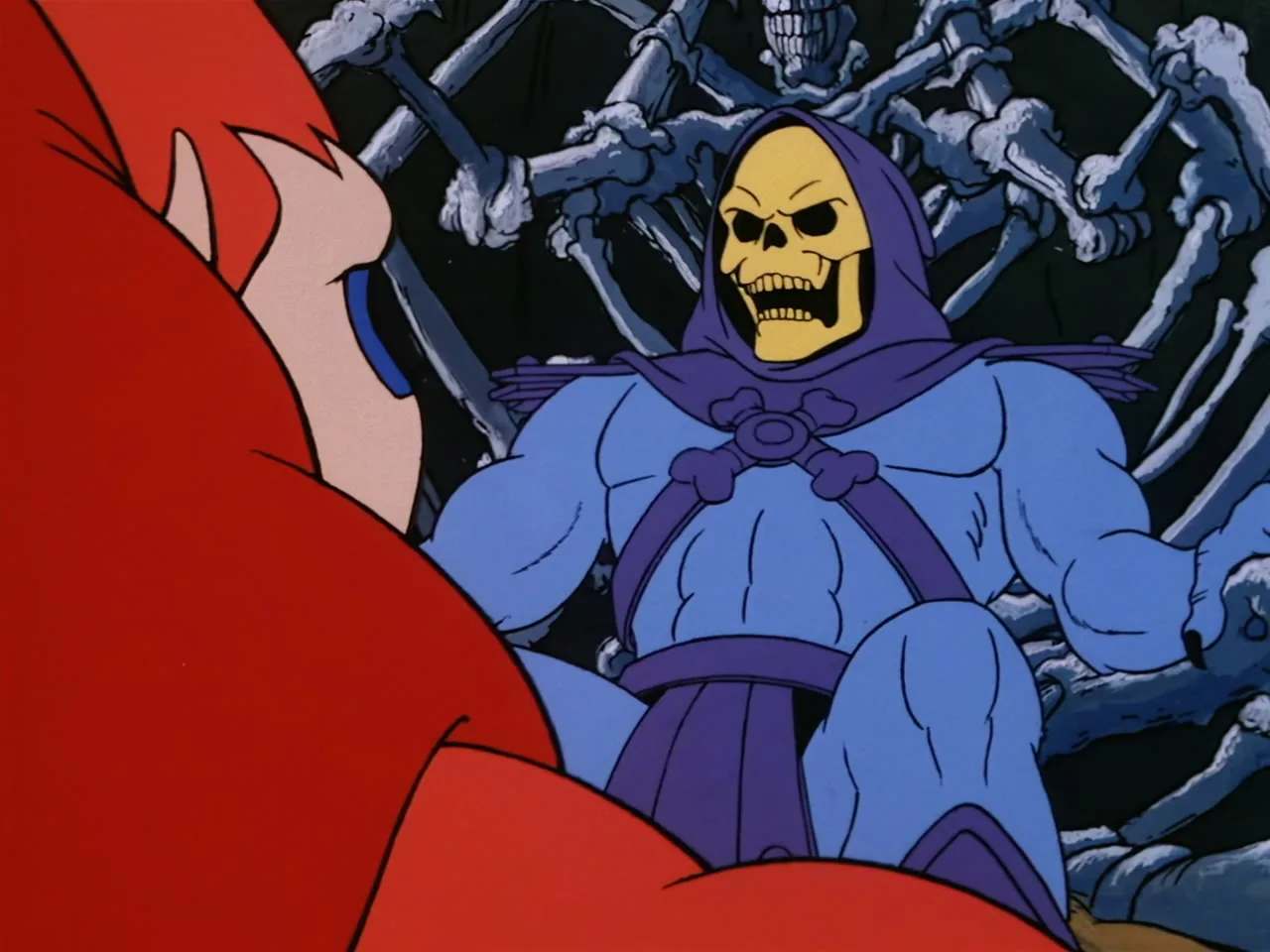
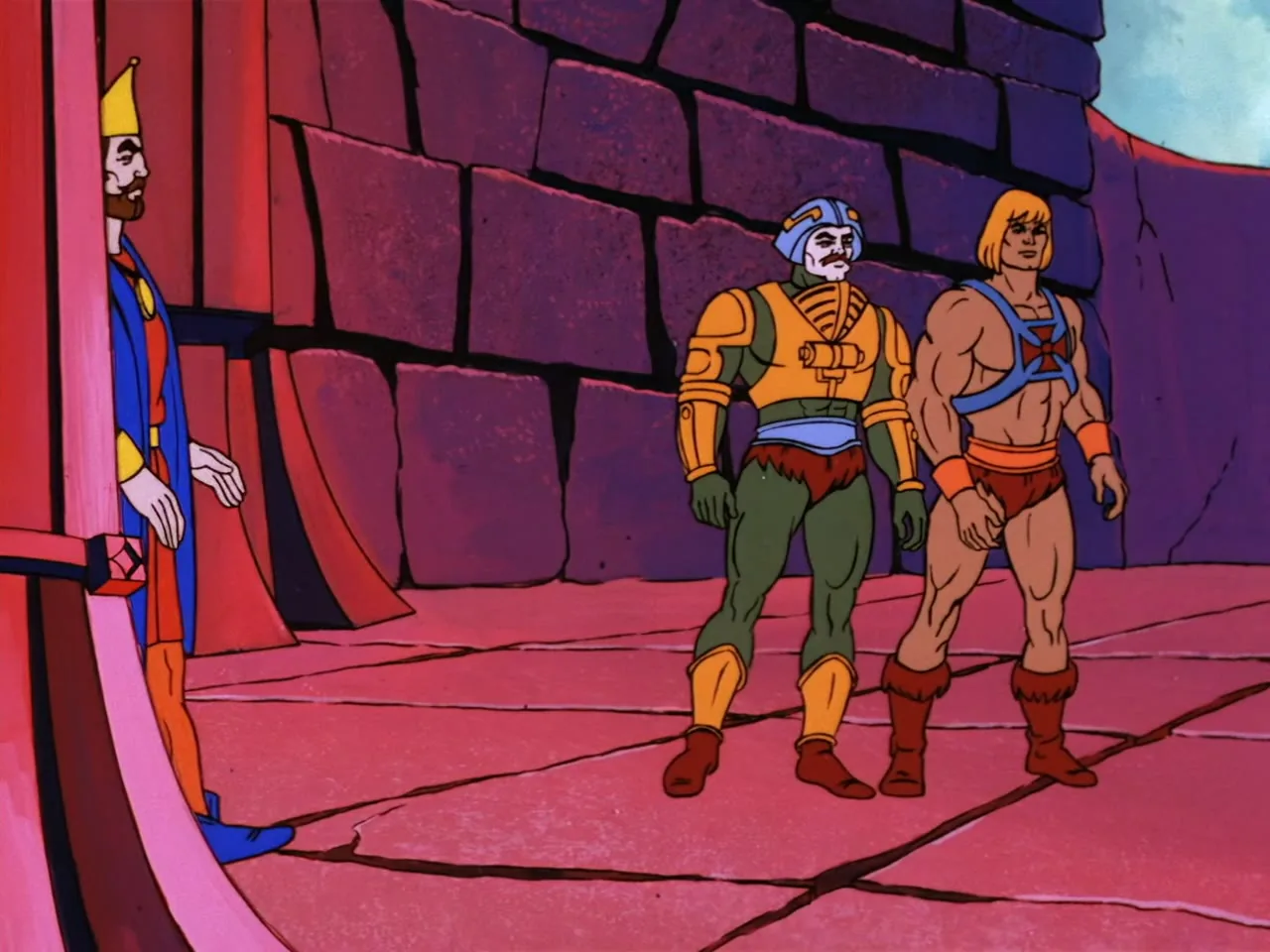
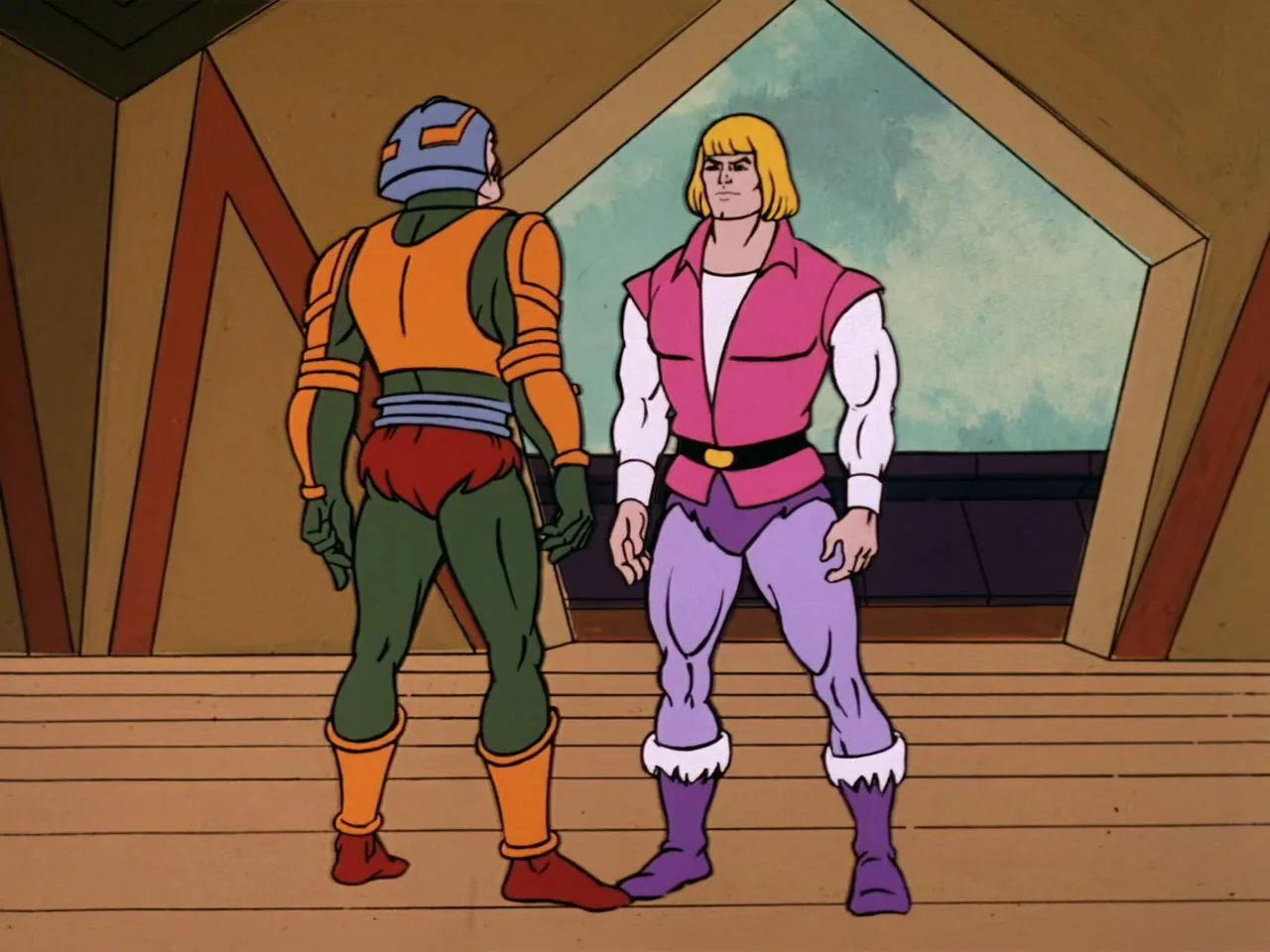
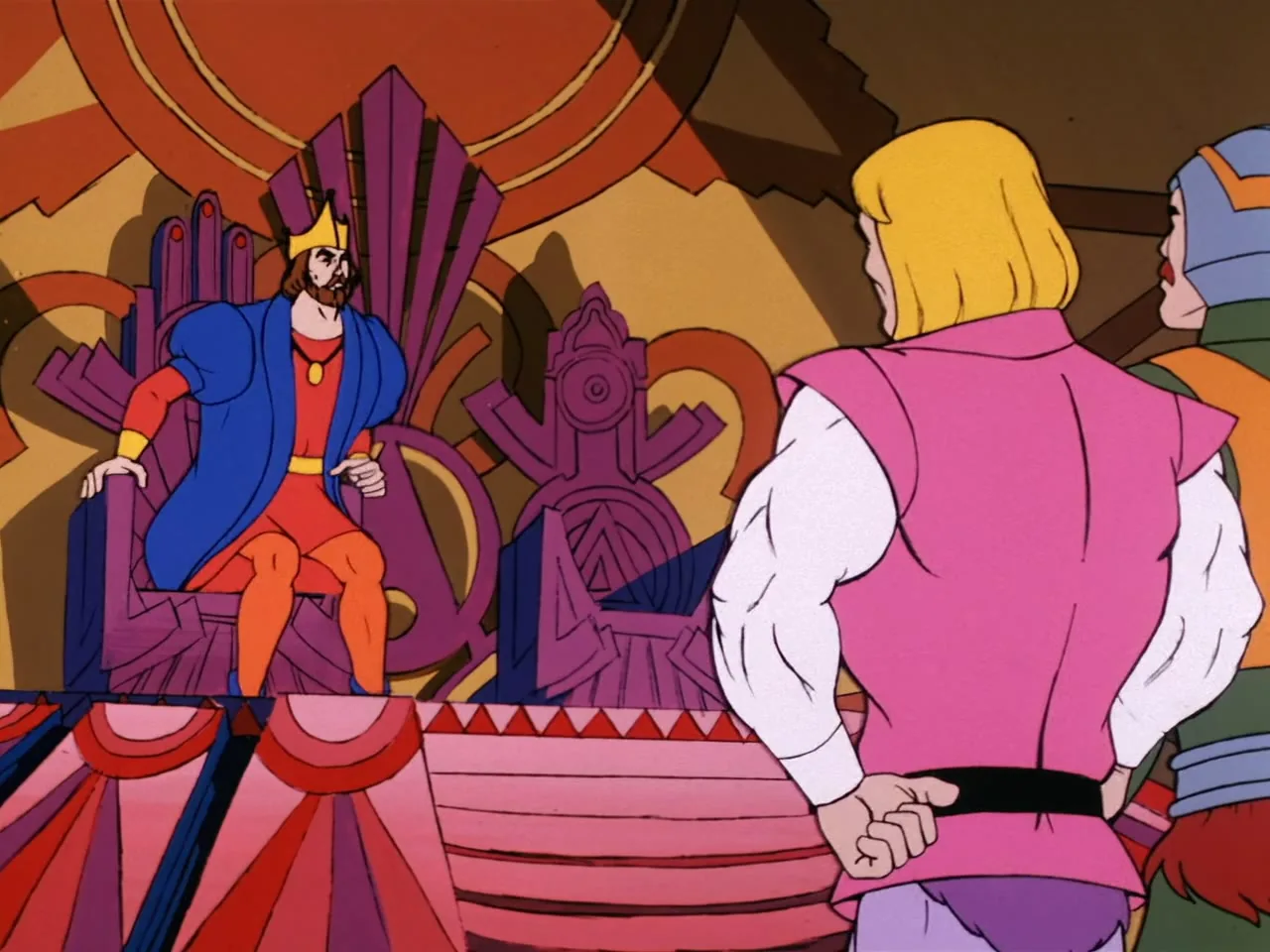
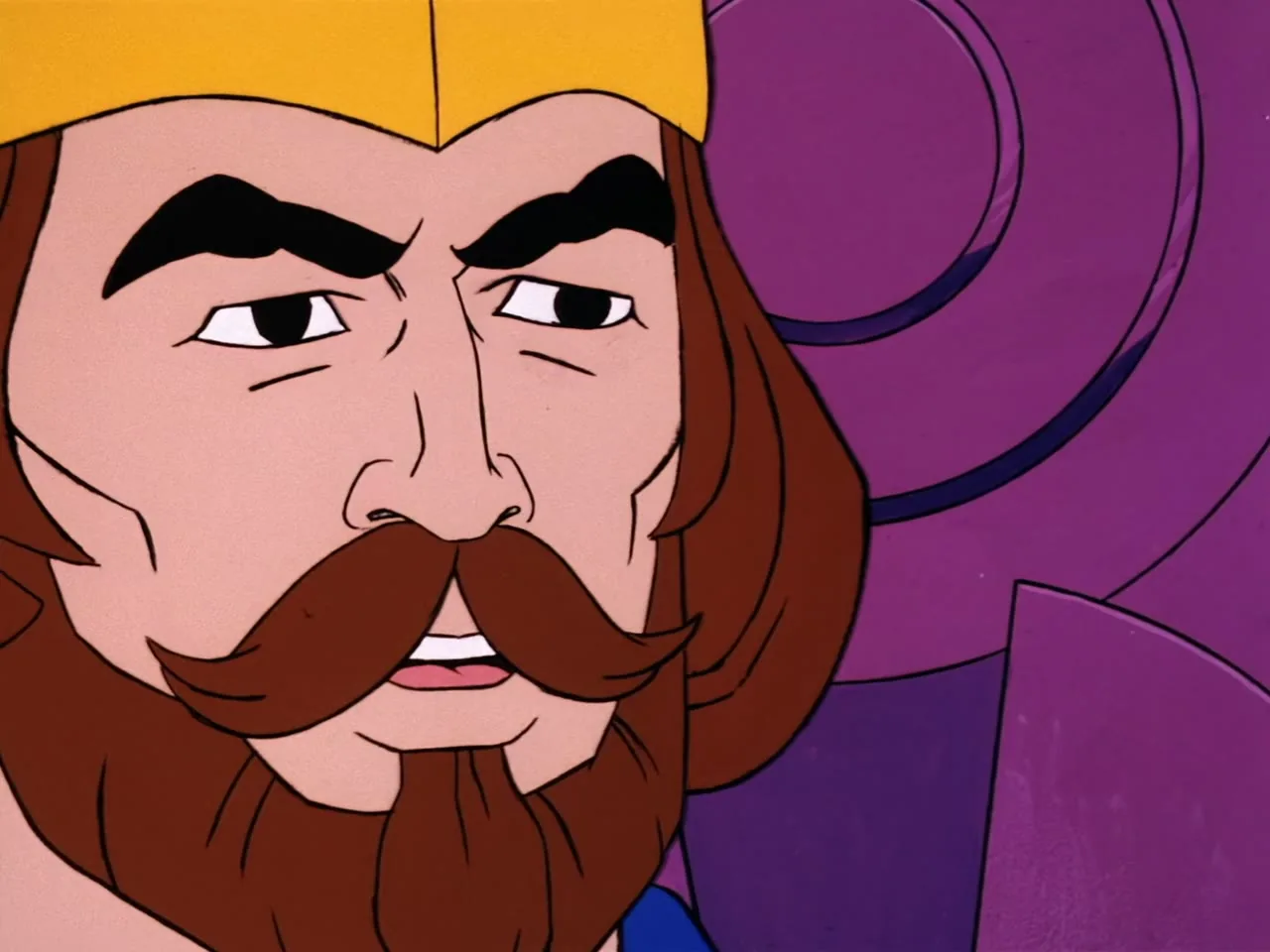
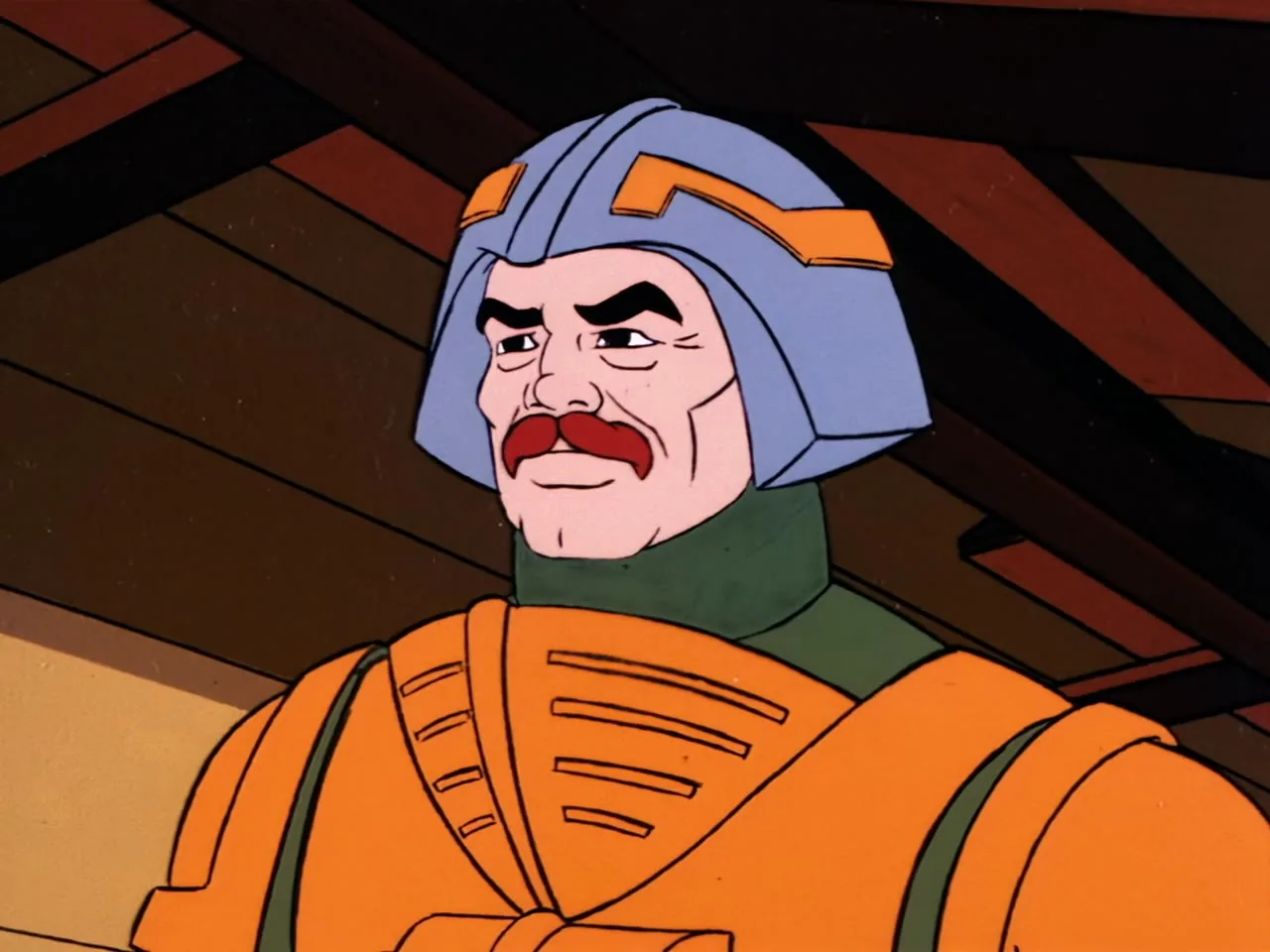
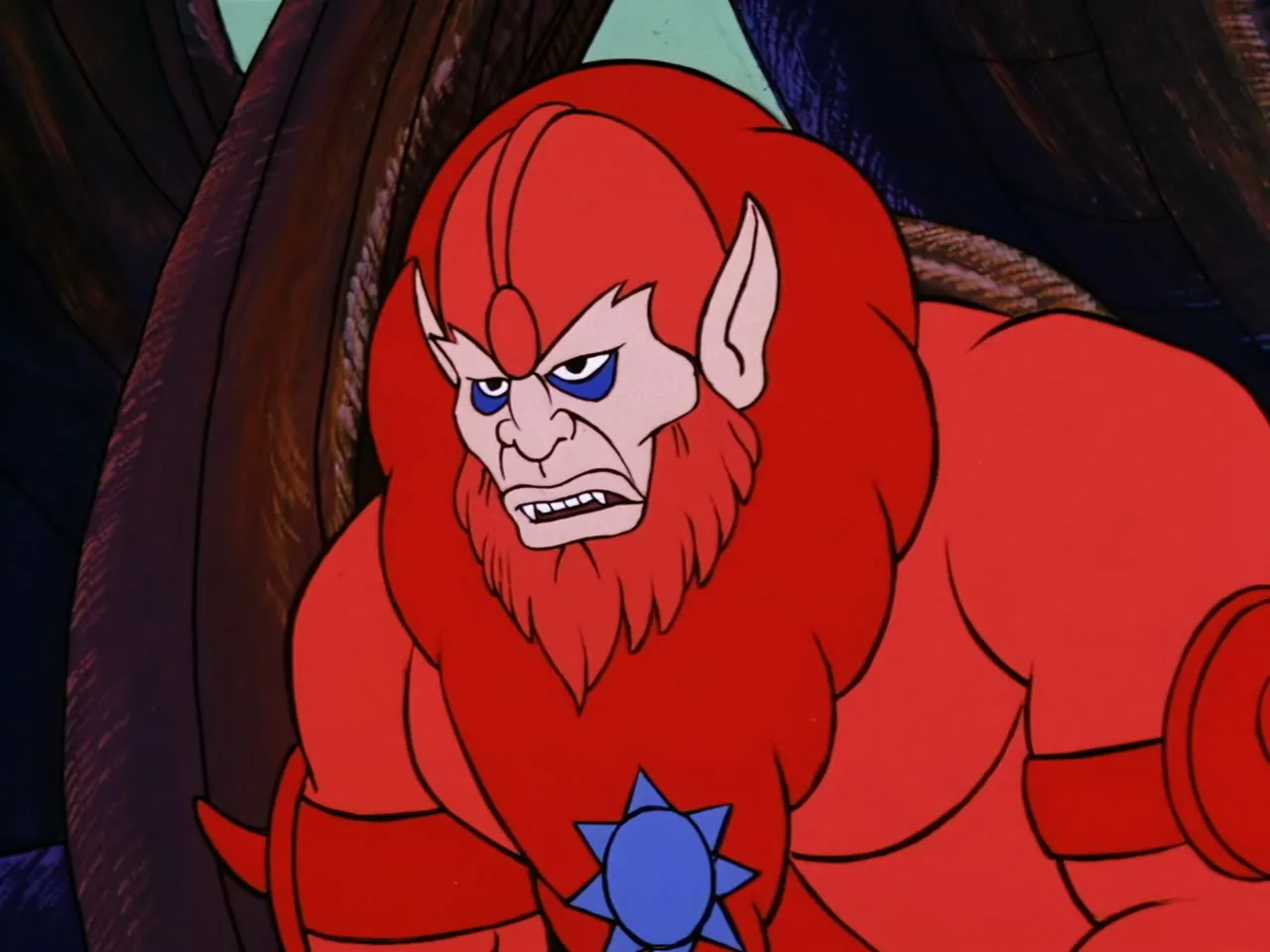
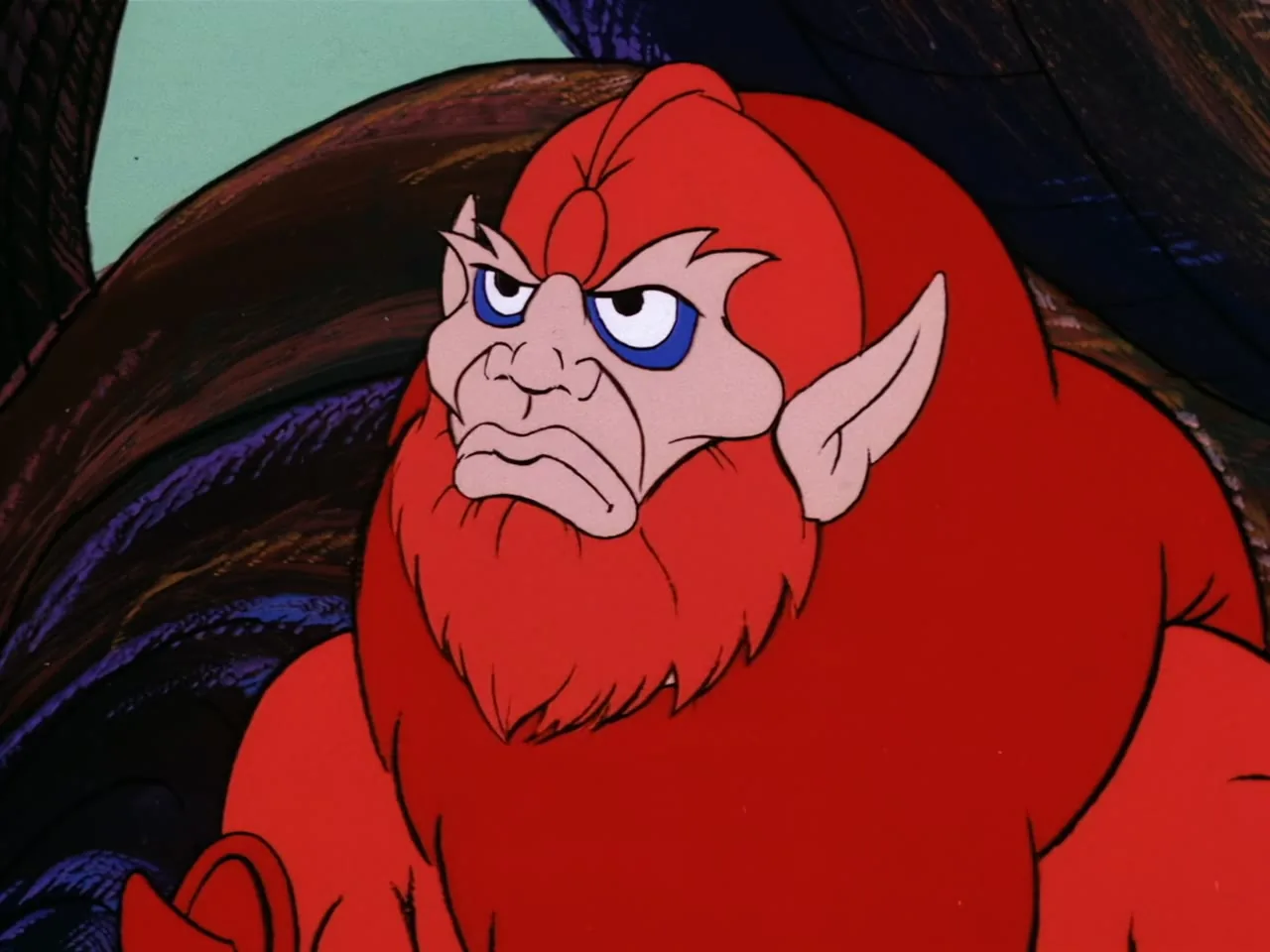
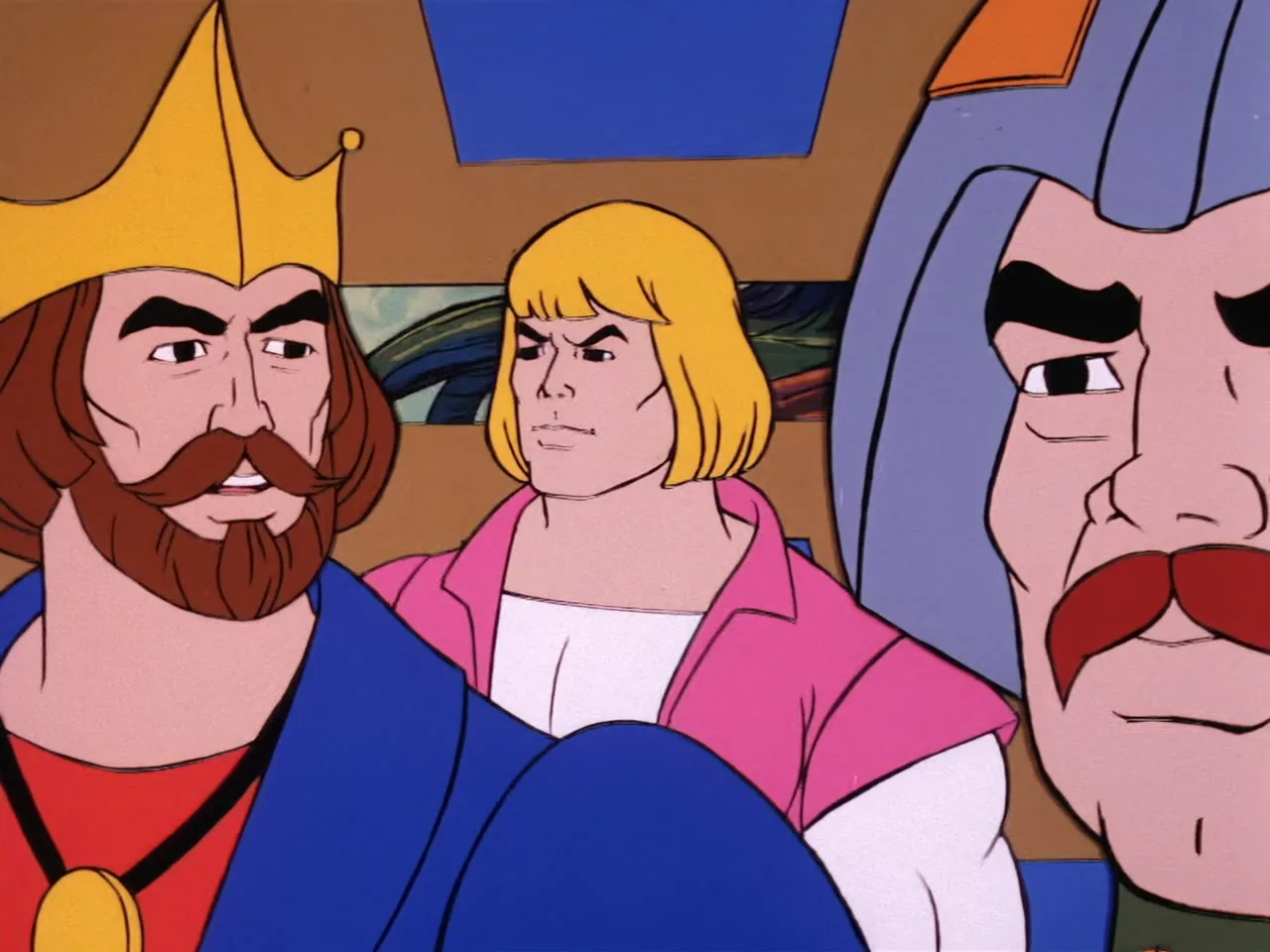
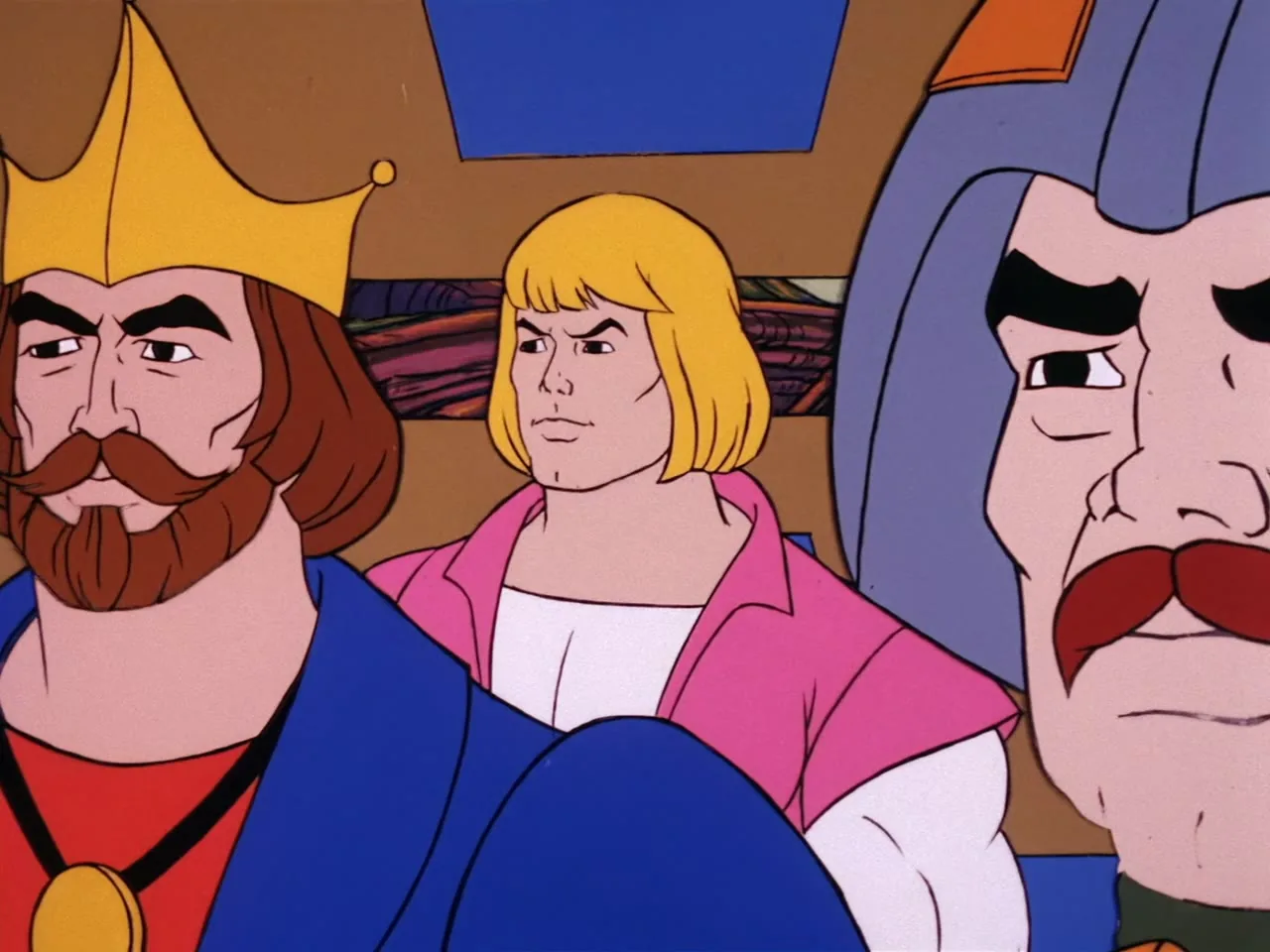
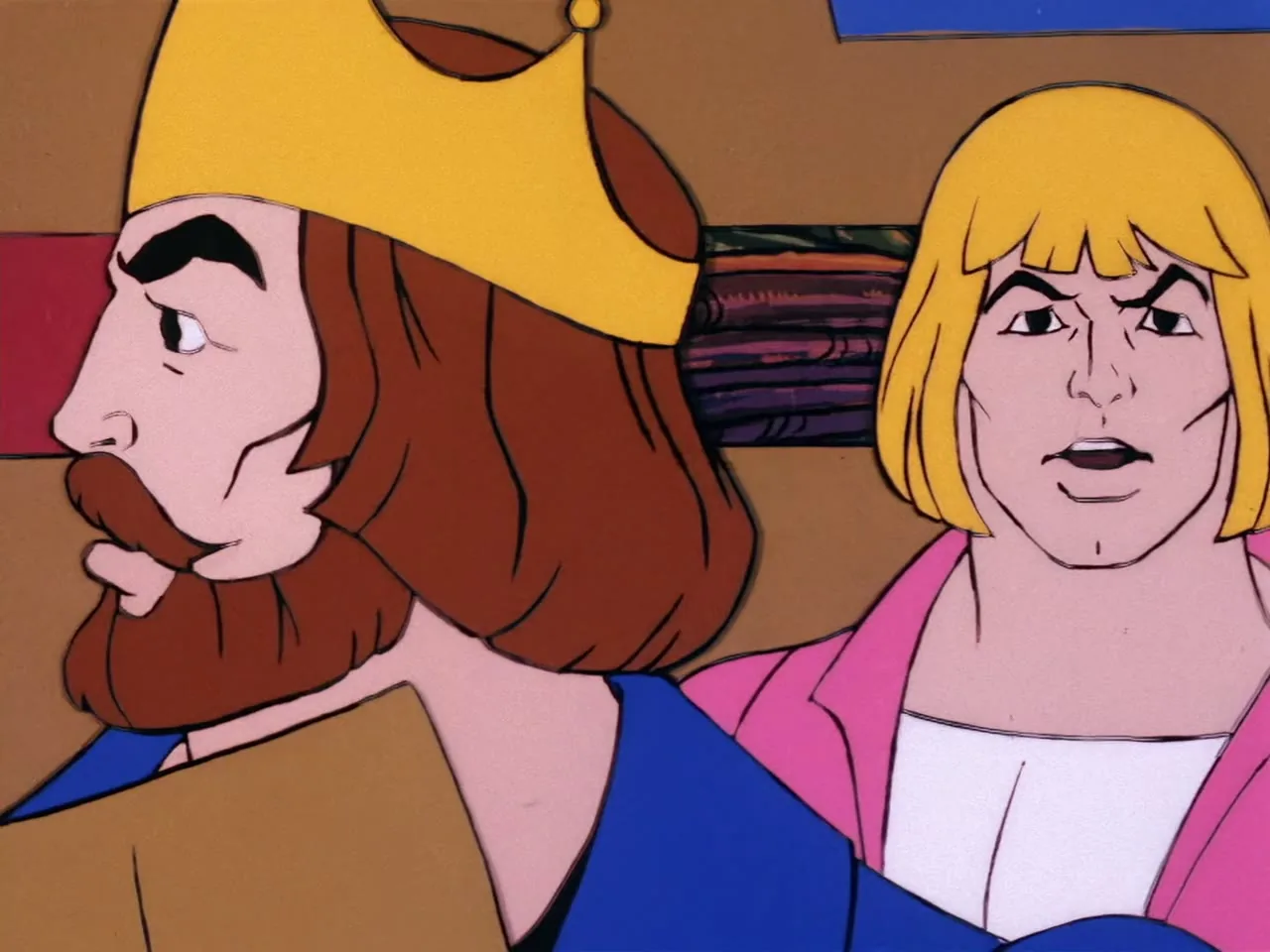
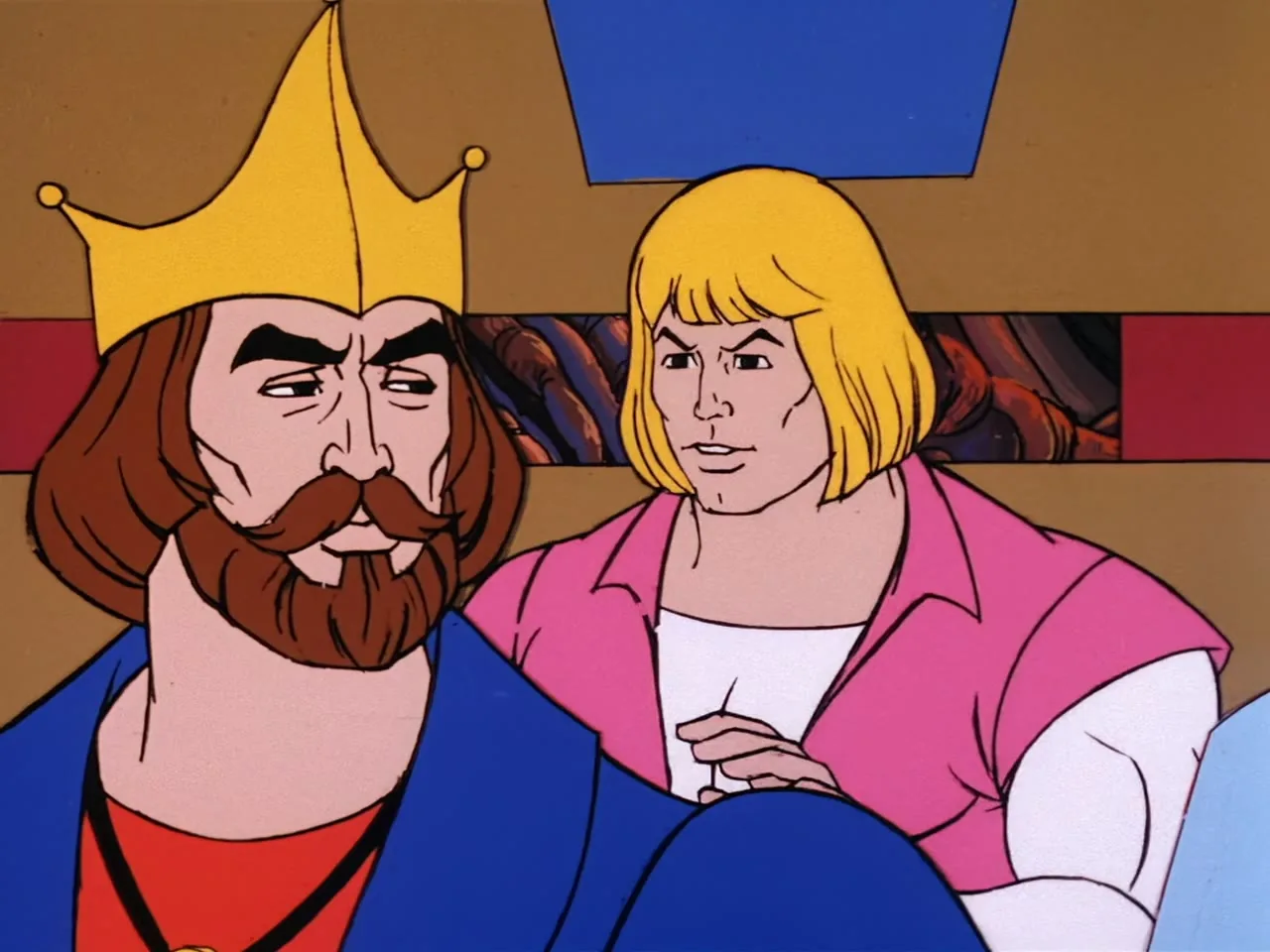
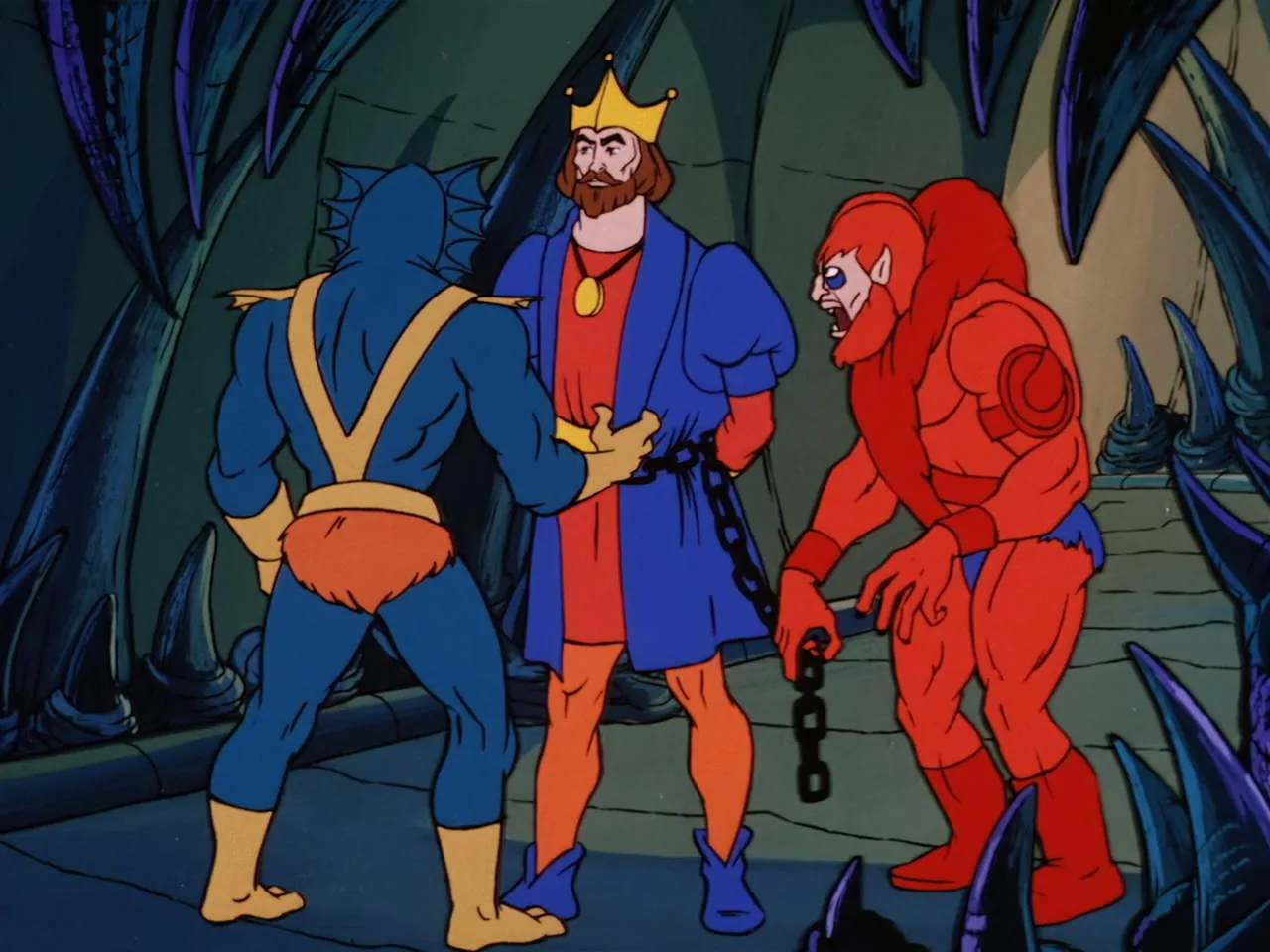
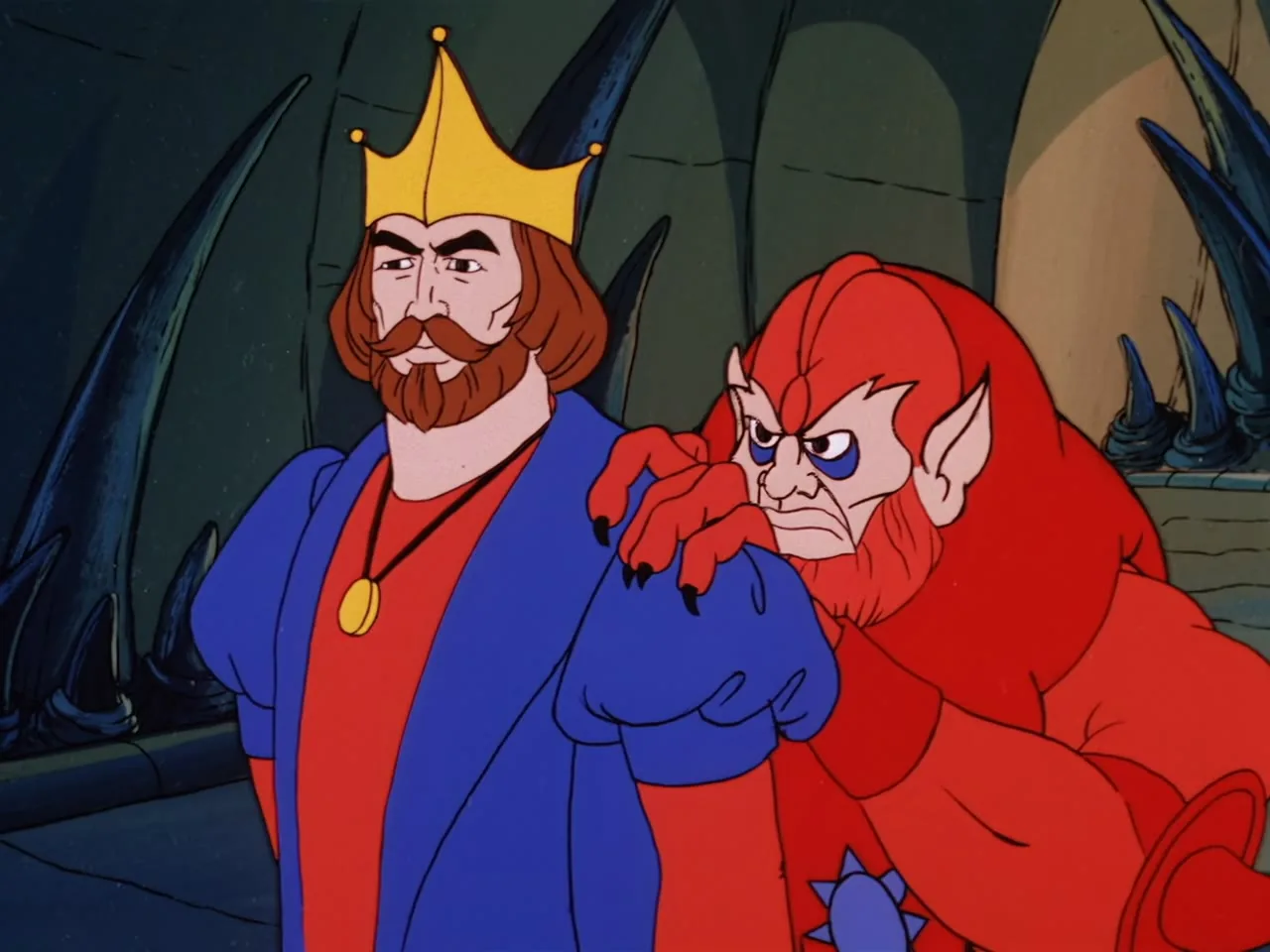
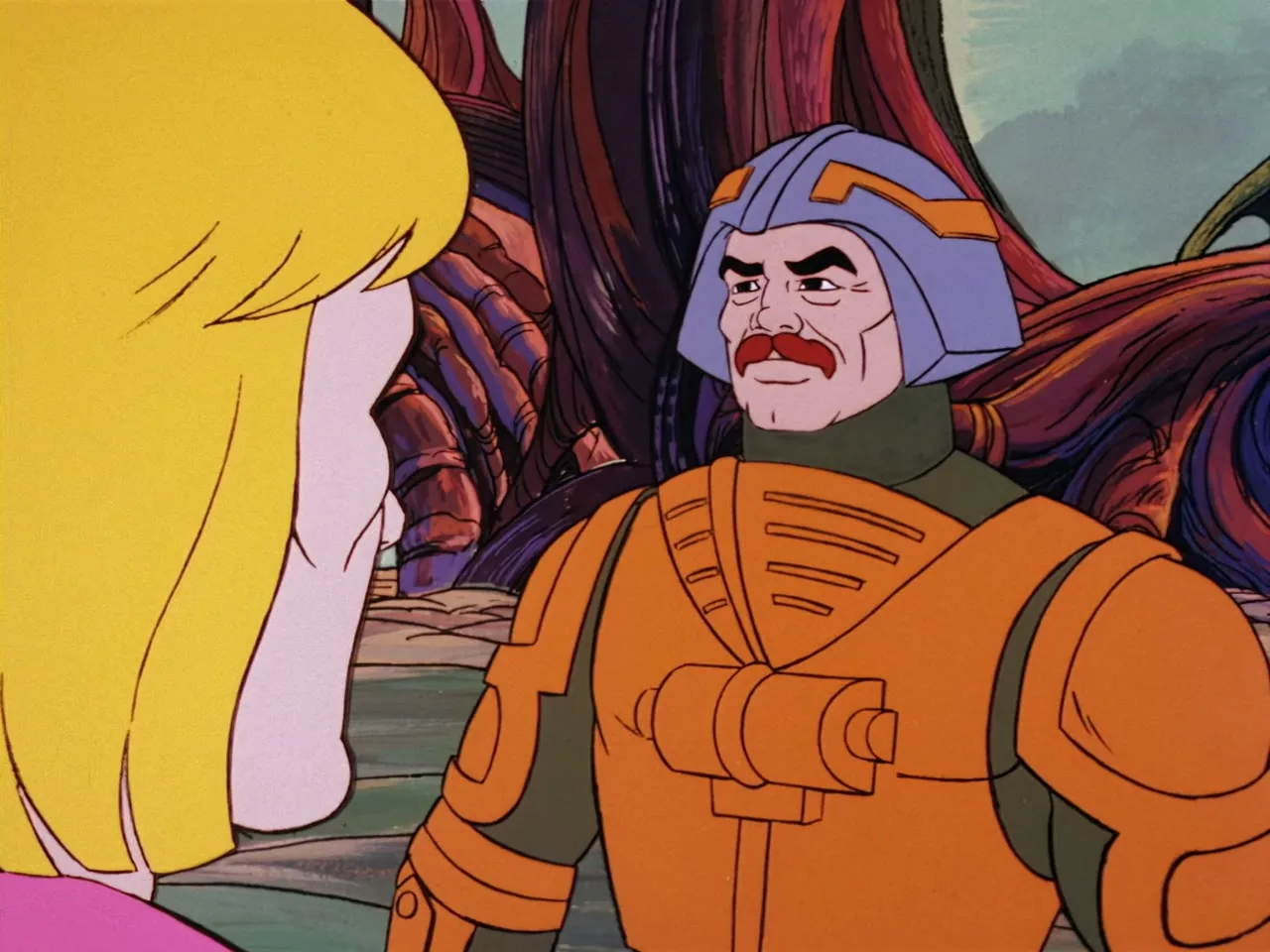
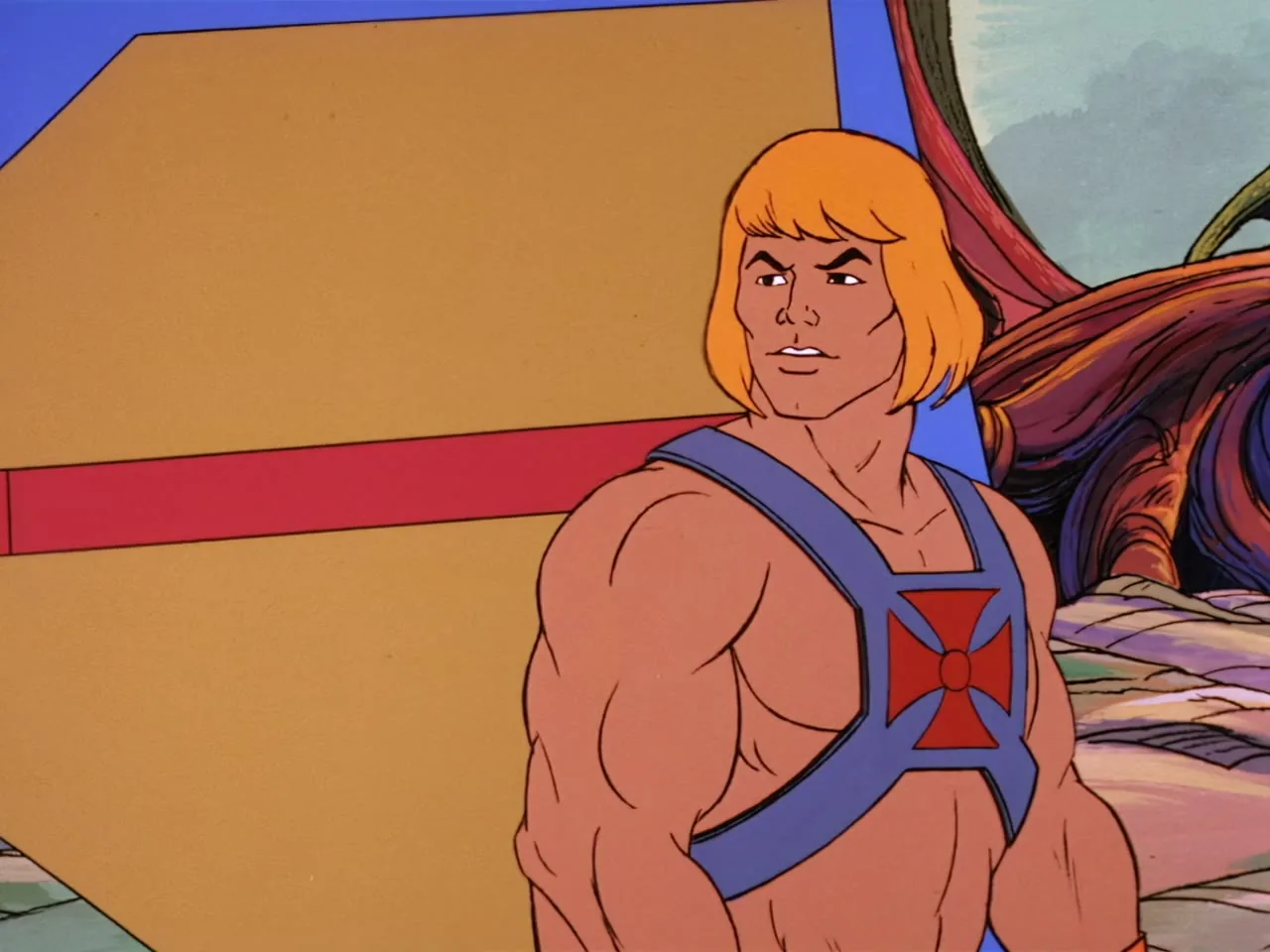
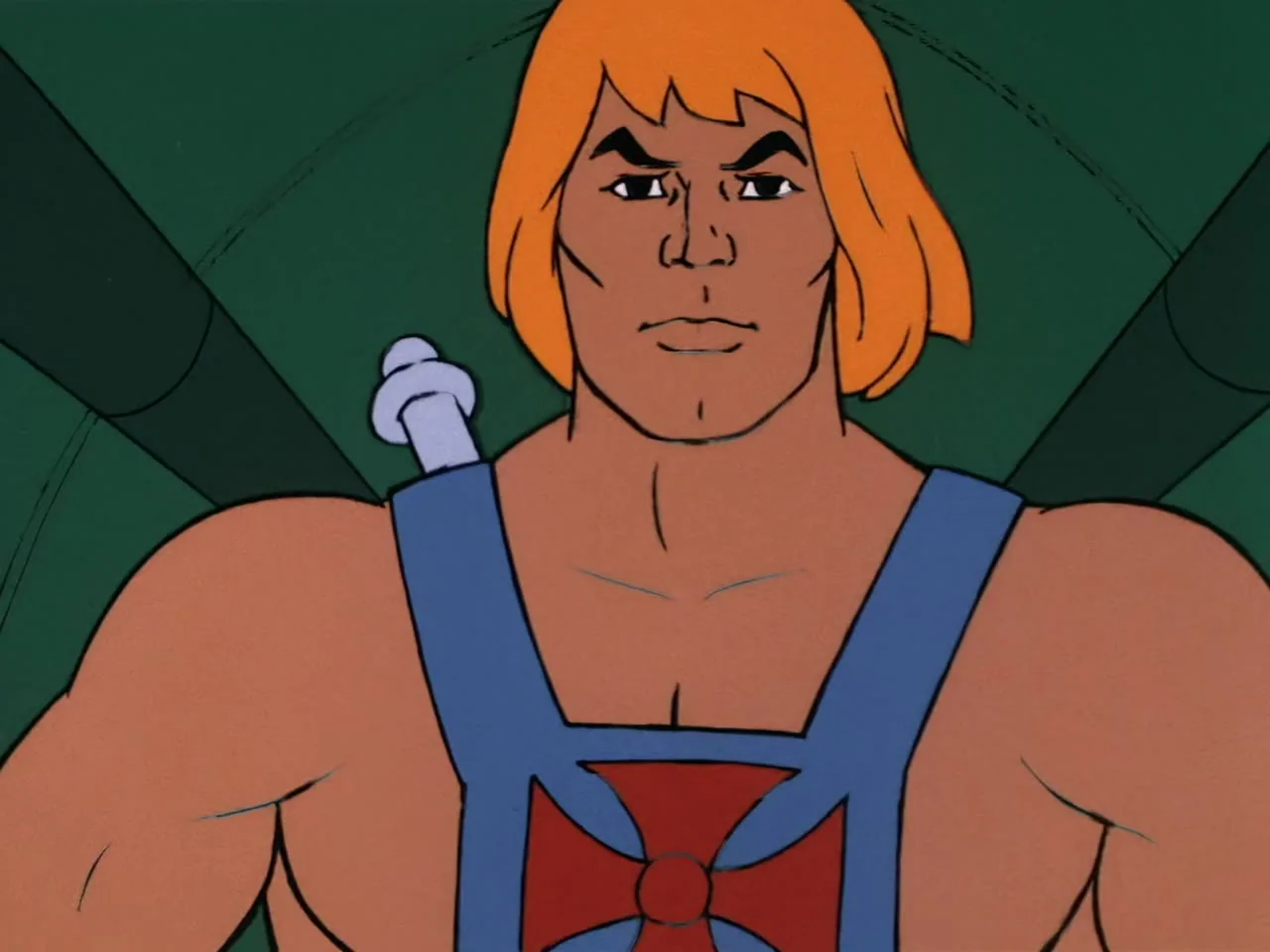
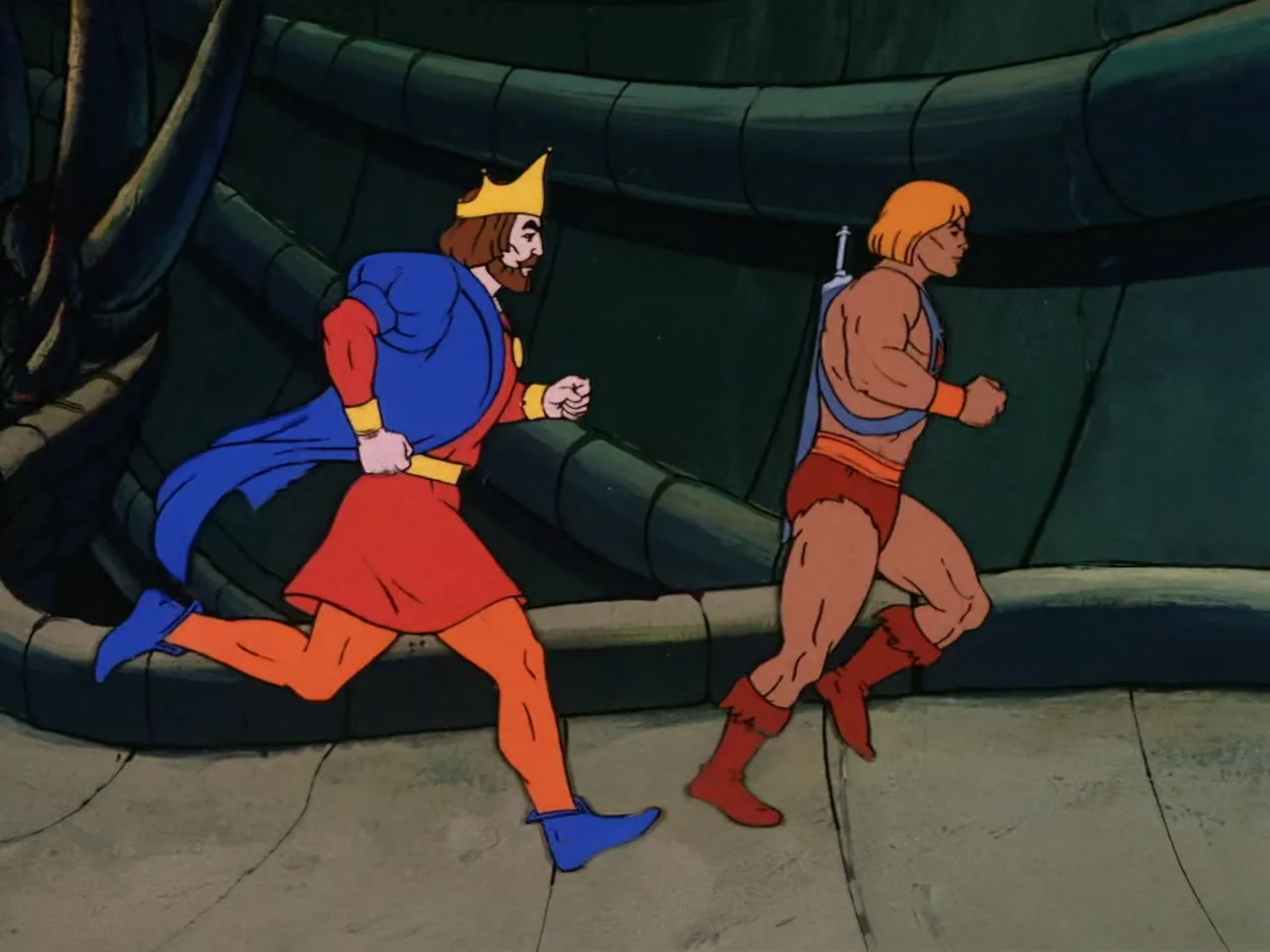
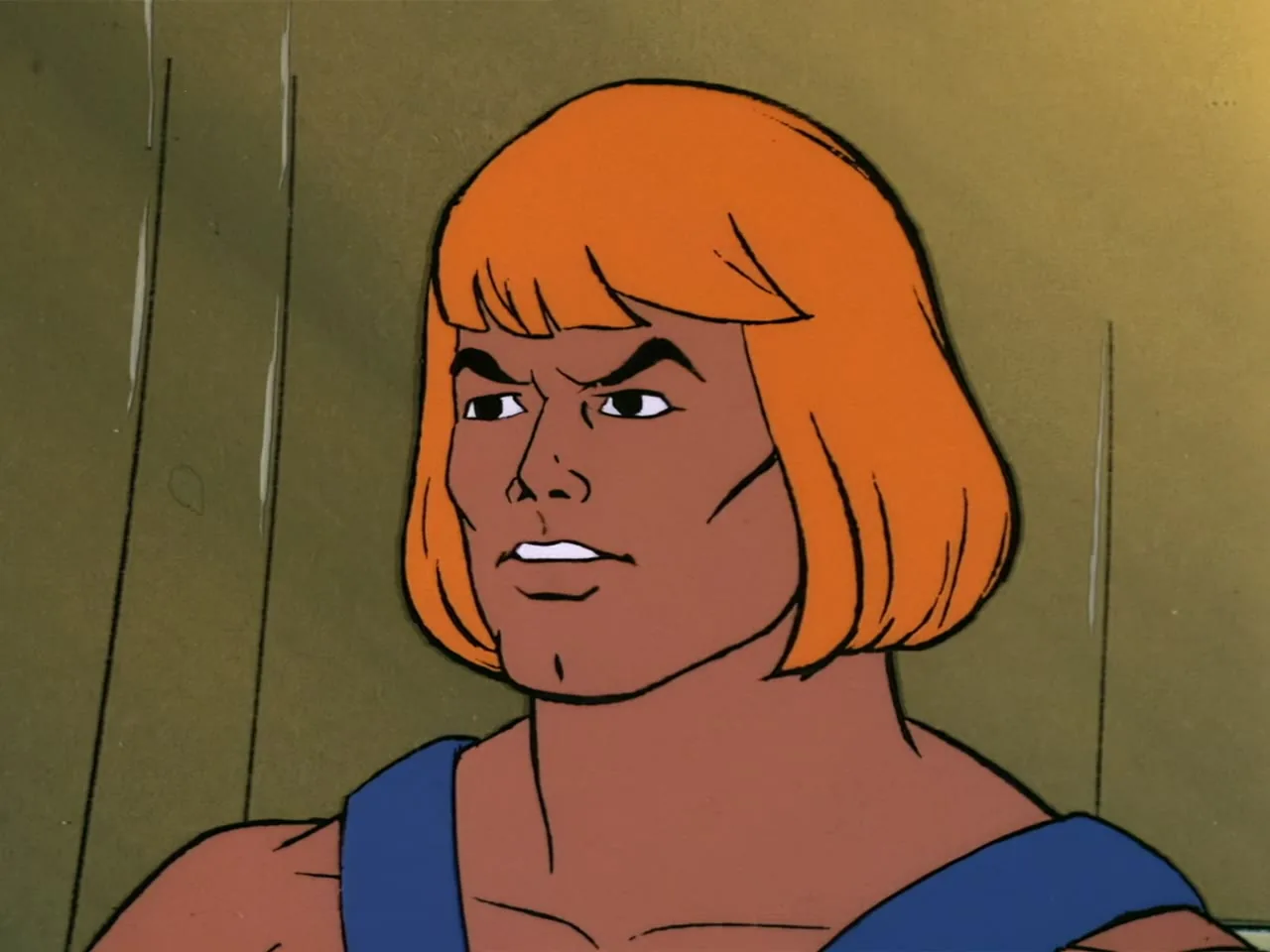
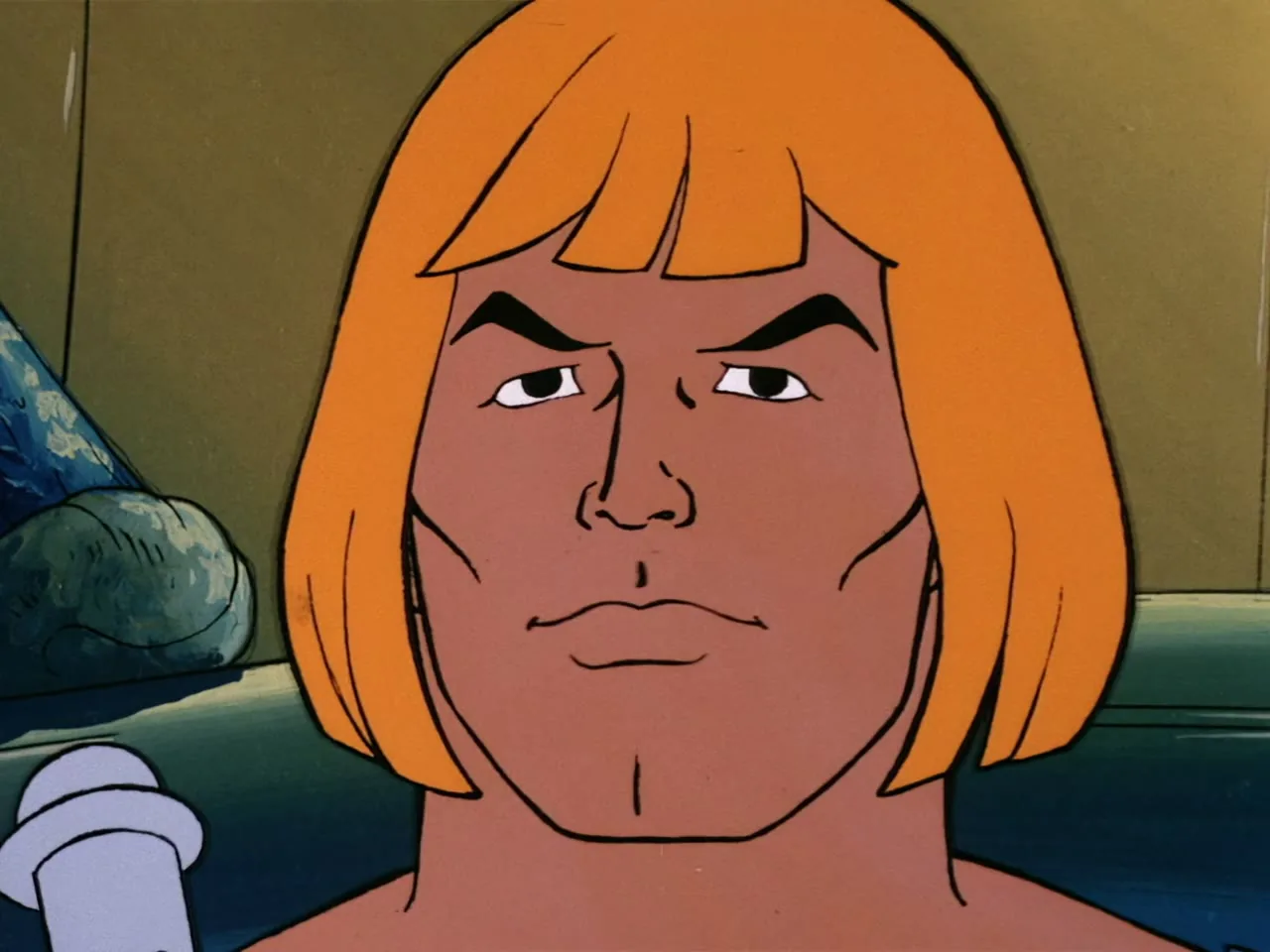
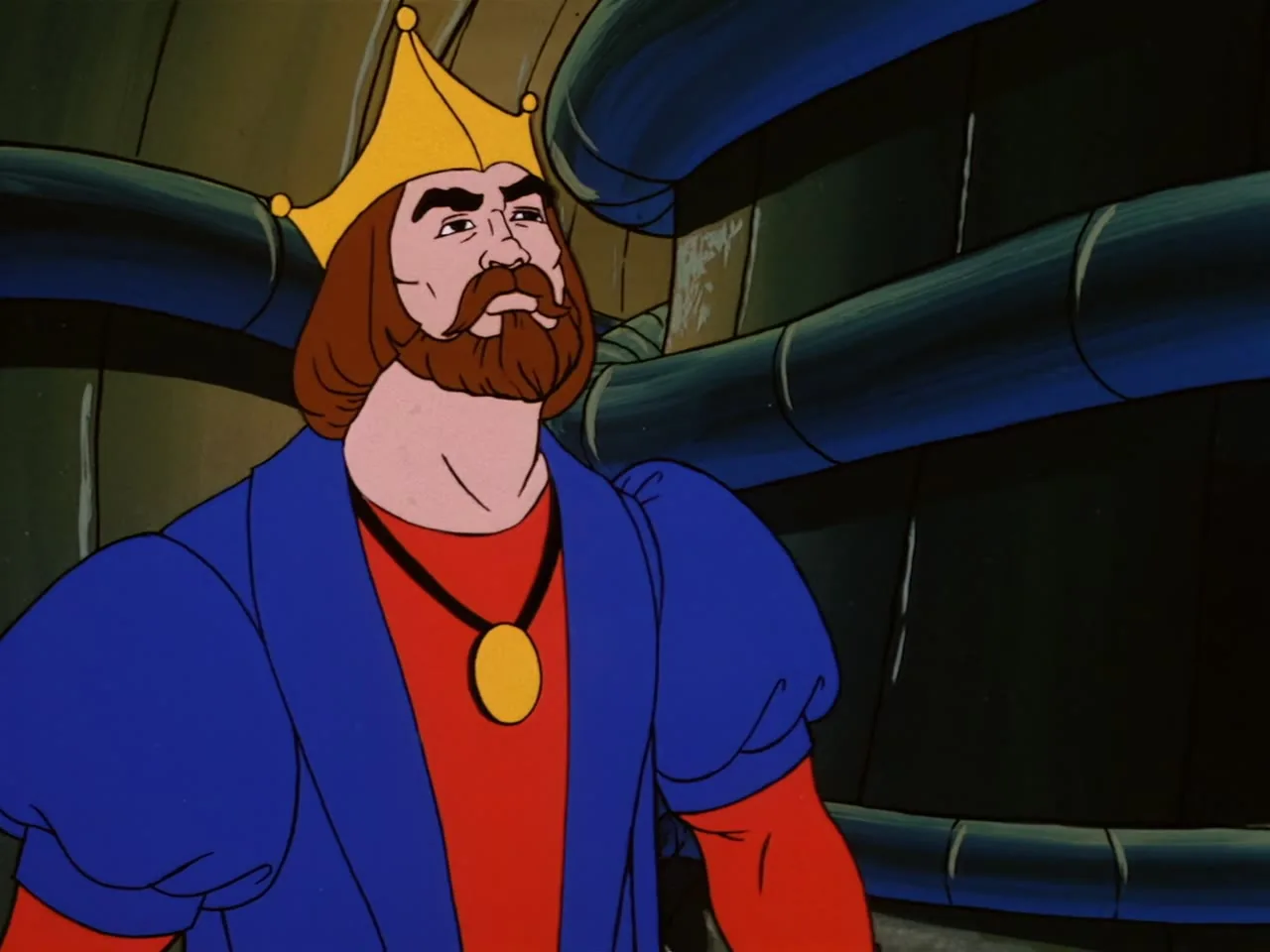
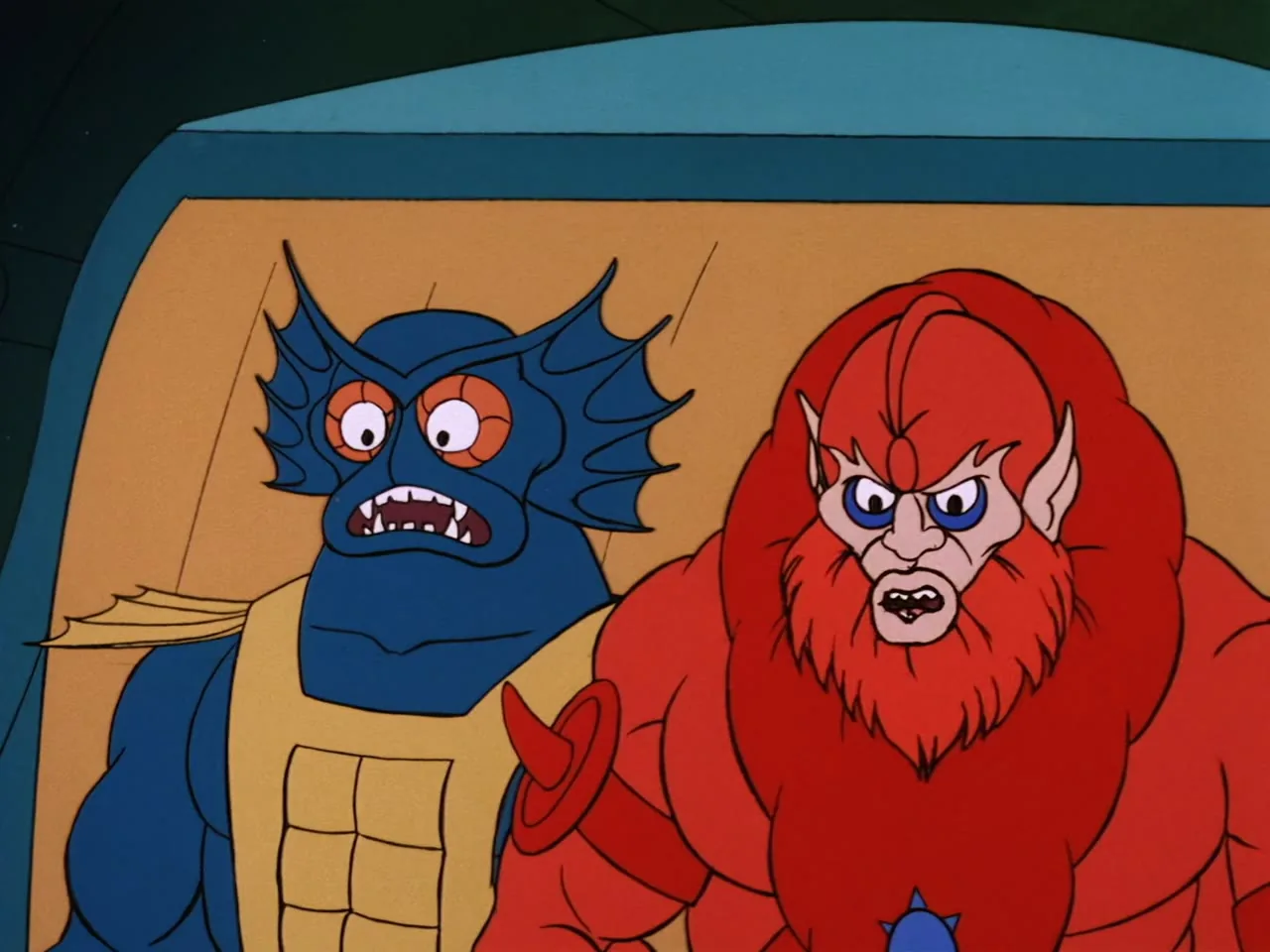
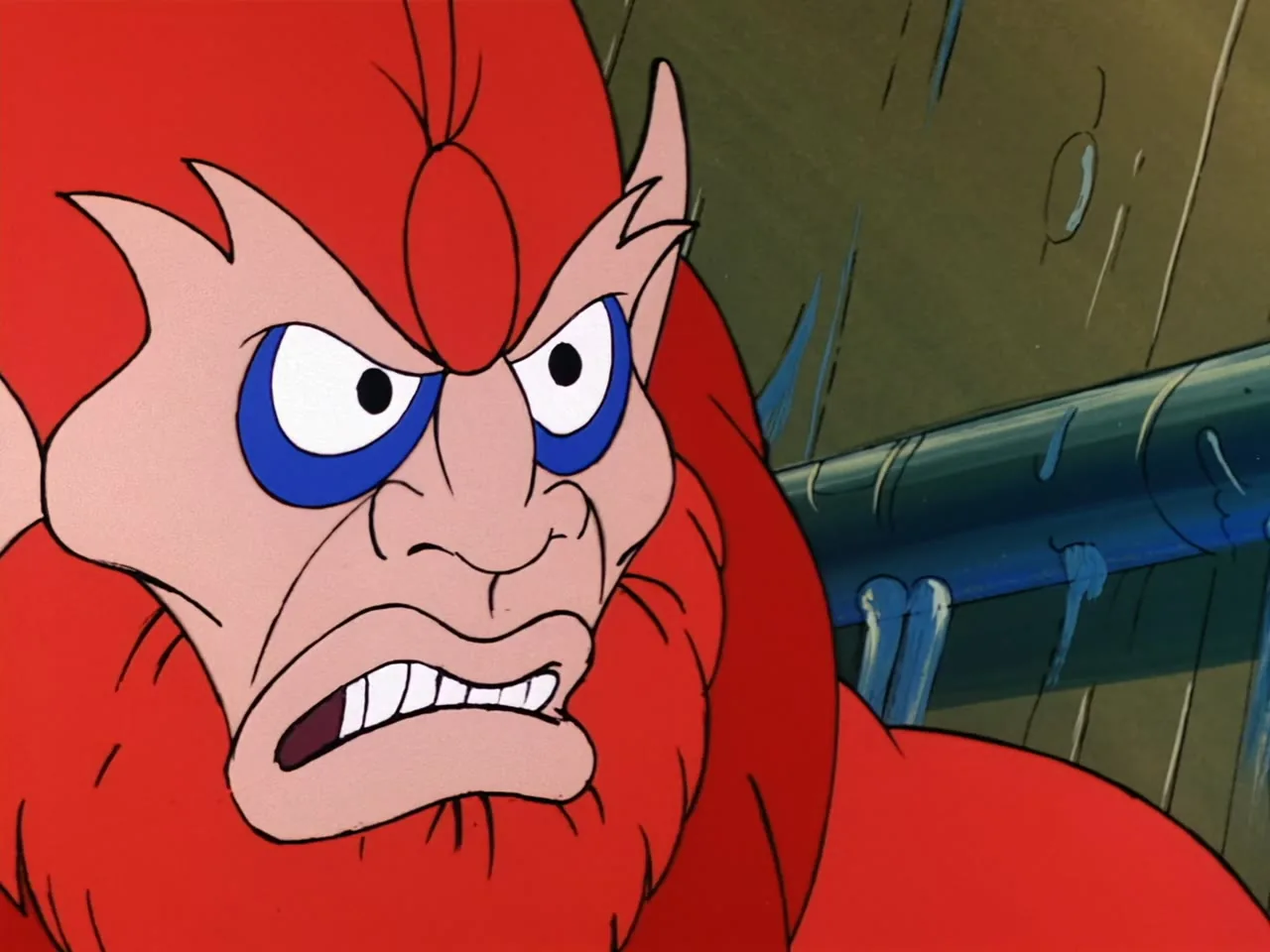
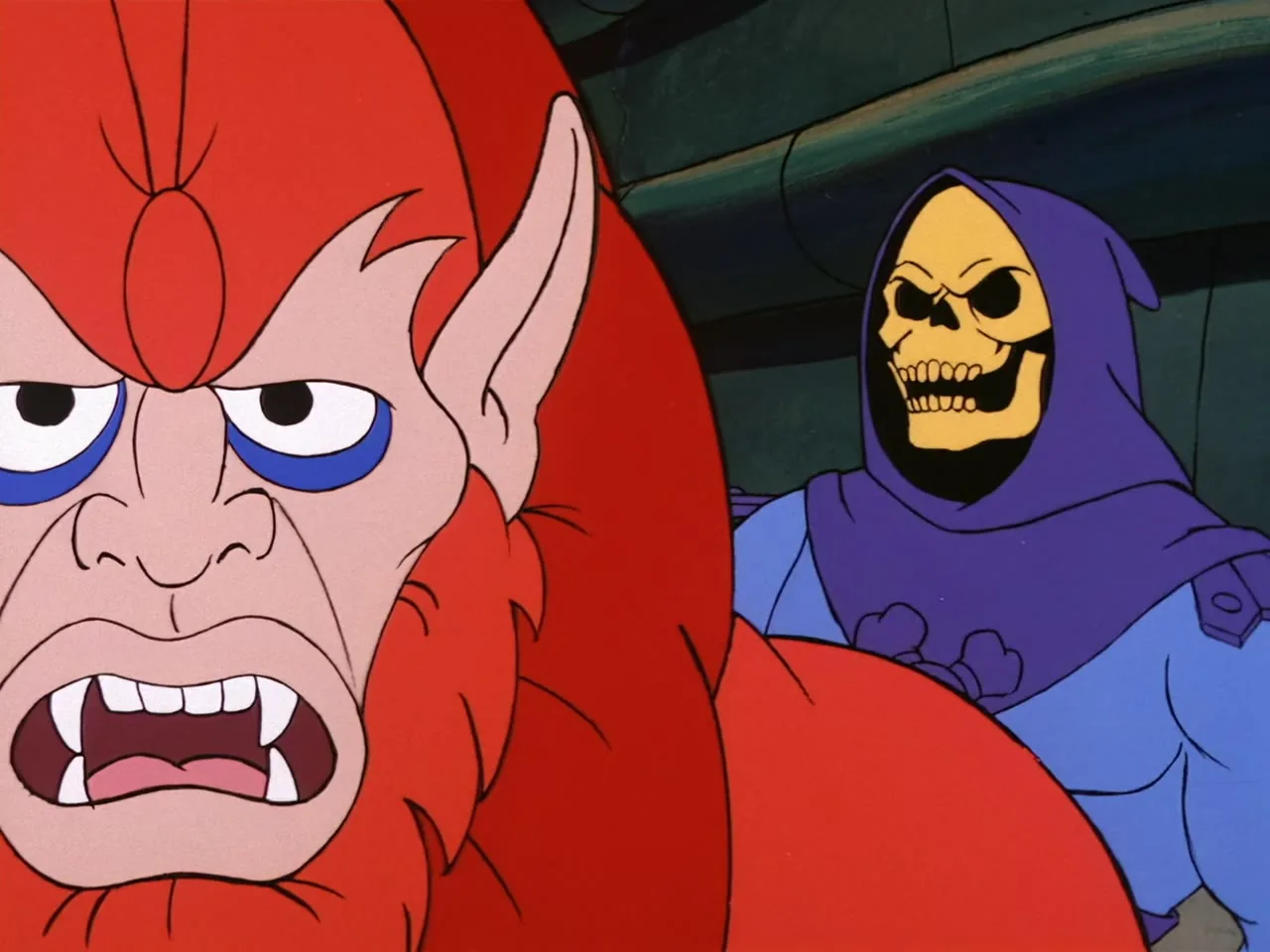
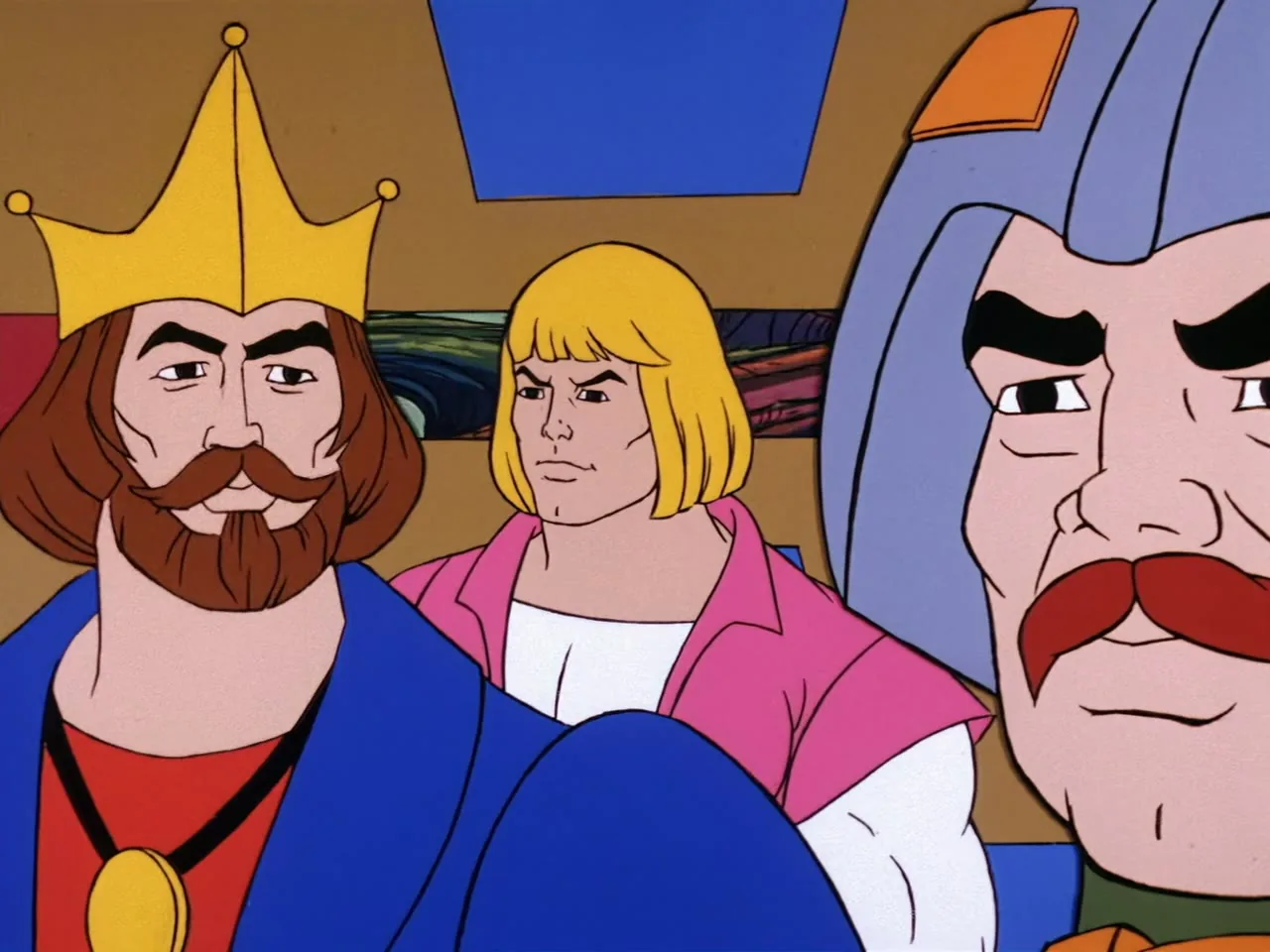
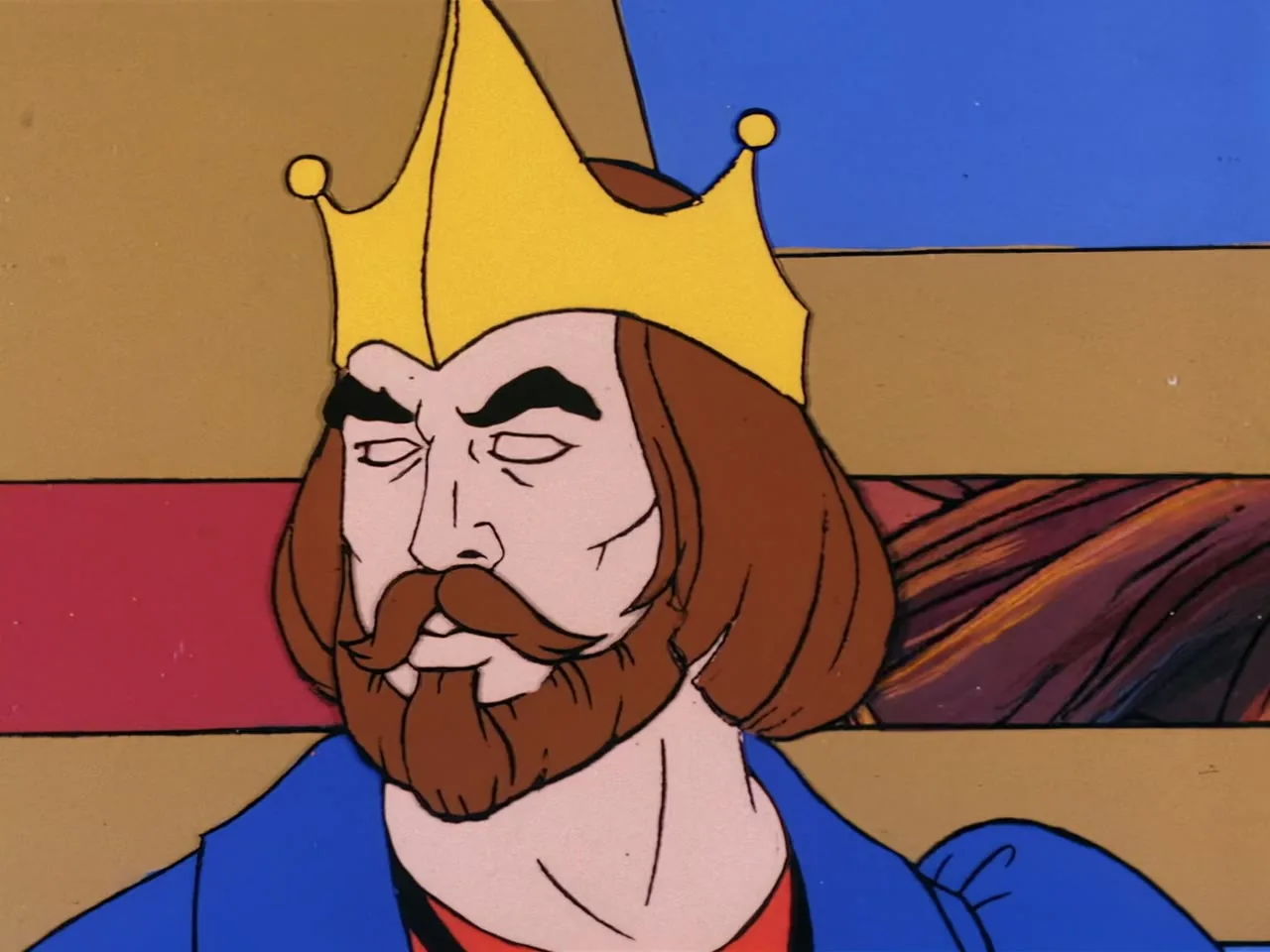
King Randor picks Man-At-Arms for a royal tour as his 'mightiest, most courageous warrior,' leaving Adam and Orko behind, and the sting of being passed over by his own father pushes Adam closer than ever to revealing who he really is. Beast Man's attempt to win his way back into Skeletor's favor by kidnapping Randor gives Adam the excuse to act, but not, in the end, the reason to stop lying.
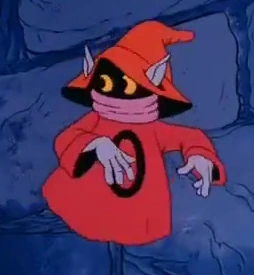
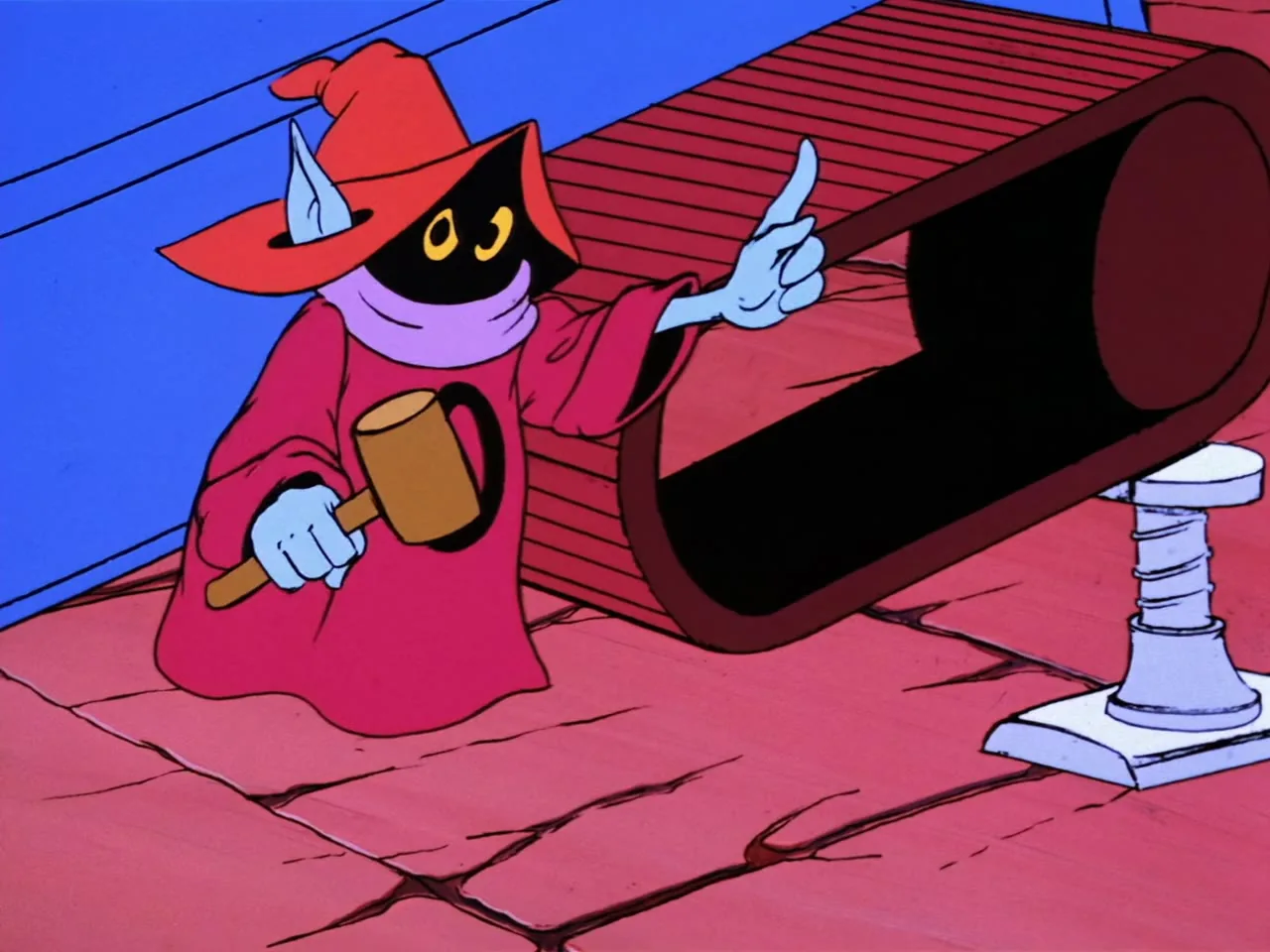
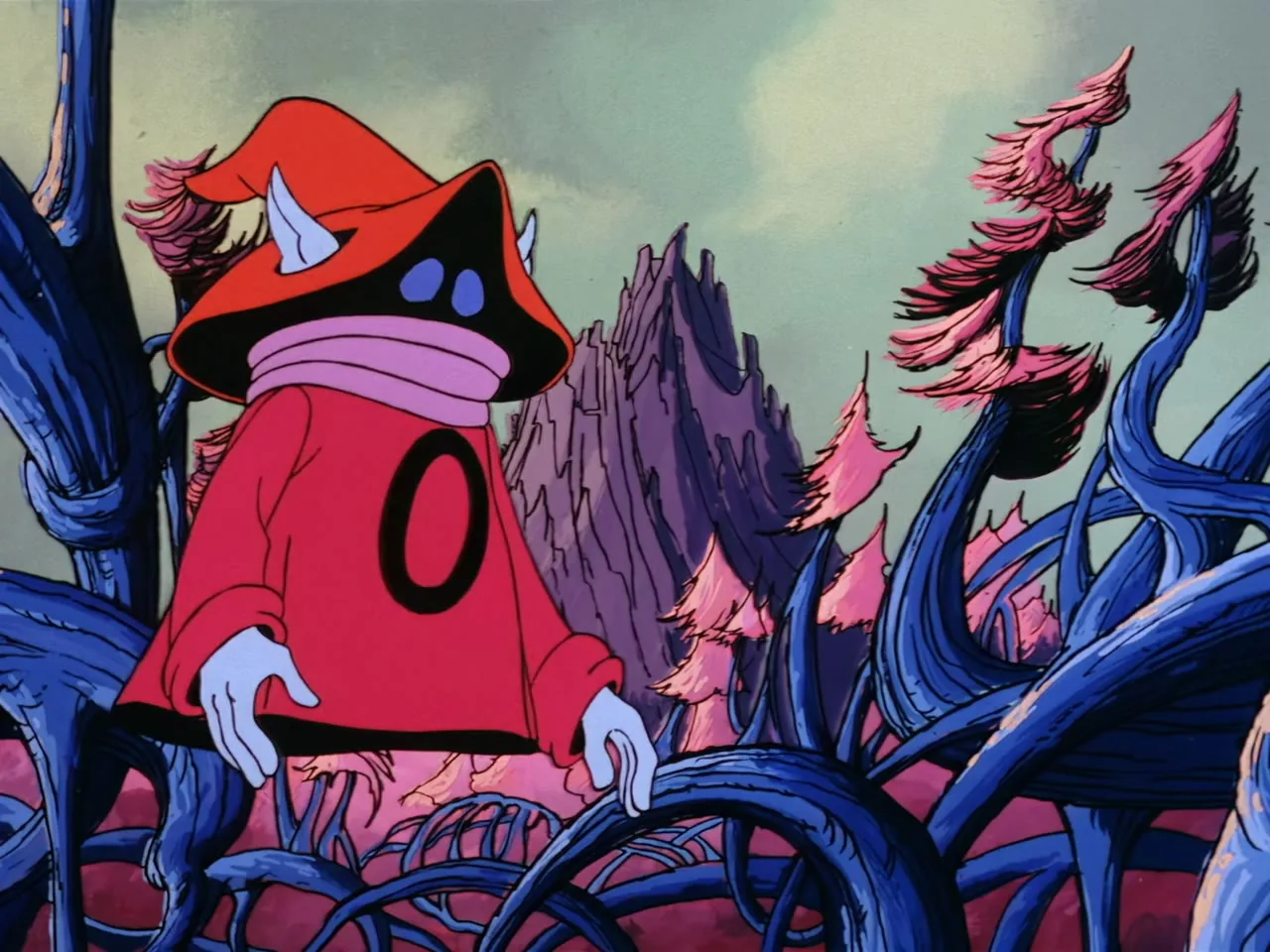
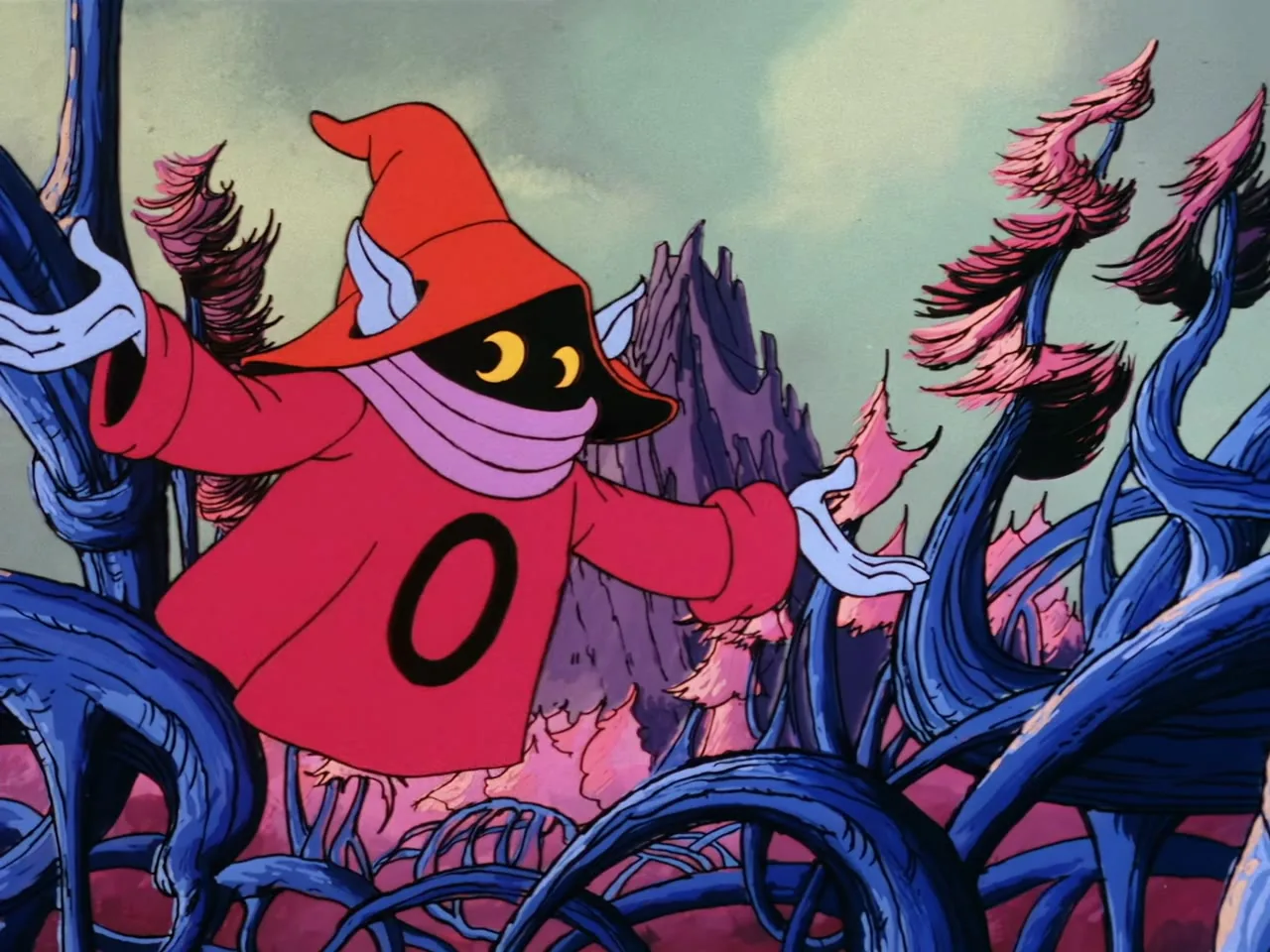
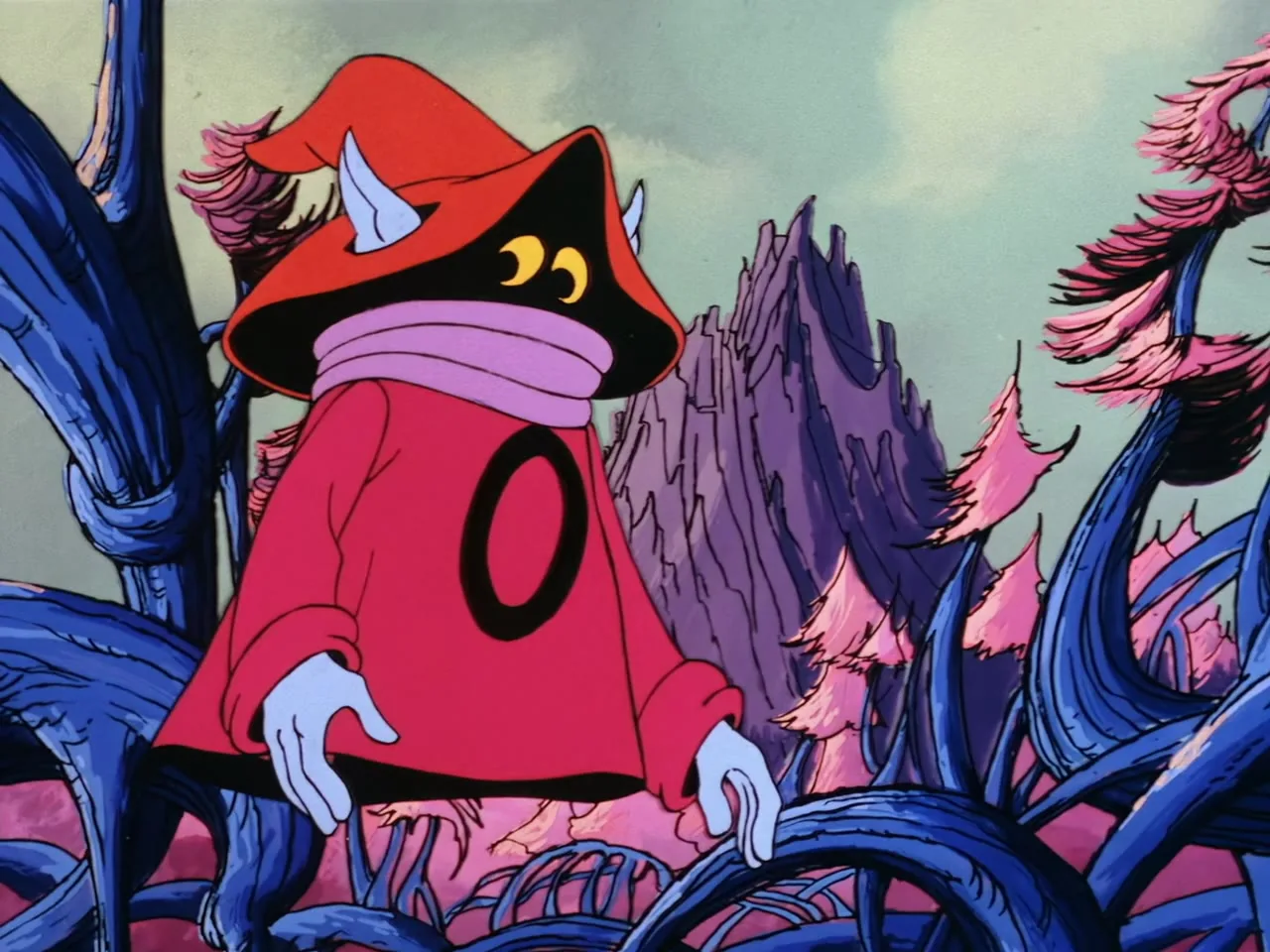
Orko: "Today's story was about love, but a very special kind. It was about the love a parent has for a child. And I bet that's the strongest kind of love there is. Because, for one thing, there's just about nothing that can change it, no matter what. Maybe, like Adam's father, your parents find it a little difficult to say "I love you". Even so, you can be sure they do. Besides, let me ask you something: when was the last time you said "I love you" to them? Bye!"
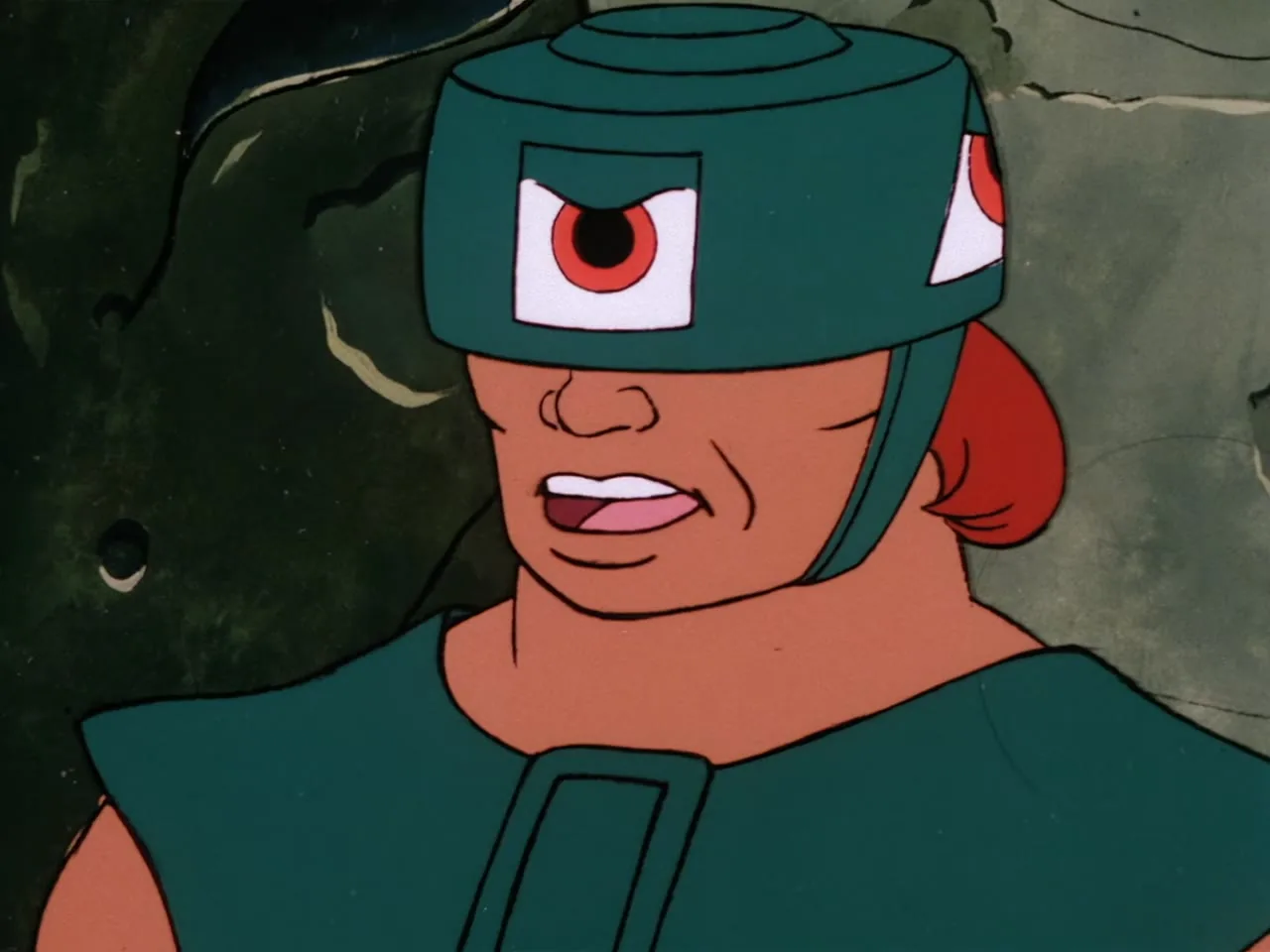
John Erwin as He-Man/Prince Adam and Beast Man
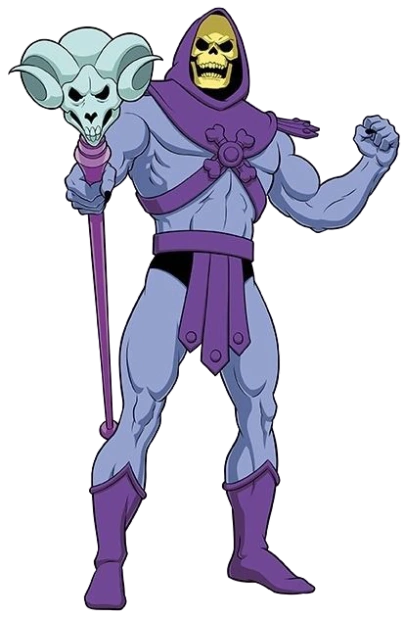
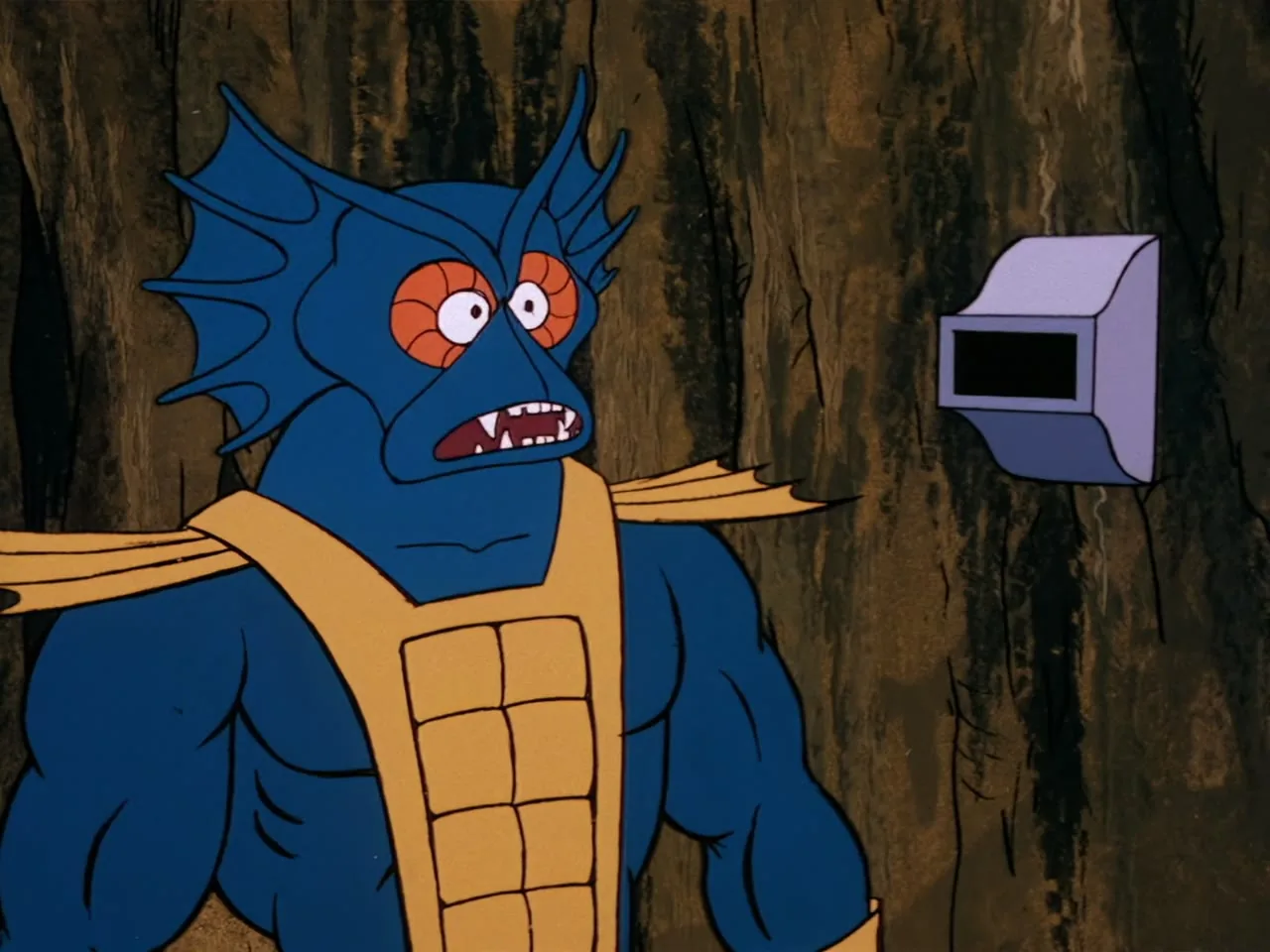
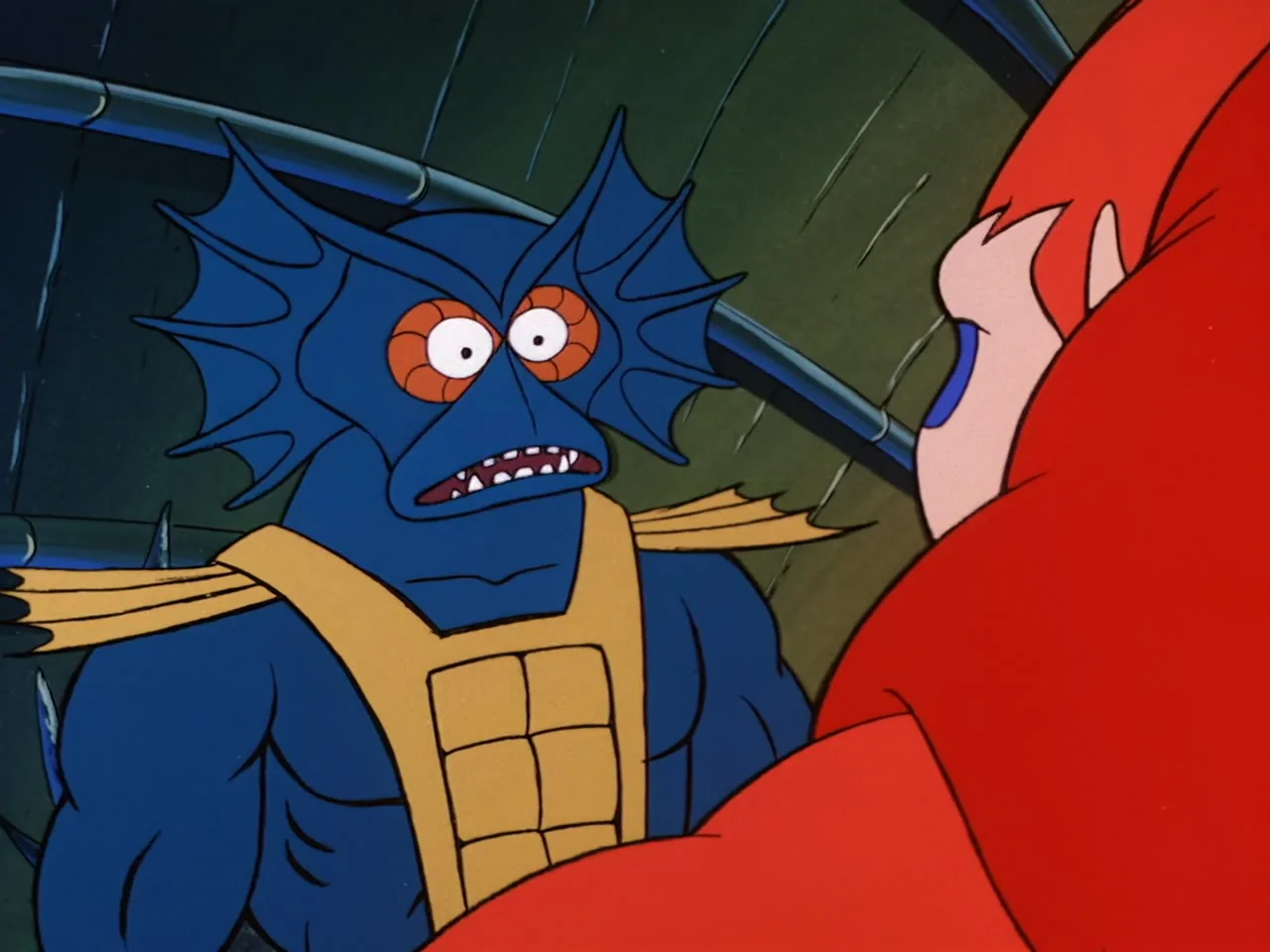
Alan Oppenheimer as Skeletor, Man-At-Arms and Mer-Man
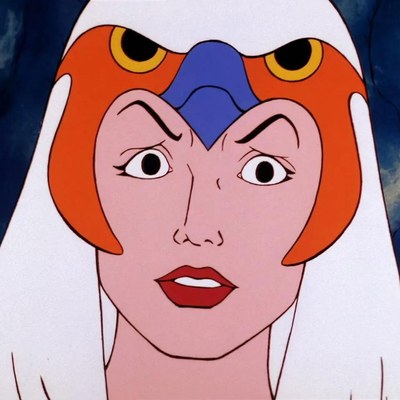
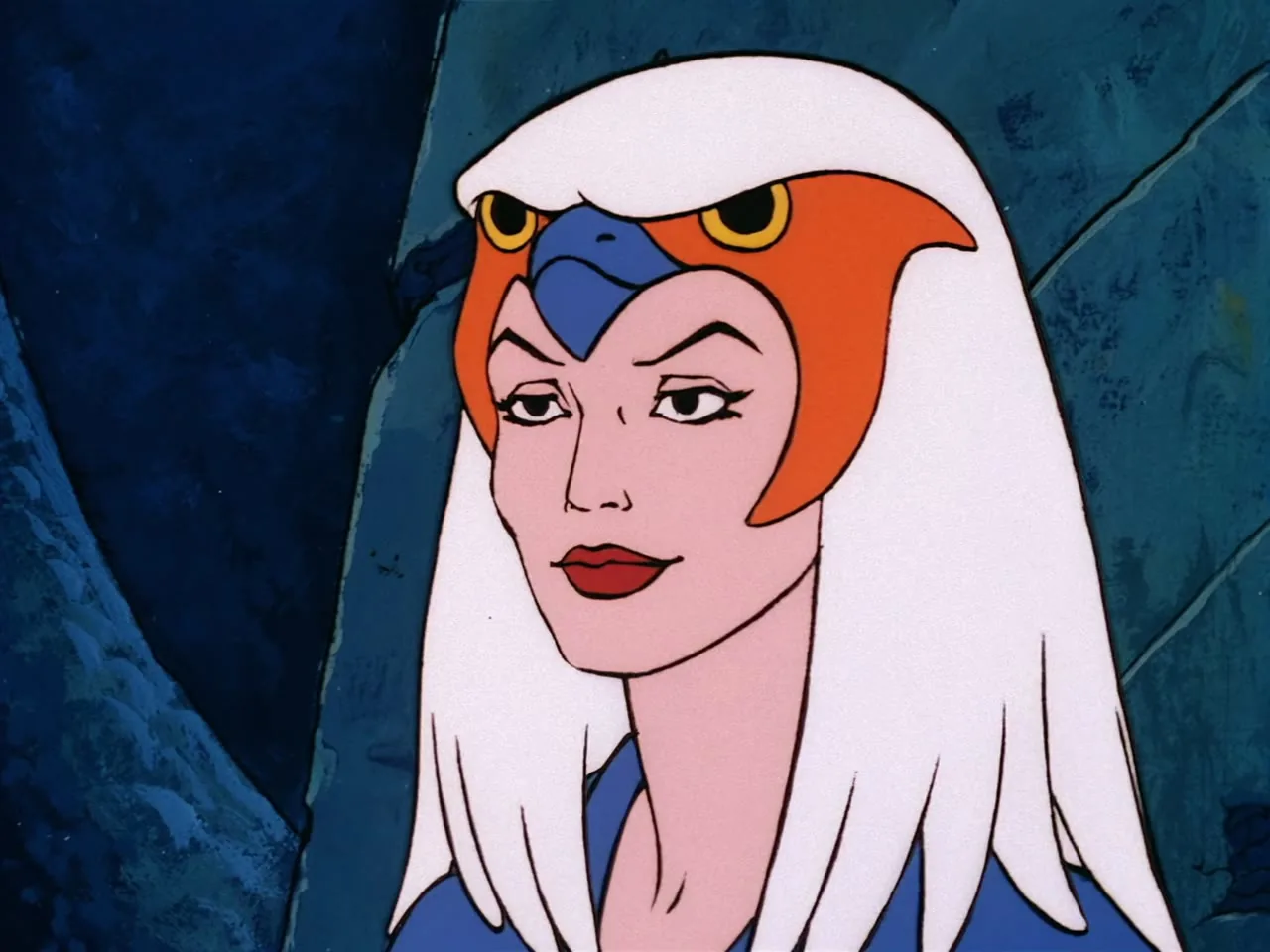
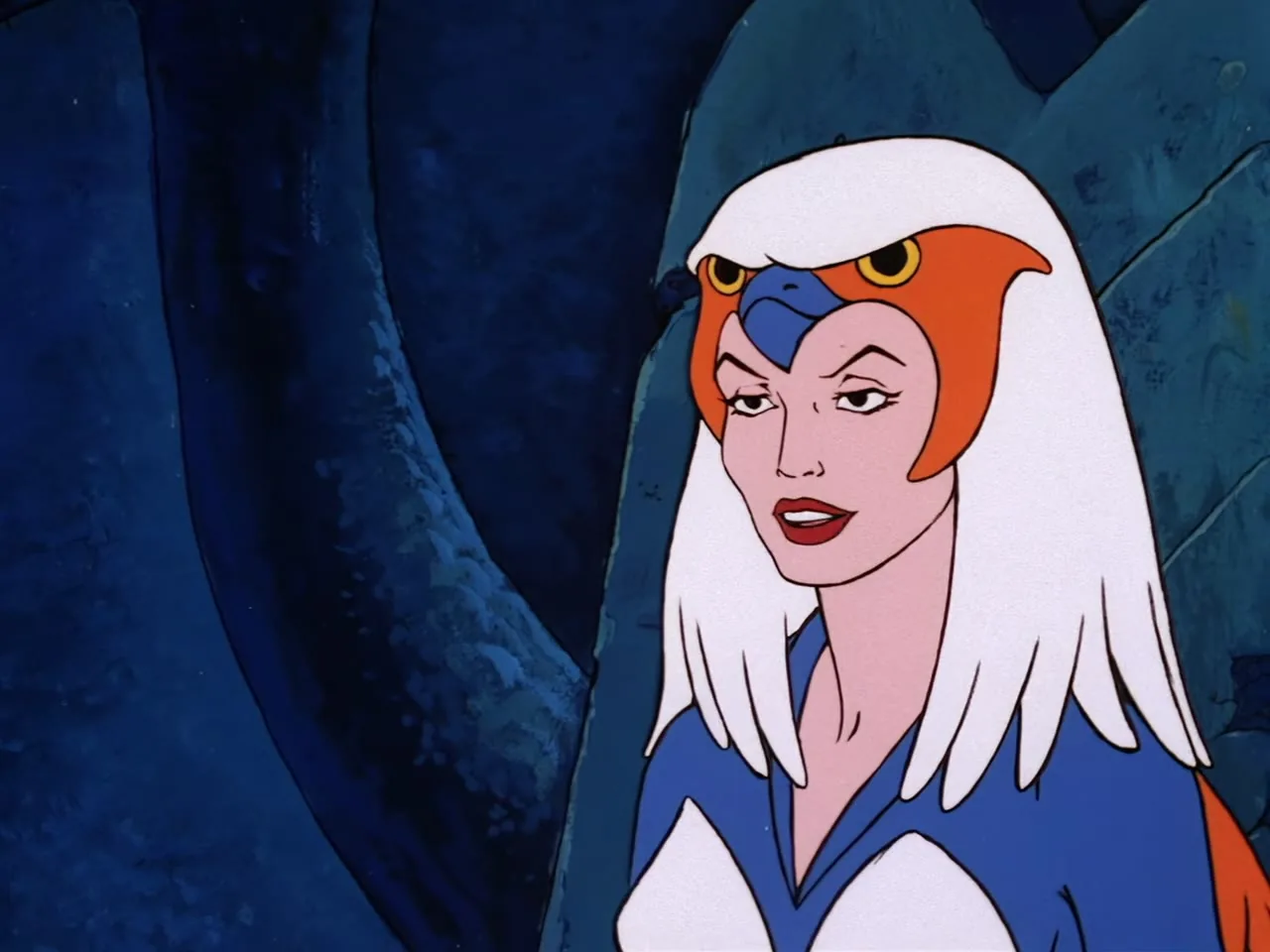
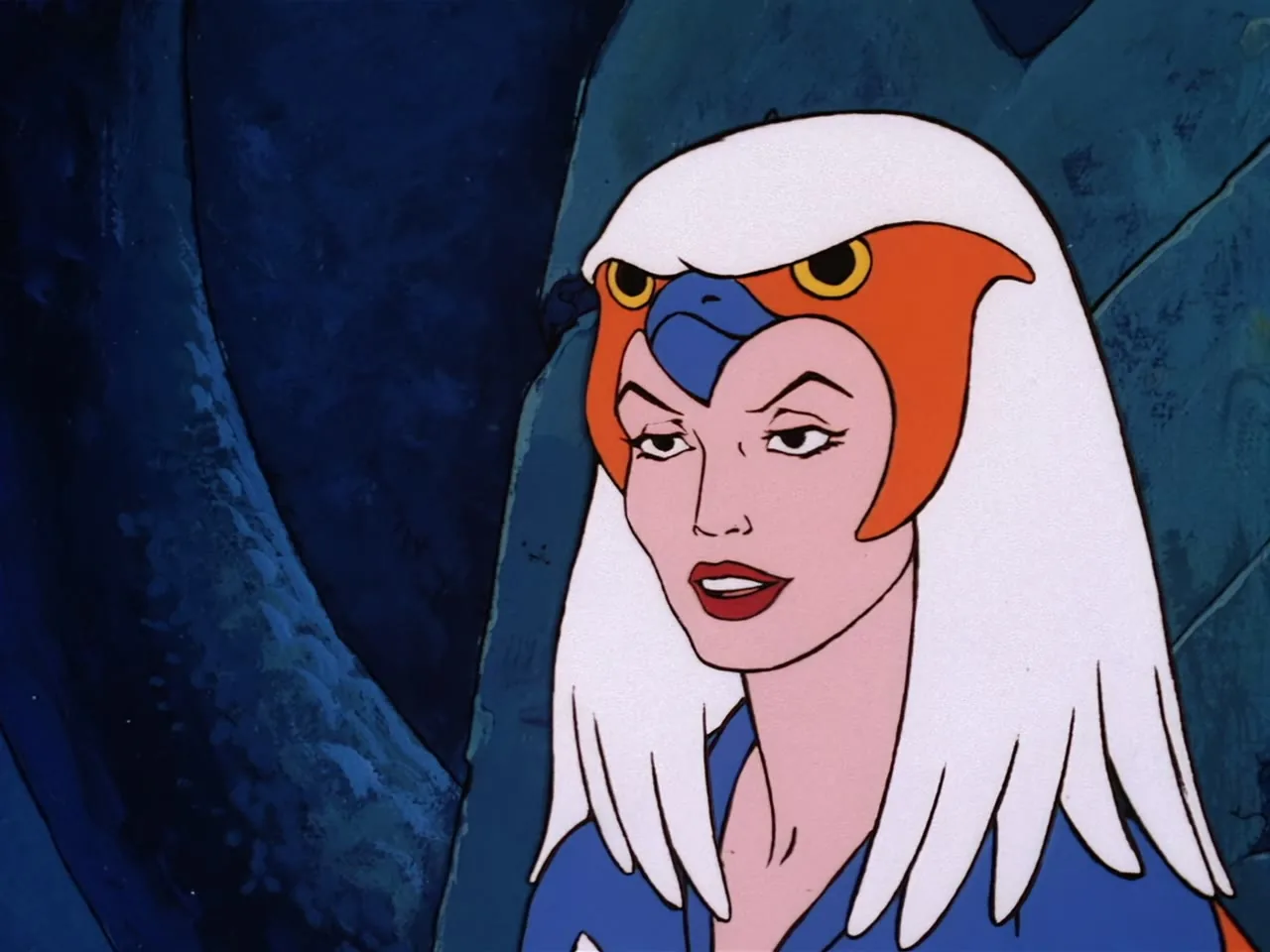
Linda Gary as The Sorceress
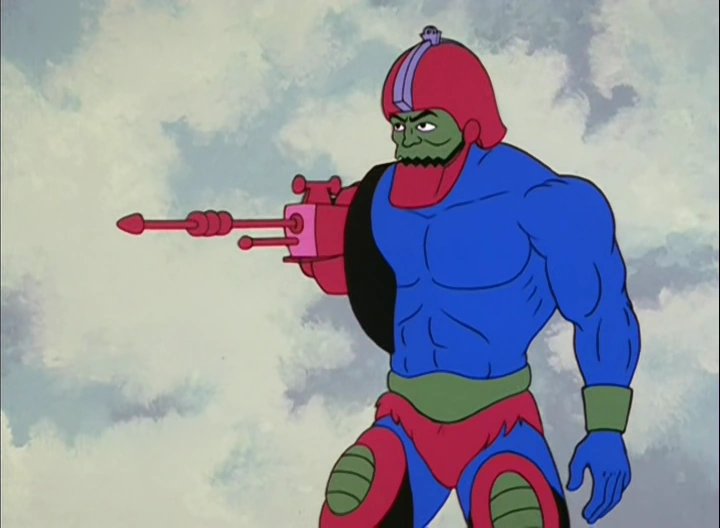
Lou Scheimer (credited as Erik Gunden) as Orko, King Randor, Tri-Klops, Attak Trak and Hover Robot
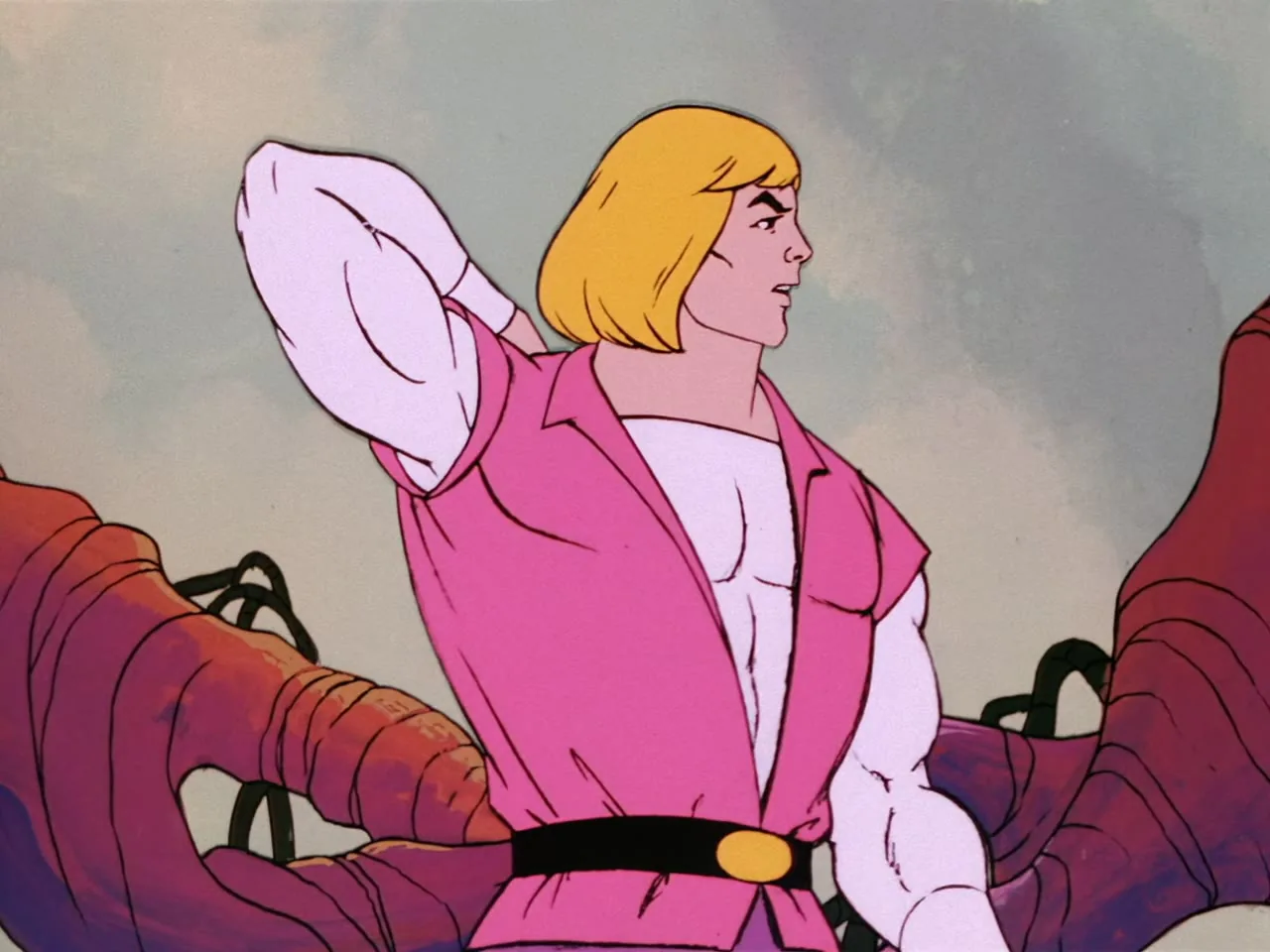
"For a long time, I've had the power of He-Man but, to keep that power a secret, I've had to pretend, you know, to be careless and irresponsible. More than anything, I wanna give up that disguise, and make my father proud of me."
― Prince Adam
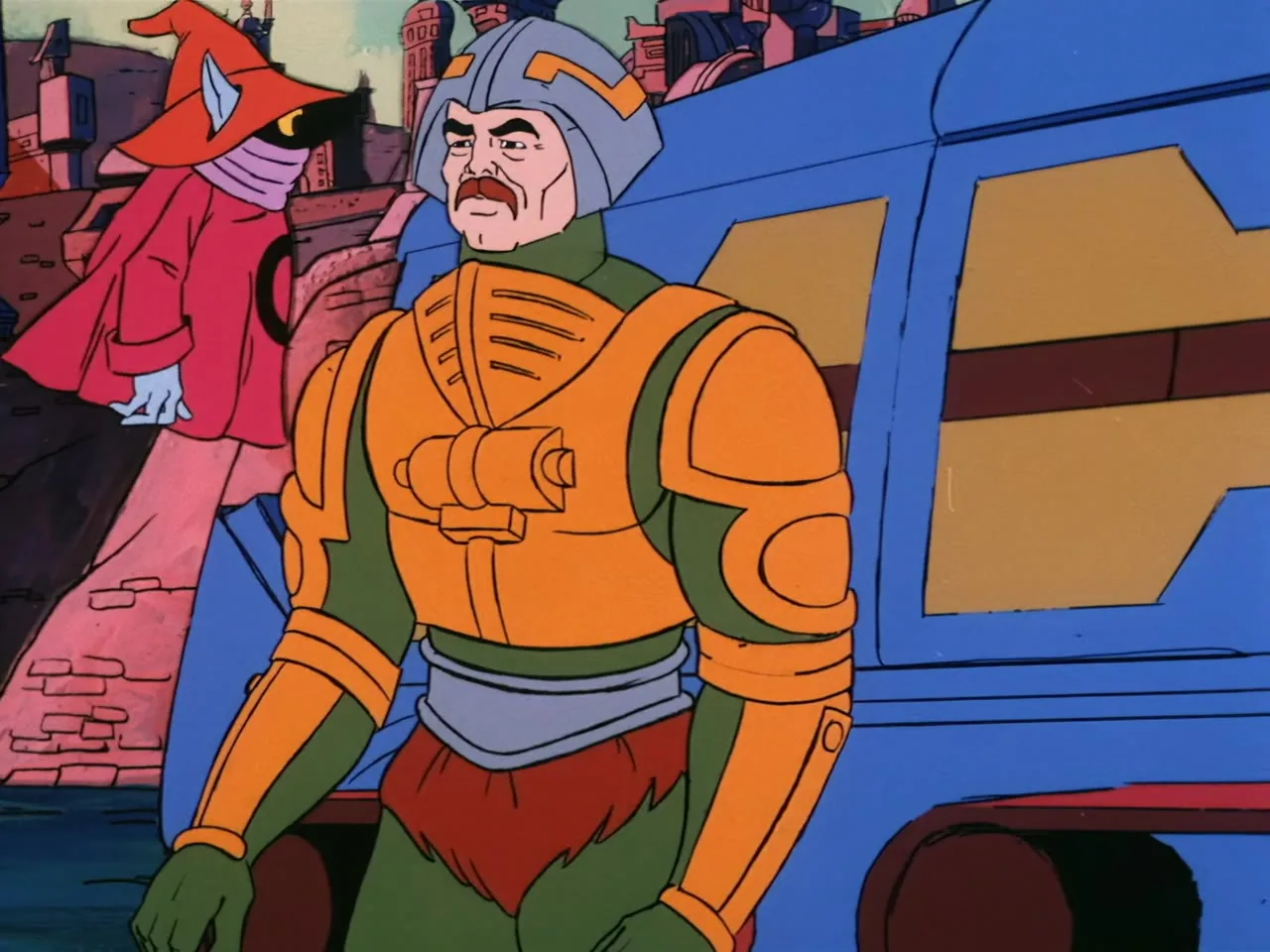
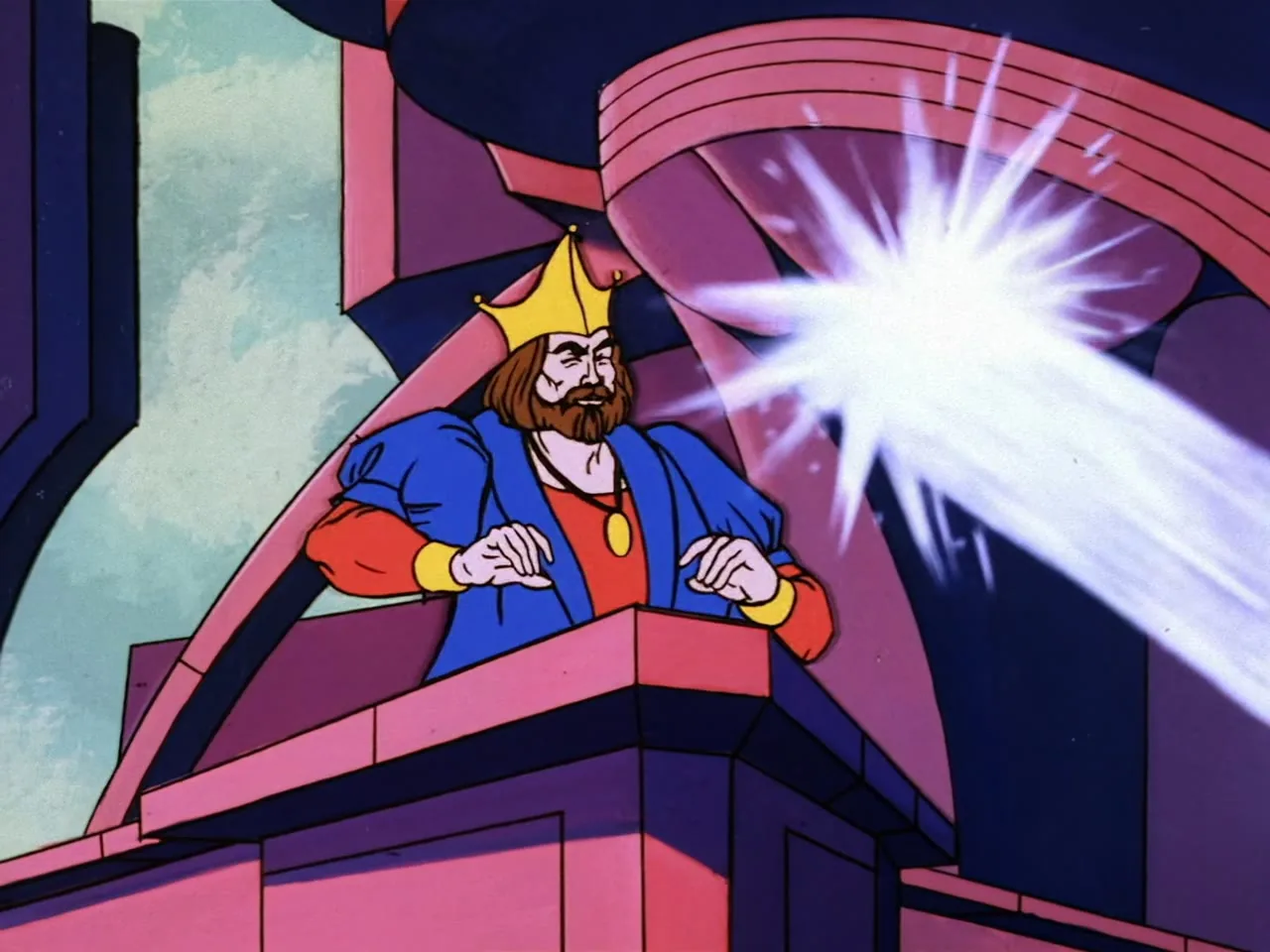
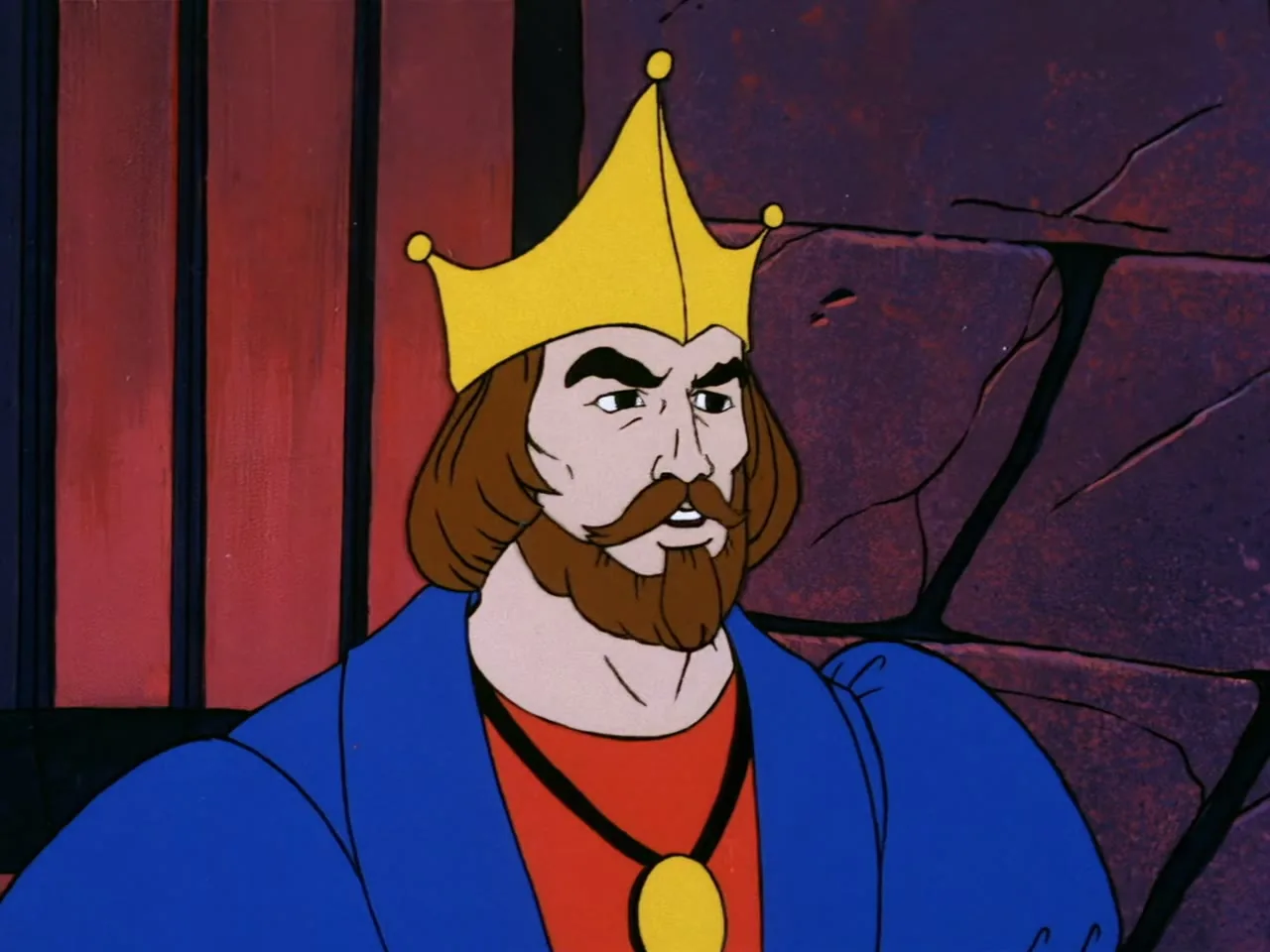
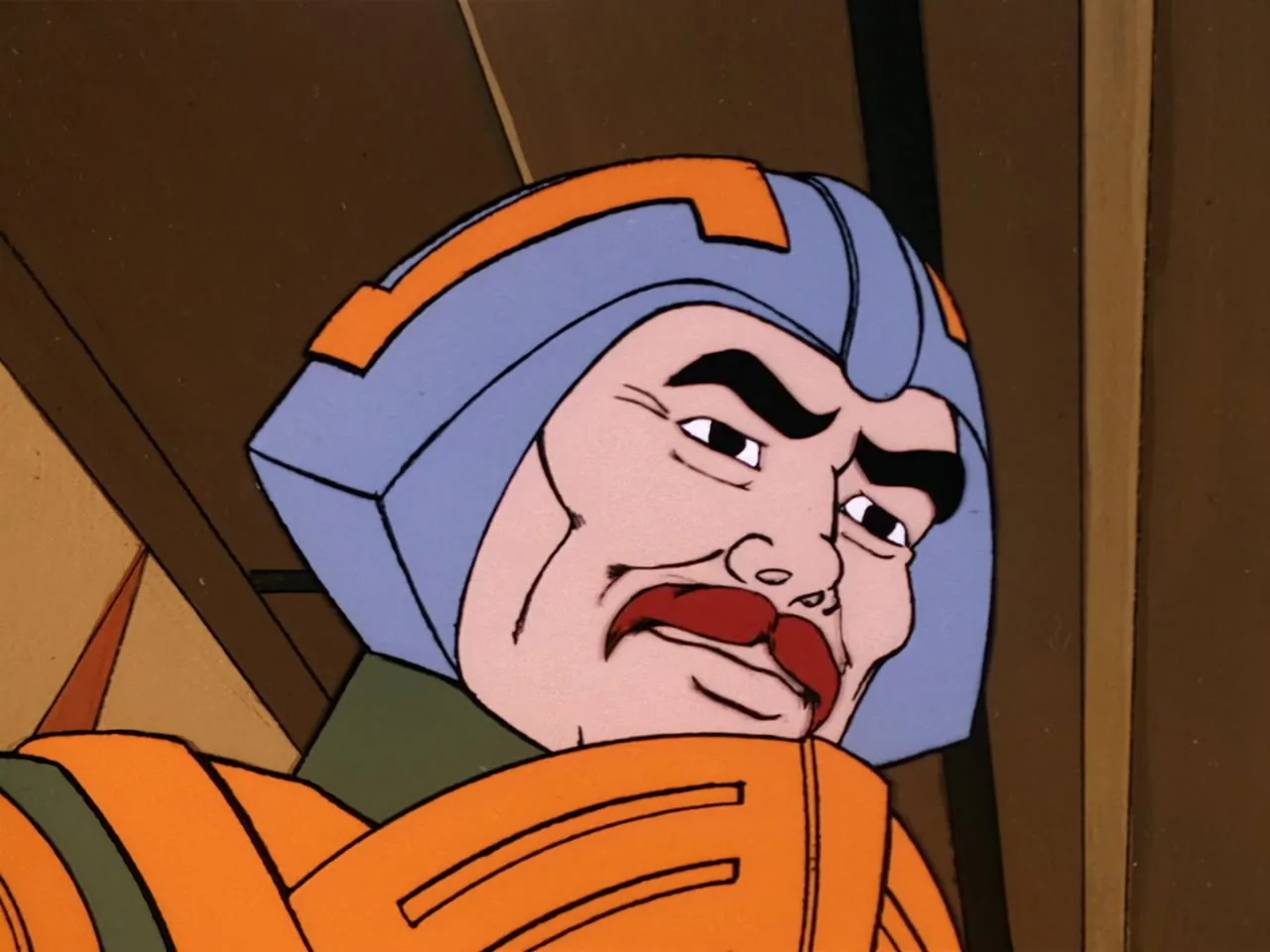
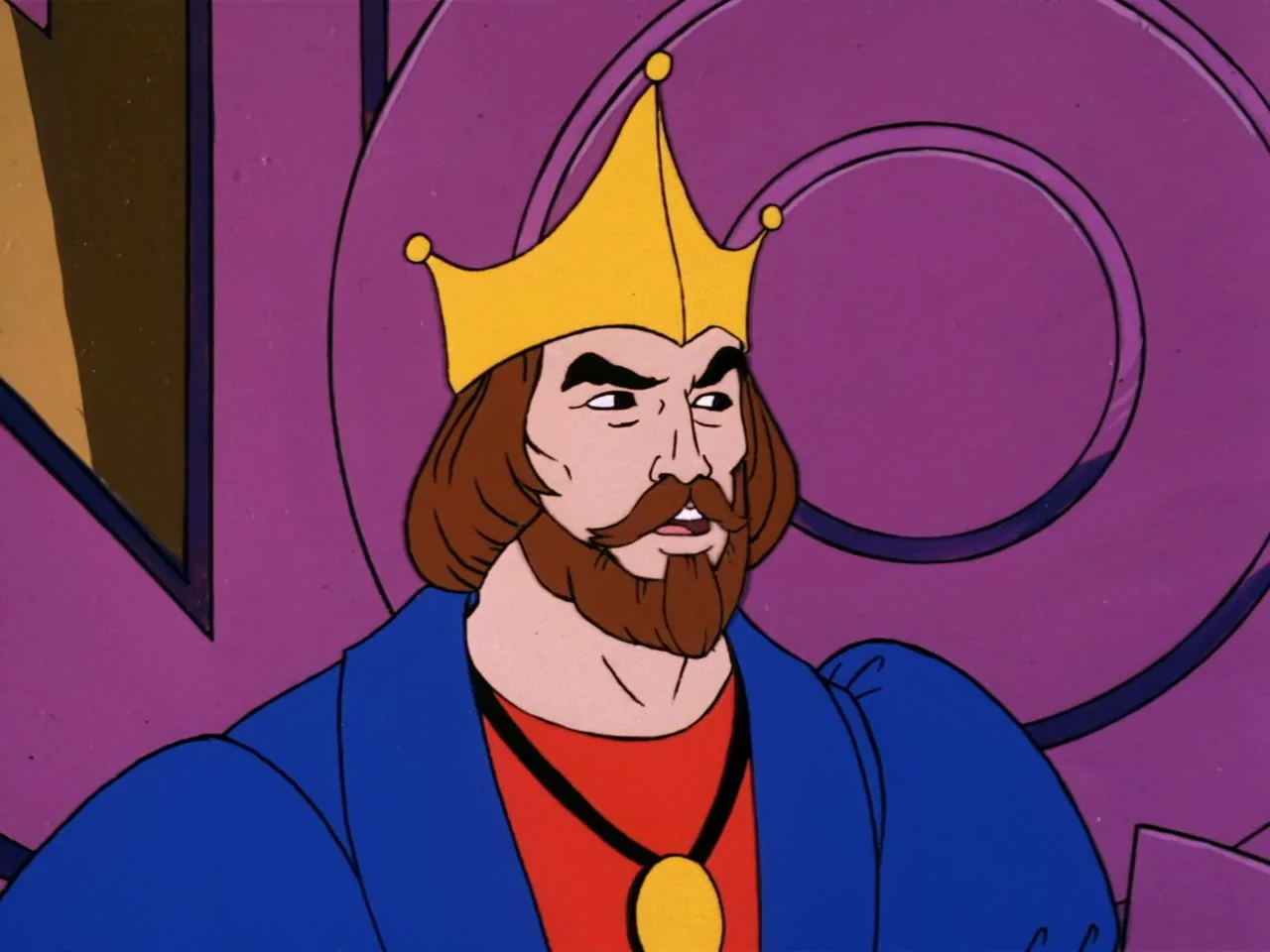
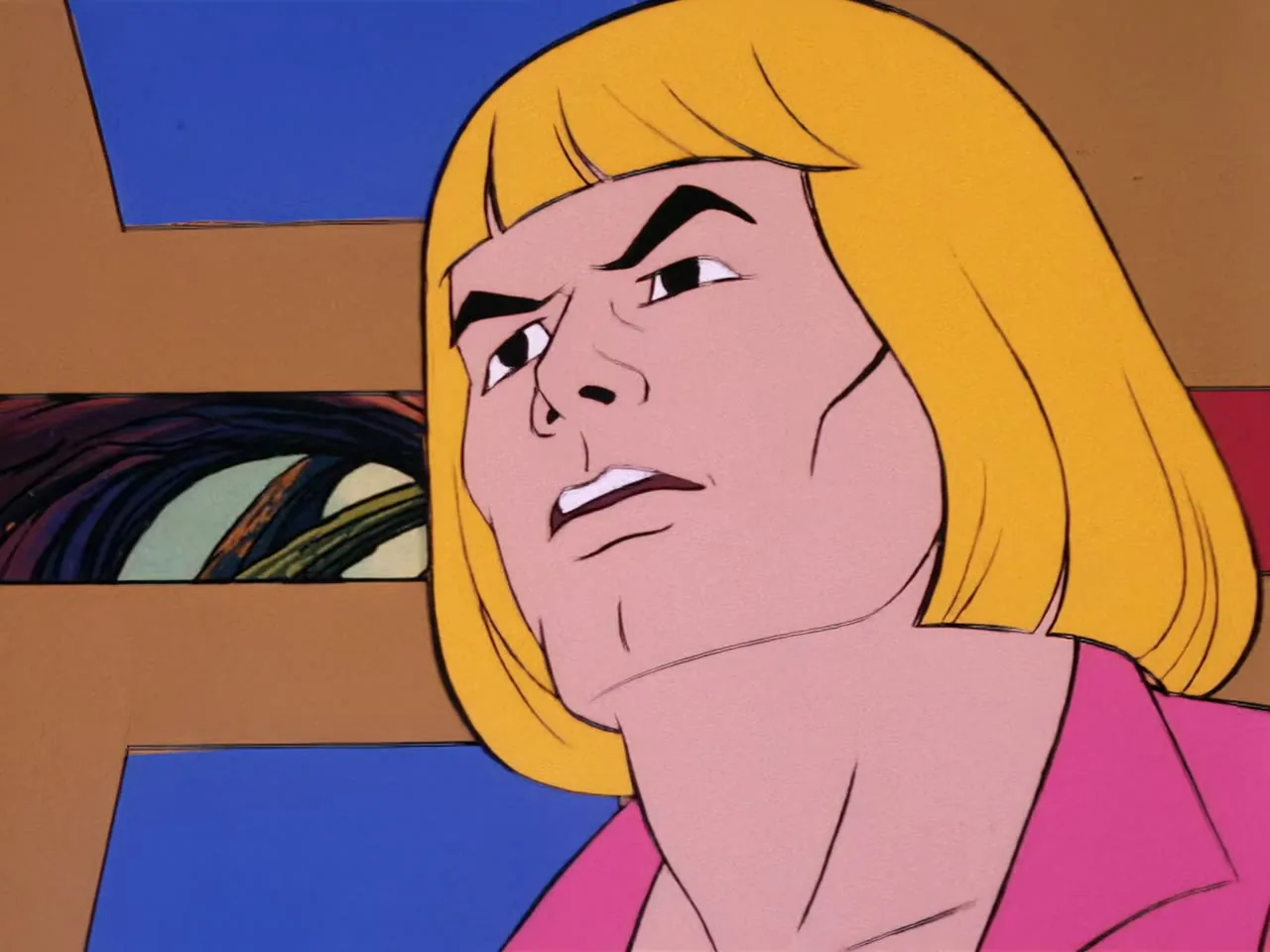
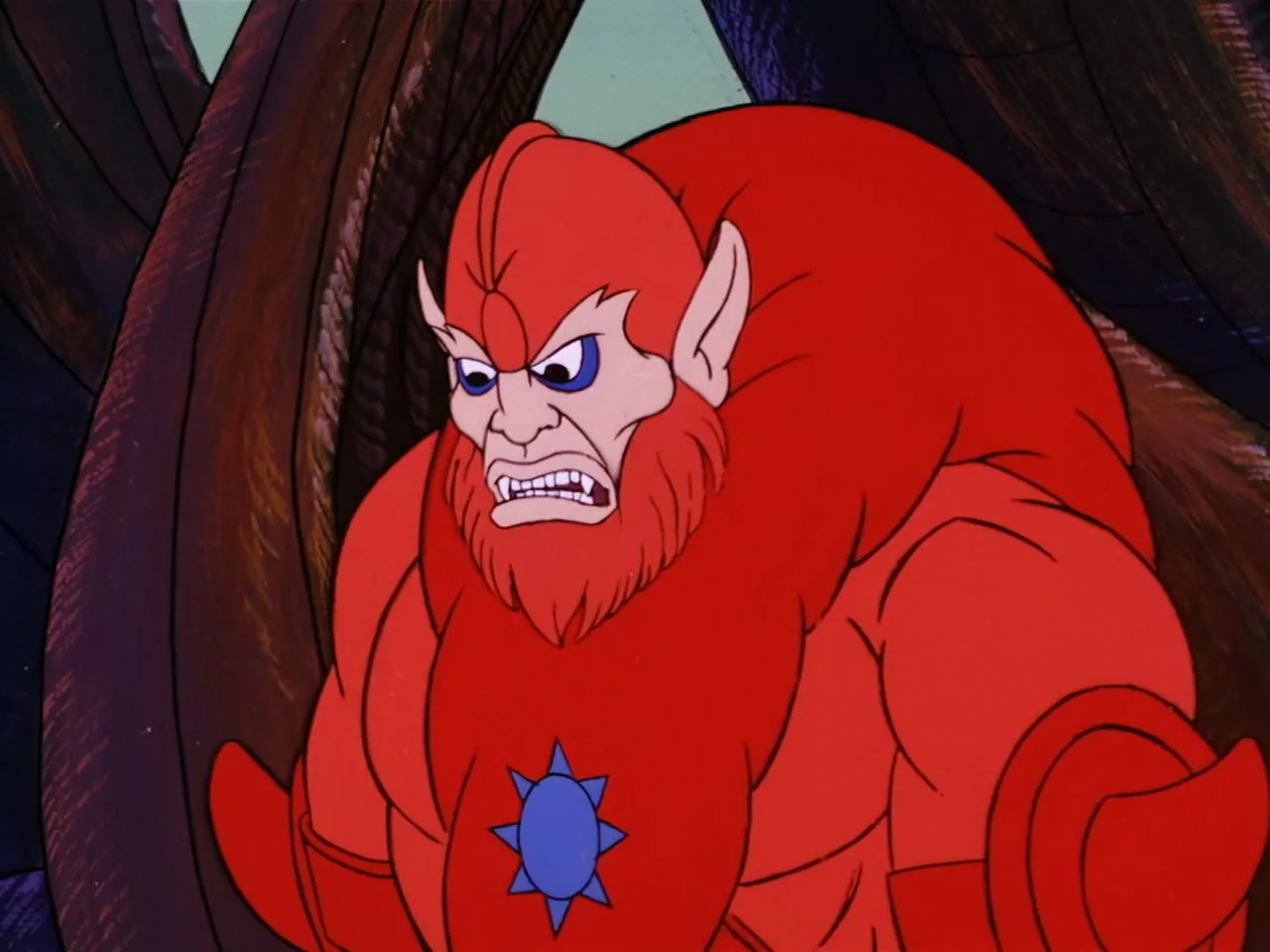
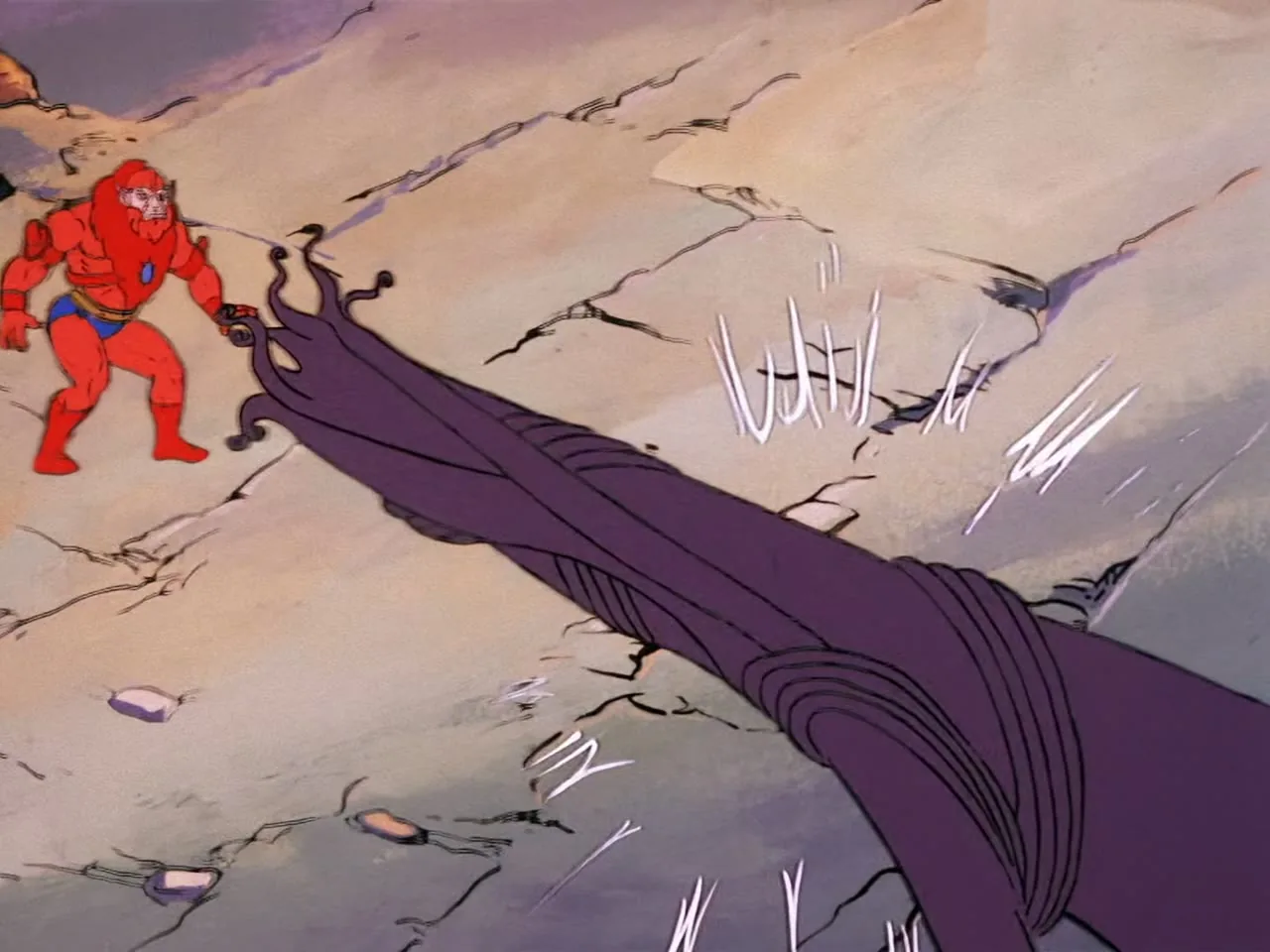
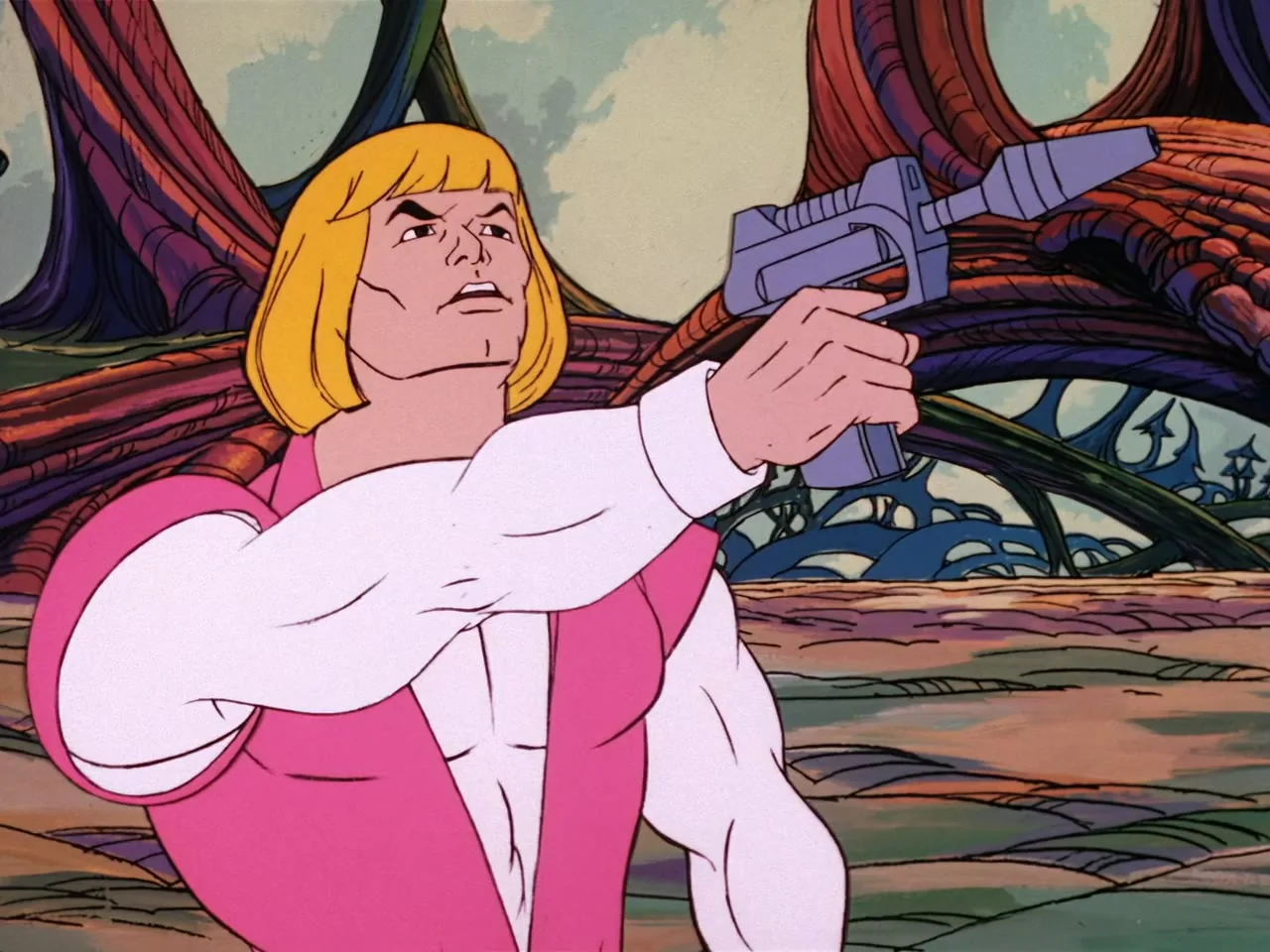
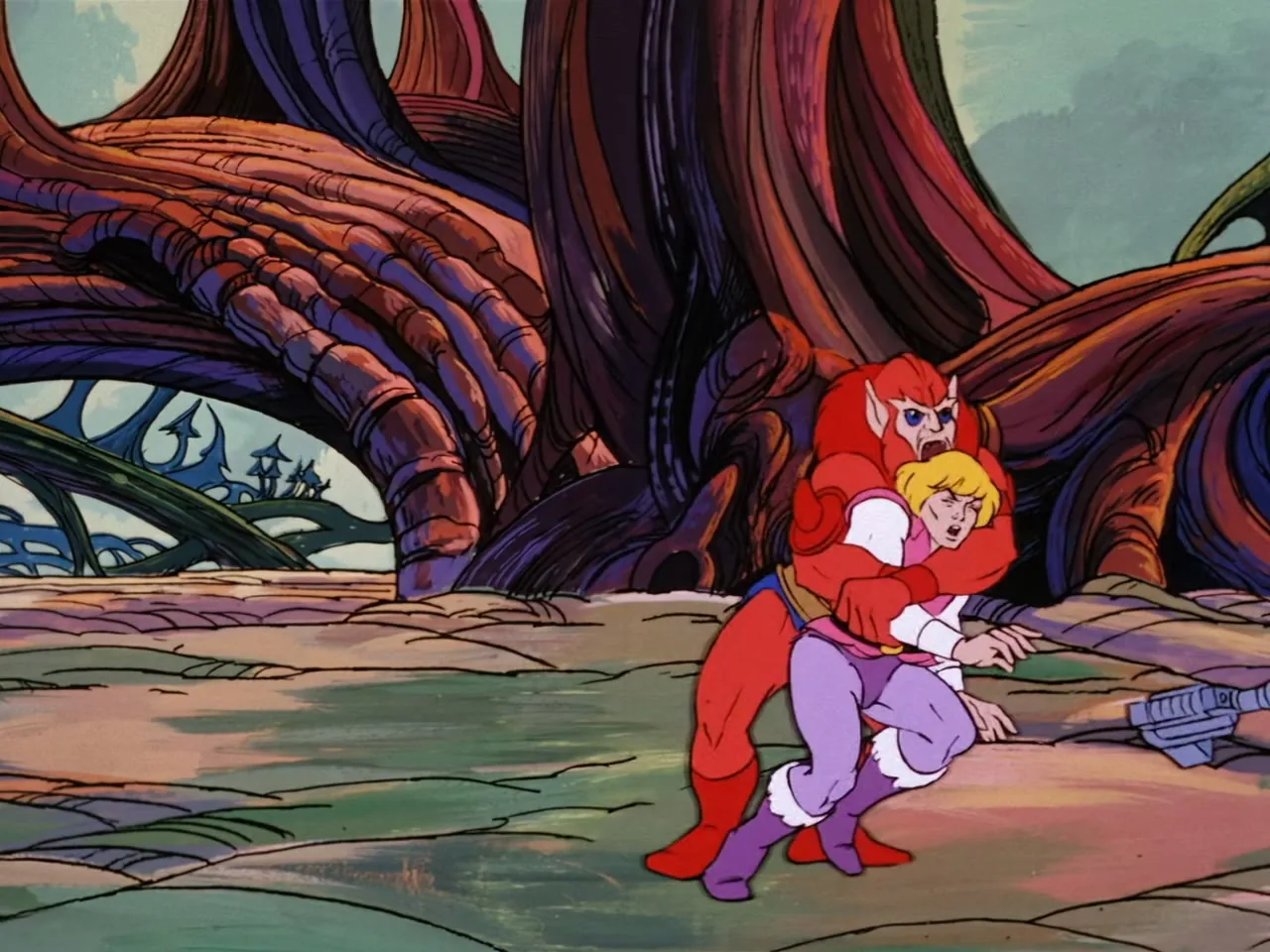
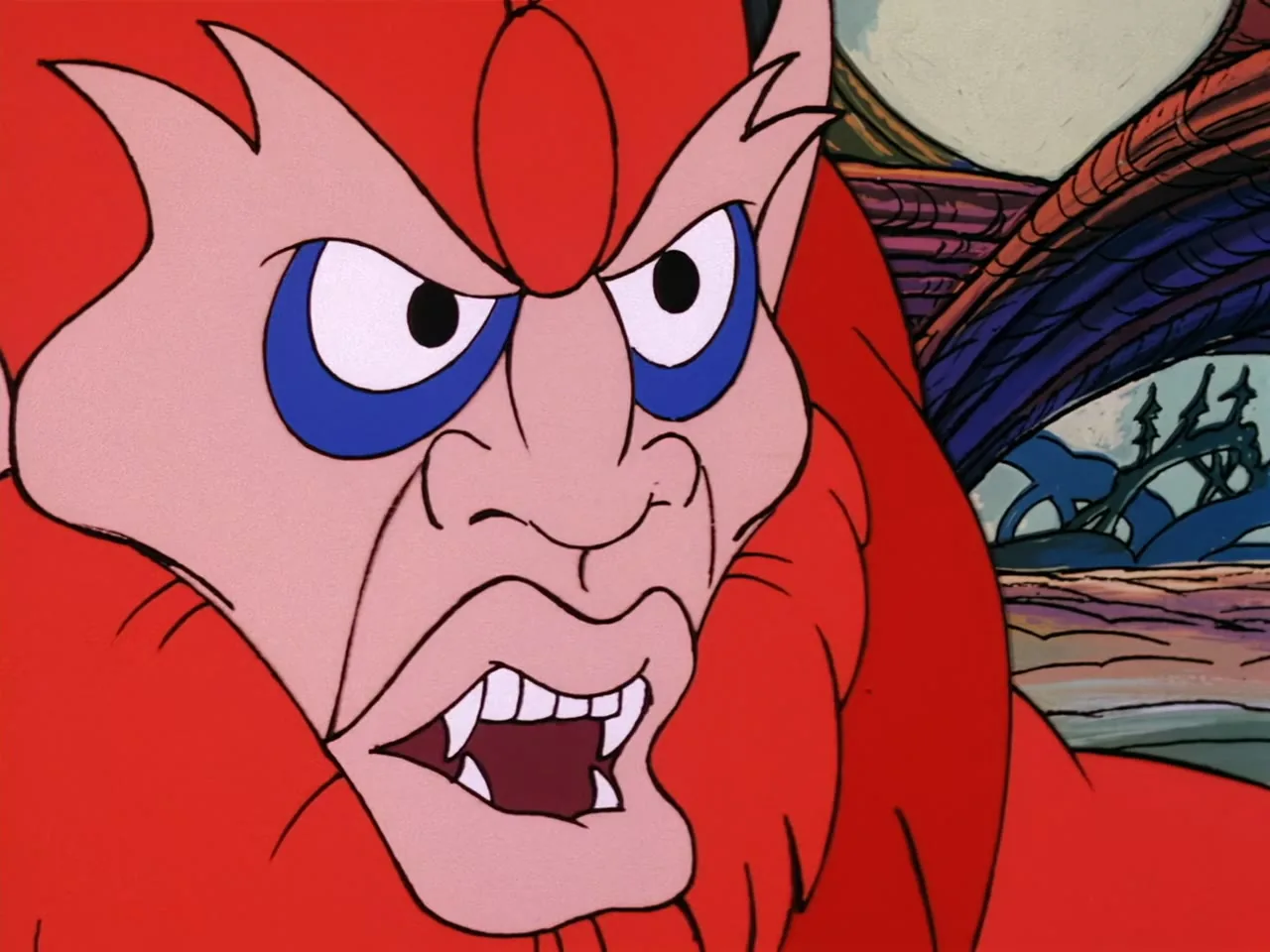
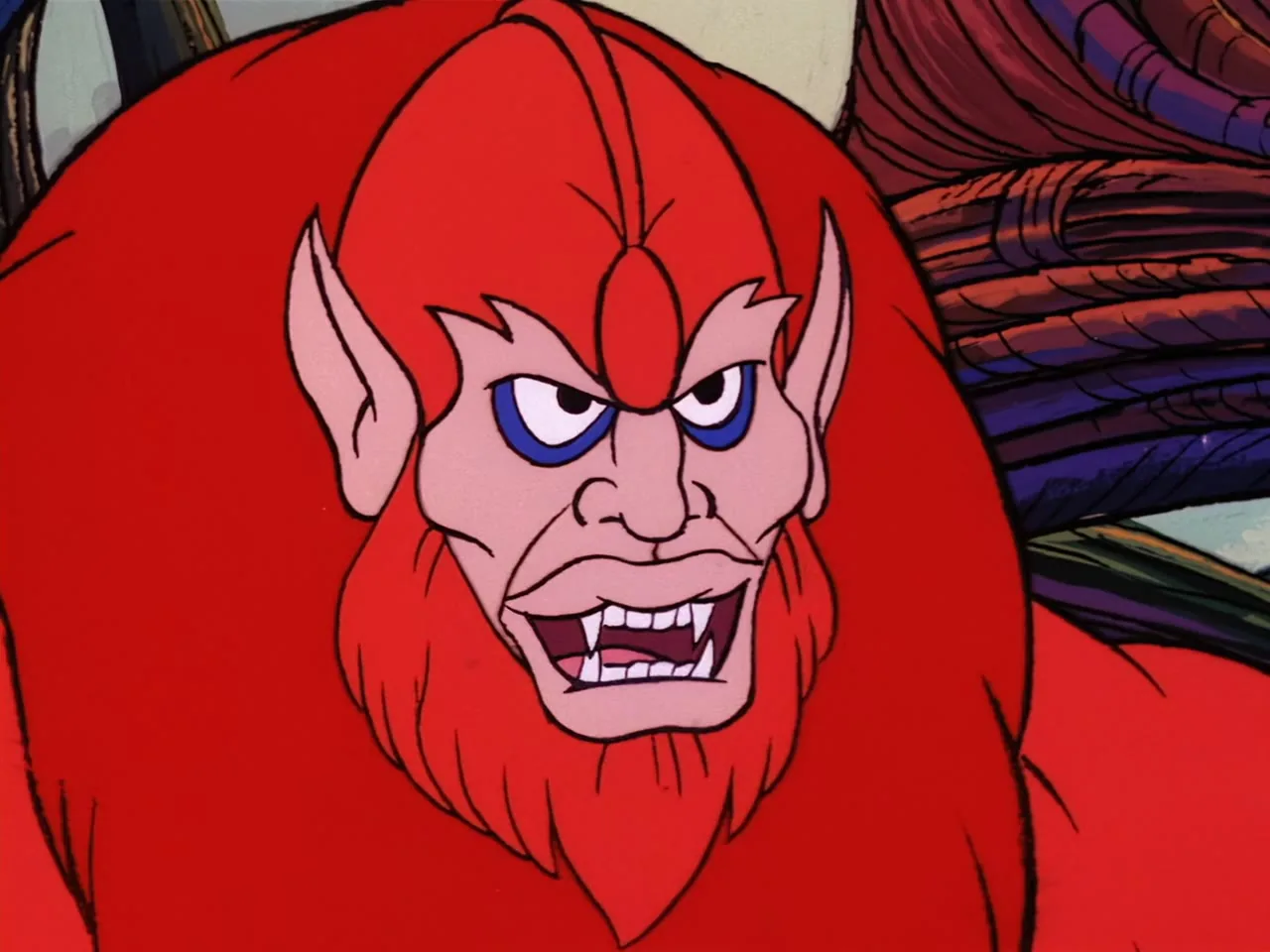
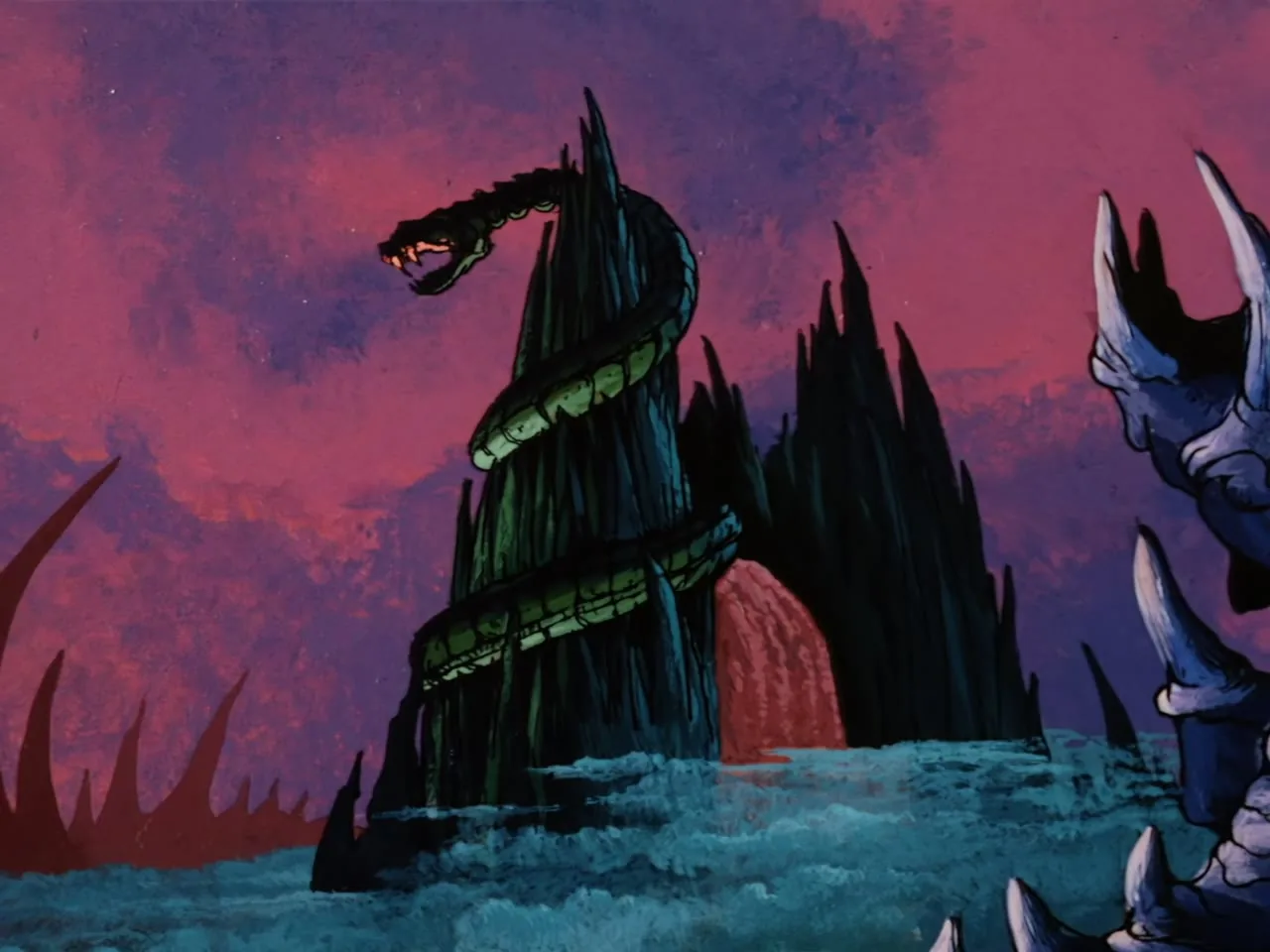
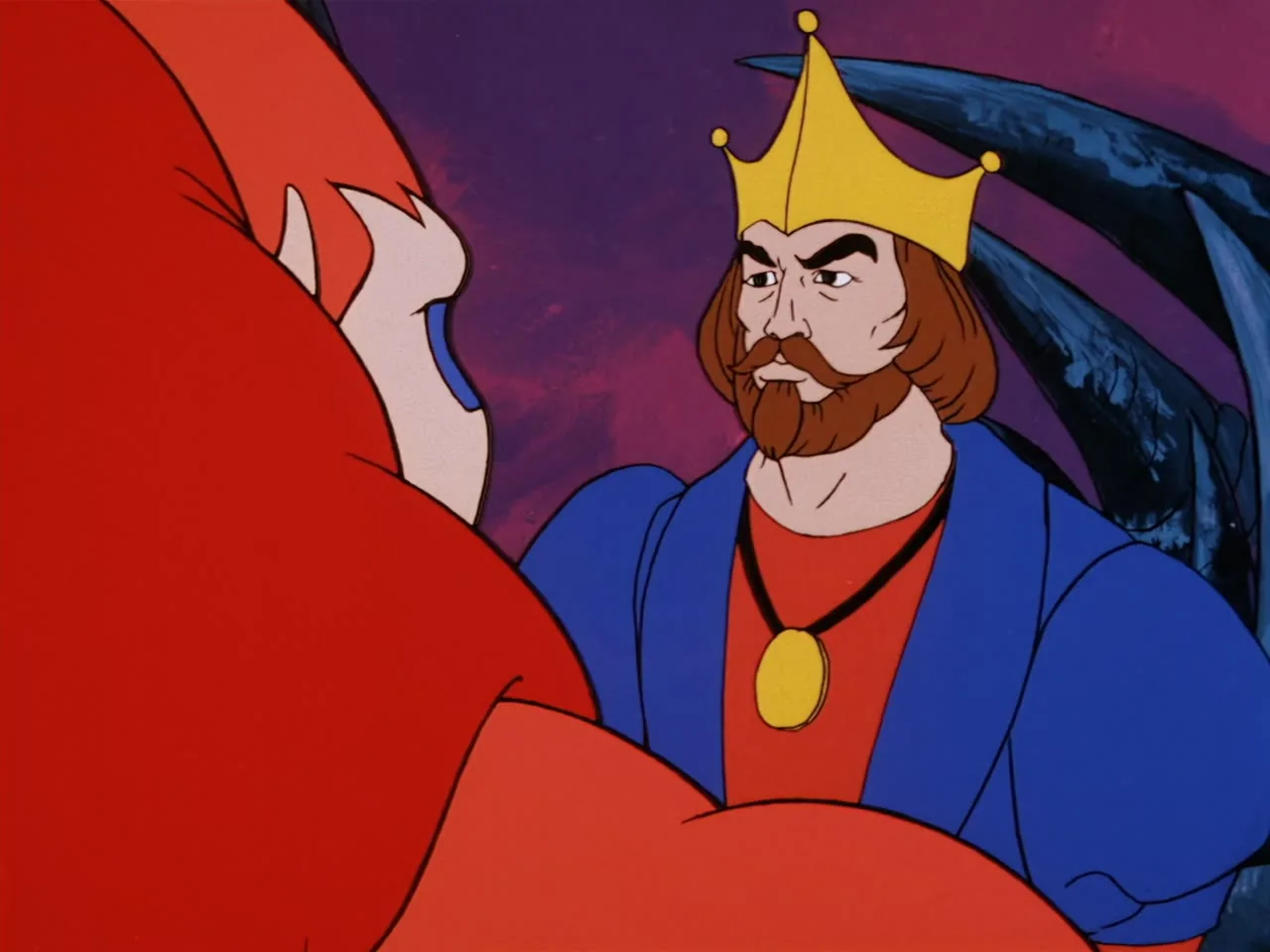
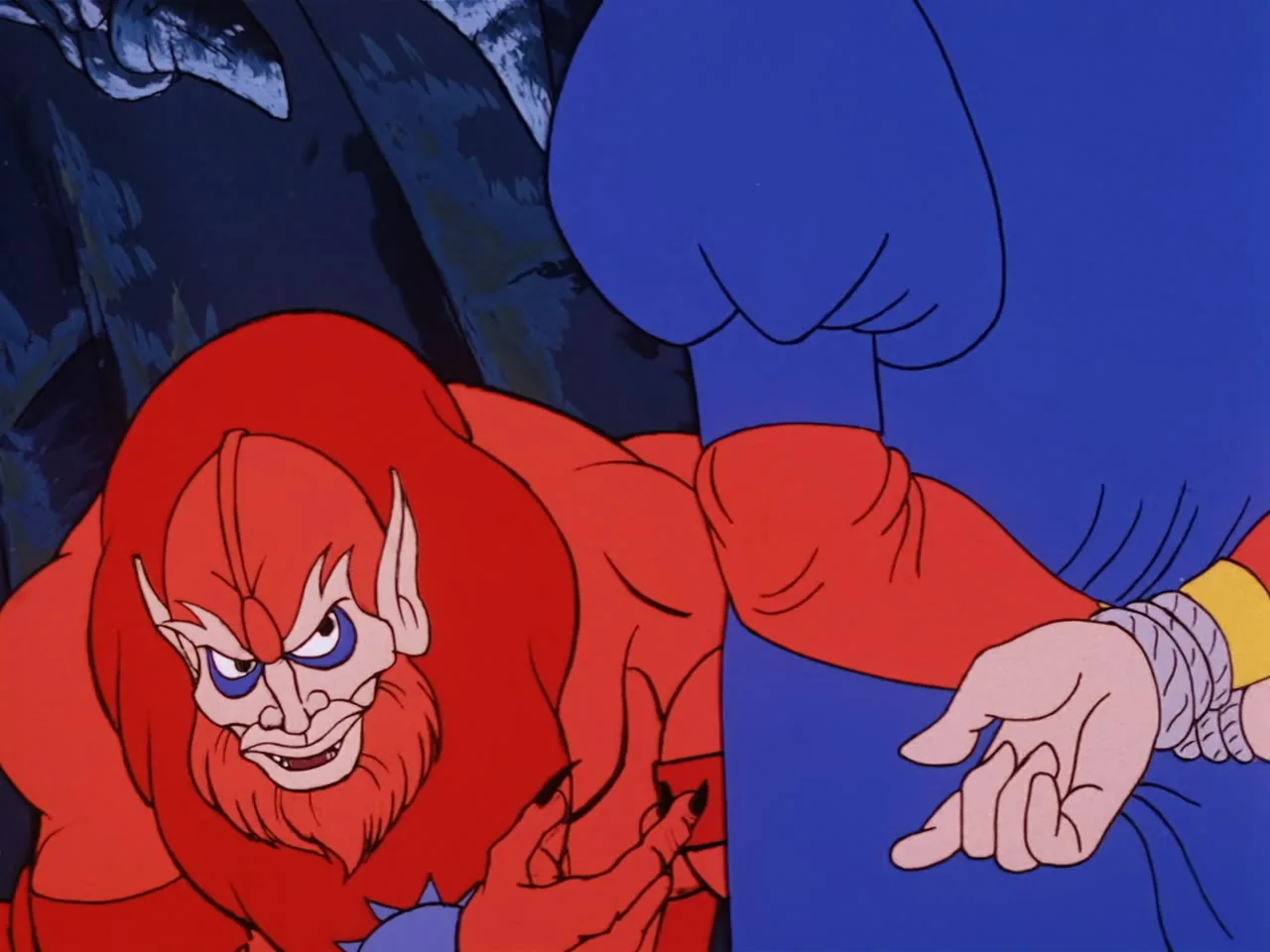
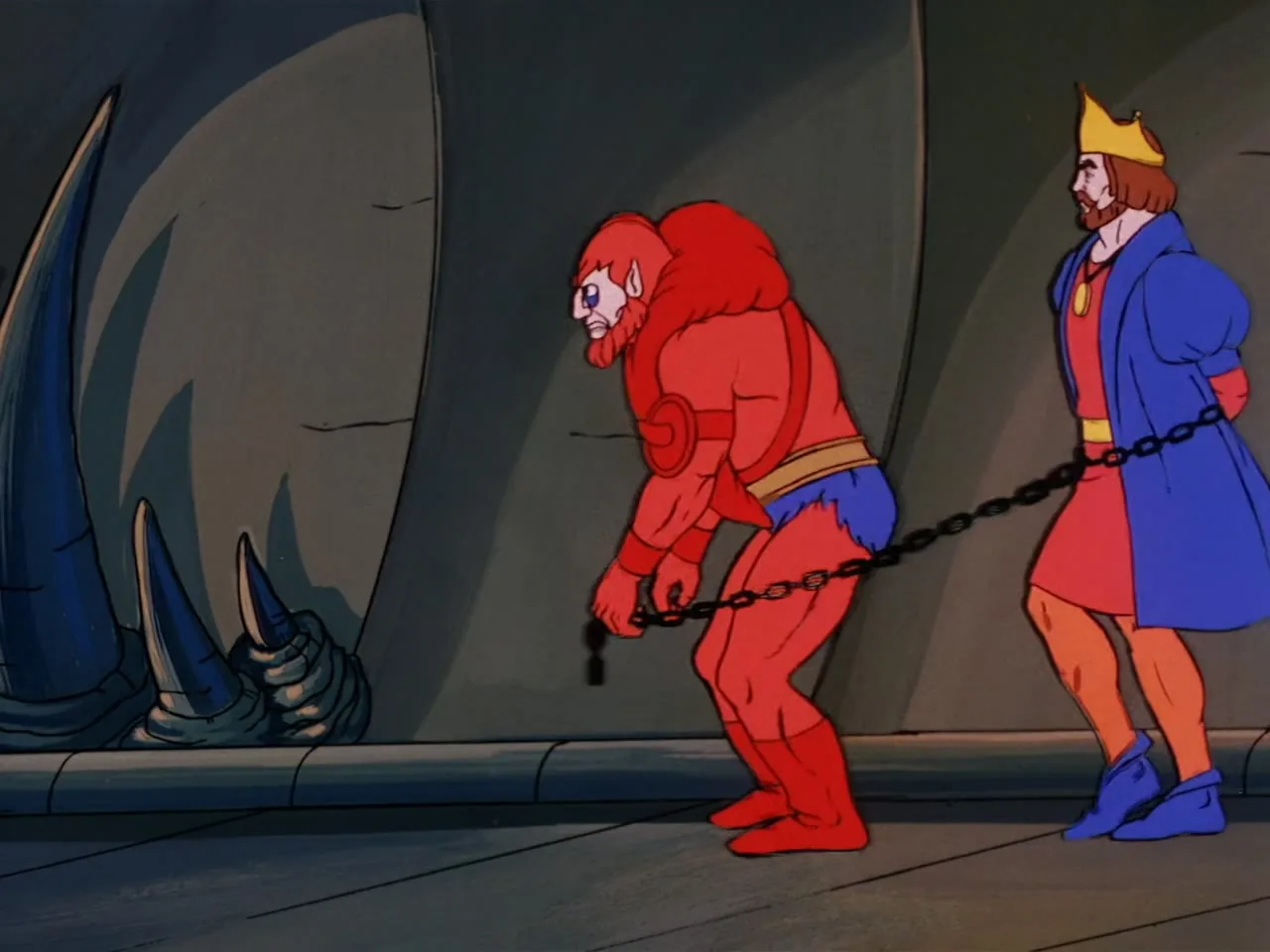
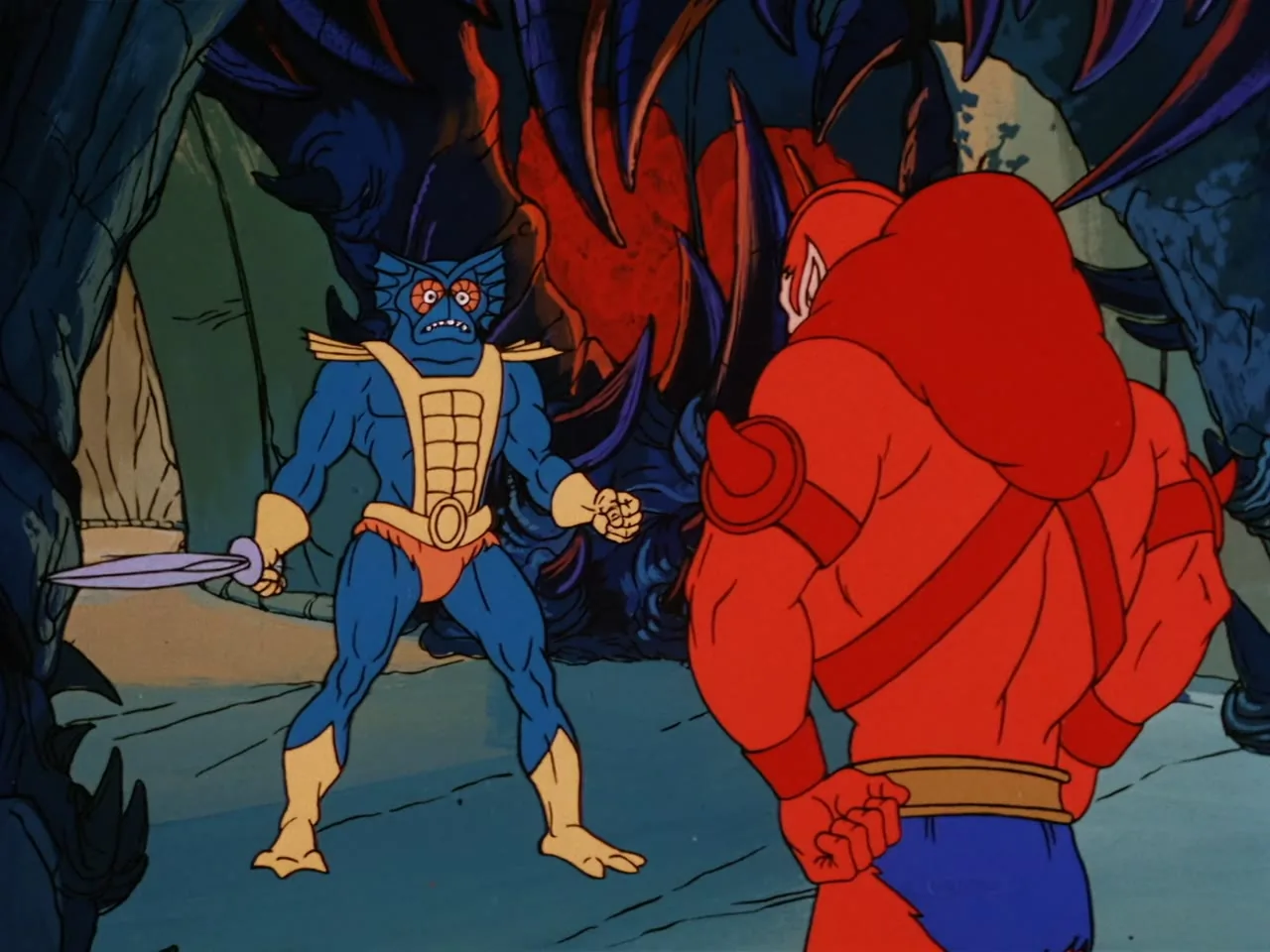
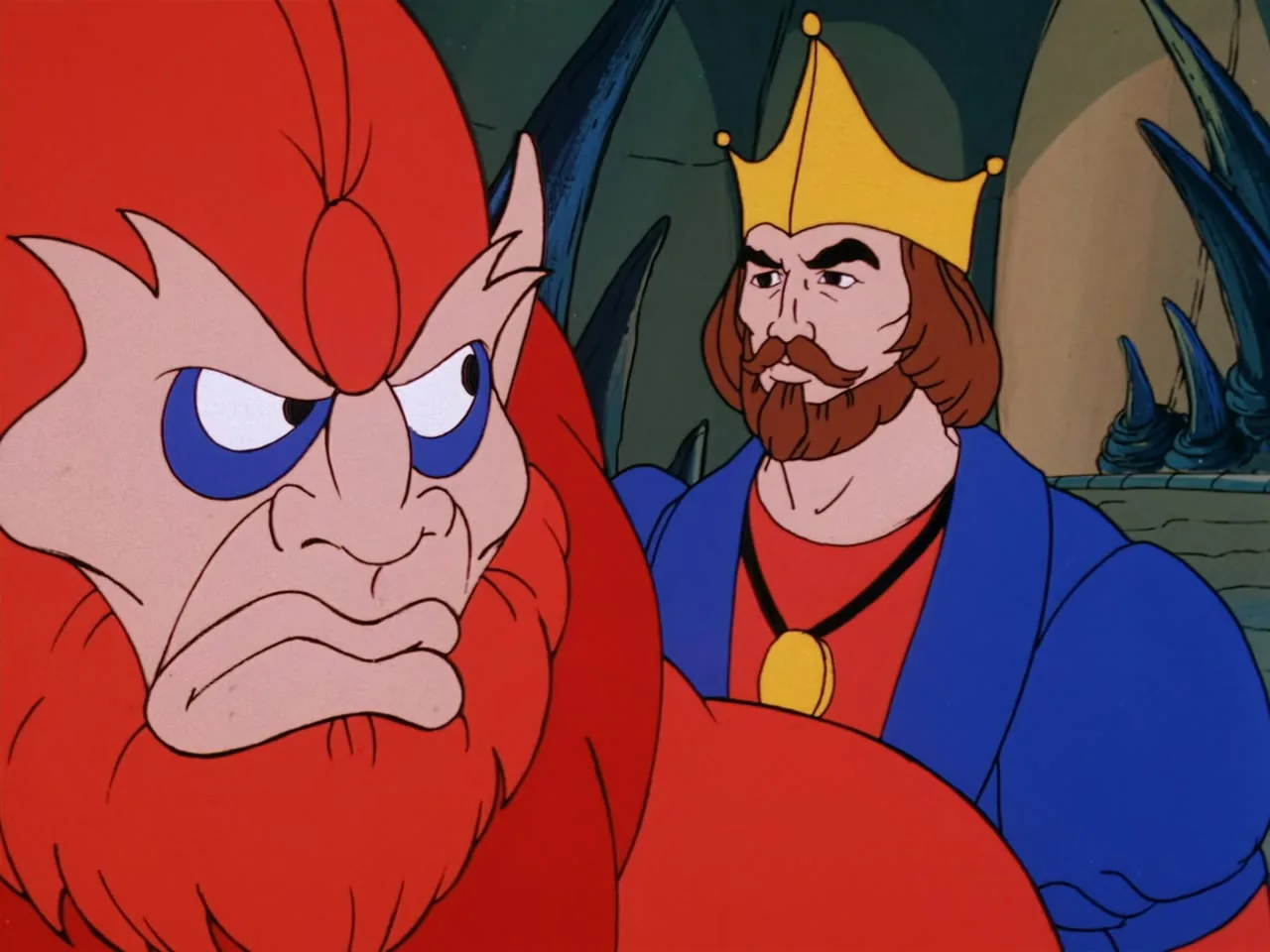
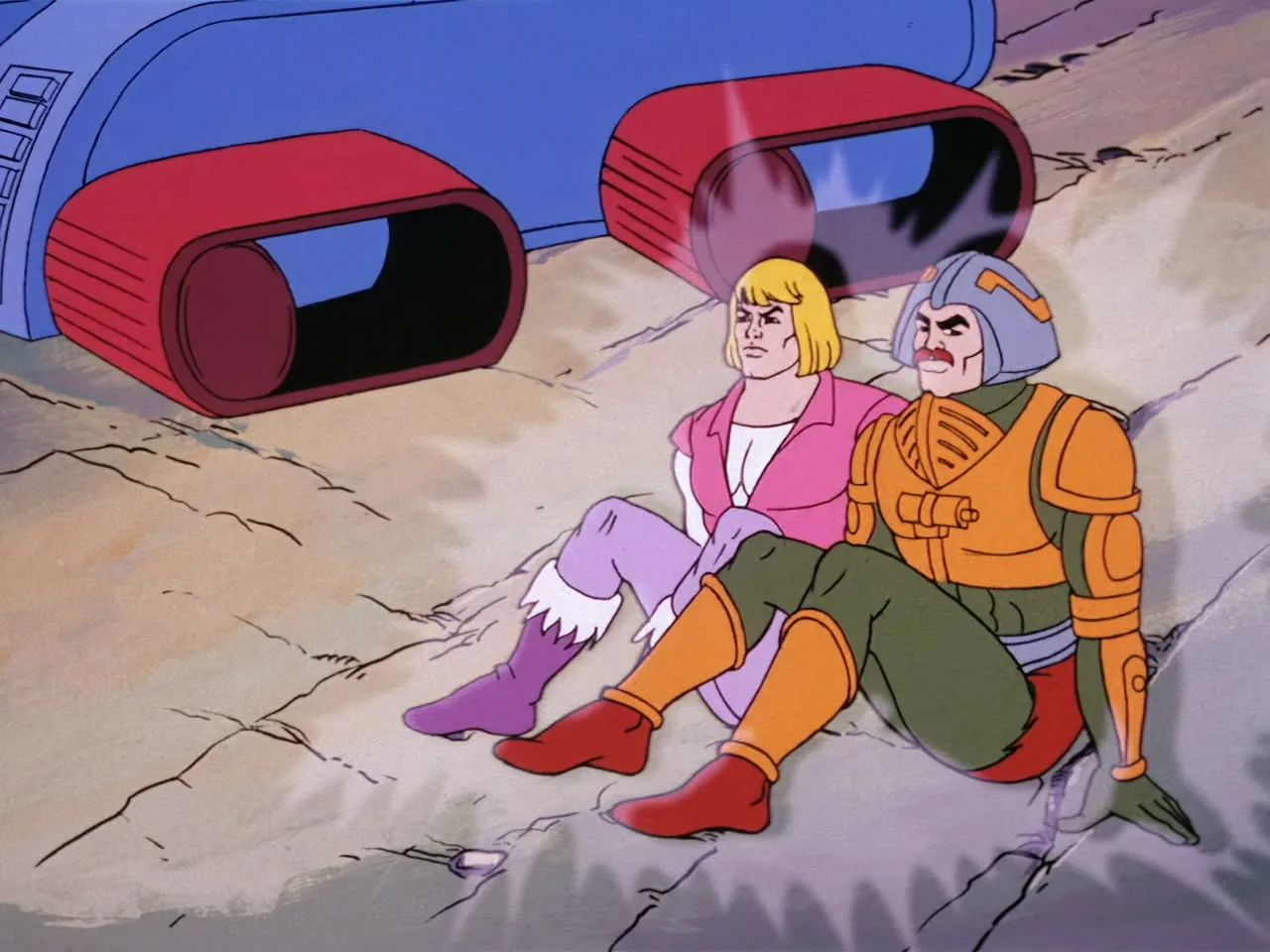
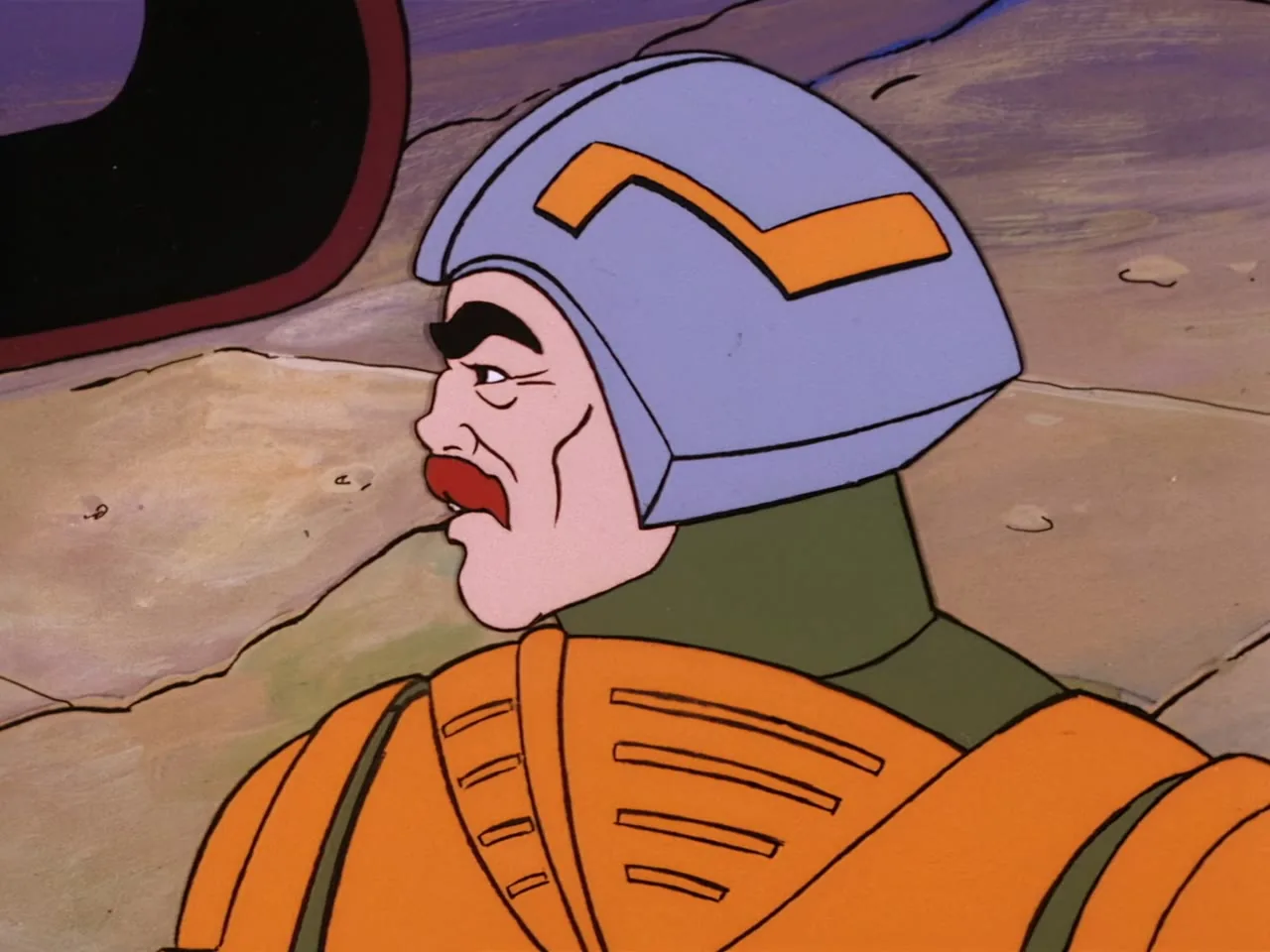
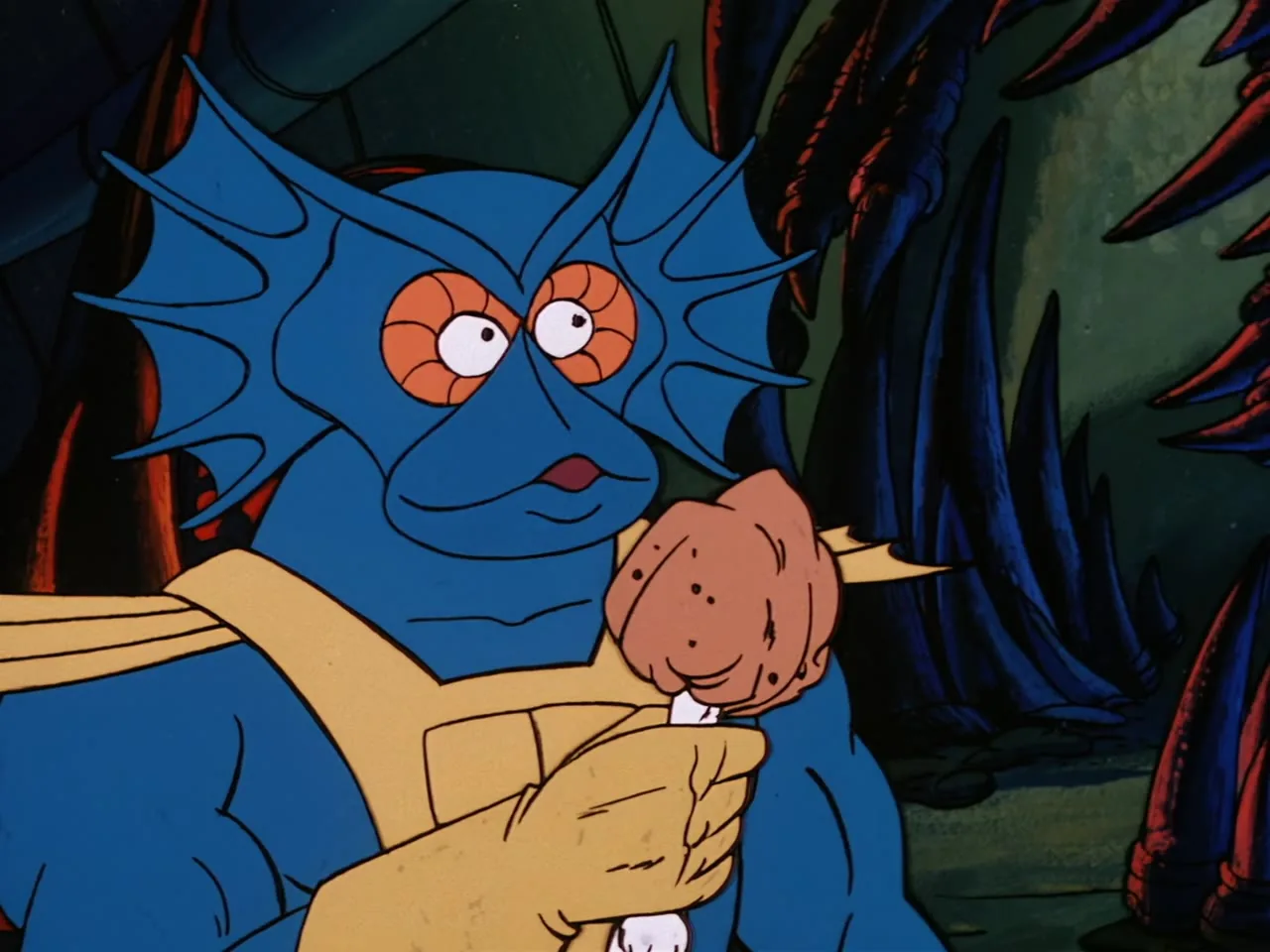
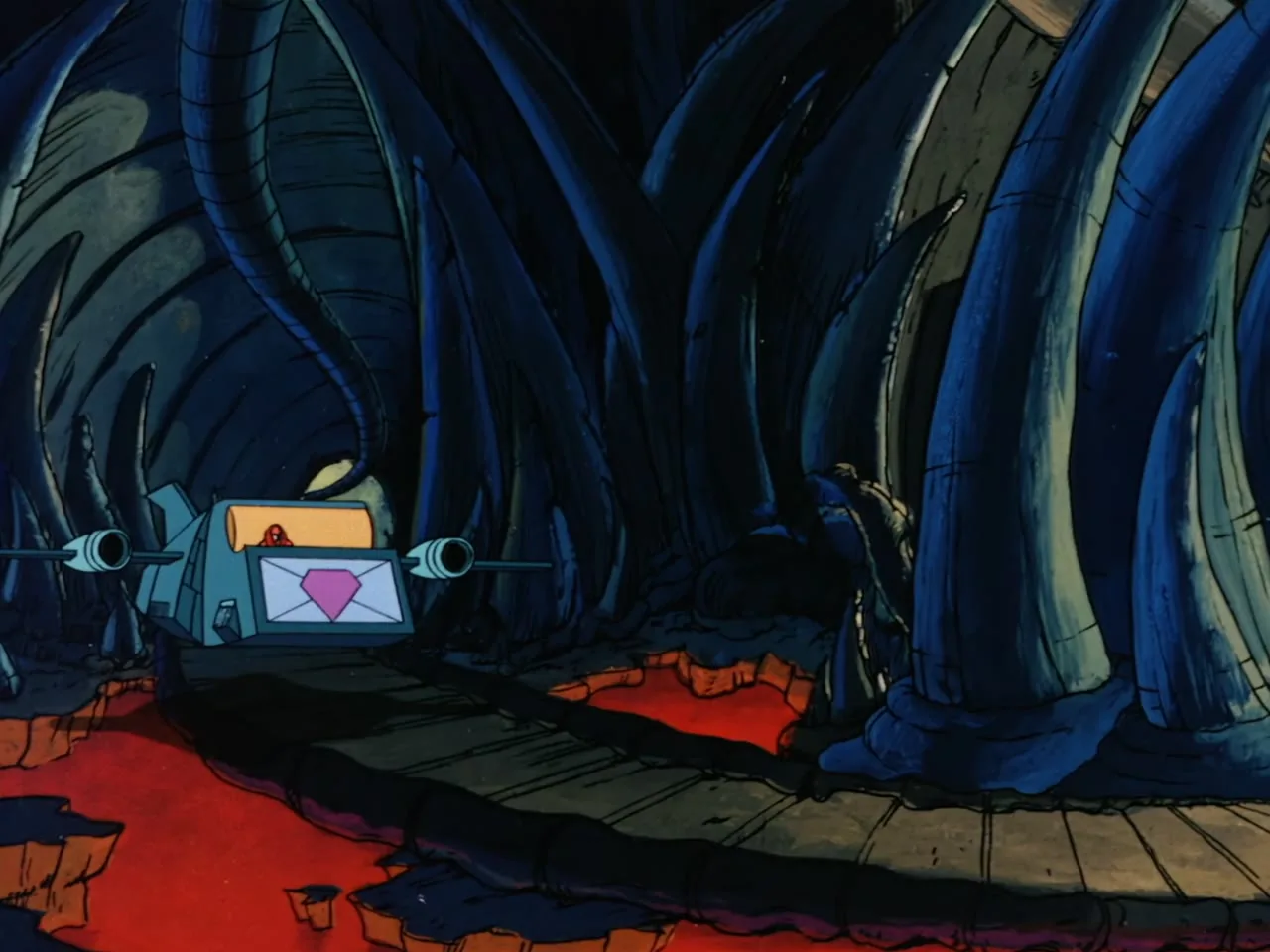
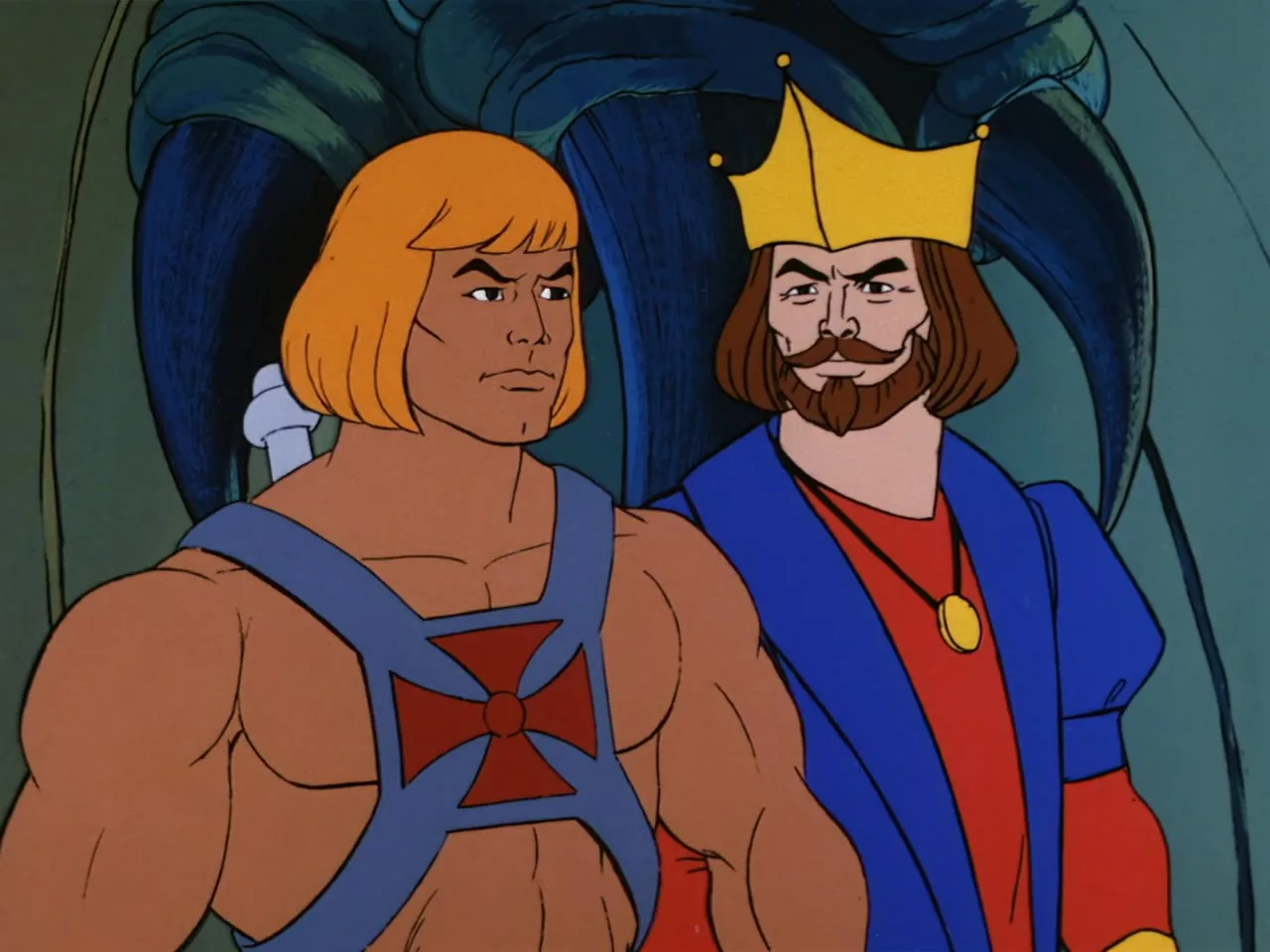
Paul Dini's script does what the Prince Adam premise usually avoids doing: it lets the lie hurt. King Randor picks Man-At-Arms to join him on a royal tour as his ''mightiest, most courageous warrior'' while Adam and Orko are left behind, and the sting of being passed over by his own father, for a role Adam could obviously fill if he were allowed to admit what he actually is, drives the whole episode rather than sitting in the background the way it usually does. Beast Man's banishment from Snake Mountain and his kidnapping of Randor to win his way back into Skeletor's favor is a serviceable plot engine, but it is not really what the episode is about.
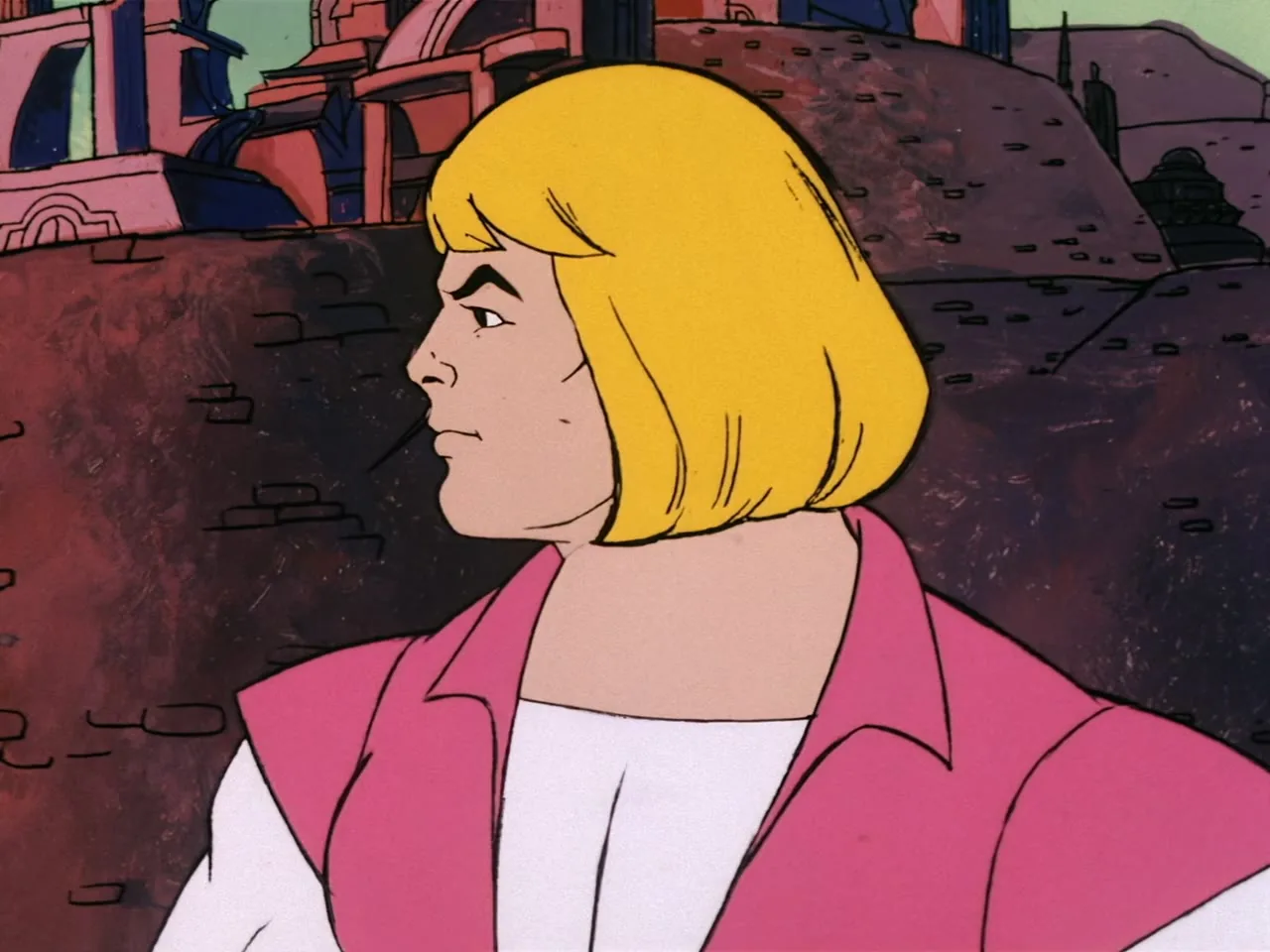
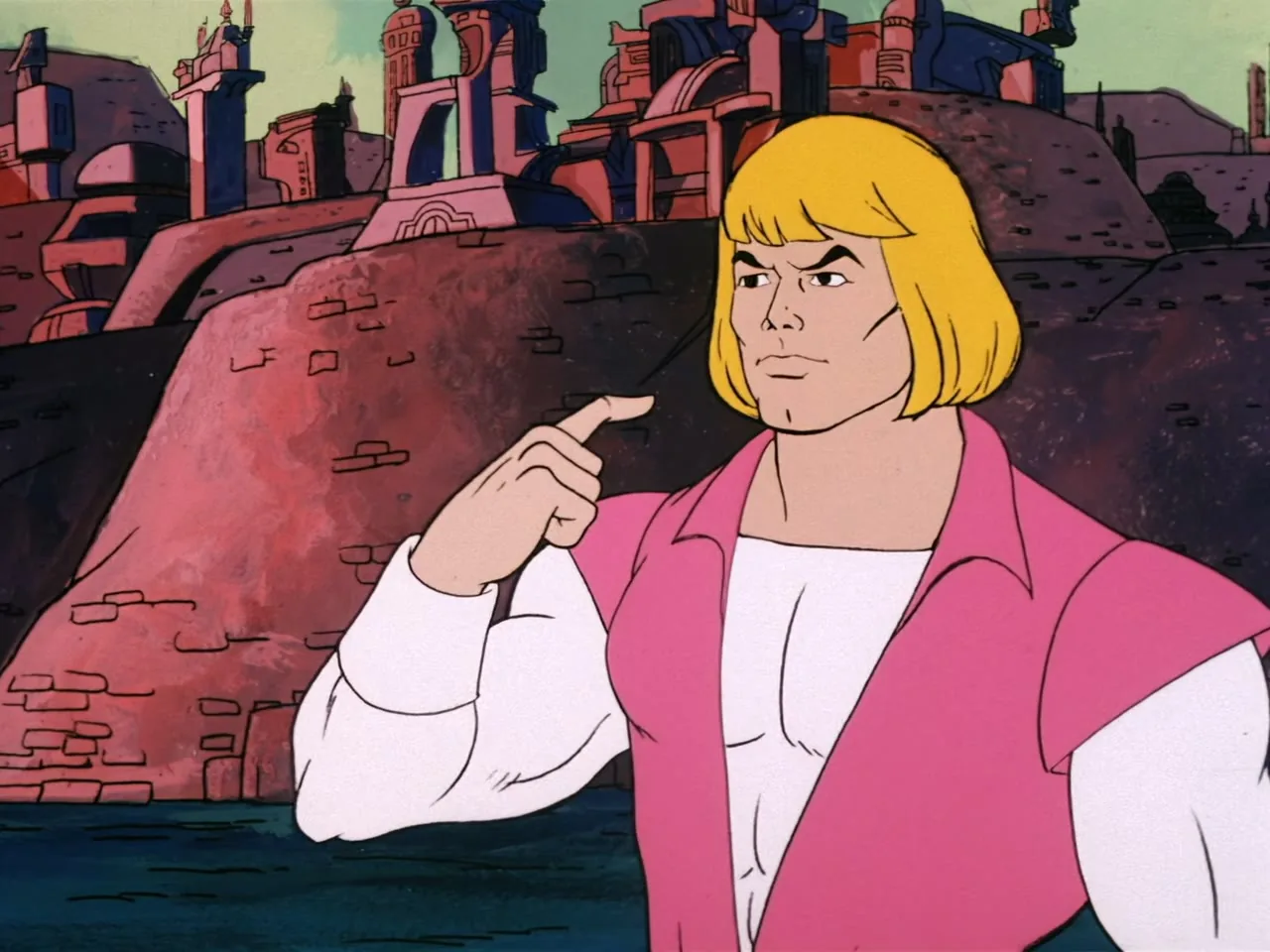
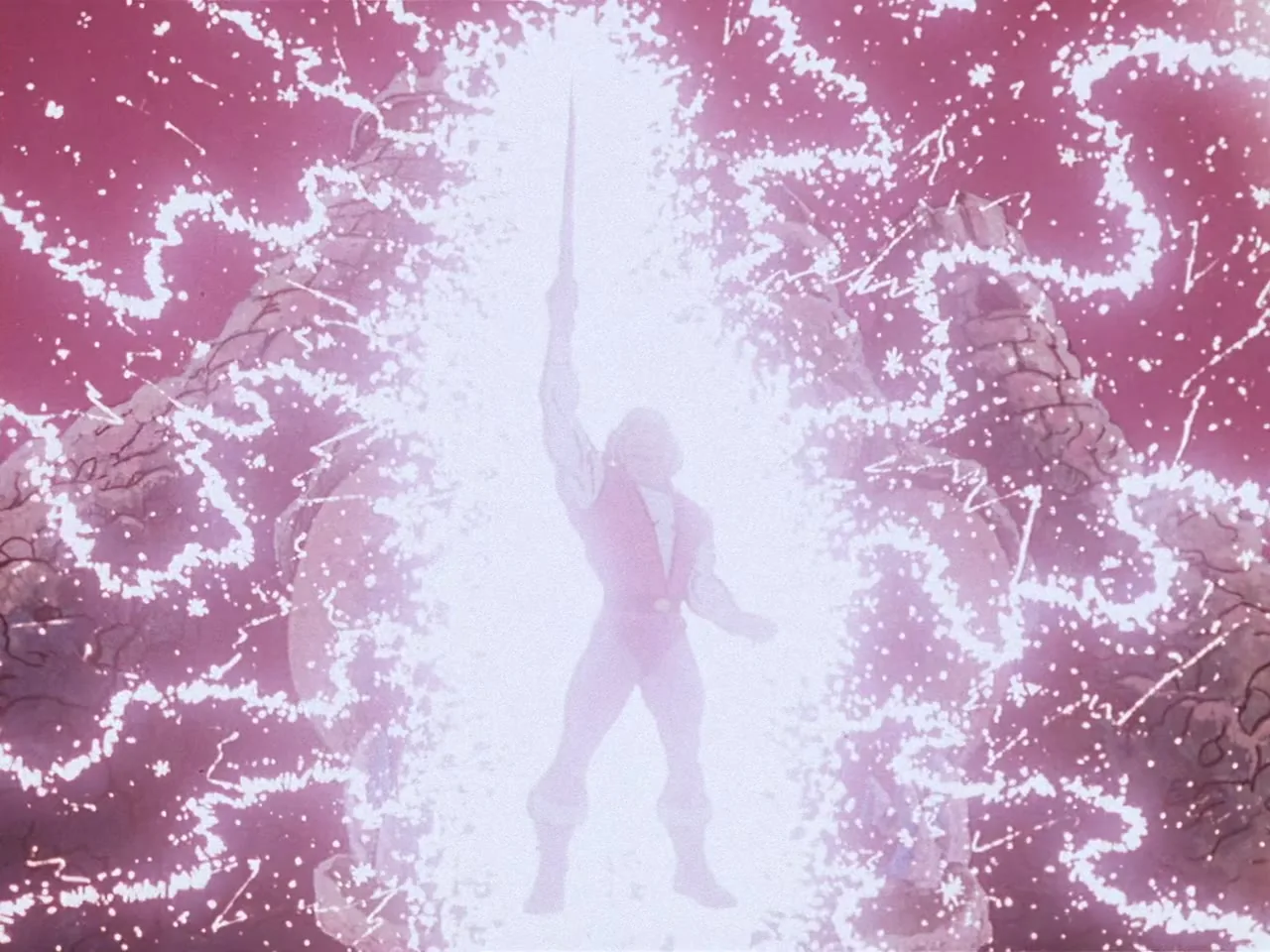
What it is about is a teenager wanting to stop lying to his father, and Dini lets that want sit uncomfortably rather than resolving it. Adam seriously considers revealing his secret identity to prove himself, and the episode does not undercut the impulse with a joke or a convenient interruption; it treats the temptation as real before circumstances, rather than Adam's own resolve, ultimately keep the secret intact. That restraint is the episode's best decision. A lesser script would have Adam talk himself out of it with a tidy piece of self-reassurance; this one lets him want the wrong, understandable thing and simply not get the chance to do it.
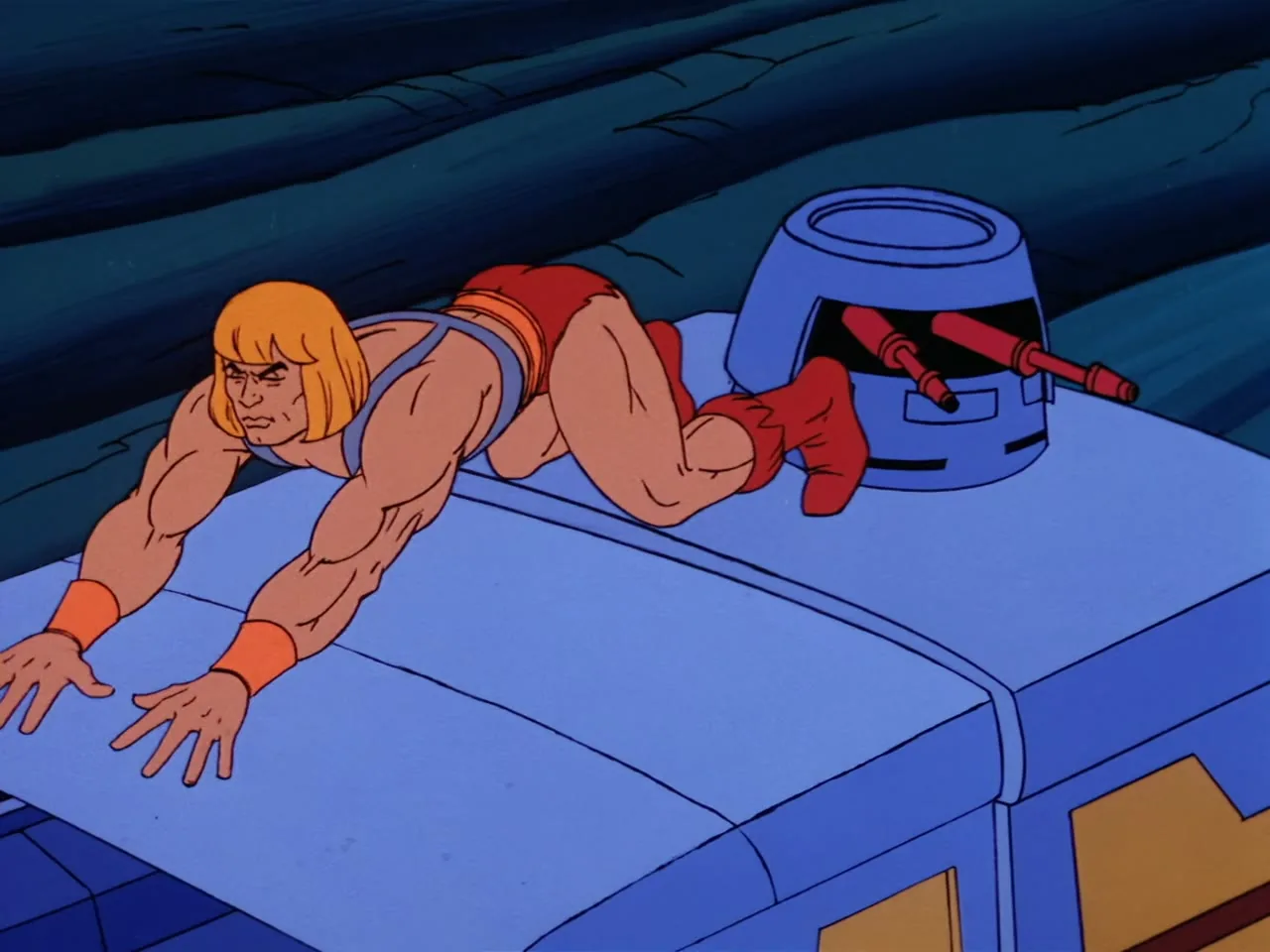
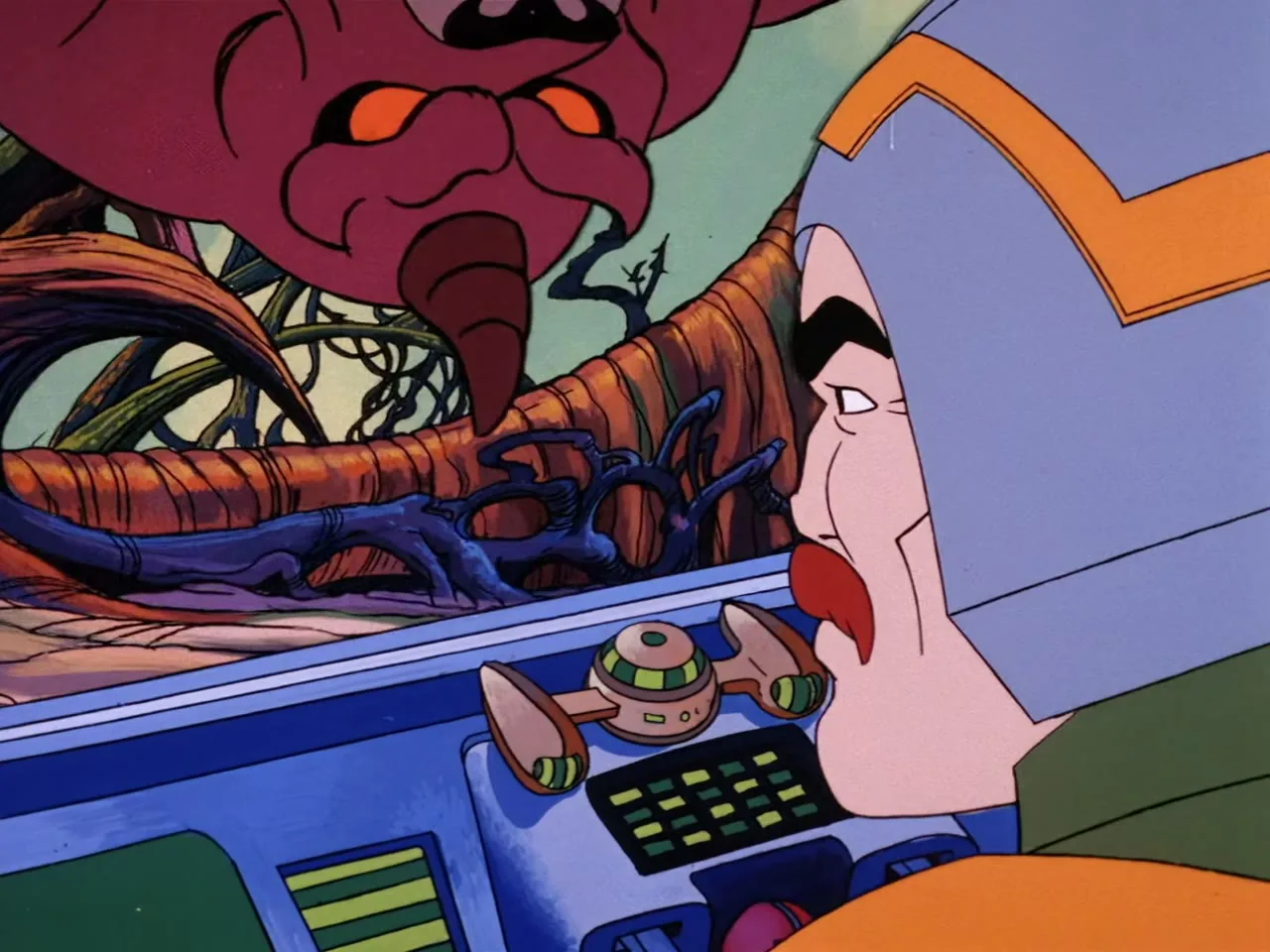
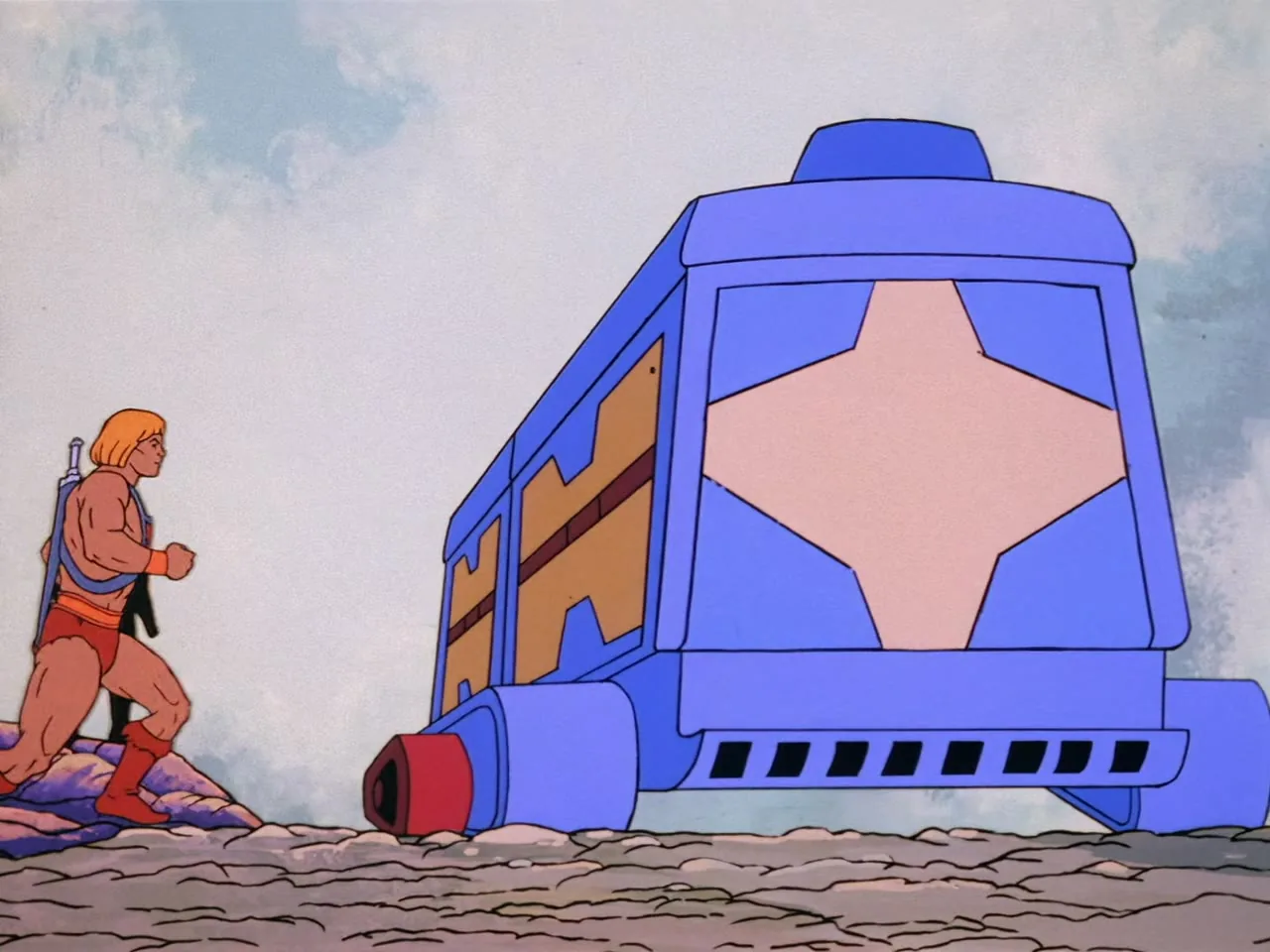
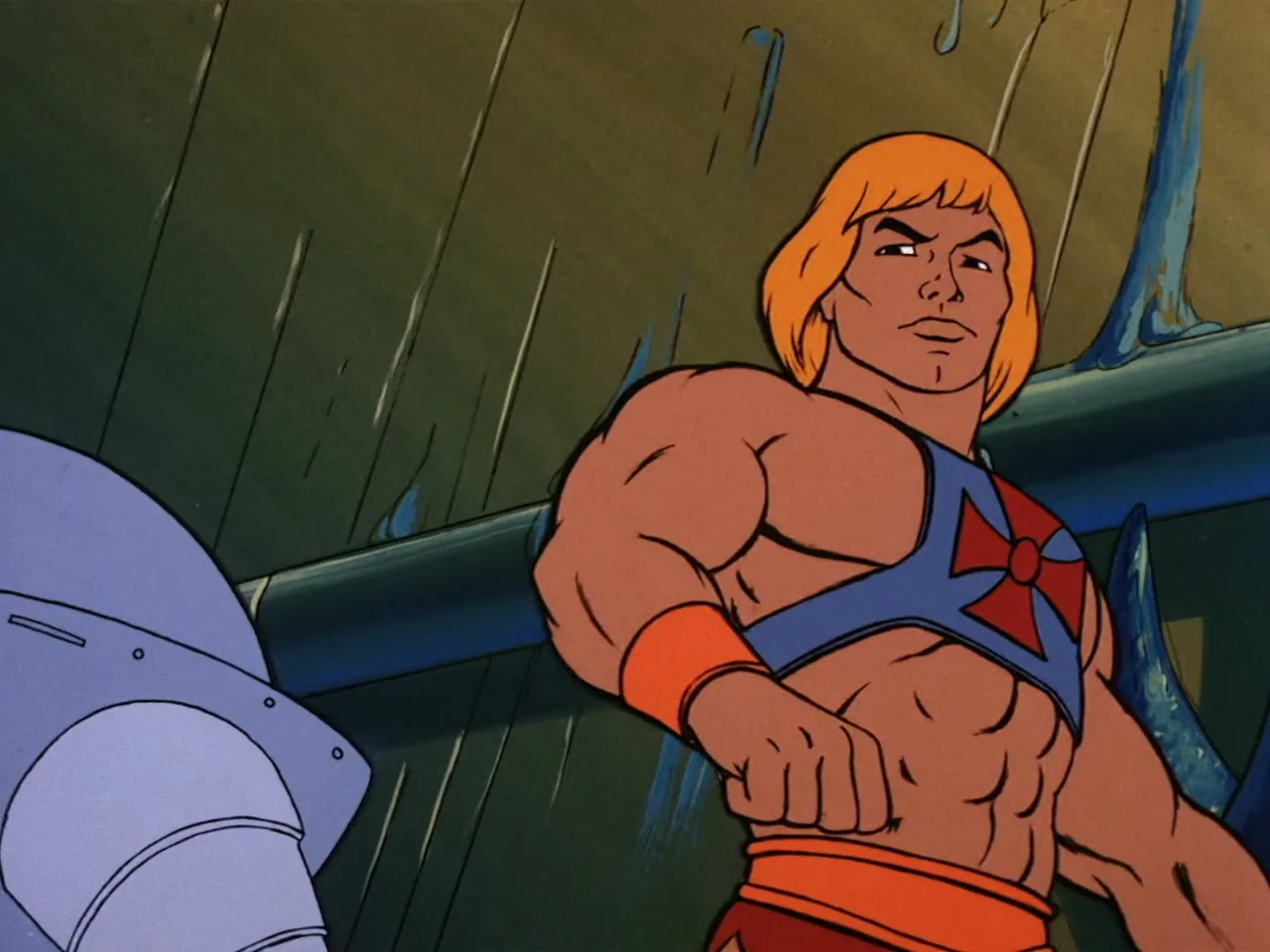
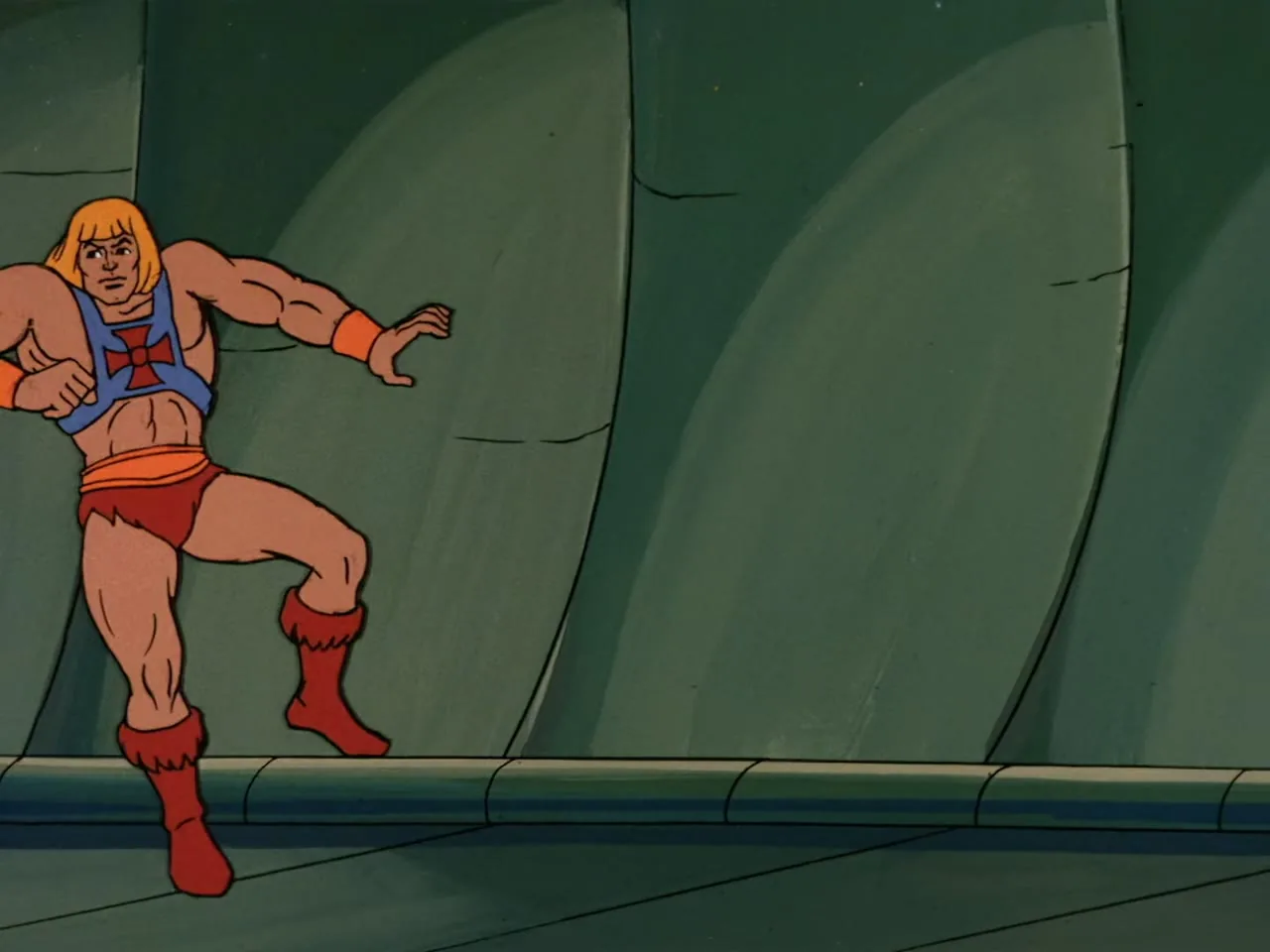
Orko's closing message, that parental love is the strongest love there is and that viewers should tell their own parents so, undersells the episode's actual emotional argument, which is less about affection than about the specific loneliness of being loved for a version of yourself your parent has not met. The Attak Trak business earlier in the episode, Orko trapping himself inside a runaway war machine, is comic filler that the episode needs least; it exists mainly to justify He-Man's early appearance rather than to serve the Randor plot underneath. Prince Adam No More earns its reputation among adult fans honestly: it is one of the only episodes in the block willing to treat the hero's double life as a cost rather than a convenience, and it resolves nothing, which is exactly why it lingers.
- Script approval came February 25, 1983, with a final revision dated June 17, 1983.
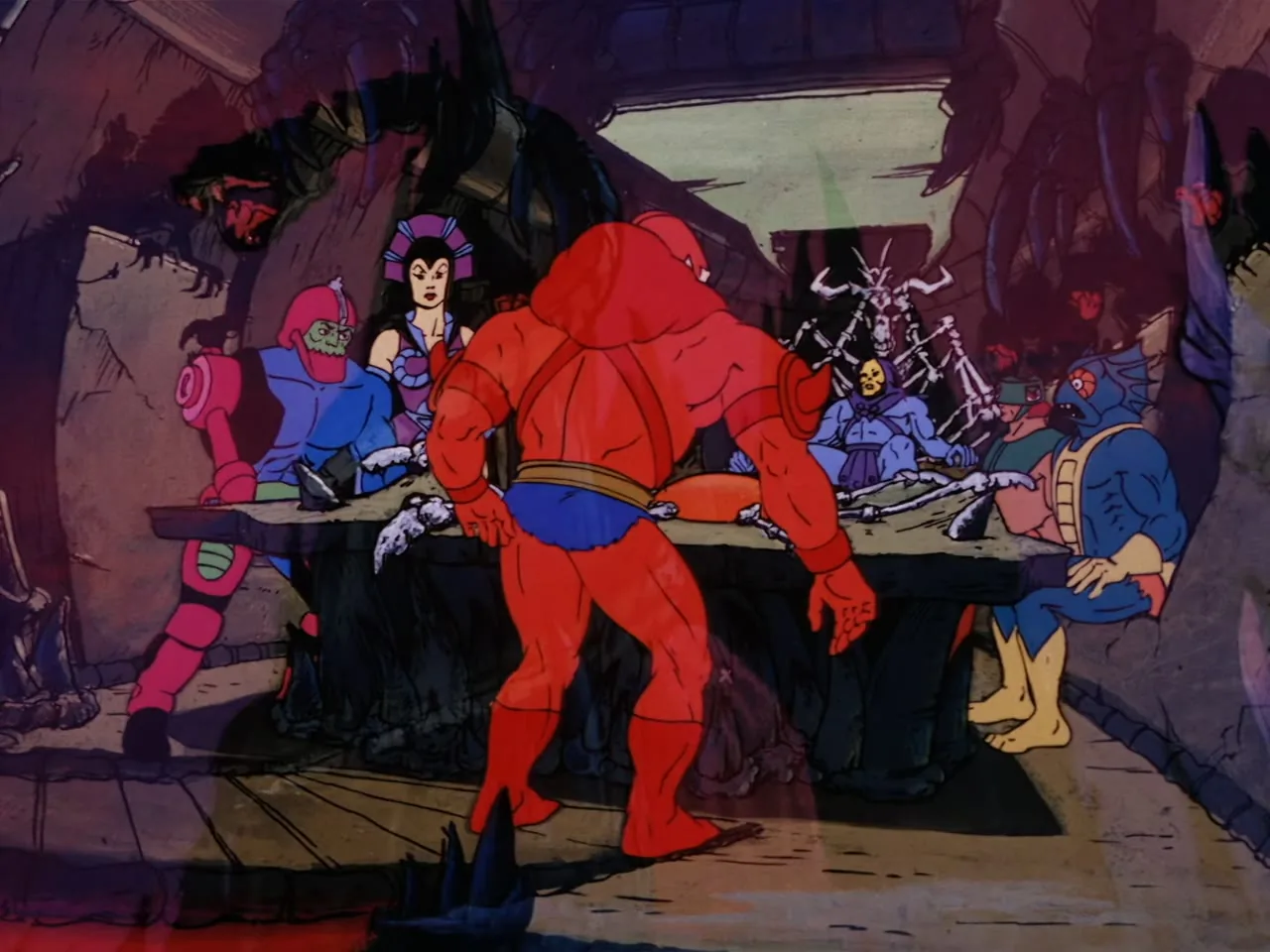
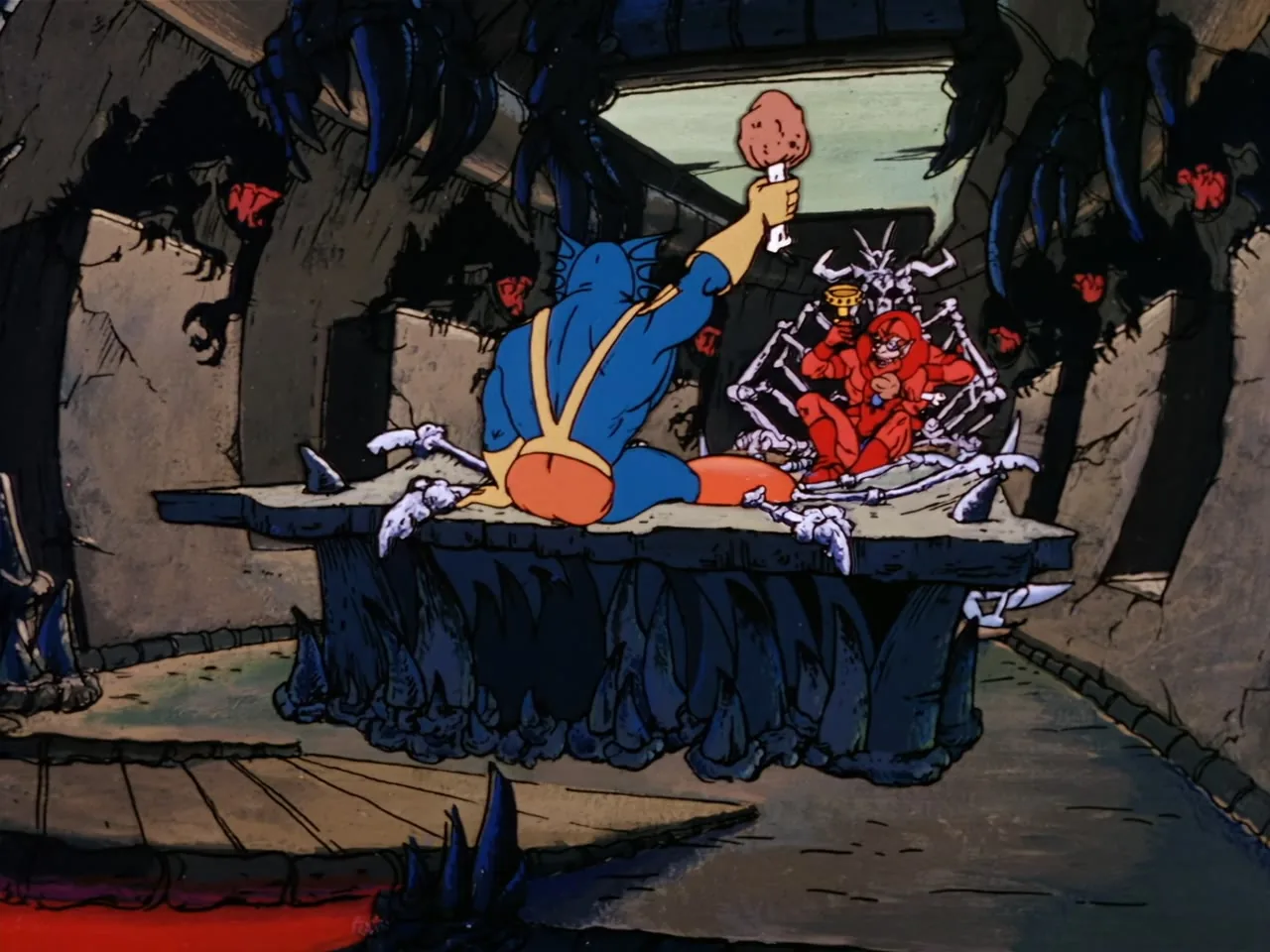
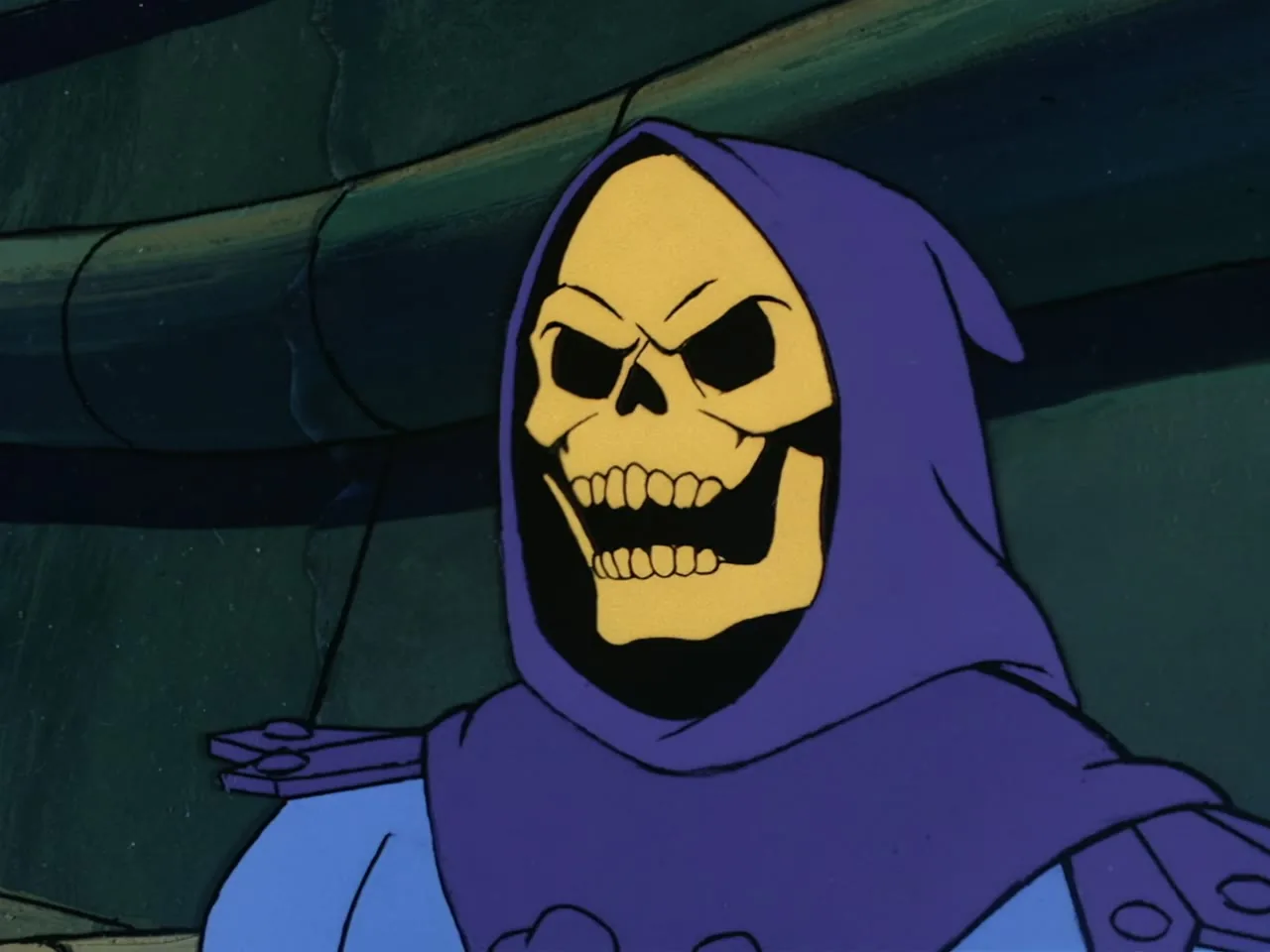
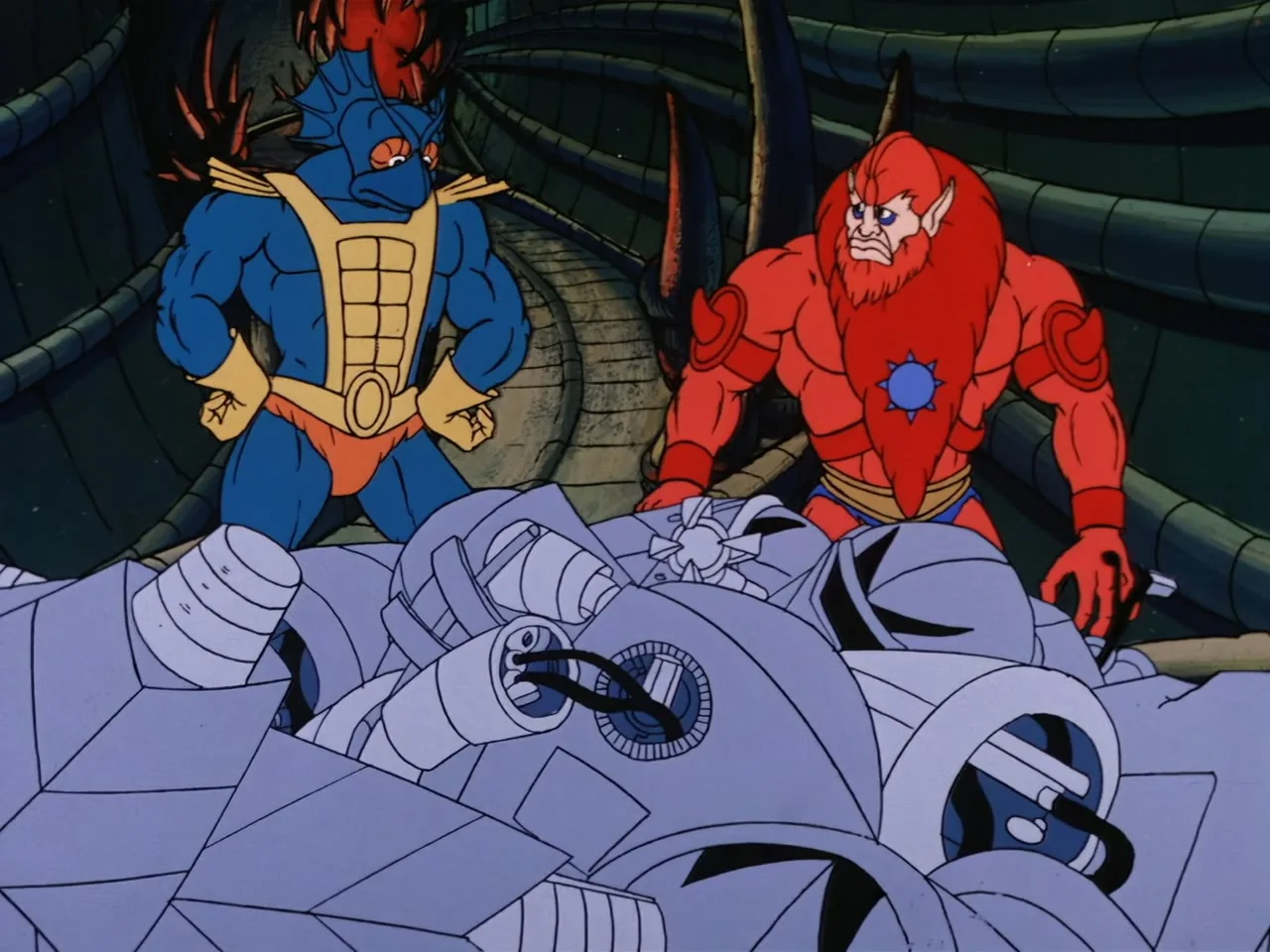
- The second of only three times Skeletor's original five Evil Warriors from Diamond Ray of Disappearance share the screen together; the third and last is Three on a Dare.
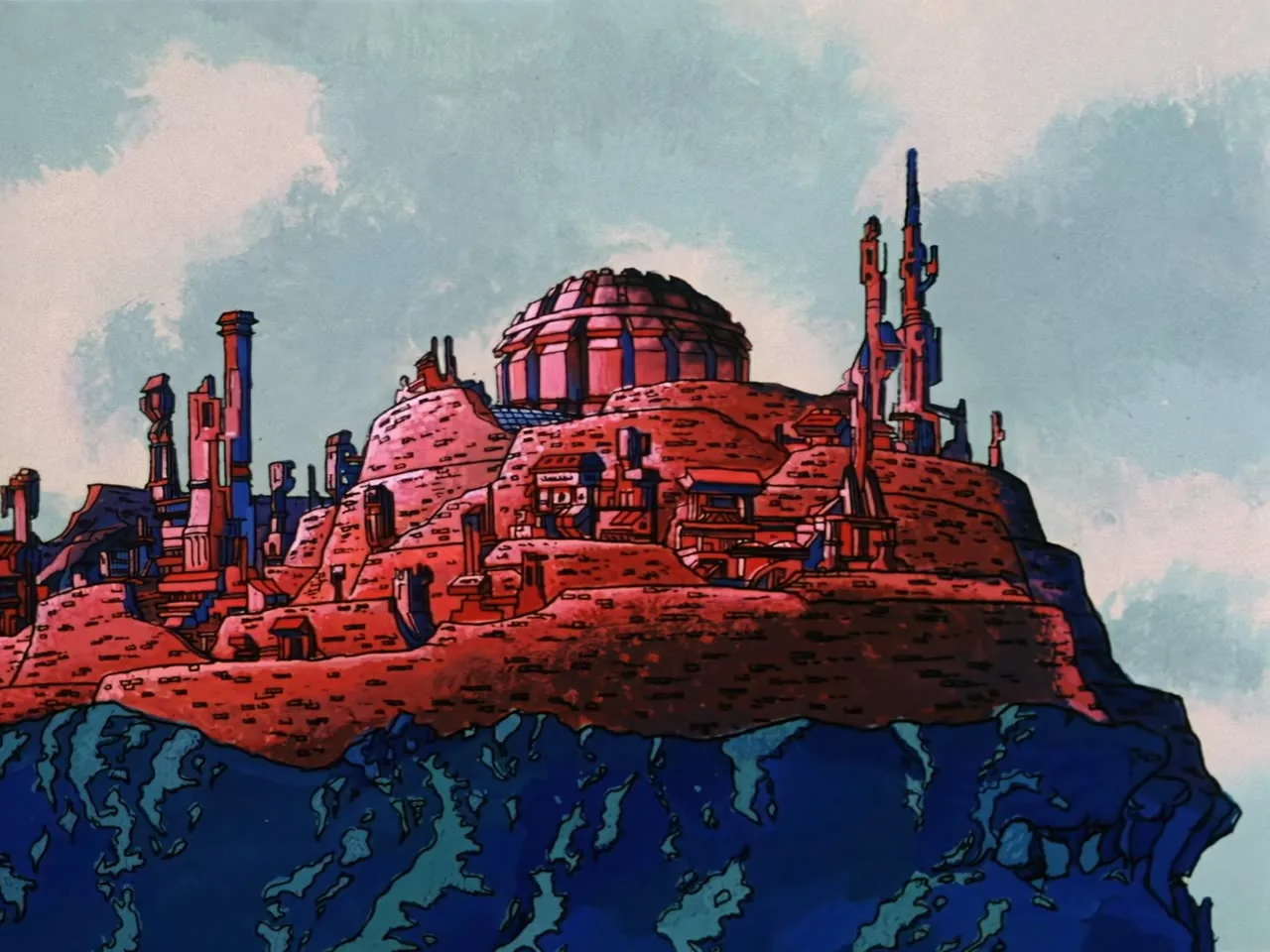
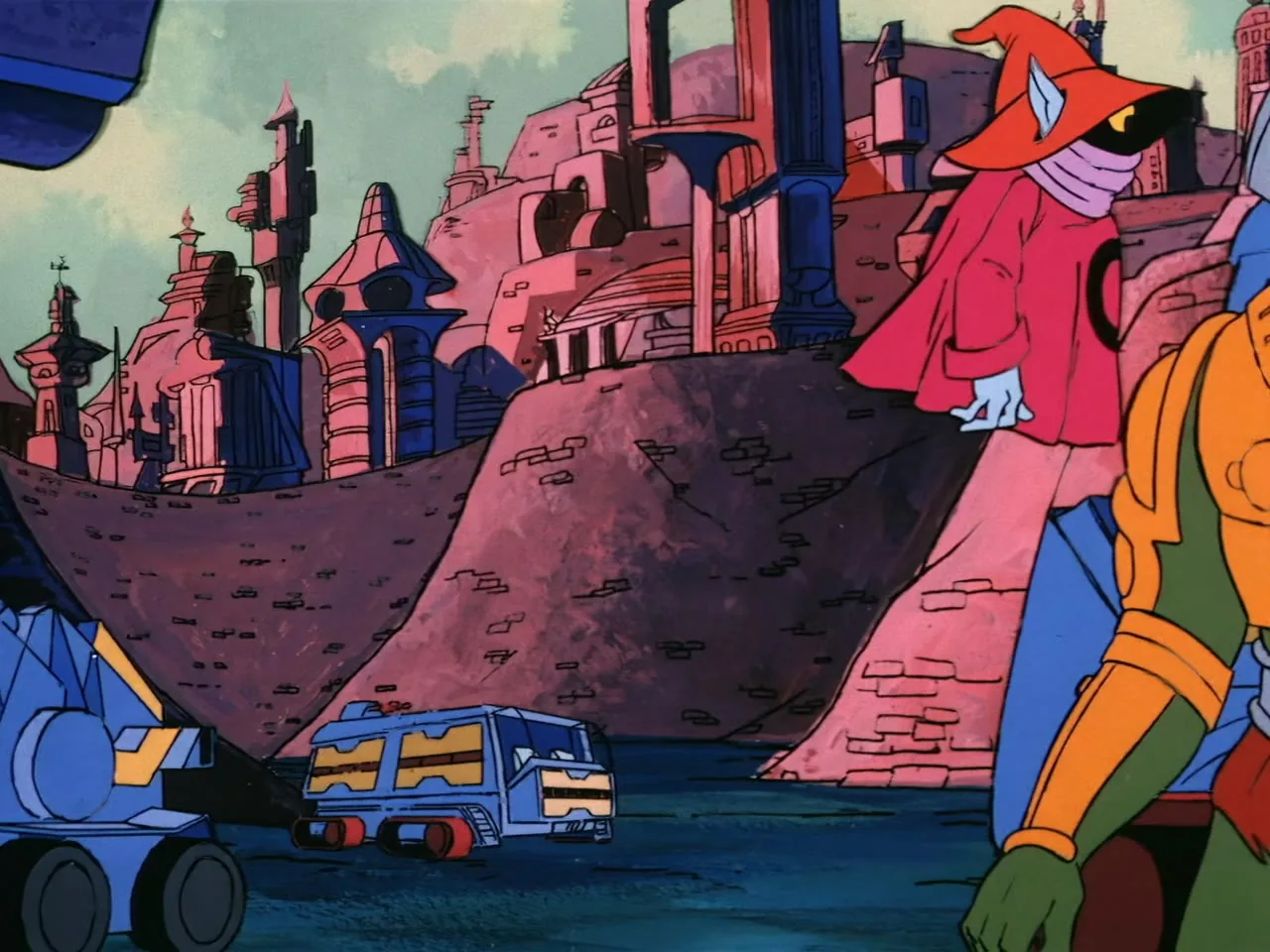
- The map gag runs deep: the forest Man-At-Arms names is genuinely labeled 'This Forest,' and the Emerald City beside Drisdos nods to L. Frank Baum's Oz, alongside in-joke place names honoring Filmation storyboard artists.
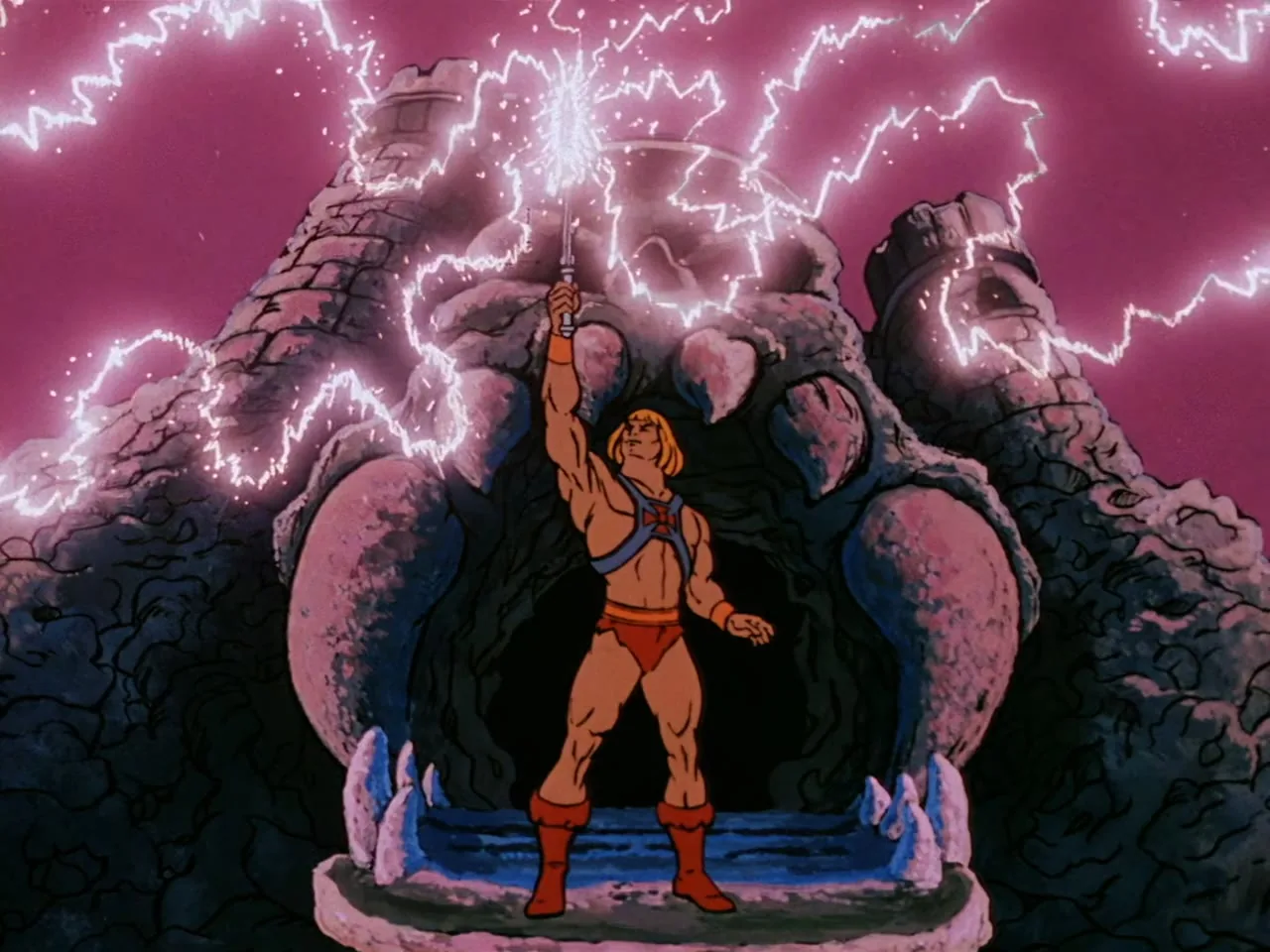
- The animation of He-Man retrieving the Sky Sled from the Attak Trak's back gets reused twice more, in Journey to Stone City and Revenge is Never Sweet.
- One of the most widely cited Filmation episodes among adult fans of the show. Paul Dini's script directly addresses the dramatic core of the Prince Adam premise: he is constantly disappointing the people closest to him in order to maintain a secret that protects them. The episode resolves without revealing the secret, but its emotional weight became a recurring touchstone in later MOTU continuities.

DISCUSSION
Join the conversation.
Comments below are mirrored on the heman.org forum. Sign in once, post anywhere.