
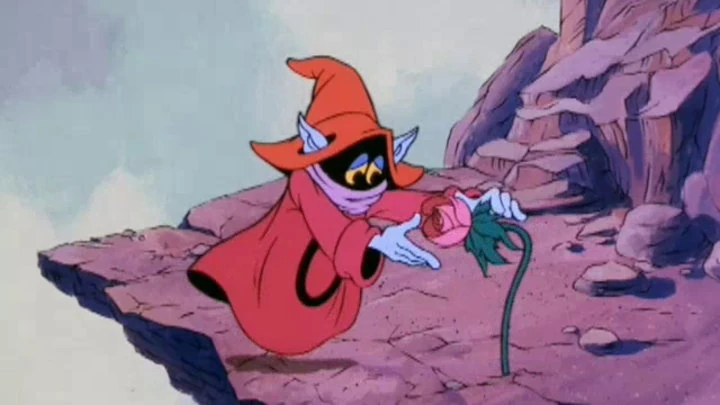
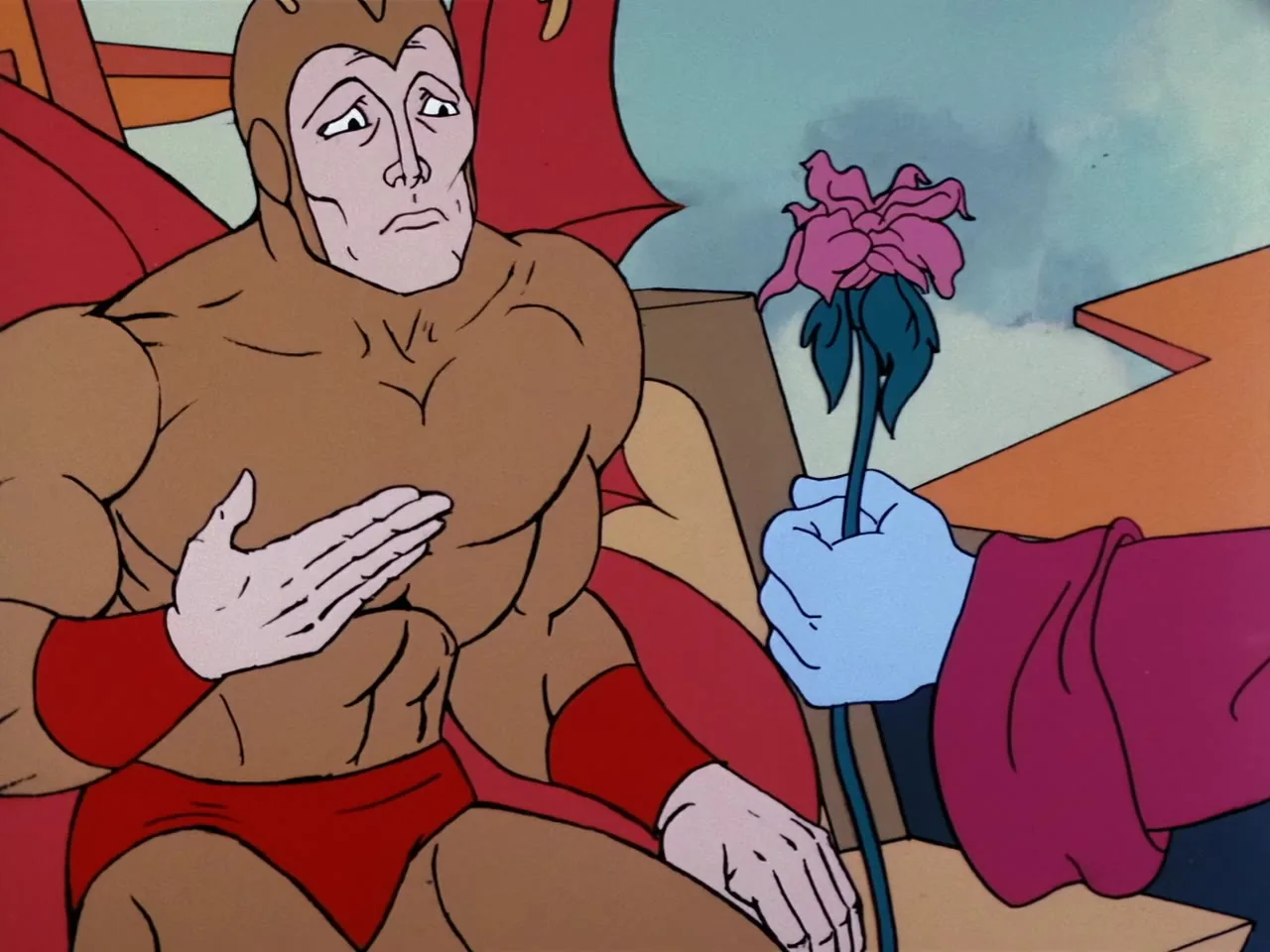
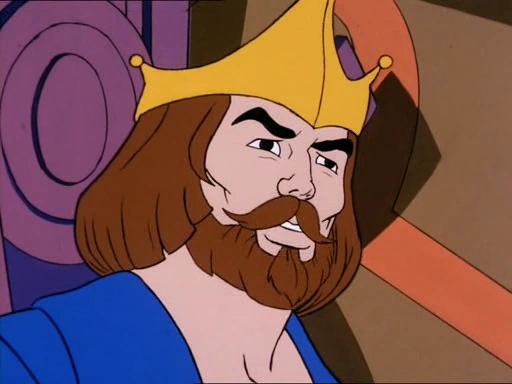
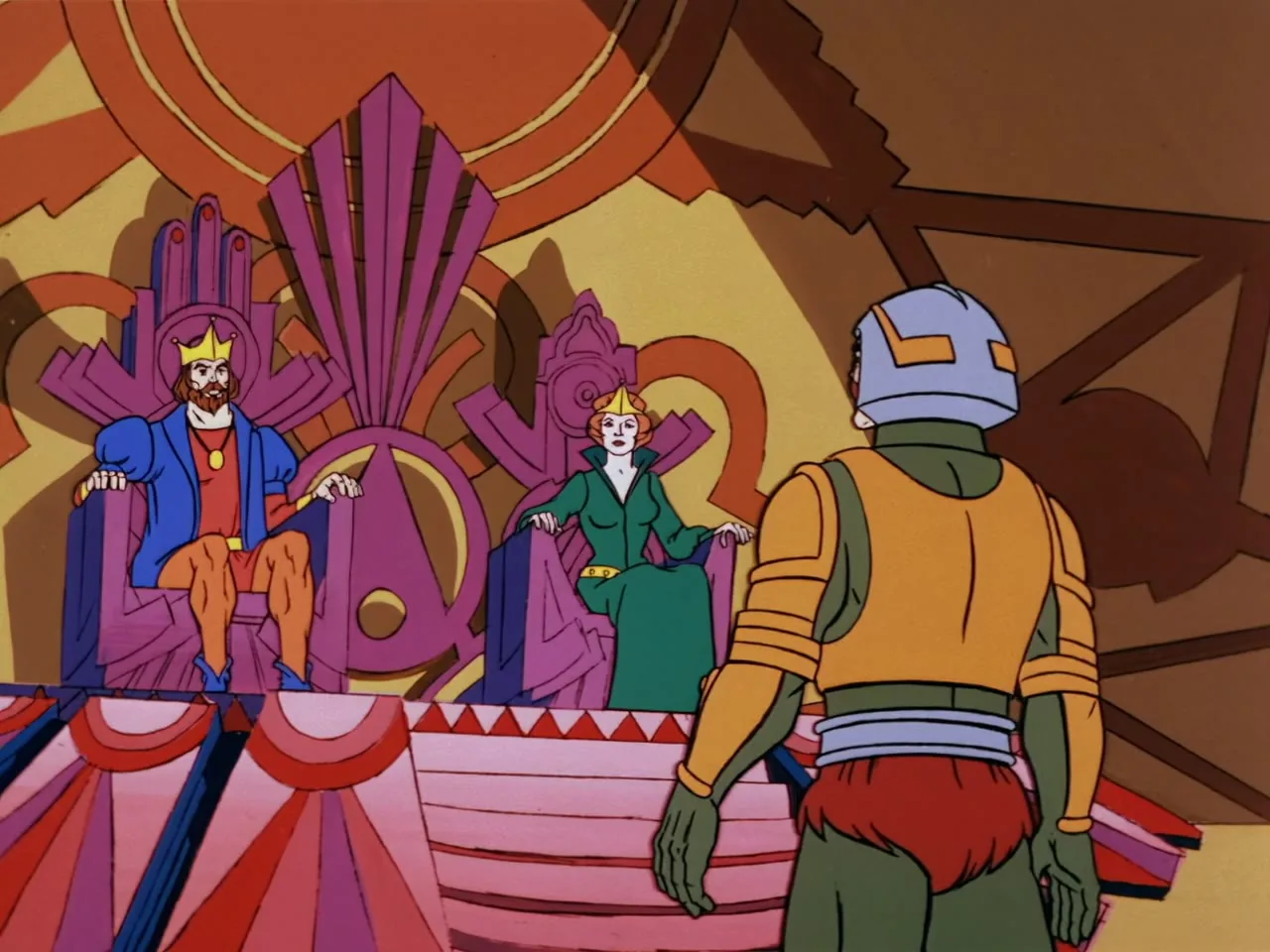
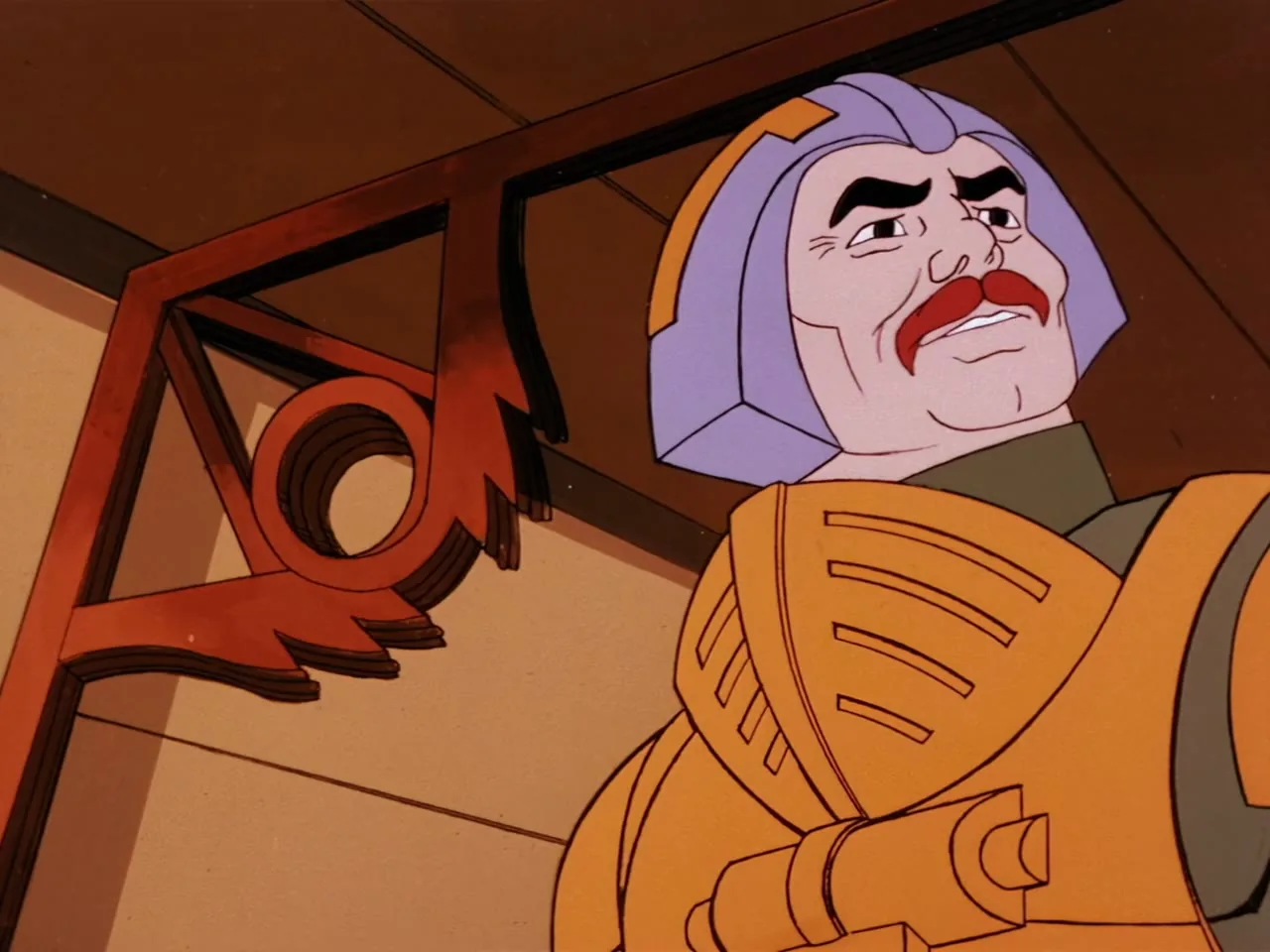
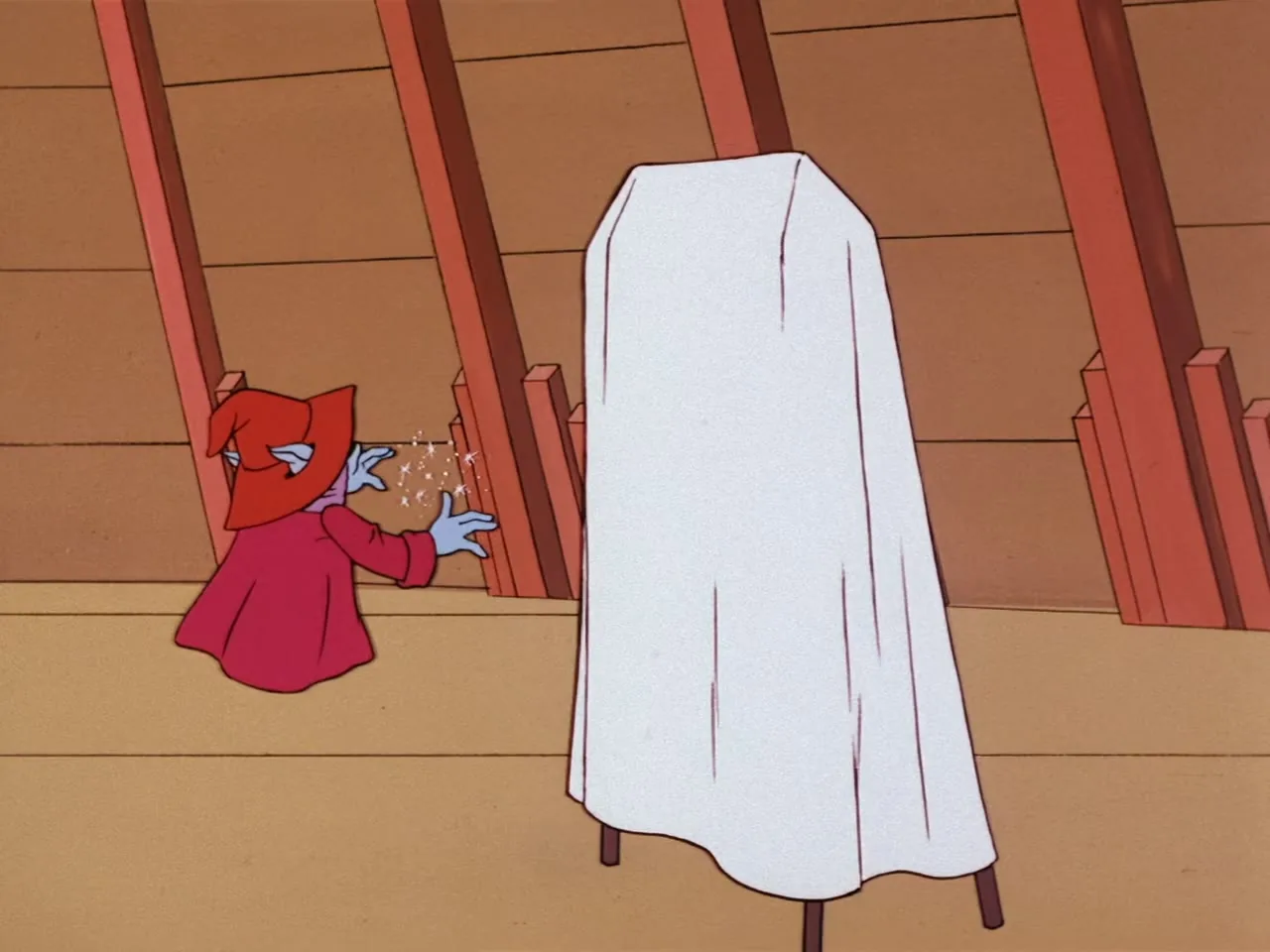
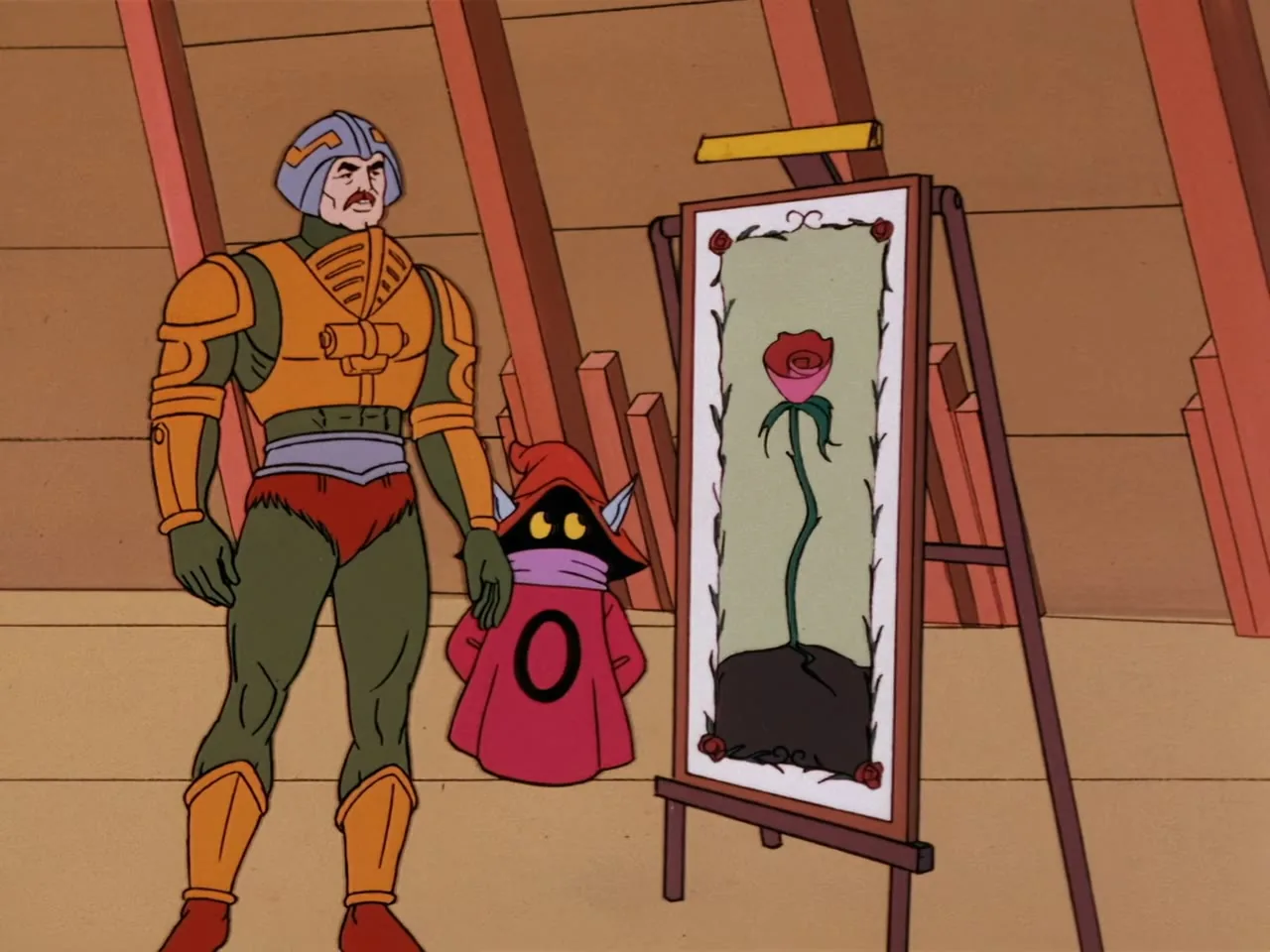
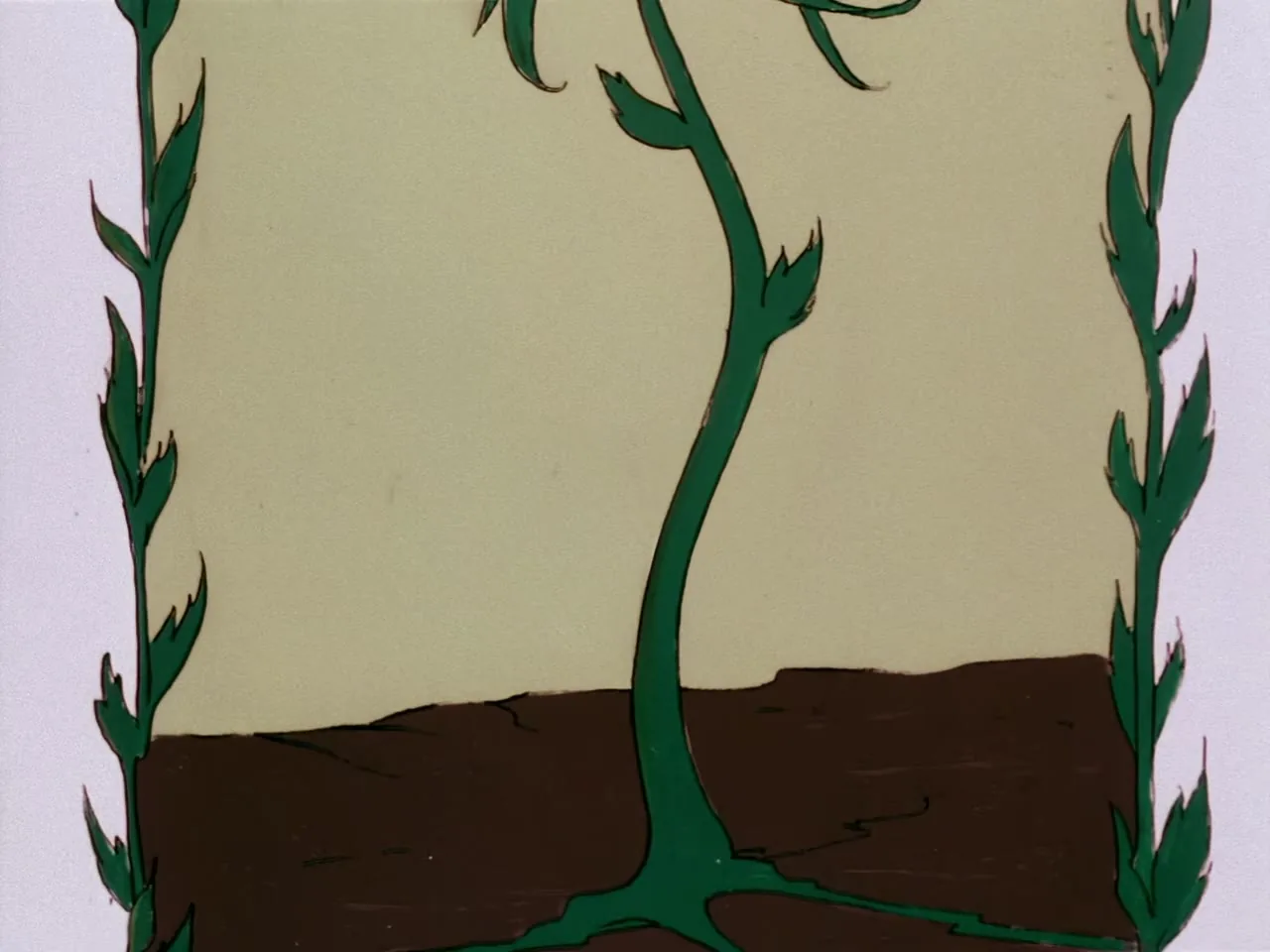
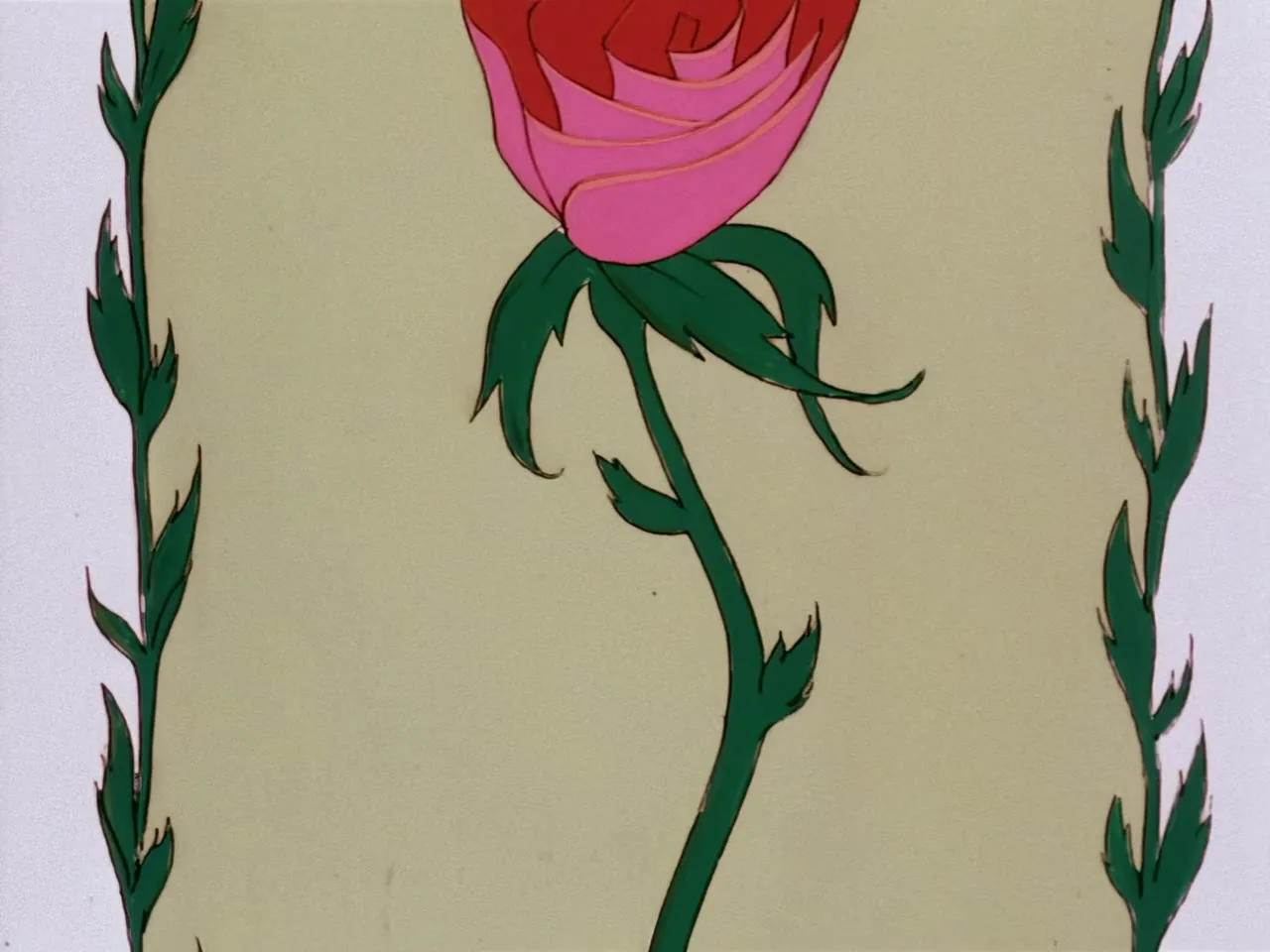
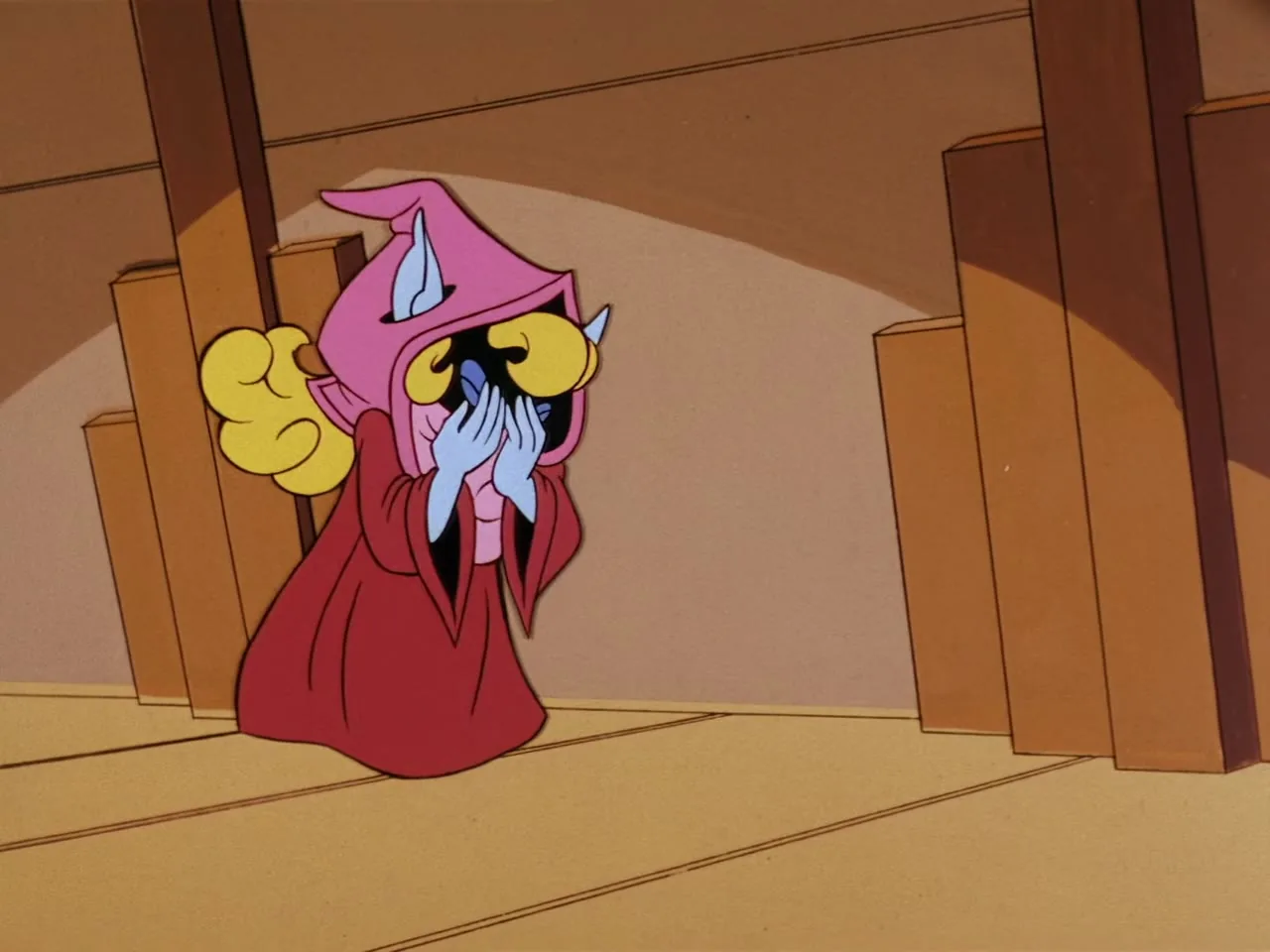
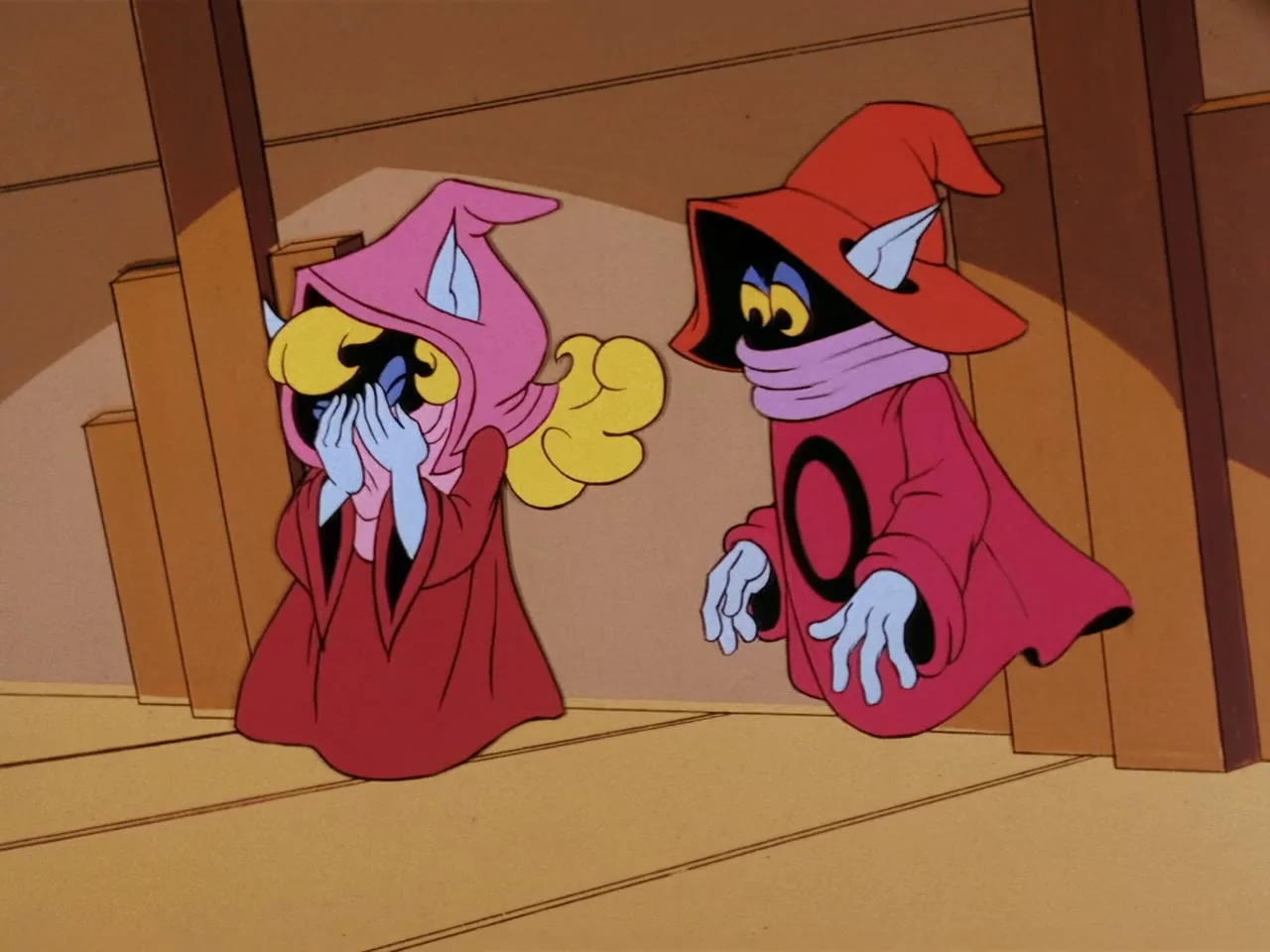
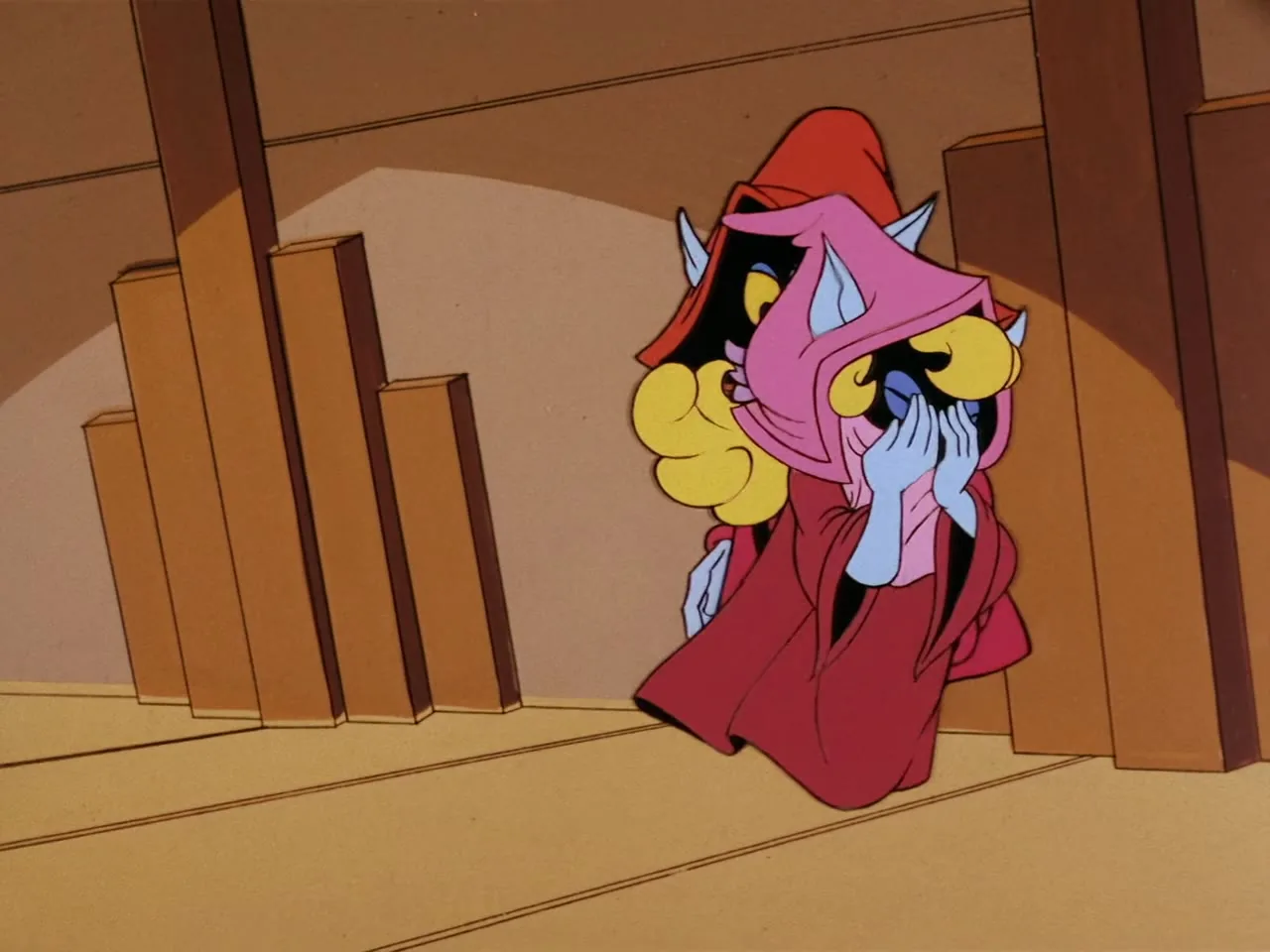
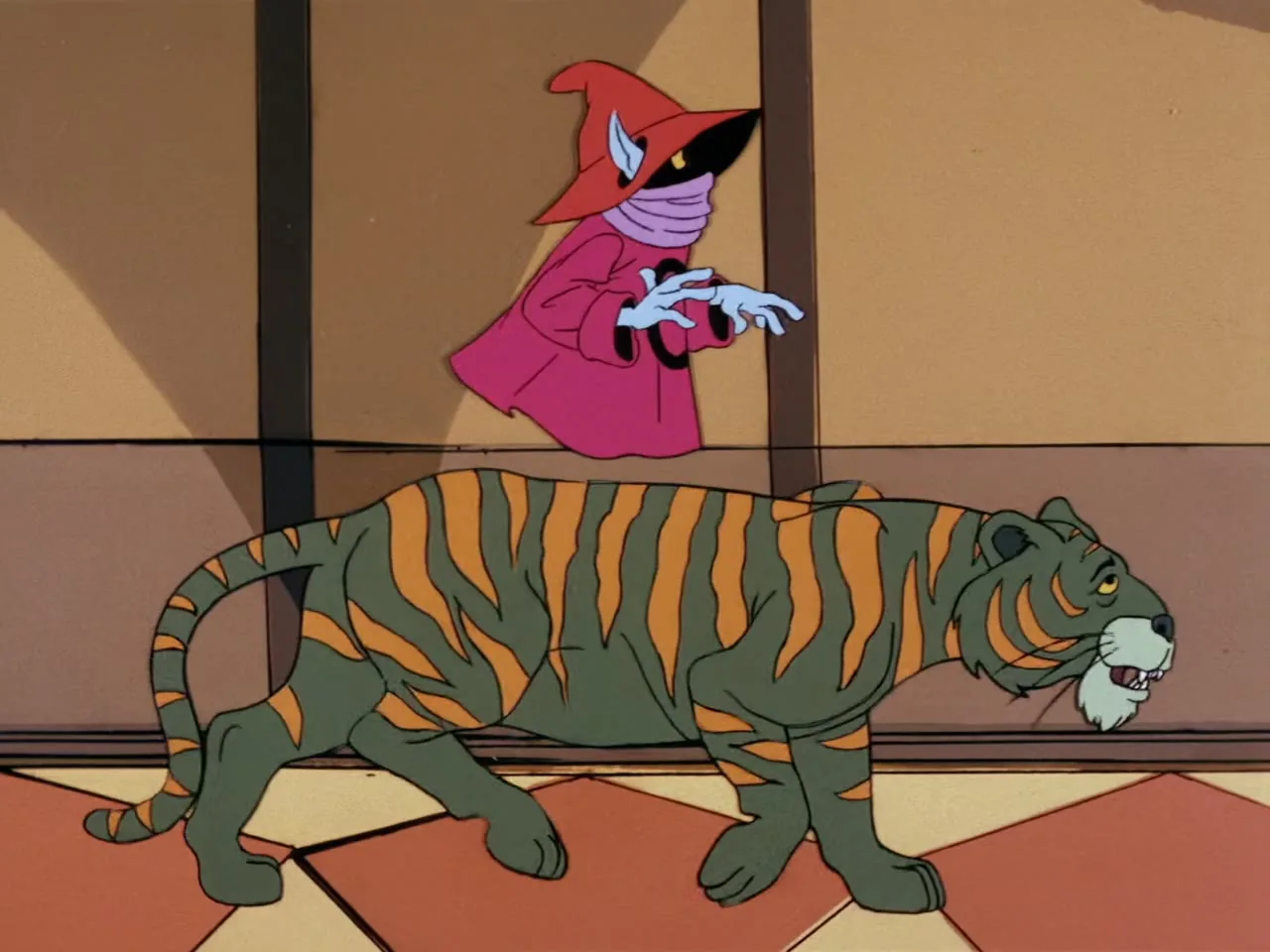
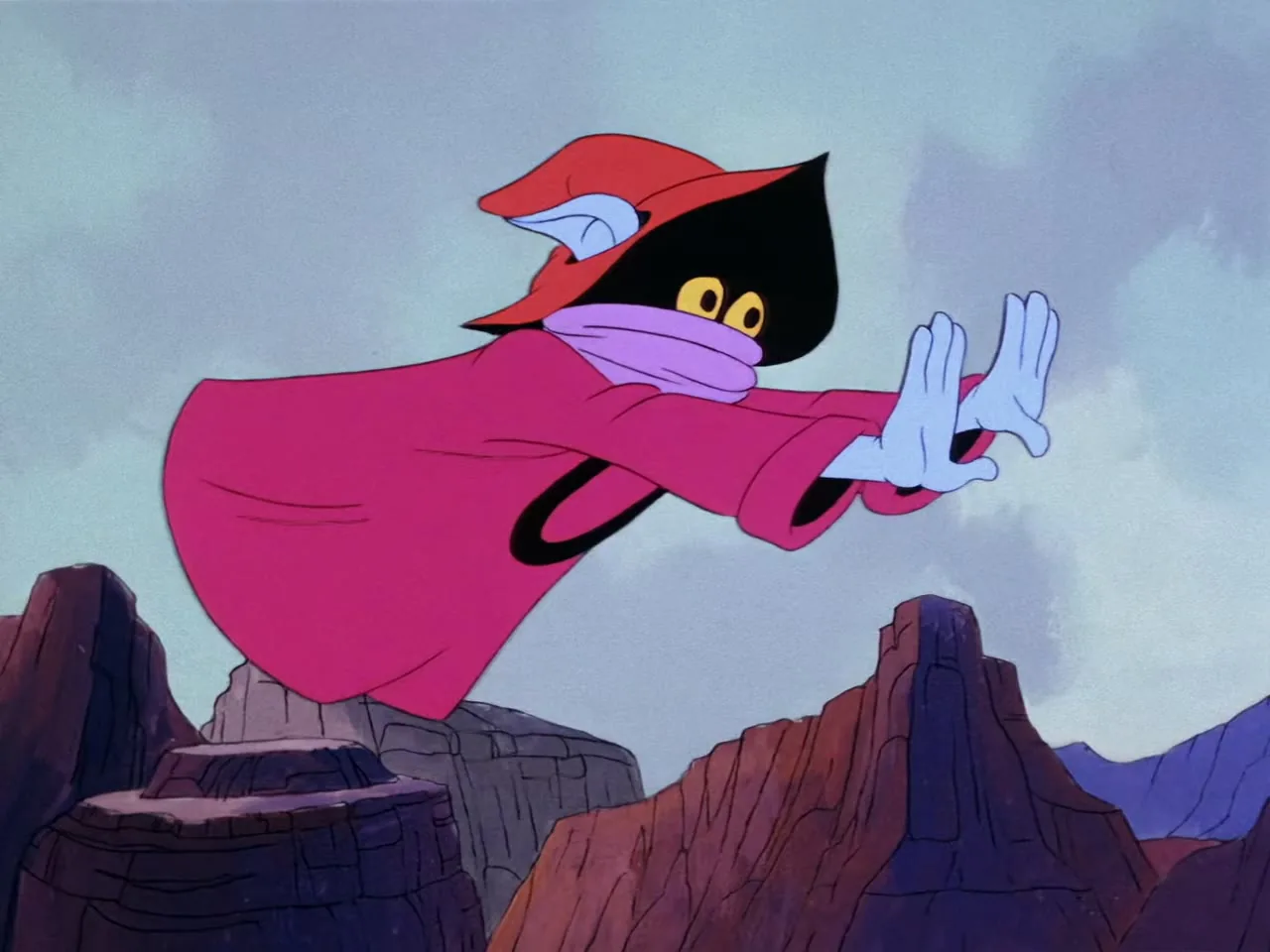
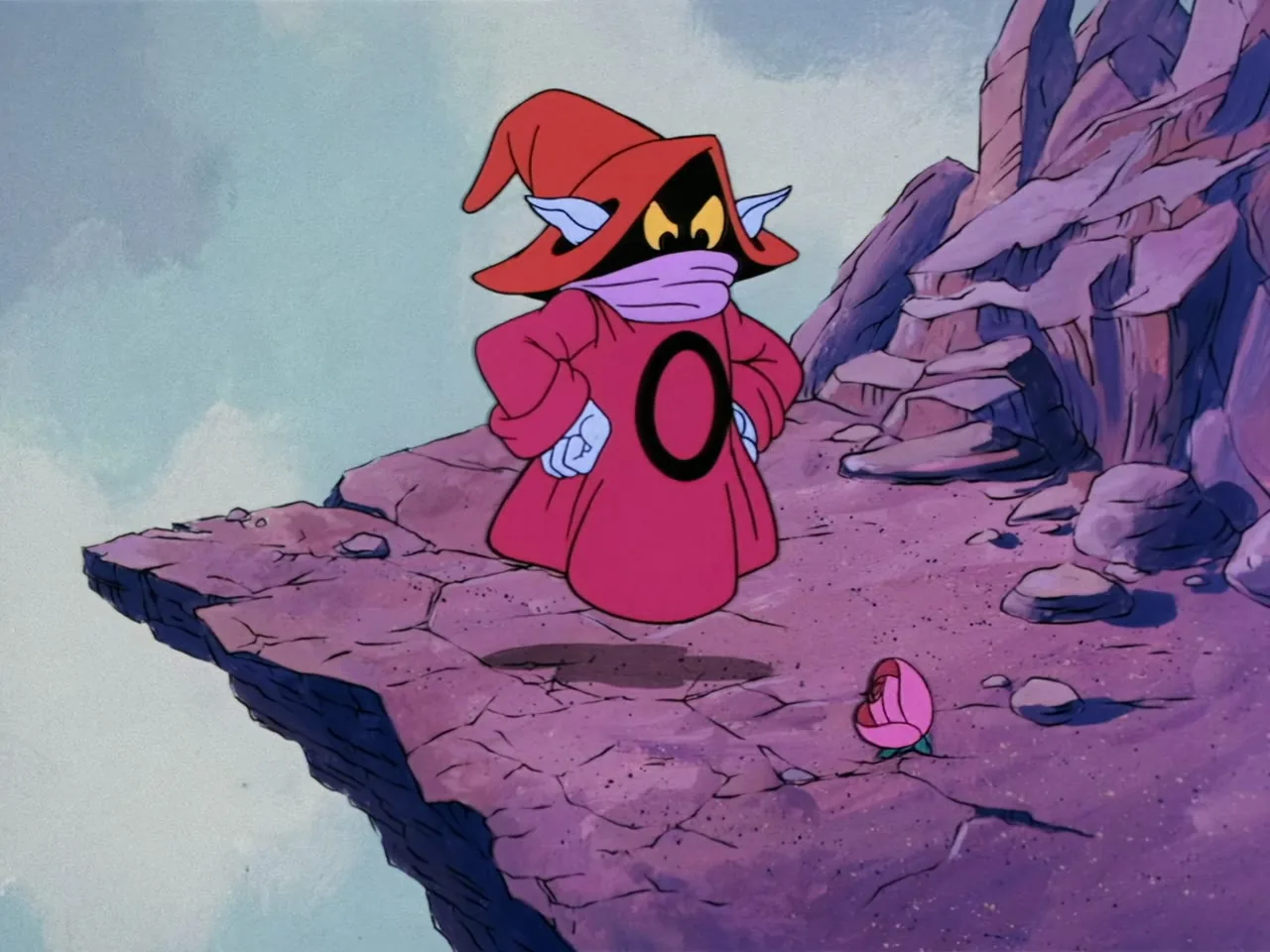
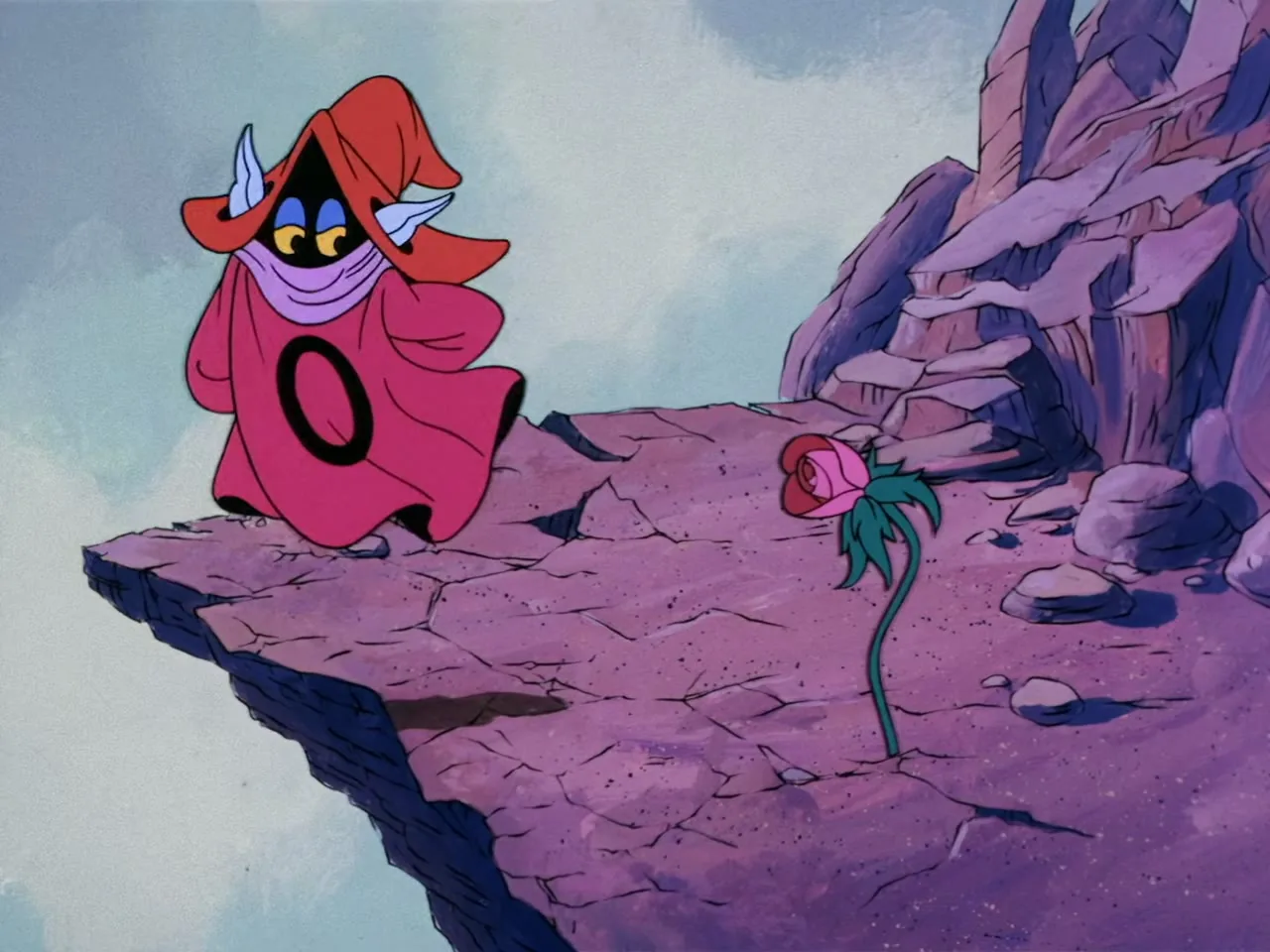
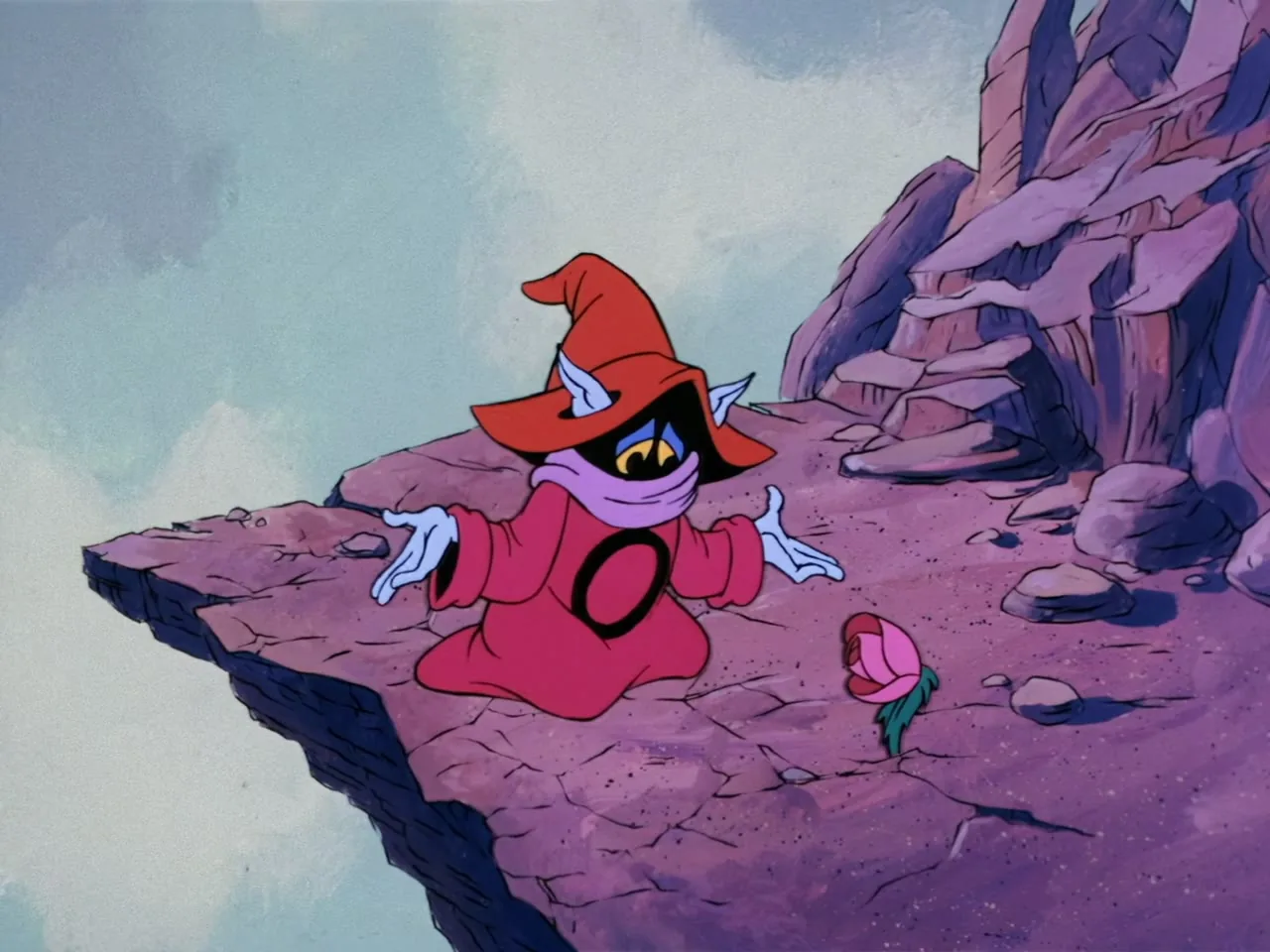
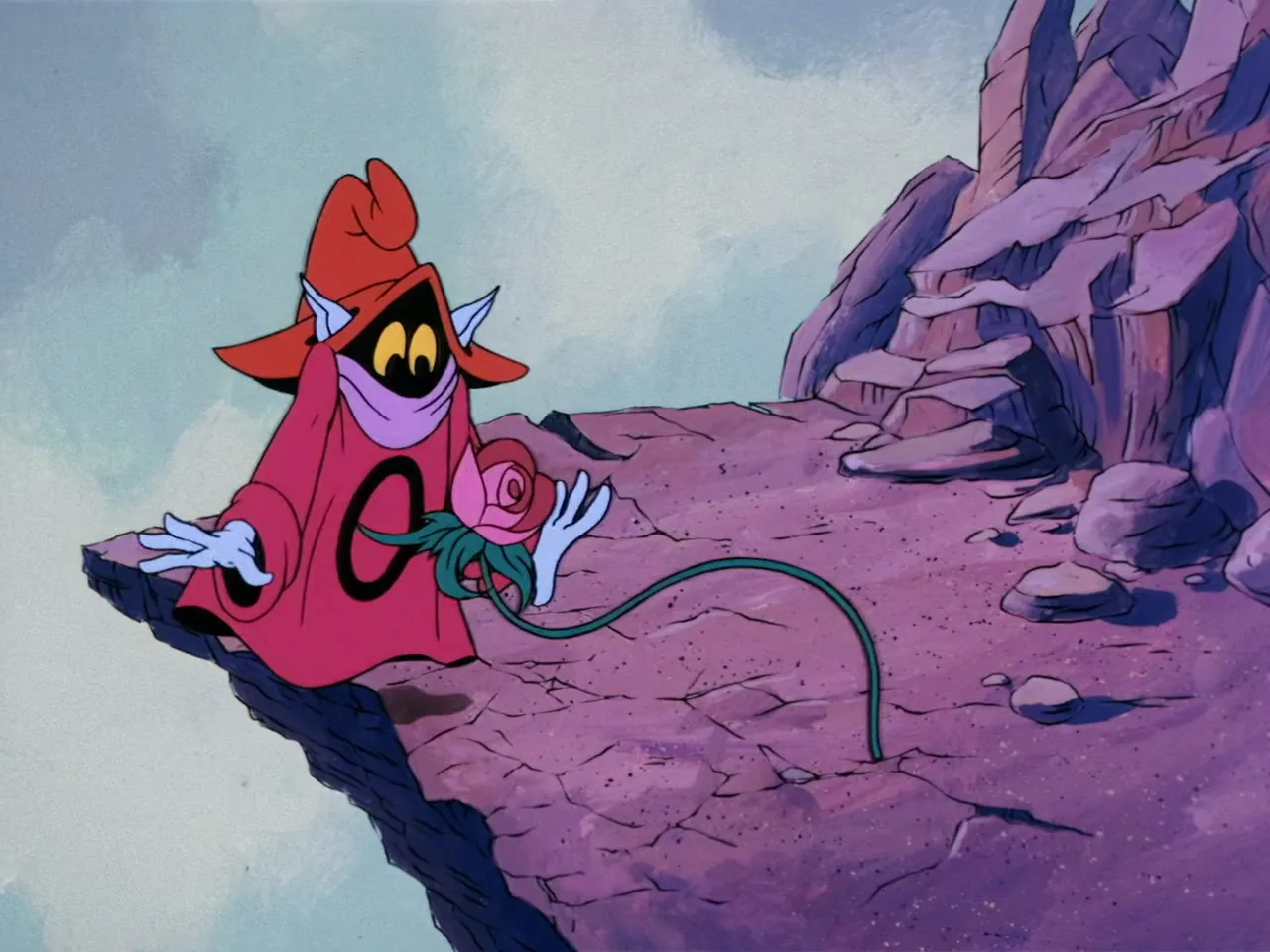
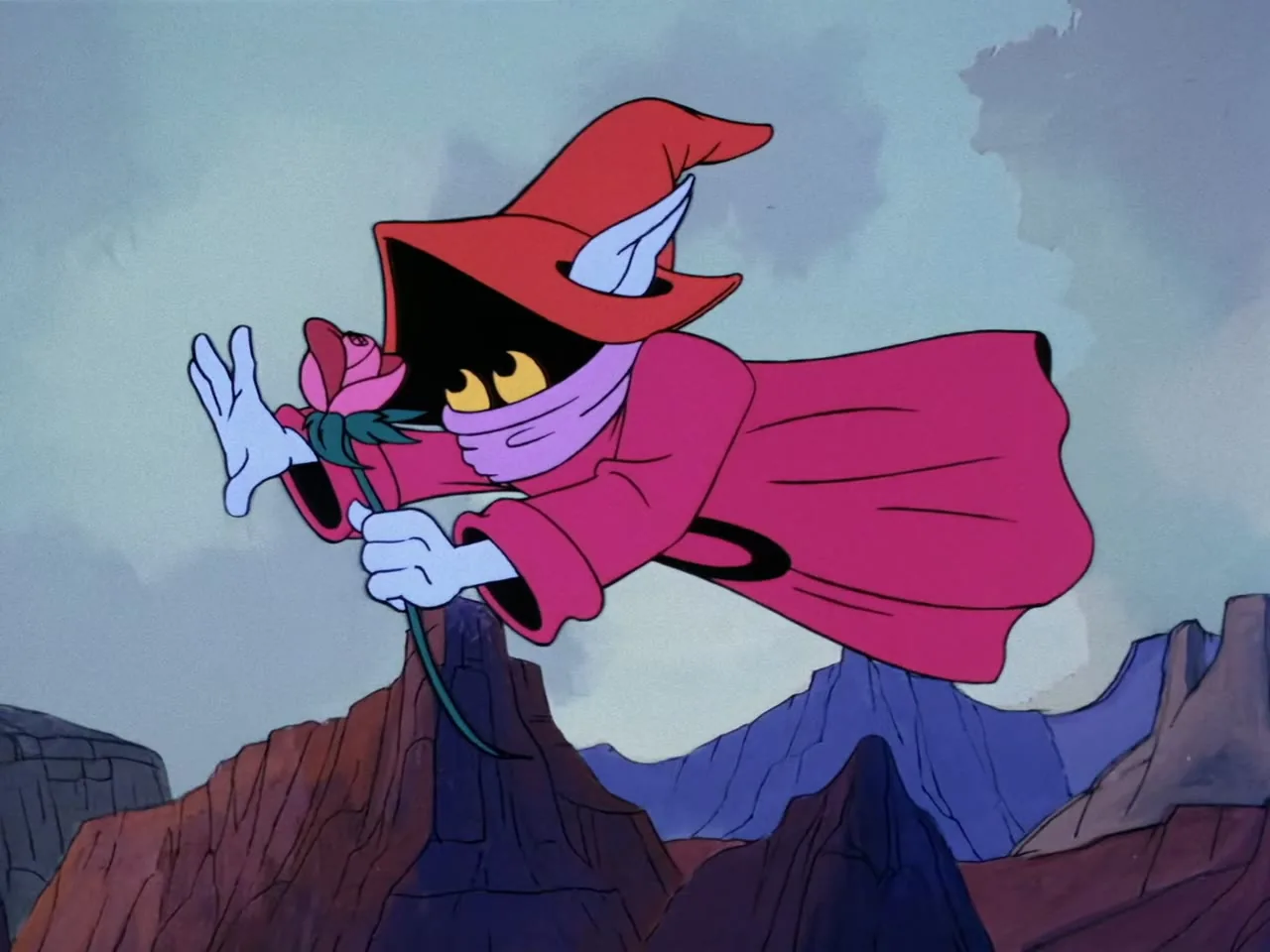
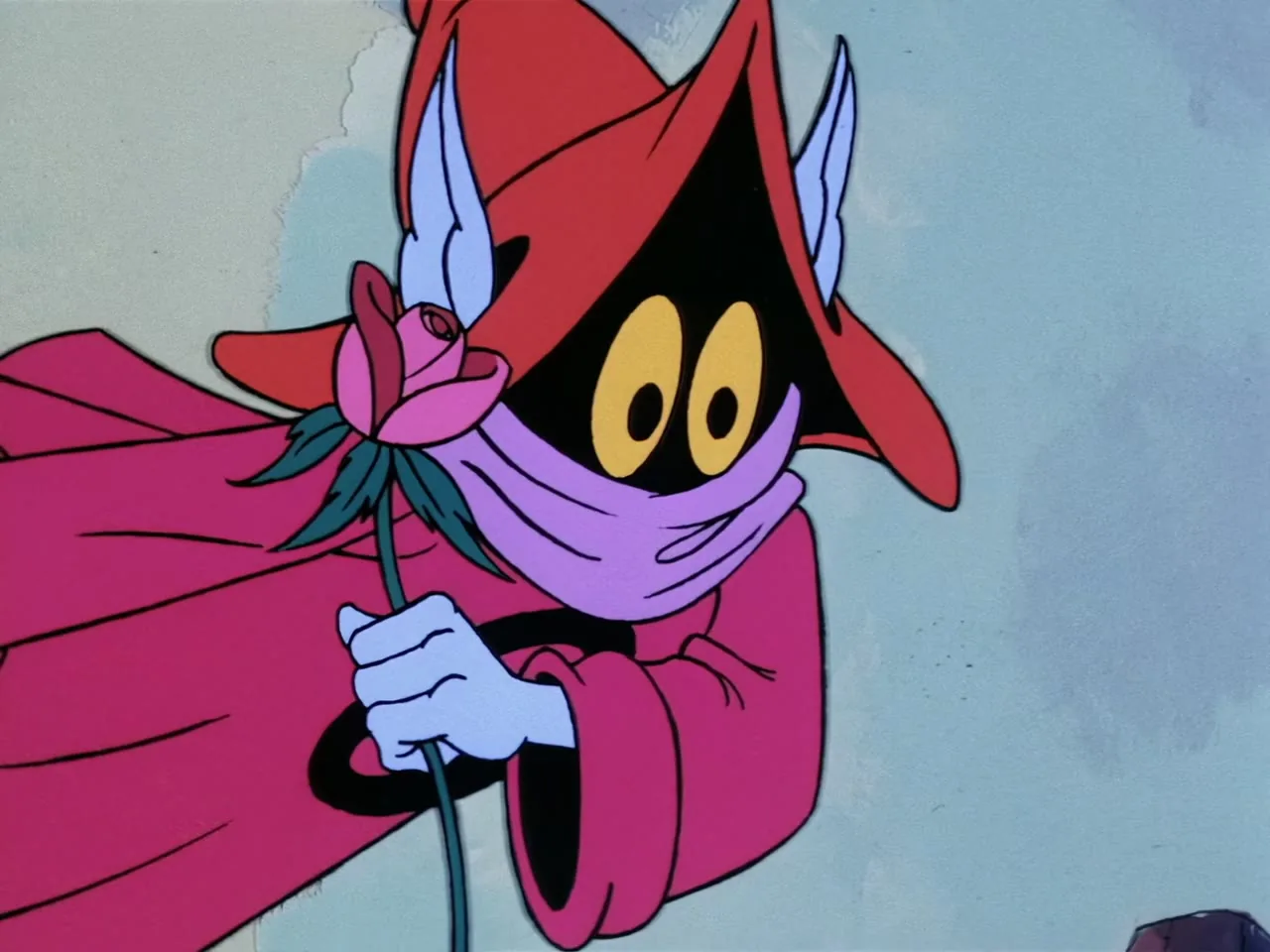
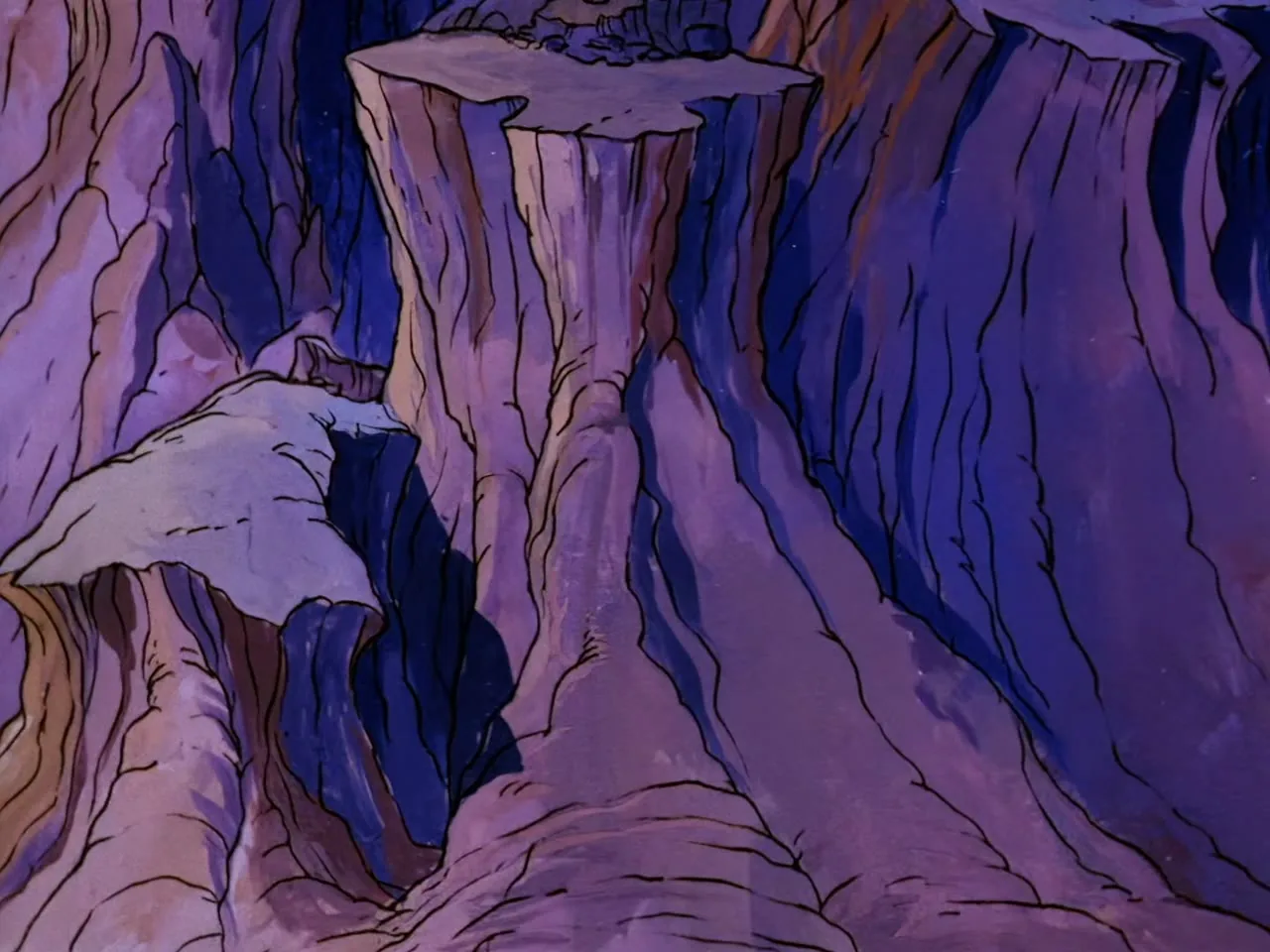
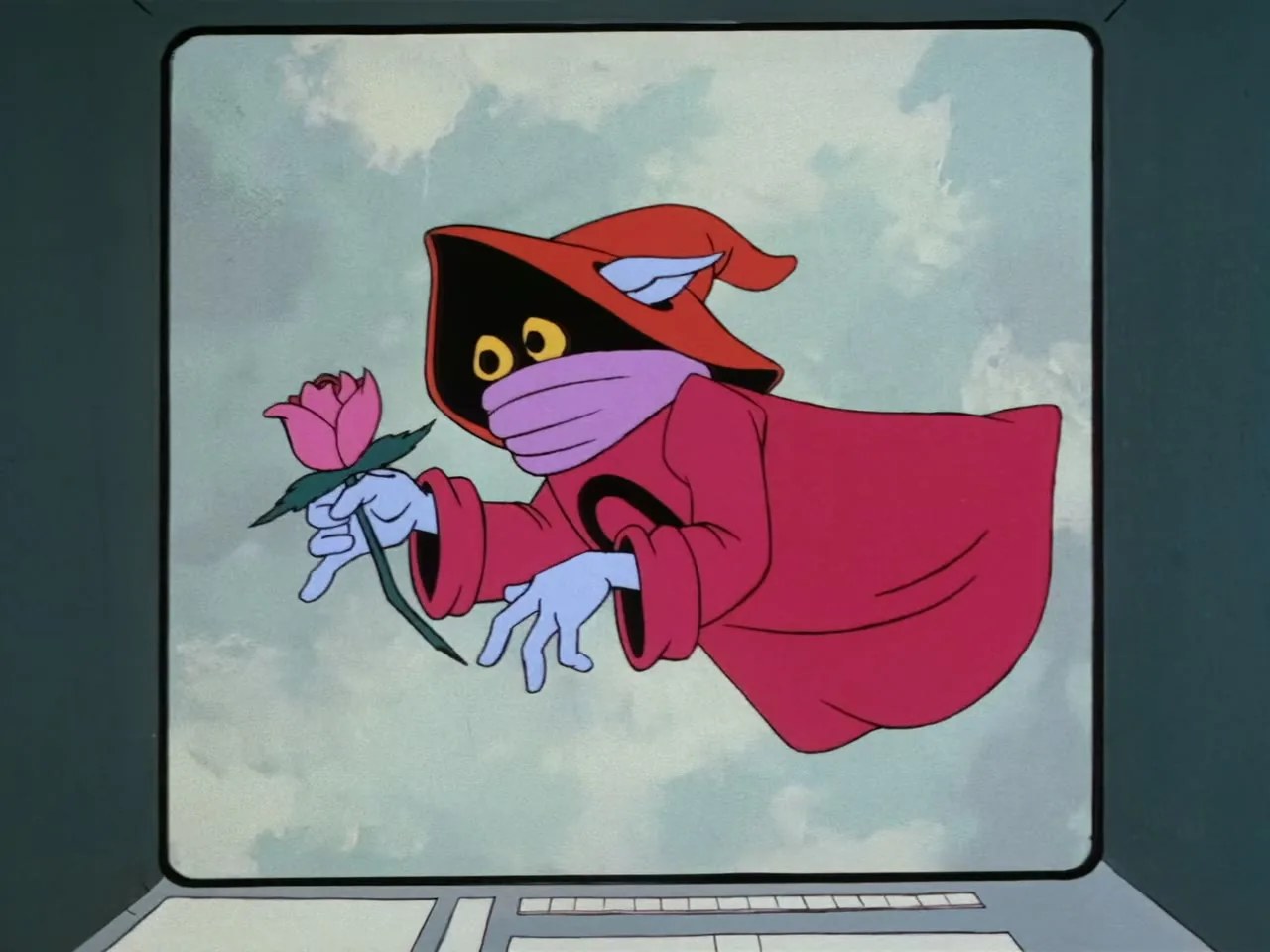
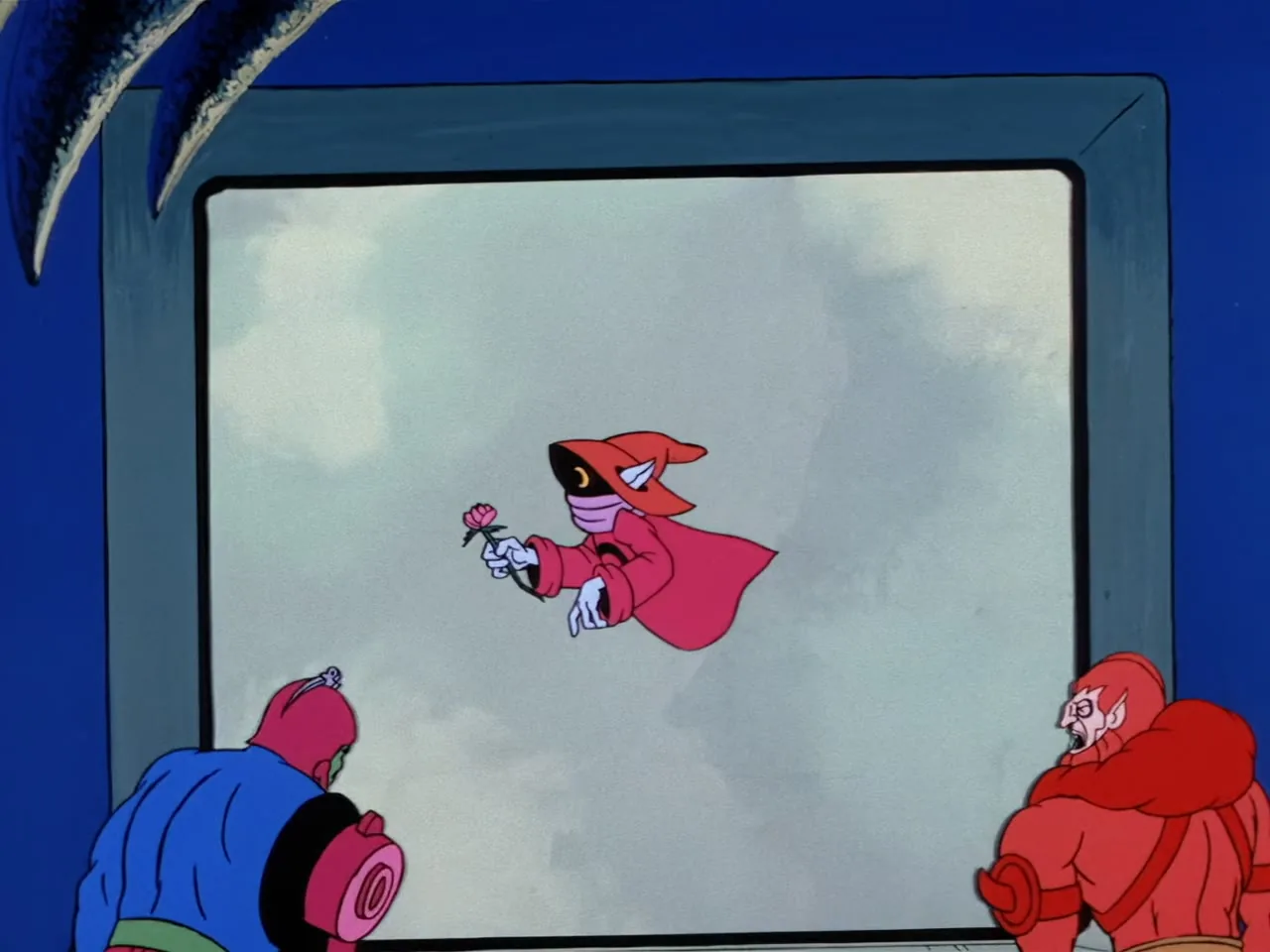
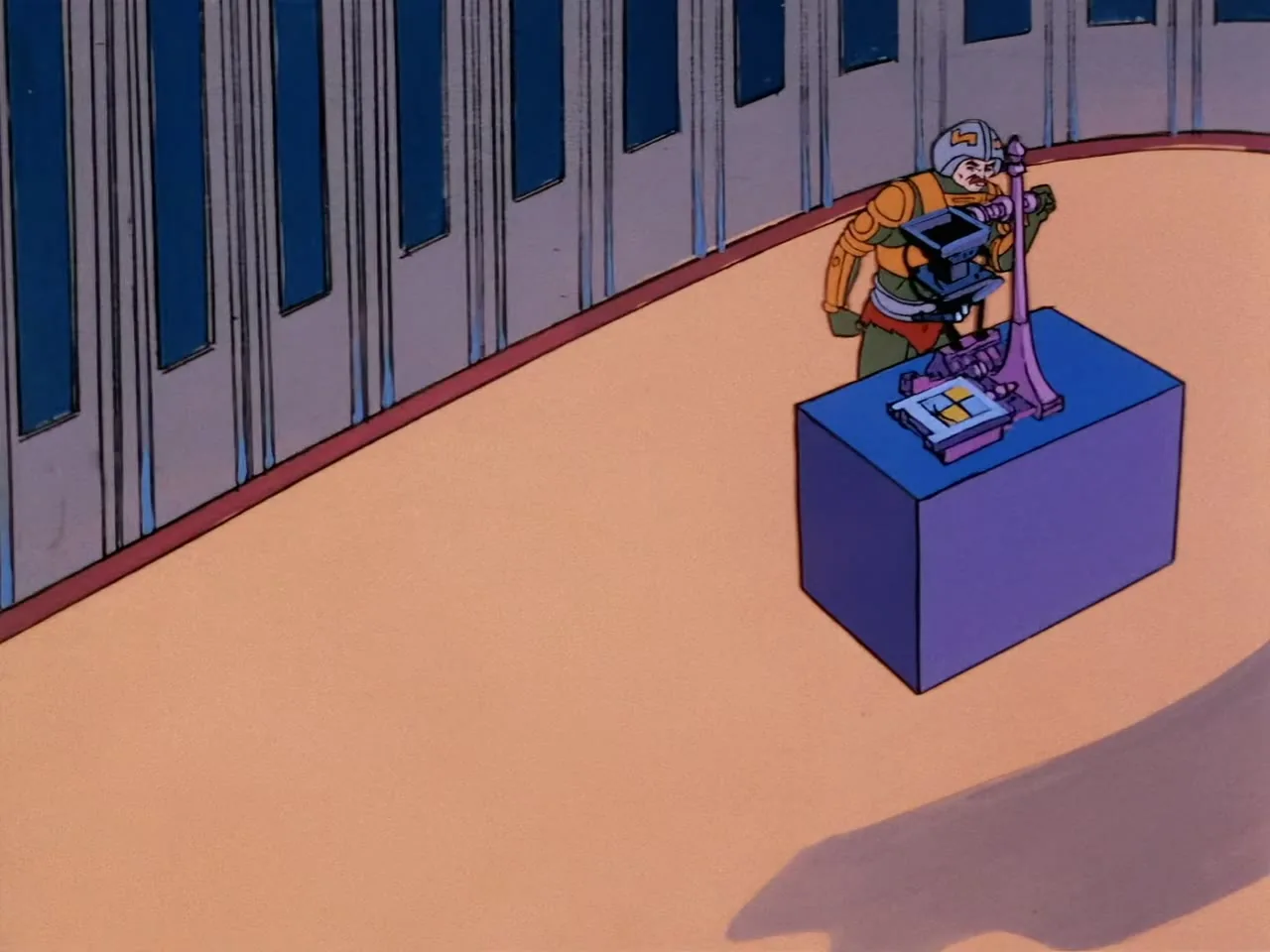
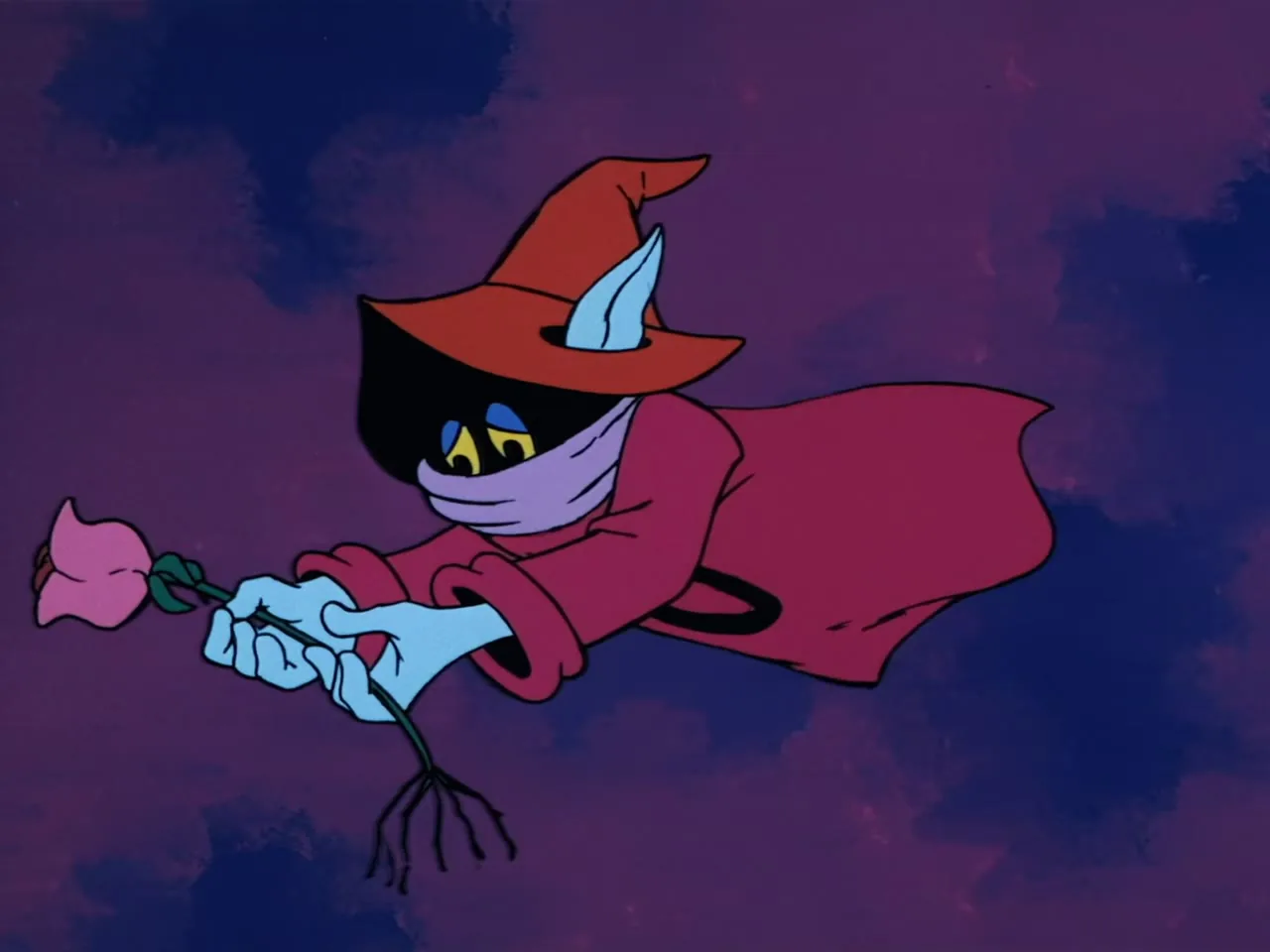
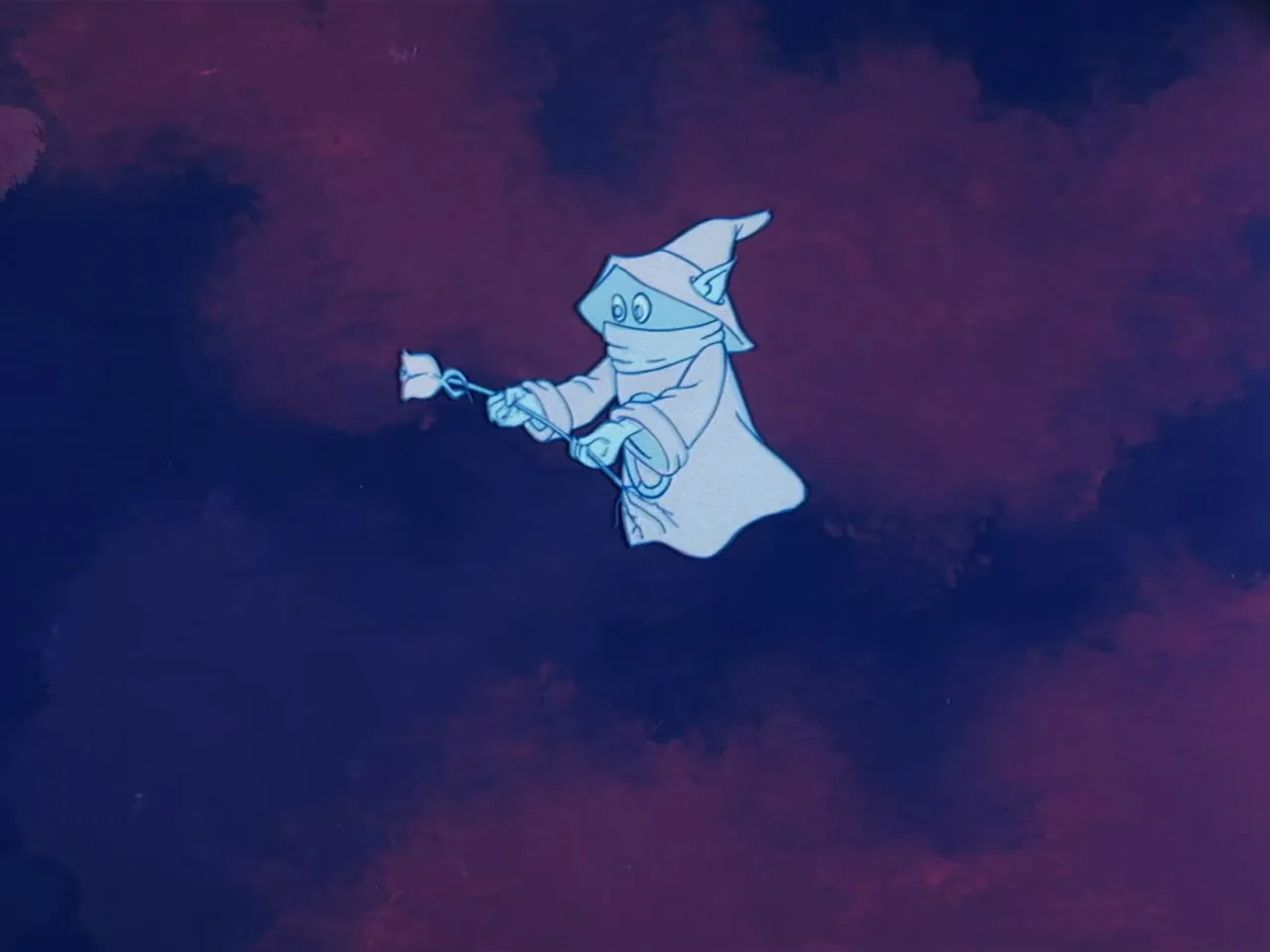
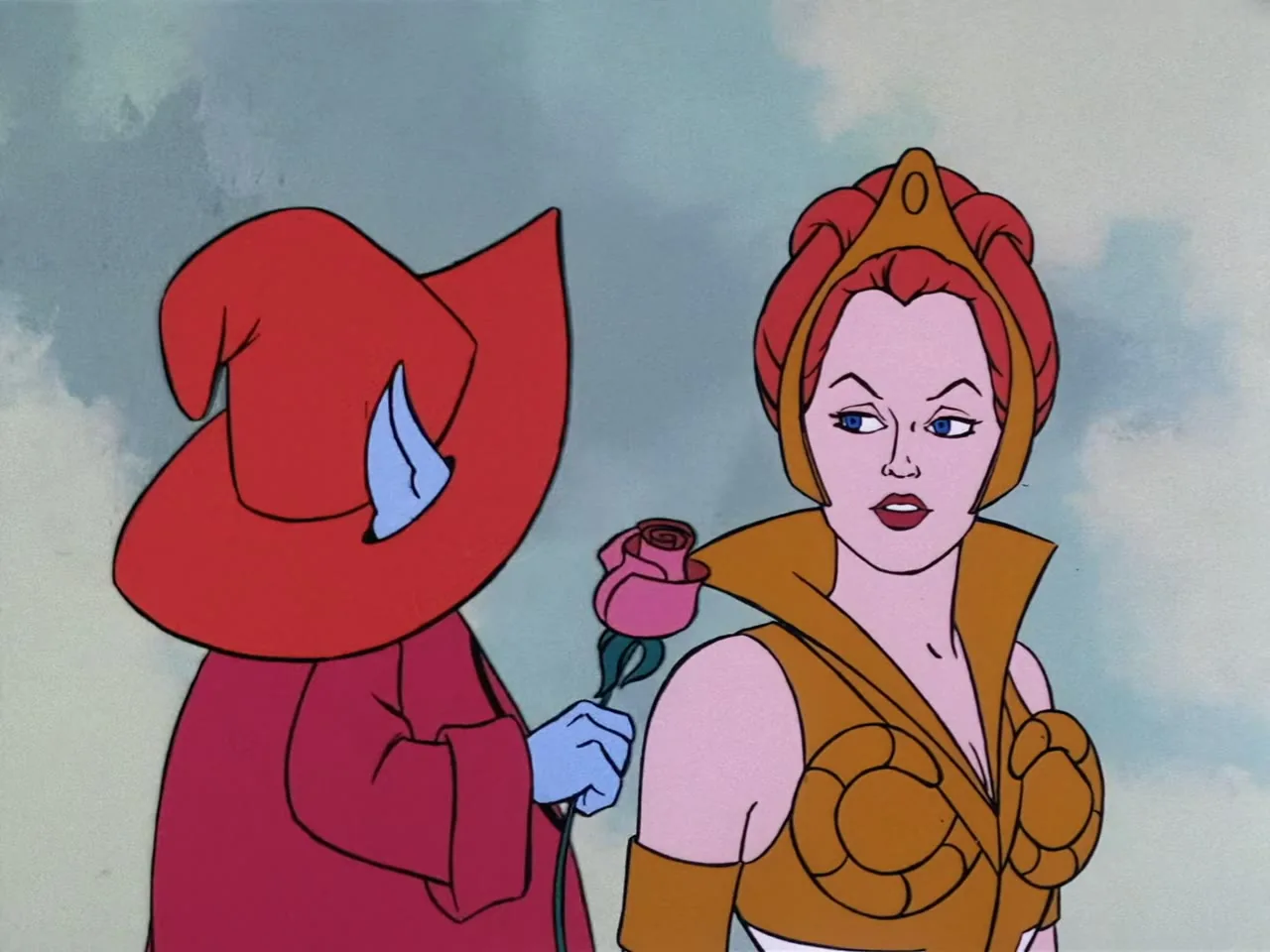
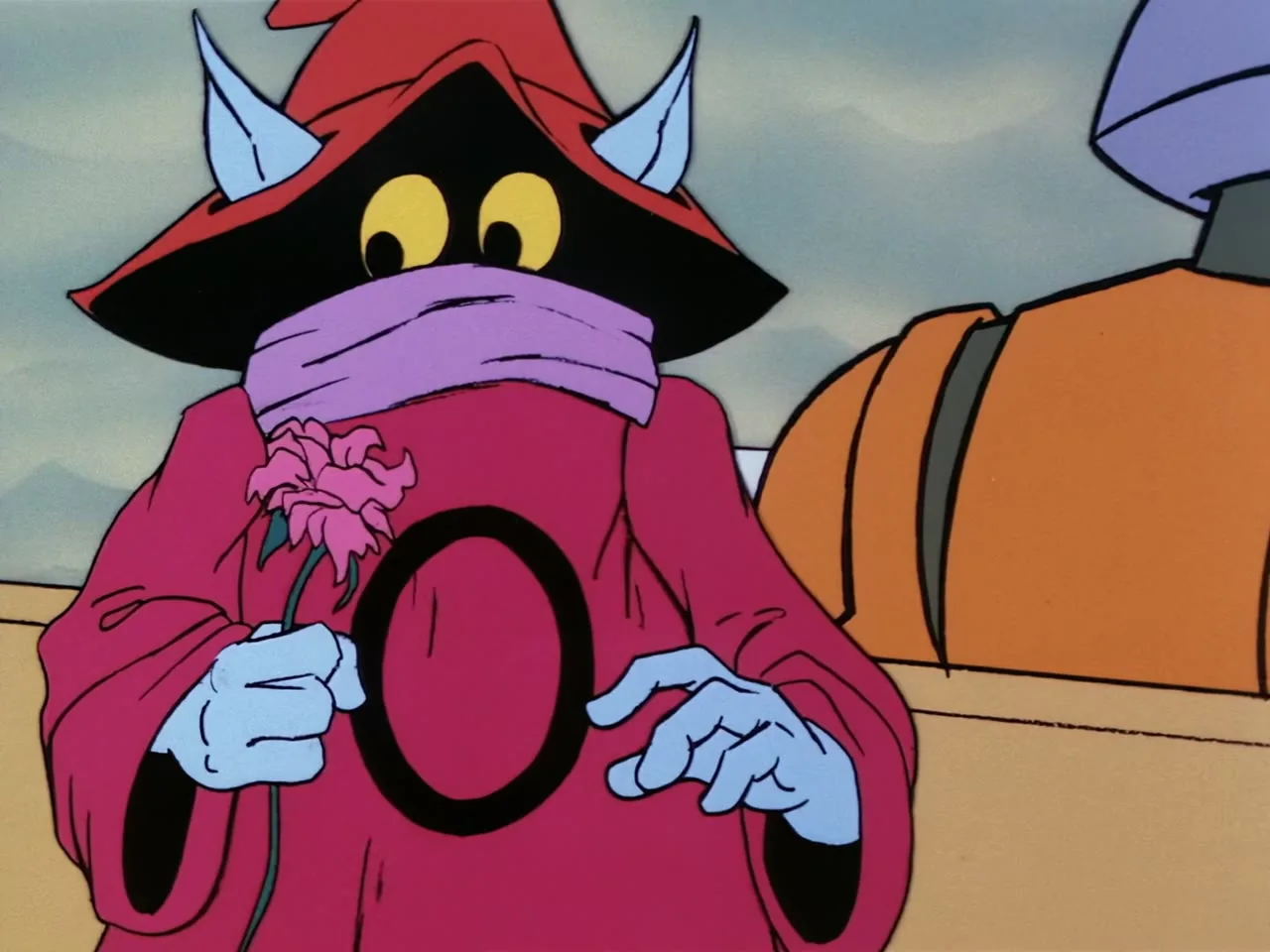
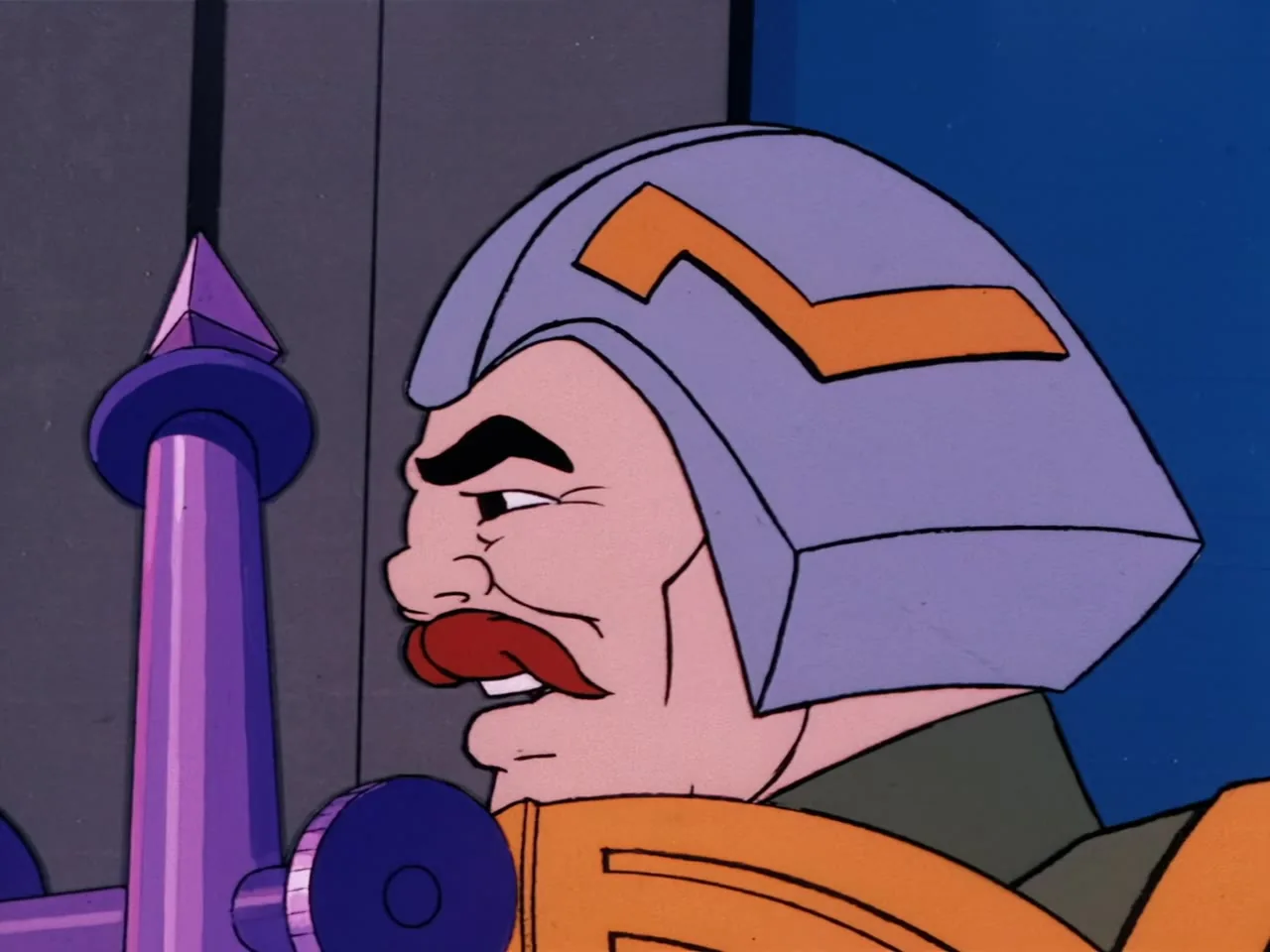
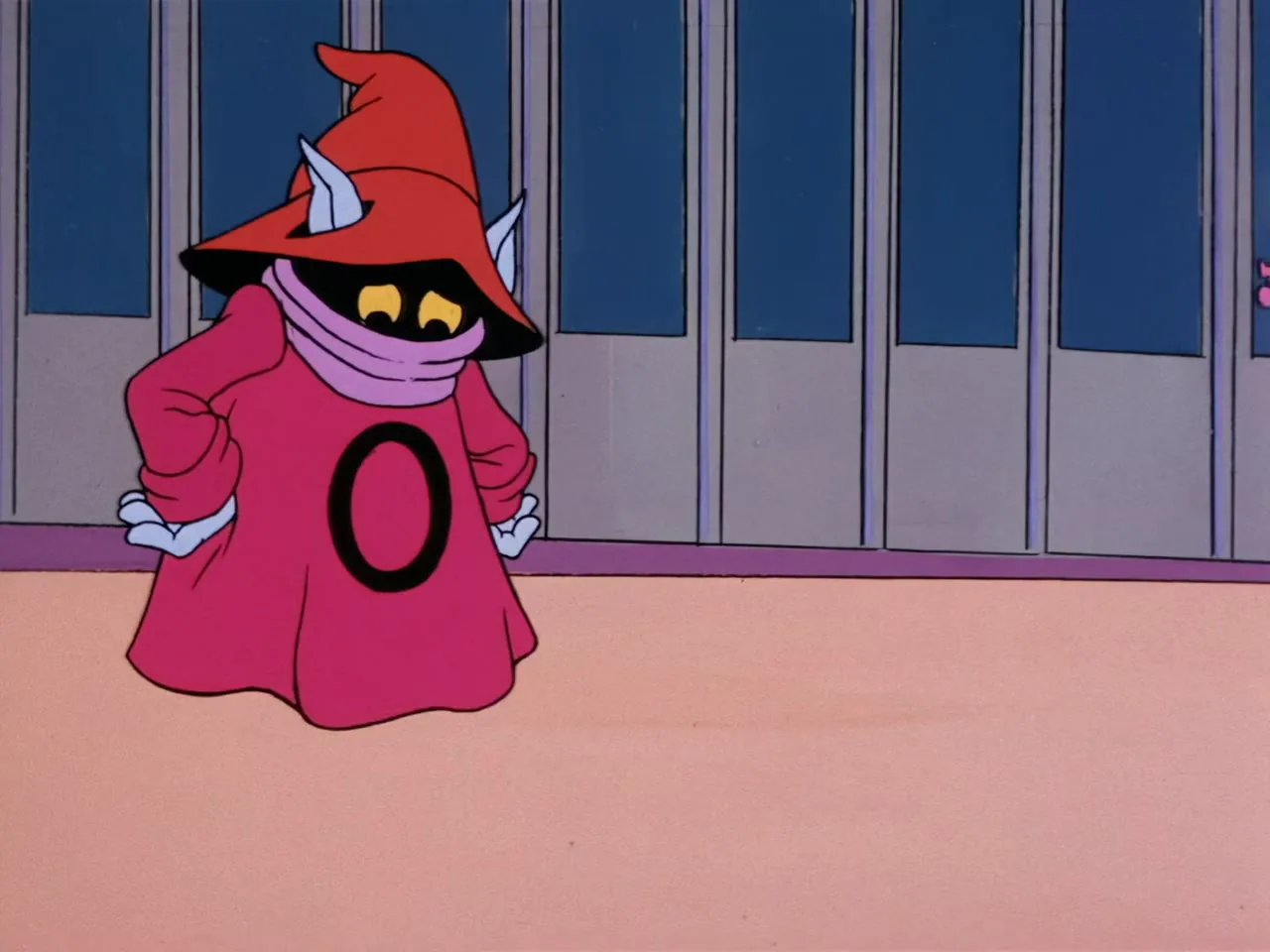
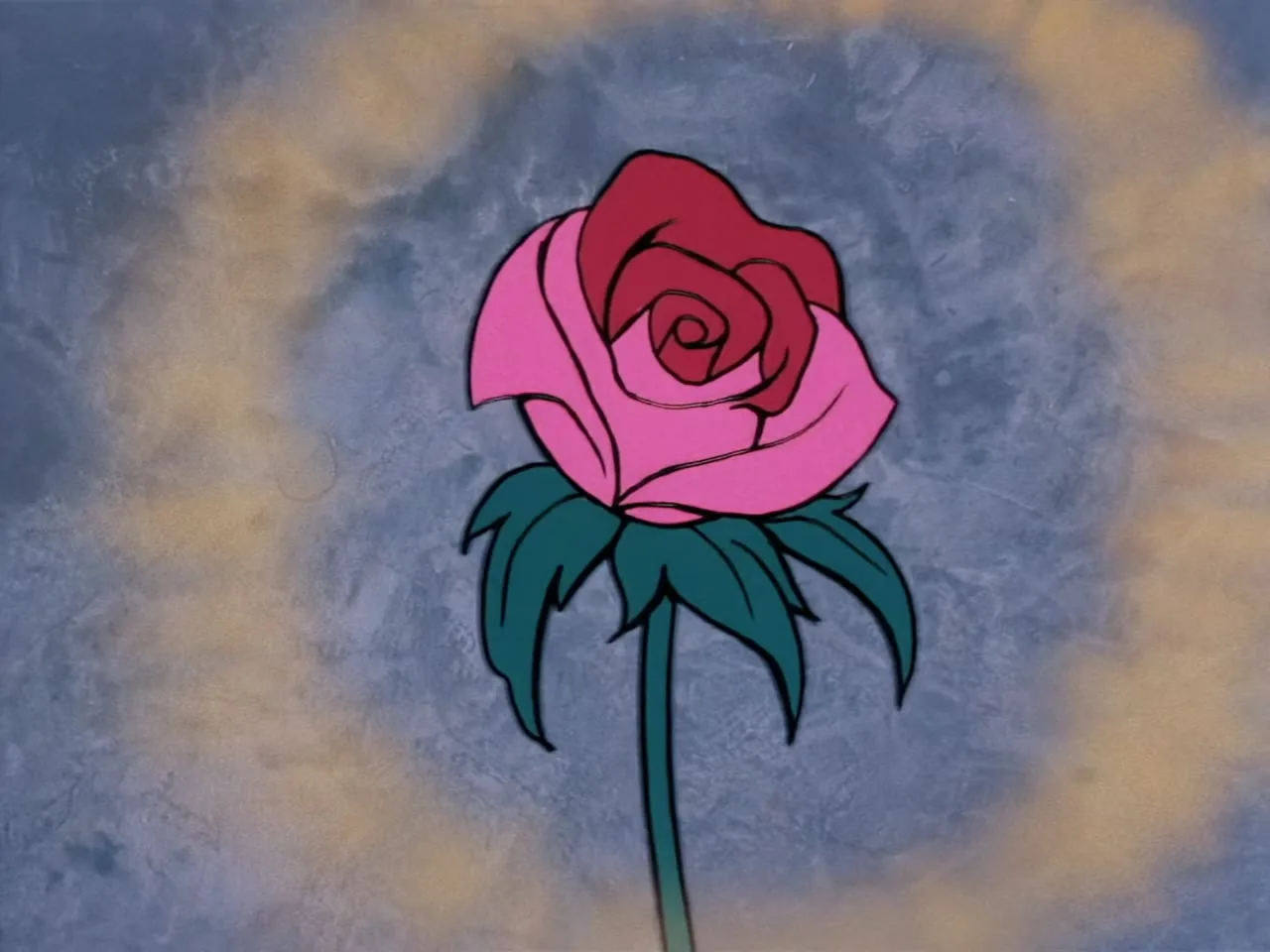
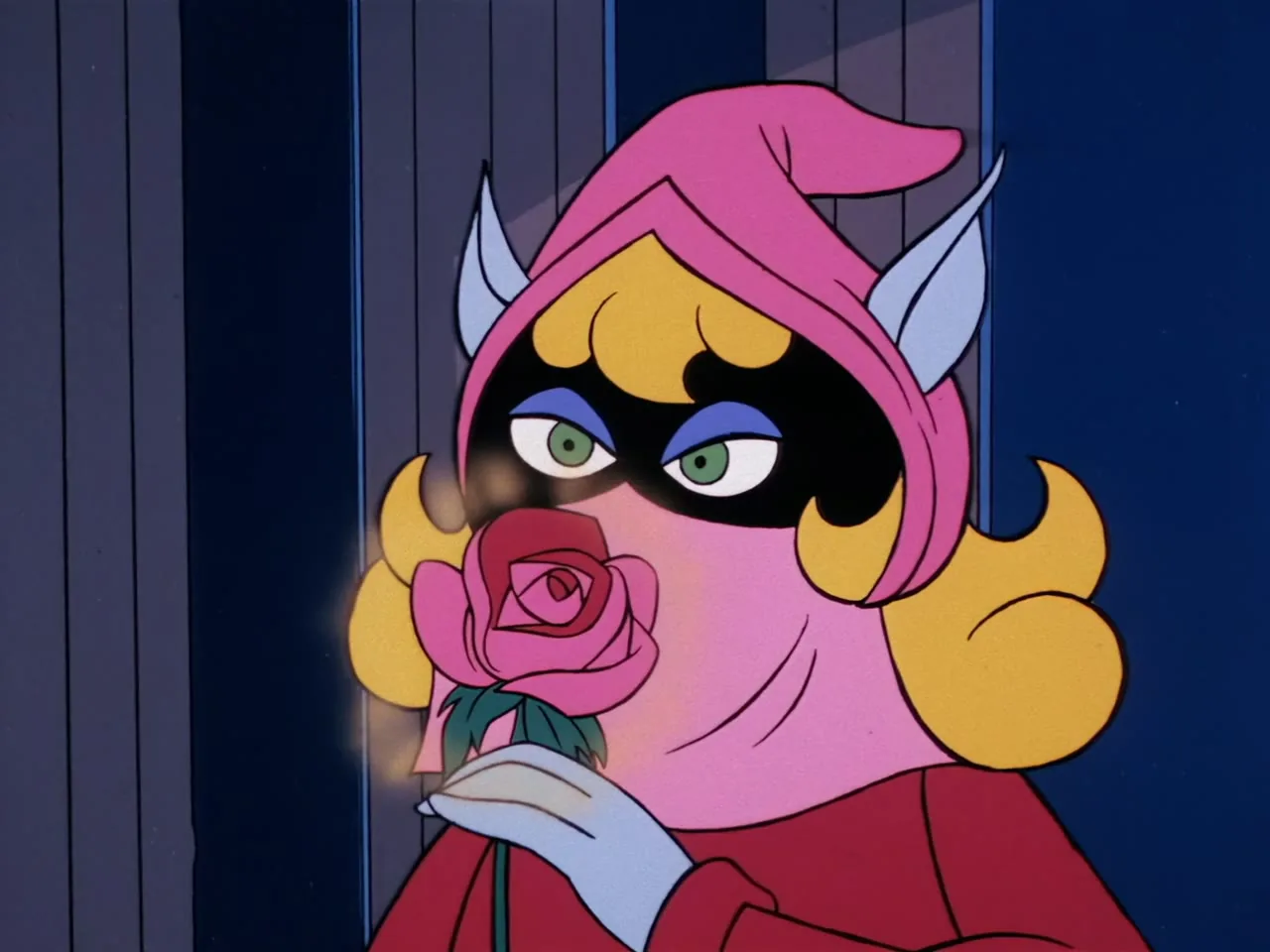
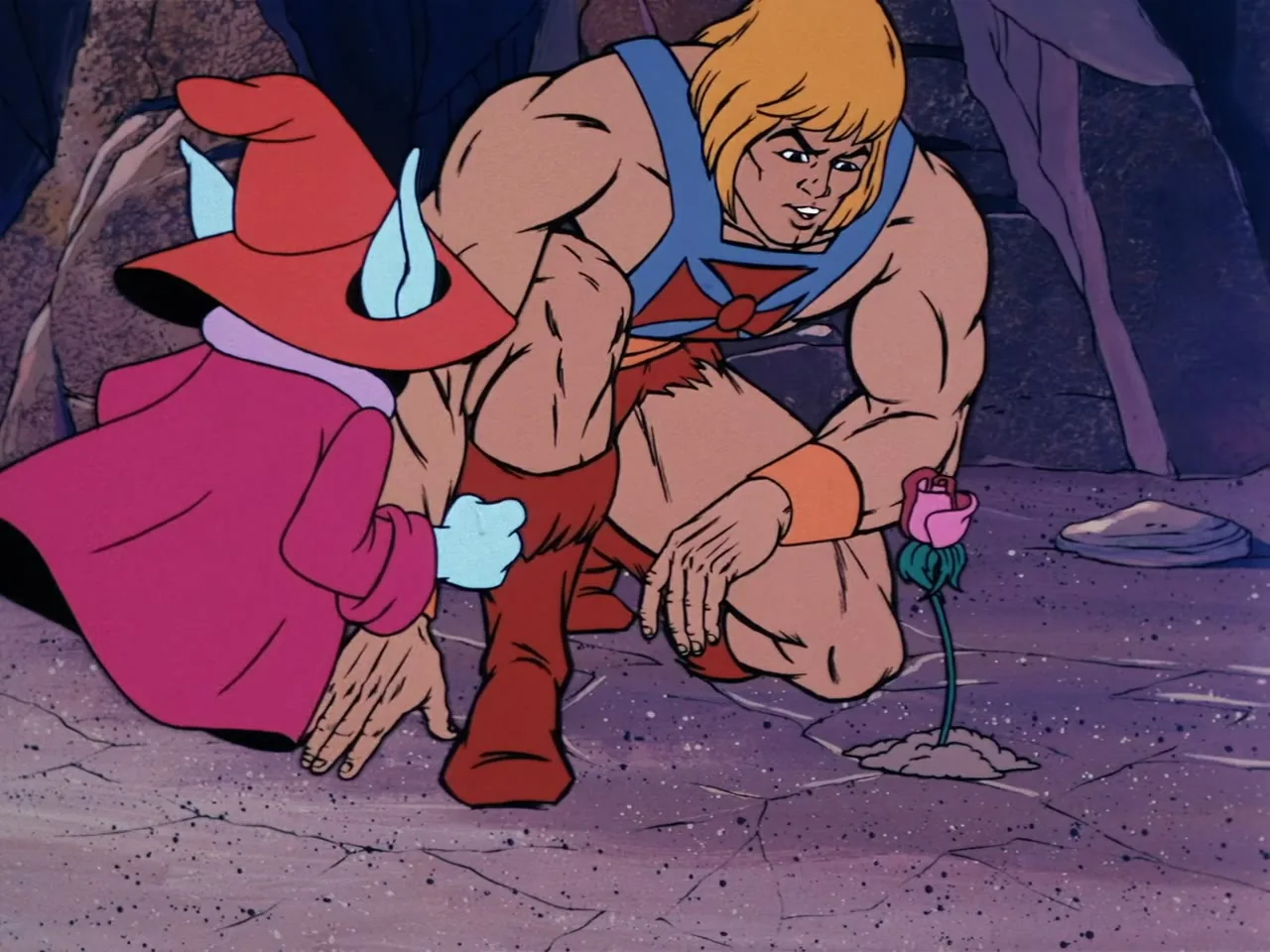
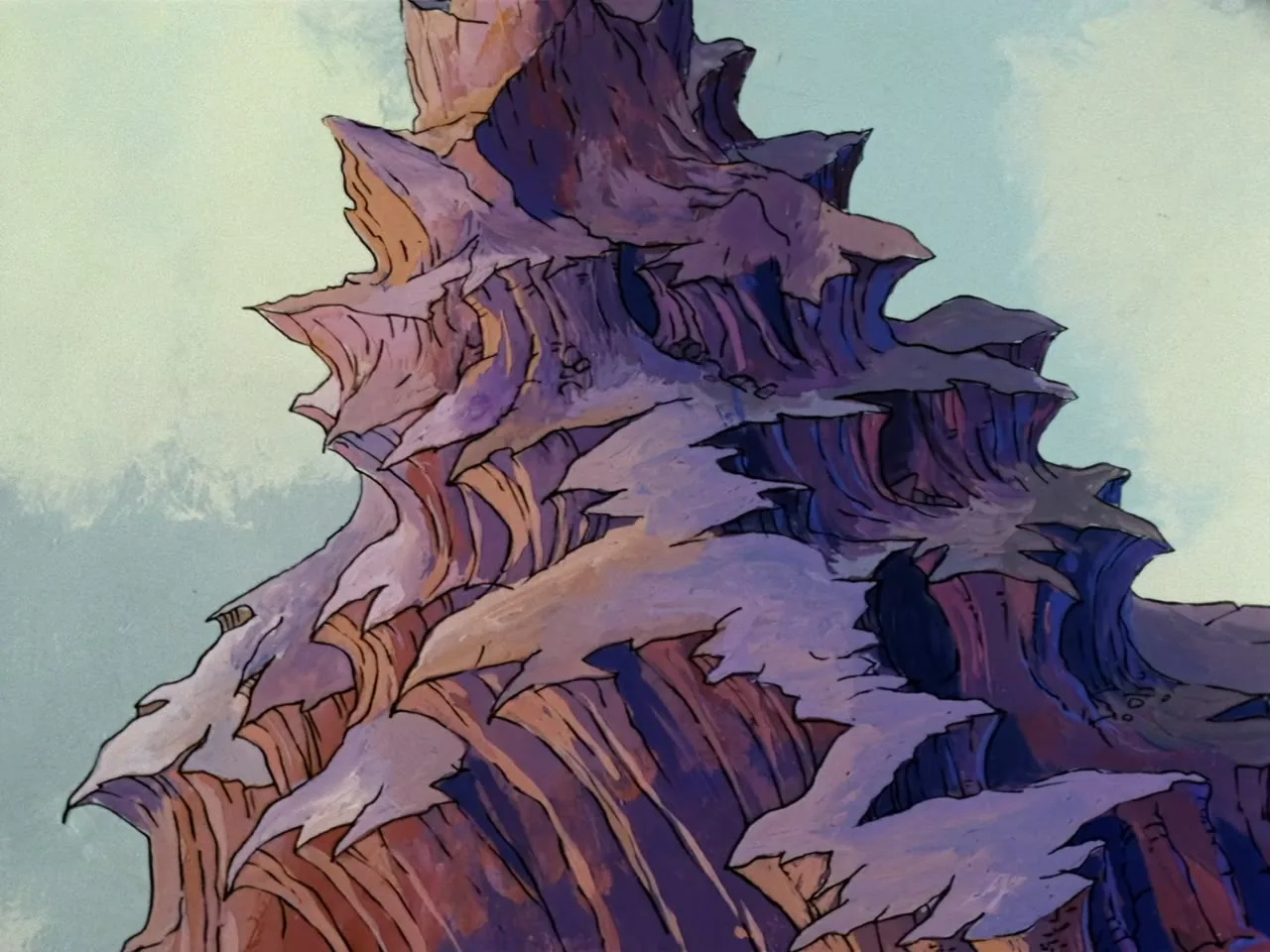
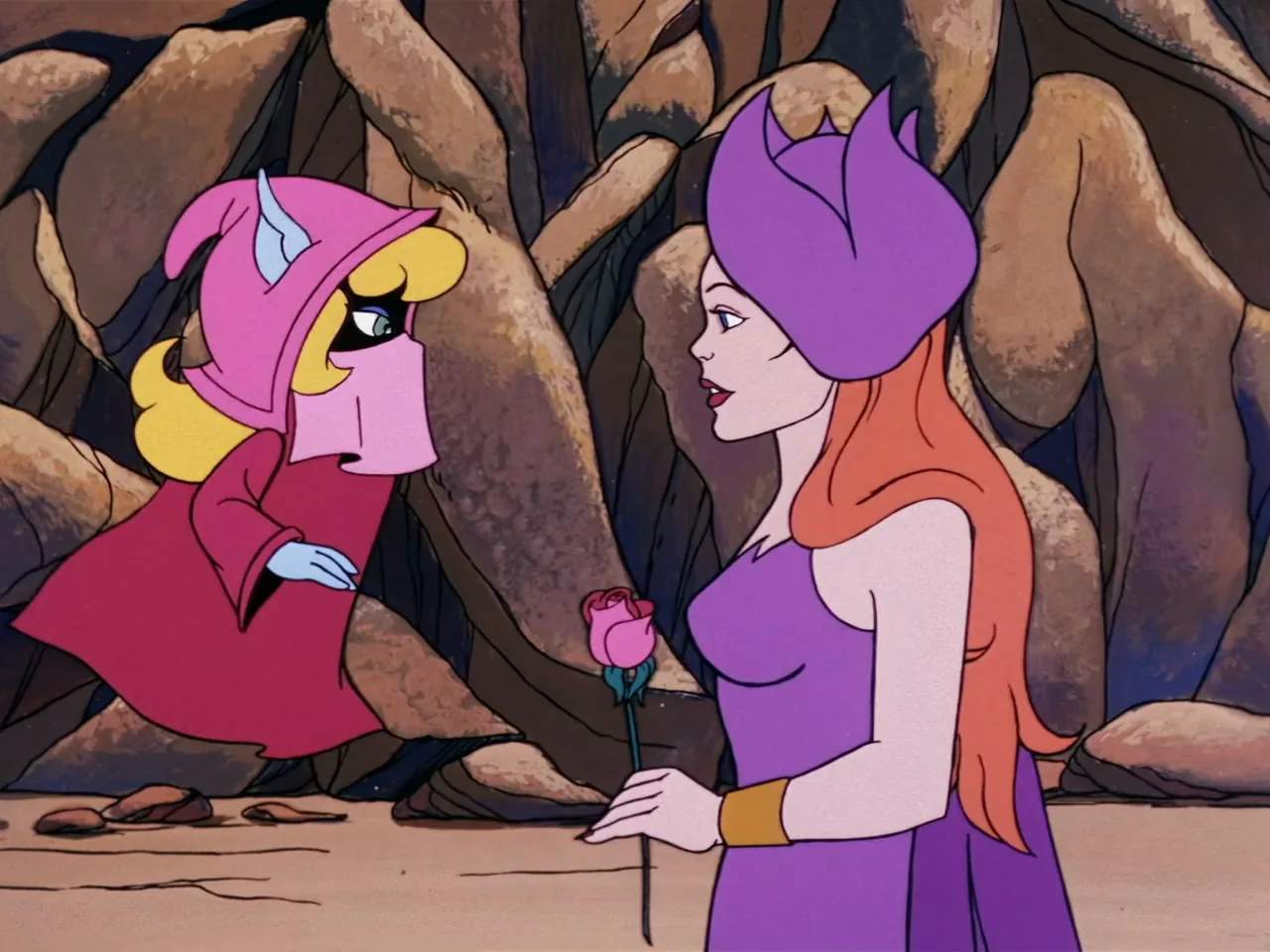
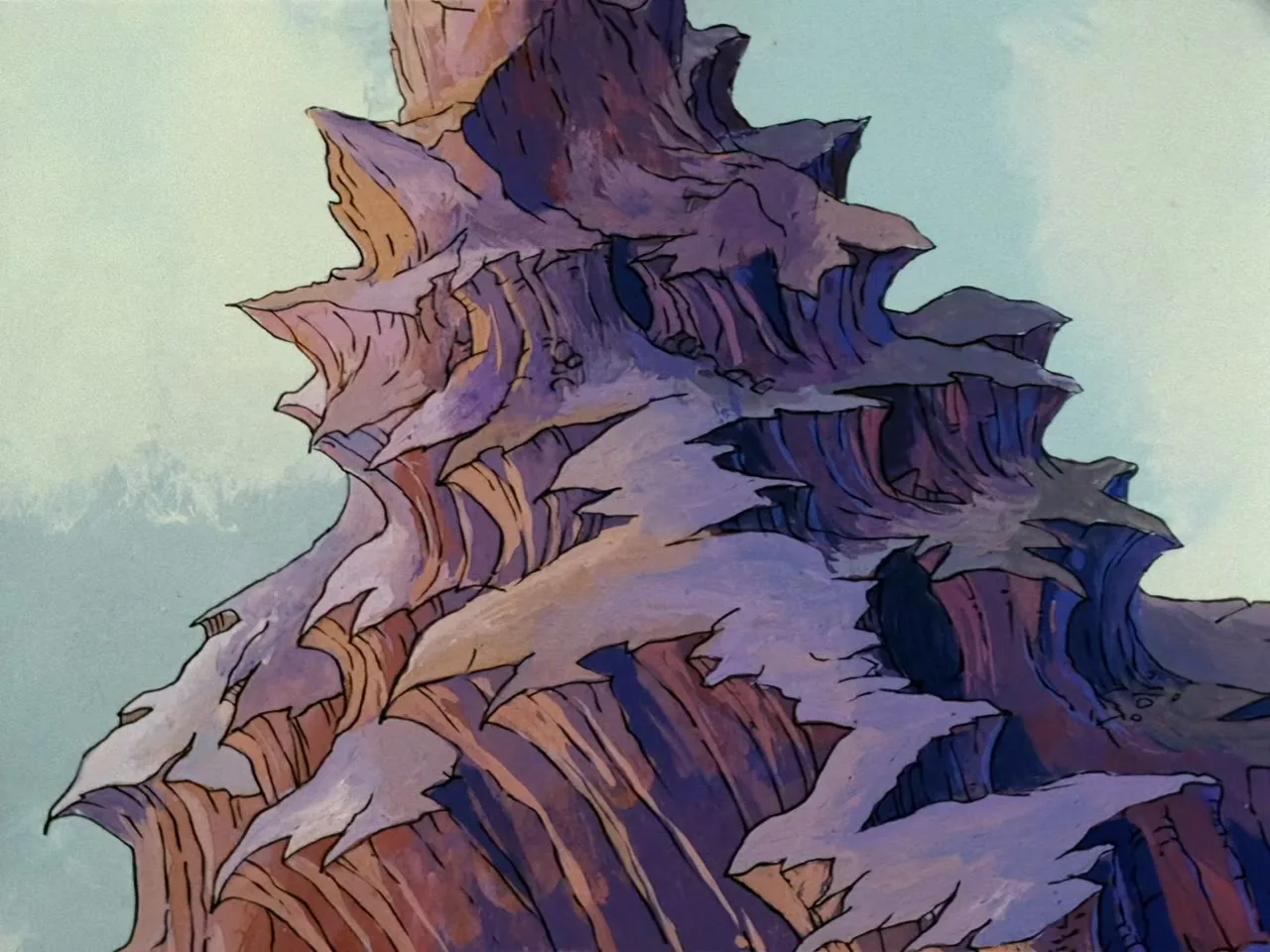
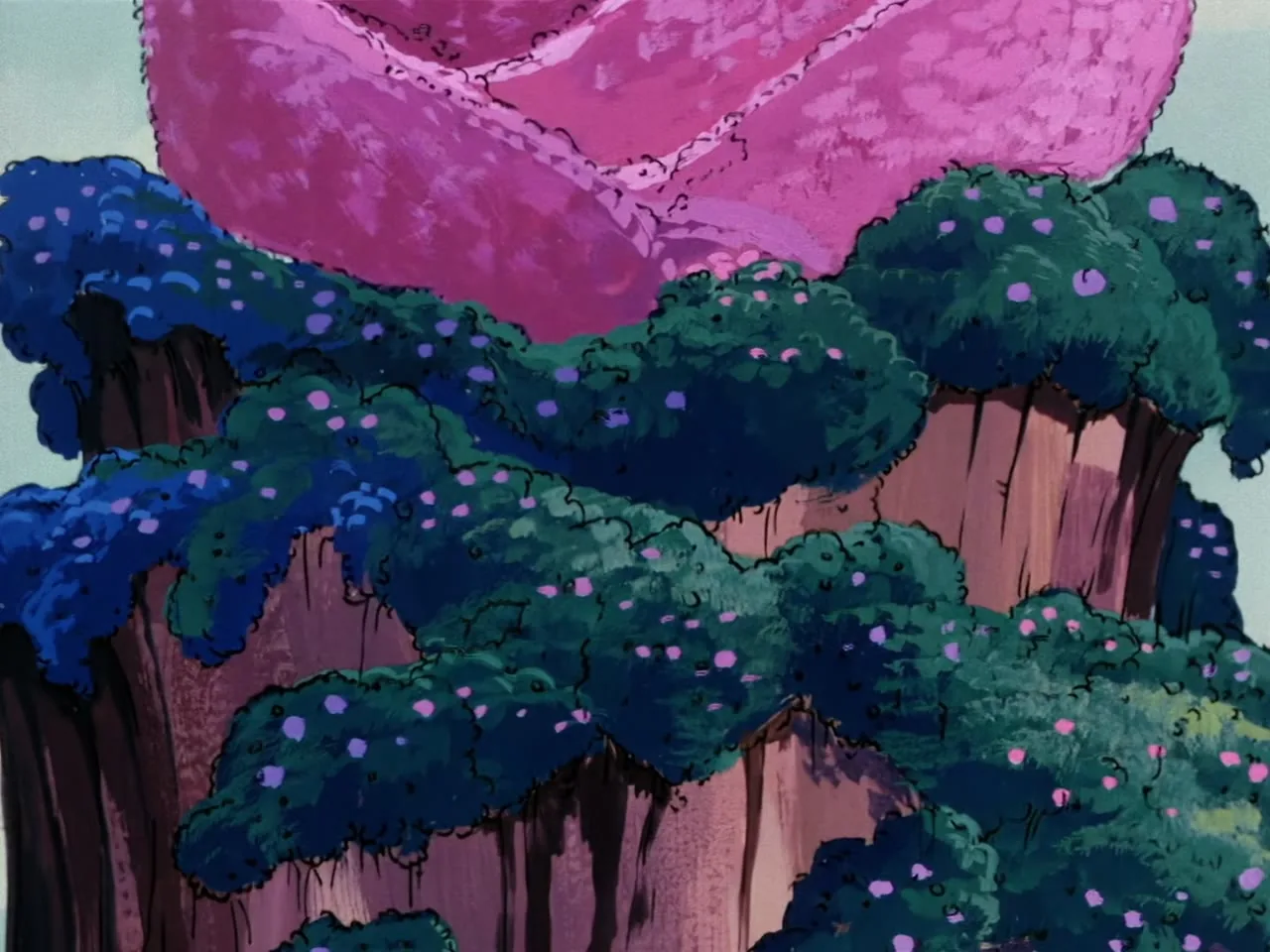
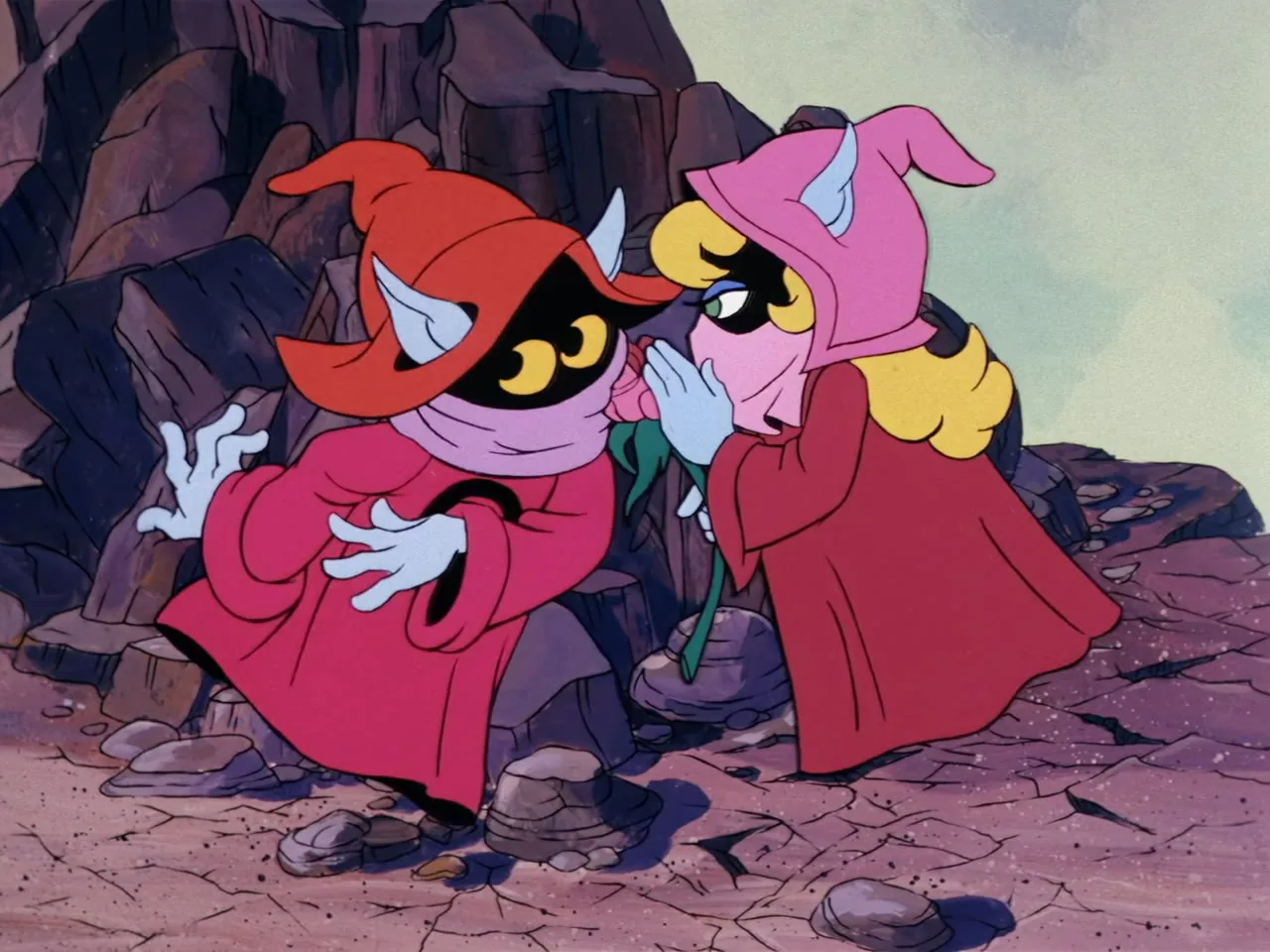
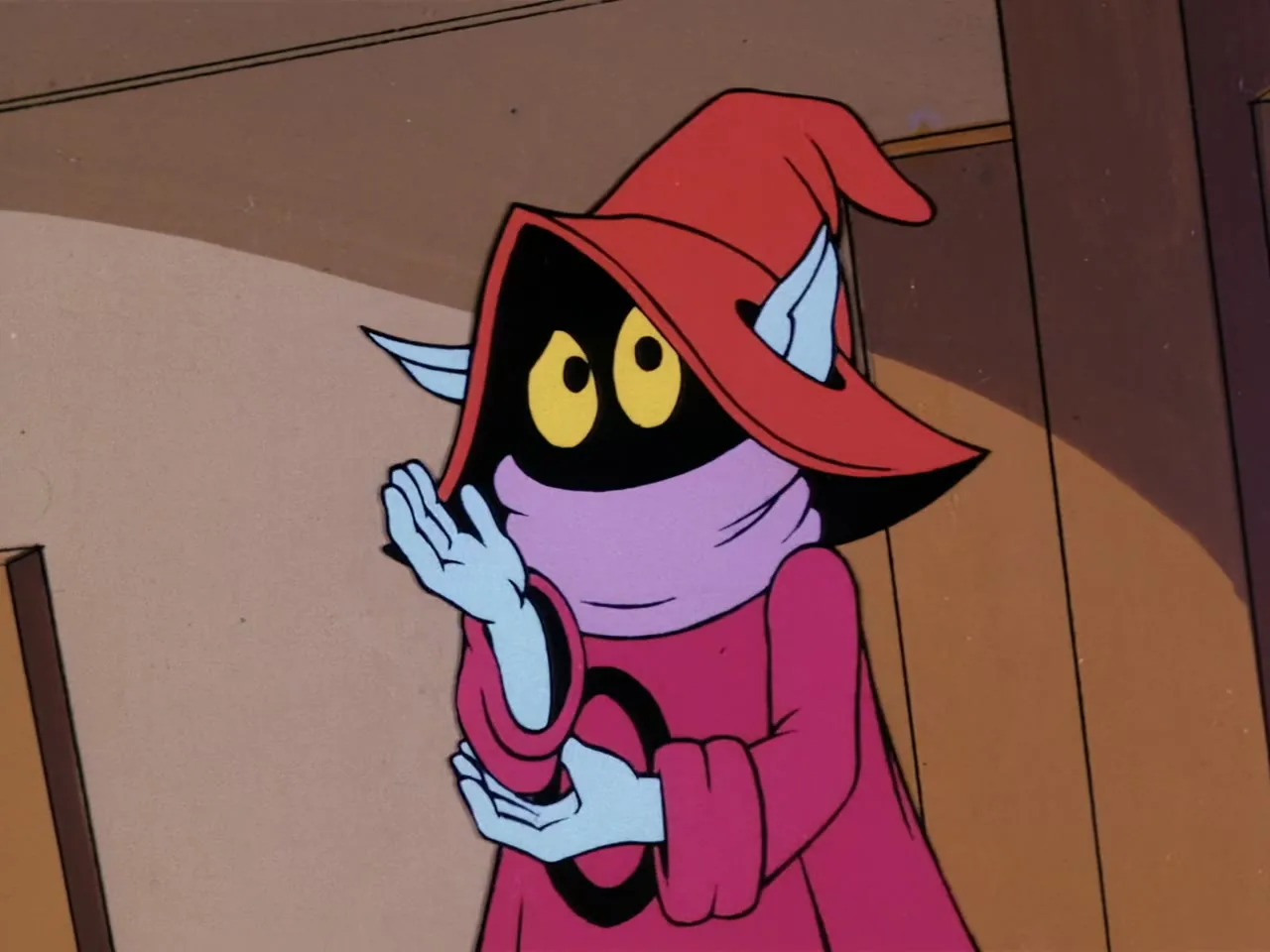
At the Royal Palace, Man-At-Arms shows King Randor and Queen Marlena a painting of the legendary Bitter Rose, said to have grown from the tears of a goddess who climbed Rose Mountain every day waiting for a husband who never returned from war. Moved by the story, Orko secretly plucks the real rose from the mountain to give to Dree Elle, not realizing the flower is the only thing holding Rose Mountain together.
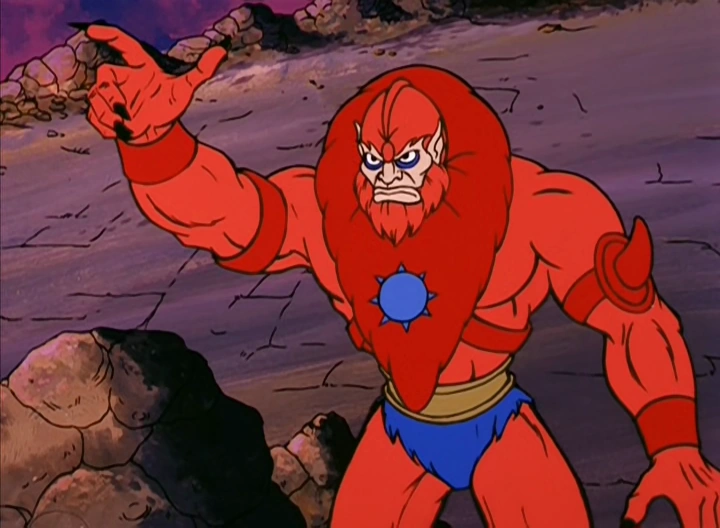
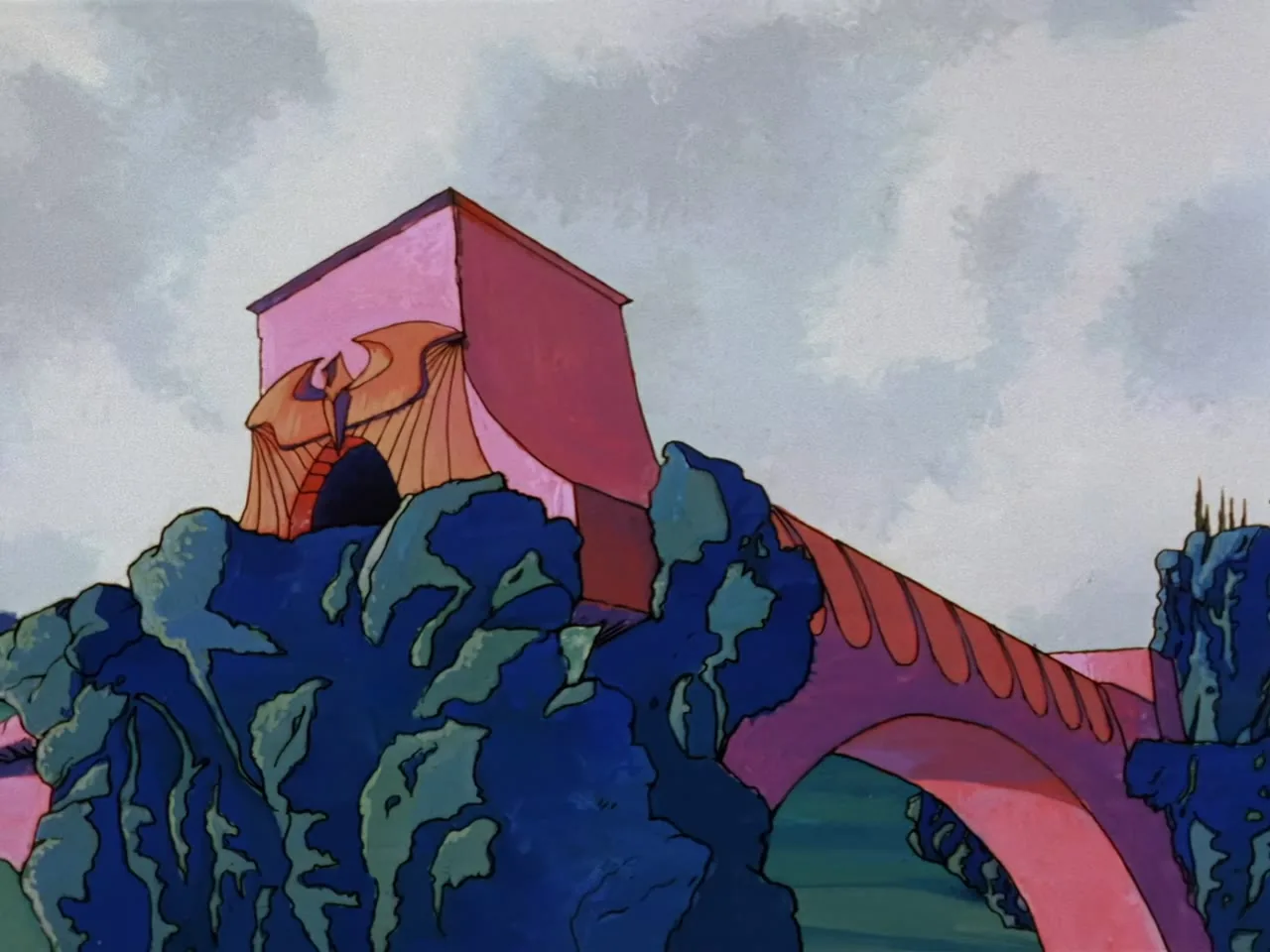
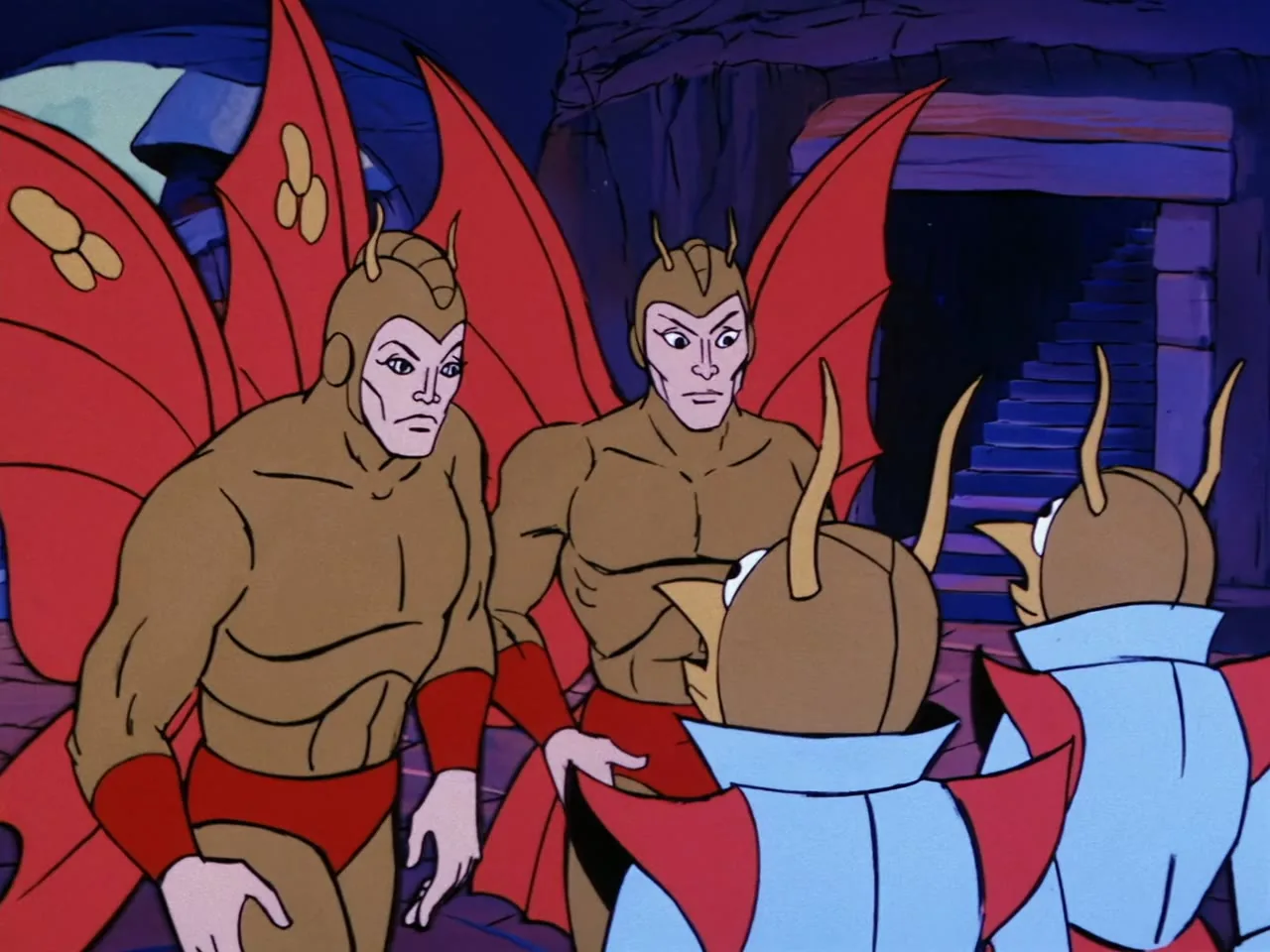
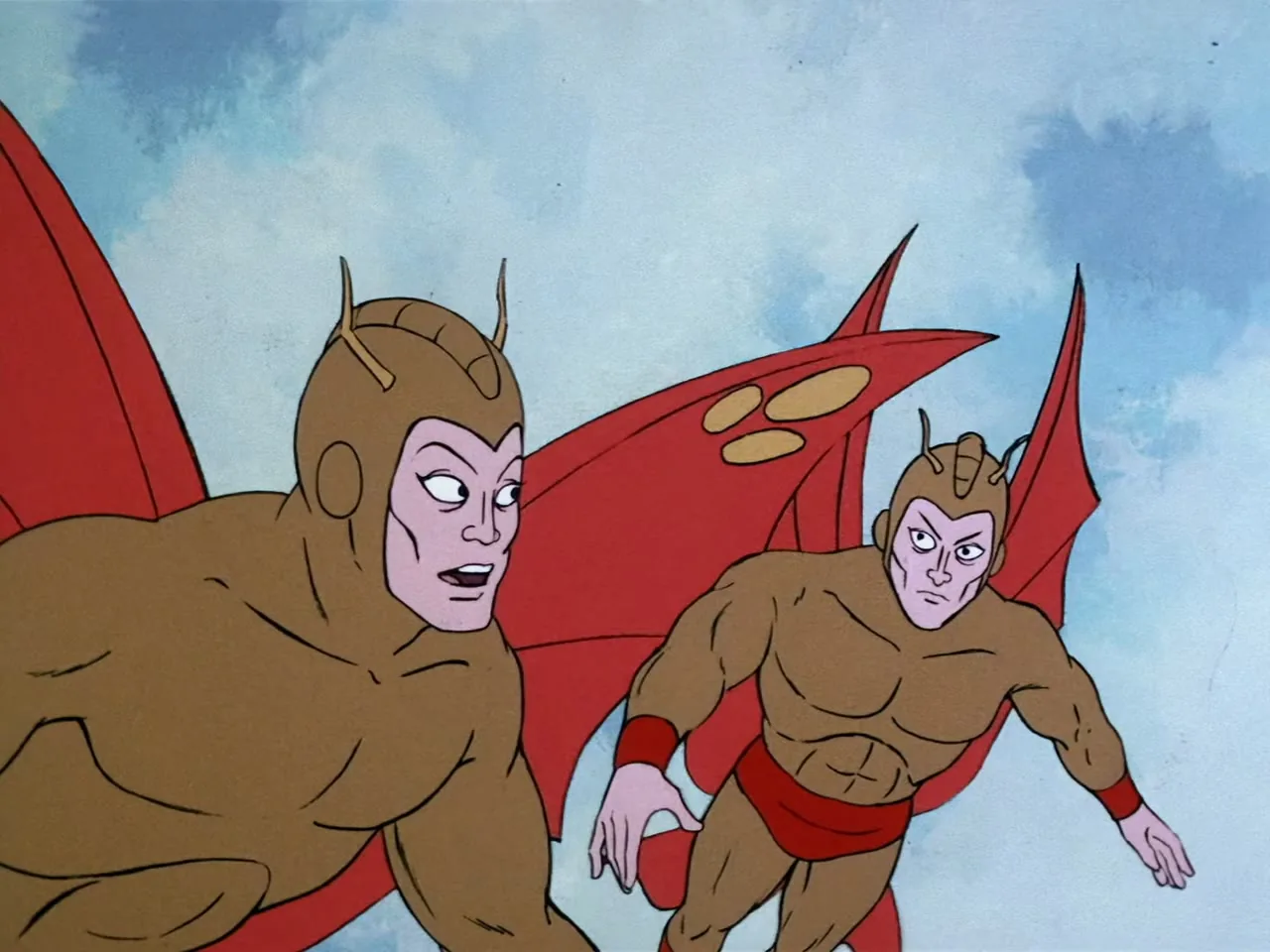
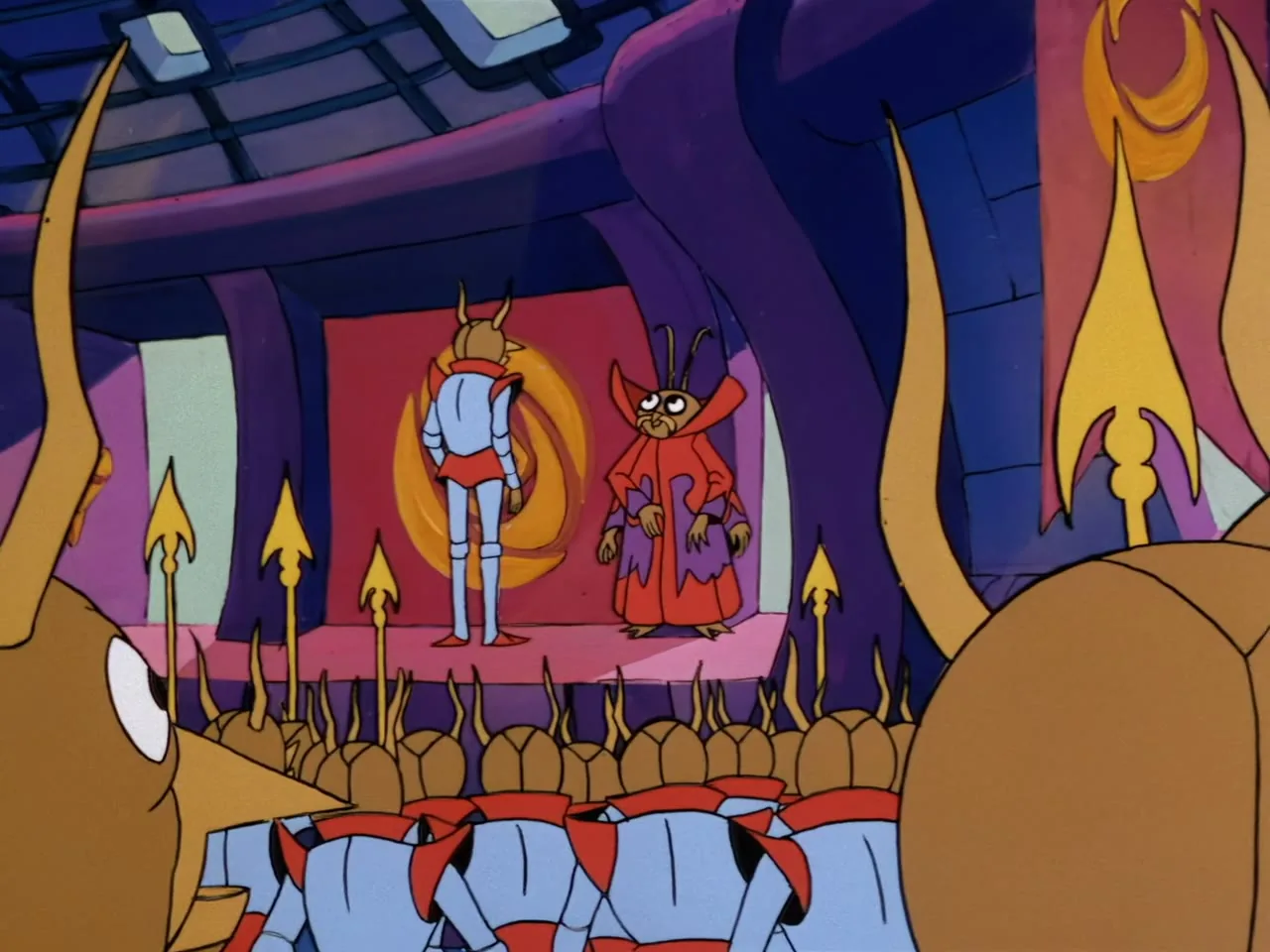
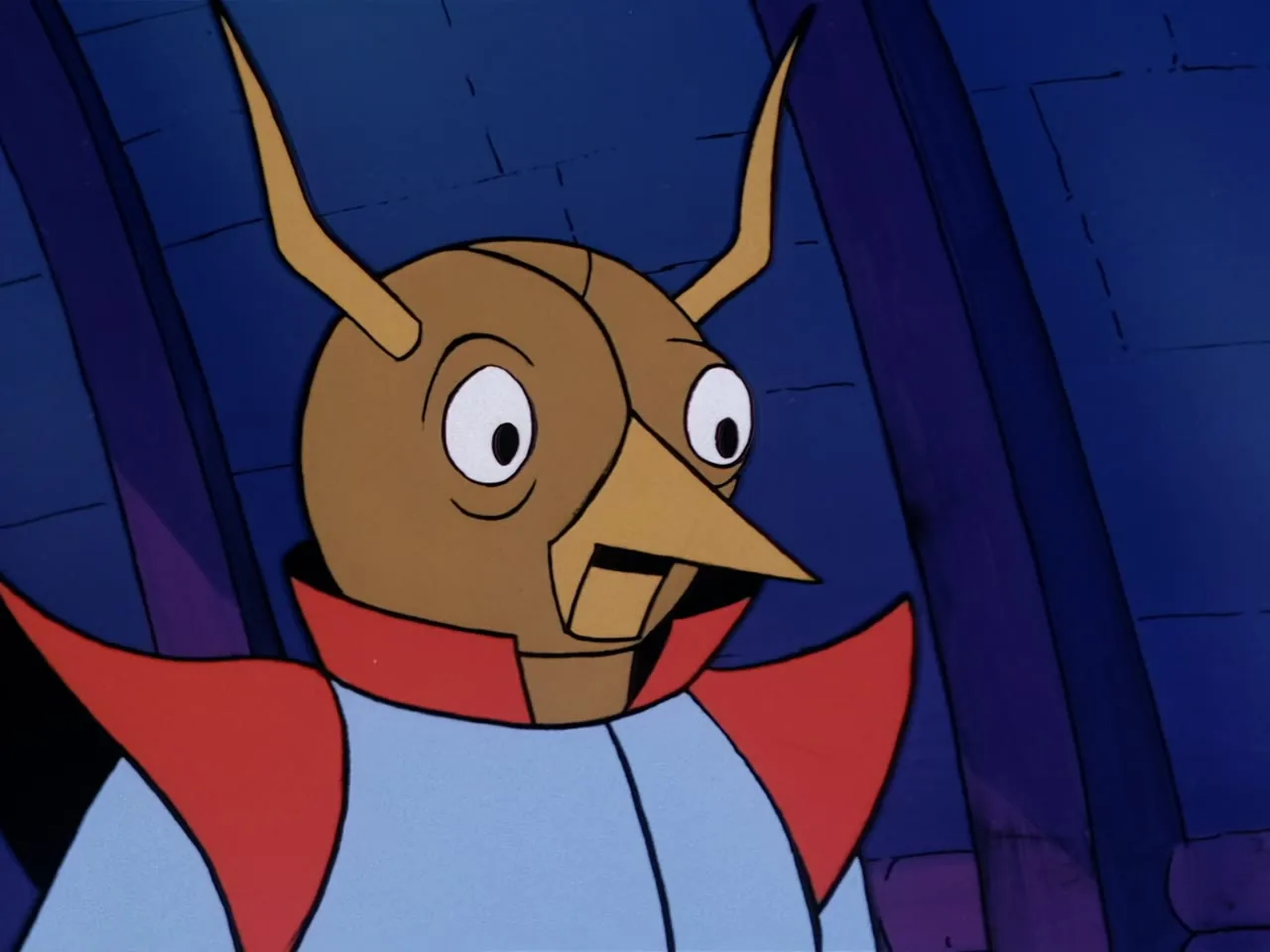
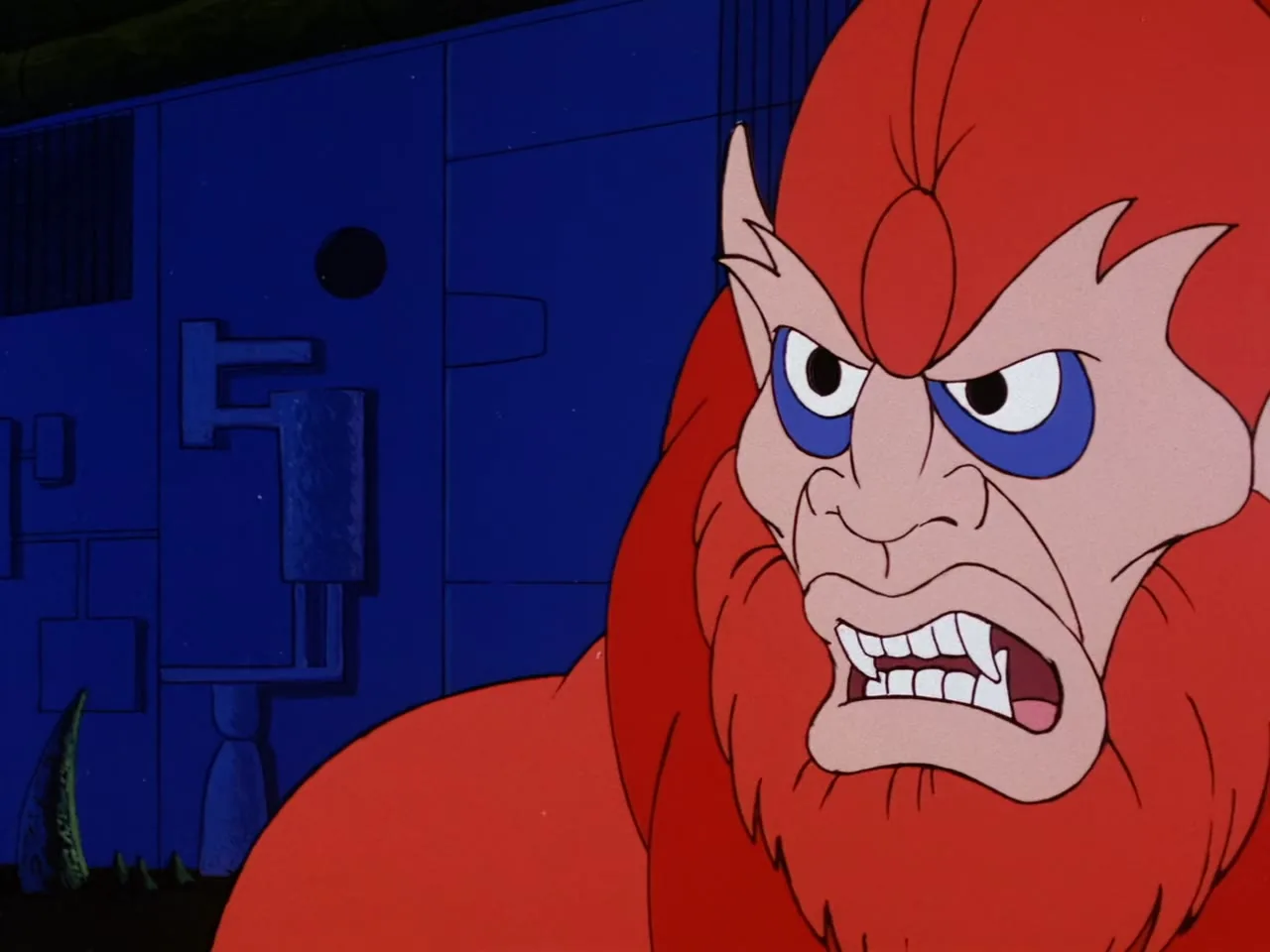
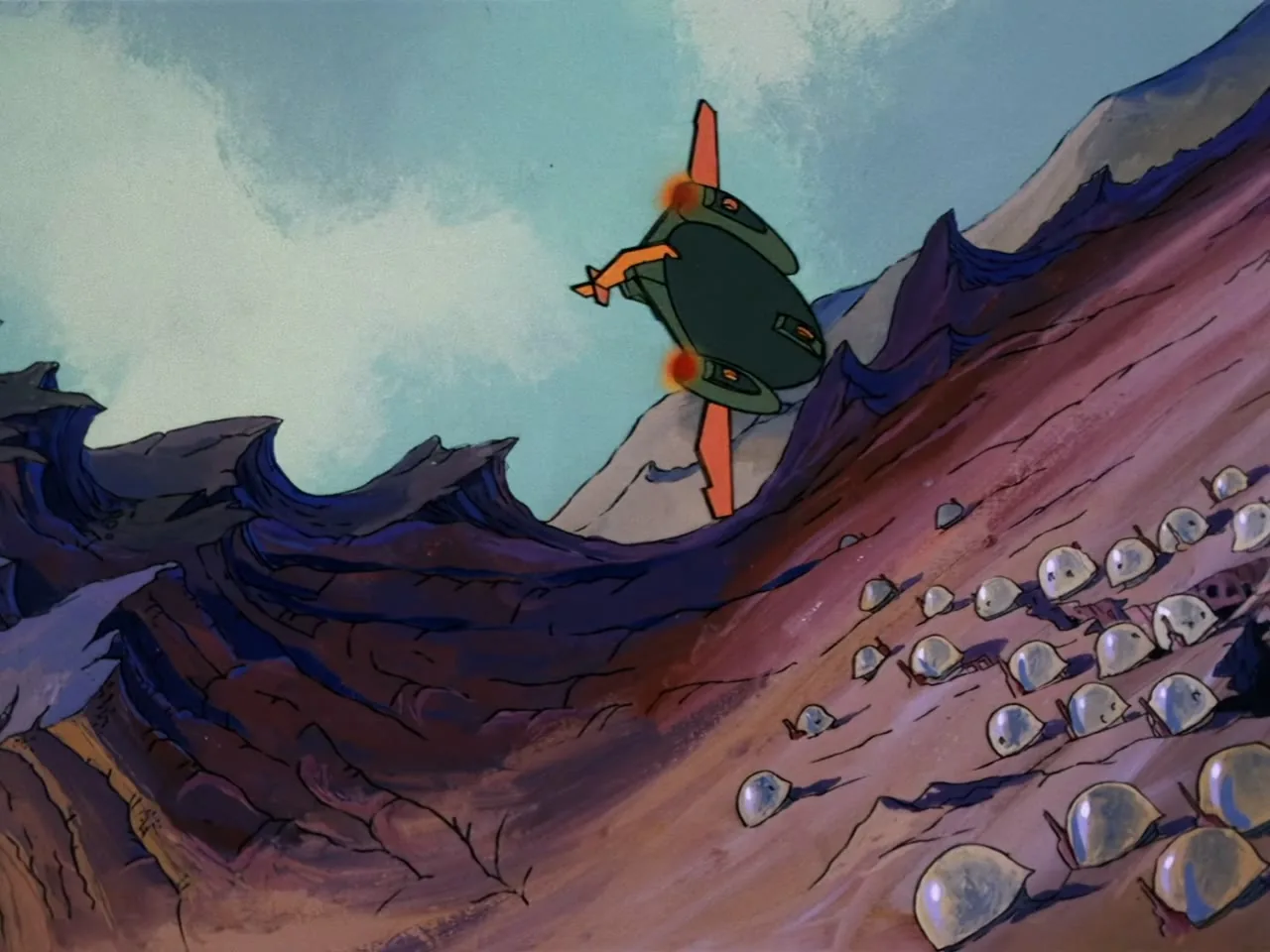
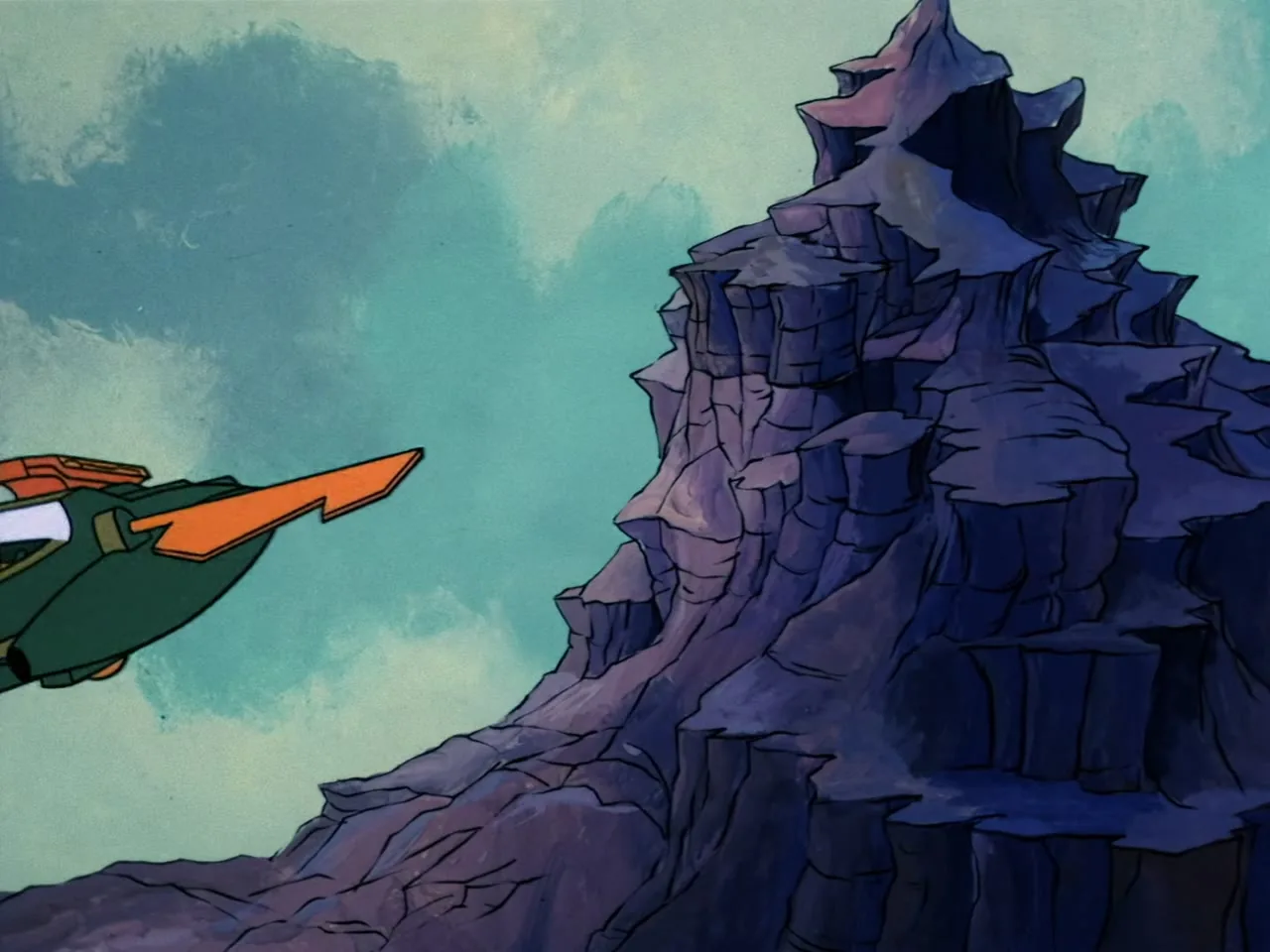
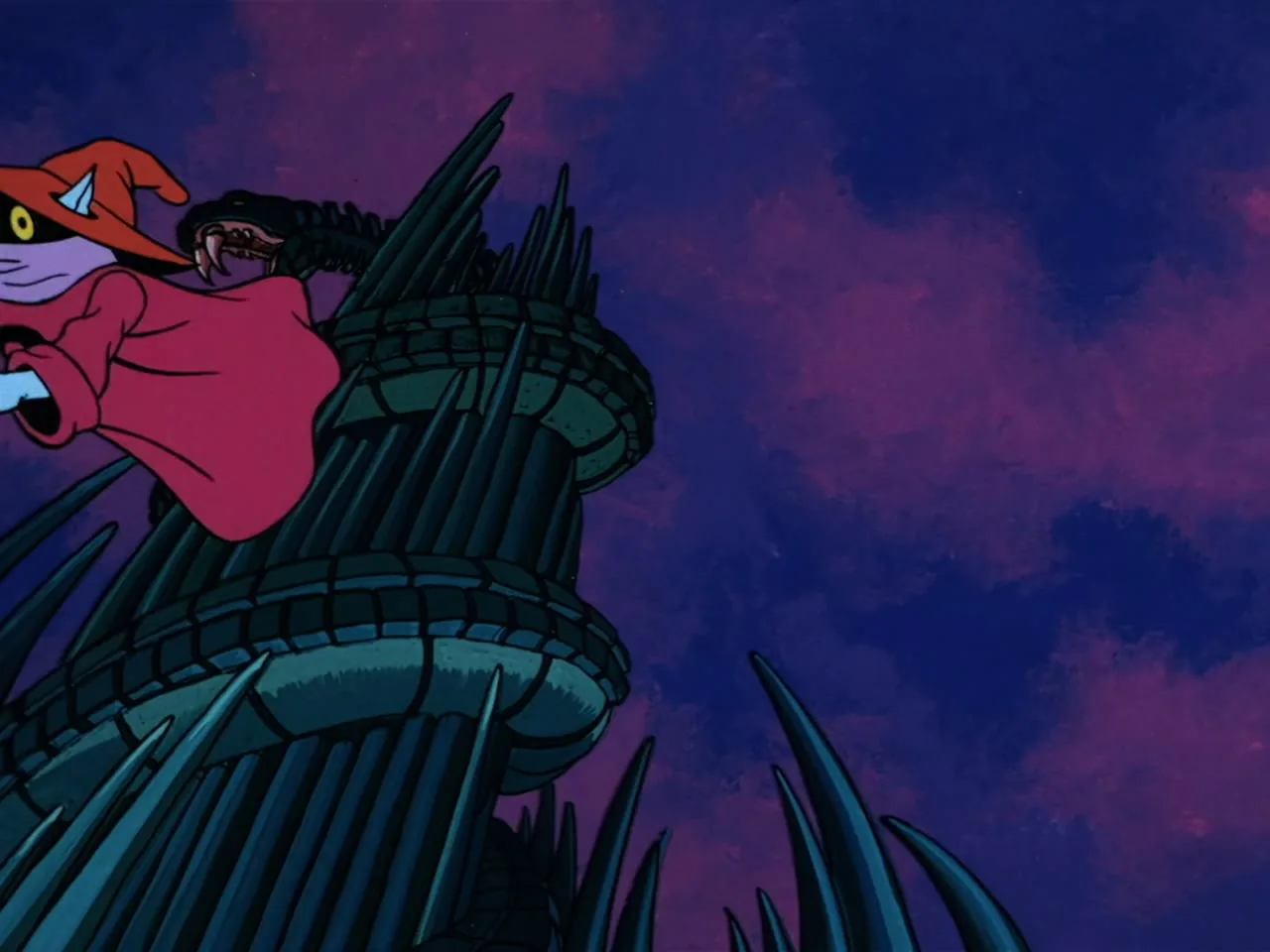
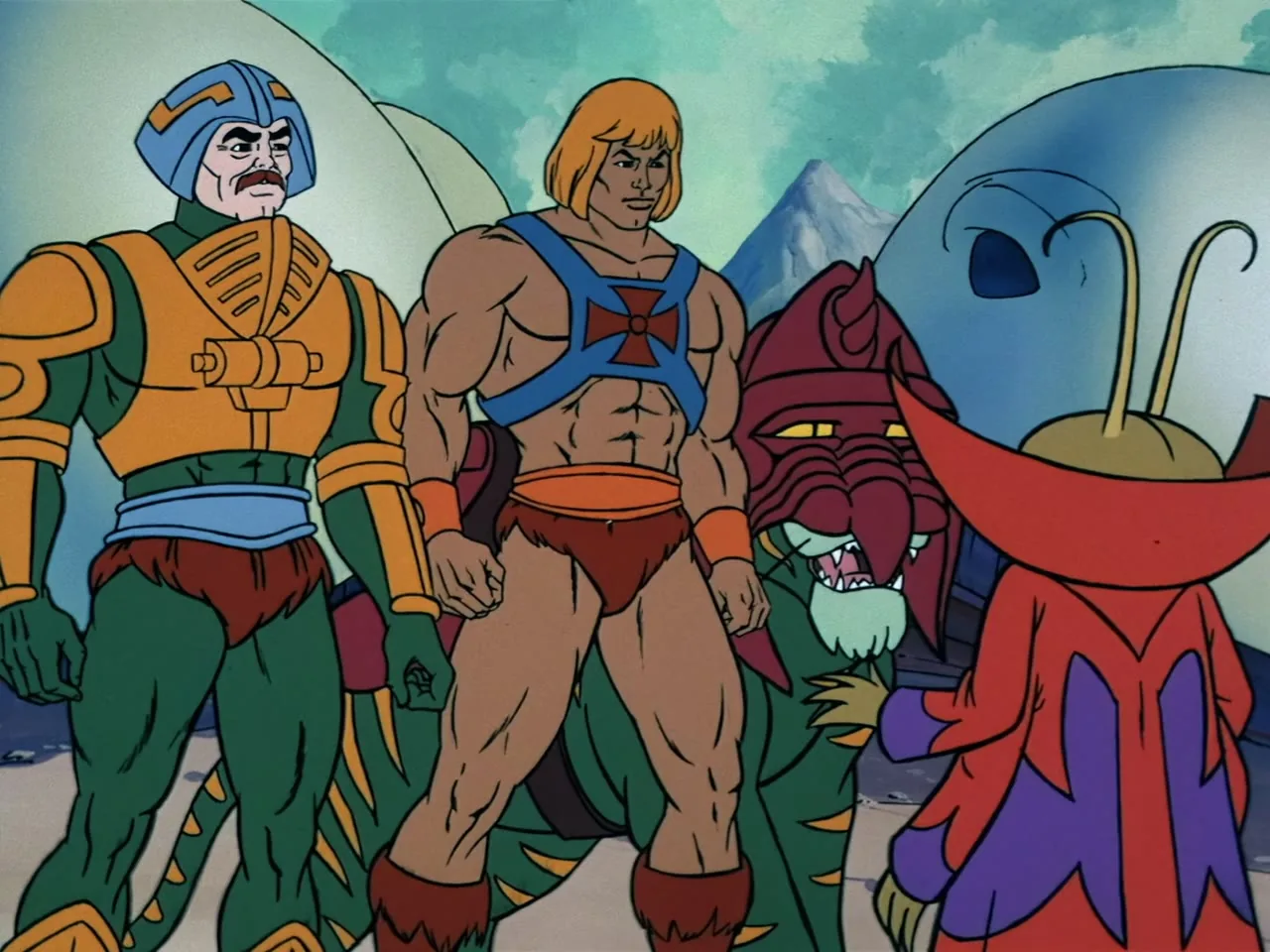
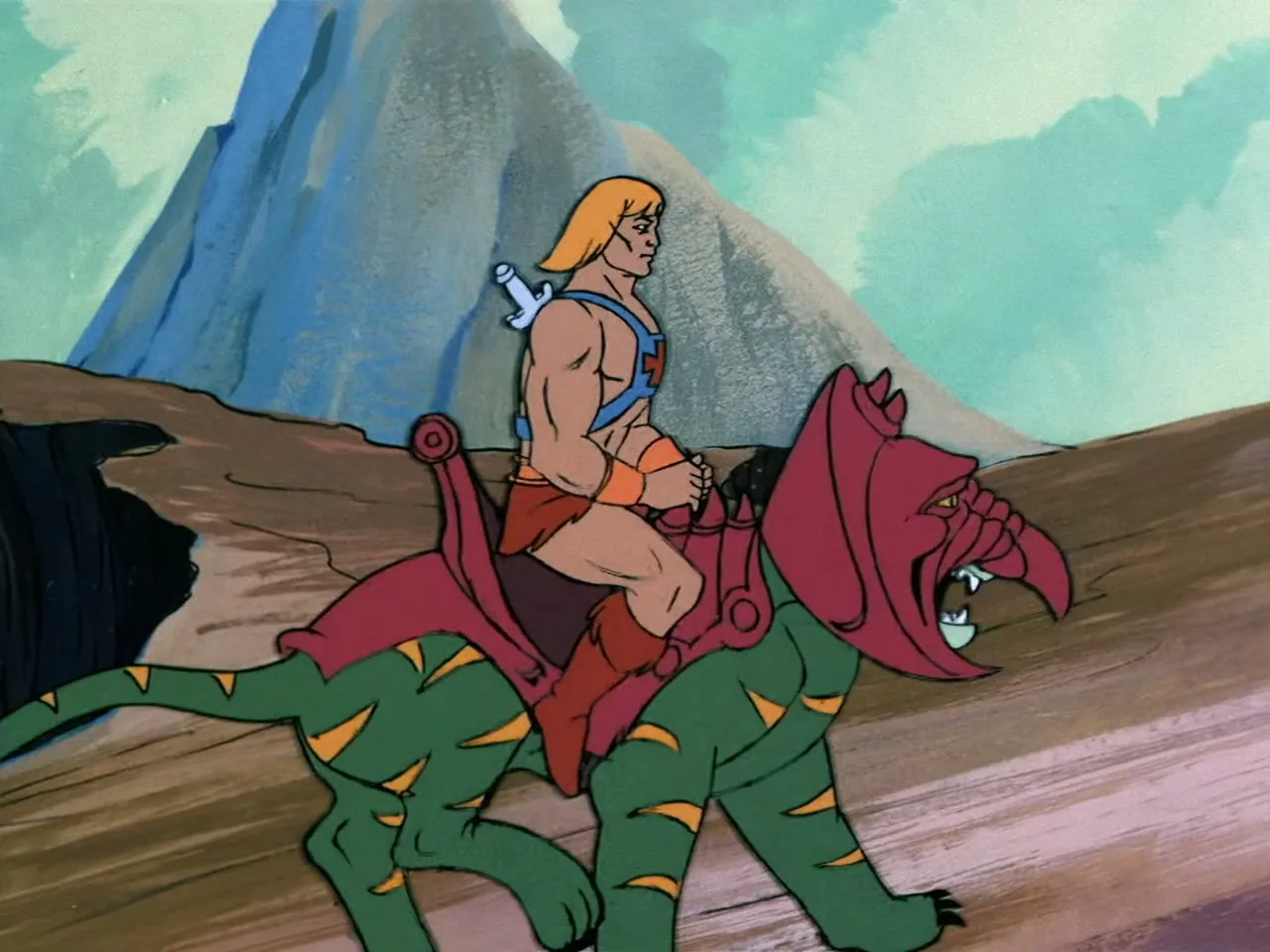
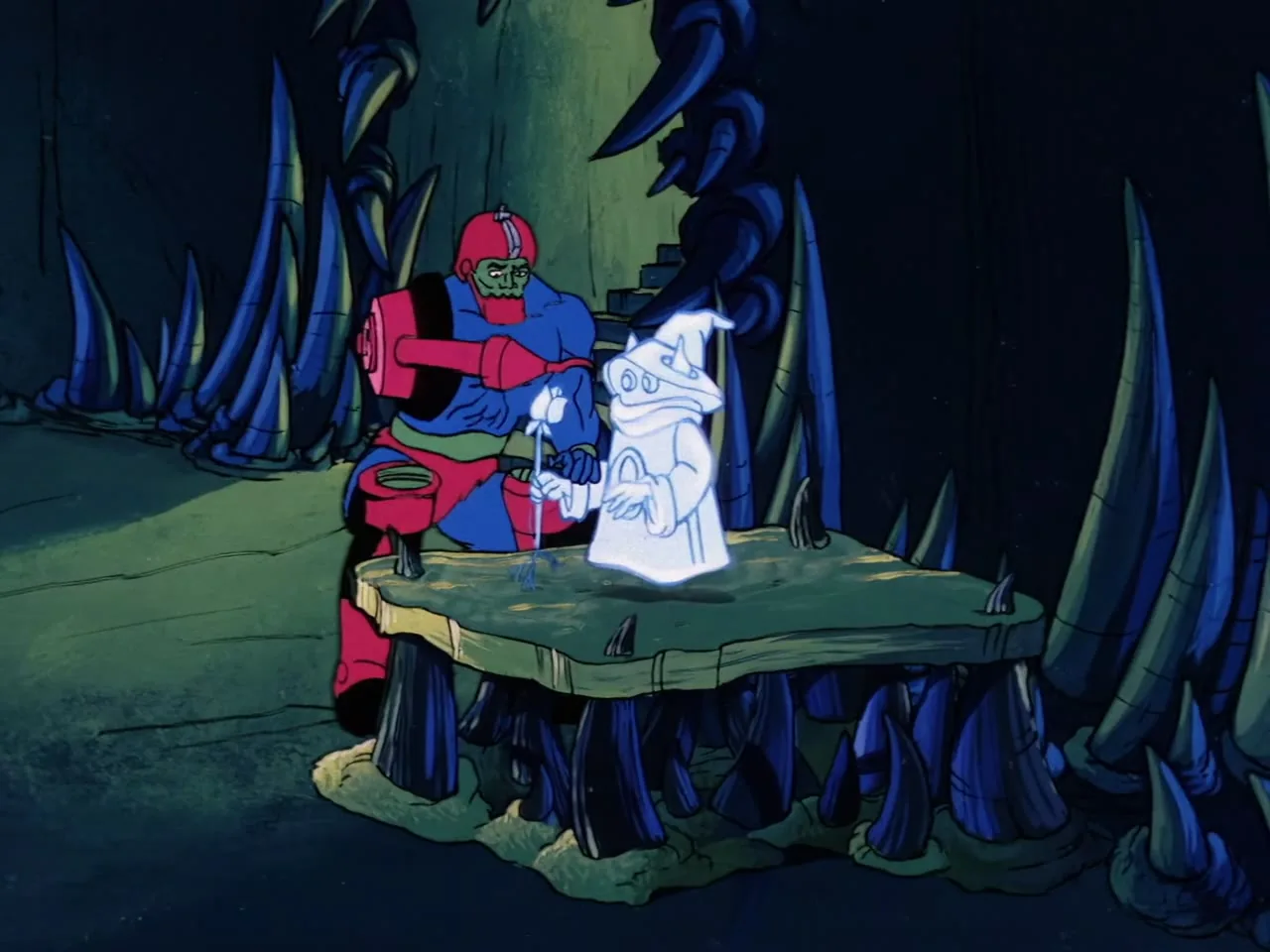
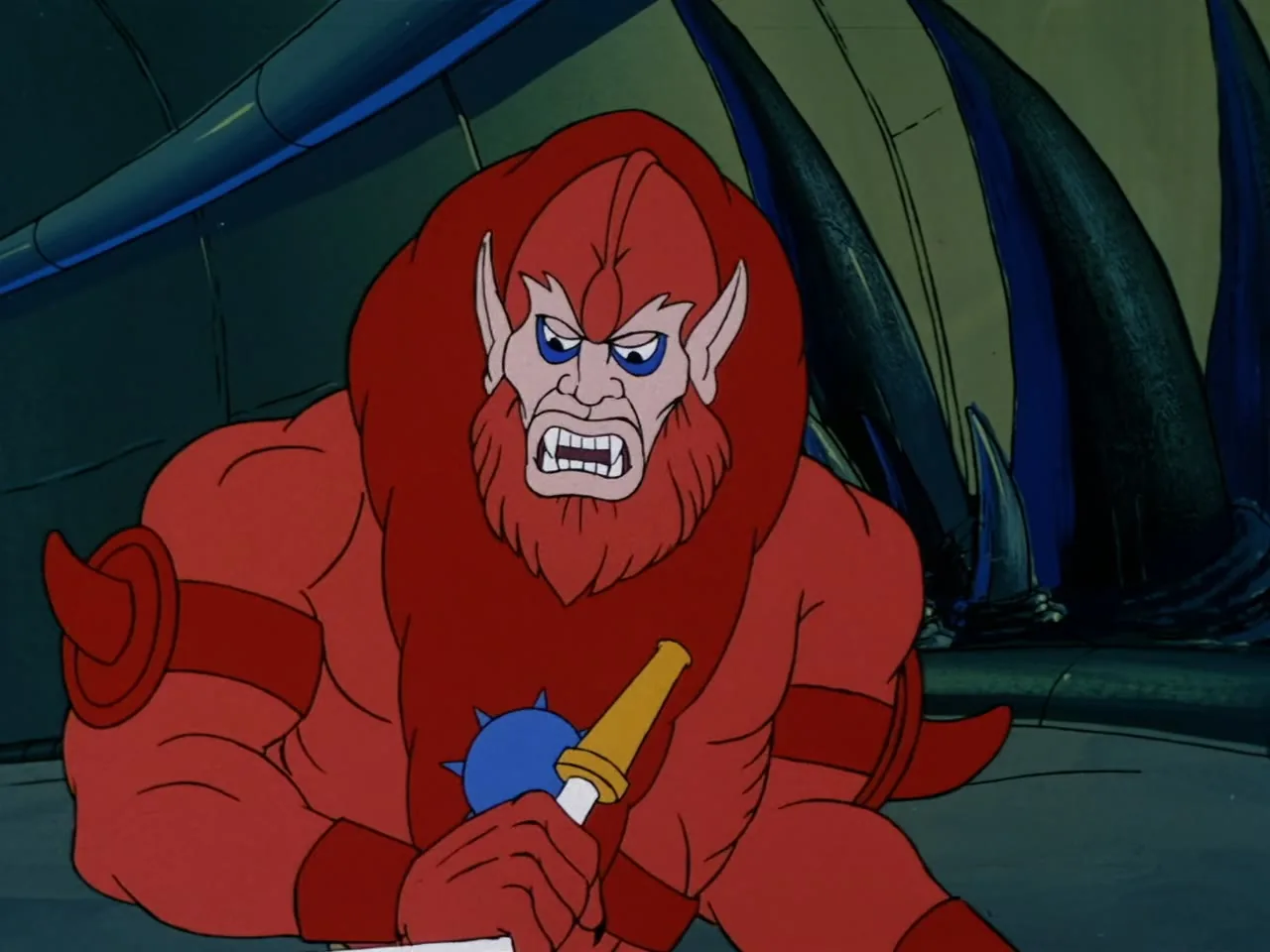
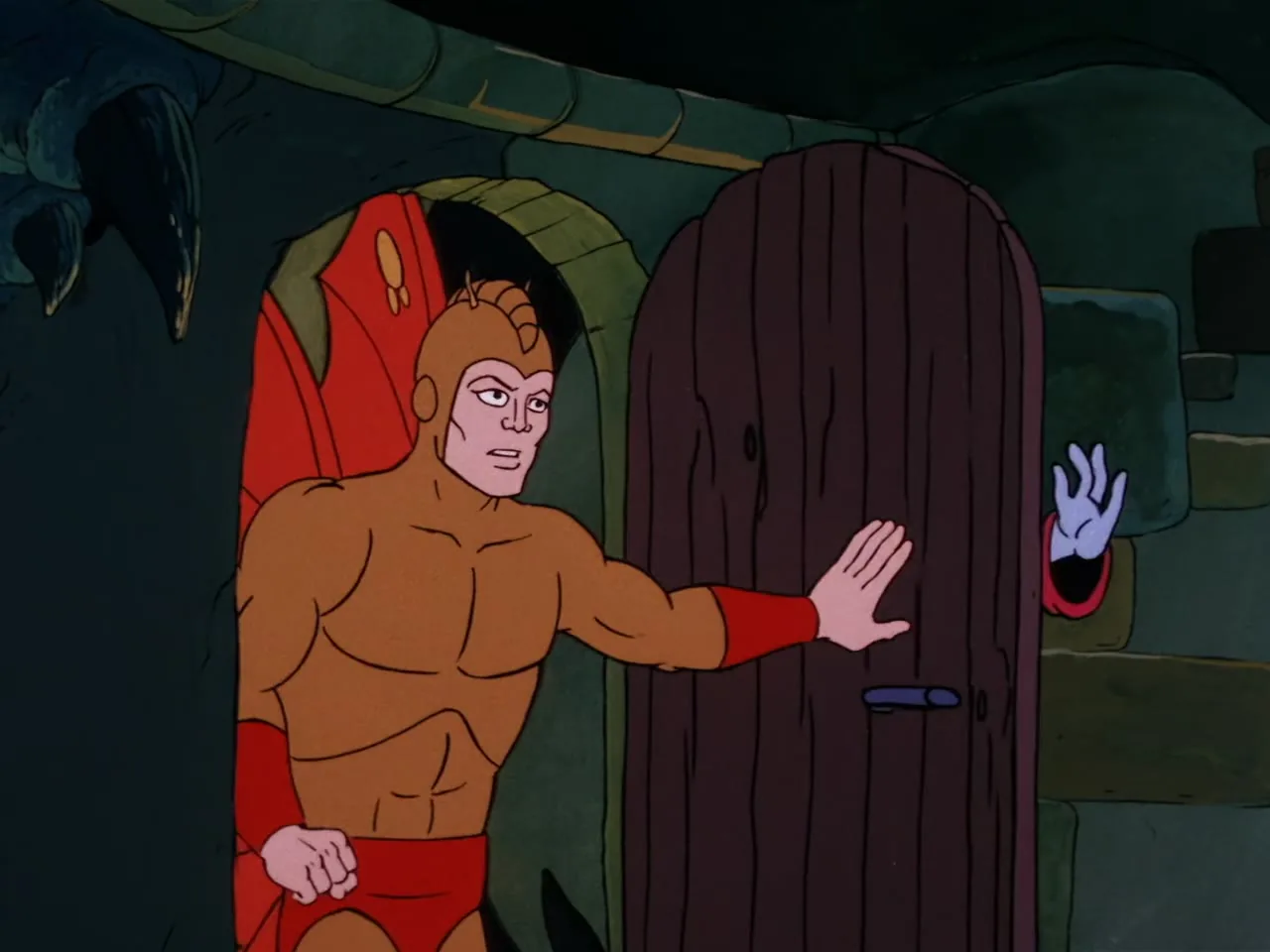
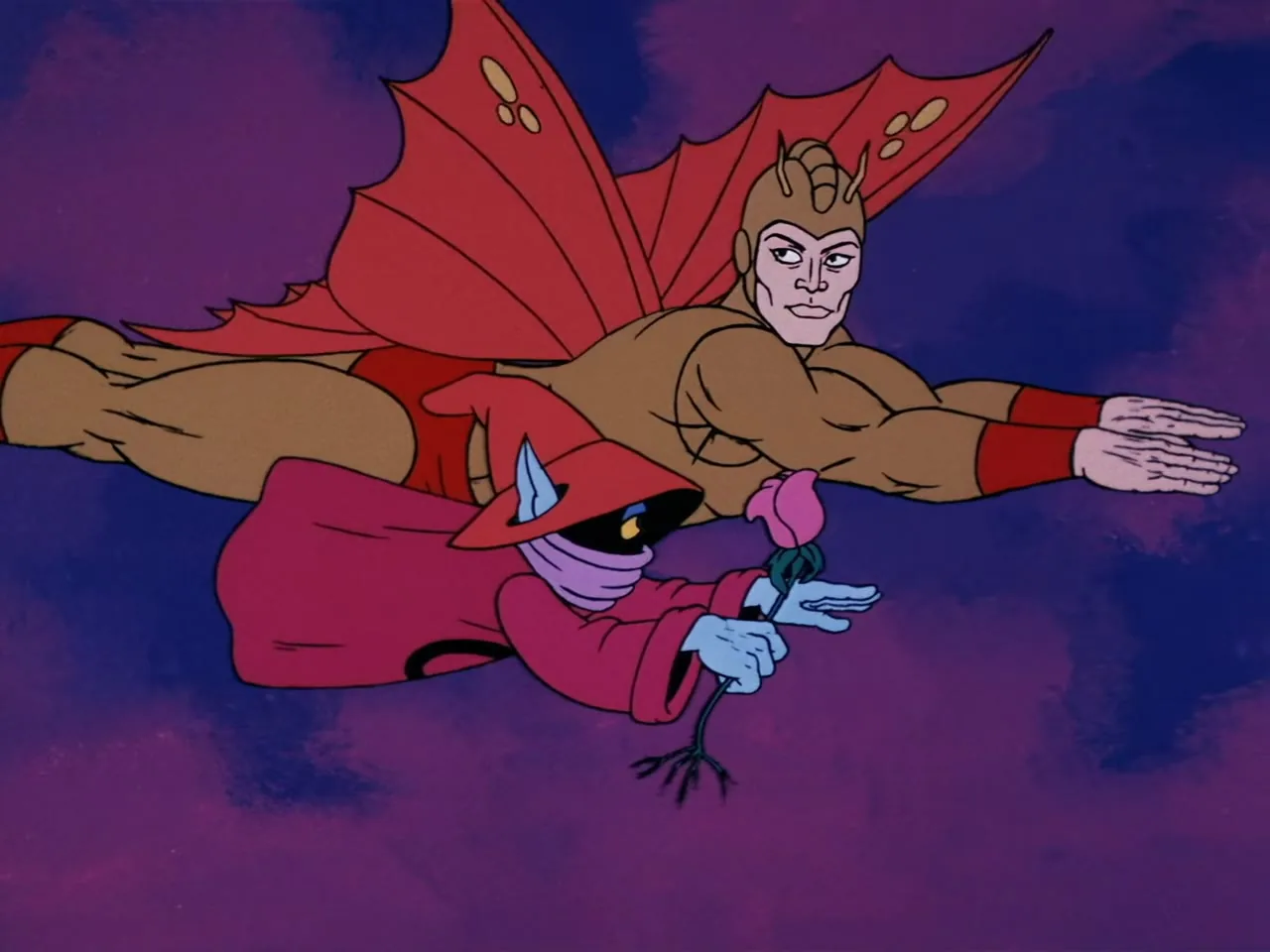
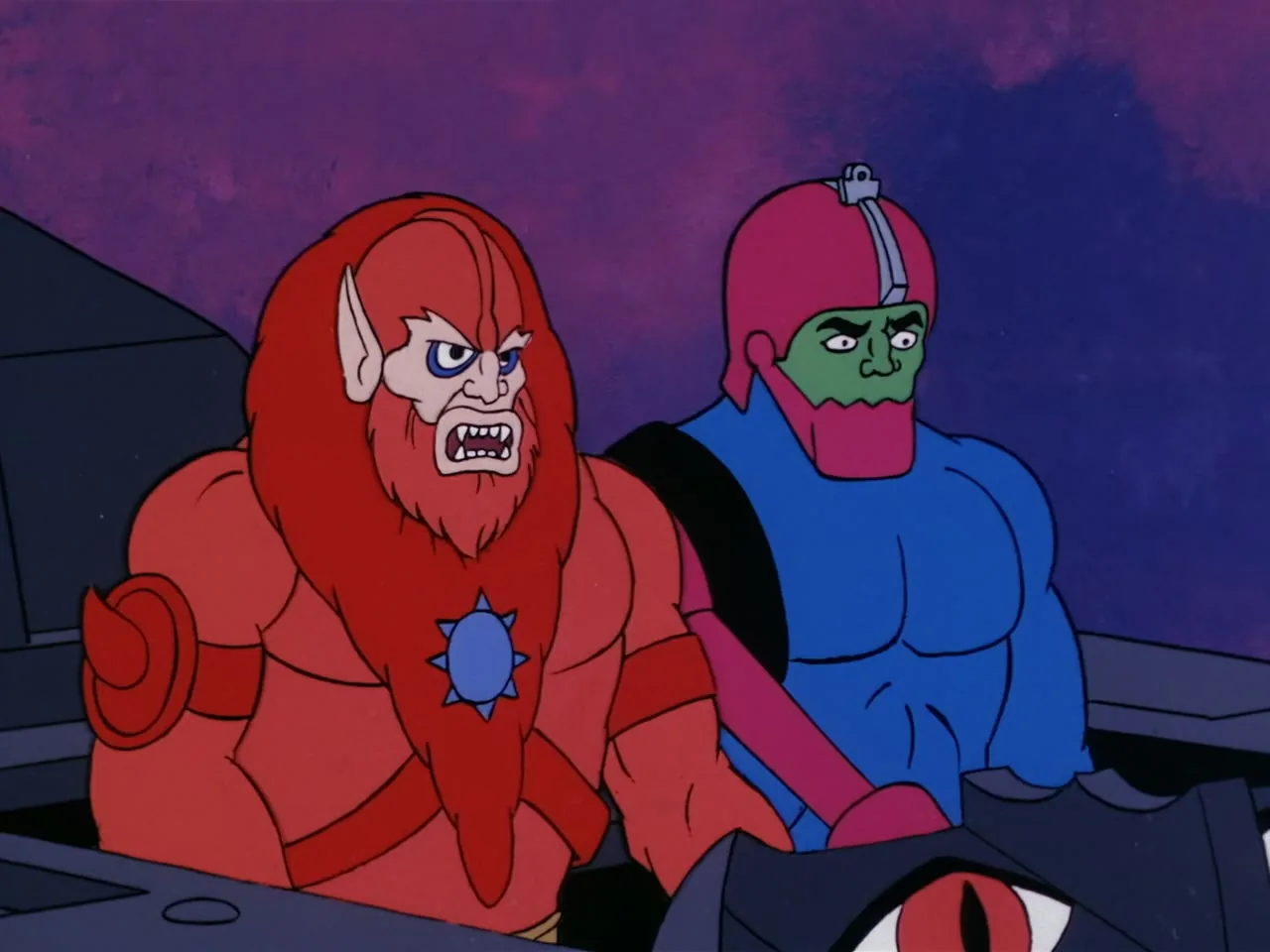
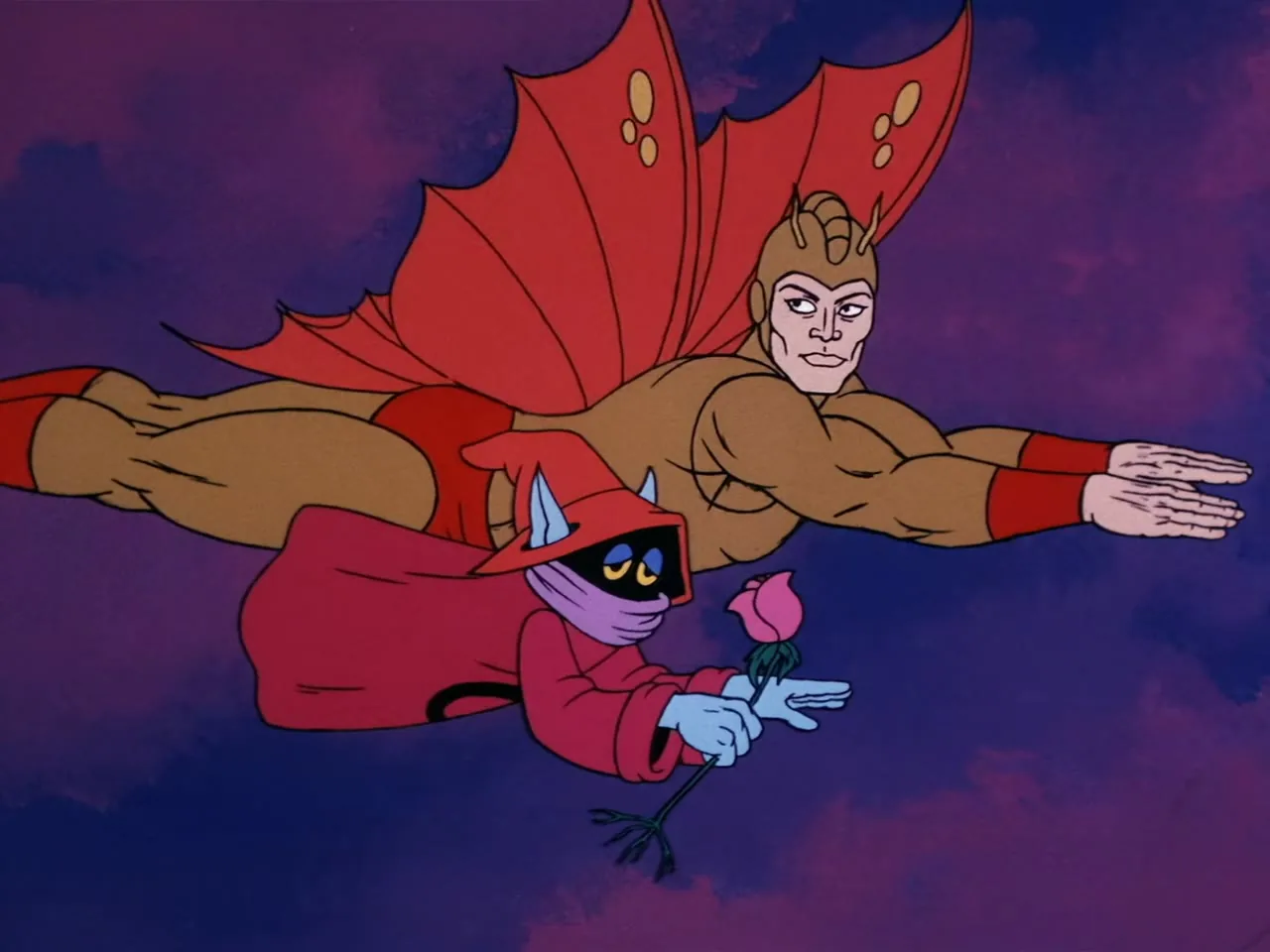
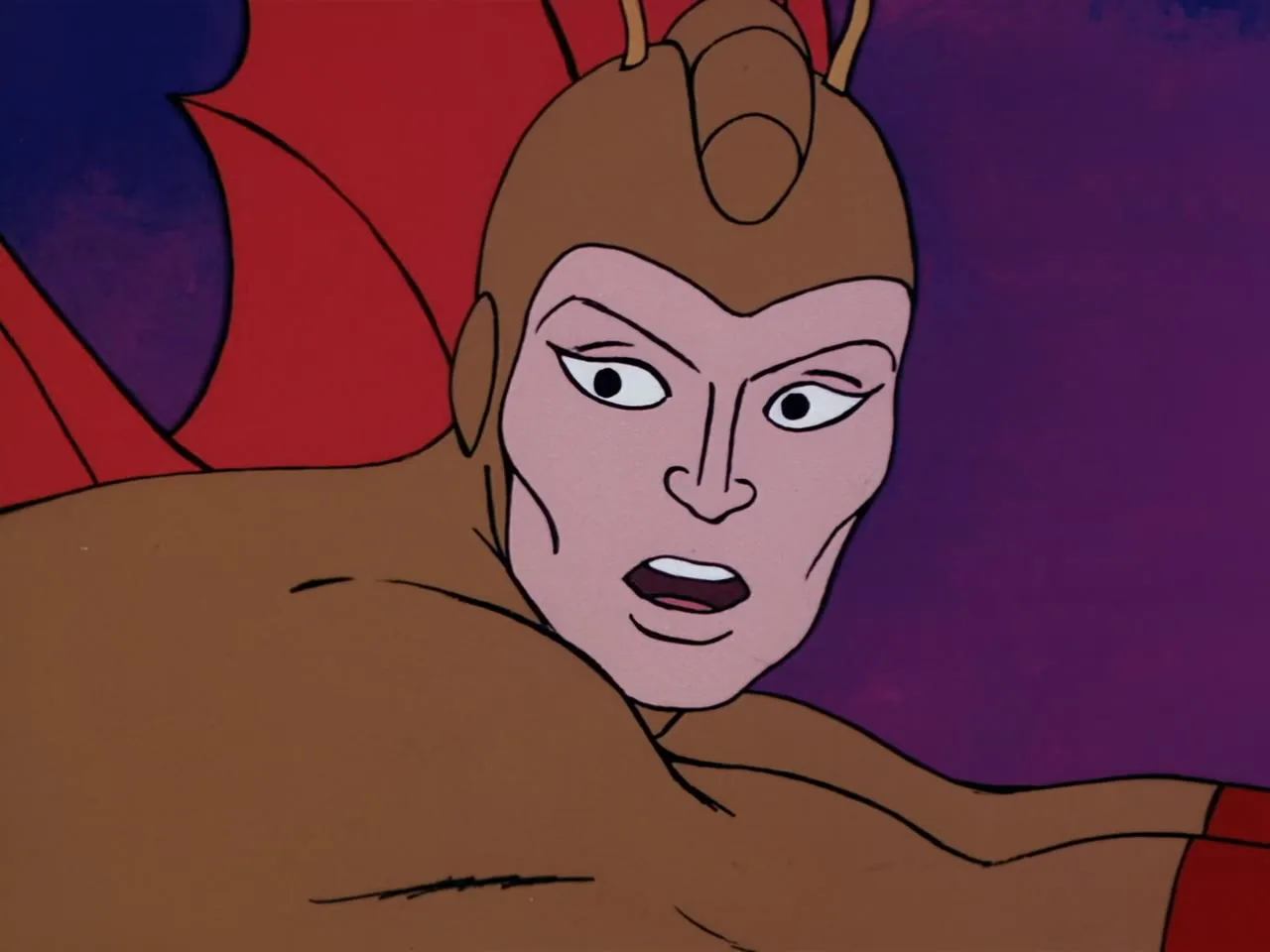
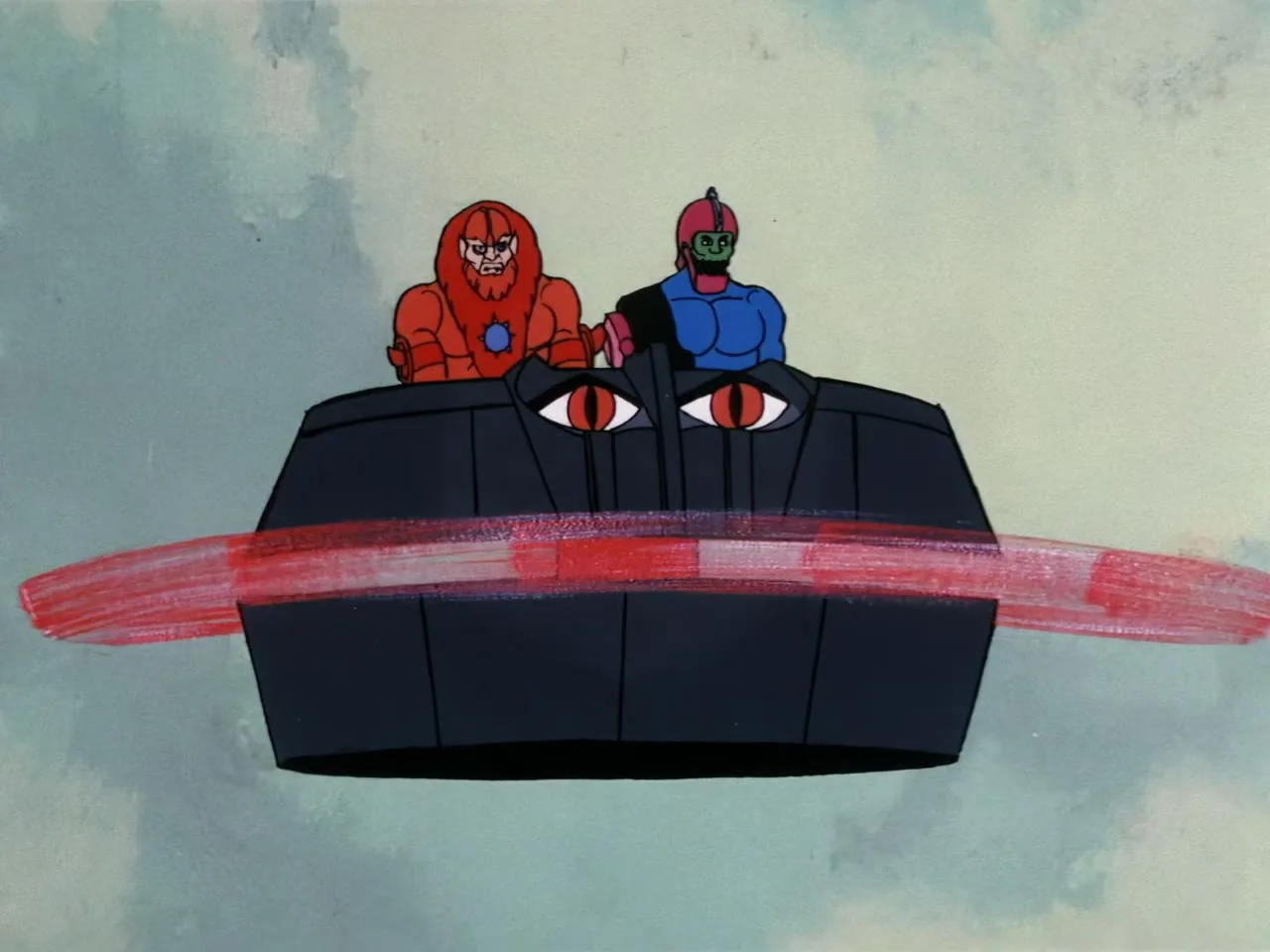
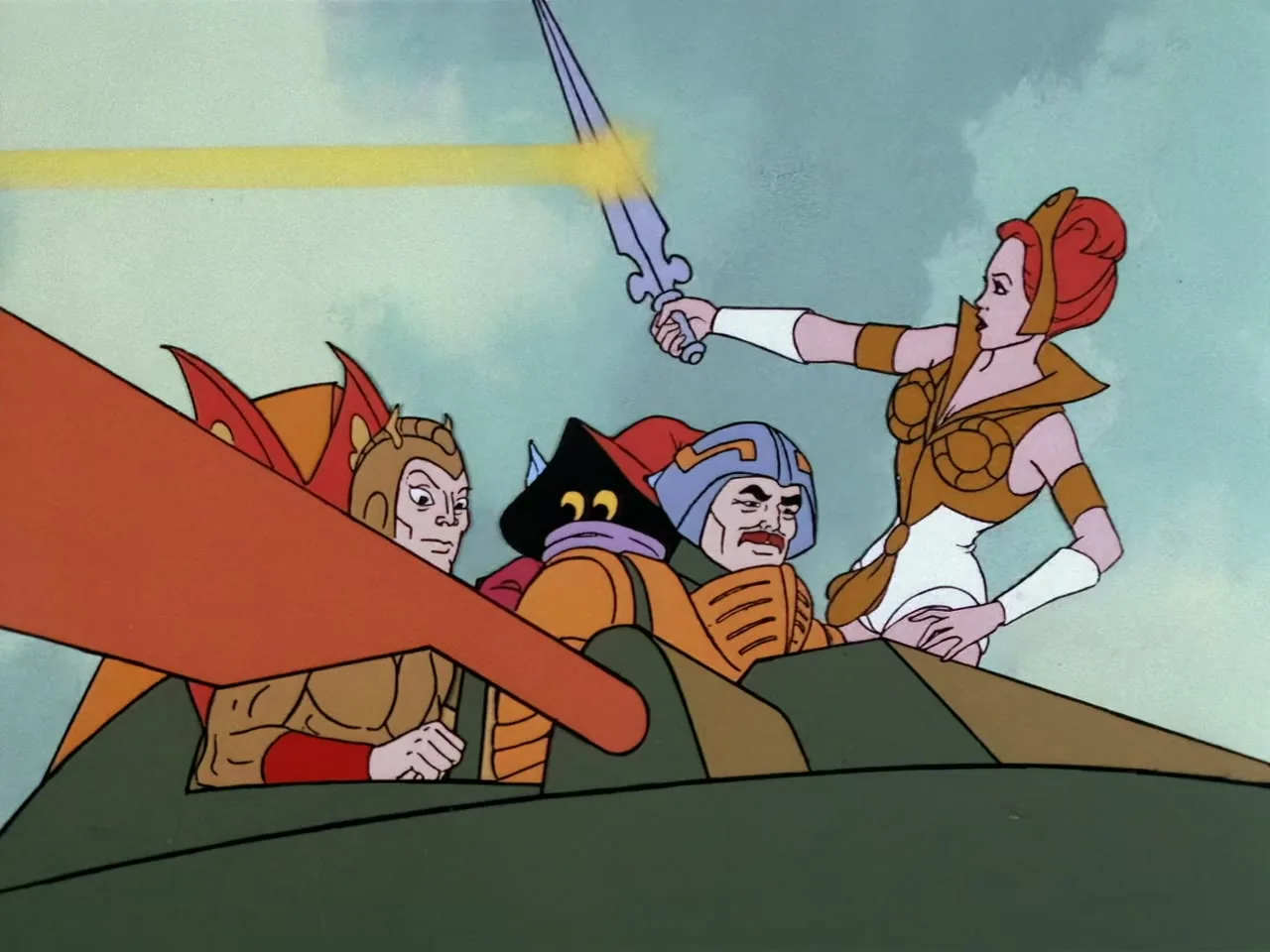
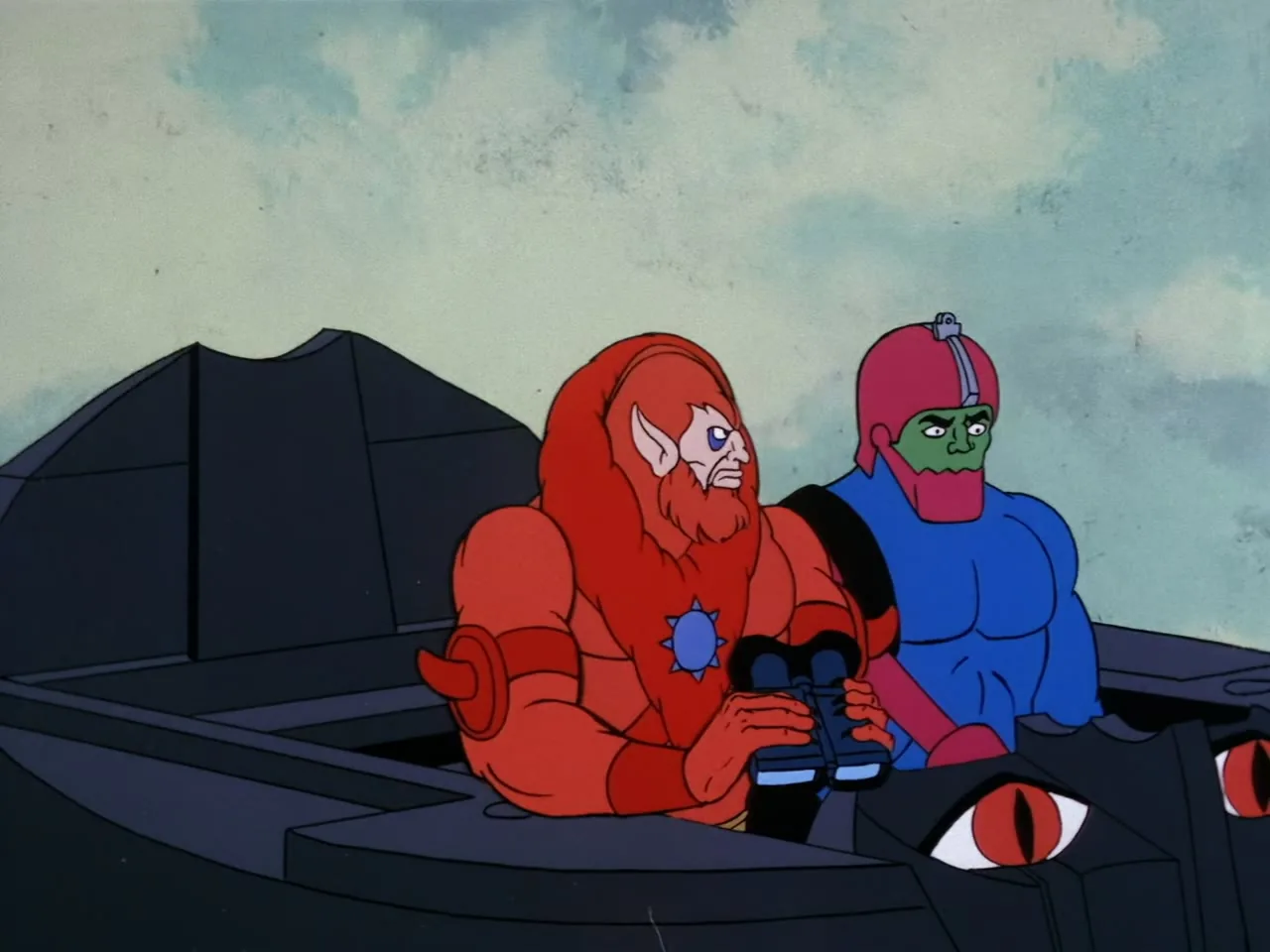
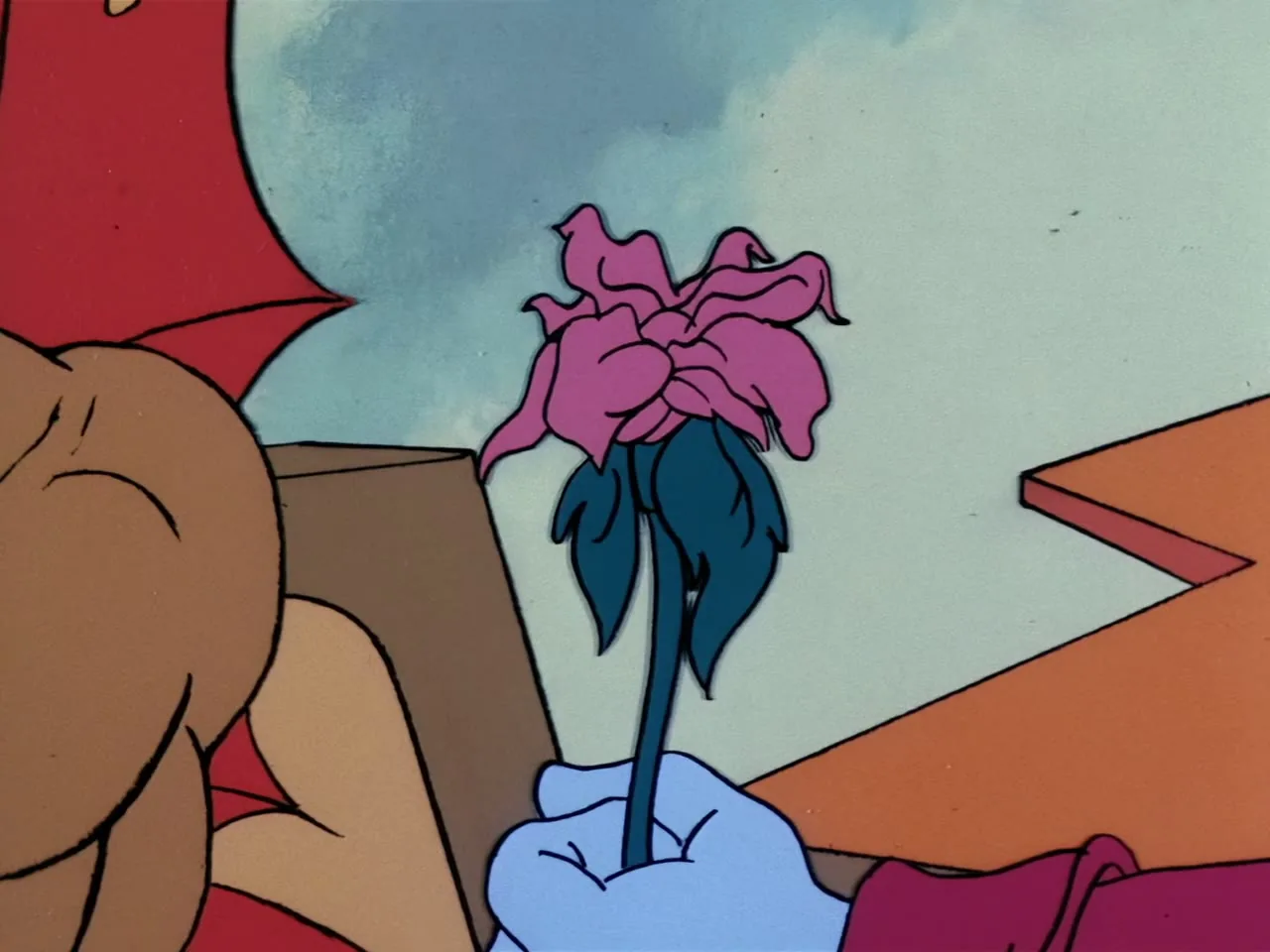
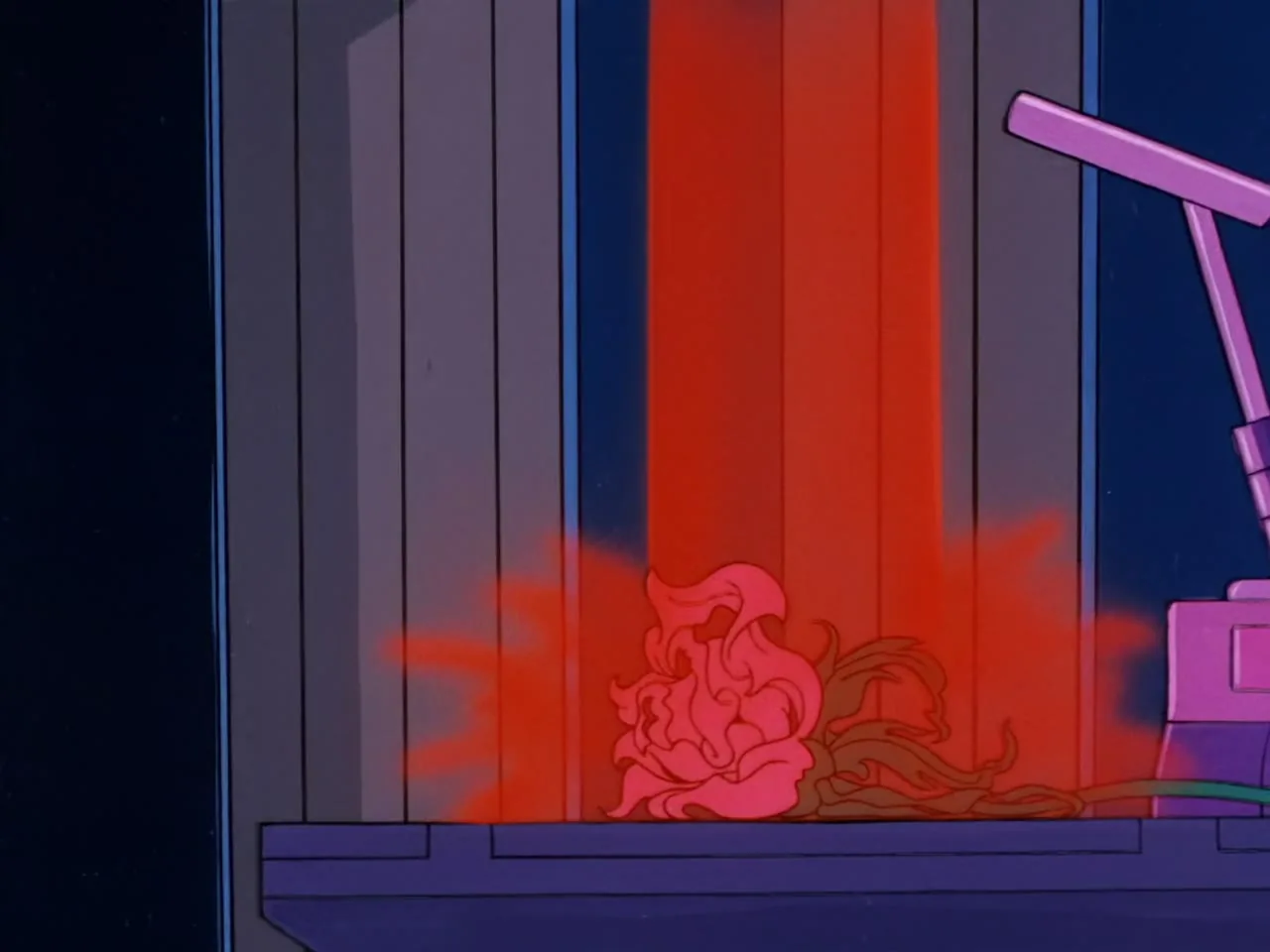
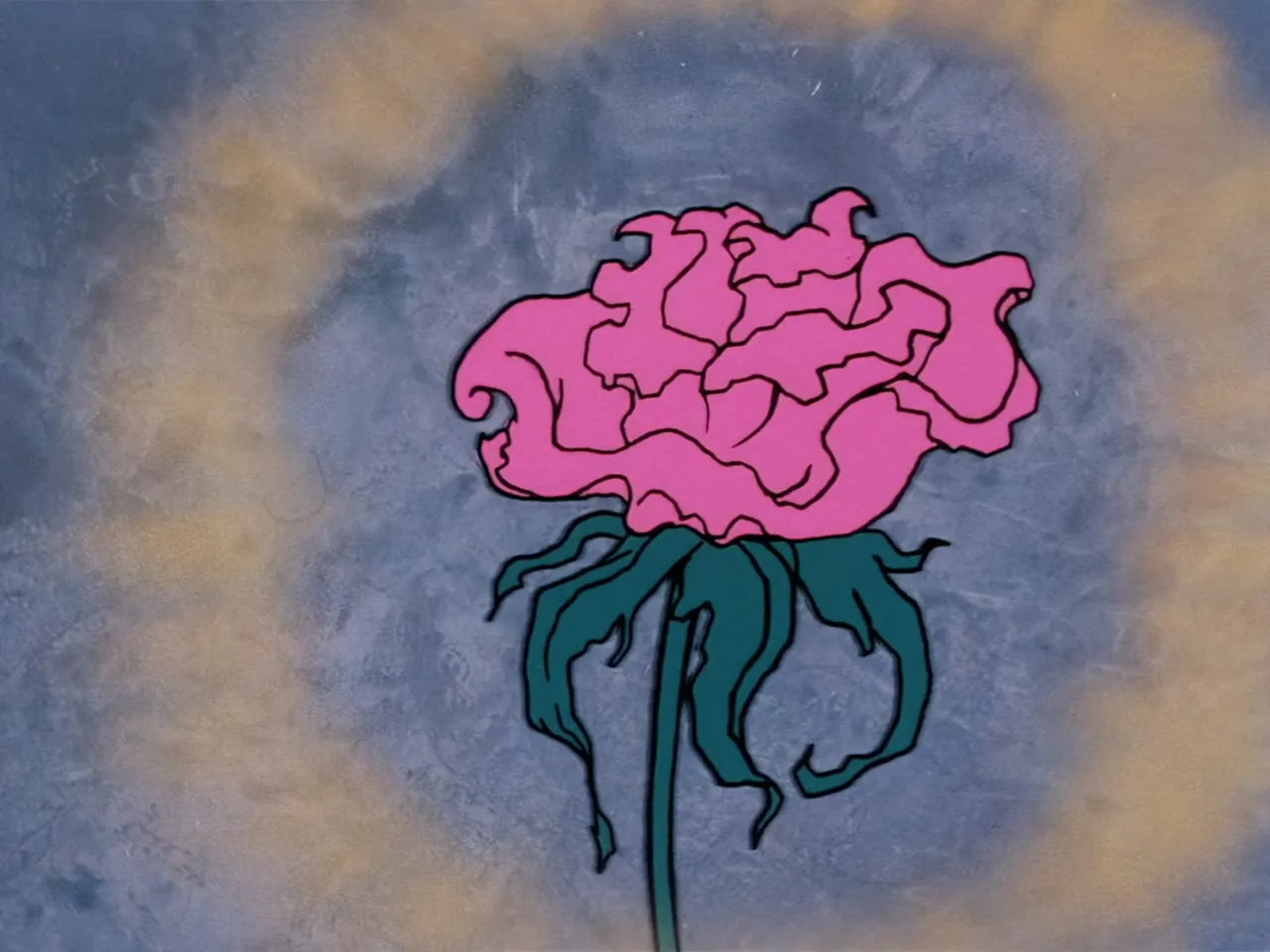
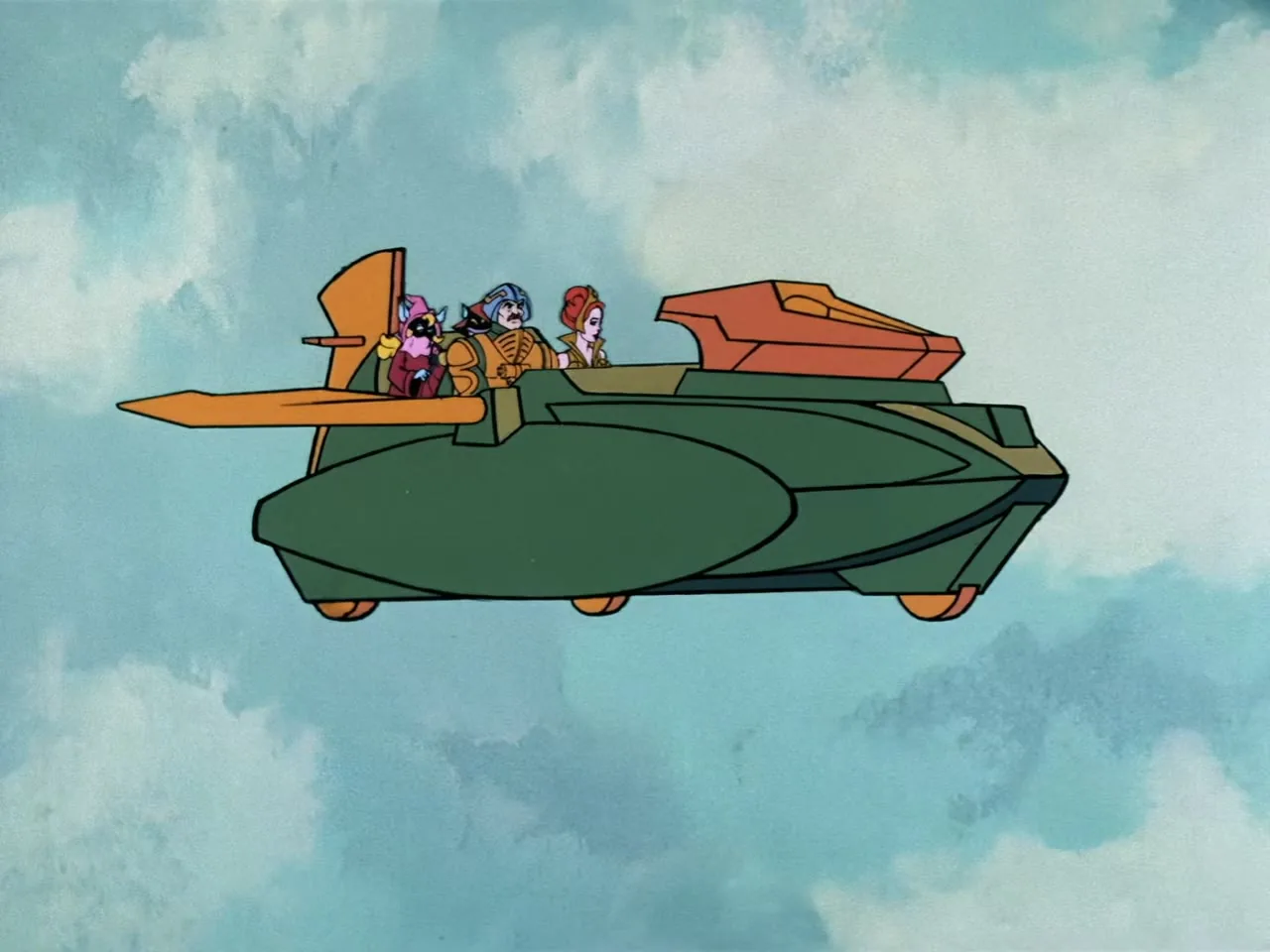
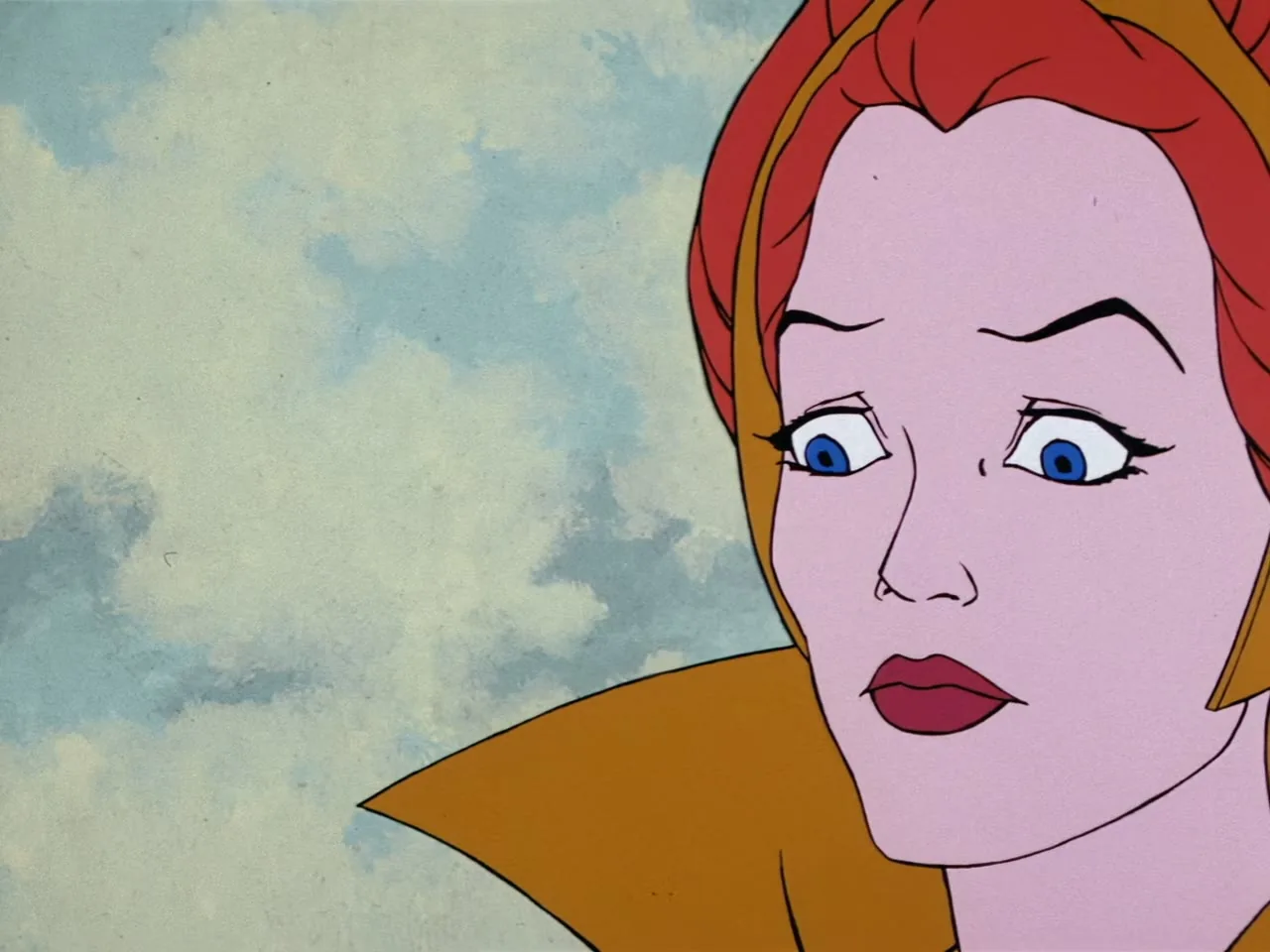
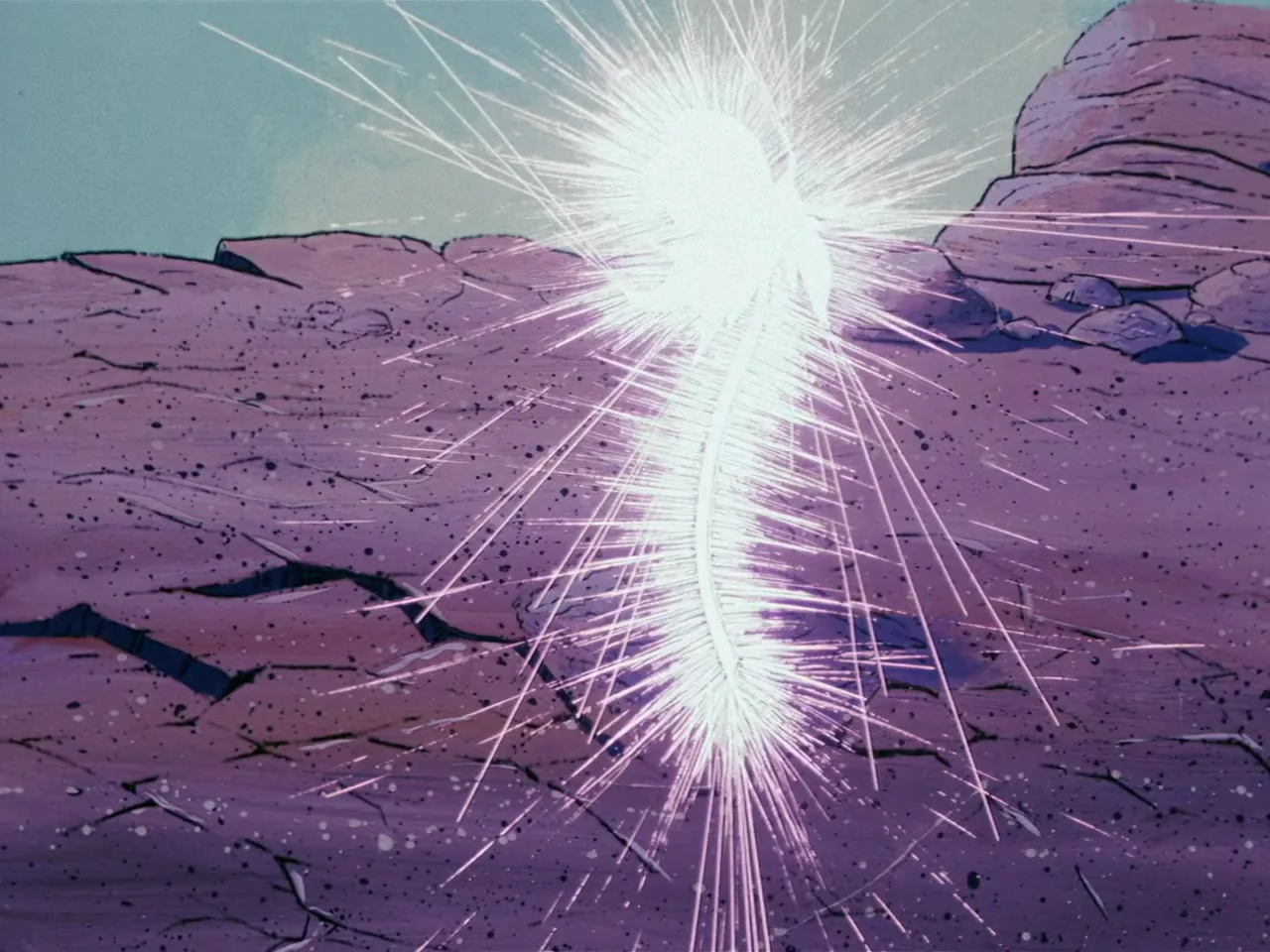
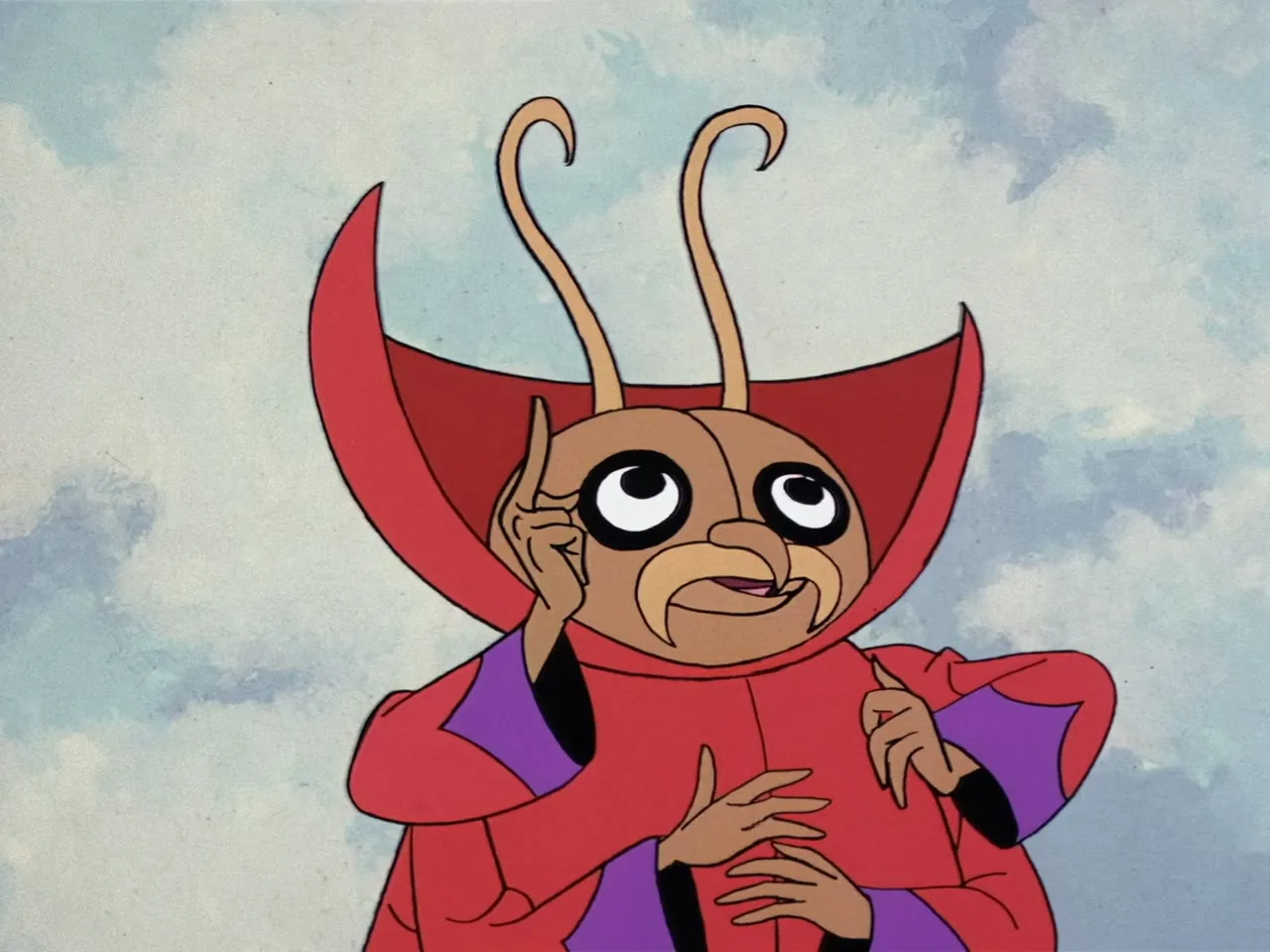
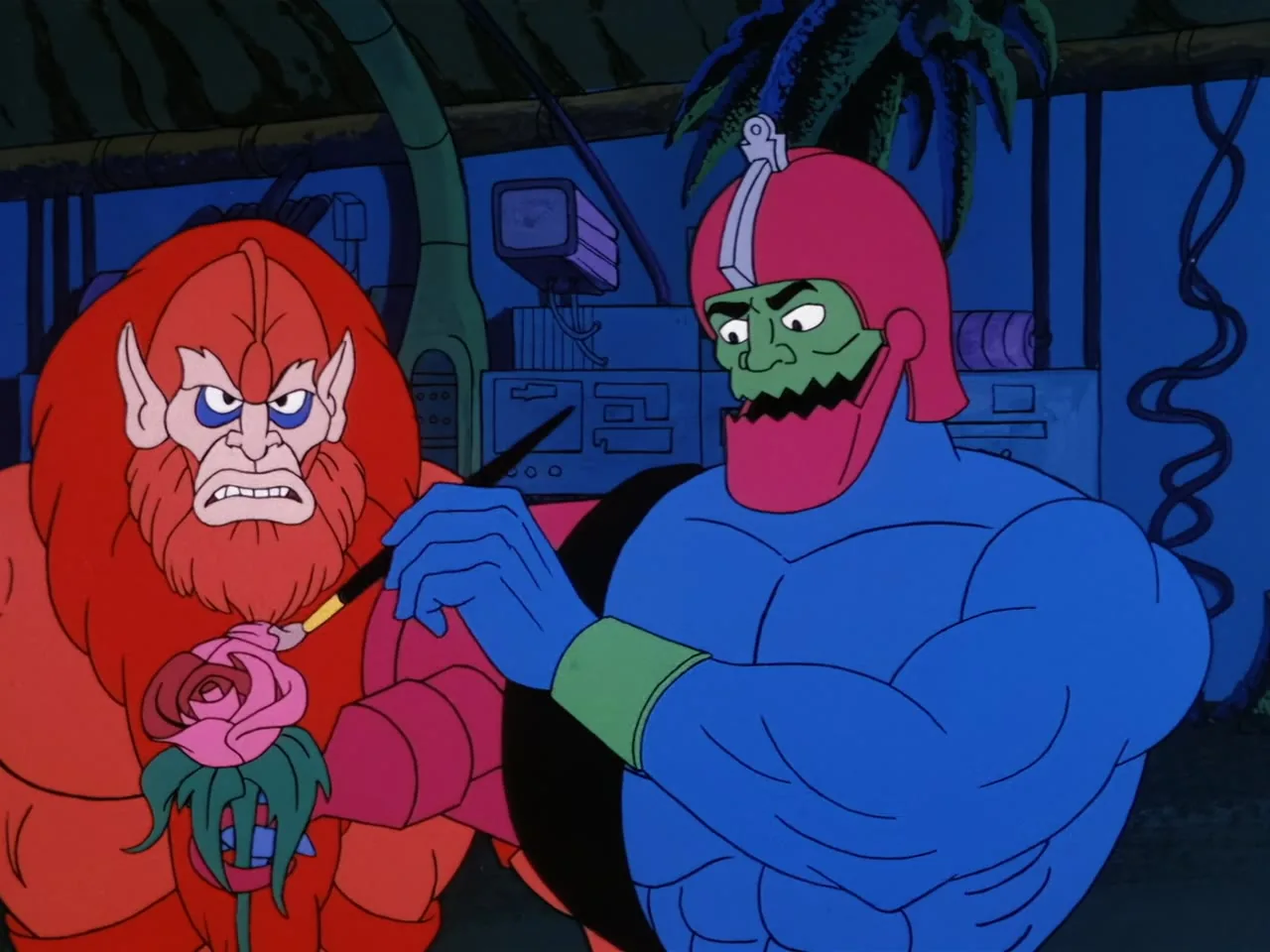
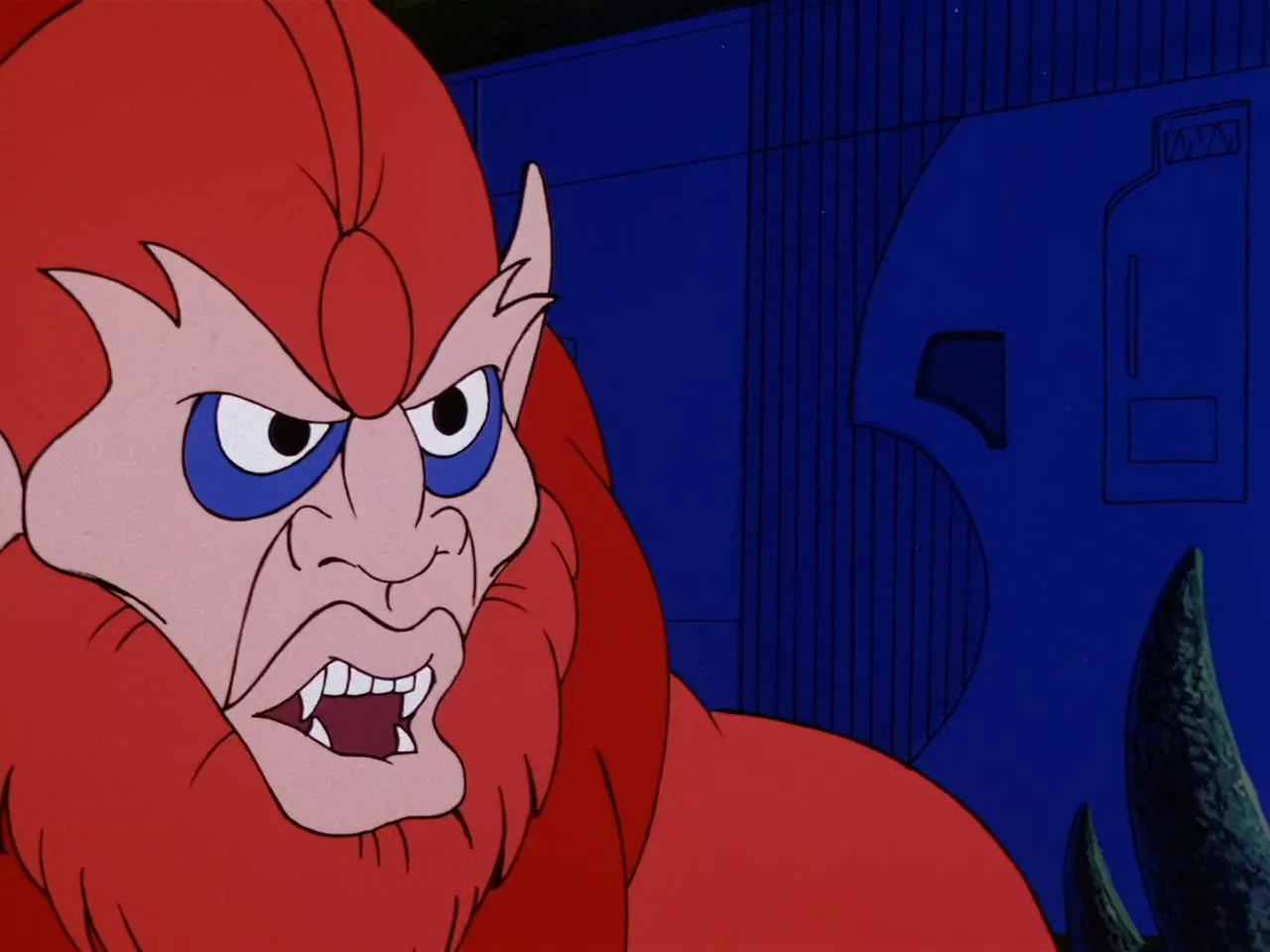
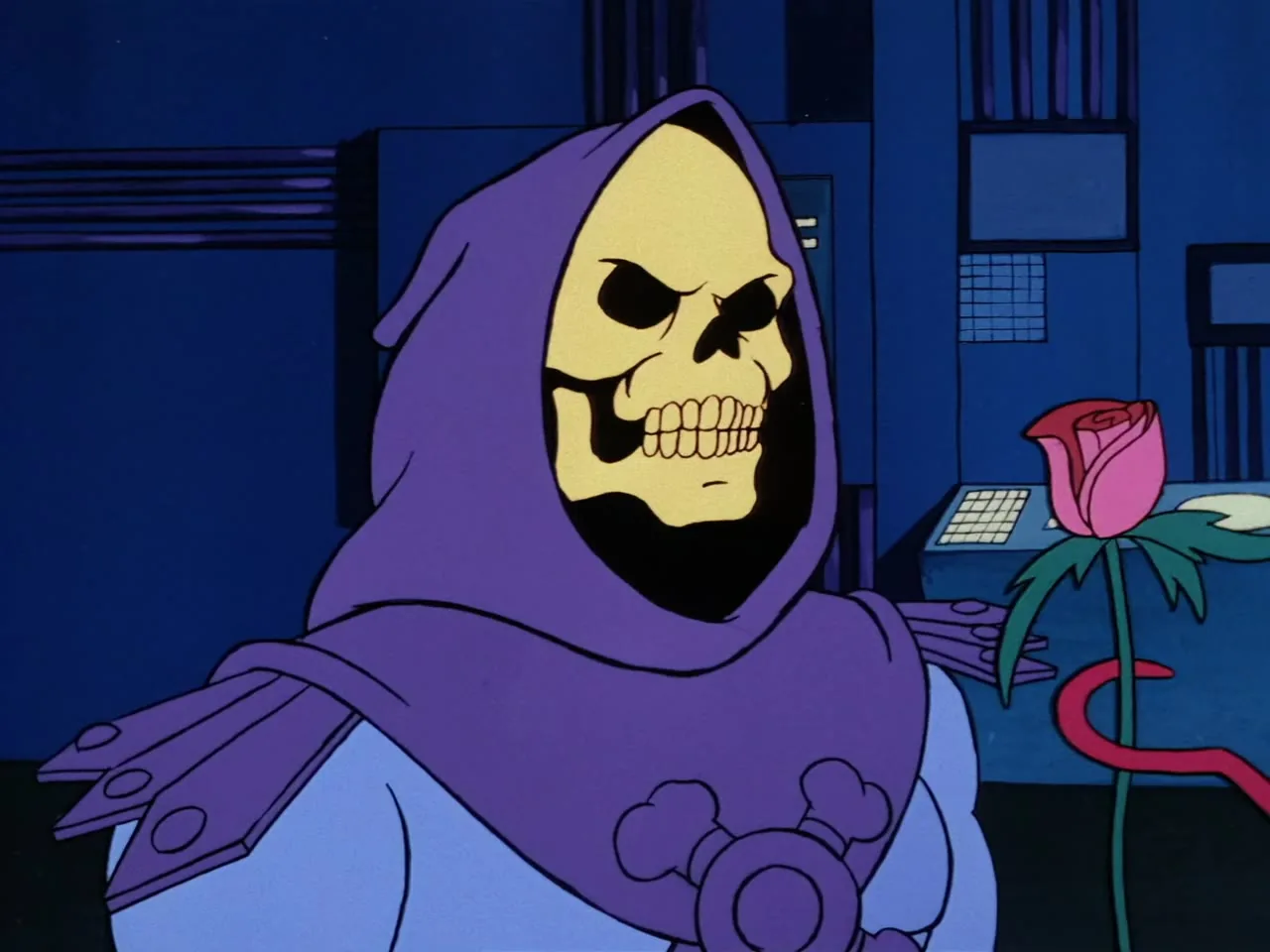
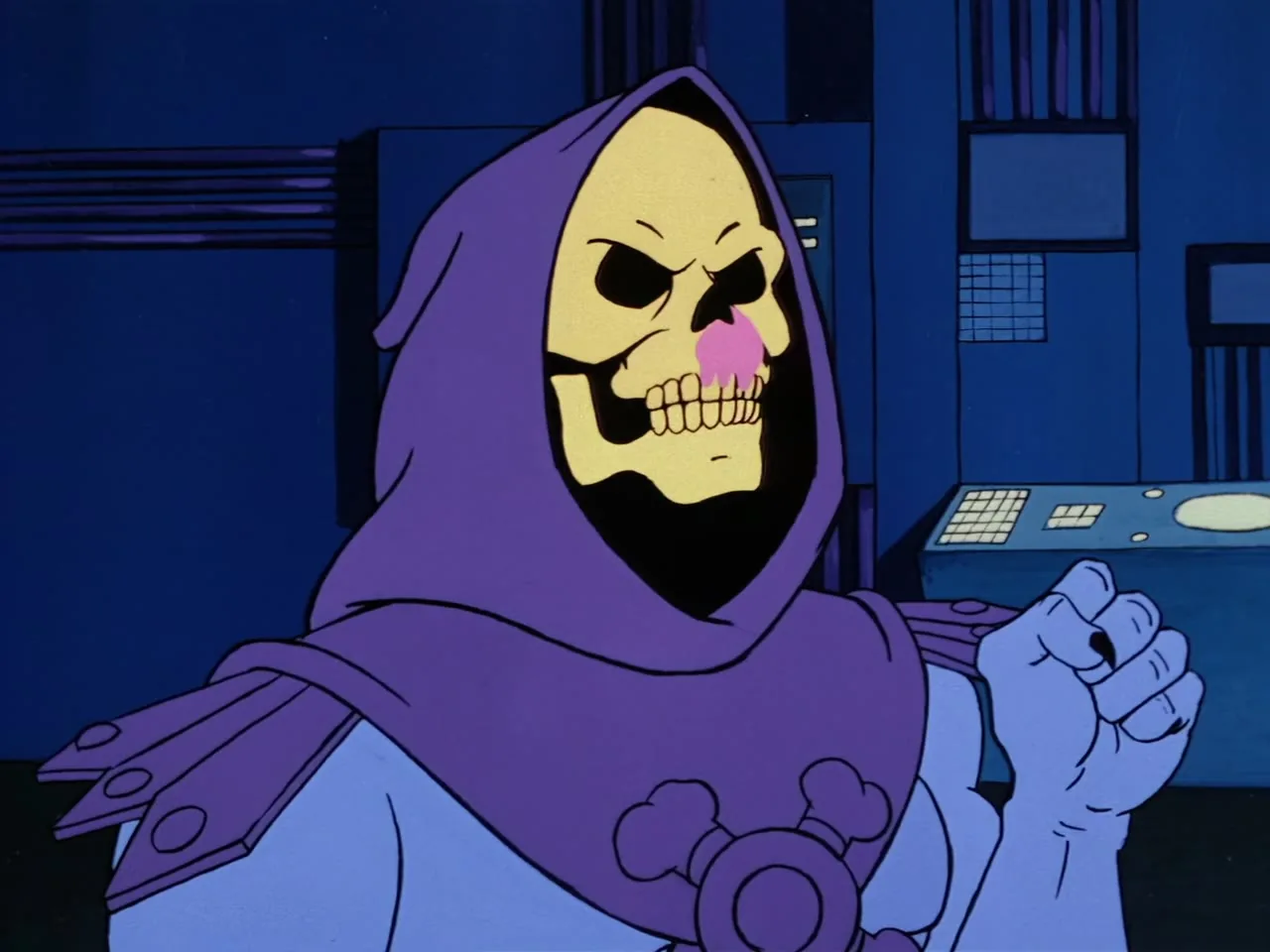
The mountain begins to crumble, threatening the nearby Insect People's village with avalanches, while Skeletor sends Beast Man and Trap Jaw after the rose for himself. Orko is captured and taken to Snake Mountain but is rescued by Garth of the Insect People, and together with Man-At-Arms and Teela they race back toward Rose Mountain in the Wind Raider, with Beast Man and Trap Jaw's pursuing blasts accidentally withering the flower.
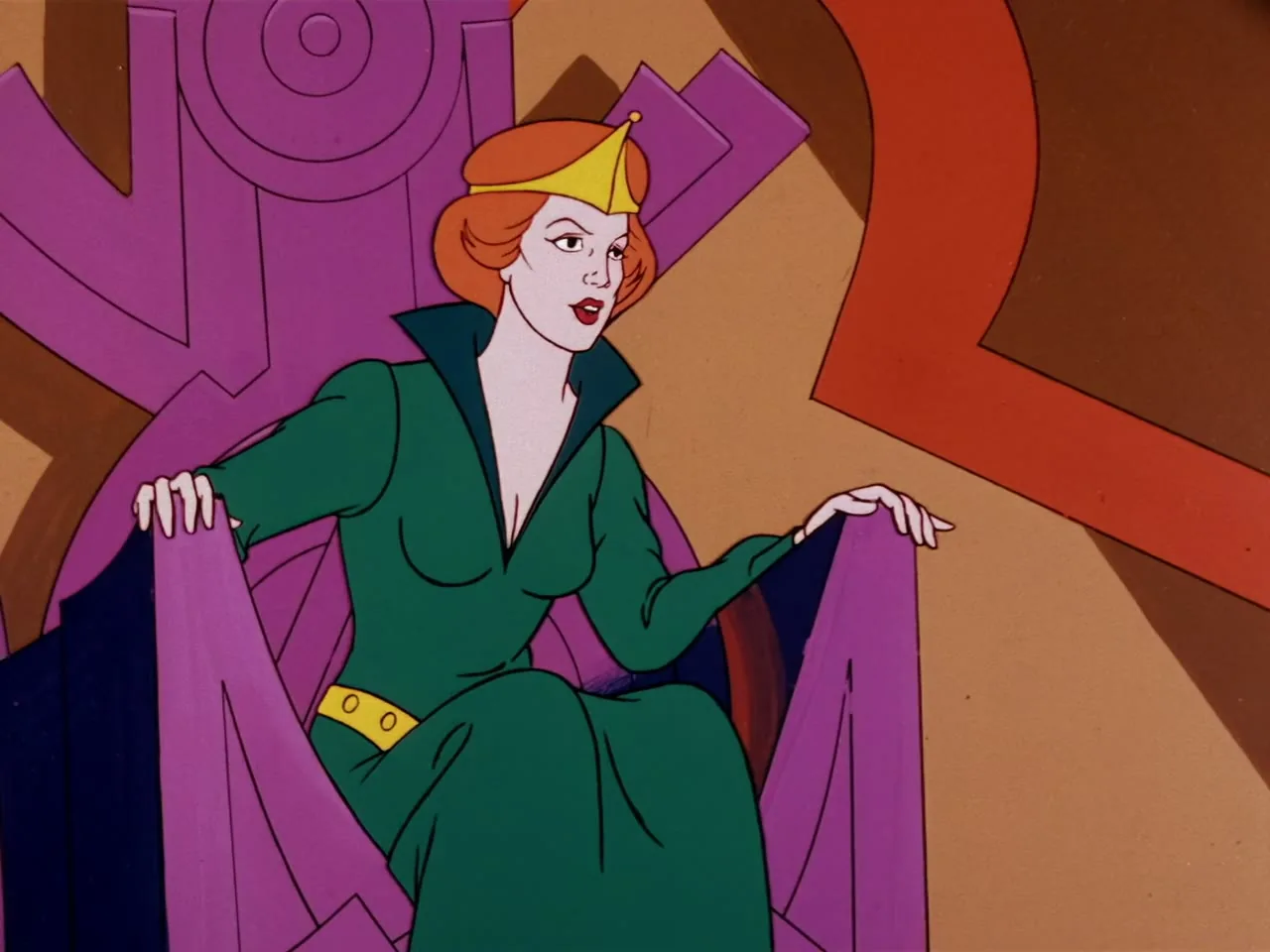
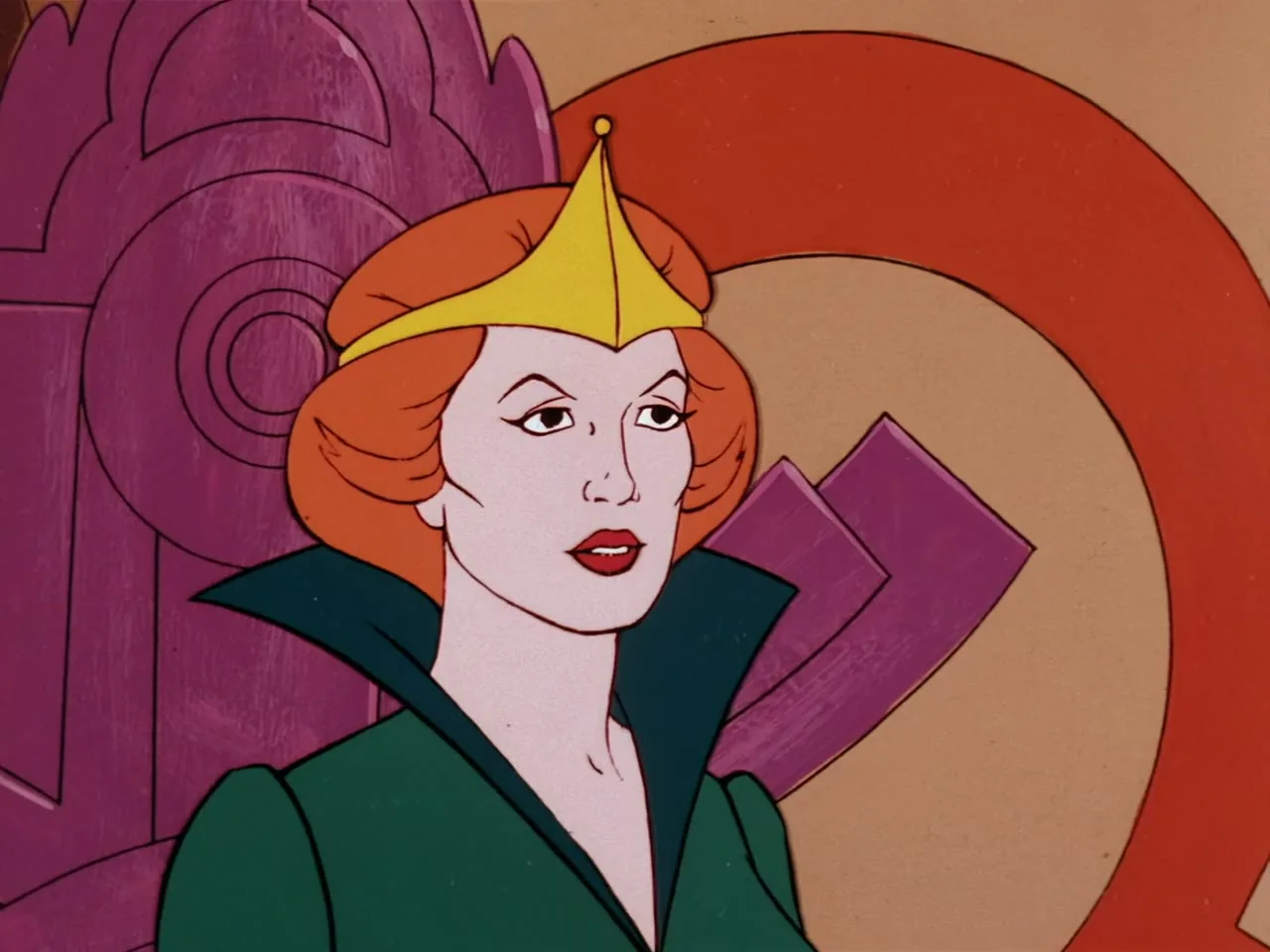
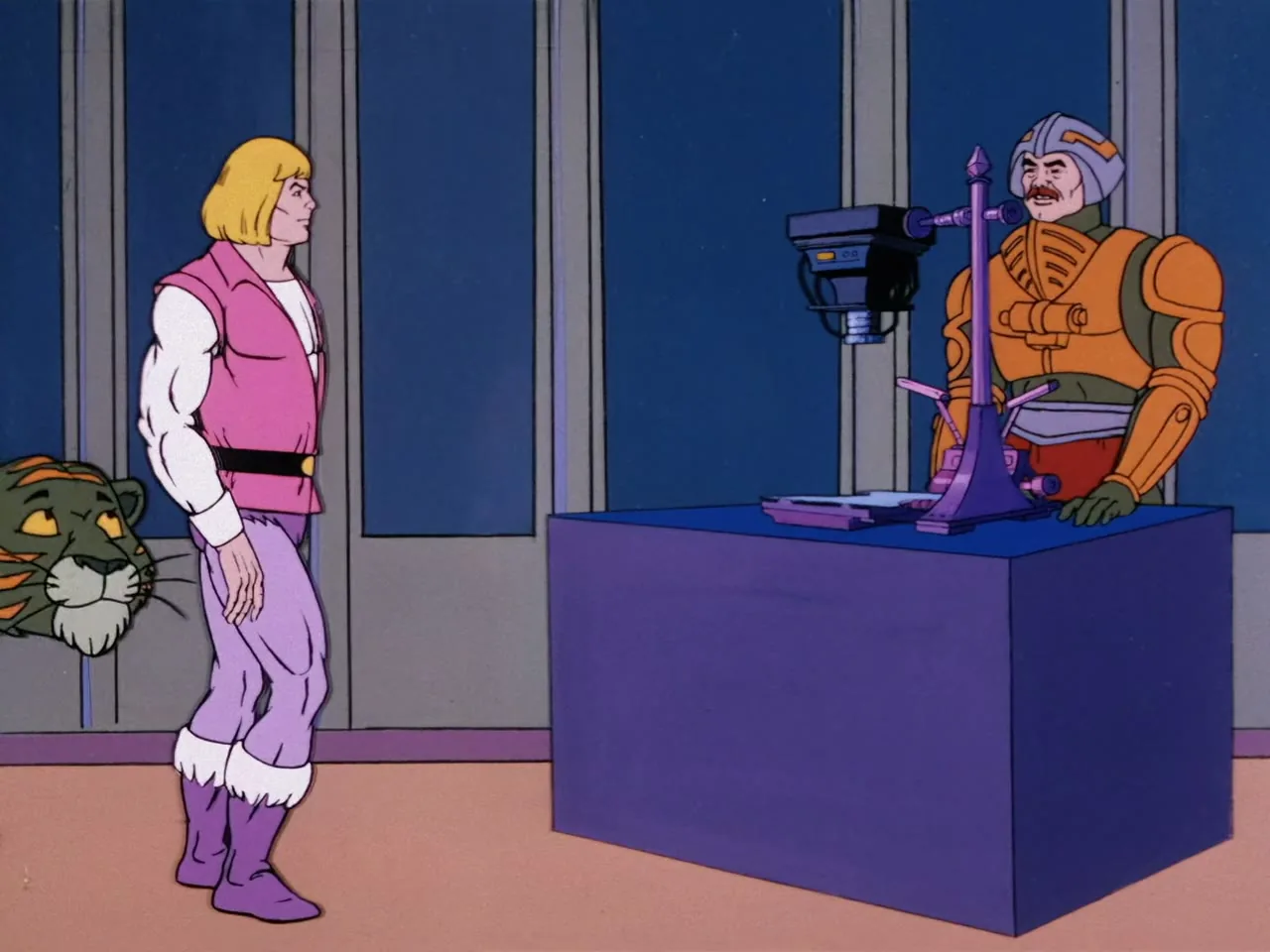
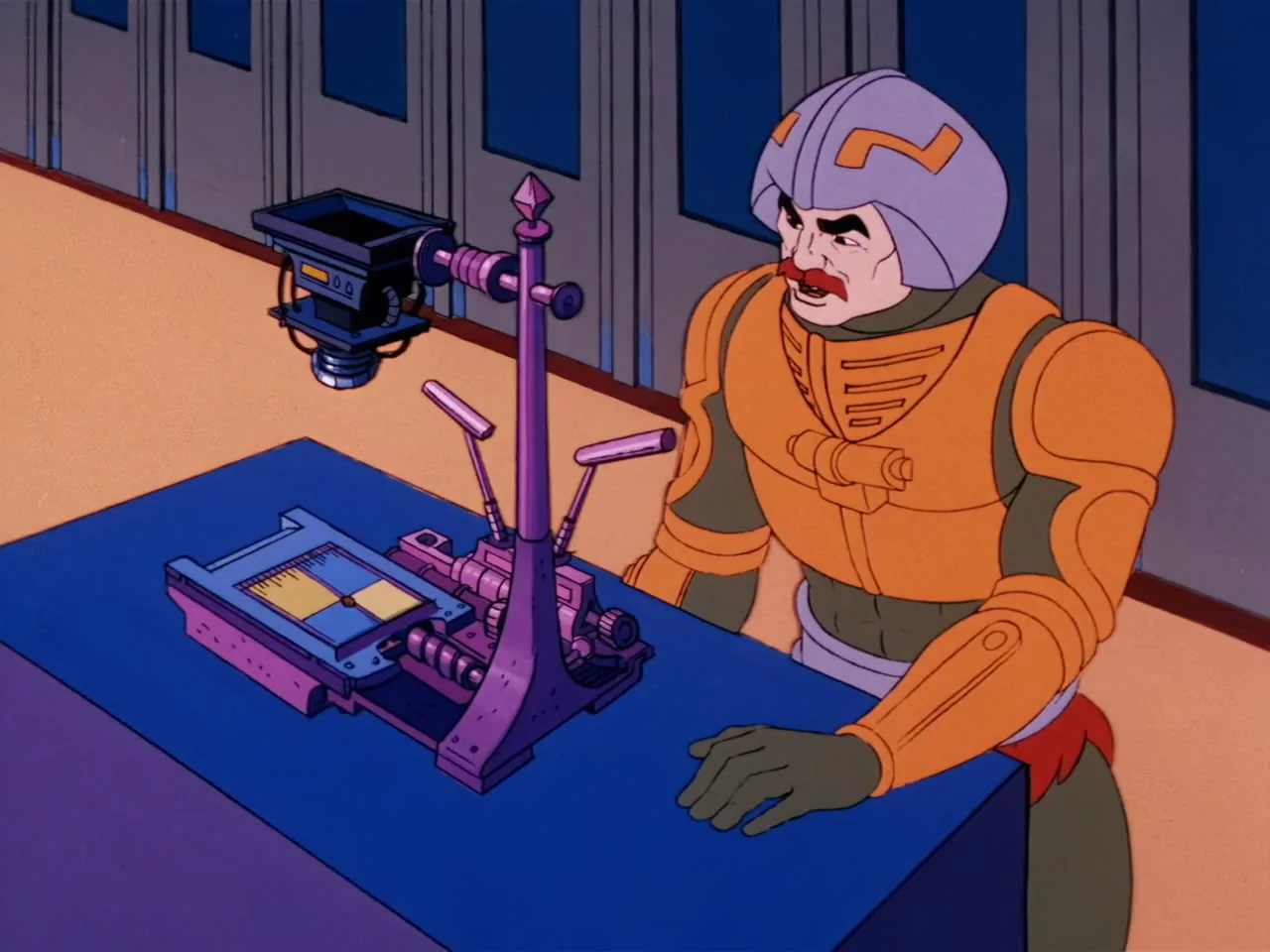
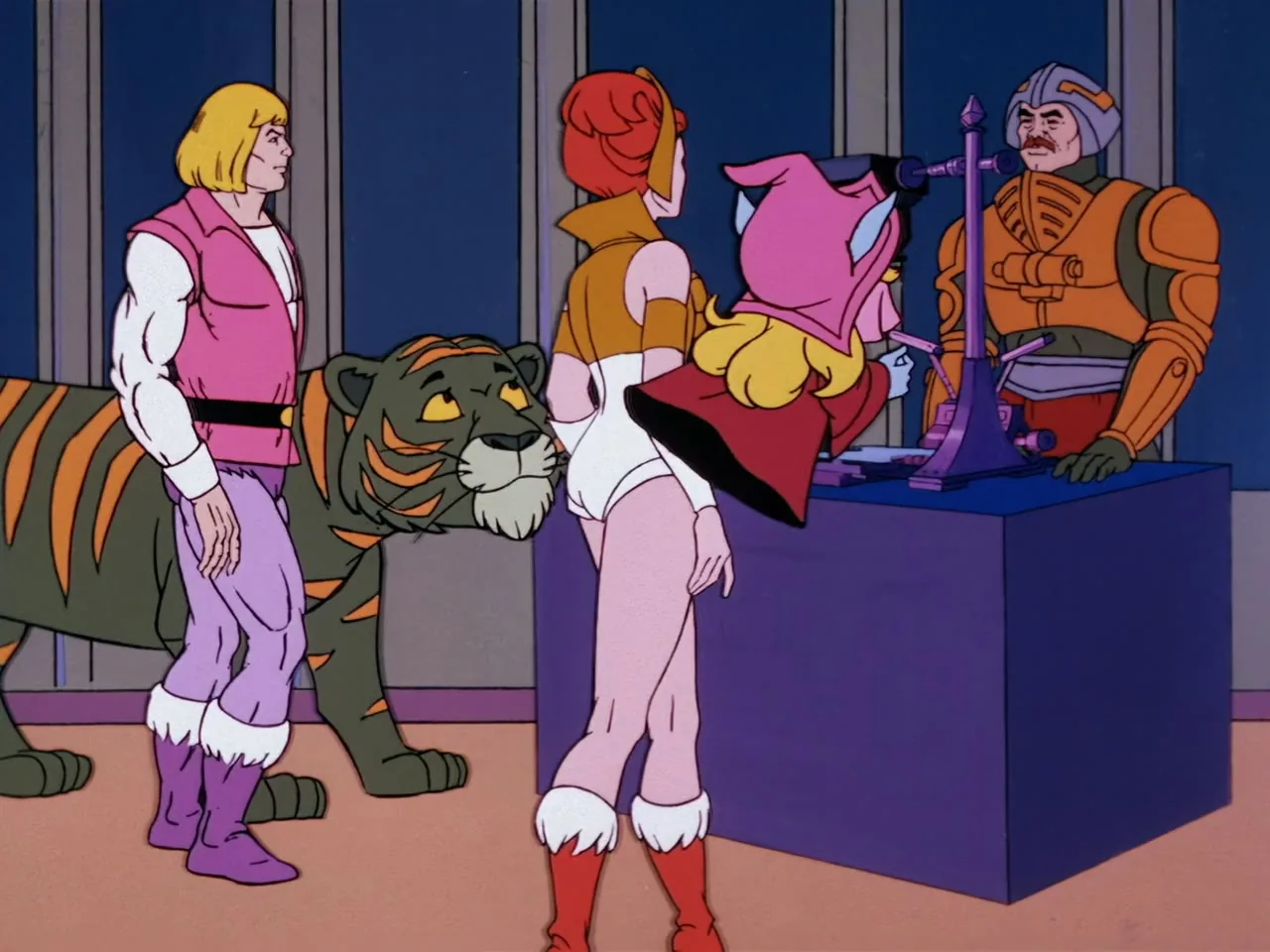
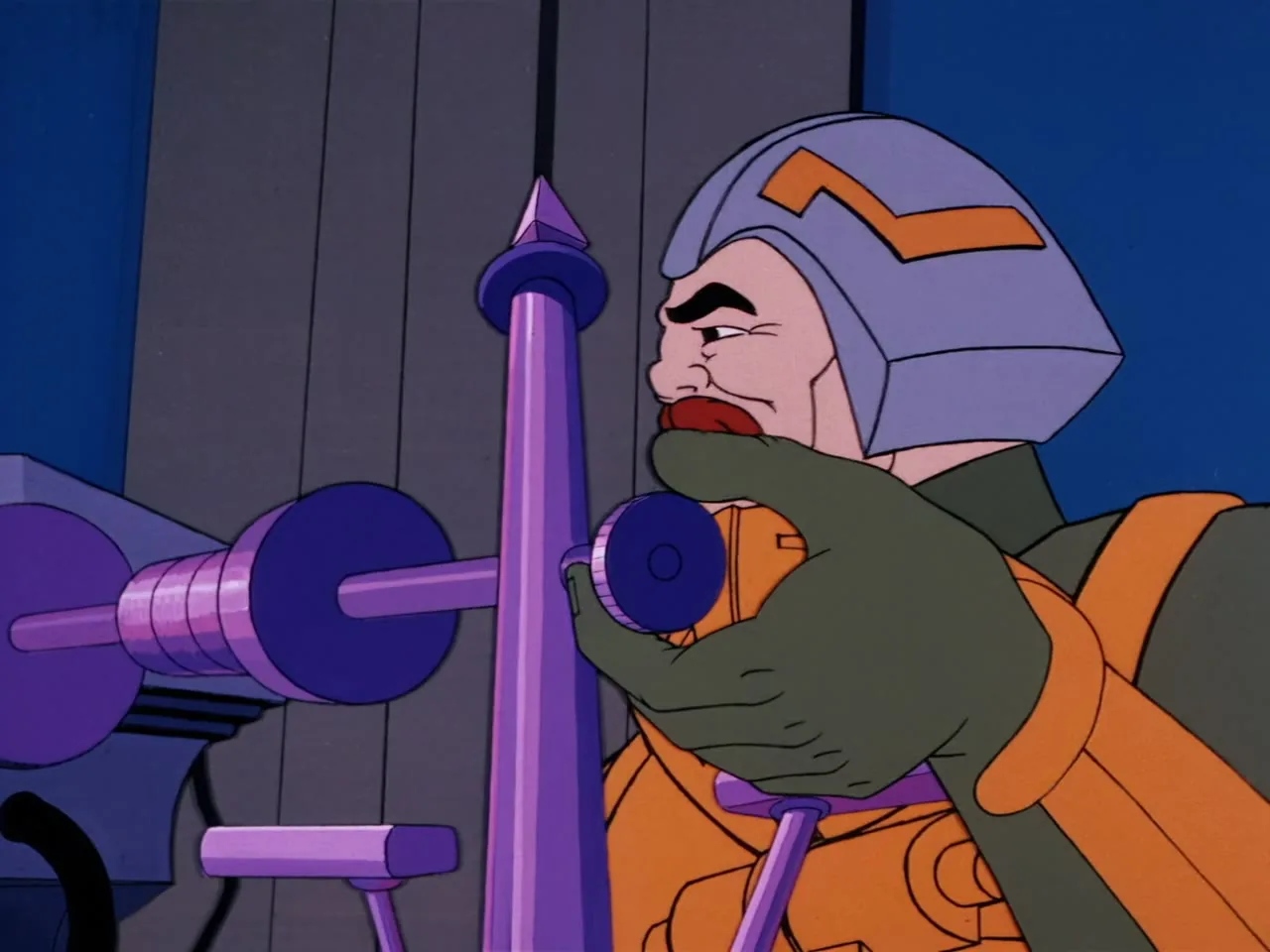
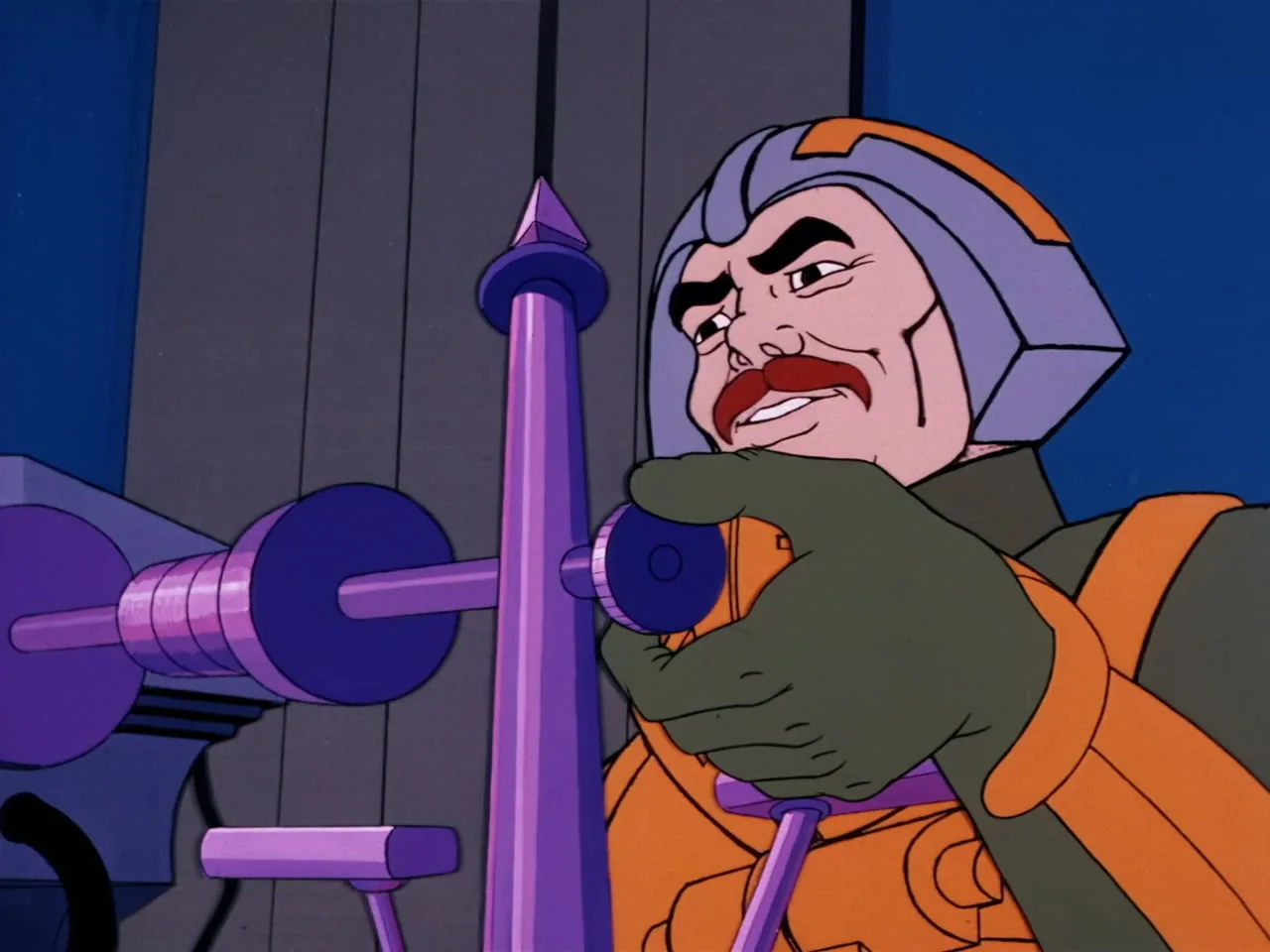
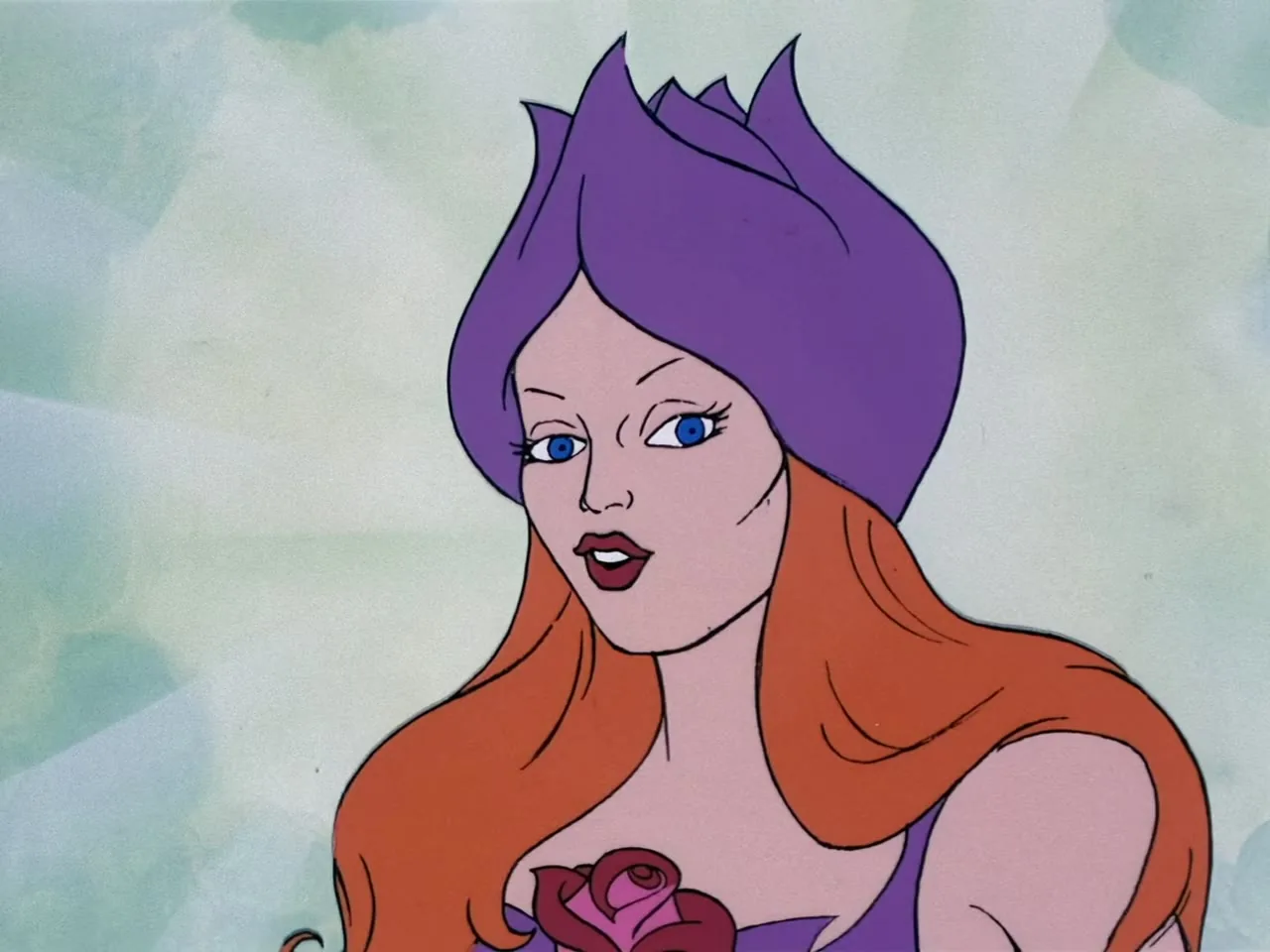
Back at the palace, Man-At-Arms's Maturator fails to revive the dying rose, and it is only when Orko gives the withered flower to Dree Elle anyway, as a sincere gift rather than a trophy, that it blooms again. Returning the rose restores Rose Mountain, and the flower transforms into the goddess from the legend, her long bitterness finally cured, before she lets the mountain bloom and disappears.
Today, Orko nearly made a terrible mistake by not listening to that small voice in all of us that tells us right from wrong: our conscience. When Orko decided to impress Dree Elle, he suspected that he might be doing something wrong. Whenever you're in doubt about what you should or shouldn't do, stop for a moment and listen to your conscience. It'll usually tell you what's right or wrong. But just in case you're still not sure, talk it over with your family or someone else who cares about you. See you soon.
John Erwin as He-Man/Prince Adam, Beast Man and Garth
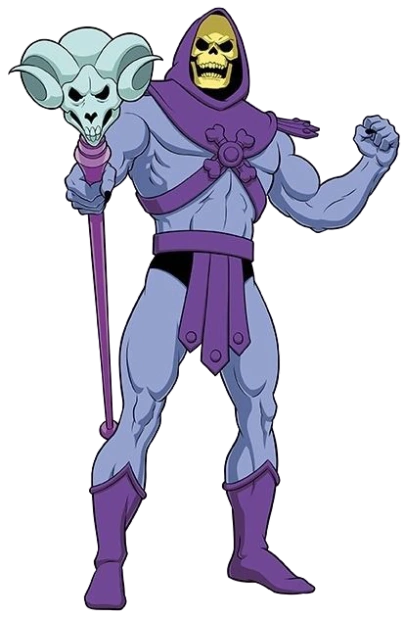
Alan Oppenheimer as Skeletor, Man-At-Arms and Battle Cat/Cringer and Shaman
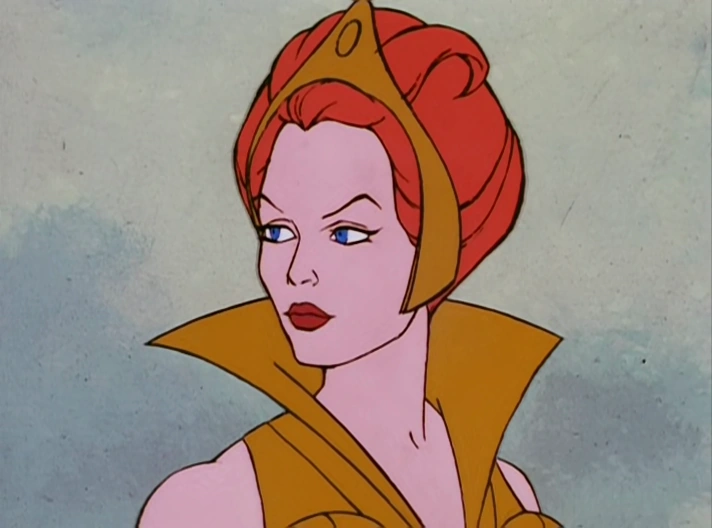
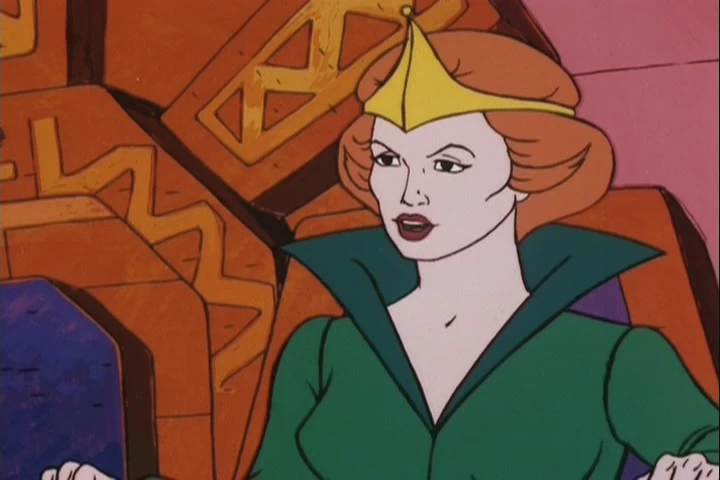
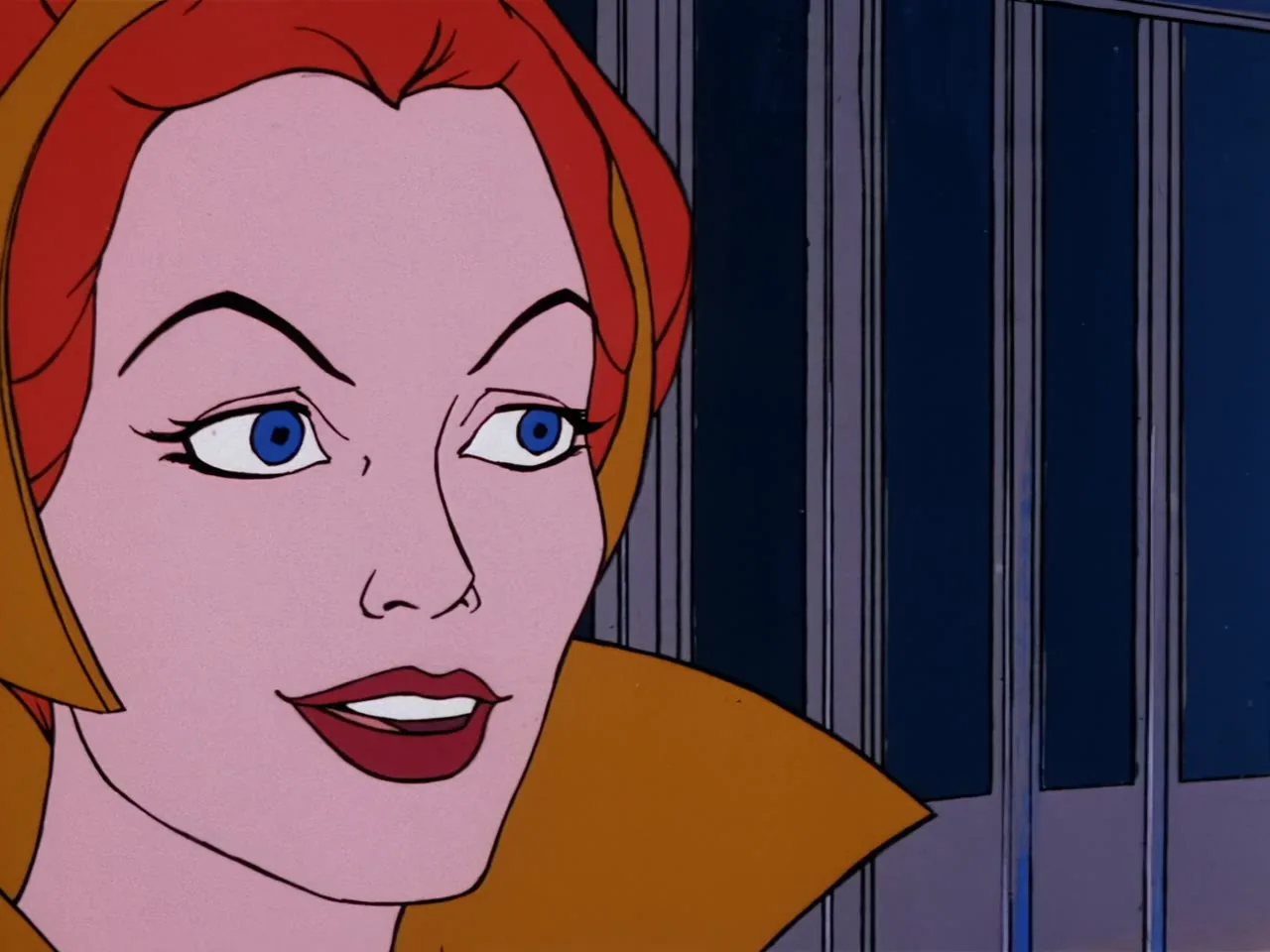
Linda Gary as Teela, Dree Elle and Queen Marlena
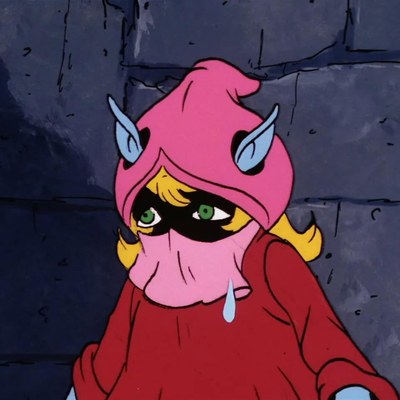
Lou Scheimer (credited as Erik Gunden) as Orko, Trap Jaw, Insect Person and Insect People messenger
Trap Jaw: "Nah. You seen one flower, you've seen 'em all."
Every Filmation moral starts from a mismatch between what a character intends and what actually happens, but "The Bitter Rose" pushes that mismatch further than most of the back half of season two. Orko does not want anything for himself. He watches Dree Elle cry over the story of a goddess's grief, and he decides, on the spot, to bring her the real flower the legend is built around. The episode spends its first act establishing that this is a sincere impulse and a bad idea at the same time, and it never backs away from holding both of those at once.
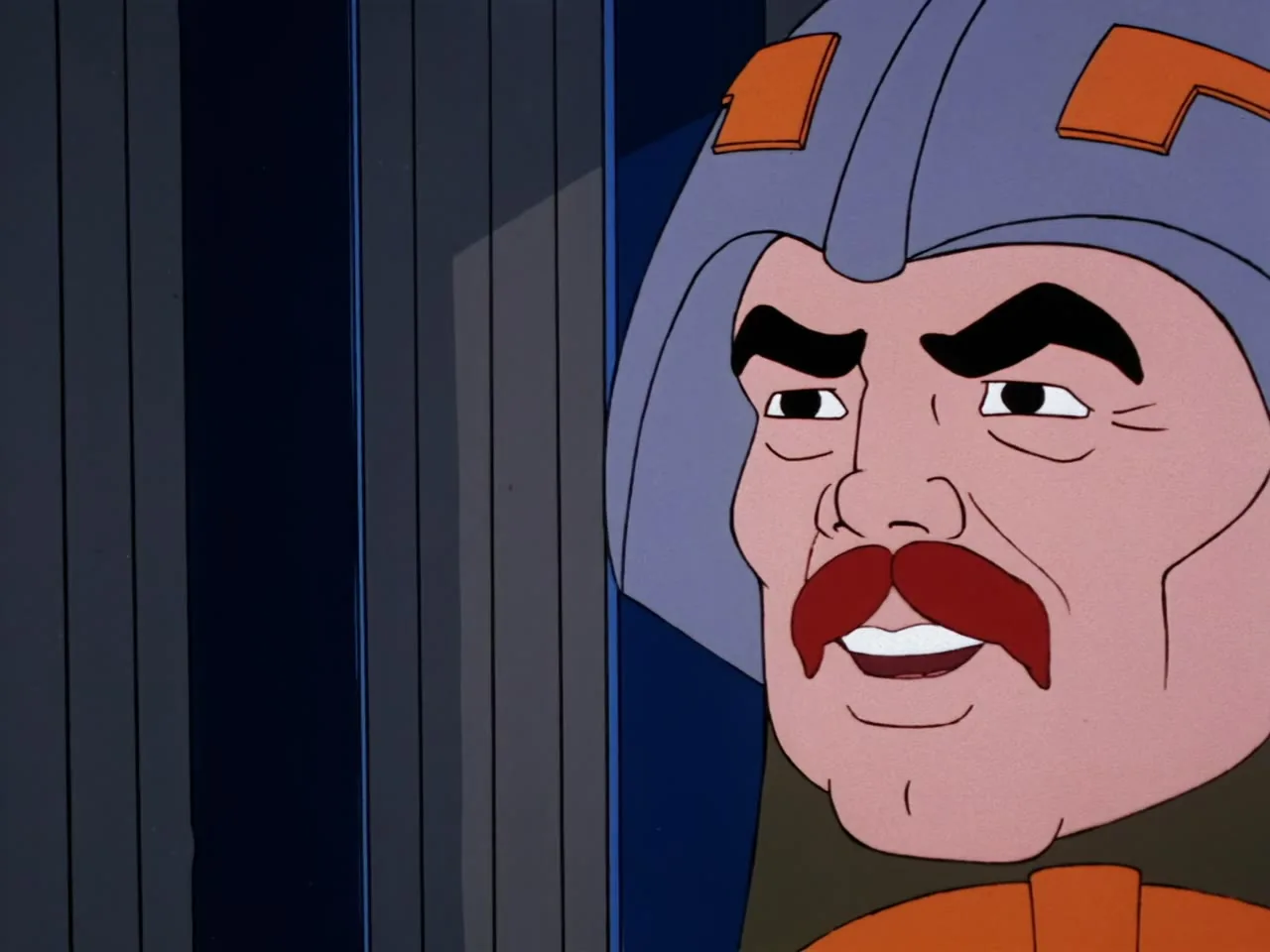
That doubleness is the point Man-At-Arms names outright at the end: Orko suspected, even as he was climbing Rose Mountain, that taking the rose might be wrong. He went anyway. The script does not punish him for wanting to make Dree Elle happy. It punishes the part of him that heard the warning and kept going, and that is a sharper distinction than this show usually bothers to draw. A simpler version of this story has Orko act in total ignorance, discover the consequence, and learn from it after the fact. This one has him half aware the whole time, which is why the closing message about listening to your conscience actually fits the episode that earned it, instead of arriving as a lesson bolted onto a story about nothing more than bad luck.
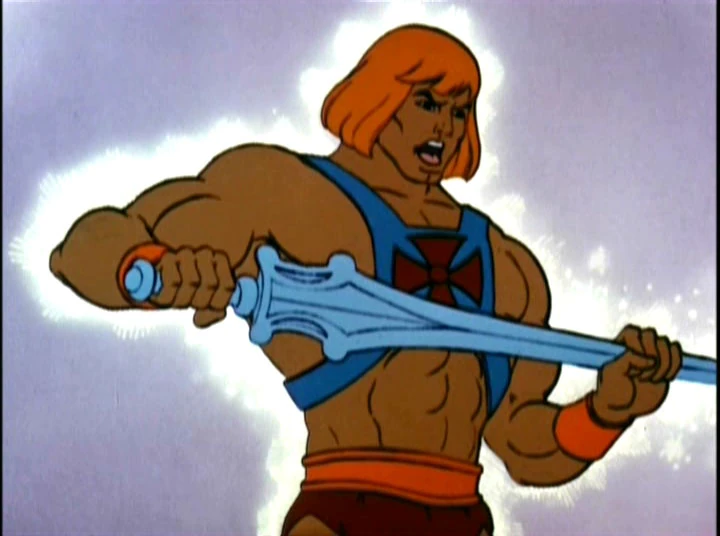
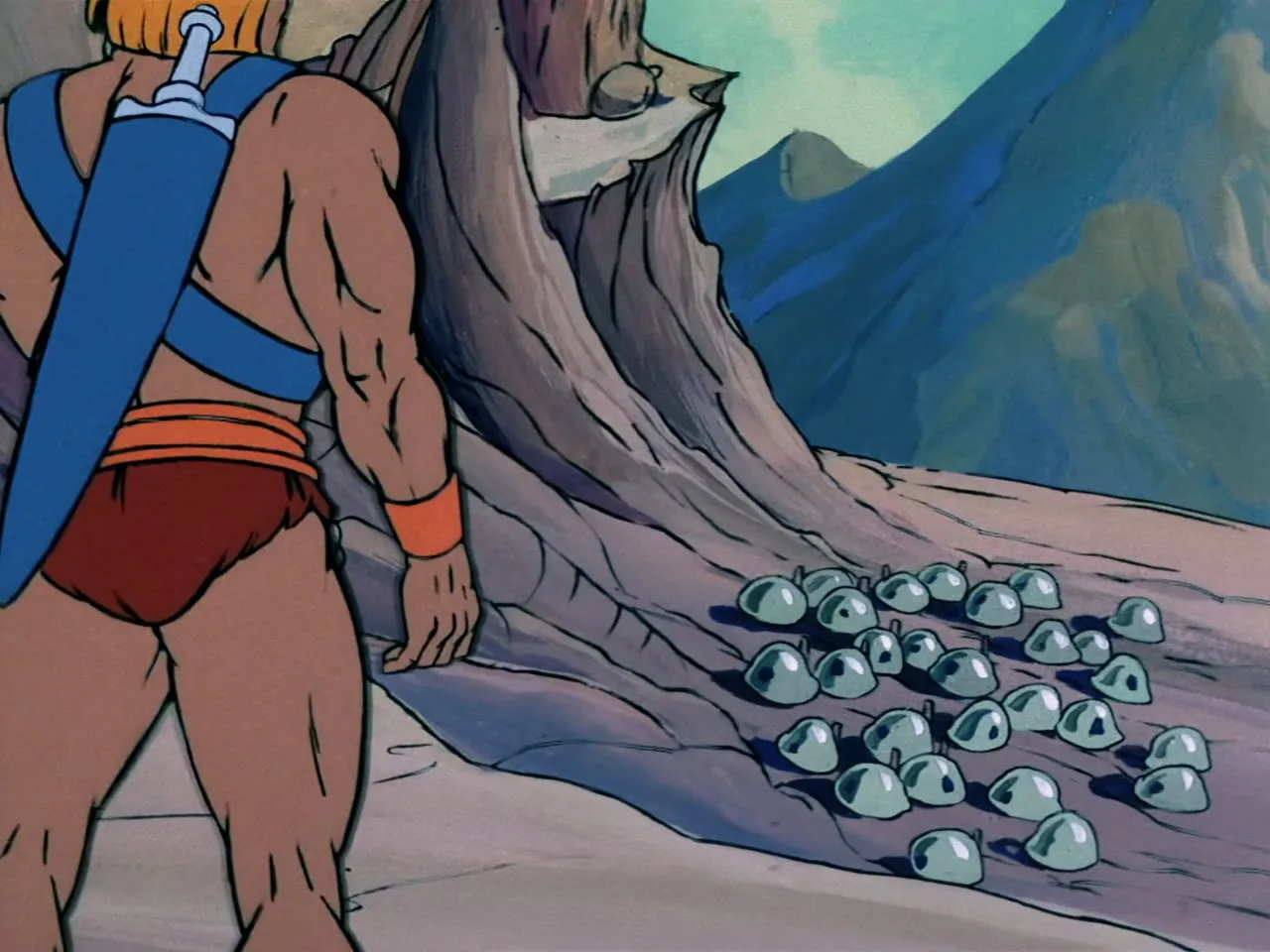
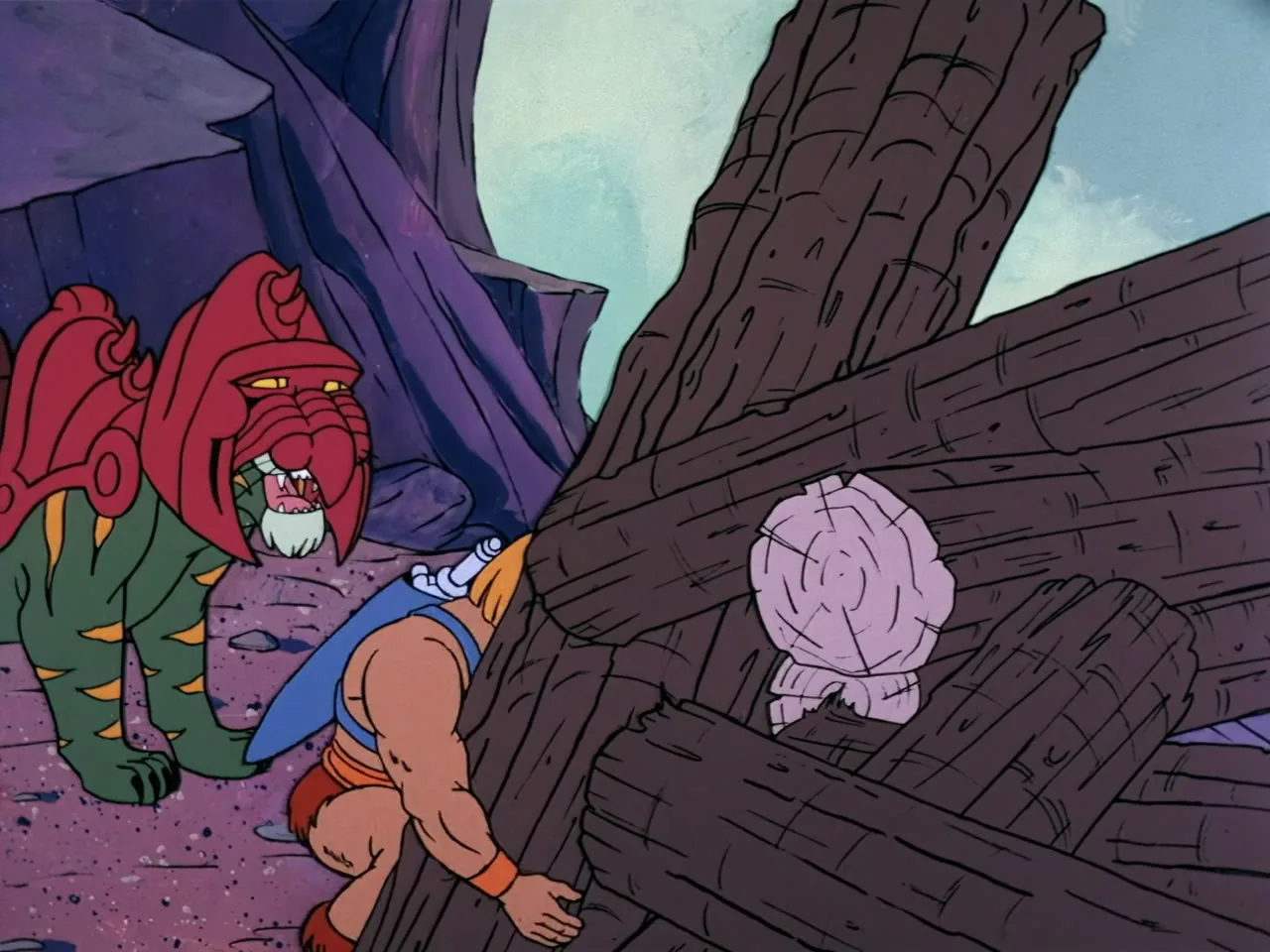
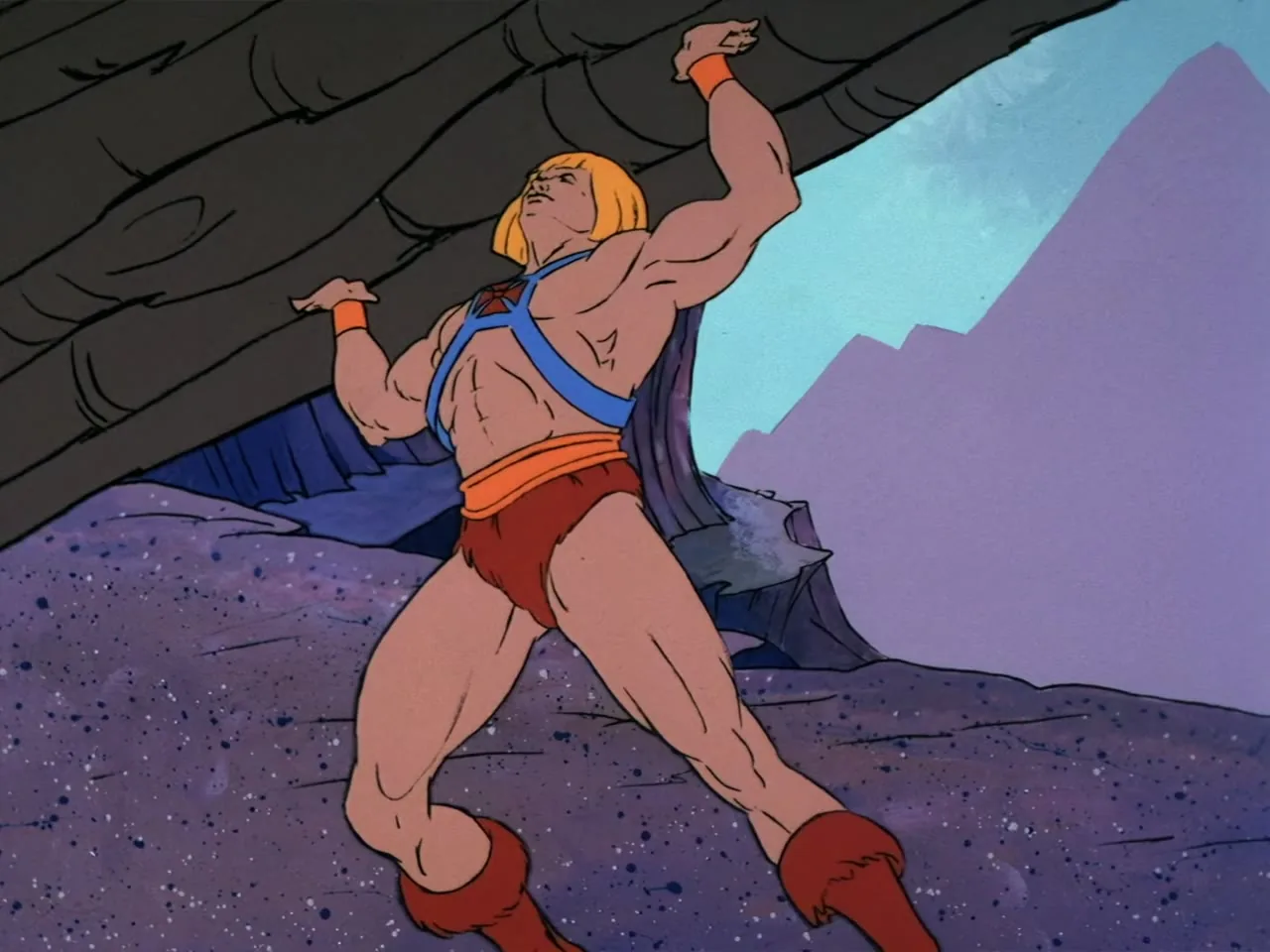
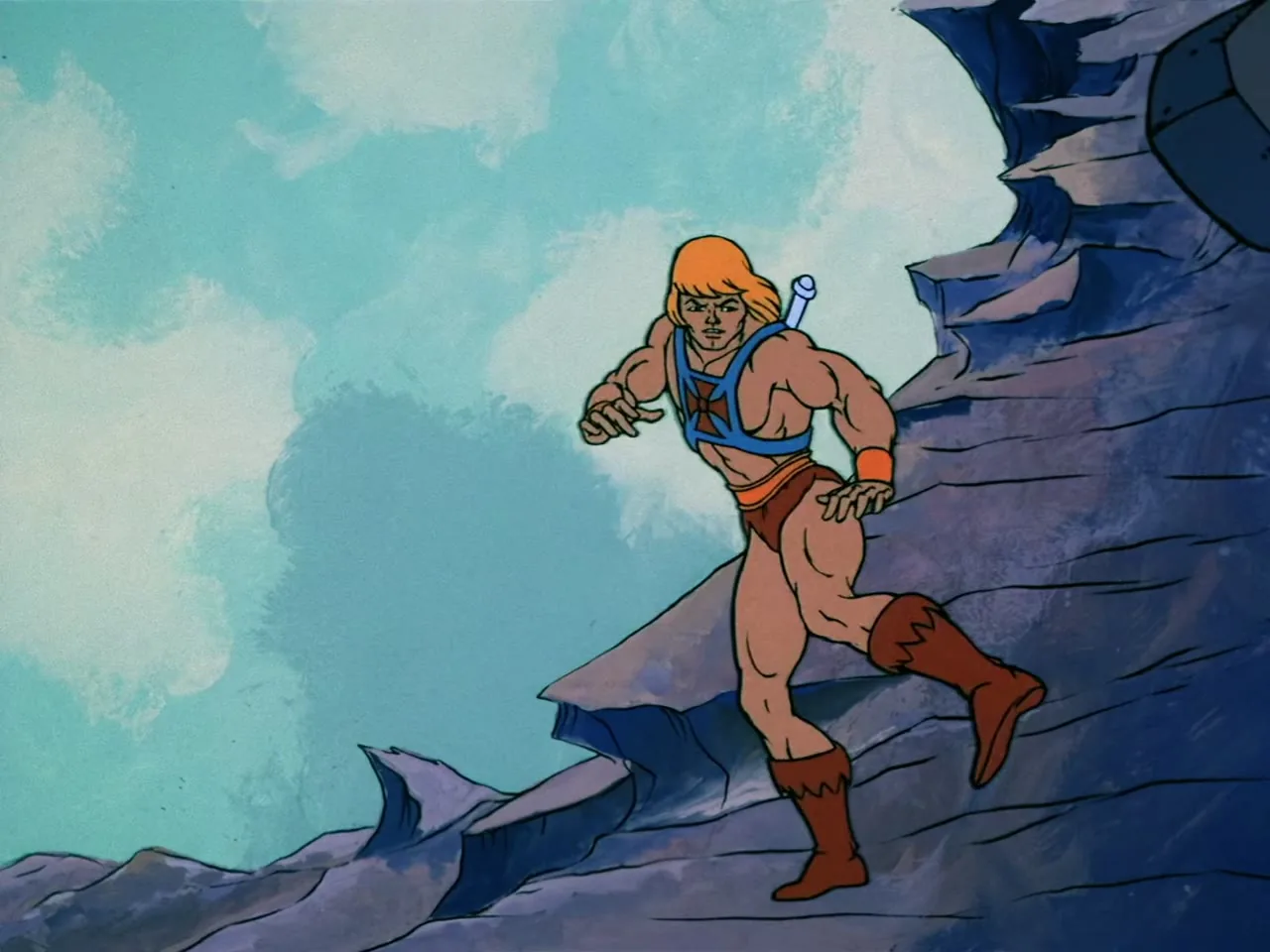
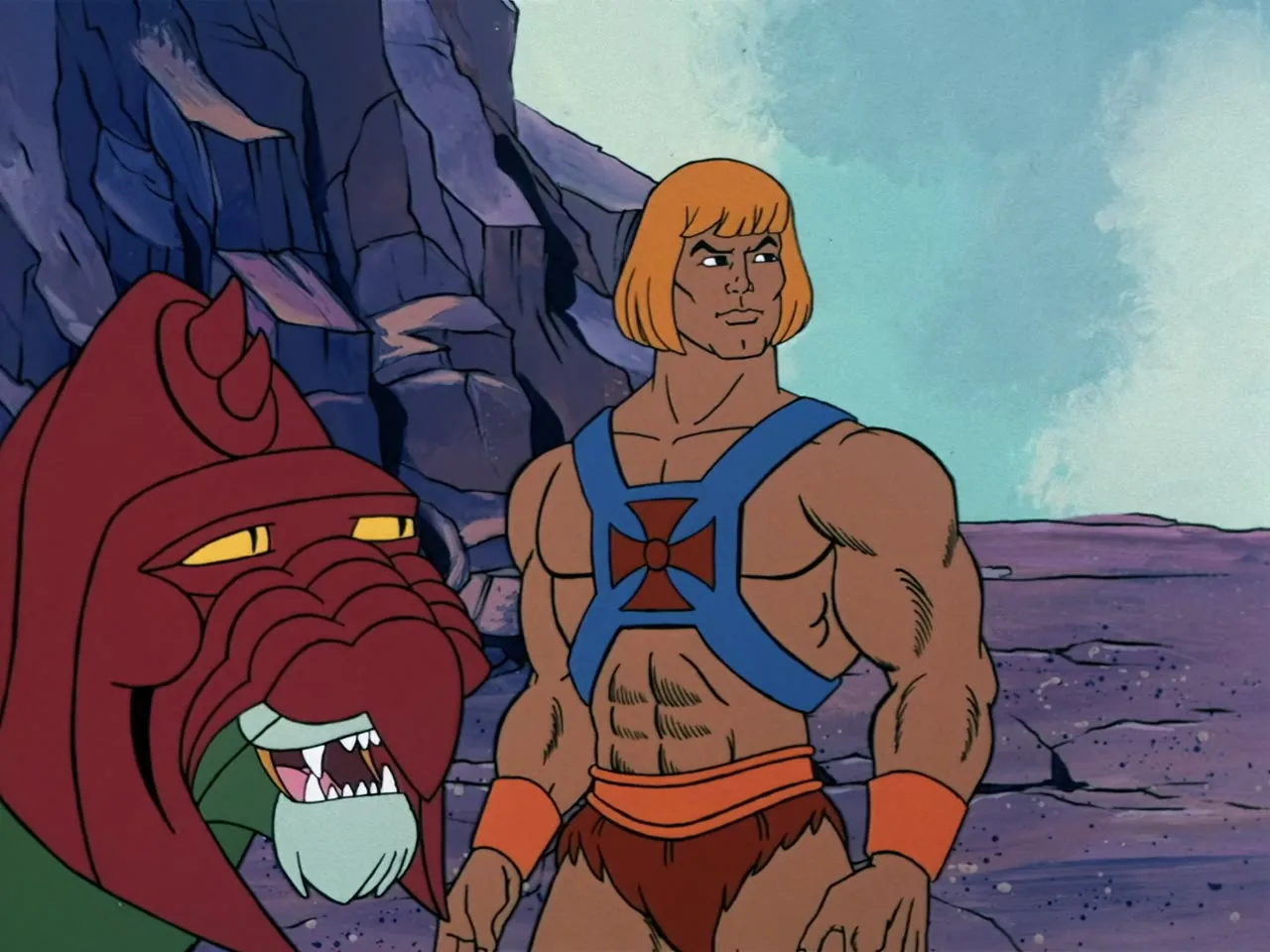
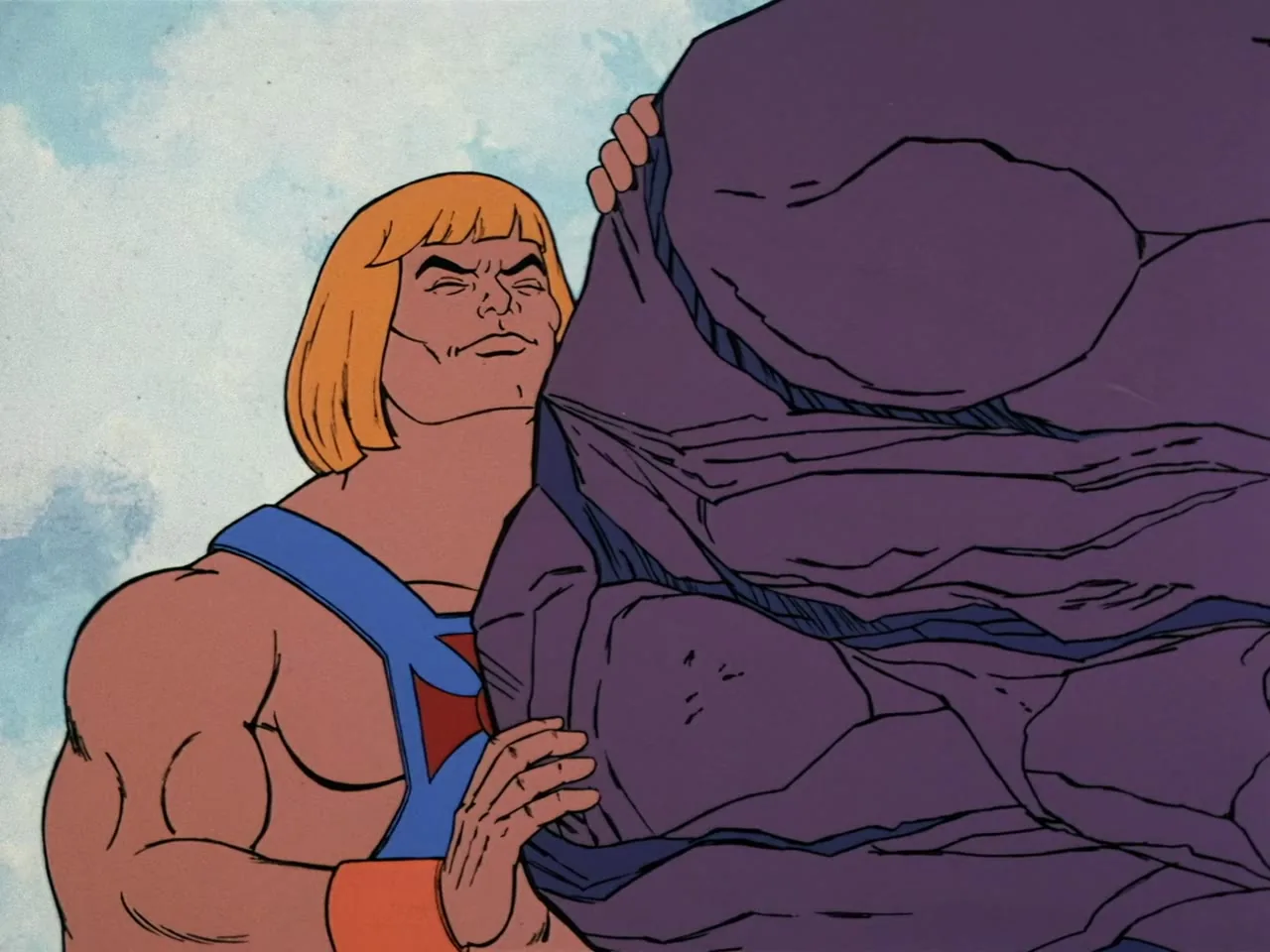
The avalanche sequence that follows is where the episode spends its animation budget, and it is a good trade. He-Man bracing a collapsing support beam over the Insect People's homes is a plain, unglamorous hero beat: no sword trick, no special power, just a man planting his feet and holding weight until Battle Cat can clear the rubble out from under him. It is the strongest stretch of physical animation in the episode, and it earns the stakes the first act set up, an entire village buried because one person could not wait to ask before acting.
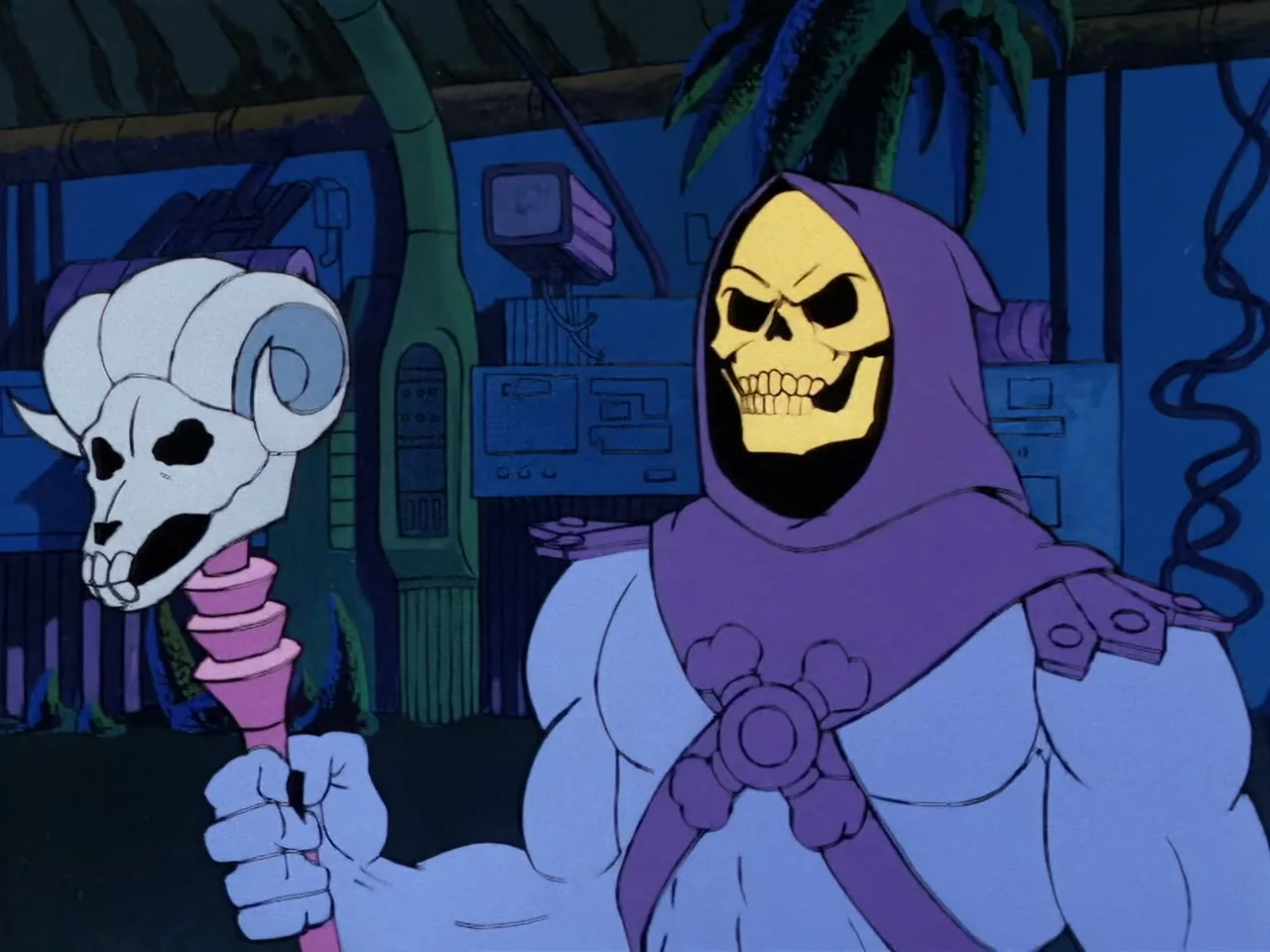
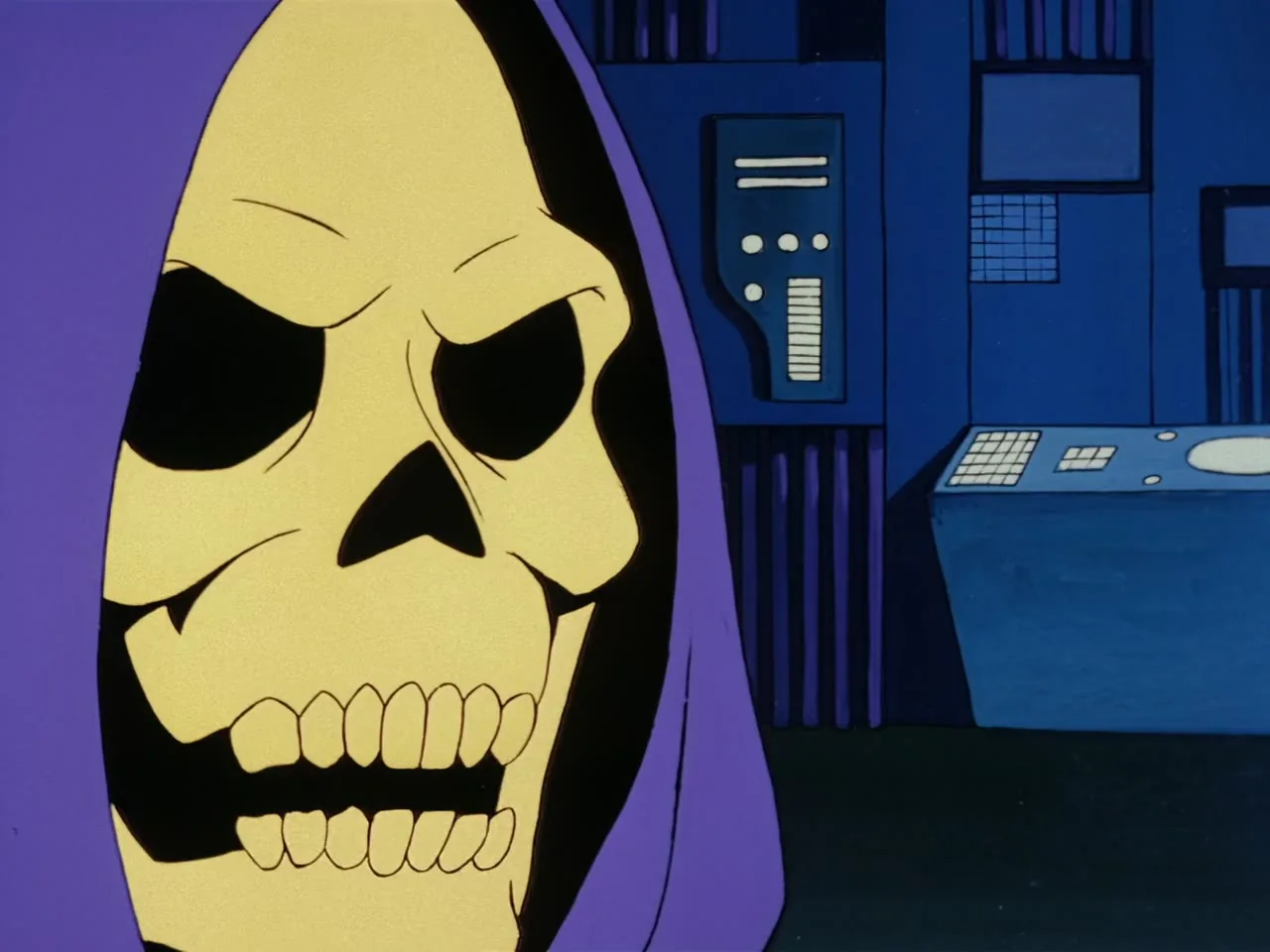
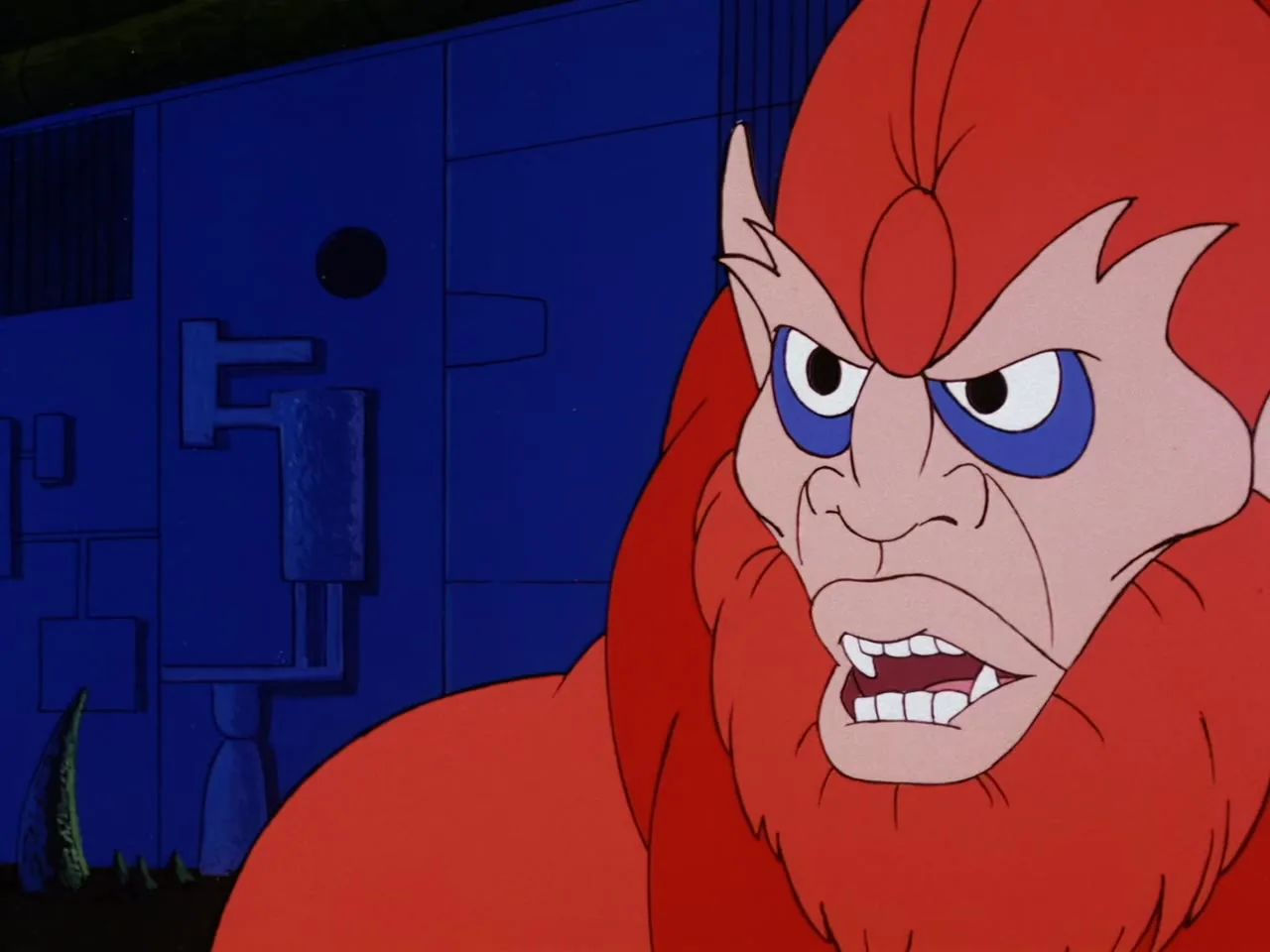
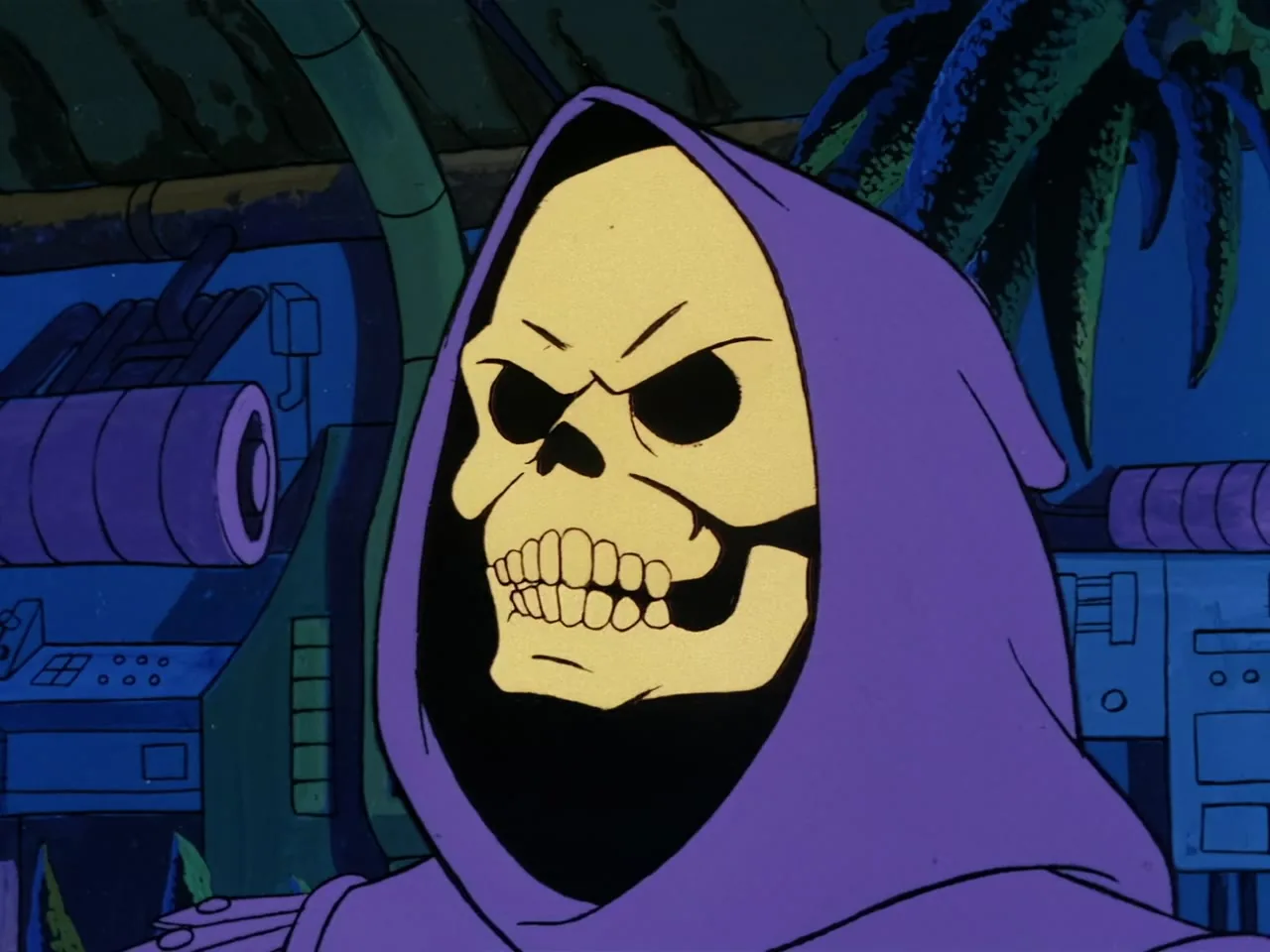
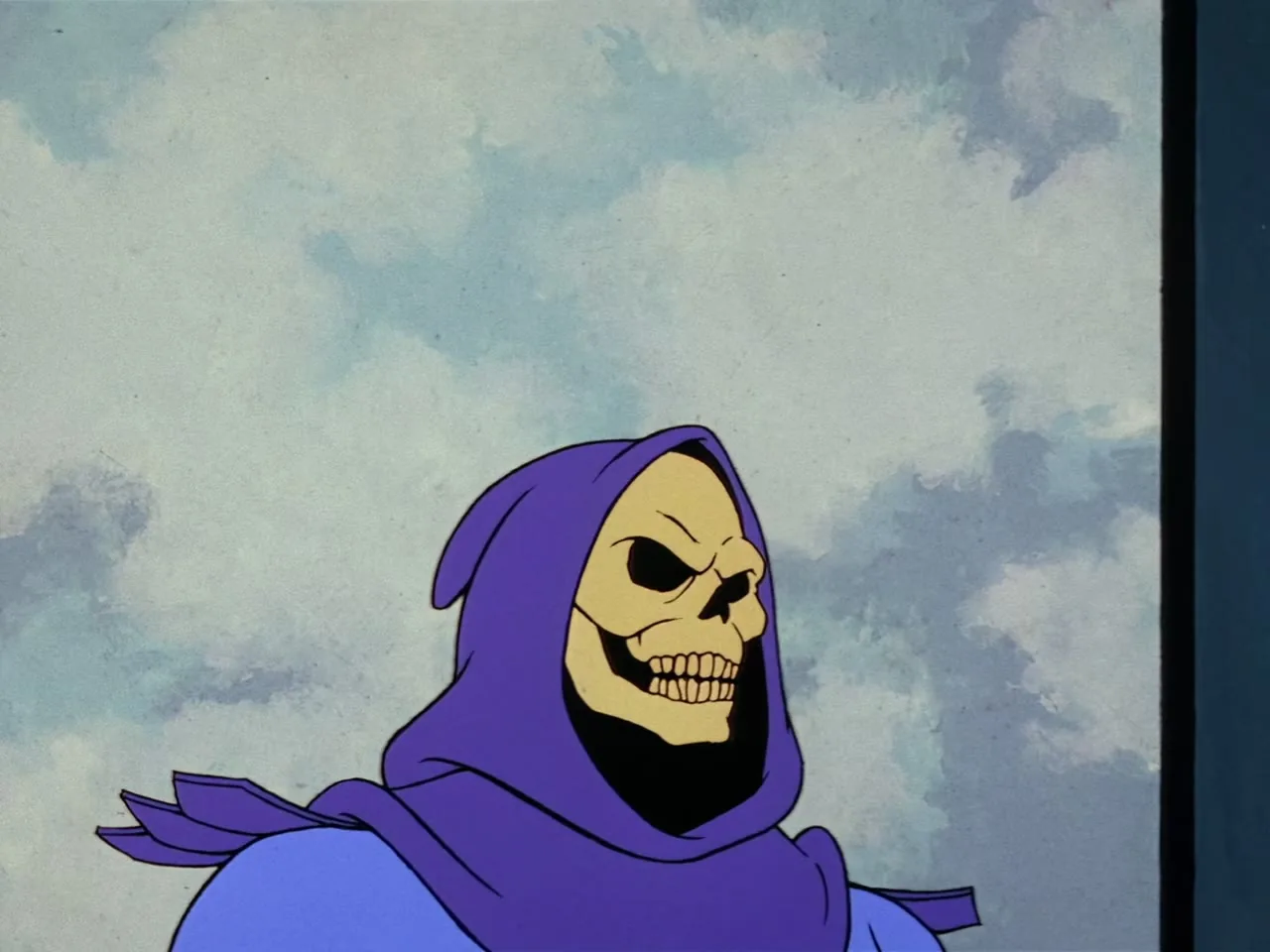
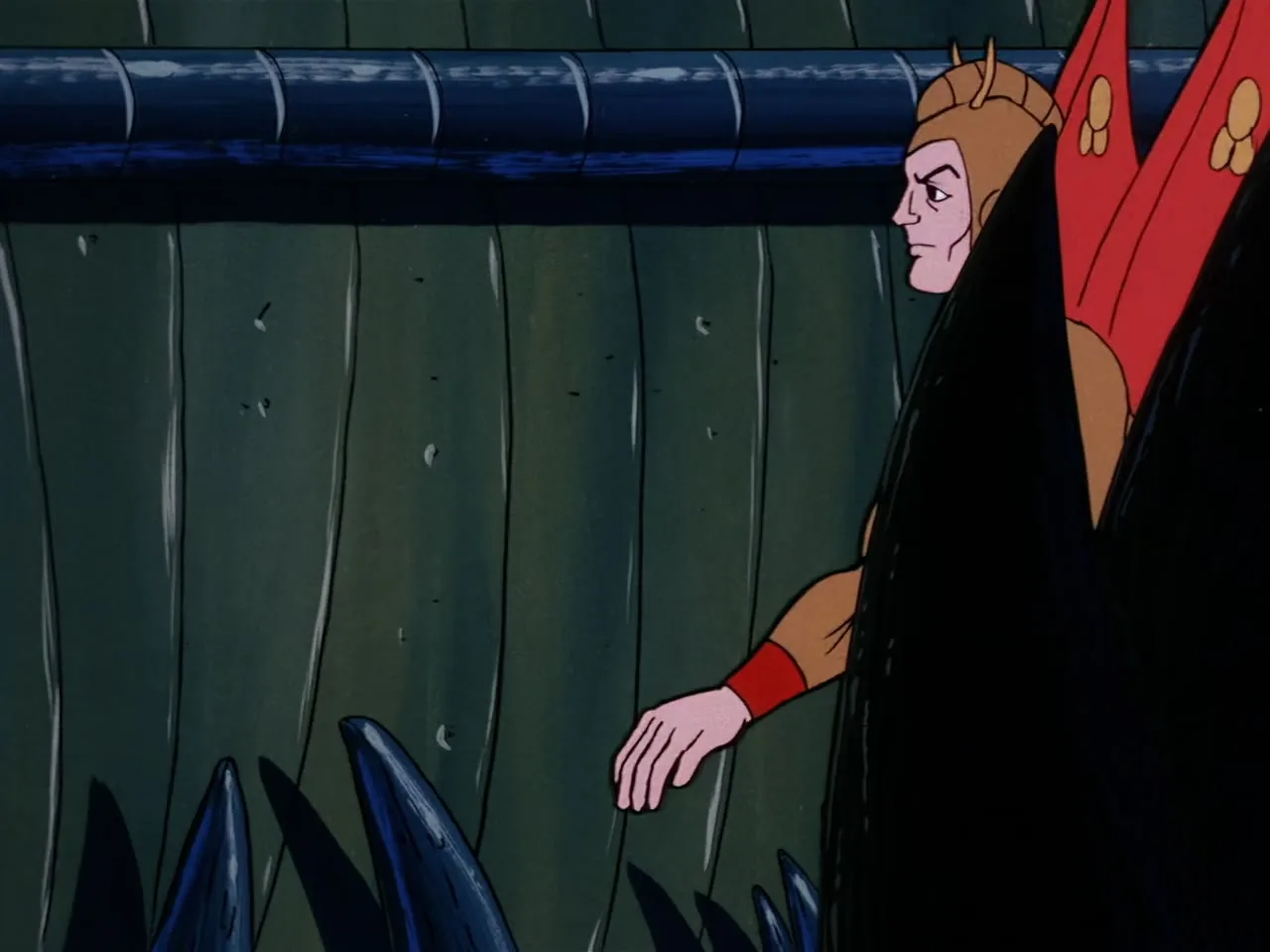
Skeletor's half of the plot does not hold up as well. He notices the avalanches, sends Beast Man and Trap Jaw after the rose, and then disappears from the story until the very end, when the joke is that his own henchmen try to fob him off with a substitute flower and hope he does not notice. It is a fine gag, but it means the villain thread spends most of the episode running on momentum borrowed from two henchmen chasing a half-wilted plant, never once rising to a direct confrontation. Garth, the Insect Person who frees Orko from Snake Mountain, gets even less: he exists to perform one rescue and then recede, with no personality beyond competence under pressure. The episode has more characters in motion than it has time to use well.
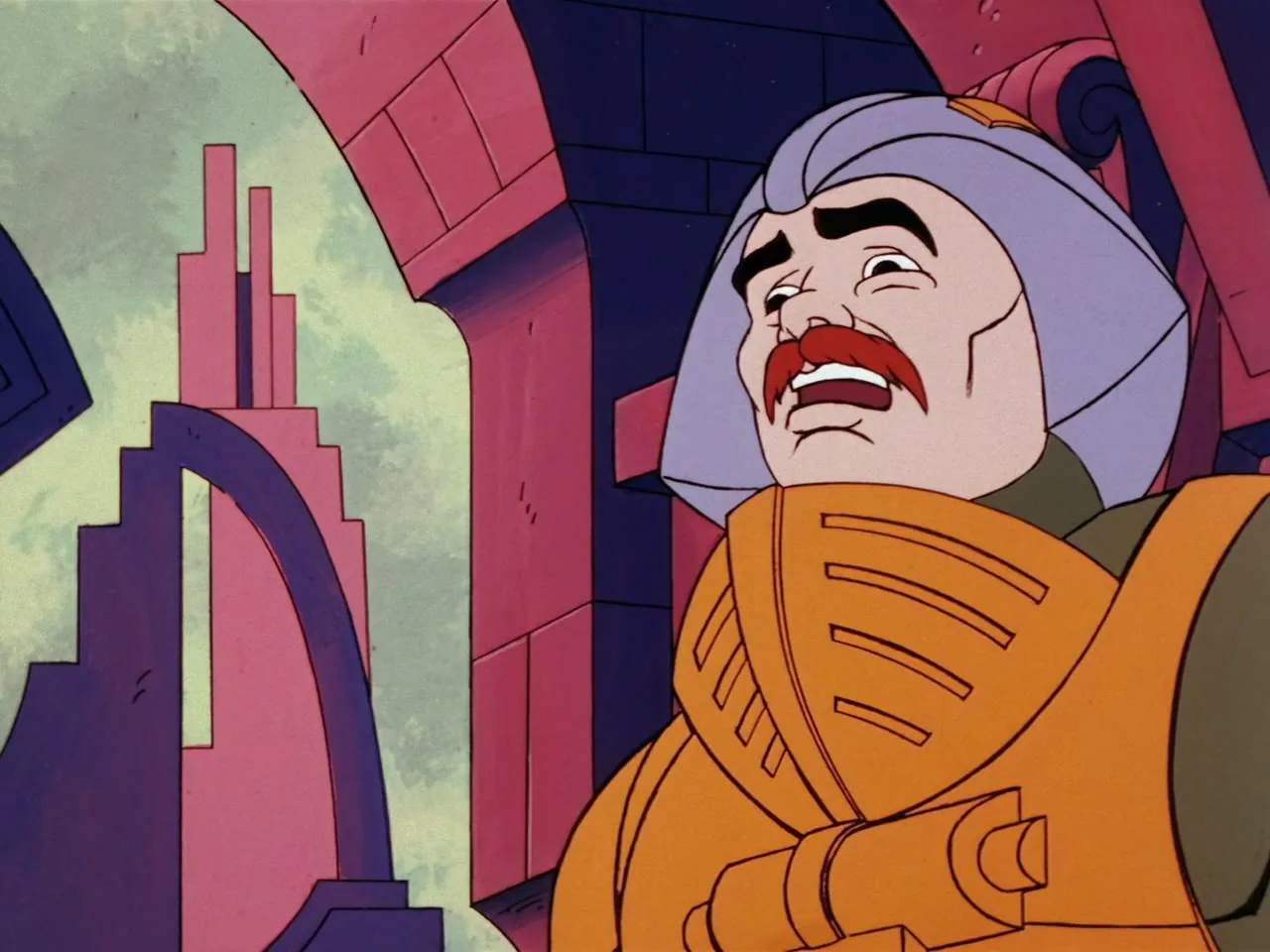
What keeps "The Bitter Rose" from collapsing under its weaker half is the ending's refusal to resolve the Maturator scene the easy way. Man-At-Arms's machine, built to fix exactly this kind of problem with Eternian science, fails outright. The rose does not come back because of a gadget. It comes back because Orko gives it to Dree Elle anyway, withered as it is, and that act of plain sincerity does what the technology could not. It is the same impulse that caused the damage in the first place, offered sincerely this time instead of impulsively, and the episode trusts the audience to notice the rhyme without underlining it. That restraint, more than the avalanche or the chase, is what makes the closing moral feel earned rather than tacked on.
- Behind the scenes: Script was approved June 29, 1984 and the final script revision took place on September 26, 1984. The character model for the Rose Goddess was designed by Gerald Forton. This episode was storyboarded by Dave Russell.
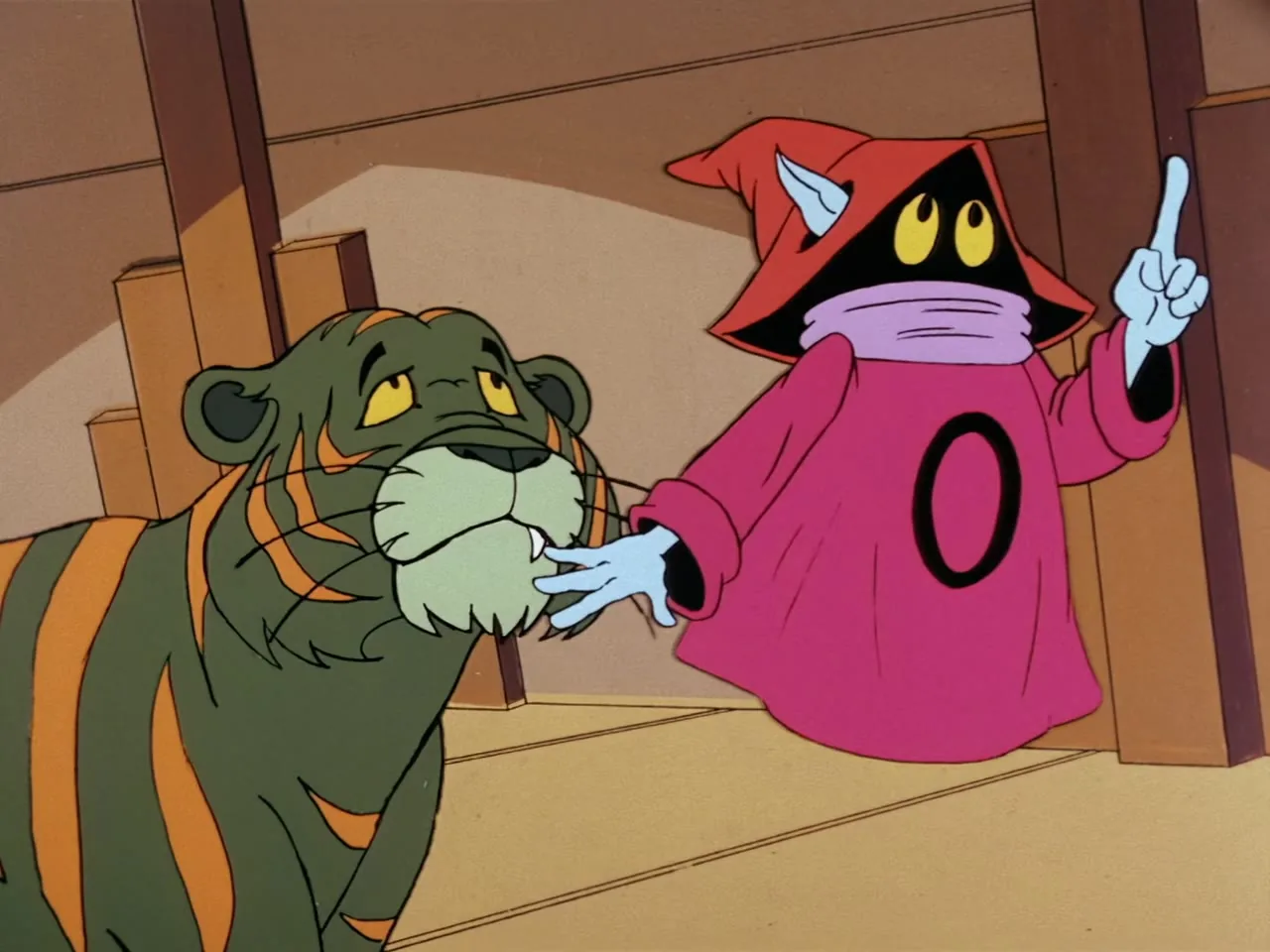
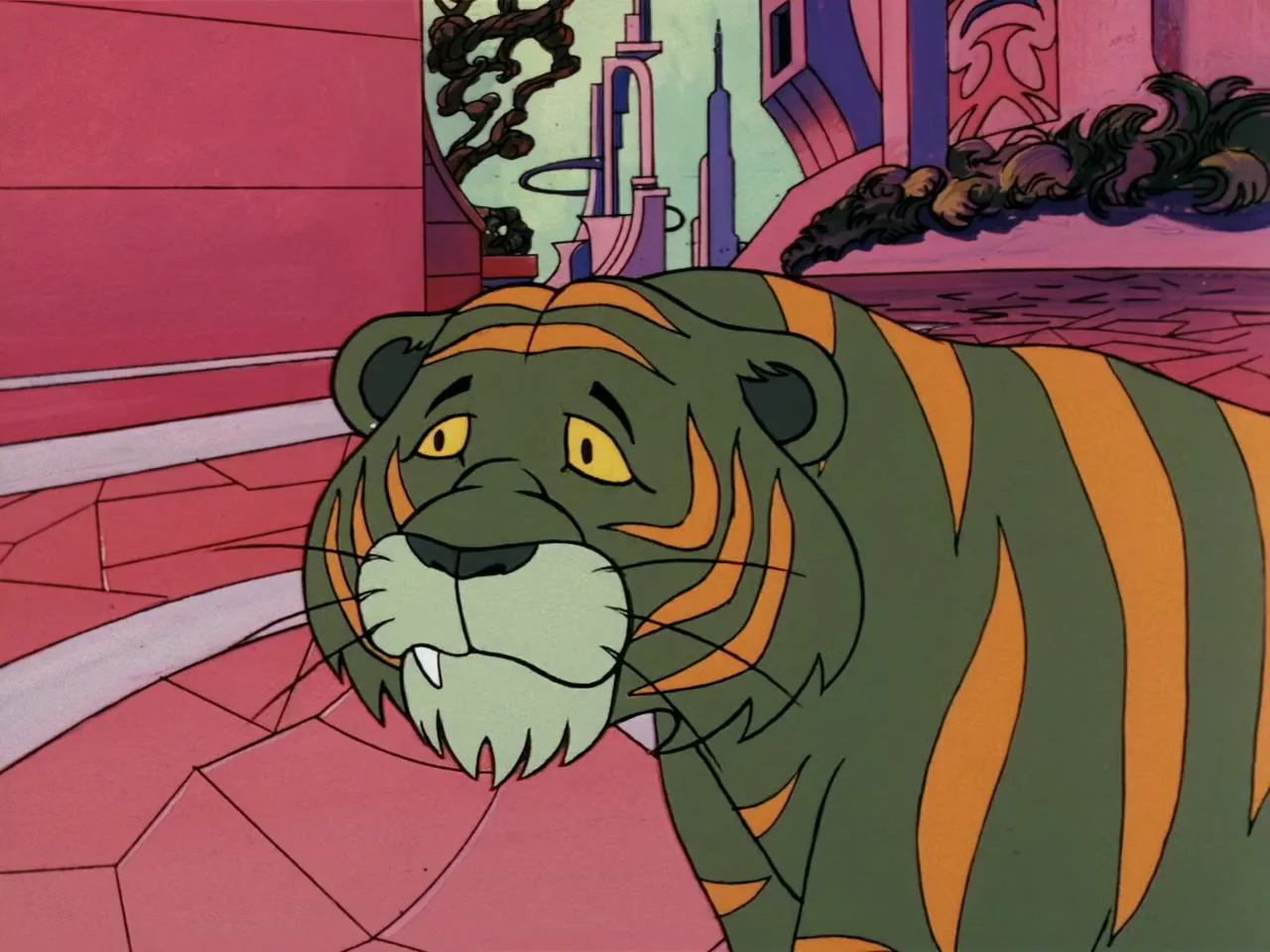
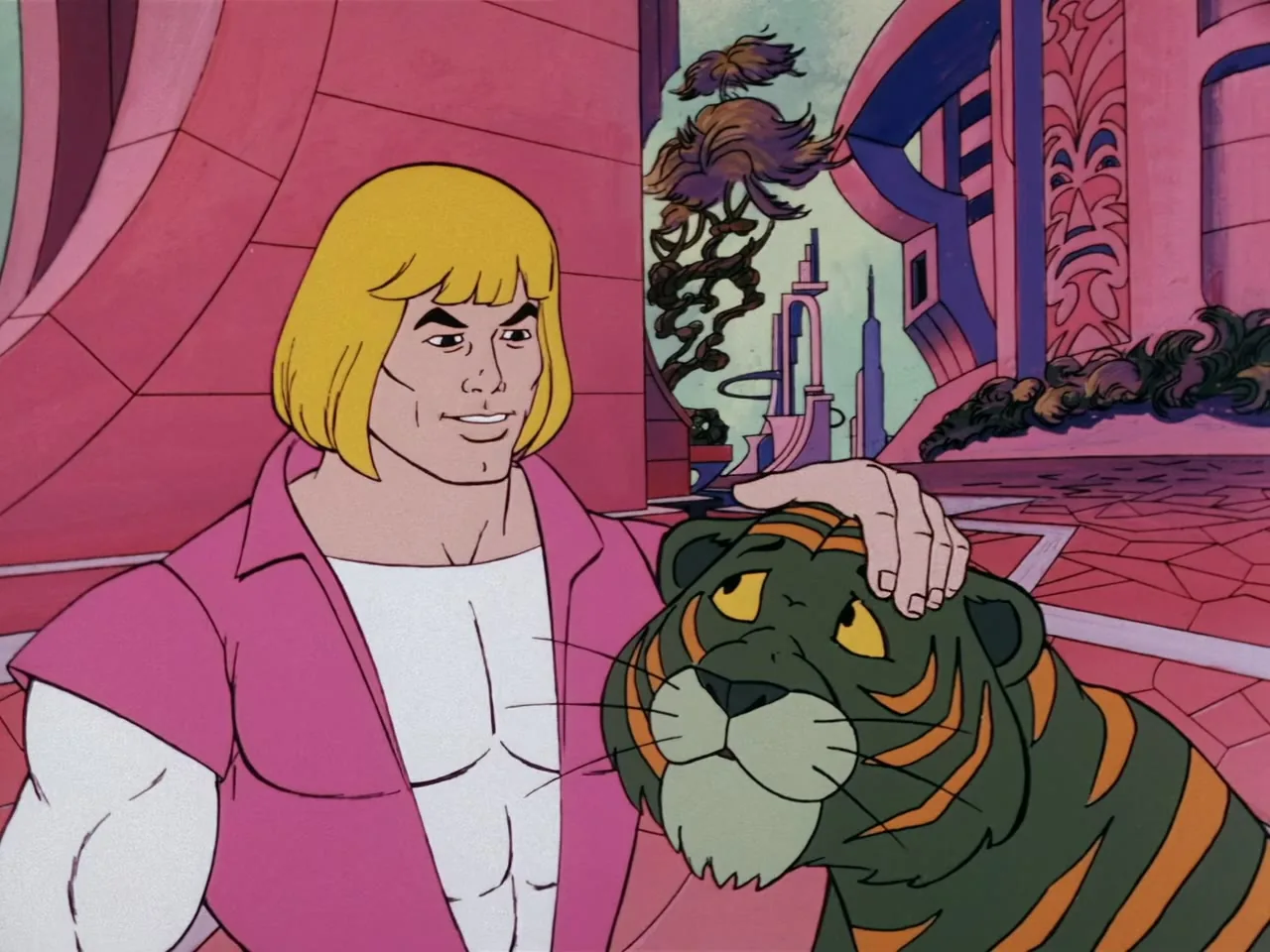
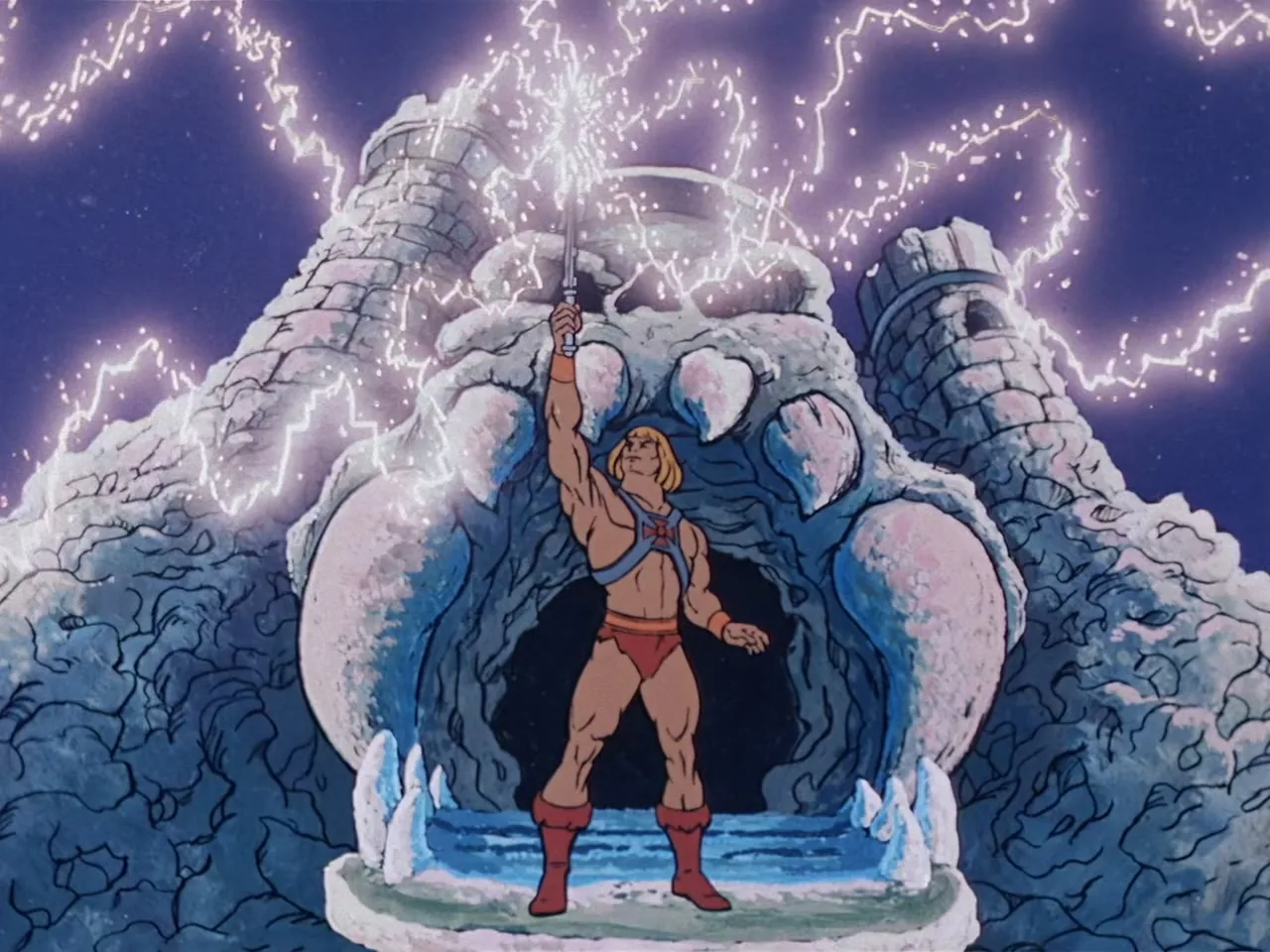
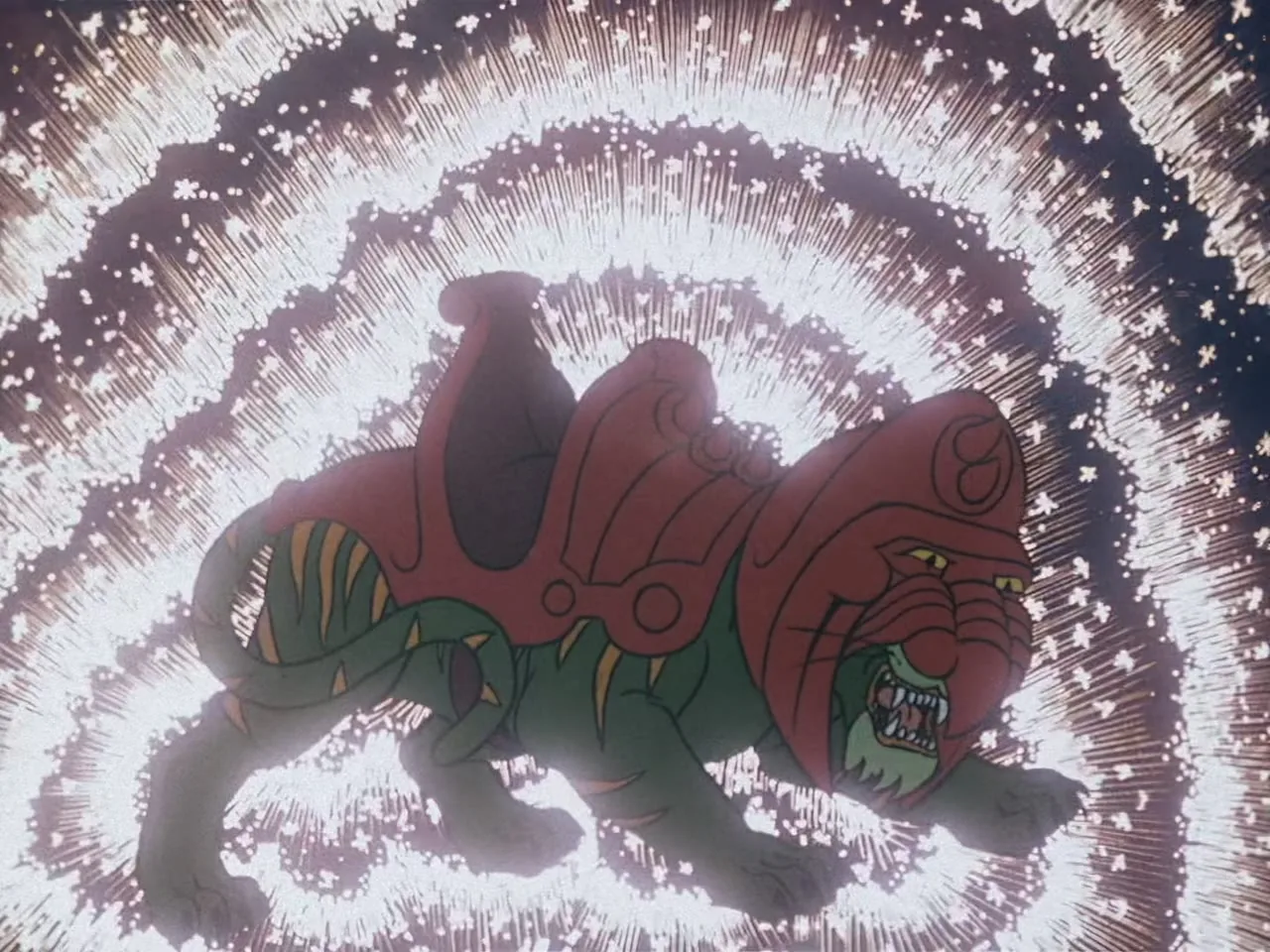
- Continuity: The animated sequence of Prince Adam patting Cringer on the head was previously seen at the end of Diamond Ray of Disappearance. The close-up of He-Man lifting and throwing reuses animation from Dree Elle's Return, also seen in A Bird in the Hand and The Gambler. The sequence in which He-Man uses a crescent kick to clear a large rock reuses a fight-sequence animation first seen in Quest for He-Man.
- A Michael Chase Walker-scripted morality fable that uses a literal magical flower to dramatize the gap between good intentions and conscience. The structure turns on a deliberate irony: the Maturator, Eternian science's answer to the problem, fails outright, and it is the same sincere impulse that caused the damage that ends up undoing it.
DISCUSSION
Join the conversation.
Comments below are mirrored on the heman.org forum. Sign in once, post anywhere.