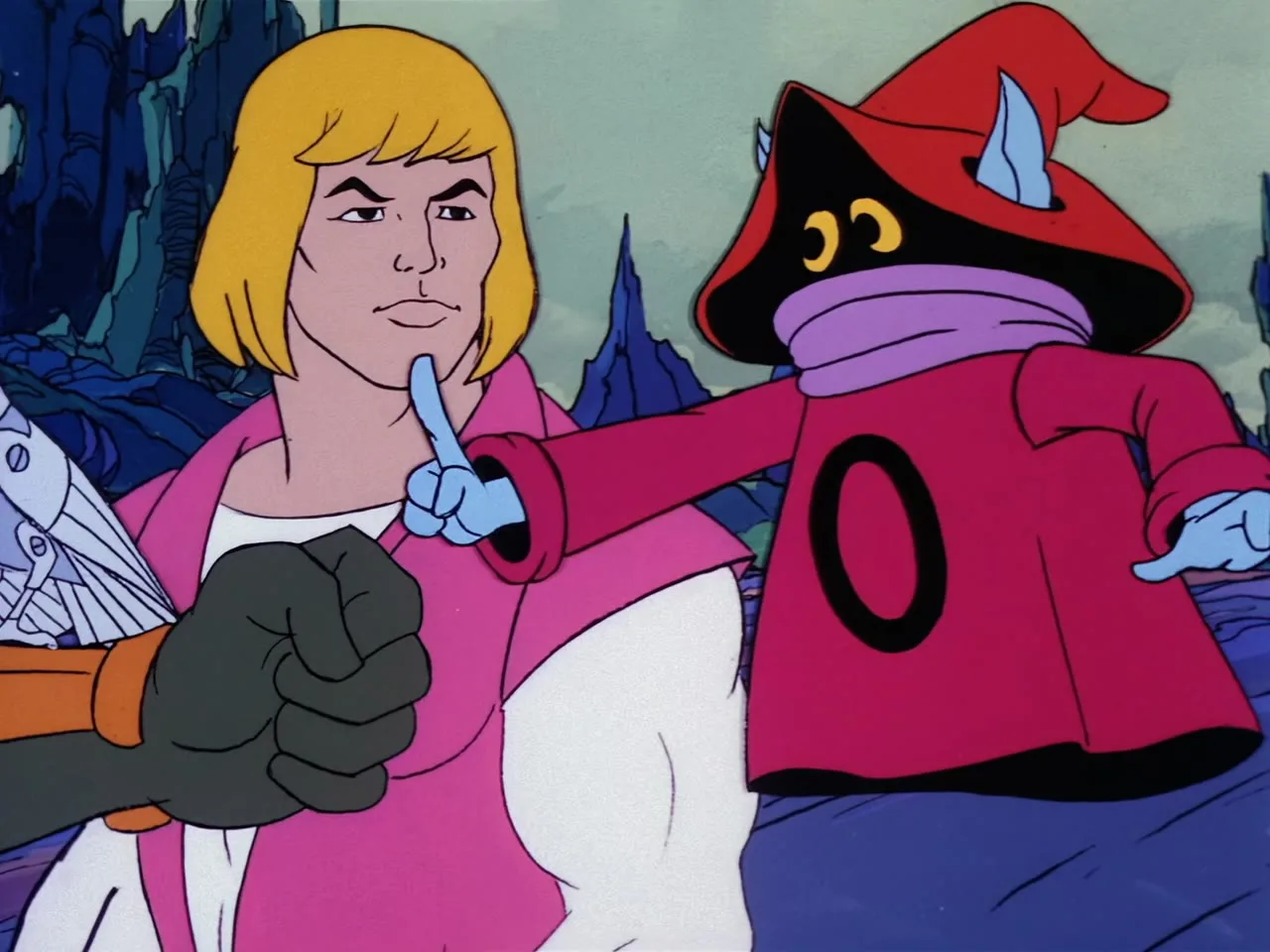
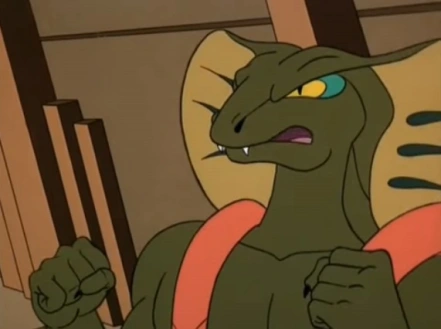
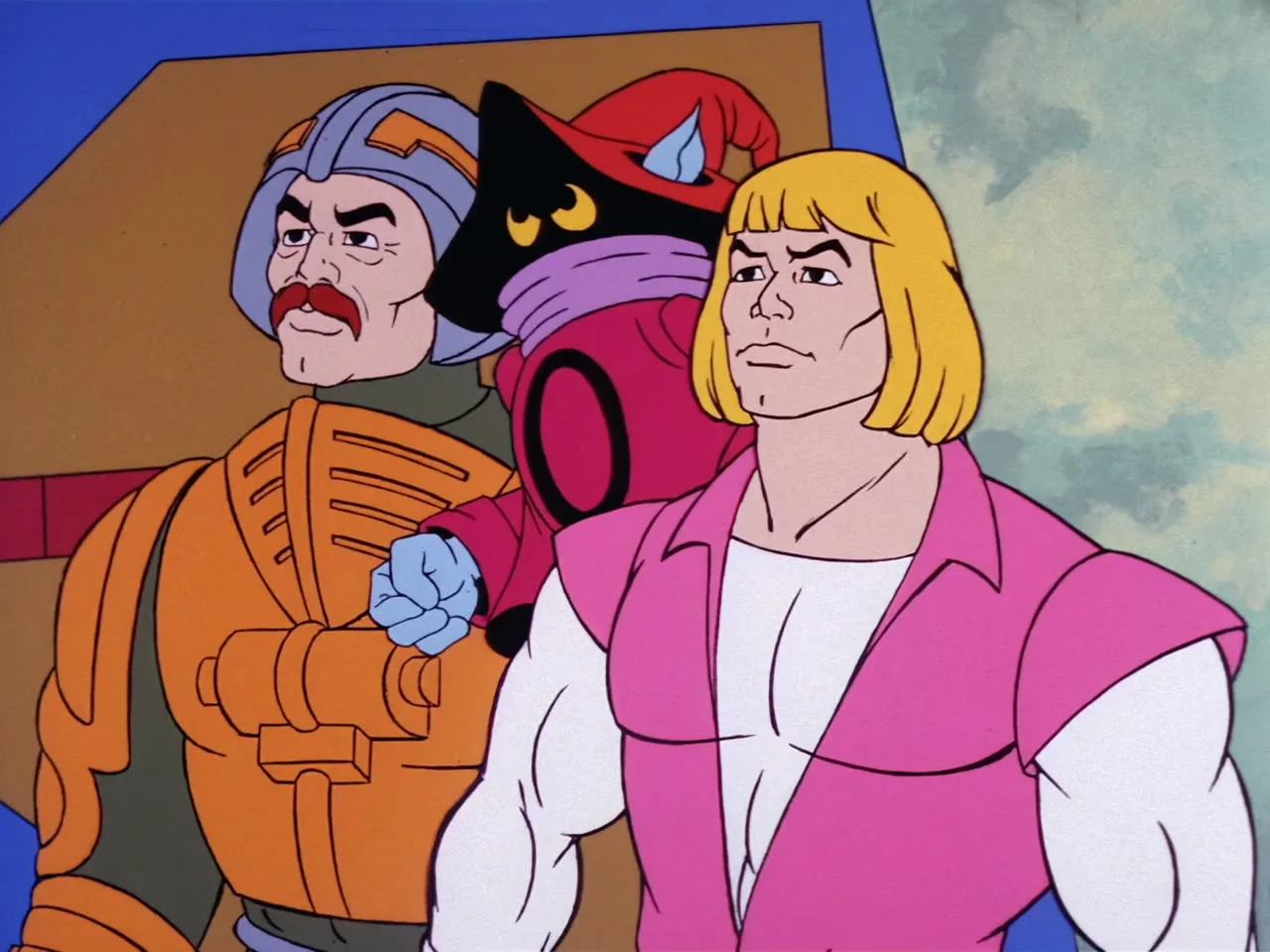
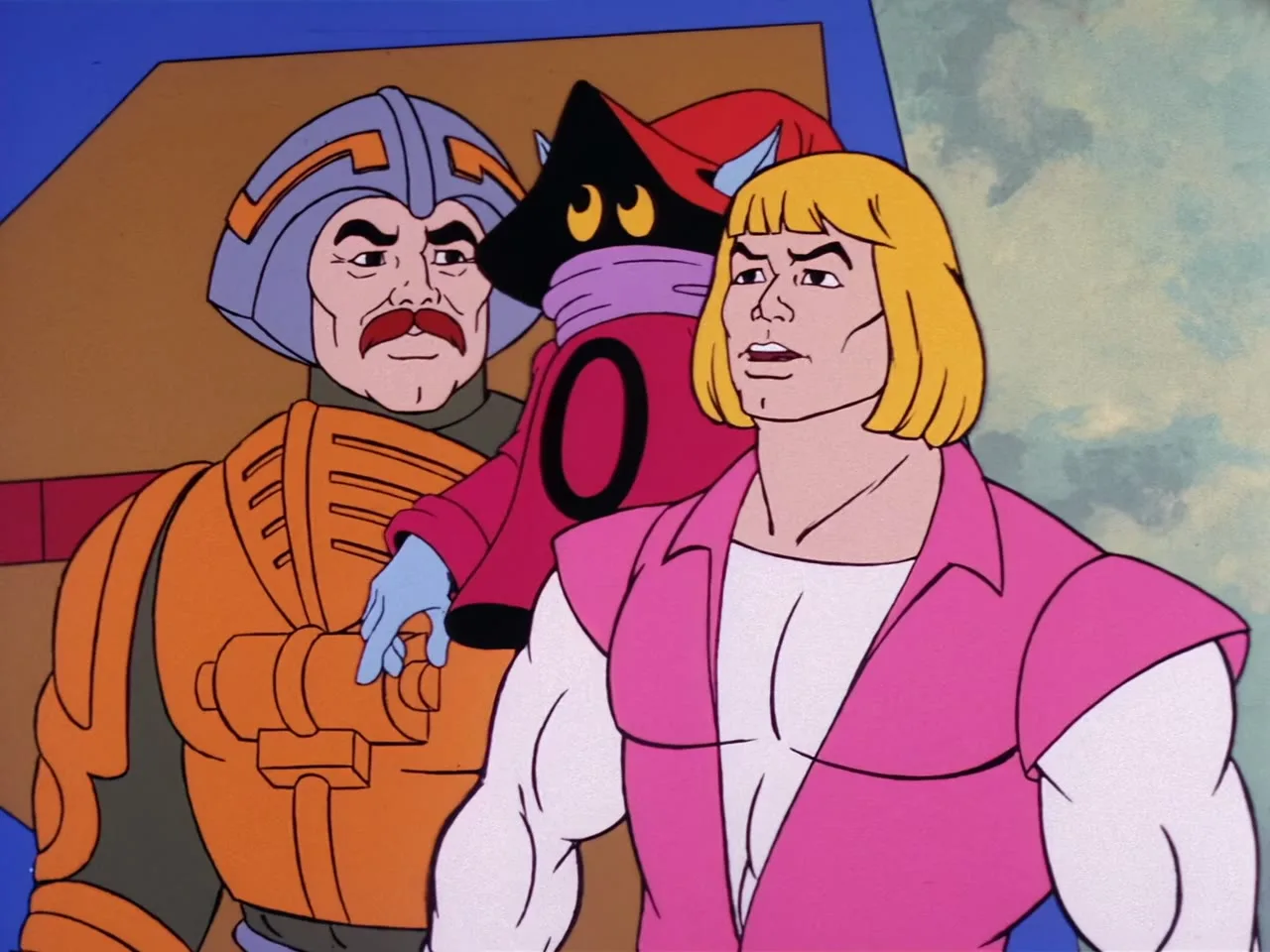
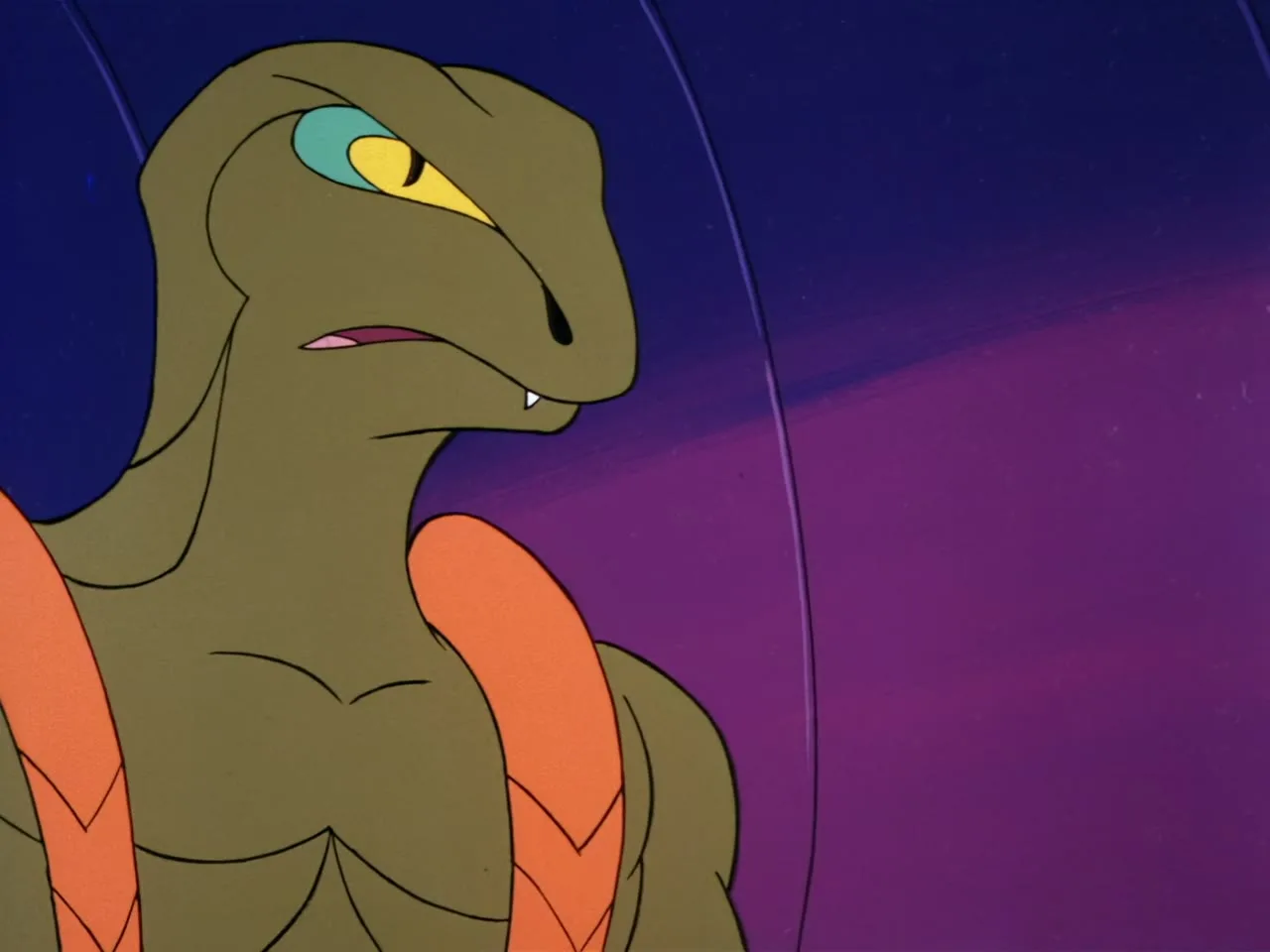
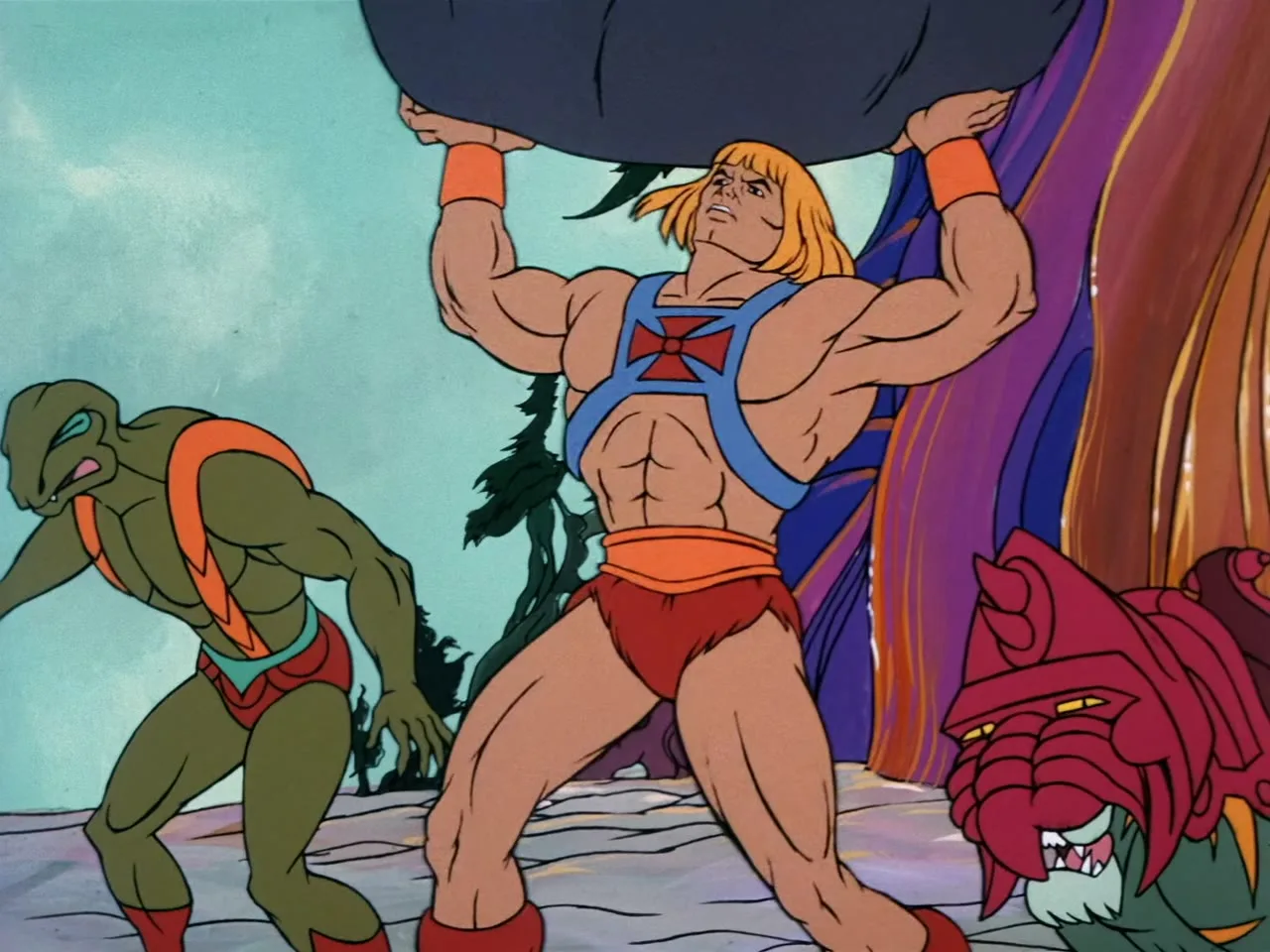
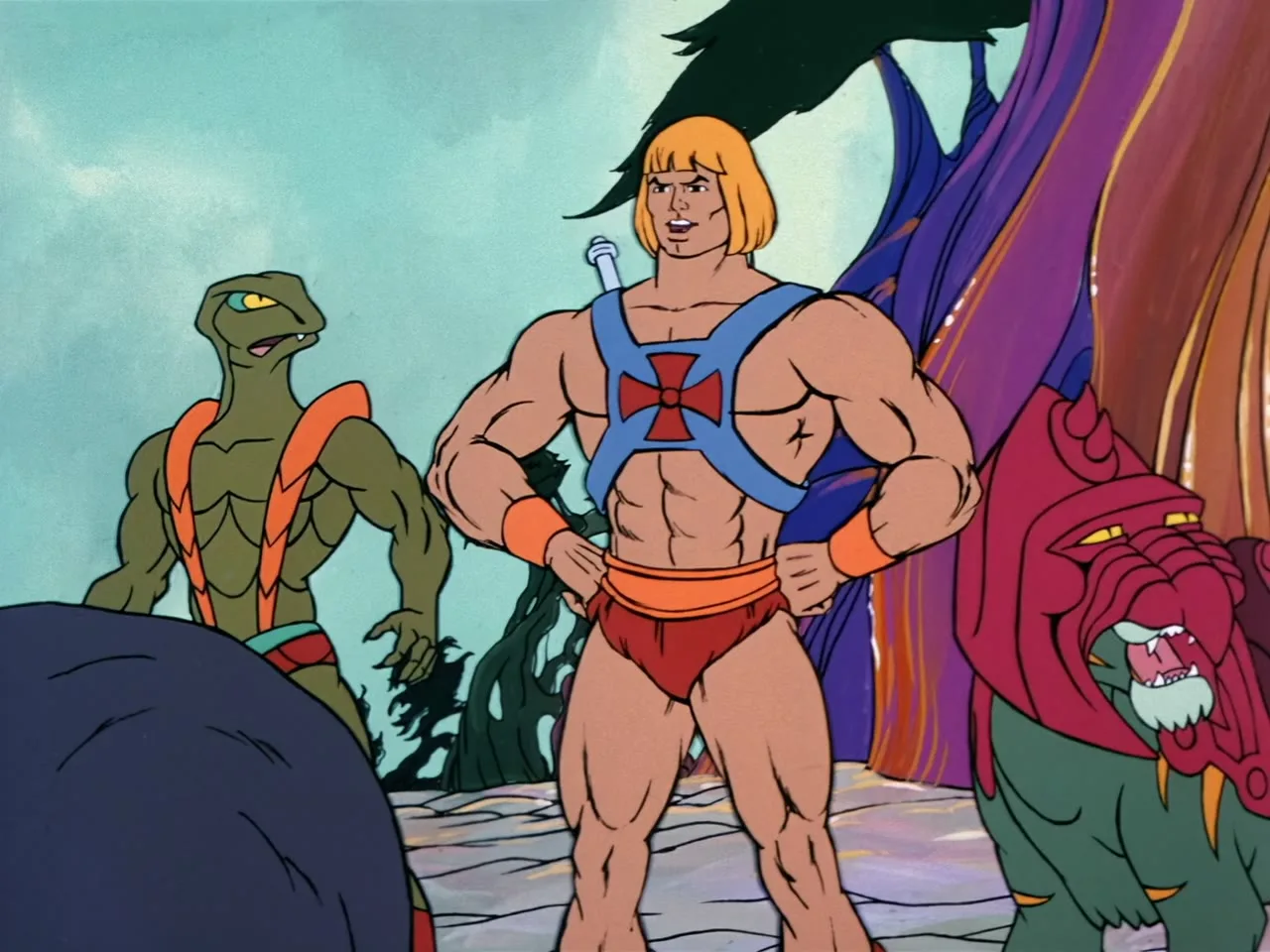
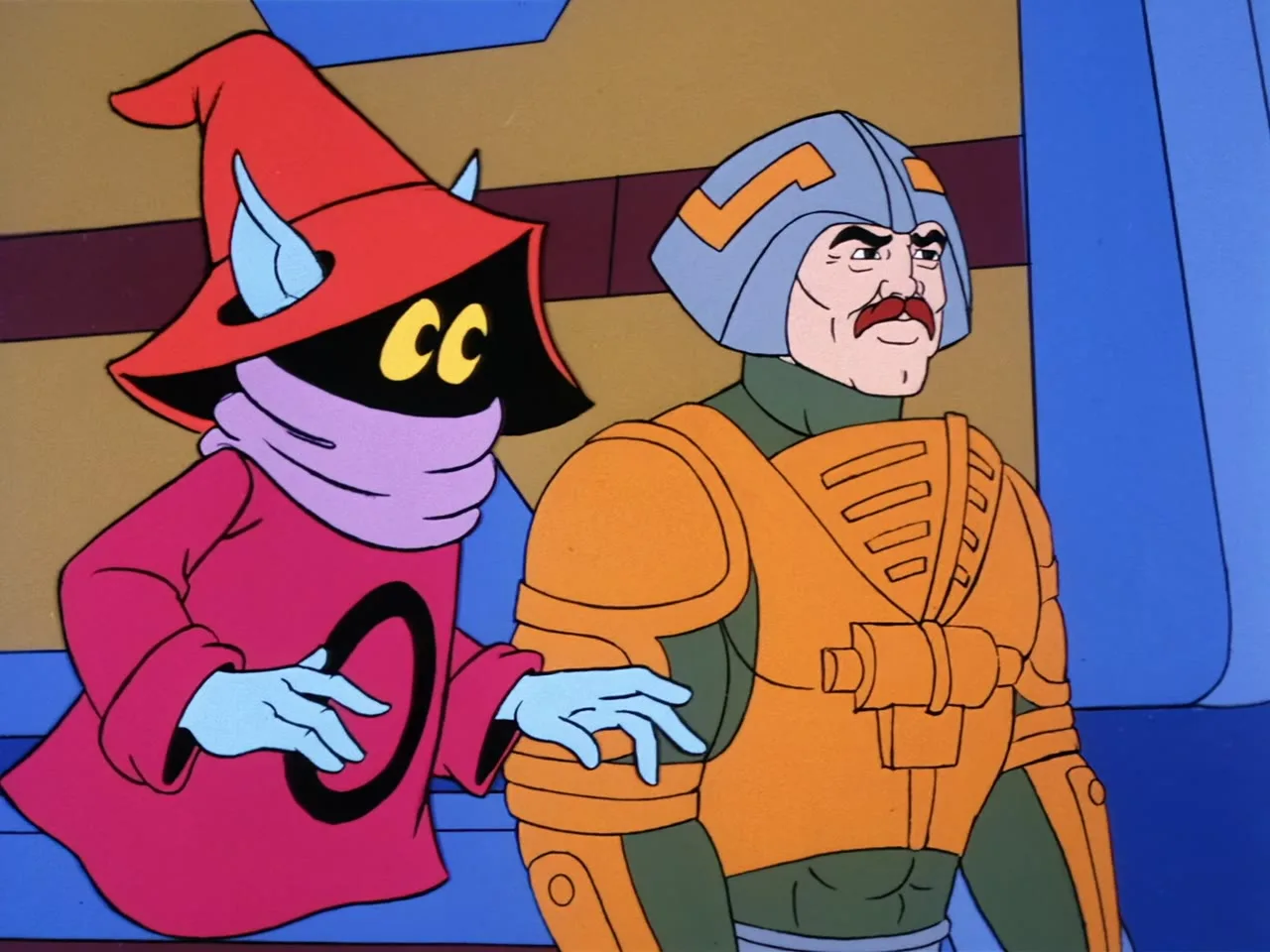
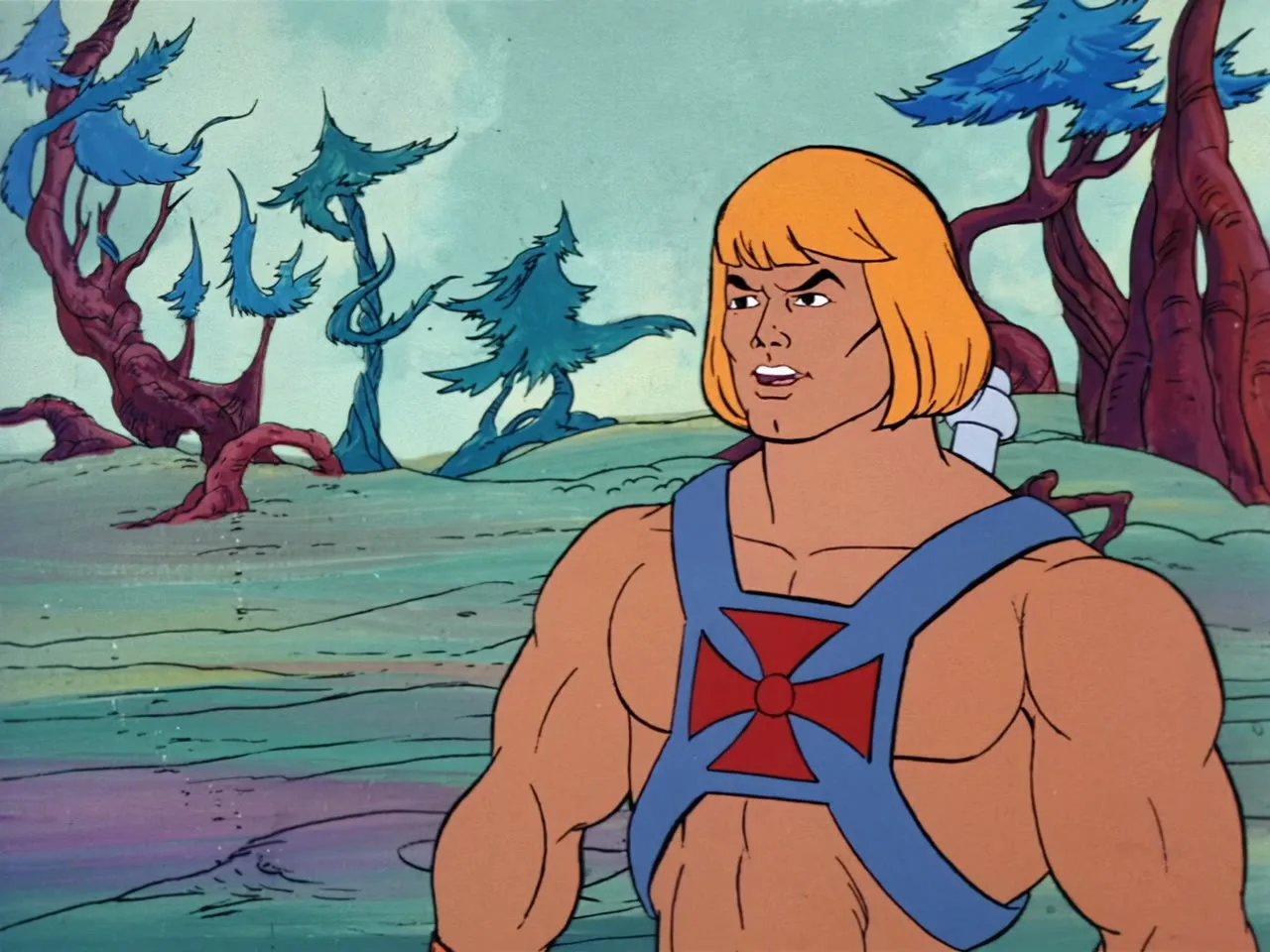
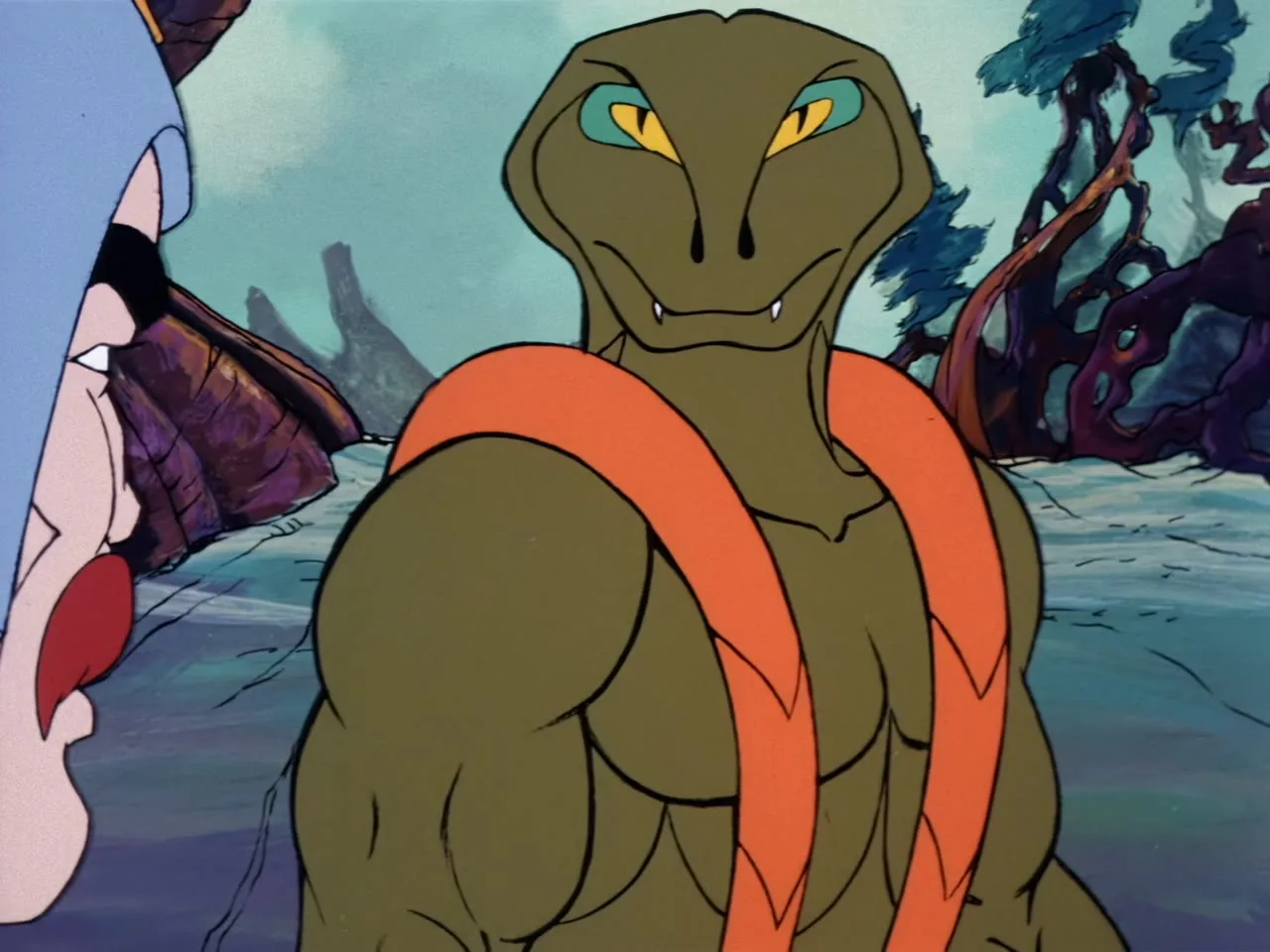
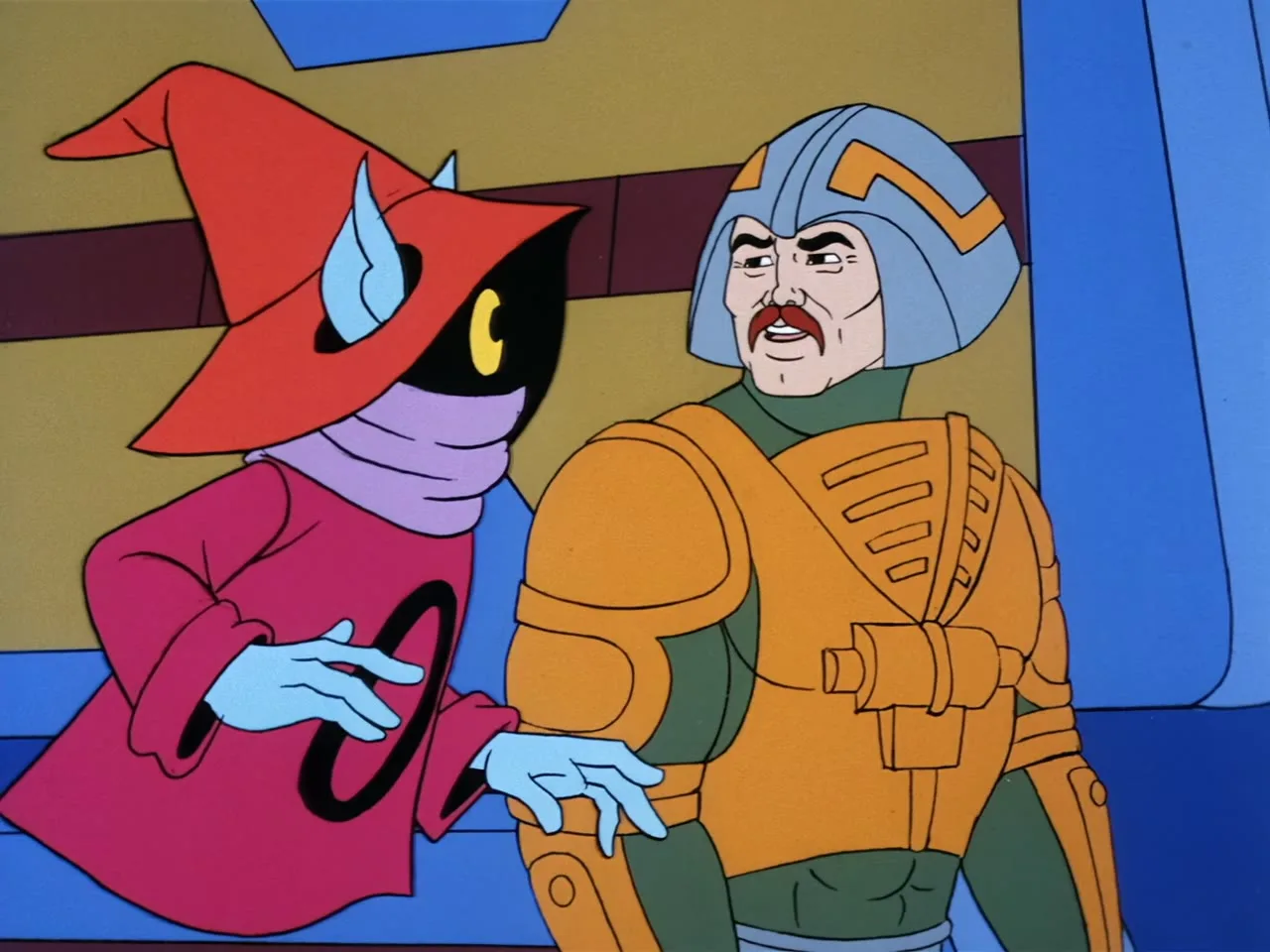
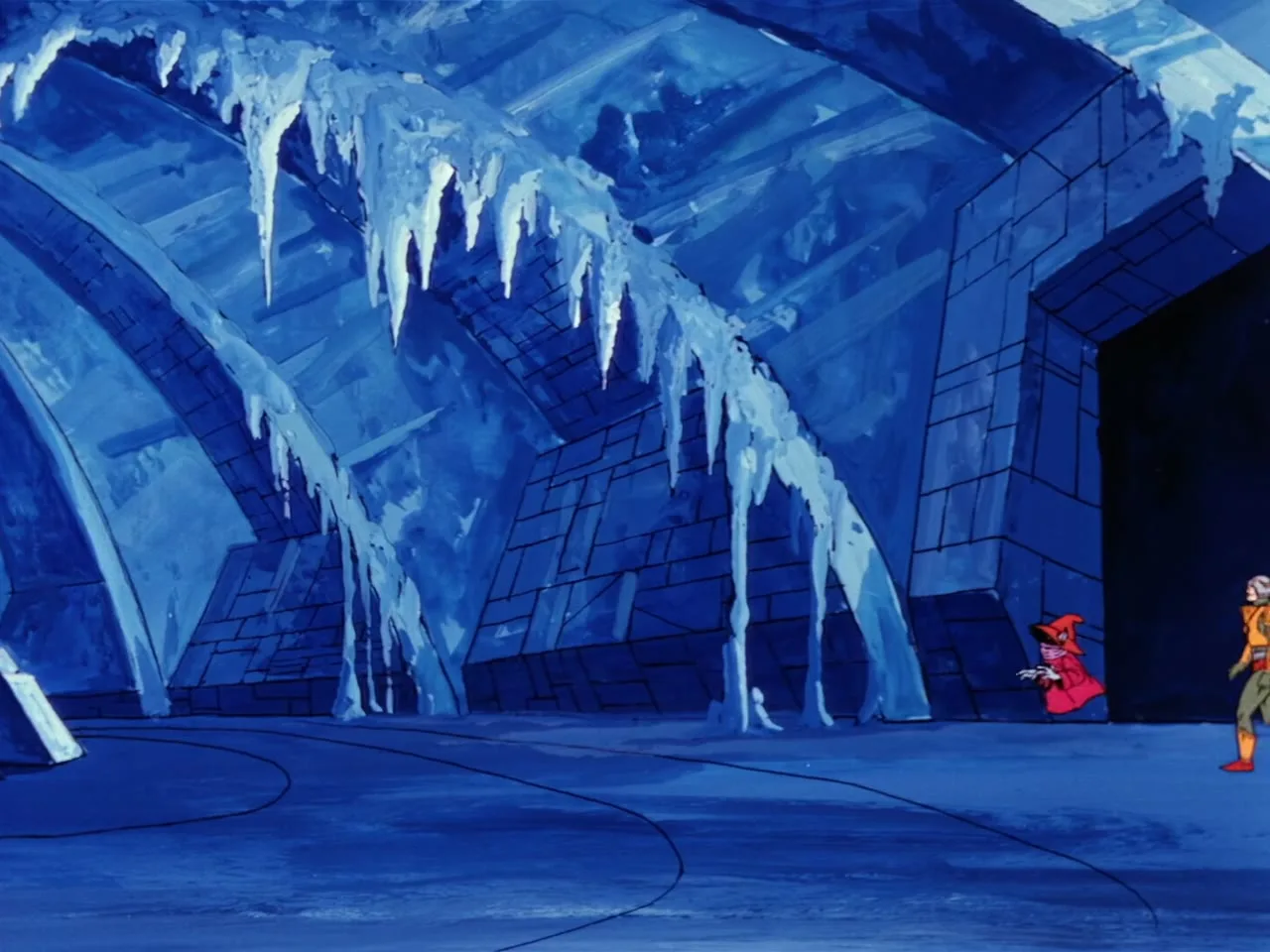
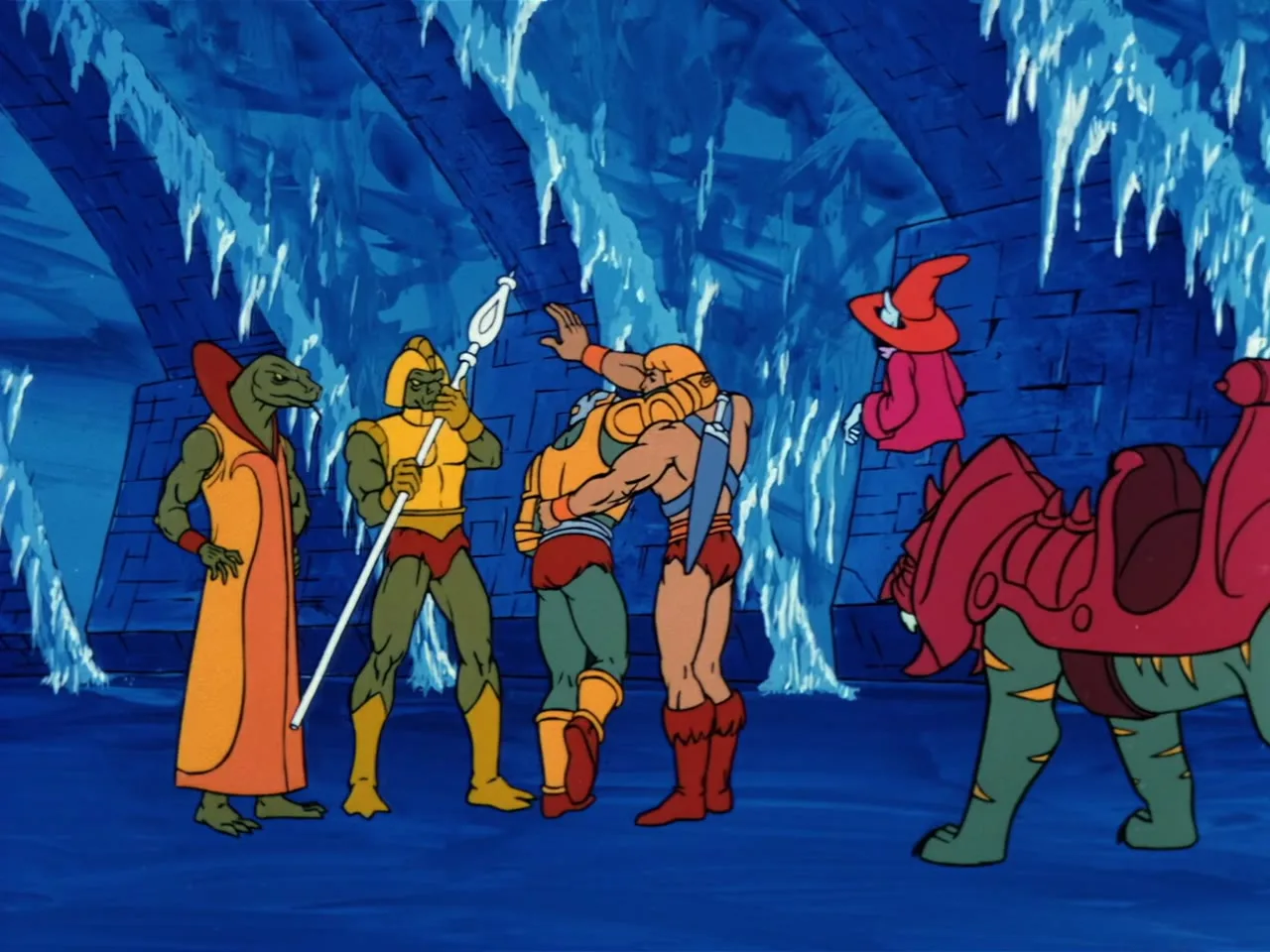
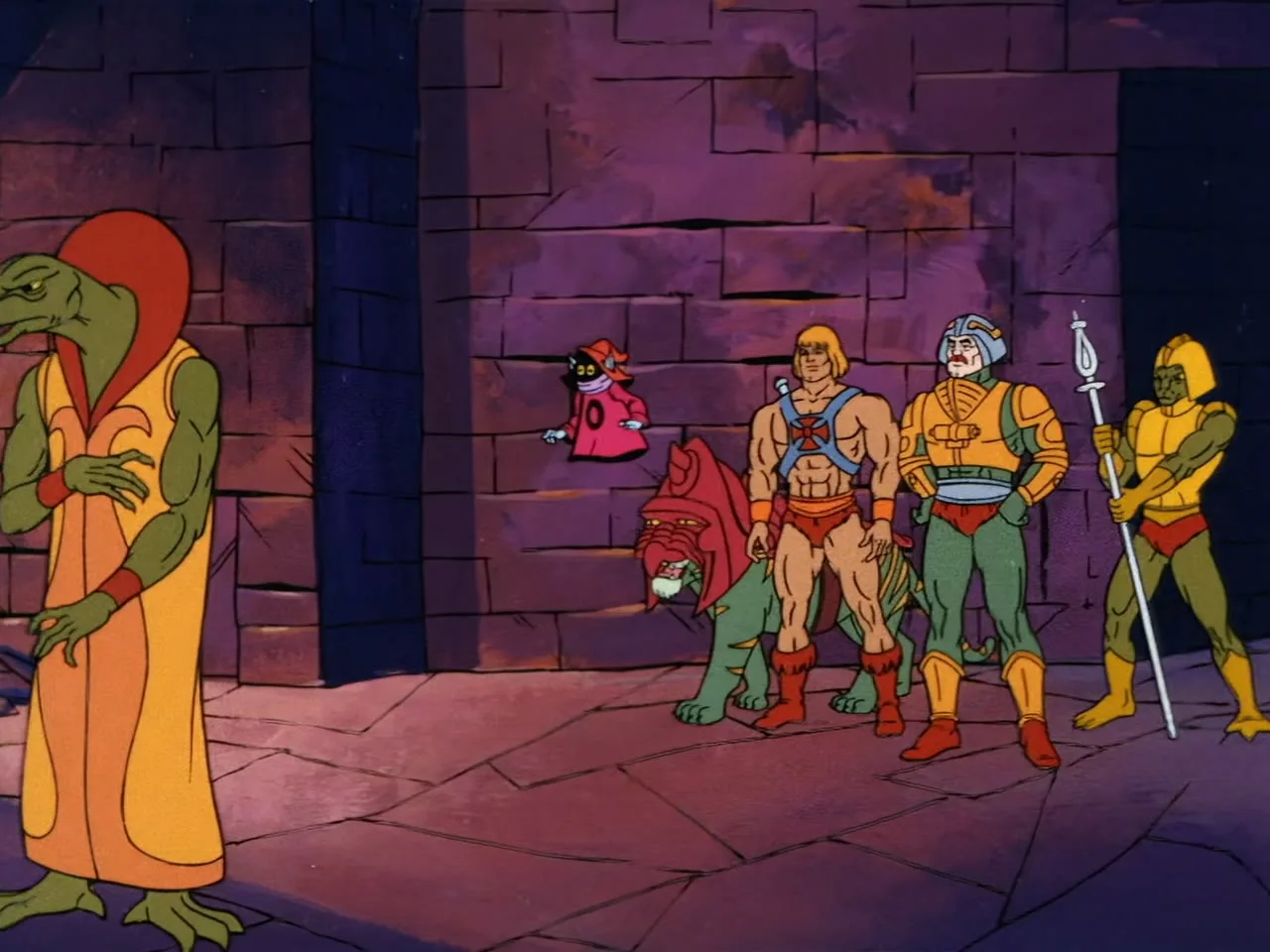
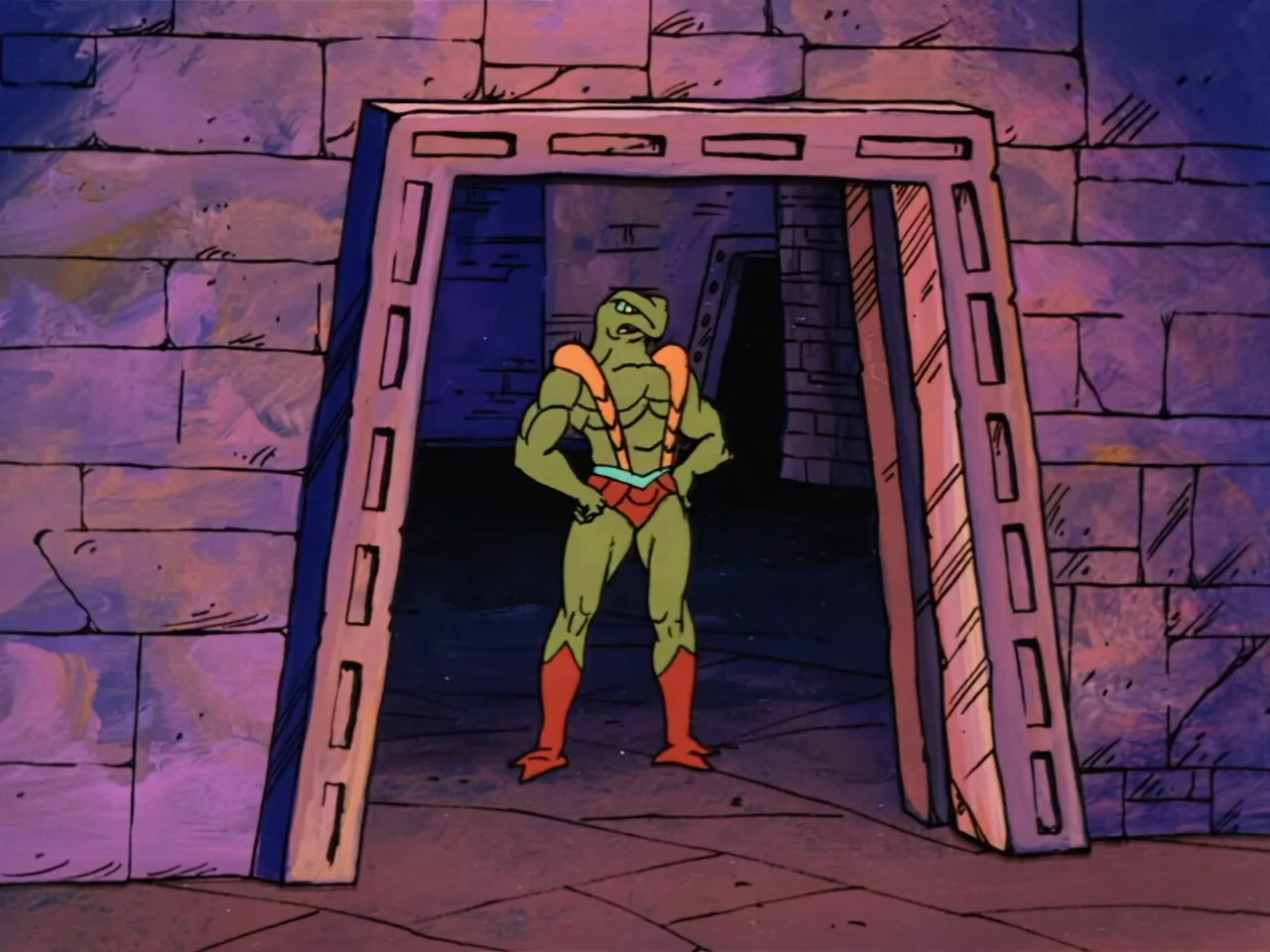
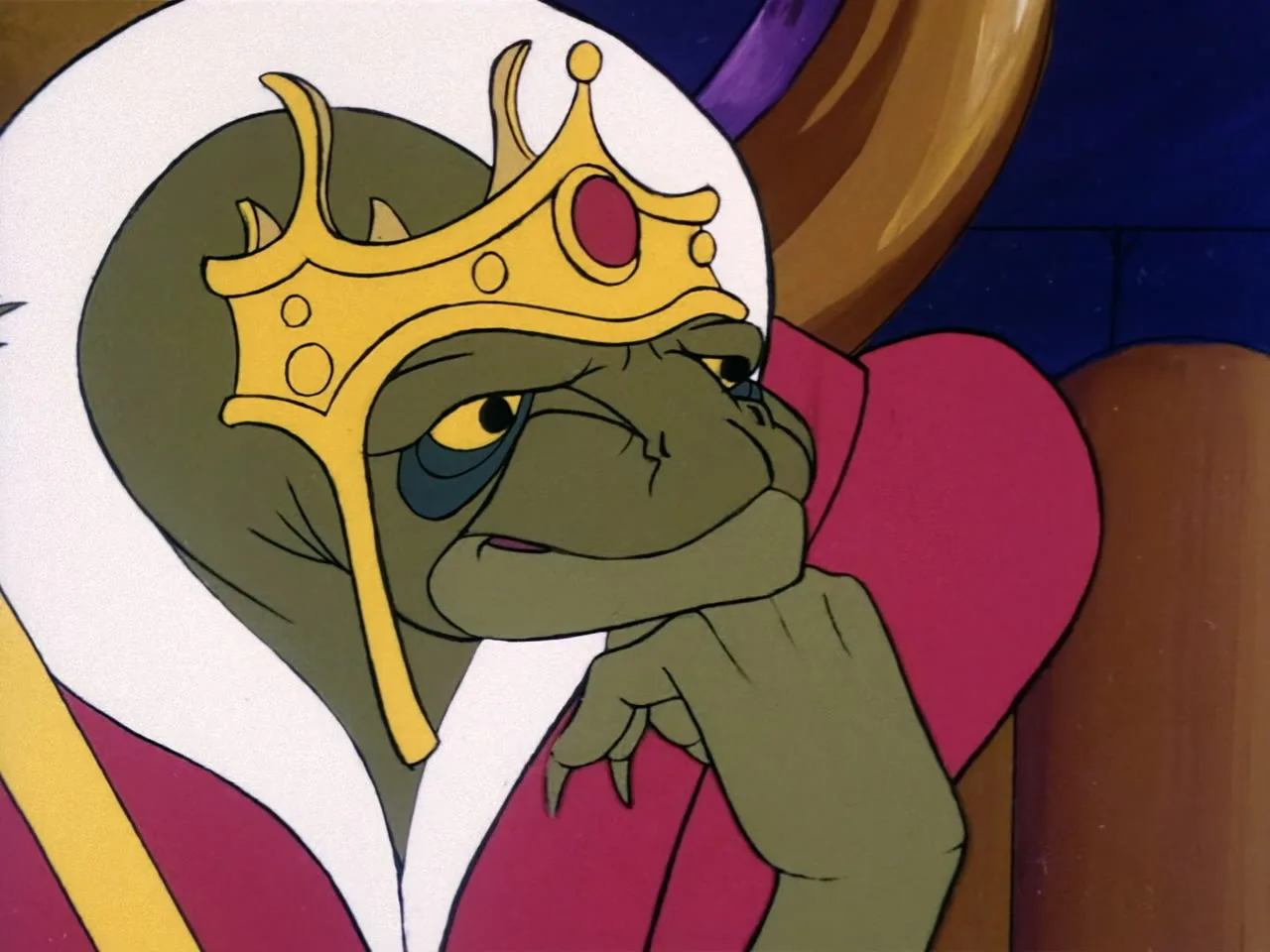
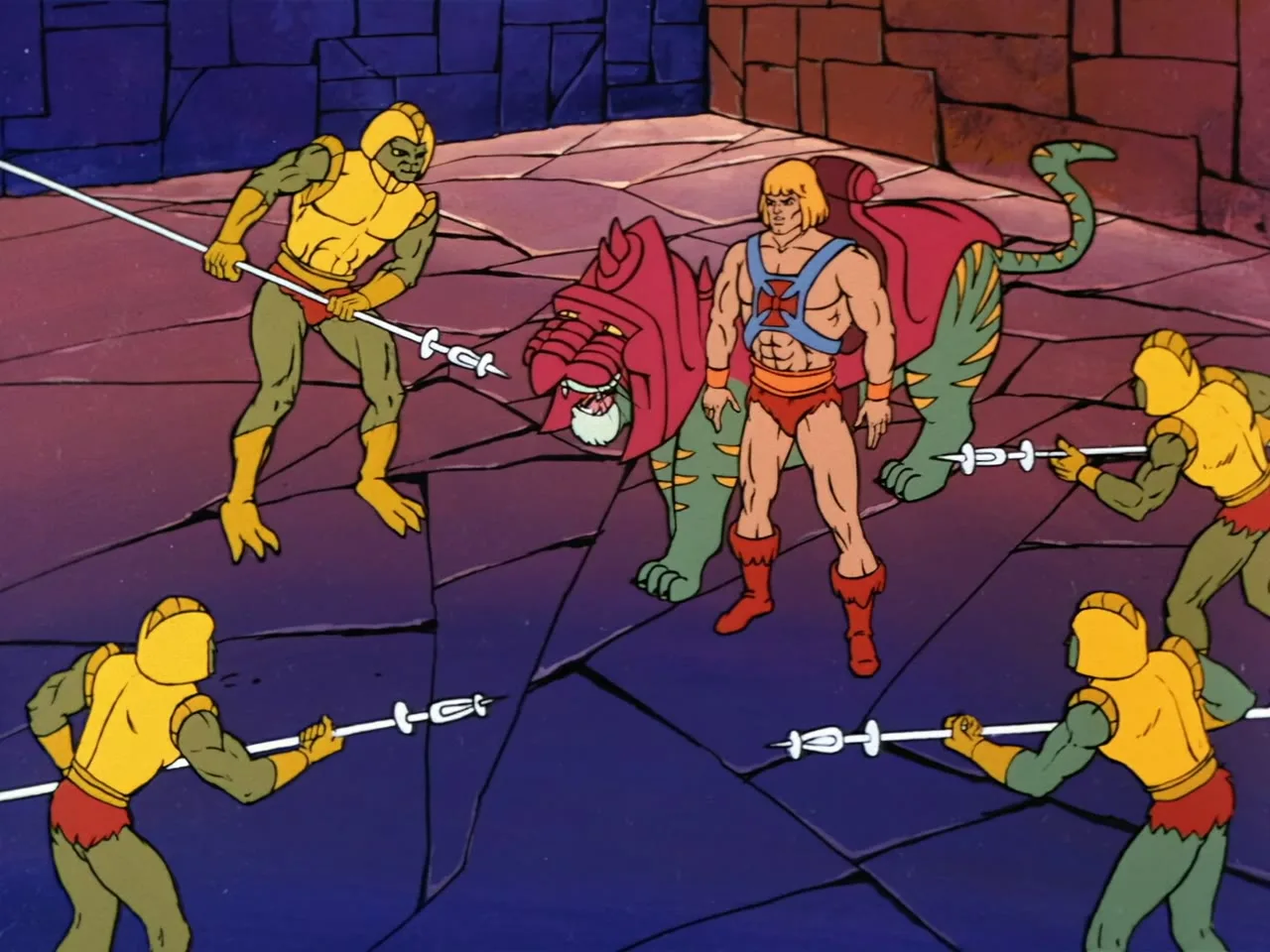
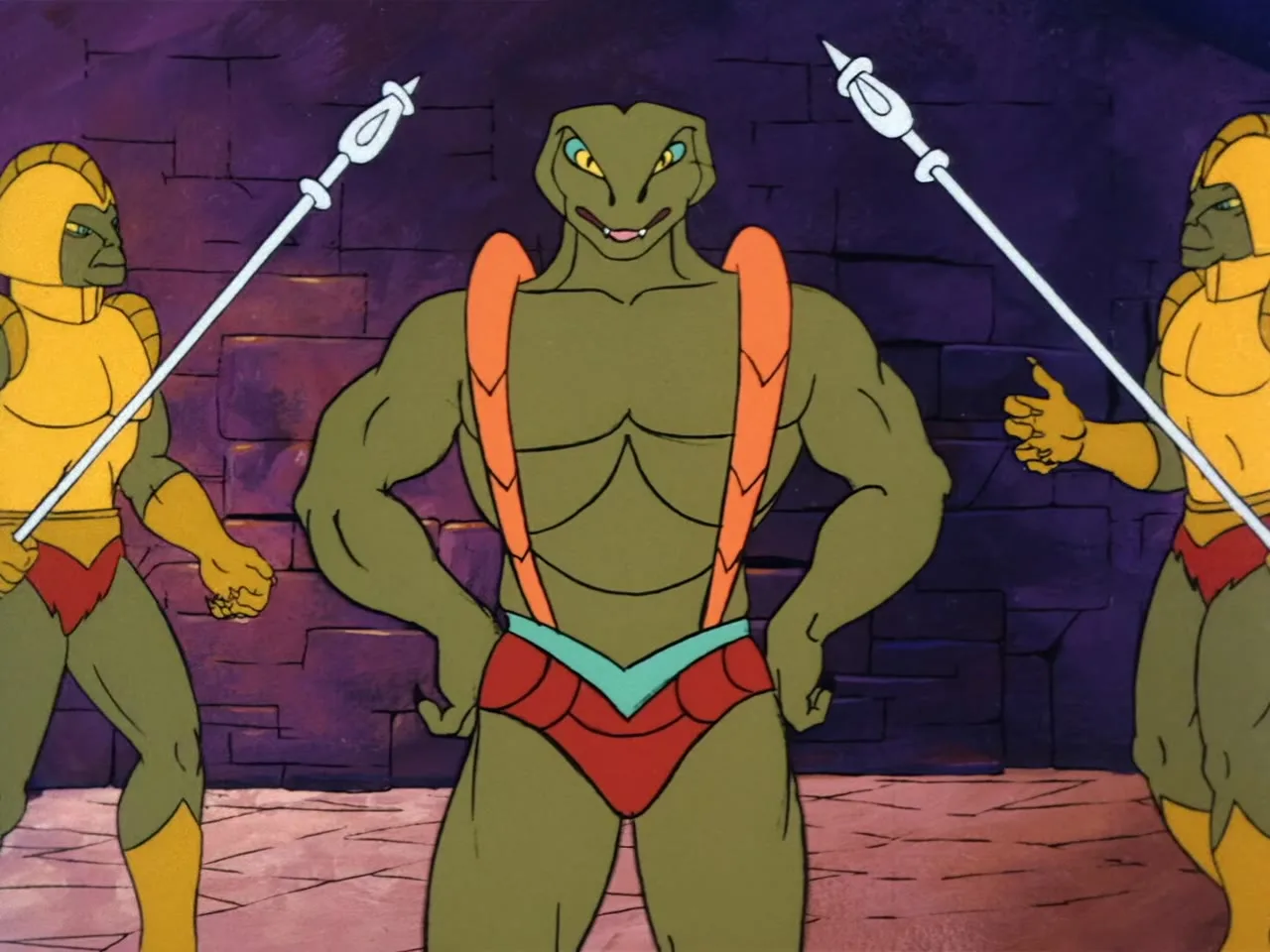
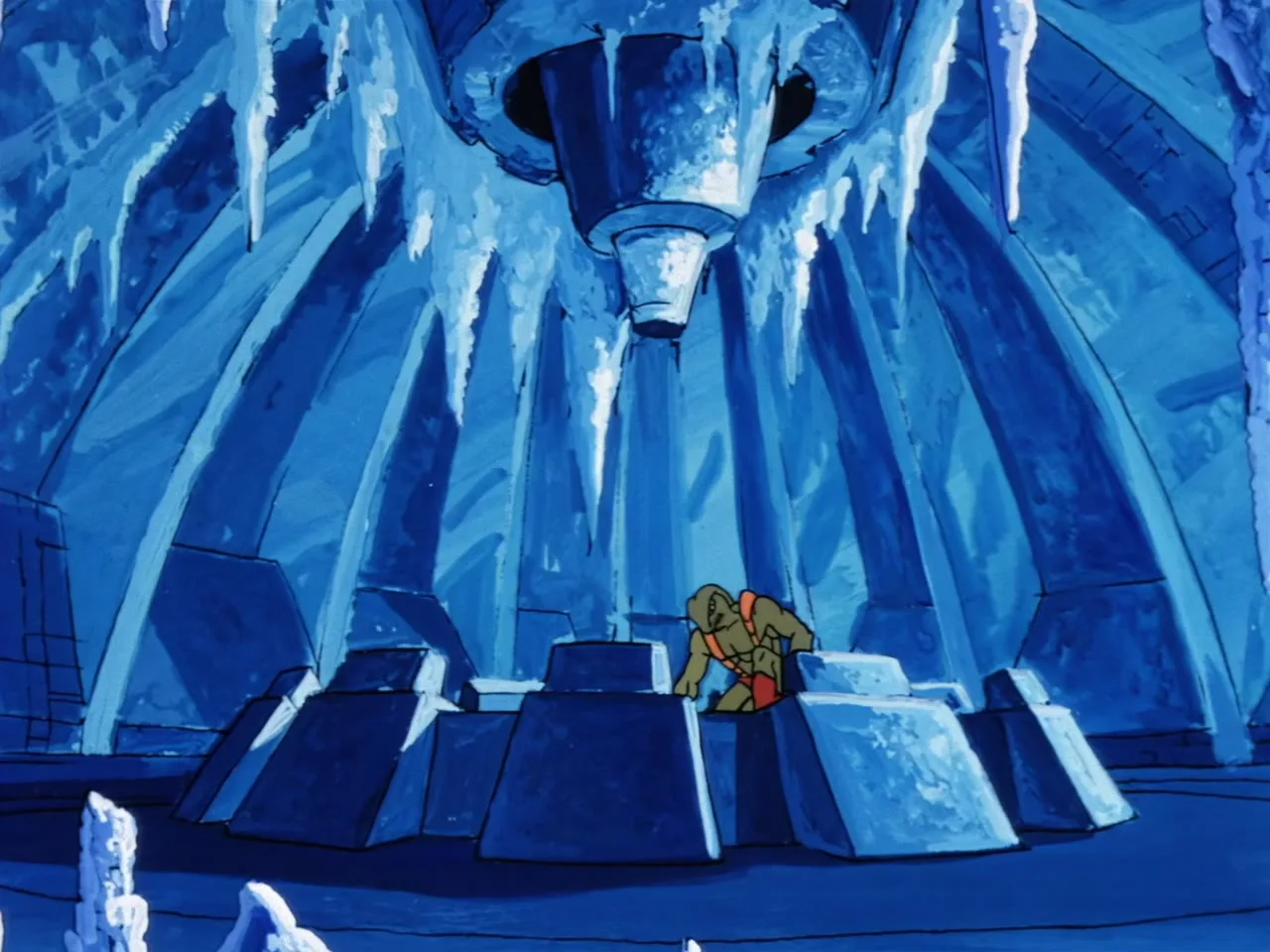
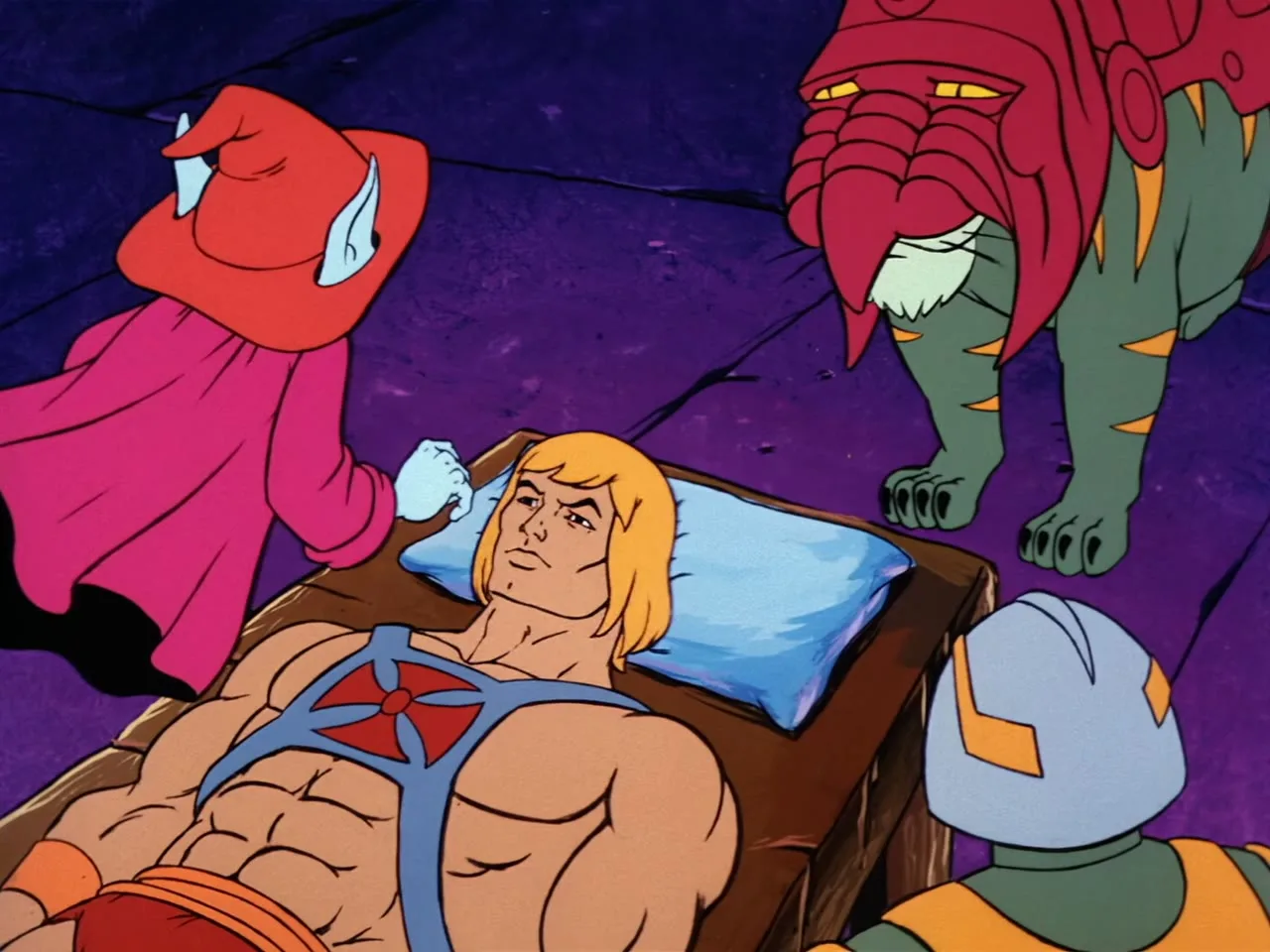
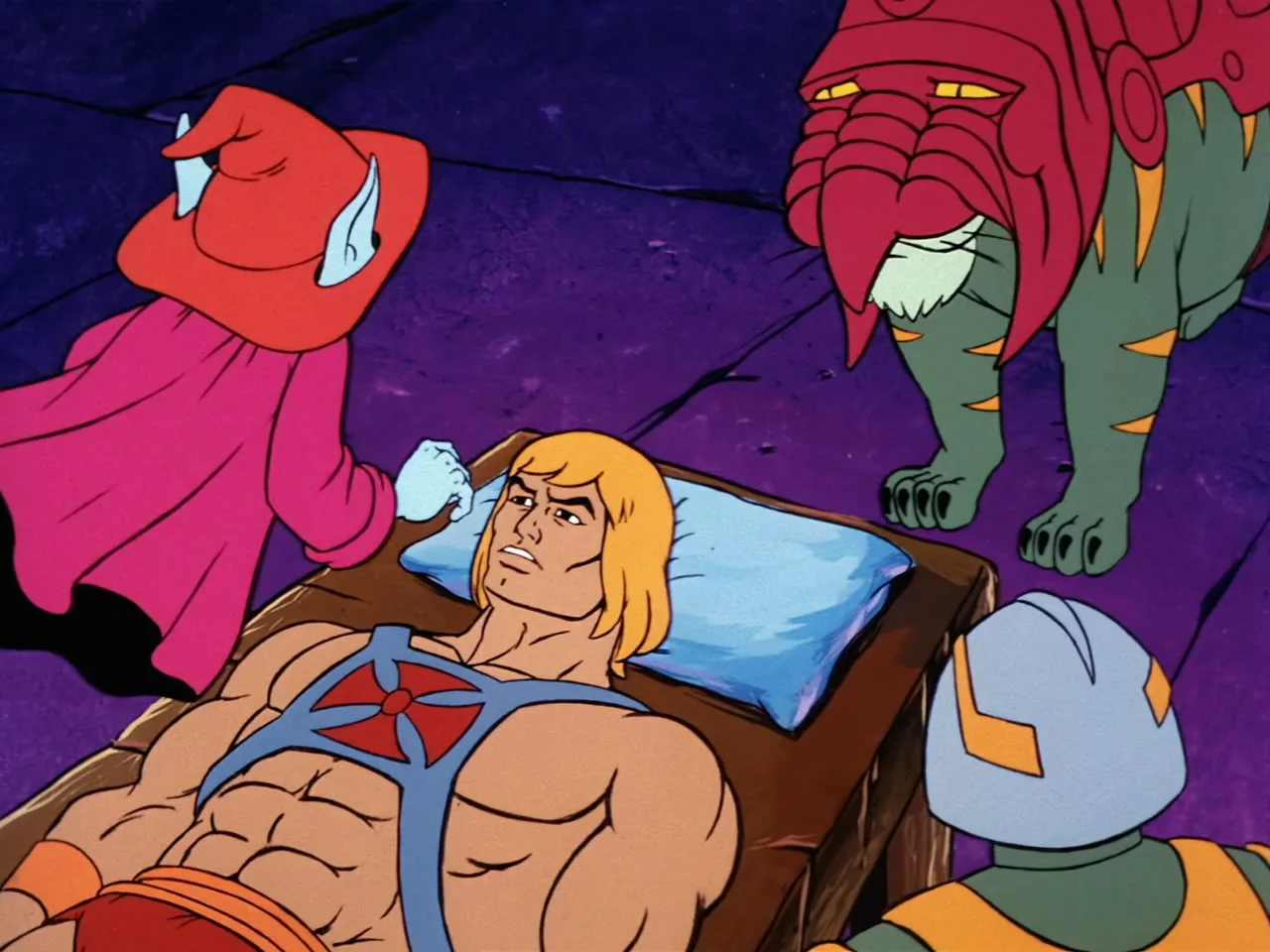
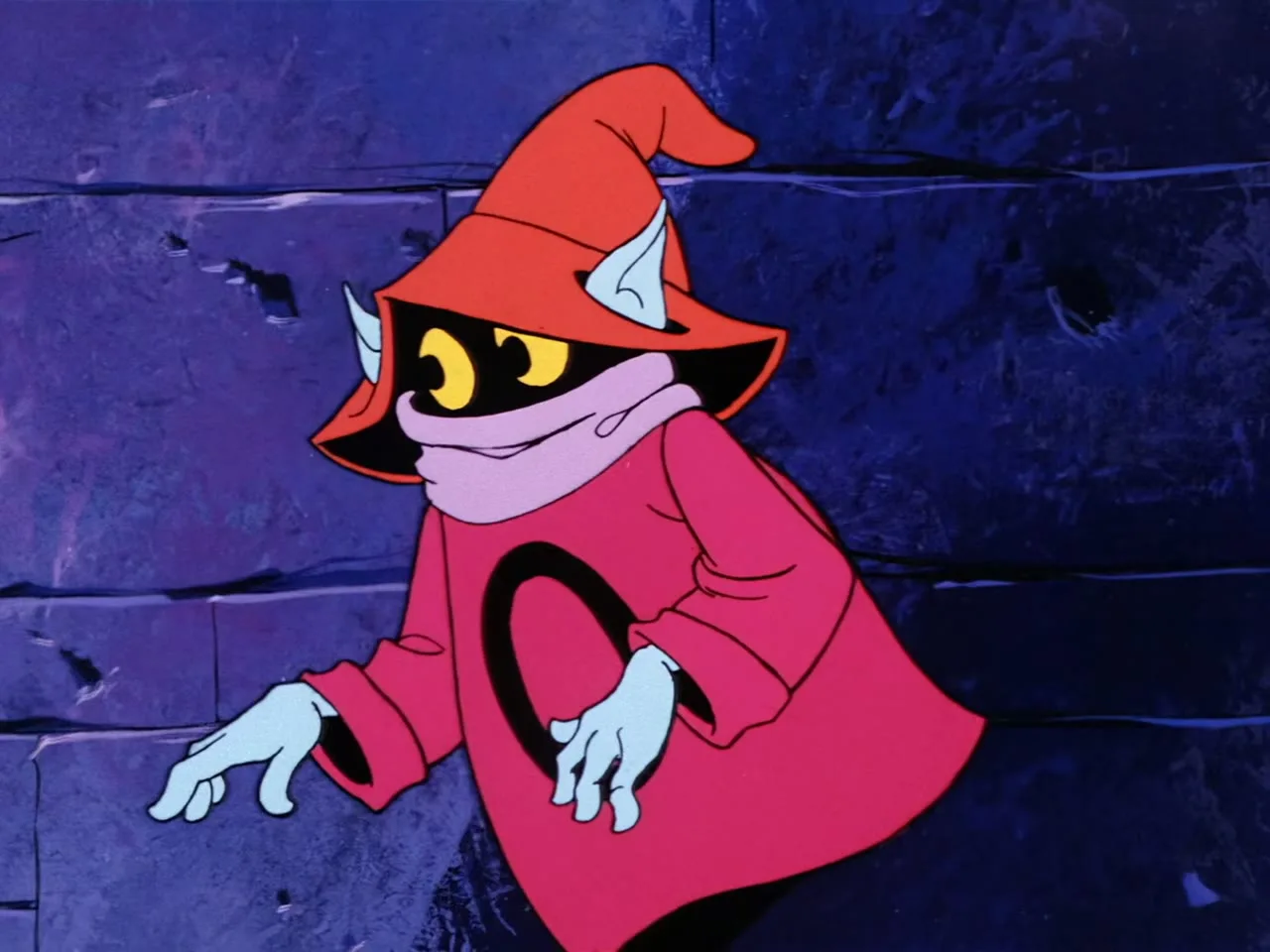
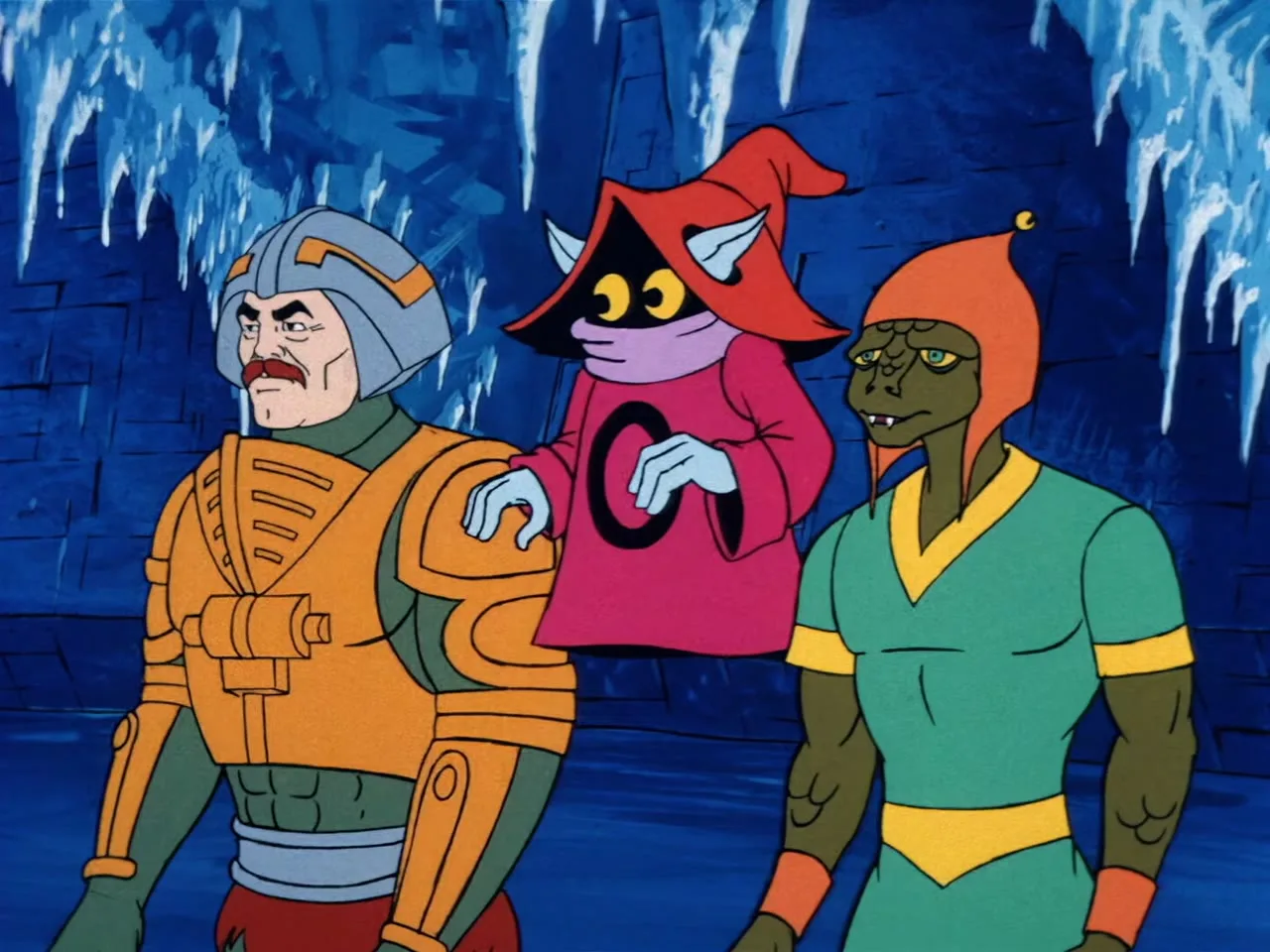
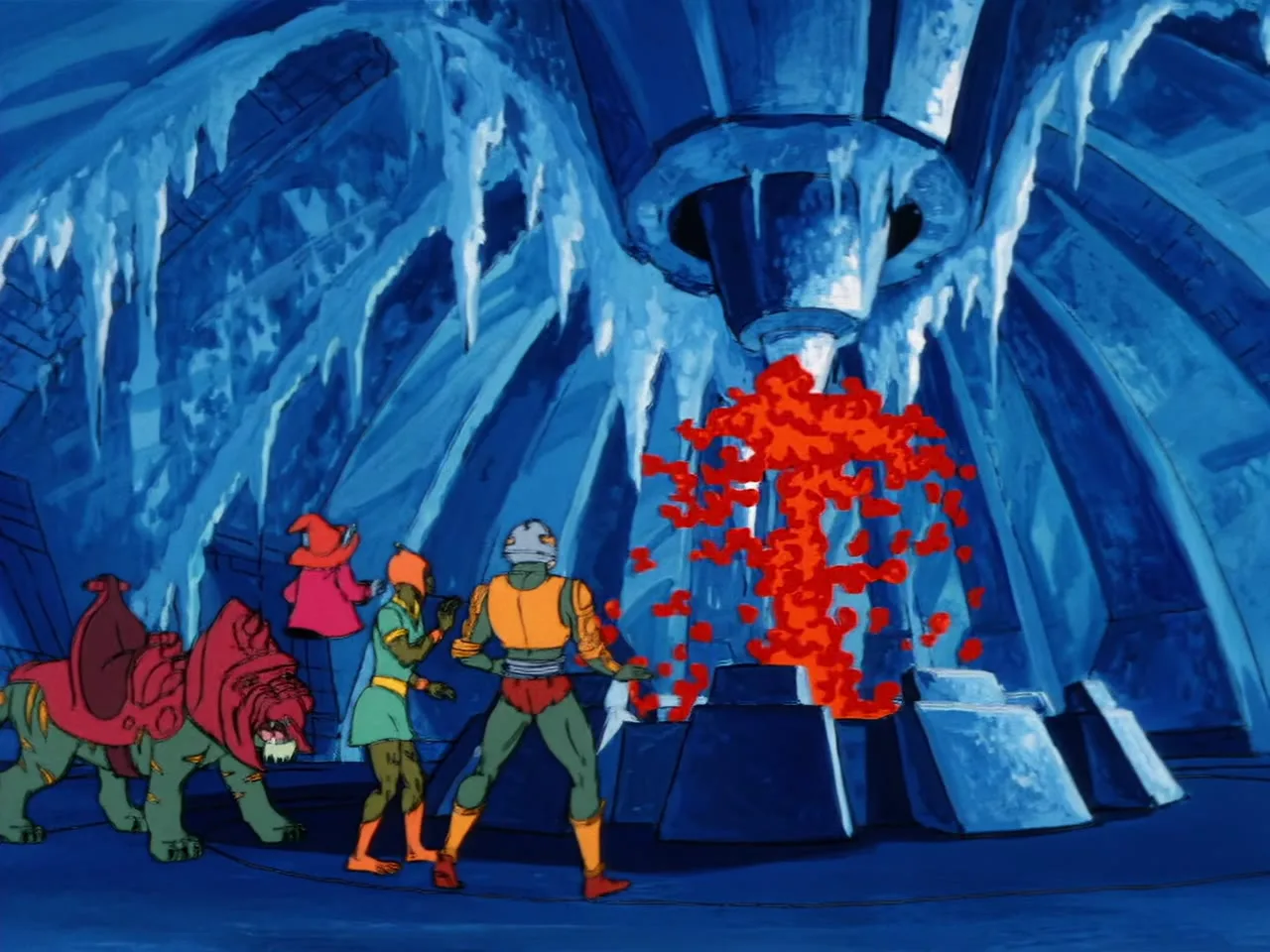
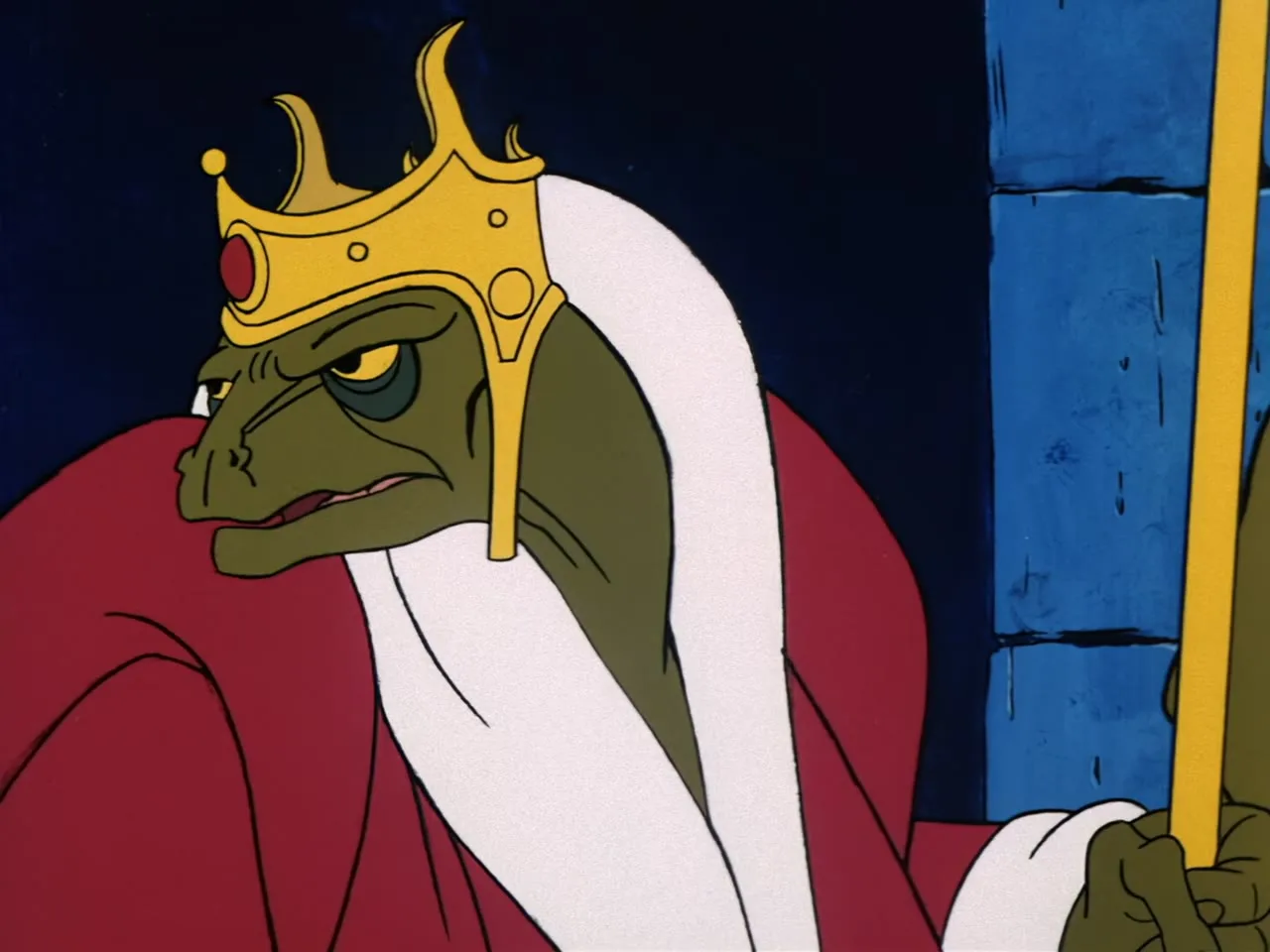
Kobra Khan arrives at the Royal Palace asking He-Man and his friends to help the Reptons, whose underground kingdom depends on an Eternal Flame that has mysteriously gone out. The Heroic Warriors agree, fight off a Korlock on the road, and reach the frozen Repton lair, only to be arrested on Kobra Khan's own false testimony and put on trial before King Pythos. Scales, the Repton court jester, secretly witnesses Kobra Khan gloating over the ice crystal that smothered the flame, frees the prisoners himself, and leads them back to relight it before Kobra Khan can claim the throne.
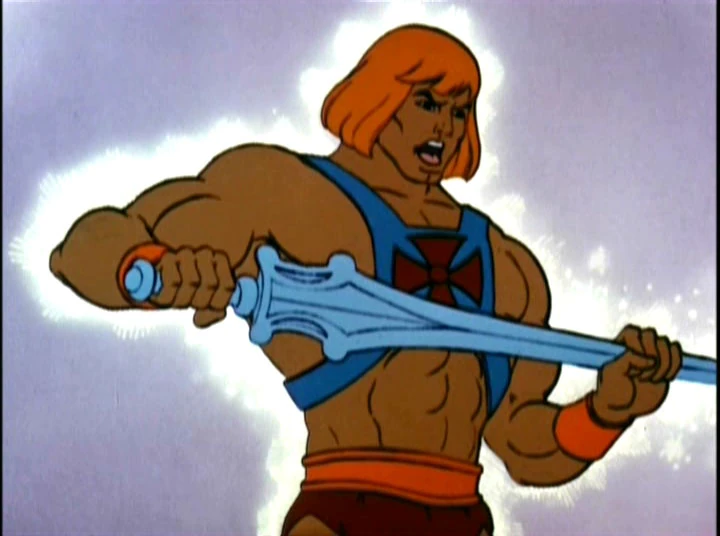
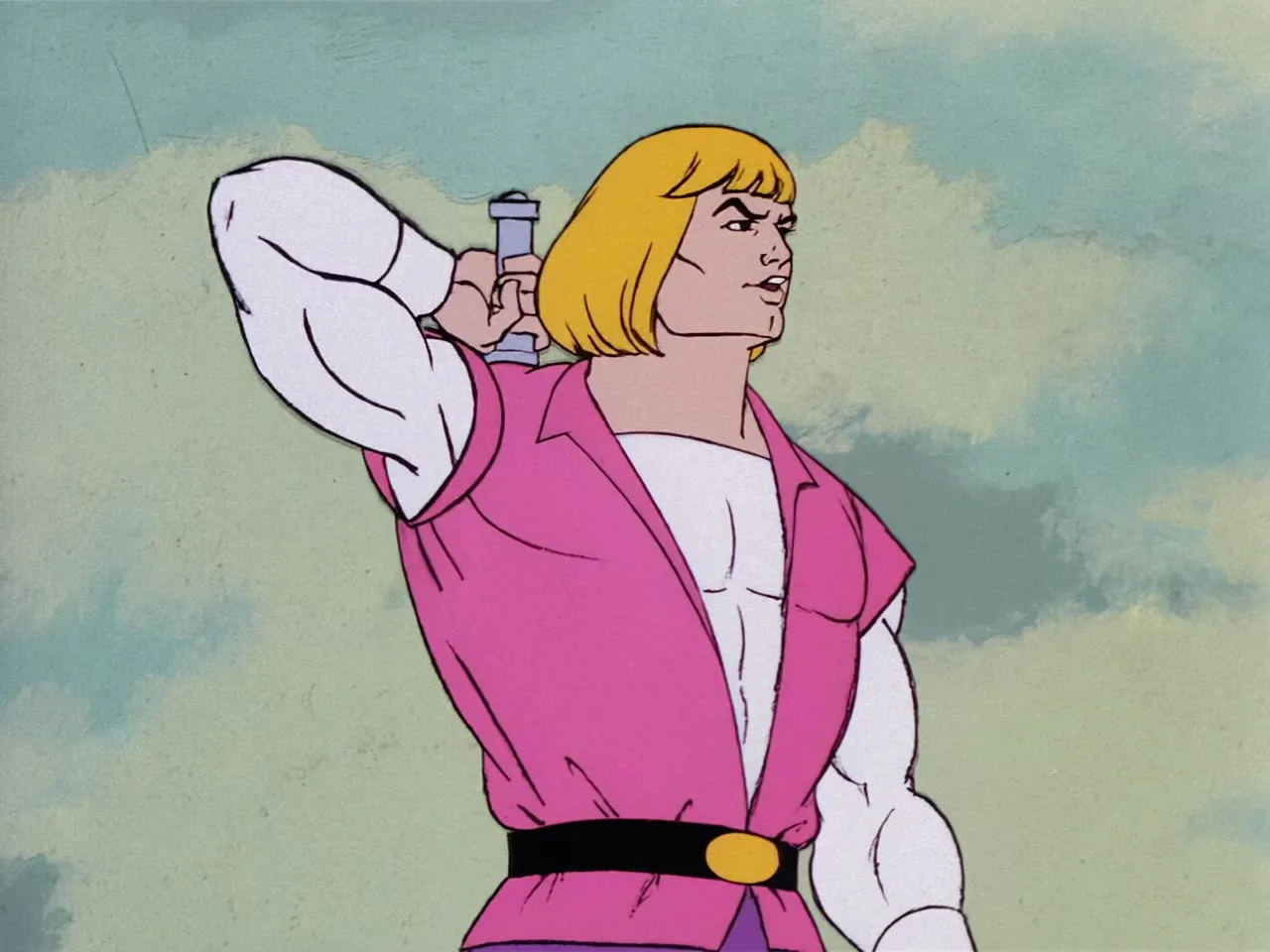
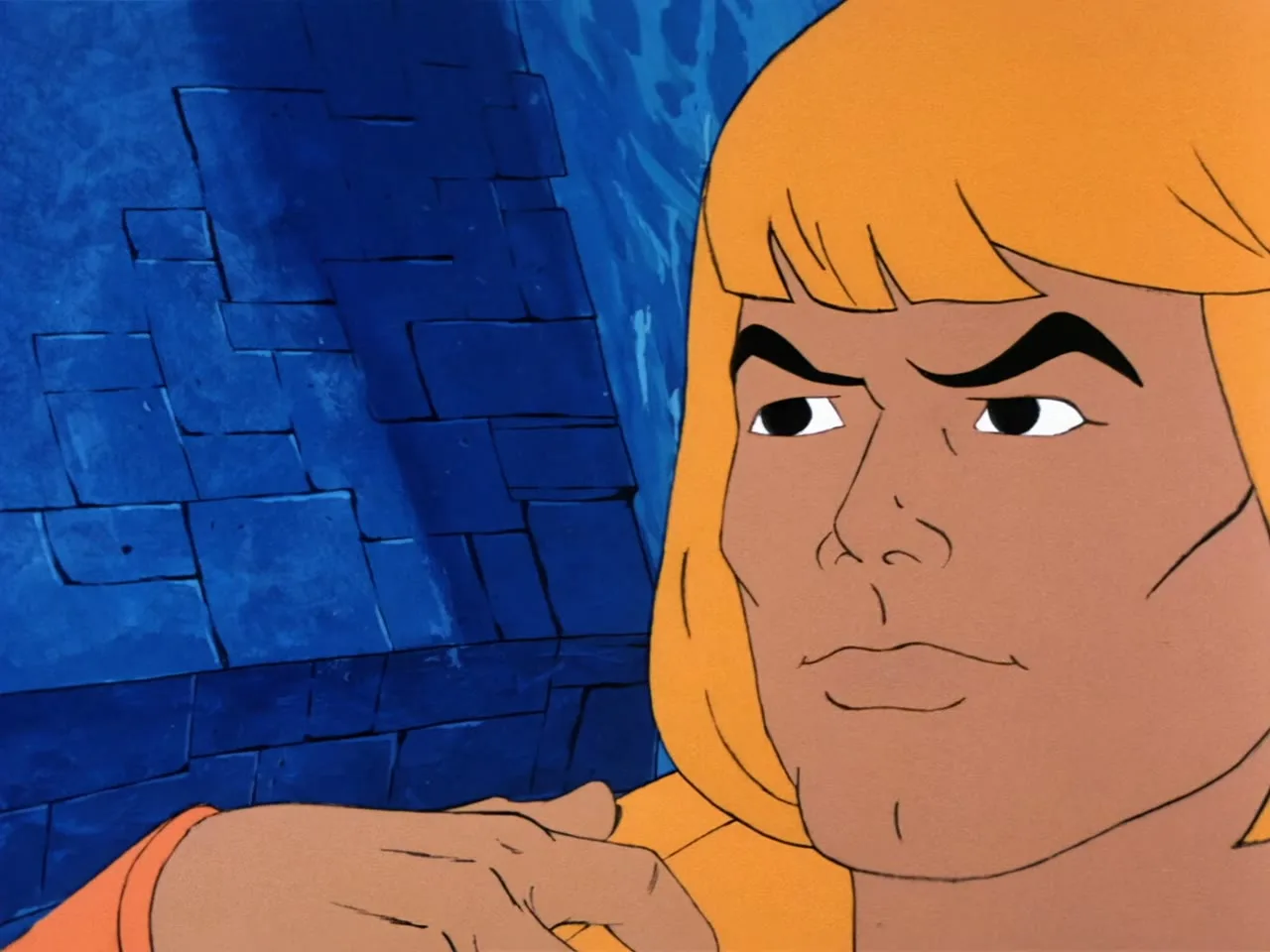
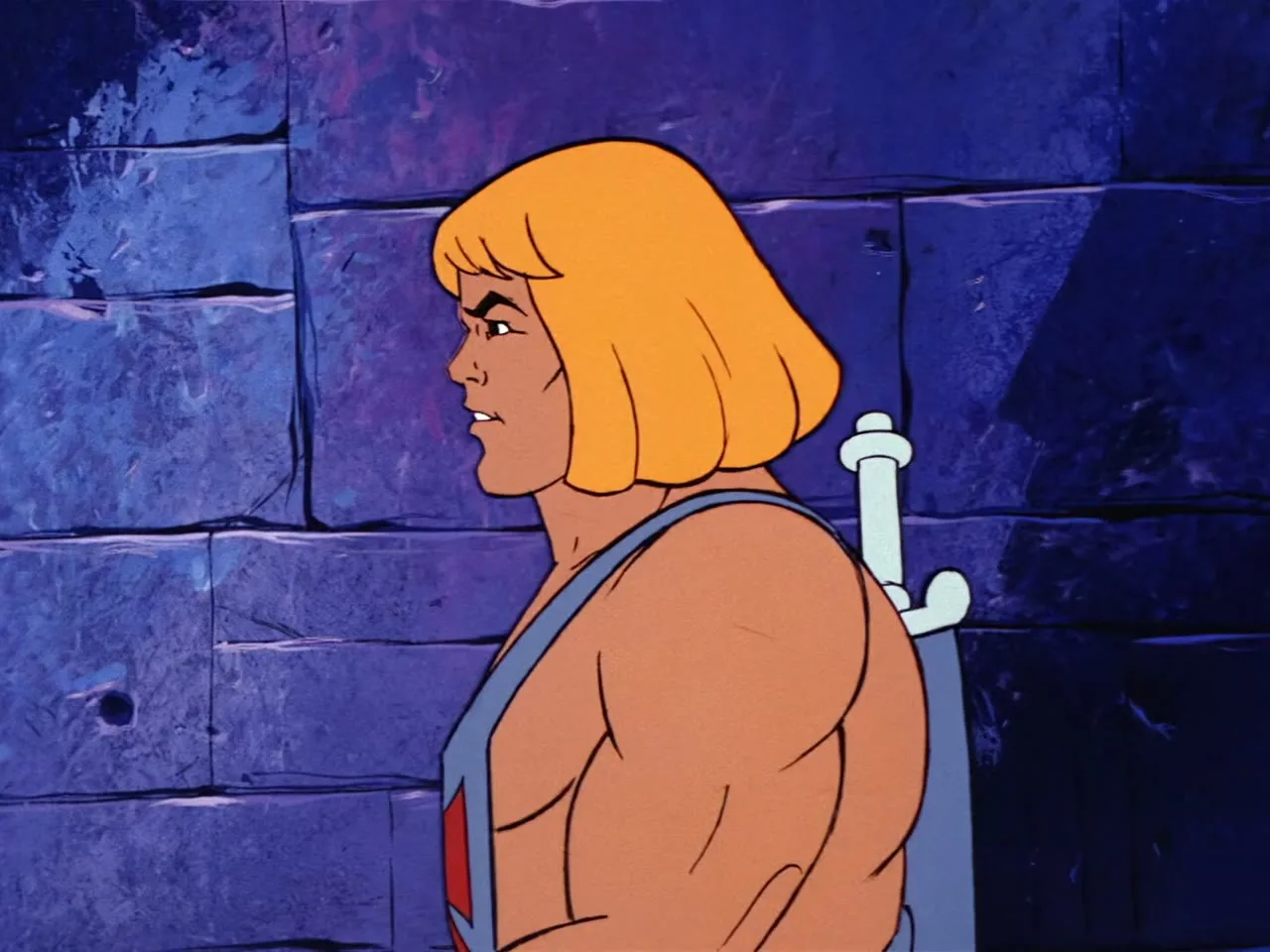
He-Man: "Today, we learned the importance of making the right decisions. When Kobra Khan lied about He-Man, King Pythos believed him at first, because Kobra Khan was one of his people. But later he learned that trusting Kobra Khan was a big mistake. So when you have to make a decision about something, don't just jump at the first or the easiest answer. Think it through. Look at both sides, and then decide. That way, whatever decisions you make will have a better chance of being the correct ones. See you next time."
Starring the voices of John Erwin, Alan Oppenheimer, Linda Gary, Erik Gunden and Erika Scheimer, per the episode's own end-credit crawl. The crawl credits the voice cast as a group rather than character by character.
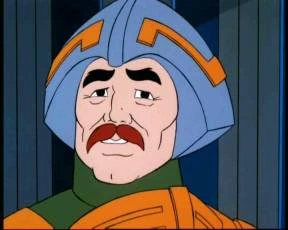
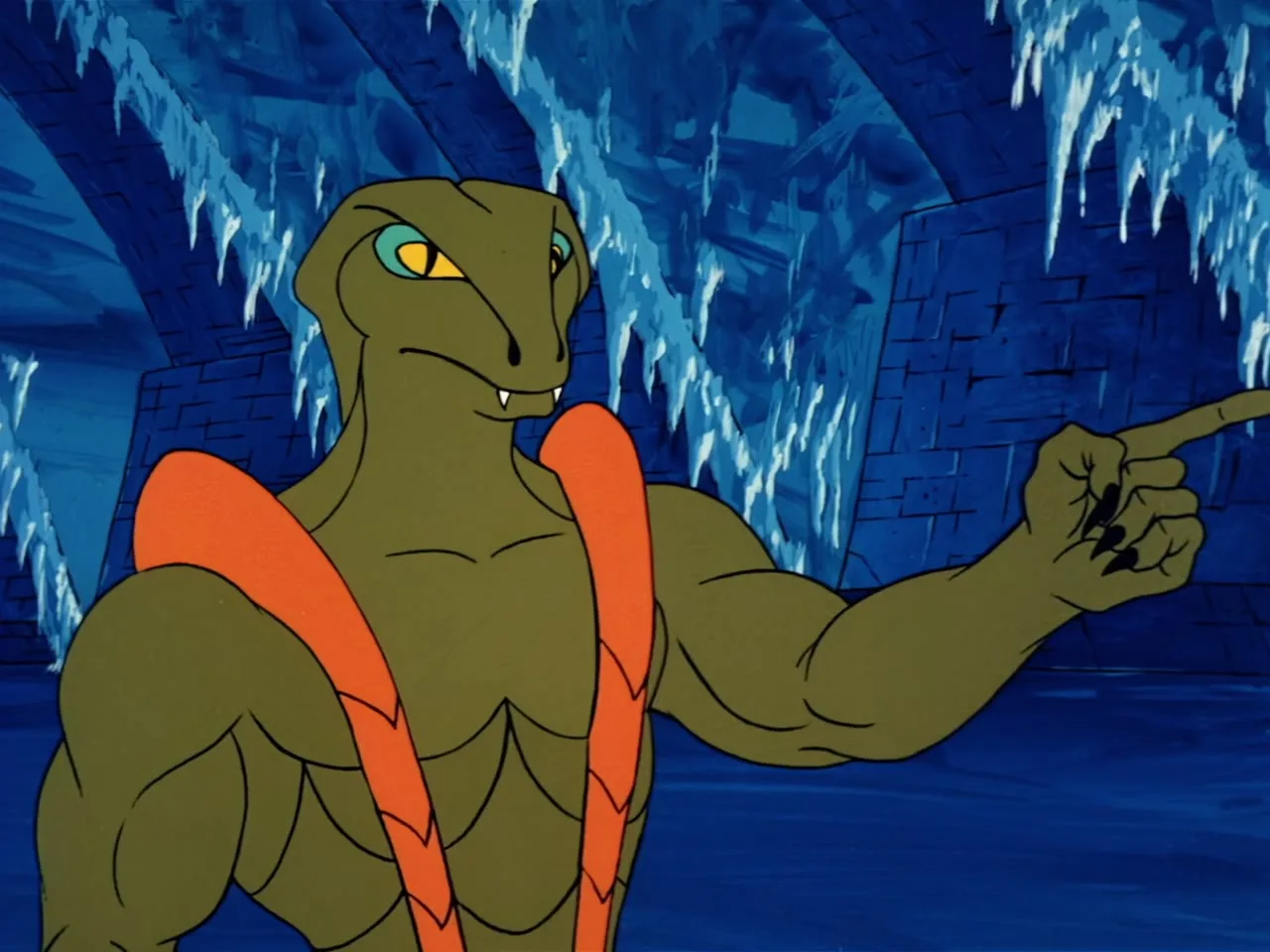
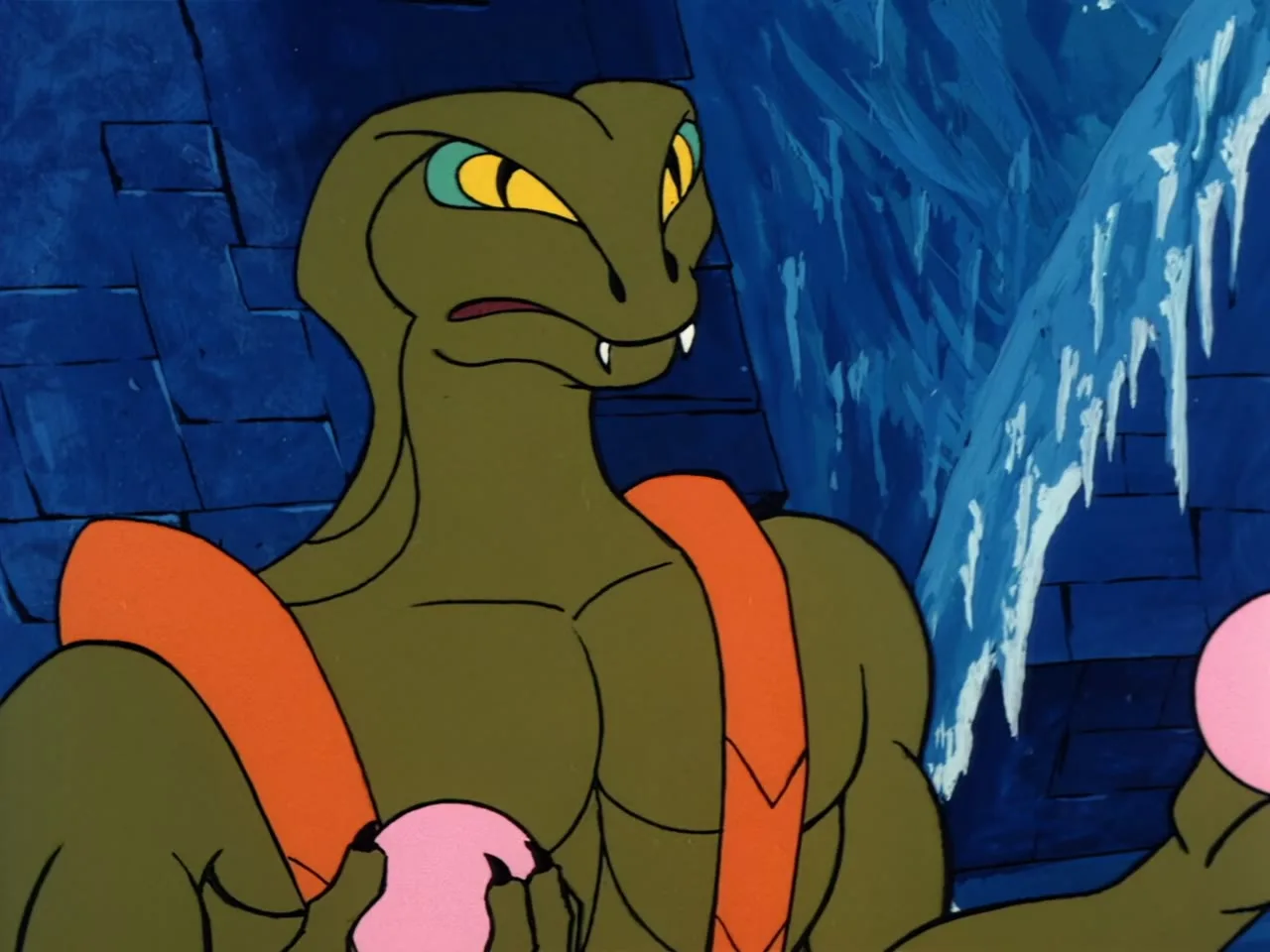
Kobra Khan, after secretly rescuing Man-At-Arms from a falling tree and refusing to explain why: "You will understand soon enough, Man-At-Arms. And then I will not save you."
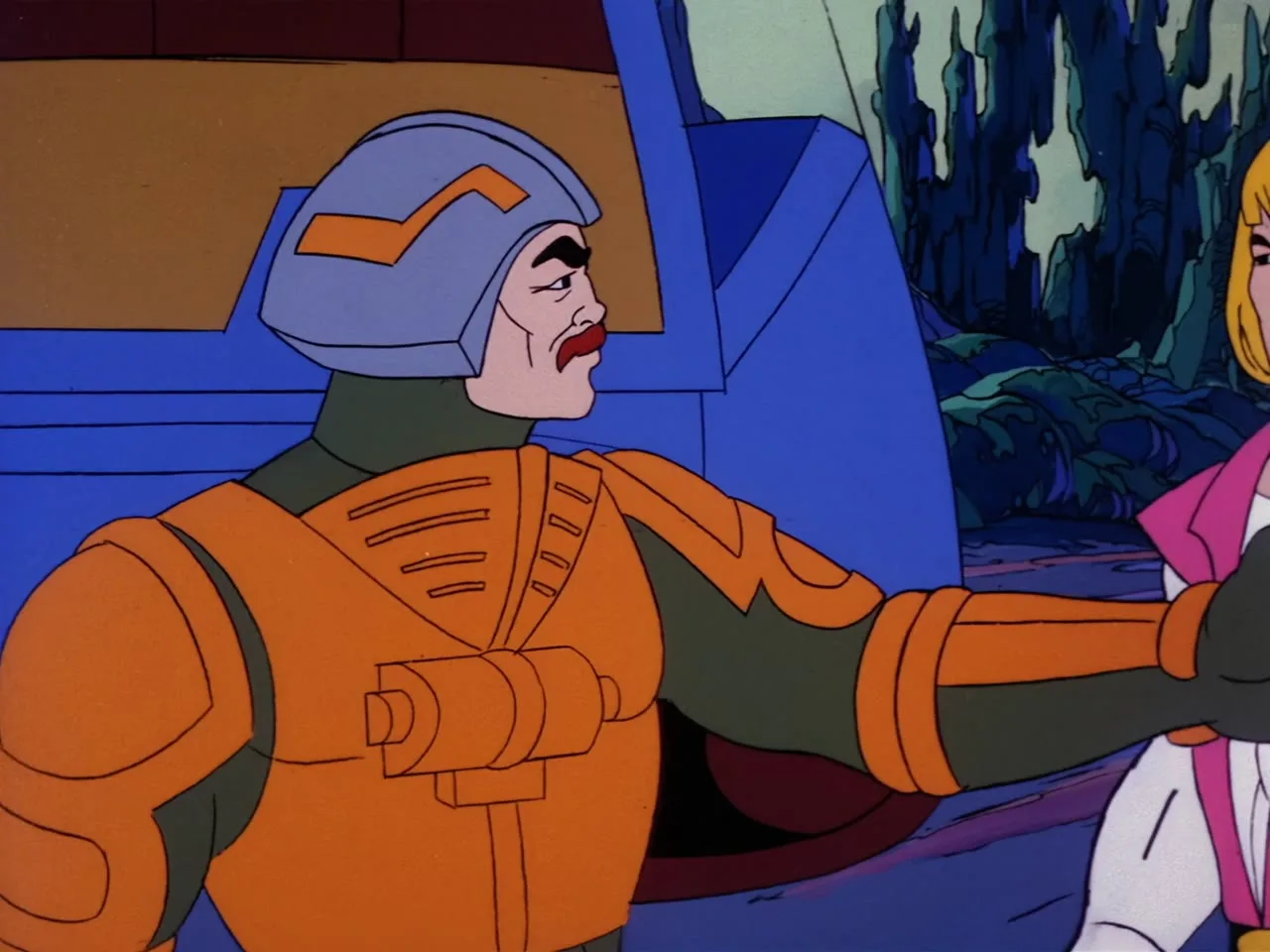
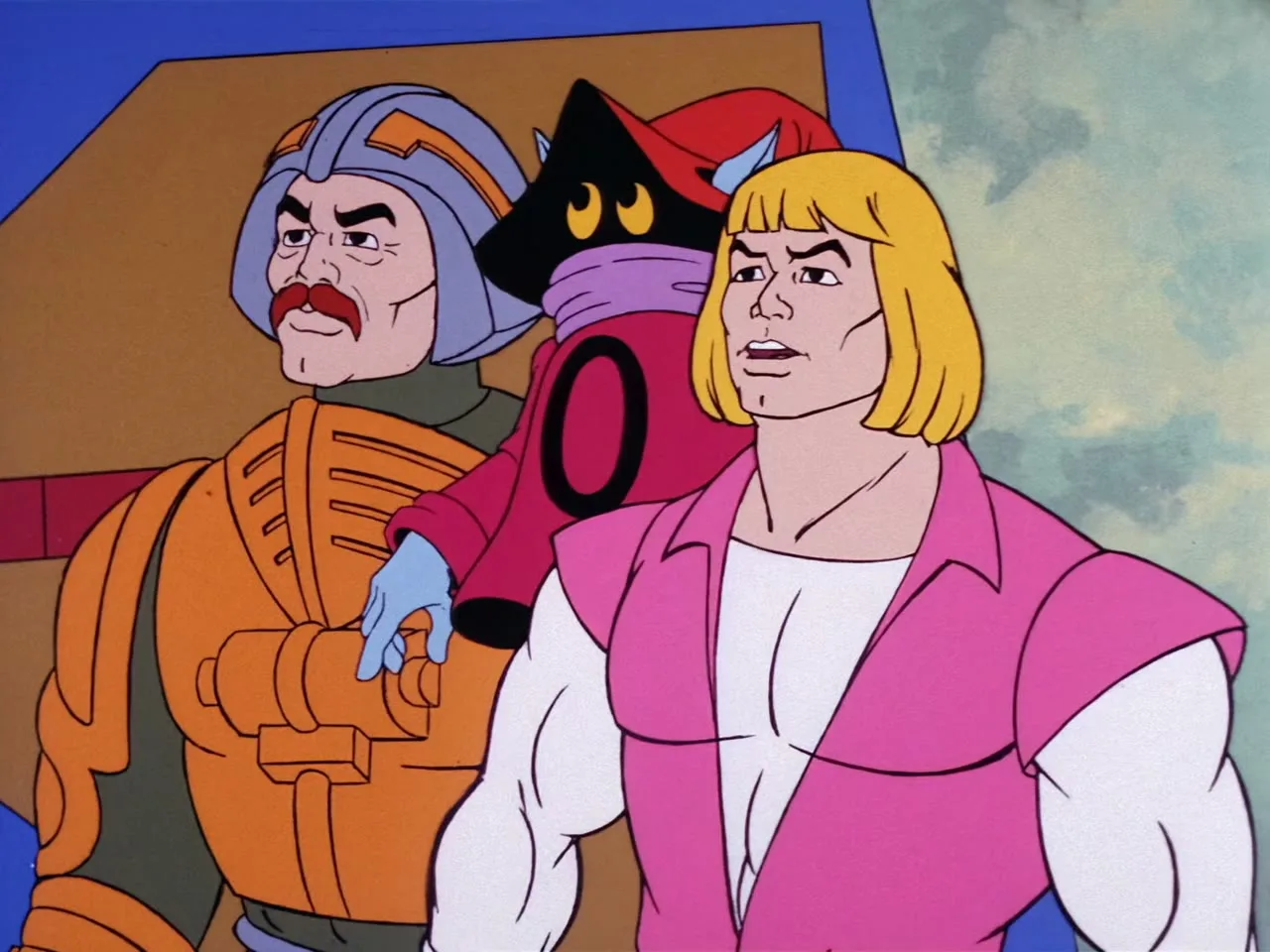
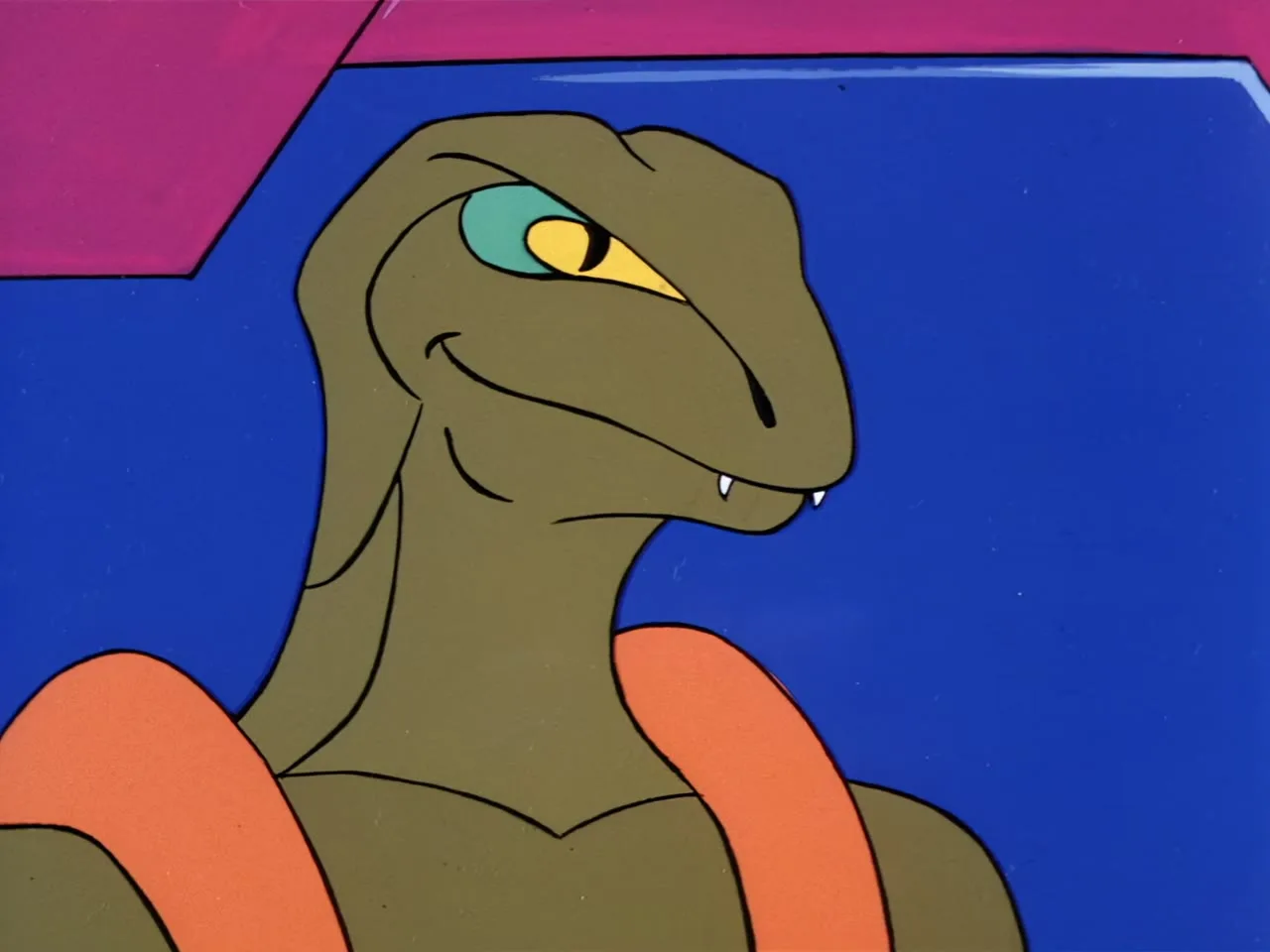
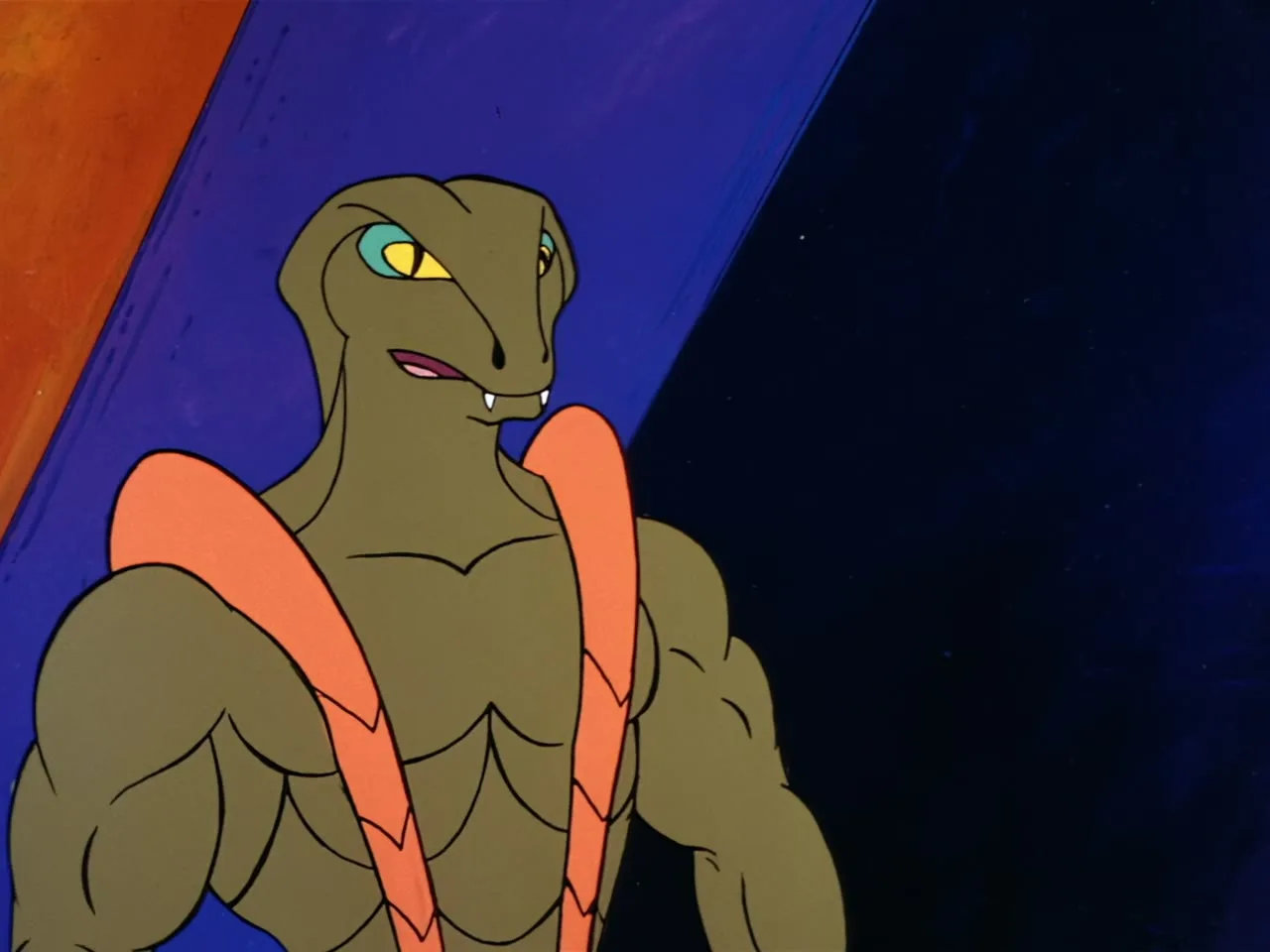
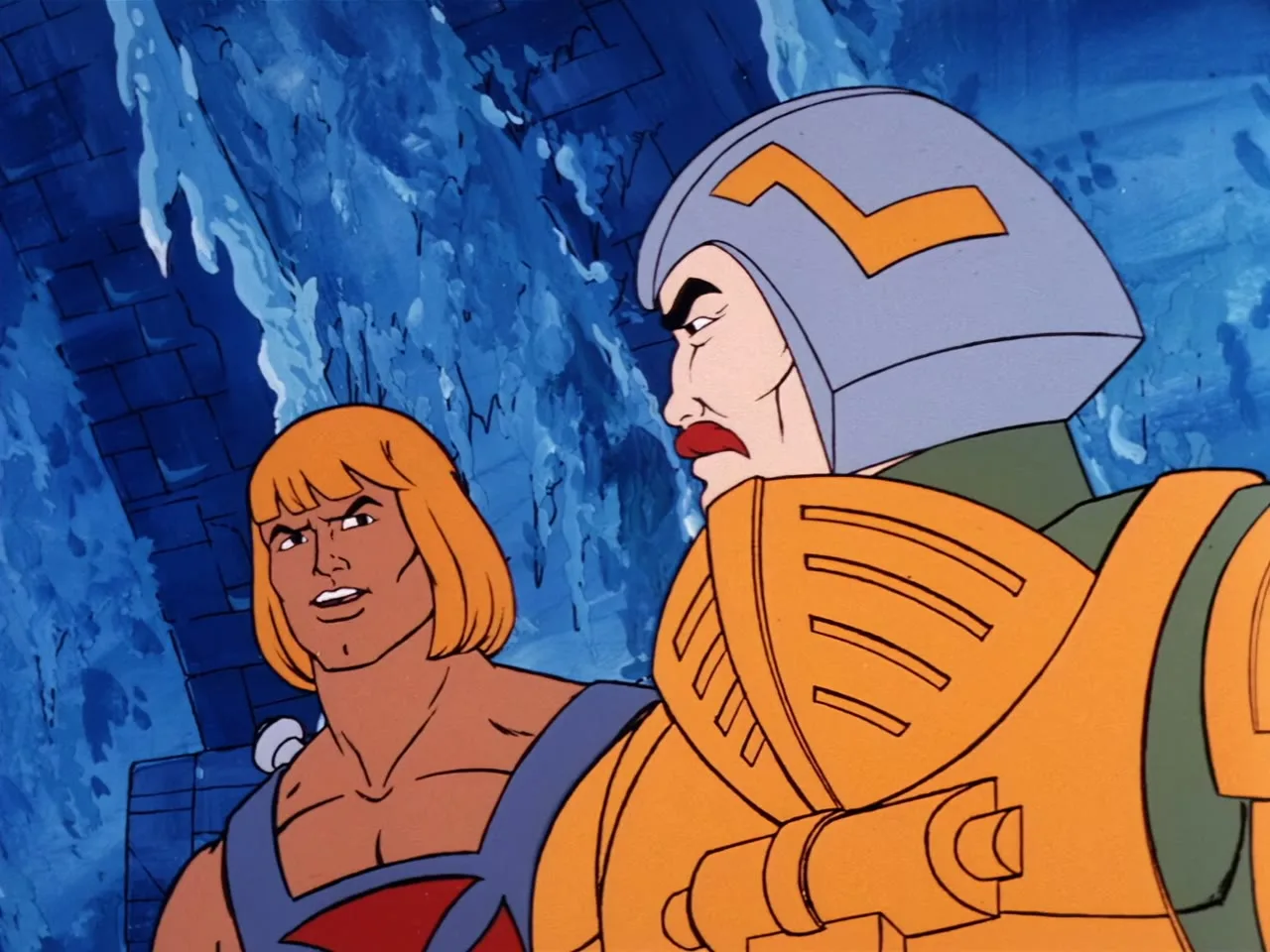
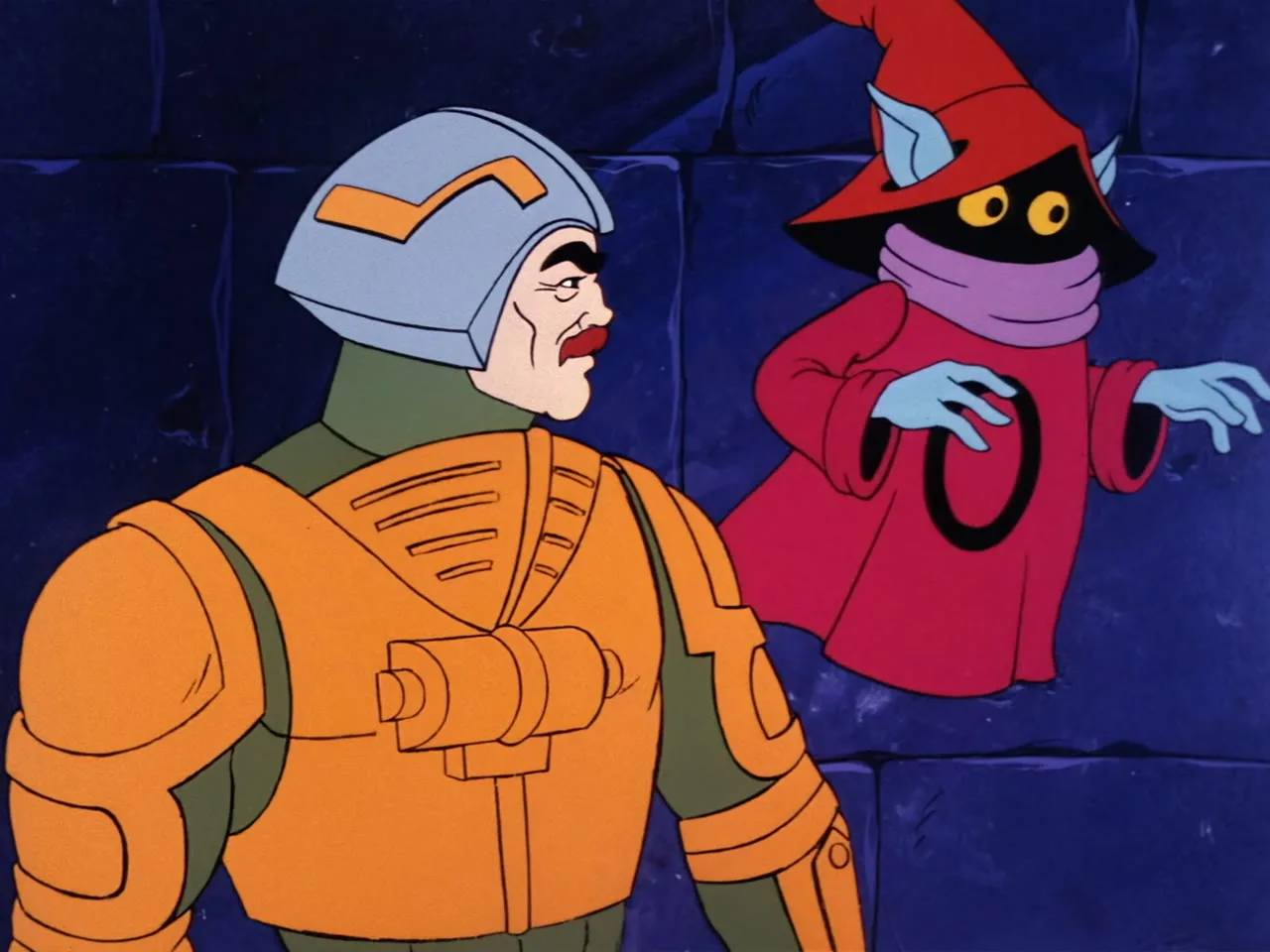
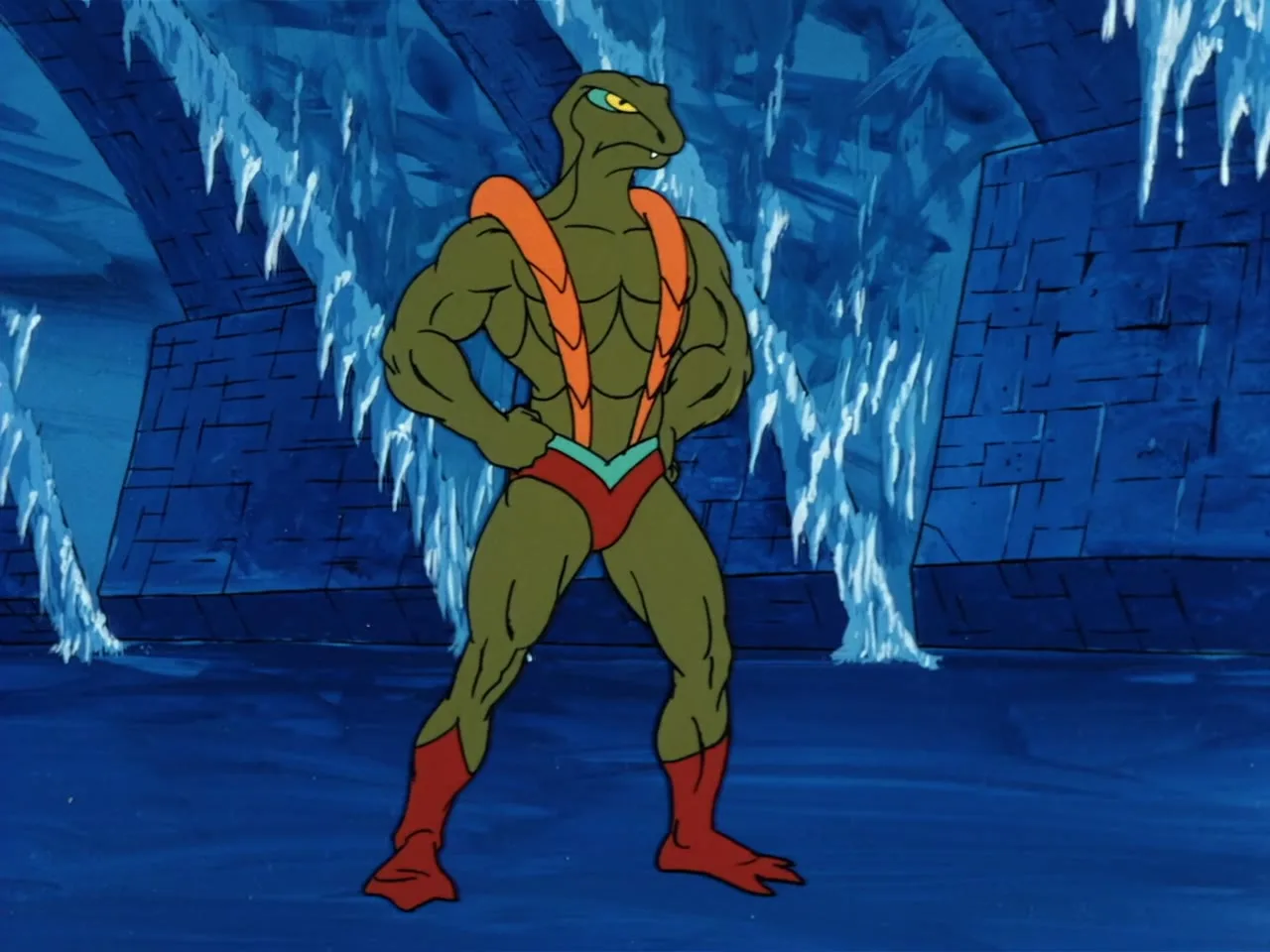
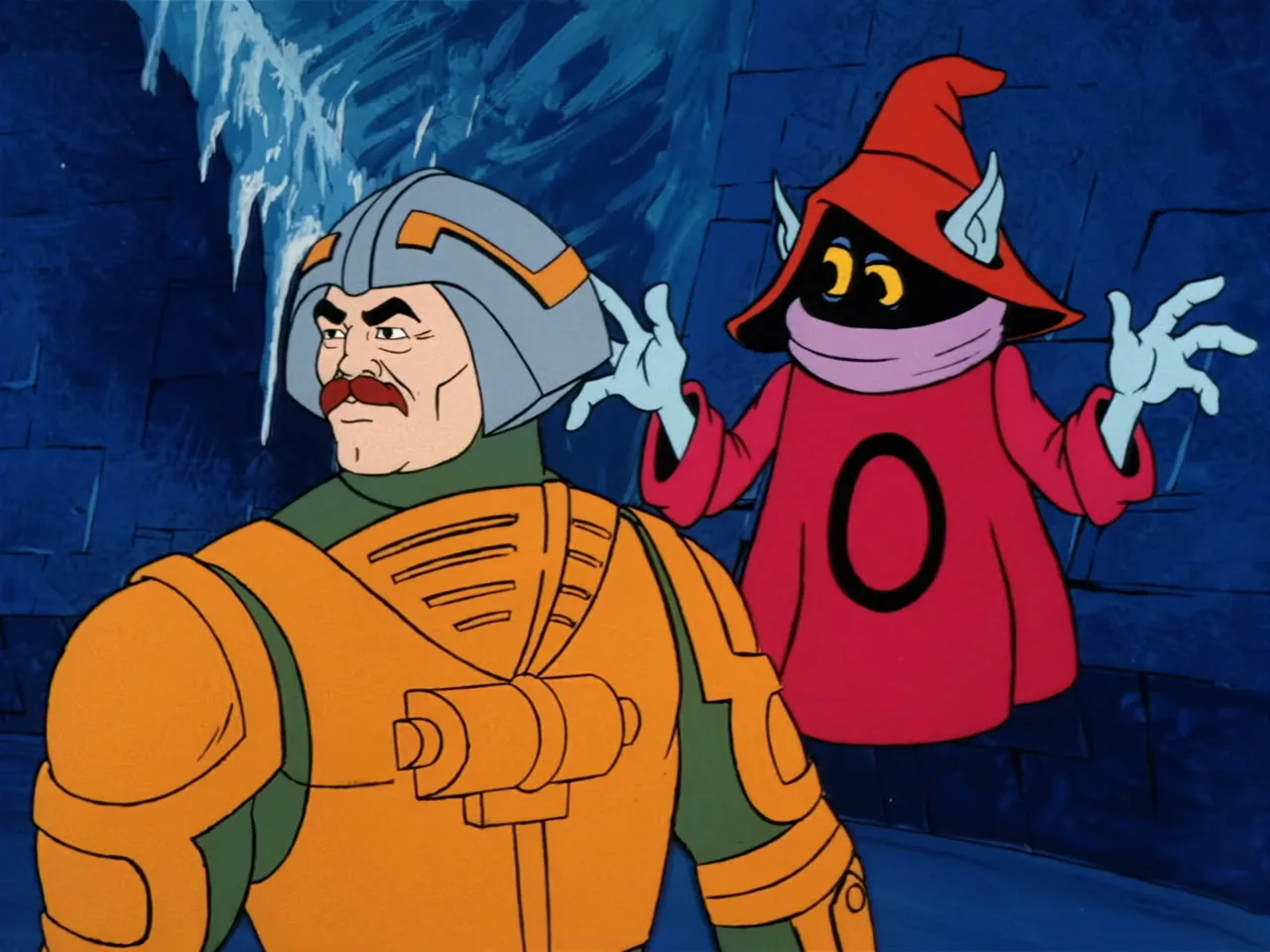
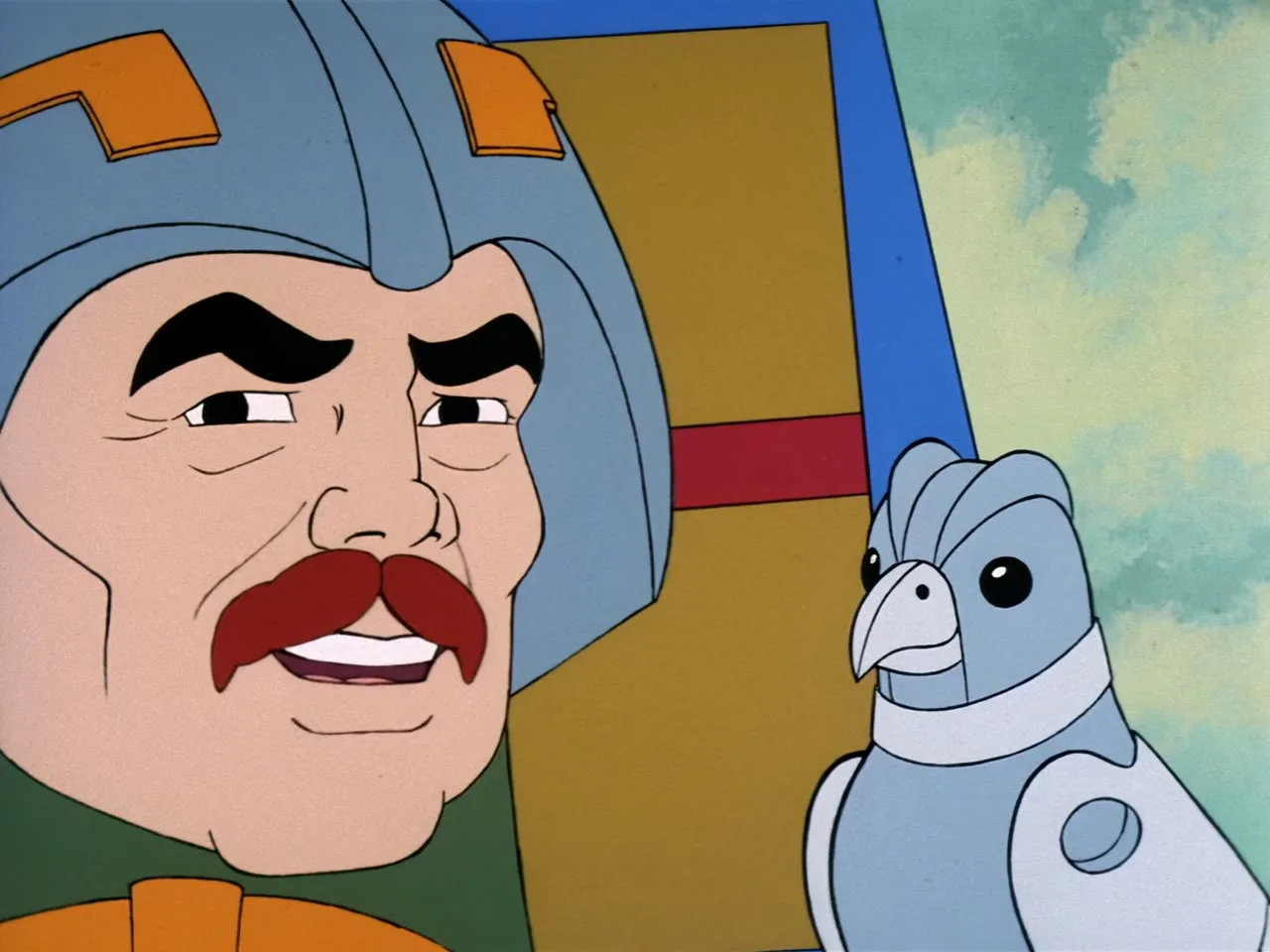
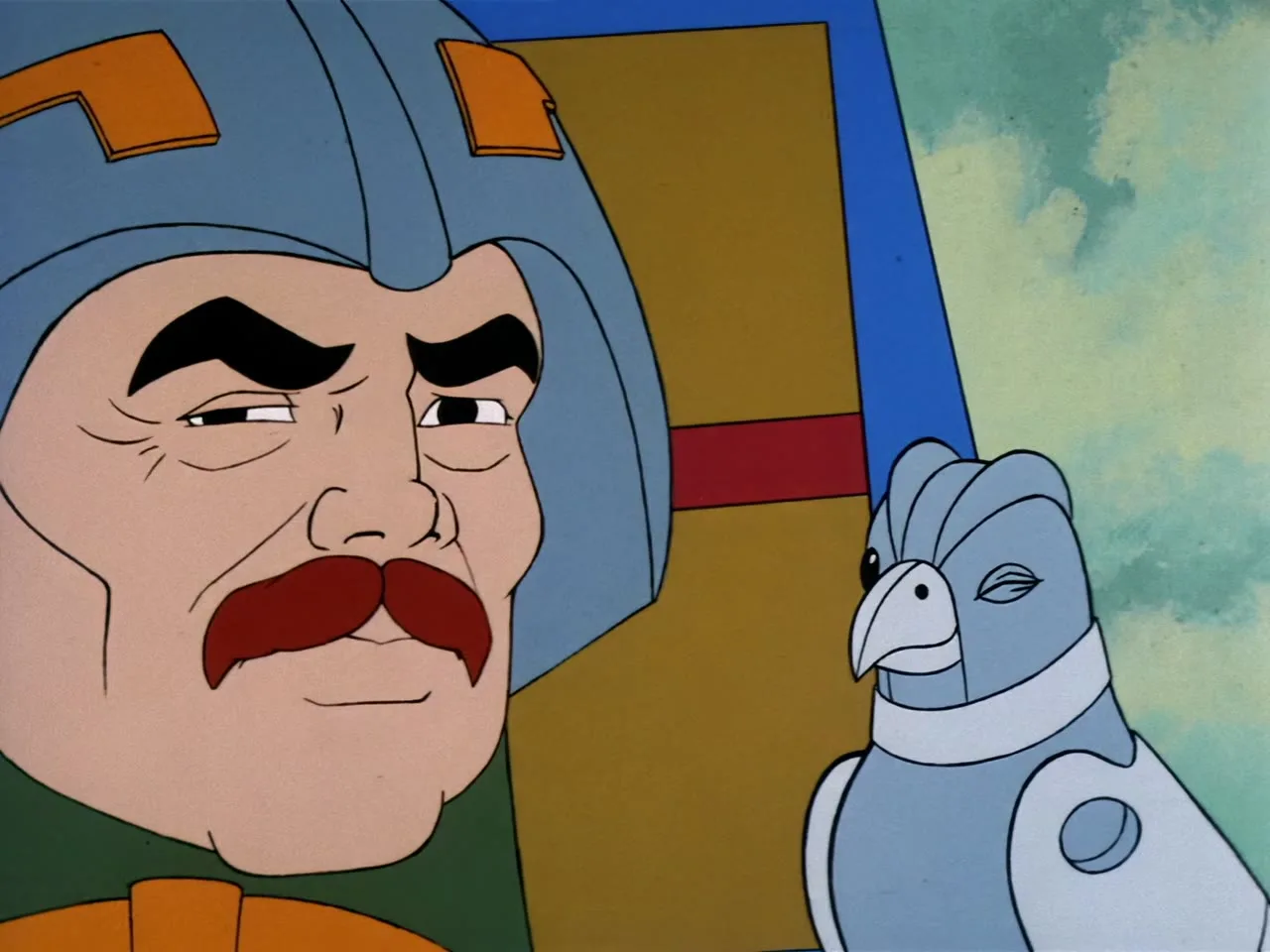
Why would anyone believe Kobra Khan? He has spent the better part of two seasons on Skeletor's payroll, and "The Cold Zone" opens with him strolling into the Royal Palace to ask the people he usually fights for help. Man-At-Arms says as much to his face. But the episode is not interested in making its audience wait out the double-cross everyone expects. It spends its half hour asking who else is willing to make the same leap of faith, and on what grounds, and that turns out to be a sturdier premise than the frozen cave at the center of the plot.
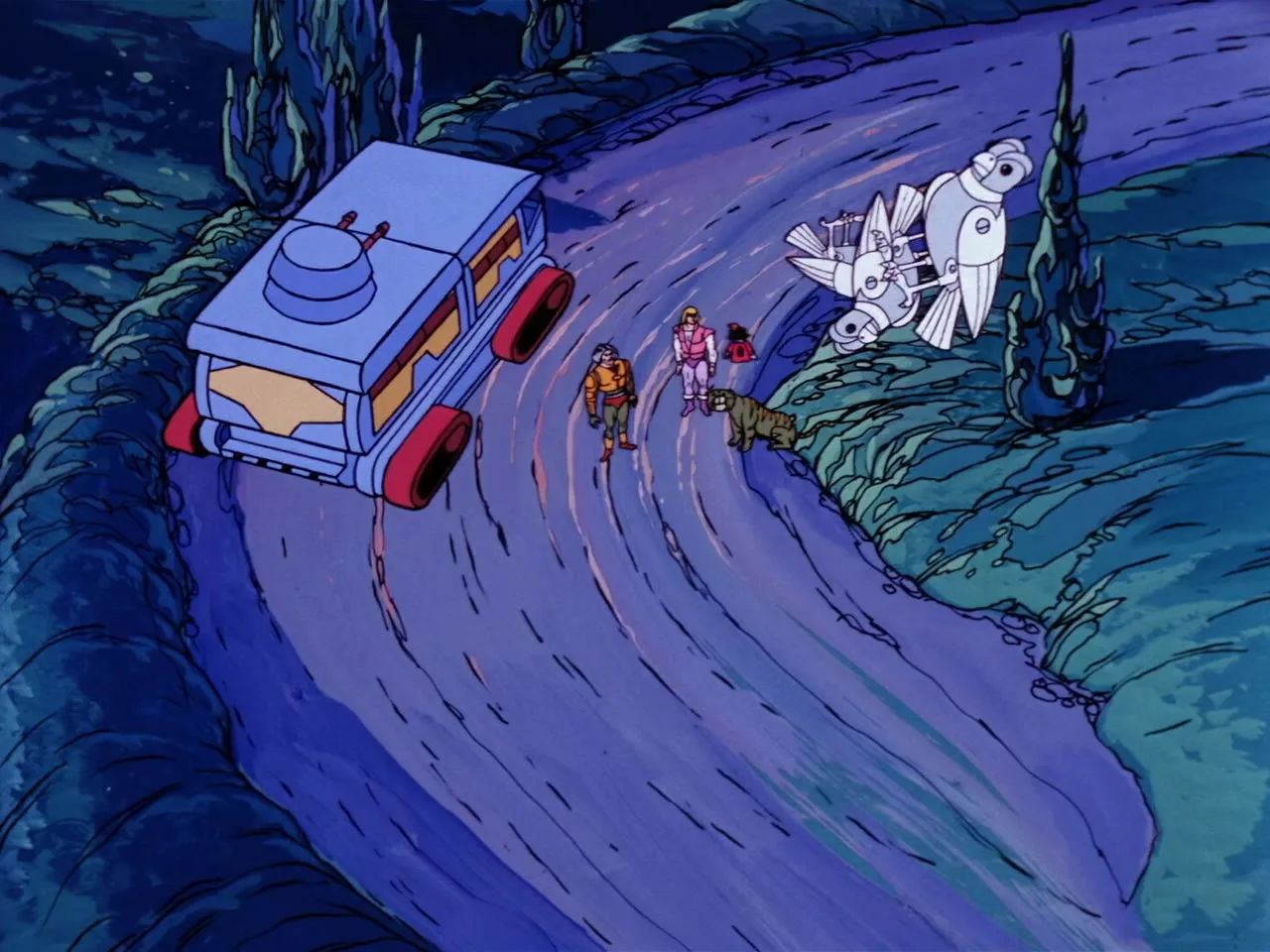
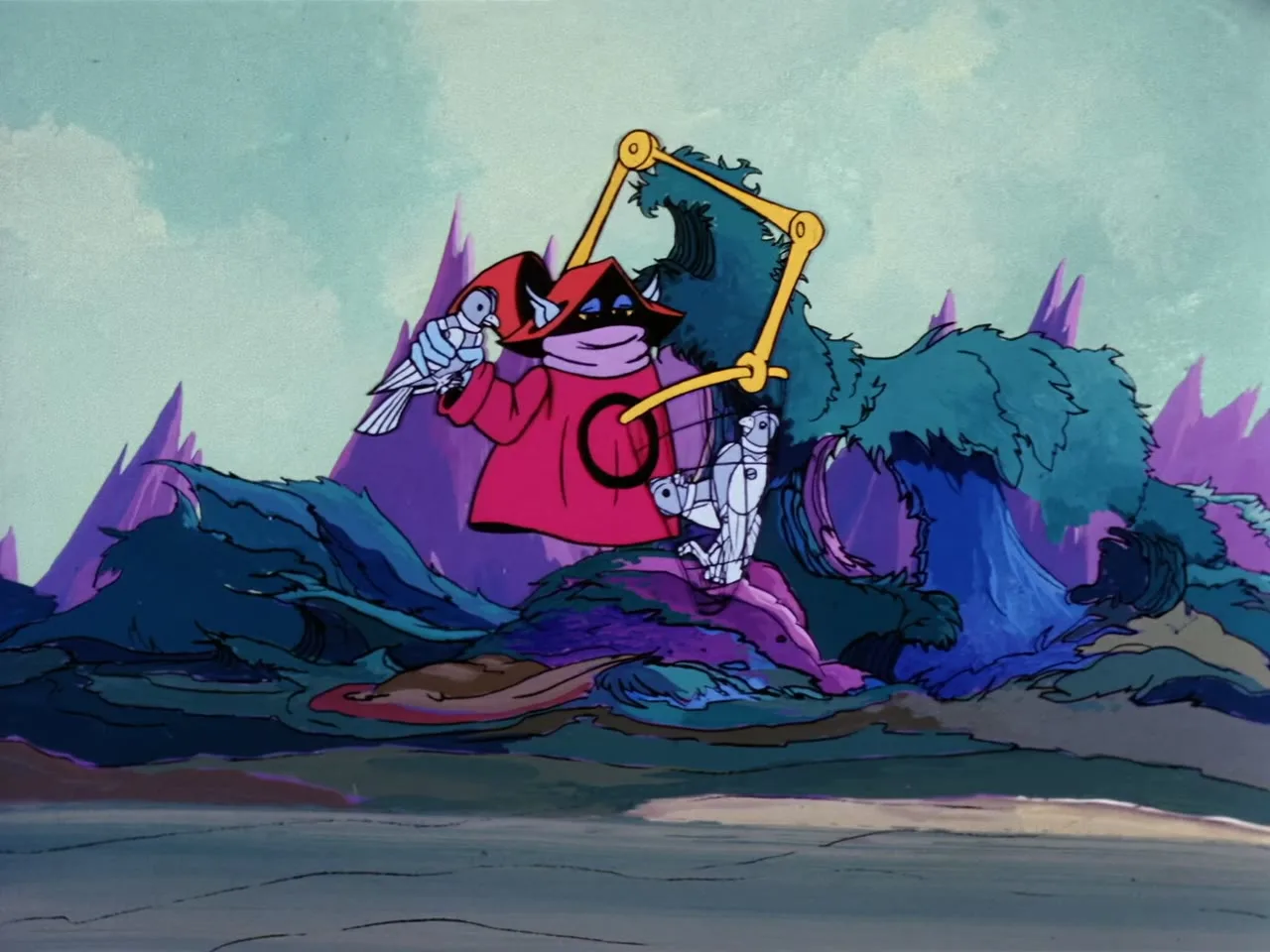
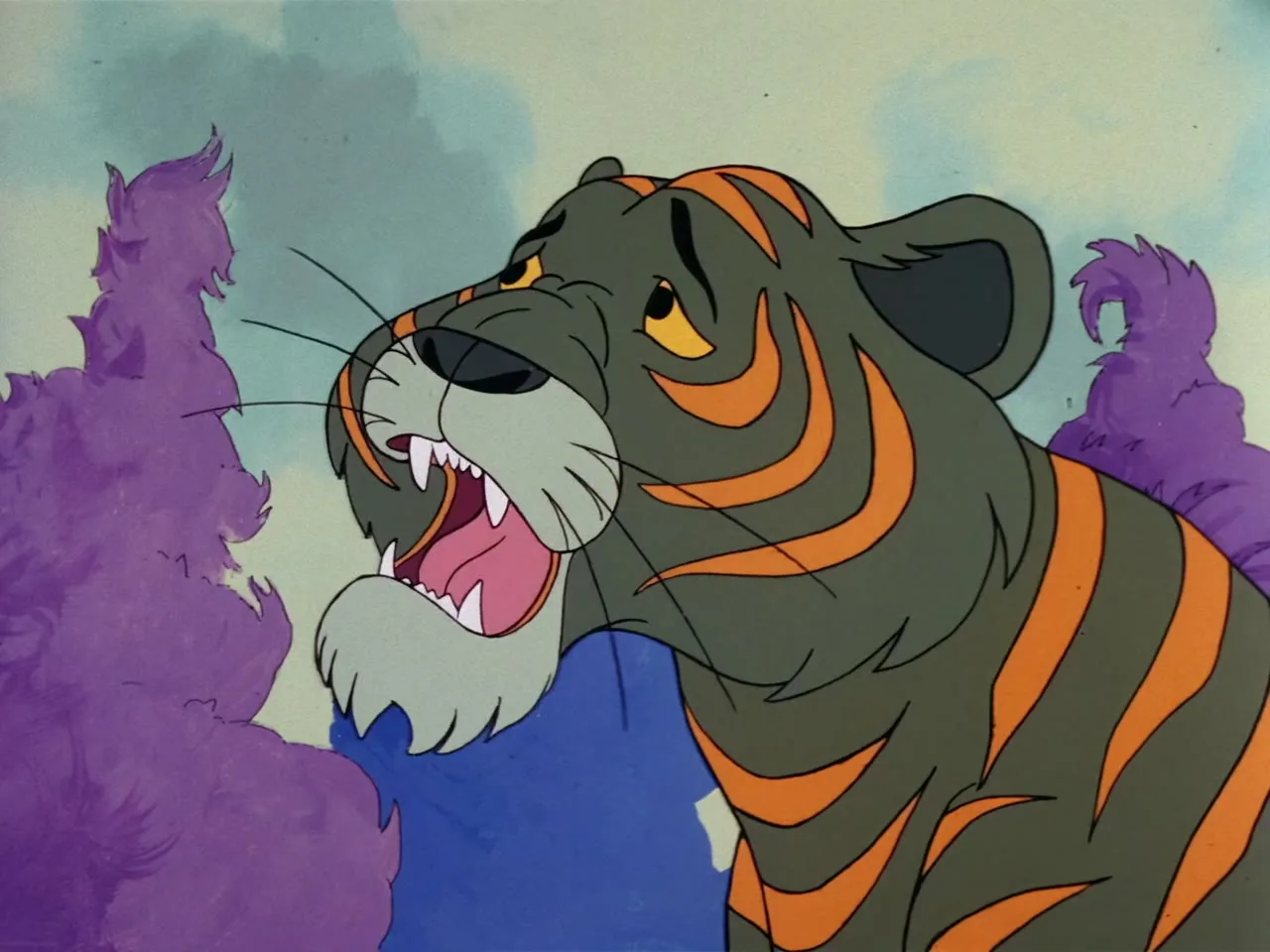
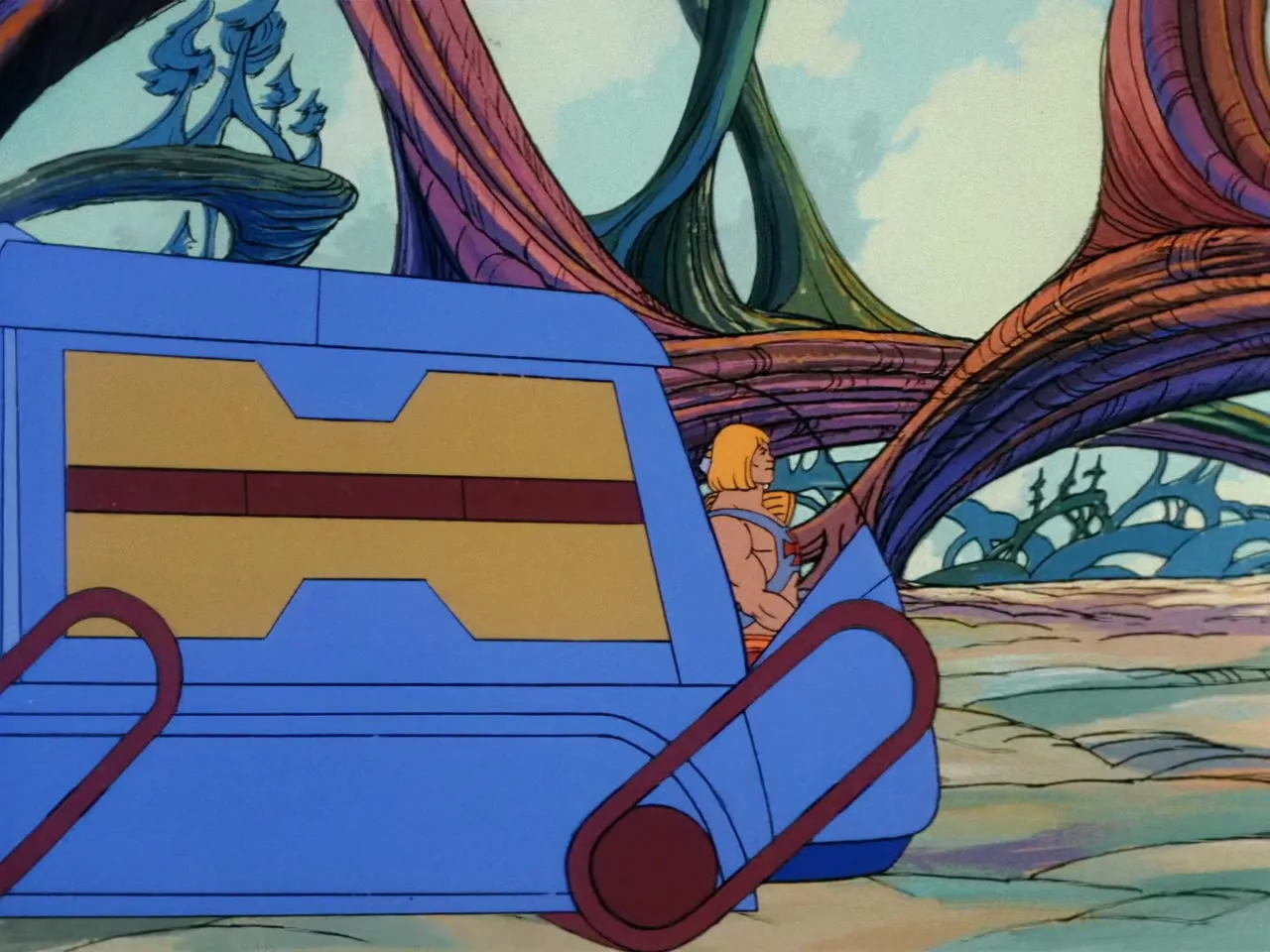
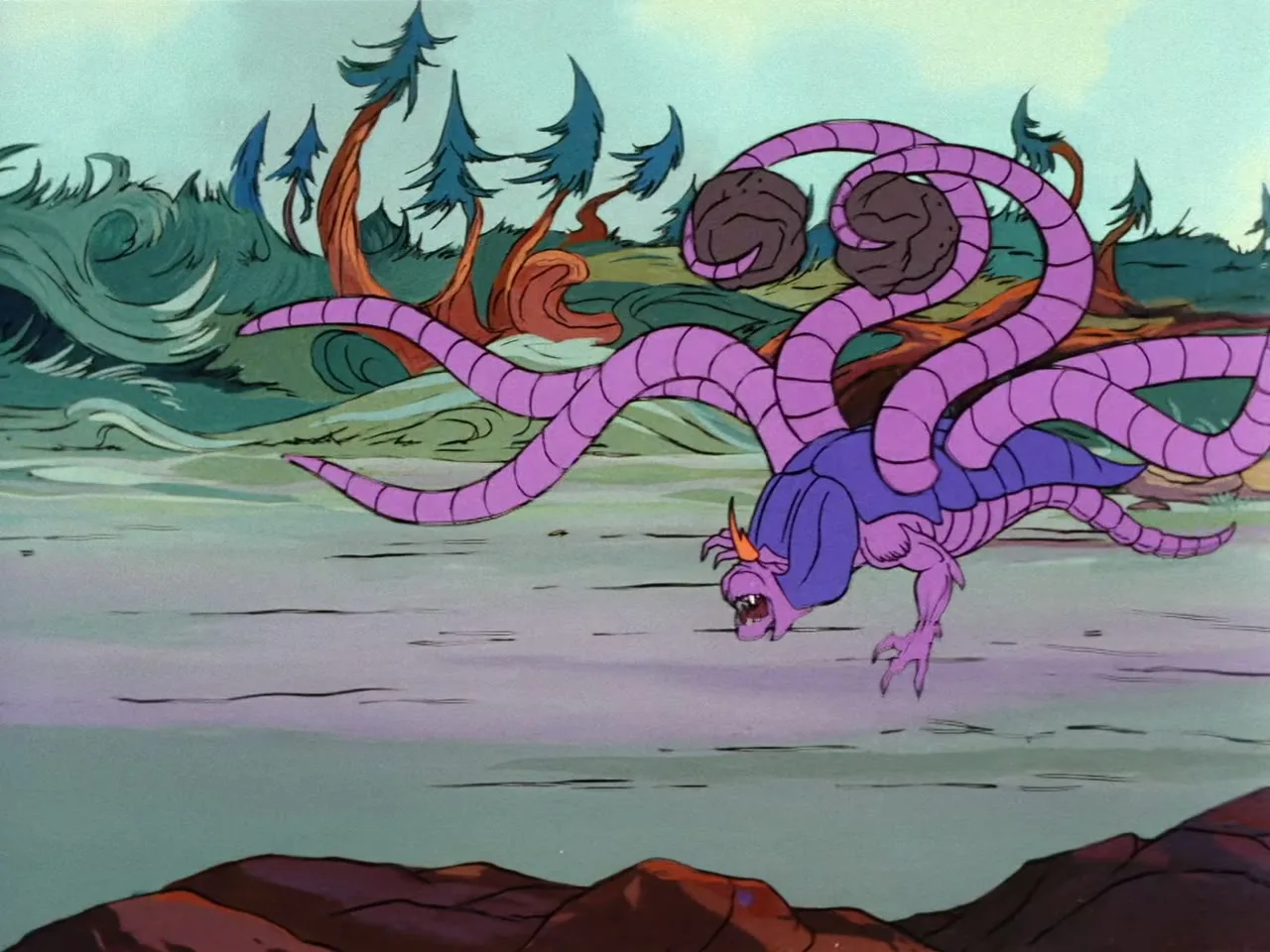
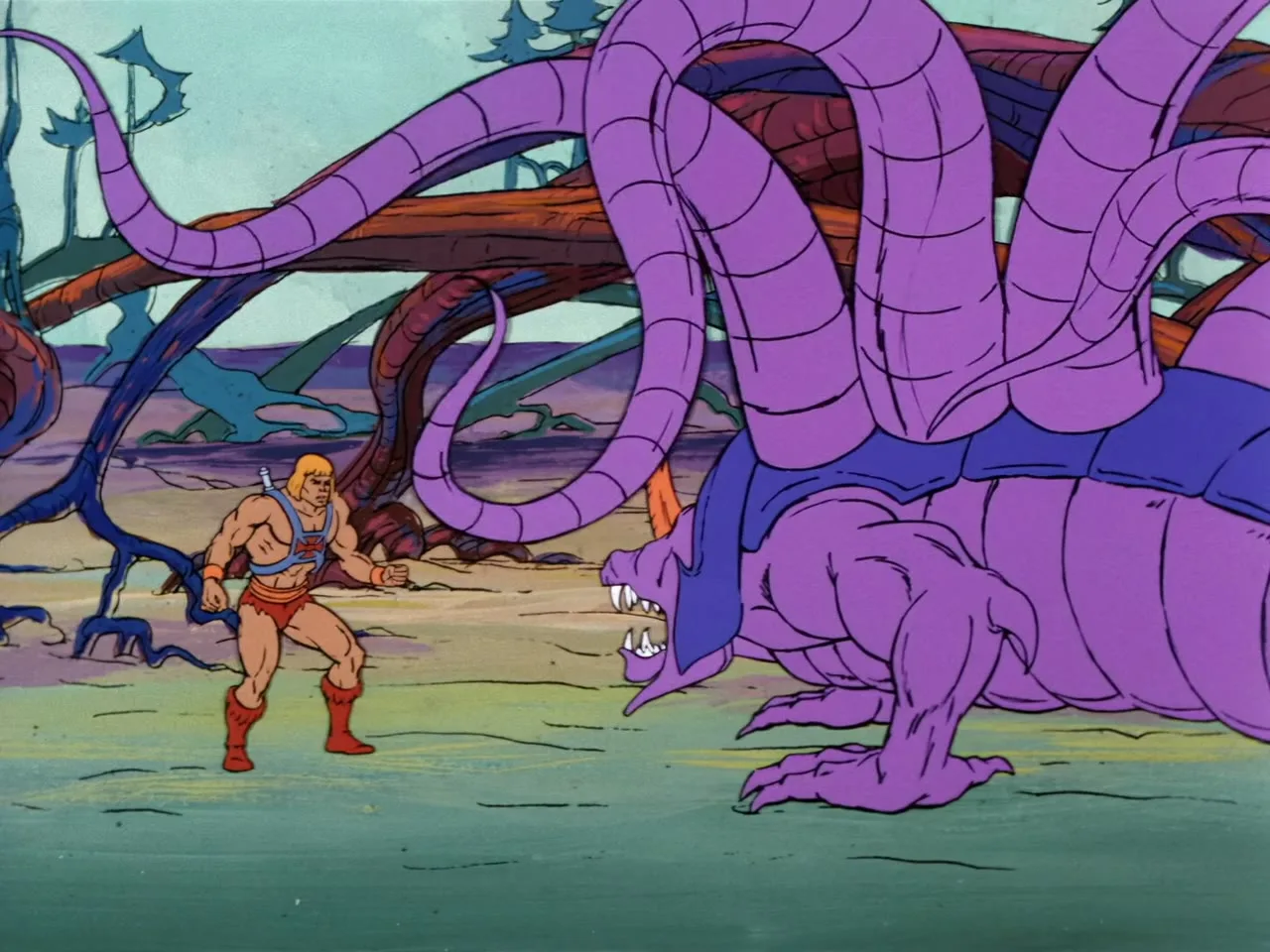
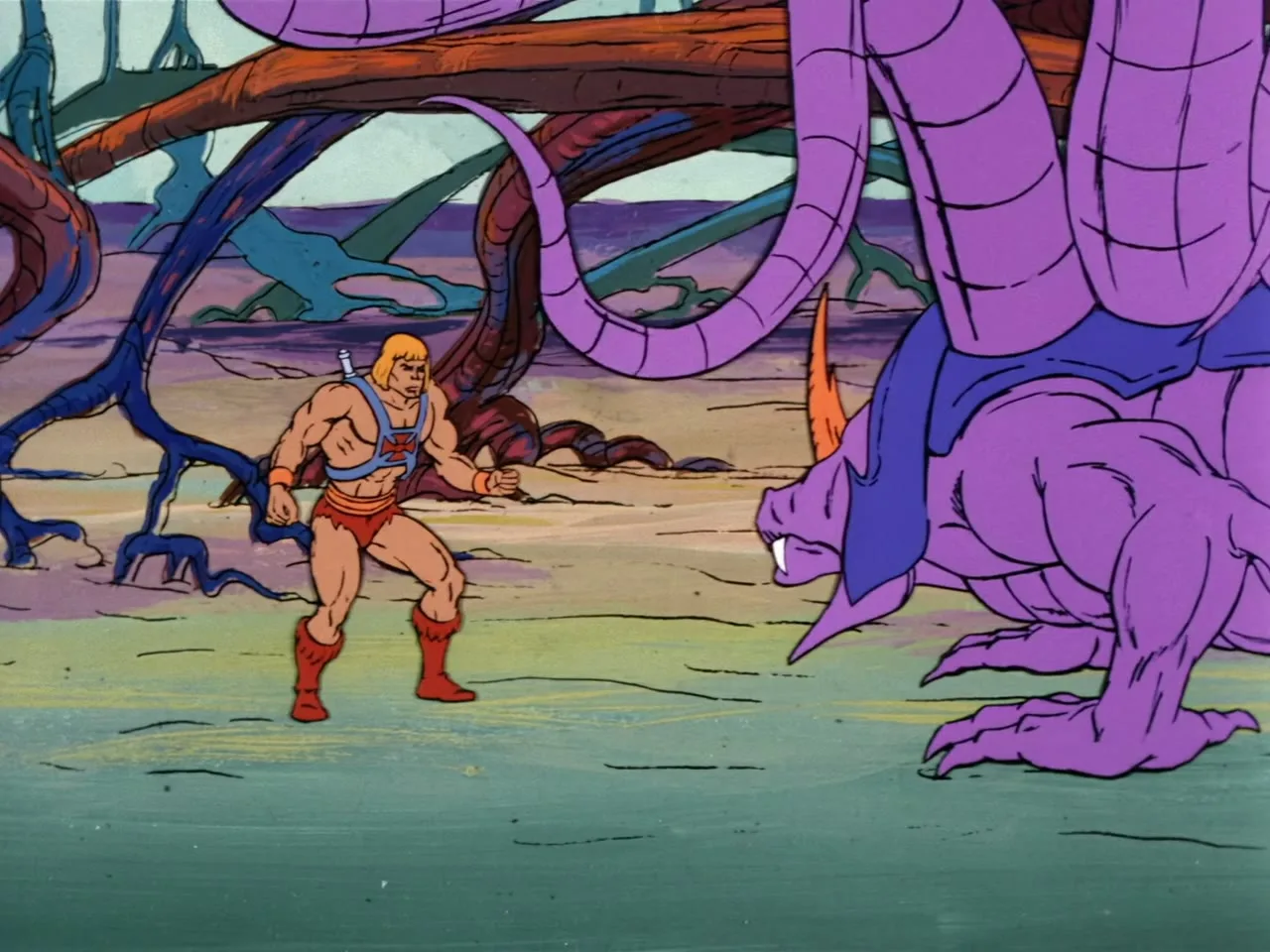
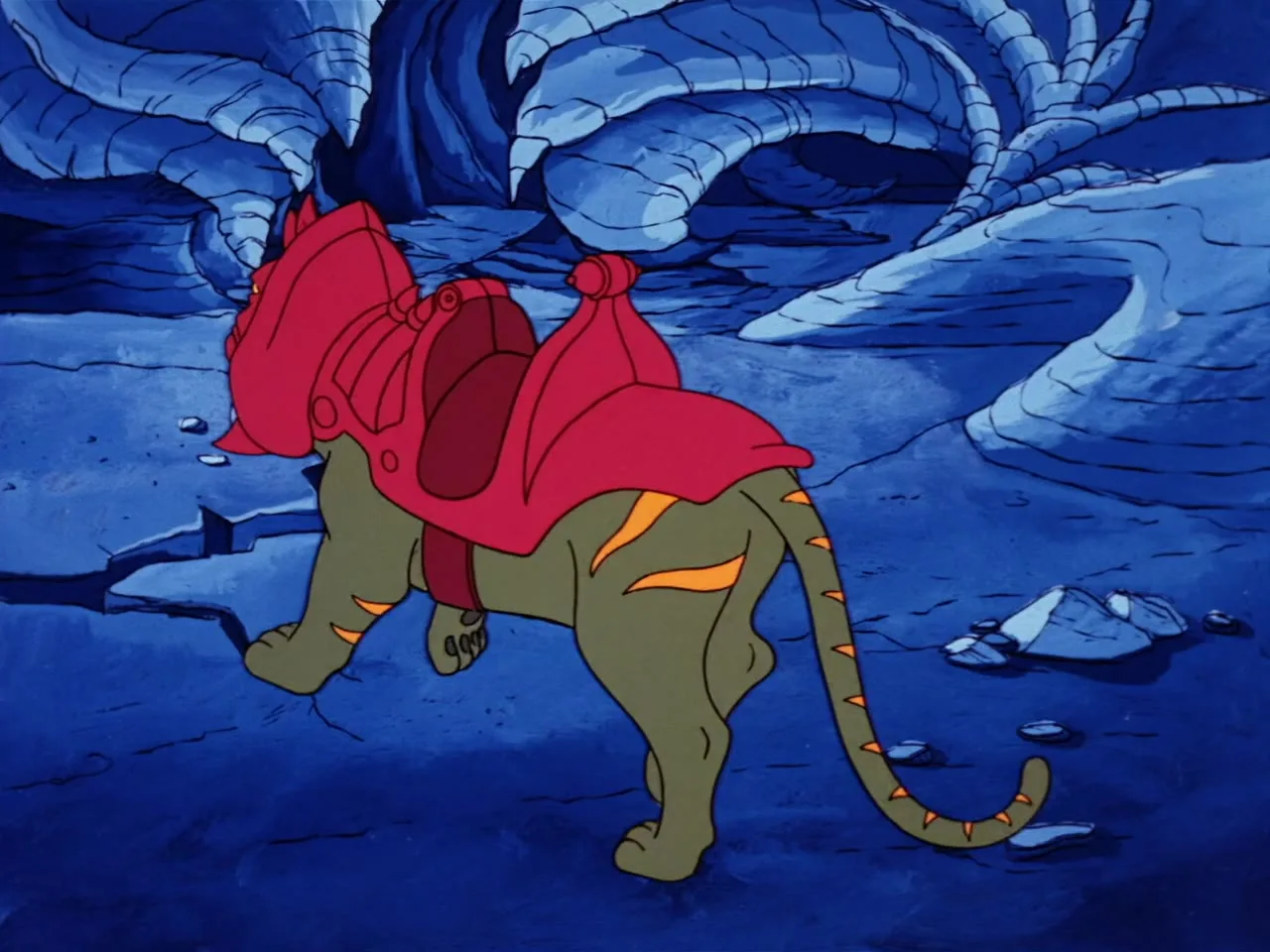
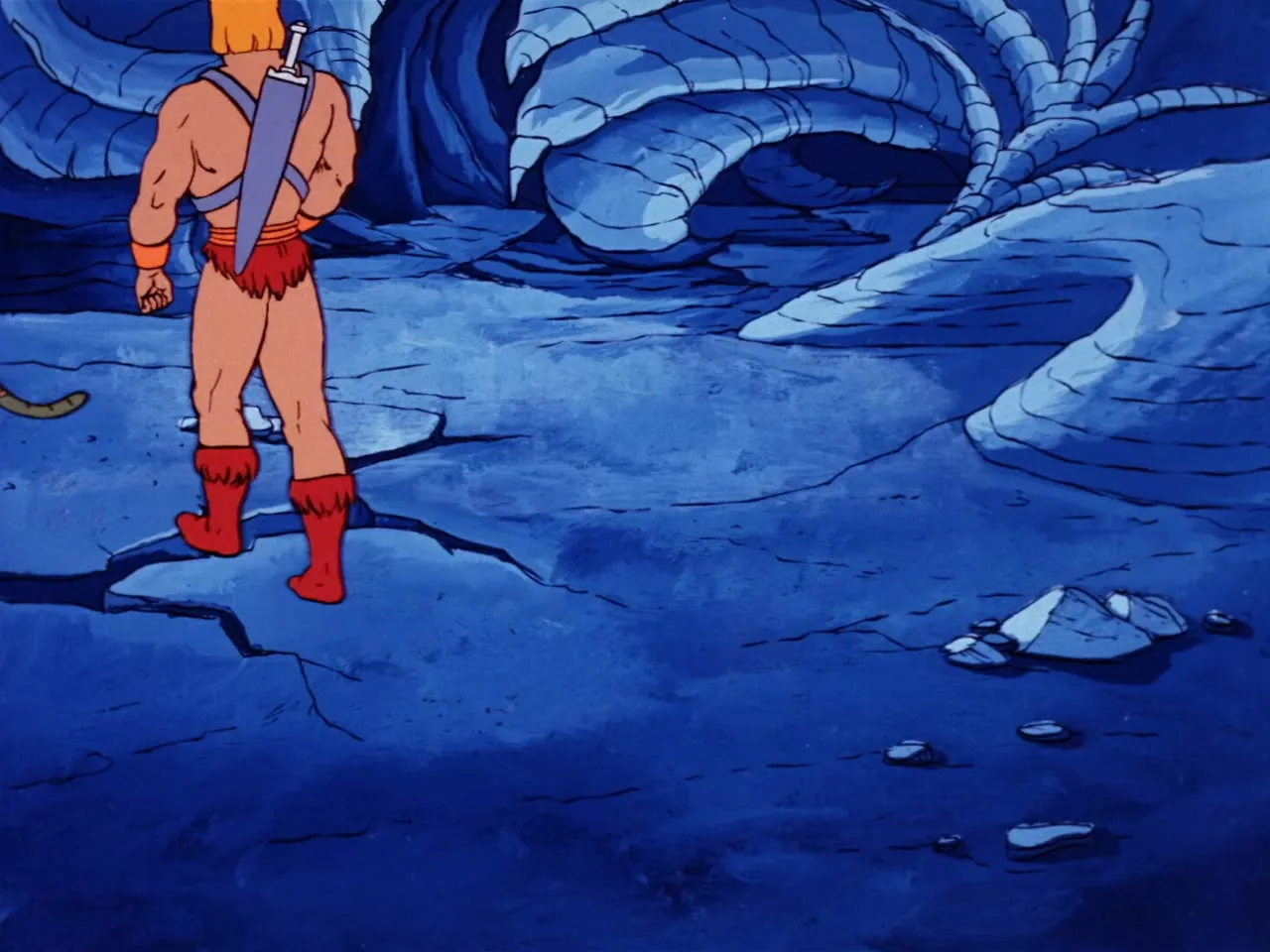
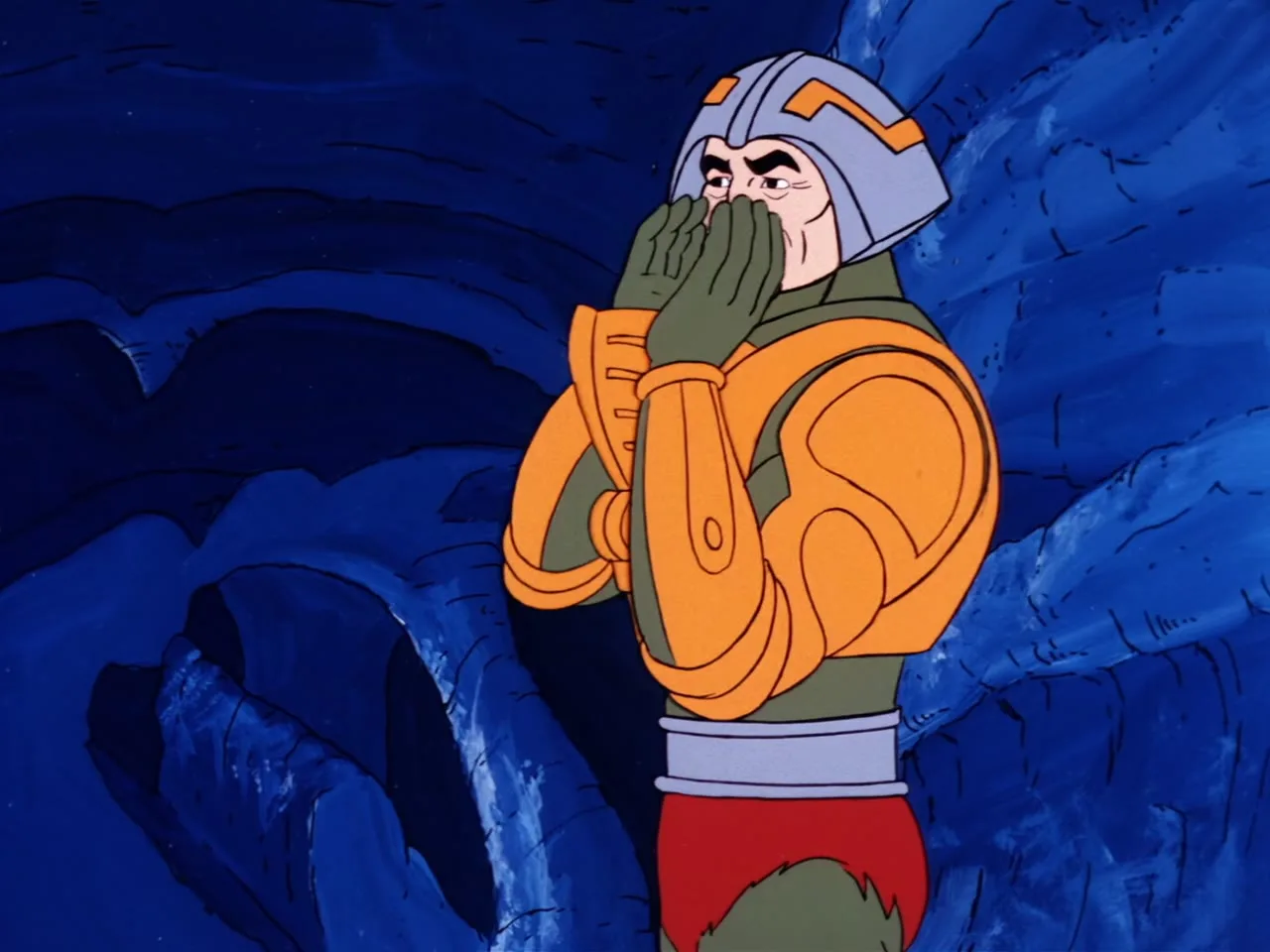
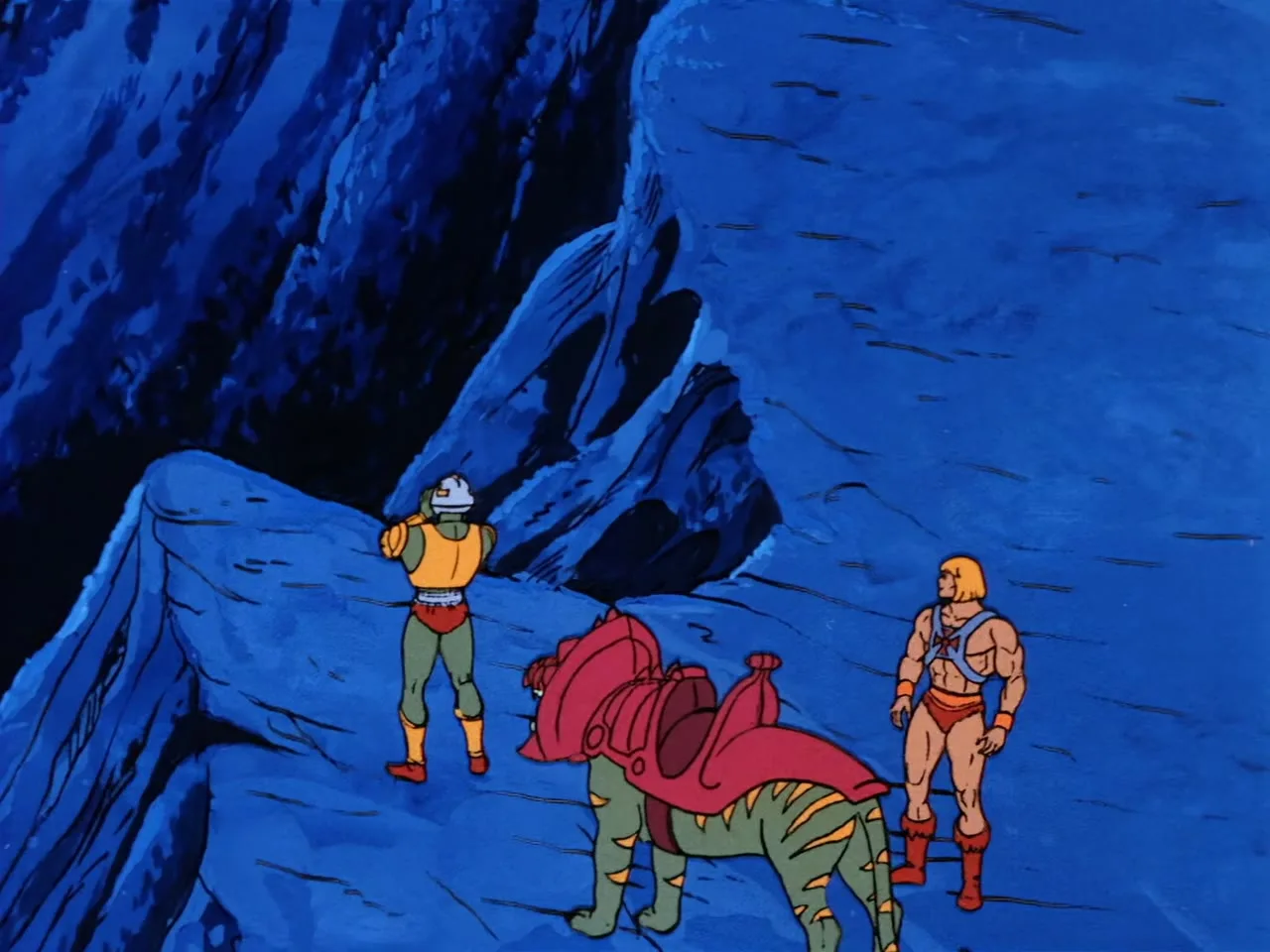
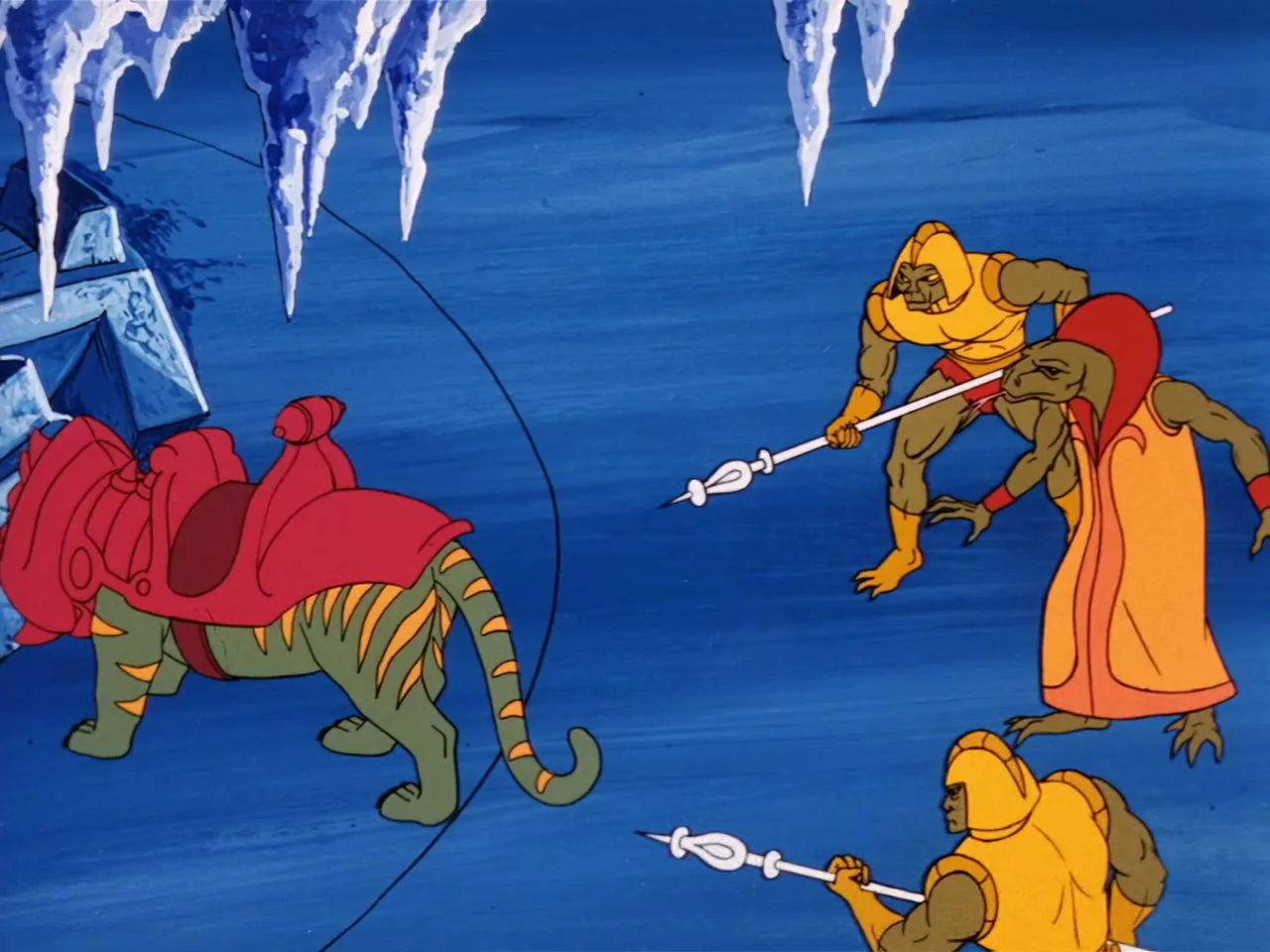
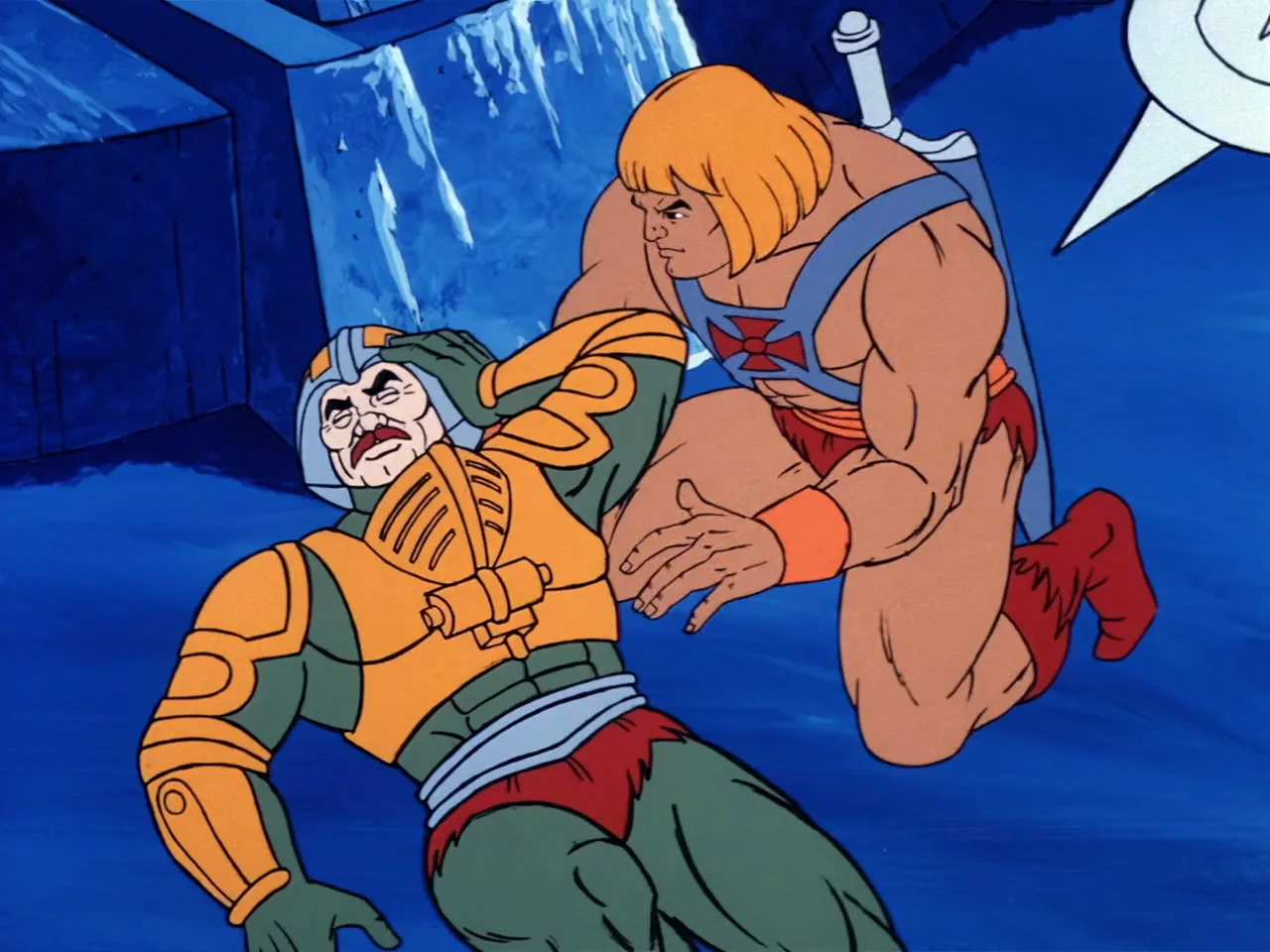
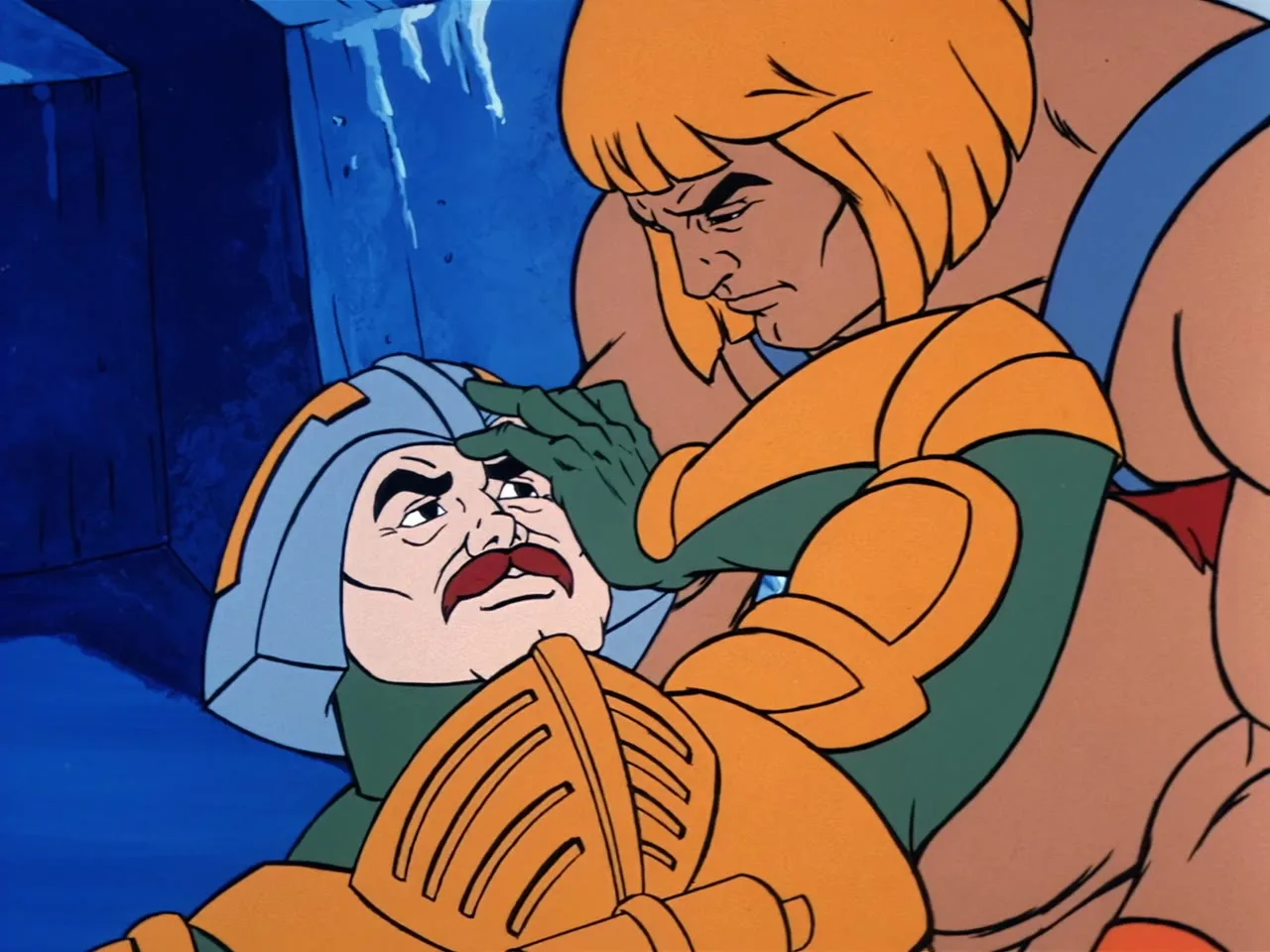
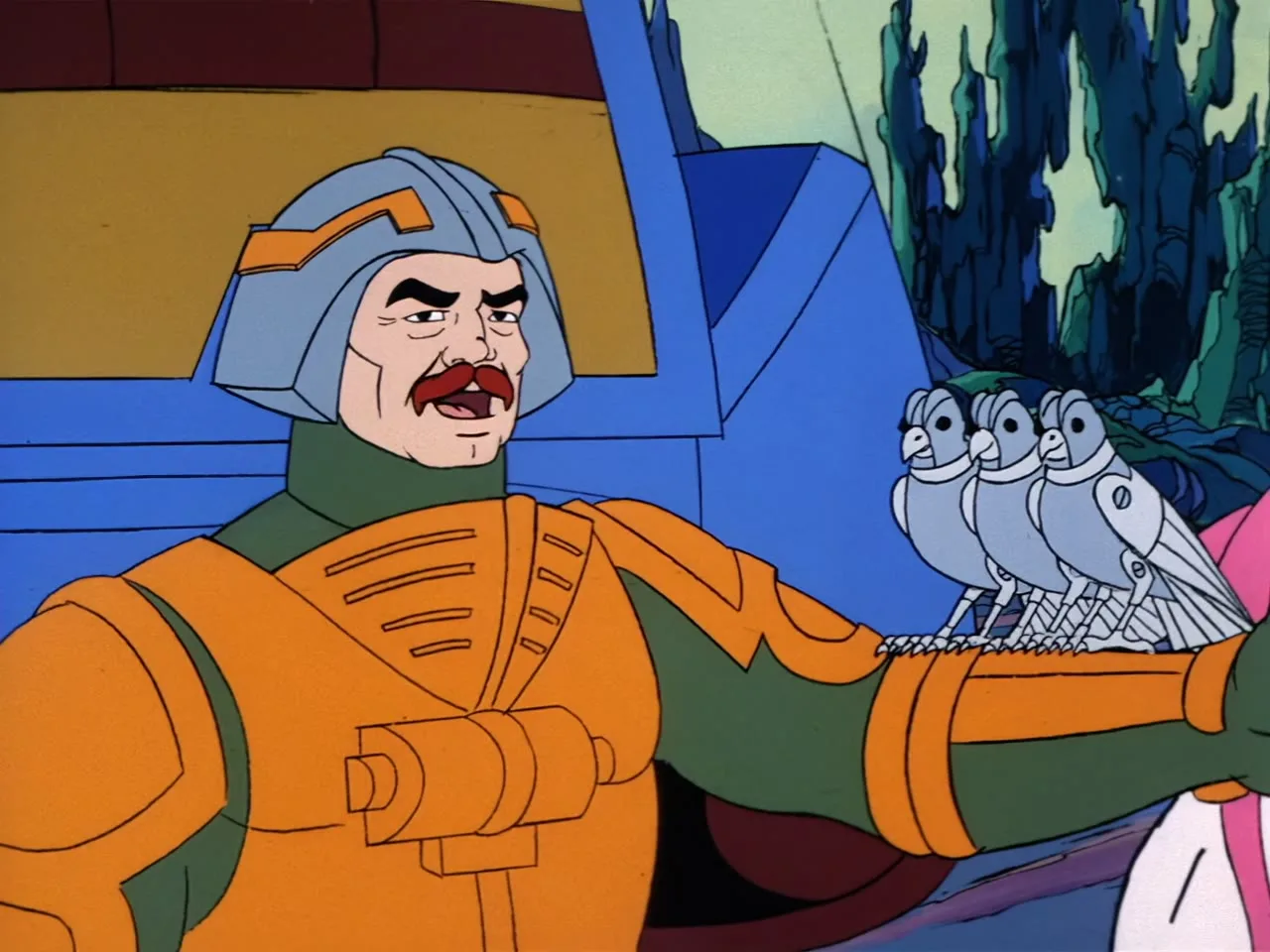
The front stretch earns its spot the hard way. A Korlock blocks the Attak Trak's path through the forest, and the fight that follows is handled with more care than the show usually gives its monster-of-the-week detours: He-Man wrestles the creature into its own trap rather than simply outmuscling it, and the beast is still thrashing when the party moves on. Kobra Khan gets his own quiet beat in the same stretch, hauling Man-At-Arms clear of a falling tree without being asked and without explanation. It is a strange thing for a Skeletor henchman to do, and the episode knows it, letting the rescue sit there unresolved rather than spelling out a motive.
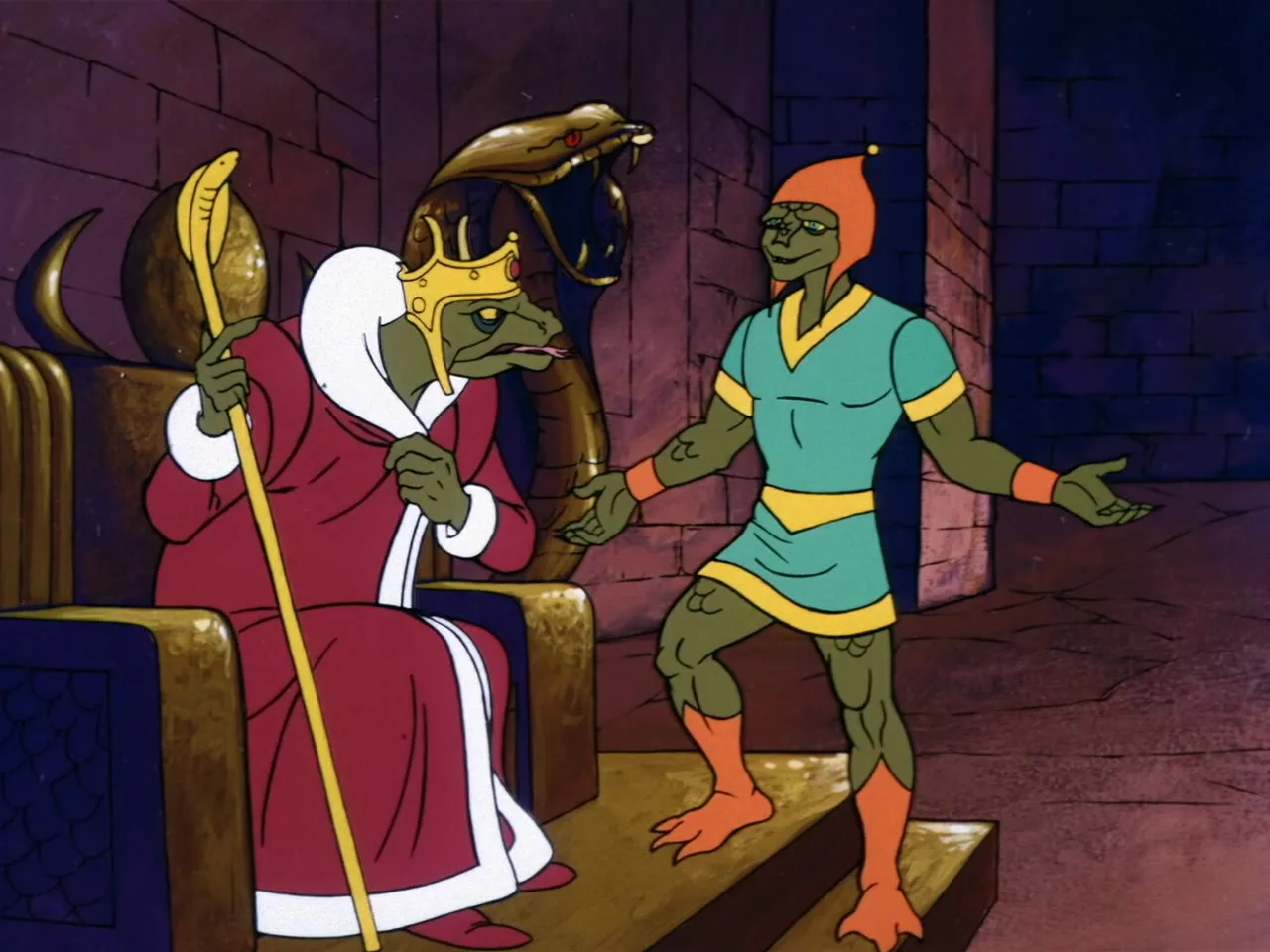
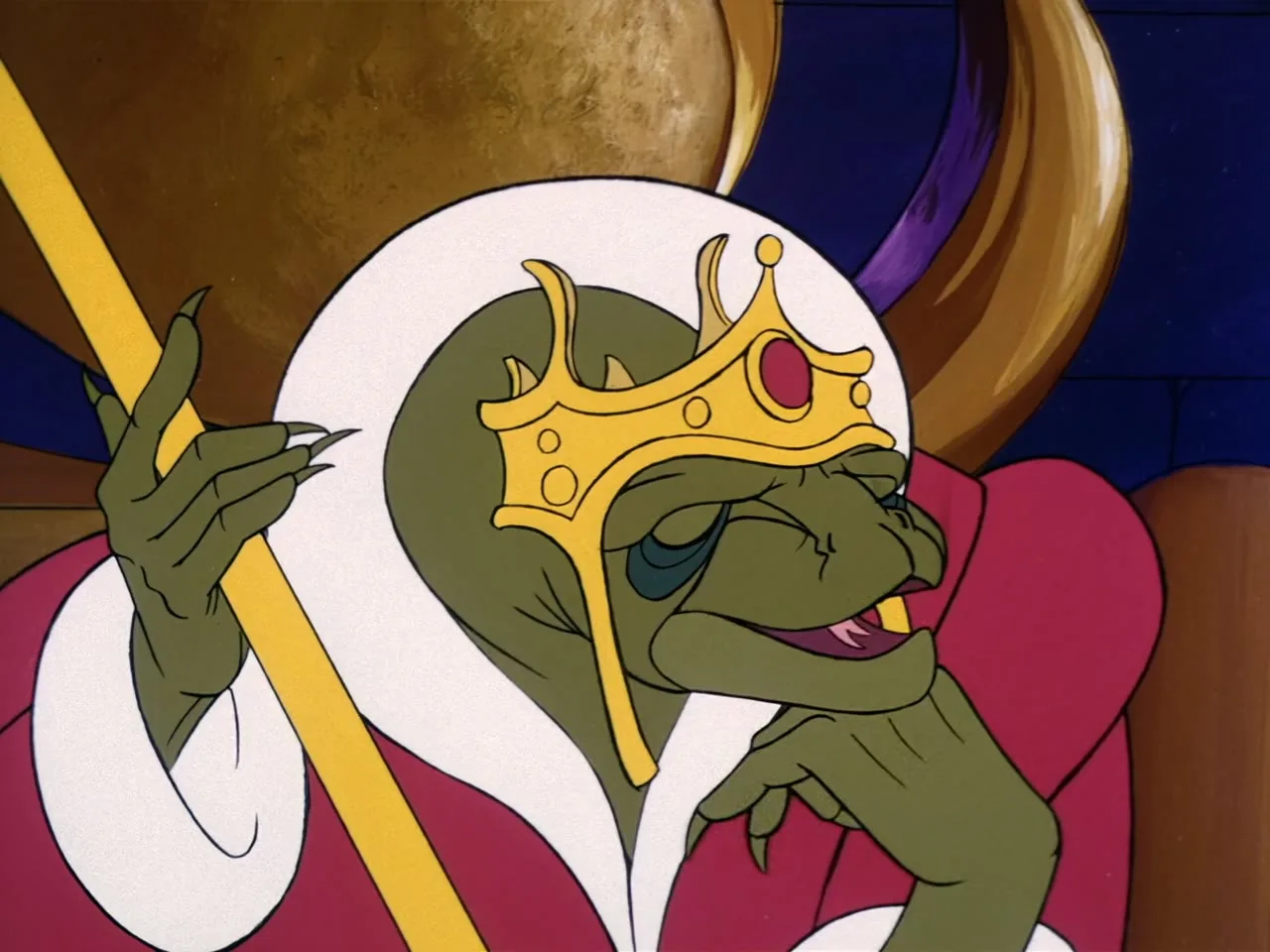
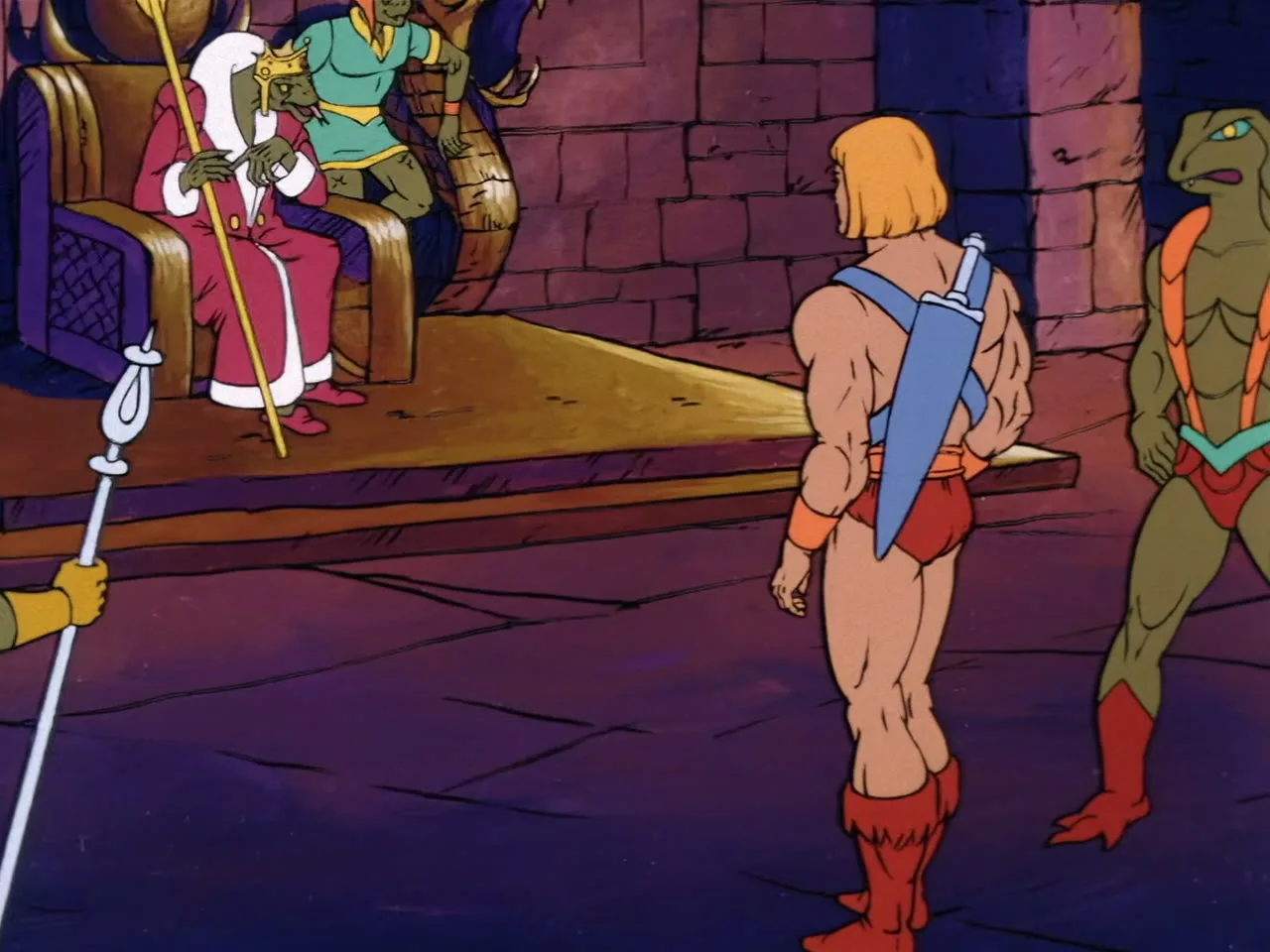
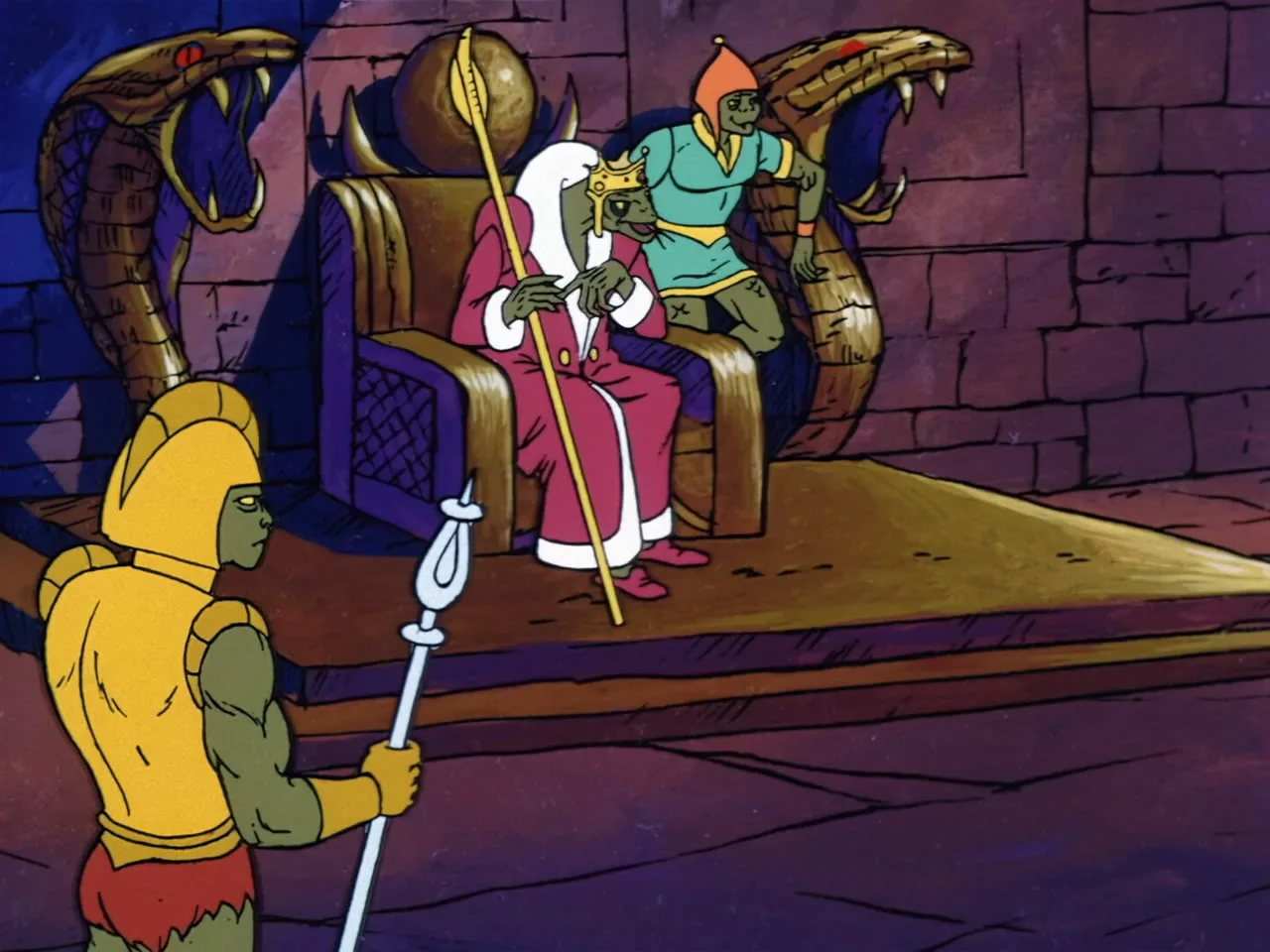
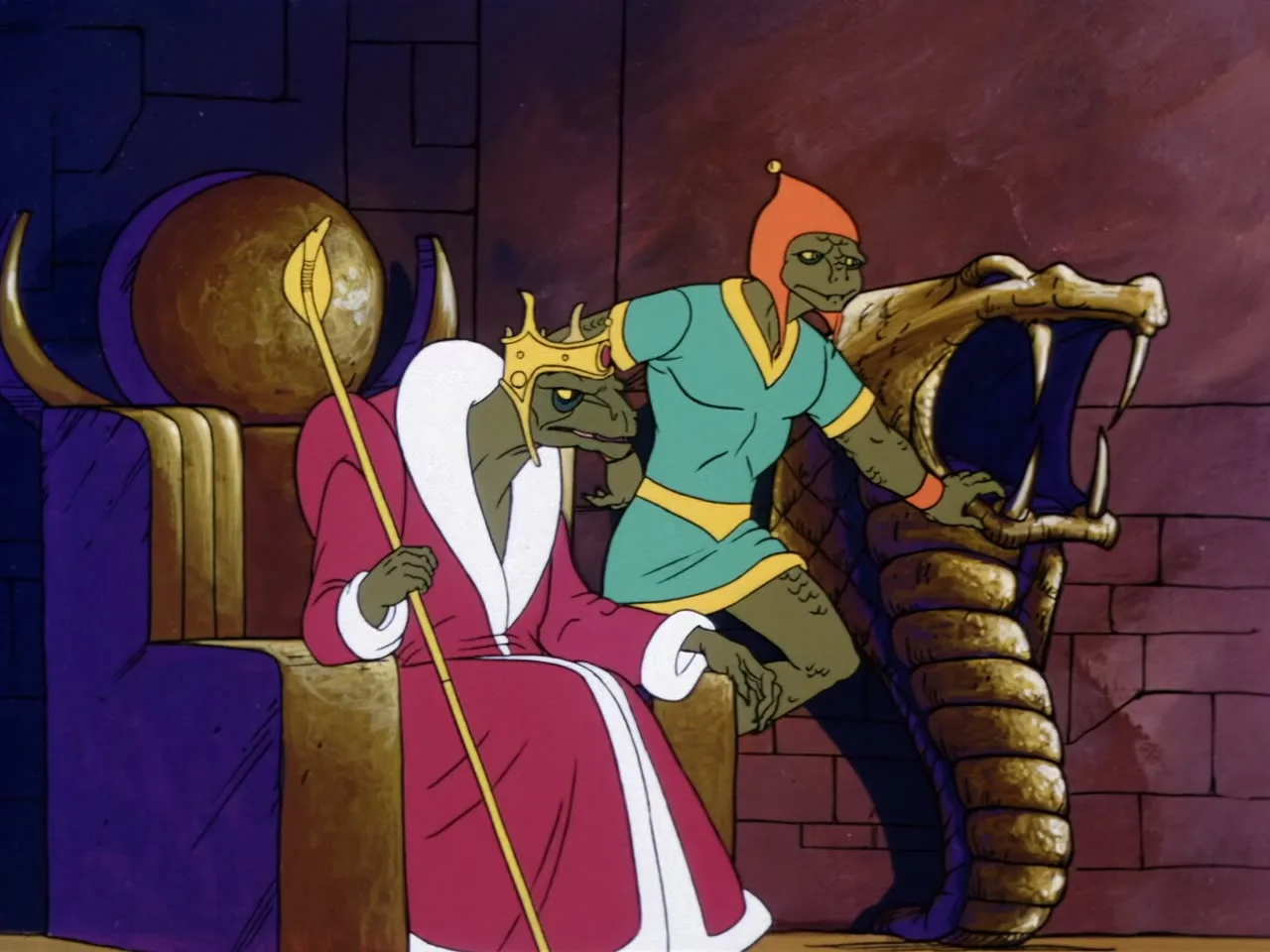
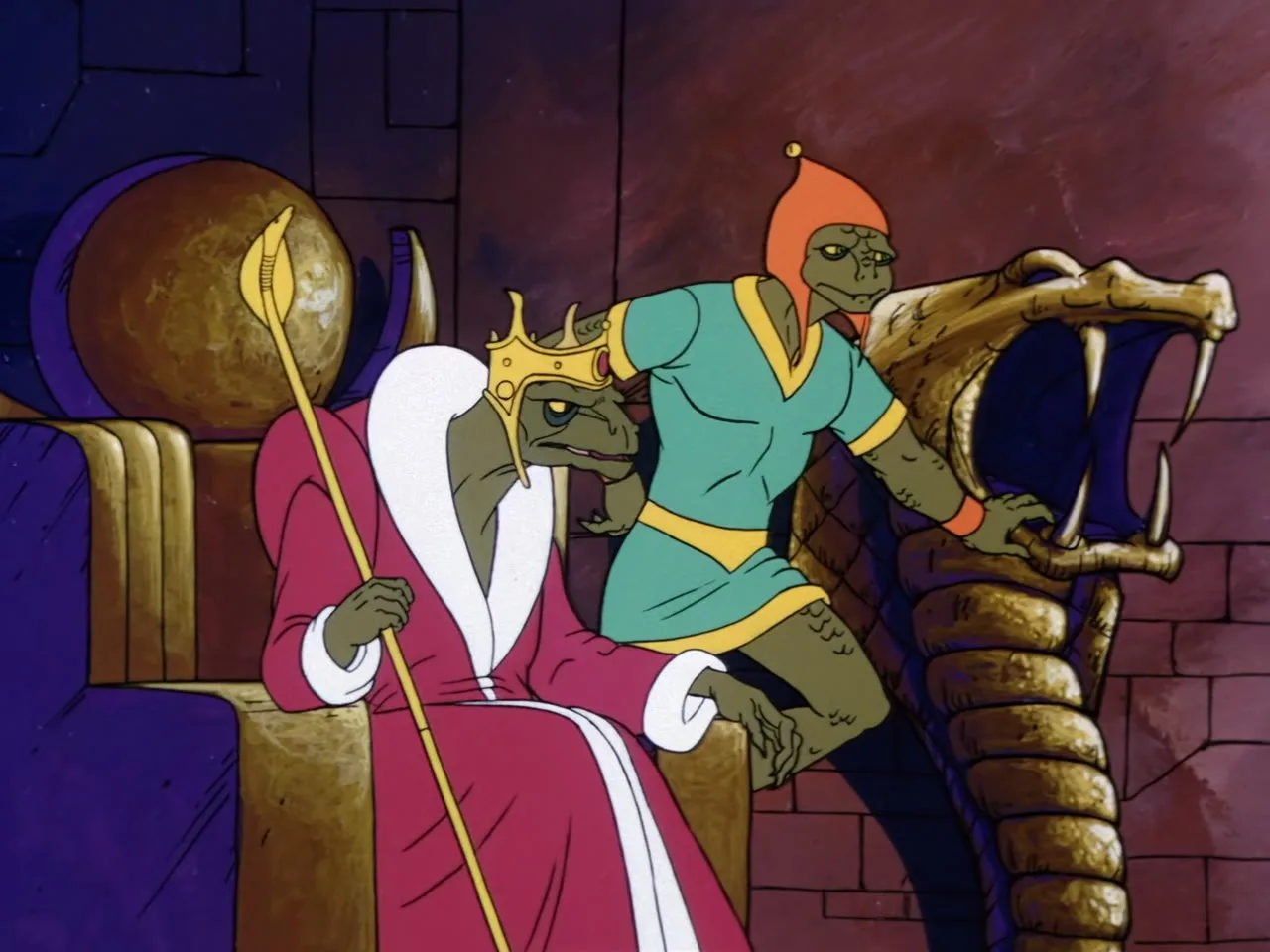
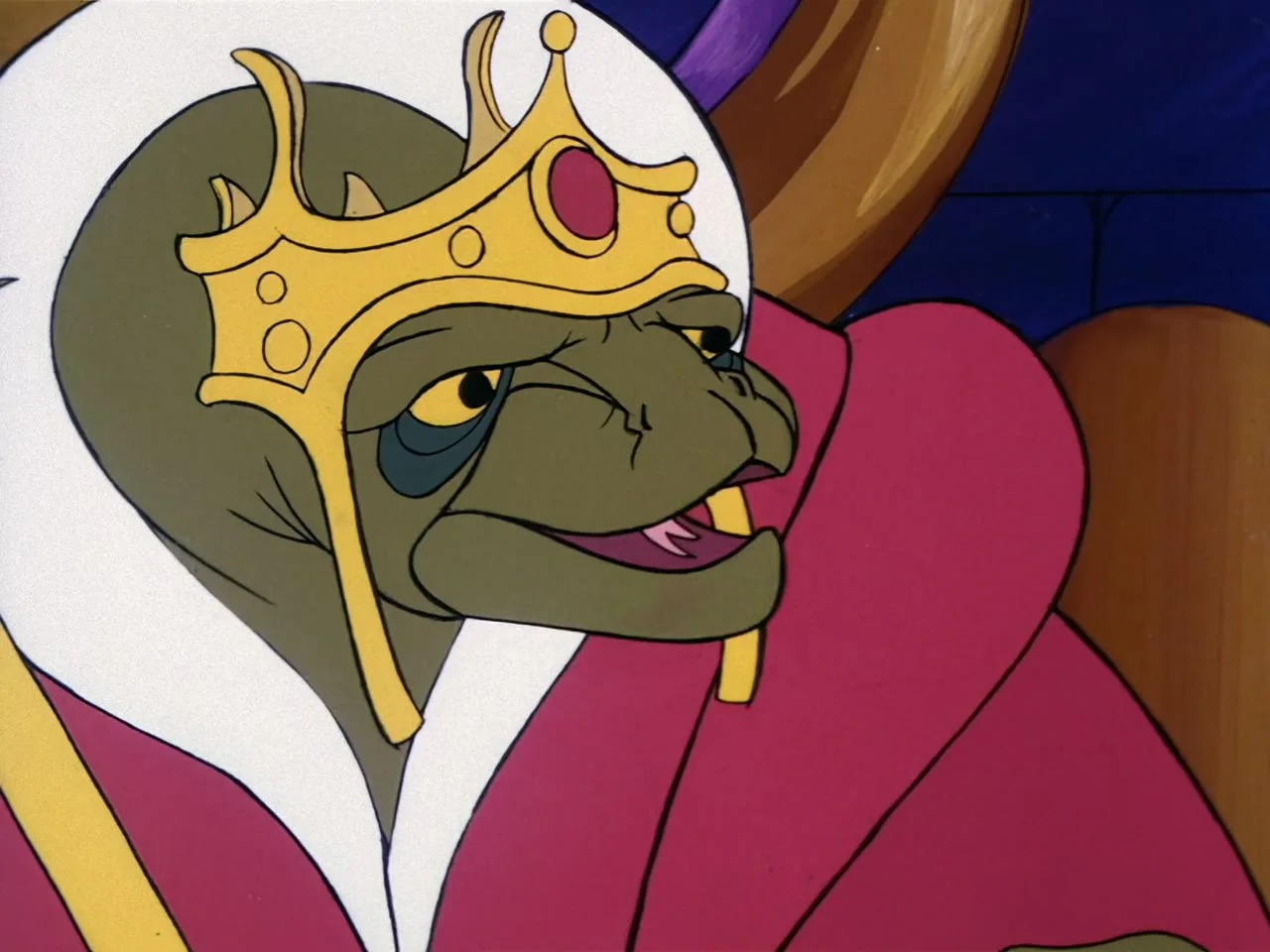
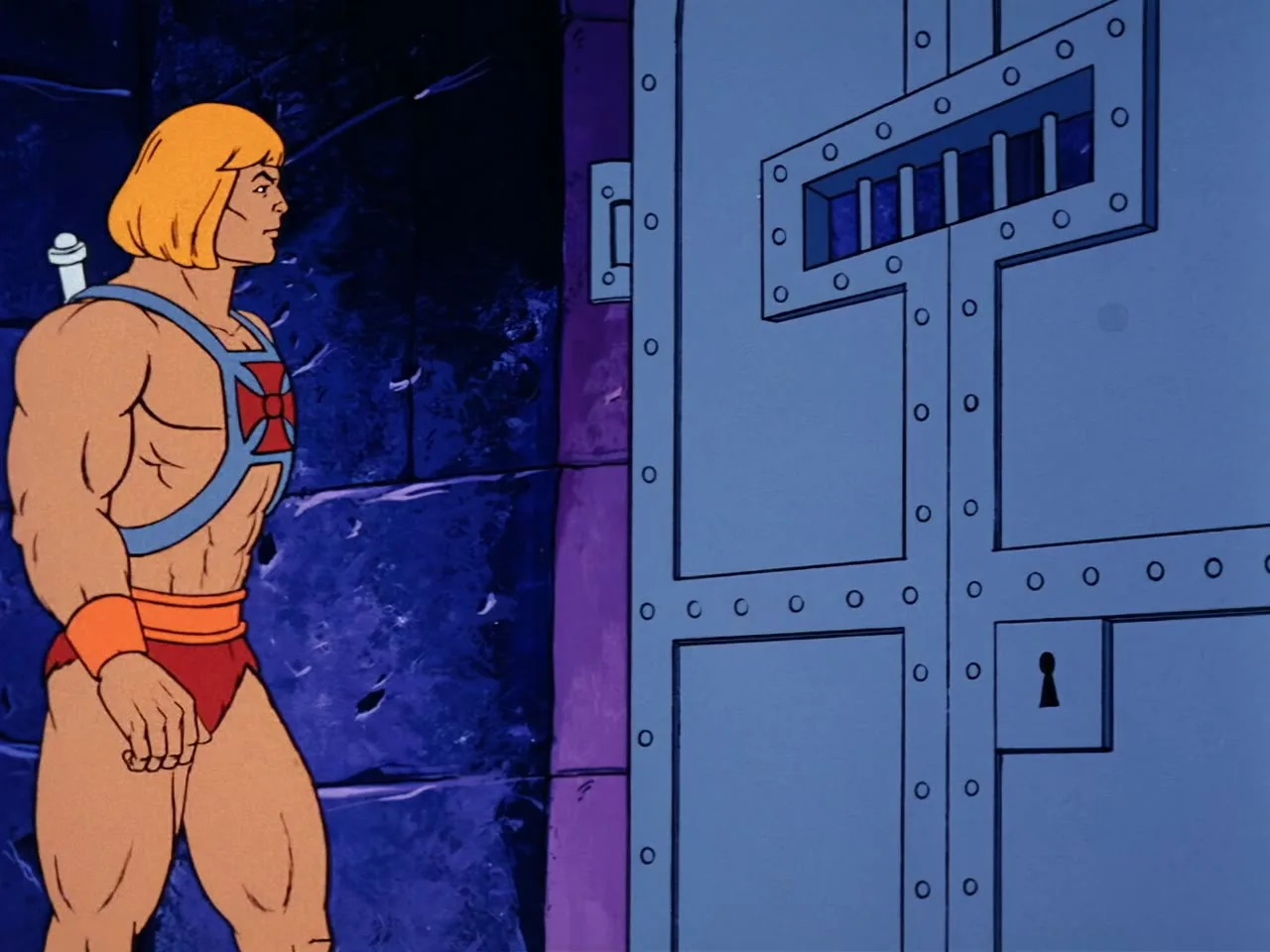
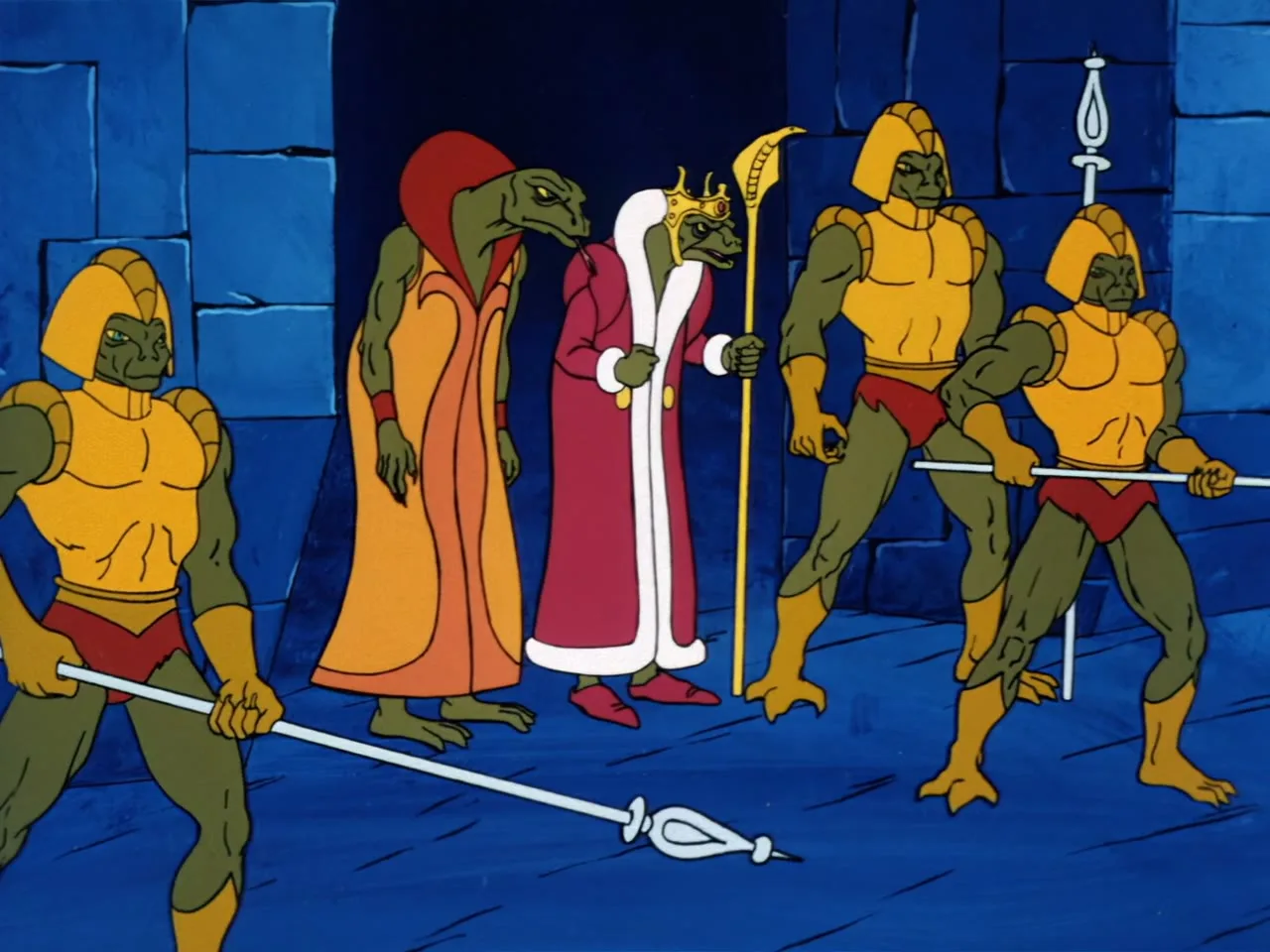
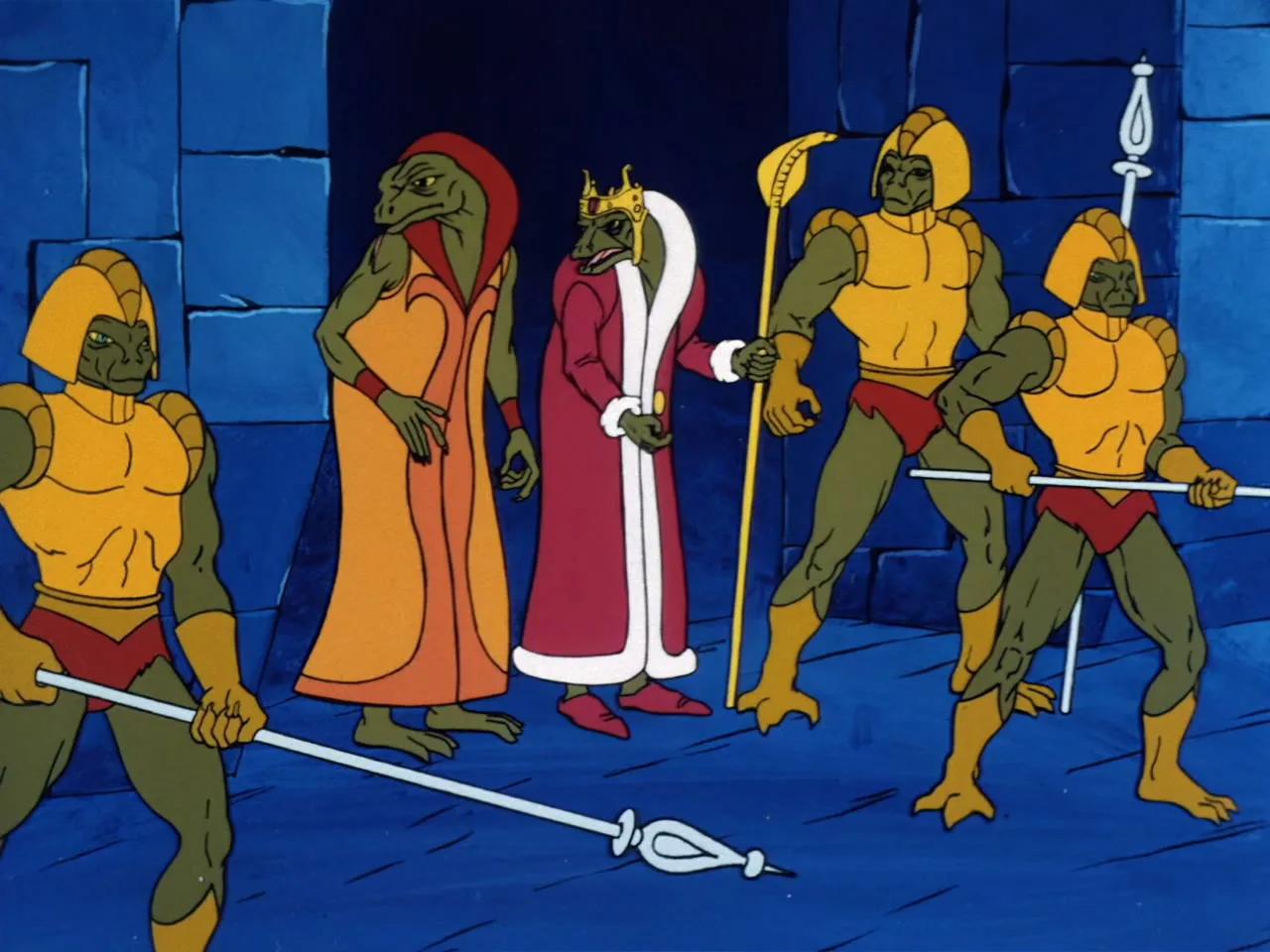
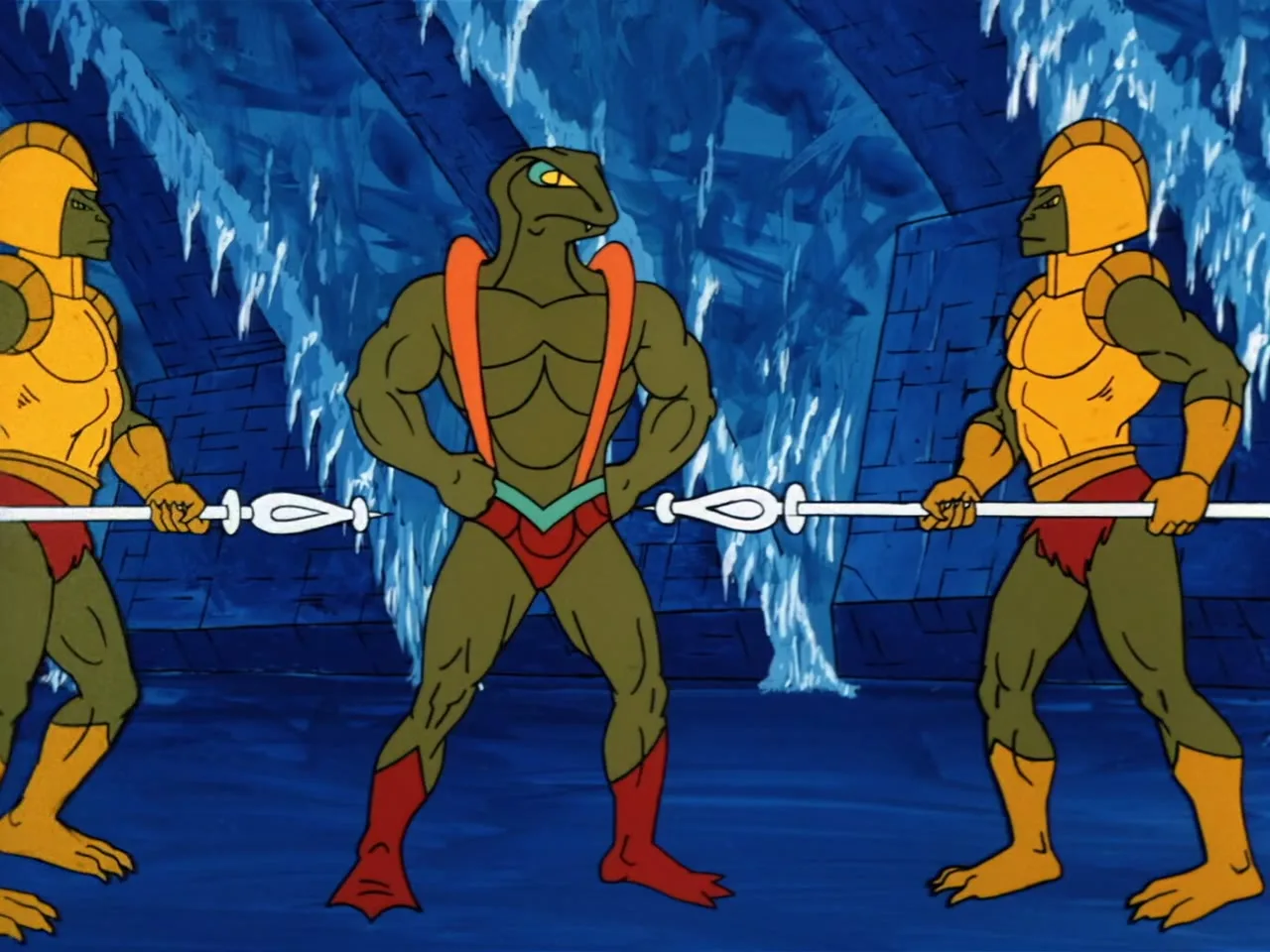
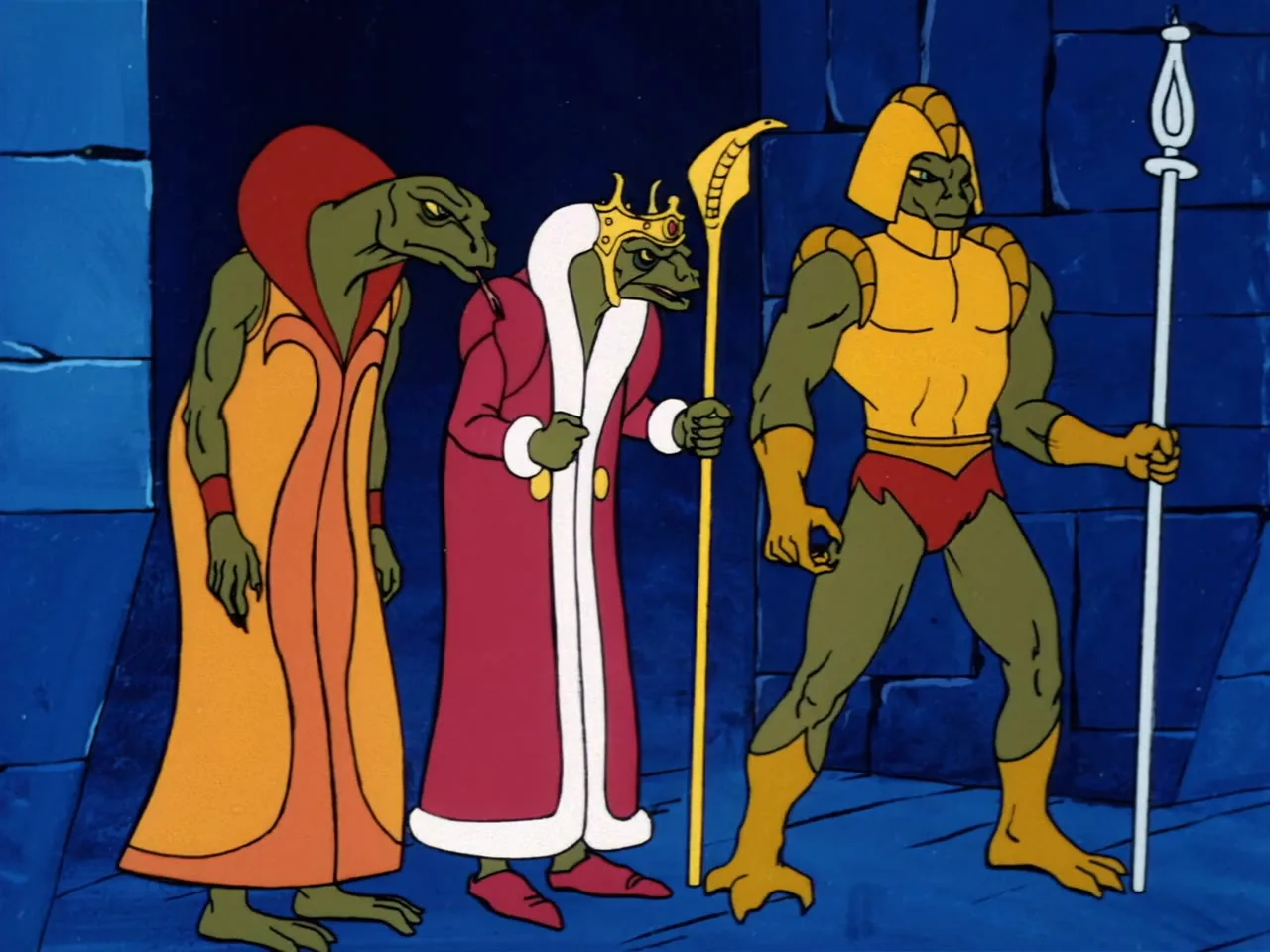
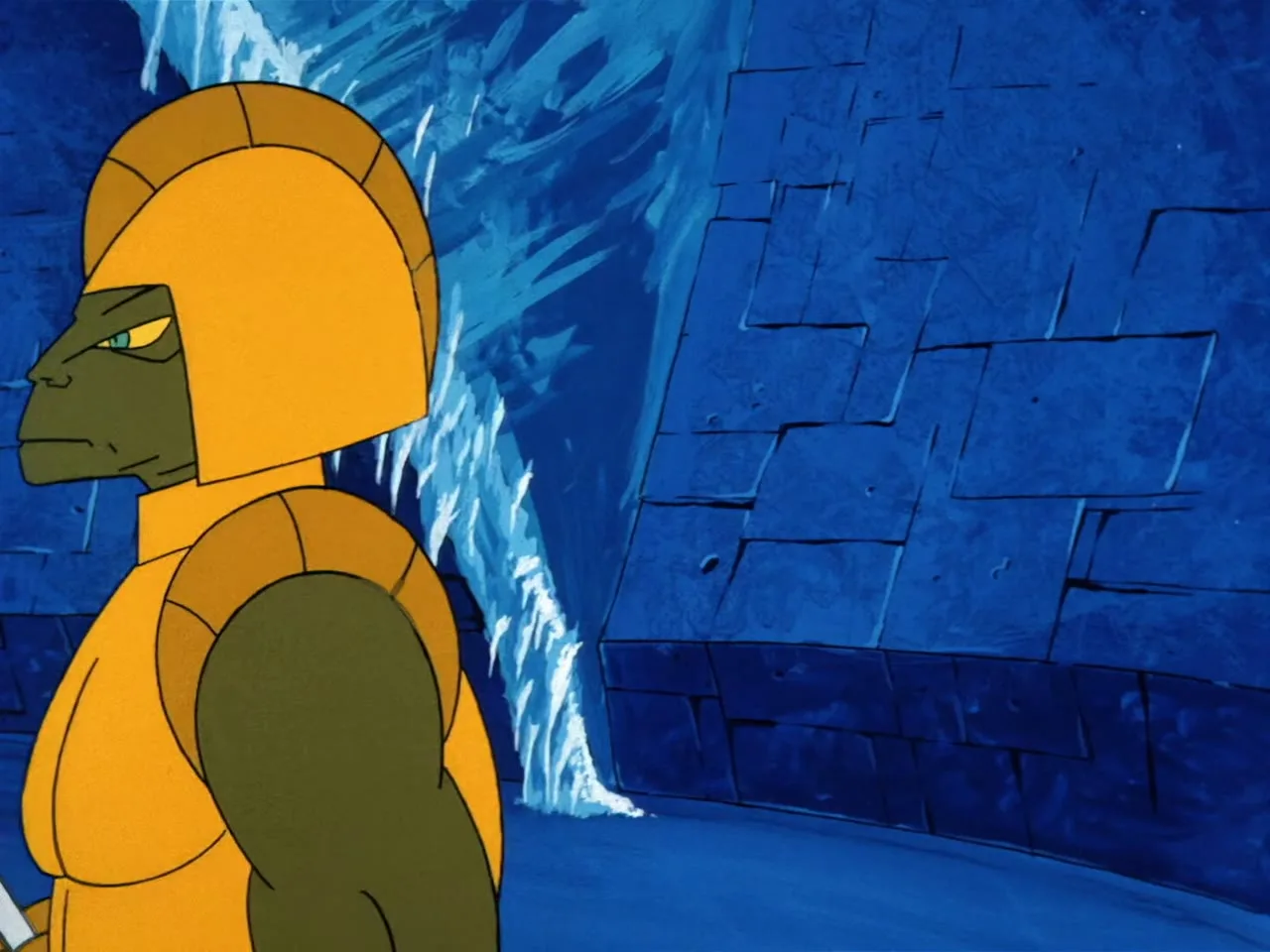
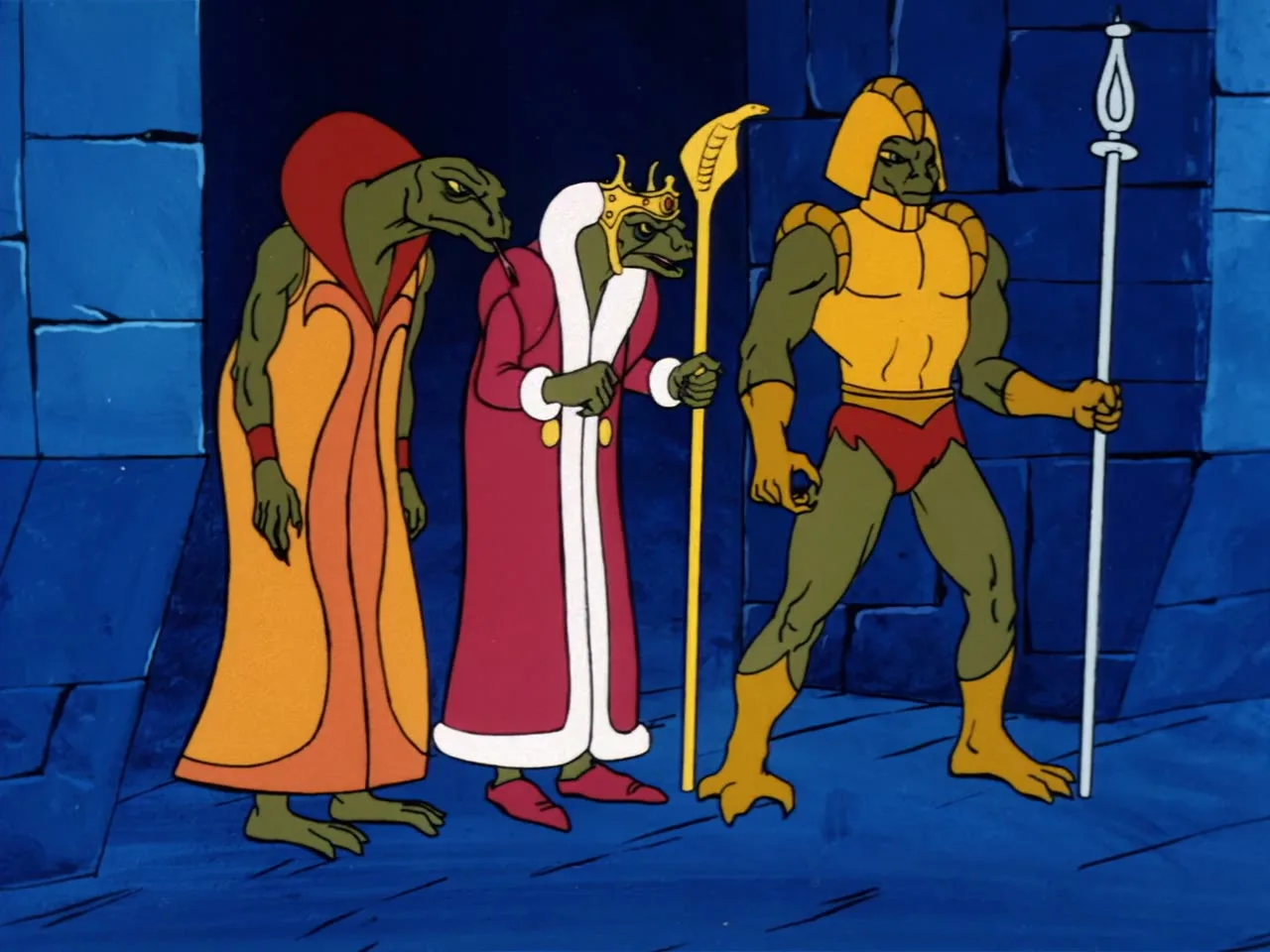
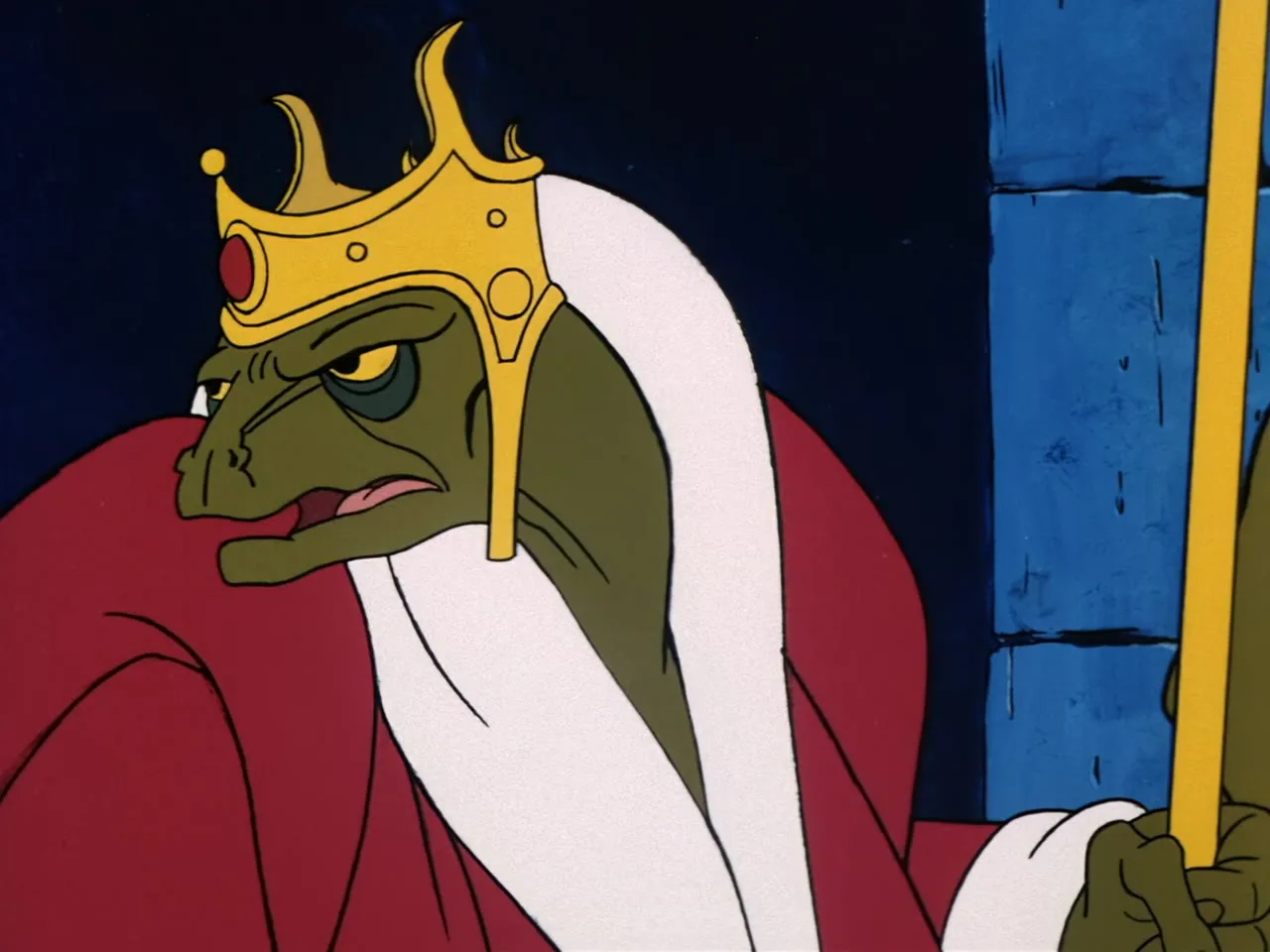
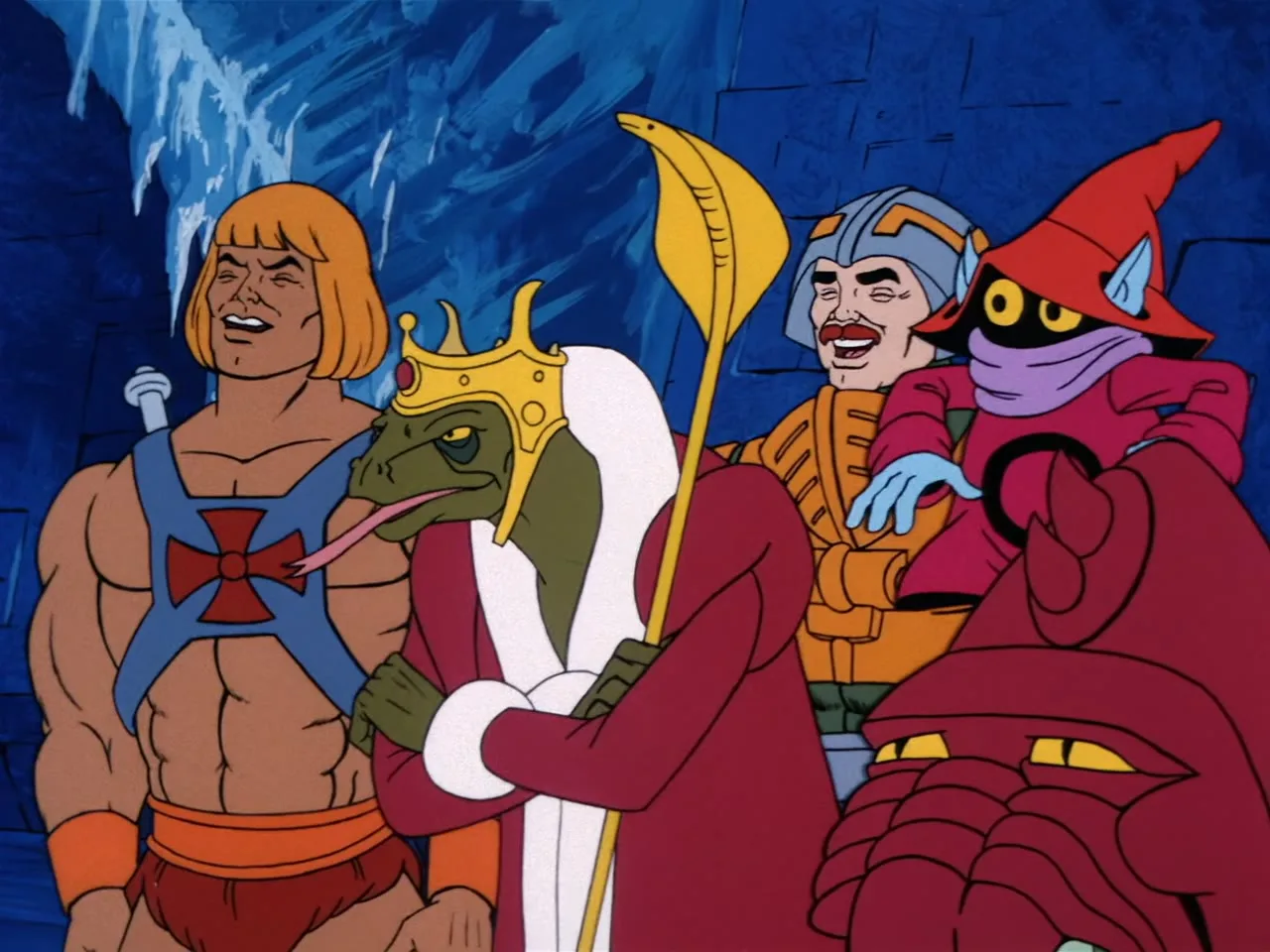
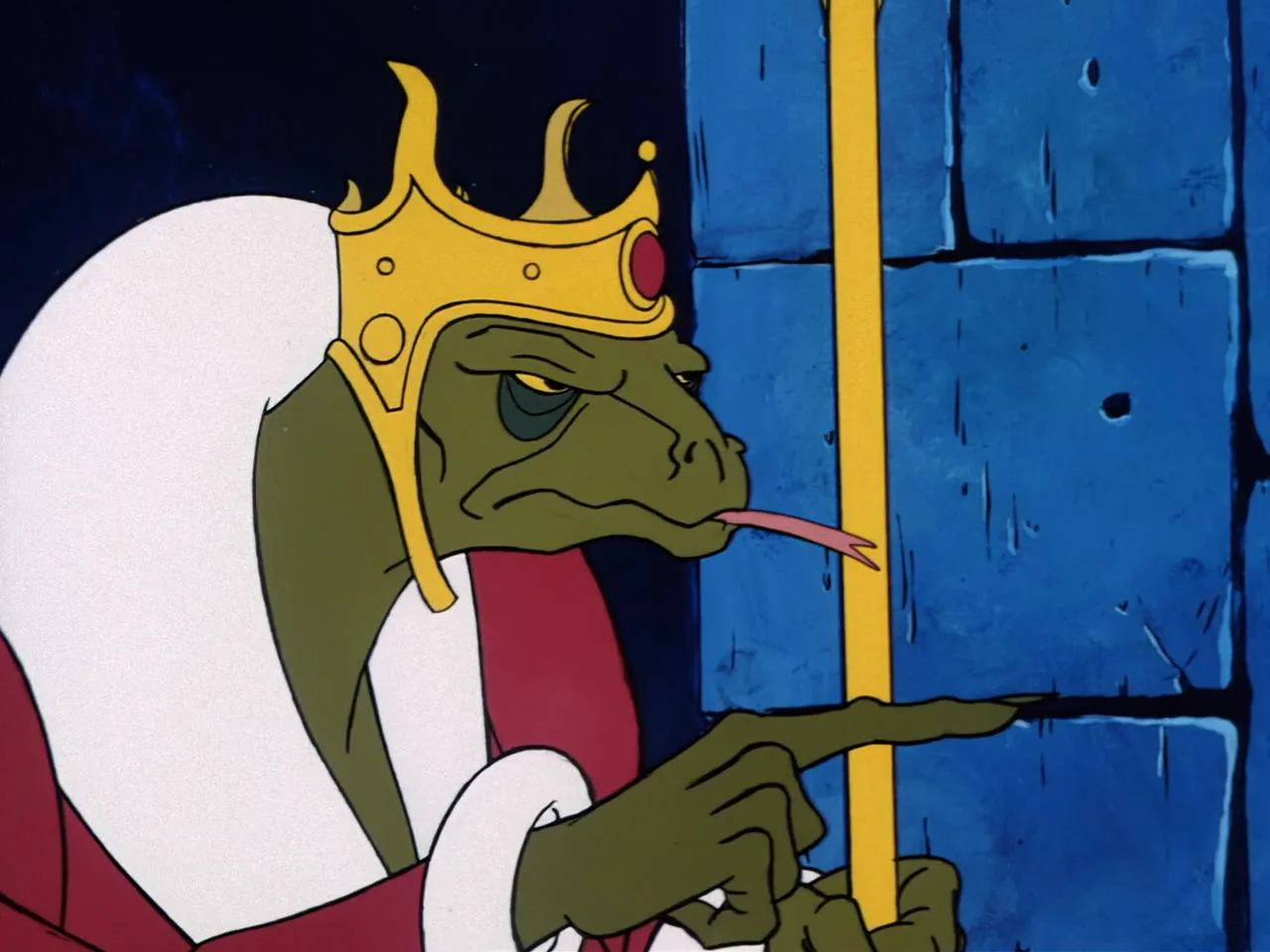
The real subject declares itself once the party reaches the Repton throne room. It is not the dead flame. It is who King Pythos chooses to believe, and why. The Chancellor produces Kobra Khan as an eyewitness against the heroes, and Pythos takes the word of his own subject over a stranger's protest of innocence, even though that subject is a known liar to everyone standing in the room except him. The parallel is not subtle, but it does not need to be: Man-At-Arms and Prince Adam extended Kobra Khan the same kind of trust back at the palace, for the same reason, because he was asking on behalf of people they had no quarrel with. One leap of faith nearly costs the Reptons their kingdom. The other one happens to be correct. The episode's closing lesson, that King Pythos believed Kobra Khan at first "because Kobra Khan was one of his people," is not a throwaway moral tacked onto an unrelated adventure. It is the thesis statement for everything that came before it.
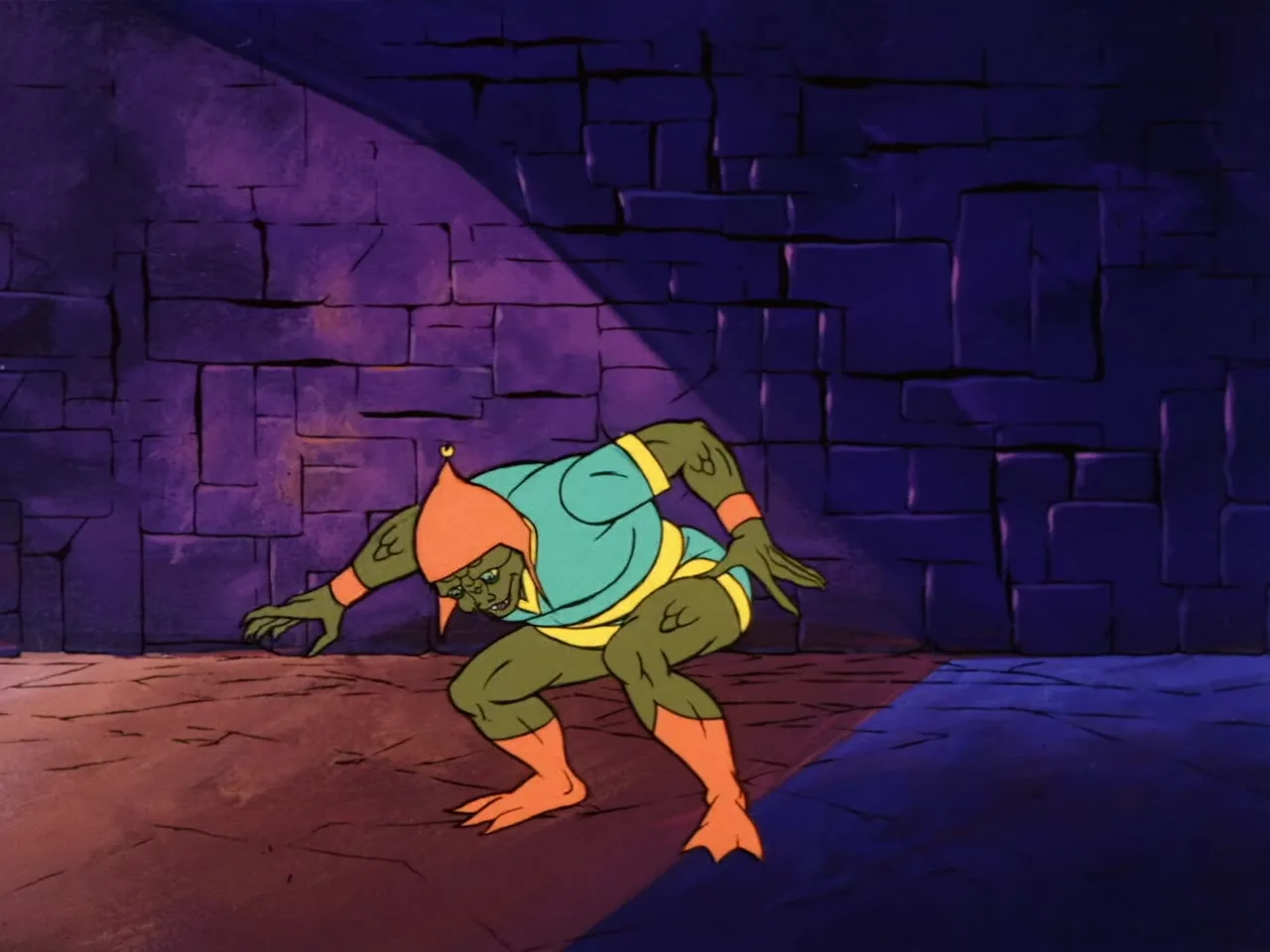
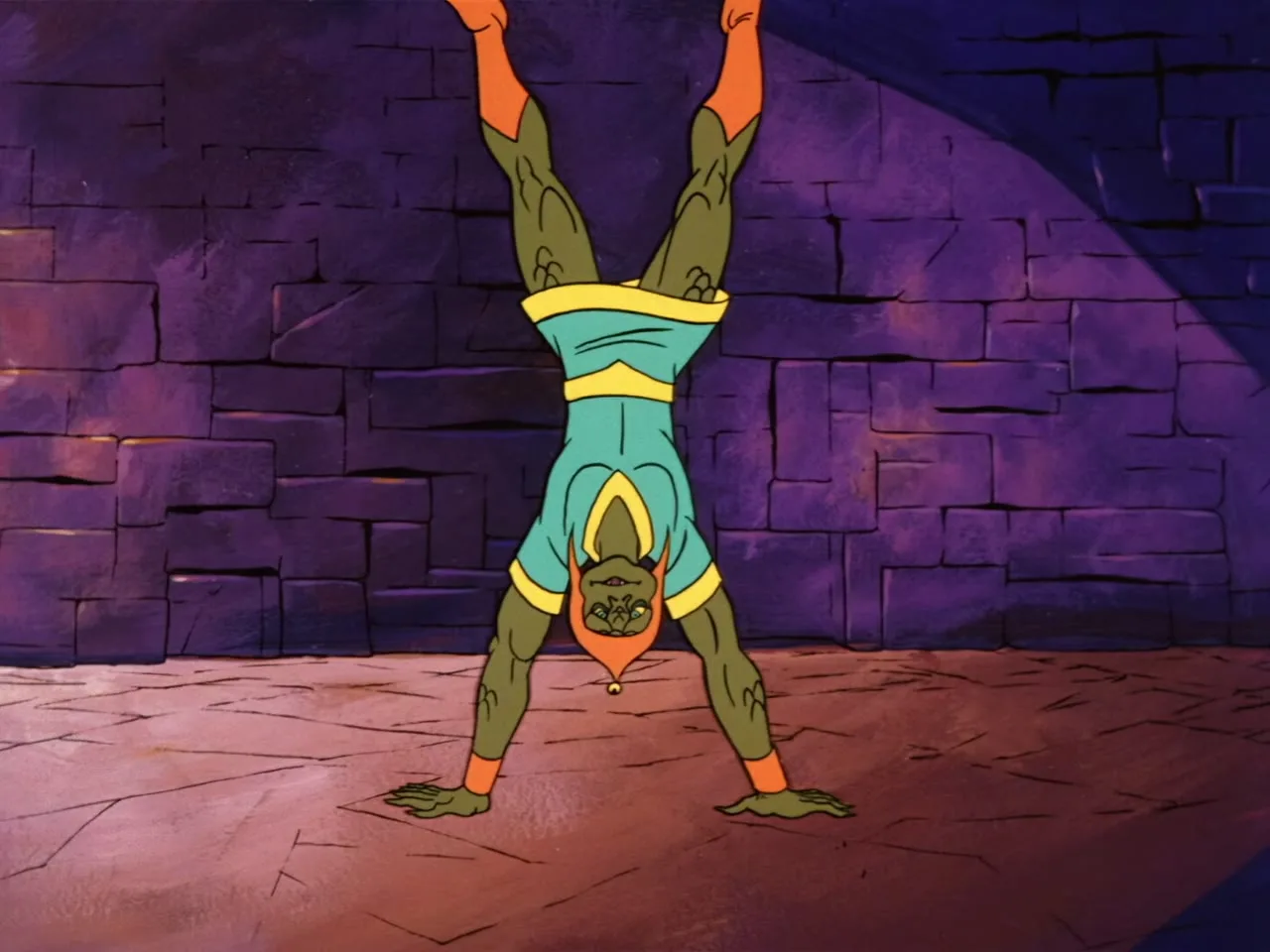
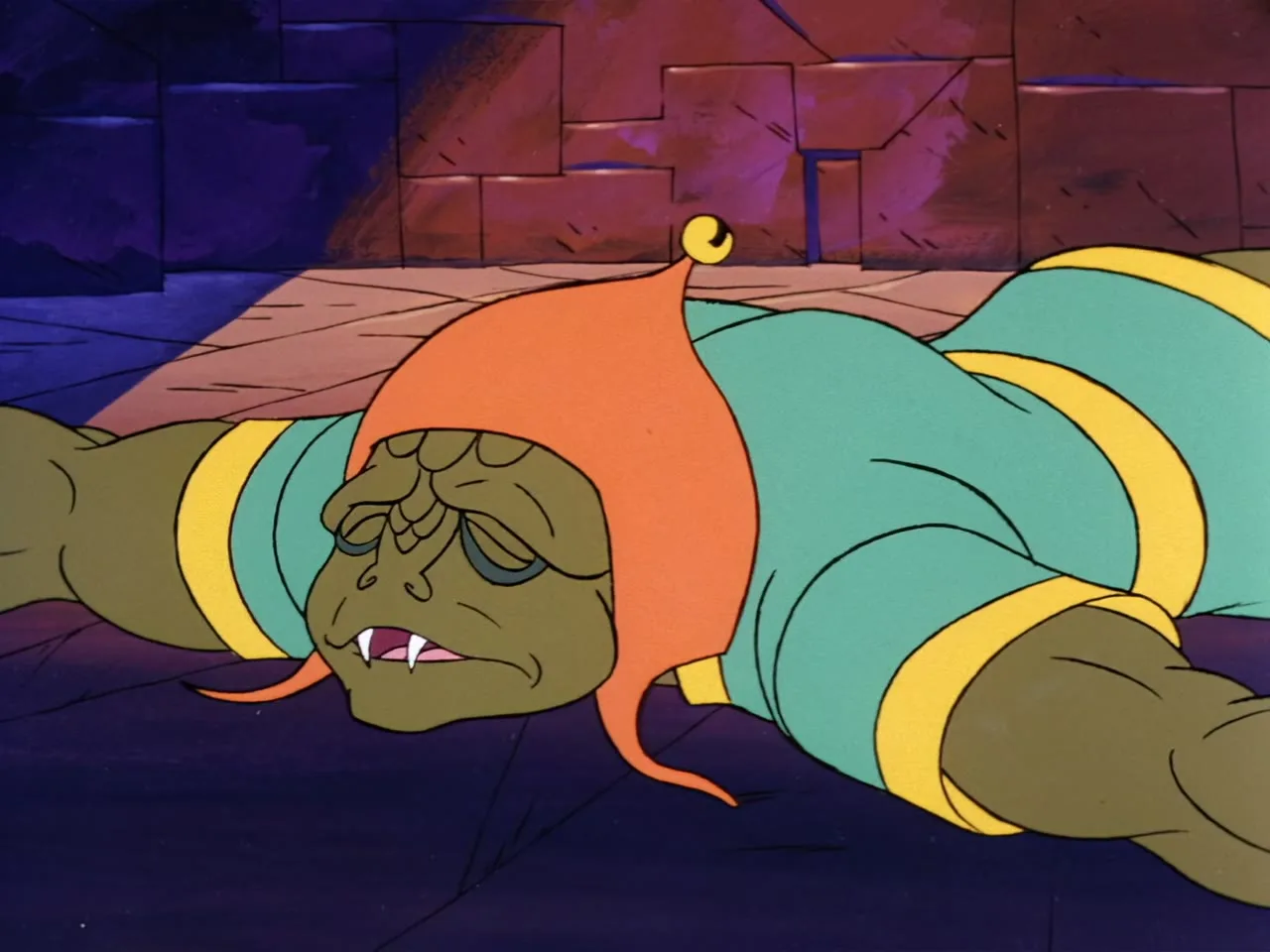
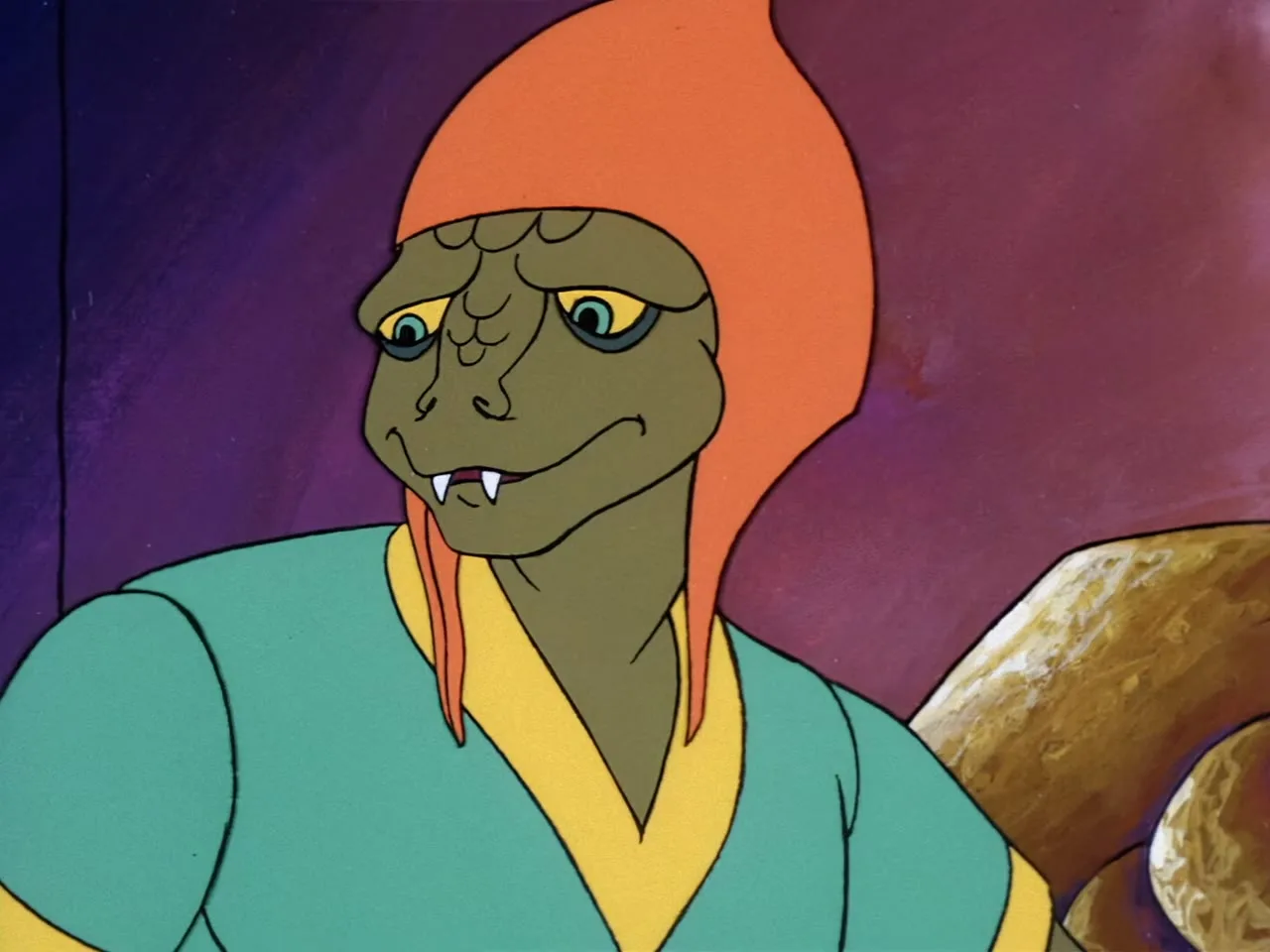
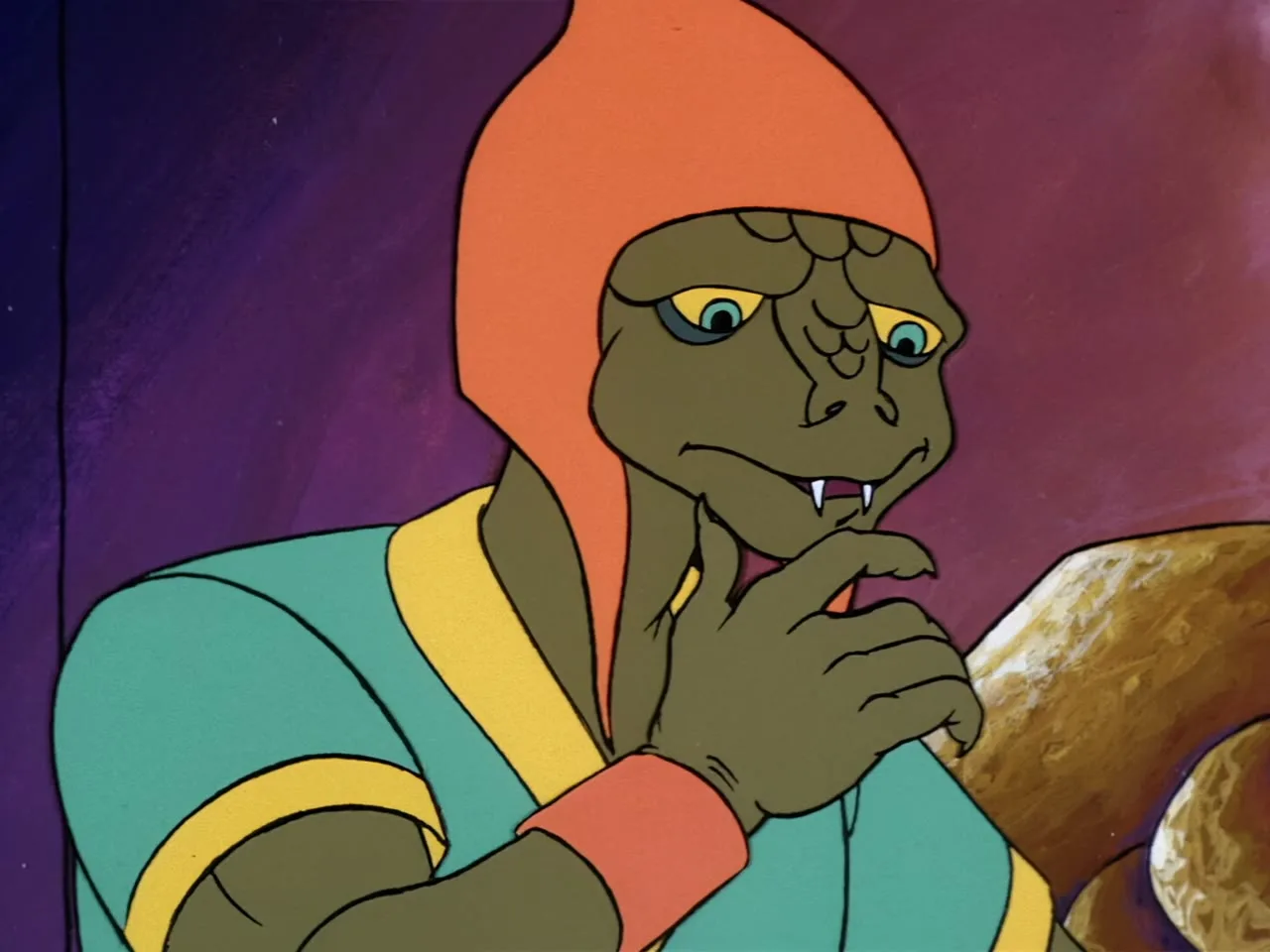
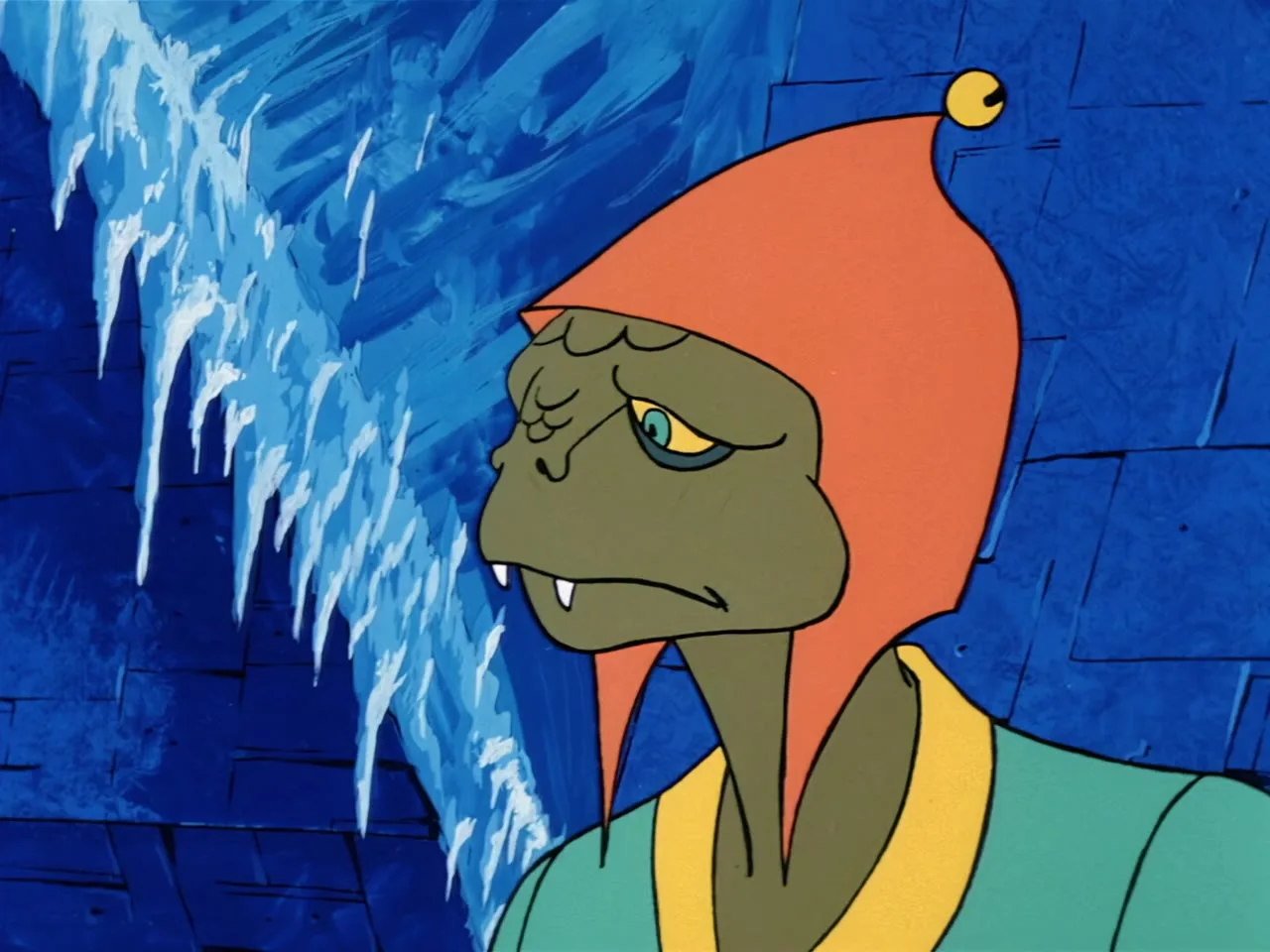
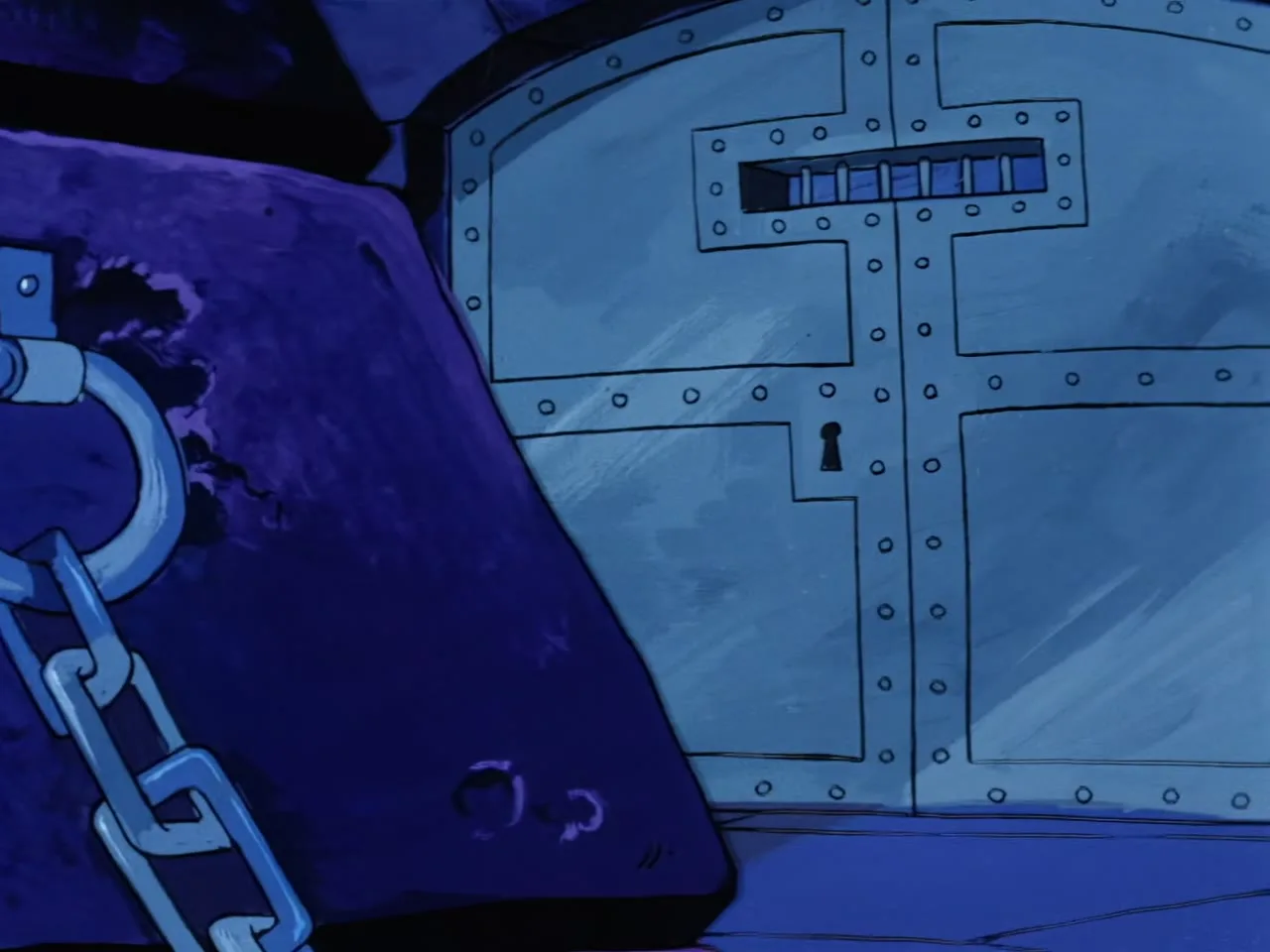
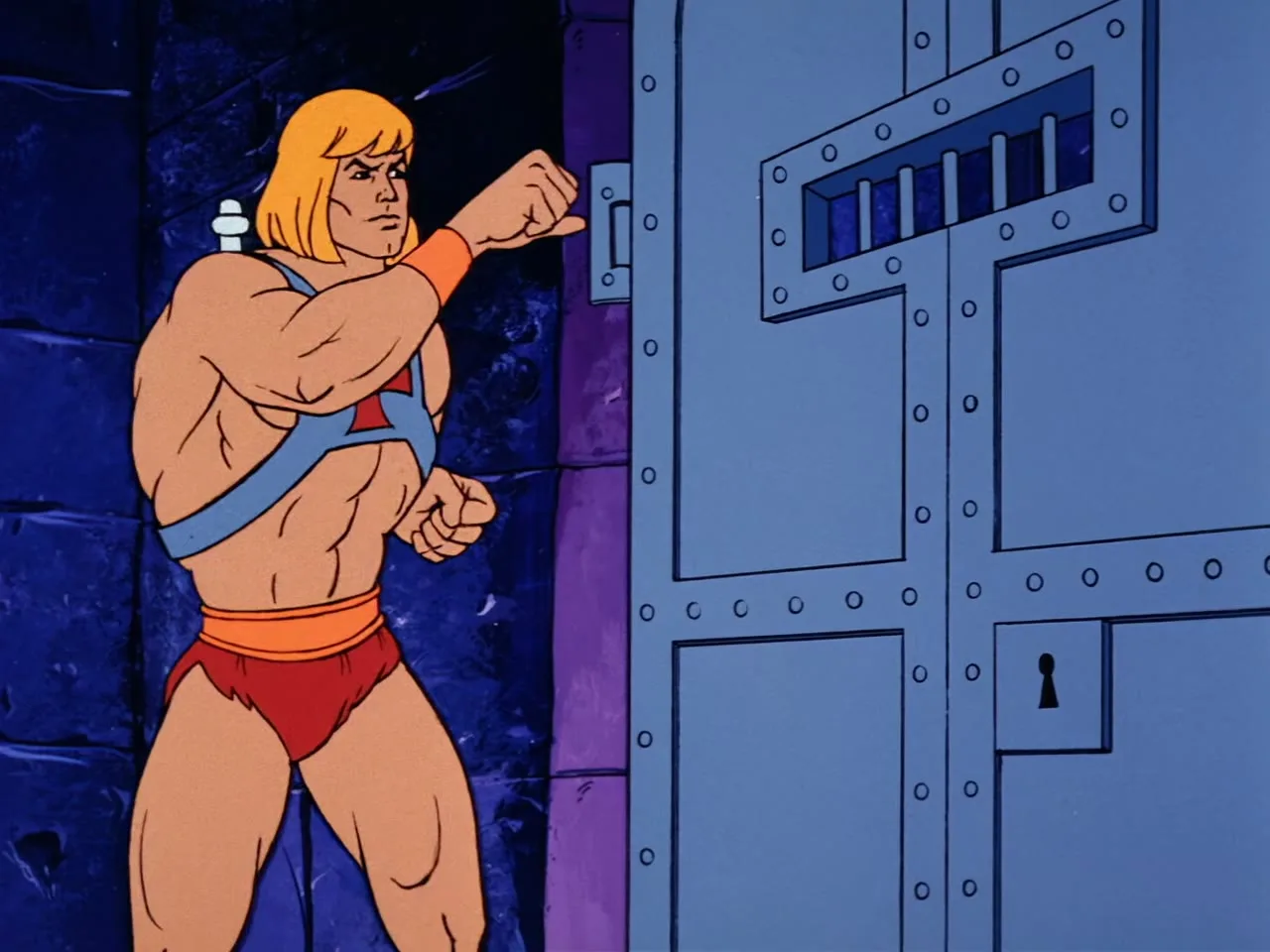
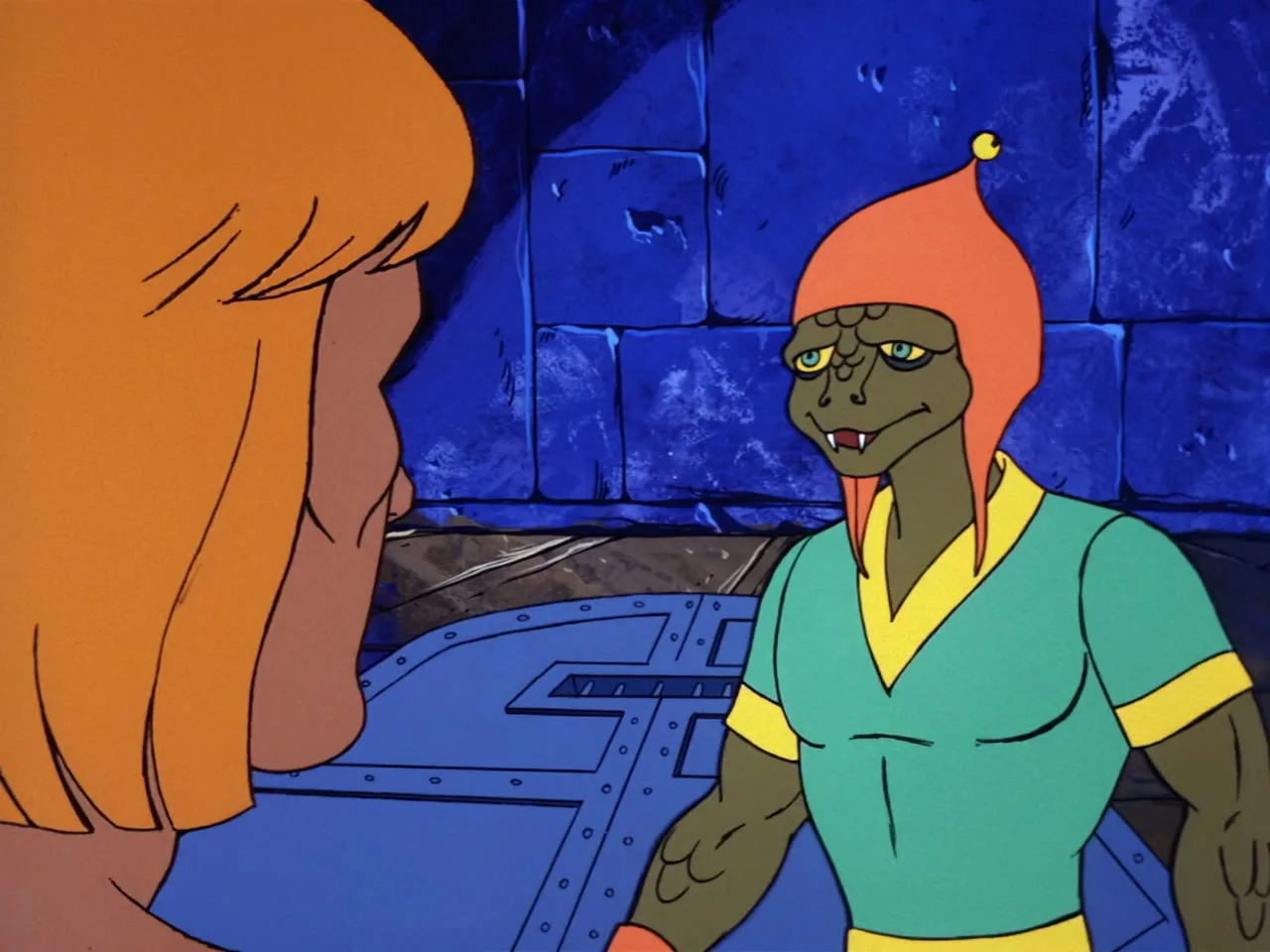
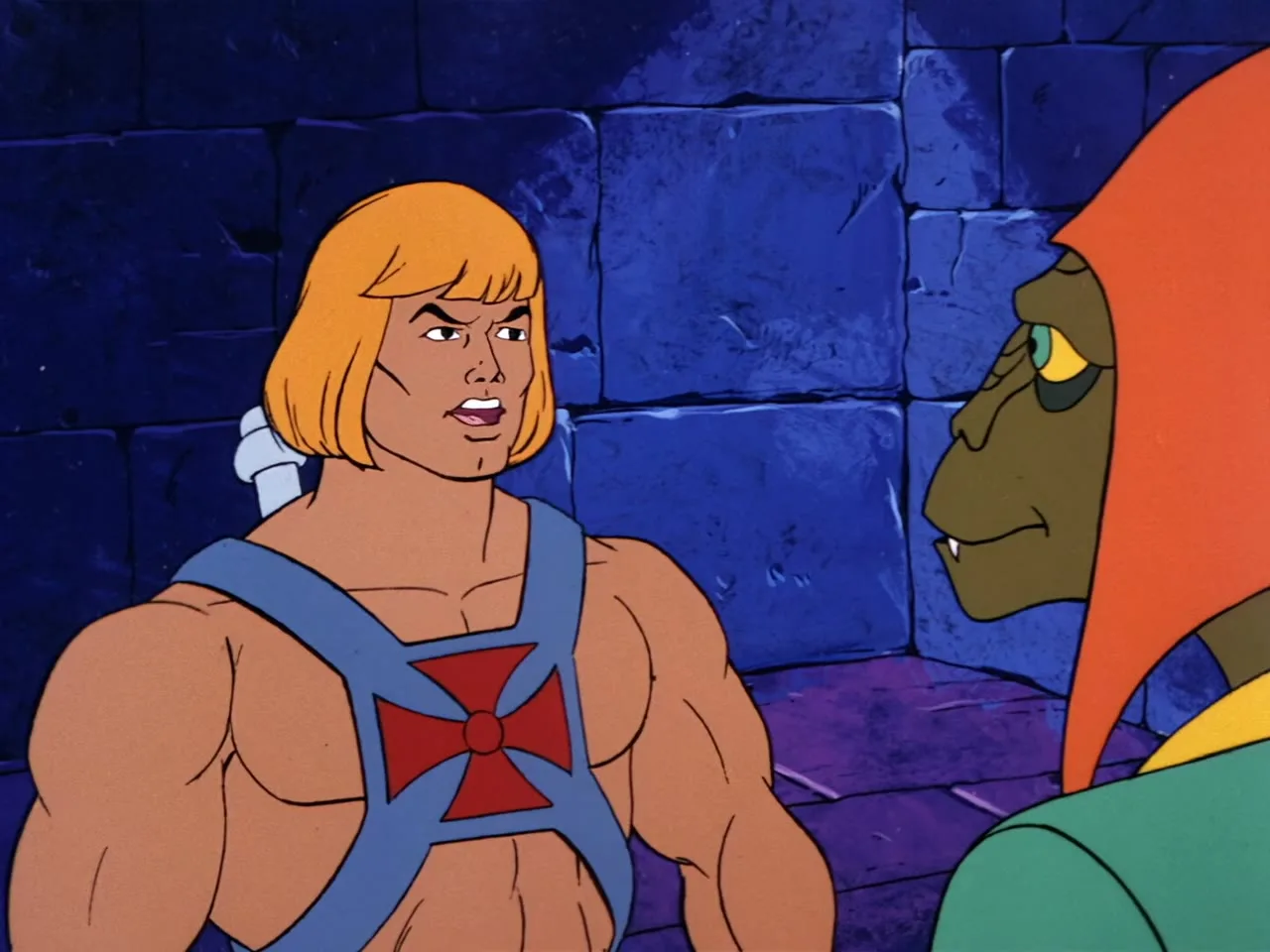
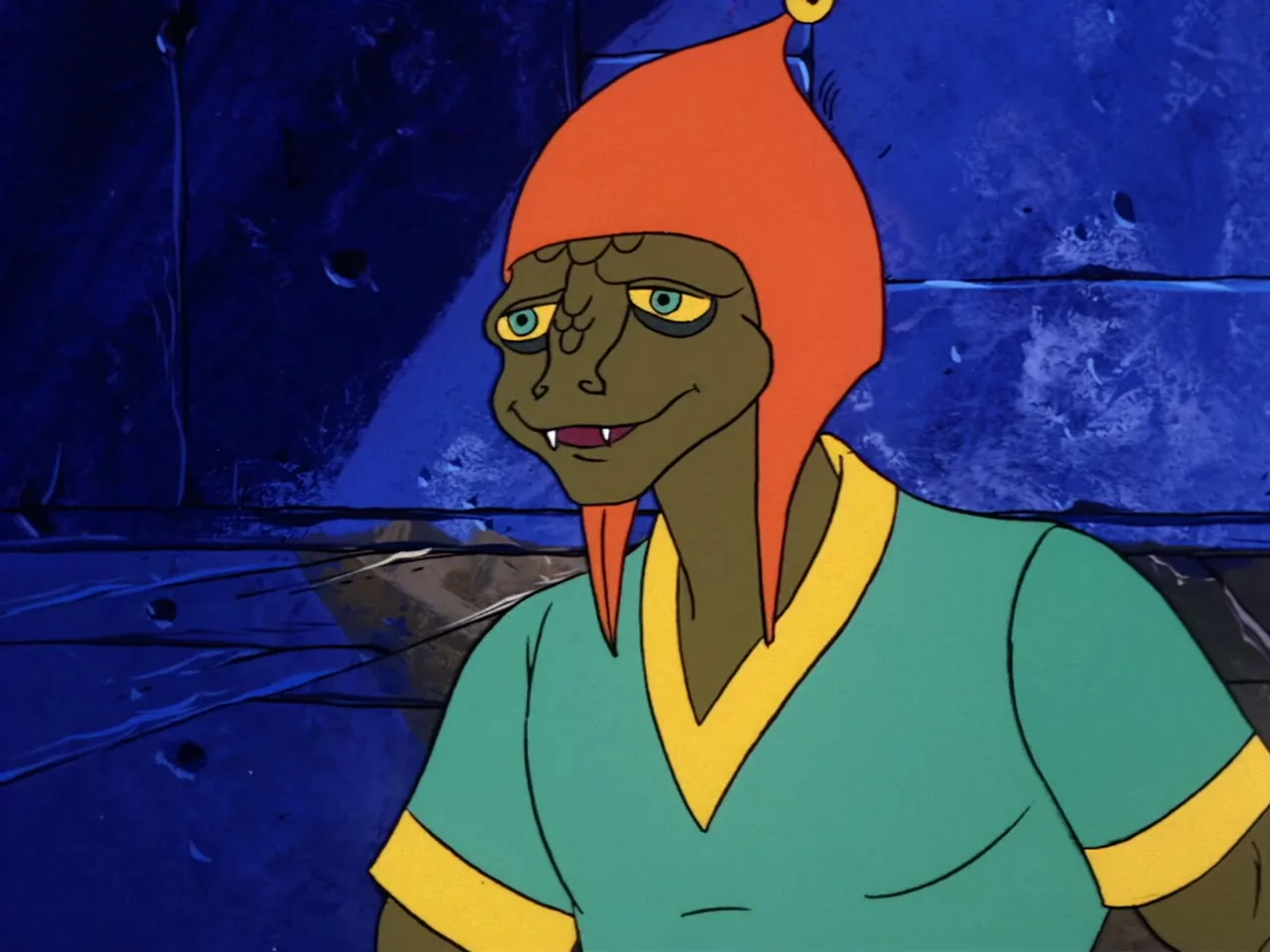
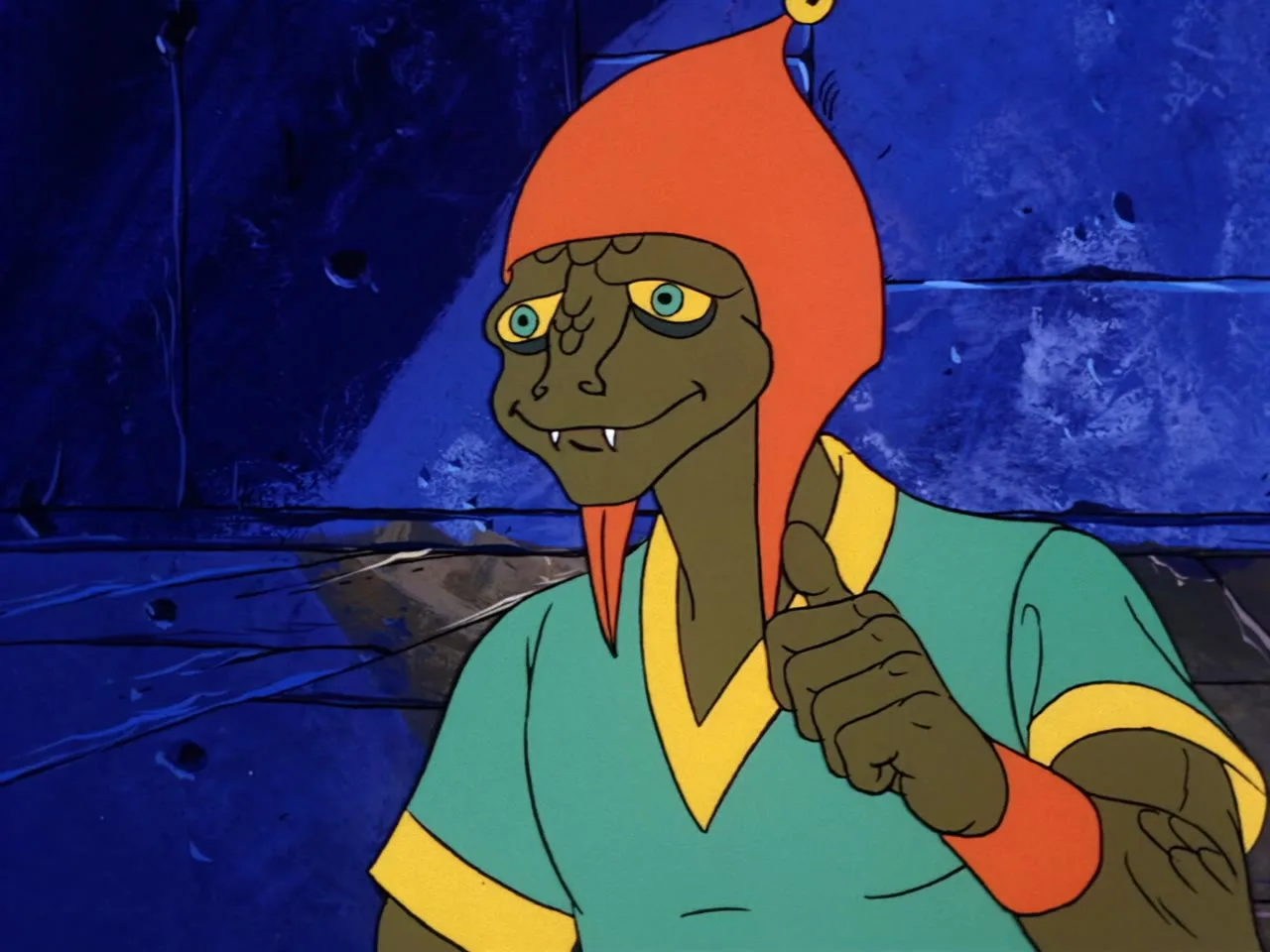
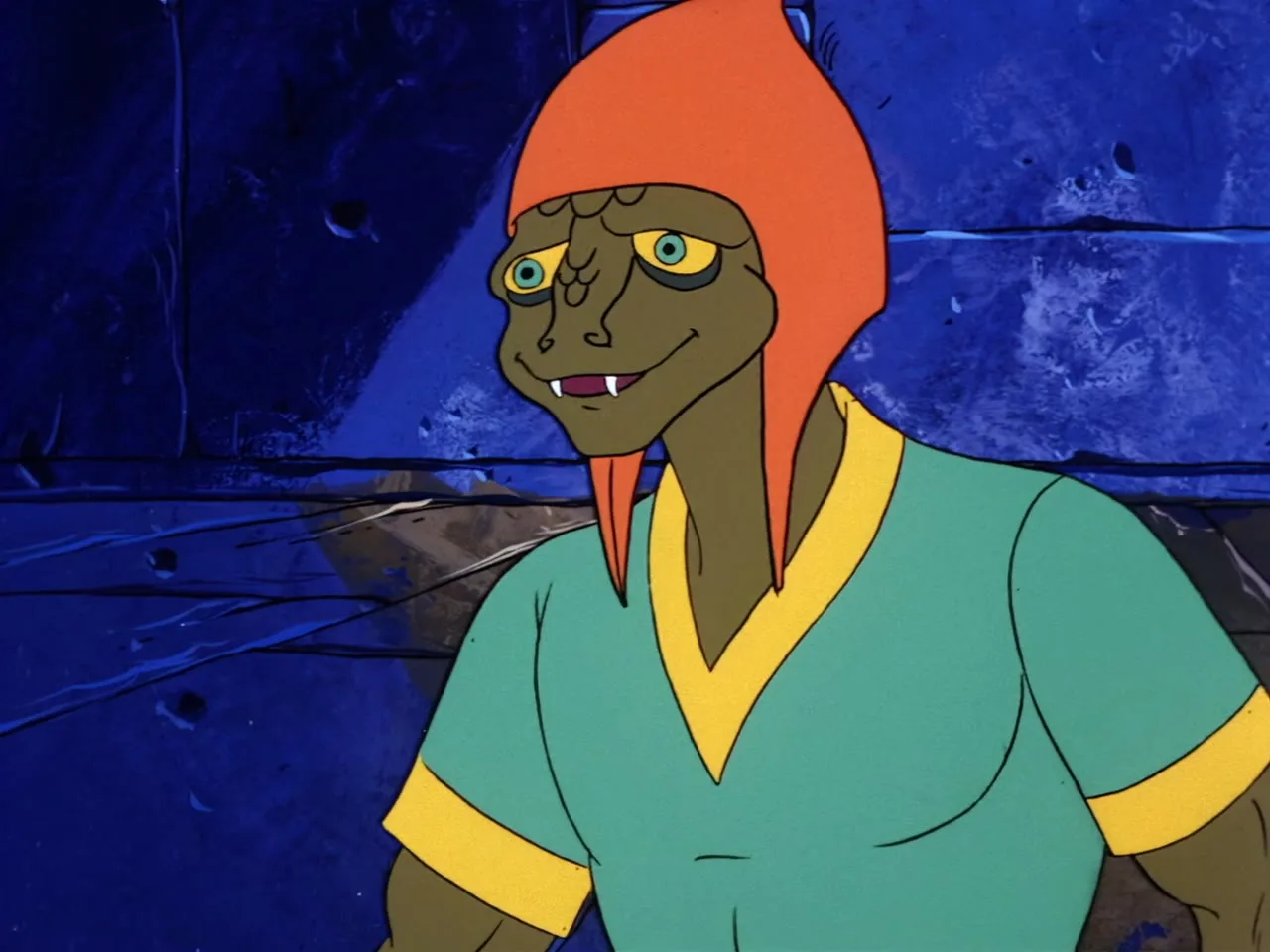
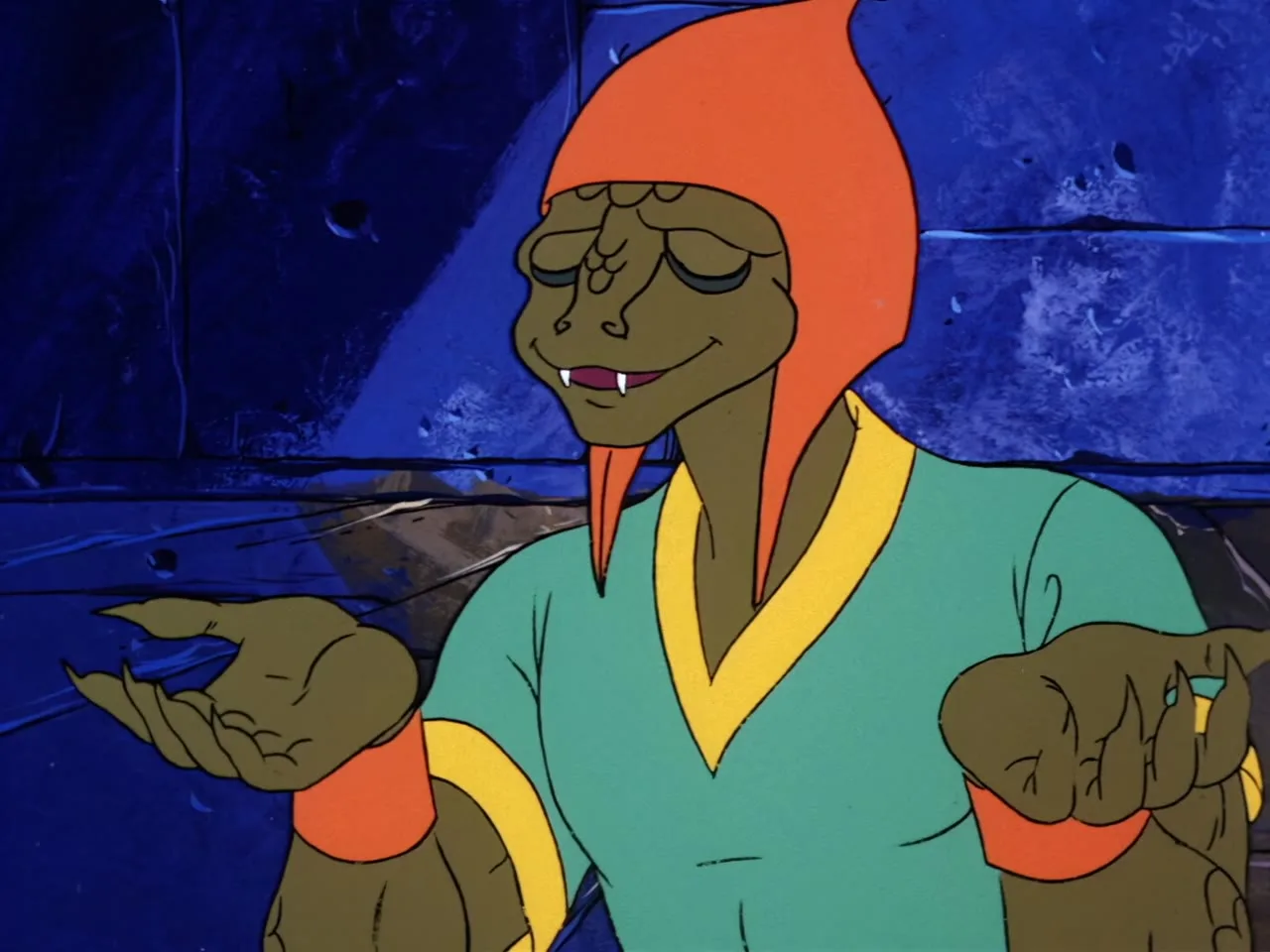
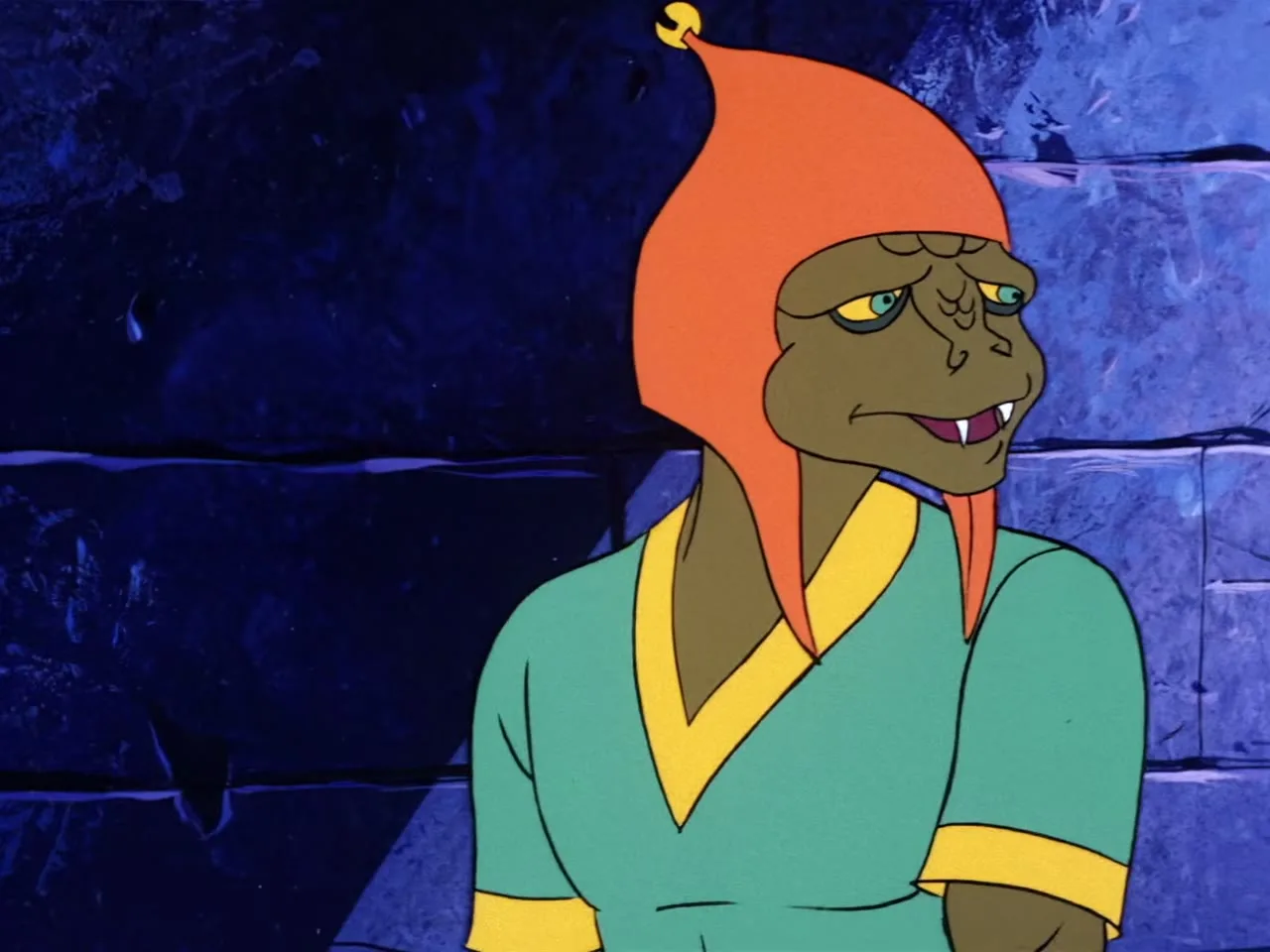
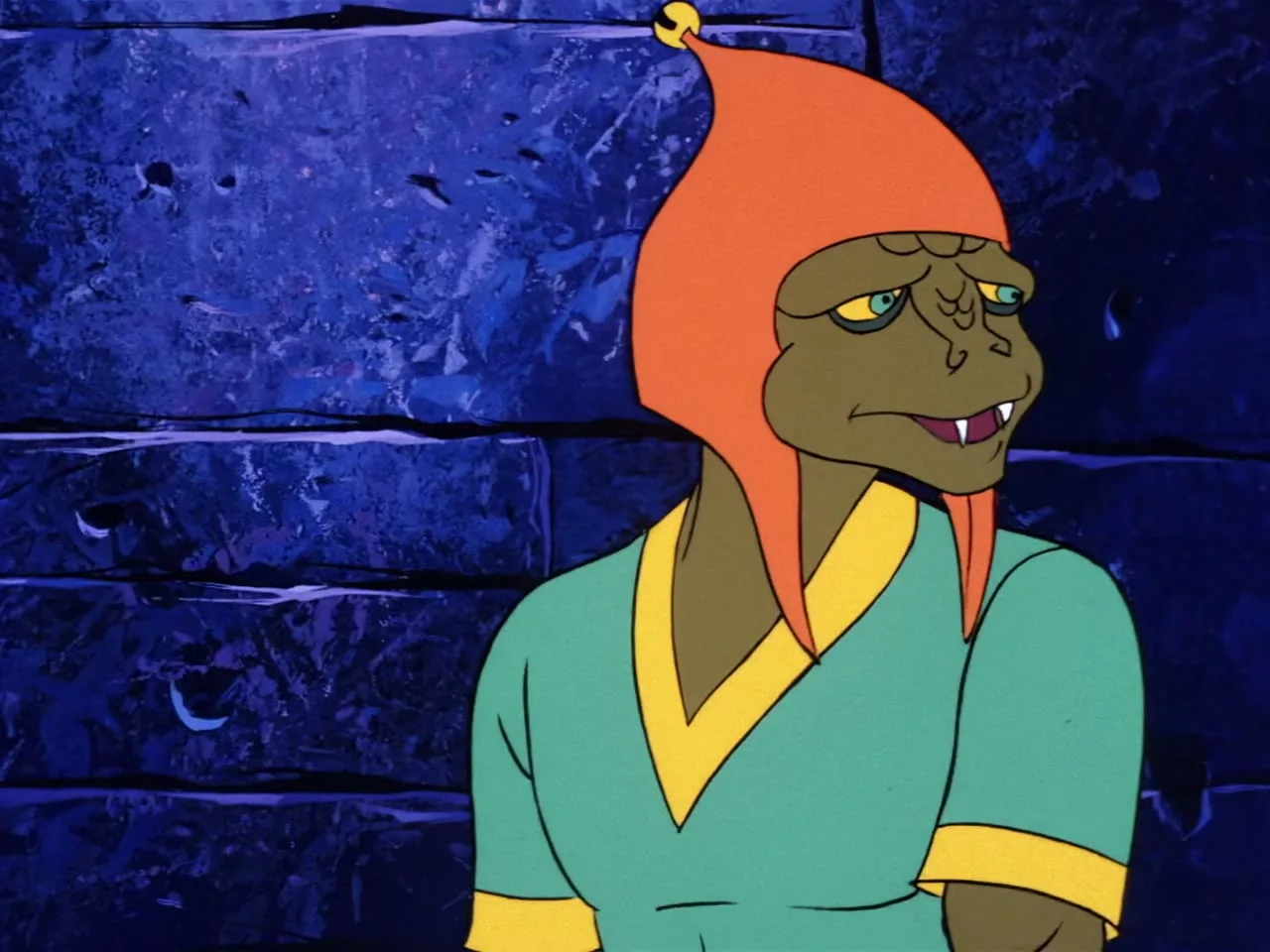
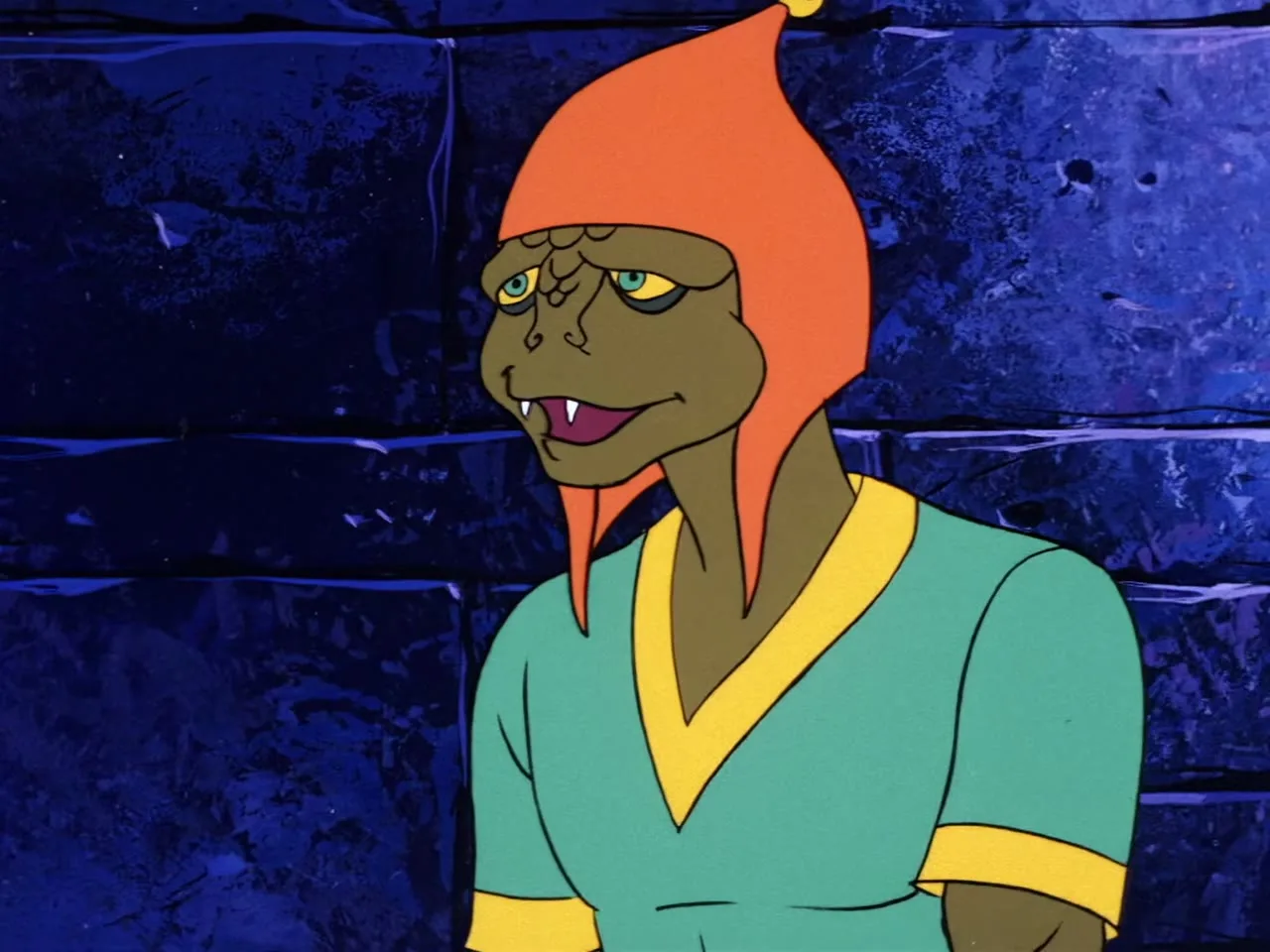
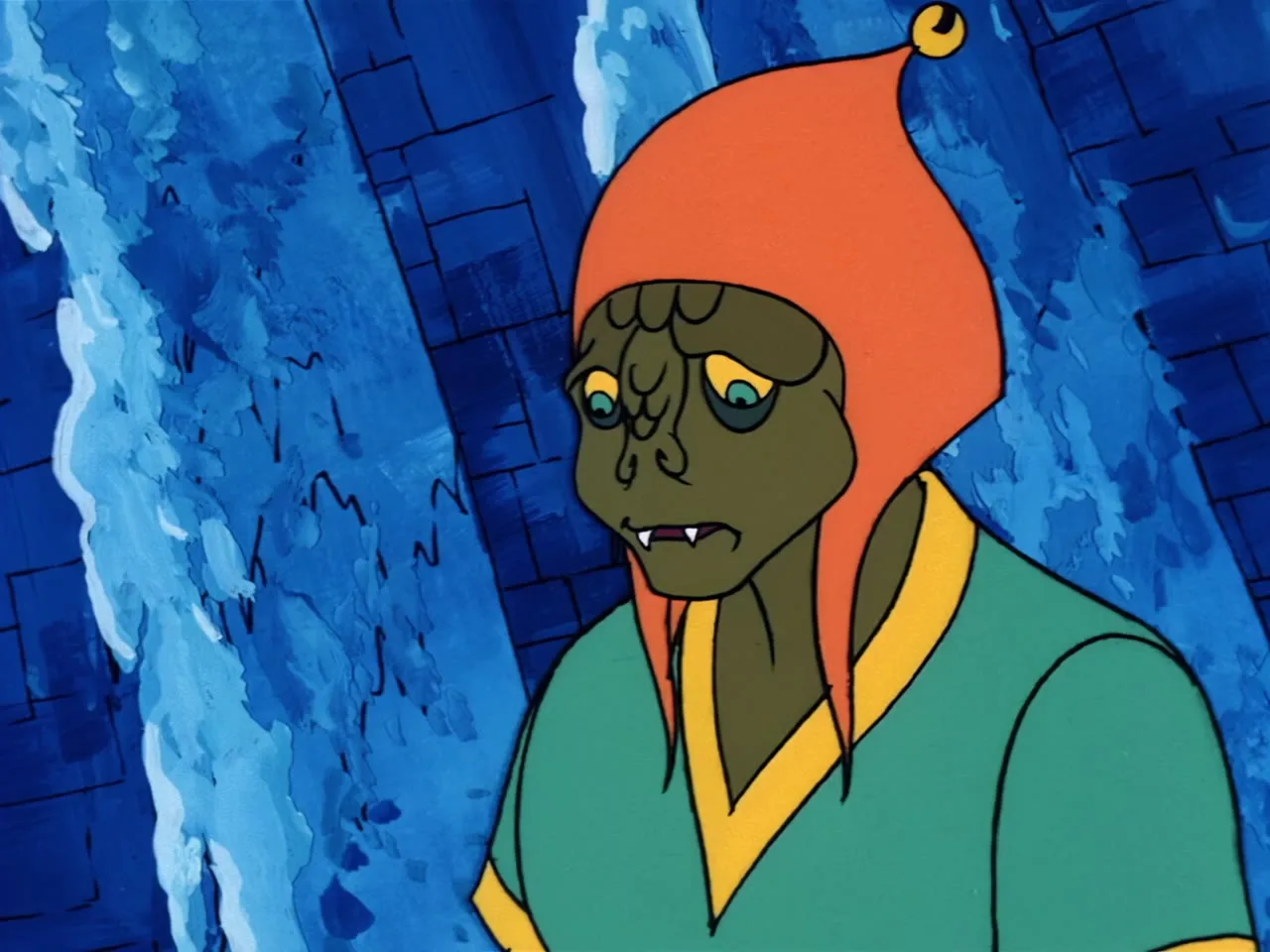
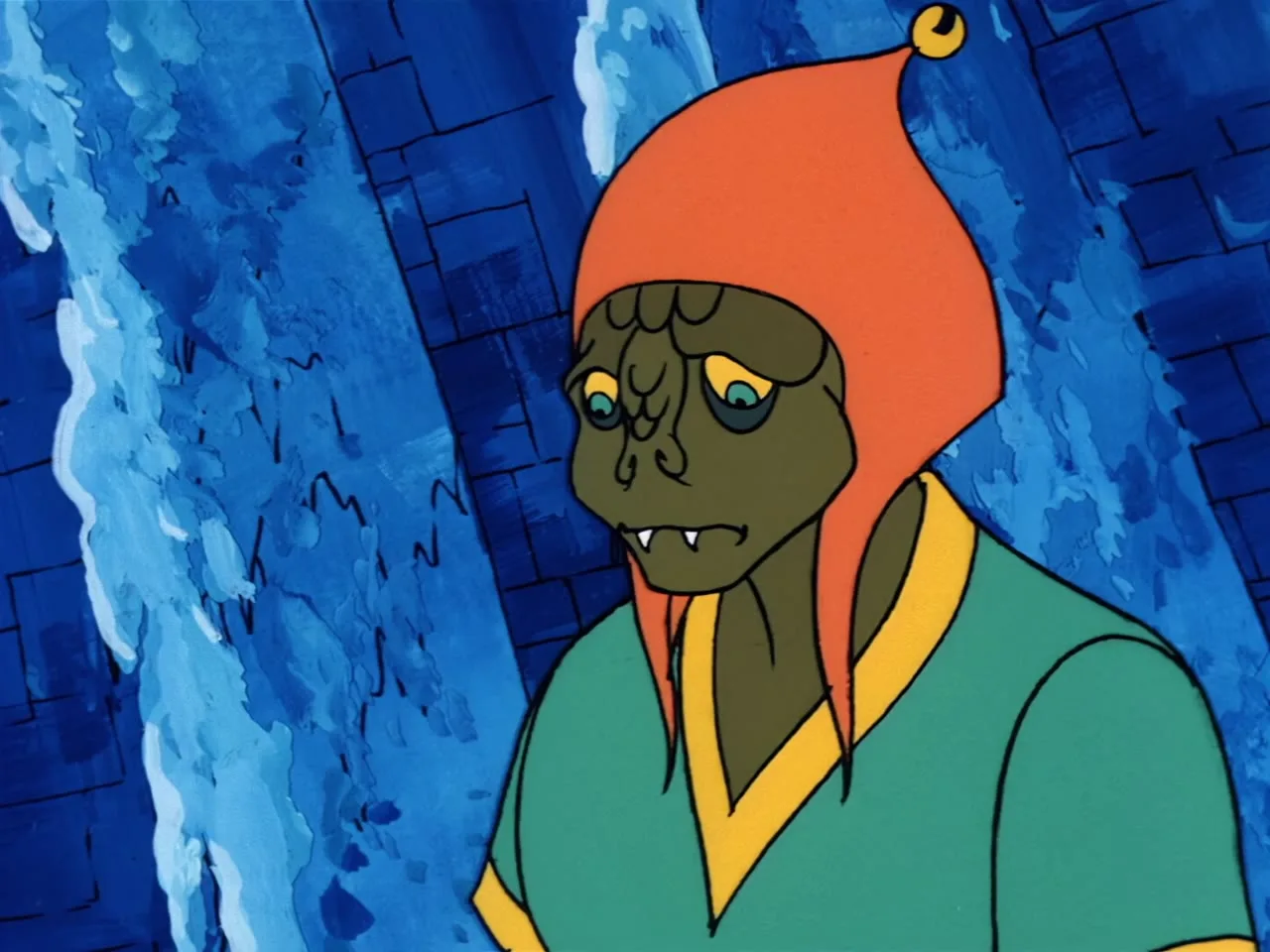
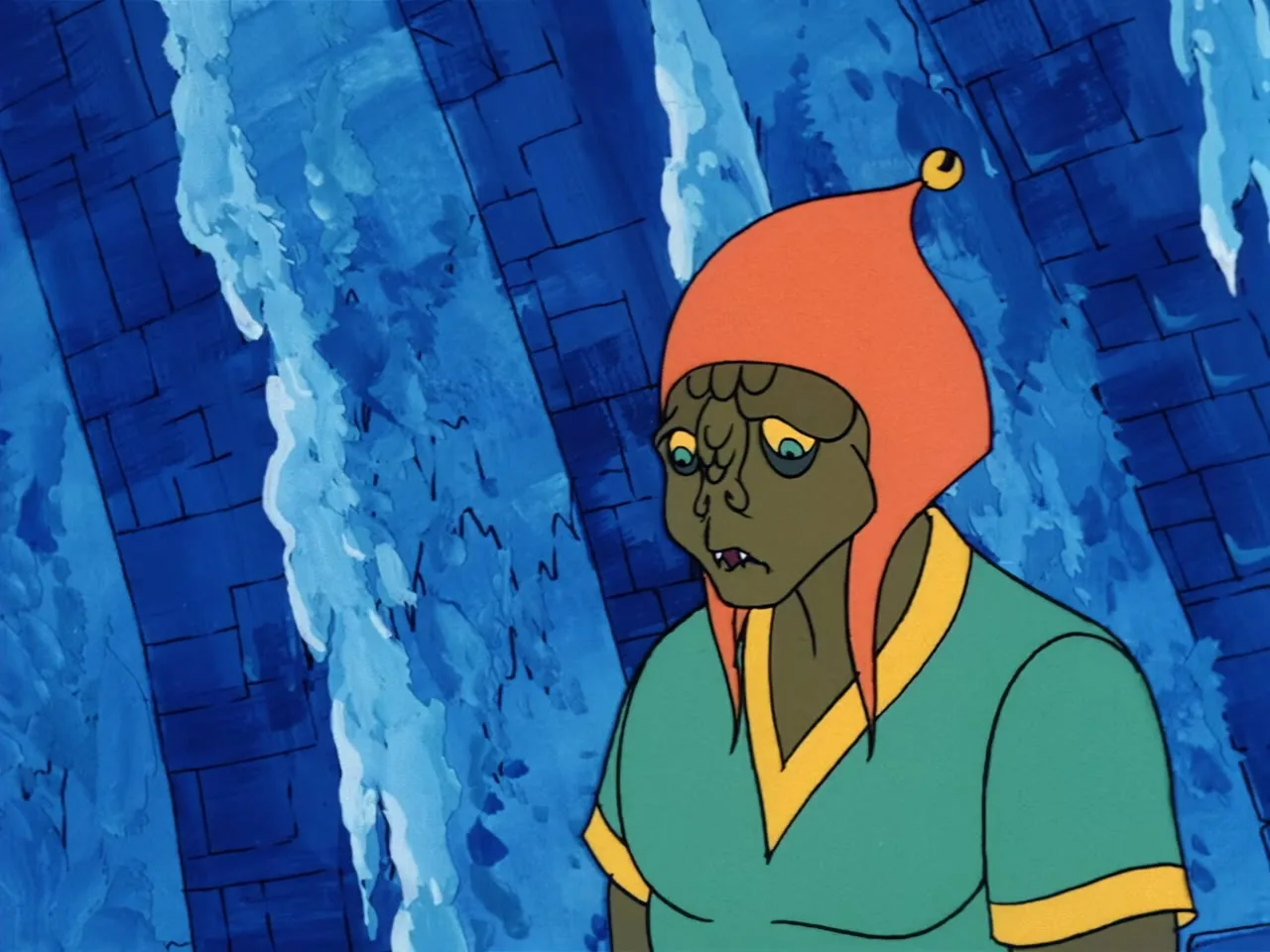
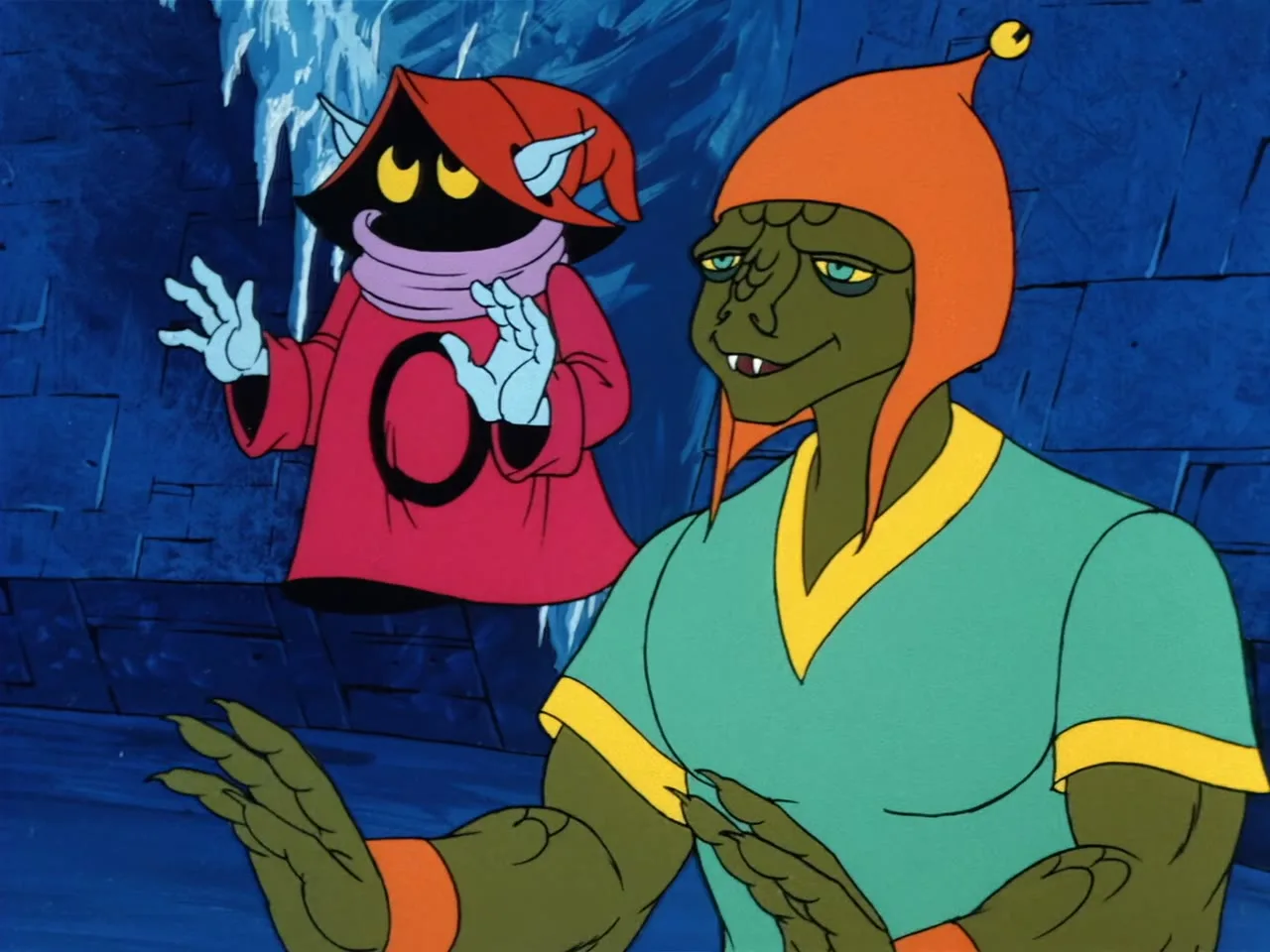
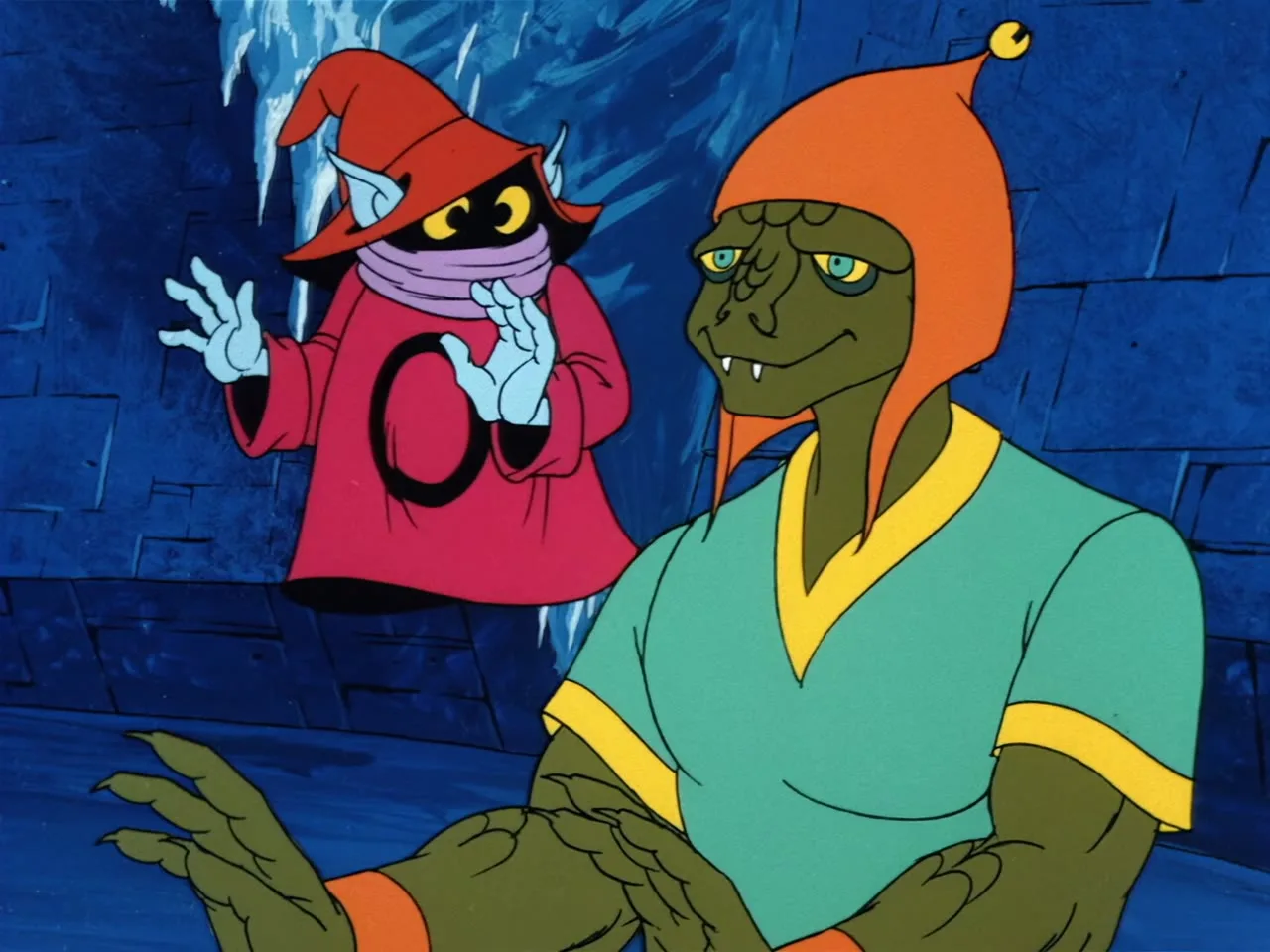
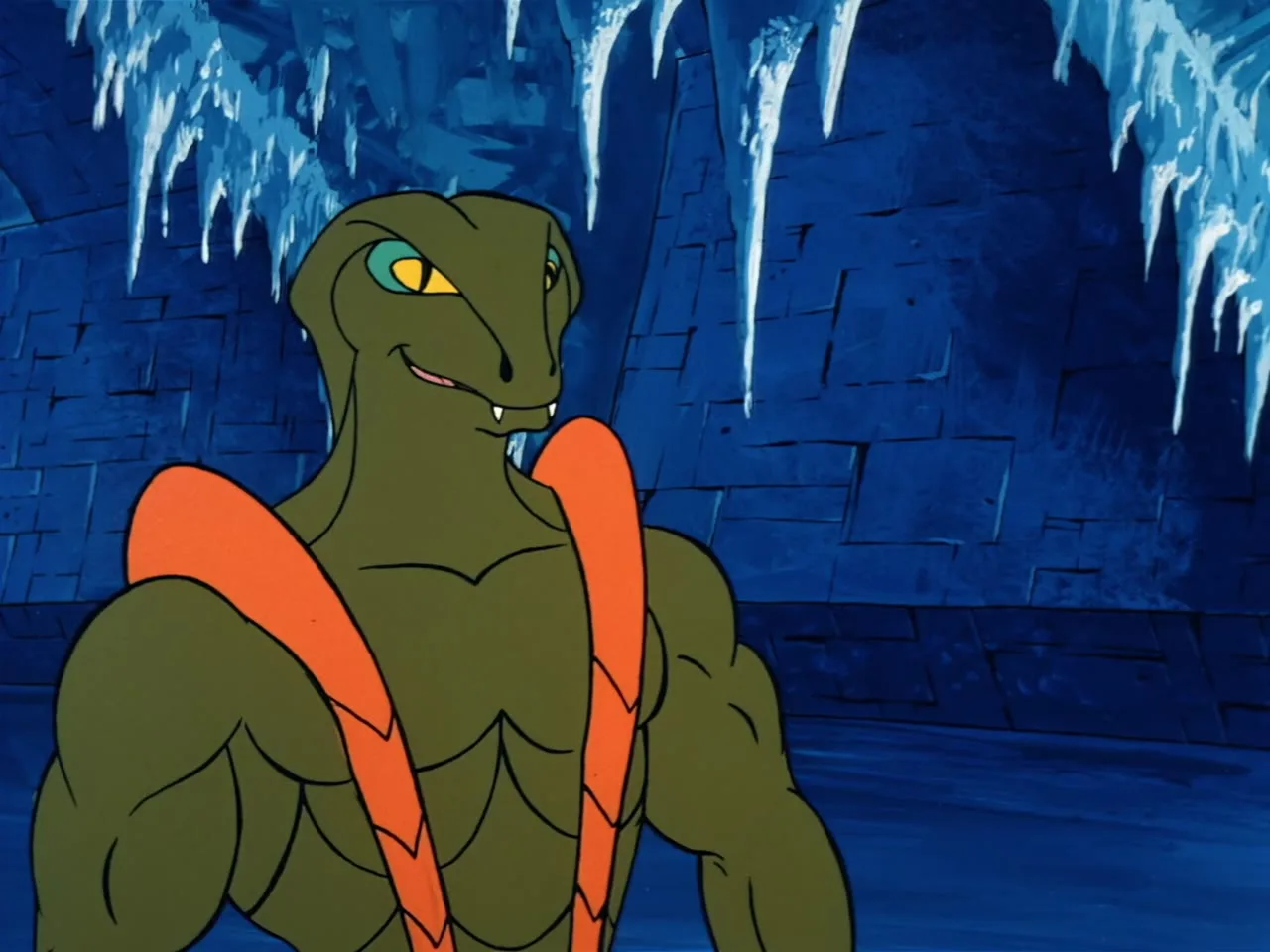
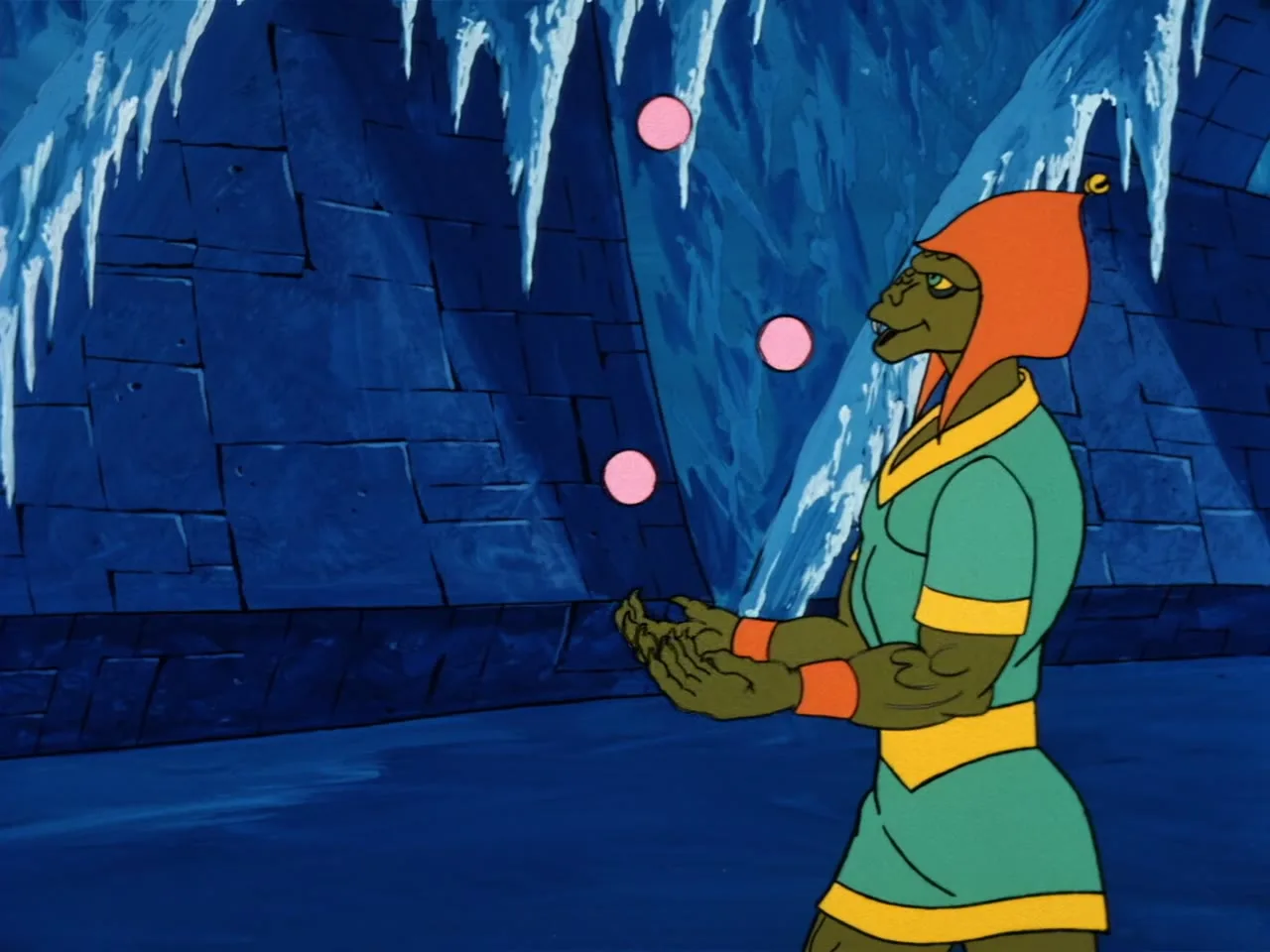
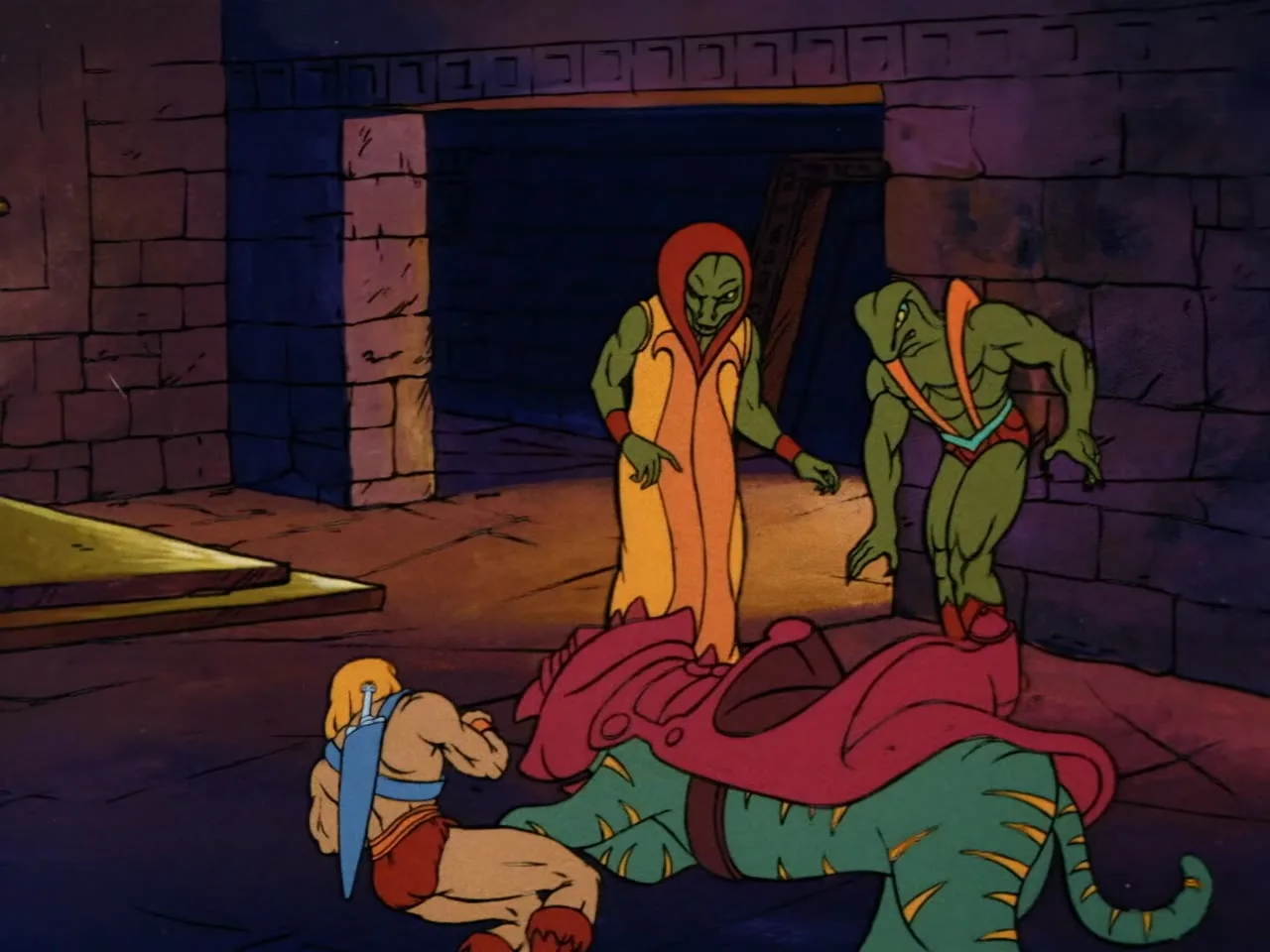
Scales does more to earn that thesis than the script's dialogue does. The Repton court jester gets one scene that argues for itself: alone in the flame chamber, he watches Kobra Khan gloat over the ice crystal that killed the Eternal Flame, mutter "then I shall be king," and realize the sabotage has backfired. Scales does not report what he saw to the throne. He goes straight to the prison cell and lets the accused out himself, choosing what he witnessed over what his king had already decided. It is the episode's best piece of character work, handled almost entirely without dialogue, and it does more to sell the moral than the on-camera PSA that spells it out a few minutes later.
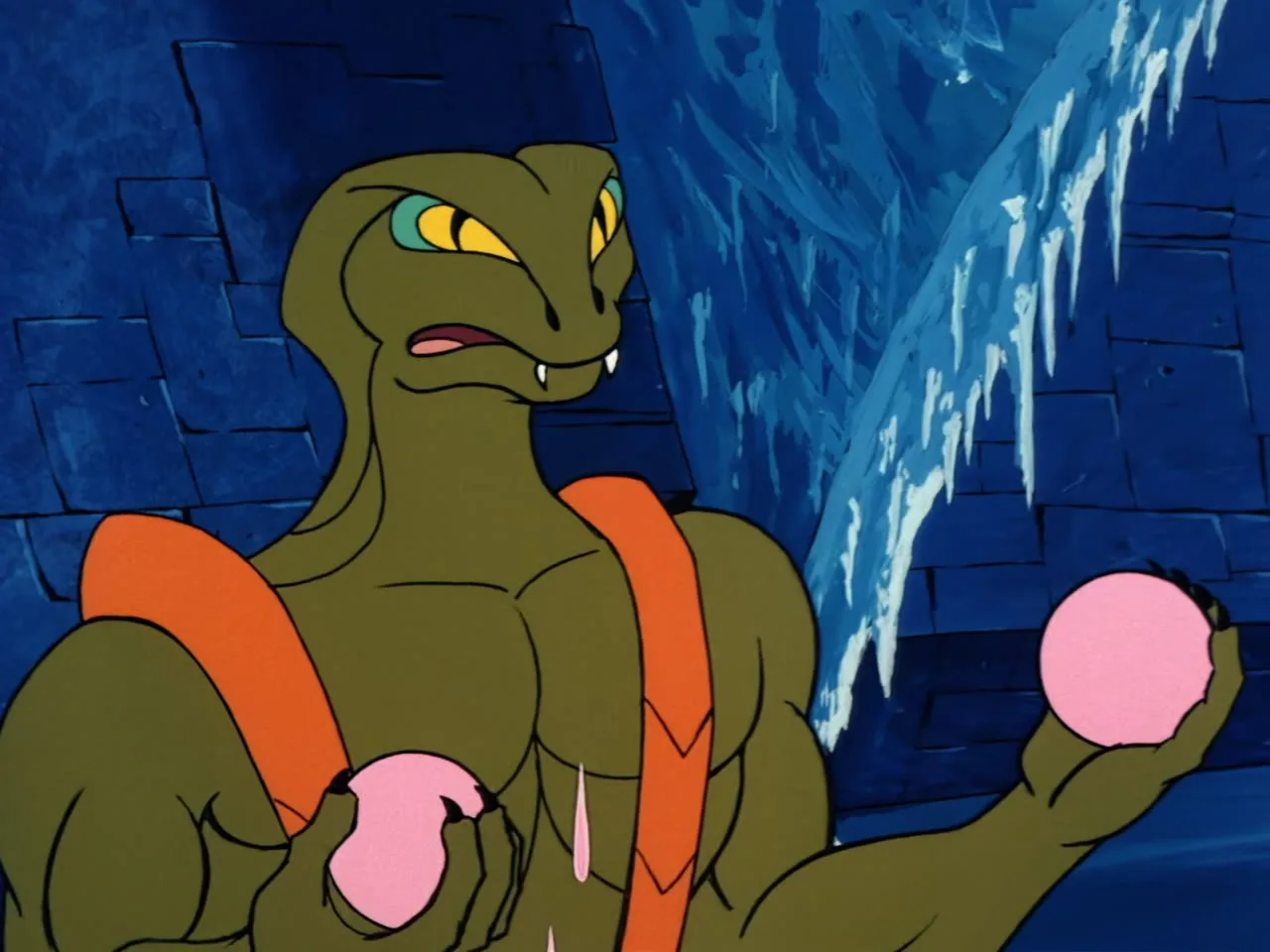
Kobra Khan's own reasoning for the sabotage, delivered to an empty room, is where the episode's nerve fails it. "Then I shall be king" is the kind of line a cartoon villain says only for the audience's benefit, and it undercuts a character who had, up to that point, been allowed an actual plan. His punishment lands just as softly: serving as Scales's apprentice is a fitting joke, but it is a strange sentence for a man who was willing to let an entire kingdom freeze in its sleep. The episode wants an ending light enough to close the season on, and it gets one, at the cost of the stakes it had just spent twenty minutes building.
"The Cold Zone" is not trying to be the kind of episode that closes out a season by reaching backward for a sense of finality. It plays a trust-and-testimony plot and plays it better than its reputation as the last episode aired would suggest, right up until it loses its nerve at the very end.
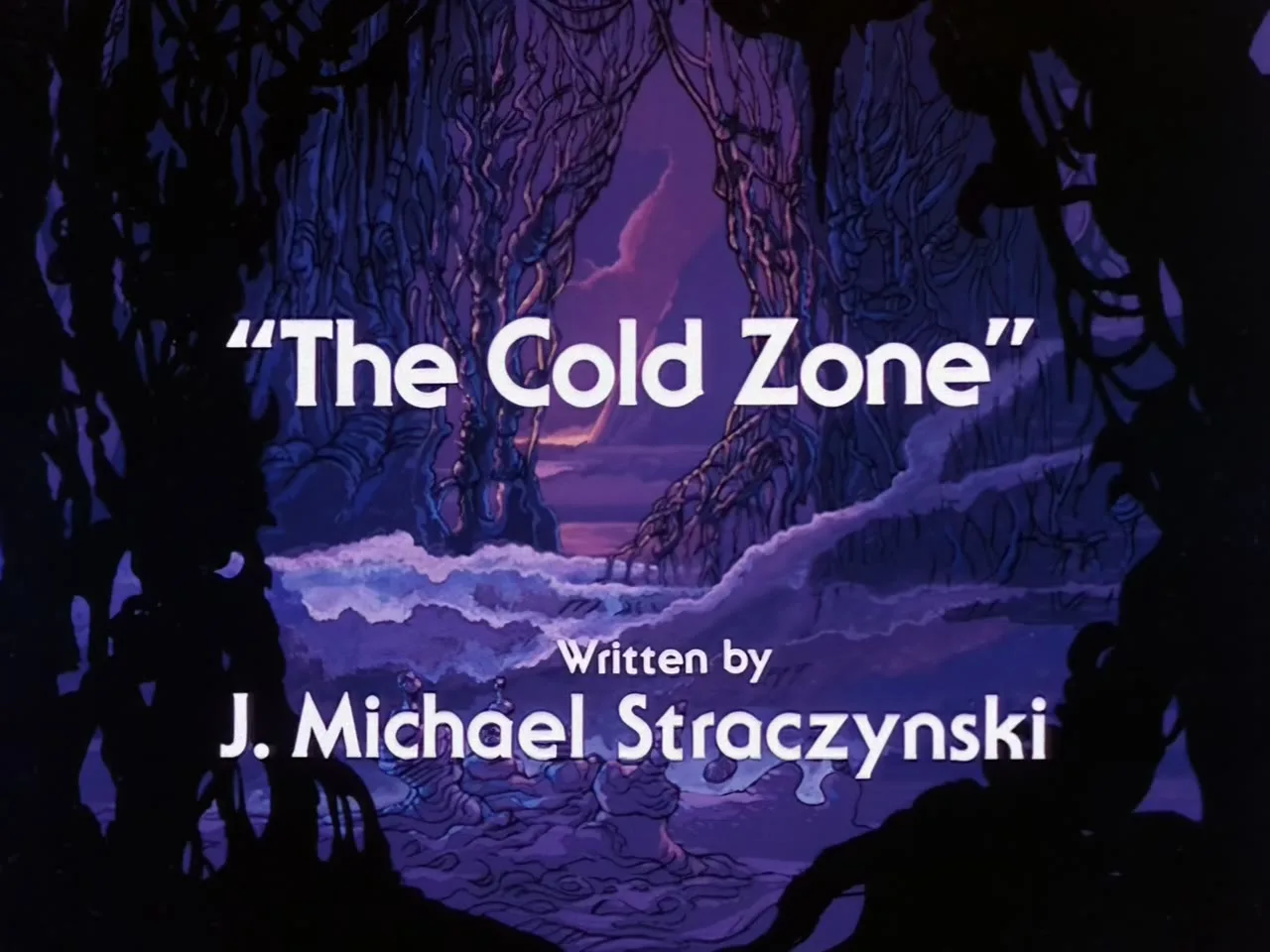
- The on-screen title card credits the writer as J. Michael Straczynski; earlier catalogue text for this page had the name misspelled.
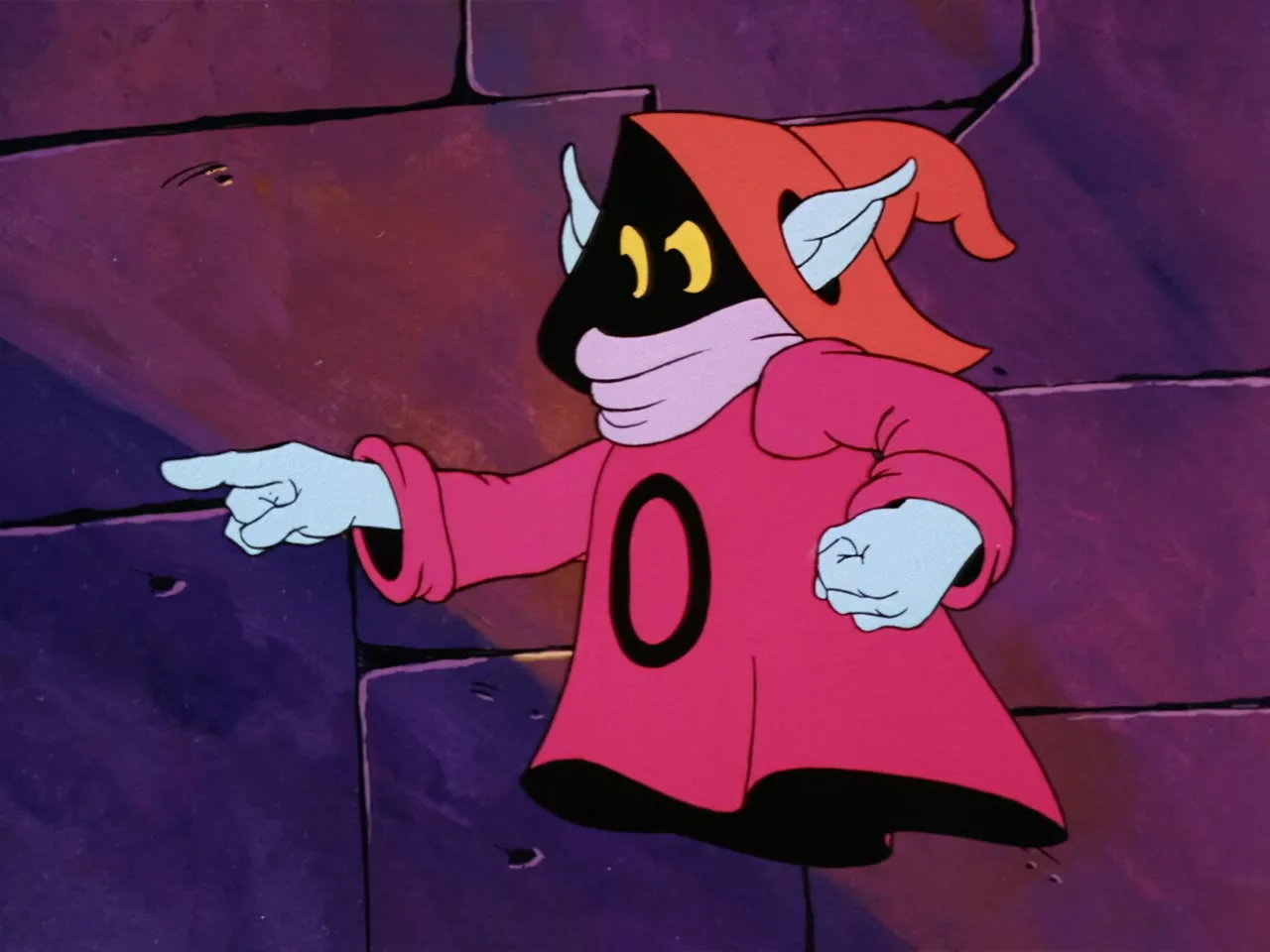
- Scales, the Repton court jester who frees the heroes, introduces himself by name in dialogue ("My name is Scales"), a courtesy the episode does not extend to King Pythos's Chancellor, who goes unnamed throughout.
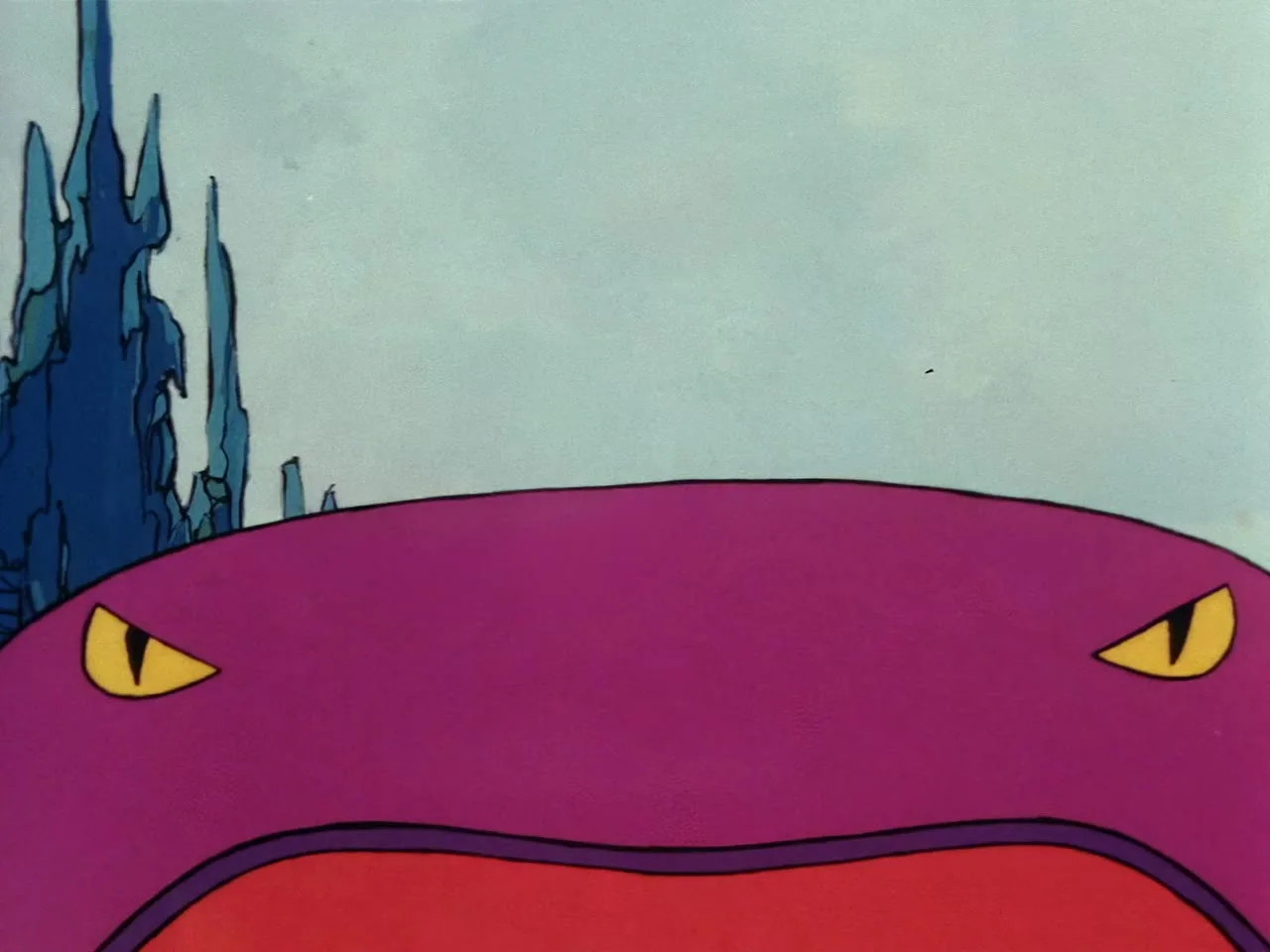
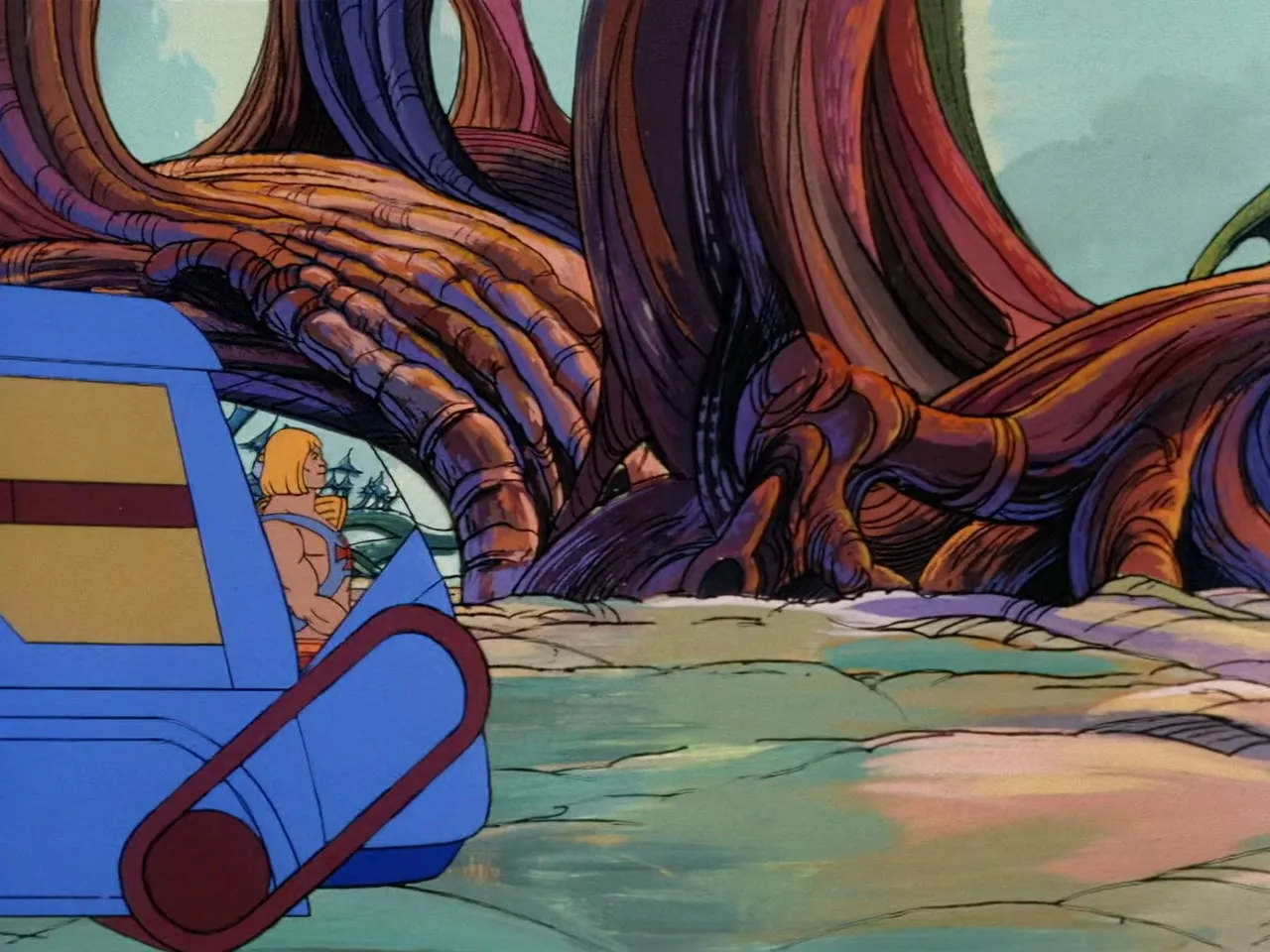
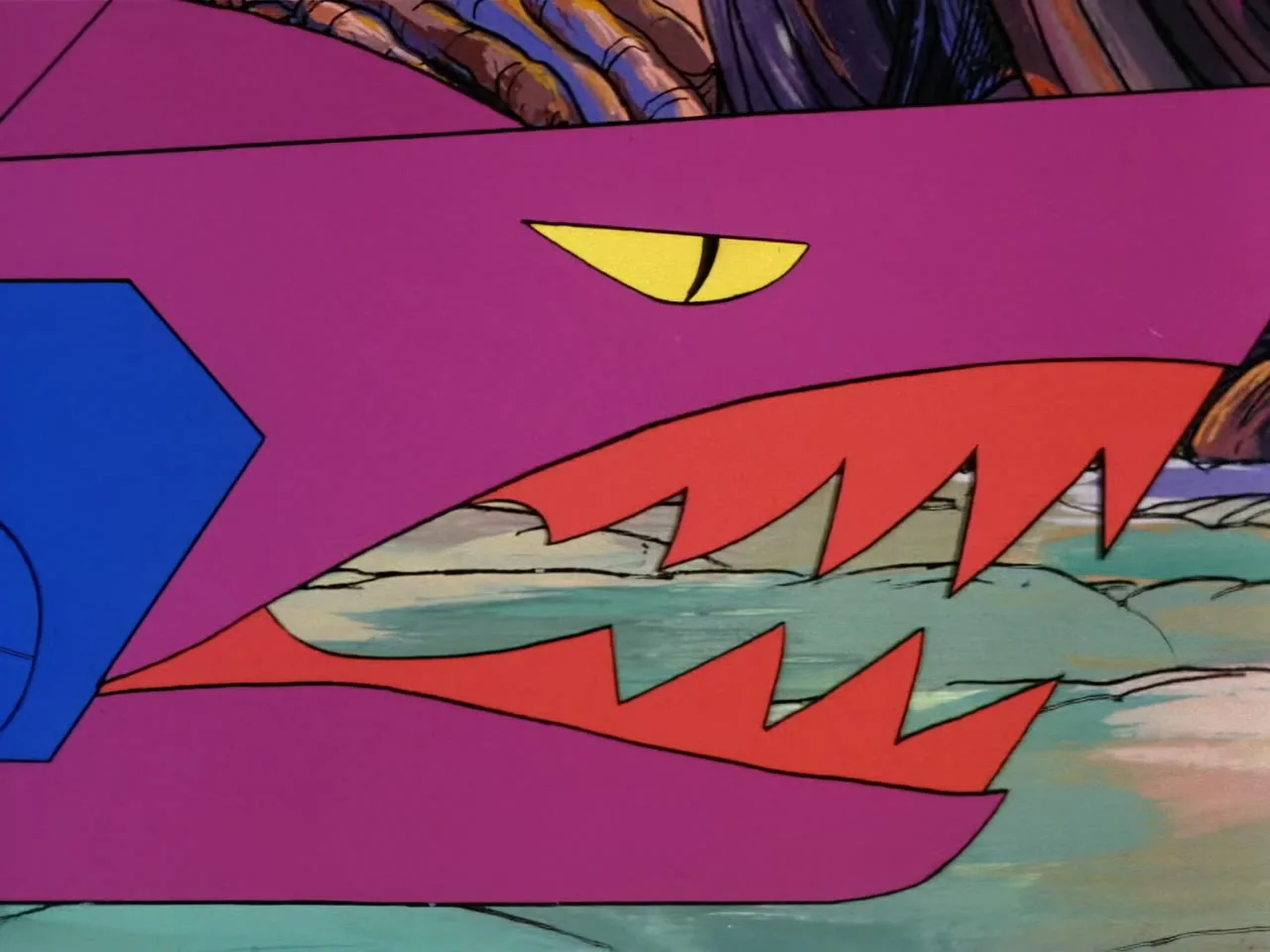
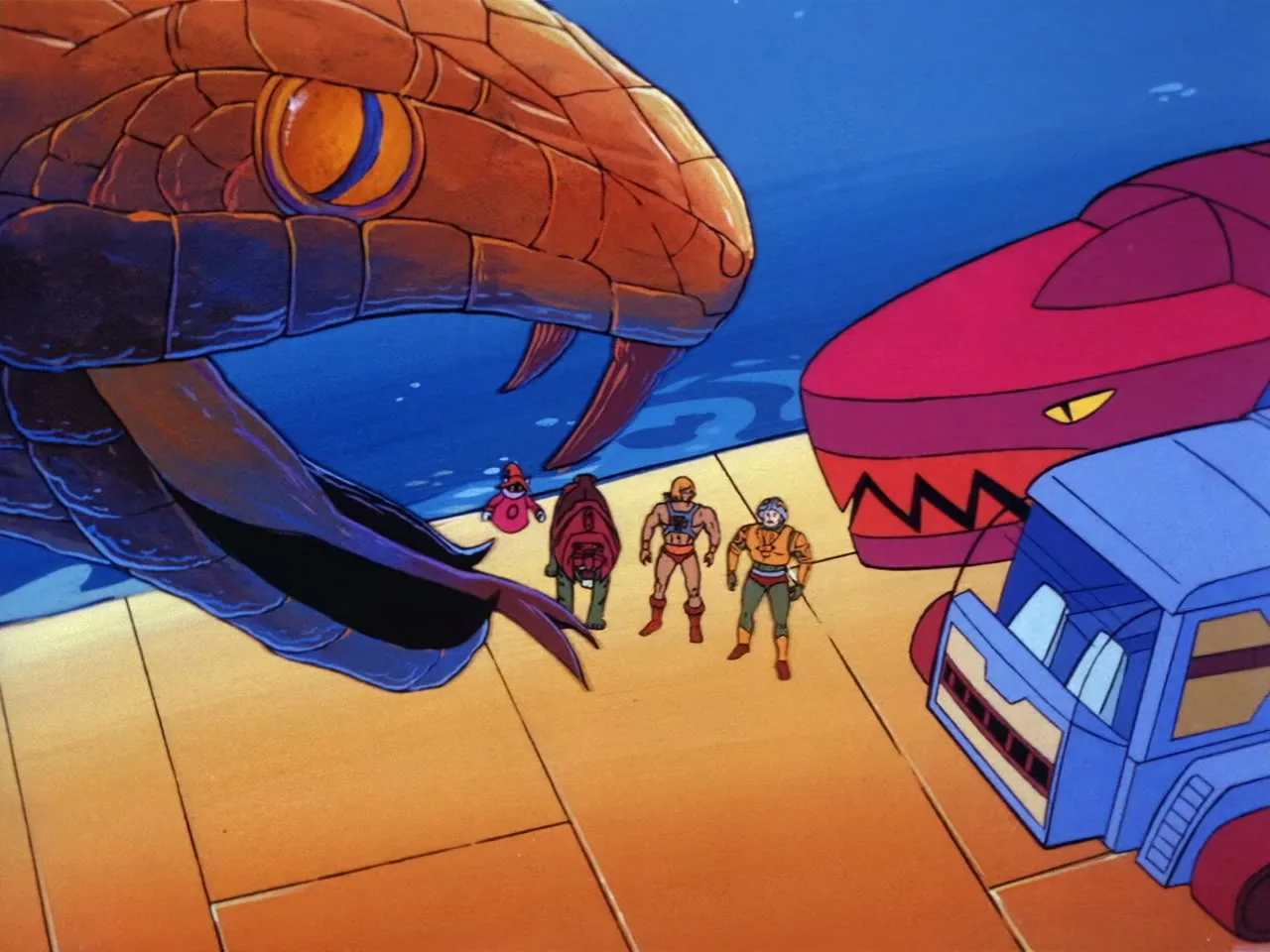
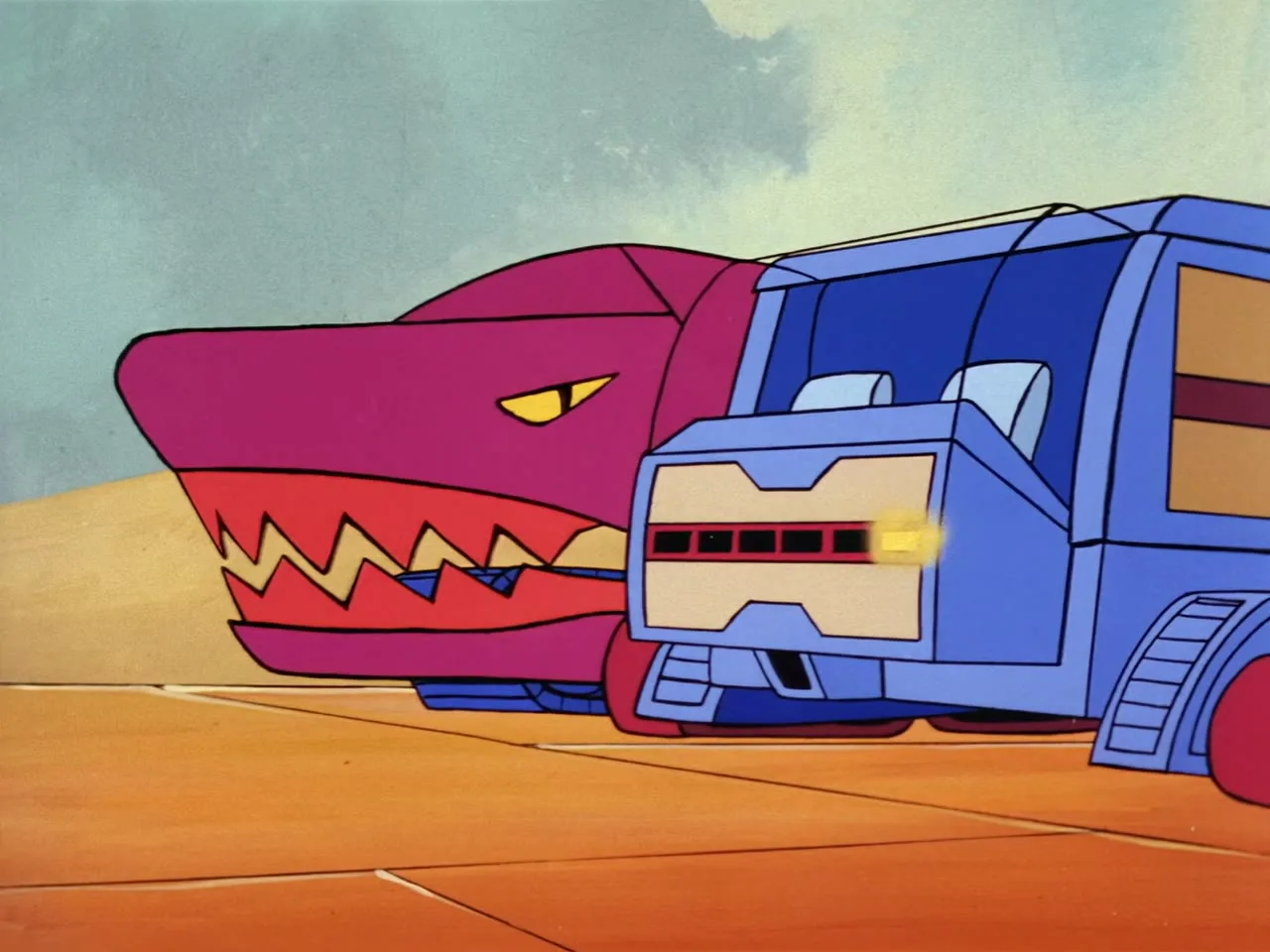
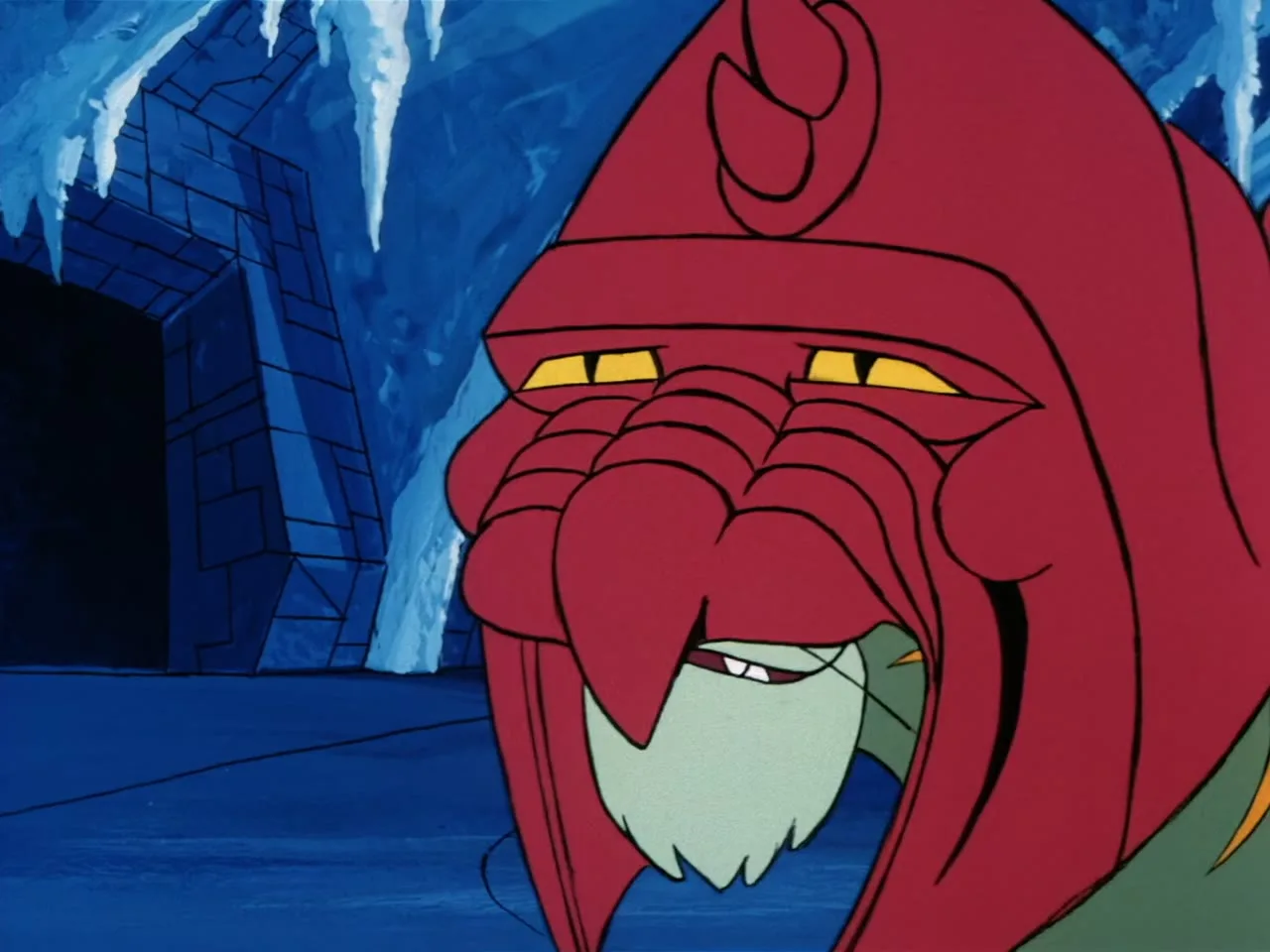
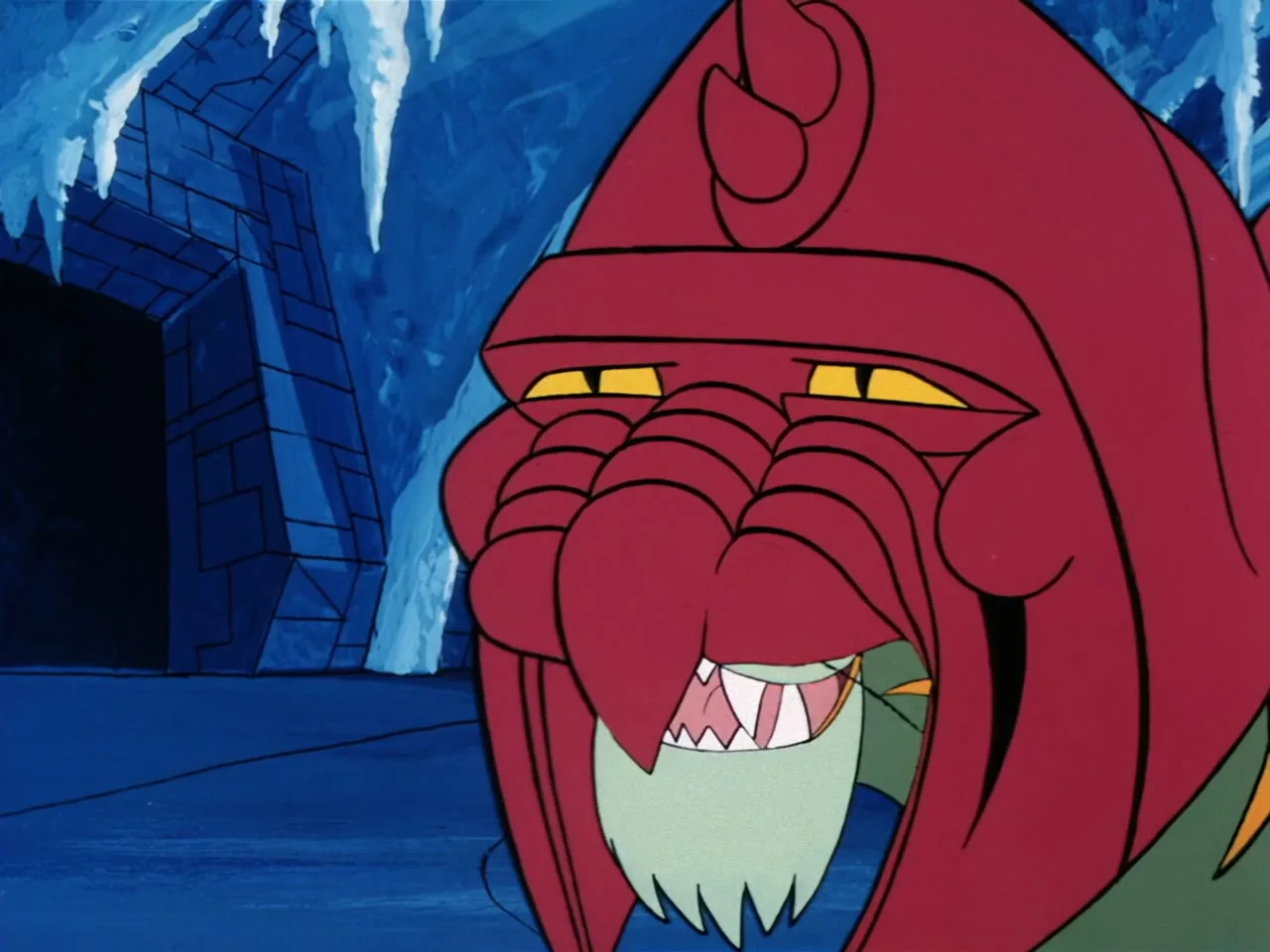
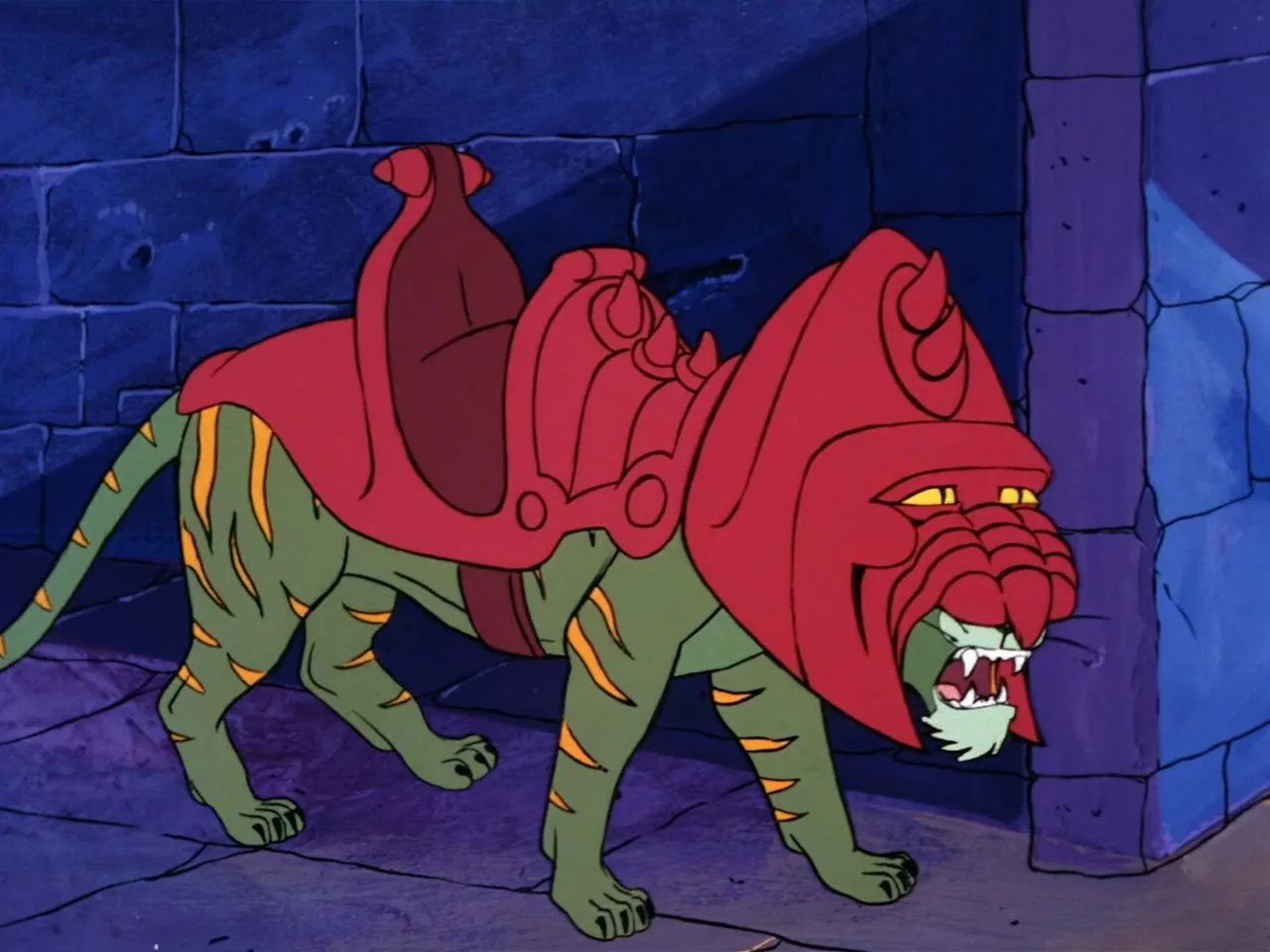
- The creature-vehicle that carries the party to the Repton lands is addressed directly as "Trak" mid-episode, confirming it as the Attak Trak. Kobra Khan travels separately in the Land Shark, named aloud by startled onlookers when it first appears at the Royal Palace.
- Kobra Khan's punishment for sabotaging the Eternal Flame is serving as Scales's apprentice, assigned to help him "make people happy" around the Repton court.
- A season-closing Repton adventure: Kobra Khan's plea for help turns out to hide his own sabotage, and it is Scales, not He-Man, who exposes him.
- Source: broadcast audio and dialogue, with production credits from the episode's own title card. Catalogue and trivia compiled for heman.org. Screencaps captured and hand-tagged 2026-10-02.
DISCUSSION
Join the conversation.
Comments below are mirrored on the heman.org forum. Sign in once, post anywhere.