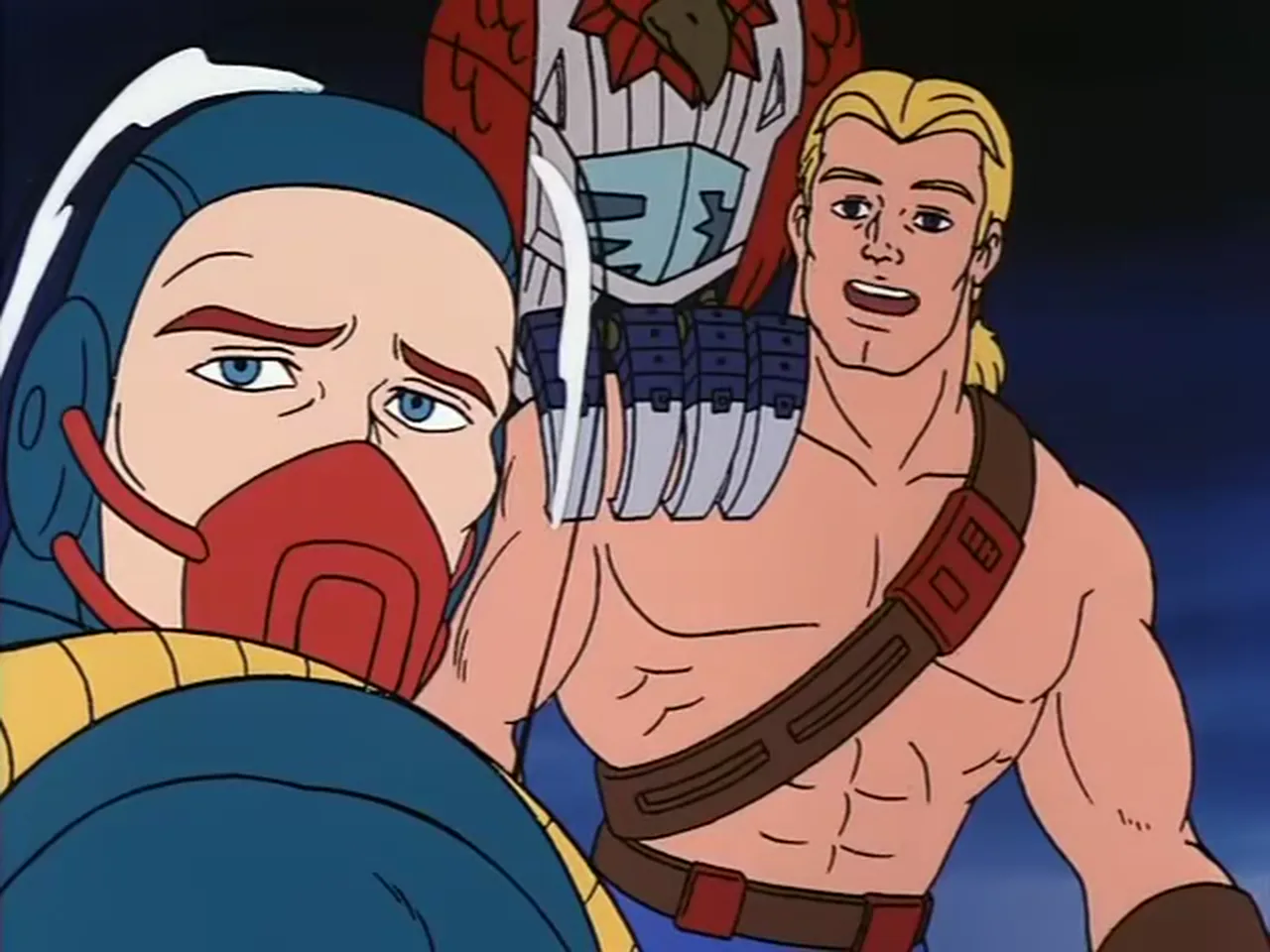
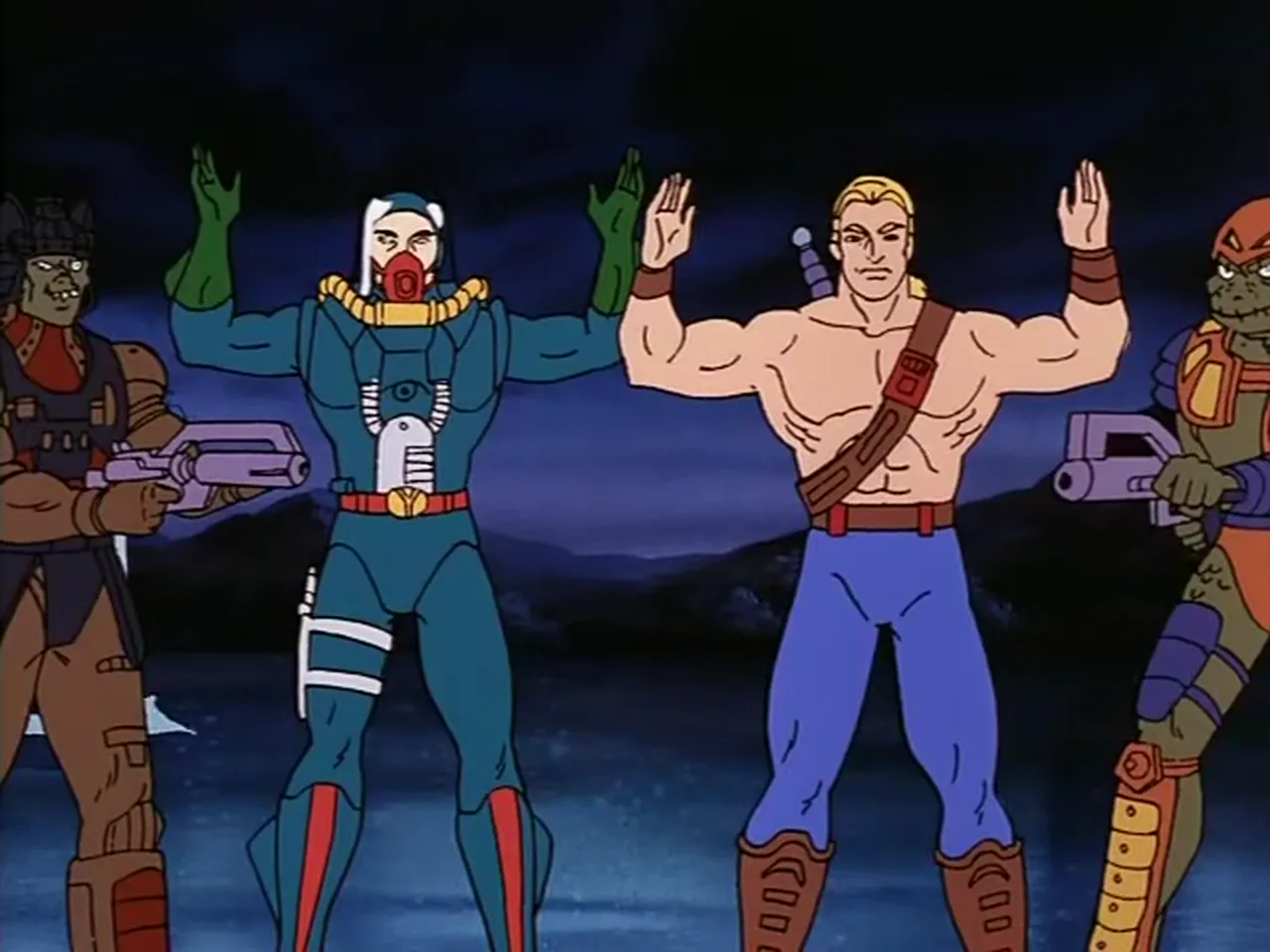
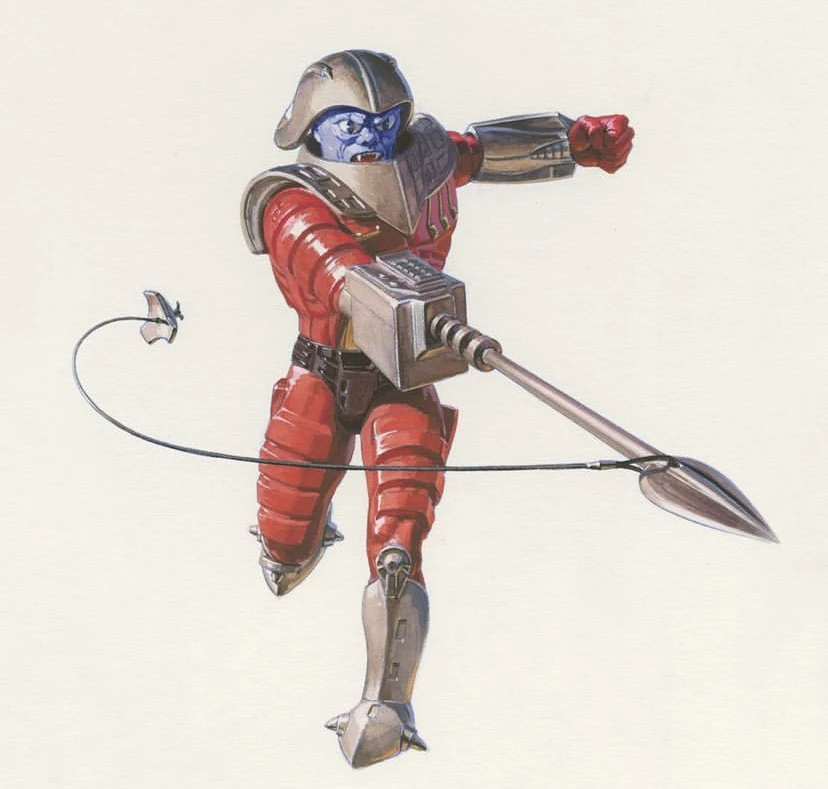
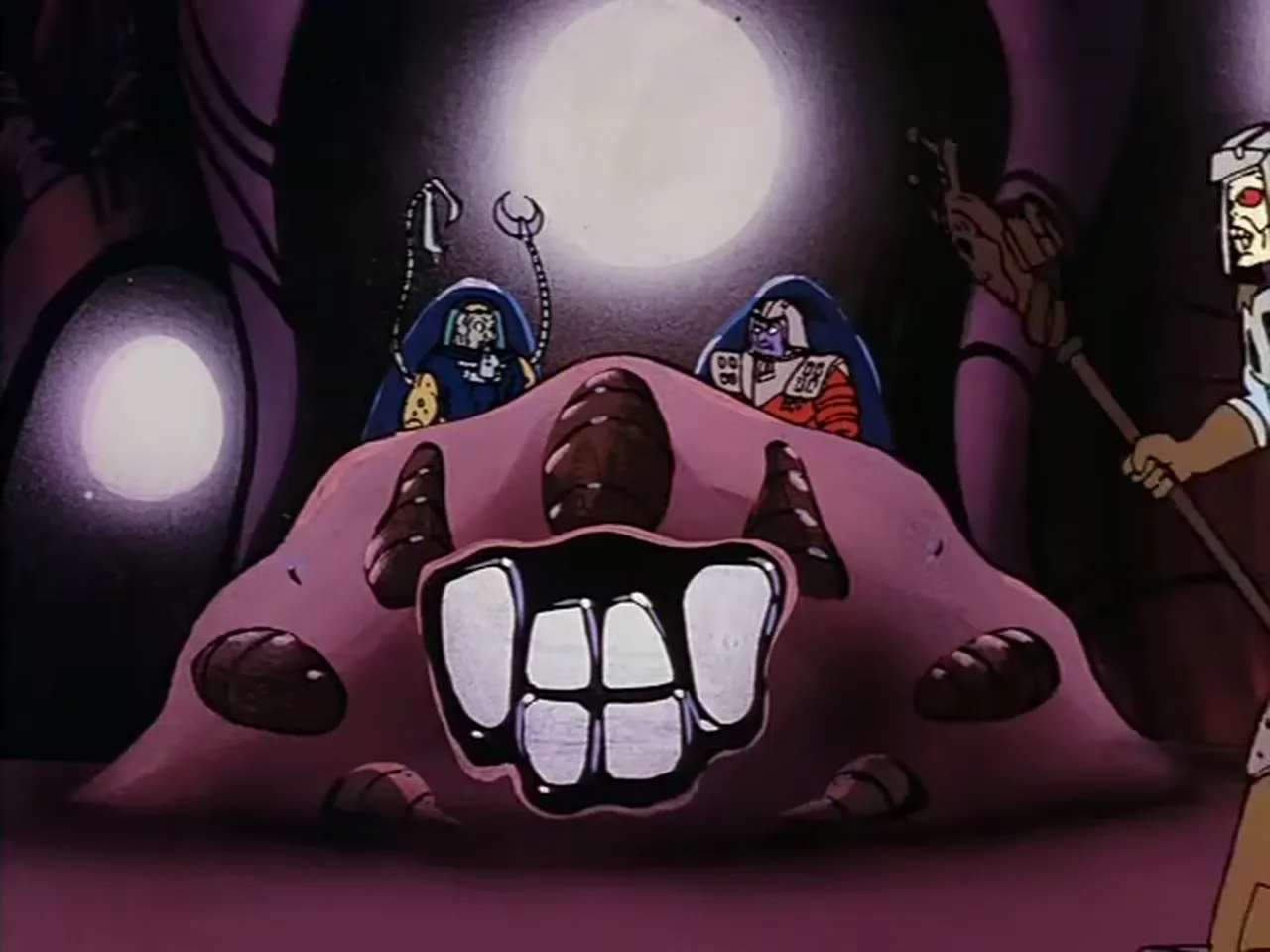
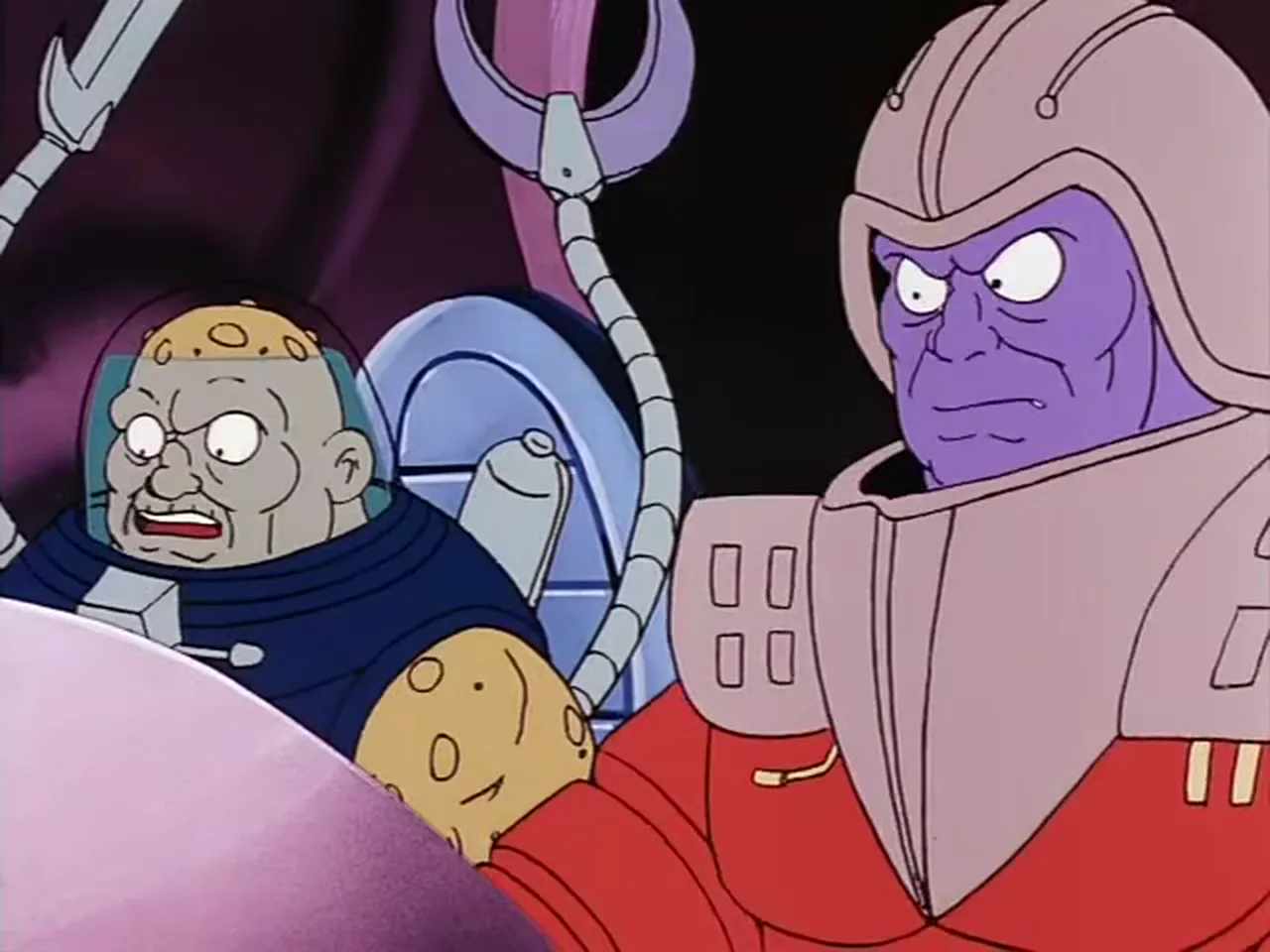
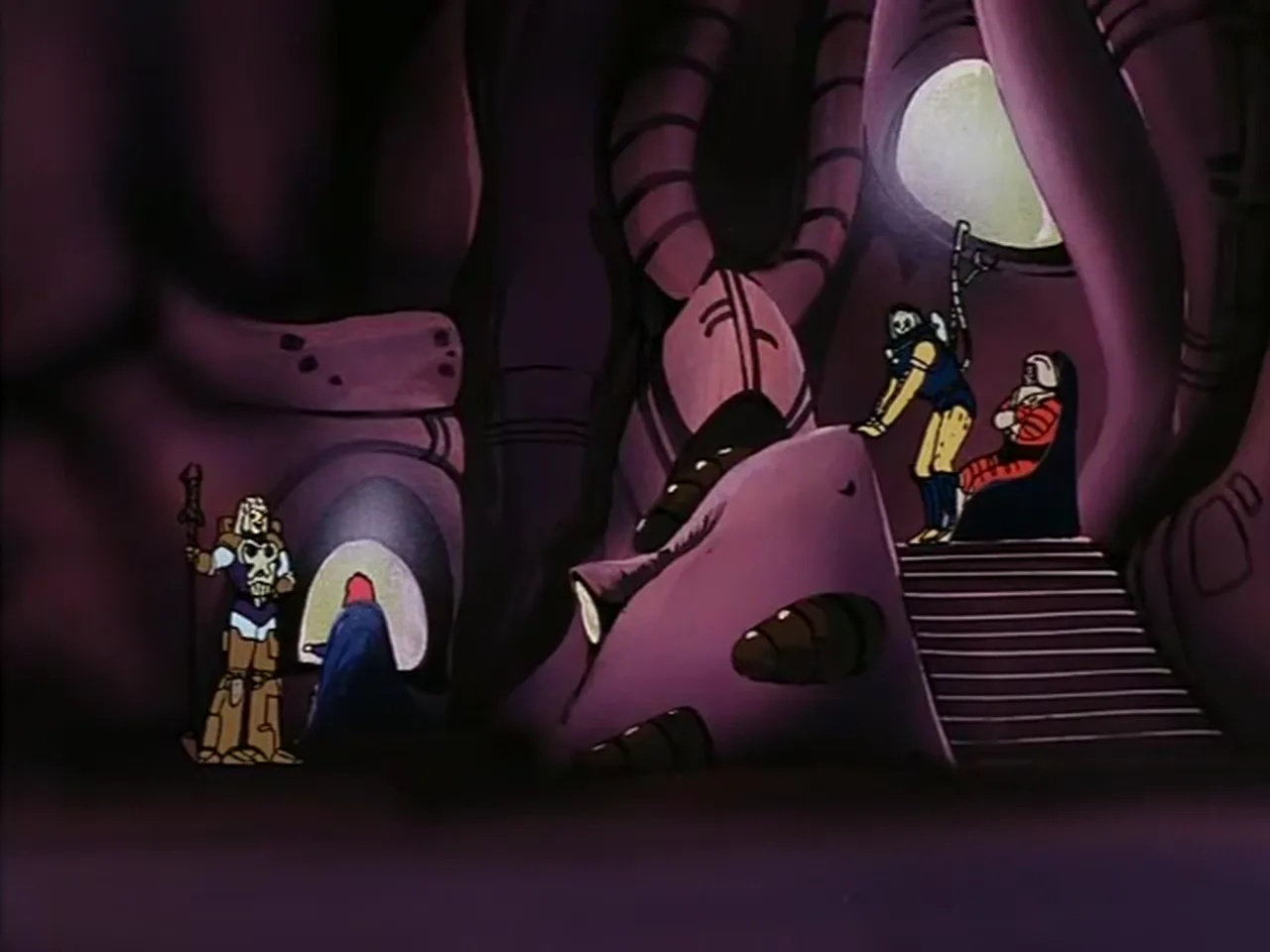
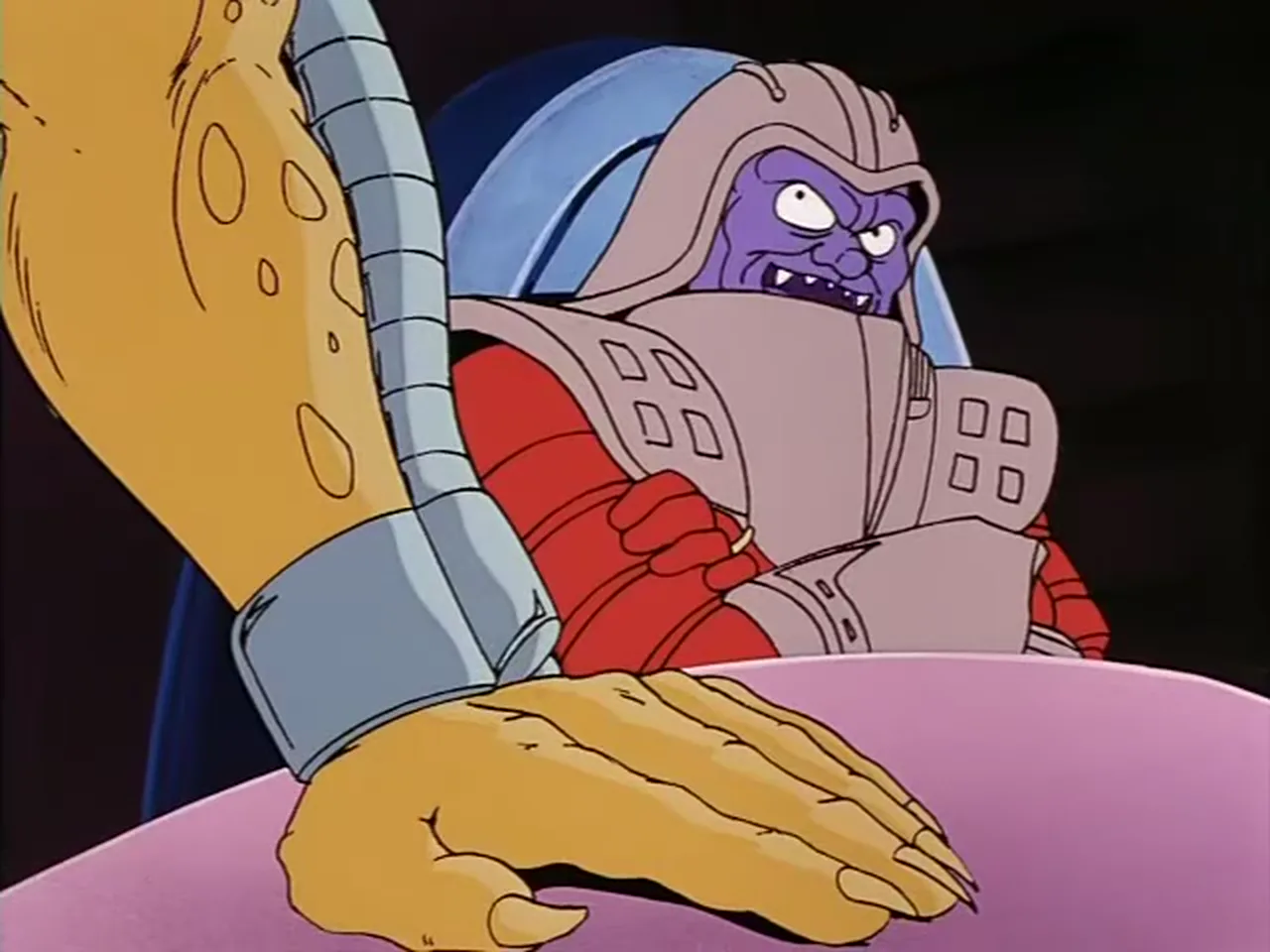
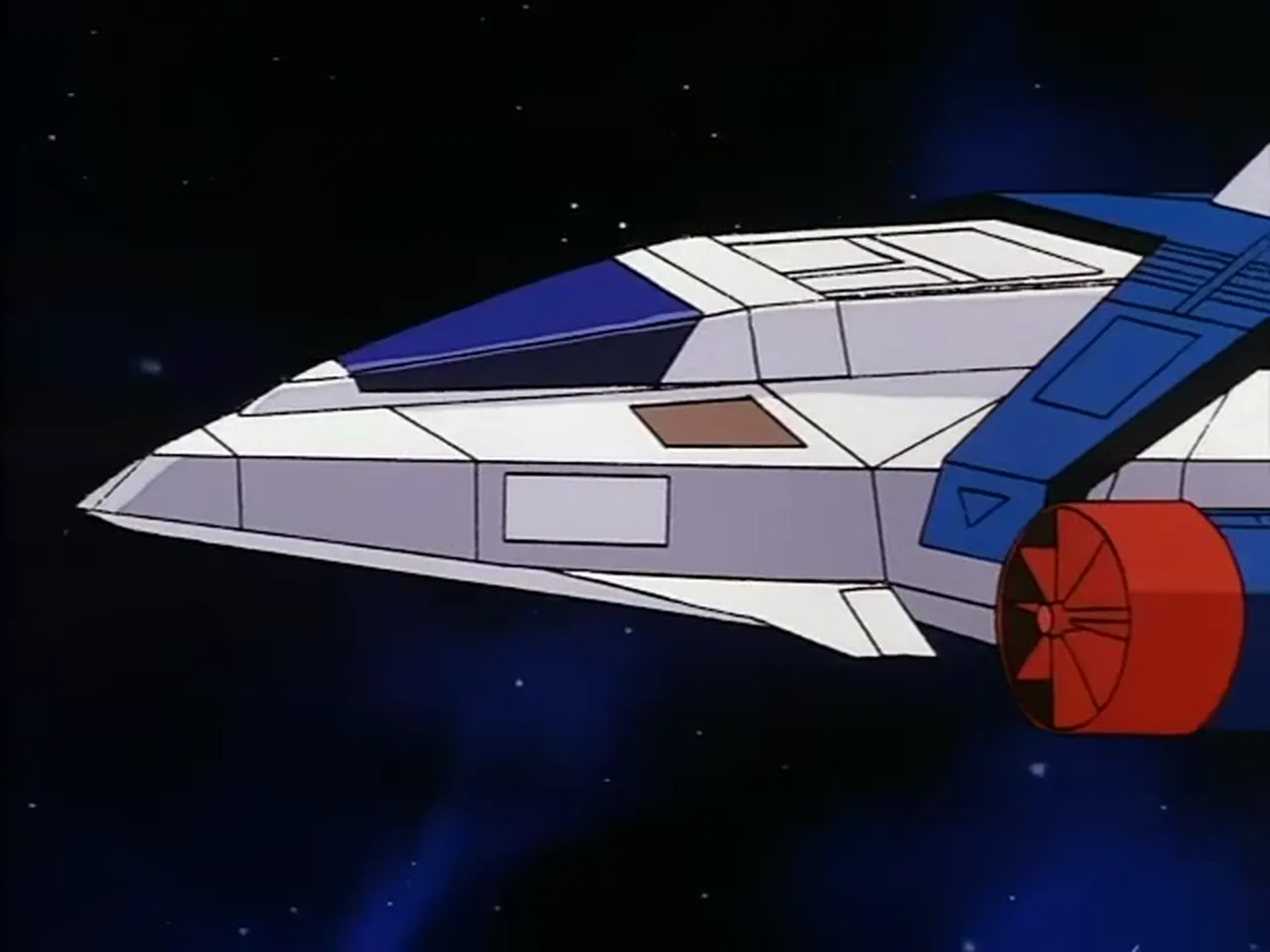
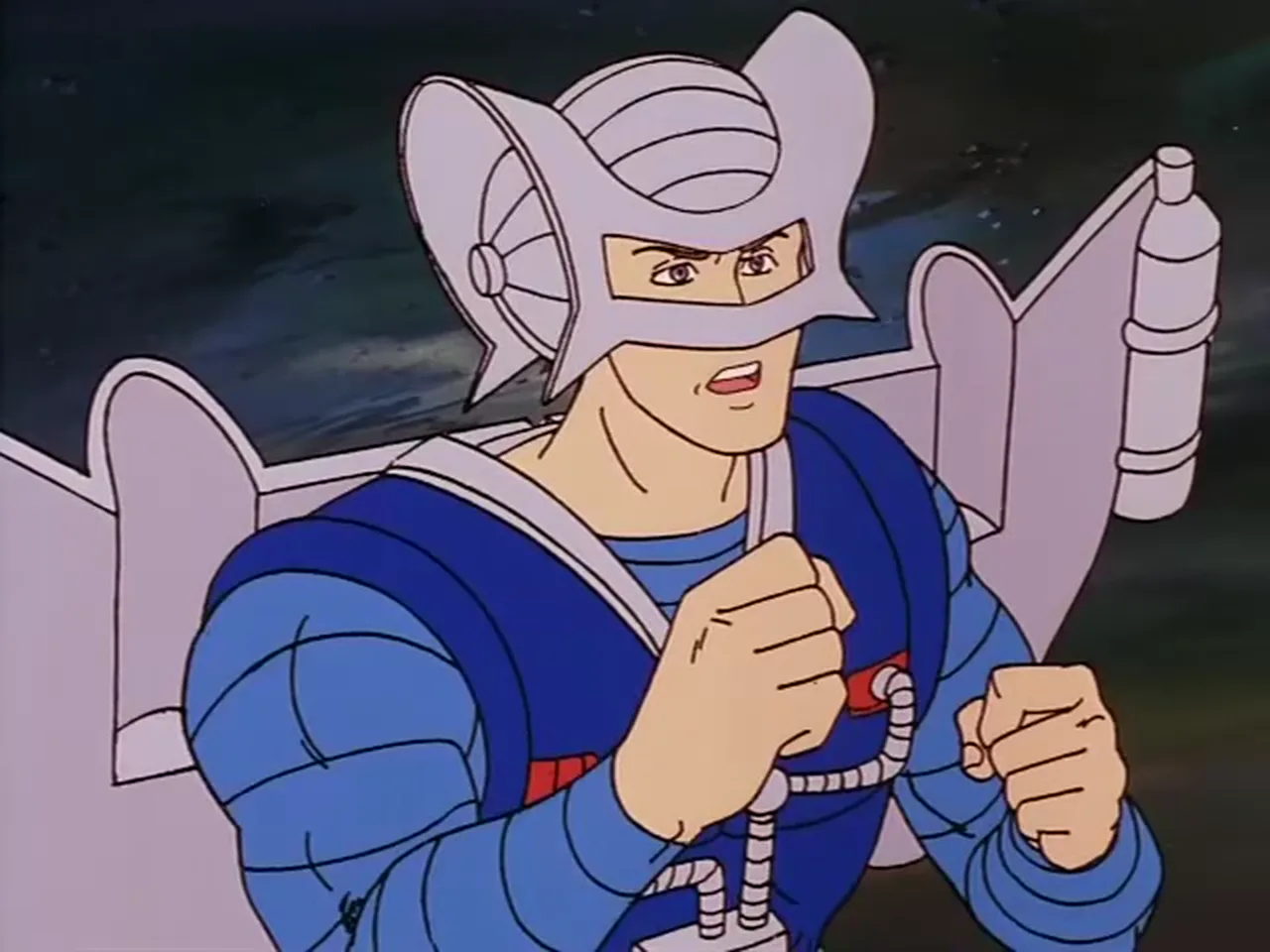
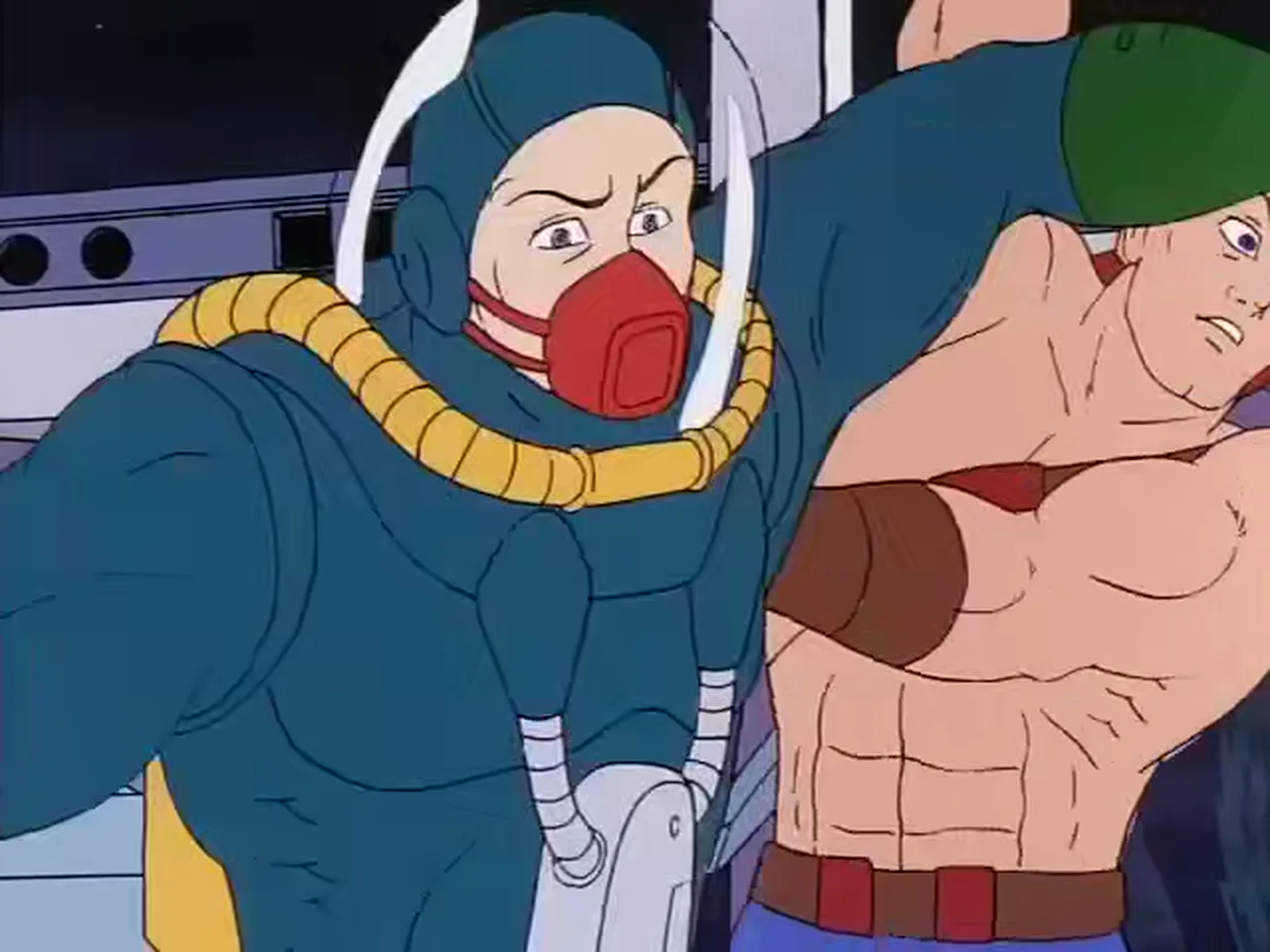
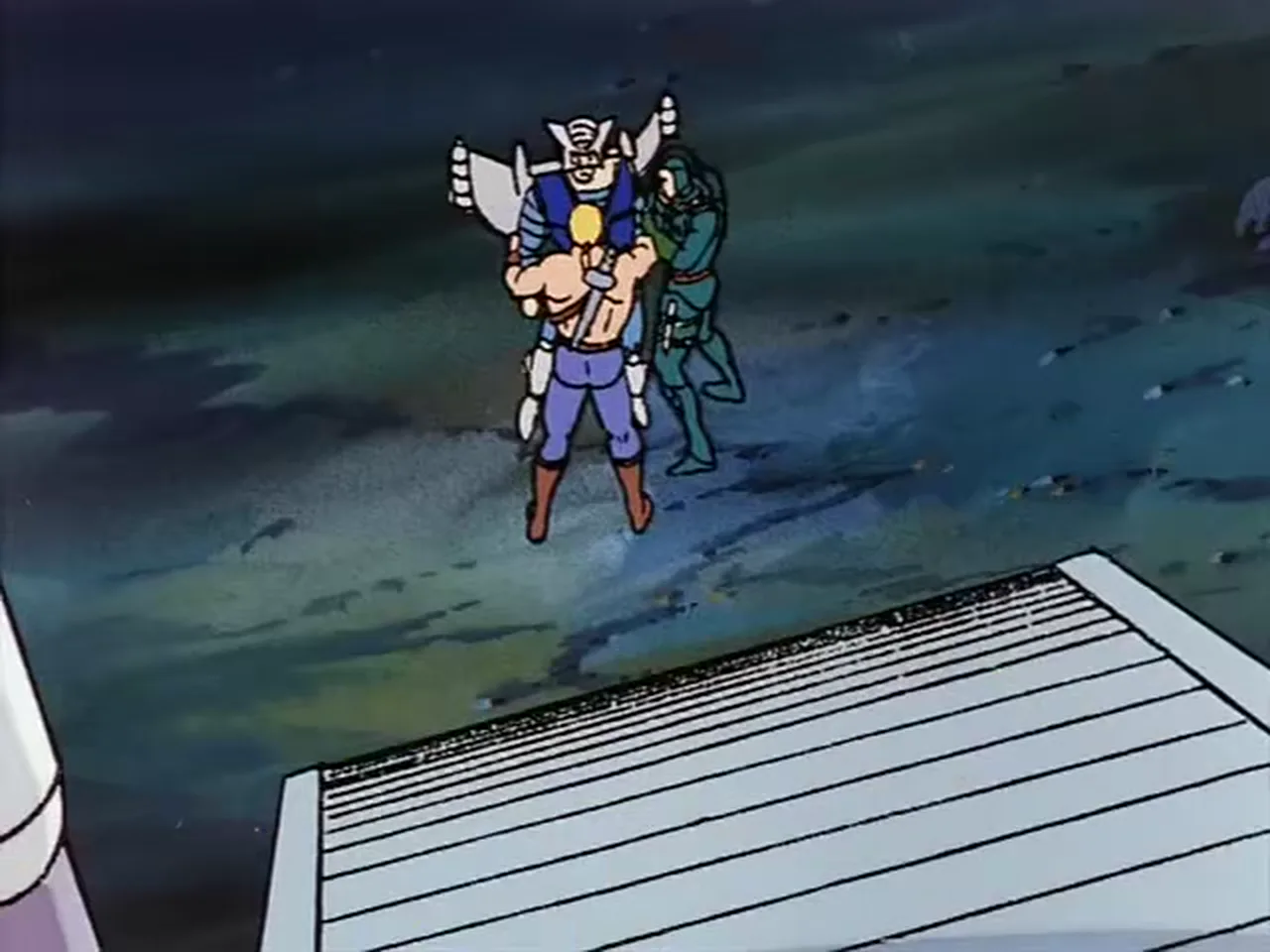
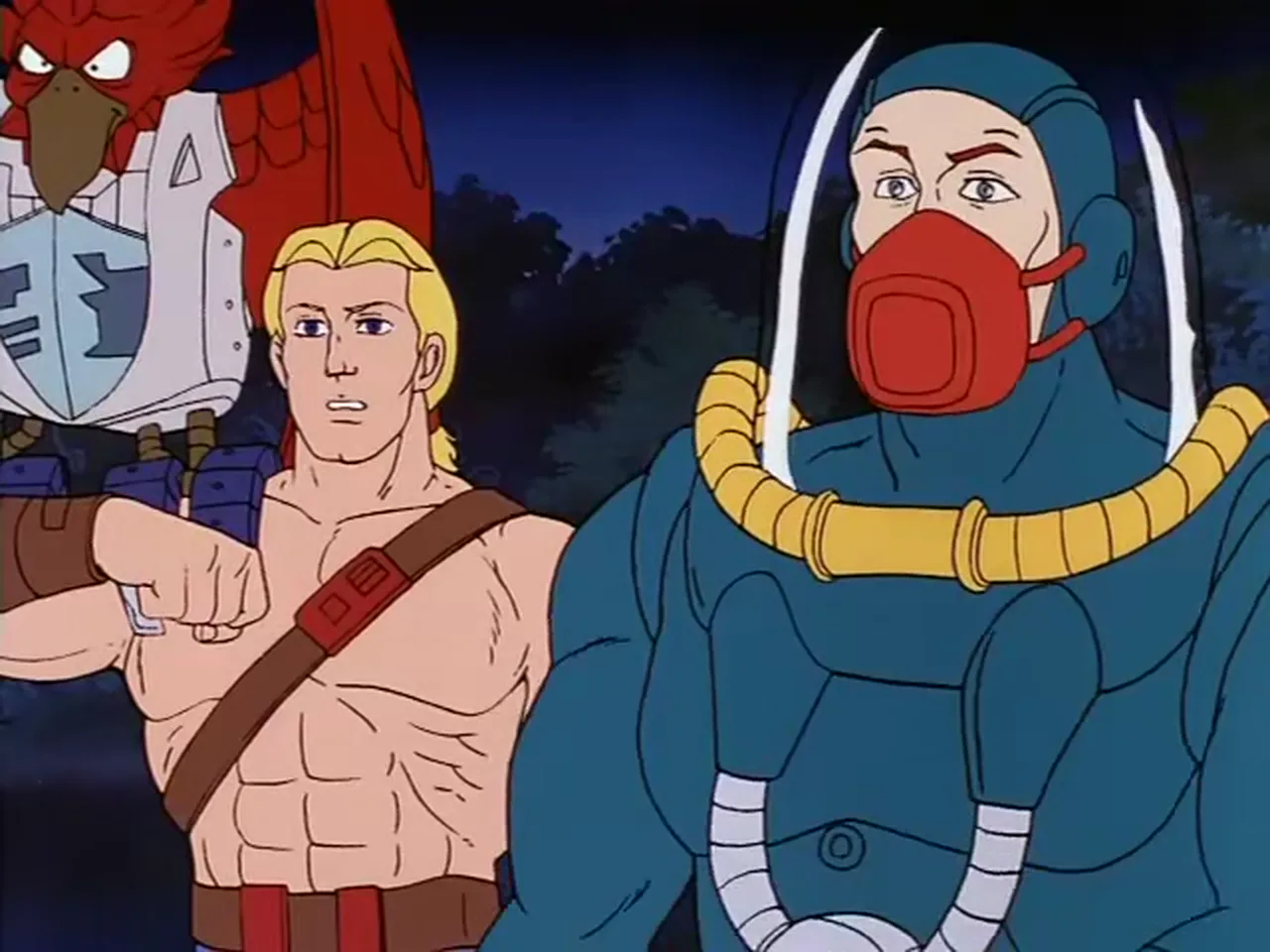
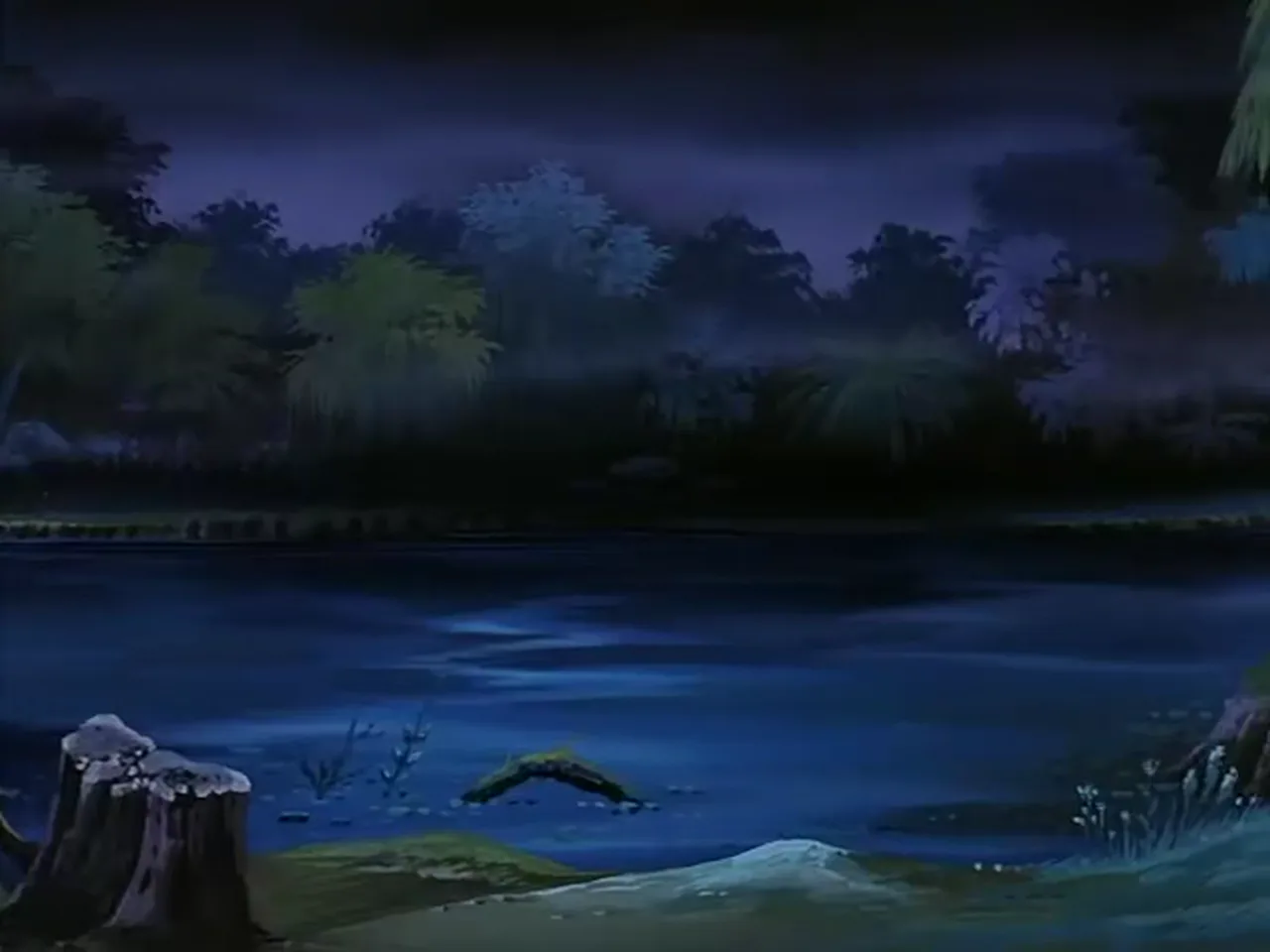
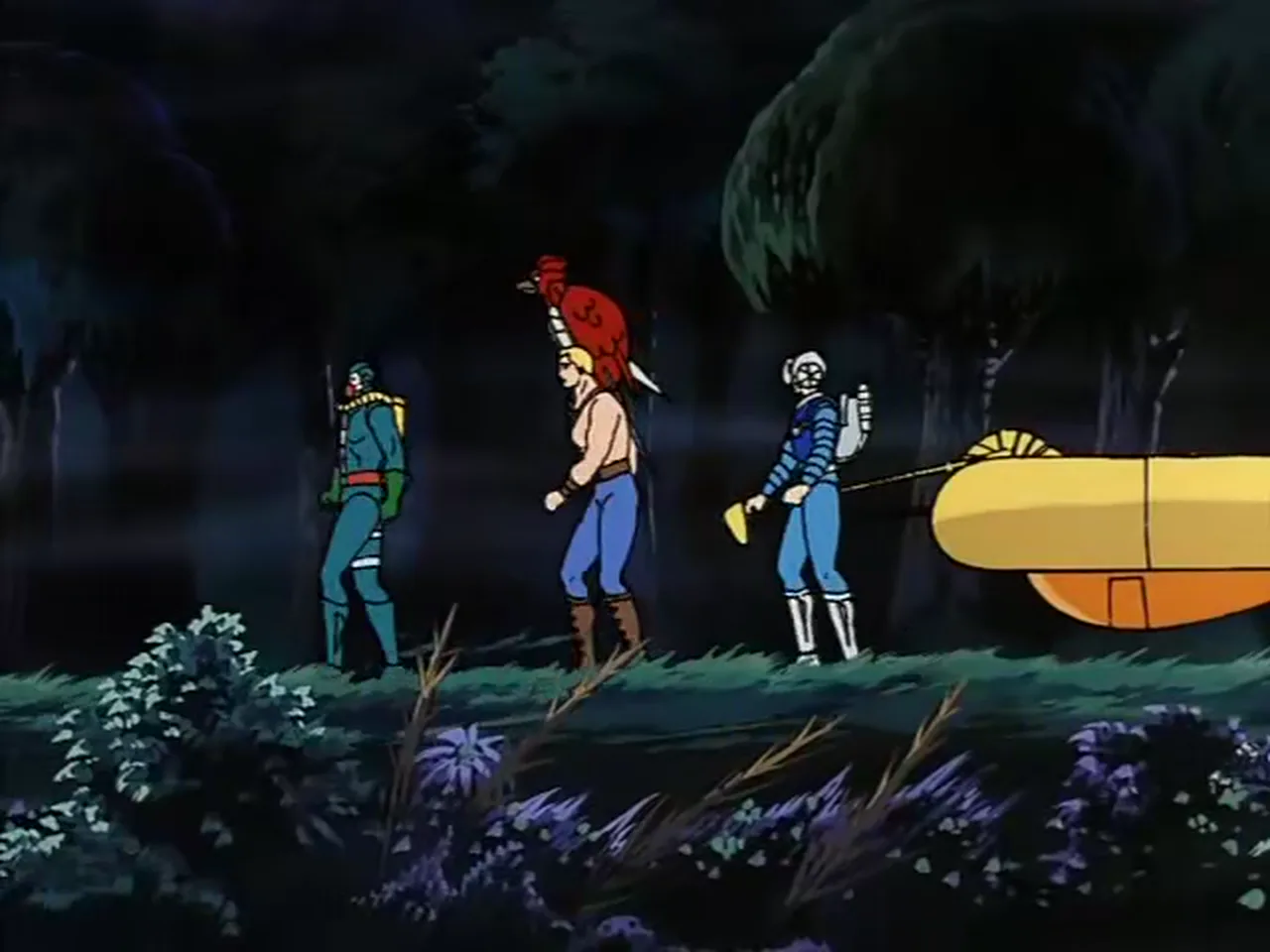
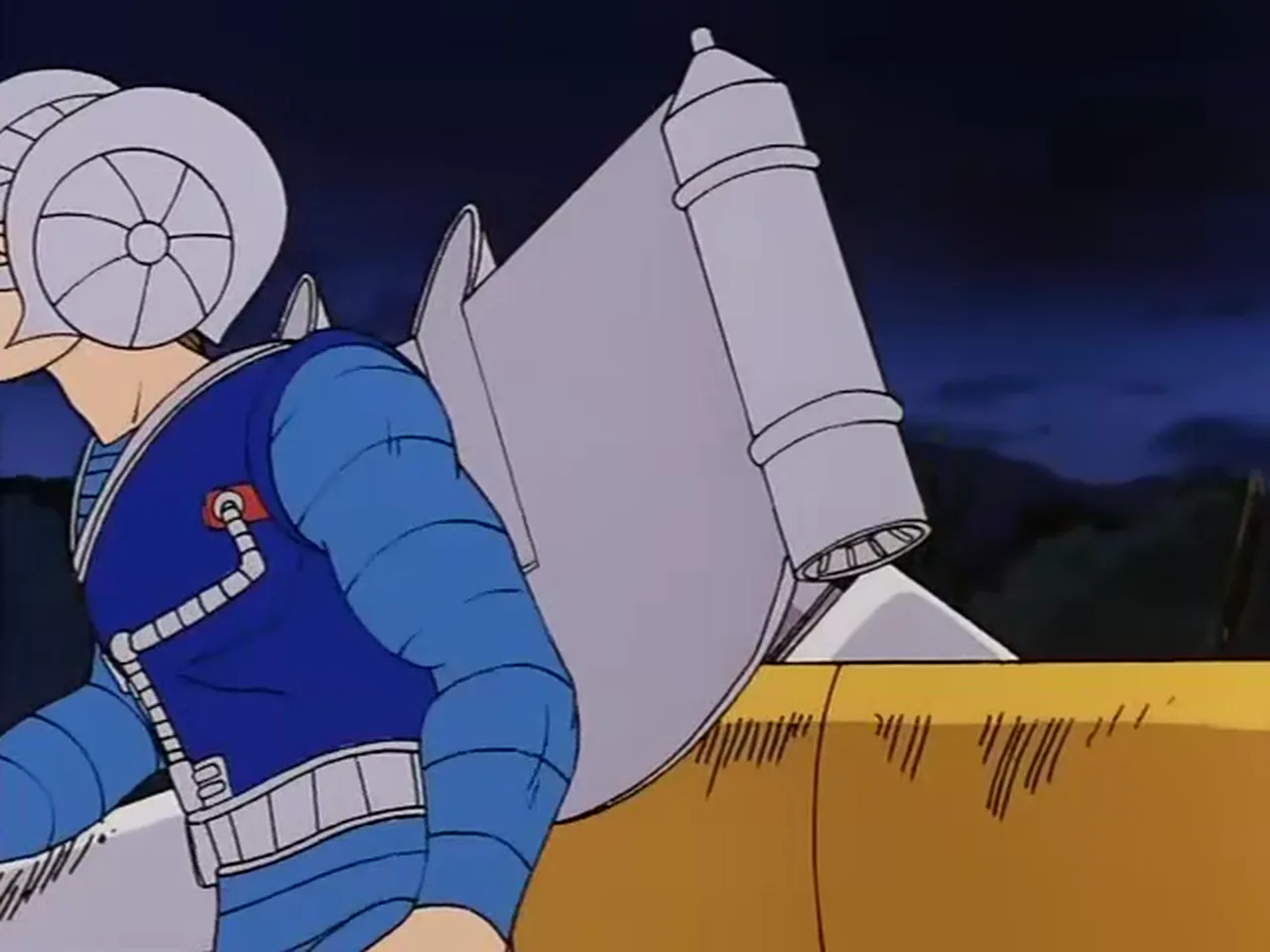
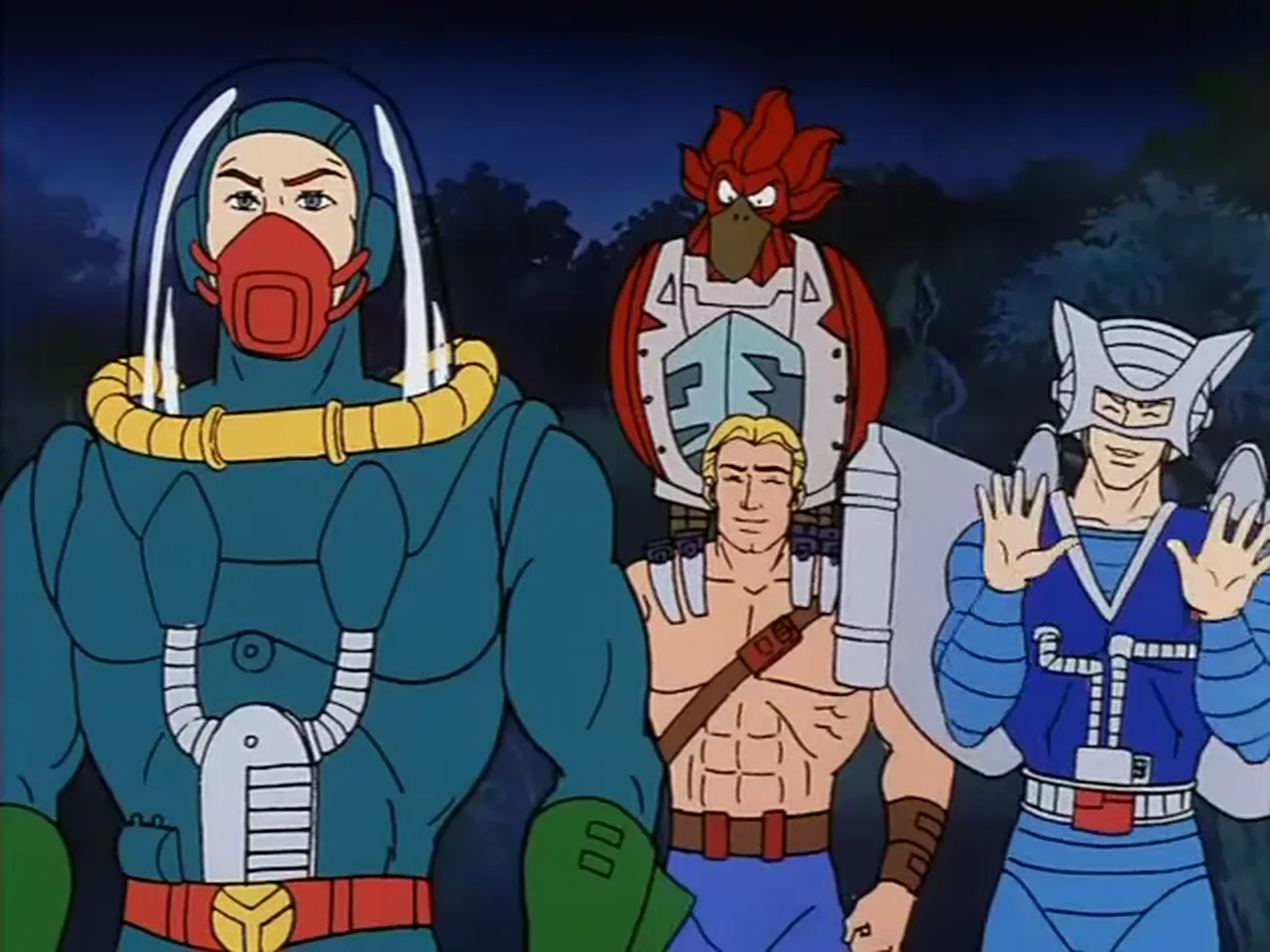
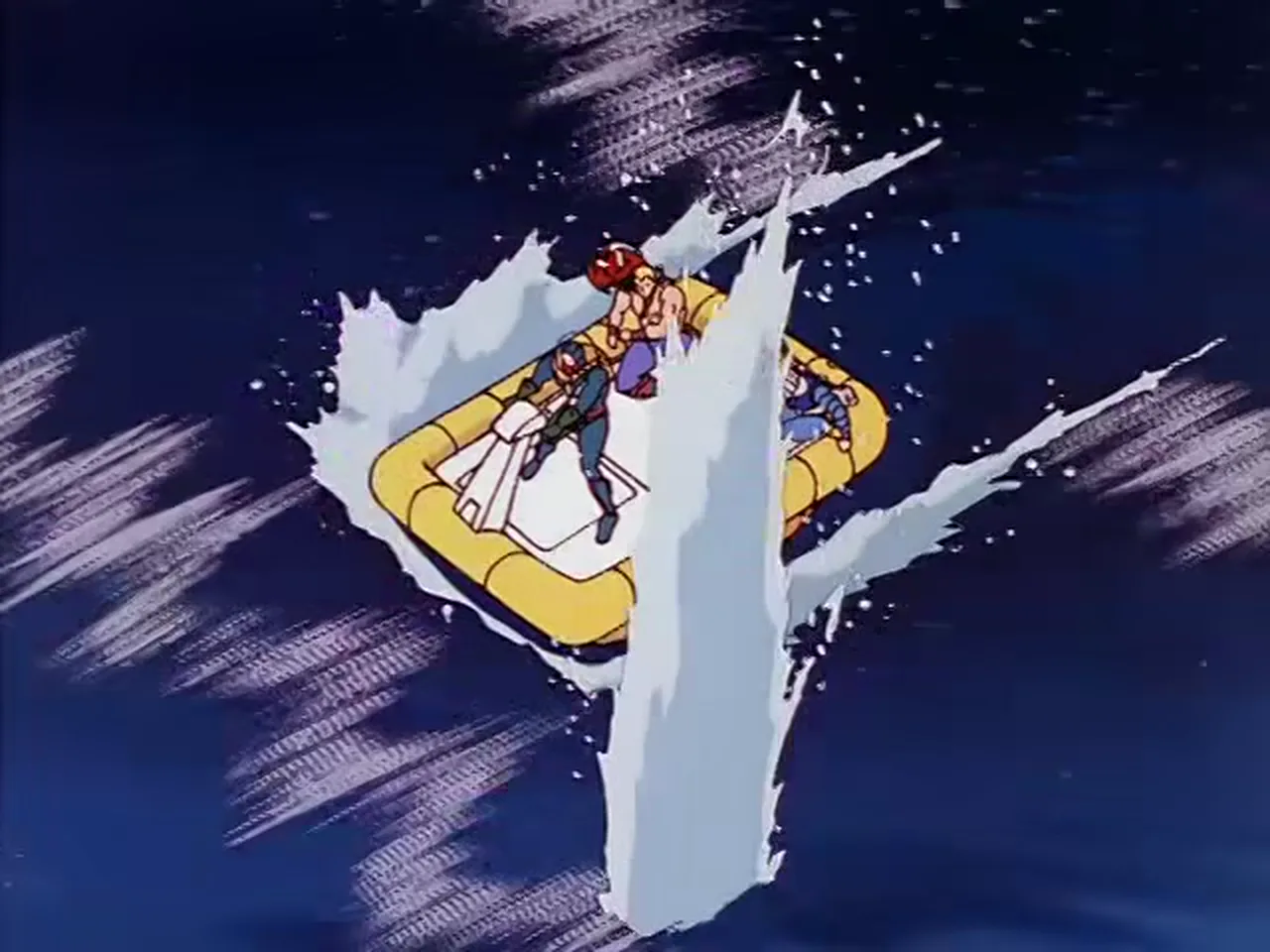
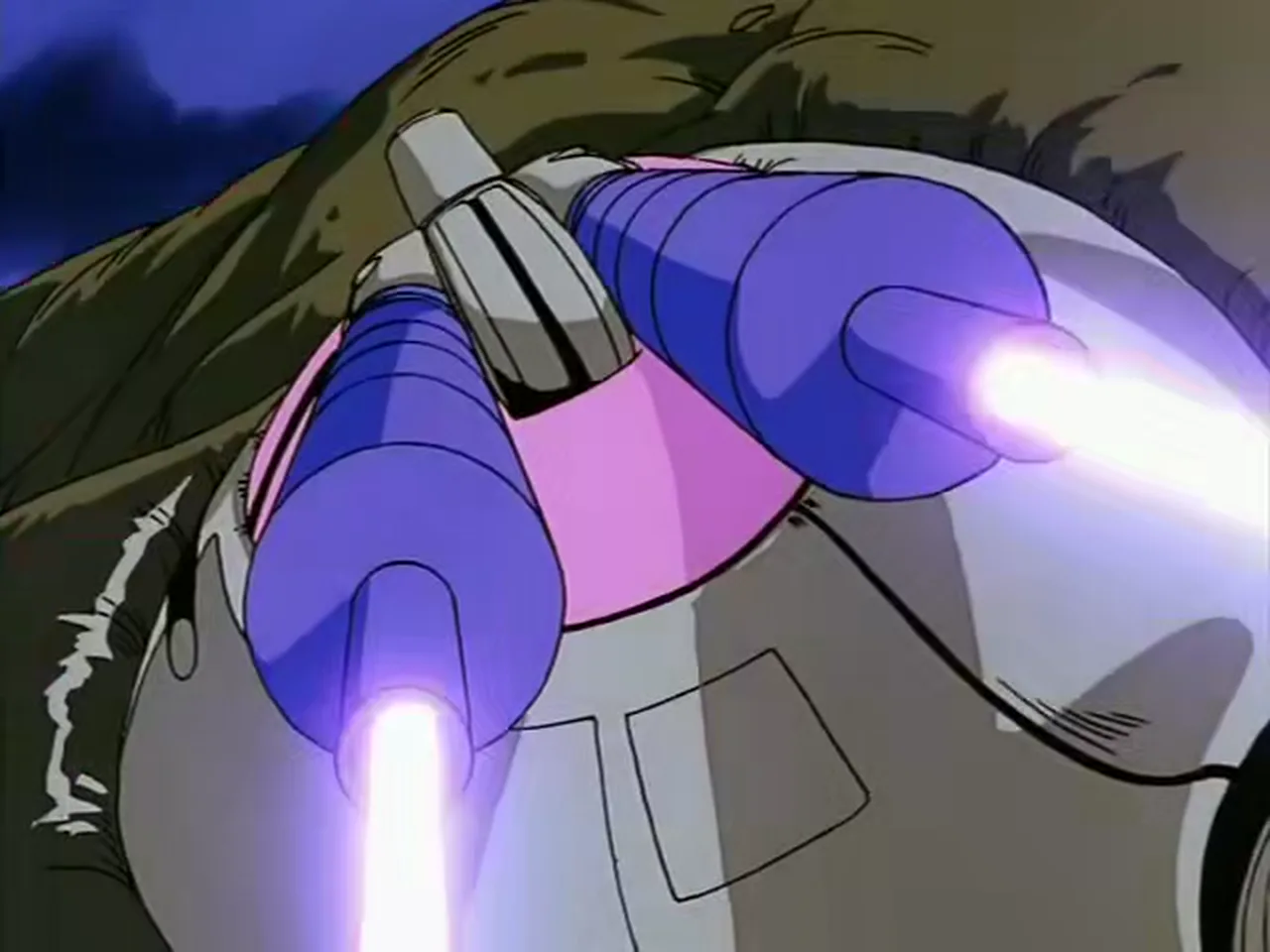
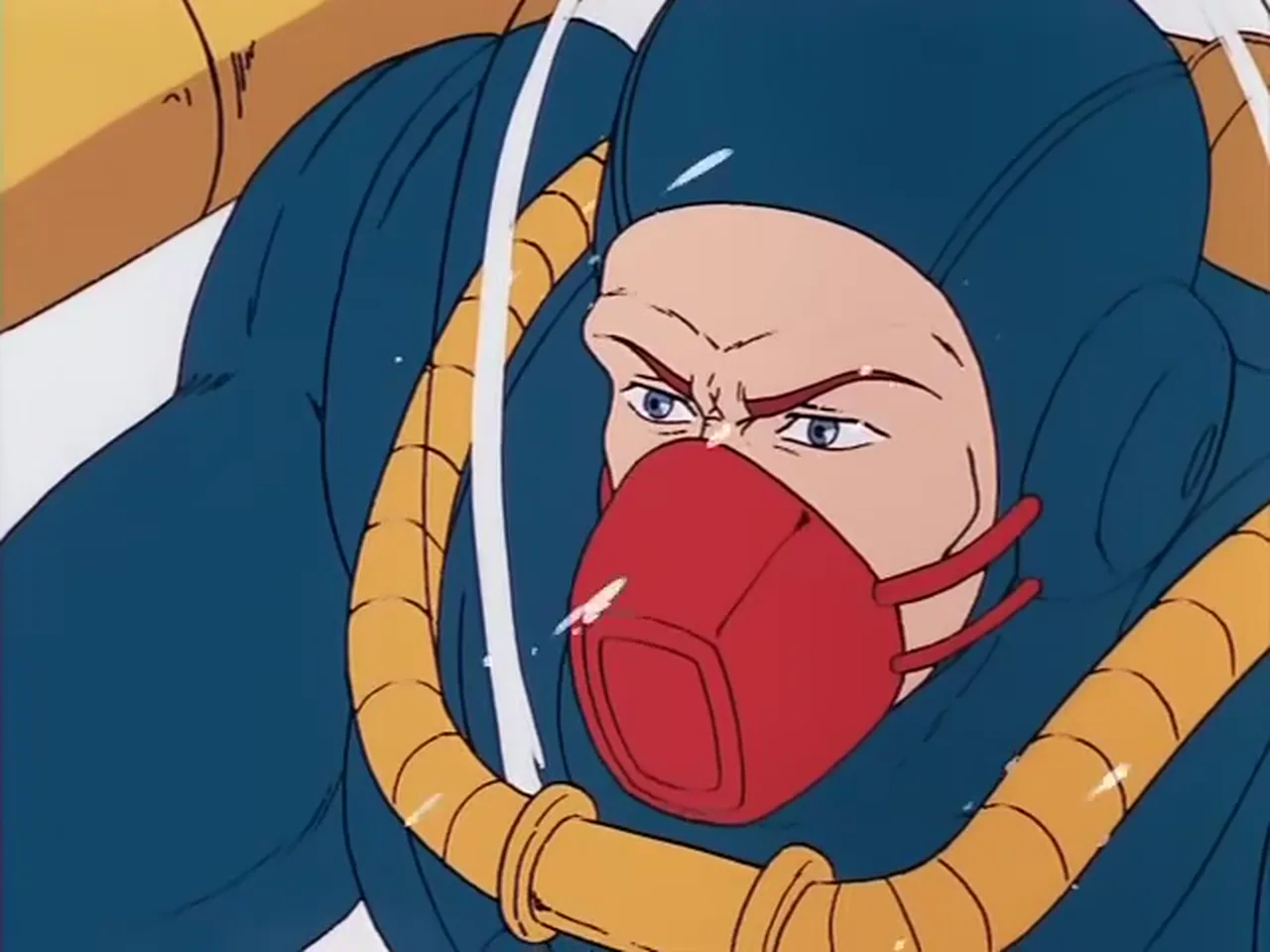
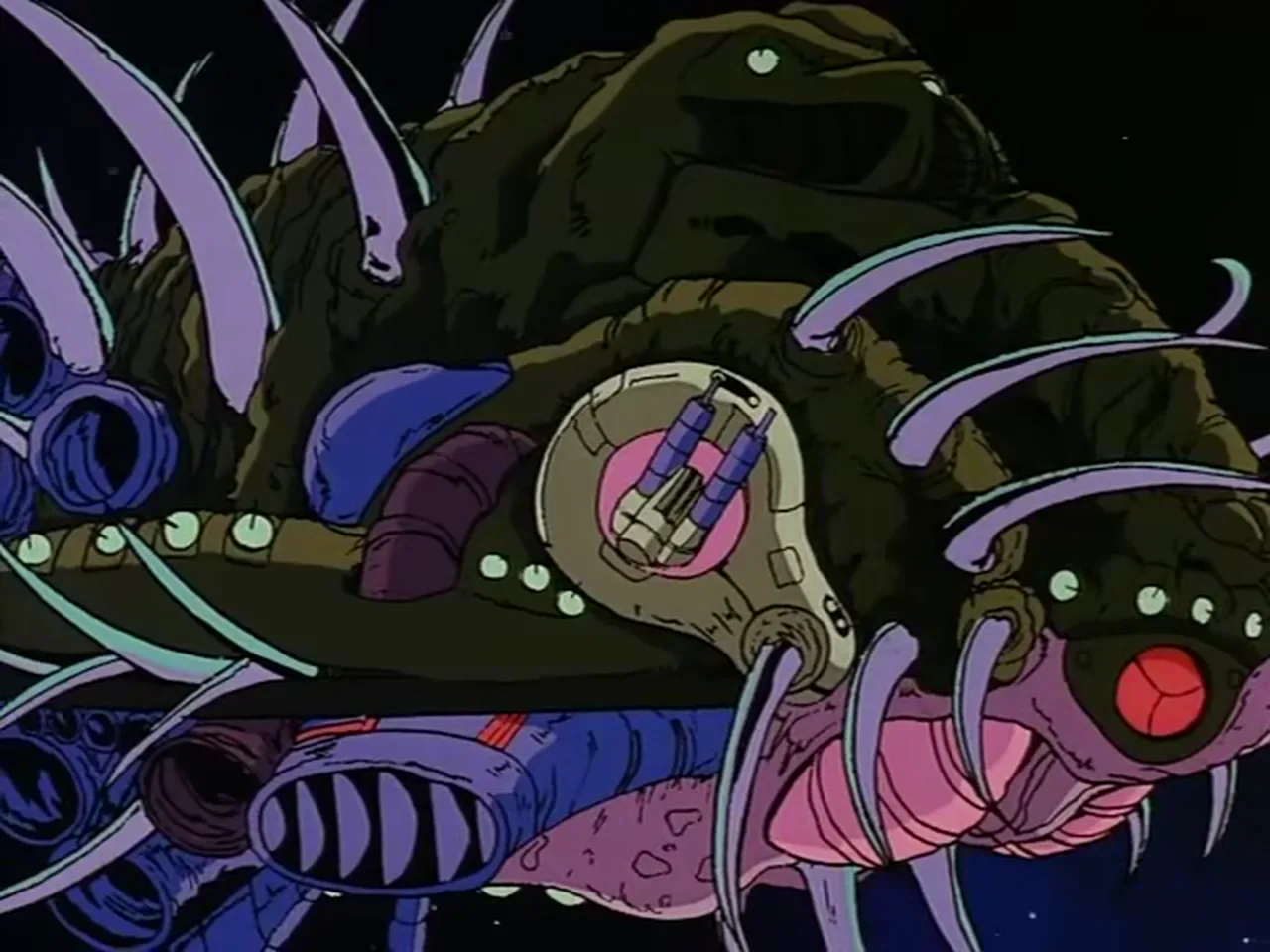
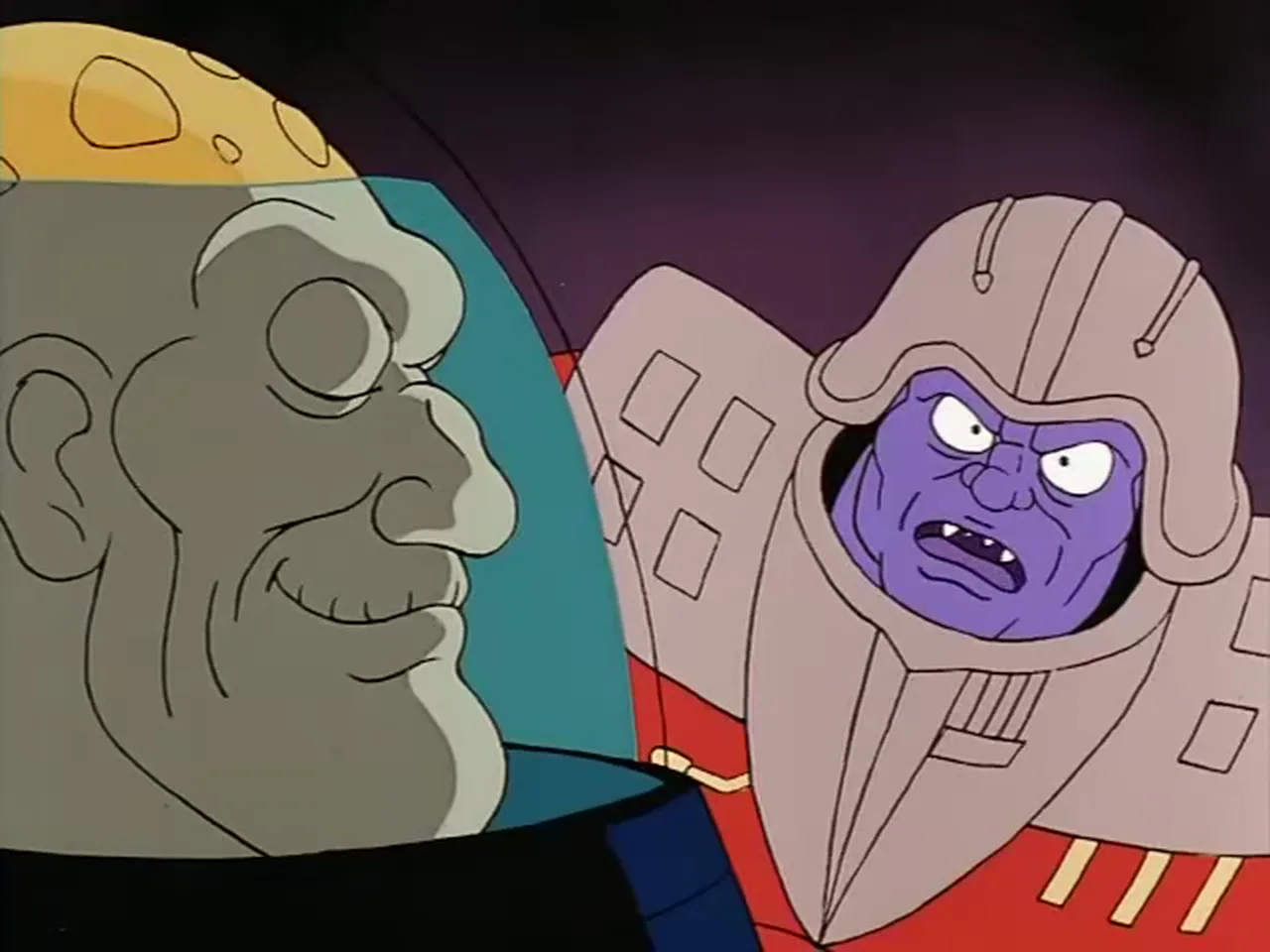
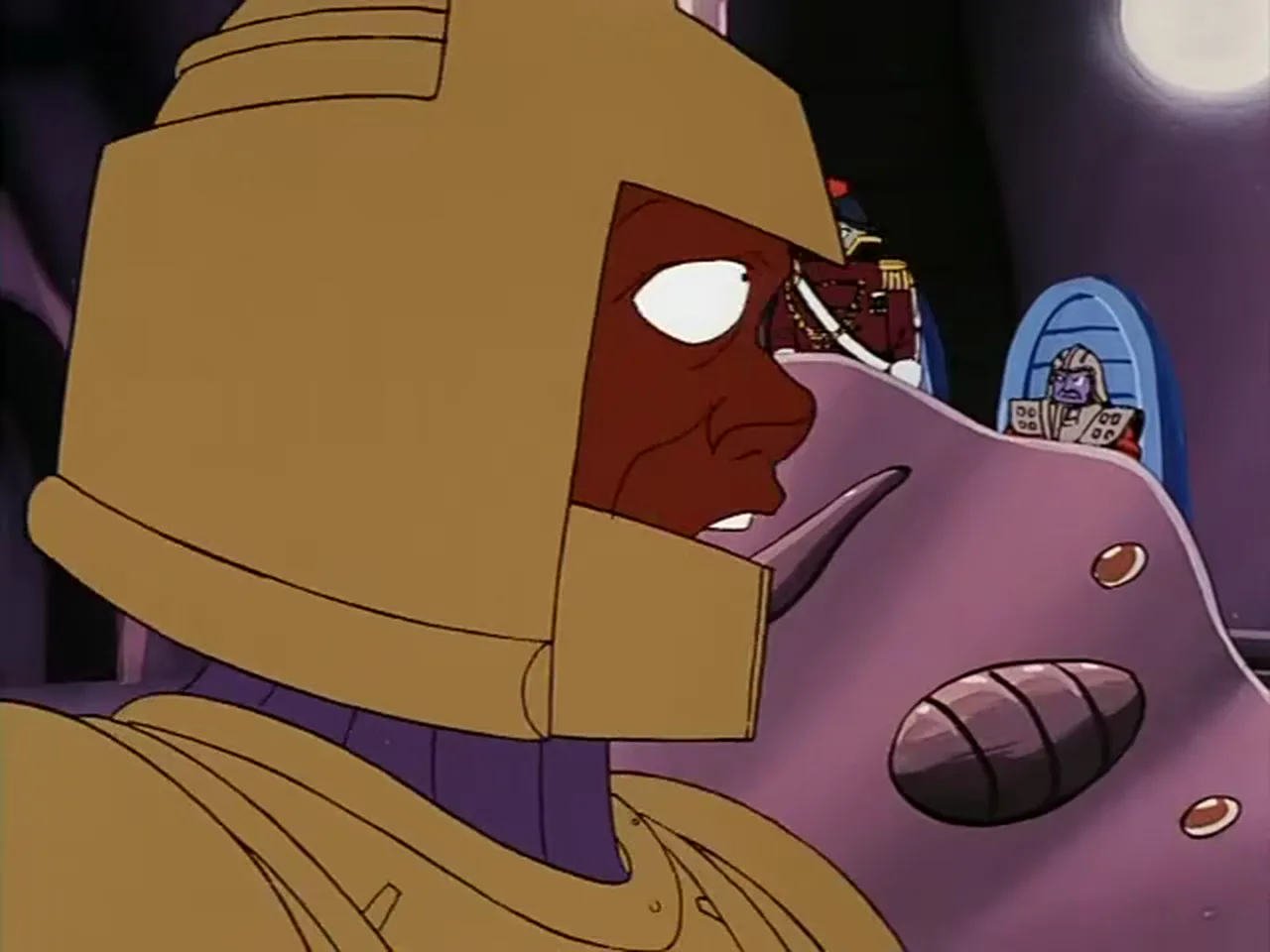
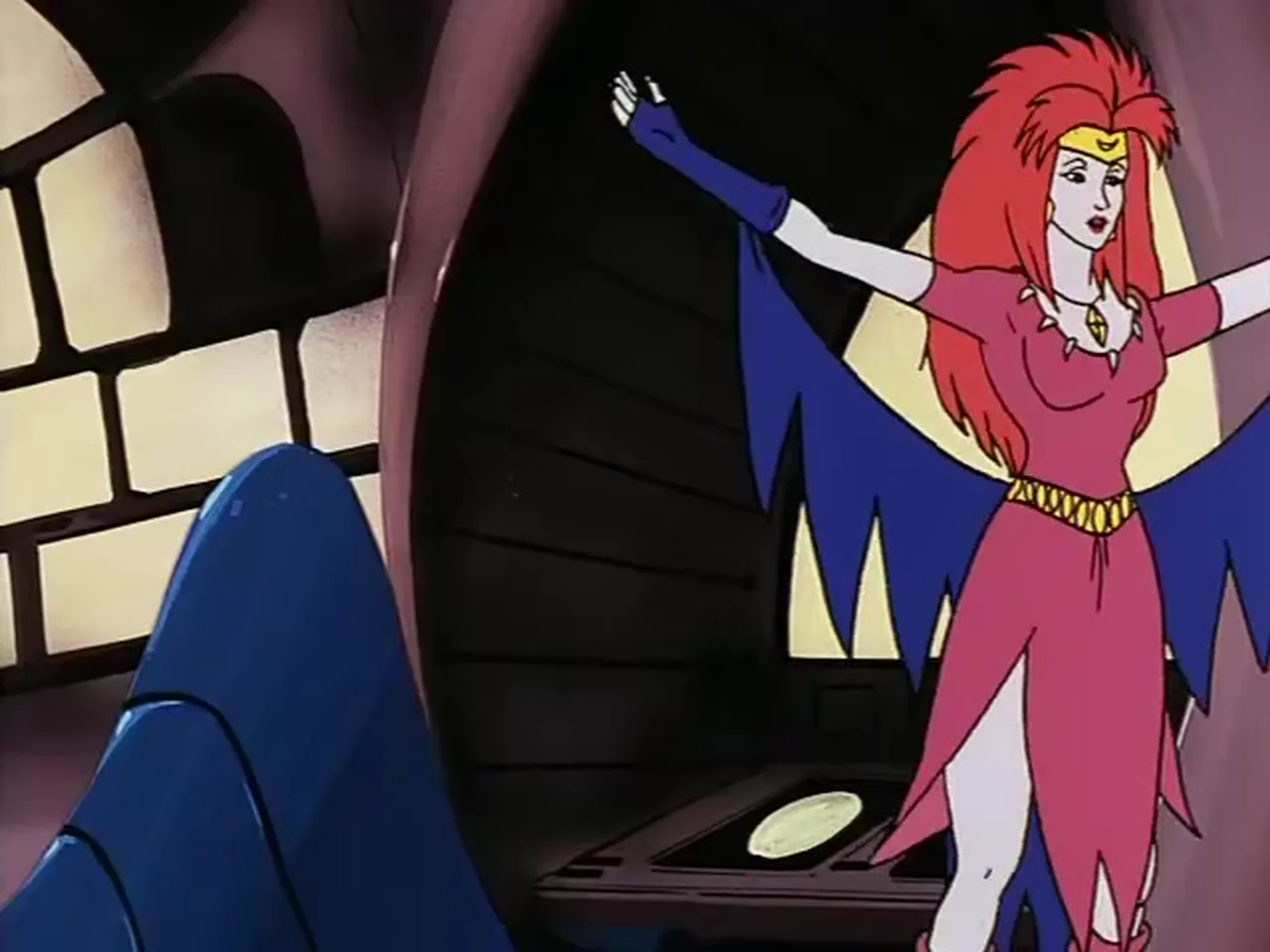
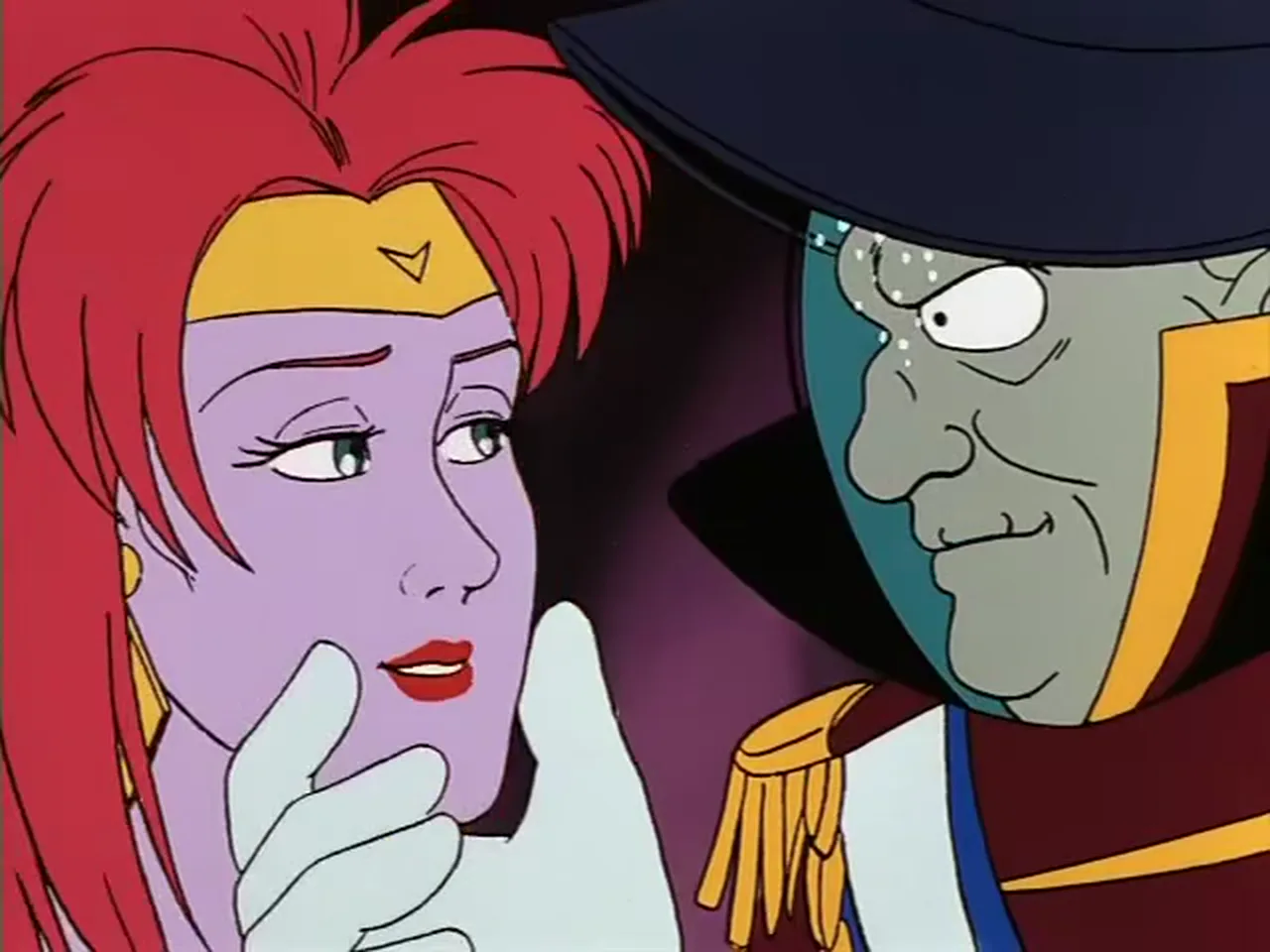
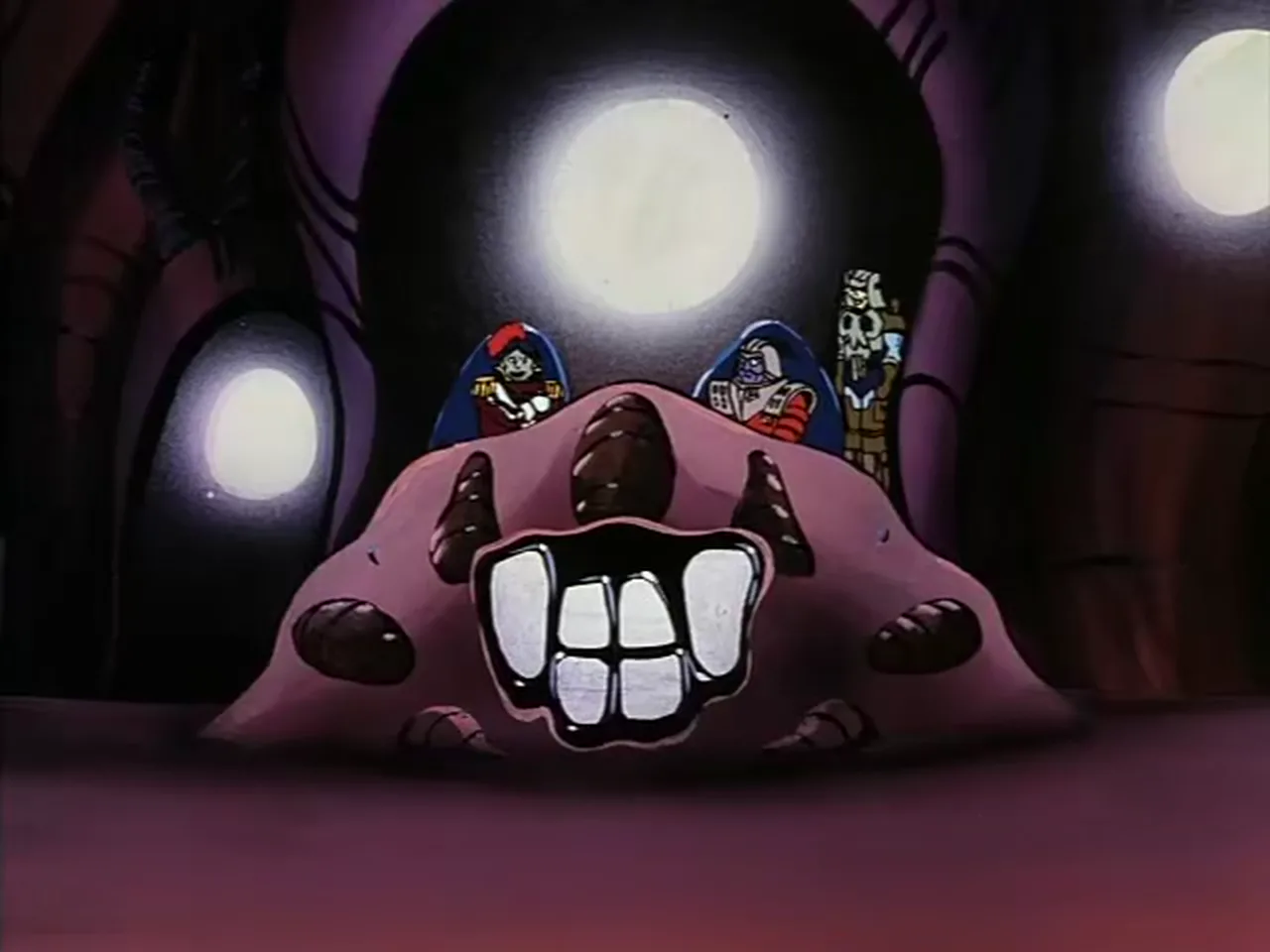
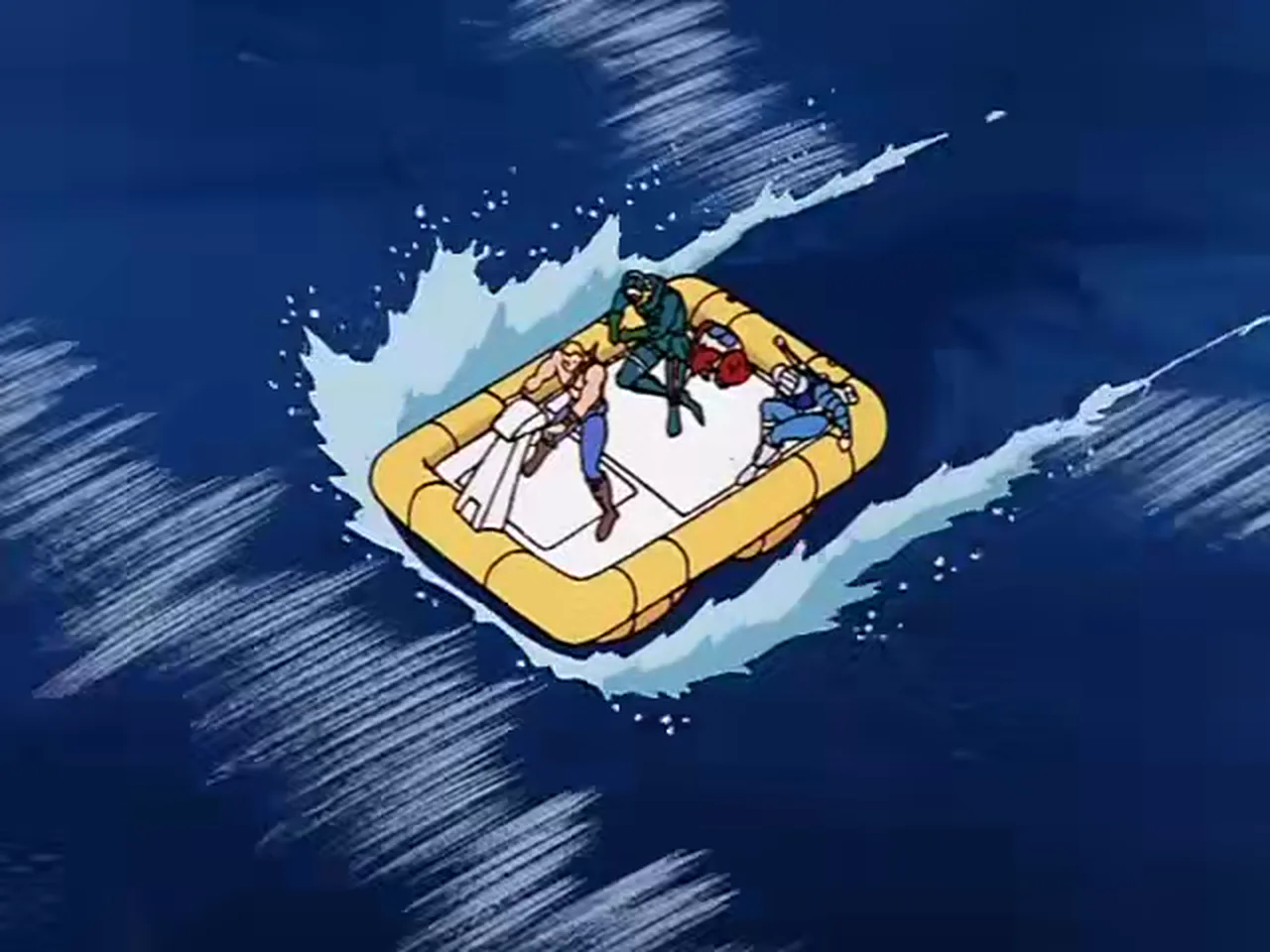
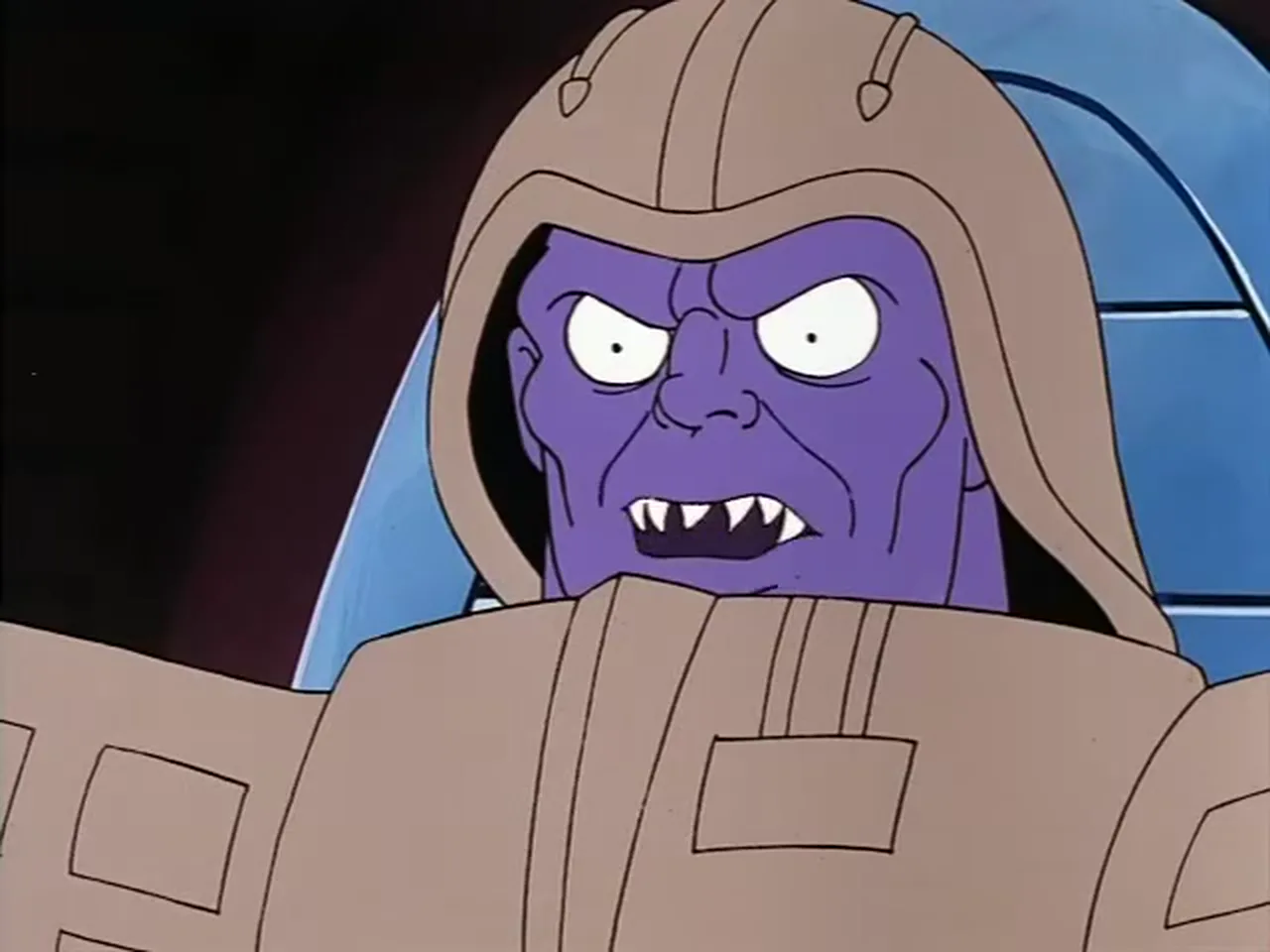
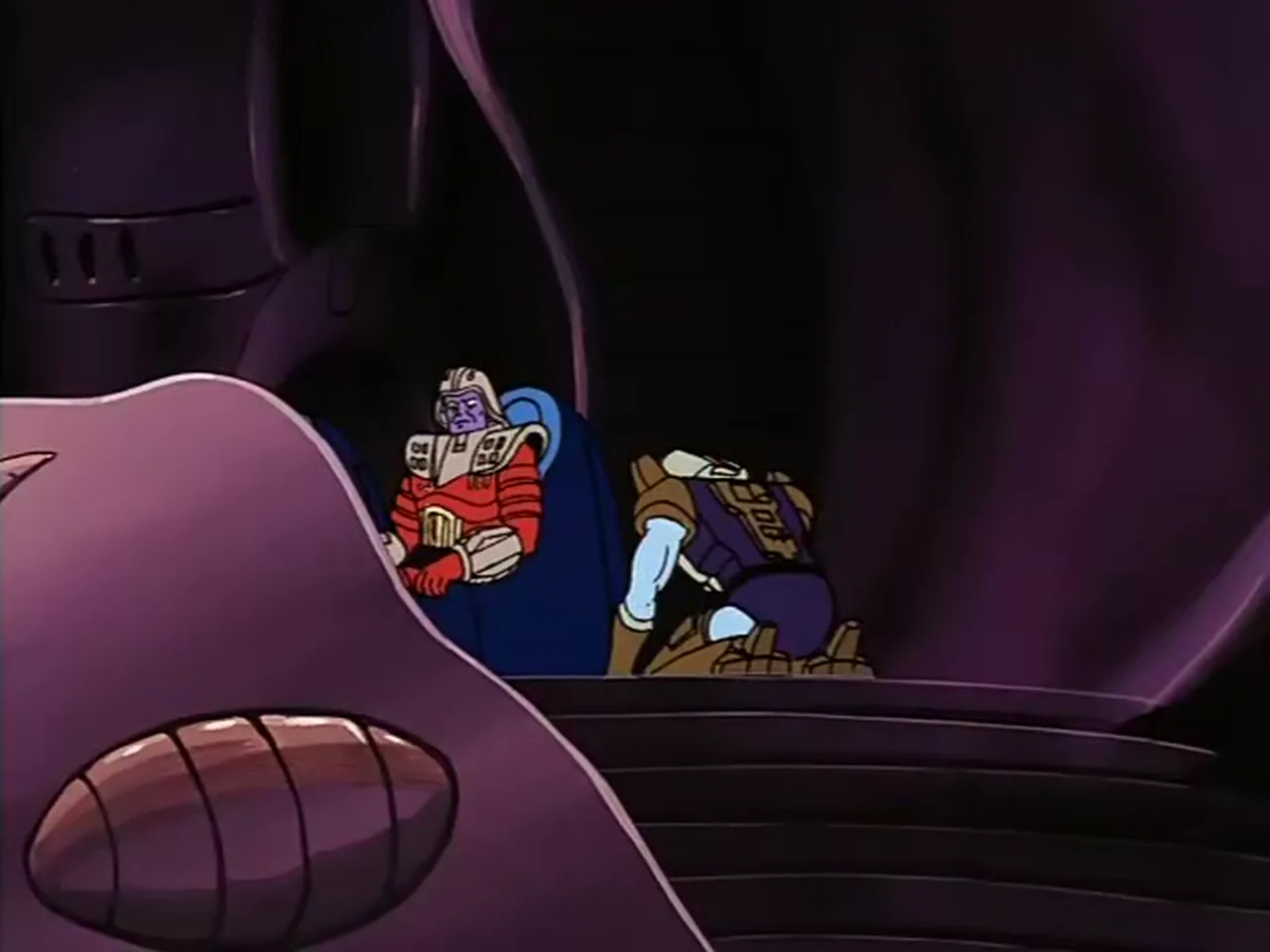
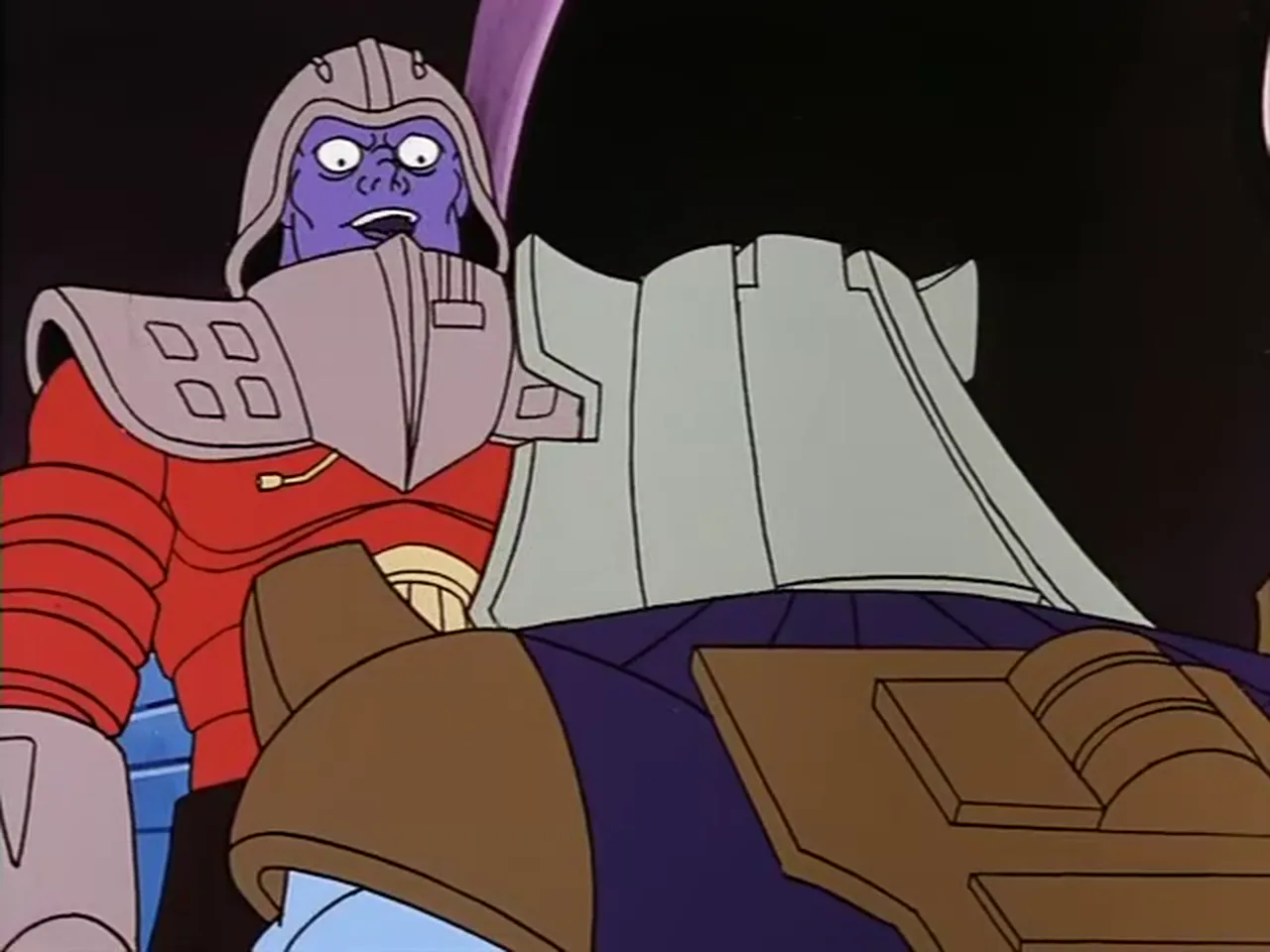
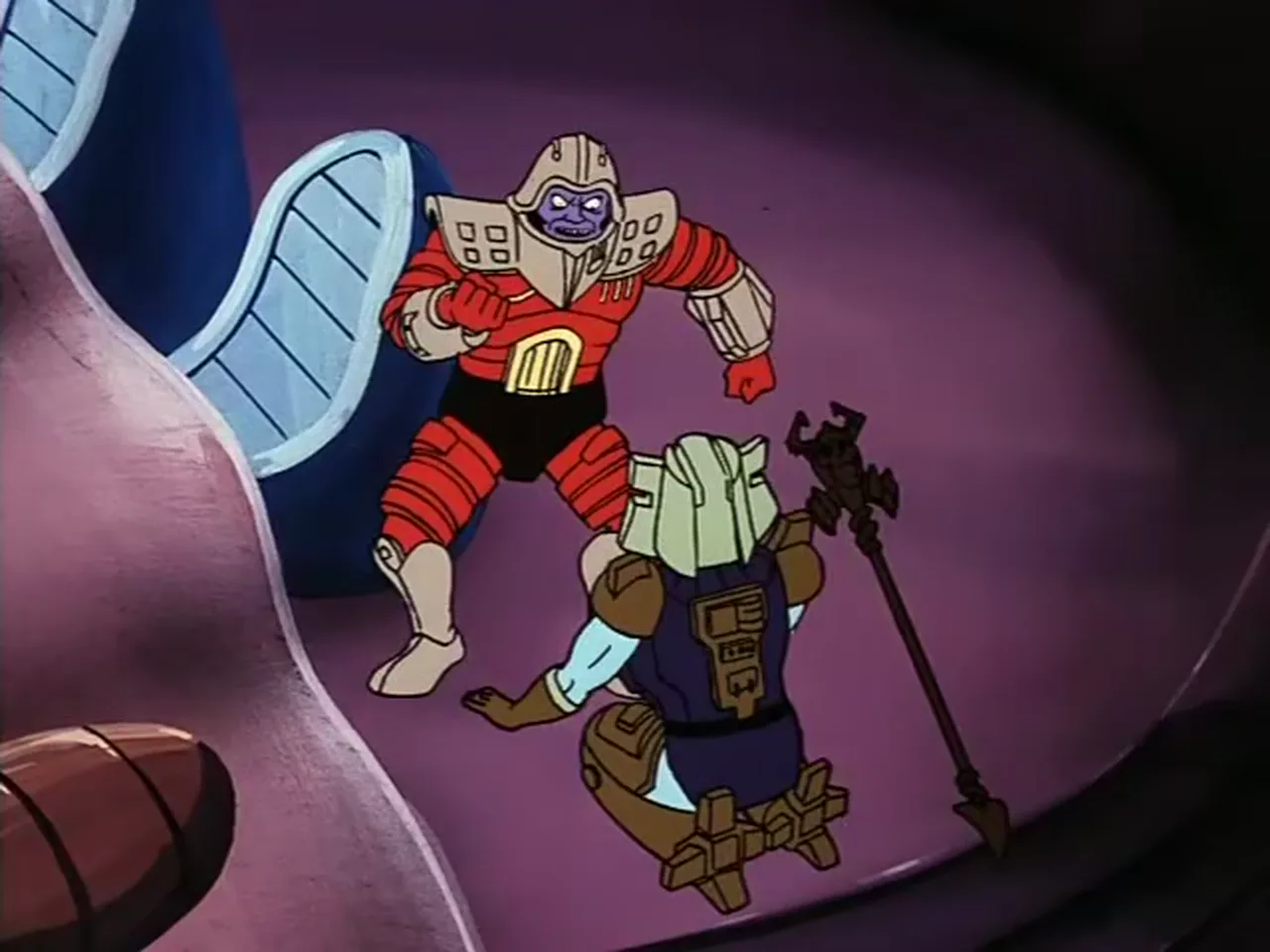
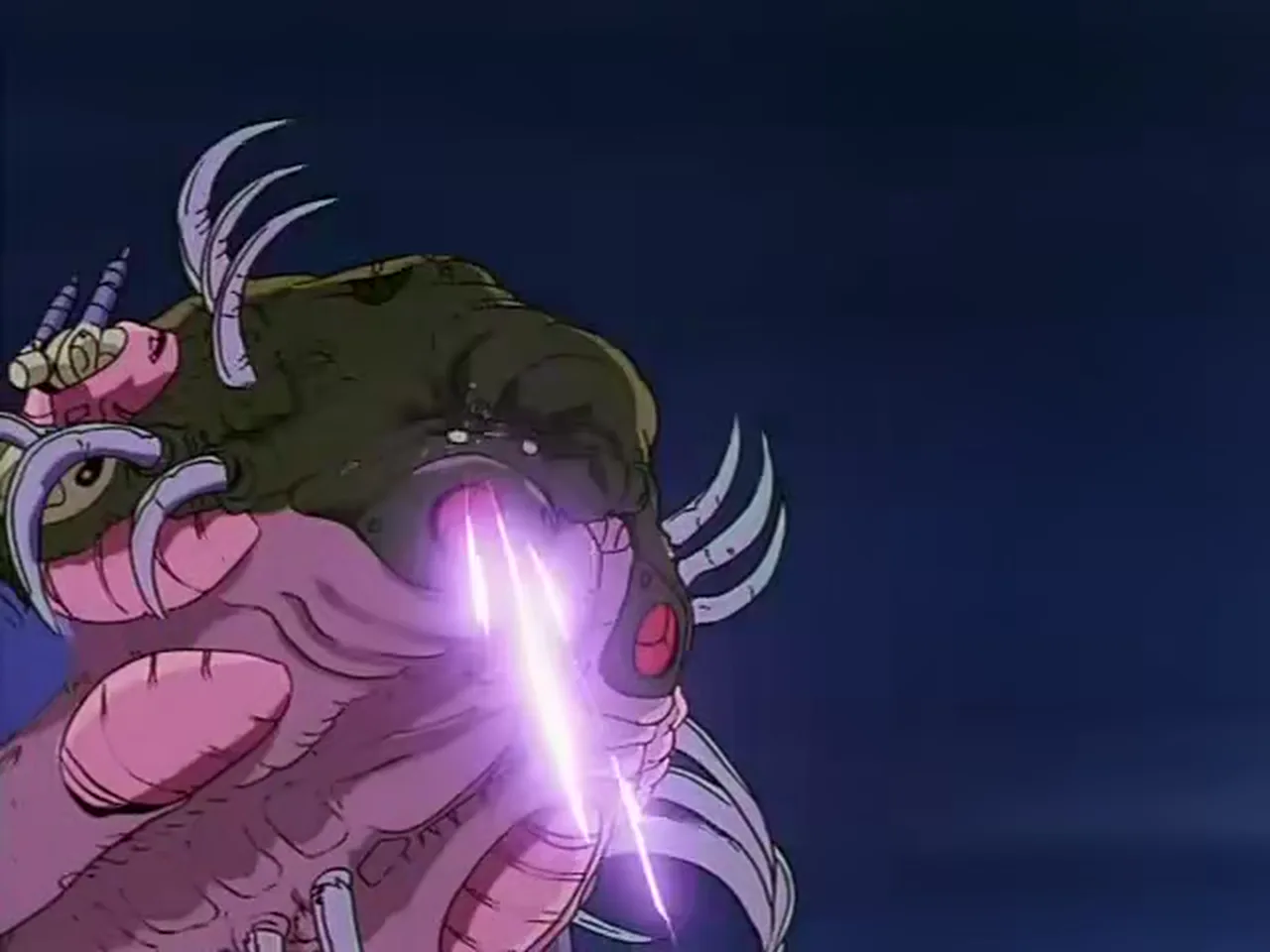
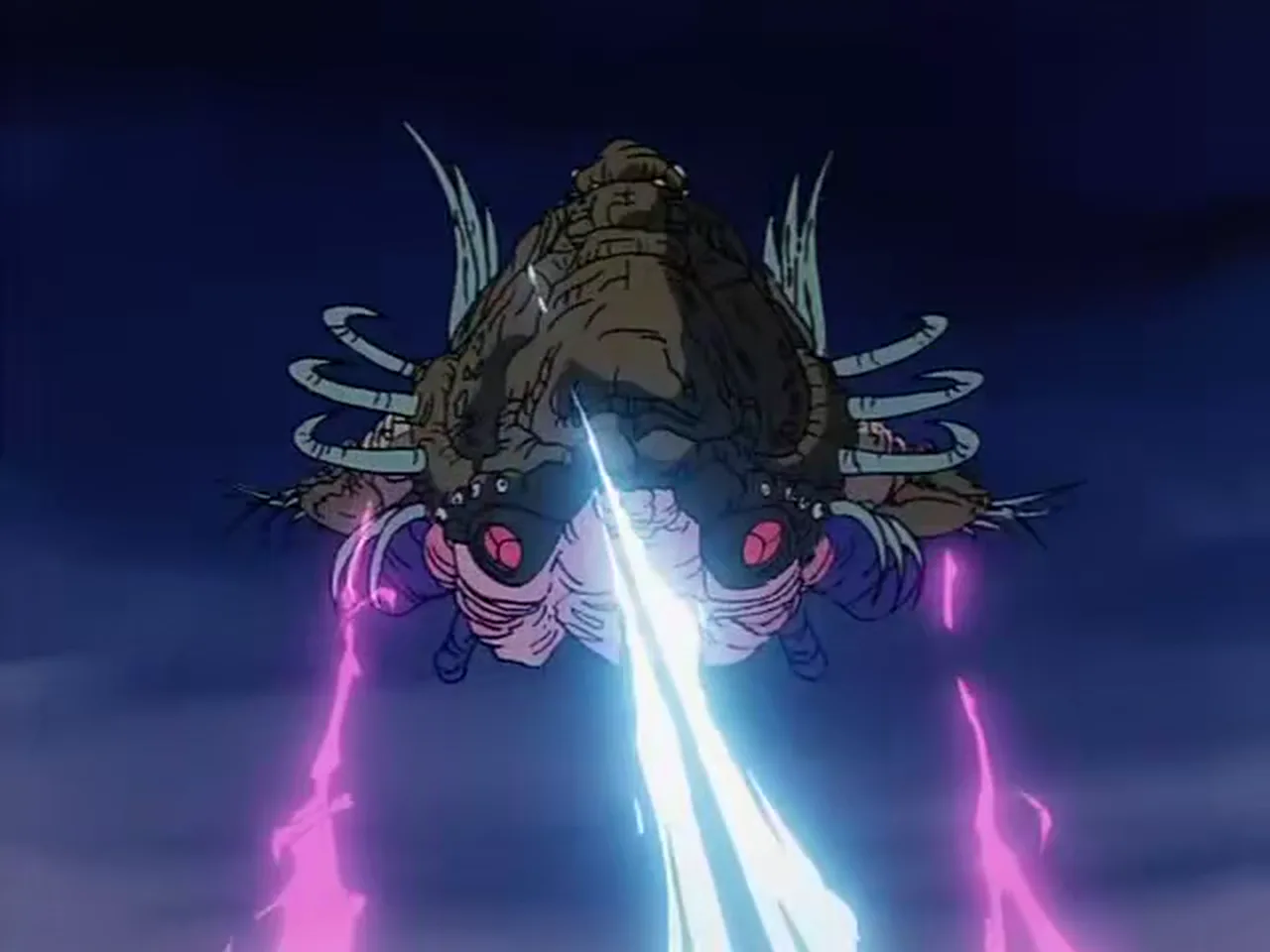
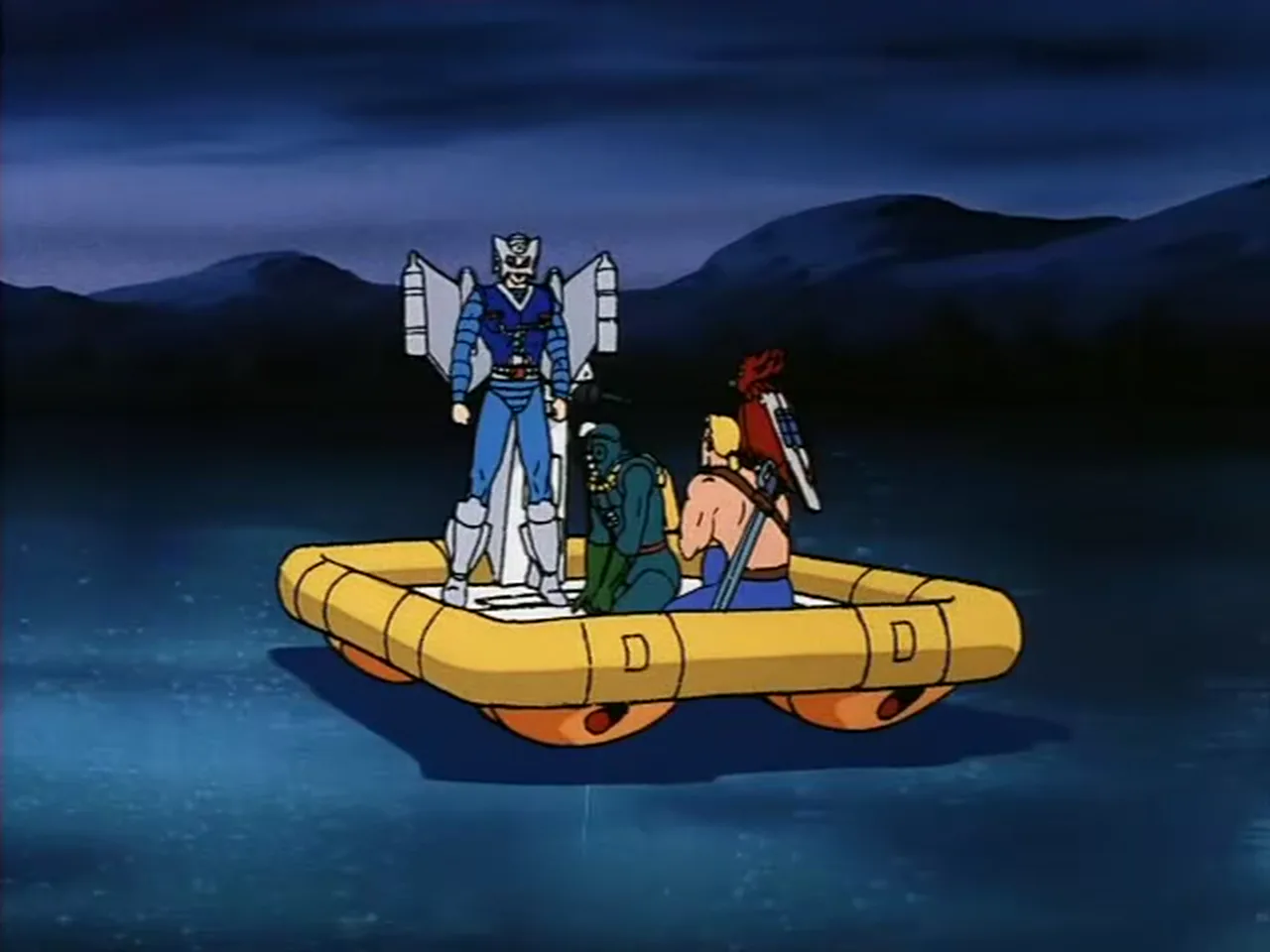
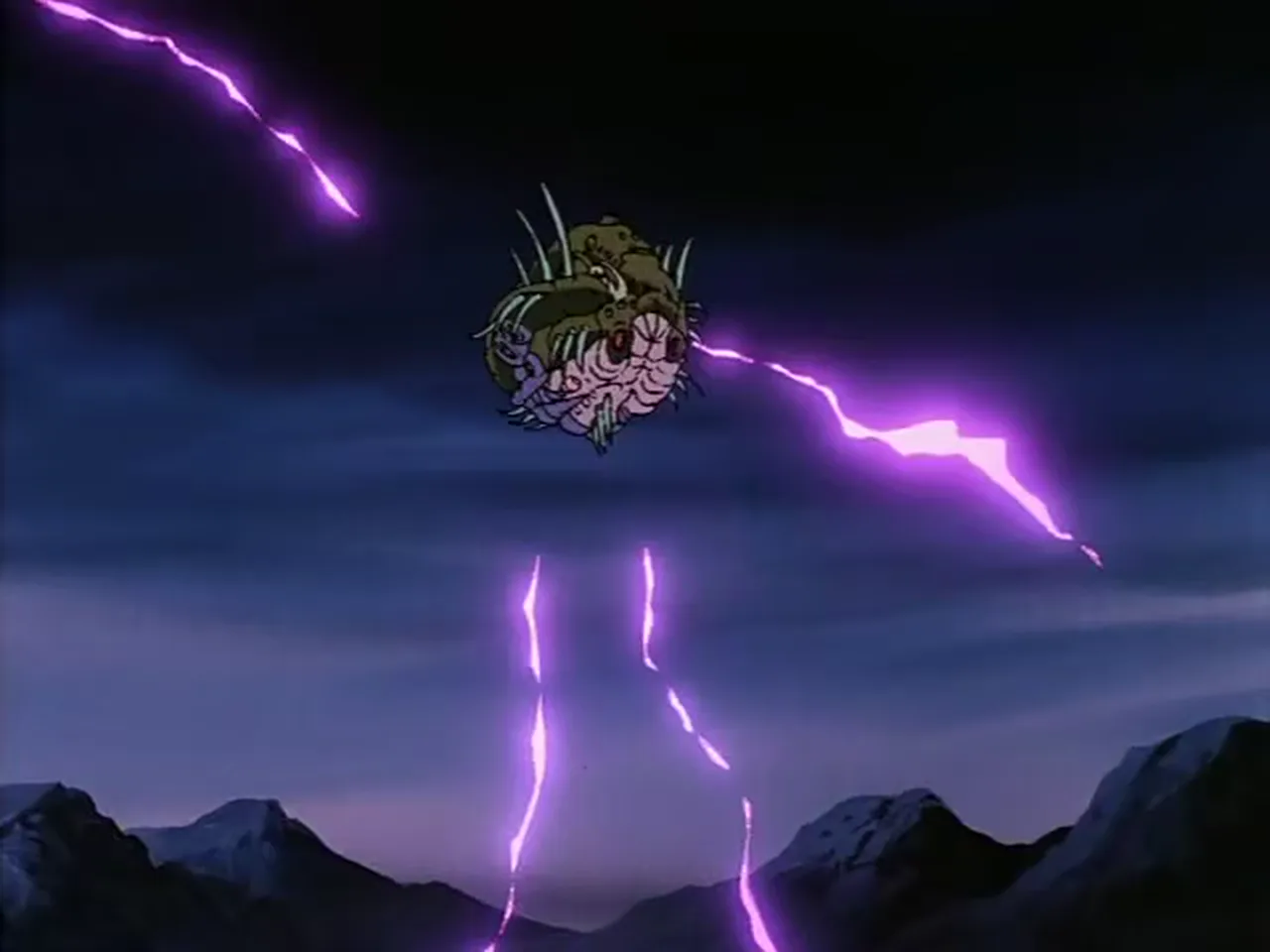
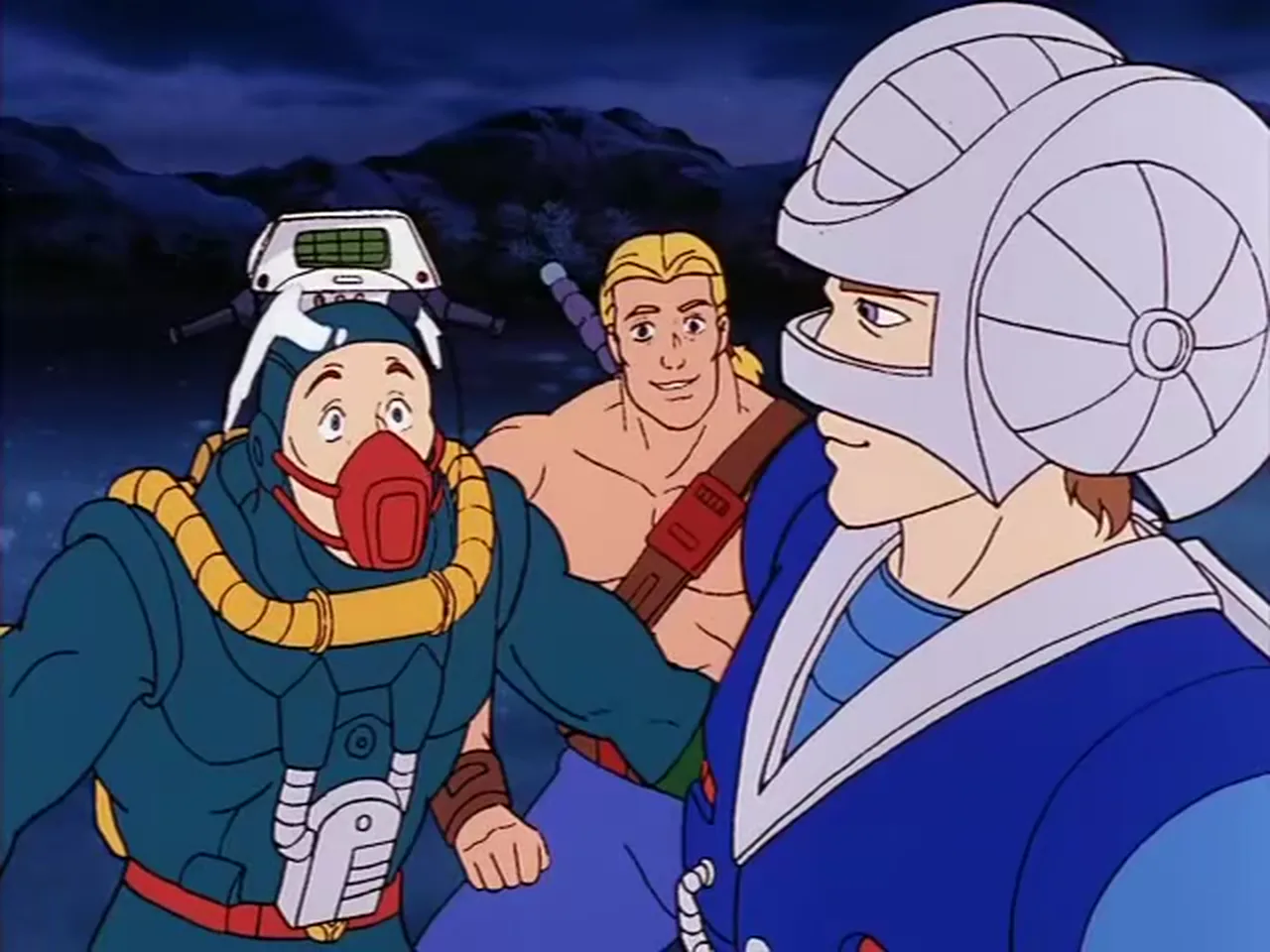
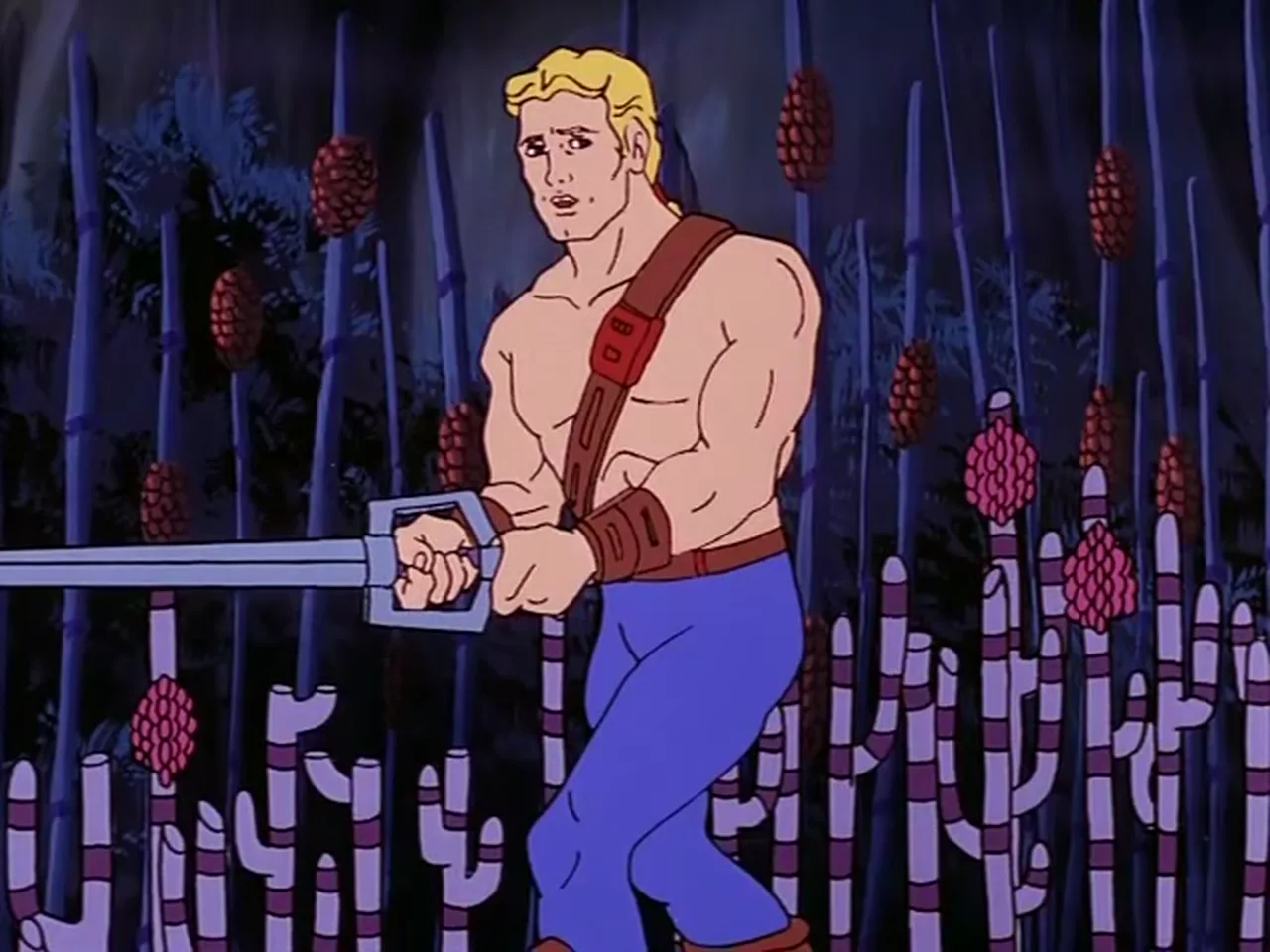
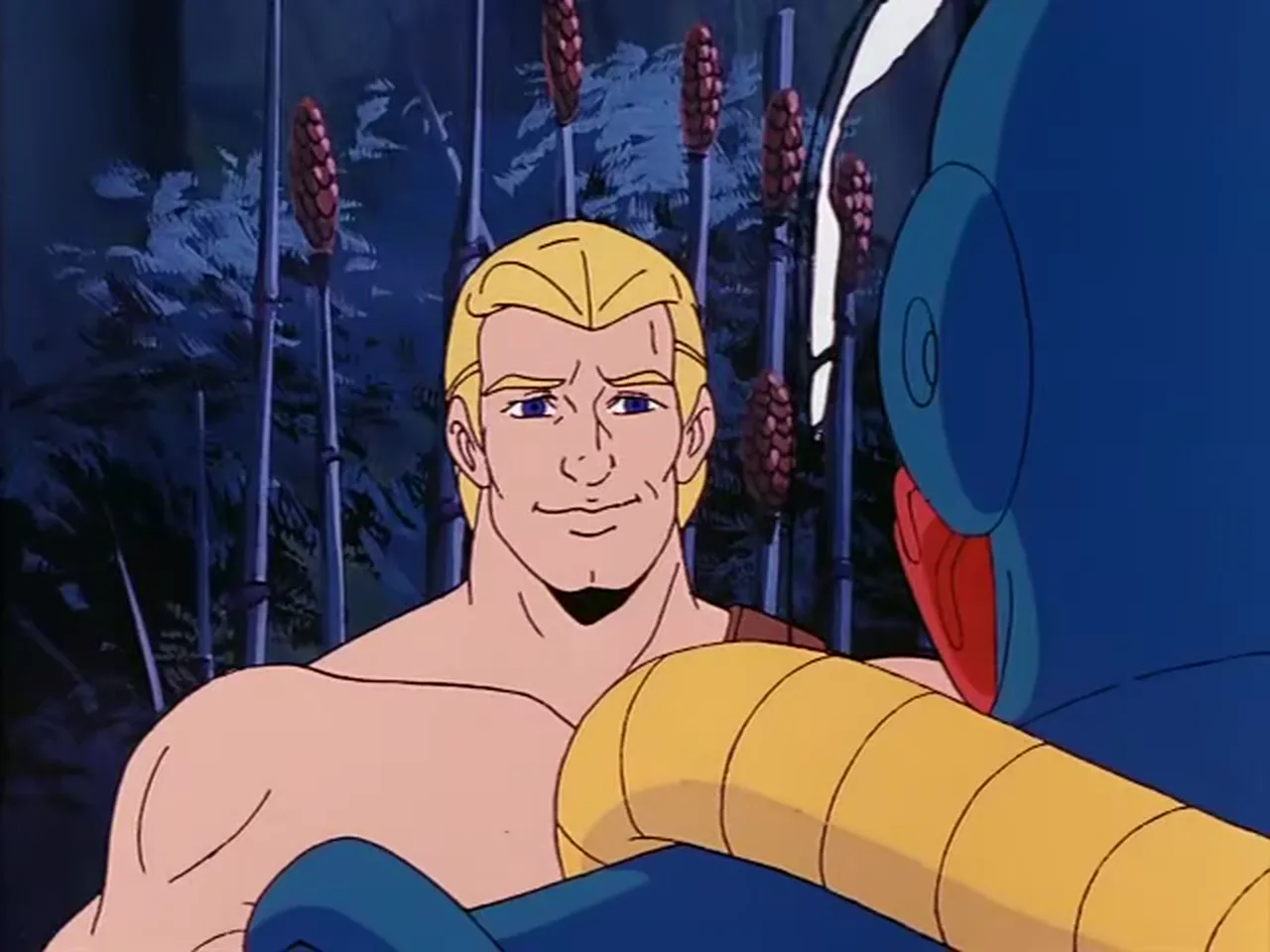
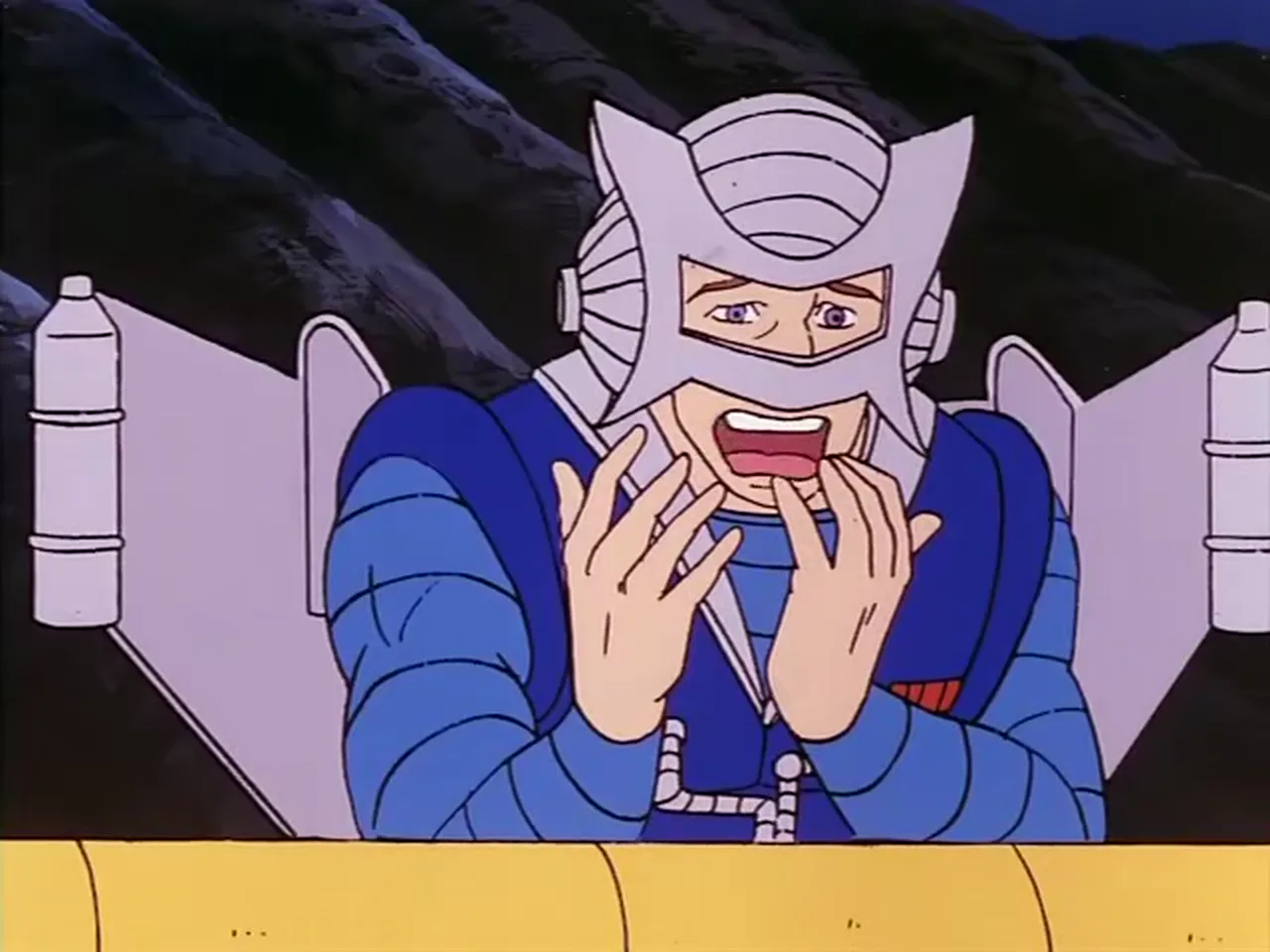
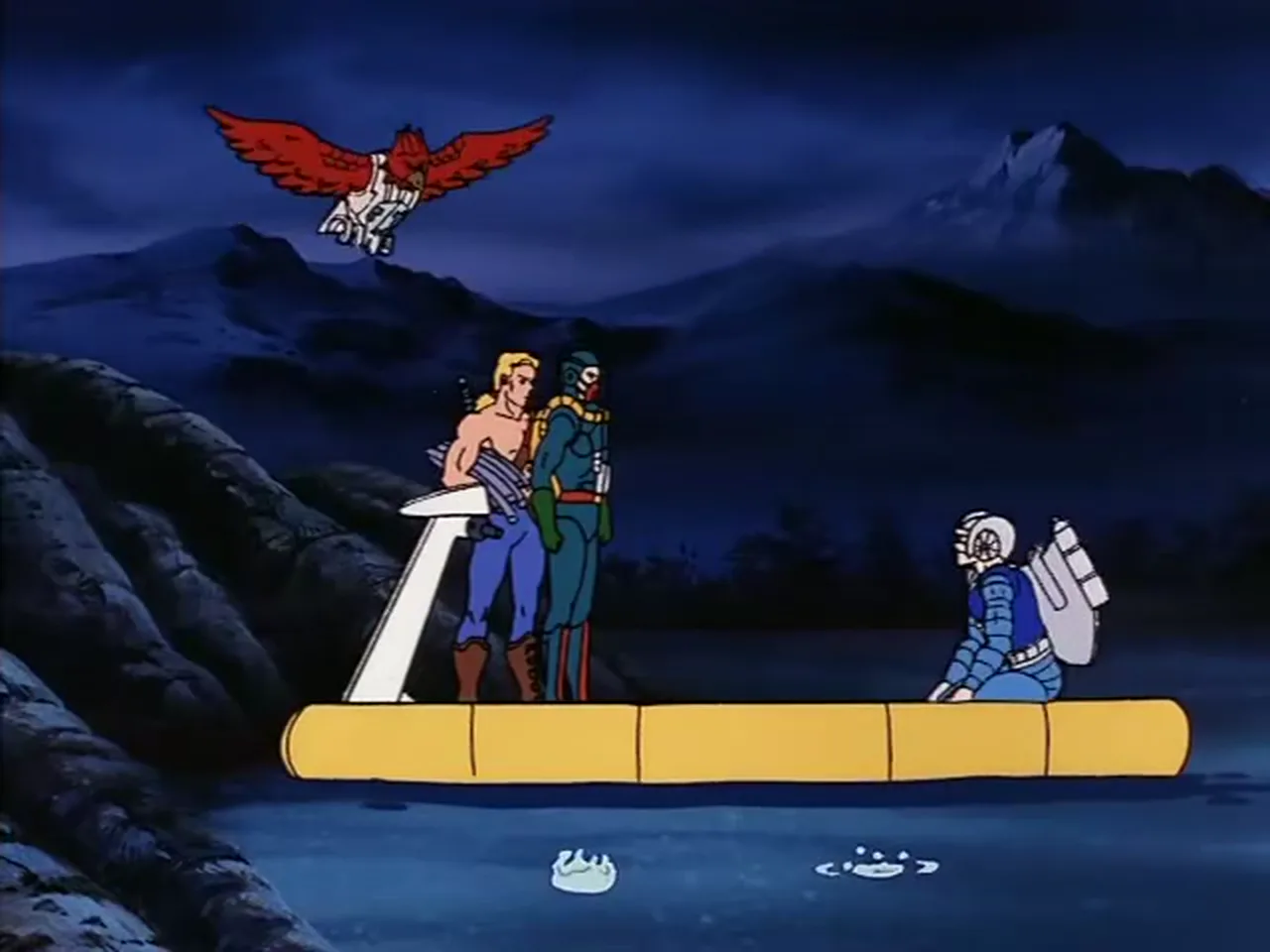
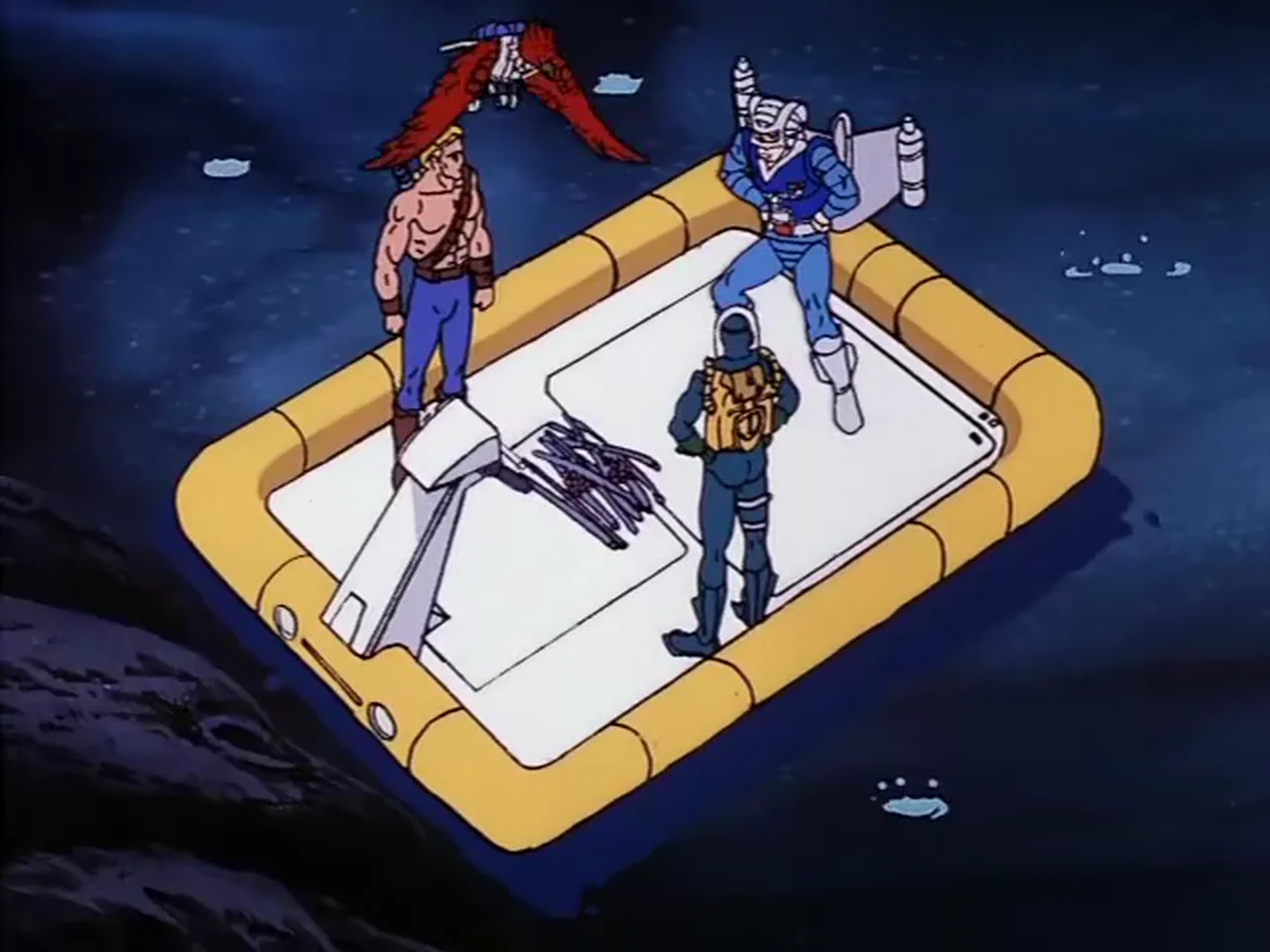
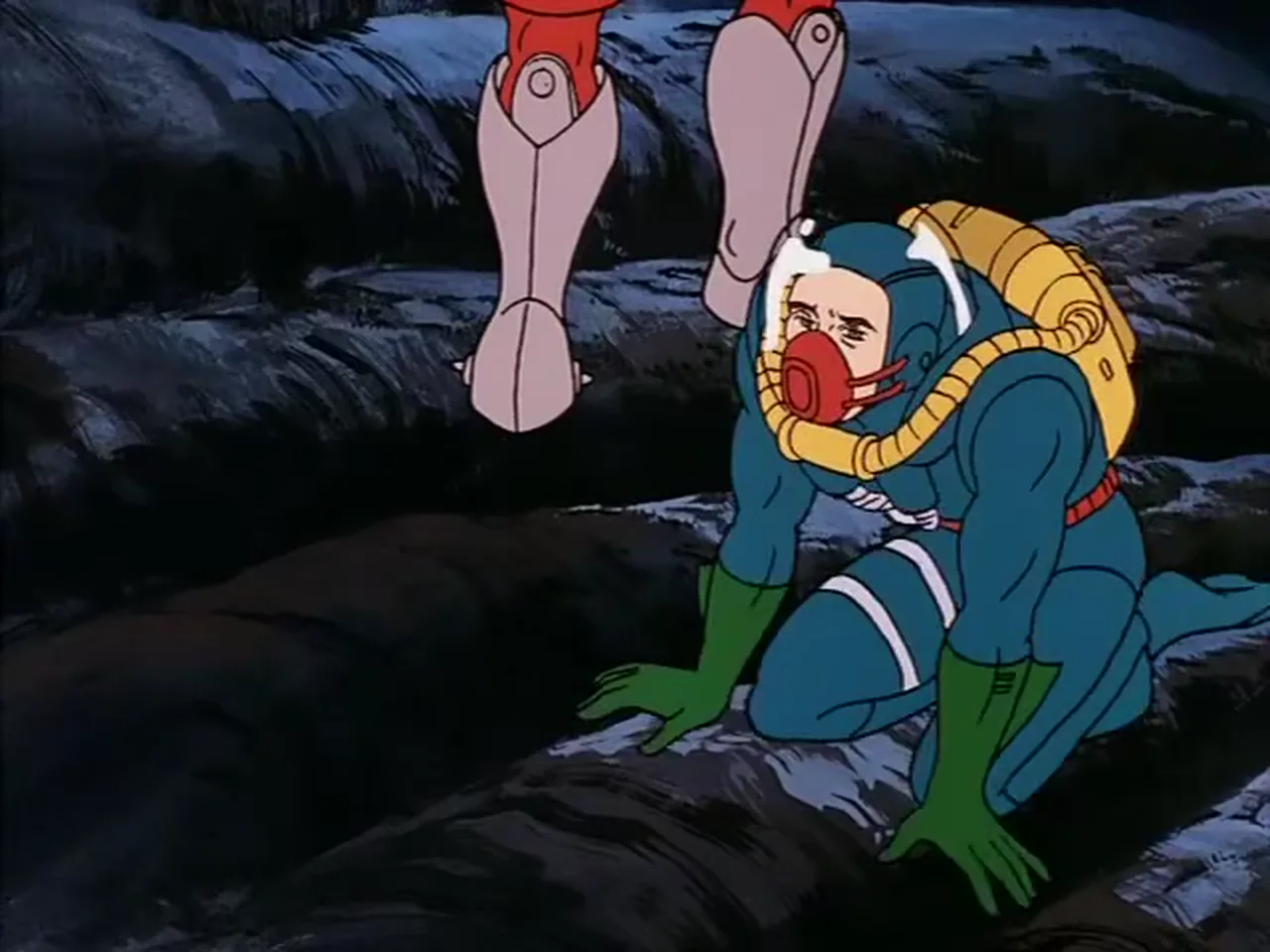
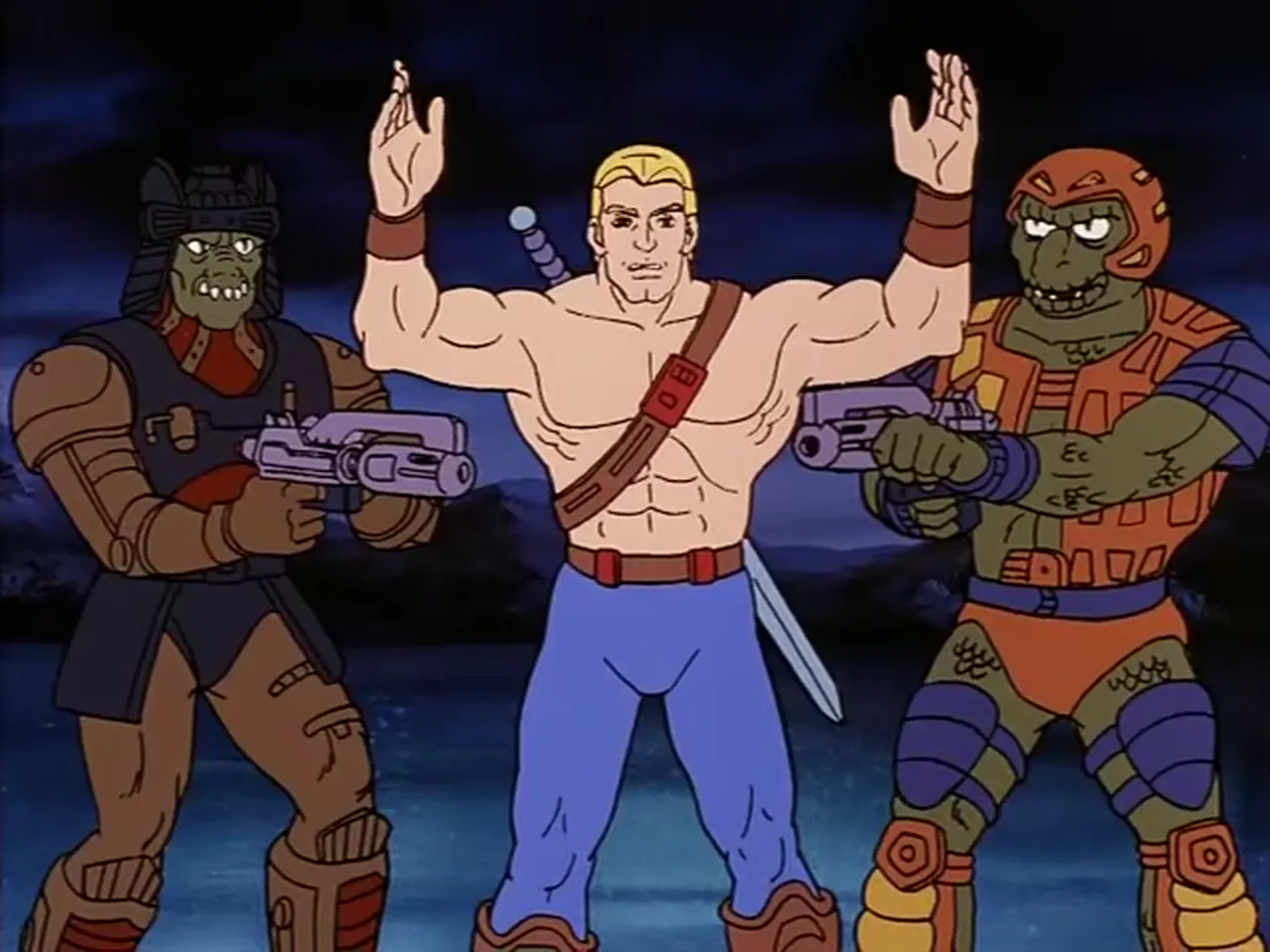
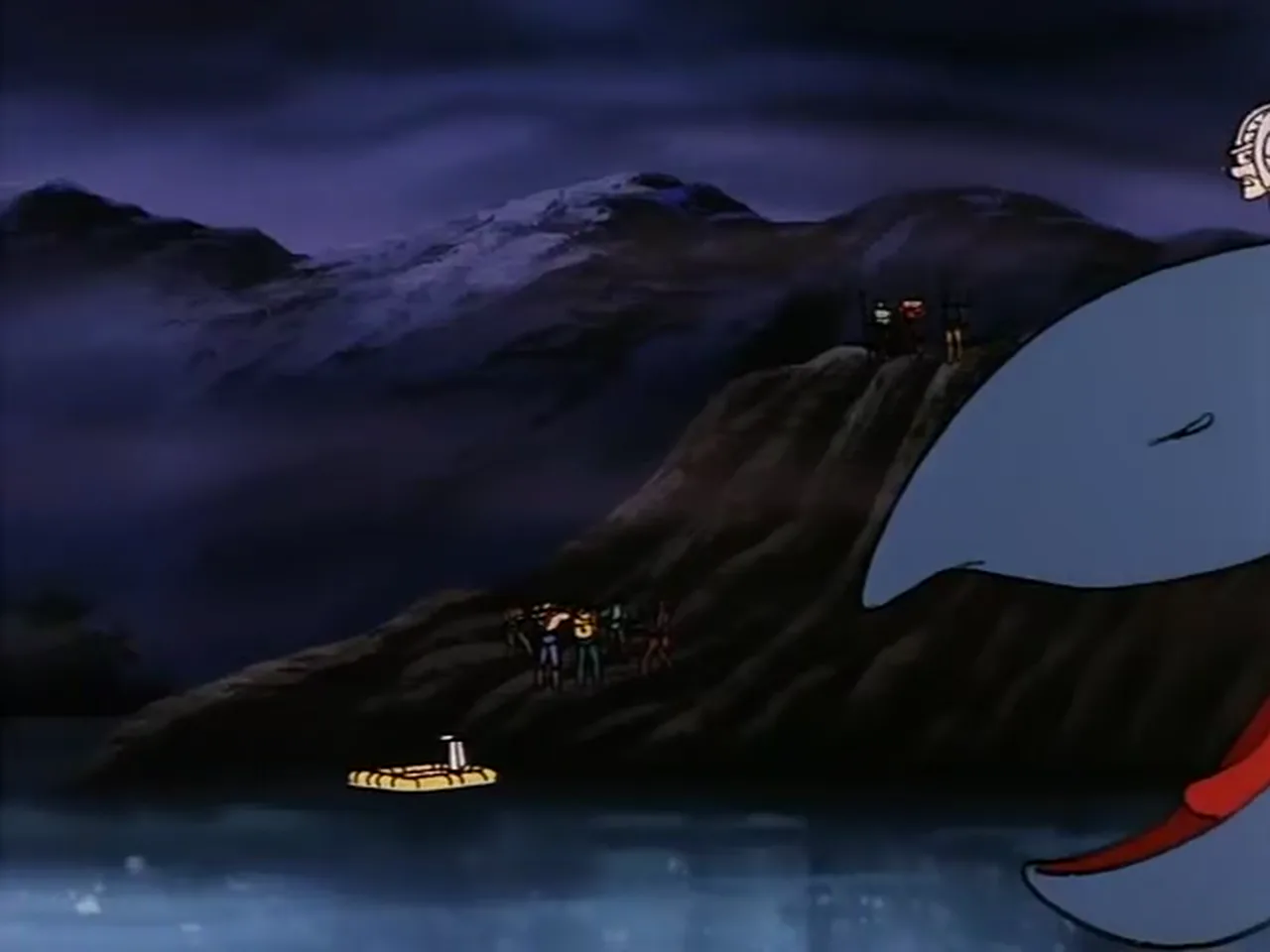
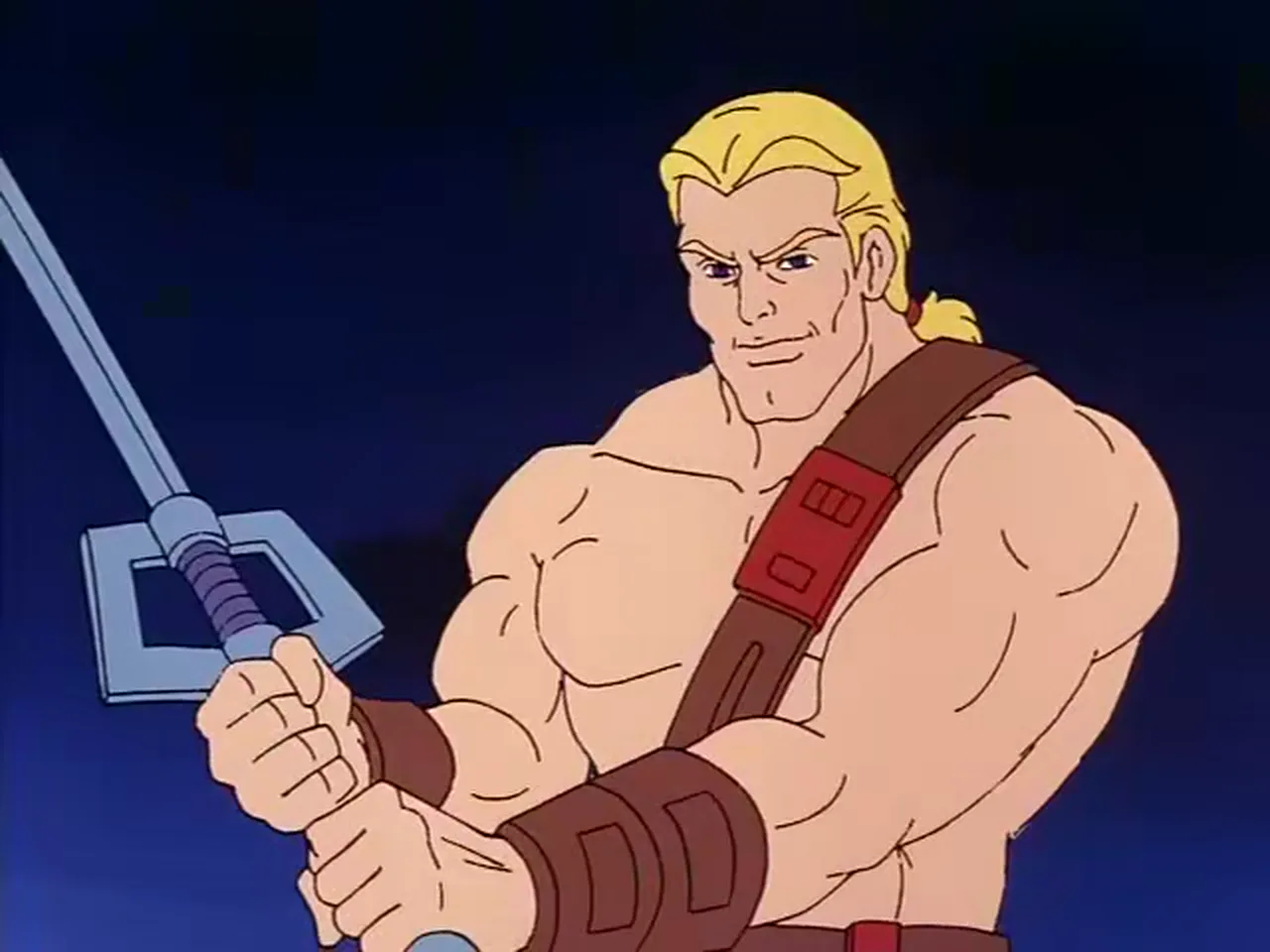
Hydron and Flipshot fly medical supplies to Muninos, and Flipshot recalls his finest hour, the battle of the Quagmi Swamp, where the heroes went to pick cockleberries to cure a sick Master Sebrian. Hydron remembers it differently, so each hero casts the other as the one who lost his nerve. On the Mutant side, Flogg and Slush Head argue over the same battle, each telling it with himself as the leader and the other as a groveling subordinate. In Flipshot's version a bird and some mud save the day, in Hydron's the bush is cut with He-Man's sword, and Slush Head's ends with a pal from the swamp interrupting. The Mutants trade blame, a swim goes wrong, and a reminder to use the buddy system closes.
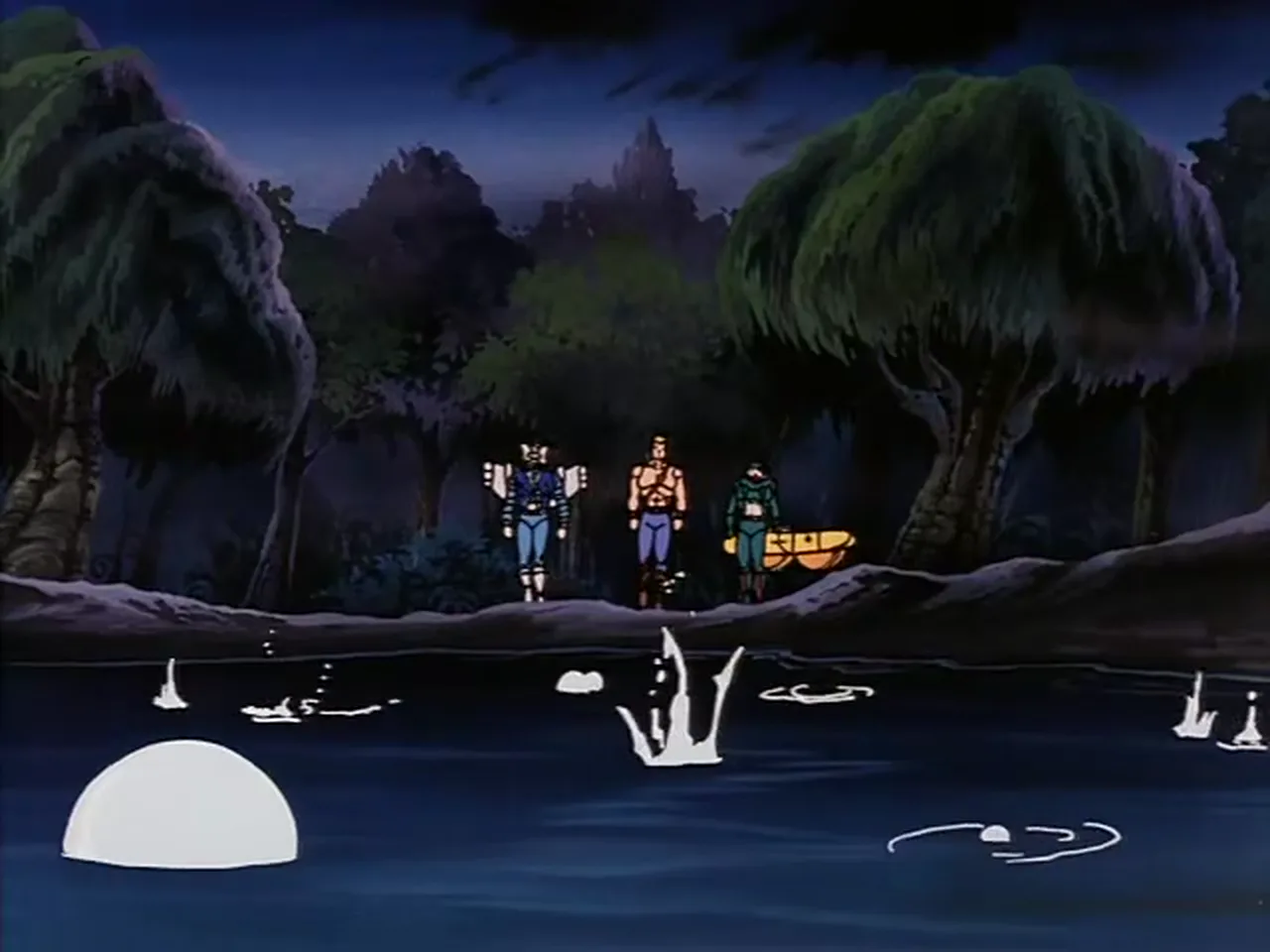
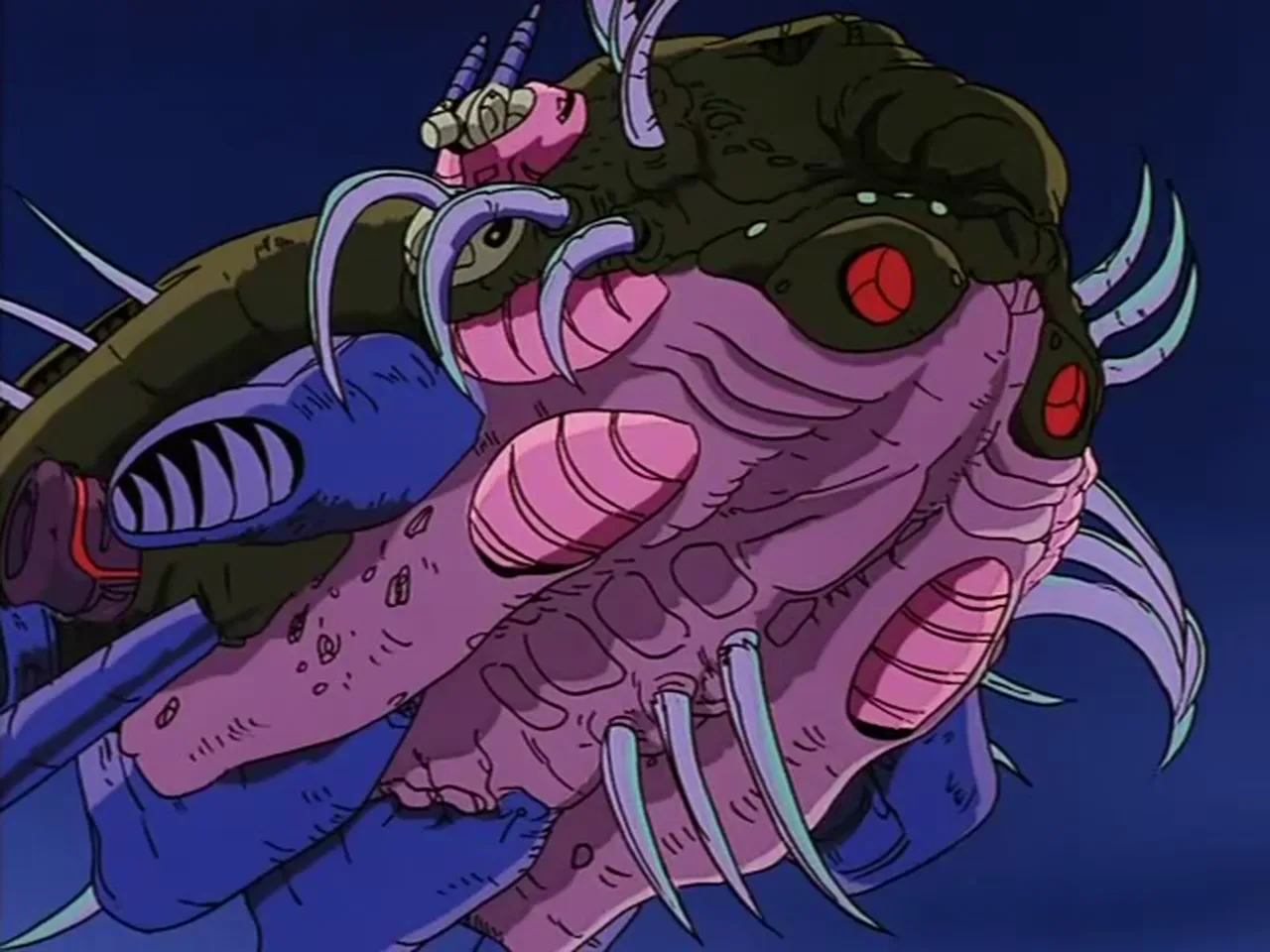
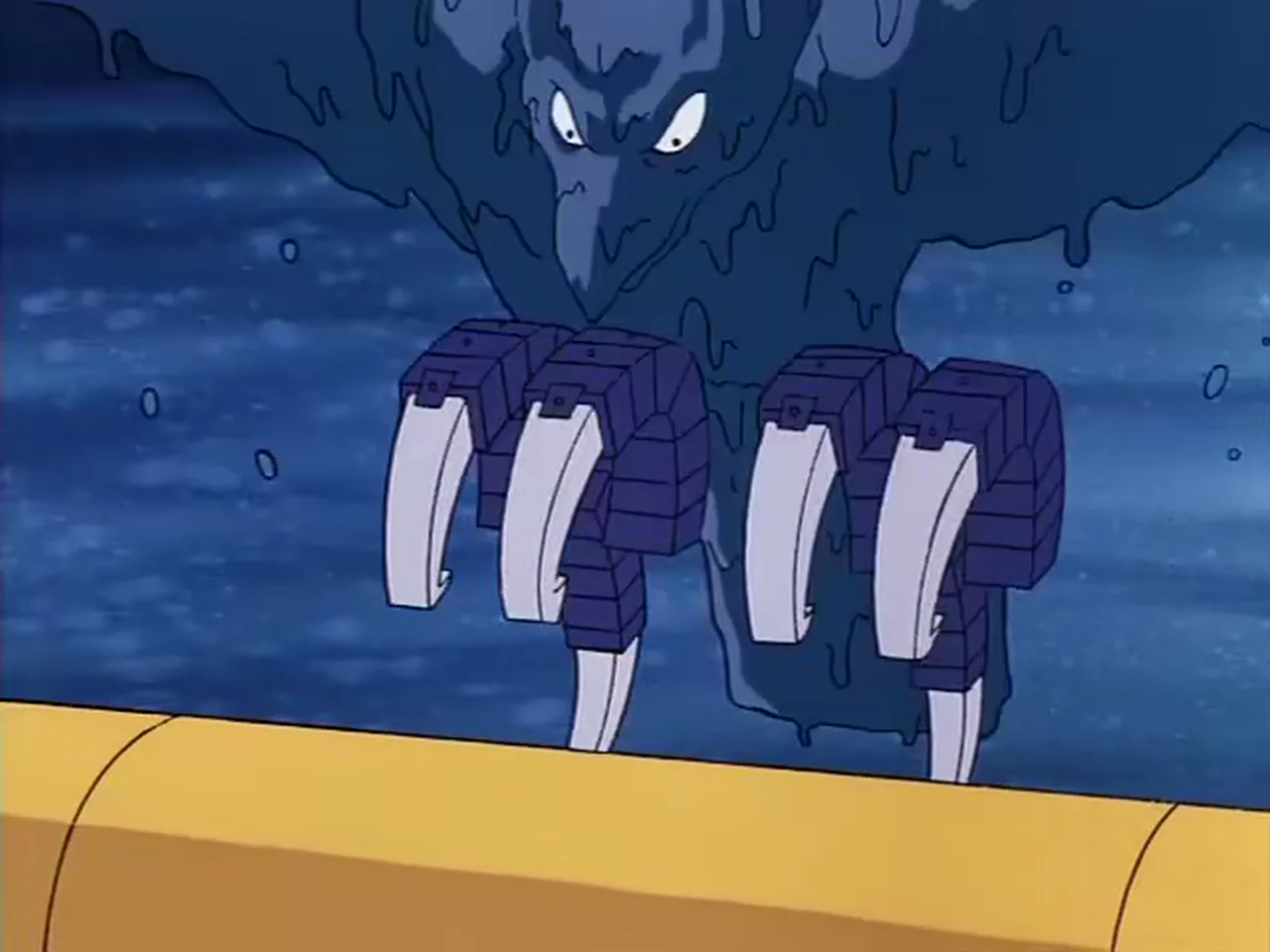
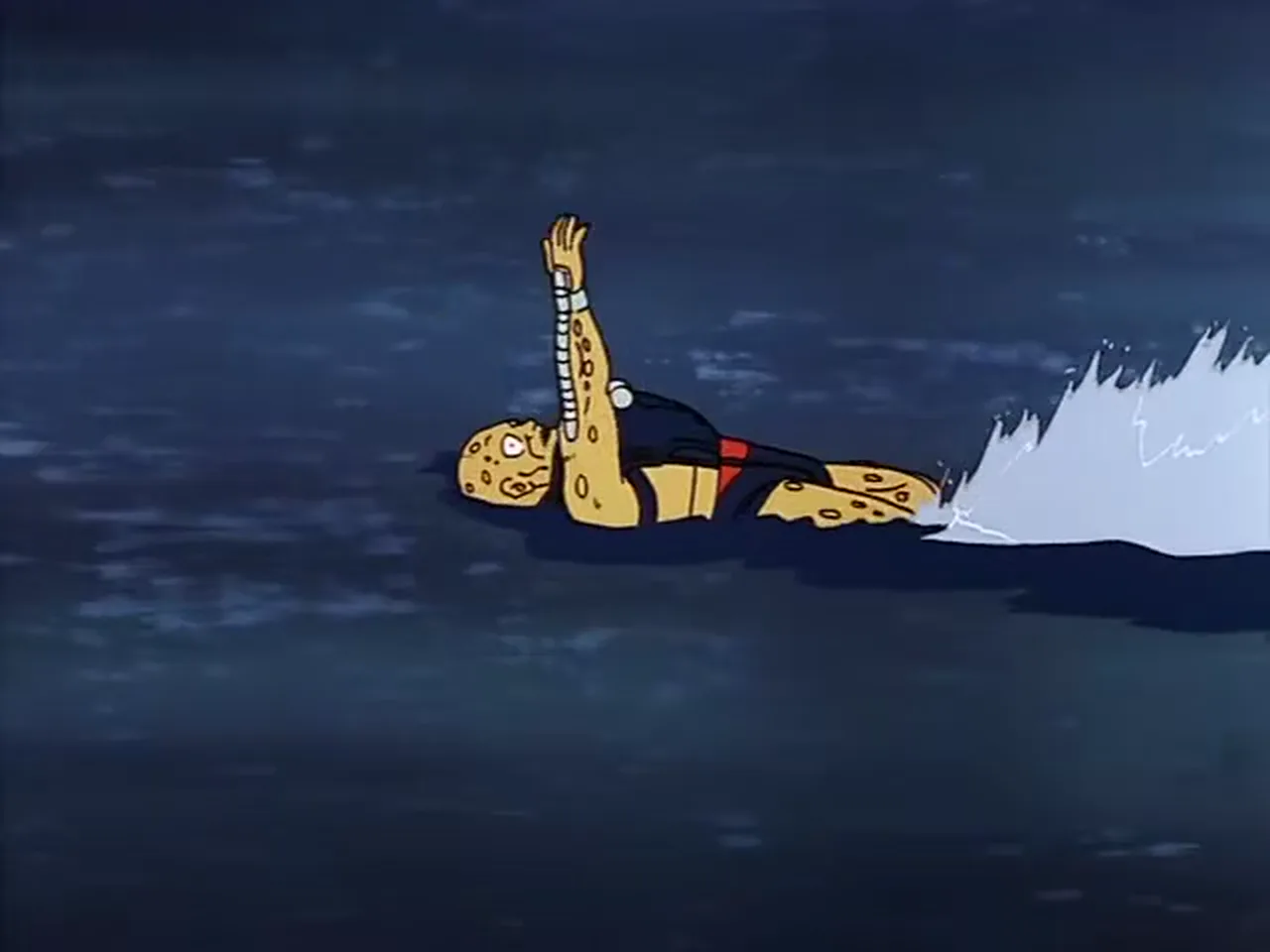
Slush Head swims alone in the swamp, is grabbed by something, and the closing lesson is the buddy system: even a Mutant should know better than to swim alone, so at the beach or at home, swim with a buddy.
Ask four people what happened at a battle and you get four heroes. "Four Ways to Sundown" builds an episode from that observation, in a shape the He-Man wiki says writer Jack Olesker took from Kurosawa's Rashomon, and the affection it has for its cast keeps the exaggerations a pleasure to watch.
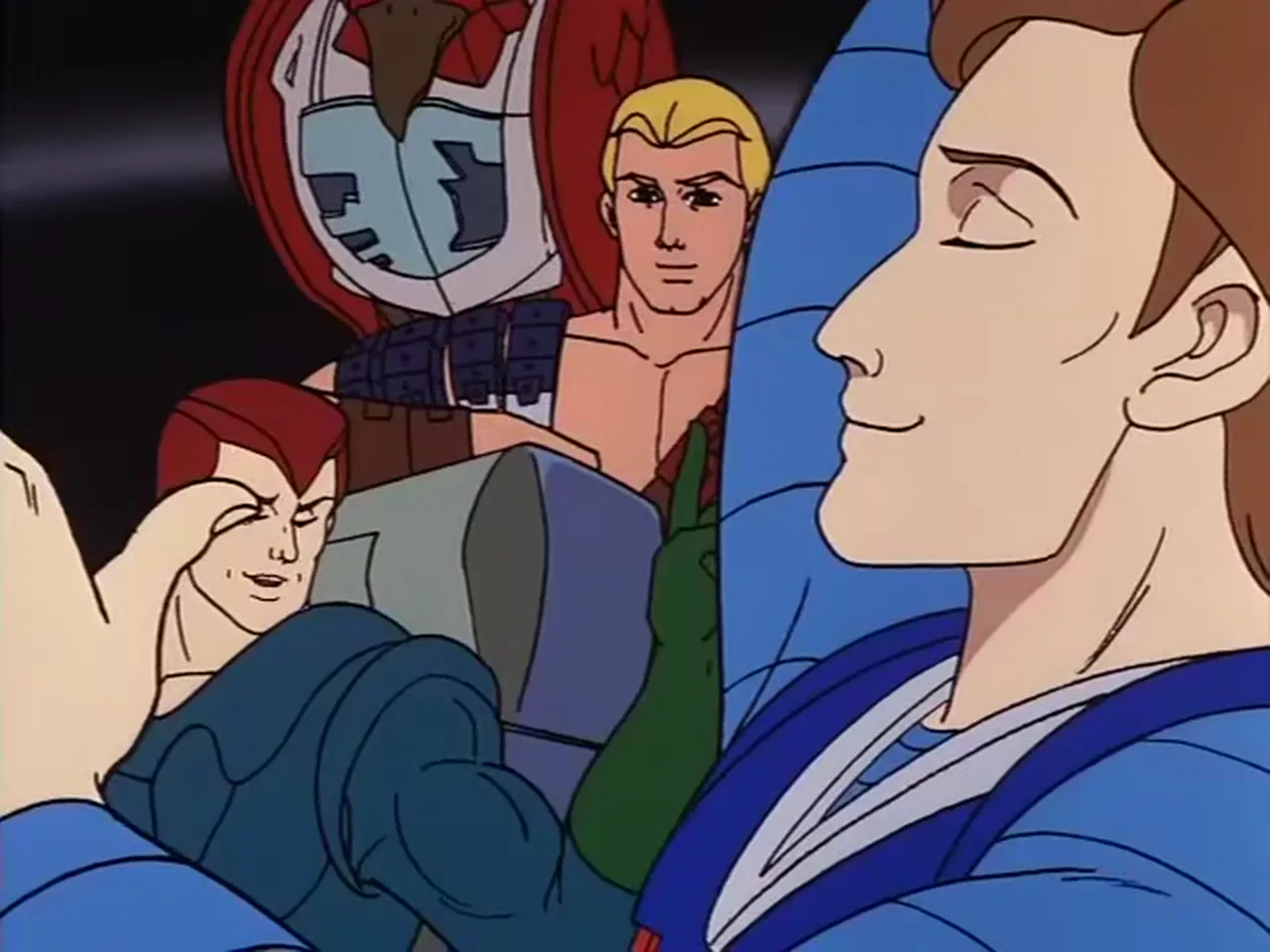
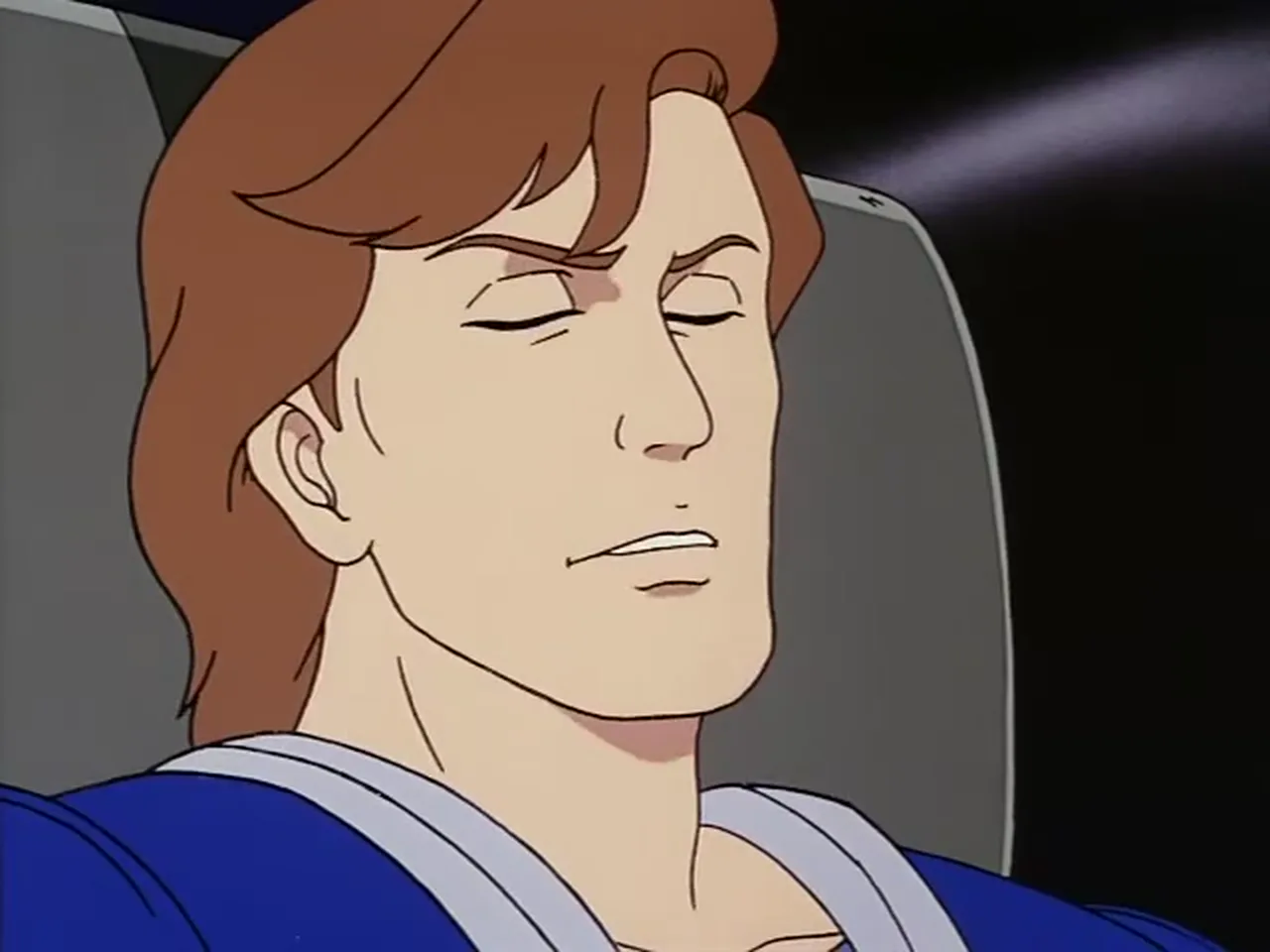
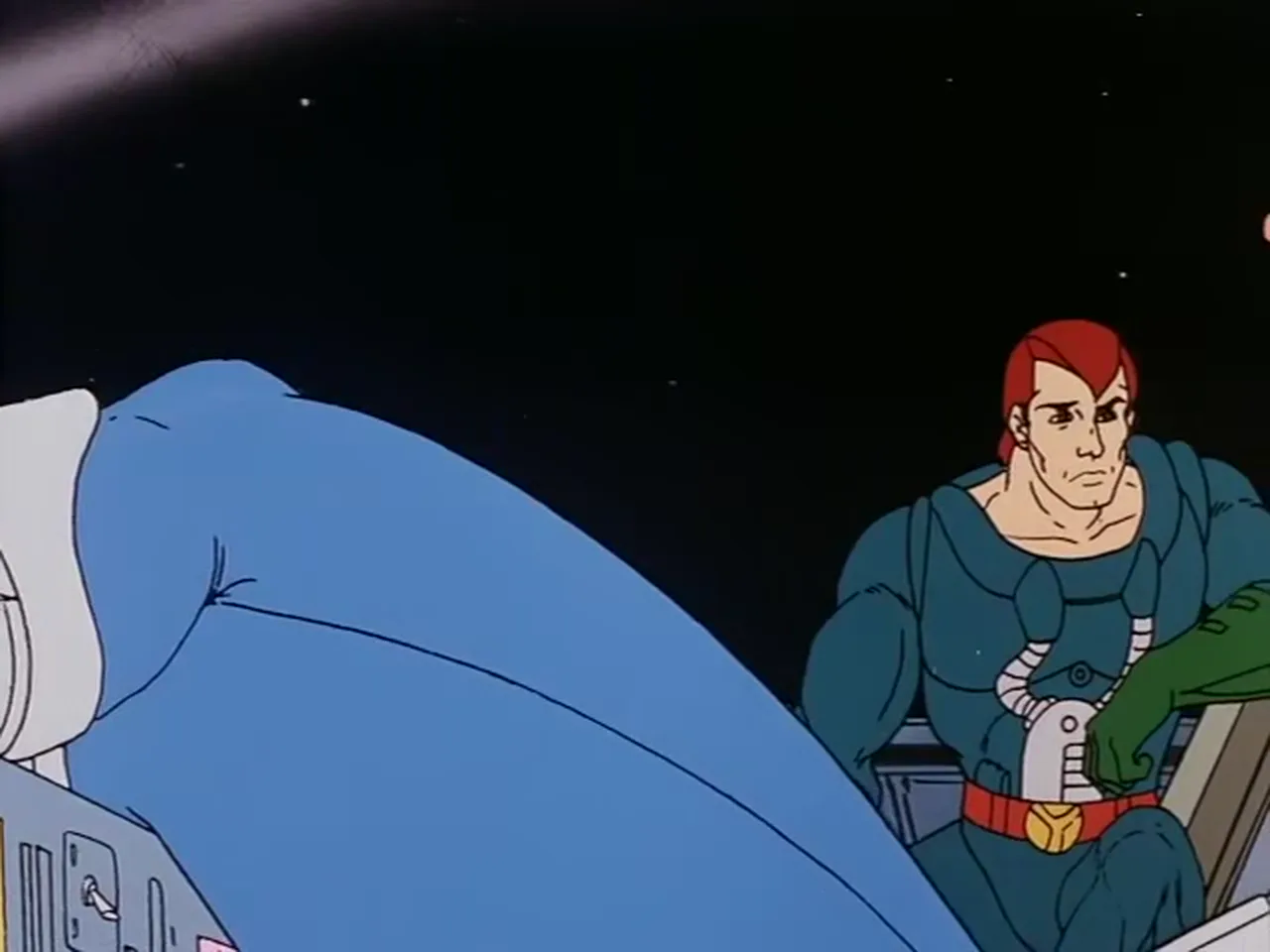
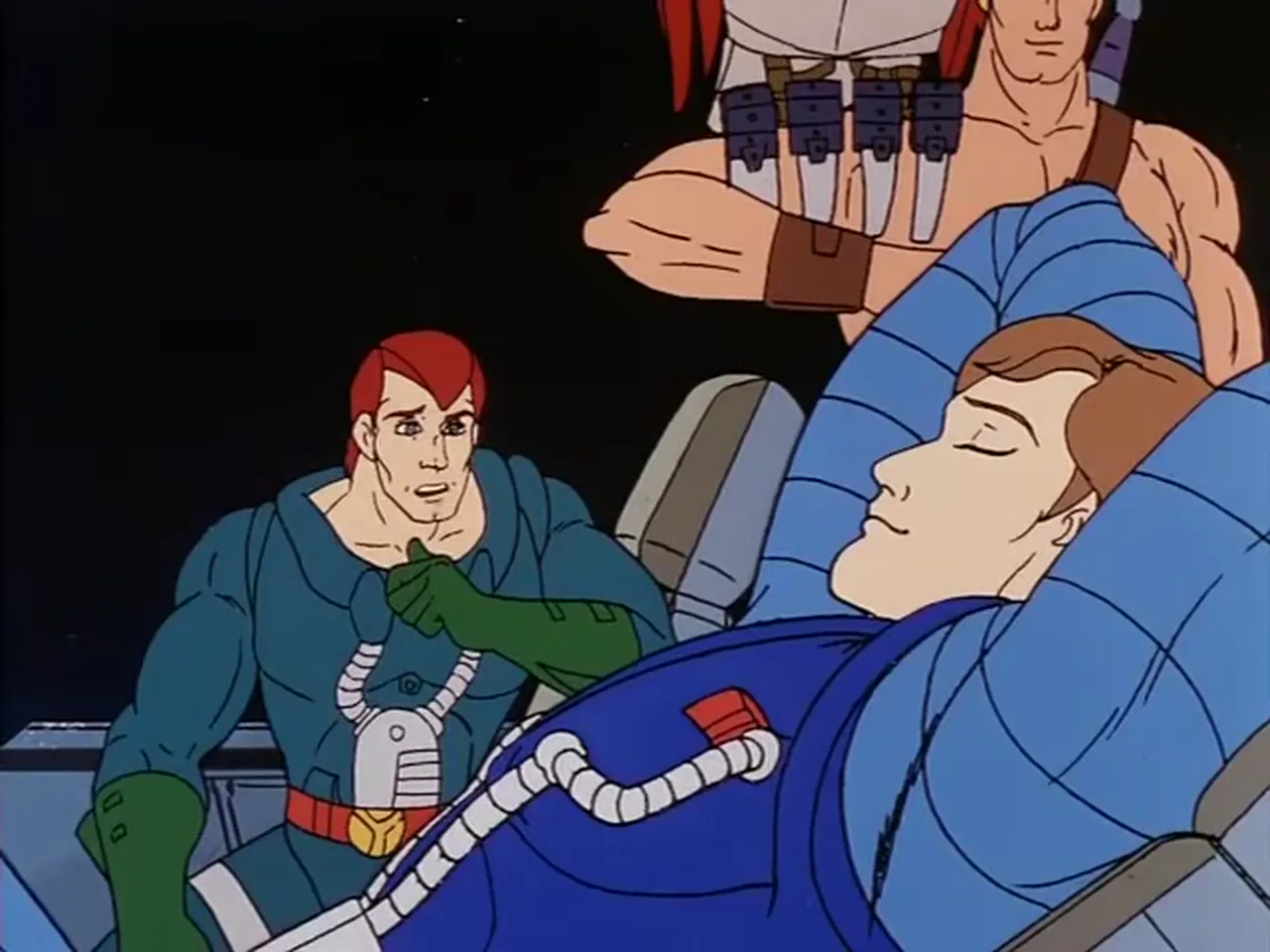
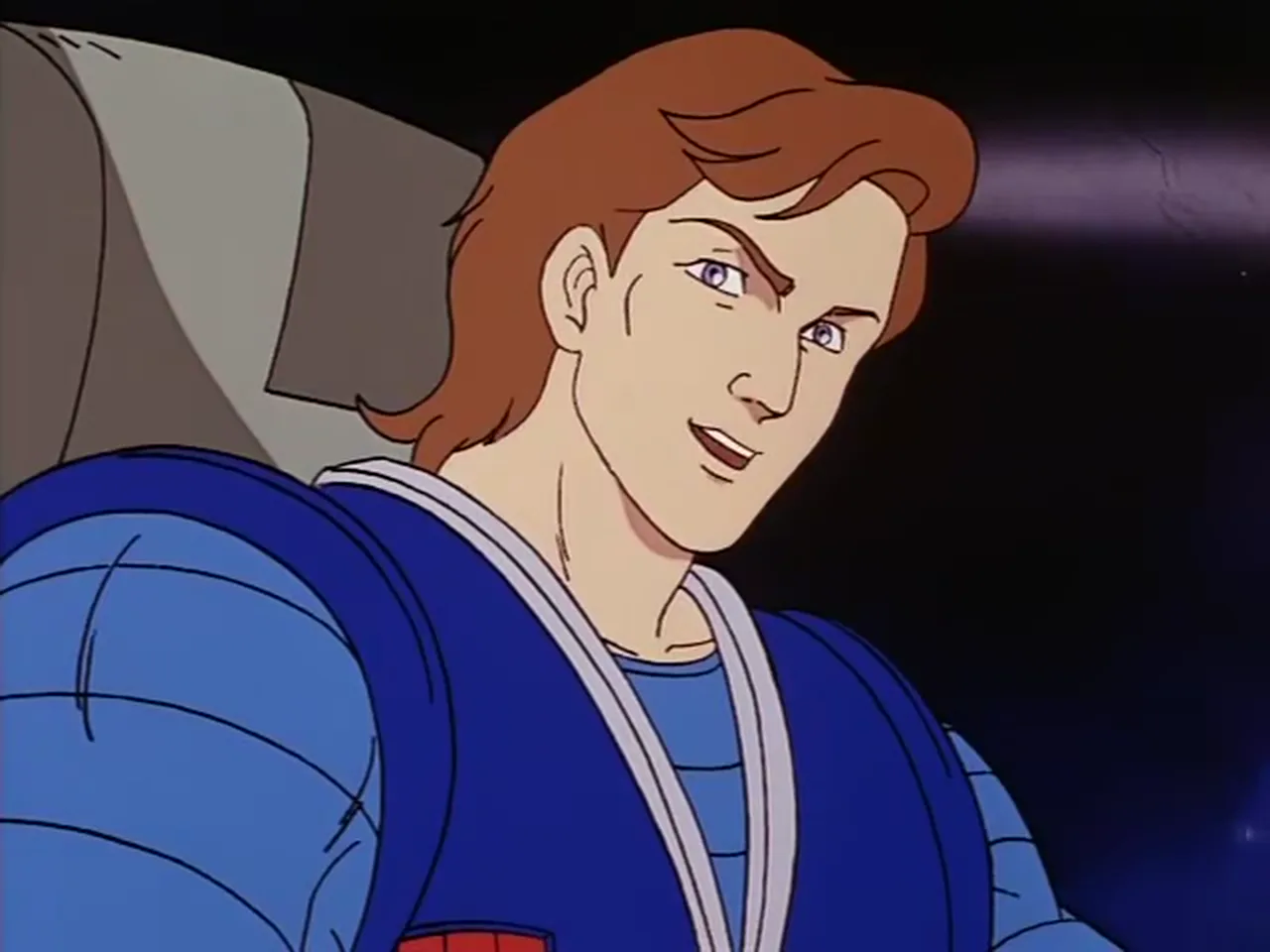
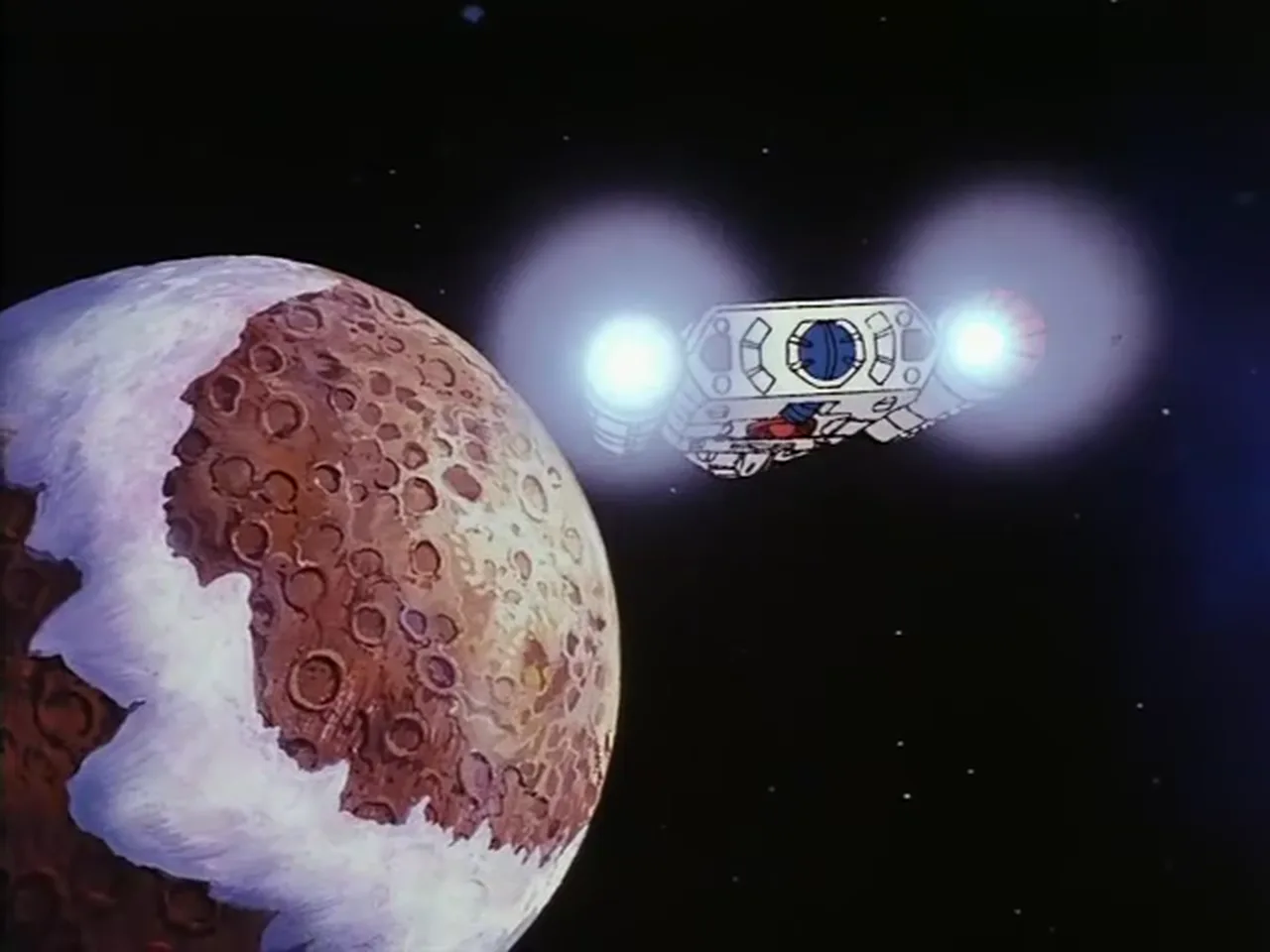
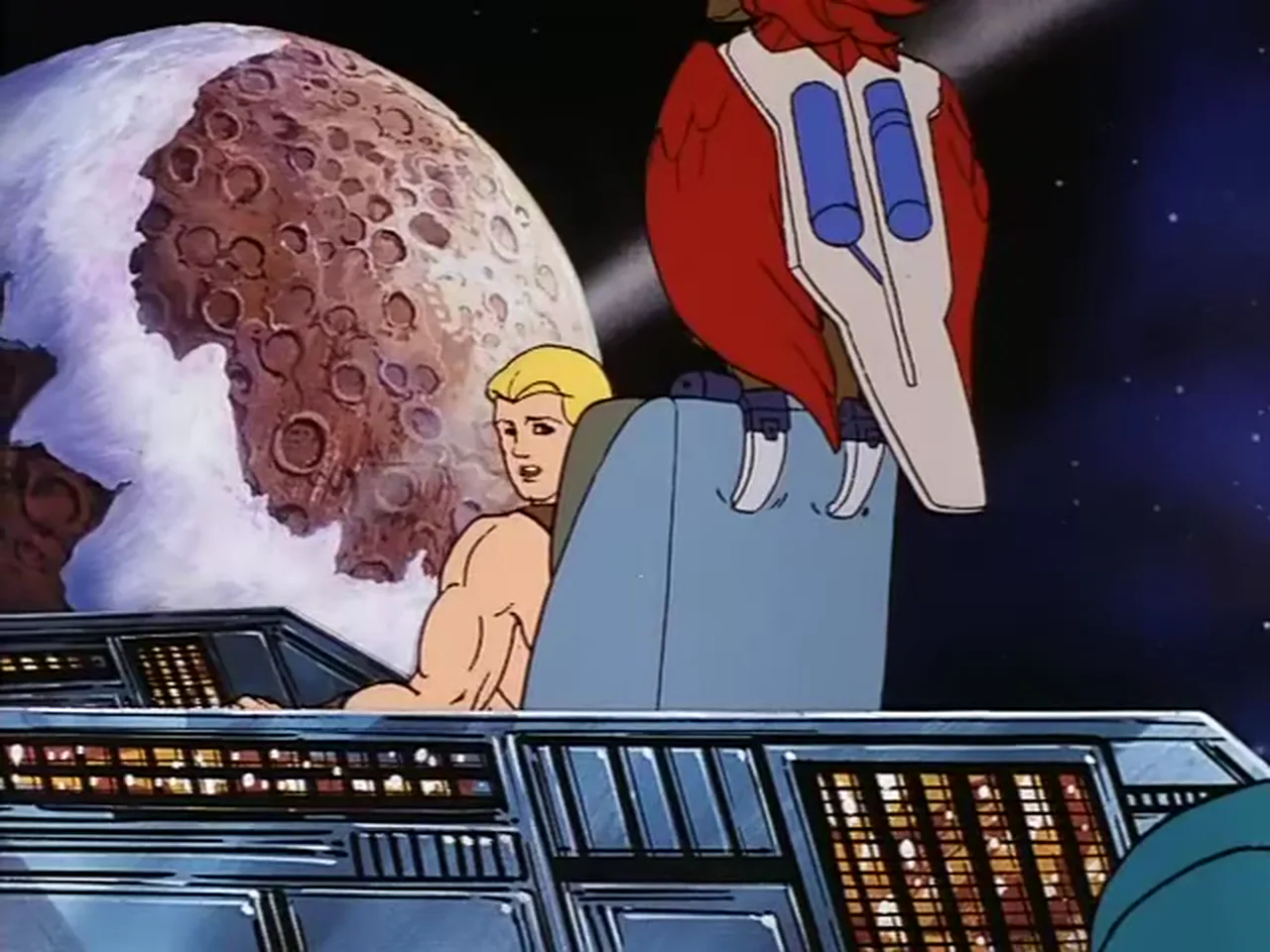
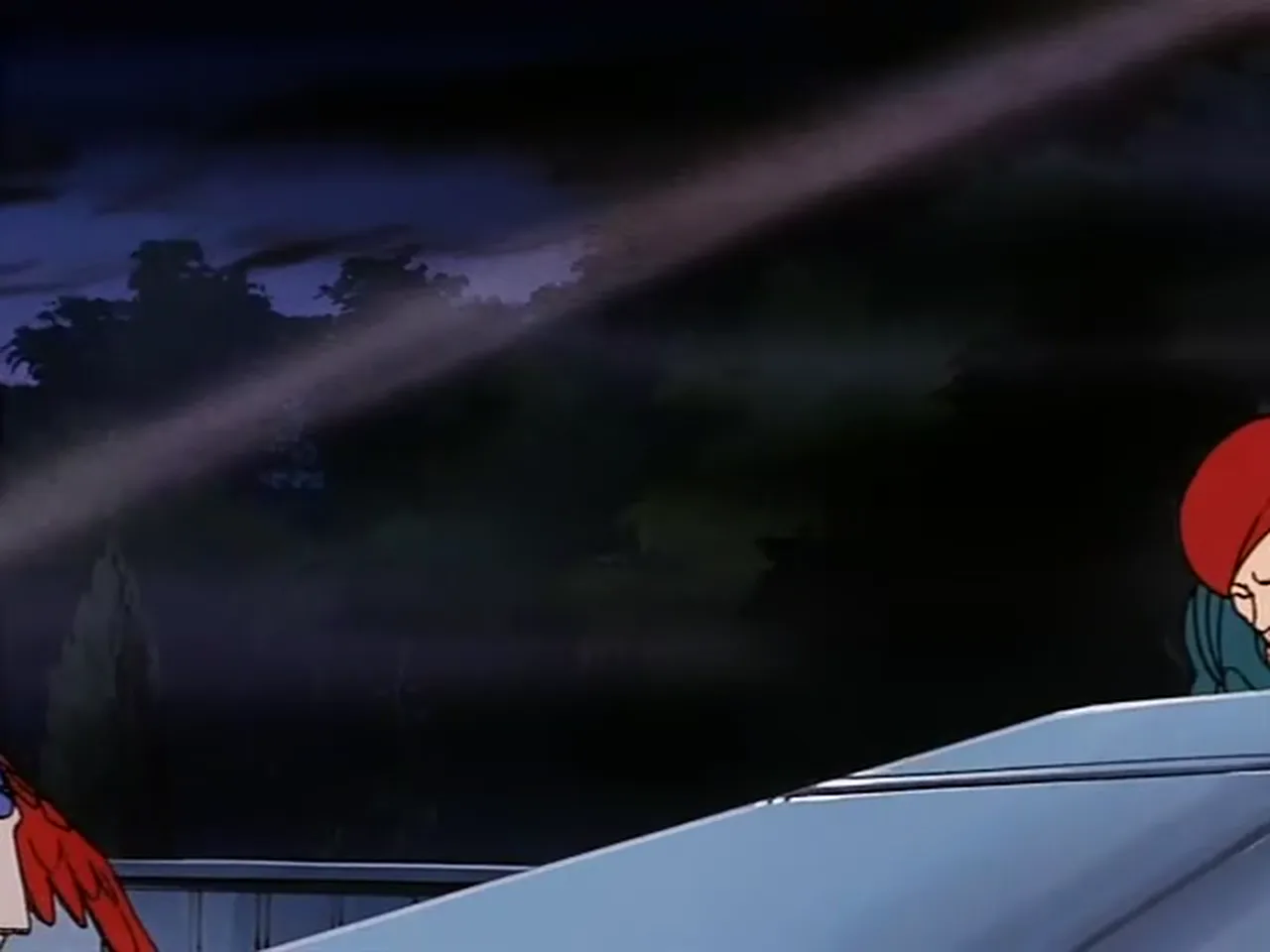
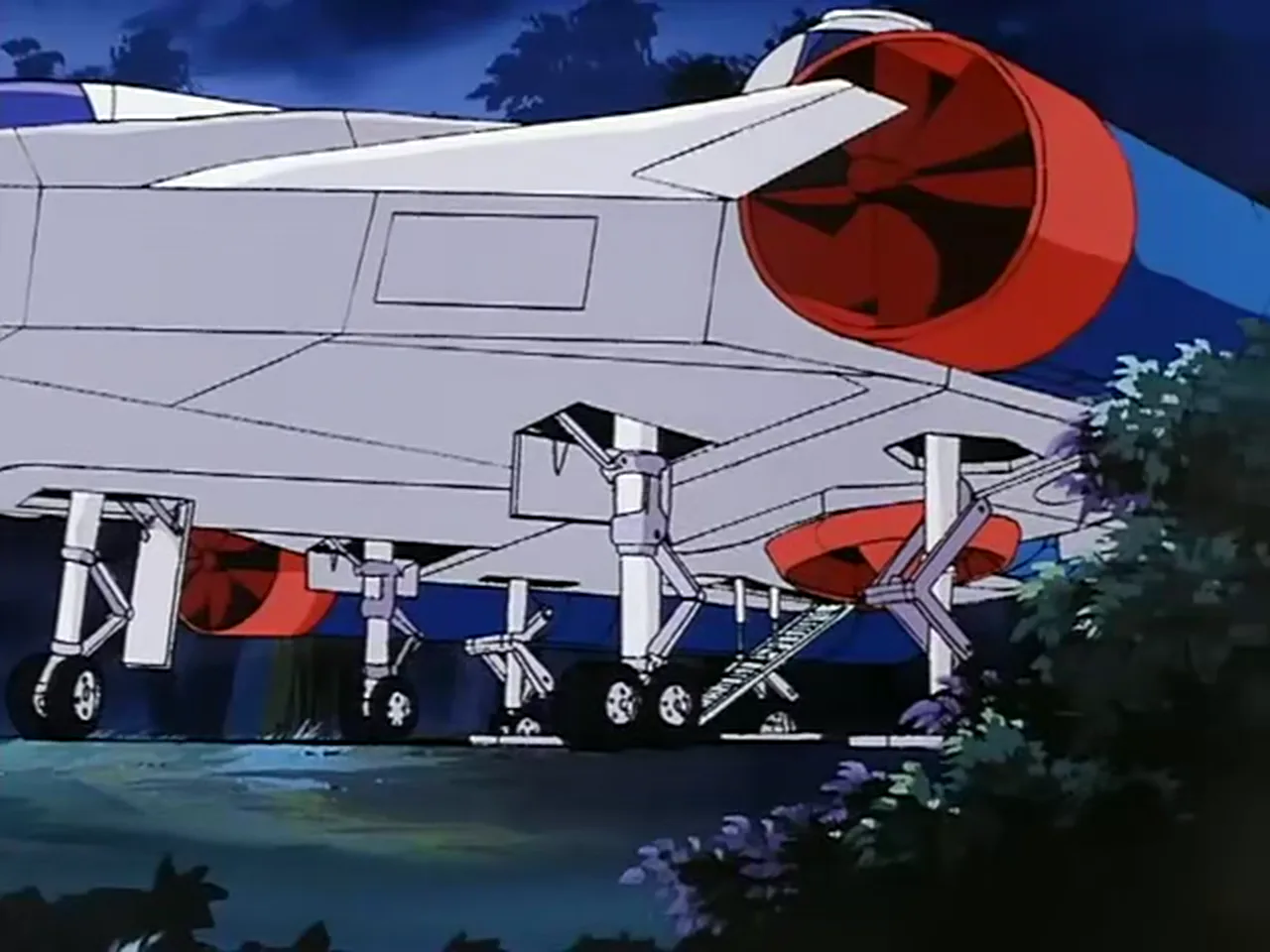
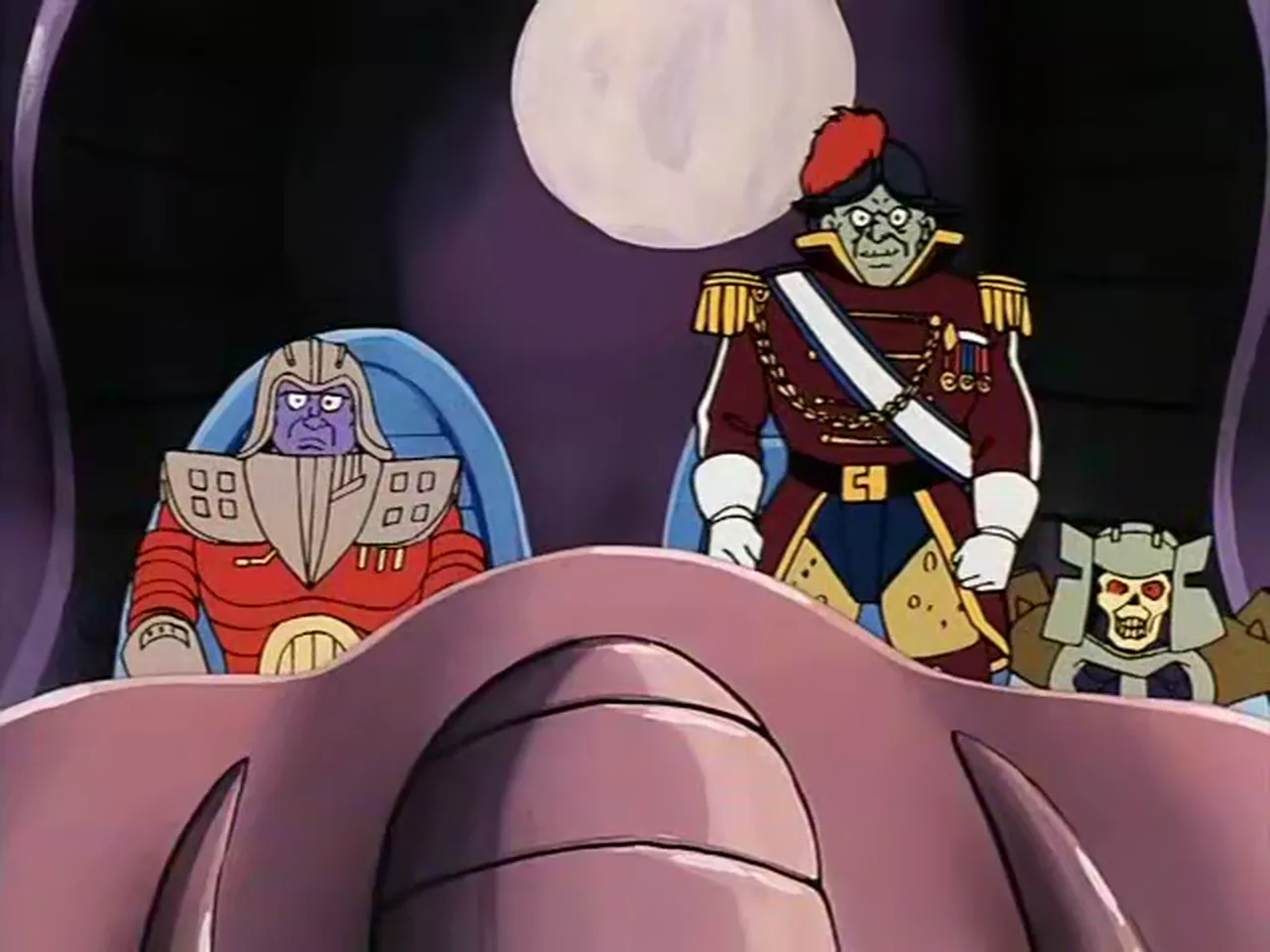
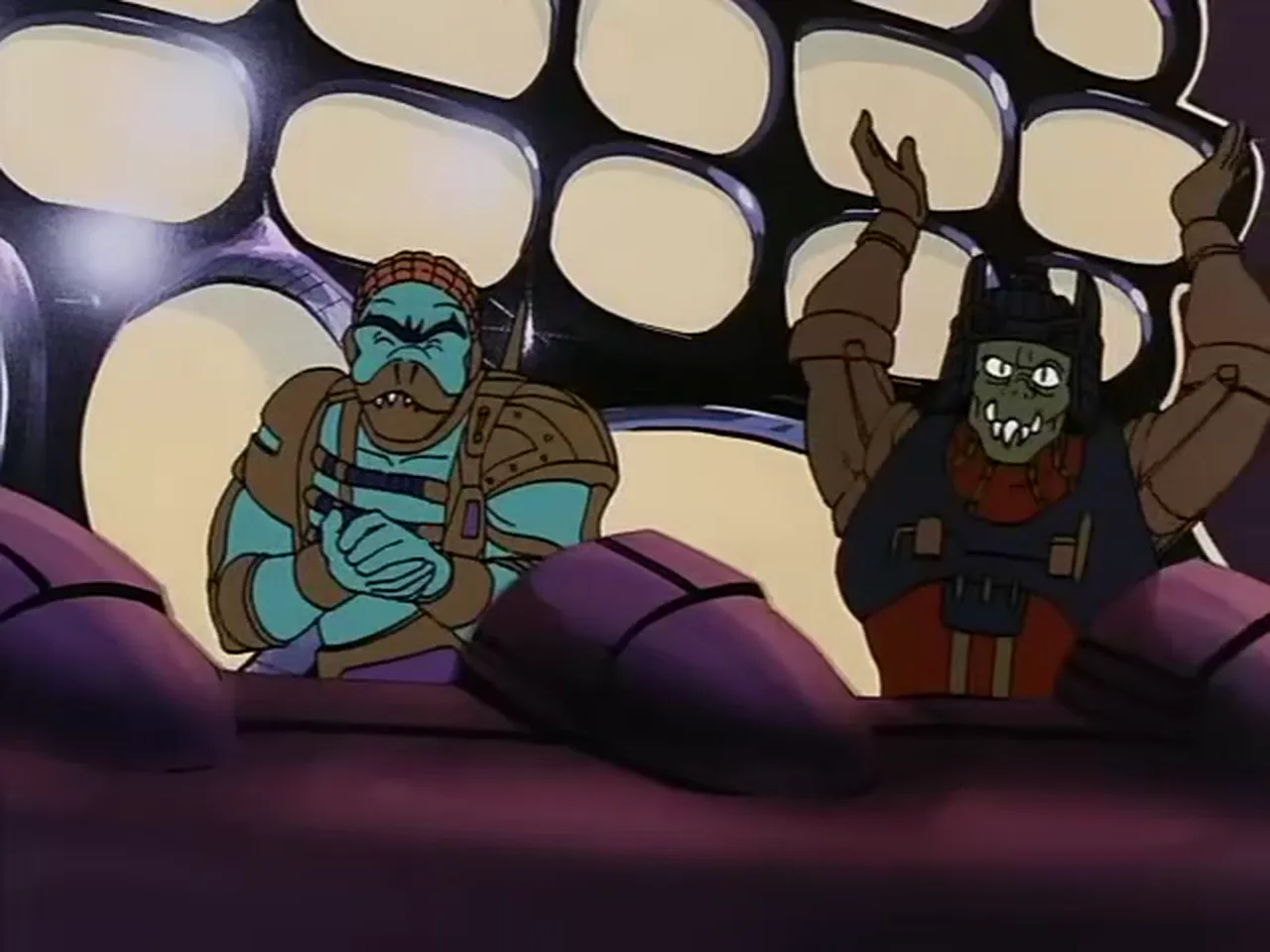
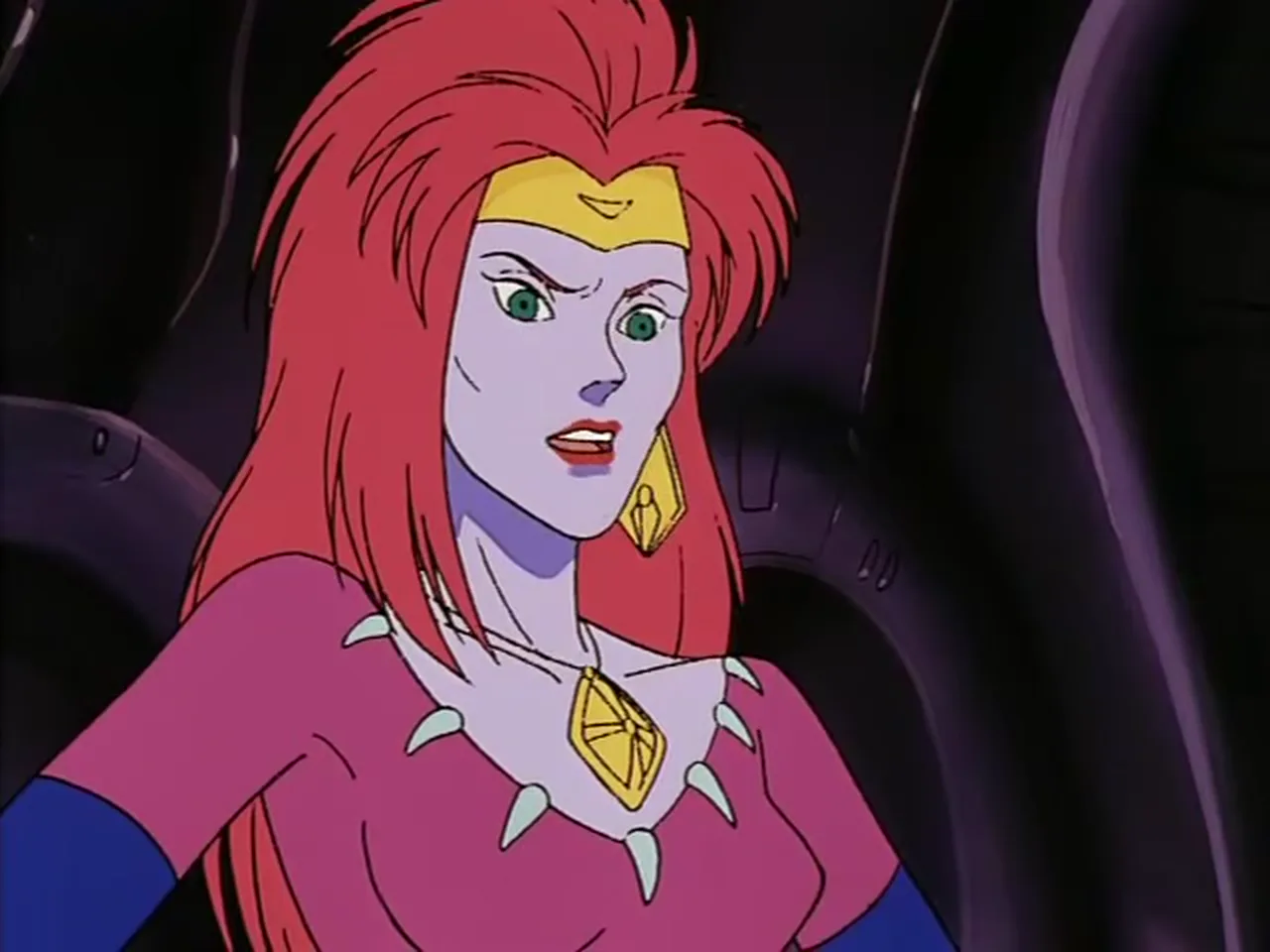
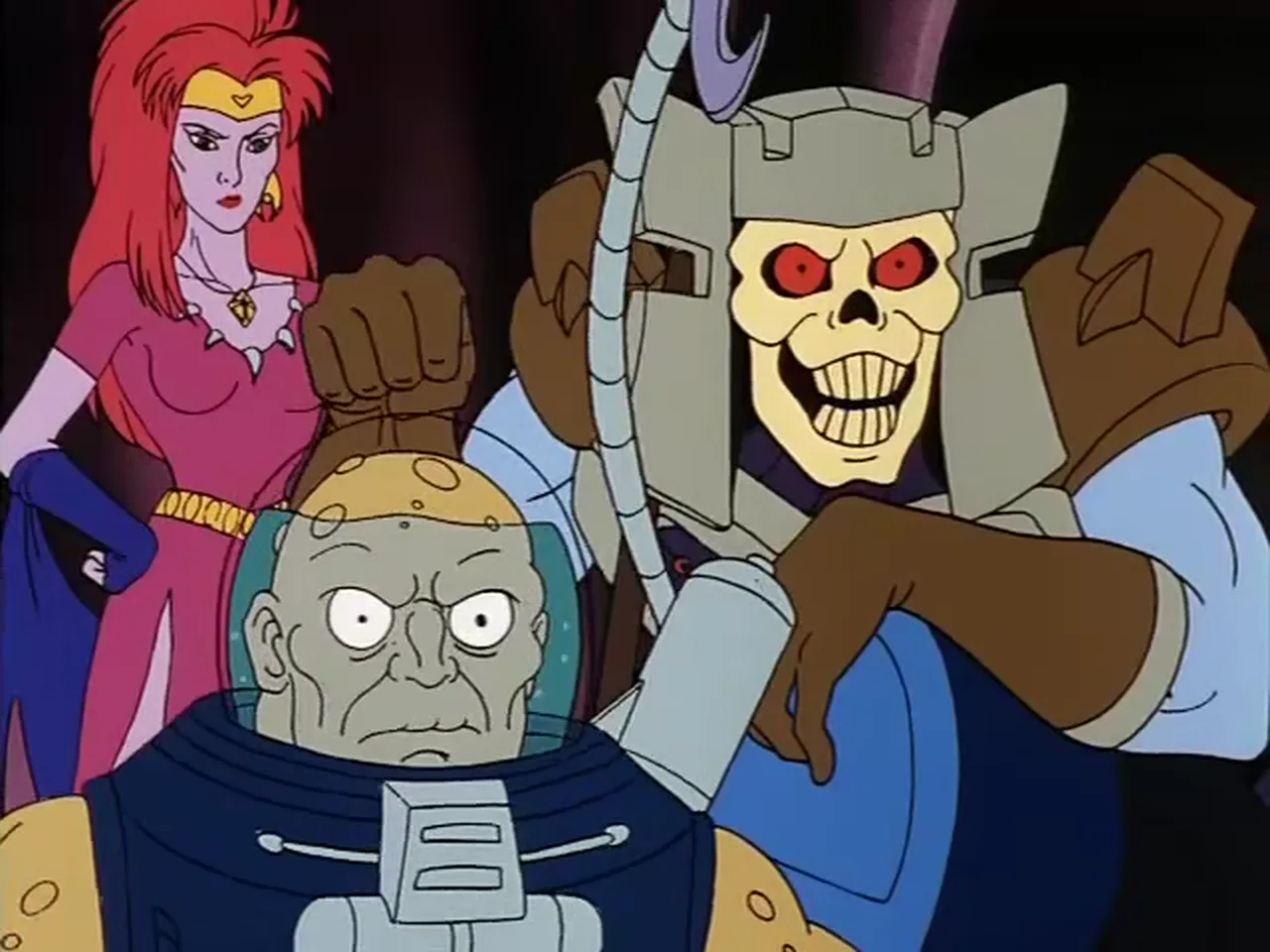
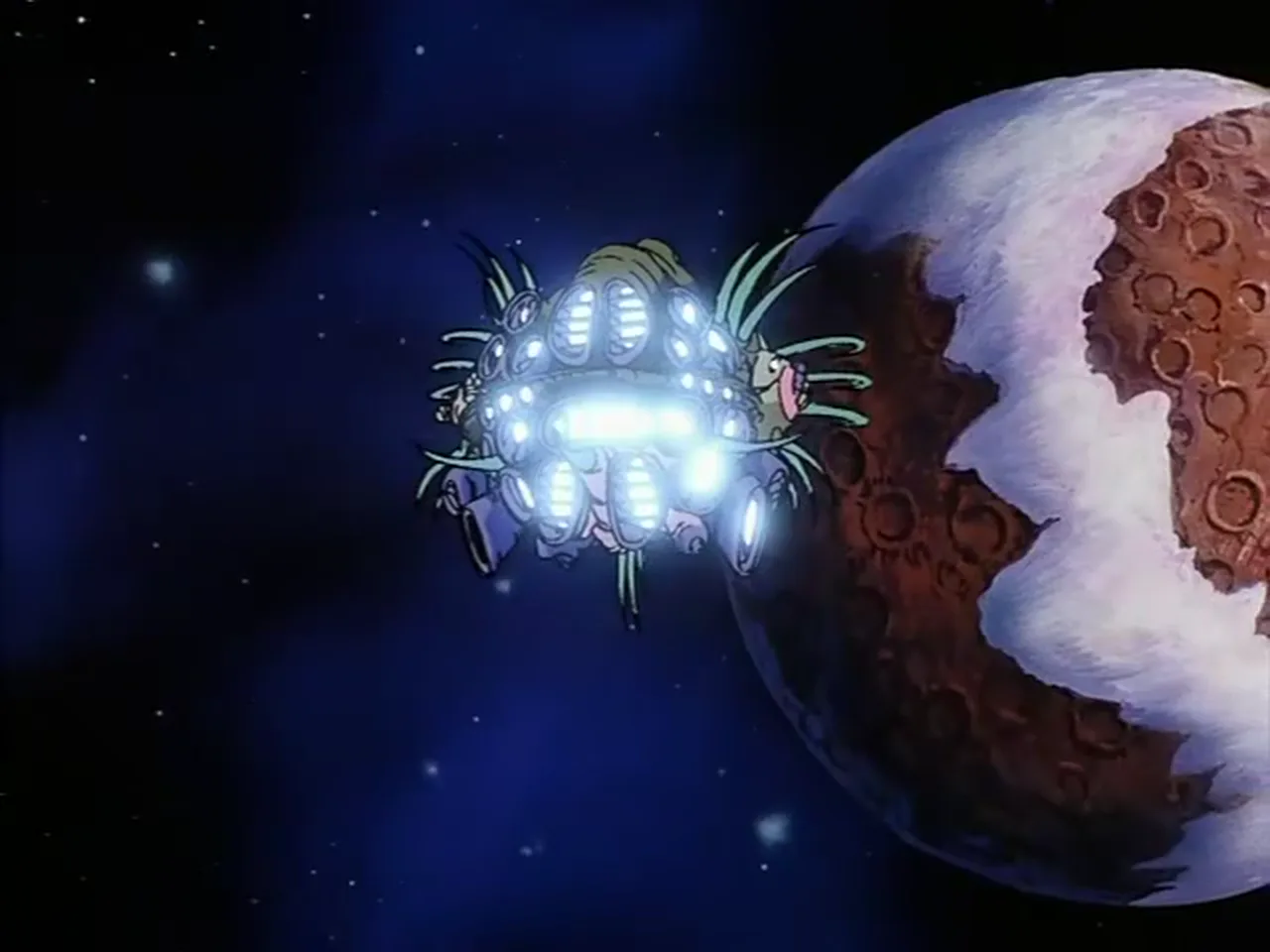
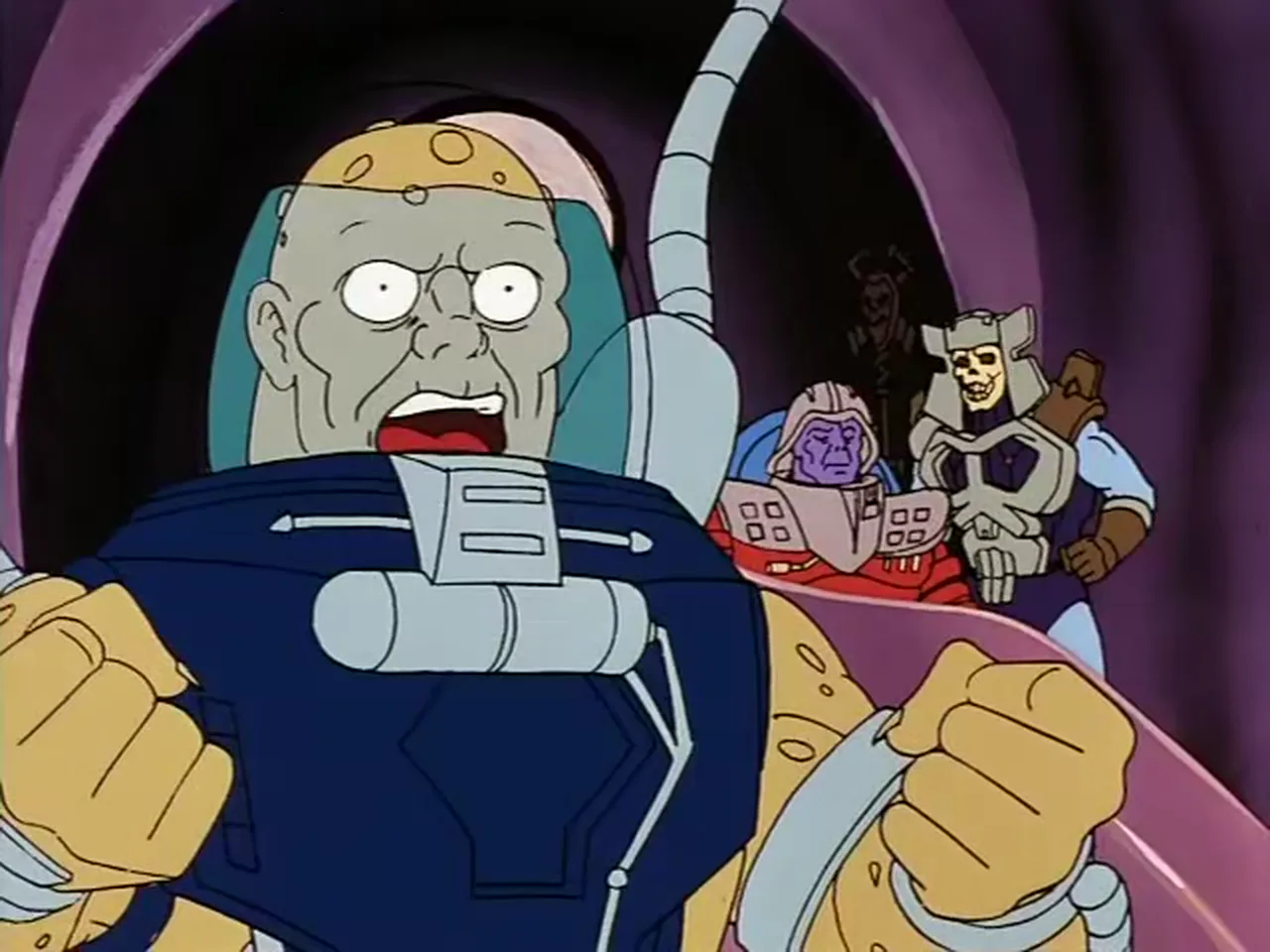
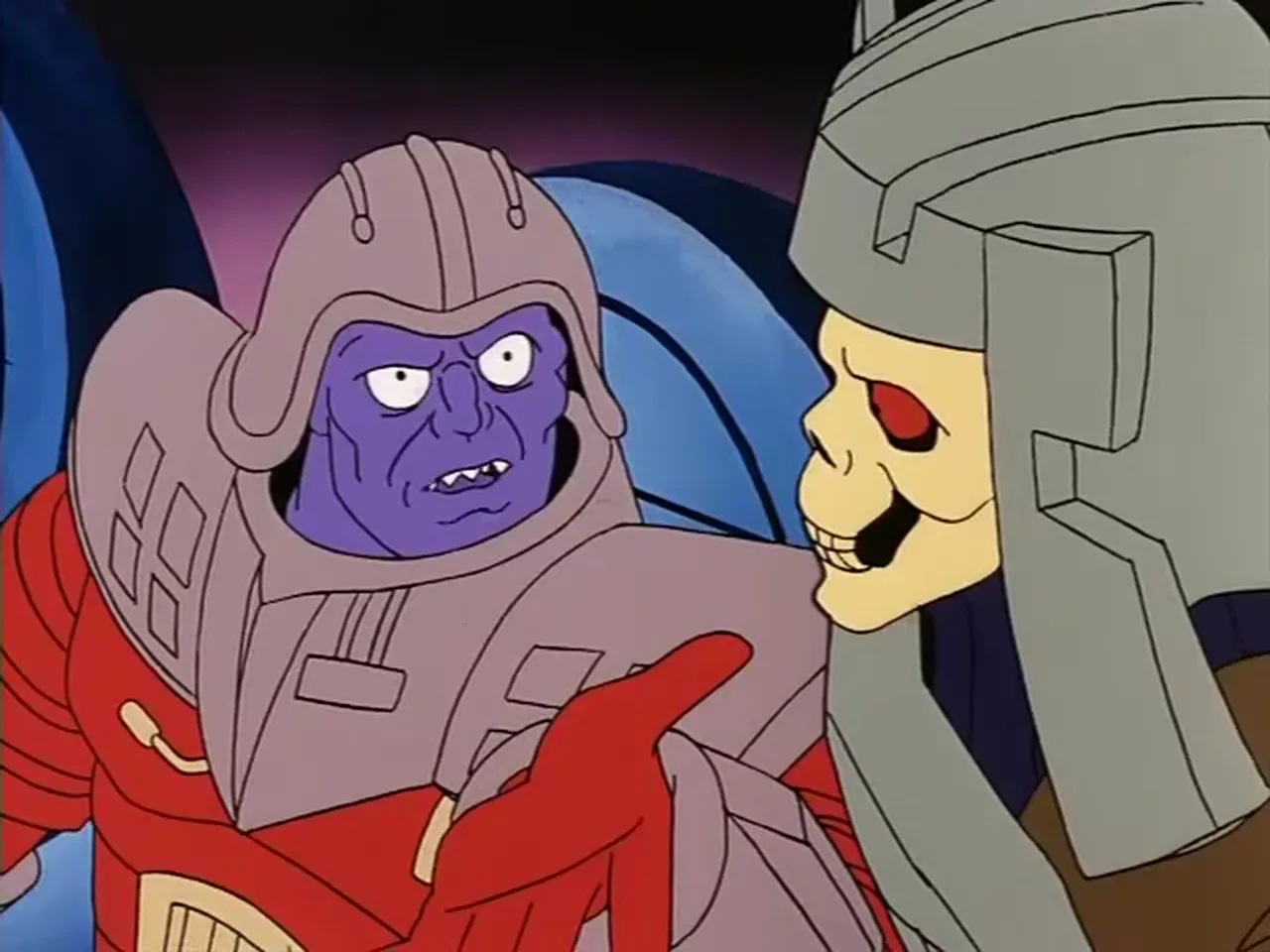
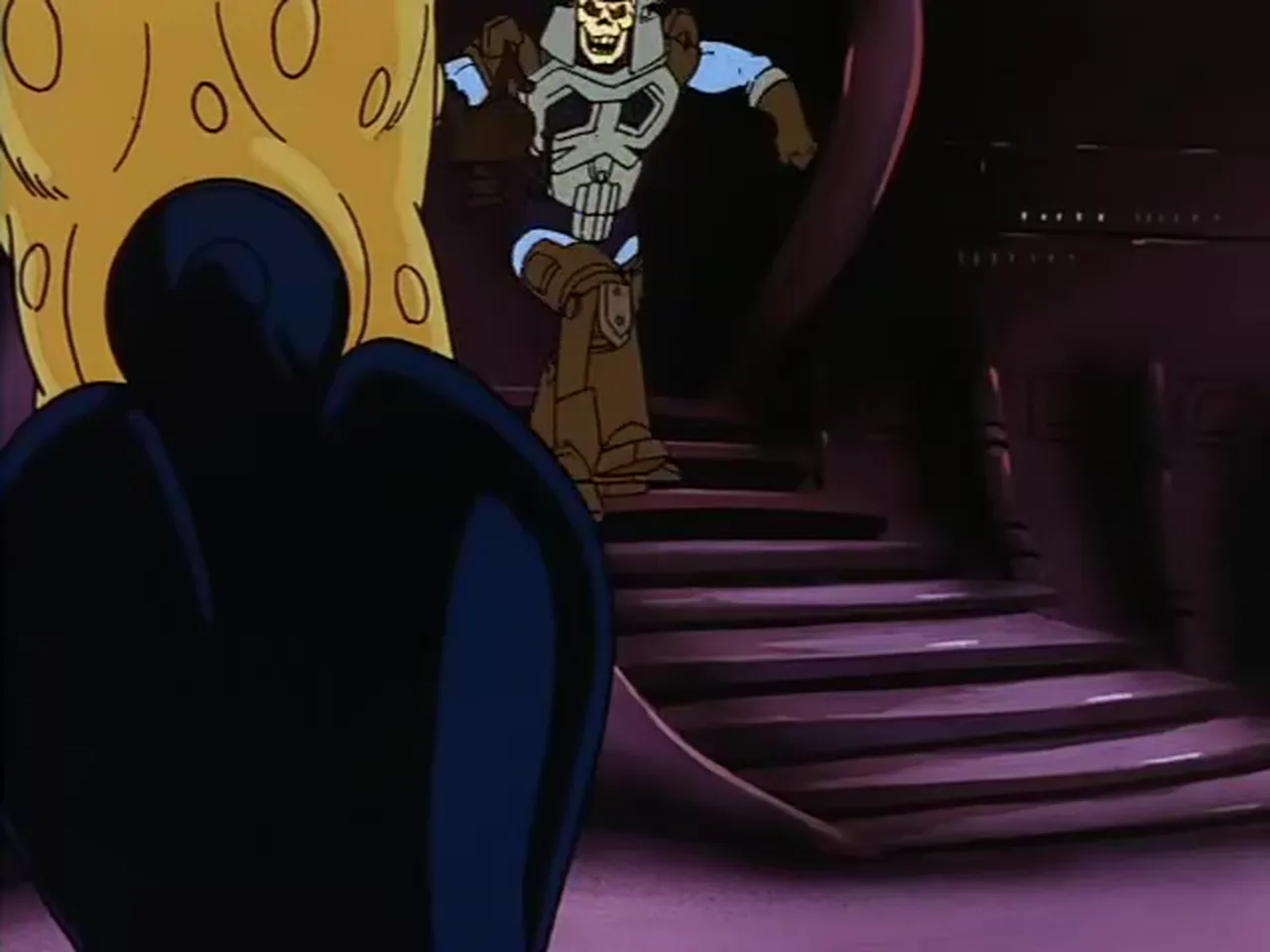
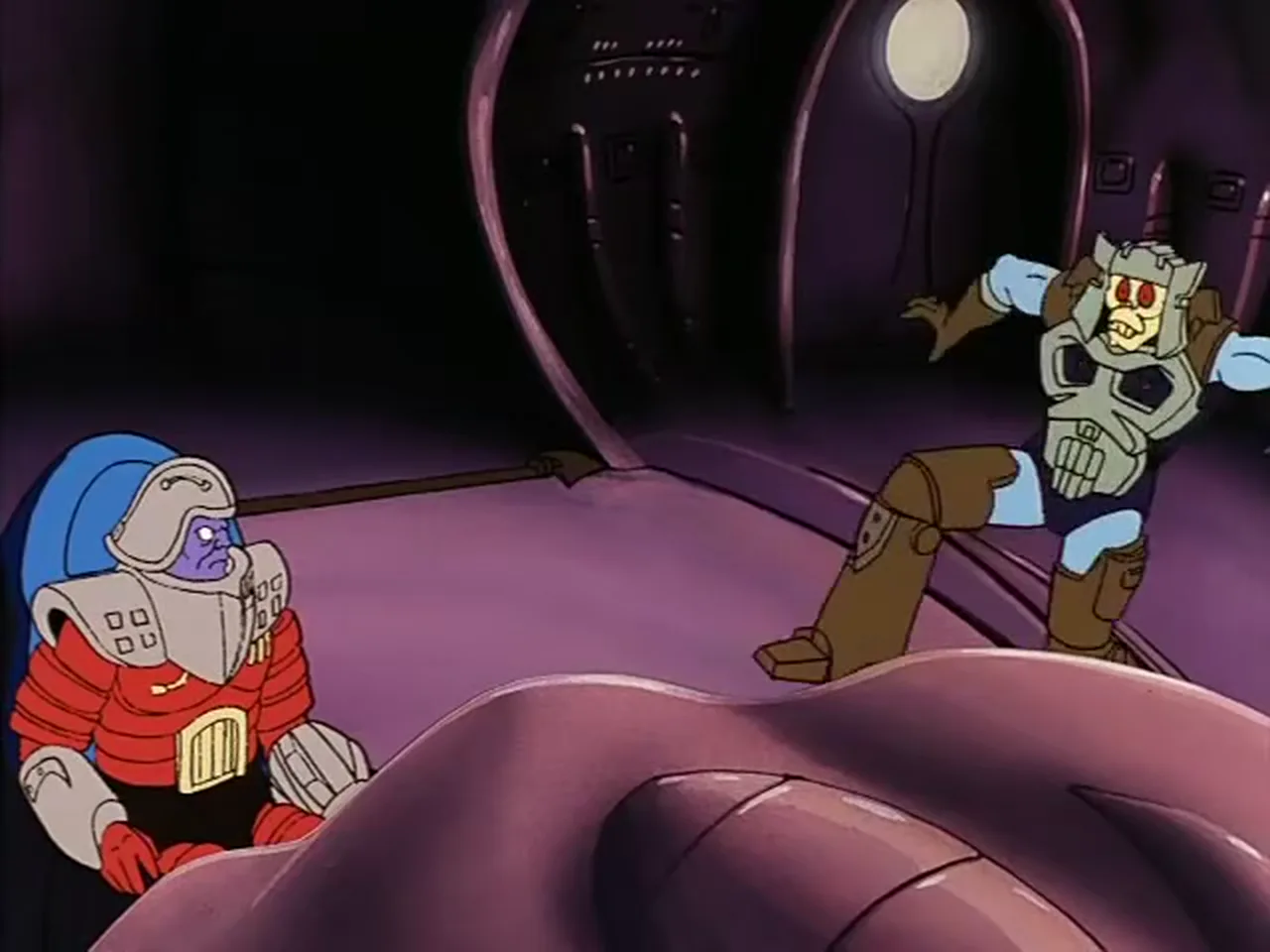
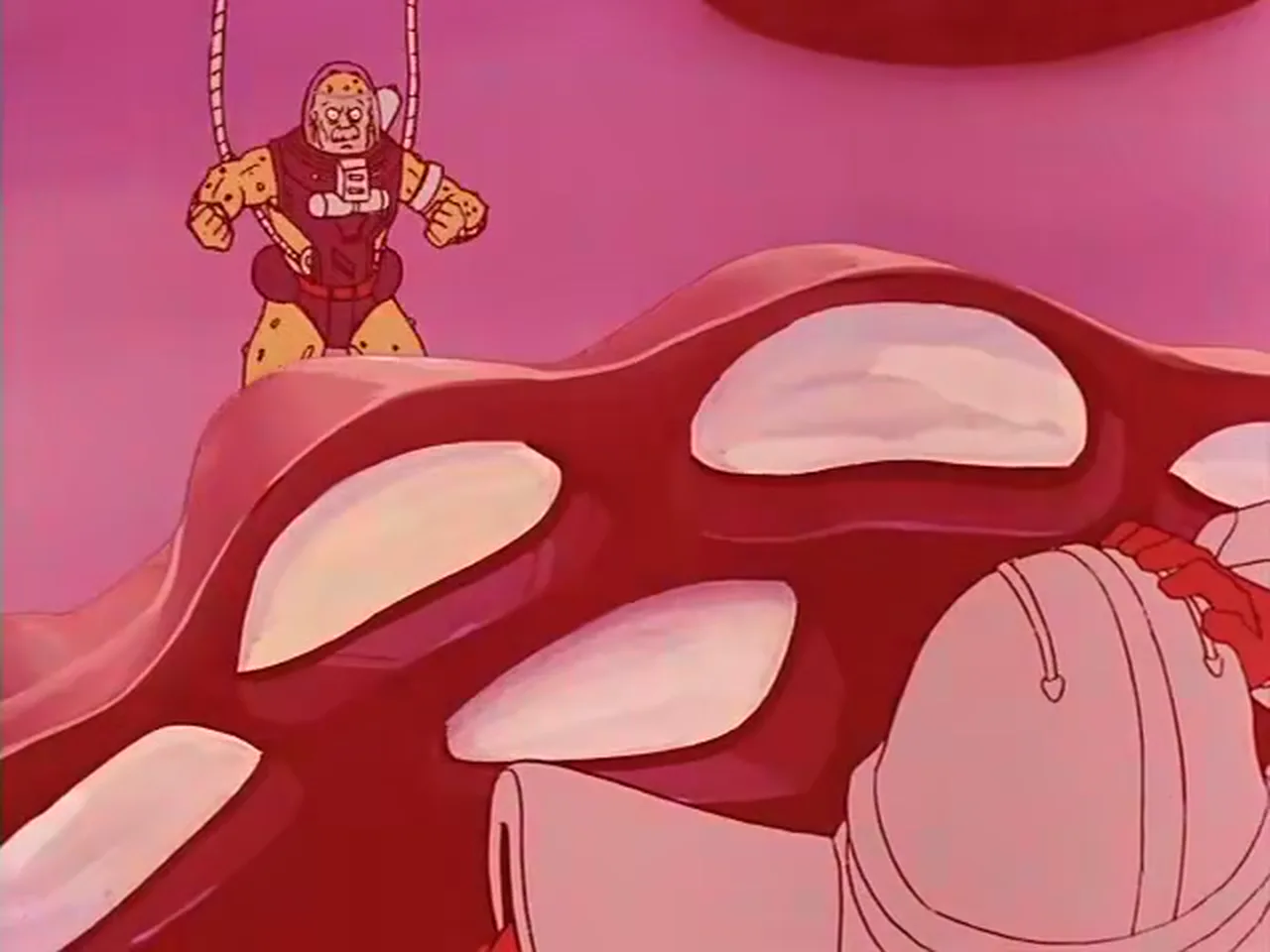
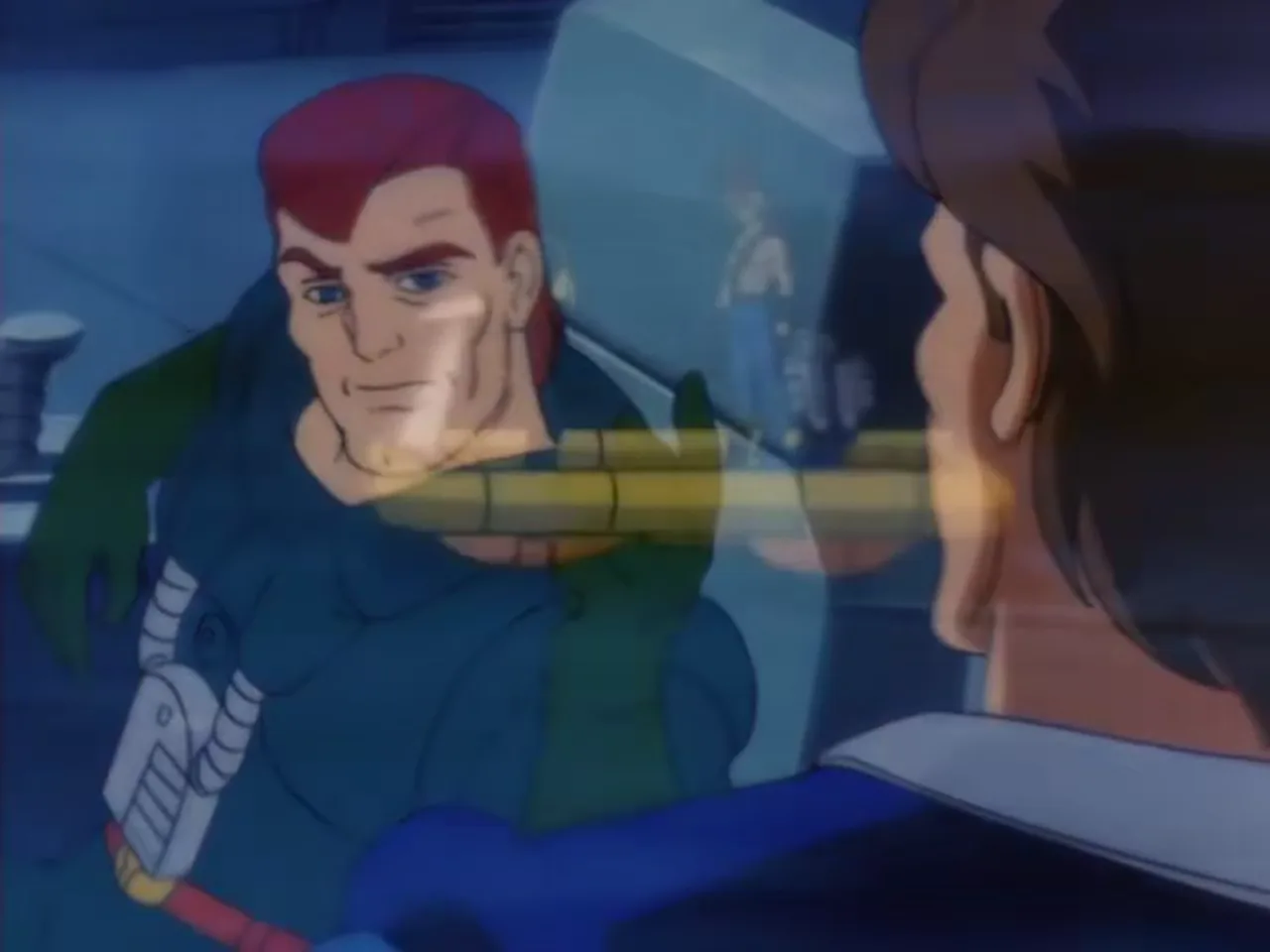
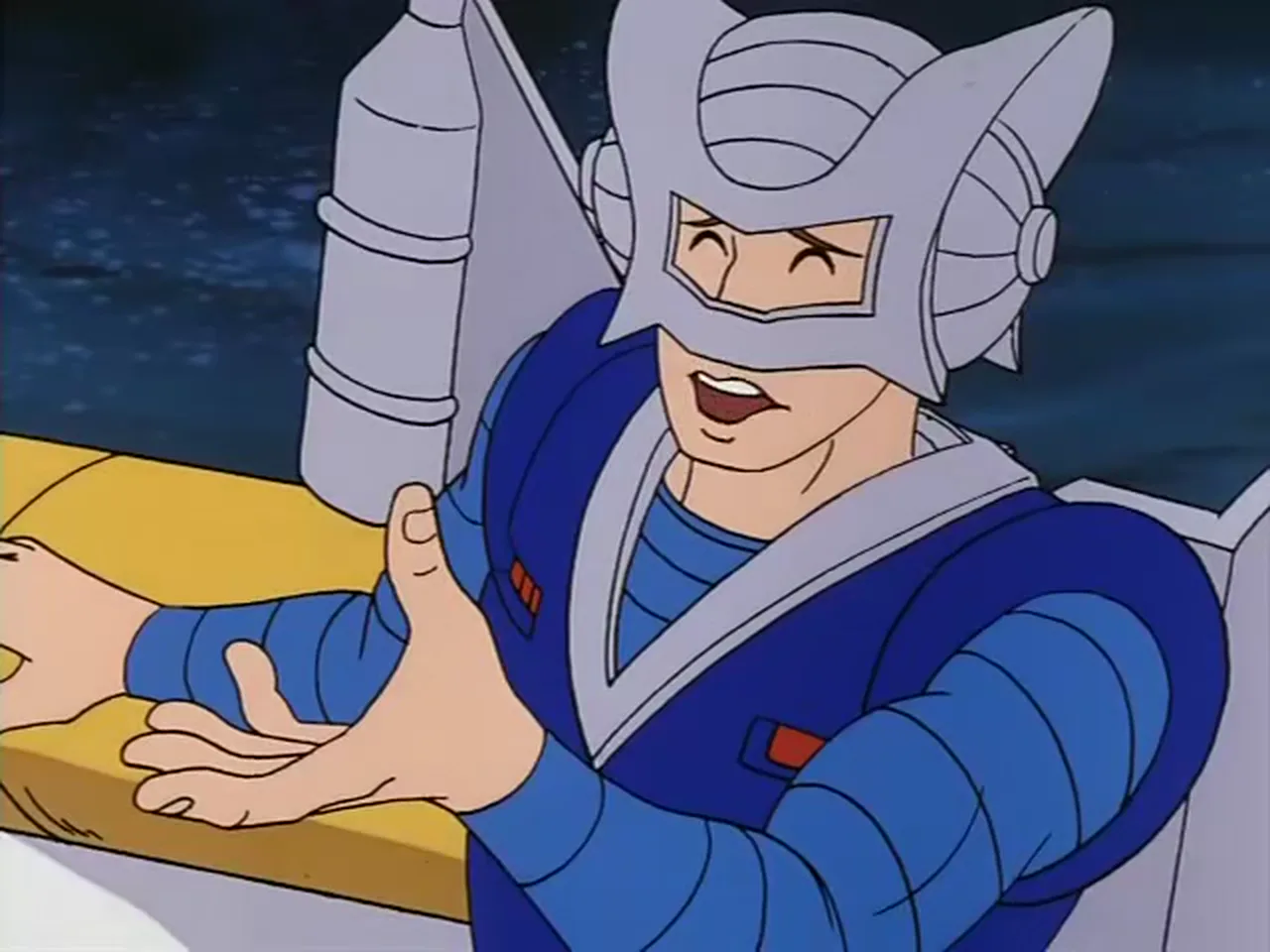
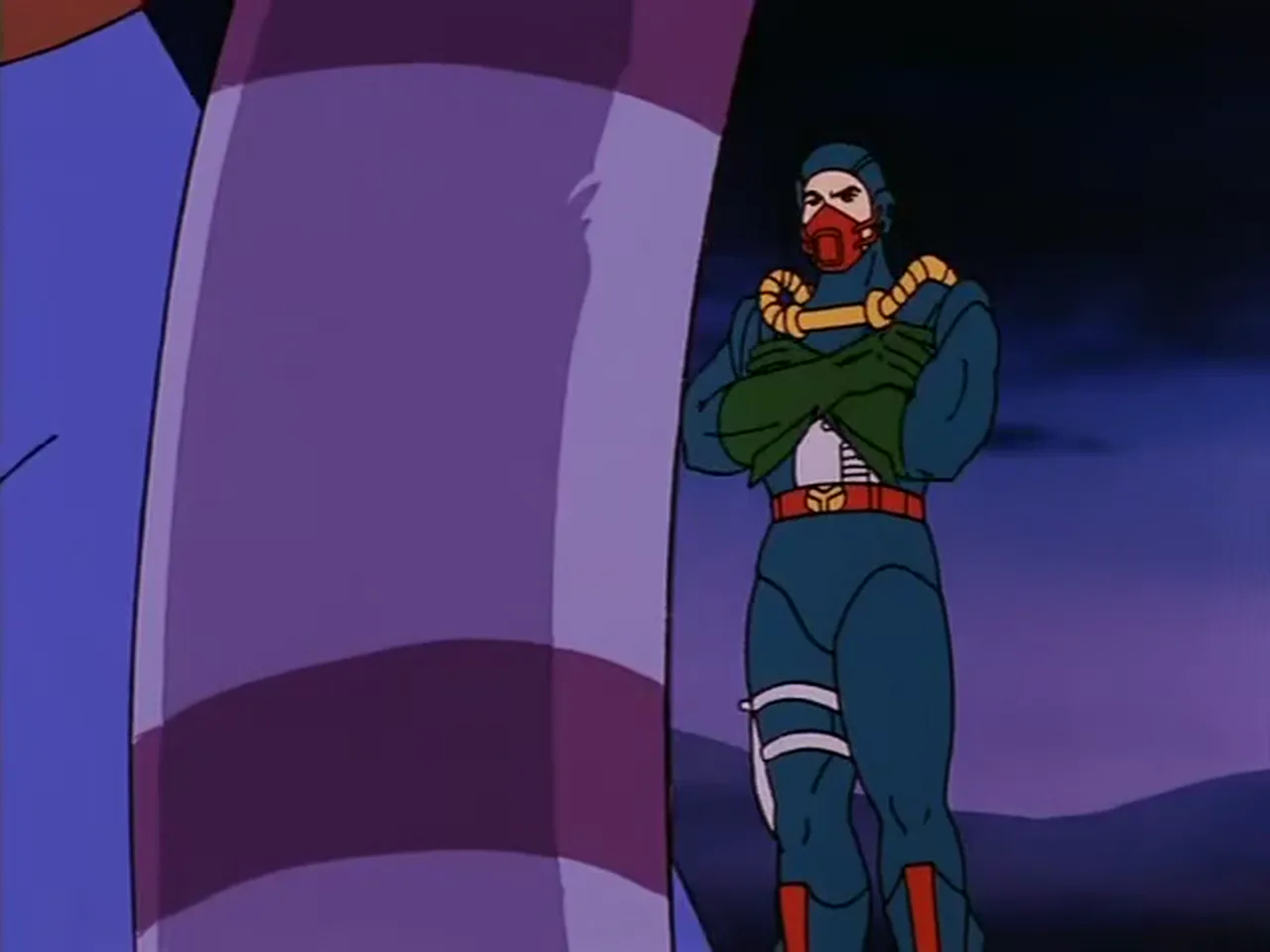
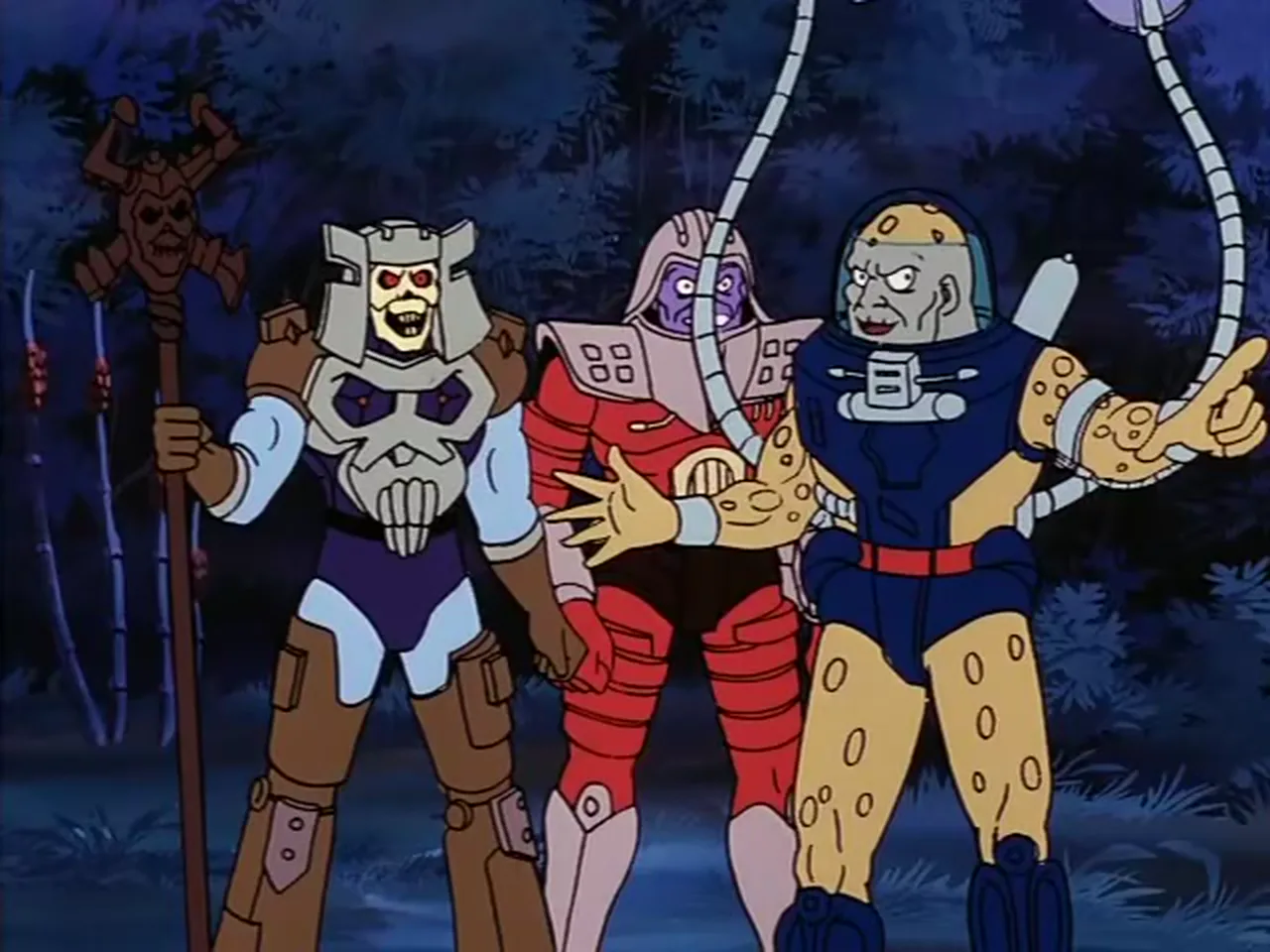
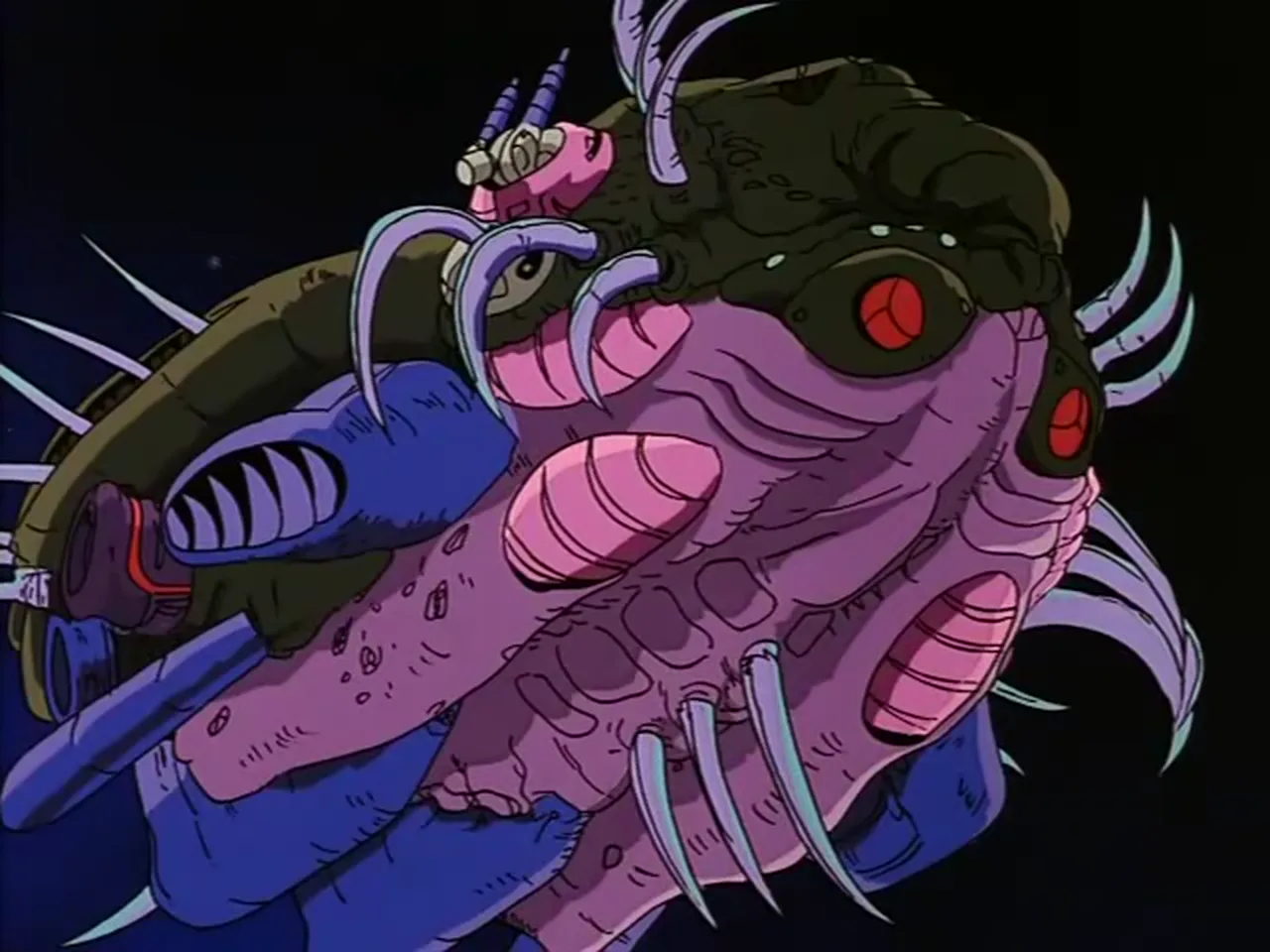
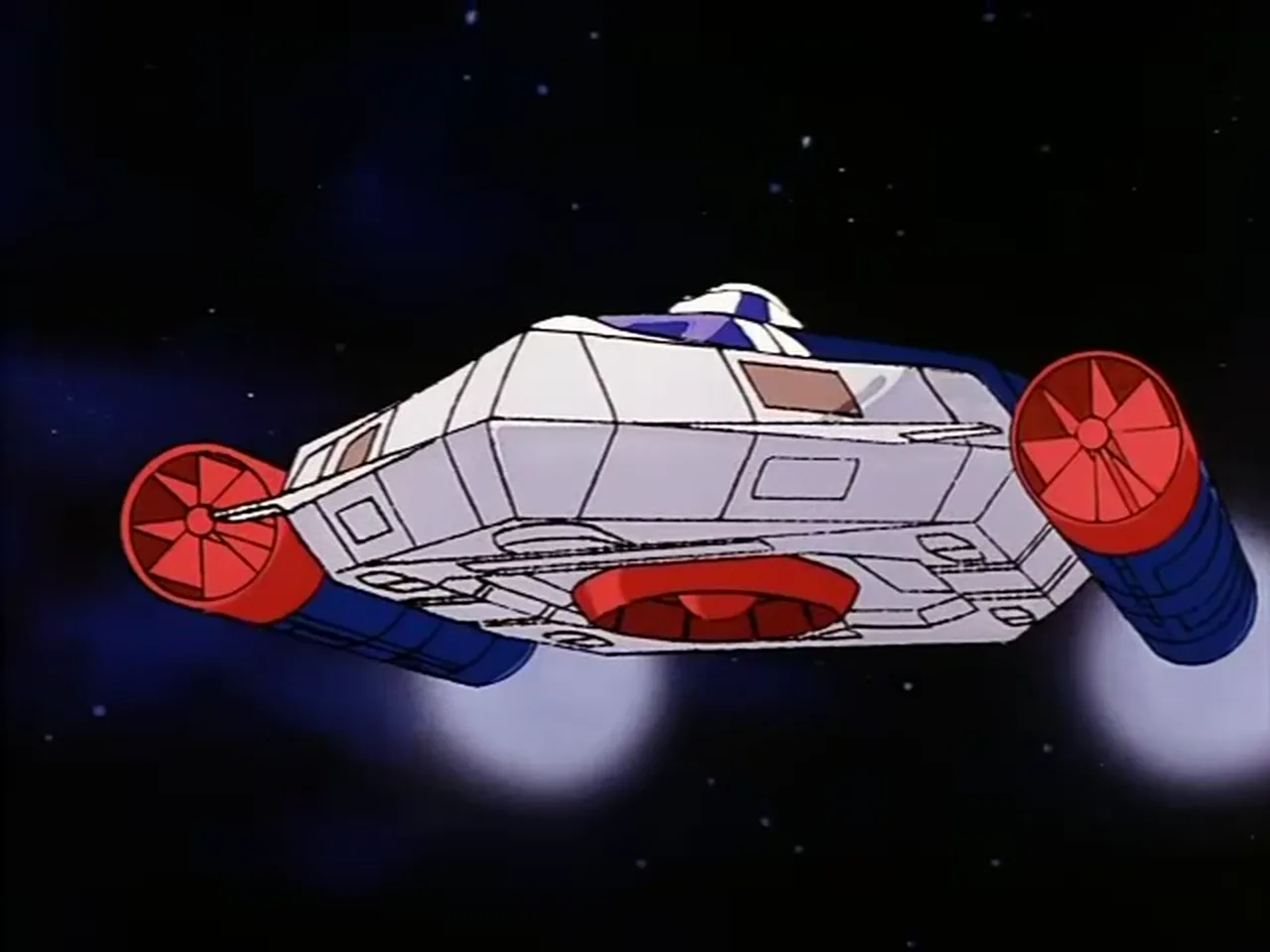
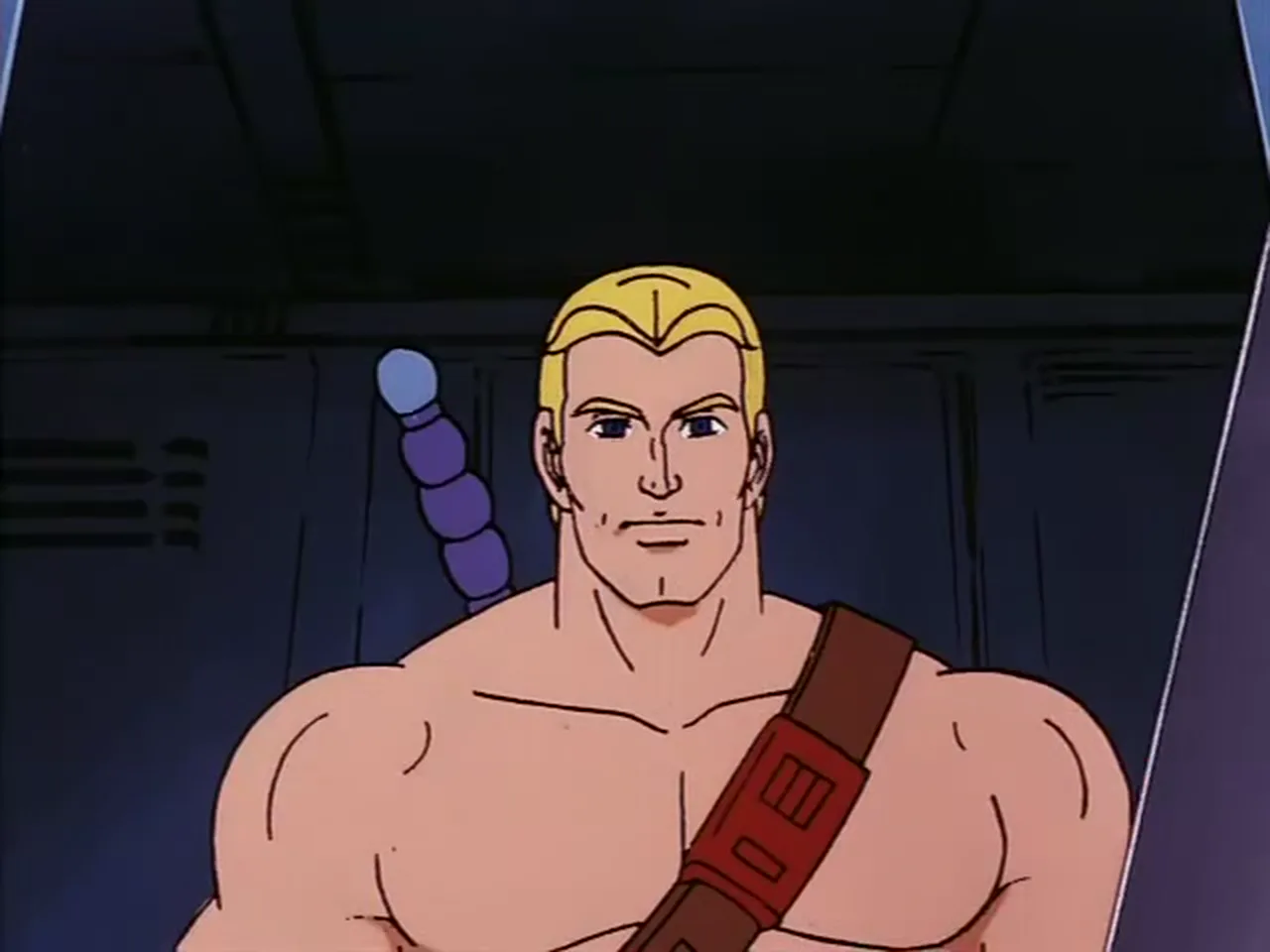
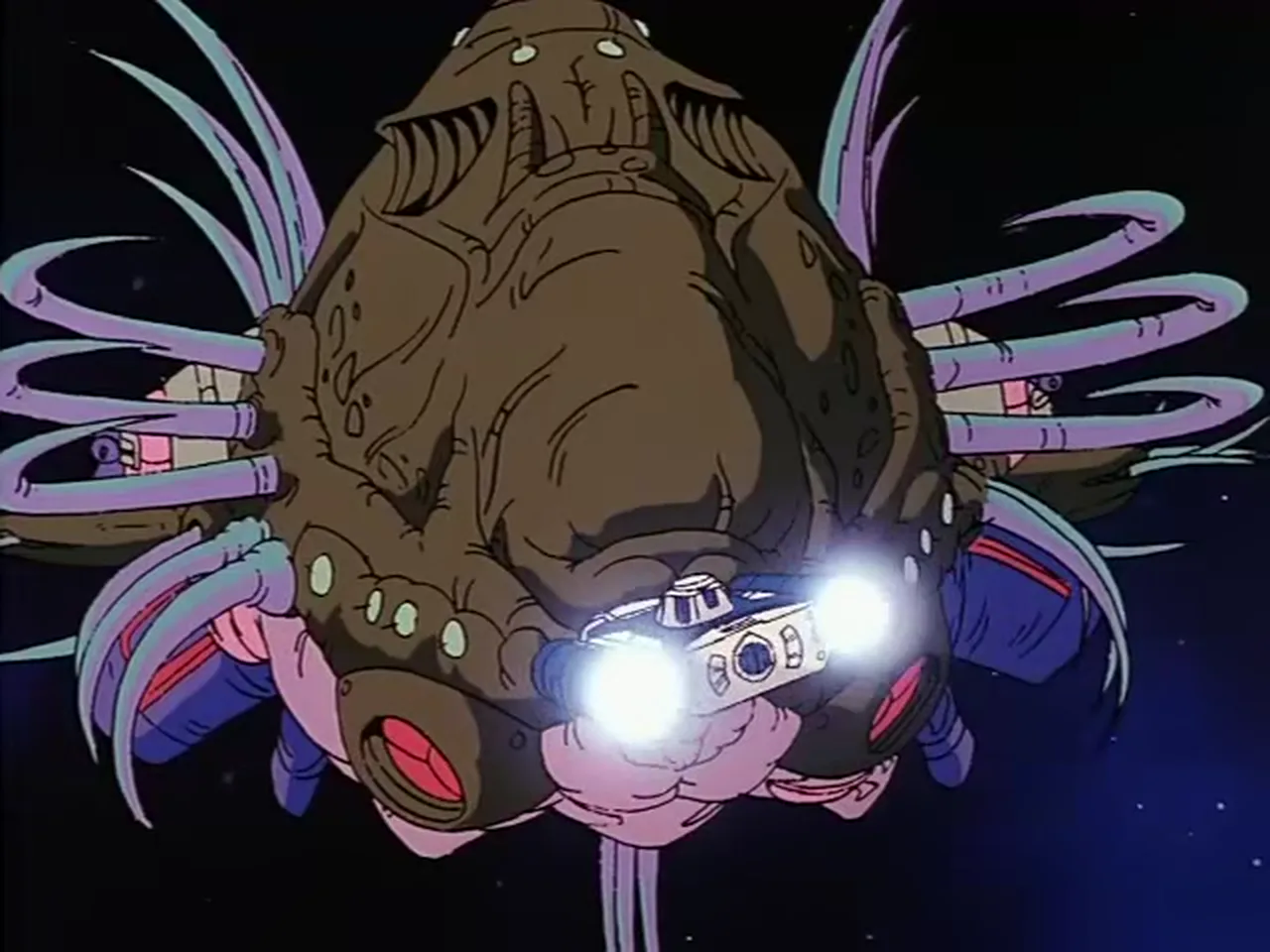
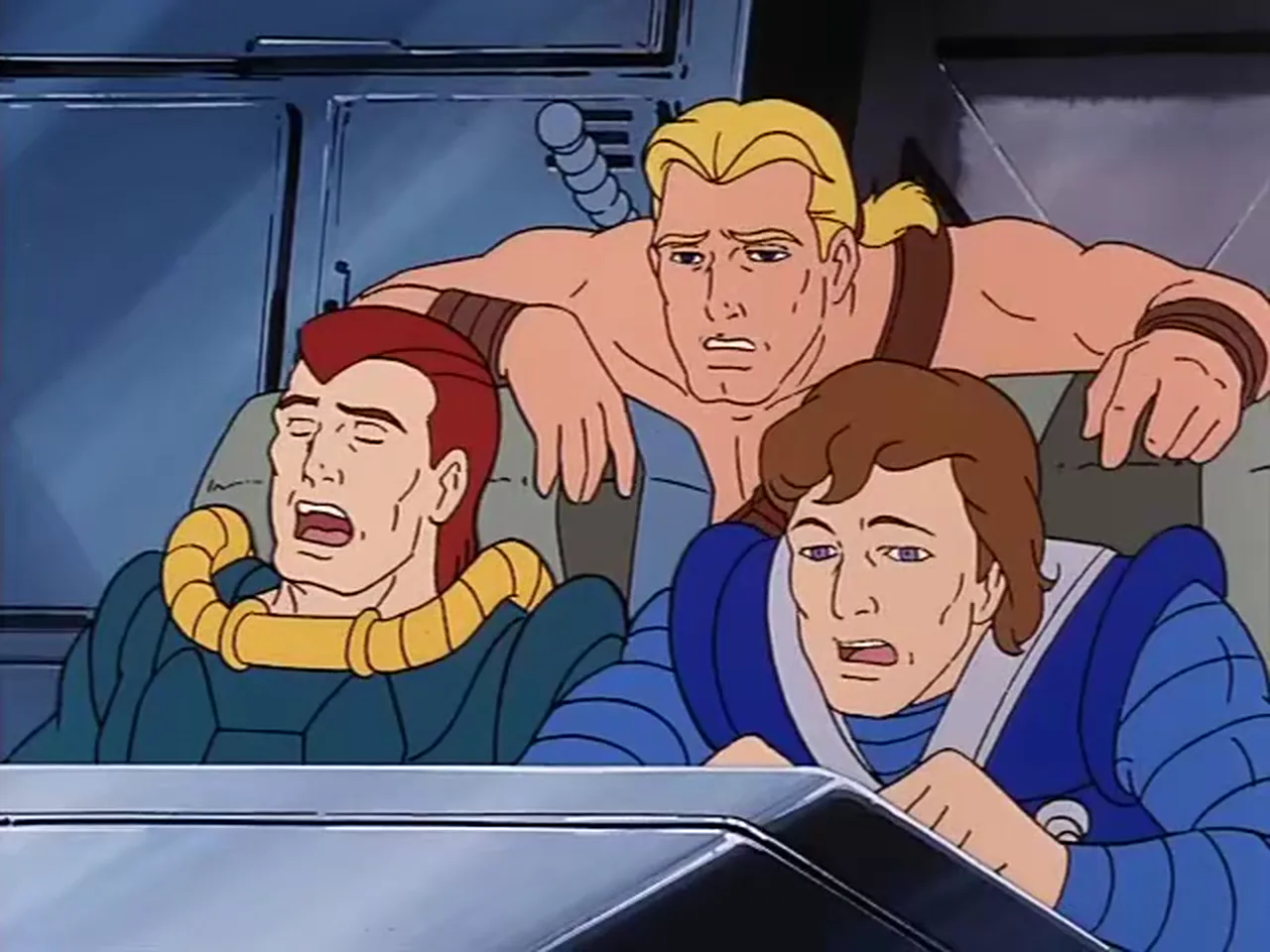
The frame is modest. Hydron and Flipshot are carrying medical supplies to Muninos, which an ion storm has hit badly, and Flipshot grumbles that he was born for action and would not mind meeting a stray patrol; he then reminds Hydron of his finest hour, the battle of the Quagmi Swamp. On the Mutant side Flogg and Slush Head are arguing over the same battle, which one of them calls the greatest in Mutant history, and each has a plan, a measure of bravery and a memory that does not match the other's.
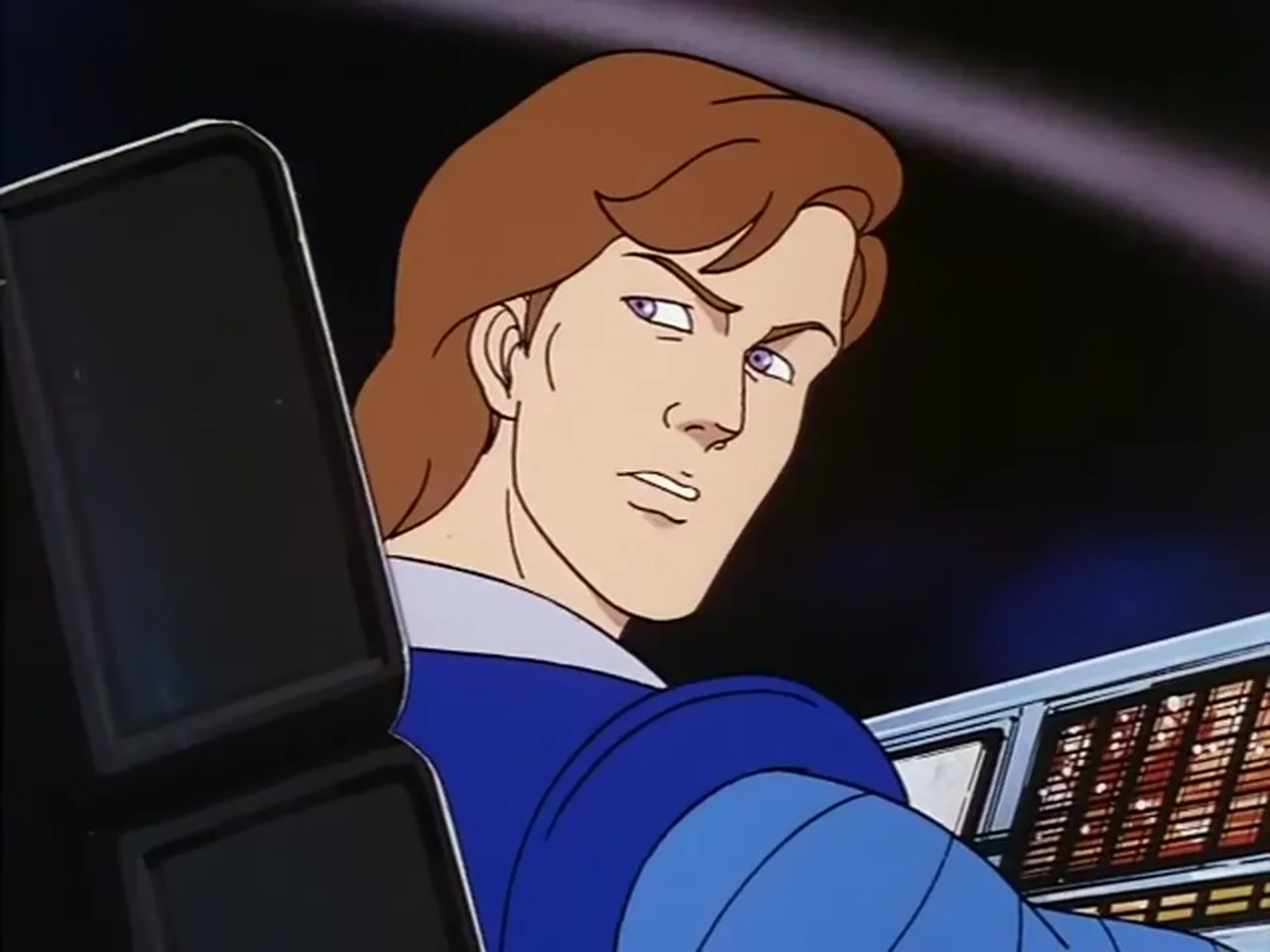
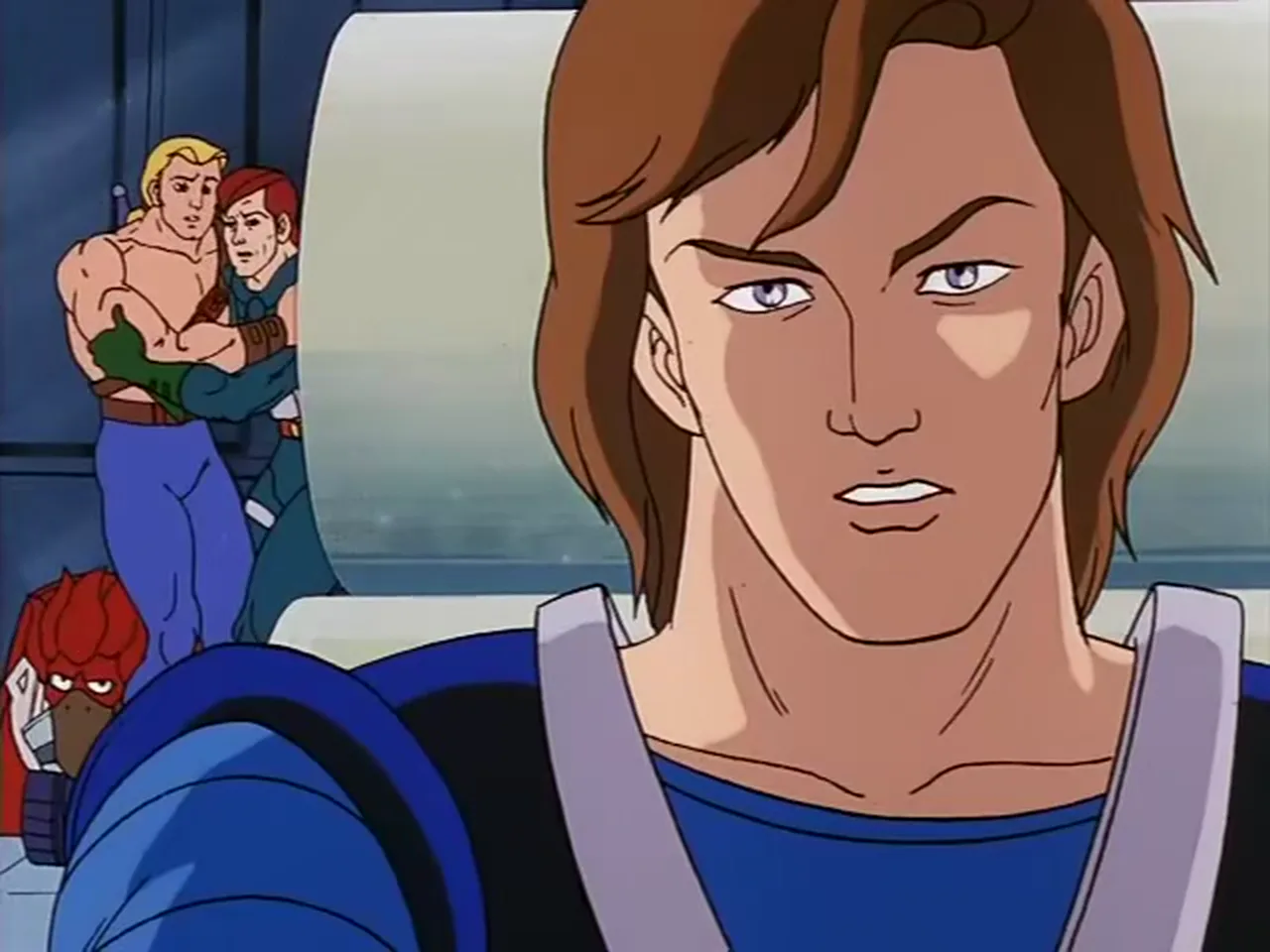
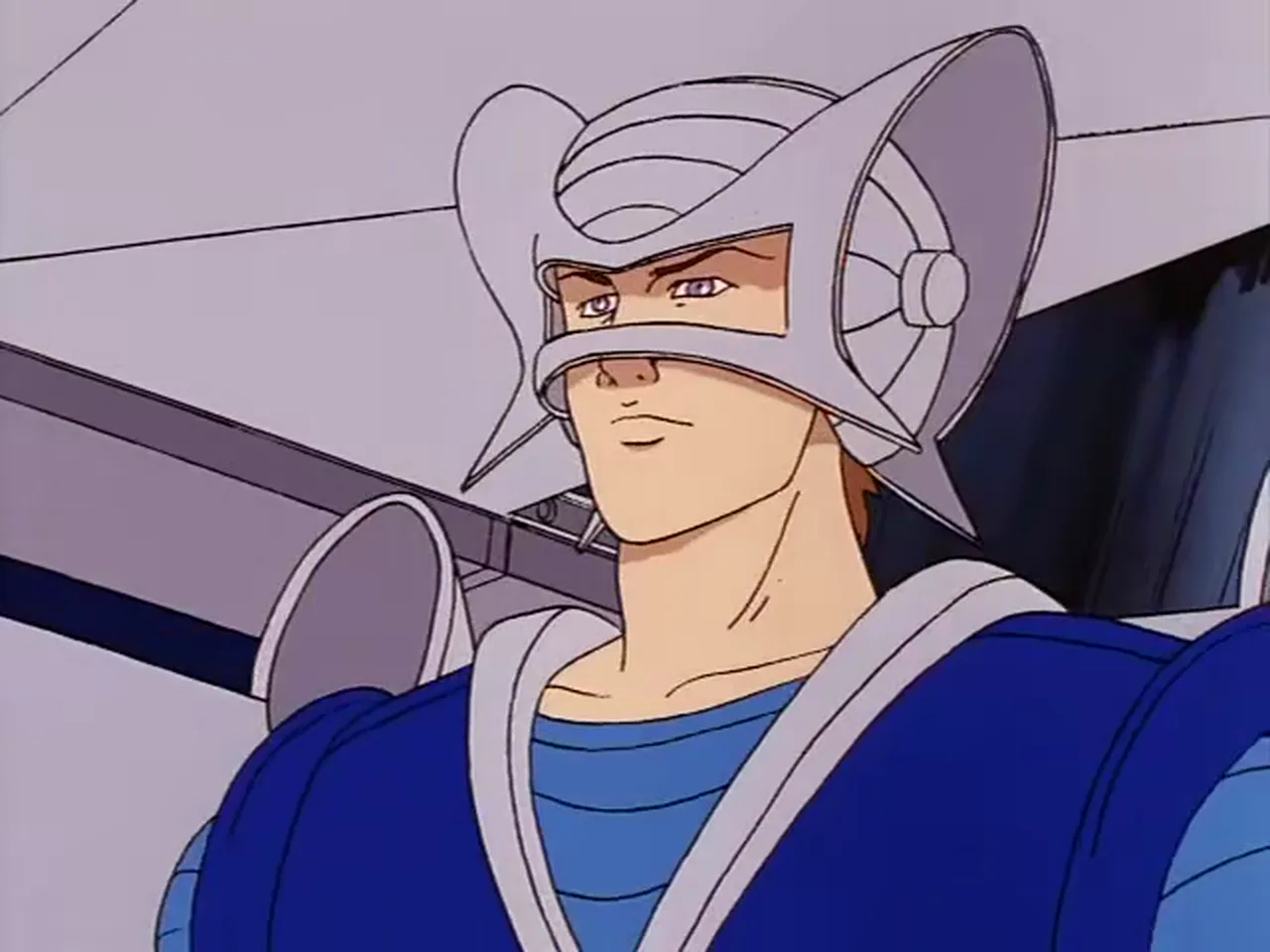
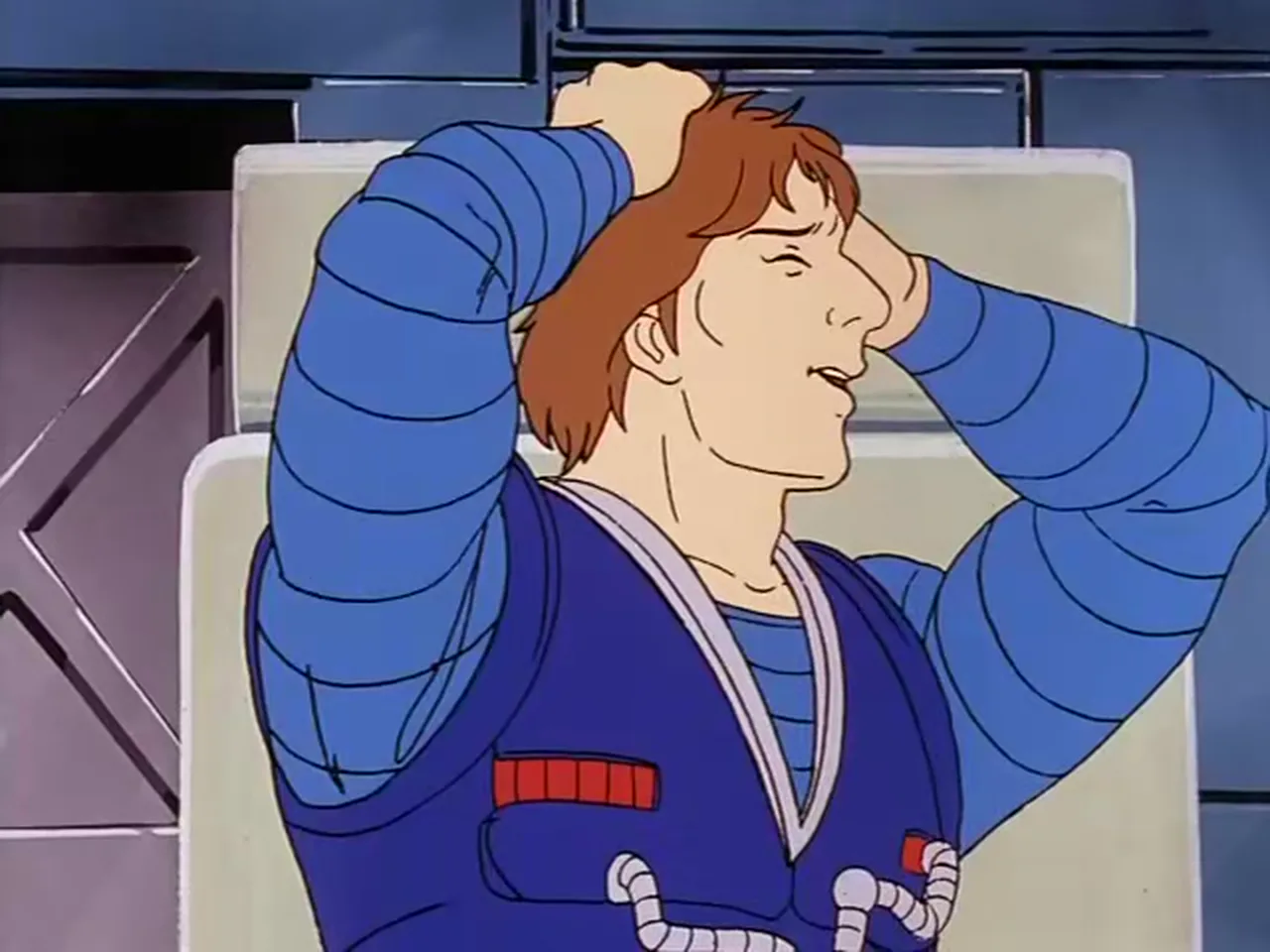
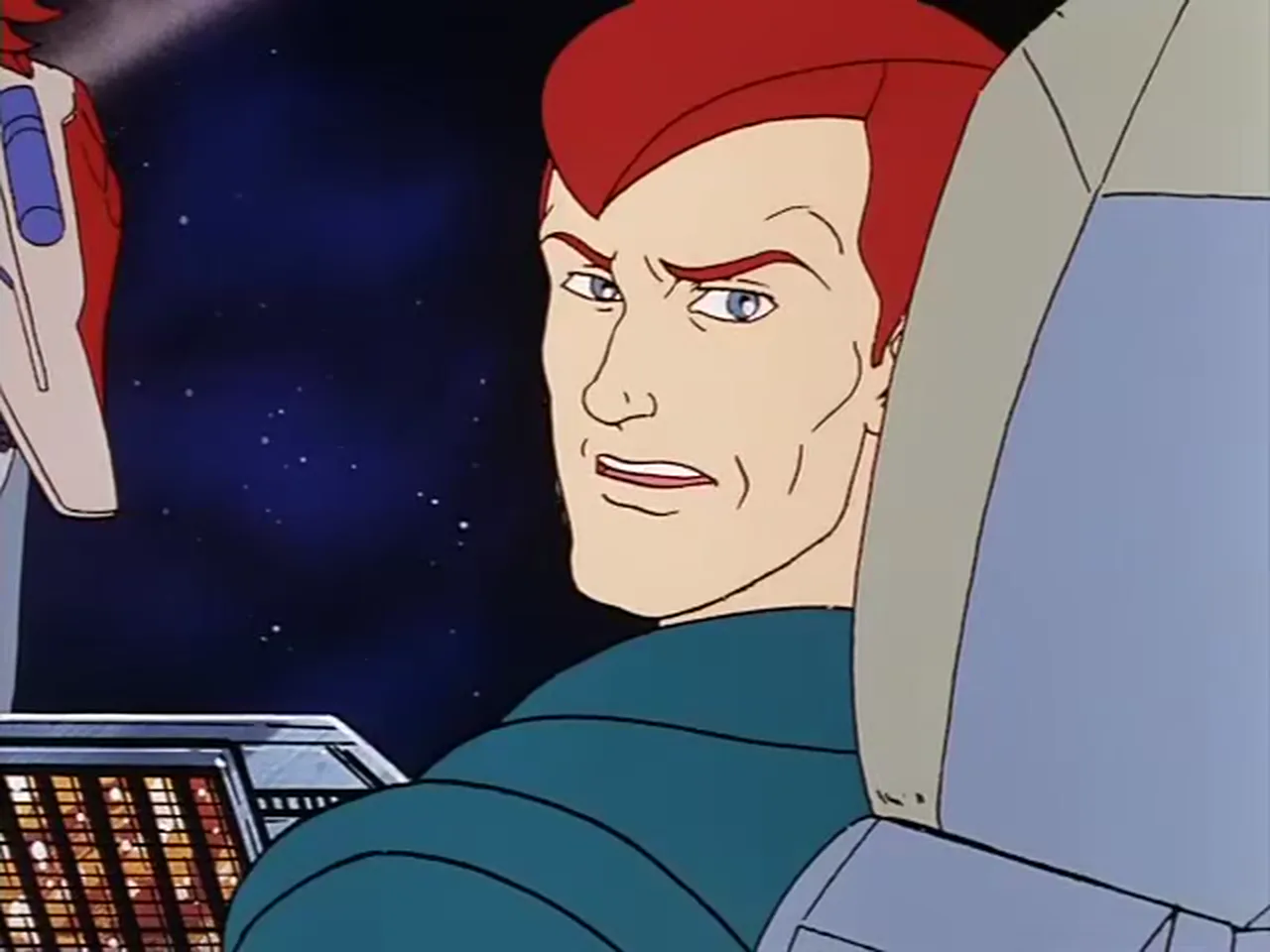
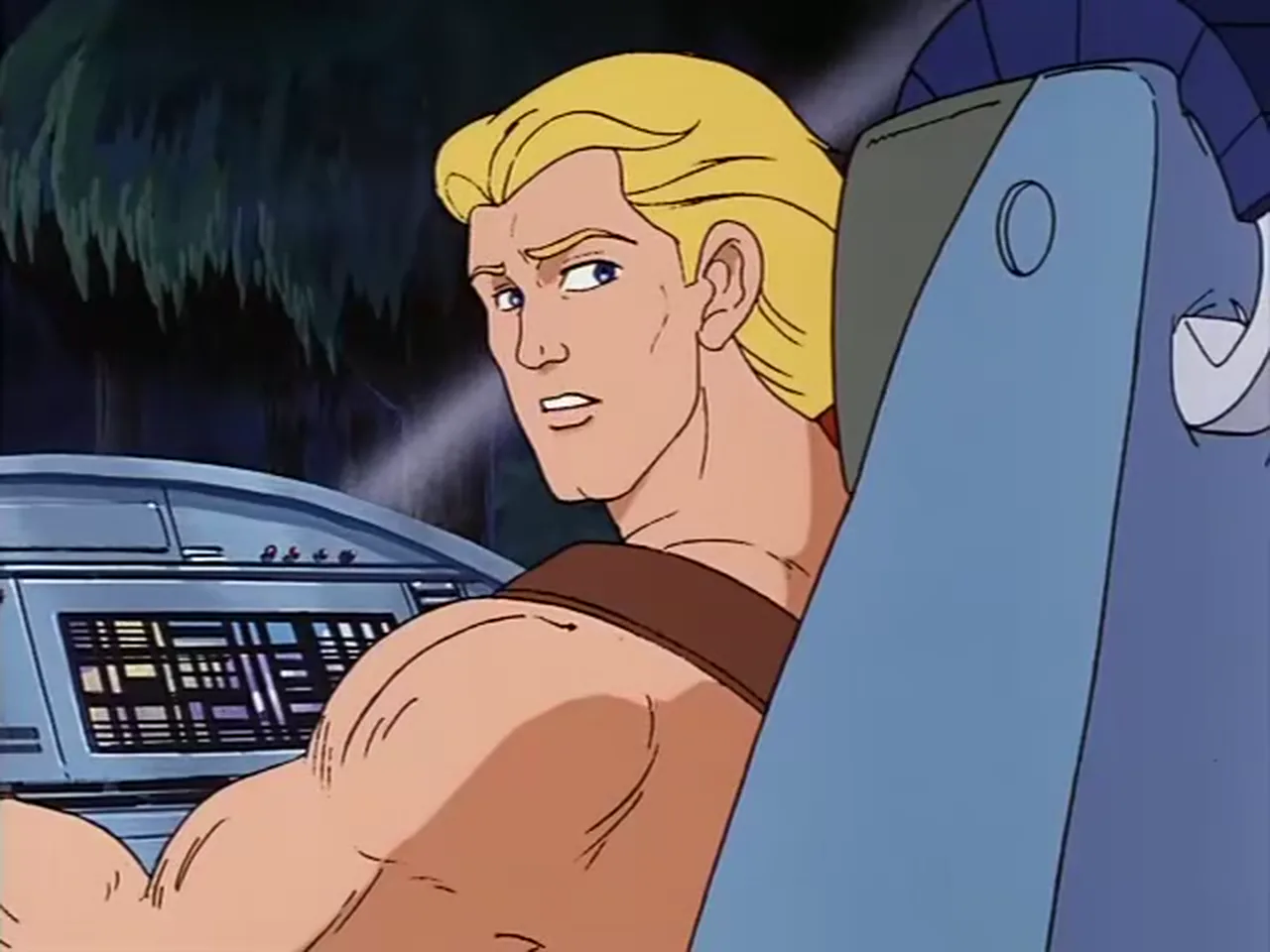
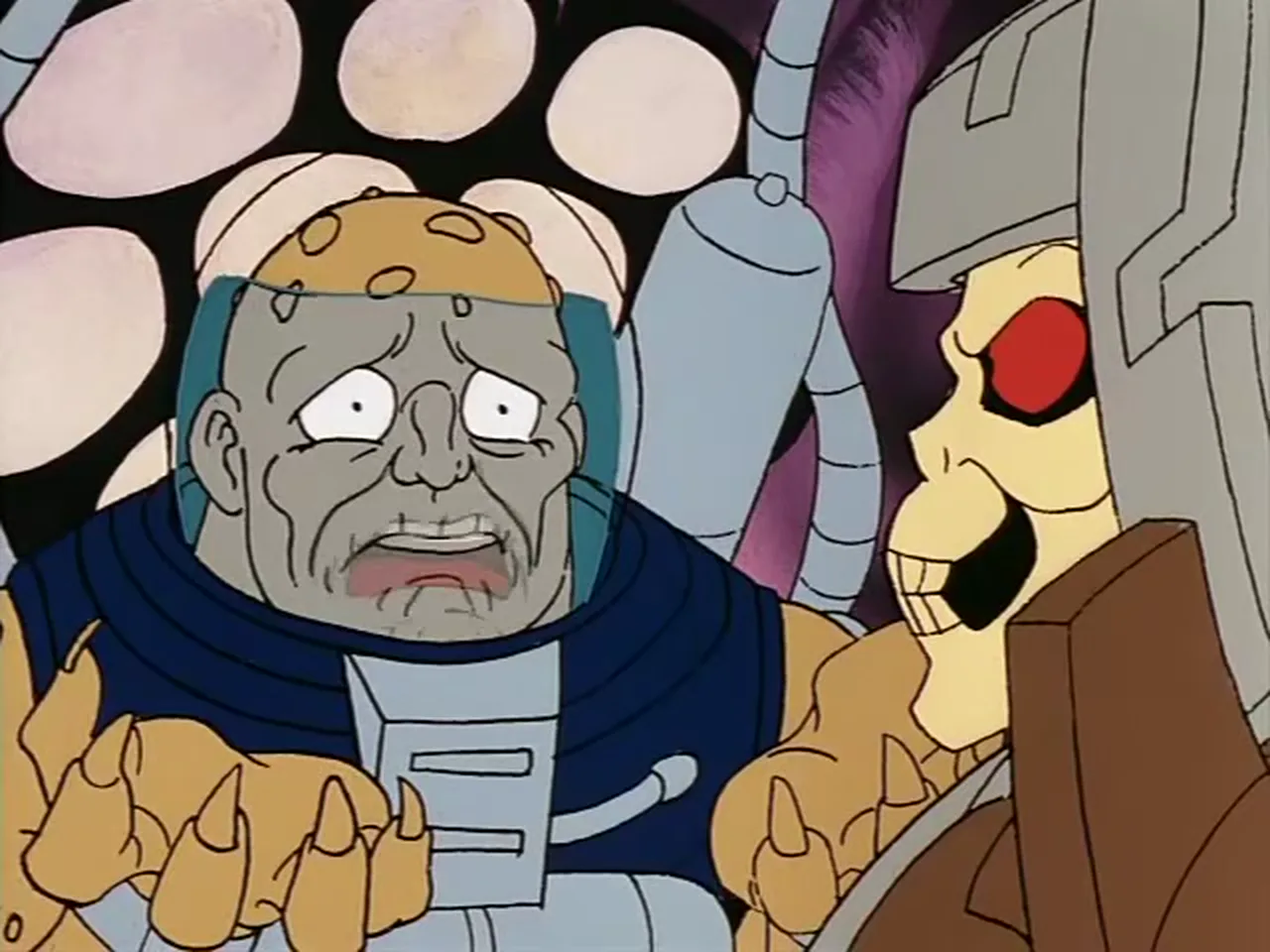
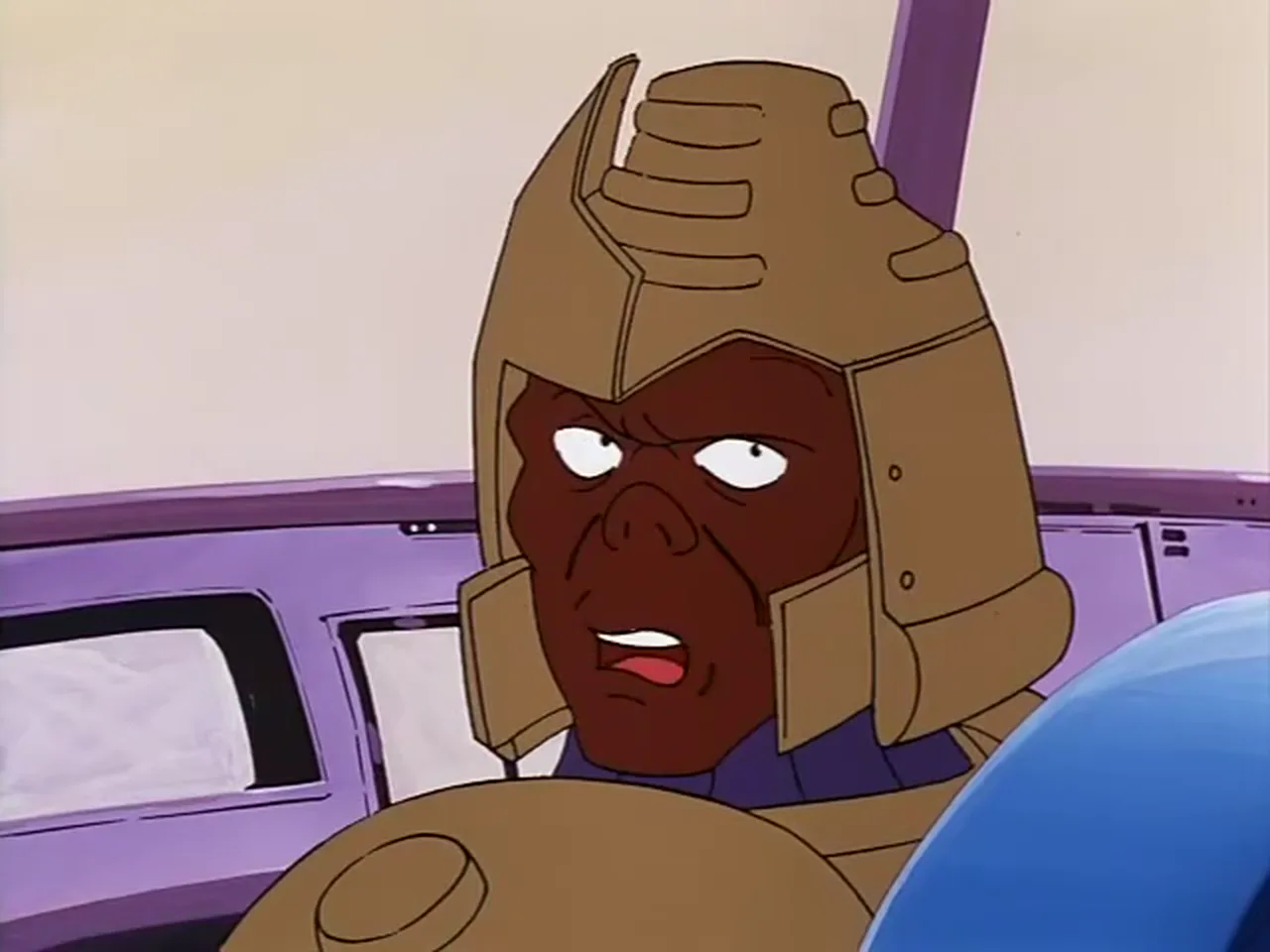
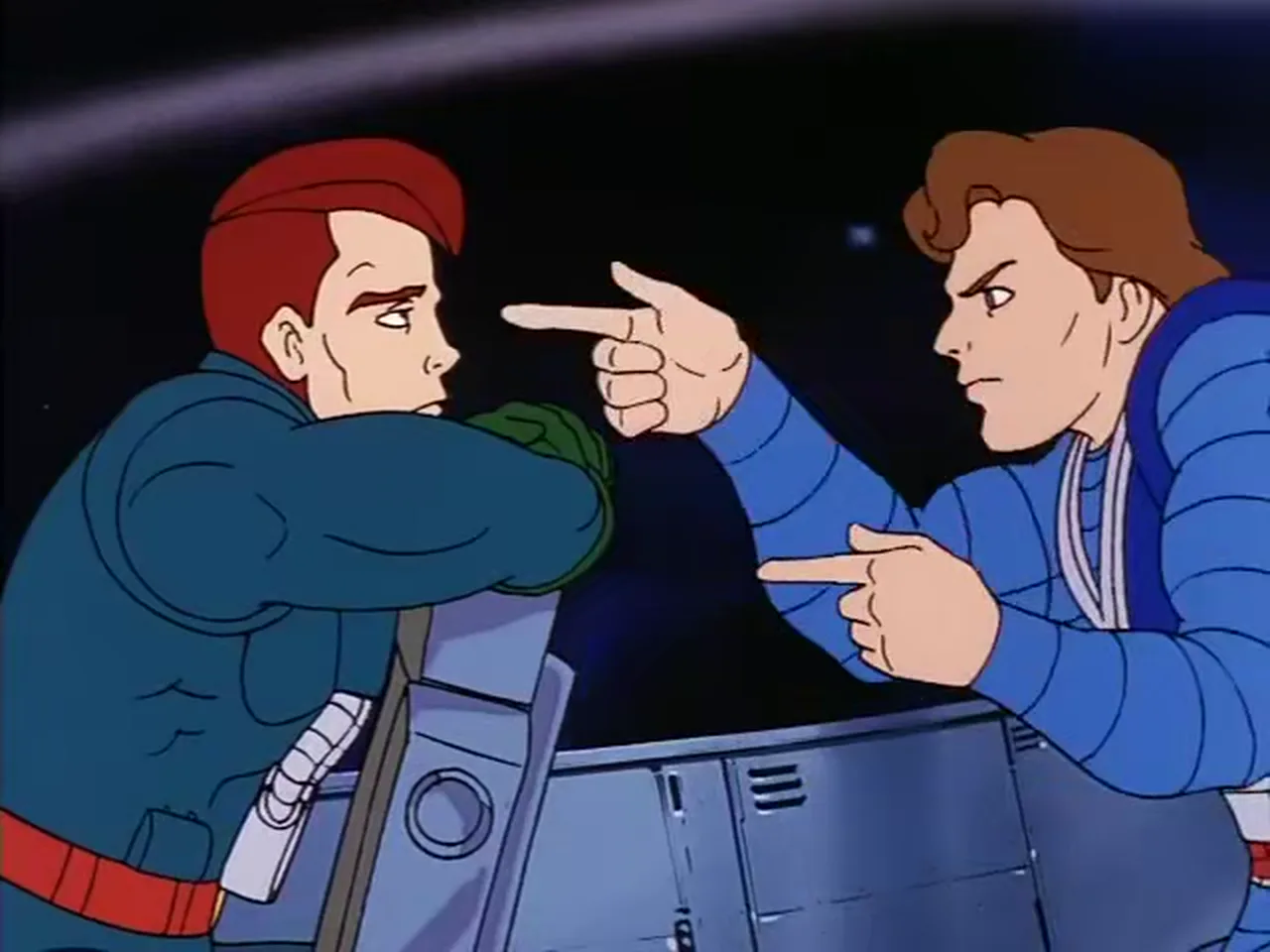
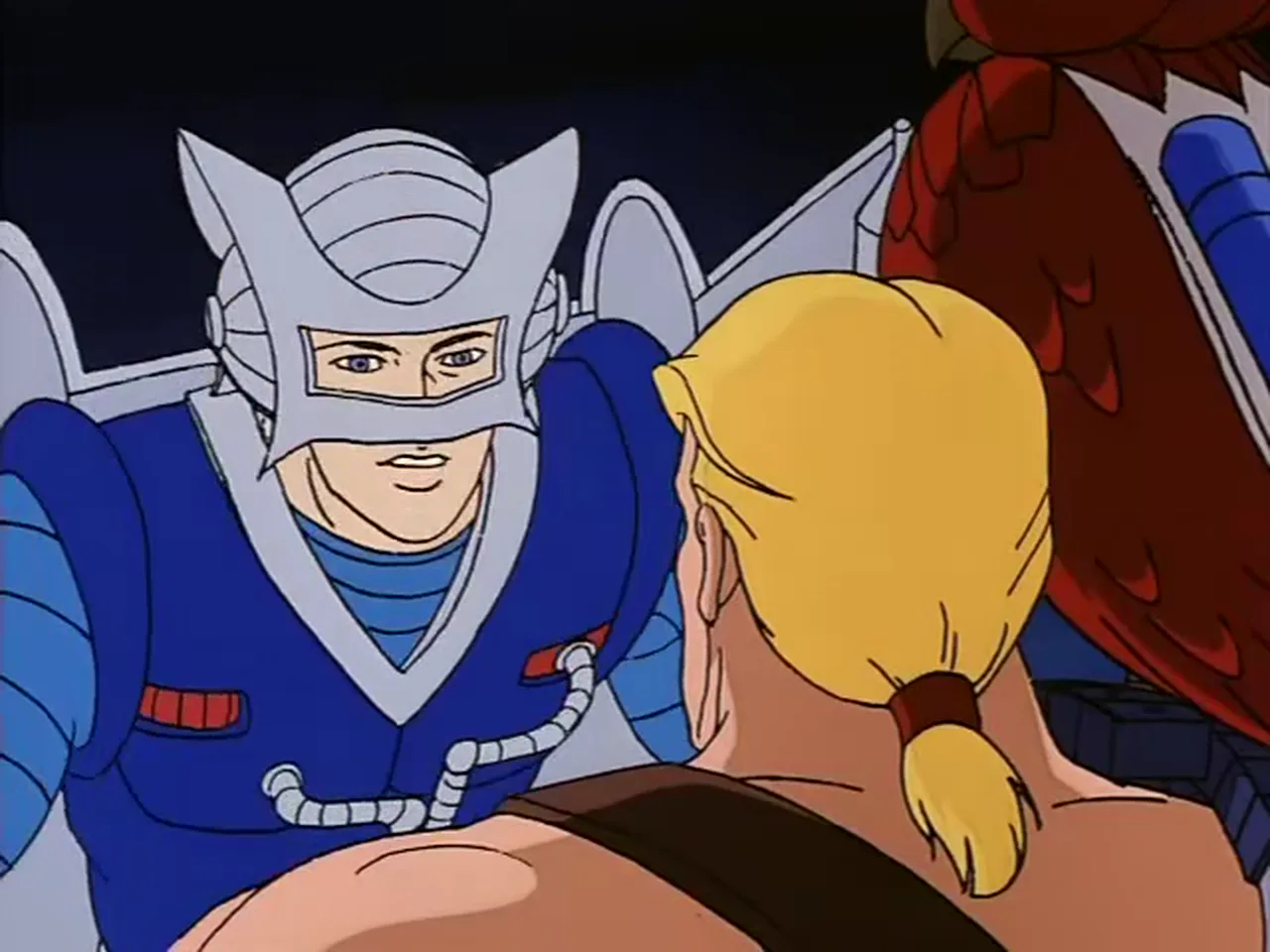
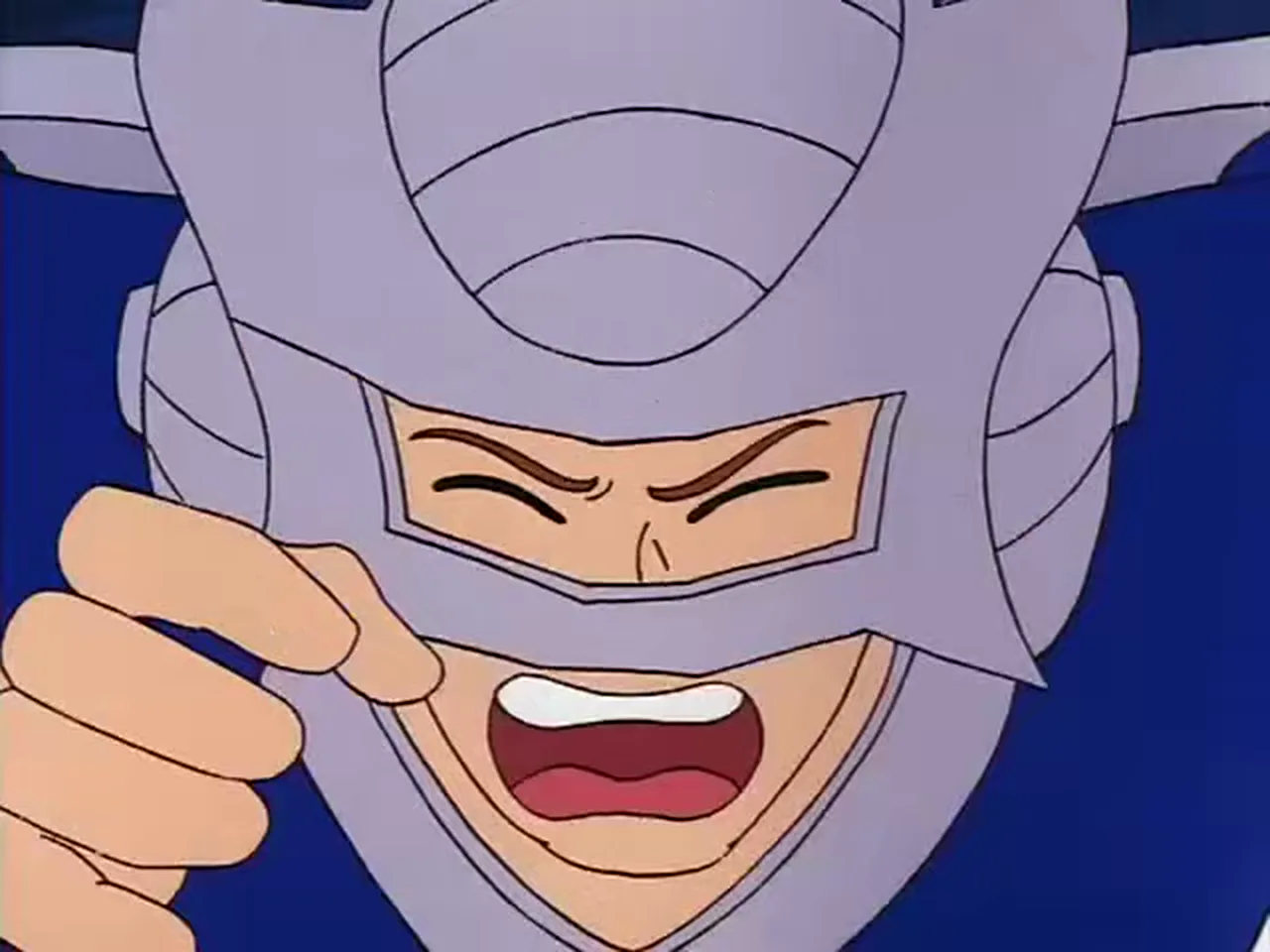
In plain words, the episode is about how everyone edits himself into the hero and the nearest friend into the coward, and it lets all four tellers do it until the contradictions become the joke. Flipshot's version has Hydron frozen at the sight of the planet, admitting he cannot land the ship, with Flipshot gamely taking over. Hydron's version has Flipshot as the nervous one, and the captain promising him a return to flight school. Hydron's dry interruption, that Flipshot has a great imagination and that he himself remembers things a little differently, is the cleanest statement of the premise.
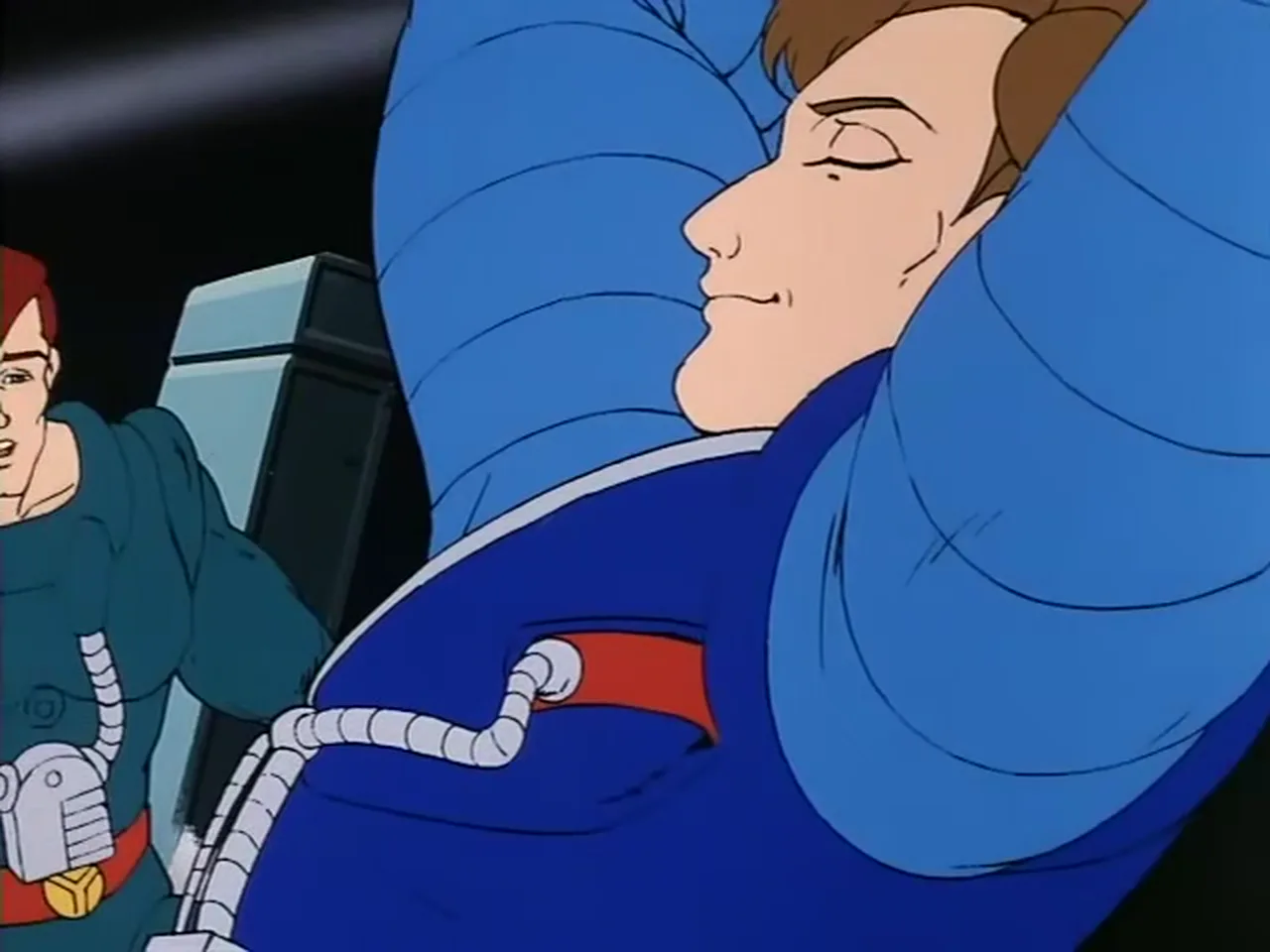
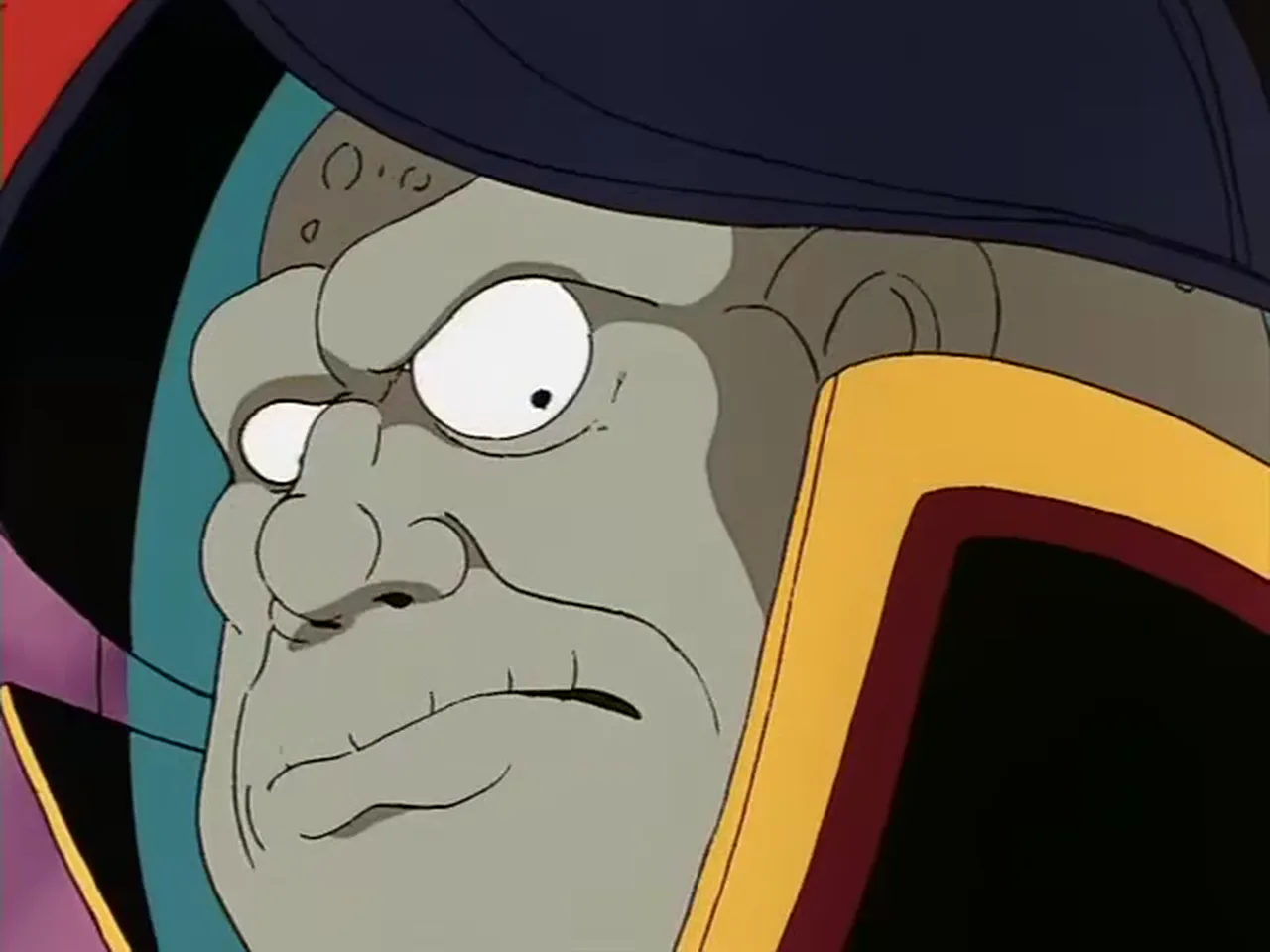
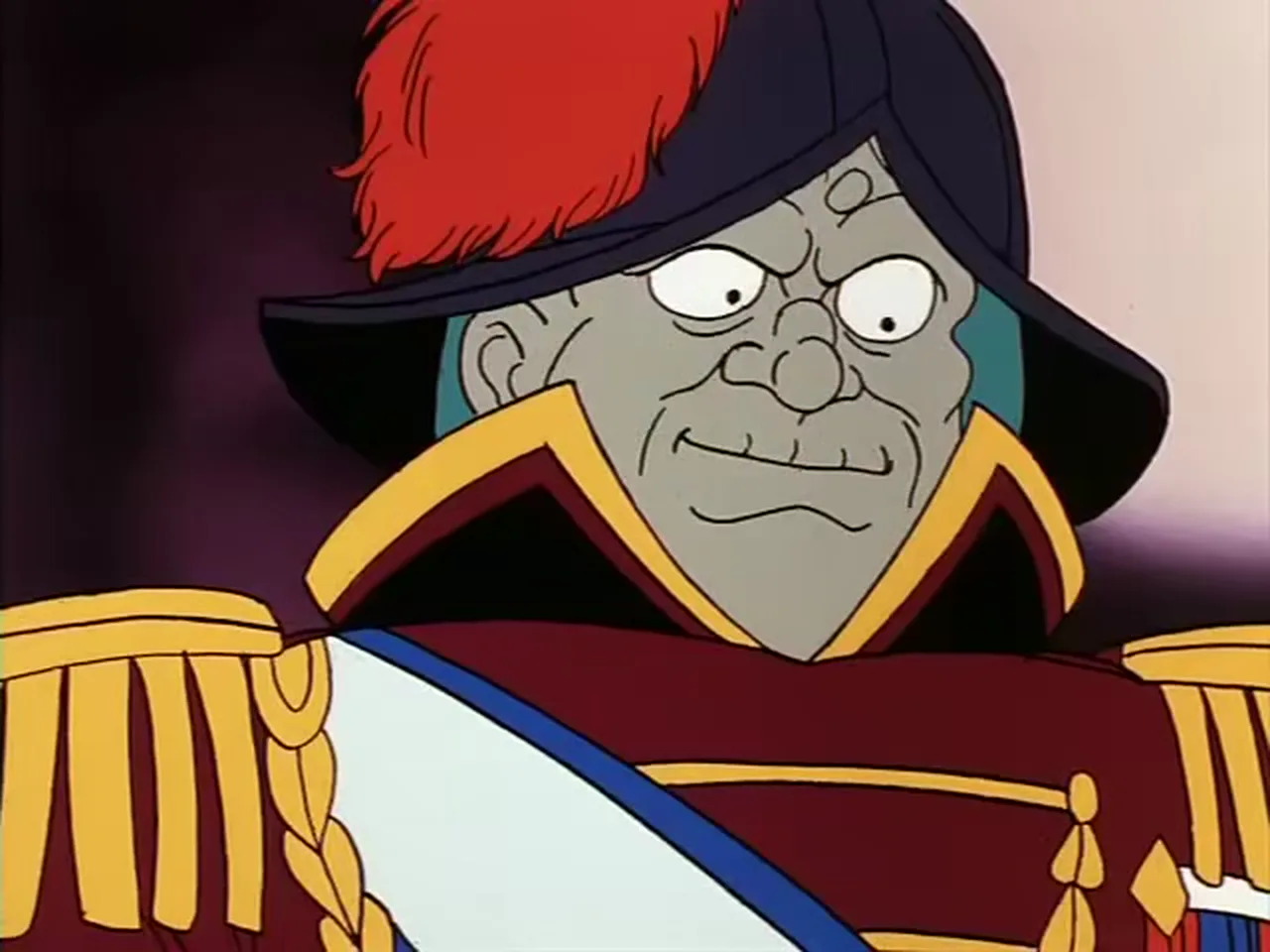
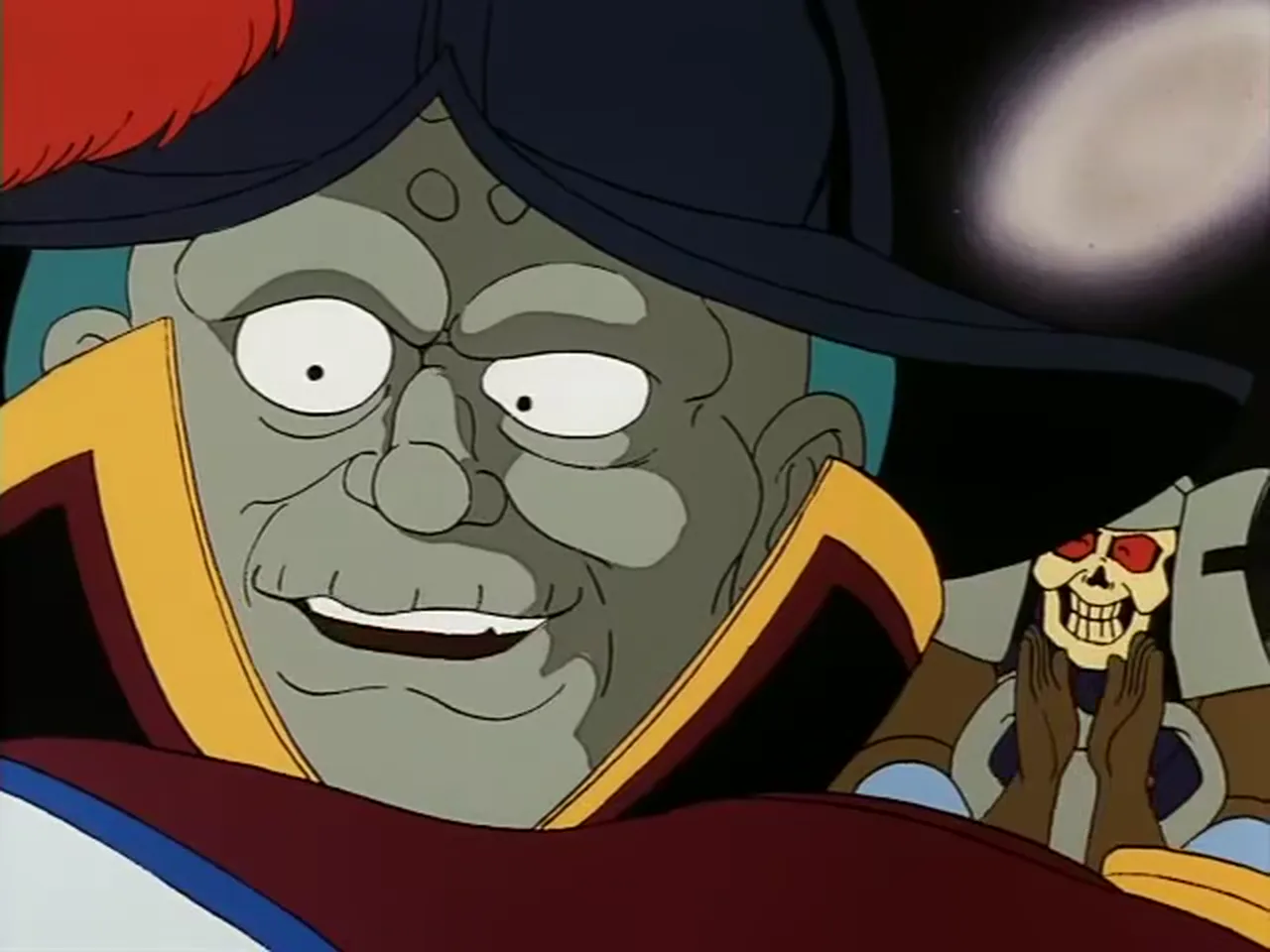
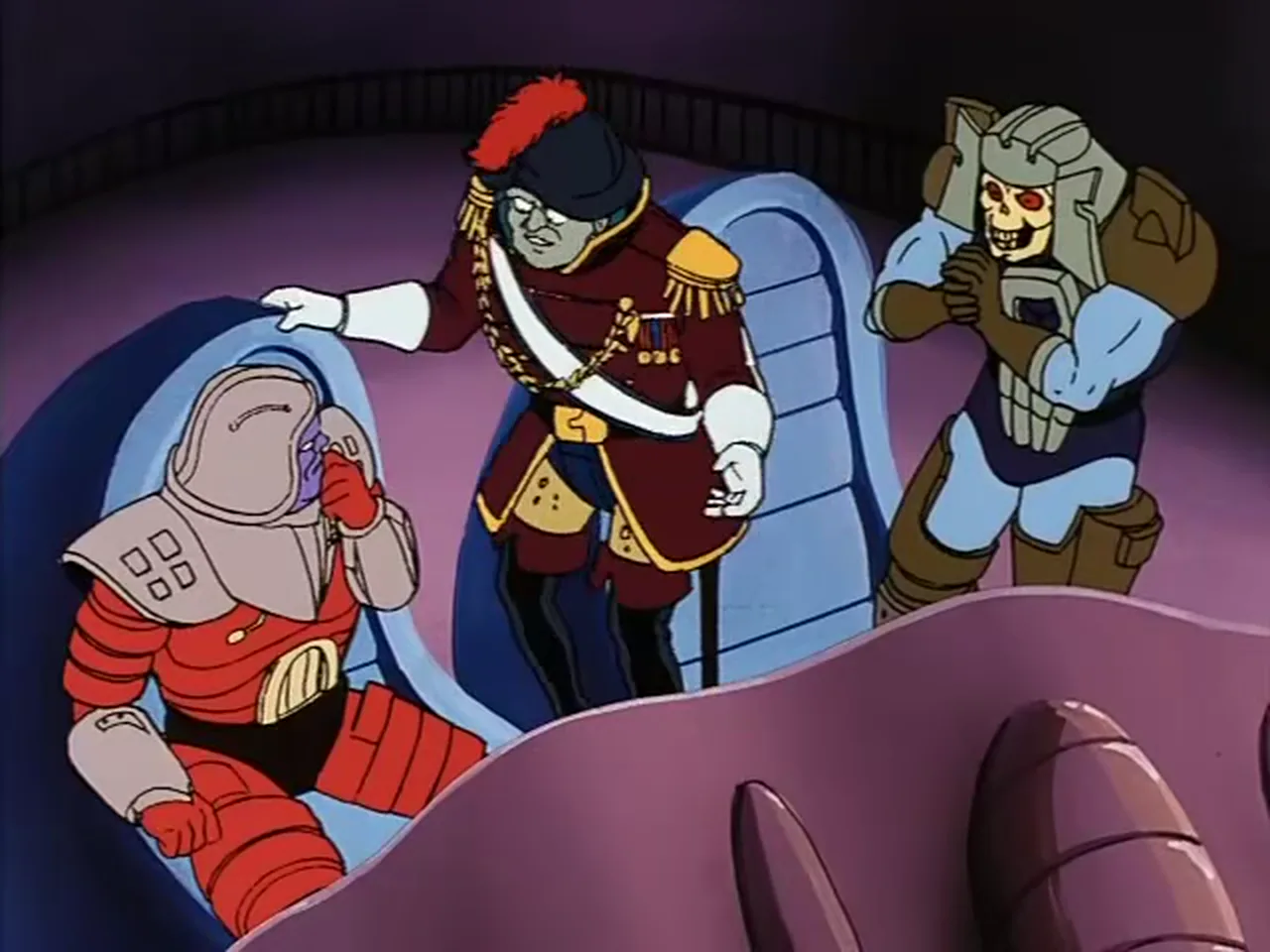
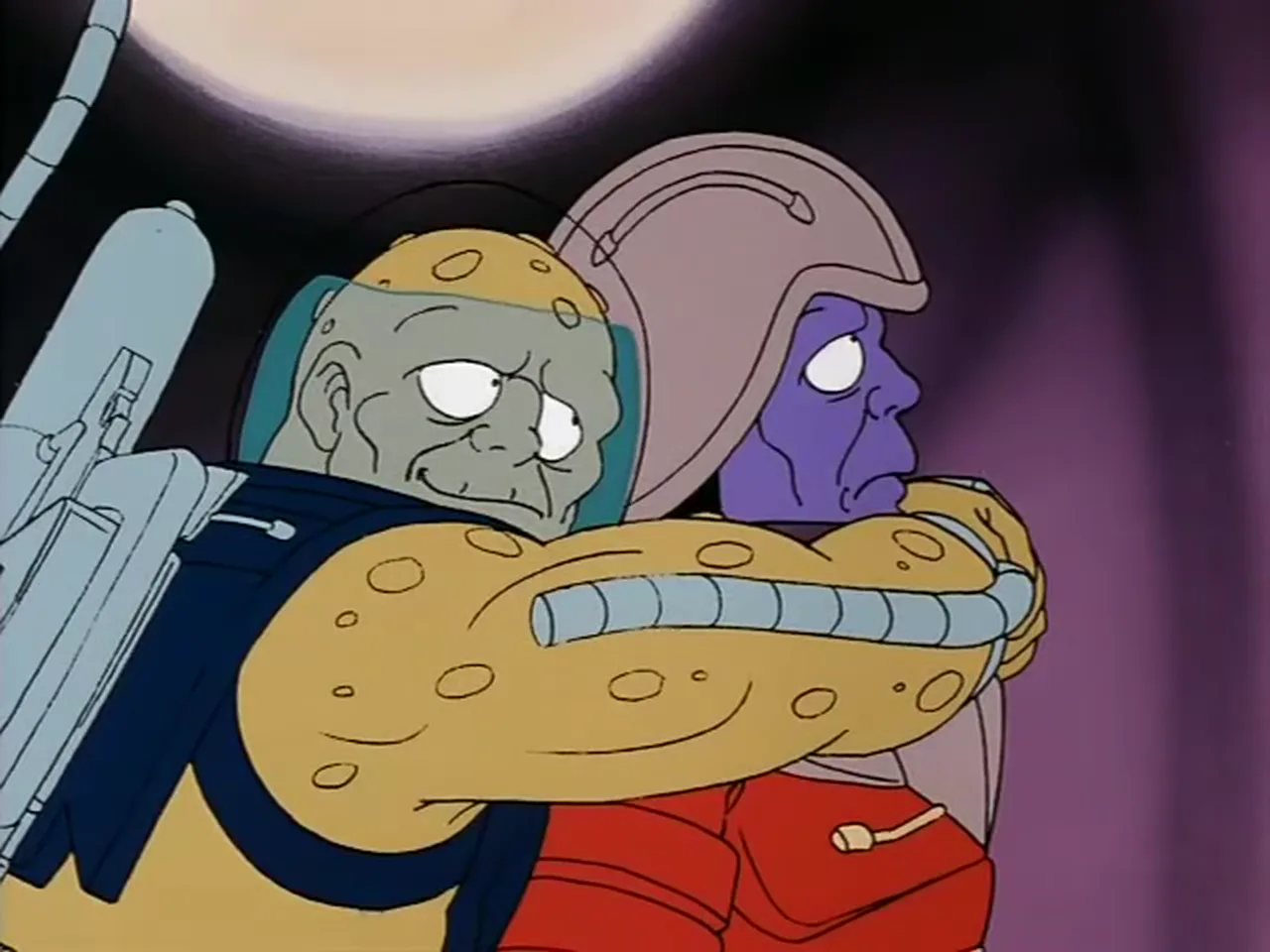
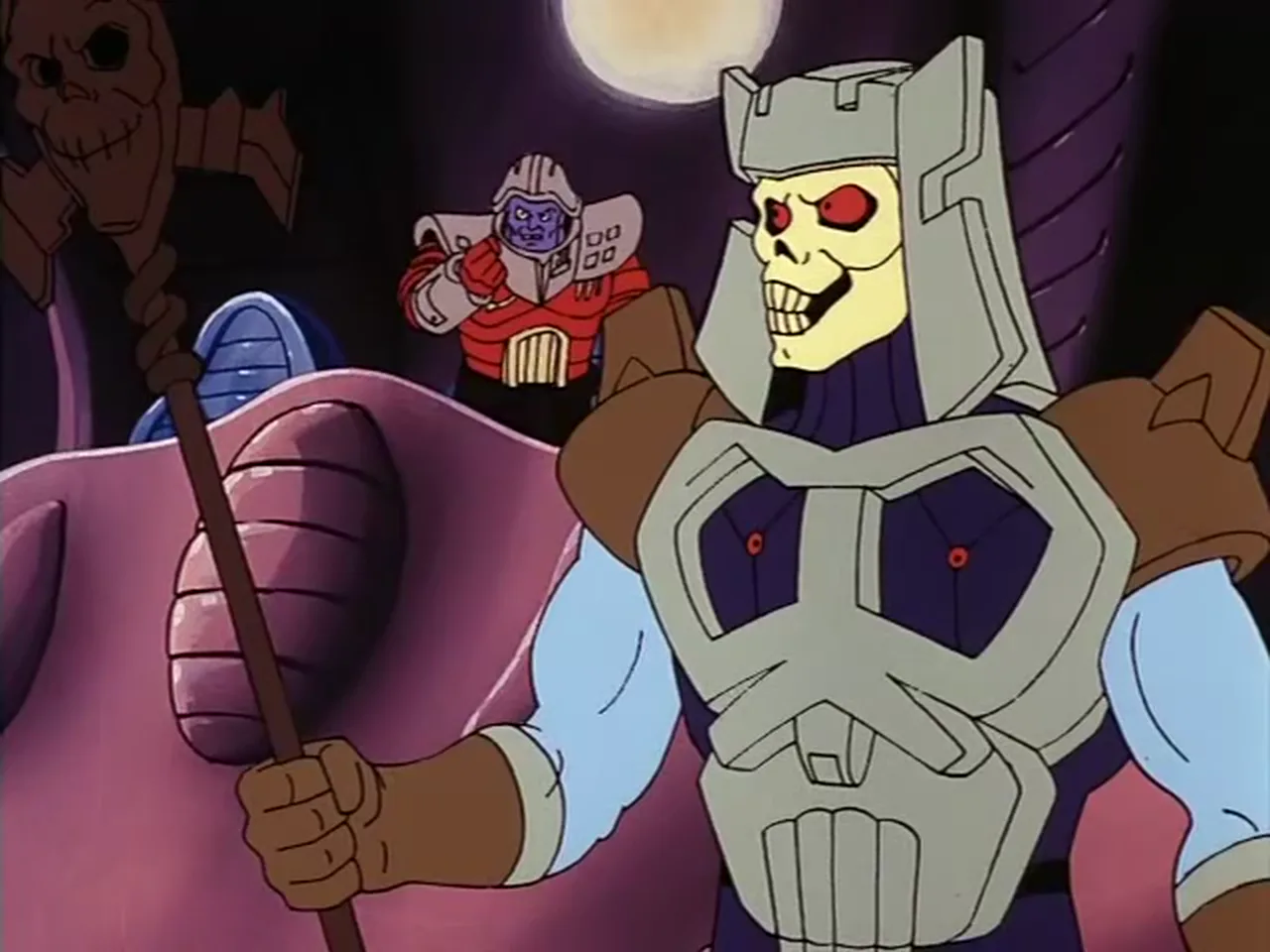
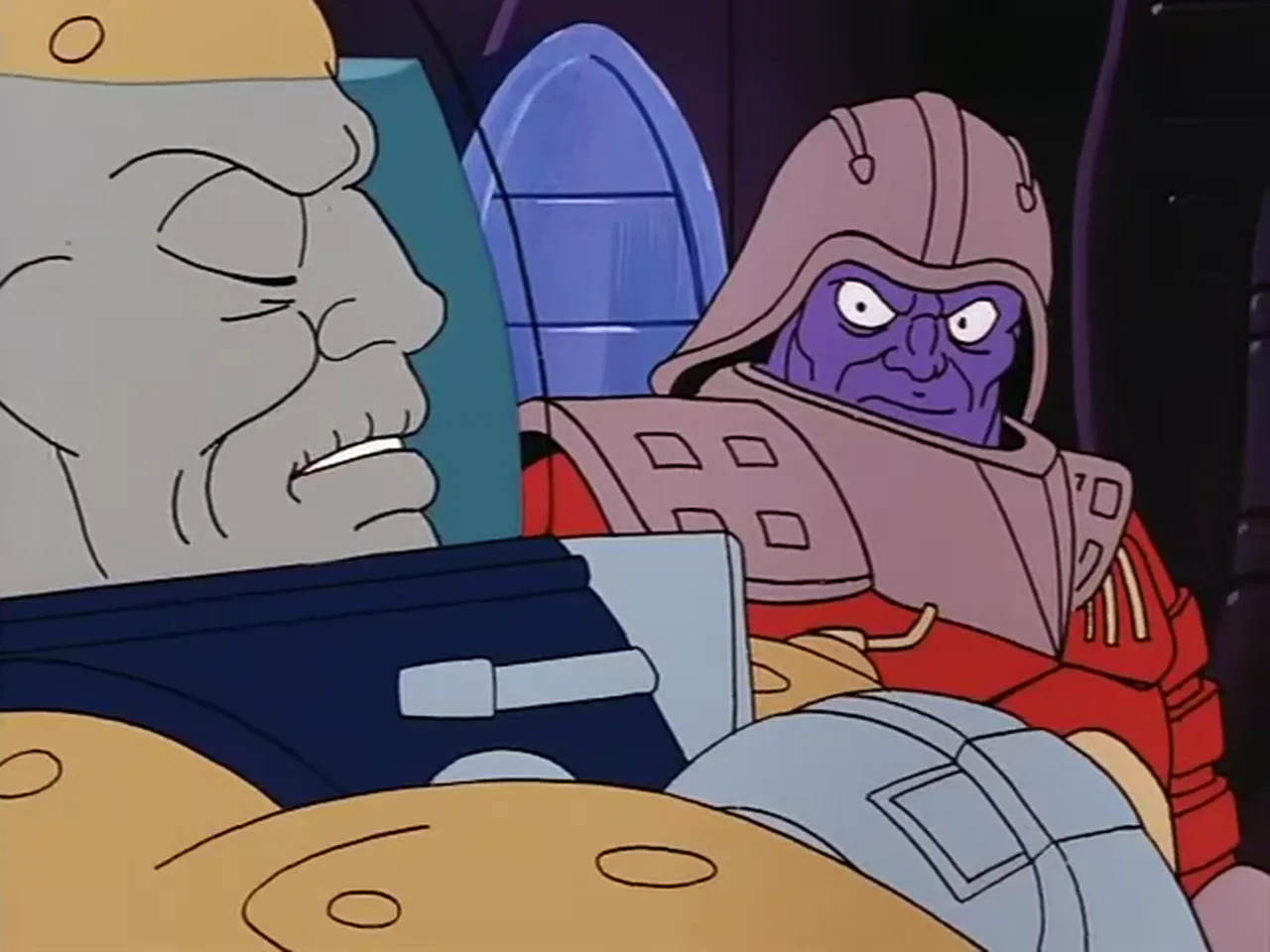
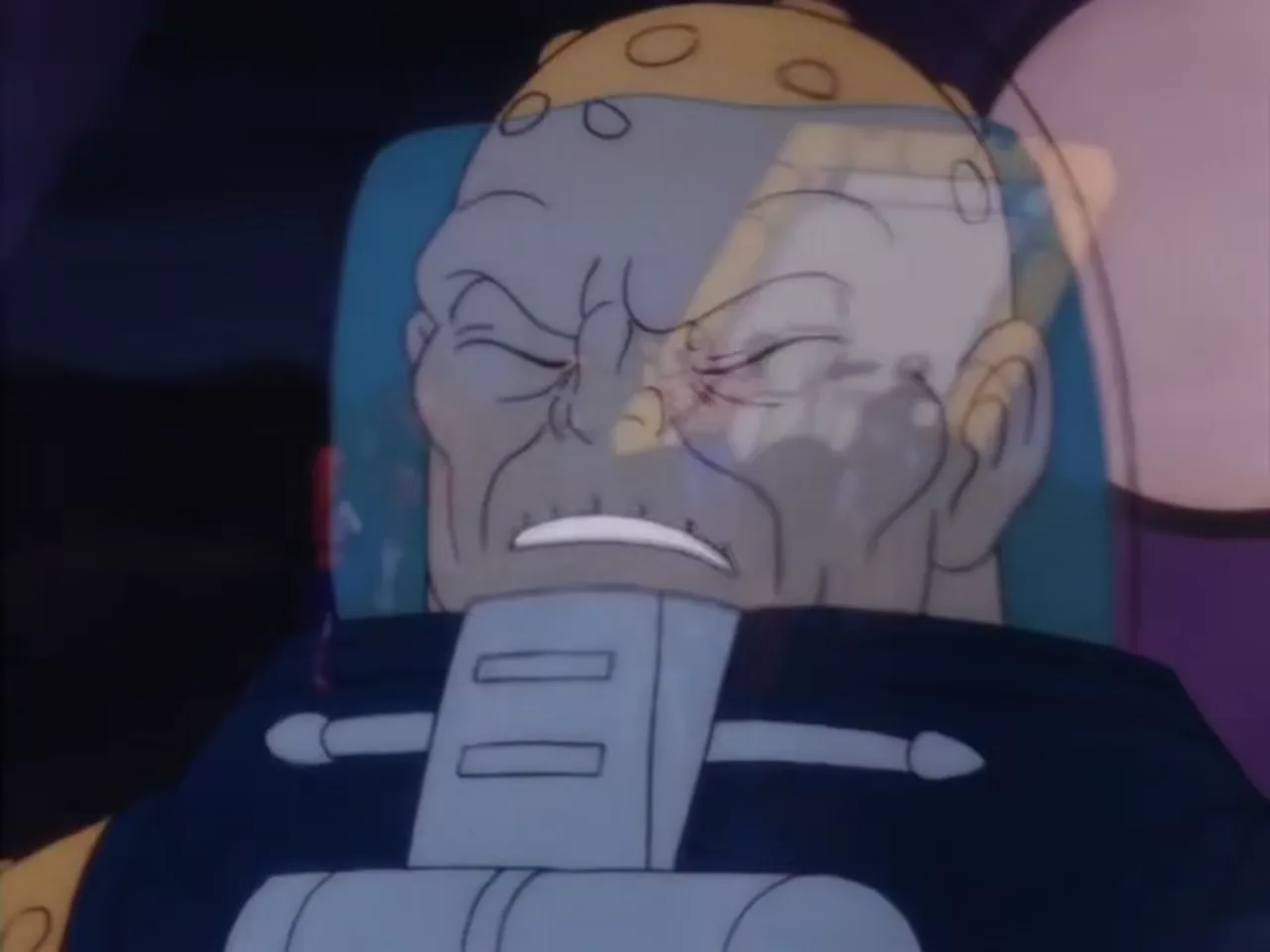
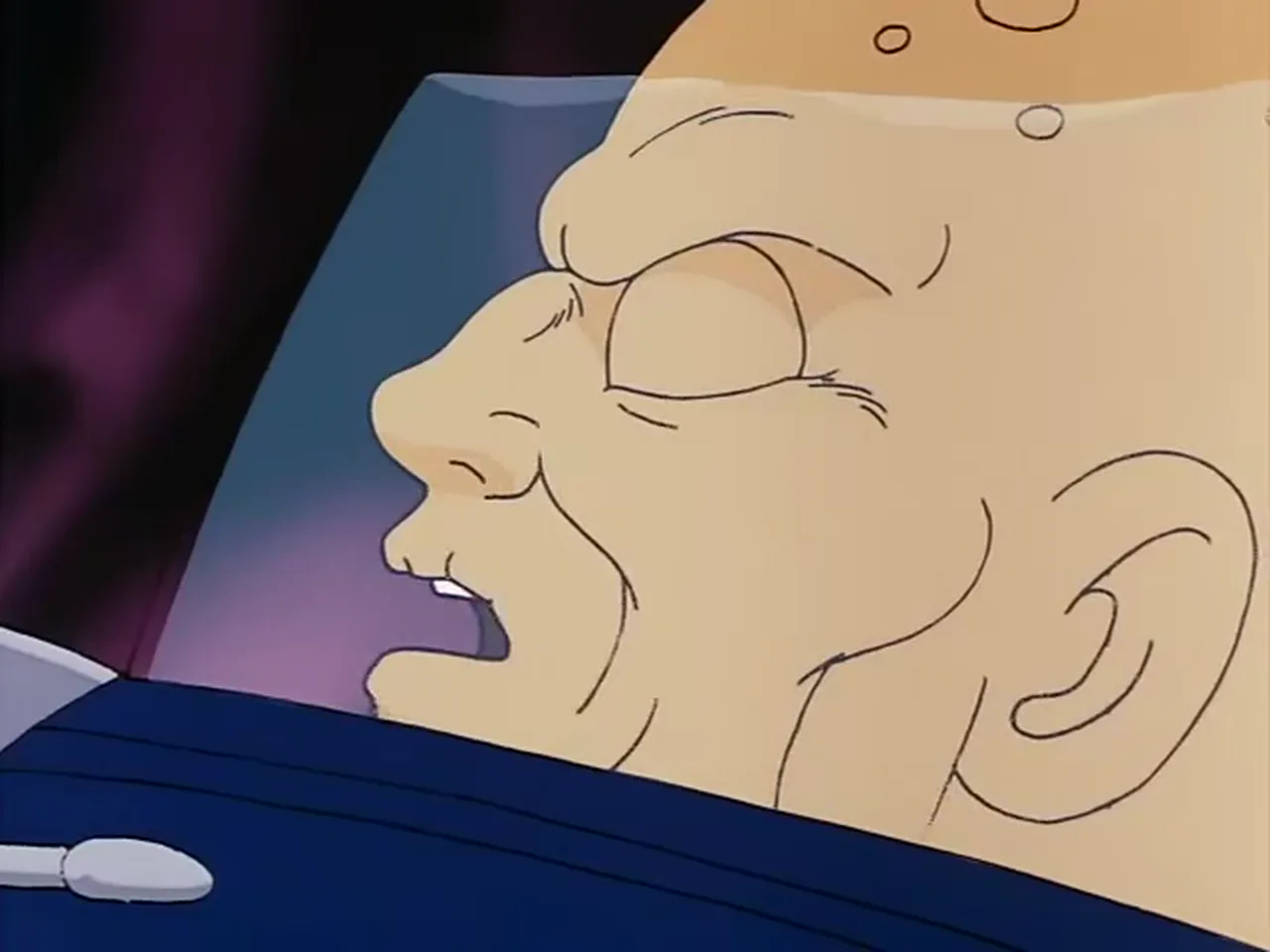
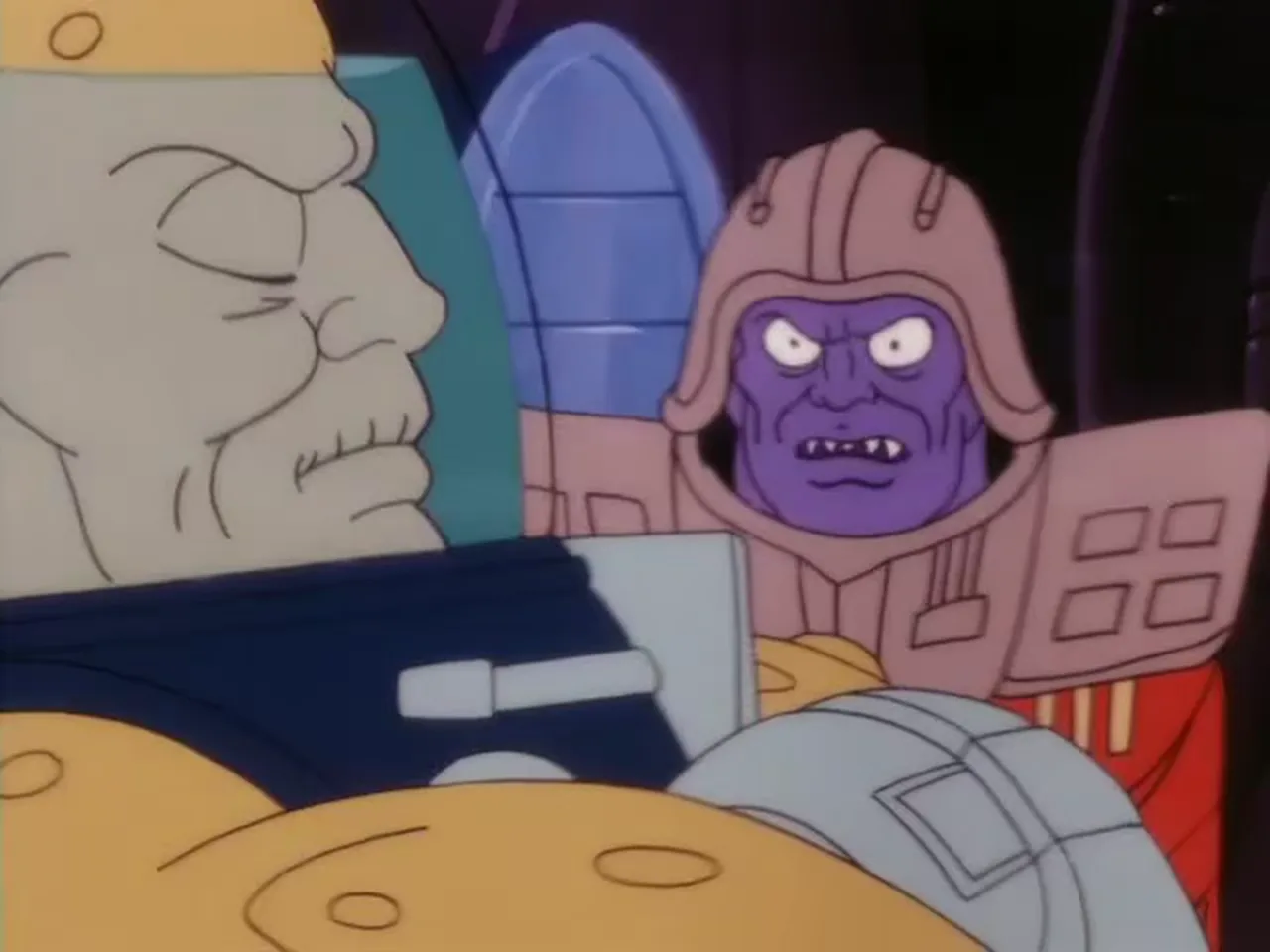
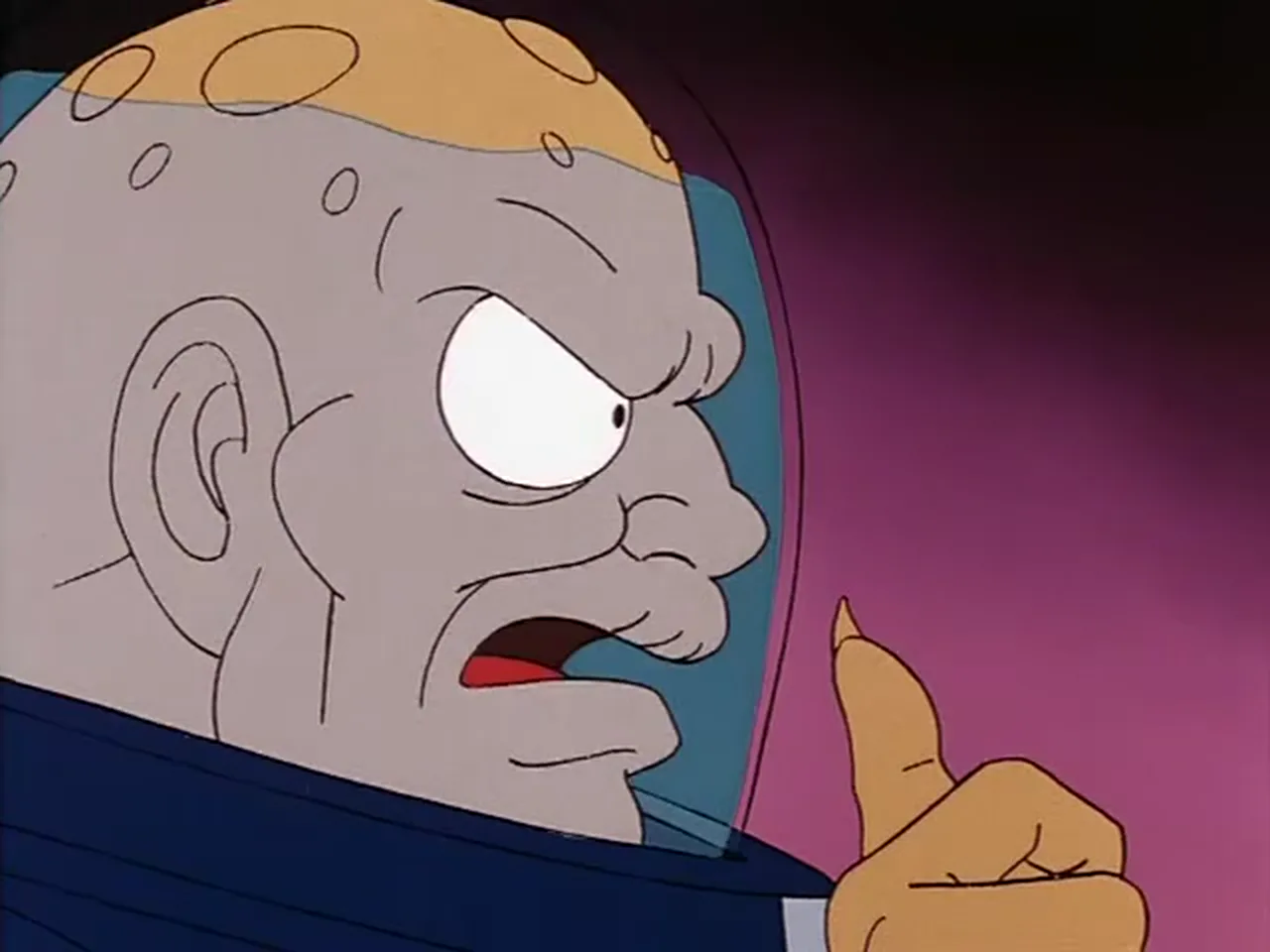
The Mutants are better still, partly because their vanity runs in such different directions. In Slush Head's telling he is the hero of the Quagmi Swamp, a forgiving soul, while Flogg gushes that Slush Head is masterful and in control and is sent off to the pilot's seat. Flogg's rebuttal is to tell what really happened, and the same phrase comes back with his own title attached: the future king of his galaxy is a forgiving soul. A line about firing at will, and the puzzled question of who Will might be, turns up in both tellings in the mouth of whichever Mutant is being made to look the fool. It is a tidy piece of structure, because the audience watches one joke bent to flatter two different egos.
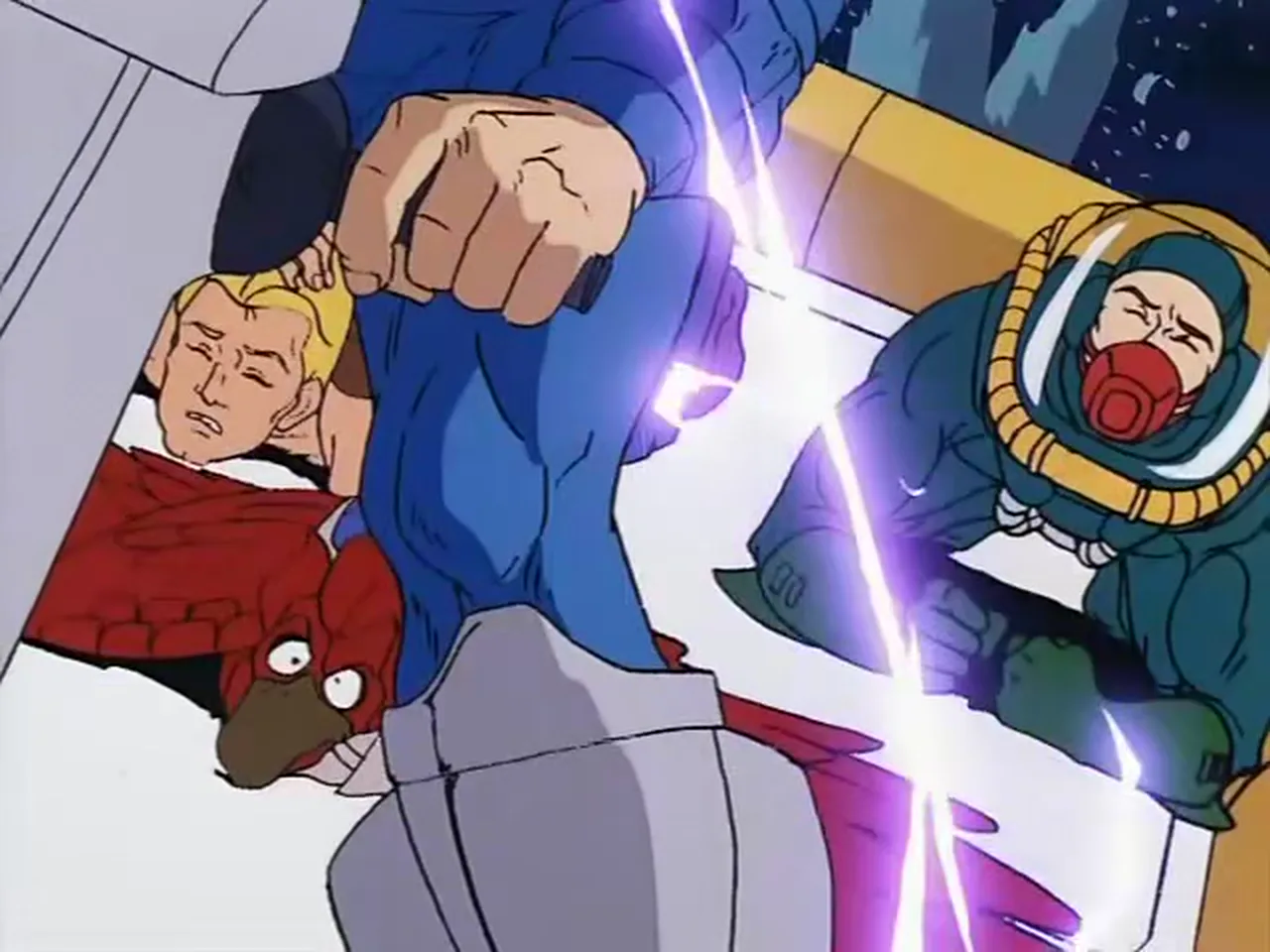
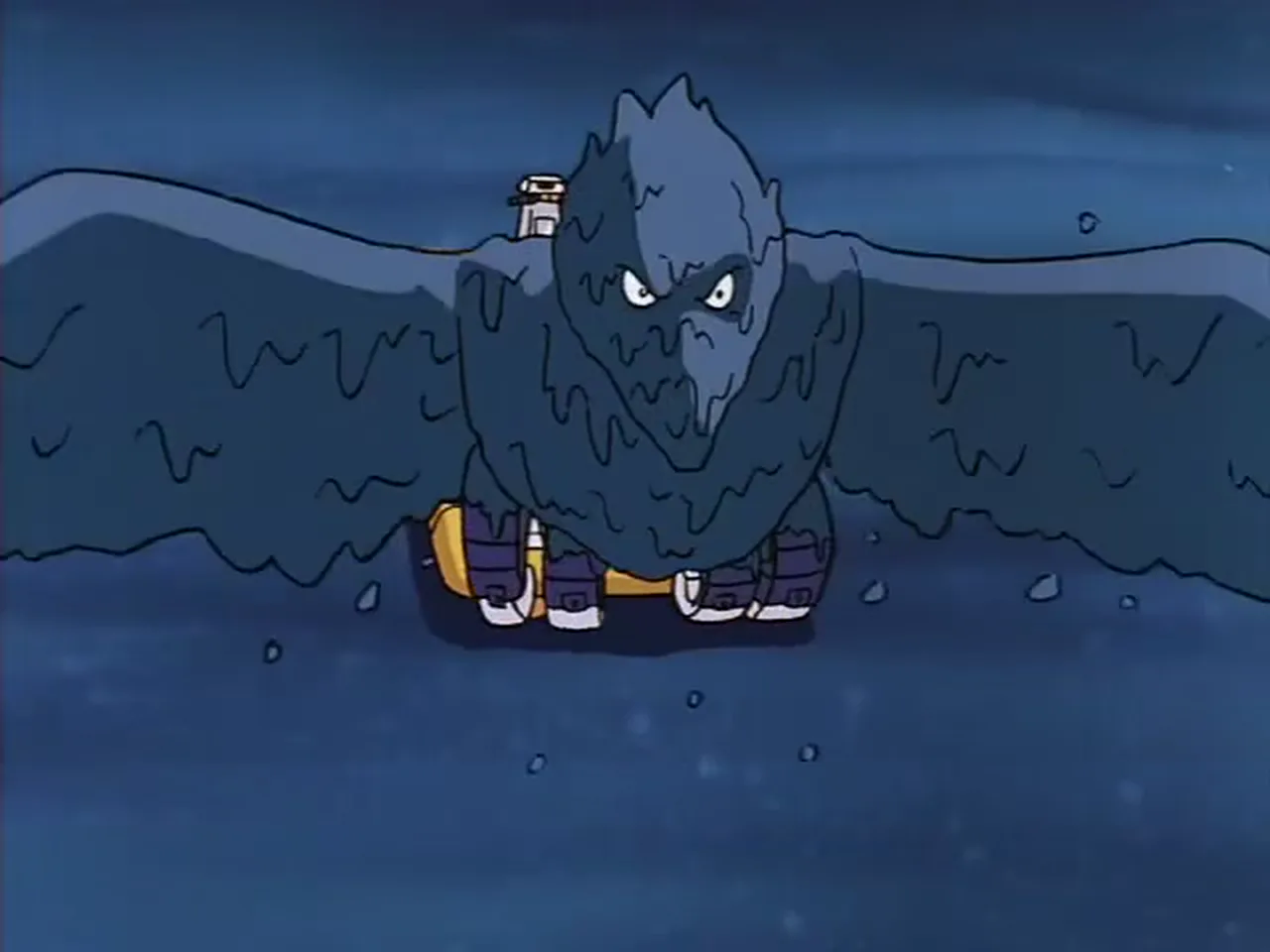
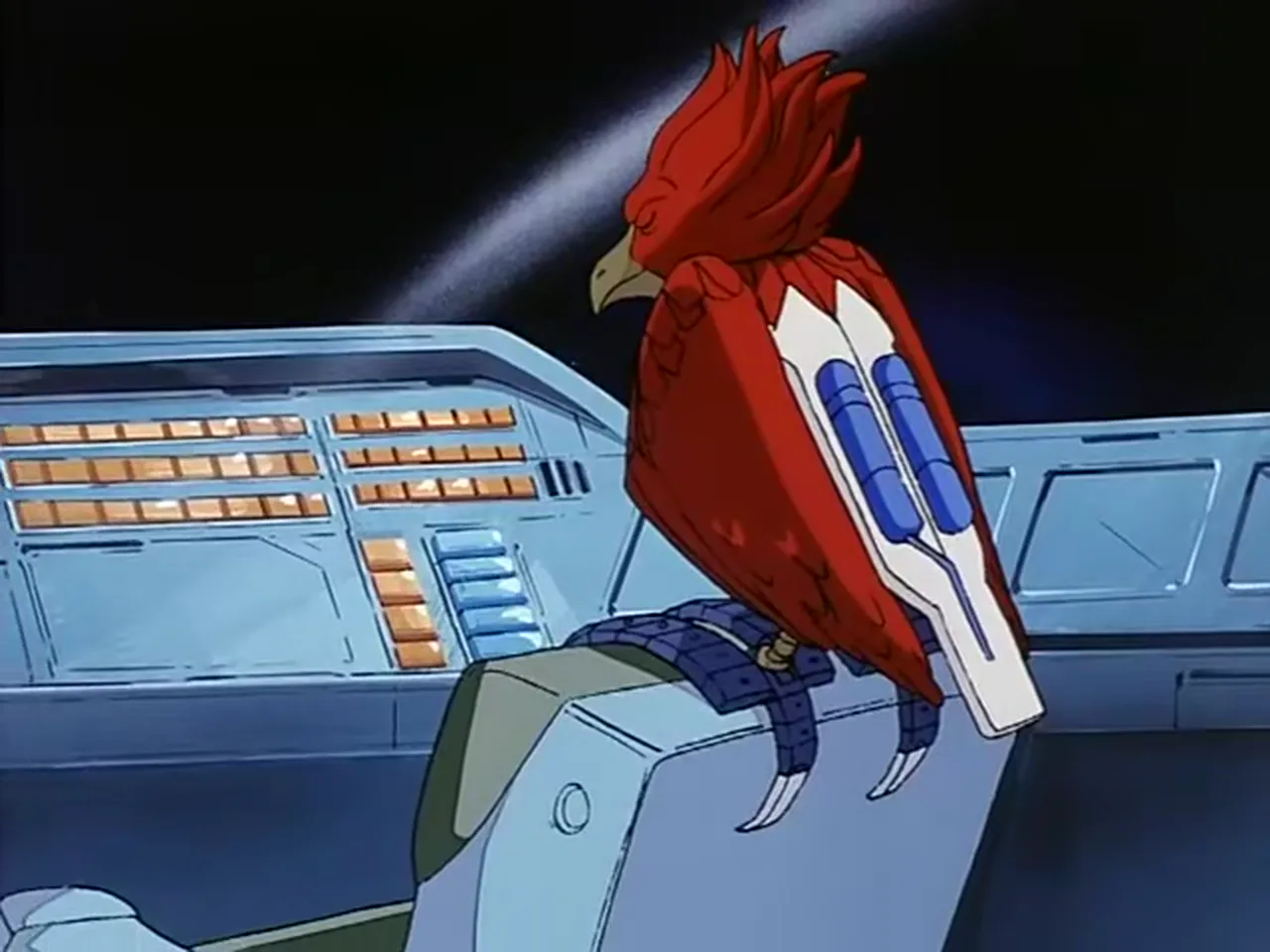
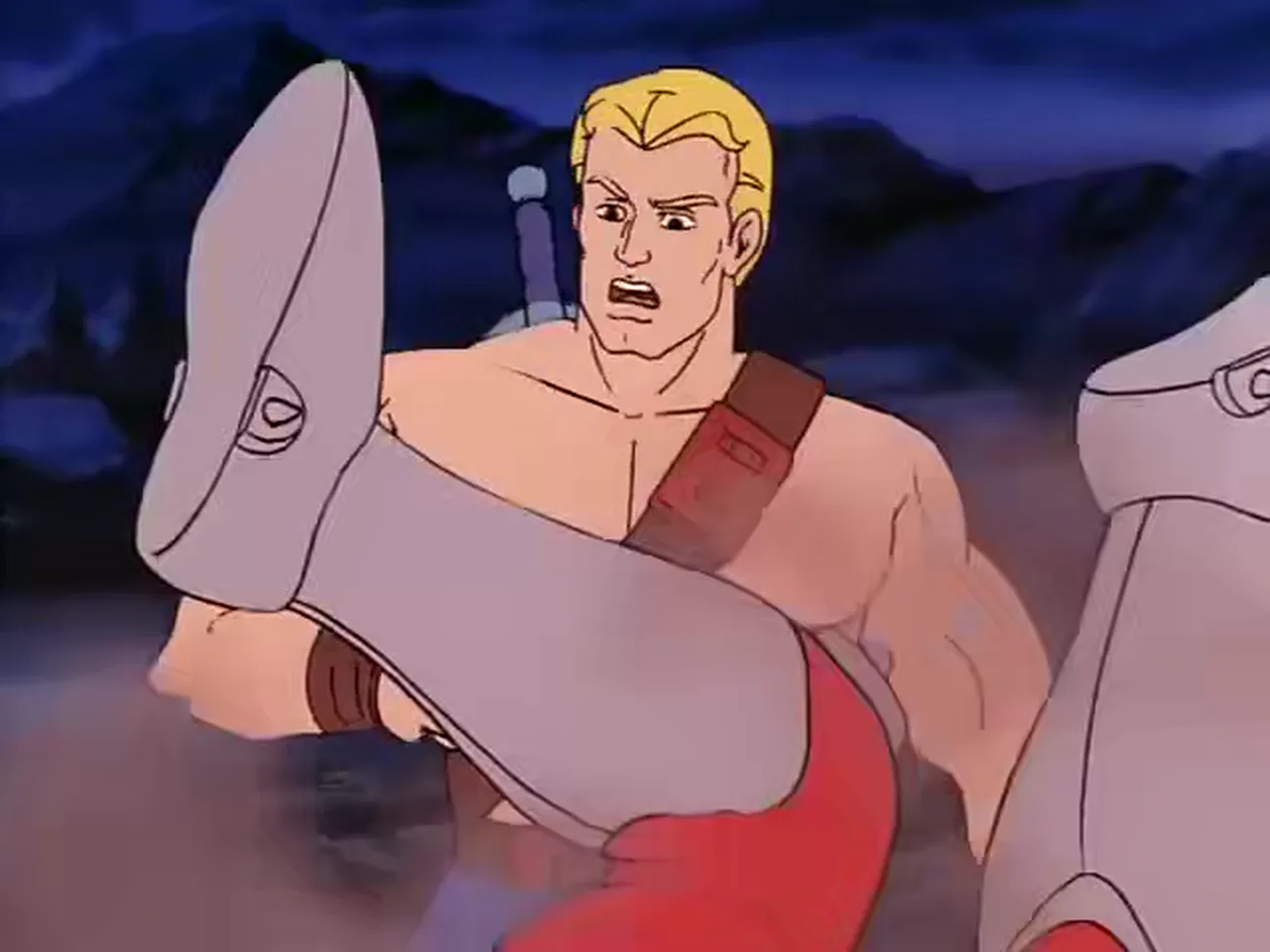
The heroes get the smaller gags, but they are good ones. Flipshot's account ends the fight with a borrowed bird, Clobber, and some mud to blind the Mutant viewscreen, and the correction is that someone remembers the bird too, mostly because he had to have his uniform dry-cleaned. In the other account the cockleberry bush becomes a running joke: He-Man is told to use his sword to cut it, with a joke that the important thing is to be a good bush cutter, and a startled yell is met with the observation that he would have burst a Mutant's eardrums.
The weakness is that the heroes' two tellings are close to mirror images, each accusing the other of cowardice, while the Mutants each get a distinct comic engine, so the human half has less to offer. The likely reason is the short slot: the Mutants' vanity can keep escalating, while two heroes accusing each other has fewer places to go. Keeping four narrators straight also takes some effort on a first viewing, since the switches come quickly.
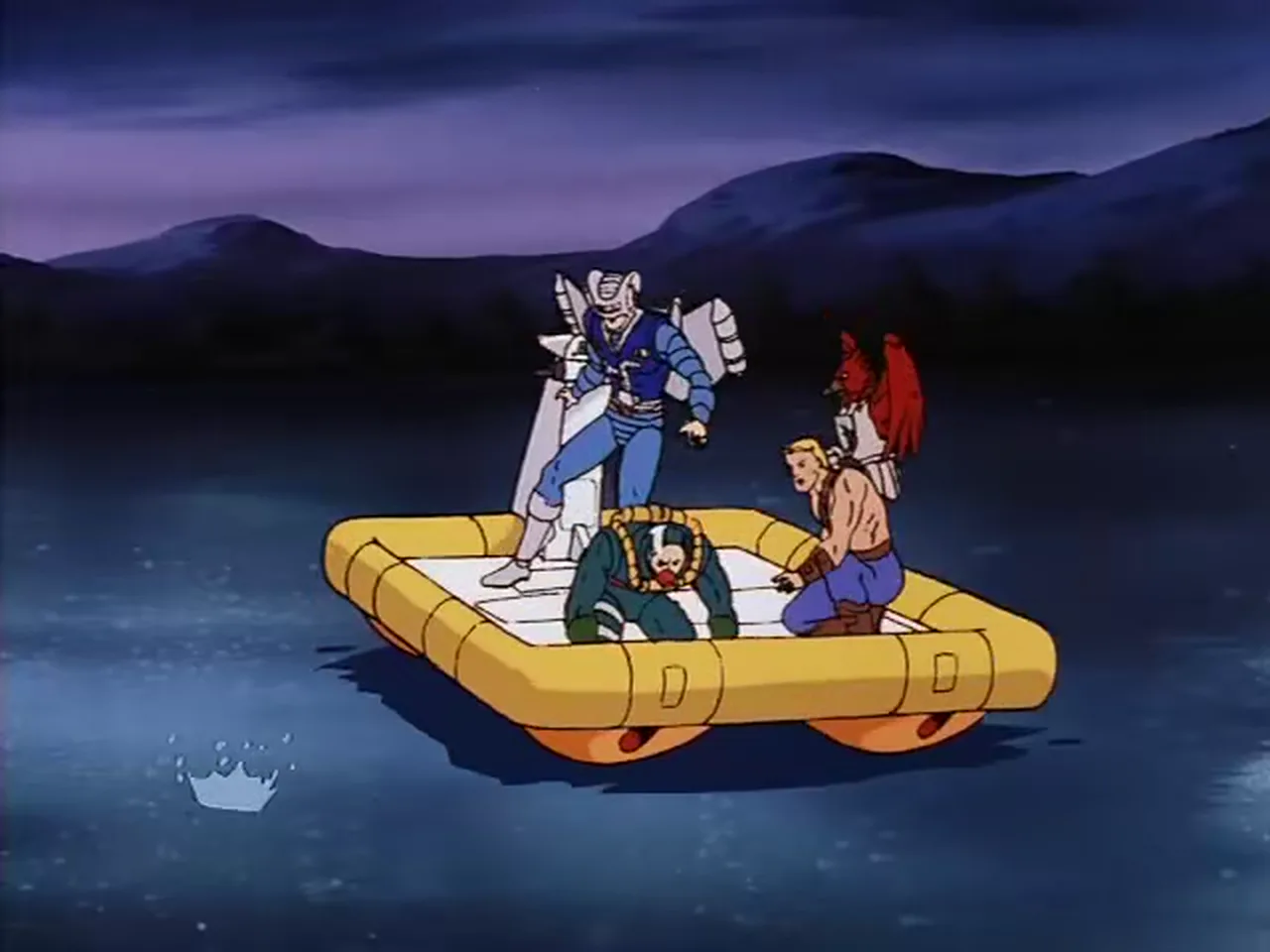
The ending lands on the Mutants, with one accusing the other of being too scared to see straight and the other insisting he is the bravest Mutant who ever lived. Slush Head then goes for a swim on his own, gets grabbed by something, and is told to use the buddy system.
Verdict: a clever, well-voiced oddity among the run's stand-alone adventures, and it leaves the question of whose story is true wide open.
- Homage: The He-Man wiki says writer Jack Olesker conceived the story as an homage to Akira Kurosawa's 1950 film Rashomon.
- Continuity: Per the He-Man wiki, Adam of Grayskull does not appear in this episode.
- Edit history: The wiki's errors list says a line Slush Head begins, 'And I would've had them, except...', is animated as coming out of Flogg's mouth.
- Voice cast: Ted Cole voices Slush Head, Scott McNeil voices Flipshot, Alvin Sanders voices Flogg and Don Brown voices Hydron, according to the He-Man wiki cast list.
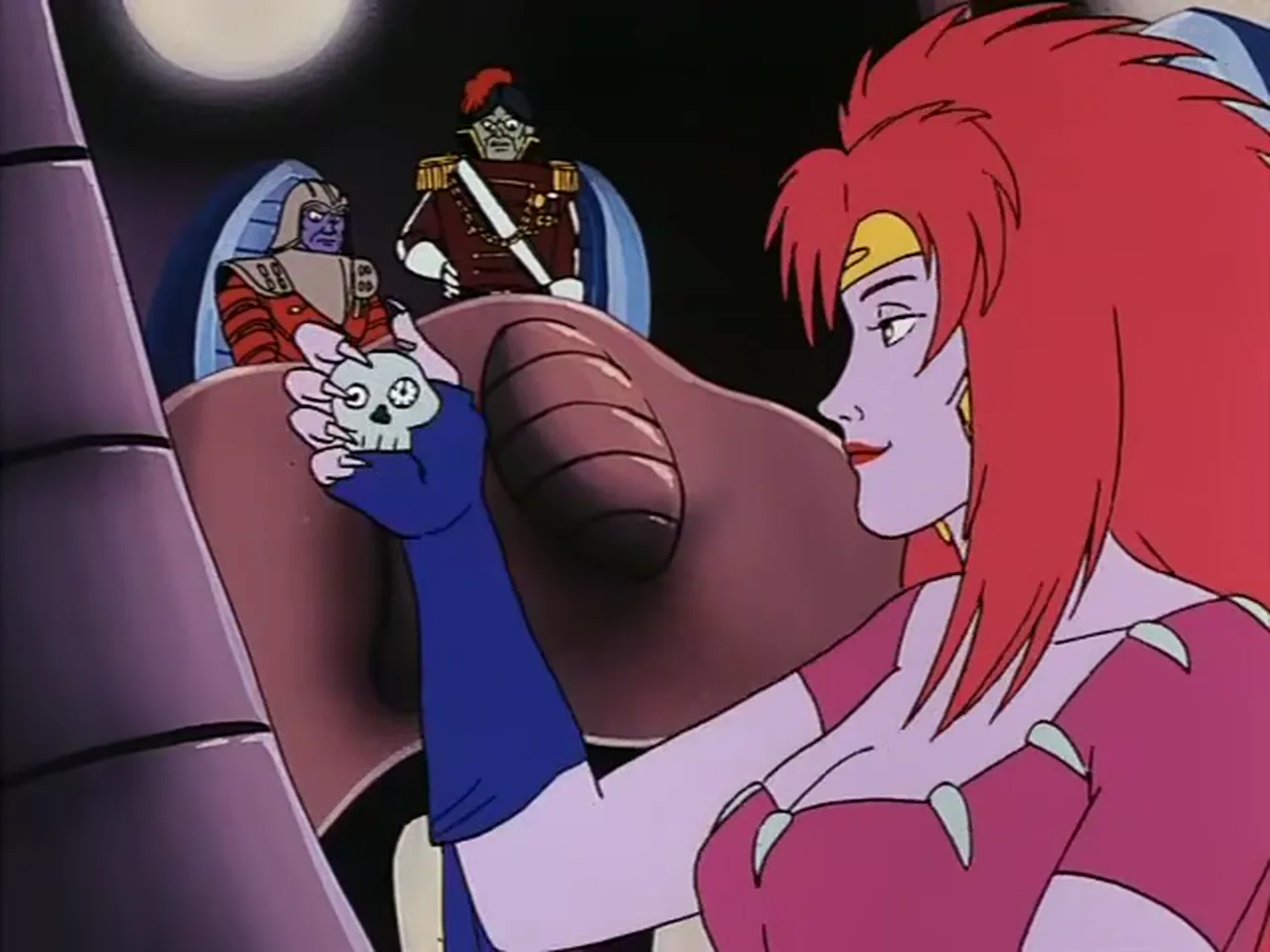
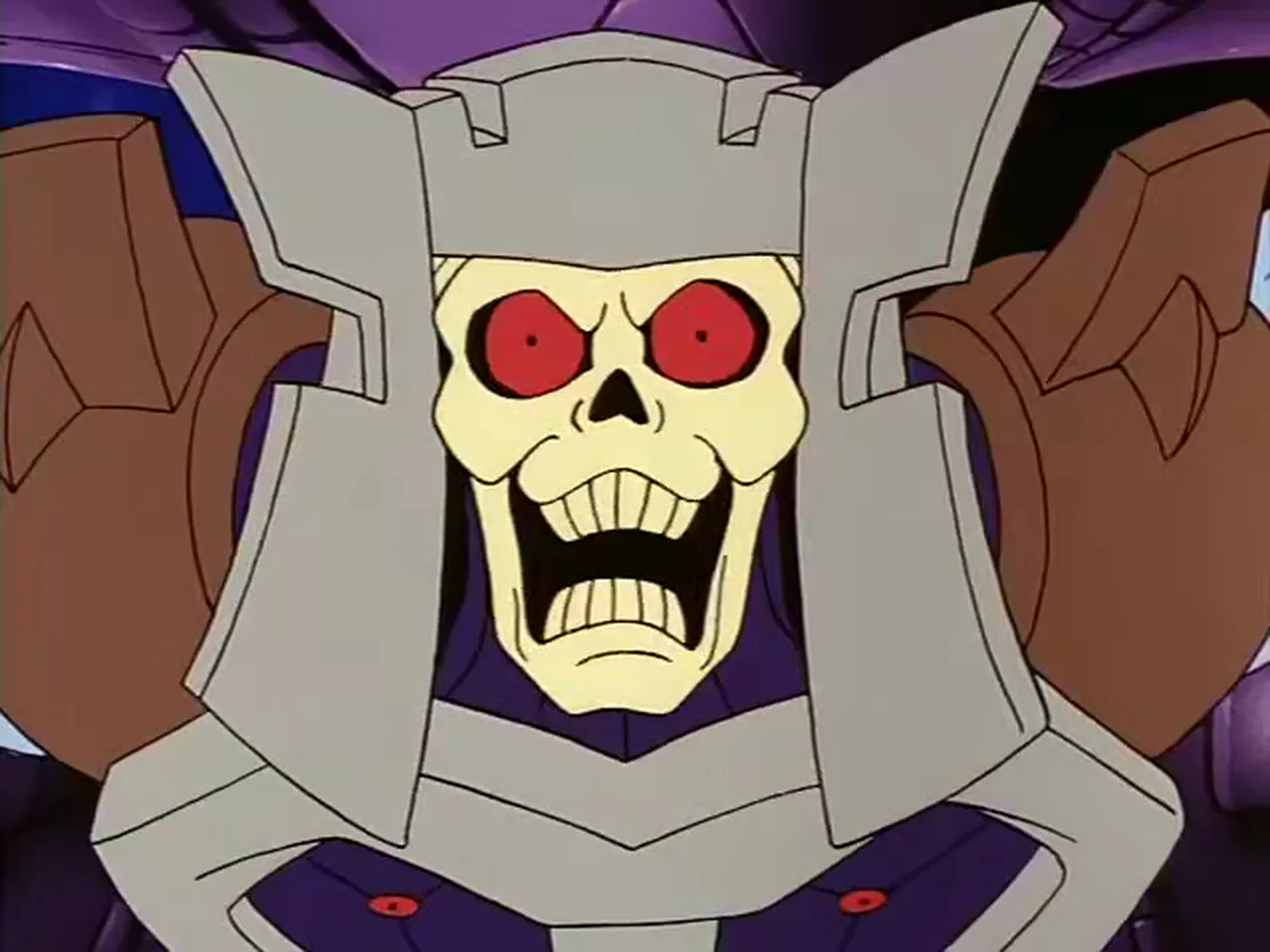
- Voice cast: The same cast list gives Venus Terzo as Crita and Campbell Lane as Skeletor.
- Continuity: Wikipedia's episode summary places the battle in the Quagmi Swamps, and the He-Man wiki's own Behind the Scenes section for the episode is very short.
DISCUSSION
Join the conversation.
Comments below are mirrored on the heman.org forum. Sign in once, post anywhere.