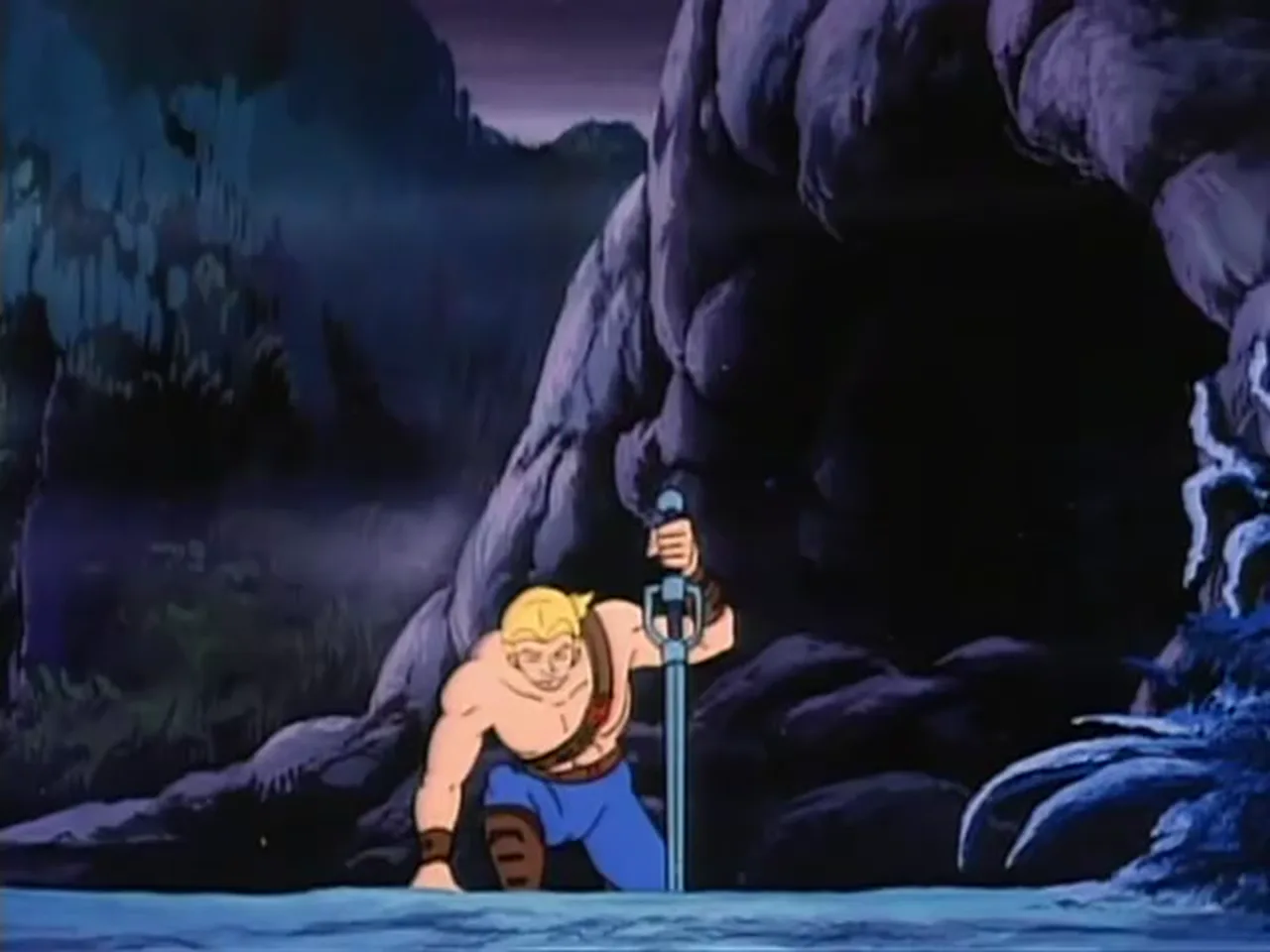
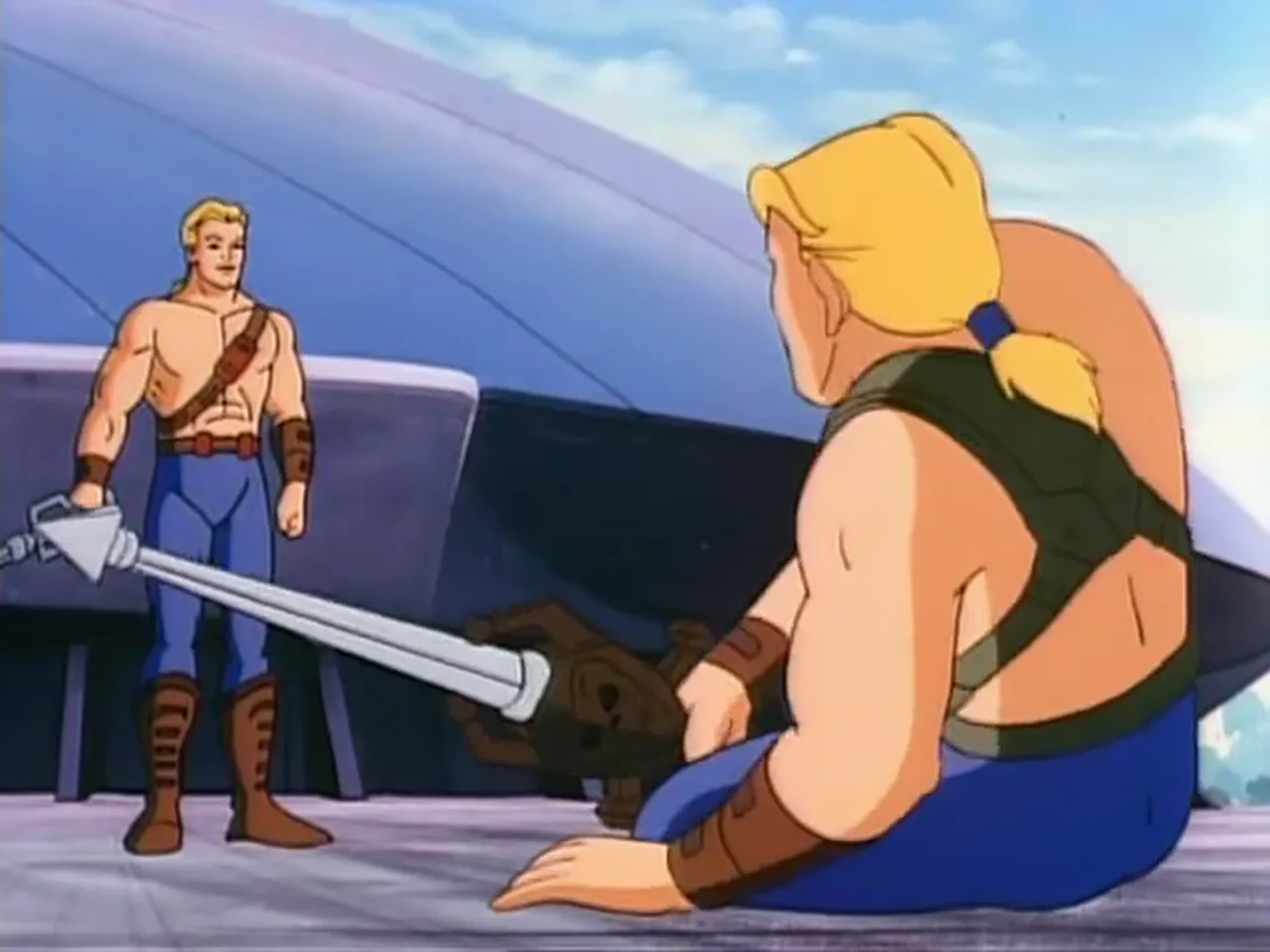
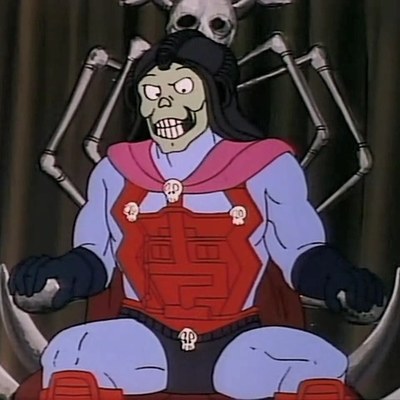
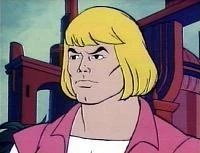
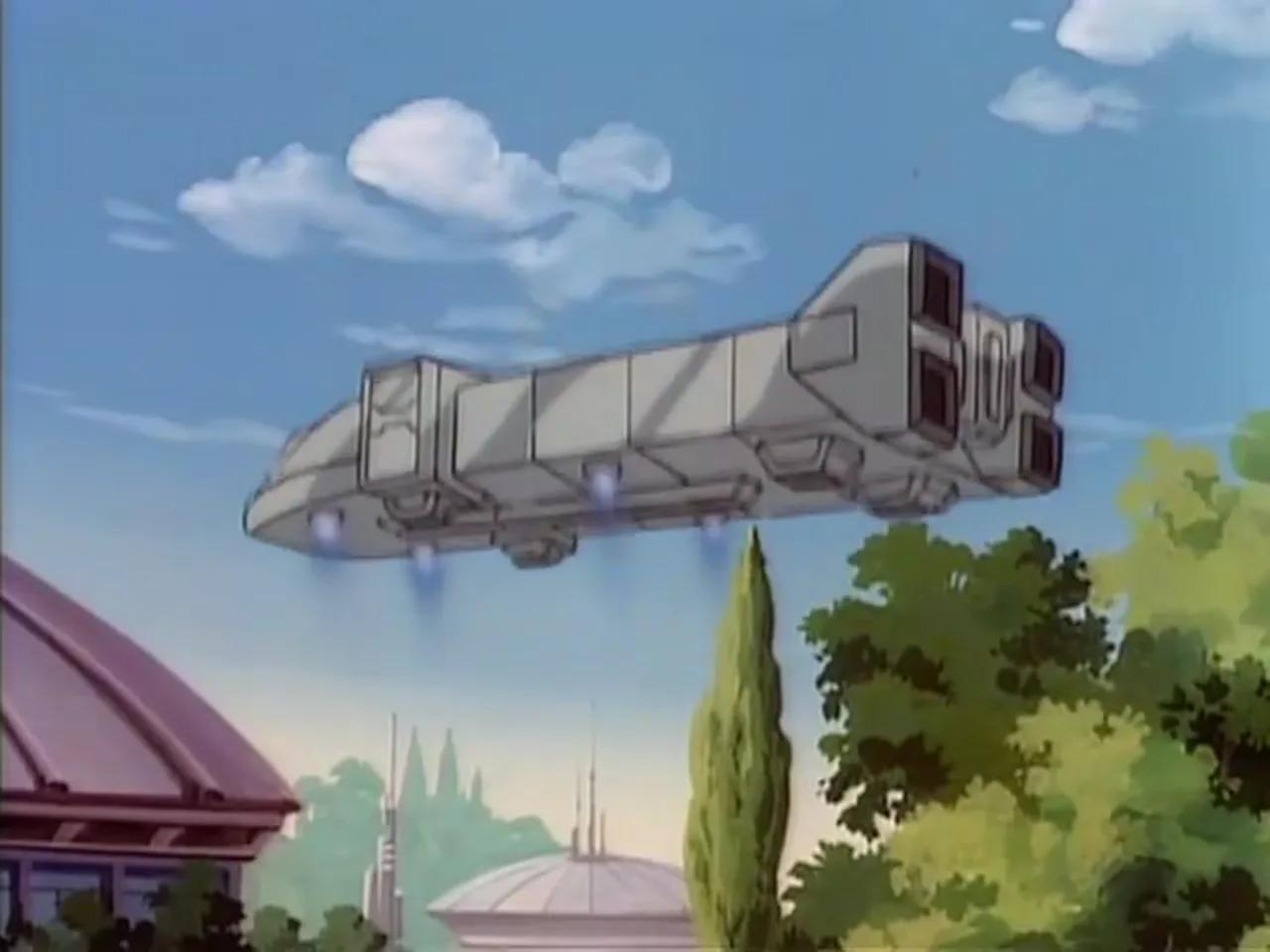
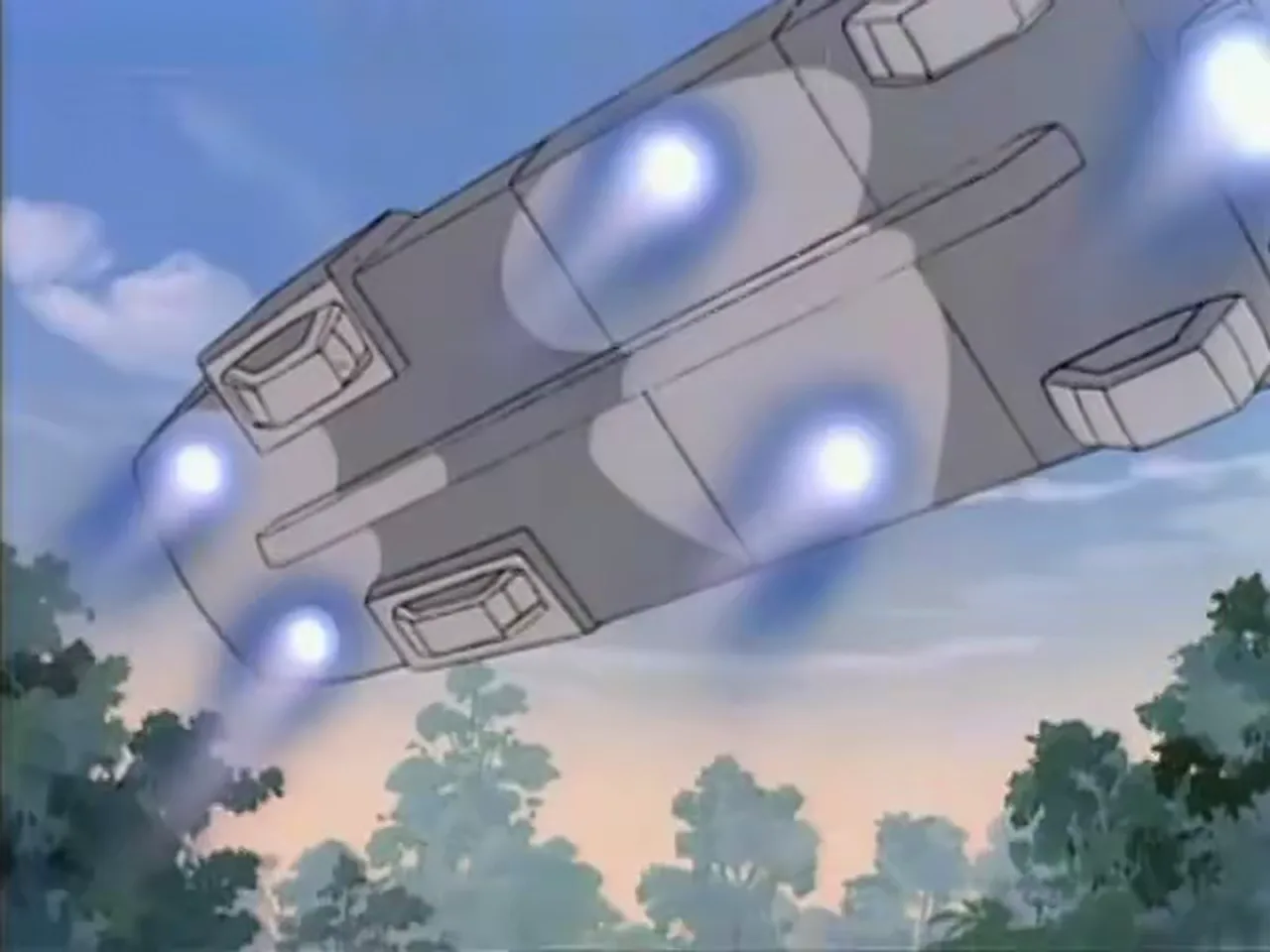
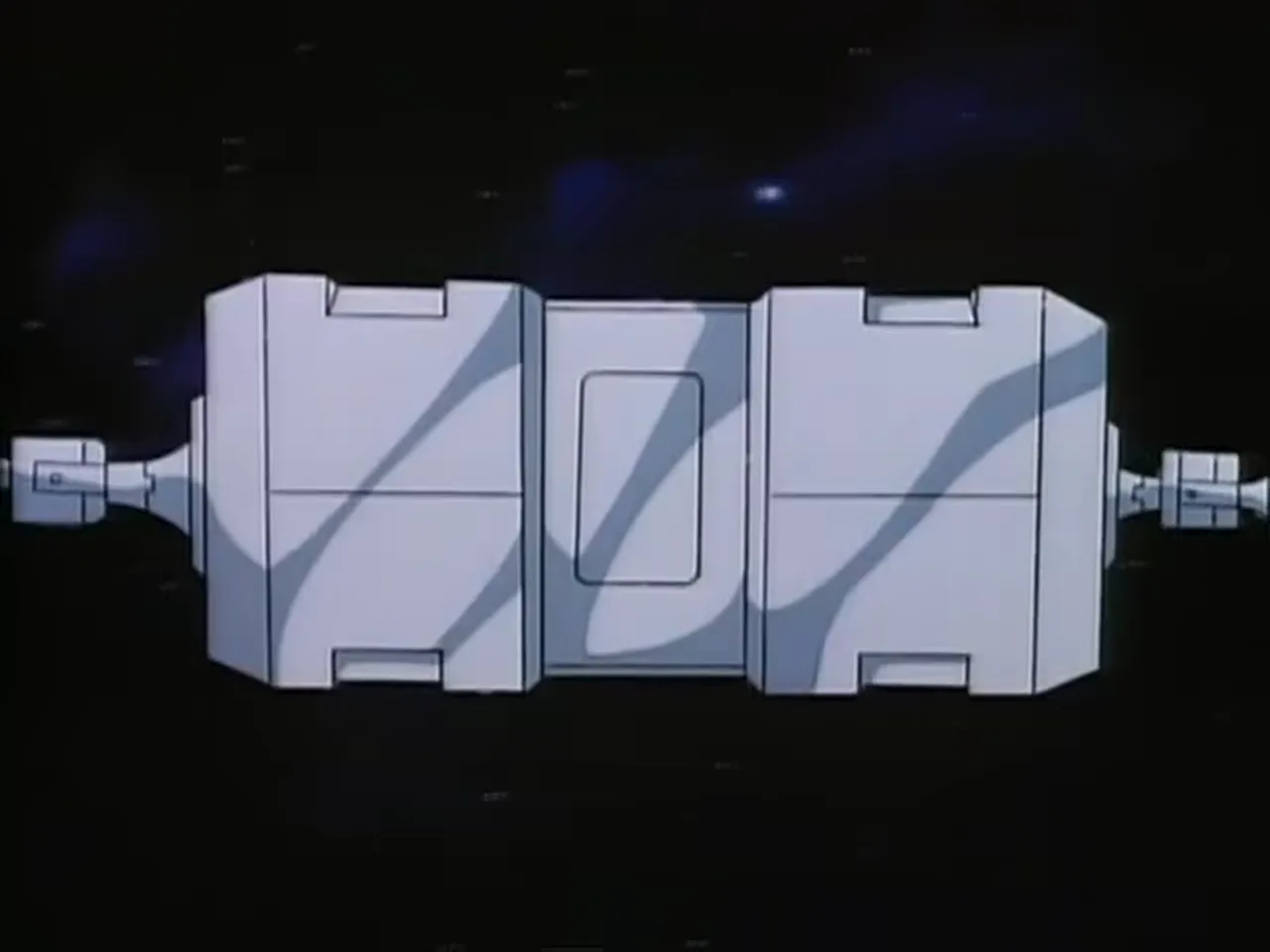
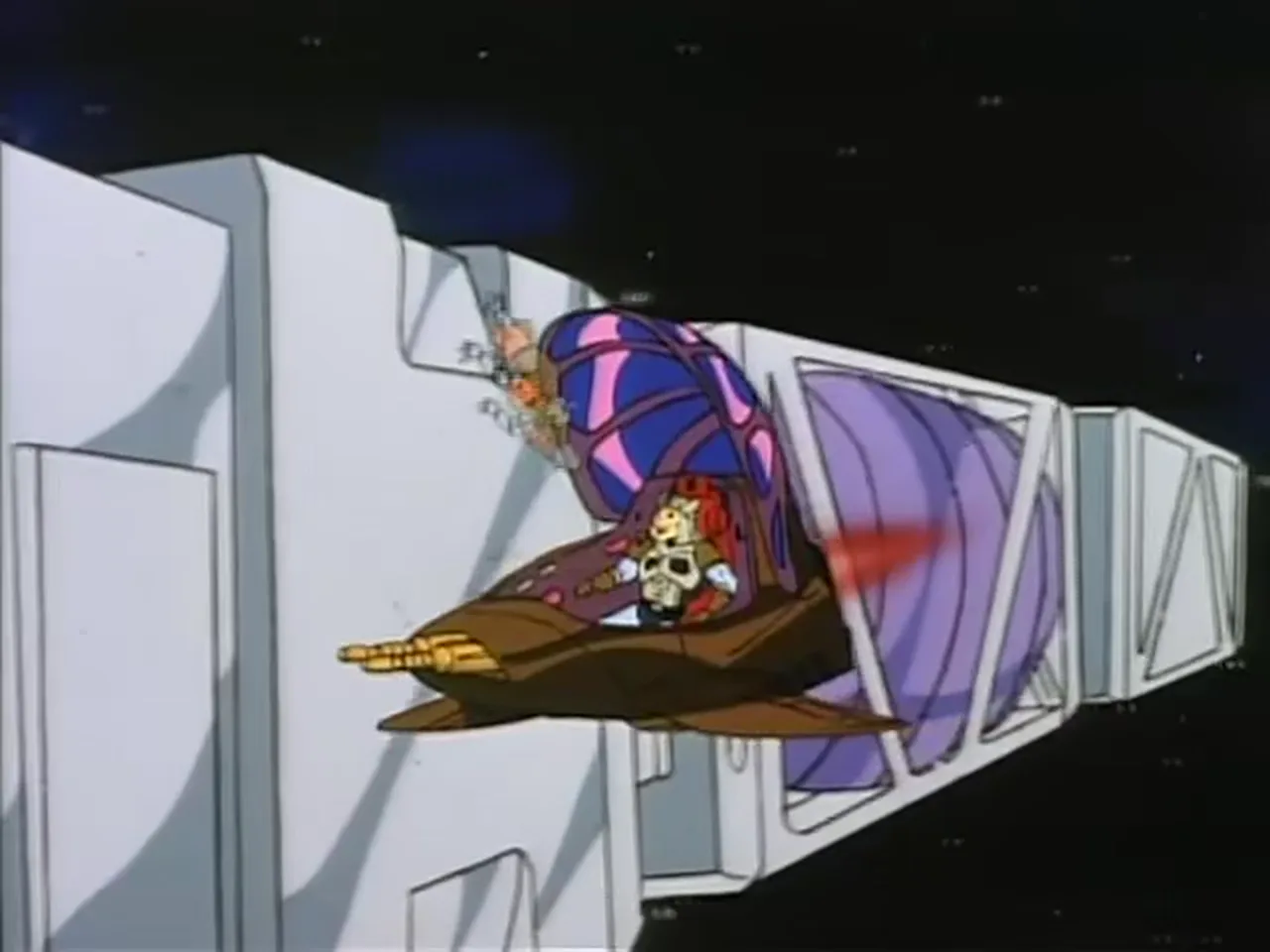
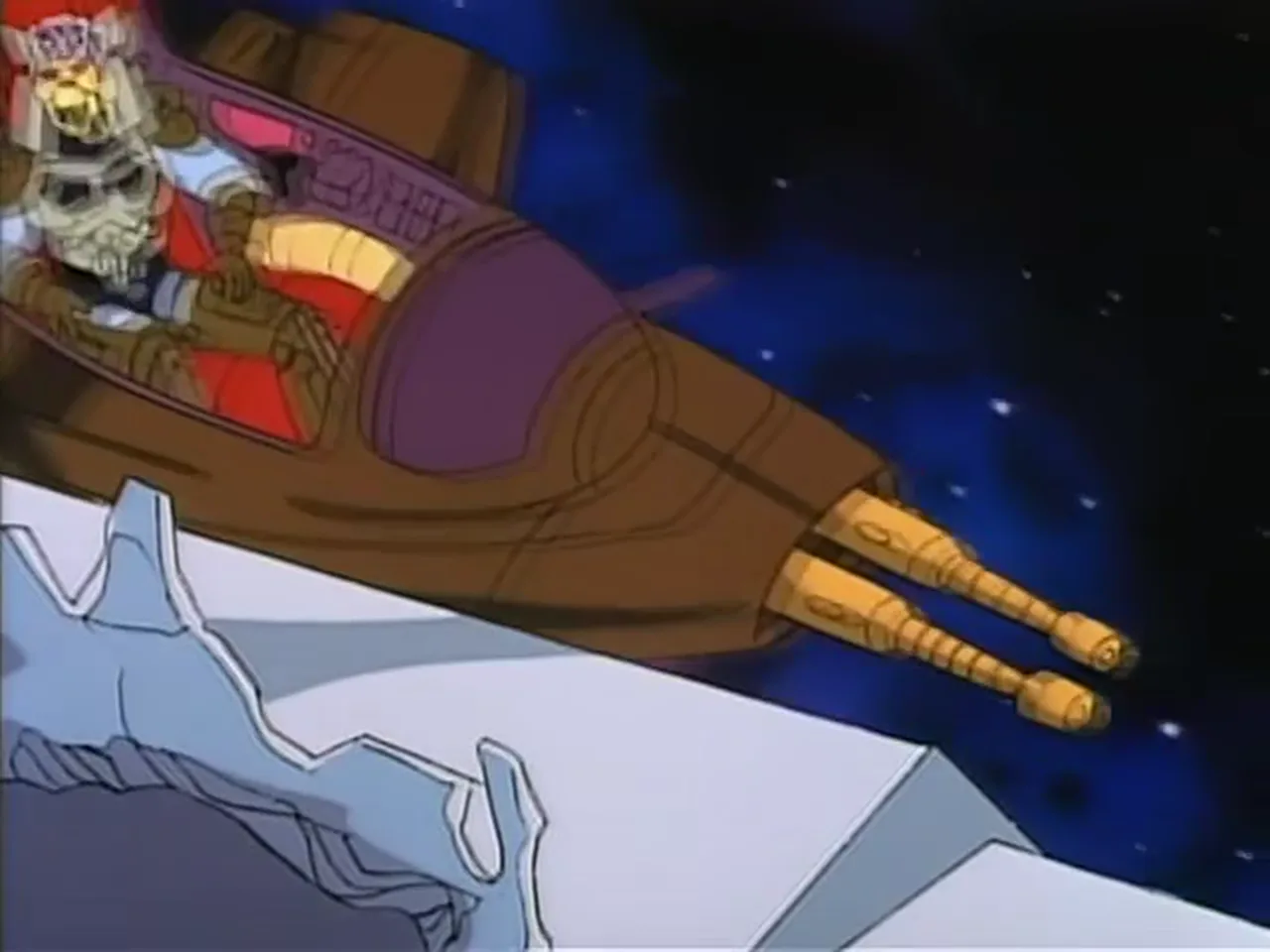
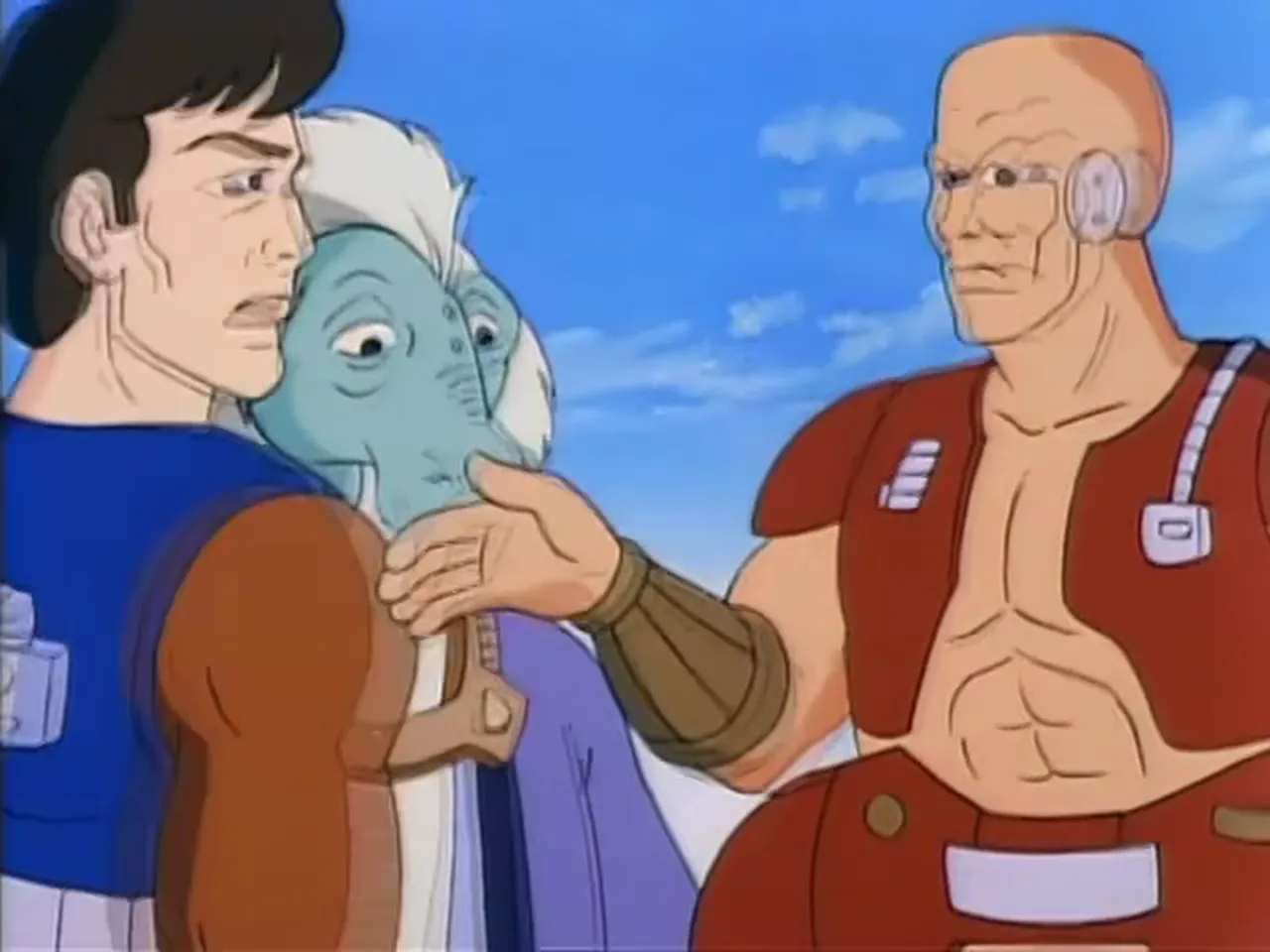
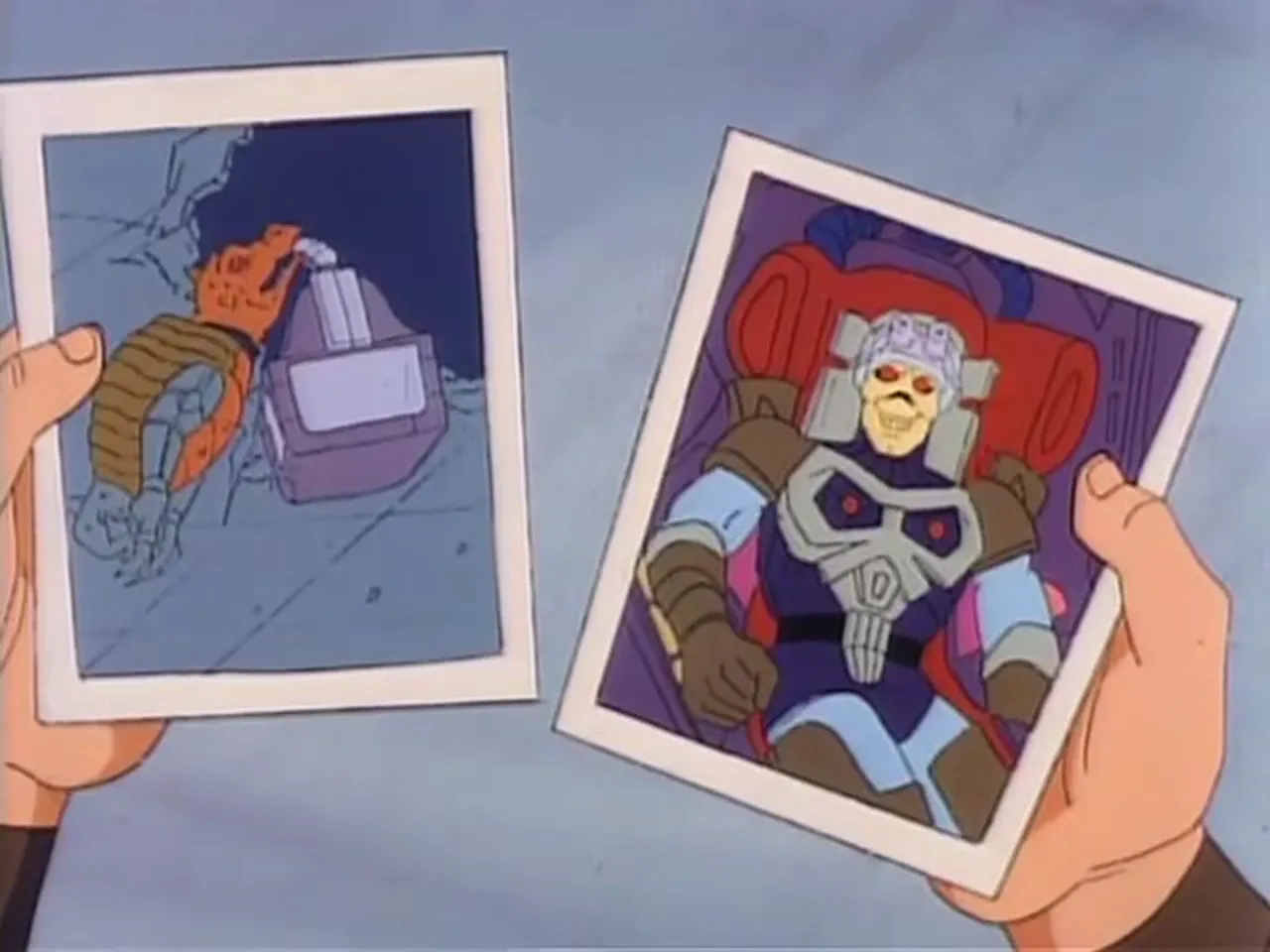
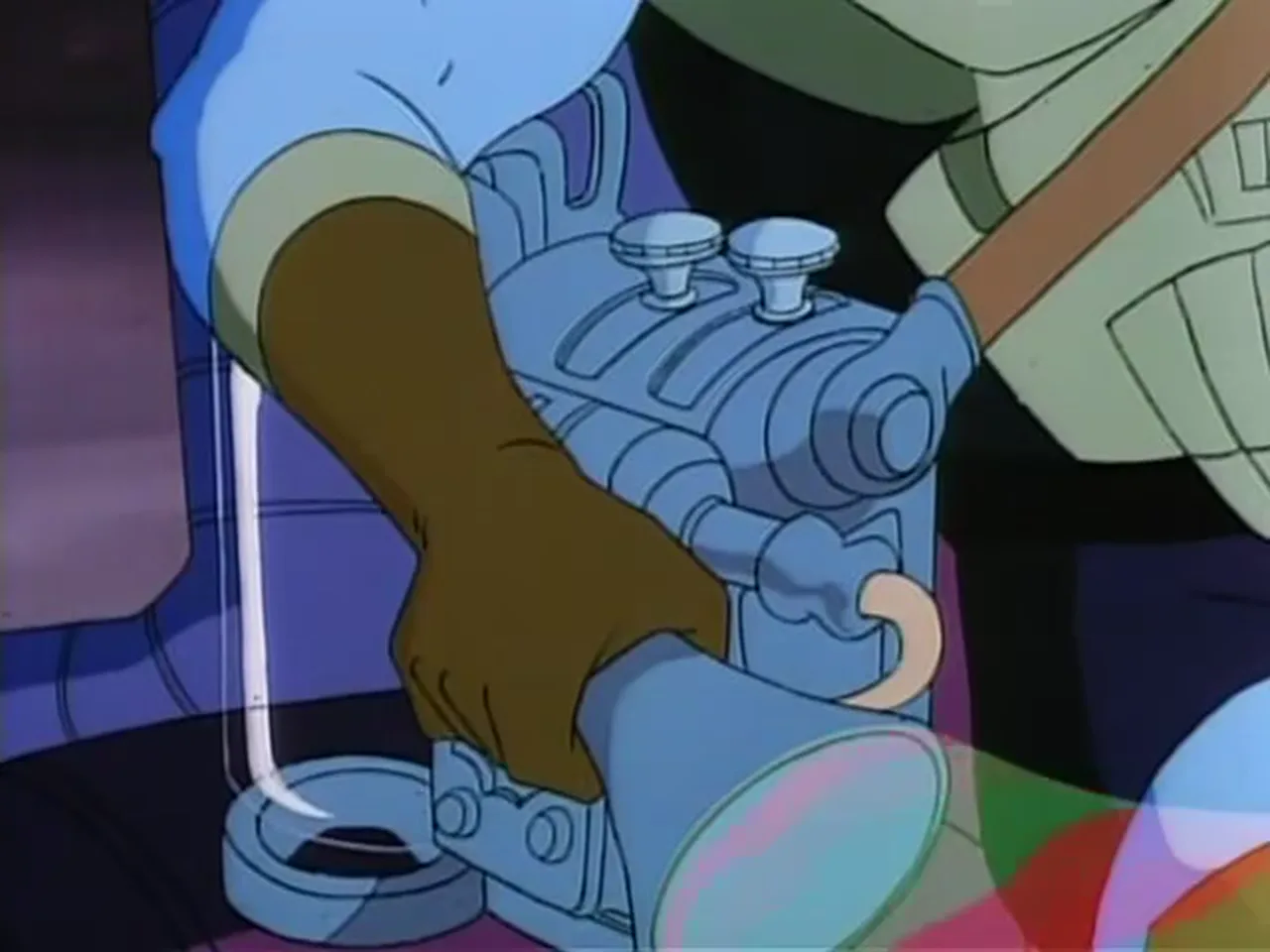
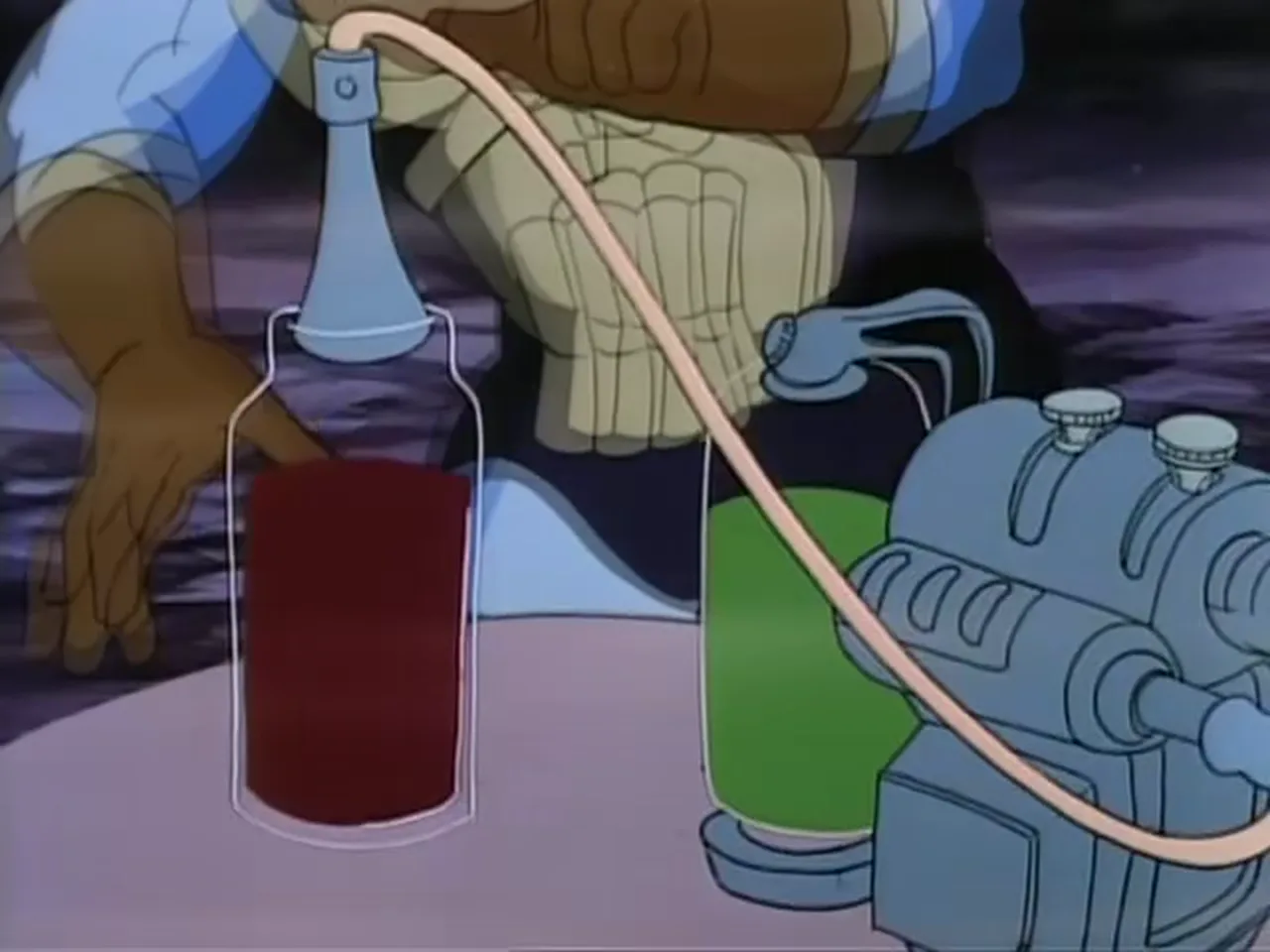
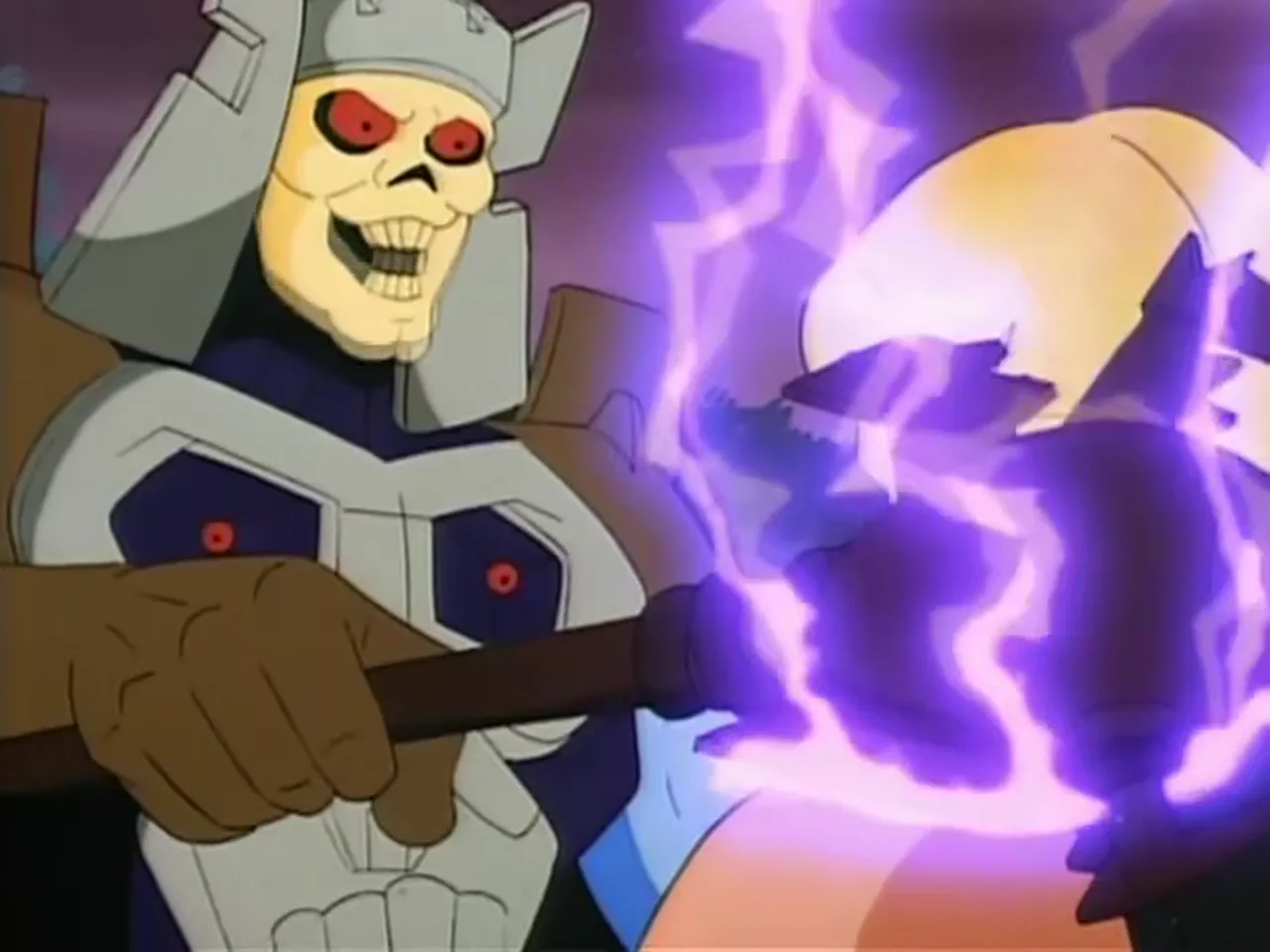
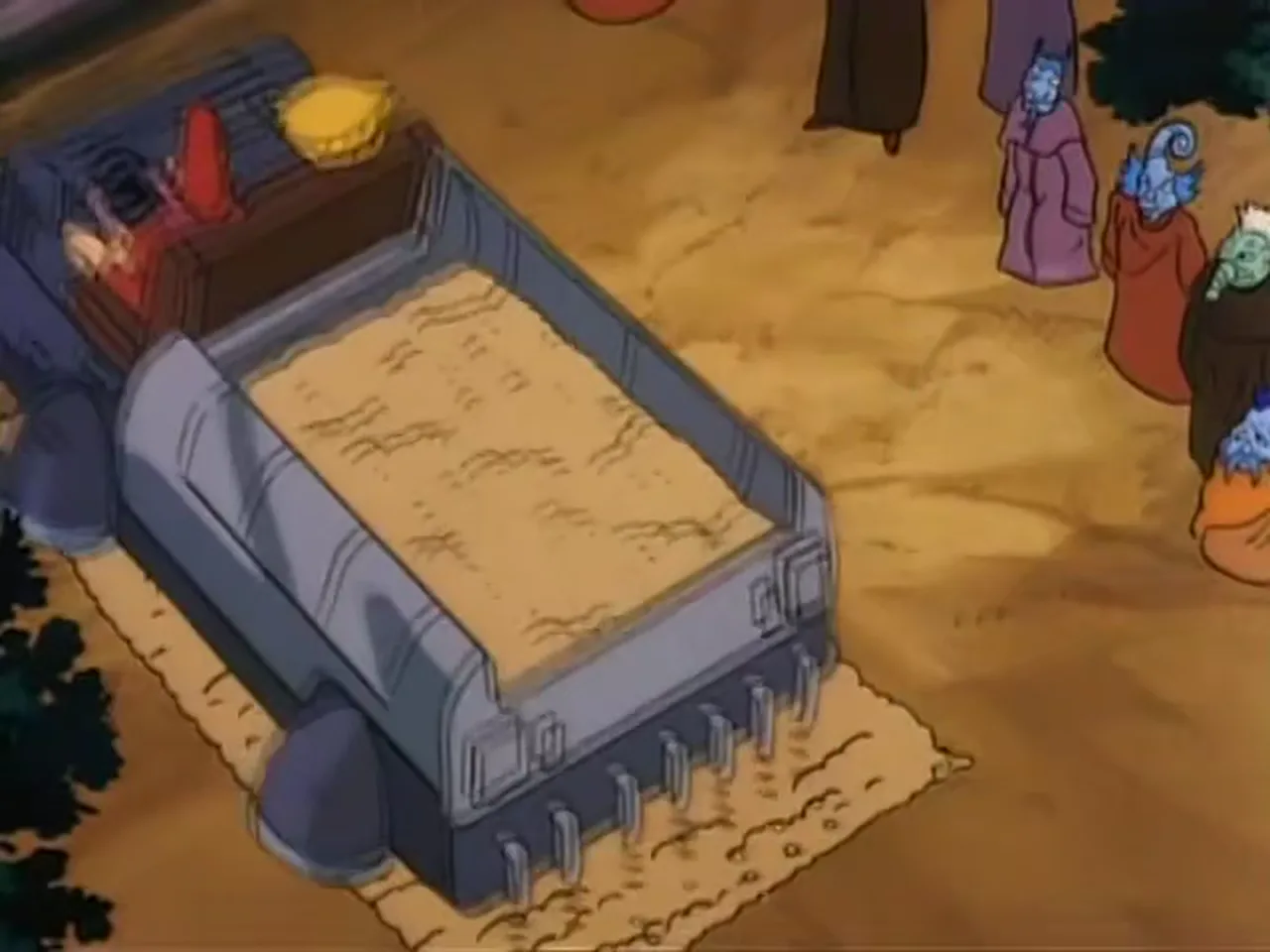
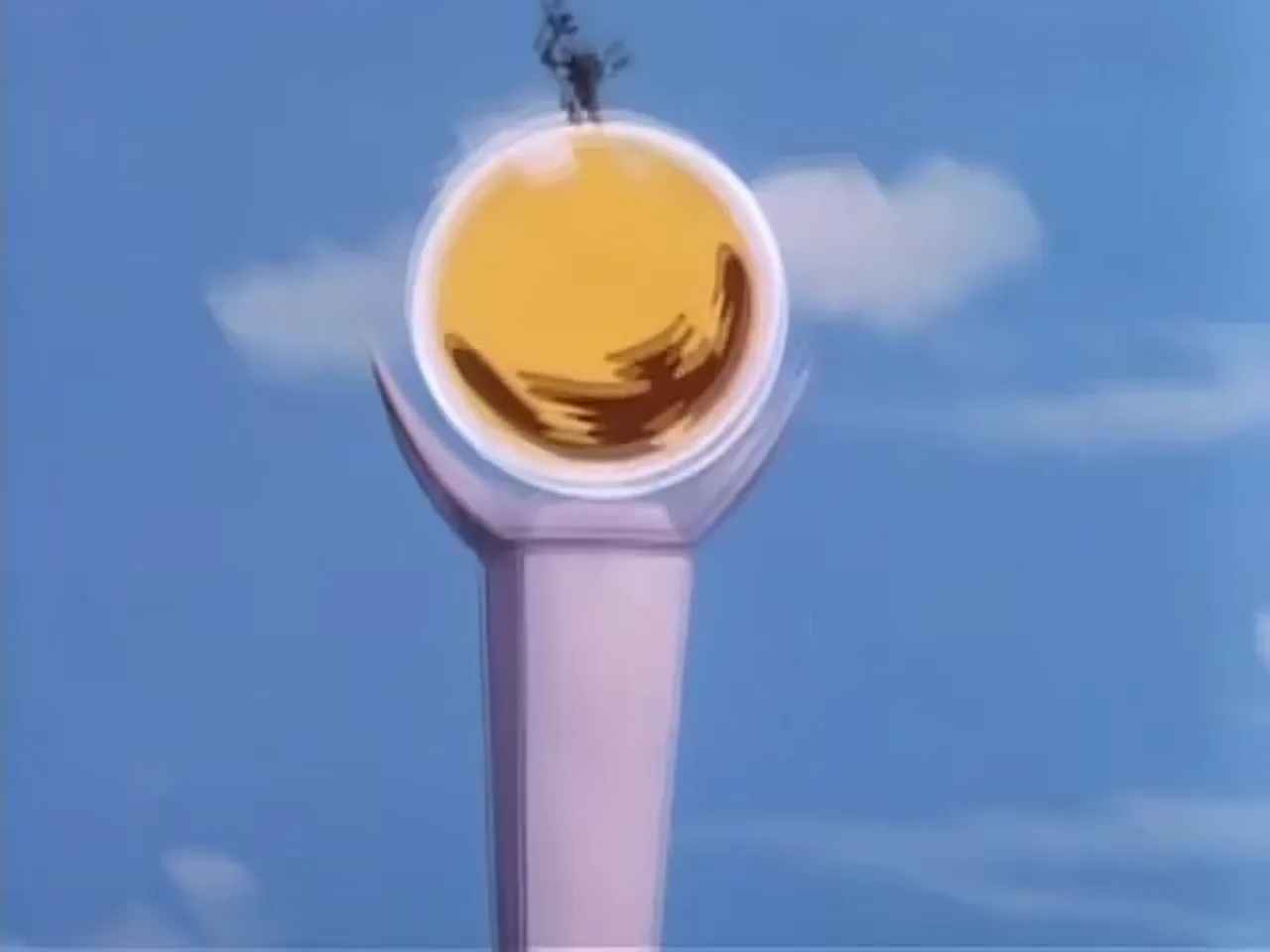
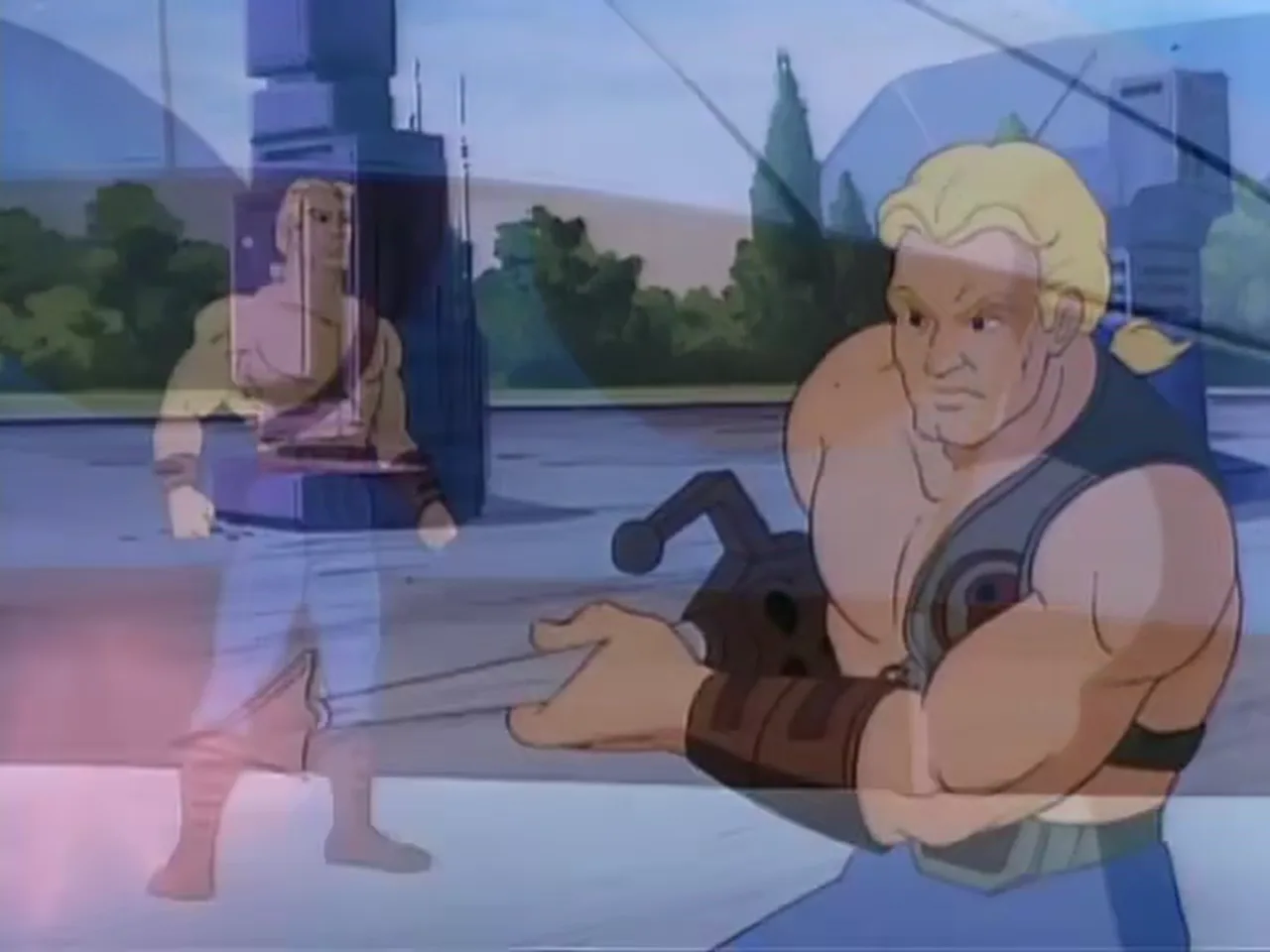
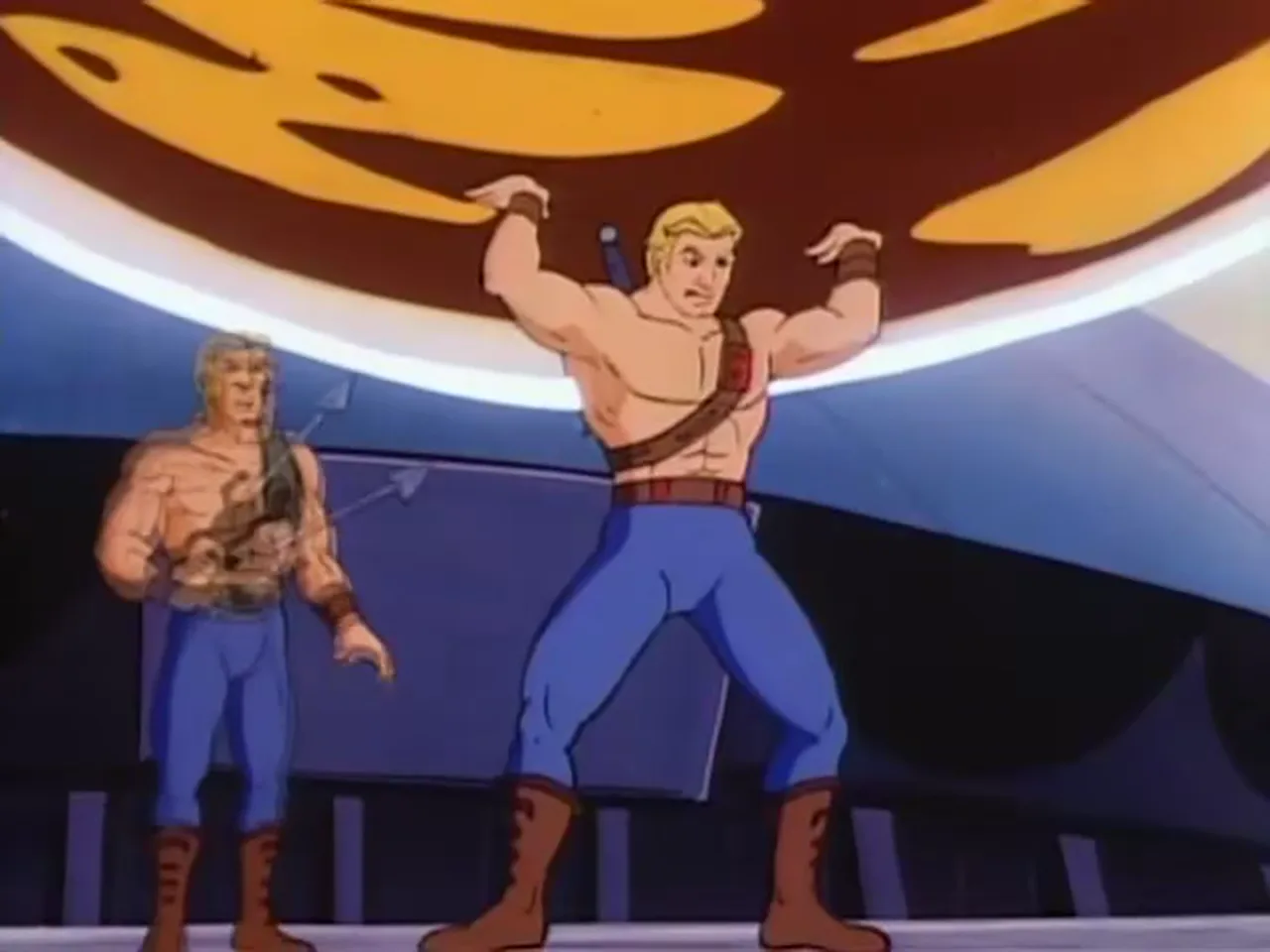
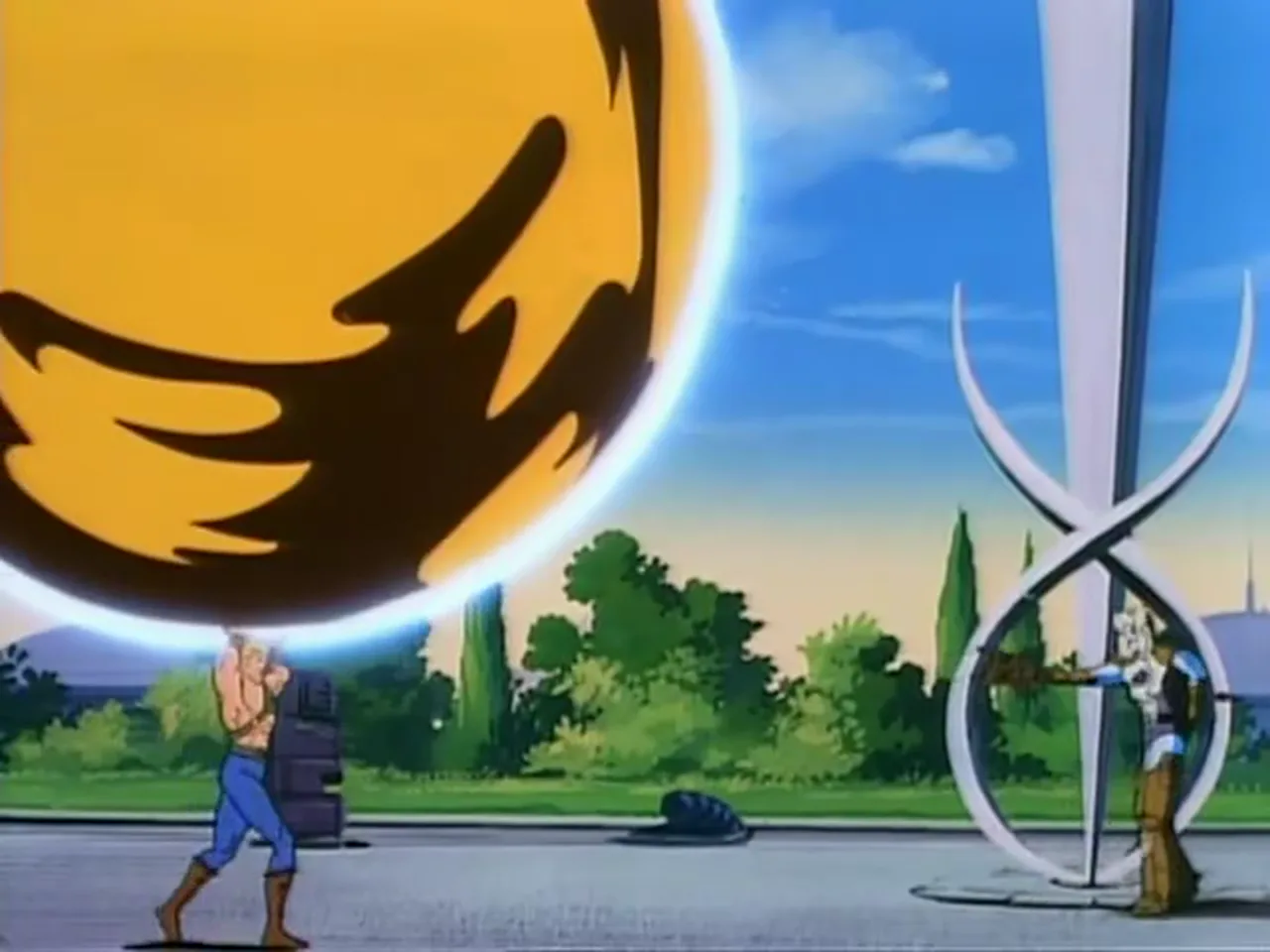
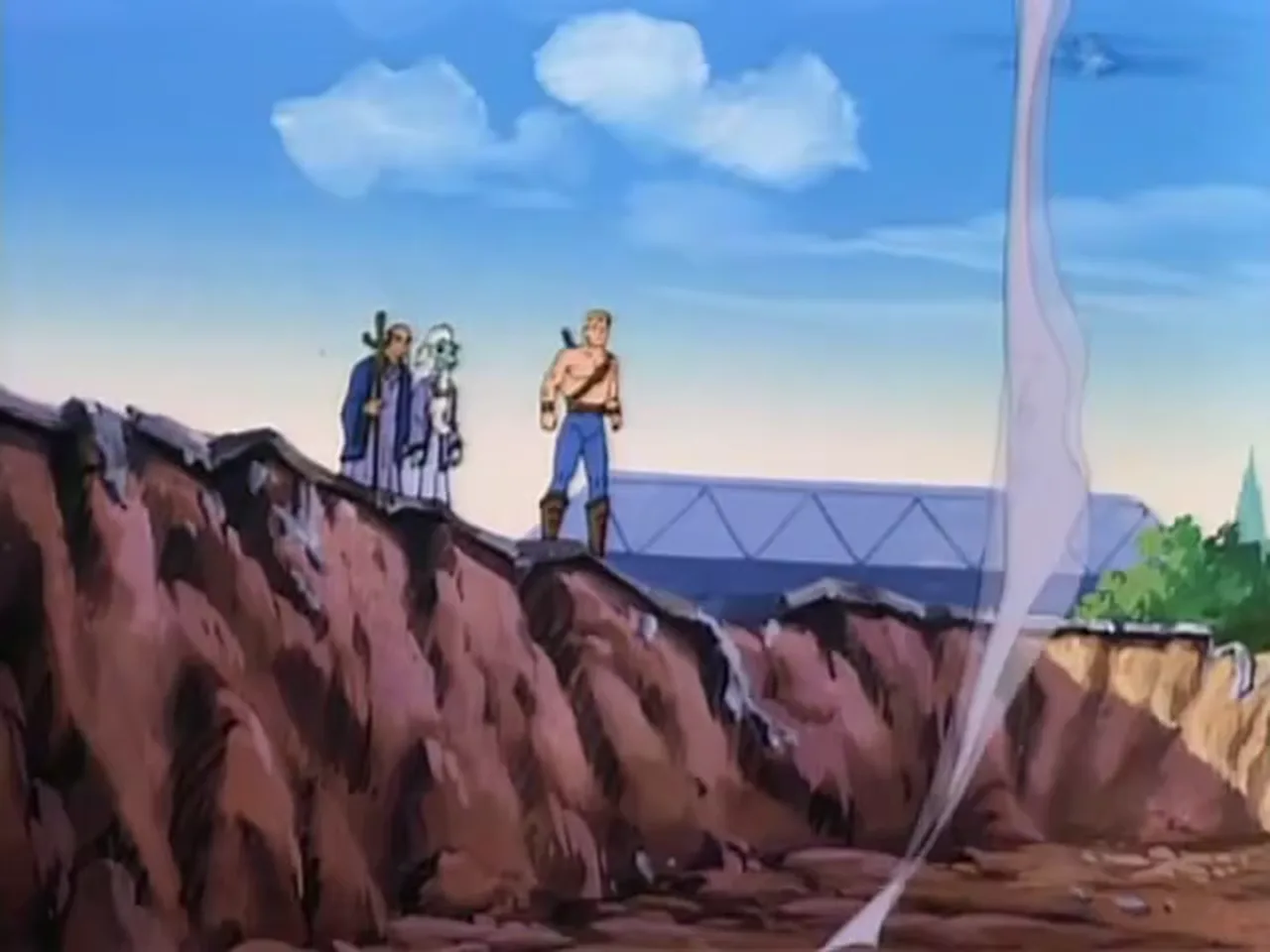
Primus hosts its first intergalactic science conference, and the visiting inventor Graznor warns that his Geneticator, said to be the most powerful device in the galaxy, could be used for evil. It goes missing, and Graznor's tracking device shows where it is. Skeletor turns it on He-Man, copies his genetic code into a creature he names He-Slave, and orders the creature to find and terminate the hero. Having captured an alien ship, Skeletor sets his sights on the conference and its solar generator. He-Man must face a double who knows his every move, and he answers it with his faith in the power of the good.
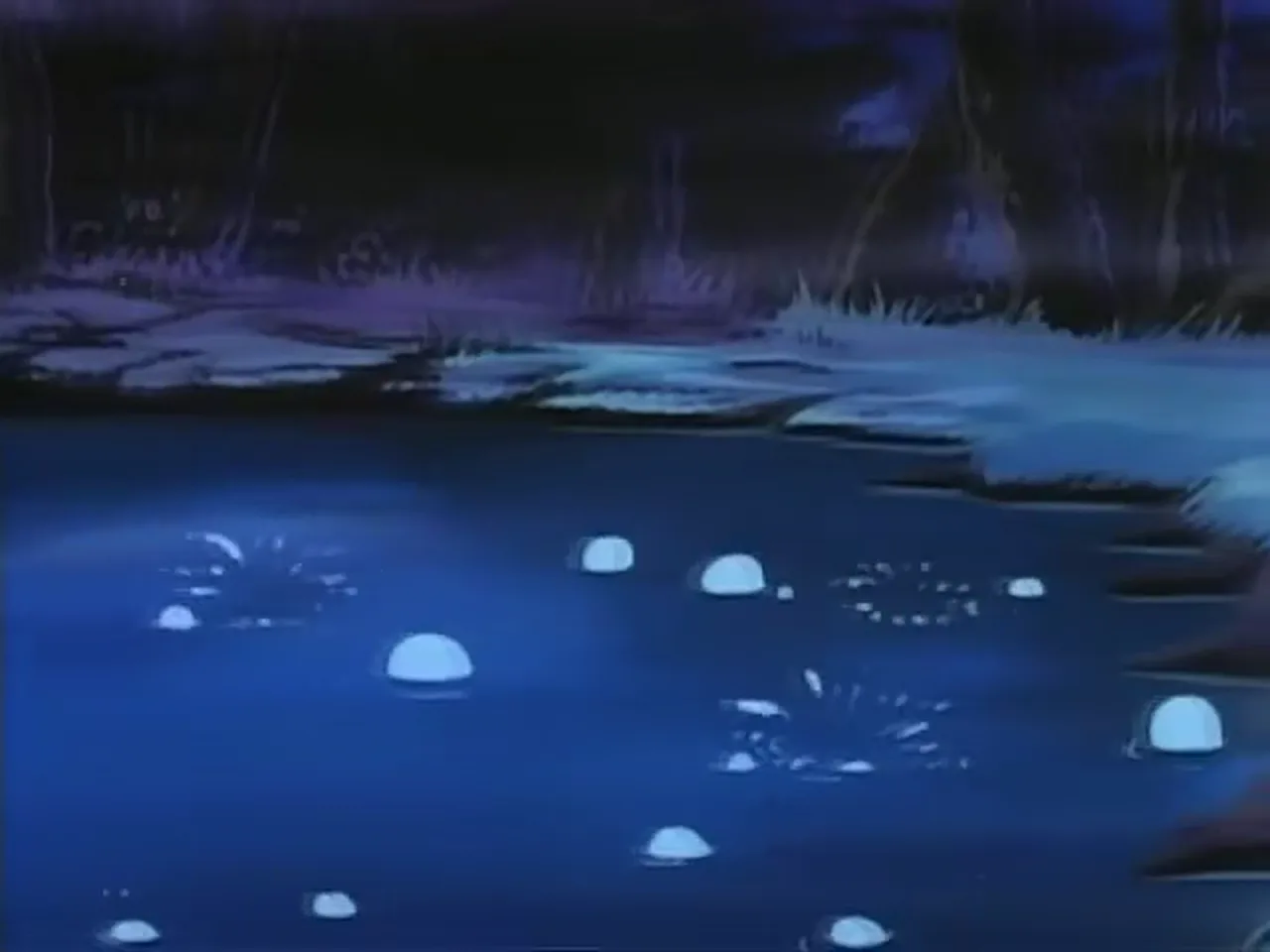
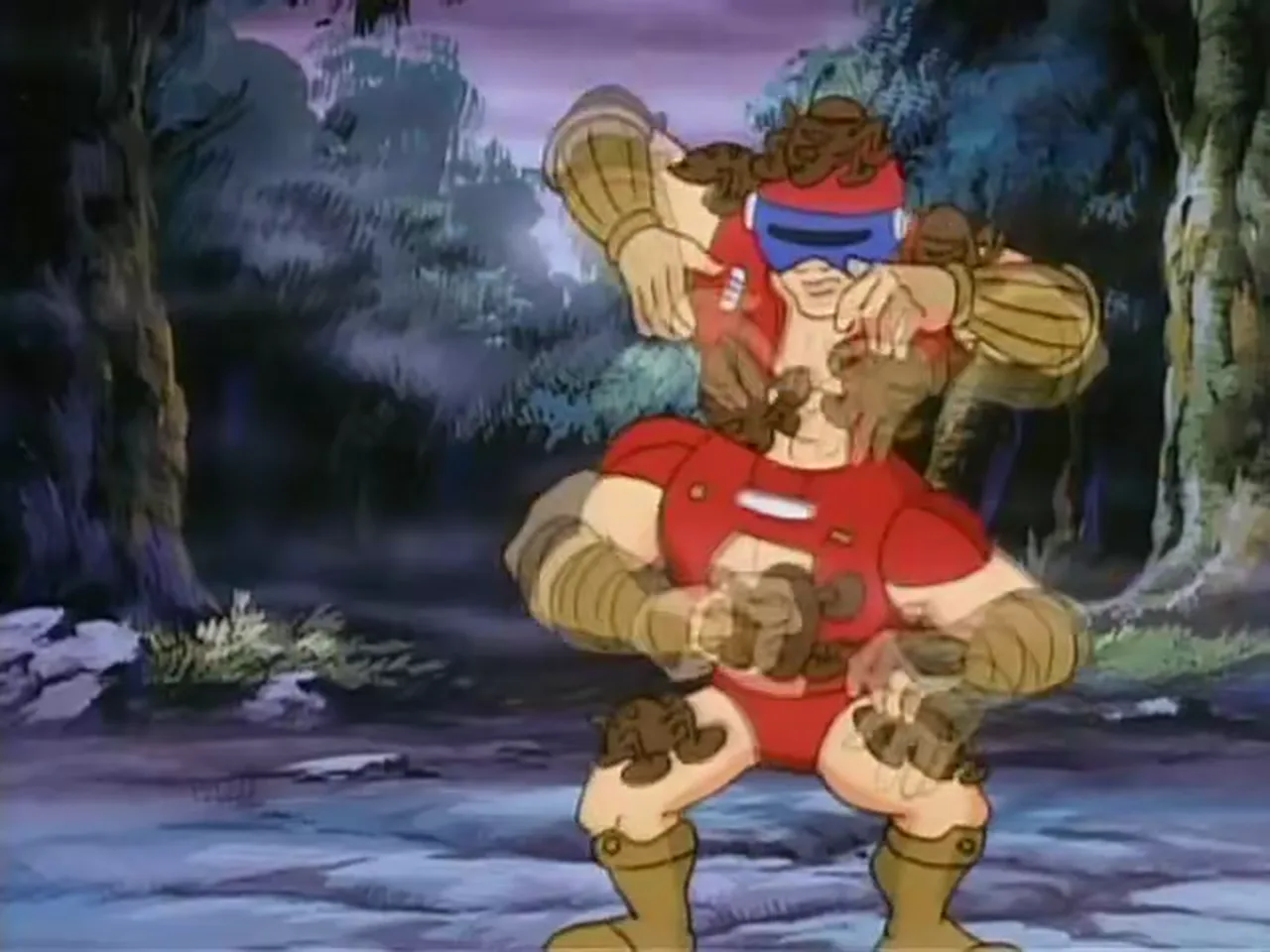
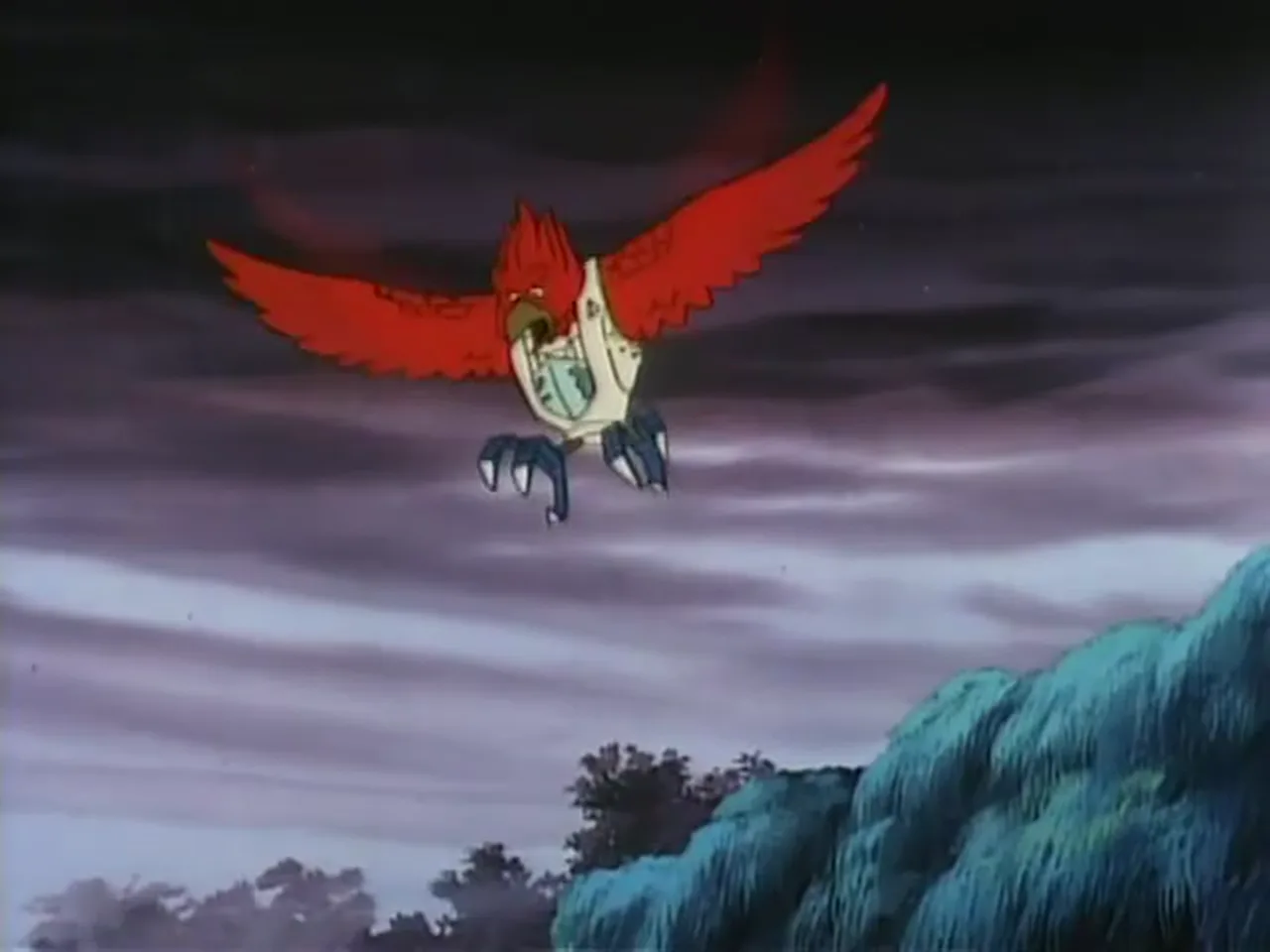
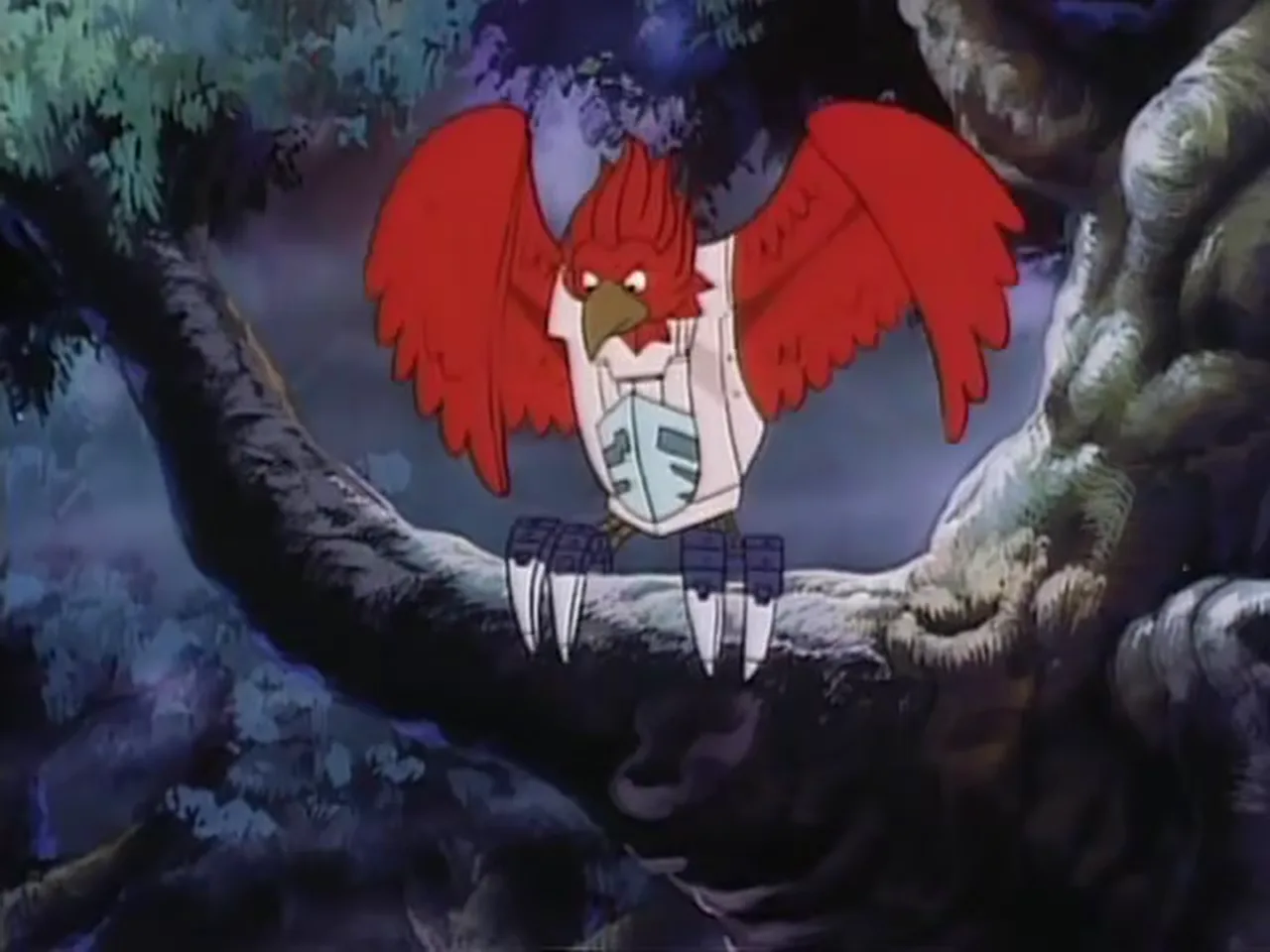
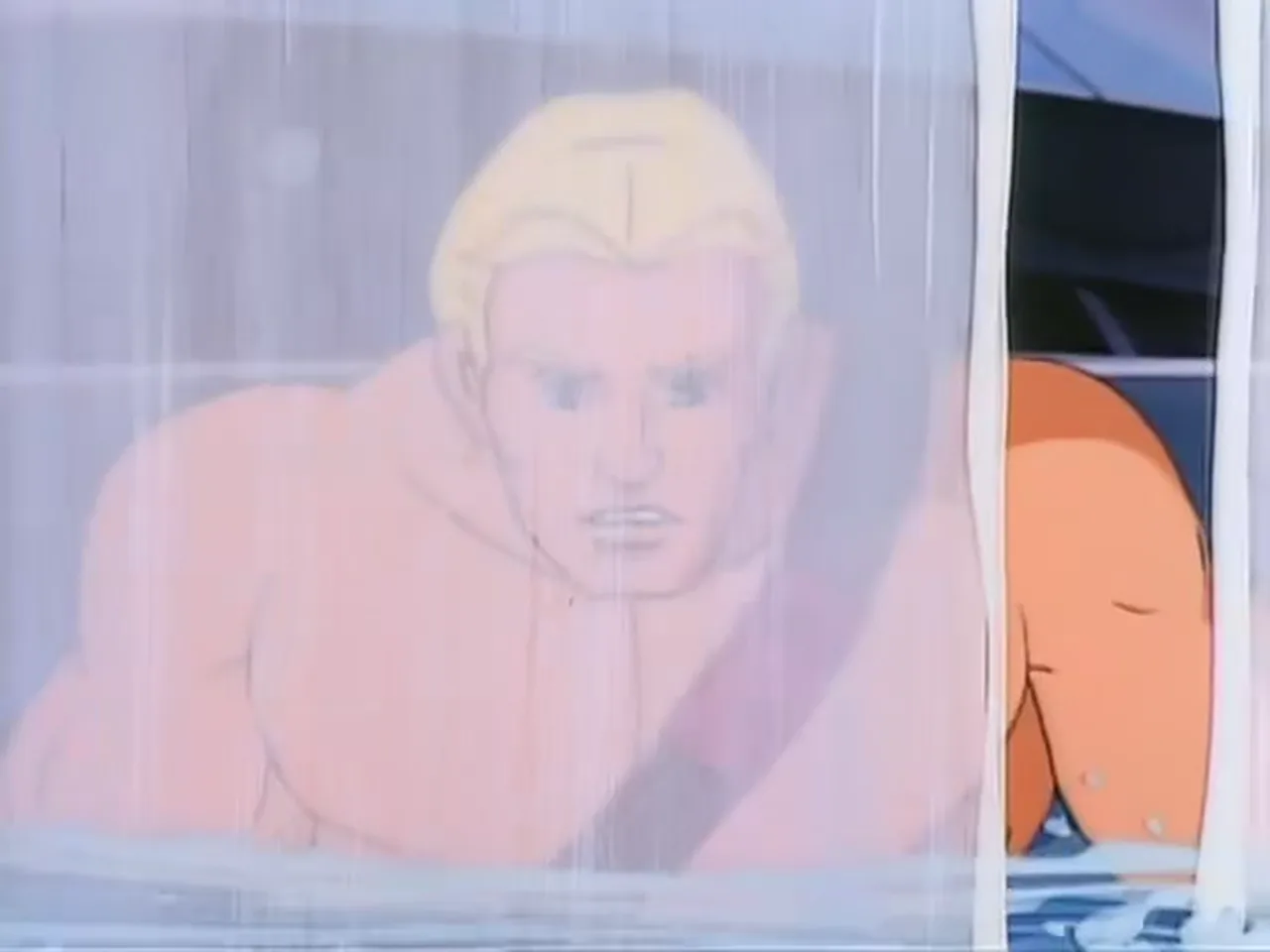
Someone has been playing with fire, and the closing lesson is that fire is not a toy: it is dangerous and could start a forest fire that would harm the woods and the animals in them, so stop and think, and do not play with fire.
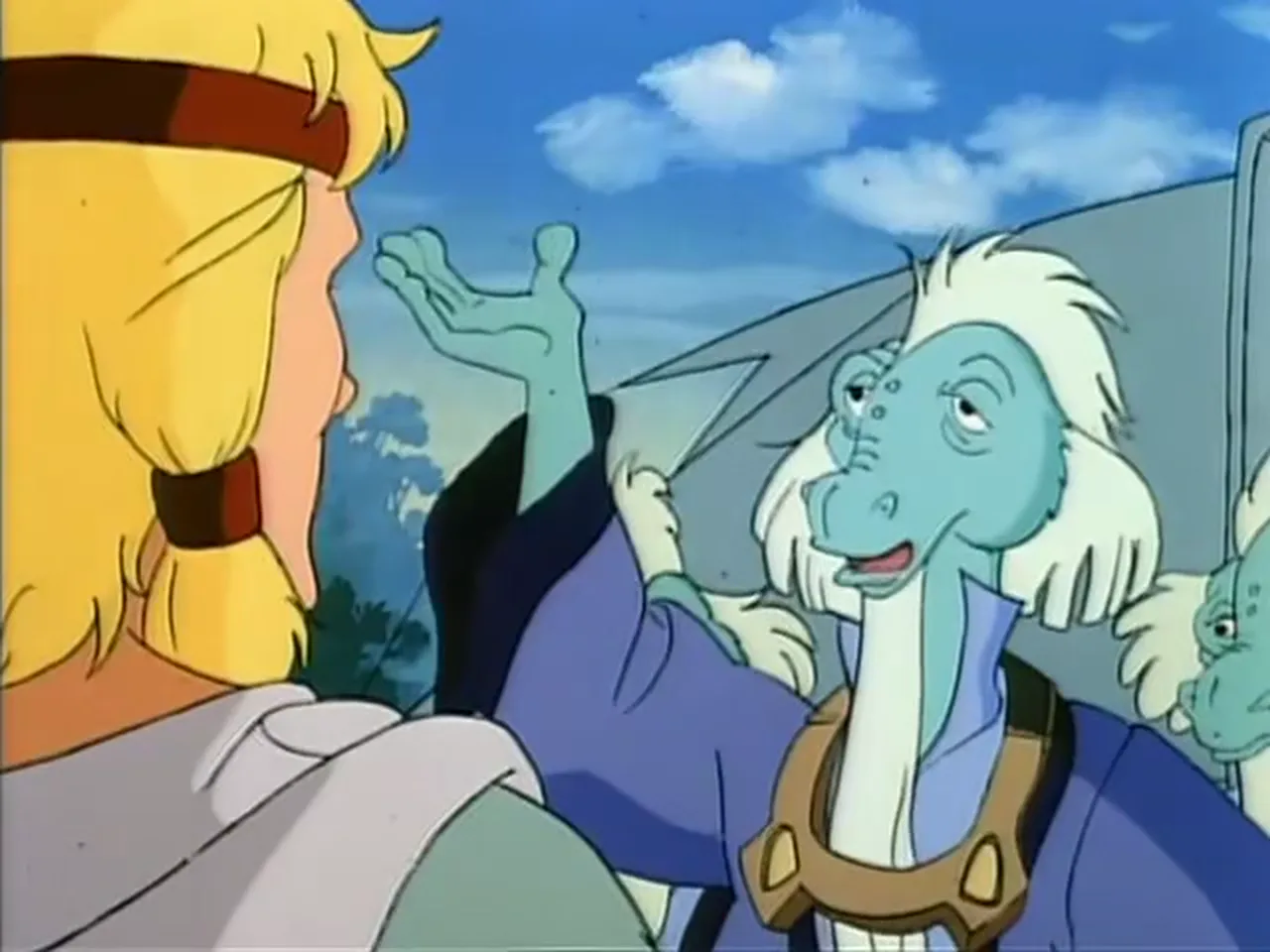
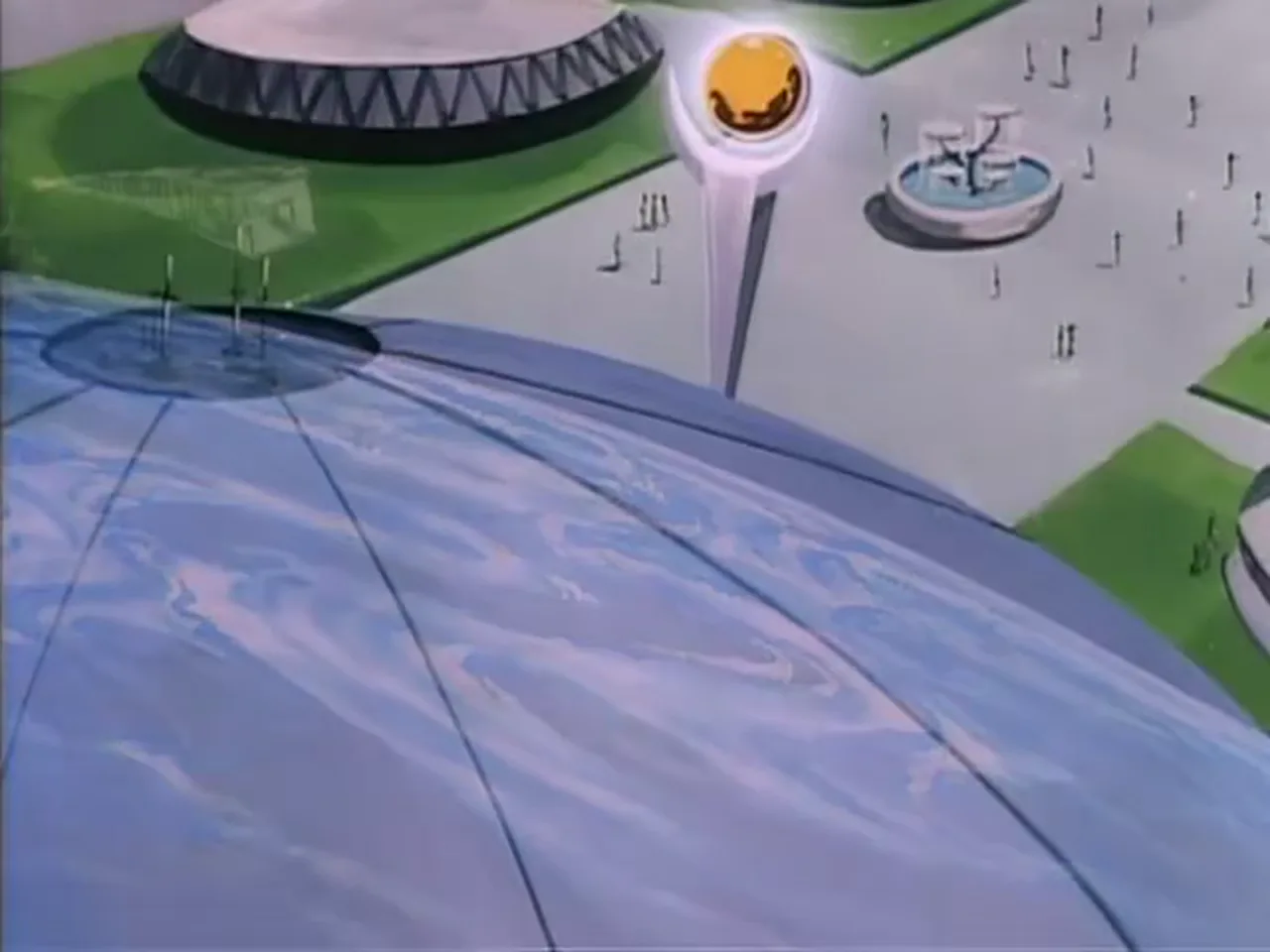
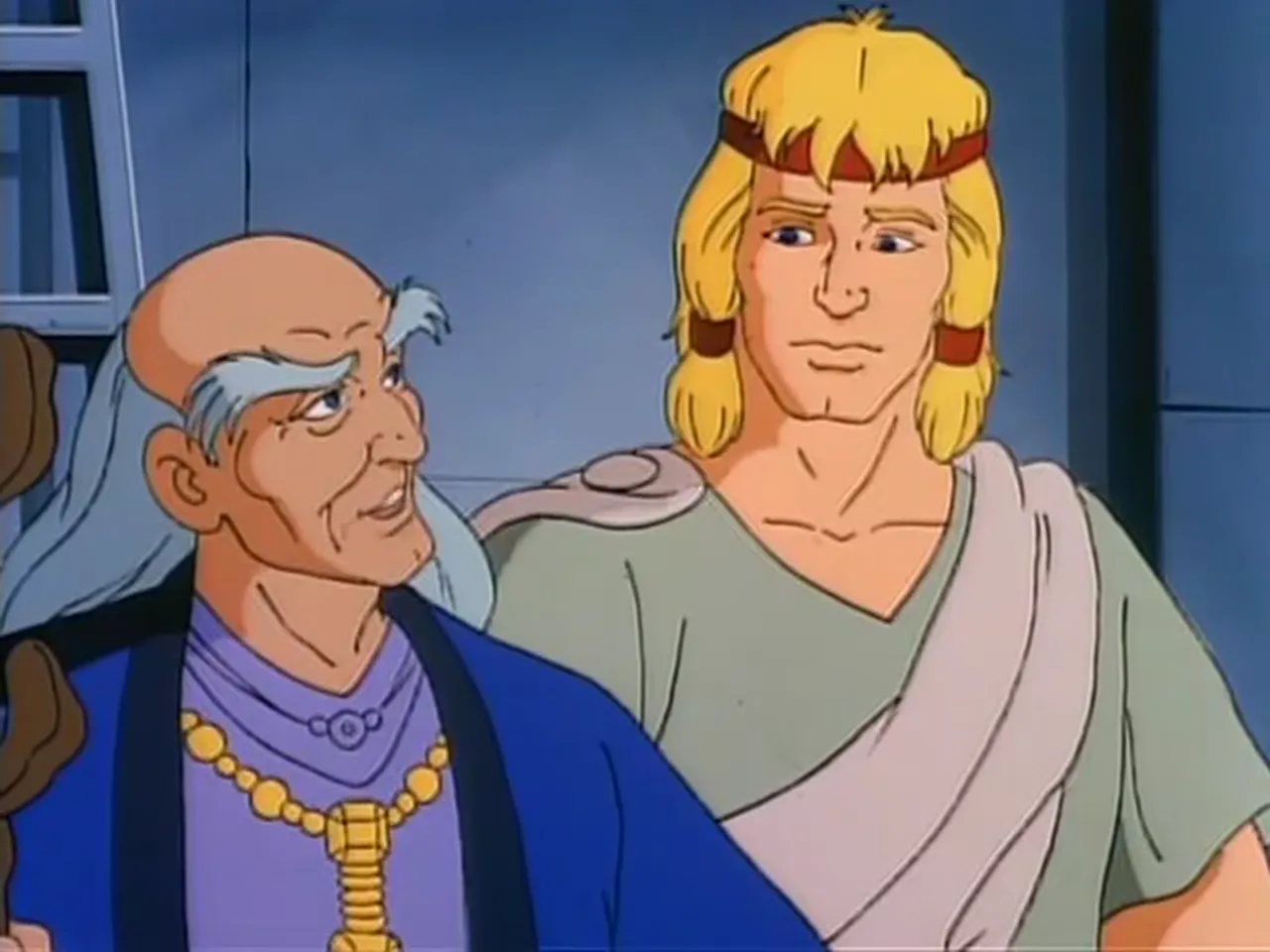
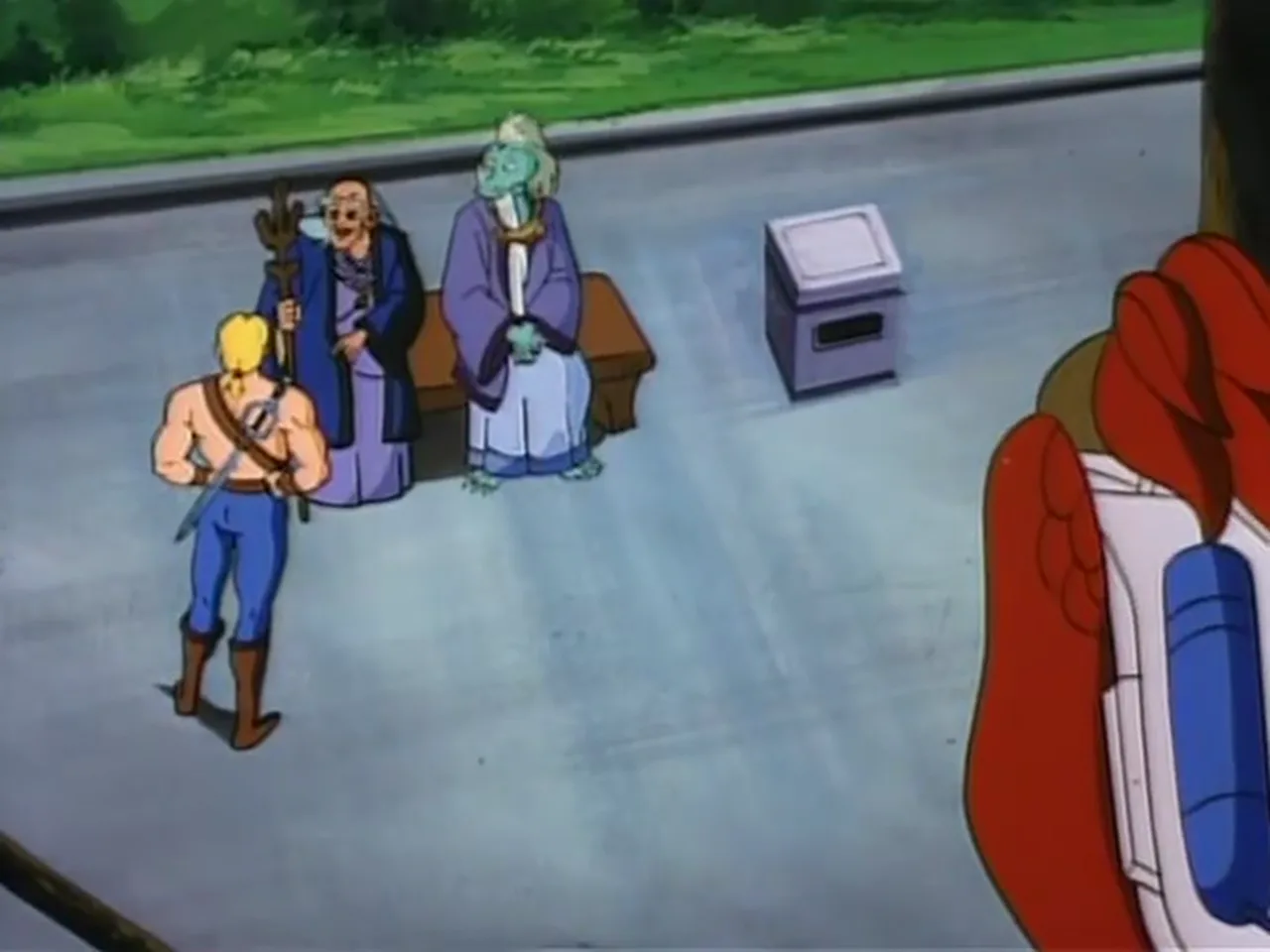
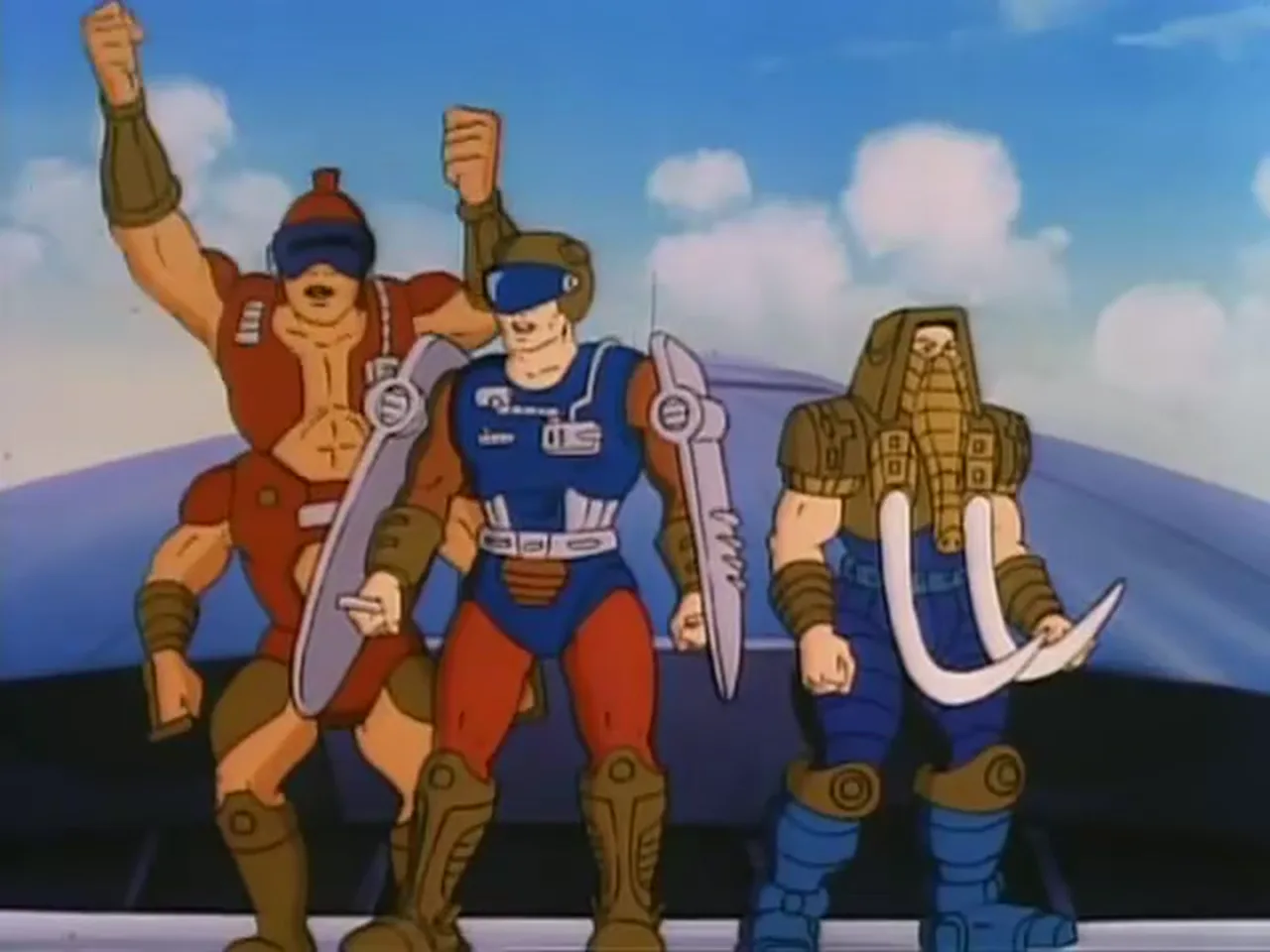
What does a copy of a hero lack? "The Nemesis Within" puts that question to He-Man in the middle of Primus's first intergalactic science conference, and it takes its time getting there, because the opening stretch belongs to the visitors. The solar generator is held up as the perfect symbol of what people can do when they focus their energies together, Caz is offered a proverb about learning to walk before you fly over a pair of new air boots, and Tuskador ferries in more scientists with more inventions. It is a cheerful, crowded start in which every gadget is a possible prize for somebody less friendly.
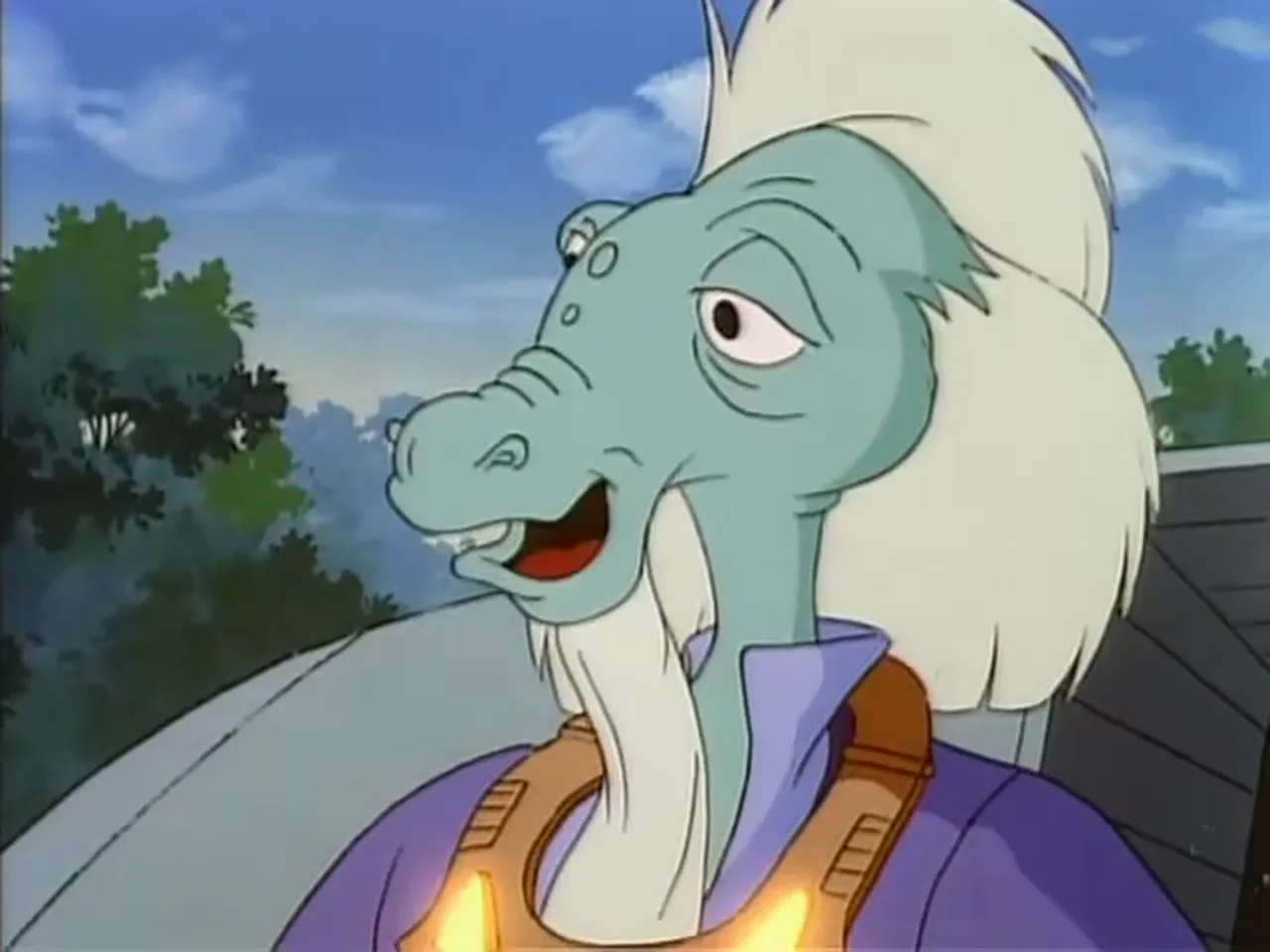
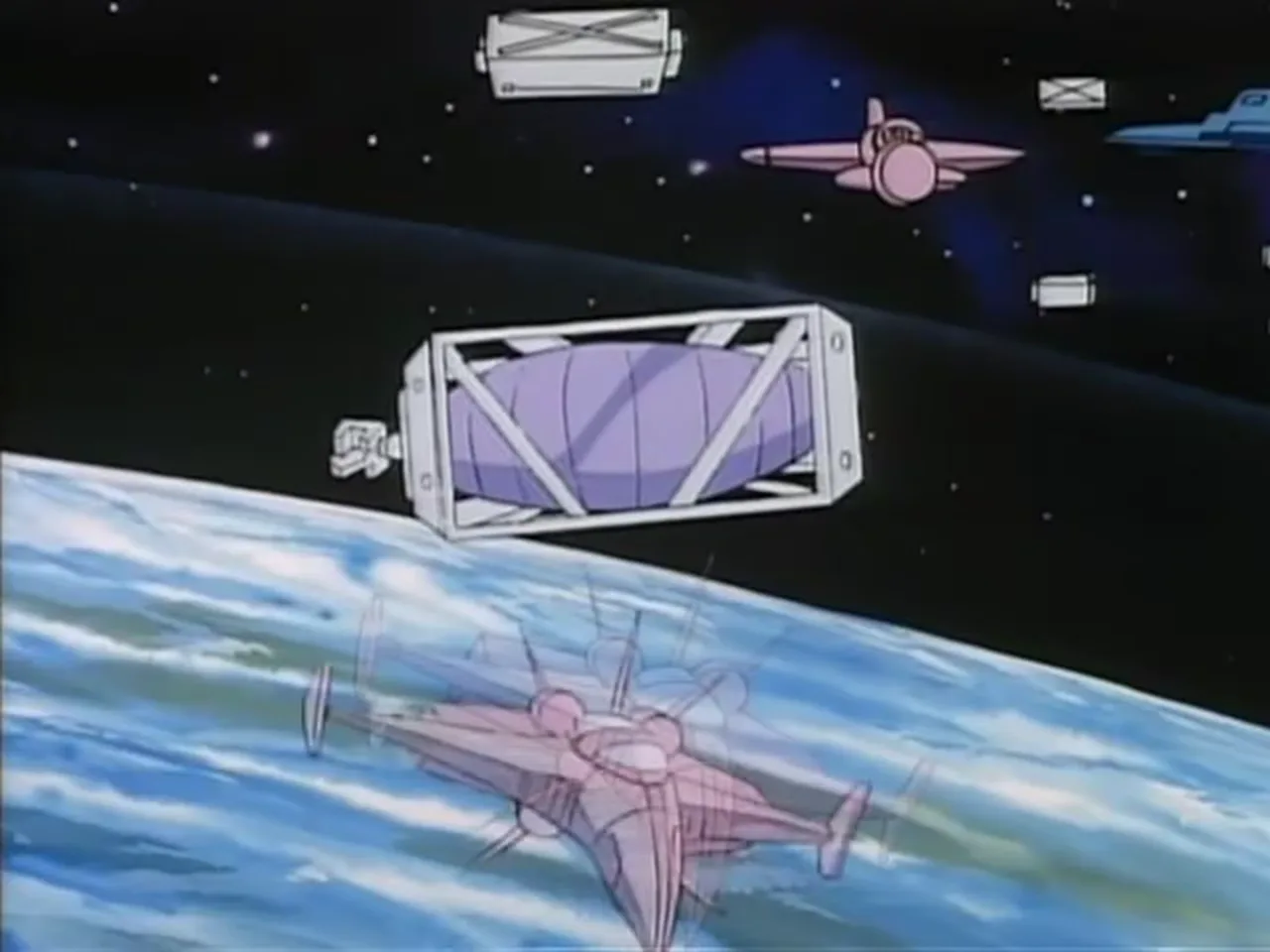
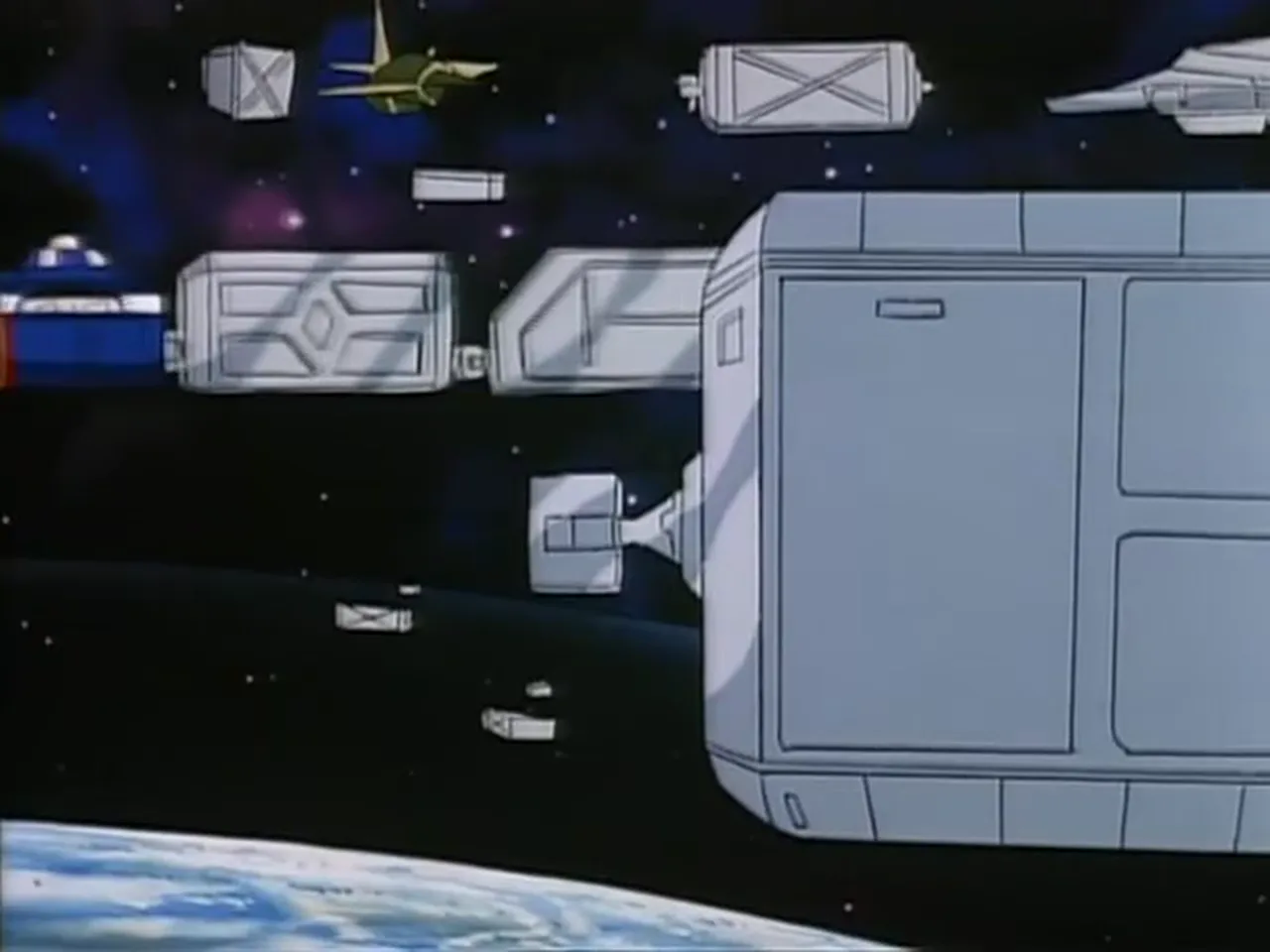
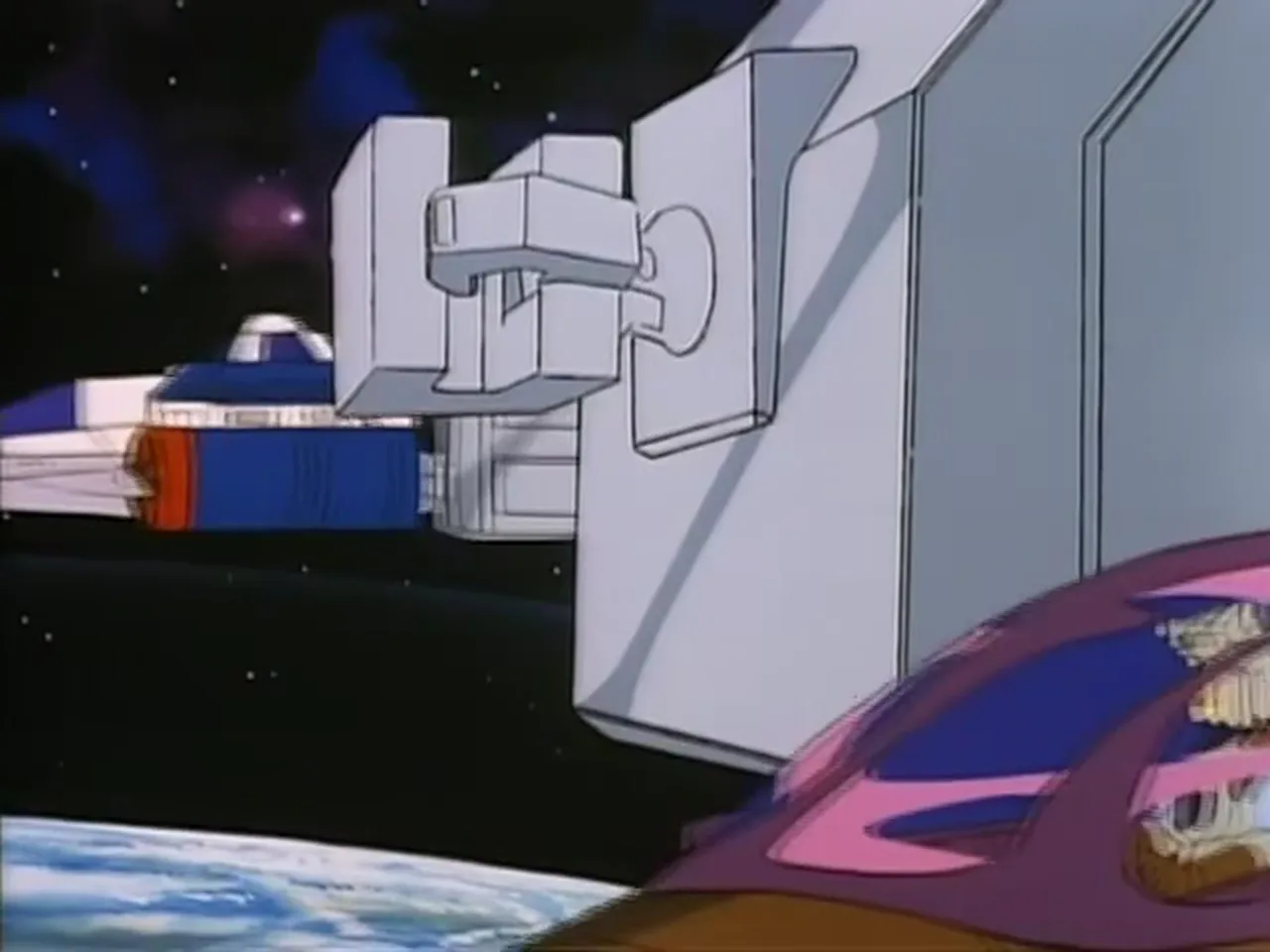
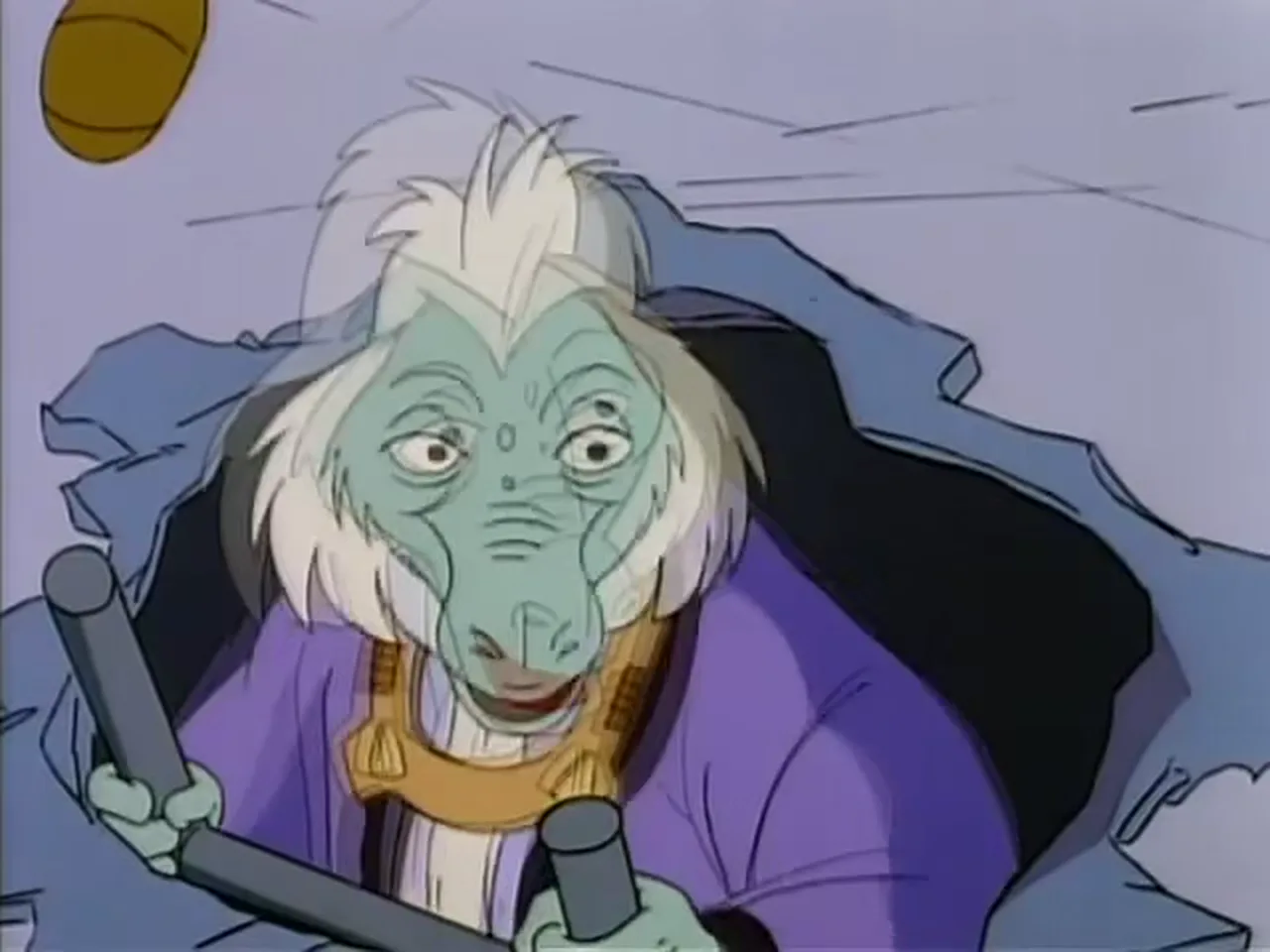
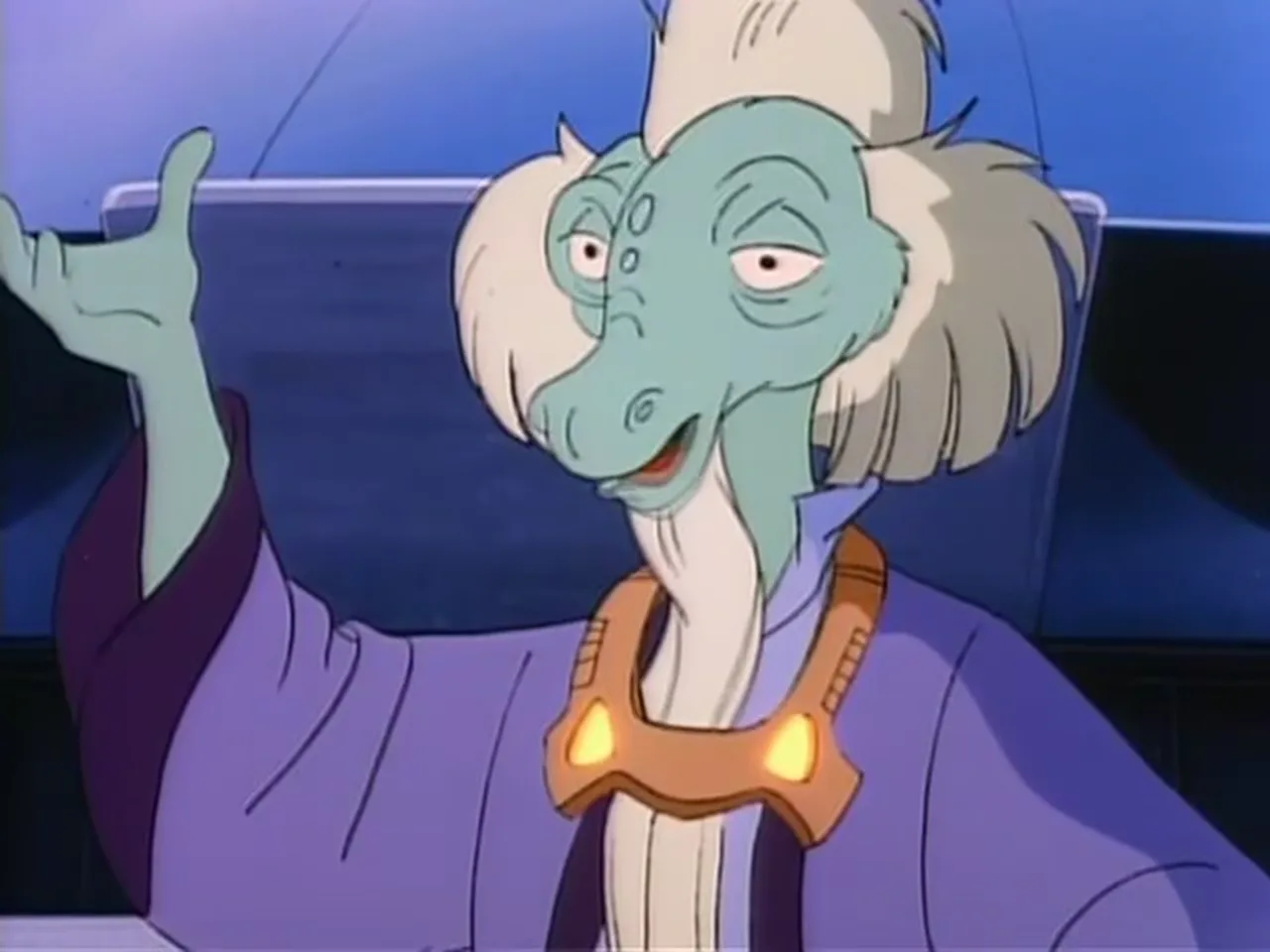
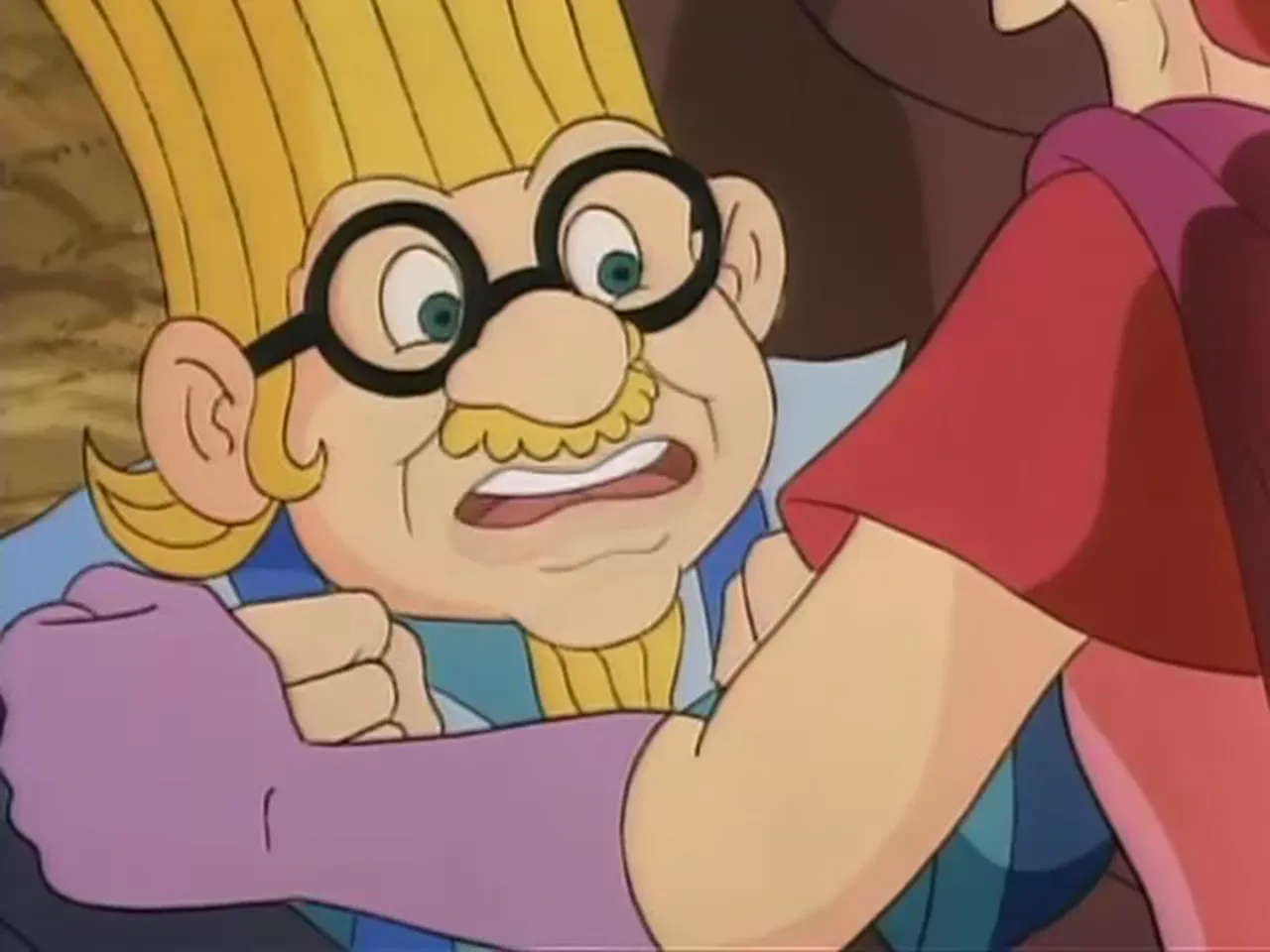
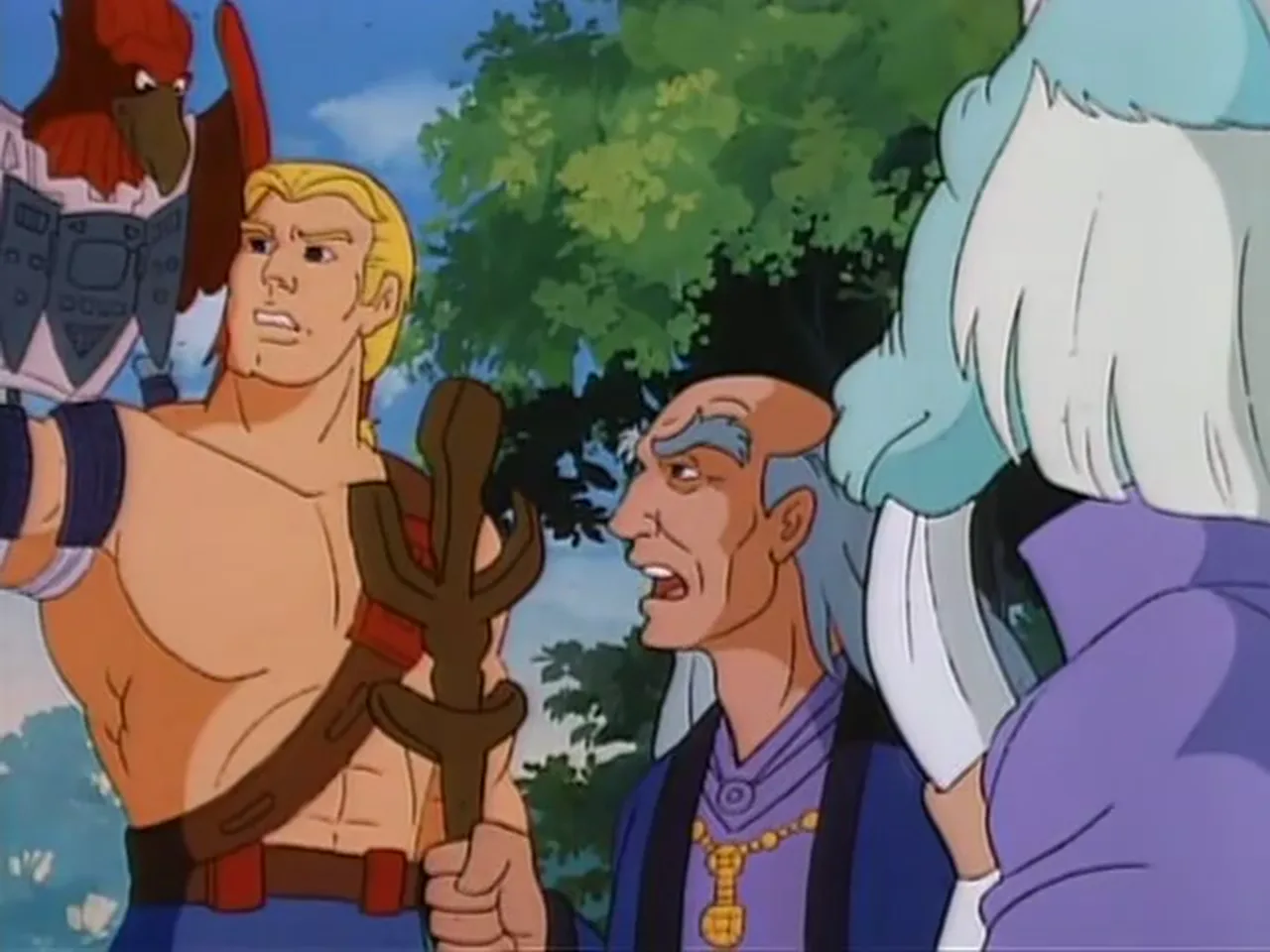
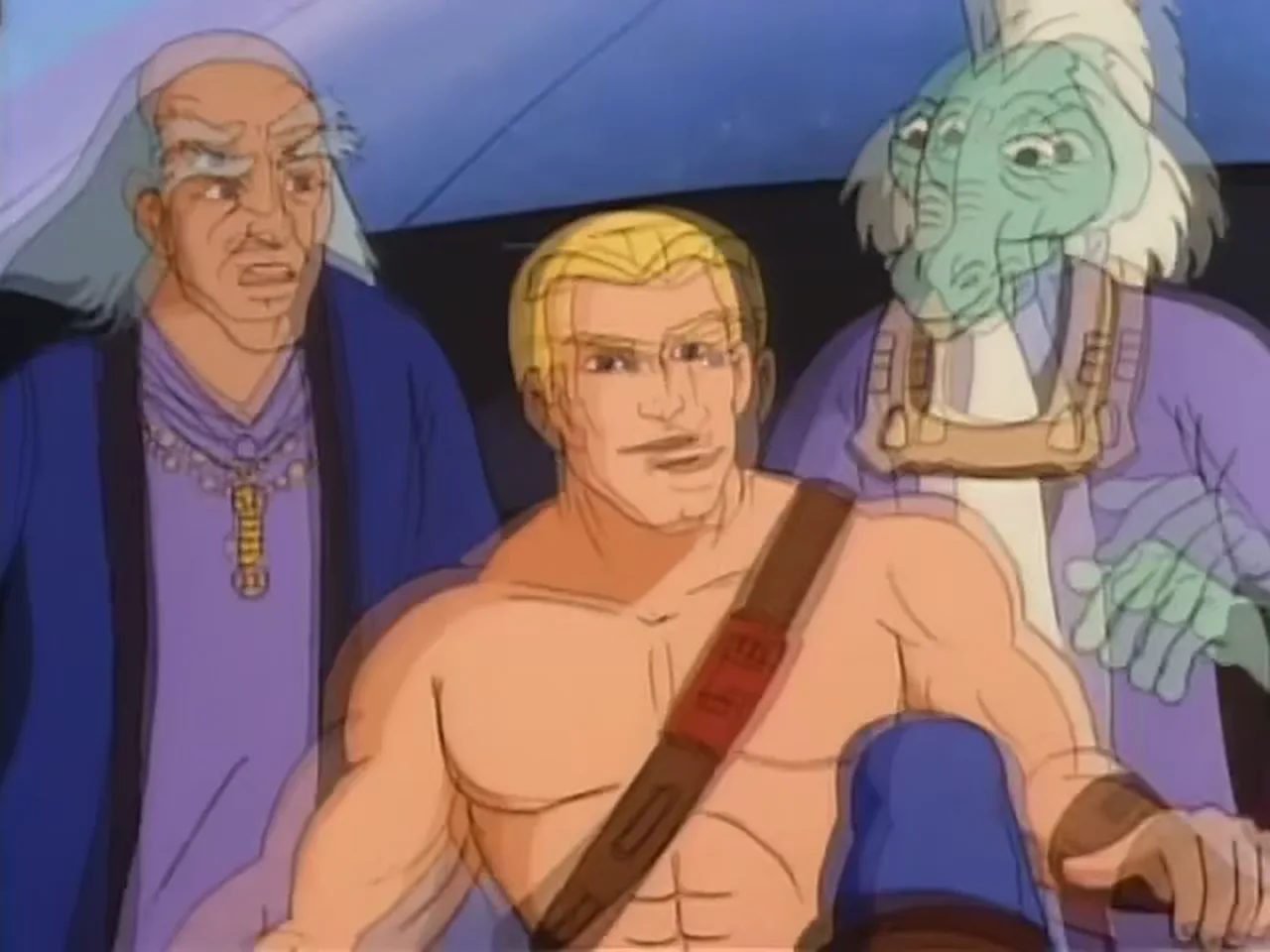
Someone's plan to keep the visiting vessels parked in orbit, so that the shield does not have to be lowered, is the kind of precaution a careful people would be proud of, and the script lets a voice wonder aloud what would happen if some nasty old villain came along and stole the most powerful inventions in the galaxy. The line winks at the audience and pays off when Graznor, speaking through a translator that soon needs repairs, tells the room that the Geneticator has incredible power but could be used for evil, and a voice answers that nobody can wait for the translator to be repaired, with Master Sebrian agreeing.
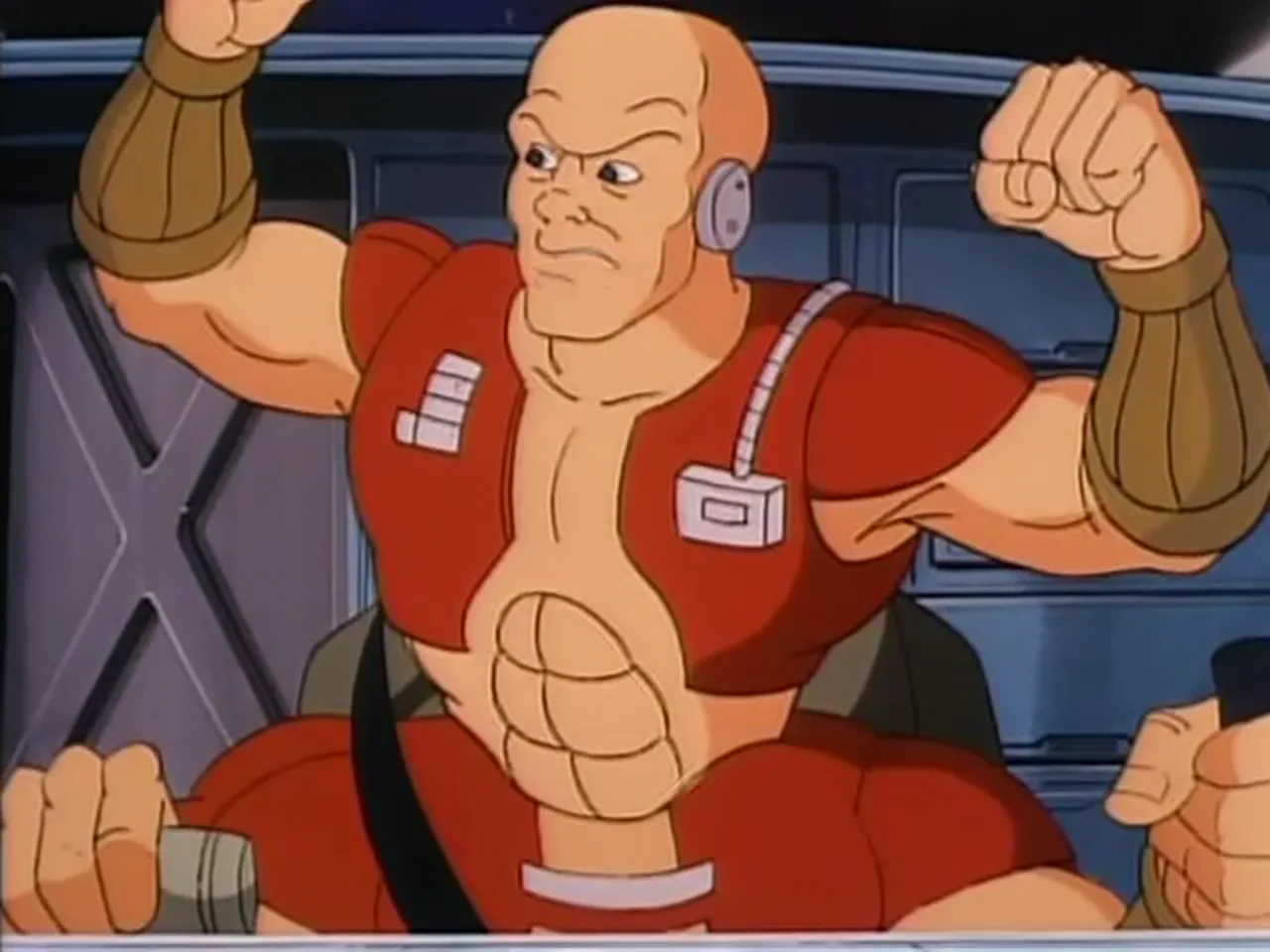
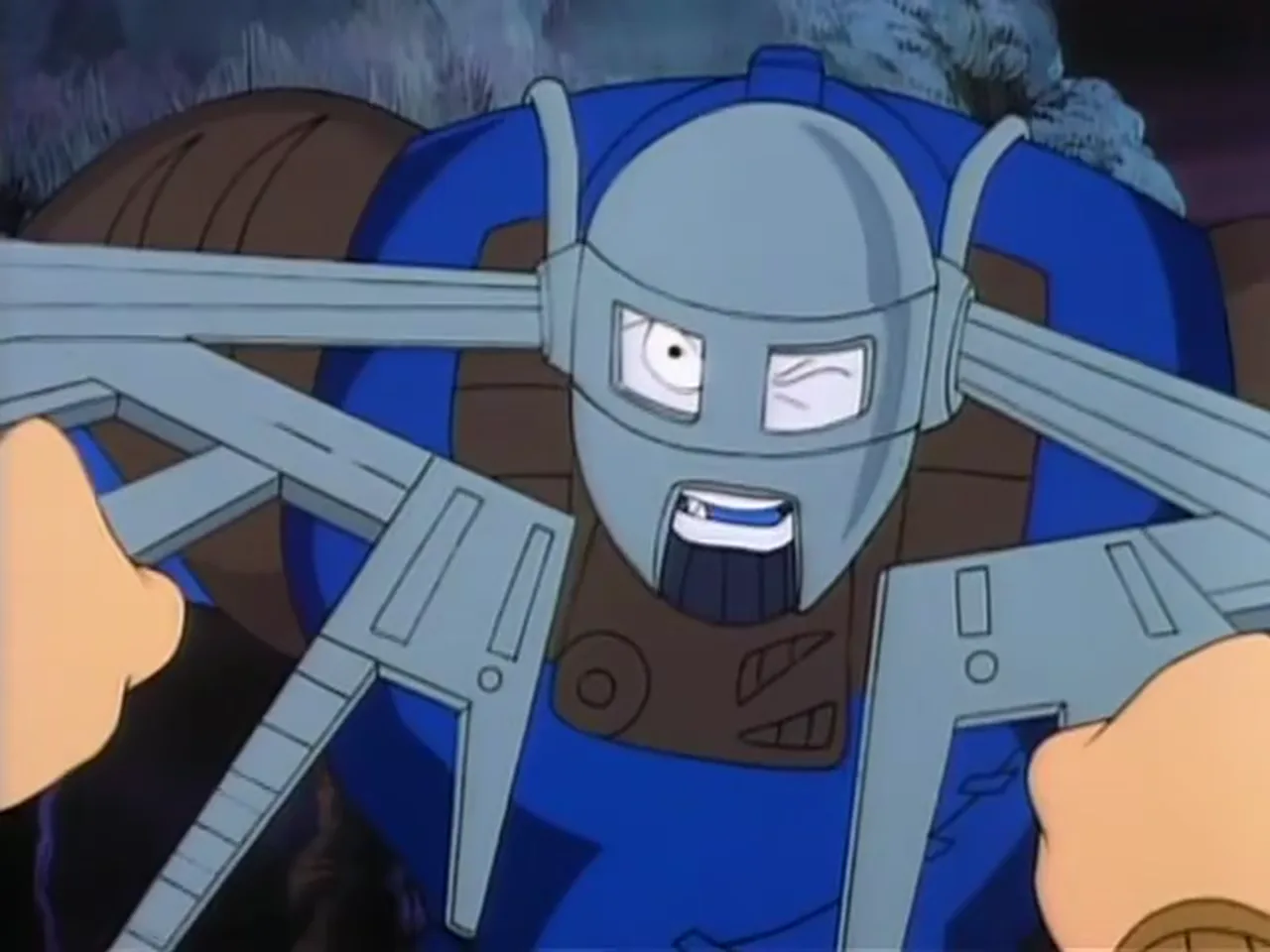
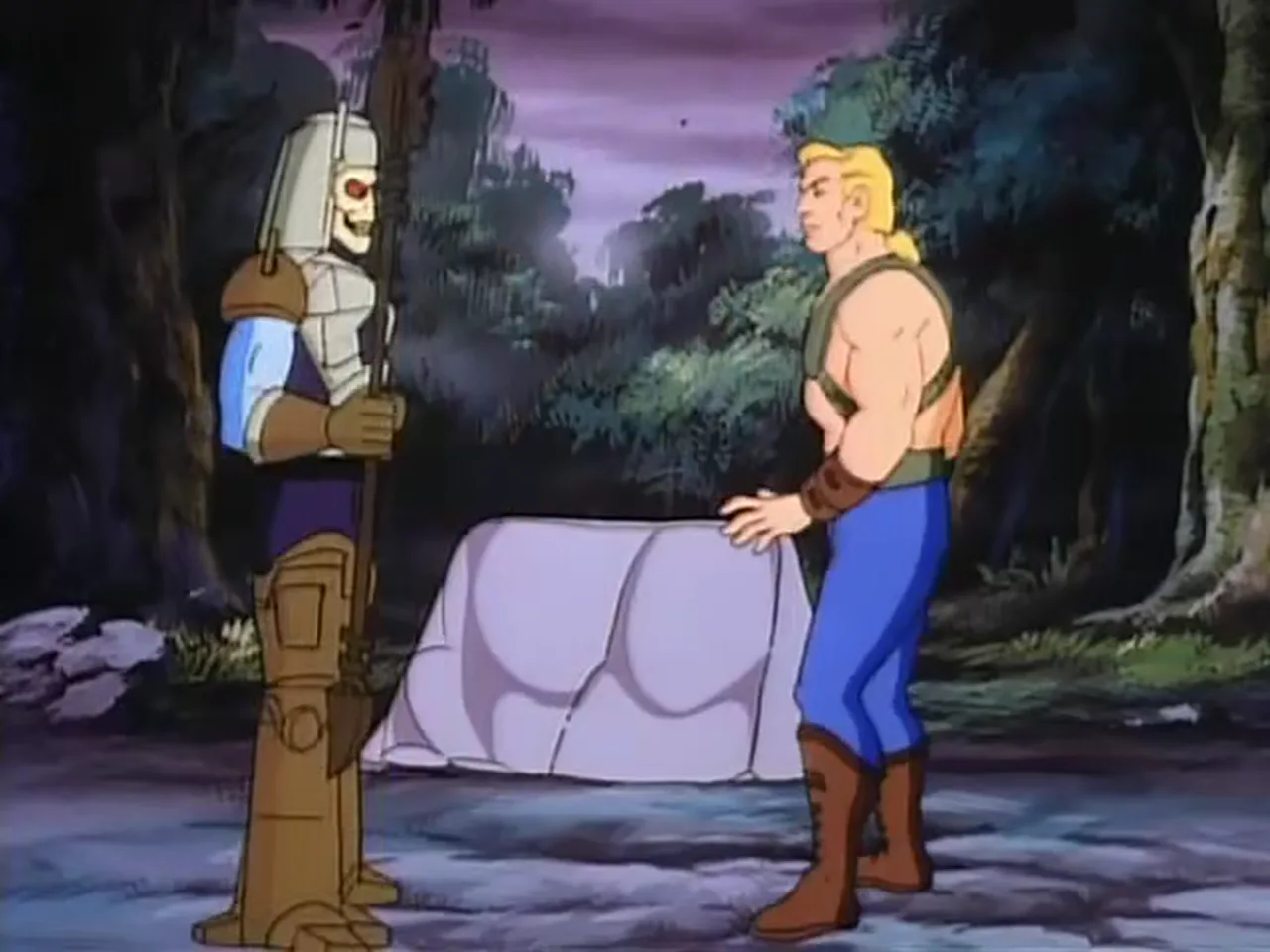
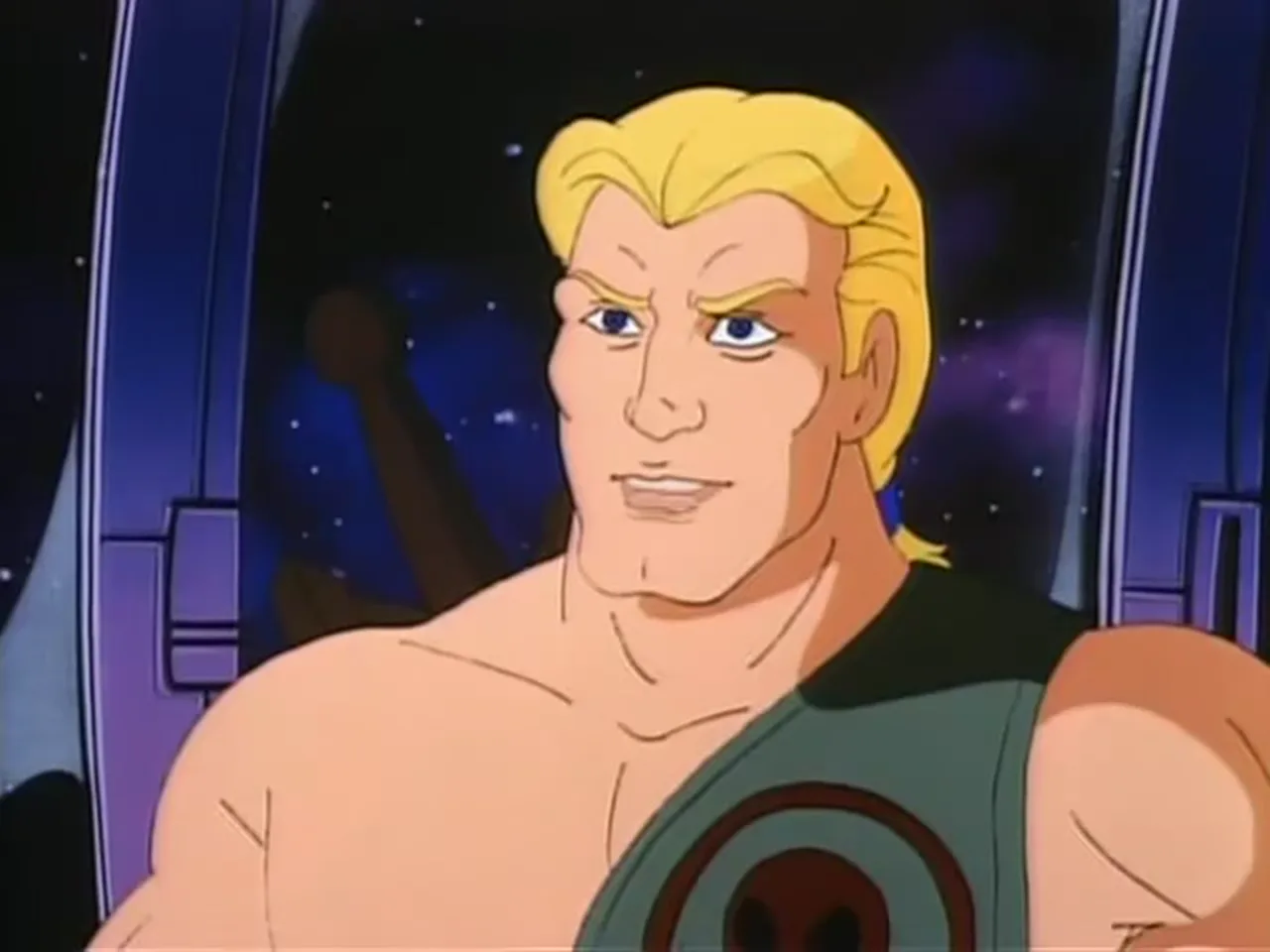
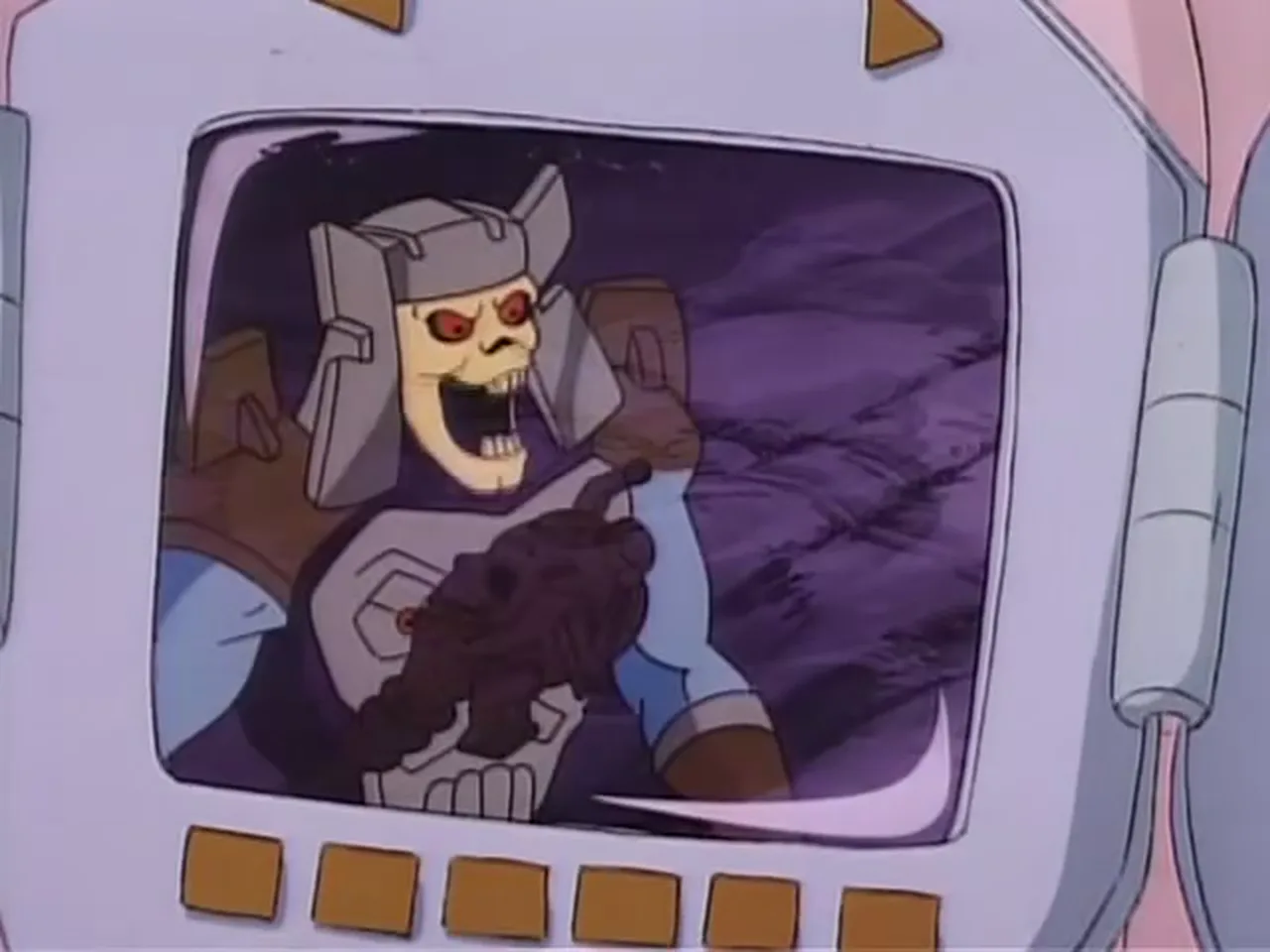
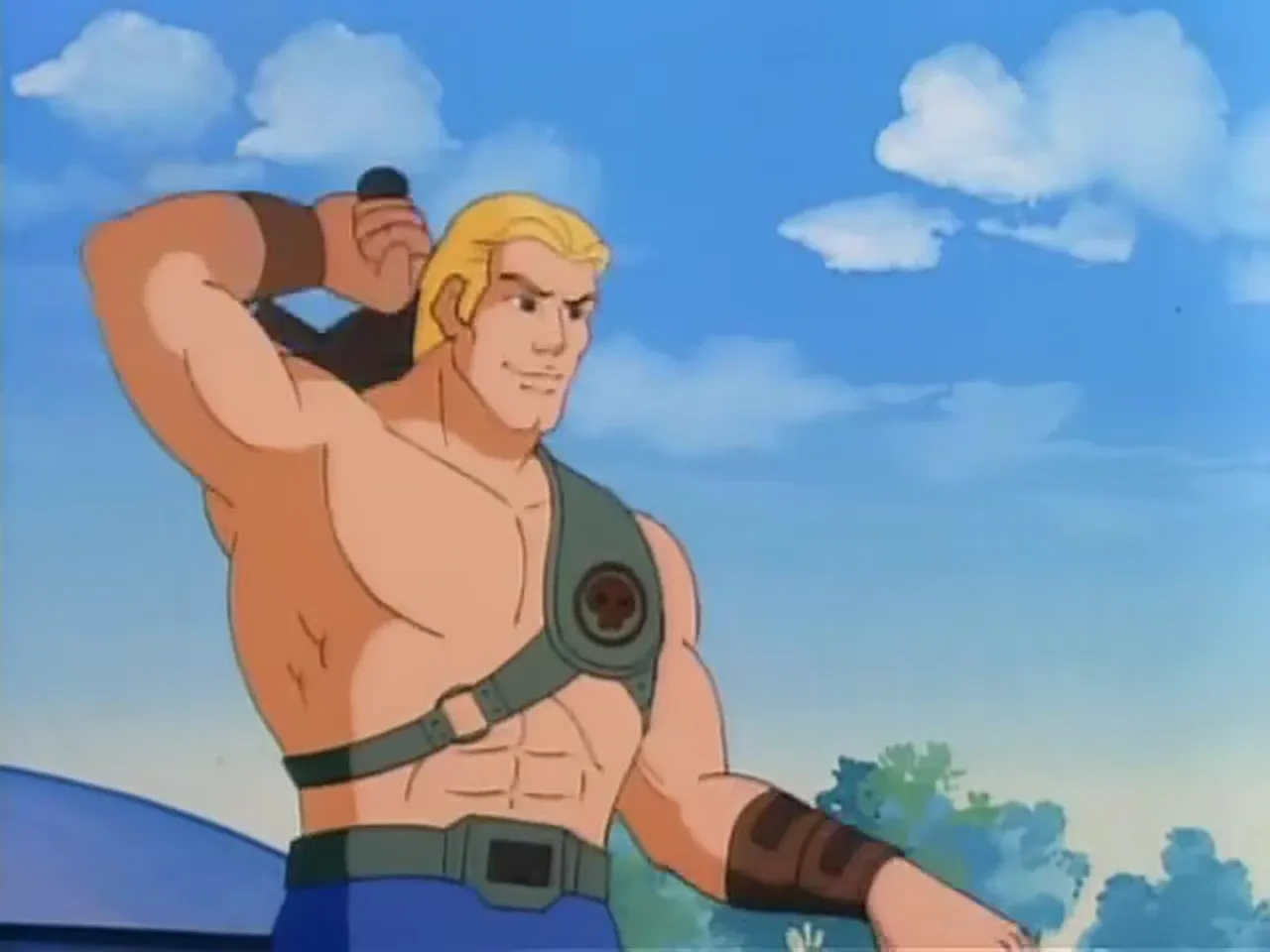
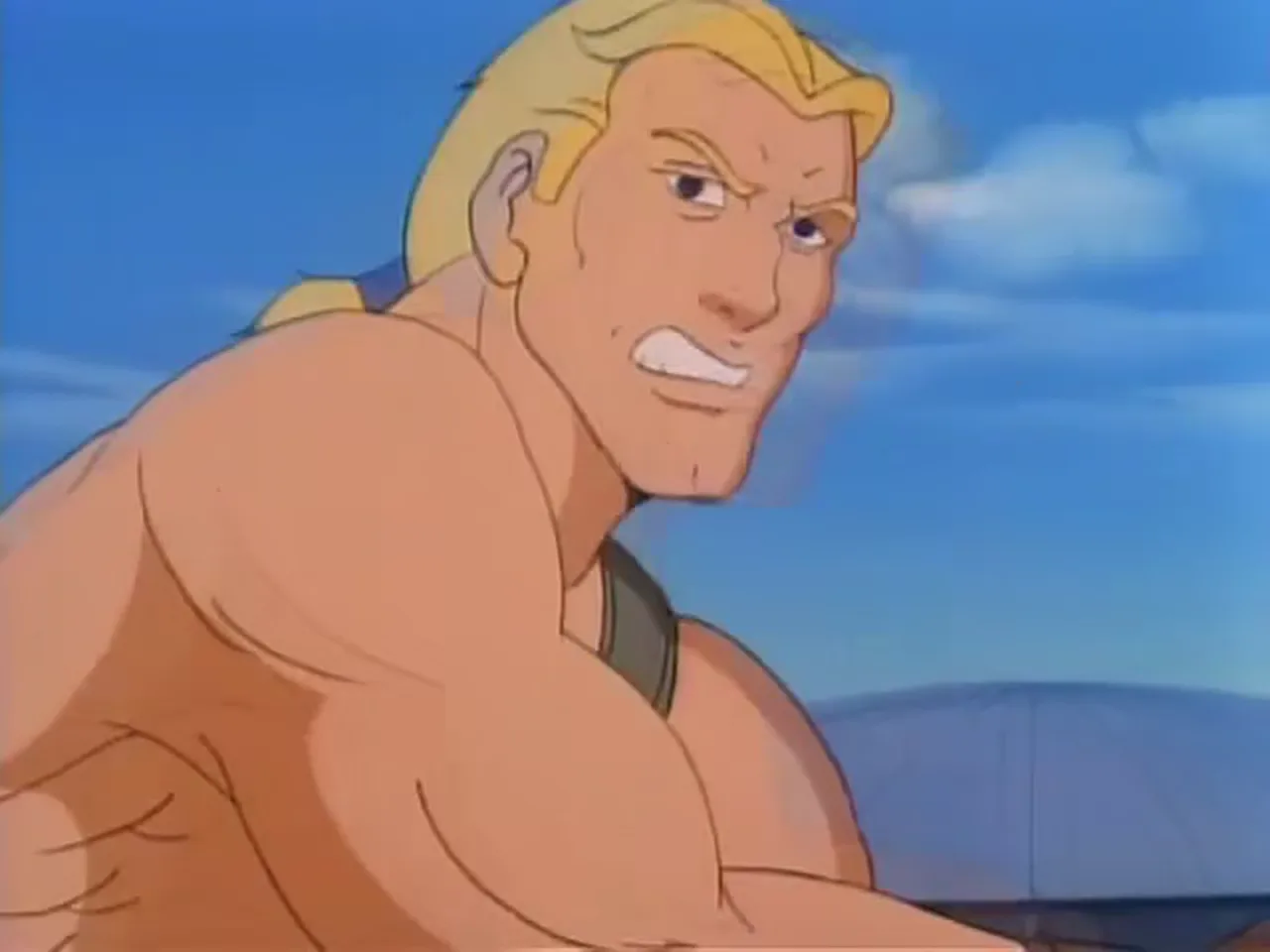
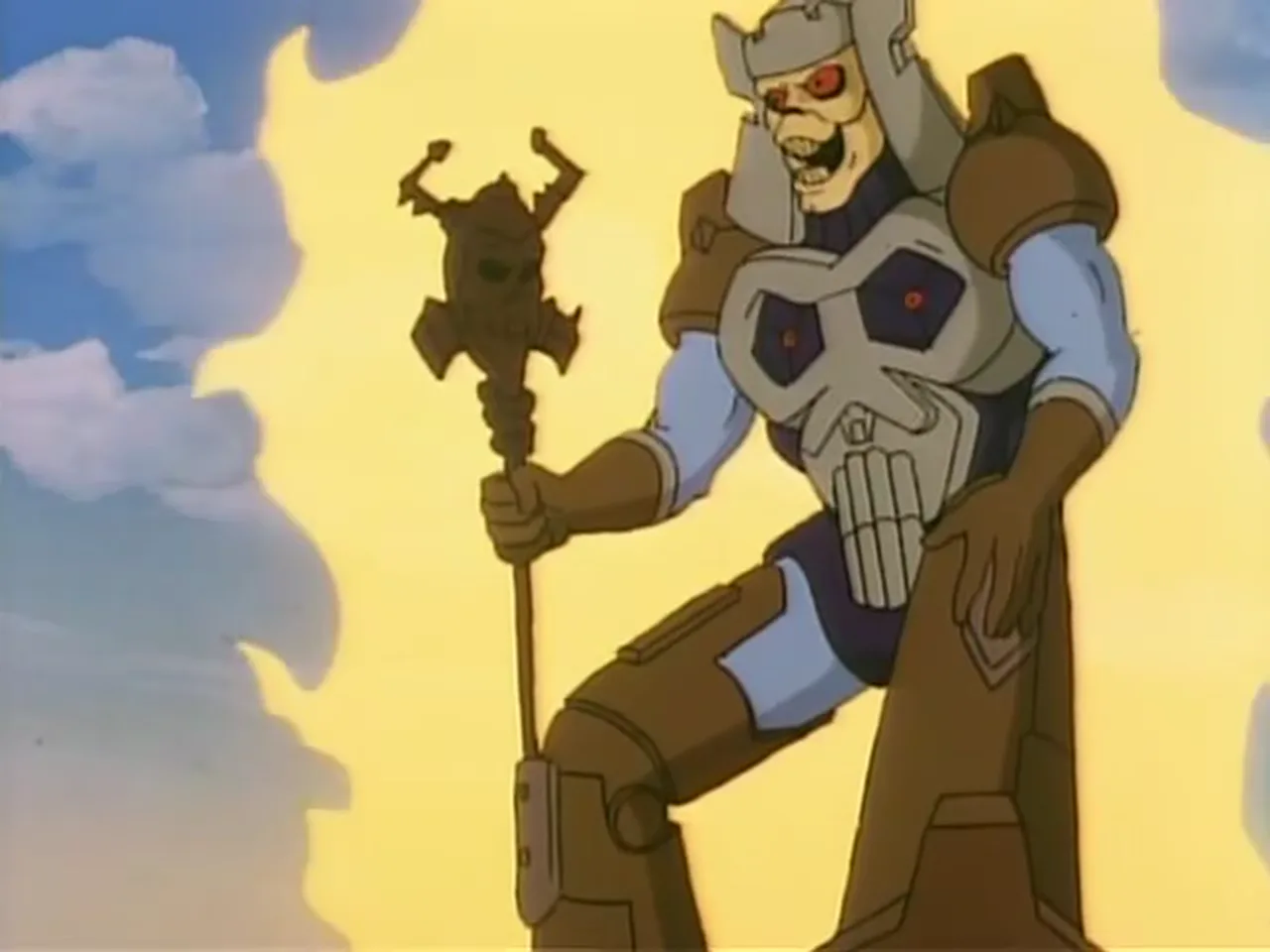
Put in one plain sentence, the episode is about a villain who copies everything that makes the hero the hero except the part that decides what the hero does with it. Skeletor says as much himself, boasting that the ray took He-Man's precise genetic code, everything that makes He-Man, He-Man, and that the creature will know his fears and weaknesses and the moves he will make before he makes them. He-Slave is told to kneel, to bear the mark of Skeletor and to seek out He-Man, and says he hears and obeys, which marks the difference between the two men better than any speech could, and the script plants it before the fight starts.
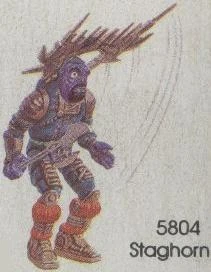
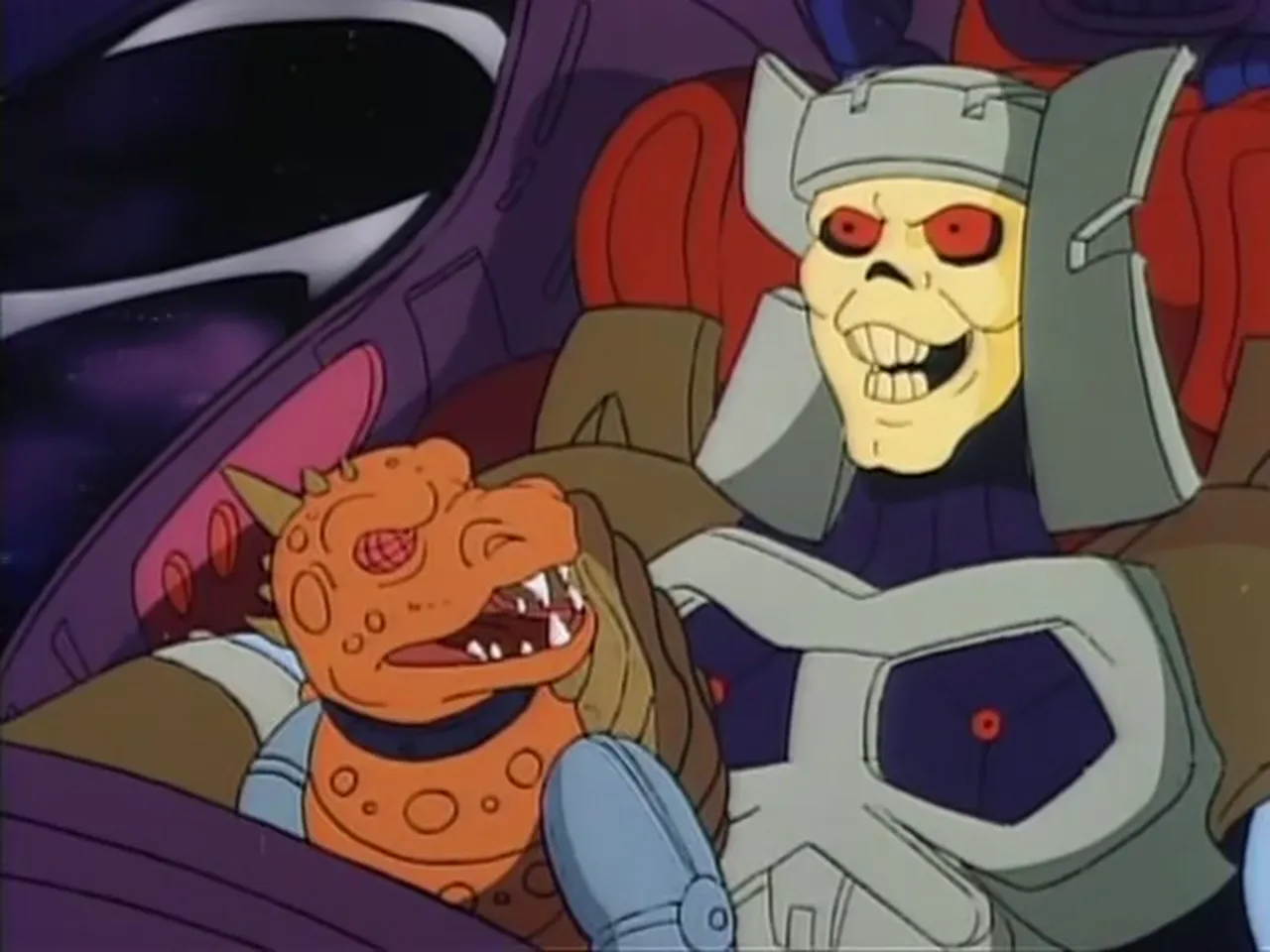
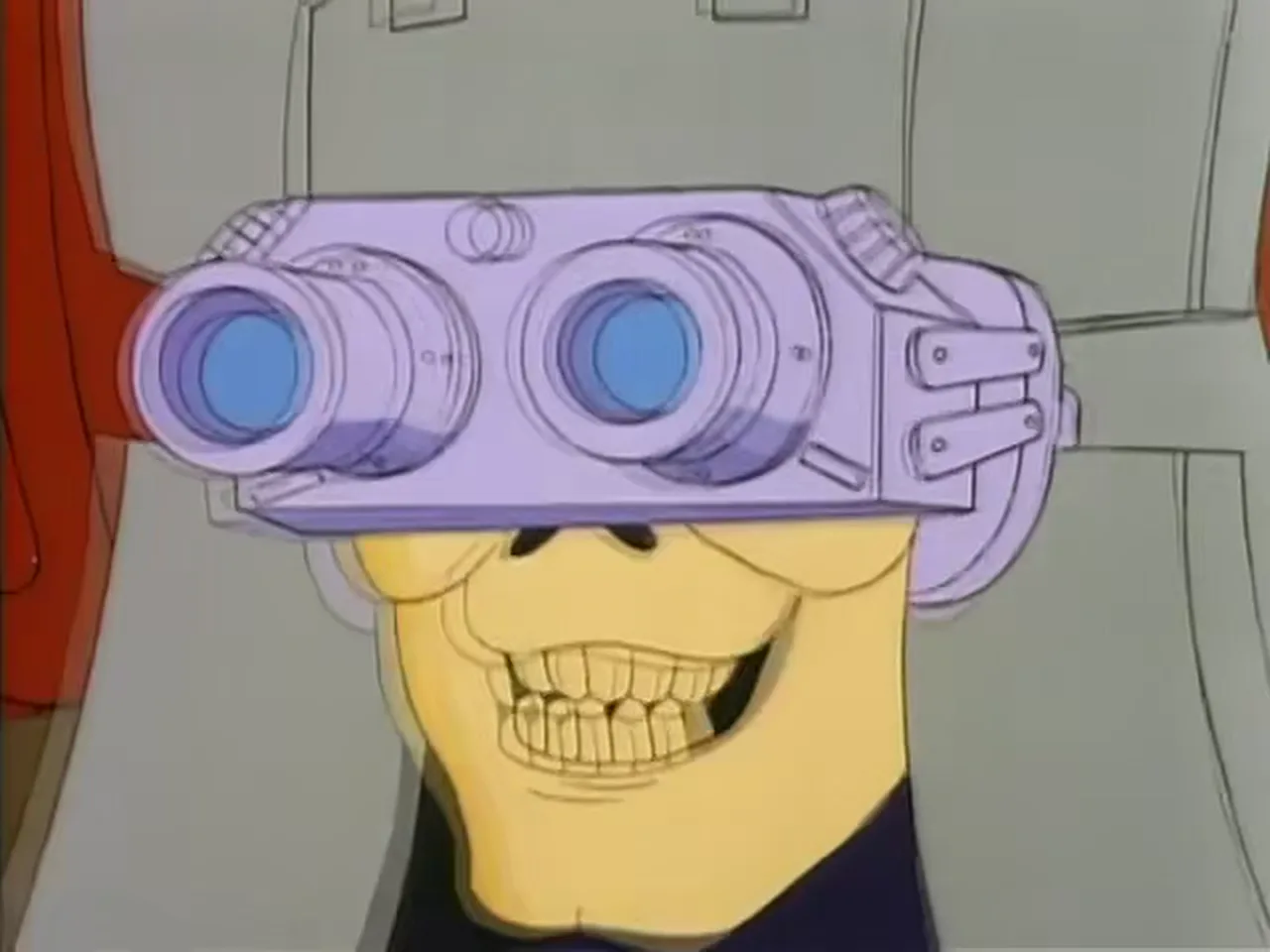
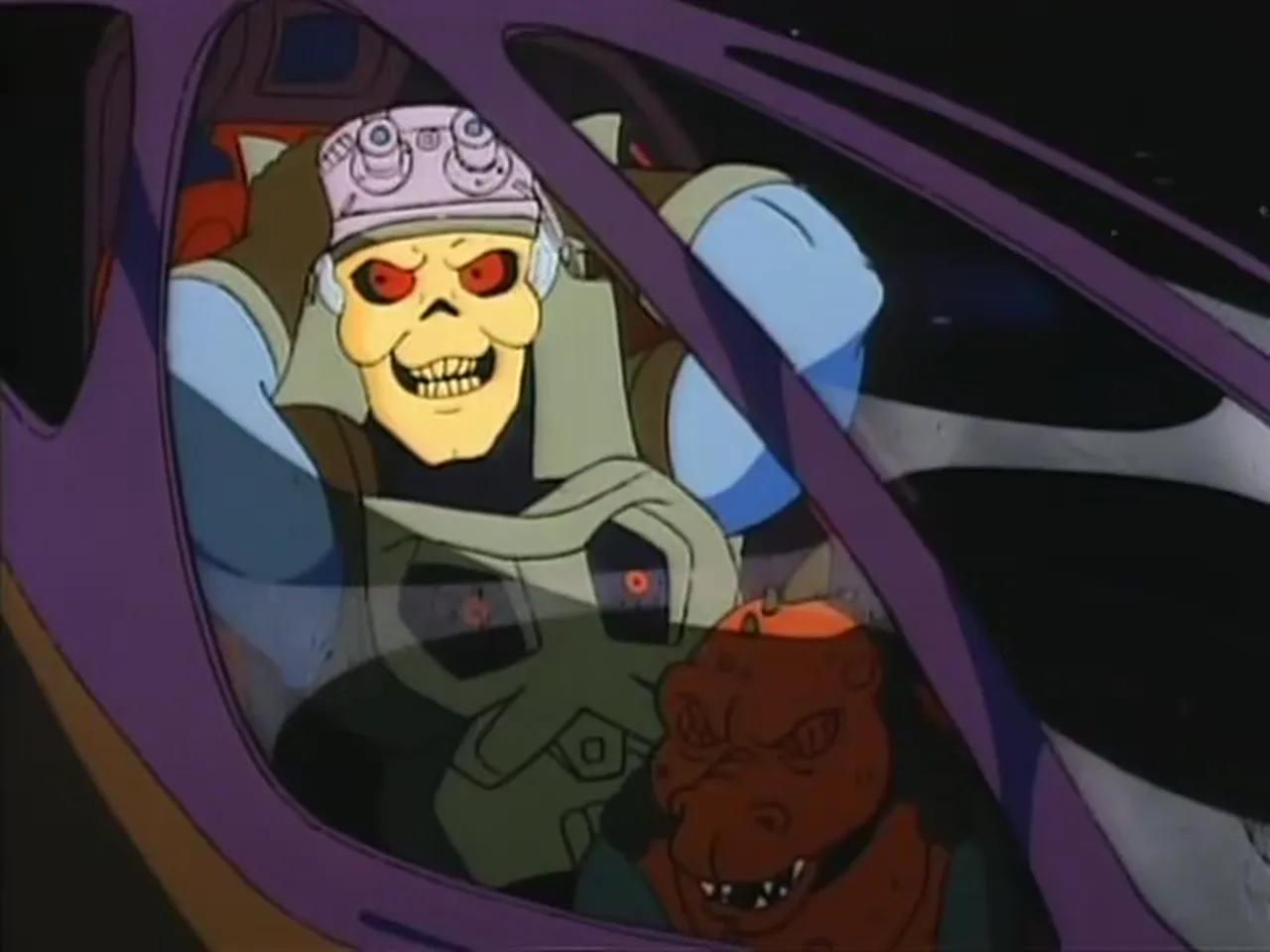
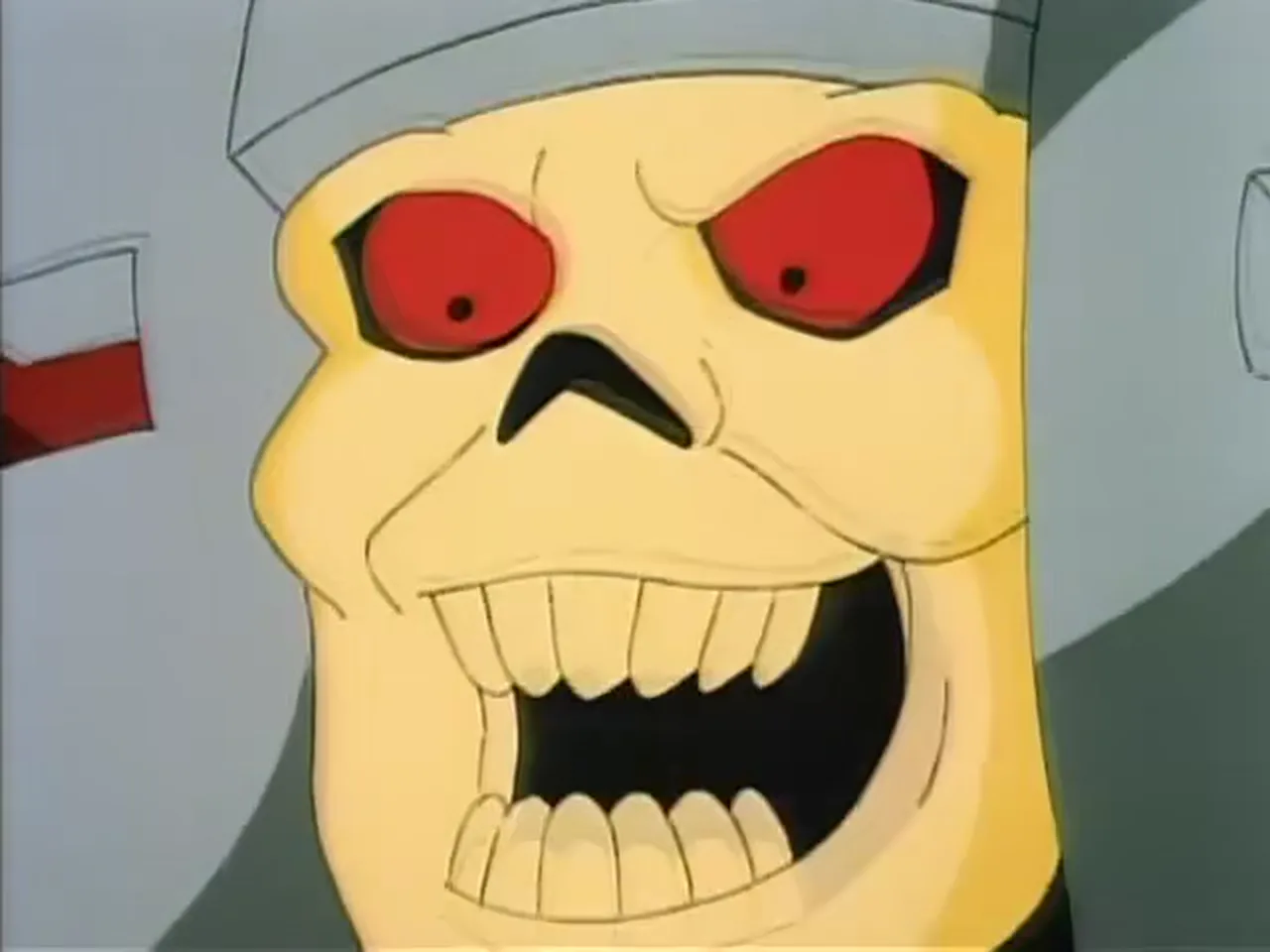
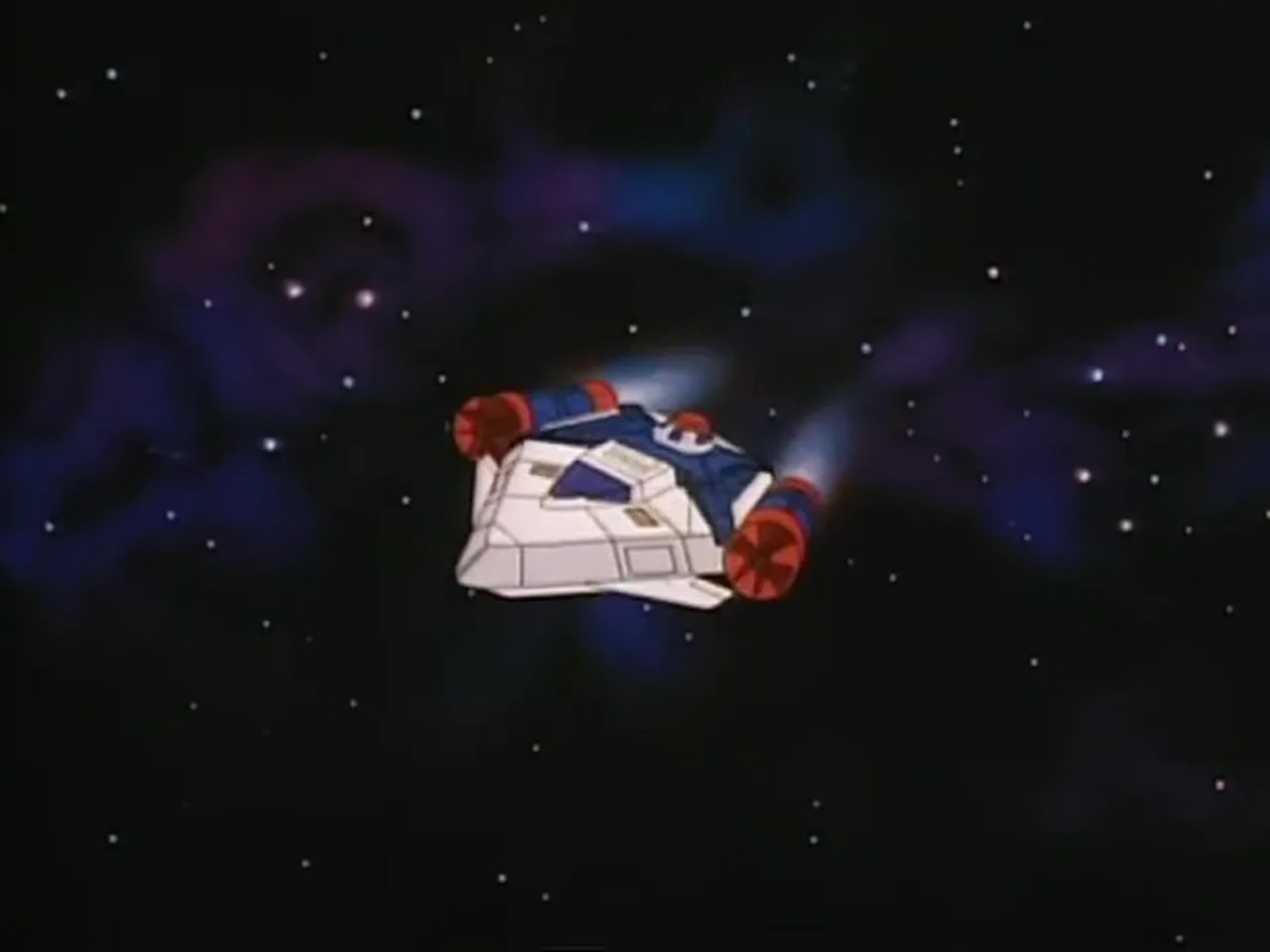
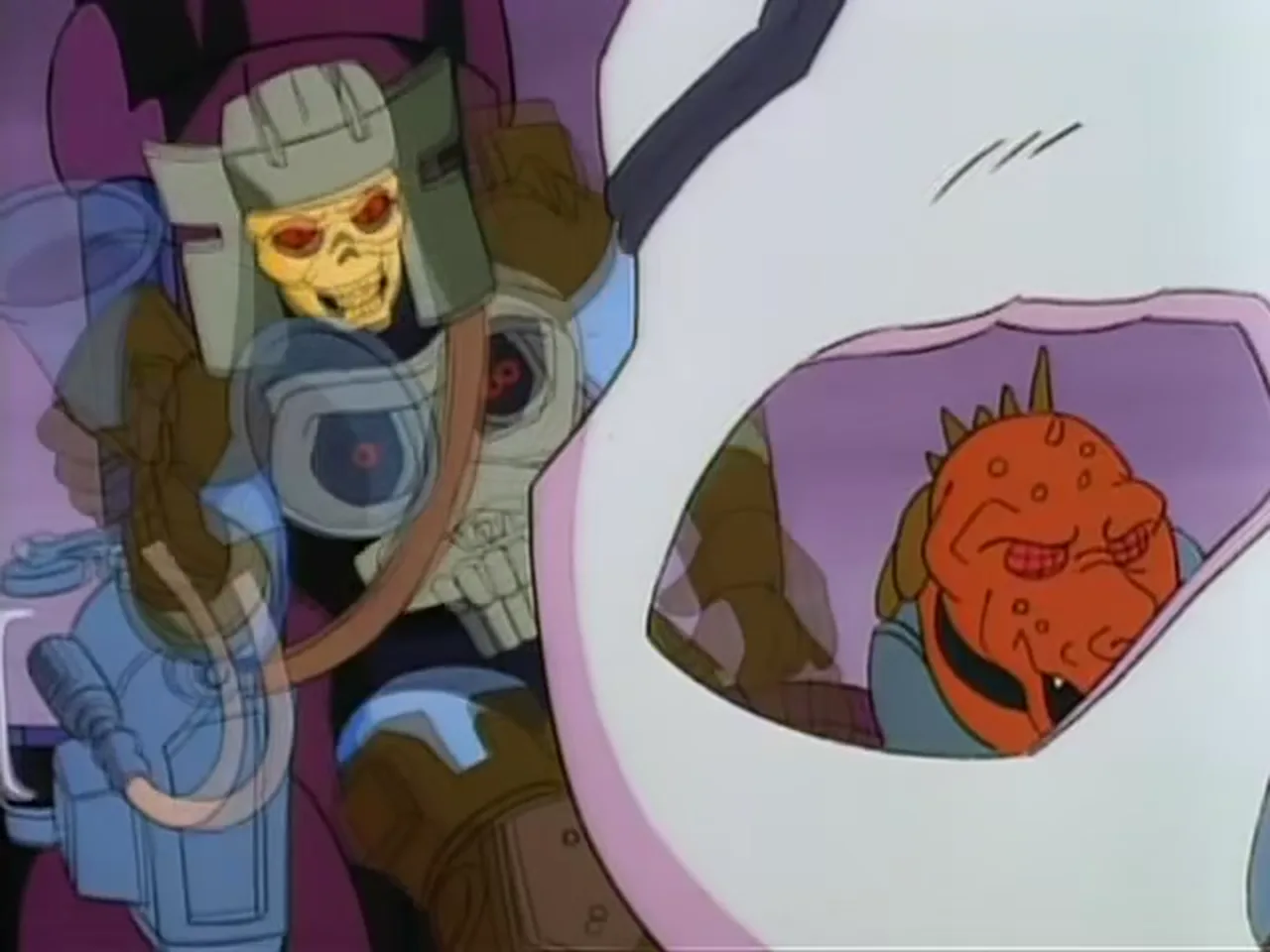
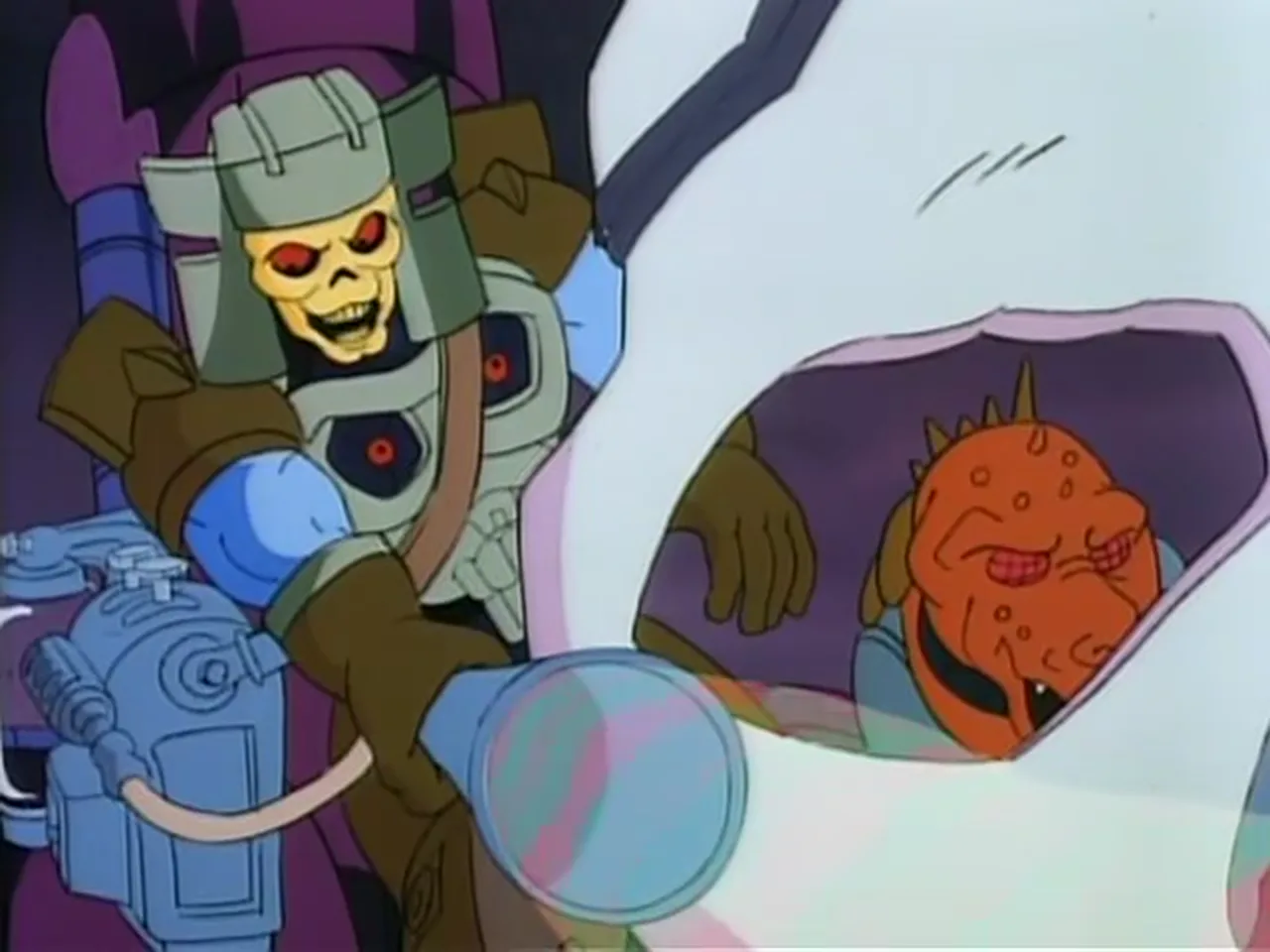
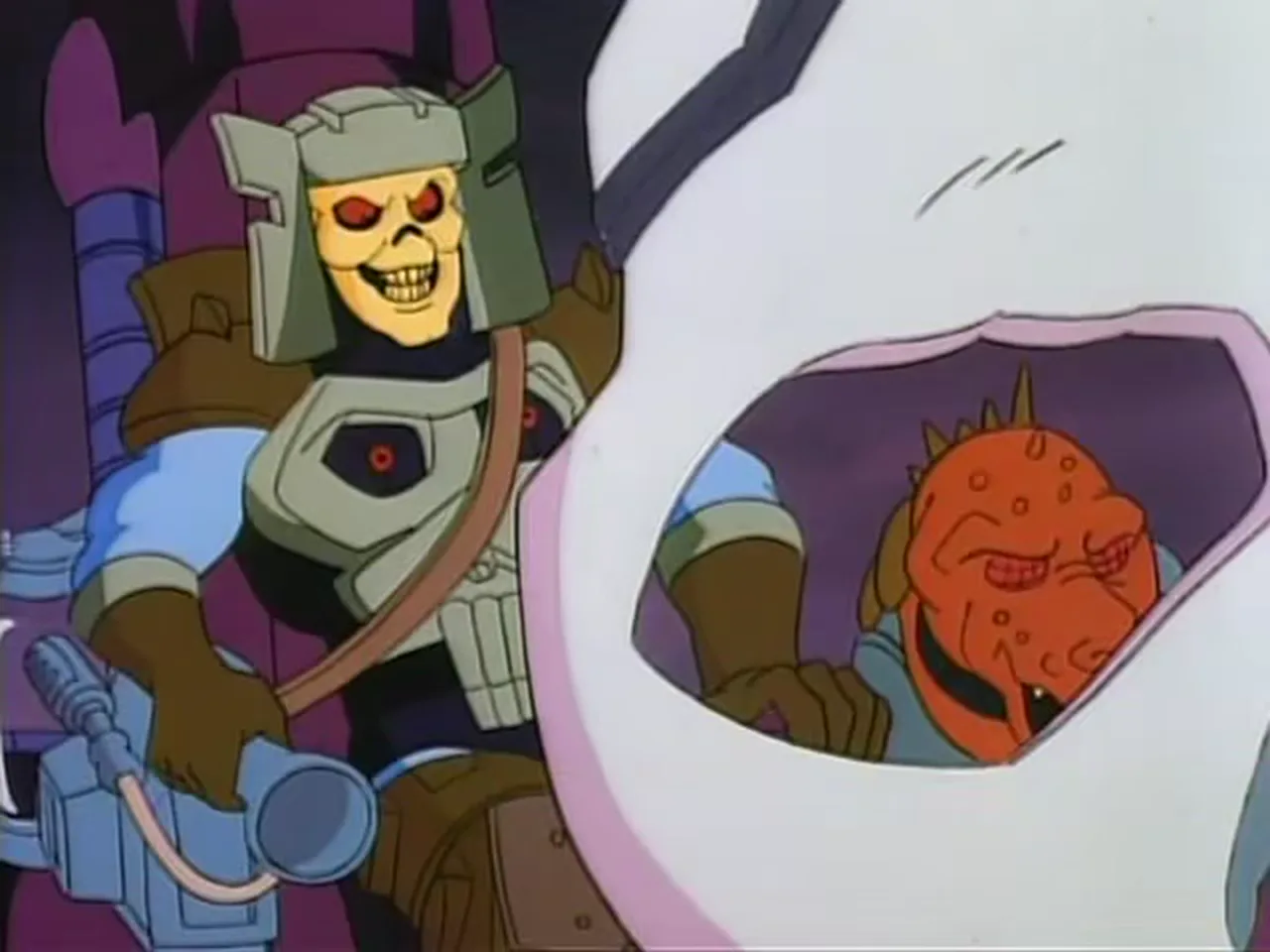
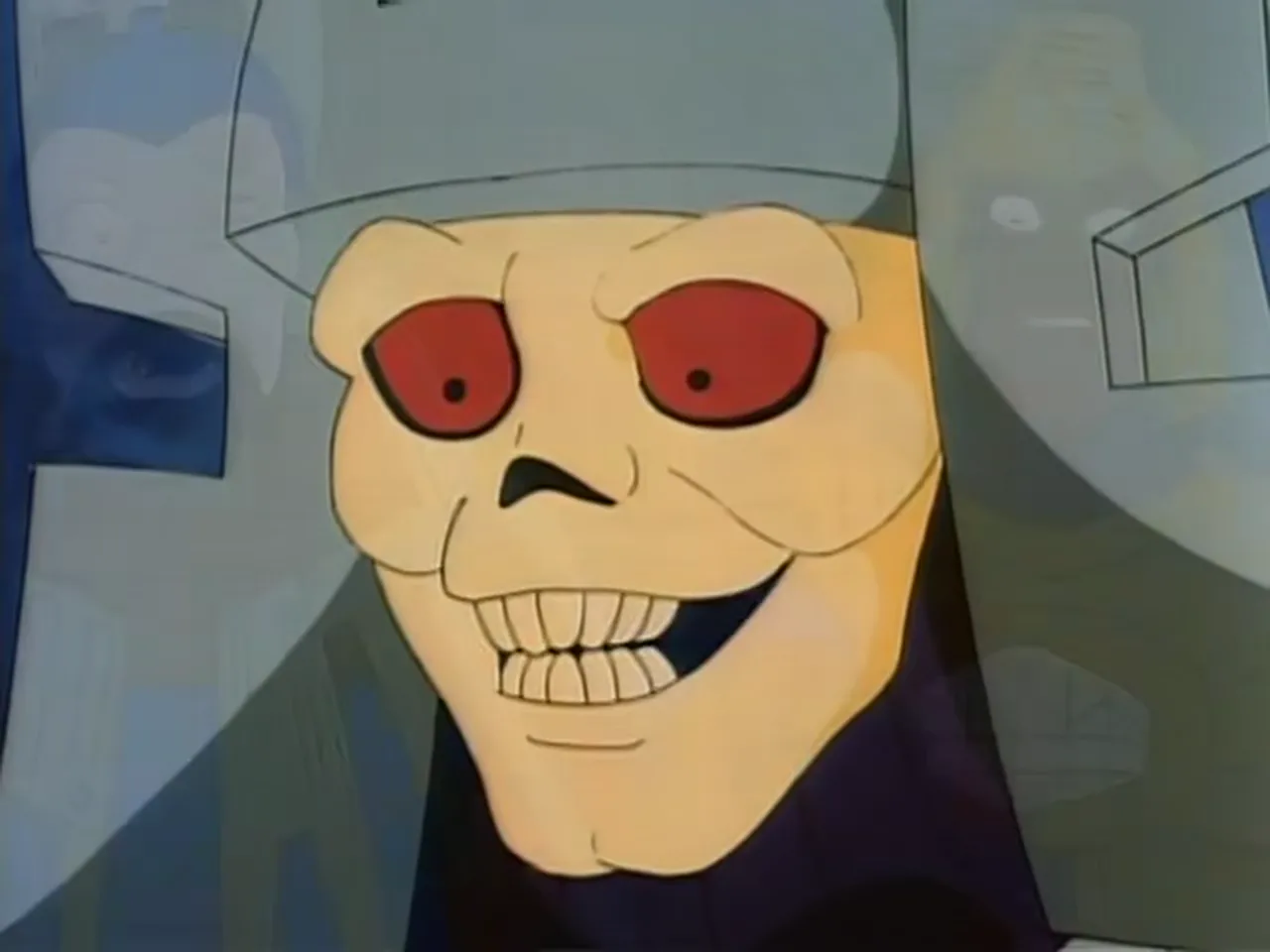
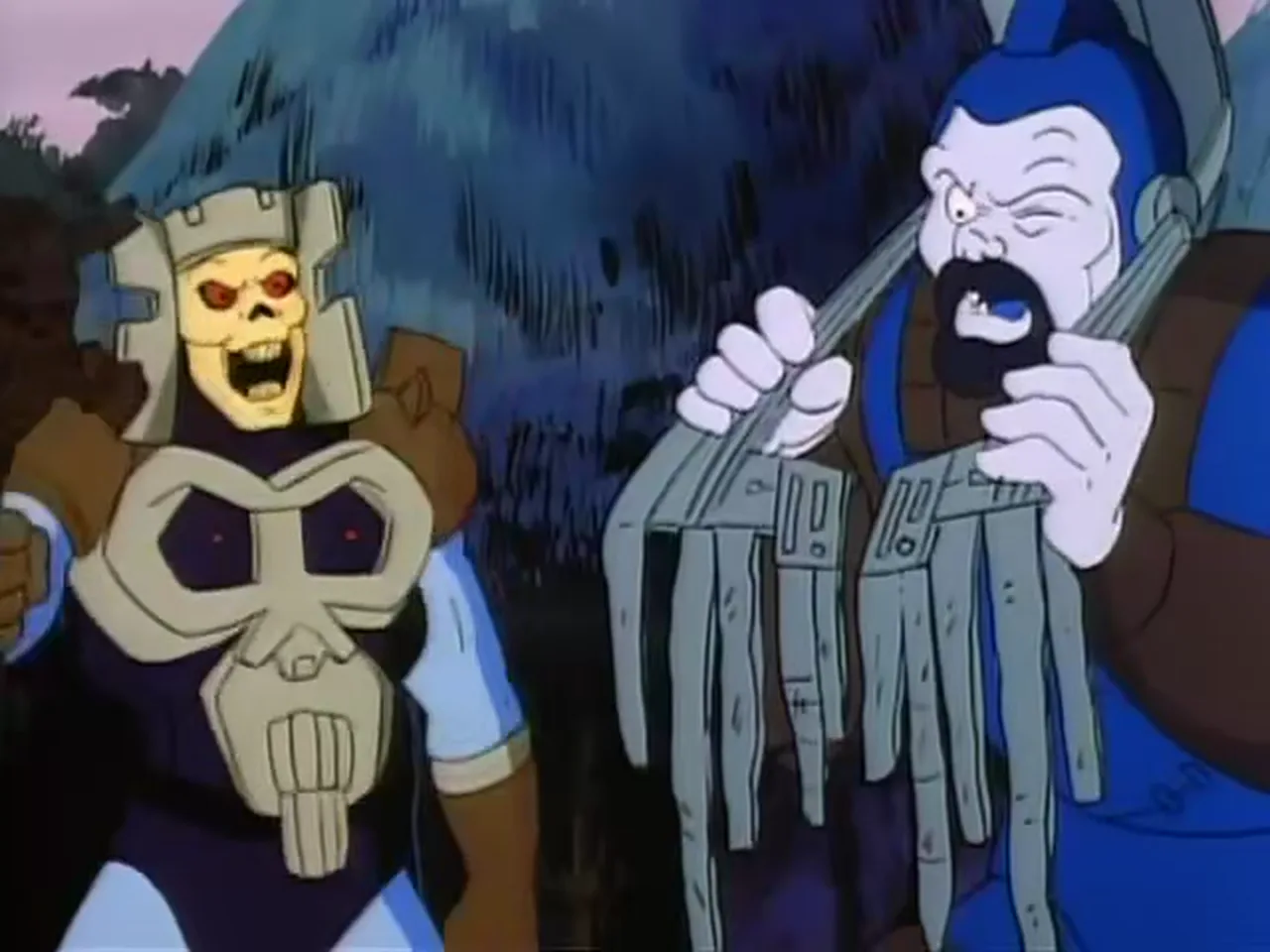
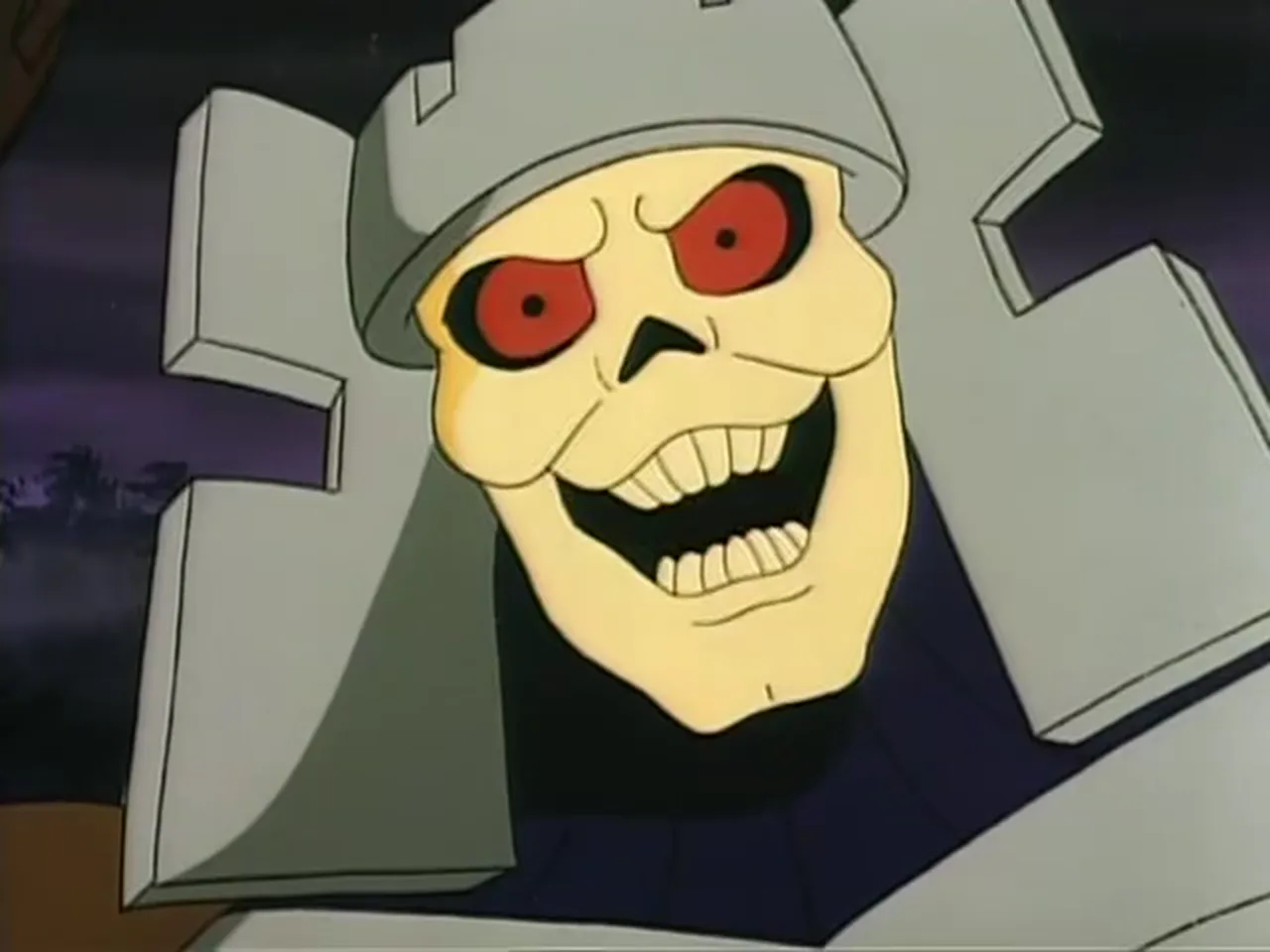
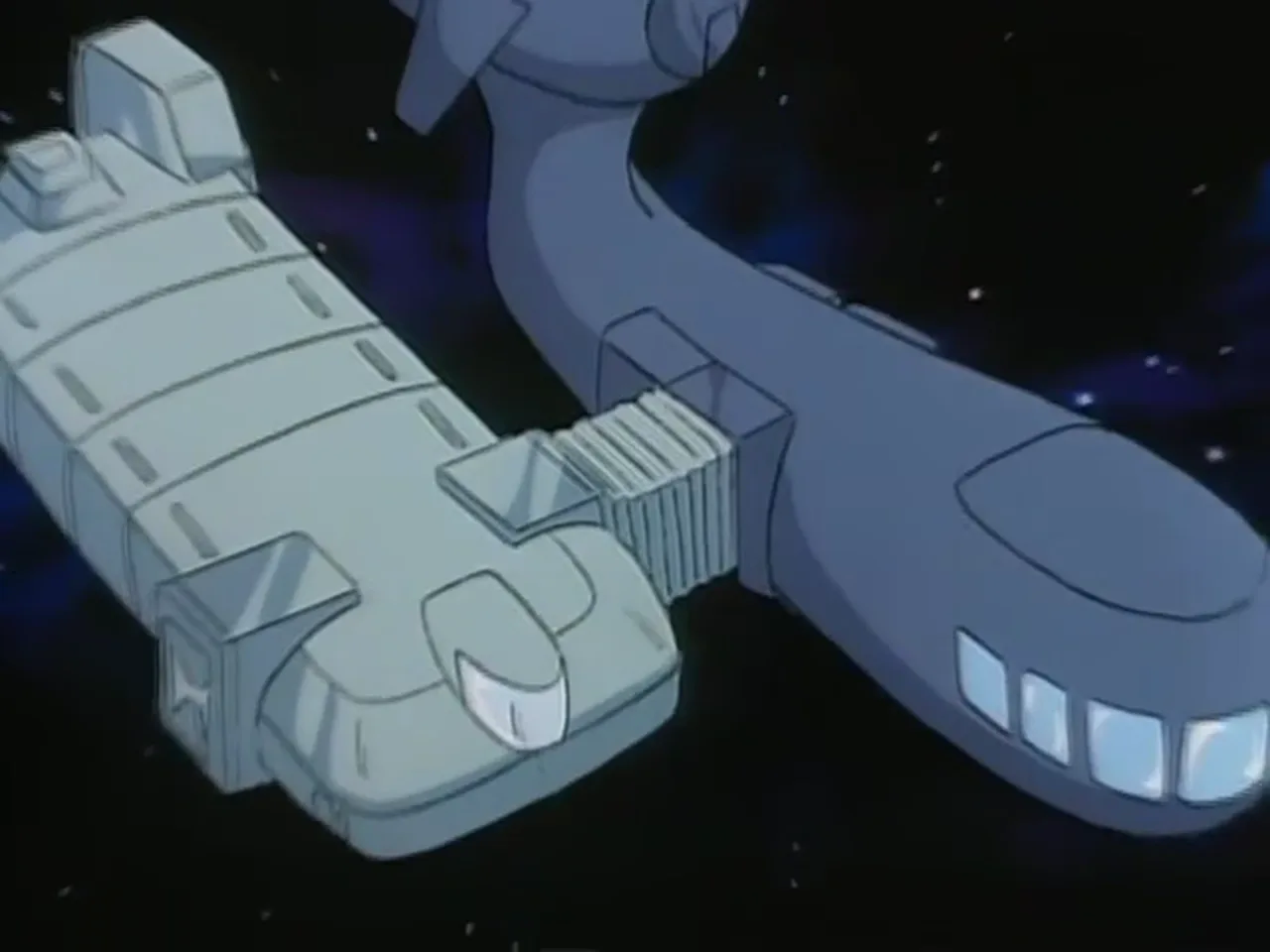
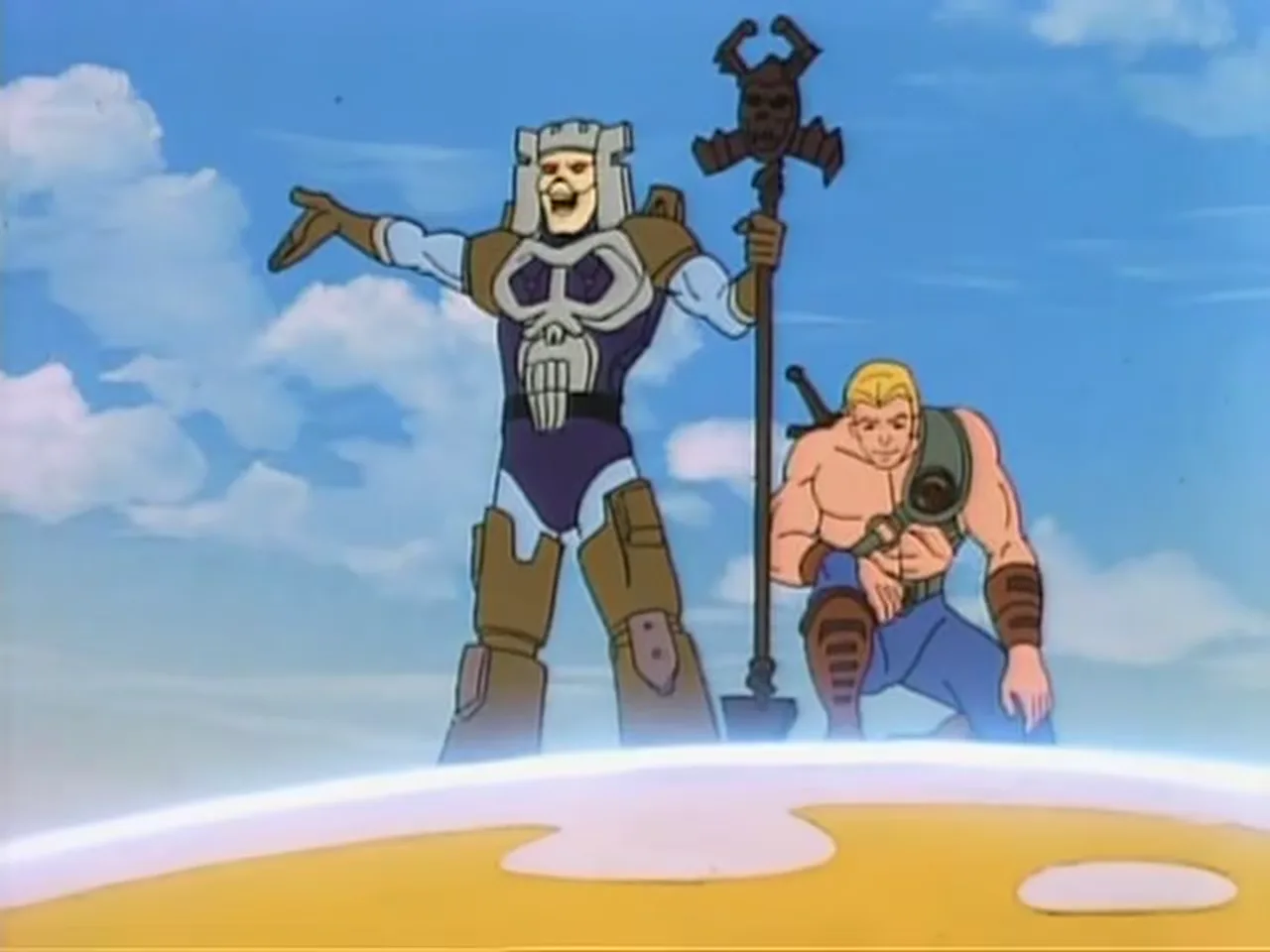
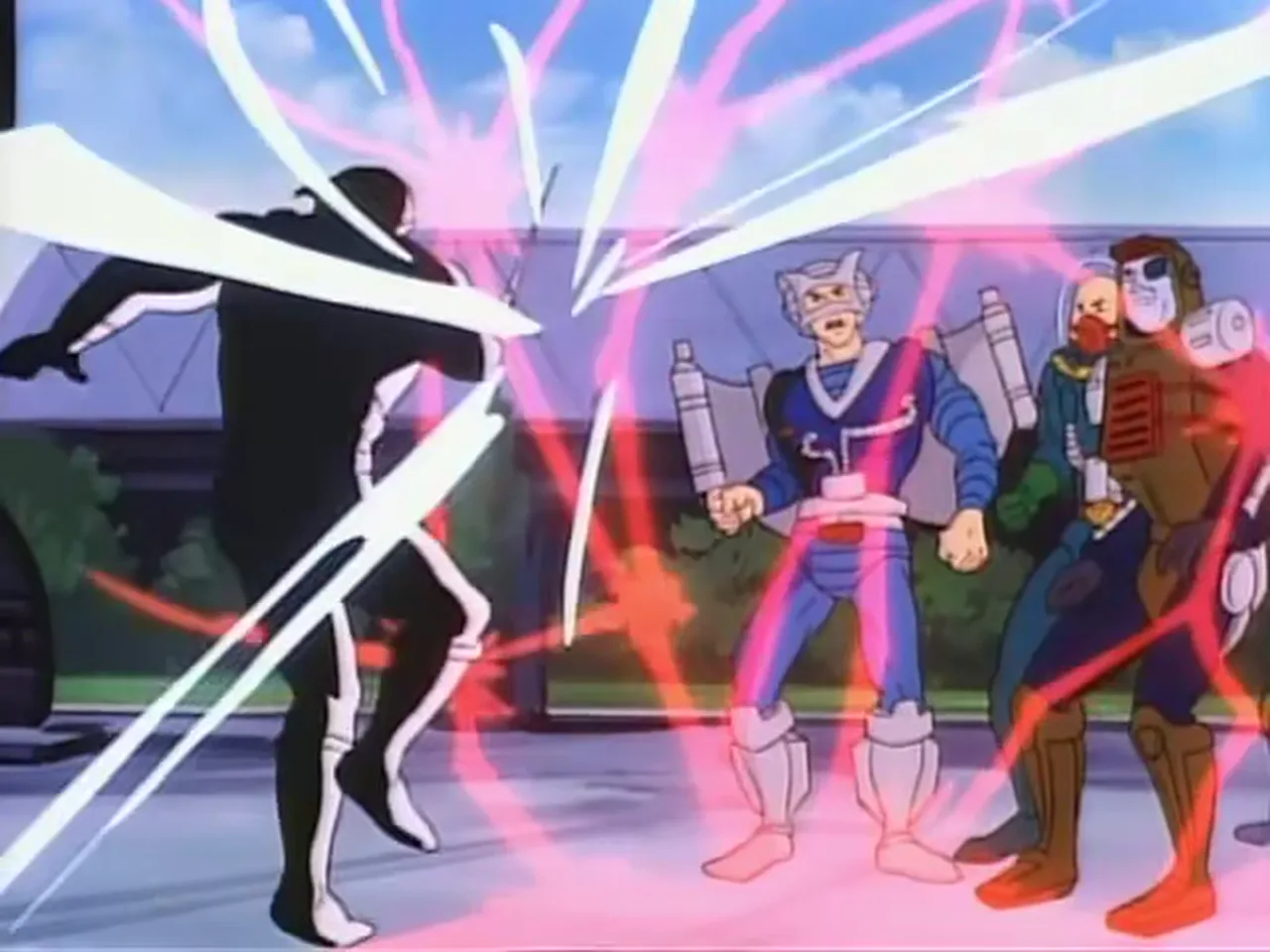
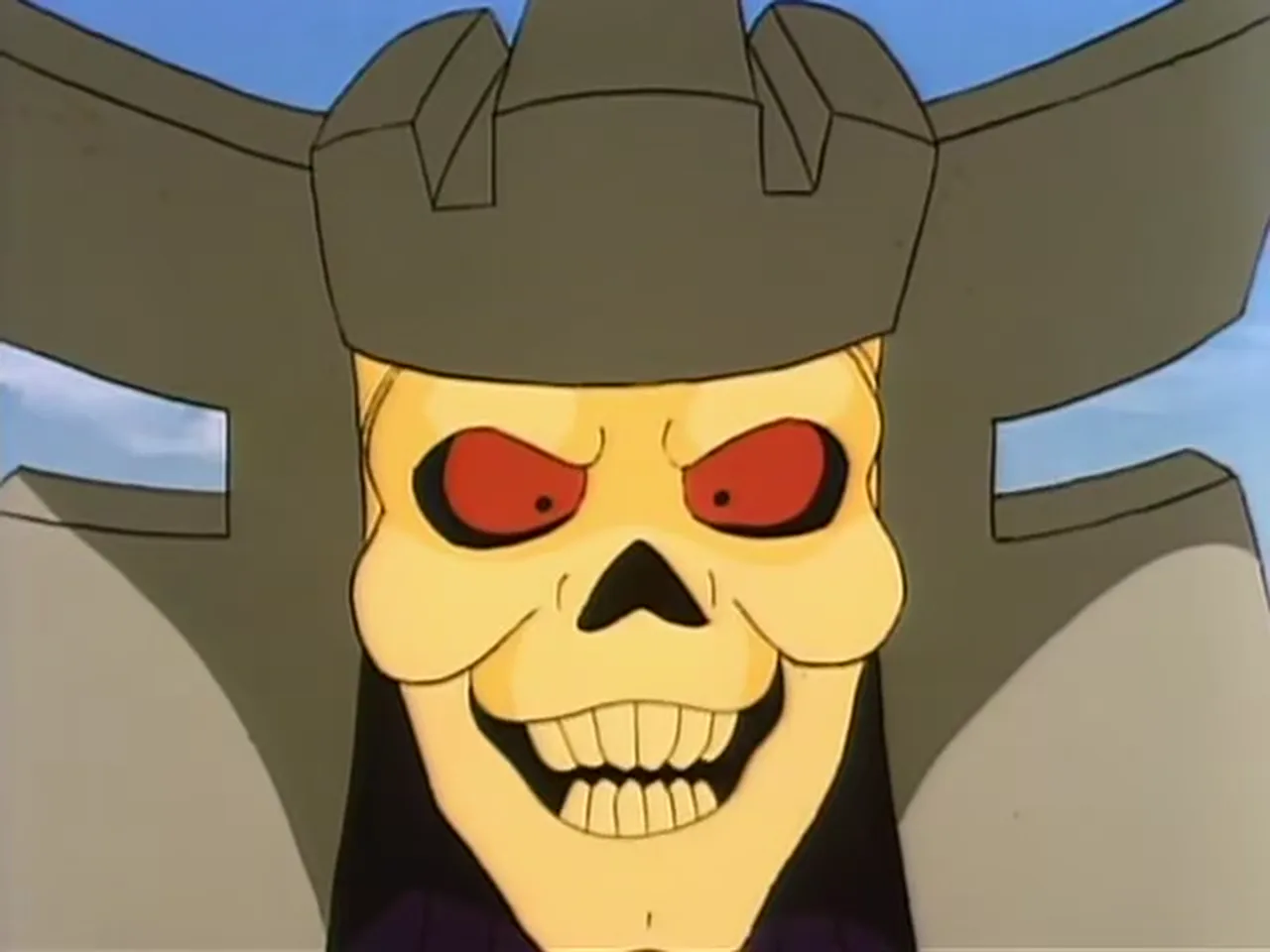
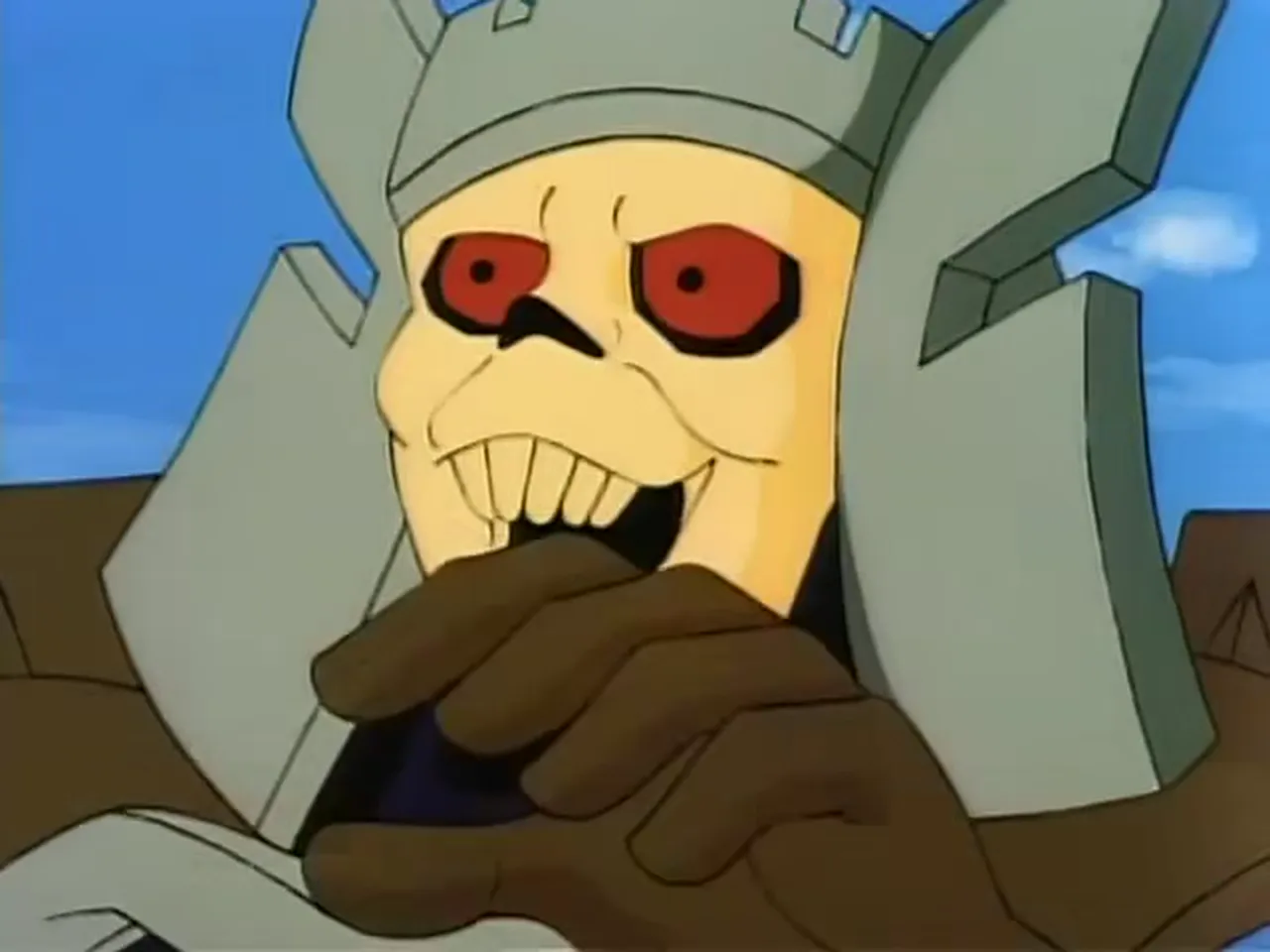
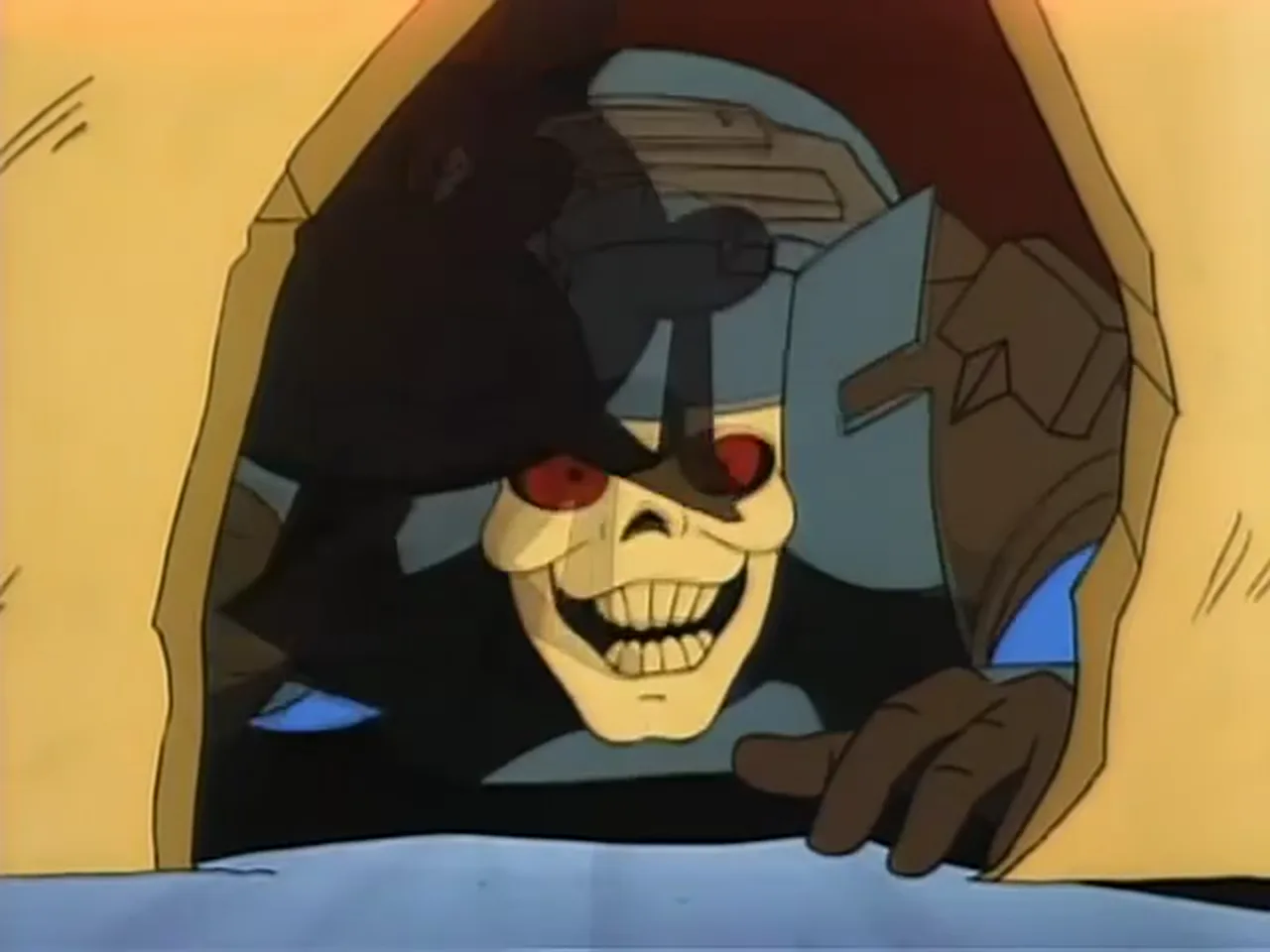
Skeletor has a lovely time with Staghorn, calling him a walking coat rack while presenting his creation as the ultimate weapon, and his announcement that capturing the alien ship was a stroke of evil genius, if he does say so himself, is the most characteristic line in the half hour. Flogg is absent, one of the few episodes with Skeletor and without him according to the He-Man wiki, and the story does not feel the loss.
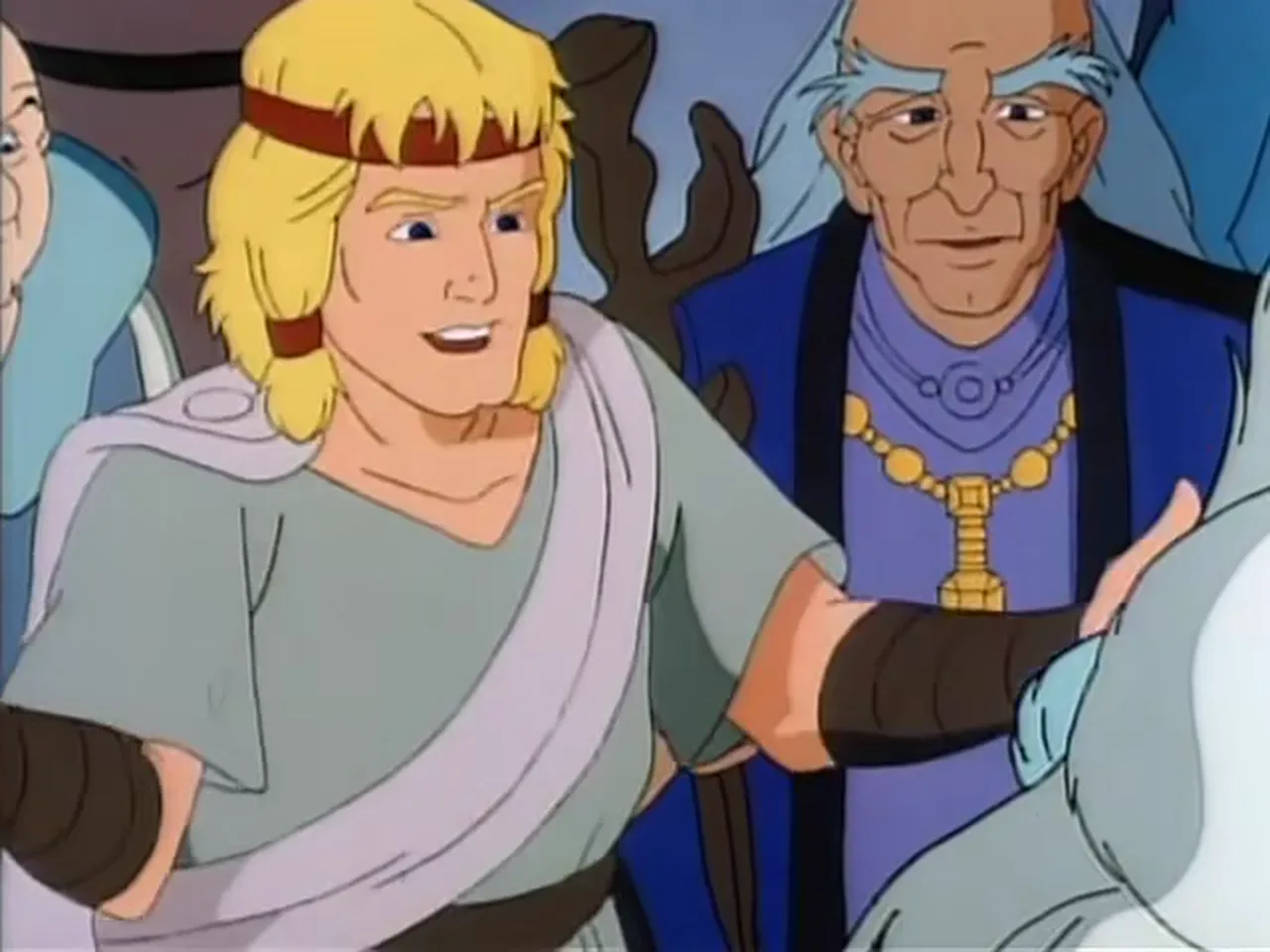
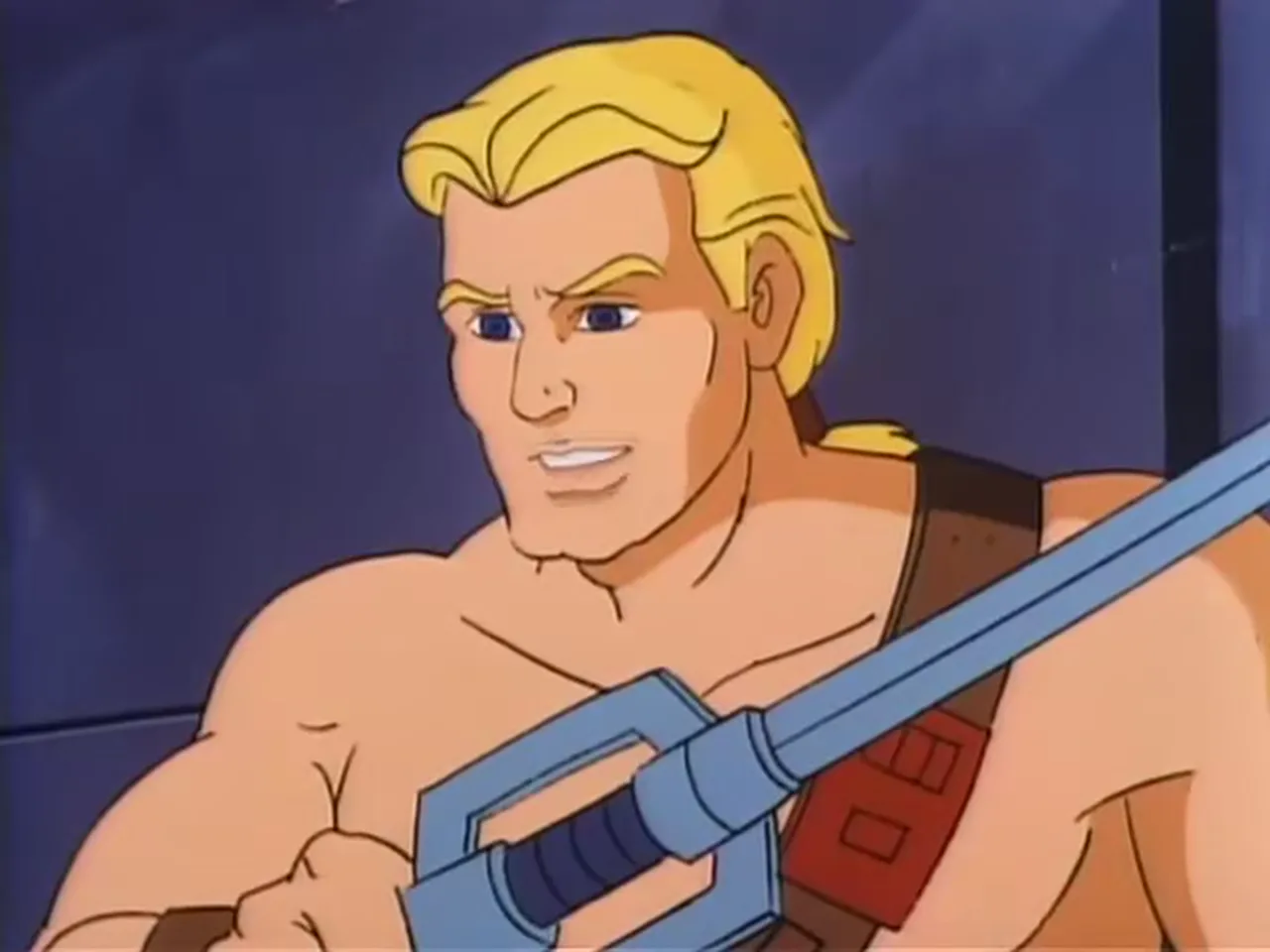
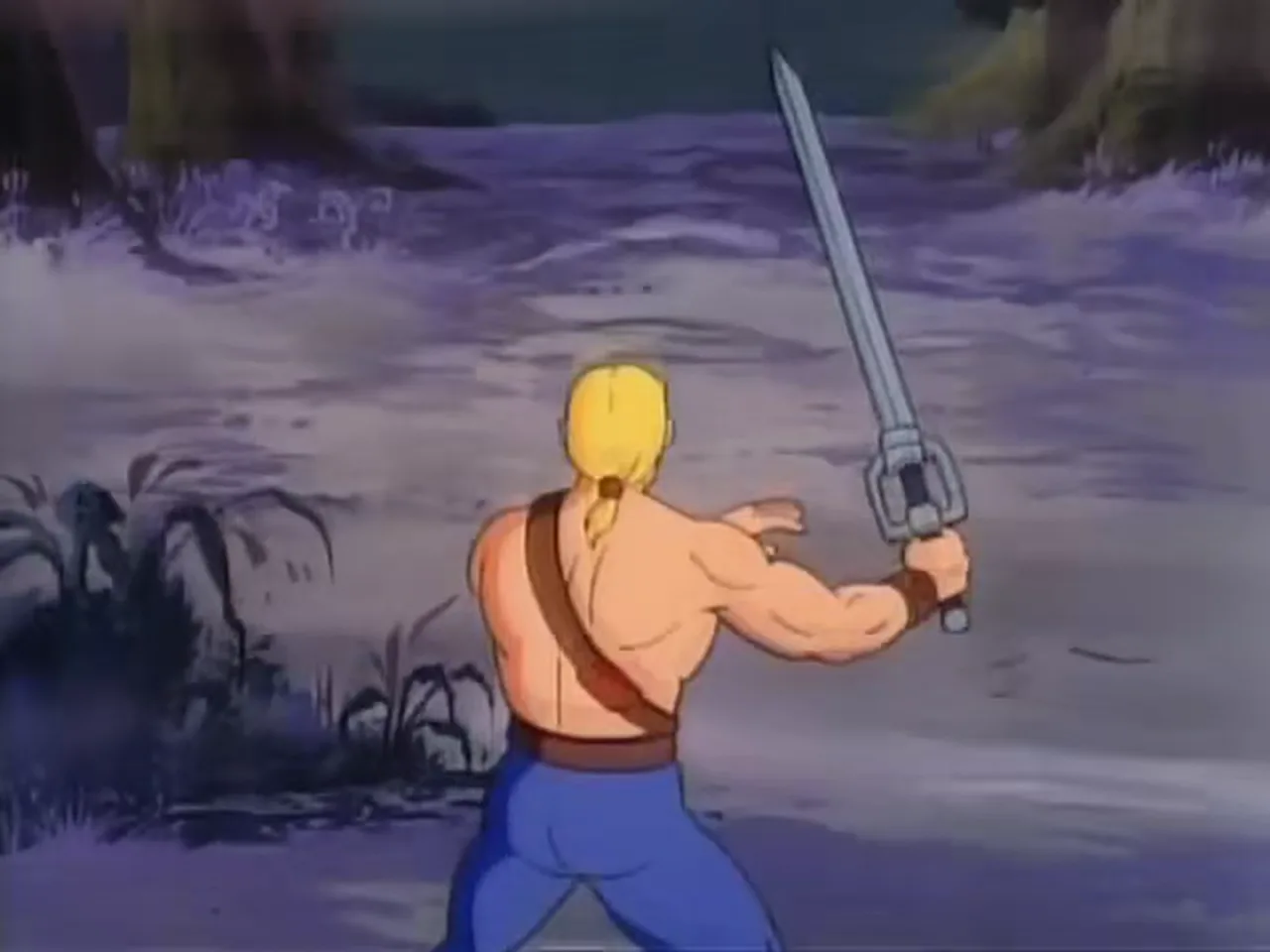
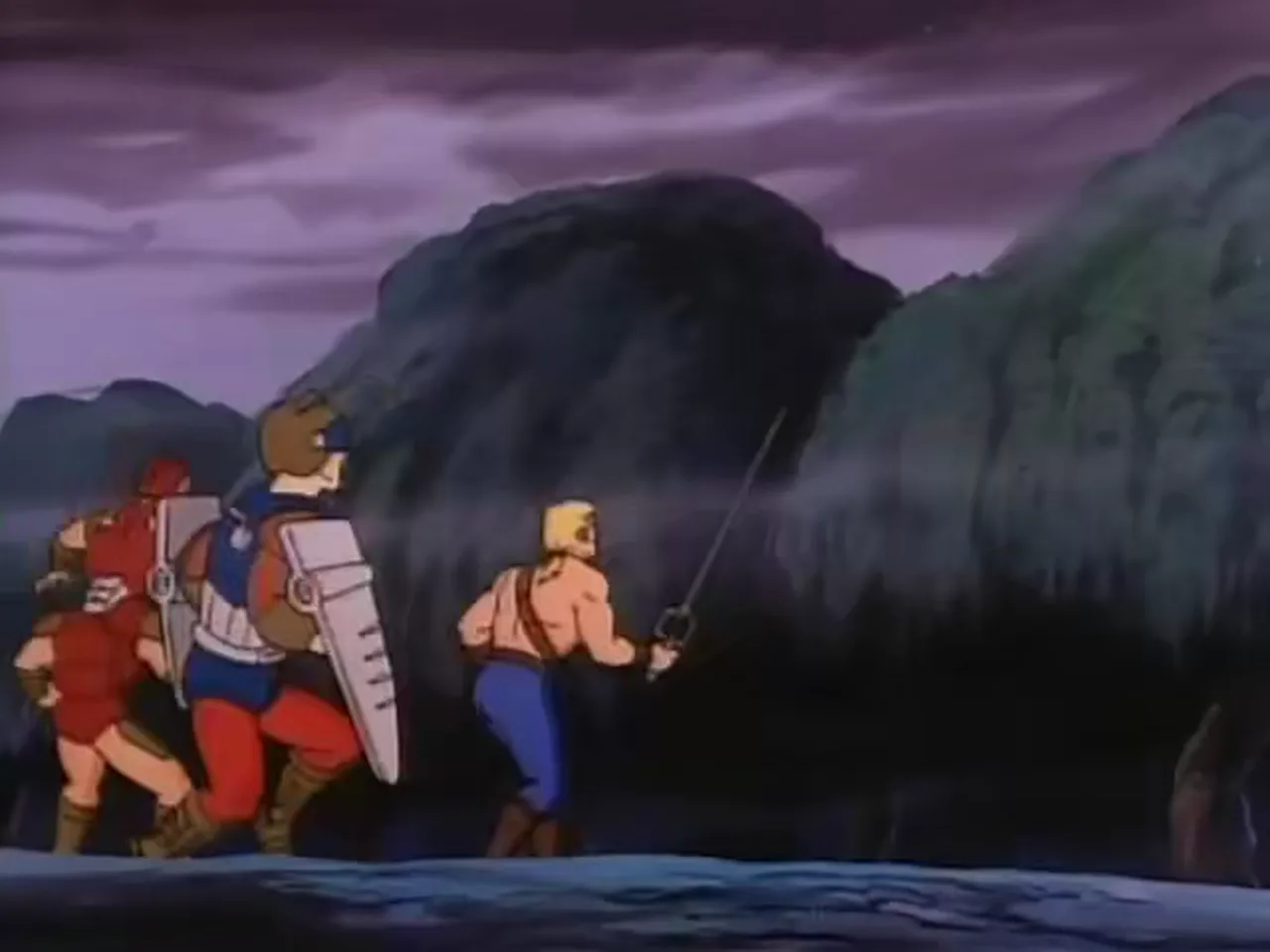
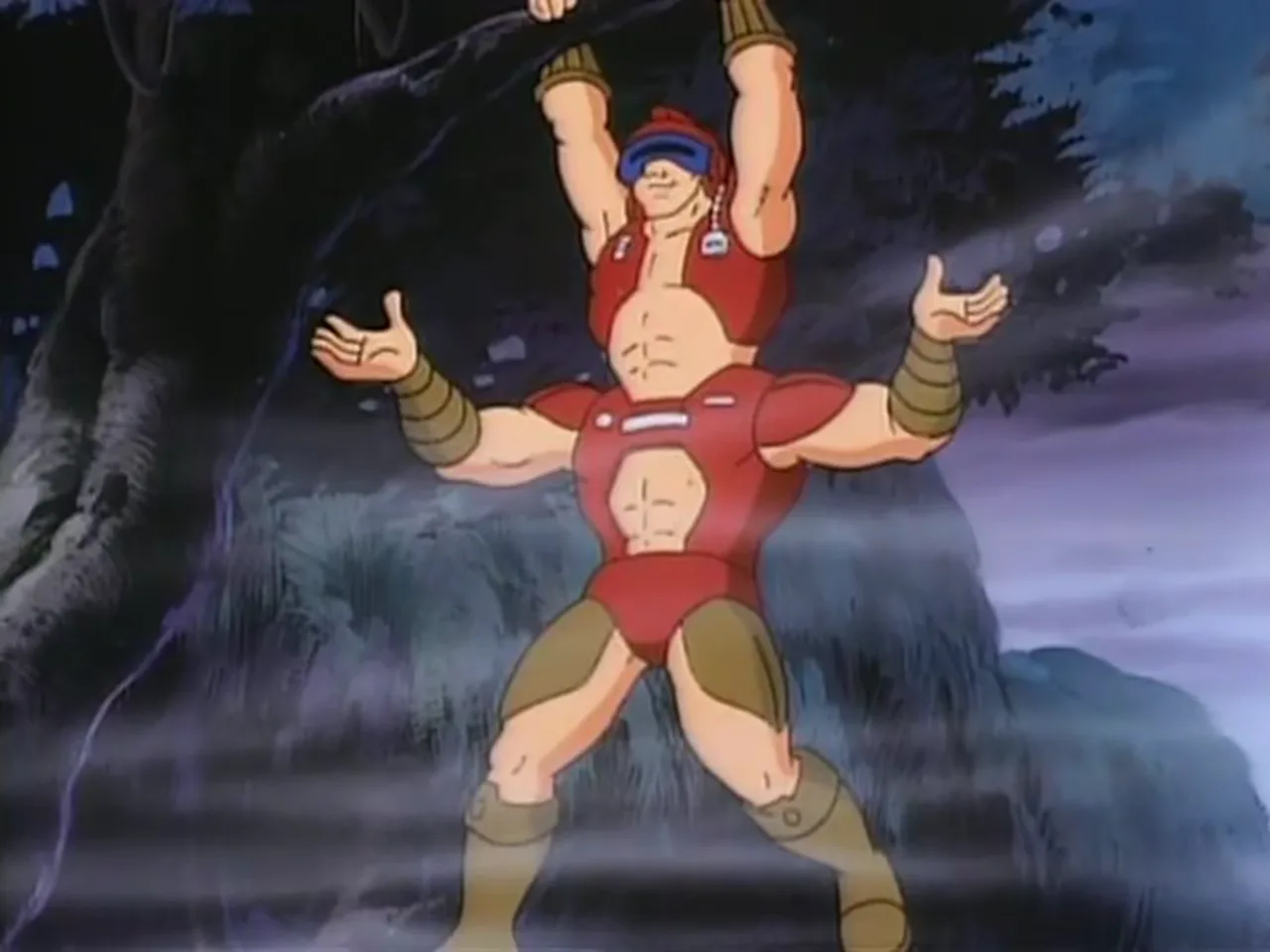
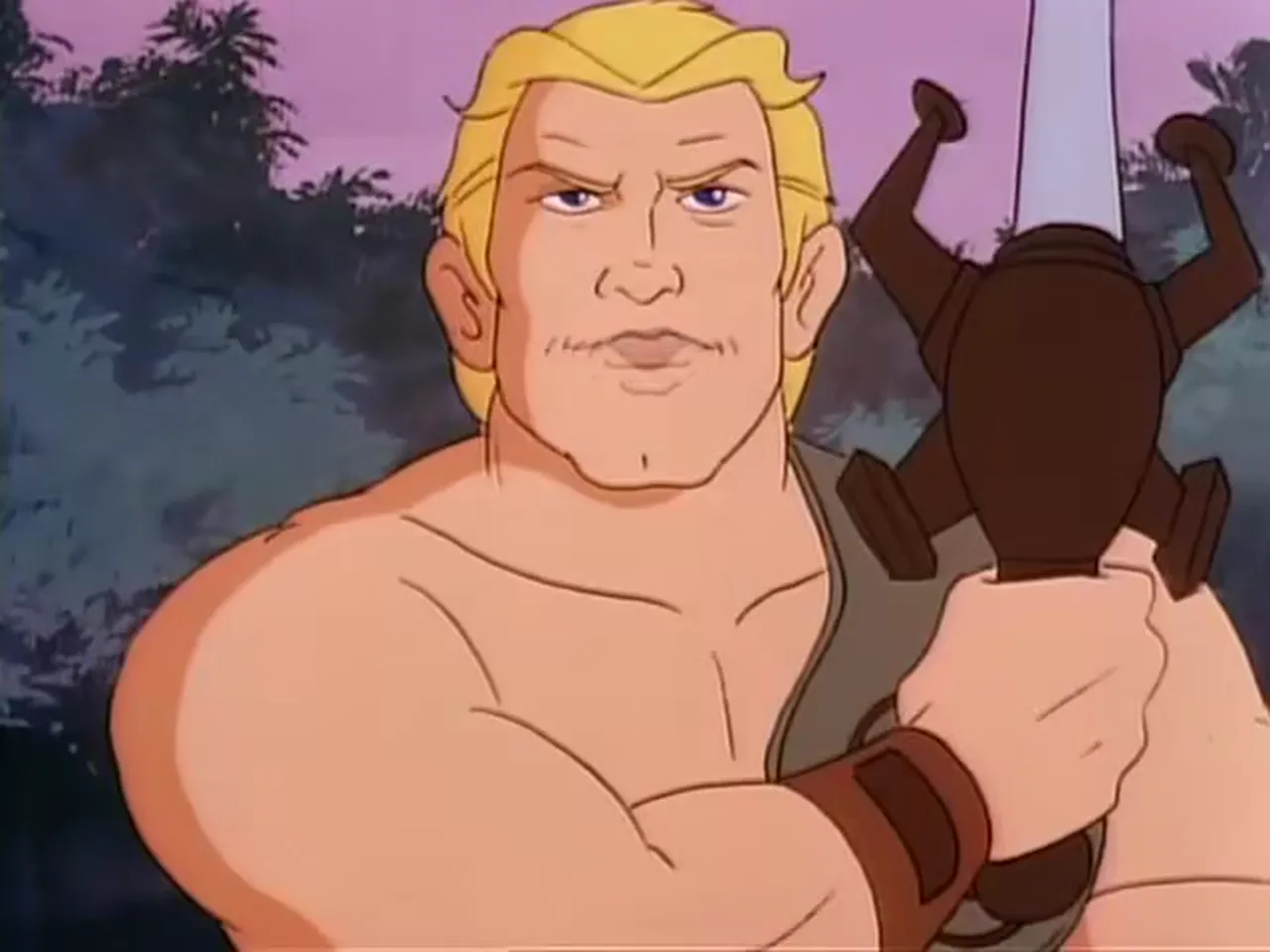
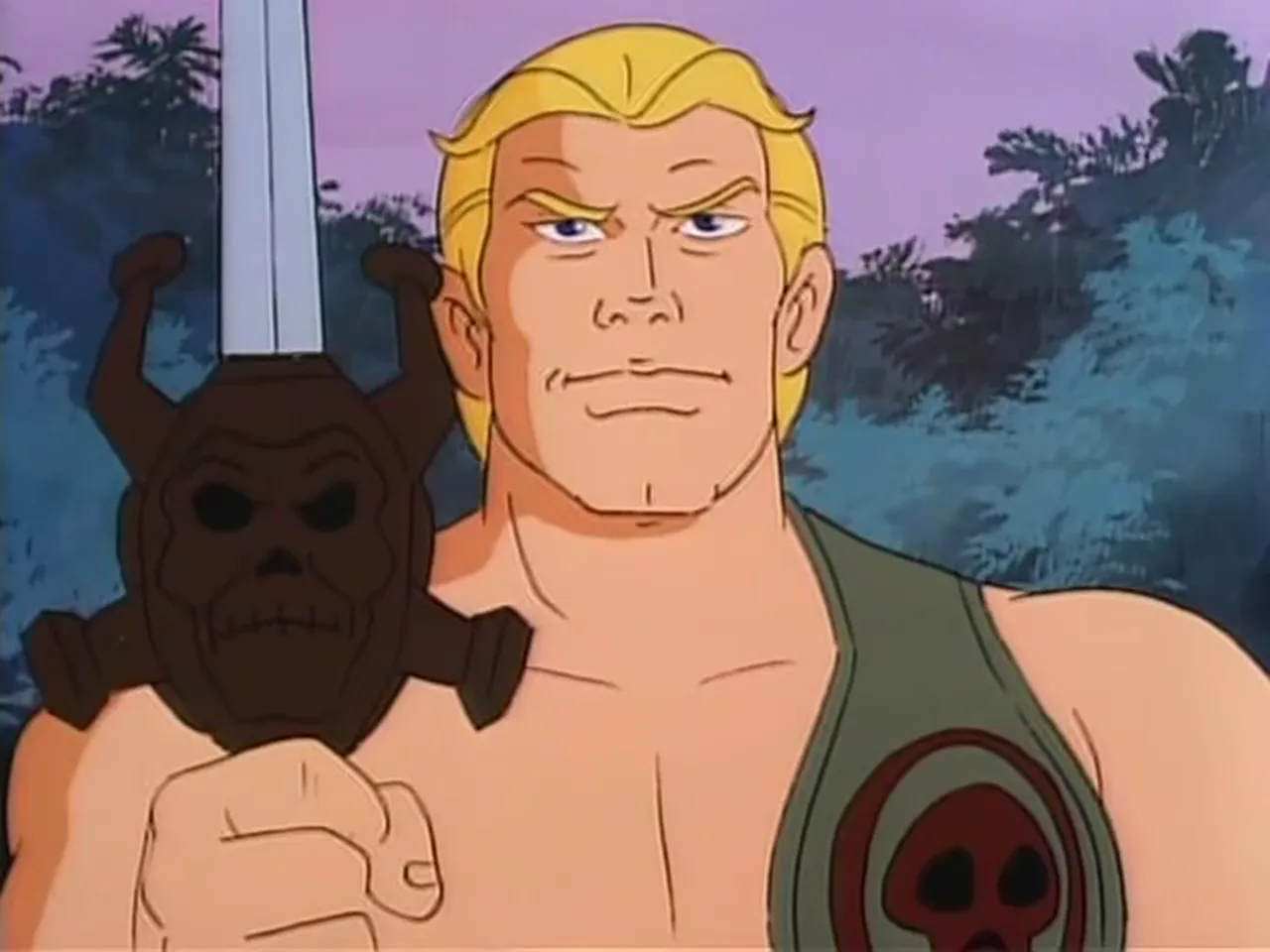
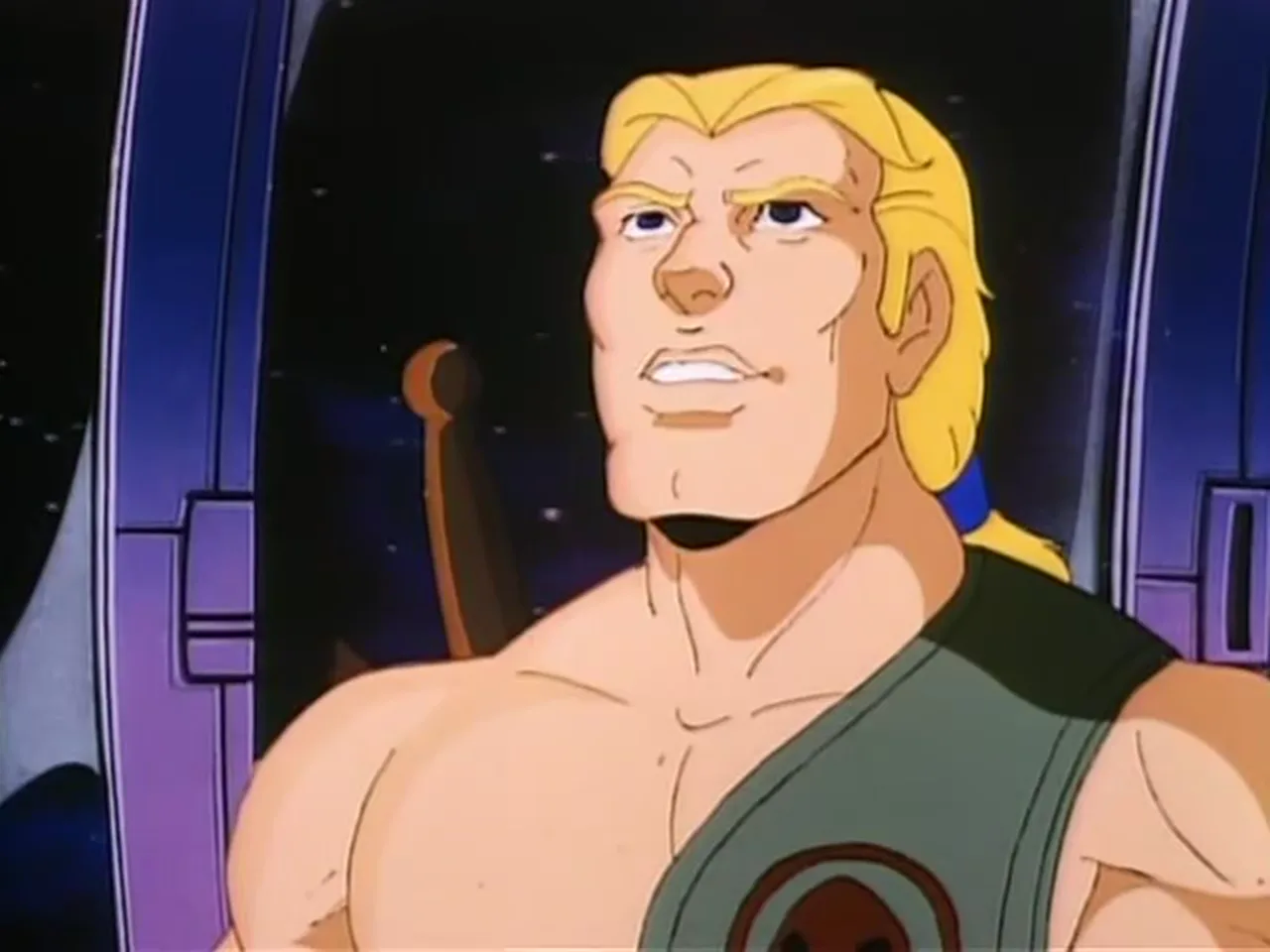
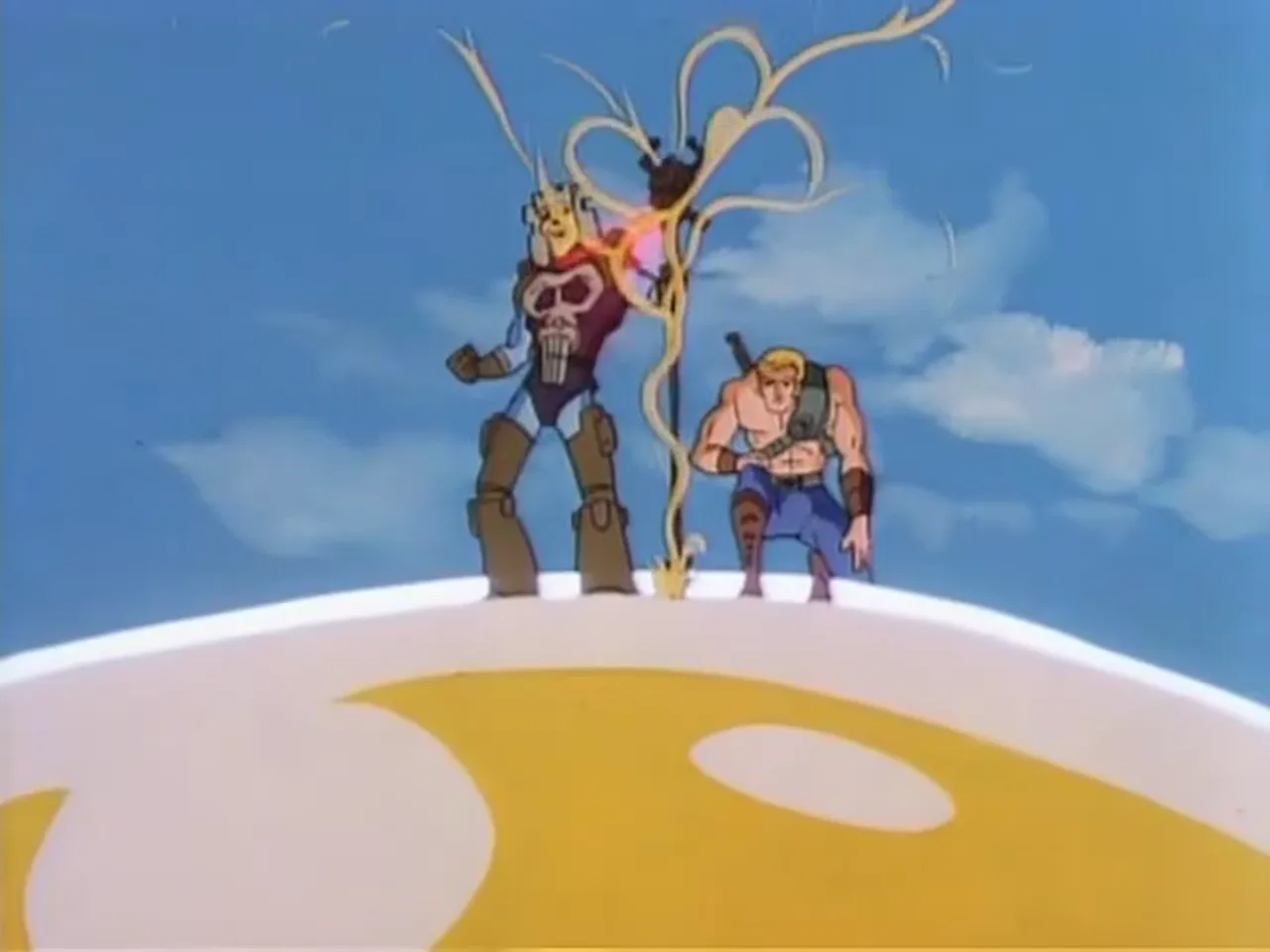
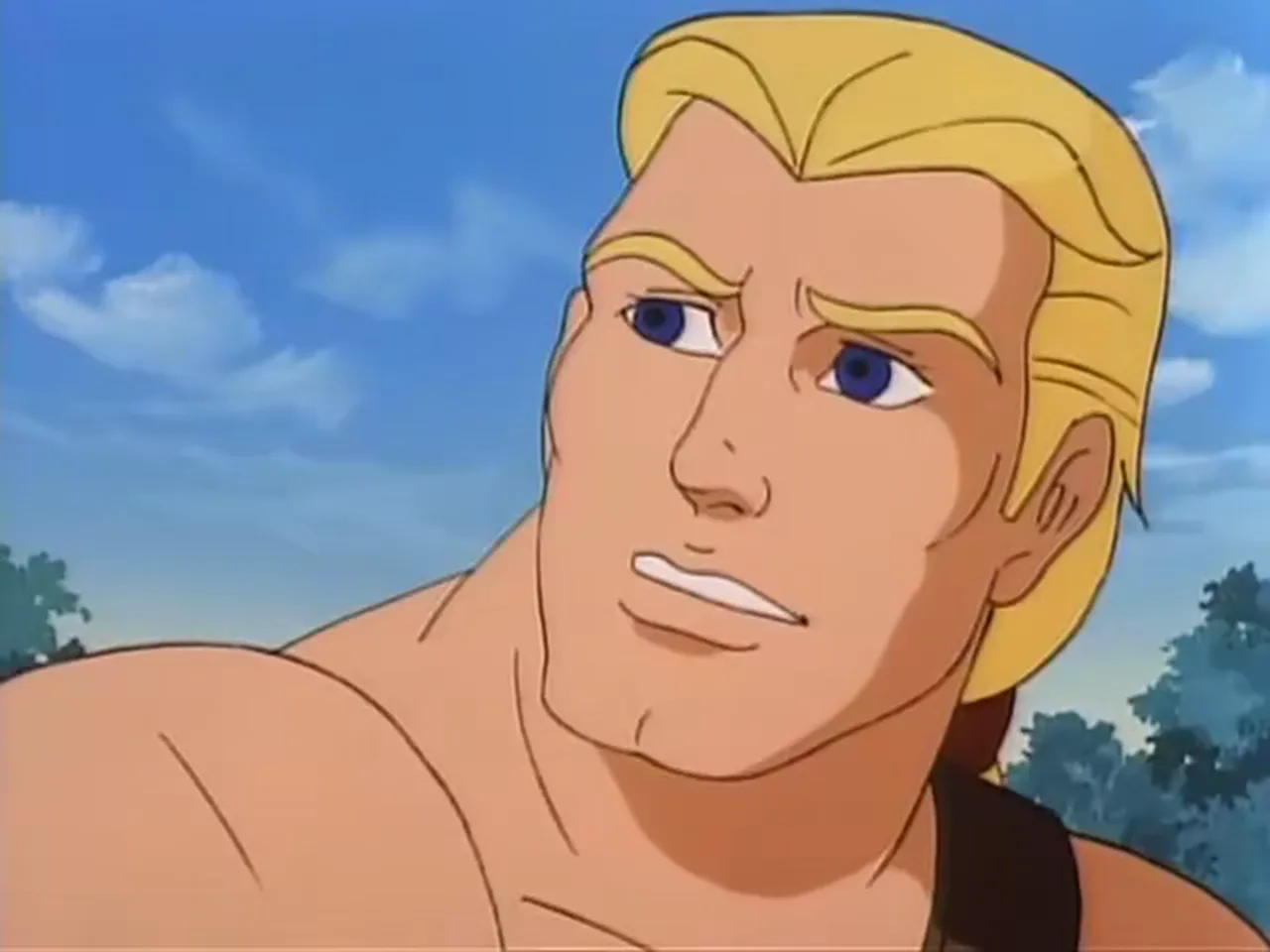
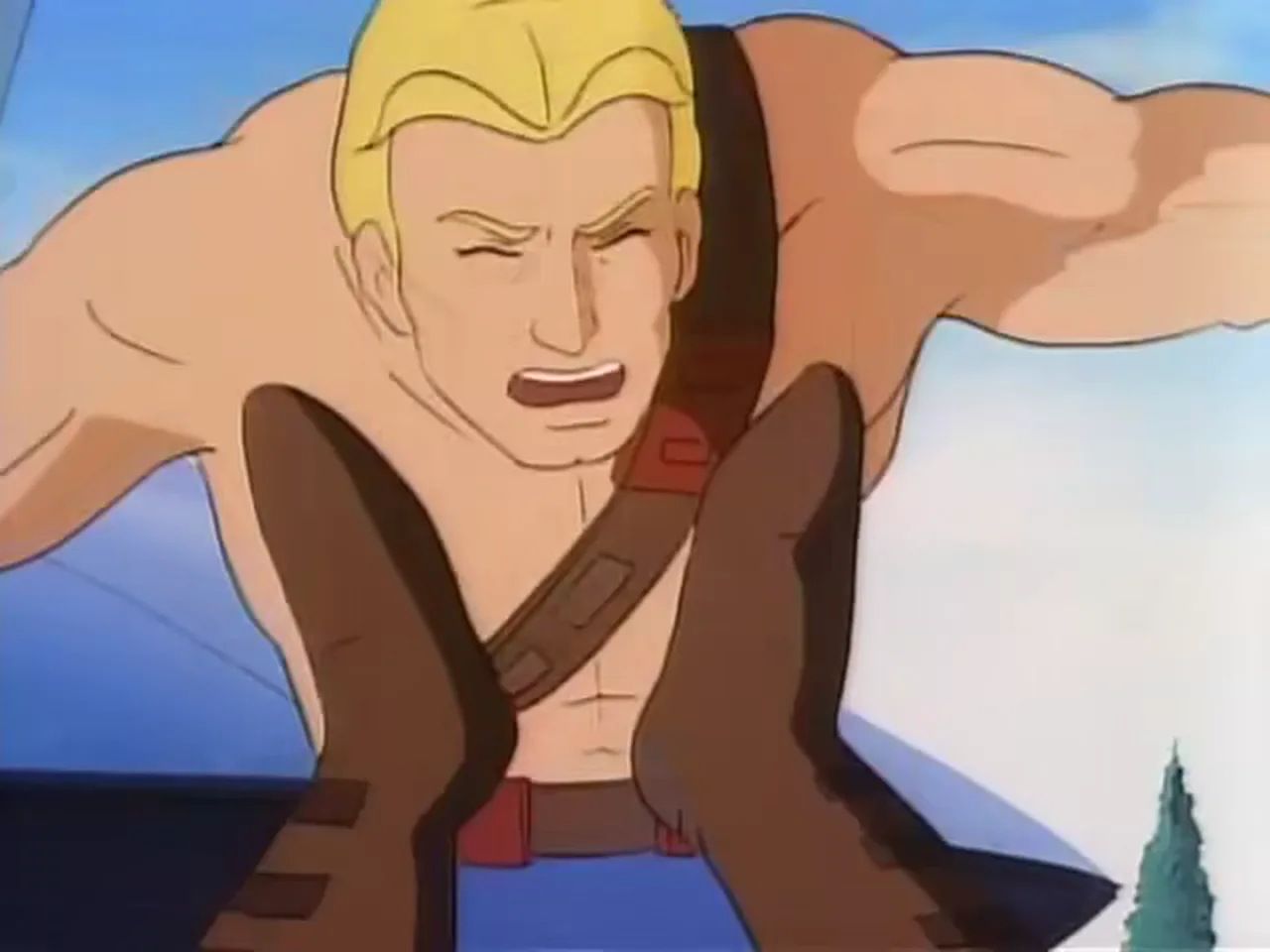
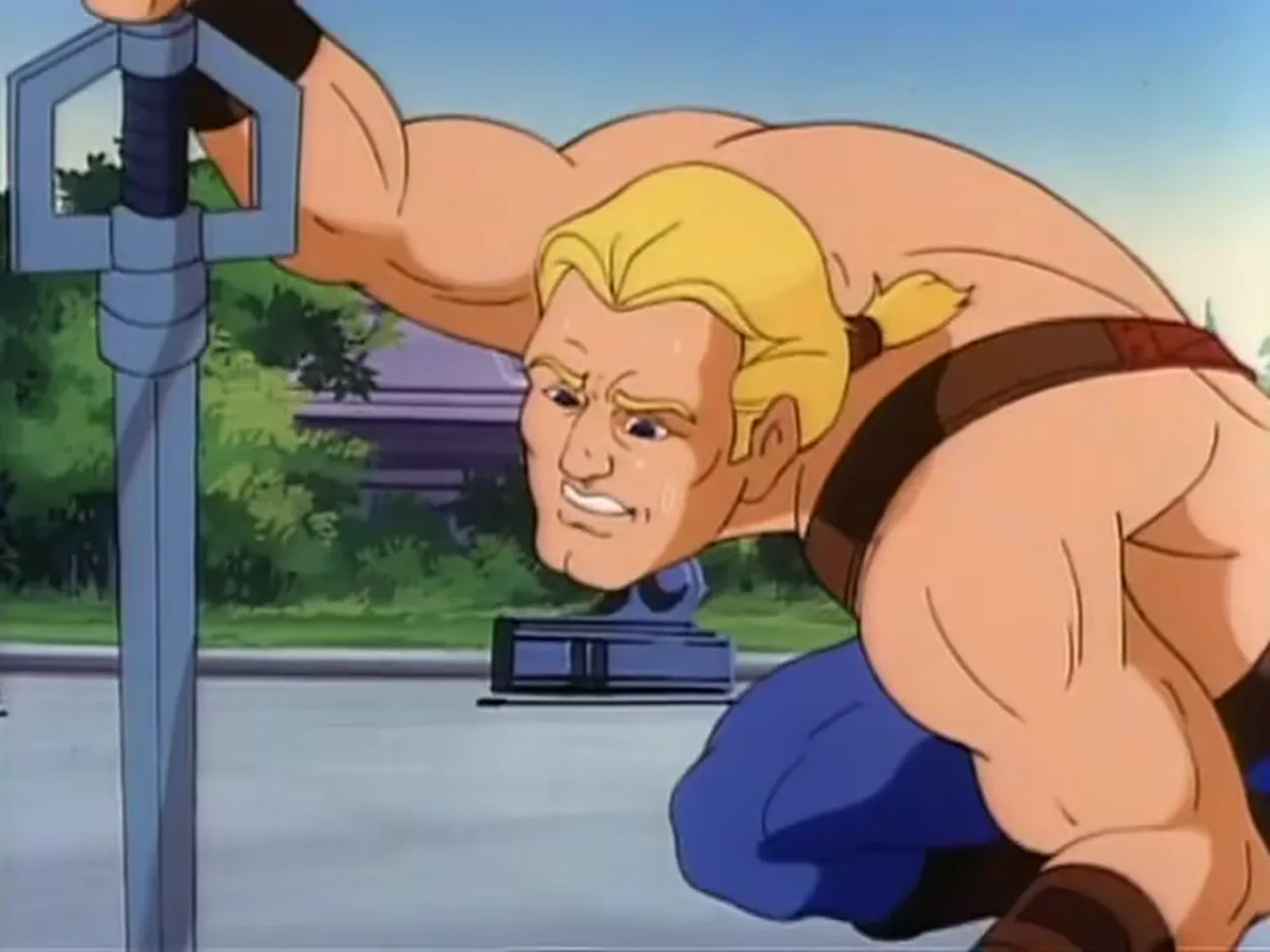
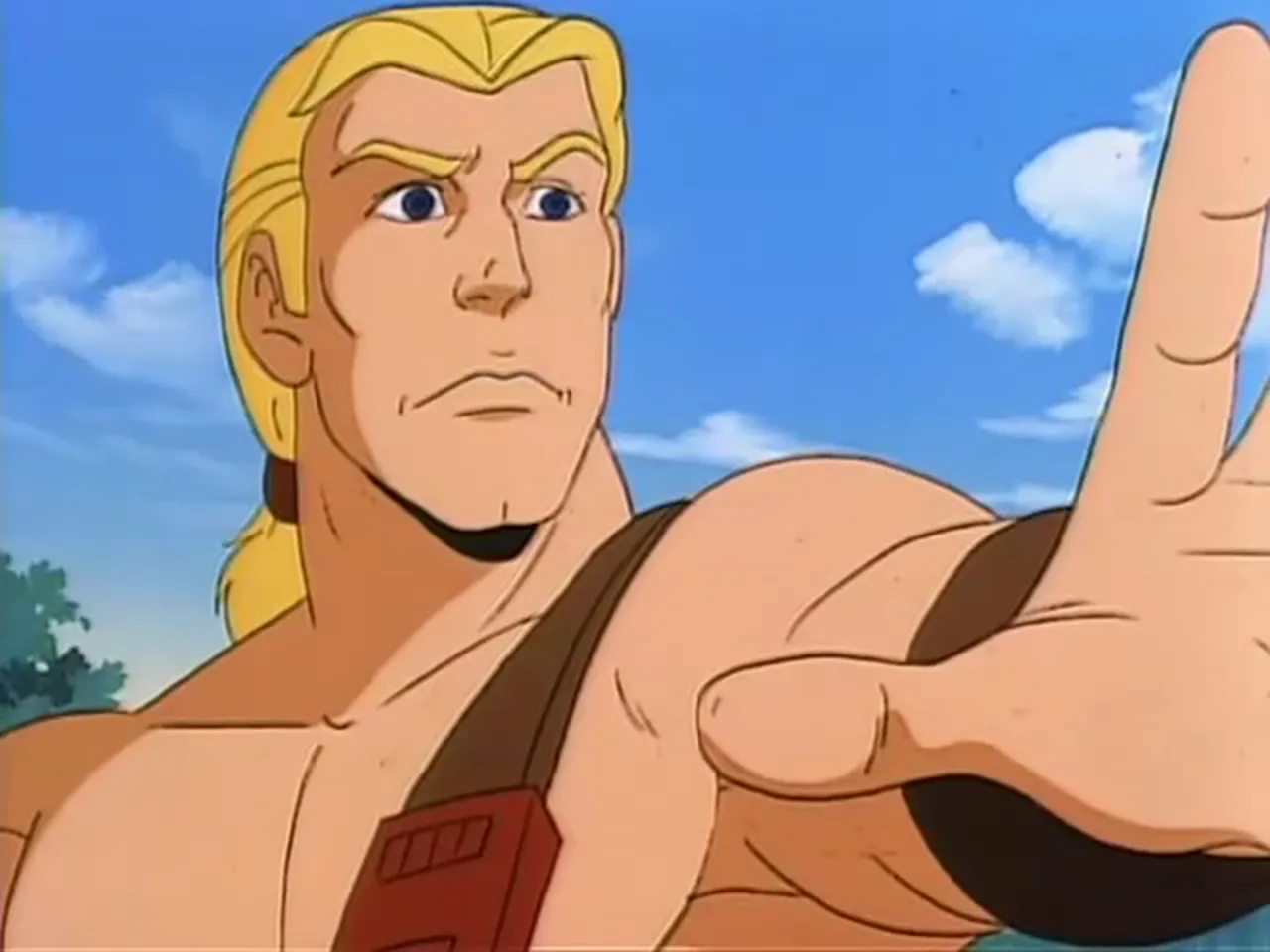
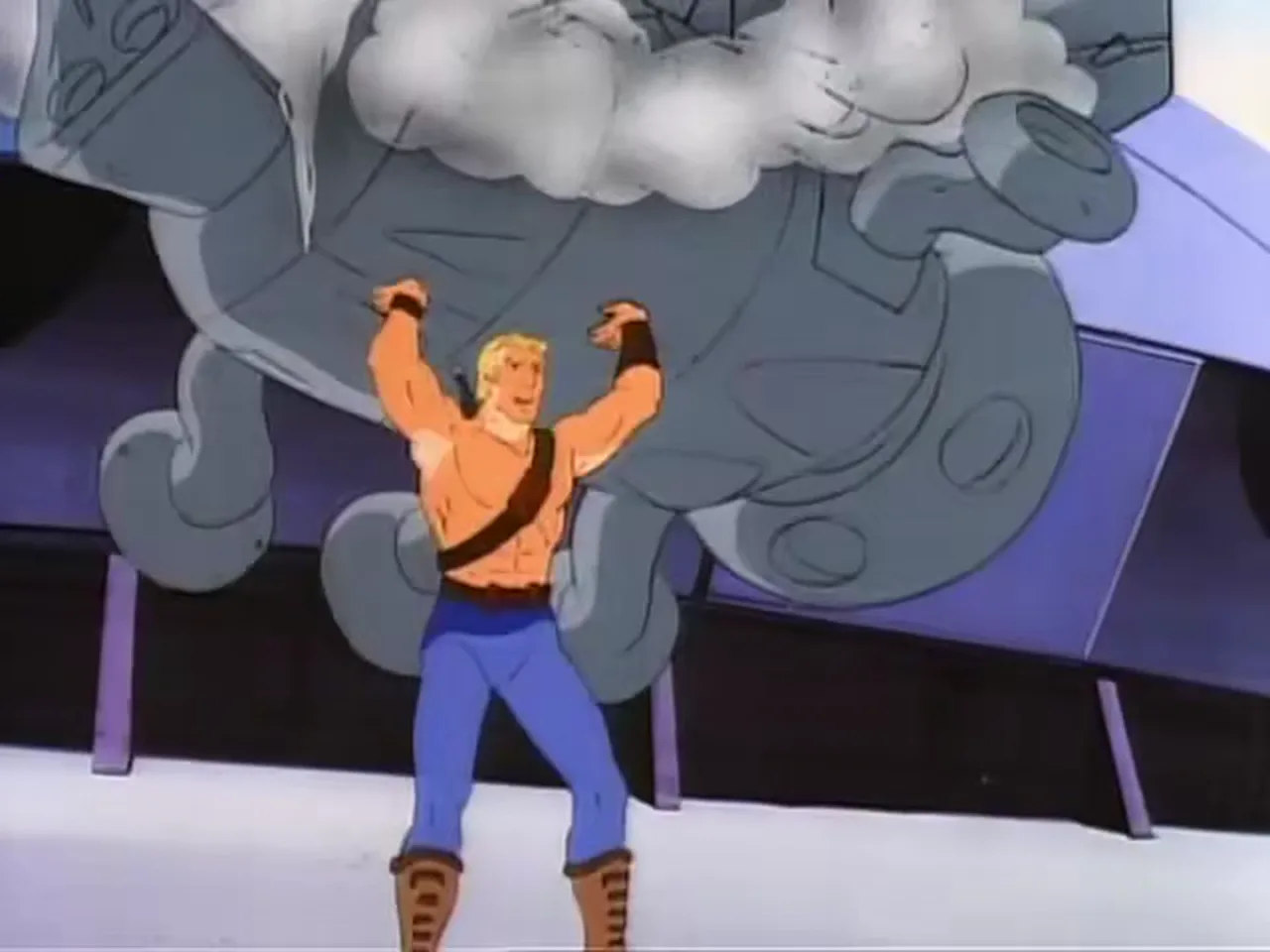
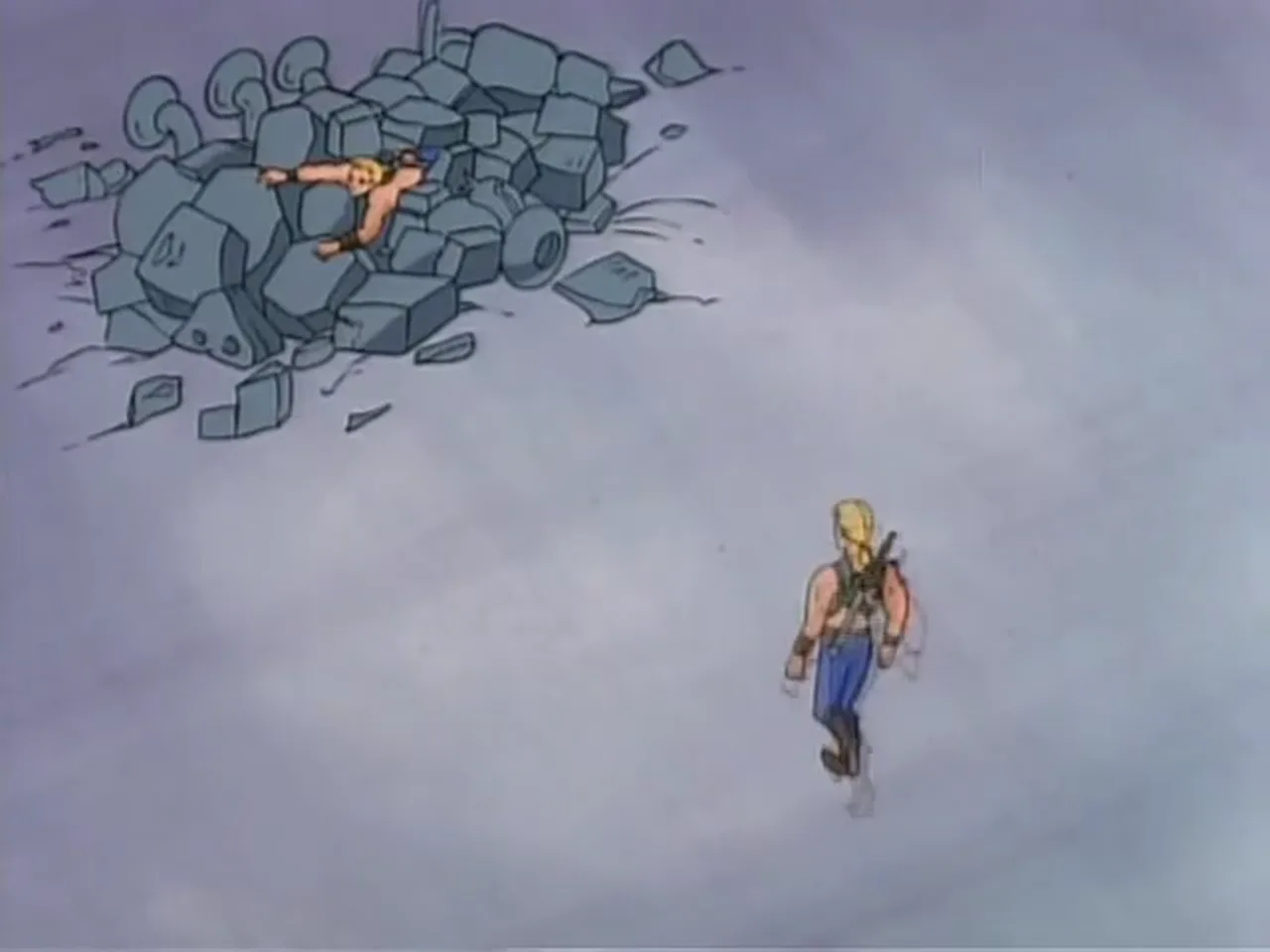
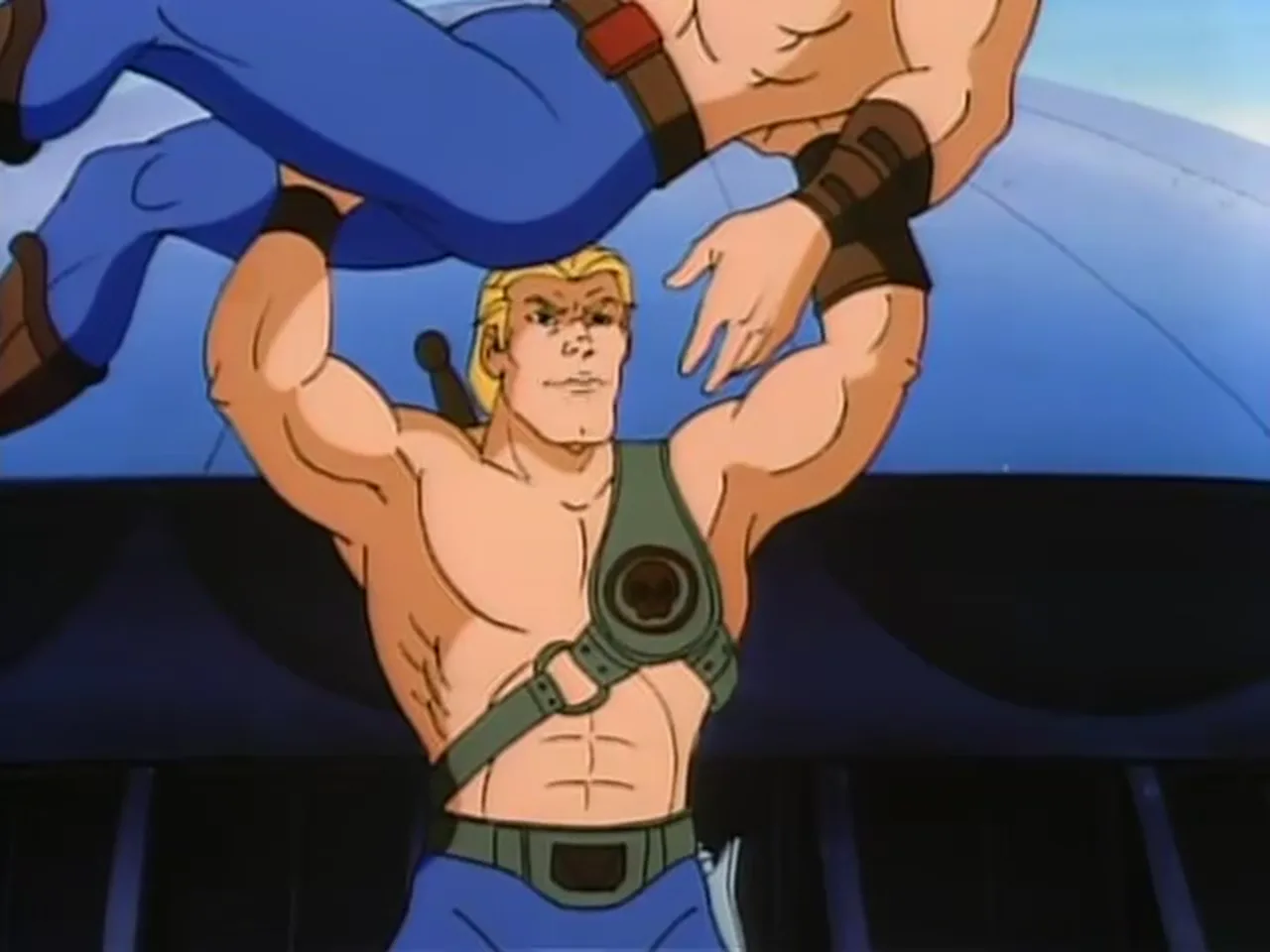
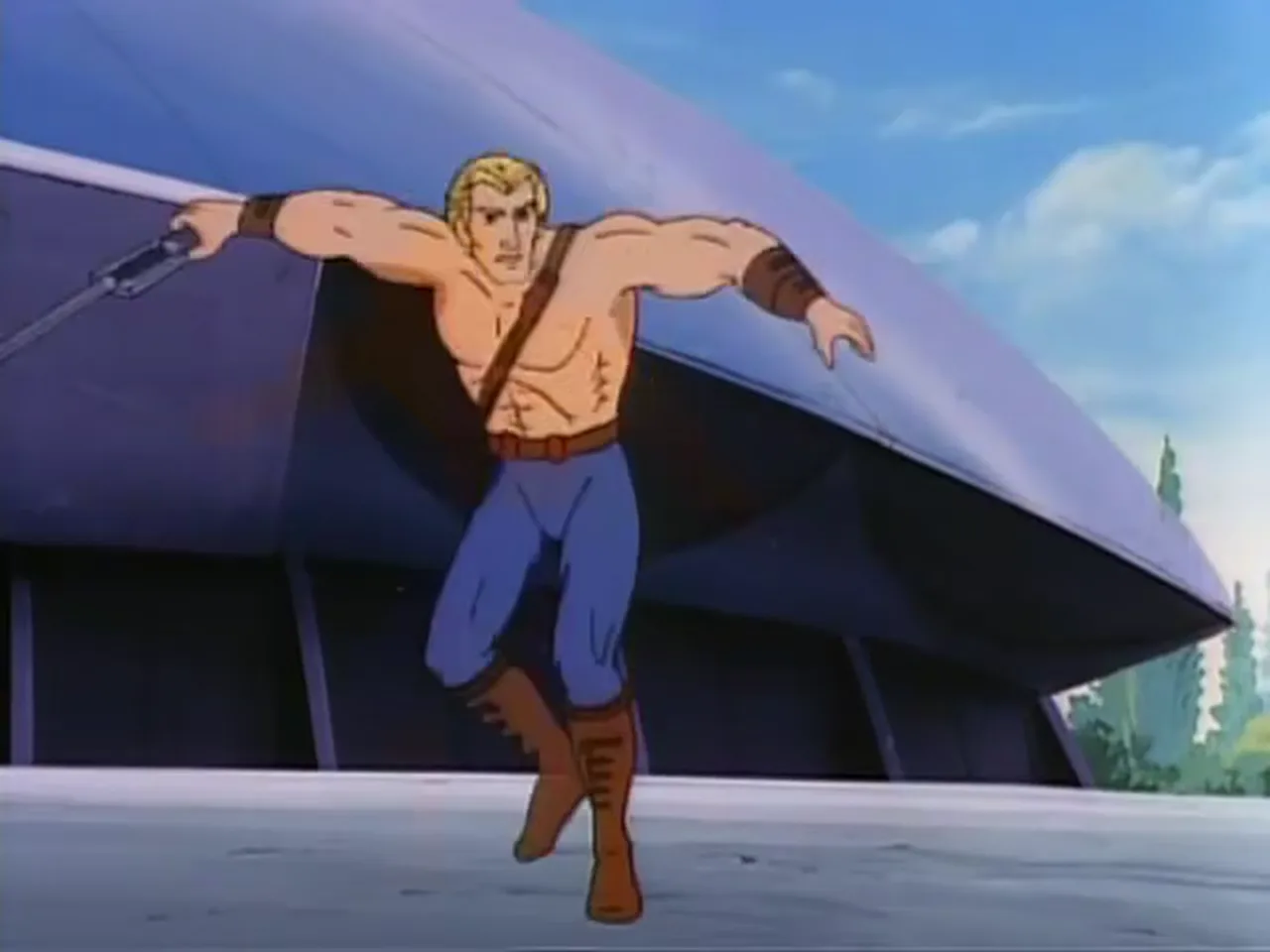
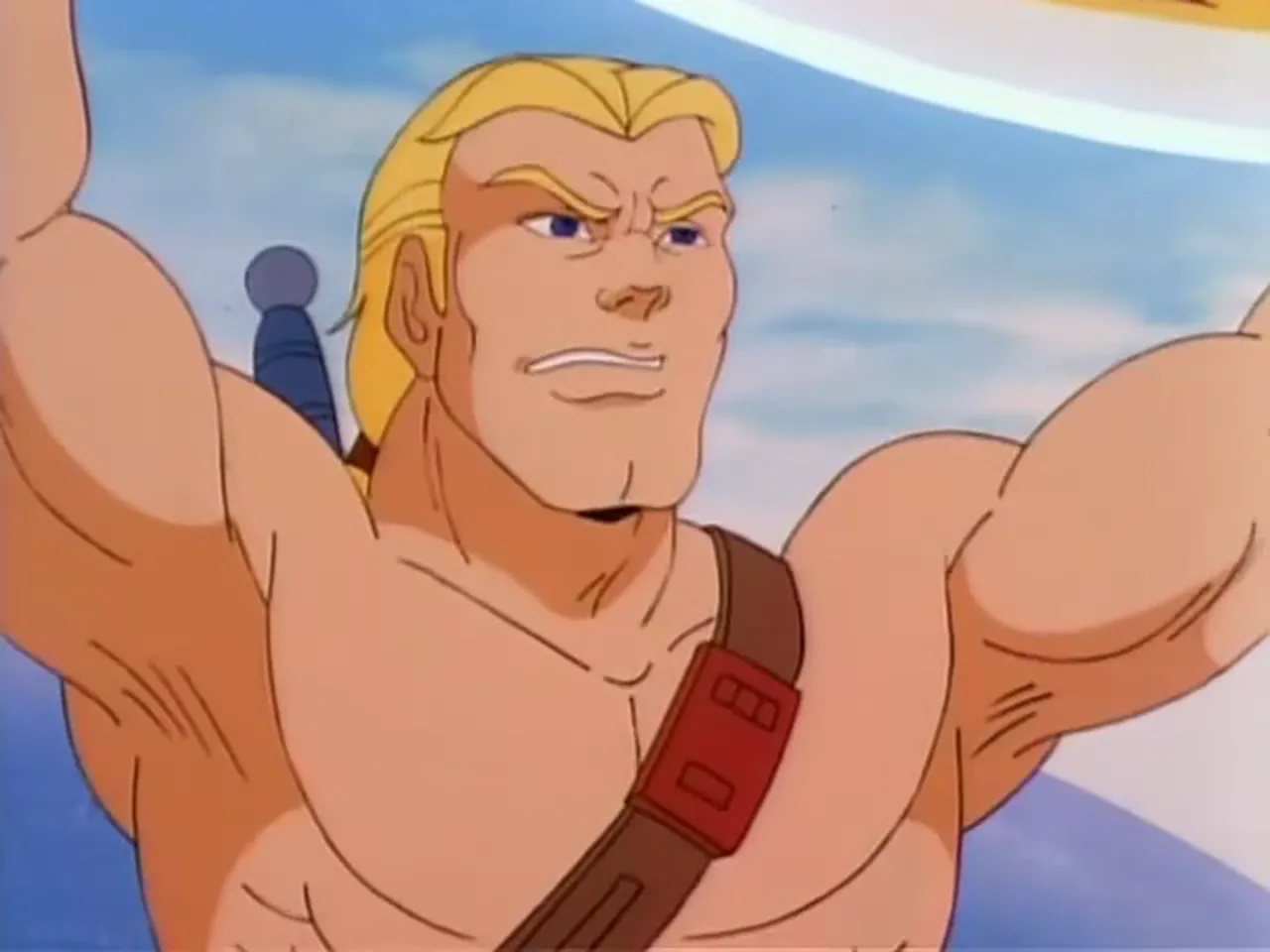
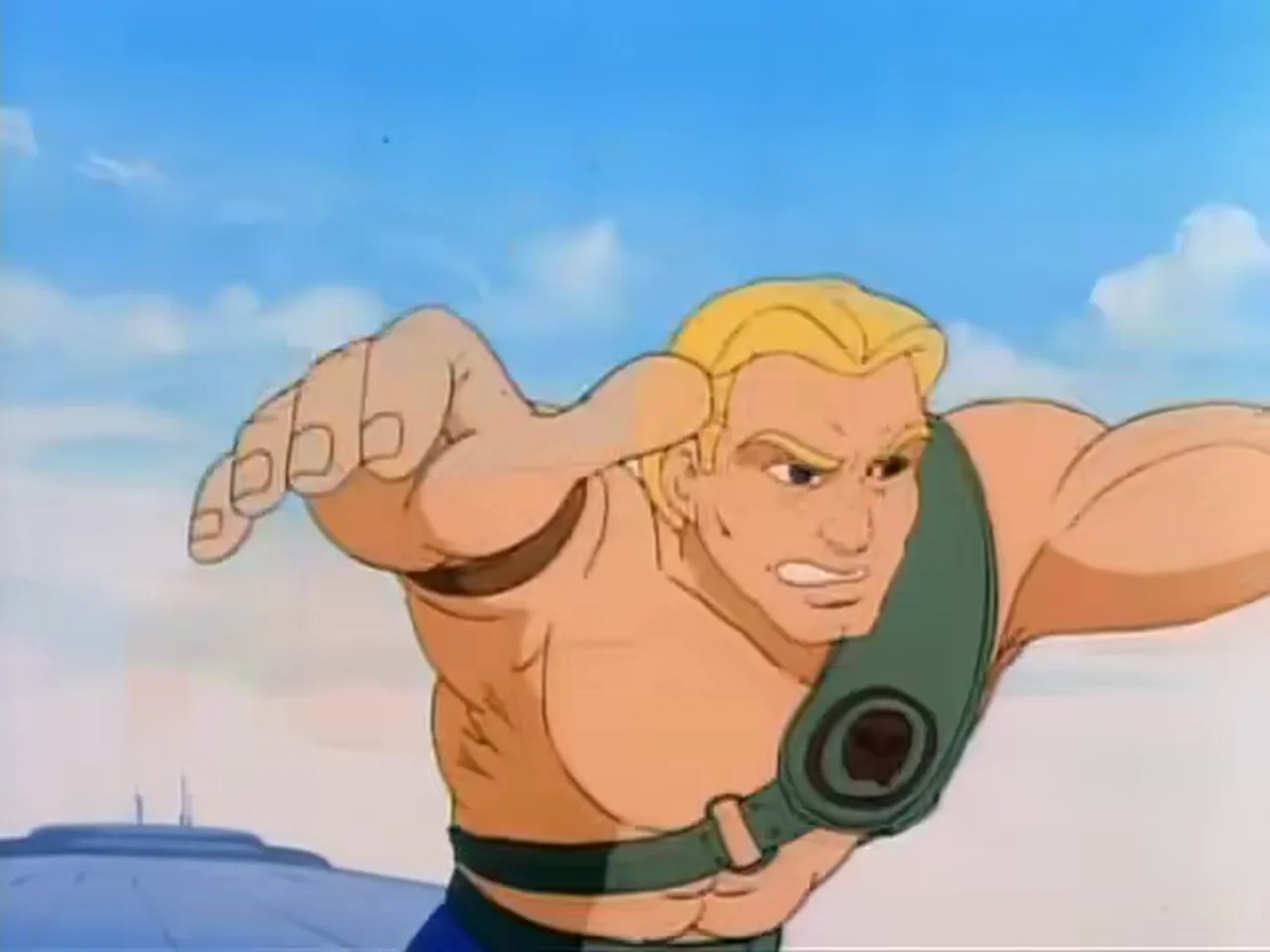
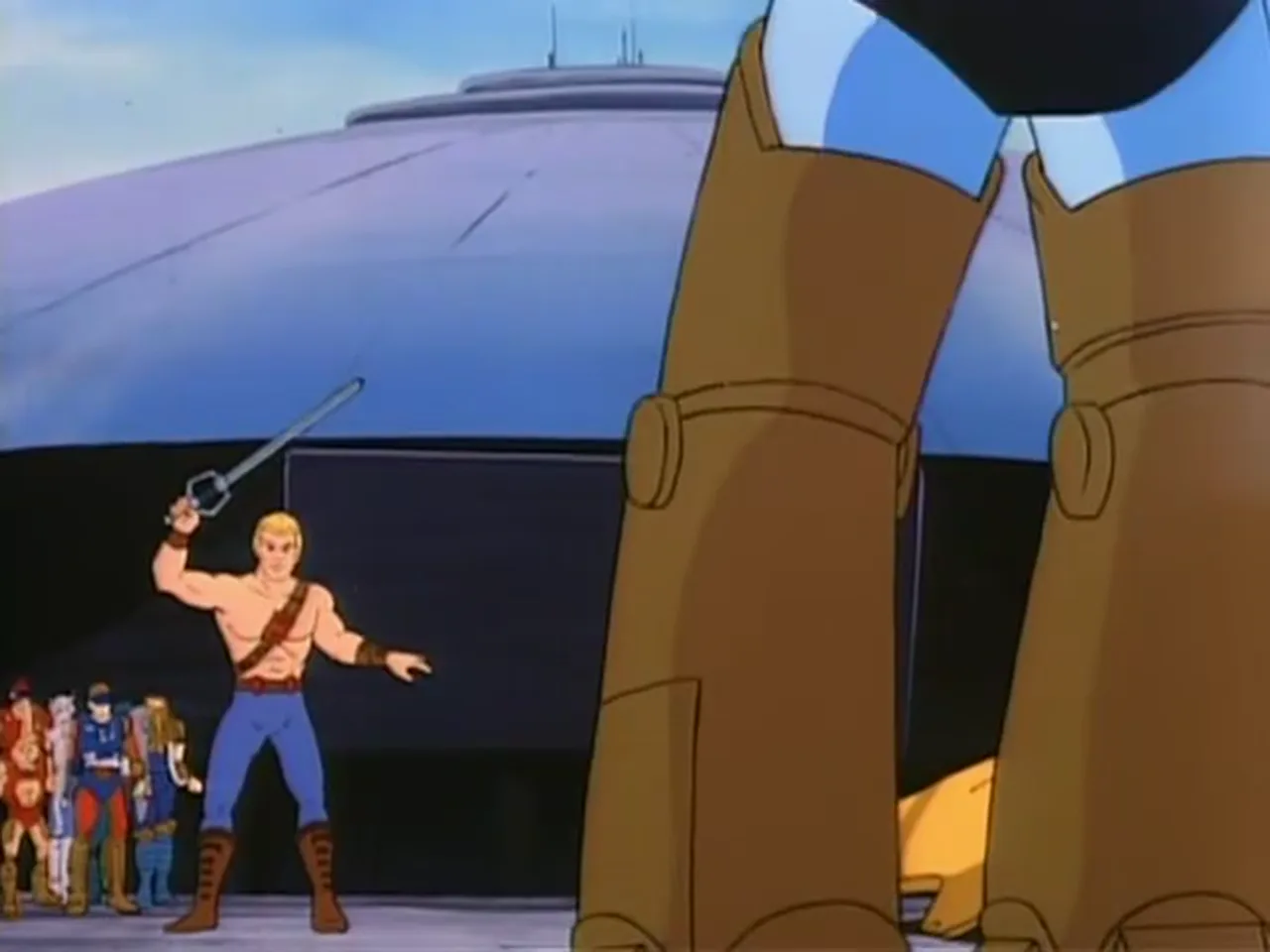
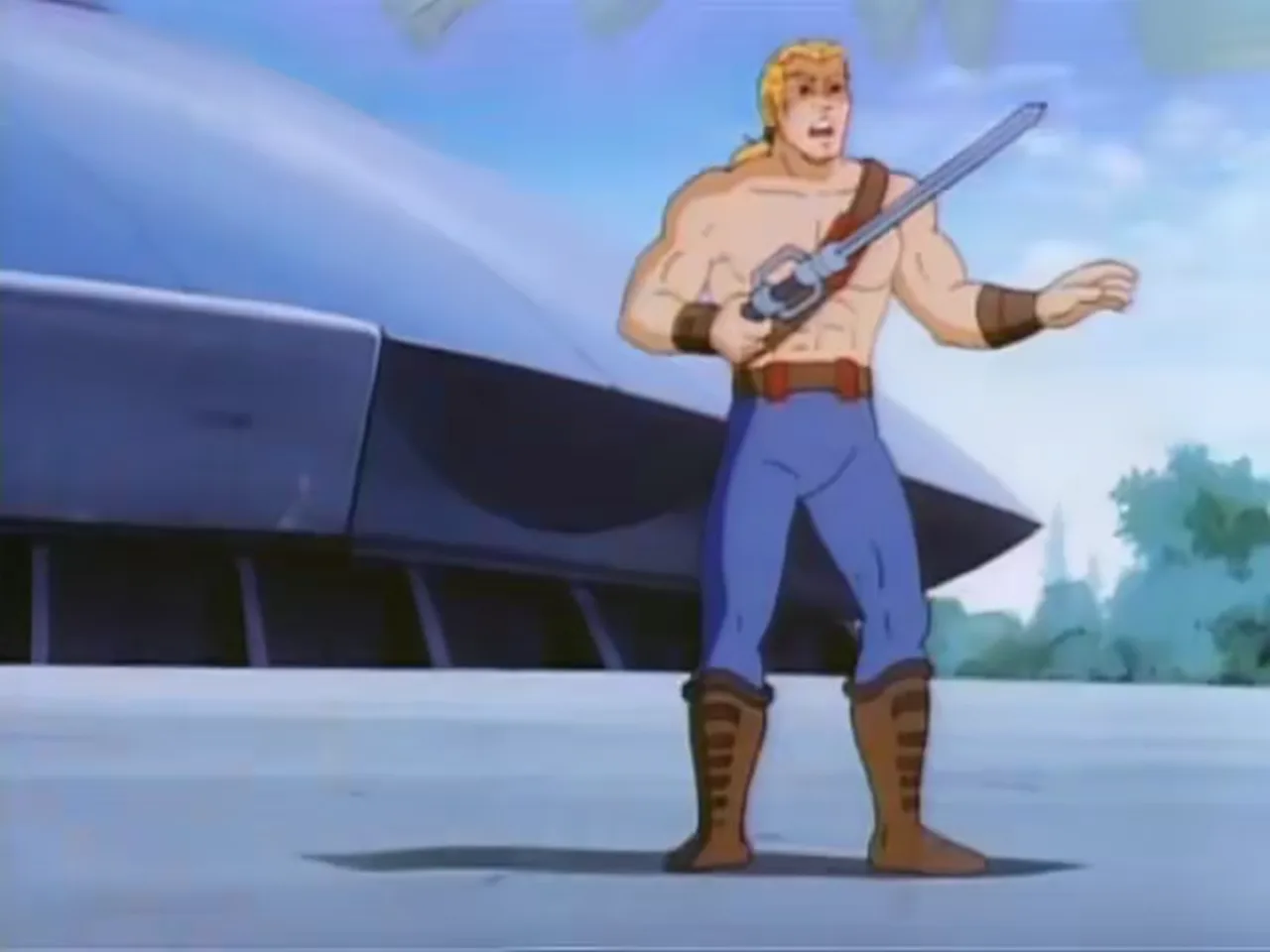
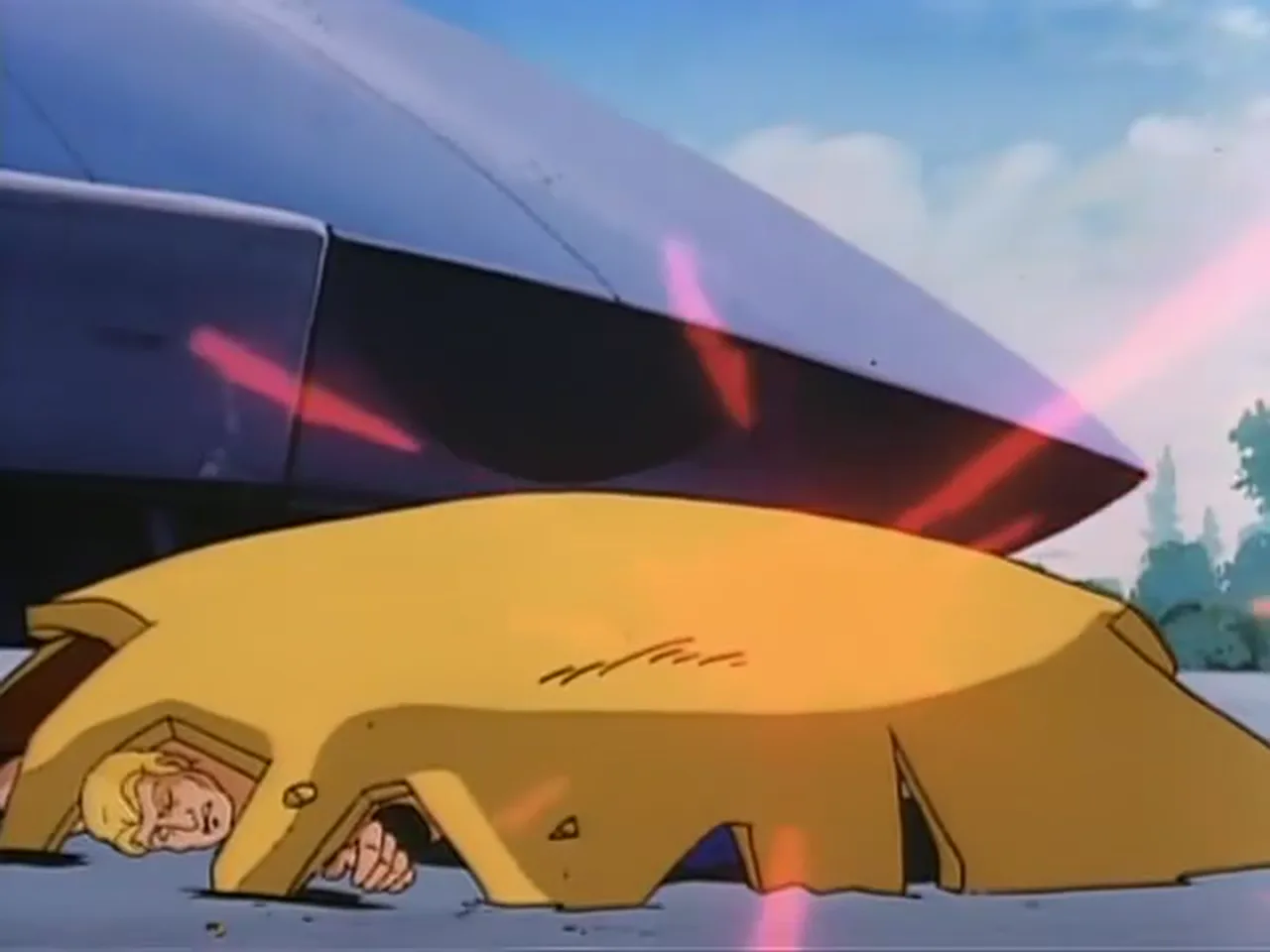
The duel itself is built on a good problem. We hear that it is useless to fight, that the double knows his every move, and He-Man answers that even so he must try, to which the reply is that even he cannot defeat himself. His own worry, spoken aloud, is that the clone can read his mind and knows what he is going to do, and what carries him through is a statement of belief: the line about trusting the power of the good to guide you against evil is spoken, and when the double says he cannot win, he answers wrong, the good cannot lose.
The weakness is that the dialogue offers a principle where we might have wanted a method. We hear that the copy knows everything and that the original wins by believing, but no character explains what He-Man does differently, and belief has to stand in for the argument. A slot shared with a toy line leaves little room for more, and the idea is clear enough to survive it.
Verdict: a tidy, confident episode that belongs in the upper half of the run for its central notion, even if it asks the audience to take the last step on faith. It leaves us with a villain who could copy a hero down to the last move and still could not copy what the hero is for.
- Homage: The He-Man wiki notes that He-Slave is similar in concept to Faker, the evil copy of He-Man from the classic cartoon.
- Continuity: According to the He-Man wiki, this is one of the few episodes in which Skeletor appears but Flogg does not.
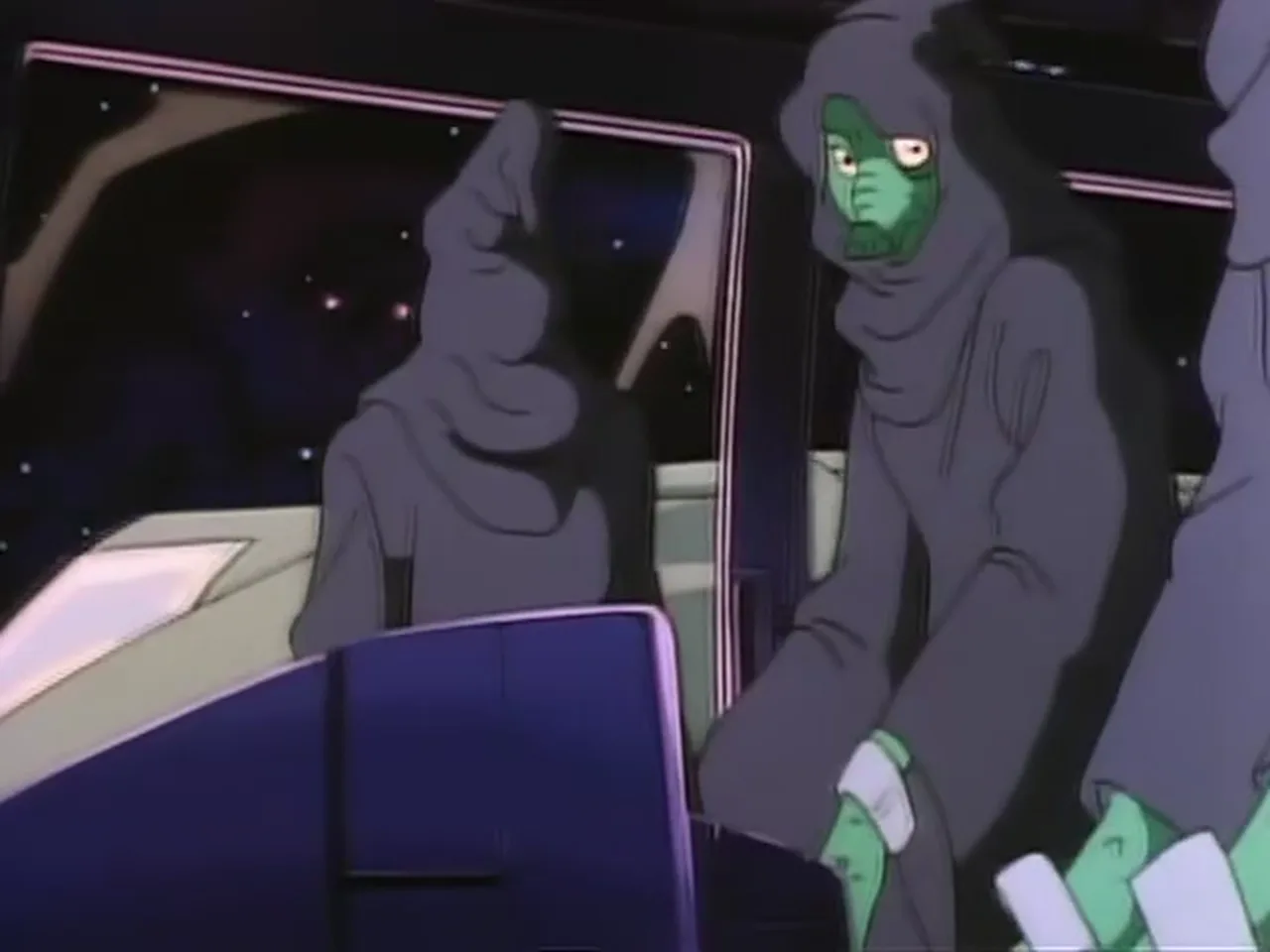
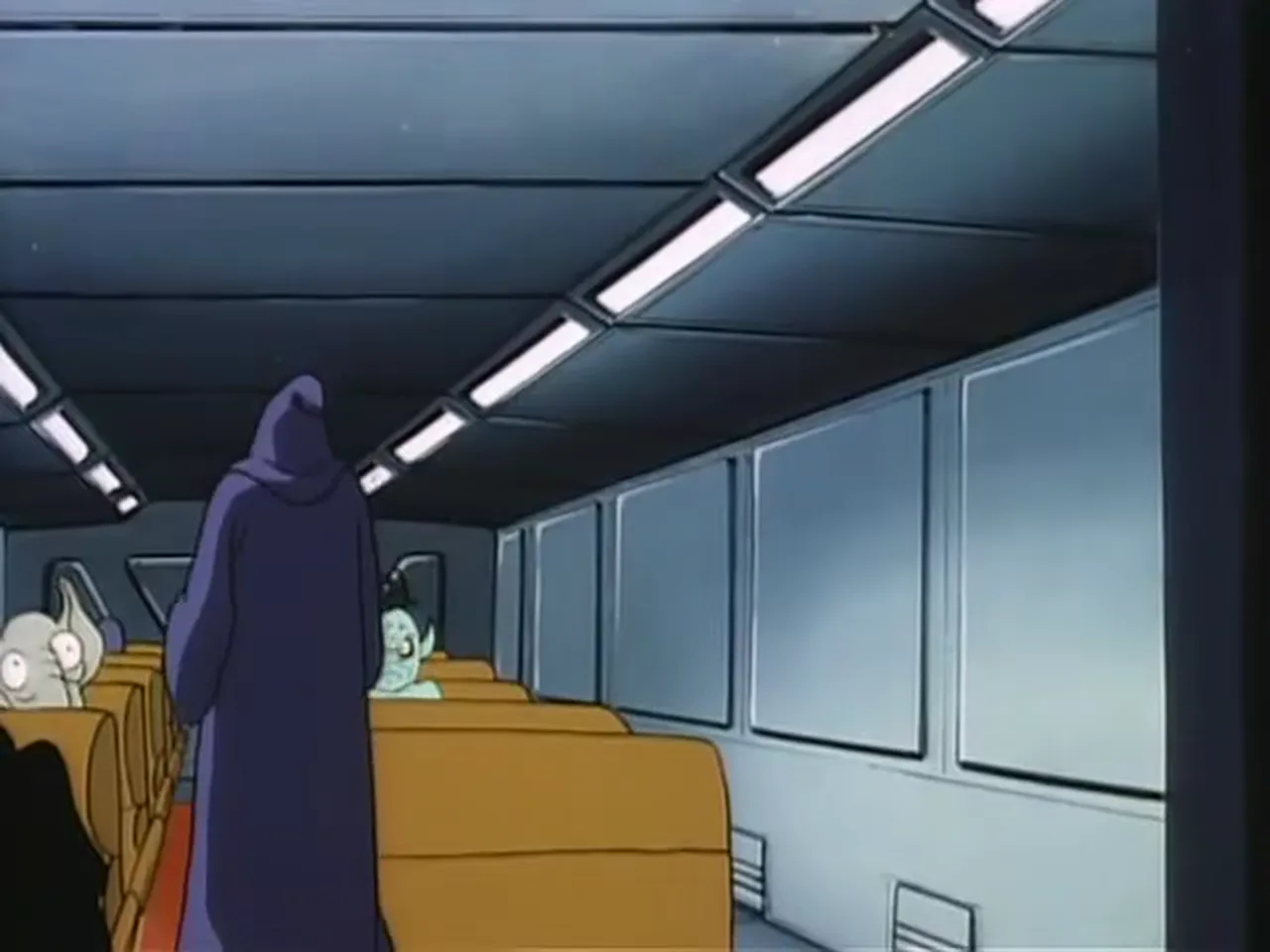
- Homage: The He-Man wiki says Skeletor's cloaked disguise on the passenger ship resembles his classic appearance.
- Voice cast: Garry Chalk voices He-Man, He-Slave and Alcon in this episode, per the He-Man wiki cast list.
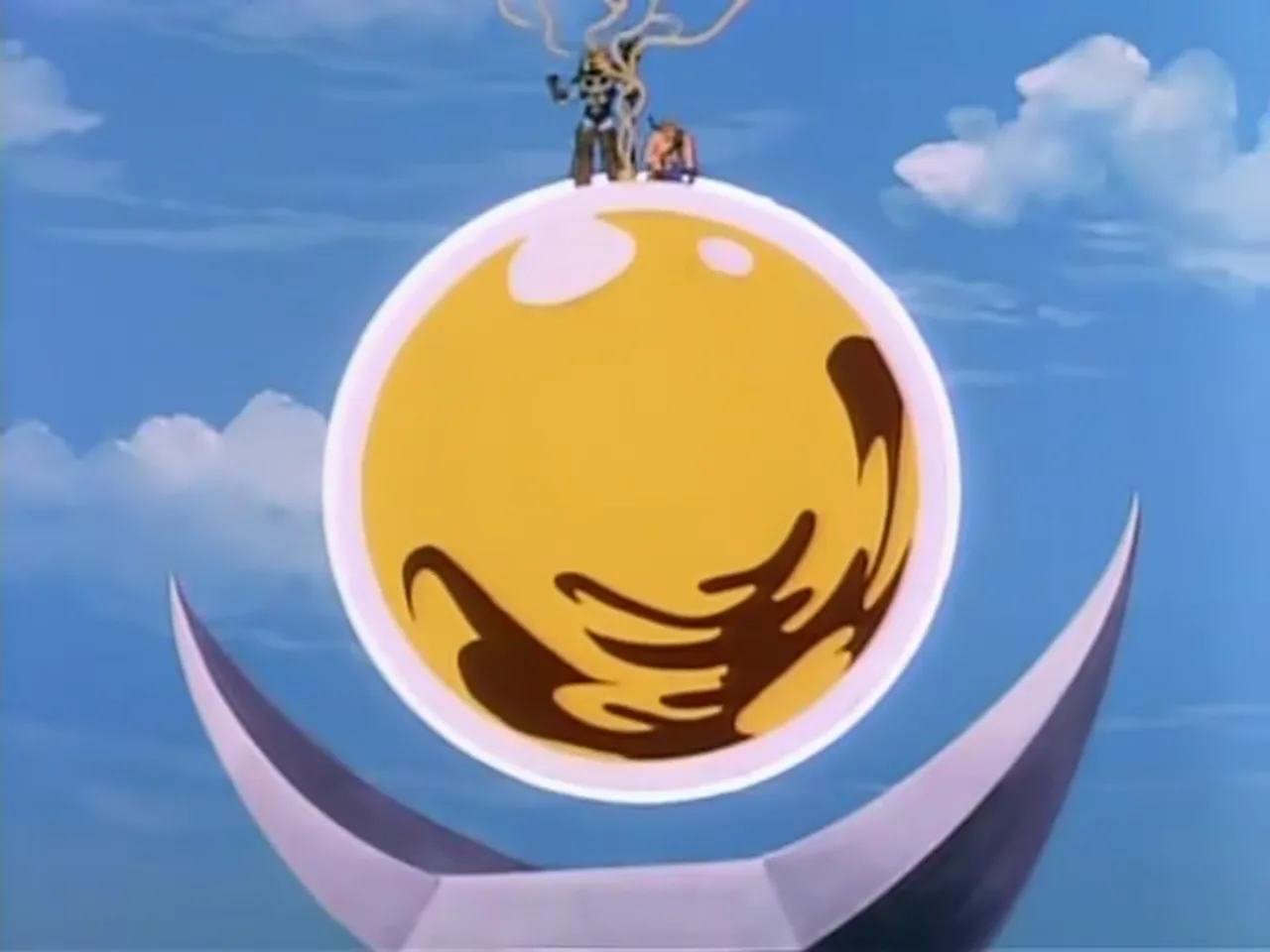
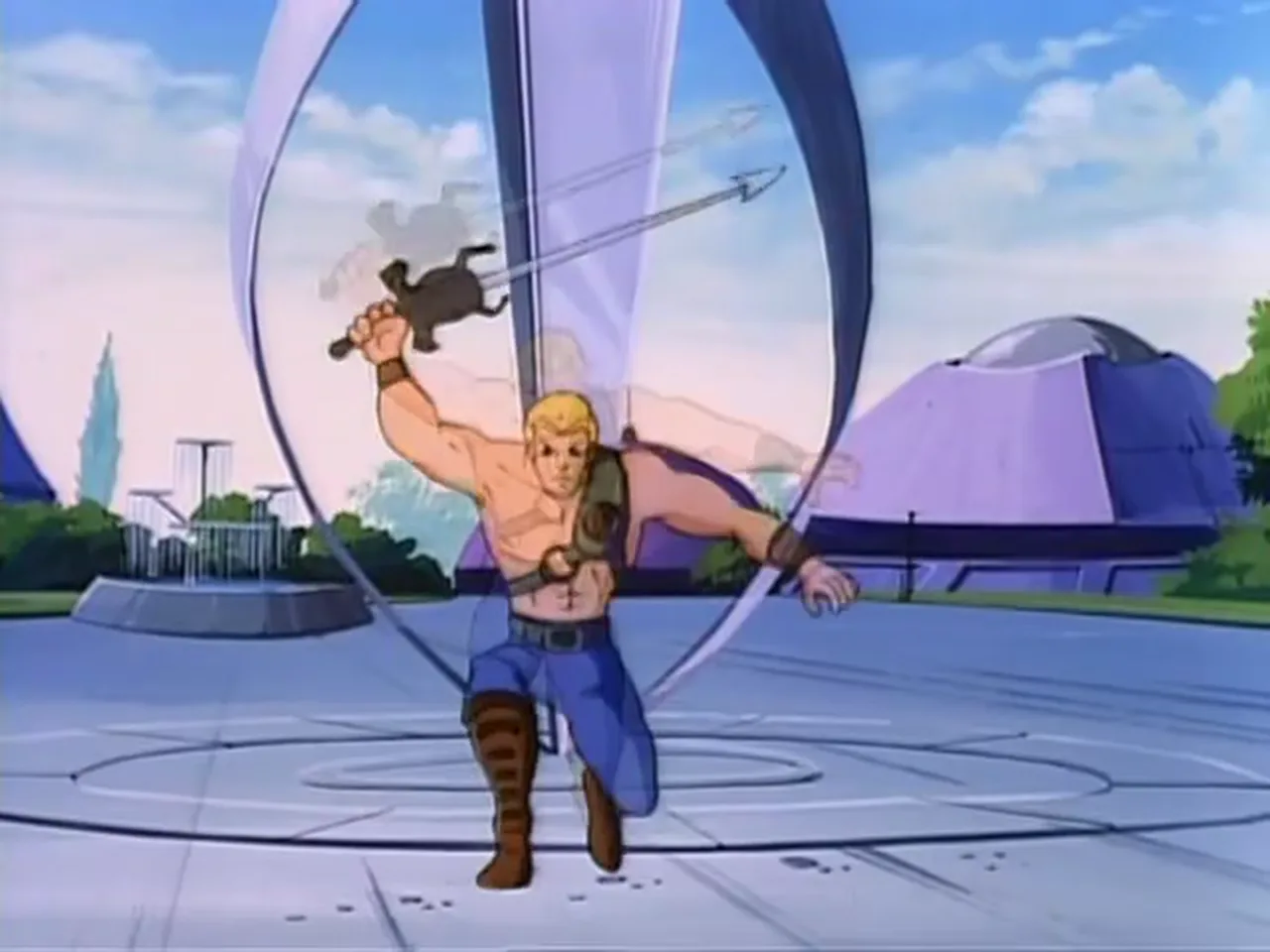
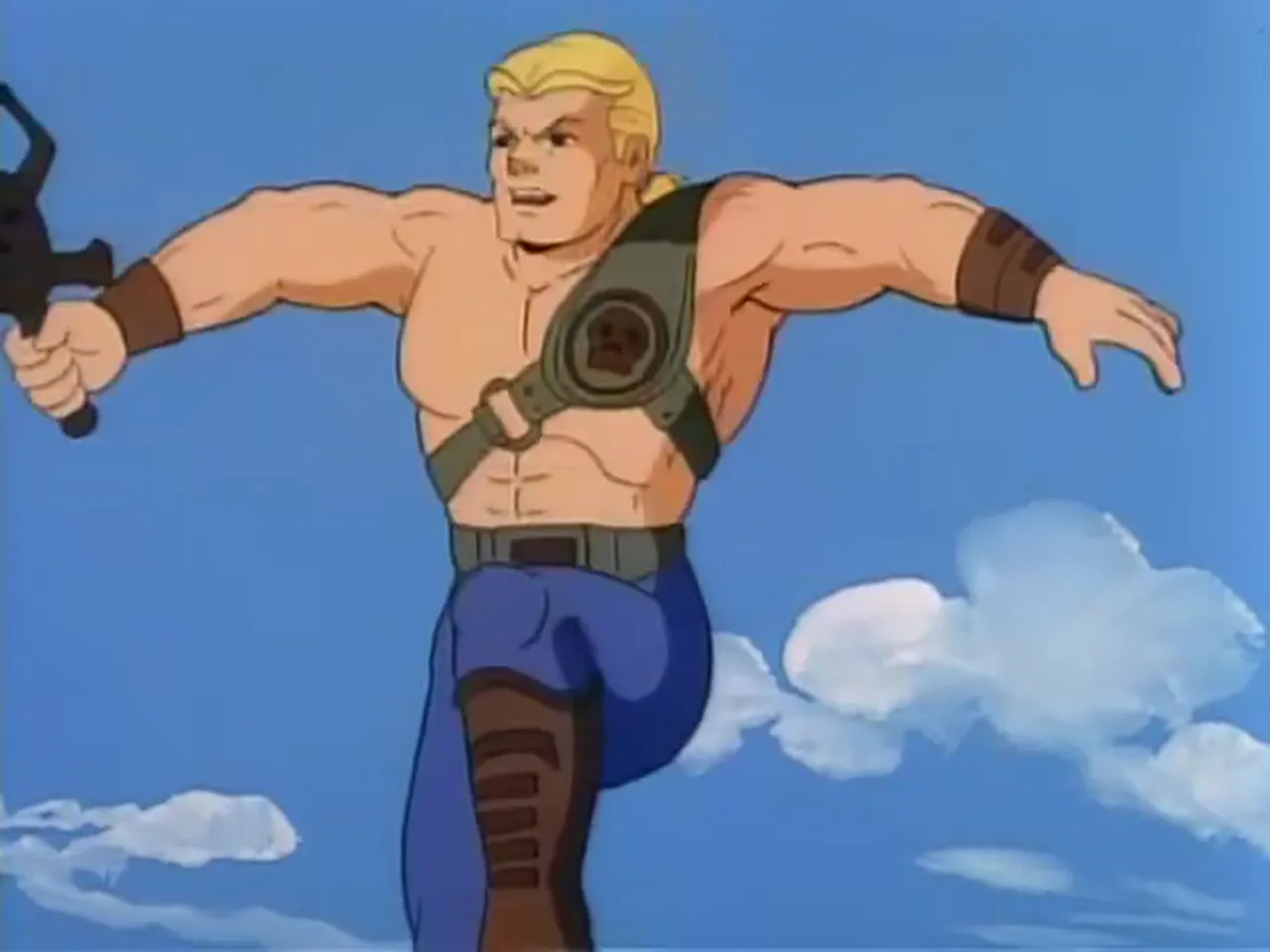
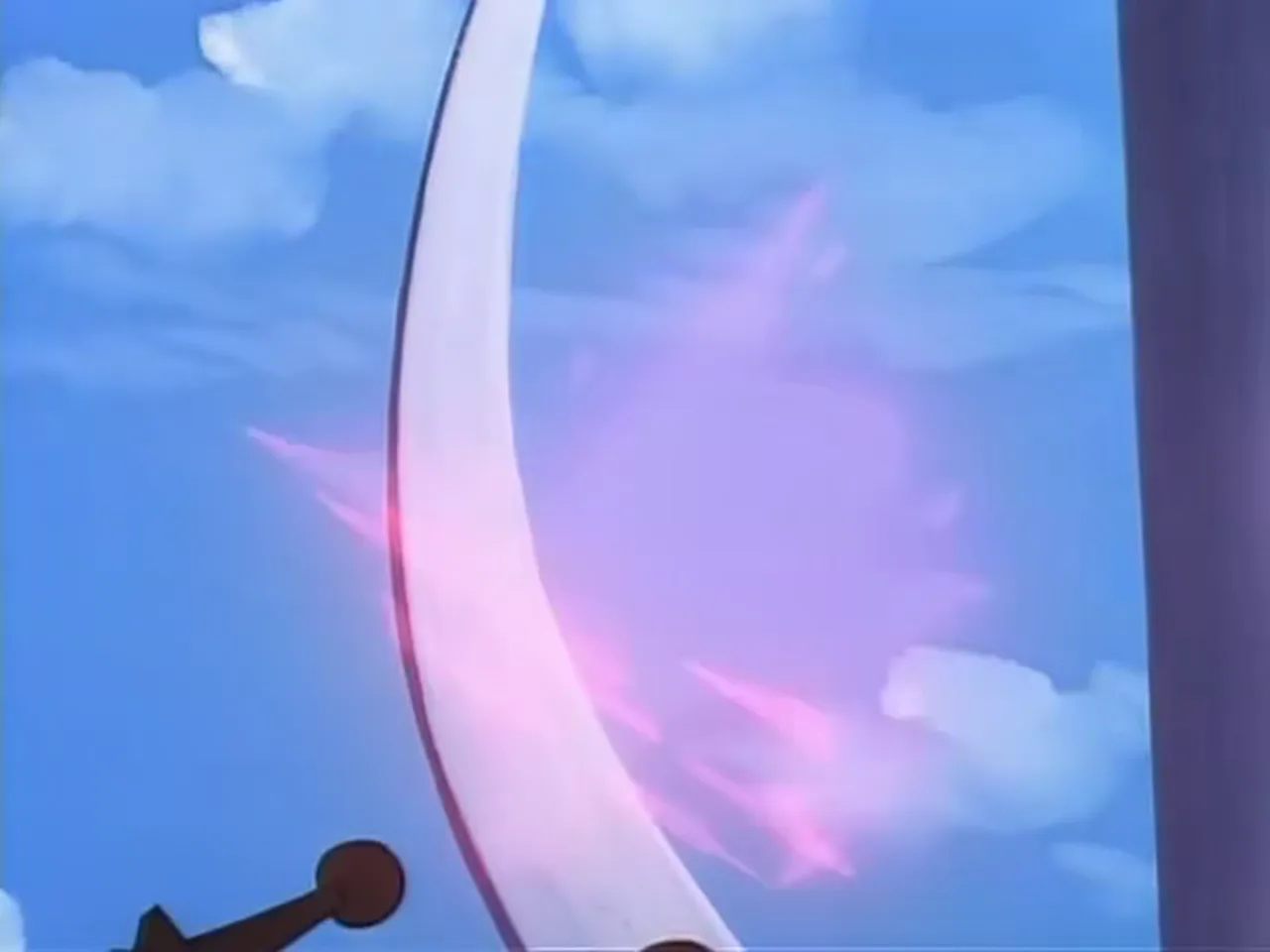
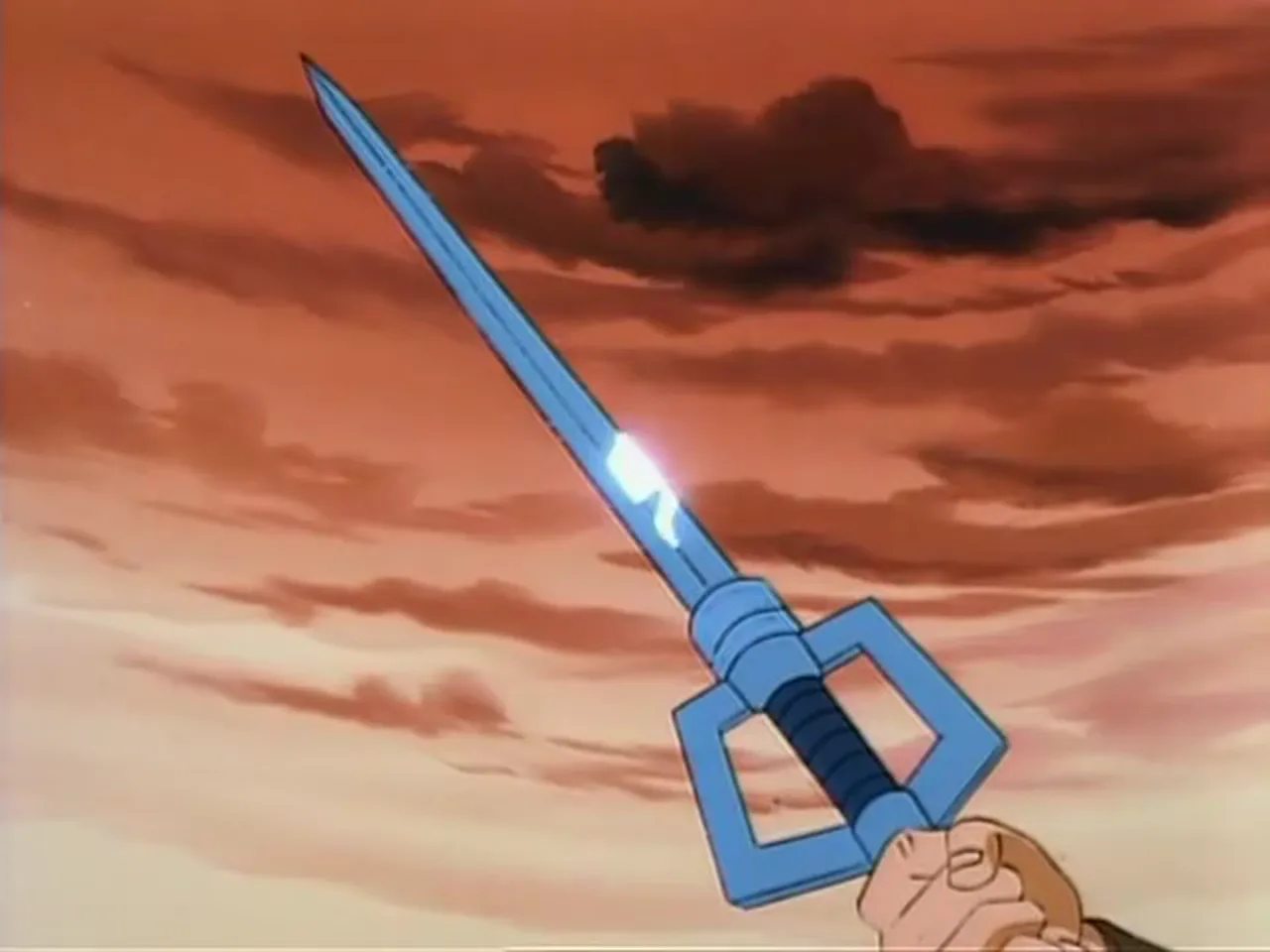
- Edit history: The He-Man wiki's errors list says the clouds behind He-Man stay the same when the shot cuts to him holding his sword aloft after the line about the power of the good not being defeated.
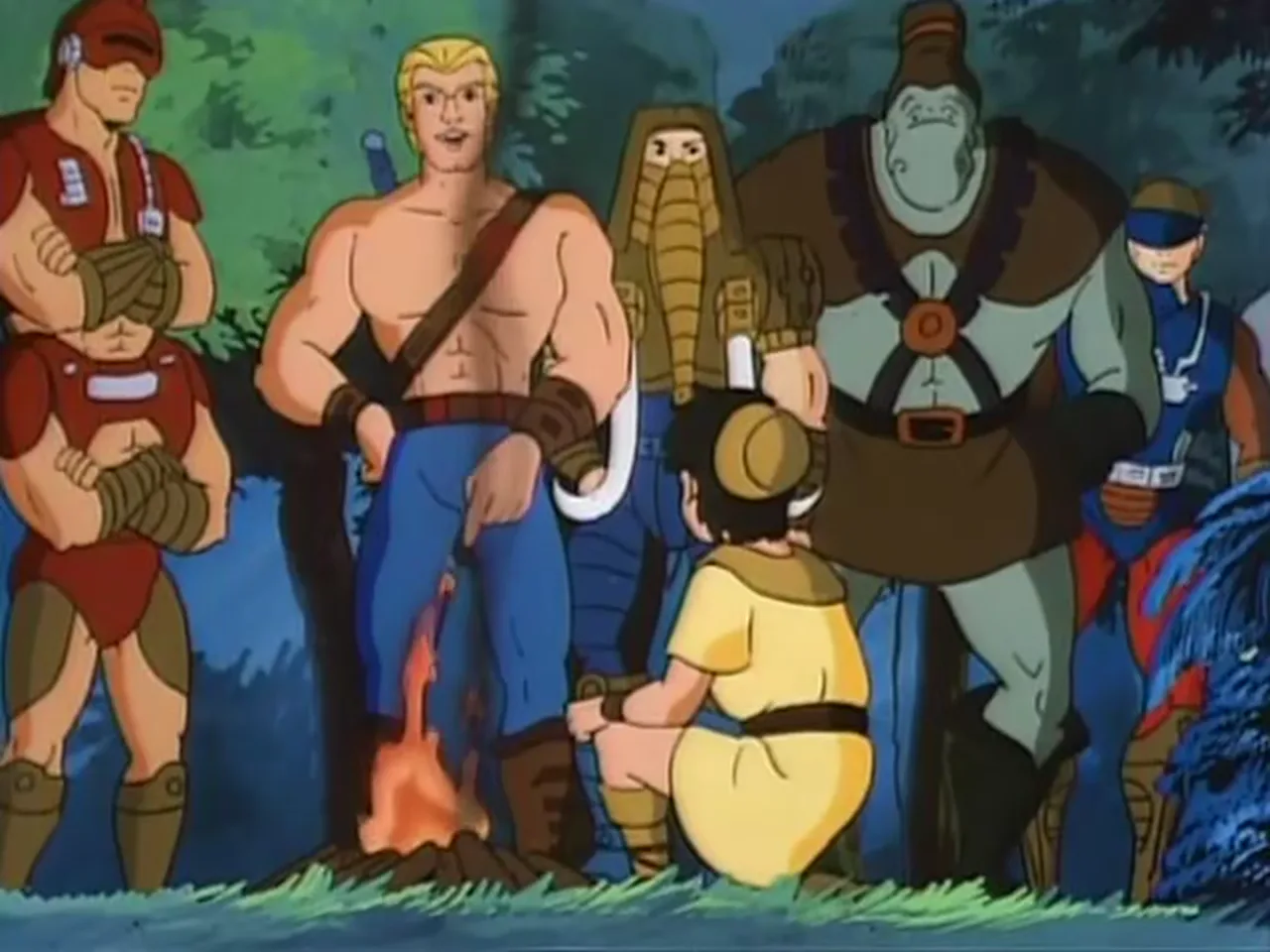
- Fan observation: Per the He-Man wiki, the closing moral shows Tuskador shooting water from his trunk like Snout Spout, though the wiki calls the canonicity of the morals arguable.
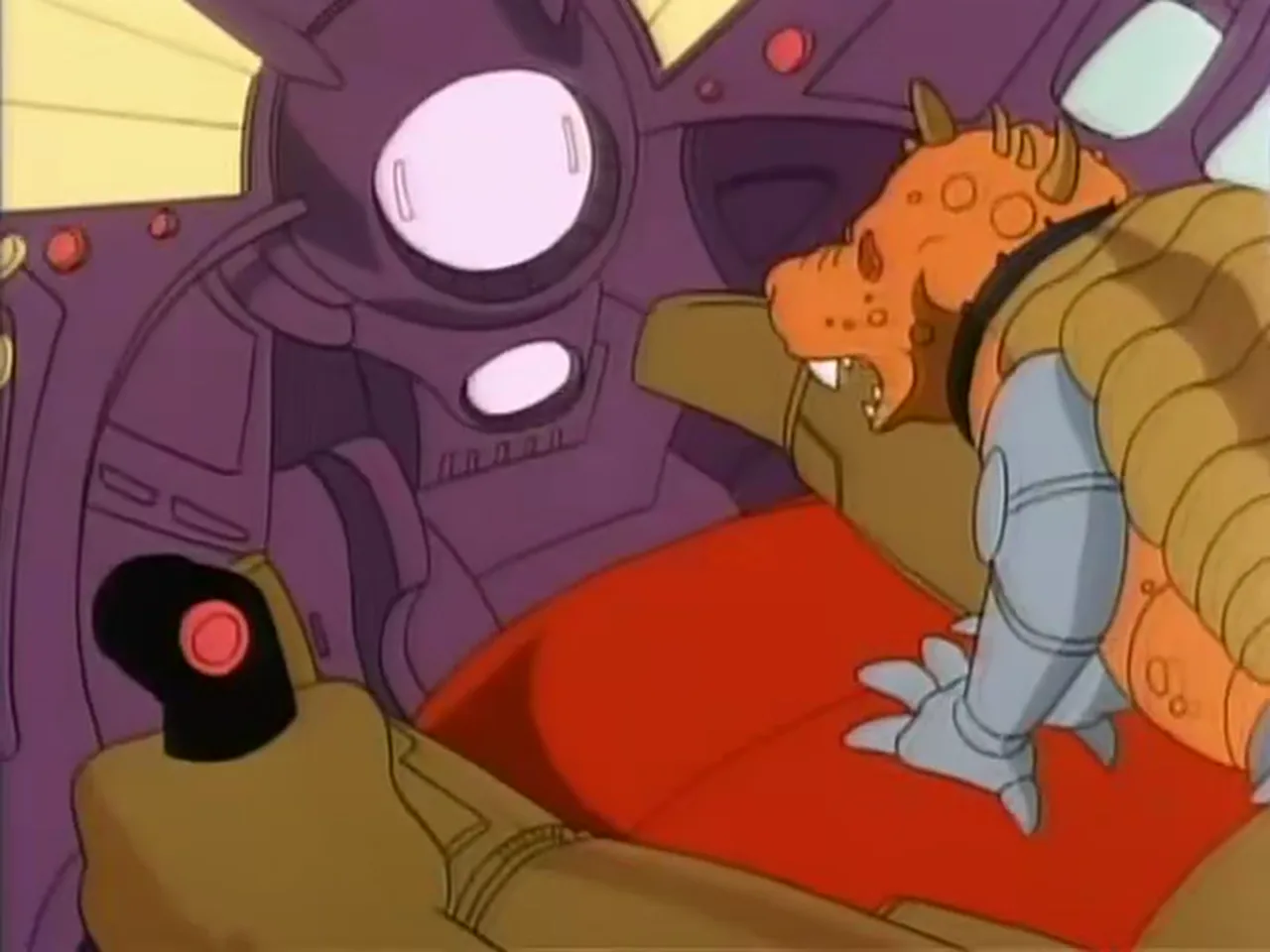
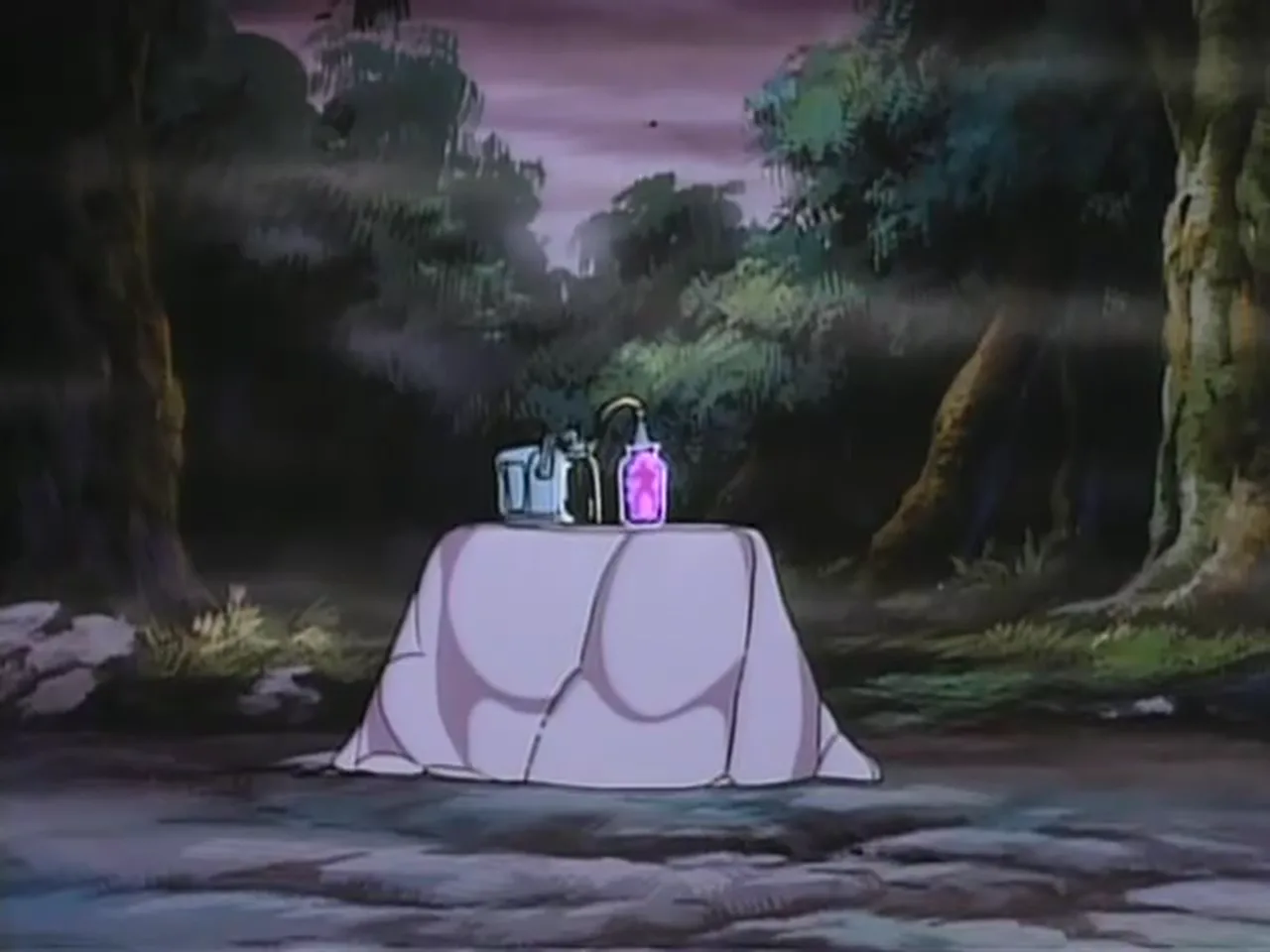
- Continuity: The He-Man wiki says the Geneticator was invented by Graznor and that the Mutant Grr stole it for Skeletor; Wikipedia's summary has Skeletor send Grr, while the wiki's own summary has Skeletor steal it himself.

DISCUSSION
Join the conversation.
Comments below are mirrored on the heman.org forum. Sign in once, post anywhere.