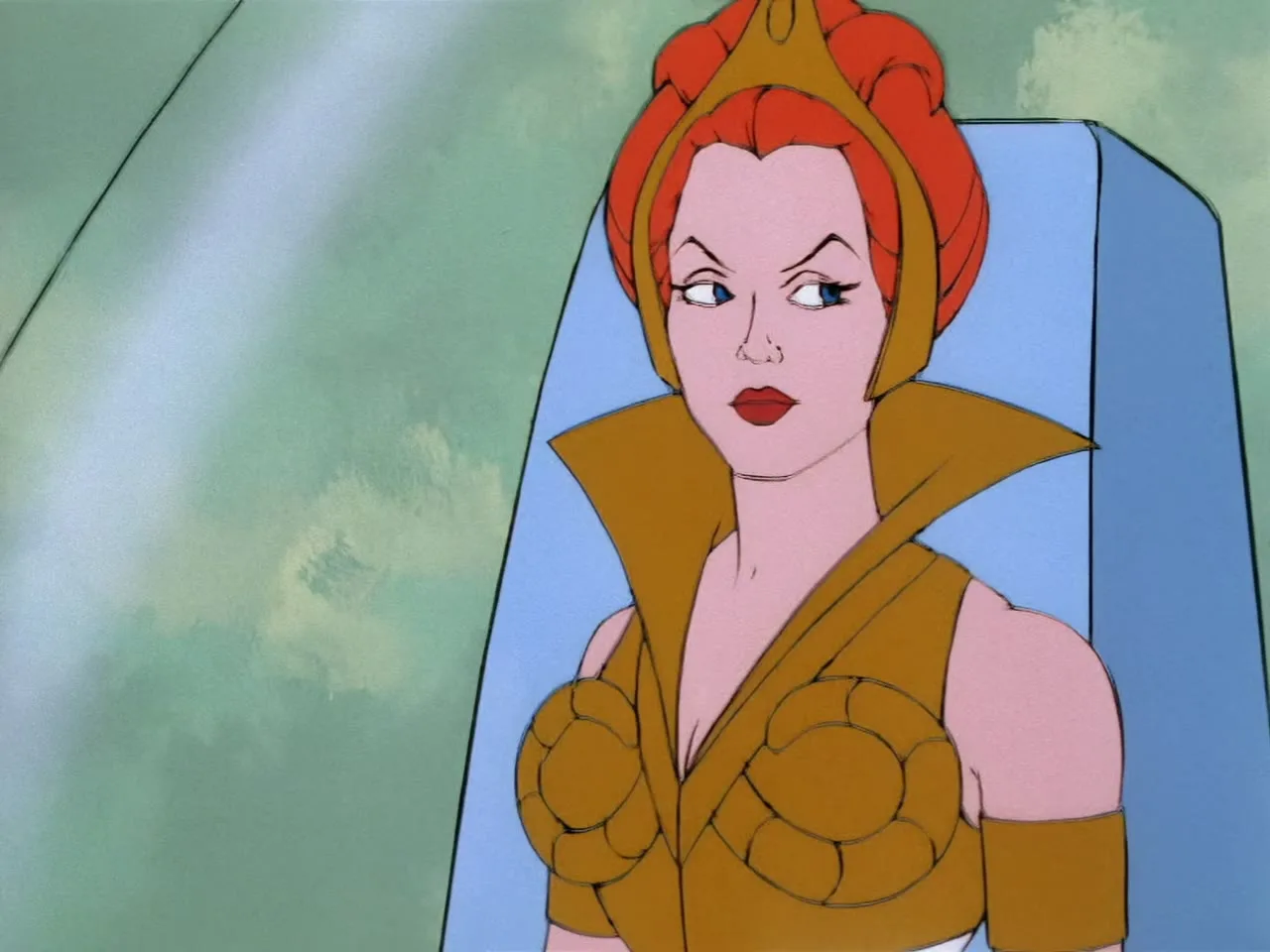
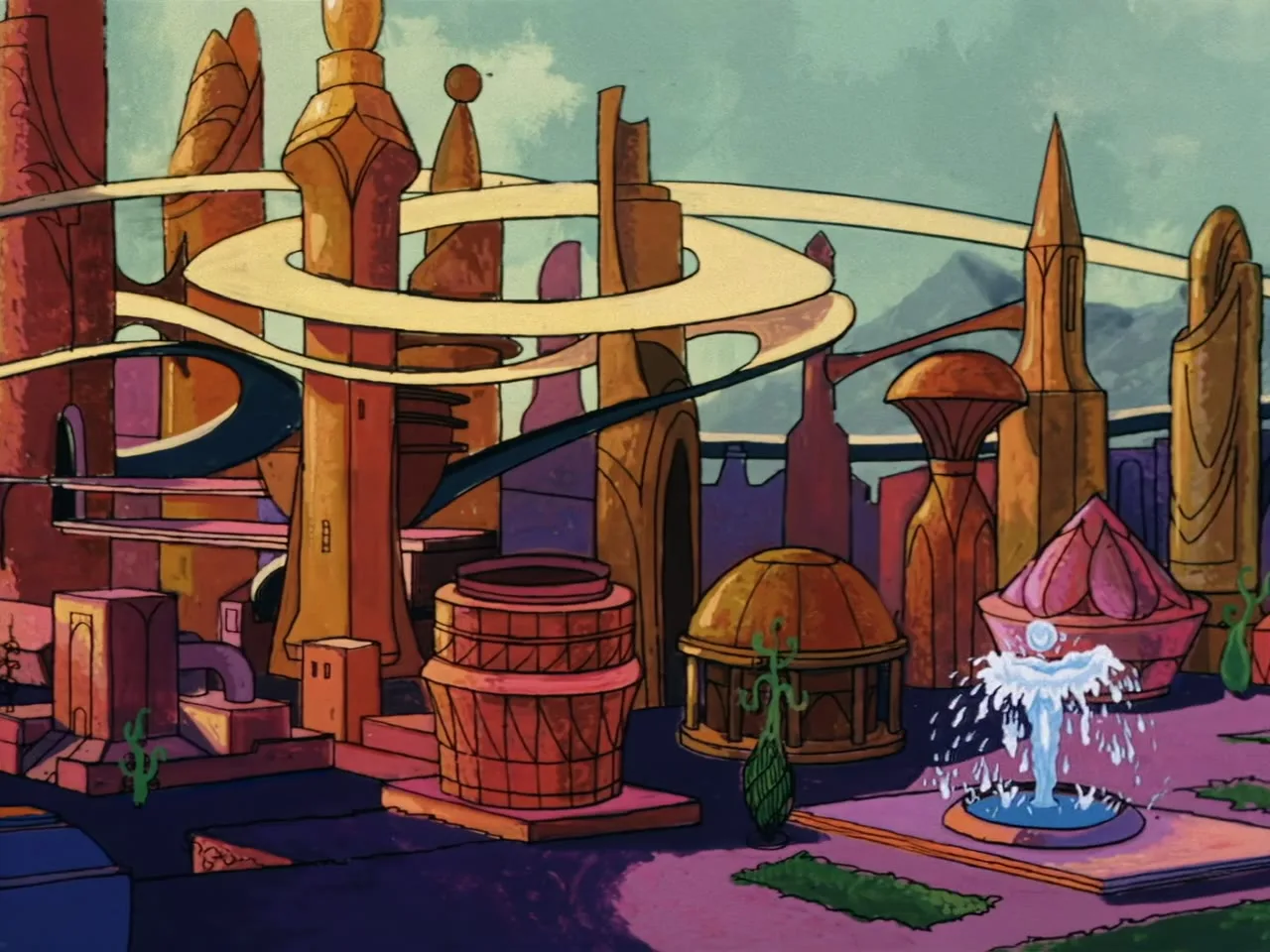
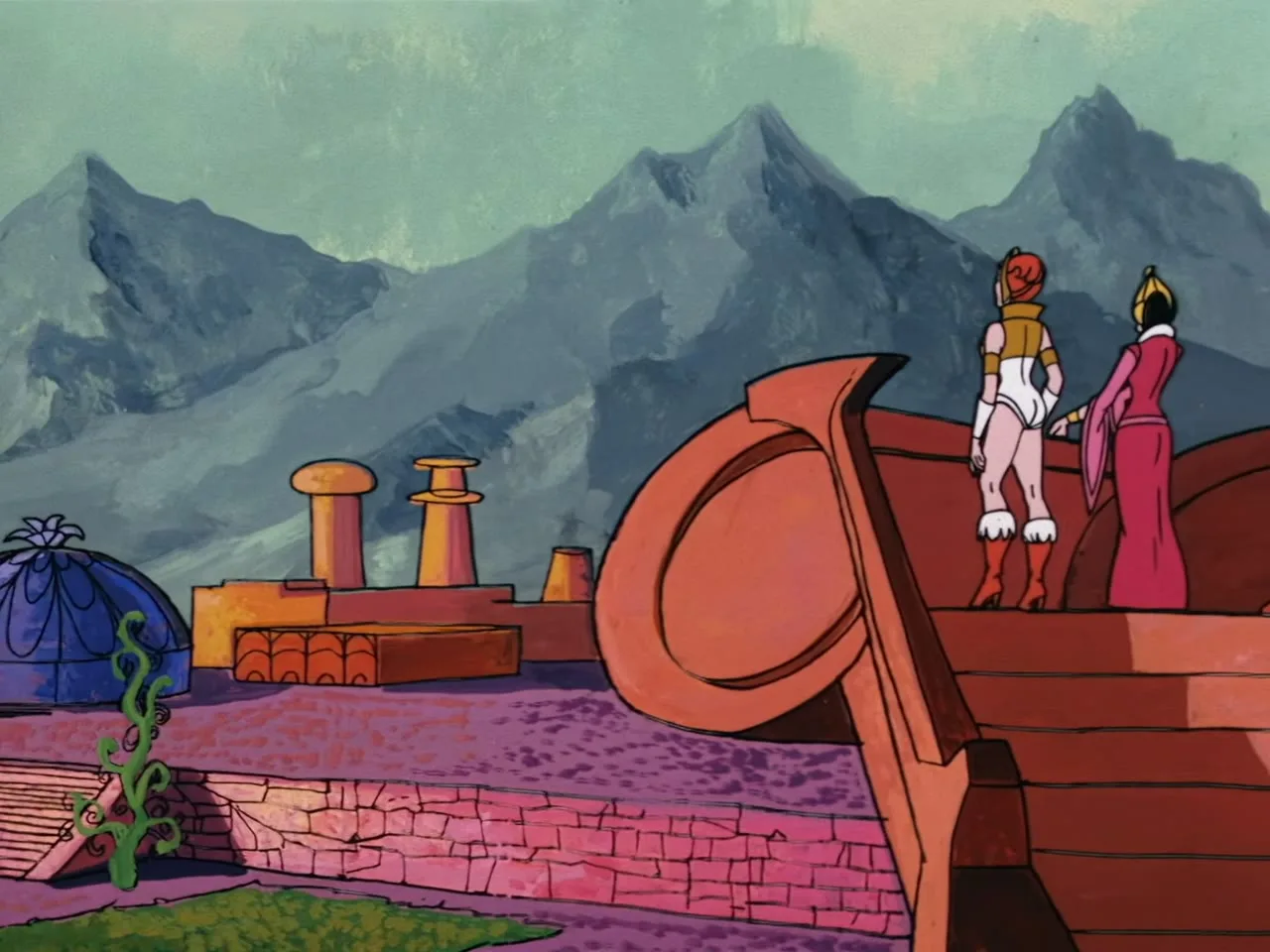
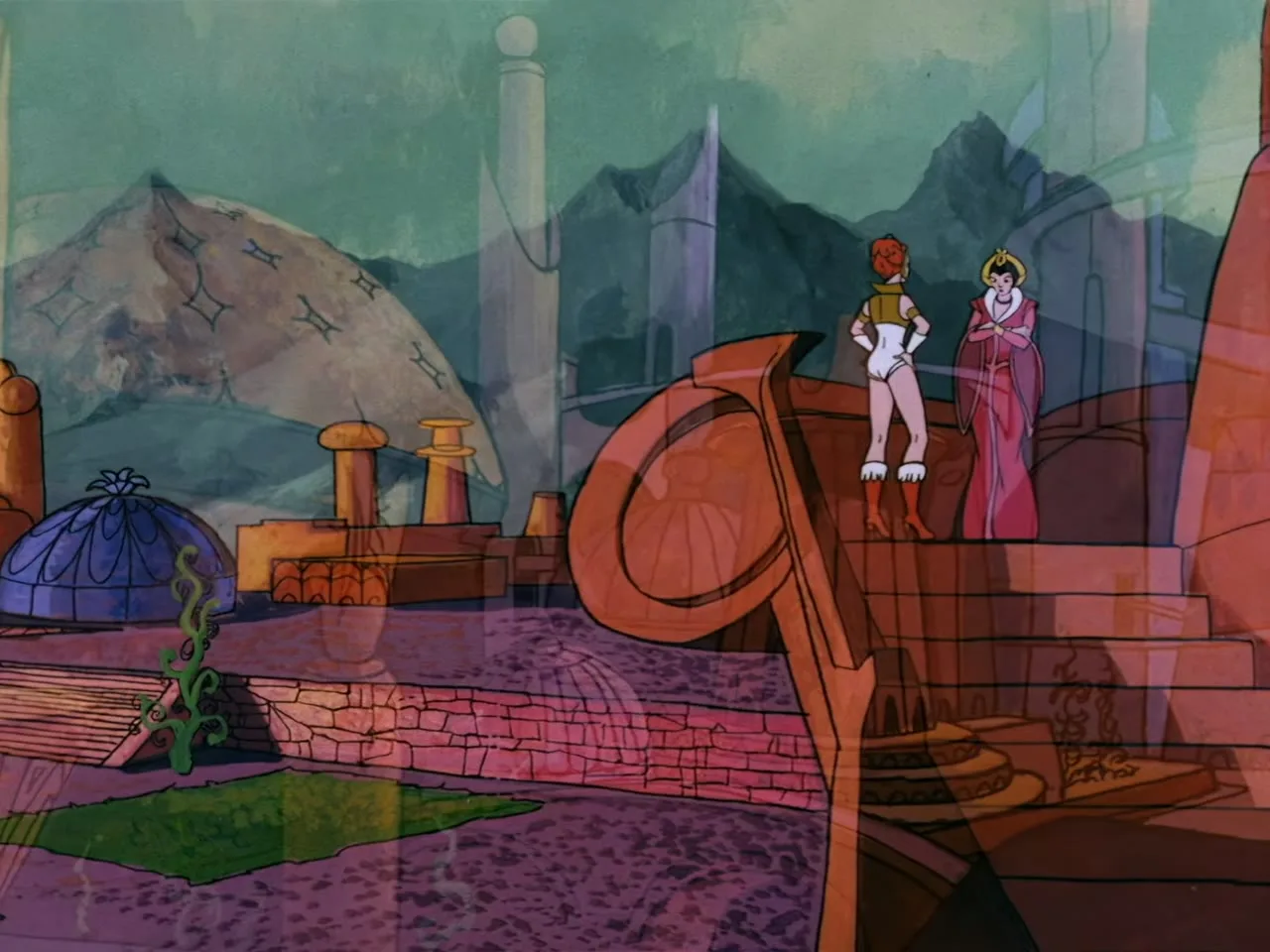
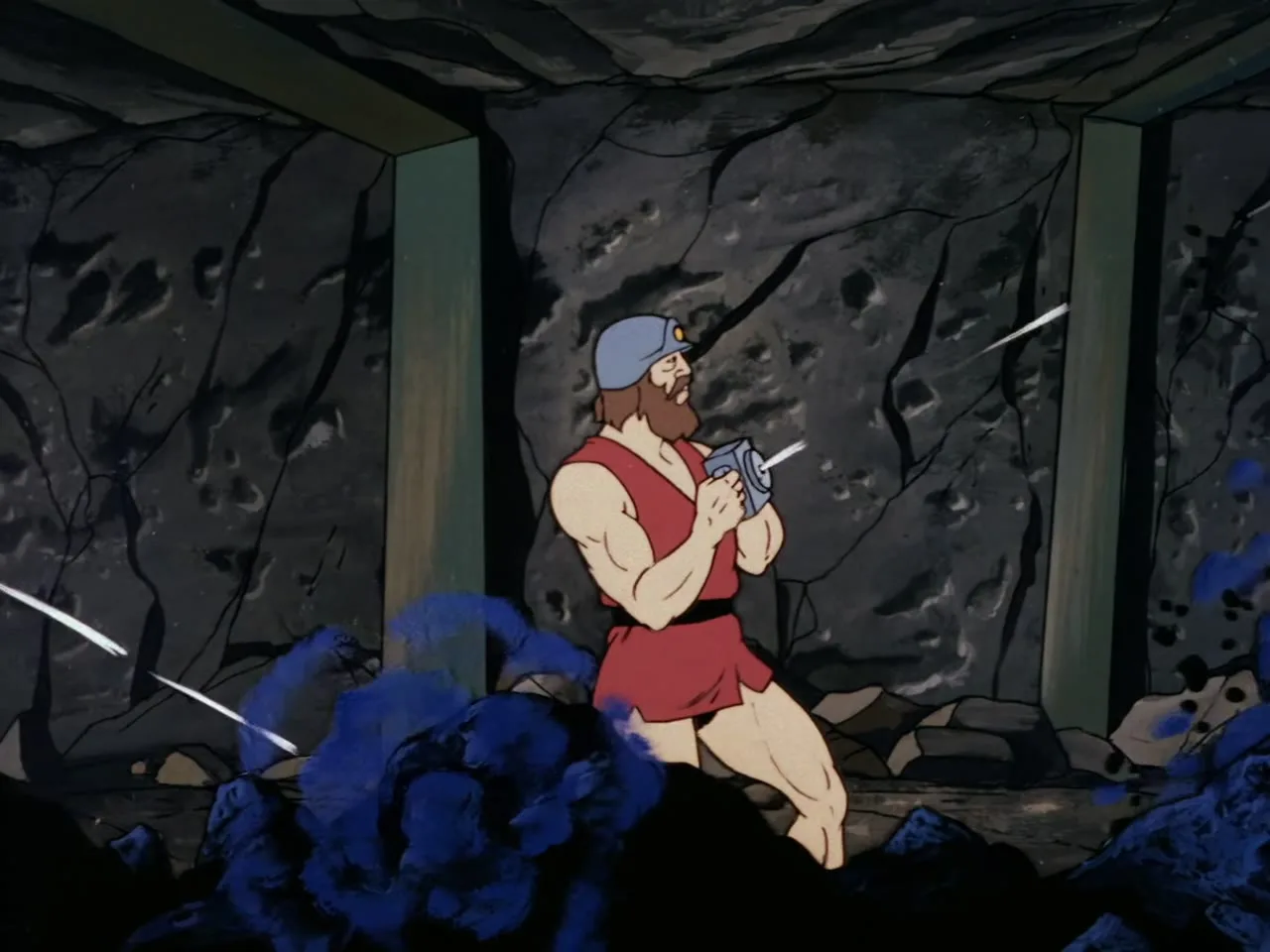
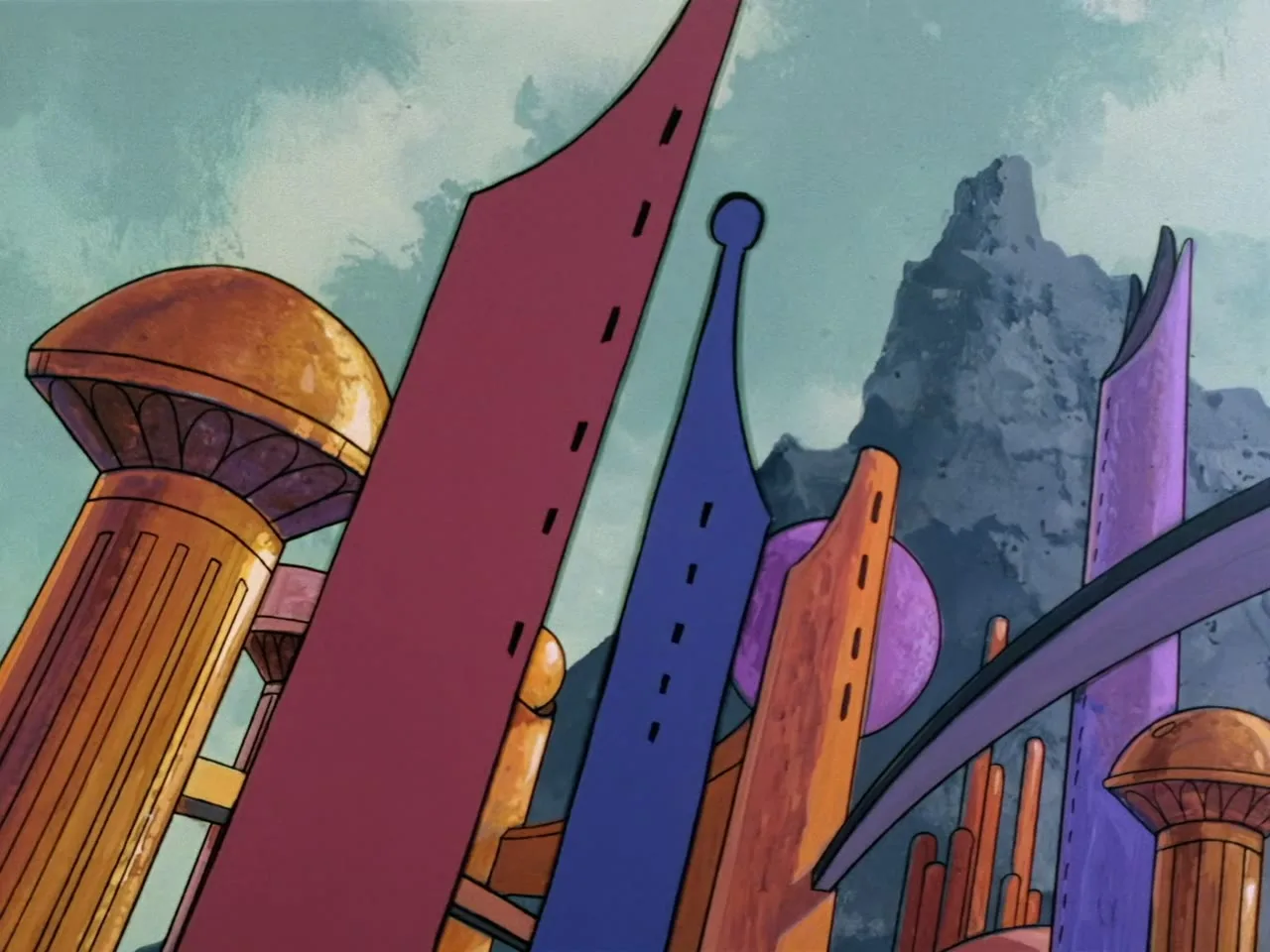
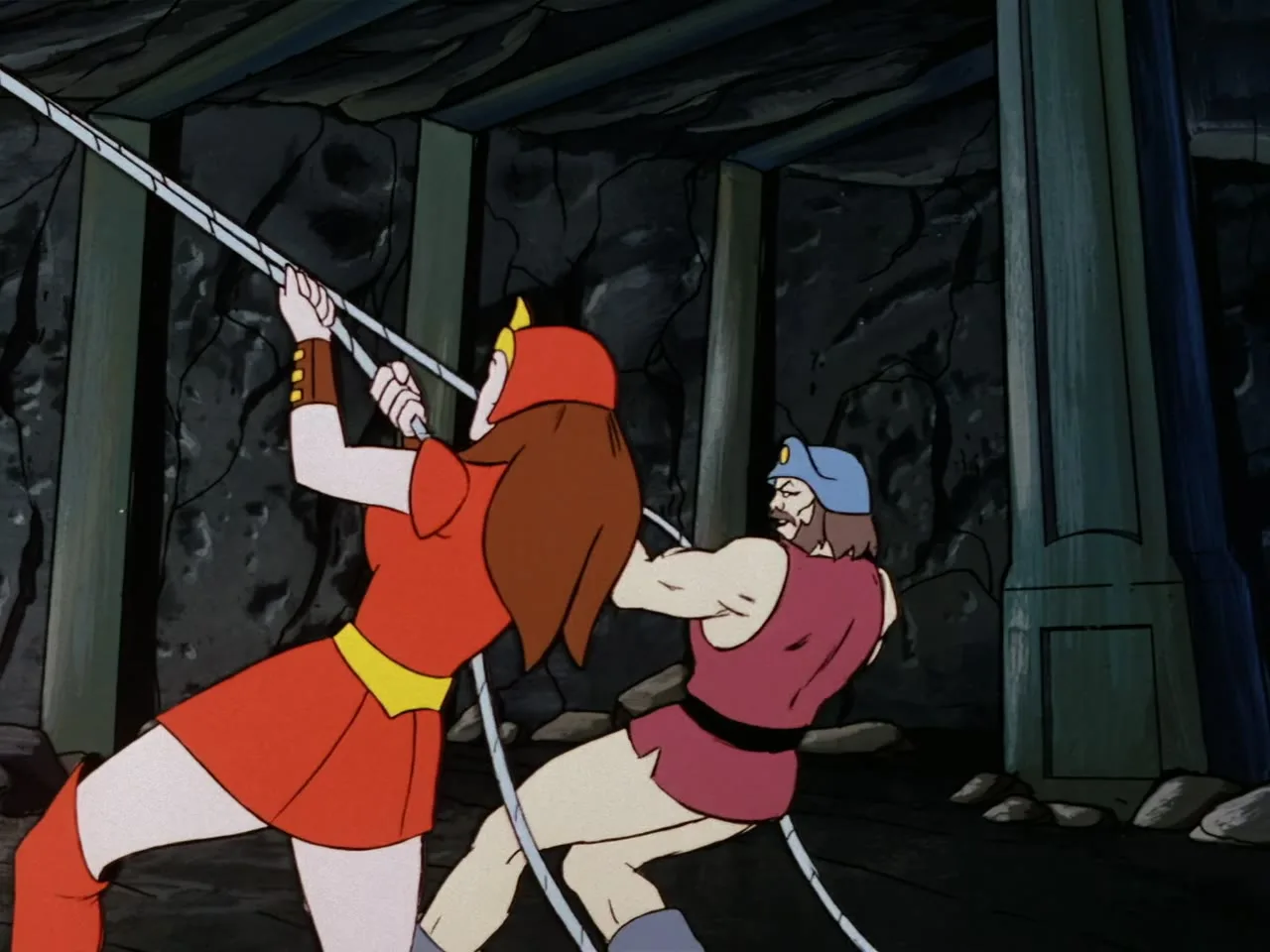
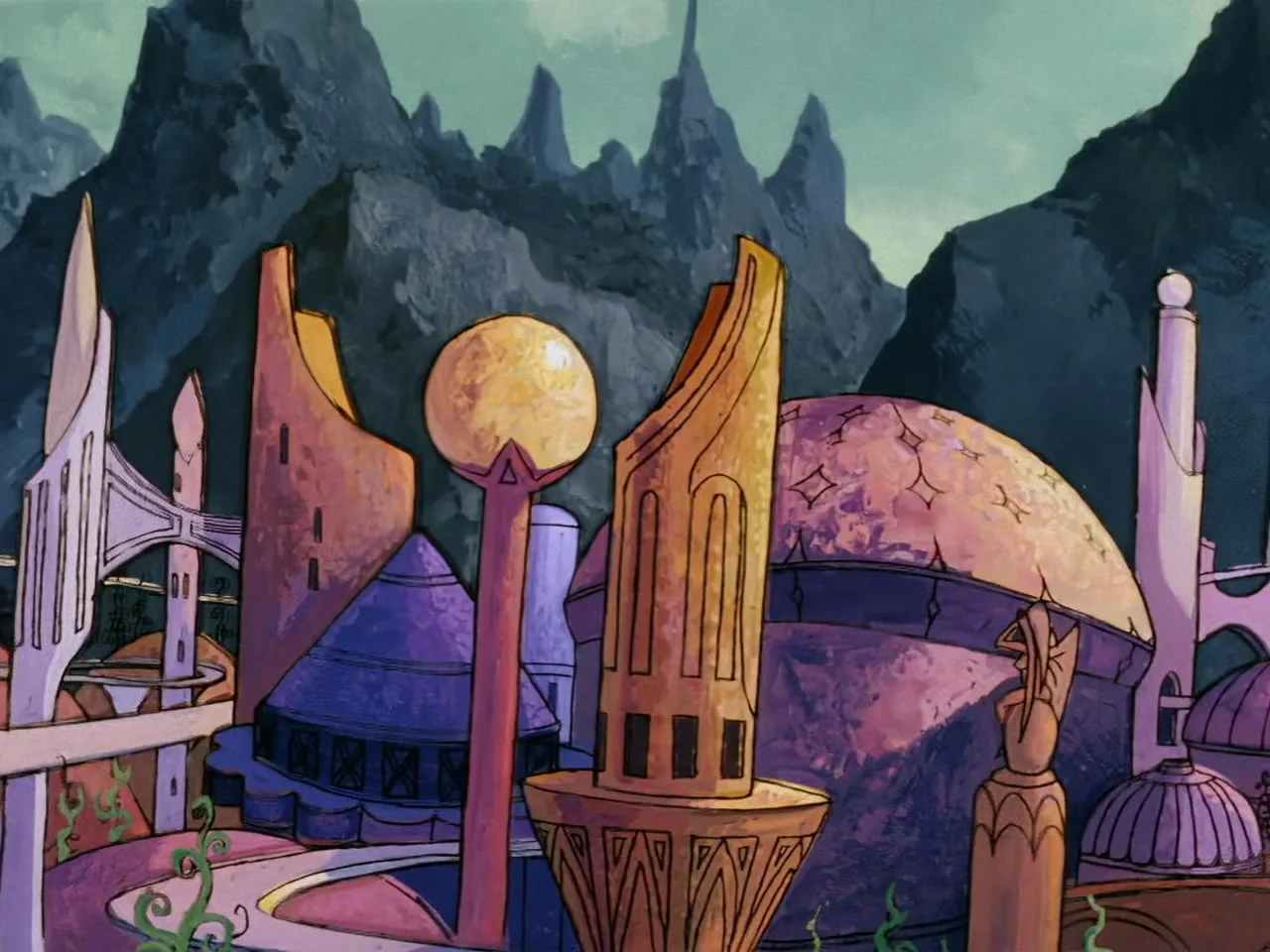
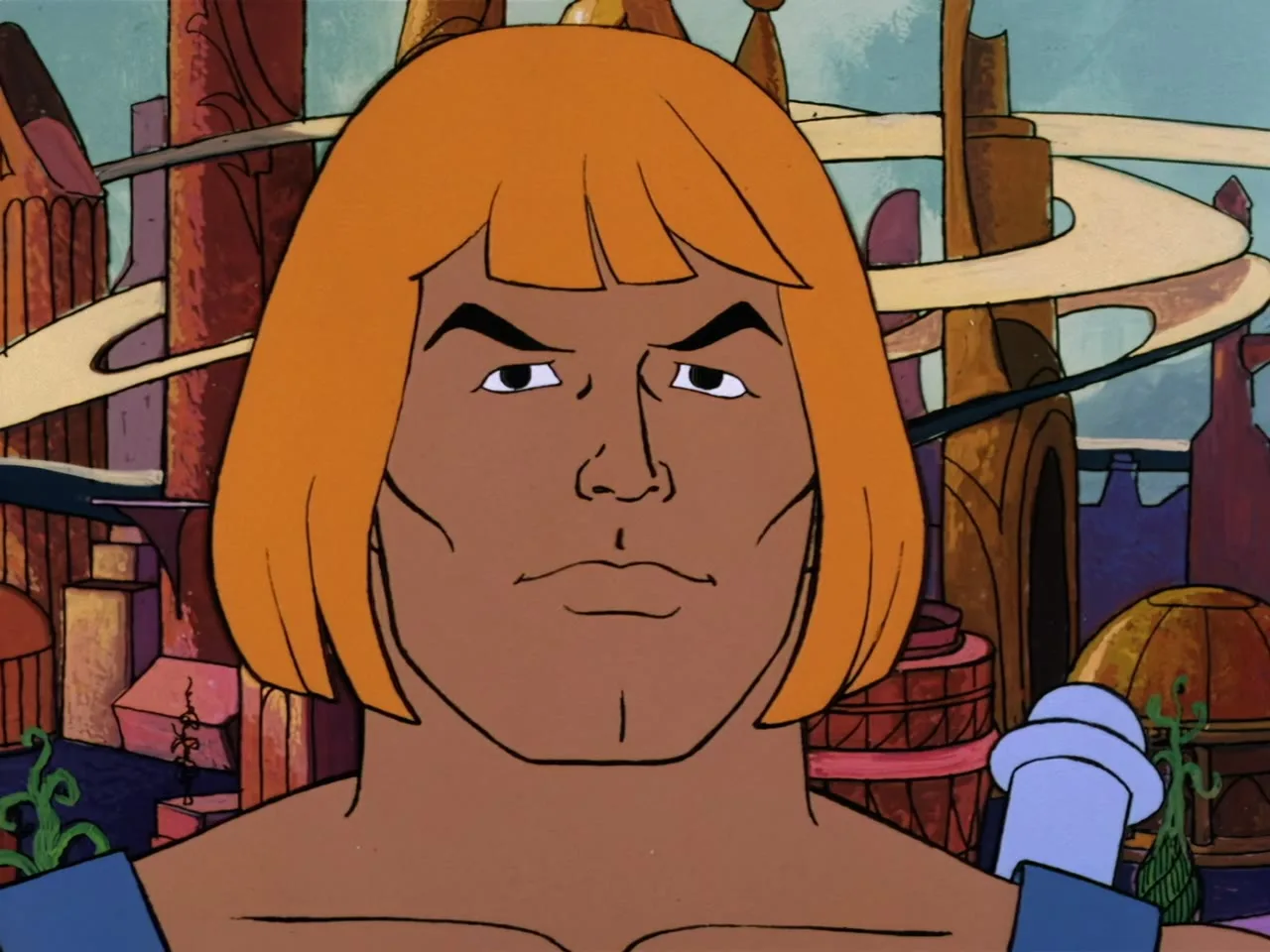
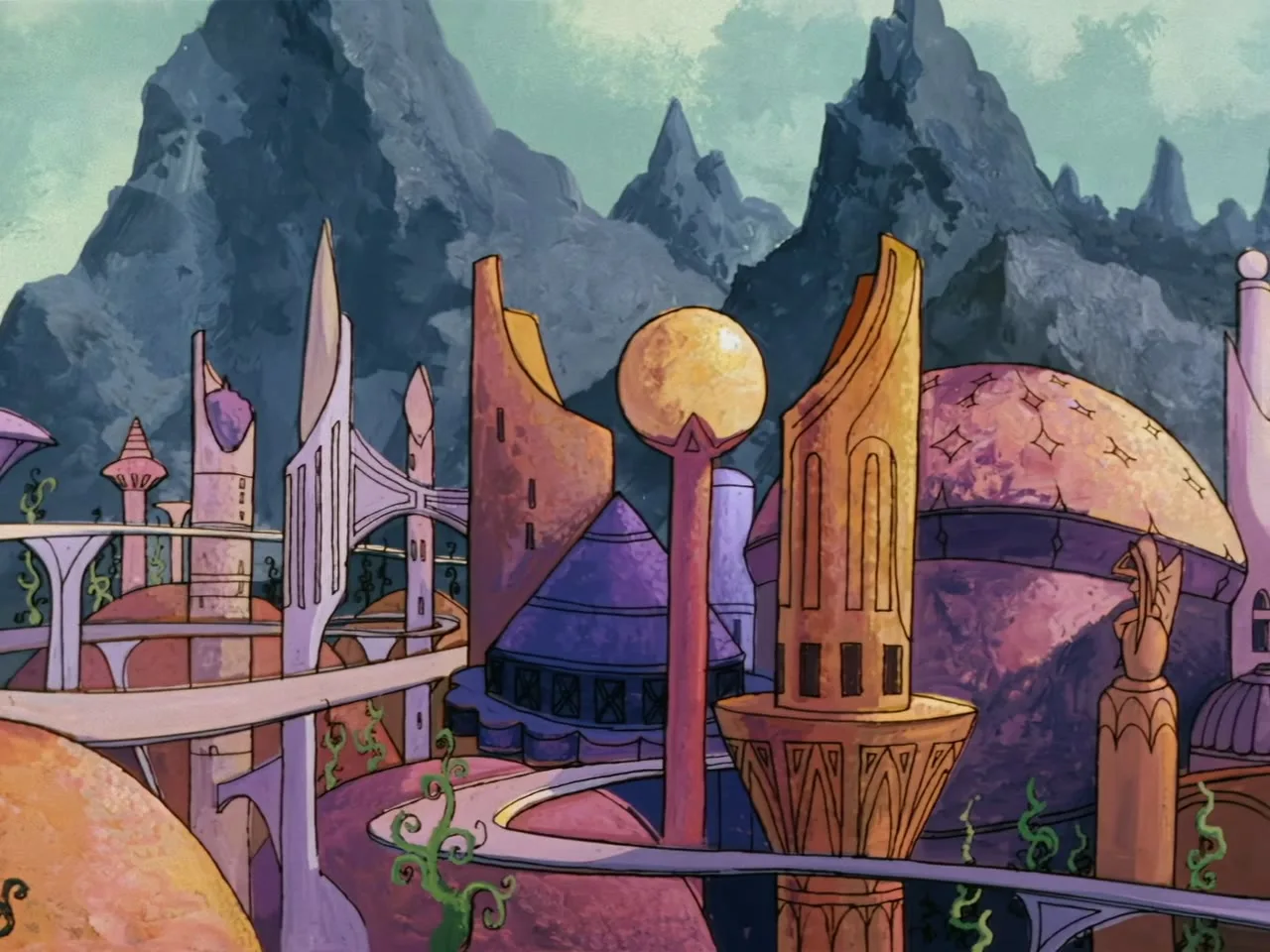
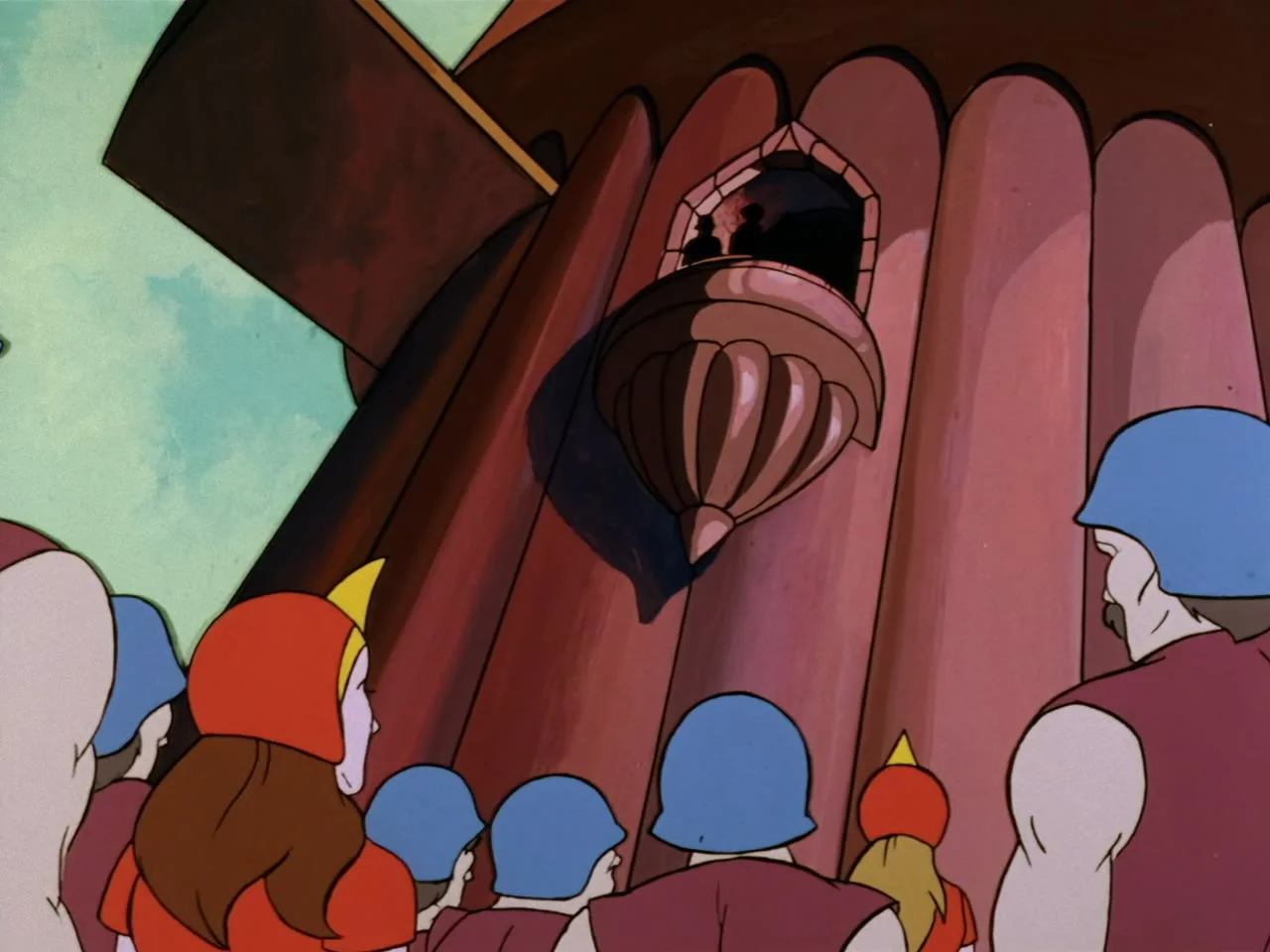
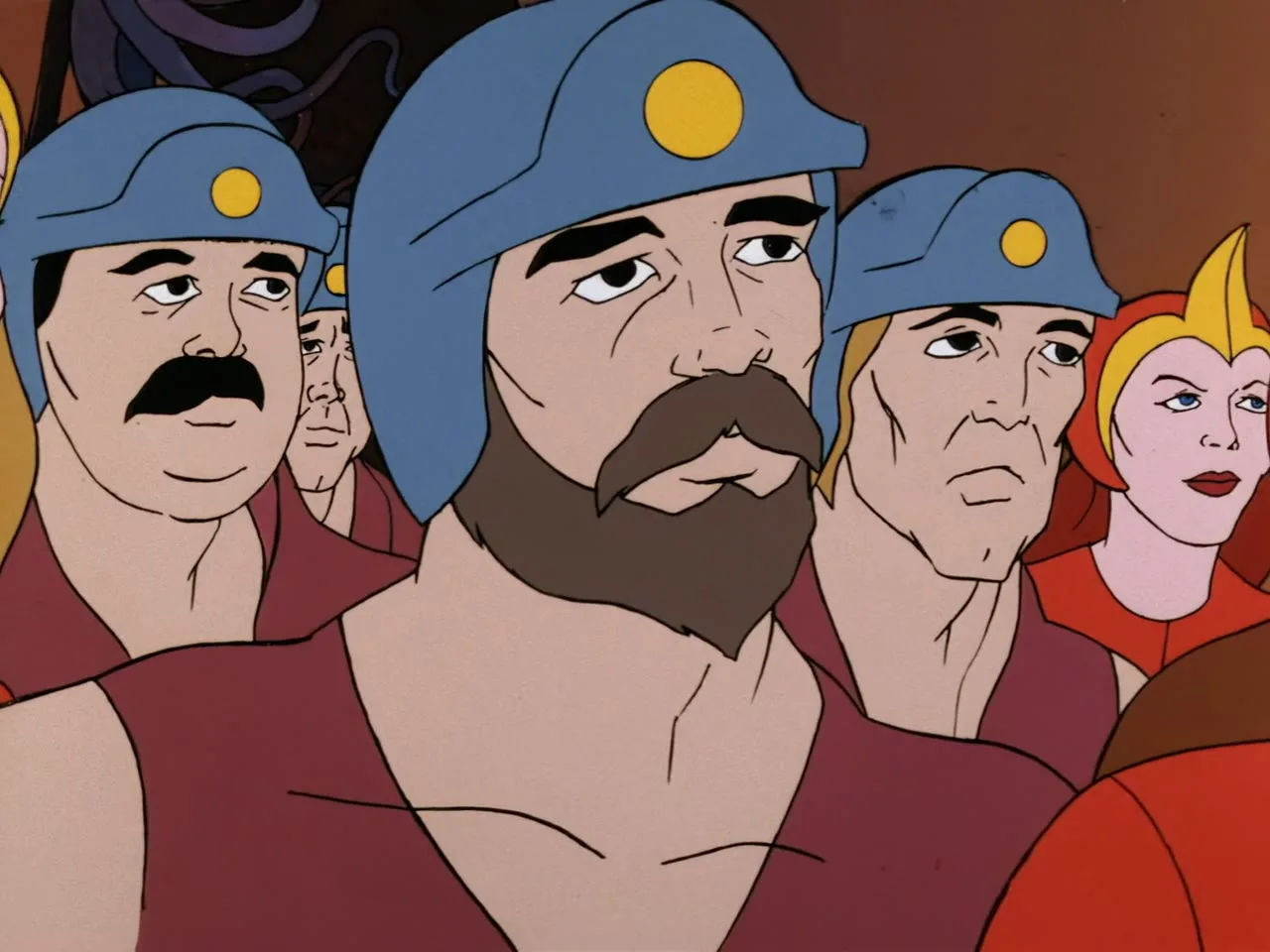
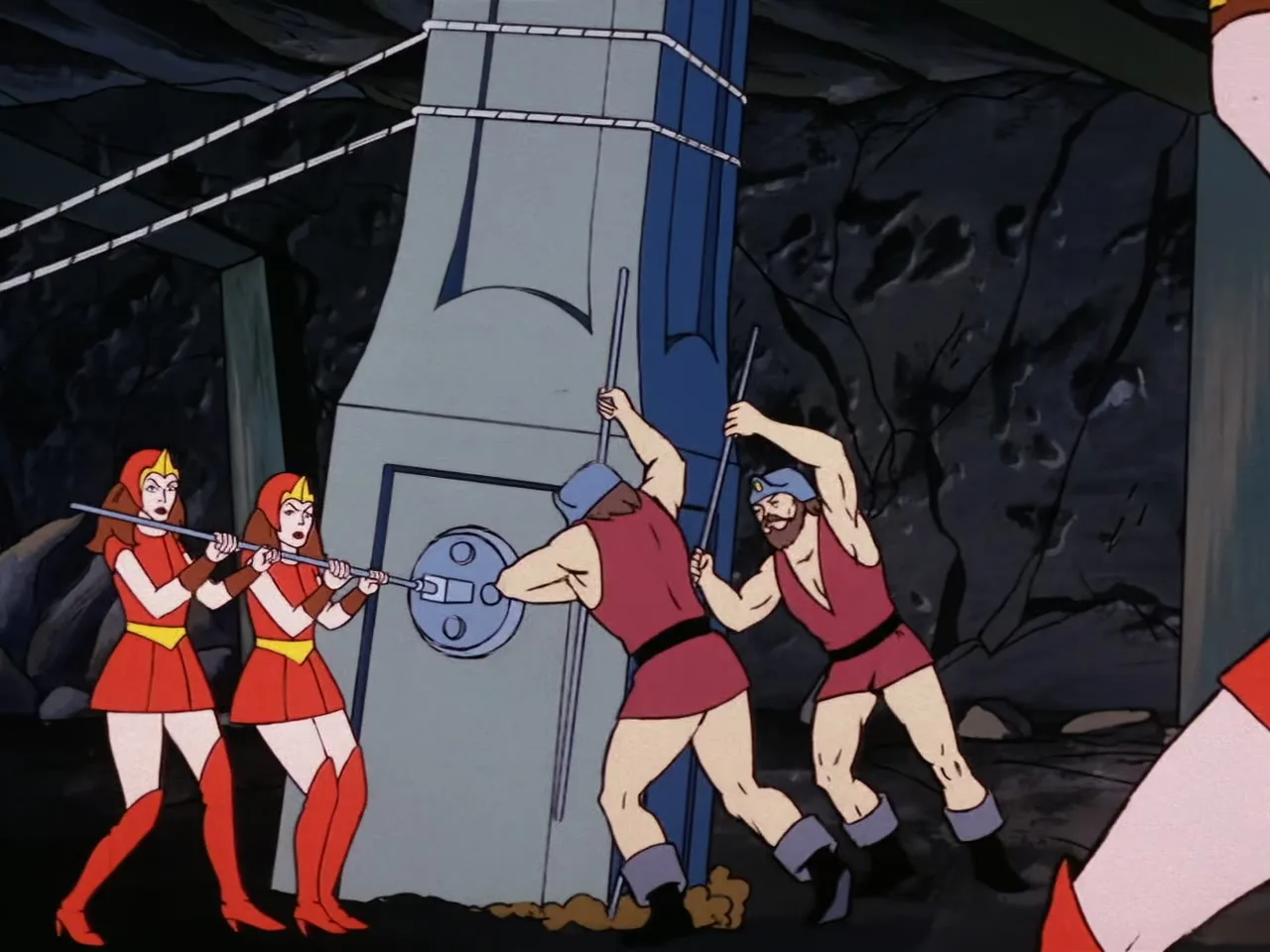
Adam and Teela stumble upon the hidden city of Arcadia, where the men are forced to work as slaves in underground mines while the women live in luxury in the beautiful city above. Teela and He-Man tell viewers of the Magna Carta, which they praise as the first step toward social equality, or "the way it should be".
Teela: "A very long time ago a wonderful document came into being. It was called the Magna Carta." He-Man: "It was the first big step in recognizing that all people were created equal. But even though more laws have been passed to guarantee that, there are still those who try to keep others from being free." Teela: "Fortunately, Queen Sumana realized in time that only by working together could her city be saved. And that's the way it should be: together, right?". He-Man: "Right."
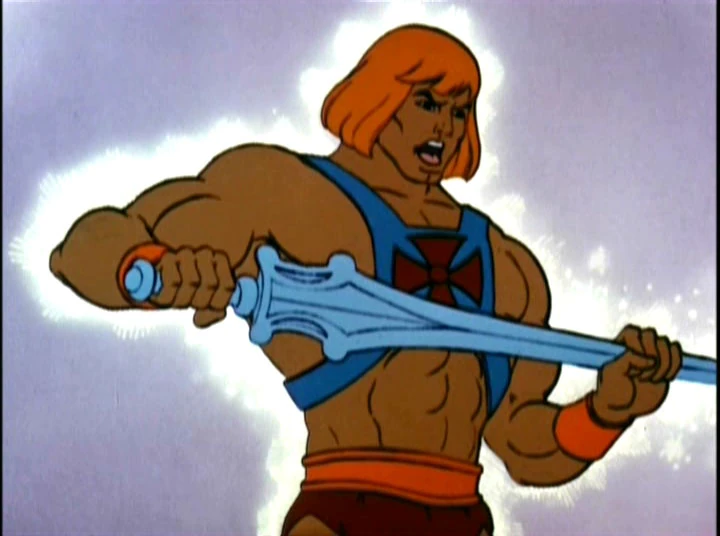
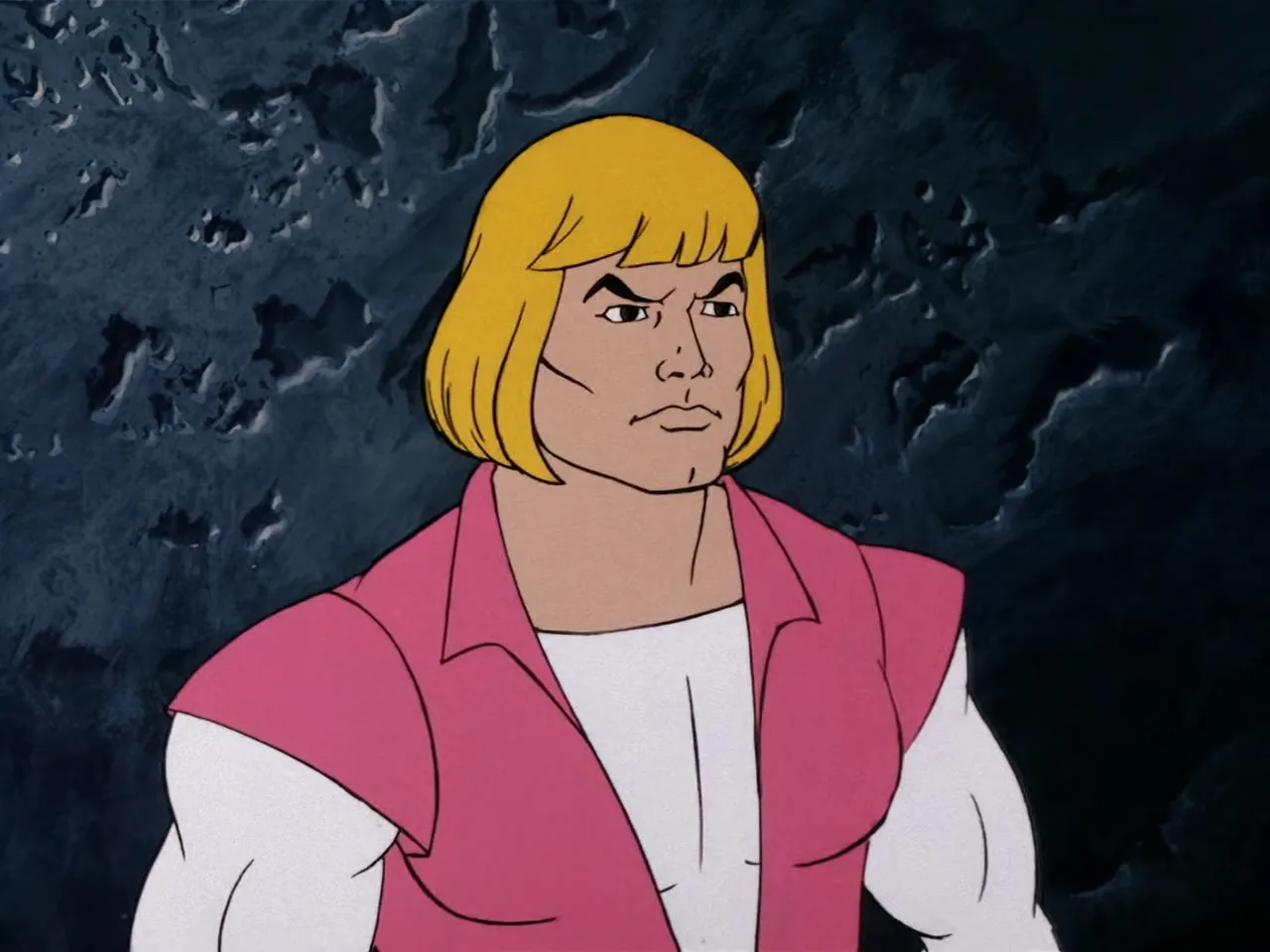
John Erwin as He-Man/Prince Adam
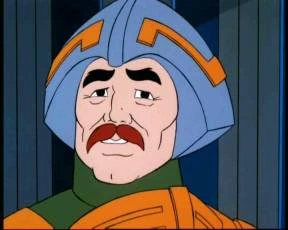
Alan Oppenheimer as Man-At-Arms and Ananda
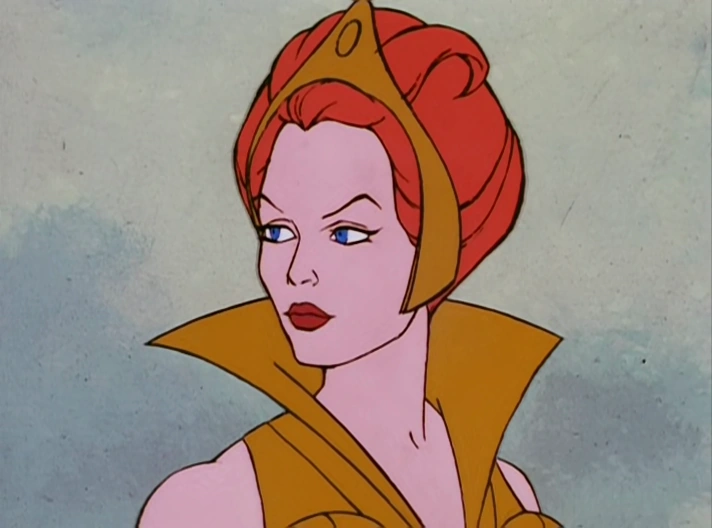
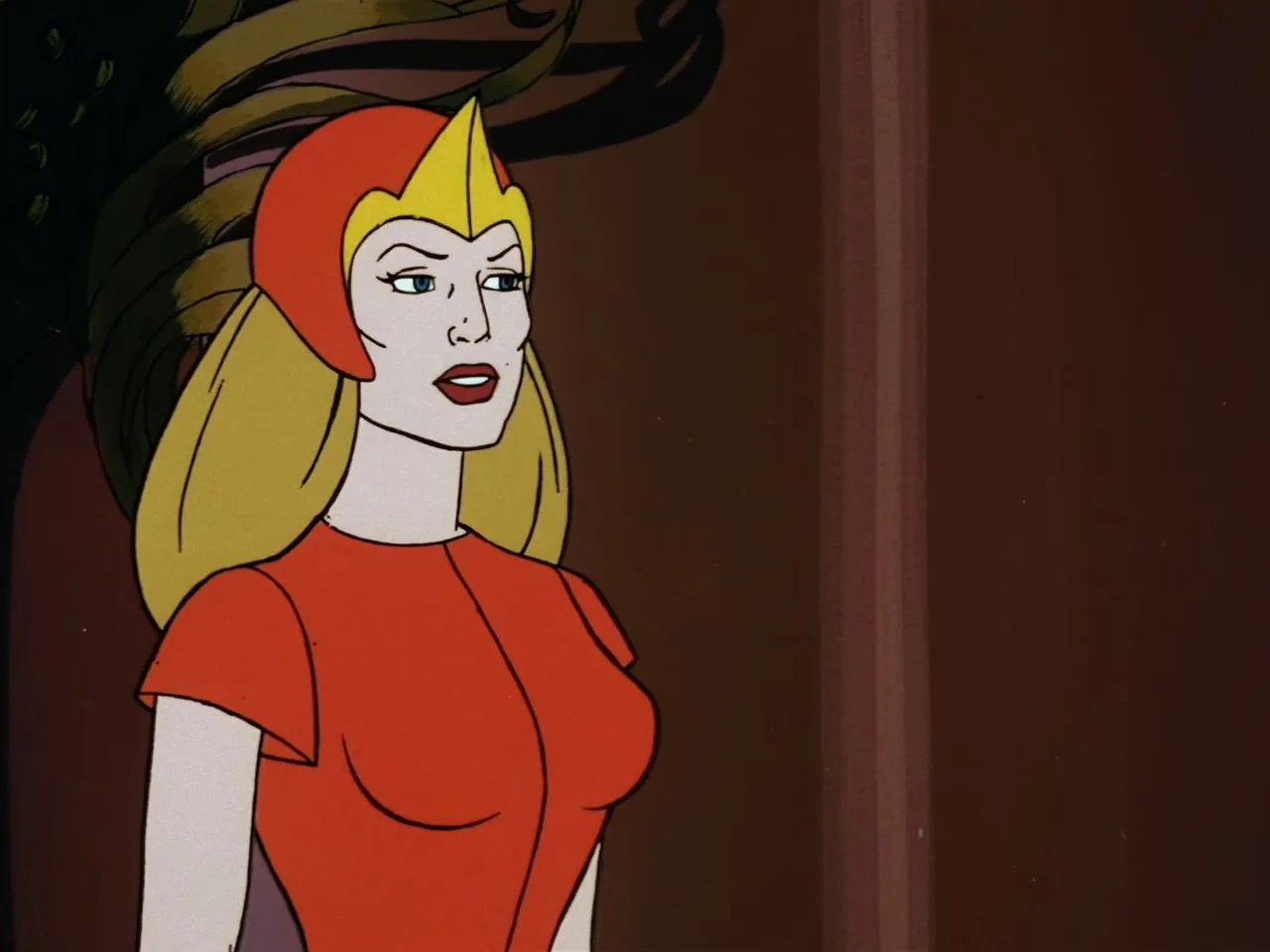
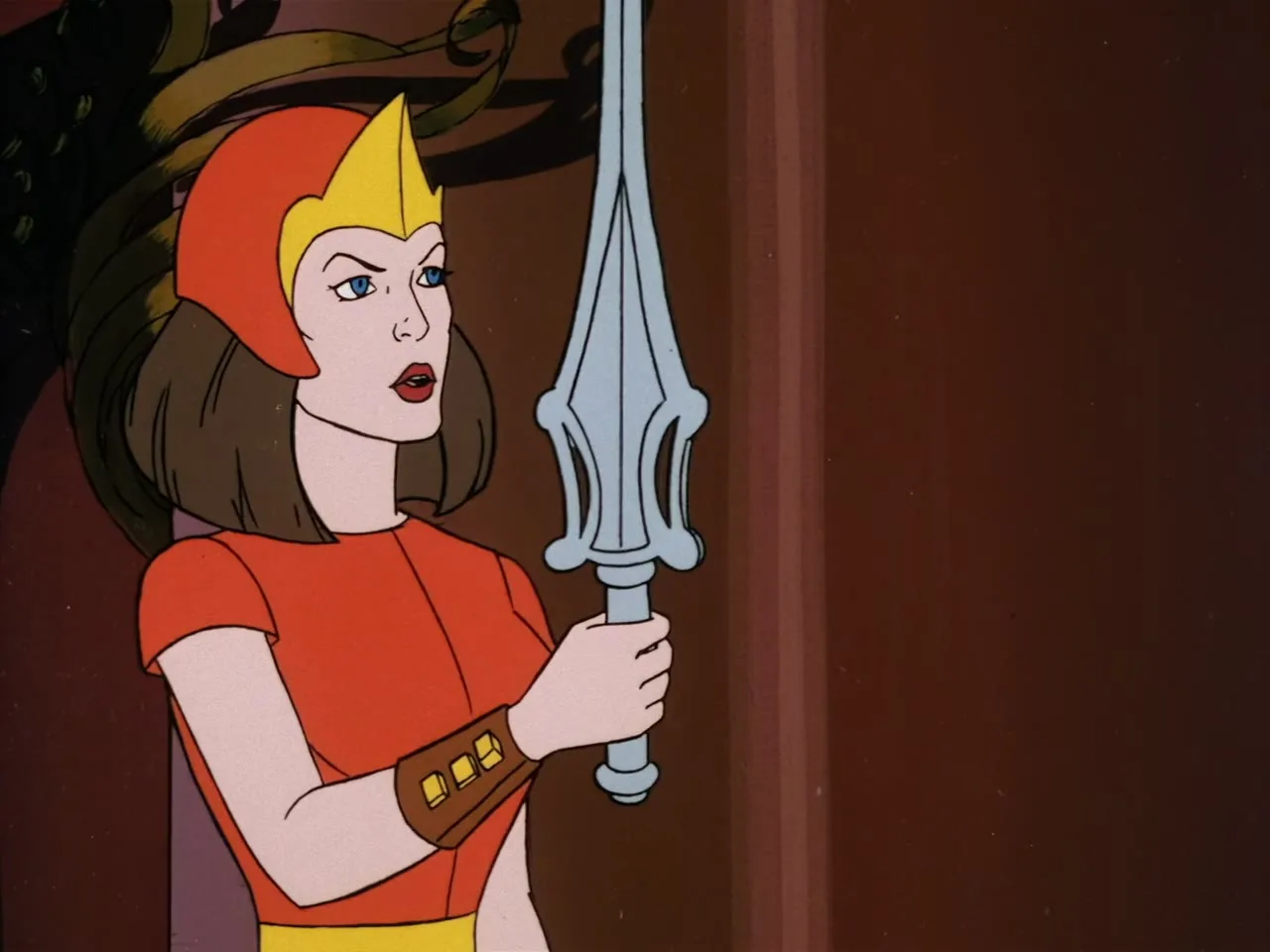
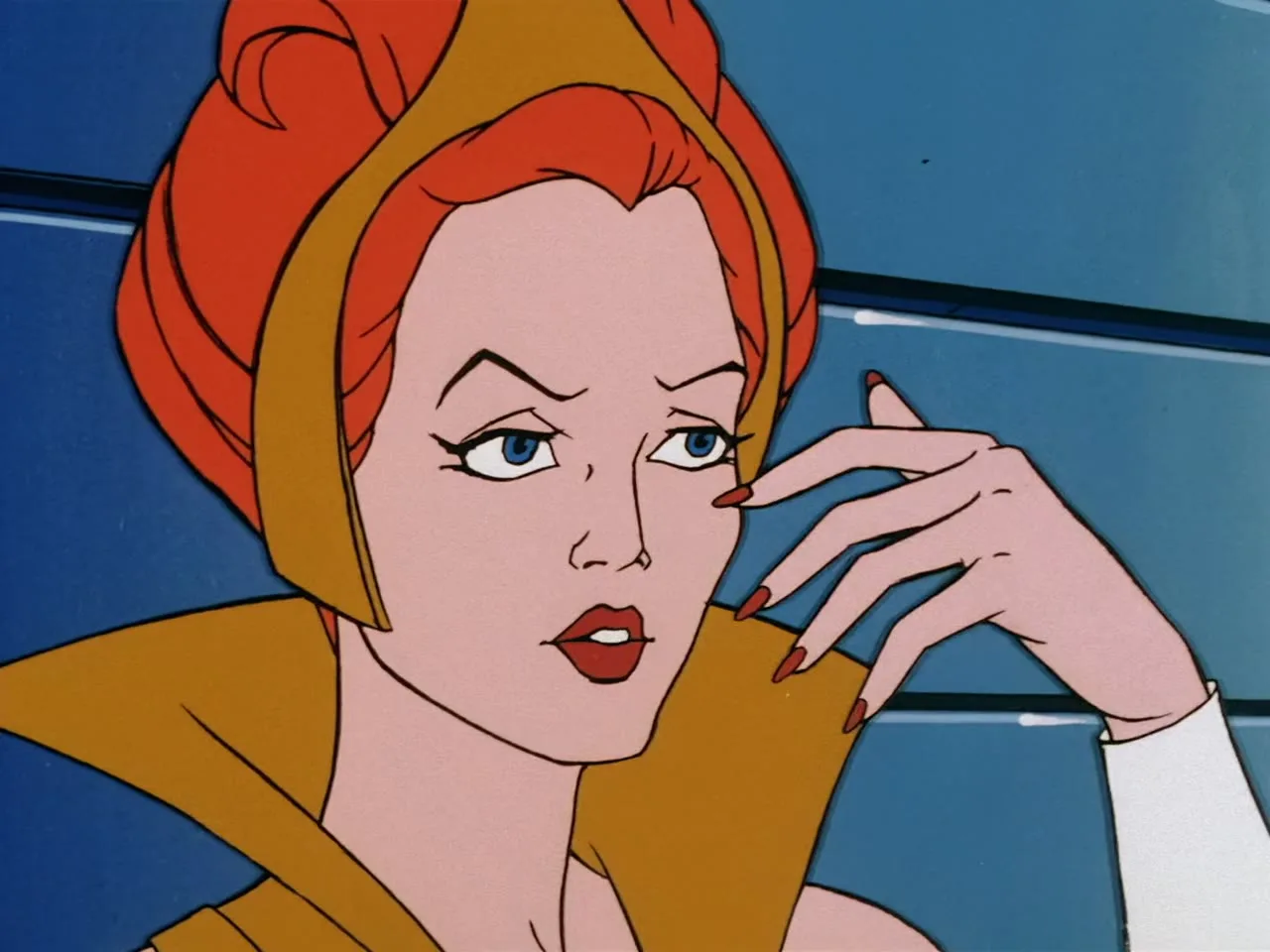
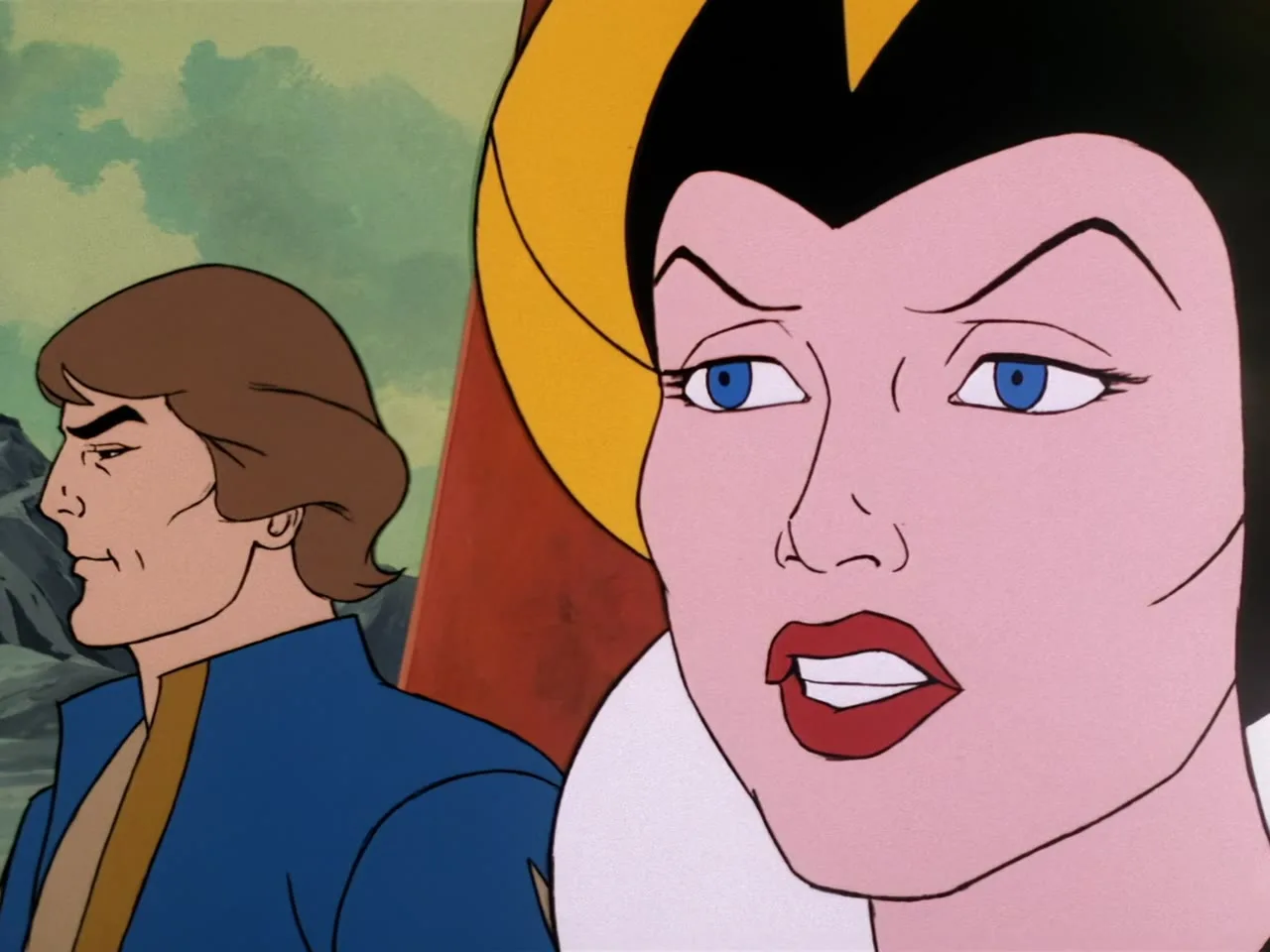
Linda Gary as Teela, Queen Sumara and Arcadian women
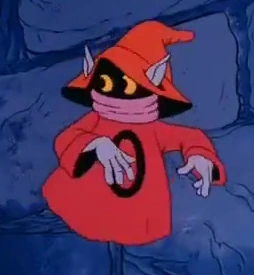
Lou Scheimer (credited as Erik Gunden) as Orko and Attak Trak
Erika Scheimer (uncredited) as Arcadian women
"No man is worthy of such an honor." - Queen Sumana, on why no man could rule beside her
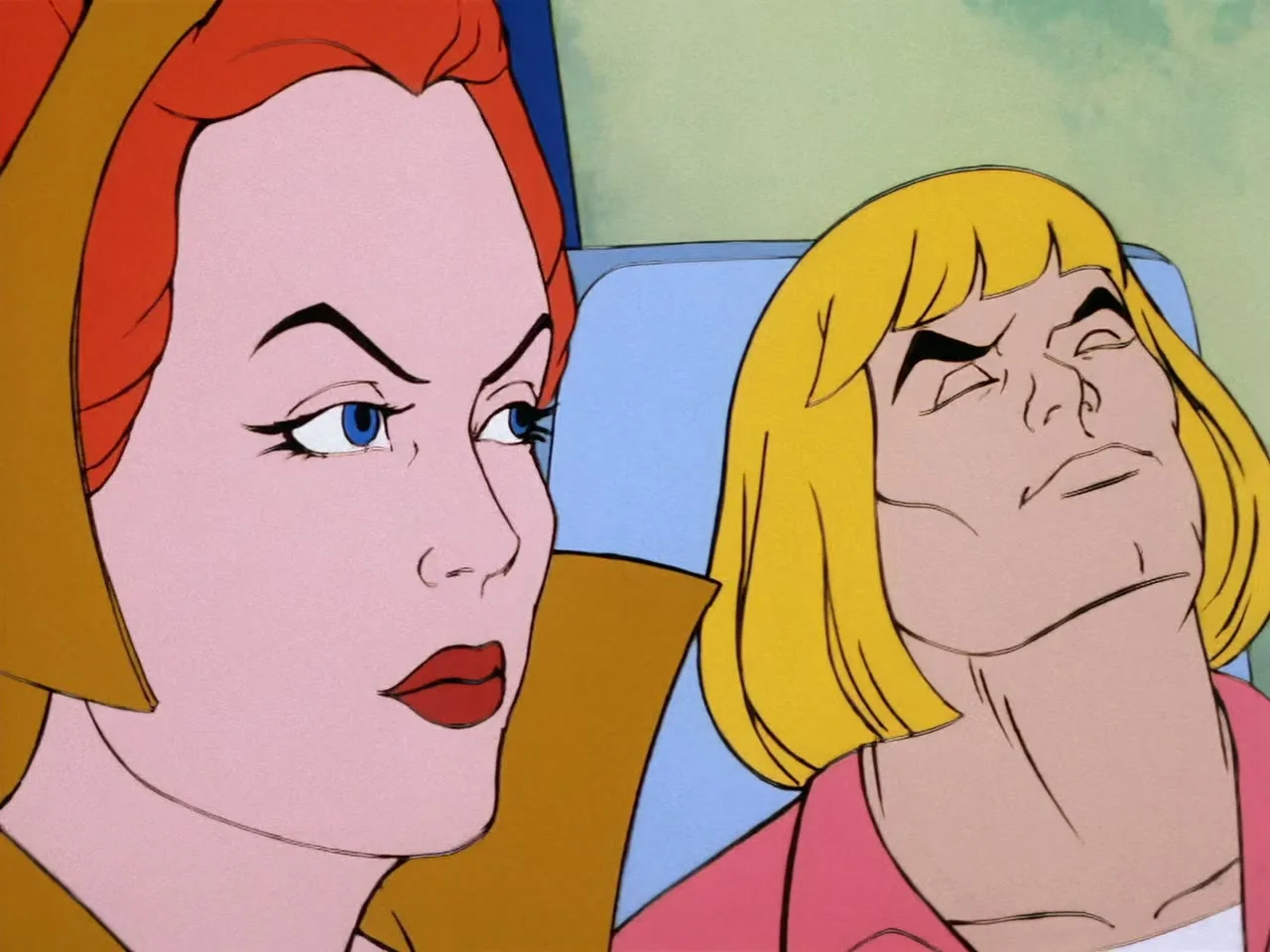
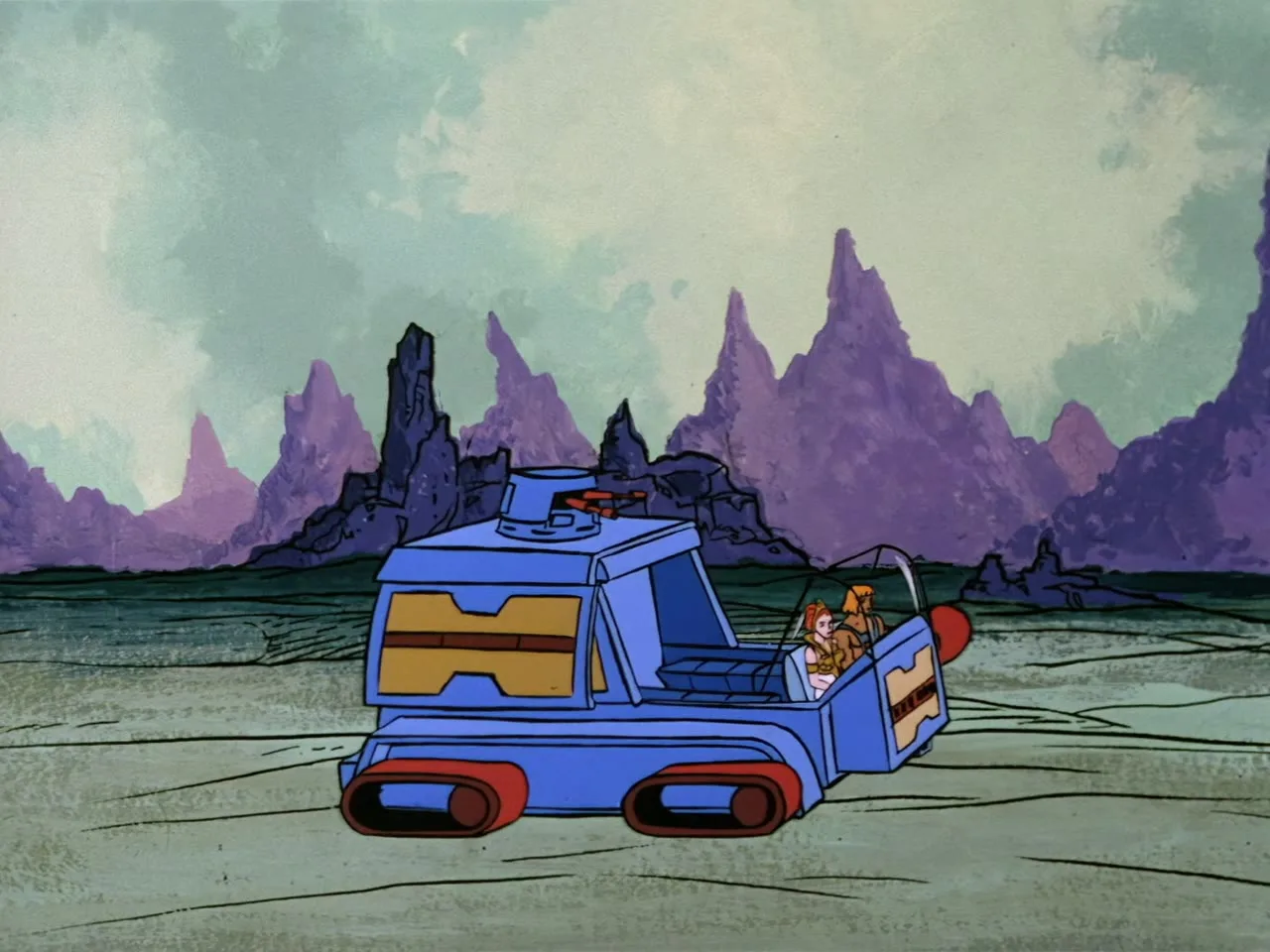
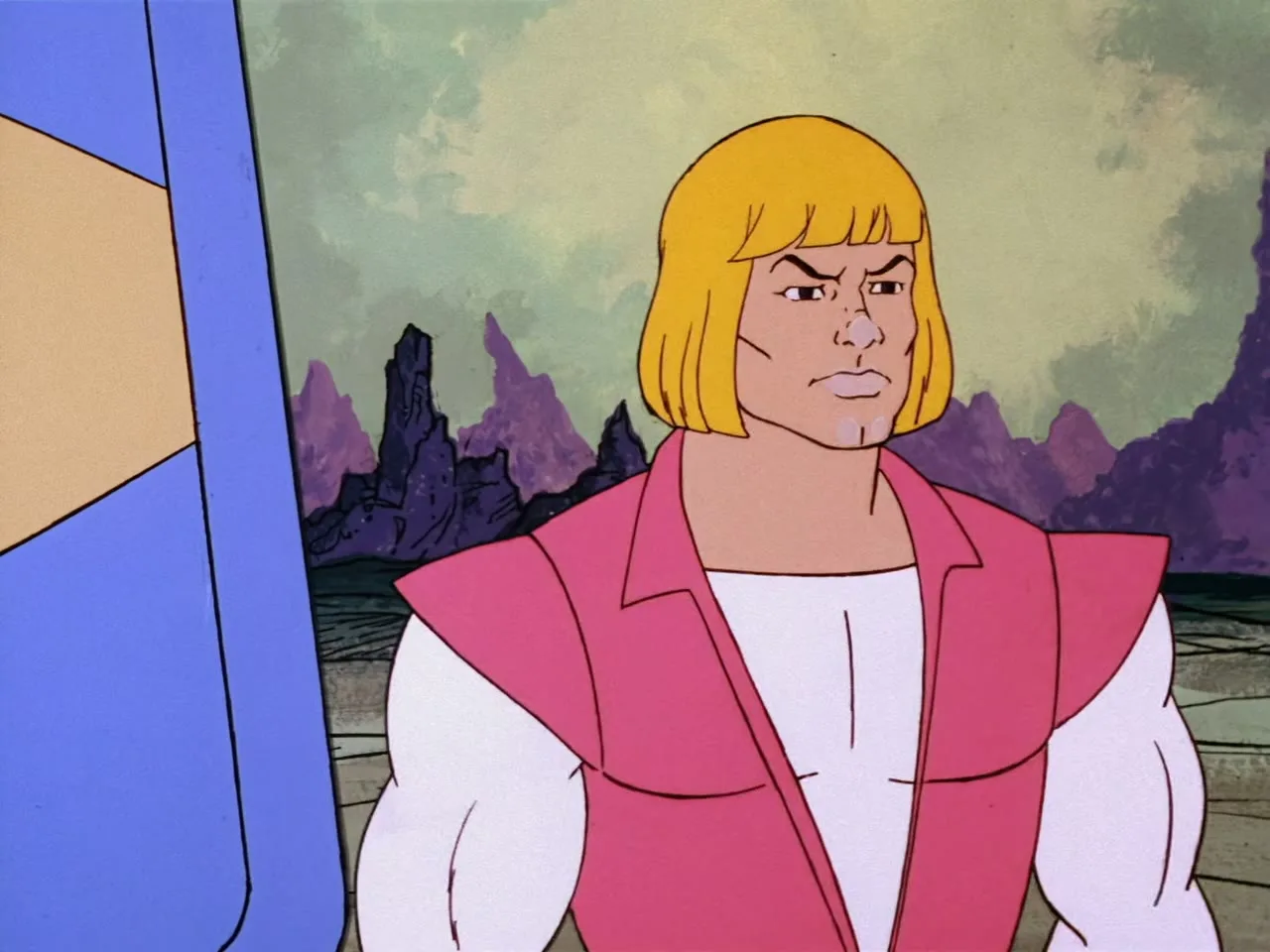
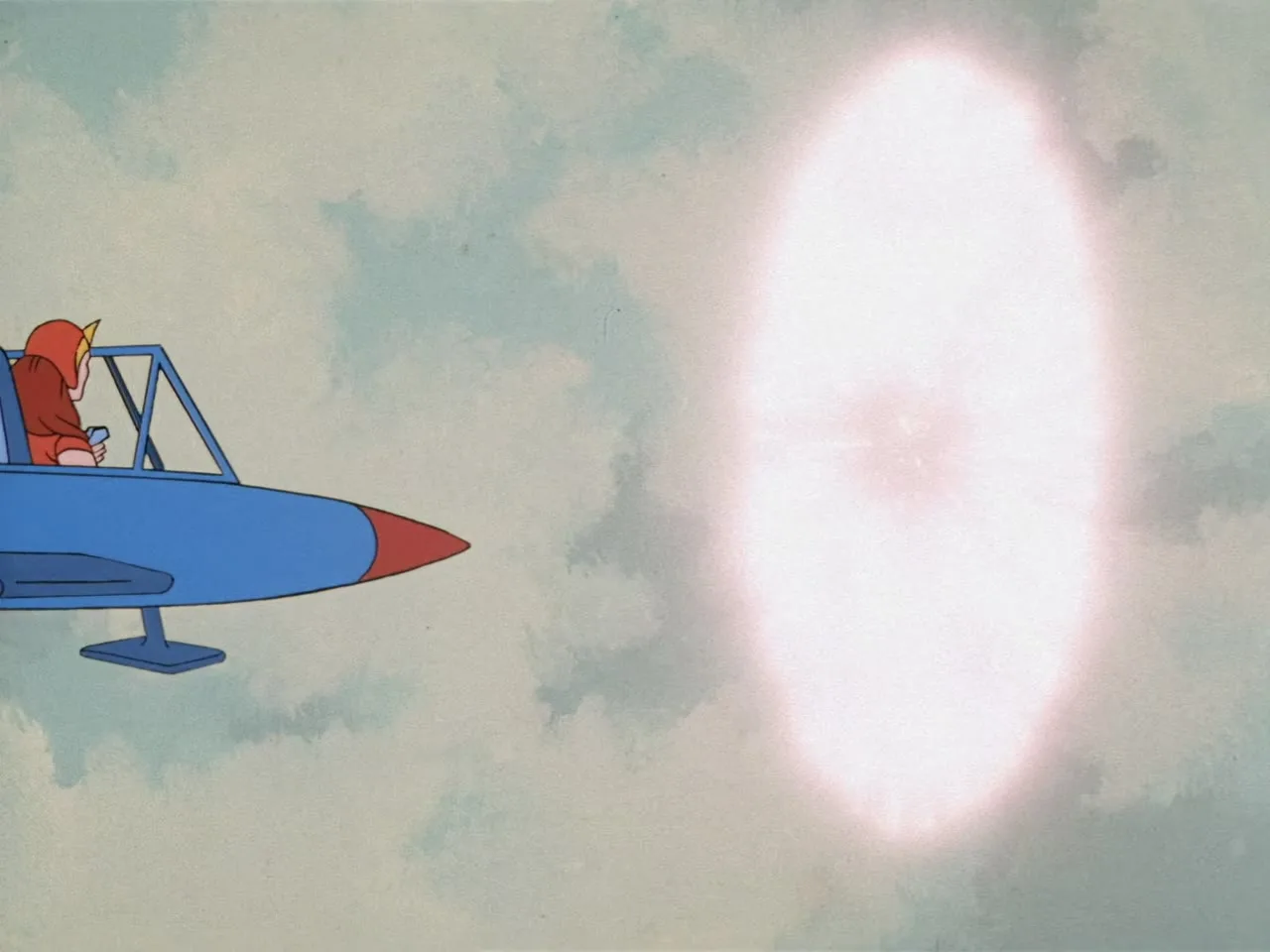
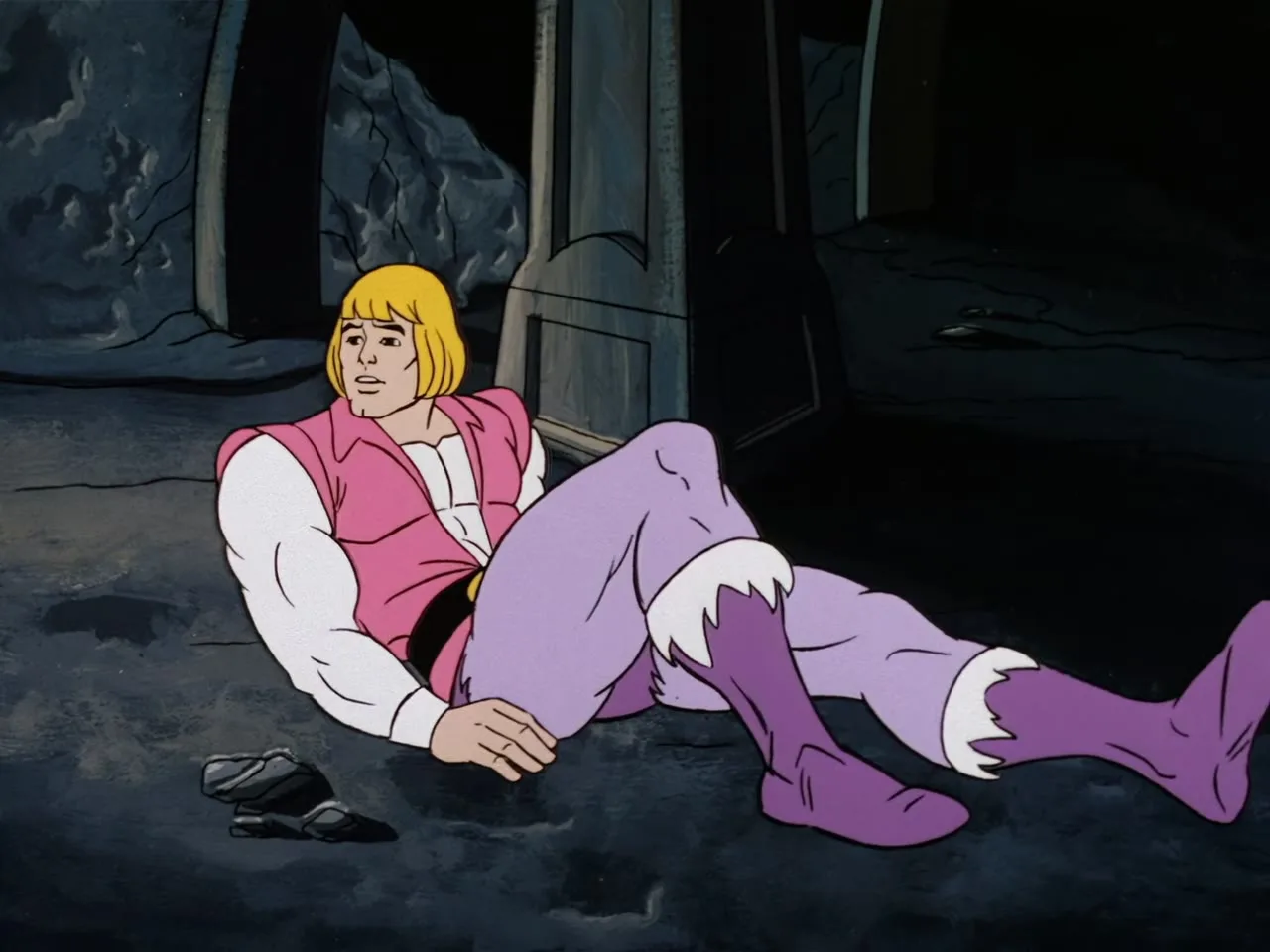
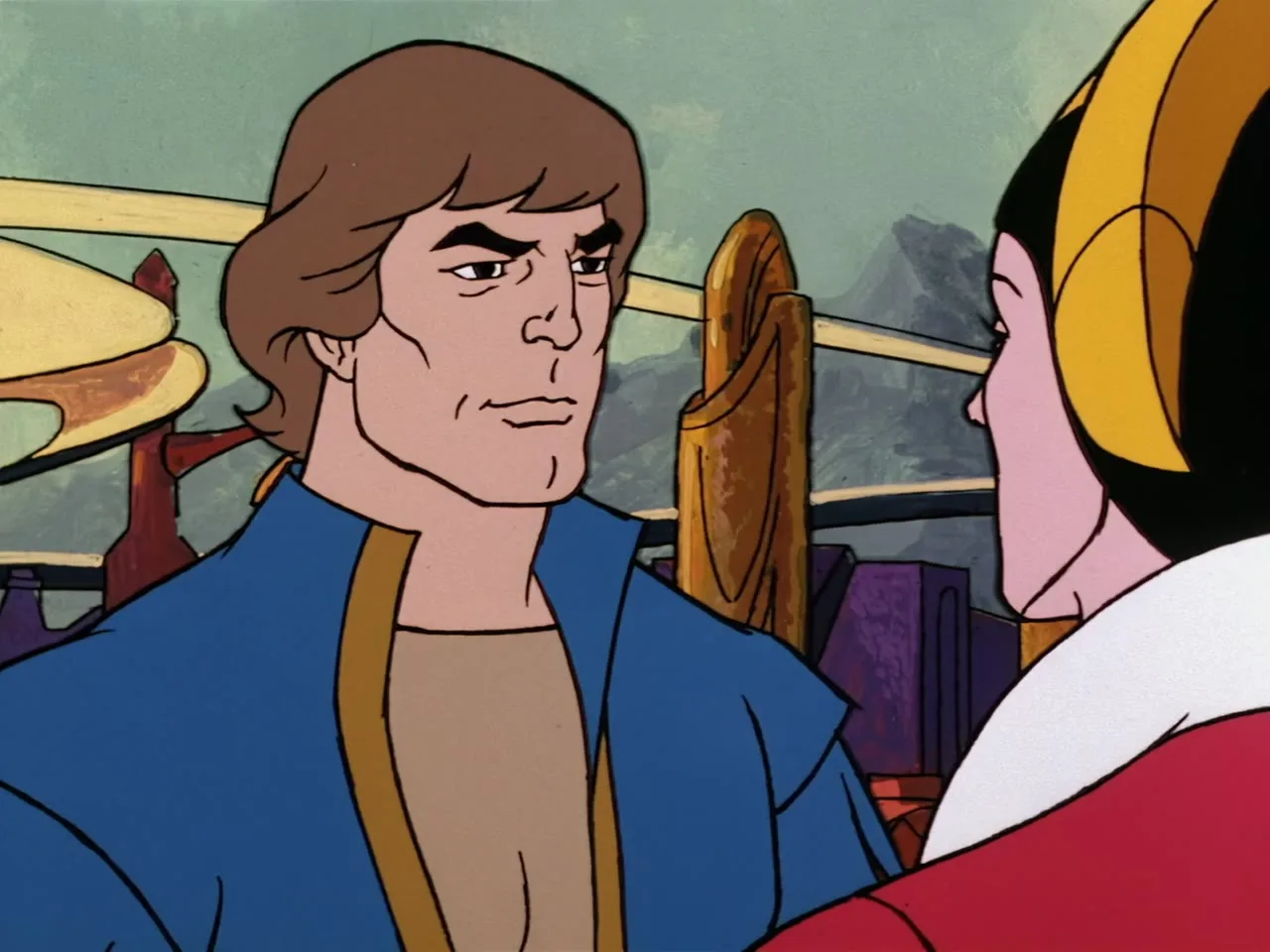
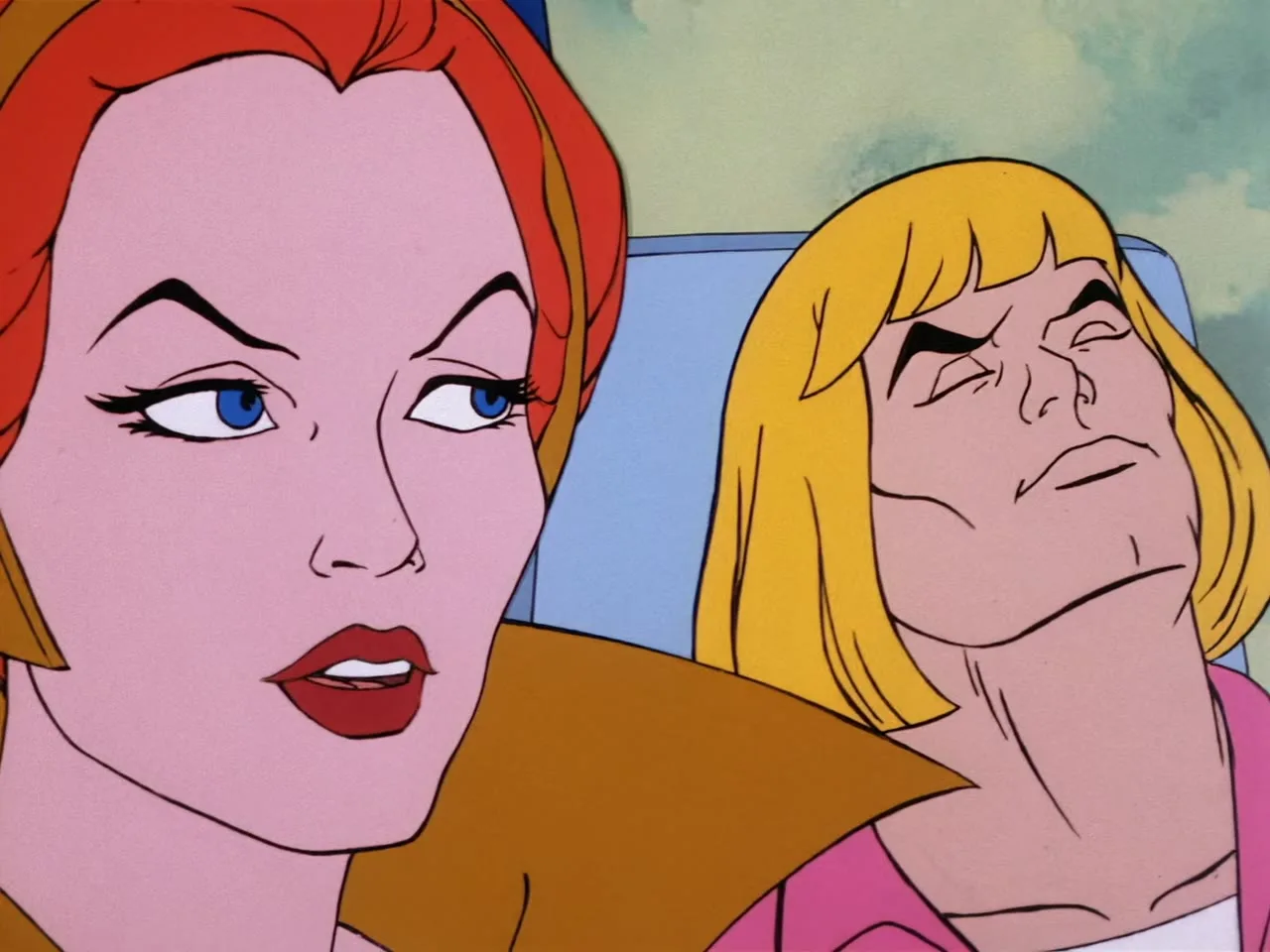
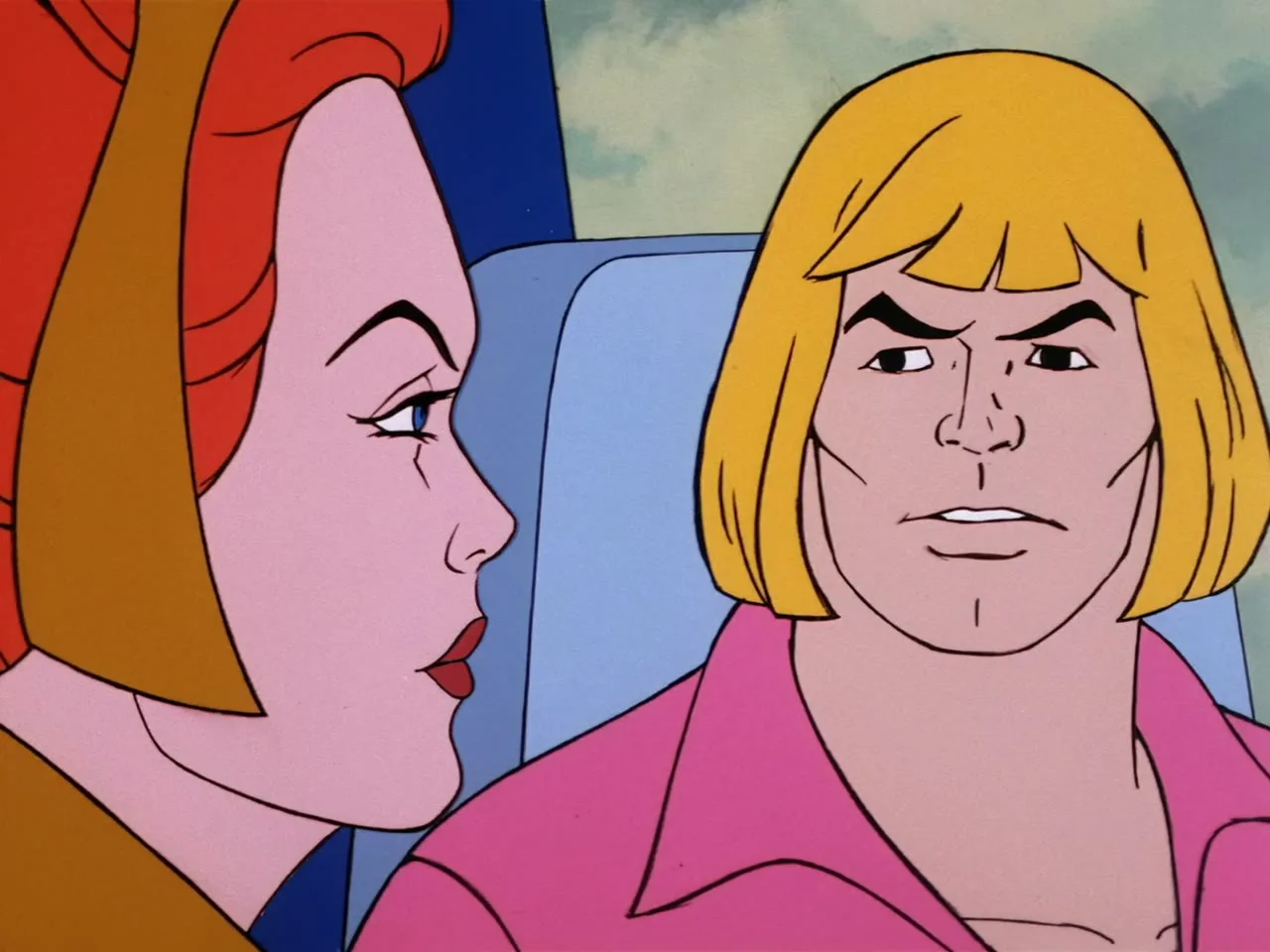
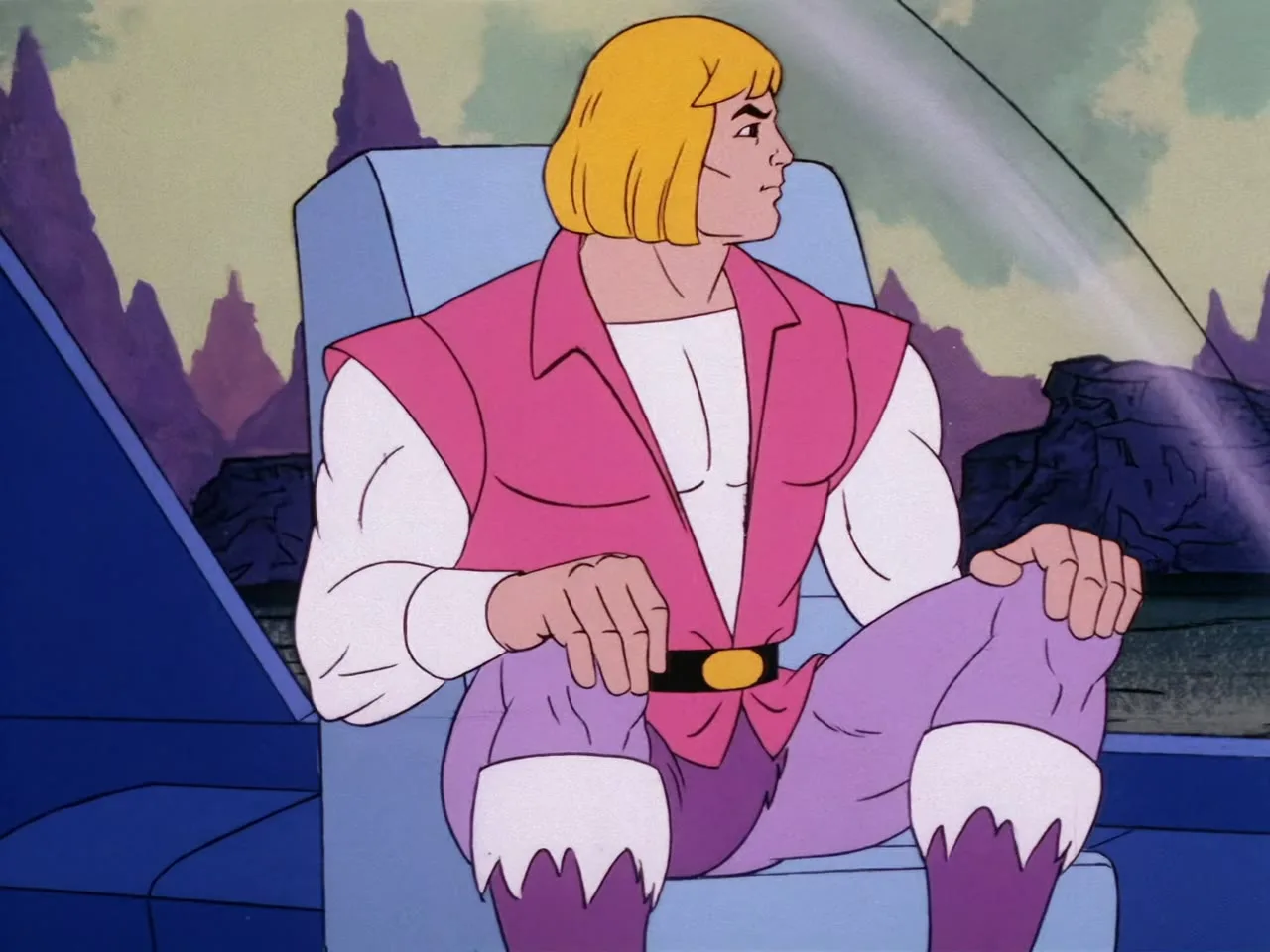
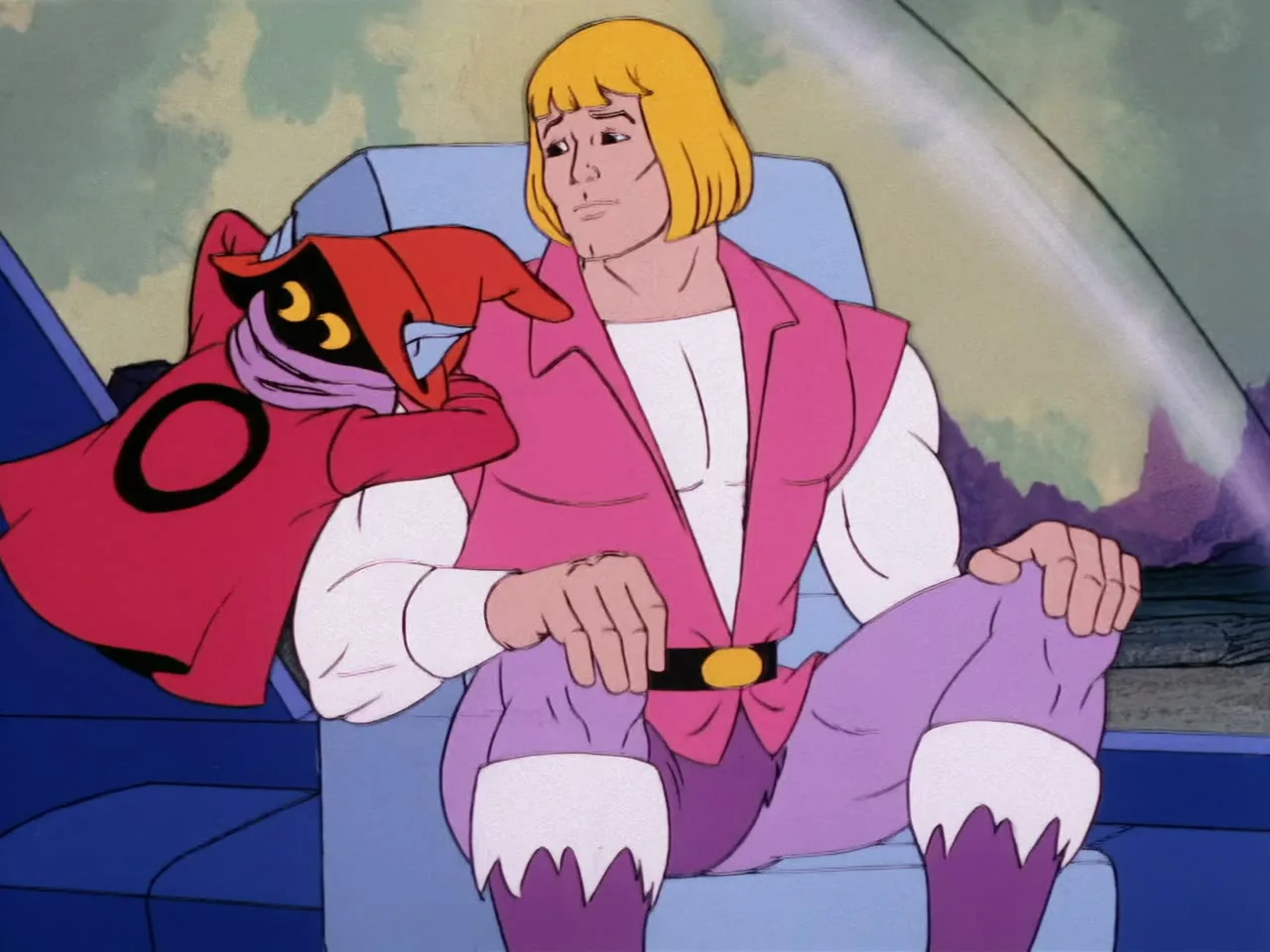
Arcadia stages its whole argument about equality as a mirror image rather than a lecture. The episode opens with Teela and Prince Adam needling each other in the Attak Trak over an Earth history lesson, that women were once barred from its space program. Attak Trak's own dry aside, that machines are plainly superior to both of them, settles nothing. But it sets the pattern we'll watch play out all episode: every voice in "Trouble in Arcadia" is certain its own group deserves the upper hand. The hidden city under the force dome just inverts whose group gets to say it.
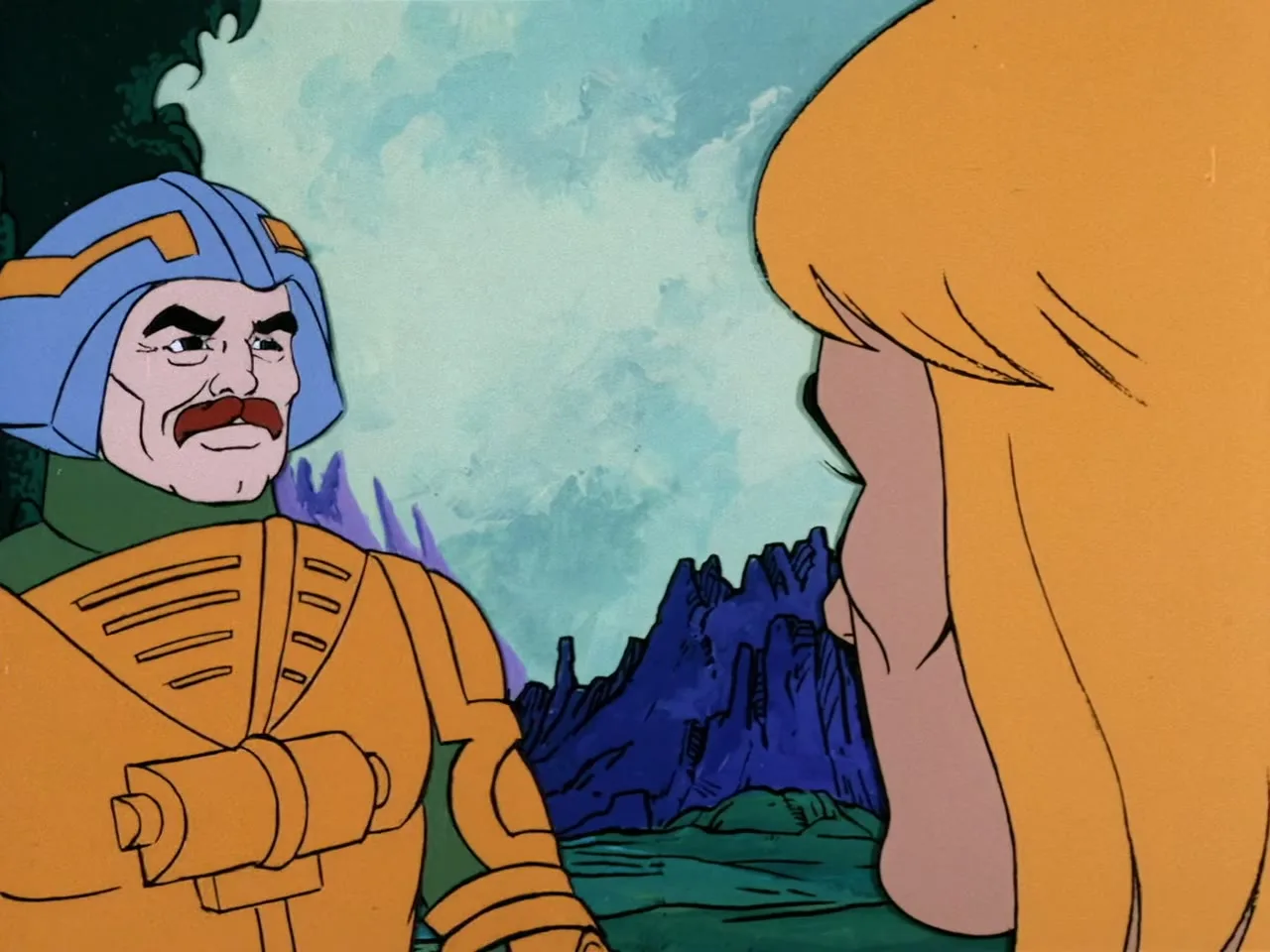
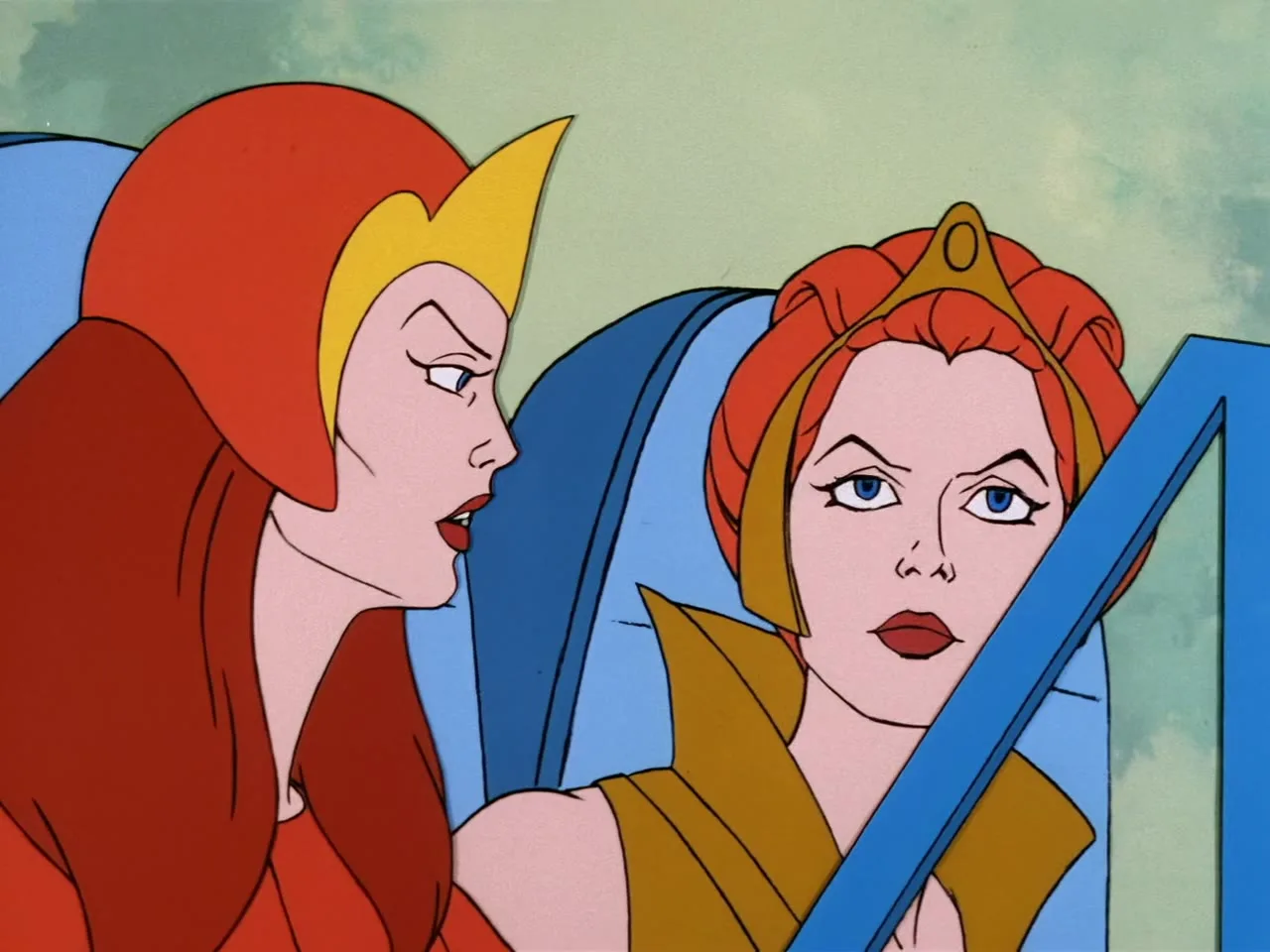
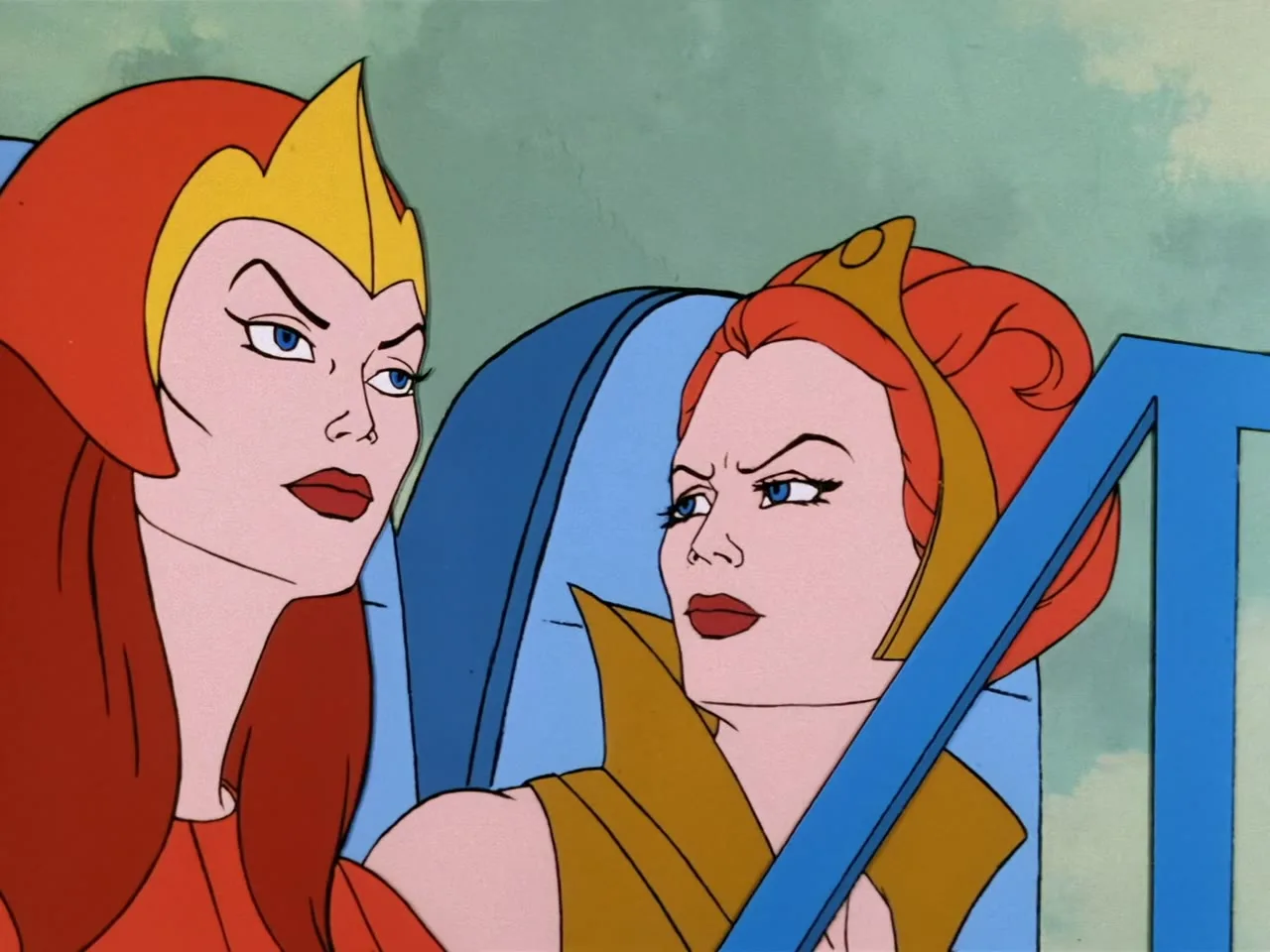
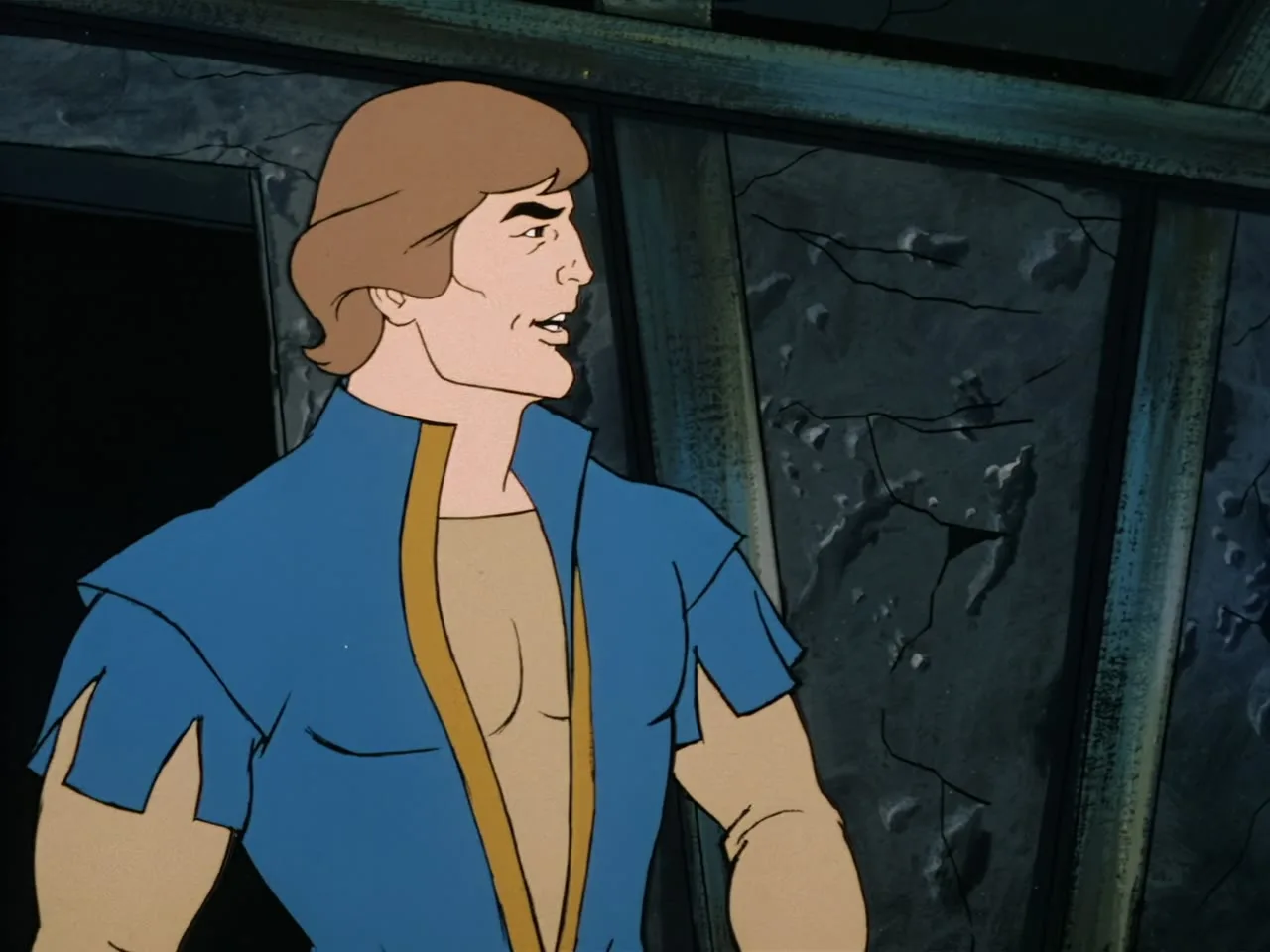
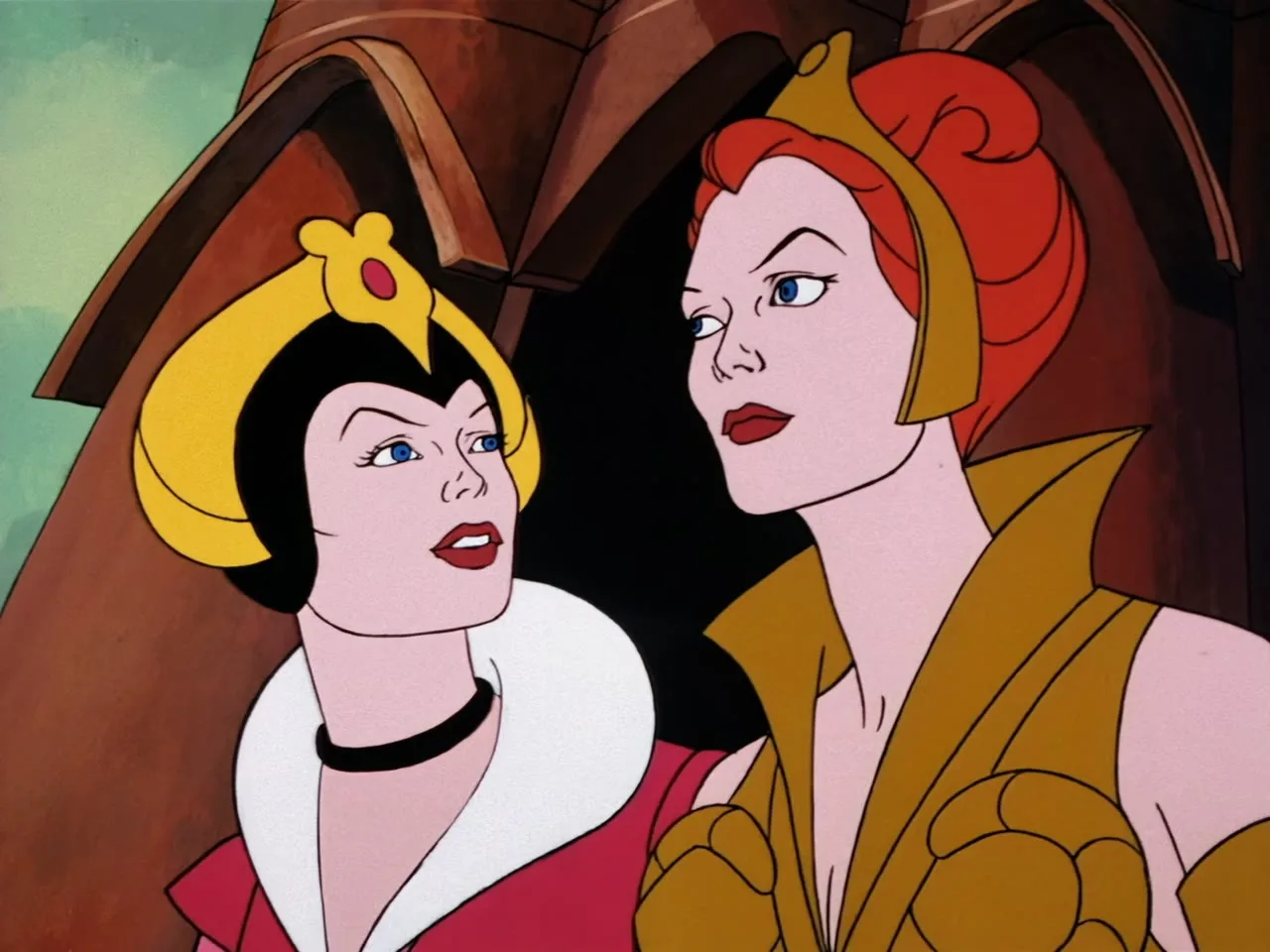
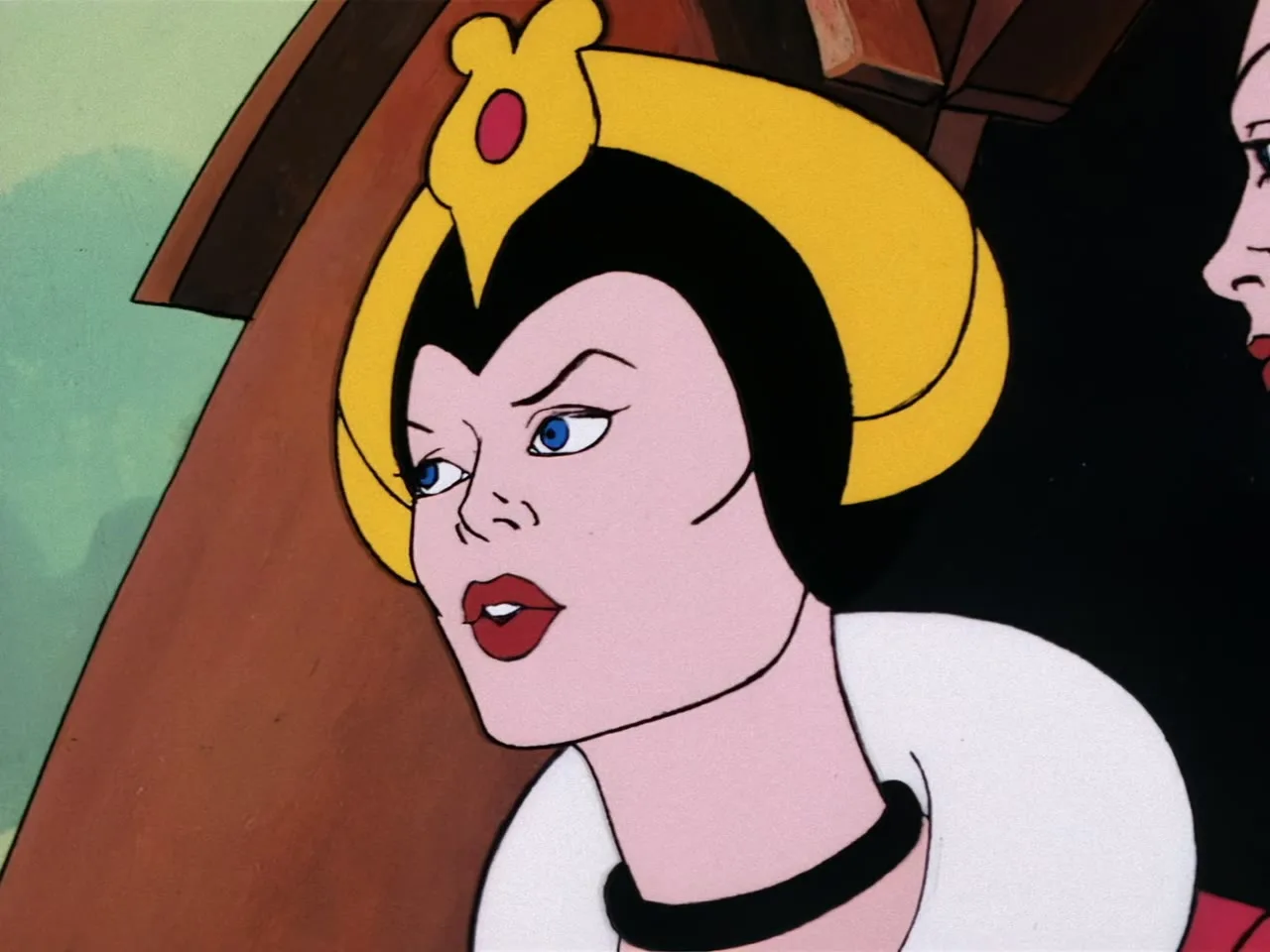
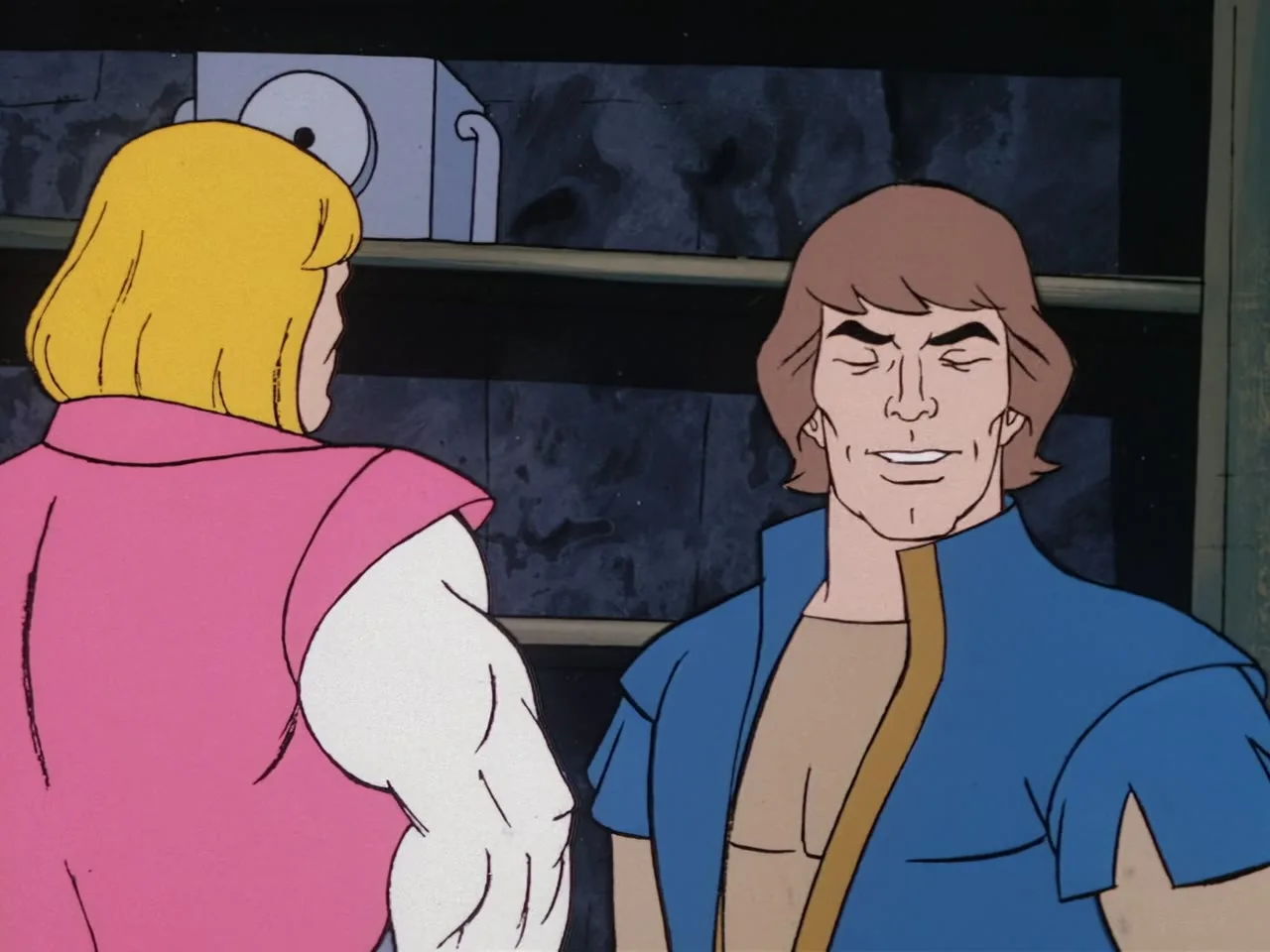
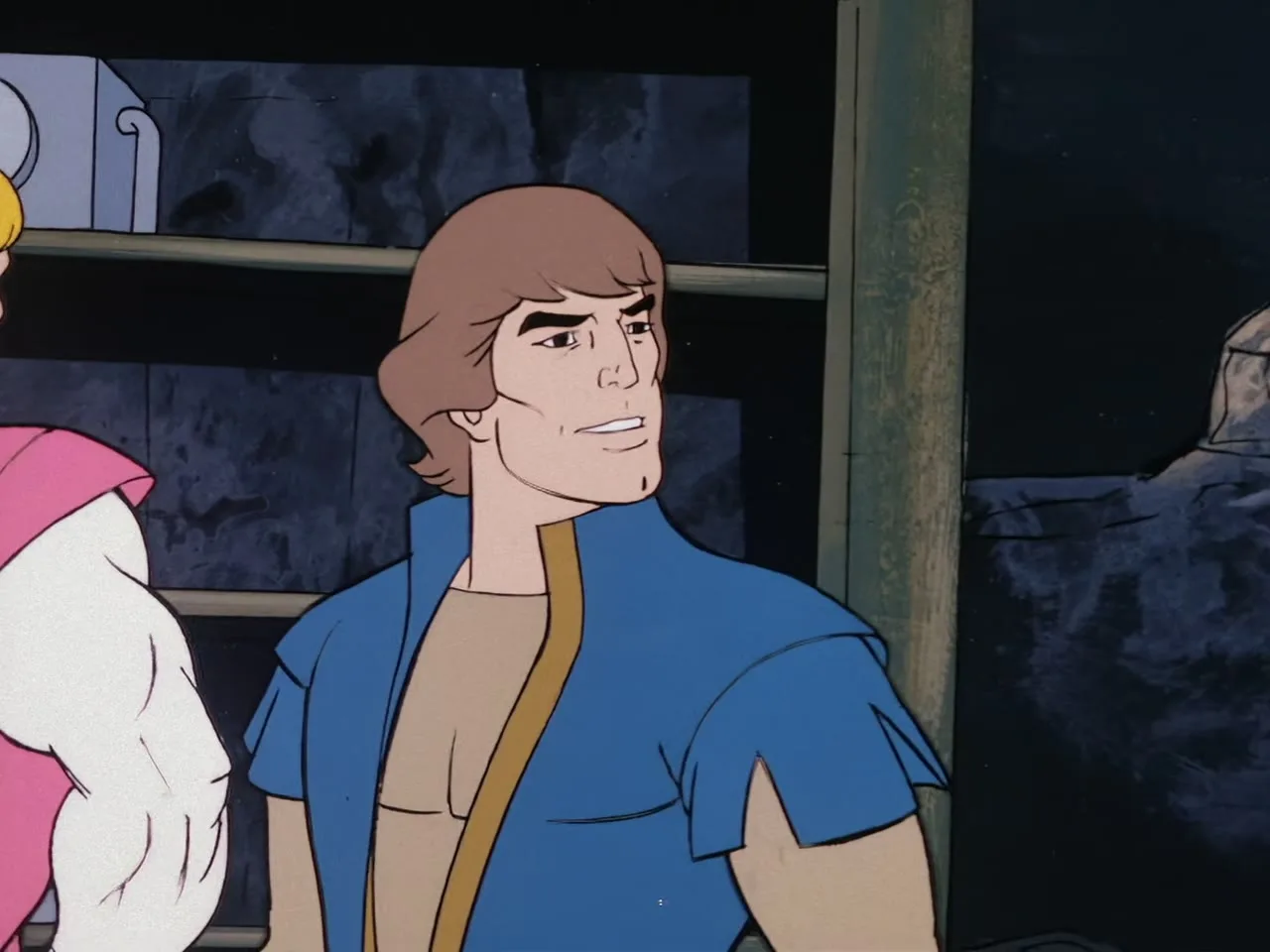
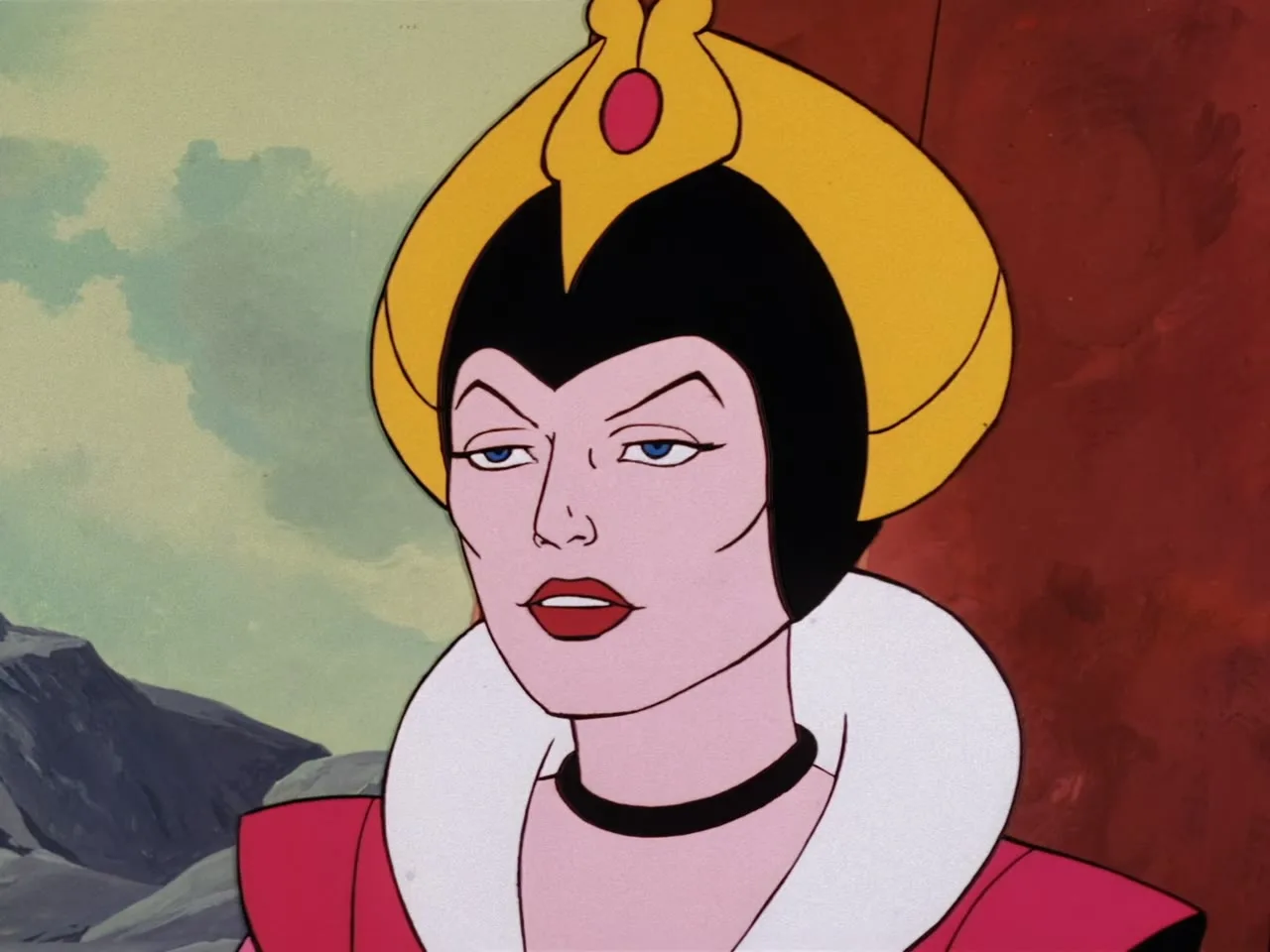
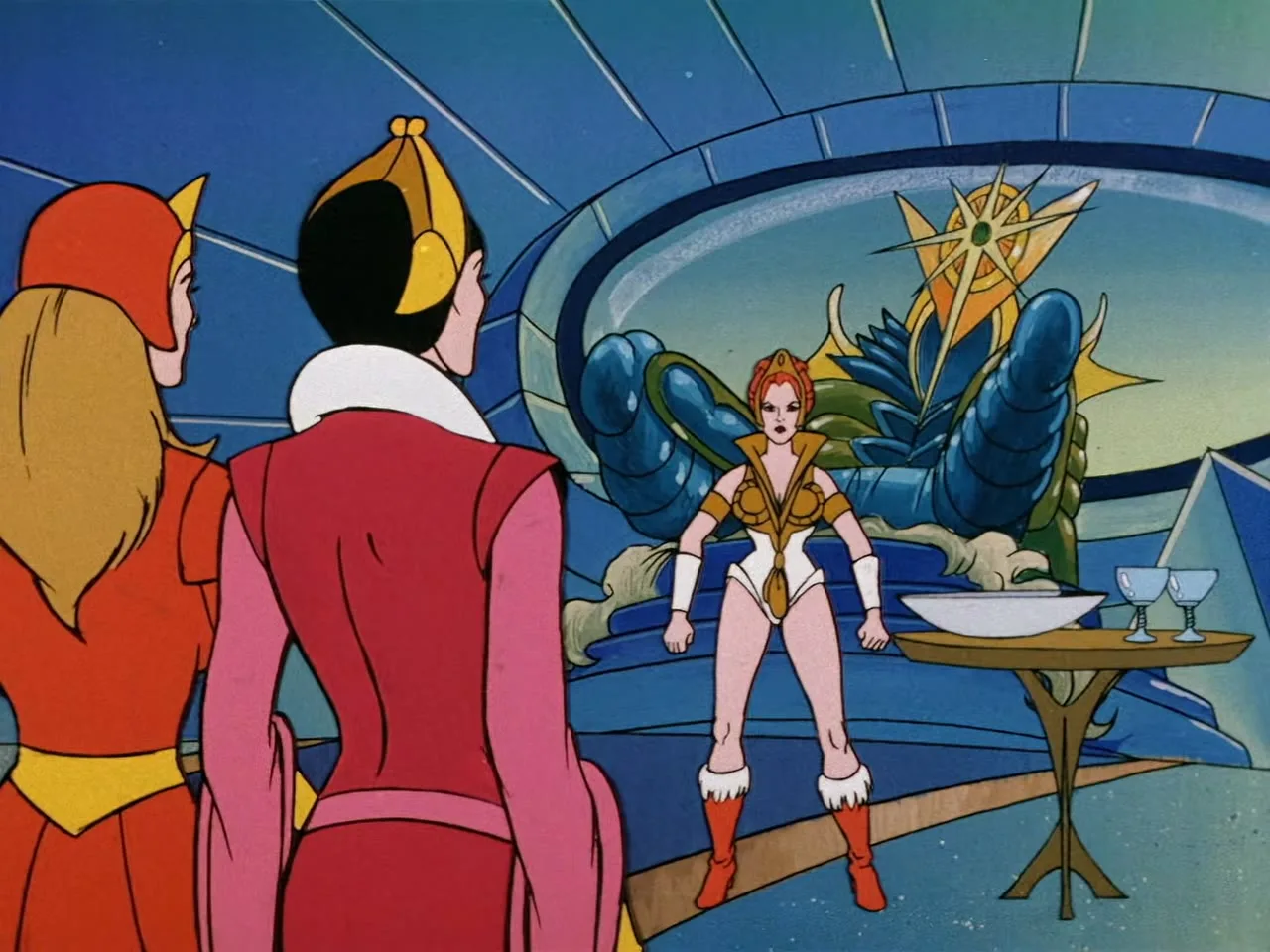
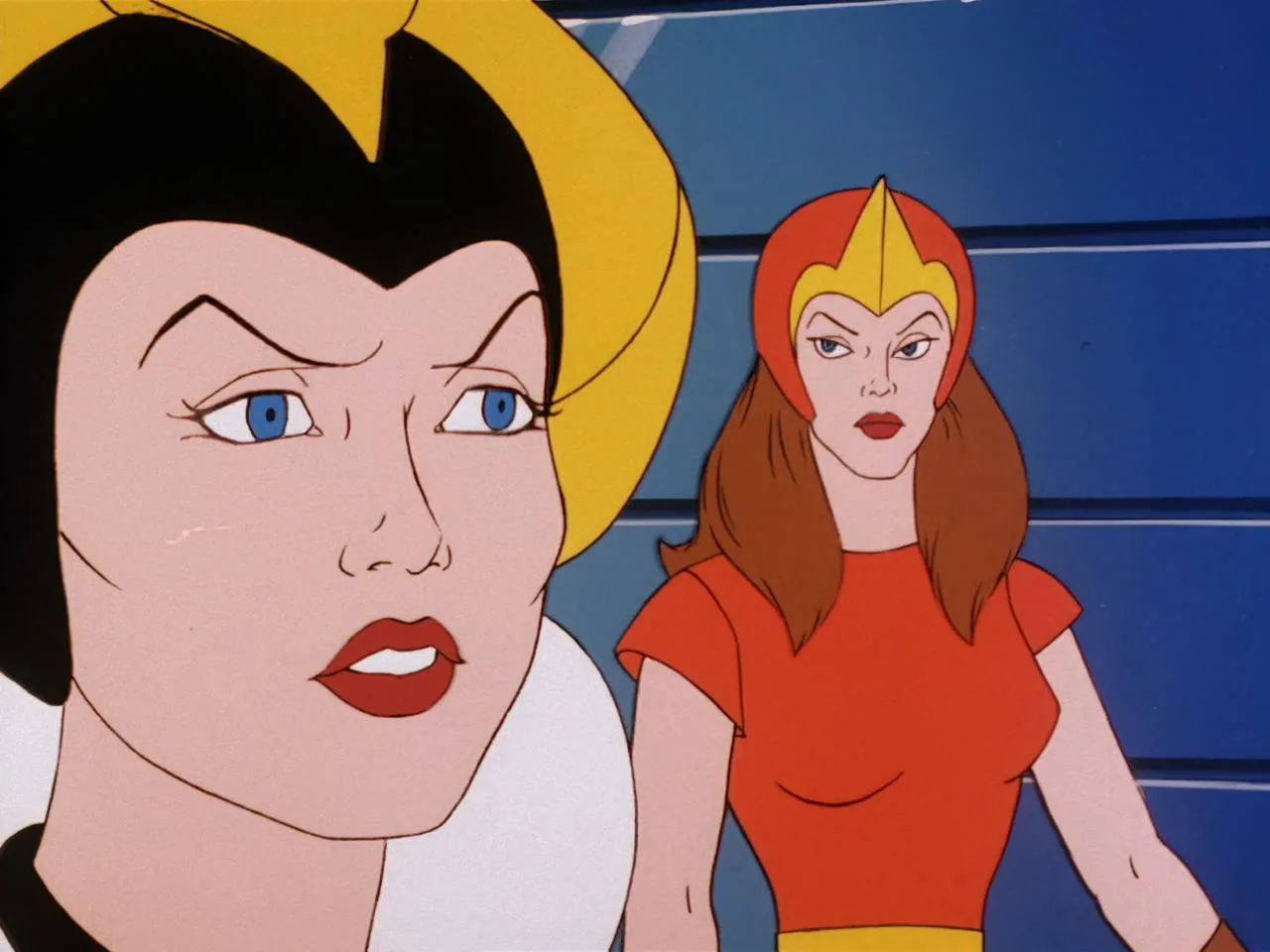
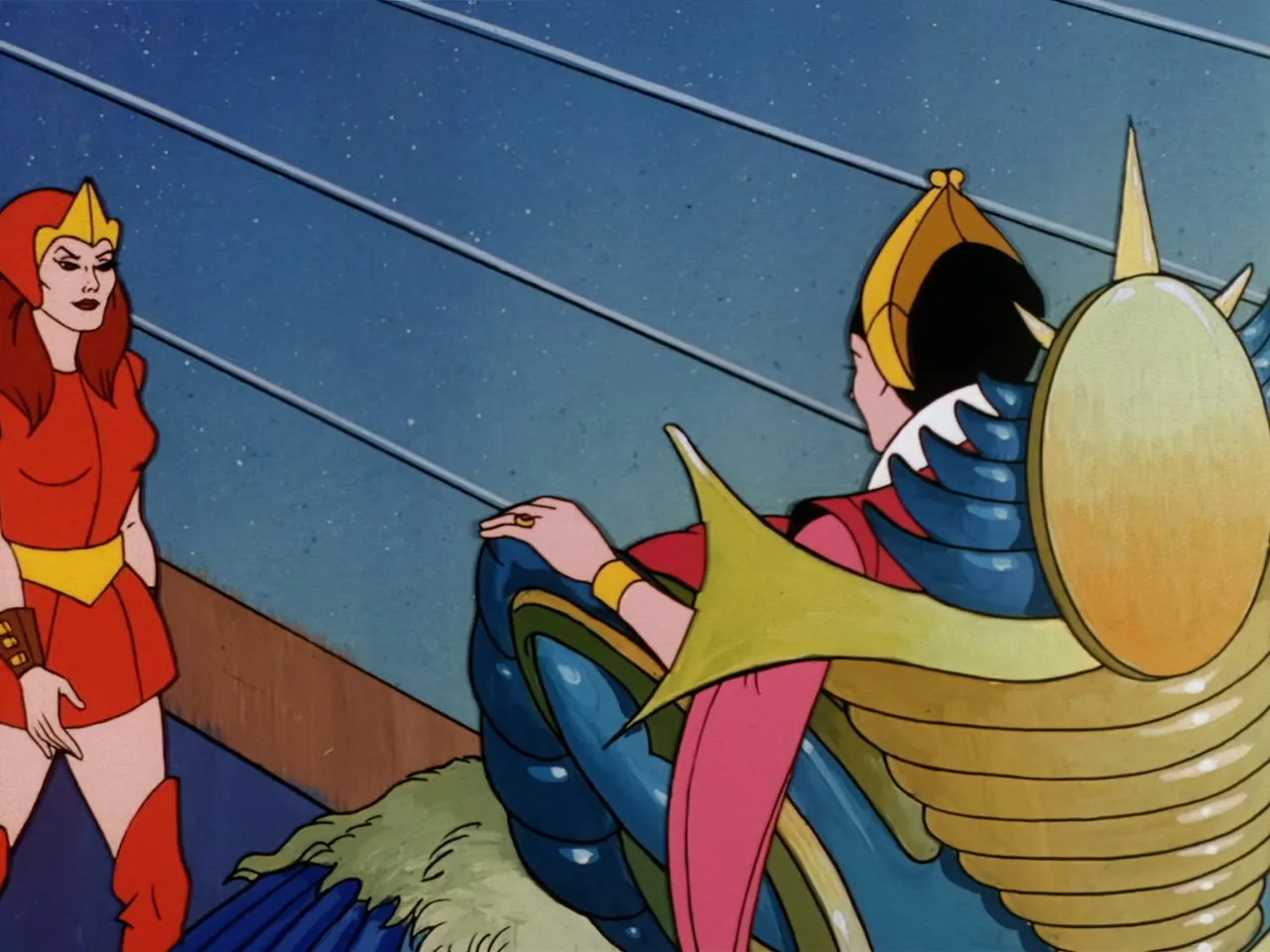
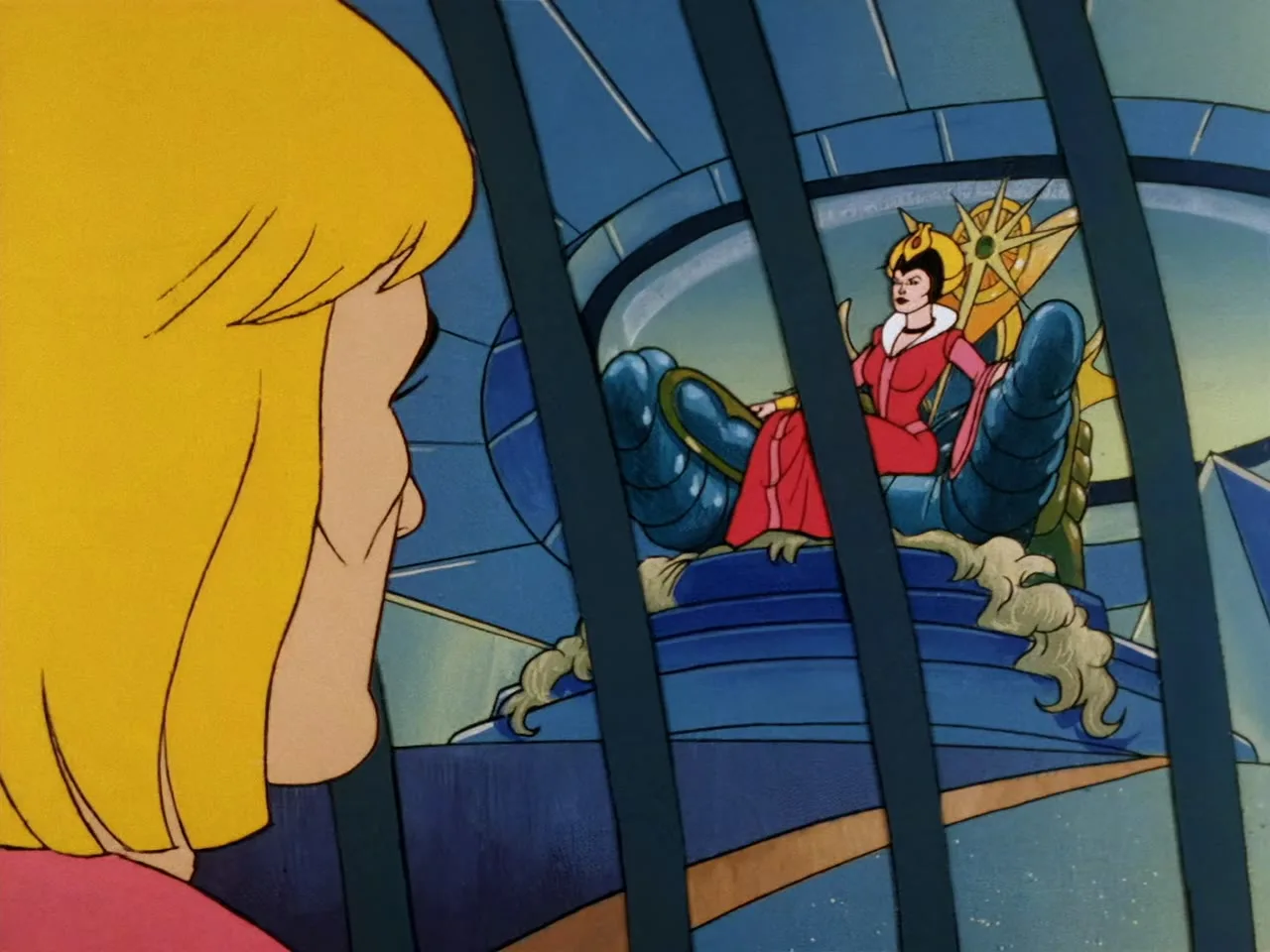
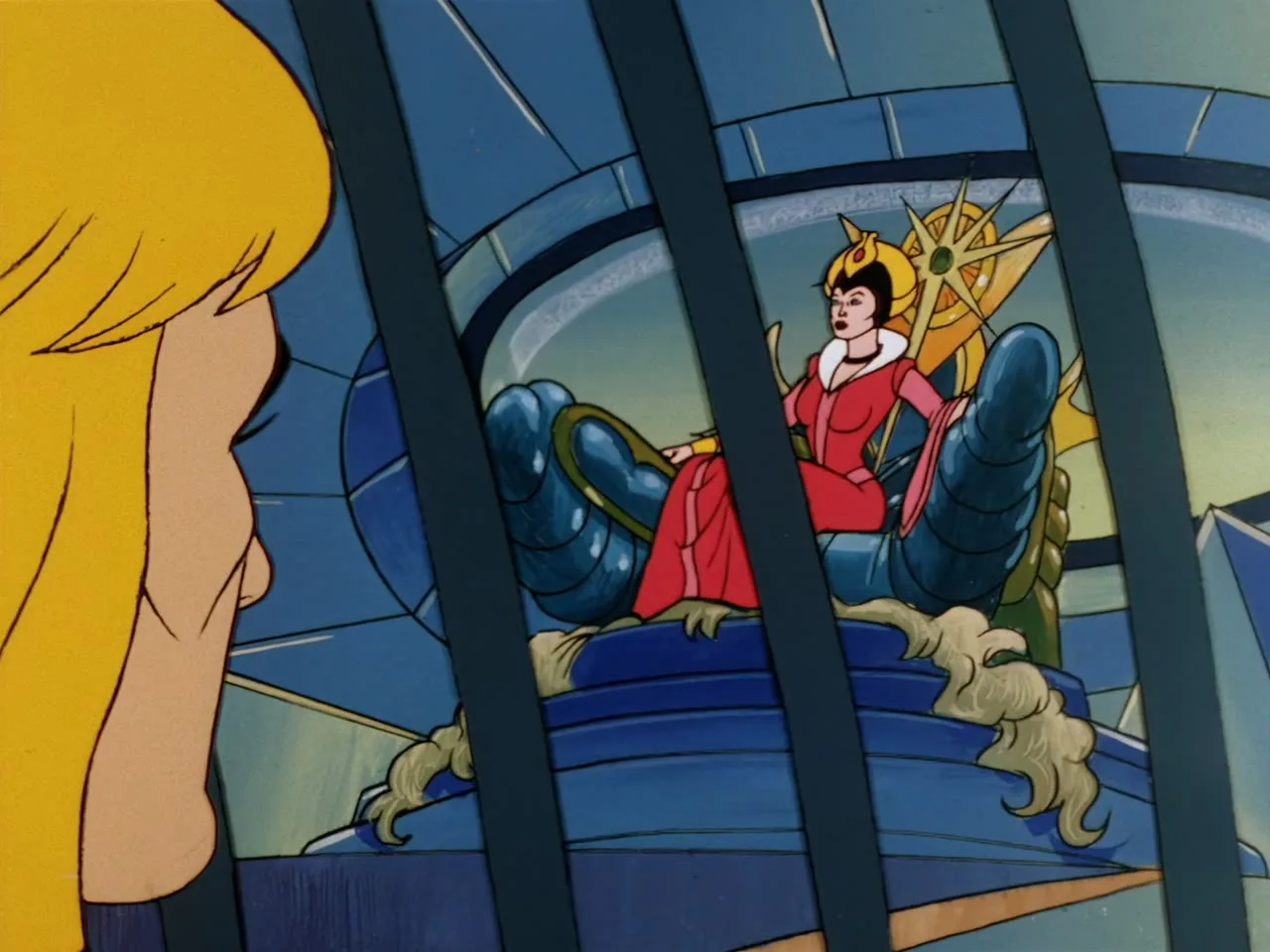
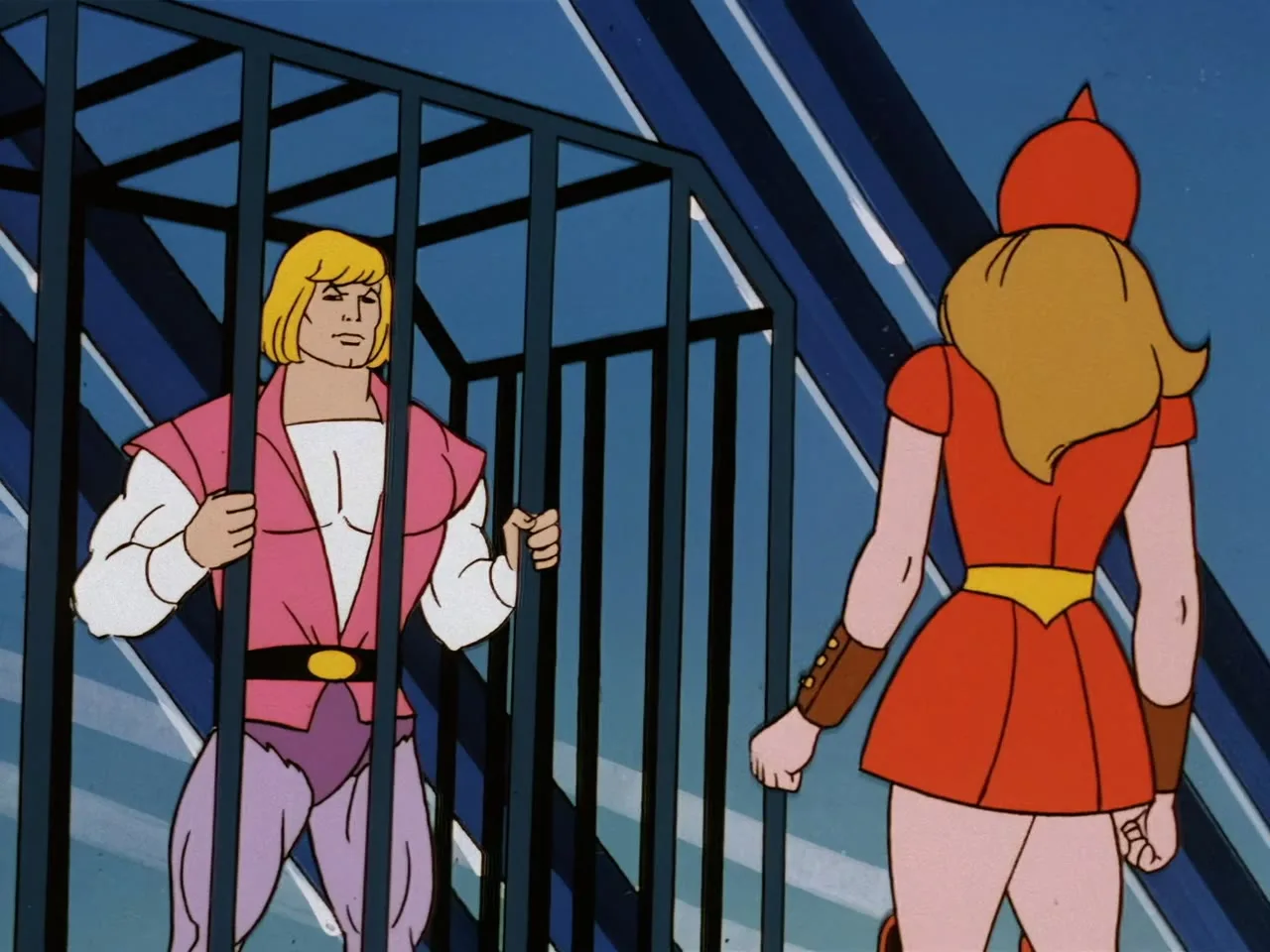
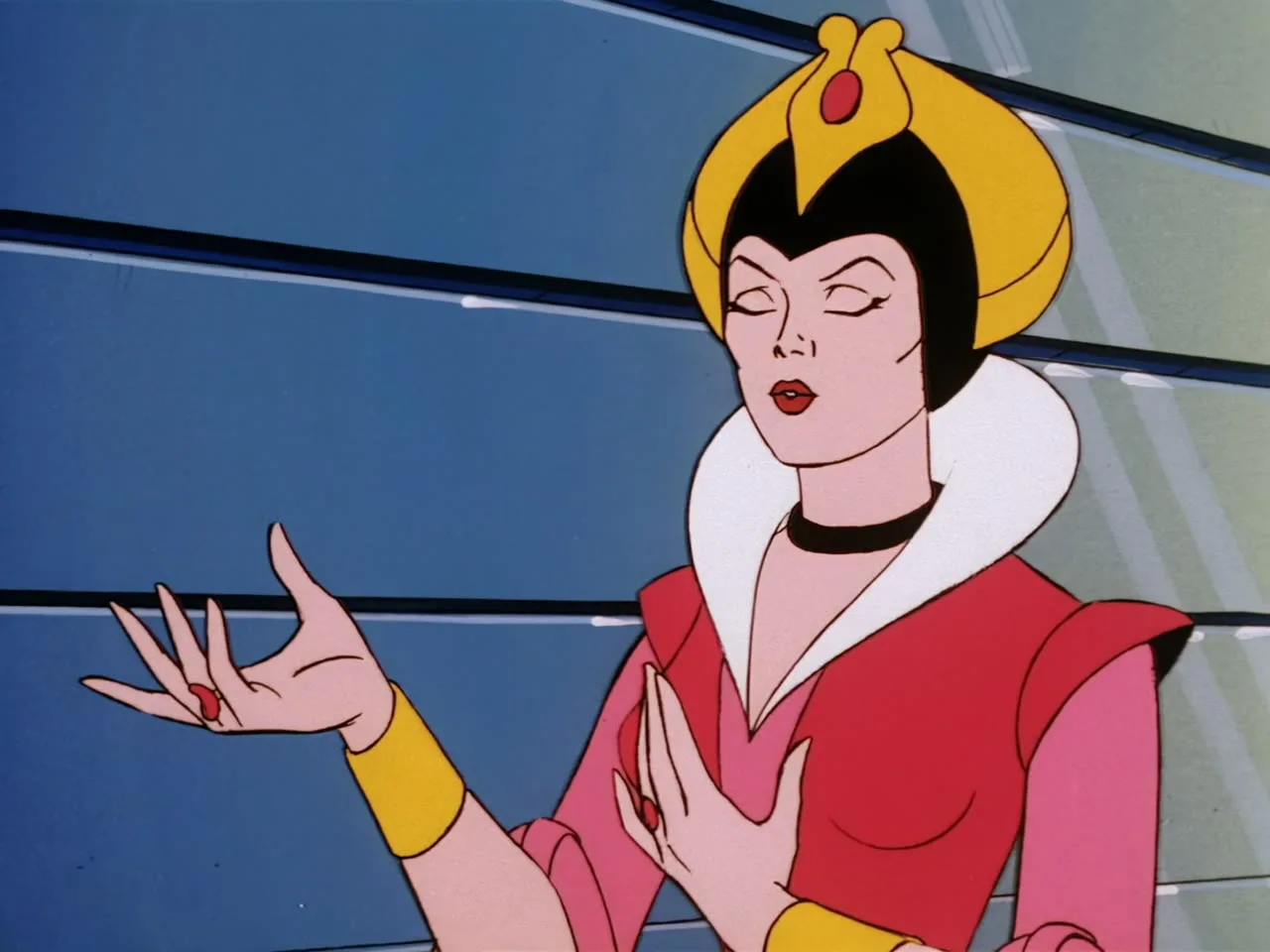
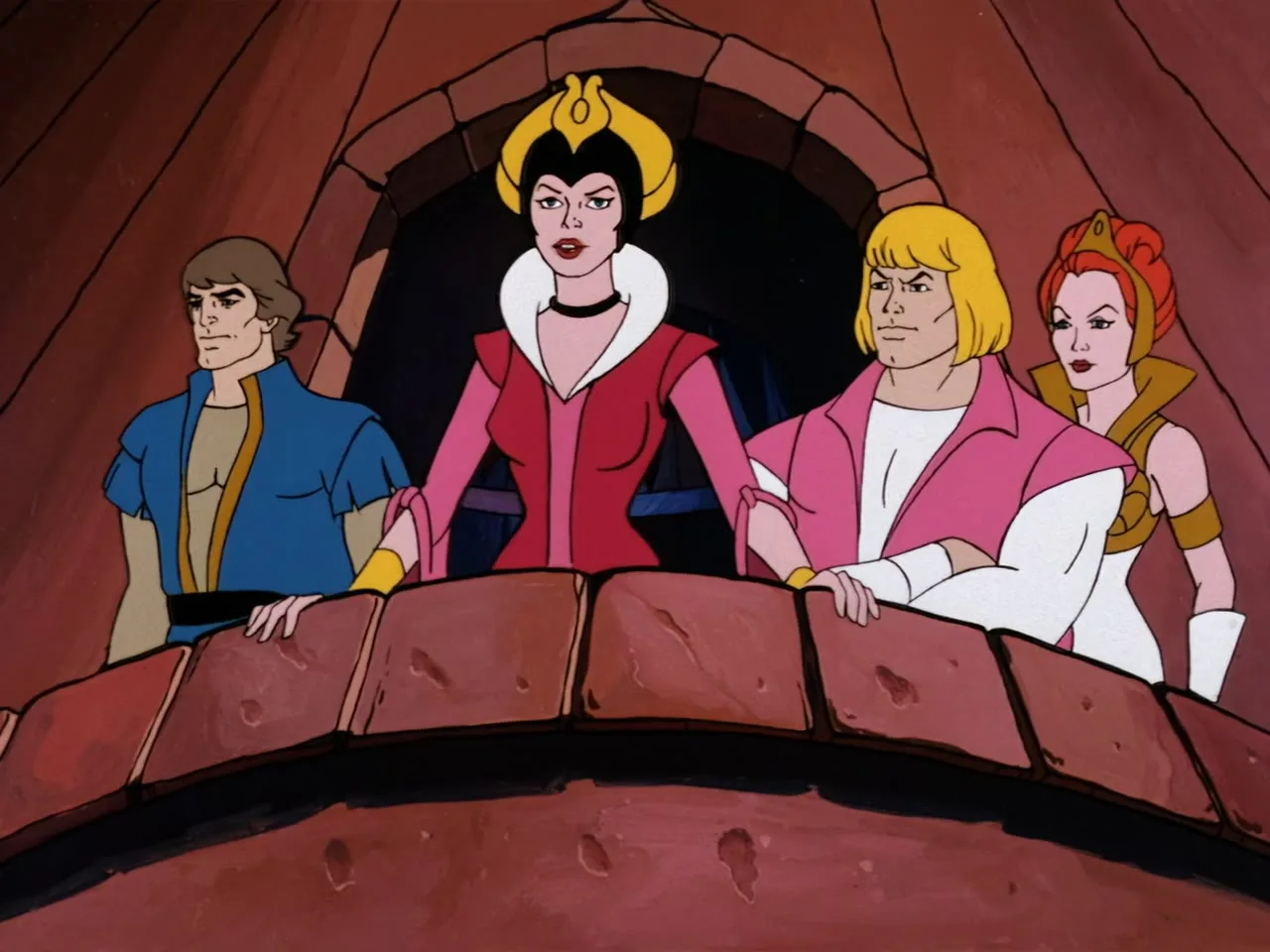
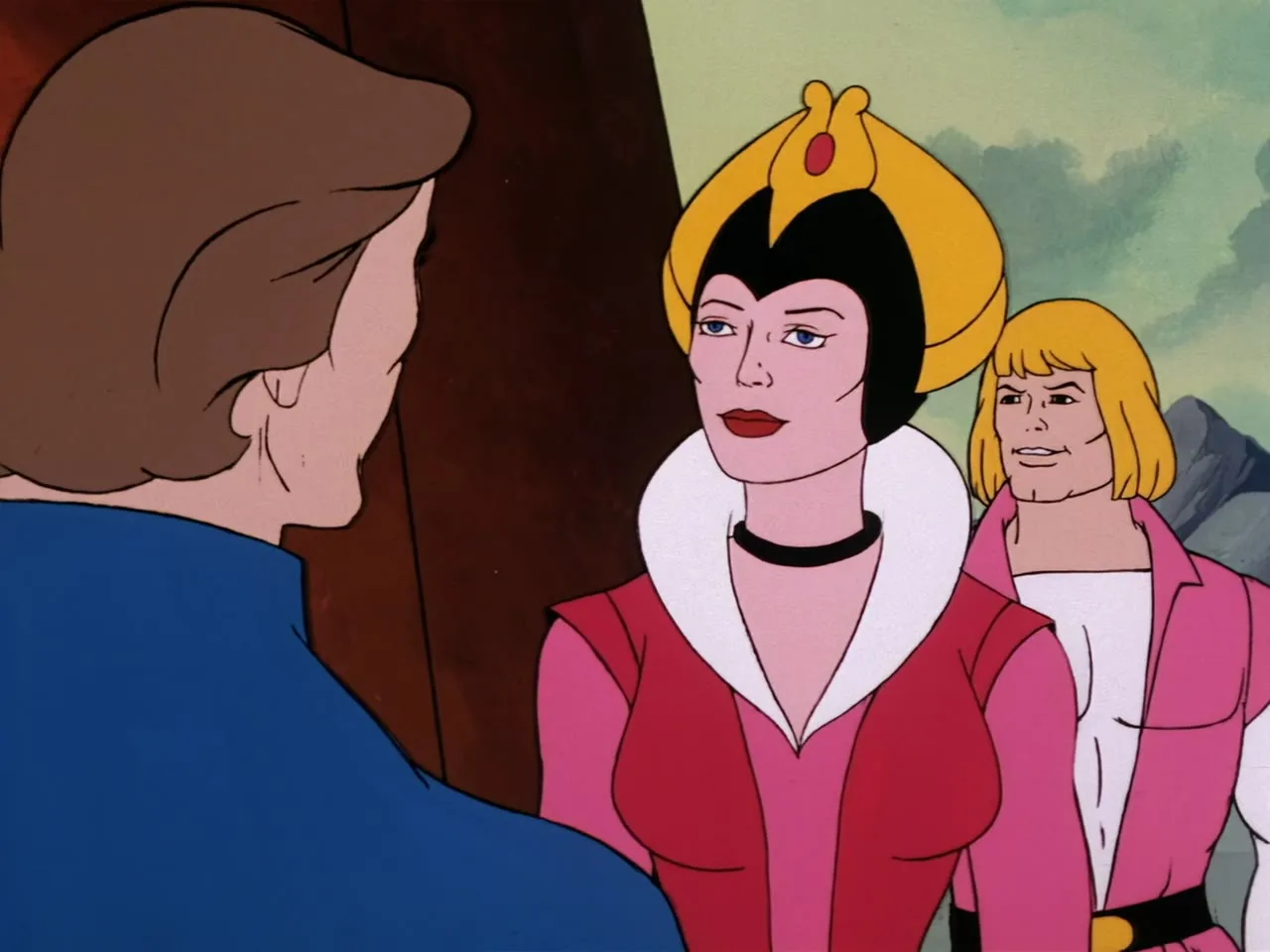
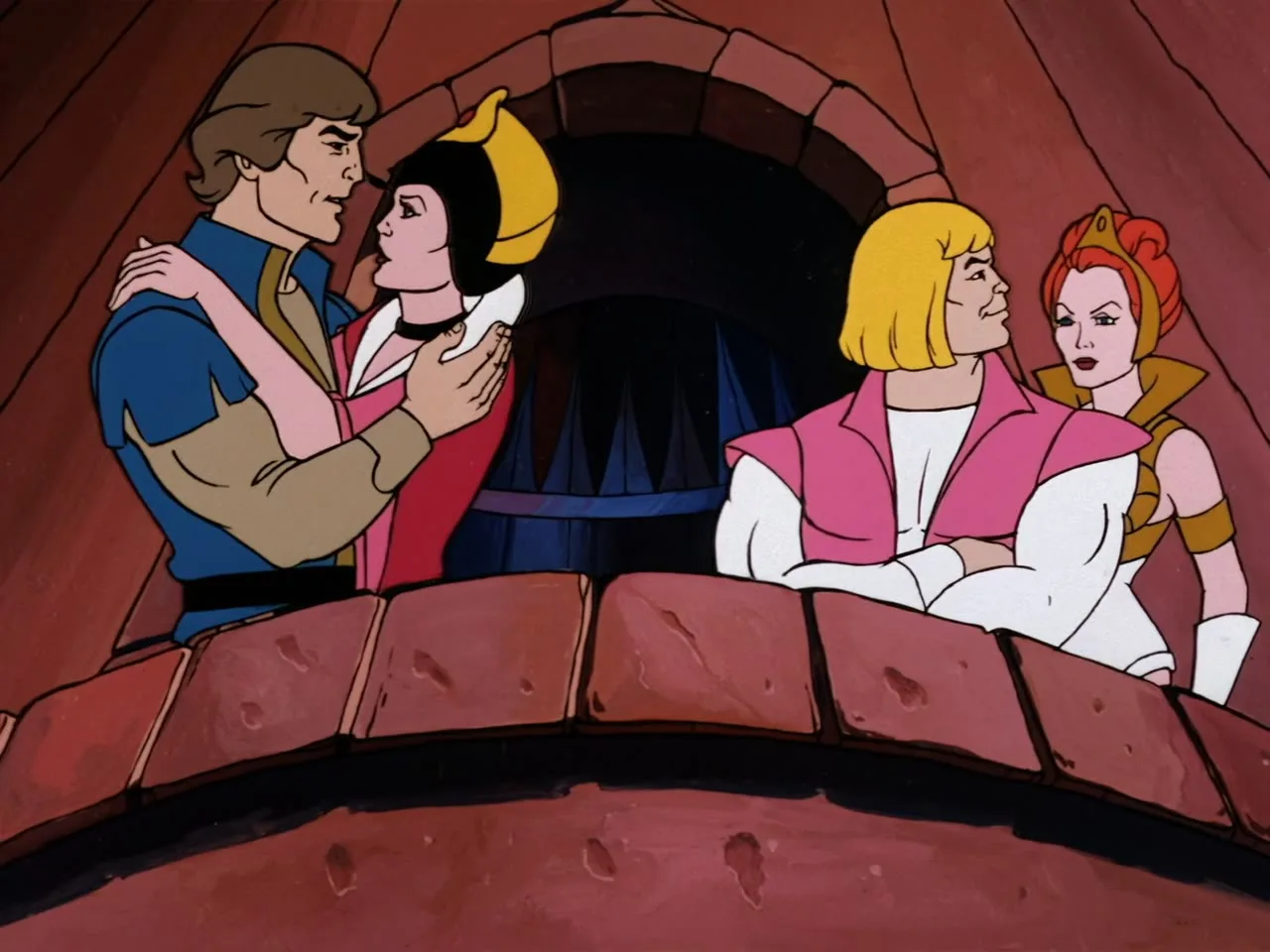
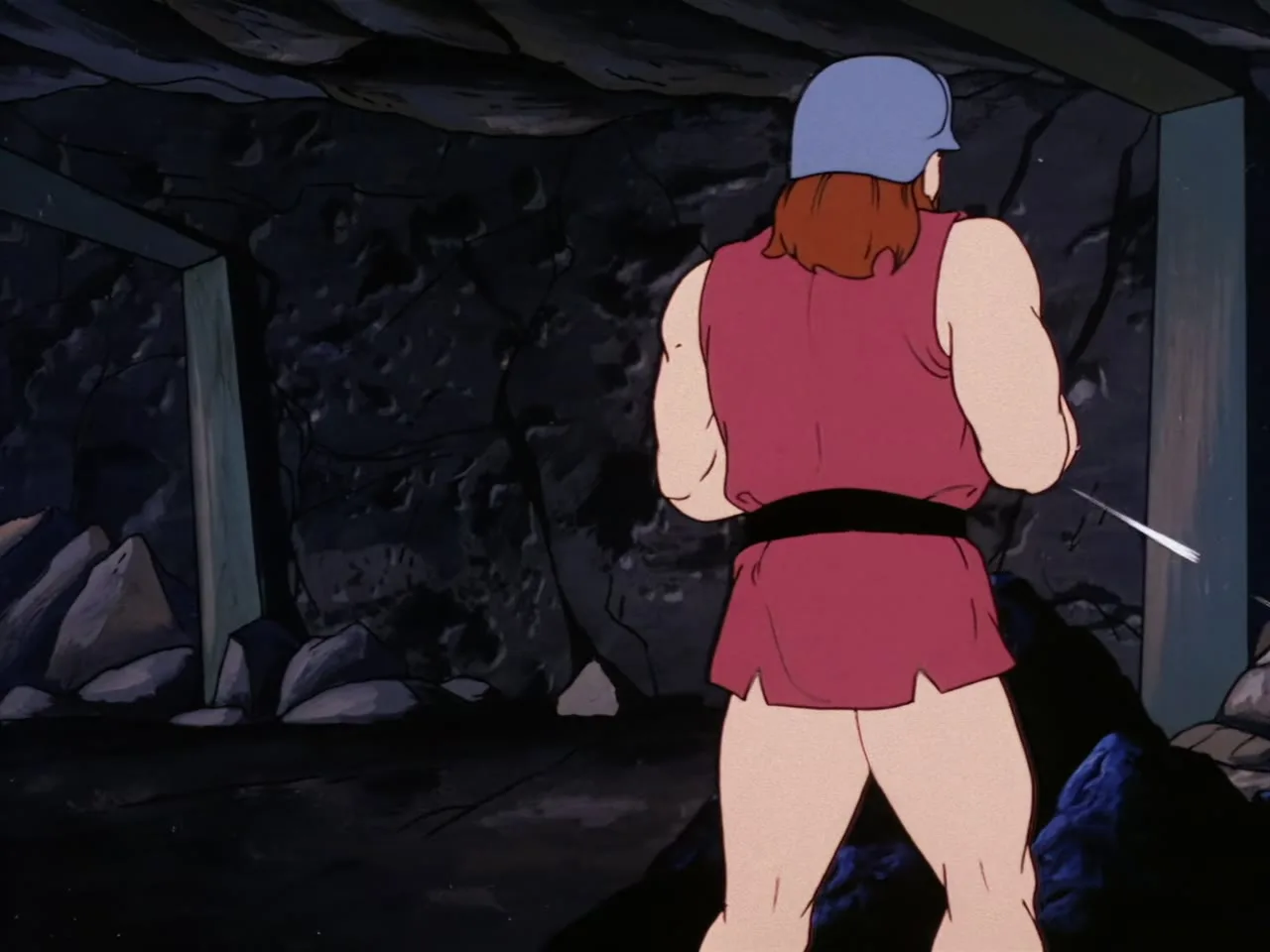
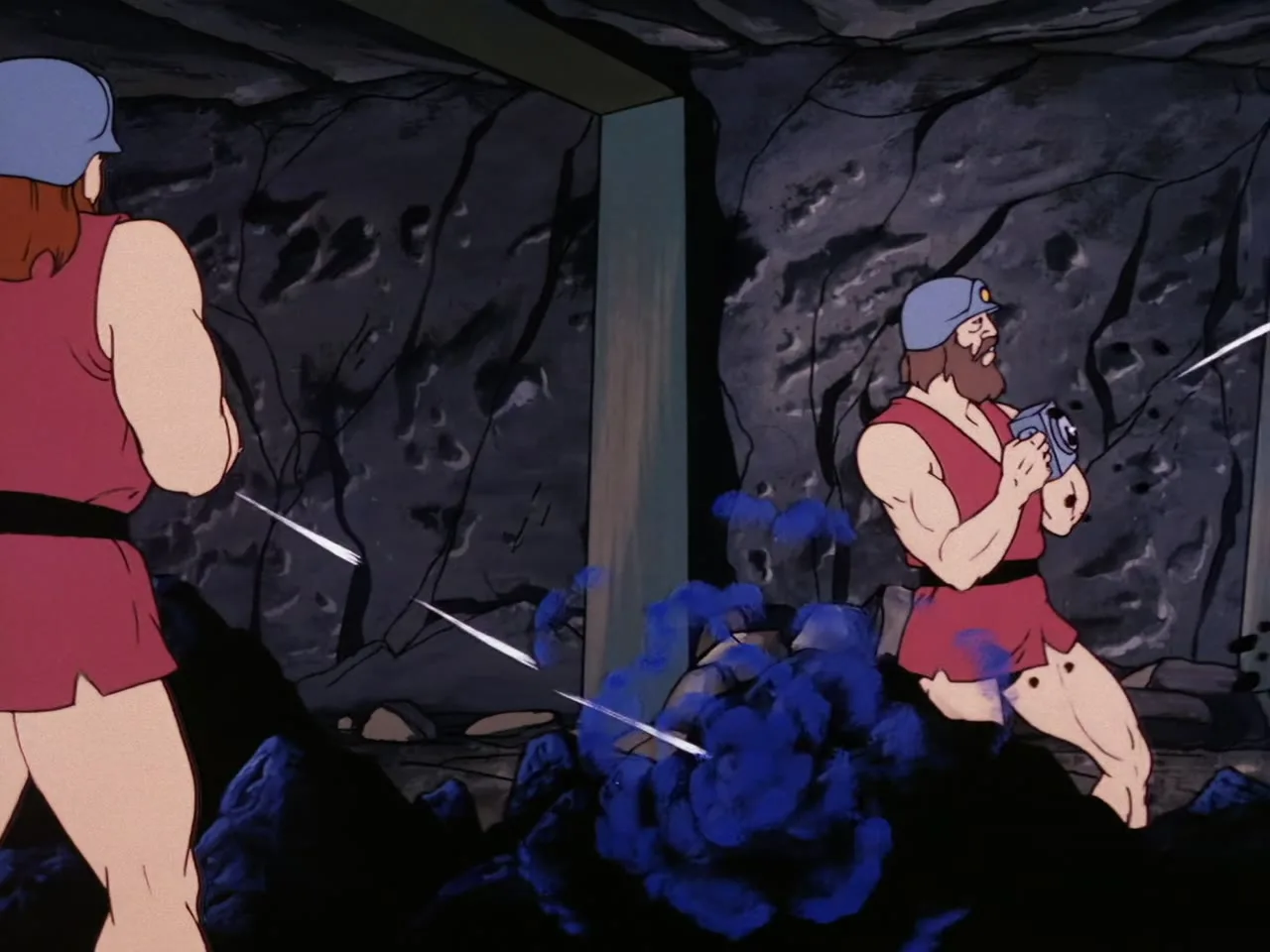
That inversion is where David Wise's script does its real work. Arcadia isn't staged as a tyranny. It's a settled, orderly society that happens to run on forced male labor, and Queen Sumana isn't written as a villain so much as a ruler who has never had reason to doubt her own arrangement. When Ananda tells her the arcalite mines are close to collapse, she waves him off. The show is careful to make that dismissal sound less like malice than habit: men complain, men work, the complaints get filed under slacking. Ananda is the episode's best piece of writing, a man who has learned to manage Sumana rather than confront her outright, and he gets rewarded for it with a coronation that plays as earned.
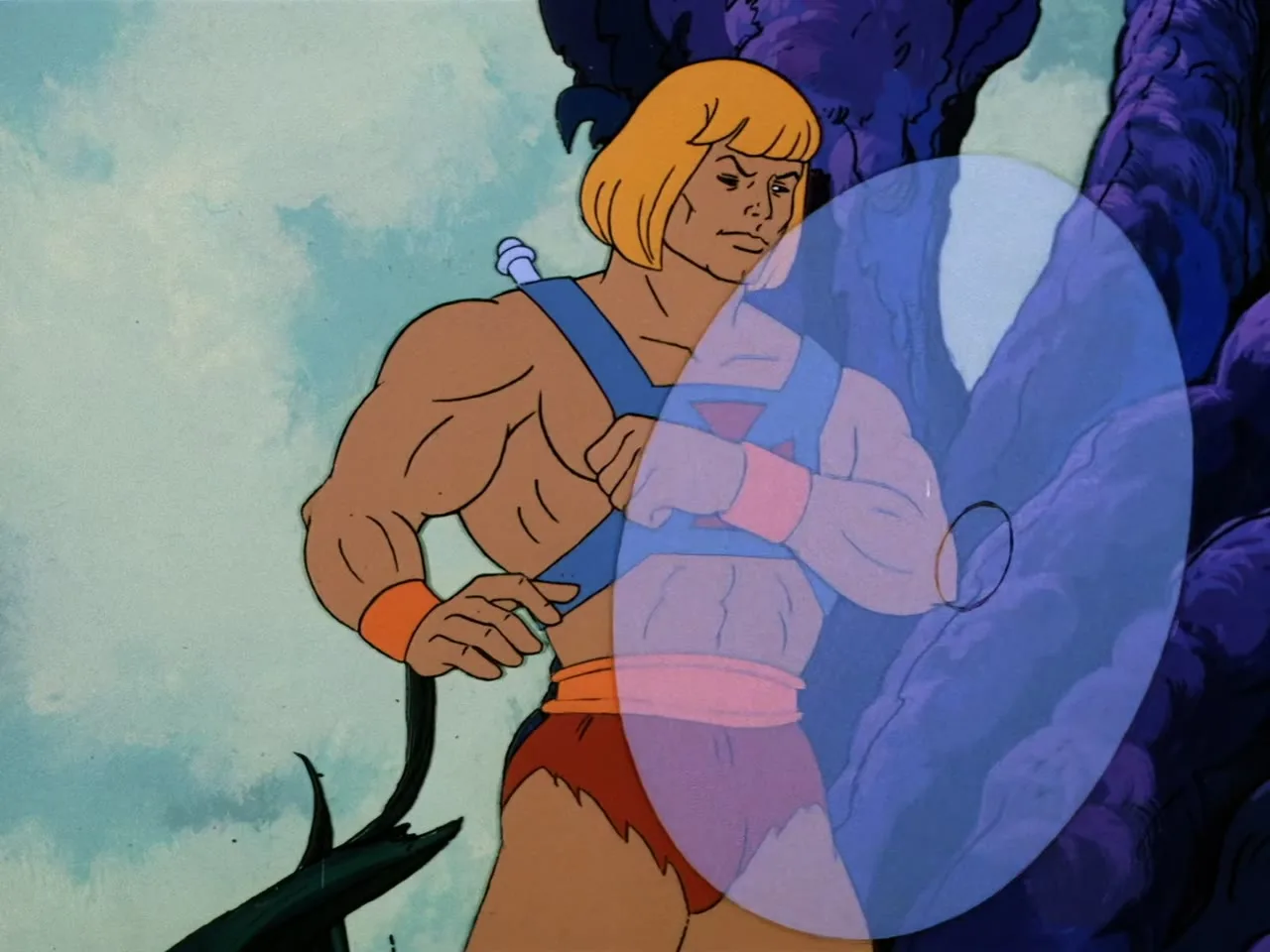
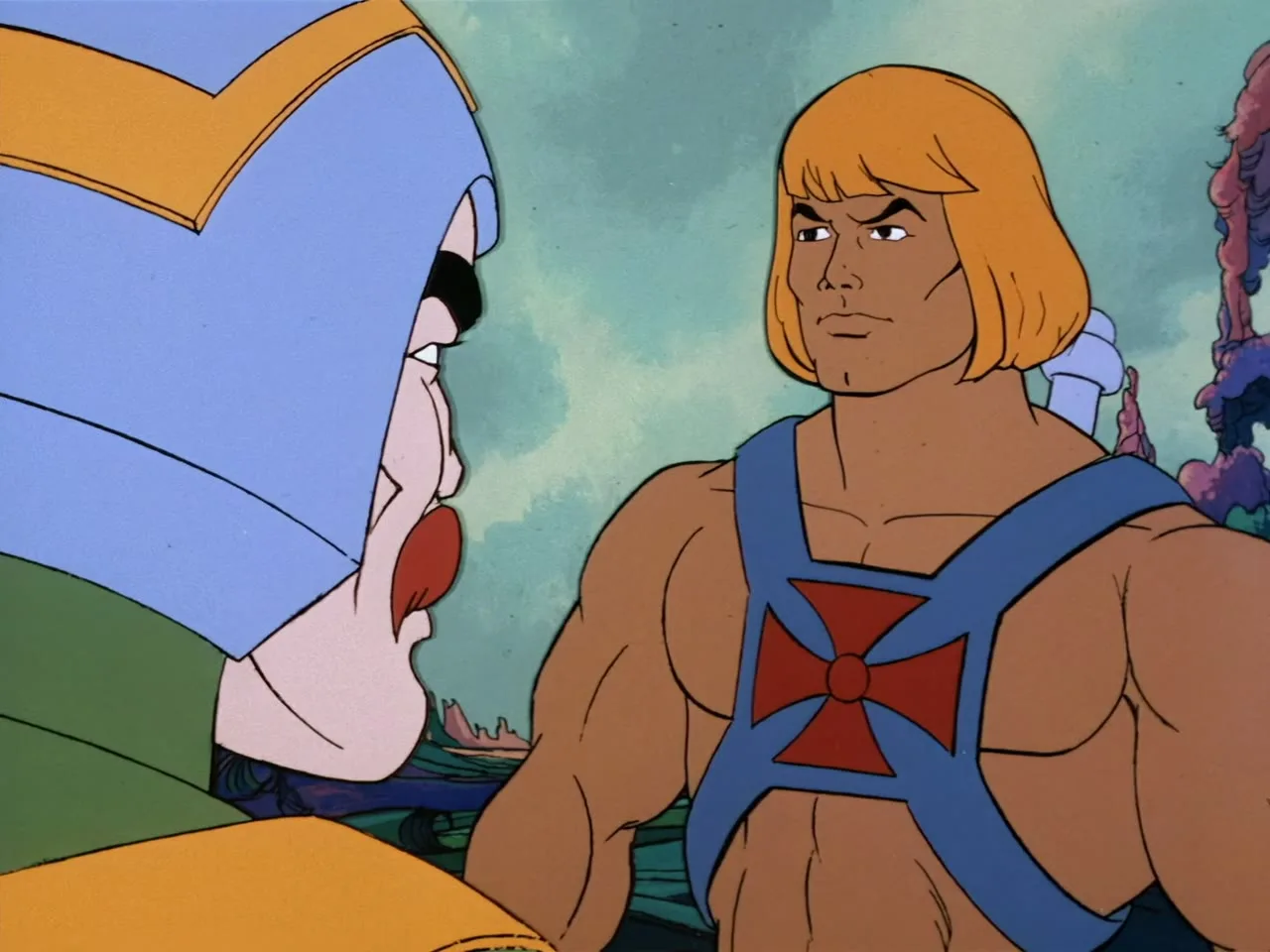
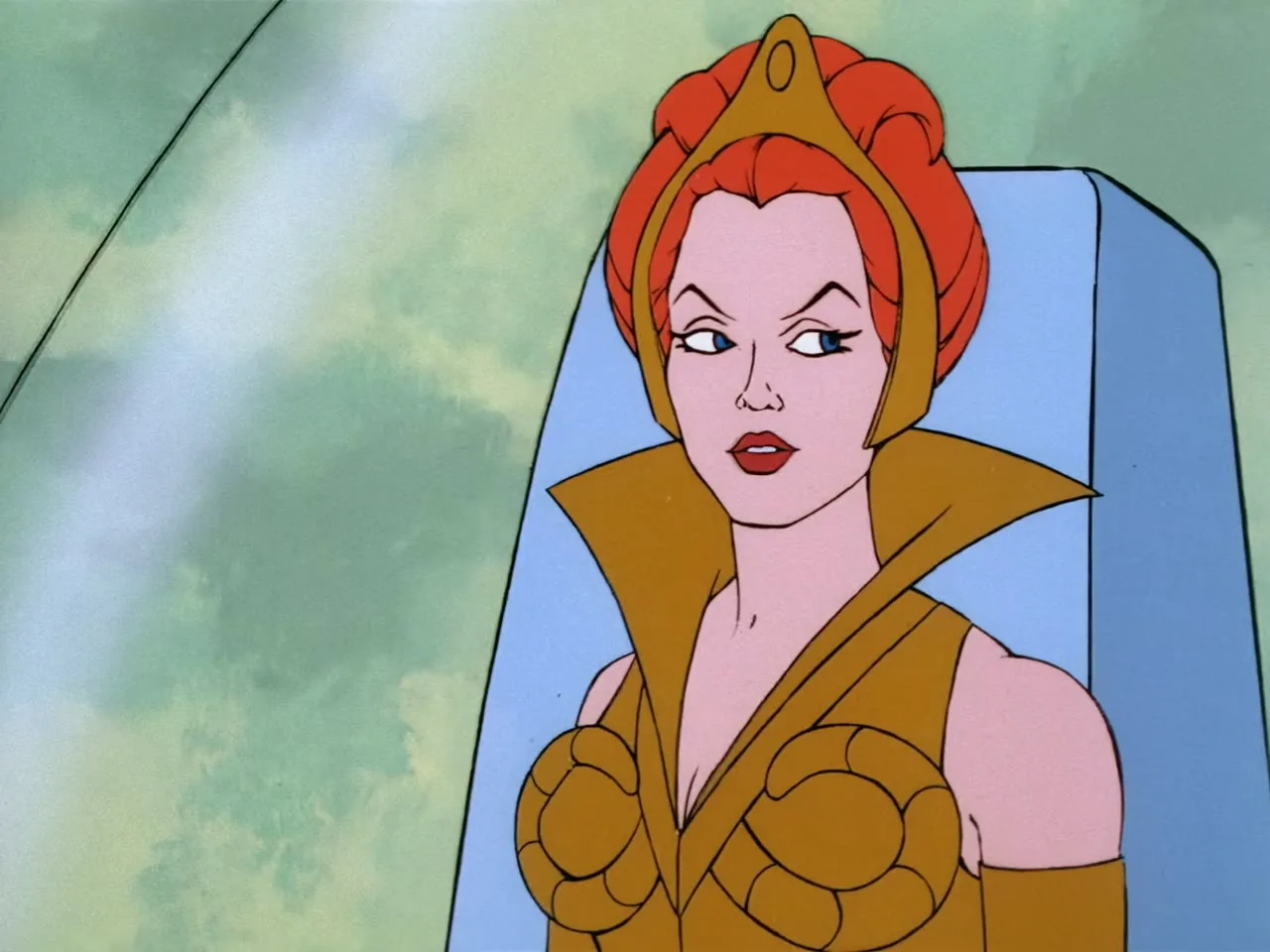
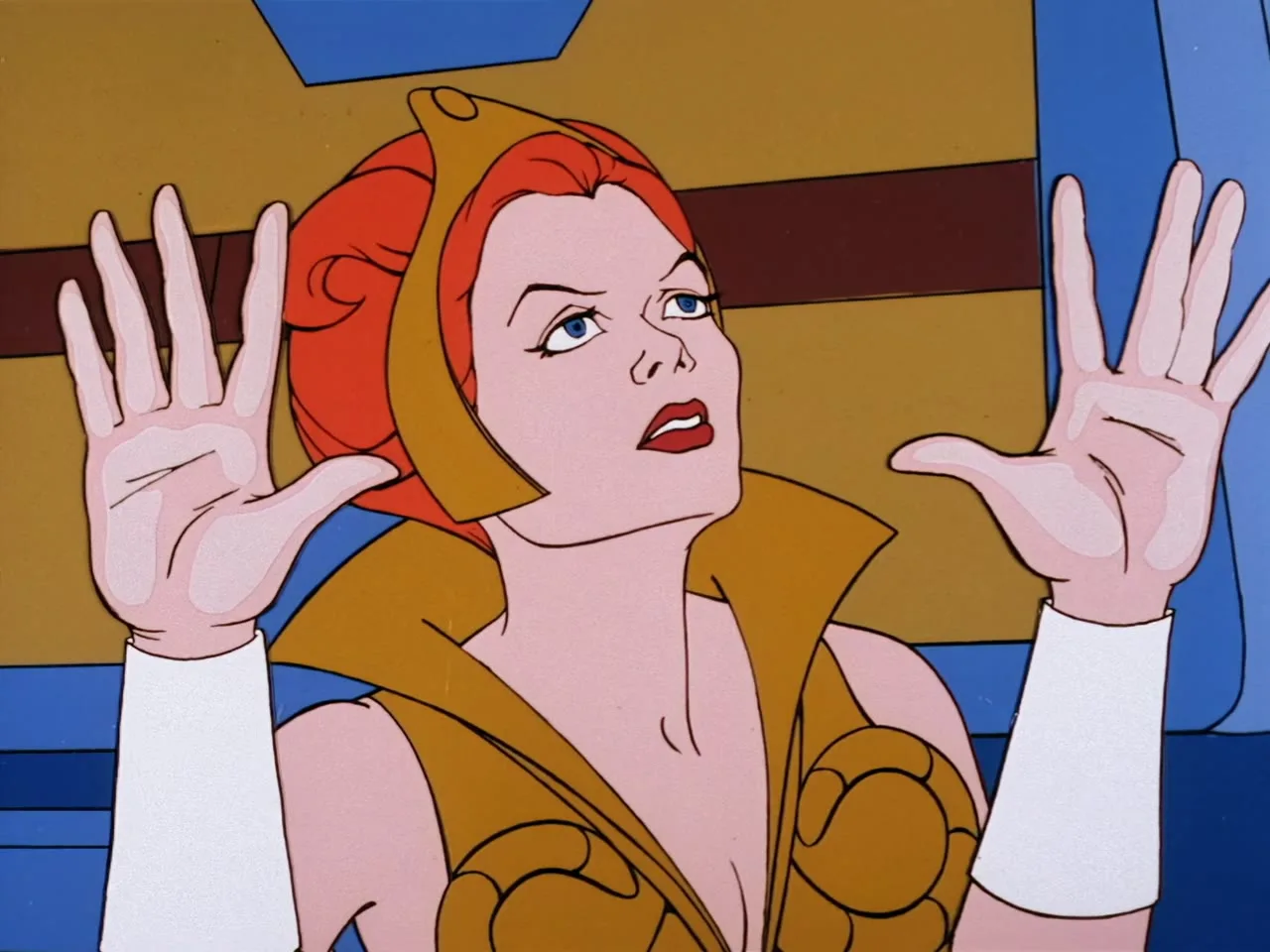
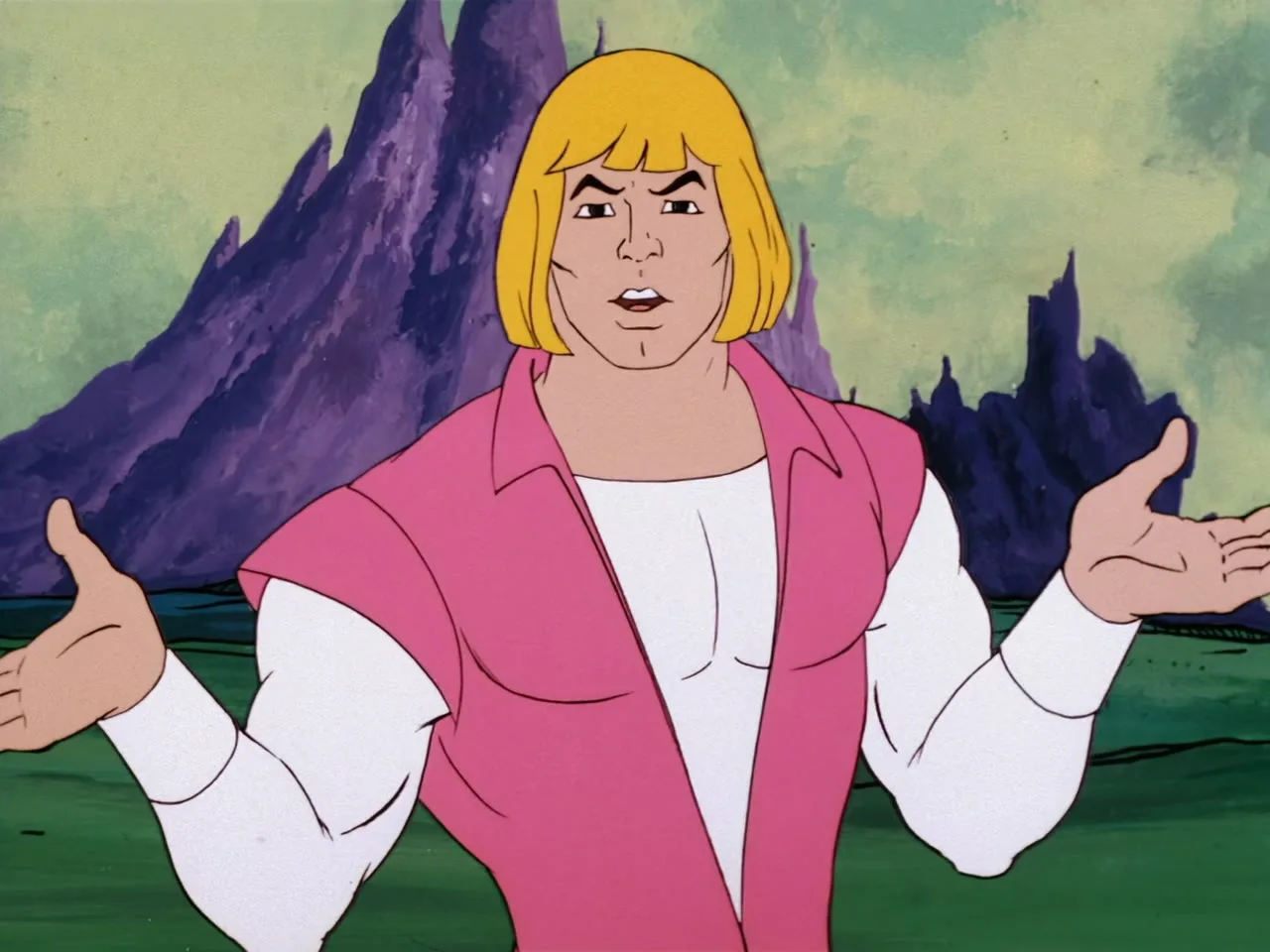
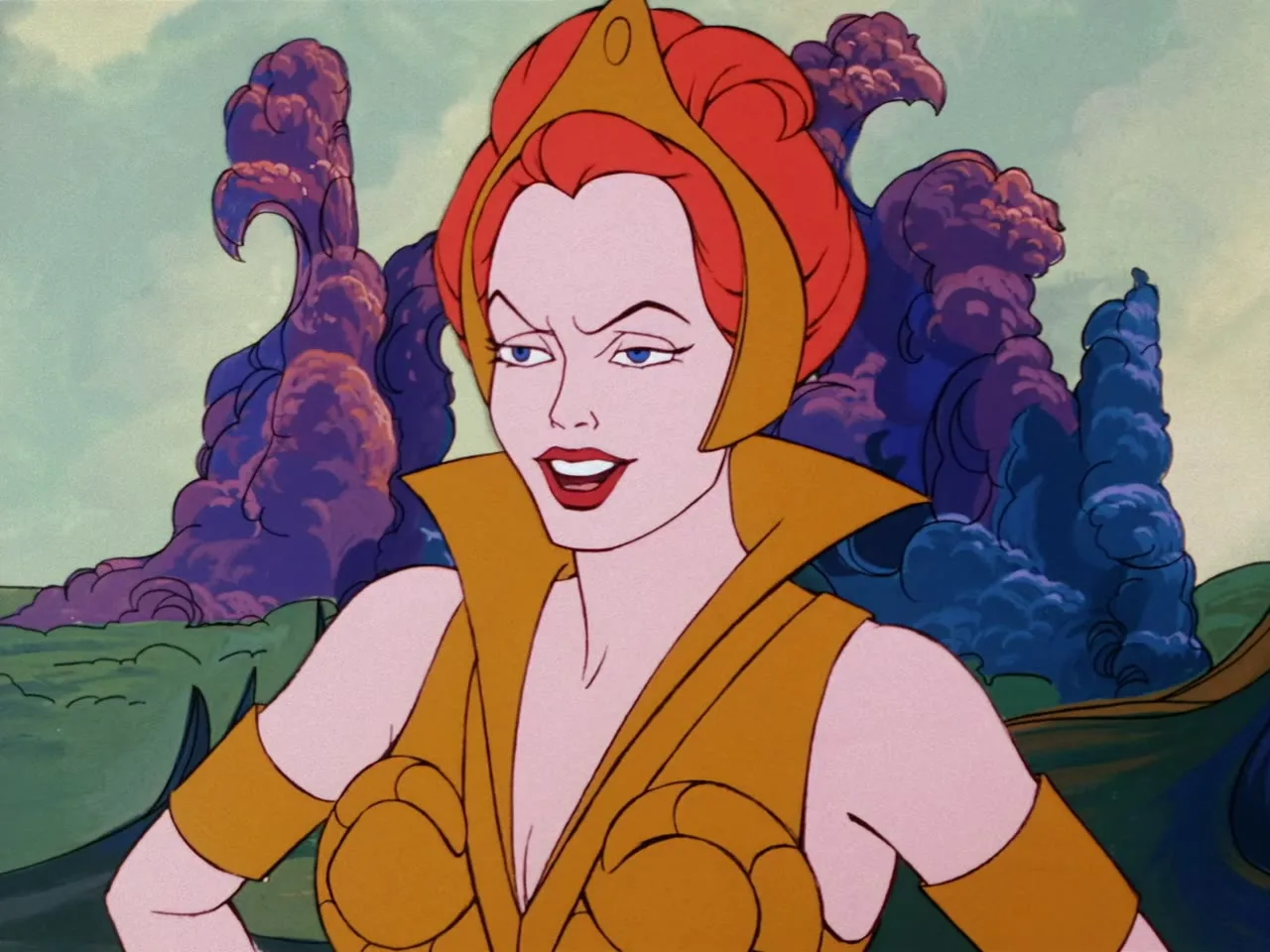
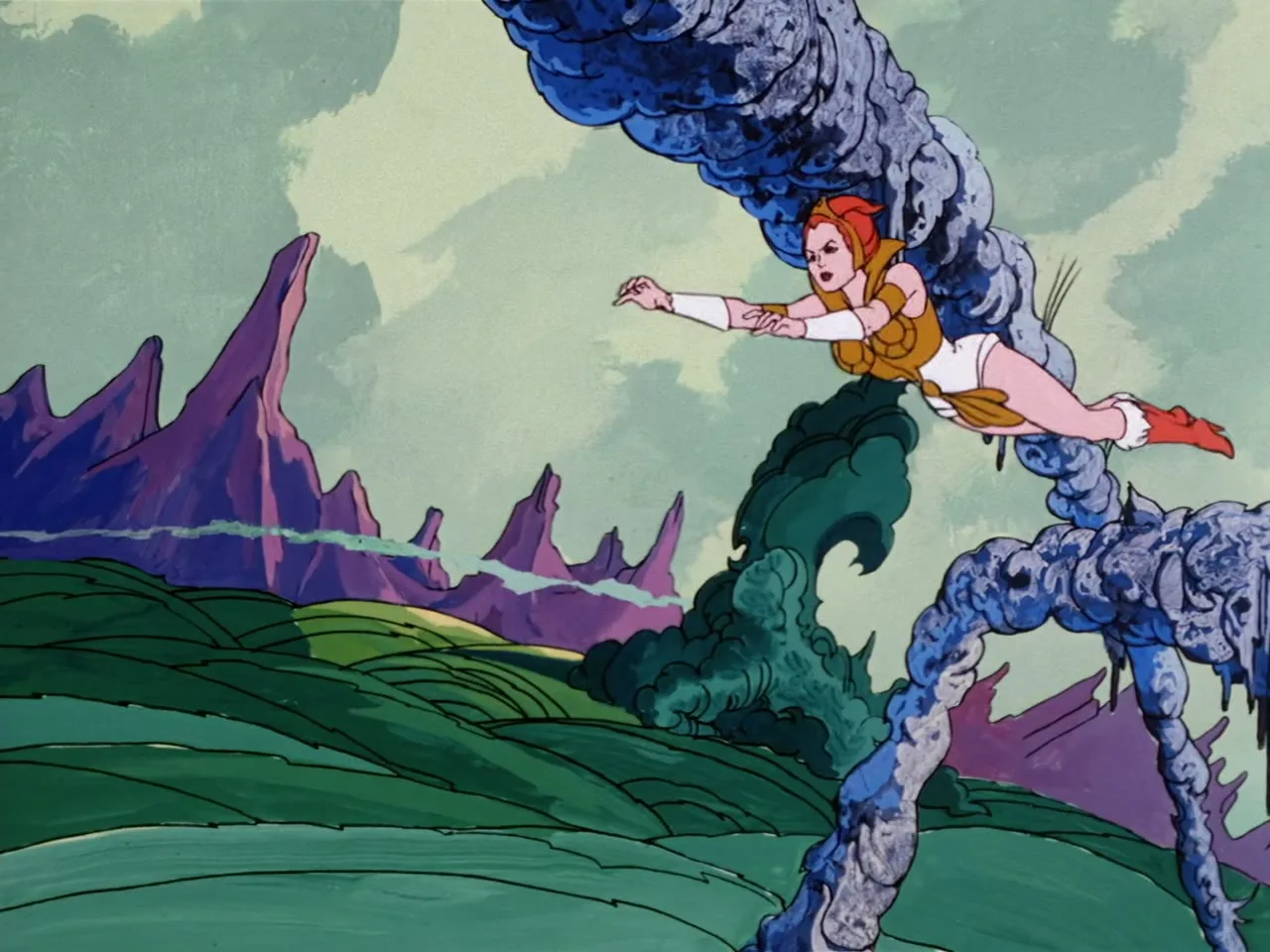
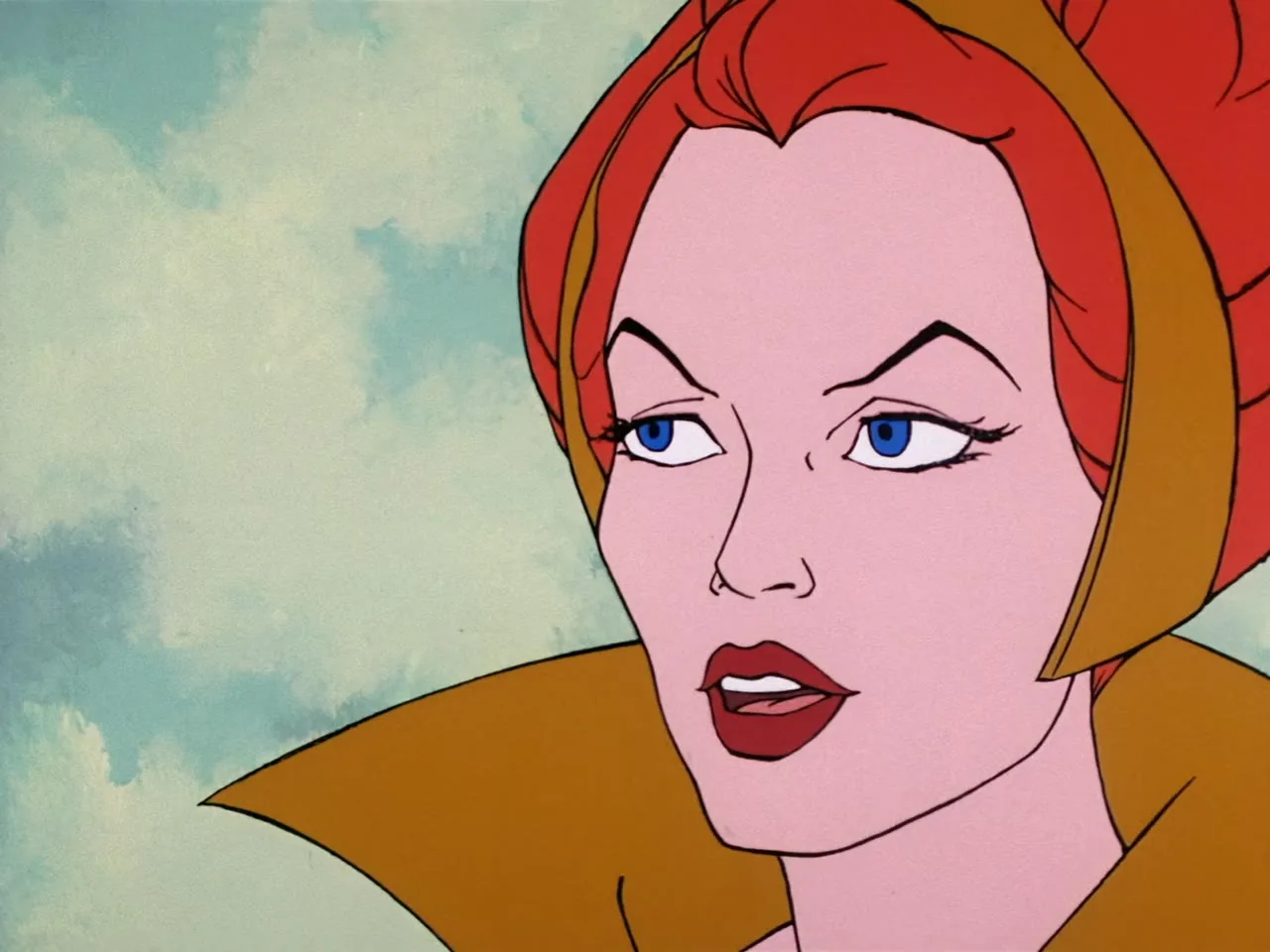
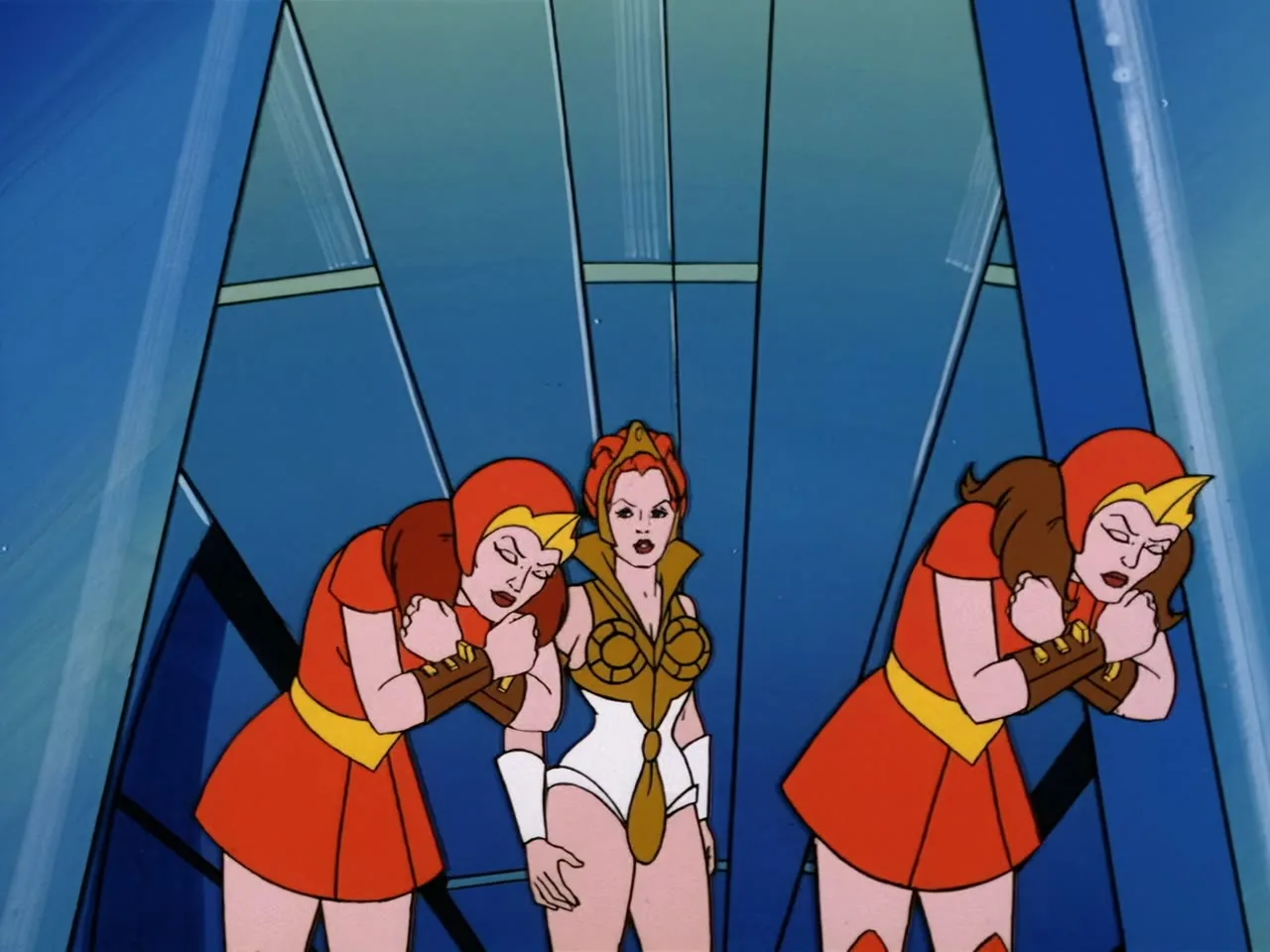
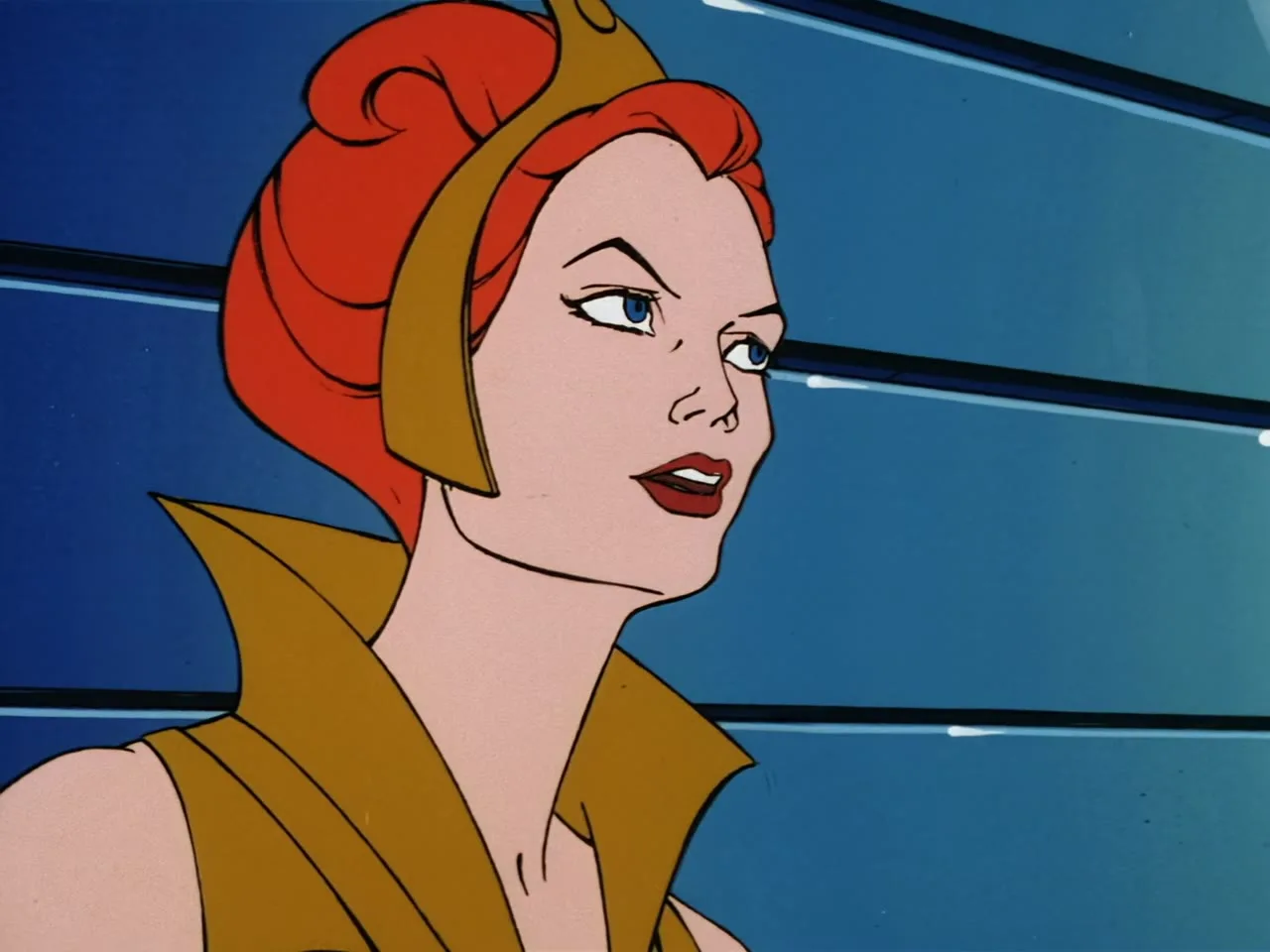
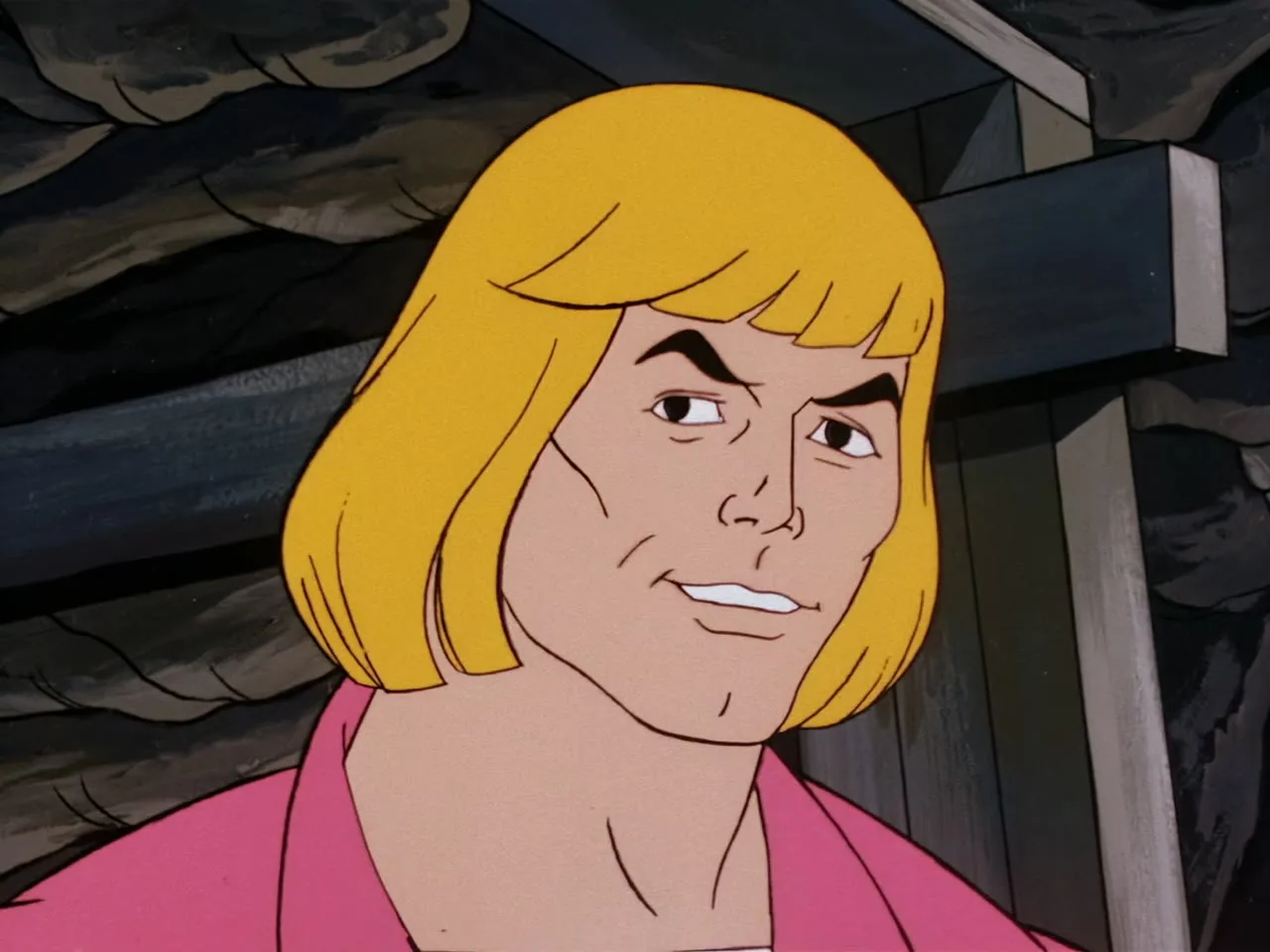
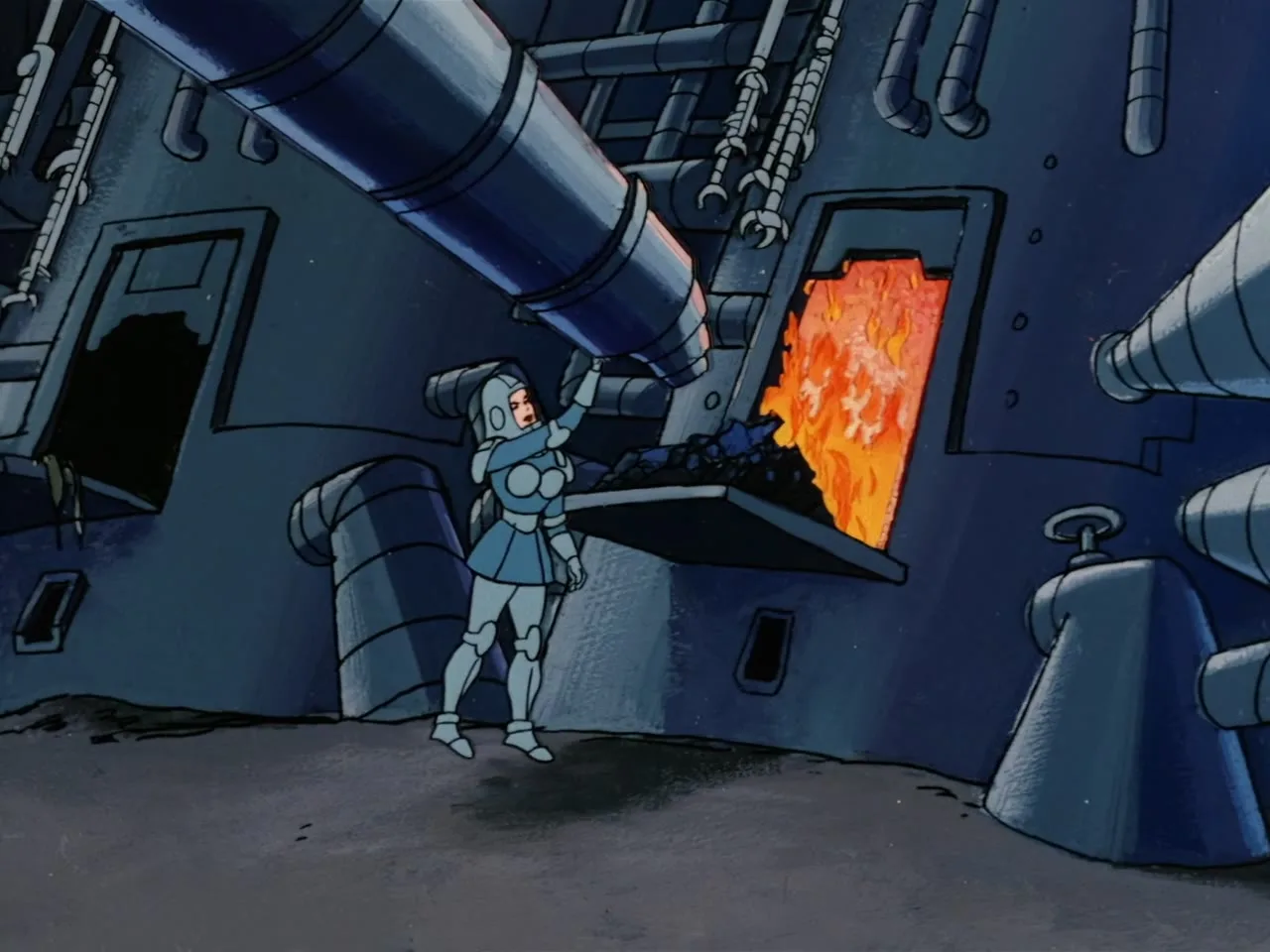
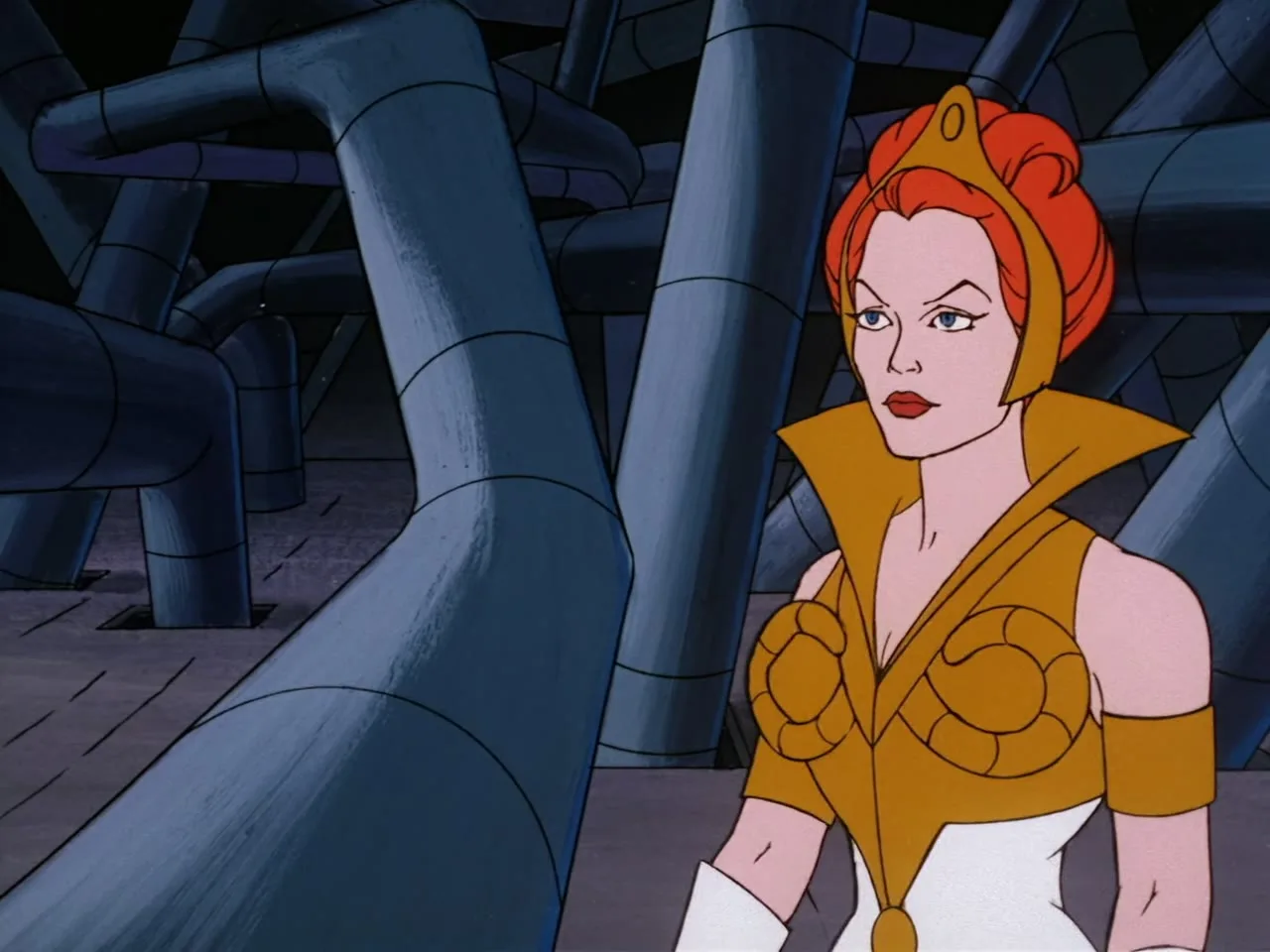
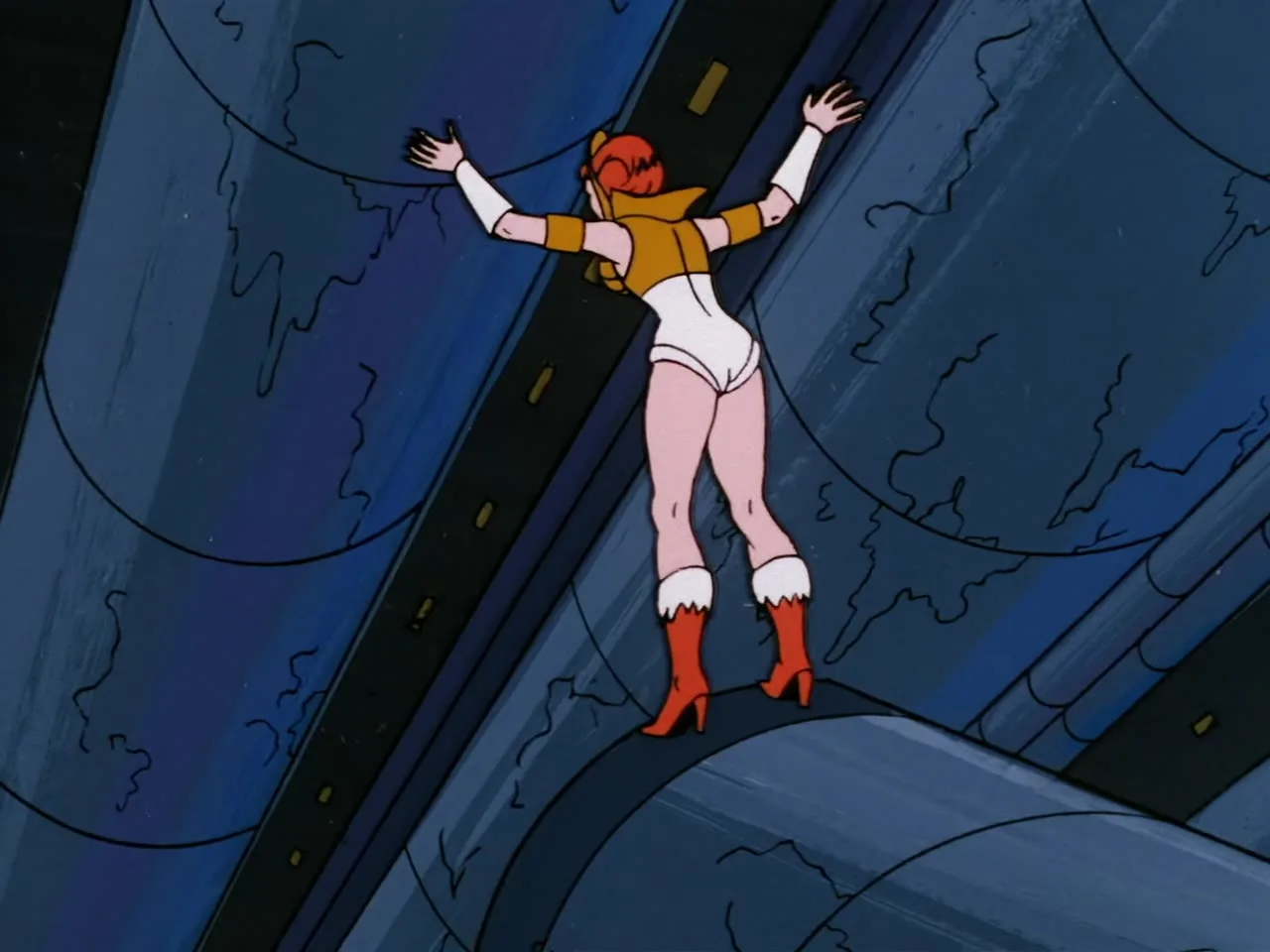
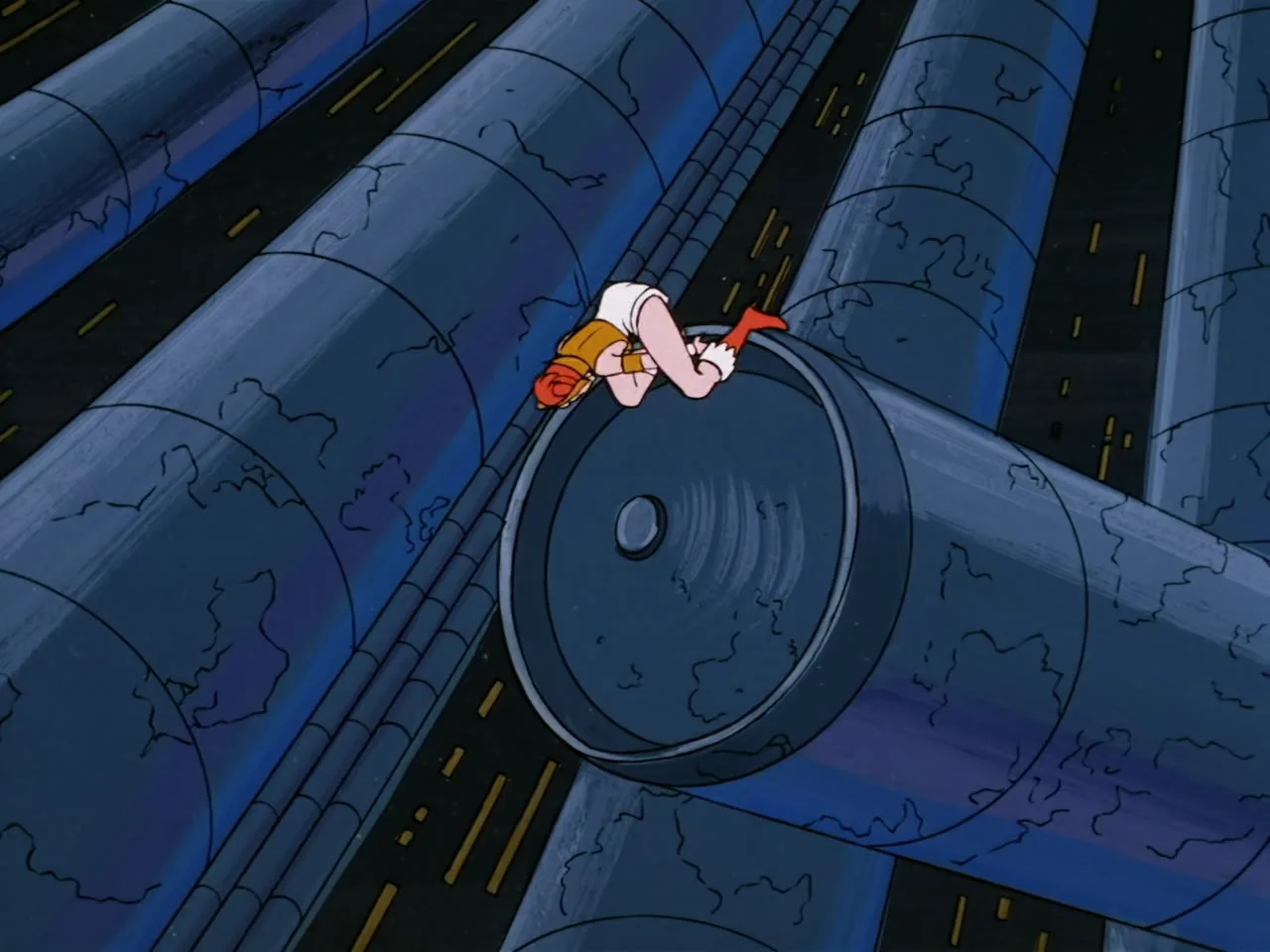
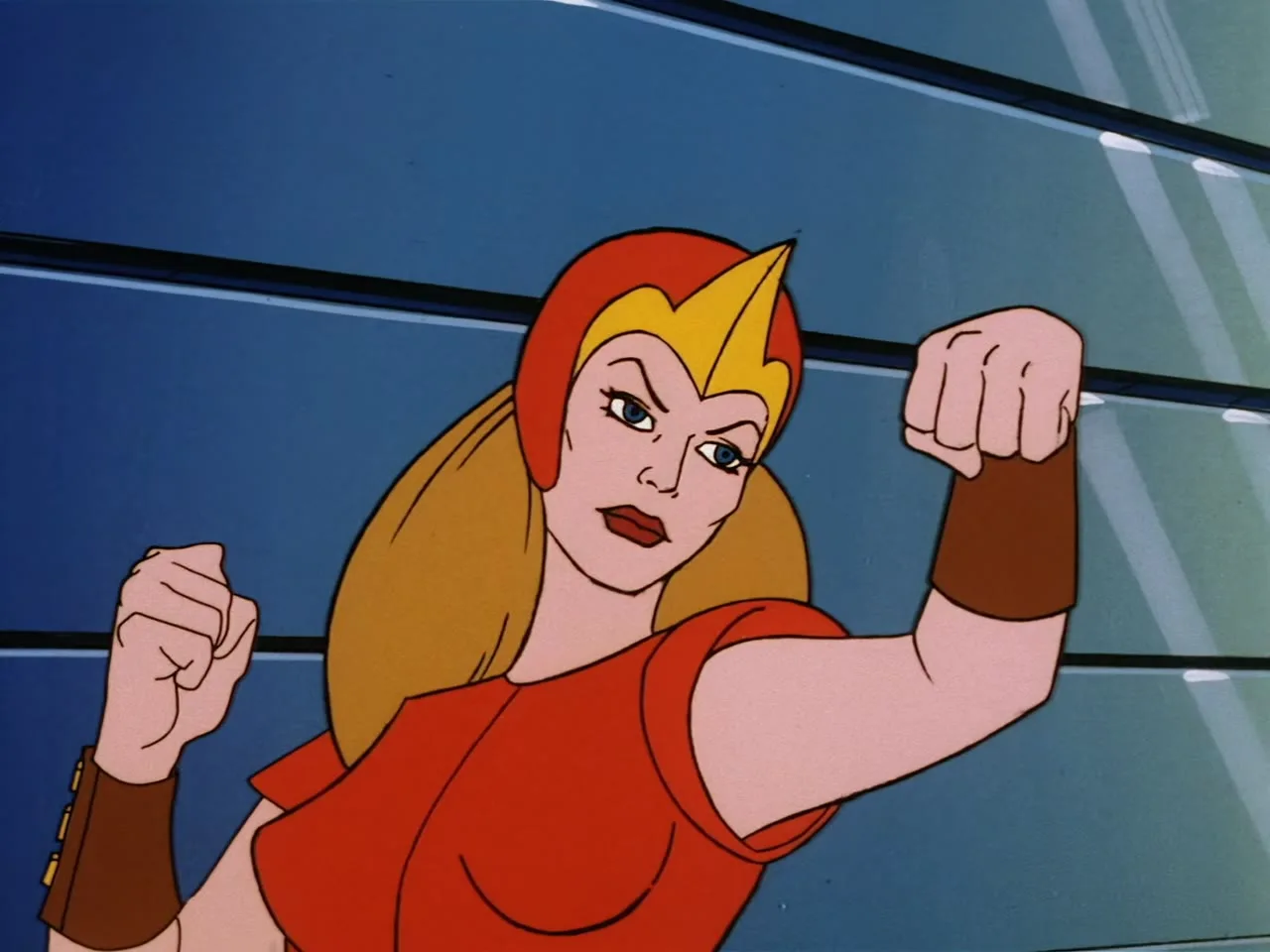
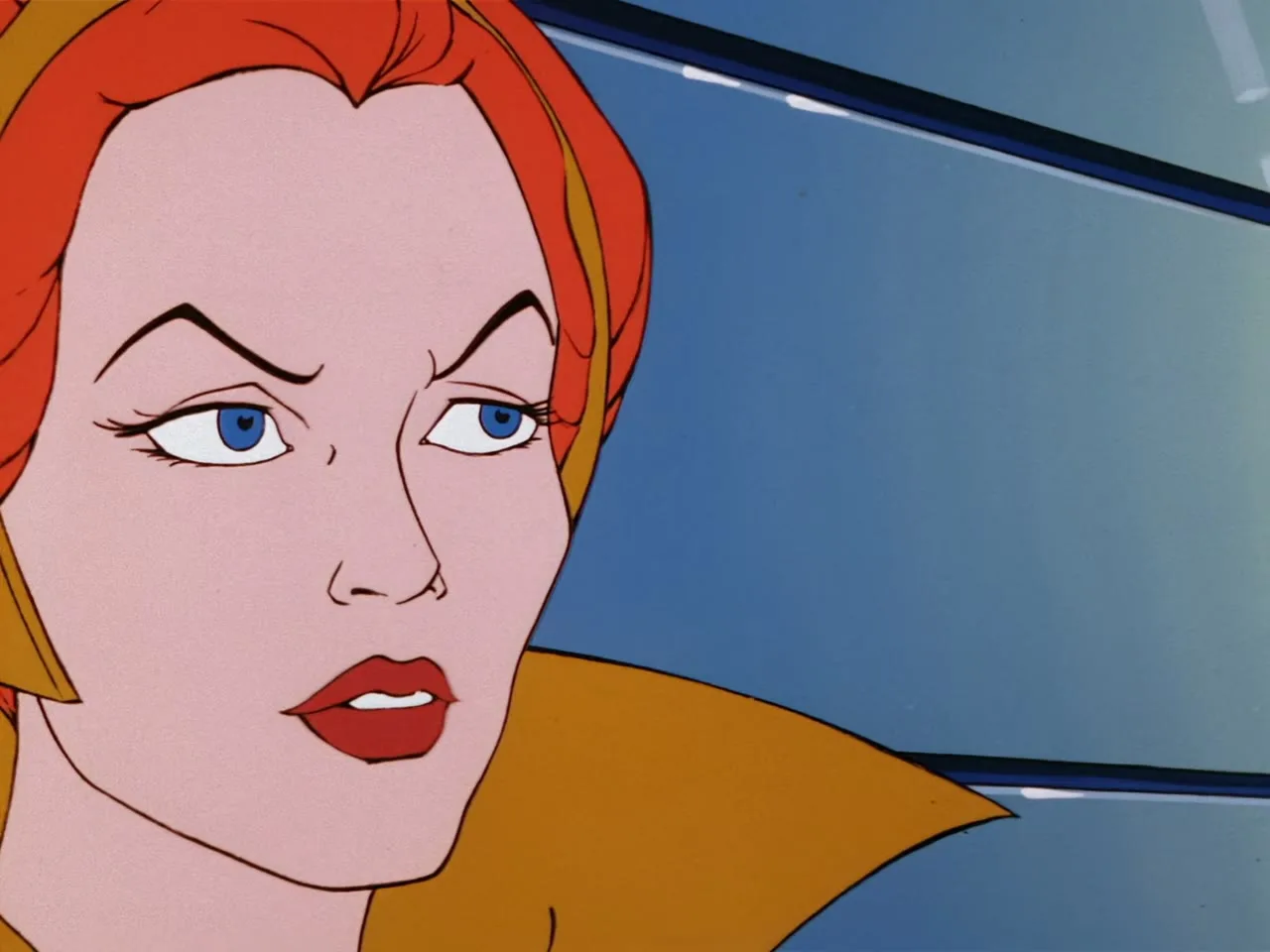
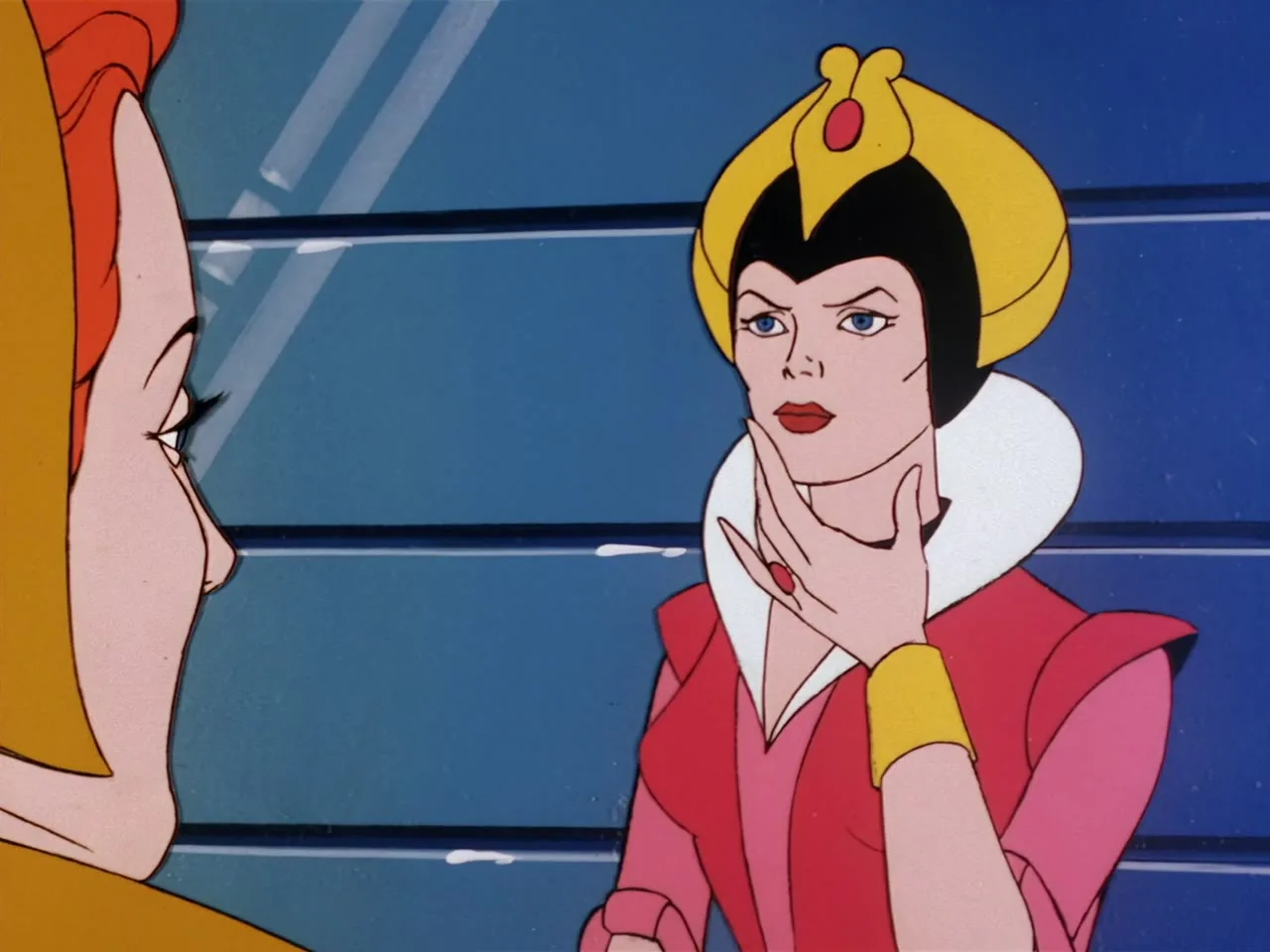
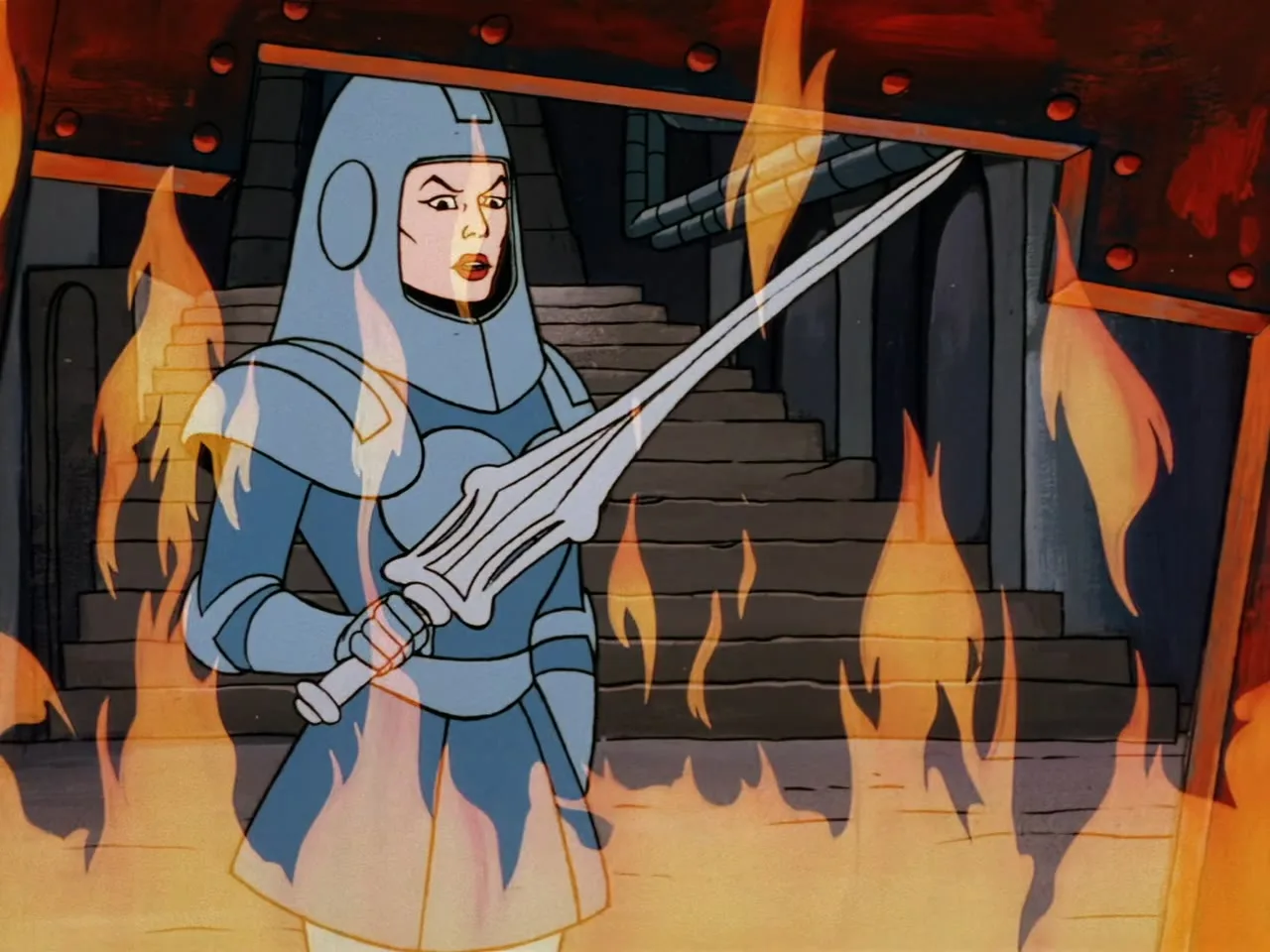
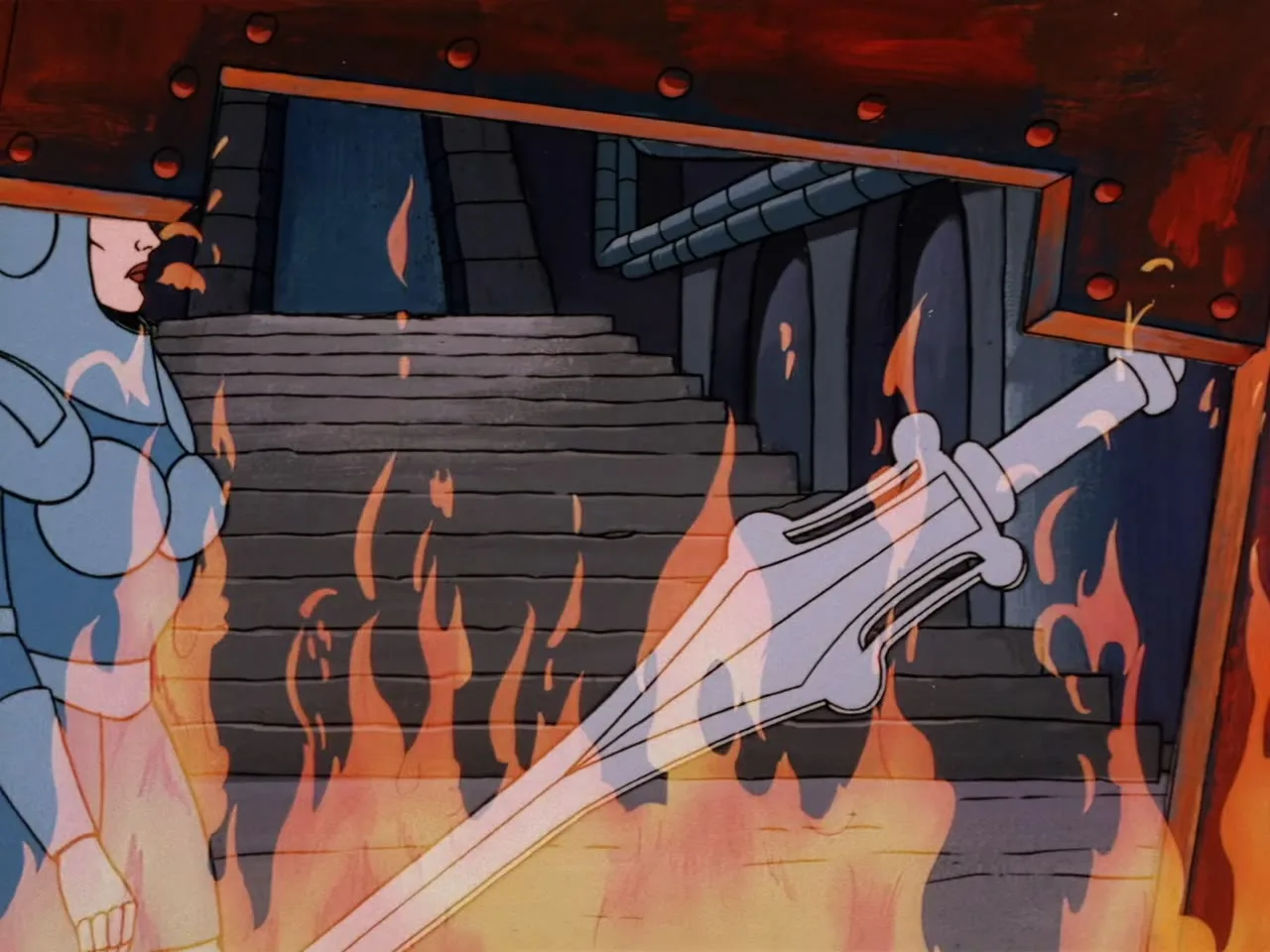
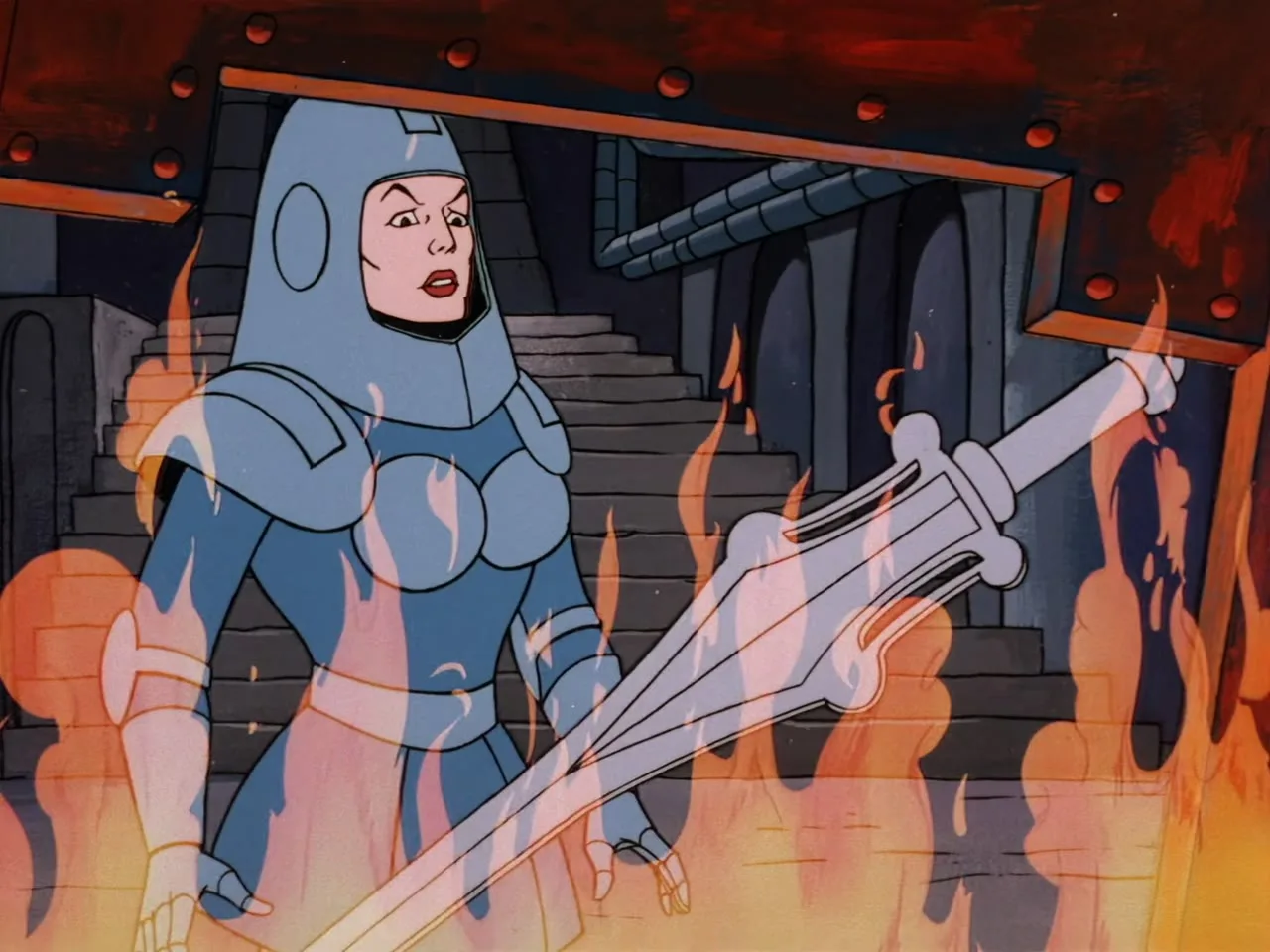
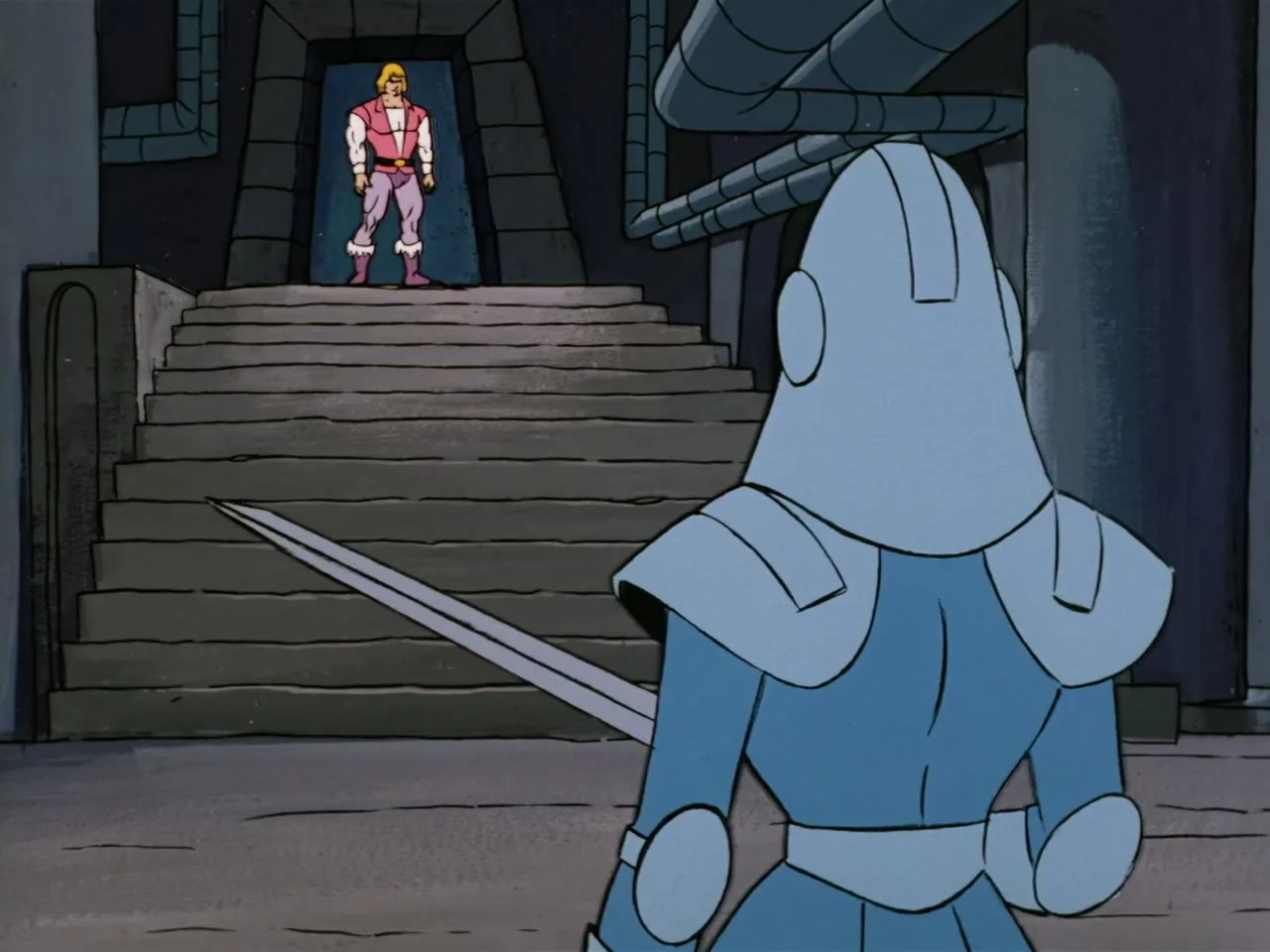
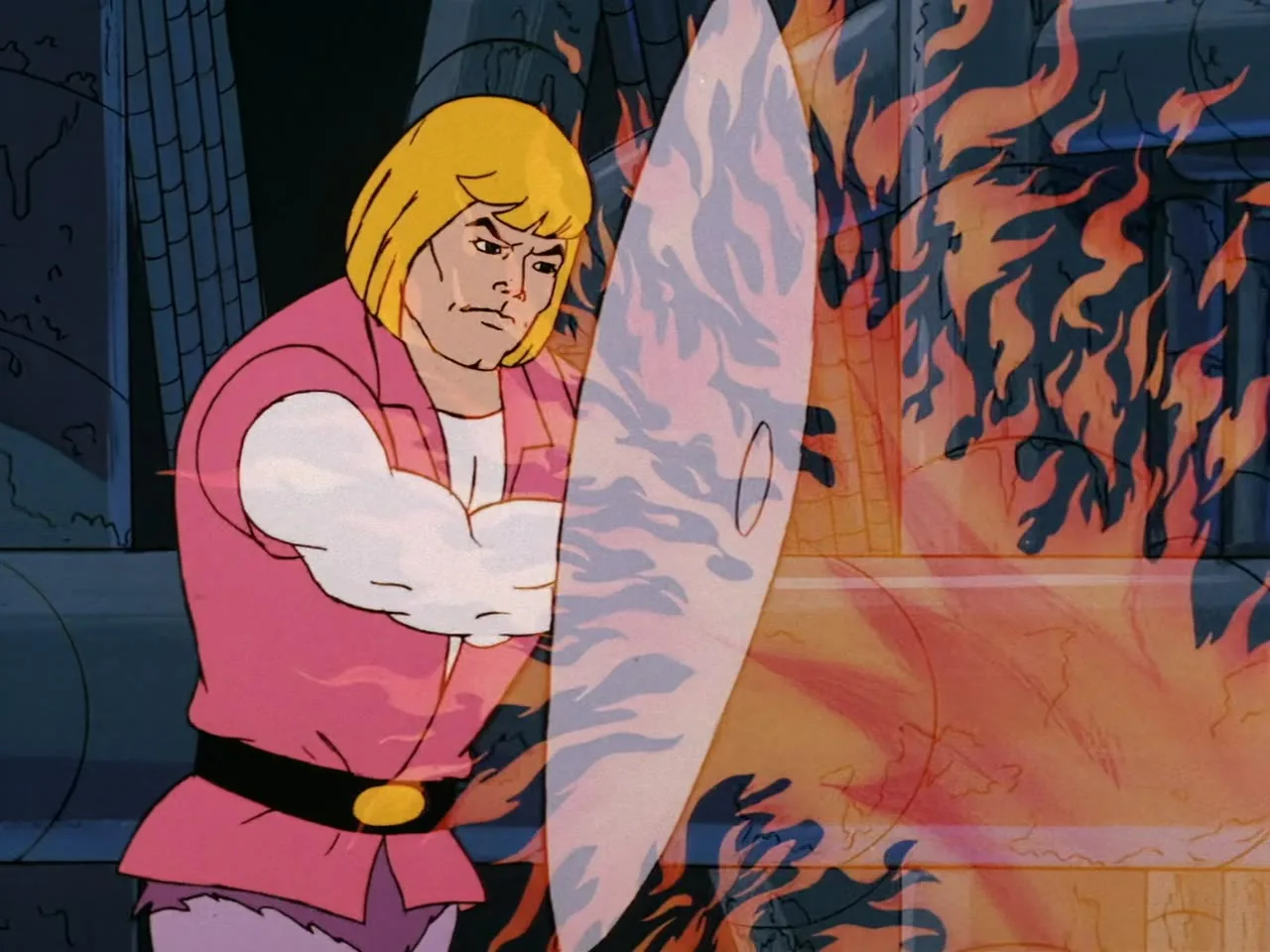
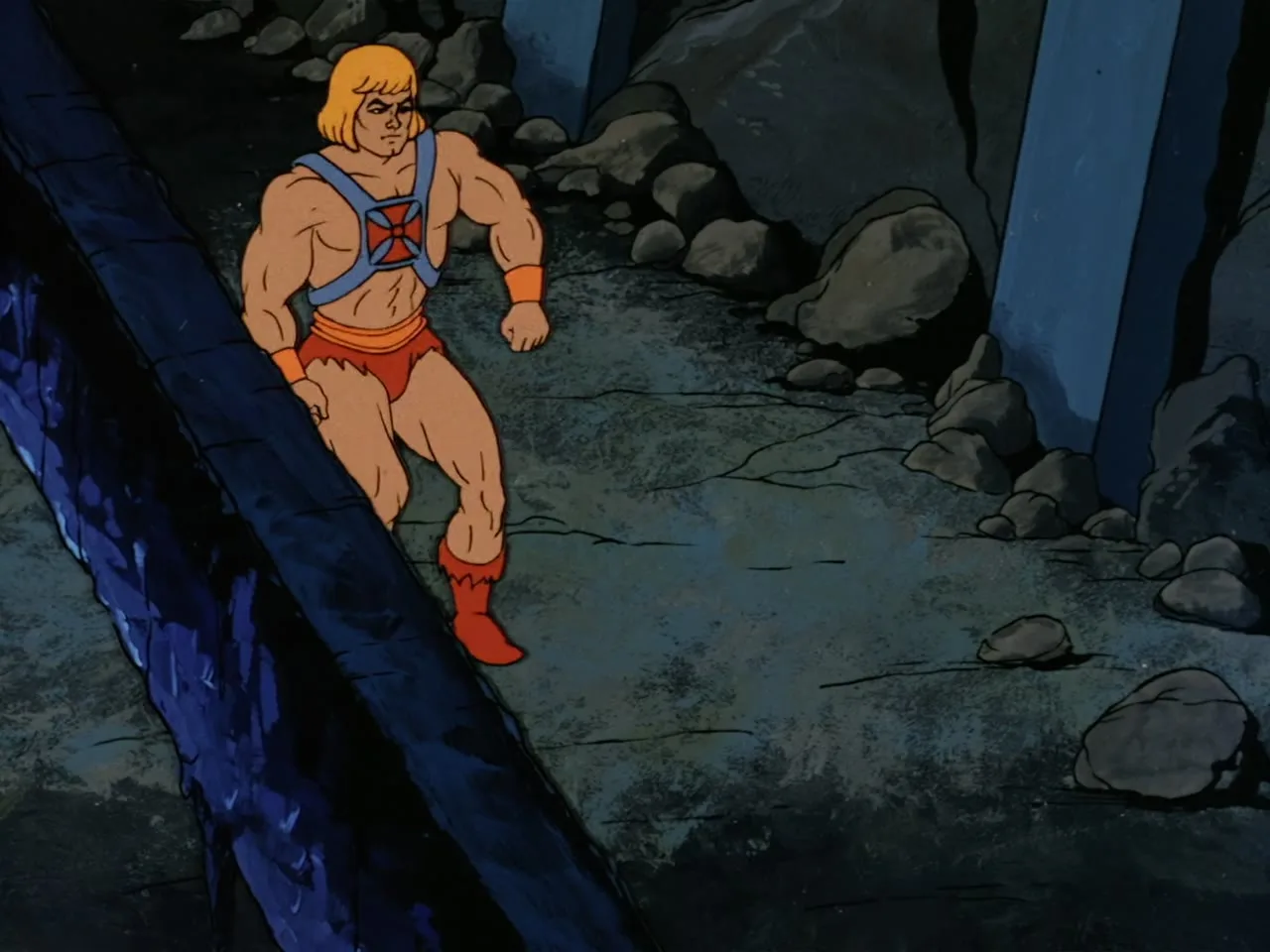
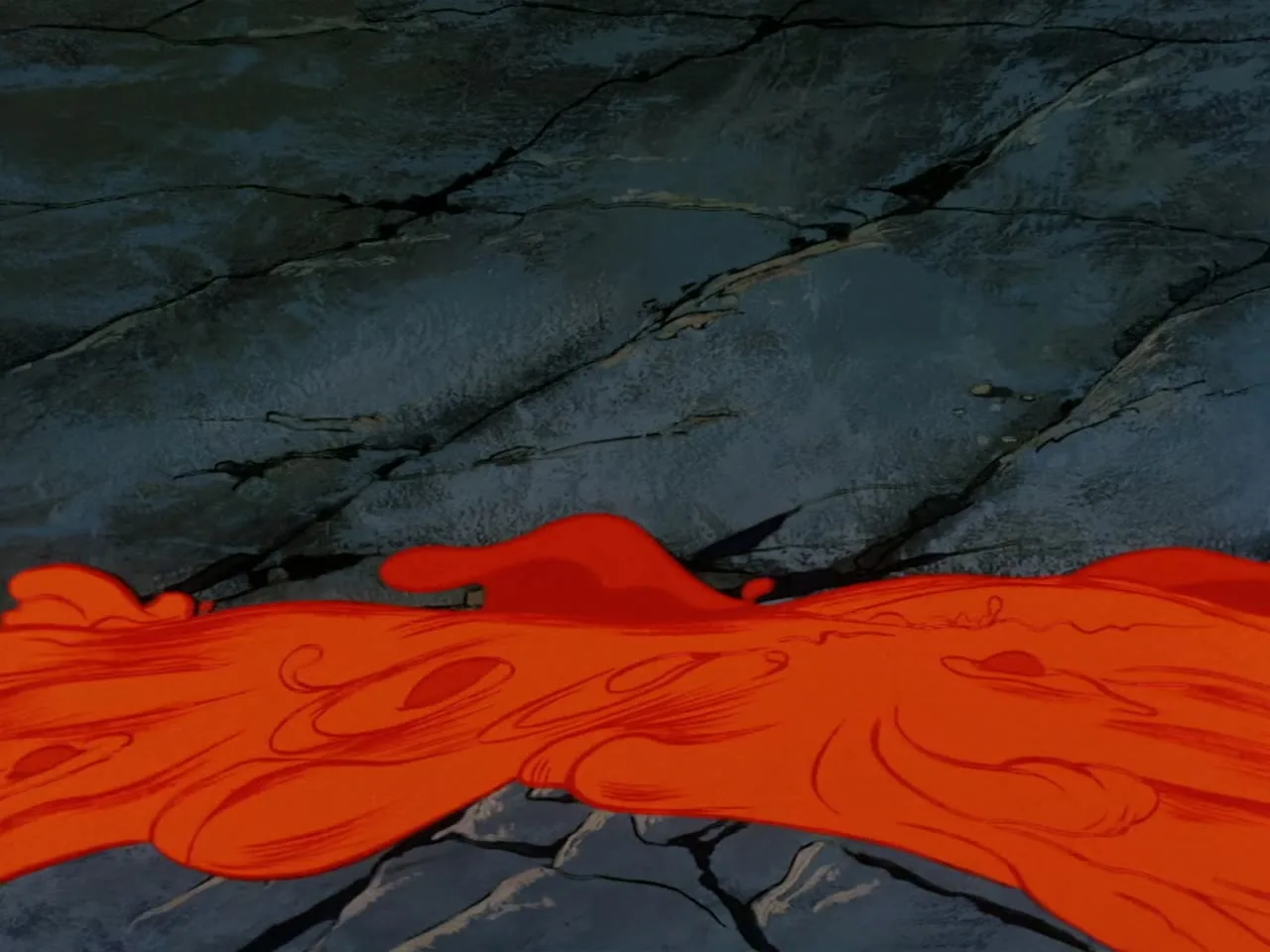
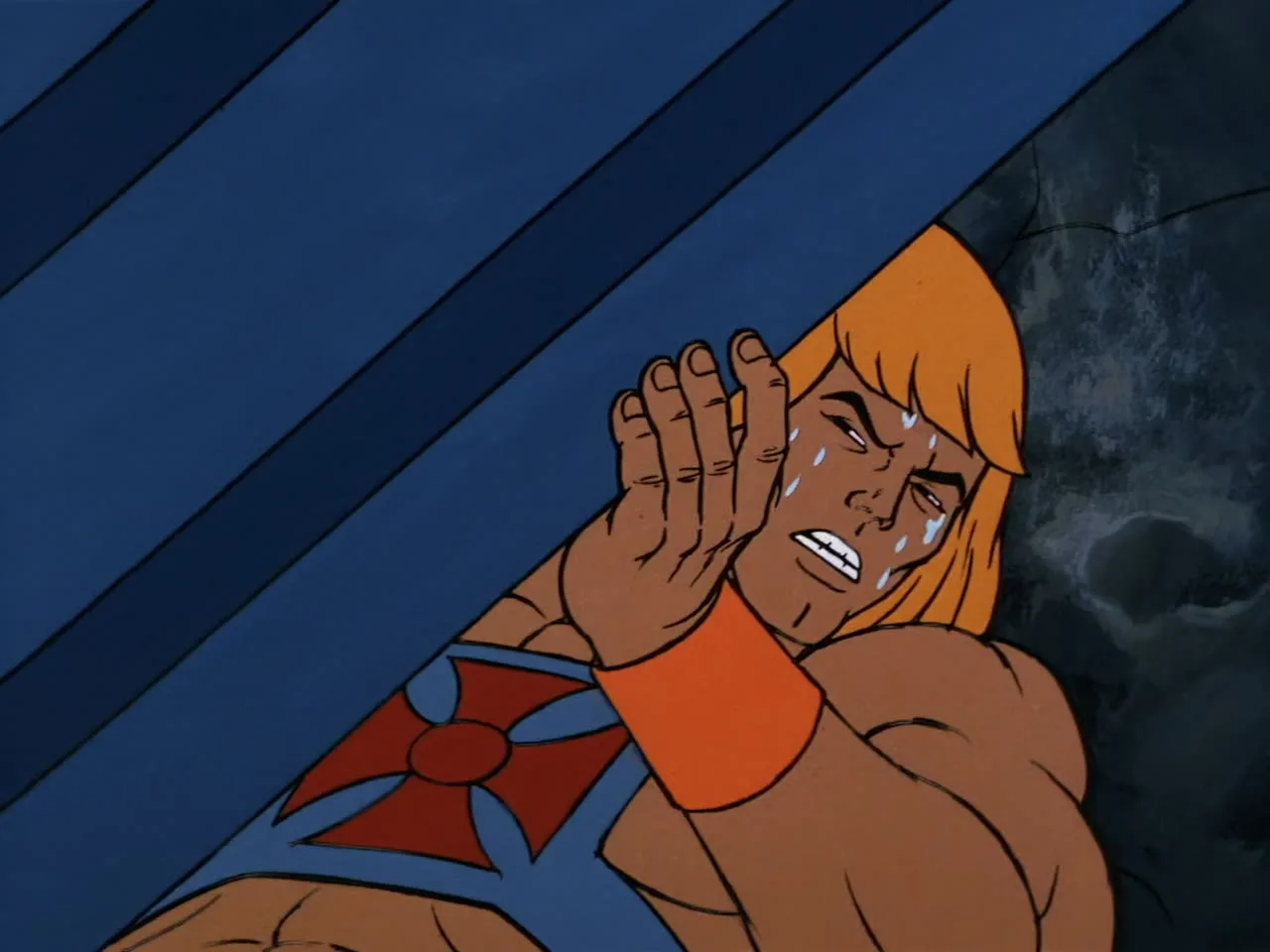
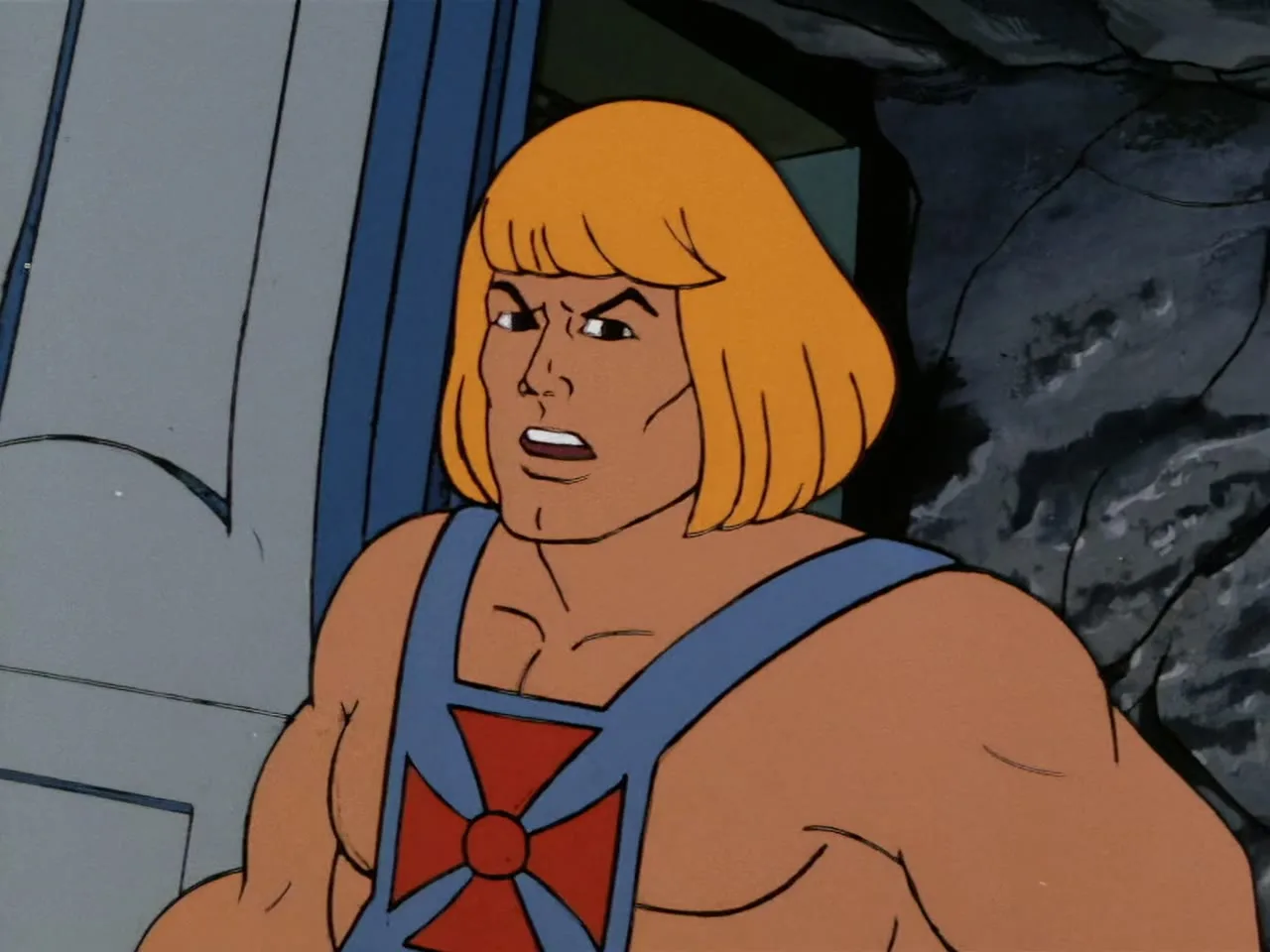
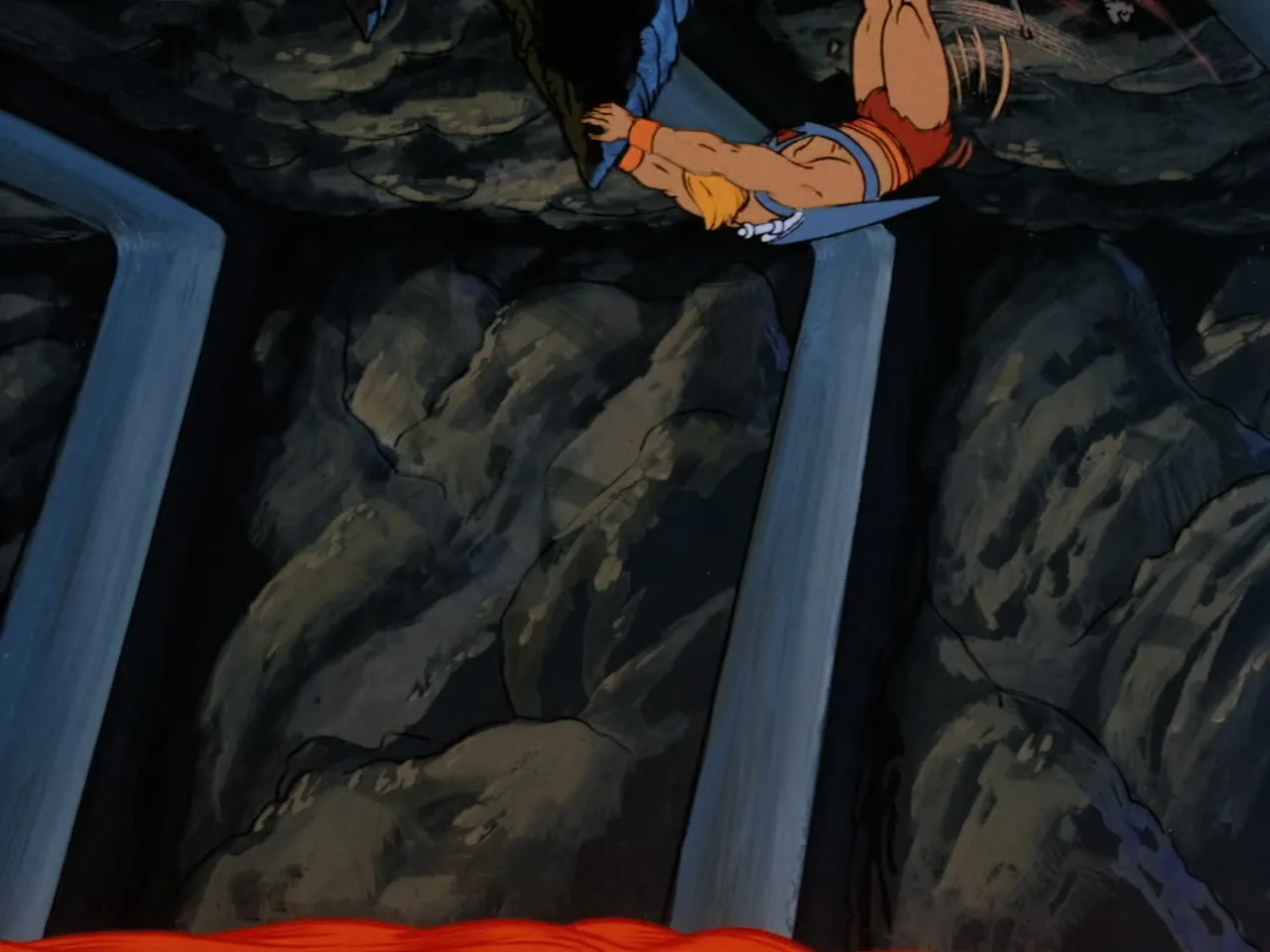
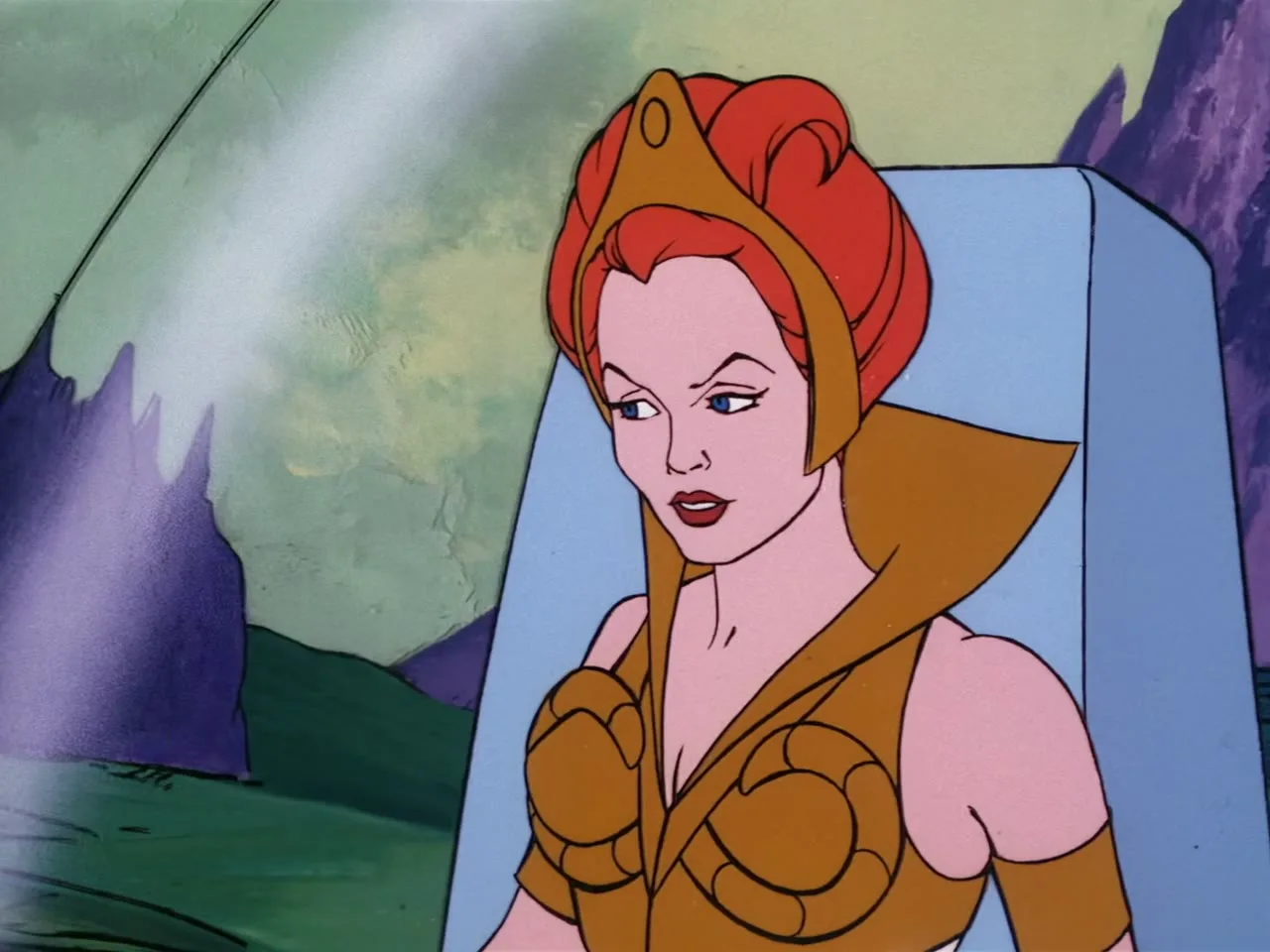
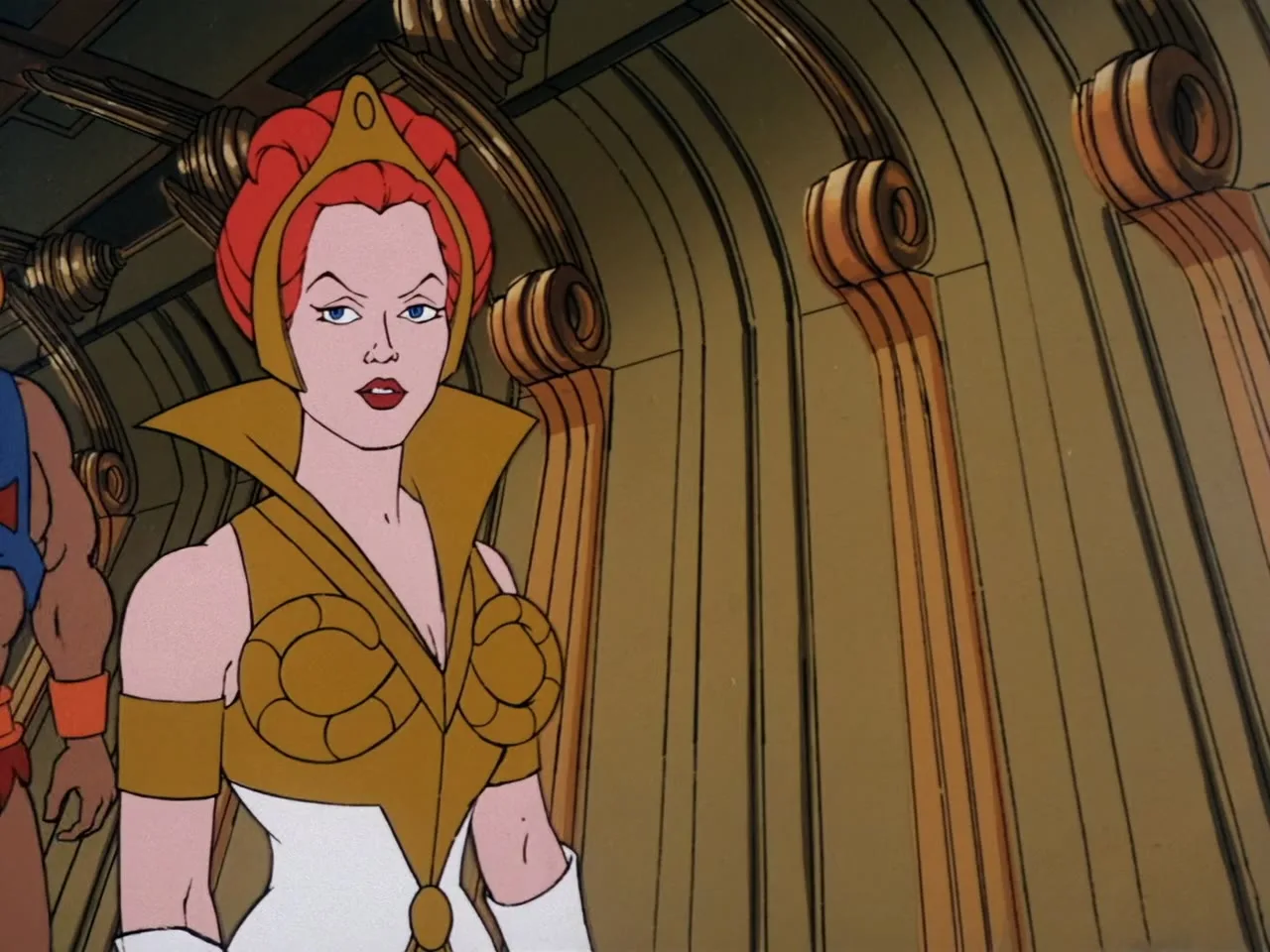
Teela carries the episode's other half, and the show trusts her to do it without He-Man's help. She talks her way into Sumana's court, gets caught investigating the mines, and spends a tense stretch evading capture through the city's ventilation shafts before anyone in a cape shows up. It's Prince Adam, not He-Man, who first warns Sumana her city is failing, and Arcadia makes a point of having her ignore him for exactly one reason: he's a man. That's the whole argument in miniature. The information was never the problem; the messenger was. By the time the tunnels actually start to go and He-Man has to pour molten rock into the gap to keep the city standing, the rescue plays less like a climax than a deadline Sumana's own prejudice created.
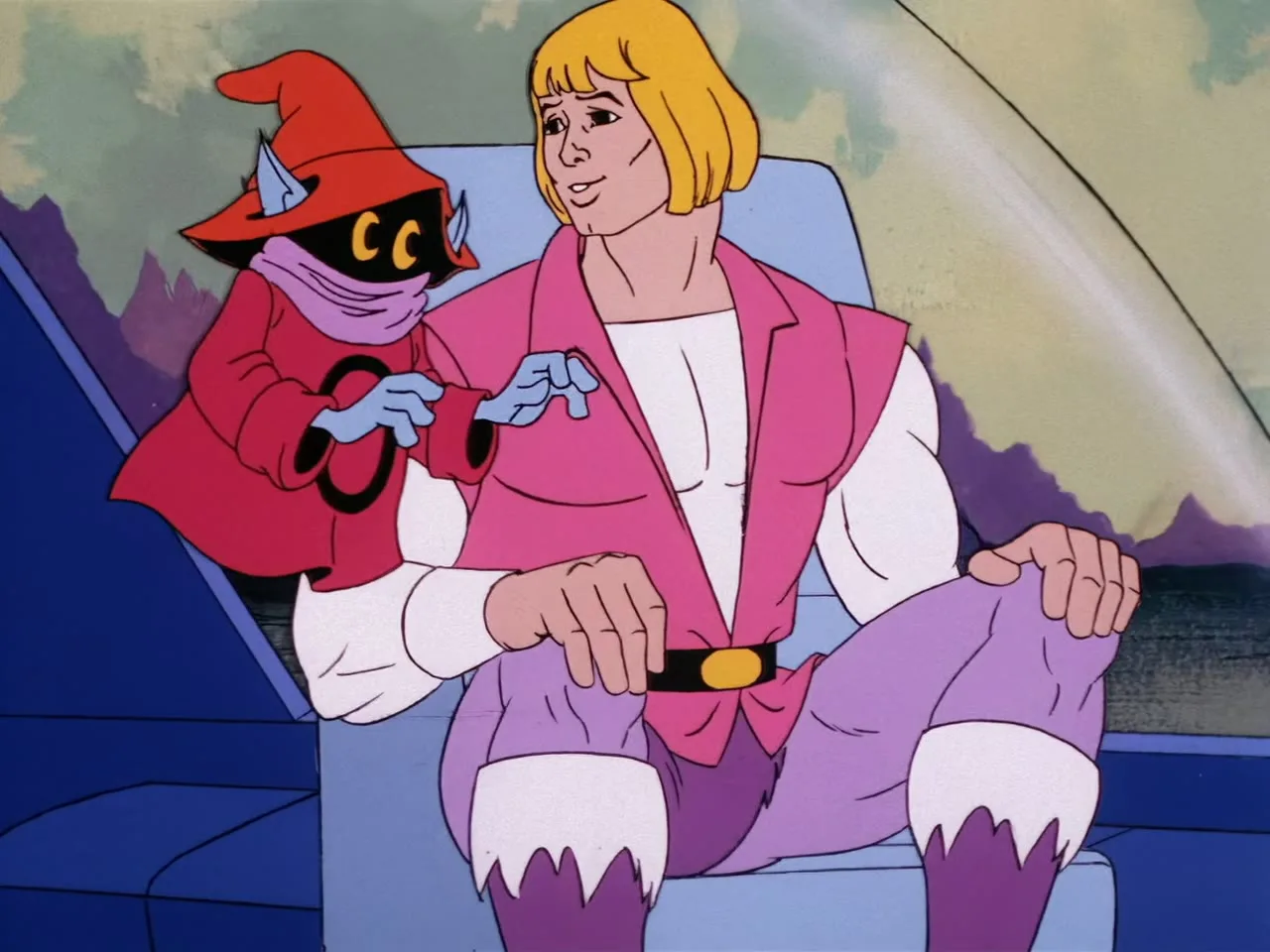
The episode's weak spot is how fast it resolves. Sumana's about-face into crowning Ananda king takes about as long as a Filmation bumper, and a society this rigidly set up deserved more than one cave-in to talk itself out of its certainty. The closing scene back in the Attak Trak undercuts its own moral a little, too. Adam and Teela are still bickering, Orko wakes up having missed the entire adventure, and the lesson lands more like a punchline than something either of them has actually absorbed.
Even so, this is one of the more pointed entries in the back half of the first season, and it's pointed in both directions at once. Arcadia never lets He-Man's strength stand in for an argument he hasn't made, and it never lets Sumana's crown excuse a system built on who gets to work underground and who doesn't. The best trick in "Trouble in Arcadia" is refusing to let either Eternia or Arcadia look right until both of them have had to change.
- Behind the scenes: Script was approved April 22, 1983, storyboards were completed on June 2, 1983 and final script revision took place August 25, 1983. In the original script, all the Arcadians, both male and female were described as having blue skin. Three different models were developed for the heads of the Arcadian women, who otherwise all dress the same.
- In-joke: writer David Wise slipped in a reference to an address he used to live in when the Arcadian patrol pilot radios in as "Patrol 8956".
- Continuity: The animated sequence of Teela spinning around a tree branch was used again in Into the Abyss. The animated sequence of Teela running was previously seen in the moral segment from Colossor Awakes and will be seen again during the moral segment of Island of Fear. The character model used for Ananda would be used again as Tarbin in the She-Ra: Princess of Power episode Darksmoke and Fire.
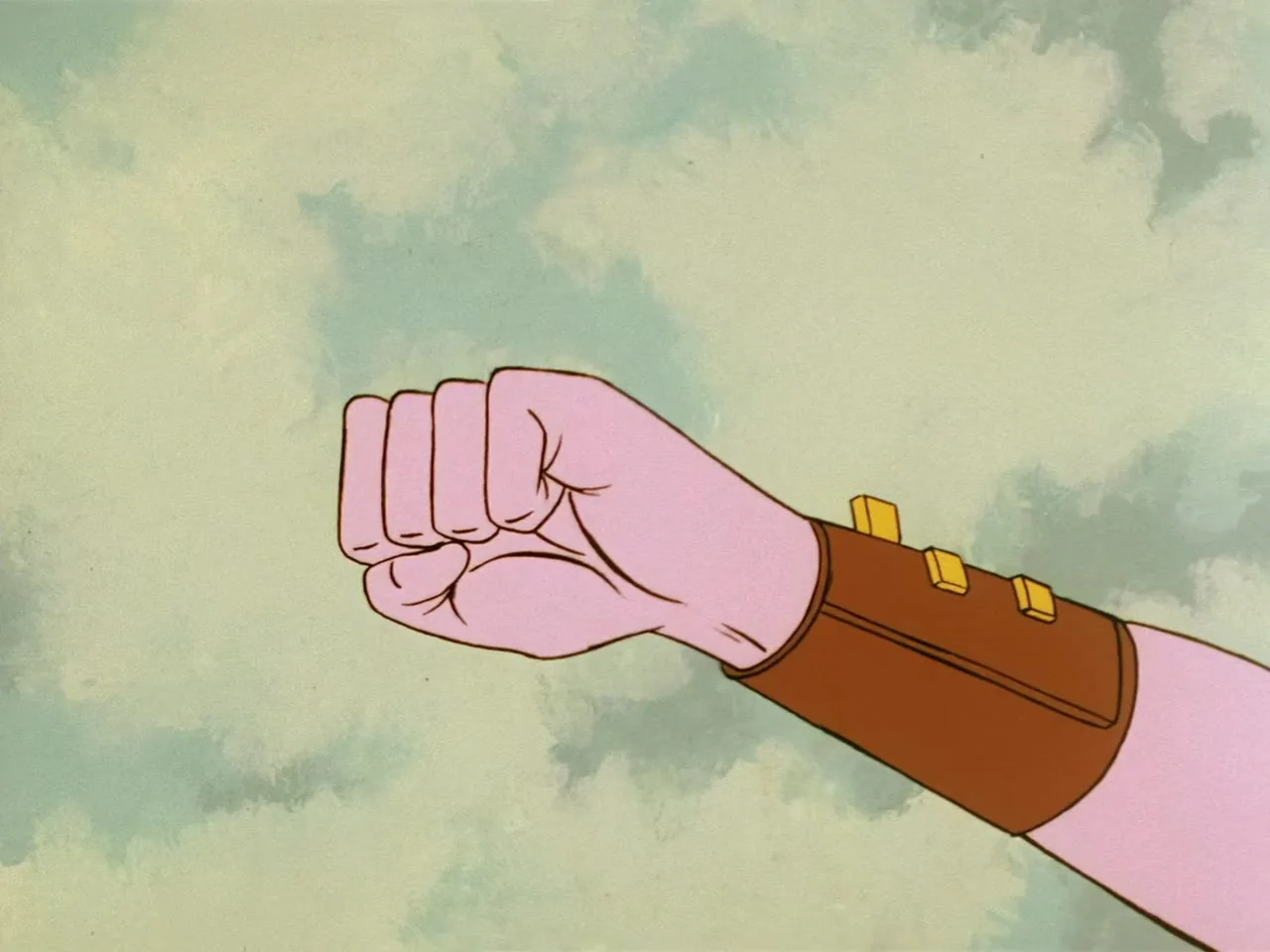
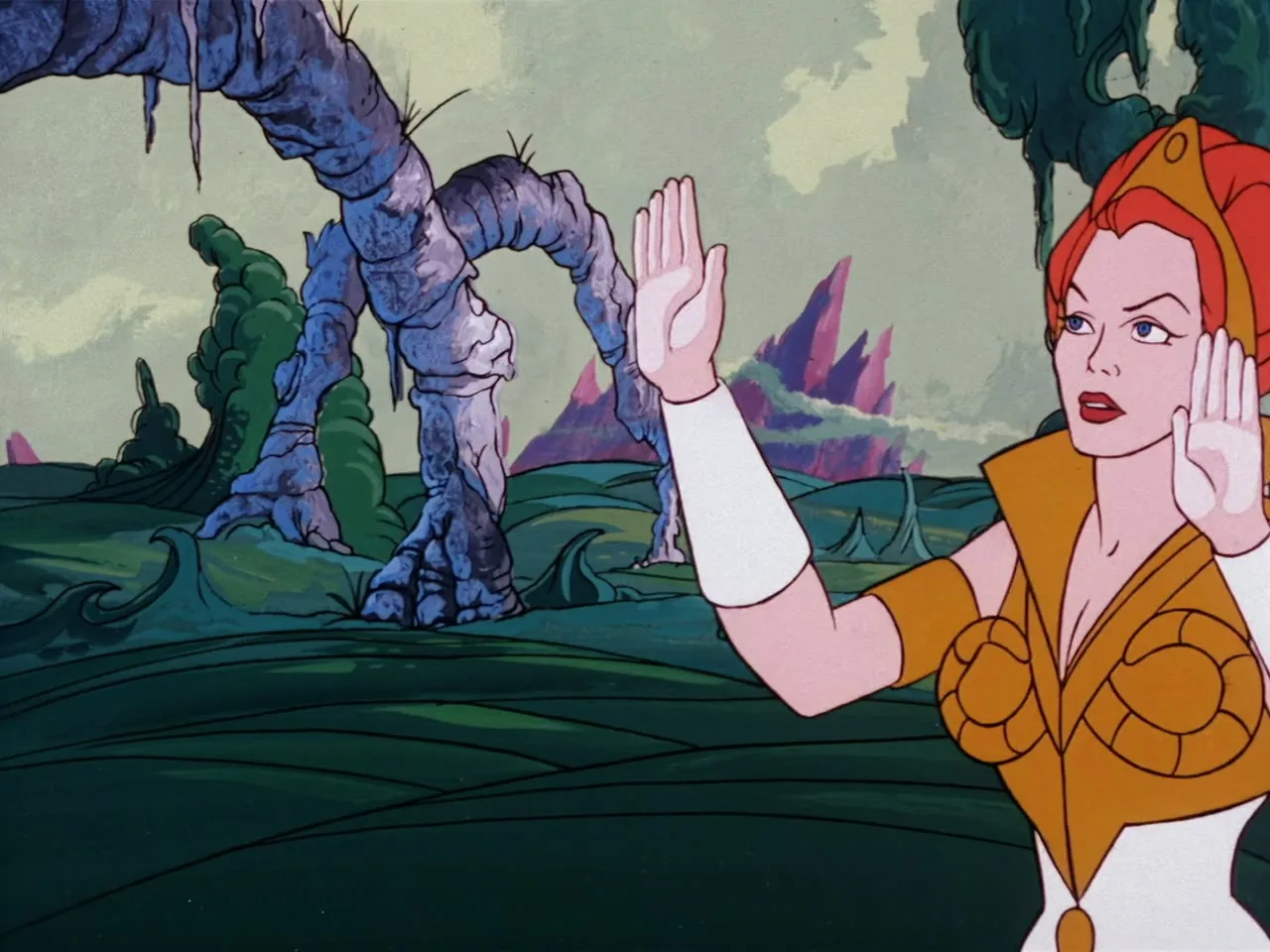
- Animation errors and goofs: Prince Adam and Teela are shown in a close-up shot in the Attak Trak. Moments later, in a long shot, He-Man and Teela are shown in the vehicle. Then in the next close-up shot, Prince Adam is seen again. When Teela first enters the Queen's throne room, she appears to be resting her right foot on a raised part connected to the steps that lead to the throne rather than on flat ground. An Arcadian guard is ordered to seize Teela. She holds up her left arm, but in close up, her right fist is shown.
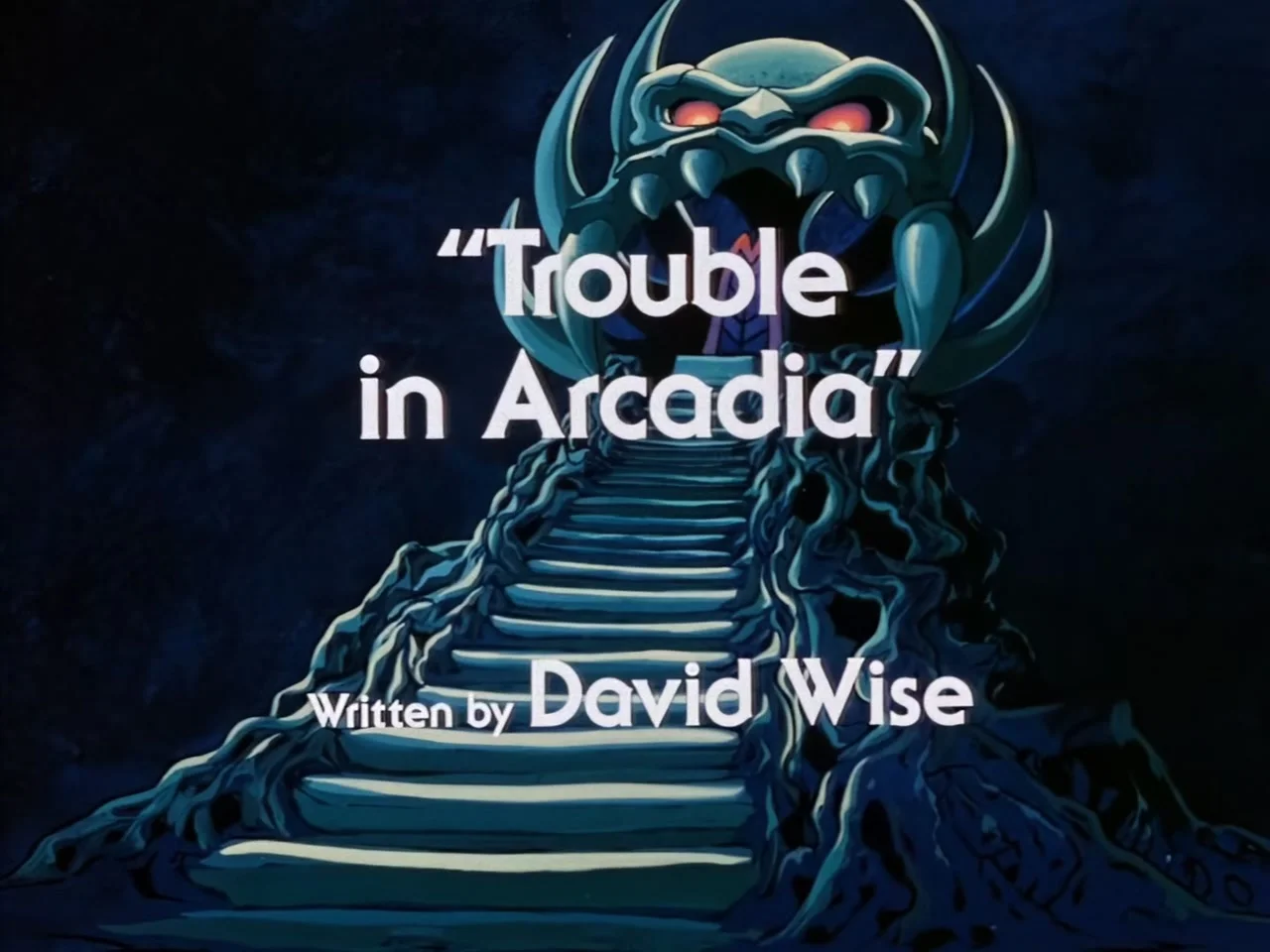
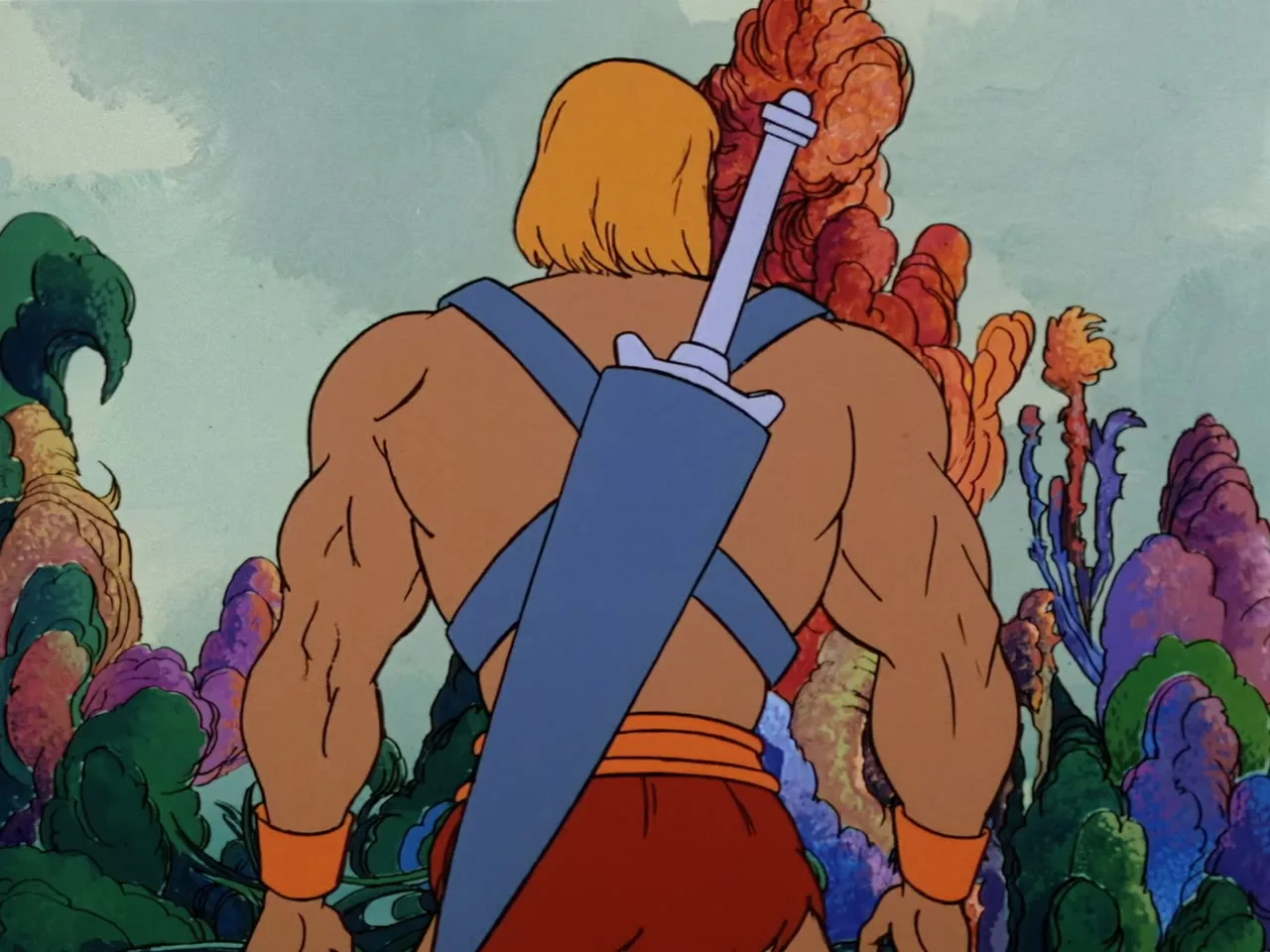
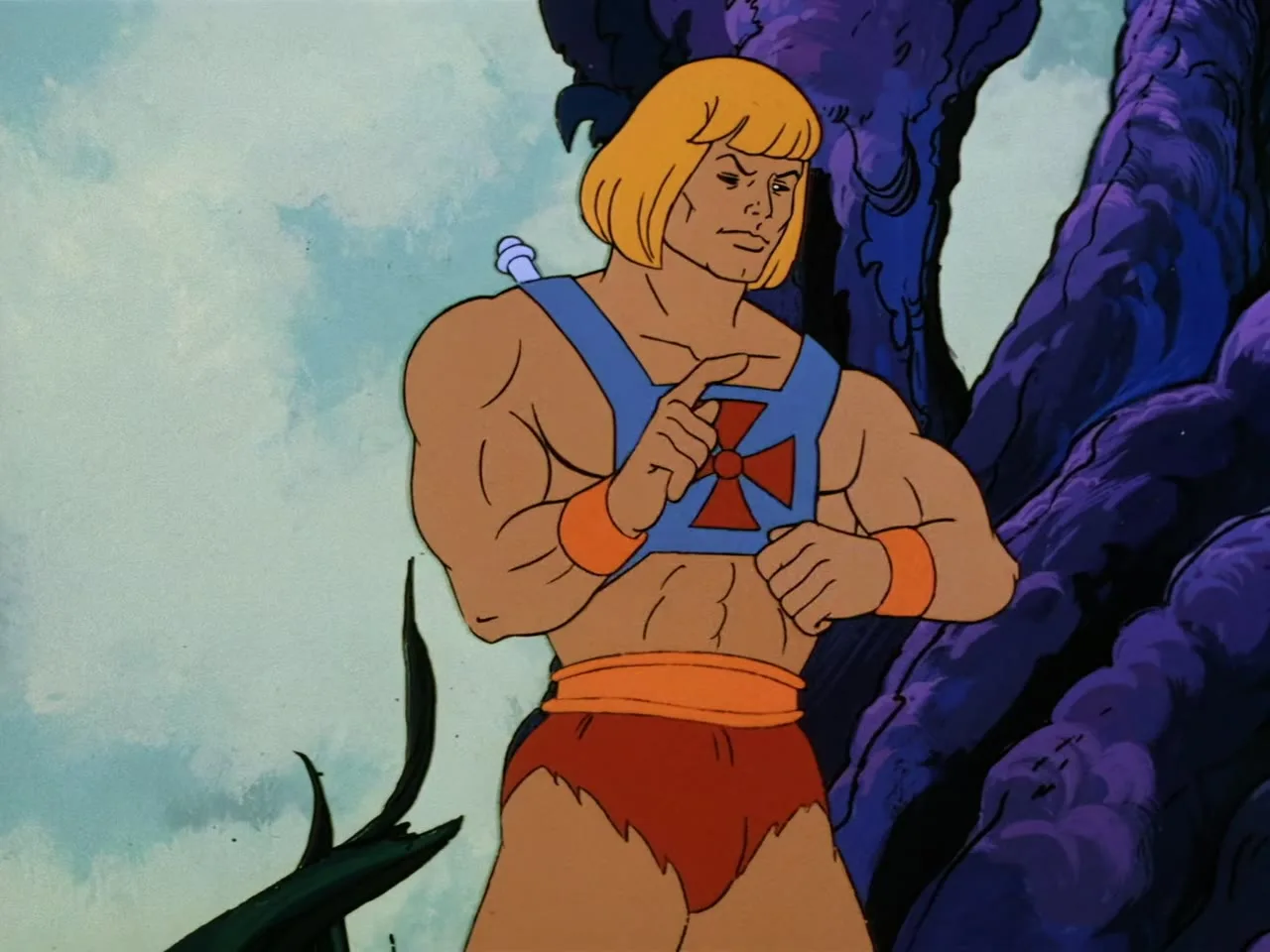
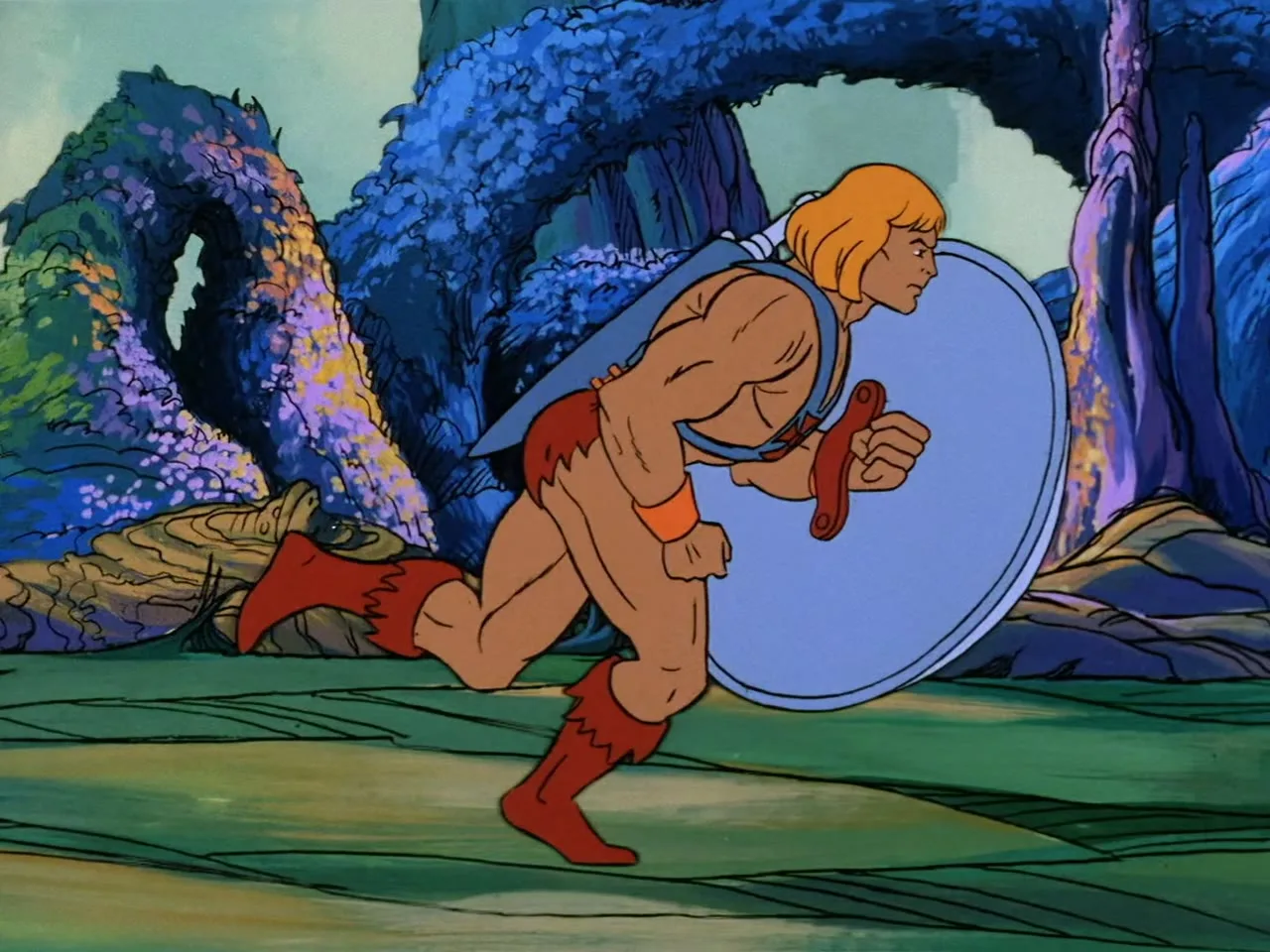
- A full catalogue-grade screengrab pass (title card plus 110 time-ordered frames, R2-hosted) replaces the earlier 15-image legacy set. The legacy titleCard URL was a mislabeled mid-episode foundry frame, not a genuine title card; it has been replaced with a true on-screen title card confirming the writer and director credits.

DISCUSSION
Join the conversation.
Comments below are mirrored on the heman.org forum. Sign in once, post anywhere.