Filmation’s He-Man and the Masters of the Universe ran 130 episodes across two seasons from September 1983 through November 1985, produced at Filmation’s Reseda, California studio under co-founders Lou Scheimer, Hal Sutherland, and Norm Prescott. The show was the most economically constrained major animated production of the 1980s and yet became the cultural and commercial juggernaut that defined the property; this episode unpacks how Filmation made it work.
The production economics start with the licence. Mattel paid Filmation a flat per-episode production fee in the $200,000 to $250,000 range, depending on the year. That sum had to cover scripts, voice direction, animation, music, dubbing, prints, and the studio’s overhead. Saturday-morning network animation at the same time was running $400,000 to $500,000 per episode. Filmation had to deliver a Saturday-morning-network-quality show on half the budget, on a faster turnaround (daily syndication required 130 episodes per year against the network’s 13), and with the same creative quality bar.
The answer was animation reuse. Filmation built a library of stock animation cycles (the transformation sequence, the running cycles, the sword draws, the magical effects) and reused them across episodes. The show is sometimes mocked for this reuse but the truth is that the reuse made the show possible at the budget, and Filmation’s design team kept the reused cycles strong enough to carry the dramatic weight.
The writers room is the unsung hero. Story editor Larry DiTillio assembled a bench that included Paul Dini (later of Batman: The Animated Series), J. Michael Straczynski, Christy Marx, Larry Carroll, and David Wise. The morals at the end of each episode took genuine thought, and the morals are why parents allowed kids to watch every afternoon.
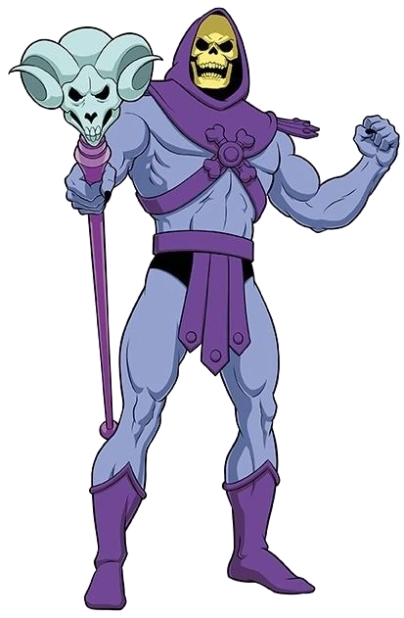
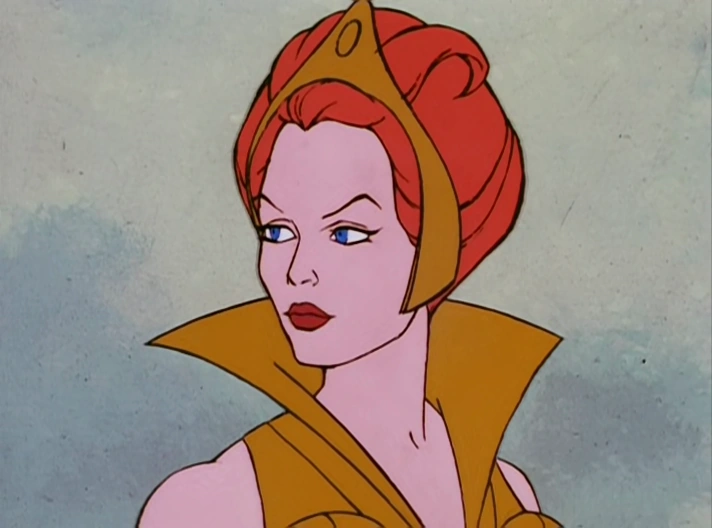
Voice direction by Lou Scheimer with John Erwin as He-Man, Alan Oppenheimer as Skeletor and Cringer, Linda Gary as Teela and the Sorceress, Erika Scheimer as Orko, and a tight rotating ensemble carrying the secondary roles. The voice work has aged remarkably well; the Linda Gary performance for the Sorceress in particular still reads as authoritative four decades later.
The syndication strategy is what made the show profitable for Mattel even more than the toy line. Group W Productions sold the show into 95 percent of US TV markets, into 70 countries internationally, and continued through reruns into the 1990s. Every viewing was a toy advertisement.
Length: approximately 85 minutes.