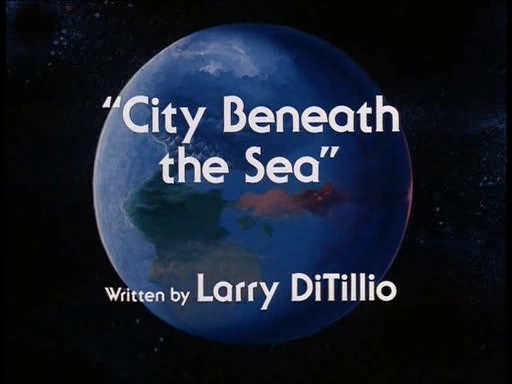
Larry DiTillio is the writer most responsible for the sensibility of the Filmation Masters of the Universe run. He served as story editor across both seasons, 1983 to 1985, writing more episodes personally than any other staff writer and shaping the work of the broader bench that included Paul Dini, J. Michael Straczynski, Christy Marx, and David Wise. This episode profiles his approach, his published interviews about the production, and the throughline from his MOTU work to his later showrunning of Babylon 5.
DiTillio came to Filmation from a long career writing roleplaying-game material for Dragon Magazine, a background that influenced his approach to MOTU. He treated Eternia as a coherent fantasy world with internal rules rather than a generic adventure backdrop, and he pushed the writing staff to think about consequences, character motivation, and the moral consequences of magical power. The morals tag at the end of each episode (which he often wrote personally) was where the staff’s thinking on responsibility, courage, and friendship got distilled into something a seven-year-old could absorb without feeling lectured at.
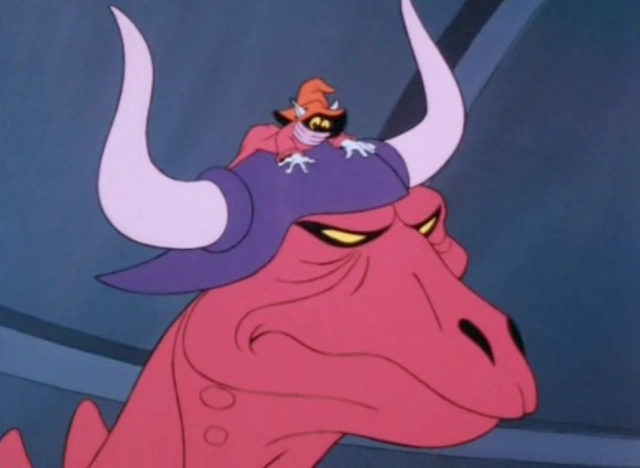
The episodes most directly attributable to DiTillio include The Dragon’s Gift (Season 1, the Granamyr introduction), The Diamond Ray of Disappearance (Season 1, the magical-MacGuffin pilot story), Quest for the Sword (Season 1), Search for the Past (Season 1), and a handful of Season 2 closer episodes that paid off threads he had set up in Season 1. His writing tends to lean toward myth-cycle structure: the hero embarks on a journey, encounters a sympathetic antagonist, learns something about himself, and returns changed.
He has been candid in his subsequent interviews about the constraints of Saturday-morning syndication. Mattel had a strict no-violence rule (no on-screen deaths, no real harm to characters), which DiTillio describes as a generative constraint rather than a limit. The show had to find dramatic stakes that did not depend on physical danger, which forced the writing toward moral and emotional stakes. He credits this constraint with making MOTU more durable than its more violent contemporaries.
After Filmation wound down, DiTillio worked on multiple animated series before co-creating Babylon 5 with J. Michael Straczynski. The throughline from MOTU to Babylon 5 is the willingness to treat audience intelligence as a given rather than a problem.
Length: approximately 60 minutes.