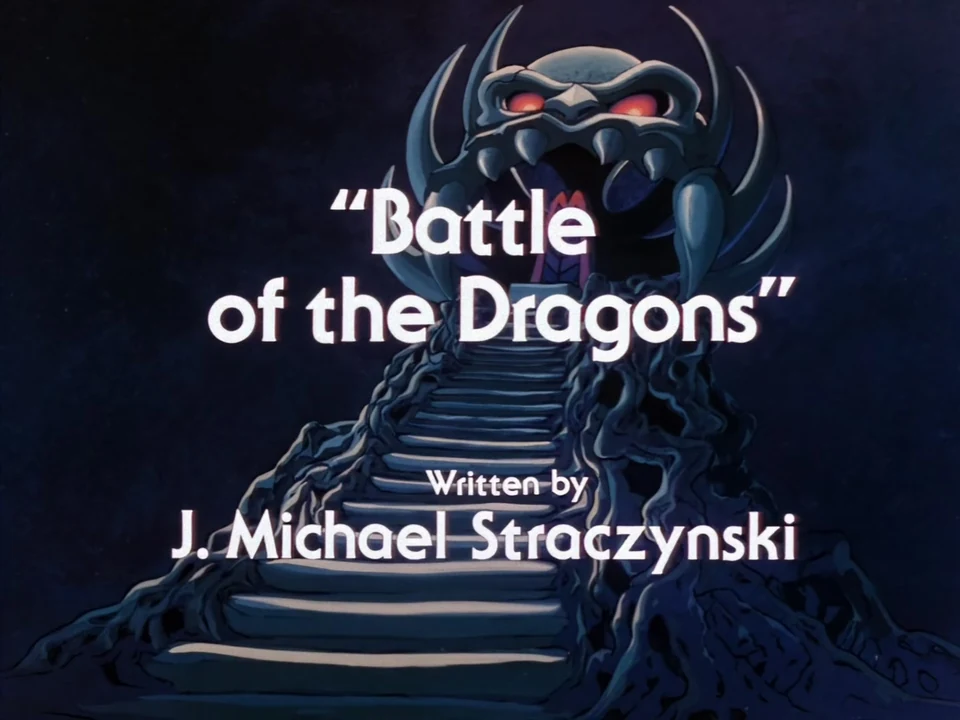
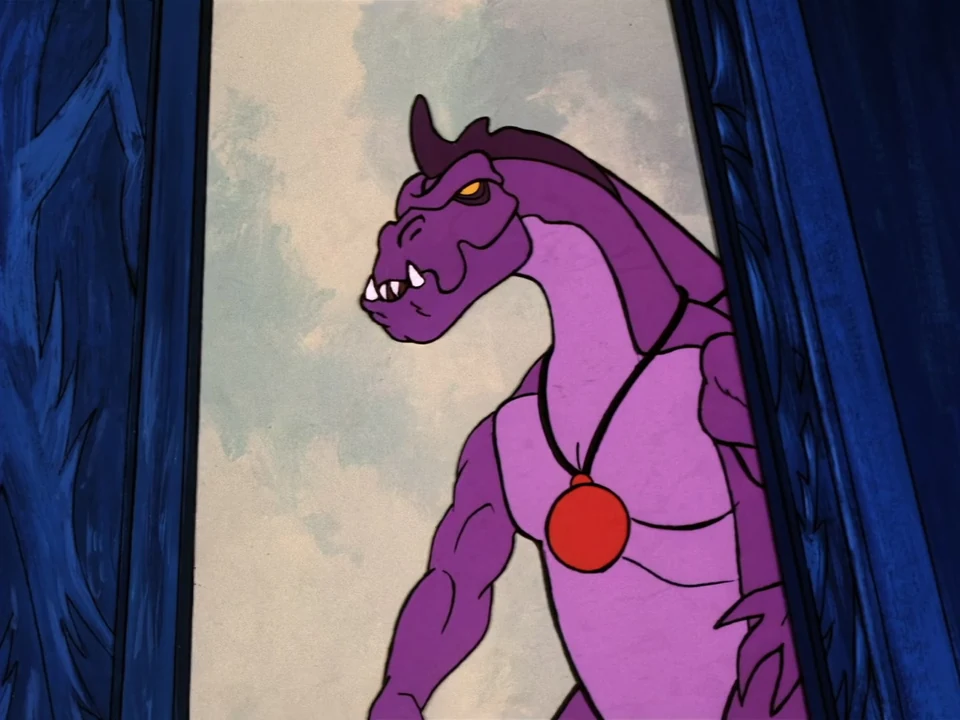
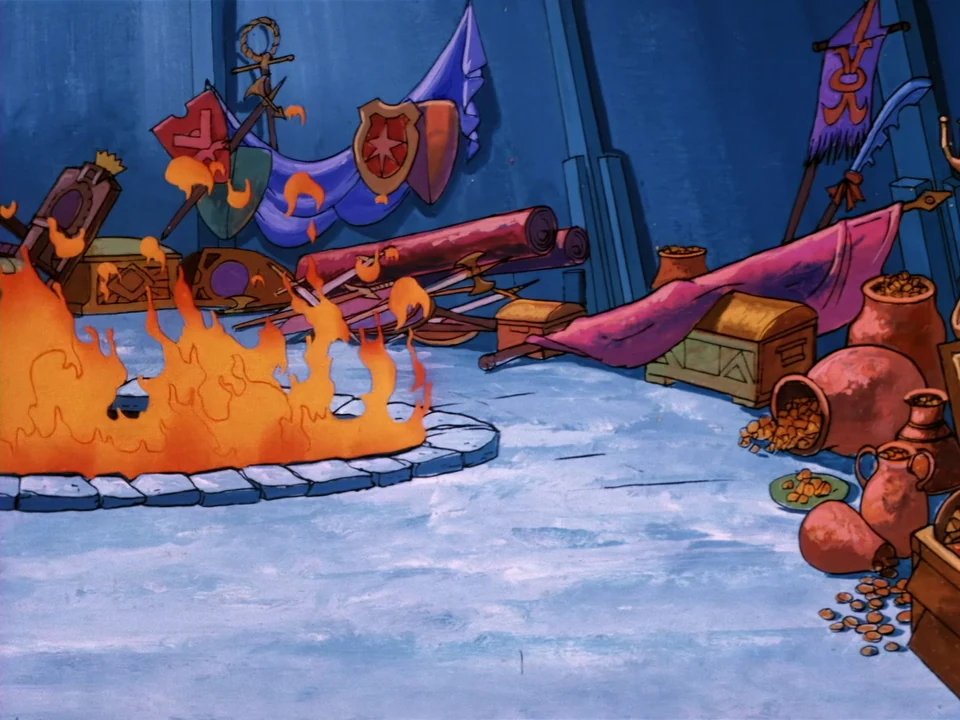
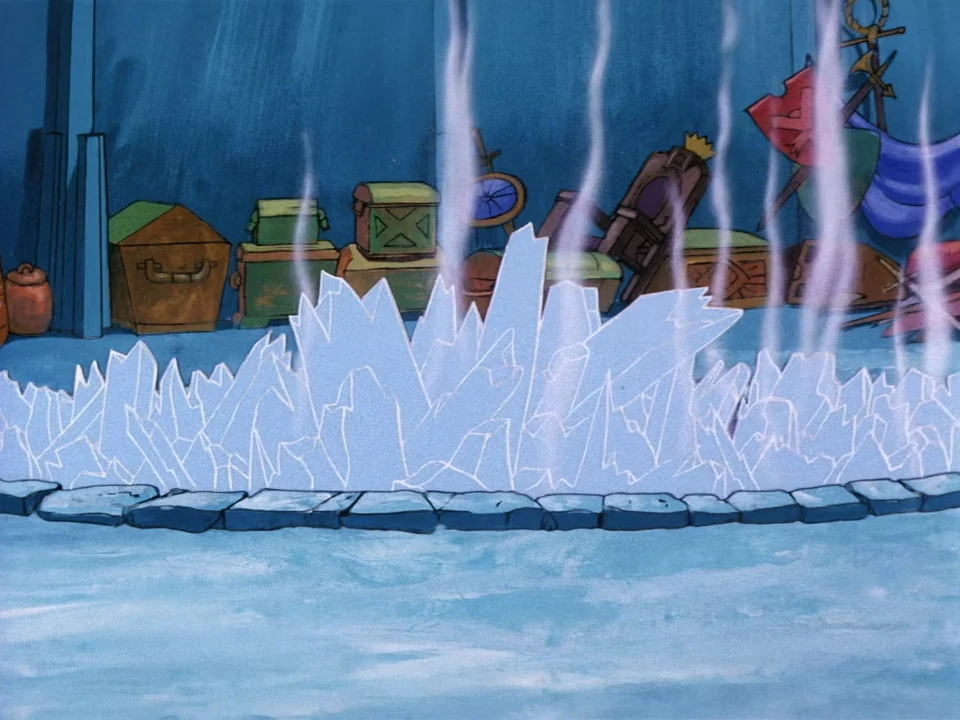
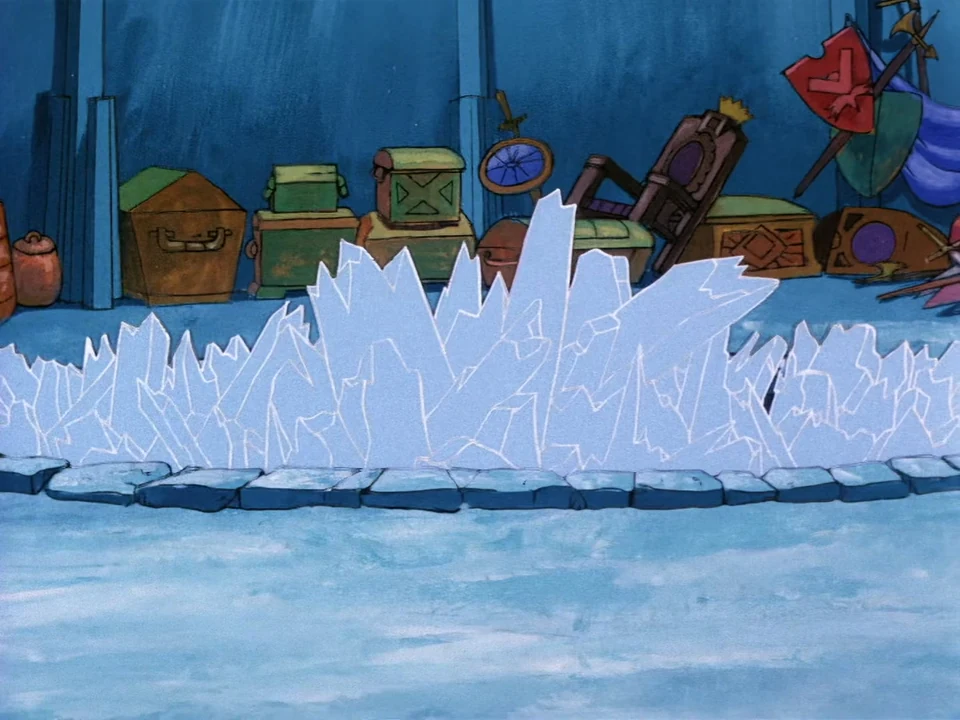
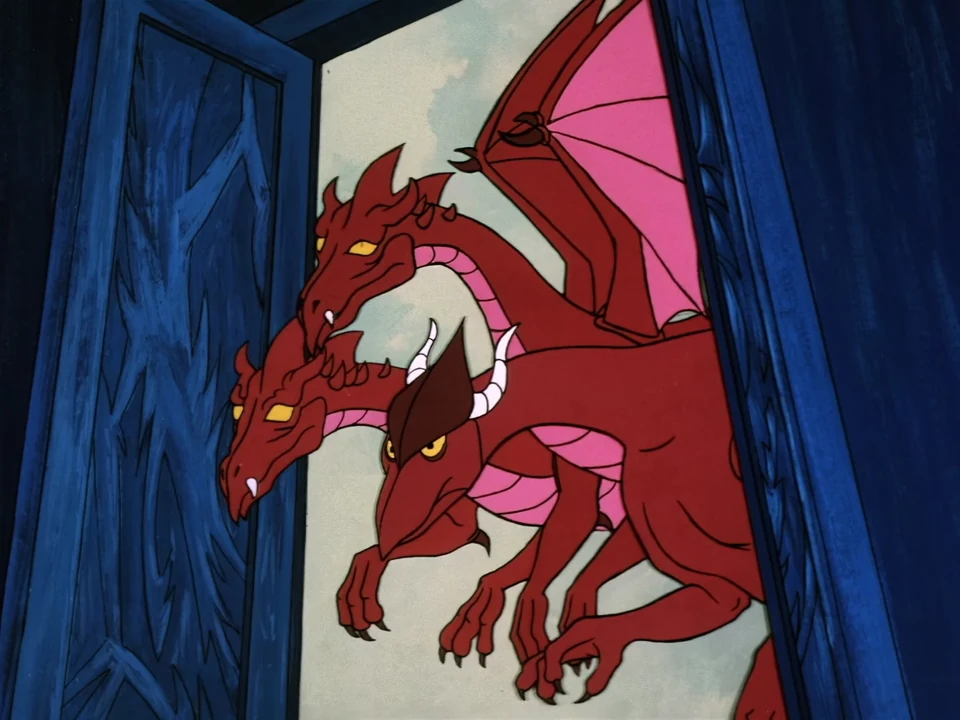
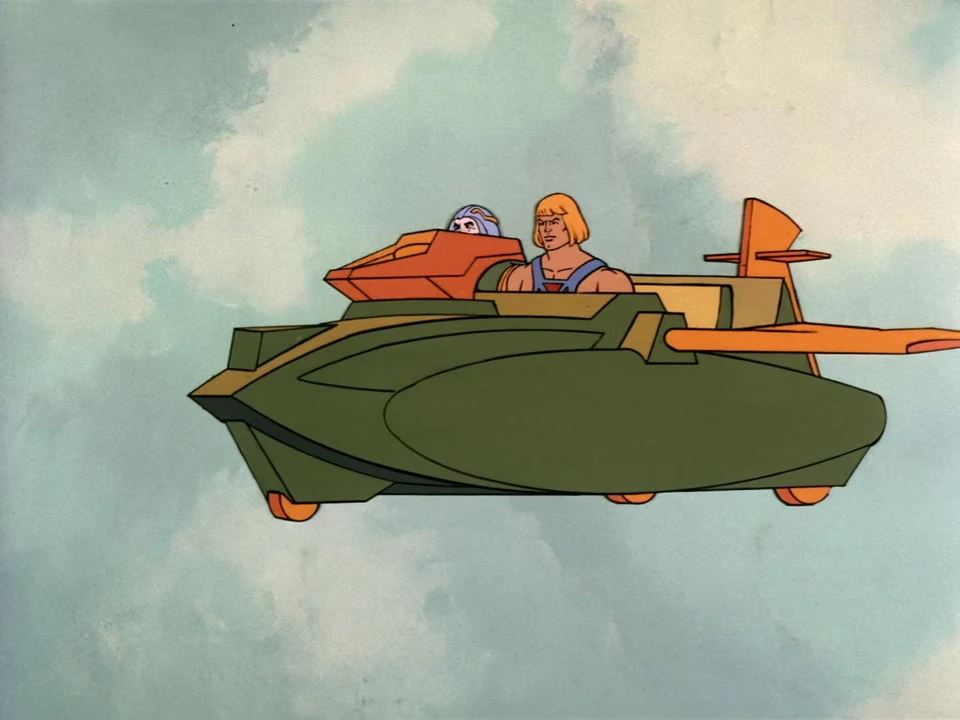
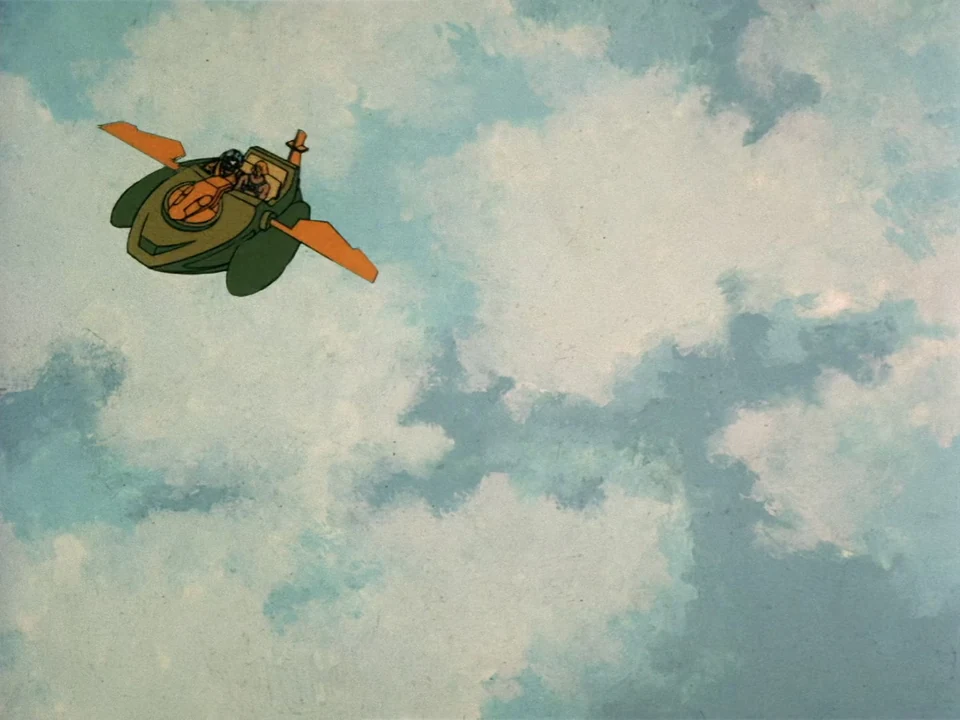
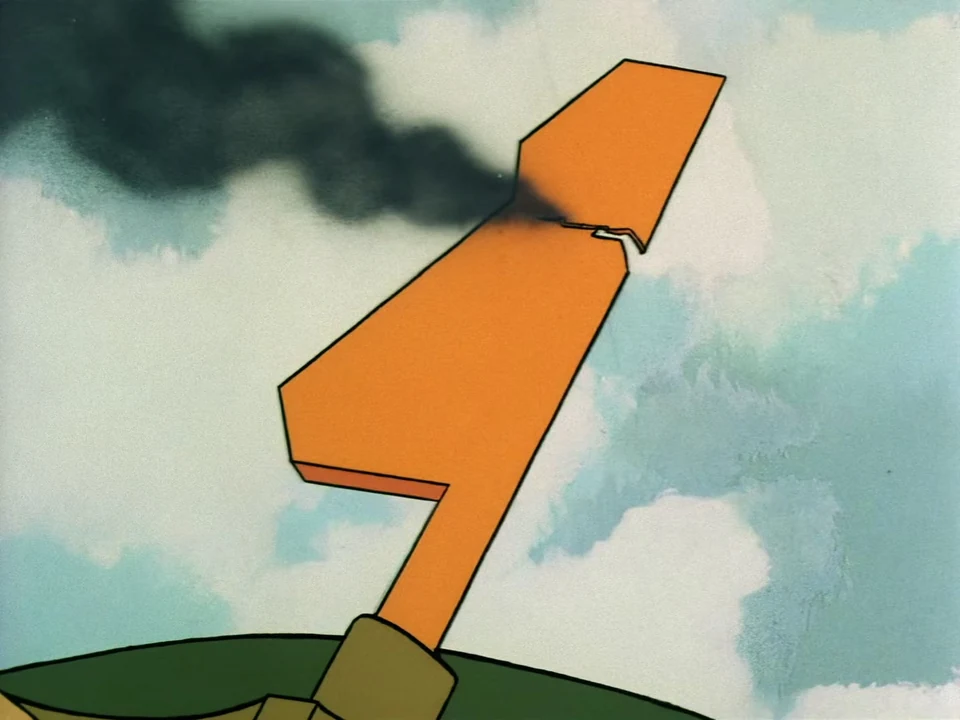
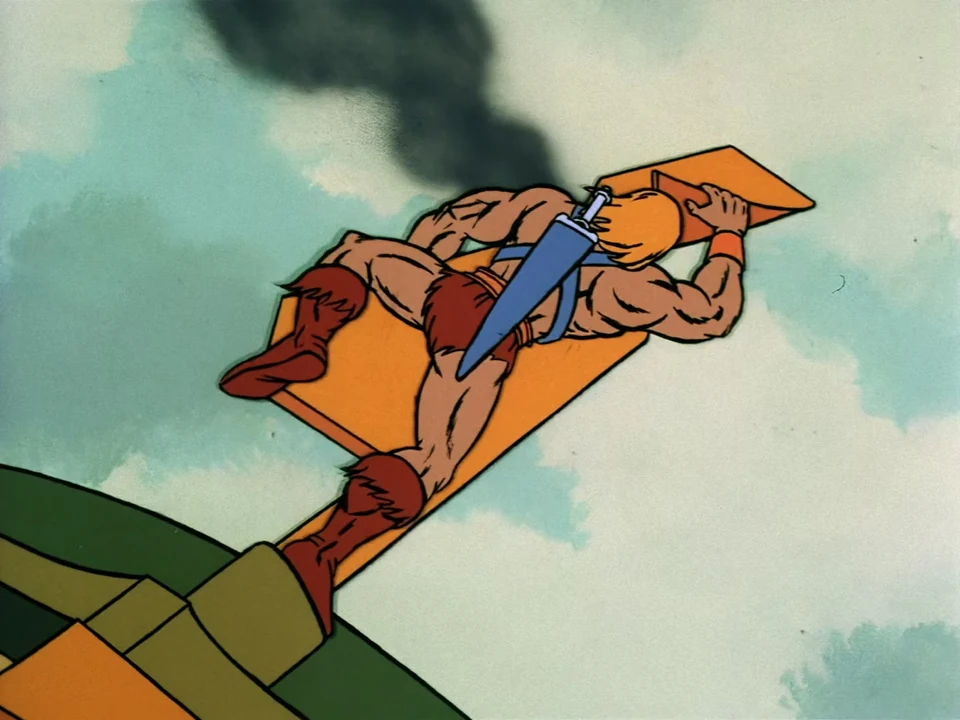
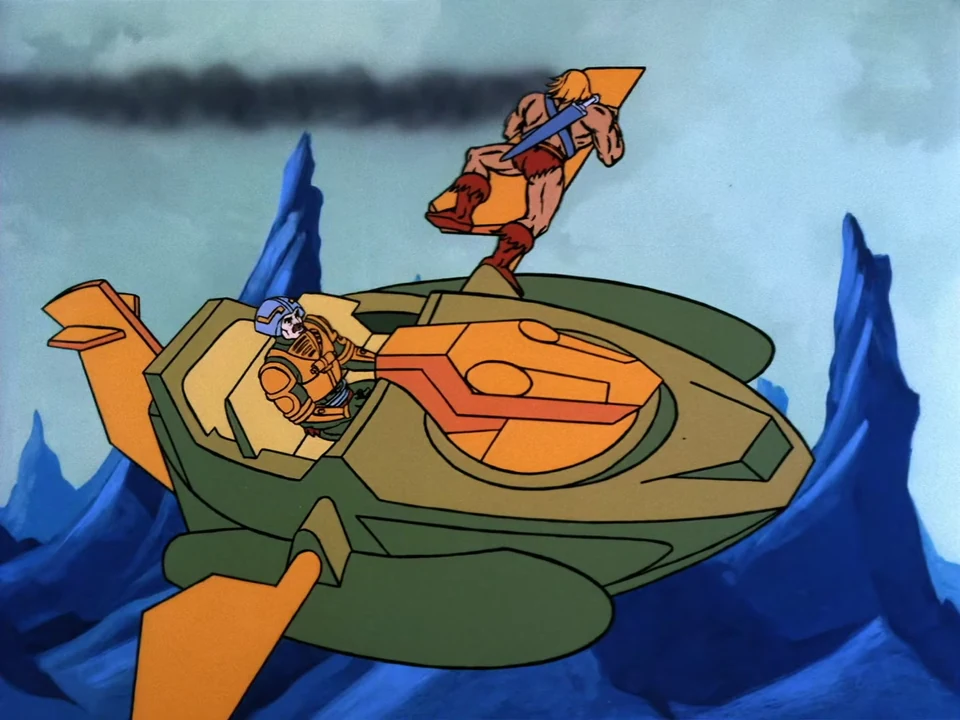
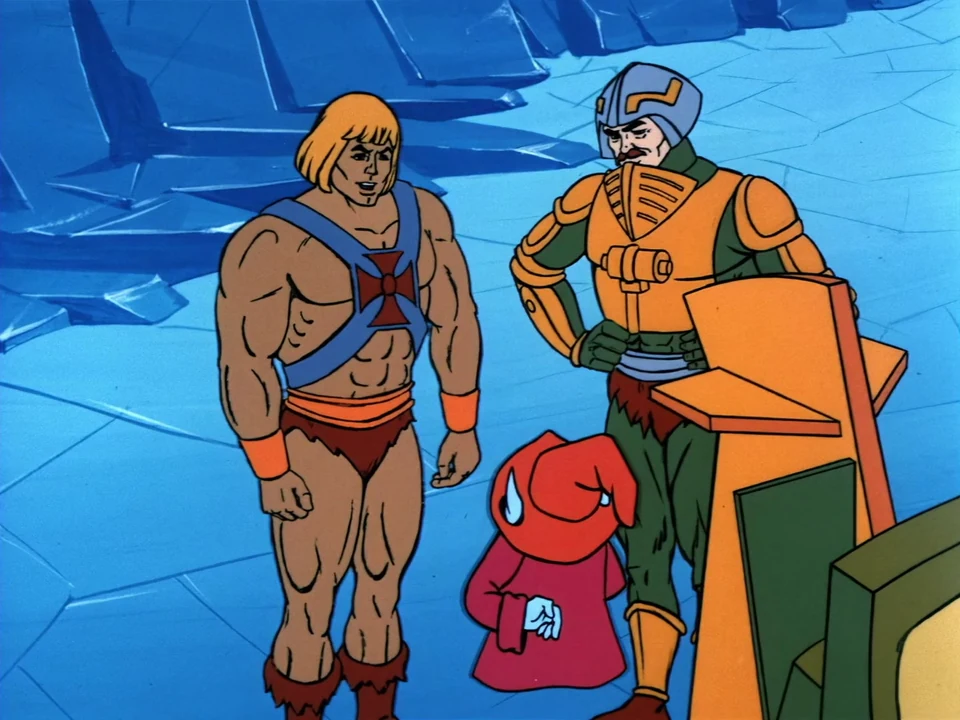
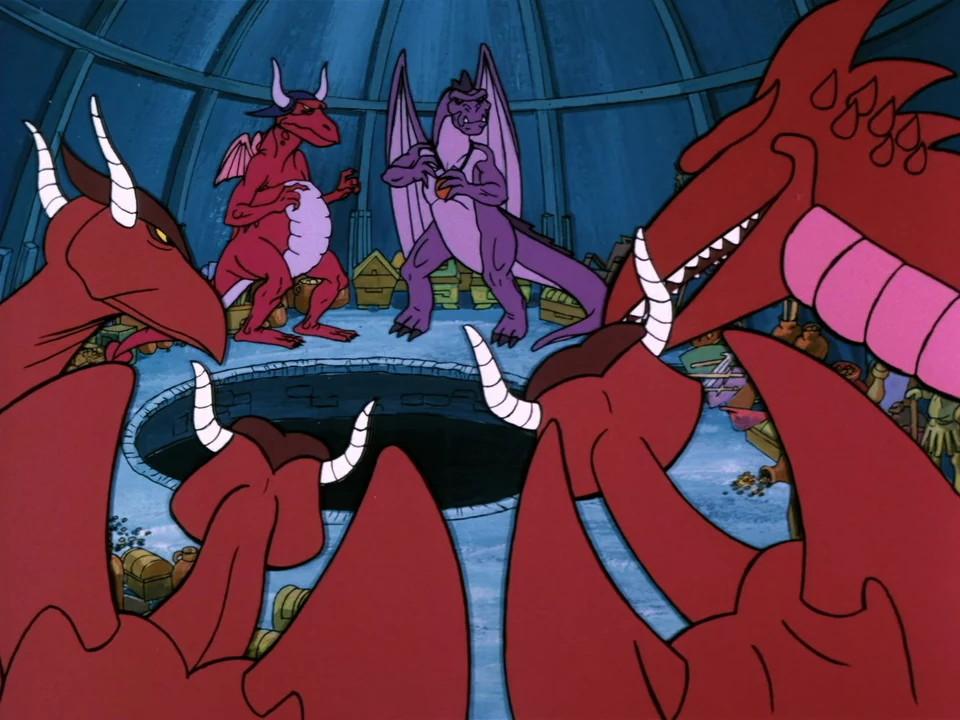
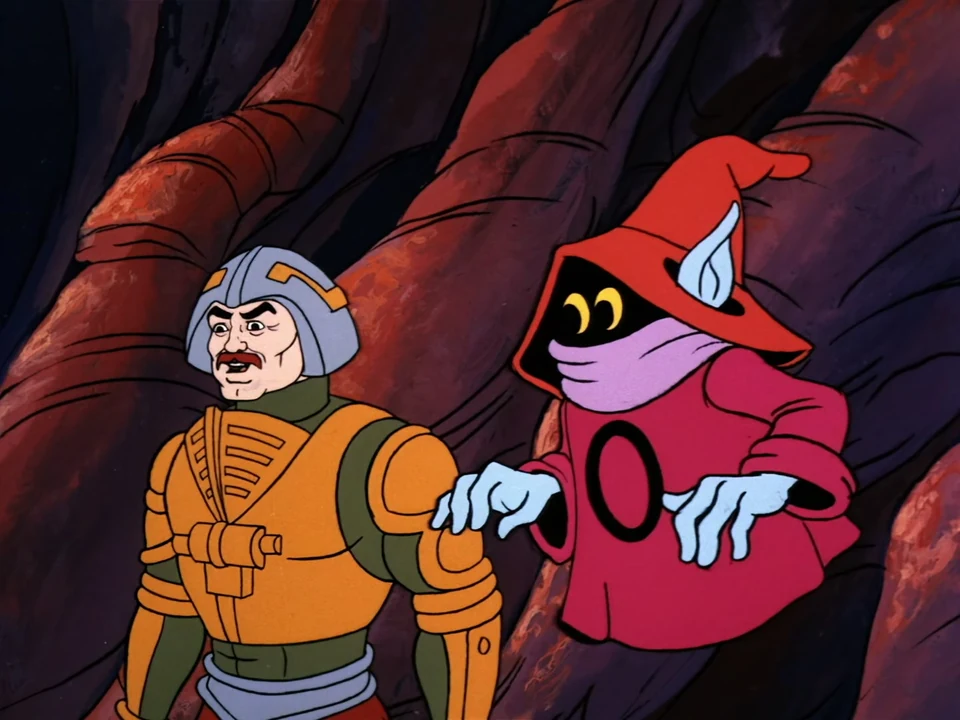
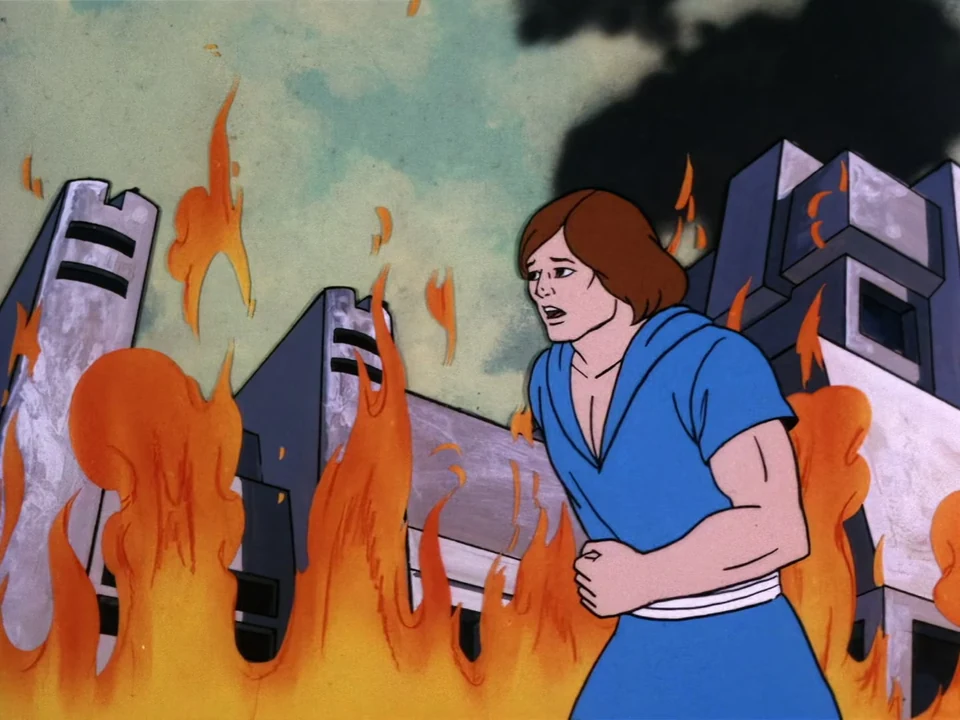
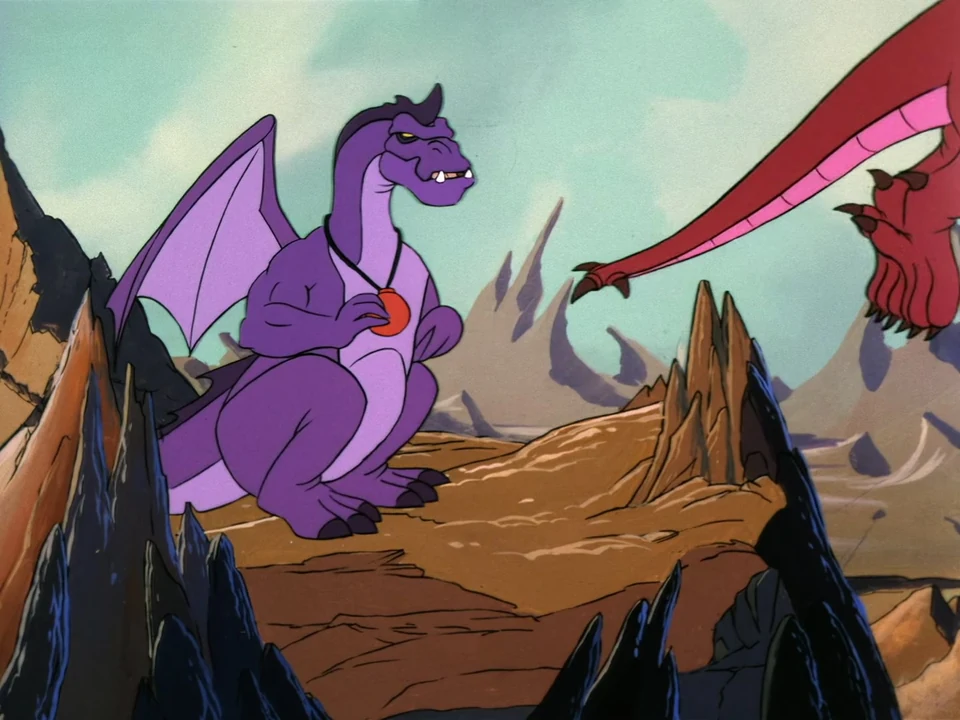
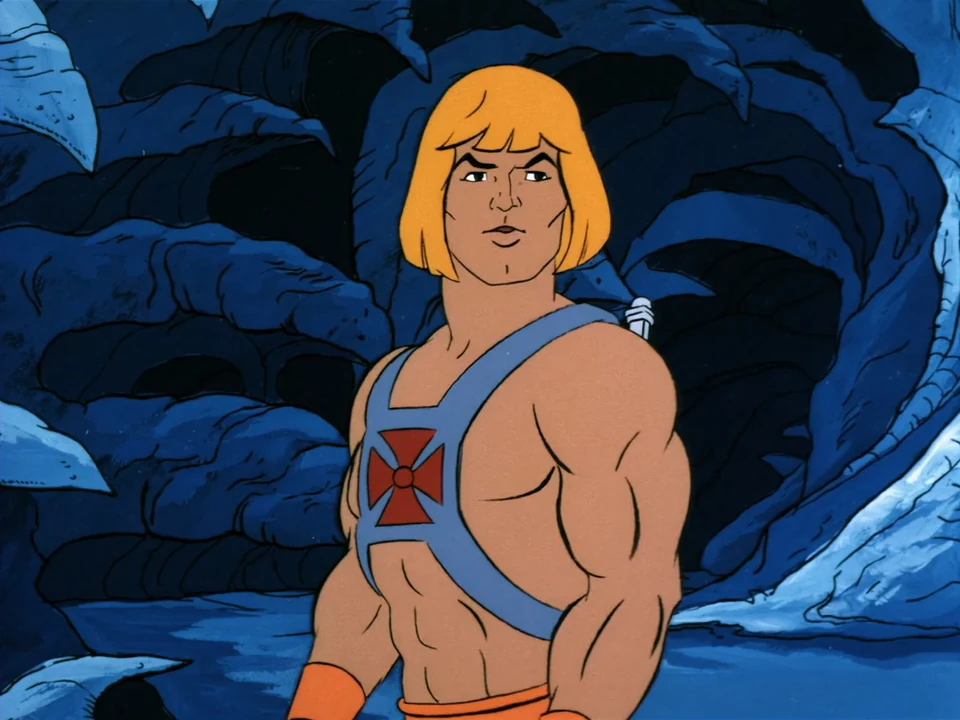
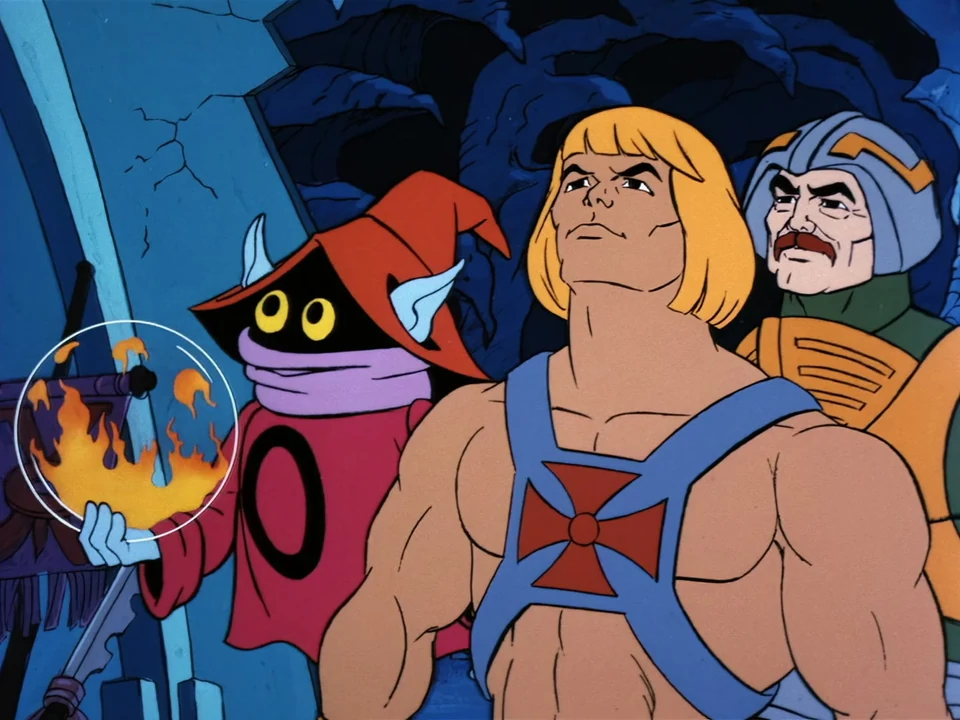
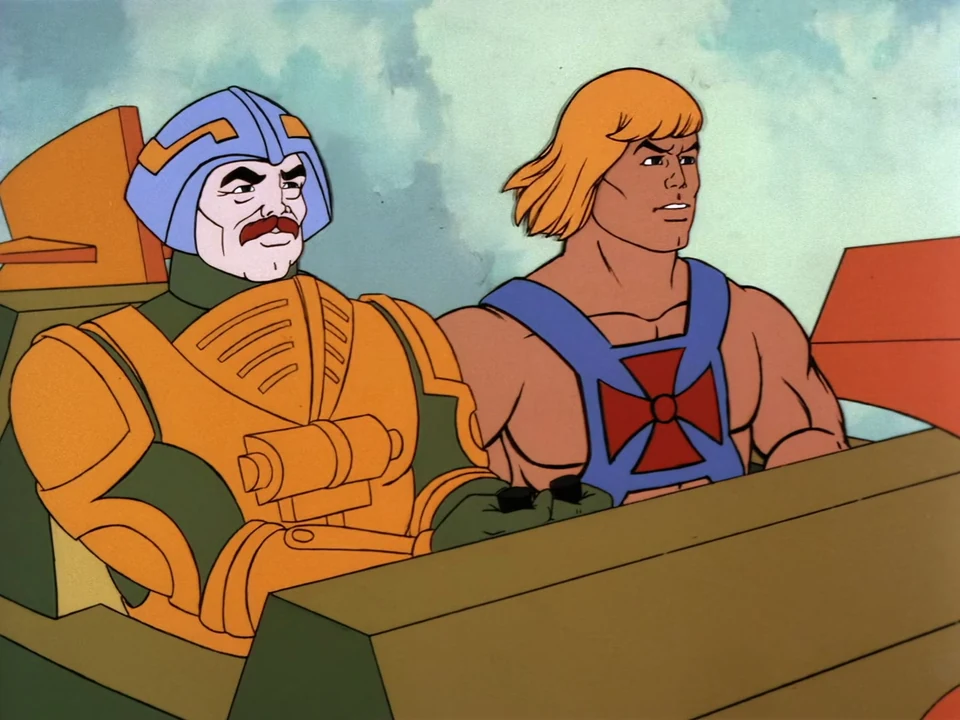
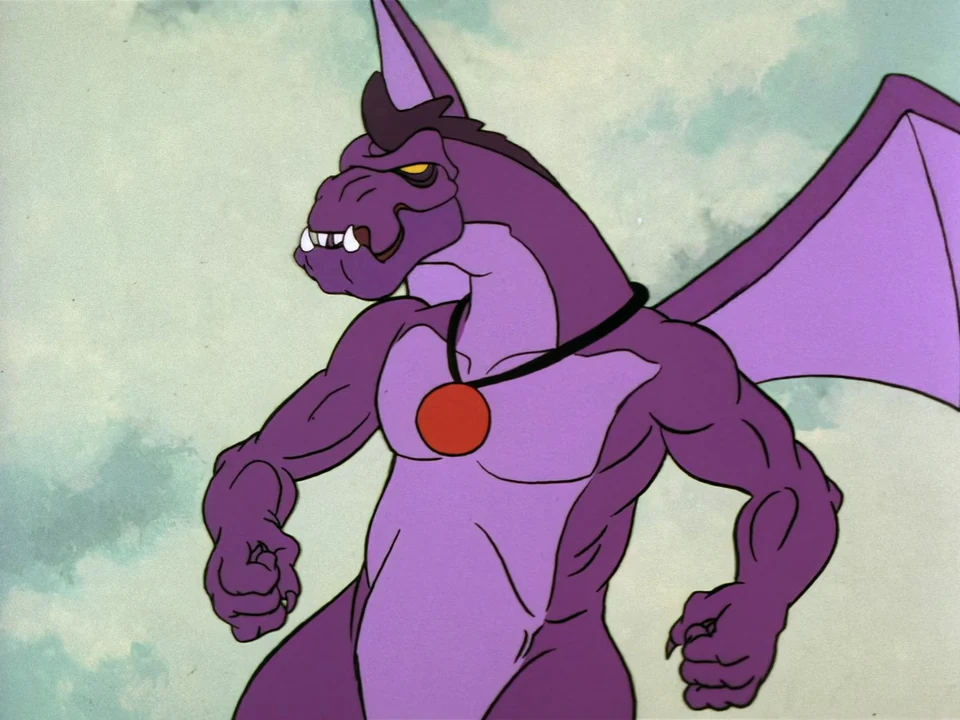
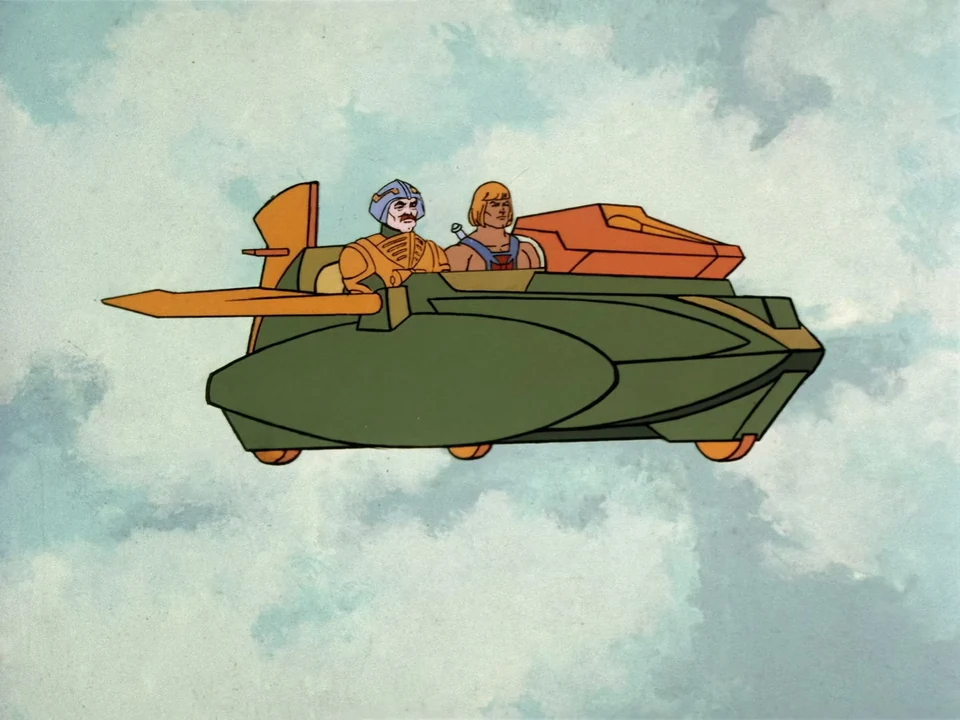
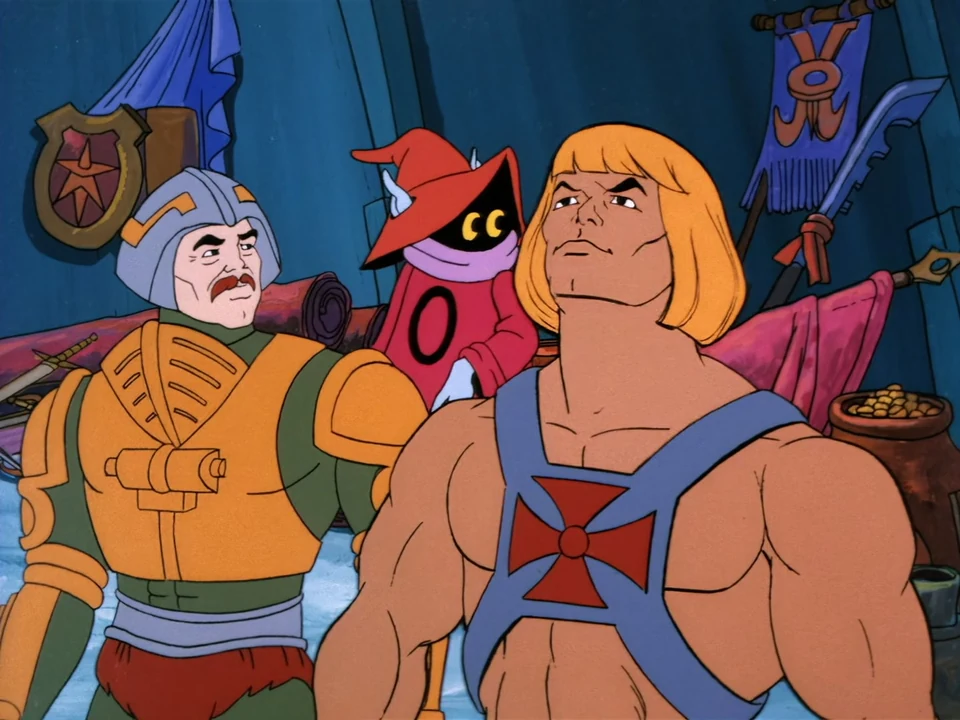
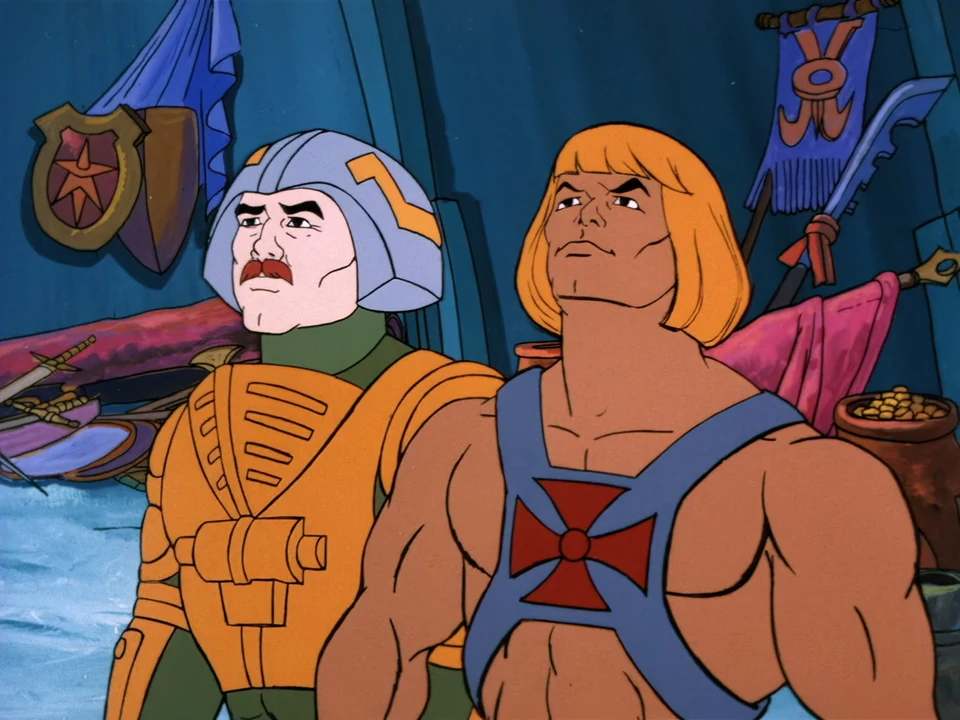
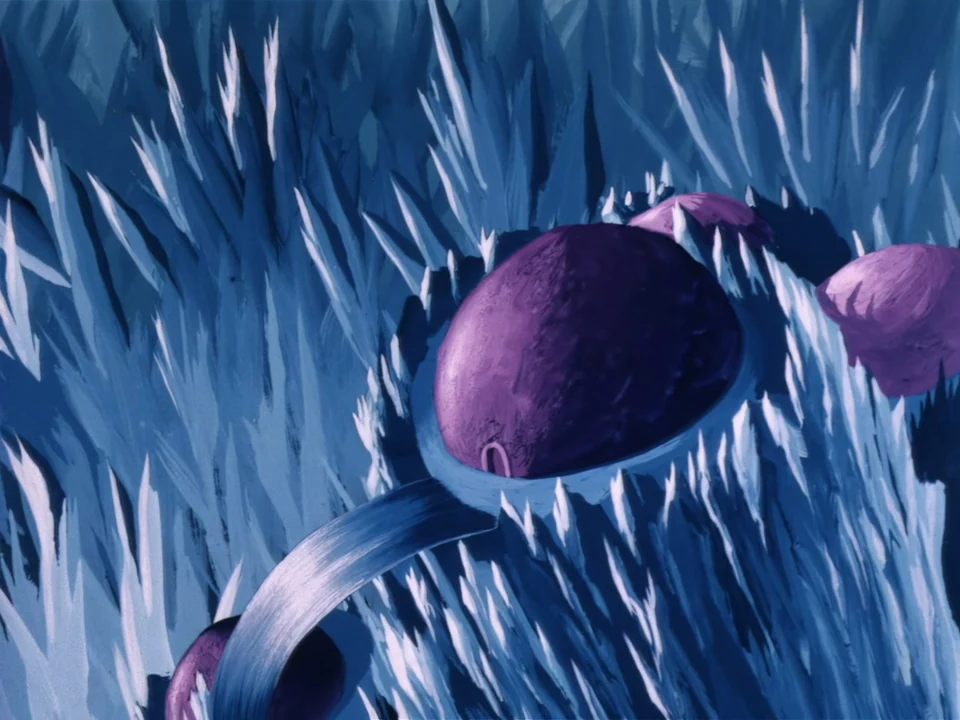
A year after Eternia and the dragons of Darksmoke sealed their peace treaty, the dragon elder Granamyr's sacred flame is doused by a hidden ice crystal, and the rogue dragon Morning Star blames two unnamed humans for the sabotage. Convinced of their guilt, Granamyr's younger dragons begin burning a human village in retaliation. He-Man and Man-At-Arms fly the Wind Raider to Darksmoke to find the real culprit before the fragile treaty collapses into open war. When He-Man finally corners Morning Star, Granamyr has every right to destroy him for his treachery, but the old dragon chooses mercy instead, sending him off to a different reckoning so the peace between dragons and humans can hold.
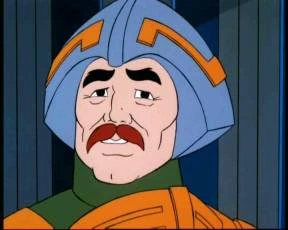
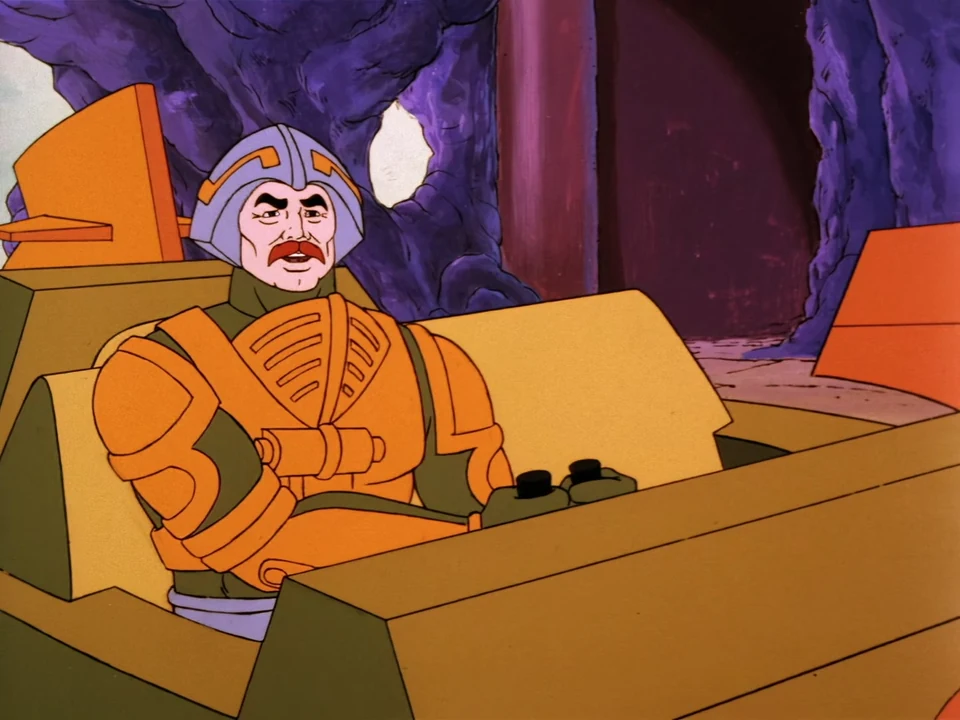
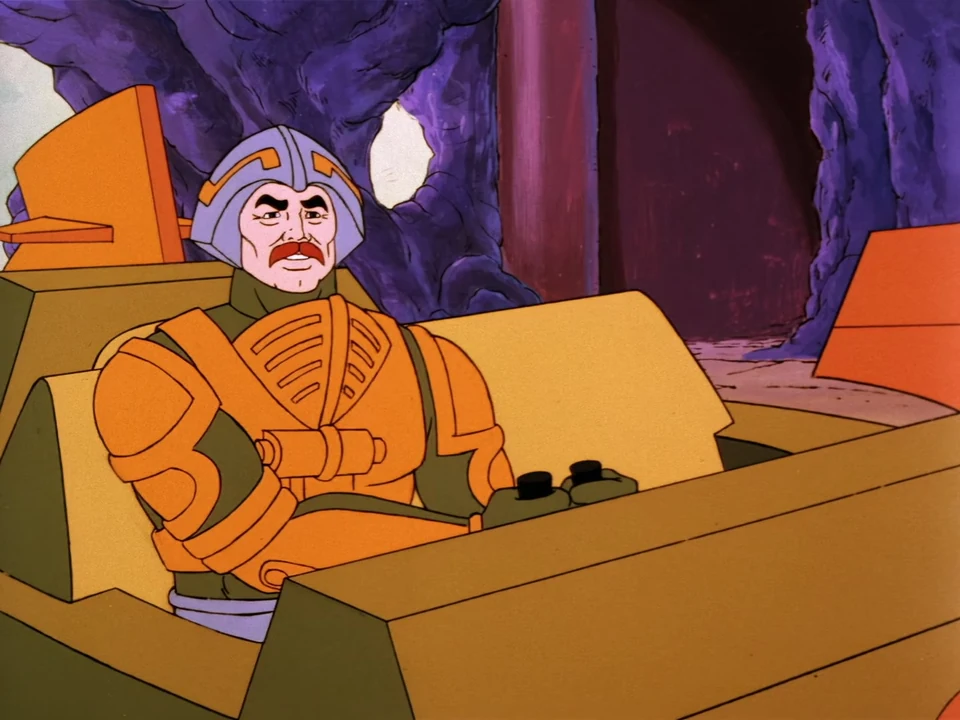
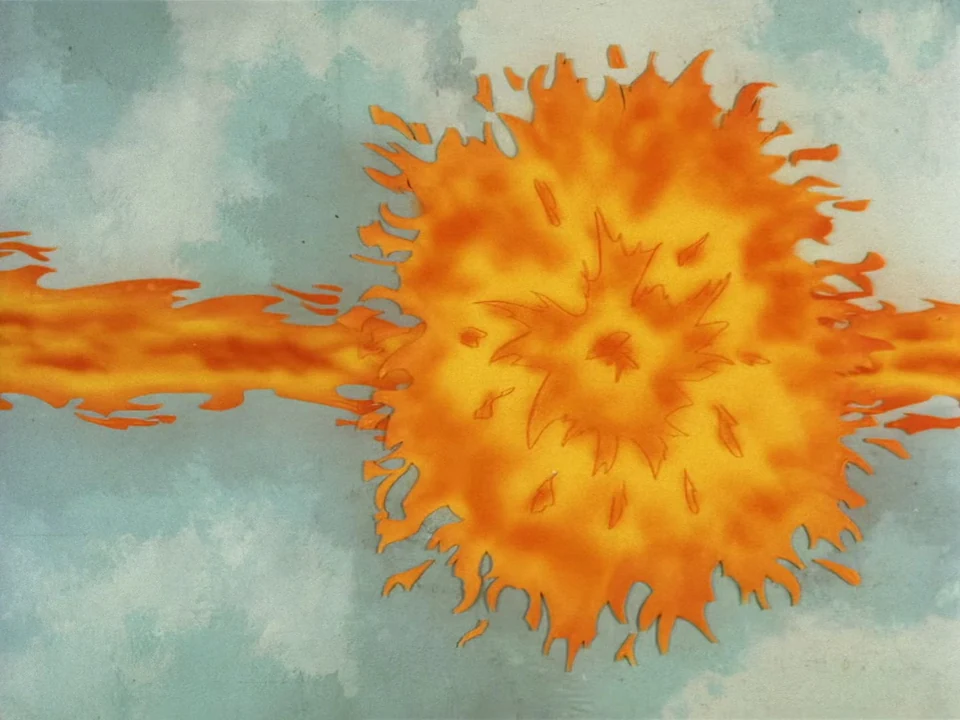
Man-At-Arms: "Today, I want to talk to you about winning... and losing. When Granamyr had his fiery tug-of-war with another dragon, he won fair and square, and stopped. He let go, because as soon as you take advantage of being a winner, you've really lost. Remember: it's important to be a good loser, but sometimes it's just as important to know how to be a good winner. Winning is no excuse for bad manners. See you next time."
John Erwin as He-Man/Prince Adam and Granamyr
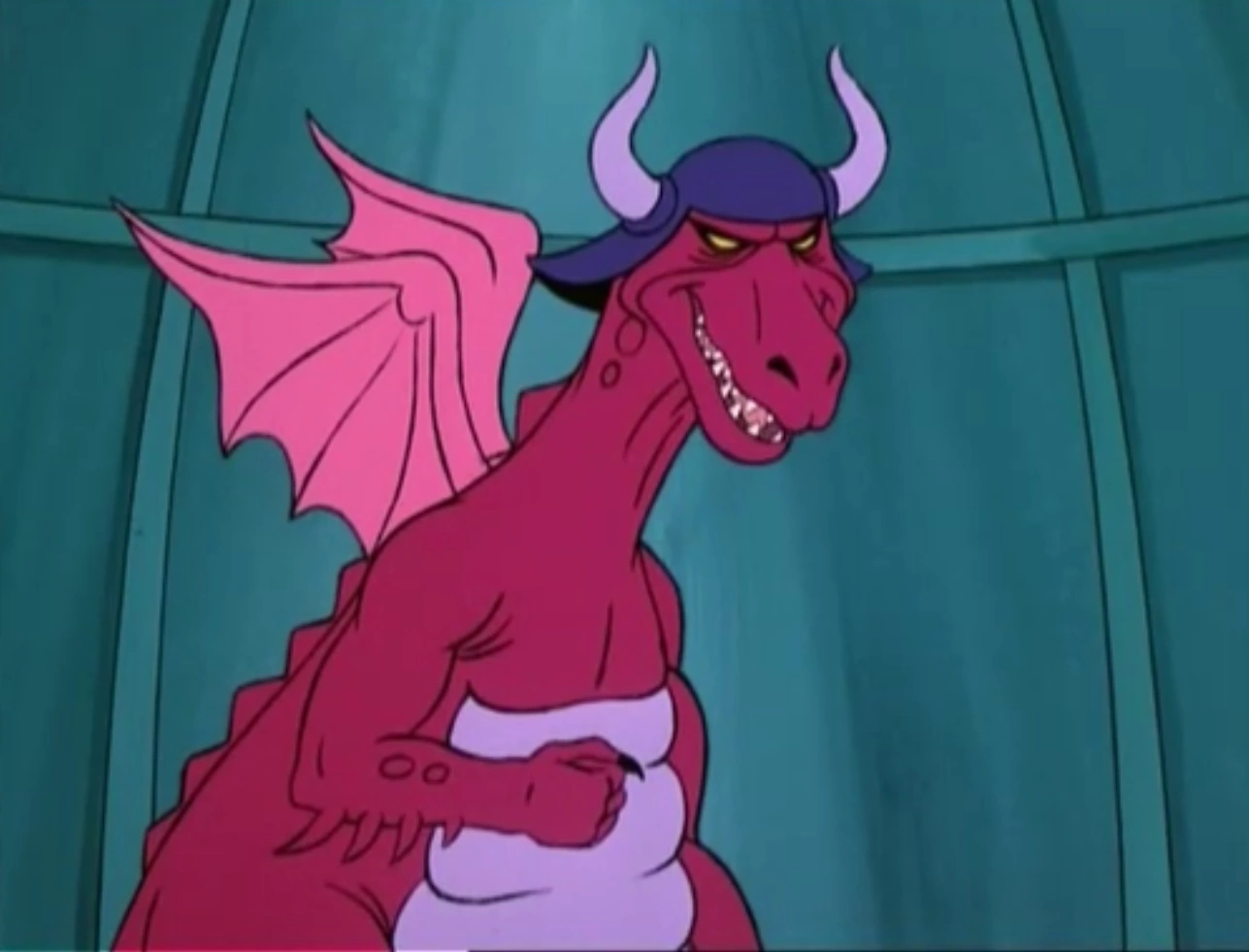
Alan Oppenheimer as Man-At-Arms and Morningstar
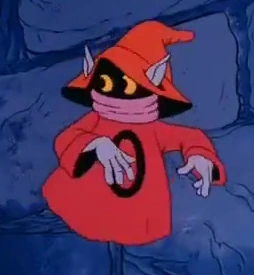
Lou Scheimer (credited as Erik Gunden) as Orko, Targon, Pitt of Shadows Griffins and unnamed peasant and dragons
Erika Scheimer as Peasant girl
"It is my right, but it would not be right." -- Granamyr, refusing to burn a defeated Morning Star
"This little war, like the treaty itself, will help to remind us how very fragile is peace." -- Granamyr, closing
J. Michael Straczynski's name on a Filmation script usually means a swerve on the formula, and "Battle of the Dragons" obliges by handing He-Man a story he cannot solve by hitting anything. The treaty between Eternia and the dragons of Darksmoke is a year old, Granamyr's sacred flame is stolen out from under him by one of his own, and the humans get blamed for it before a single sword is drawn. He-Man spends the back half of the episode not fighting dragons so much as outrunning their reasonable fury, because from where Granamyr sits, the evidence is sound and the humans did it.
That setup is doing more work than the episode gets credit for. Treaties between old enemies hold only as long as both sides keep believing the other is still honoring them, and Straczynski spends the cold open proving how thin that belief already is: Man-At-Arms and Prince Adam are still kidding around about what the treaty actually says when Morning Star is already plotting to break it two scenes later. A show built to sell toys rarely bothers establishing that its villain is manipulating two factions who would rather not be fighting at all. We get that here, and it gives the episode something to be about besides a flame getting stolen back.
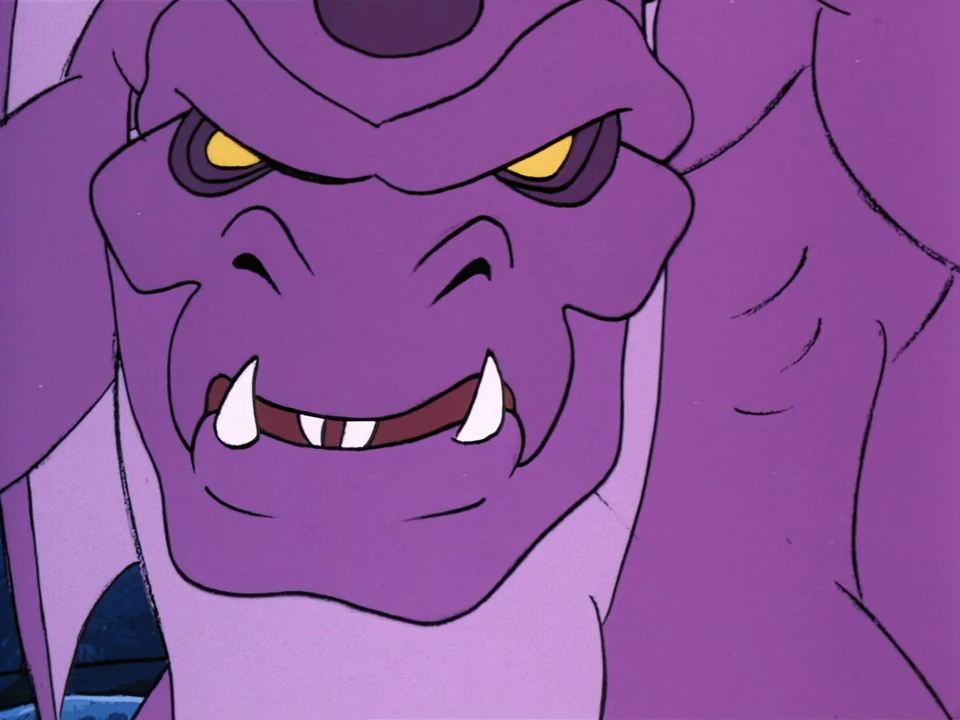
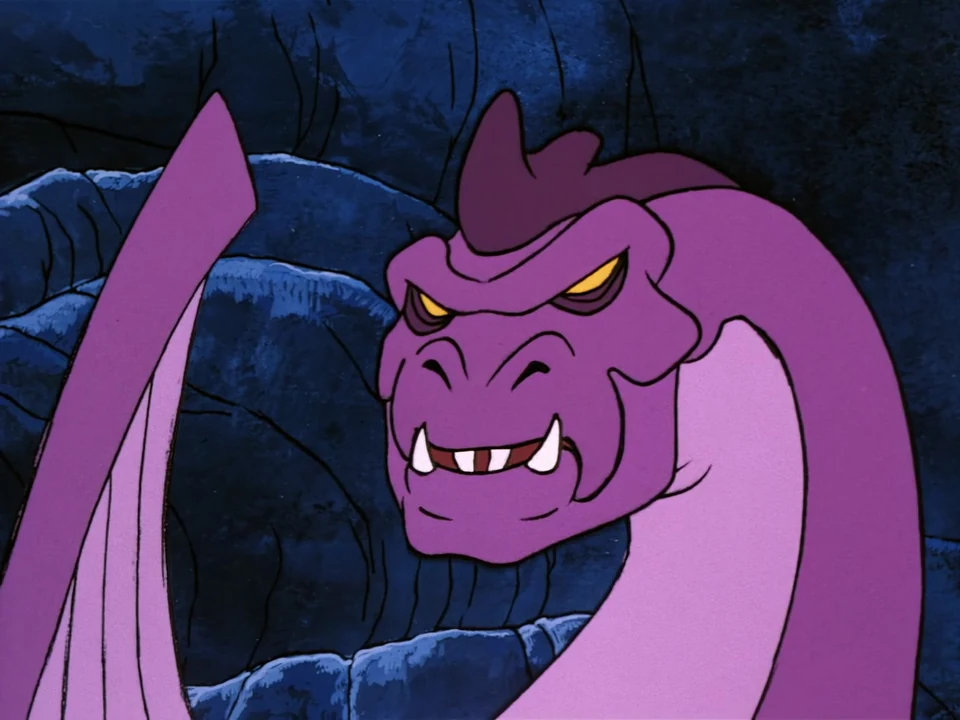
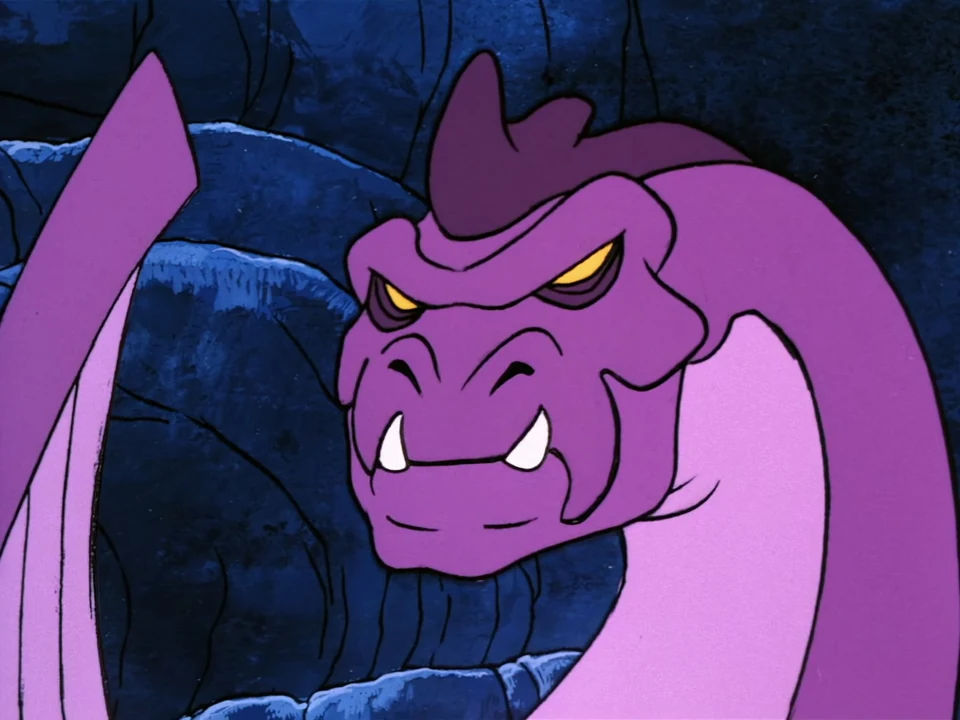
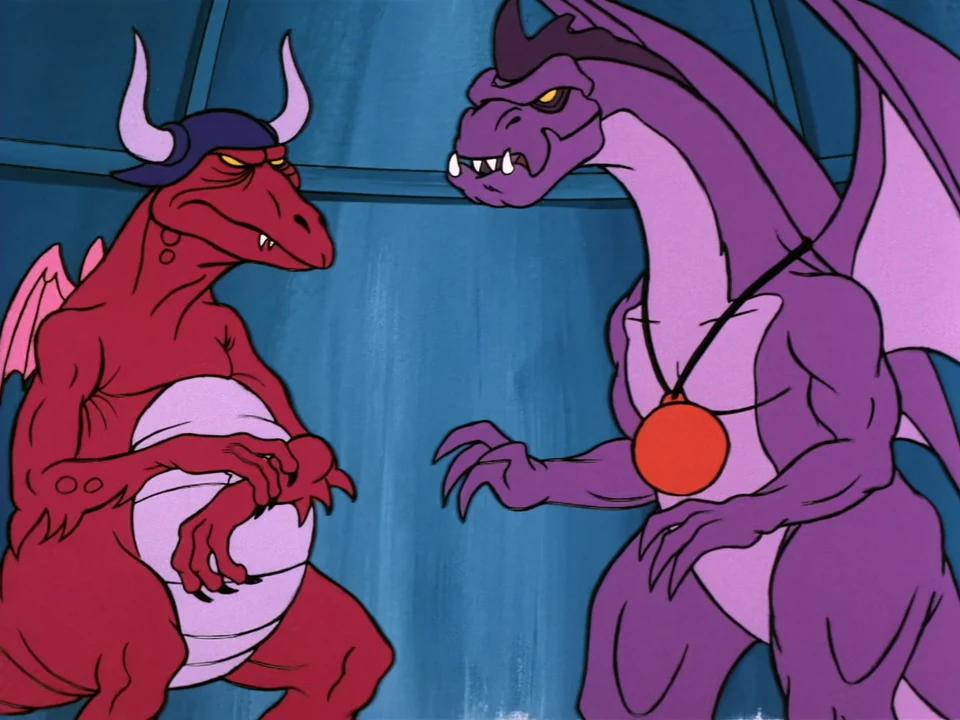
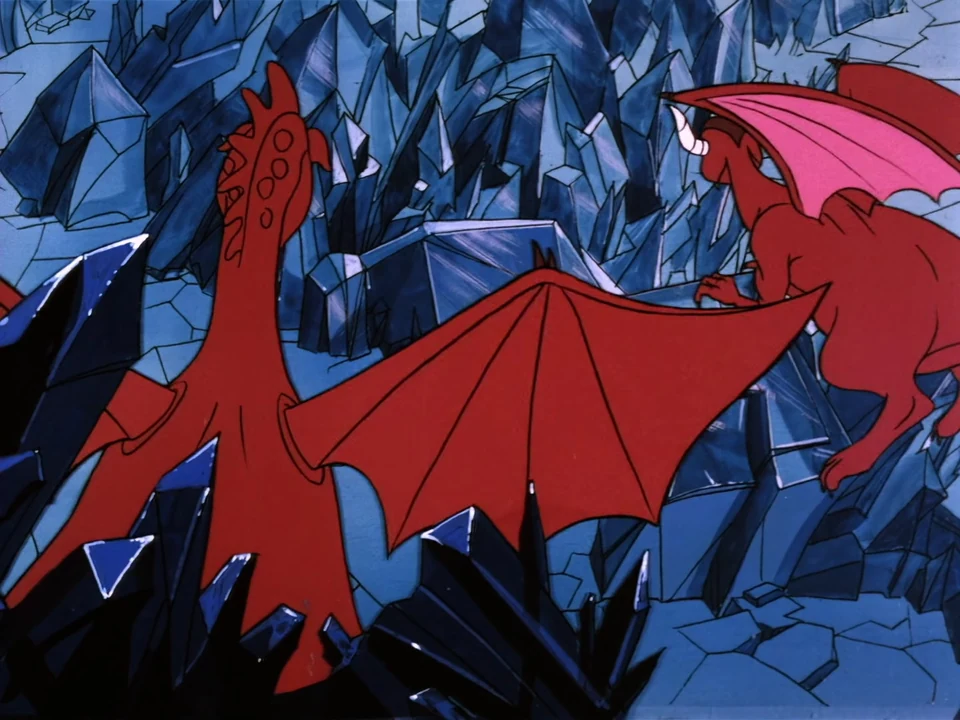
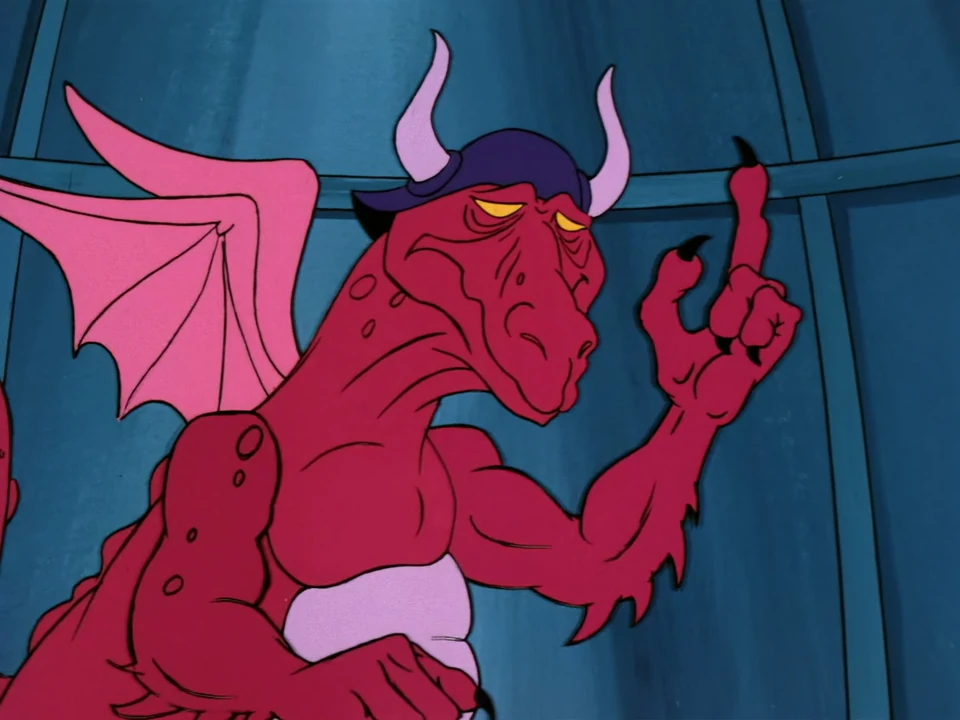
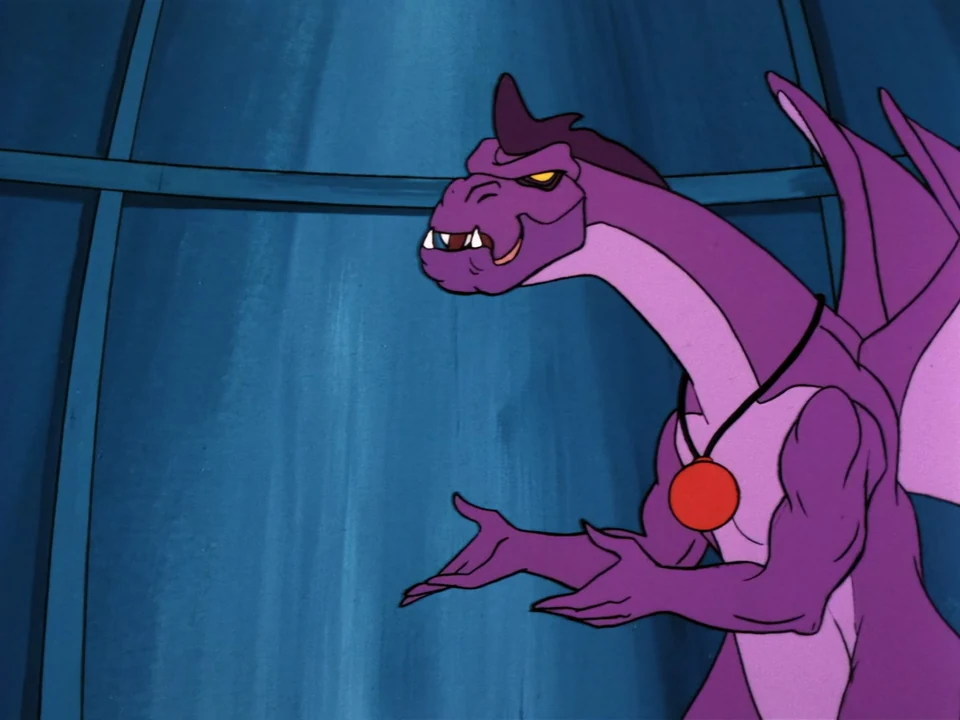
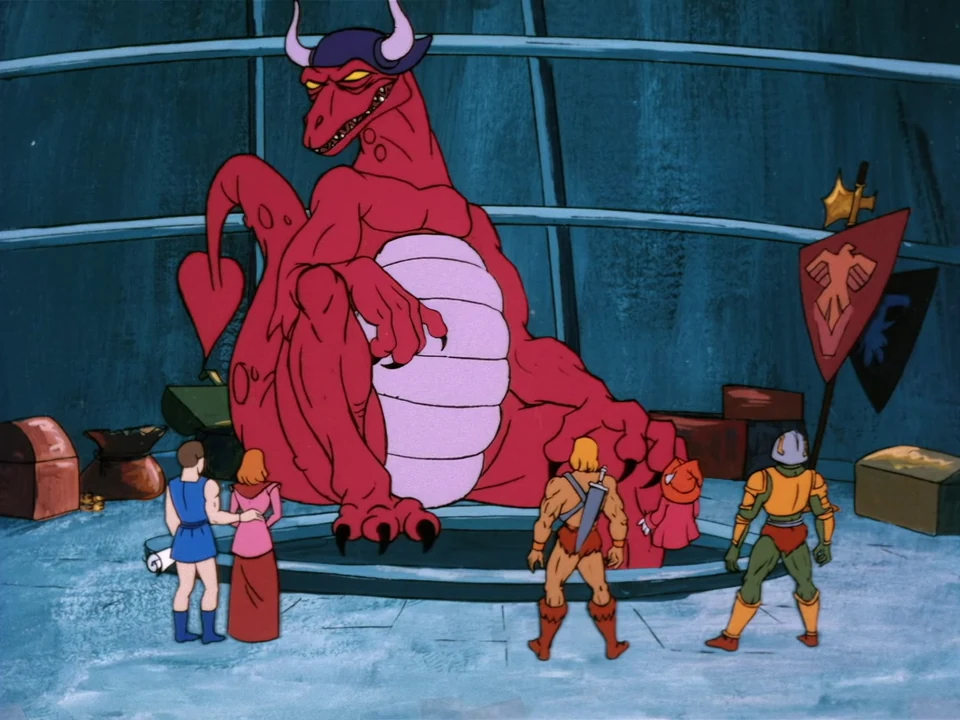
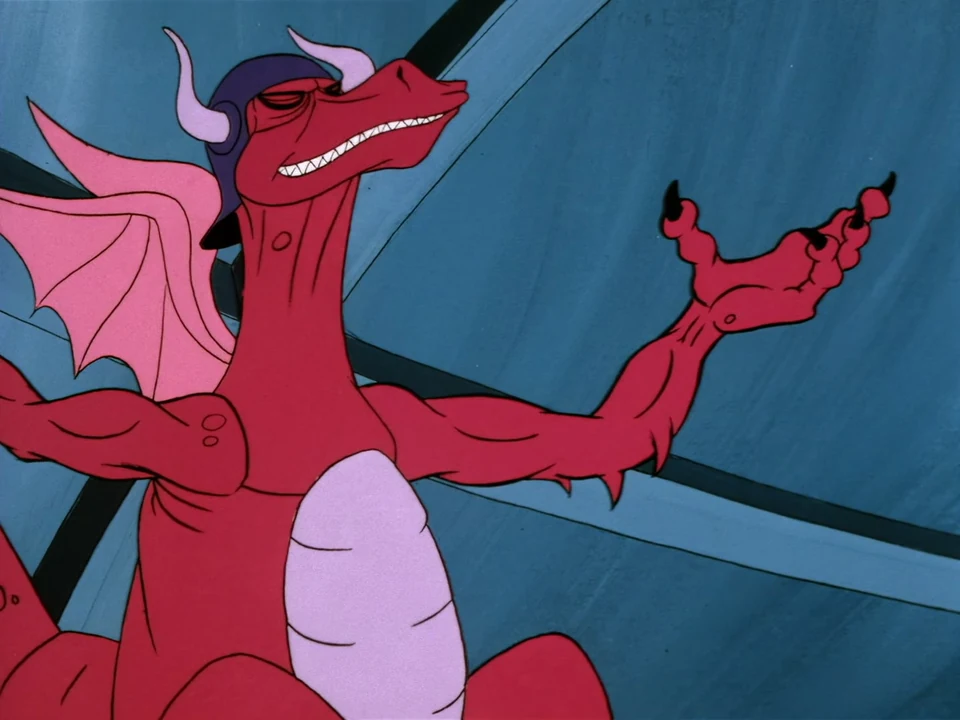
That something surfaces clearest about two-thirds in, once He-Man finally corners Morning Star and the dragon goes down begging. Granamyr has every right to burn him where he kneels, and his own brothers tell him so. He doesn't. "It is my right, but it would not be right," he says, and sends Morning Star off for a more peaceful reckoning instead [1]. Nothing in the animation sells that moment. It's a medium shot and a few lines of dialogue, no fanfare. Granamyr isn't performing restraint for an audience; he's just the one character in the episode old enough to know what abusing a win costs you later. Man-At-Arms says almost the same thing to the viewer at the very end, flat out, and it would land as redundant if the show hadn't already shown you the harder version of the lesson first, from a four-hundred-year-old dragon who had every reason not to bother.
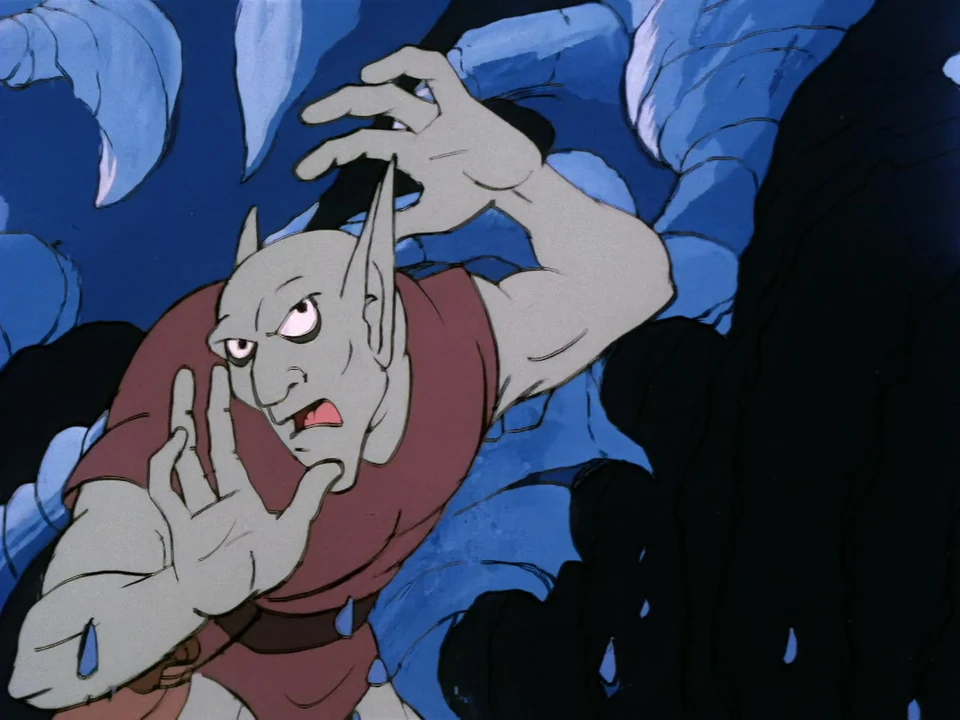
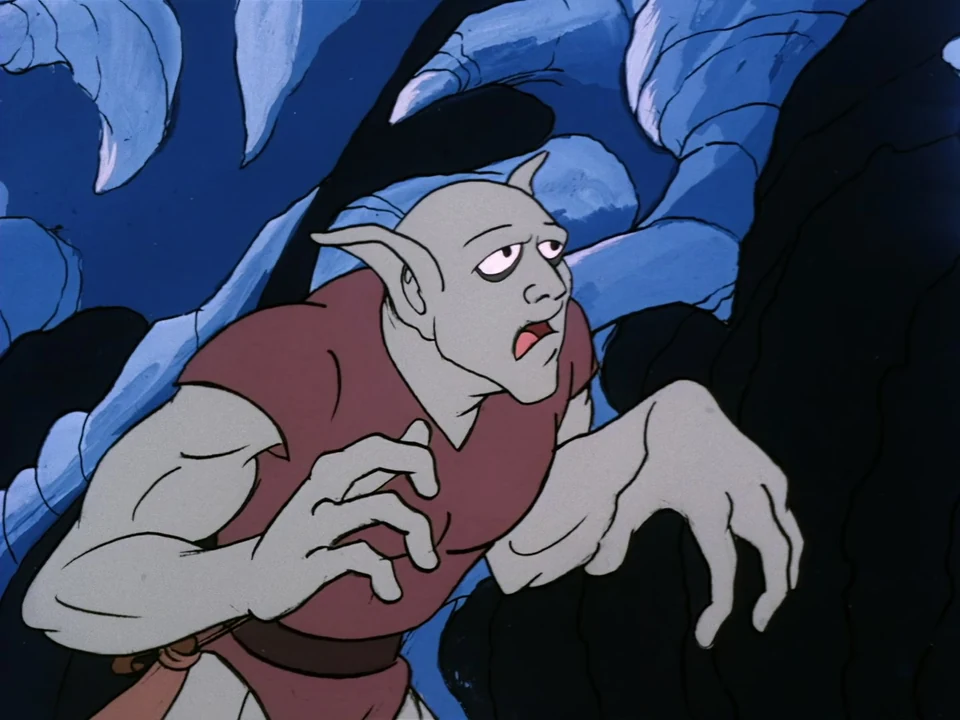
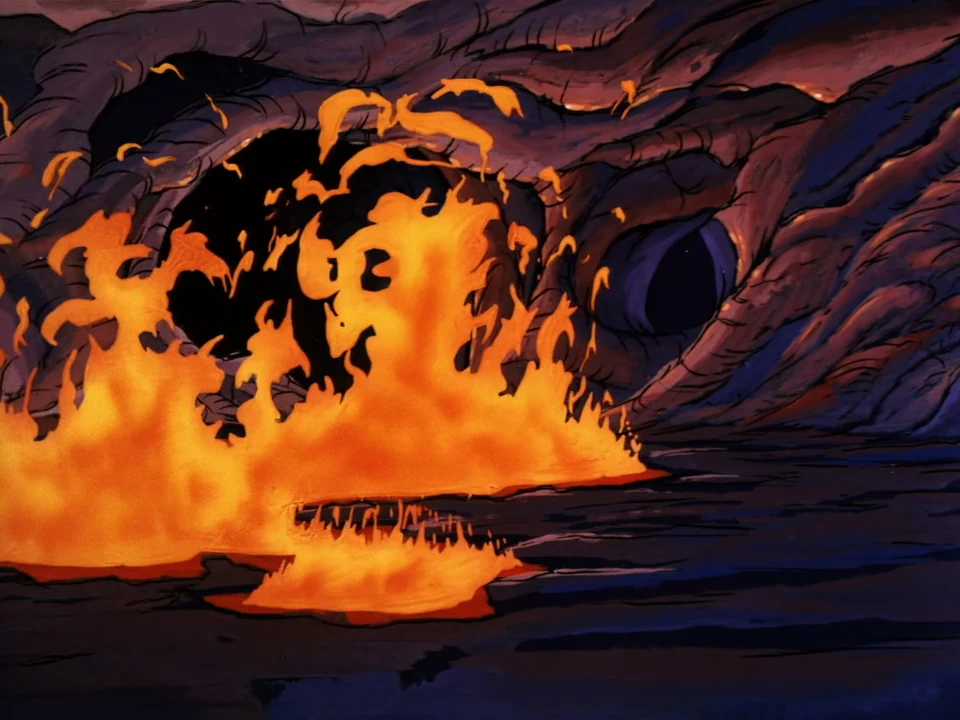
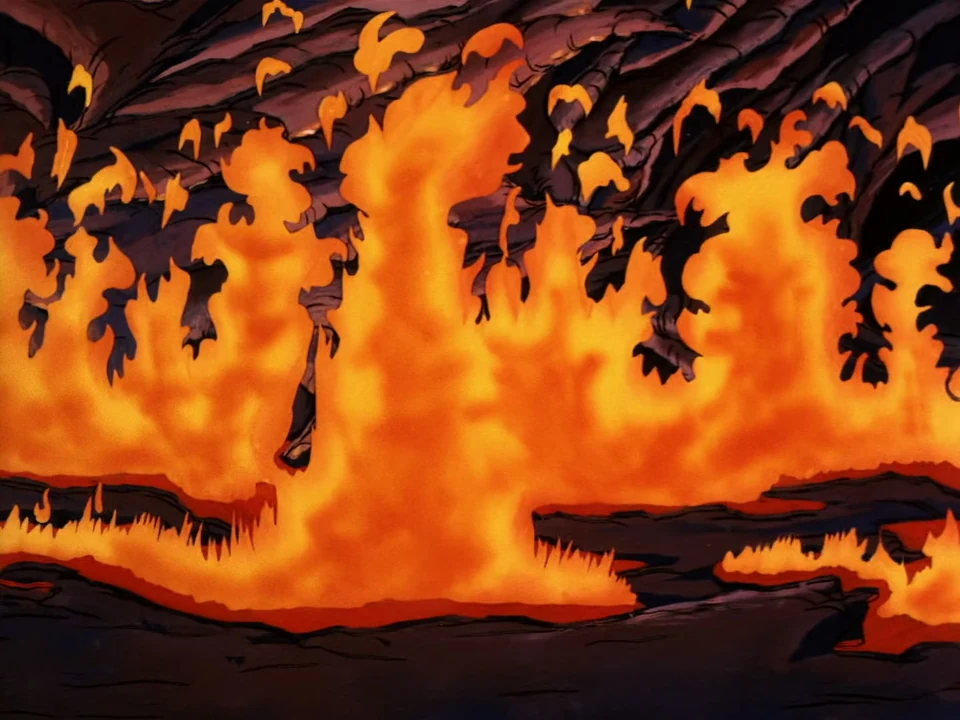
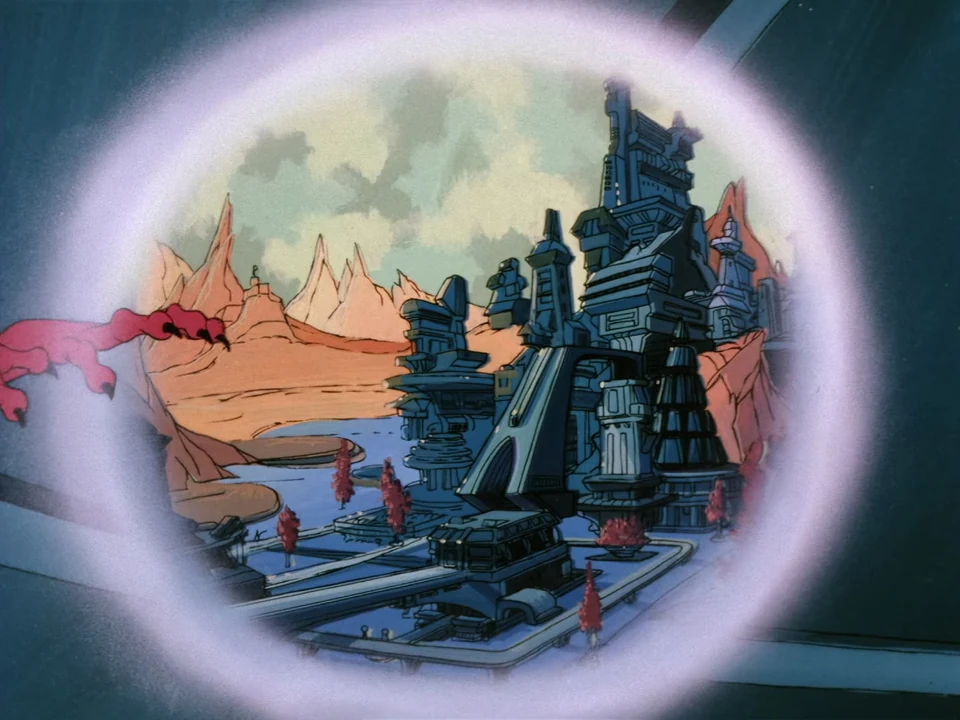
The episode's weak spot is the stuff around that spine rather than the spine itself. The village-burning sequence in the back third exists mostly to give the Wind Raider something to dodge and the frightened-peasants stock footage something to do. Granamyr rebuilds the place into a "City of Peace" in about four lines of dialogue [2]. Targon fares worse: he spends the episode as Morning Star's nervous accomplice, gets shown the ice crystal's power up close as a threat, and then vanishes from the story once Morning Star is dealt with. For a script this careful about its central idea, the cleanup around the edges is surprisingly loose.
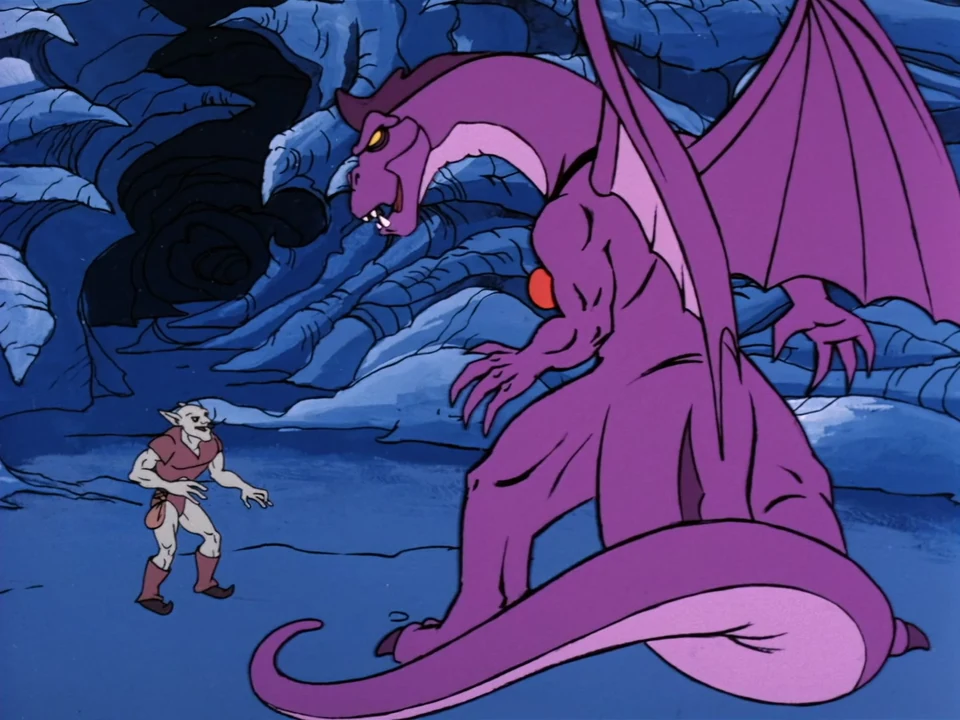
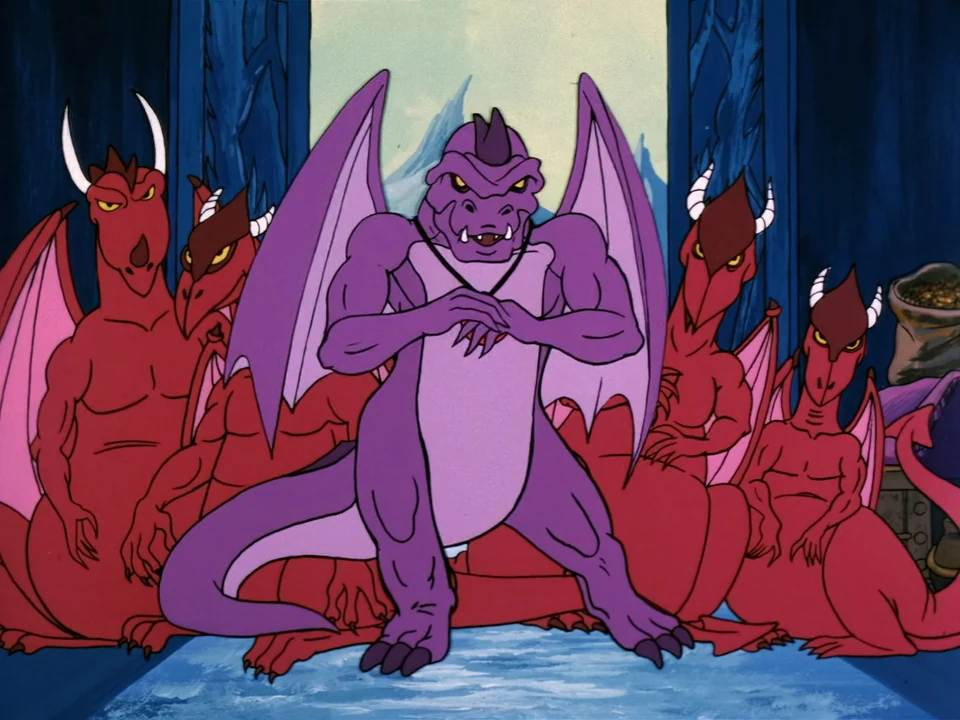
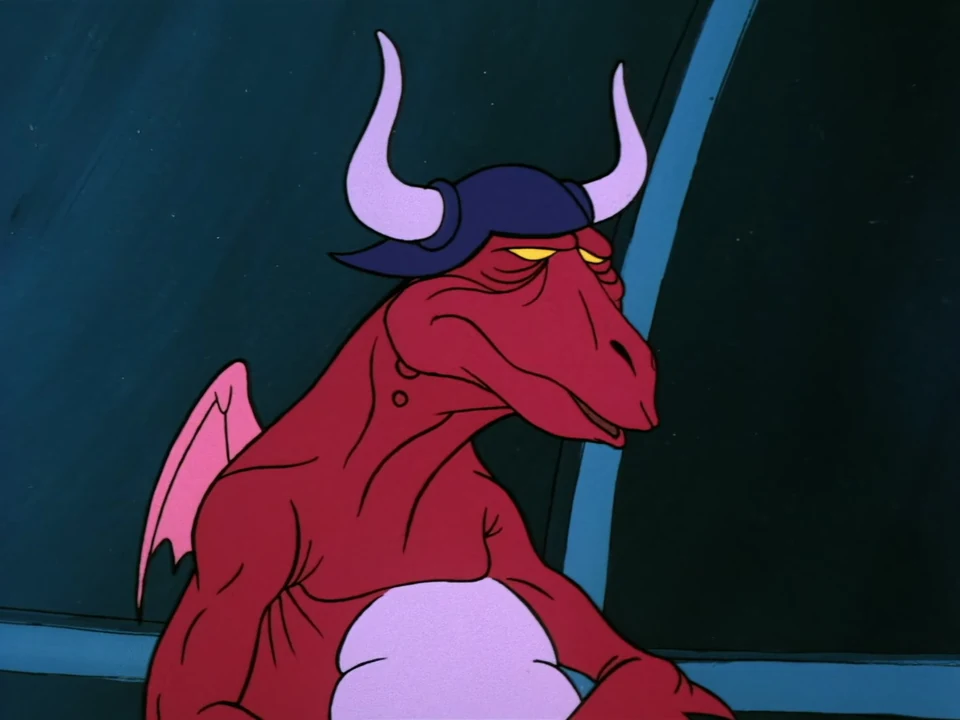
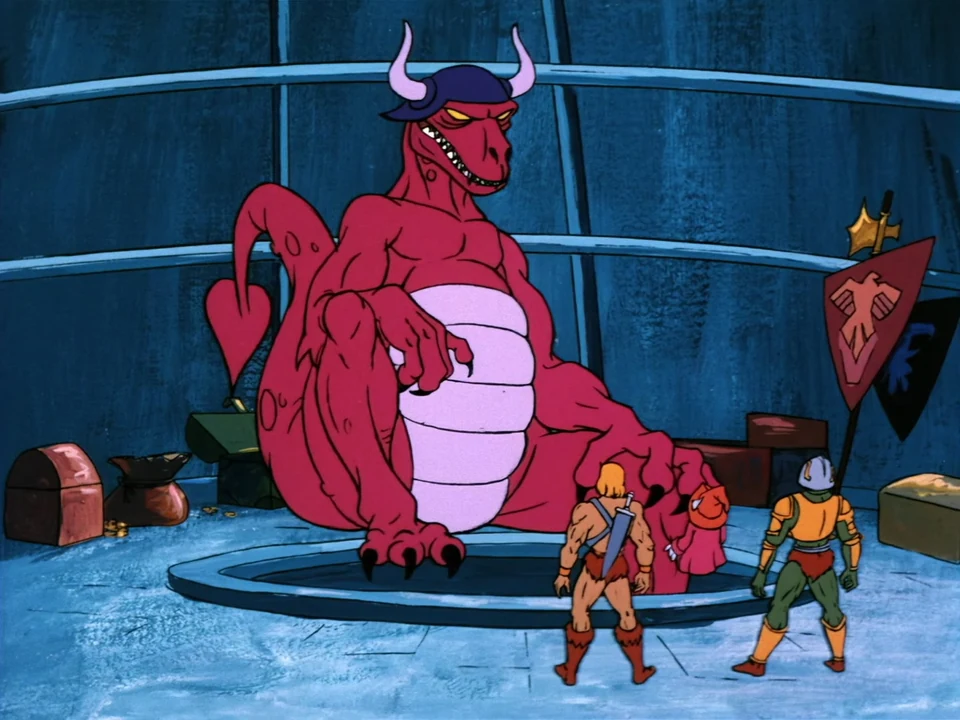
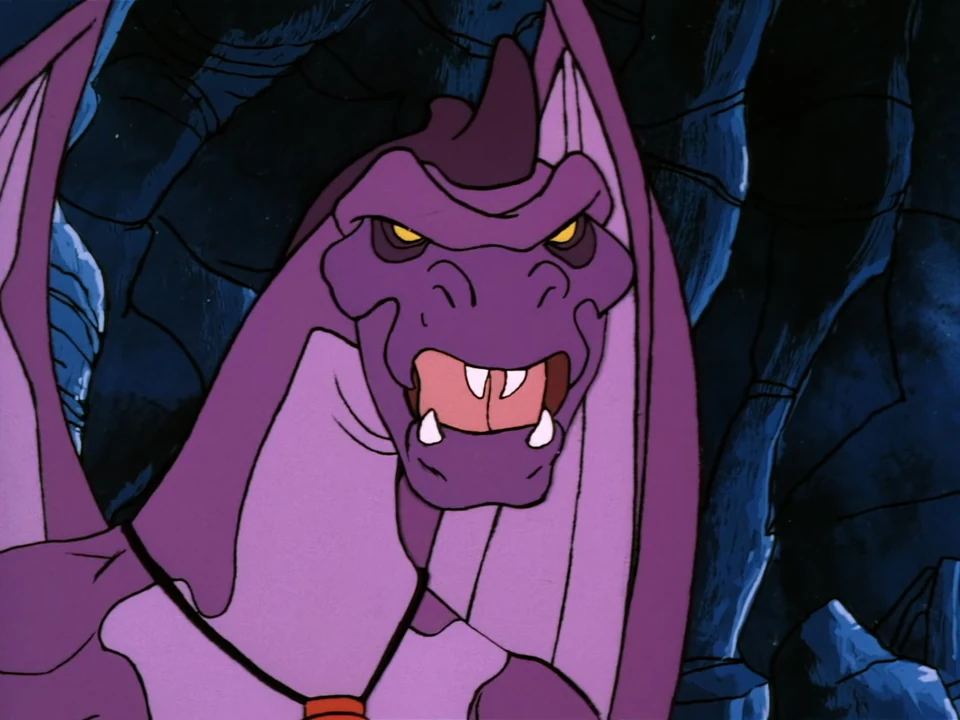
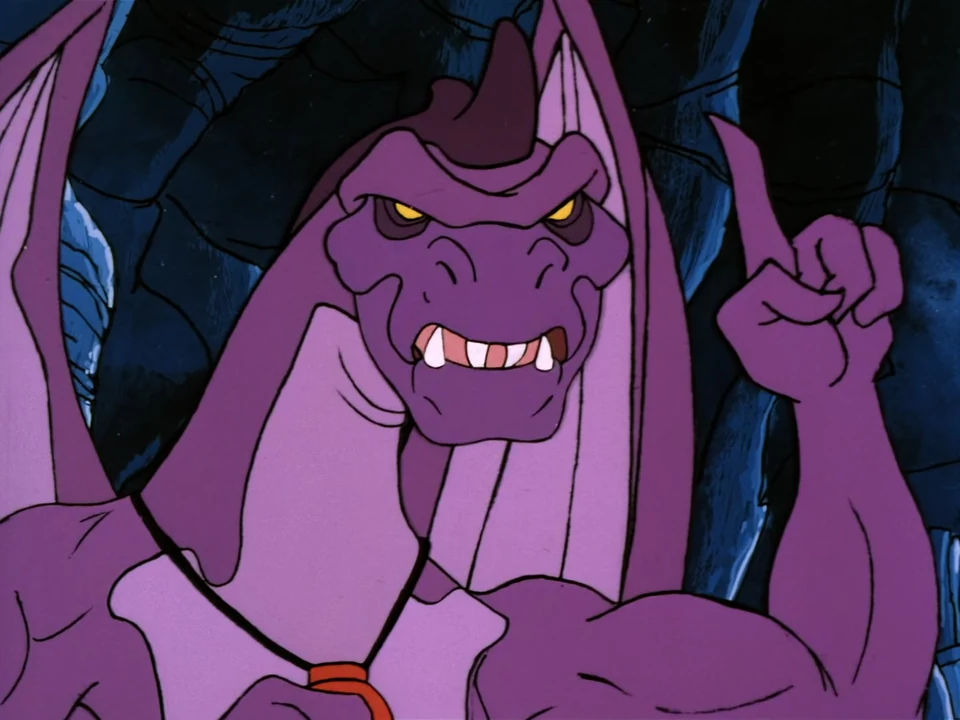
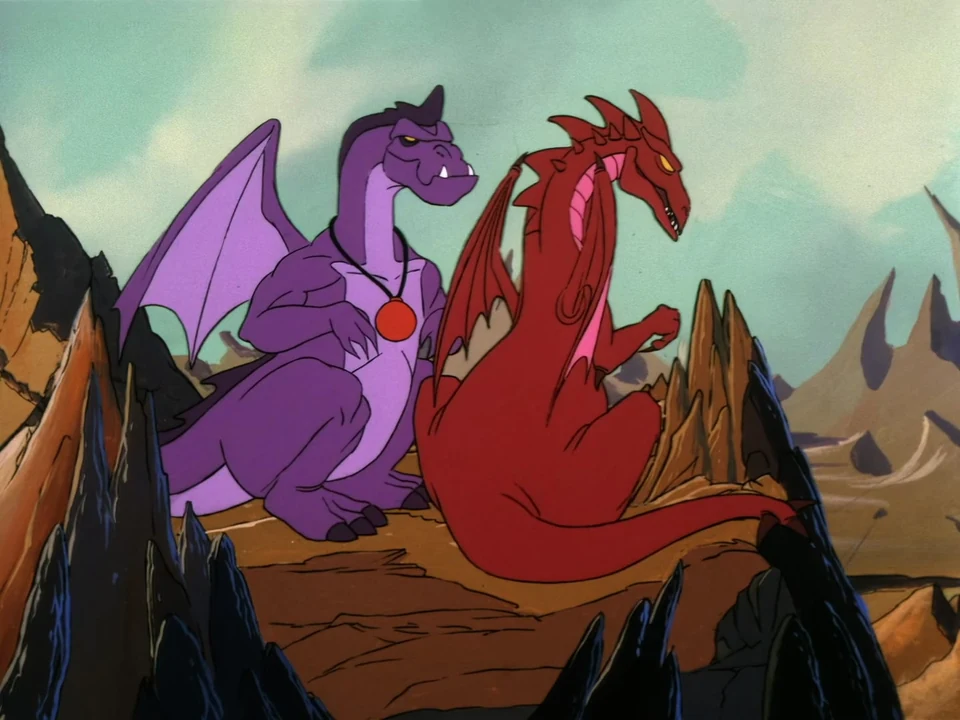
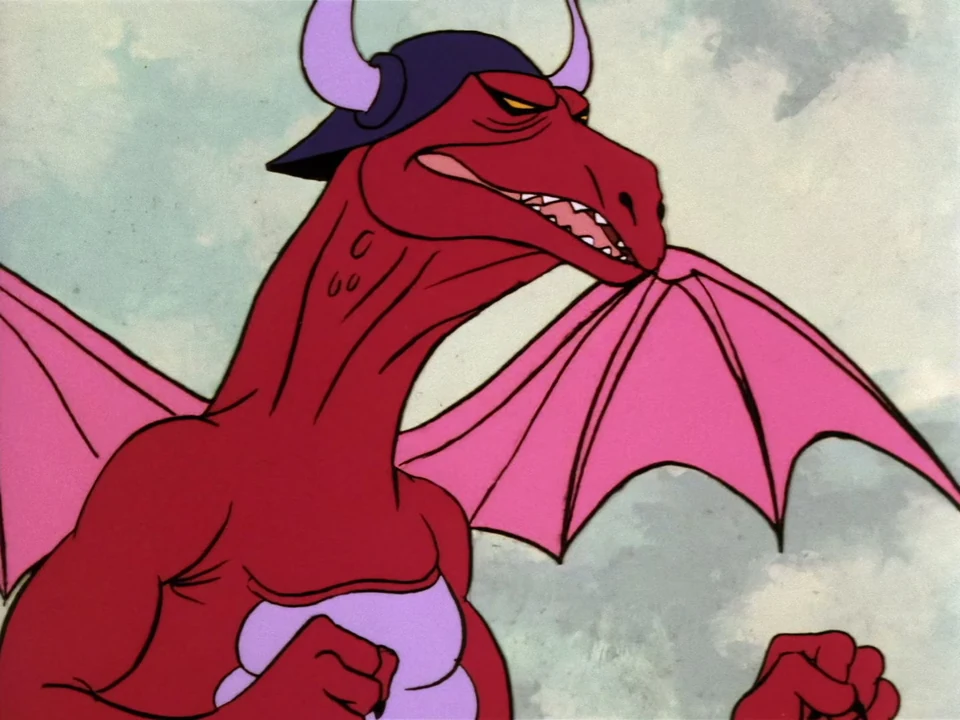
What holds it together is Granamyr himself, who was already the show's best recurring guest by this point in the run and gets maybe his best material here [3]. He isn't written as a monster who needs taming or a wise old mentor dispensing comfort; he's furious, correctly so, and chooses mercy anyway because he can afford to and because he's watched what happens when someone in his position doesn't. That's a more interesting argument than "winning is no excuse for bad manners" sounds like on its own, and the episode earns the line by the time Man-At-Arms gets around to saying it.
--- [1] Granamyr's restraint here directly sets up the closing moral; see moralsAttribution. [2] The timeline specifics (treaty anniversary, script approval dates) are in Notes of Interest. [3] Granamyr had already appeared in [The Dragon Invasion](/cartoons/the-dragon-invasion/) and would return for two more Filmation episodes.
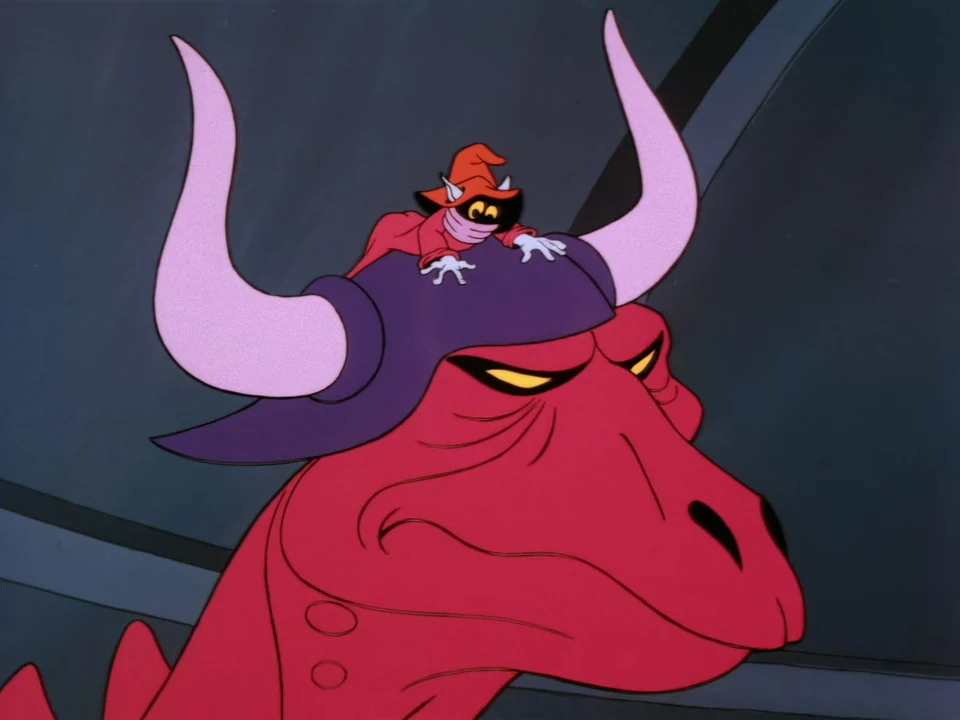
- Behind the scenes: Script was approved August 31, 1984 and final script revision was done September 20, 1984. Act 1 originally ended with the following ominous line from Morningstar: "The day of dragon rule has arrived!" Morningstar is a title (and by some considered the last name) of Lucifer, the dragon who incited a war between the angels and then fell from Heaven to become Satan in the Biblical Apocalypse/Revelation (Ch. 12). Straczynski often uses religious content, parallels, or imagery in his work, and thus the name was likely intentionally used to show Morningstar as a decidedly evil dragon and illustrate the immense dangers of sowing dischord through deception.
- This episode was release on VHS video in the UK together with Happy Birthday Roboto.
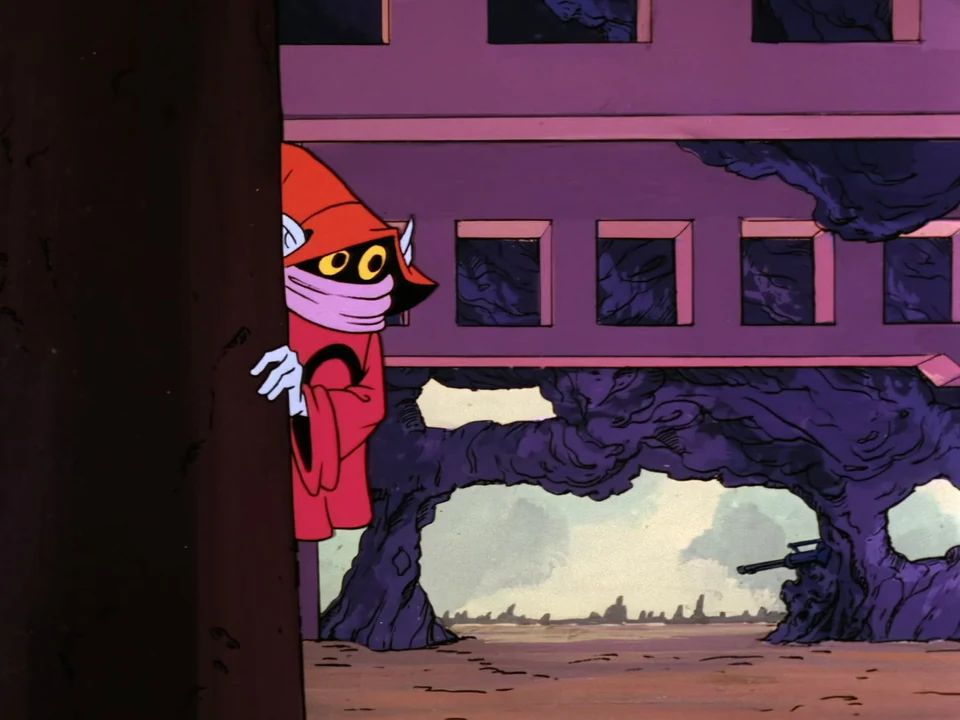
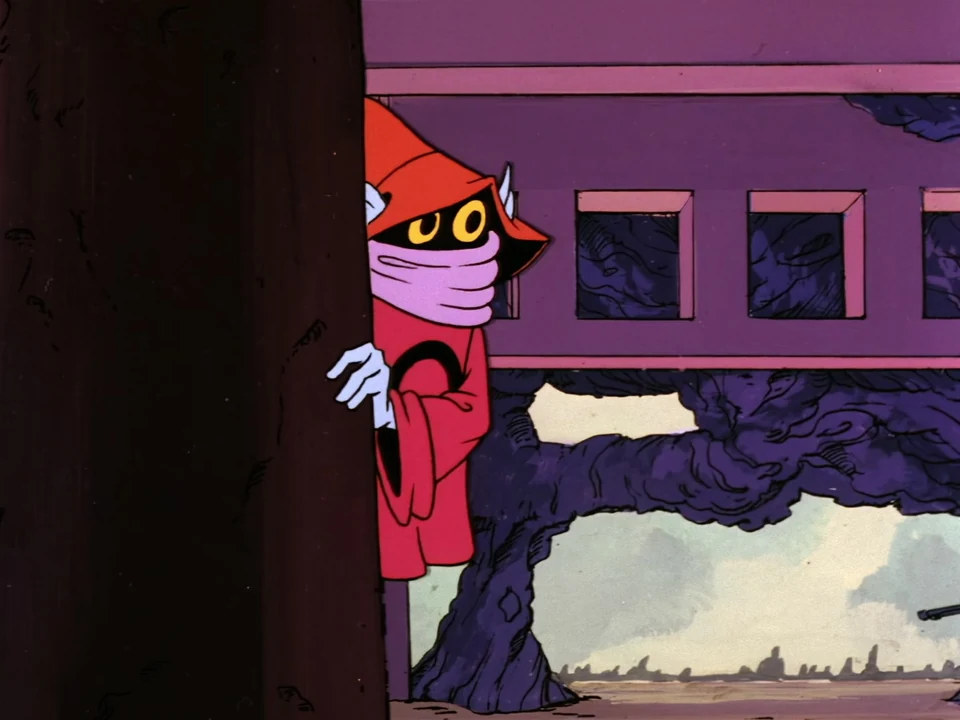
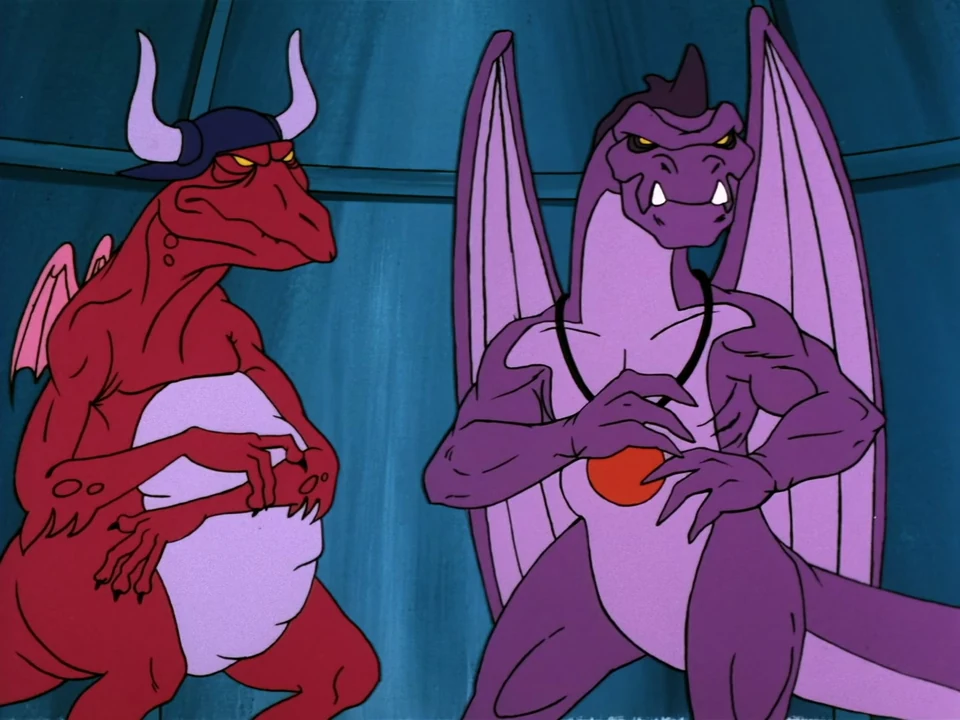
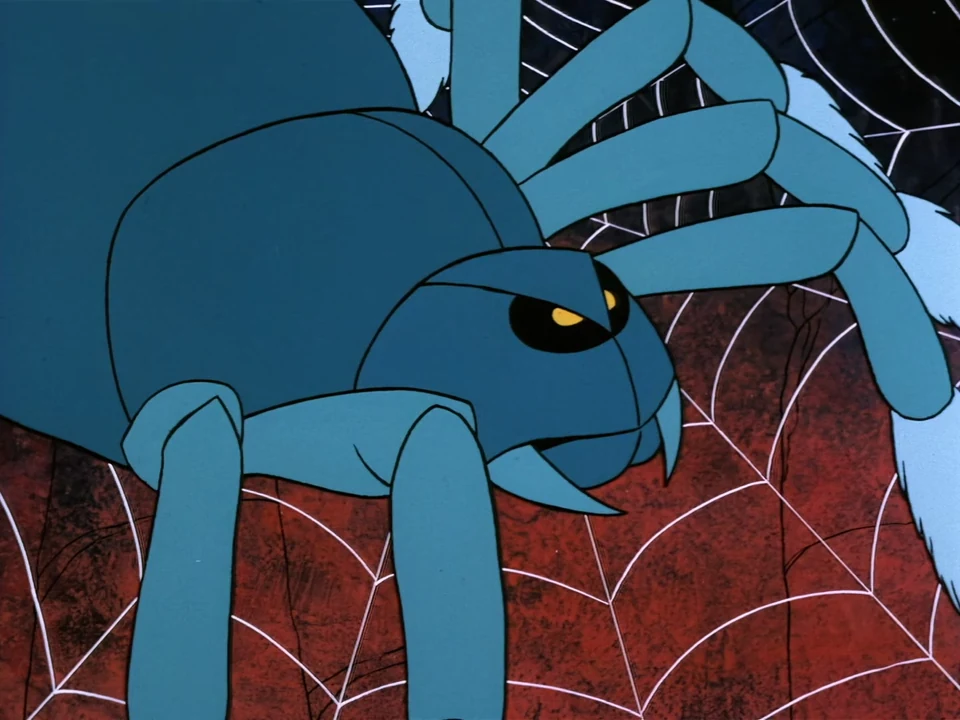
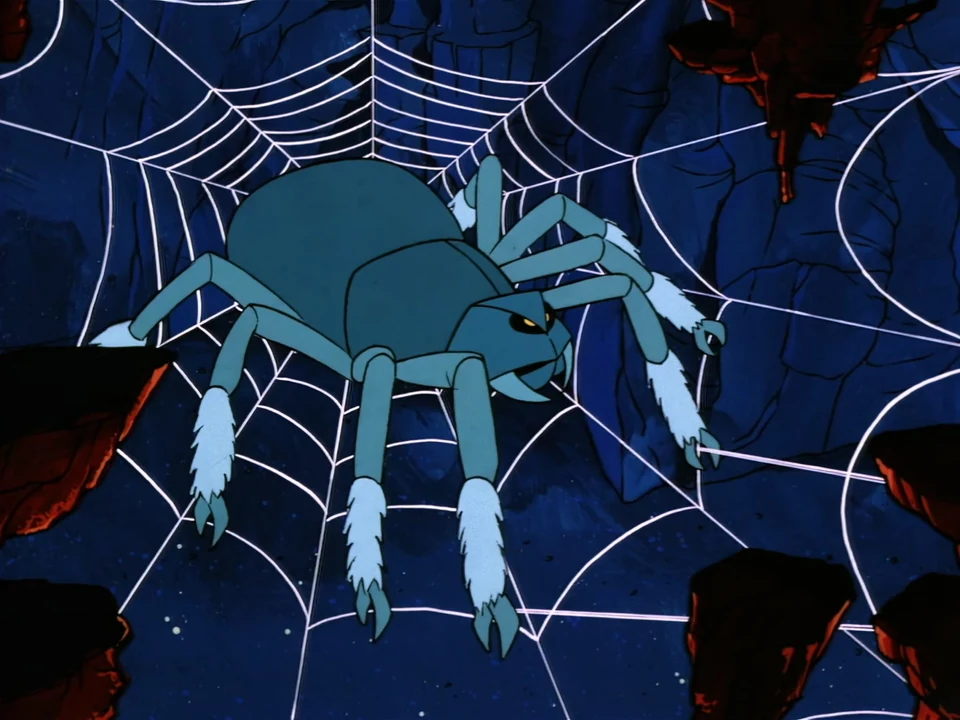
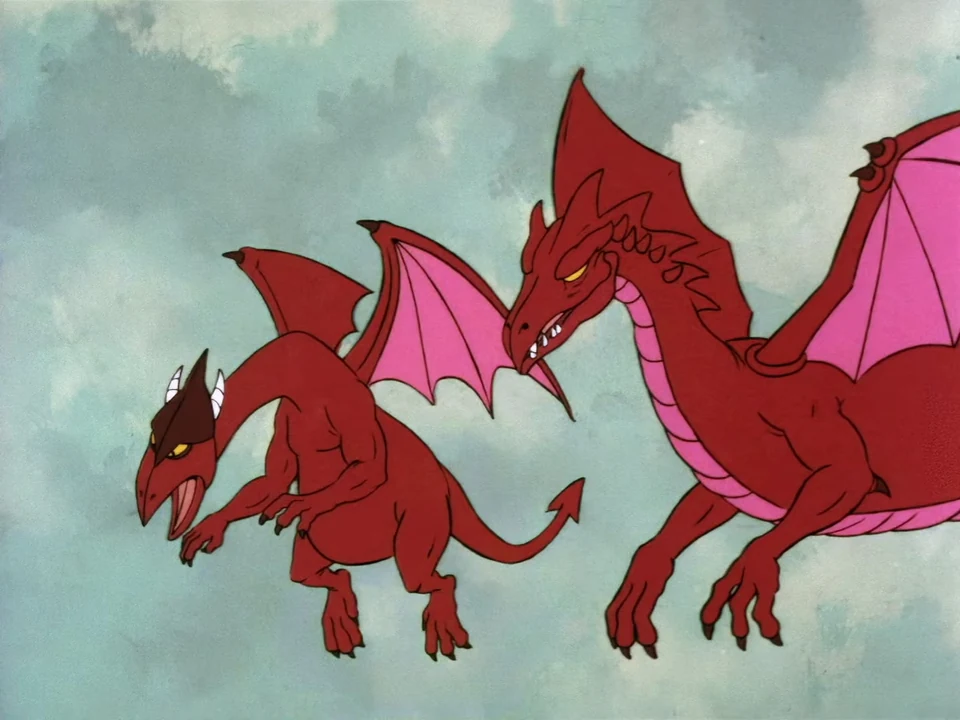
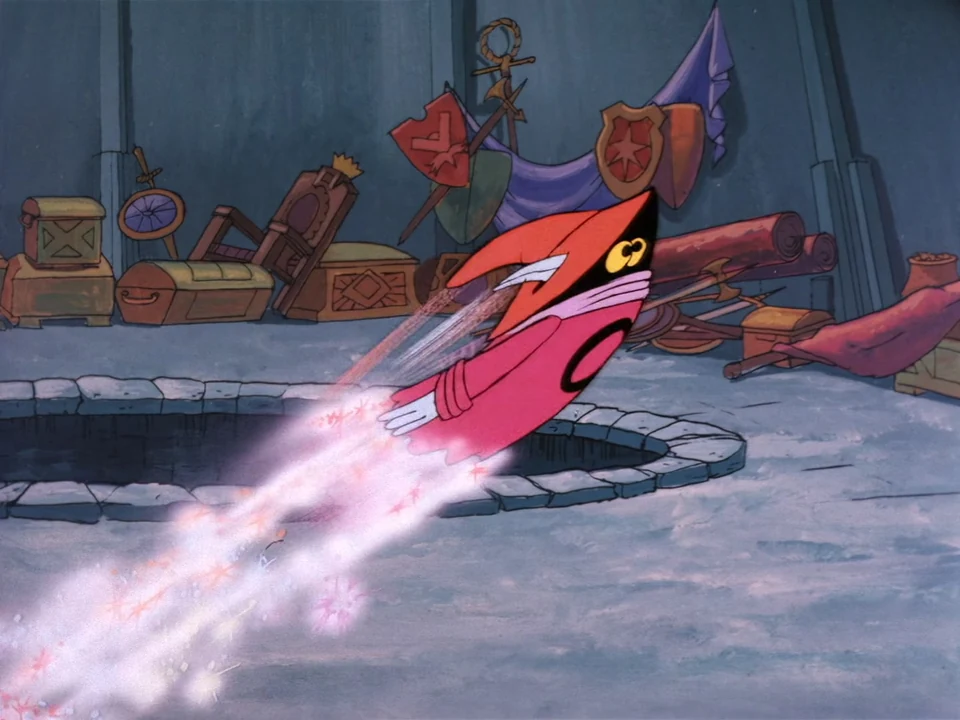
- Continuity: The design of Morningstar first appeared as unused concept art for a dragon in The Dragon Invasion by Charles Zembillas . The design for the Ice Spider was first seen as Slush in The Region of Ice. It will also be seen in the She-Ra: Princess of Power episodes Friendship and A Lesson in Love. There are two distinct types of dragons in this story, one of which are red colored versions of those that first appeared in The Dragon Invasion. Animated sequences of Orko flying around after losing control of his enhanced powers were used in the "I Have the Power" music video created in conjunction with The Secret of the Sword.
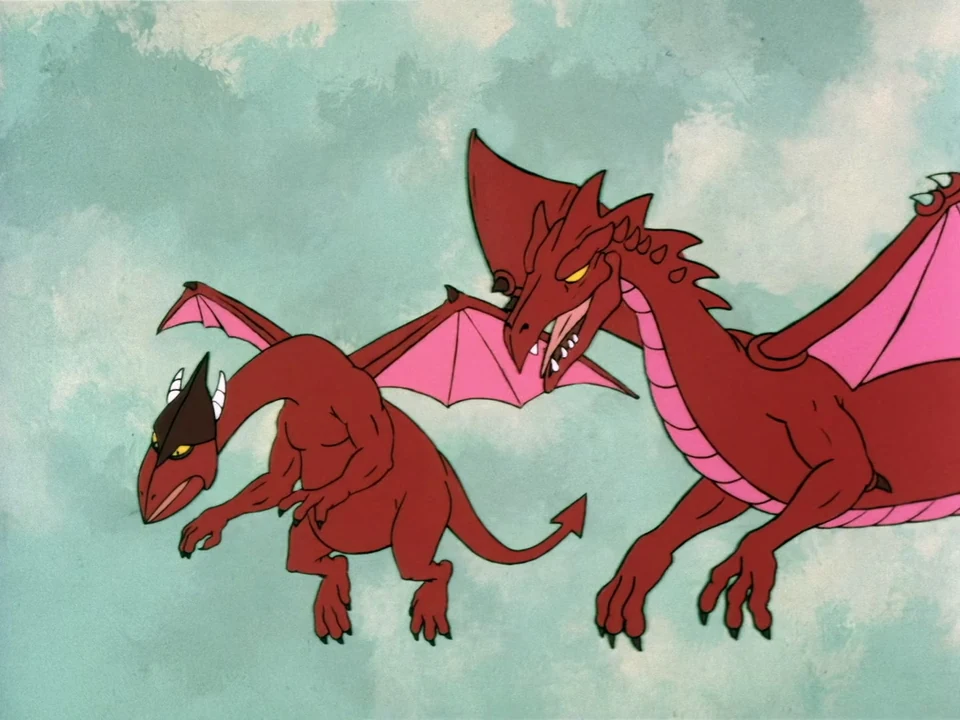
- Two of Granamyr's dragons are pulled into a war. Granamyr asks He-Man to mediate before the conflict escalates beyond control. The second-season Granamyr return.
DISCUSSION
Join the conversation.
Comments below are mirrored on the heman.org forum. Sign in once, post anywhere.