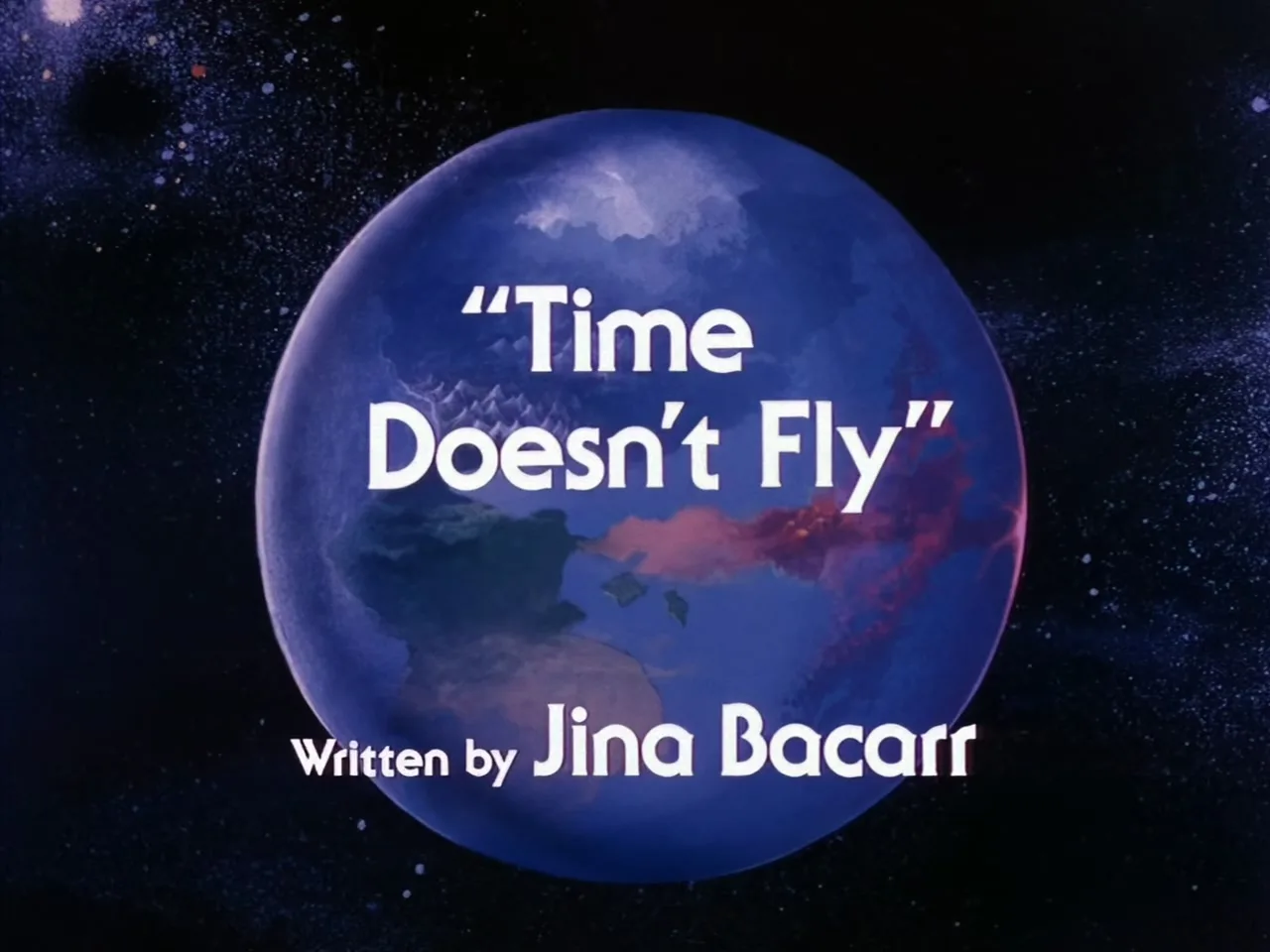
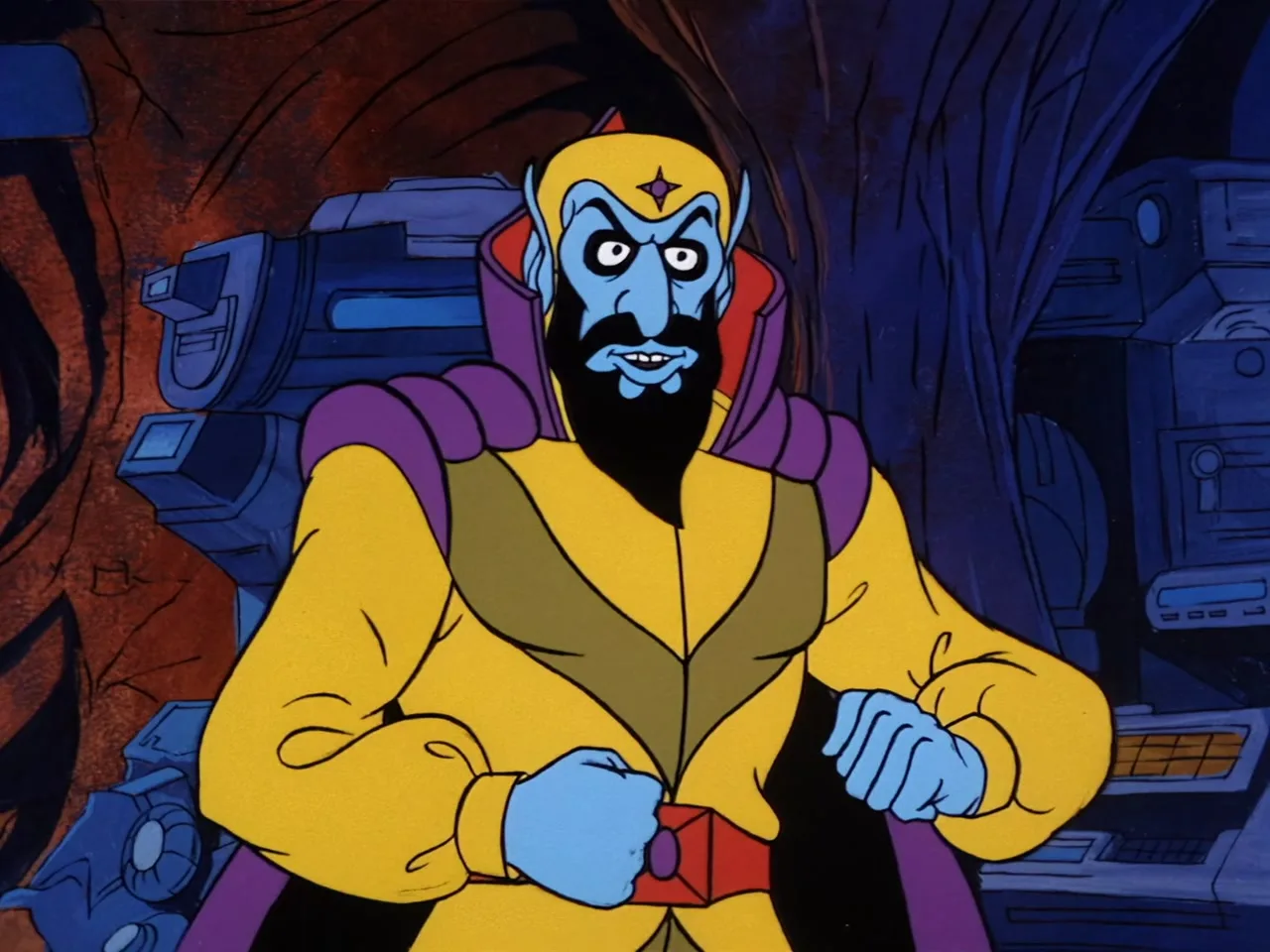
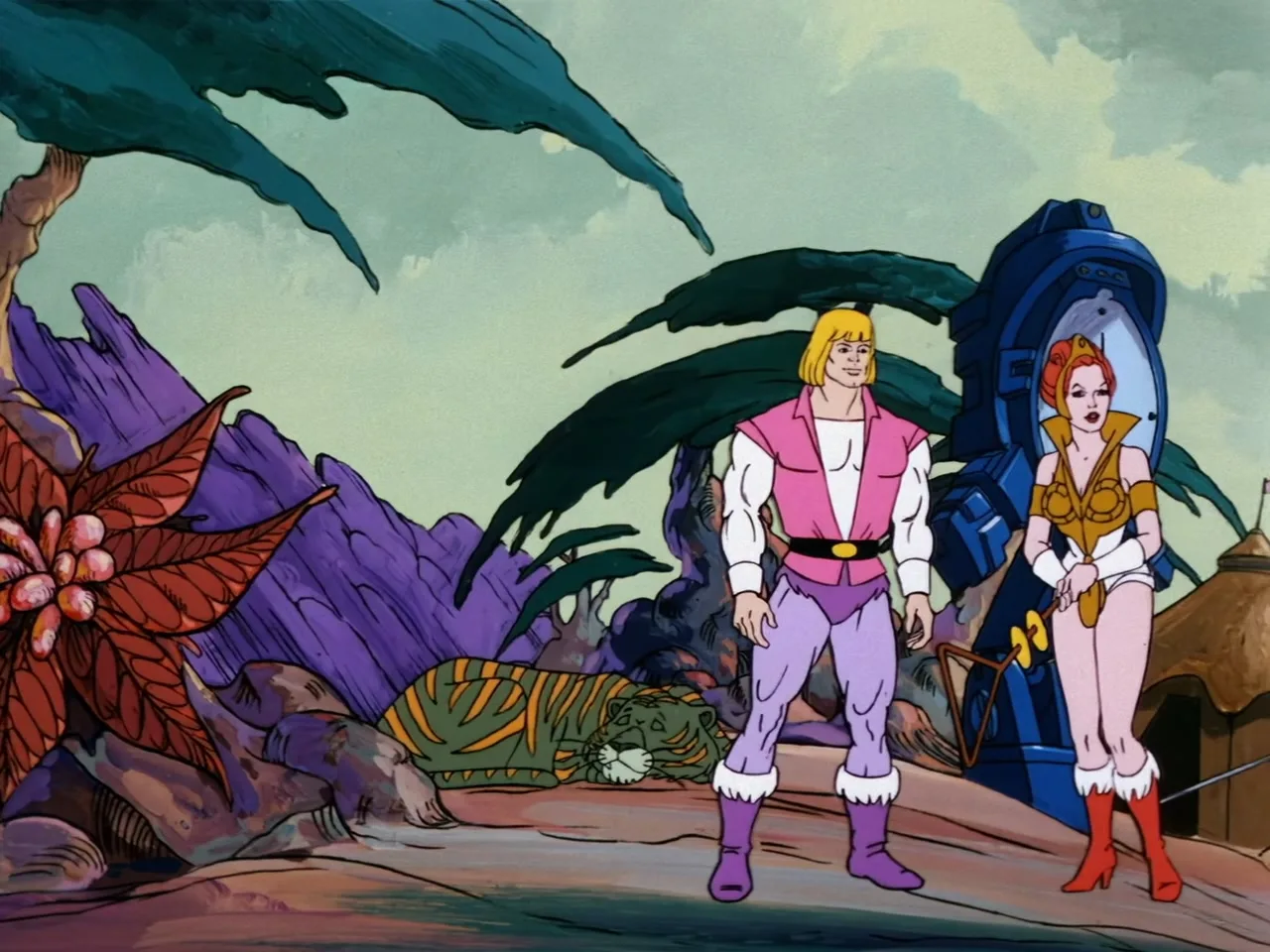
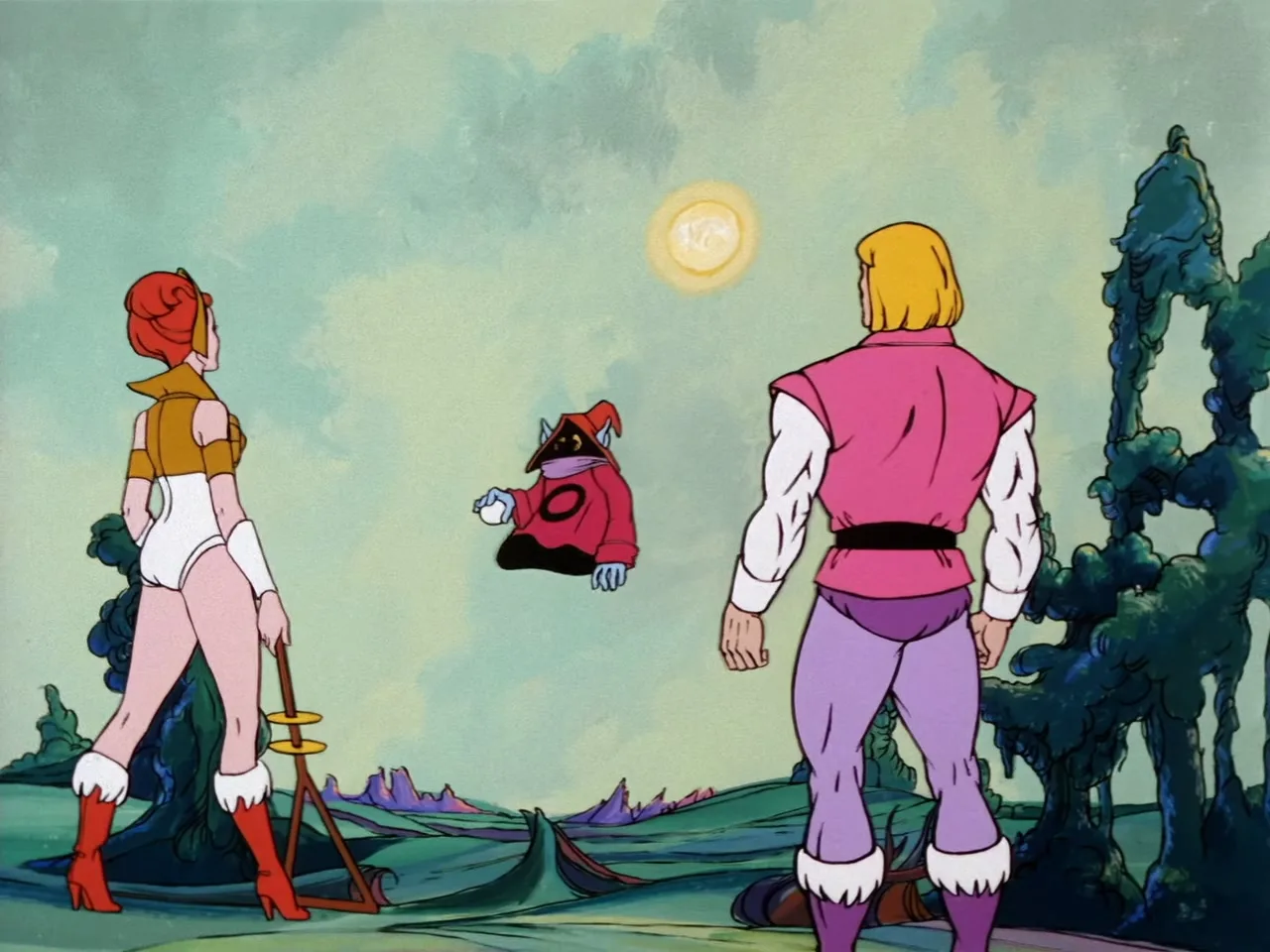
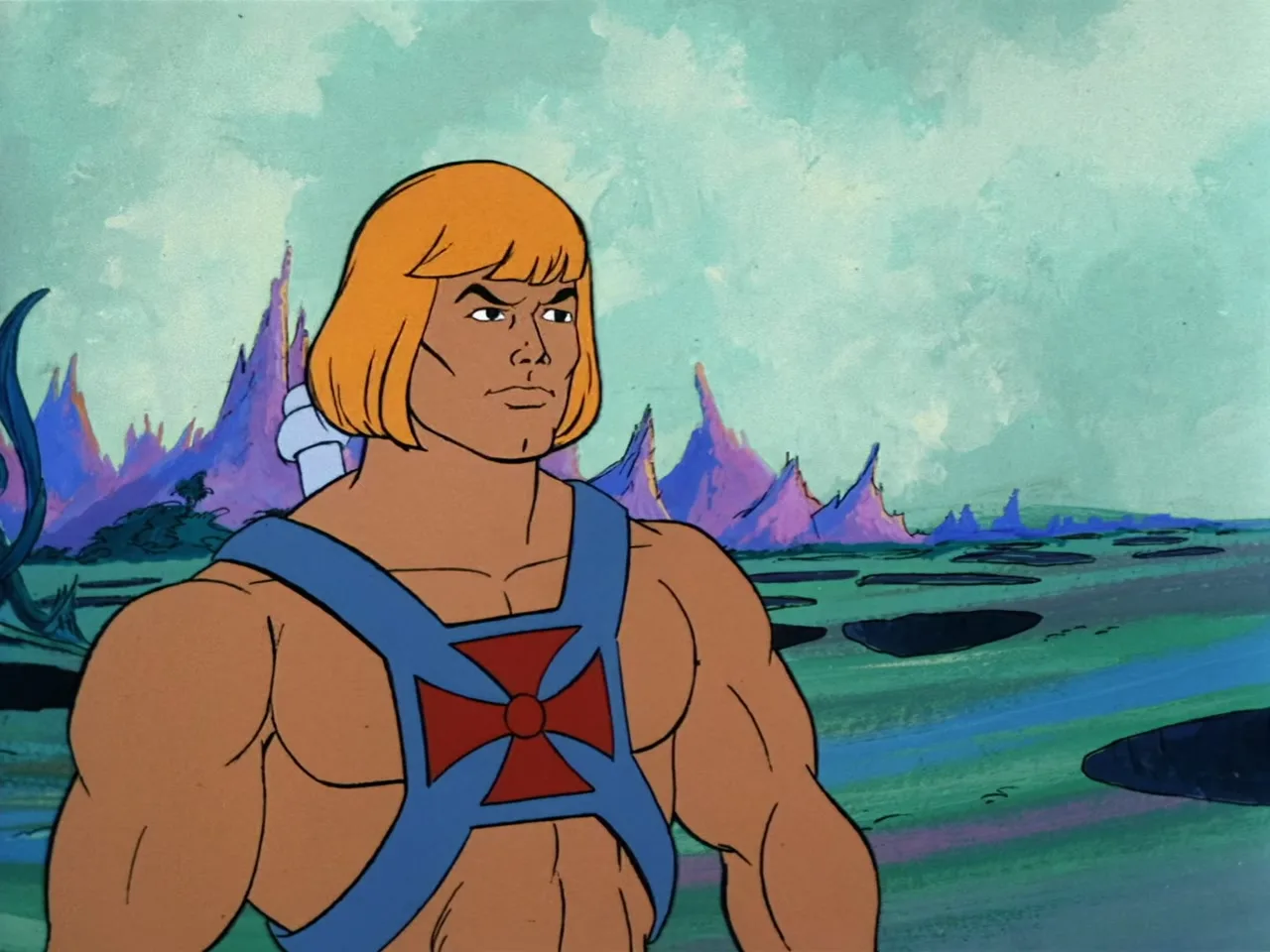
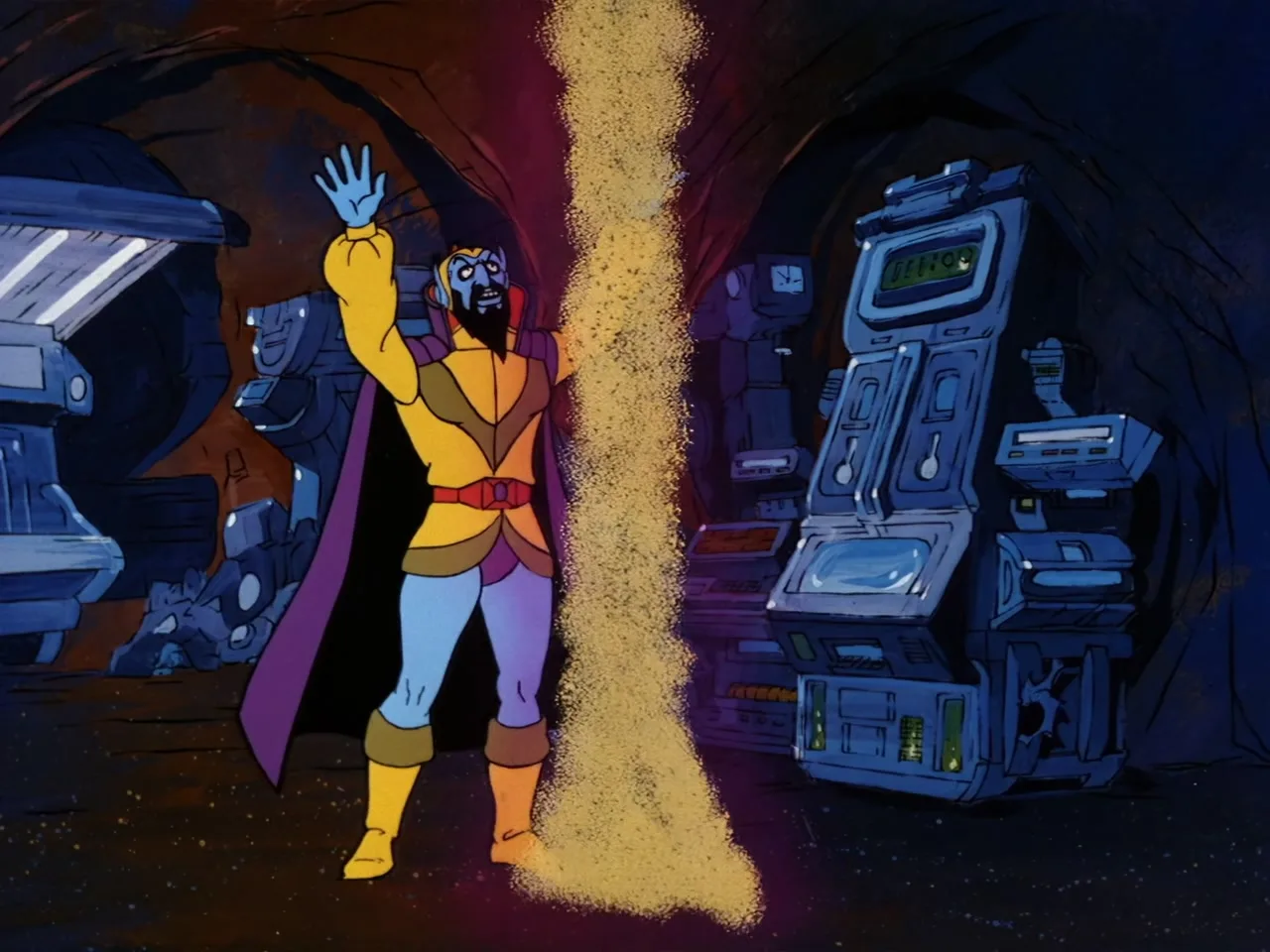
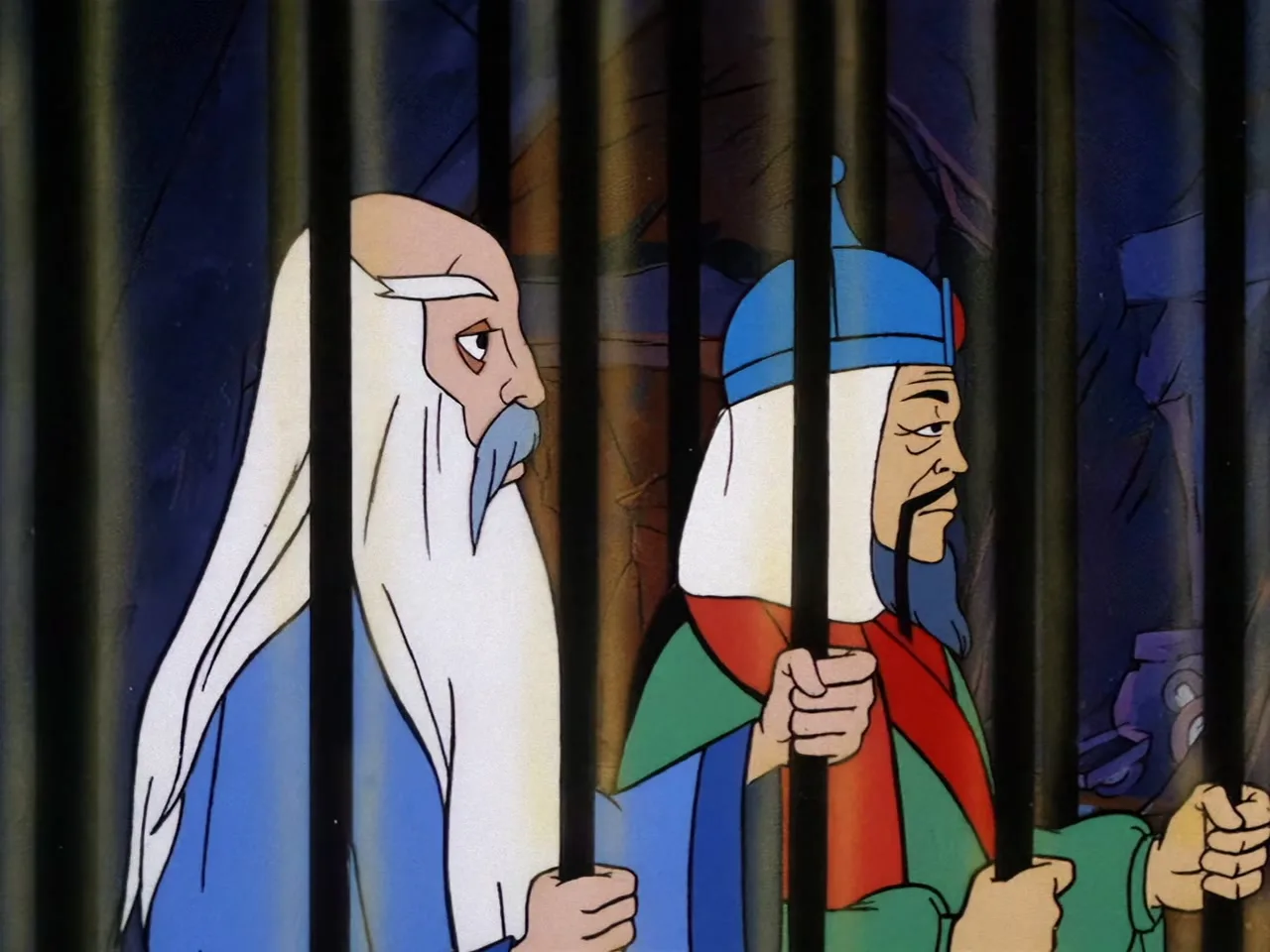
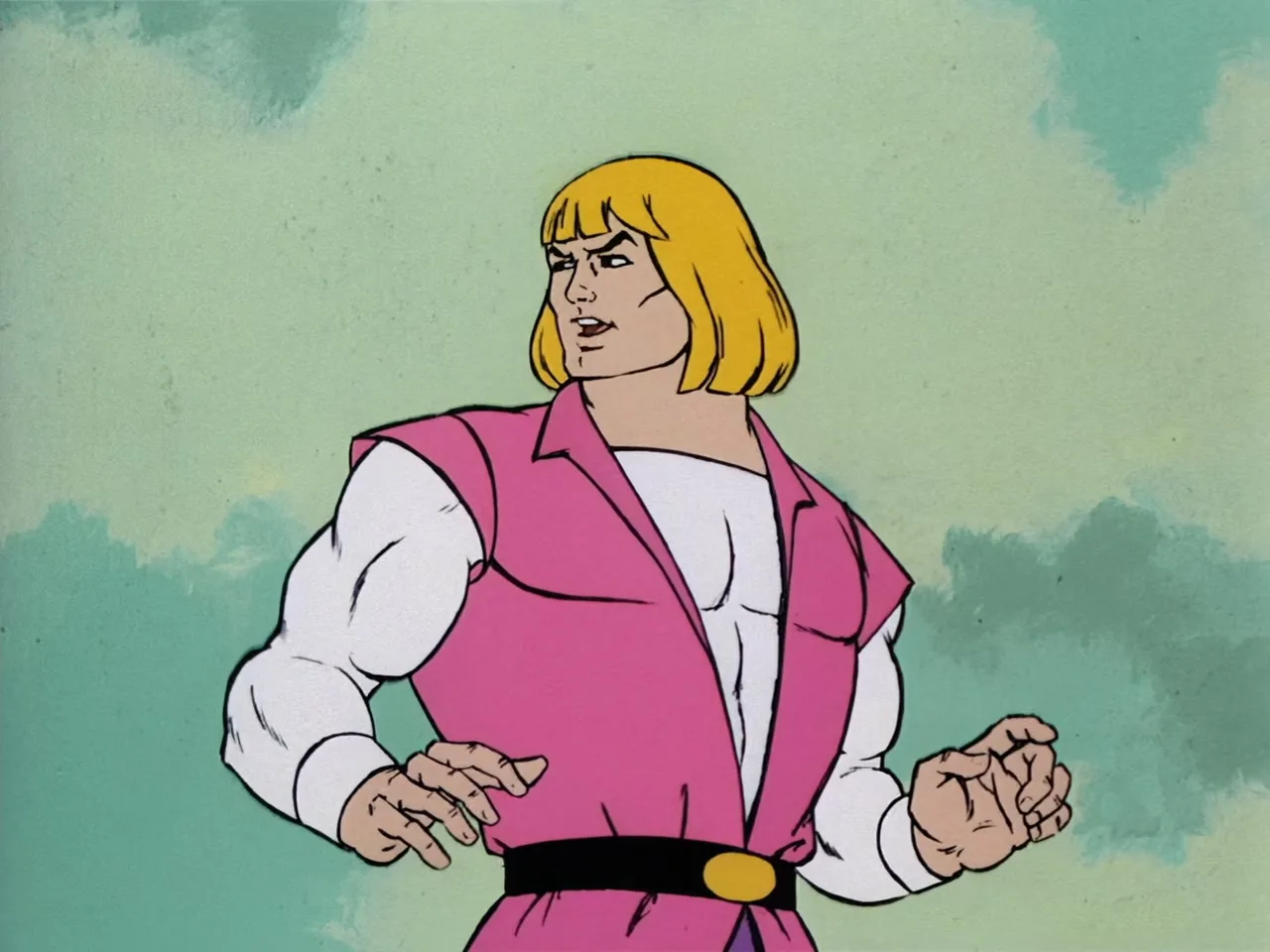
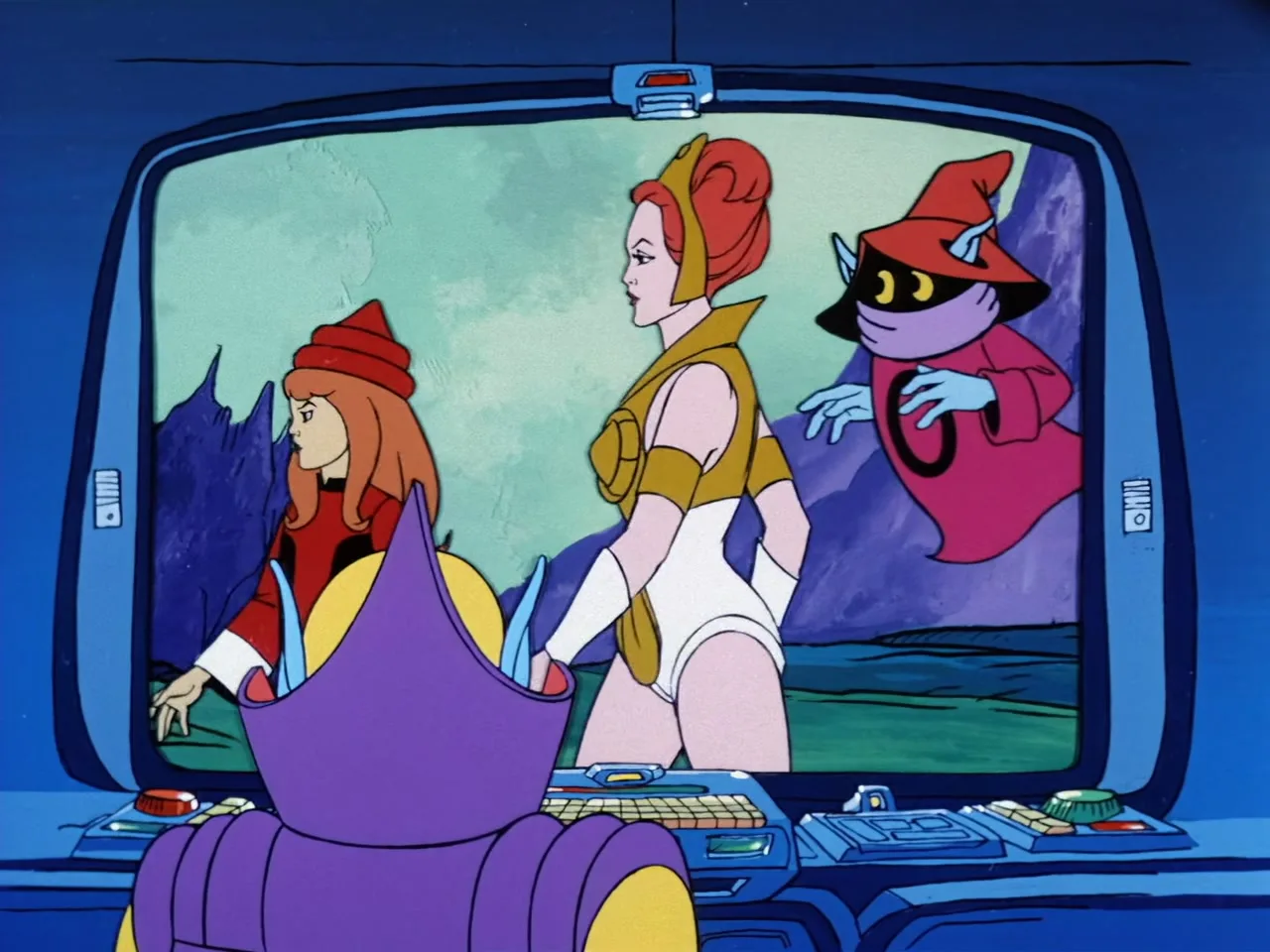
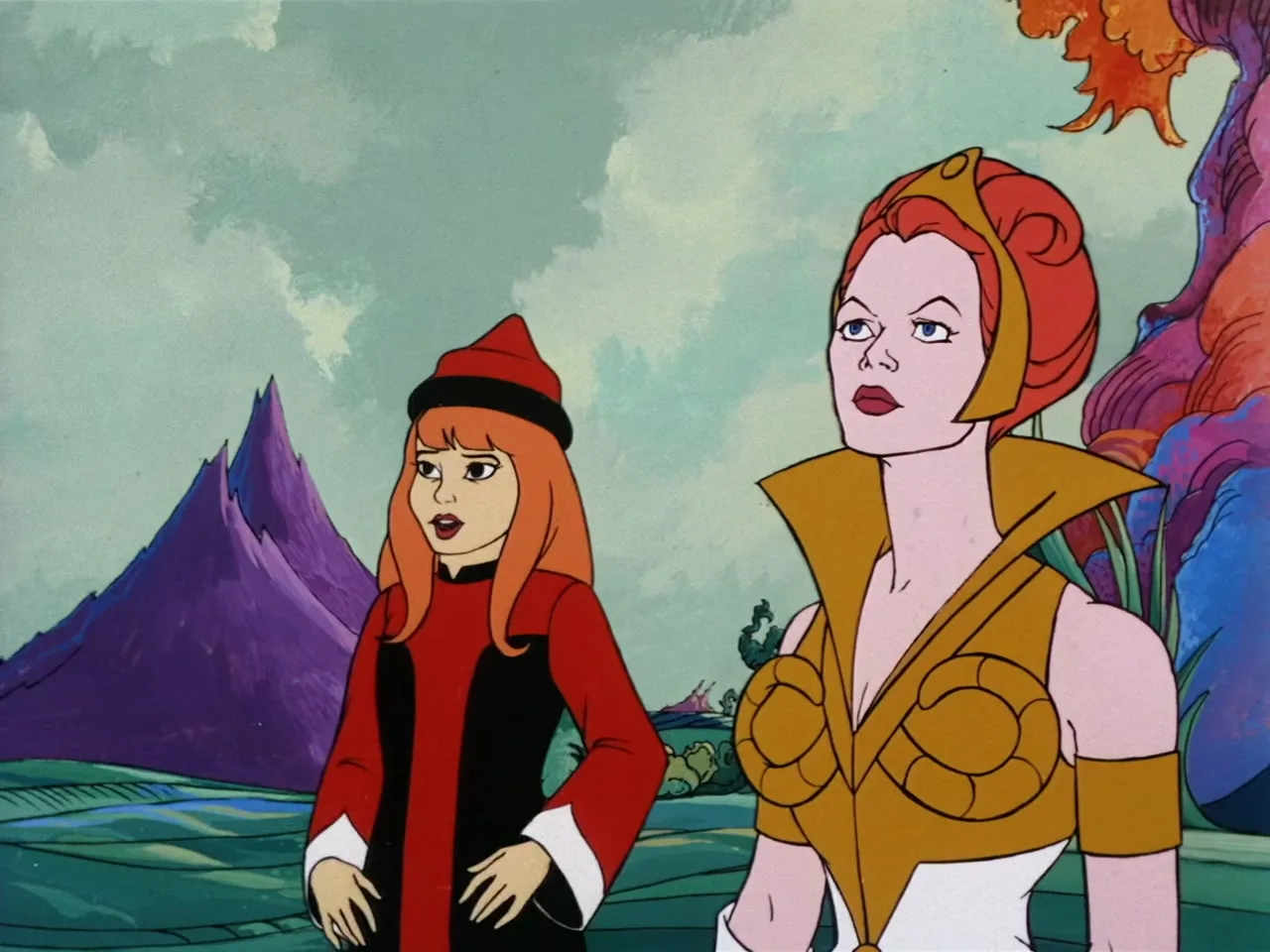
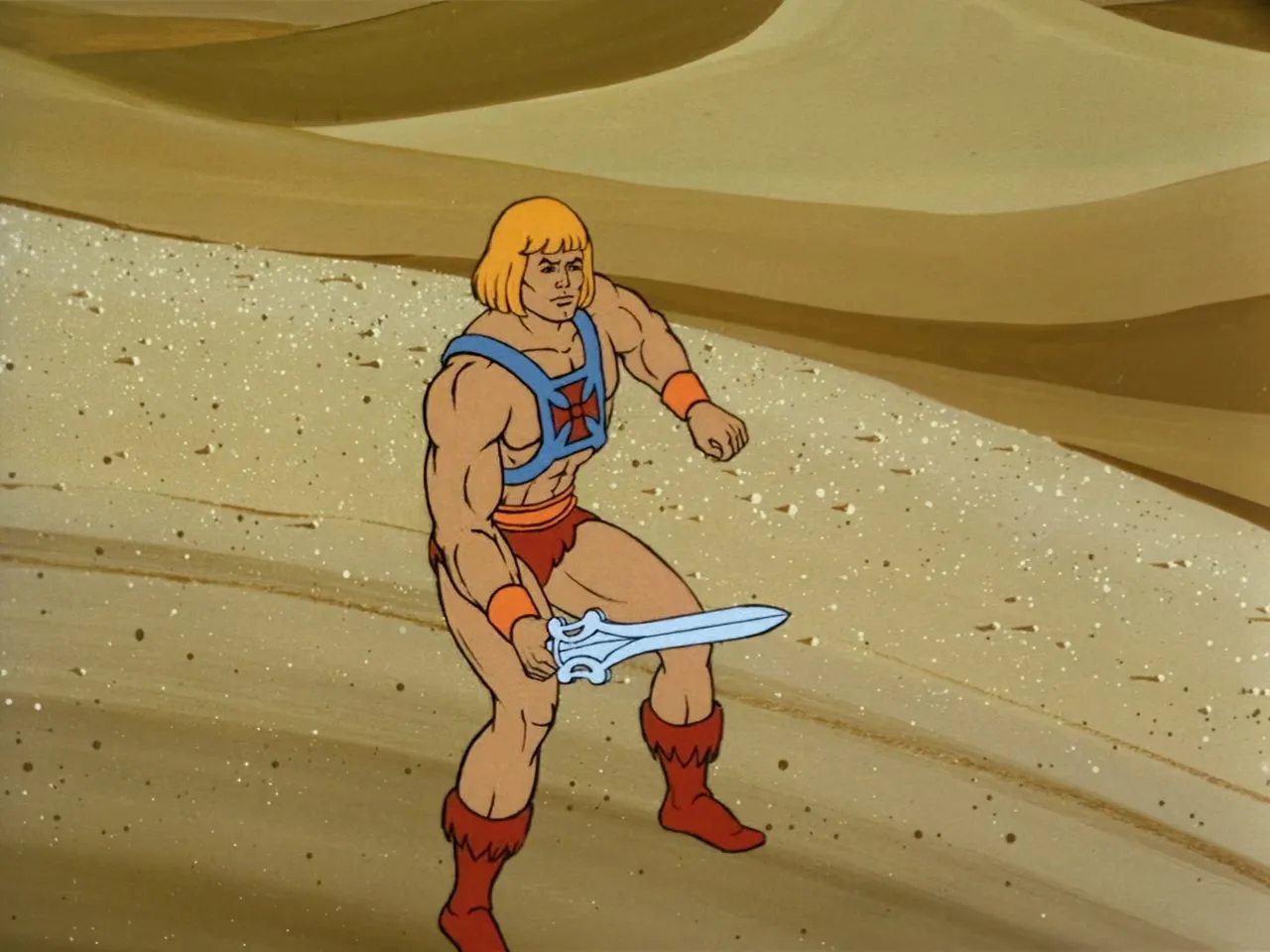
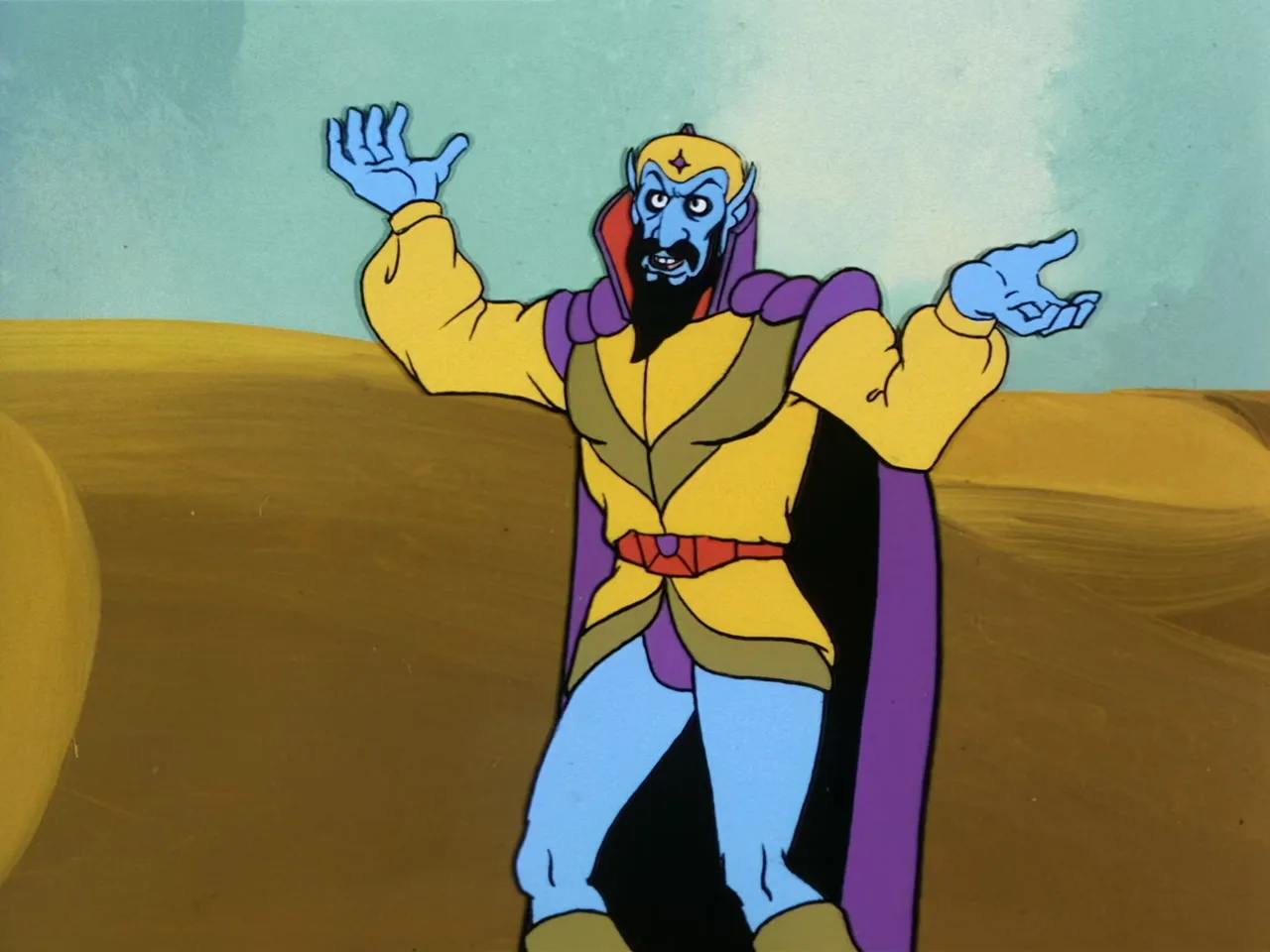
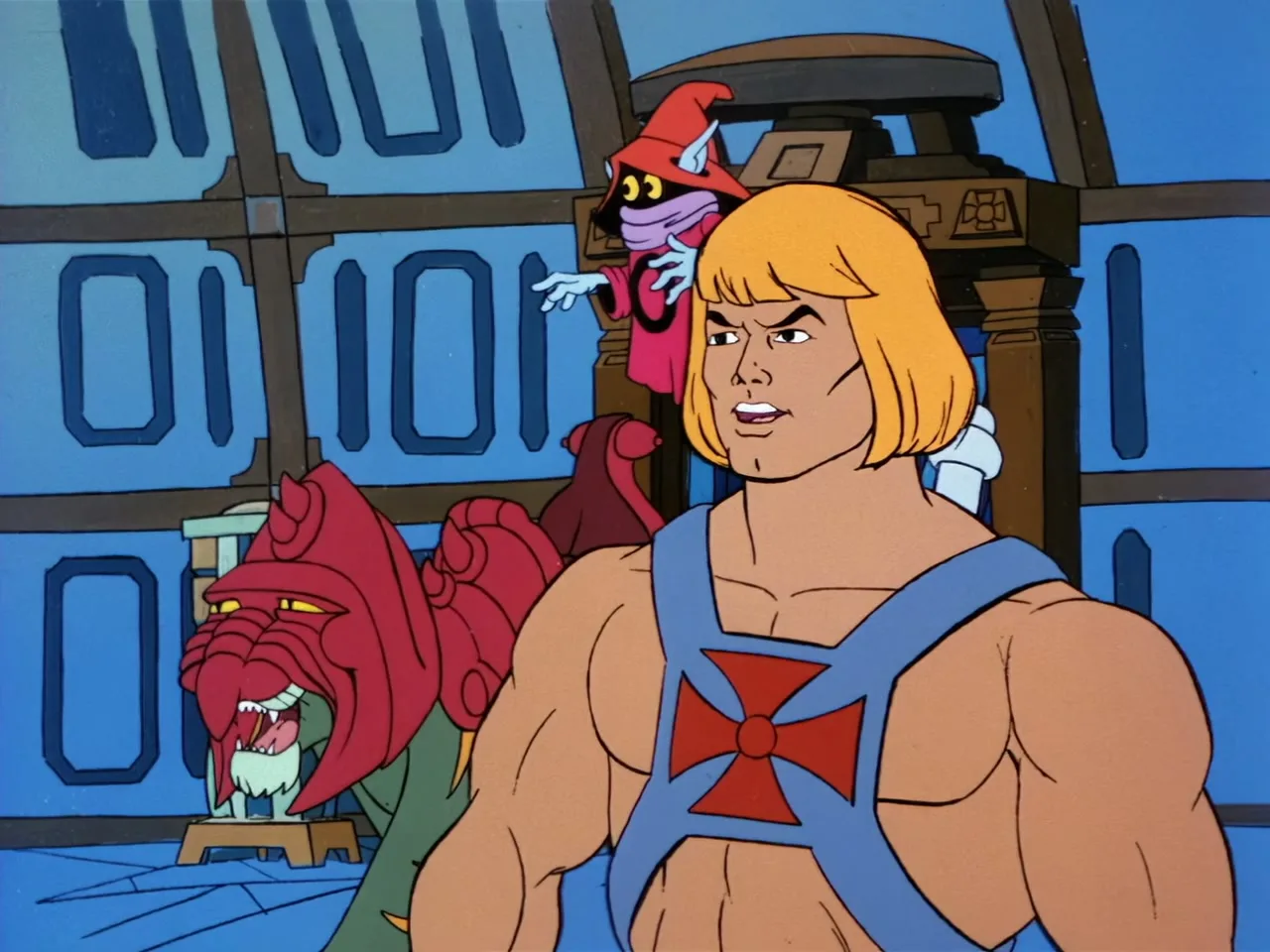
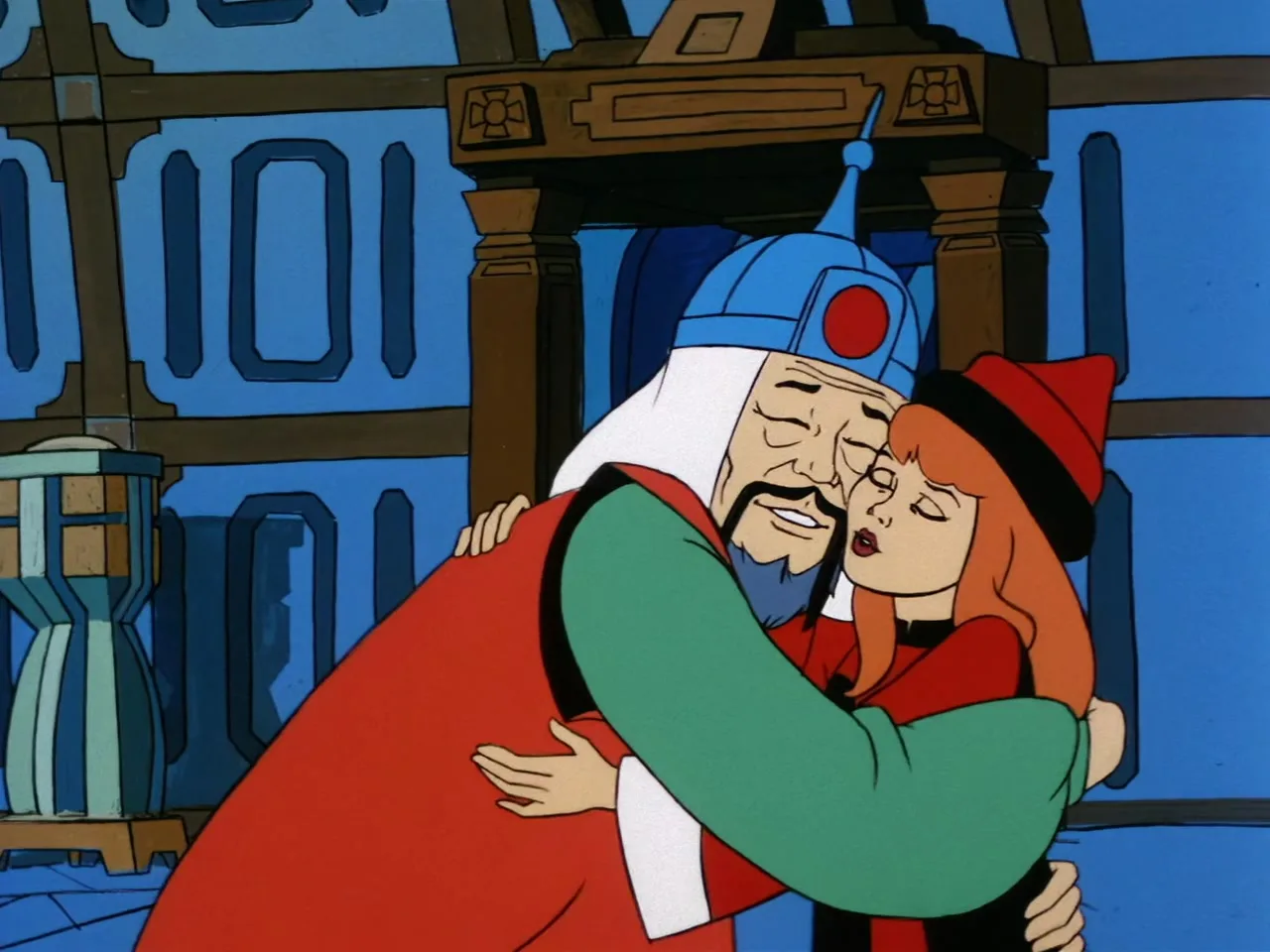
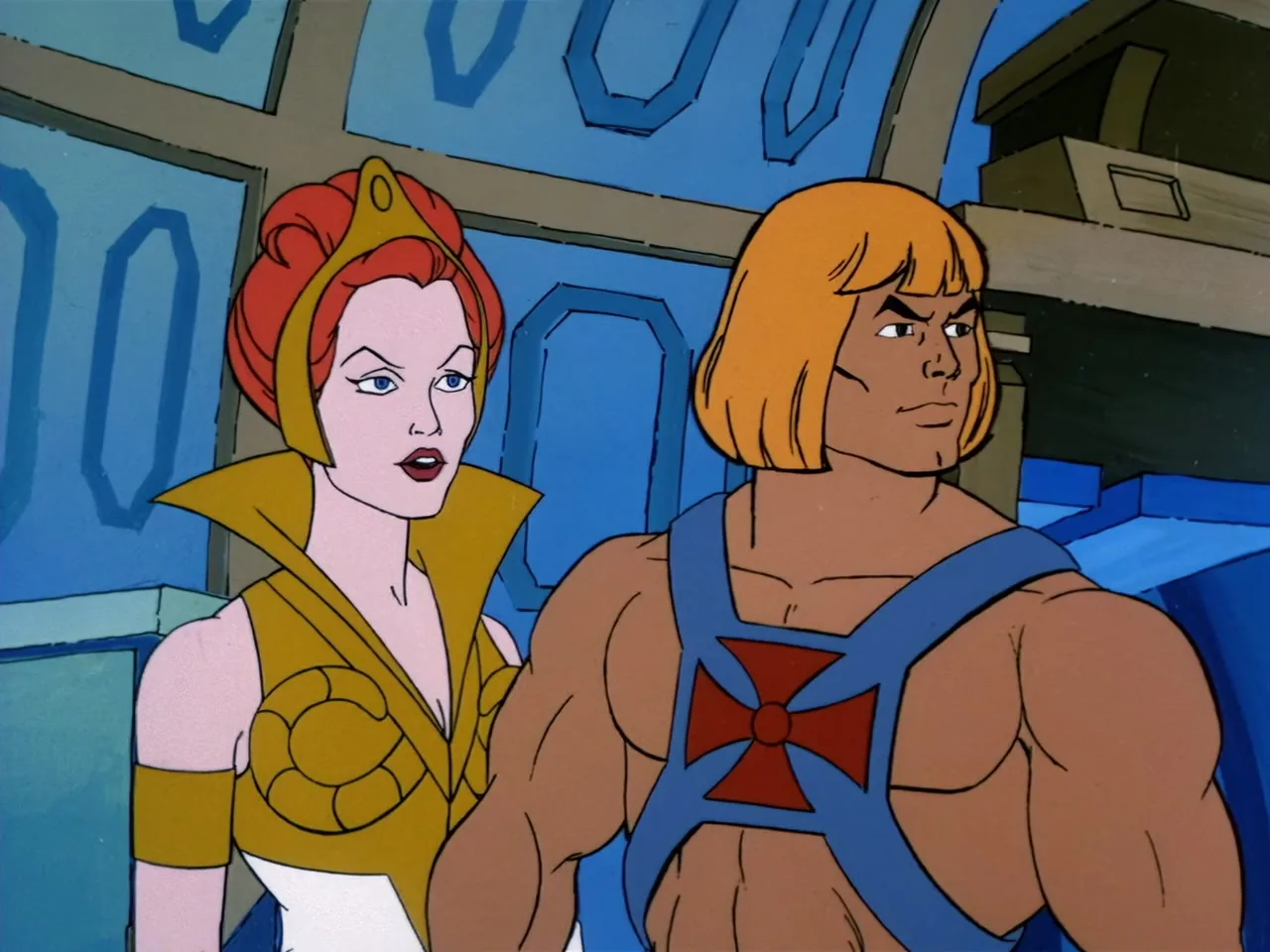
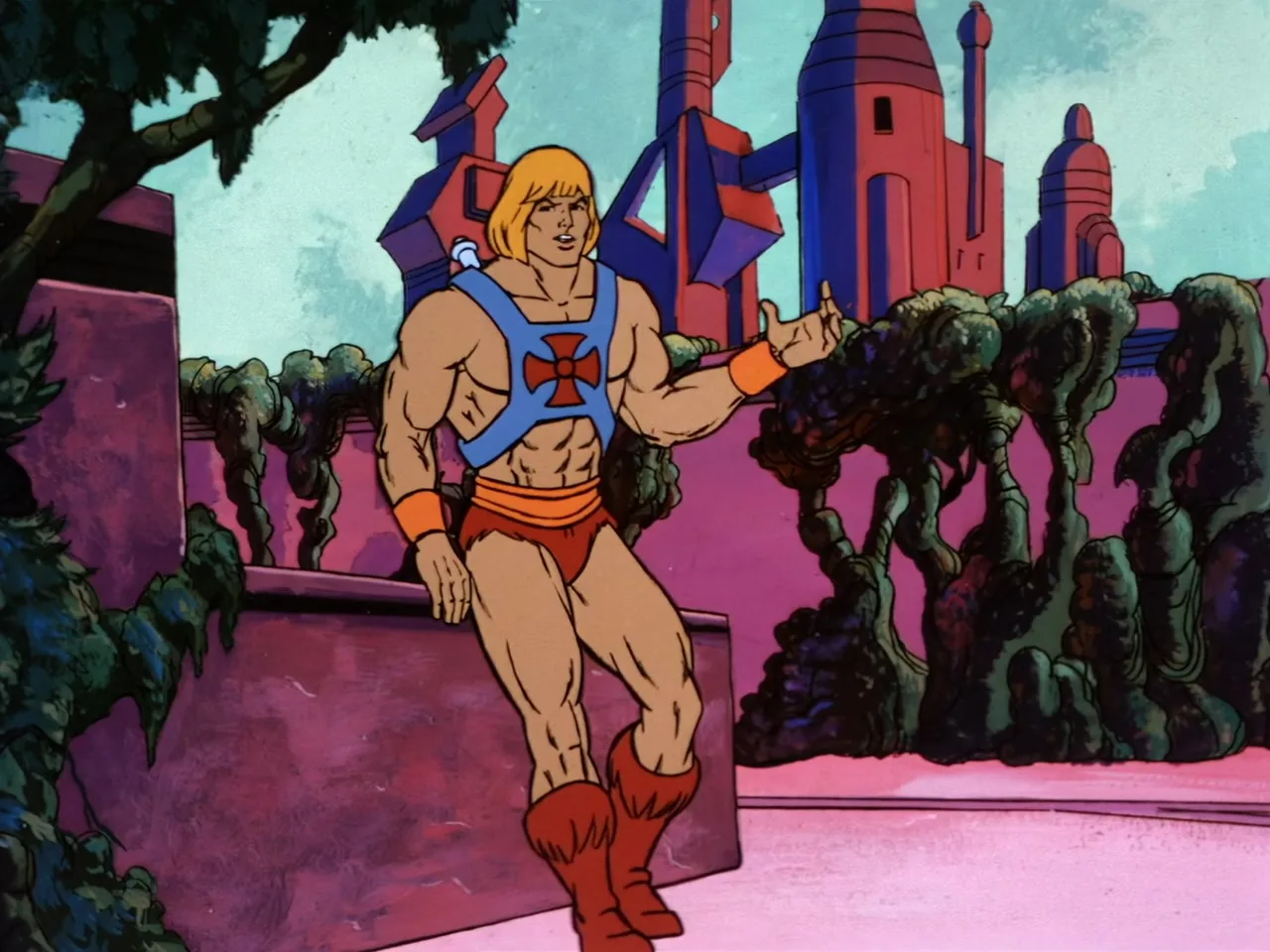
When Teela, Prince Adam and Orko notice that the sun, the clocks and even a stolen nap have all stopped making sense, they trace the trouble to the wizard Hexon, who has frozen time over Eternia to make himself Emperor of Simbar. Princess Kathay arrives begging for help freeing her father, Emperor Kathar, and the Keeper of Time from Hexon's prison at Hourglass Mountain. He-Man fights past a living wall of vines and a lightning-wreathed guardian to reach them, then turns Hexon's own hourglass against him in the desert beyond.
Have you ever wondered what it would be like if time did stand still? The flowers and the plants would never develop to their full potential, and neither would you. Time is important to everyone: plants, animals and you. As you grow, you learn, and as you learn, you change and develop. And that development is the thing that determines your future. So time is our friend. If we use our time wisely, we'll enjoy all the good things that life has to offer.
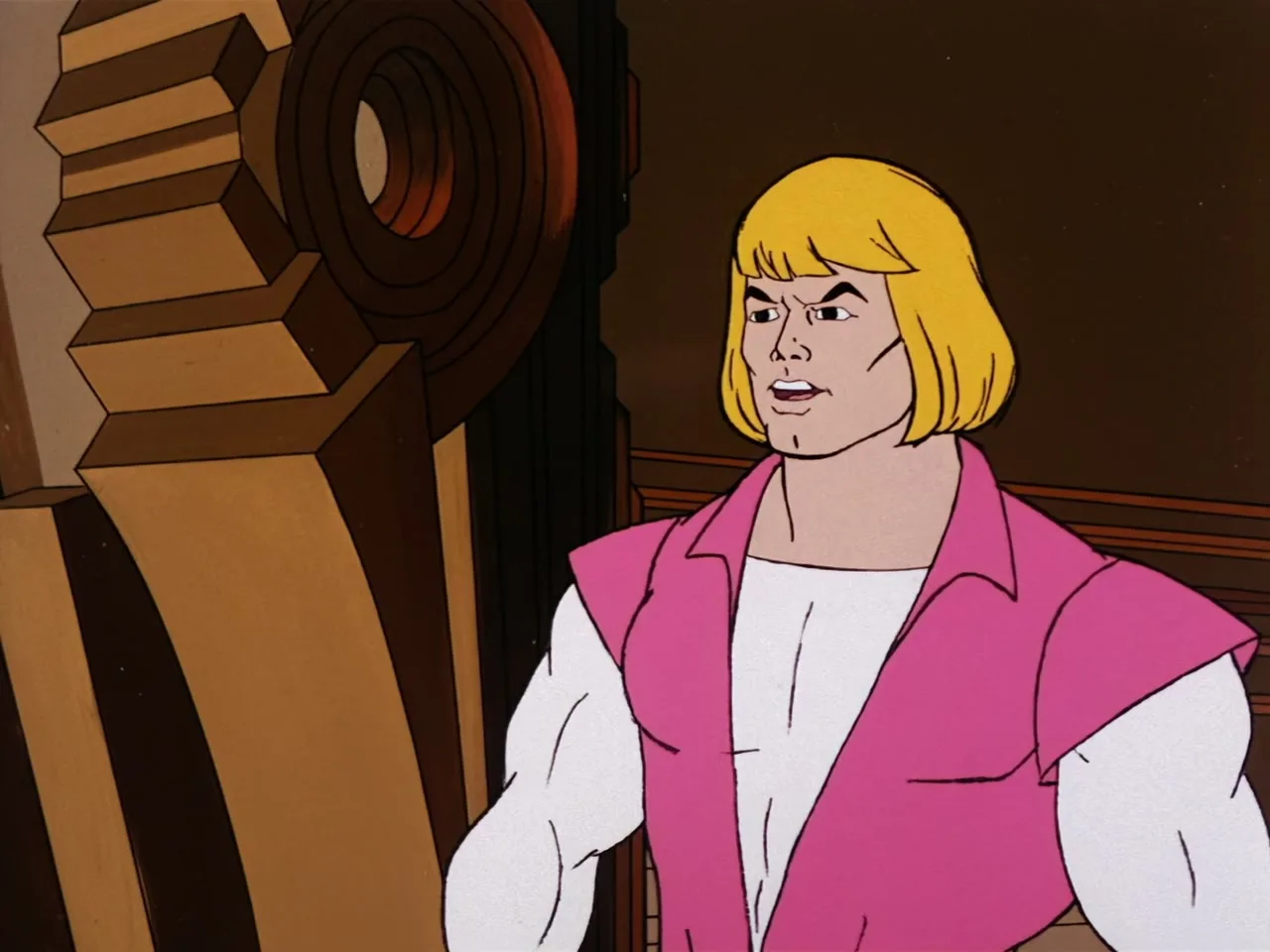
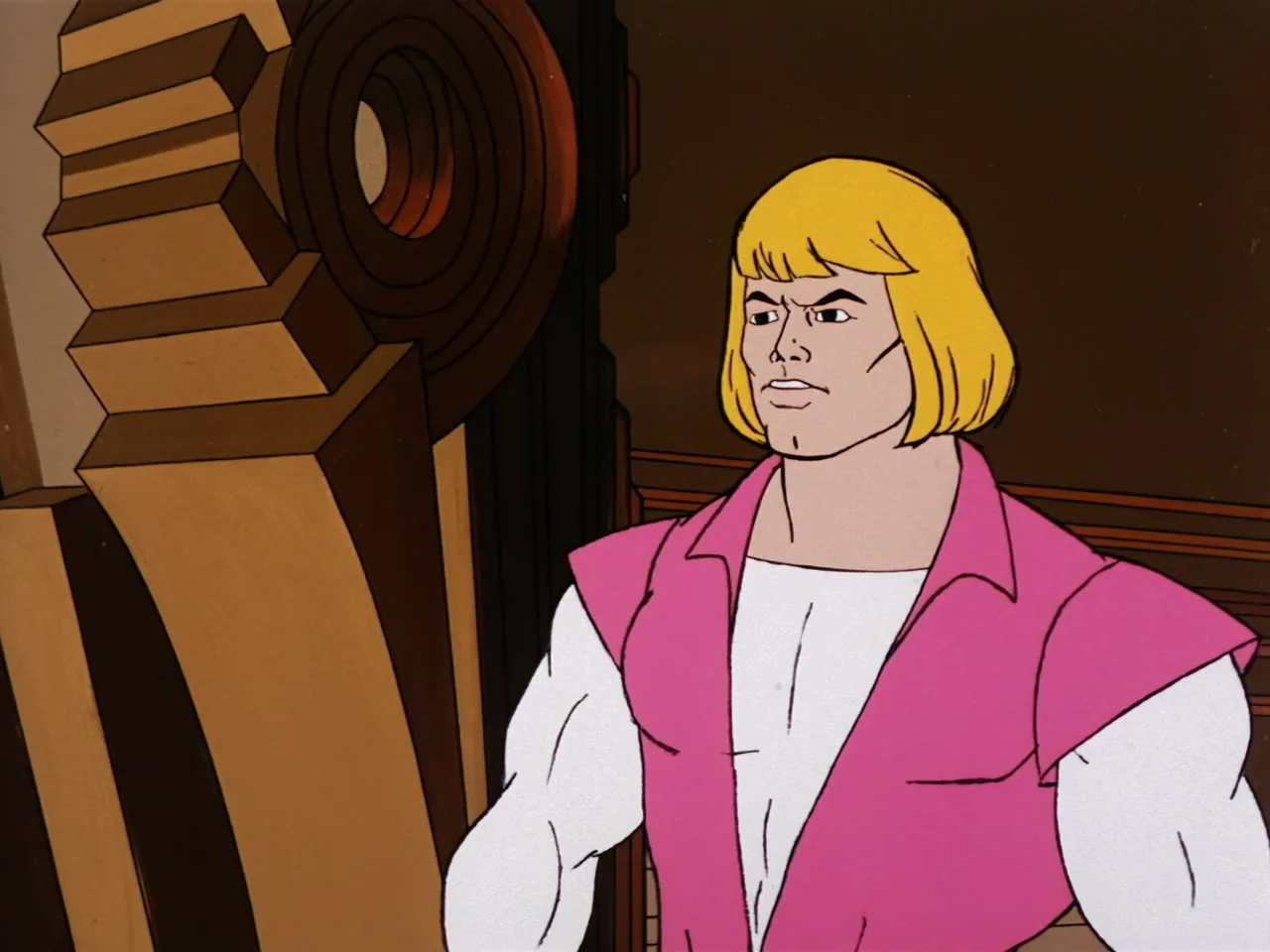
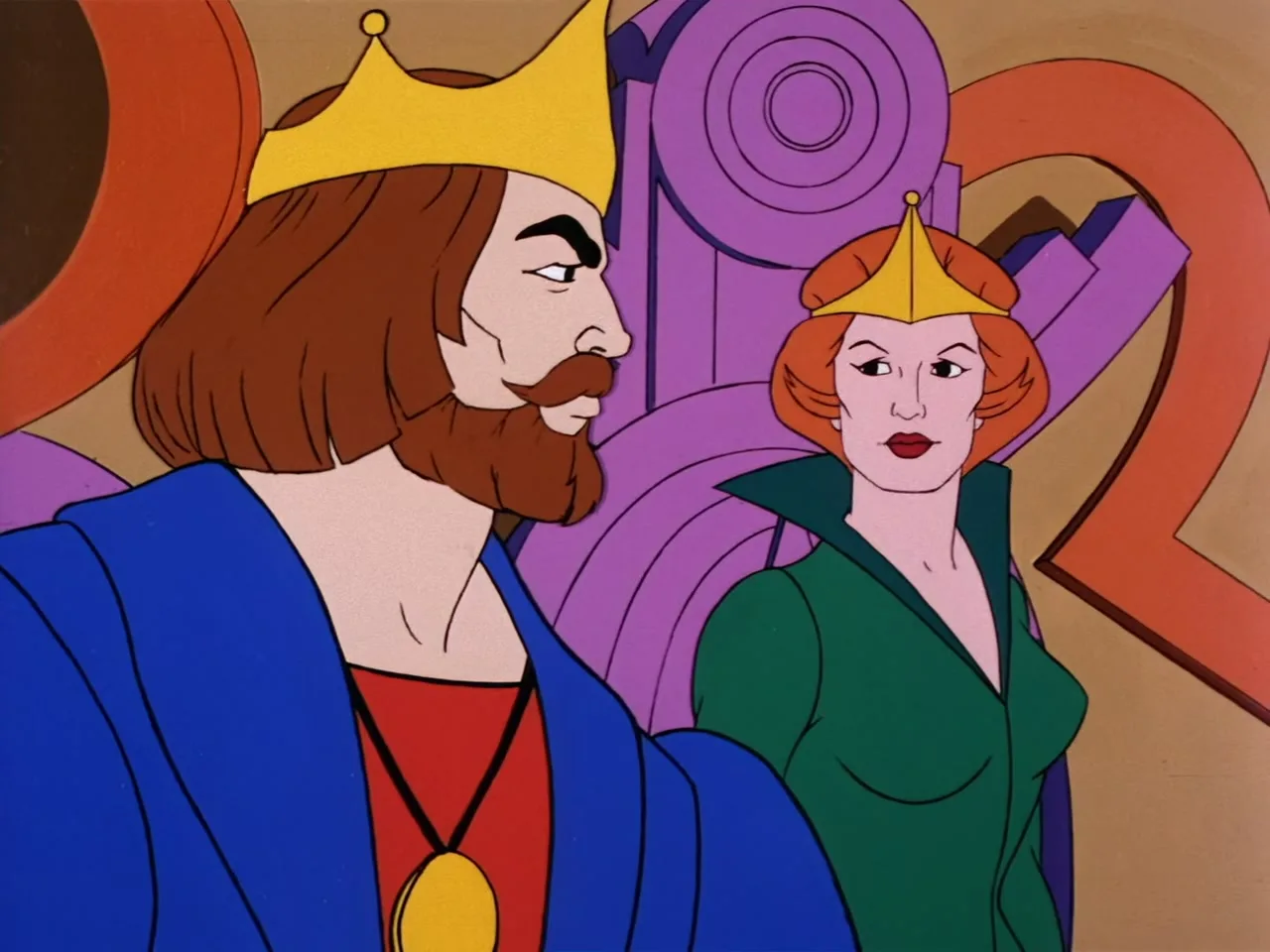
John Erwin as He-Man/Prince Adam and Emperor Kathar
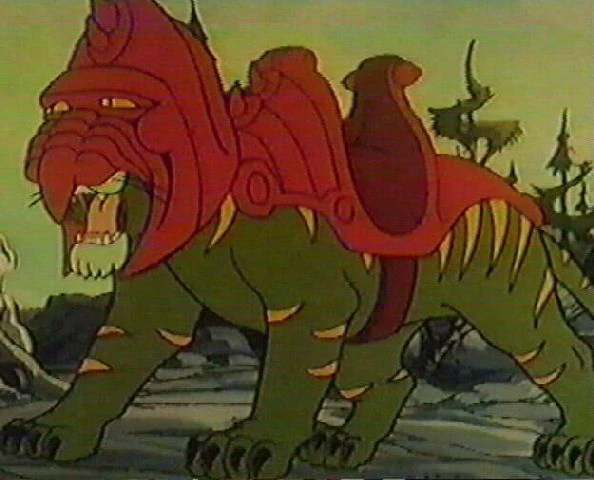
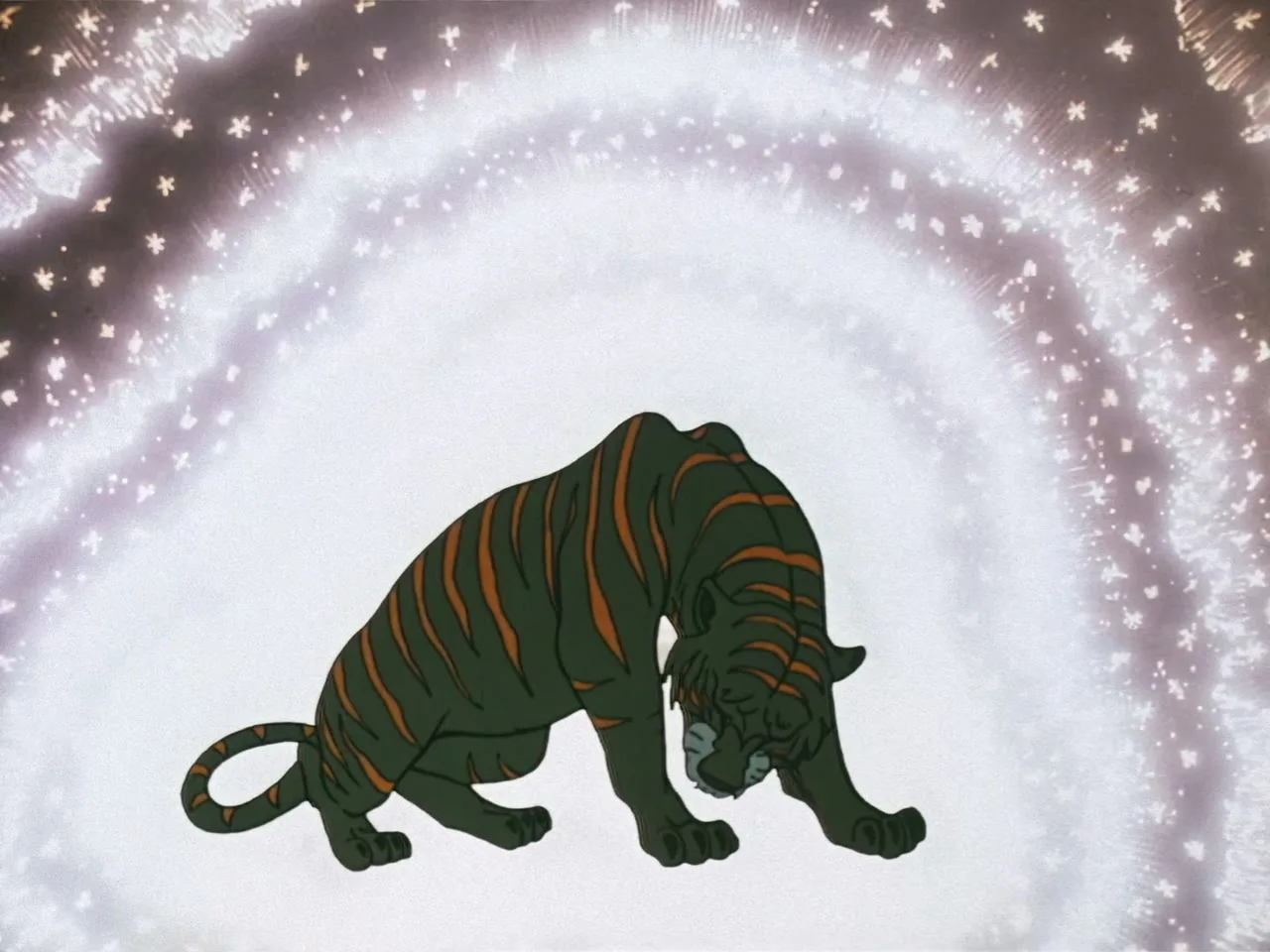
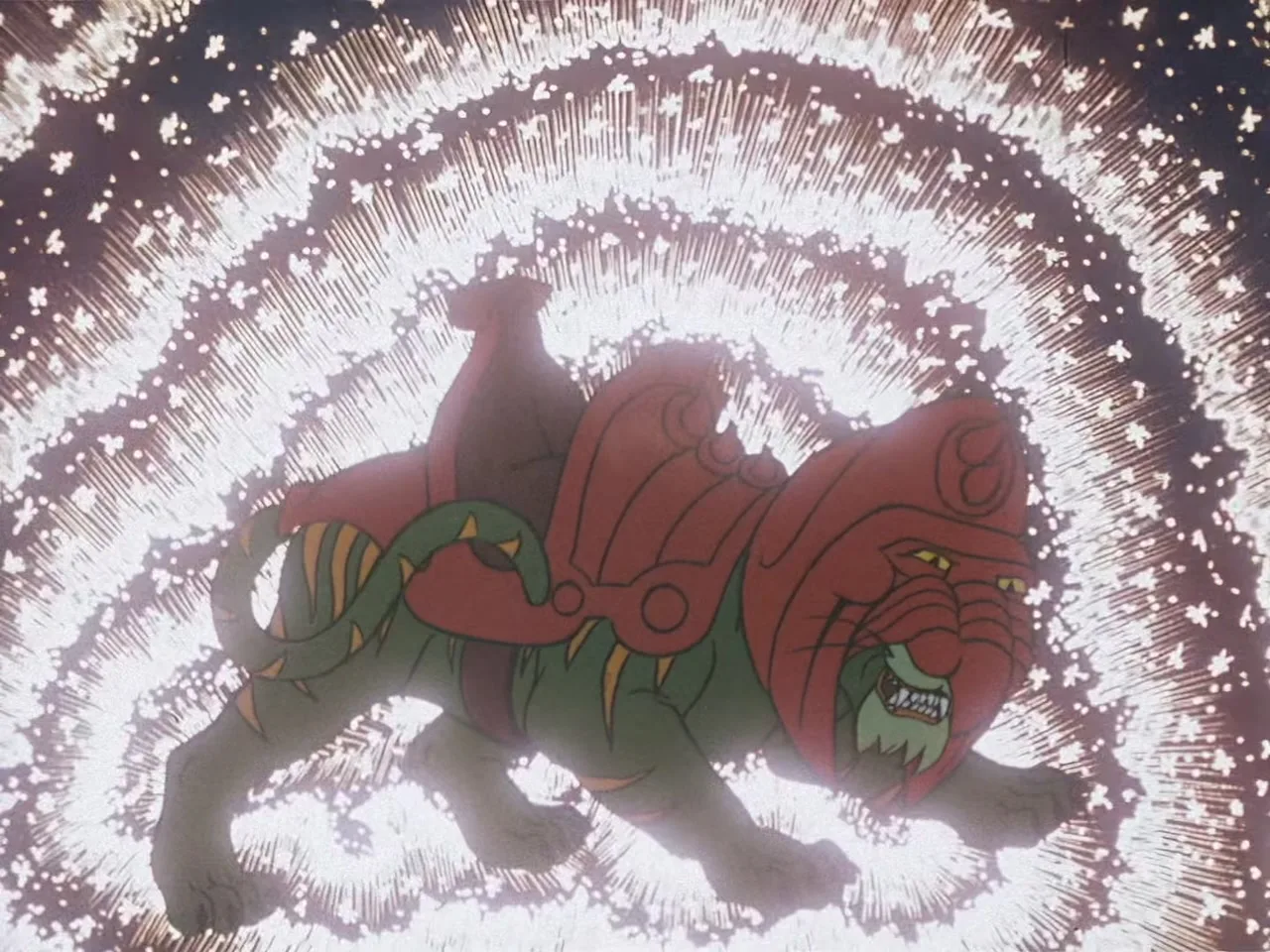
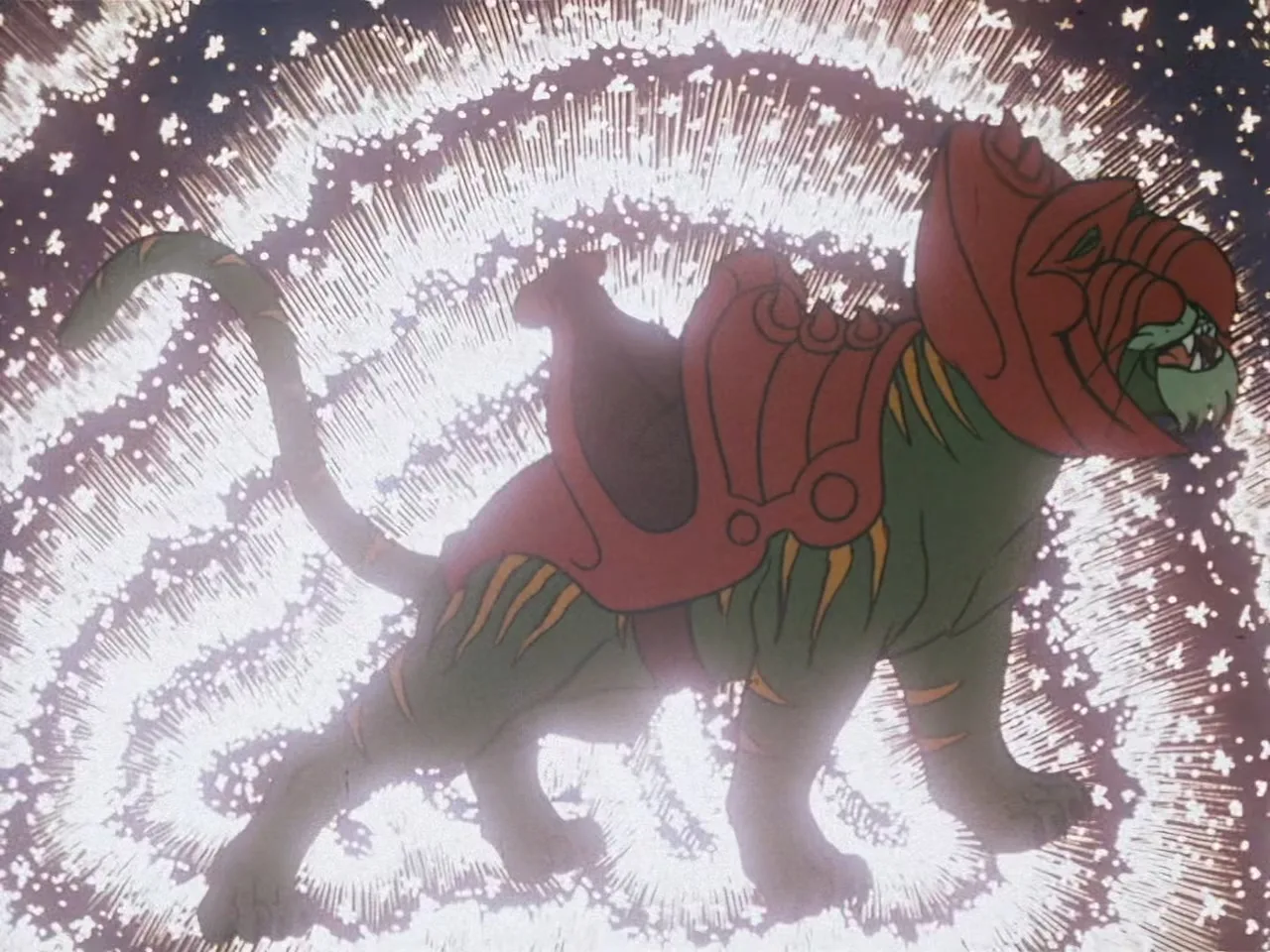
Alan Oppenheimer as Battle Cat/Cringer and Hexon
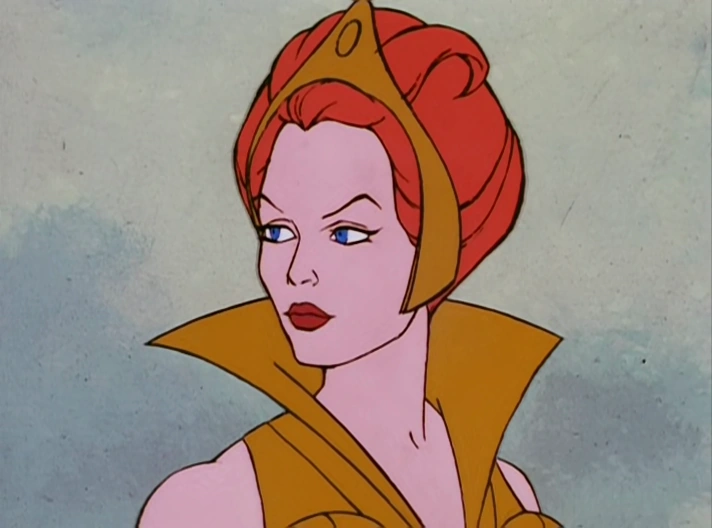
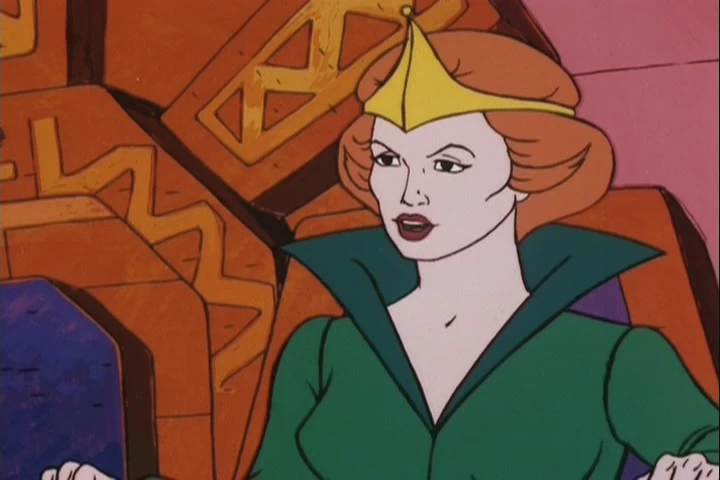
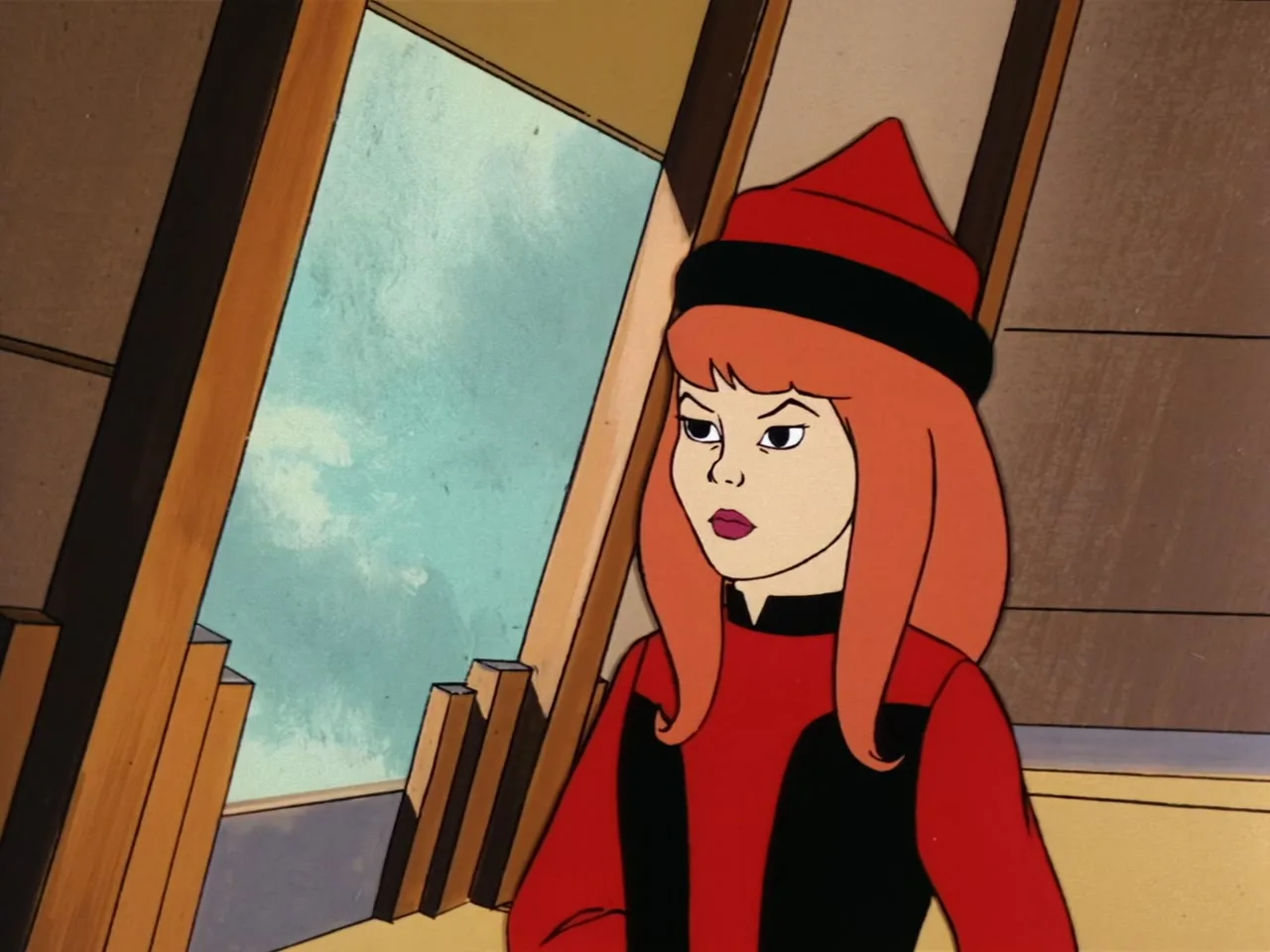
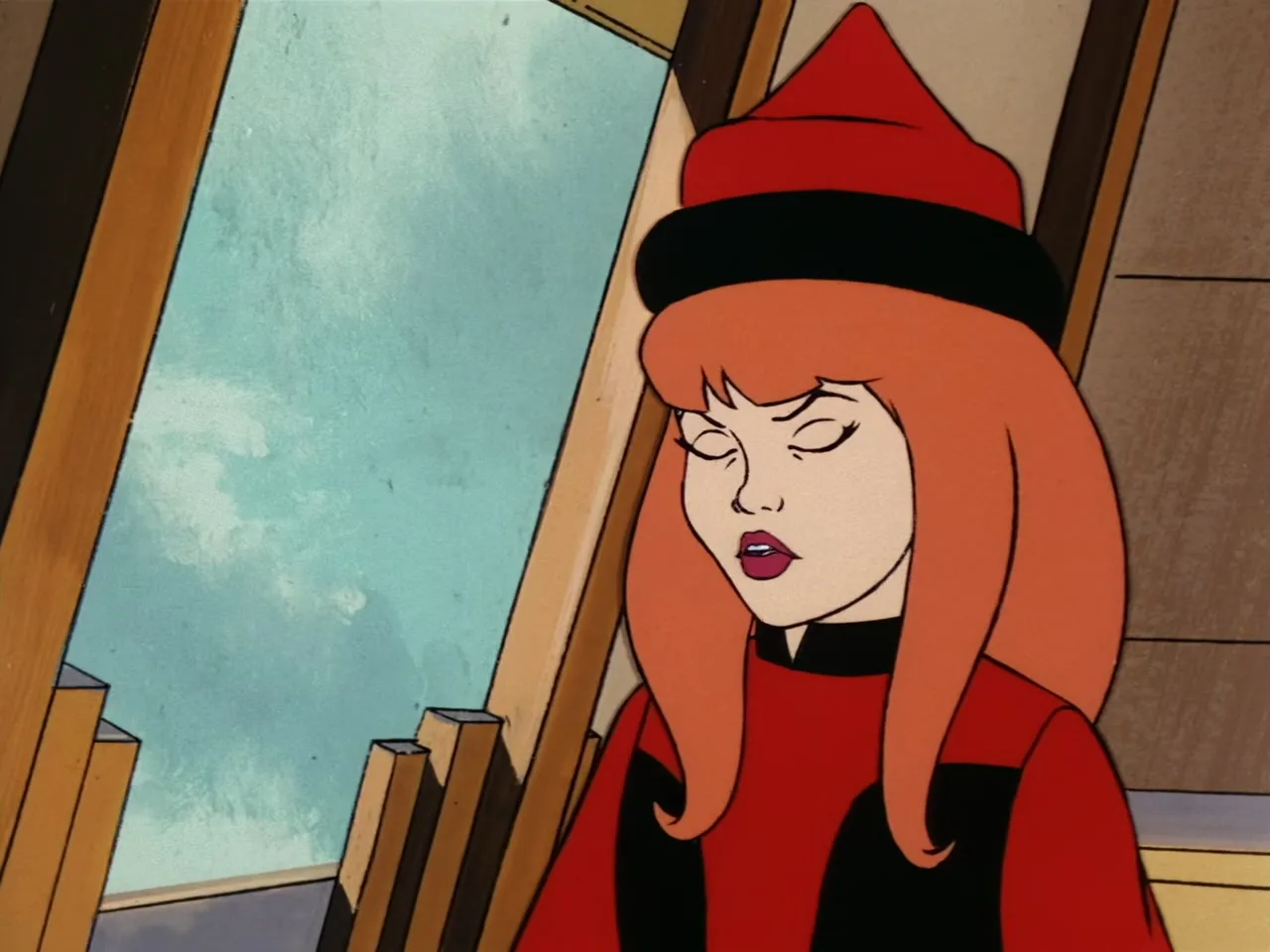
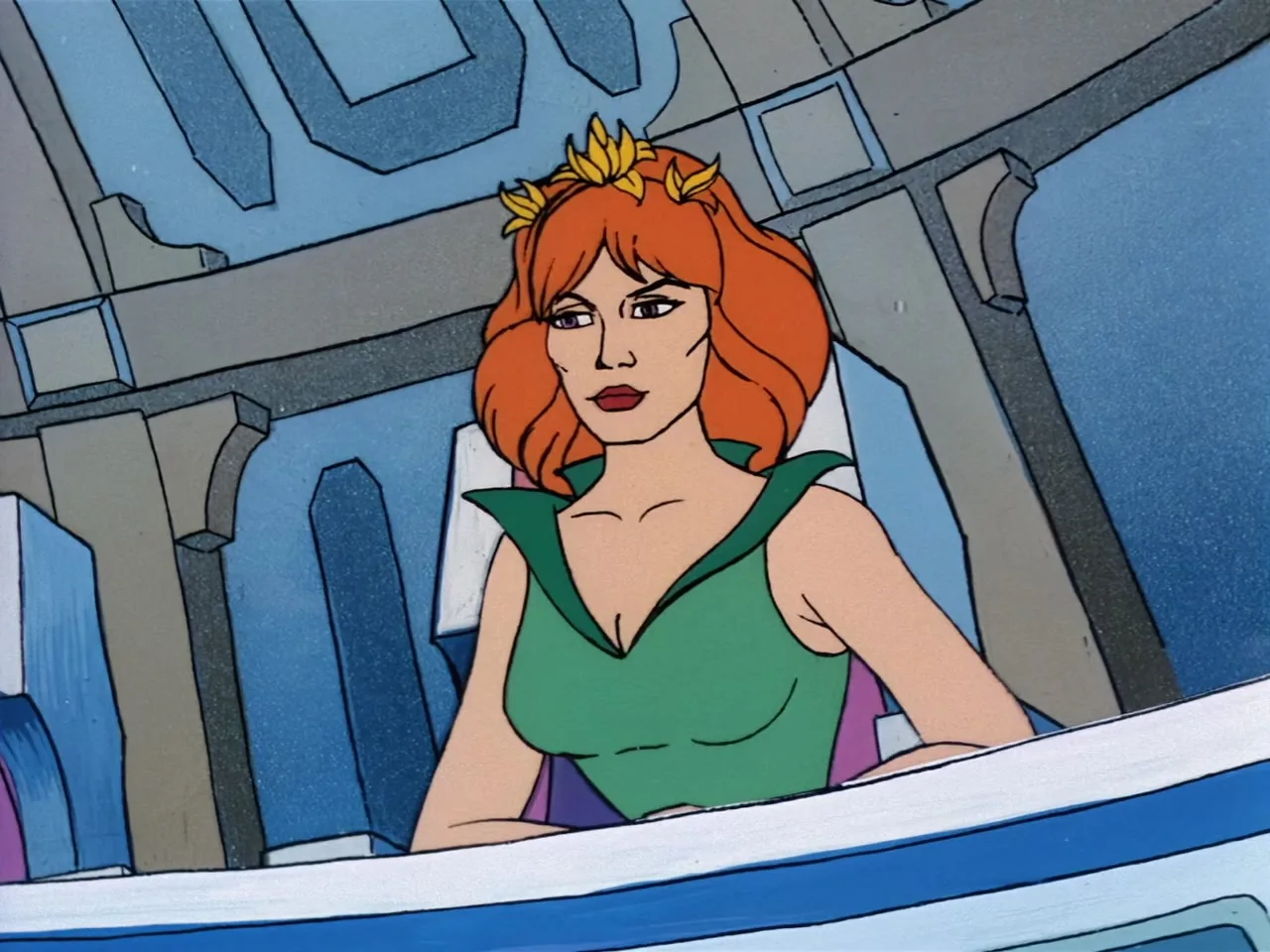
Linda Gary as Teela, Princess Kathay and Queen Marlena
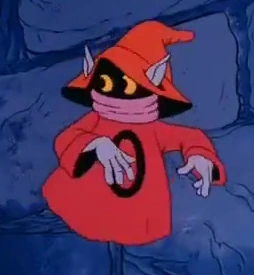
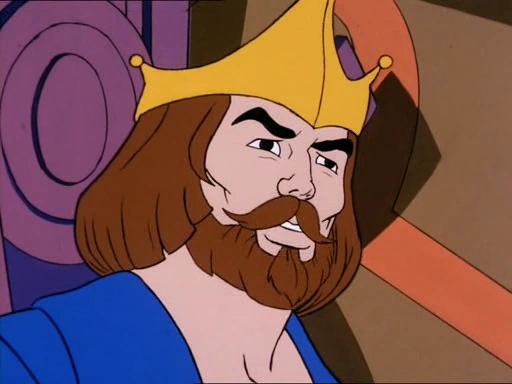
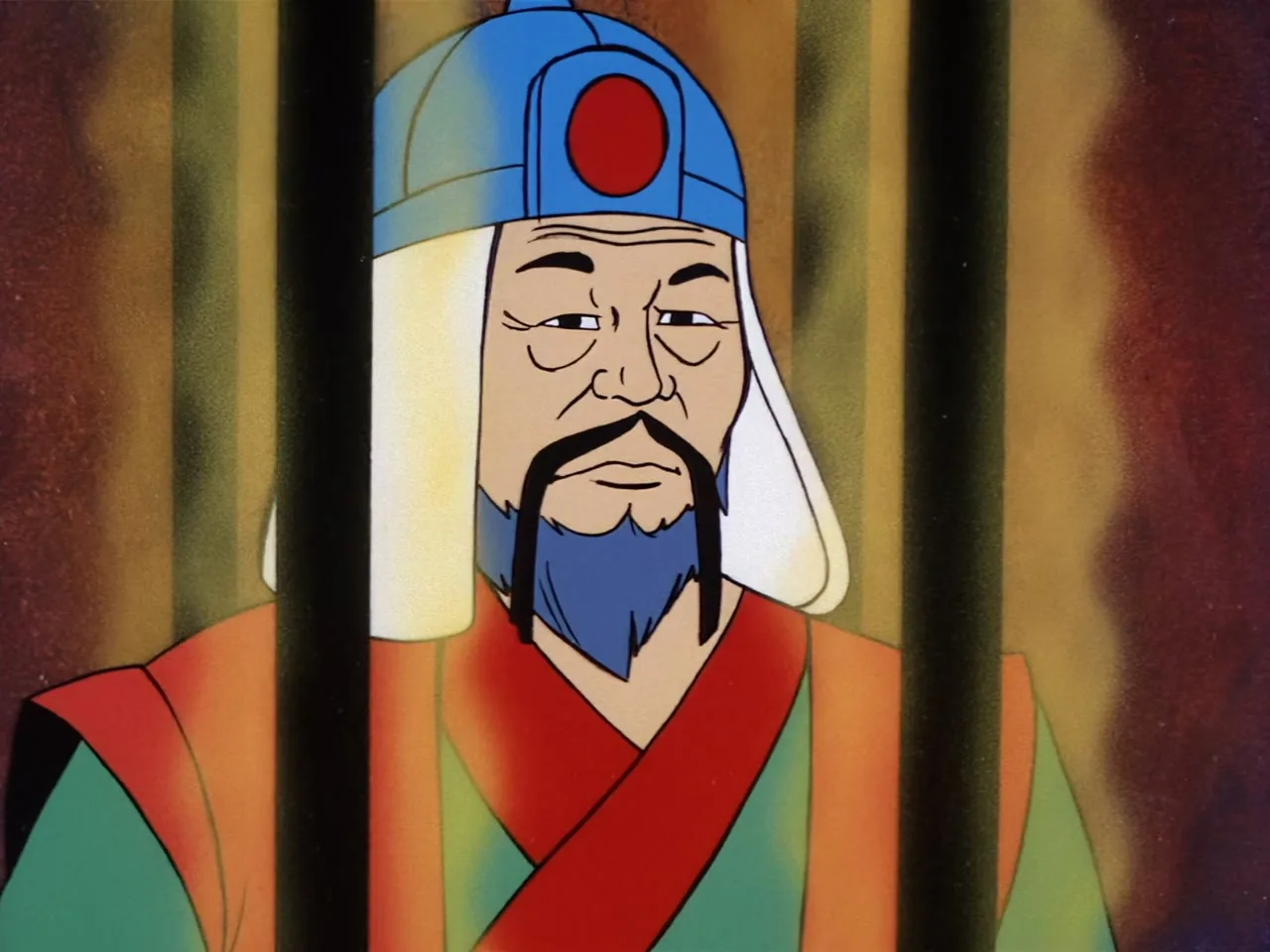
Lou Scheimer (credited as Erik Gunden) as Orko, King Randor, Keeper of Time, Count Fall and Mr. Winter
Erika Scheimer as Lady Spring and Miss Summer
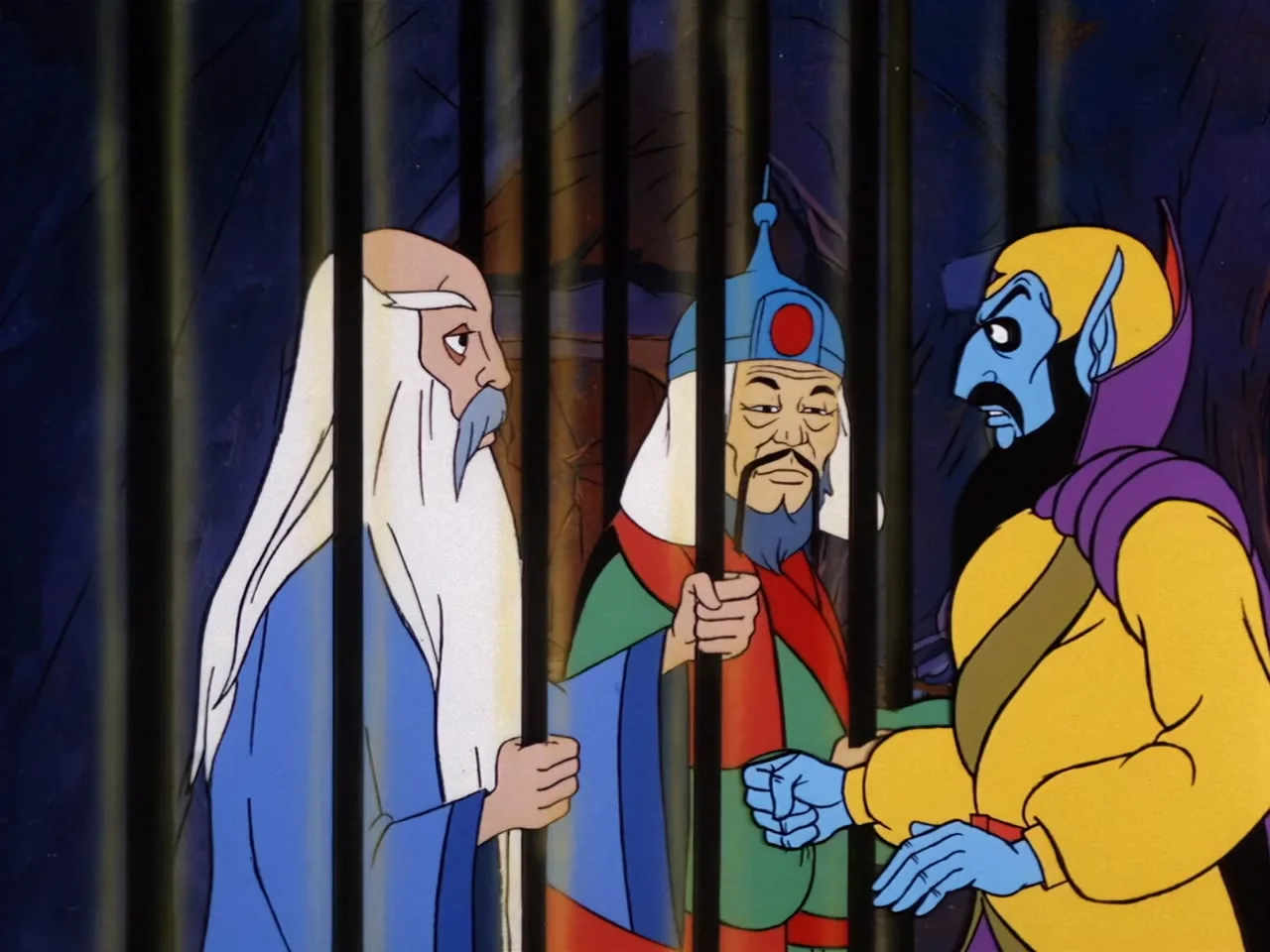
"I will keep time itself prisoner until I am emperor of Simbar. It will be mine forever!" -- Hexon, explaining his plan to the captive Keeper of Time.
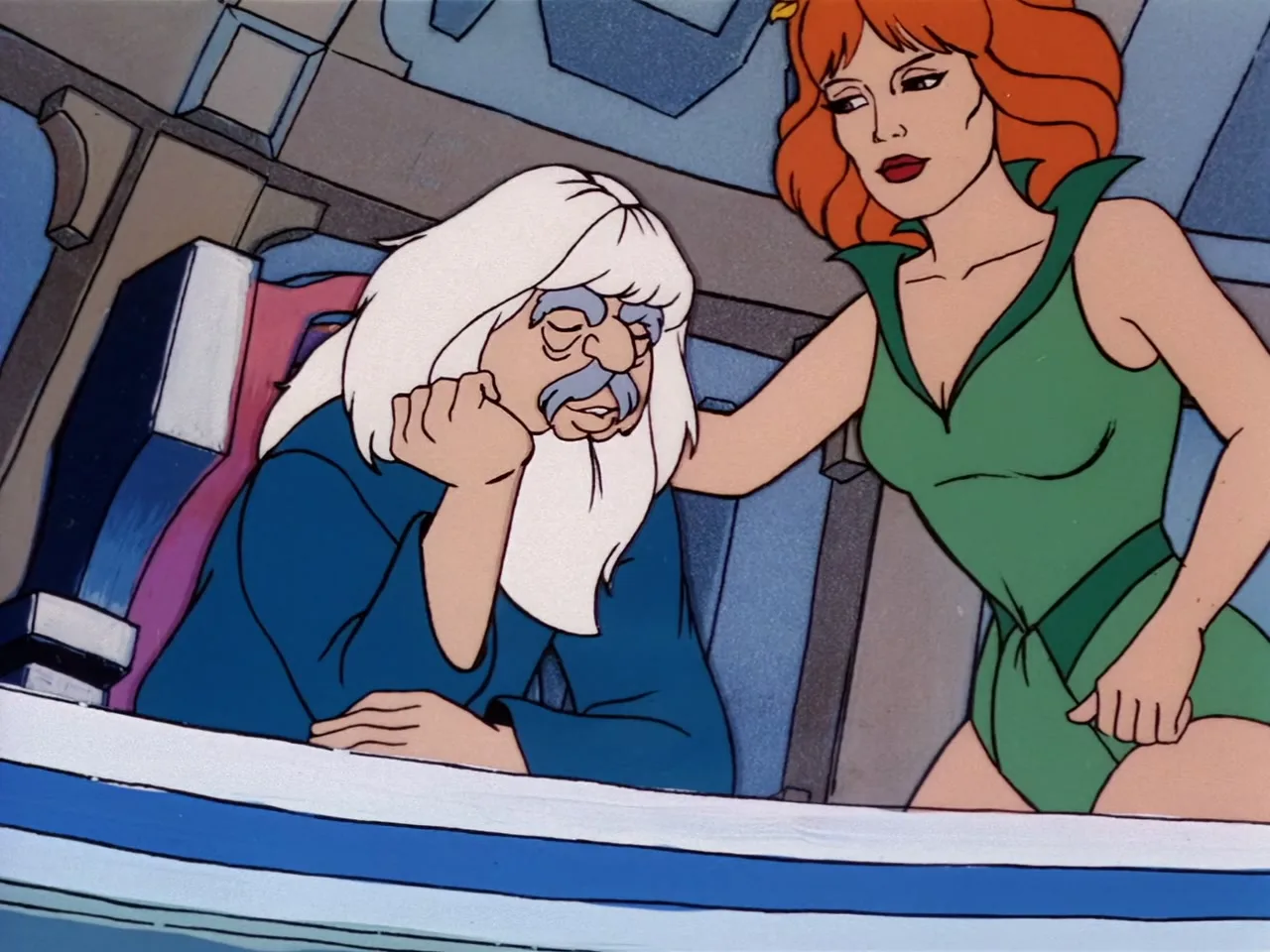
"Spring will never come." "Don't count on it." -- Lady Spring, despairing, and He-Man's reply.
"Correct, former Keeper of Time." -- Hexon, mocking the man he has deposed.
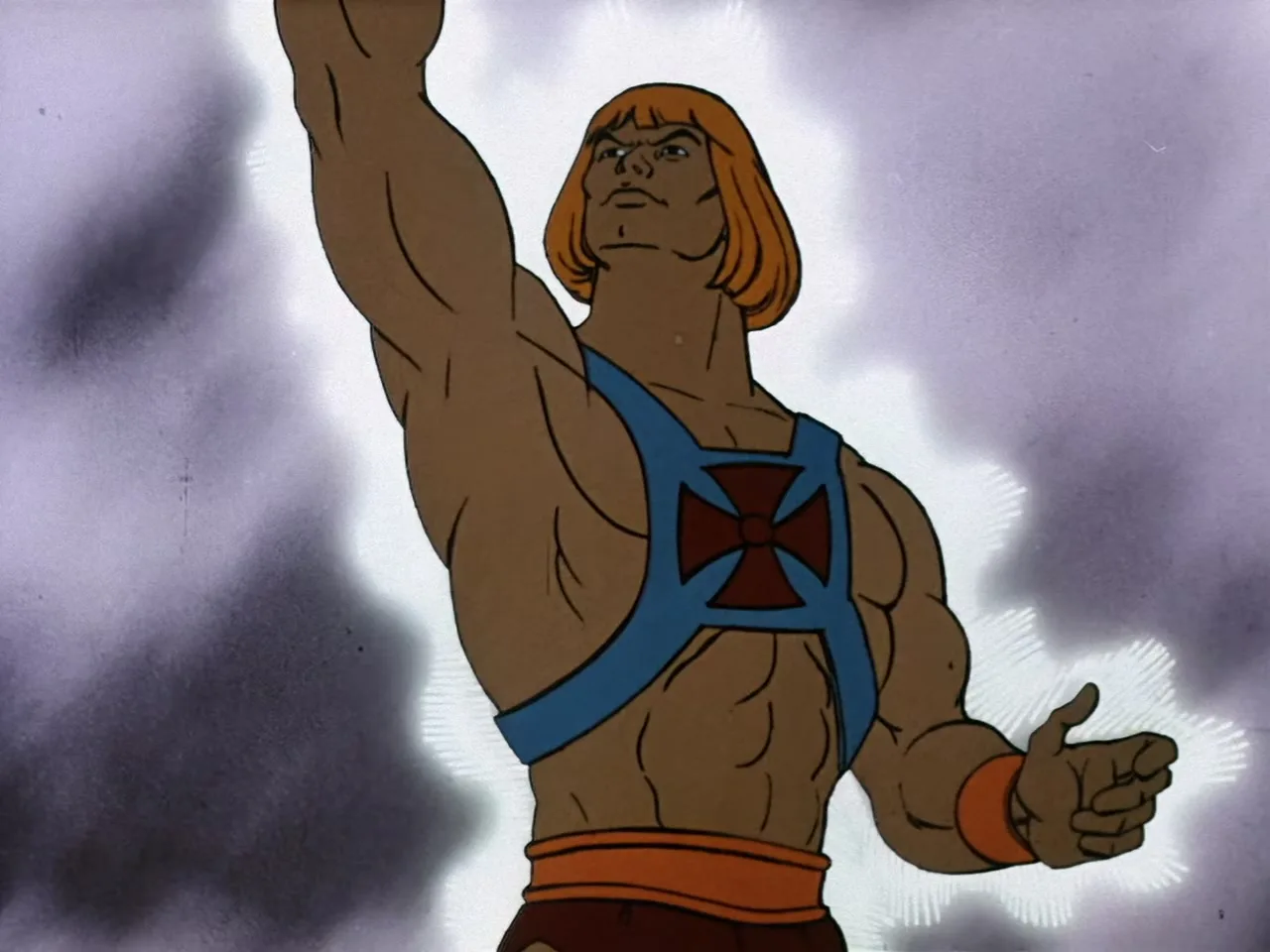
What does He-Man actually do when the enemy isn't strong, just patient? "Time Doesn't Fly" answers that question by taking away the one thing every episode of this show otherwise depends on: a clock that keeps moving. Hexon stops time over the village where Teela, Orko and Prince Adam are playing, and the trick the episode plays on its hero is that strength solves almost nothing here. Lightning giants and root-monsters can be fought. A frozen sun cannot.
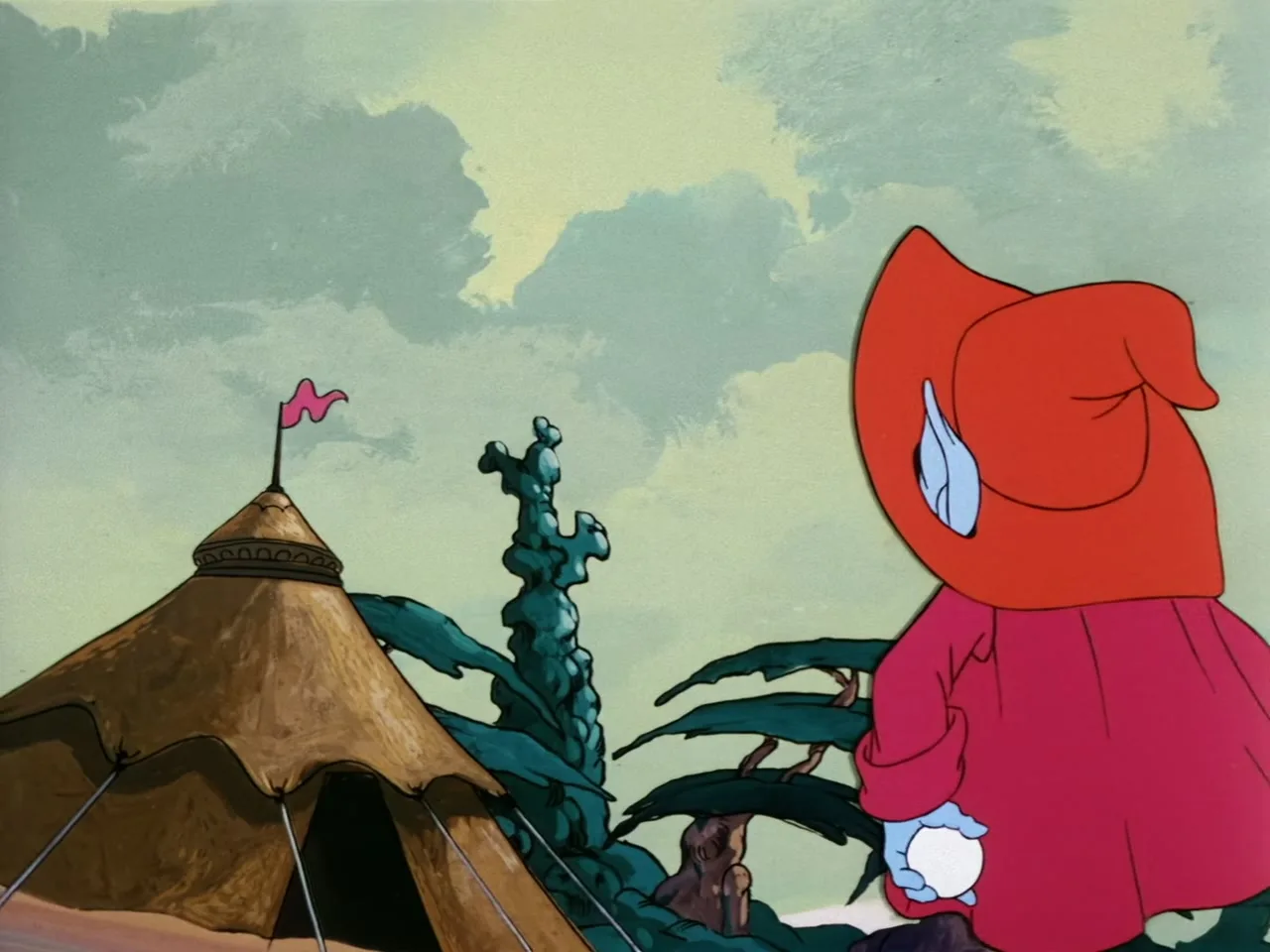
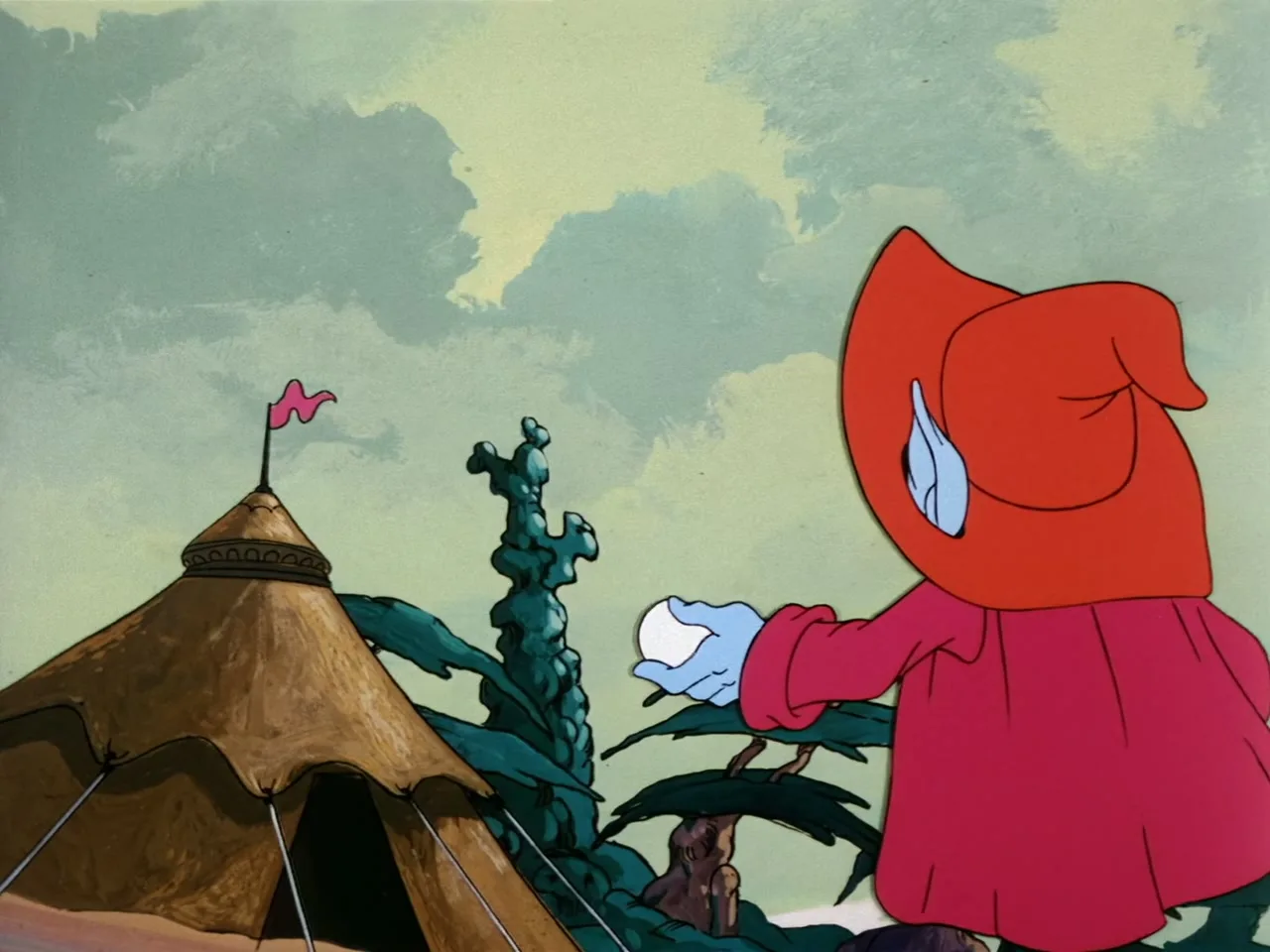
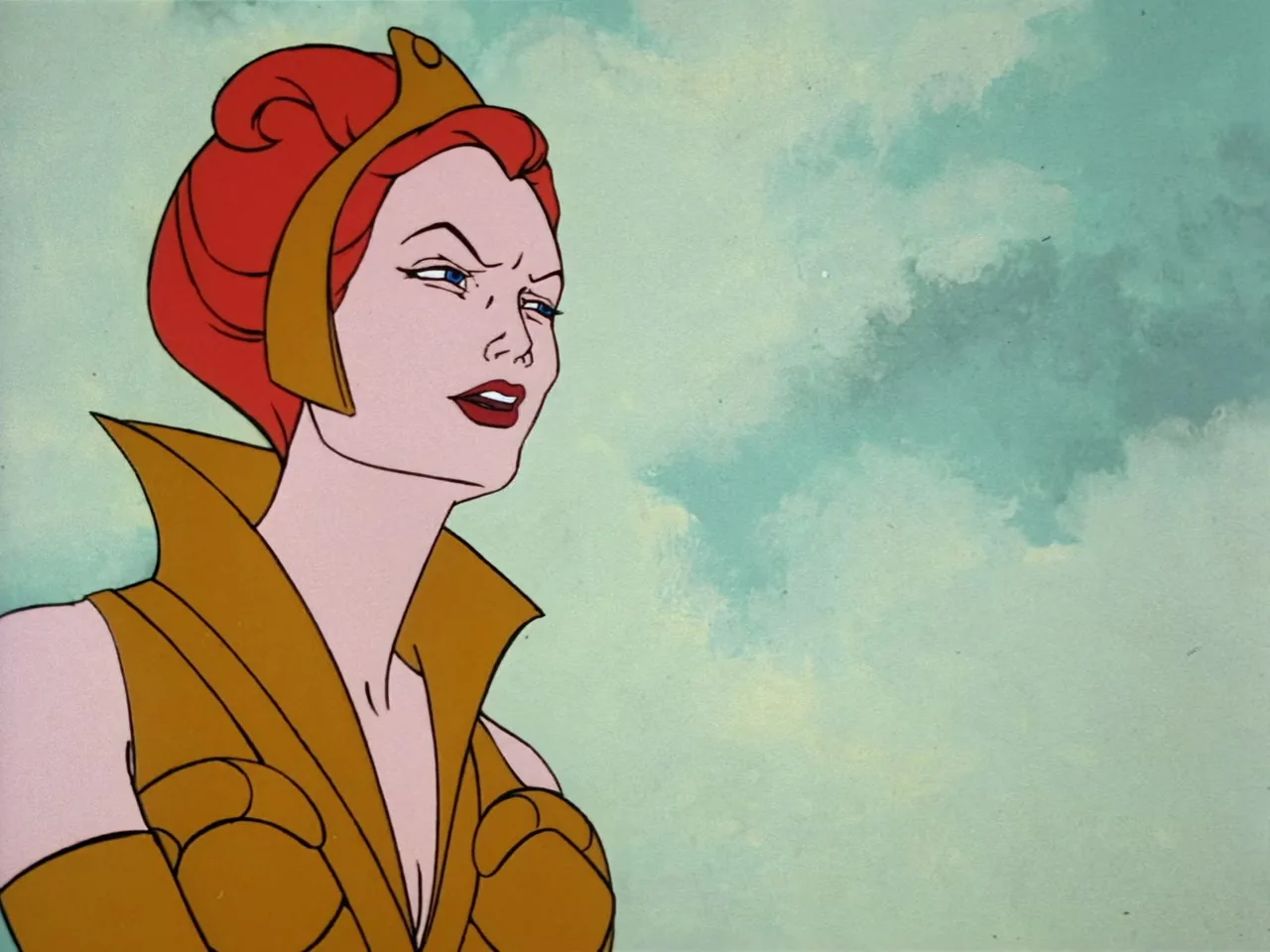
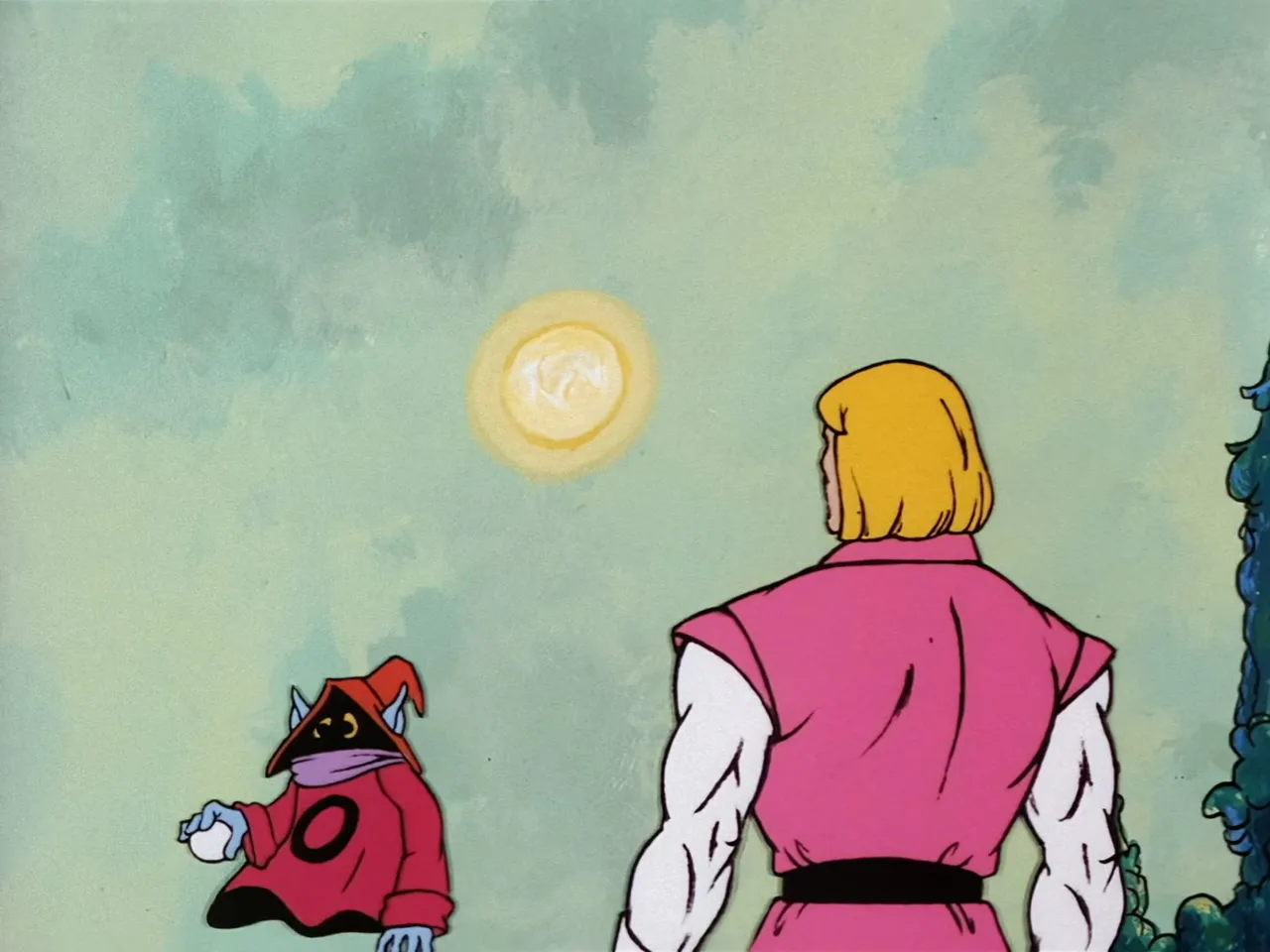
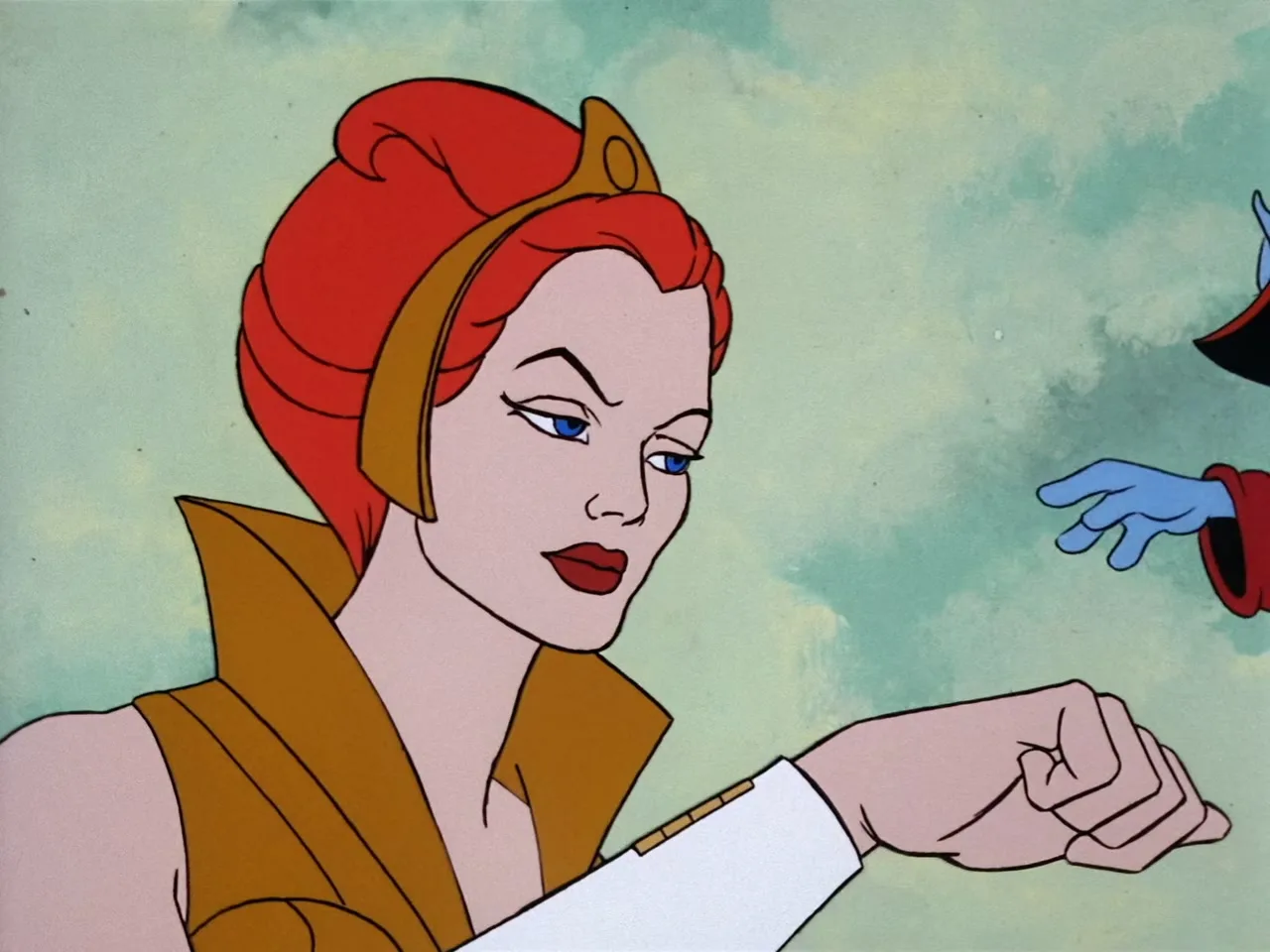
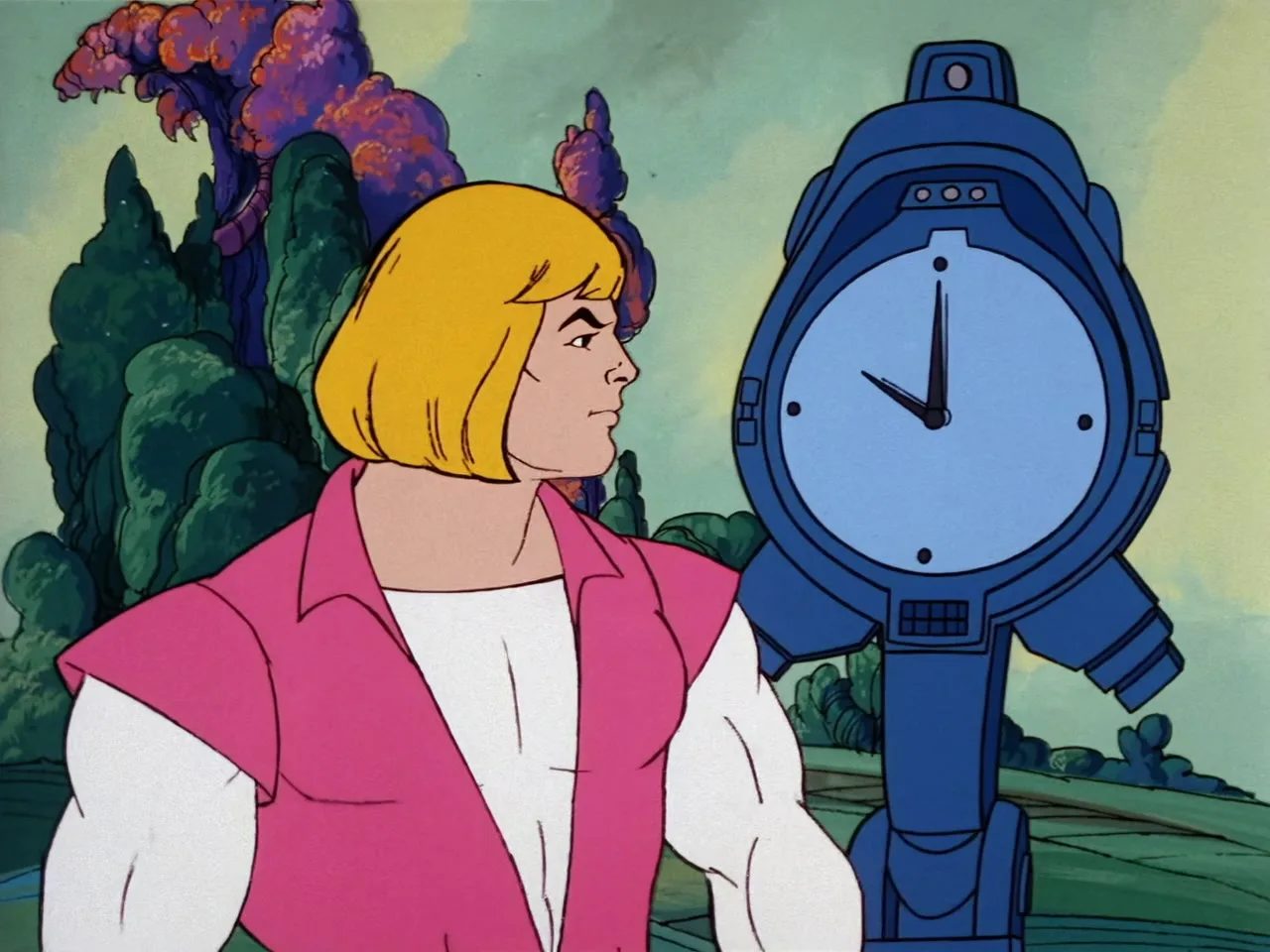
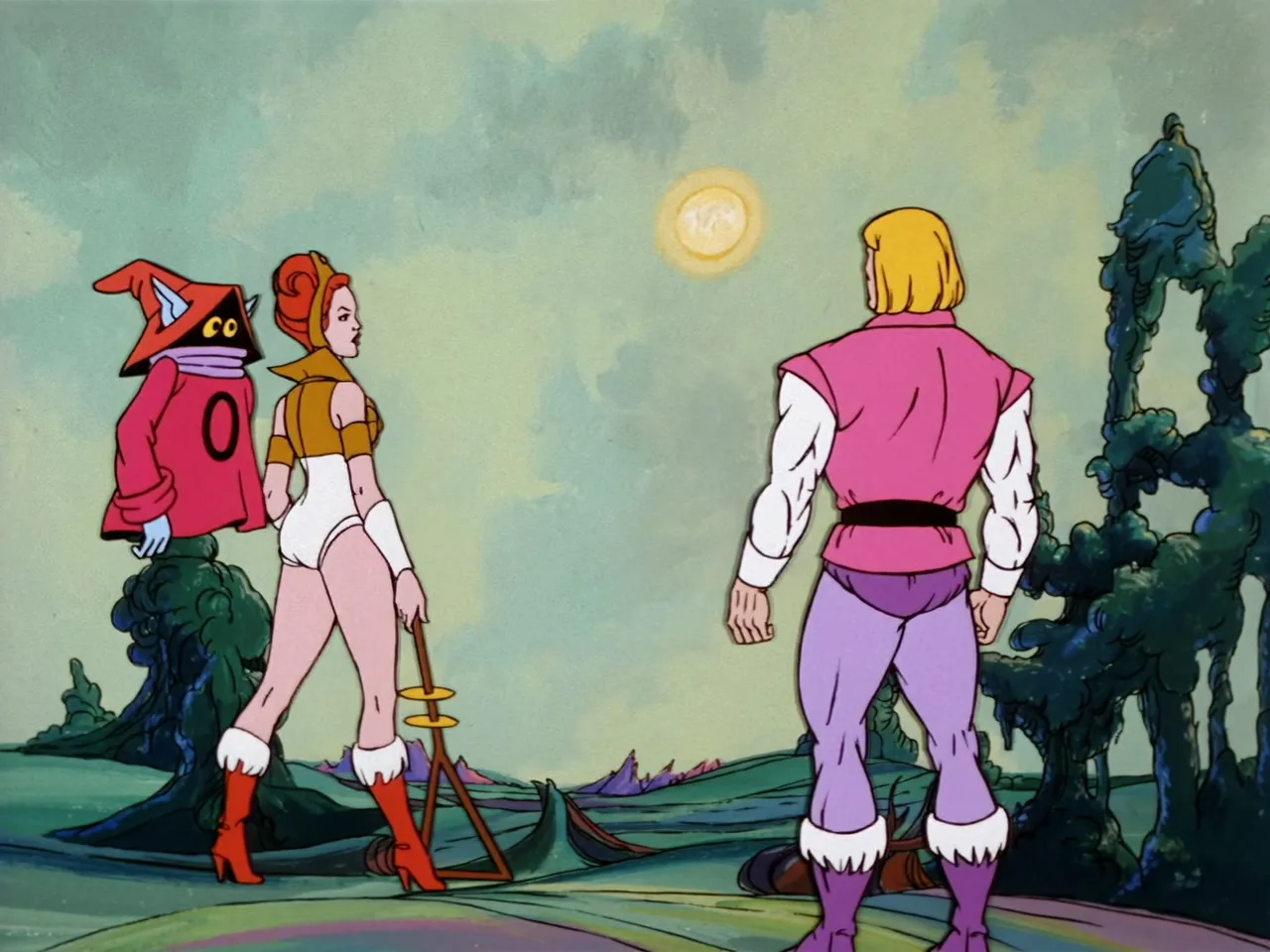
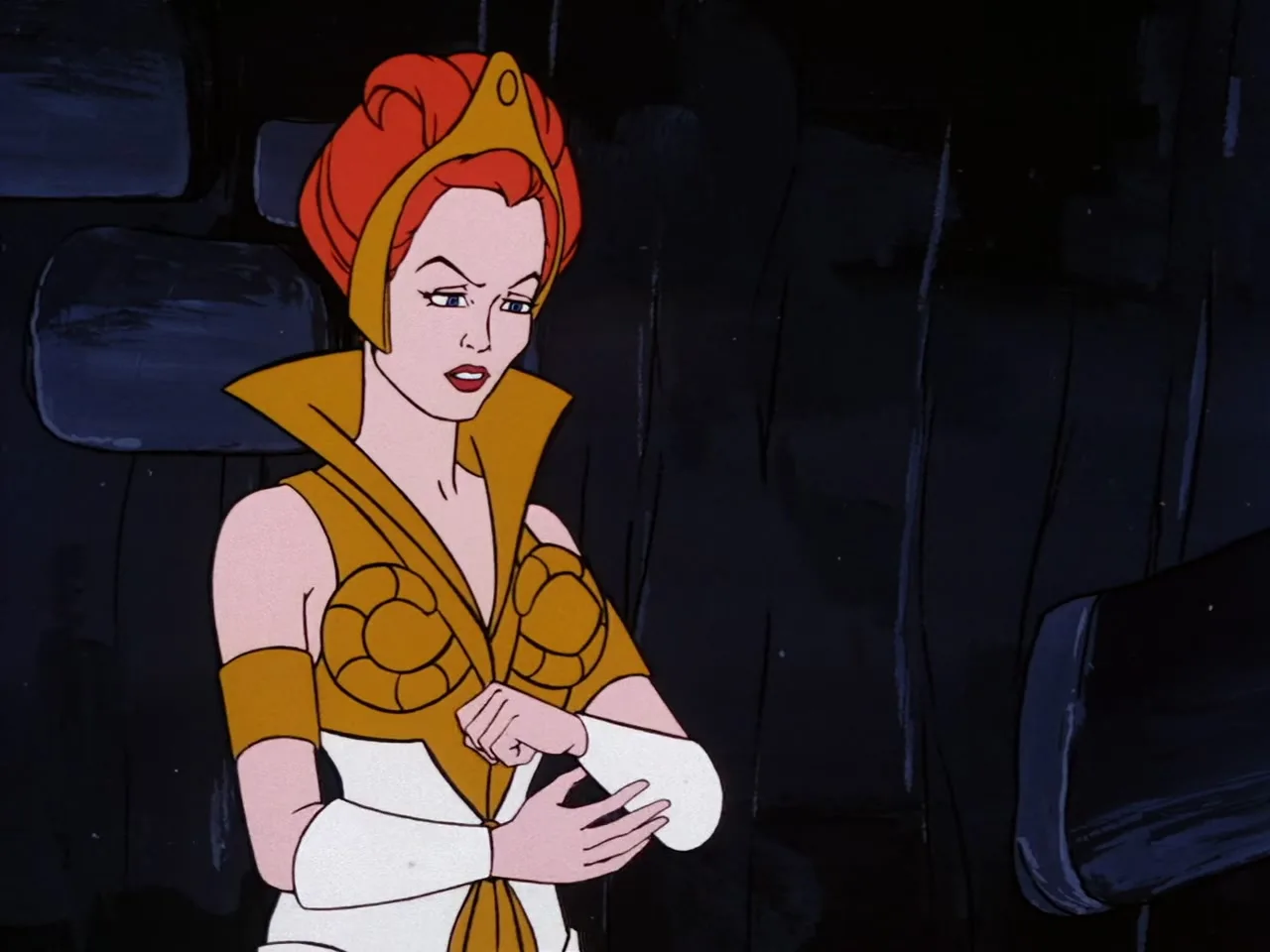
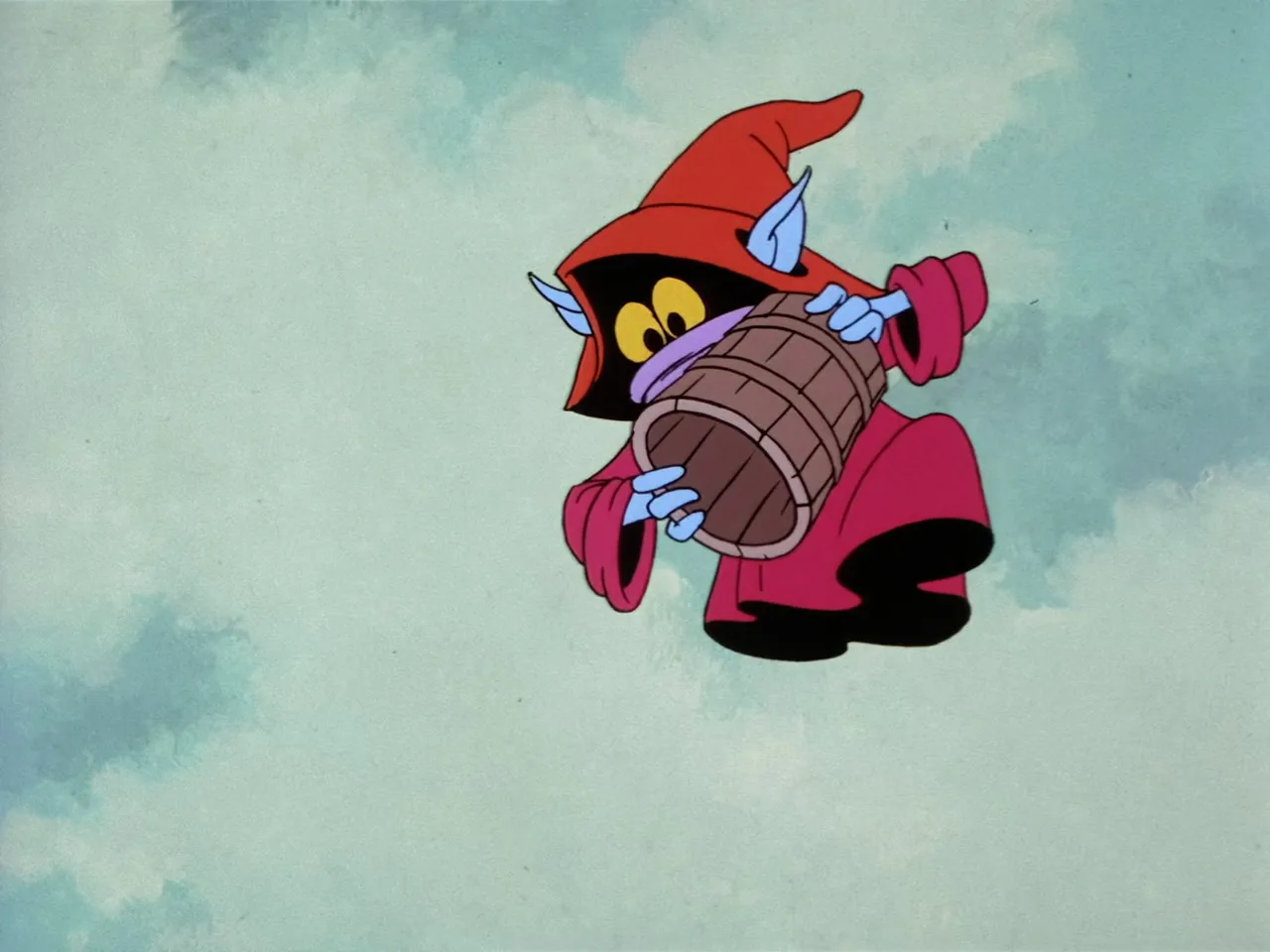
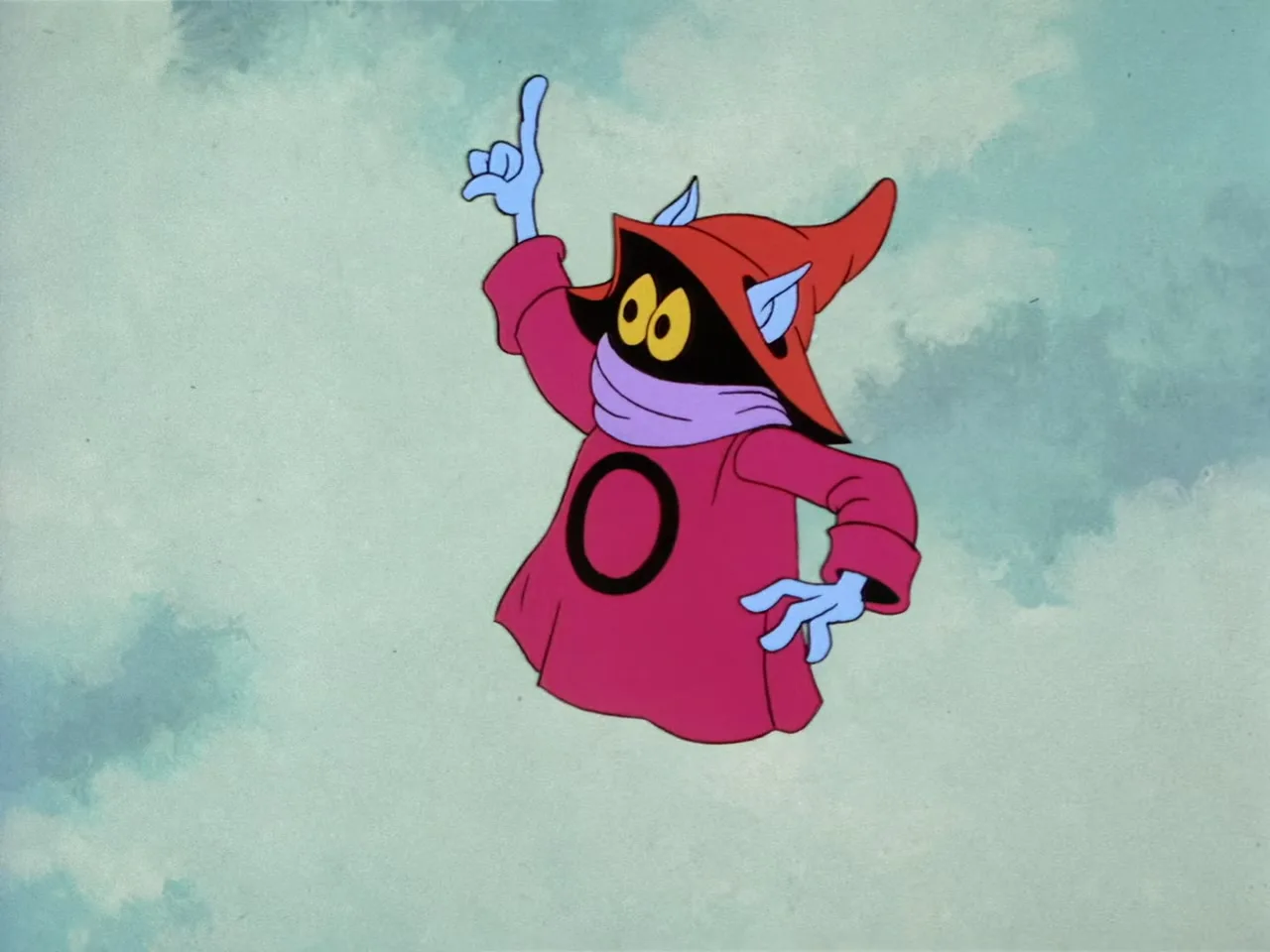
The setup earns its stakes before He-Man even transforms. Teela notices her watch has stopped; Orko notices the clouds haven't moved; a nap Orko tries to sneak in "doesn't count" because no time has passed to take it in. These are small, domestic observations, not alarm bells, and the script lets them accumulate instead of announcing the danger outright. By the time a stranger's cry for help interrupts the scene, the episode has already made its real argument: a world without time isn't a world in crisis so much as a world that has simply stopped being a world. Nothing can grow, finish, or matter.
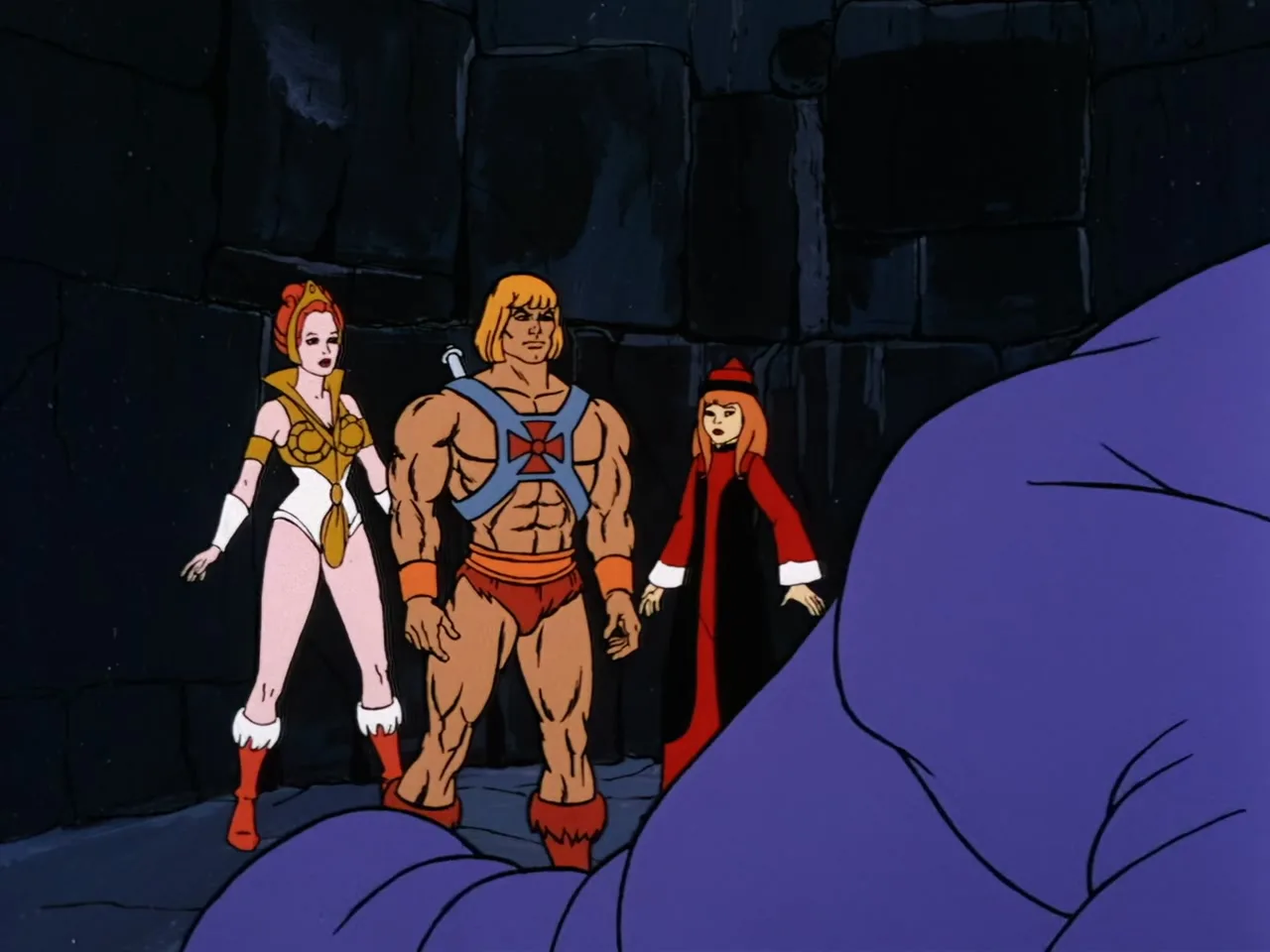
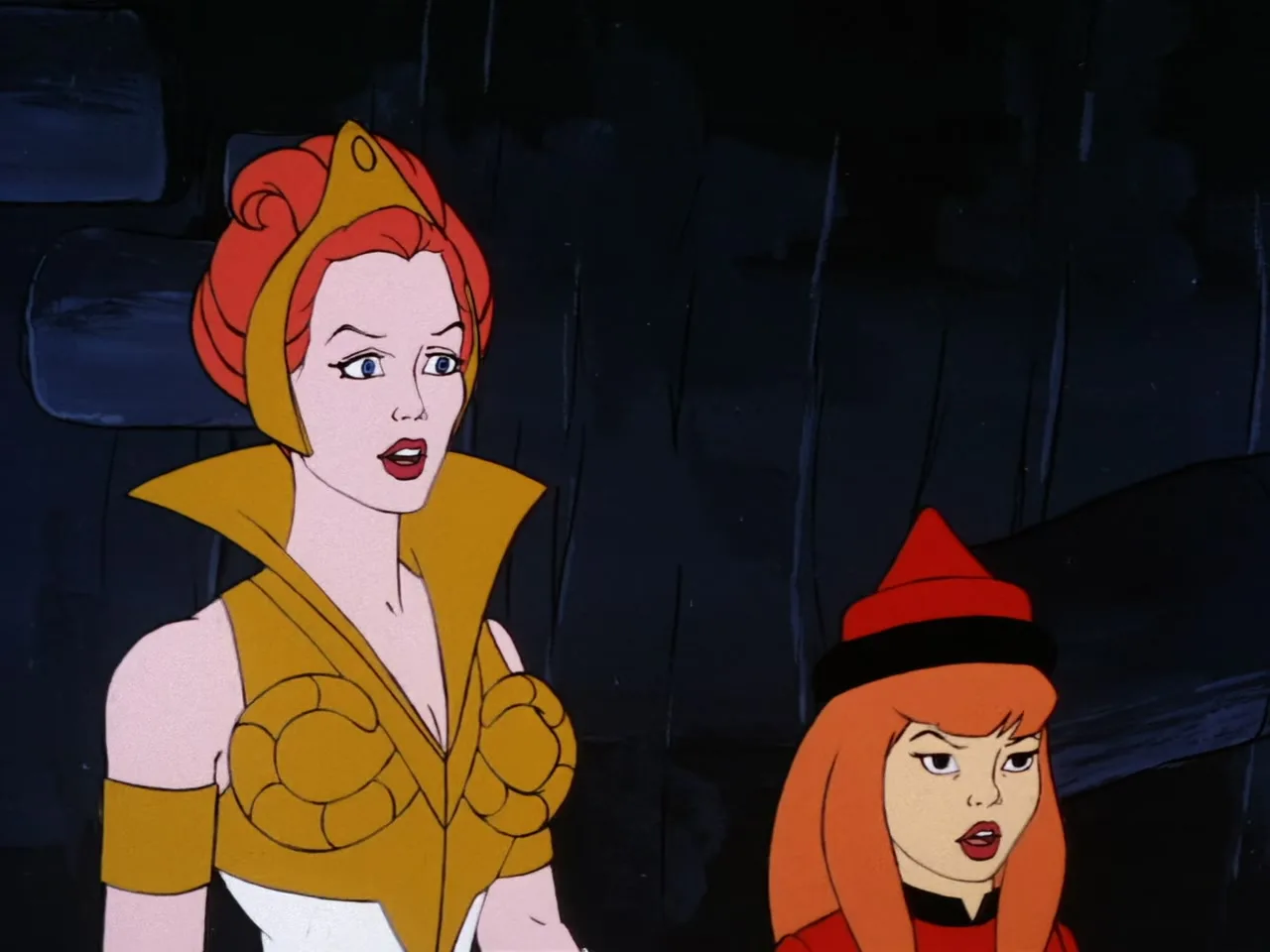
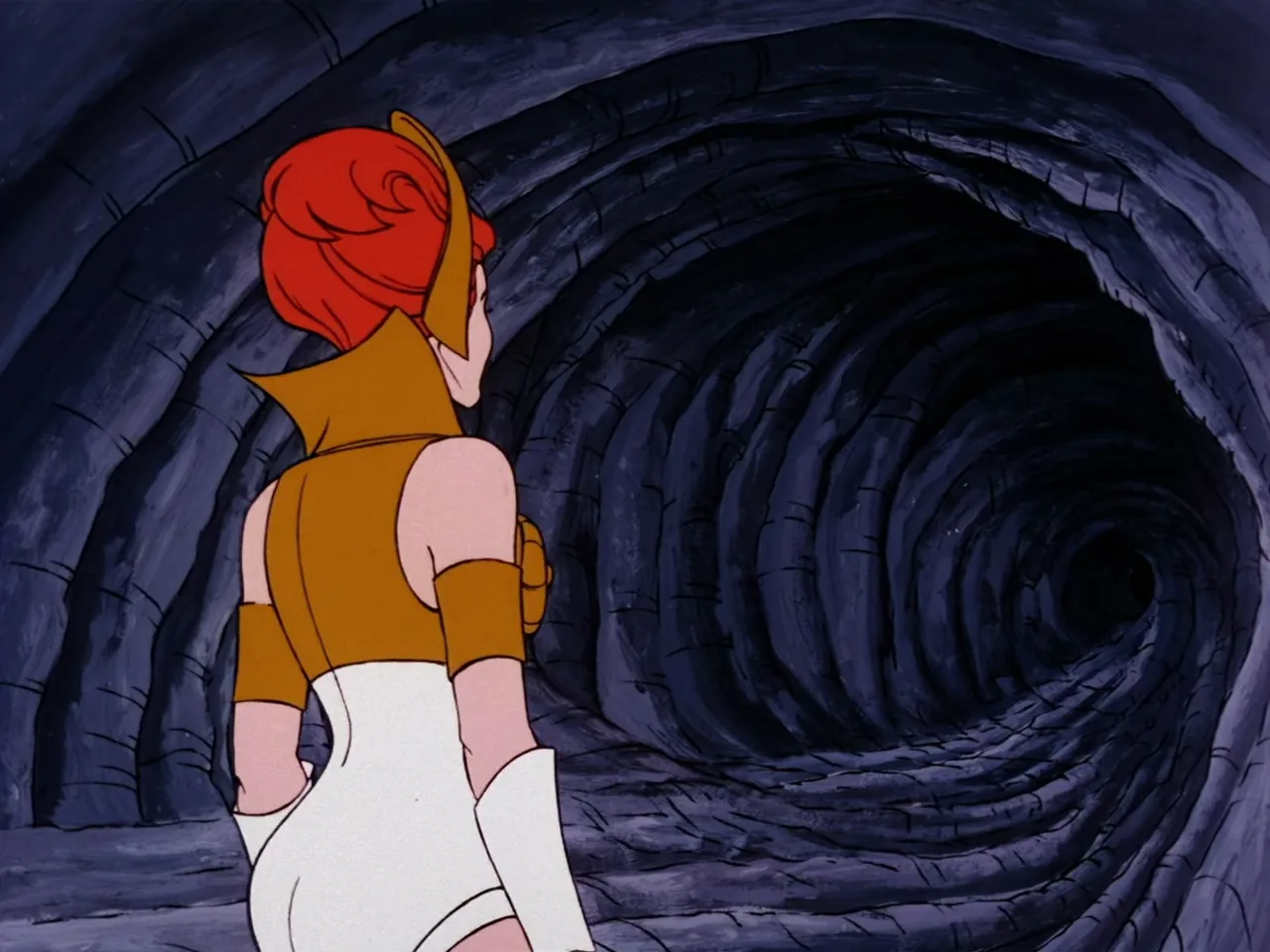
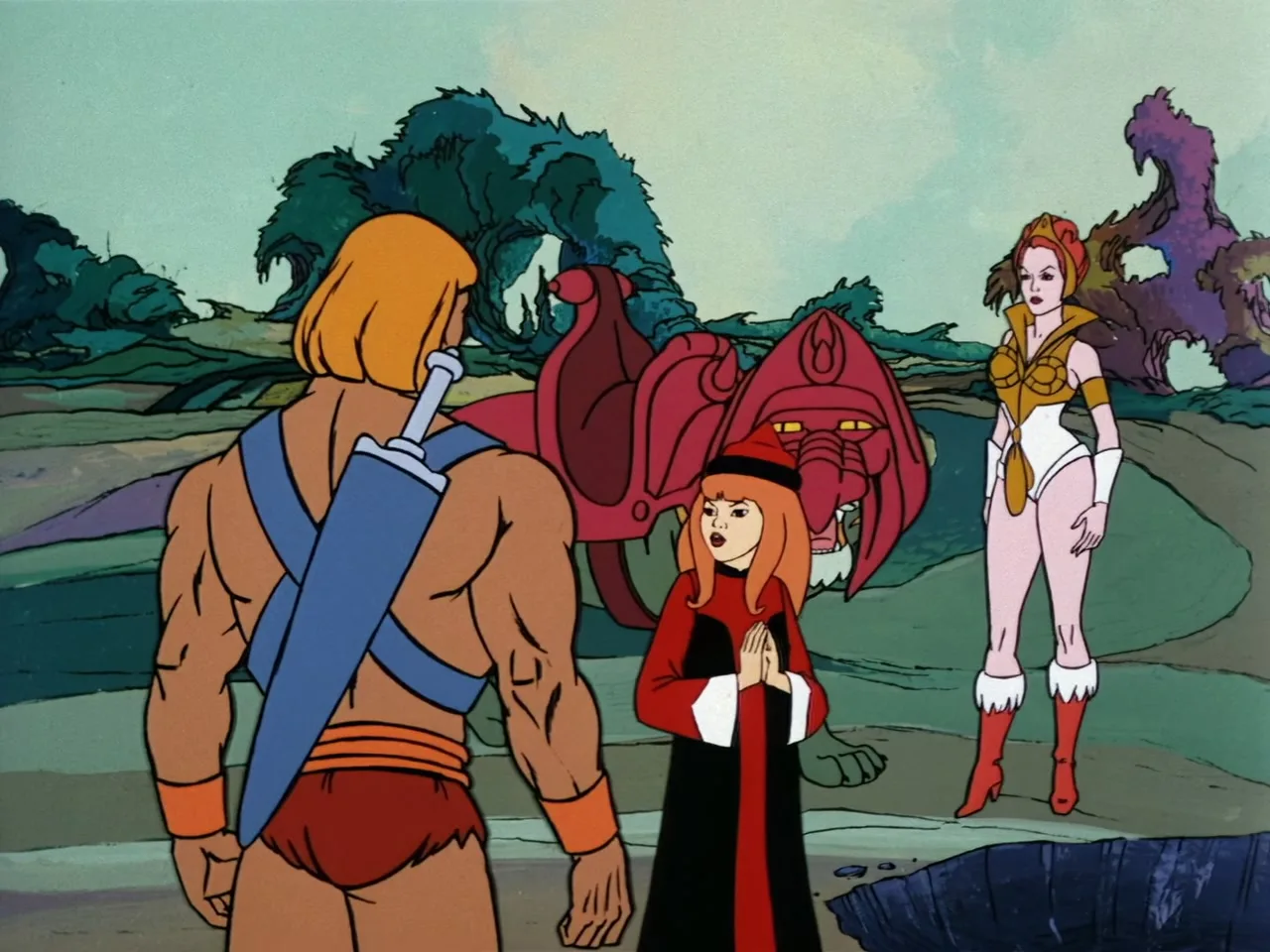
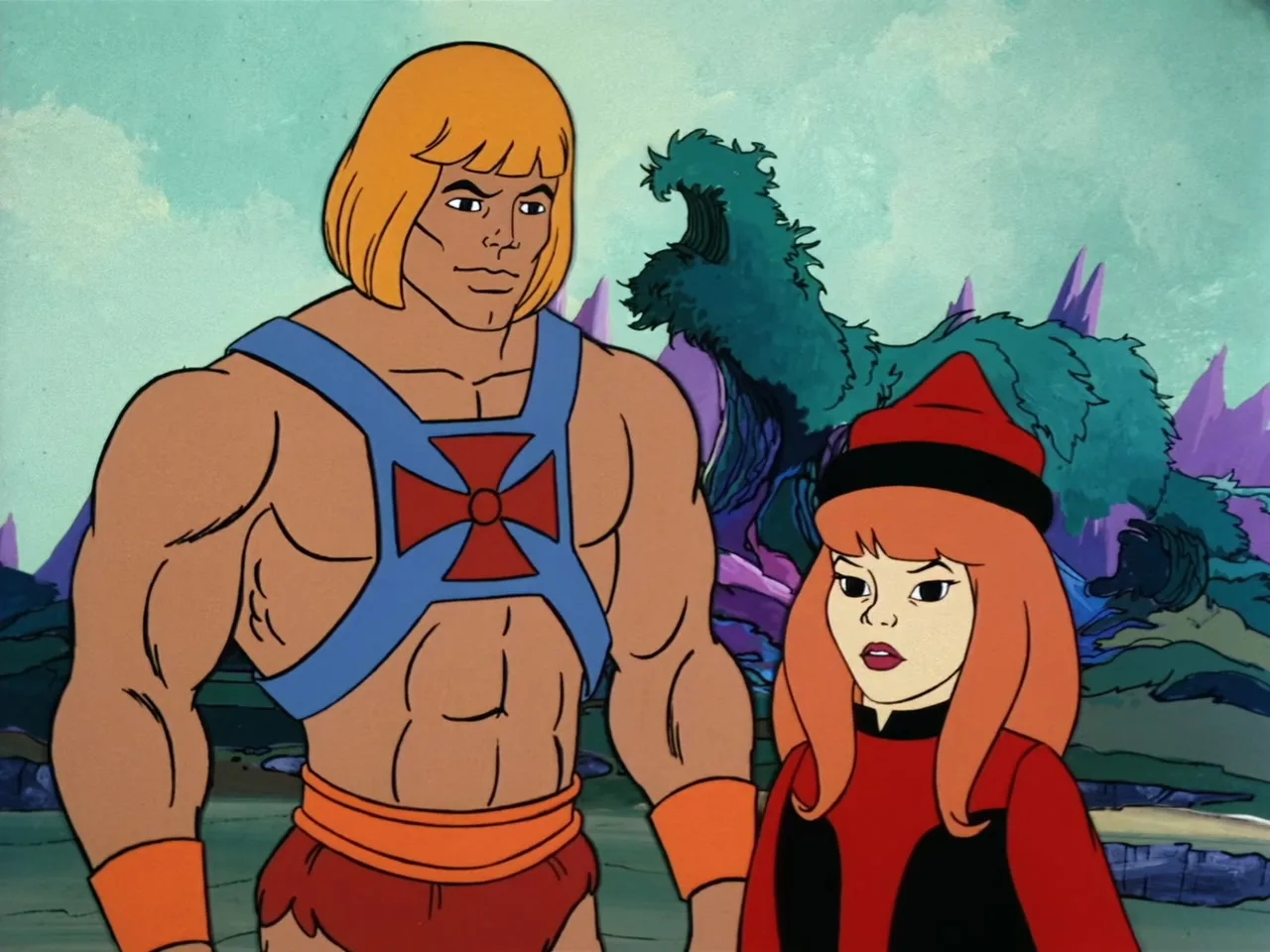
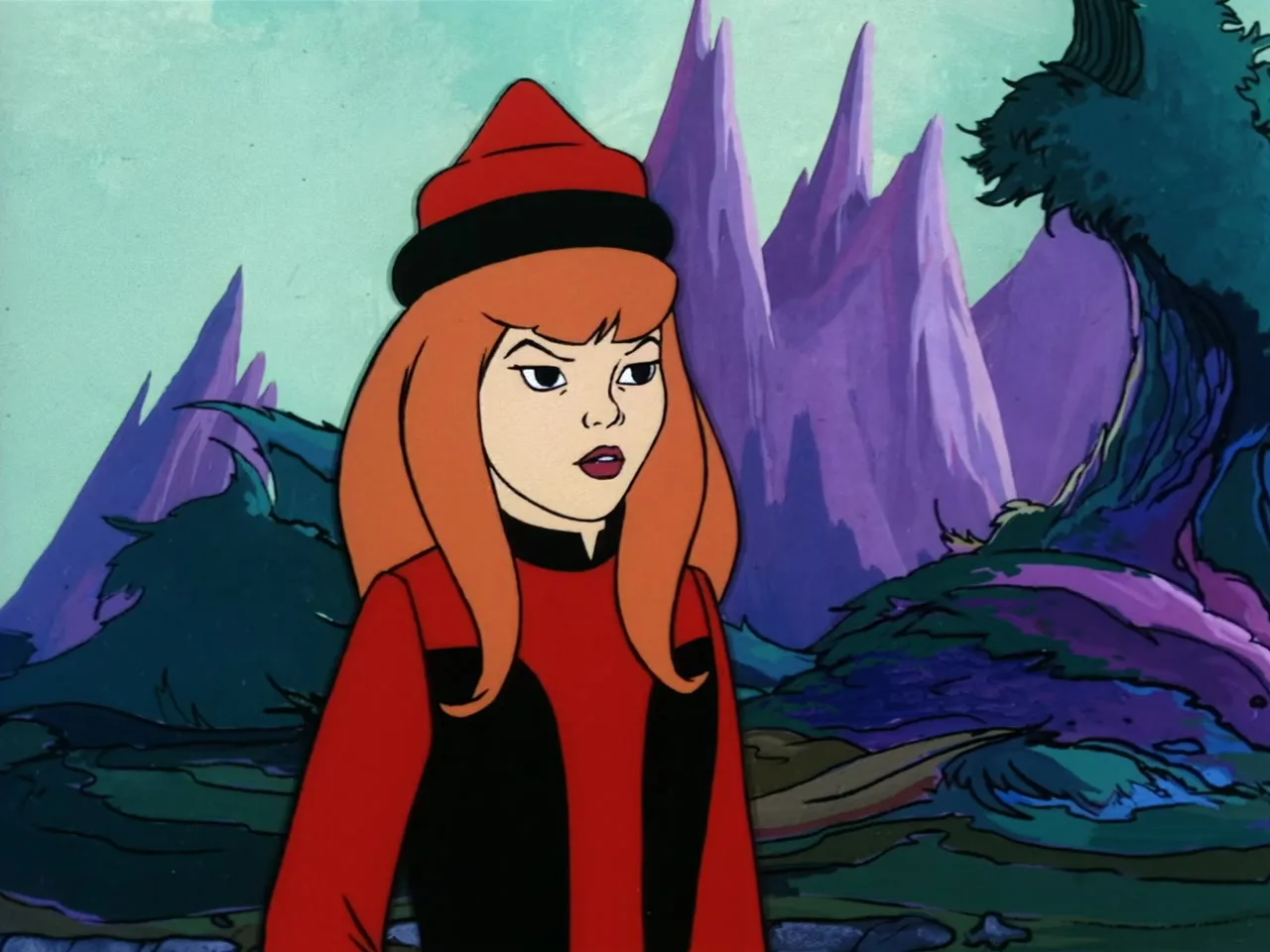
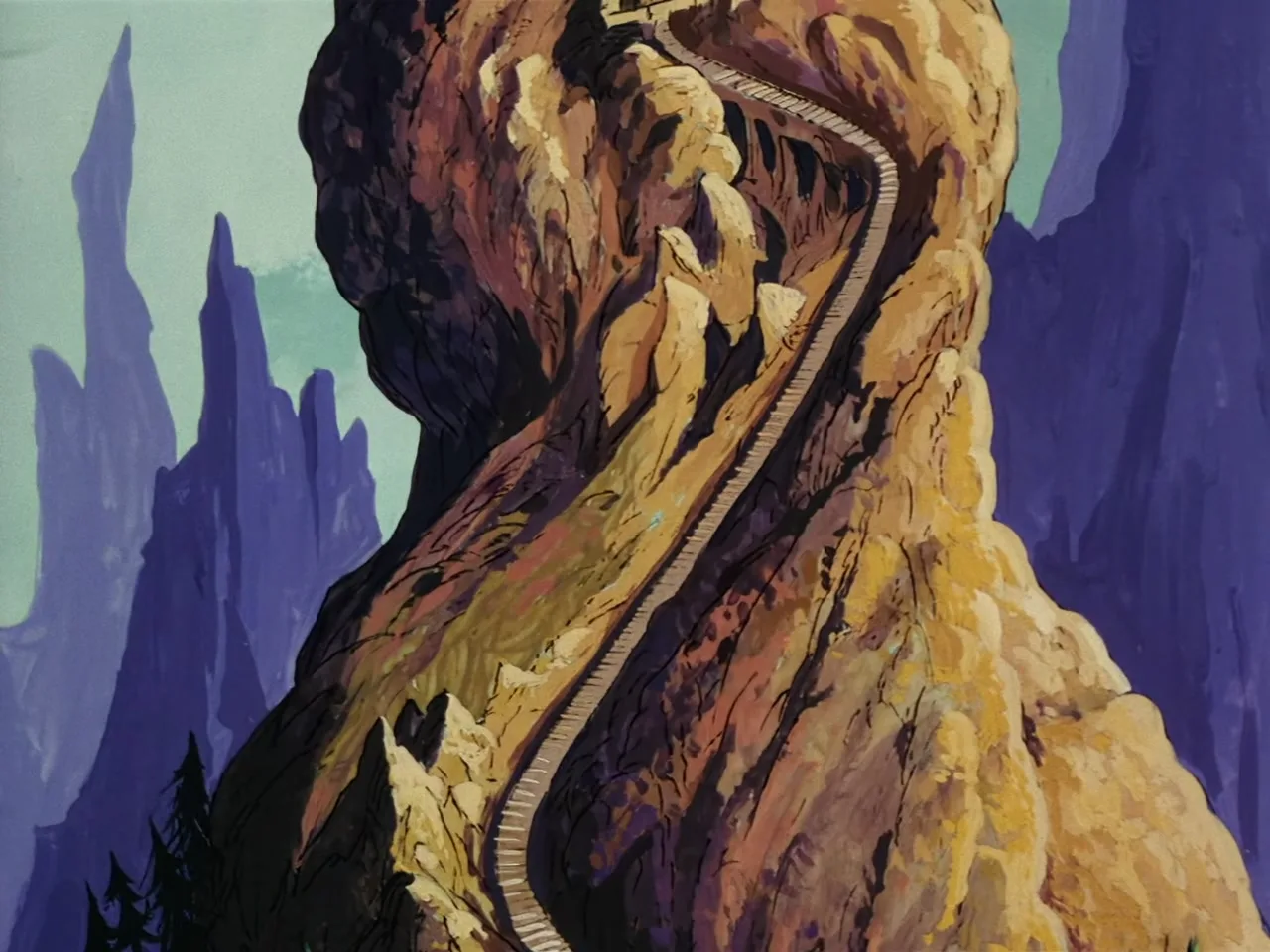
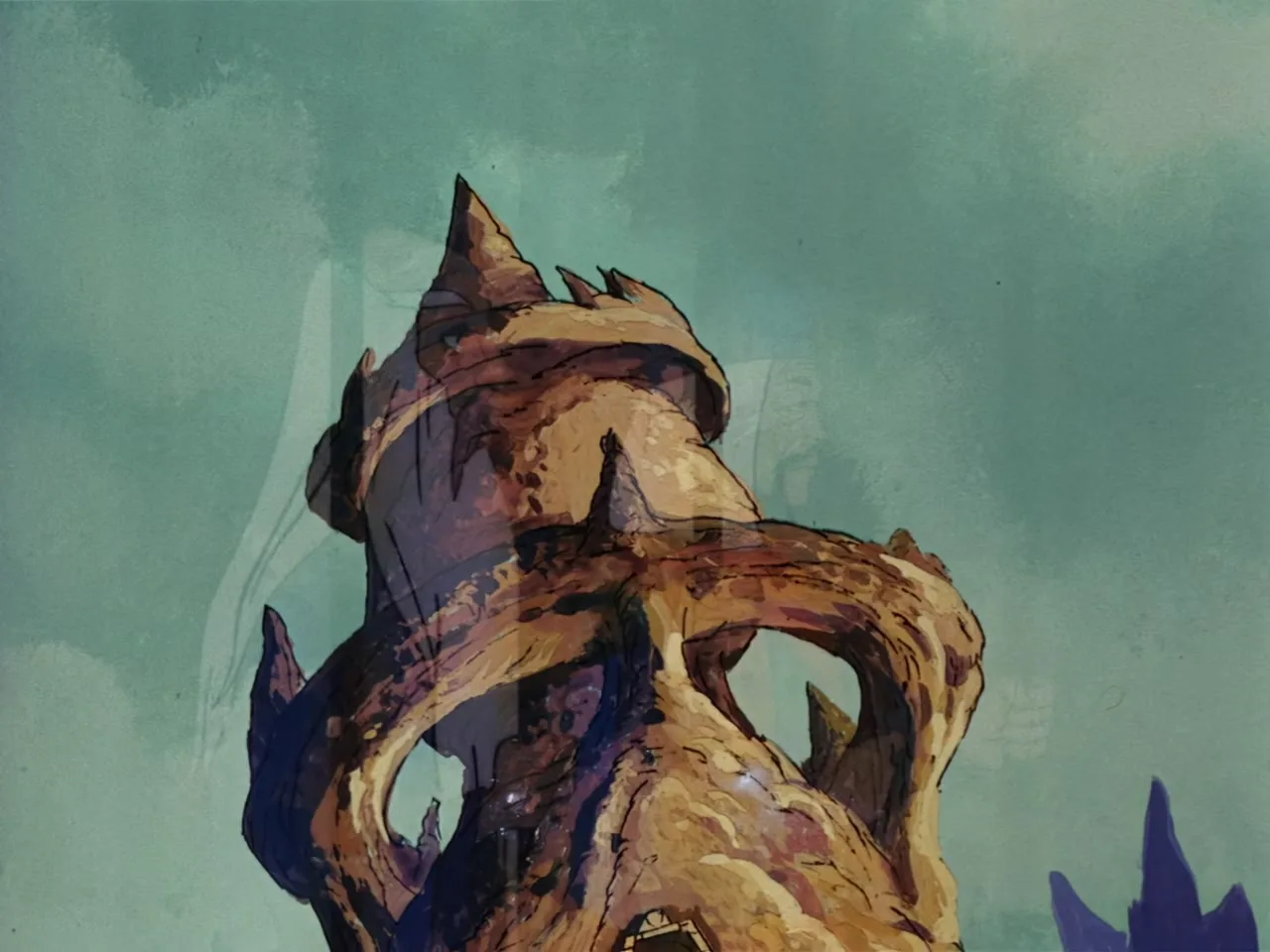
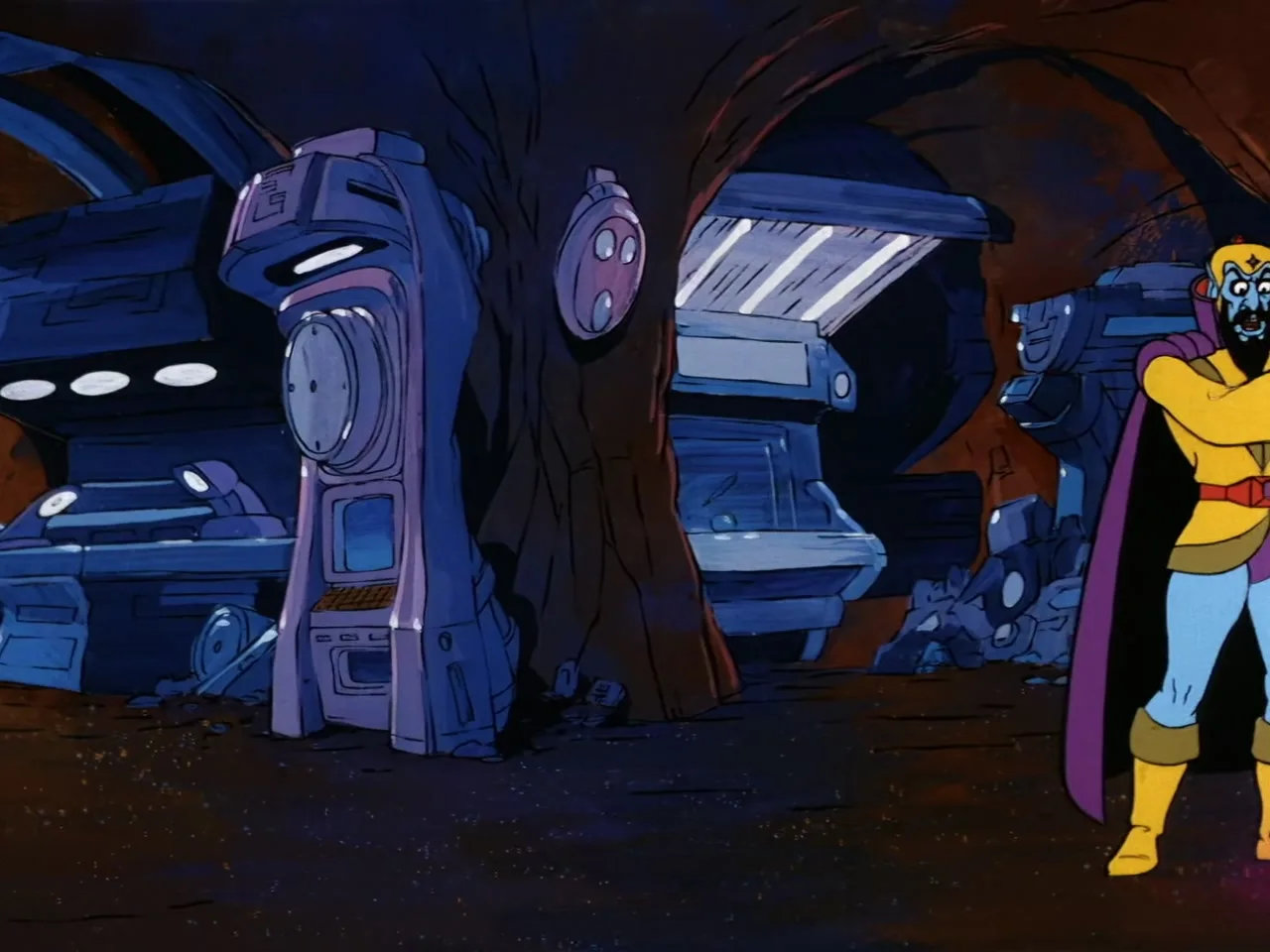
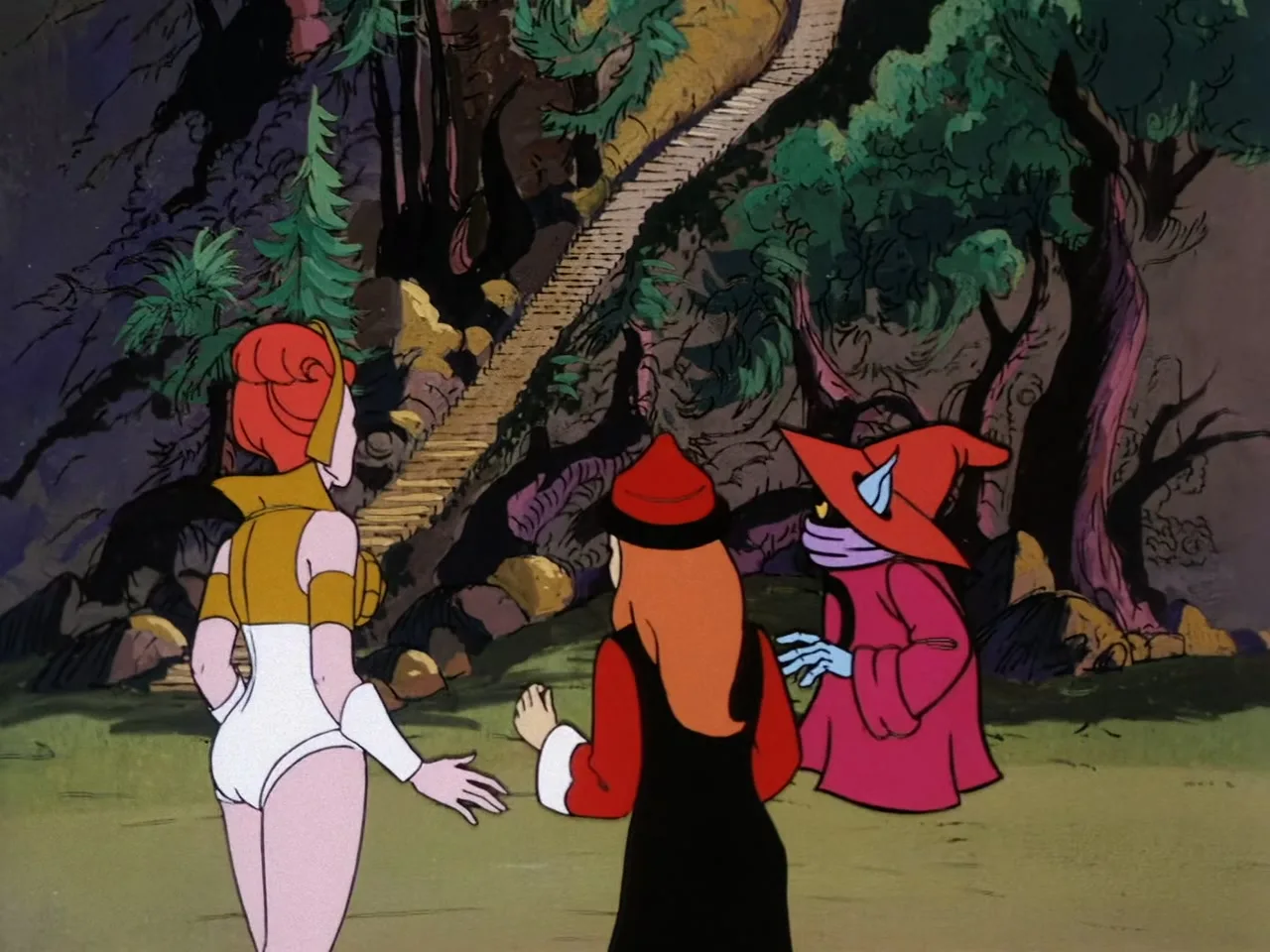
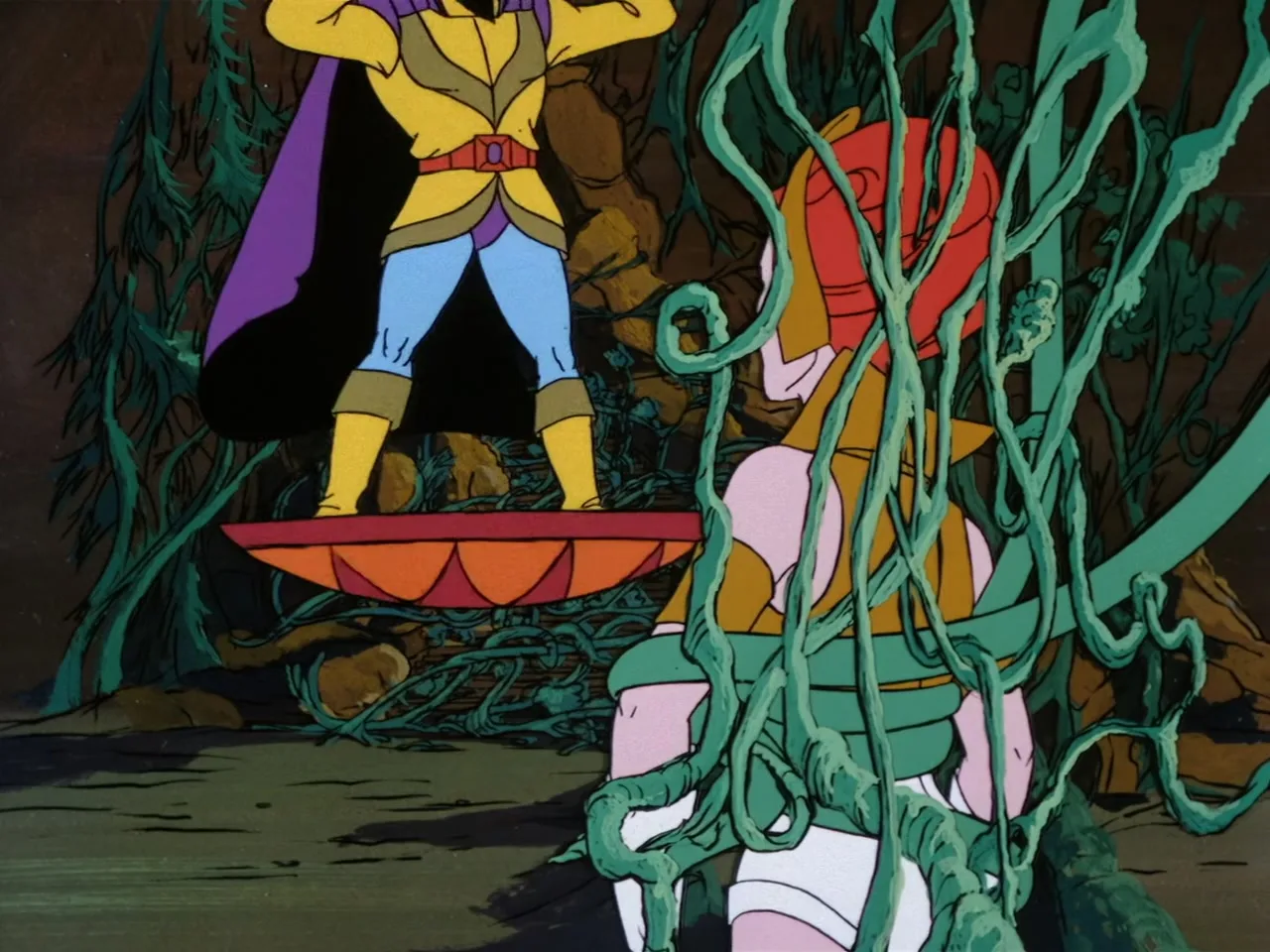
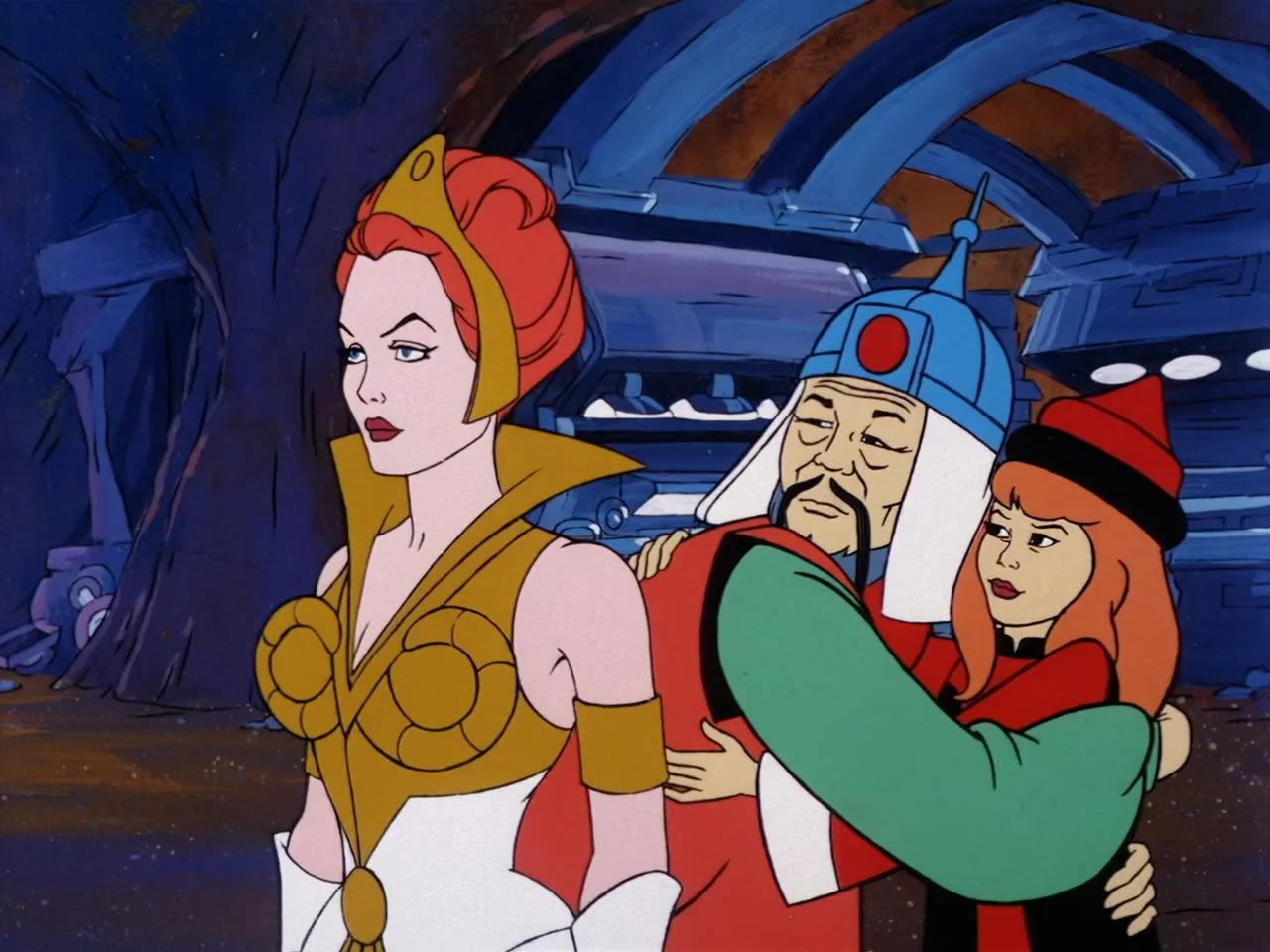
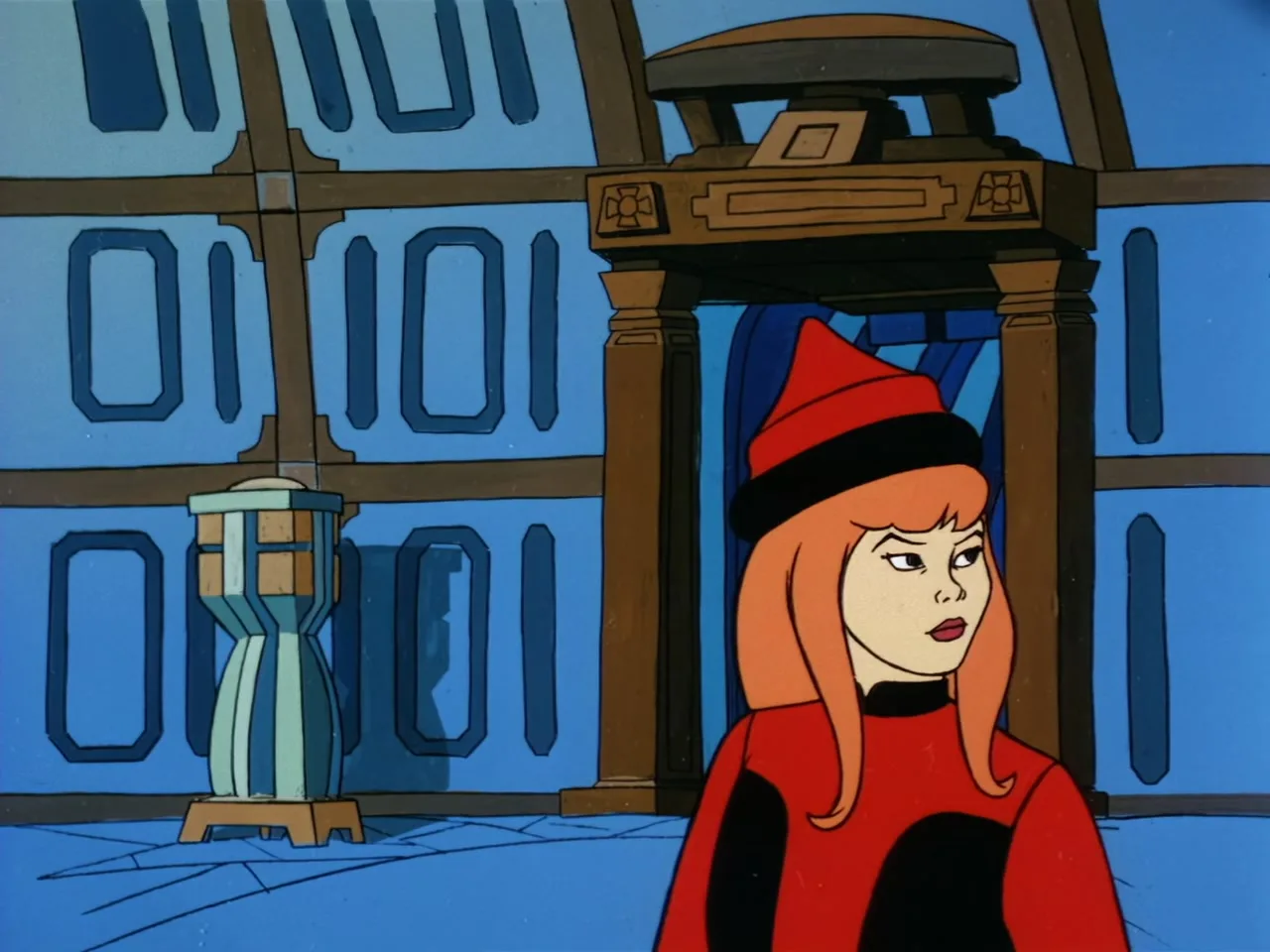
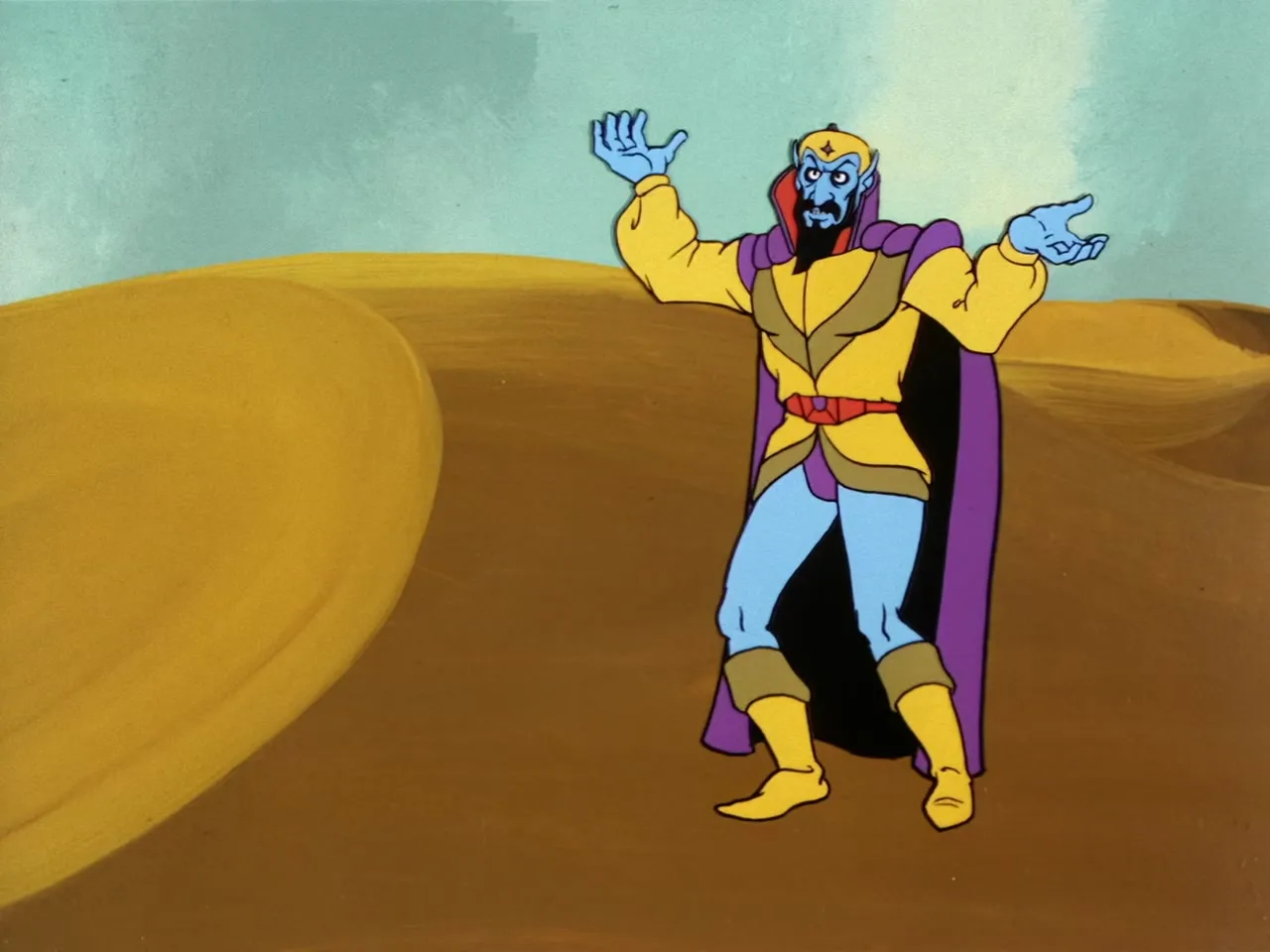
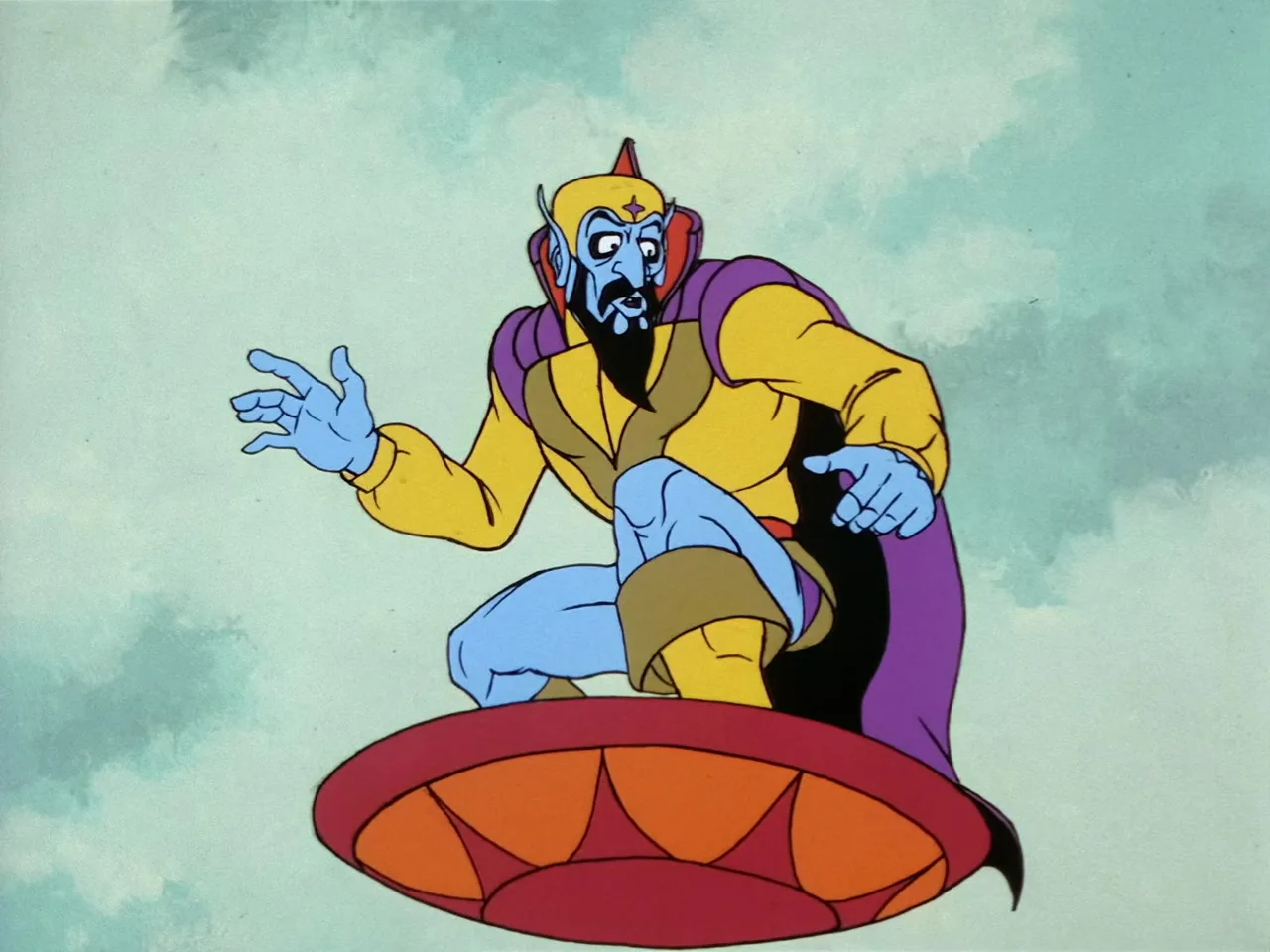
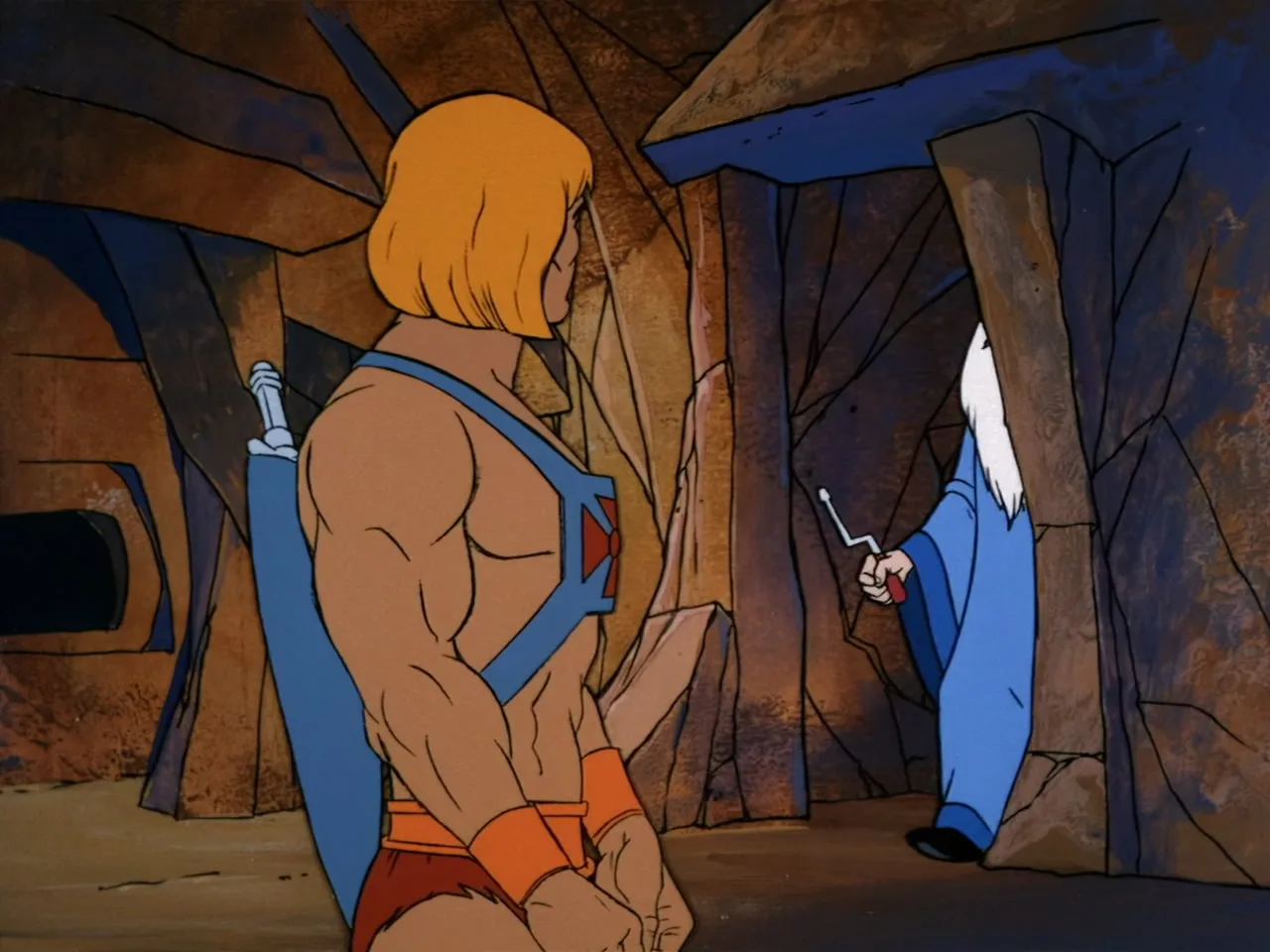
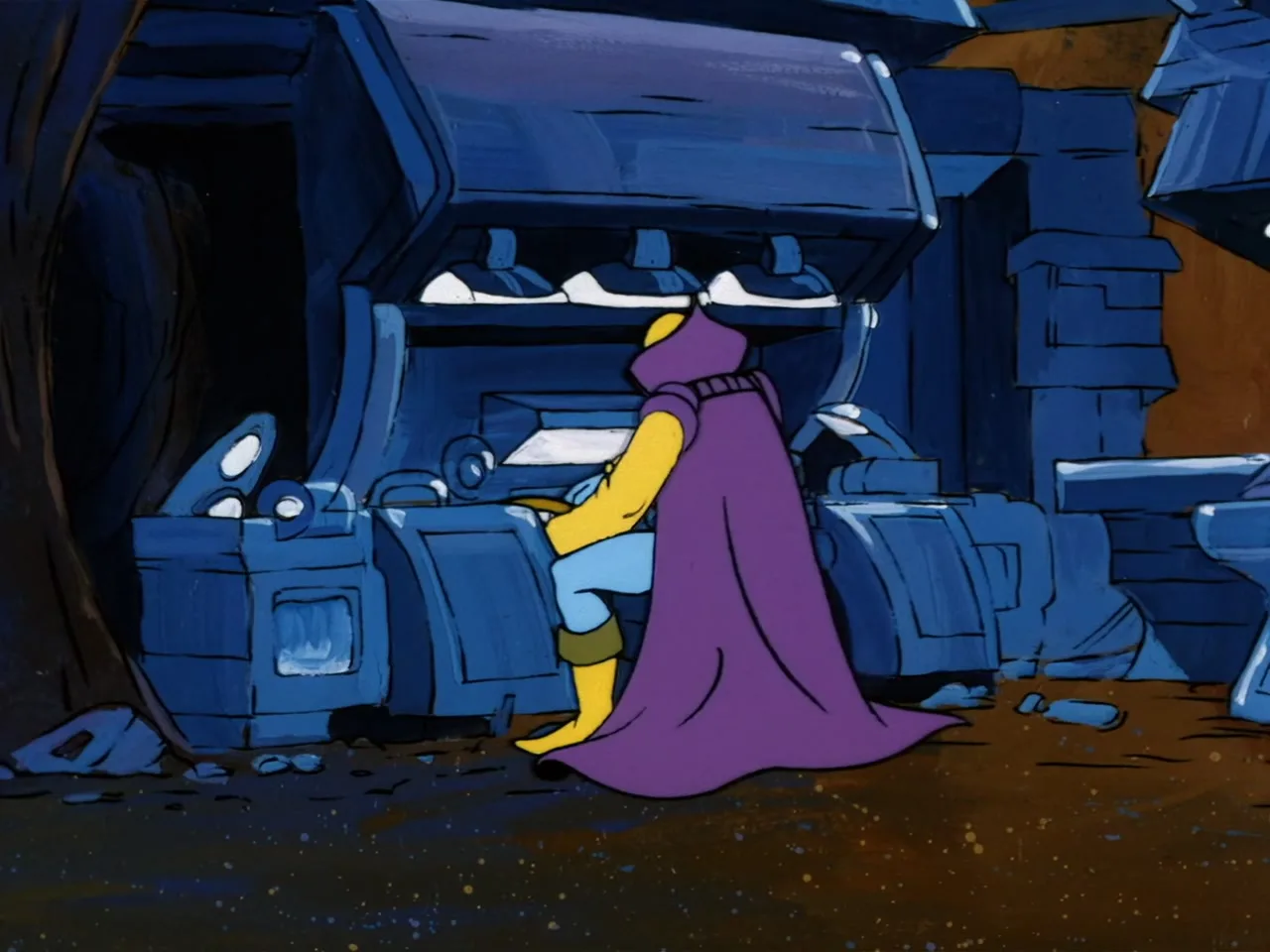
Hexon, the wizard at the center of it, wants exactly that stillness for himself. He has imprisoned the Keeper of Time and Emperor Kathar inside Hourglass Mountain, holding the hourglass that governs Simbar's seasons so he can crown himself in Kathar's place. What's worth noticing is how little violence it takes him to do it; he doesn't conquer the Keeper of Time's post, he simply locks the door and waits, because waiting is the one weapon time's enemy can use without limit. Princess Kathay's arrival, pleading for help rescuing her father, turns Hexon's patience into something He-Man has to answer in kind: finding the door, forcing it, working through the mountain's defenses one obstacle at a time instead of smashing through in a single blow.
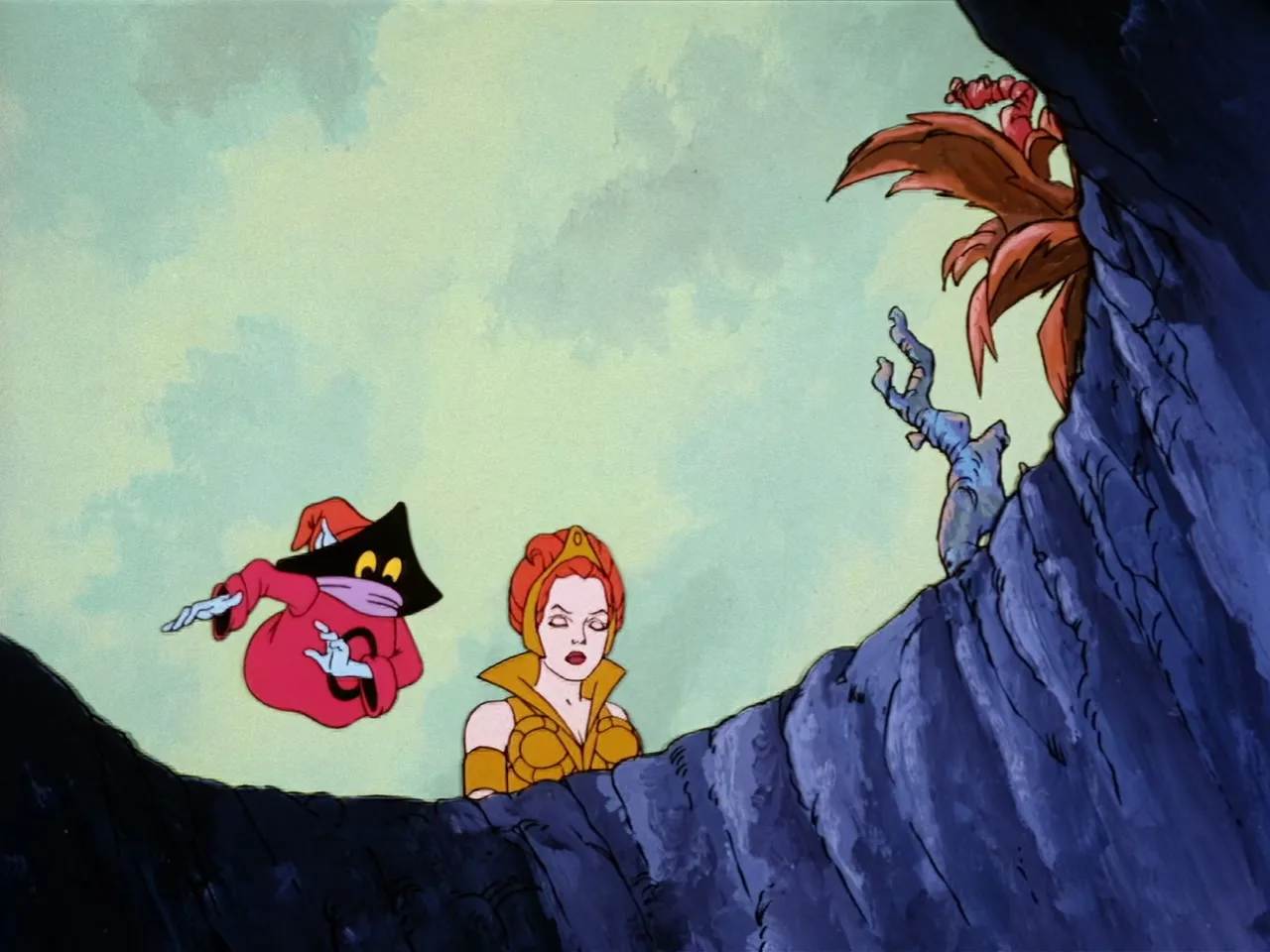
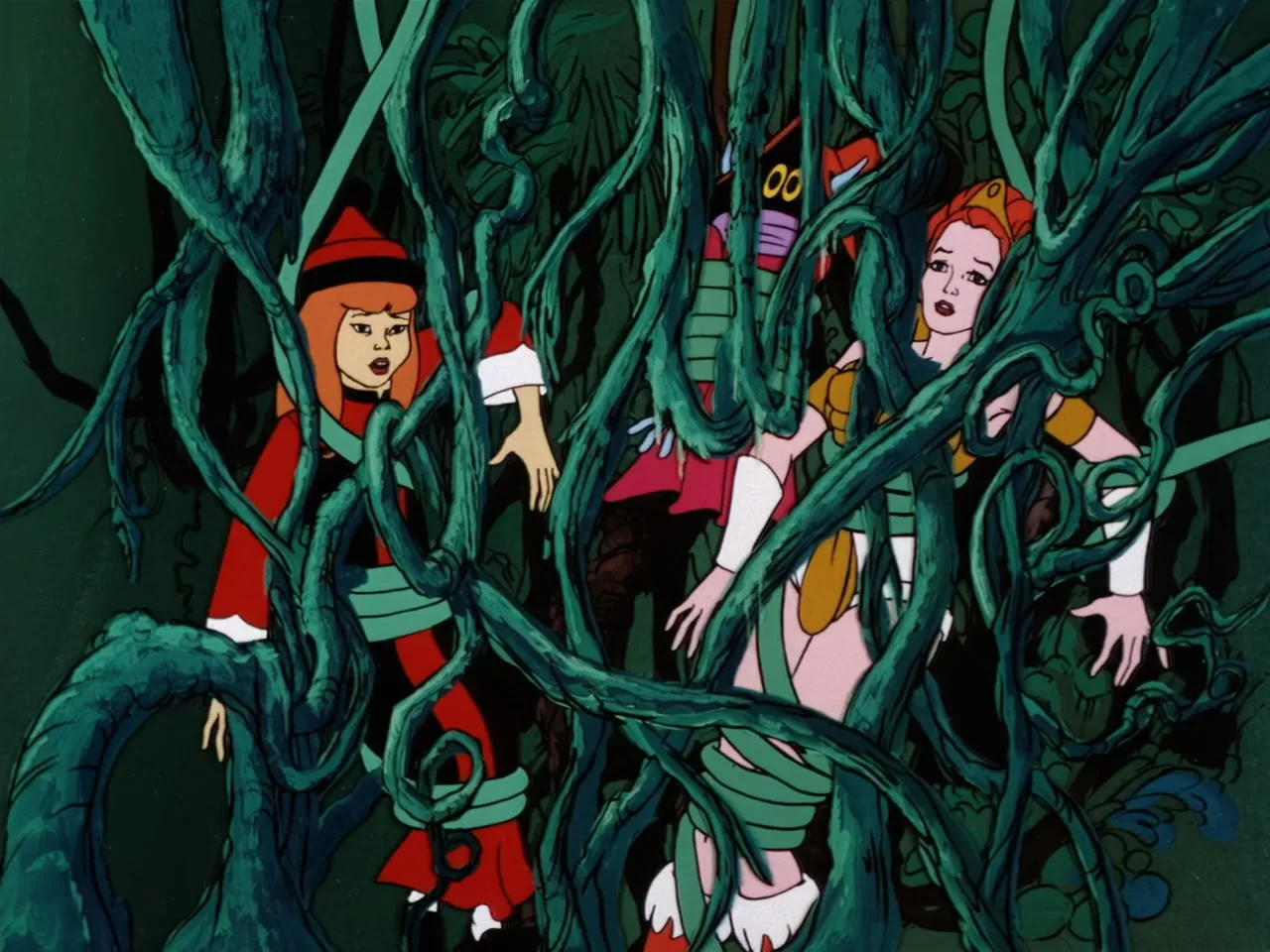
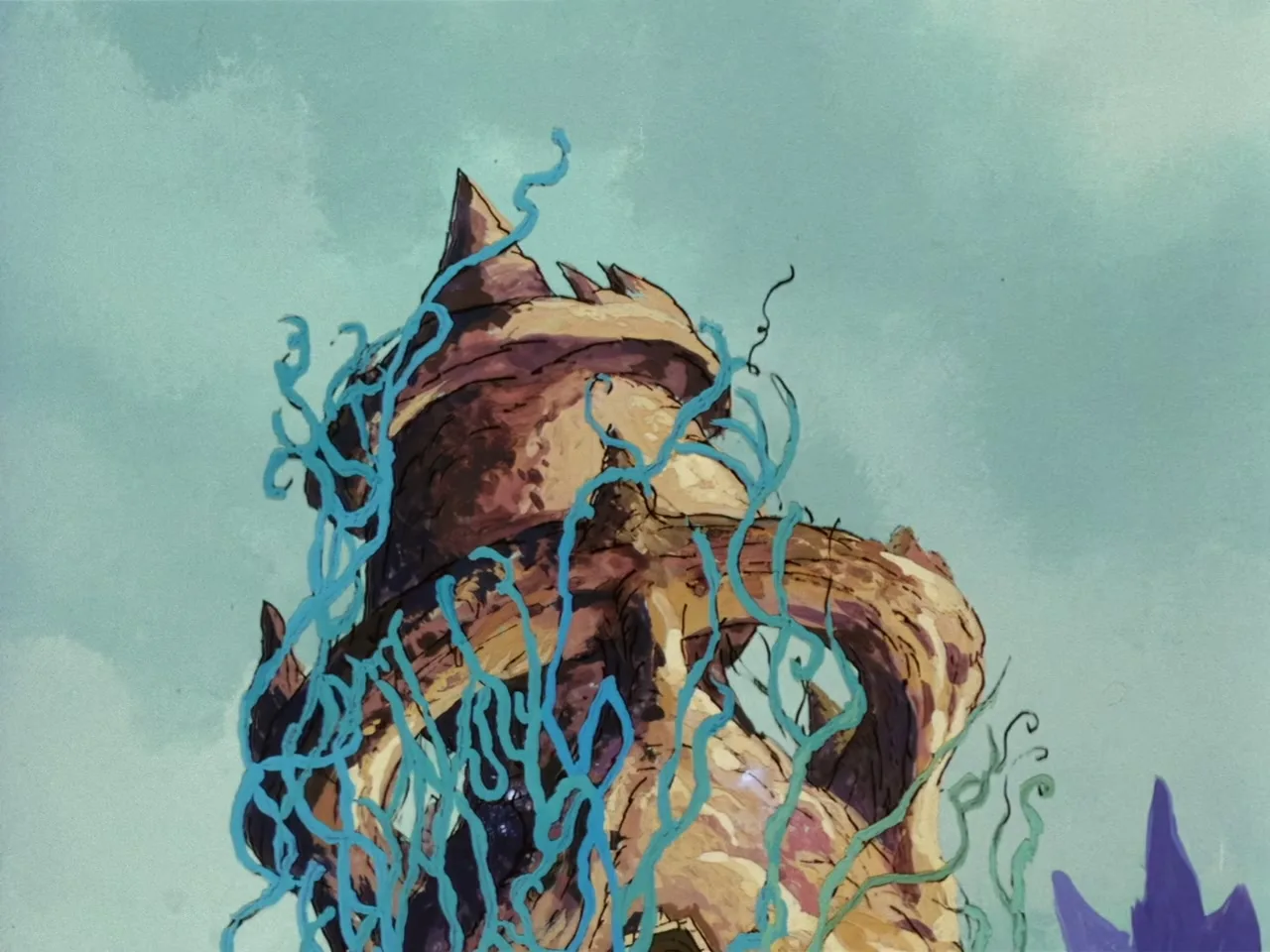
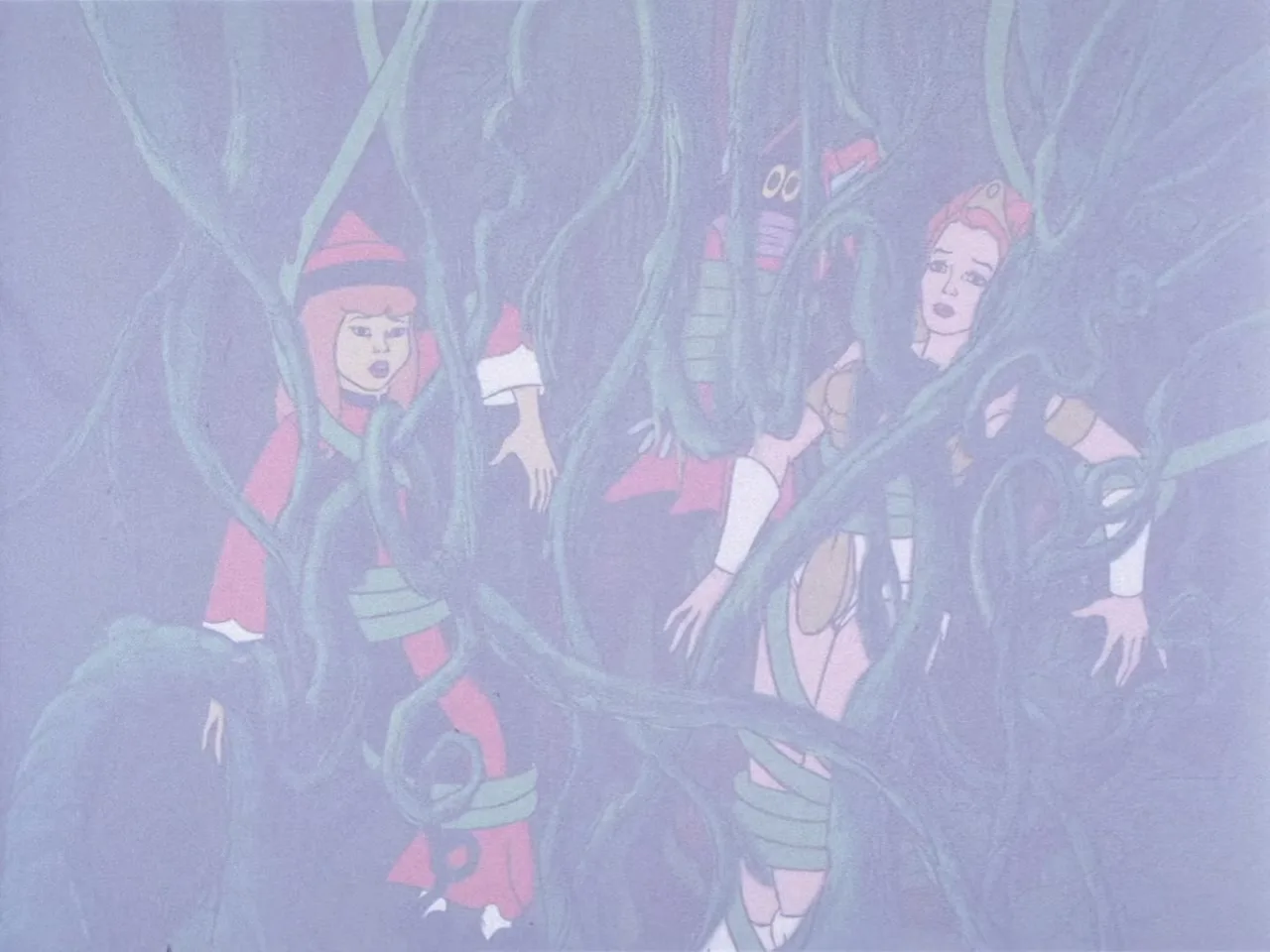
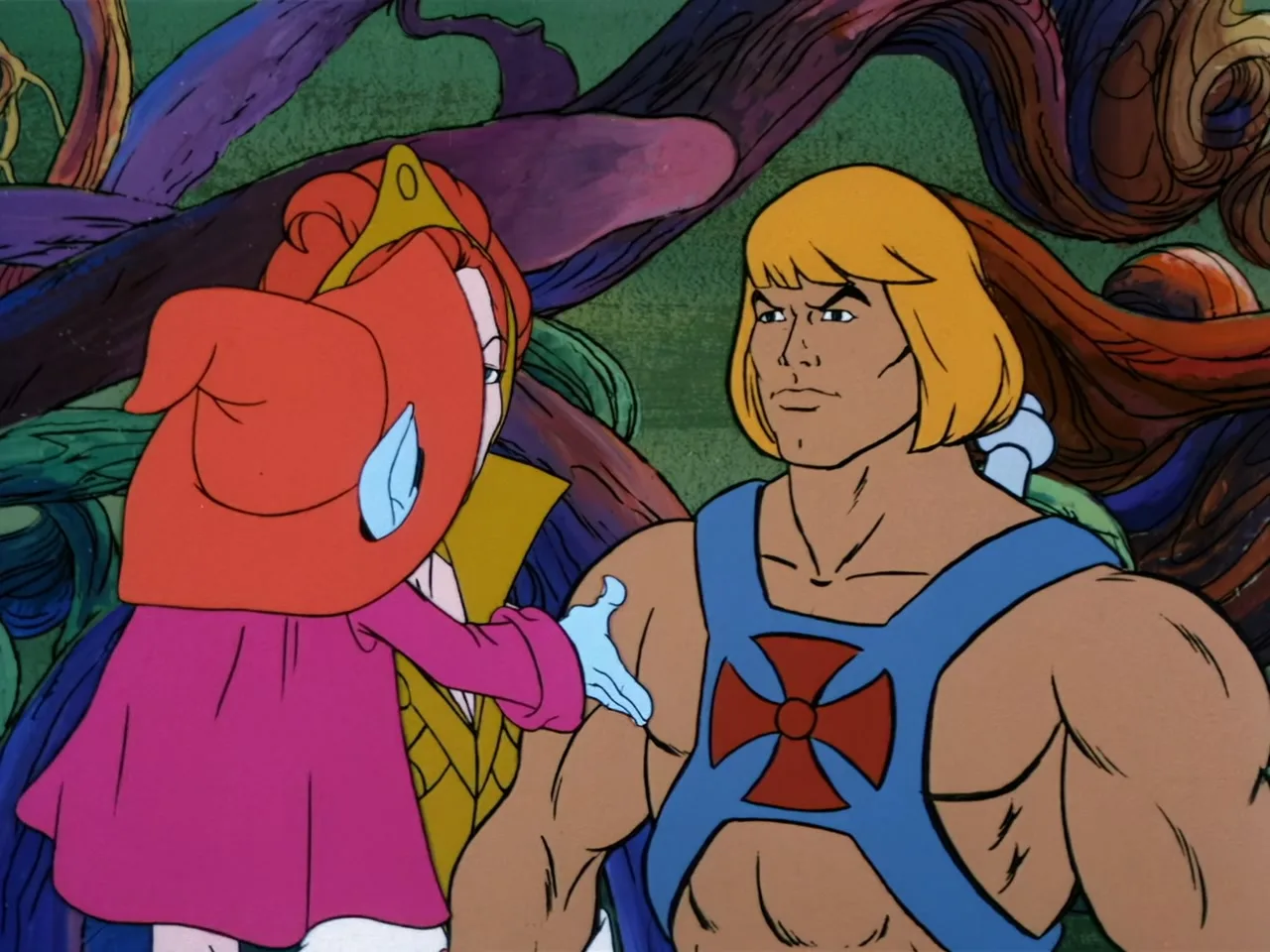
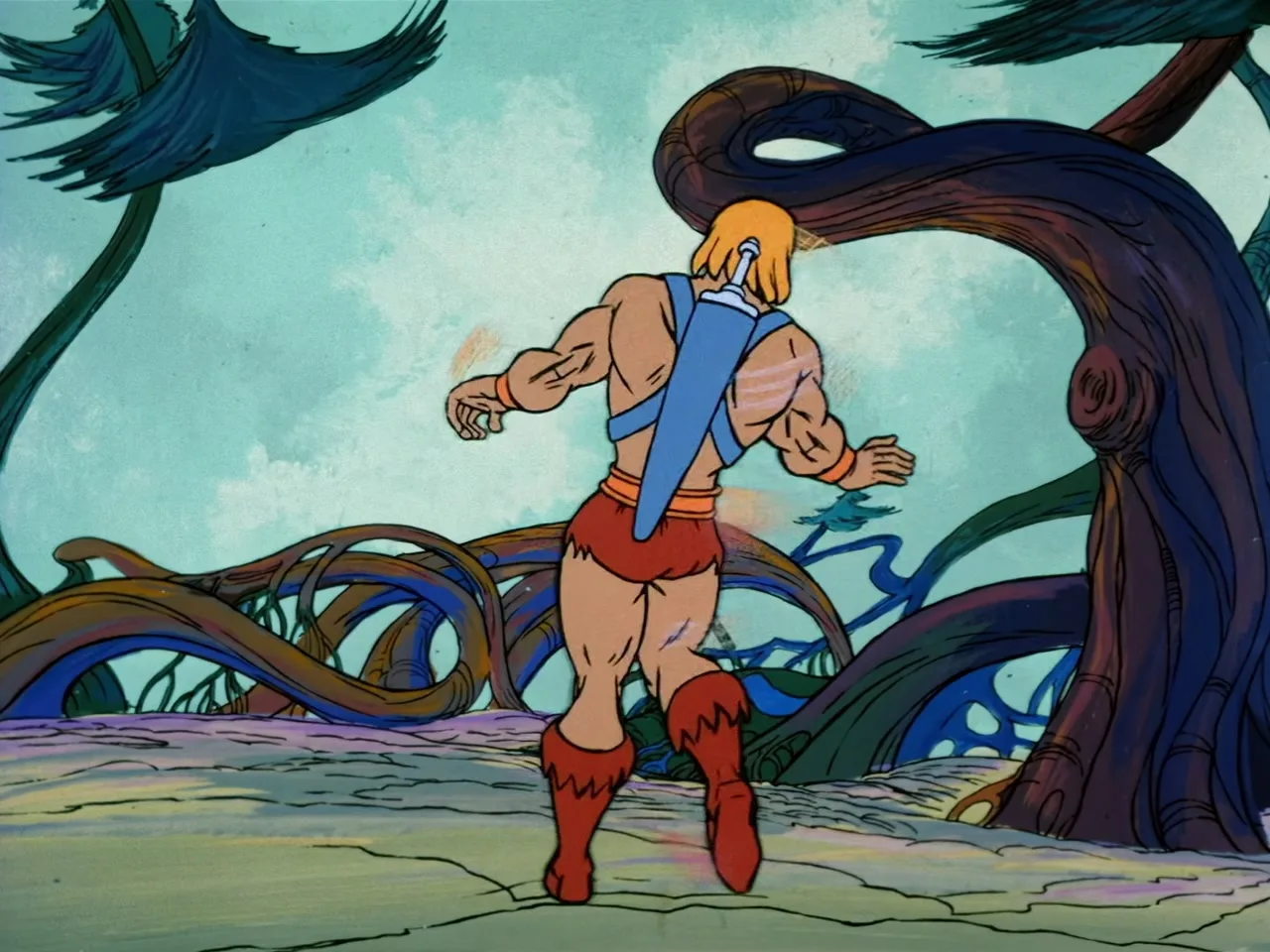
Those defenses are where we get the episode's best material. A living wall of root-vines seizes Kathay and Teela outside the mountain entrance, and the animation gives the vines a slow, deliberate menace that suits the theme better than a conventional monster would. They don't strike. They simply close in, patient the way their master is patient, and He-Man tearing a path through them is the most satisfying physical sequence in the episode, muscle set directly against something that has nothing but time on its side. The electrical giant Hexon raises against him in the swamp is a weaker scene by comparison, a standard-issue obstacle dropped in mostly to fill a few minutes before the mountain itself becomes the real opponent. It's the one stretch where the episode's patience runs thinner than its theme deserves.
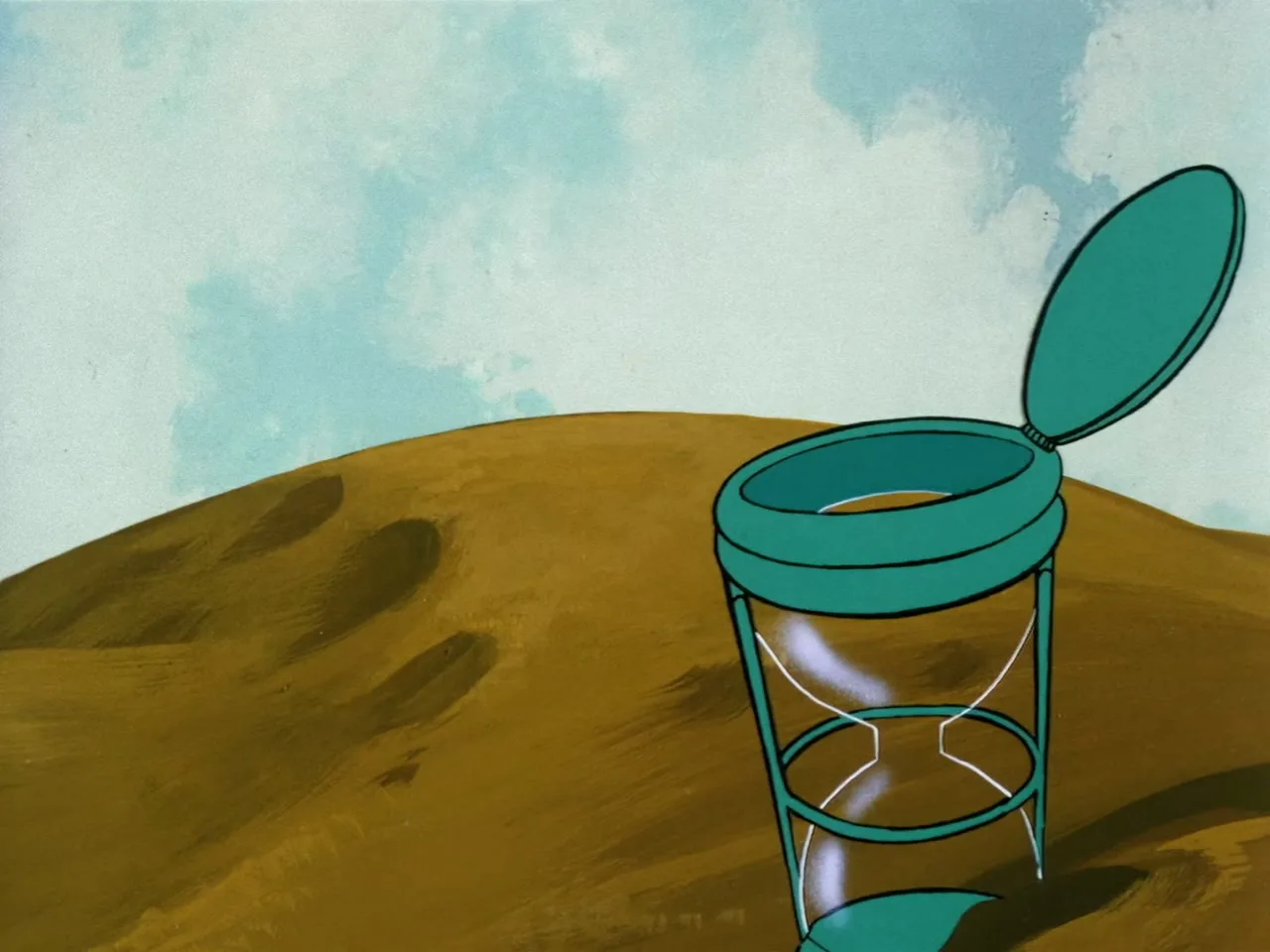
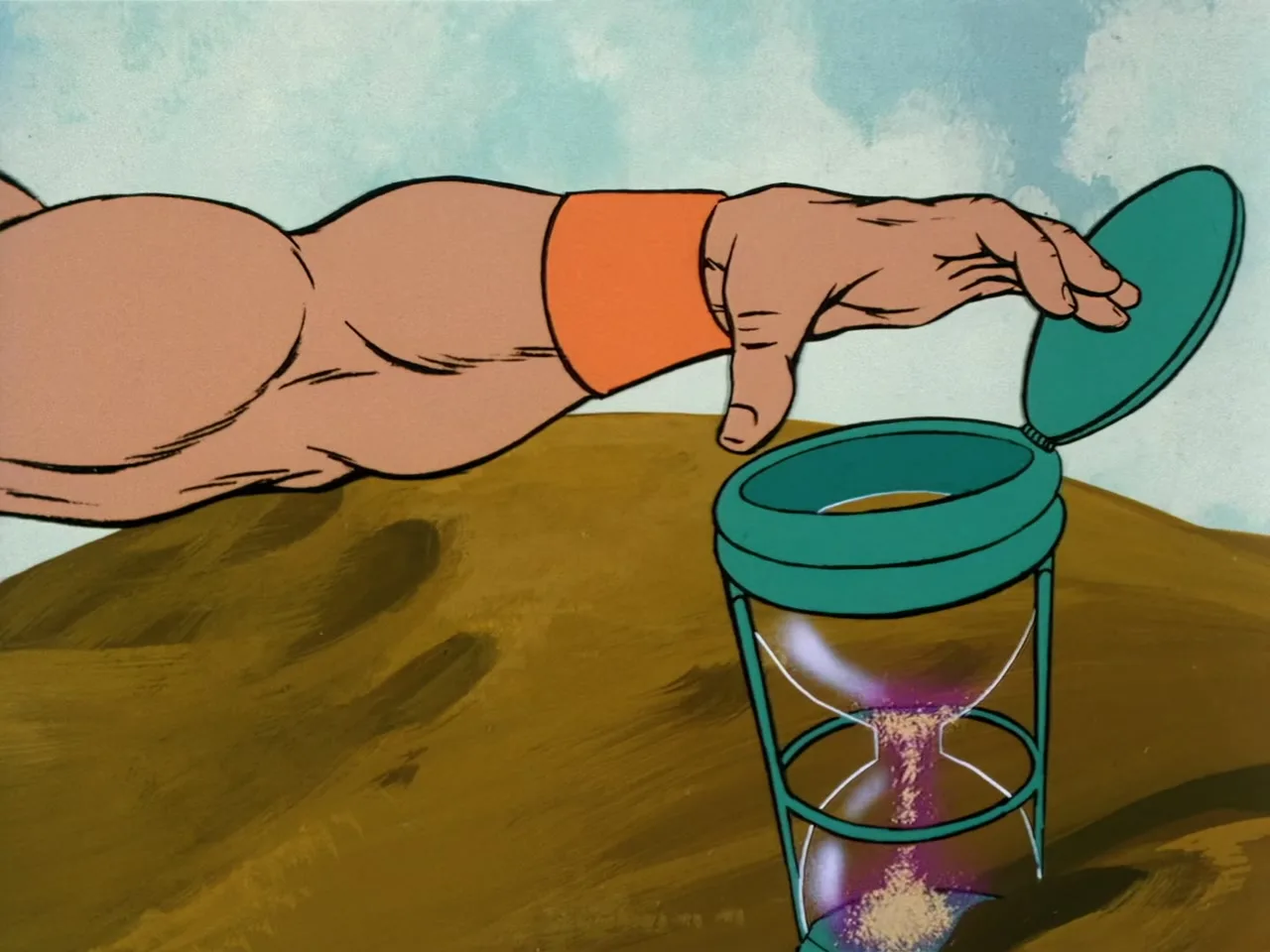
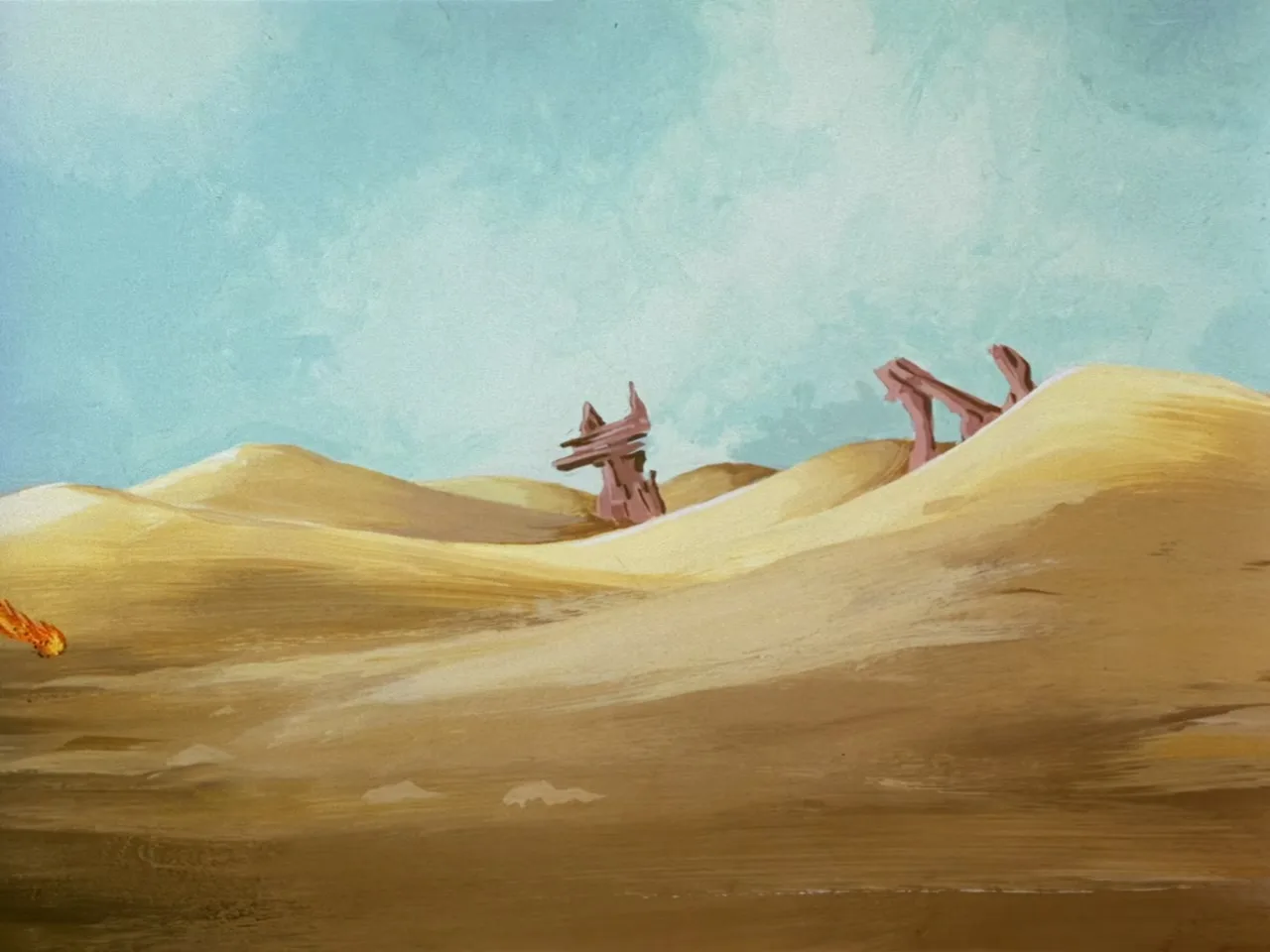
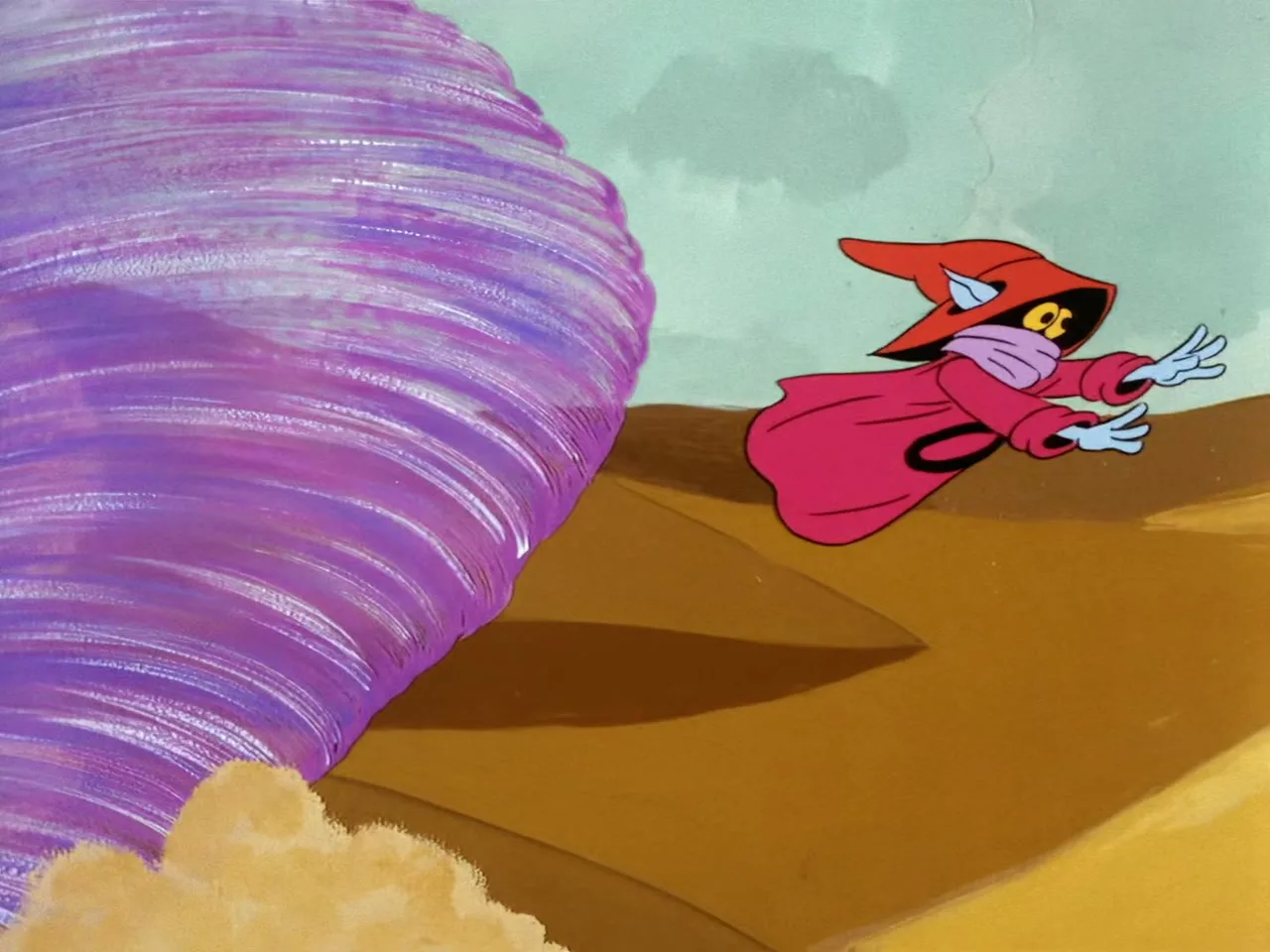
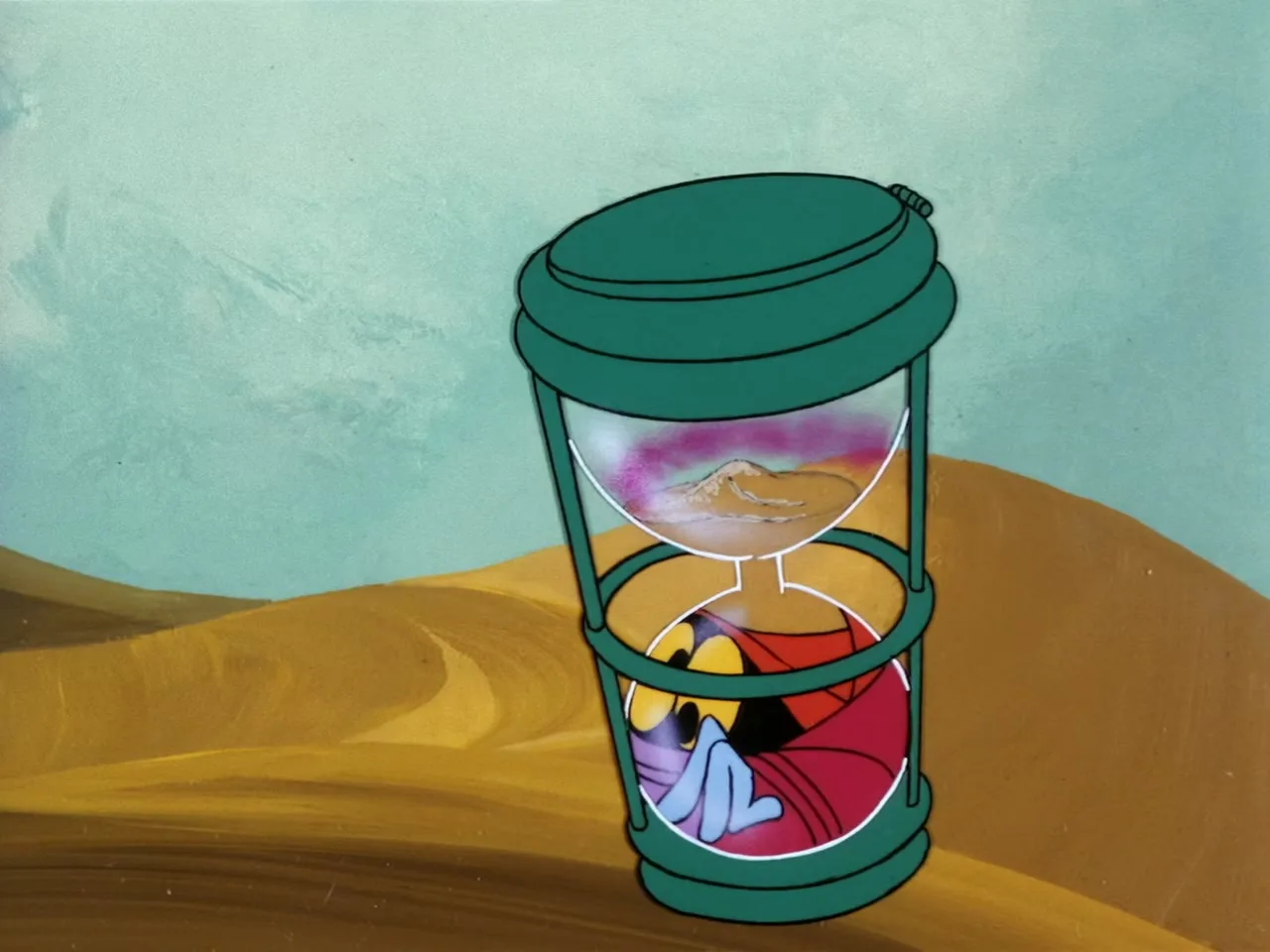
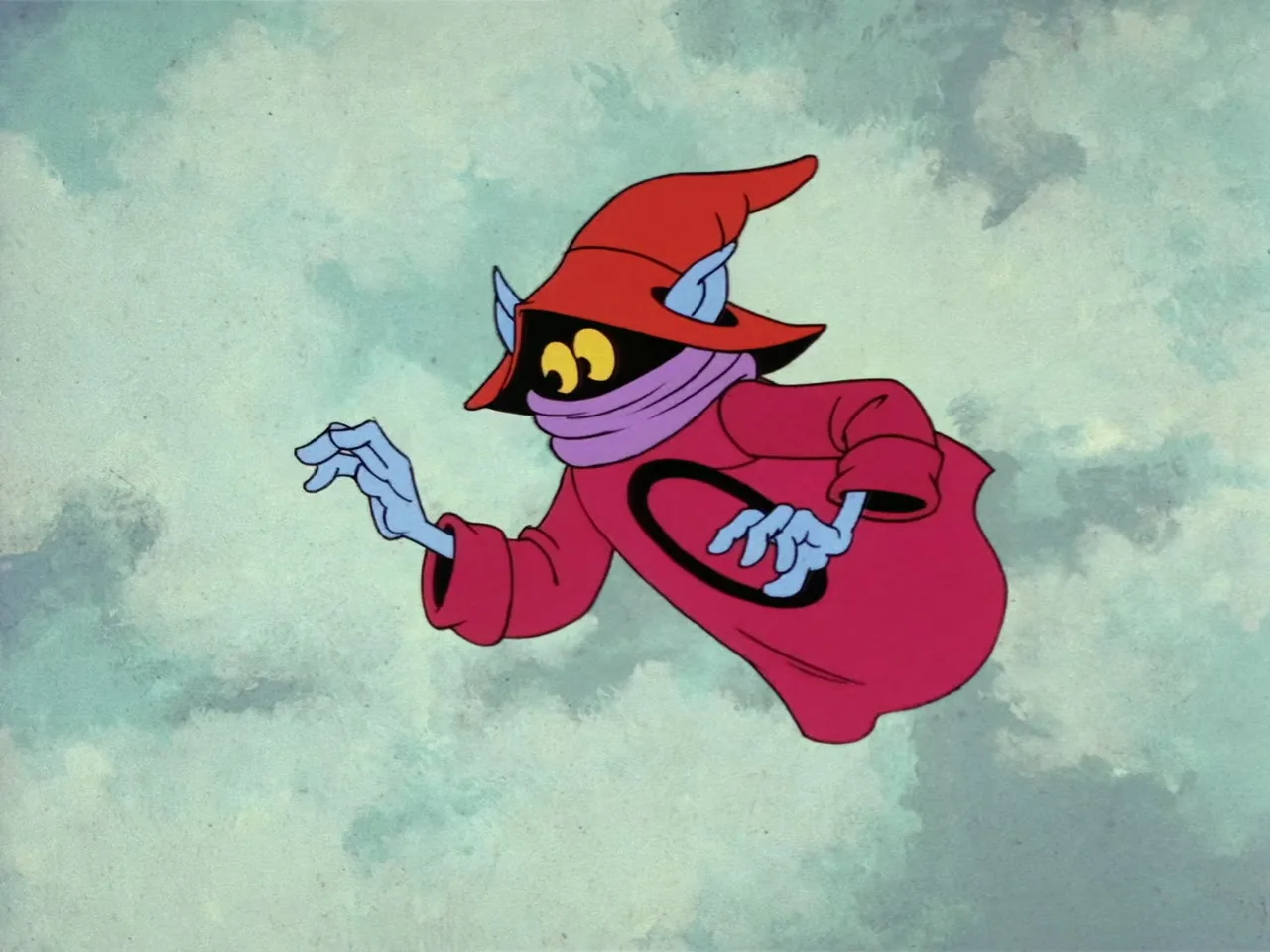
The desert climax turns Hexon's own weapon back on him, and it's a satisfying piece of structure: the hourglass he has been pouring out against He-Man and his allies finally traps the wizard who wielded it, with Orko shrunk down and sealed inside a smaller one along the way before He-Man frees him. It's a tidy reversal, though the mechanics of exactly how Hexon ends up undone by his own sand happen quickly enough that a rewatch is more satisfying than a first pass; the episode is more interested in the image of the trapper trapped than in walking through precisely how it happens. [1]
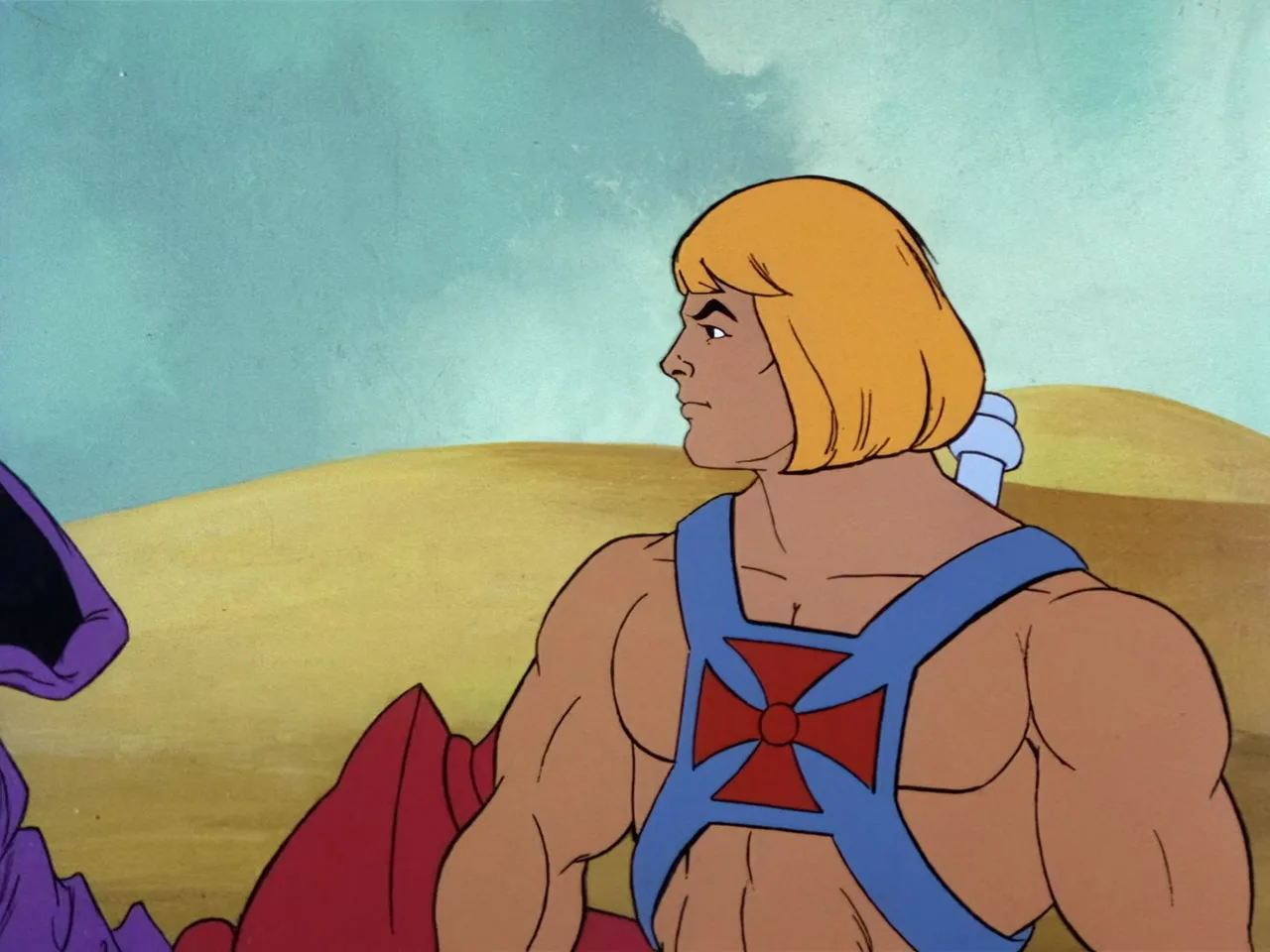
What holds "Time Doesn't Fly" together, more than the fight choreography, is that it never lets its moral float free of the plot the way these closing-scene lessons sometimes do. He-Man's sign-off about time being "your friend" if used wisely isn't a lesson bolted onto an unrelated adventure. It's the literal subject of the episode we've just watched, spoken by a hero who has learned that the villain's real crime wasn't stopping a clock; it was trying to stop the growing up that clock exists to measure. For a show built on musclebound spectacle, that's a surprisingly patient argument to make, and "Time Doesn't Fly" earns it!
[1] The episode never quite shows the mechanical step by which Hexon's hourglass turns from his weapon into his prison; the sequence cuts from Hexon directing it at He-Man to Hexon caught in it, with the turn itself left to be inferred.
- Behind the scenes: the script was approved July 26, 1984, with a final revision dated August 20, 1984. The script originally called for Lady Spring to be buried up to her neck in flowers, Miss Summer sunning herself under a lamp, Count Fall painting leaves and Mr. Winter asleep; only Mr. Winter's nap made it into the finished episode. Storyboard artist Tom Sito reused the character model built for the wizard Zalt, from "Orko's Missing Magic," to draw Hexon.
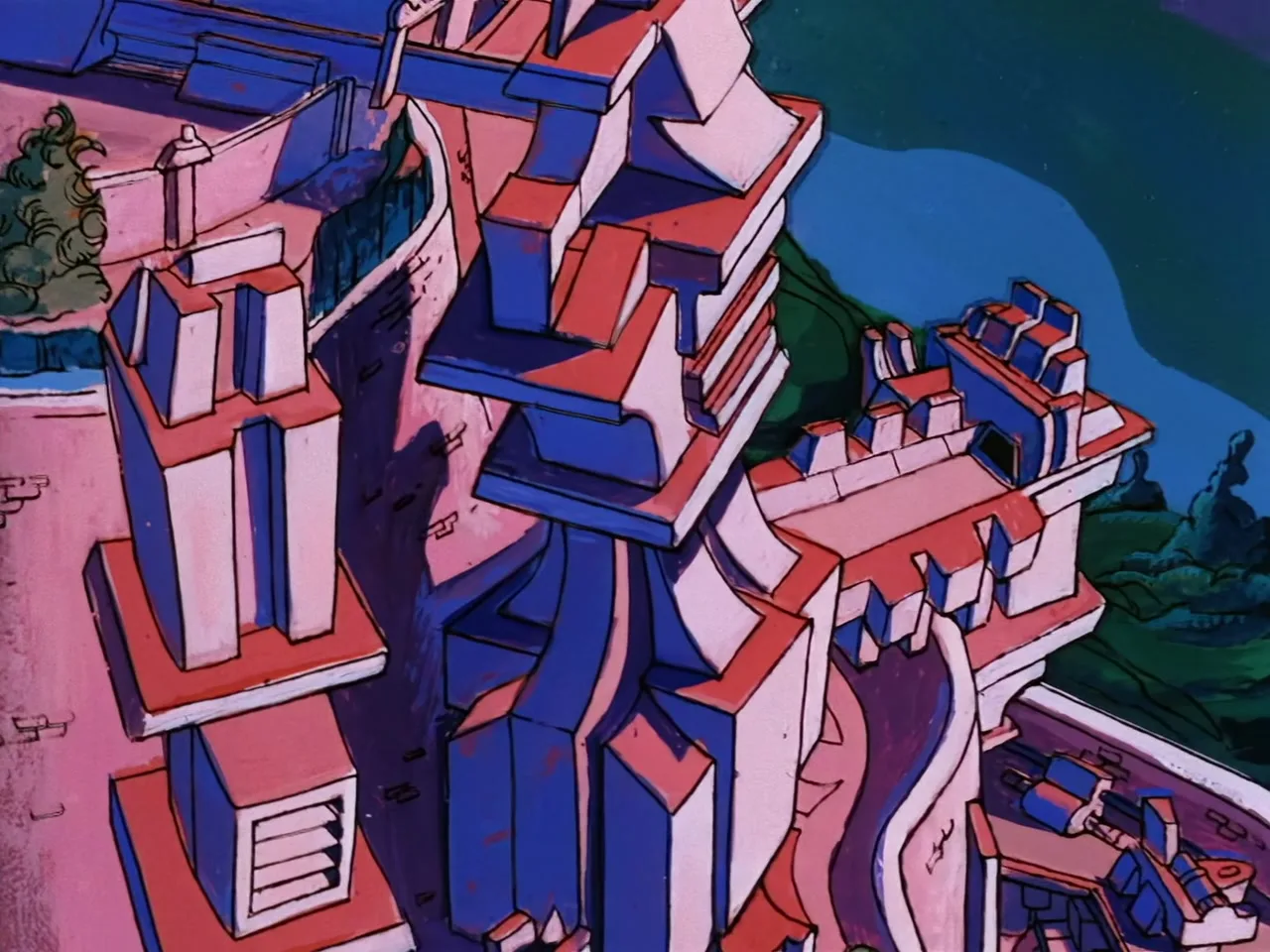
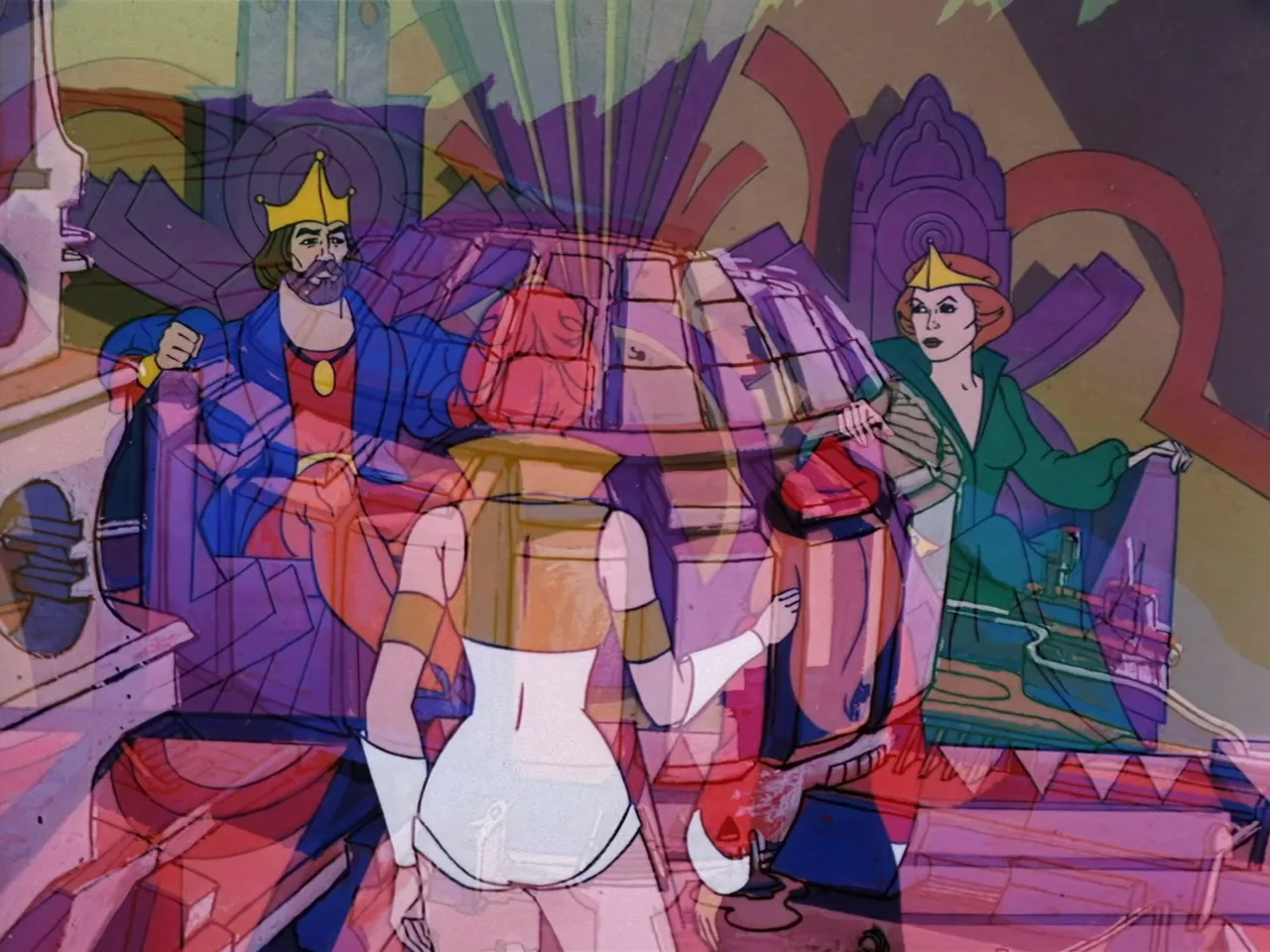
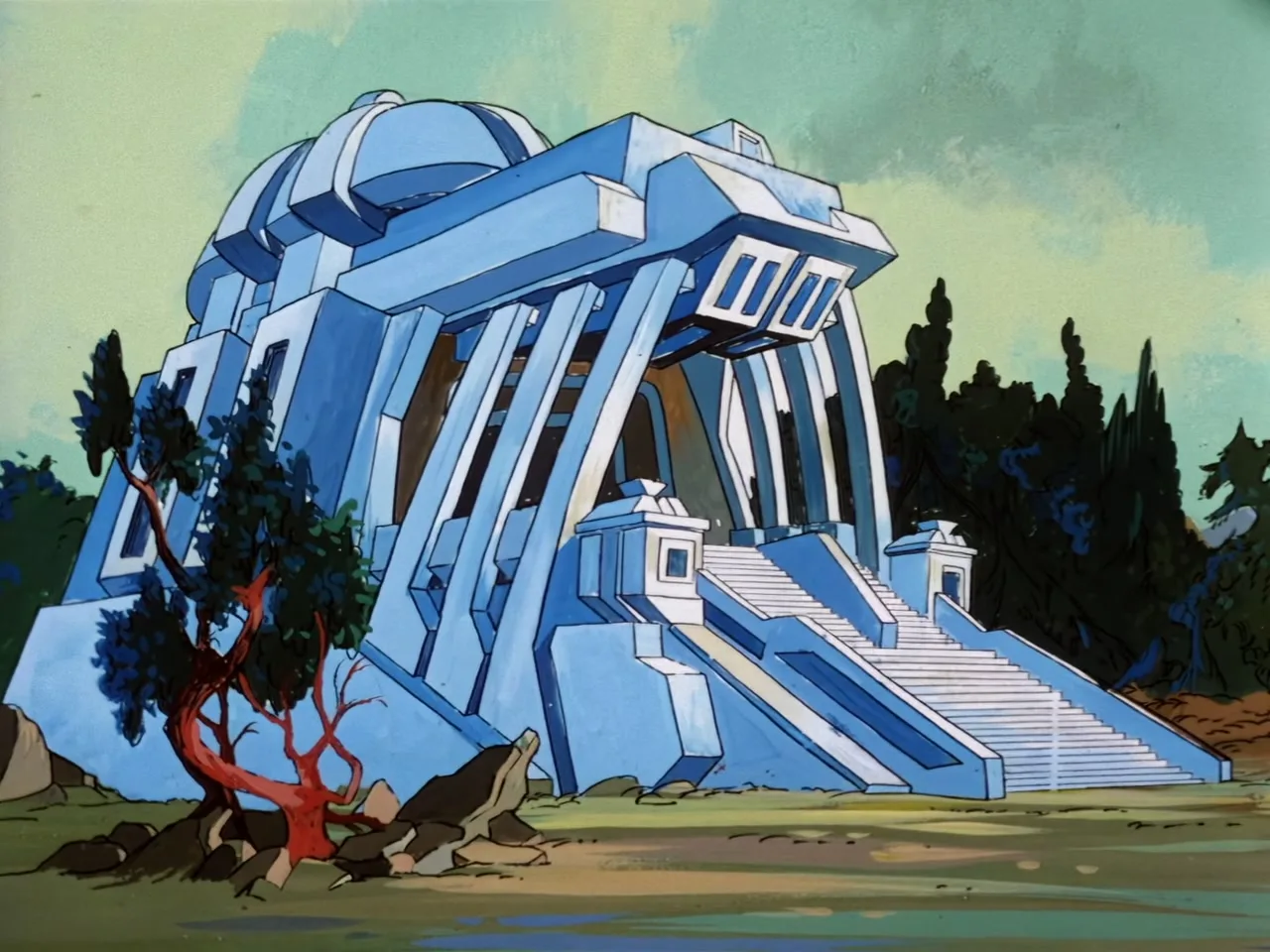
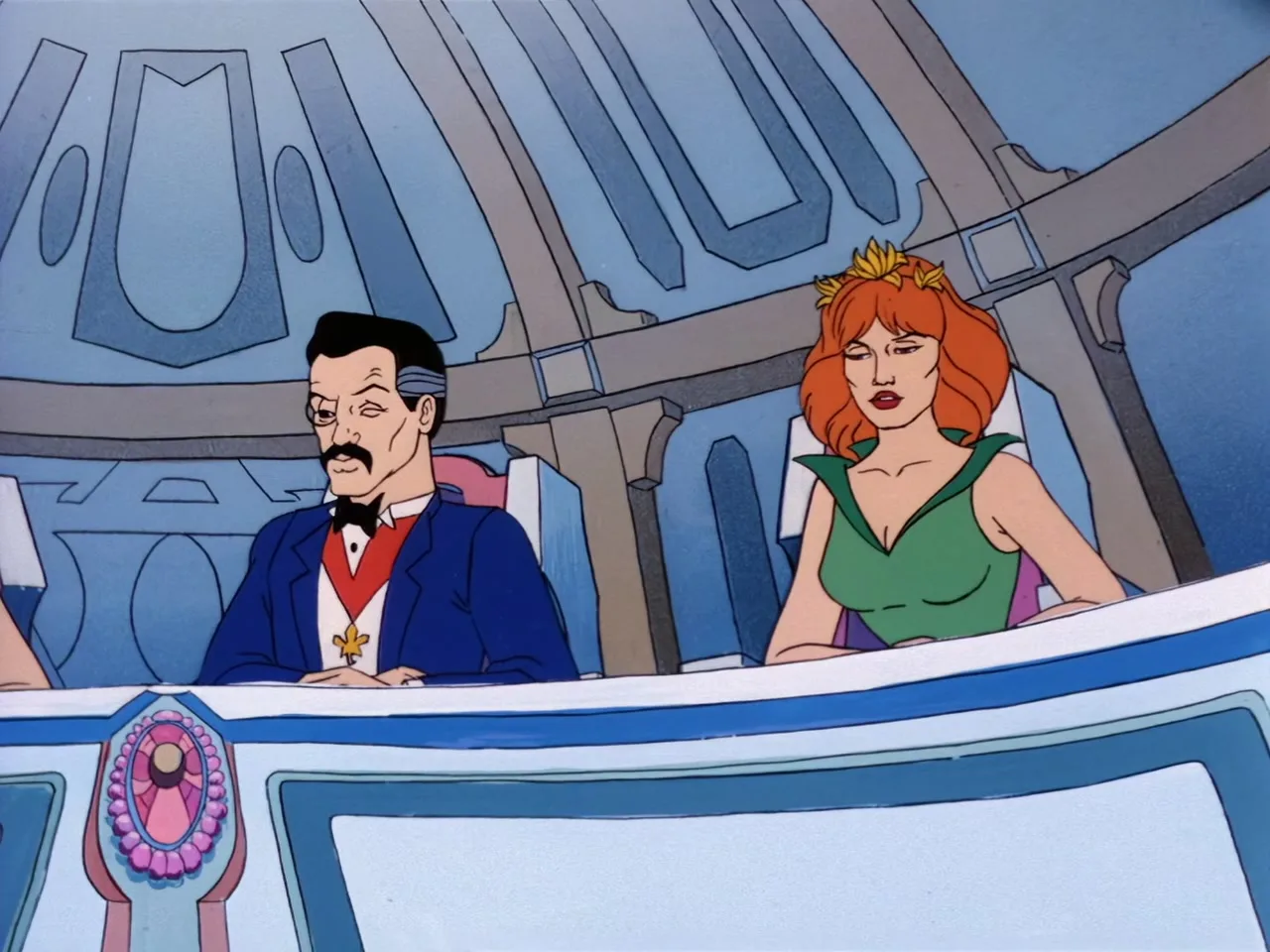
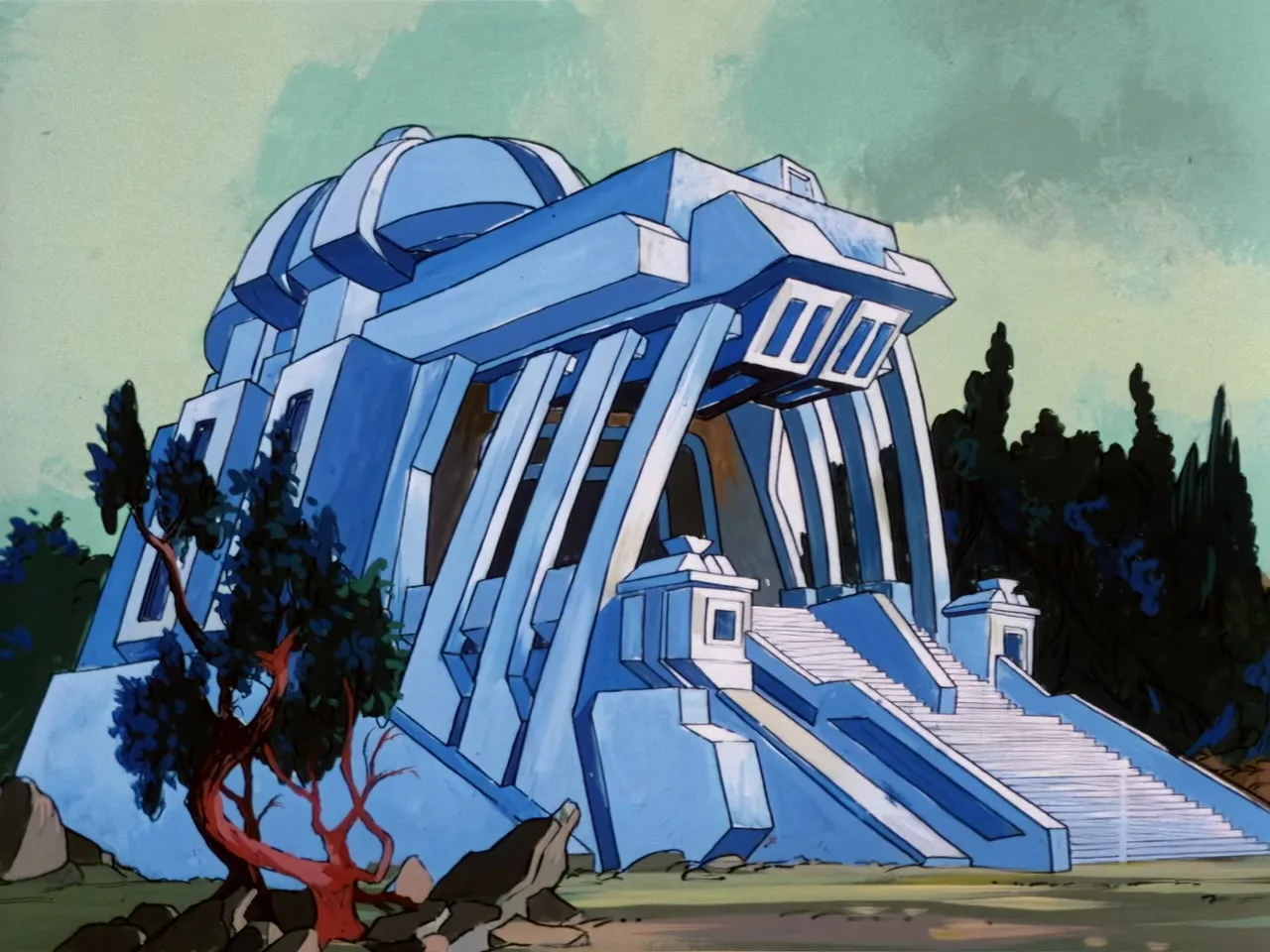
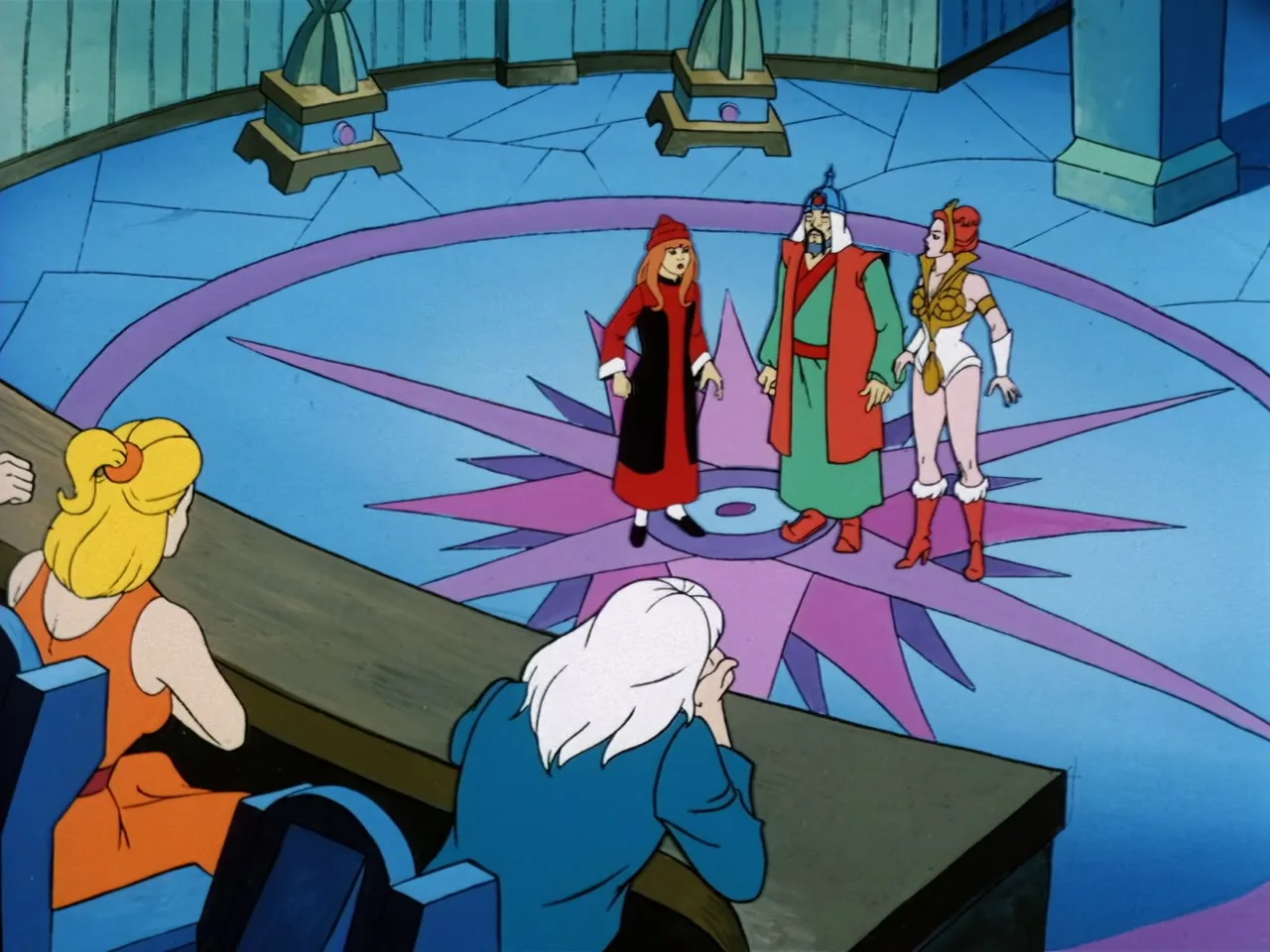
- The Council of Seasons, Lady Spring, Miss Summer, Count Fall and Mr. Winter, work out of the temple He-Man calls "the temple of the Council of Seasons" on screen, which the episode's own dialogue places separately from the Royal Palace.
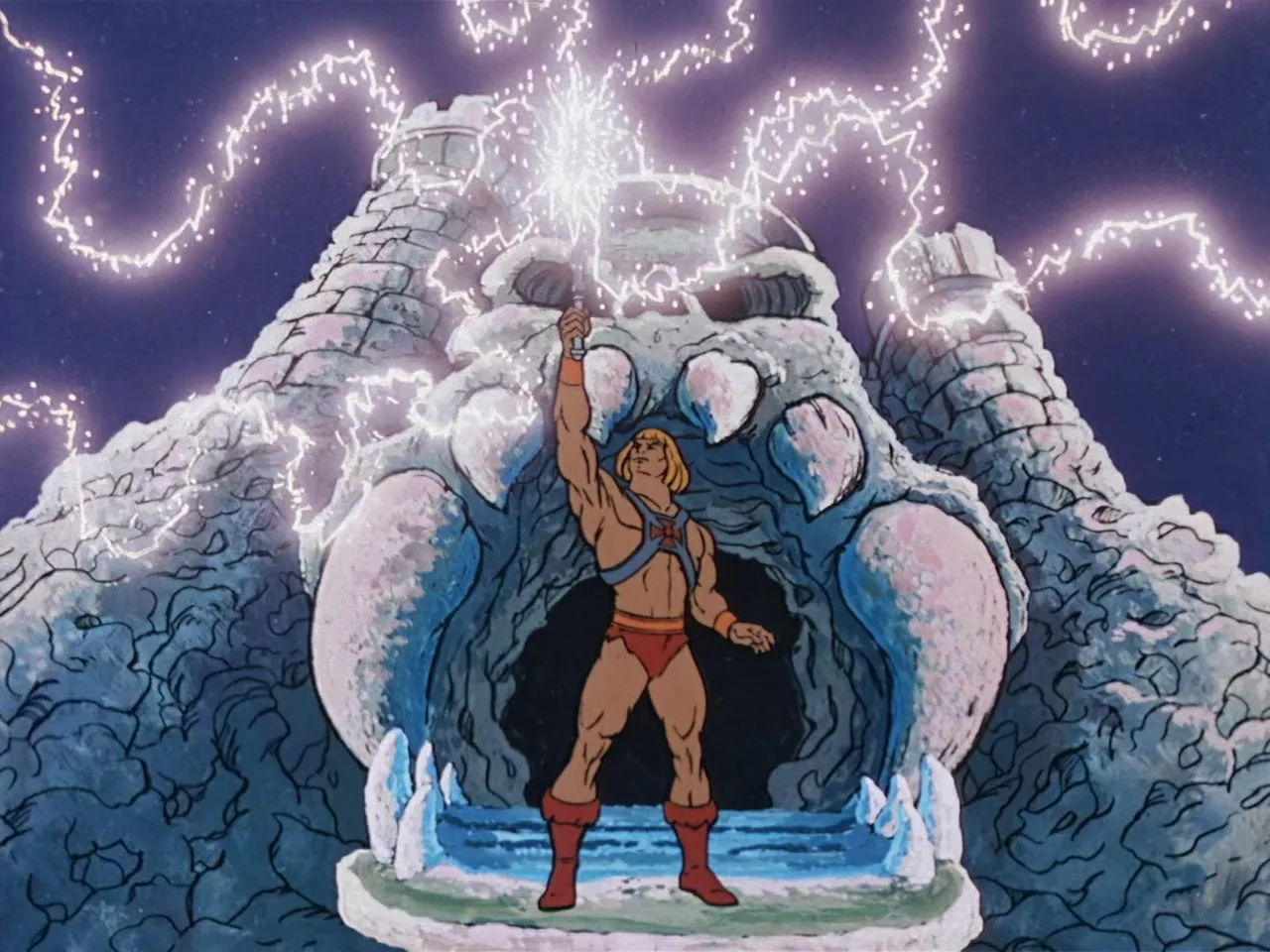
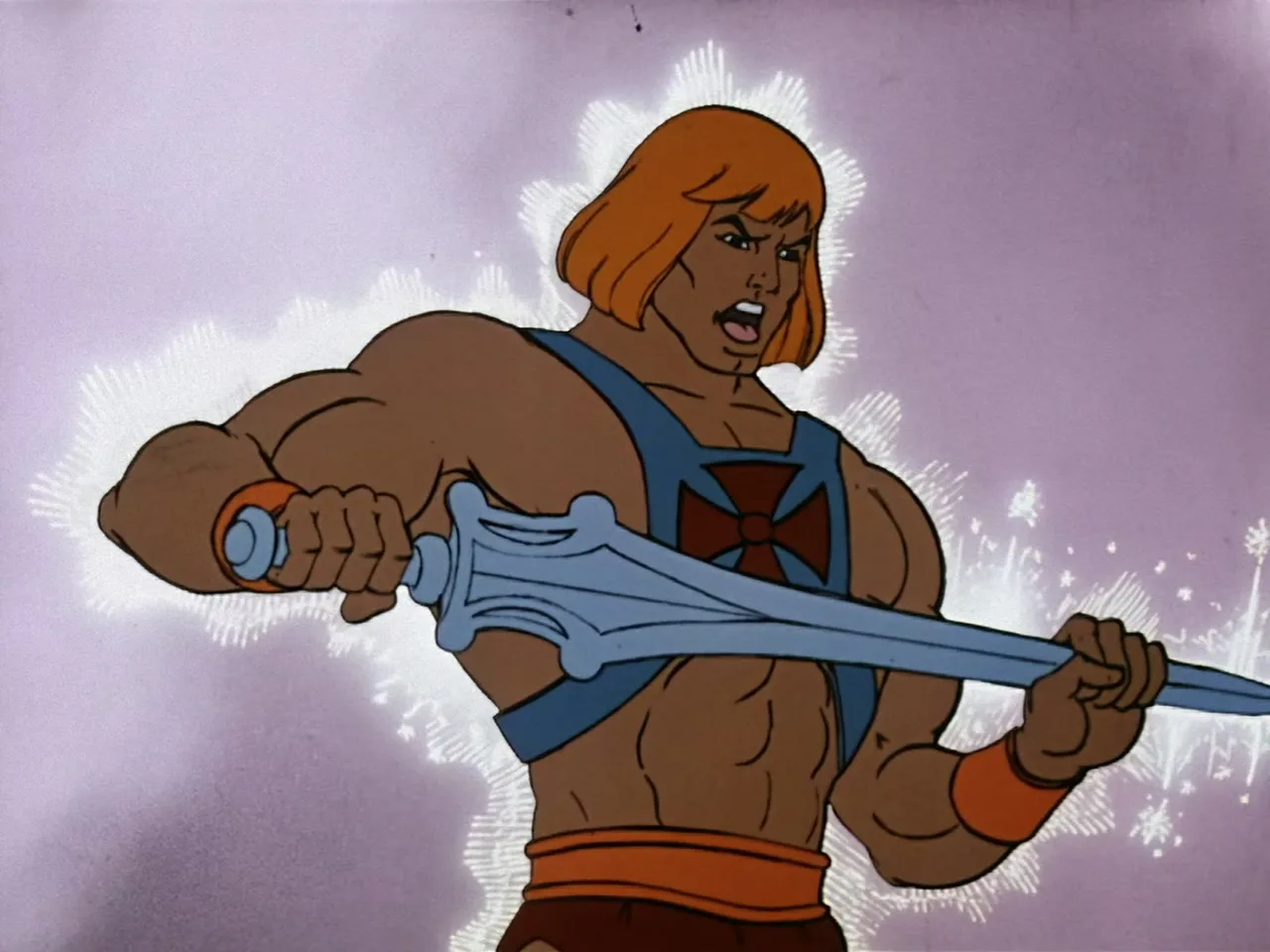
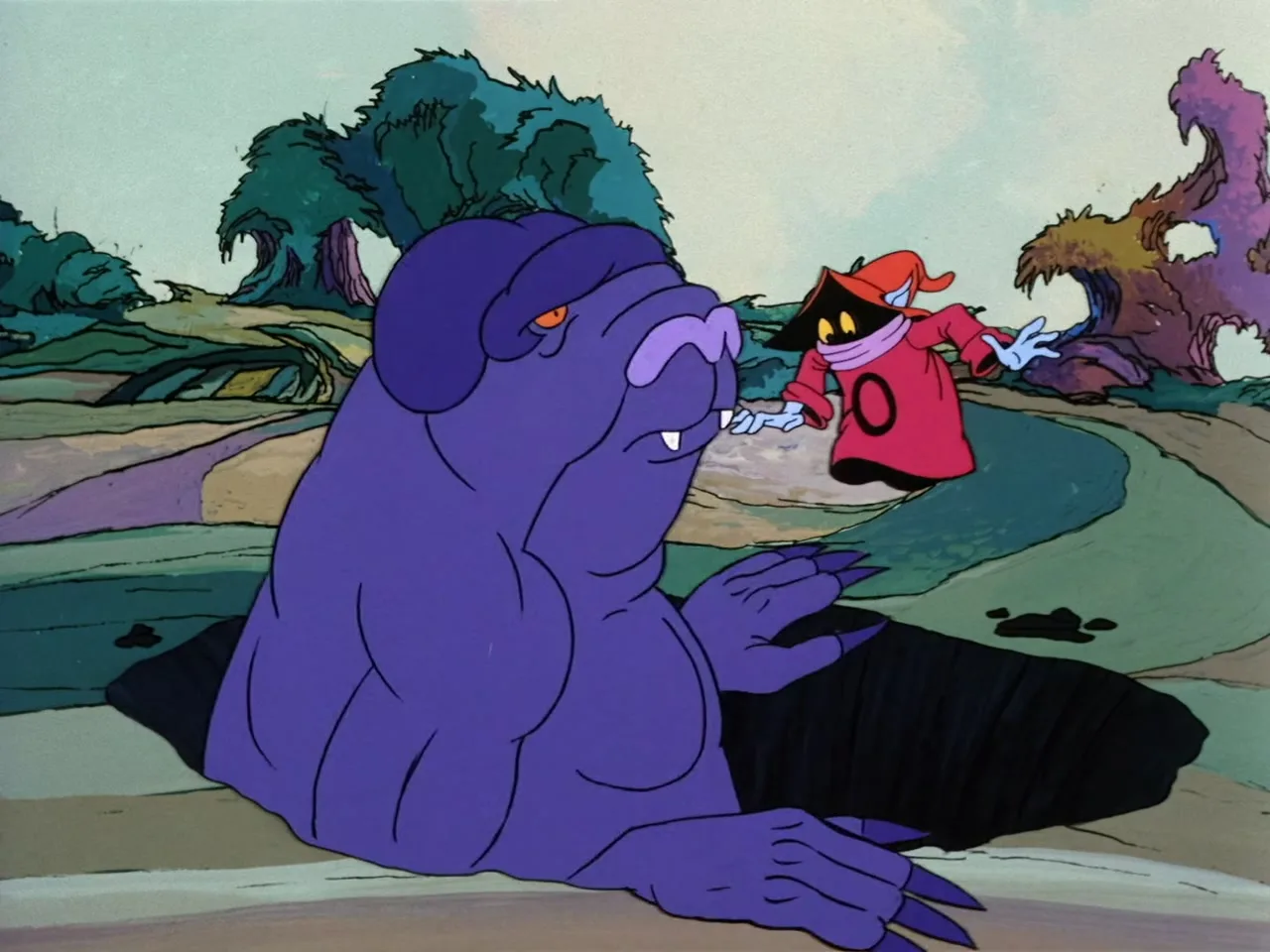
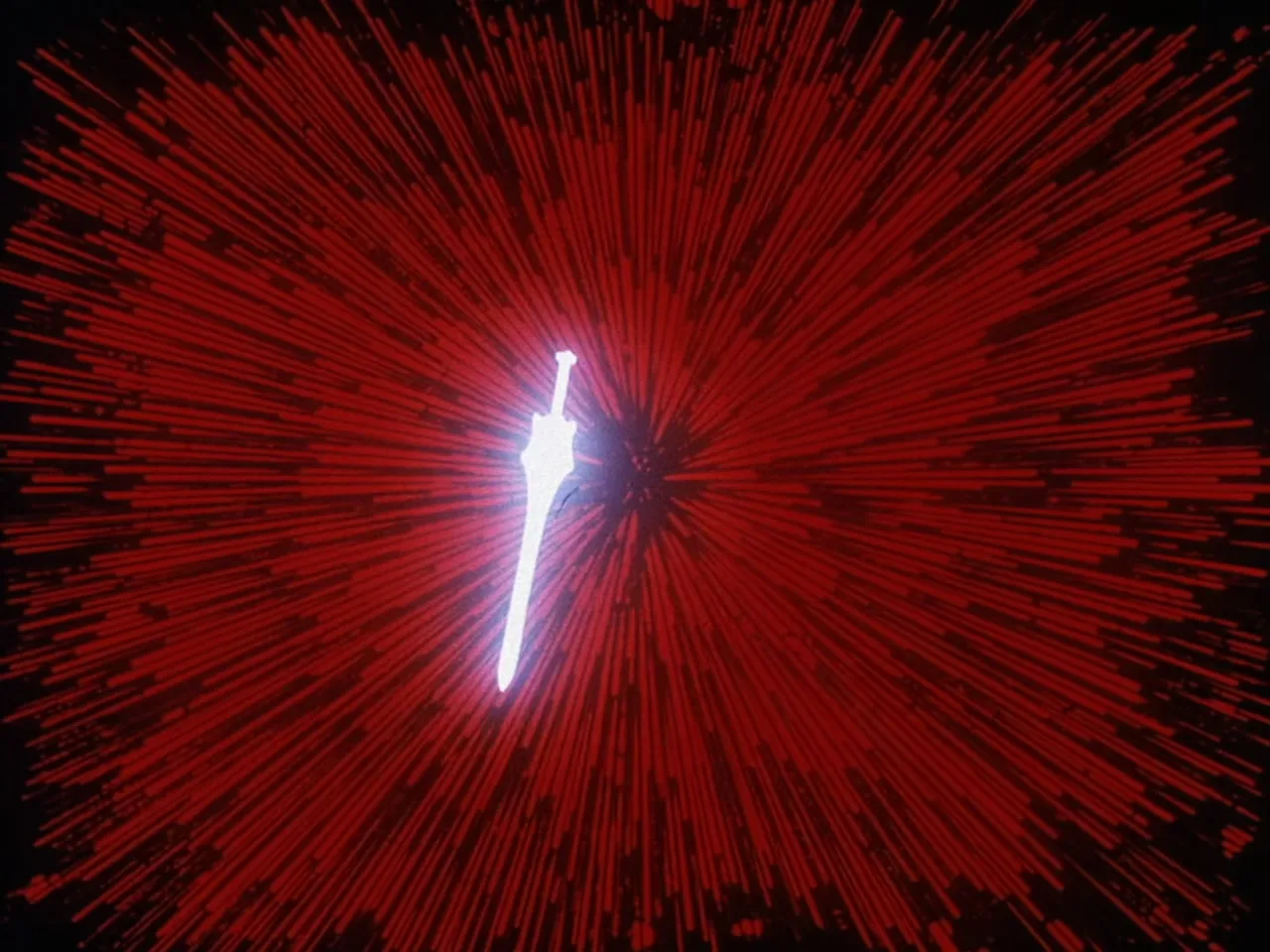
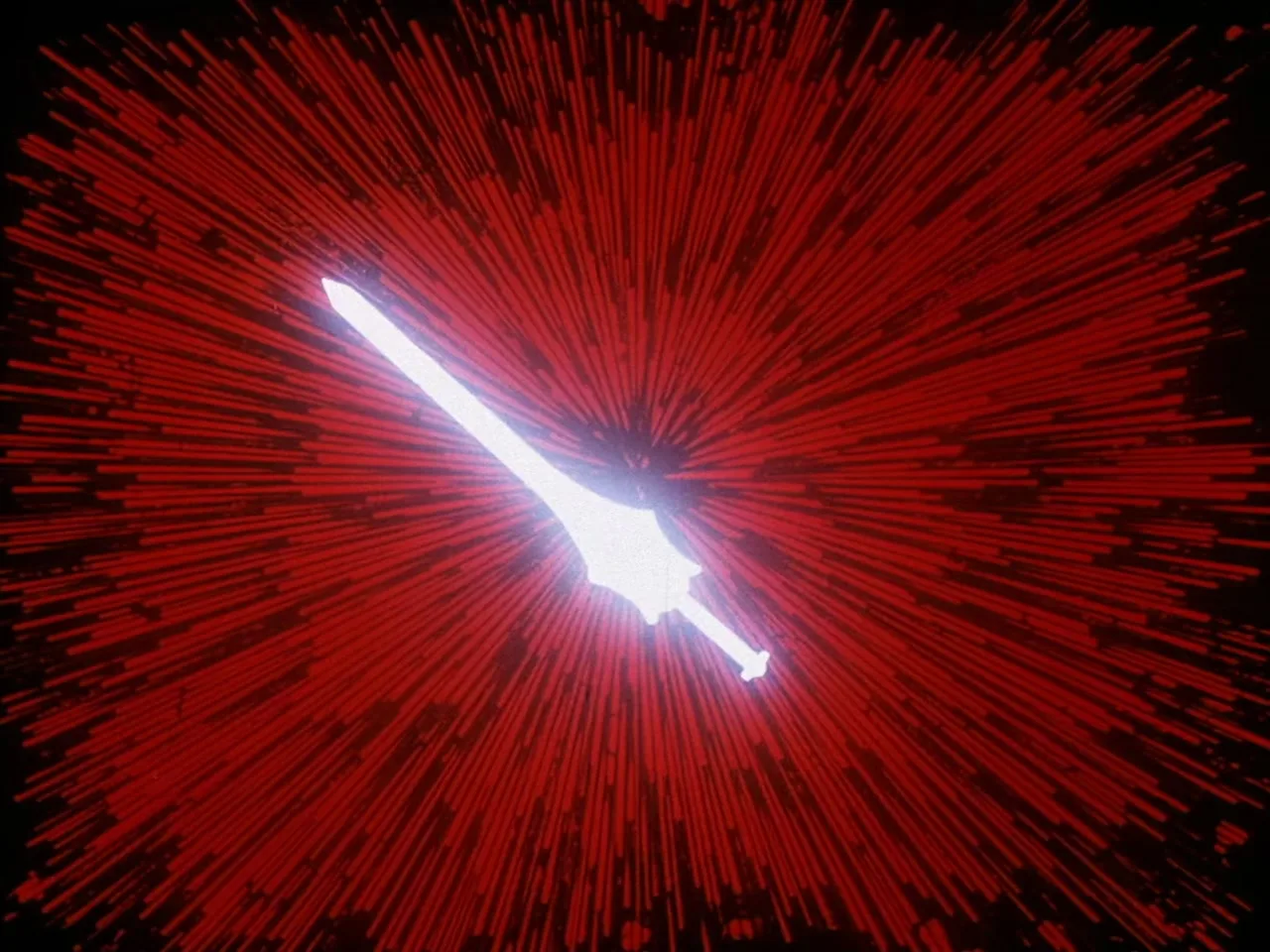
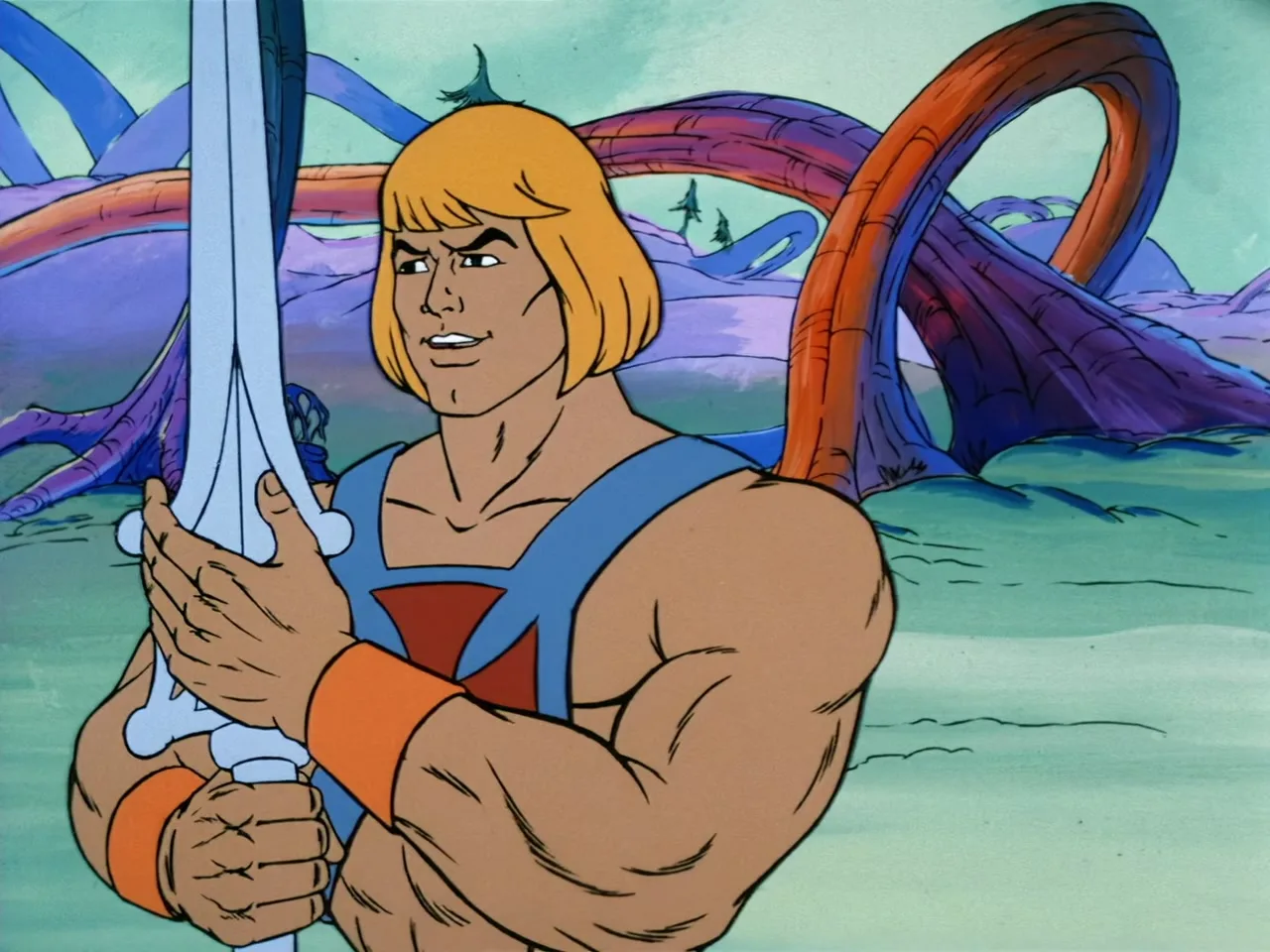
- Continuity: one of the giant Holepher creature's model sheets is reused from Moak in "The Gamesman." He-Man's gallant bow was previously seen in both "The Defection" and "The Greatest Show on Eternia." The towering electrical giant's character model, used here against He-Man in the swamp, was built for Byte in "Day of the Machines" and would appear again as the Electroid in the She-Ra: Princess of Power episode "Gateway to Trouble." He-Man's overhead sword chop reuses animation first seen in "House of Shokoti Part 2," with new animation of him unsheathing the sword added ahead of it.
- What does He-Man actually do when the enemy isn't strong, just patient? "Time Doesn't Fly" answers that question by taking away the one thing every episode of this show otherwise depends on: a clock that keeps moving. Hexon stops time over the village where Teela, Orko and Prince Adam are playing, and the trick the episode plays on its hero is that strength solves almost nothing here. Lightning giants and root-monsters can be fought. A frozen sun cannot.
DISCUSSION
Join the conversation.
Comments below are mirrored on the heman.org forum. Sign in once, post anywhere.