
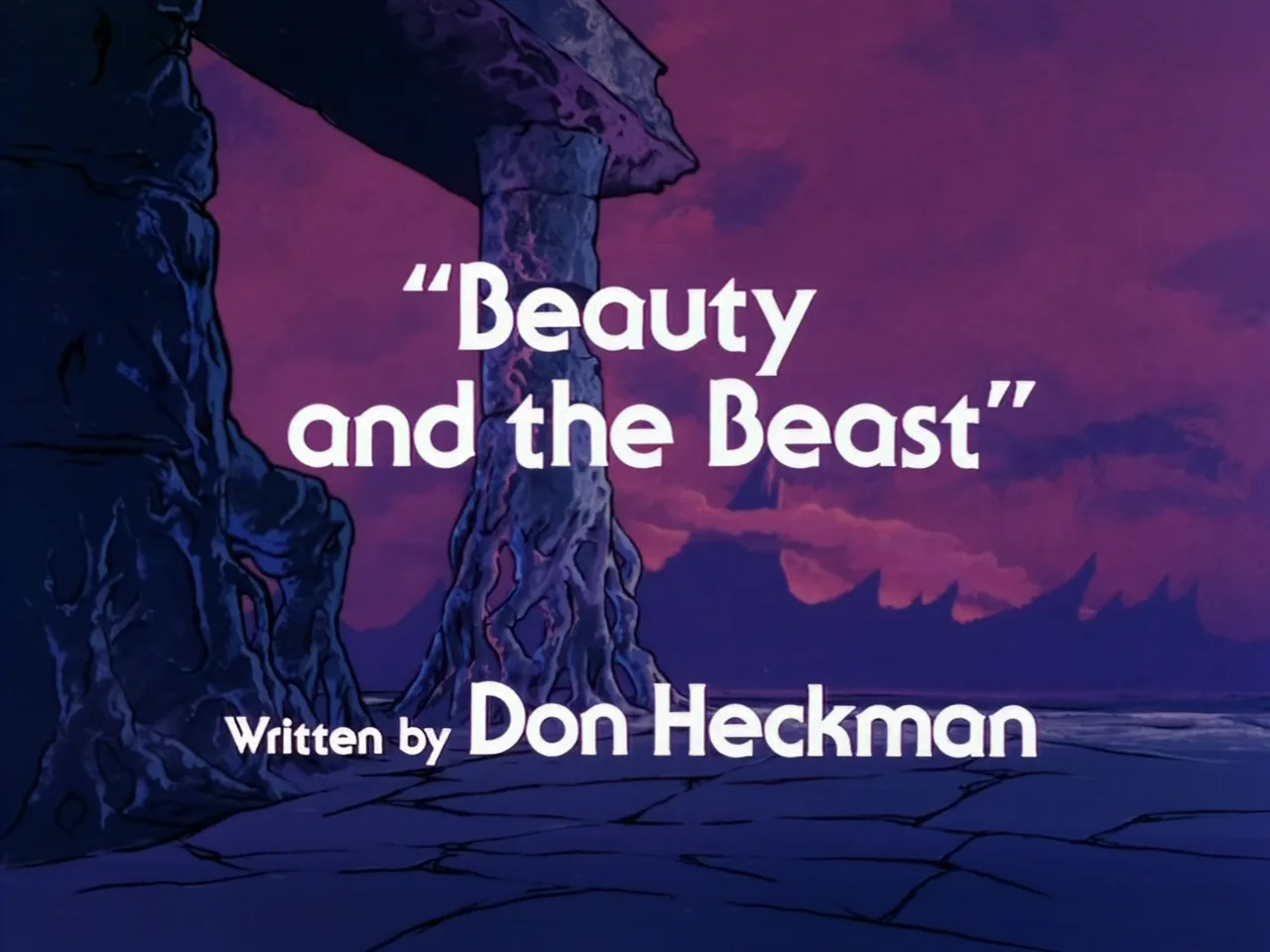
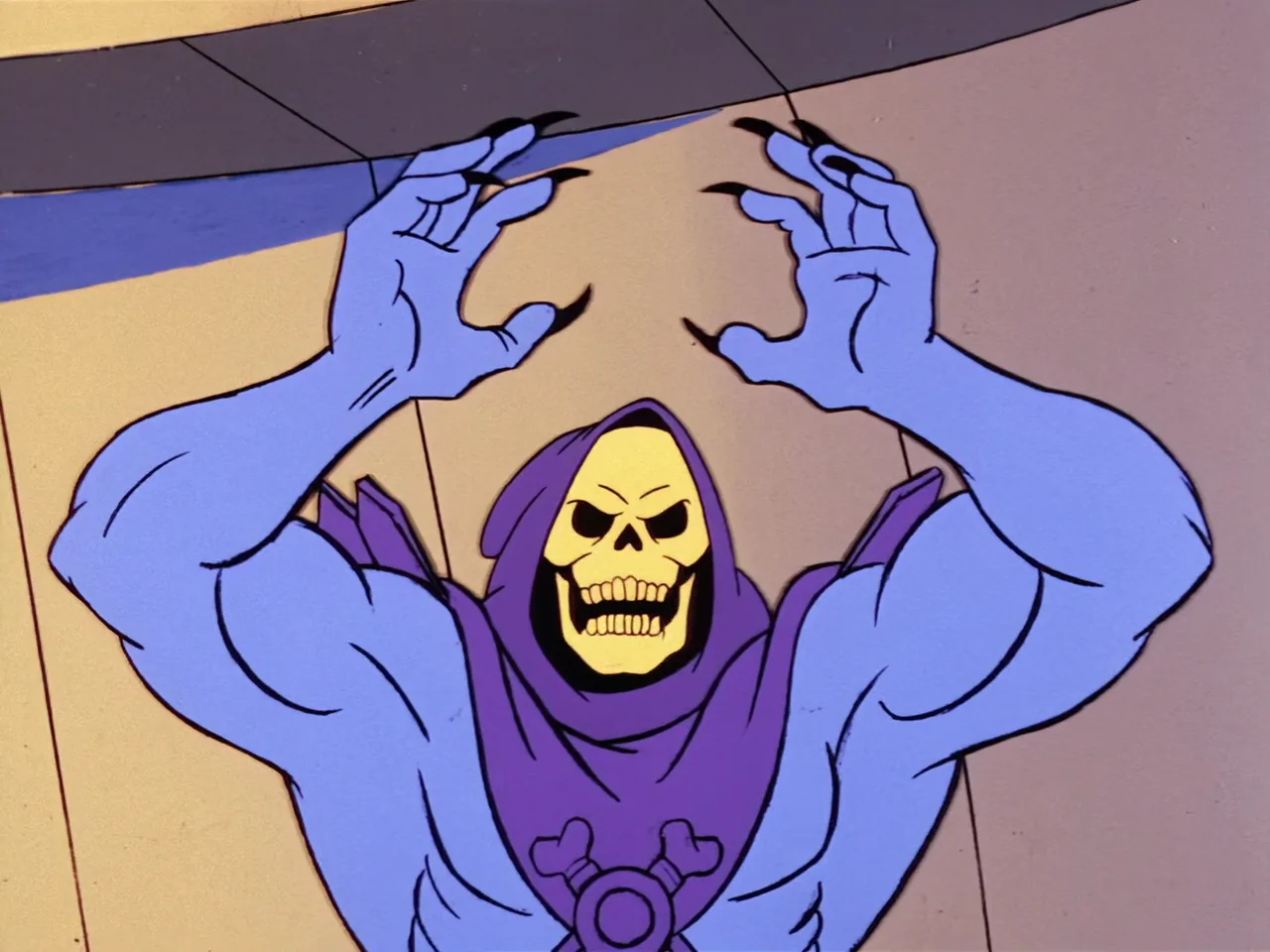
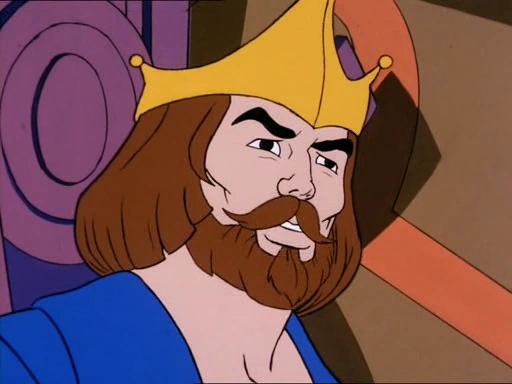
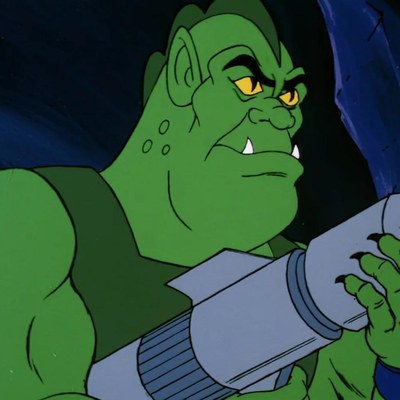
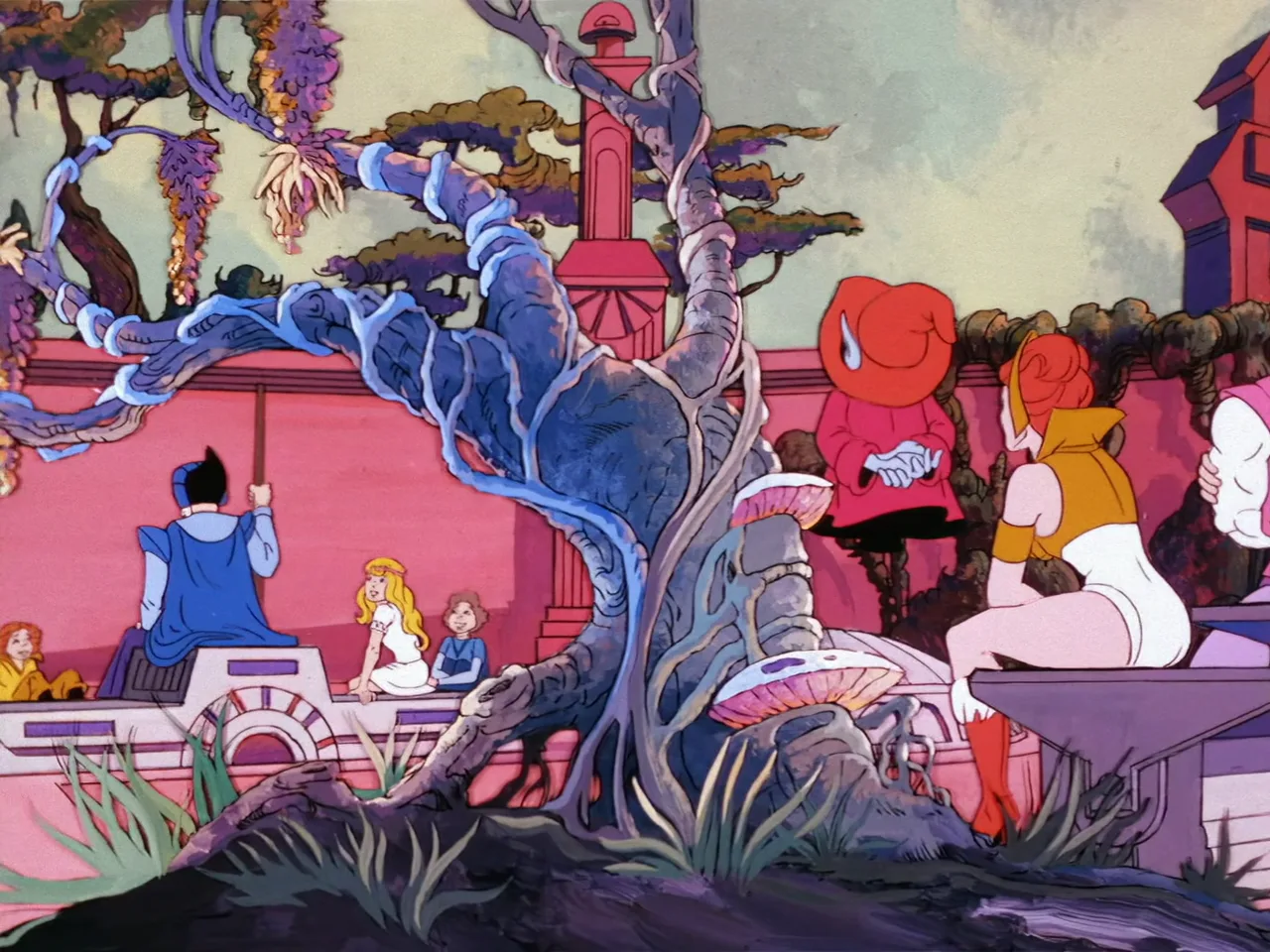
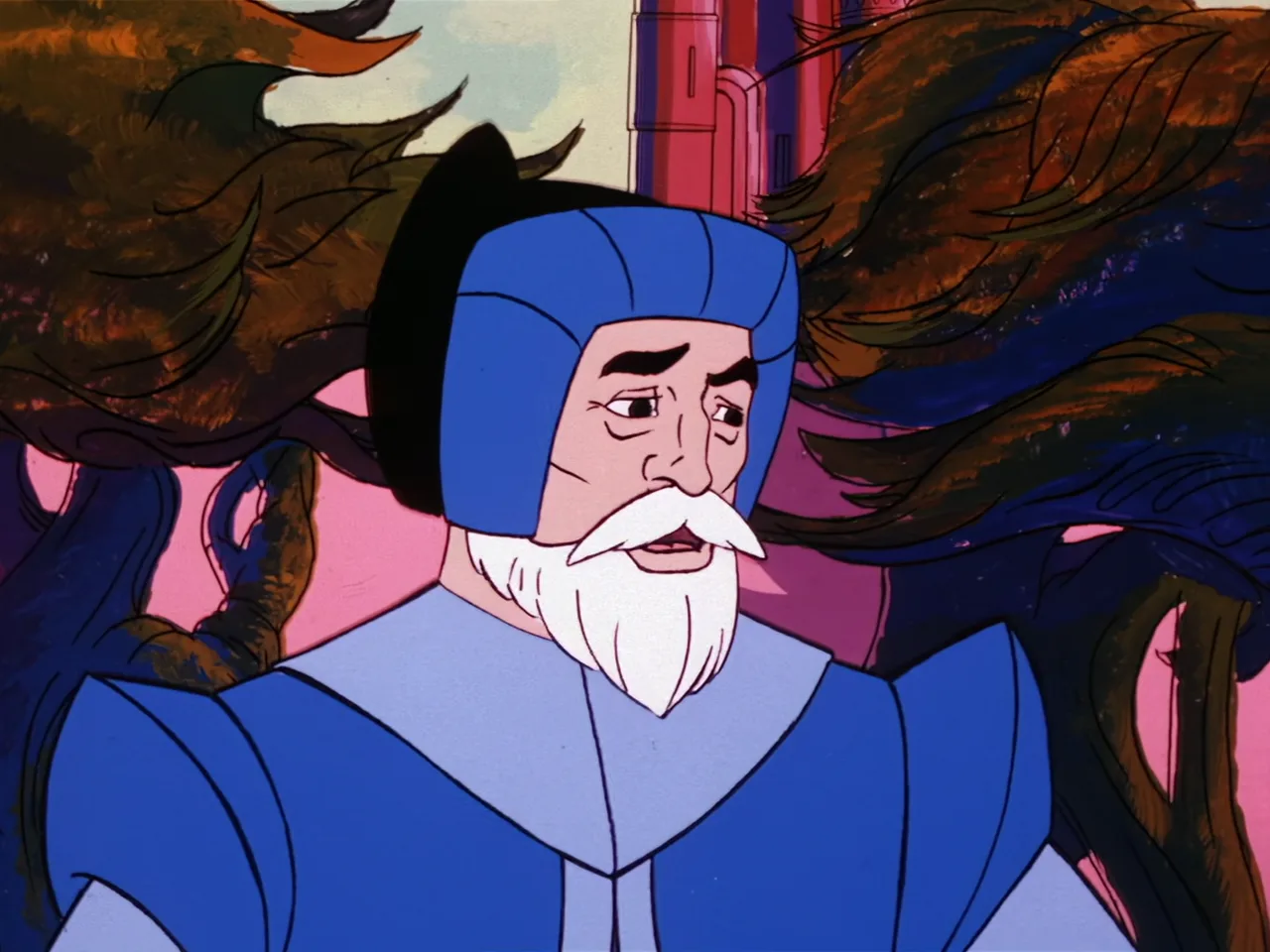
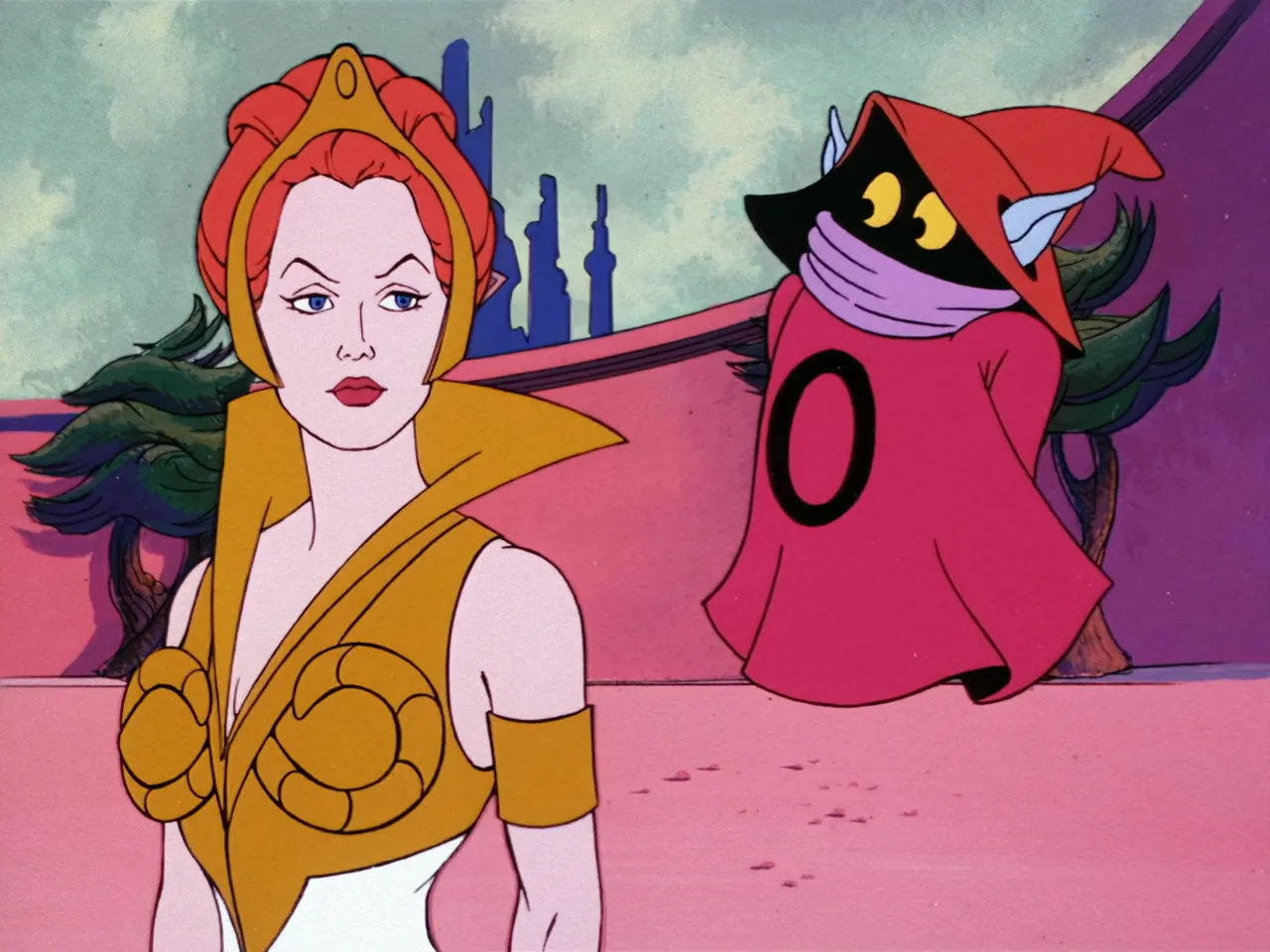
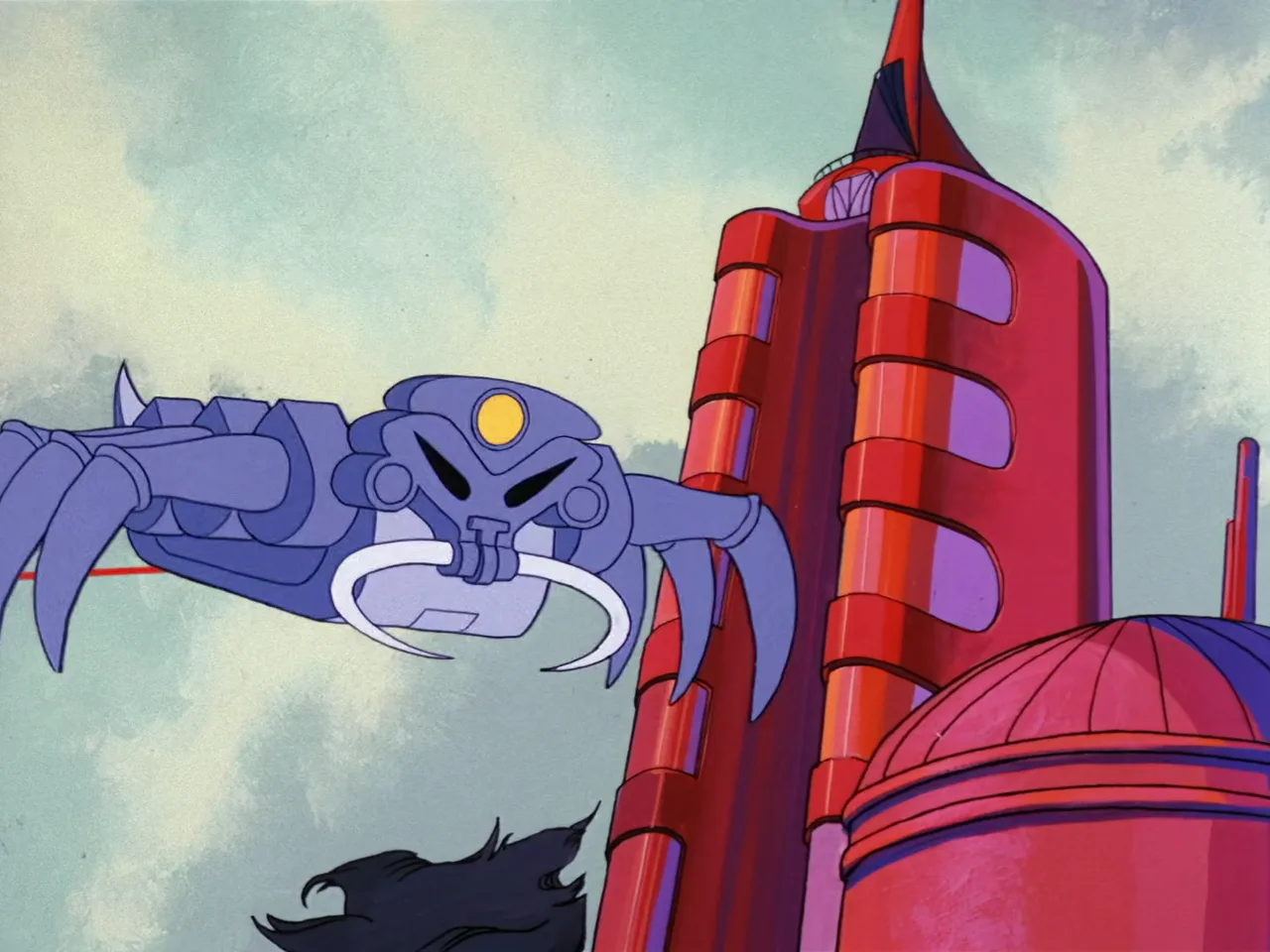
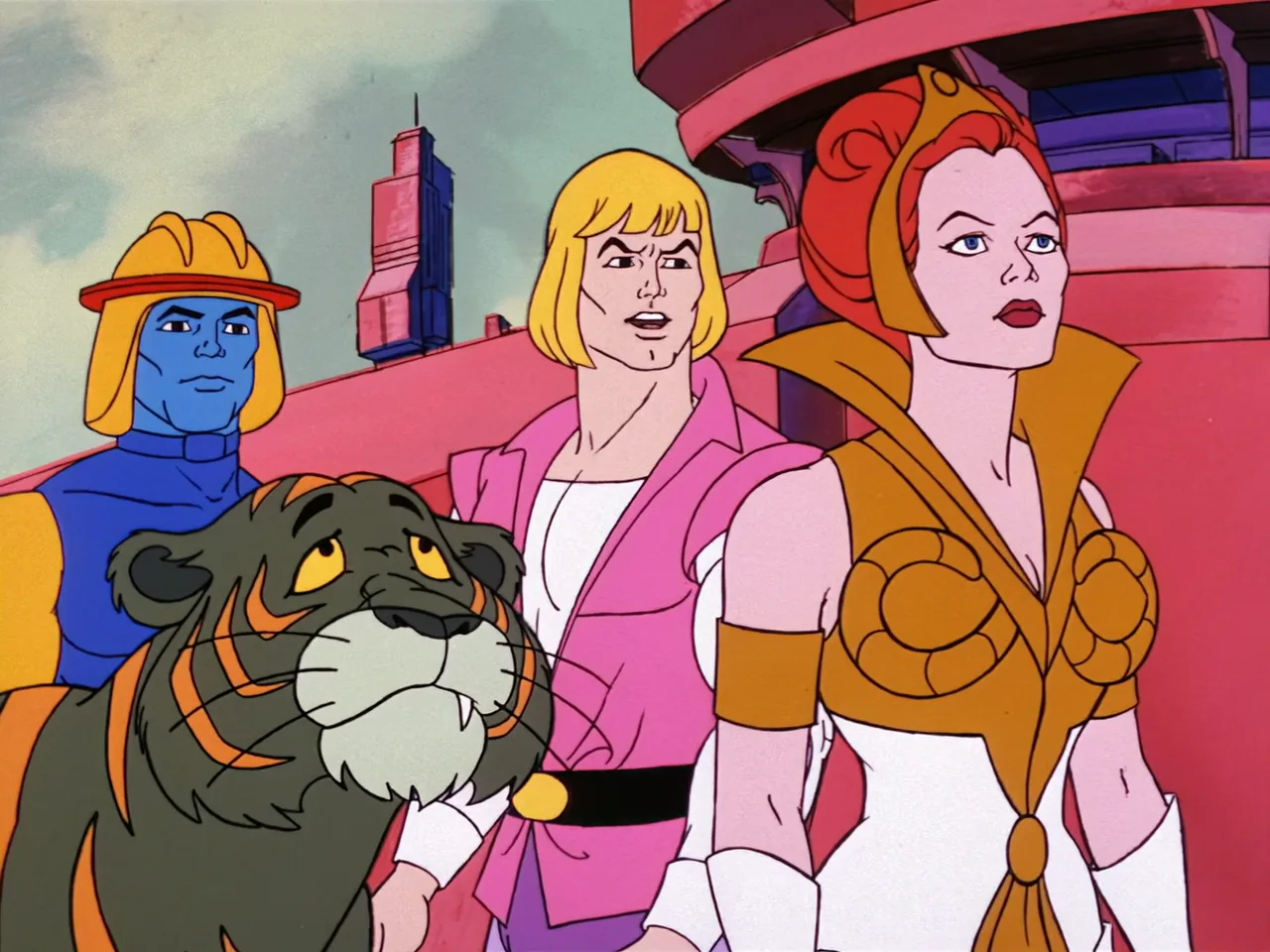
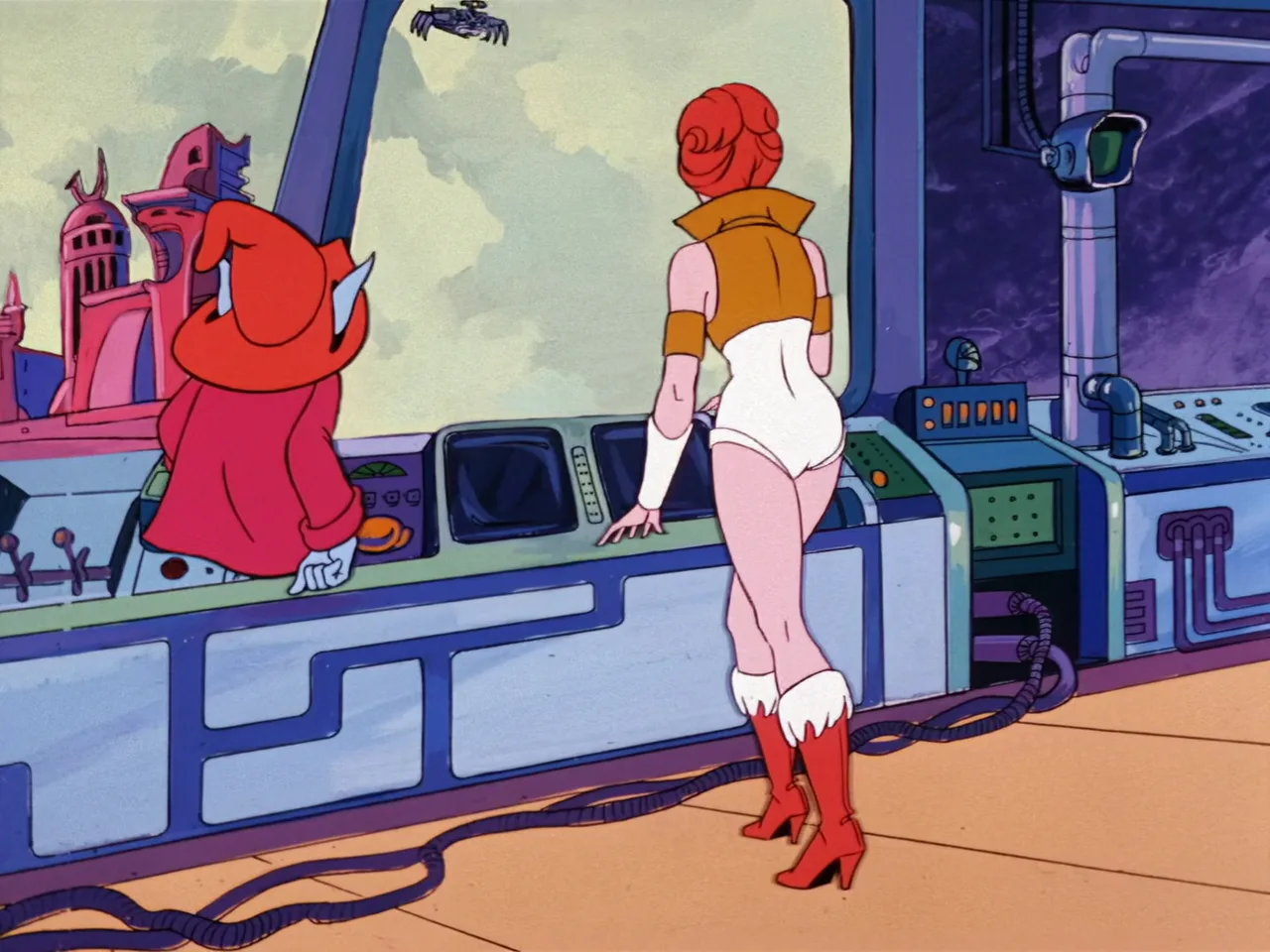
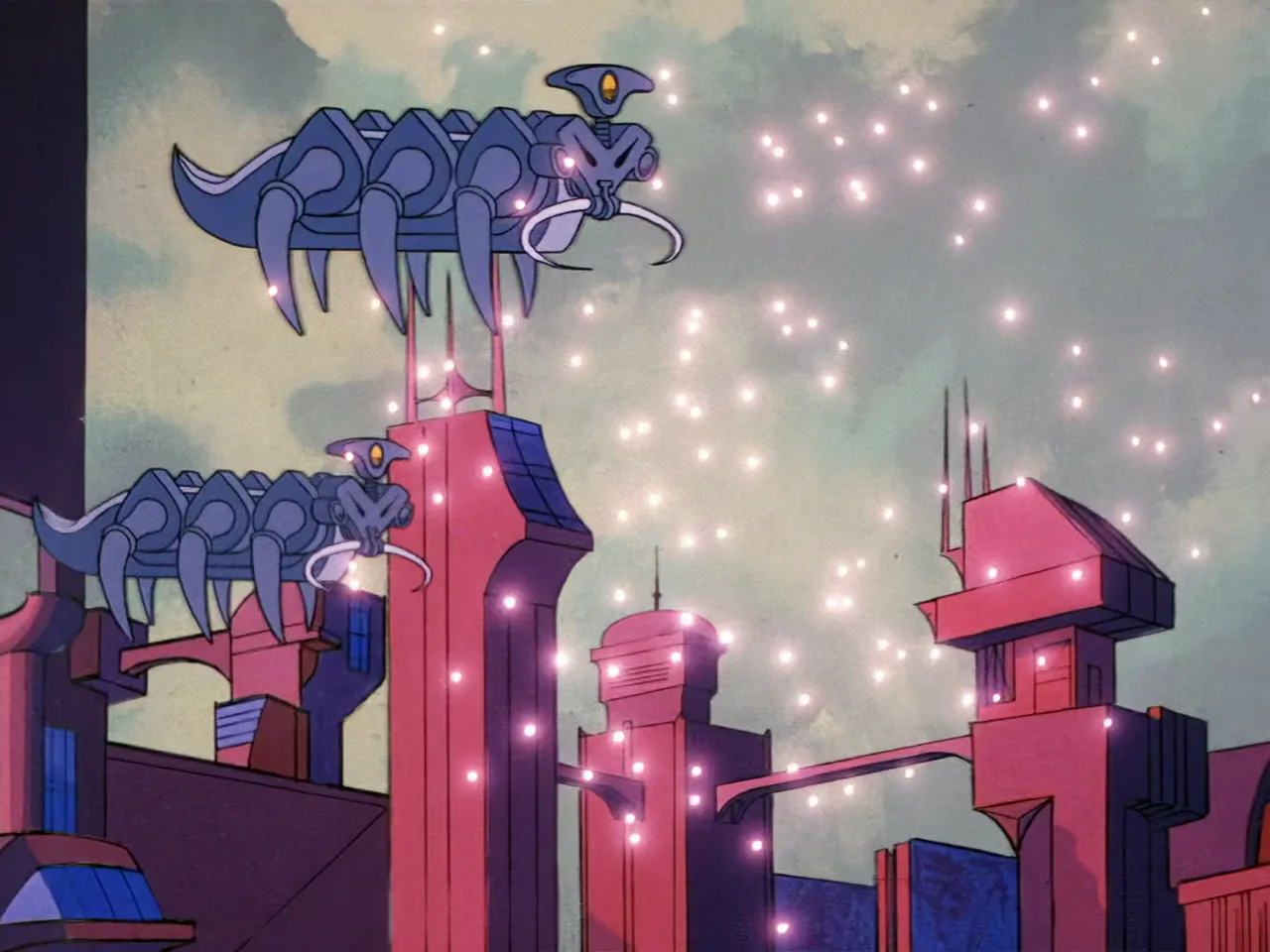
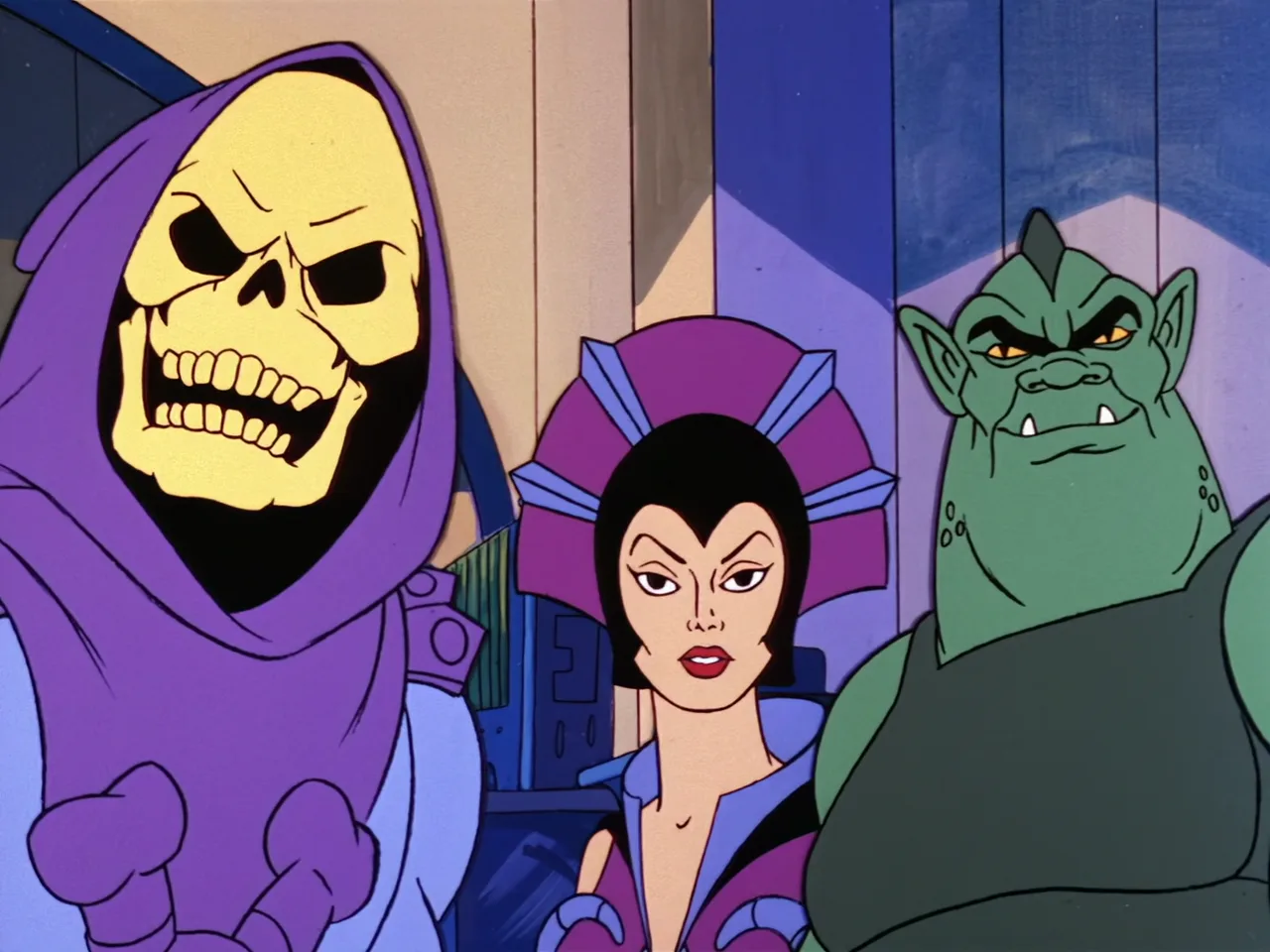
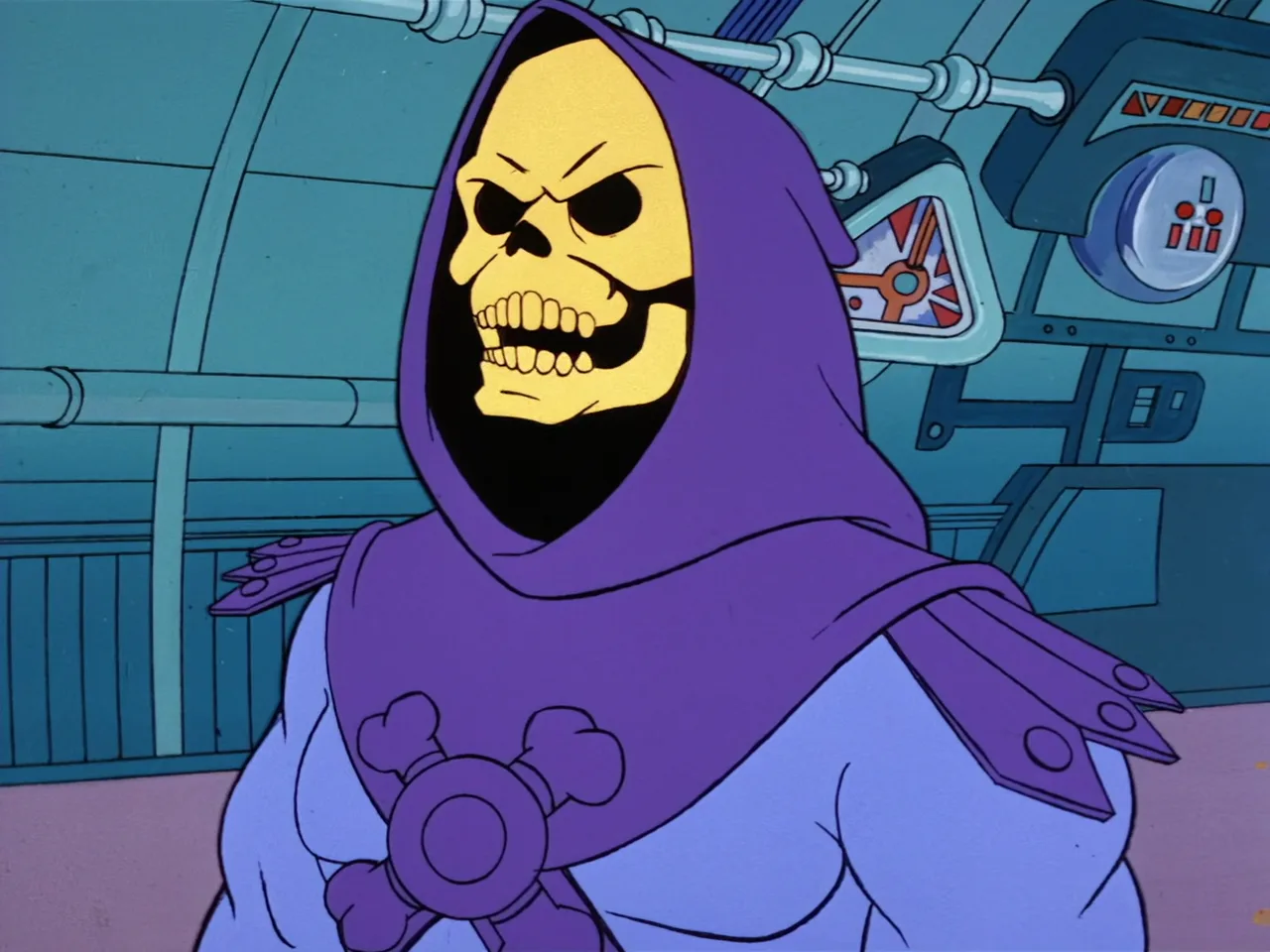
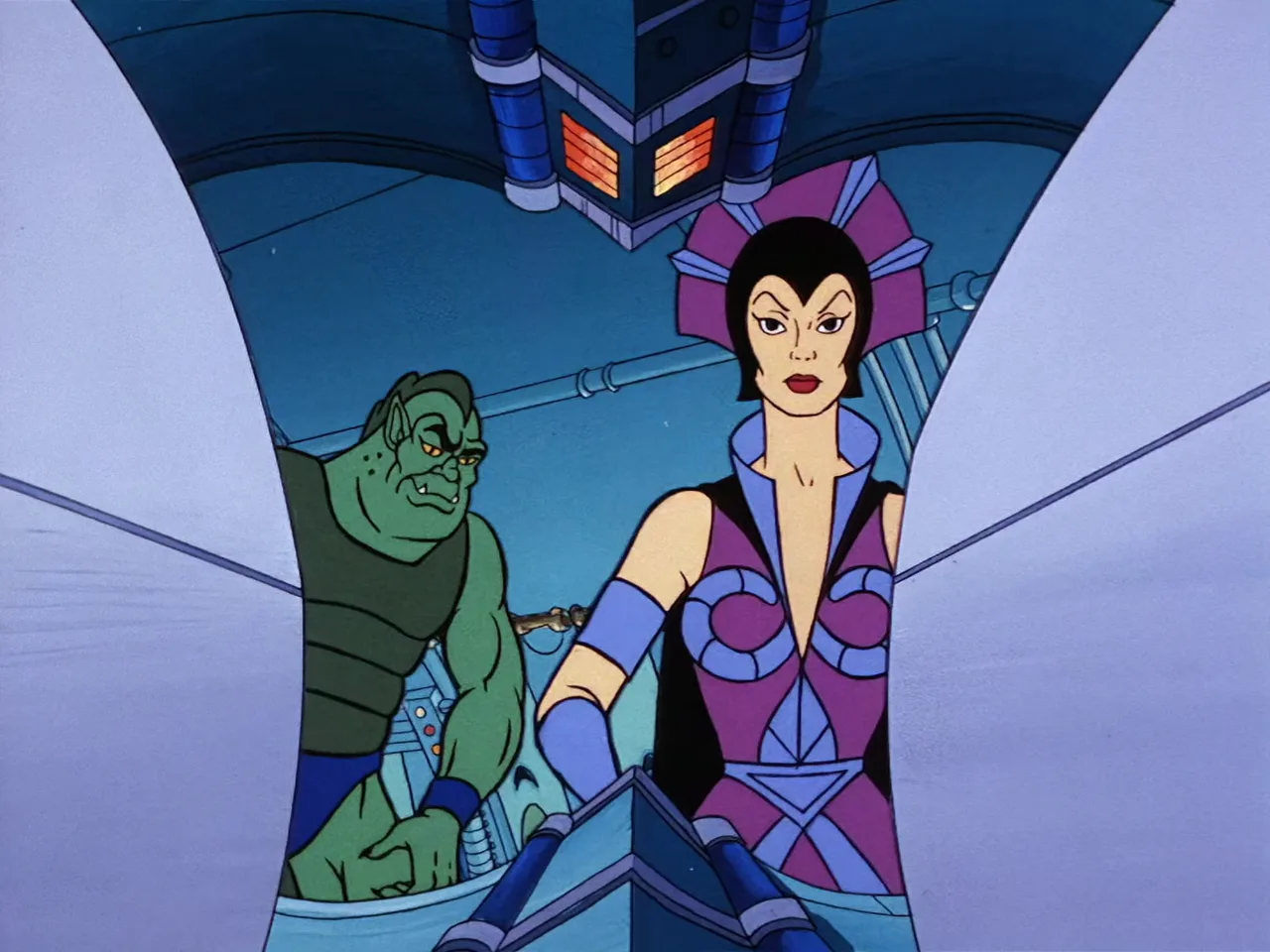
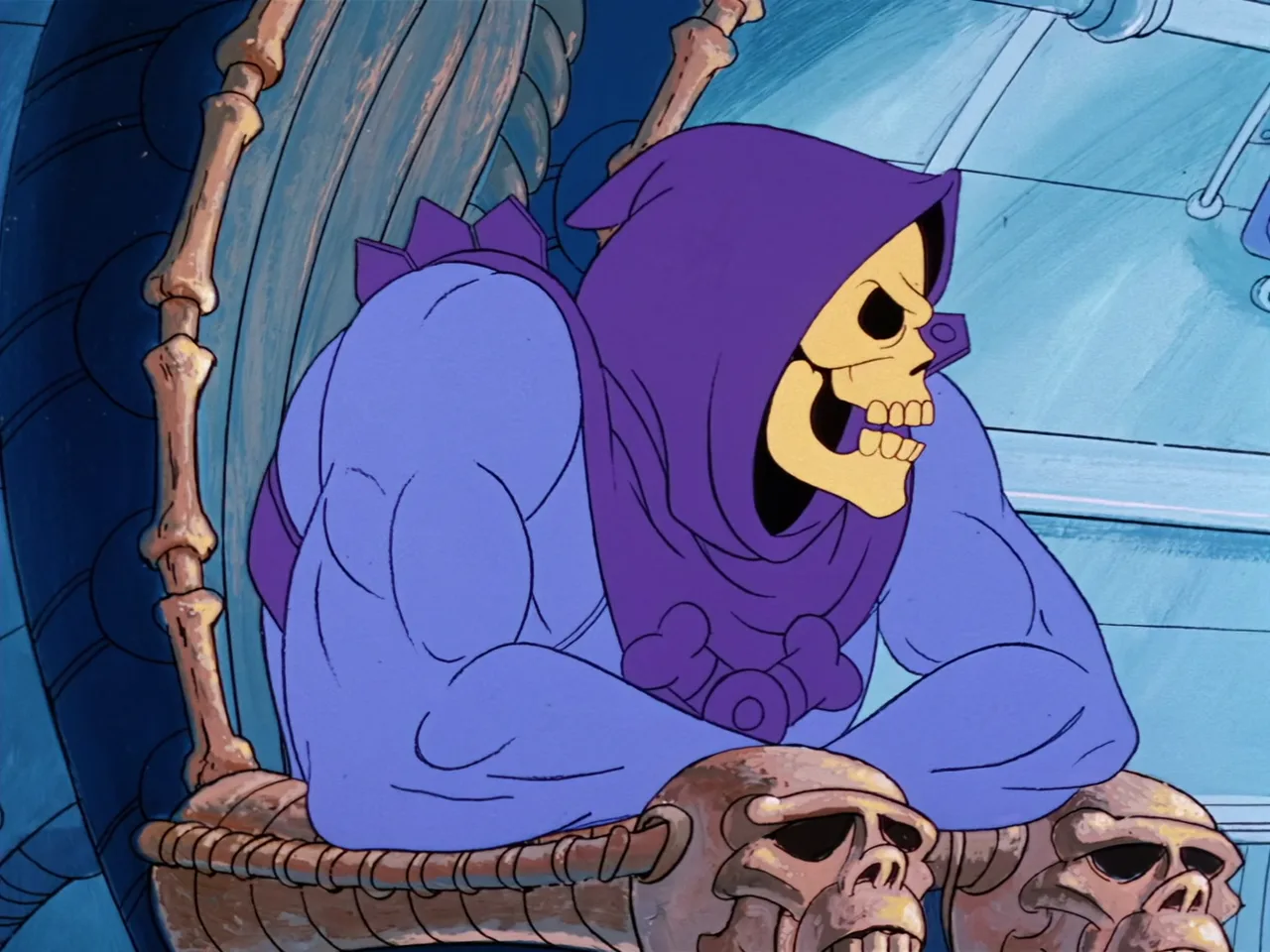
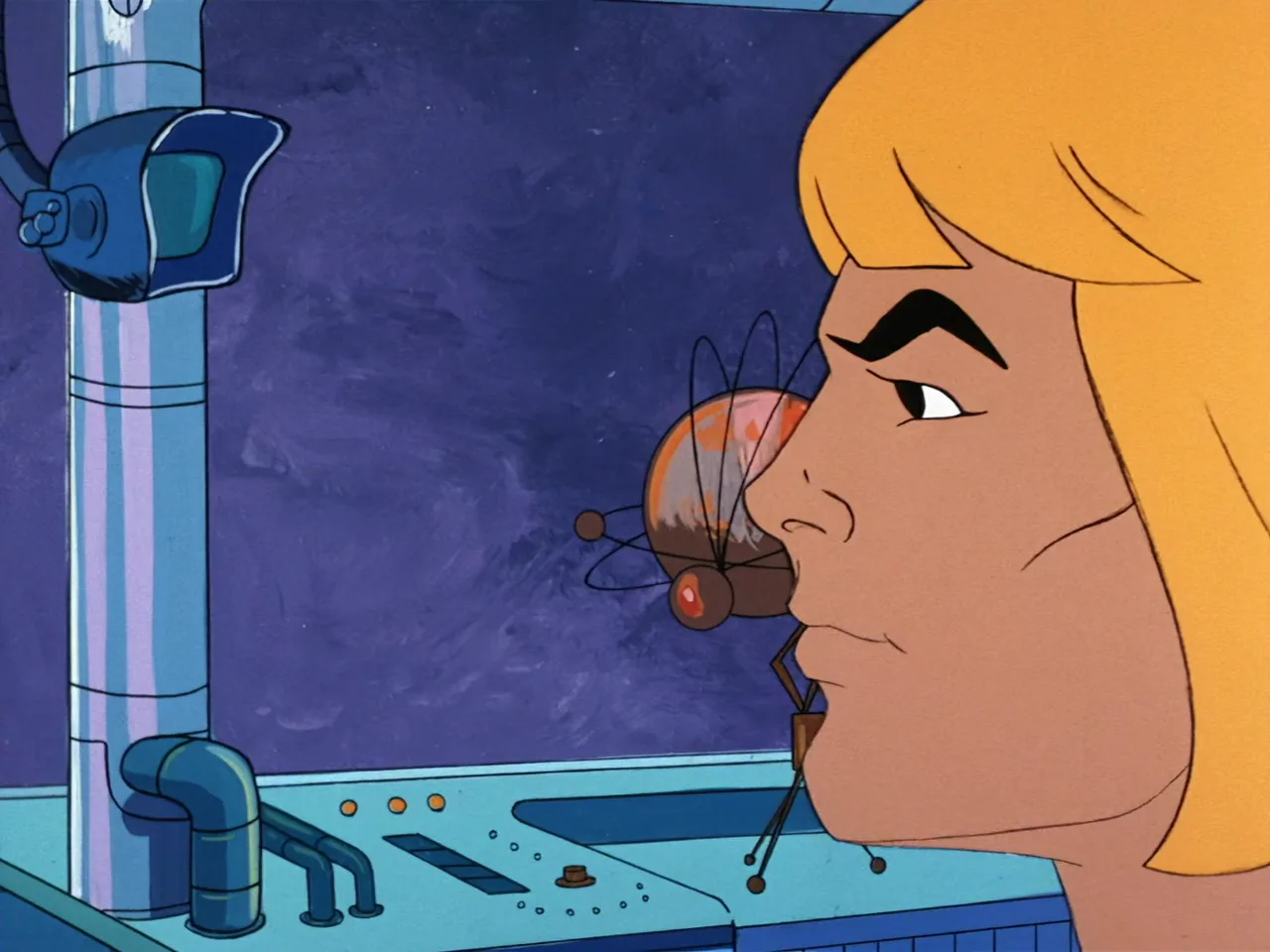
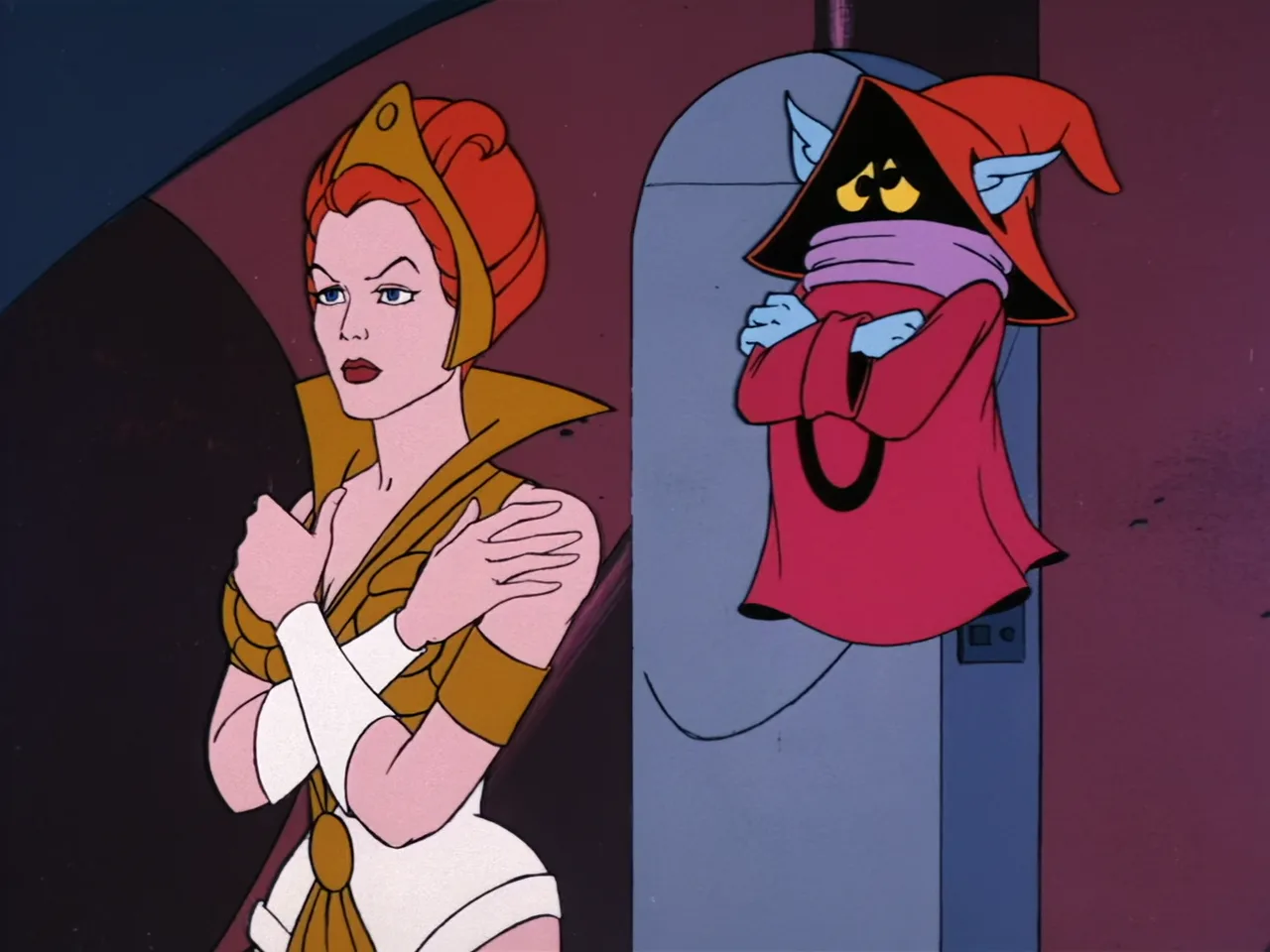
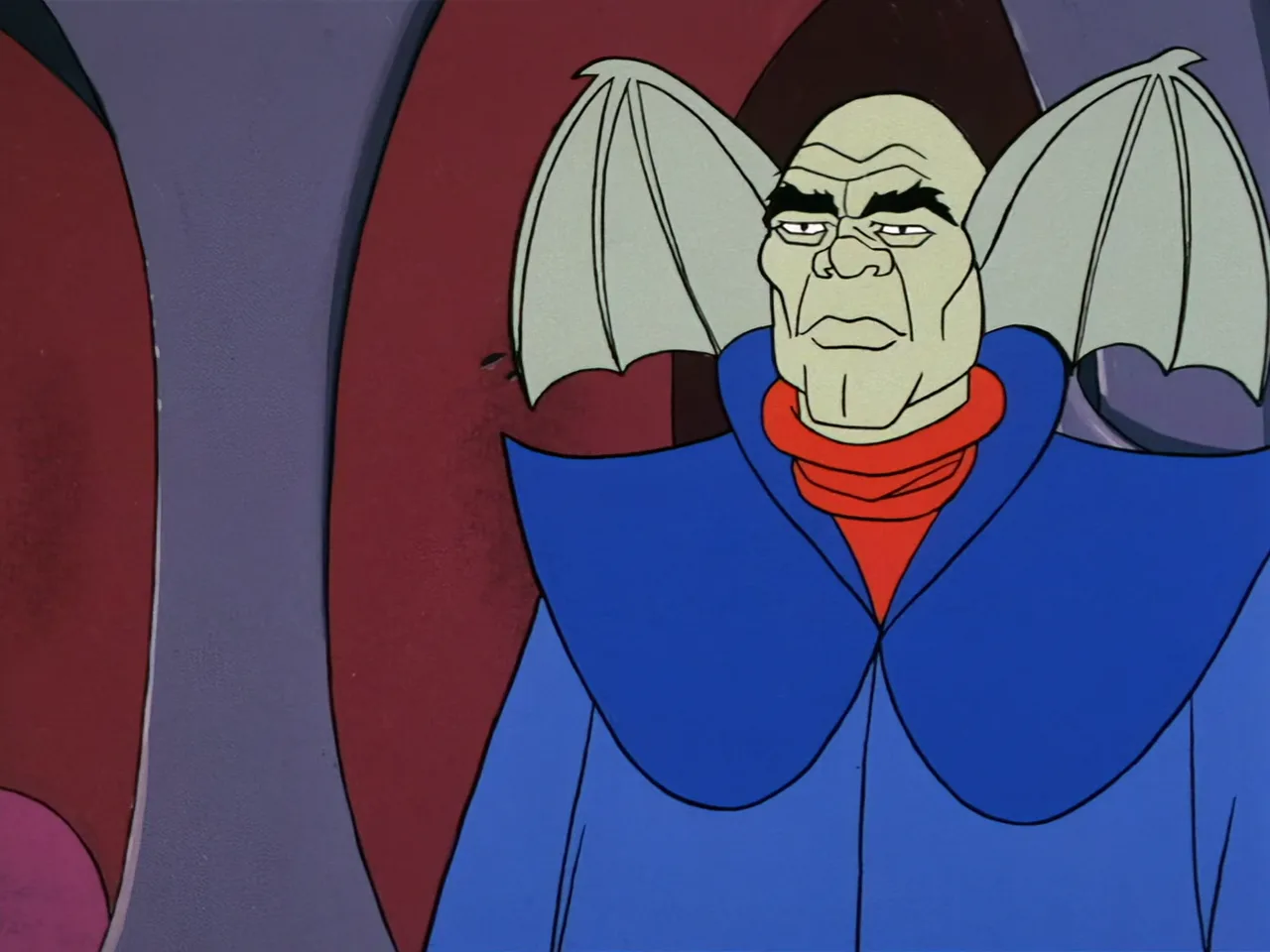
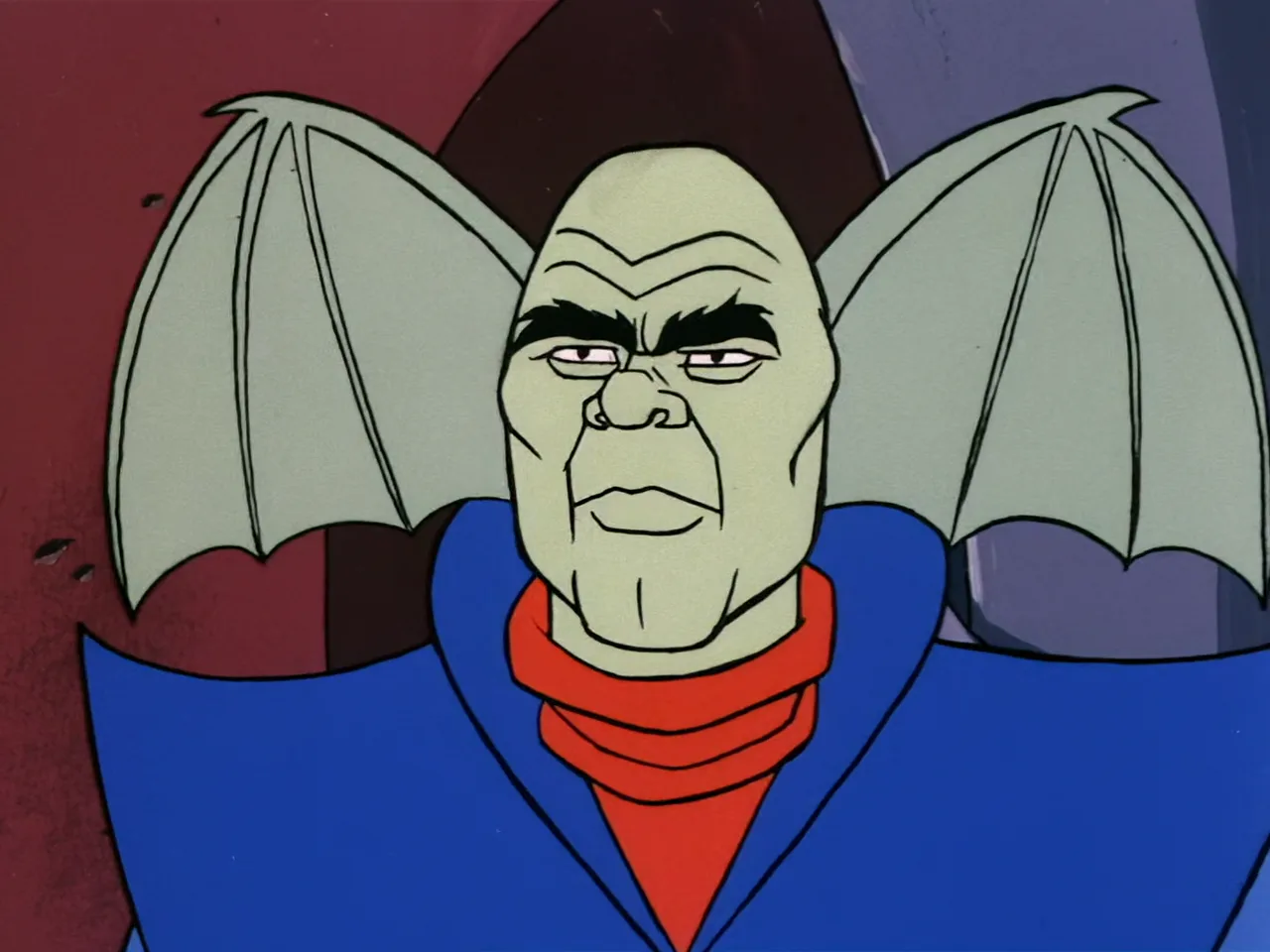
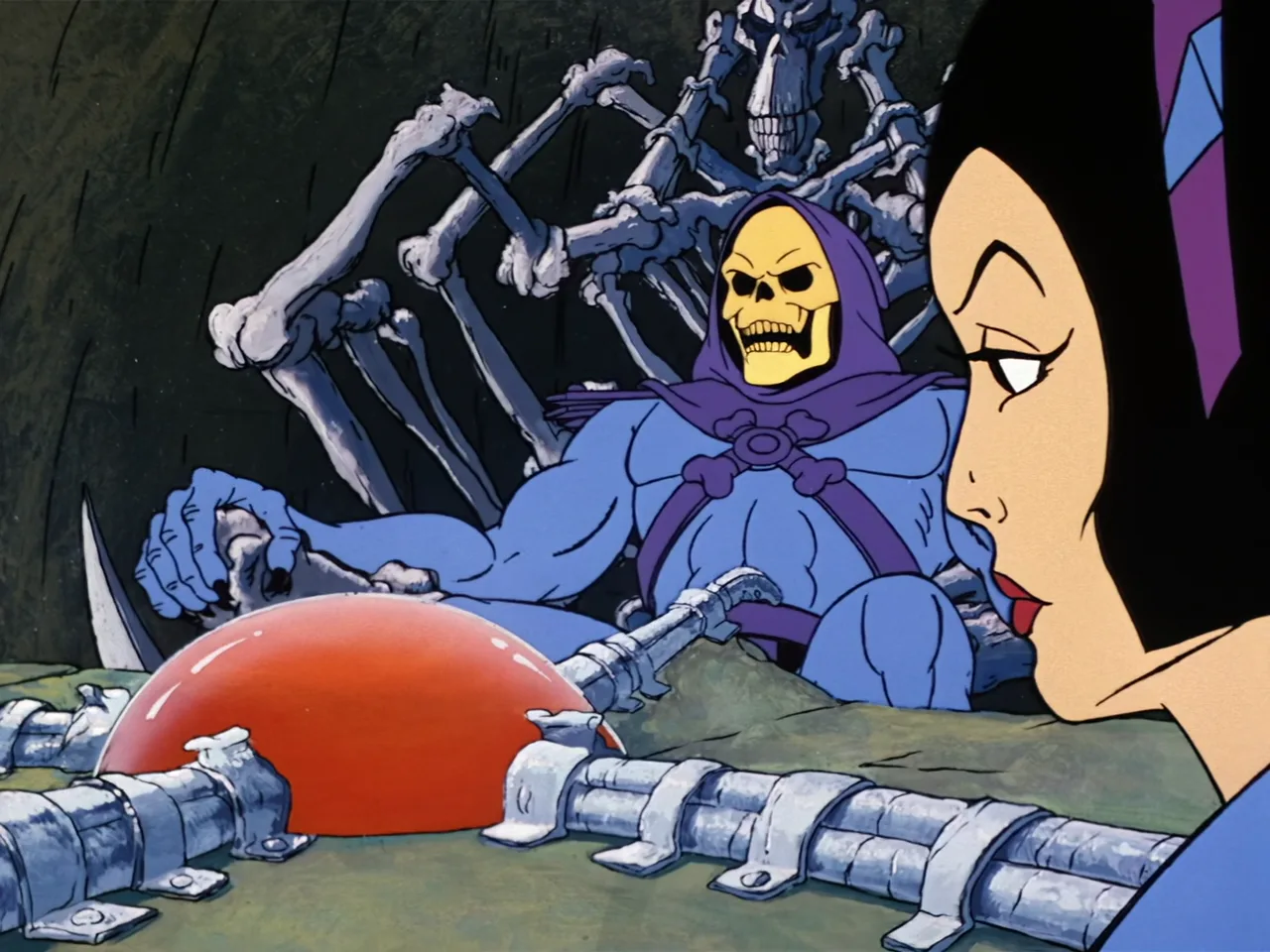
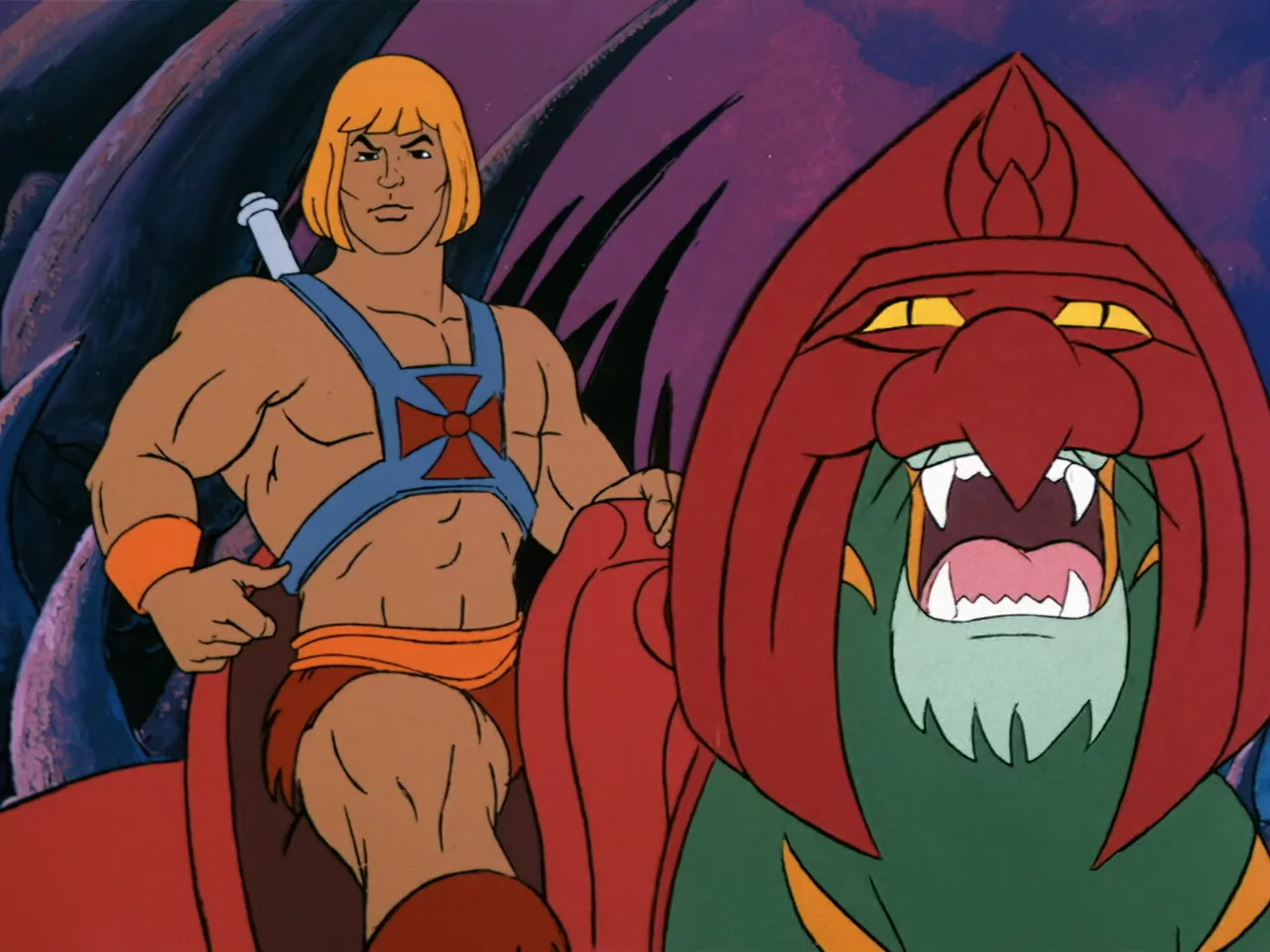
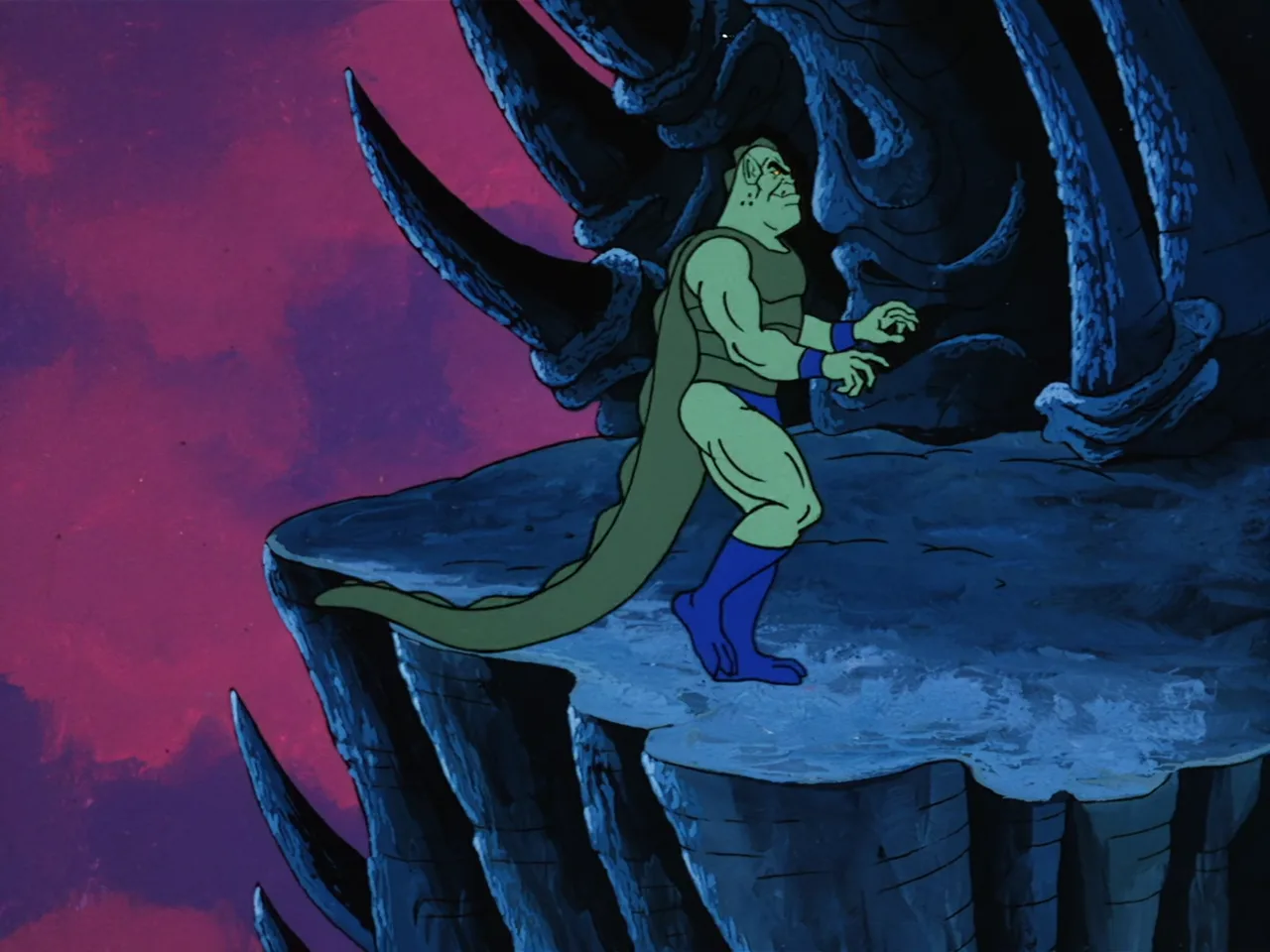
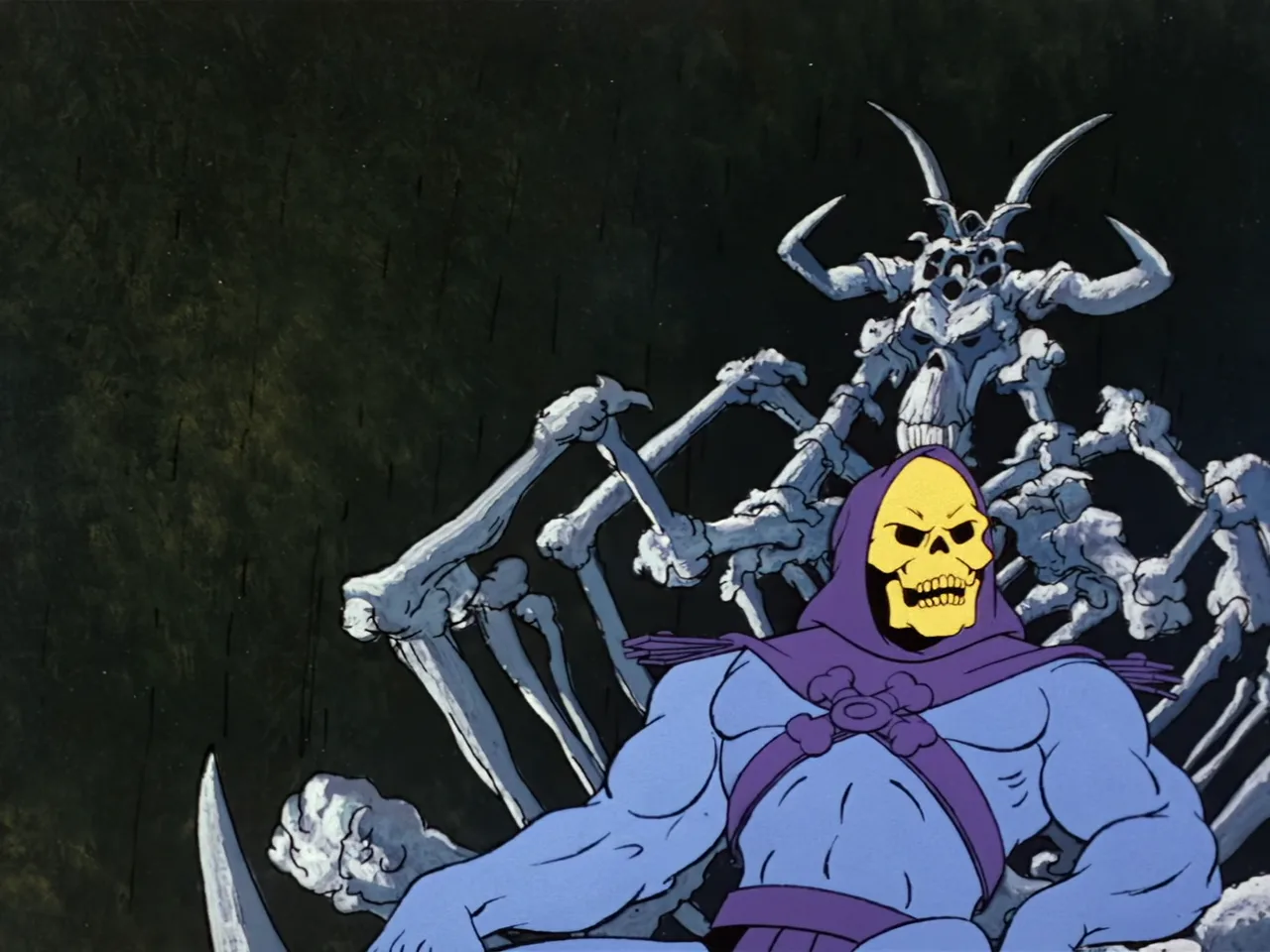
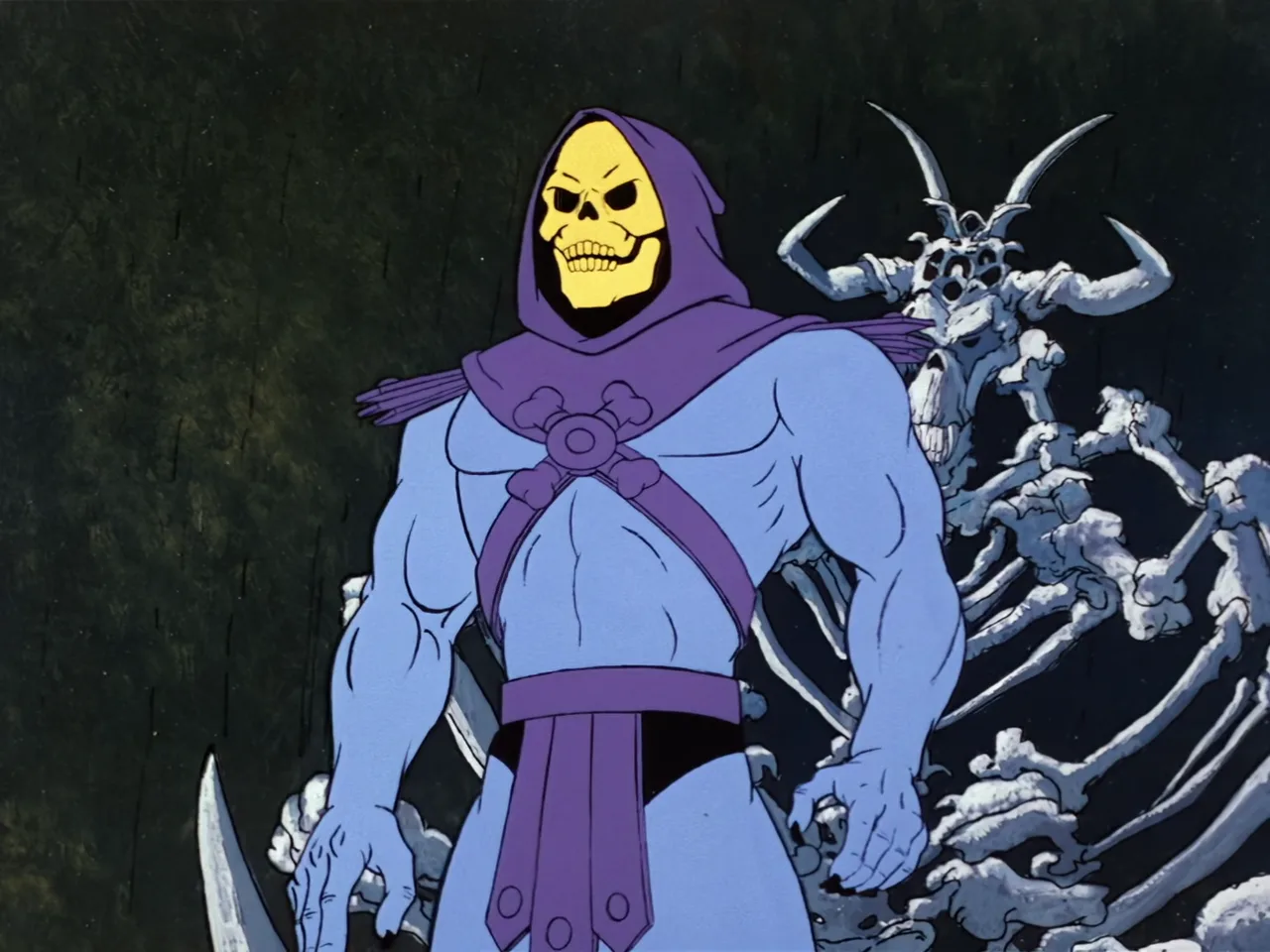
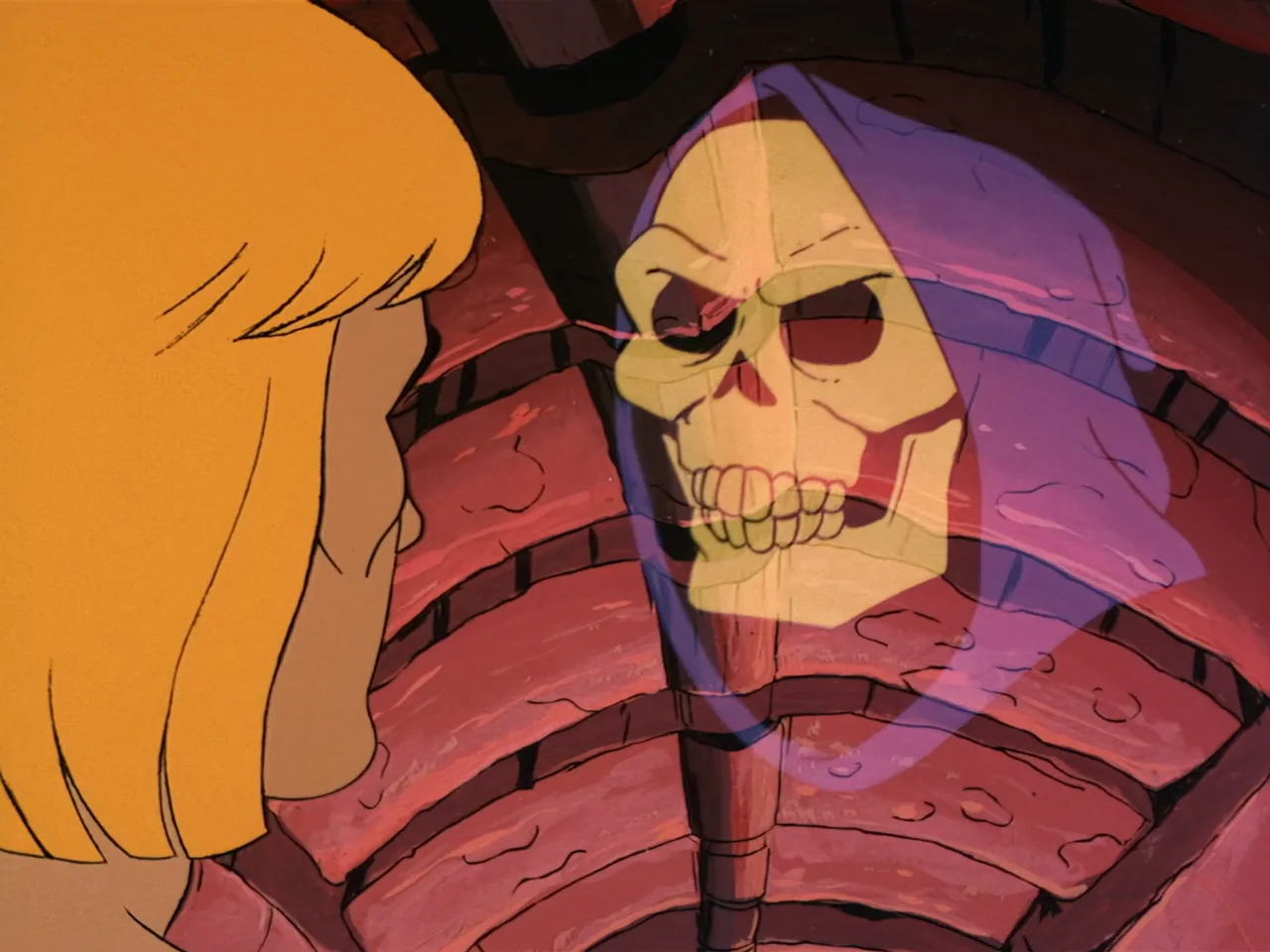
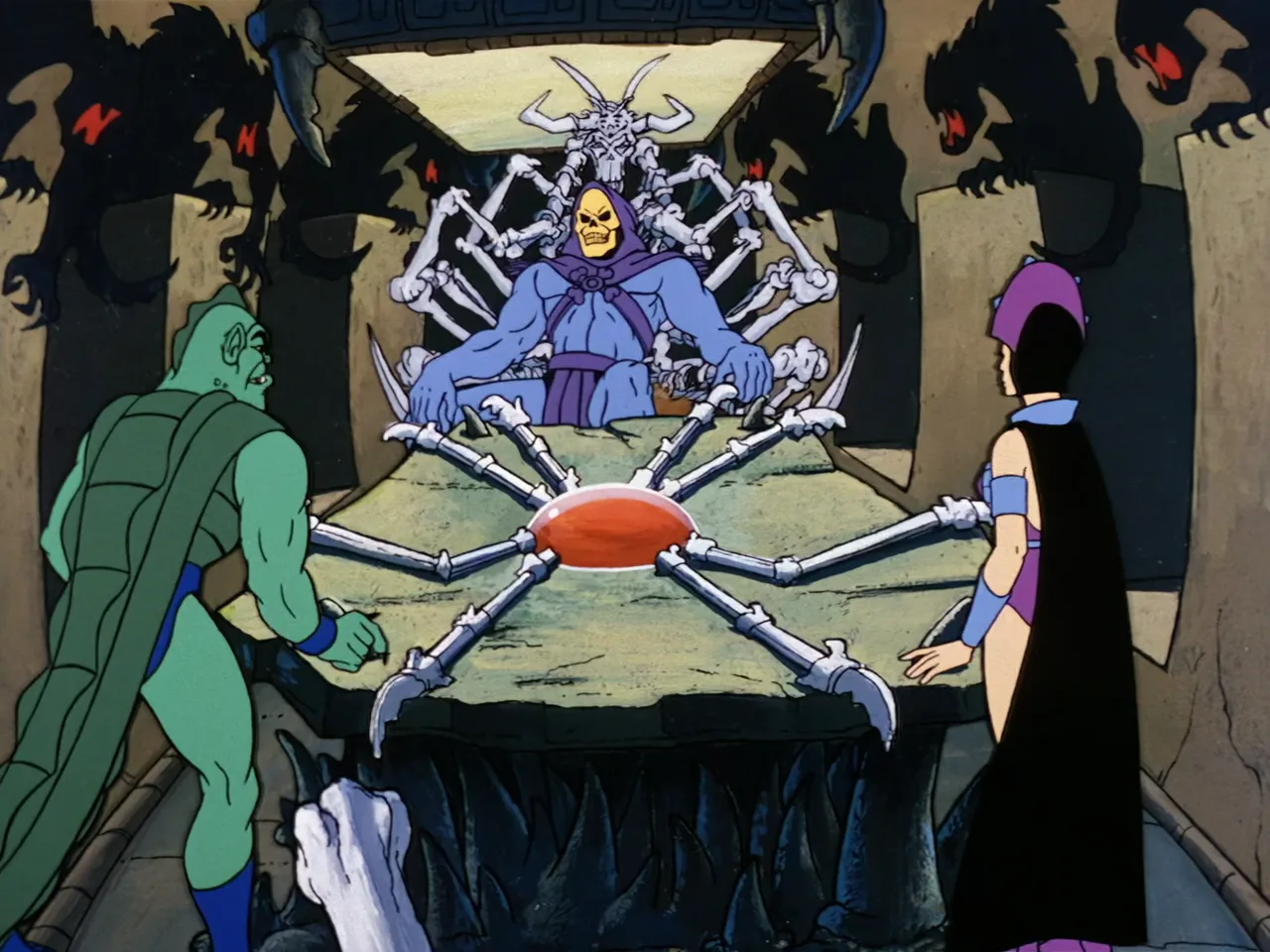
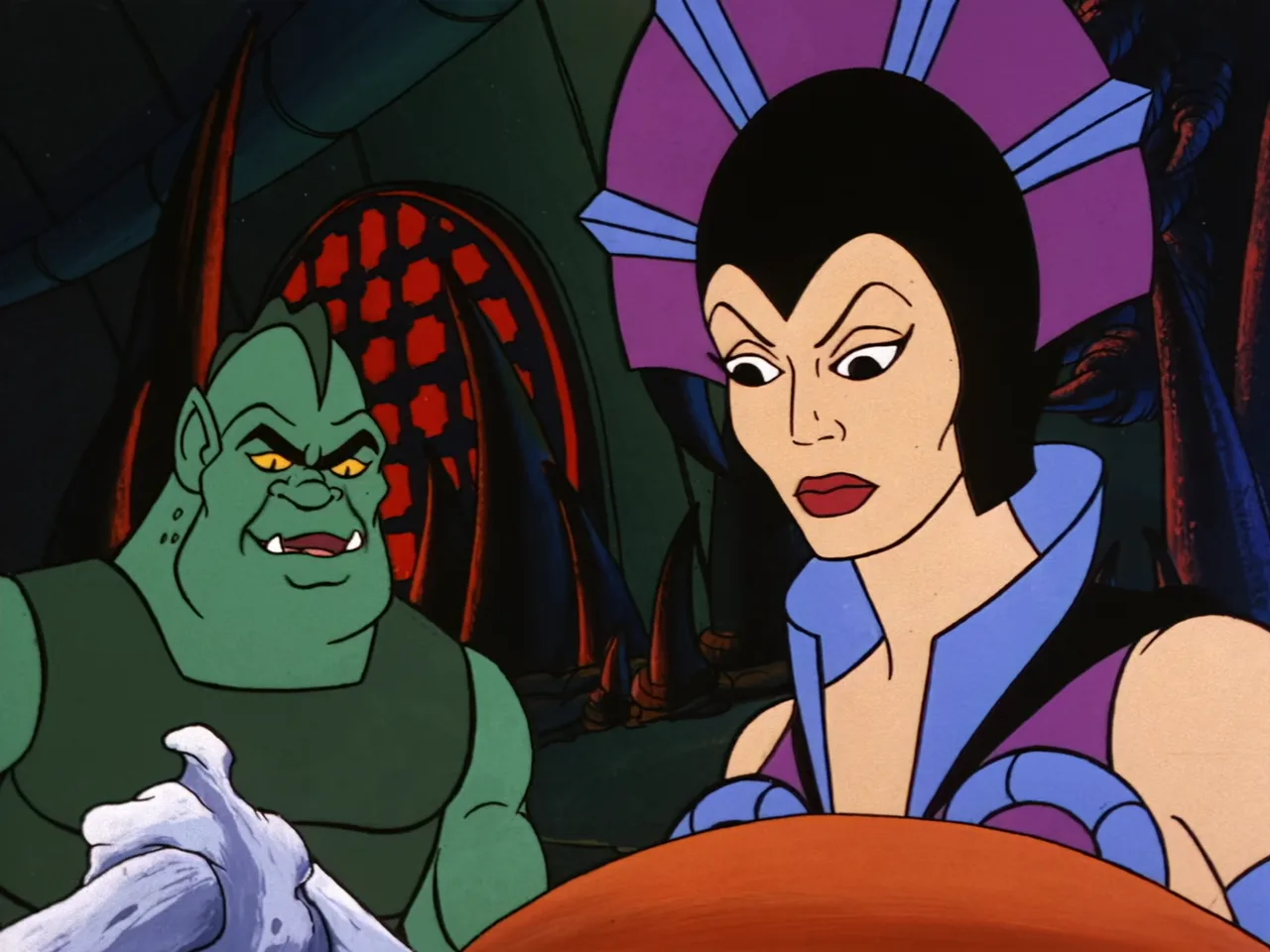
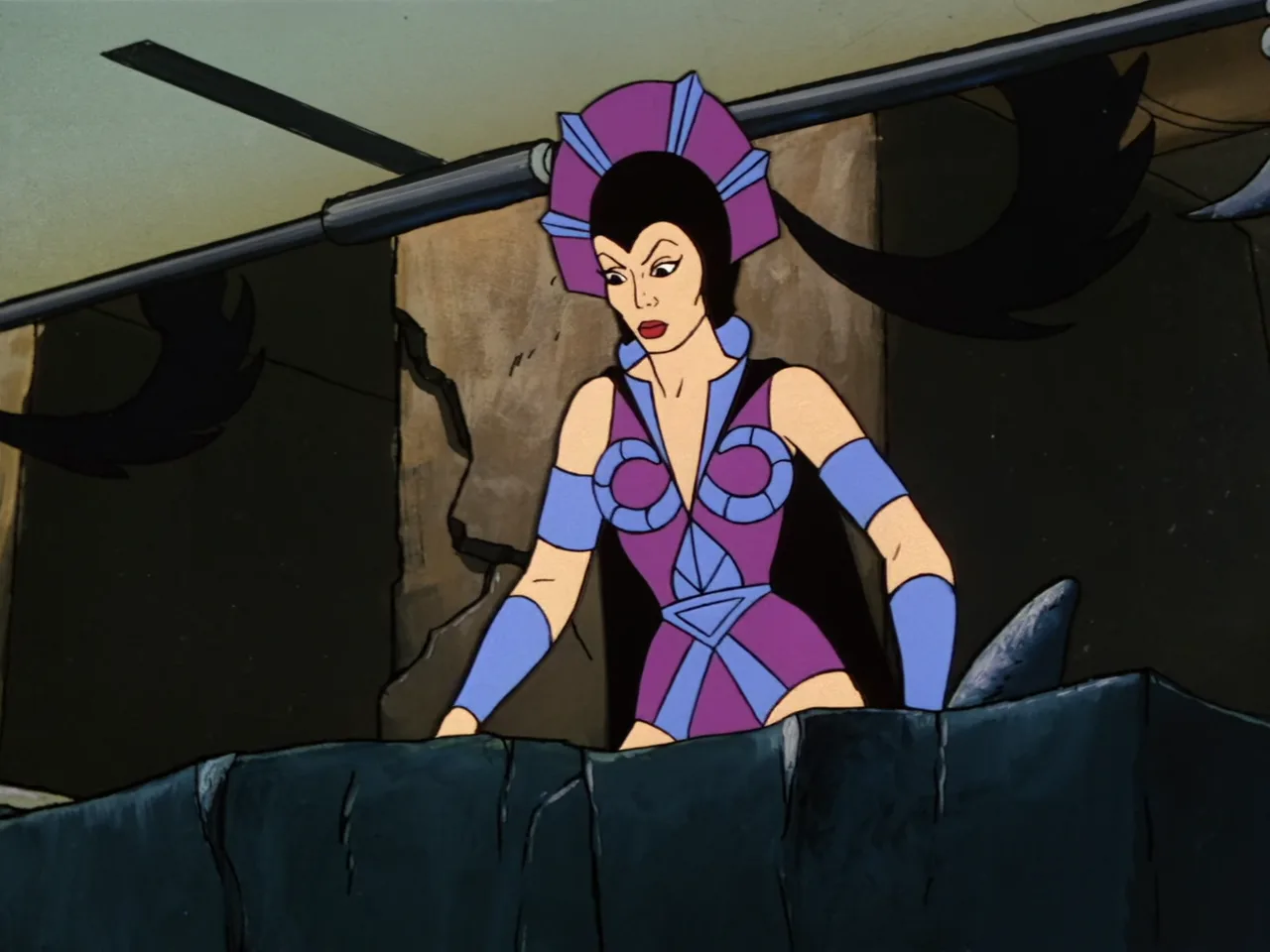
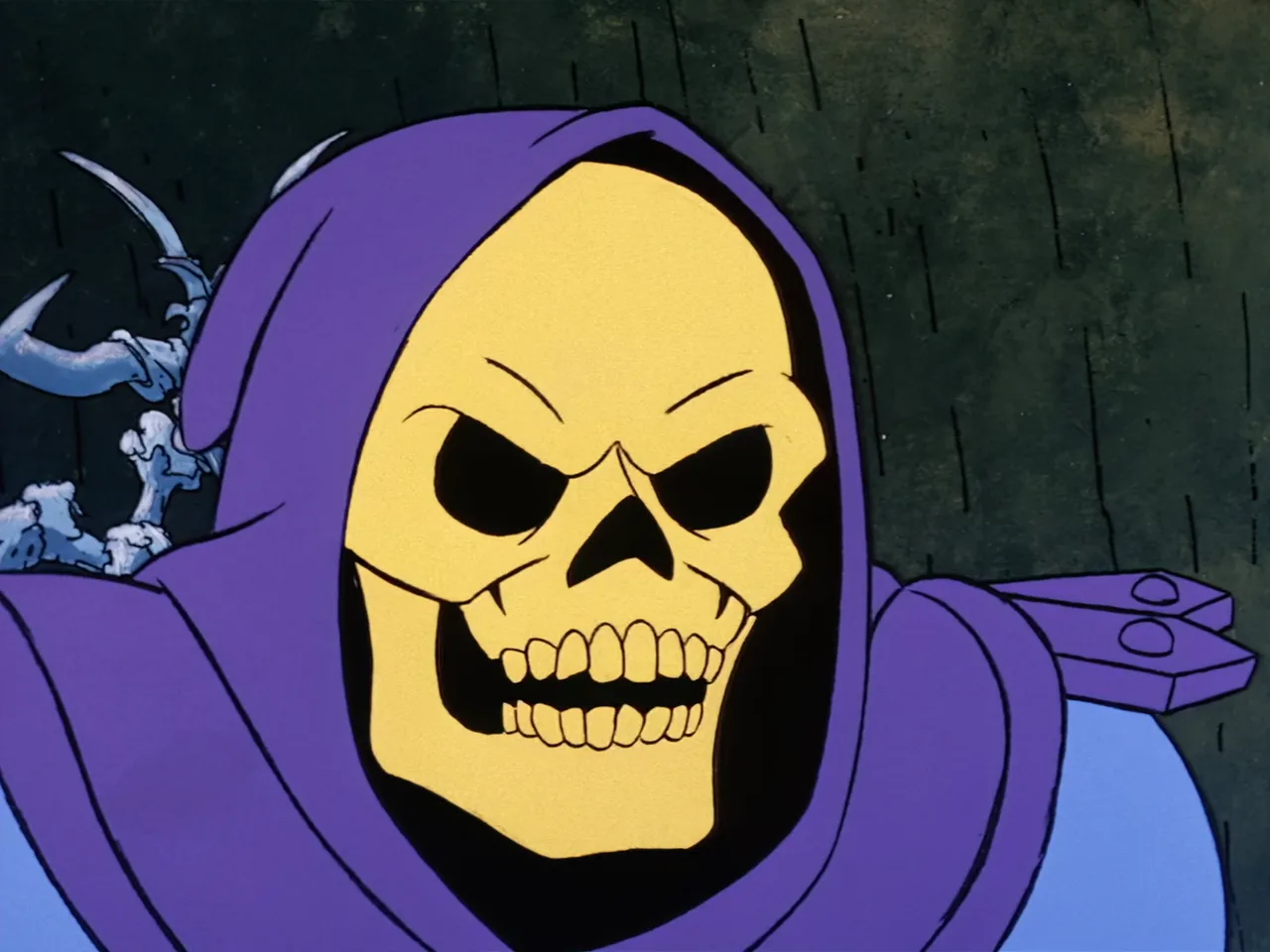
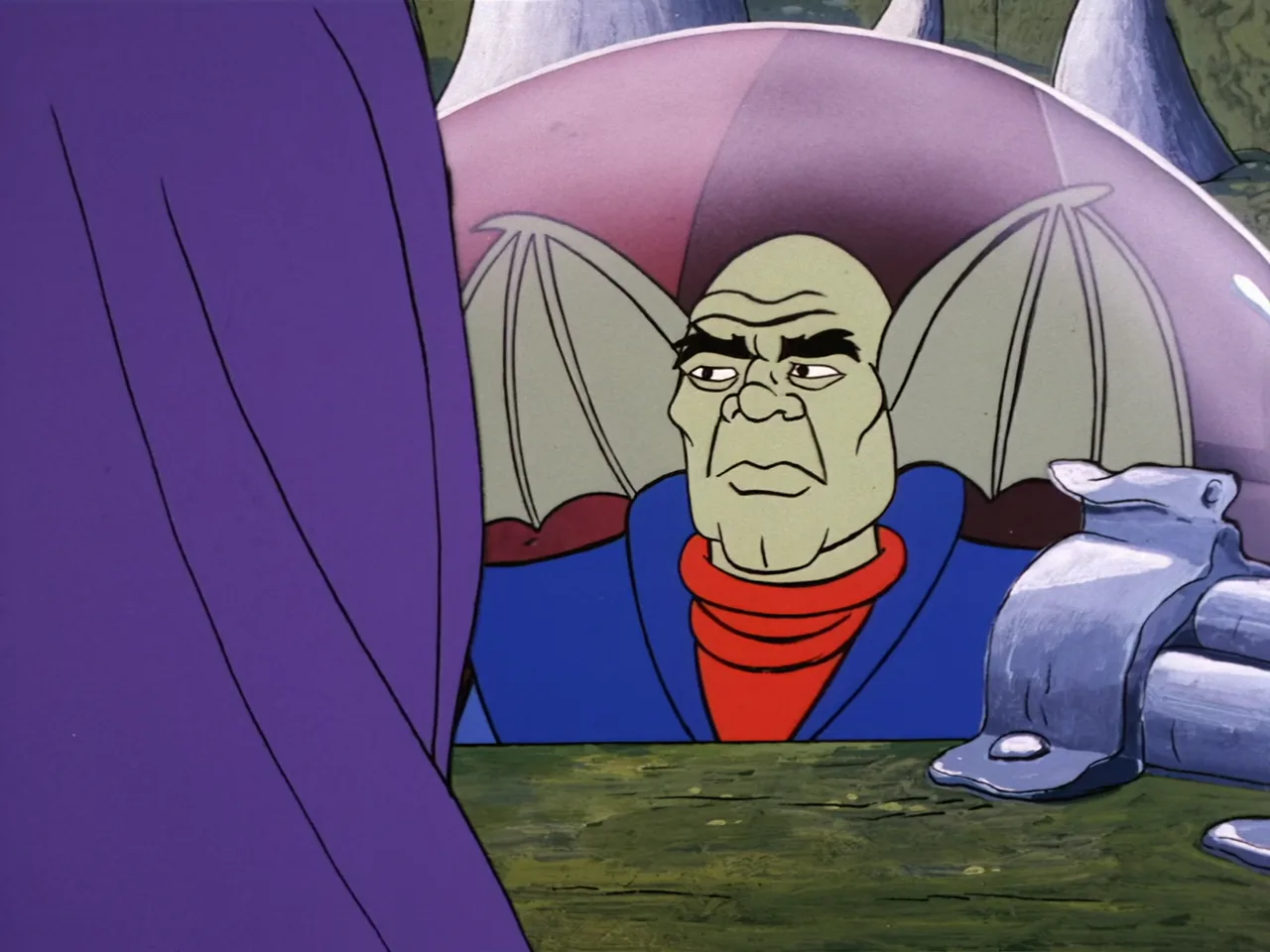
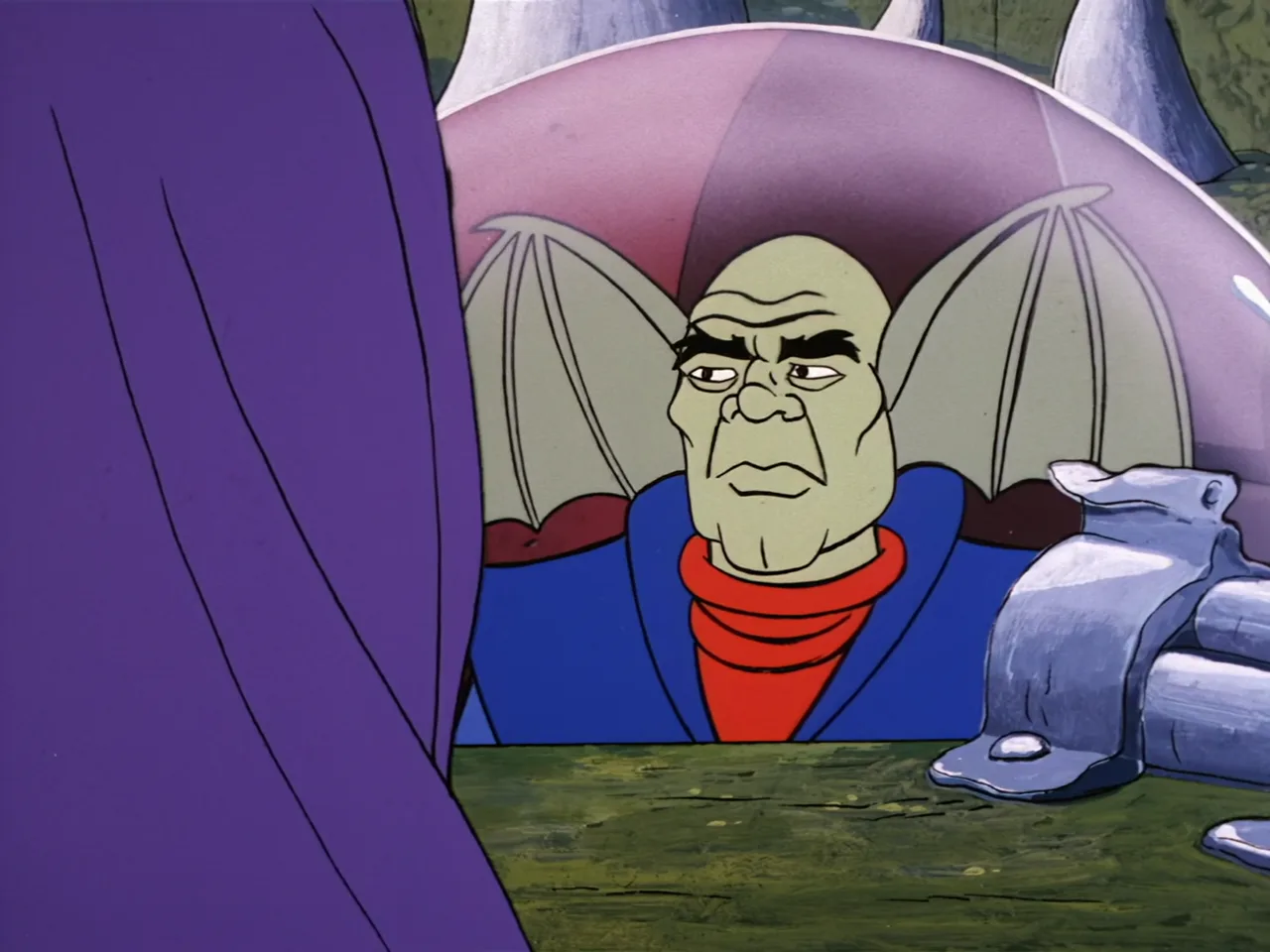
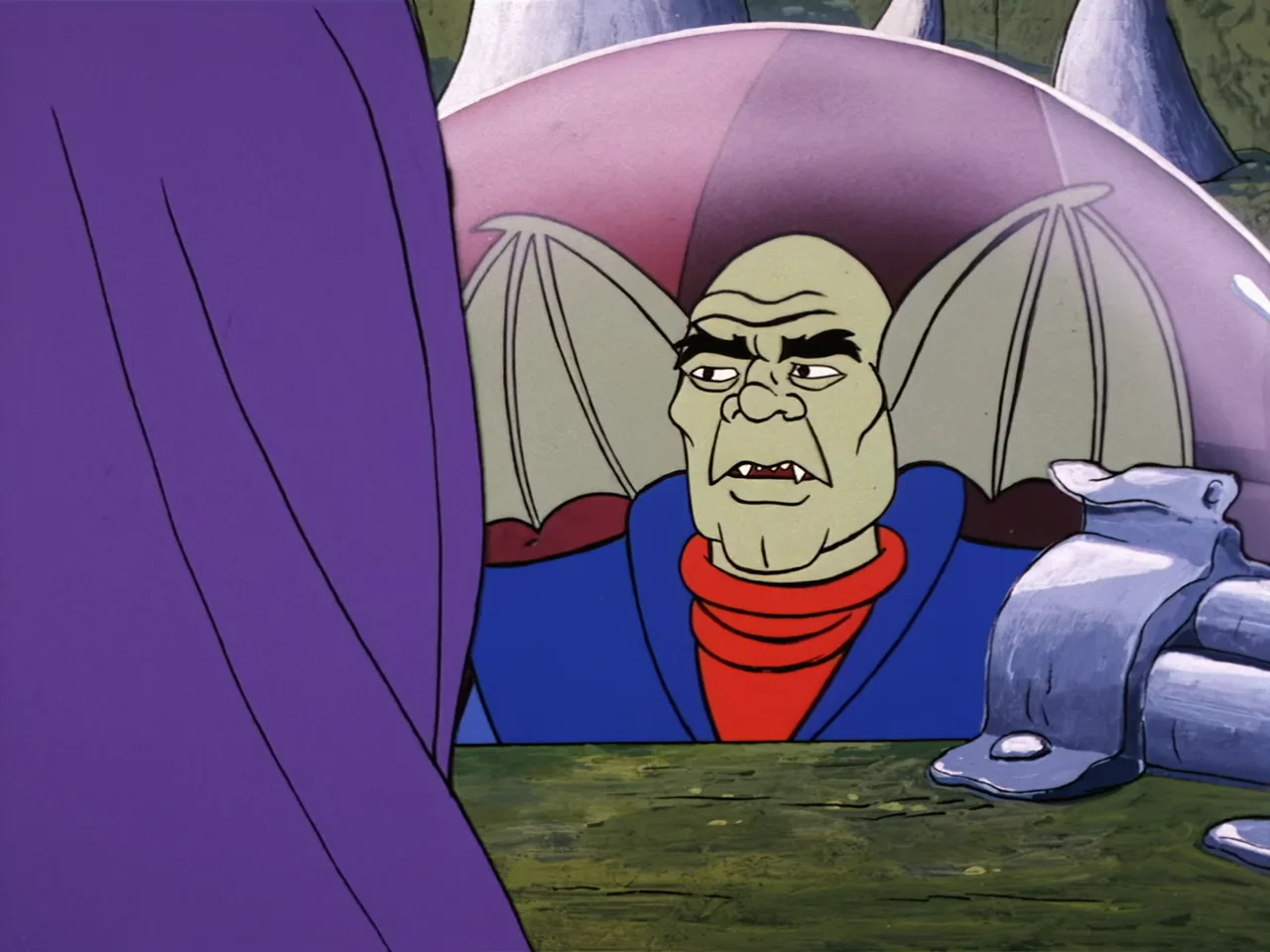
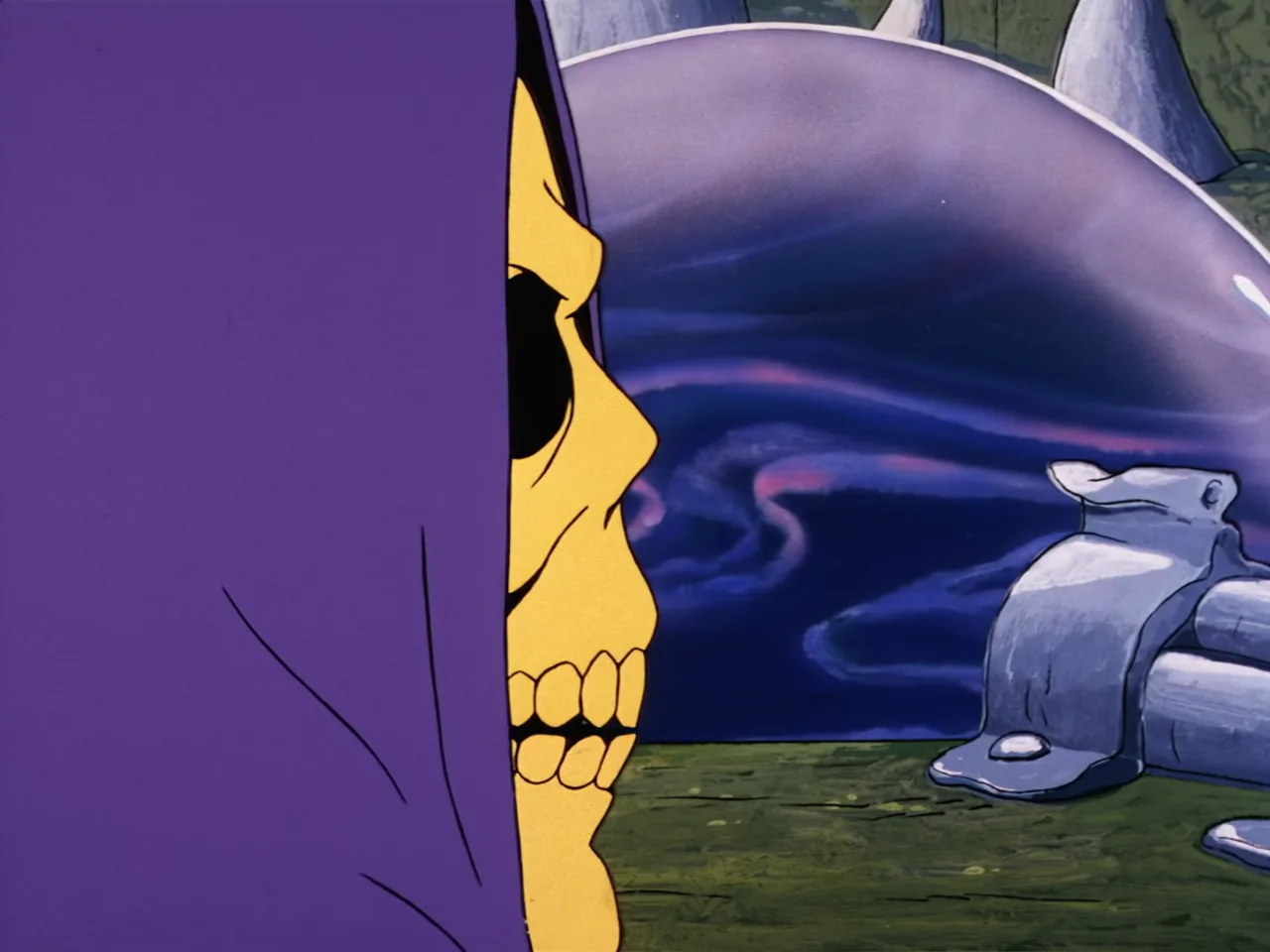
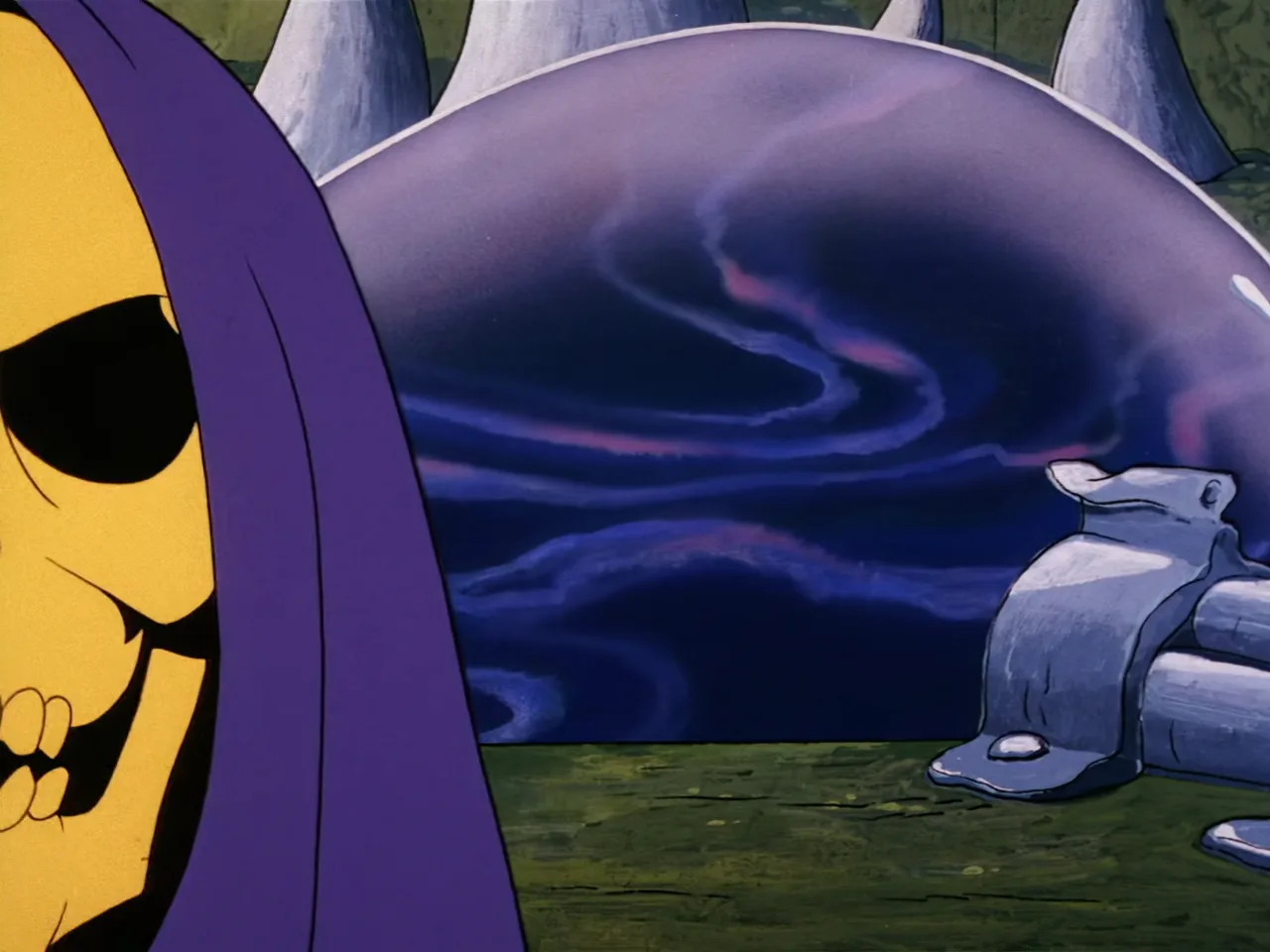
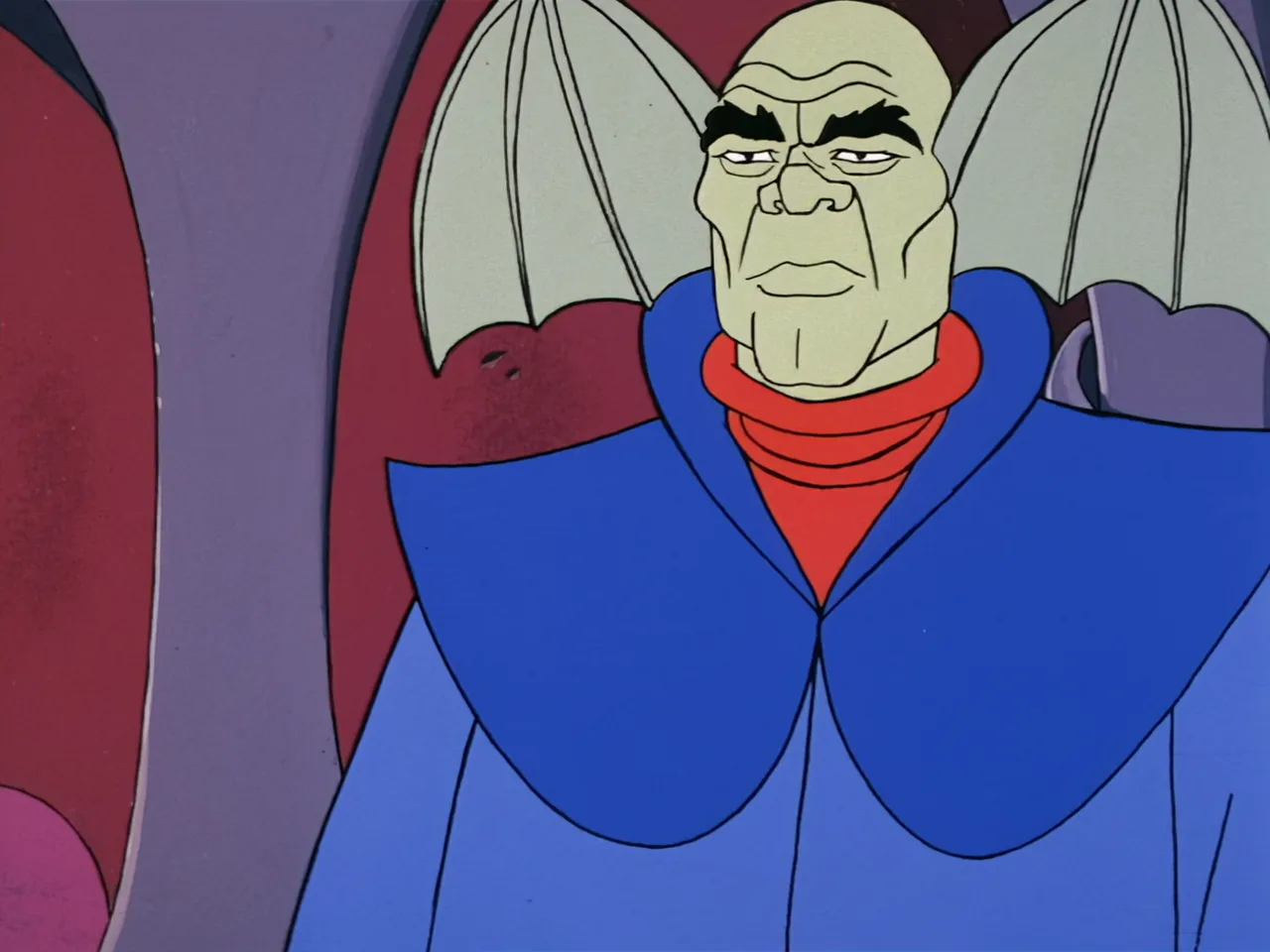
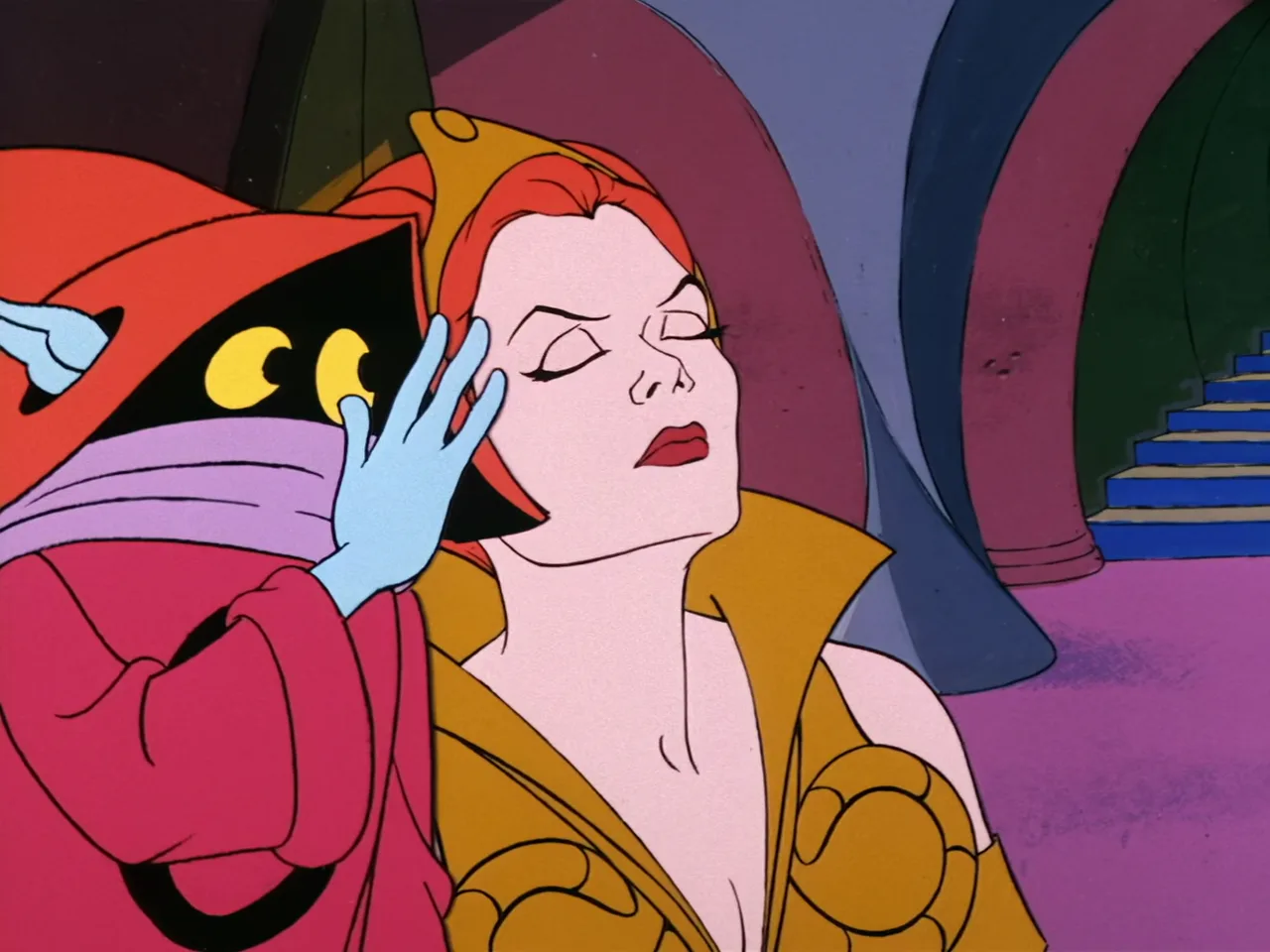
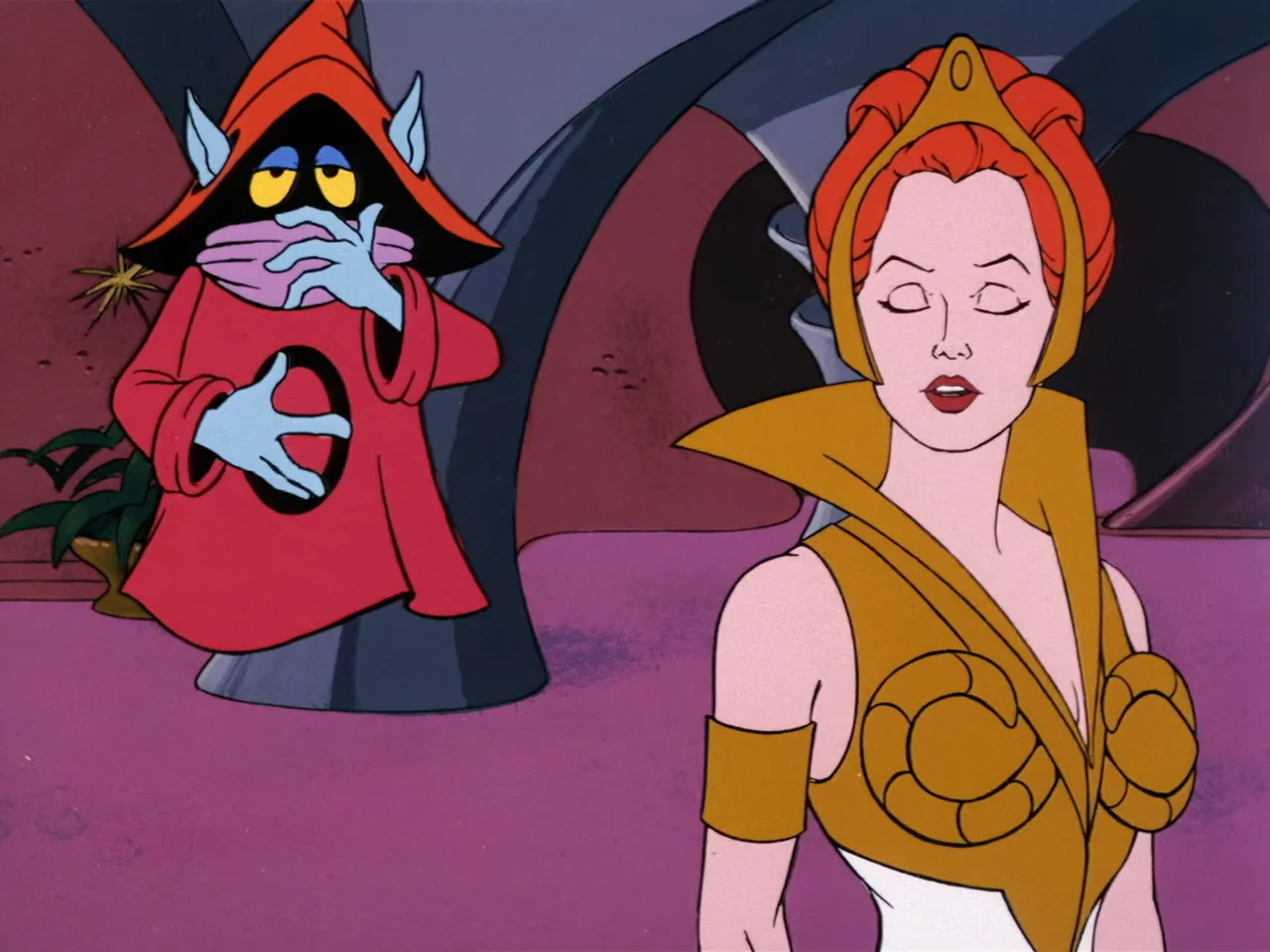
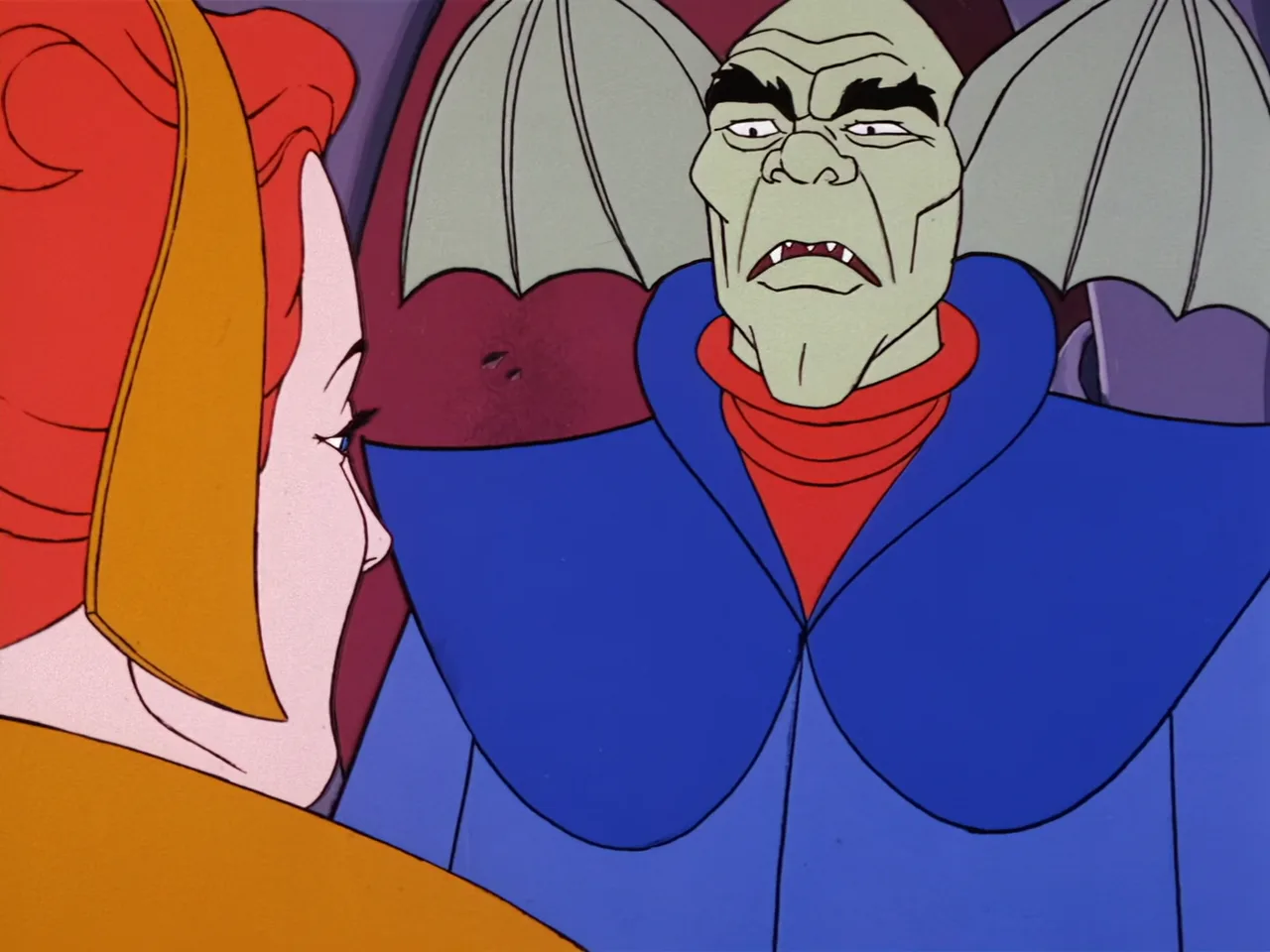
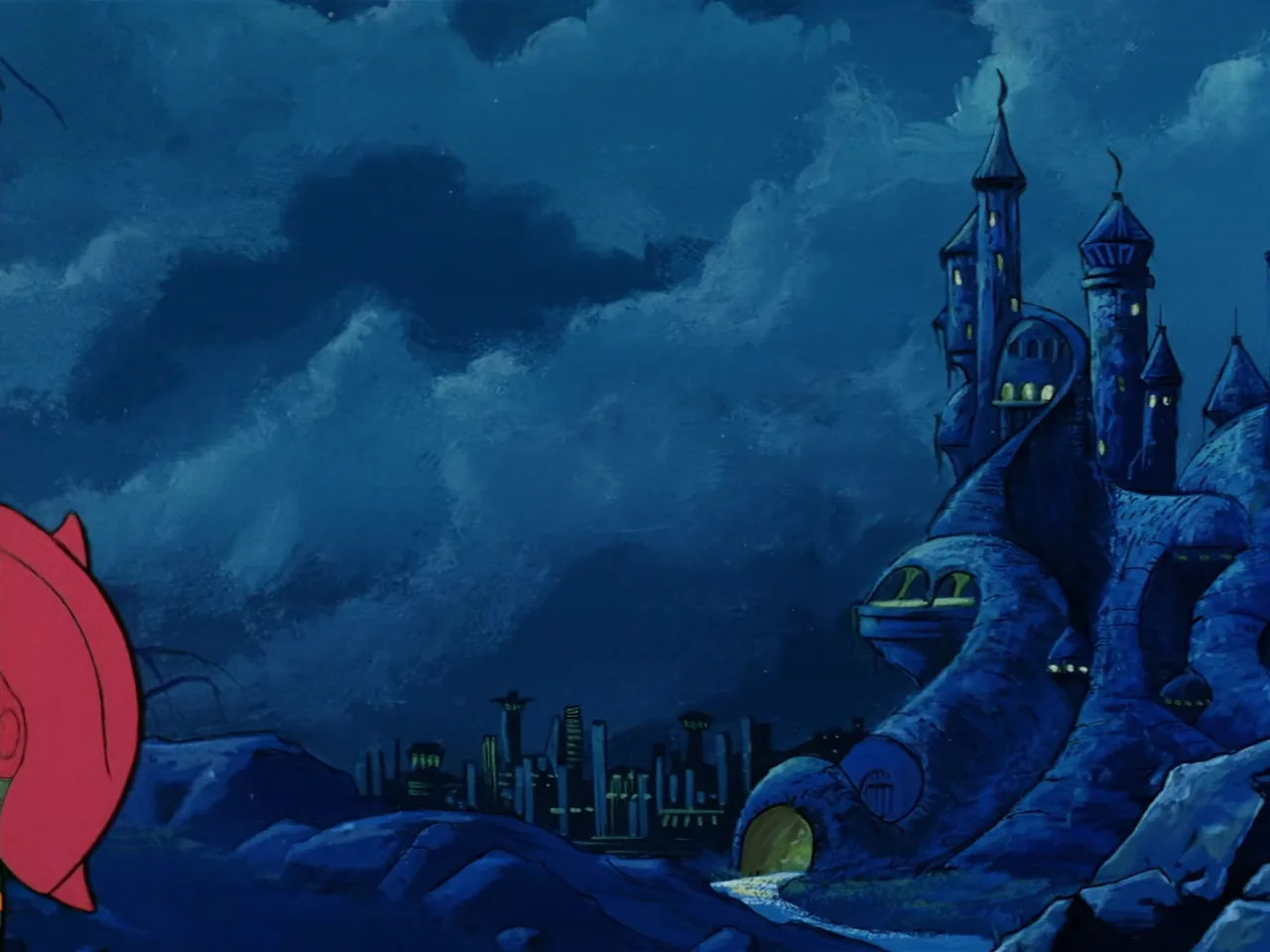
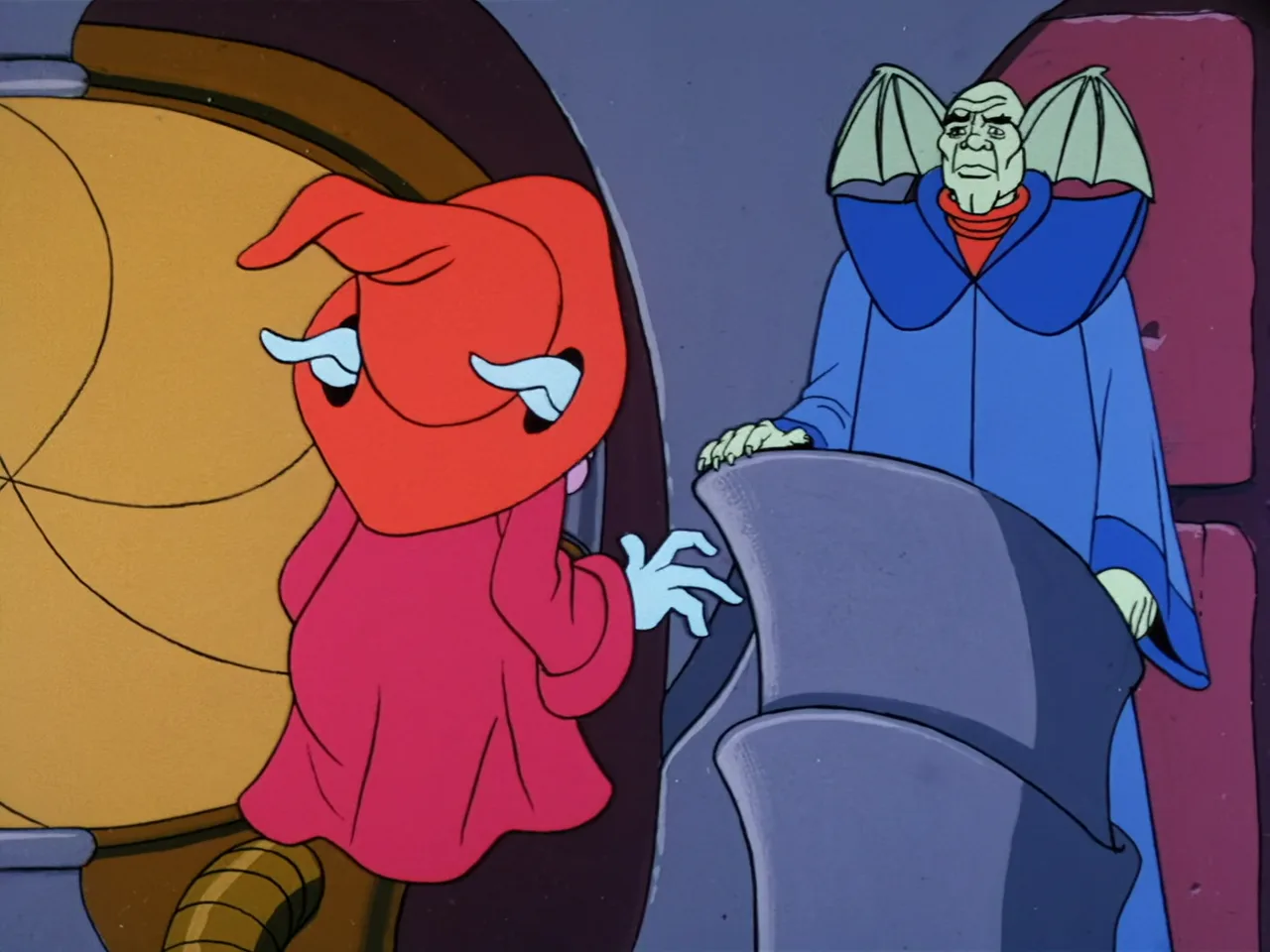
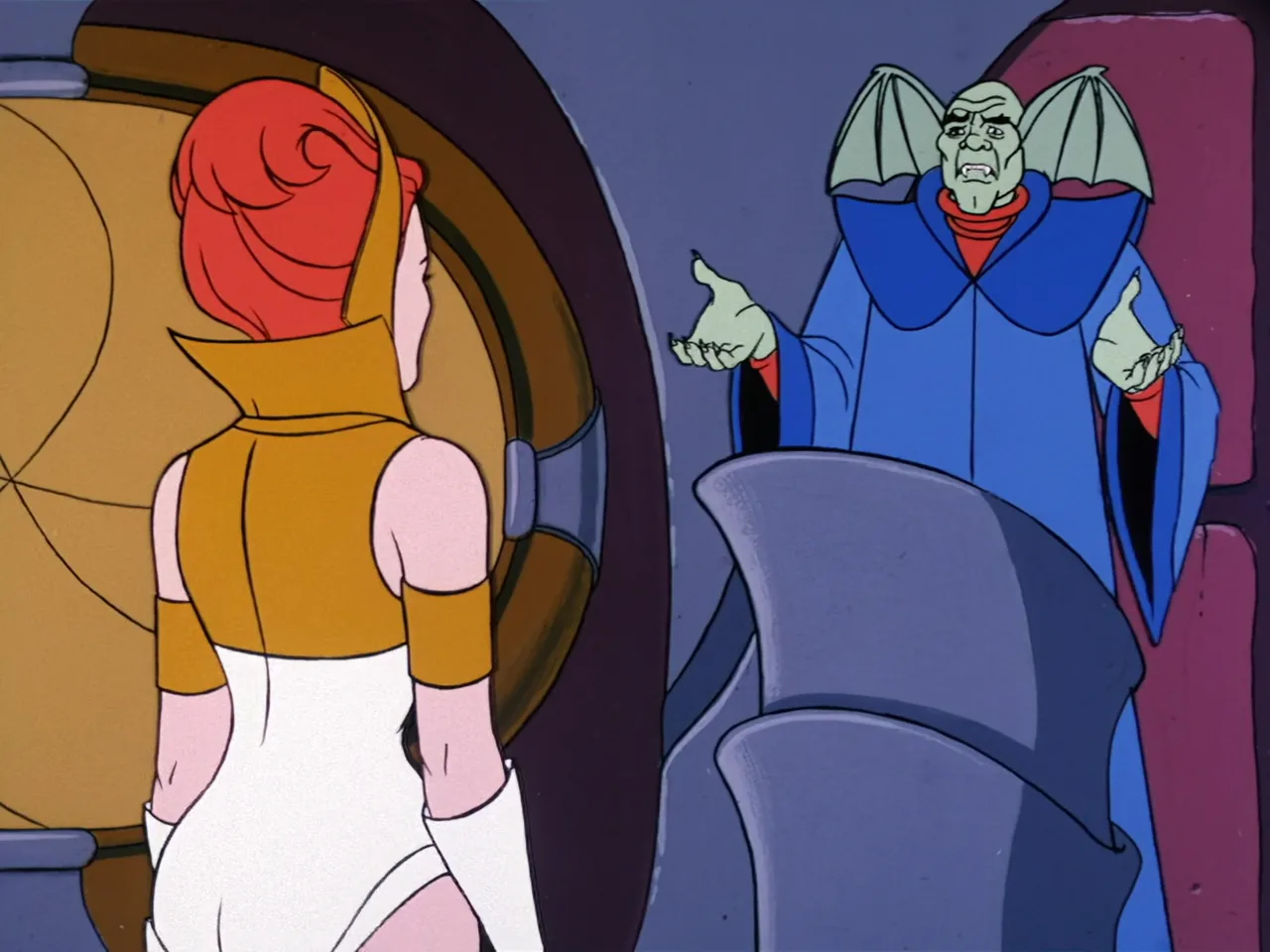
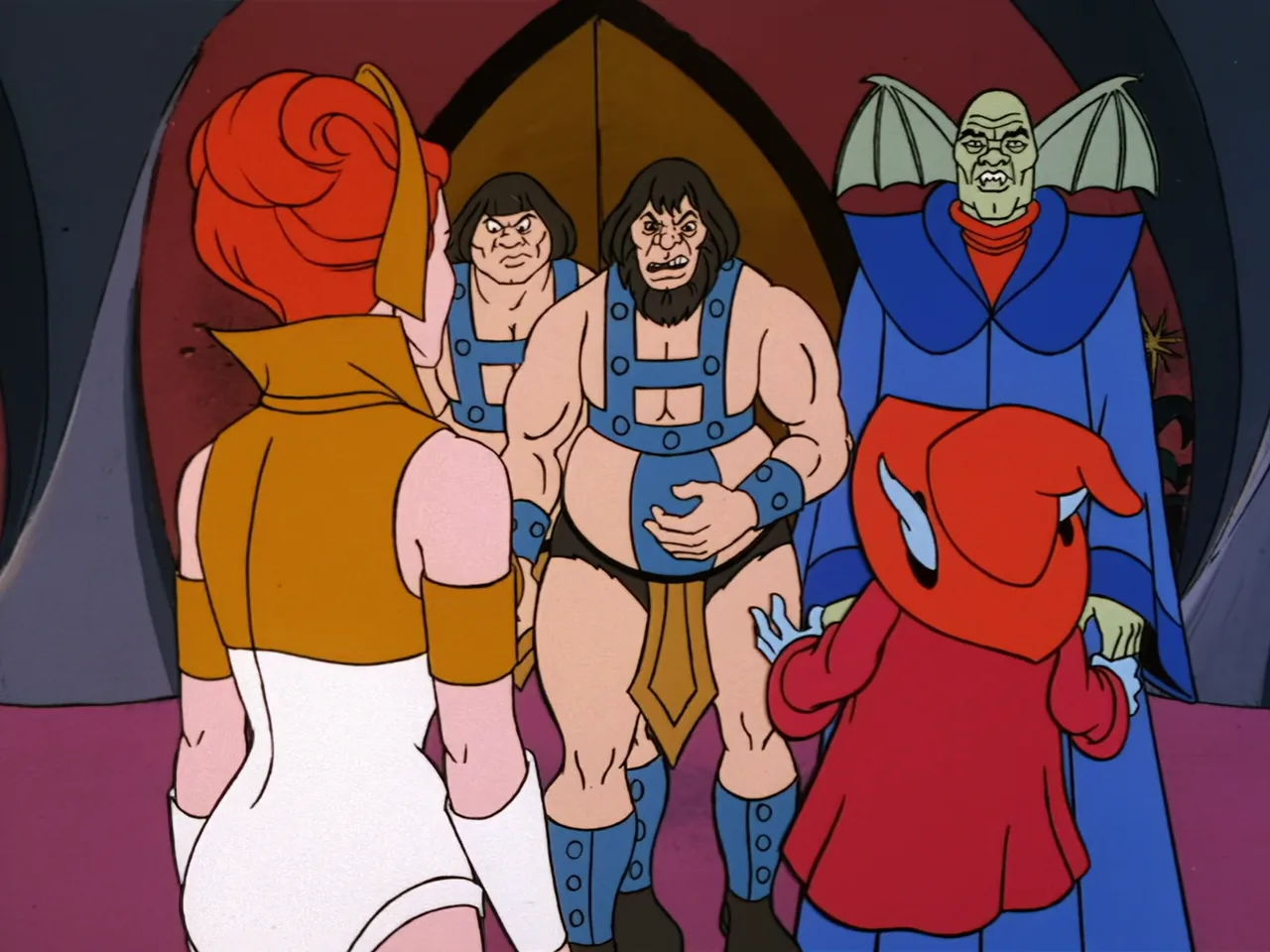
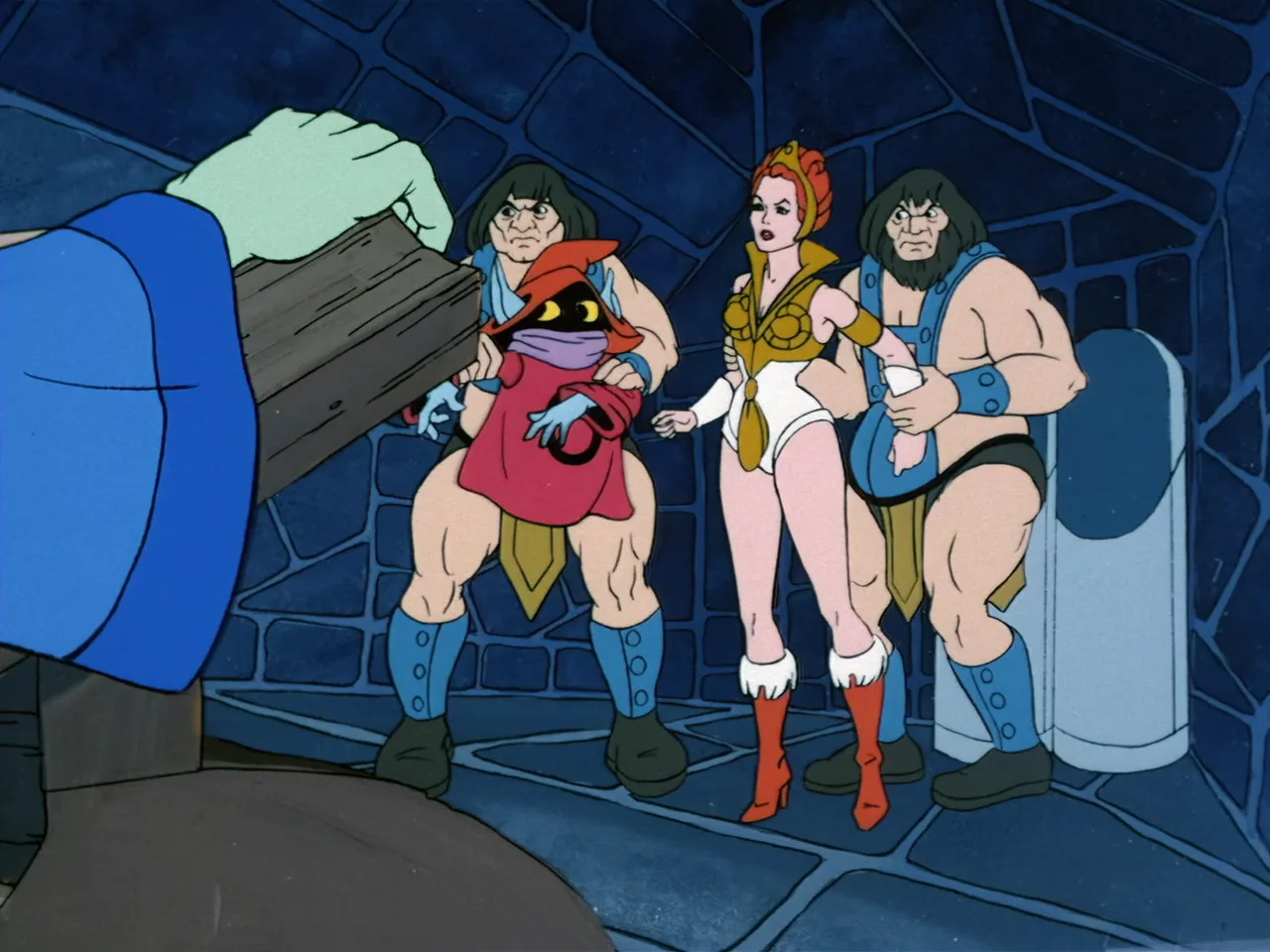
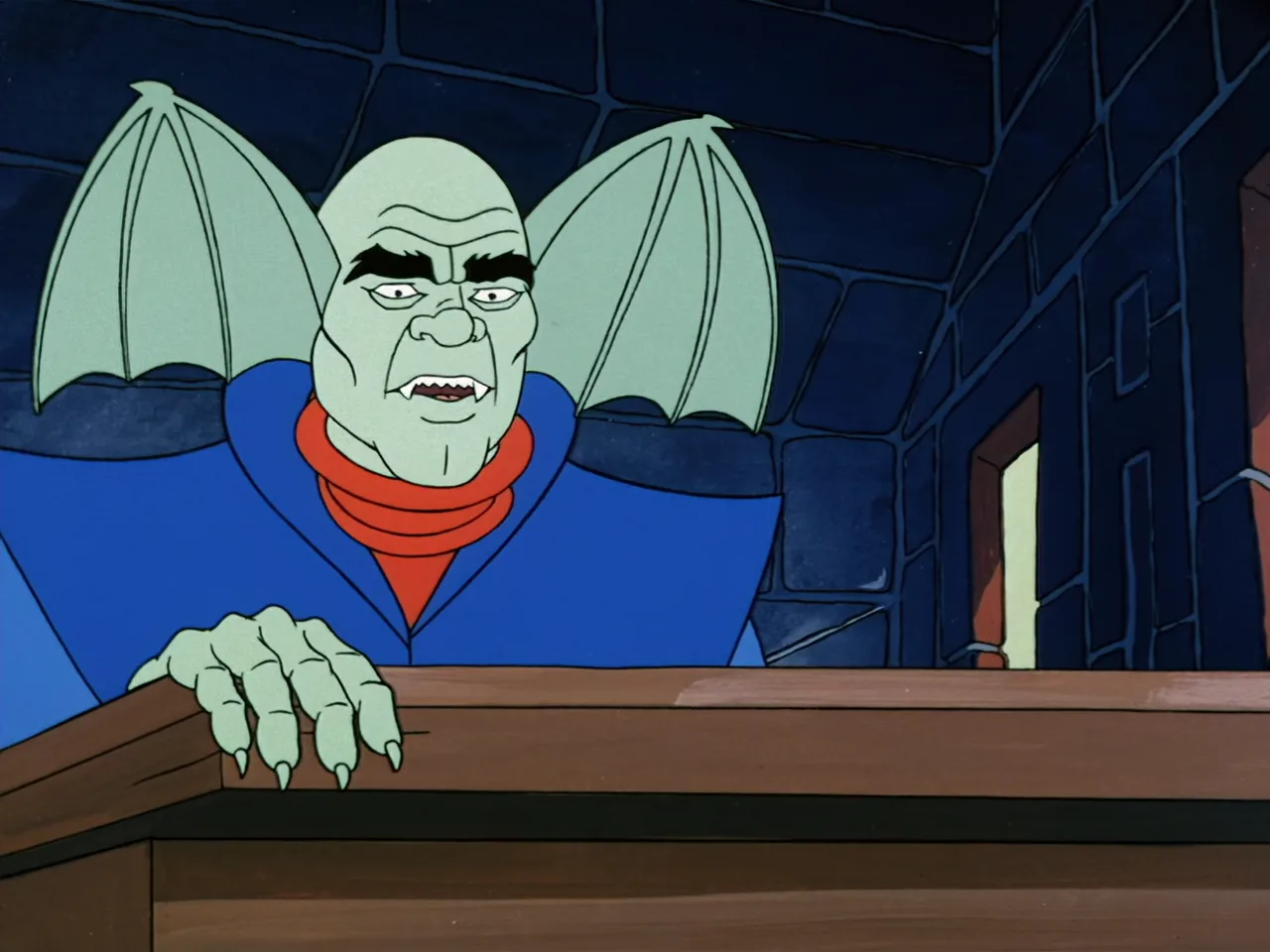
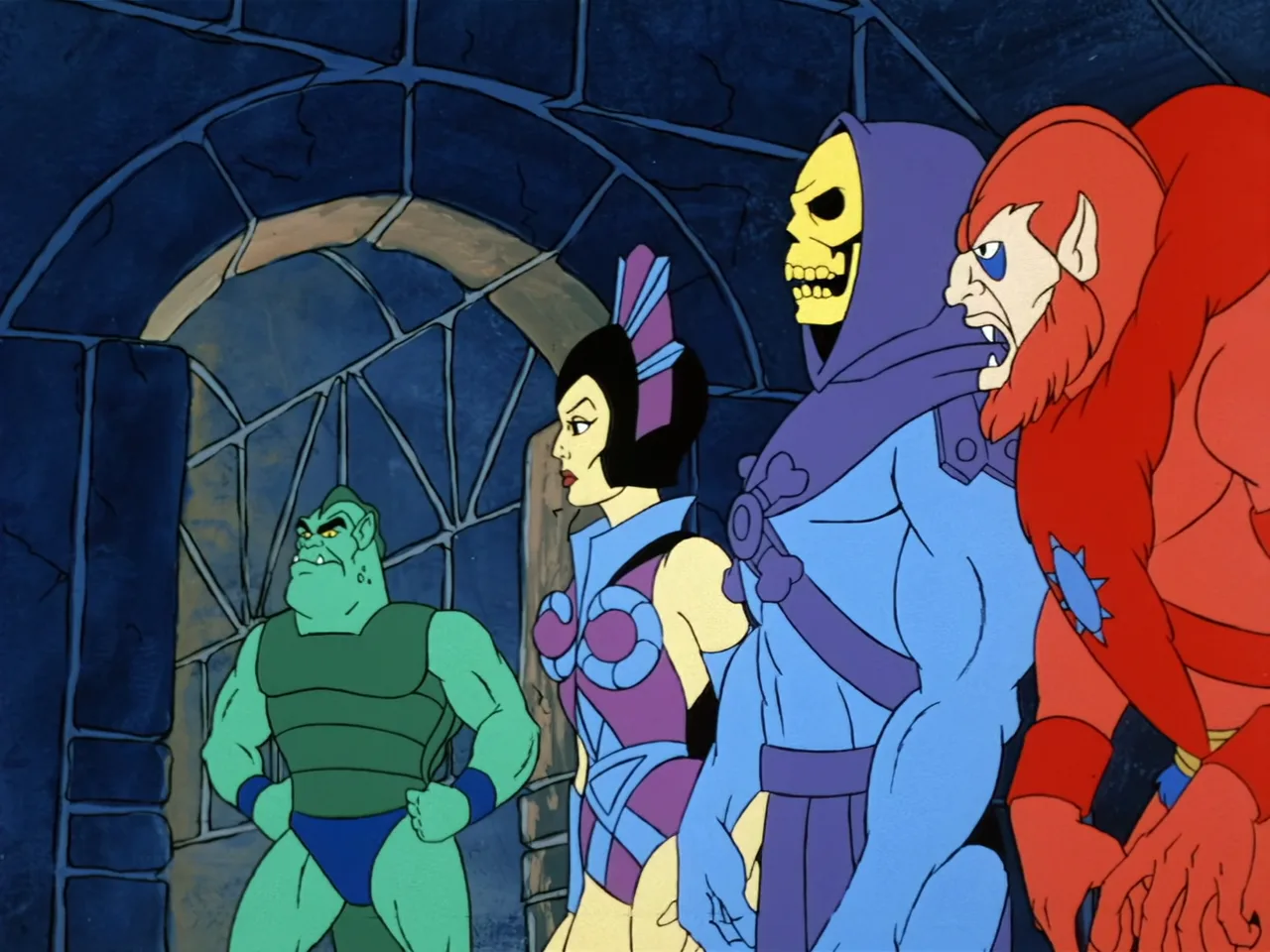
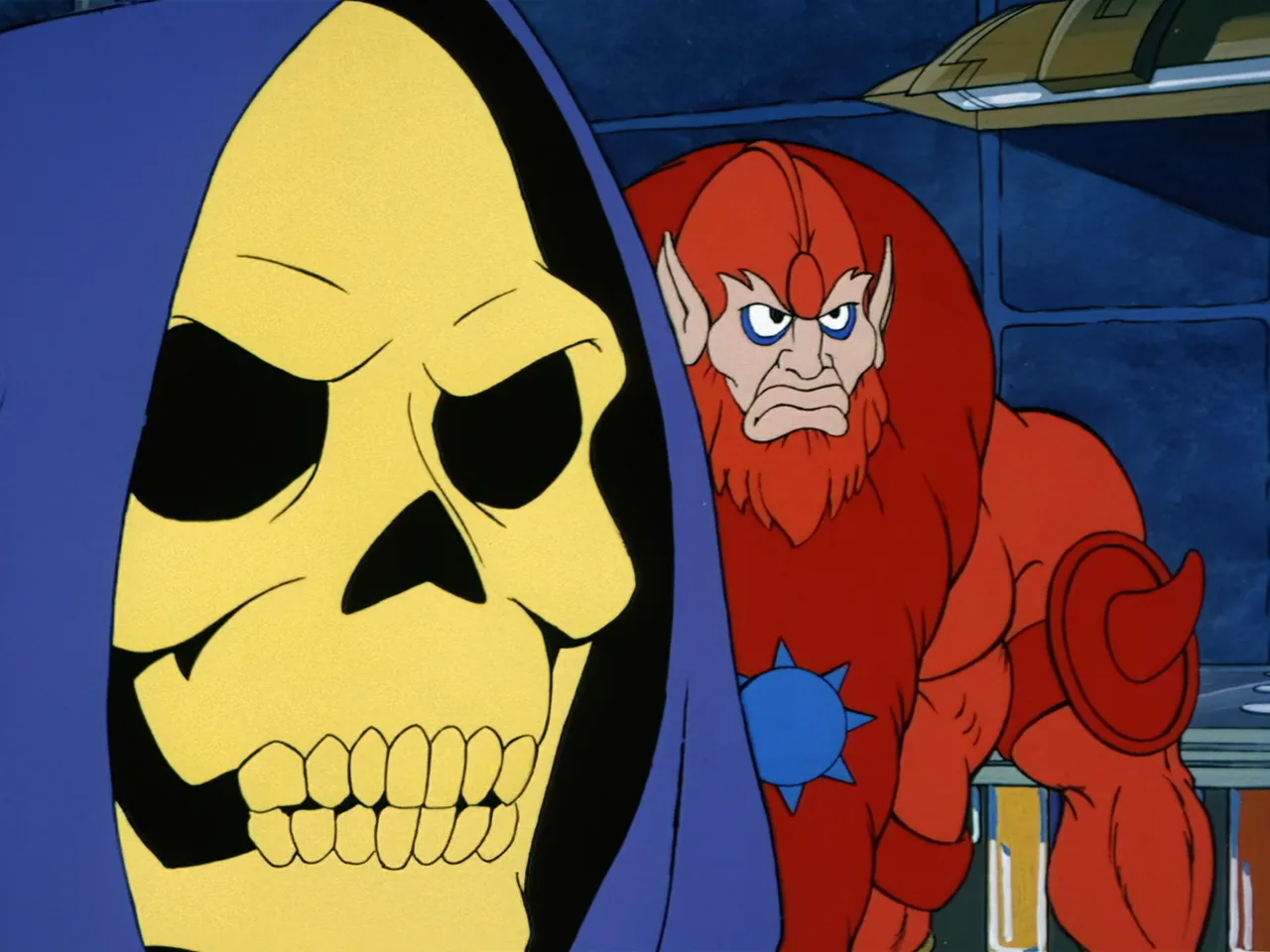
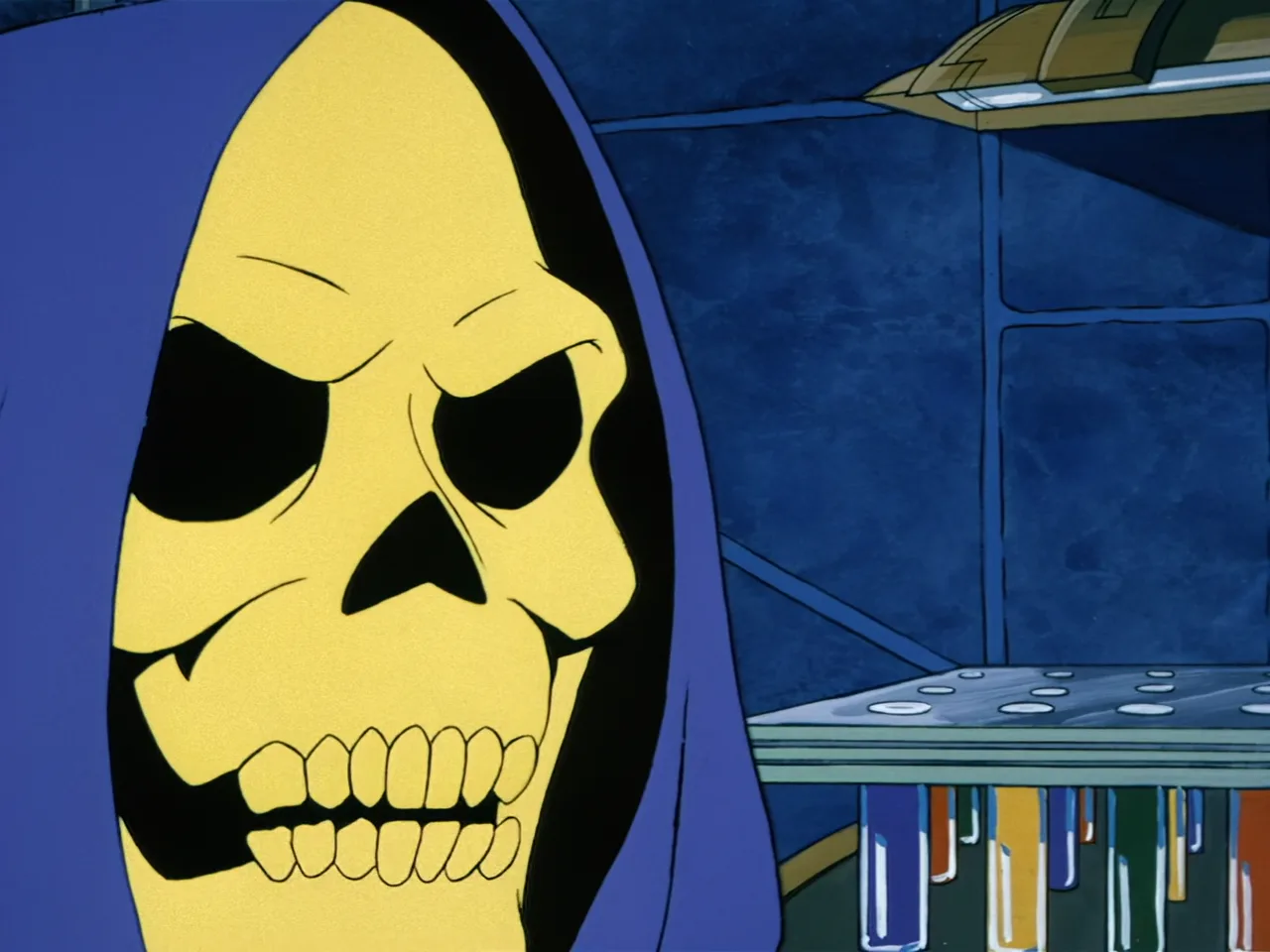
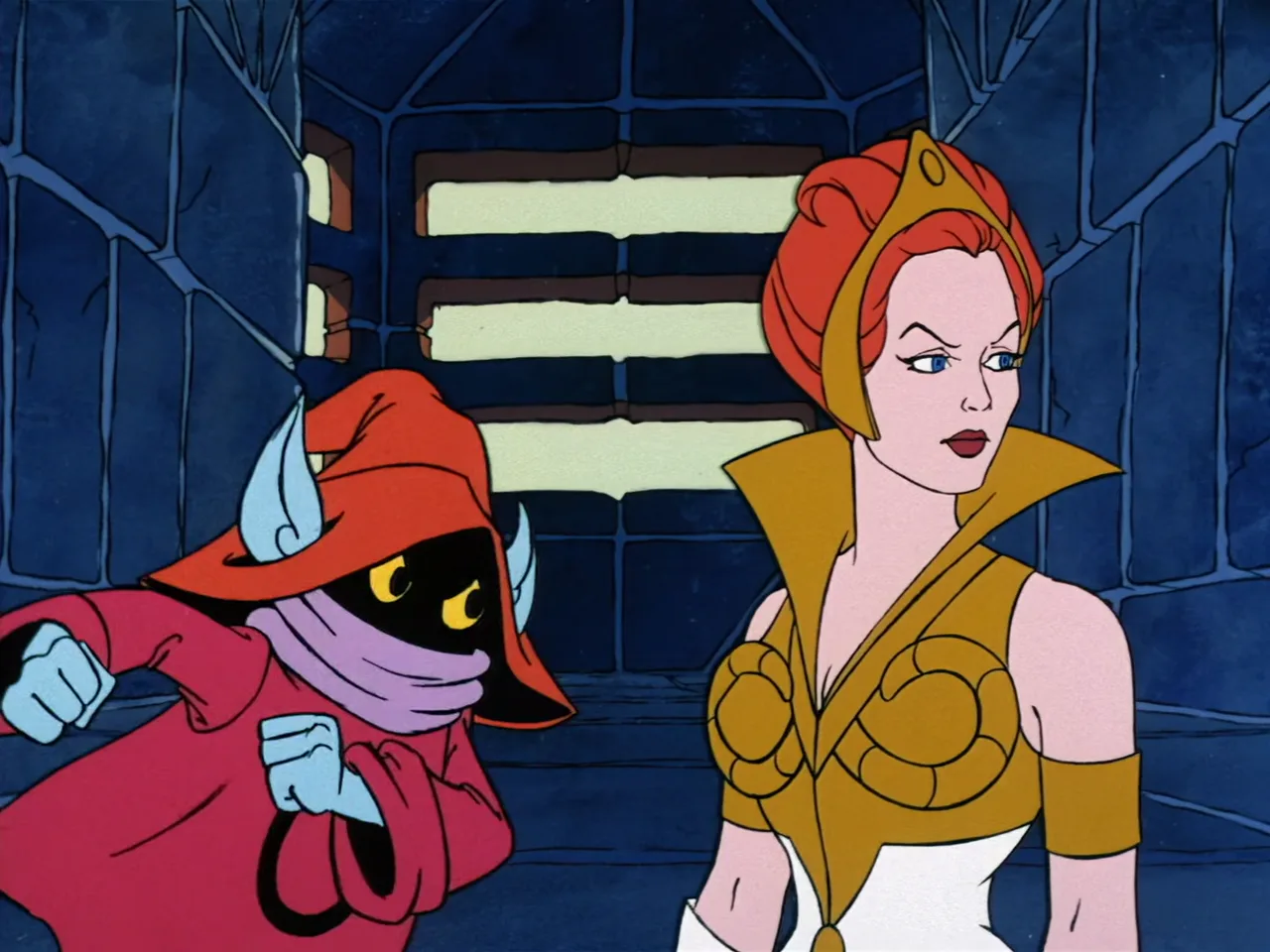
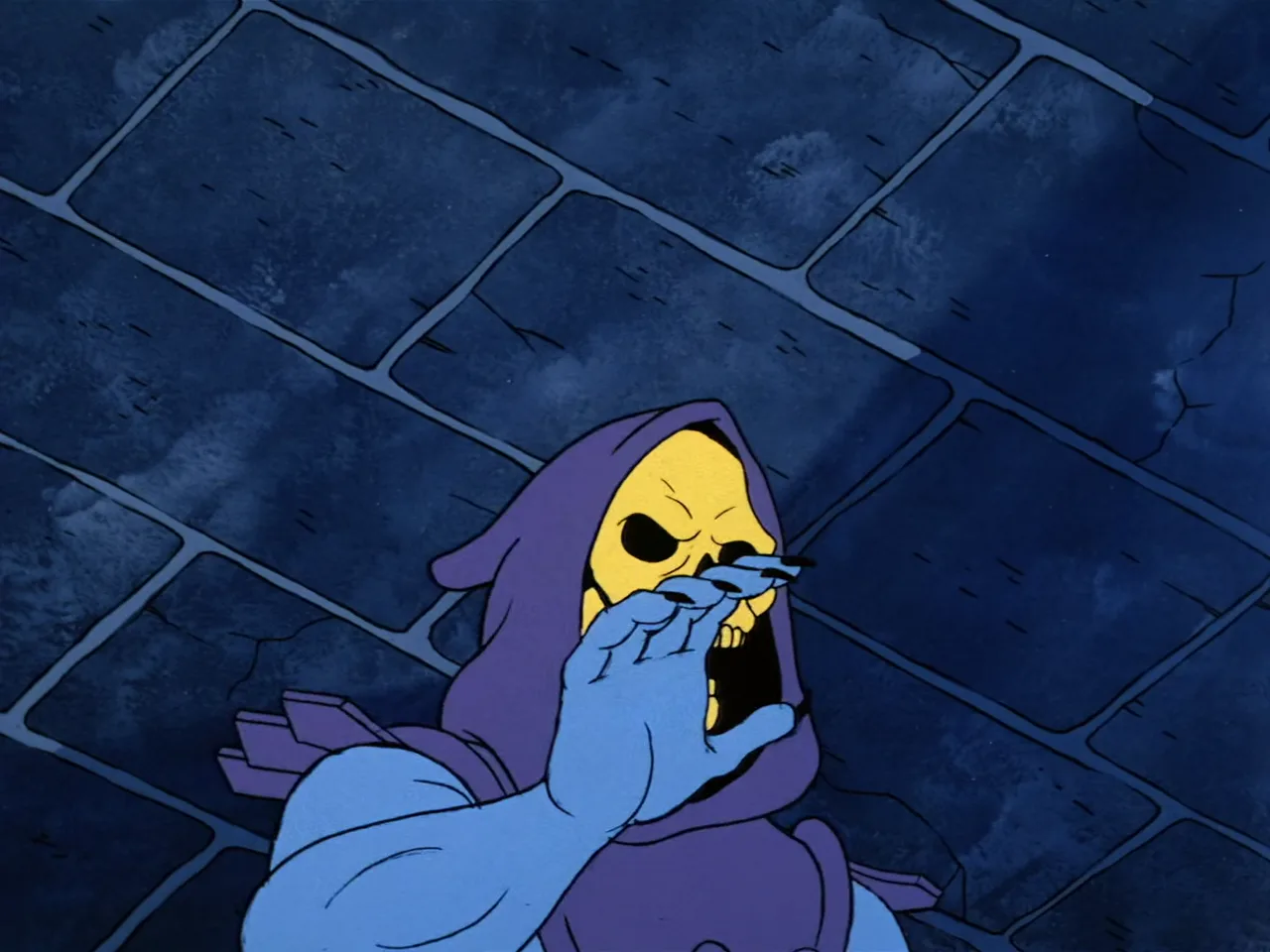
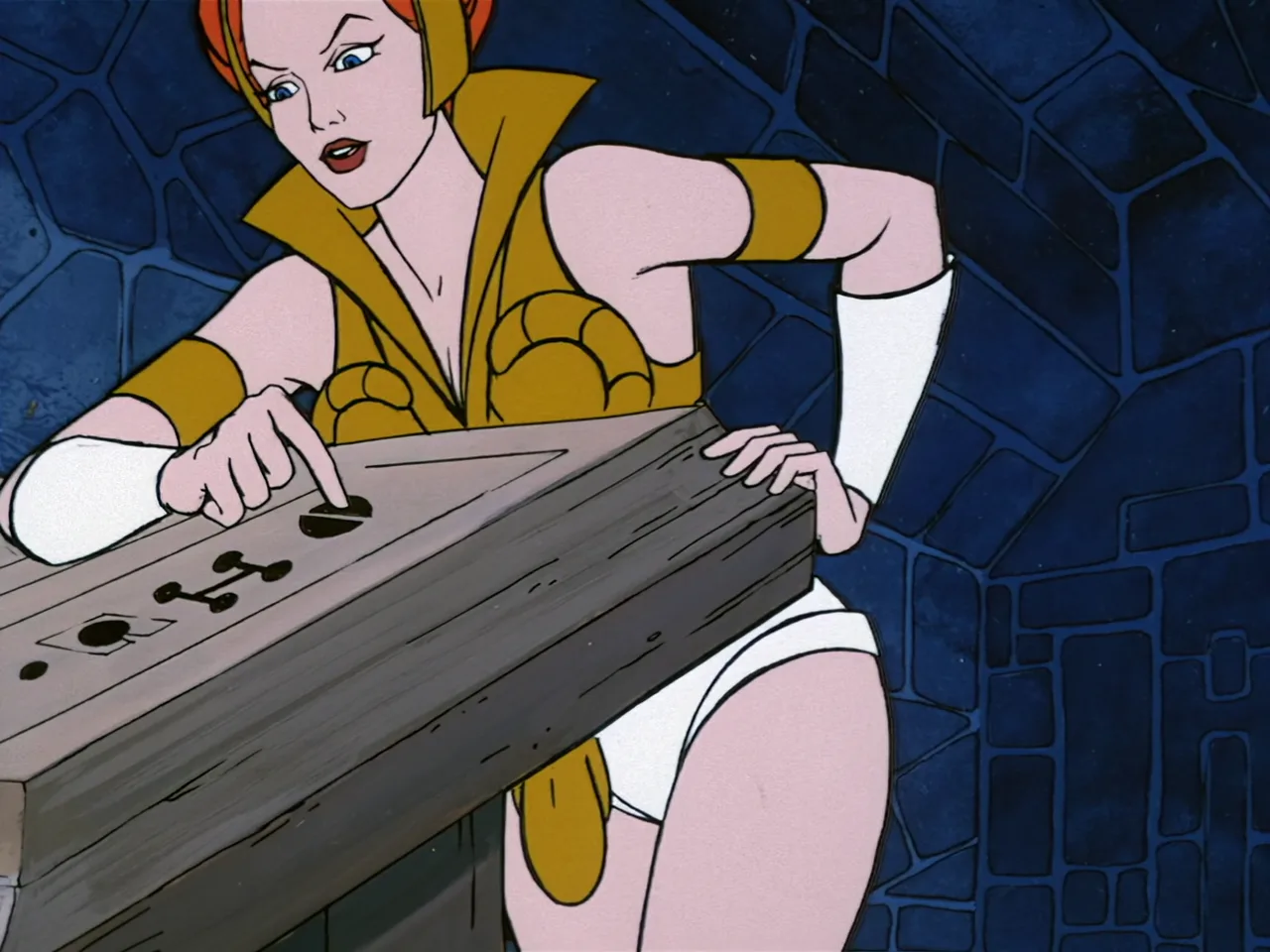
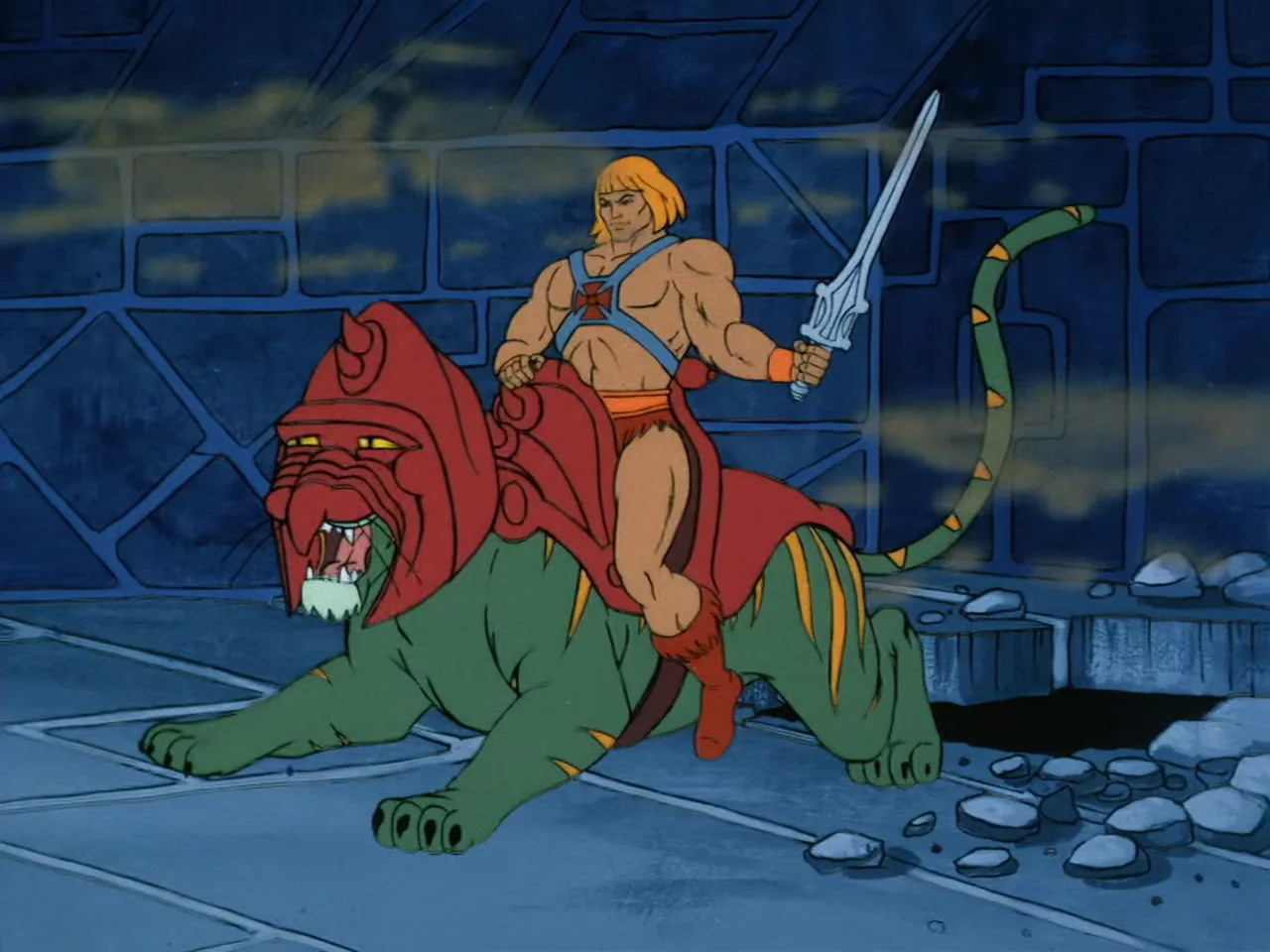
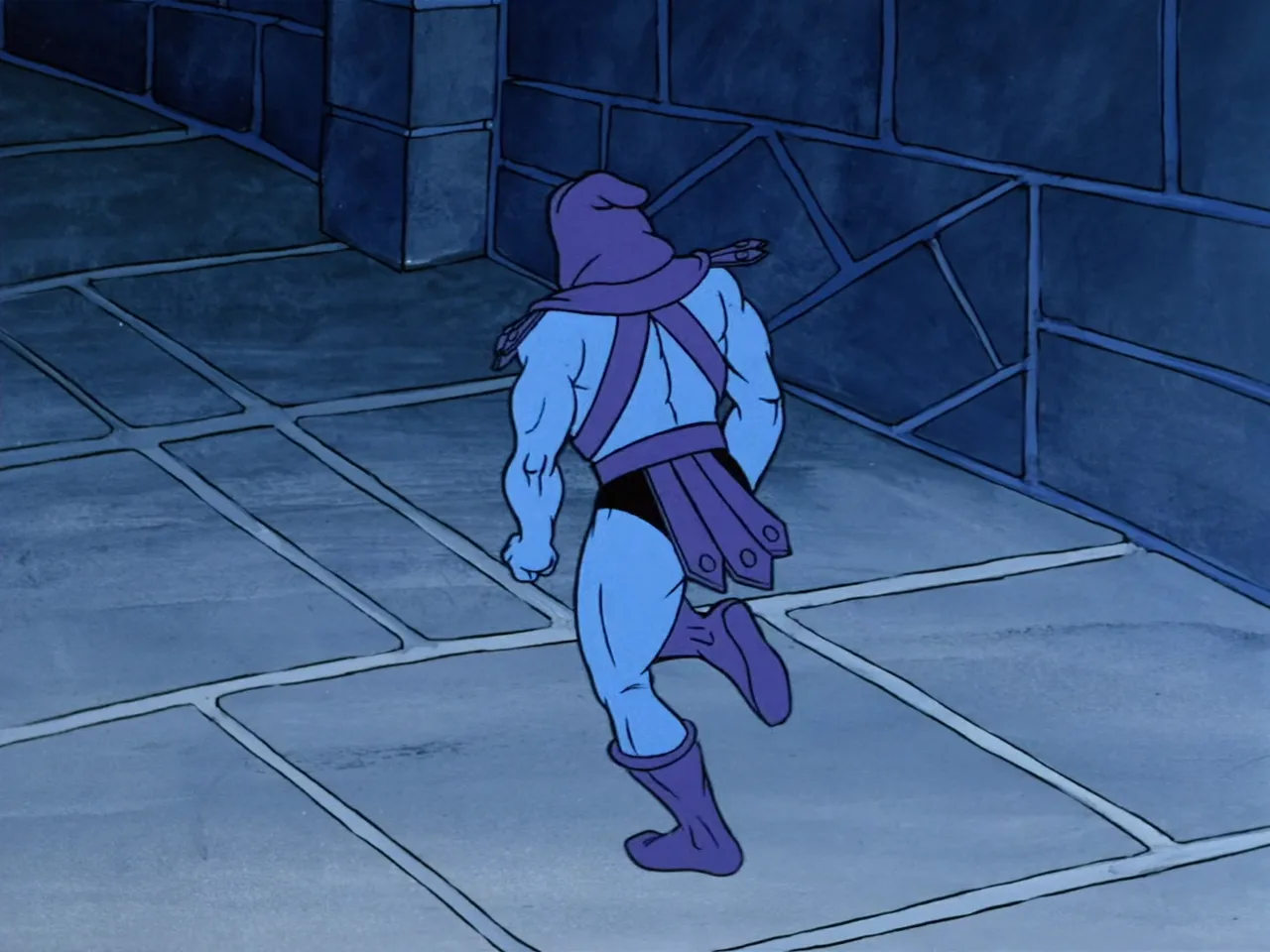
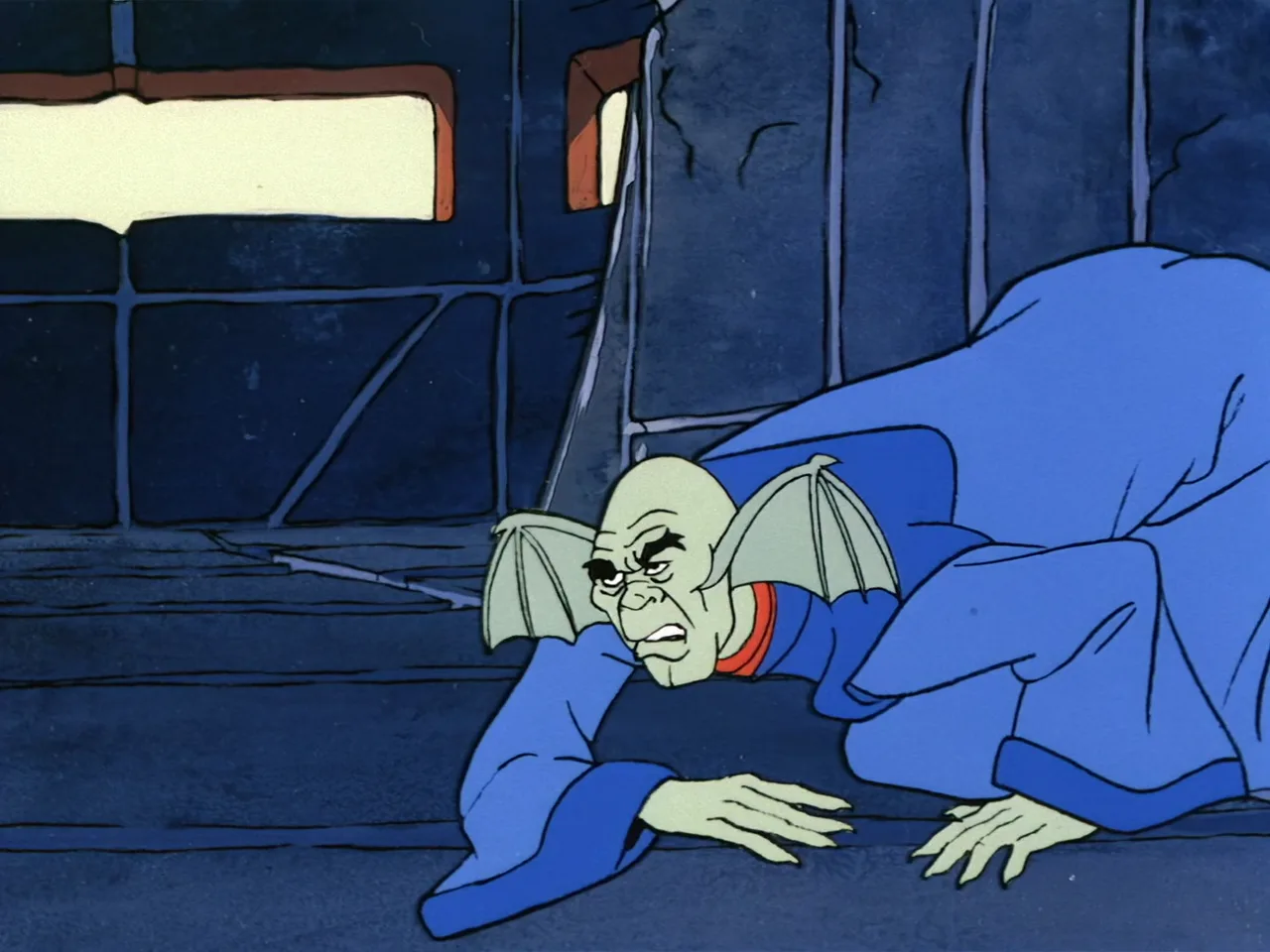
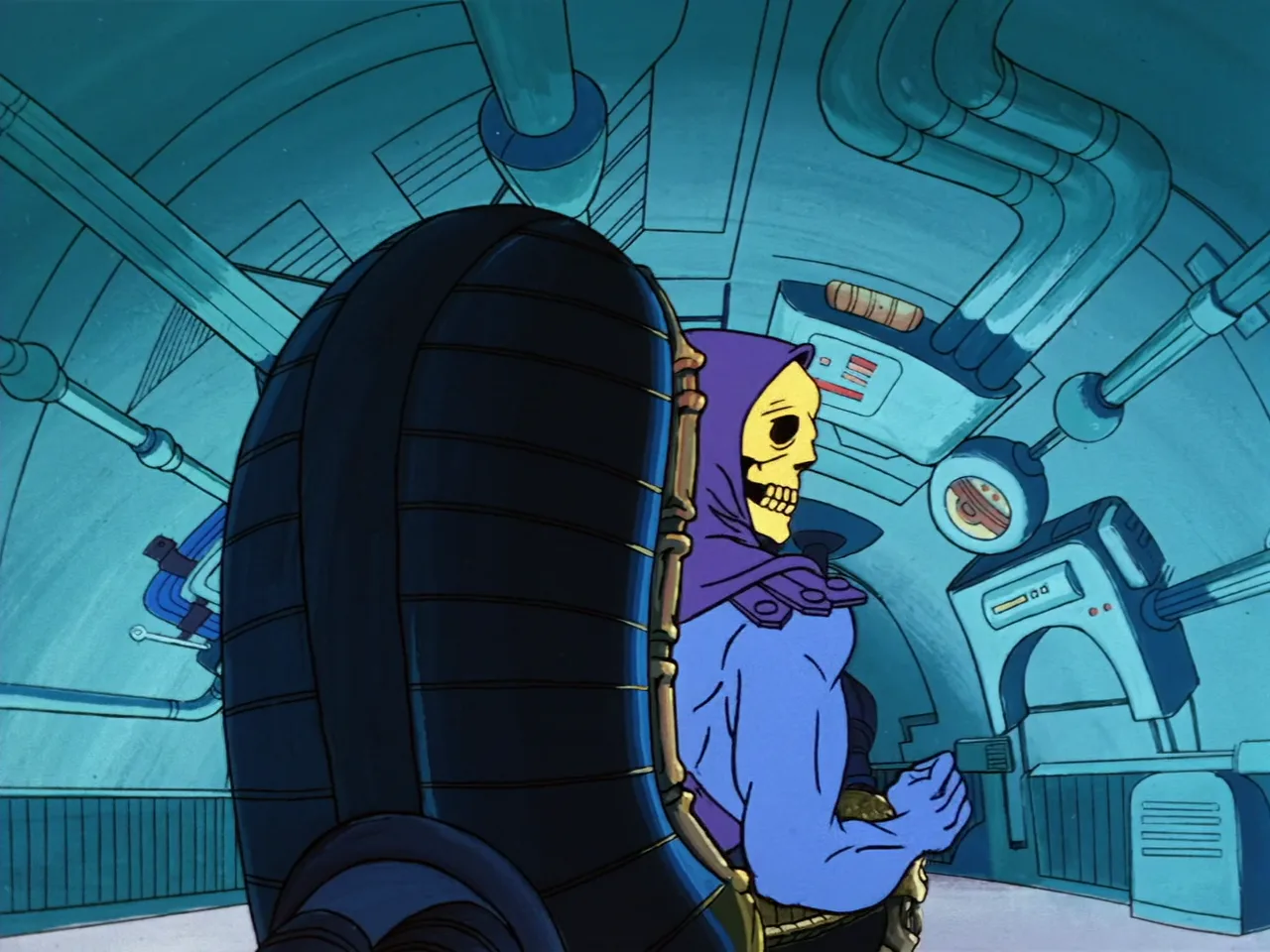
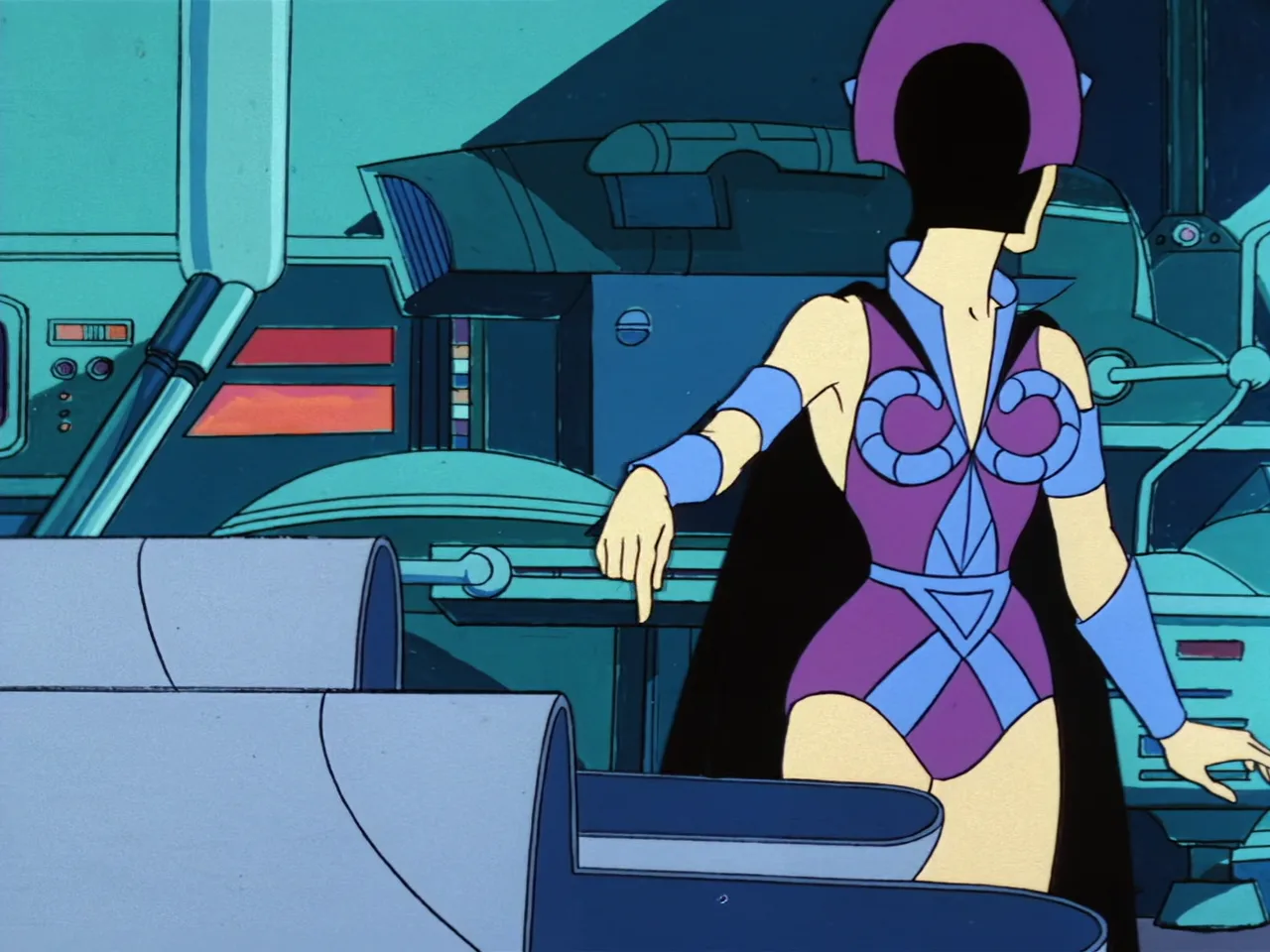
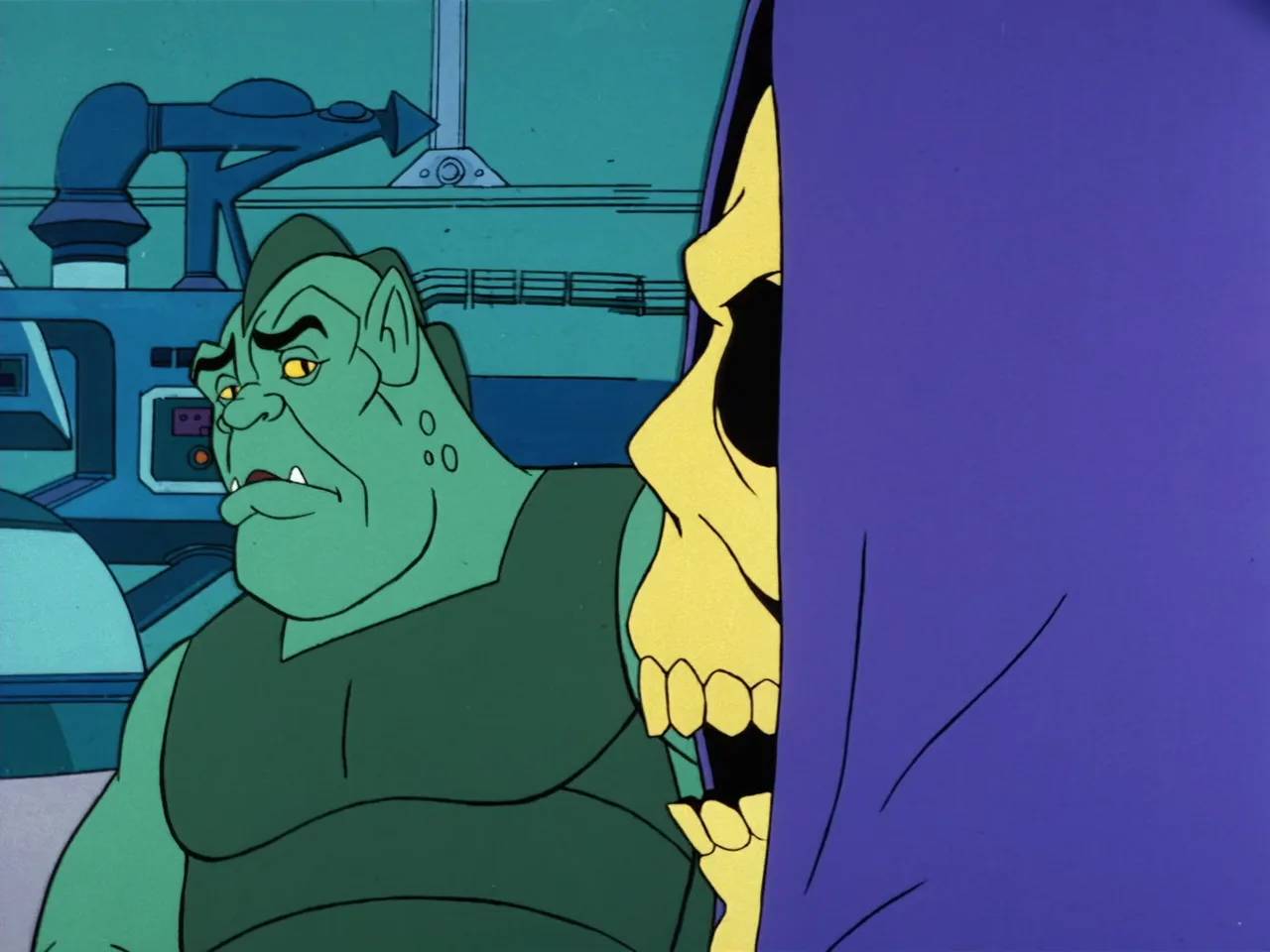
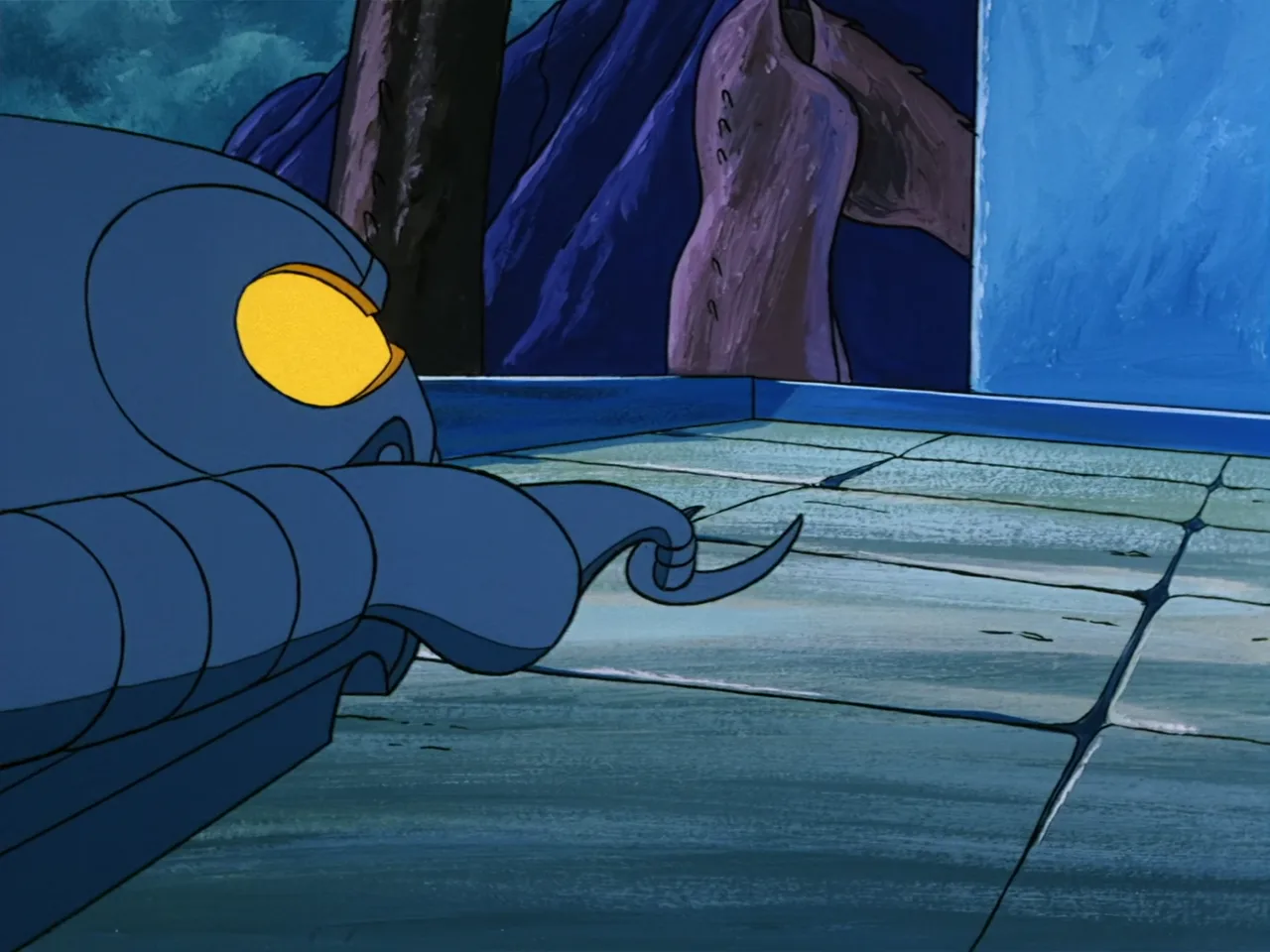
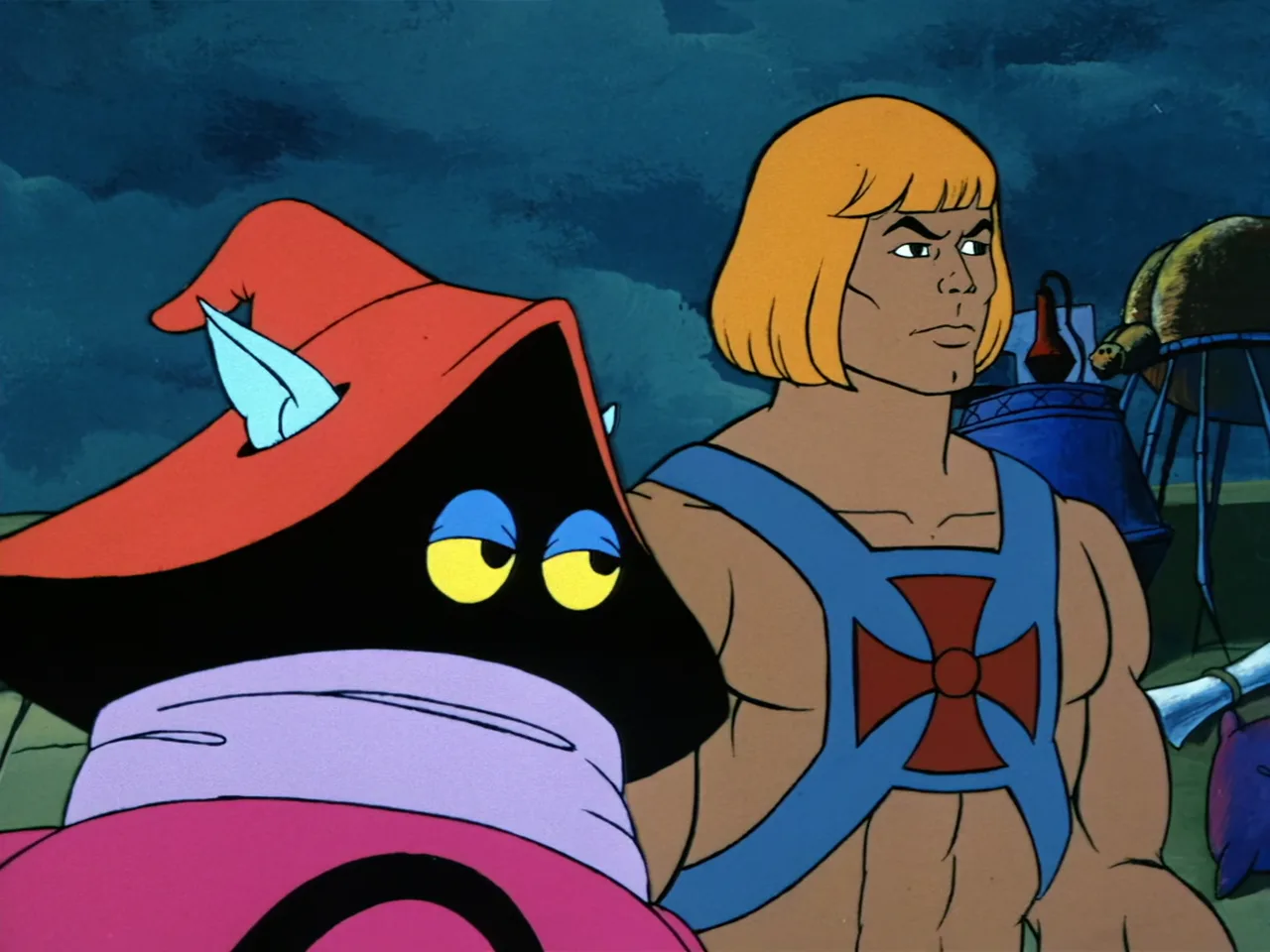
Skeletor storms the Royal Palace with Evil-Lyn, Whiplash and an army of Spider Drones to kidnap Teela and Orko, then hides them in Moragore, a kingdom he already controls by threatening its disfigured ruler with the same curse that scarred him. While He-Man fights through a trapped, vine-guarded maze beneath the castle to reach them, Teela convinces the Monster of Moragore that acting cruelly is far uglier than looking monstrous, and he finally turns against Skeletor's orders to help set her and Orko free.
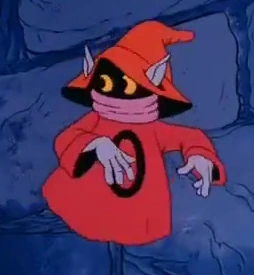
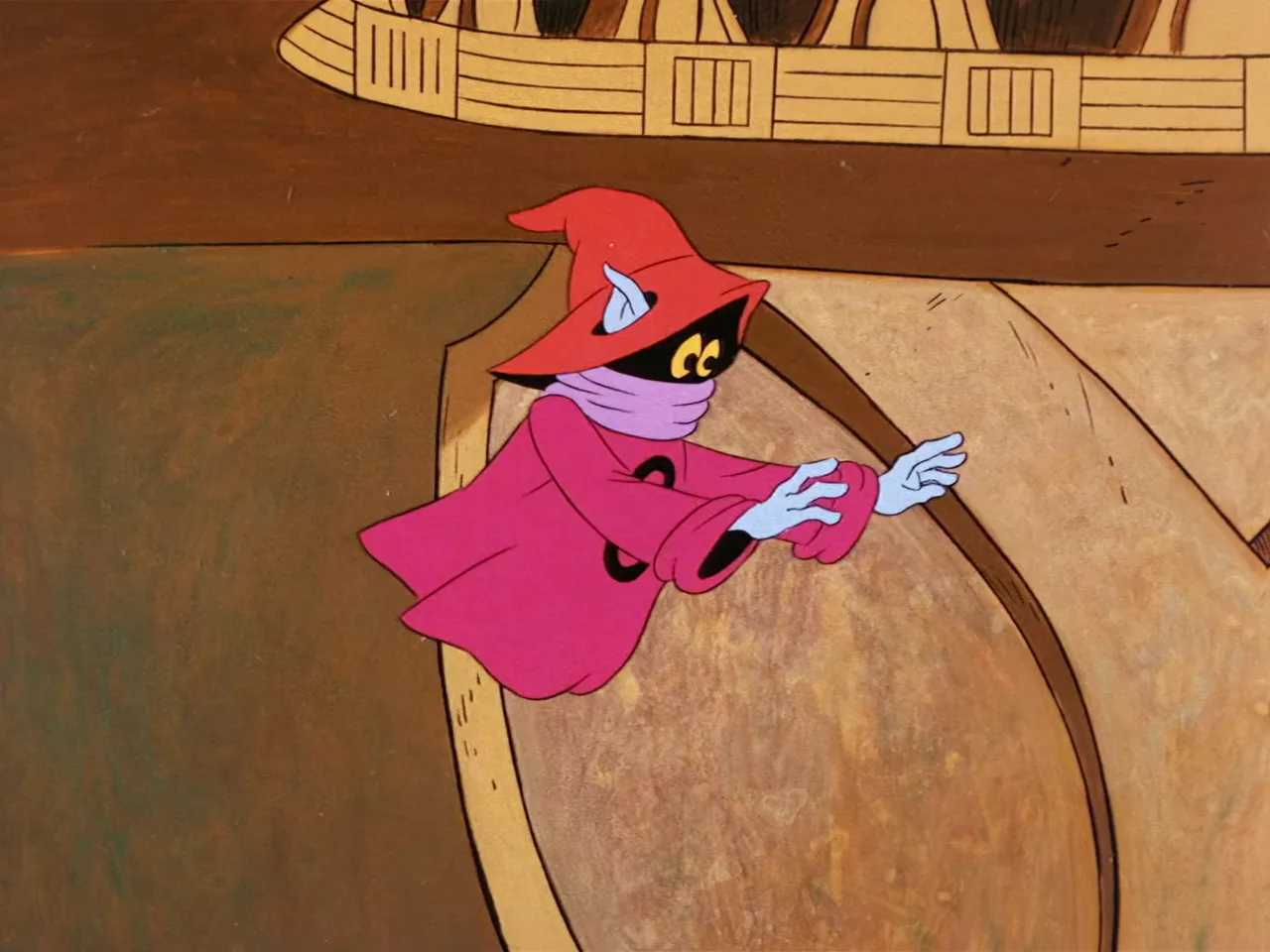
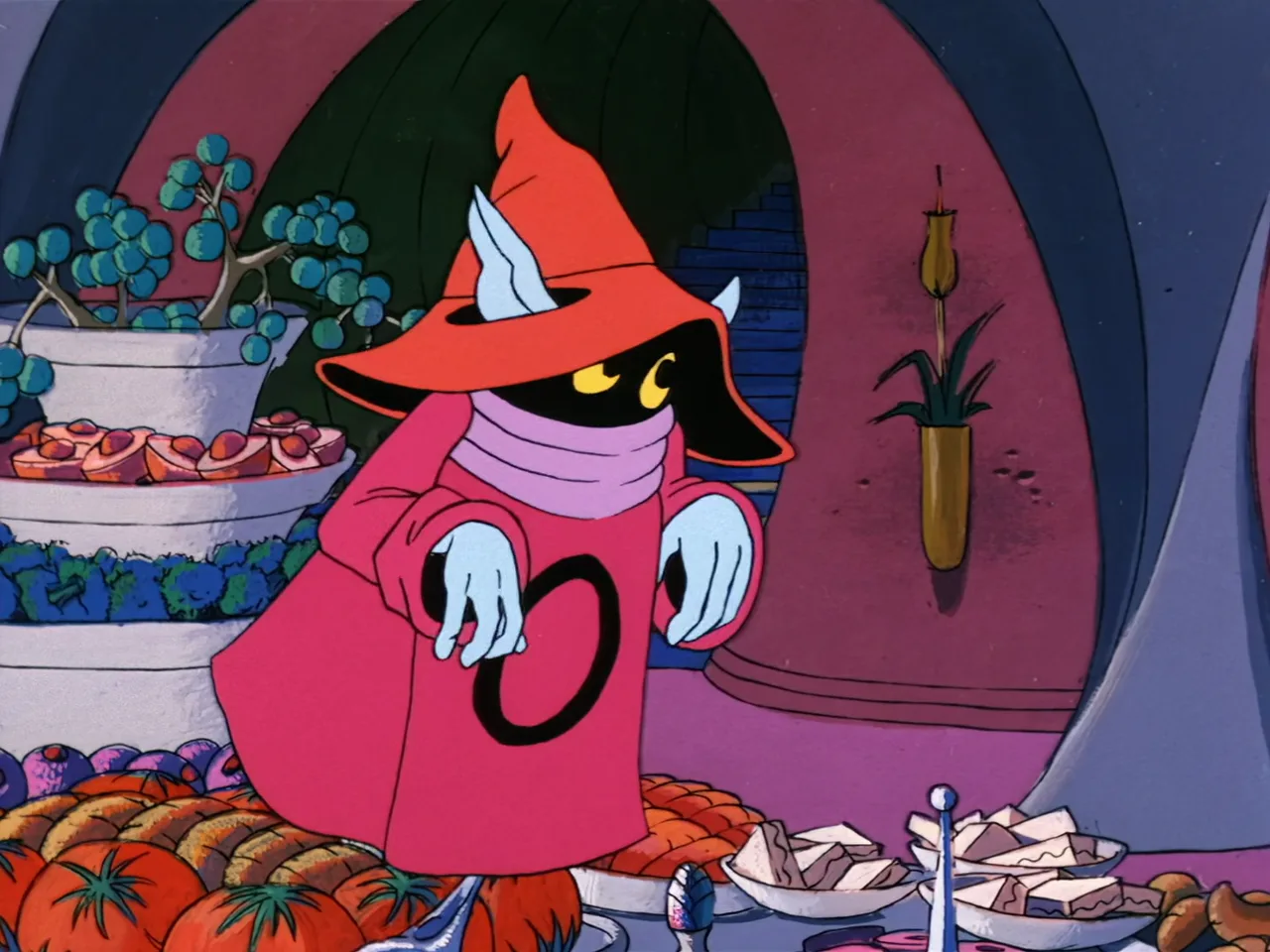
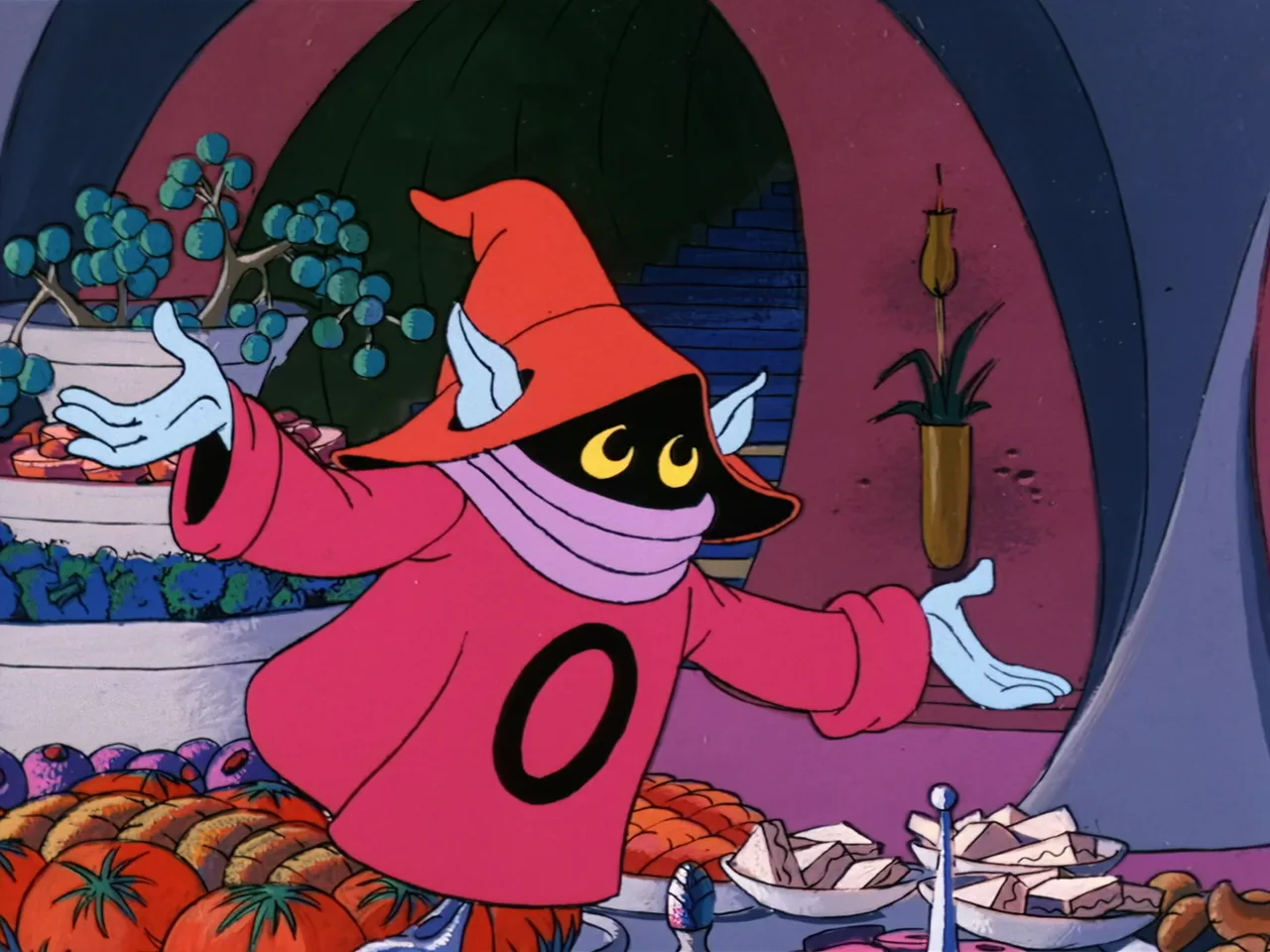
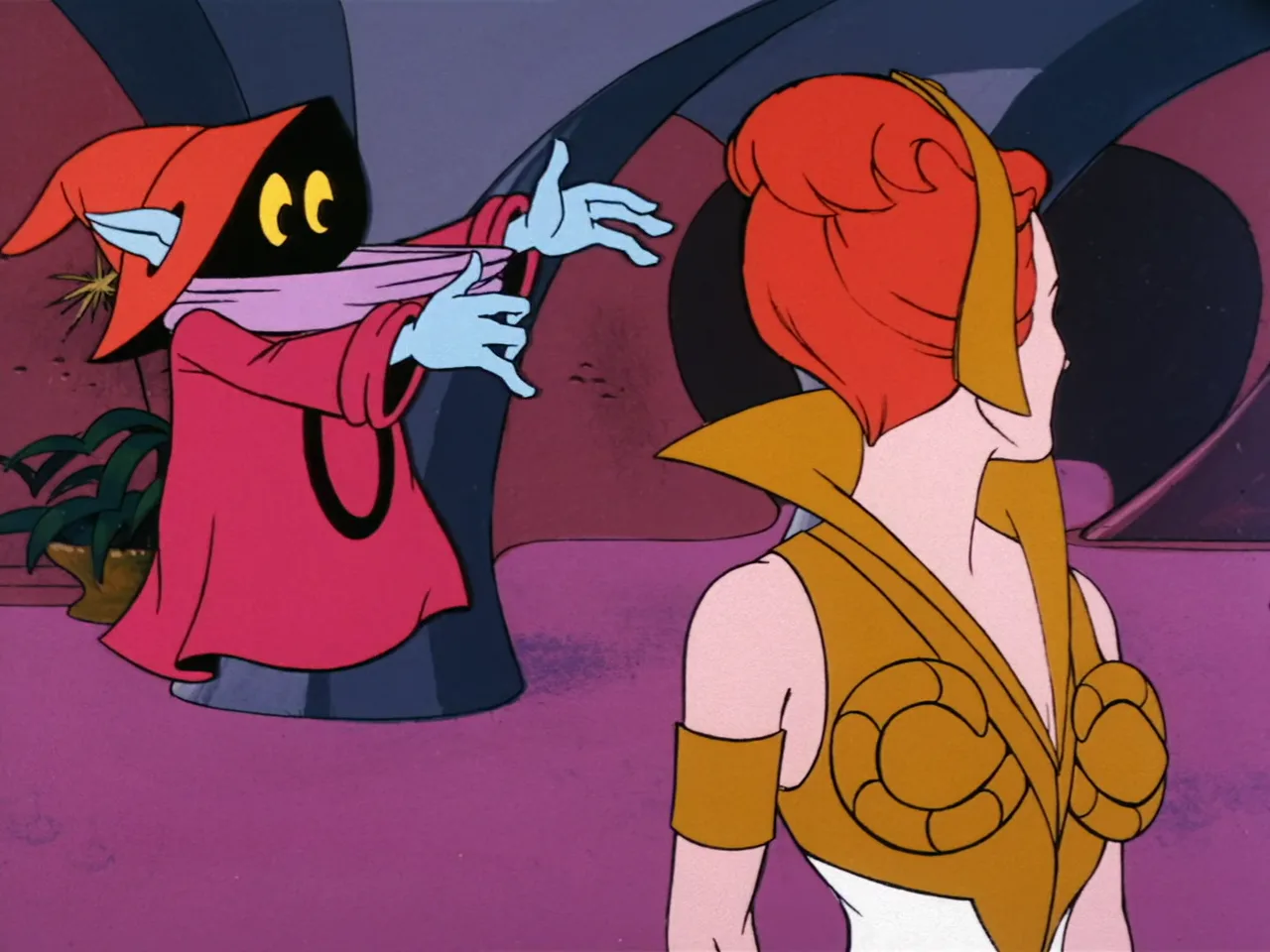
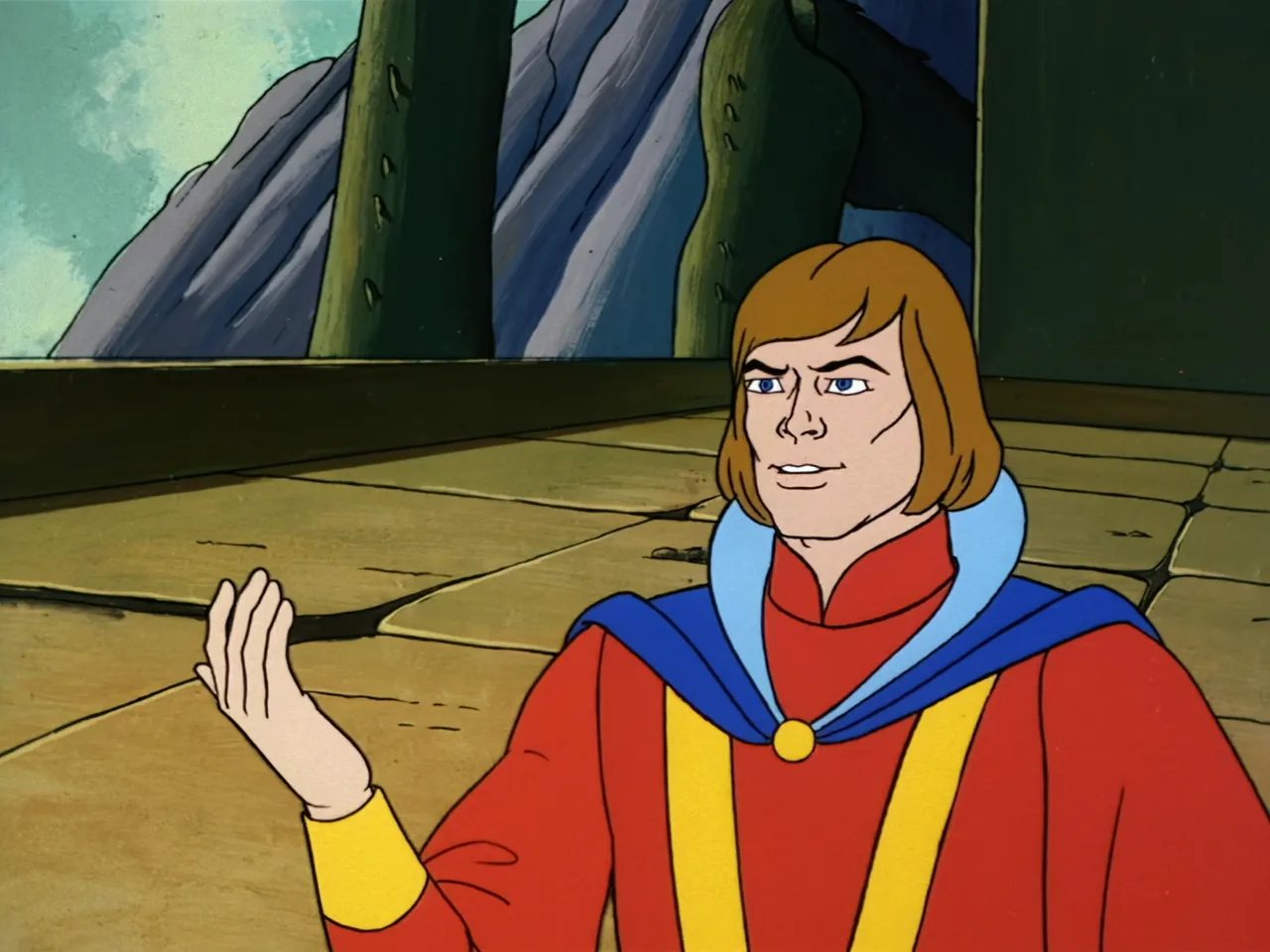
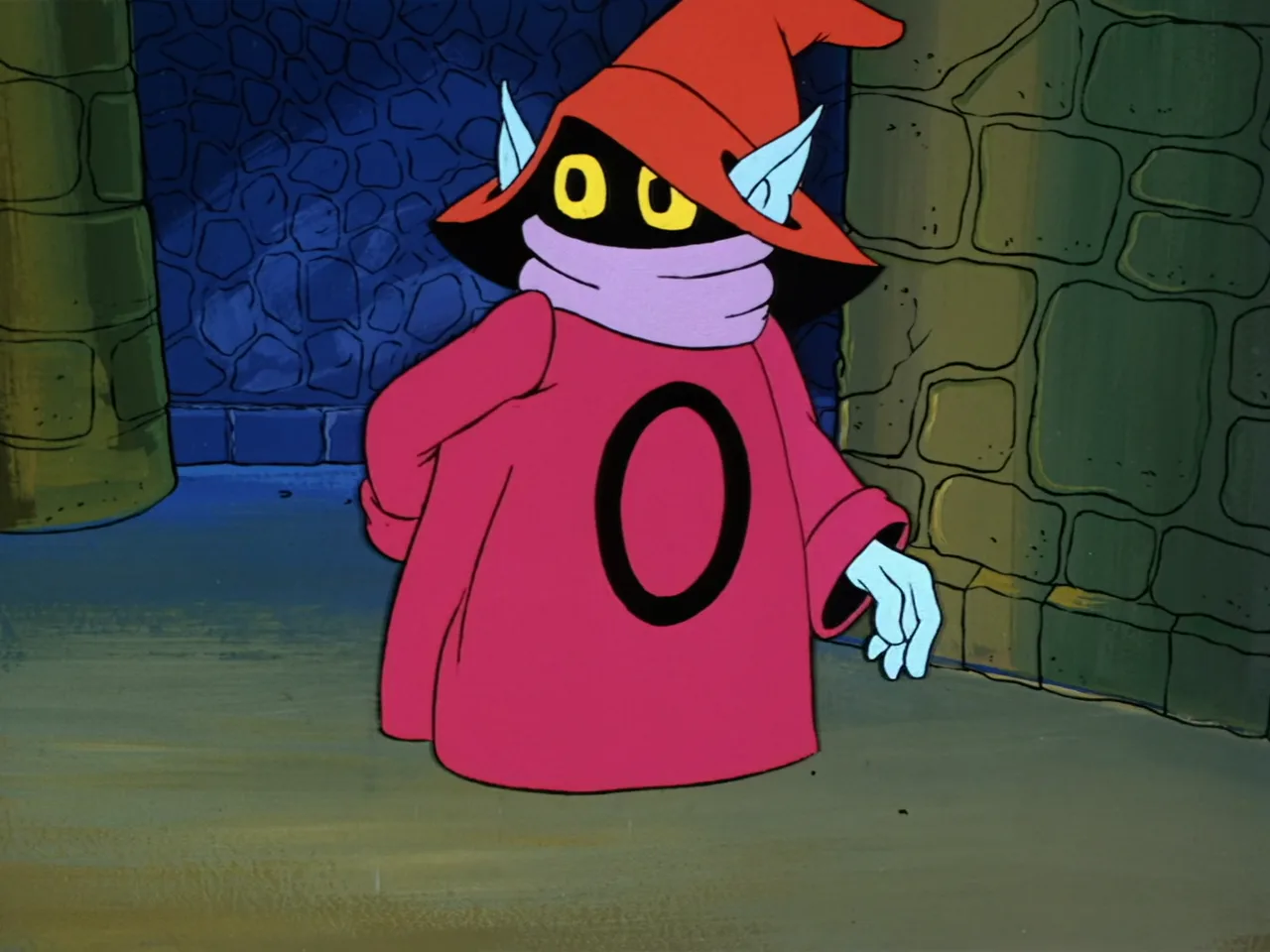
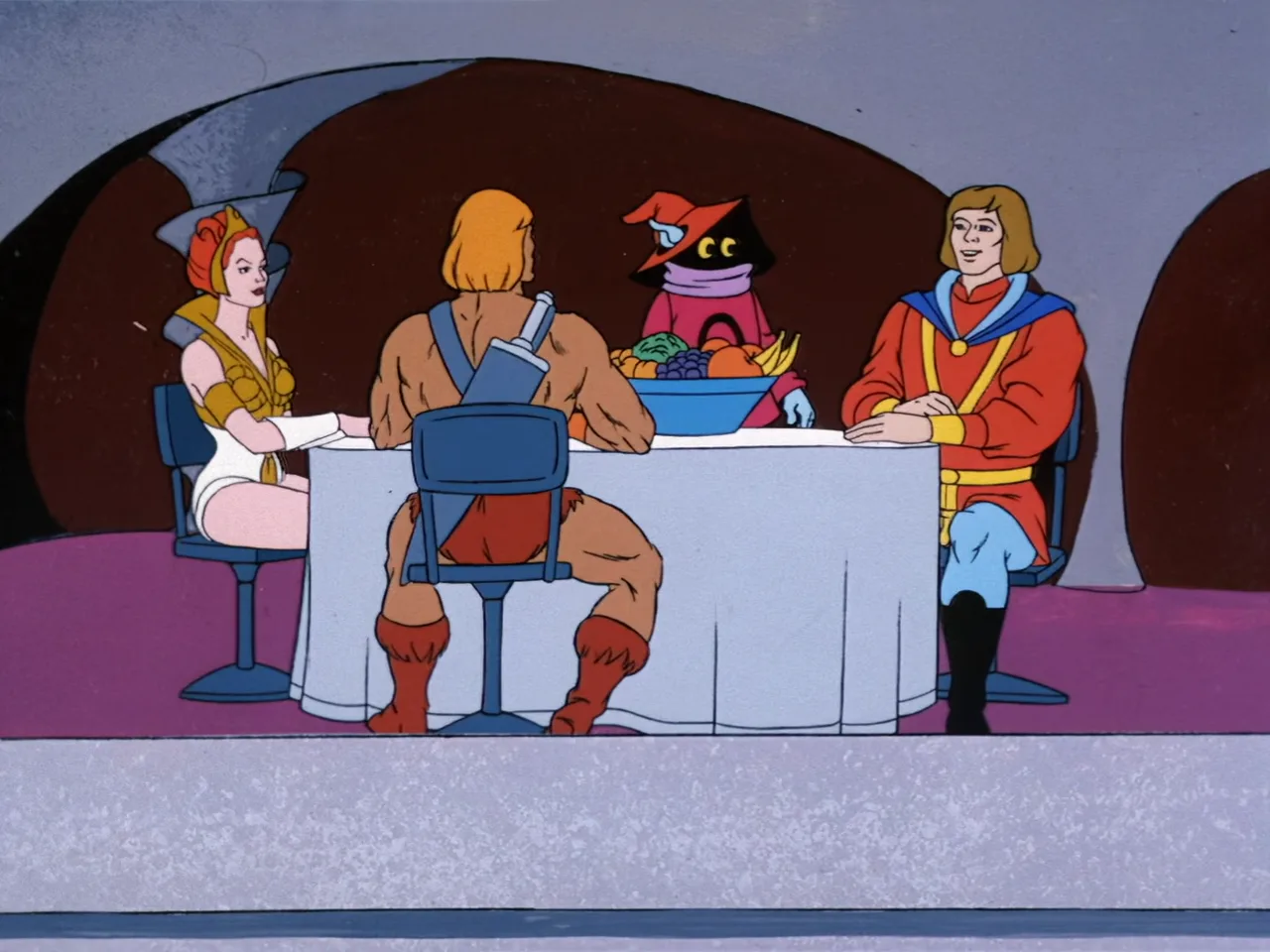
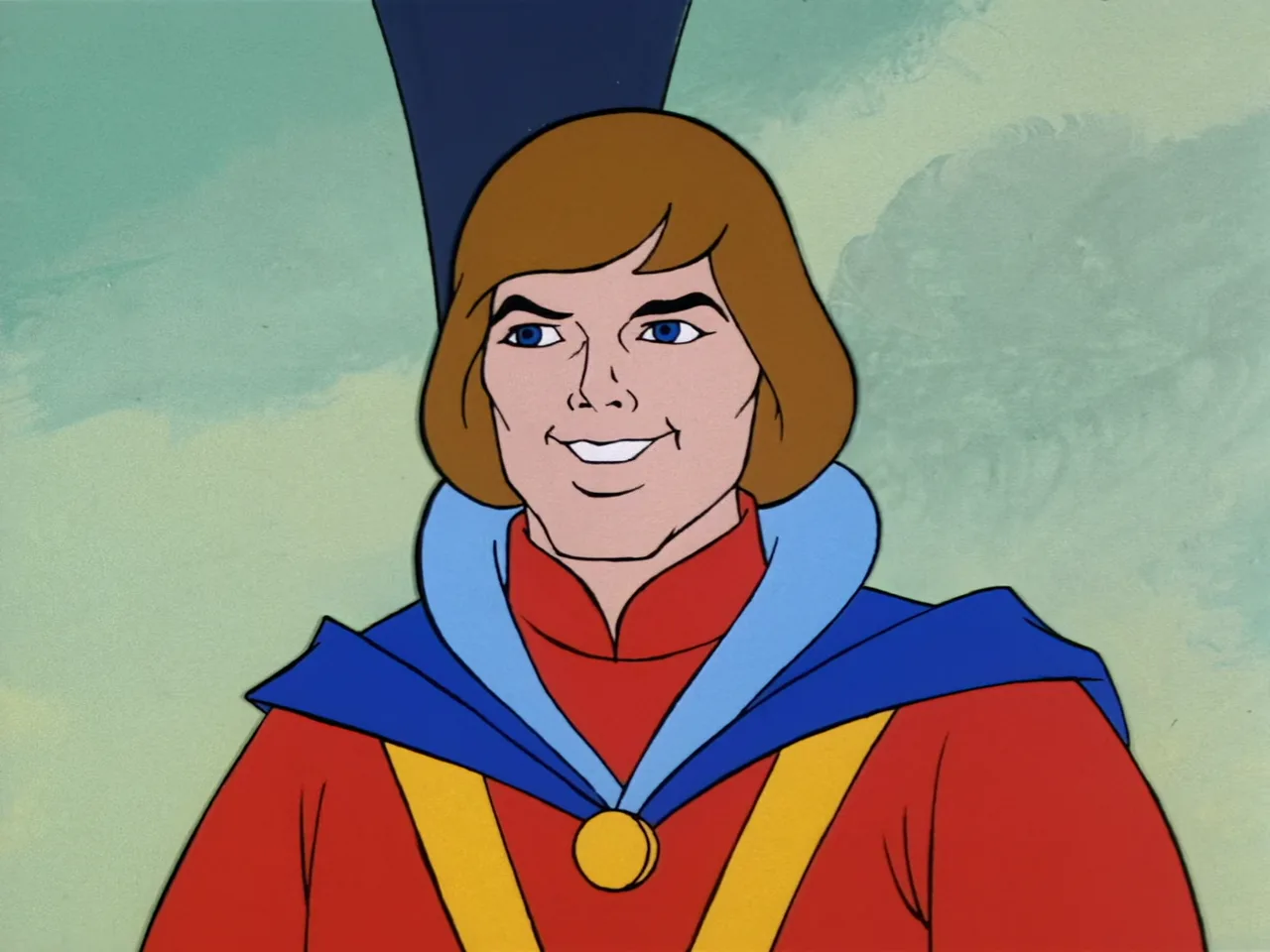
Teela: "Well Orko, did you learn a lesson?" Orko: "I sure did, that sometimes fairy tales can come true!" Prince Moragore: "My lesson was more difficult. With Teela's help, I learned to look past my ugliness. Because the truth is that no matter how you look, you're only as ugly, or as beautiful, as the way you act." He-Man: "A hard lesson, for sure, but you learned it well.
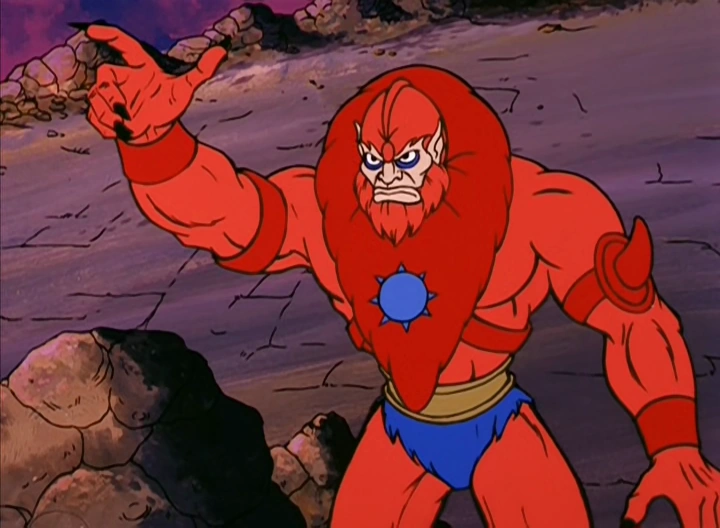
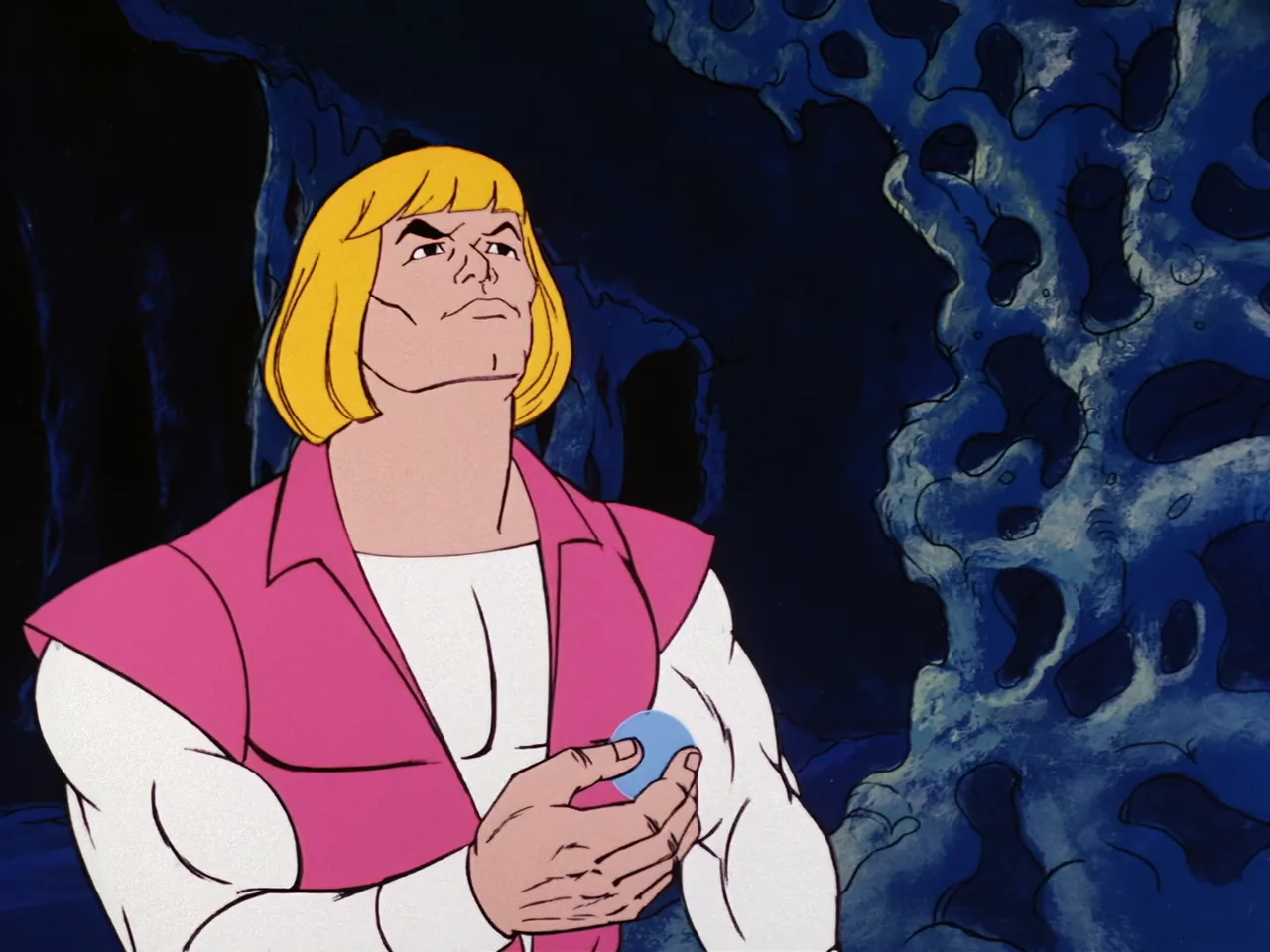
John Erwin as He-Man/Prince Adam, Whiplash and Beast Man
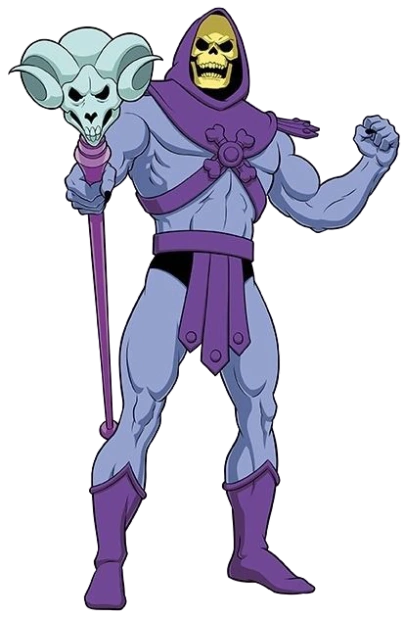
Alan Oppenheimer as Skeletor and the Storyteller
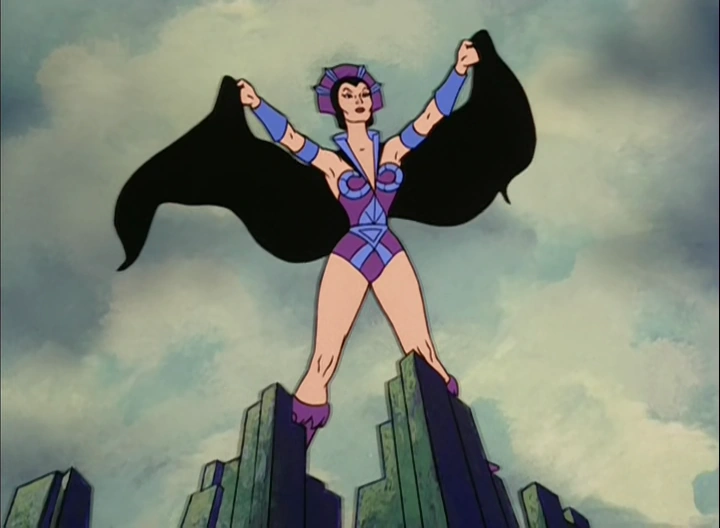
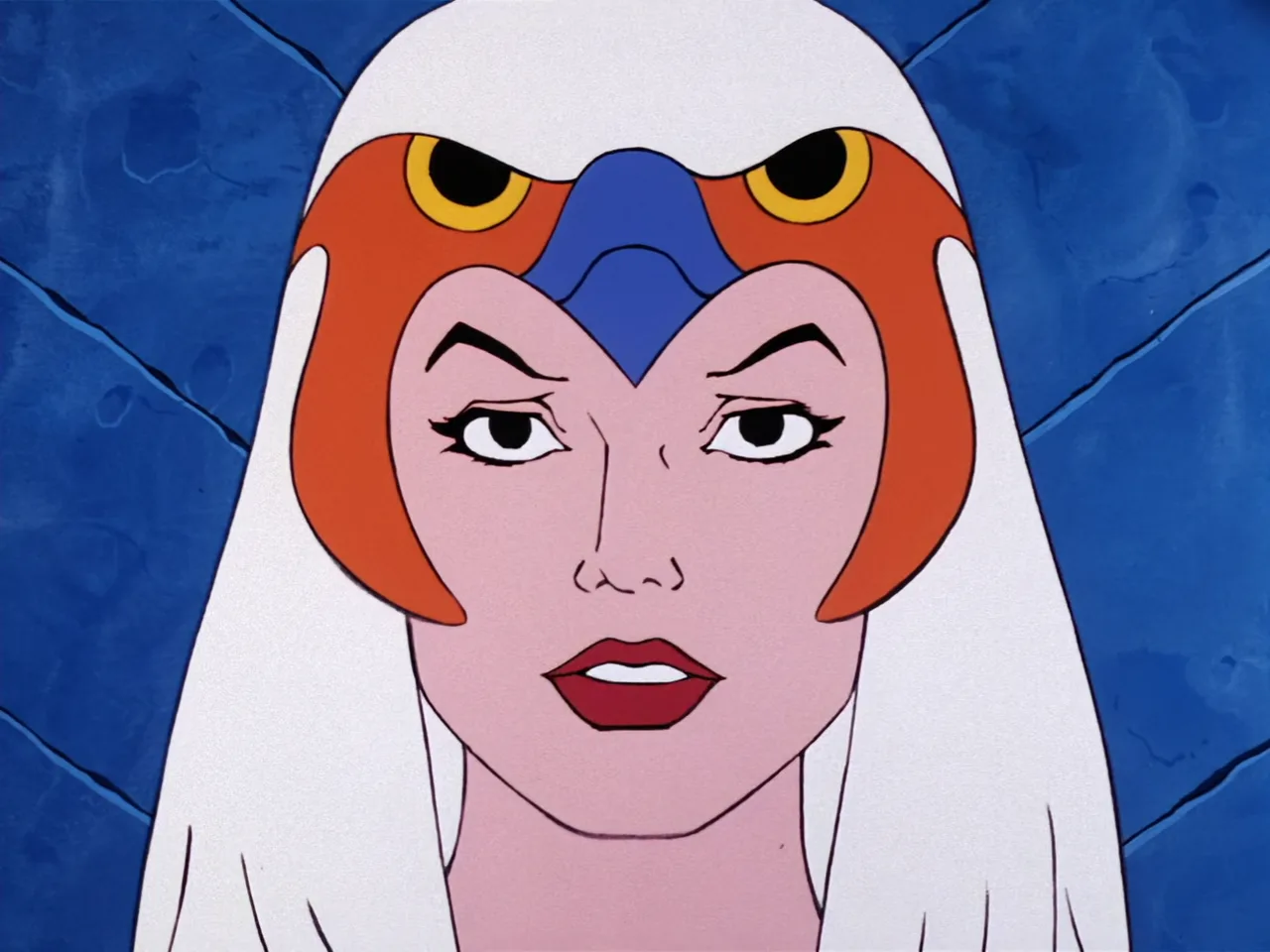
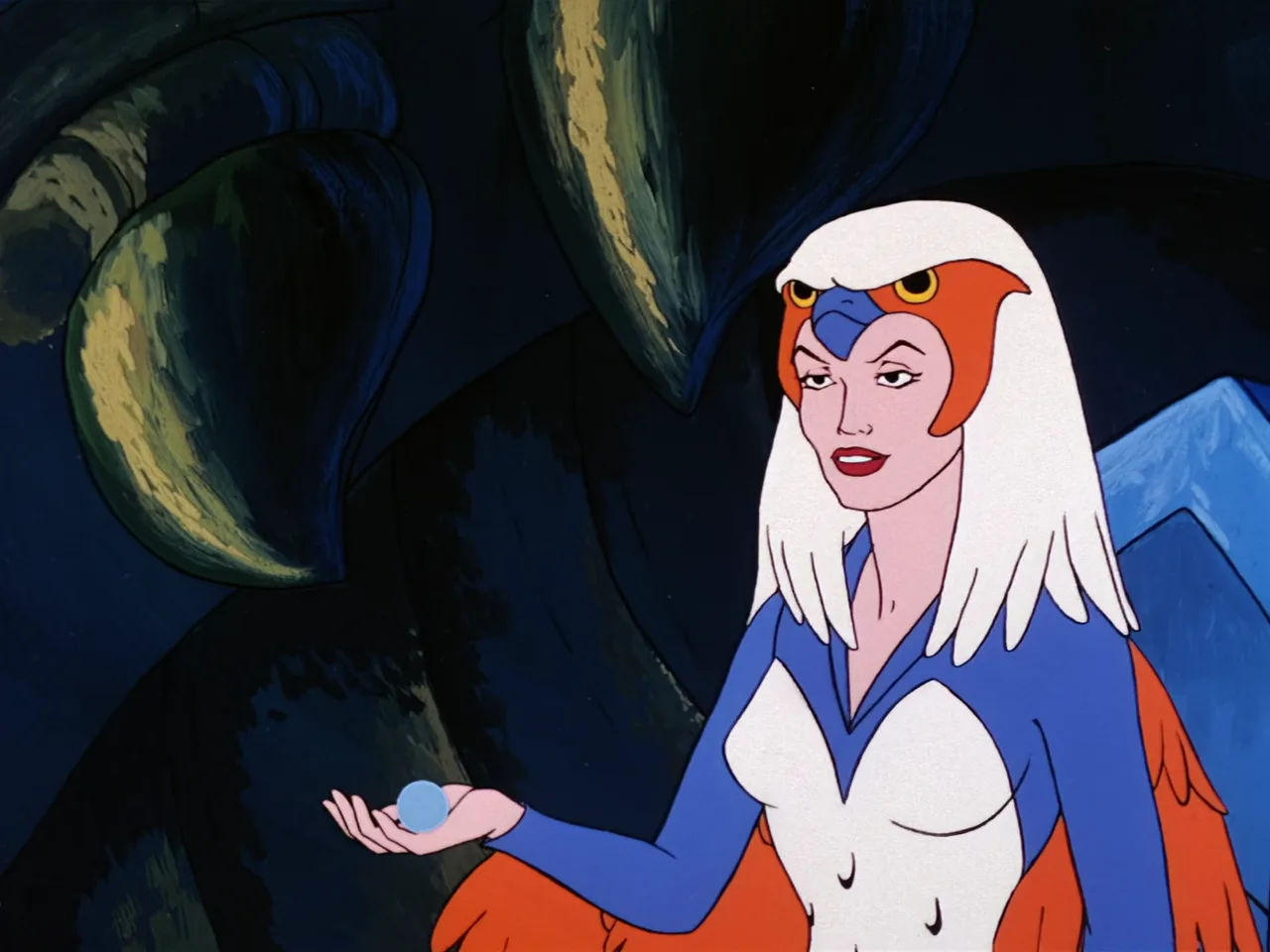
Linda Gary as Teela, Evil-Lyn and the Sorceress
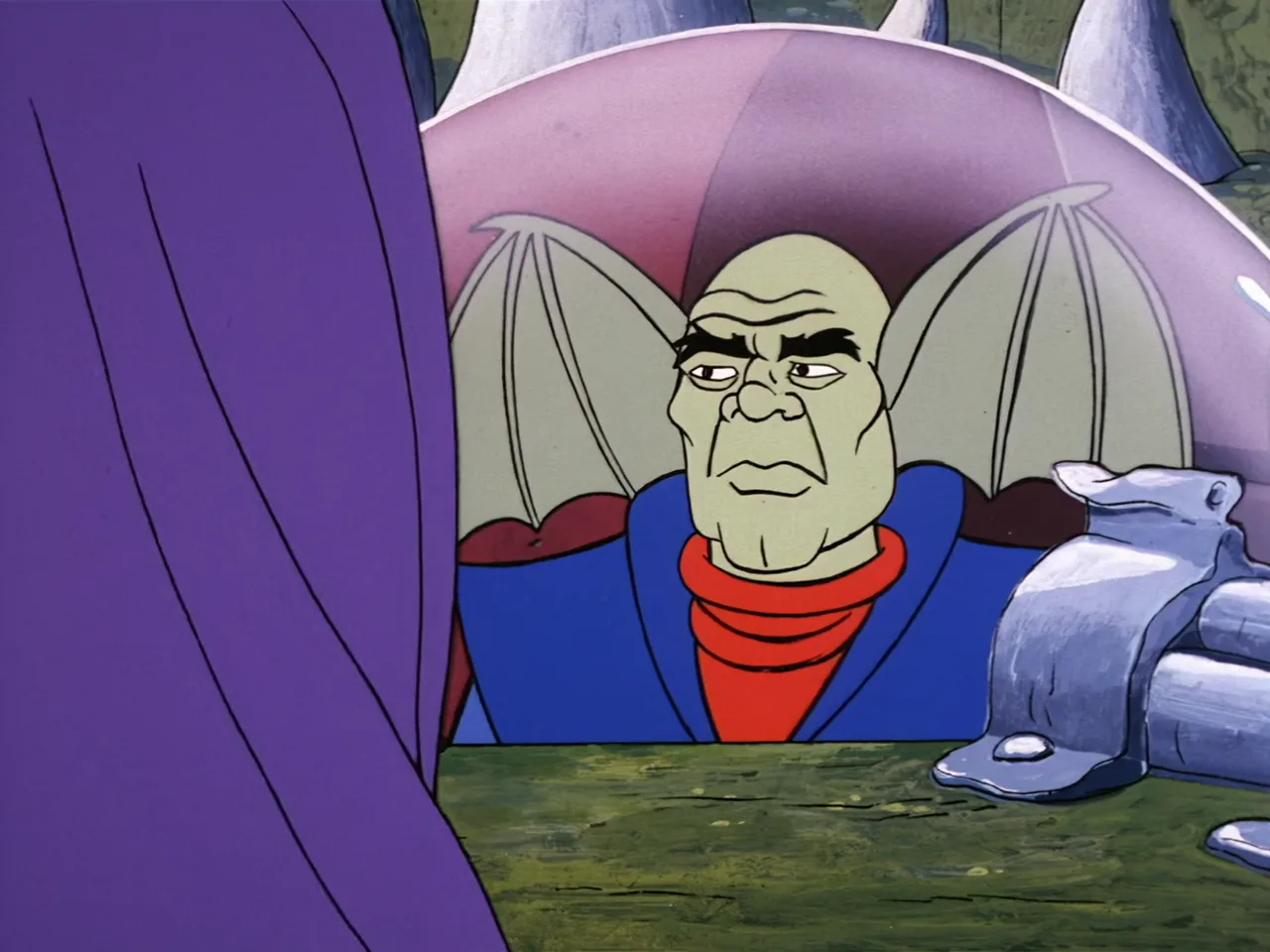
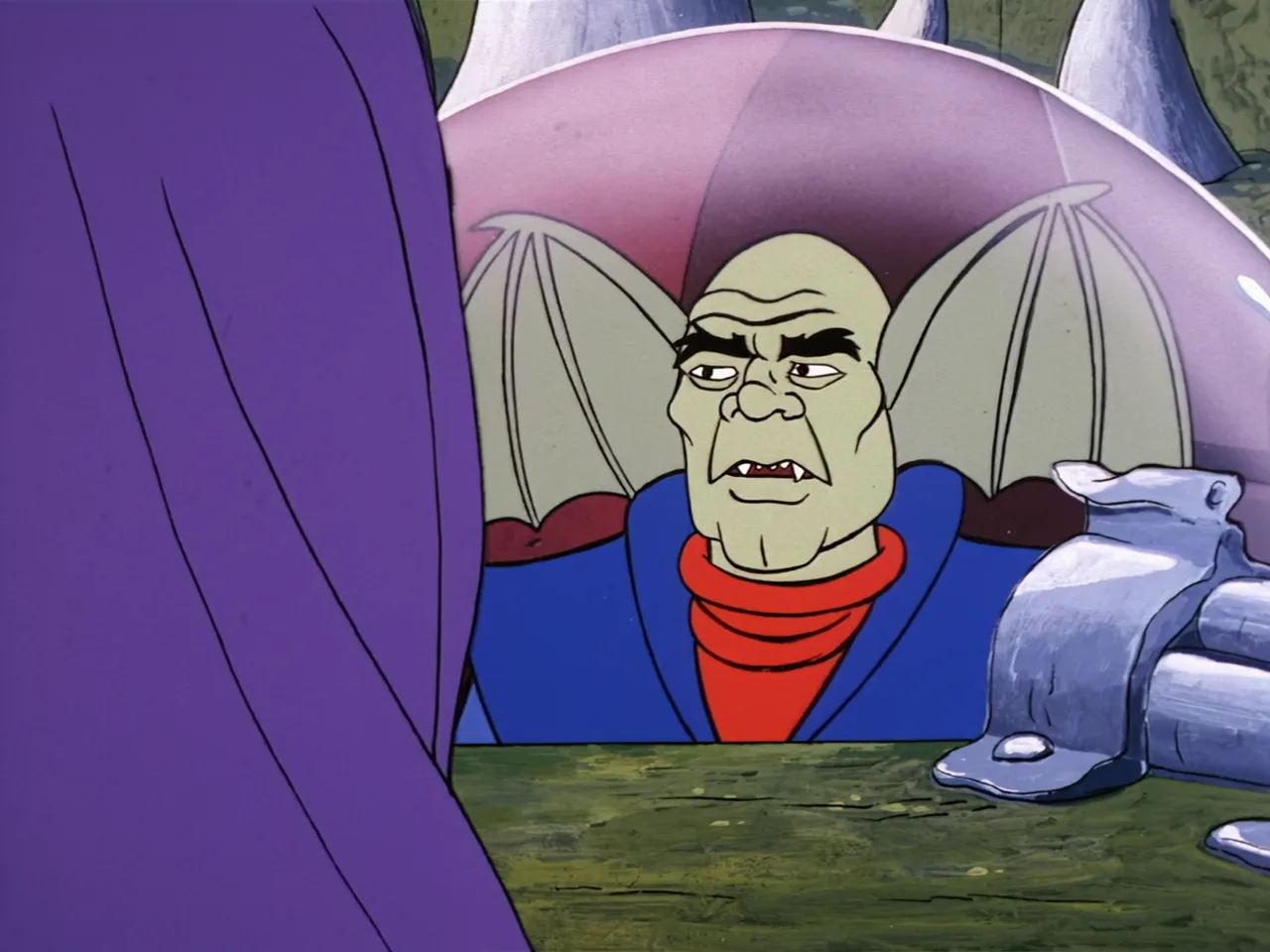
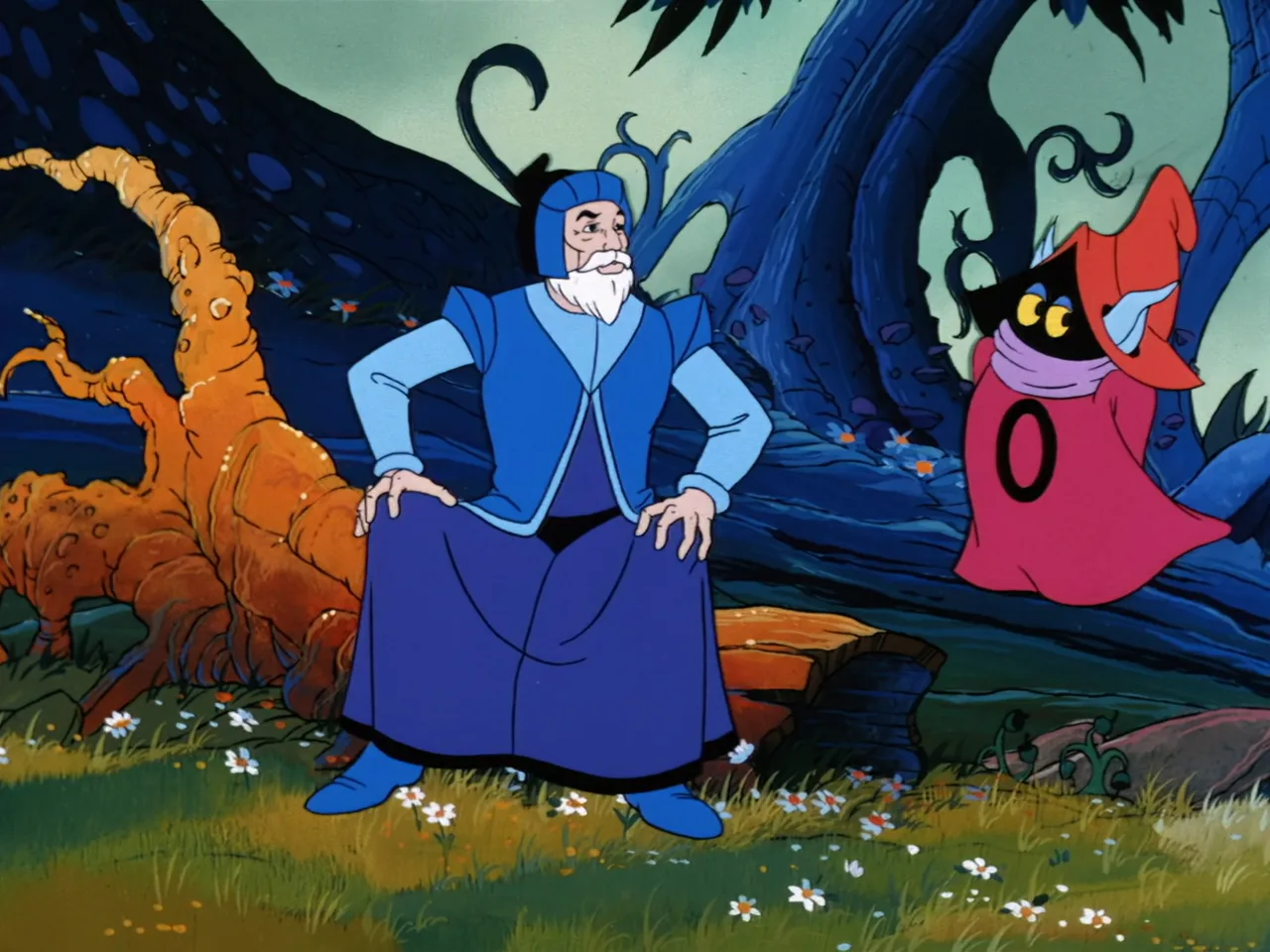
Lou Scheimer (credited as Erik Gunden) as Orko, Sy-Klone, Monster of Moragore, Prince Moragore and Palace guards
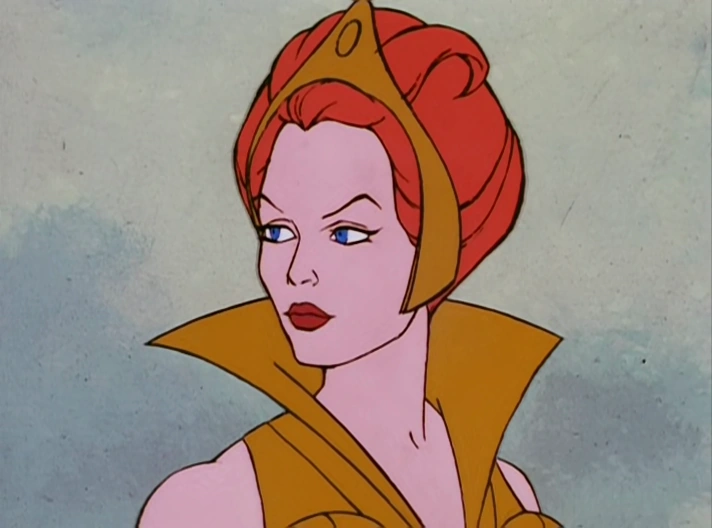
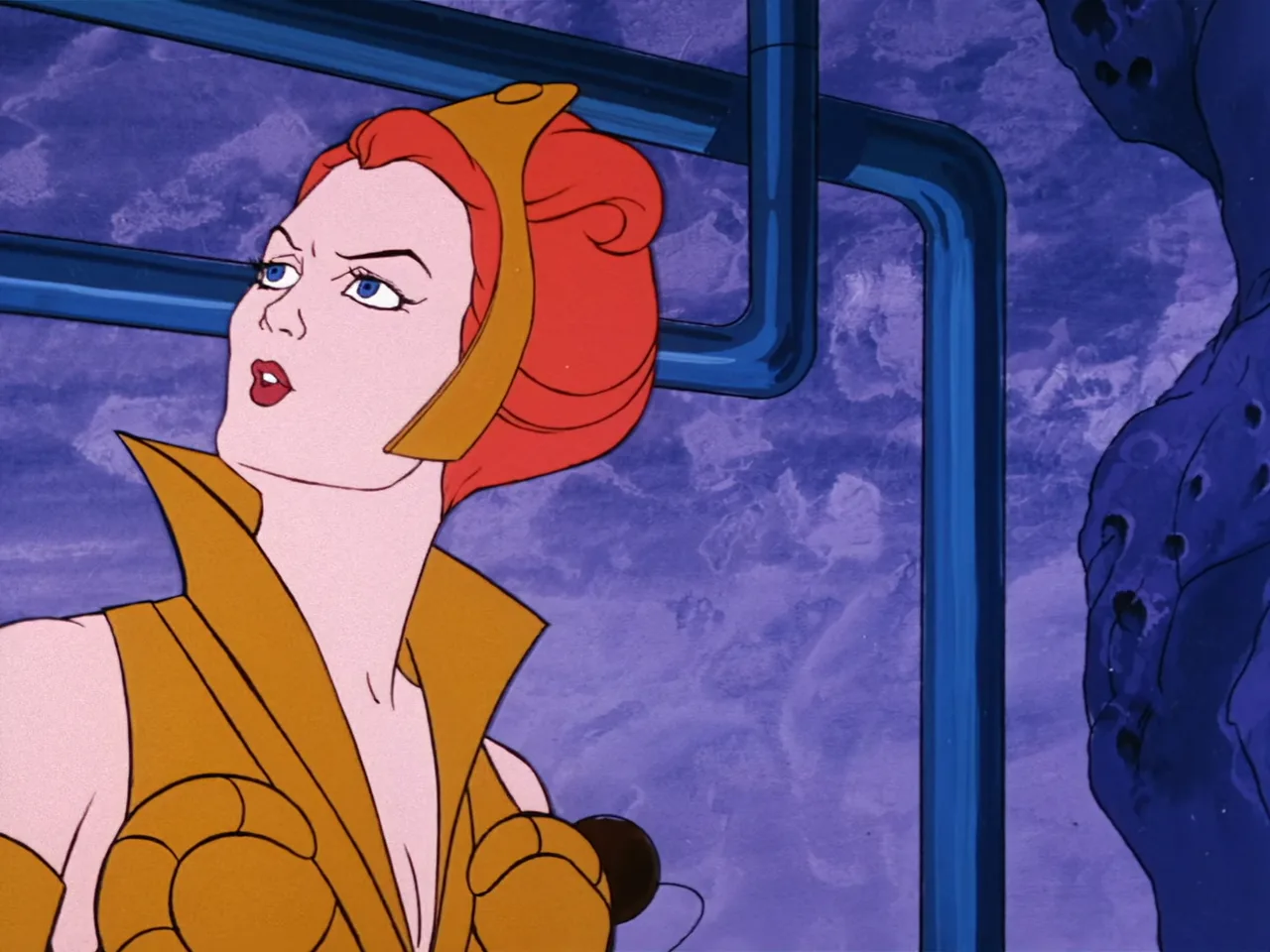
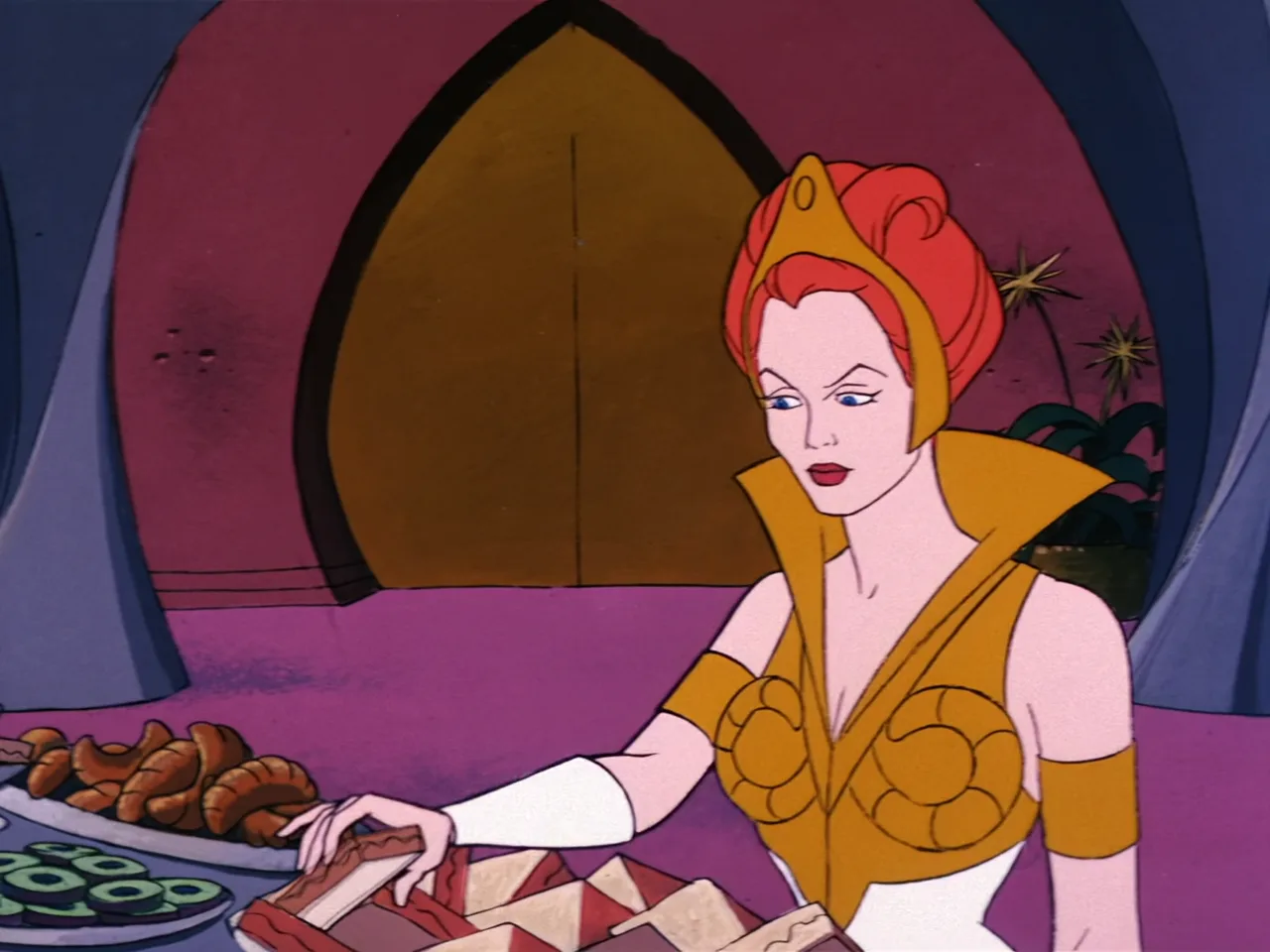
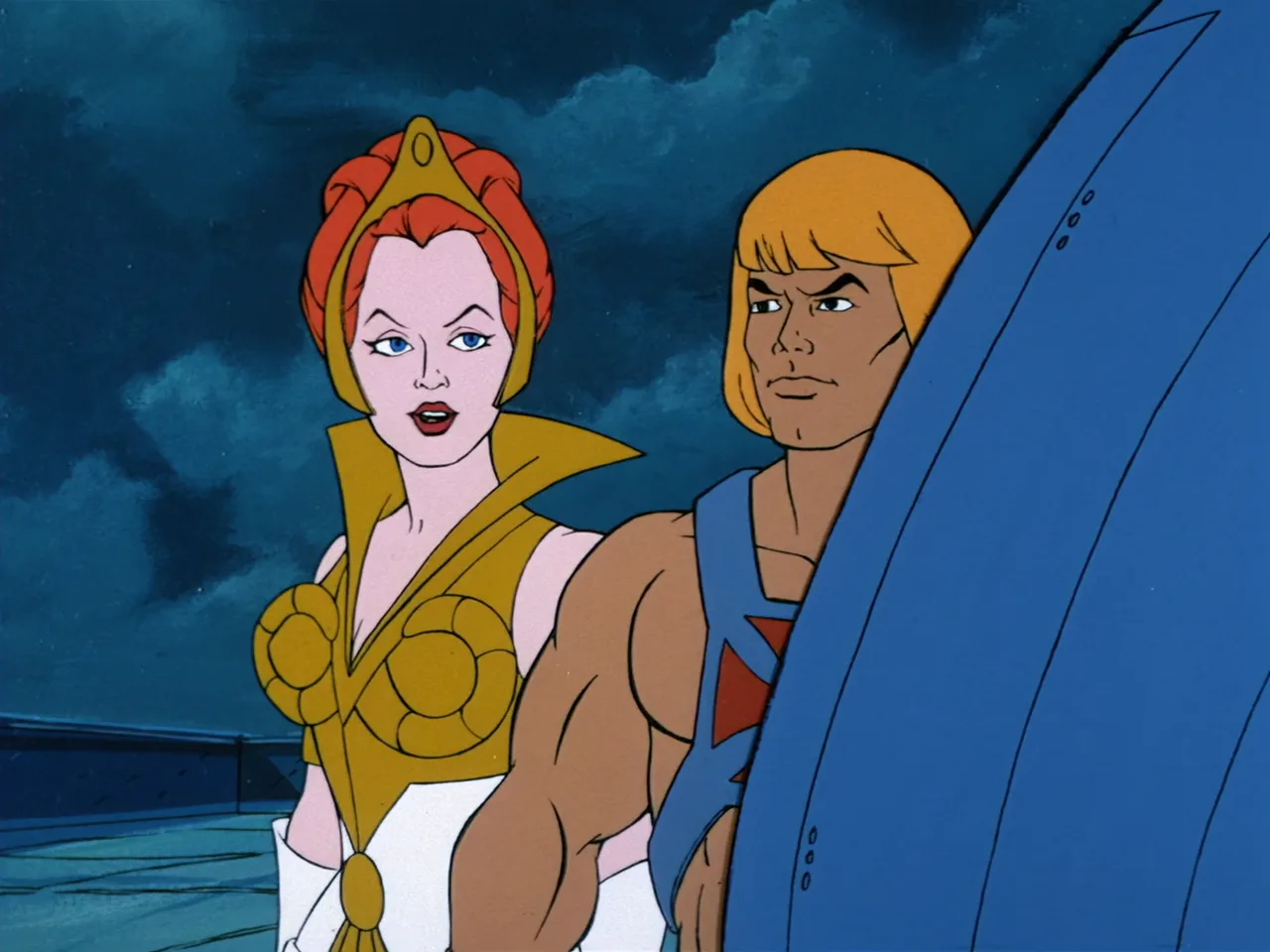
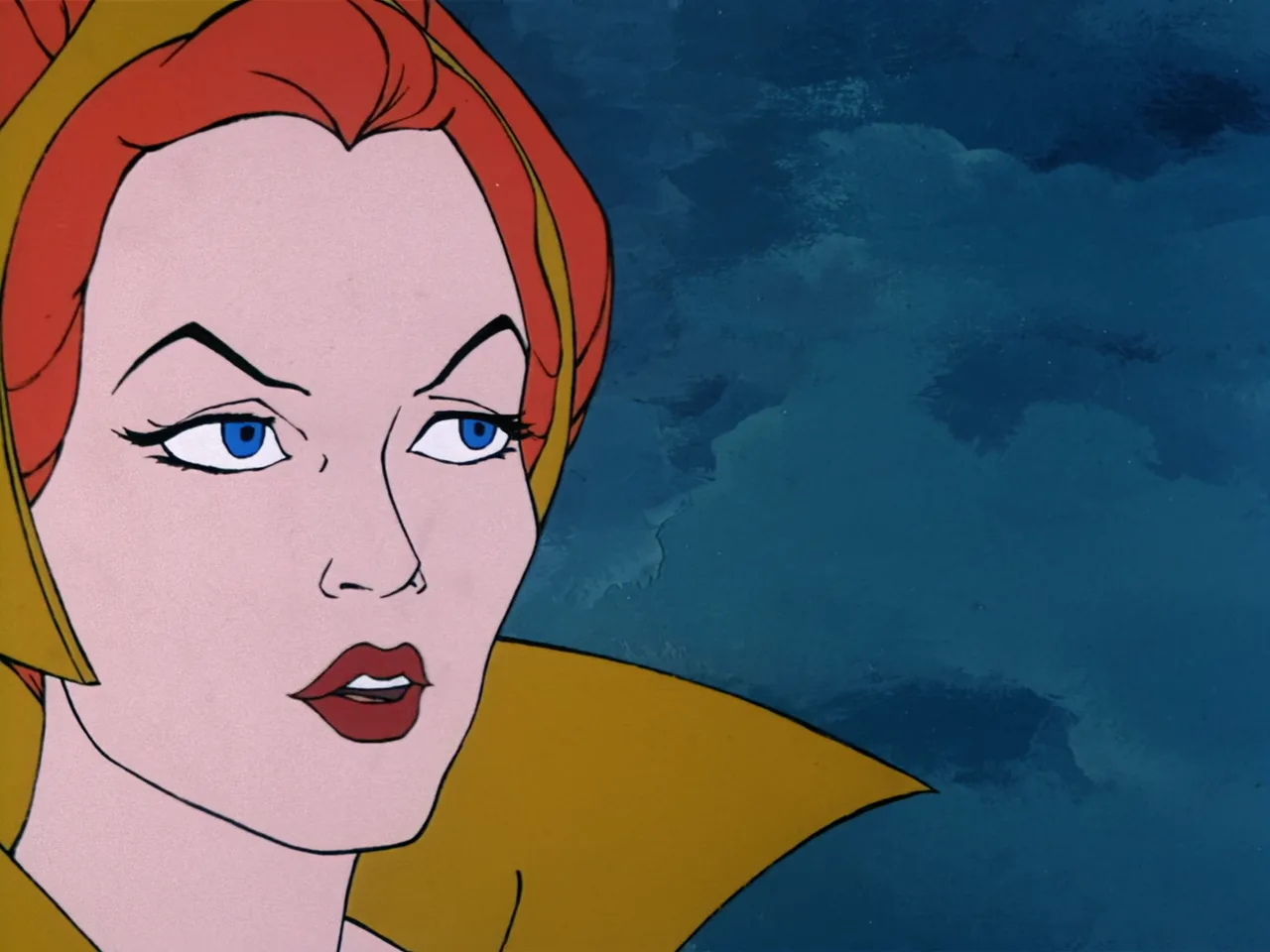
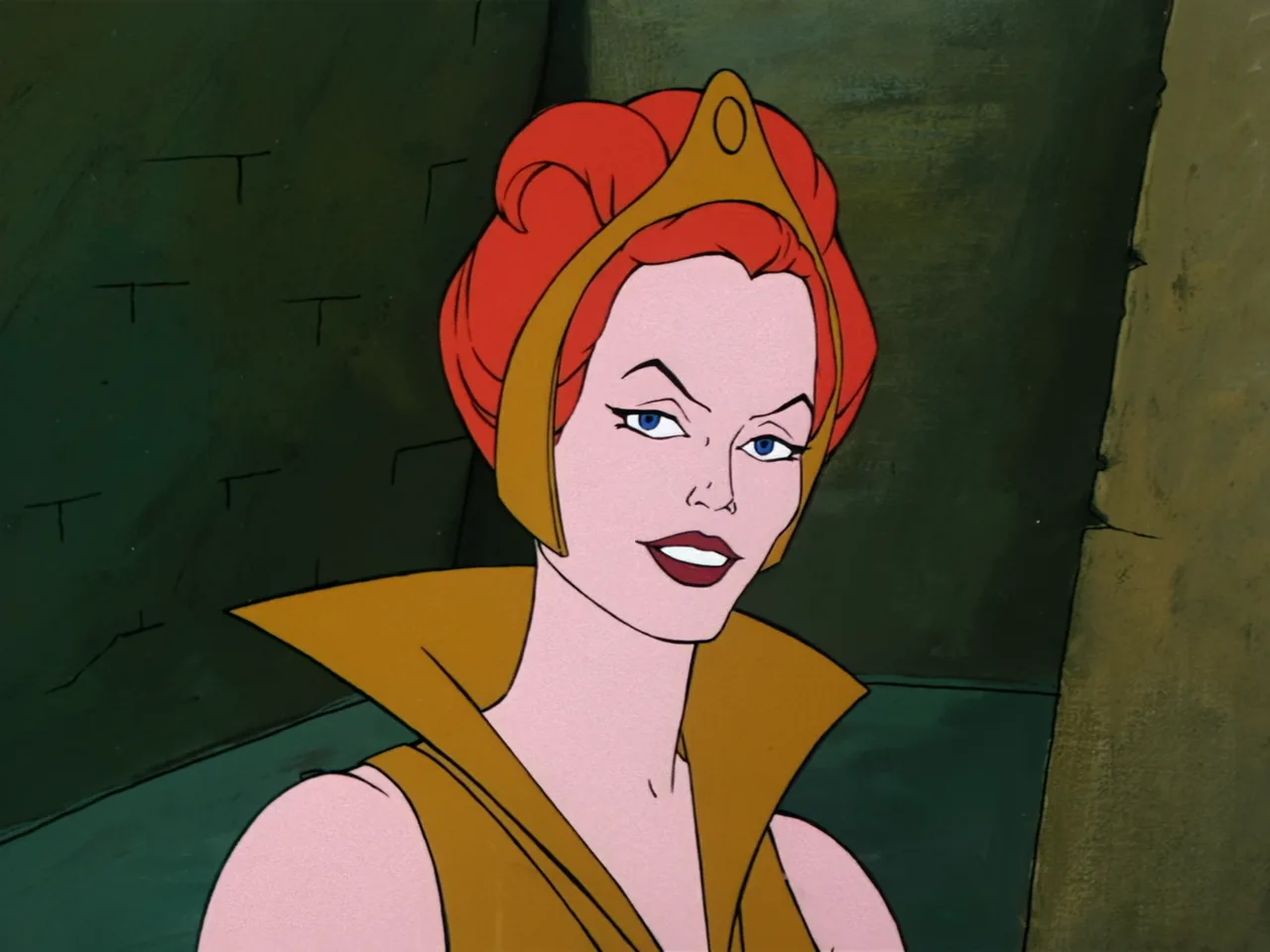
"I don't think you're ugly. When you fought to save He-Man, your courage showed how beautiful you really are." -- Teela, to Prince Moragore.
A curse that turns you ugly sounds like a small cruelty next to anything else in Skeletor's arsenal. "Beauty and the Beast" spends its whole runtime arguing that he picked the crueler punishment anyway.
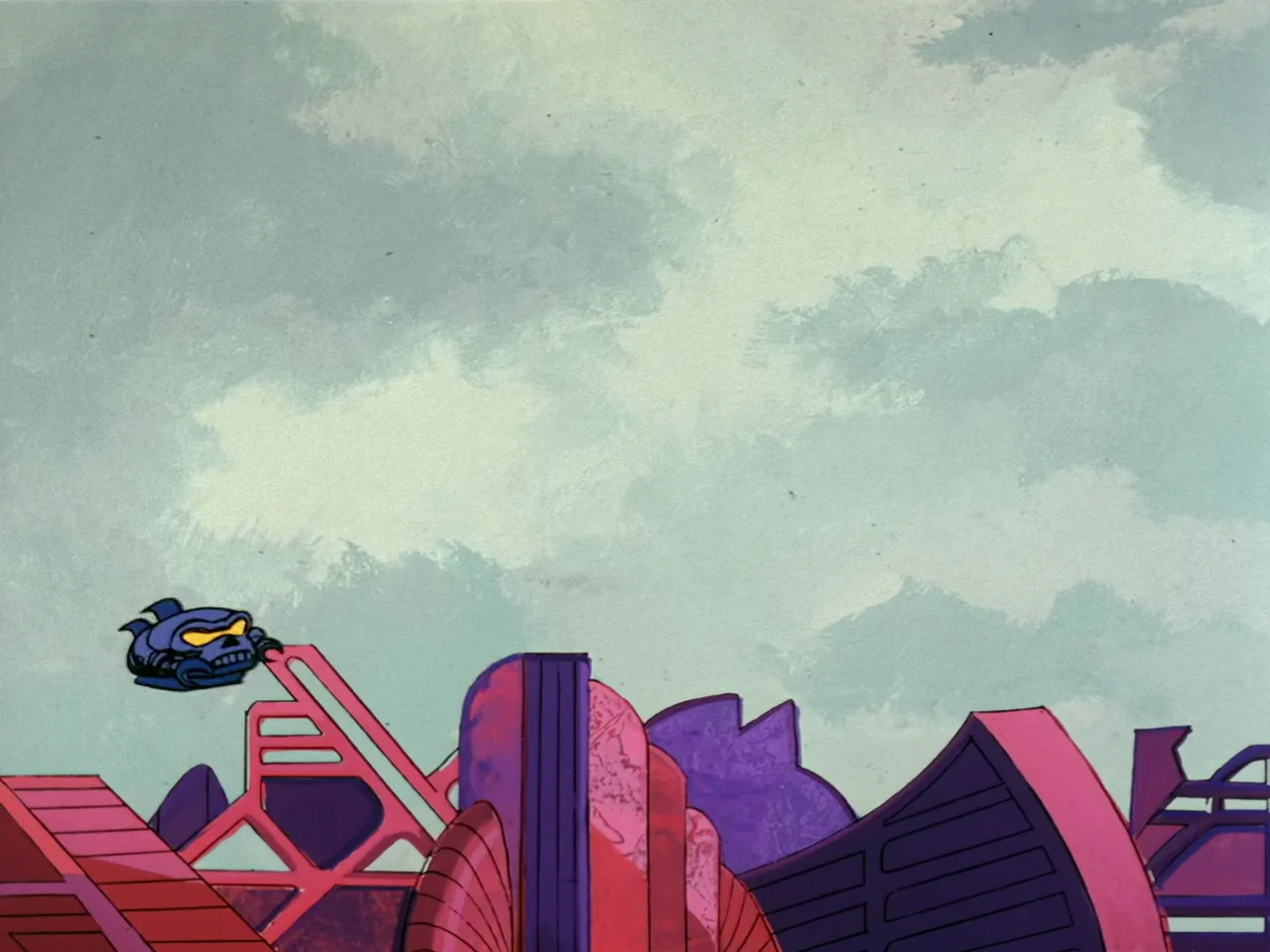
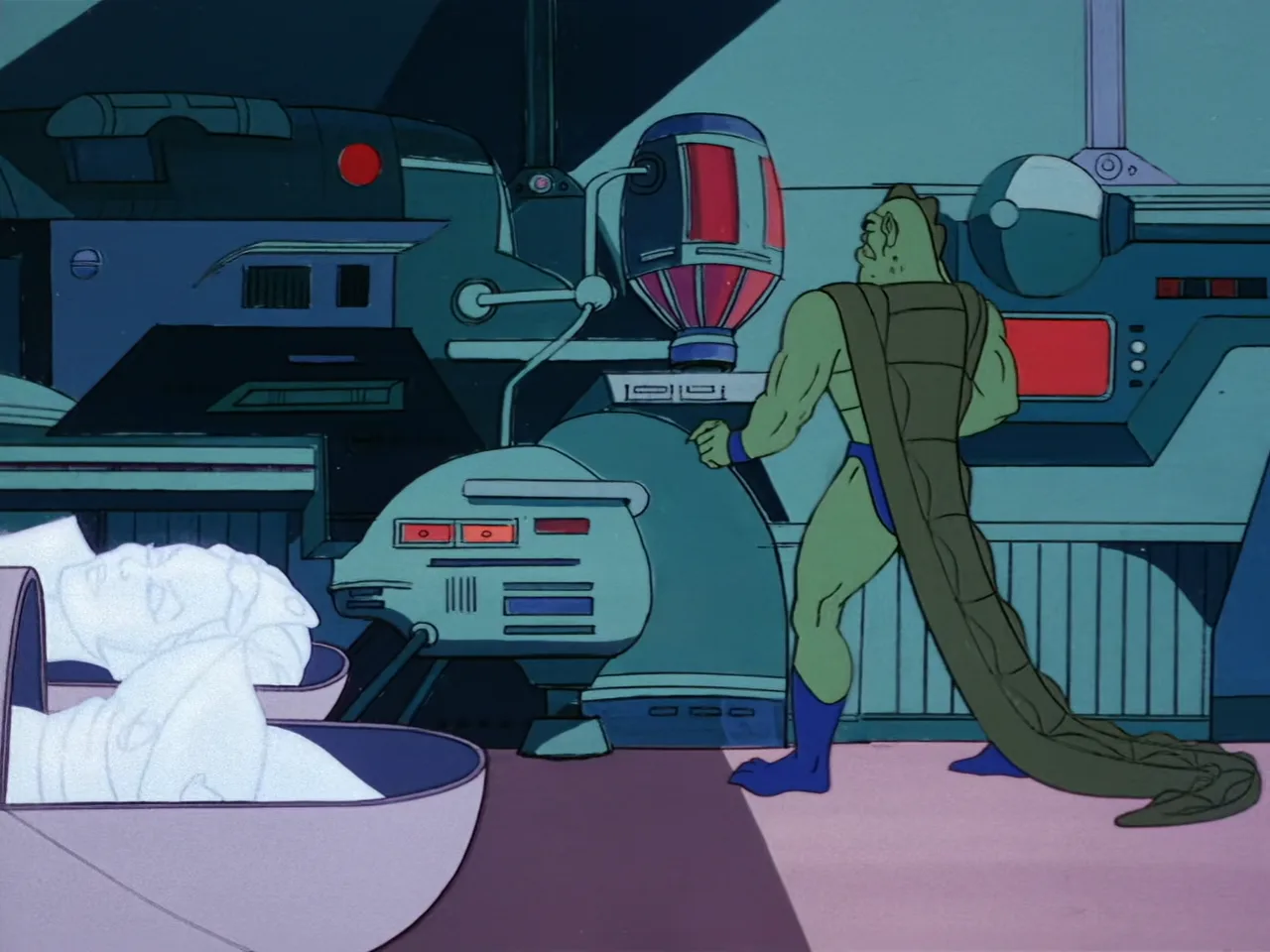
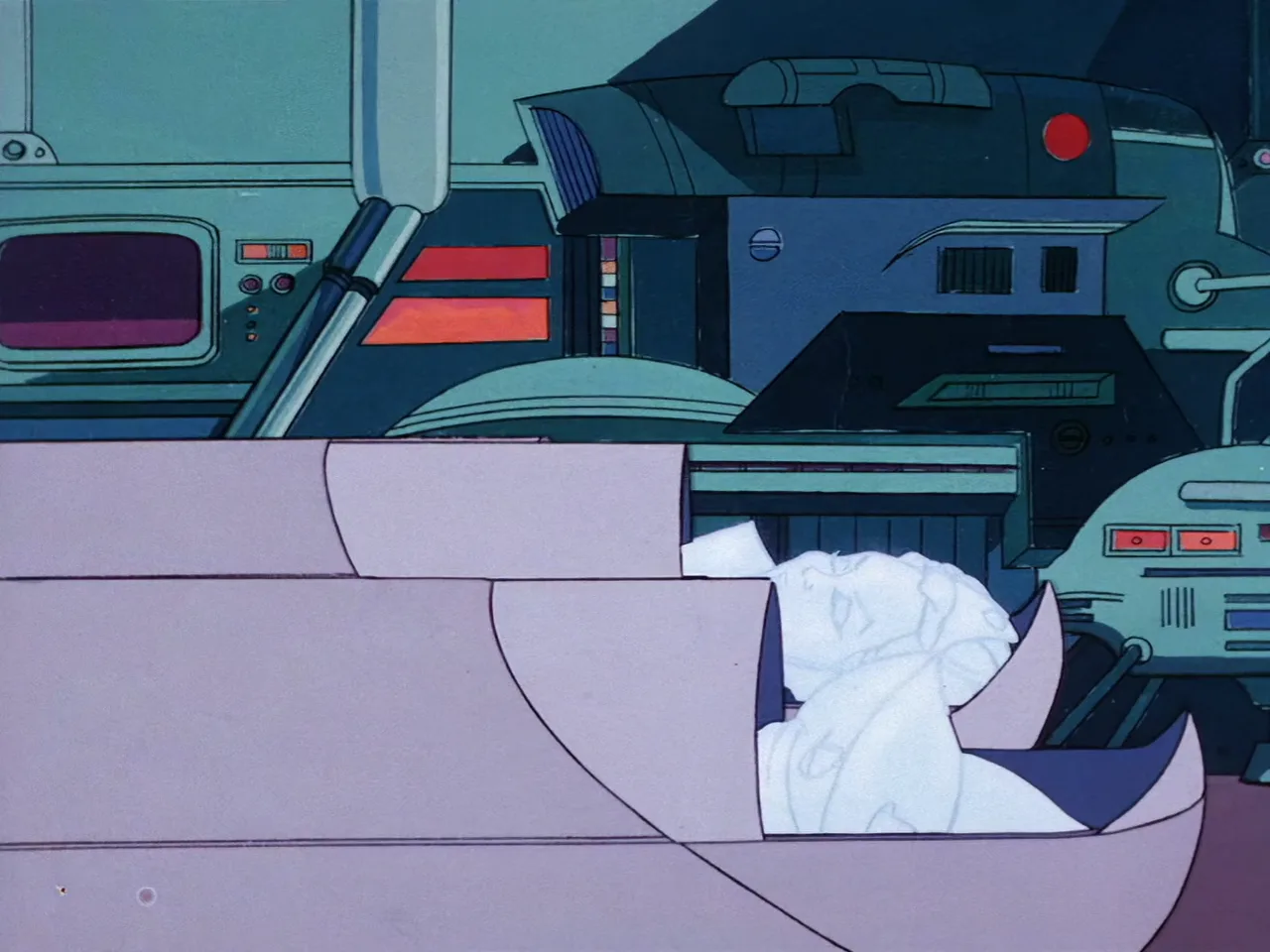
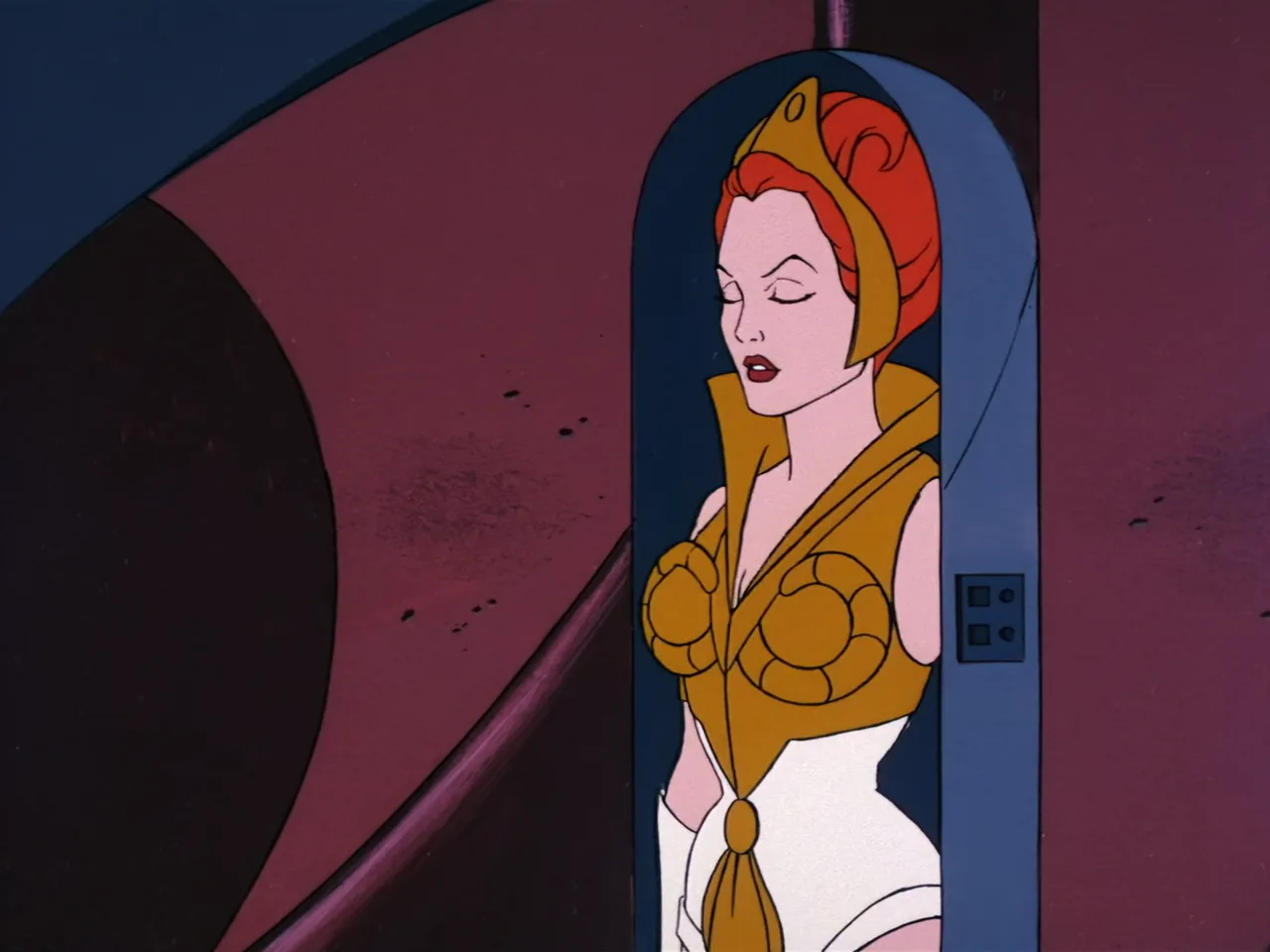
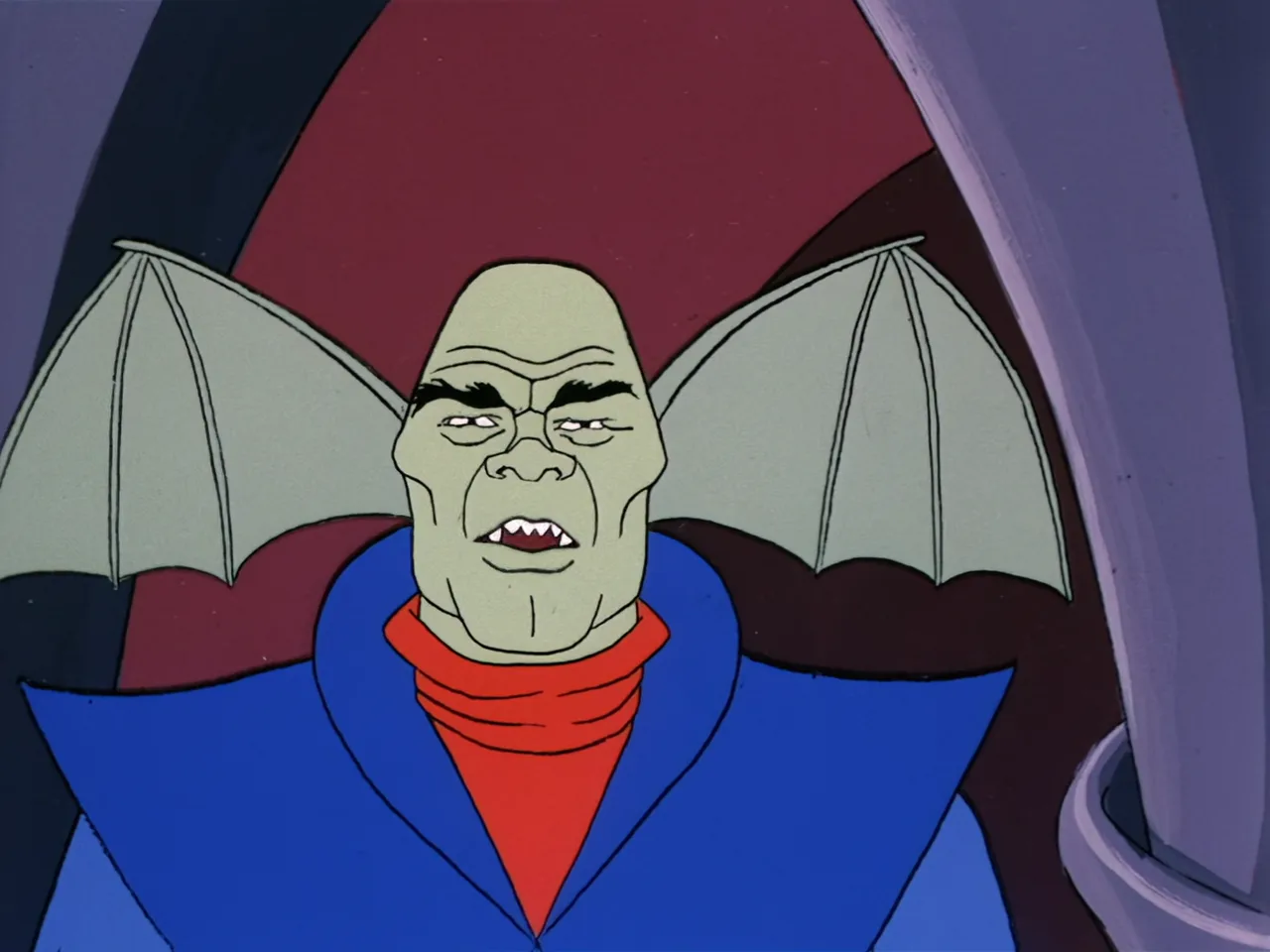
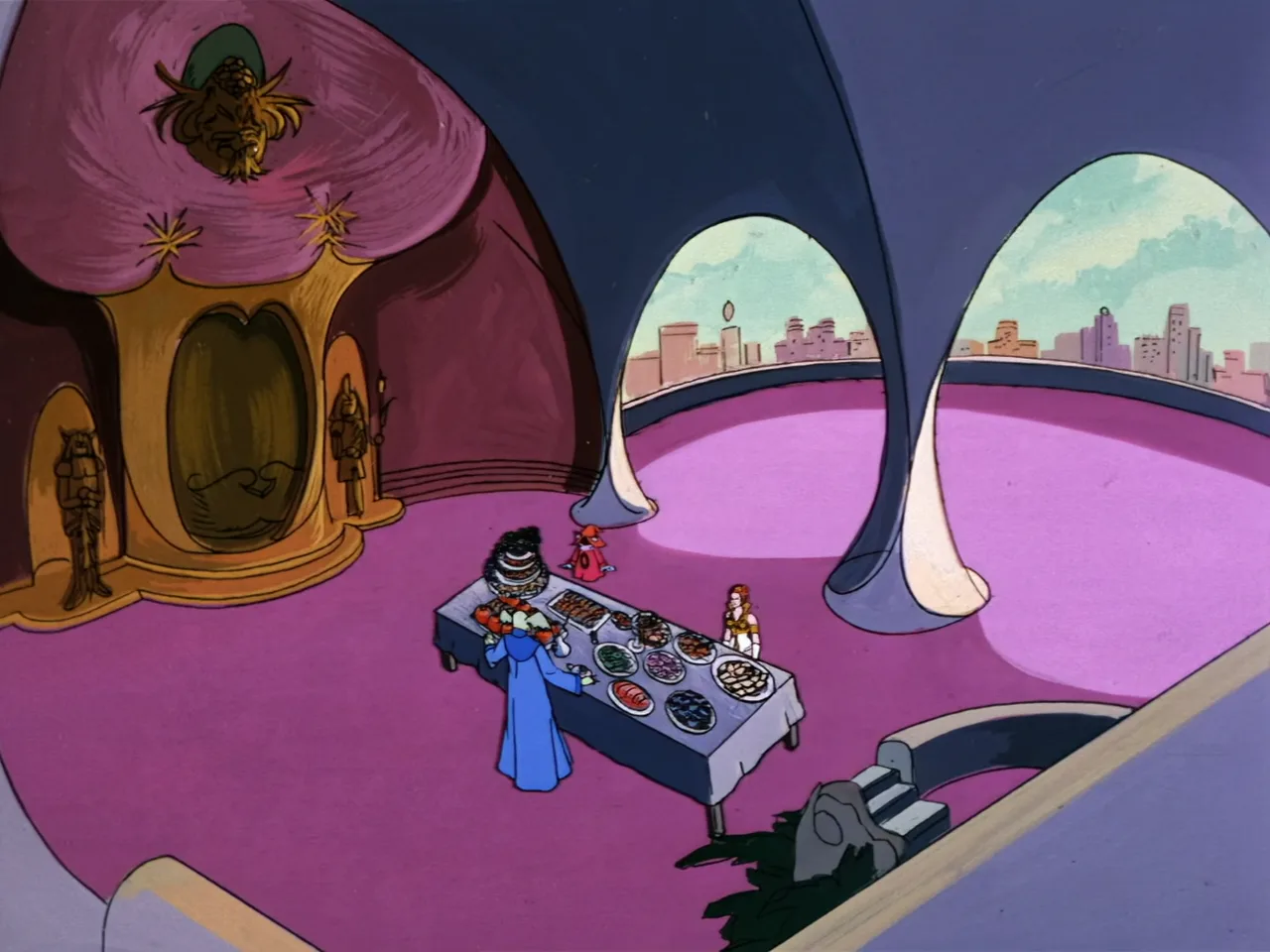
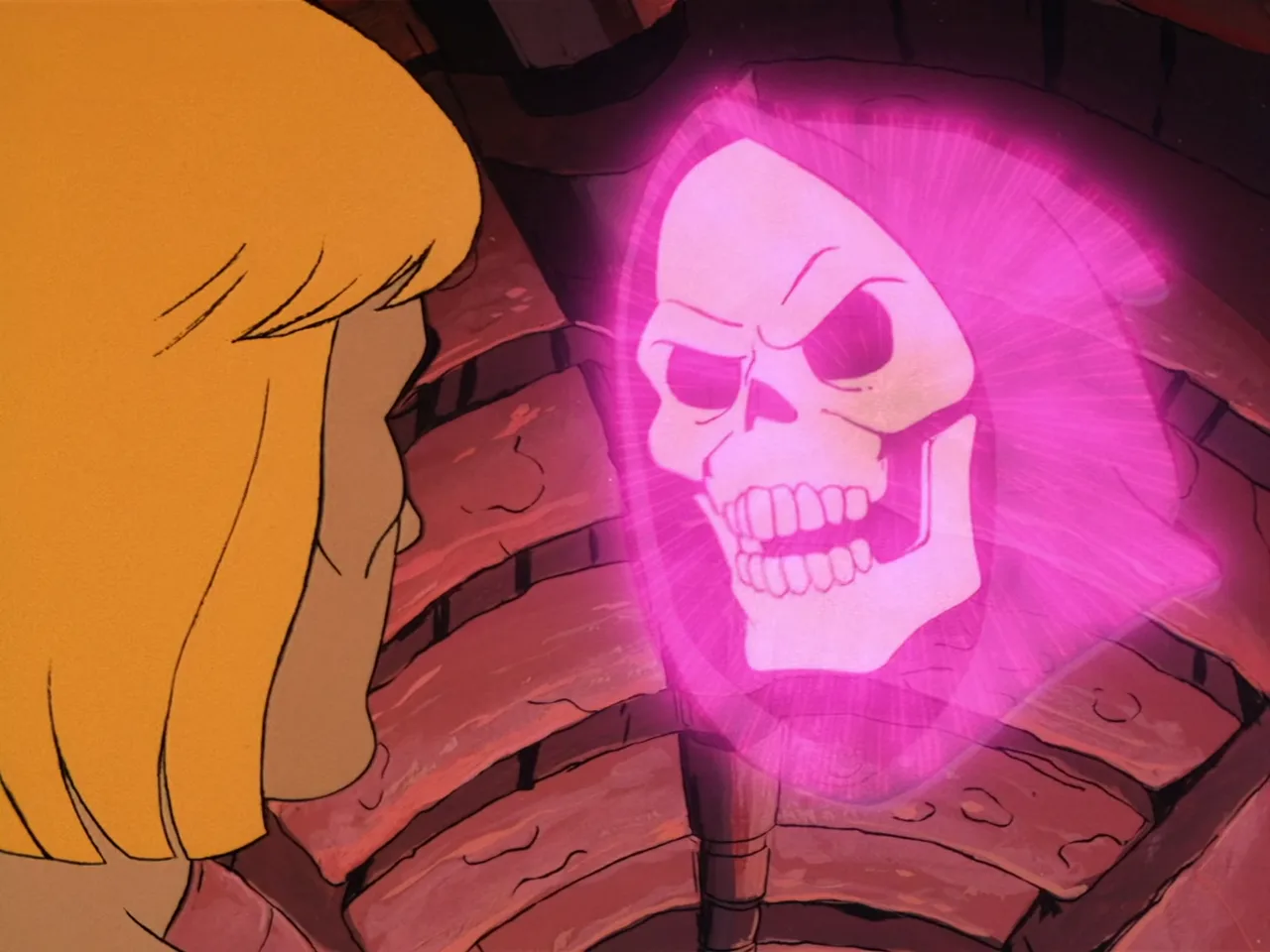
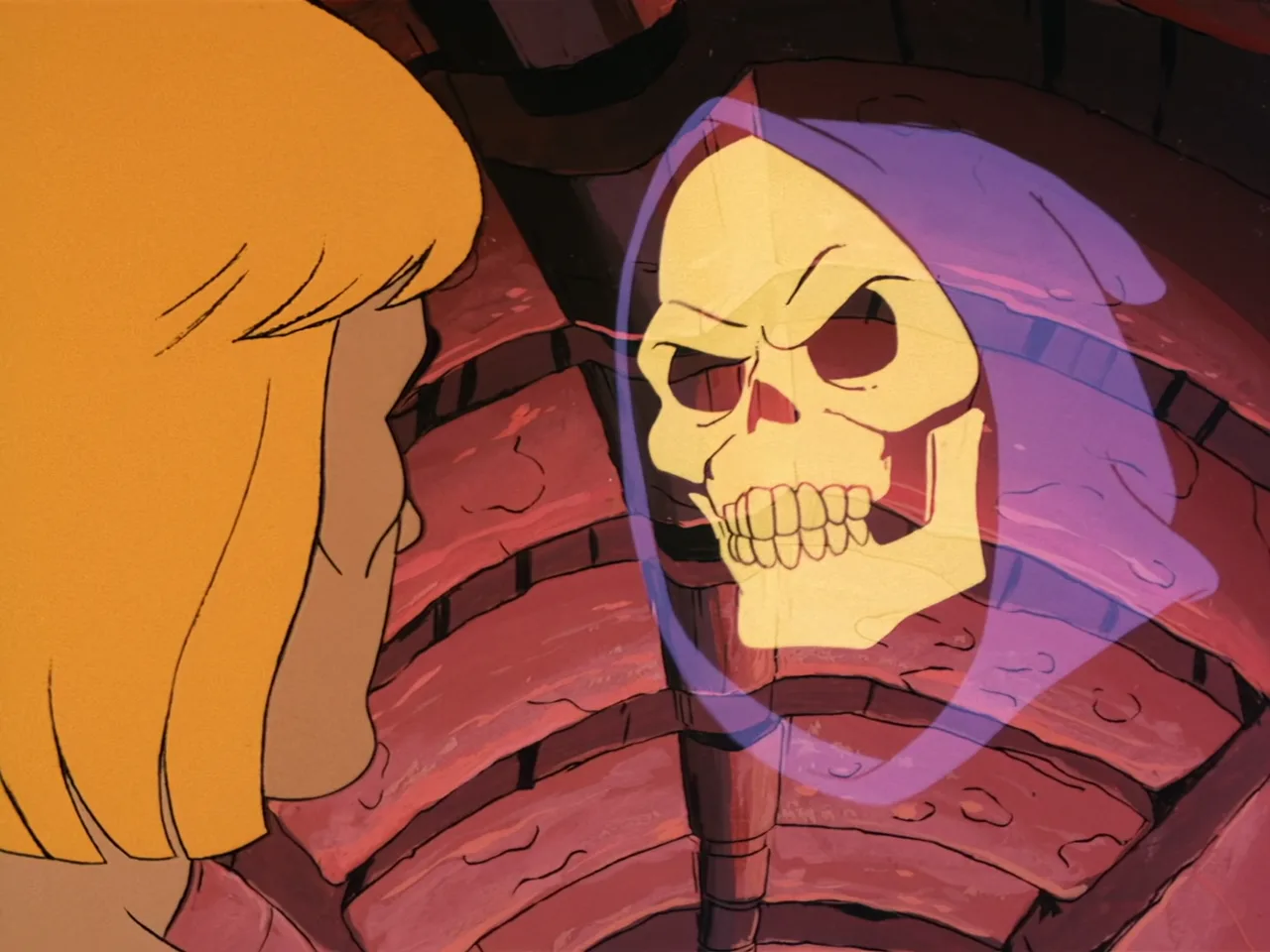
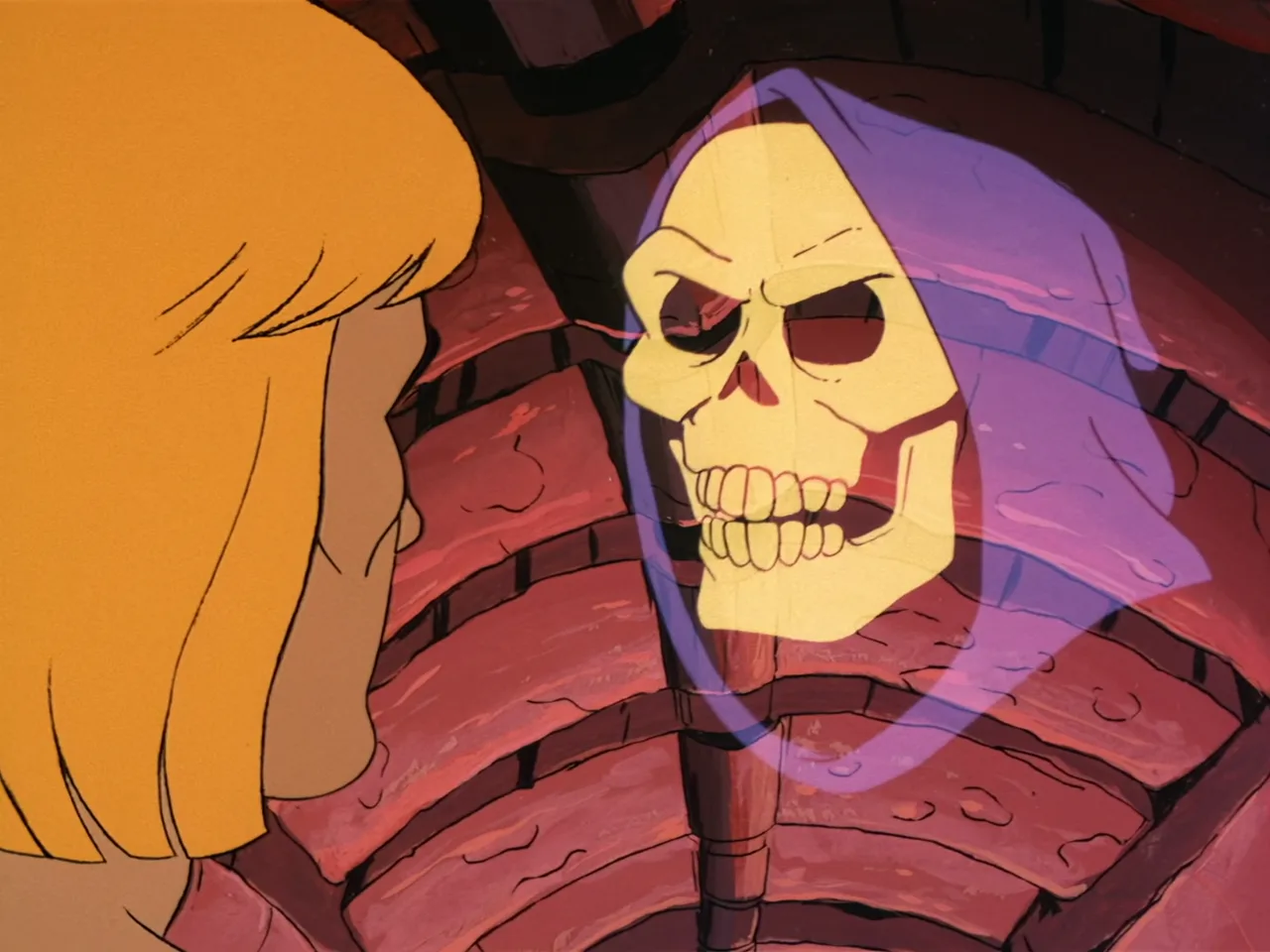
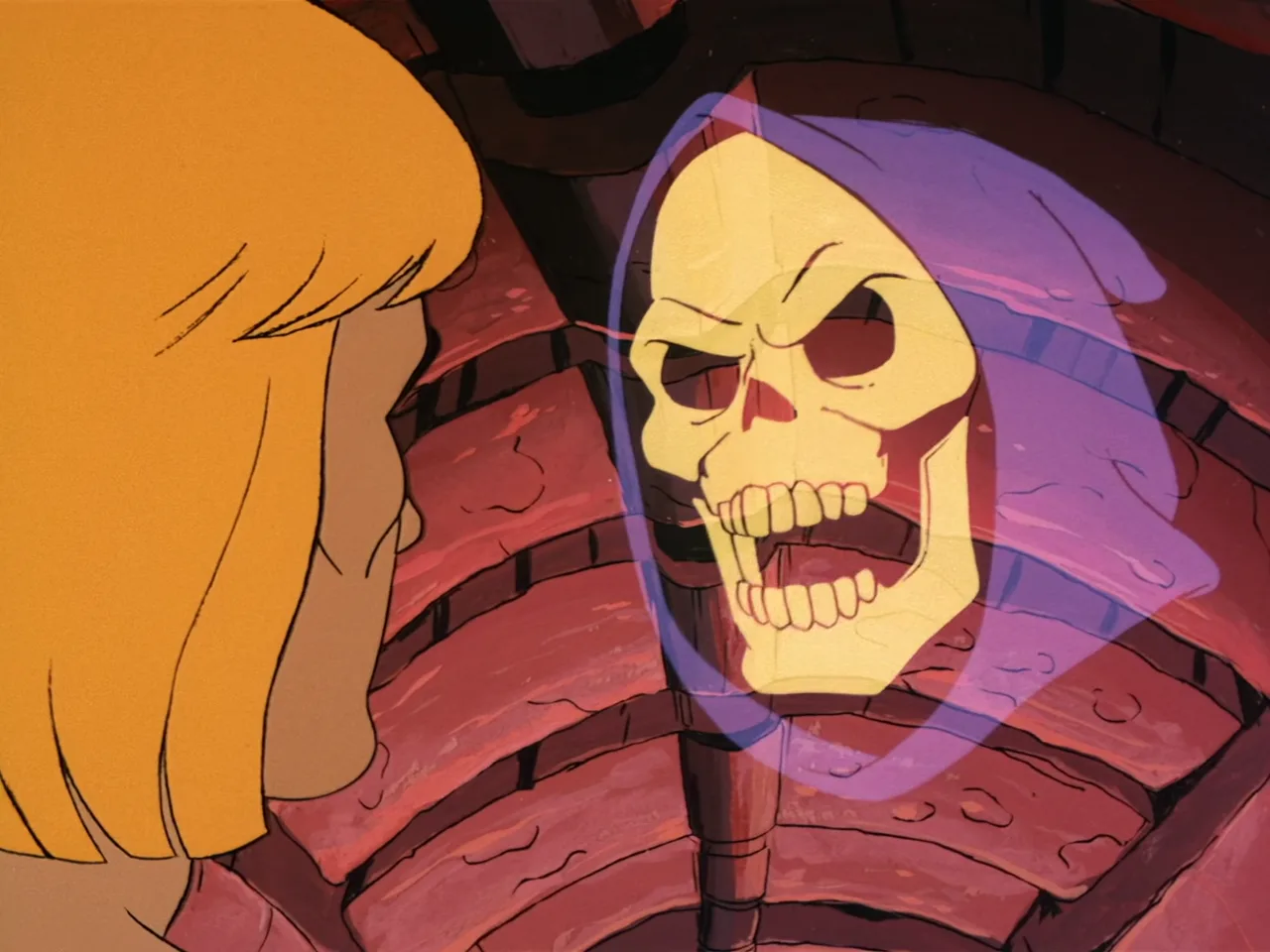
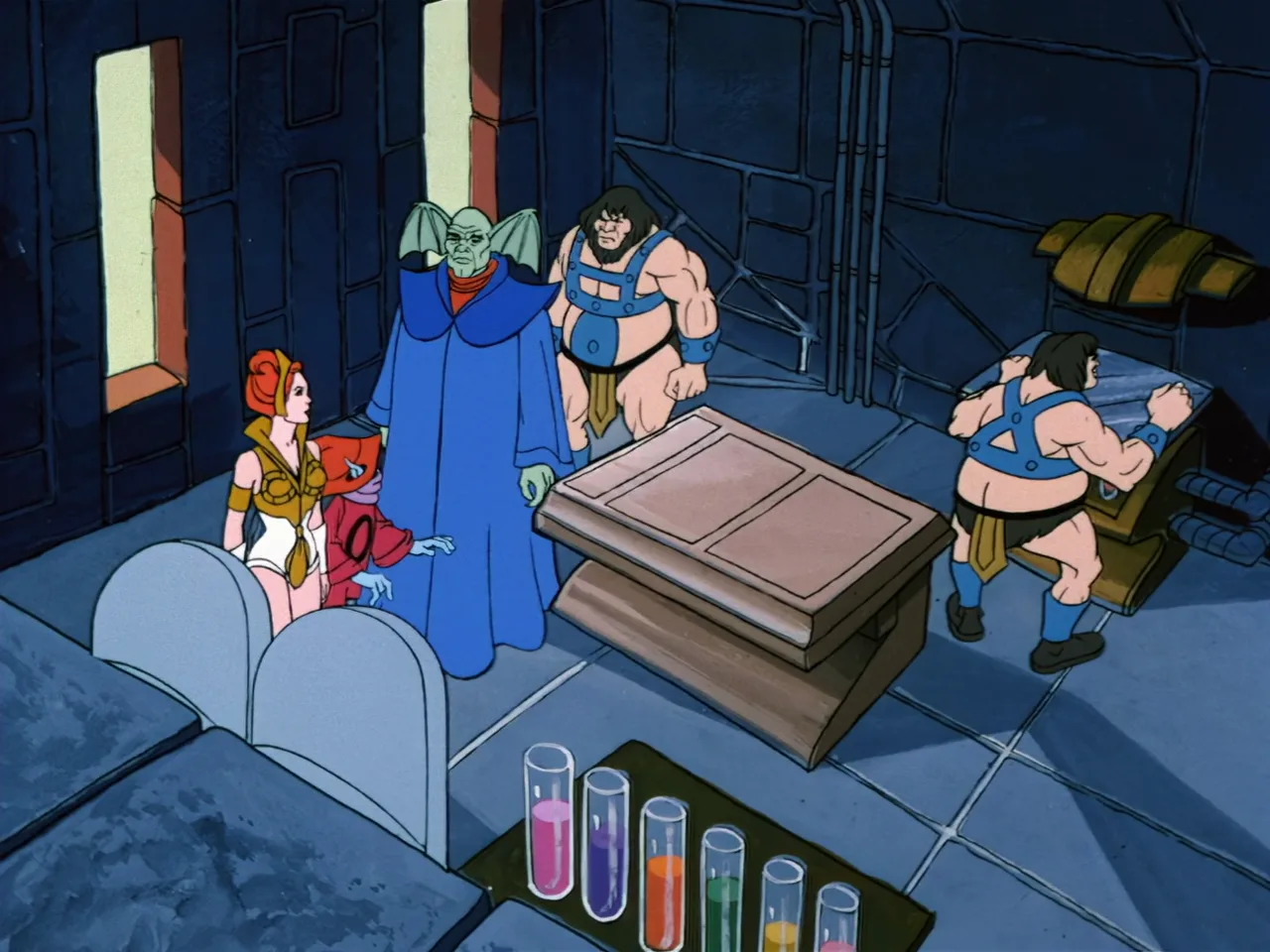
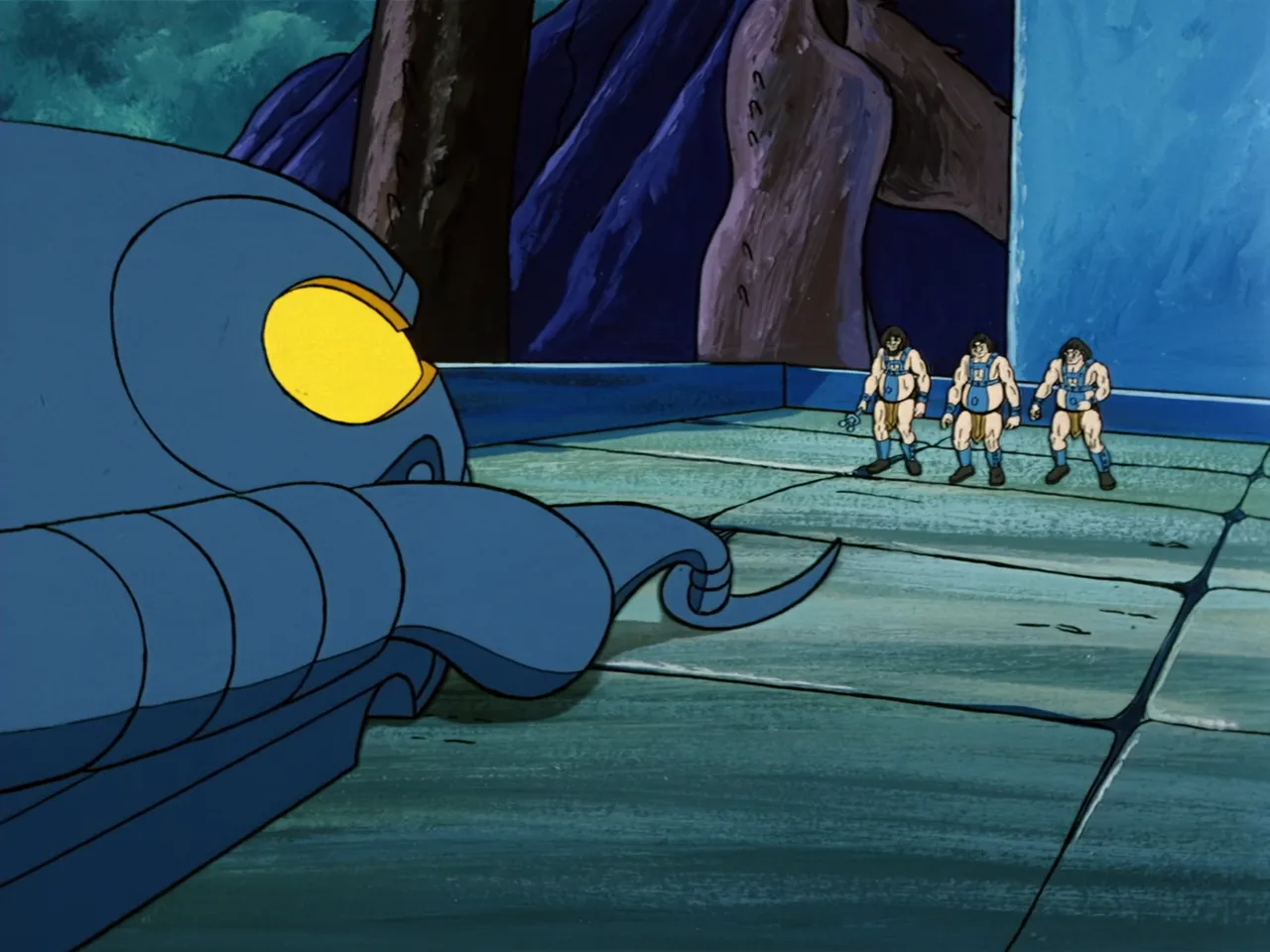
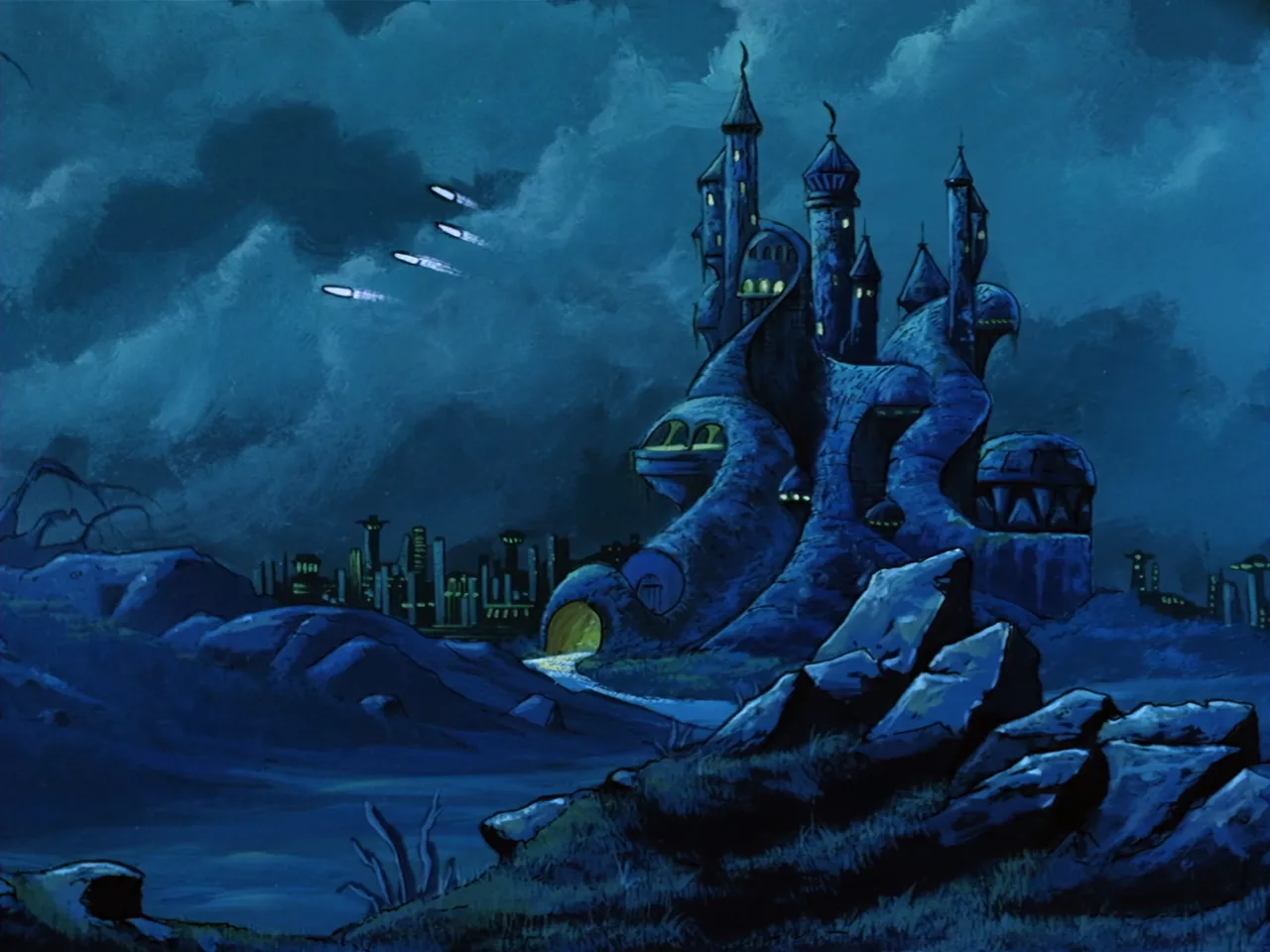
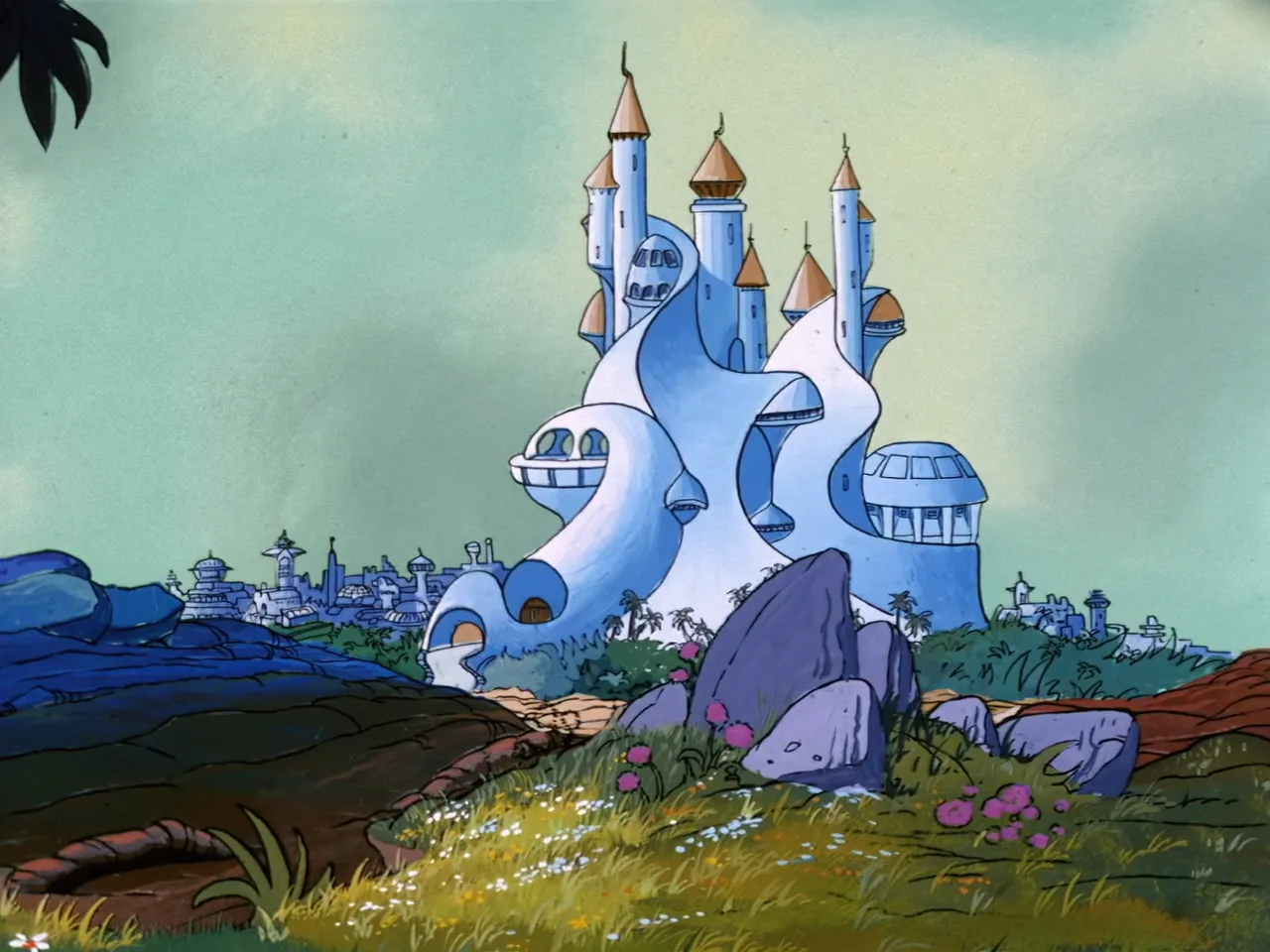
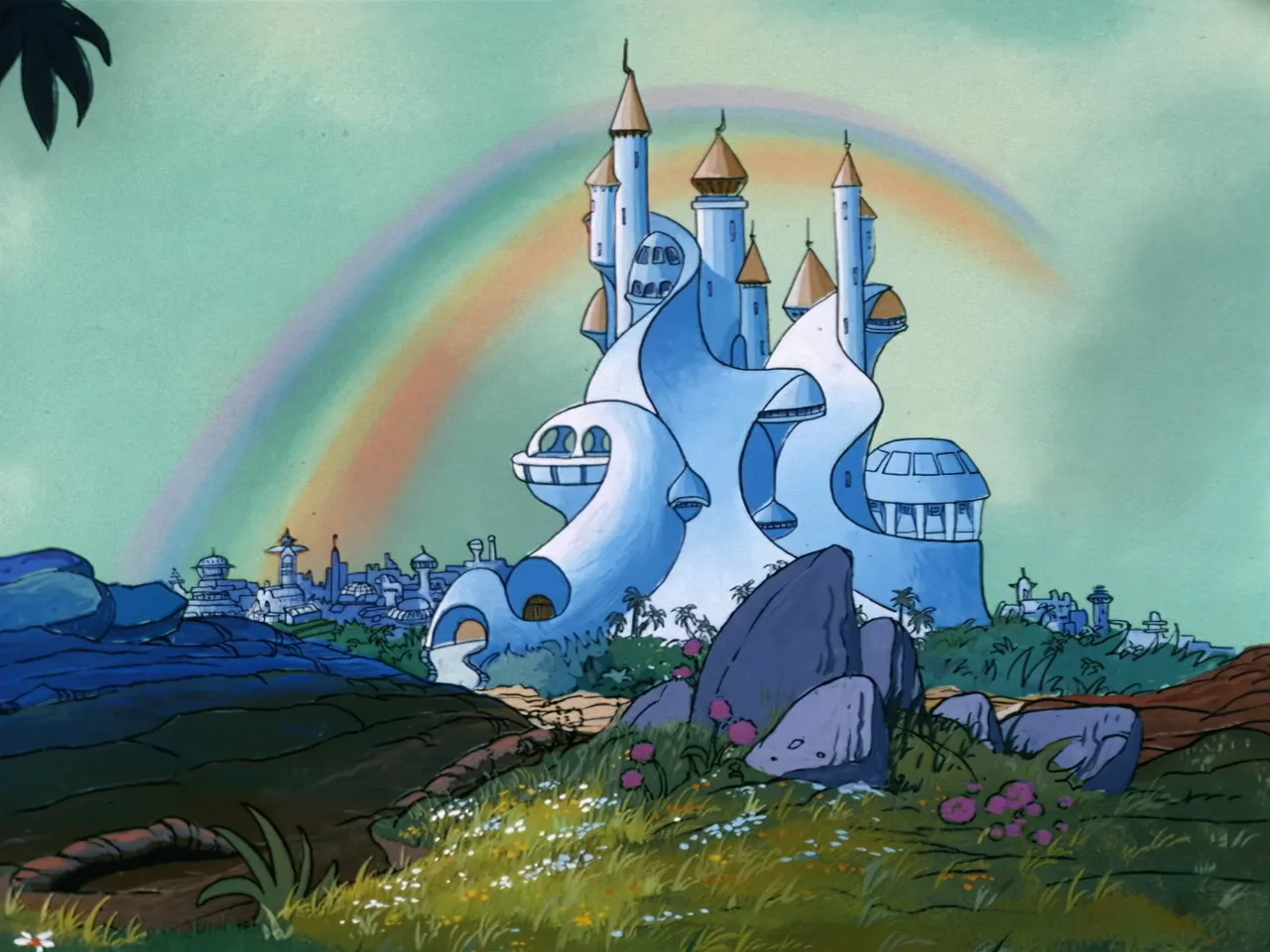
The setup is standard-issue Filmation action: Spider Drones storm the Royal Palace, Teela and Orko are carried off in freeze capsules, and He-Man has to find them before Skeletor can trade their freedom for King Randor's crown. What makes the episode worth watching isn't that chase. It's where Skeletor hides his hostages: the castle of a disfigured ruler he already controls through fear, a prince he scarred and now threatens to scar an entire kingdom over if his orders aren't followed.
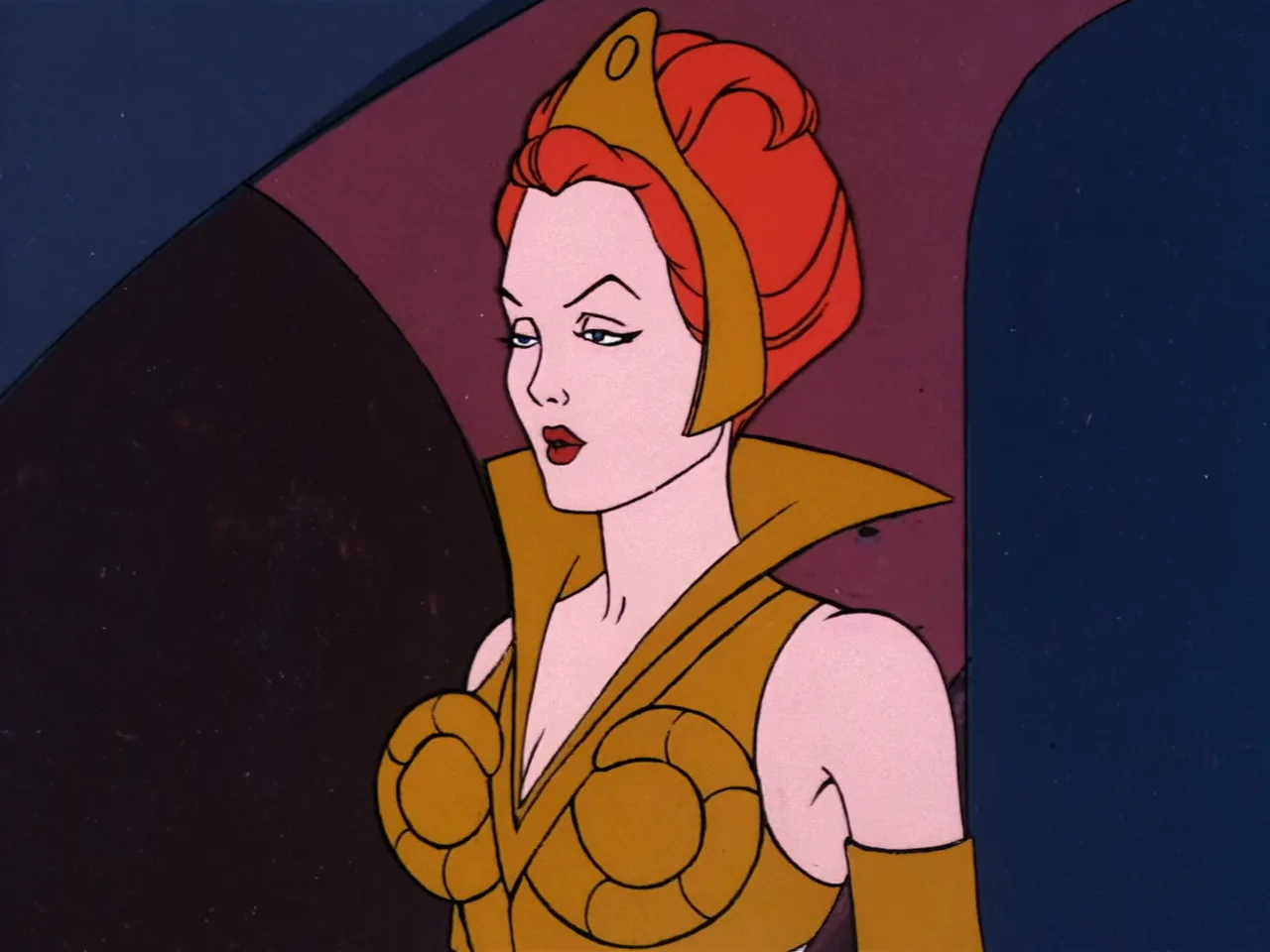
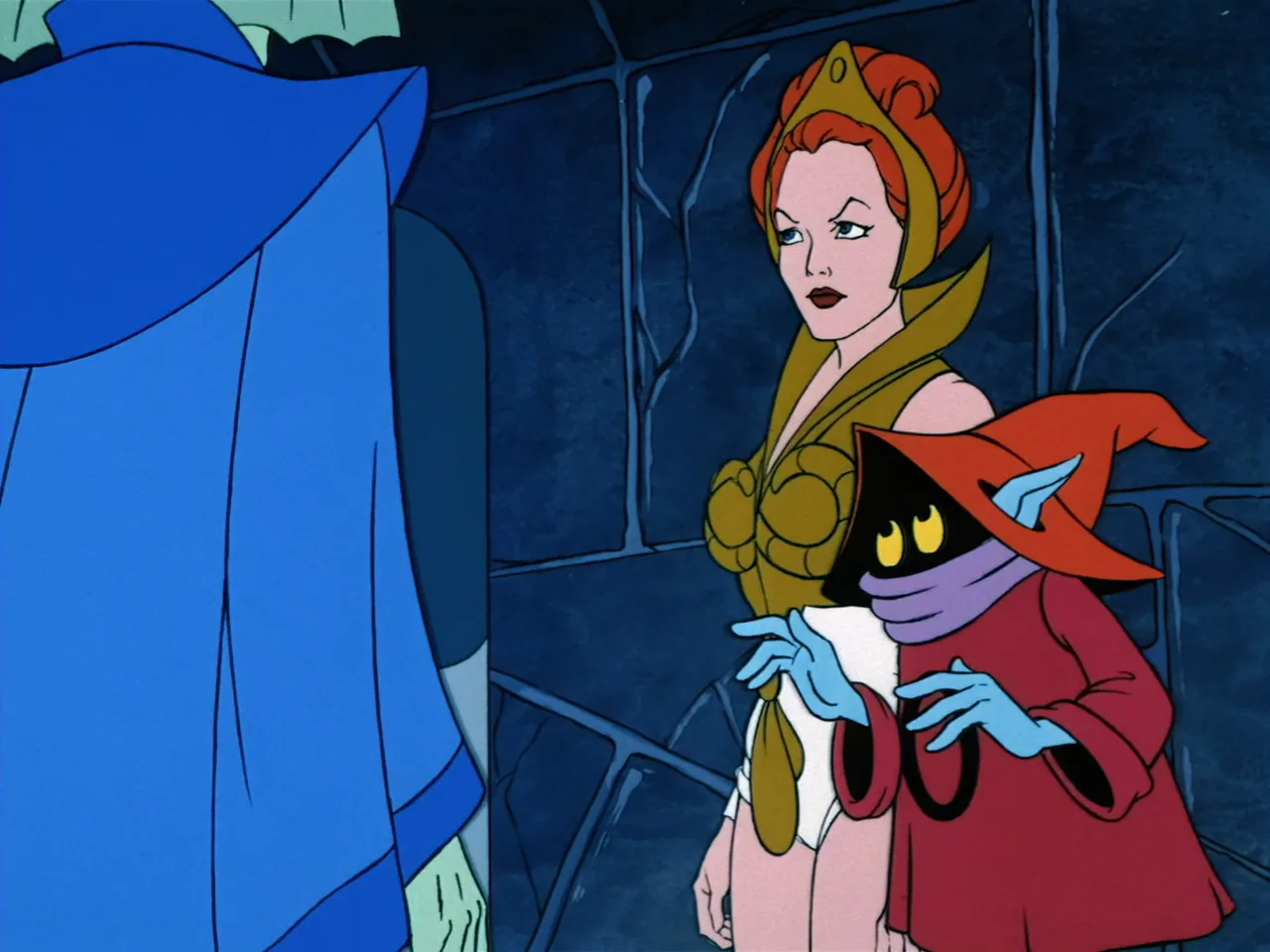
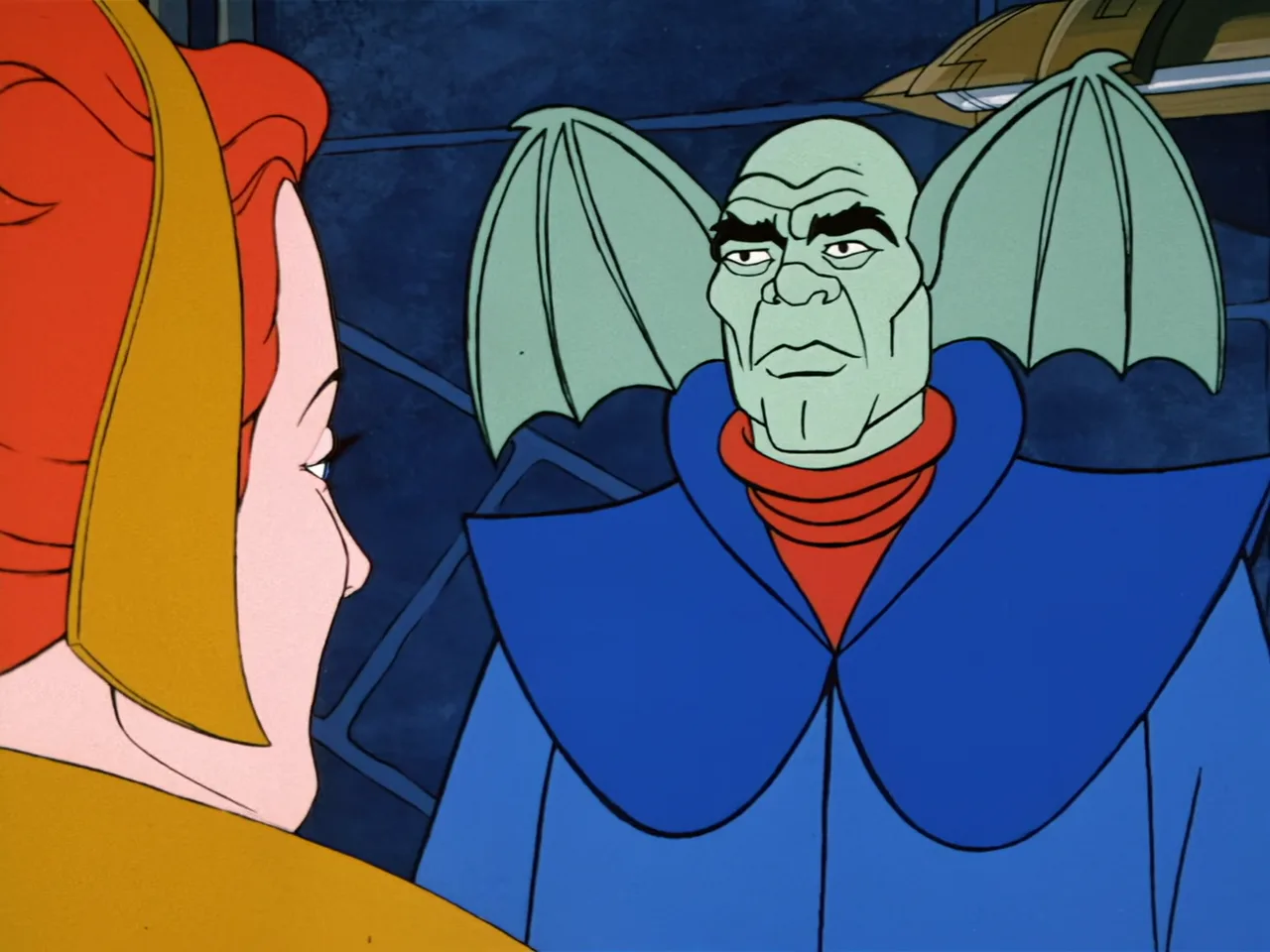
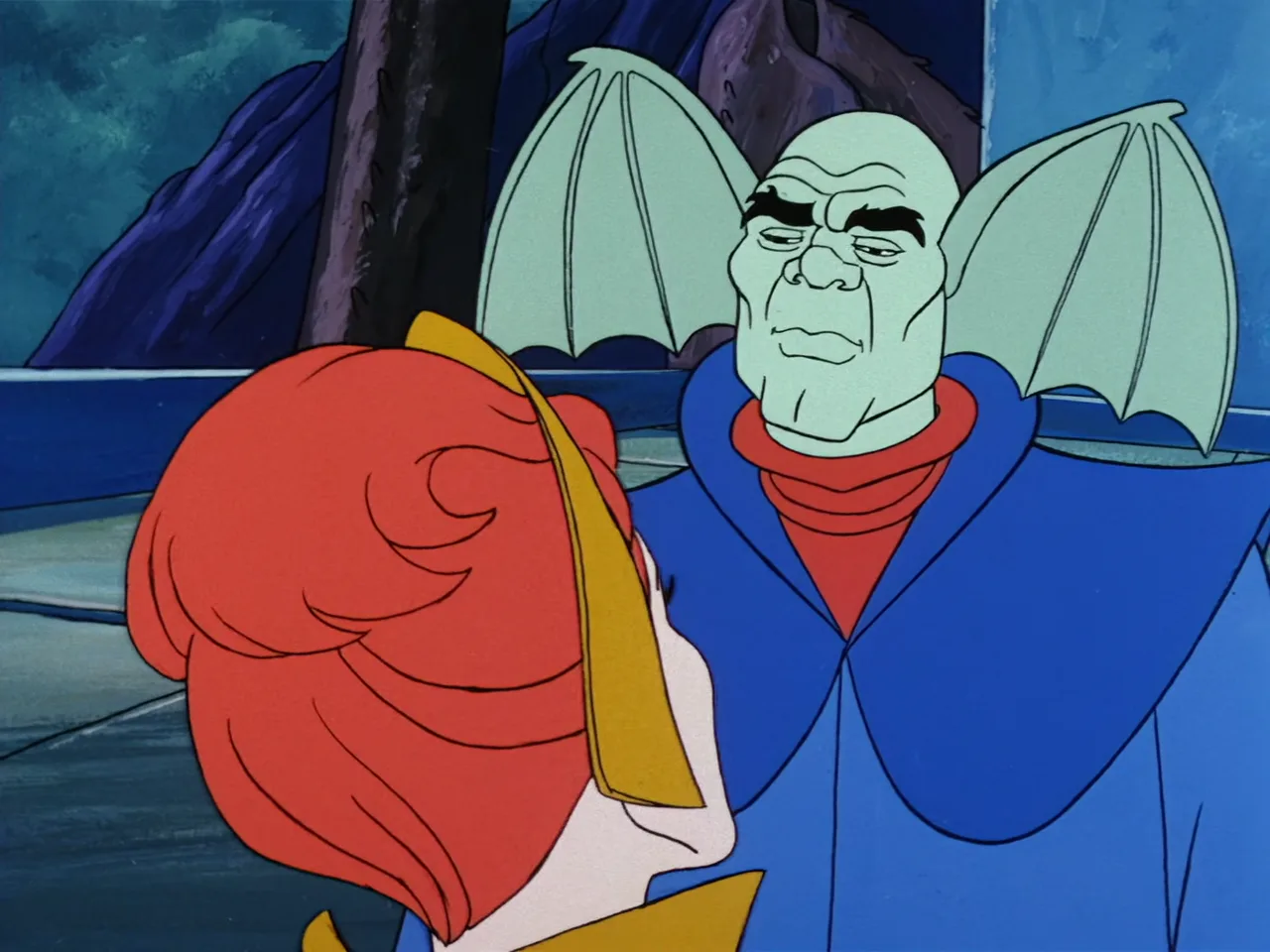
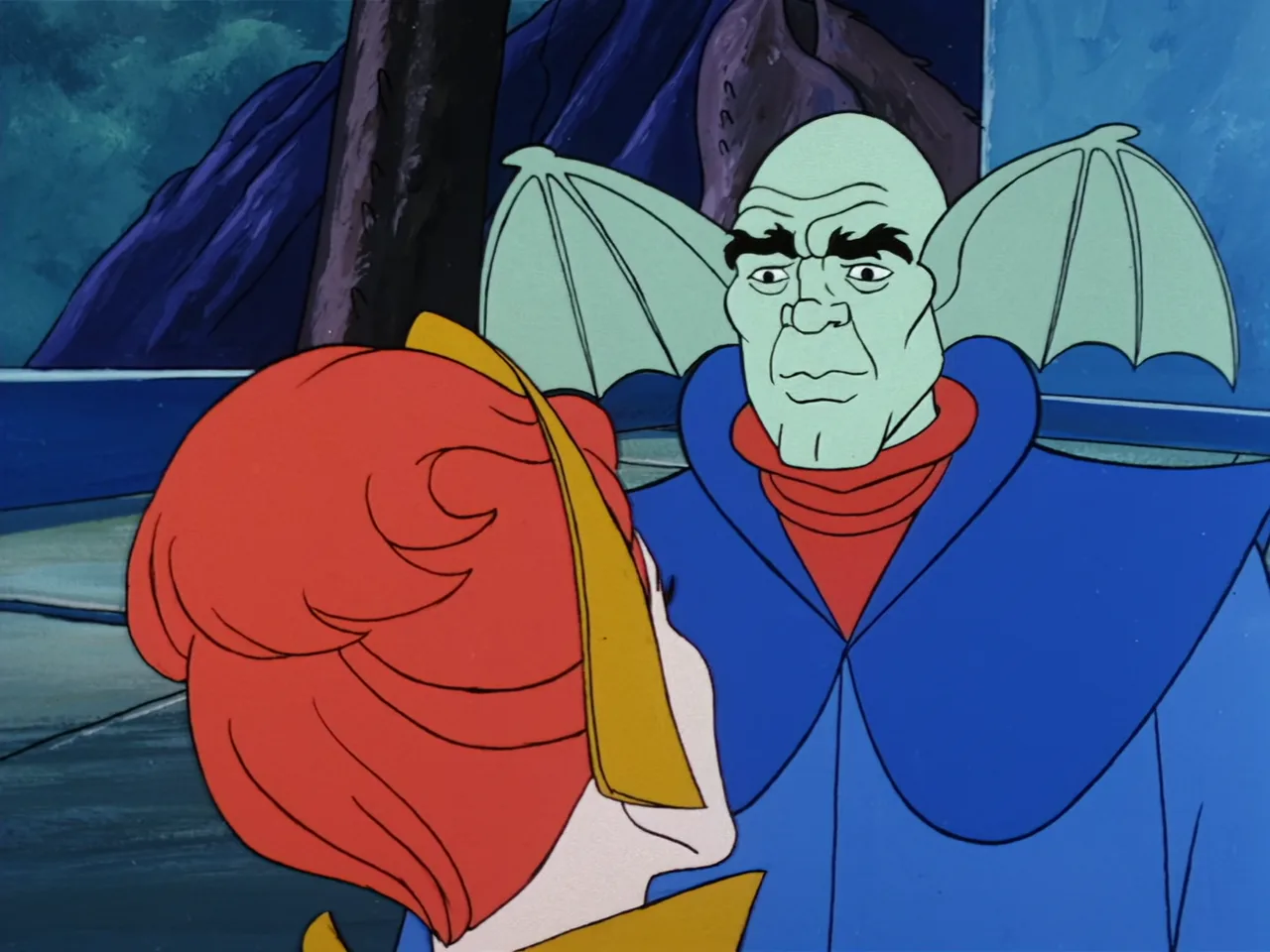
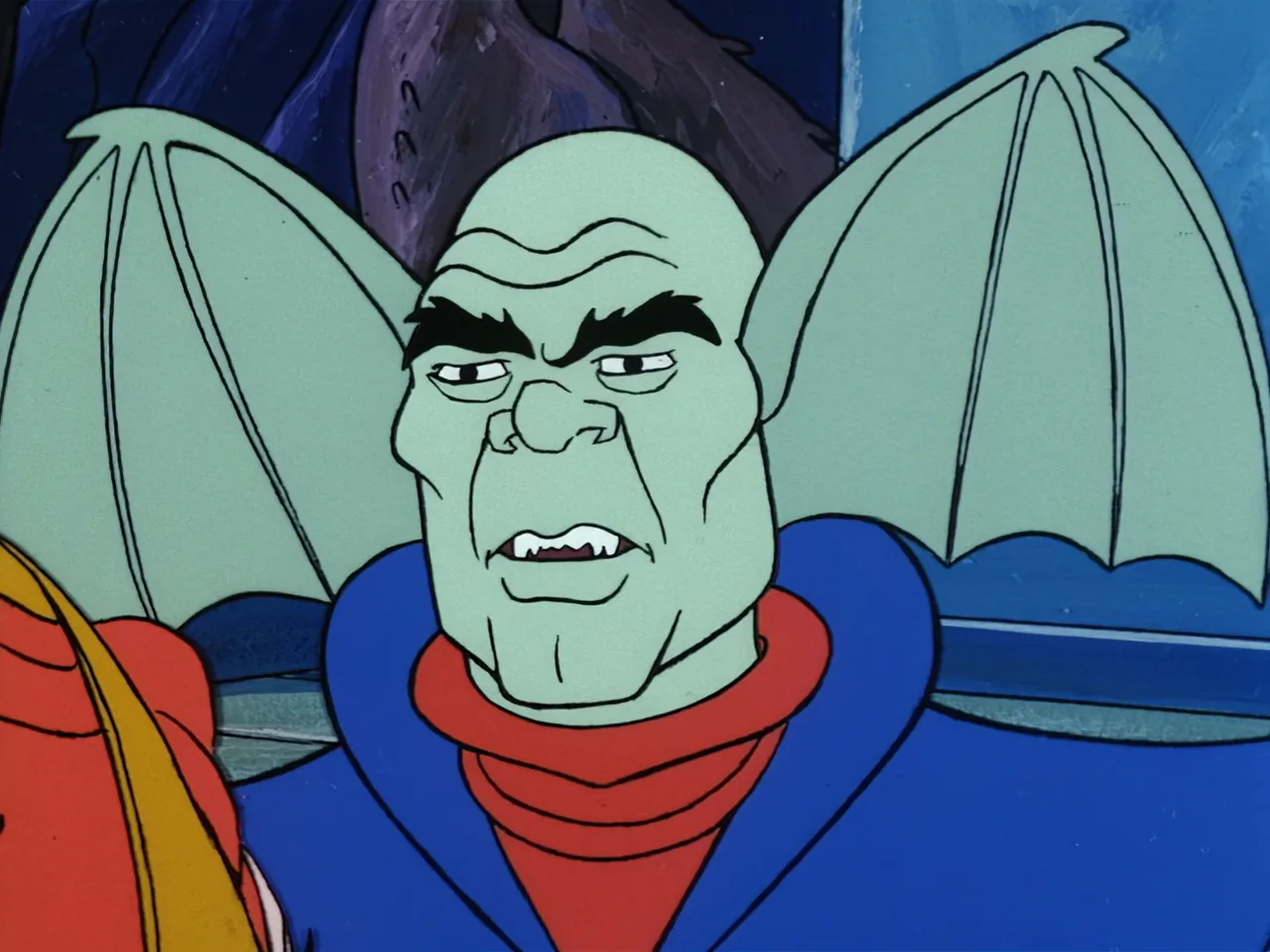
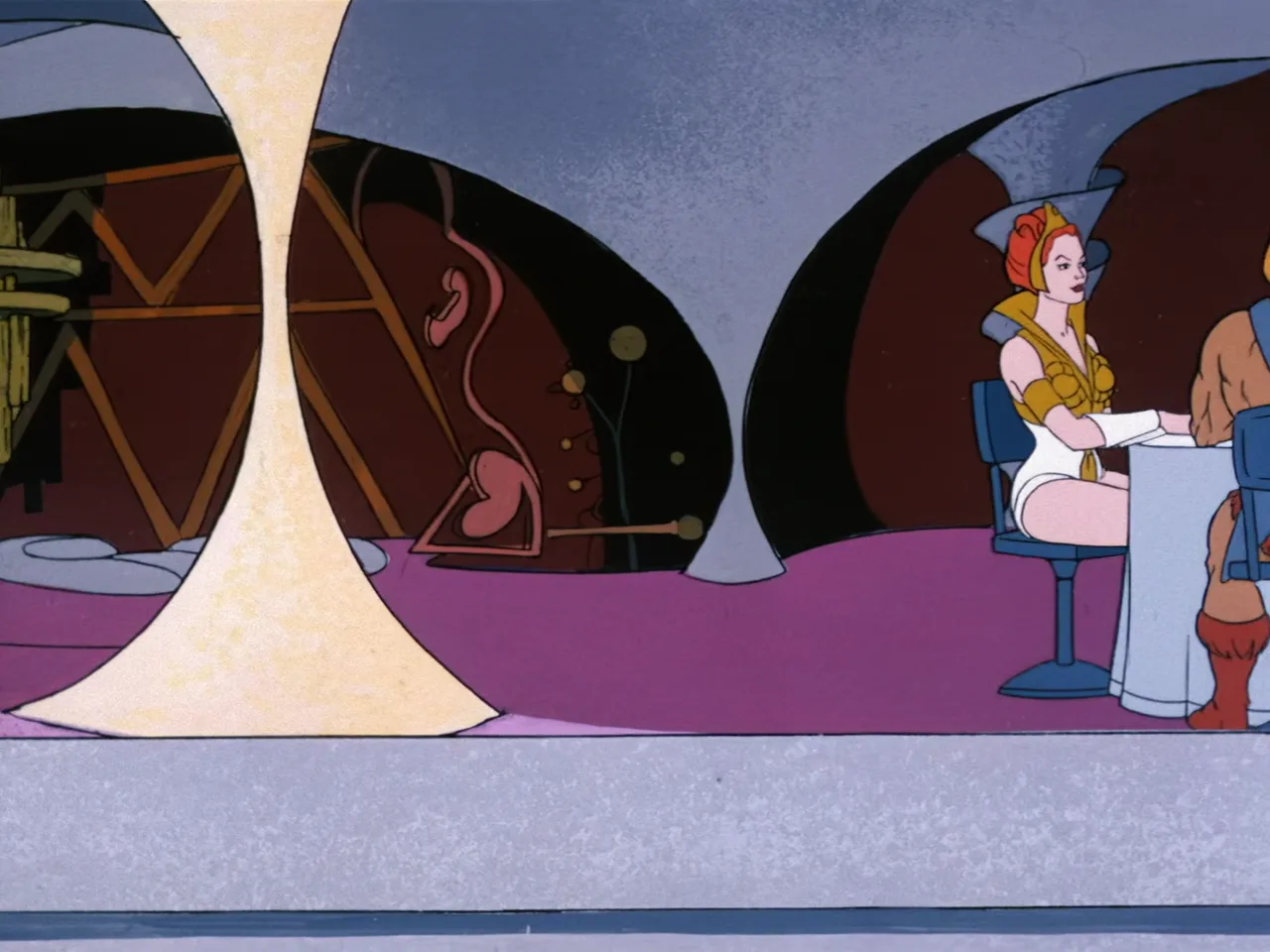
That's the idea the episode keeps circling back to, and it says it plainly once Teela and Orko are settled into their captivity: looking ugly and doing something ugly are not the same thing, and the Monster of Moragore has spent years on the throne being punished for the first while Skeletor goes unpunished for the second. Teela makes the case to his face, "doing something bad is far more ugly than what a person looks like," and the episode builds every scene after that line to prove her right. [1]
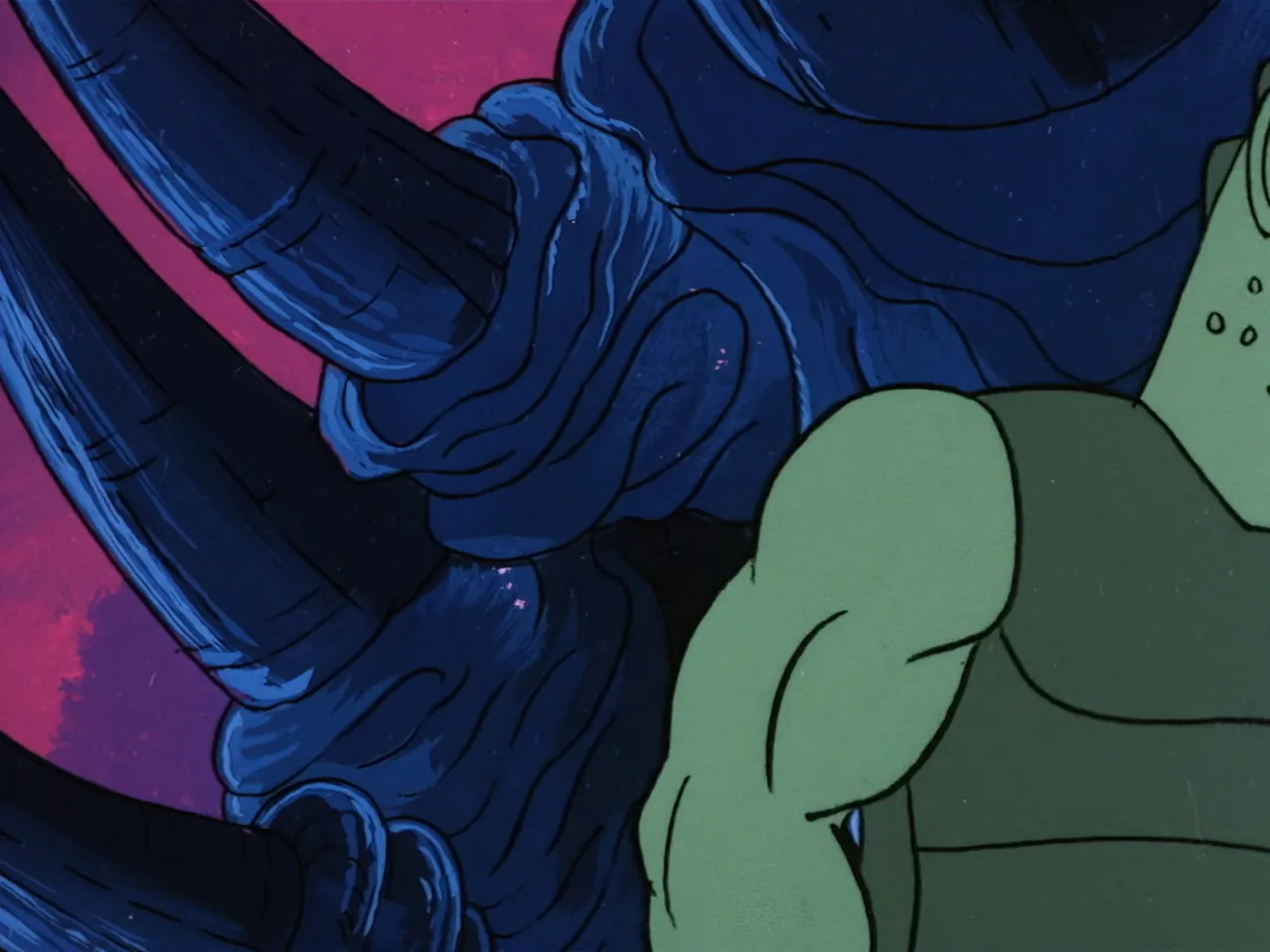
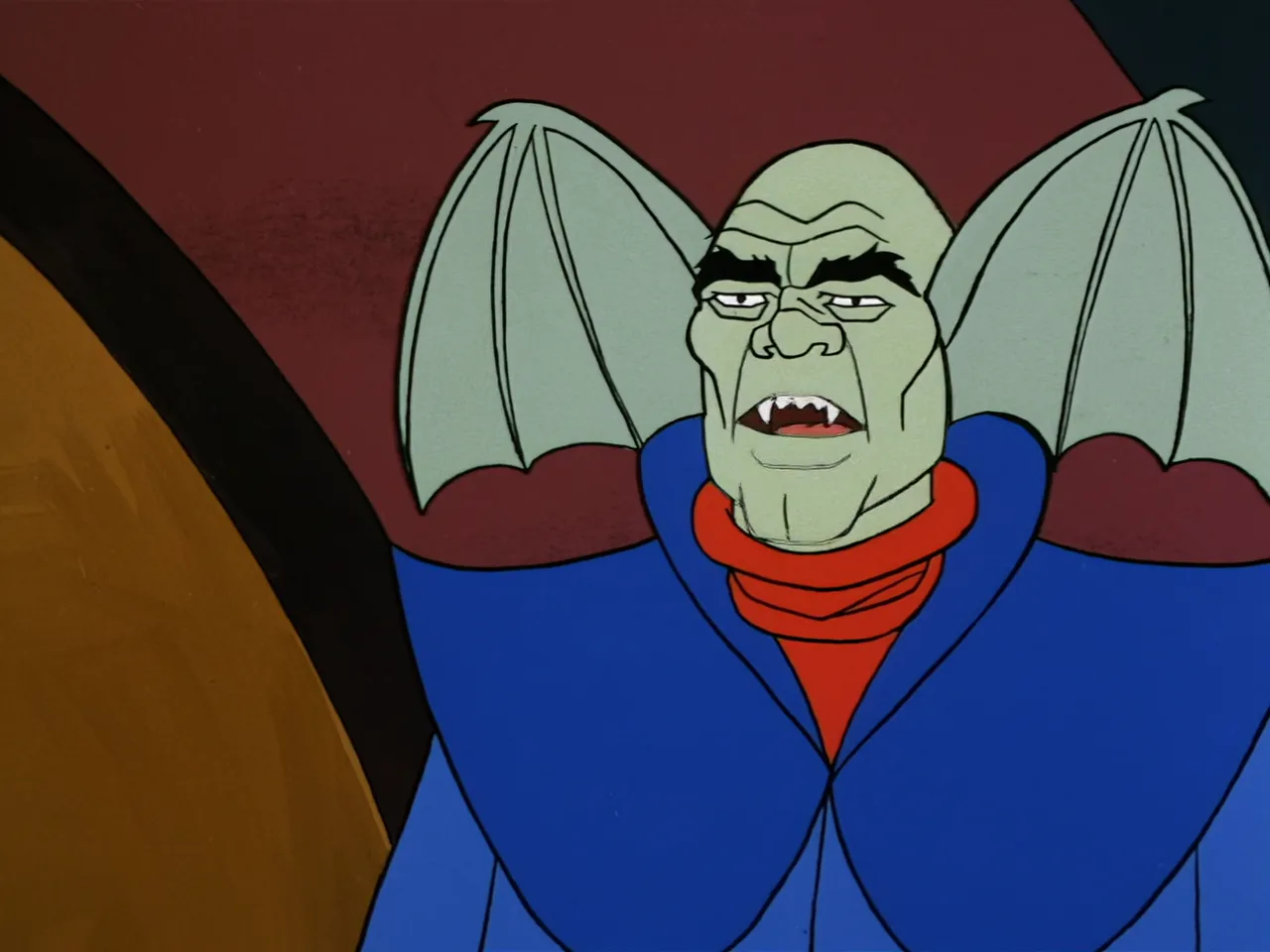
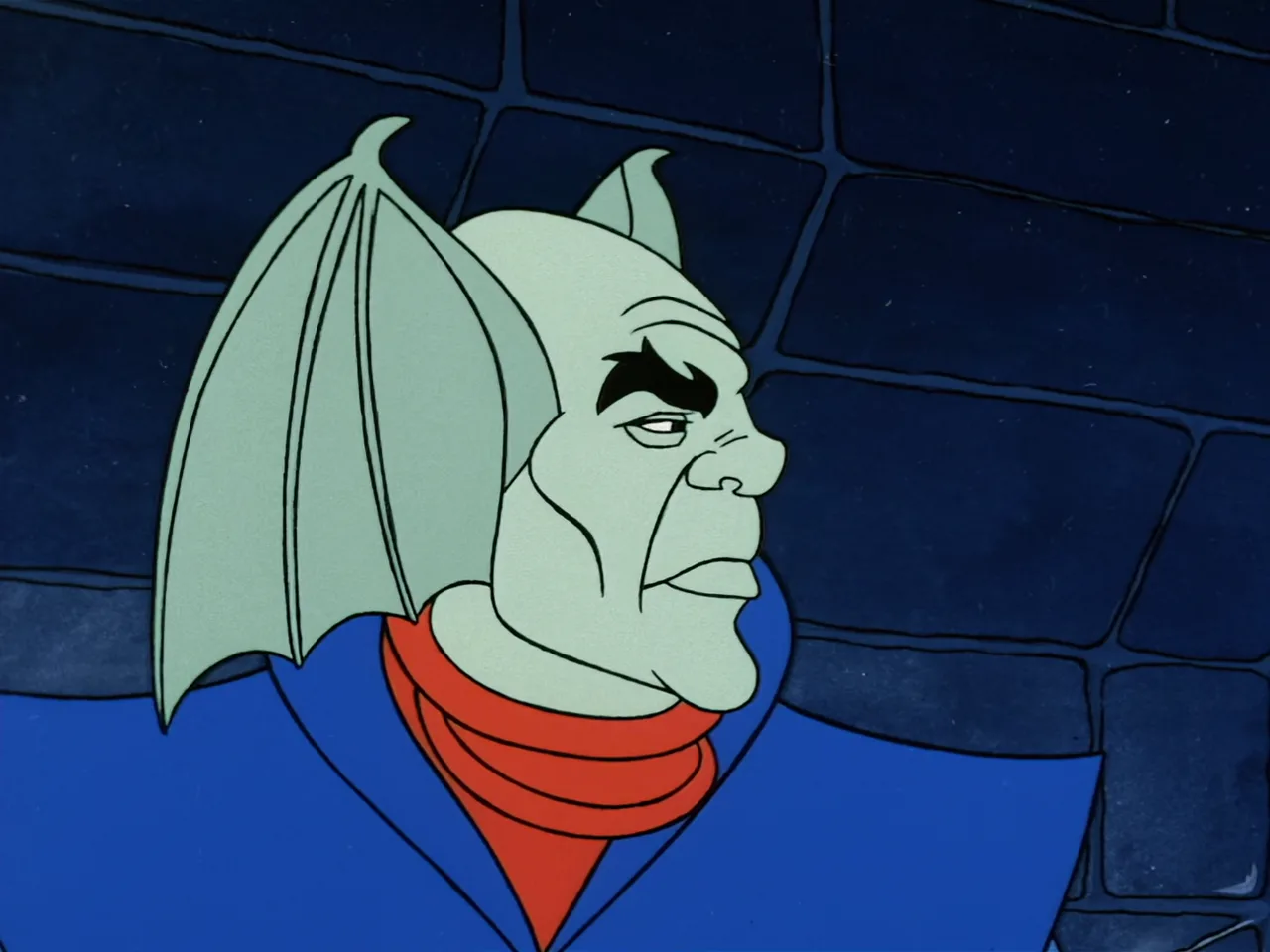
The writing earns this by giving Moragore real stakes of his own rather than treating him as a mere obstacle between He-Man and the rescue. He is not a monster guarding a maze. He is a man threatened with the same curse being inflicted on everyone he rules if he disobeys, and that threat is what keeps him enforcing Skeletor's orders even as he feeds his prisoners and apologizes for the room they're locked in. His defiance, when it finally comes, costs him something real: Skeletor's fury is immediate, and the episode lets that scene land as an actual risk rather than a foregone certainty that good triumphs because the hero showed up.
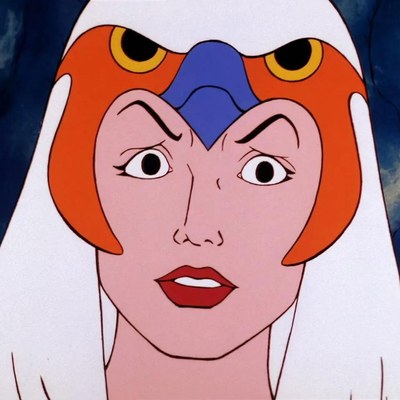
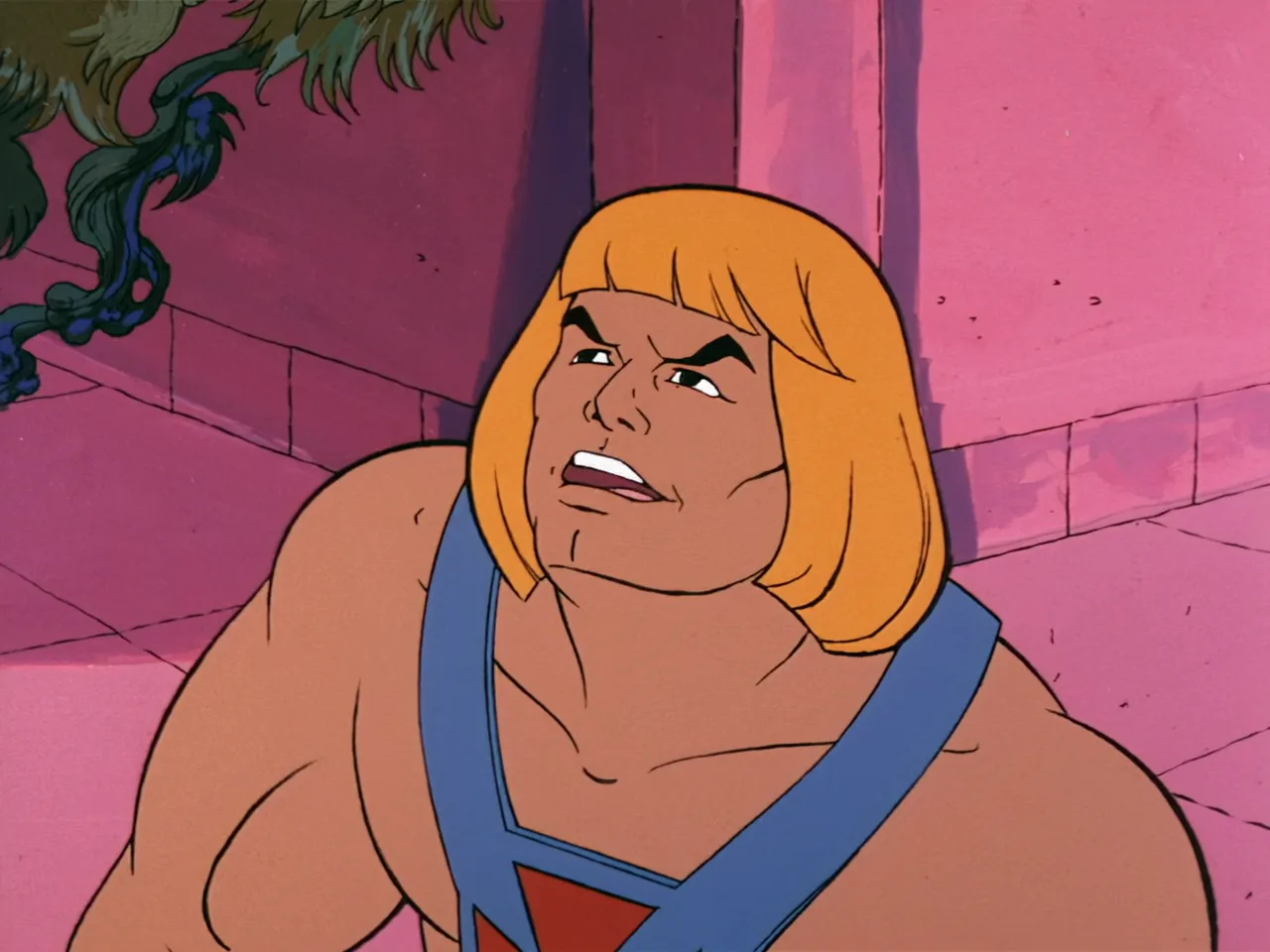
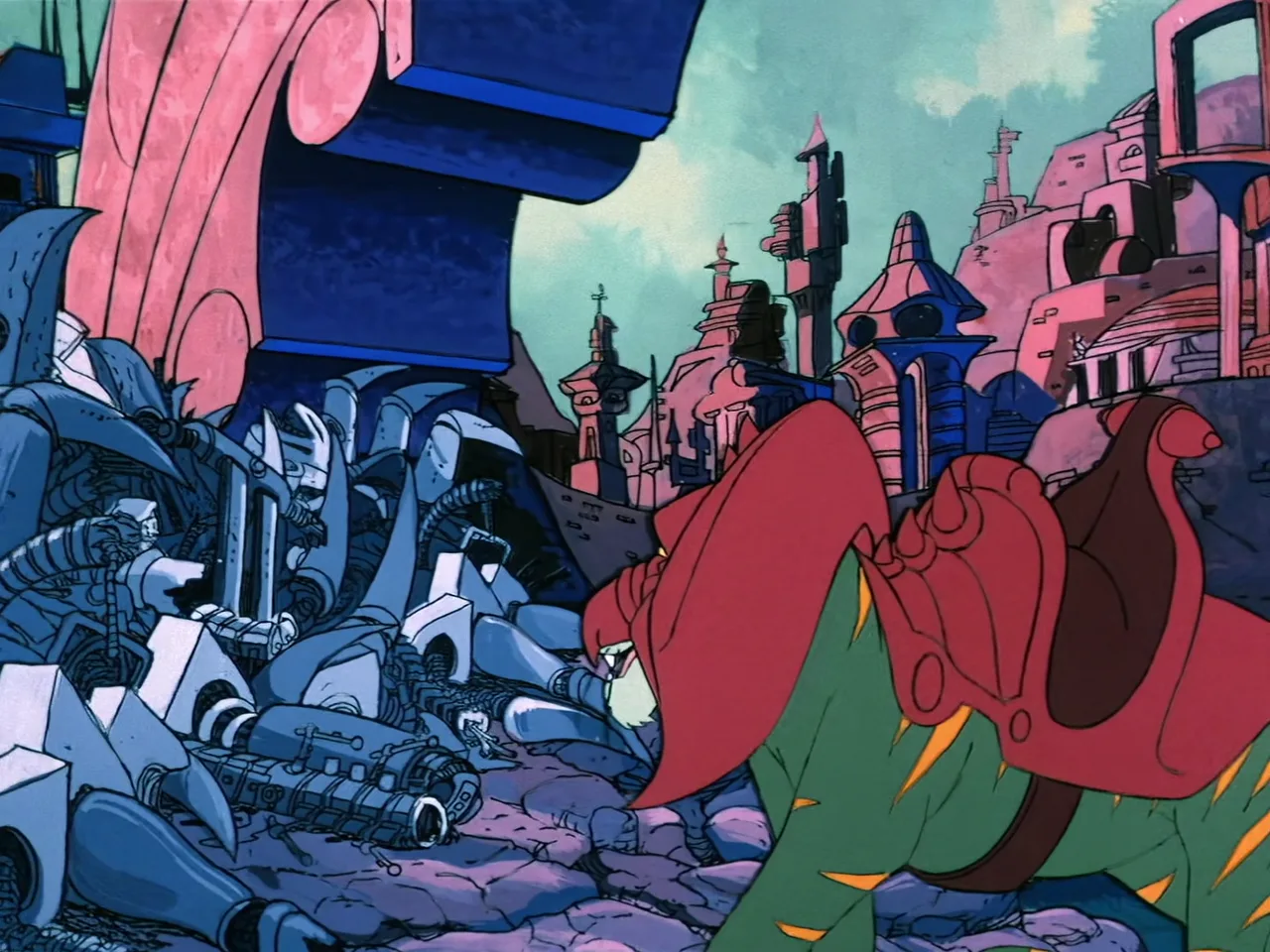
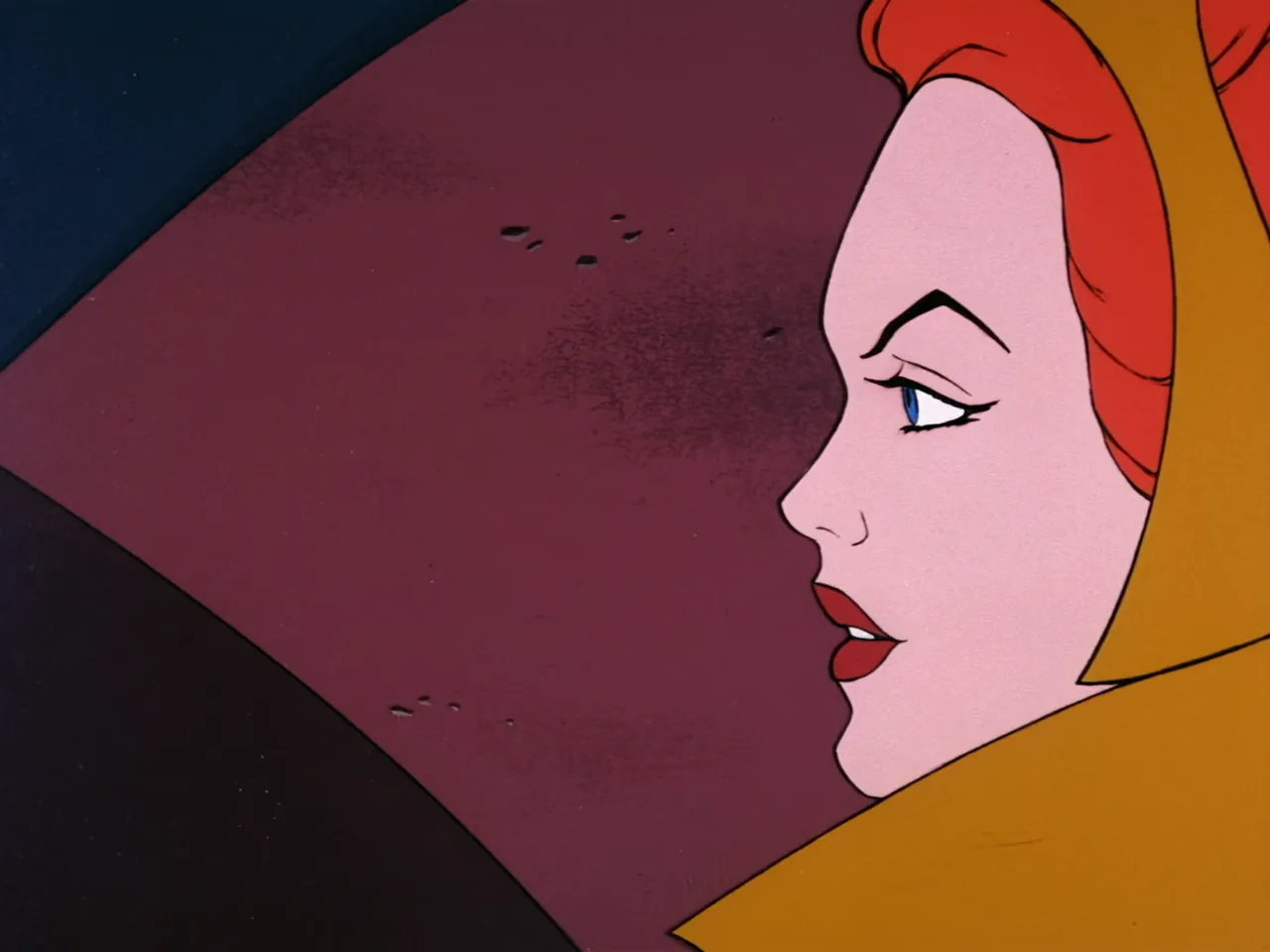
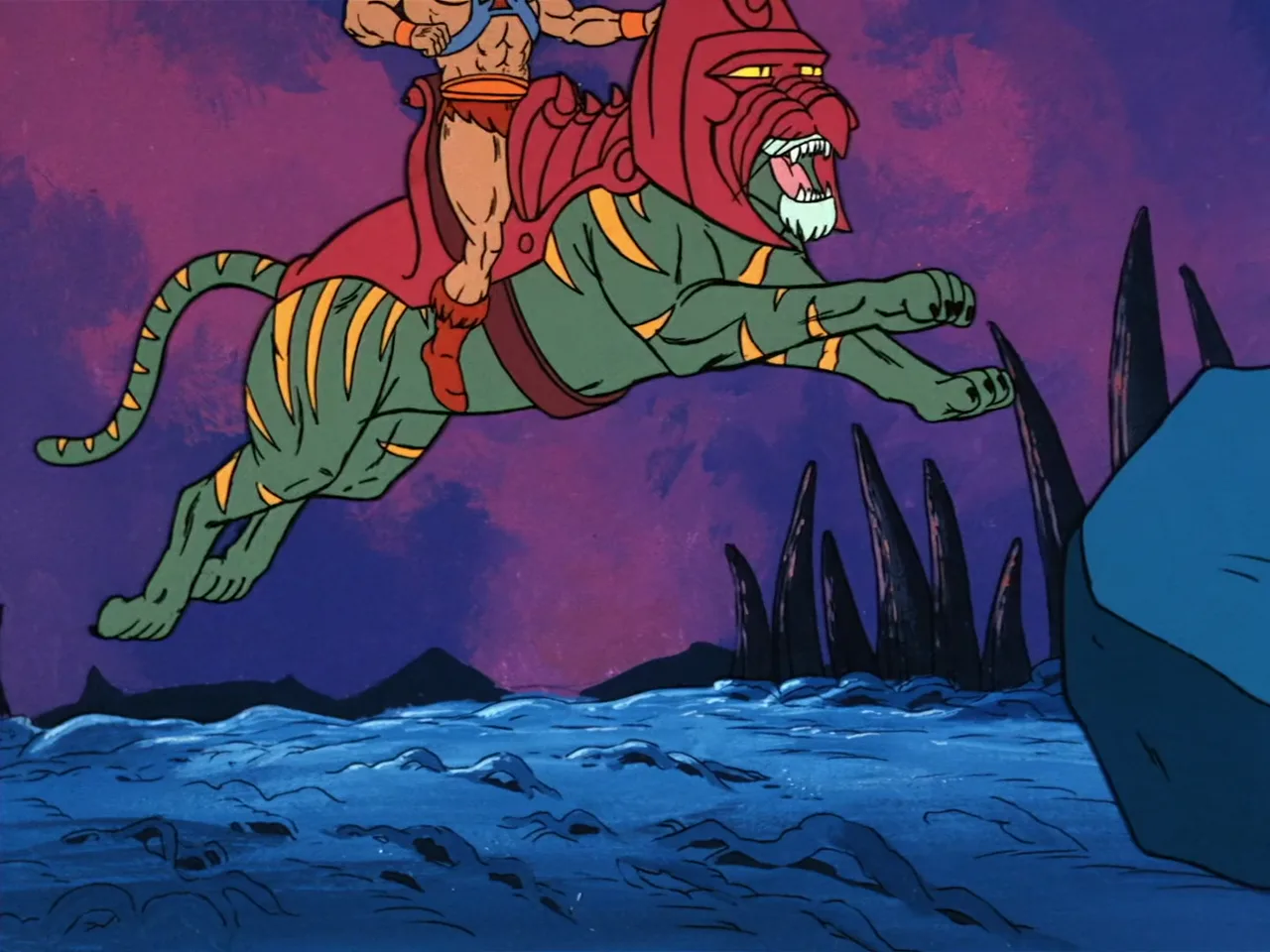
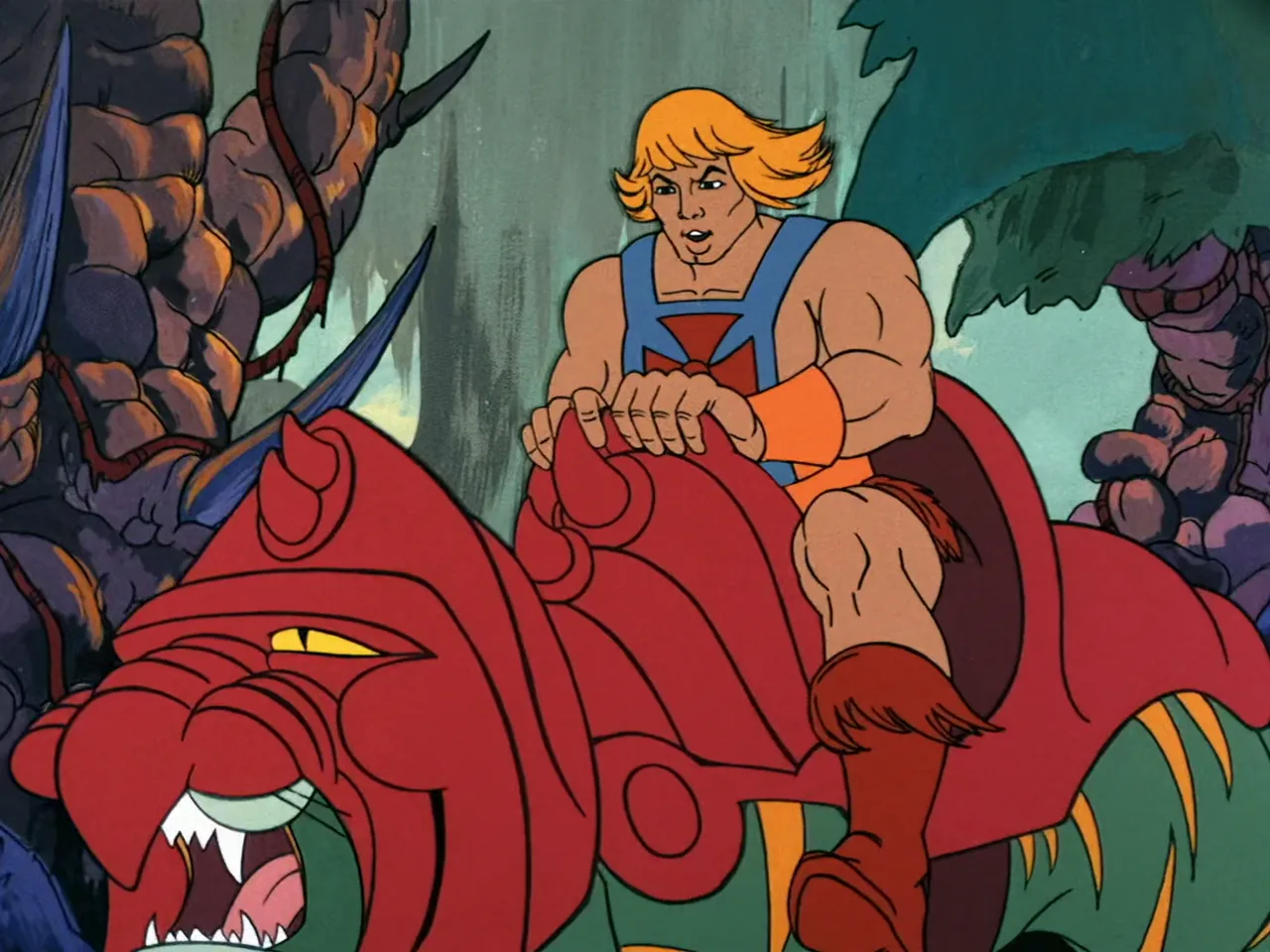
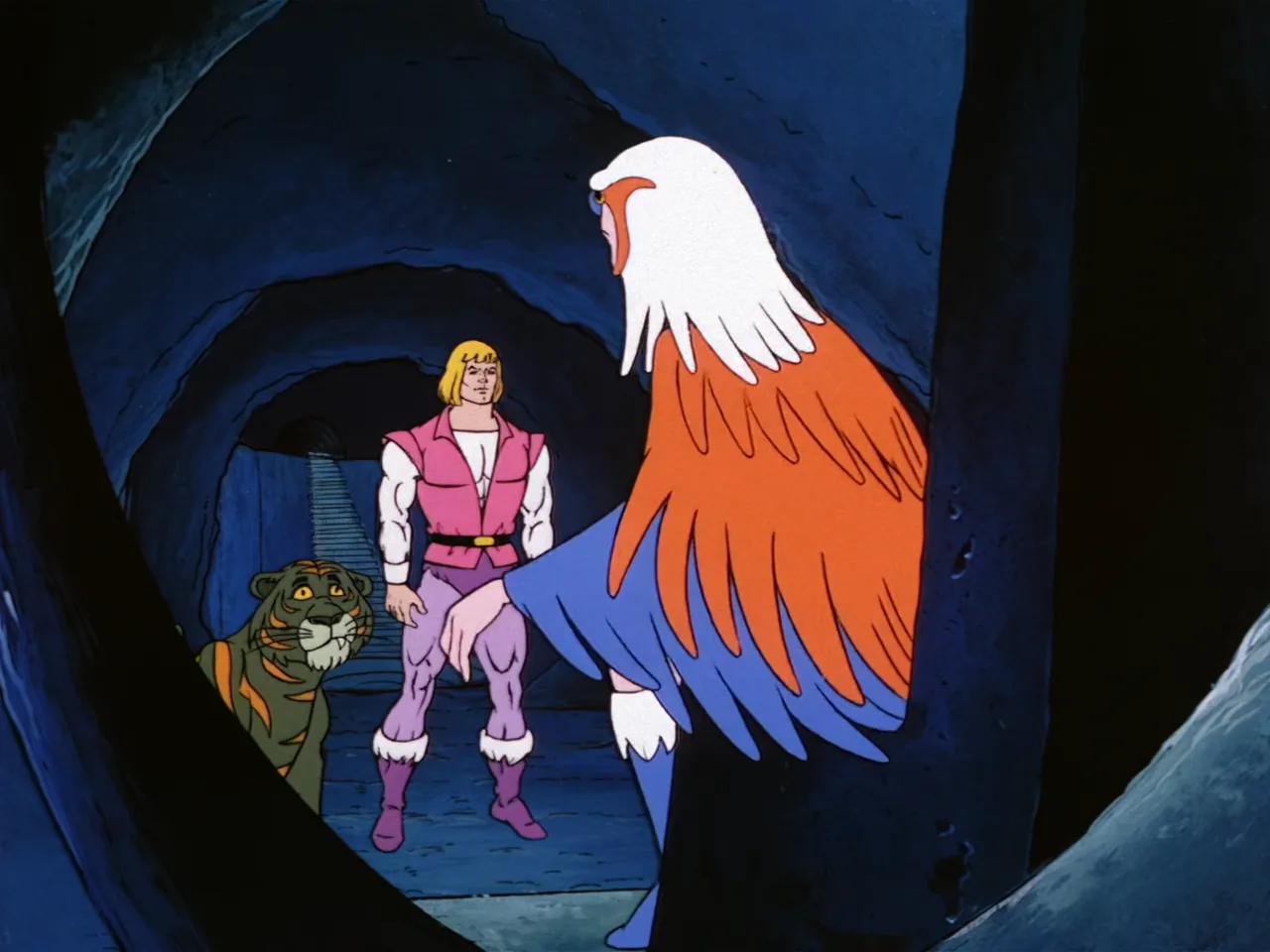
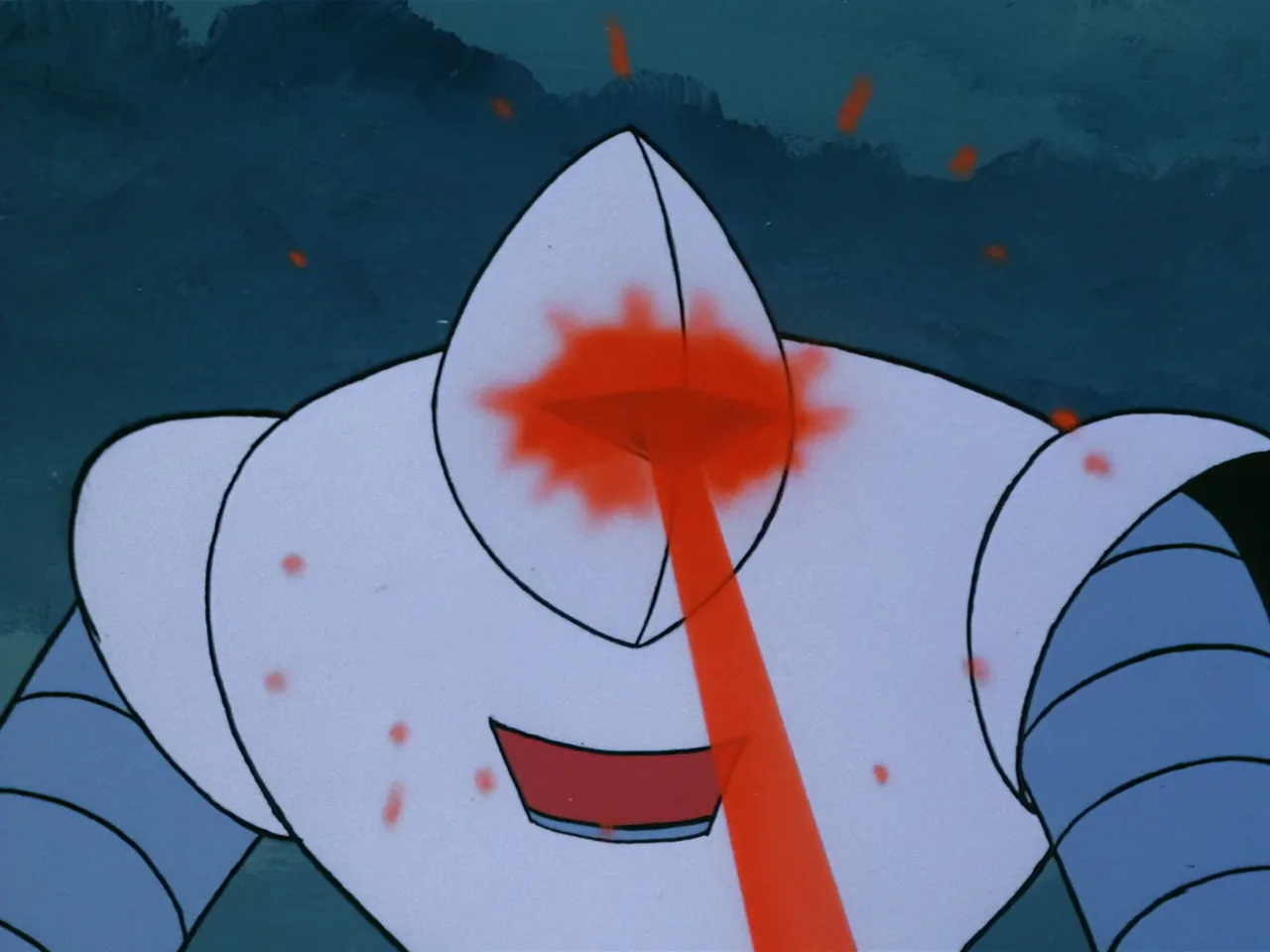
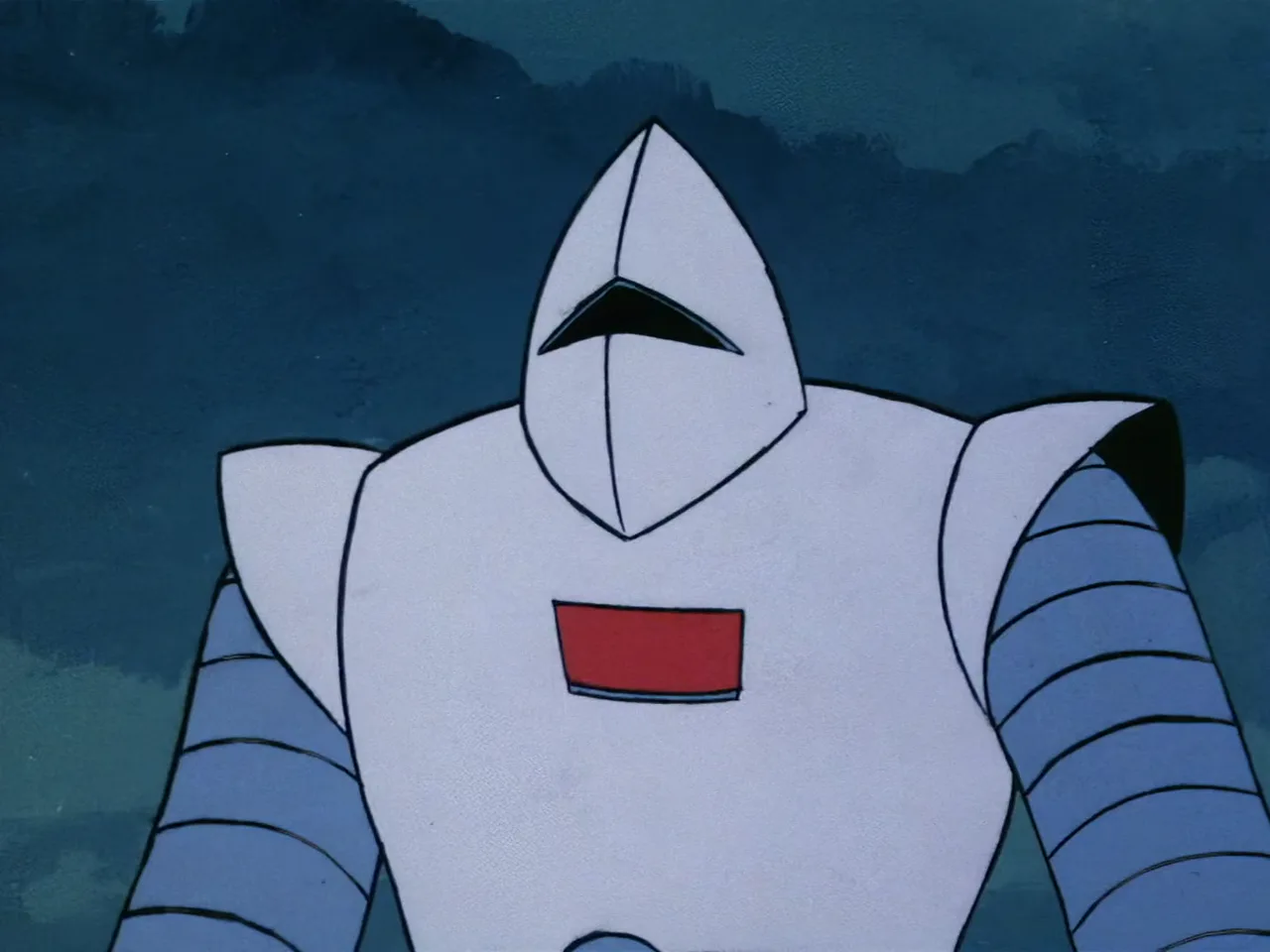
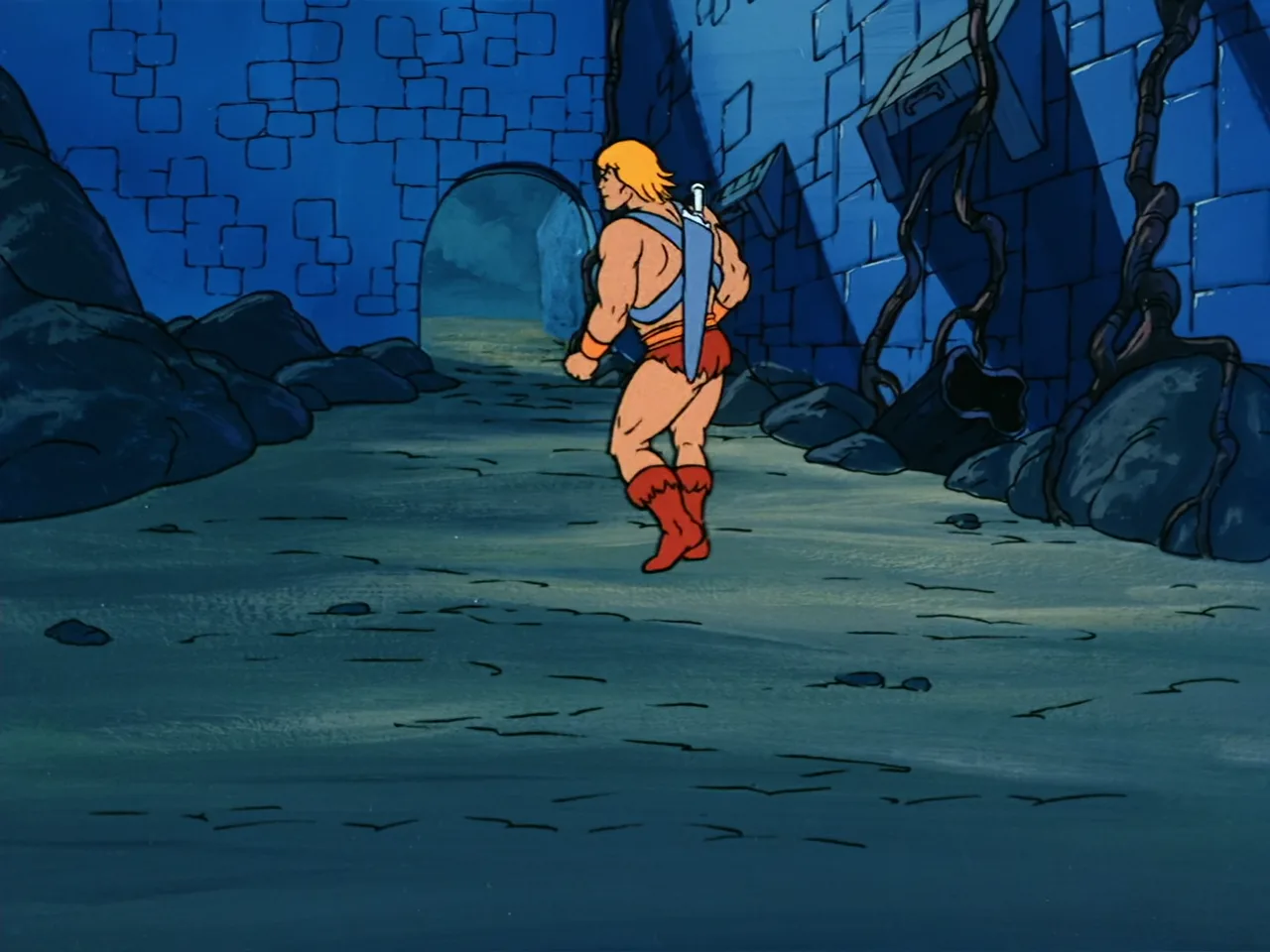
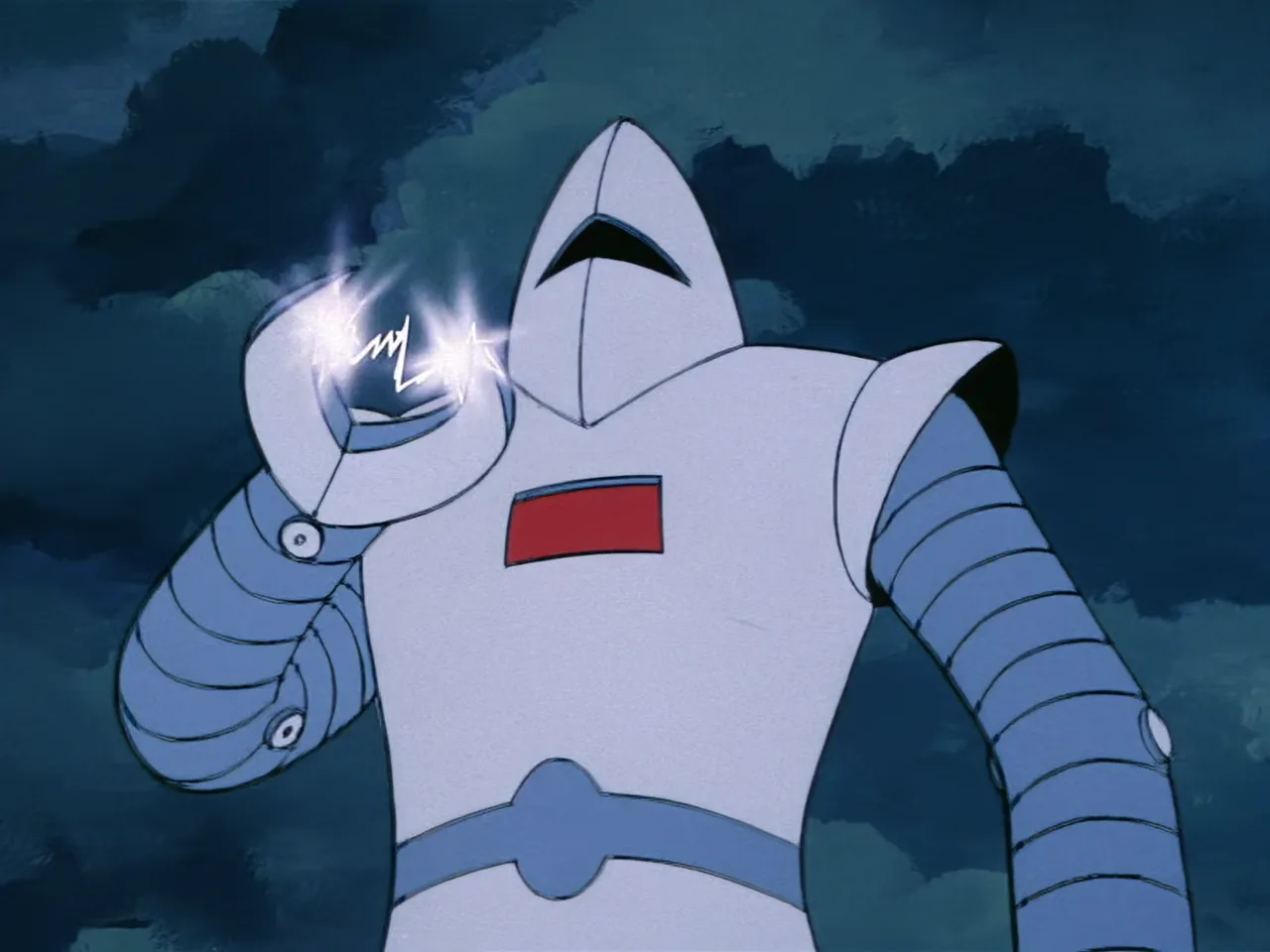
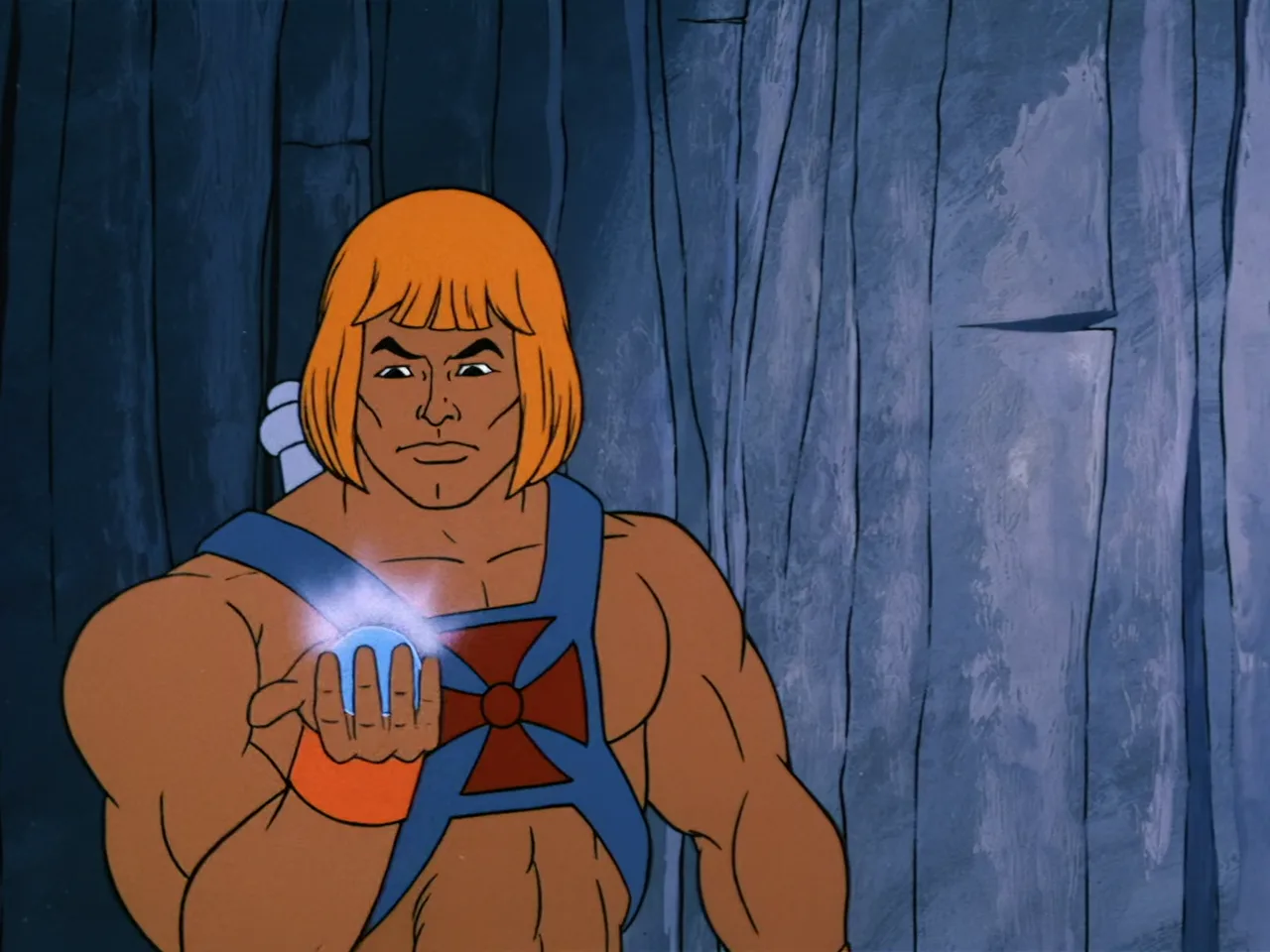
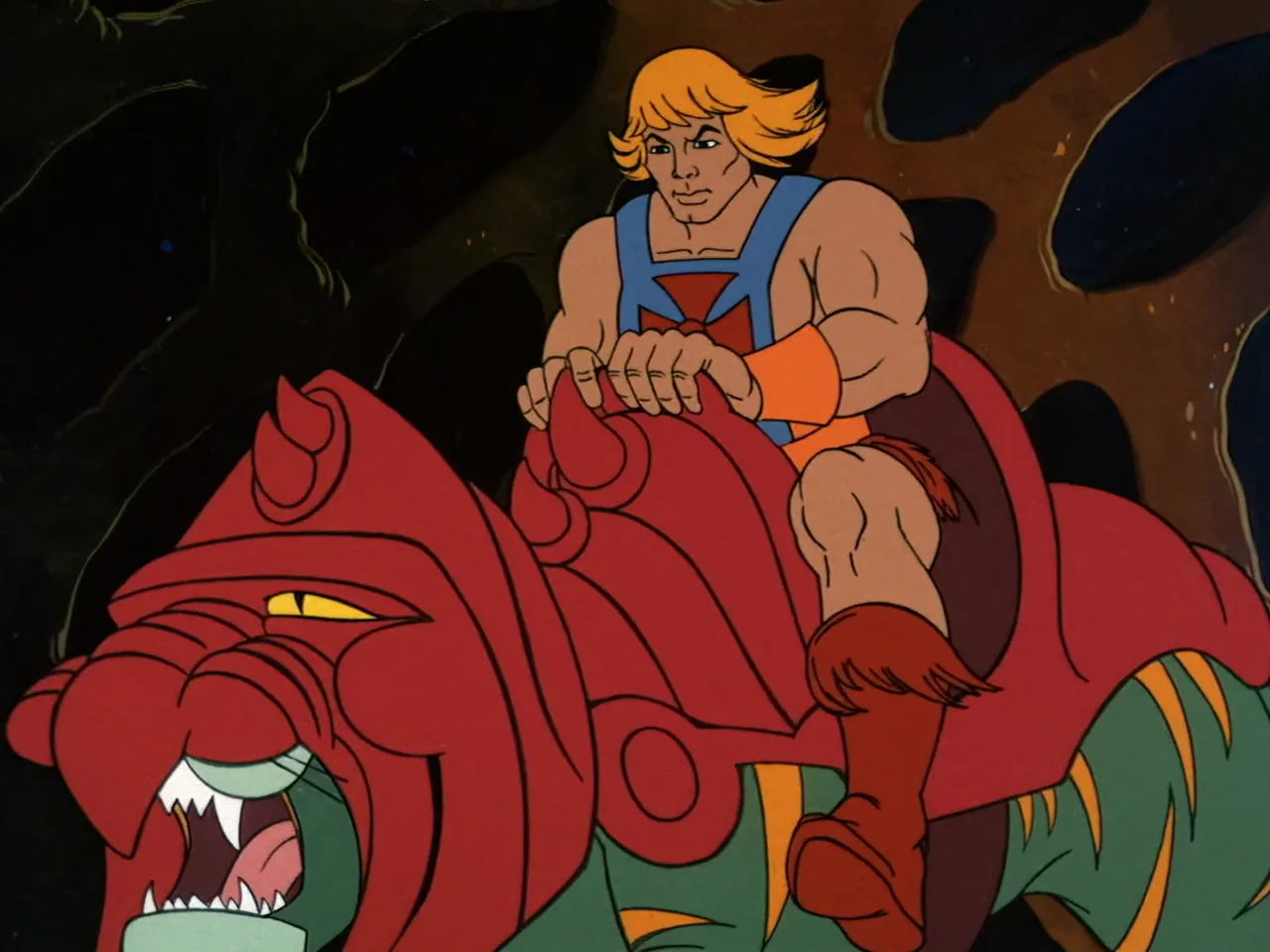
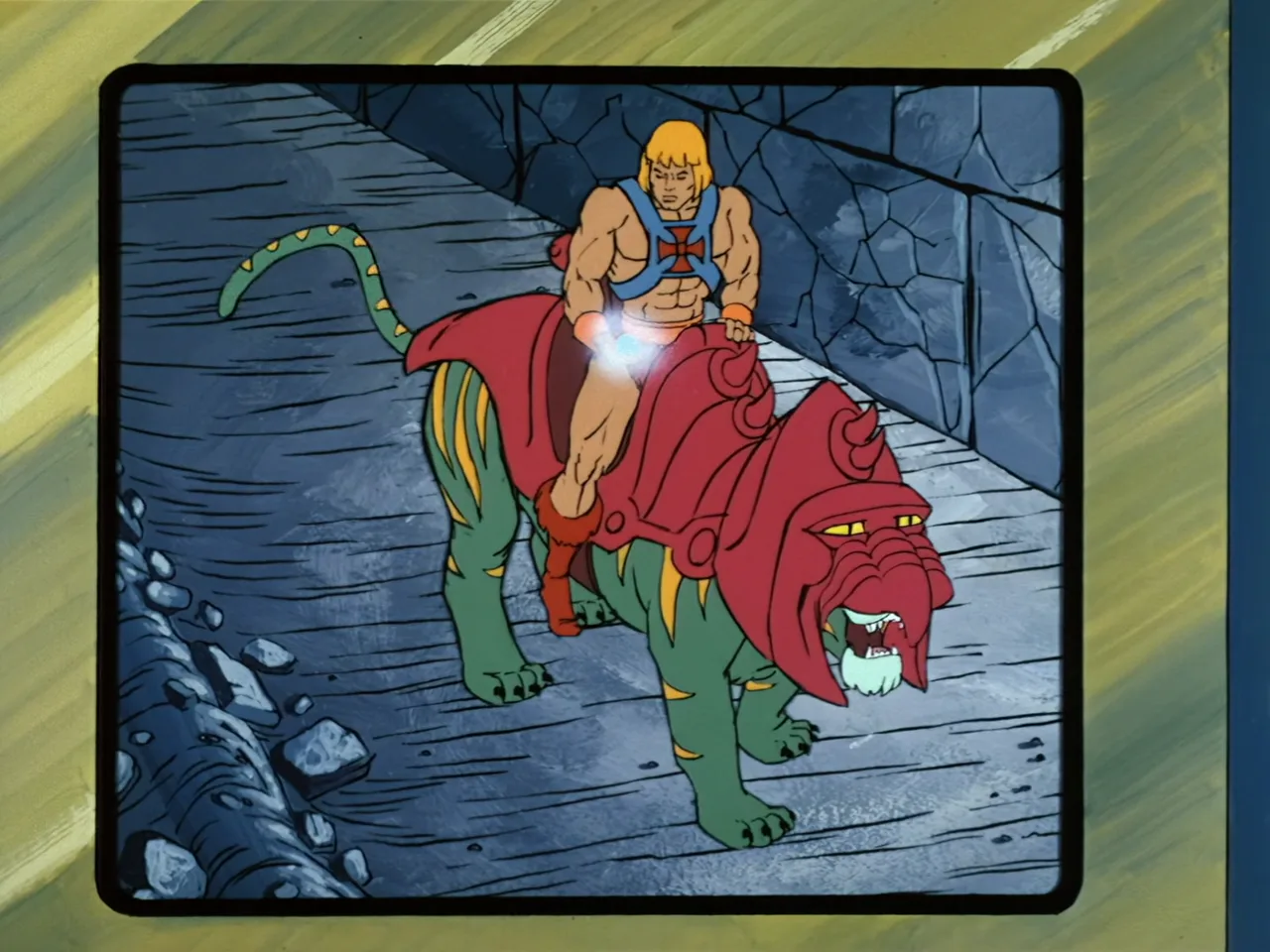
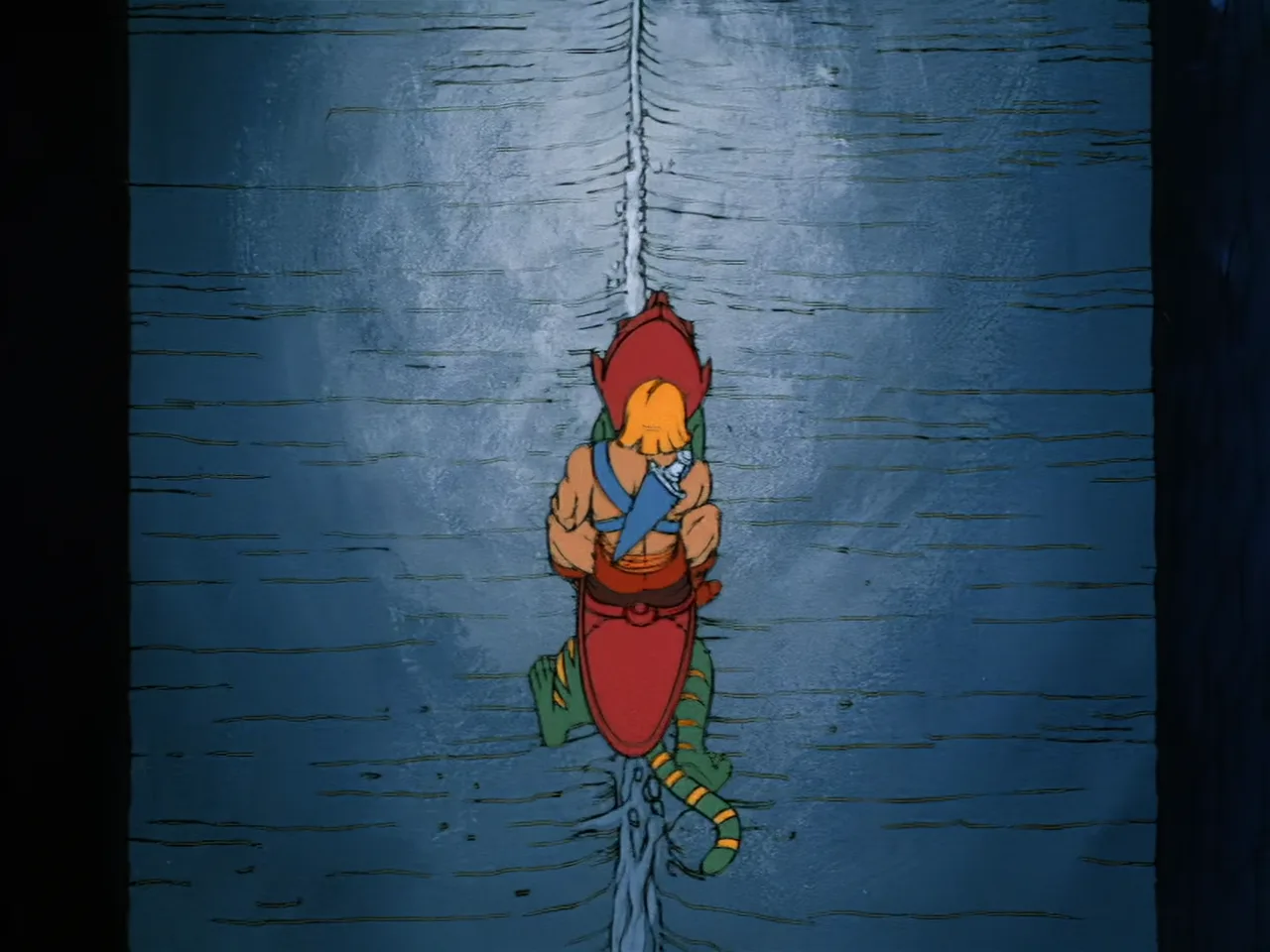
He-Man's half of the episode is more conventional, a maze beneath the castle guarded by a morobot and sealed behind thorned vines, but the Sorceress's early warning does real work here. She tells him the way in is dangerous even for him, and the episode mostly keeps that promise instead of letting him walk through unchallenged. The strongest beat in his half isn't a fight. It's the quiet moment where Teela looks at Moragore and tells him his courage, not his face, is what she sees, because it's the line that turns the episode's moral from something Orko says at the end into something a character actually acts on partway through.
Where the episode runs thin is the villain side of its own case. Skeletor's threat against Moragore's whole kingdom never gets shown, only stated. We don't see what a kingdom under that same curse would look like, and the stakes Teela and the script keep insisting on stay abstract because of it. A single shot of Moragore's people, even a crowd glimpsed and never developed, would have given the threat a face to match the one it already gave its ruler.
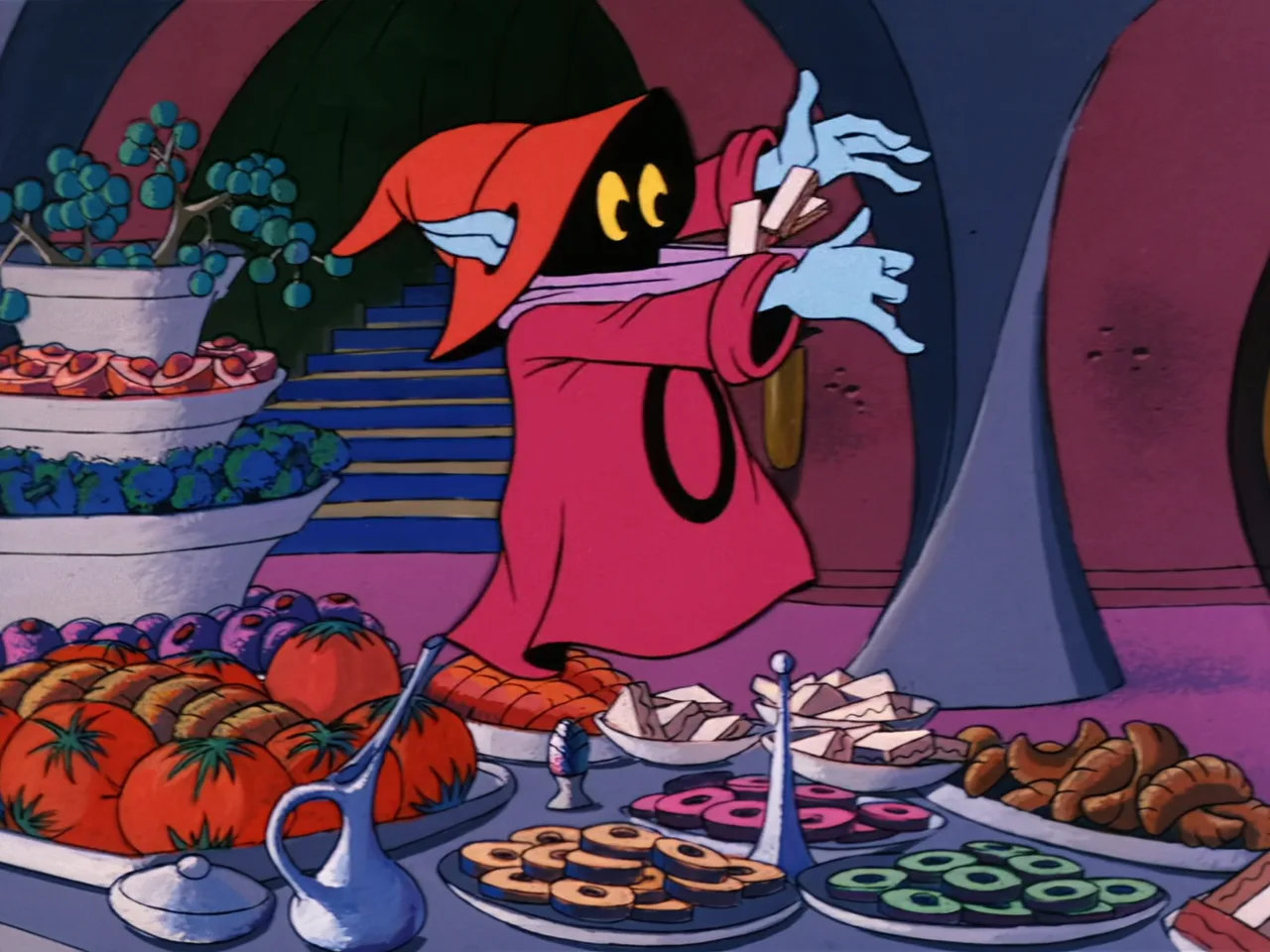
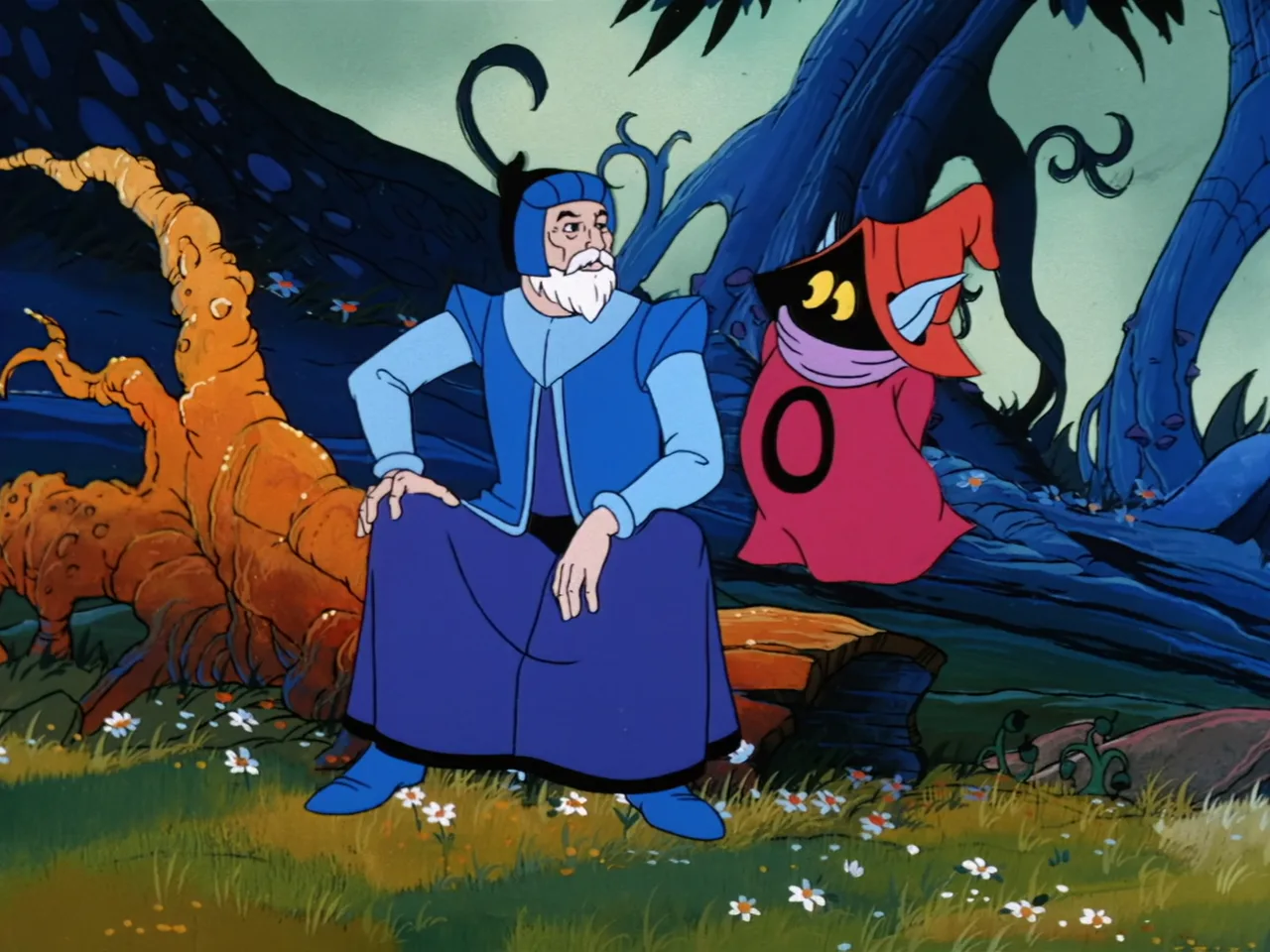
Orko gets his own small victory tucked into the ending: the storyteller he mocked earlier turns out to have been telling the truth. It's a nice enough beat, though it's the kind of coda the show reaches for often enough that it barely needs pointing out here. The real ending belongs to Moragore. He isn't freed by a spell undoing Skeletor's curse. He's freed by choosing to fight back against the master enforcing it, and the episode lets that choice do the work its closing moral only states afterward.
[1] Teela's exact words, drawn from the episode's subtitle track: "What does ugly mean? Doing something bad is far more ugly than what a person looks like."
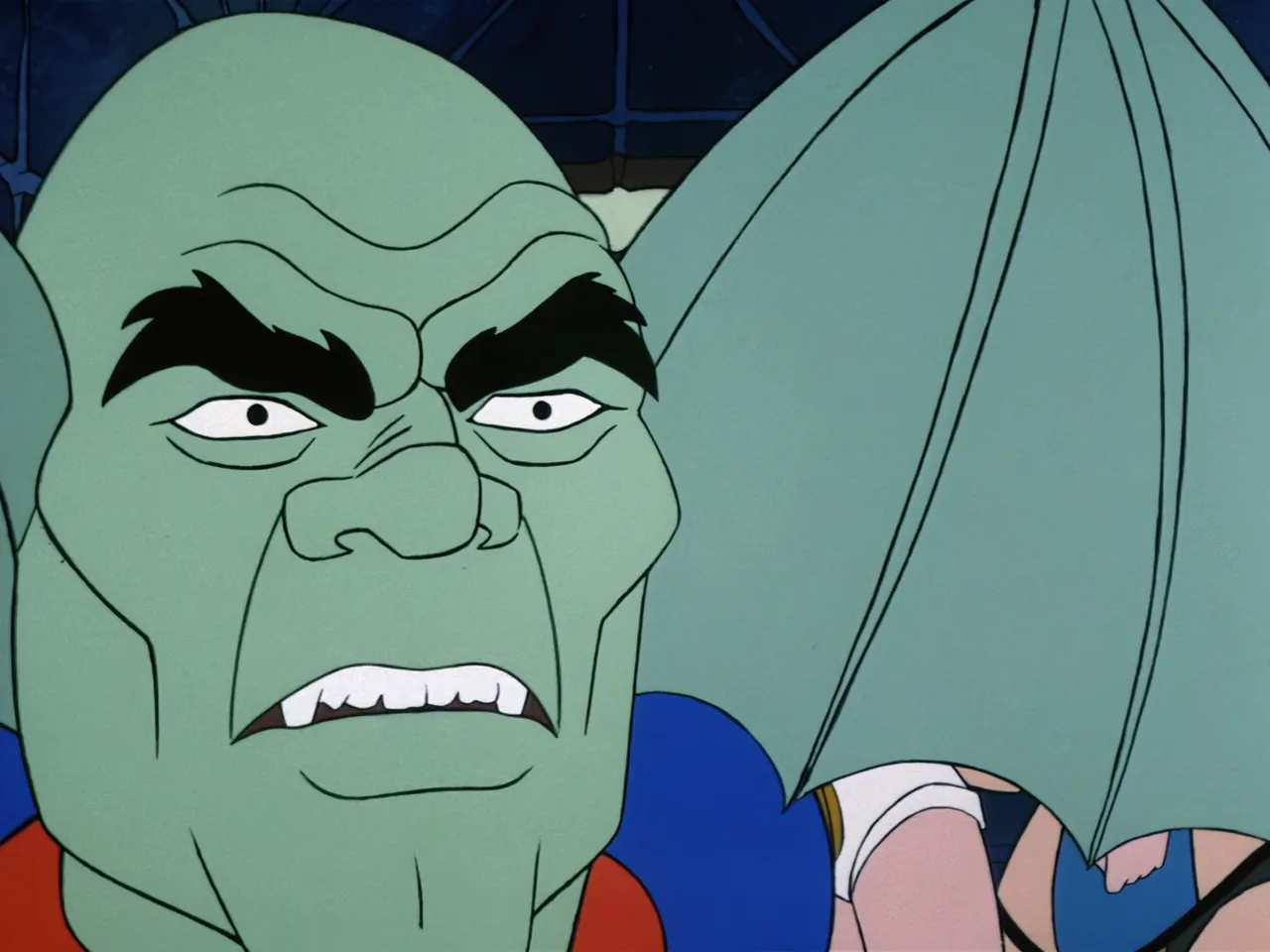
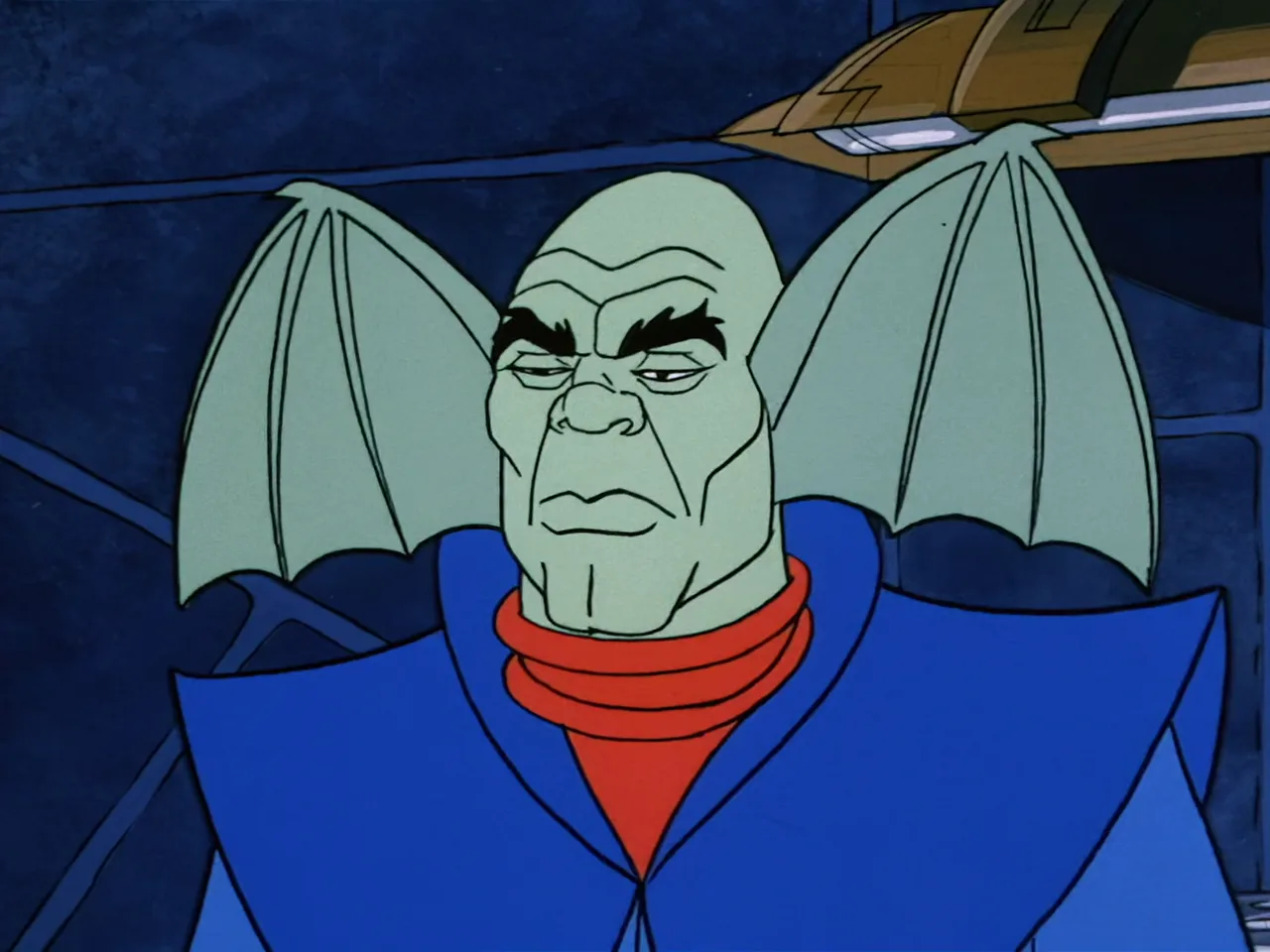
- Behind the scenes: Script was approved July 27, 1984 and final script revision took place July 31, 1984. The Monster of Moragore's voice and appearance (minus the bat-shaped ears) is modelled after actor Ted Cassidy as Ruk, seen in the 1966 Star Trek episode What Are Little Girls Made Of?
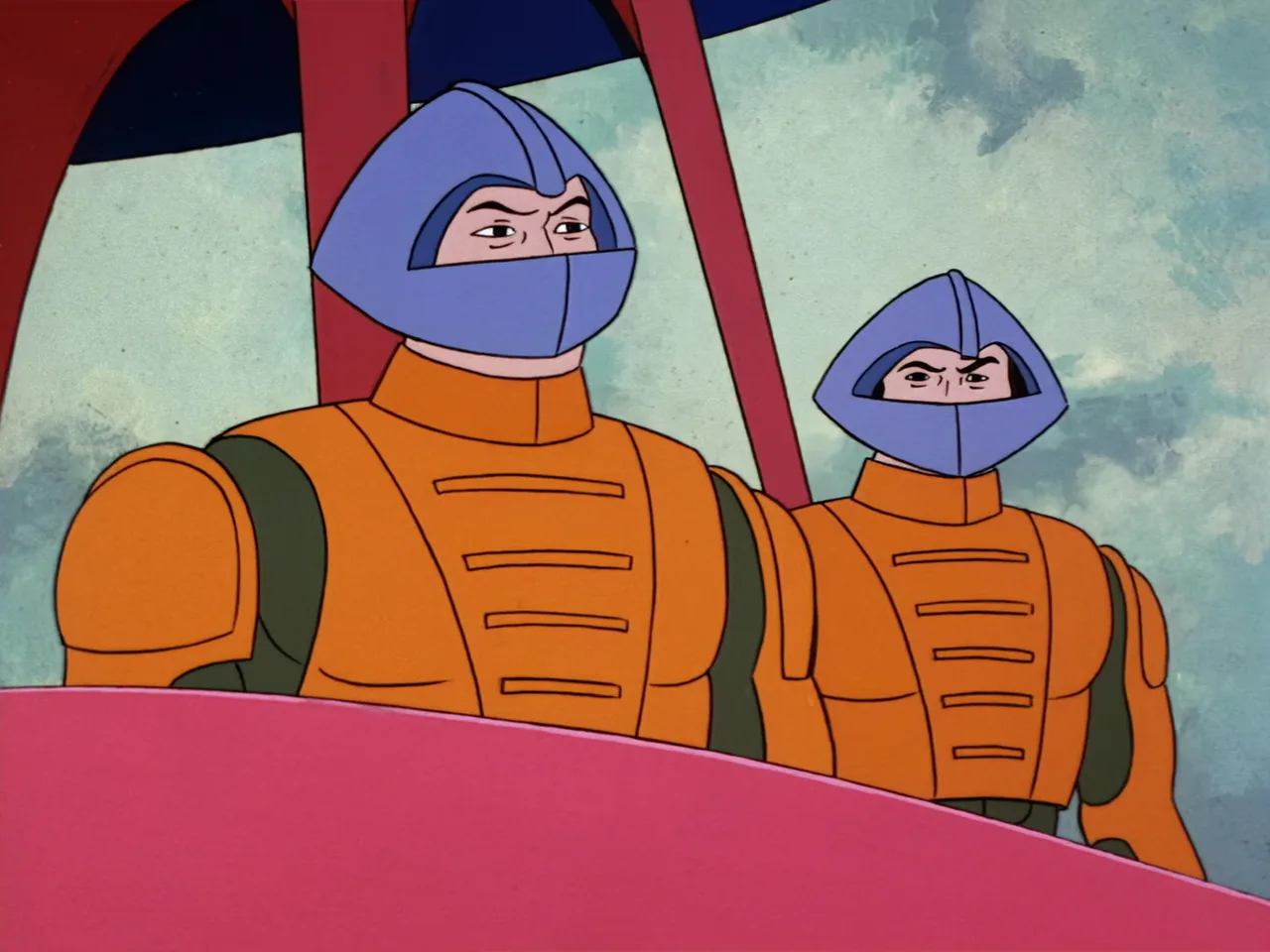
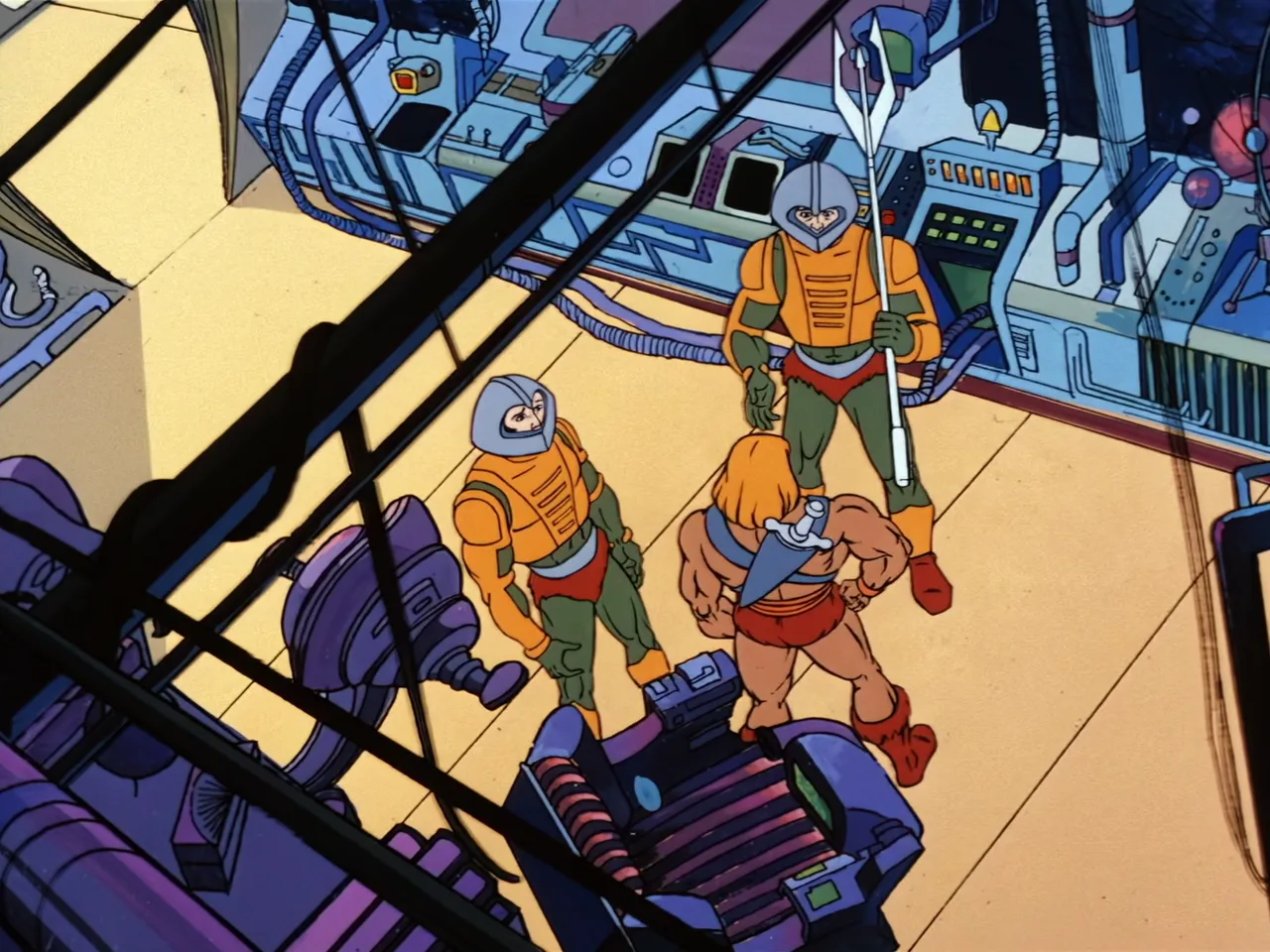
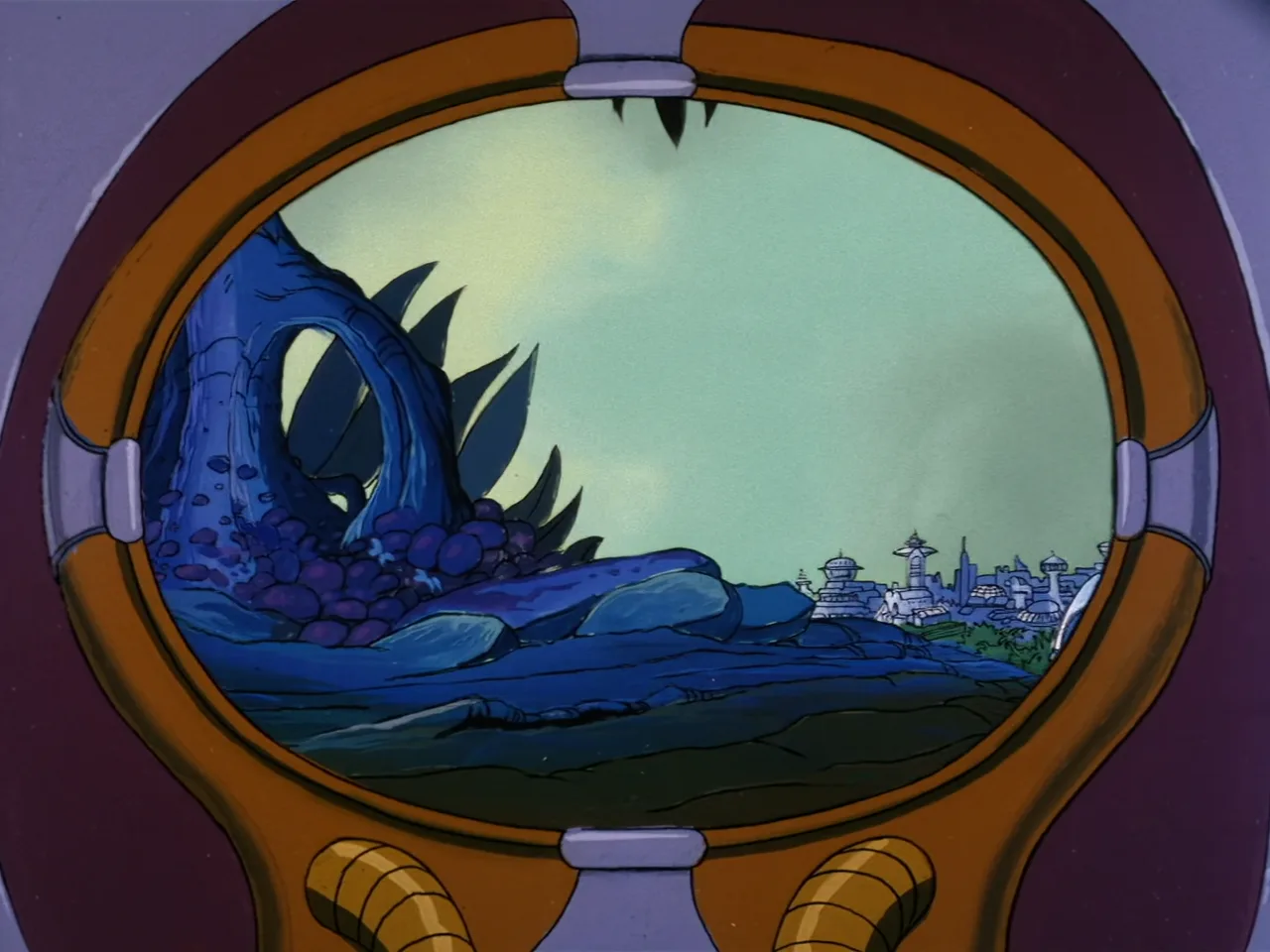
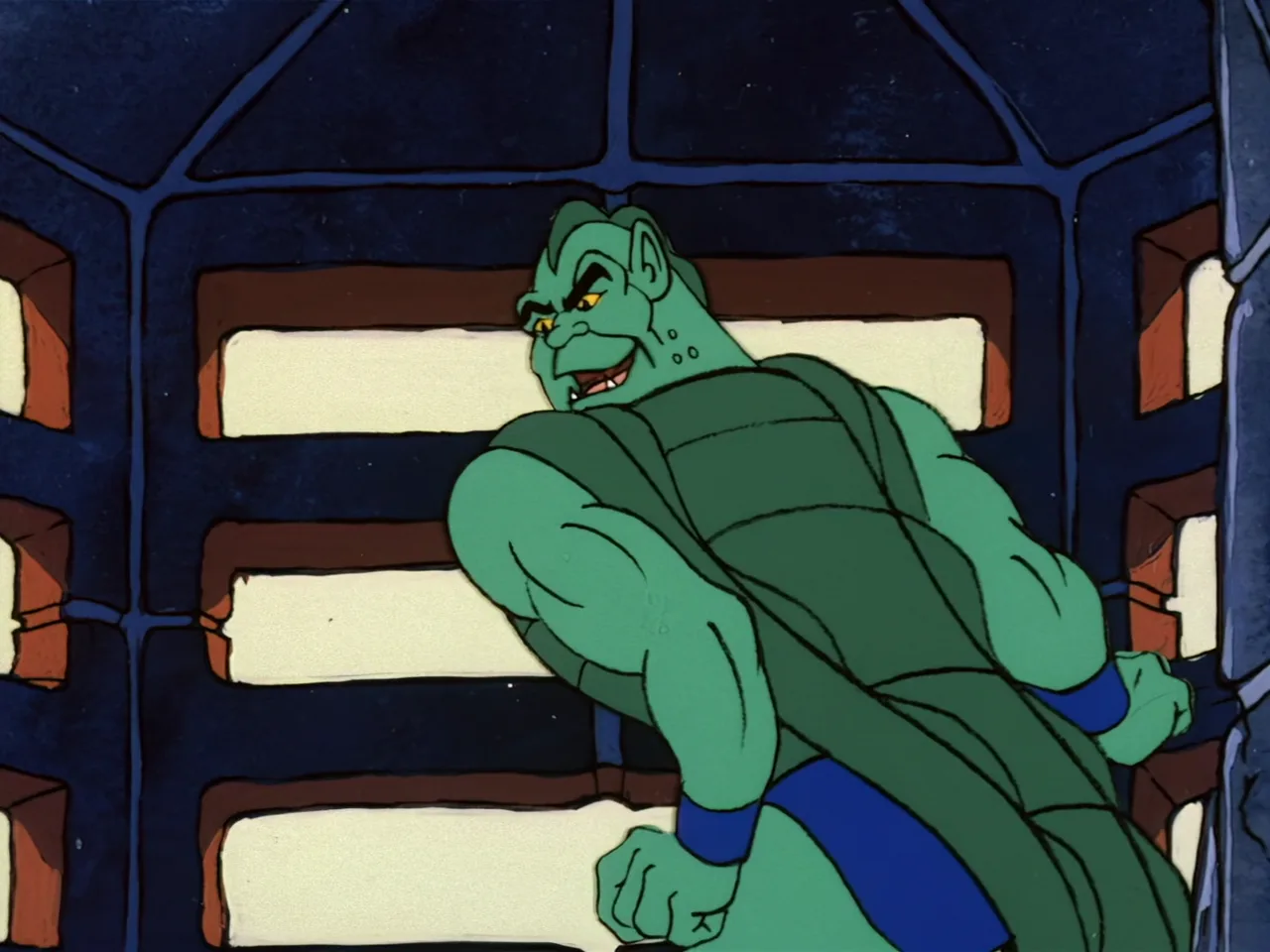
- Continuity: The Spider Drones were seen earlier in House of Shokoti Part 1 and Trouble's Middle Name. Several interior backgrounds seen in the Castle of Moragore are reused from those of Tahryn seen in Song of Celice. The Monster of Moragore's guards are reused from those seen in She-Demon of Phantos.
- Dialogue: the guardian robot He-Man fights in the maze beneath the castle is called "the morobot" in the episode's own dialogue. Teela's rebuttal to her captors, "doing something bad is far more ugly than what a person looks like," is the clearest statement of the episode's theme, delivered well before Orko's closing-scene summary of the same idea.
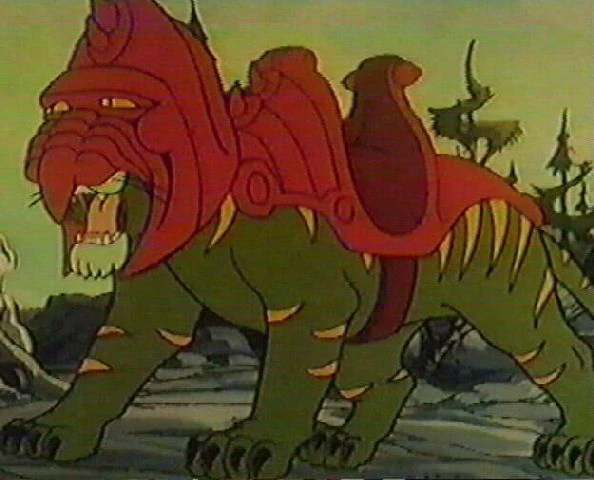
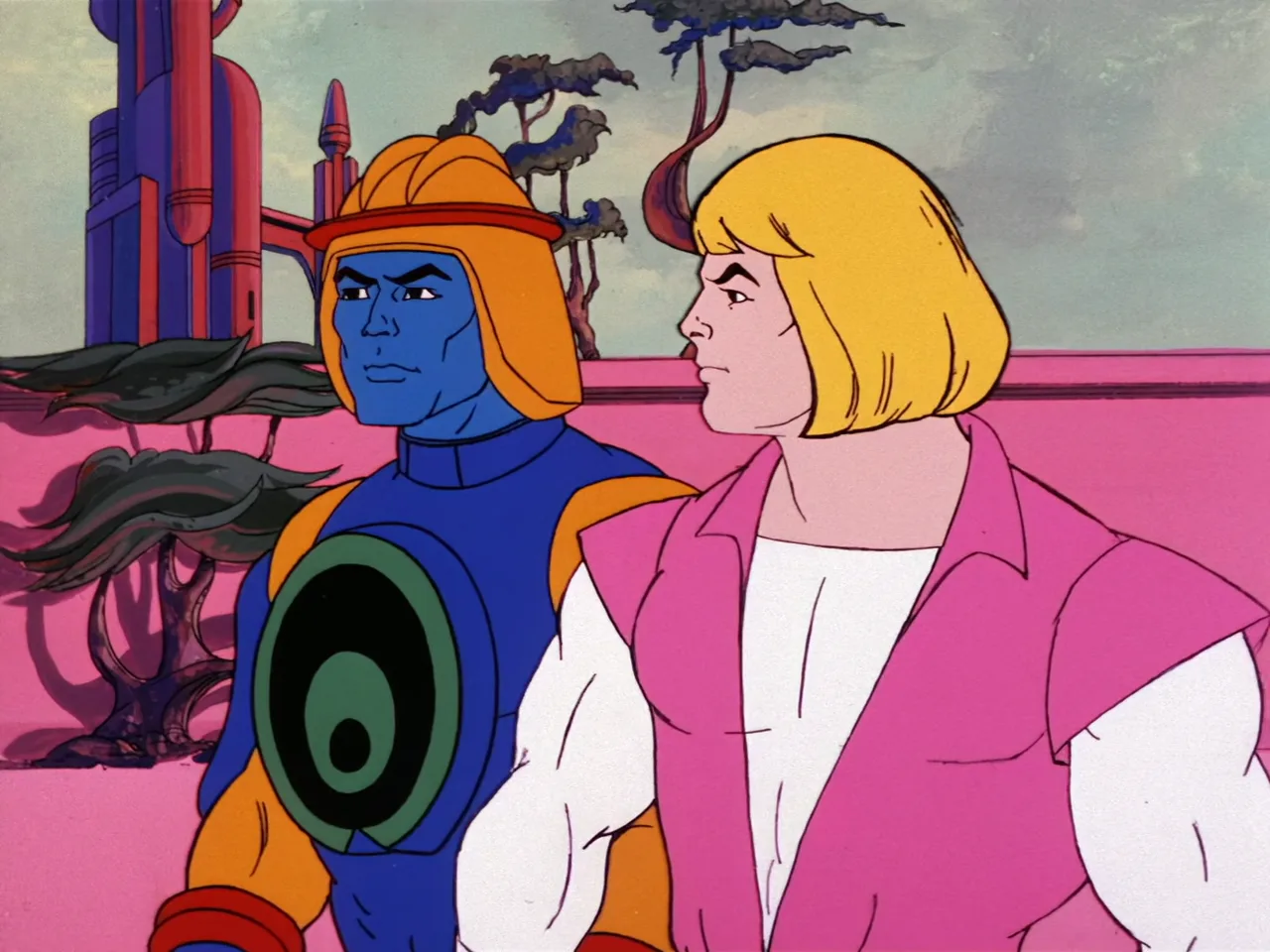
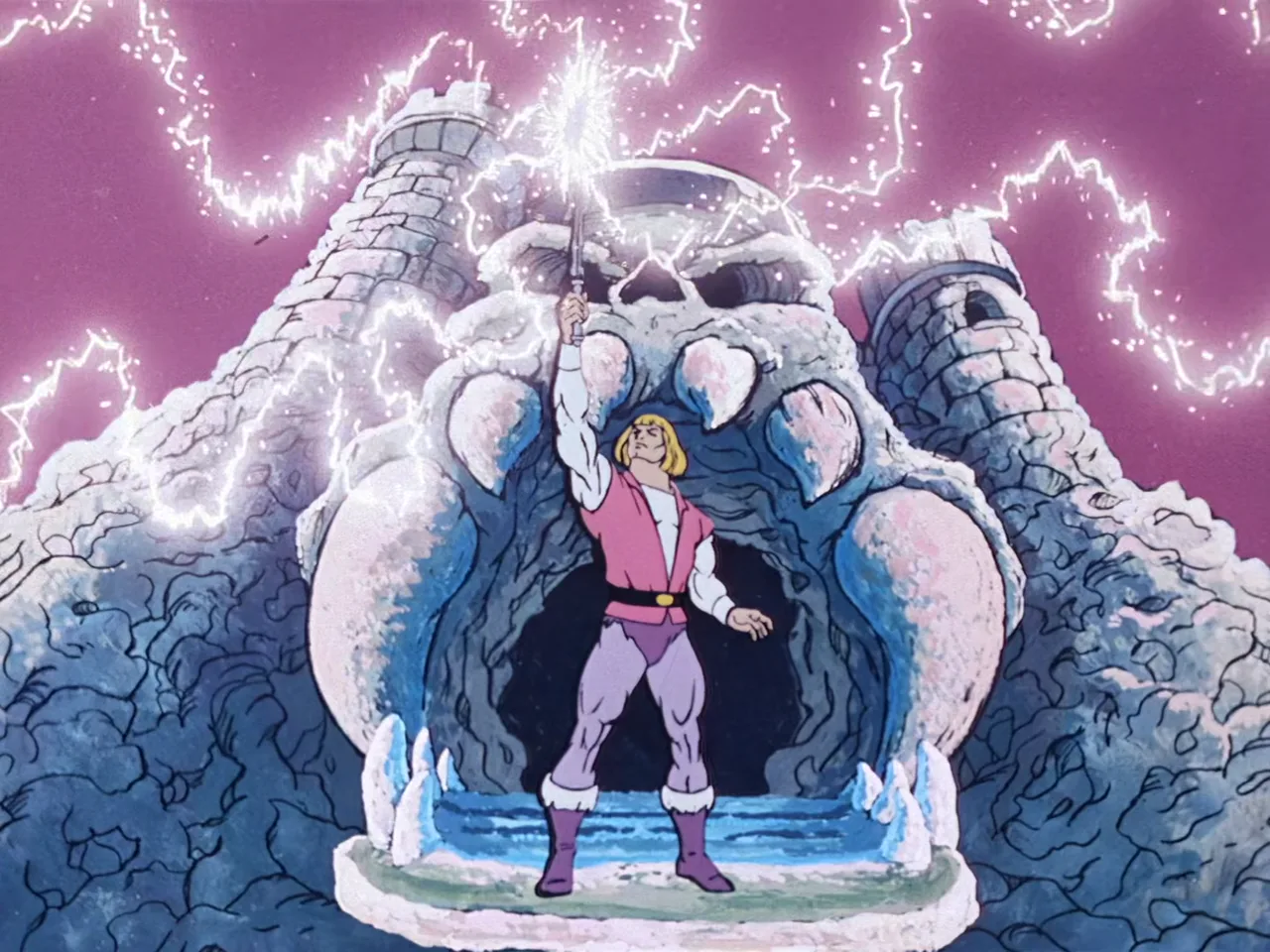
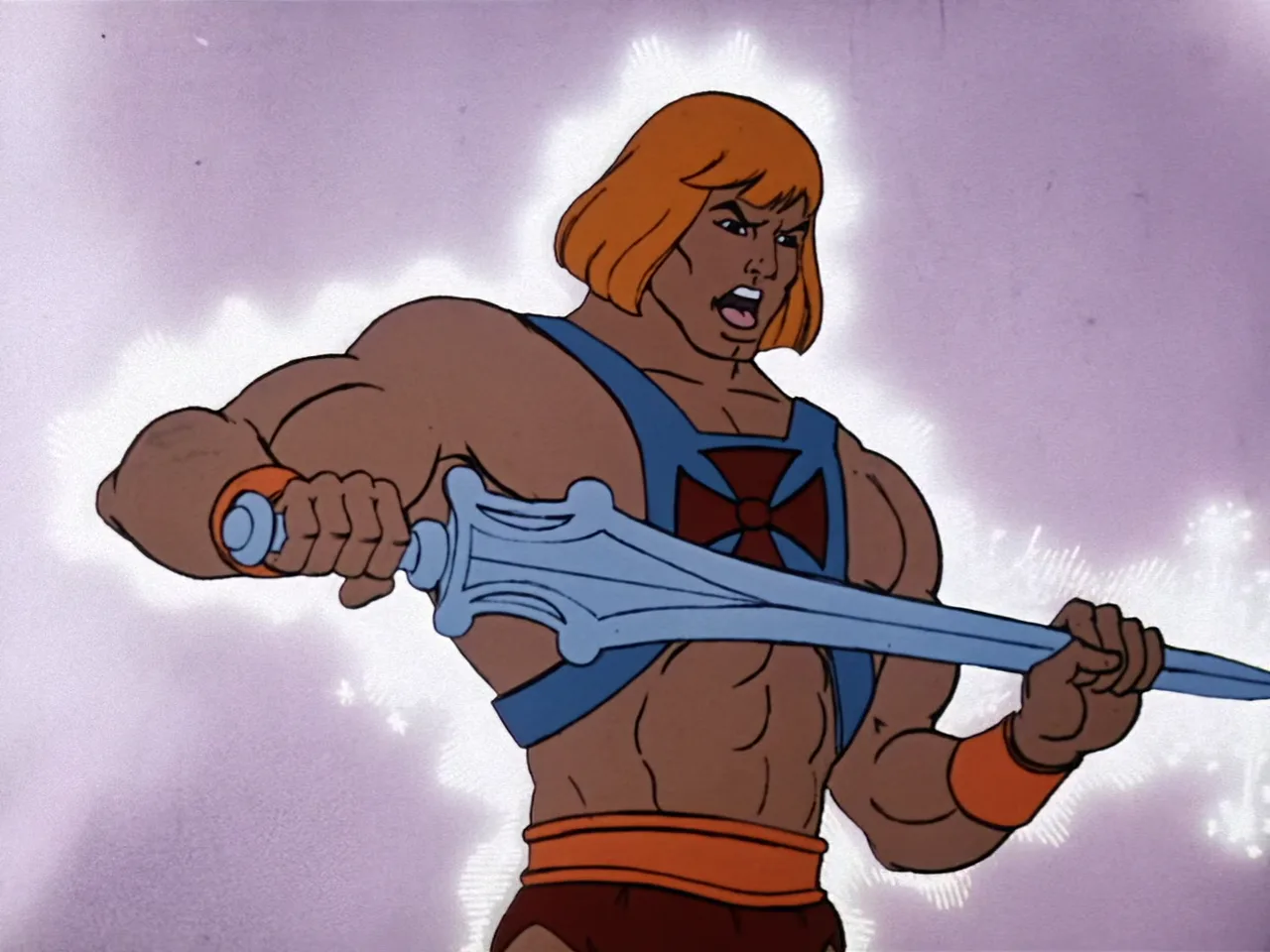
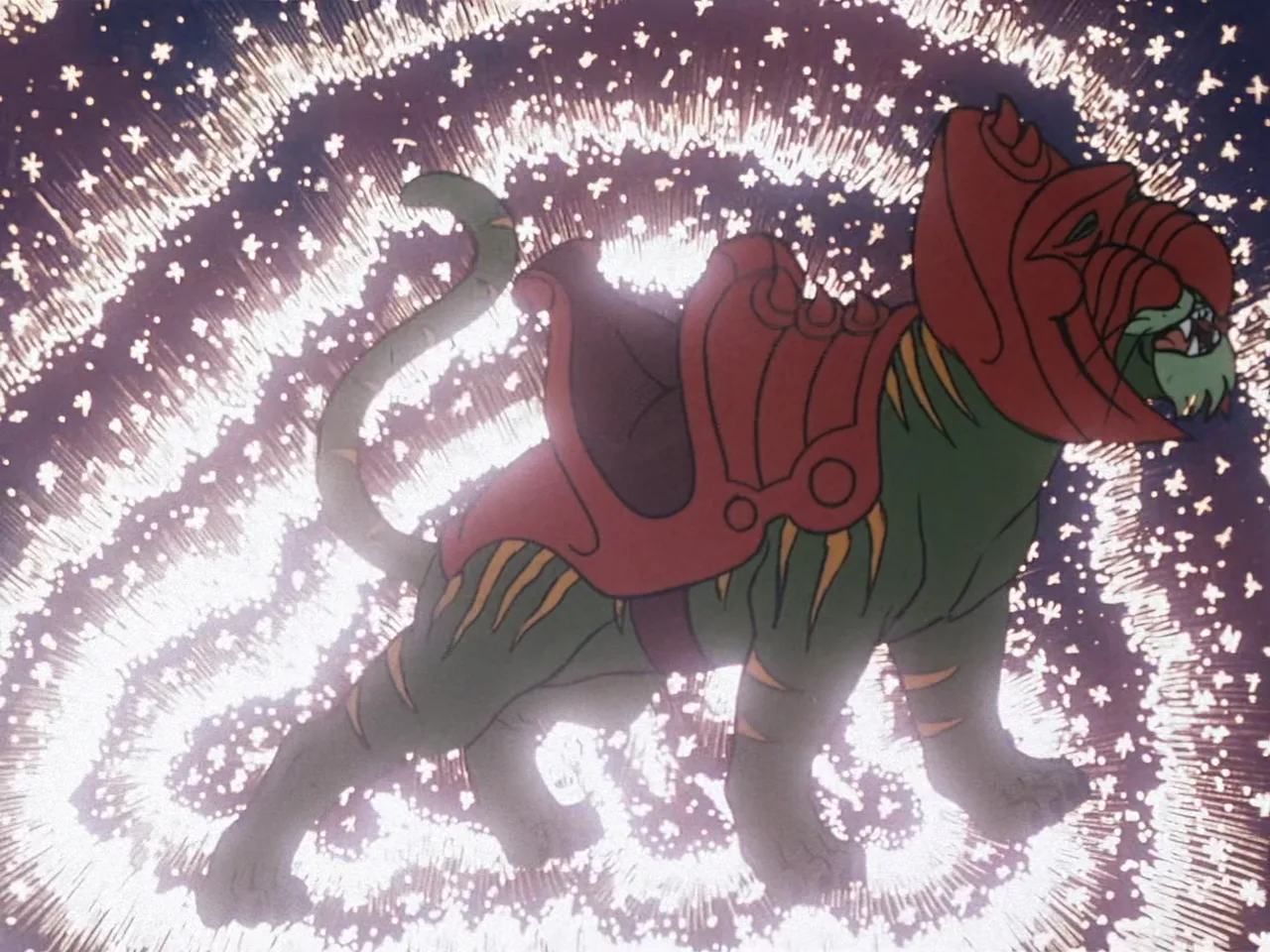
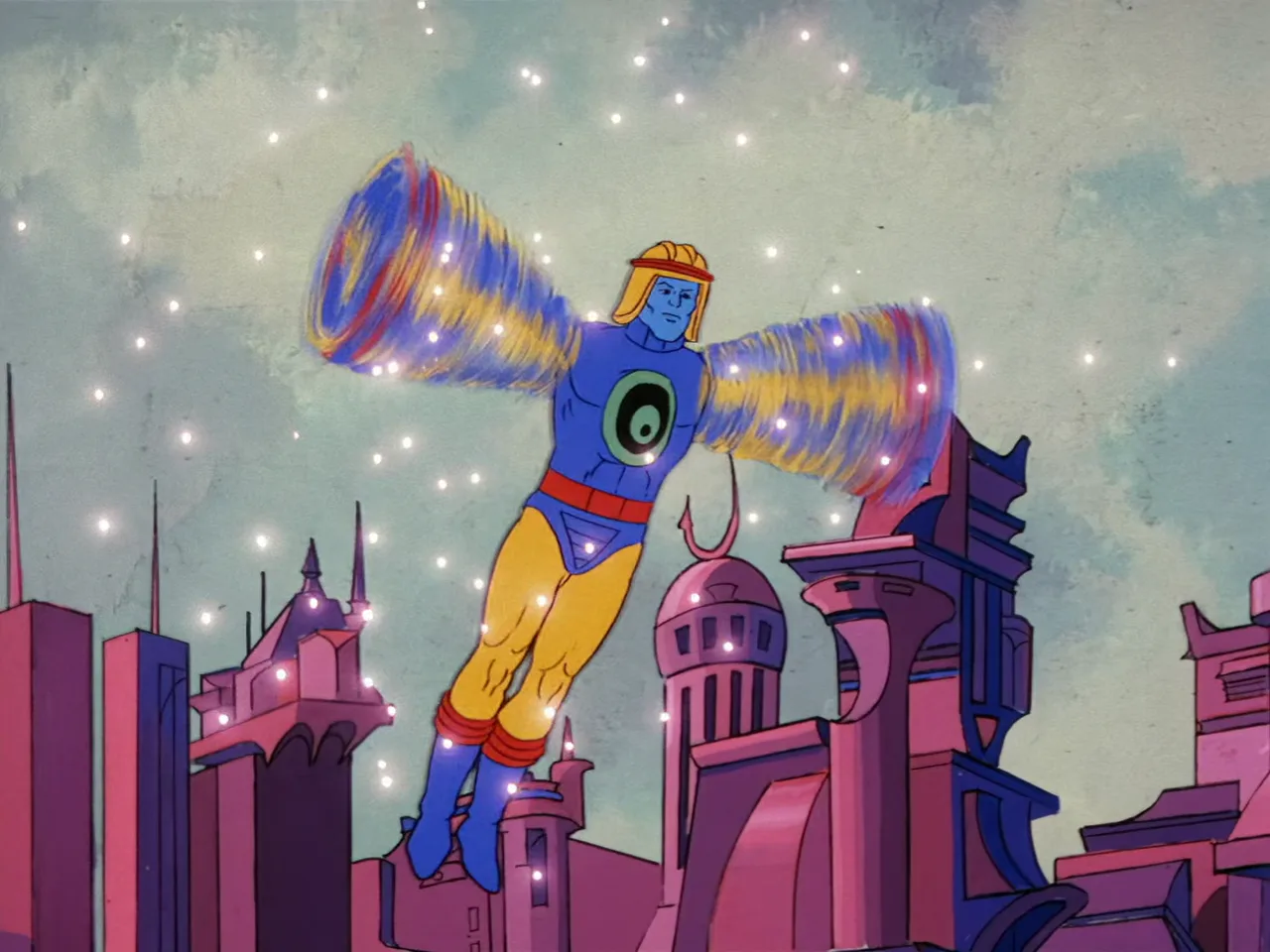
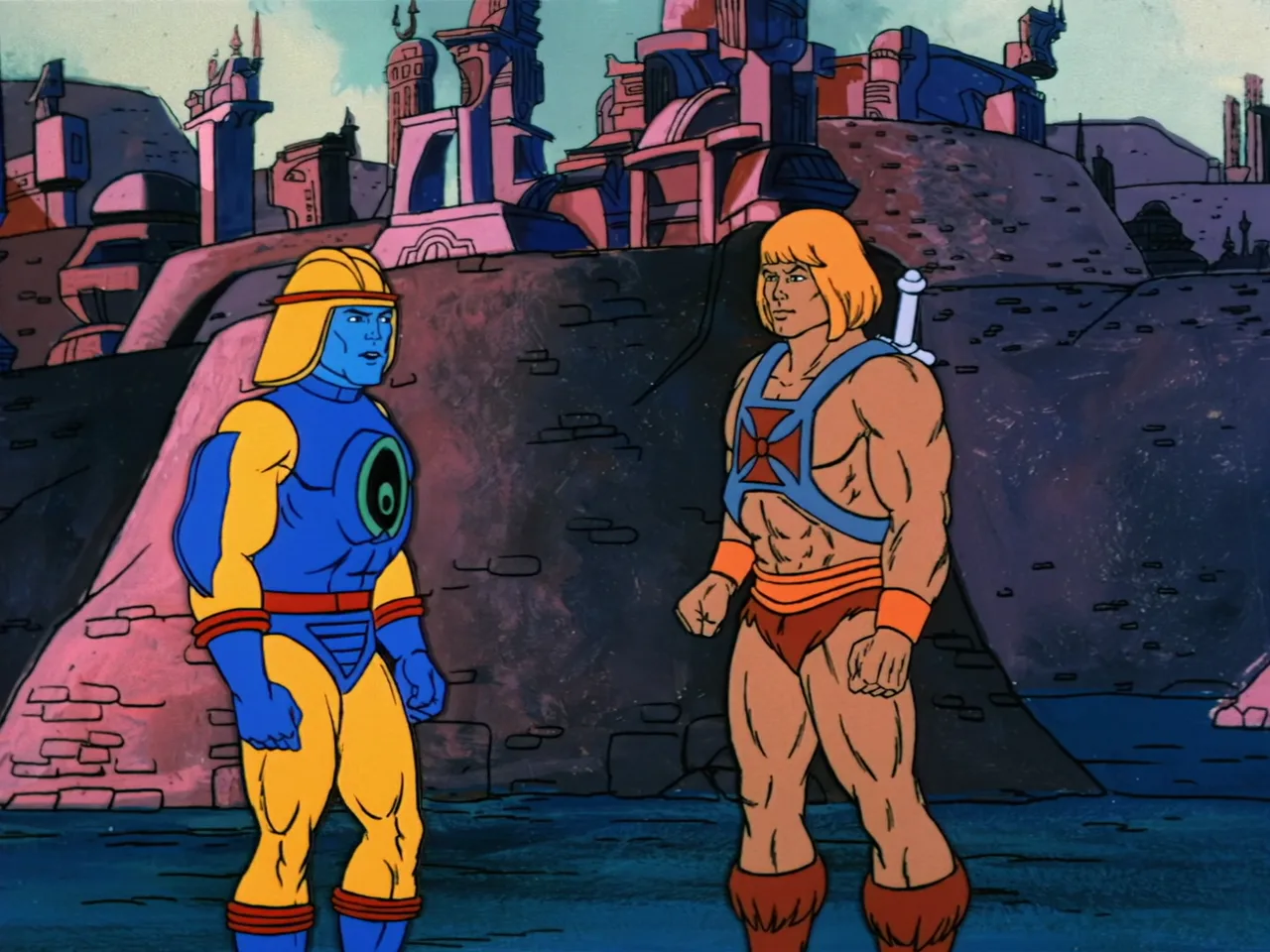
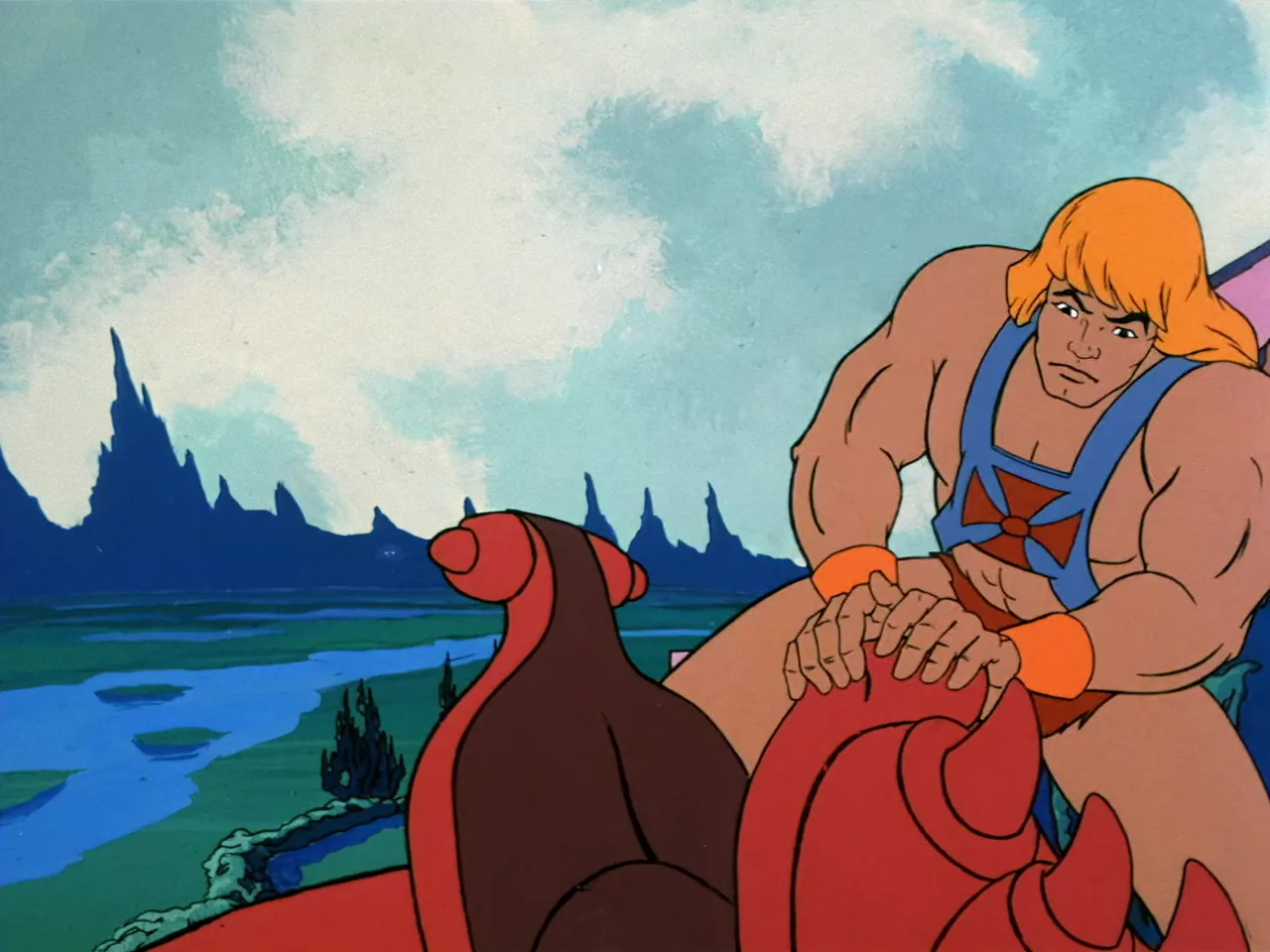
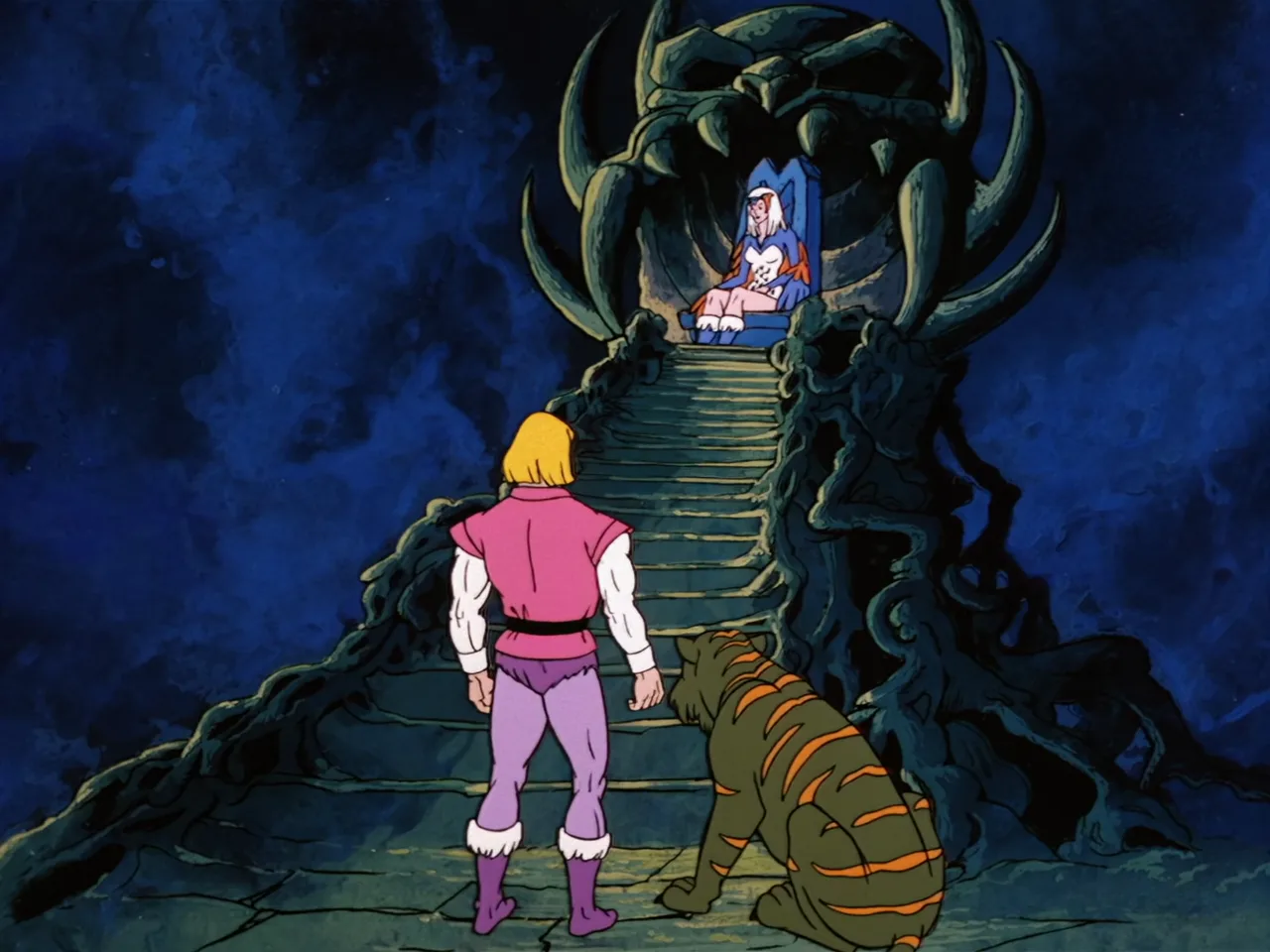
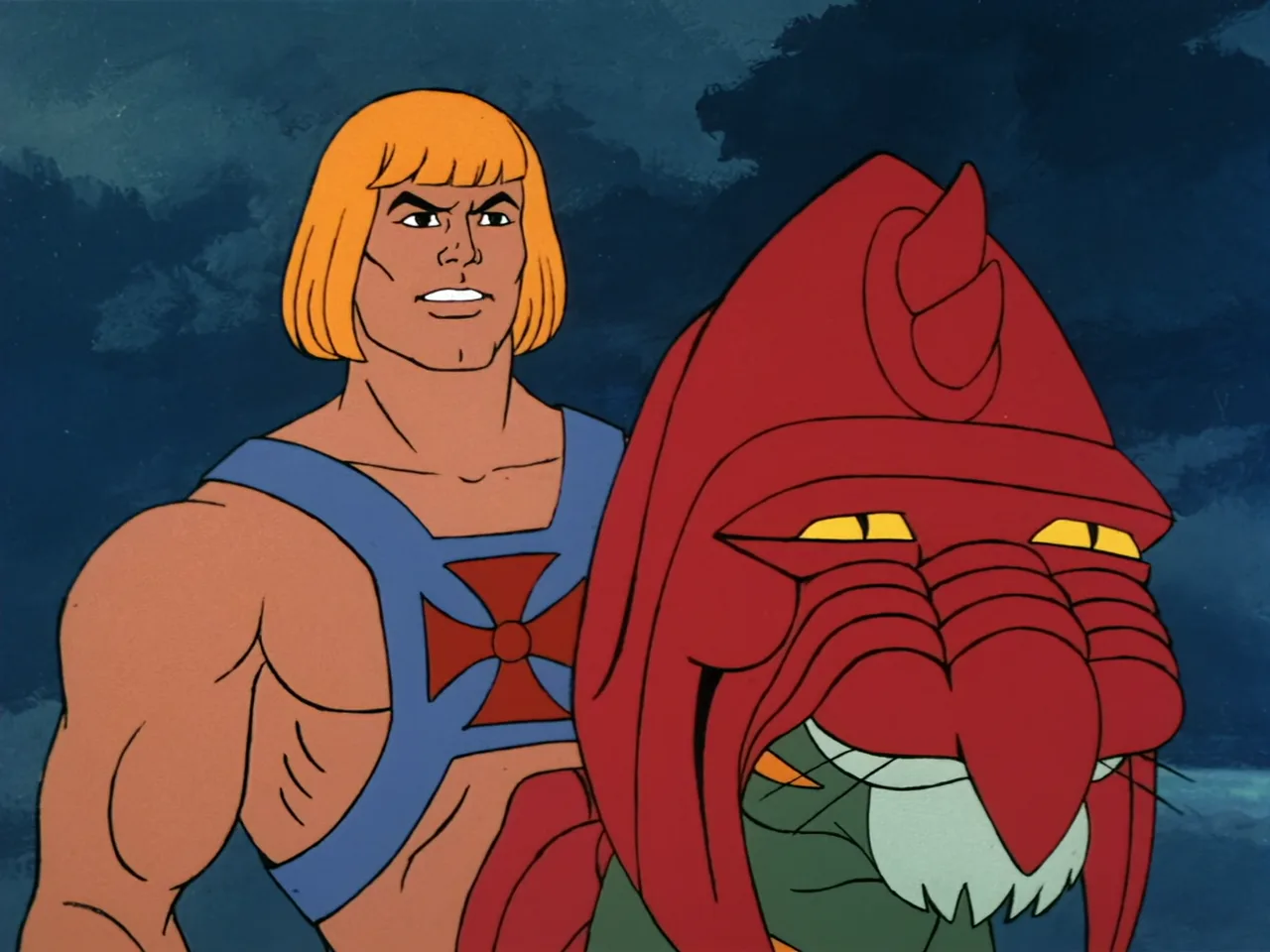
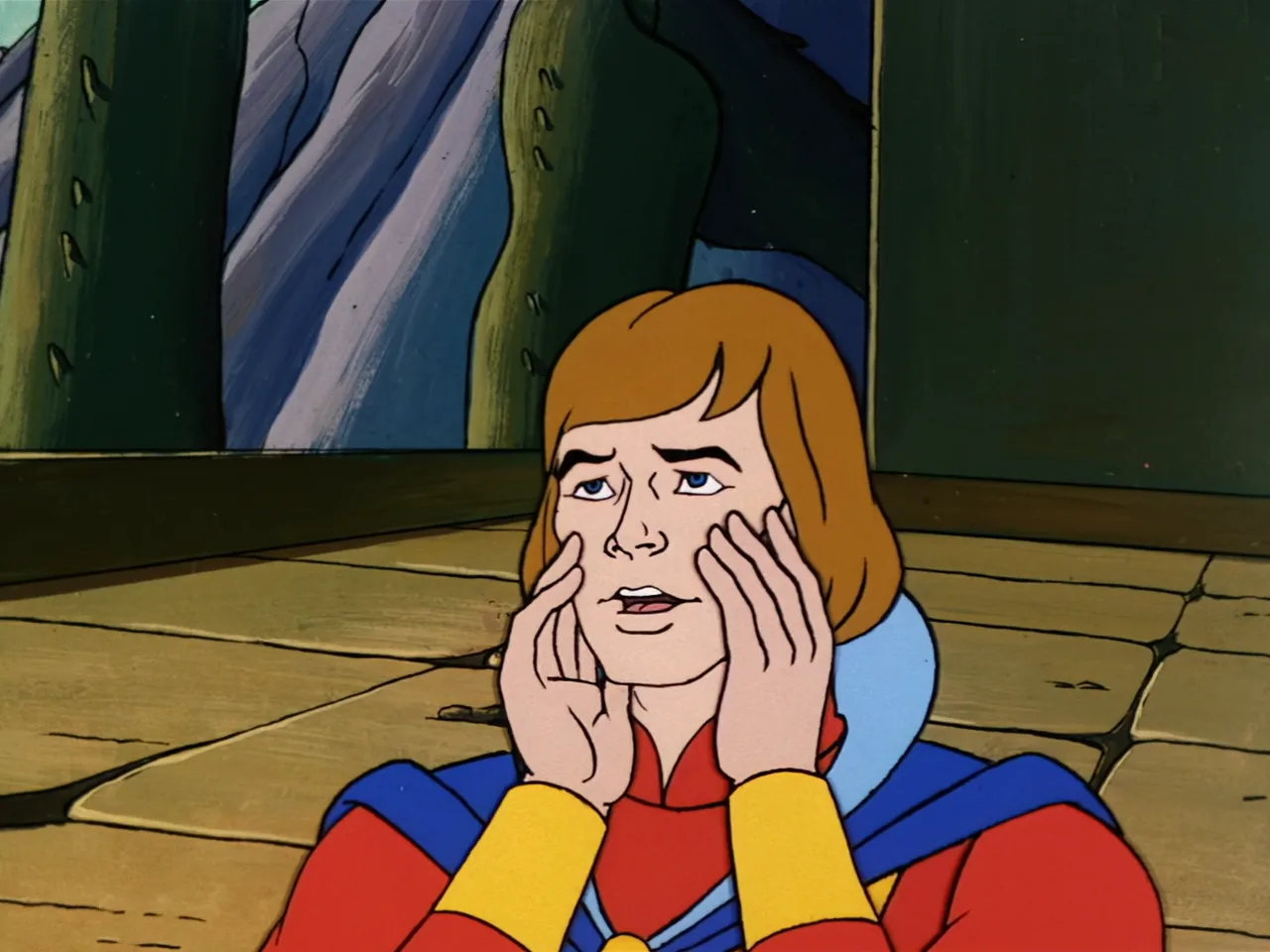
- Animation errors and goofs: Sy-Klone's voice is different from his previous appearance in Here, There, Skeletors Everywhere. Prince Adam appears to transform into He-Man directly in front of Sy-Klone. At one point Prince Adam and Cringer are seen at Castle Grayskull, even though they appear as He-Man and Battle Cat before and after this scene.
DISCUSSION
Join the conversation.
Comments below are mirrored on the heman.org forum. Sign in once, post anywhere.