
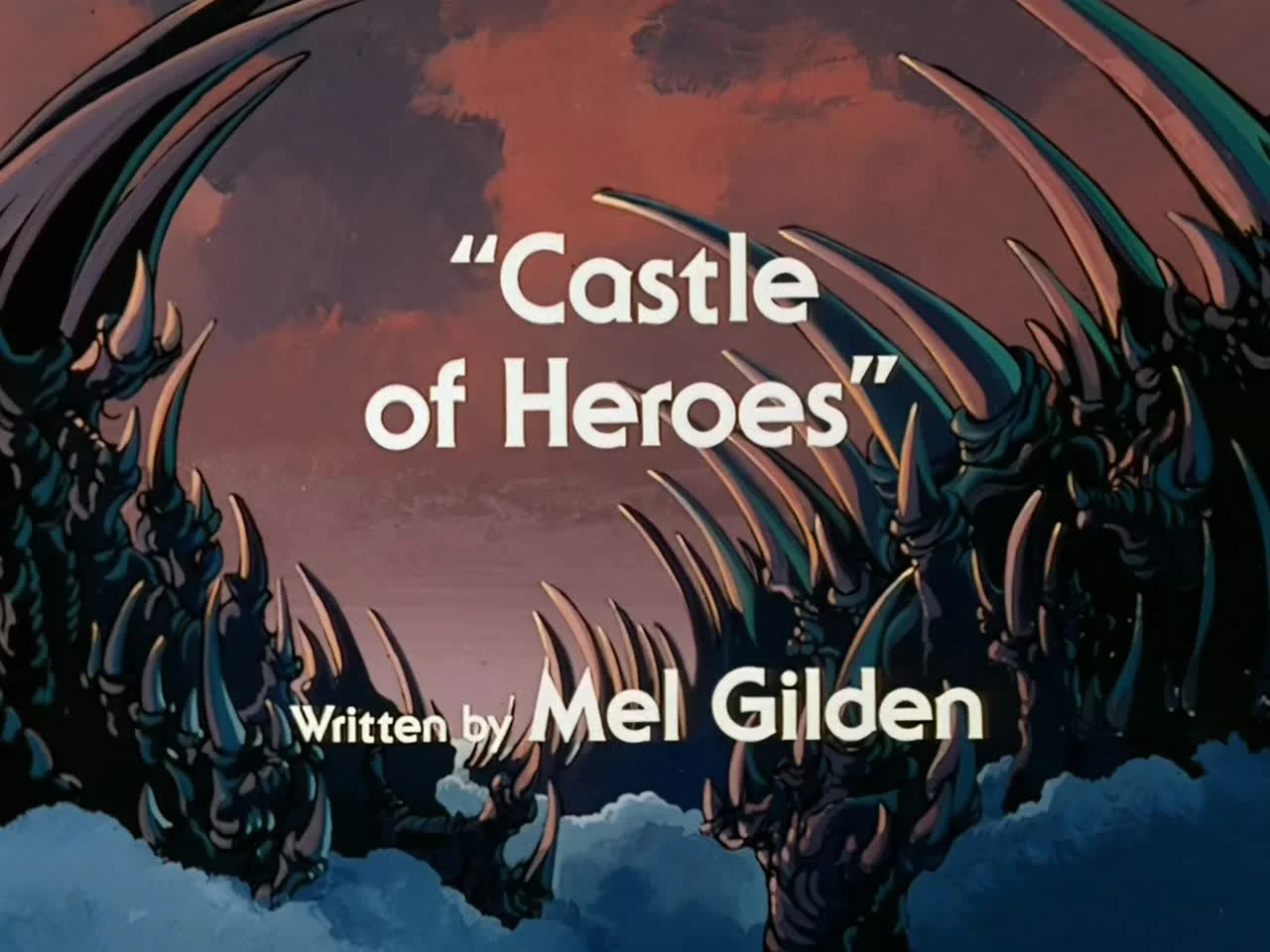
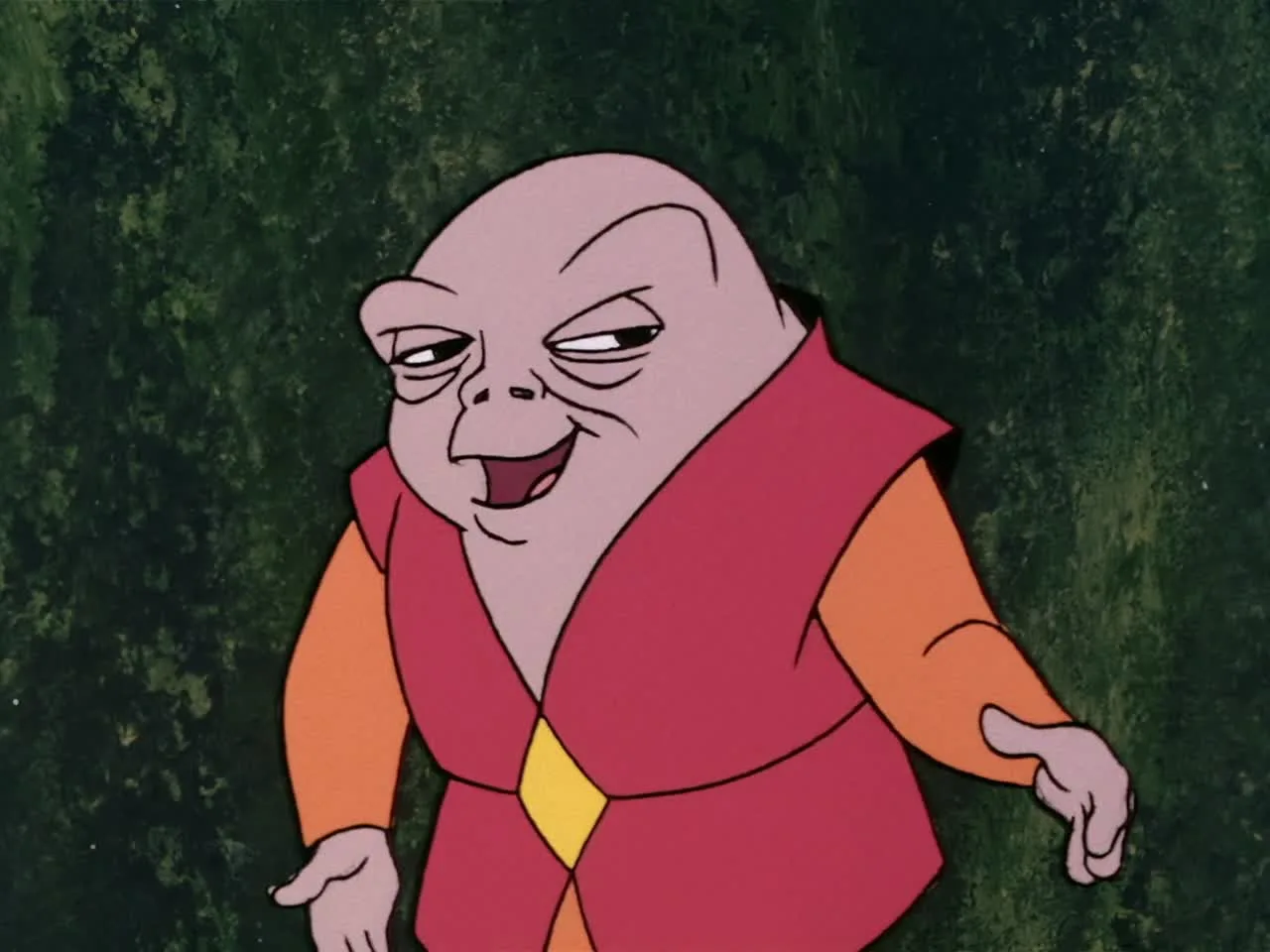
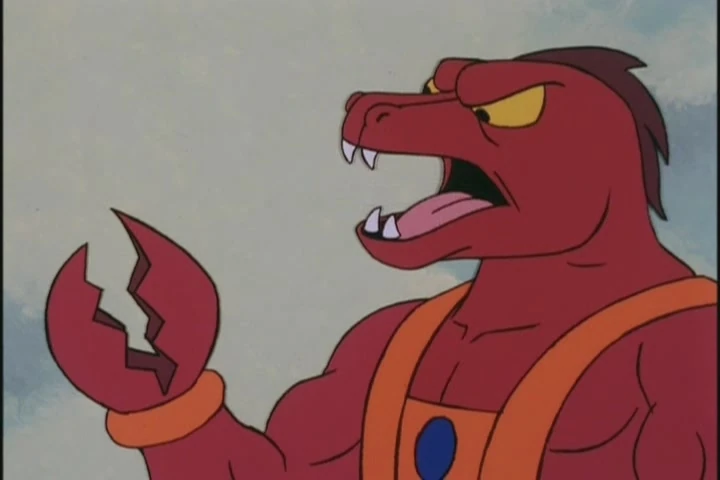
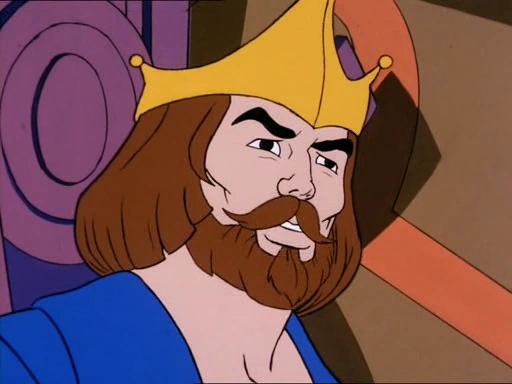
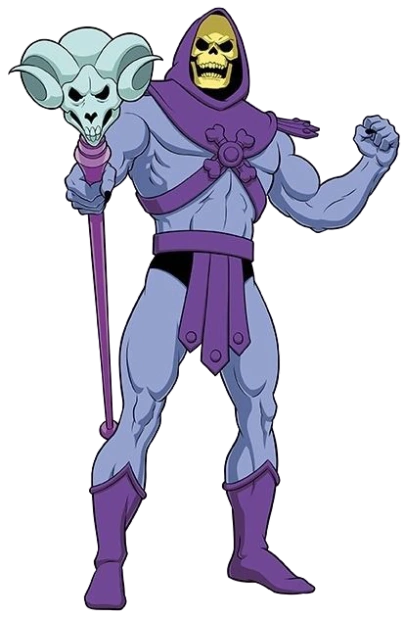
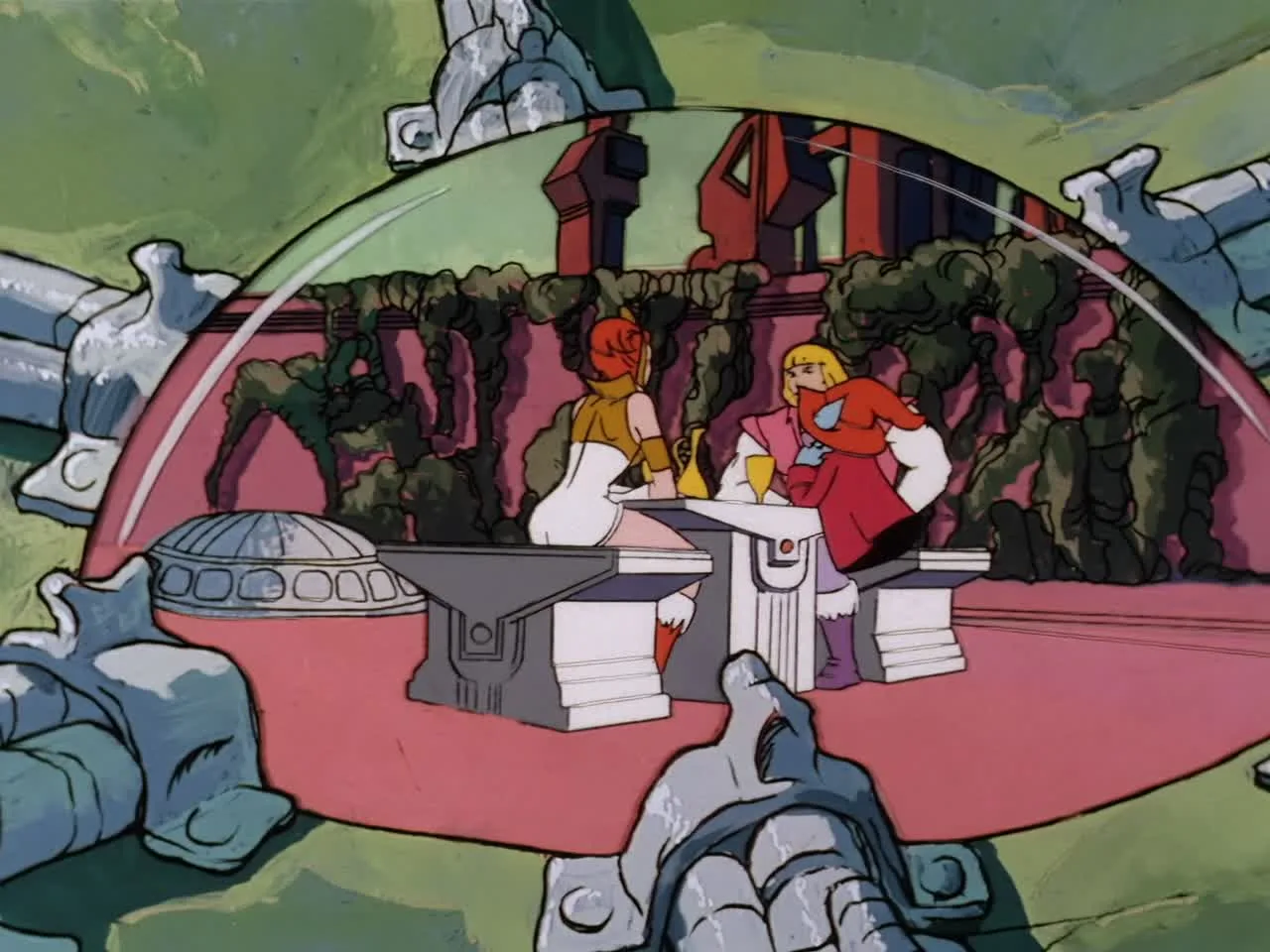
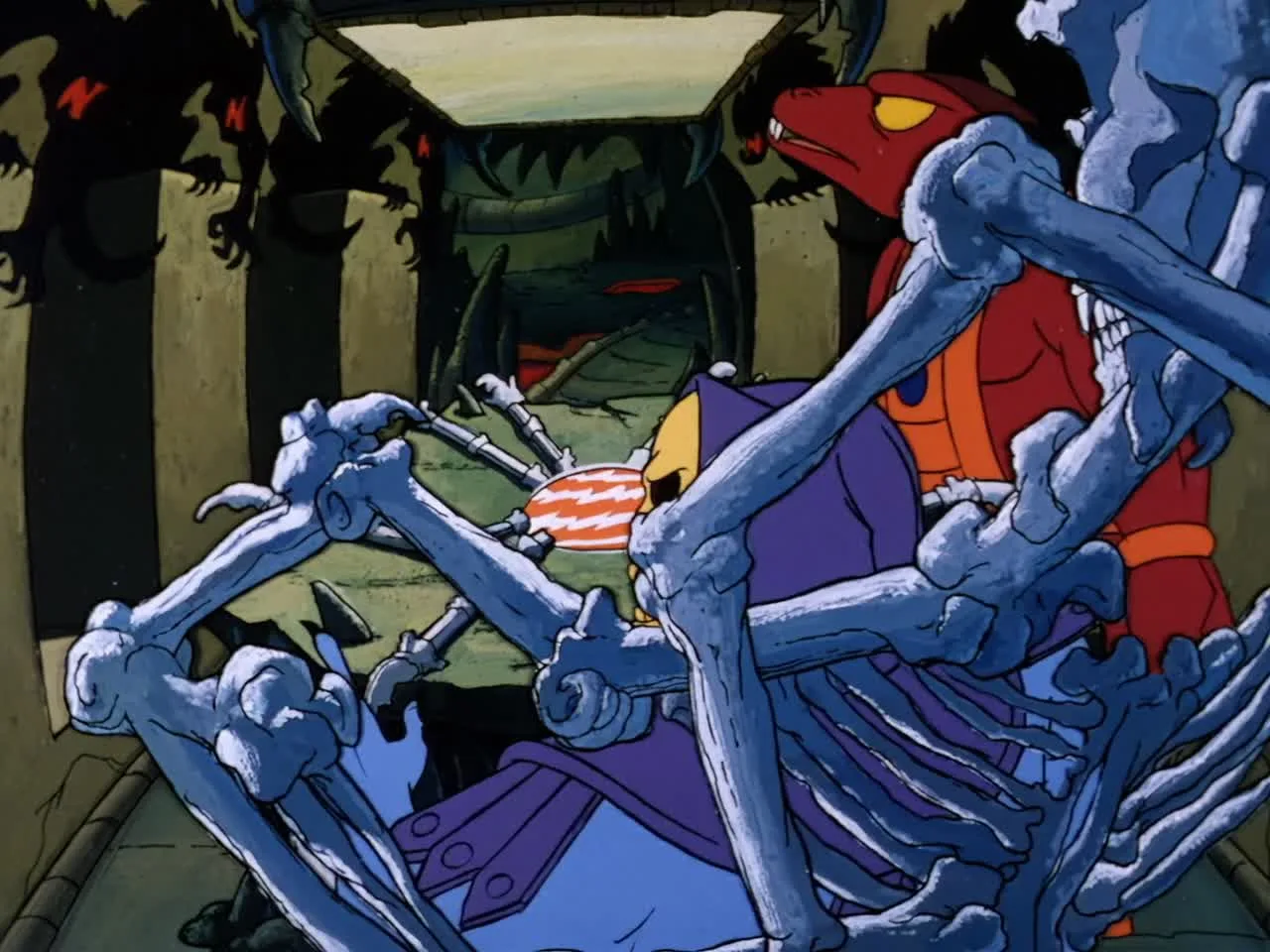
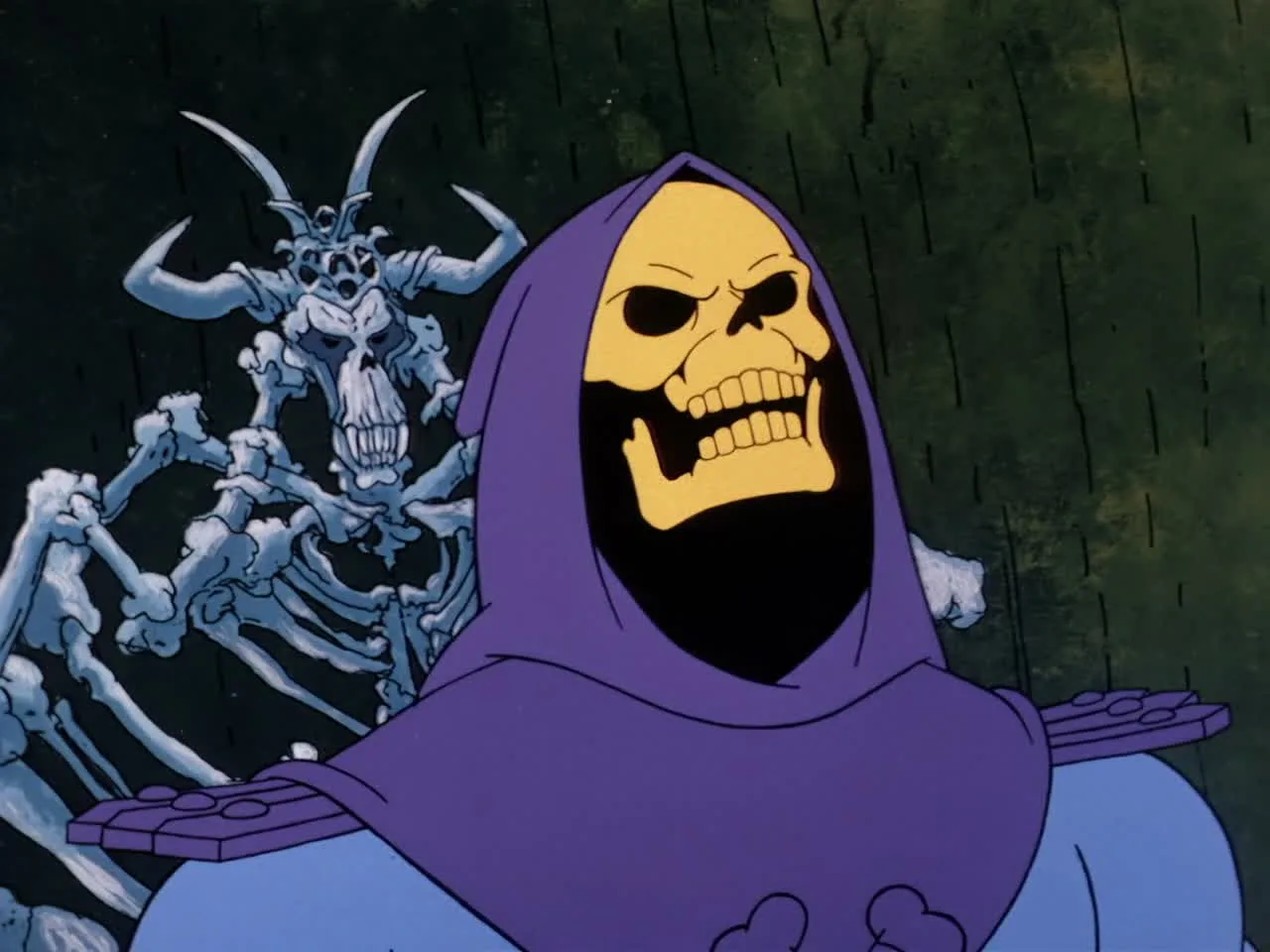
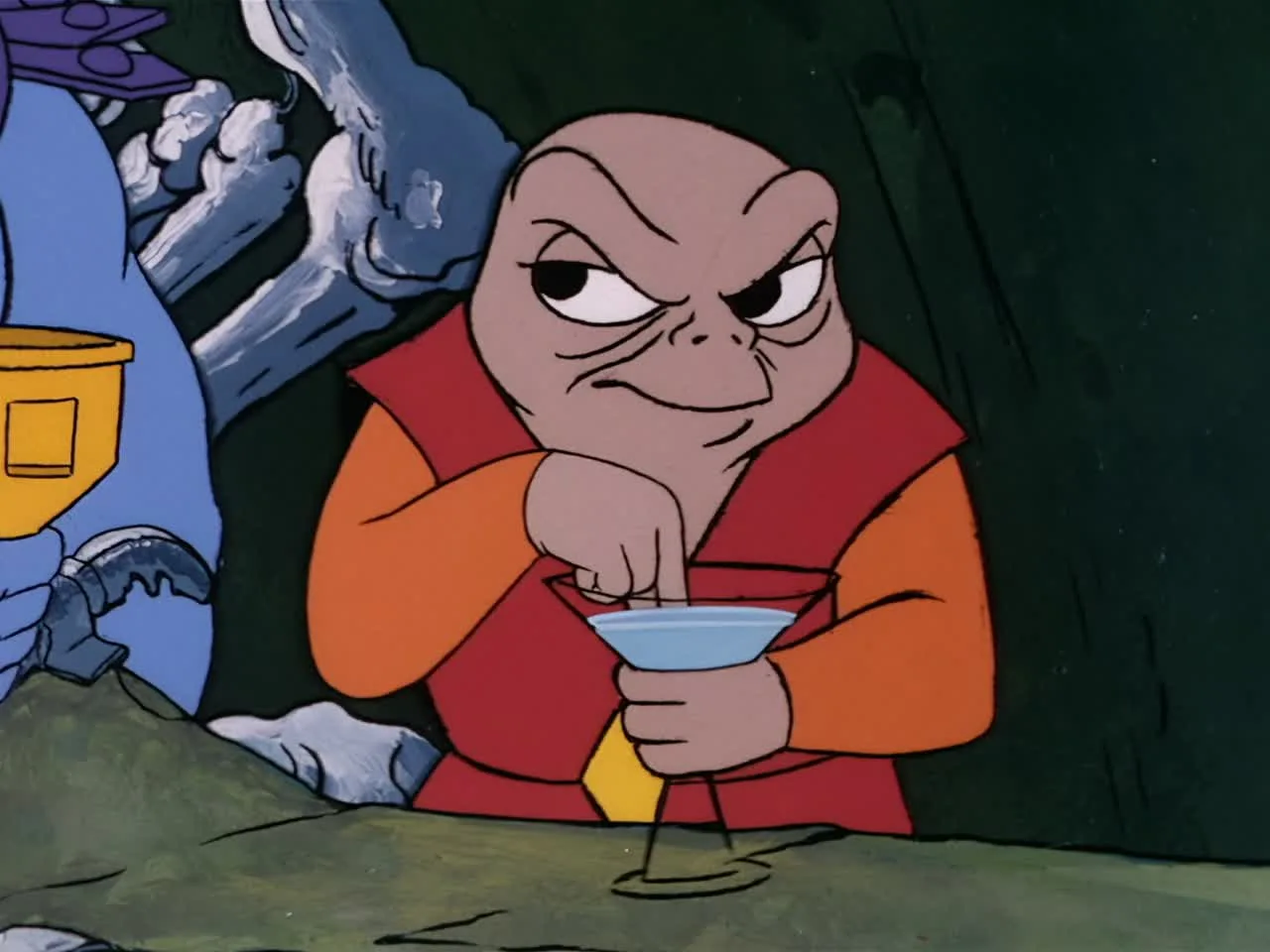
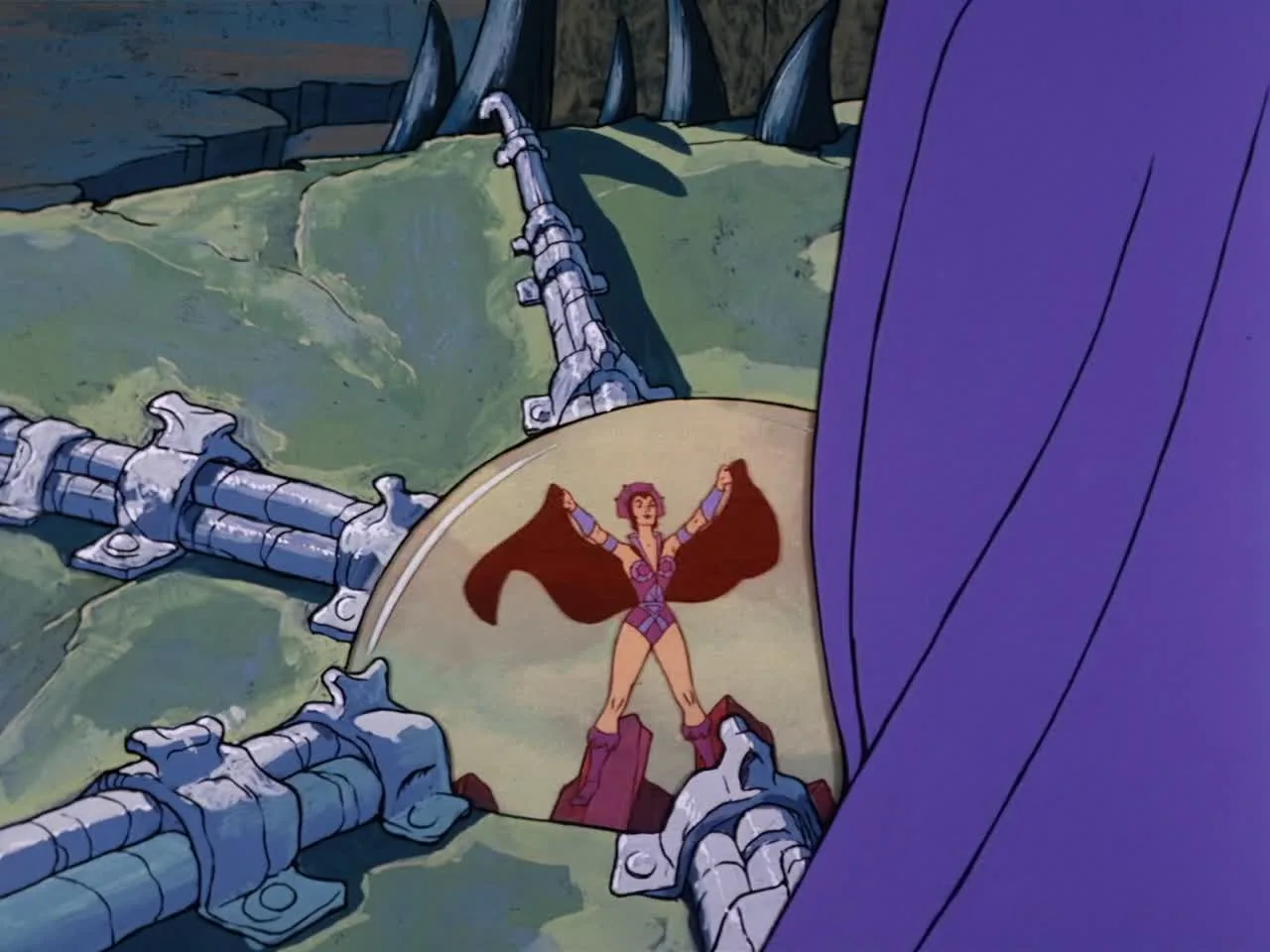
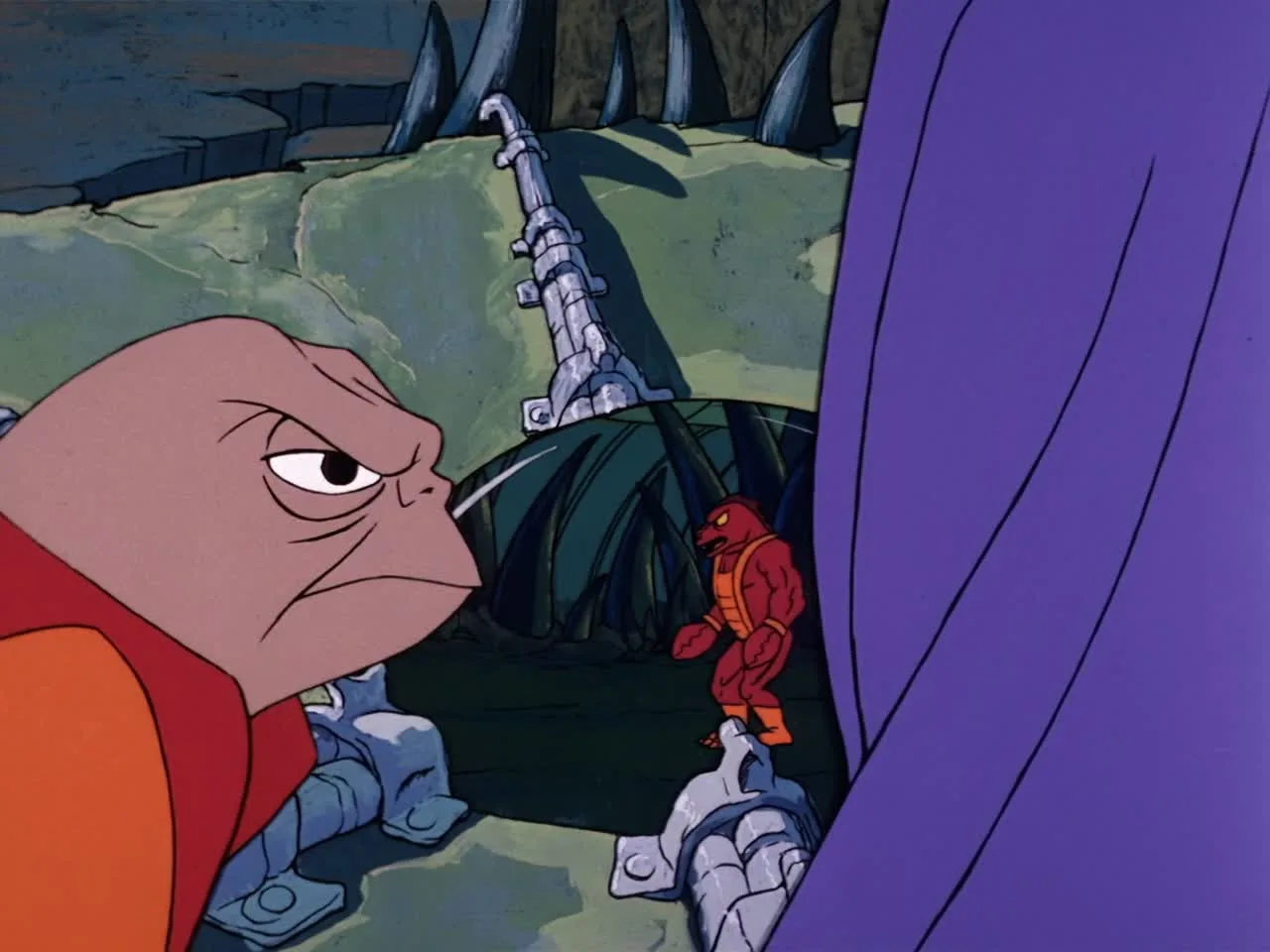
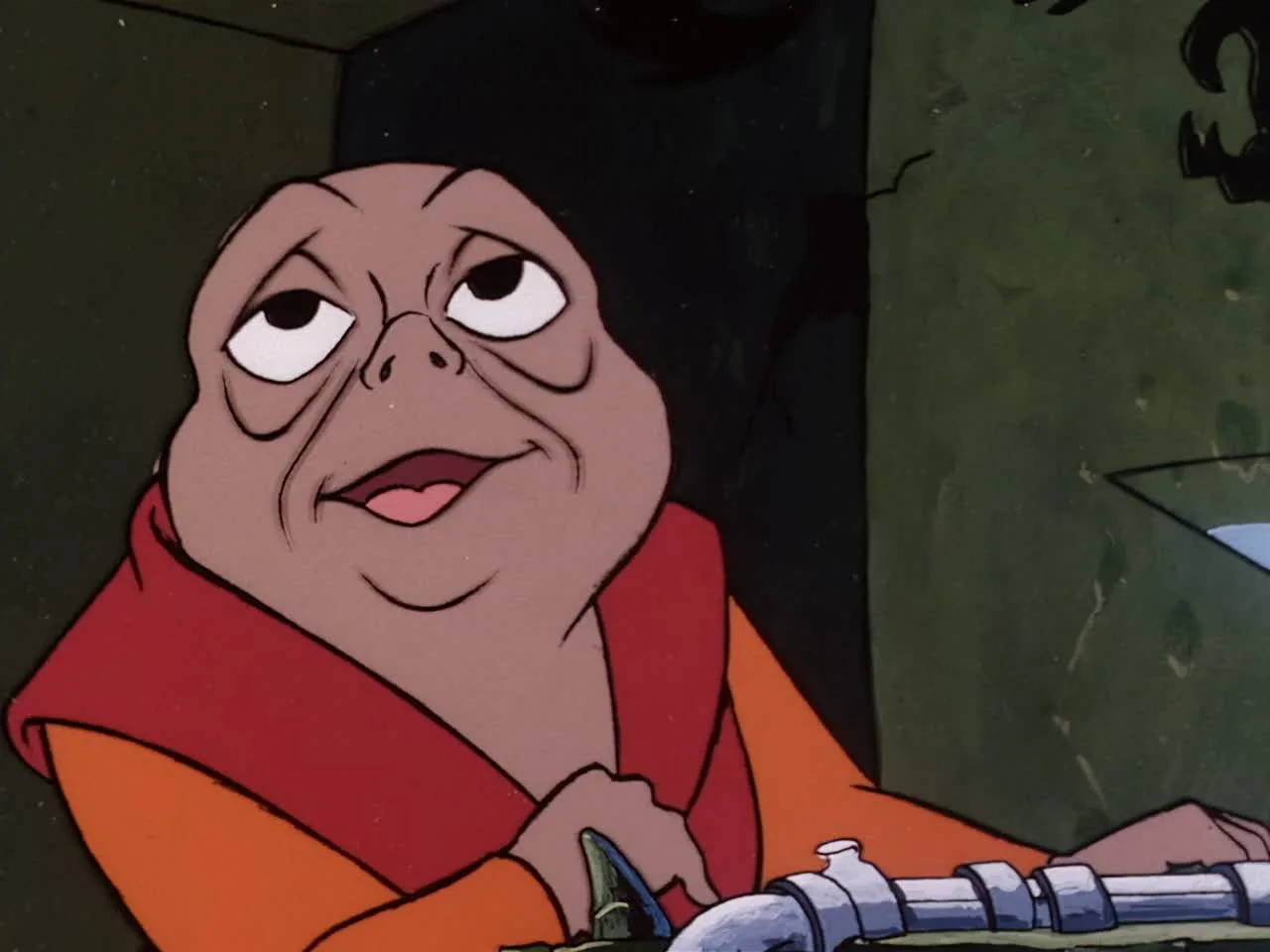
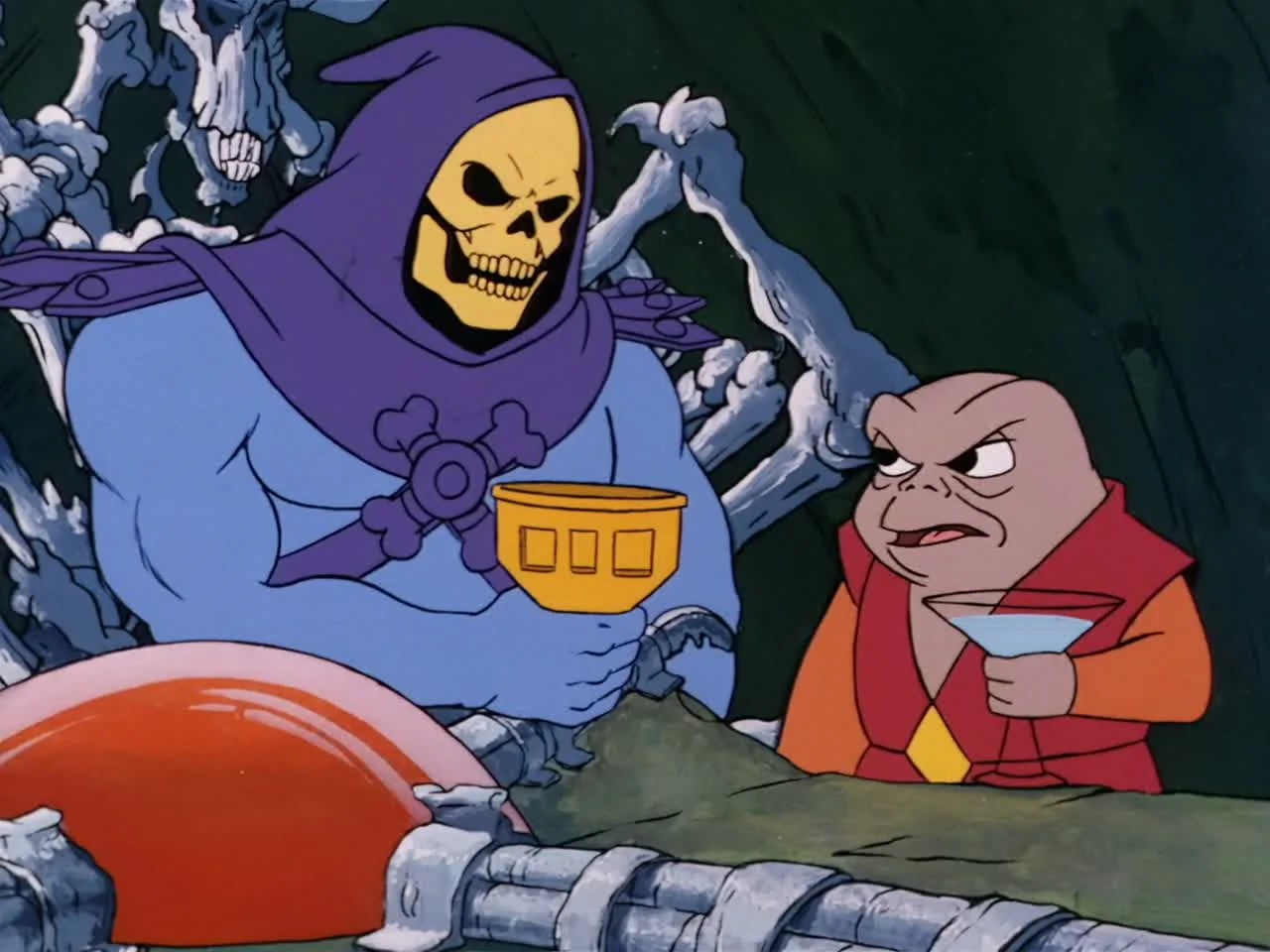
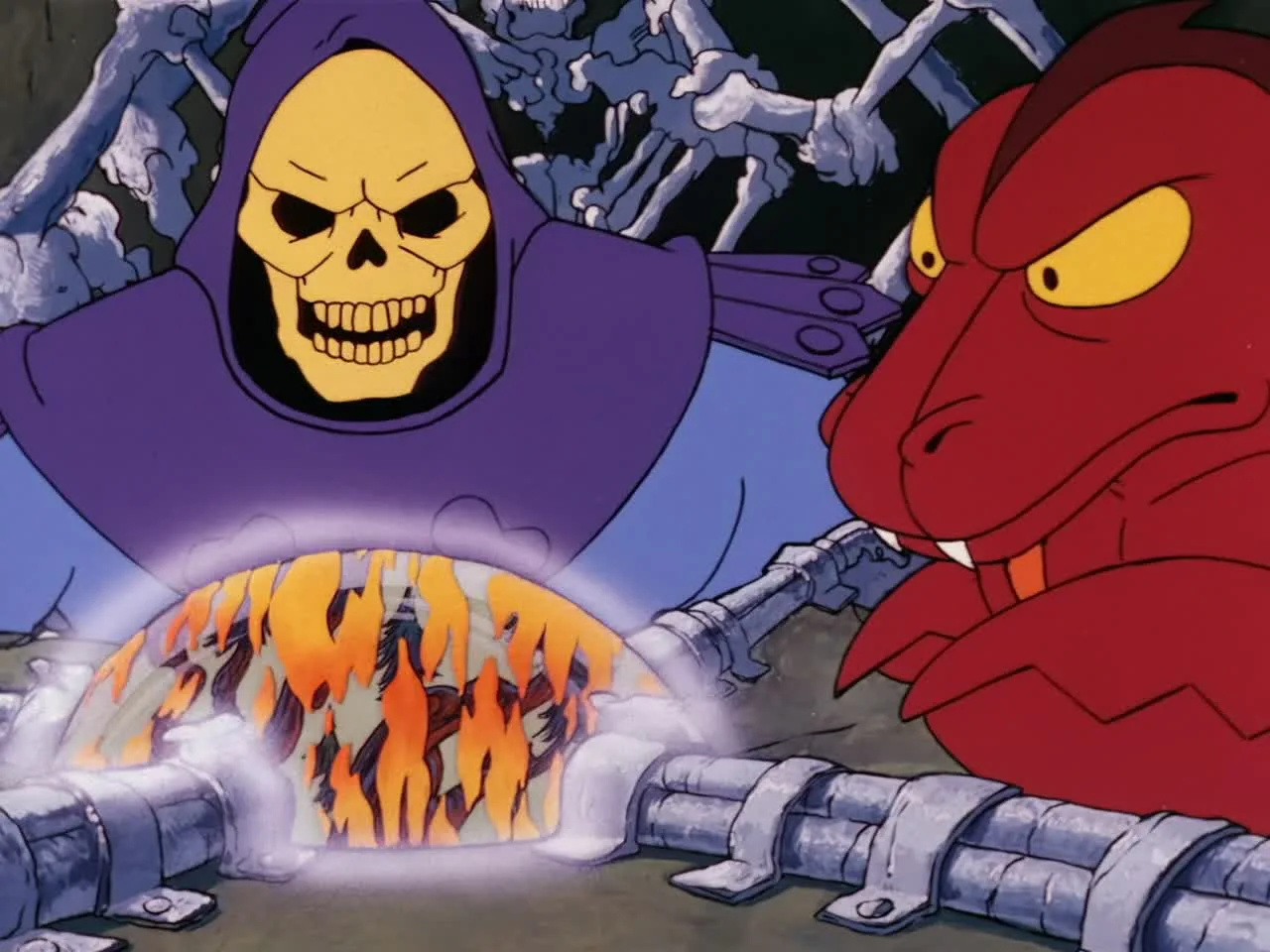
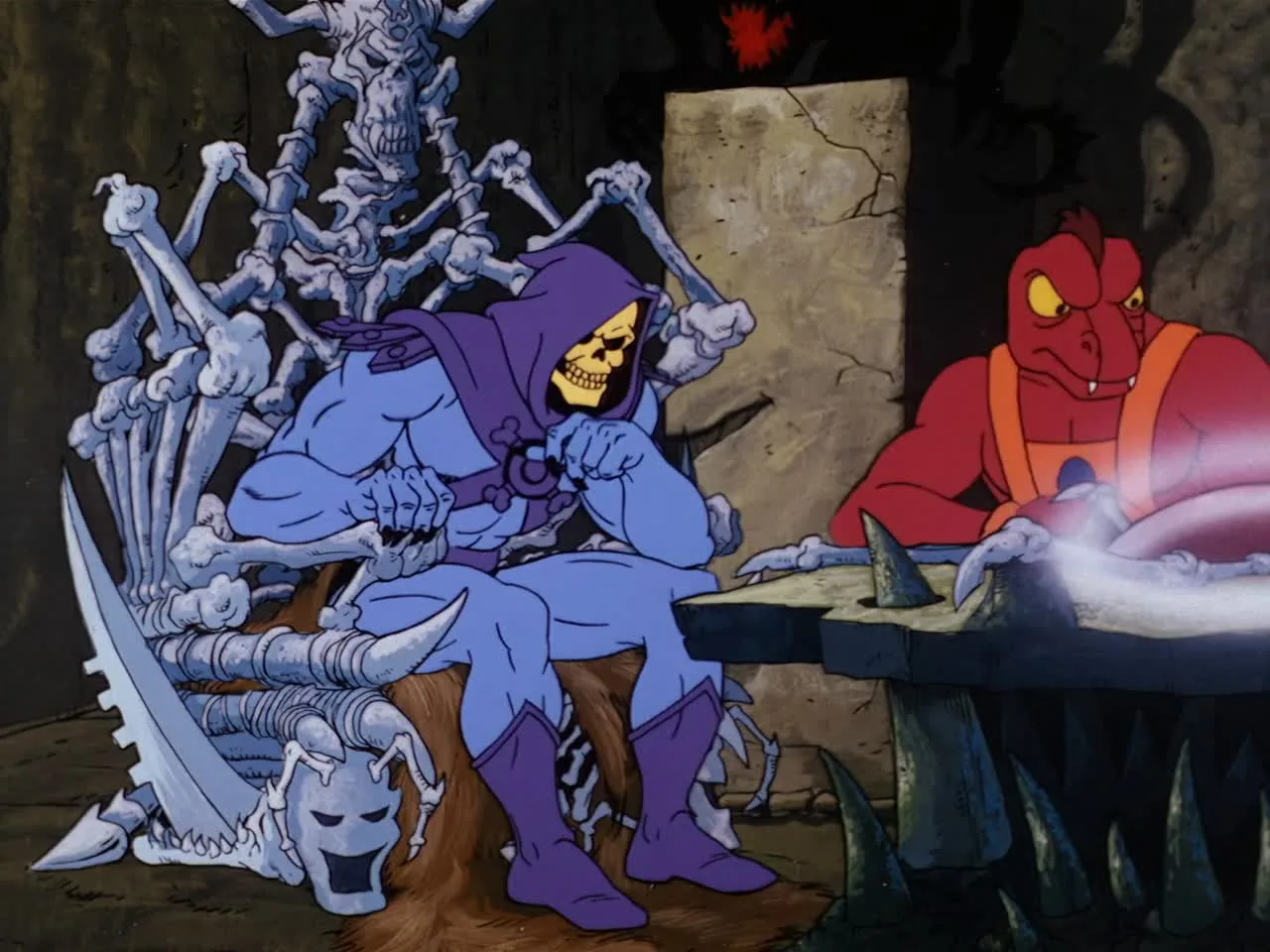
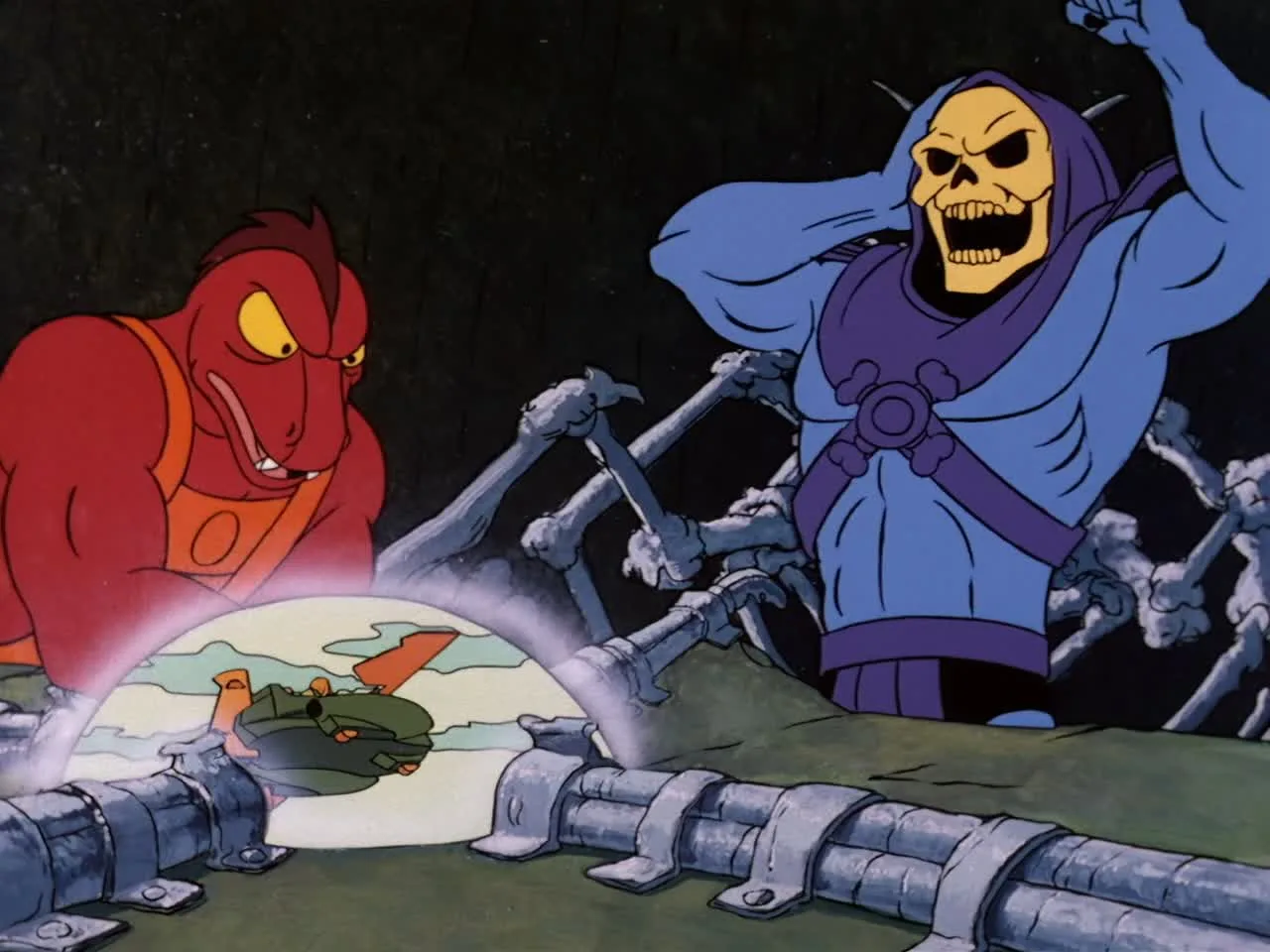
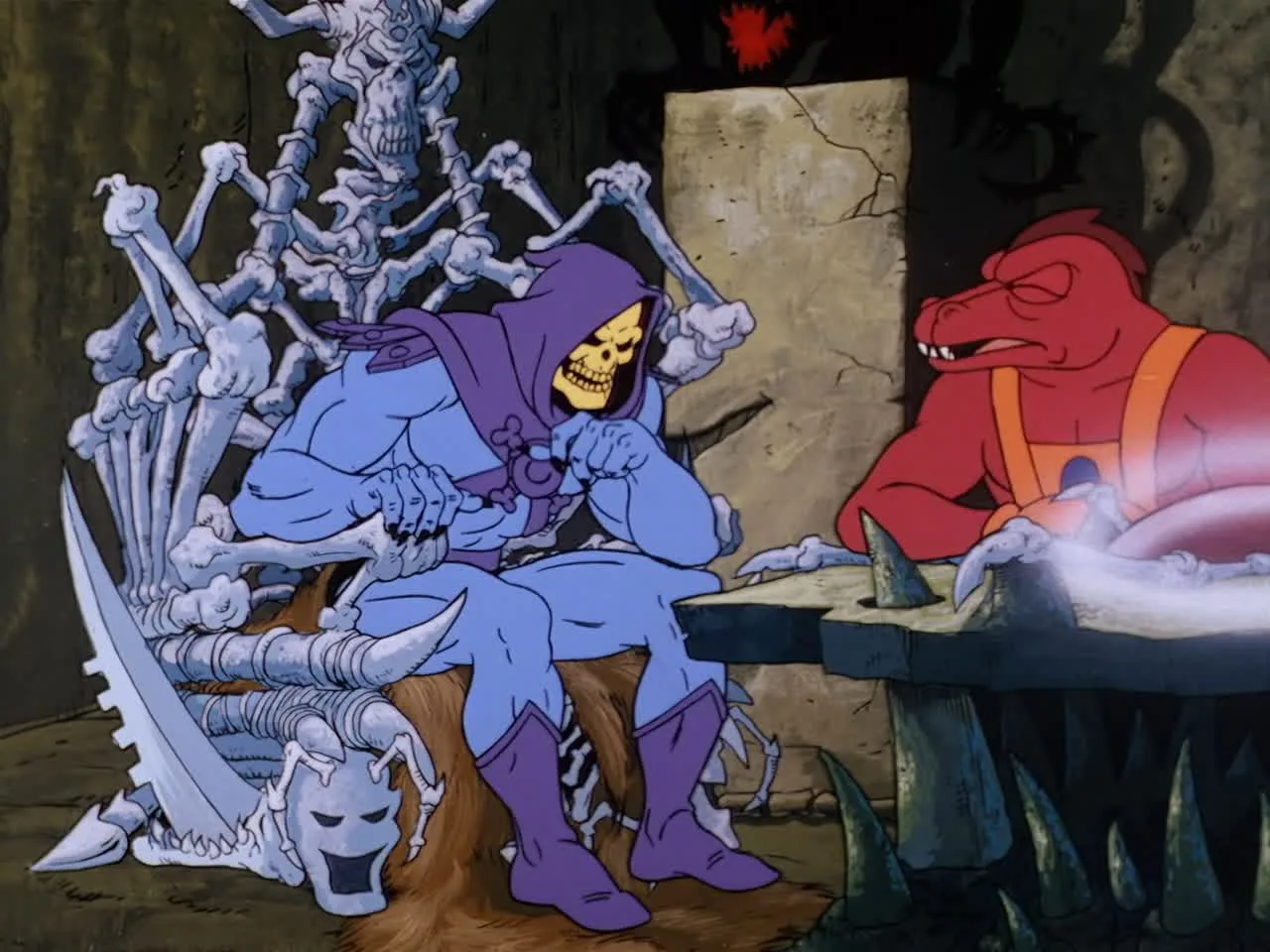
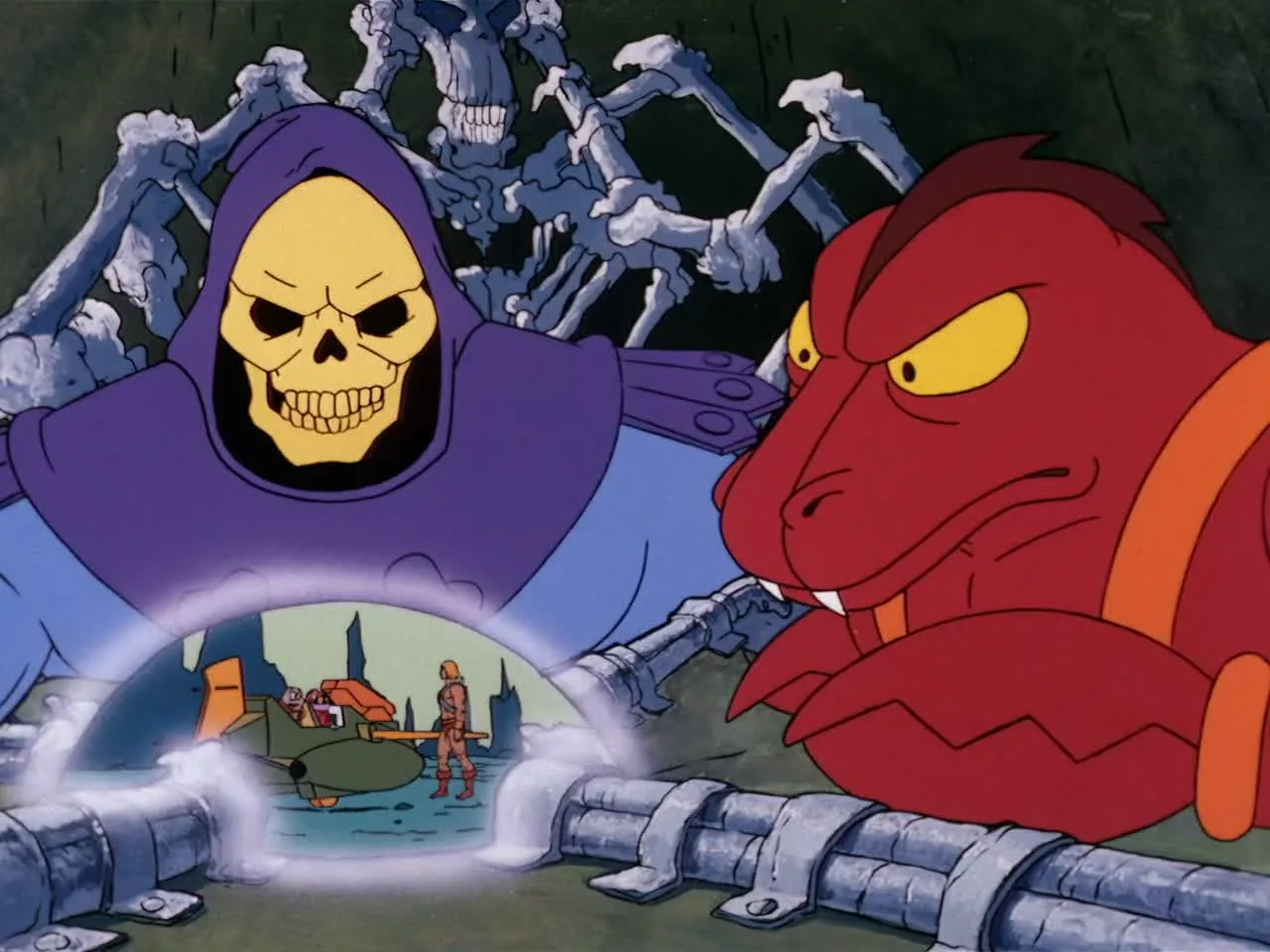
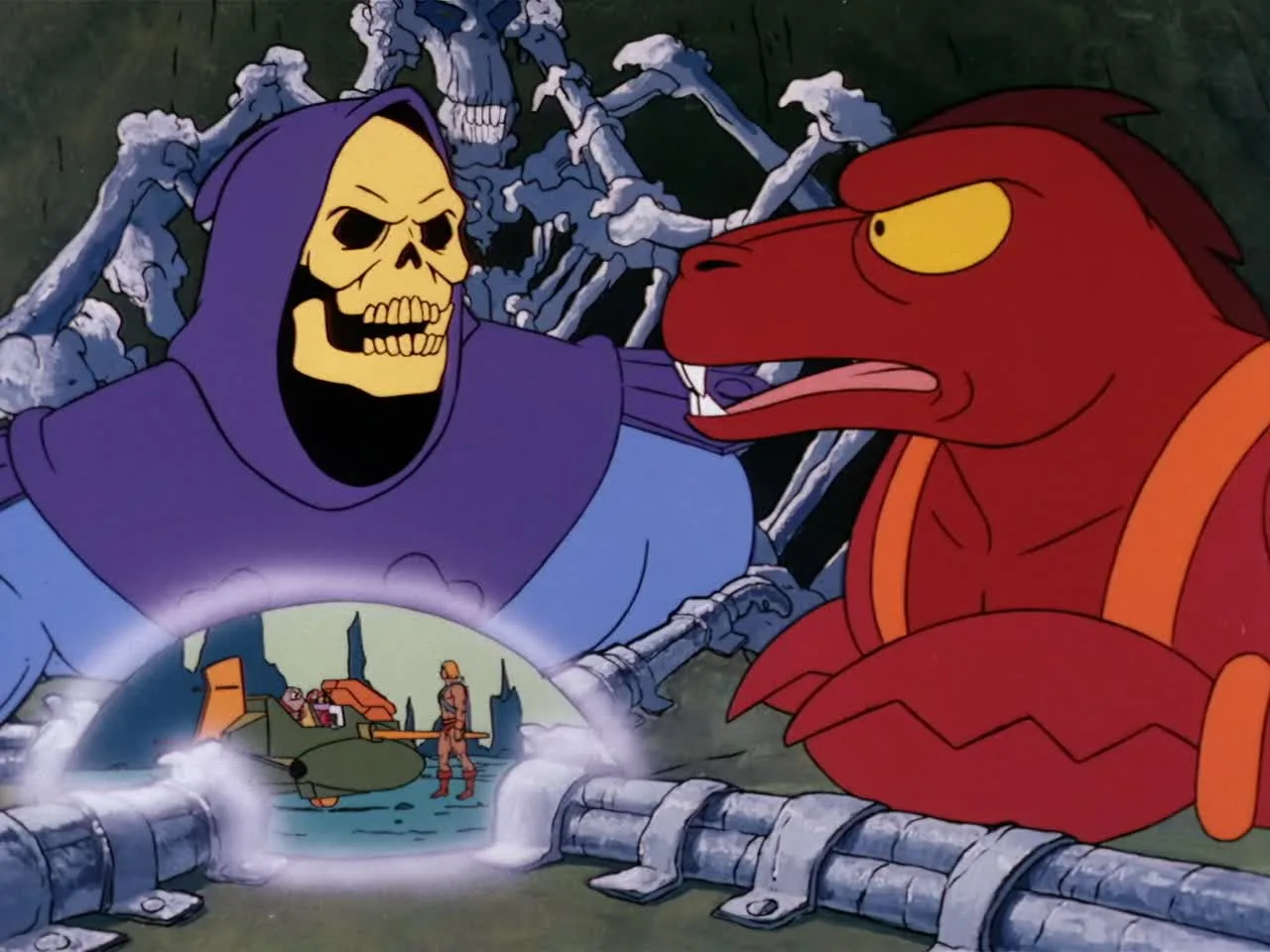
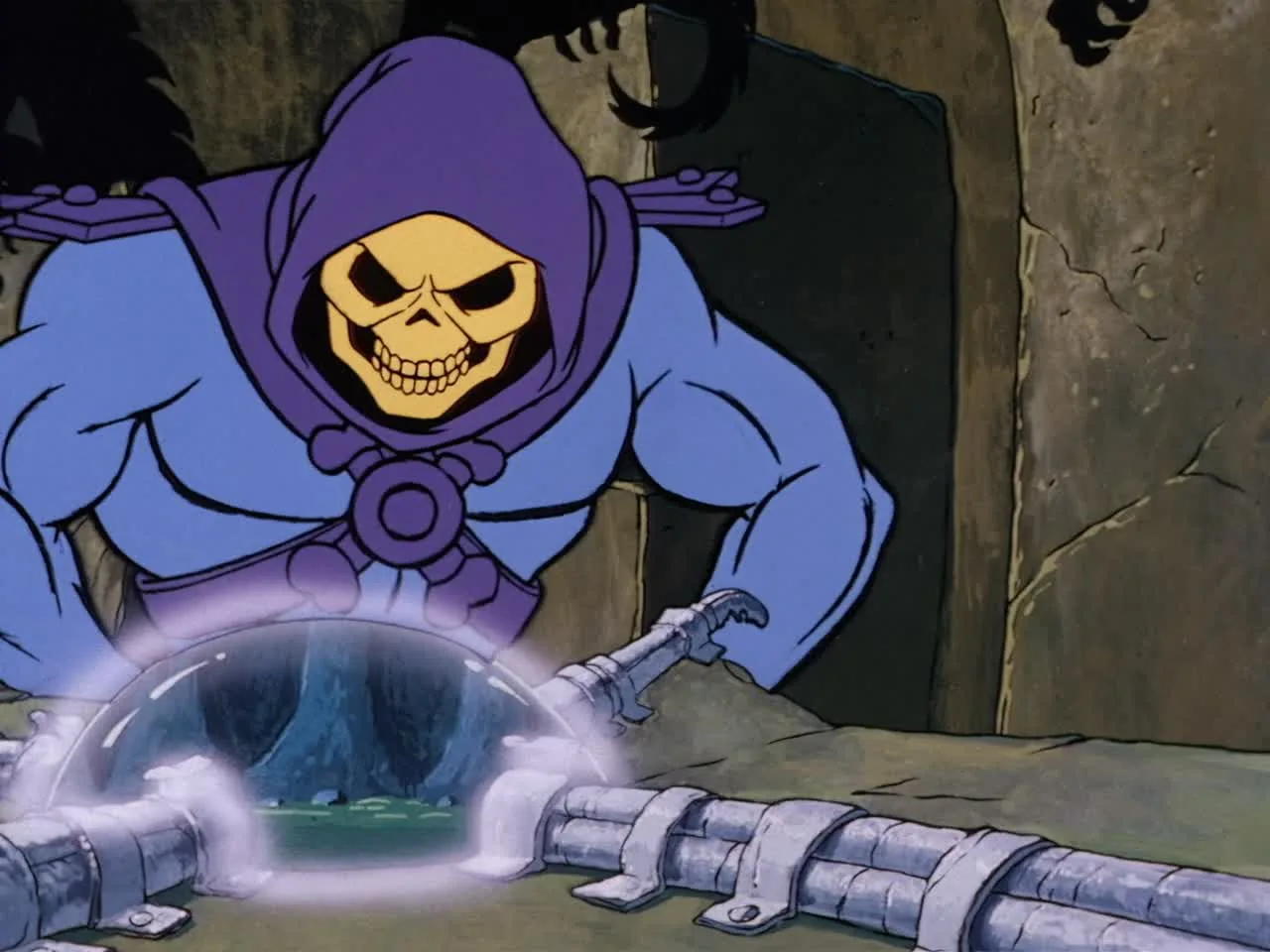
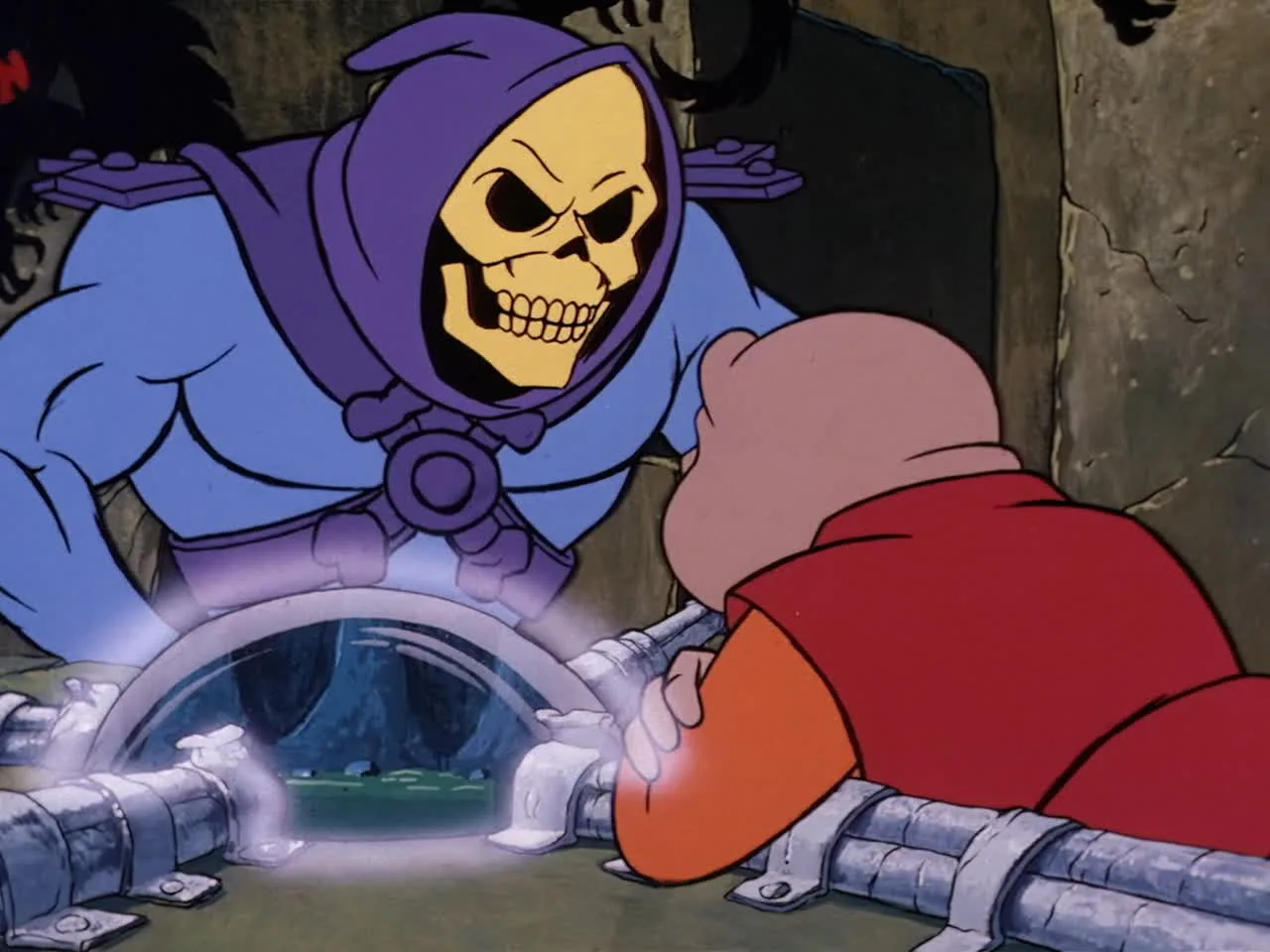
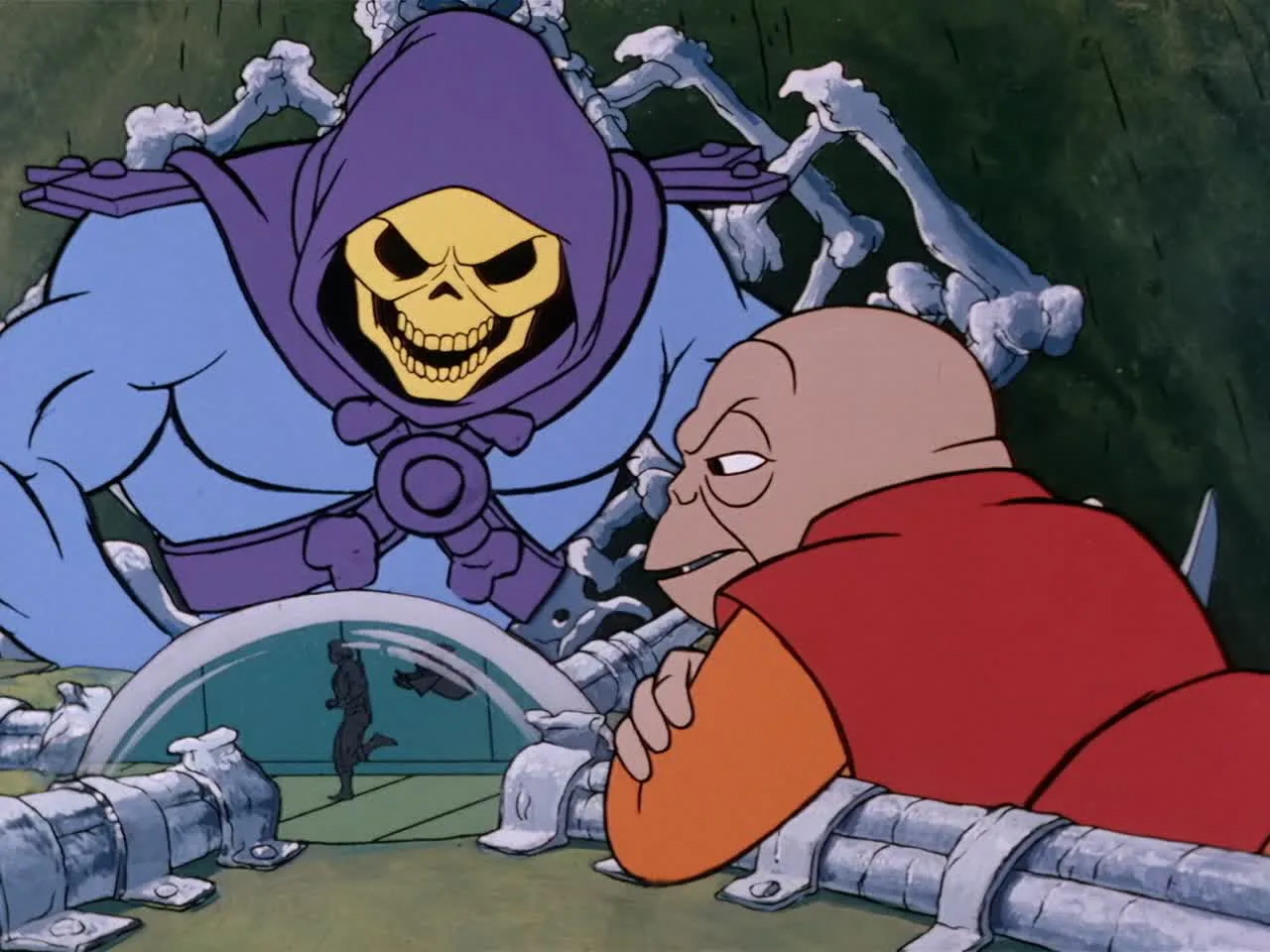
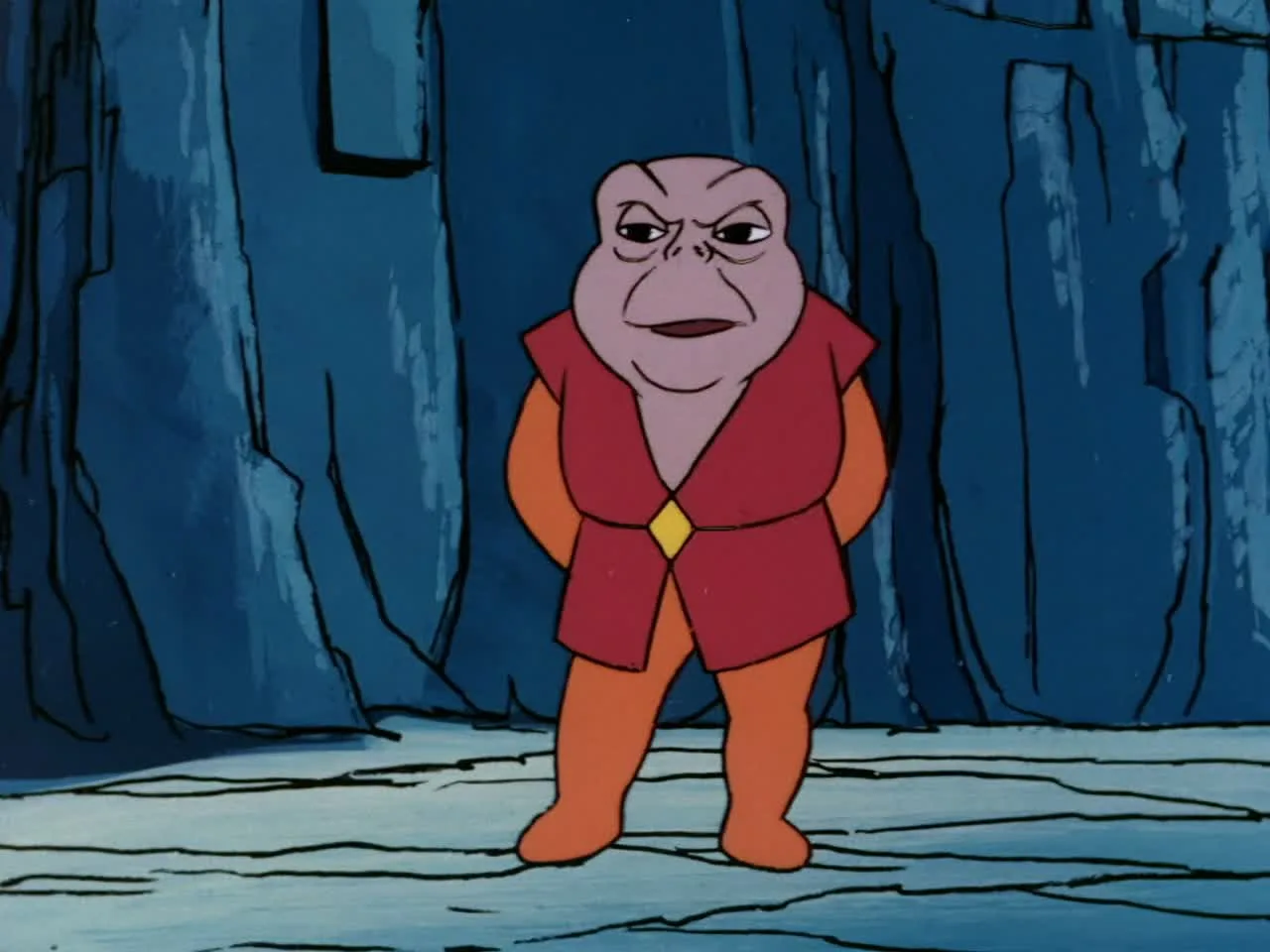
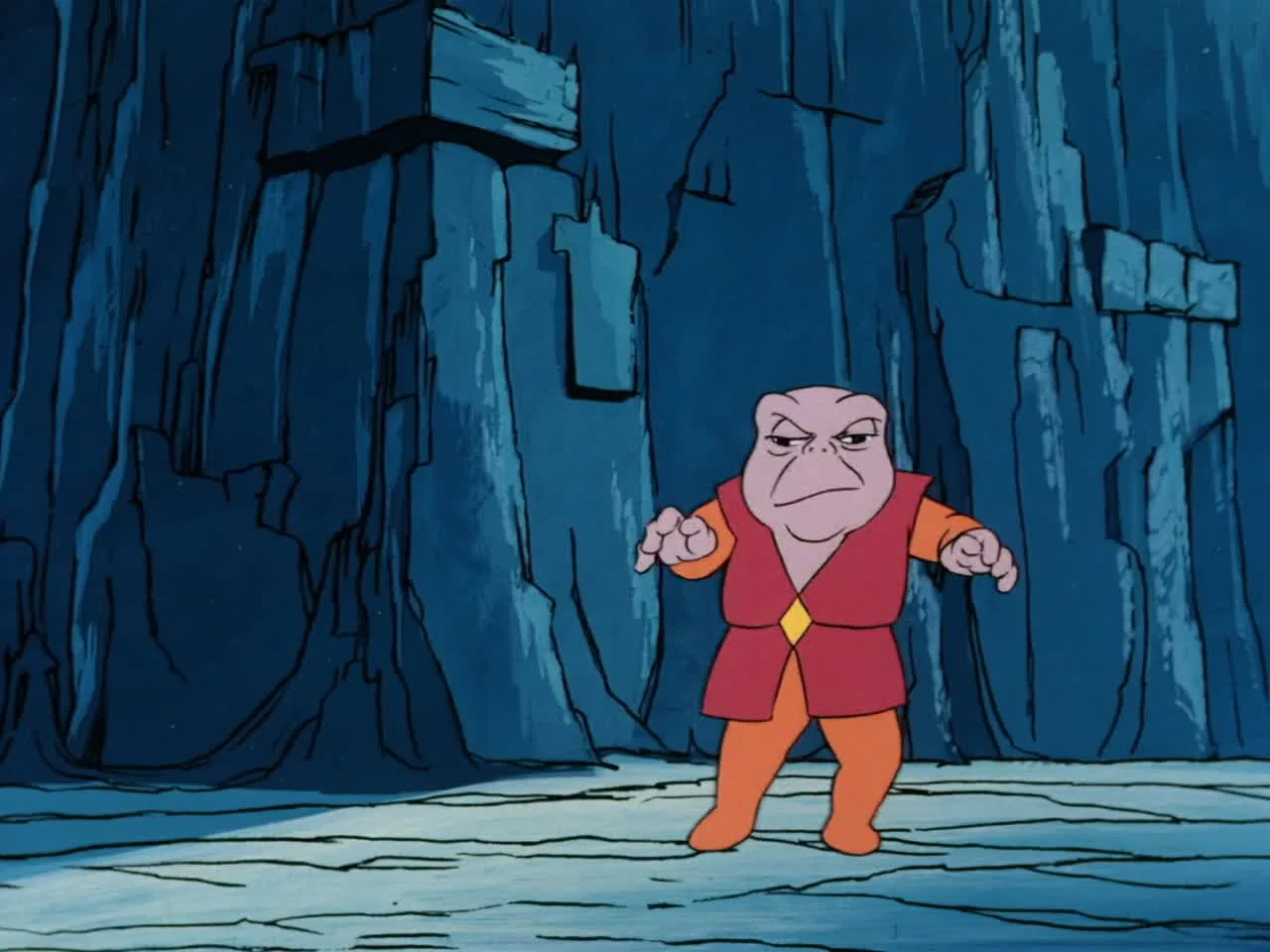
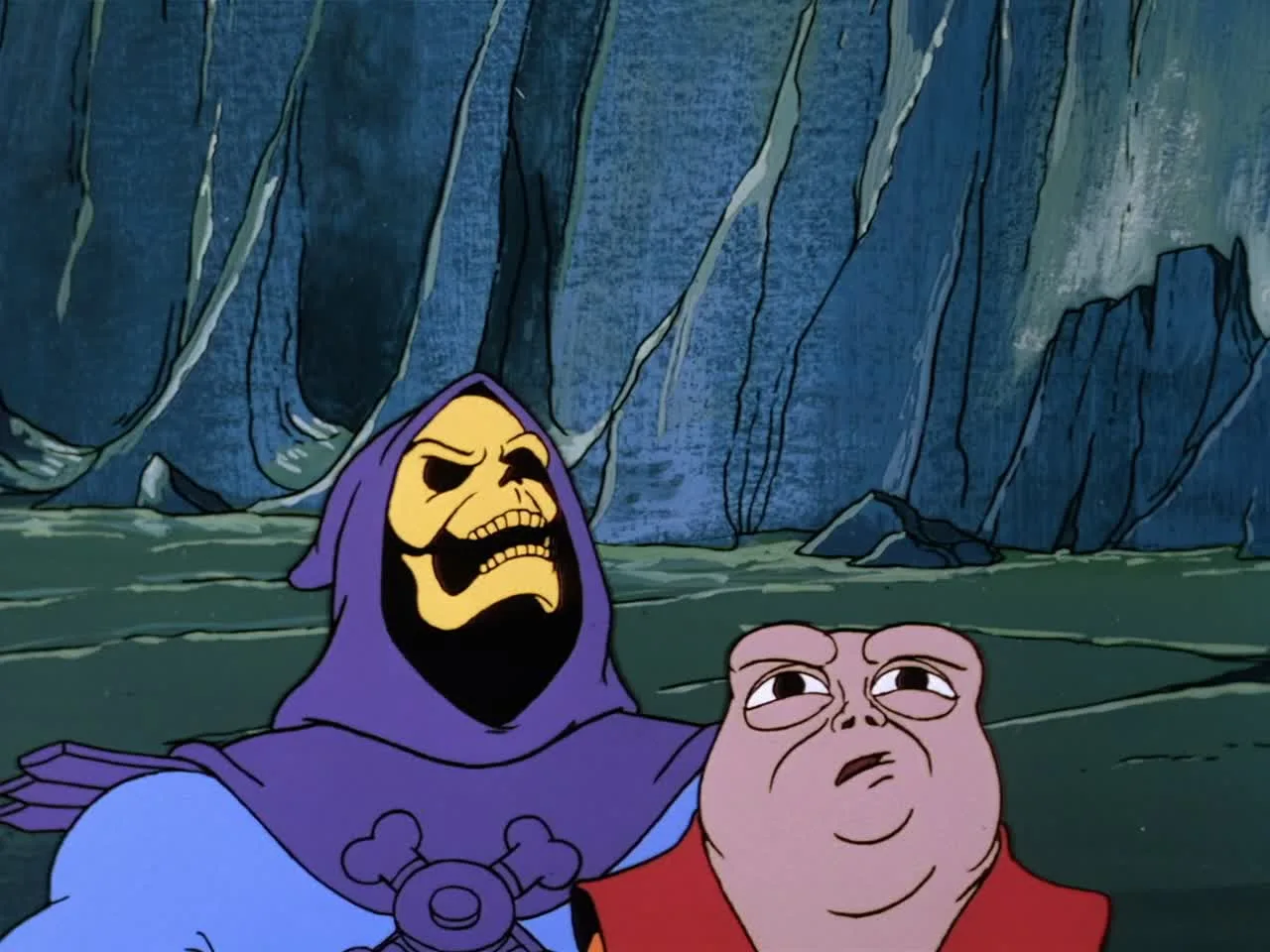
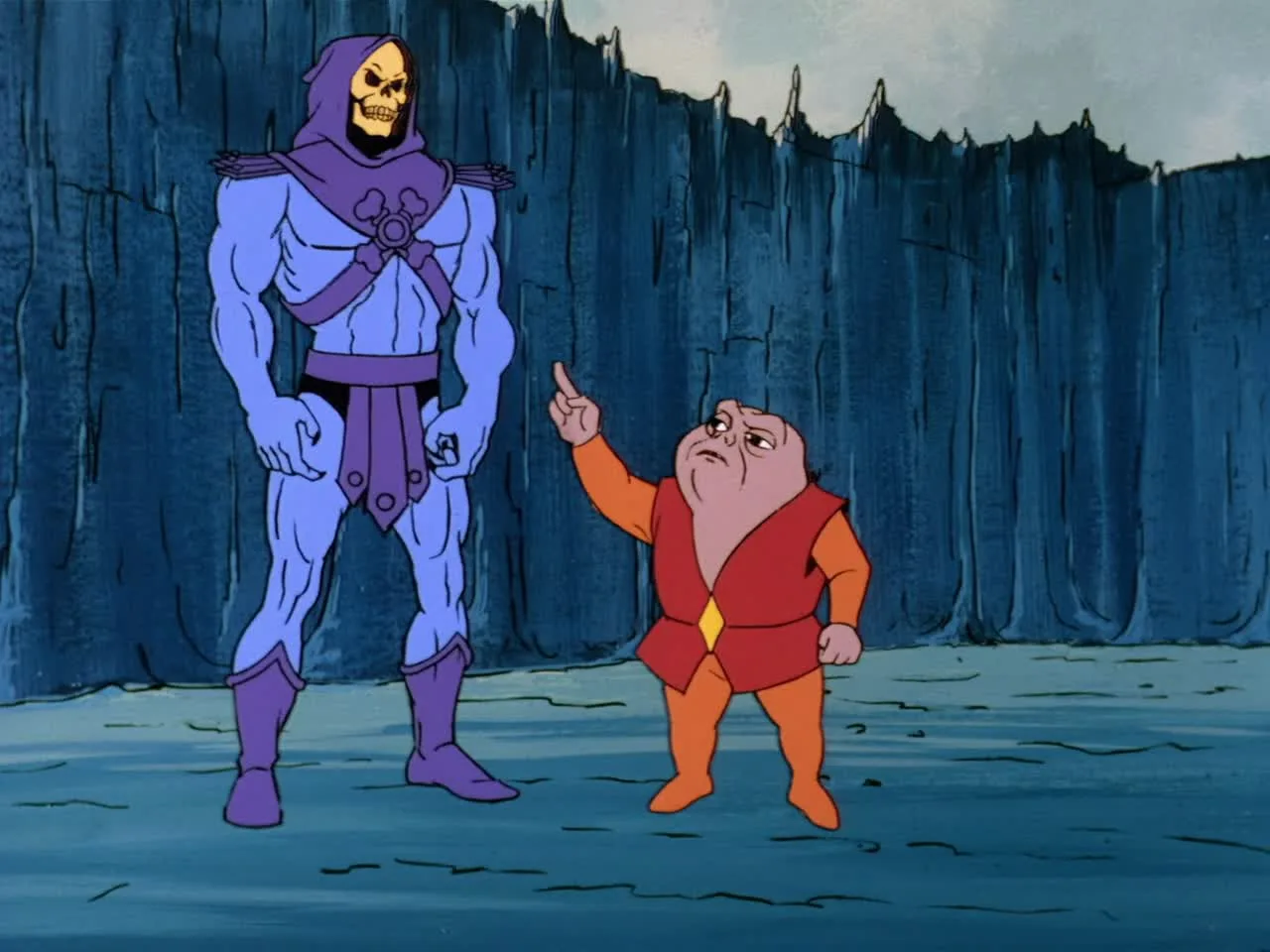
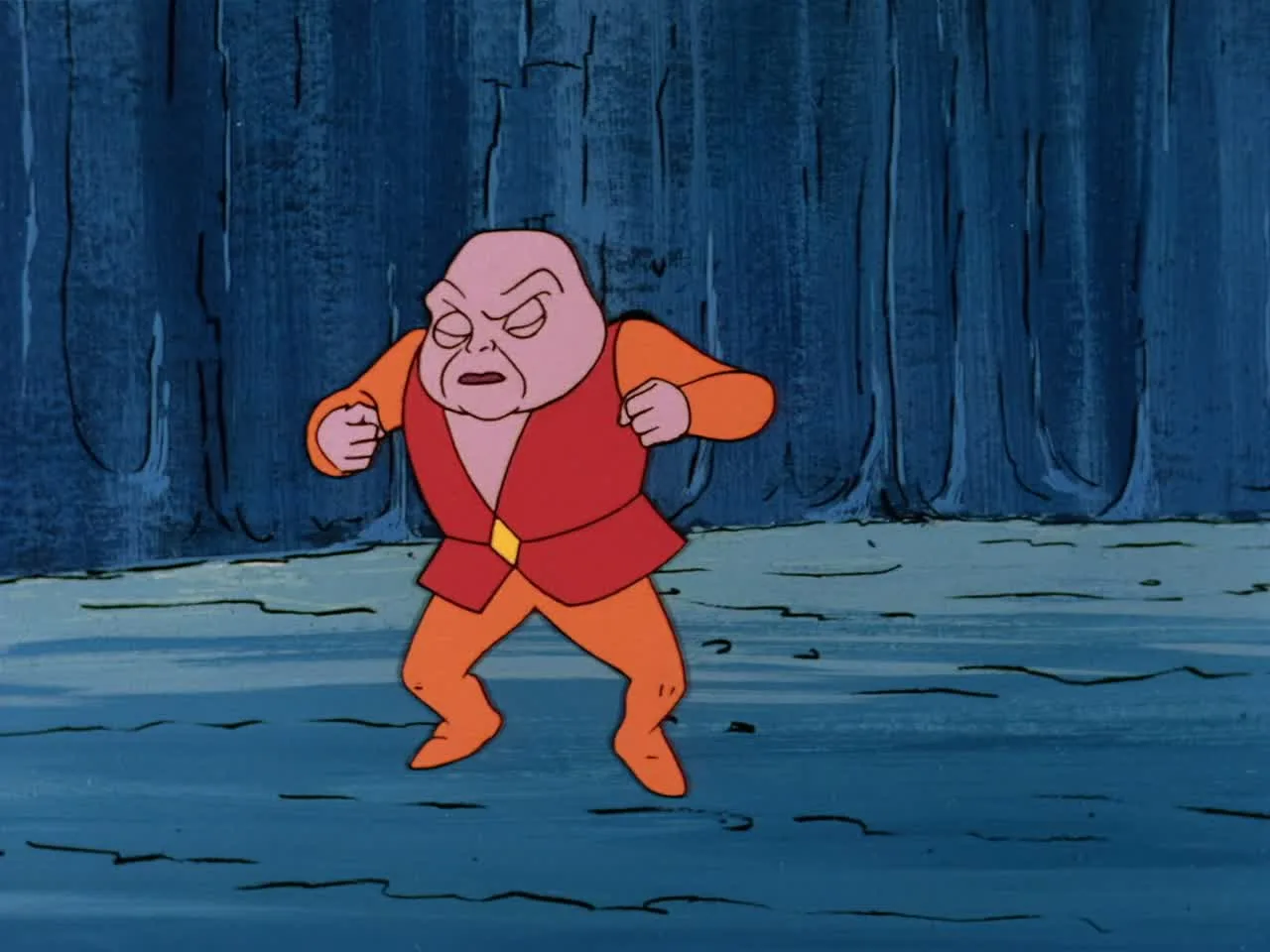
A collector named Monteeg arrives at Snake Mountain with a proposition for Skeletor: let him put He-Man through a series of trials, and if he passes, Monteeg will take him away to his Castle of Heroes forever. Skeletor, delighted at the thought of losing his greatest enemy for good, agrees, posting Clawful at his side to watch the contest unfold on his magic viewer.
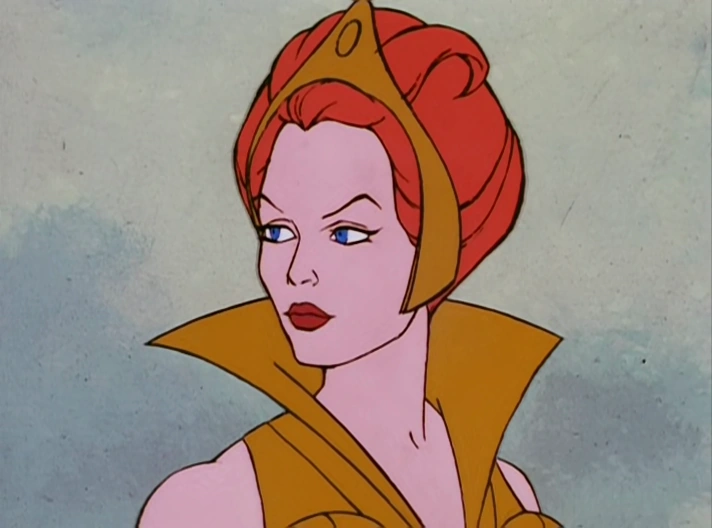
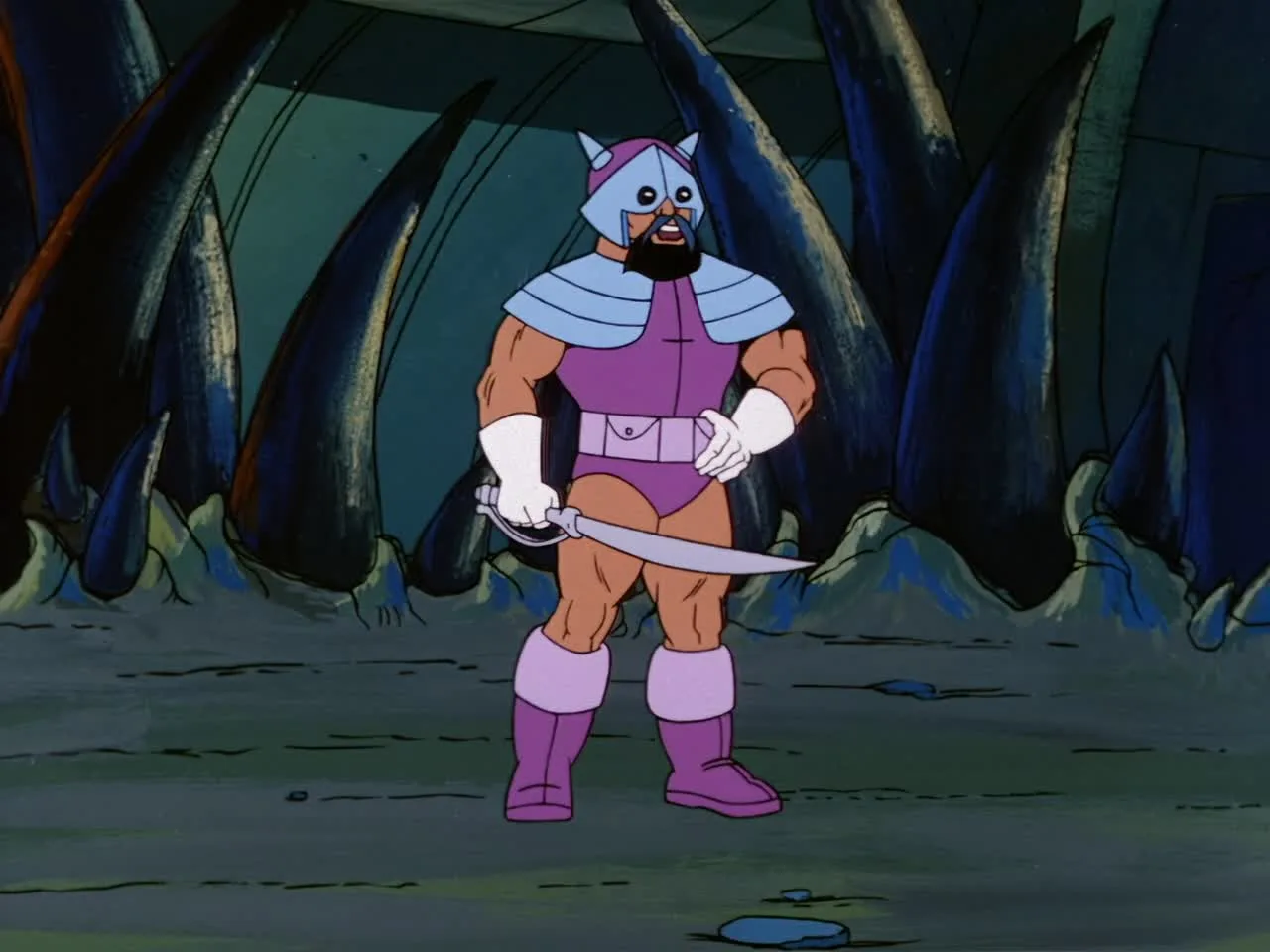
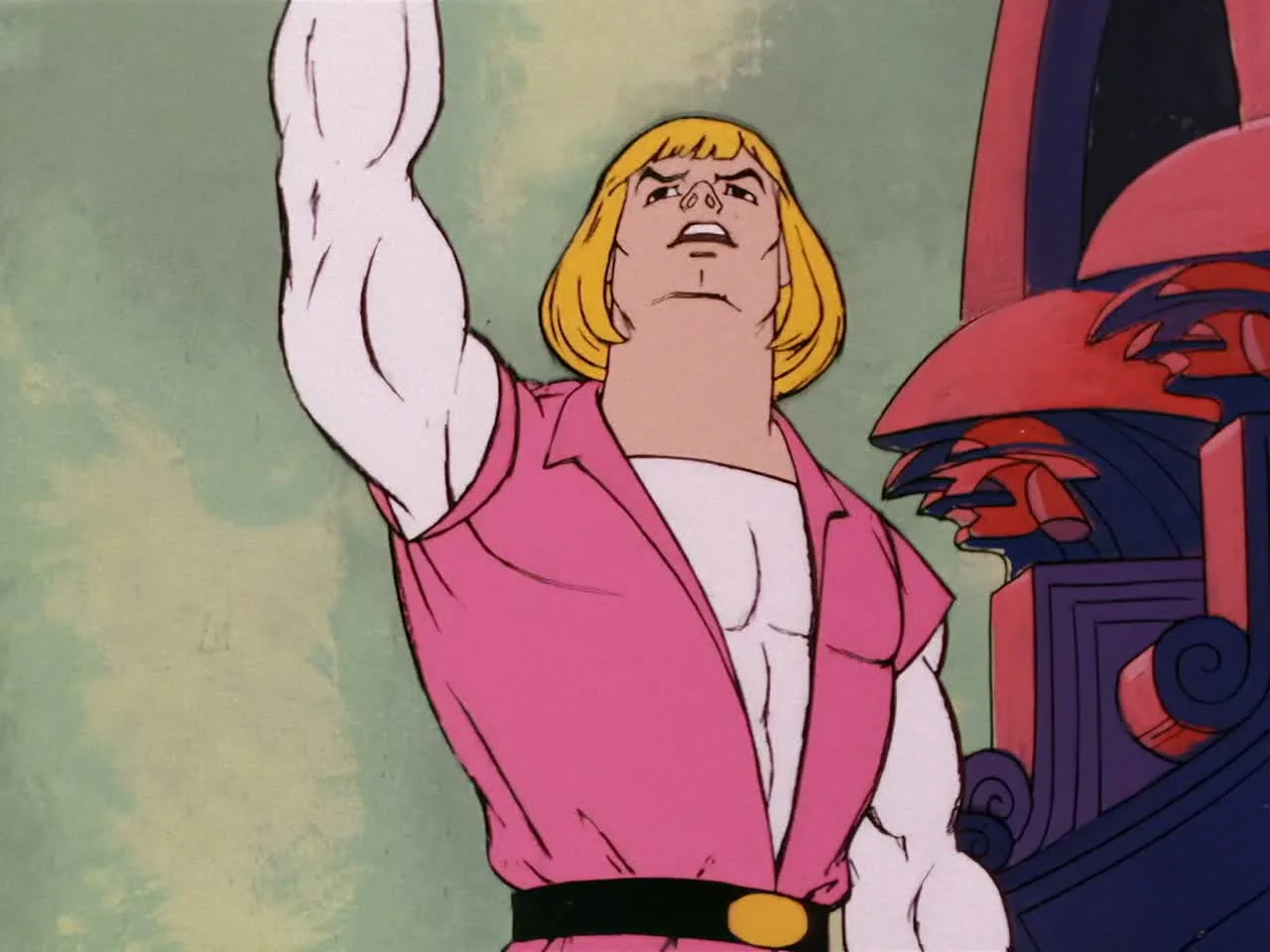
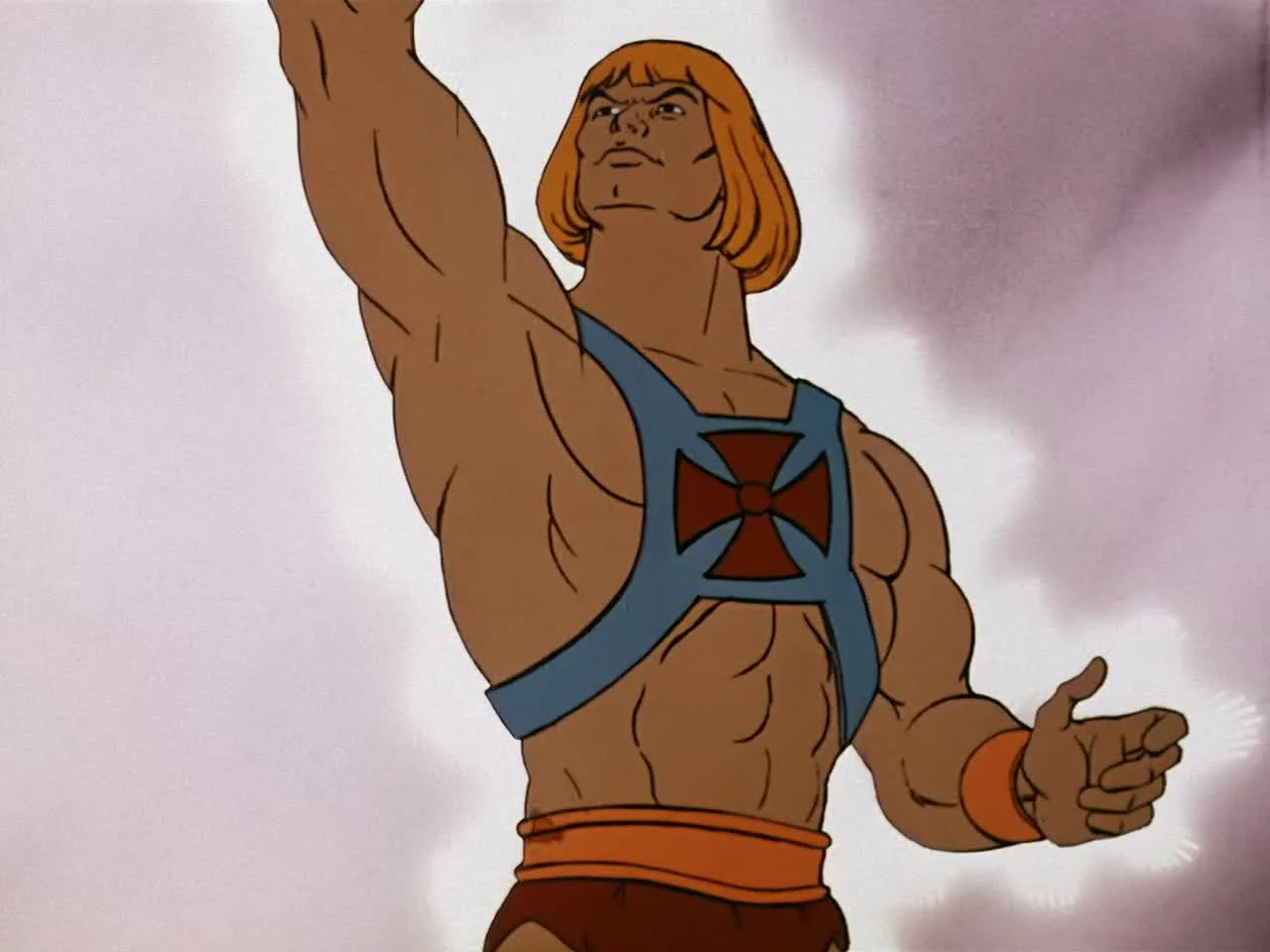
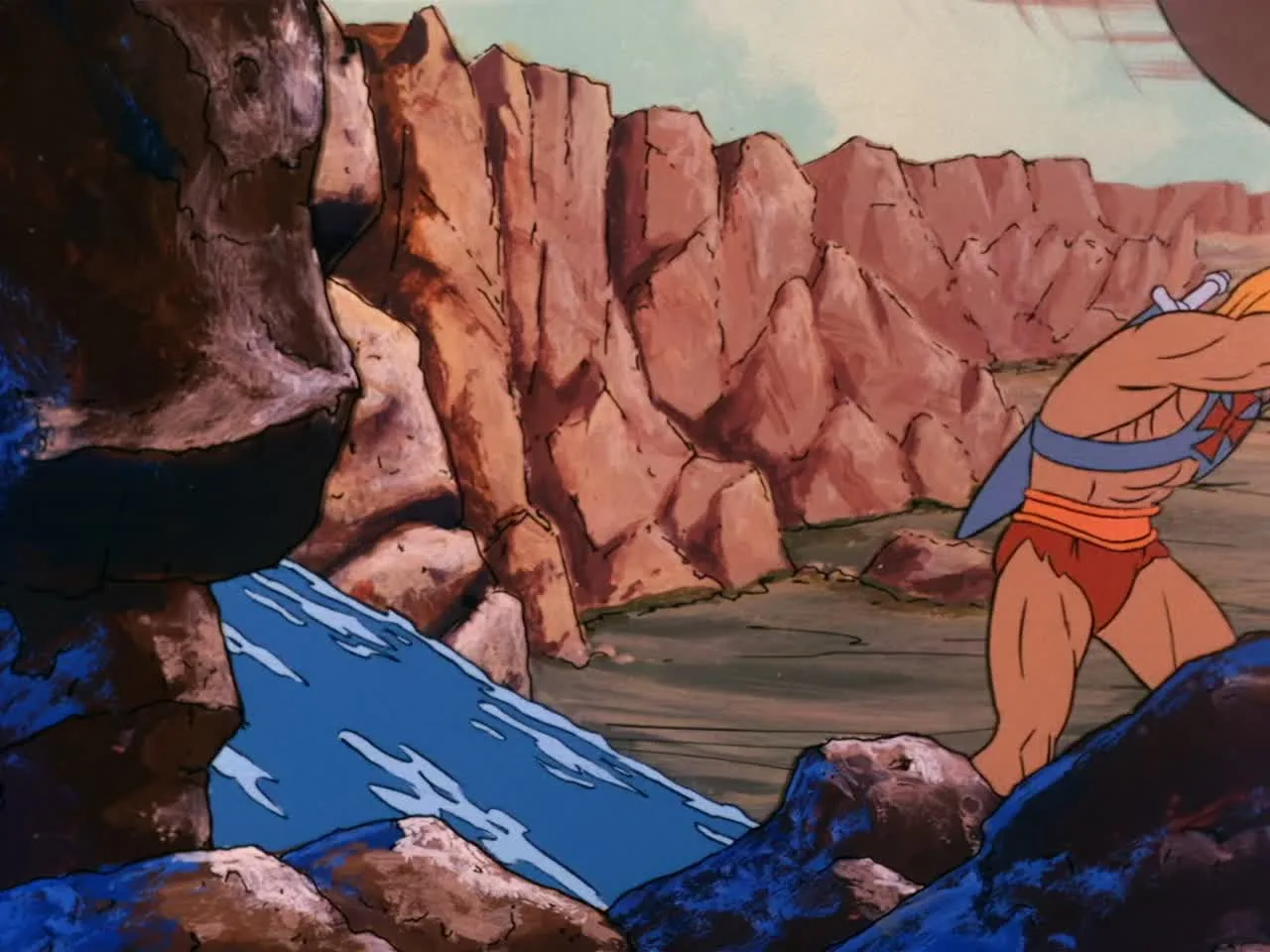
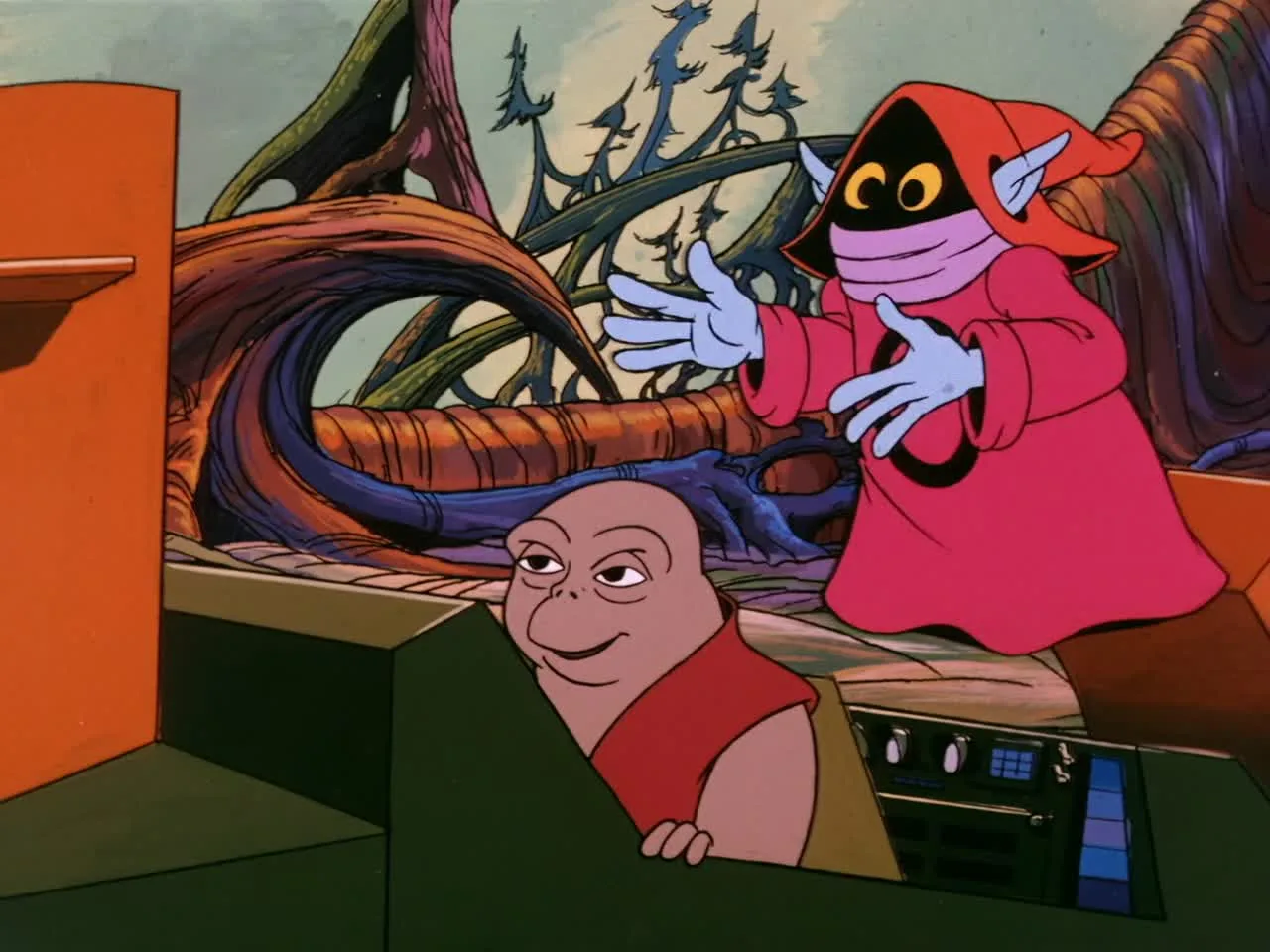
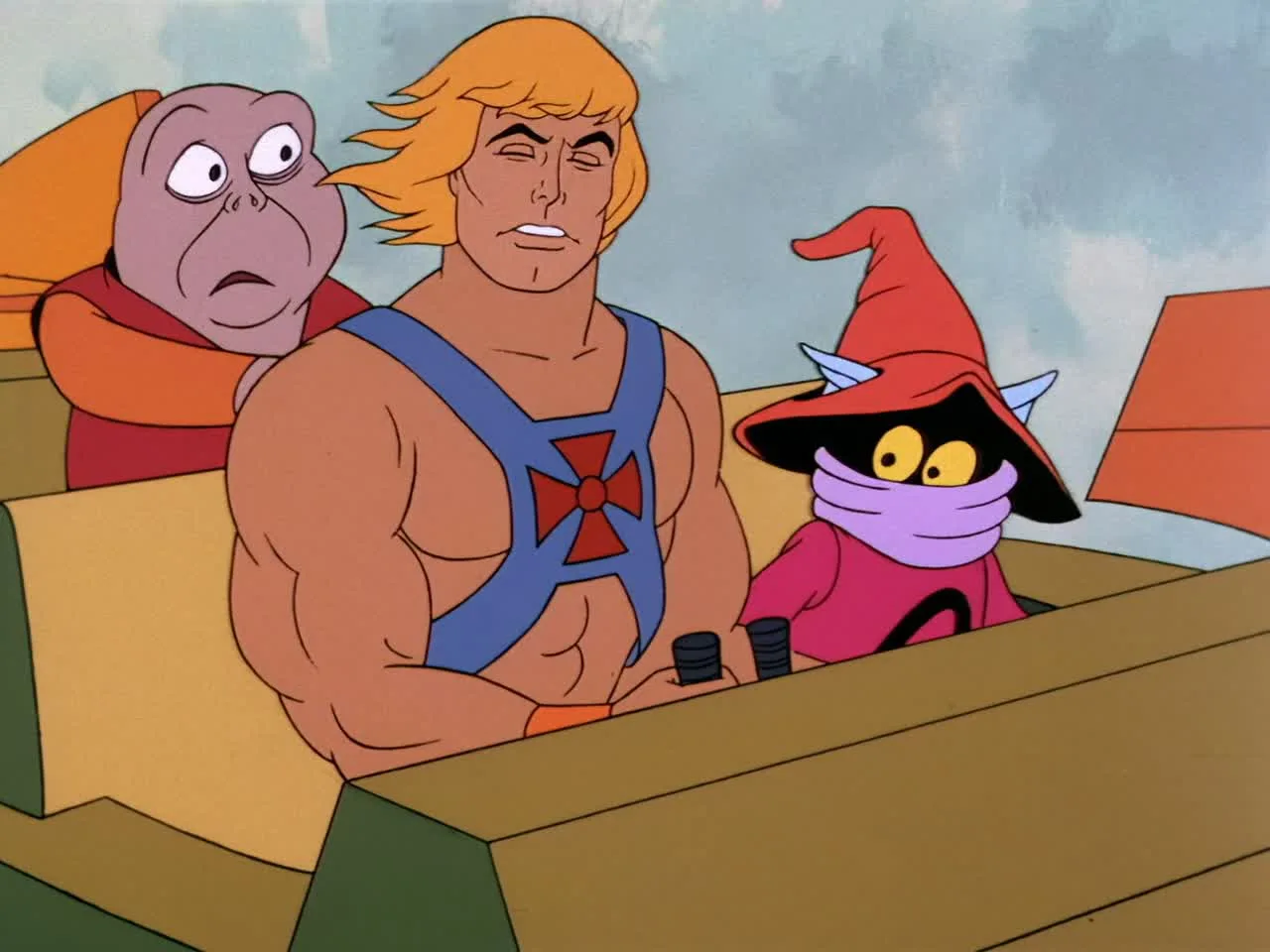
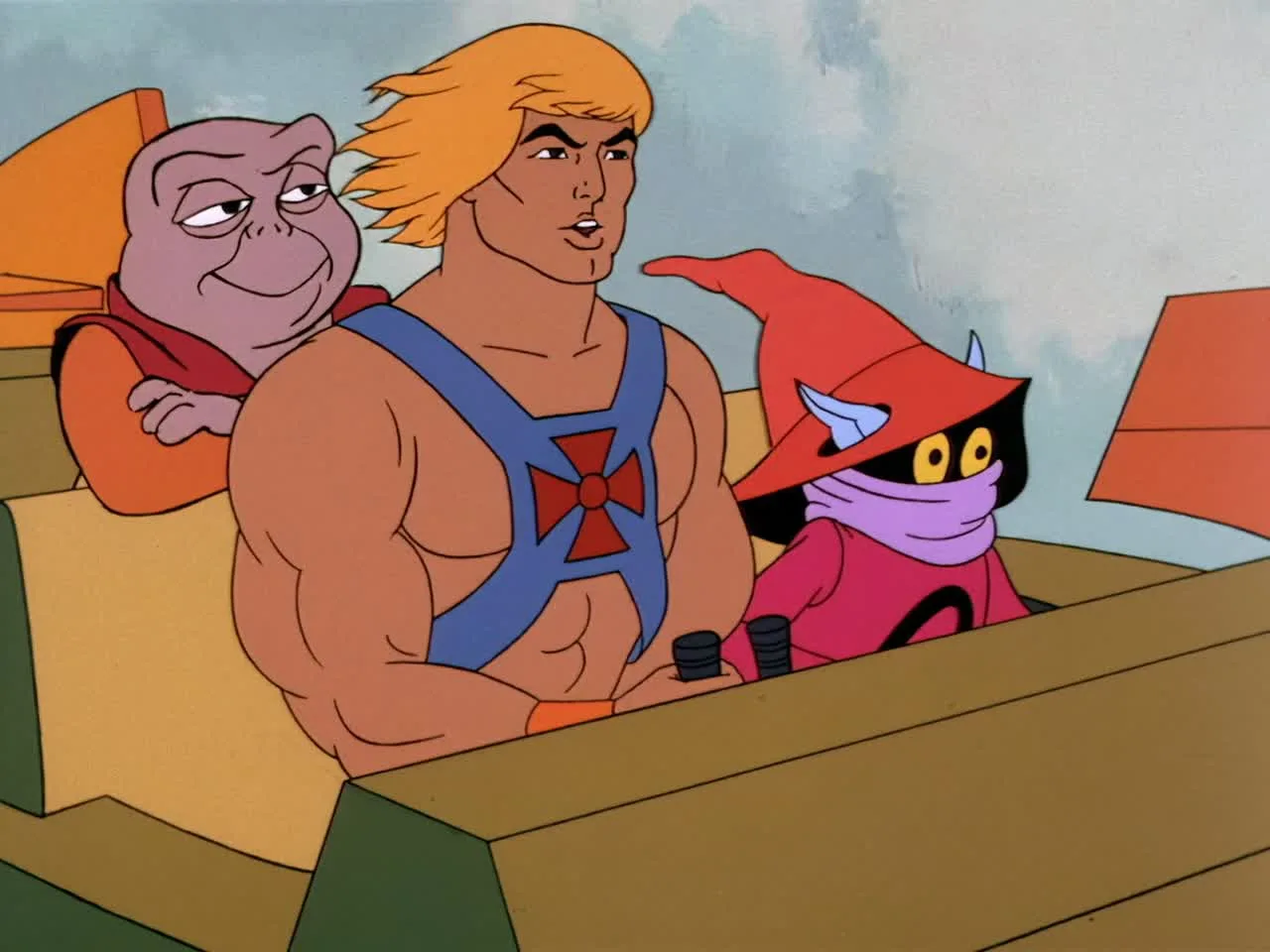
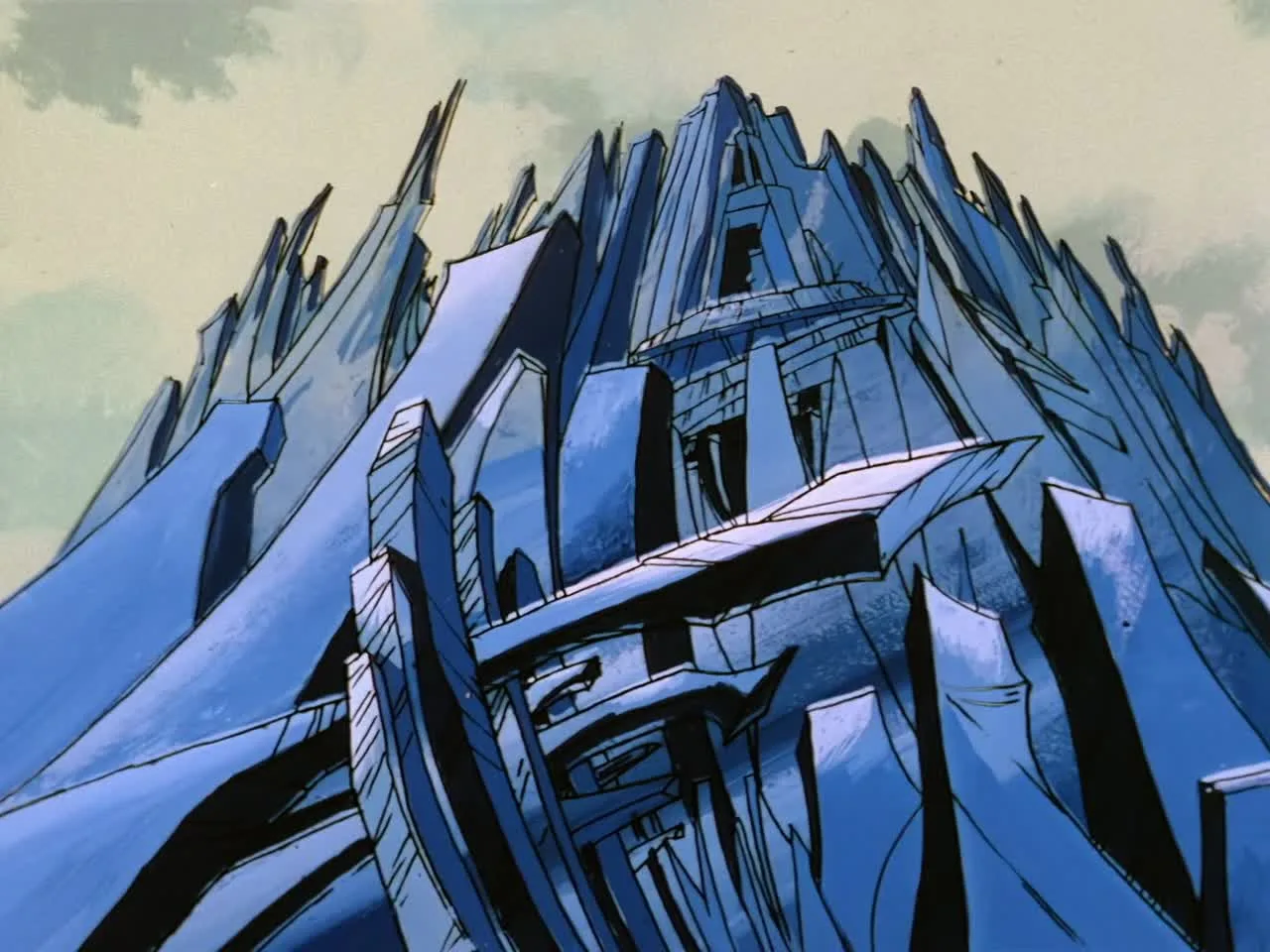
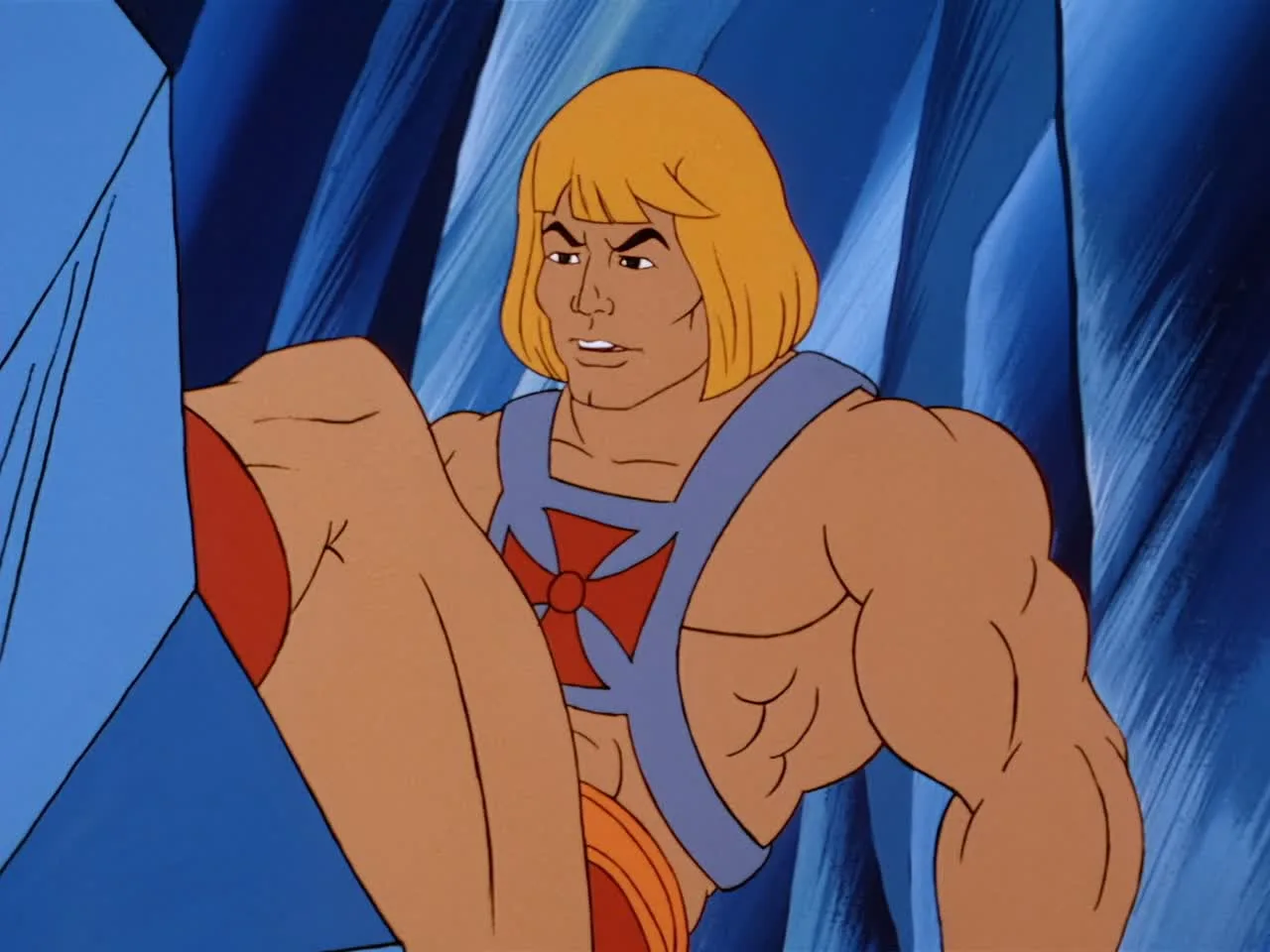
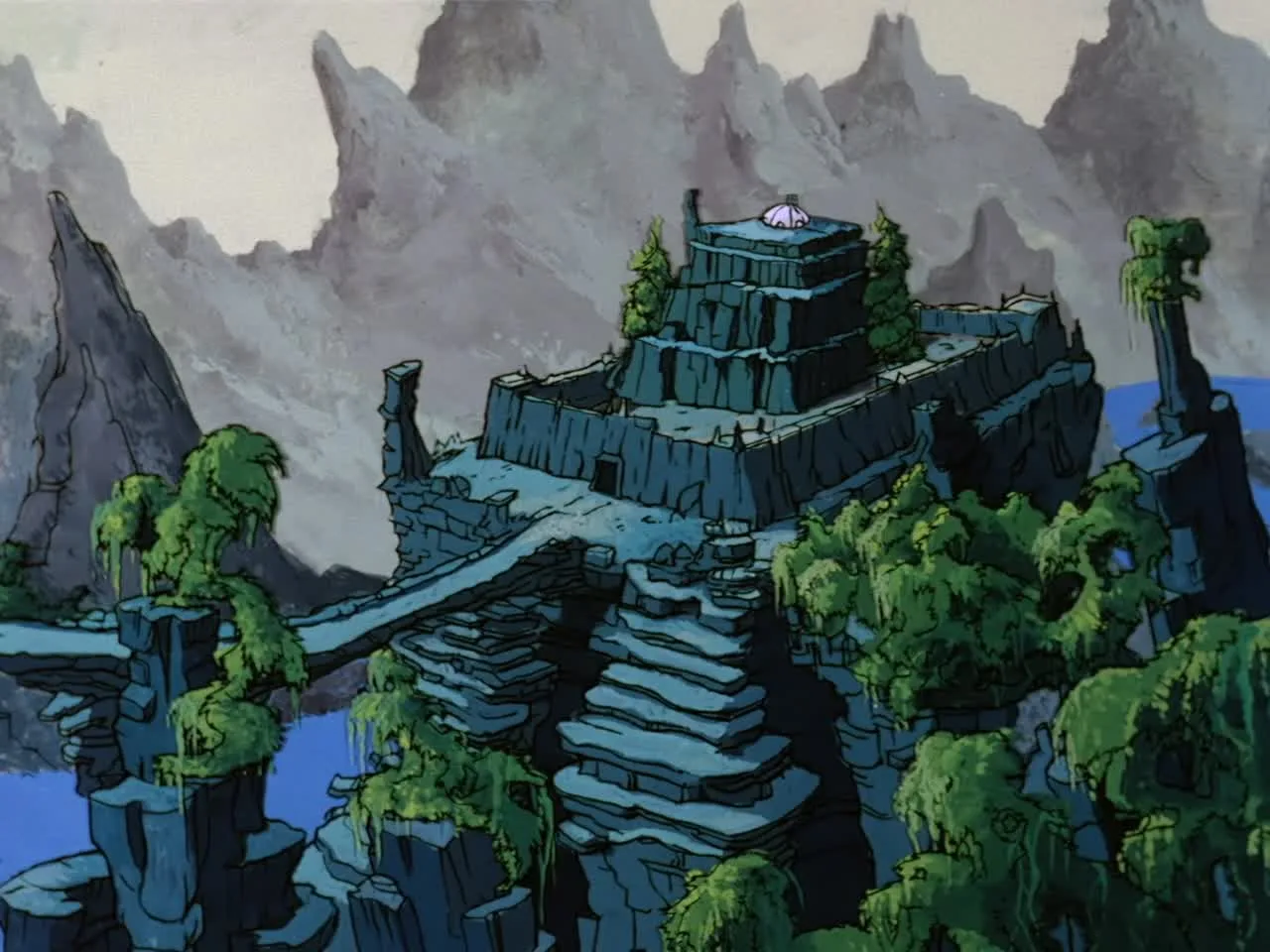
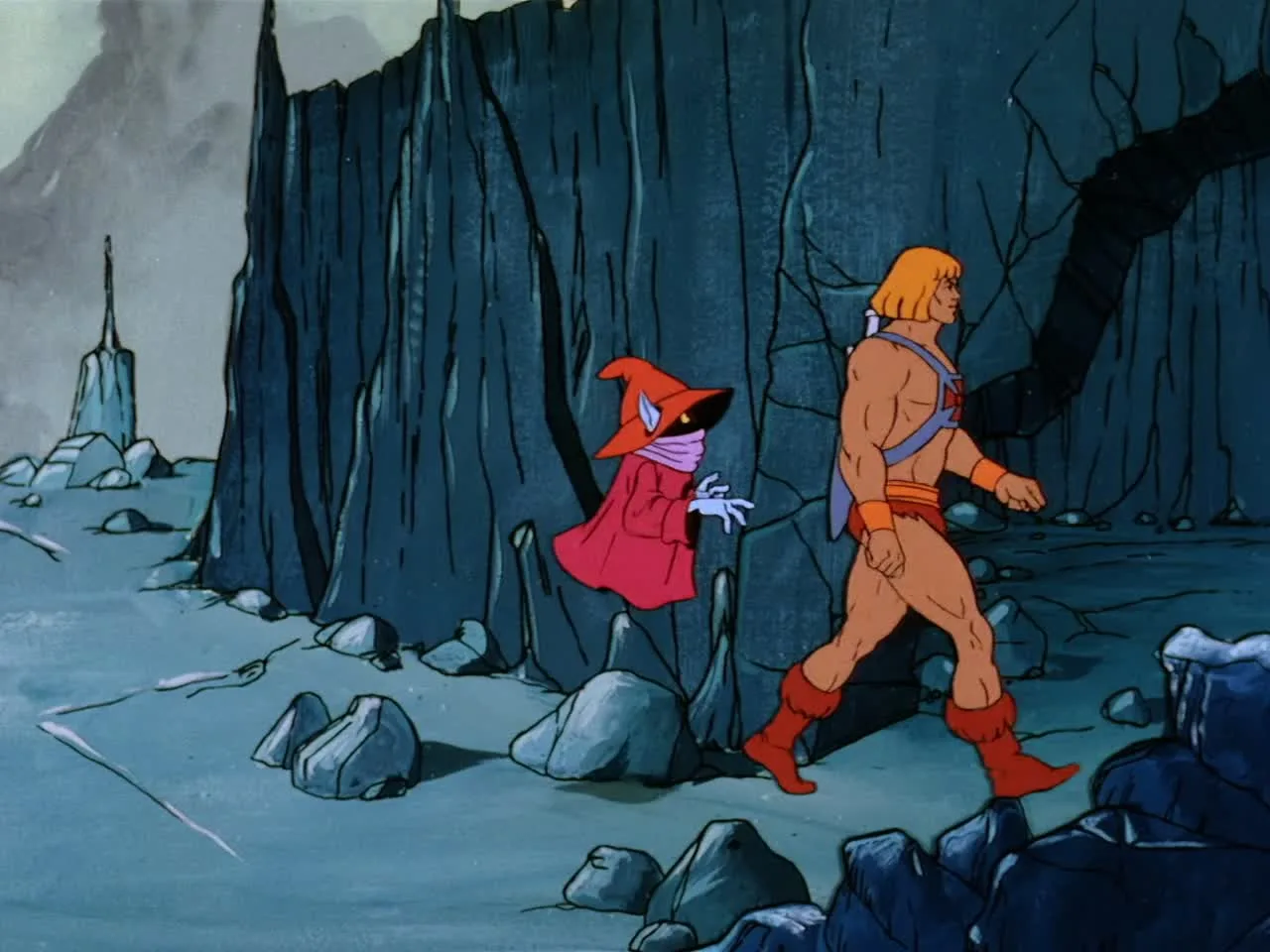
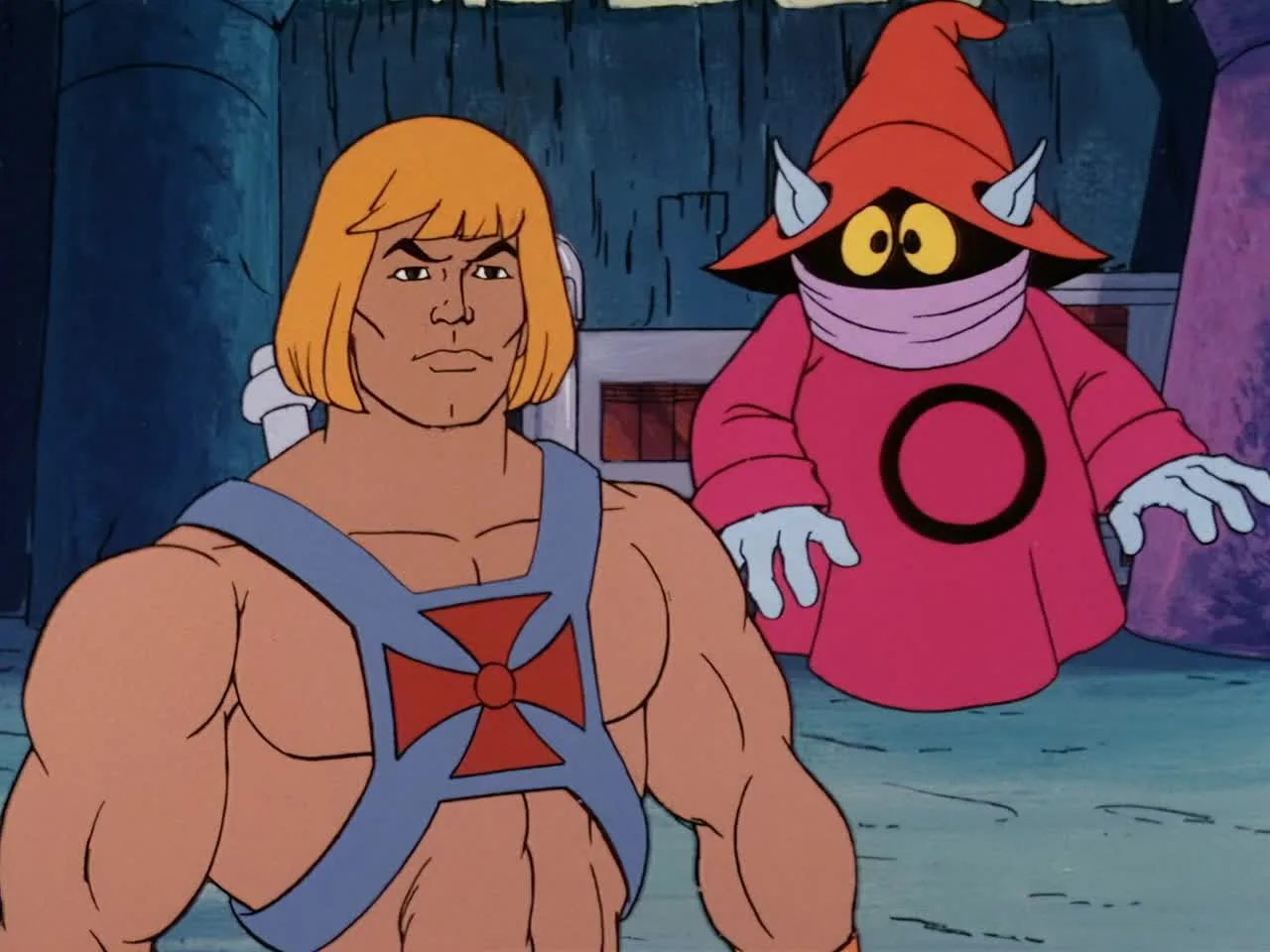
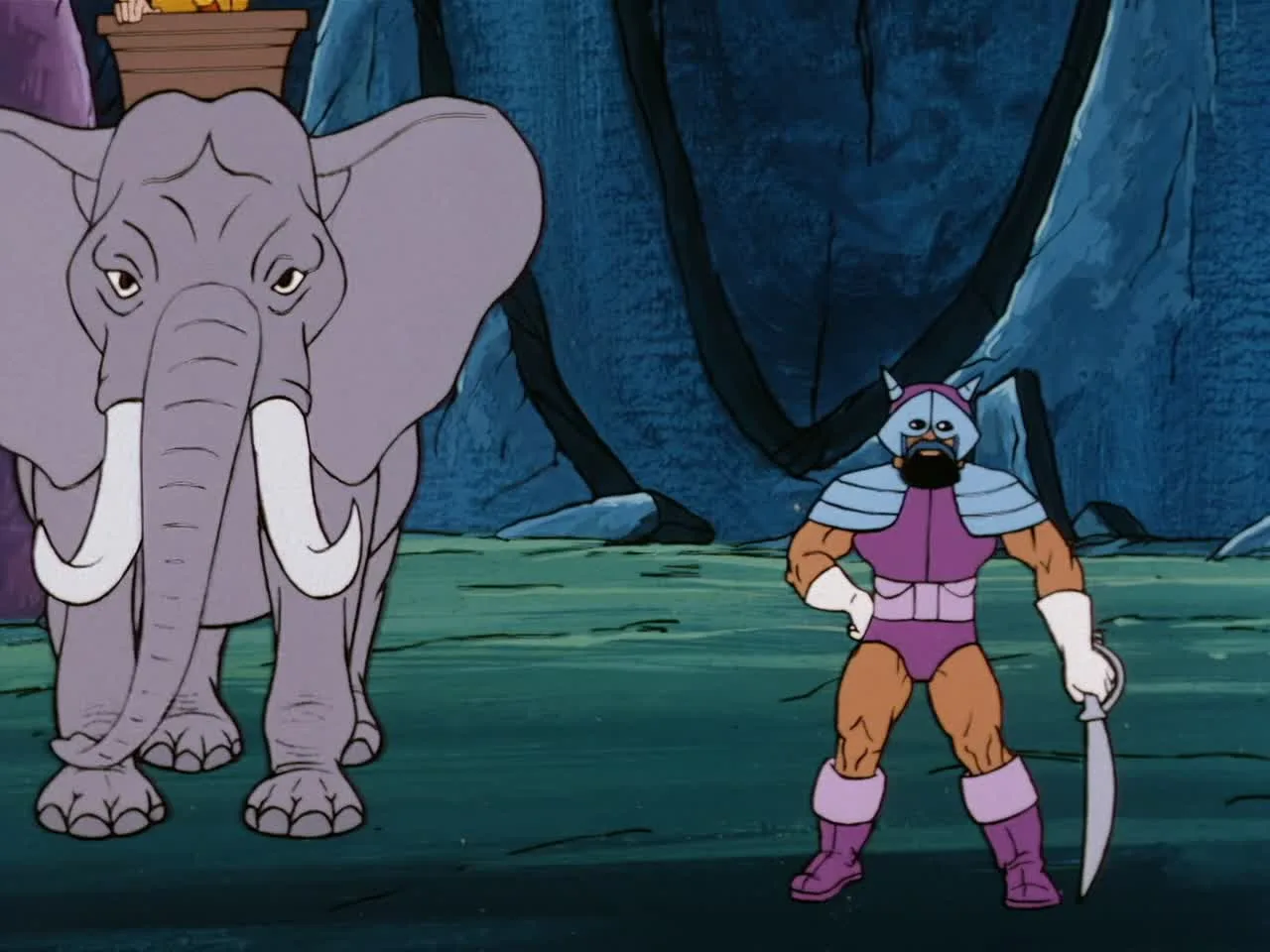
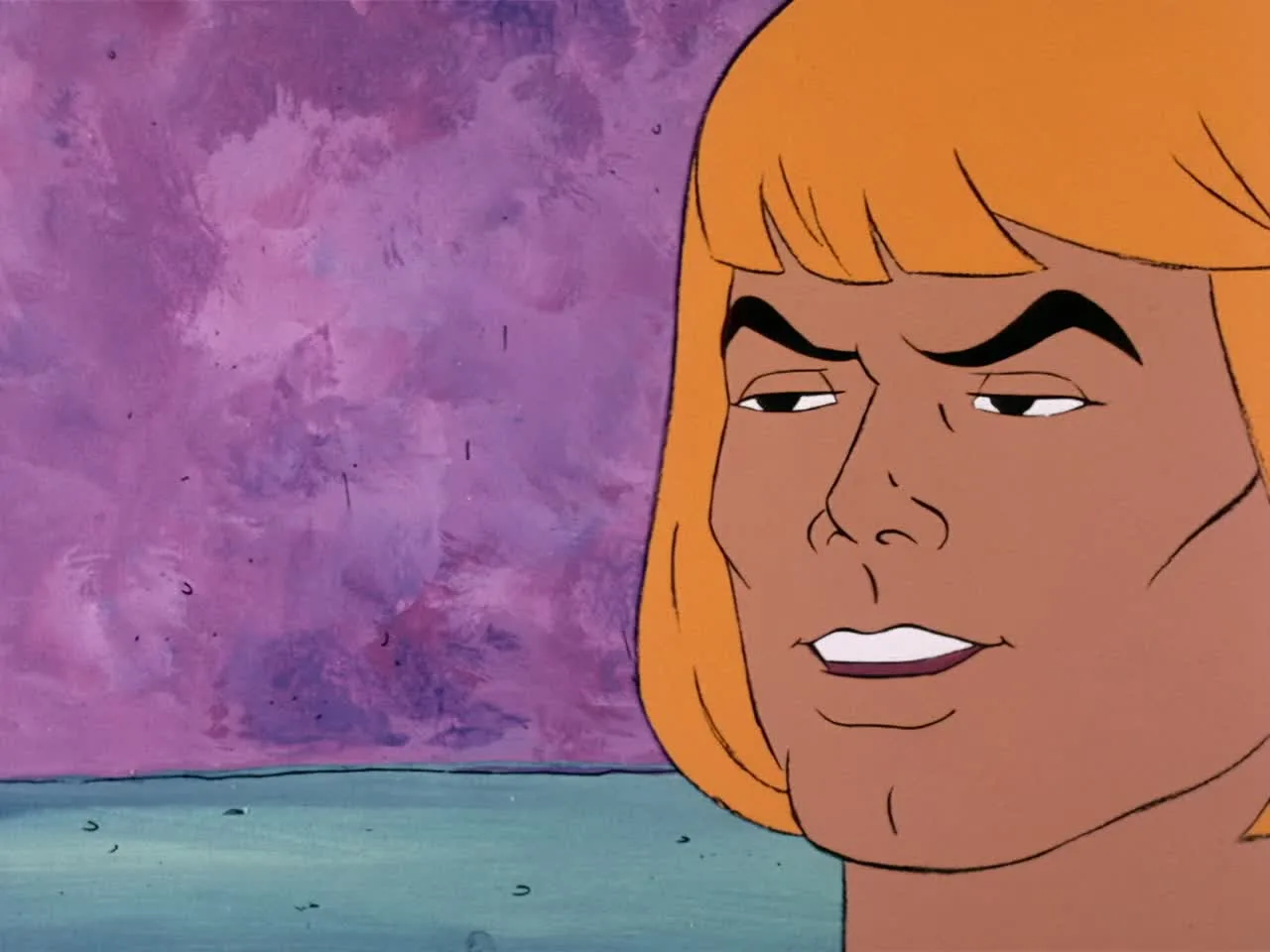
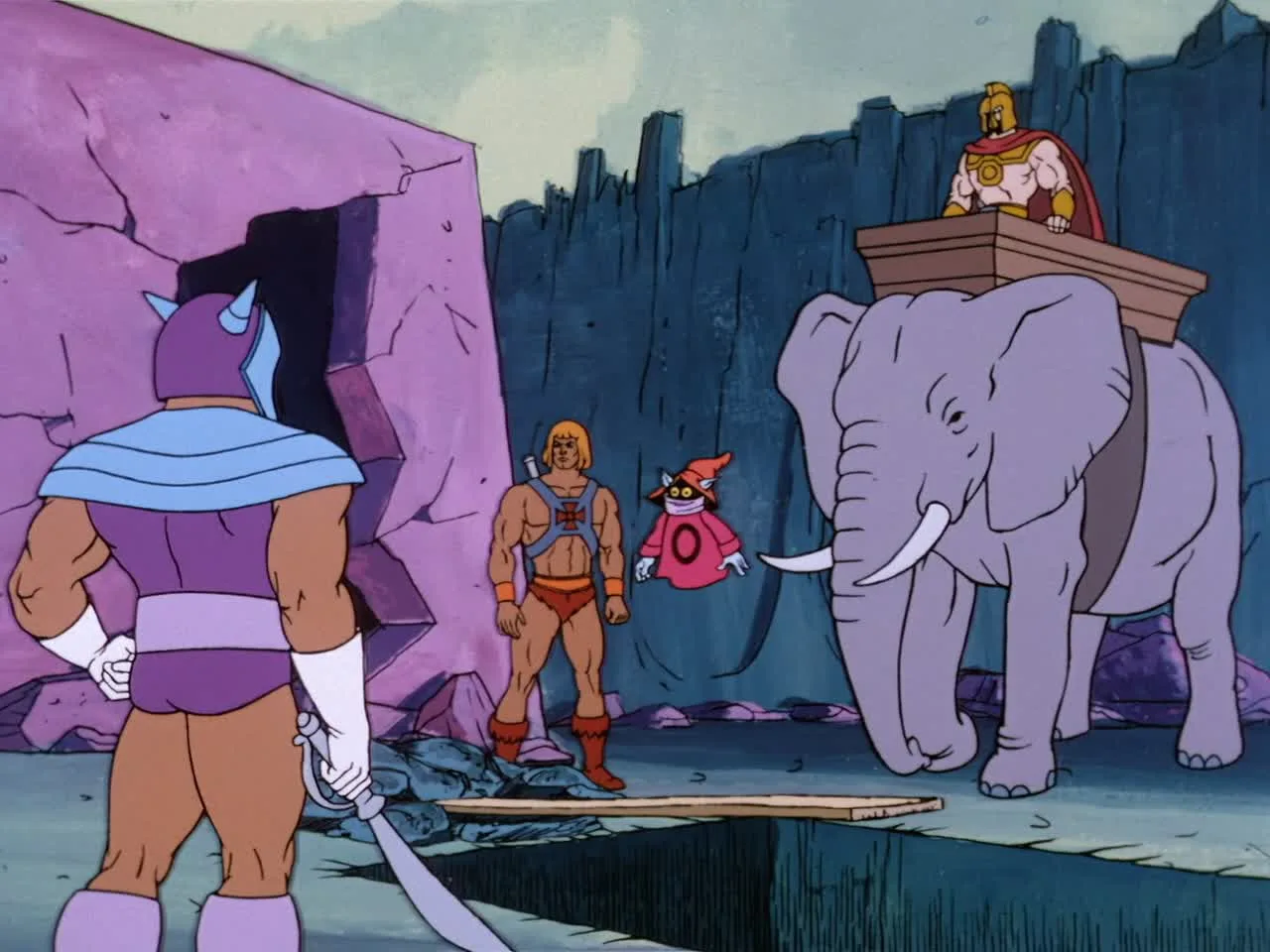
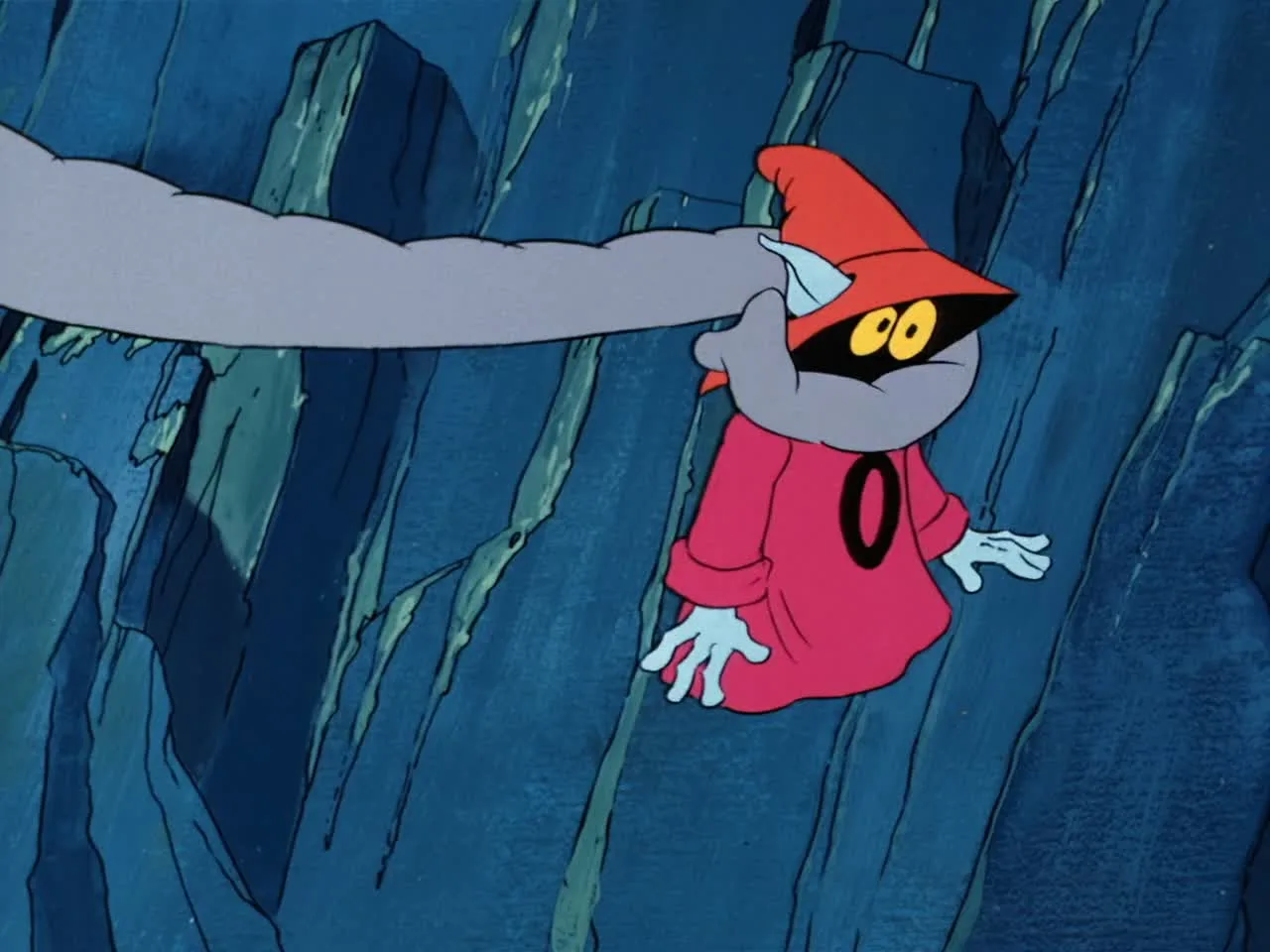
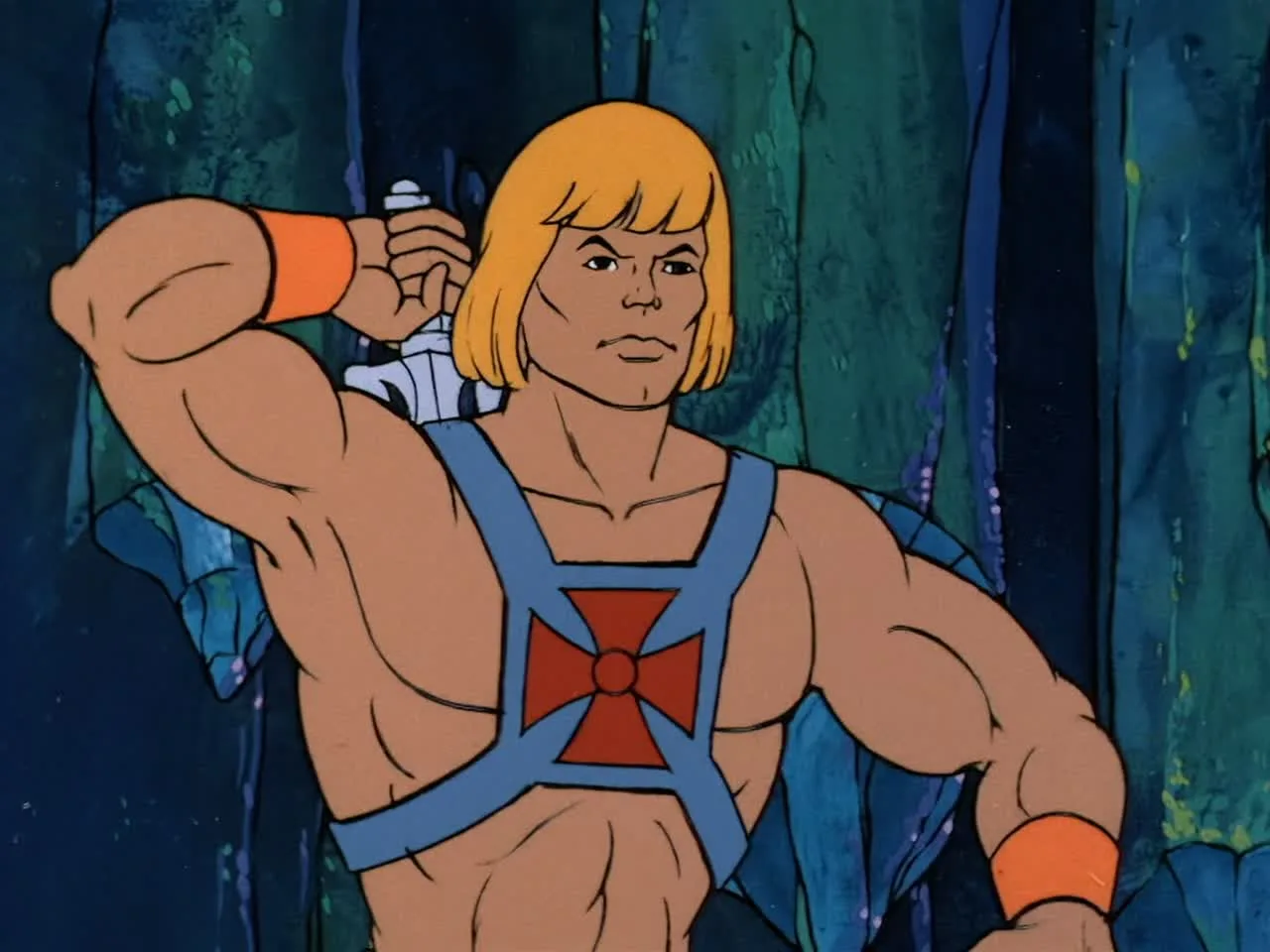
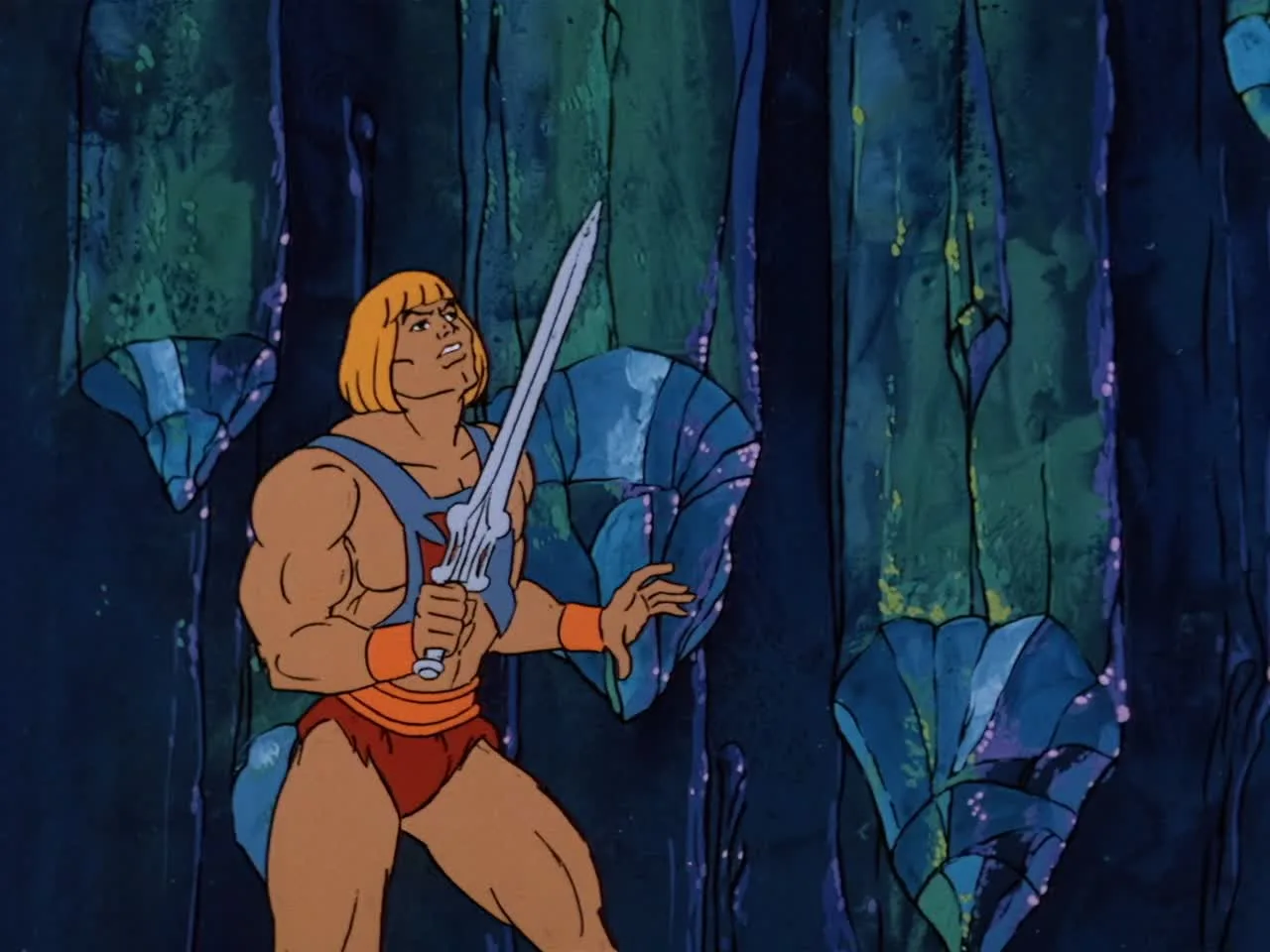
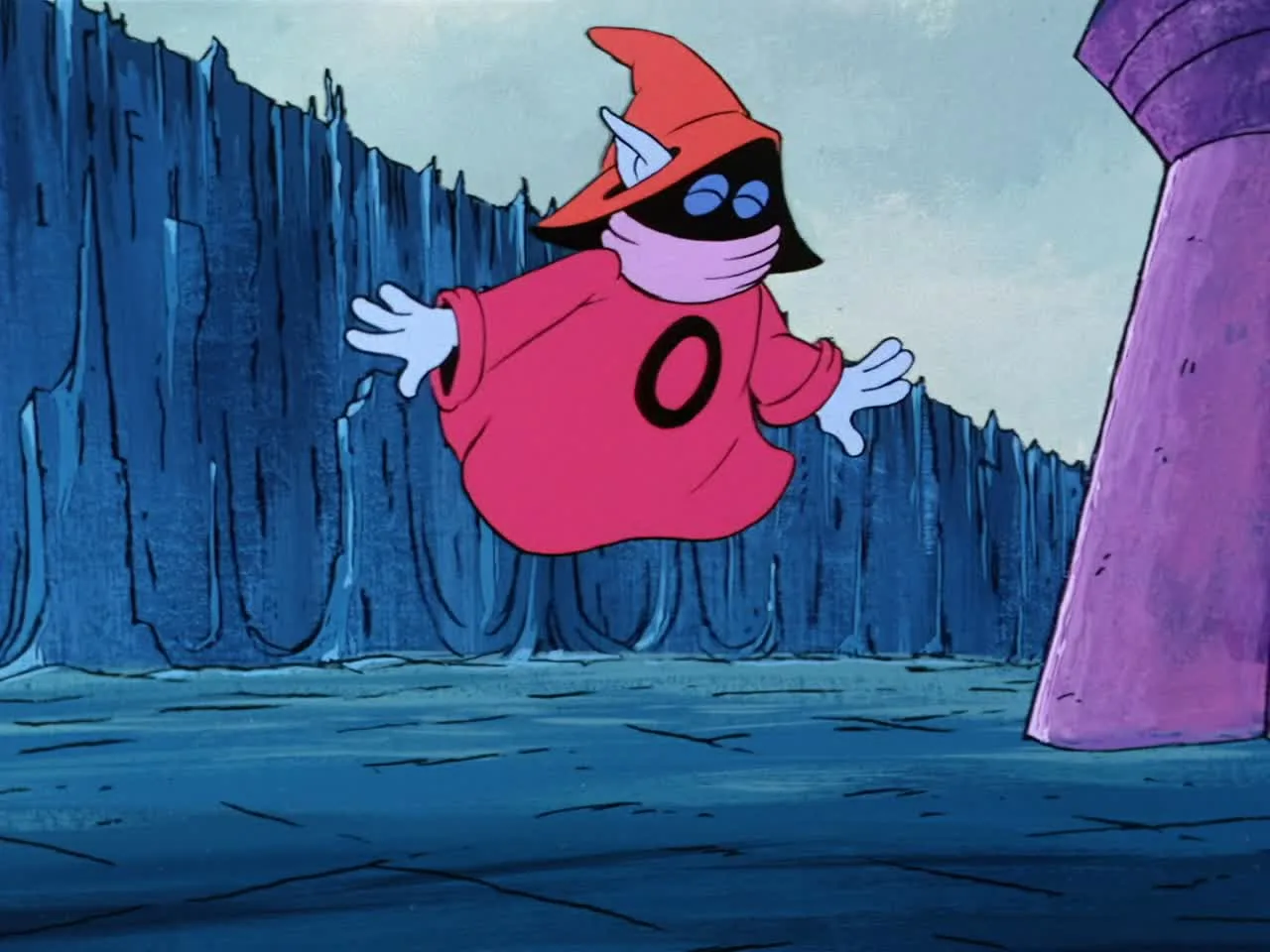
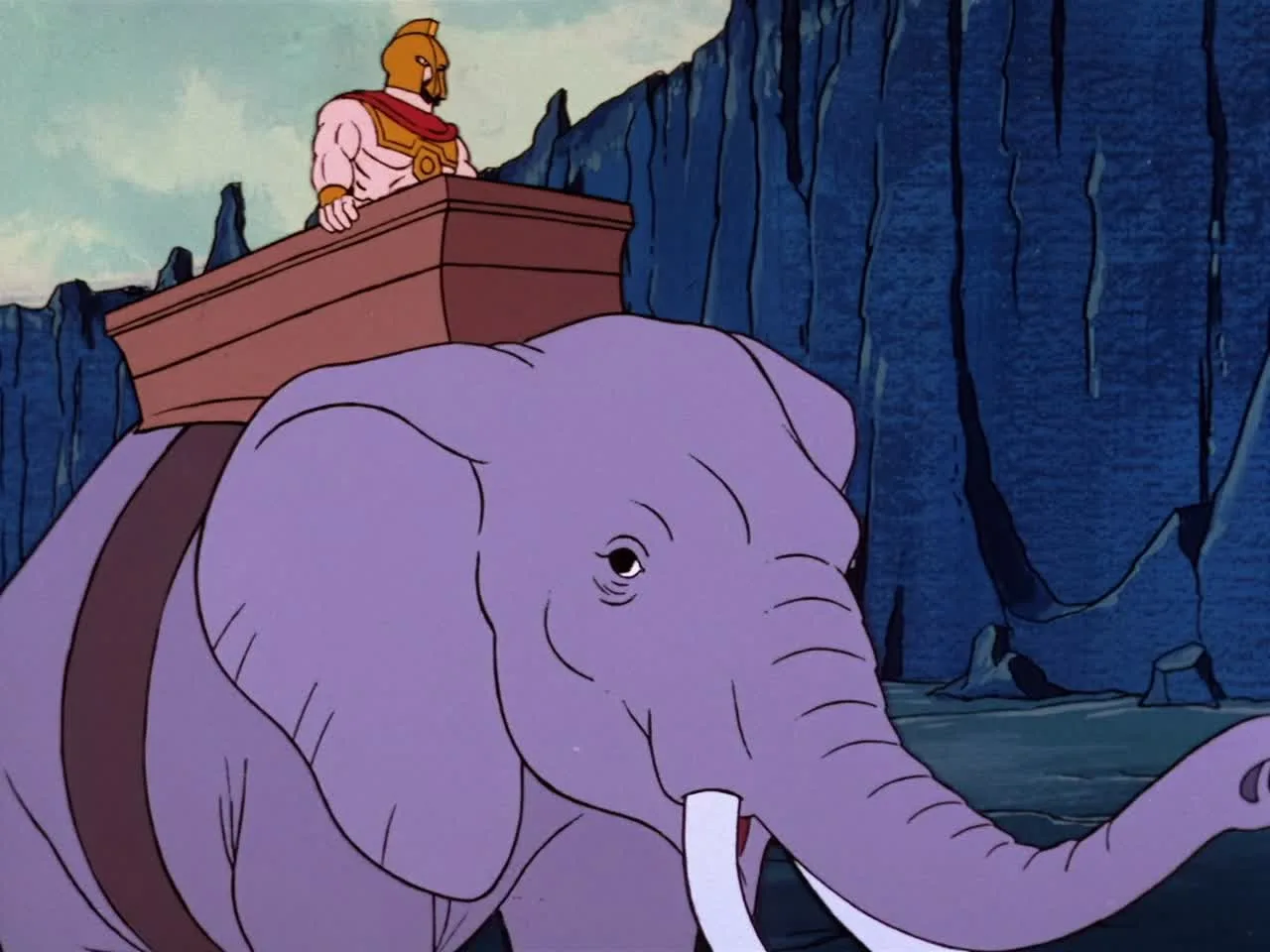
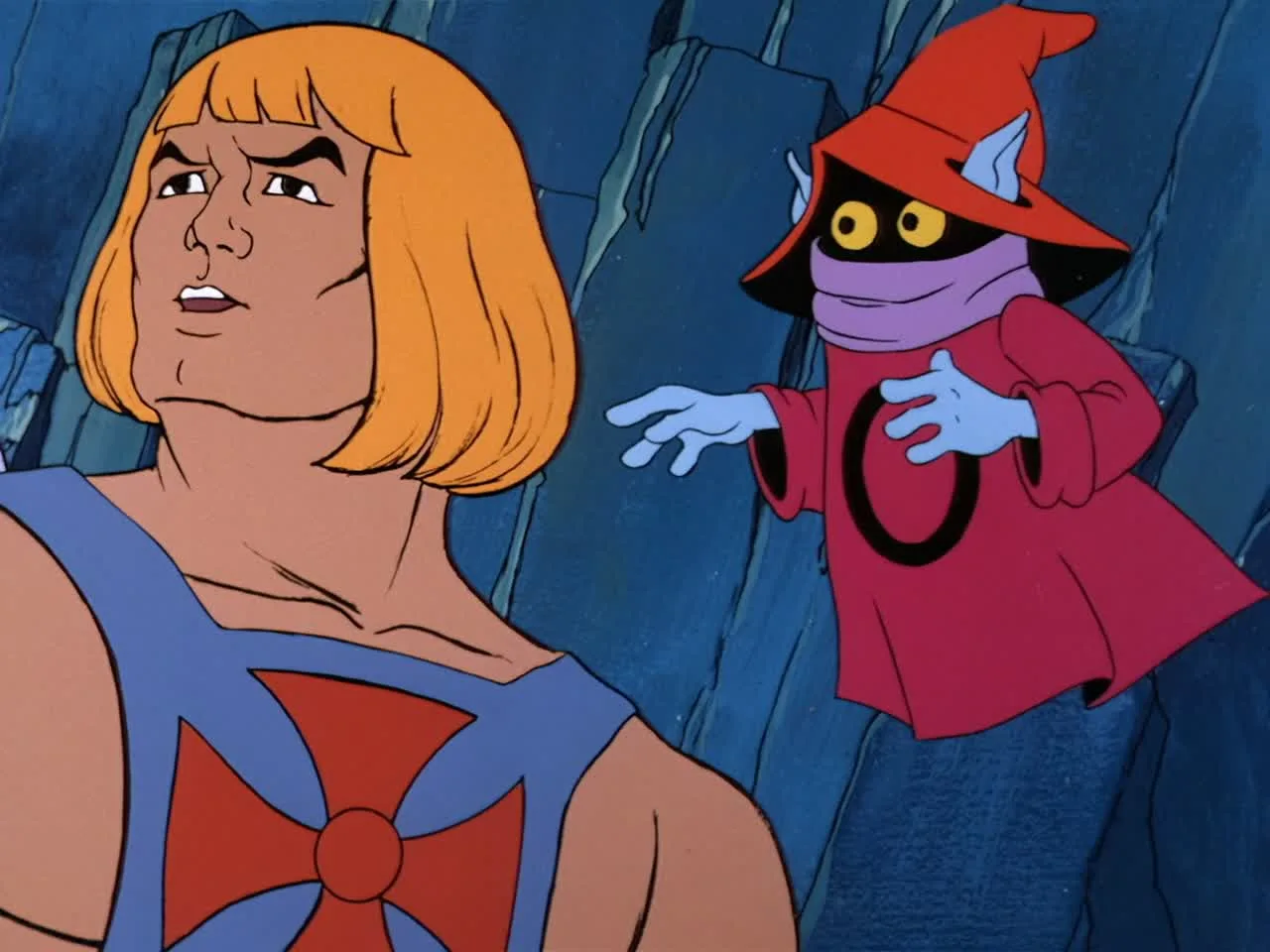
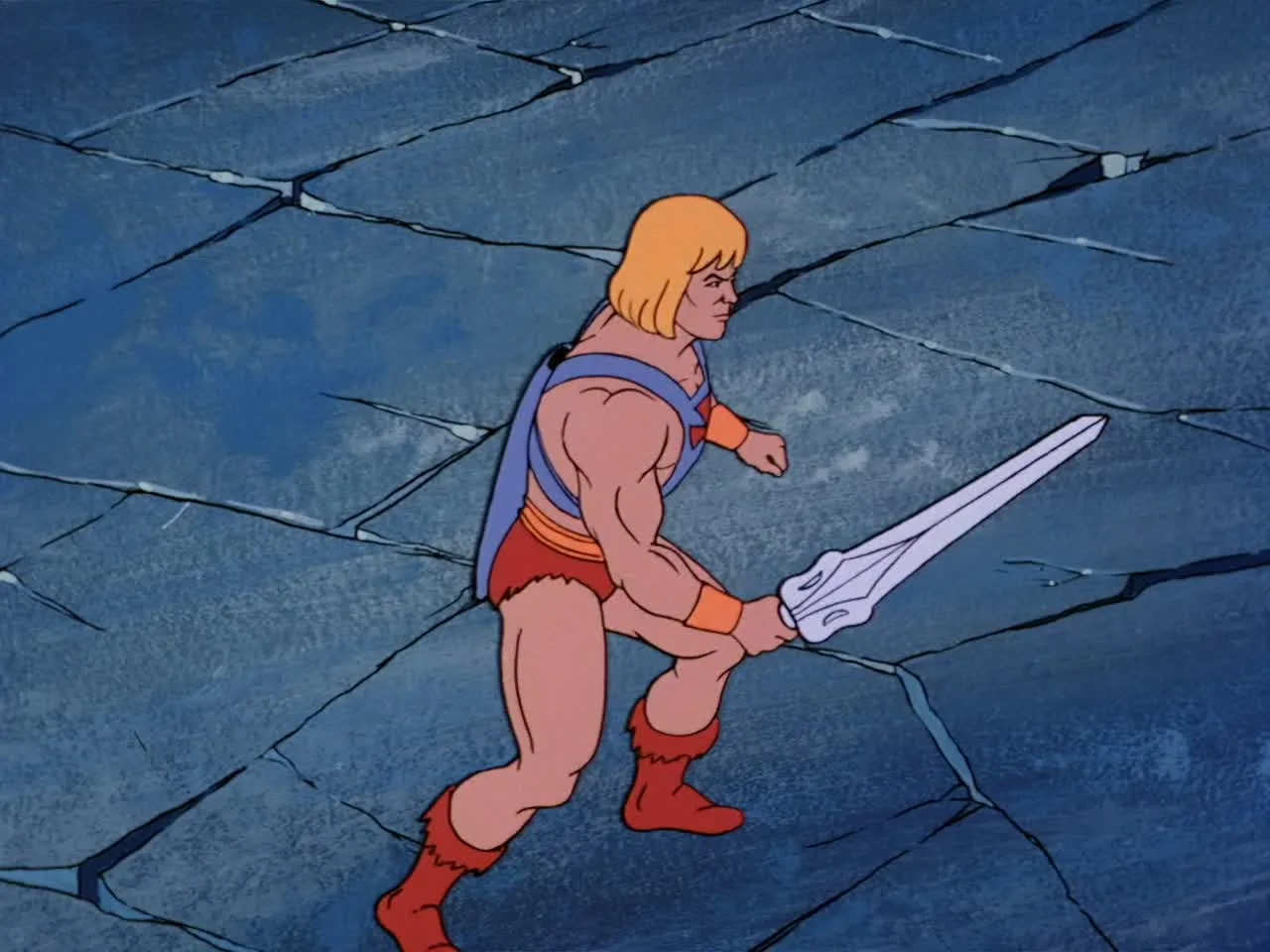
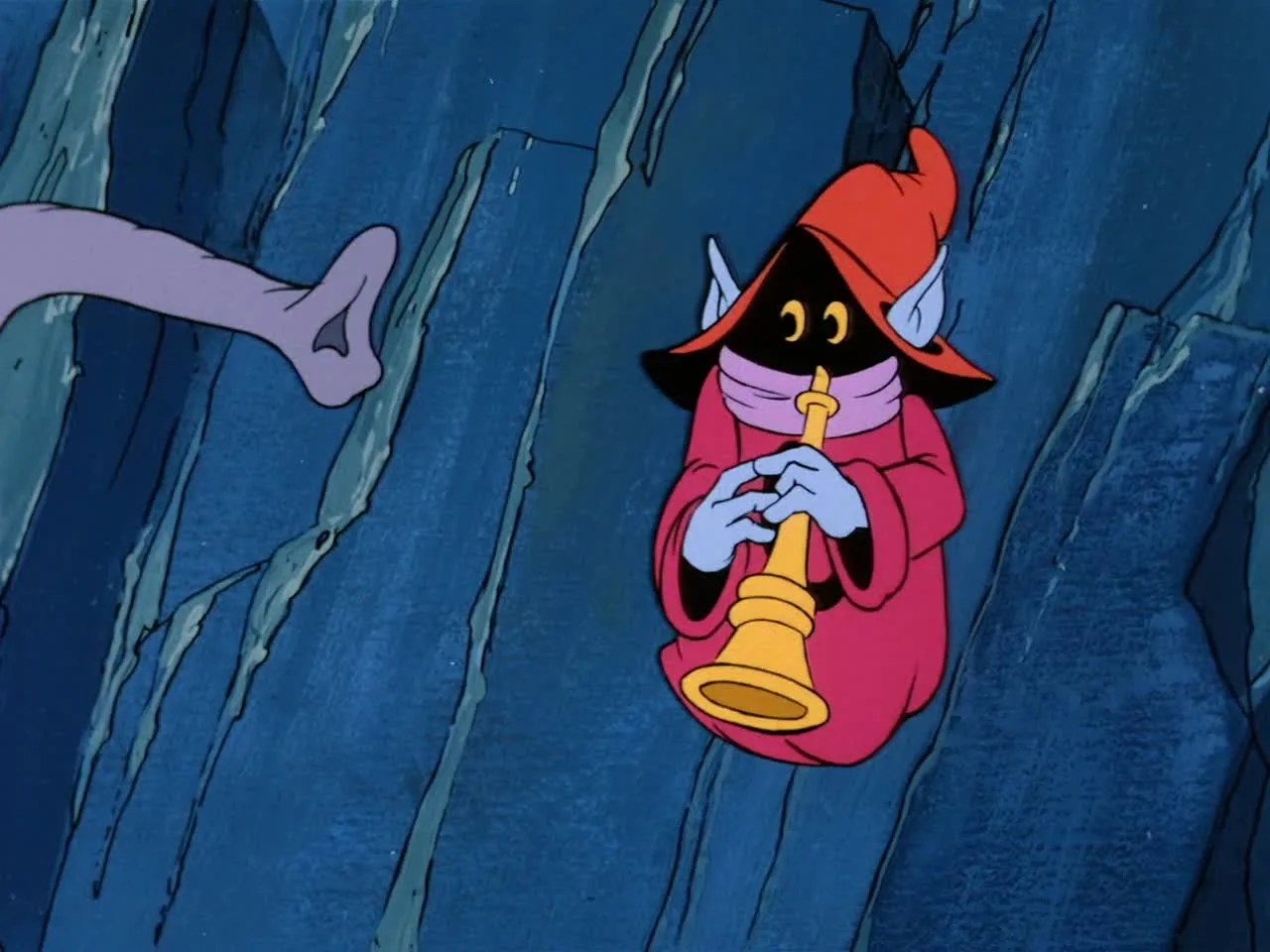
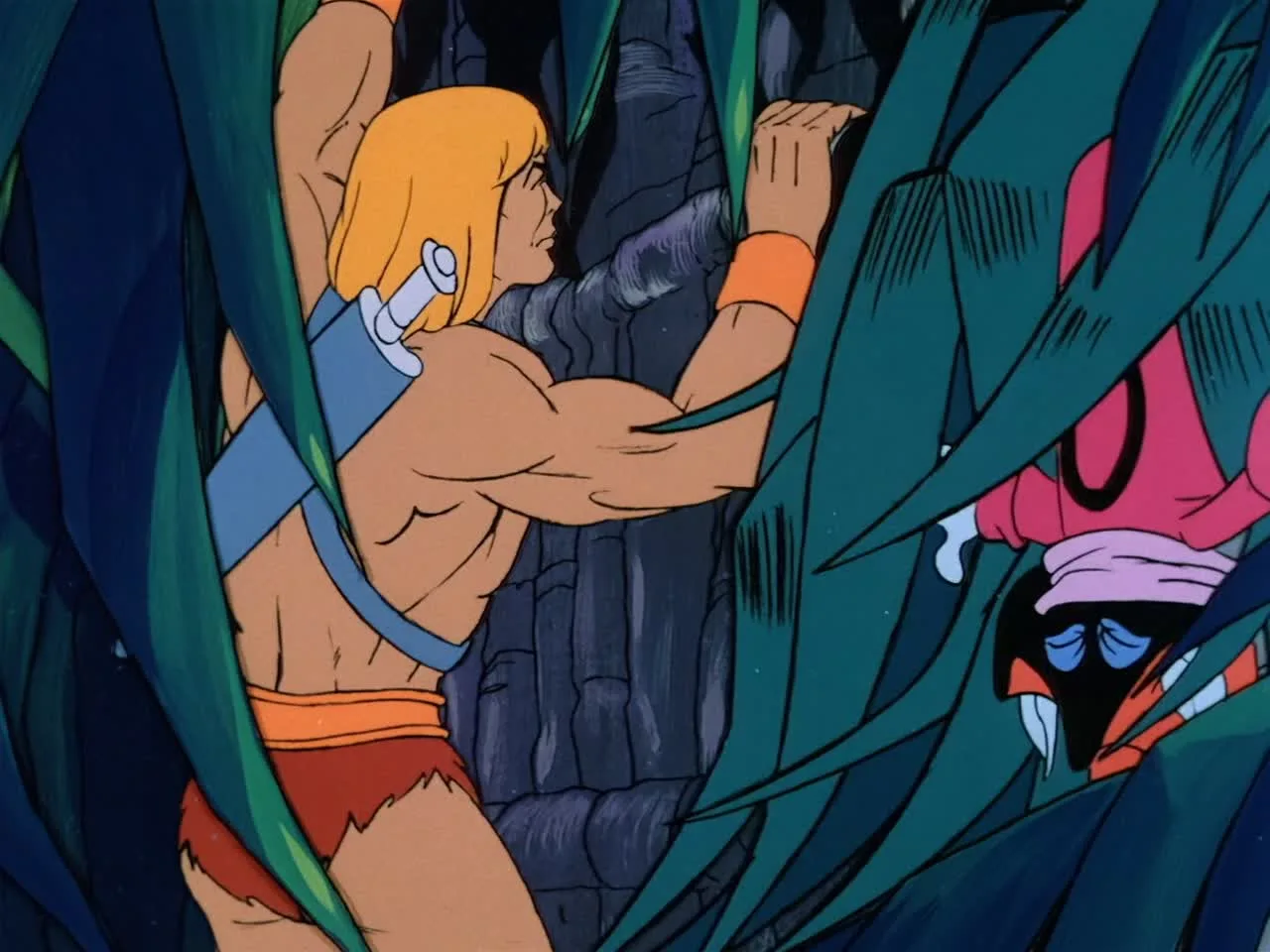
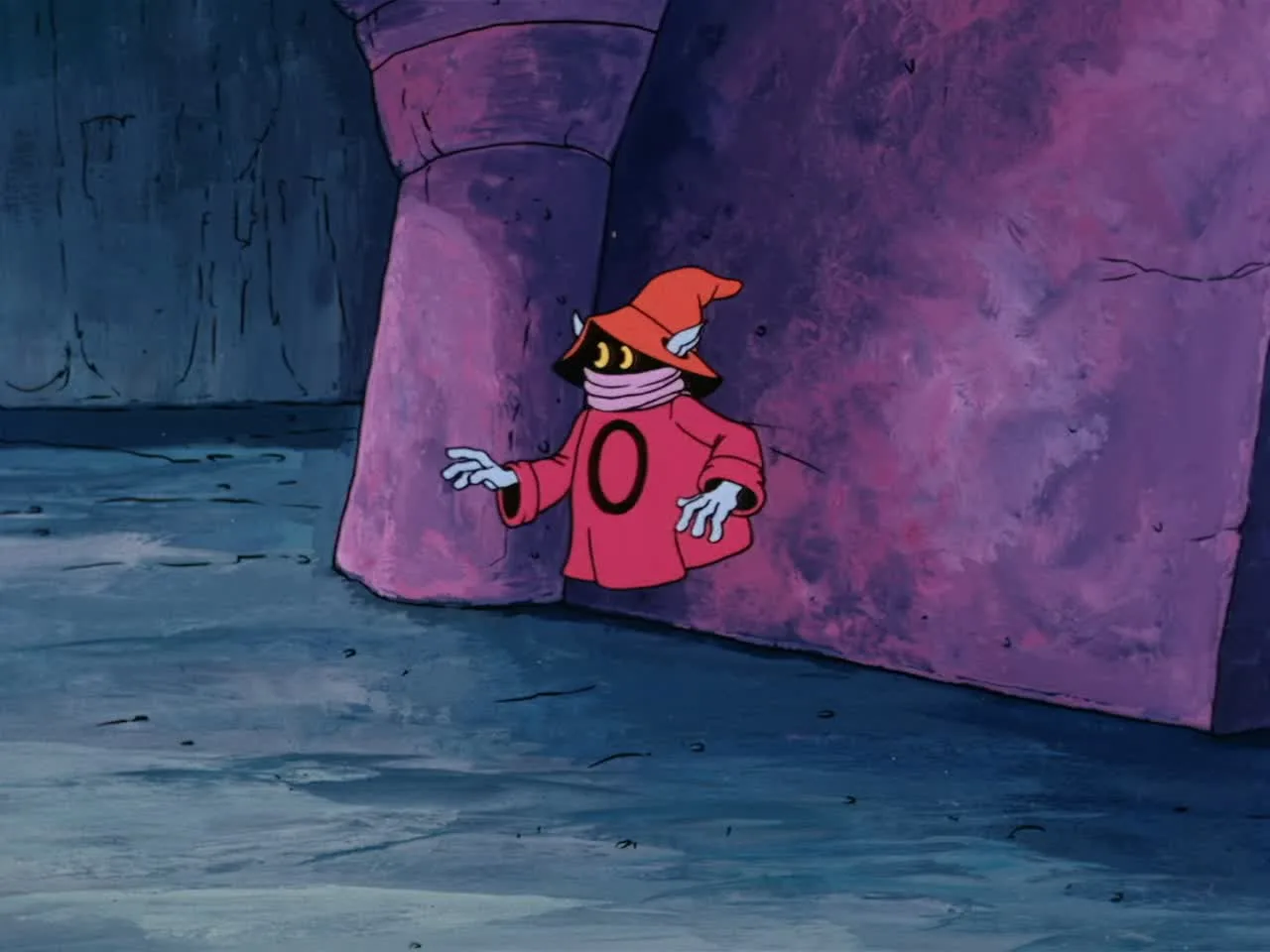
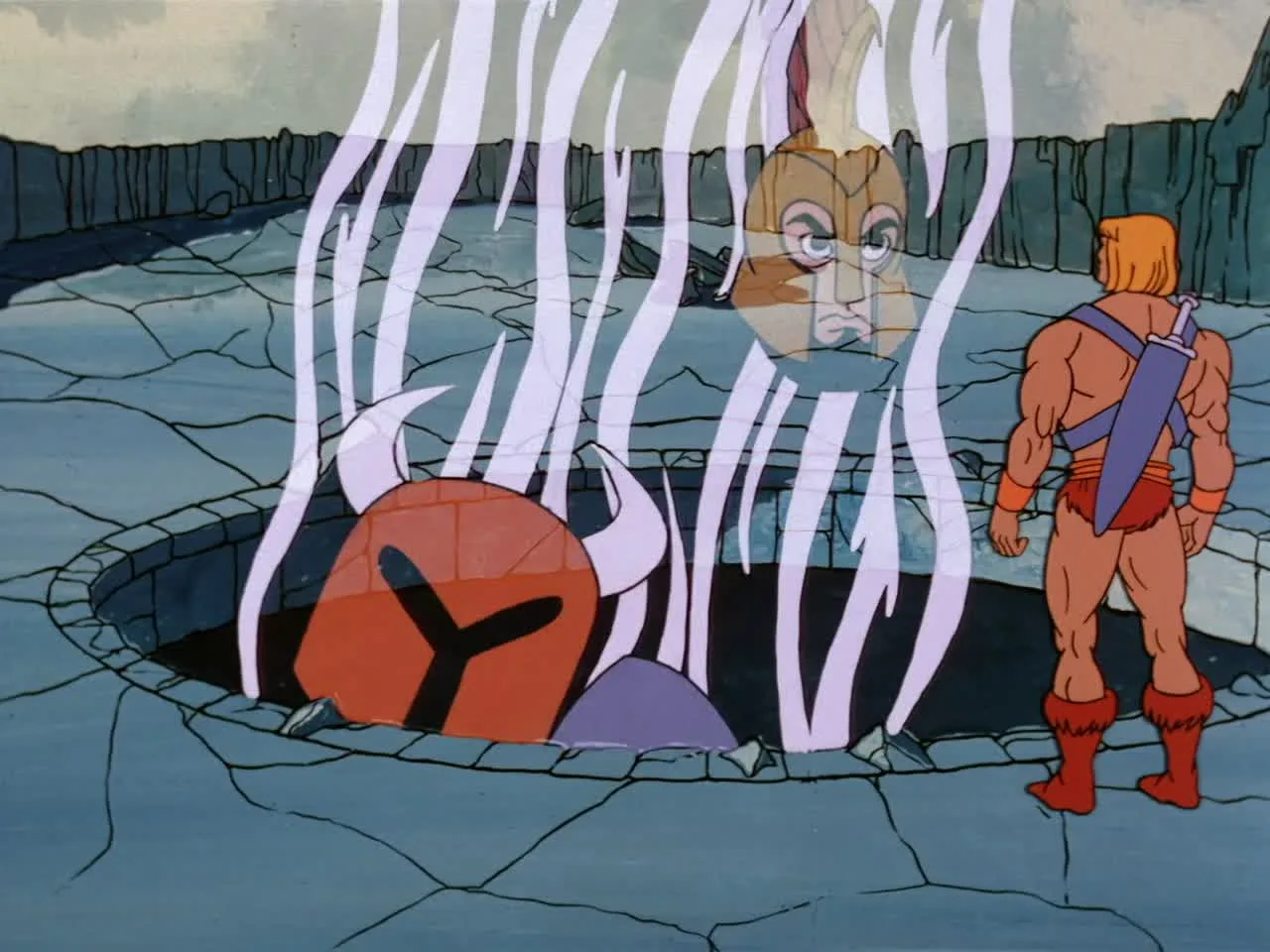
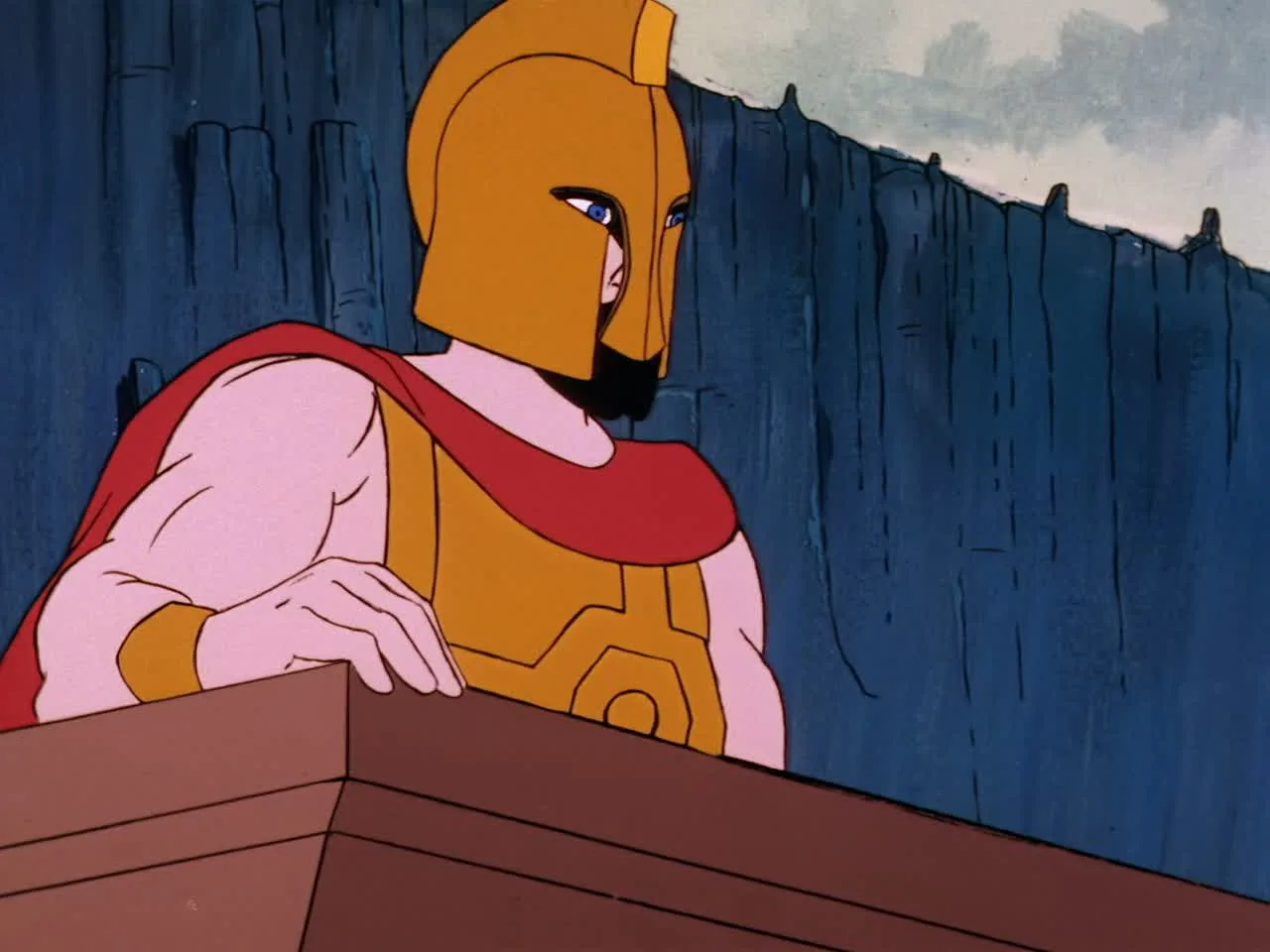
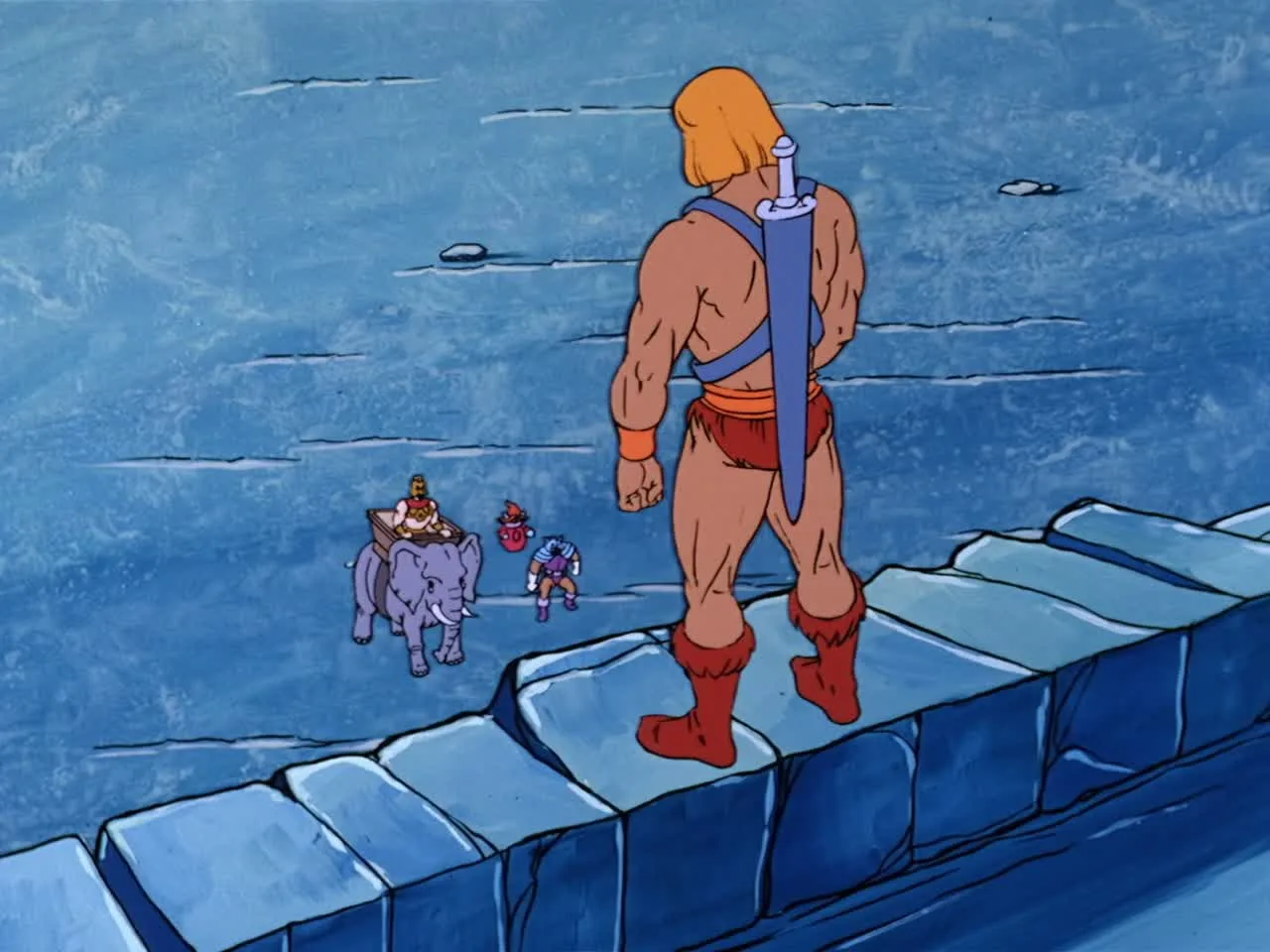
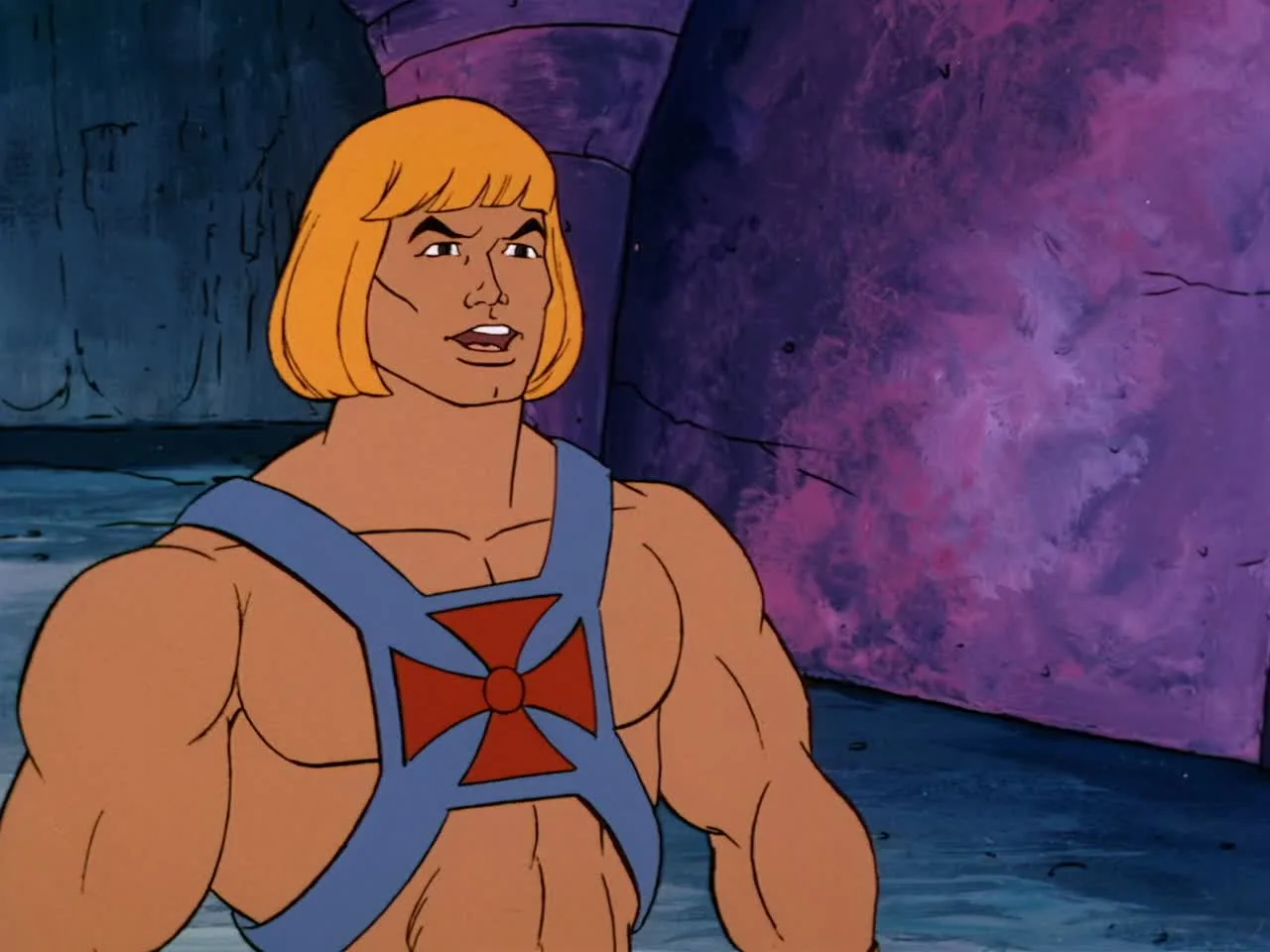
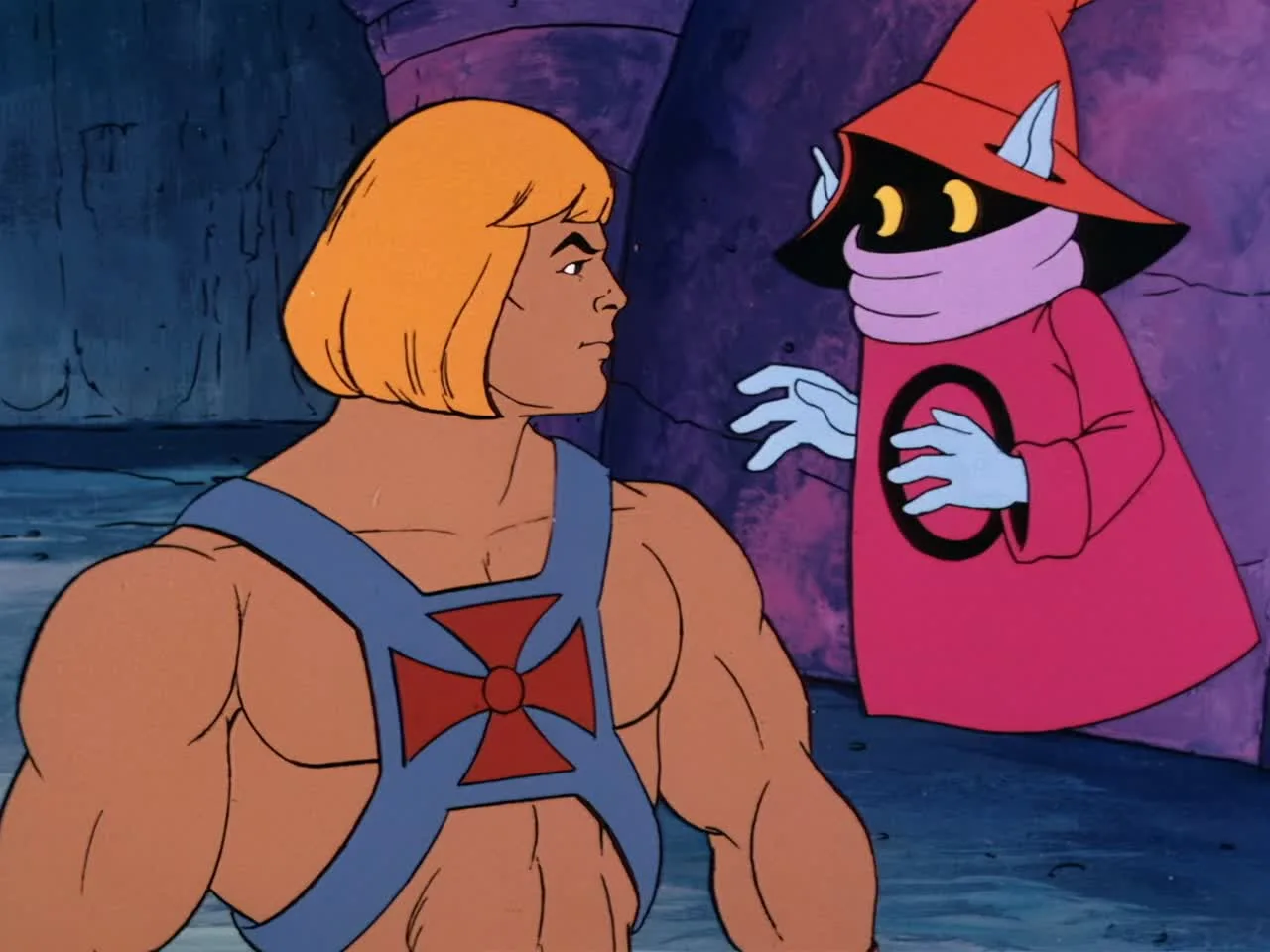
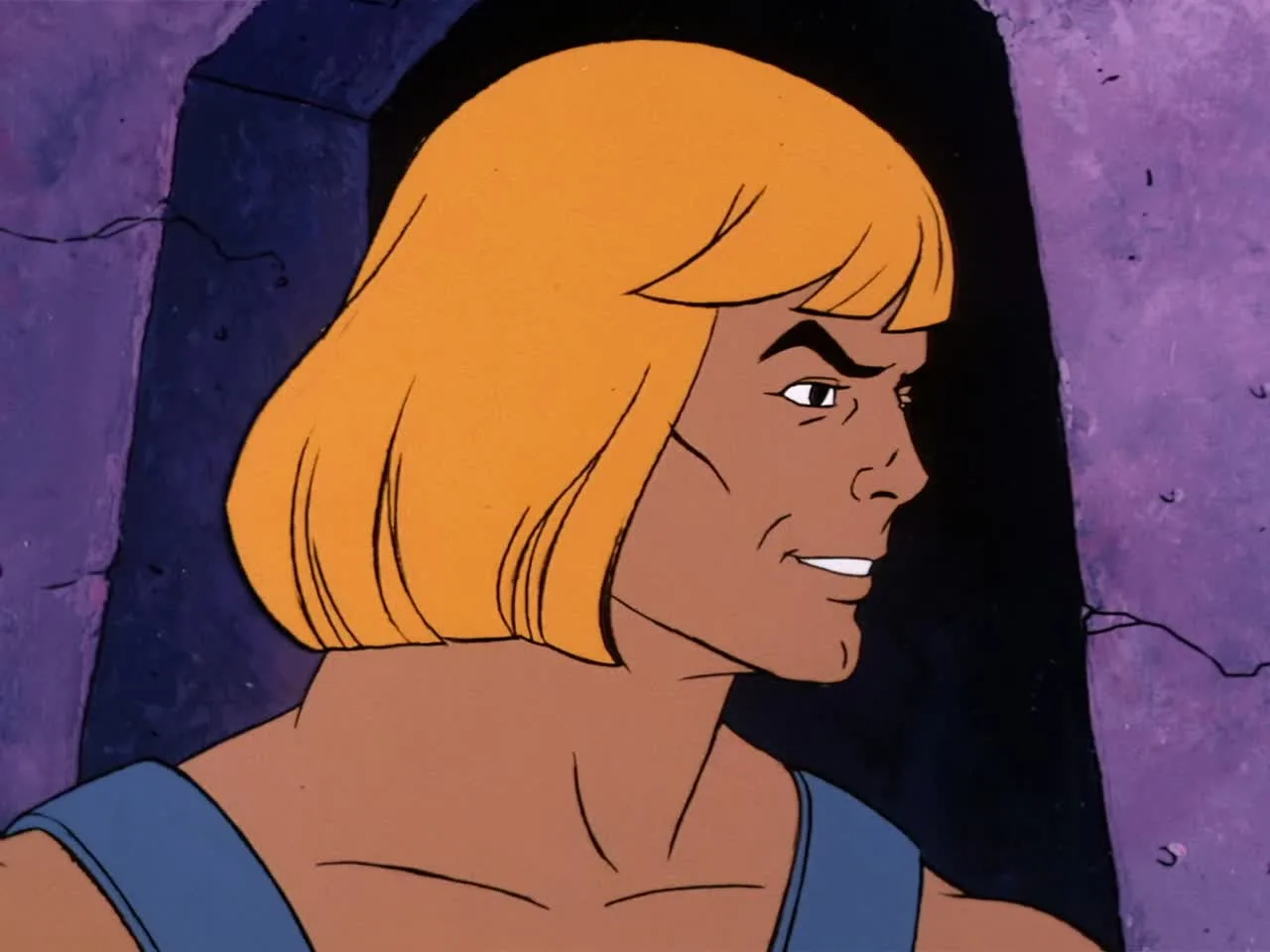
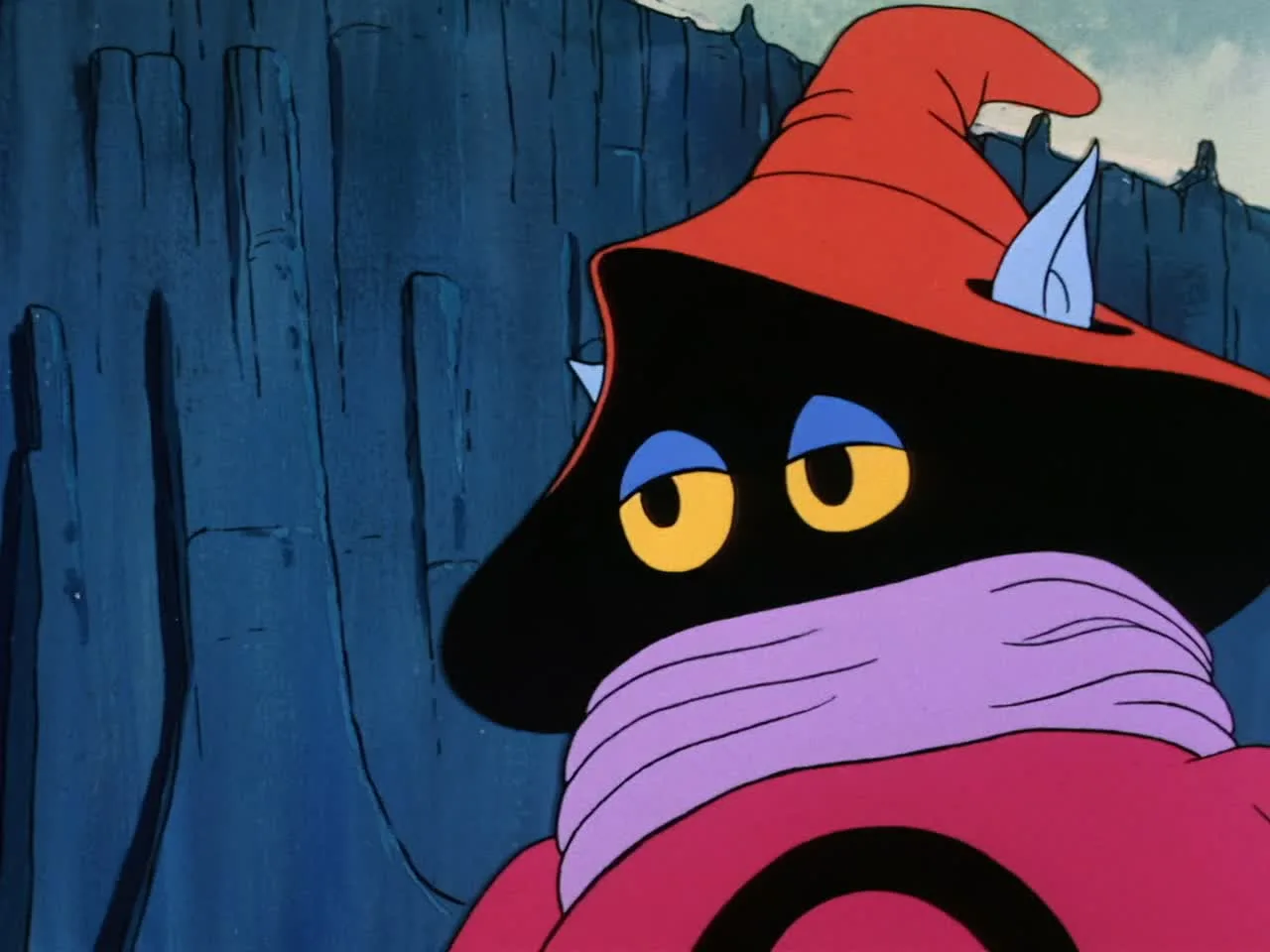
Monteeg already travels with an army of history's most powerful and most notorious figures, pulled from across the galaxy and even from Earth's own past, among them stand-ins built on Hannibal and Blackbeard. At the Royal Palace, Prince Adam becomes He-Man to face Monteeg's gauntlet of swamp fire, a frozen field, and a crumbling castle, each guarded by illusions and obstacles meant to break his resolve. Orko tags along, offering running commentary while He-Man presses on, his mind partly on Teela and Man-At-Arms, who are left solving a rock-creature puzzle back home.
As the trials near their end, Clawful bluntly tells Skeletor what he has been avoiding admitting: without He-Man to fight, Skeletor is nothing. The observation lands harder than expected, and by the time Monteeg's final test is complete, Monteeg himself starts to realize that a hero willing to be collected was never the hero worth collecting. When he turns against Skeletor rather than hand He-Man over, the betrayal plays less like villainy and more like someone admitting he picked a fight he could not win.
In the end, Monteeg leaves Eternia empty-handed, his elephant and his museum of former greats no match for He-Man's resolve. Skeletor, for all his scheming, is left exactly where he started: with an enemy he cannot do without.
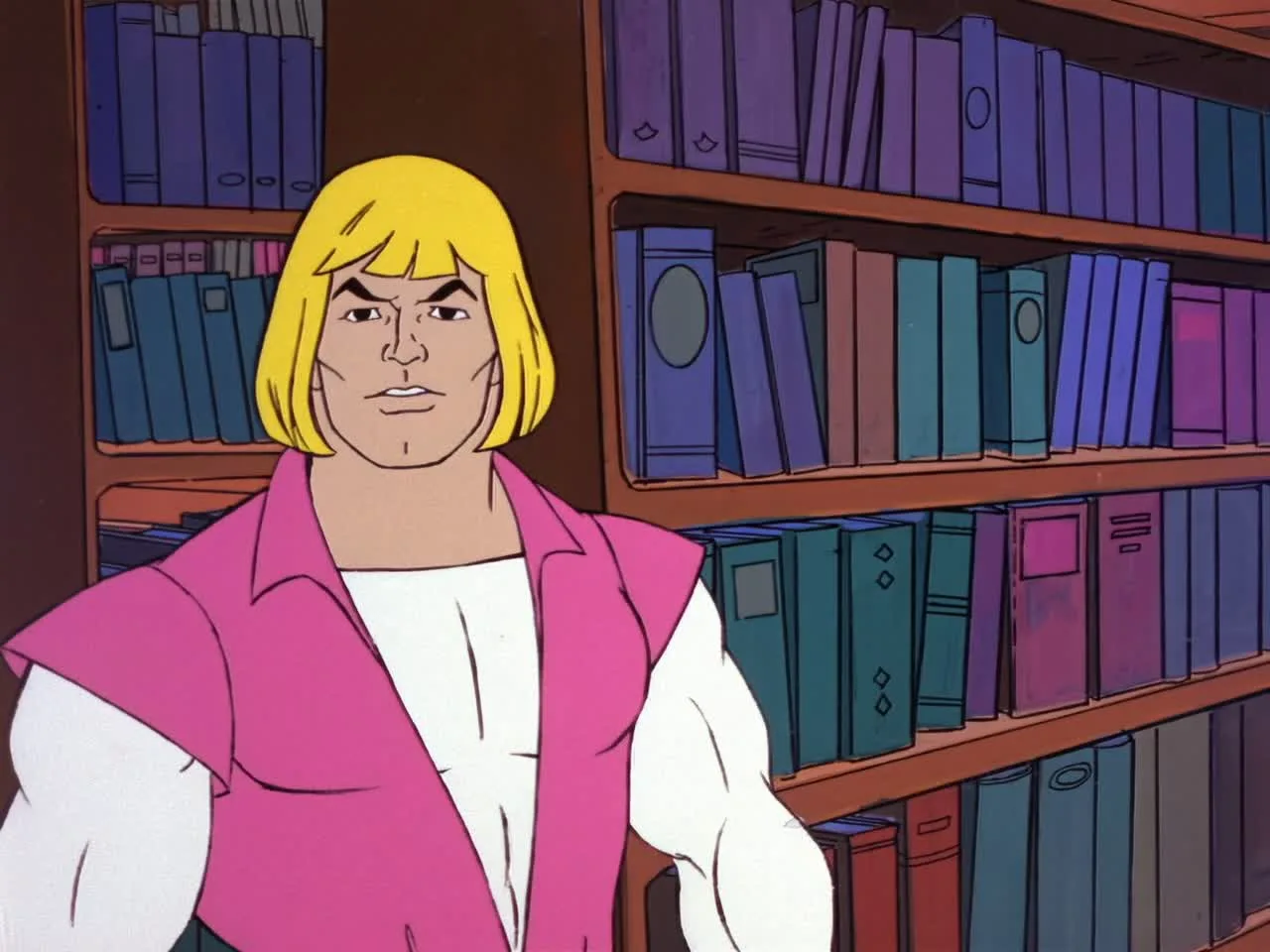
Prince Adam: "Orko certainly had an exciting lesson in history today. Of course chances are most of you won't have the same opportunity to meet any of those famous people who lived long ago. But even so, remember that just like you, they were very real. For the most part, the people we read about in history books led pretty exciting lives. And that's why, to me, history is like, well, it's like a great adventure story. And the best part is that it really happened. Well, see you soon."
Clawful, to Skeletor: "Your army is nothing without He-Man. And you are everything without him."
Monteeg does not want henchmen. He wants relics.
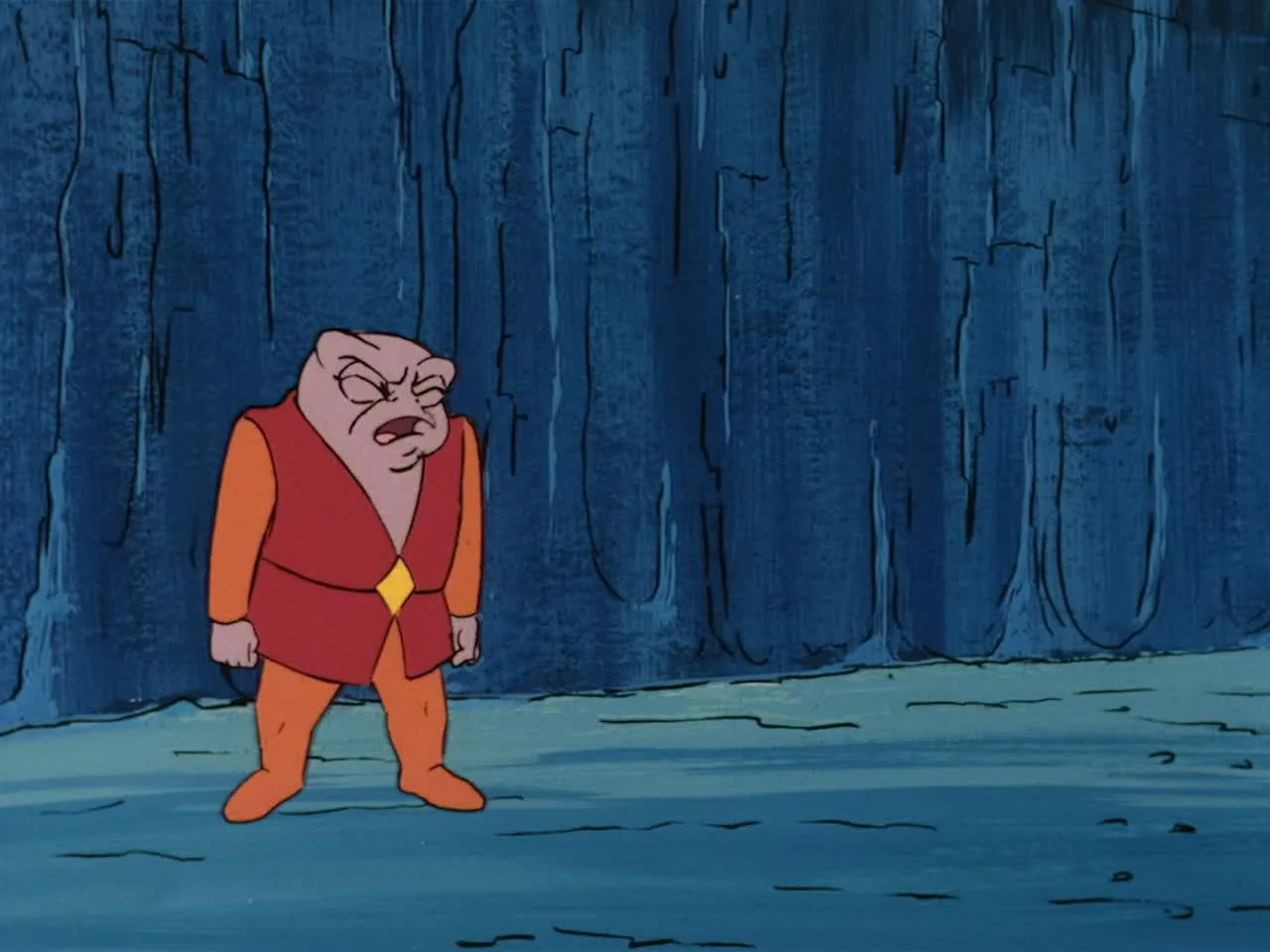
We keep circling back to that distinction: this is a story about collecting, not conquering. Monteeg's army, assembled from "the farthest reaches of space" and, improbably, from ancient Earth, is built entirely from beings who used to be the most powerful or the most evil in the universe. Past tense, every time. A barbarian and a pirate picked up on a trip through history, kept on as trophies rather than troops. When he turns up at Snake Mountain asking for He-Man, he is not recruiting muscle. He is completing a set.
Mel Gilden's script gets real mileage out of making Skeletor the one who has to sit with that idea. Skeletor spends the cold open studying the palace "to know my enemies," and the moment Monteeg proposes taking He-Man off his hands forever, Skeletor should be delighted. Instead he spends the whole middle stretch of the episode watching his own magic viewer like a man talking himself into a decision he already regrets, and Clawful is the one who says the part out loud: "Your army is nothing without He-Man. And you are everything without him." It is a blunt line for a background henchman to land, and we are glad the episode trusts him to land it! Skeletor built an entire identity around being the hero's opposite number, and a scheme that actually works would cost him the only thing he has.
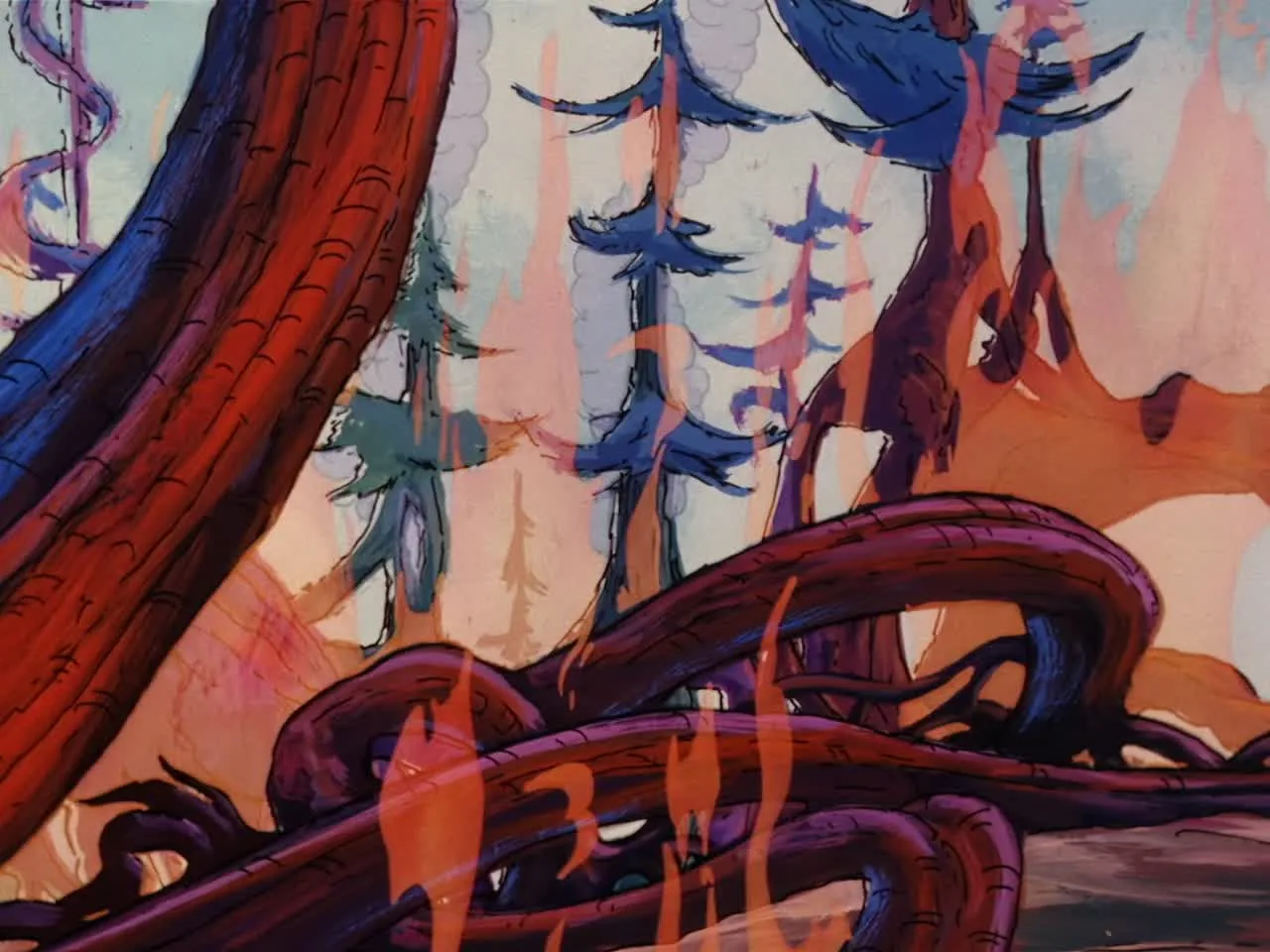
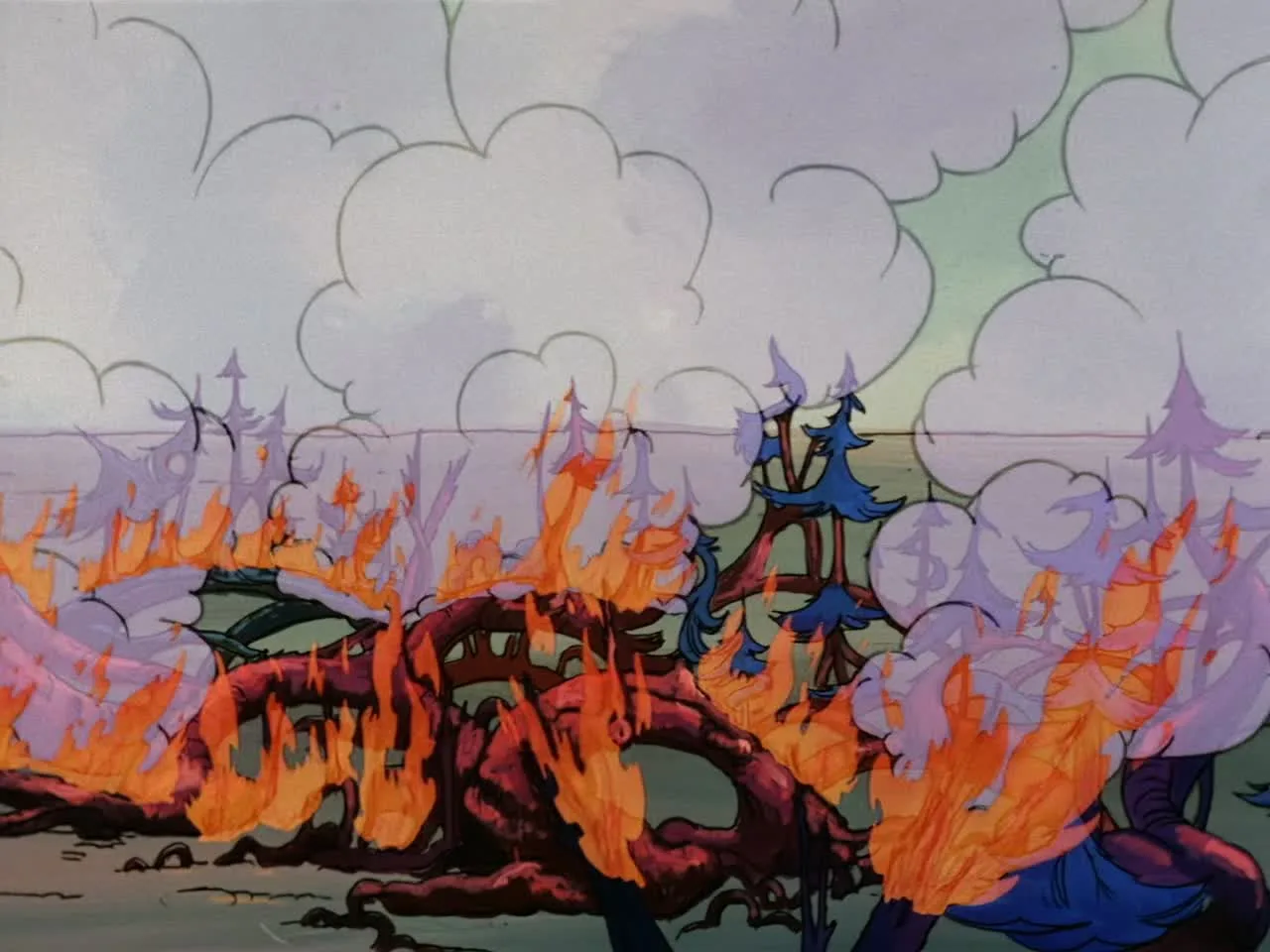
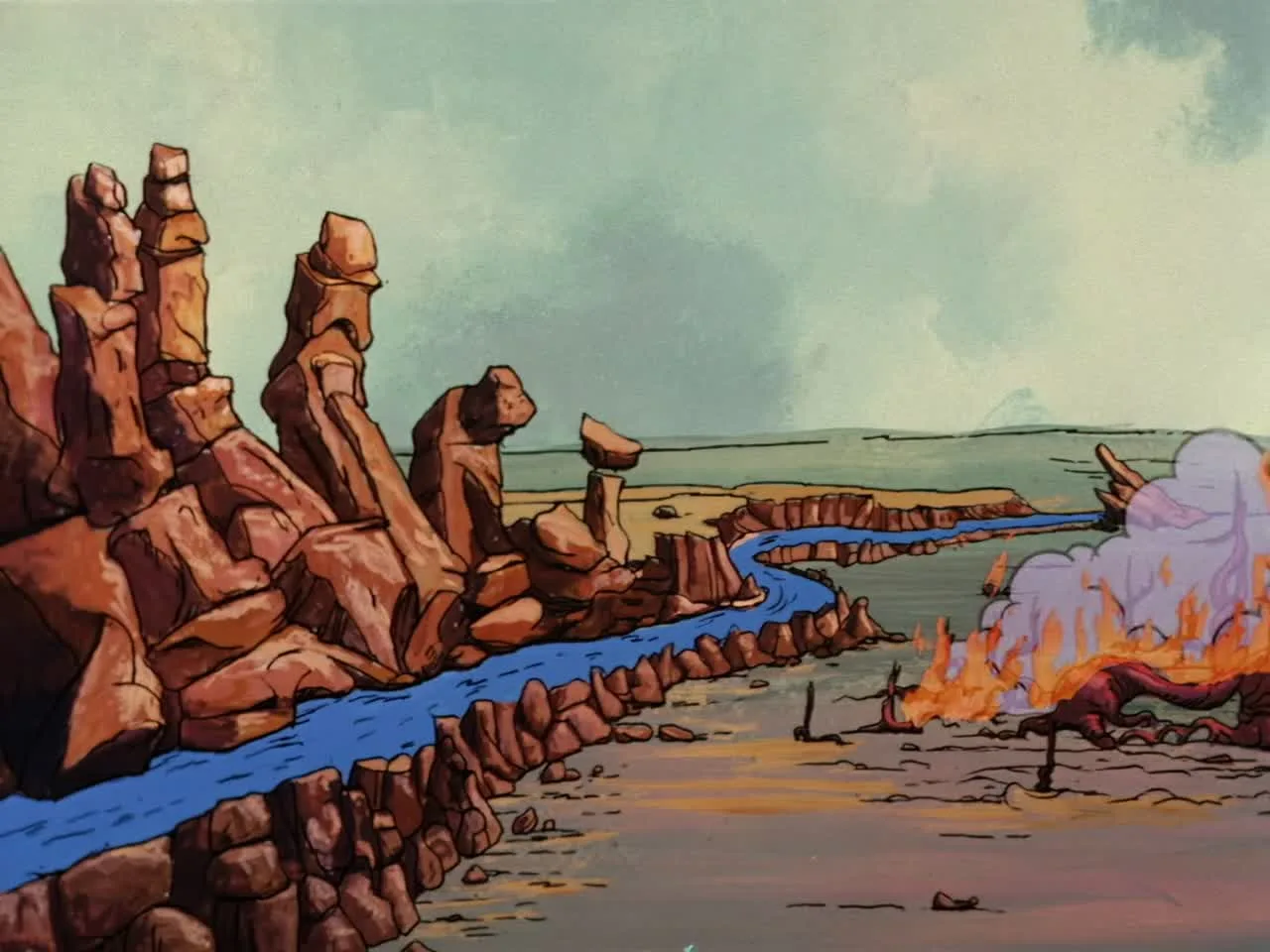
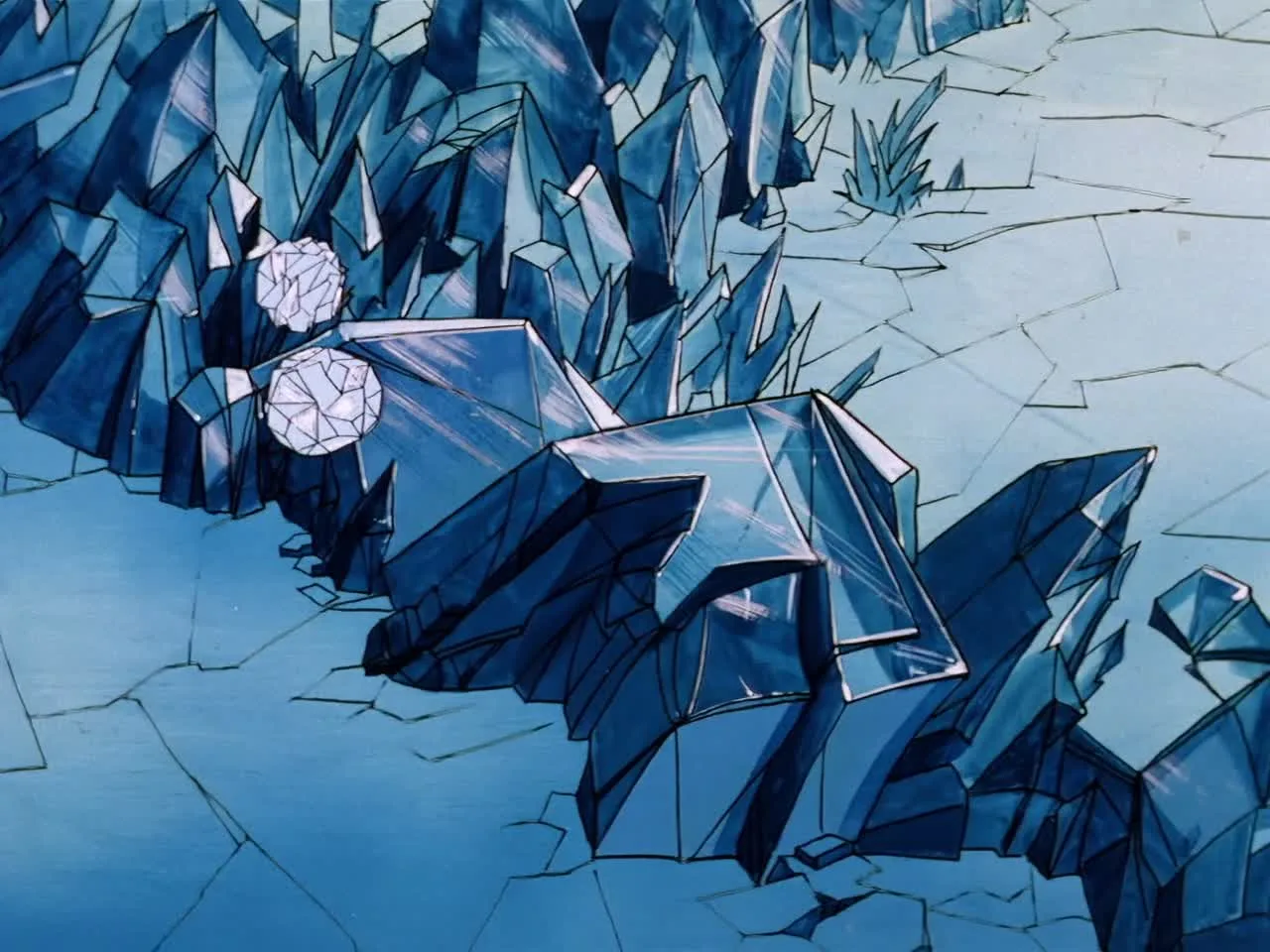
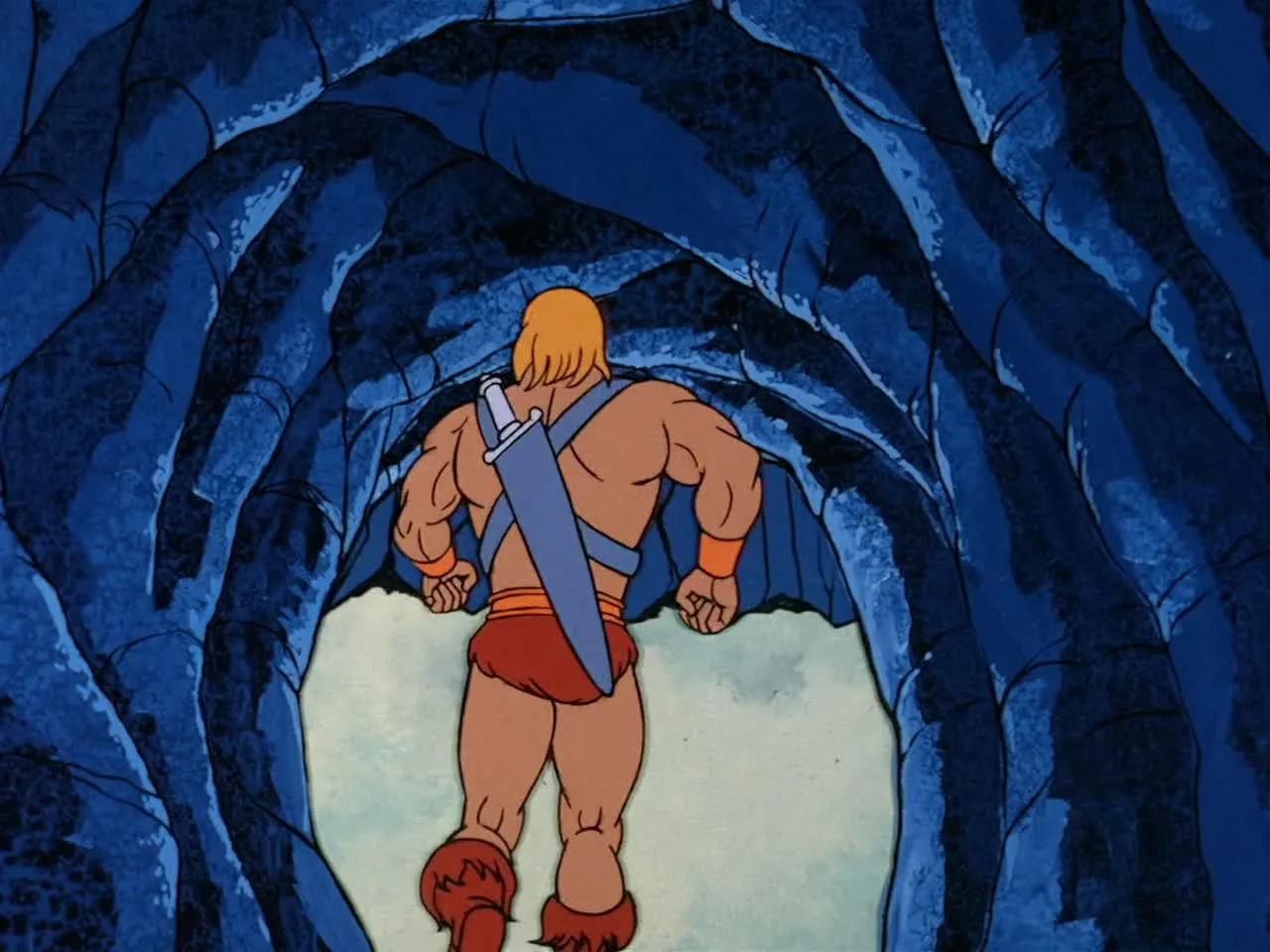
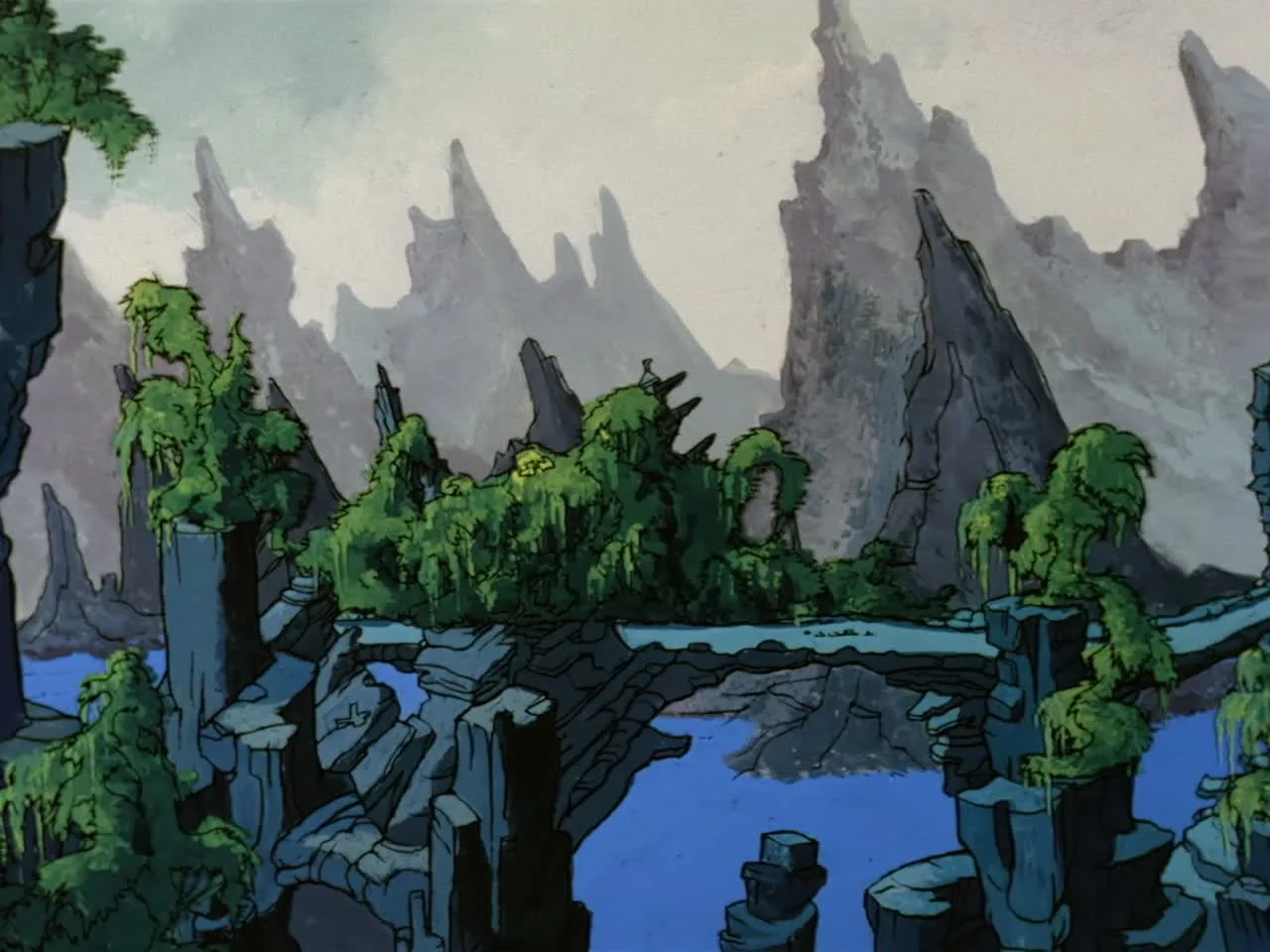
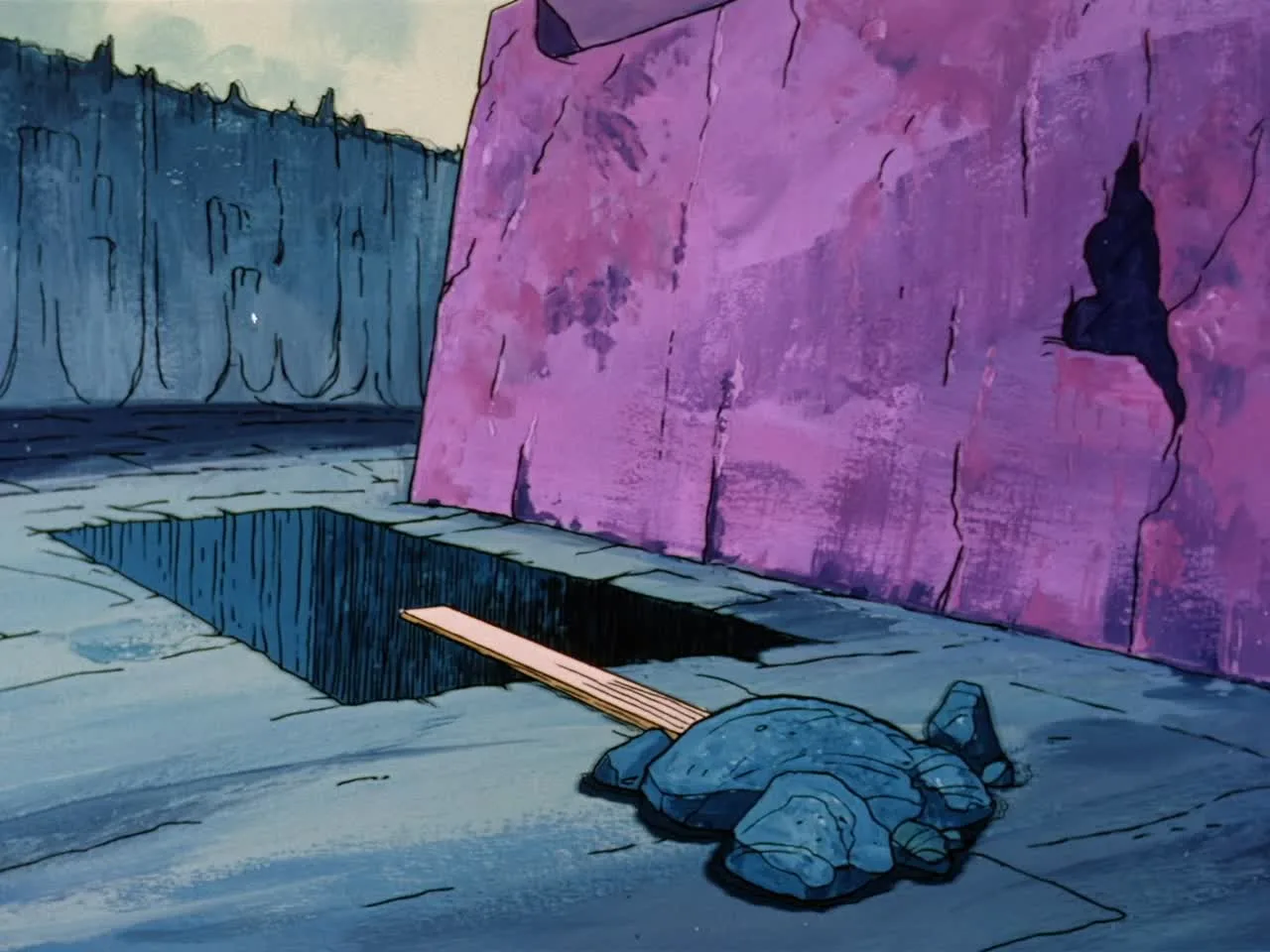
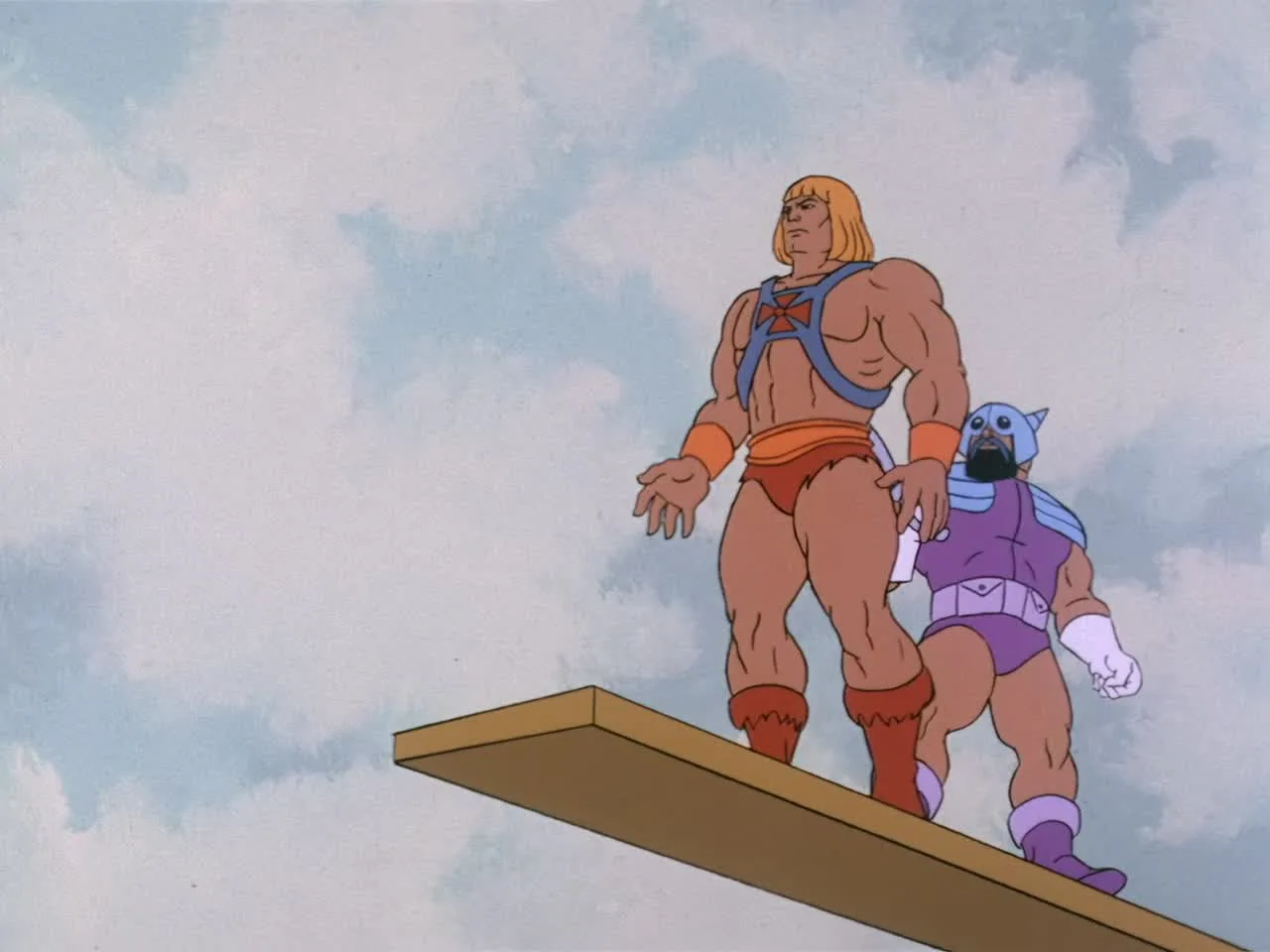
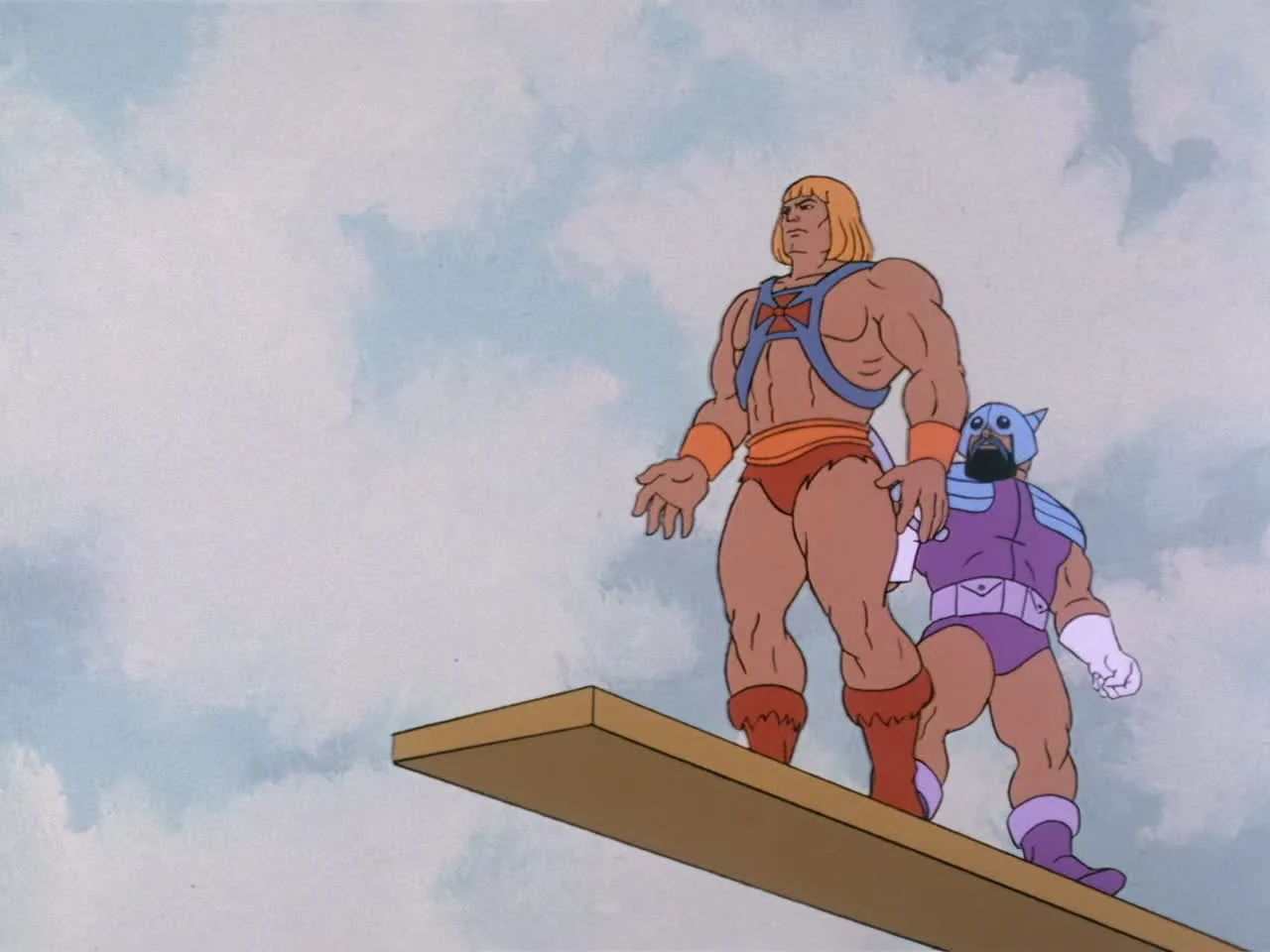
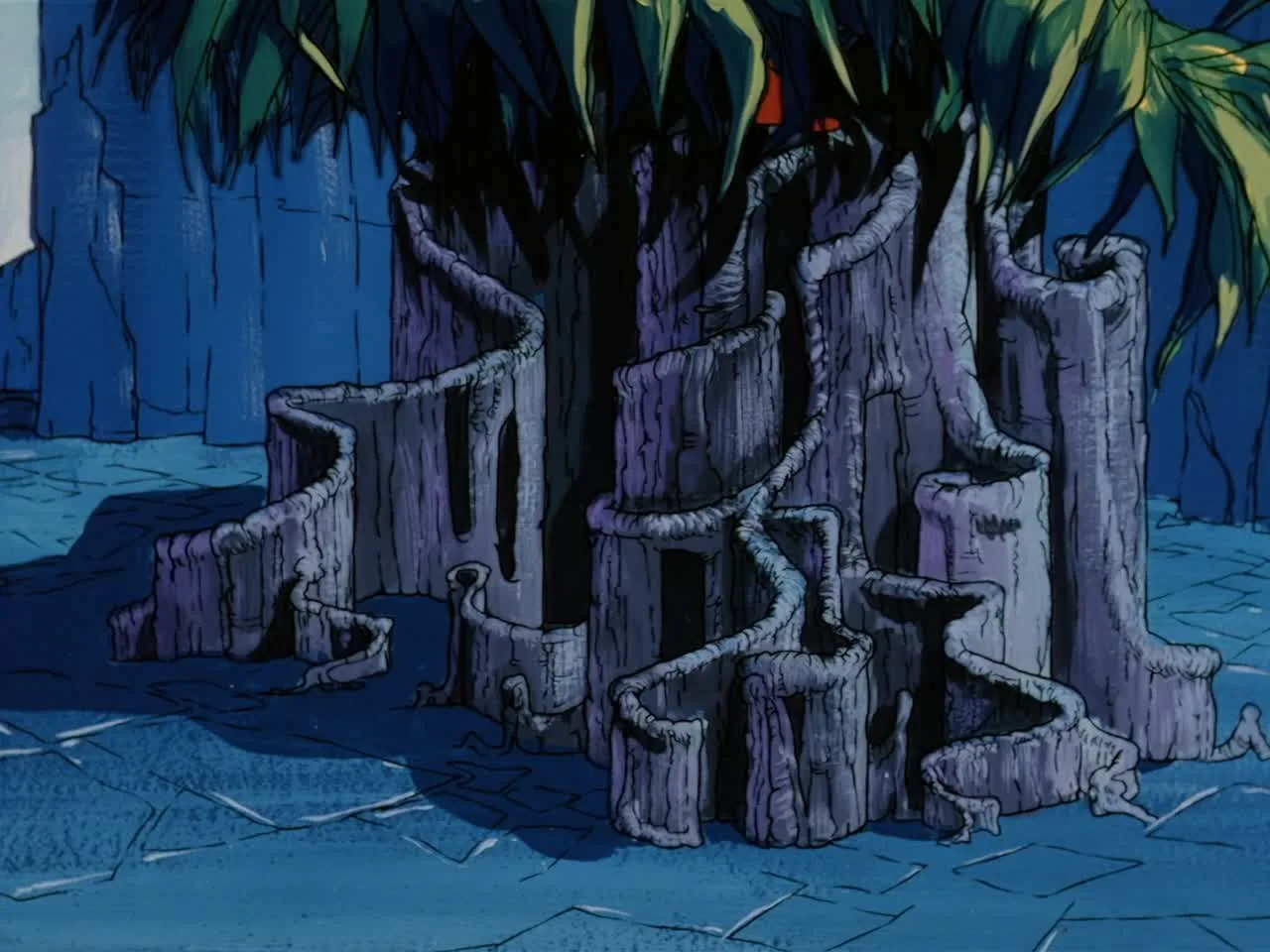
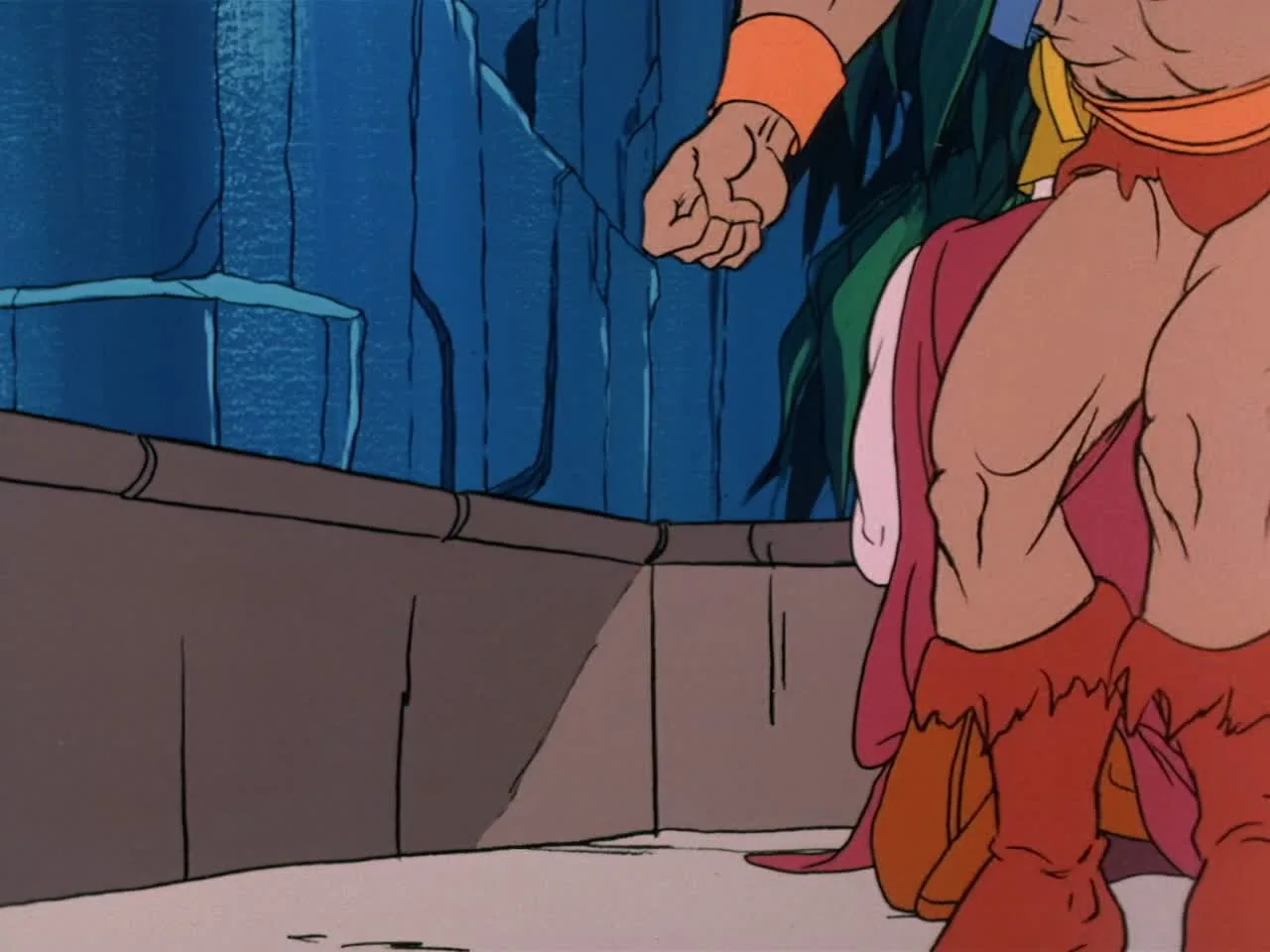
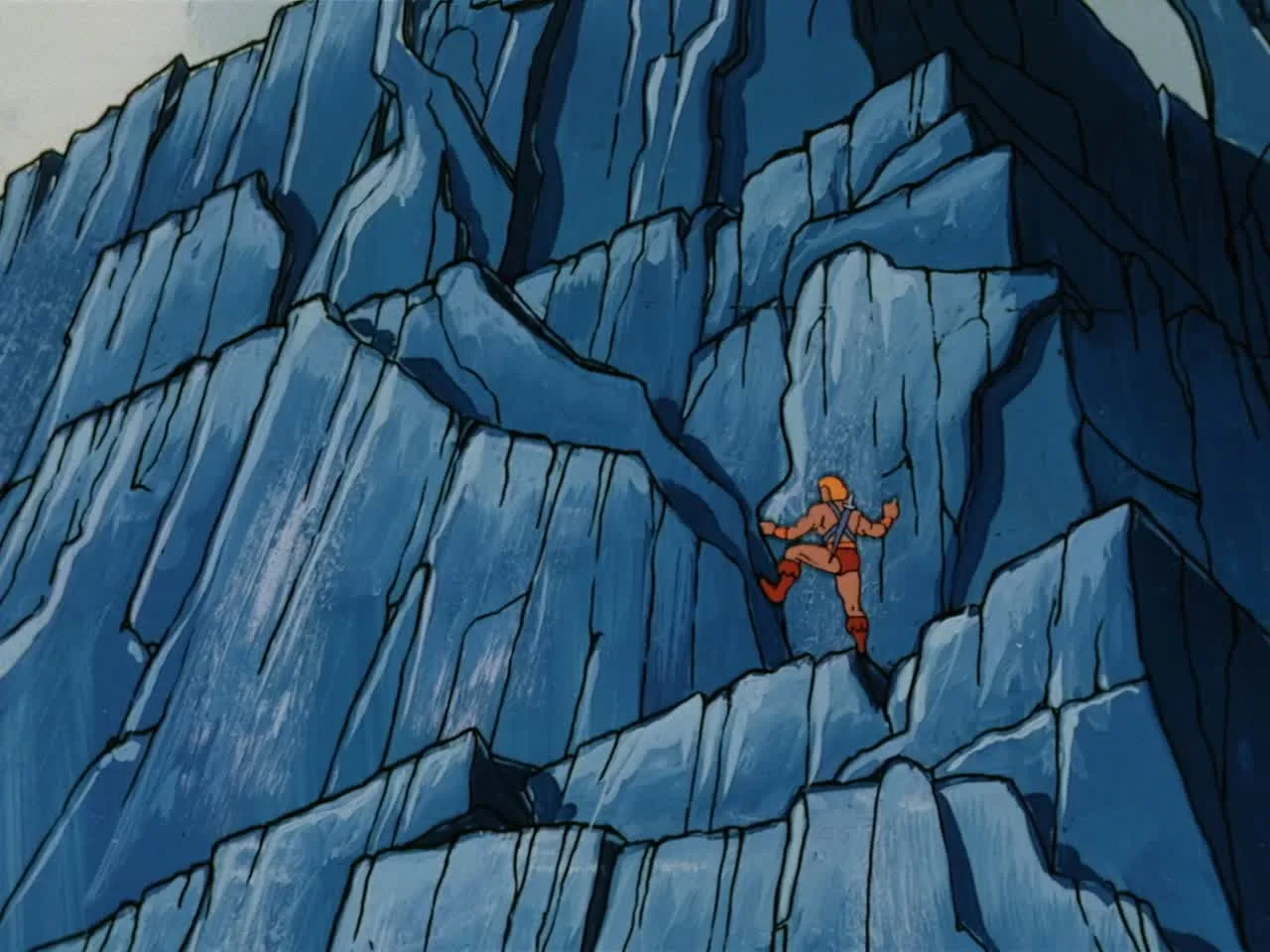
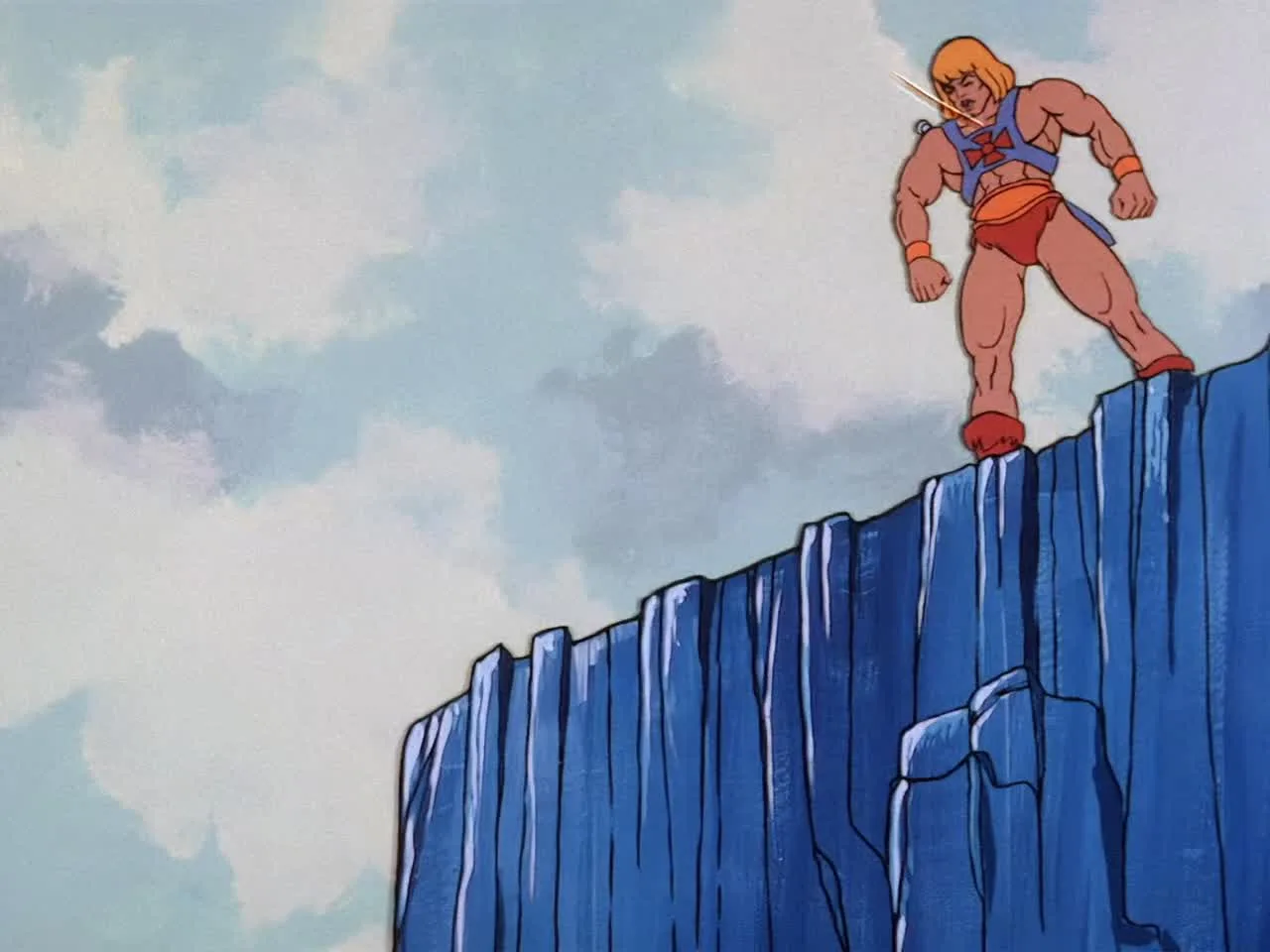
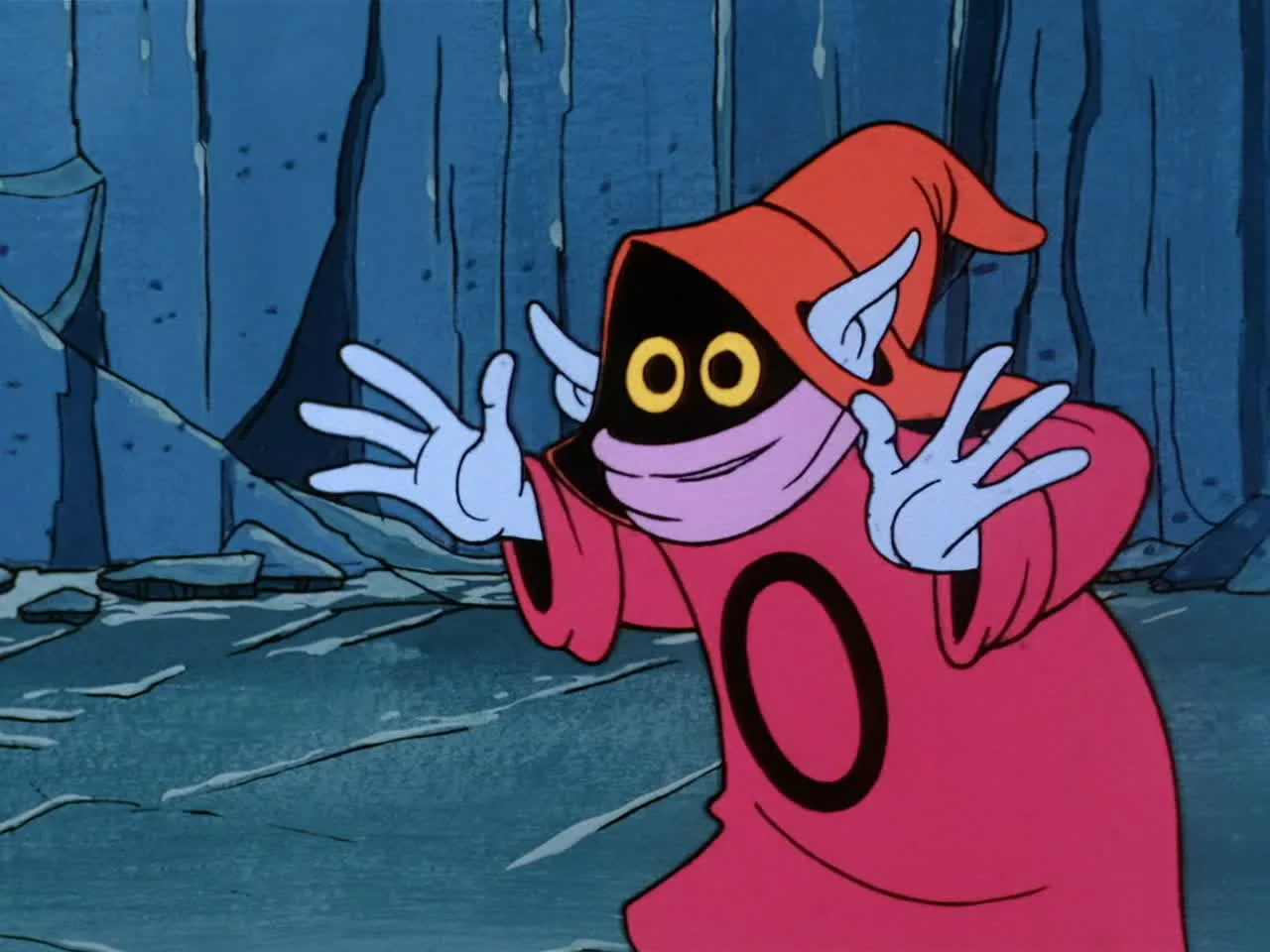
The trial structure in the middle third, swamp fire, ice field, ruined castle, plank over a pit, is where the episode is at its most ordinary, and it knows it. Orko's running commentary and the two illusions pulled from Earth's past (built, per the show's own production paperwork, off research into real Hannibal and Blackbeard rather than generic fantasy types) do the work of keeping a fairly repetitive gauntlet watchable. What saves the stretch is that He-Man is never fighting for his own sake. He is fighting because Teela's rock-creature puzzle and Man-At-Arms's company are still waiting back at the palace, and that domestic stake, thin as it is, is enough to keep the trials from feeling like busywork.
Where the episode actually earns its title is in what nobody involved says out loud. Monteeg's whole pitch depends on He-Man agreeing to leave Eternia behind to join a museum of former greats, and the closer the trials get to finished, the more Monteeg has to reckon with the fact that a hero worth collecting is a hero who will not want to be collected. His turn against Skeletor at the climax, a man who spent the episode talking about power rather than using it finally throwing a bolt of his own, reads less like a villain's betrayal and more like someone realizing too late that he picked a fight he was never equipped for. Skeletor and Clawful, watching from Snake Mountain, get to see their own ambition reflected back at a smaller scale and fail just as badly.
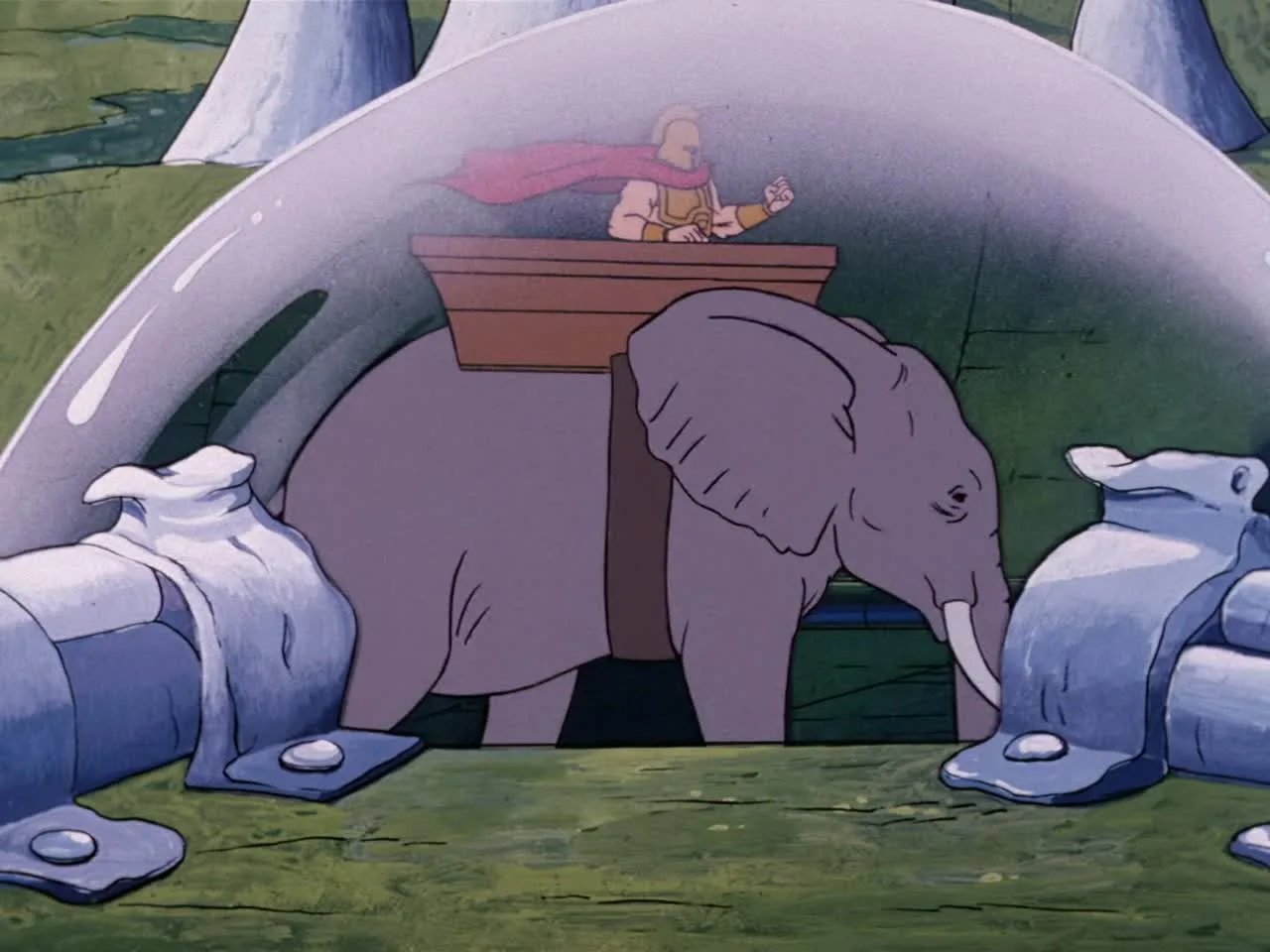
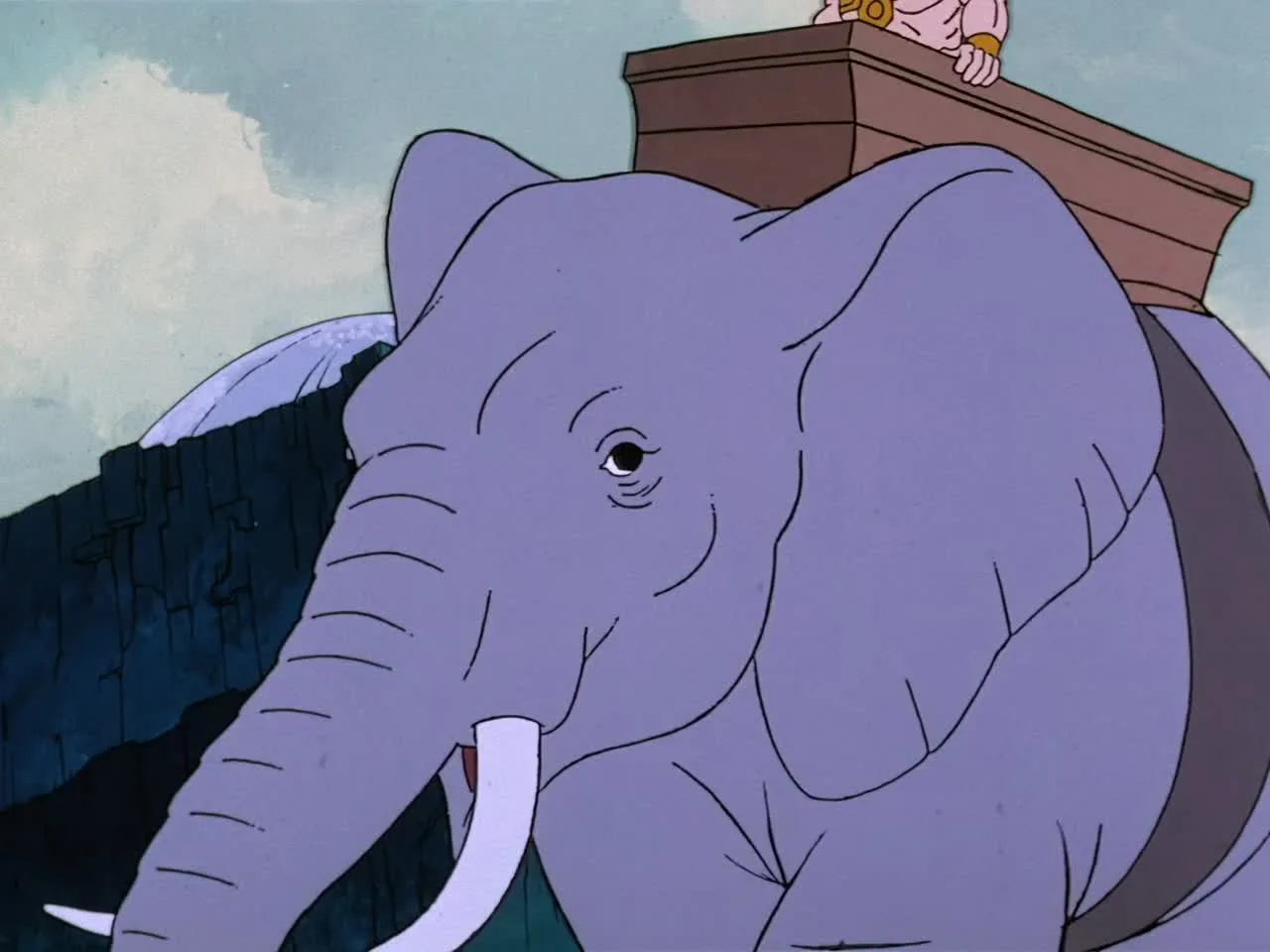
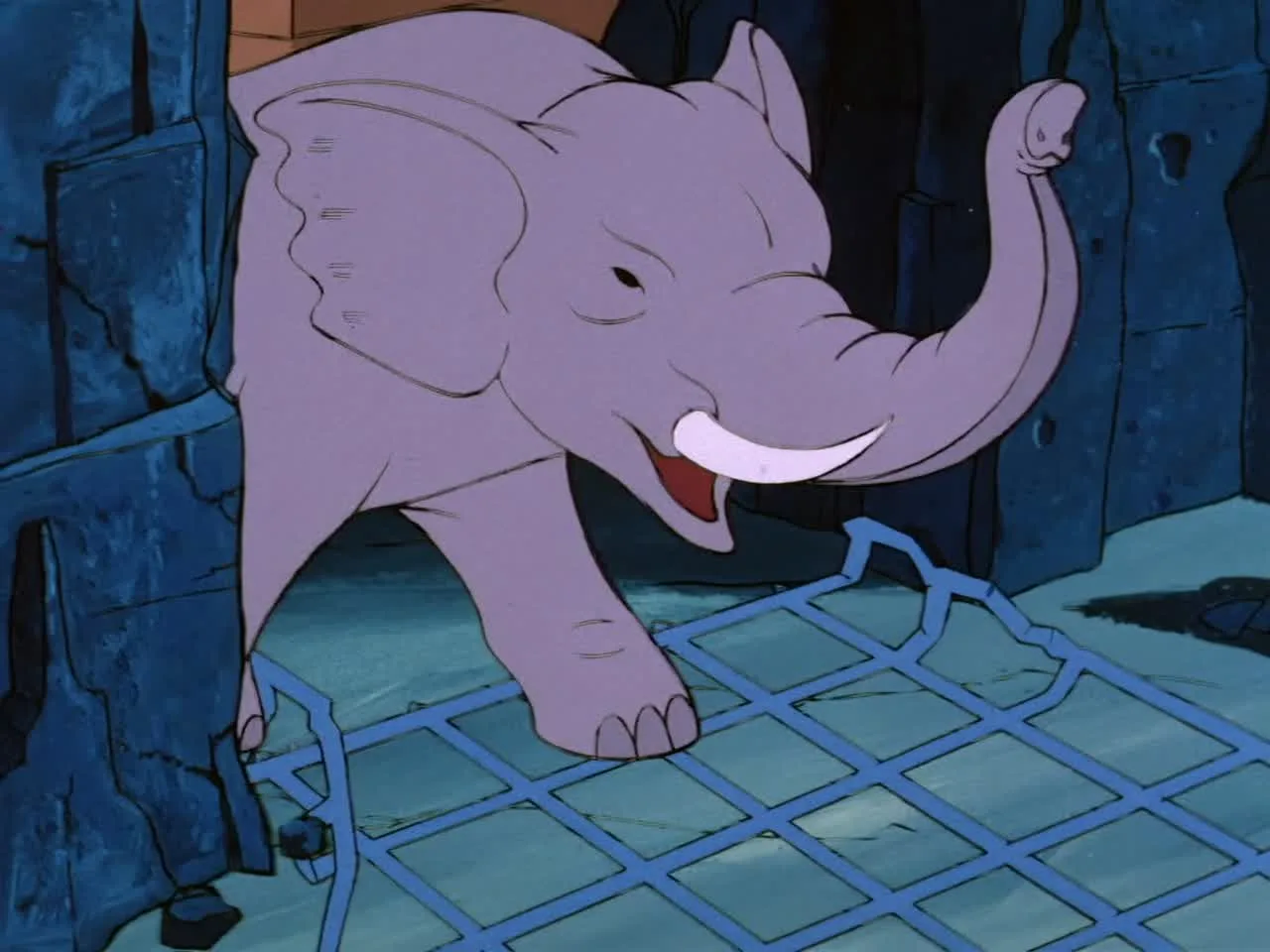
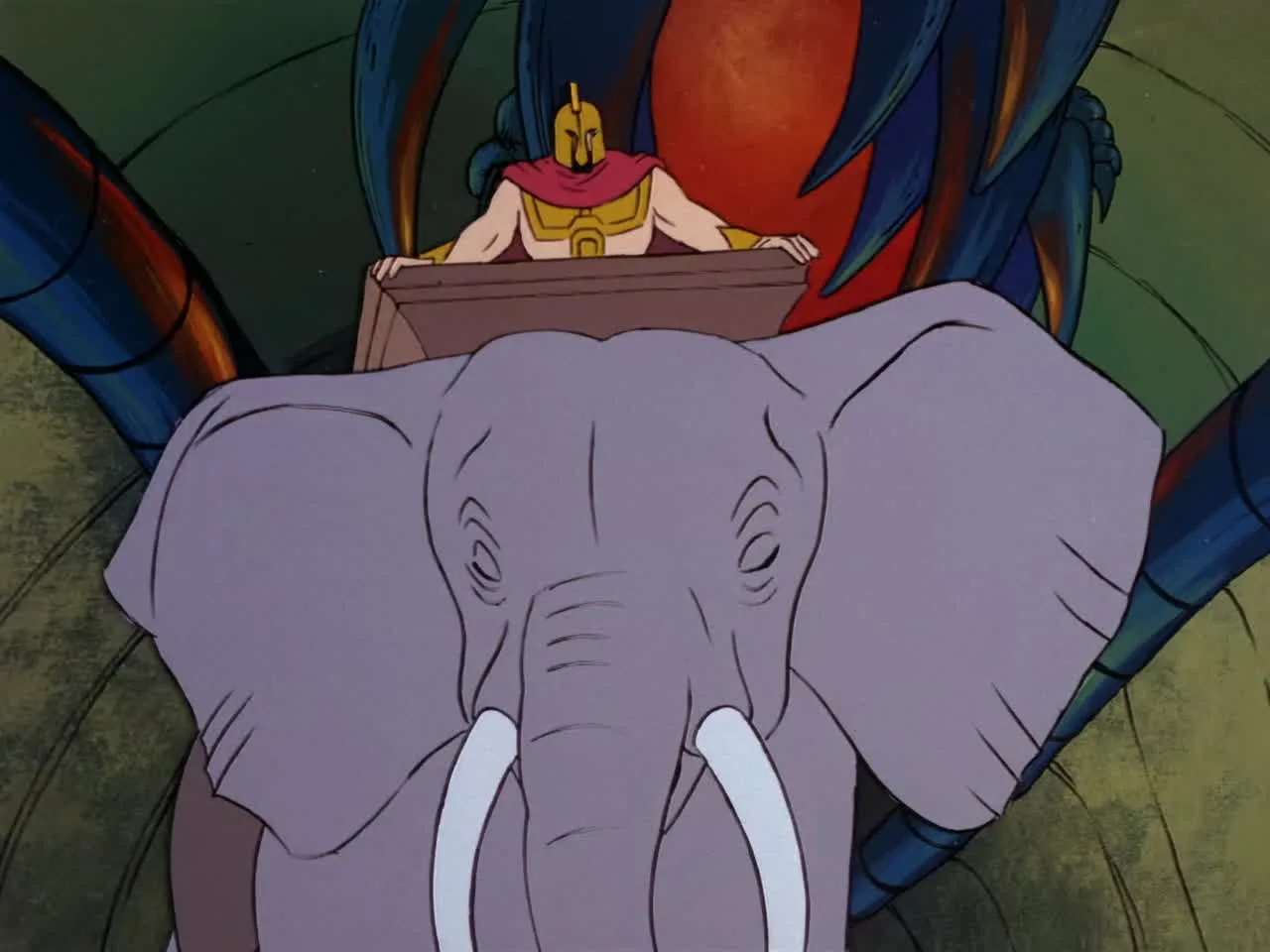
It is not a subtle episode, and nobody involved seems to think it should be. The elephant that hauls Monteeg everywhere is a sight gag that outstays its welcome somewhere around the fourth appearance, and the back half leans on repeated viewer-screen reaction shots of Skeletor more than the plot strictly needs. But the premise, that the villain's own hired hand sees through him before he does, is sharper than the episode's reputation suggests, and Clawful's one good line is worth the price of admission on its own. Monteeg leaves with nothing. Skeletor keeps exactly what he started with, an enemy he cannot do without. The castle, whatever it is supposed to hold, stays empty.
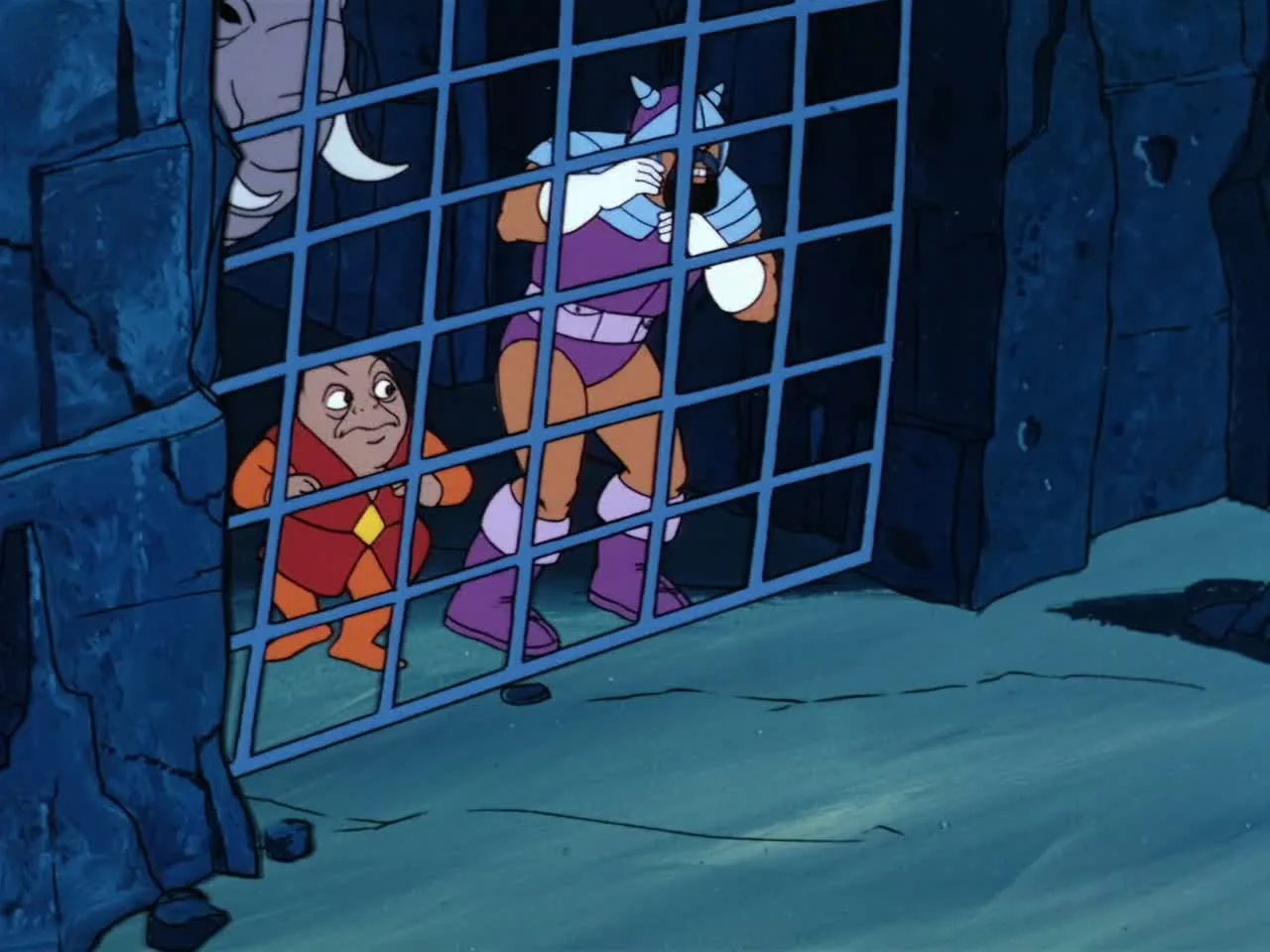
- Behind the scenes: Script was approved May 12, 1983 and final script revision took place June 27, 1983. Mel Gilden was suggested as a writer by Michael Reaves. He based the name 'Monteeg' on the character of Montag from Ray Bradbury's book Fahrenheit 451. Tom Sito provided the storyboards and animated the sequence of He-Man ripping the gate from the wall and throwing it out of shot. He also suggested designs from Hannibal and Blackbeard that were much more historically accurate and was disappointed with their final appearance.
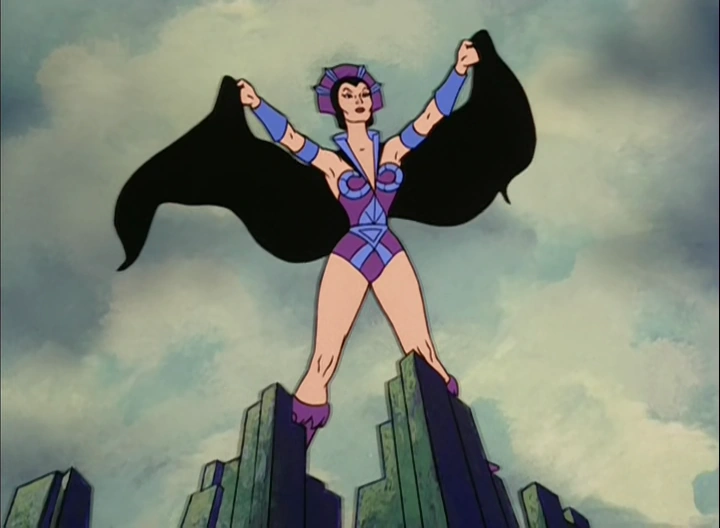
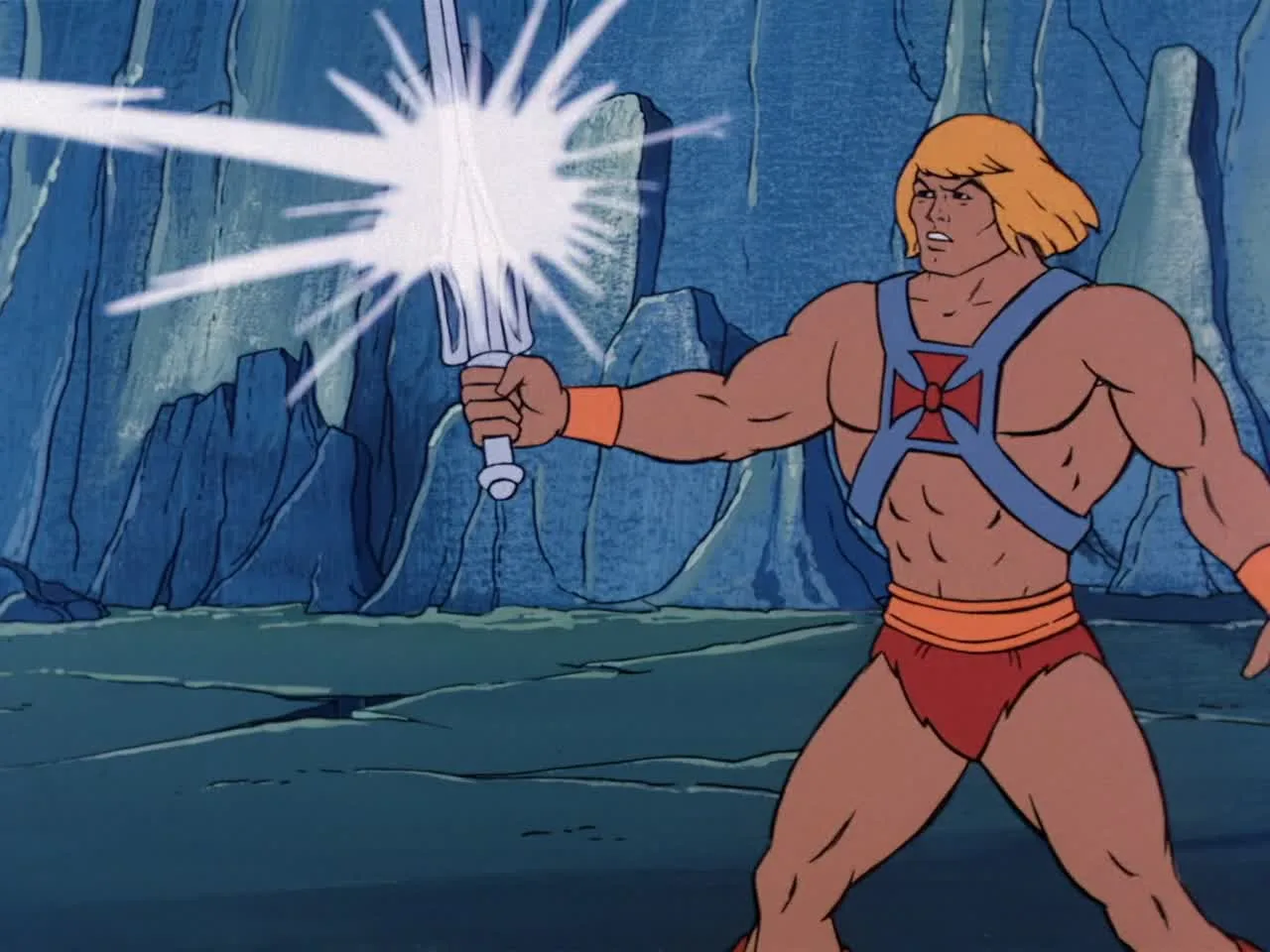
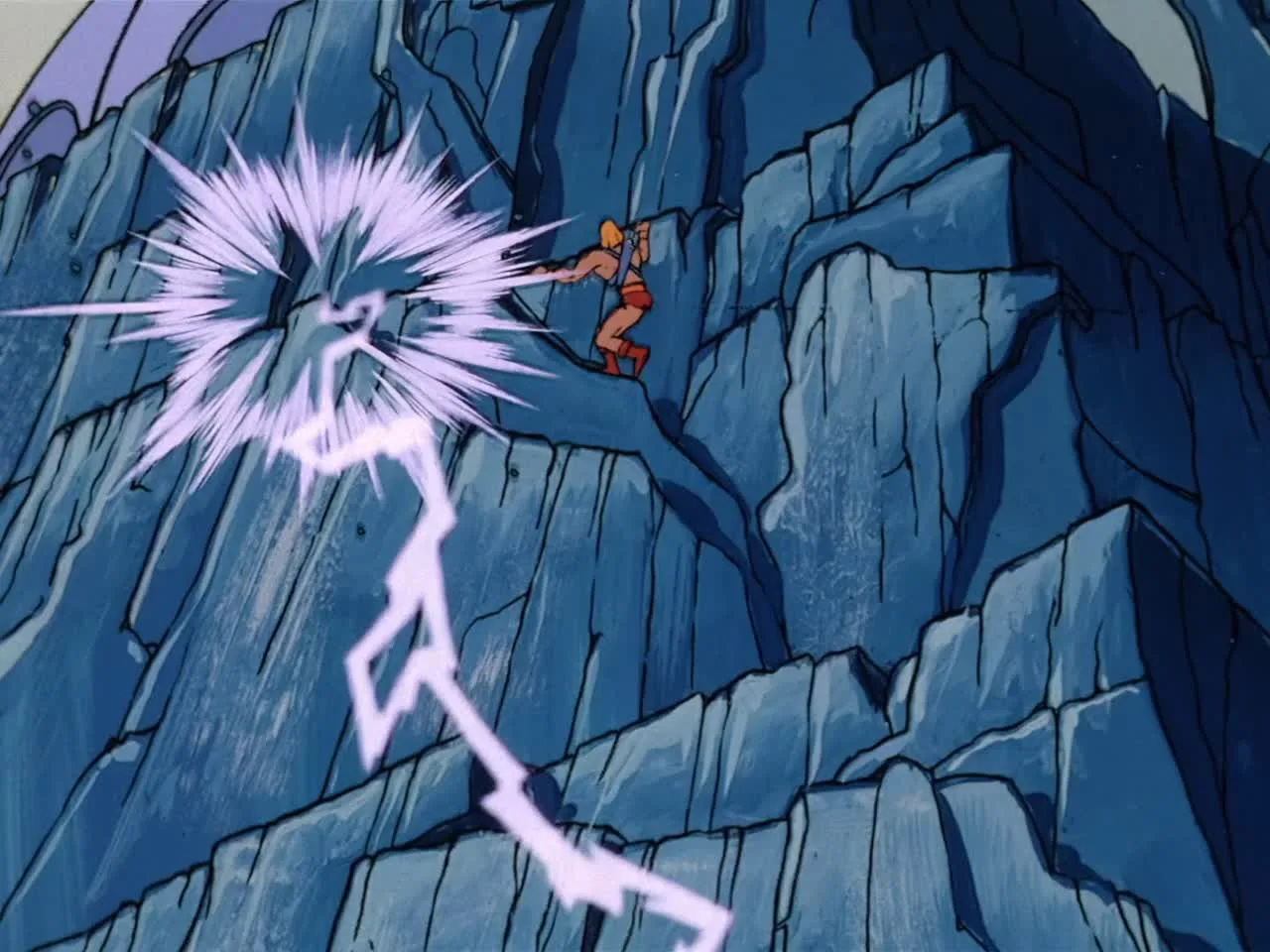
- Continuity: The animation of Evil-Lyn seen on Skeletor's viewer is reused from Diamond Ray of Disappearance. The animation of He-Man pulling the gate from its hinges and throwing it was reused in The Gamesman and reanimated for a sequence in an episode of Filmations BraveStarr titled Thoren the Slavemaster. The location of Polonia was previously seen as Stardica in Like Father, Like Daughter will be seen again as the Weather Station in The Ice Age Cometh and as Station Zeta in Happy Birthday Roboto. The animation of He-Man chopping a rock with his magic sword will be seen again in Monster on the Mountain.
- More continuity: When J. Michael Straczynski wrote the updated series bible for season two, he suggested that the character designed created for Blackbeard could be reused for a new character named 'Lasar the Space Pirate'.
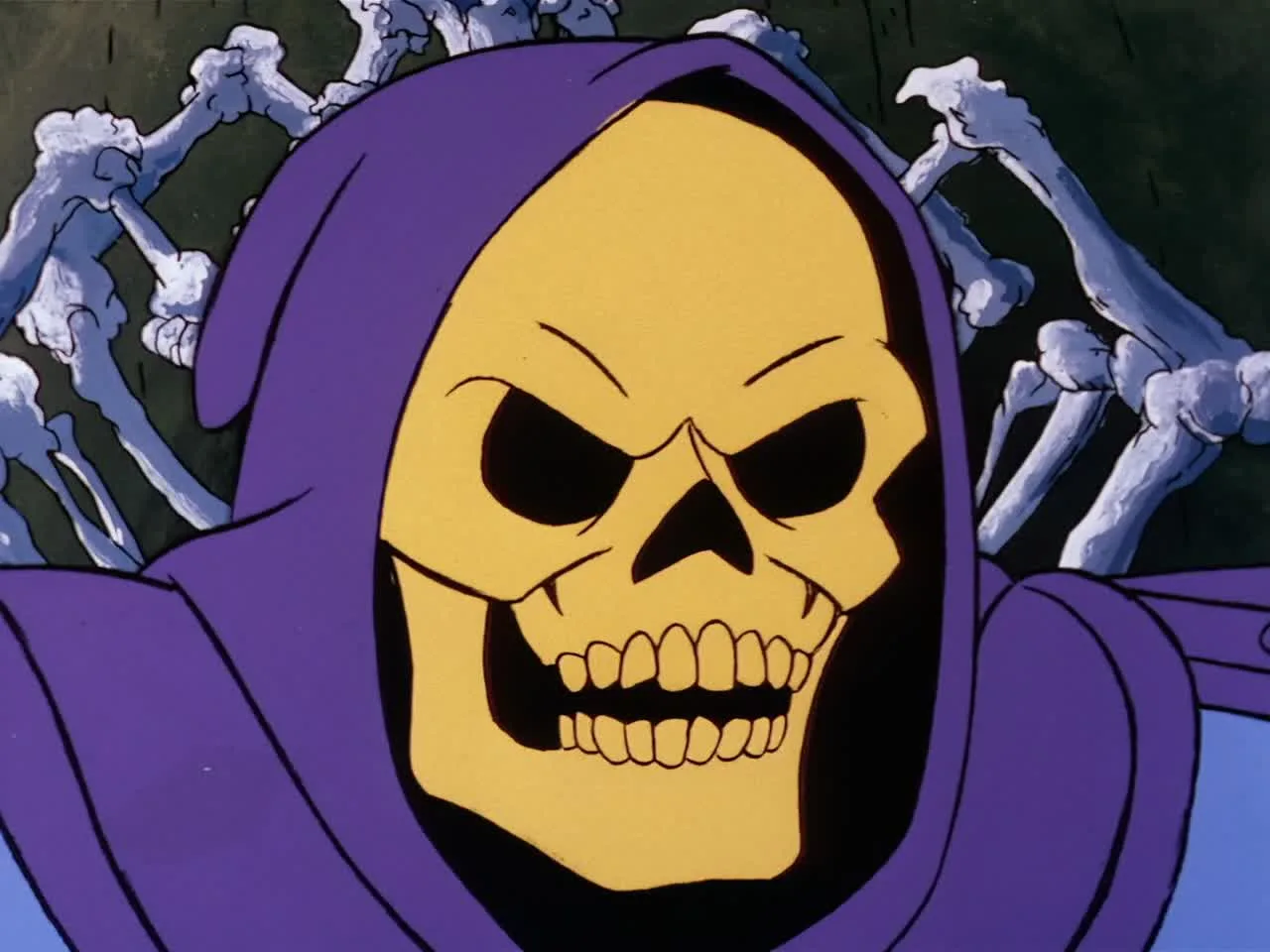
- Animation errors and goofs: When Skeletor and Monteeg are drinking together, Skeletor is seen laughing in close-up. His bone throne is positioned too far behind him in this shot. Even though Monteeg has enslaved Blackbeard, the latter appears to be giving his master a command when he says "Fire away, mateys, hit him a mid-ship".
DISCUSSION
Join the conversation.
Comments below are mirrored on the heman.org forum. Sign in once, post anywhere.