
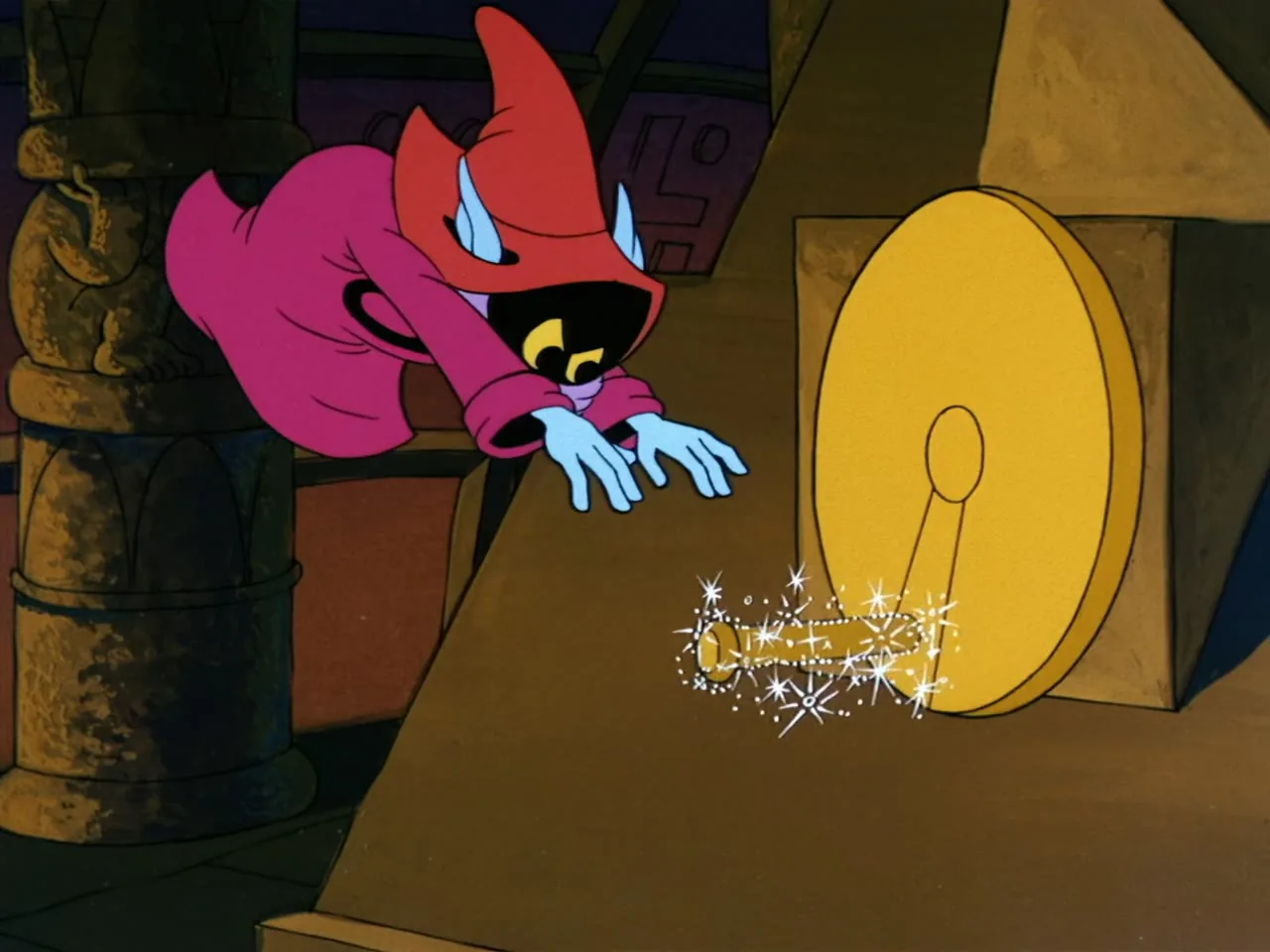
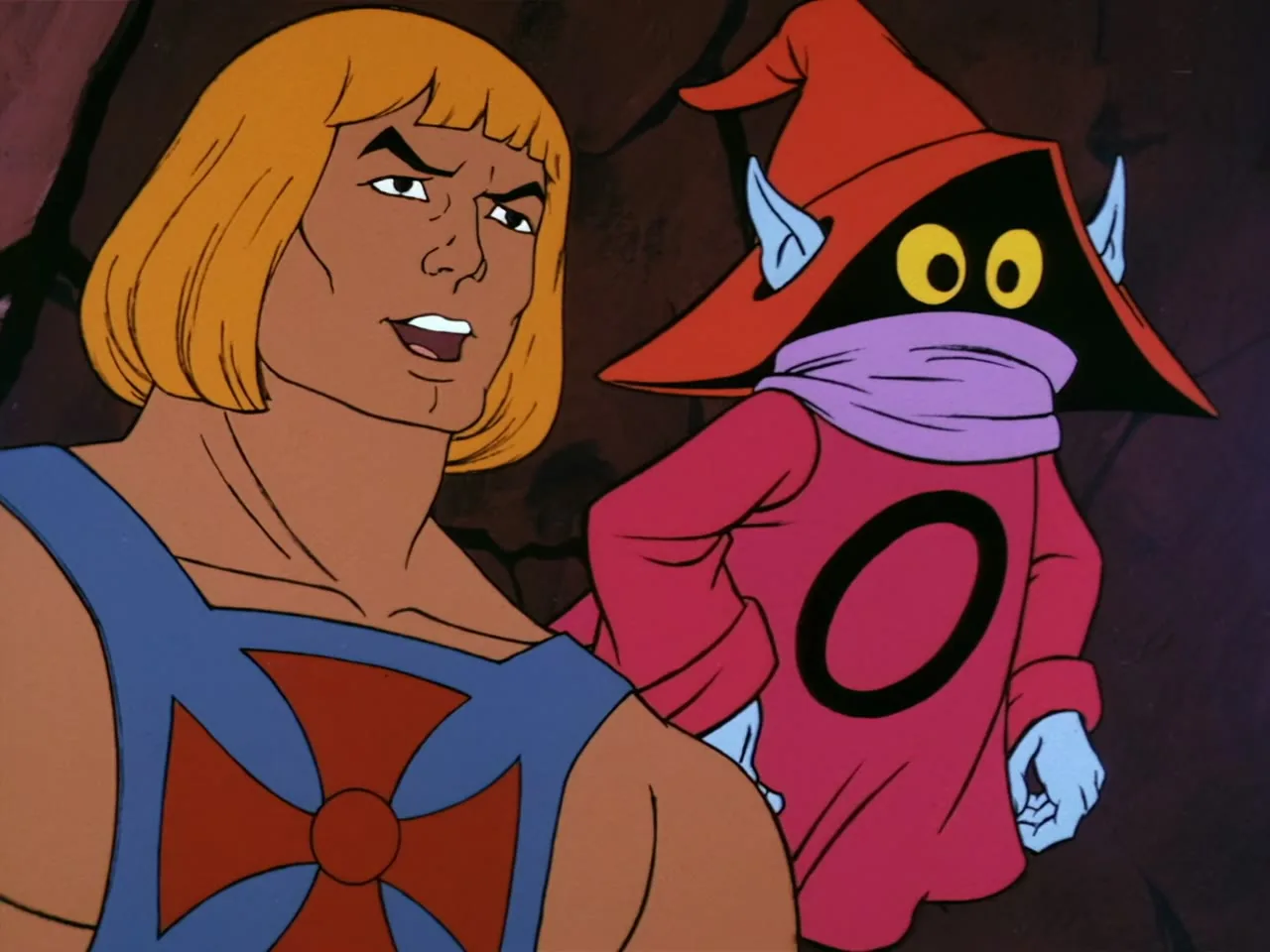
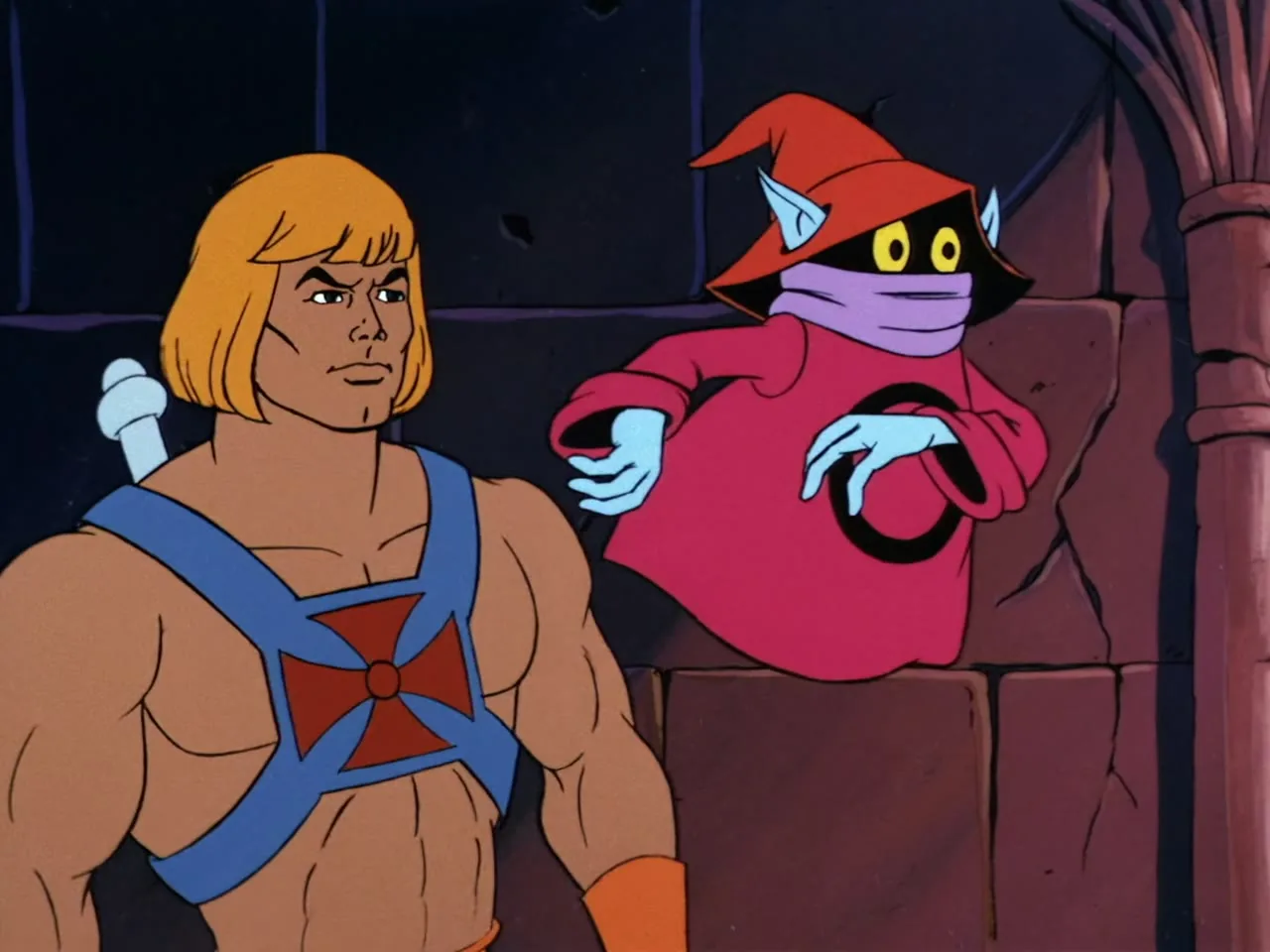
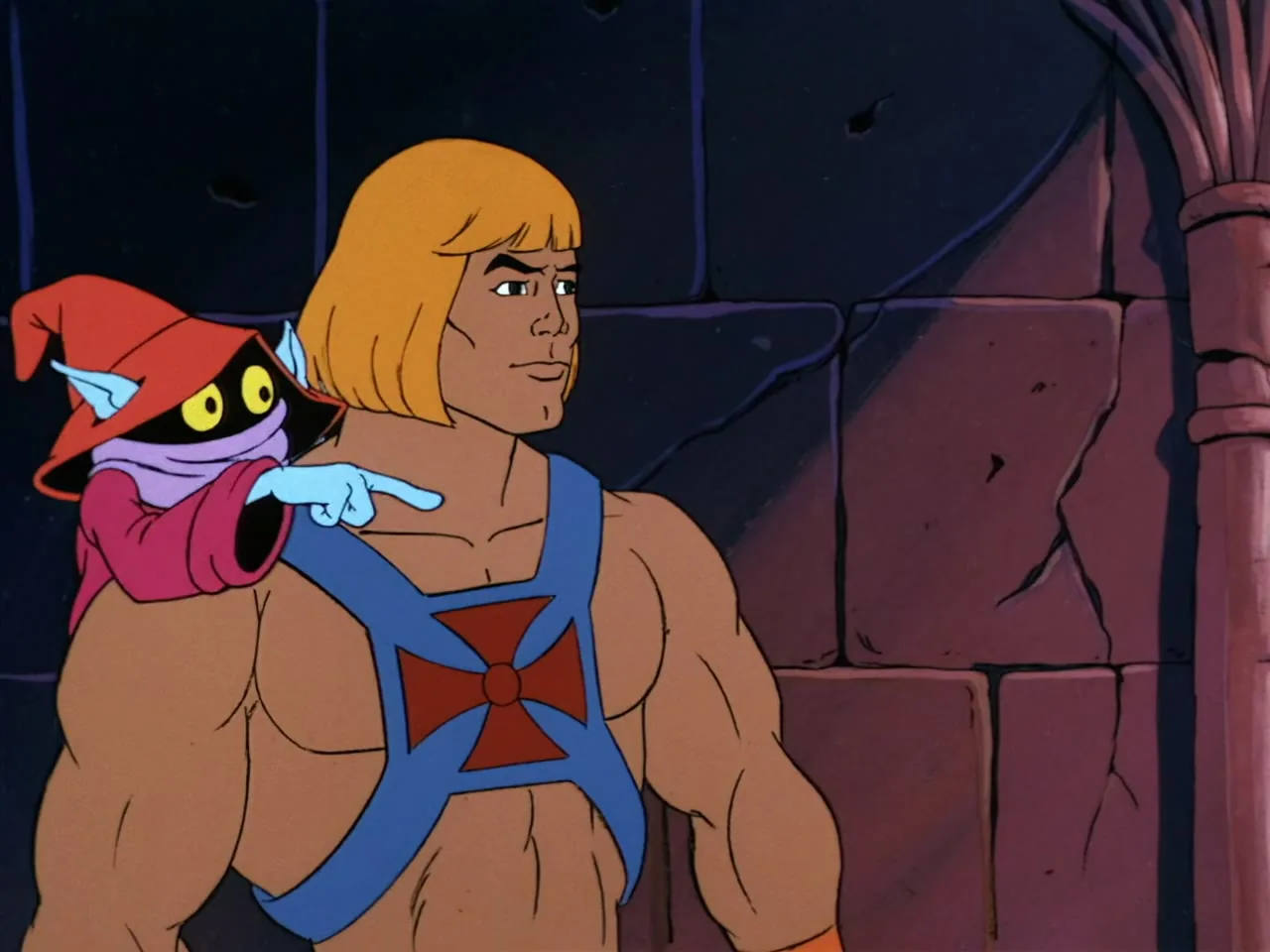
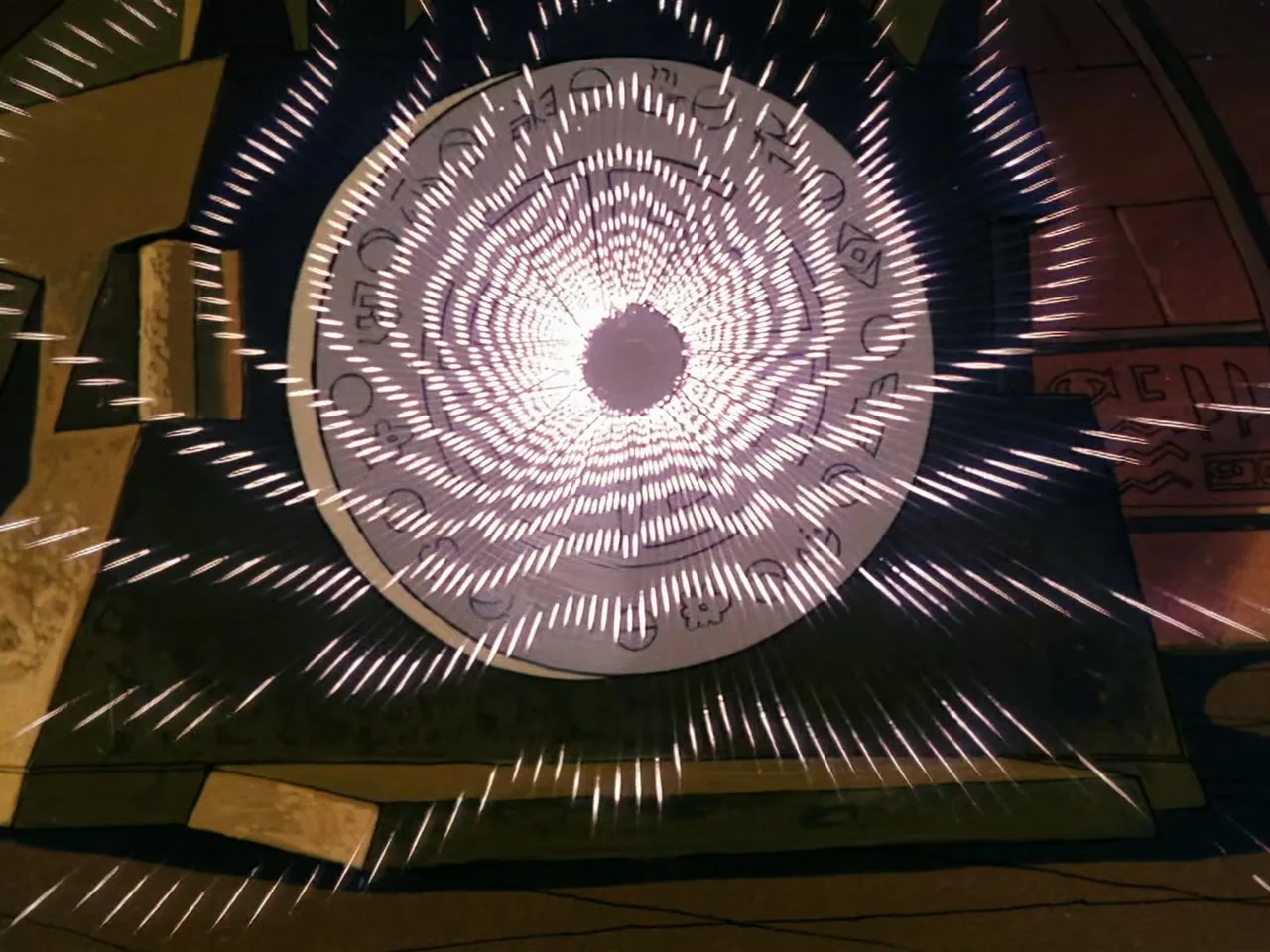
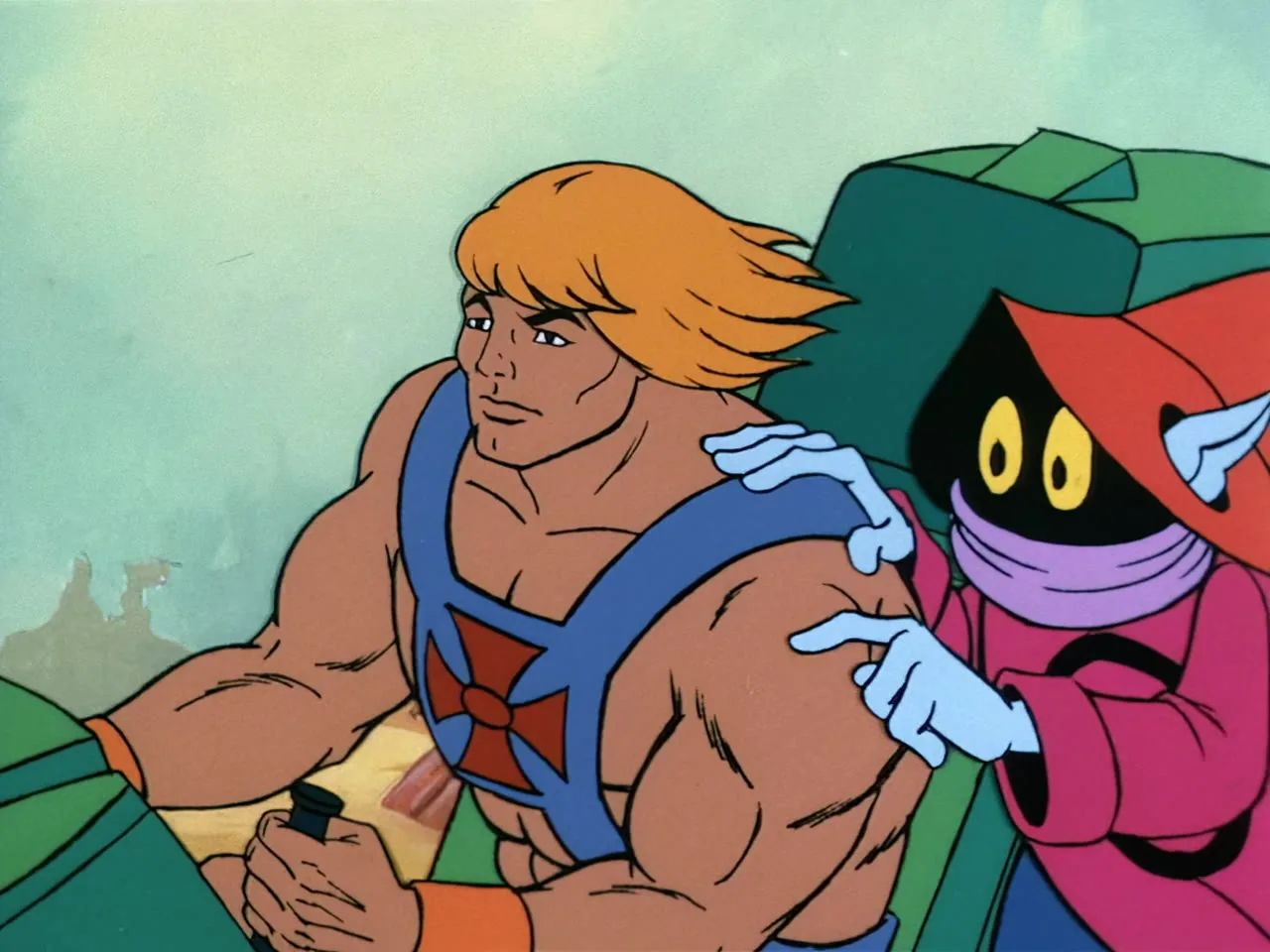
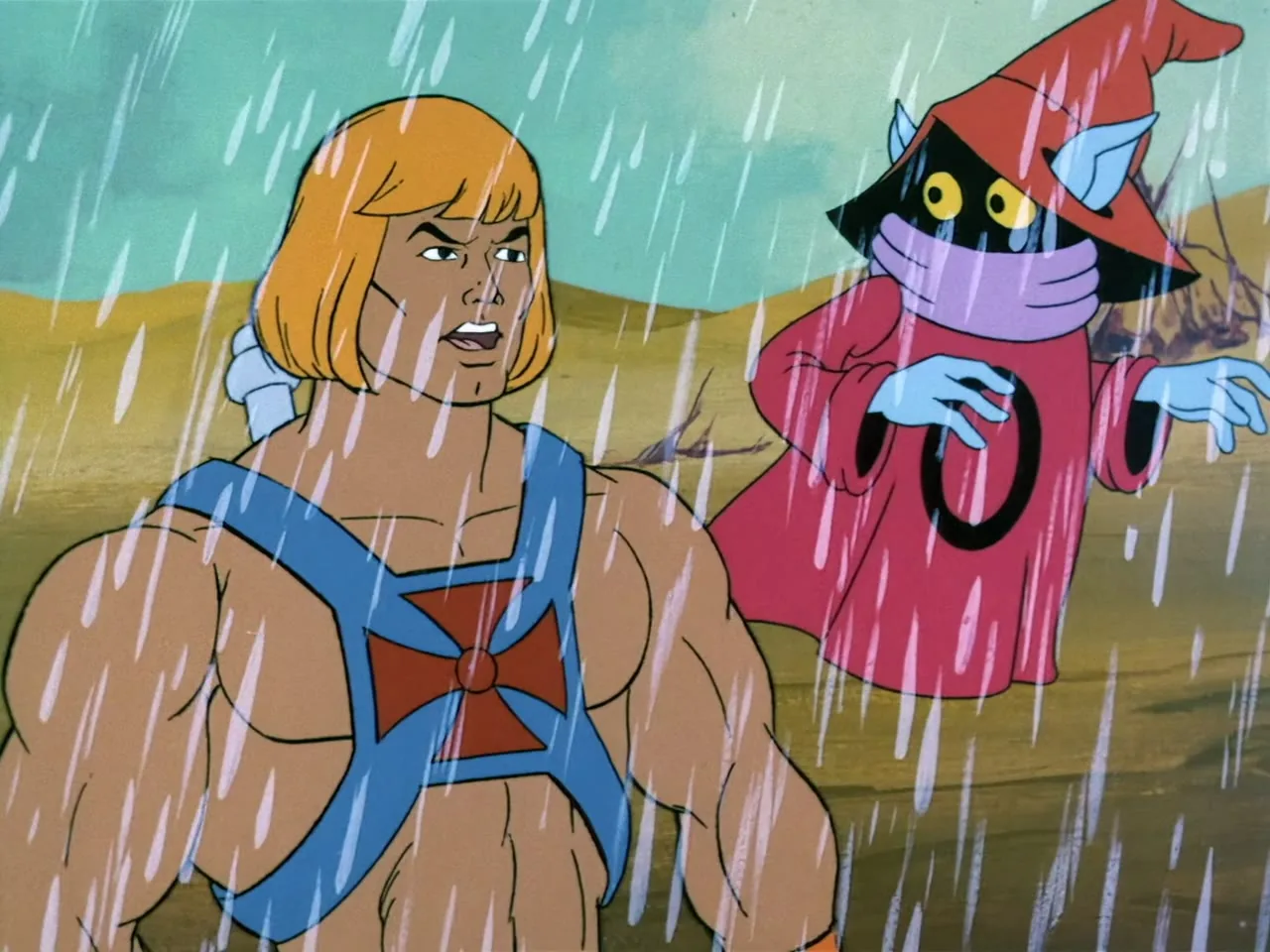
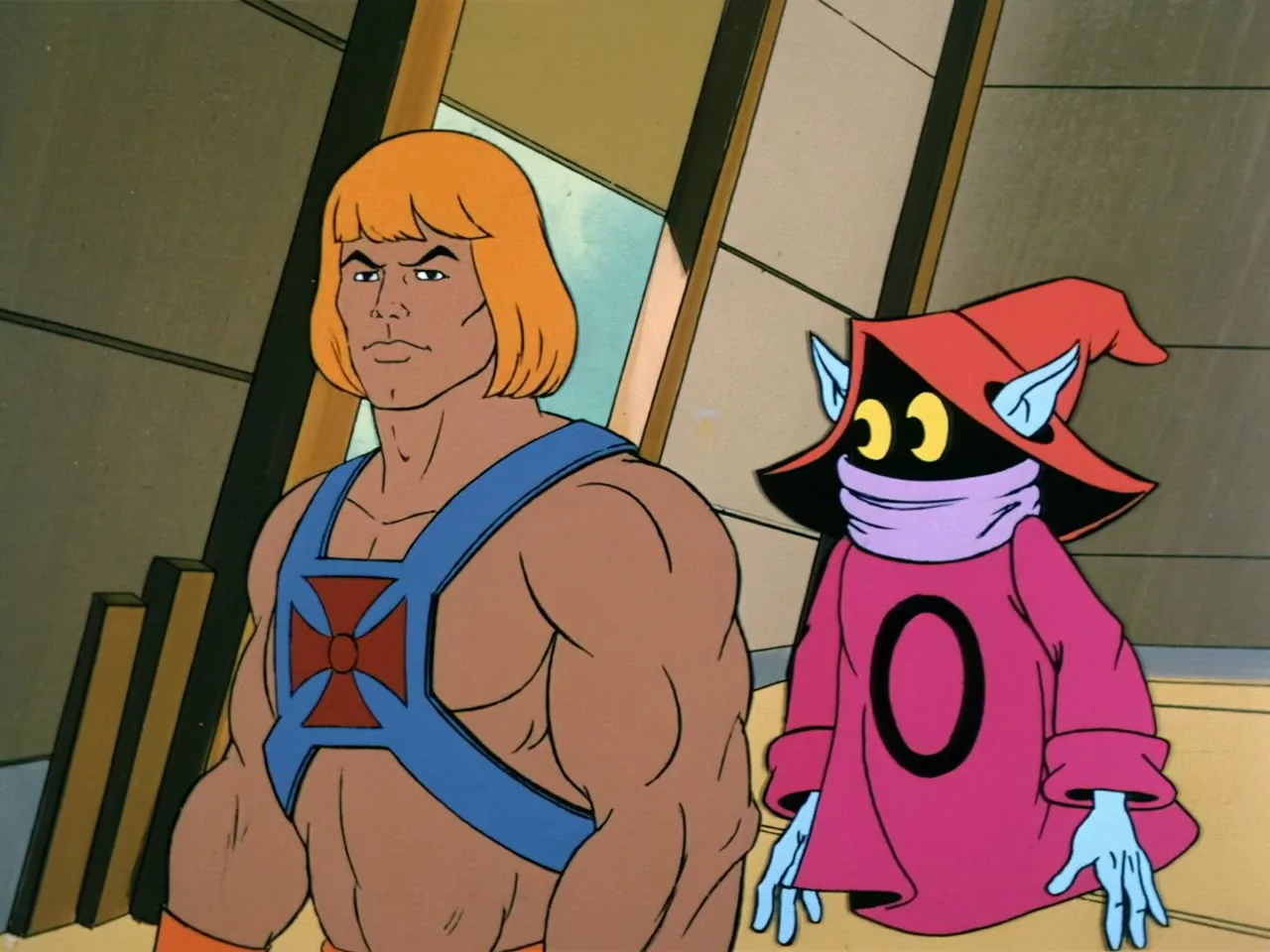
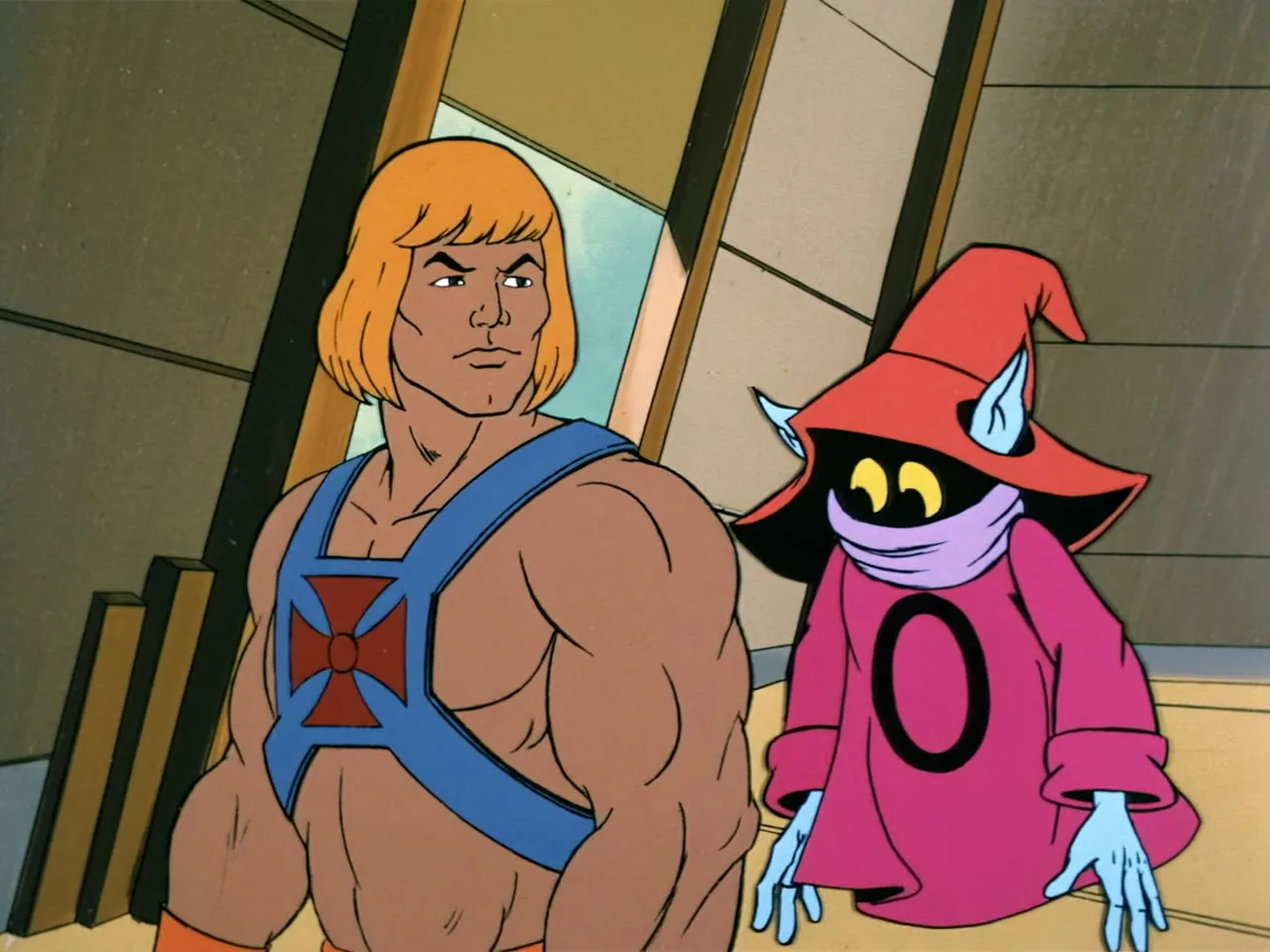
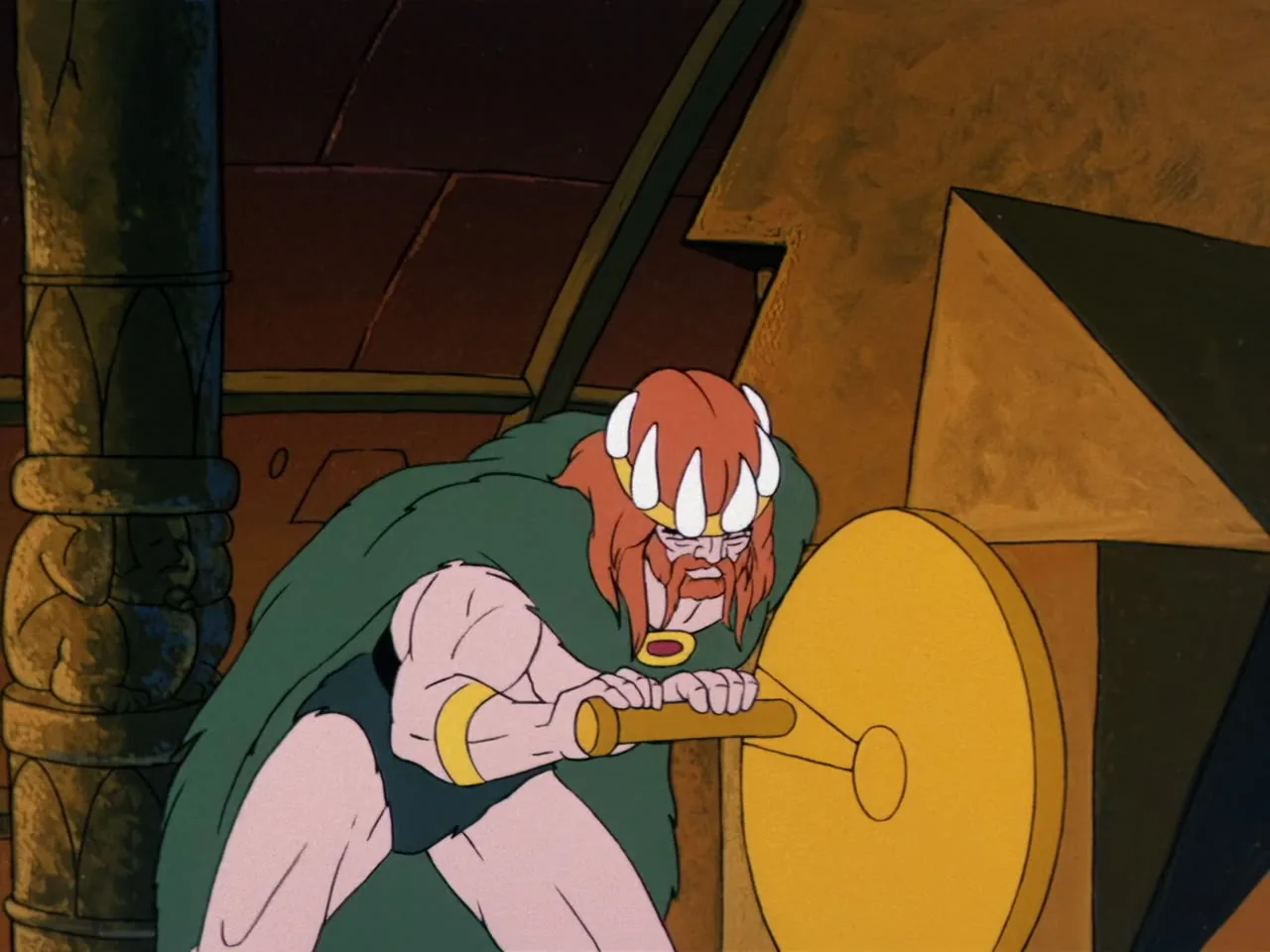
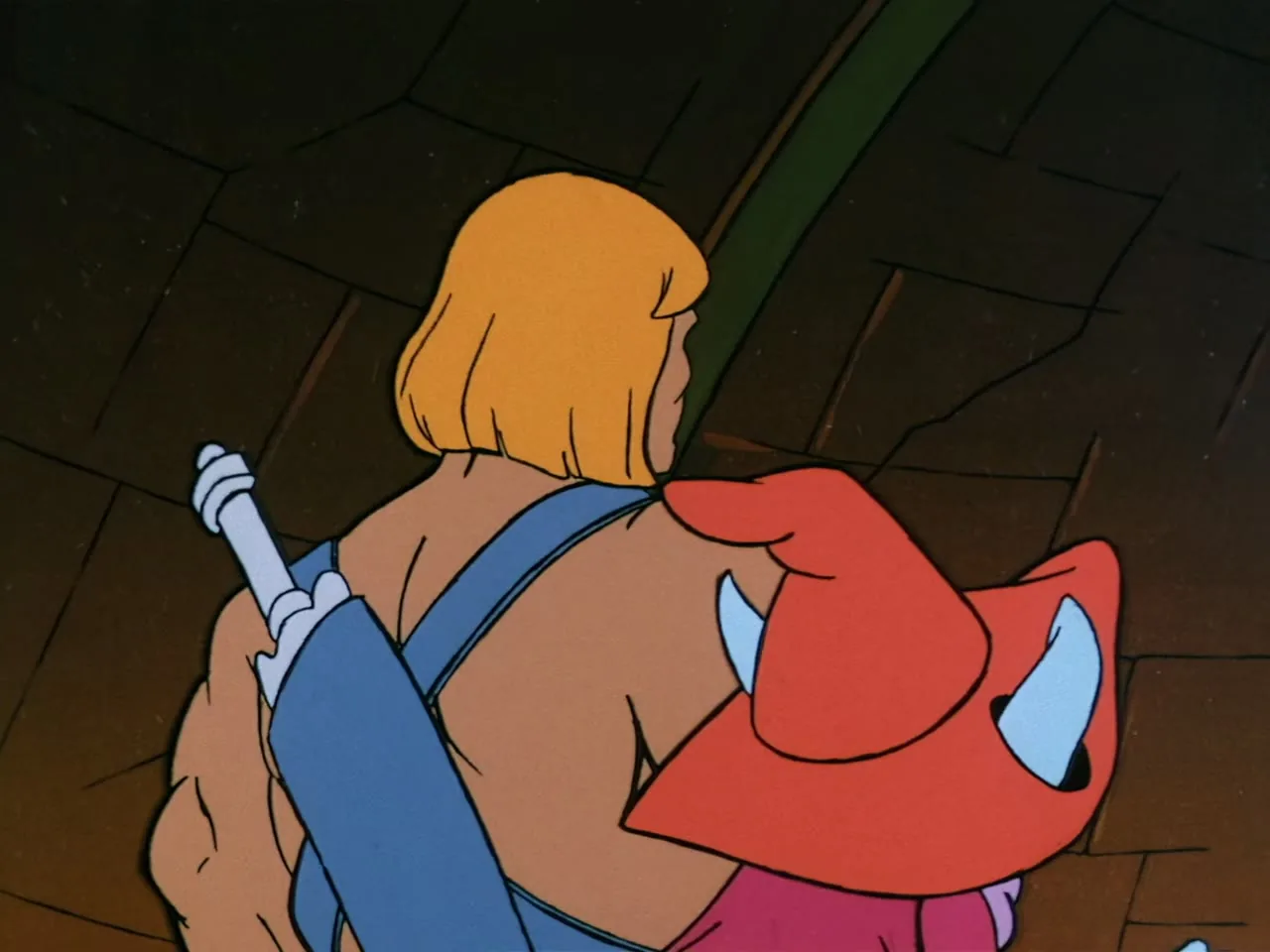
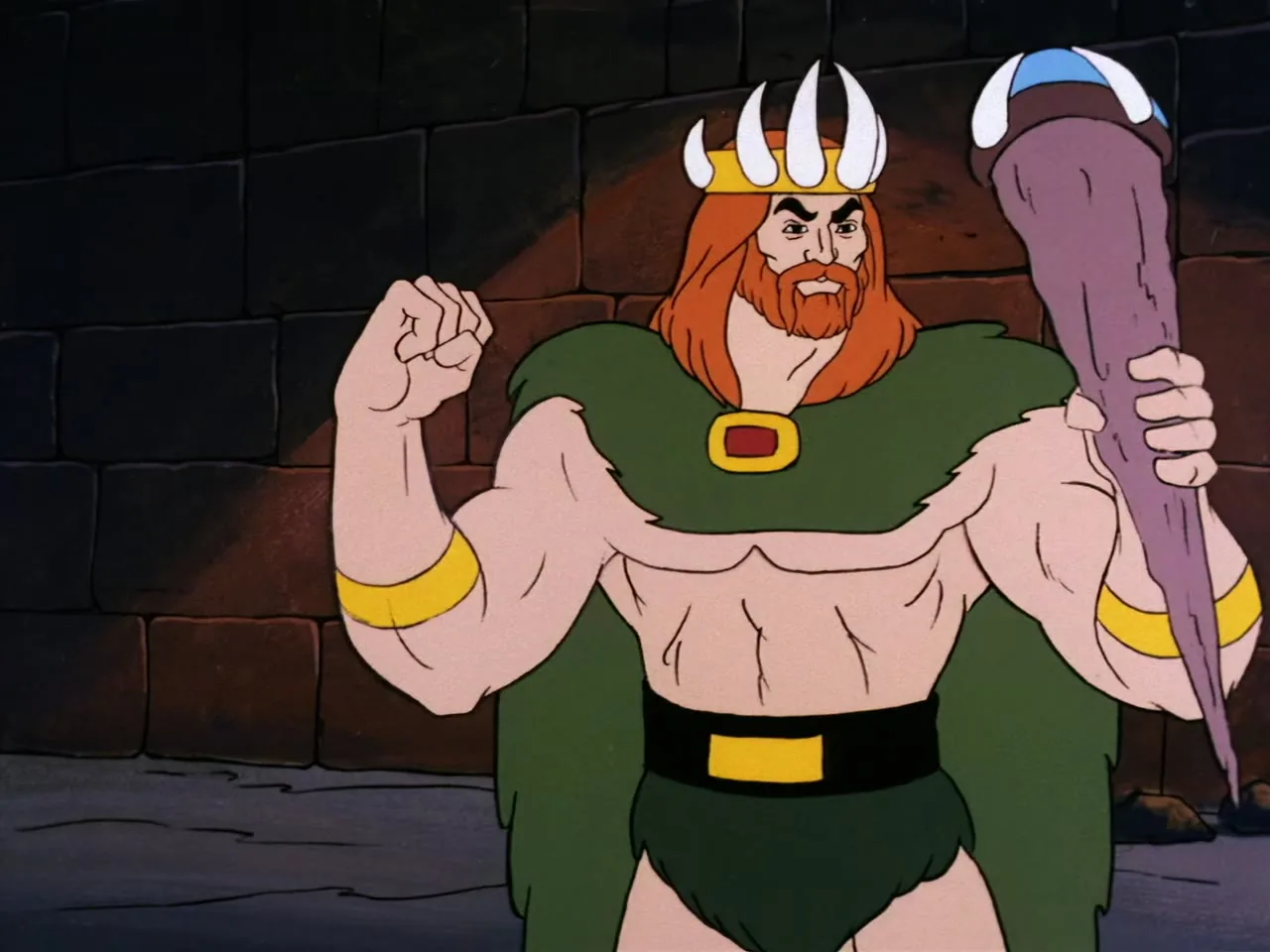
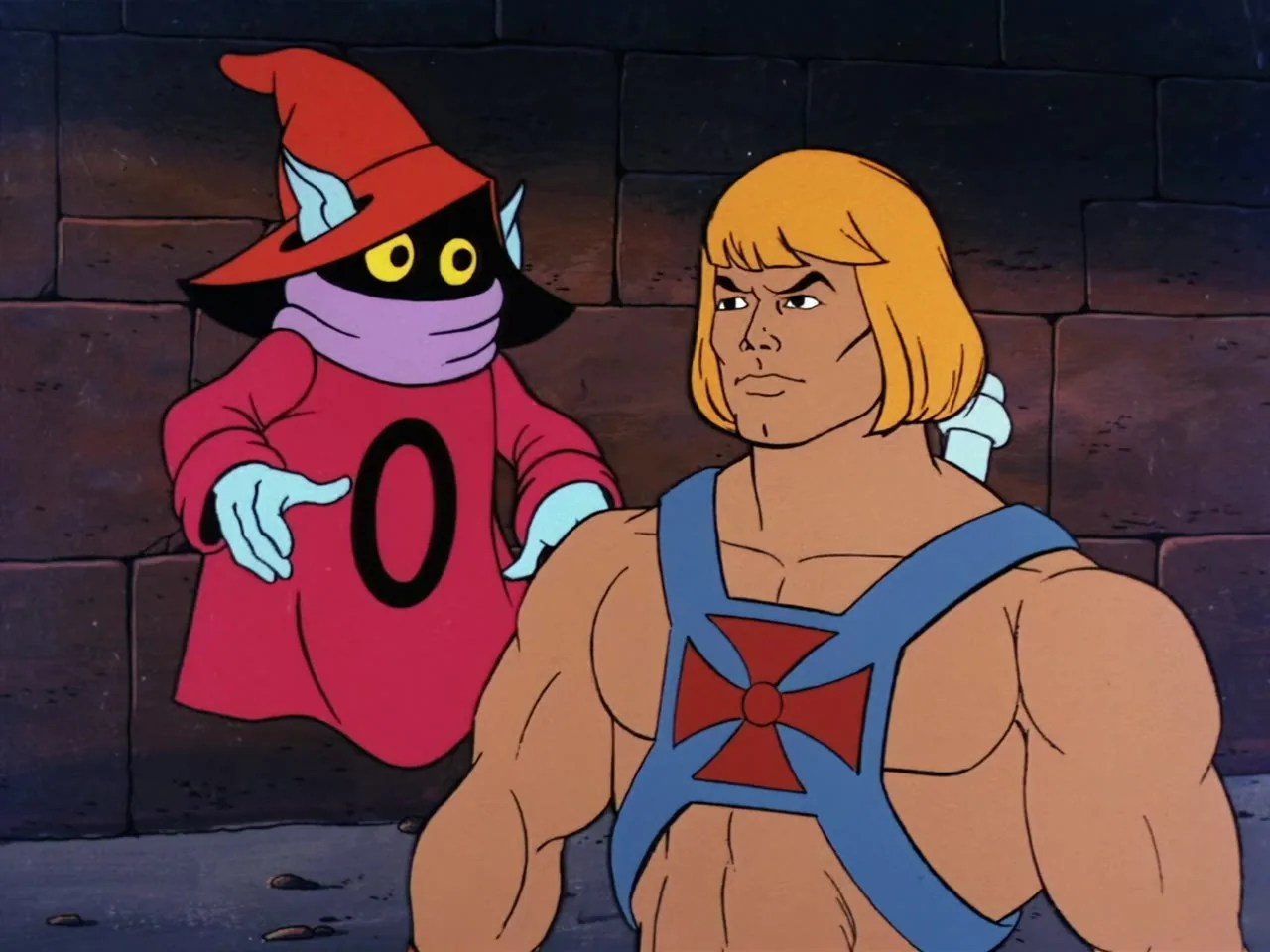
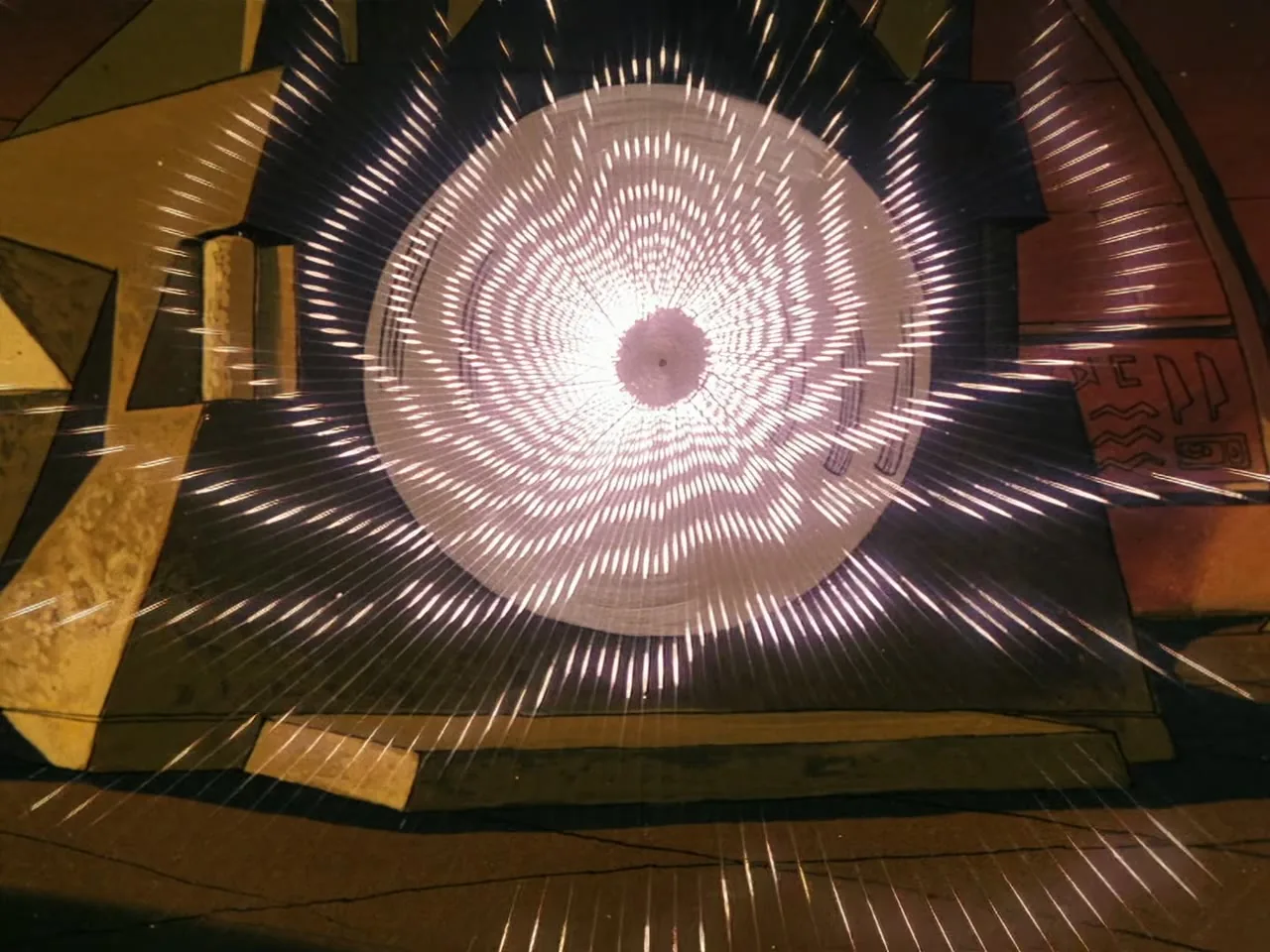
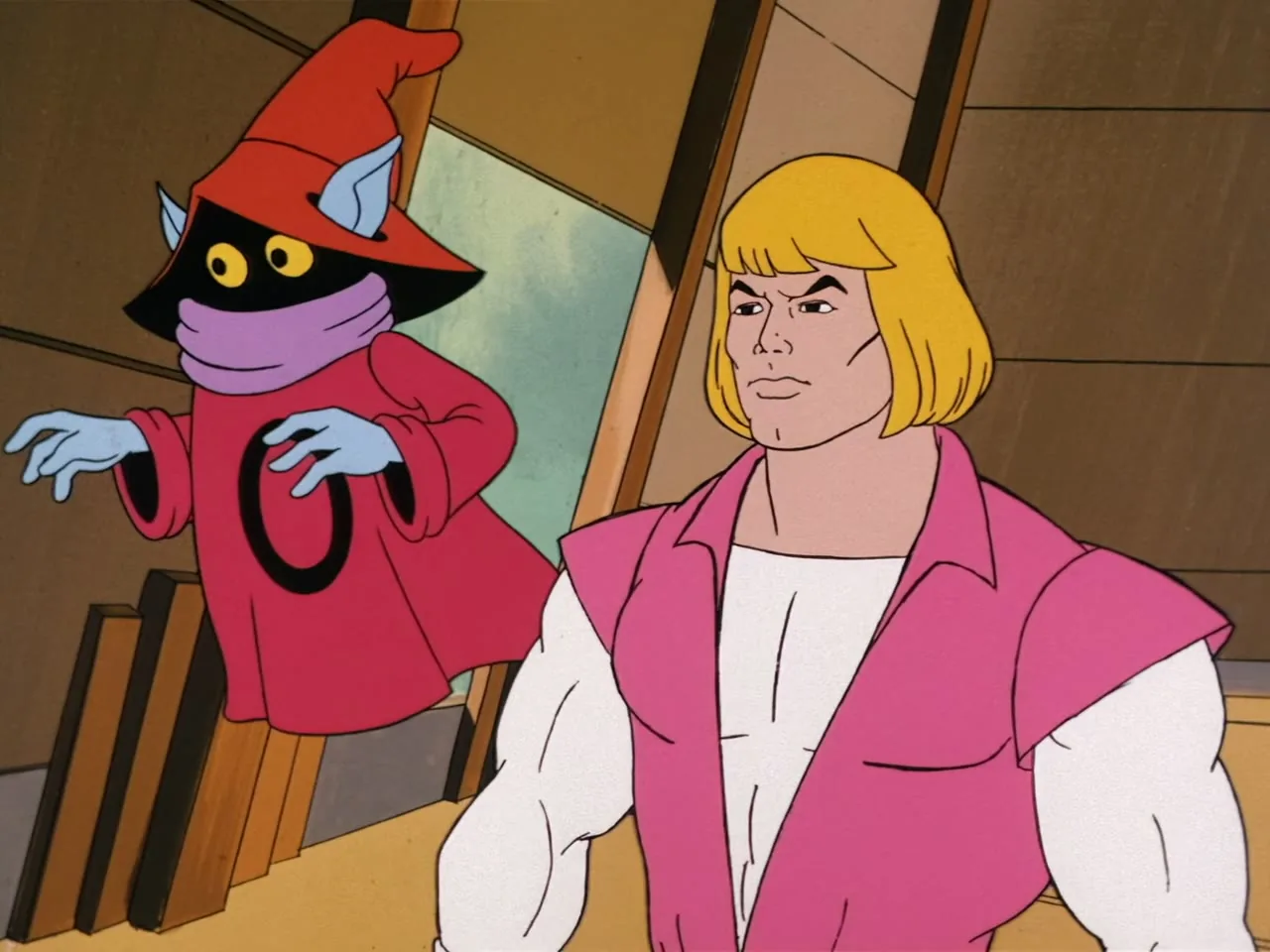
While sheltering from a desert sandstorm, Prince Adam and Orko break into a sealed Silkon laboratory and accidentally pull a barbarian king, Tamusk, forward out of Eternia's deep past. Convinced that Randor has stolen his throne and that everyone he meets is a Silkon agent, Tamusk declares war on the palace. He-Man has to stop him without becoming the enemy Tamusk already believes him to be, and get him home before the mistake becomes permanent.
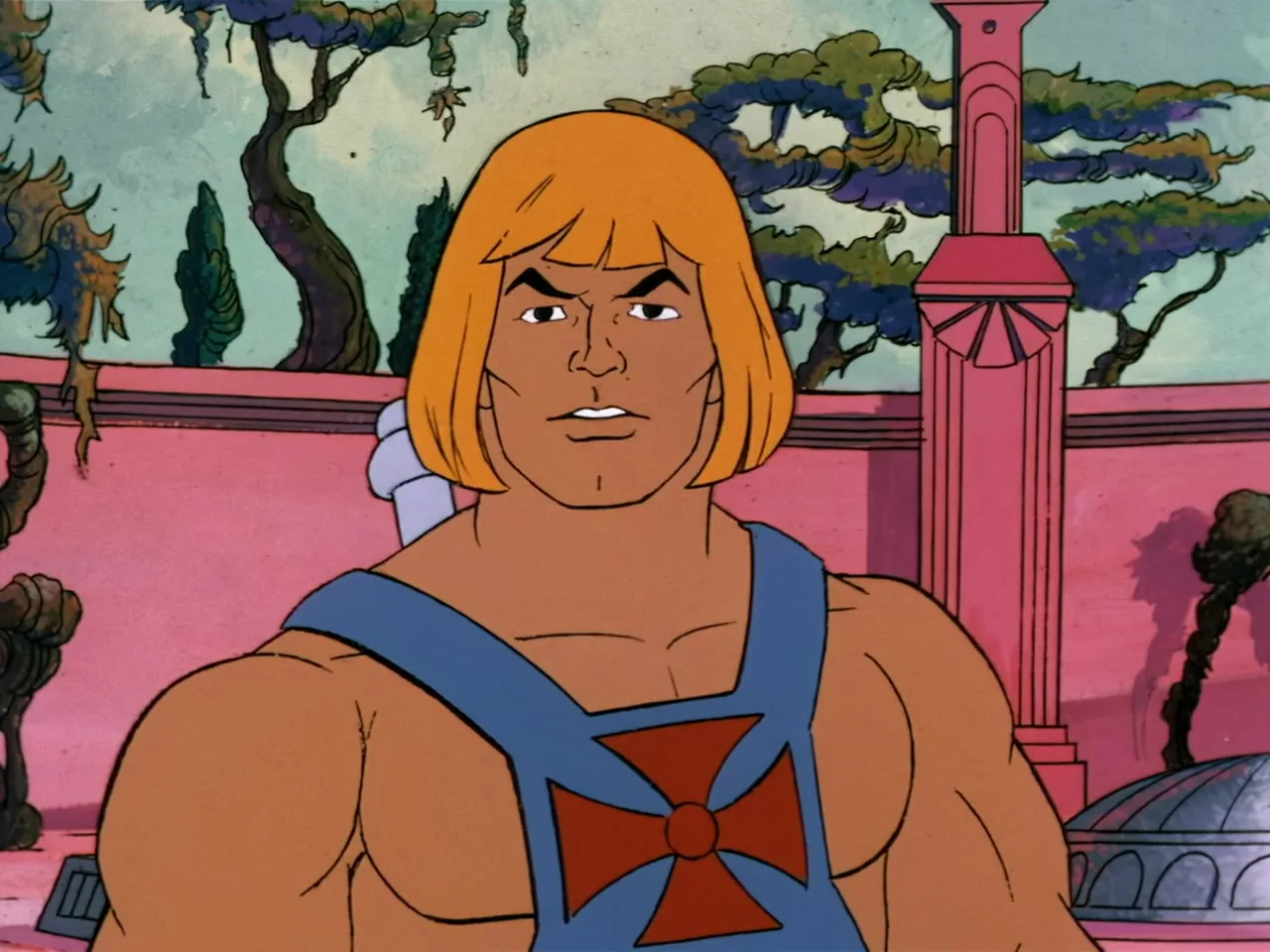
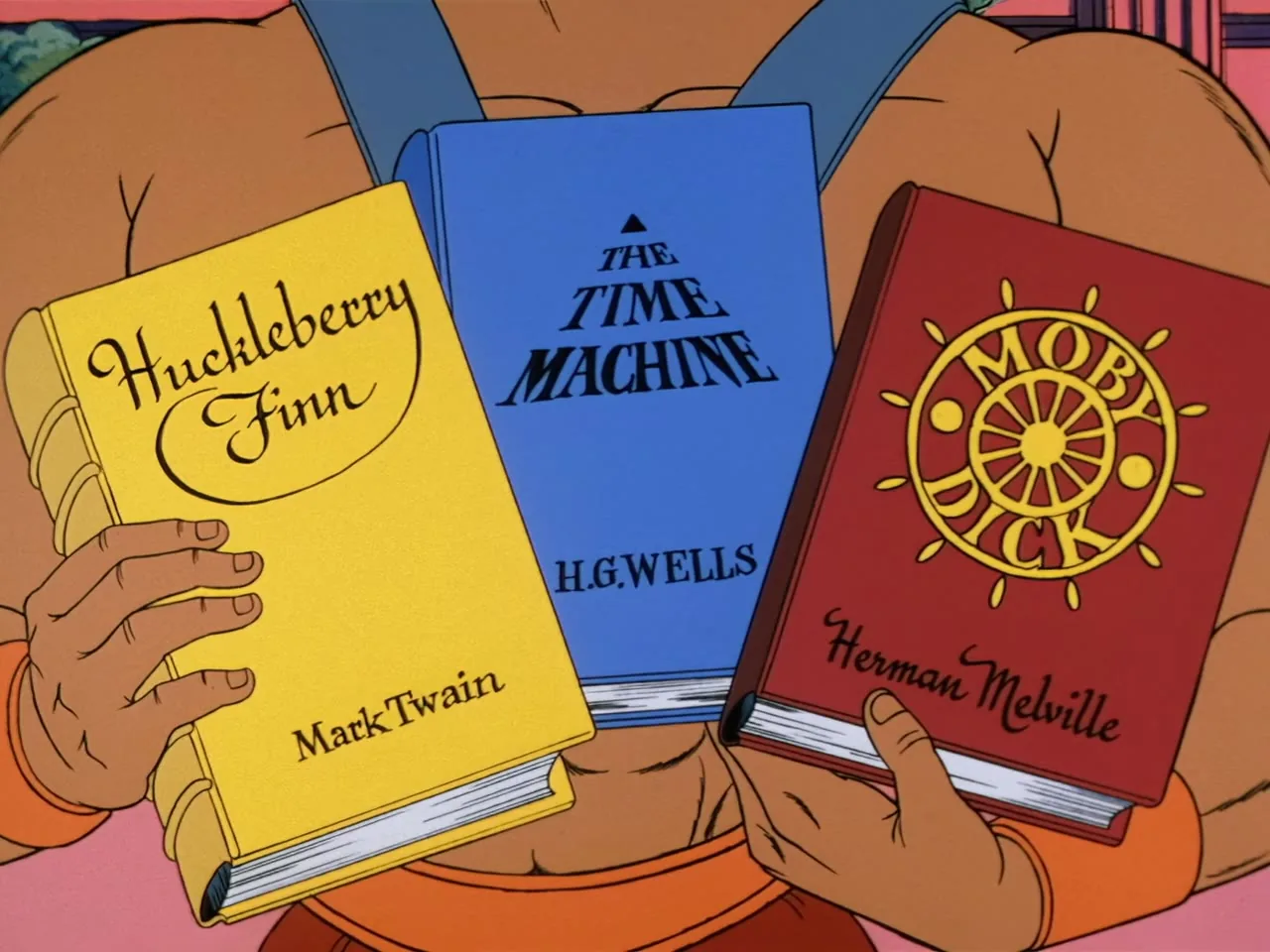
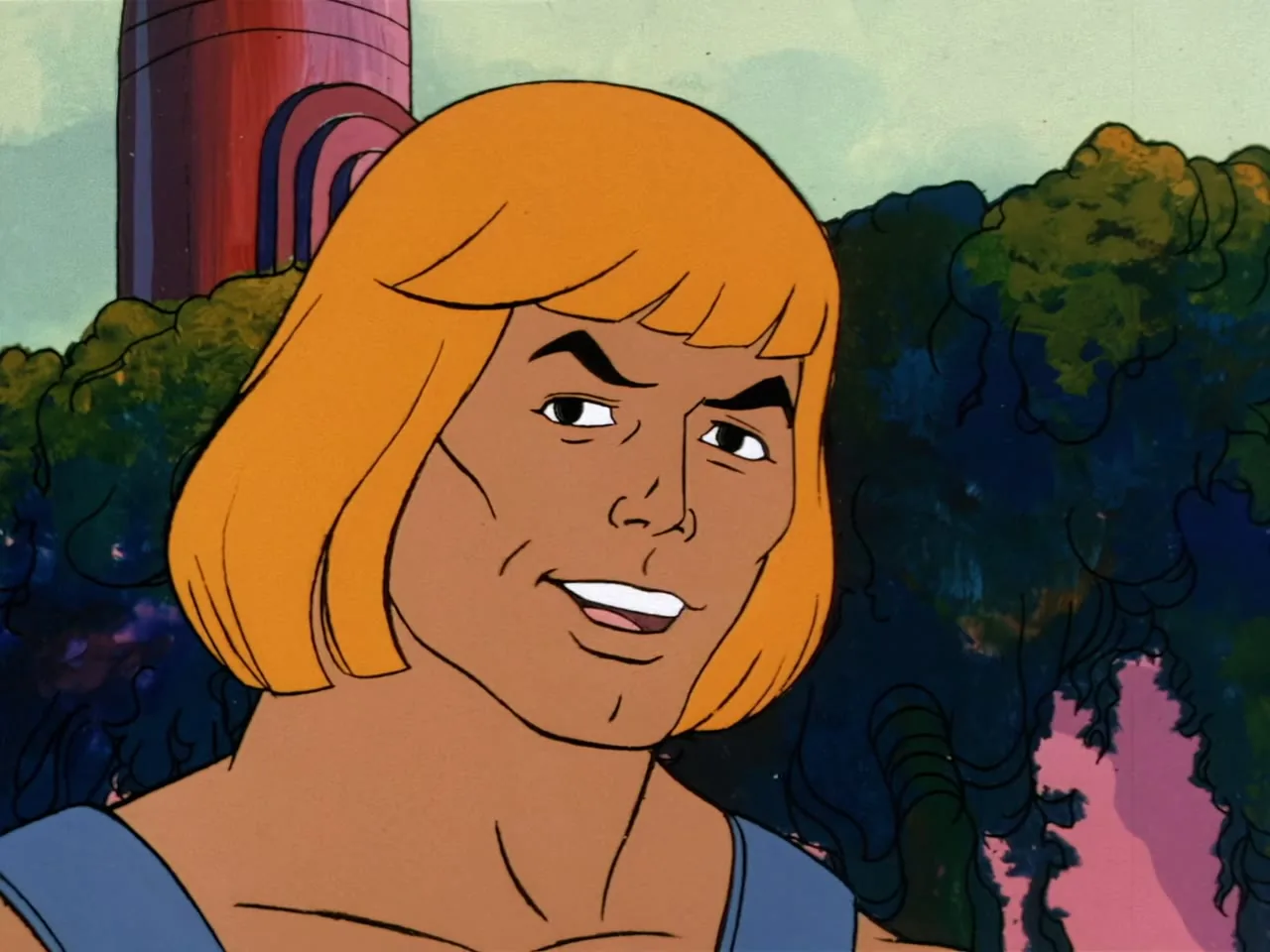
He-Man: "I hope you enjoyed today's adventure story. Wouldn't it be wonderful if we did have a real time wheel? We could turn it back to the Stone Age and meet some real cave people. Or into the future where we could see some of the wondrous things yet to come. Well, we don't have a magic time wheel, not yet anyway. But we do have some things just about as good. They're called books. Reading books can be your time wheel to just about any time or place you choose. Why don't you give them a try? You'll be glad you did."
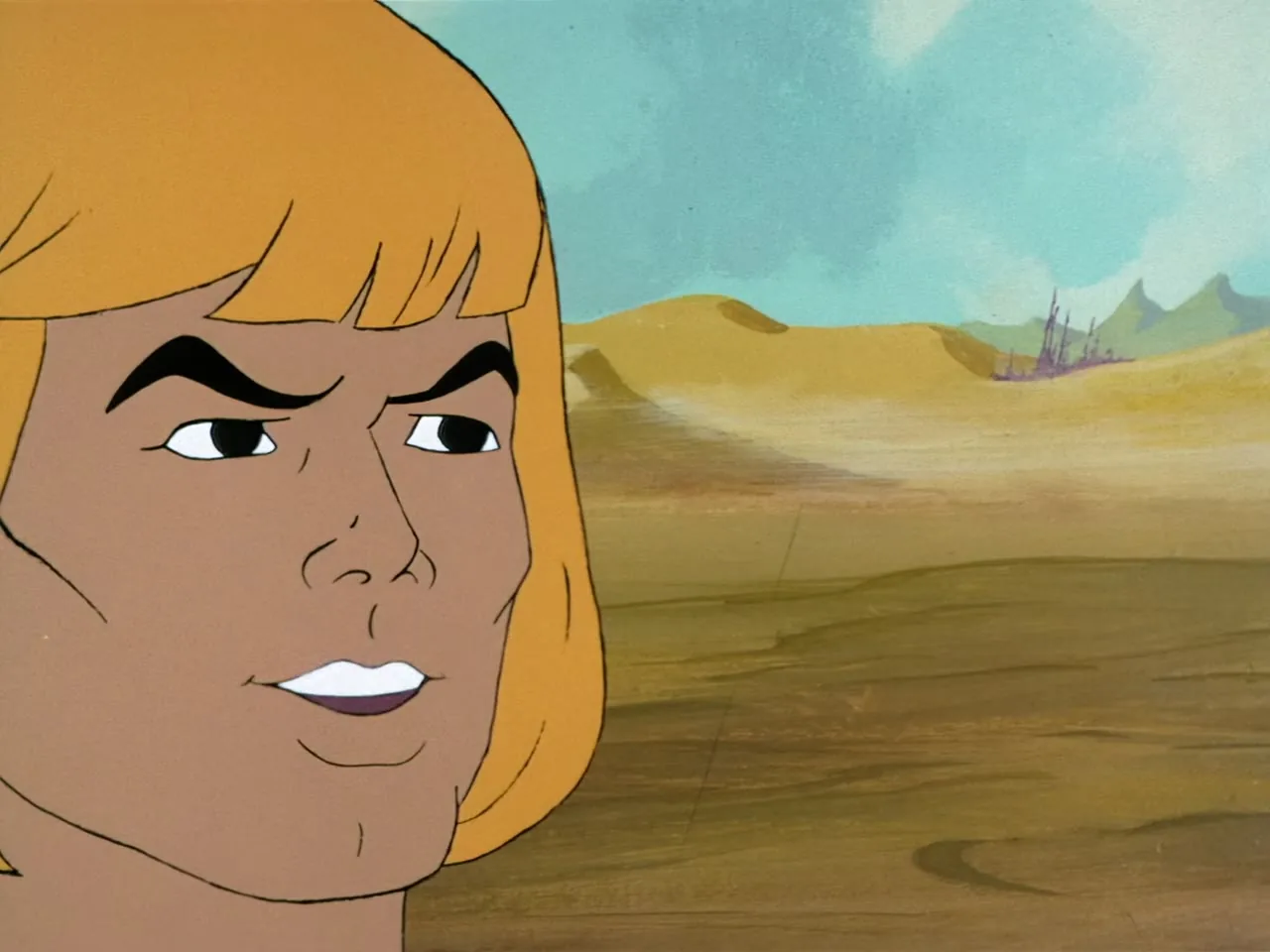
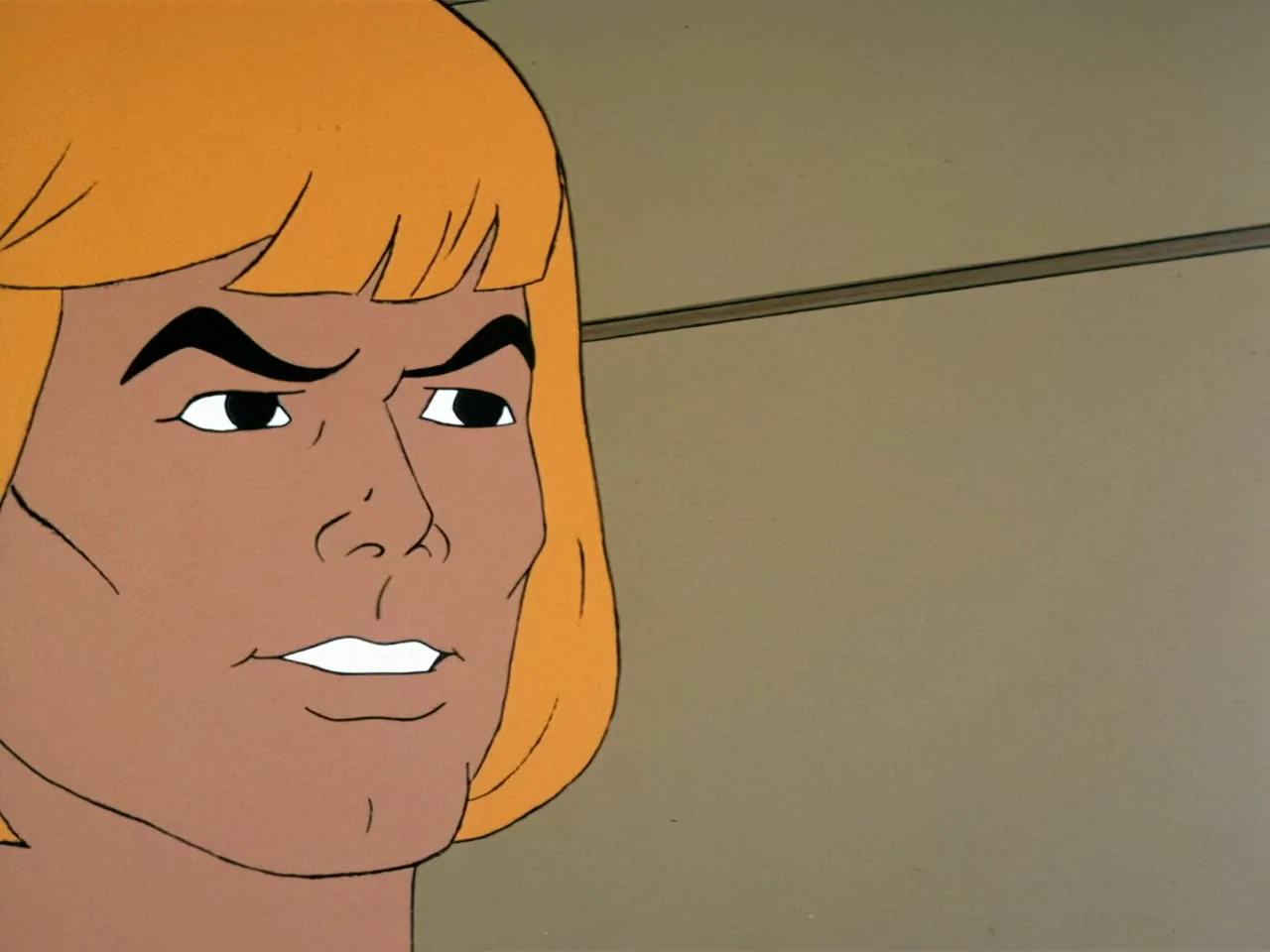
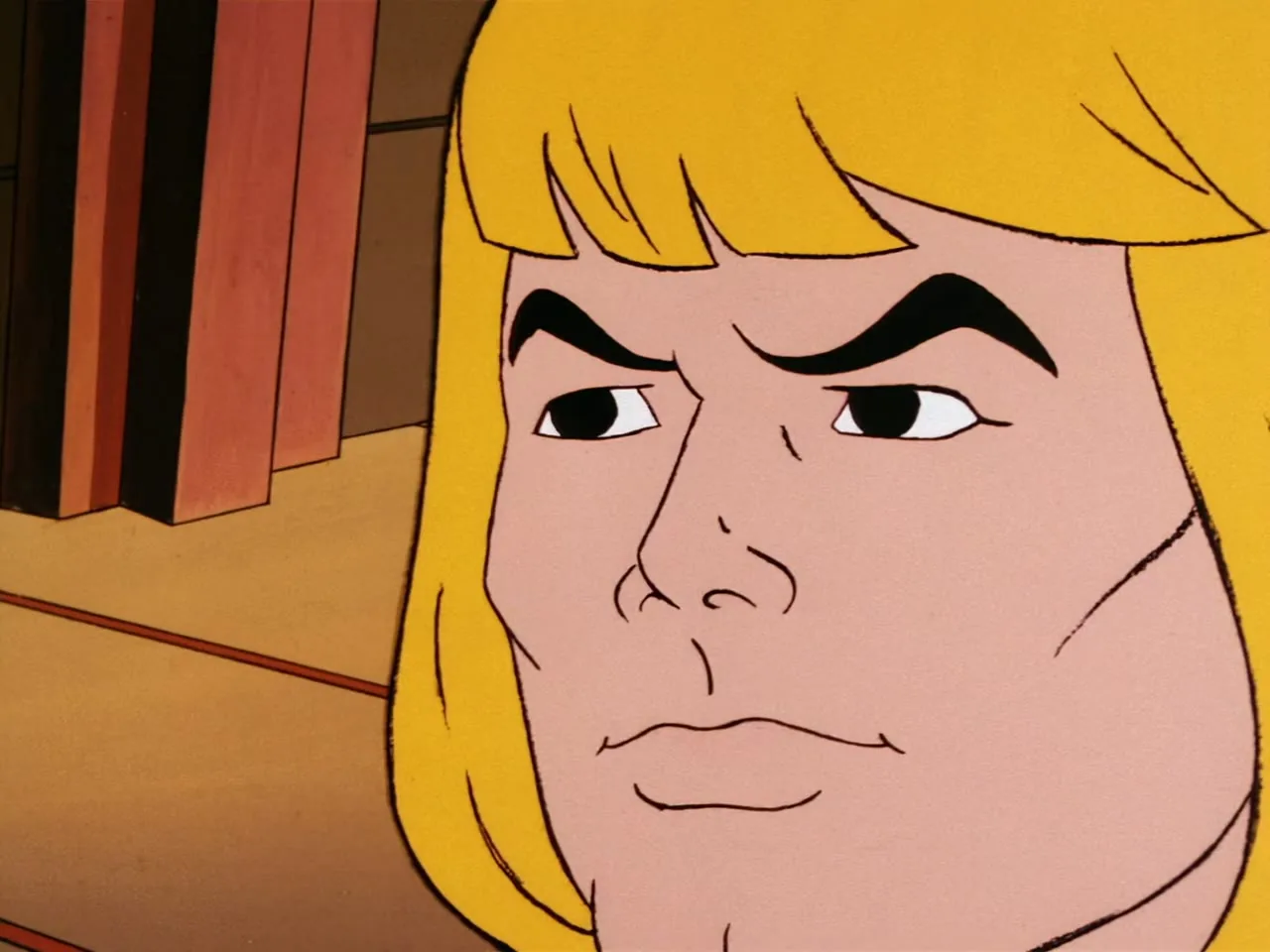
John Erwin as He-Man/Prince Adam
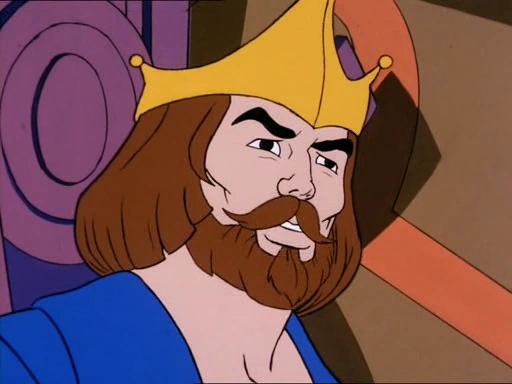
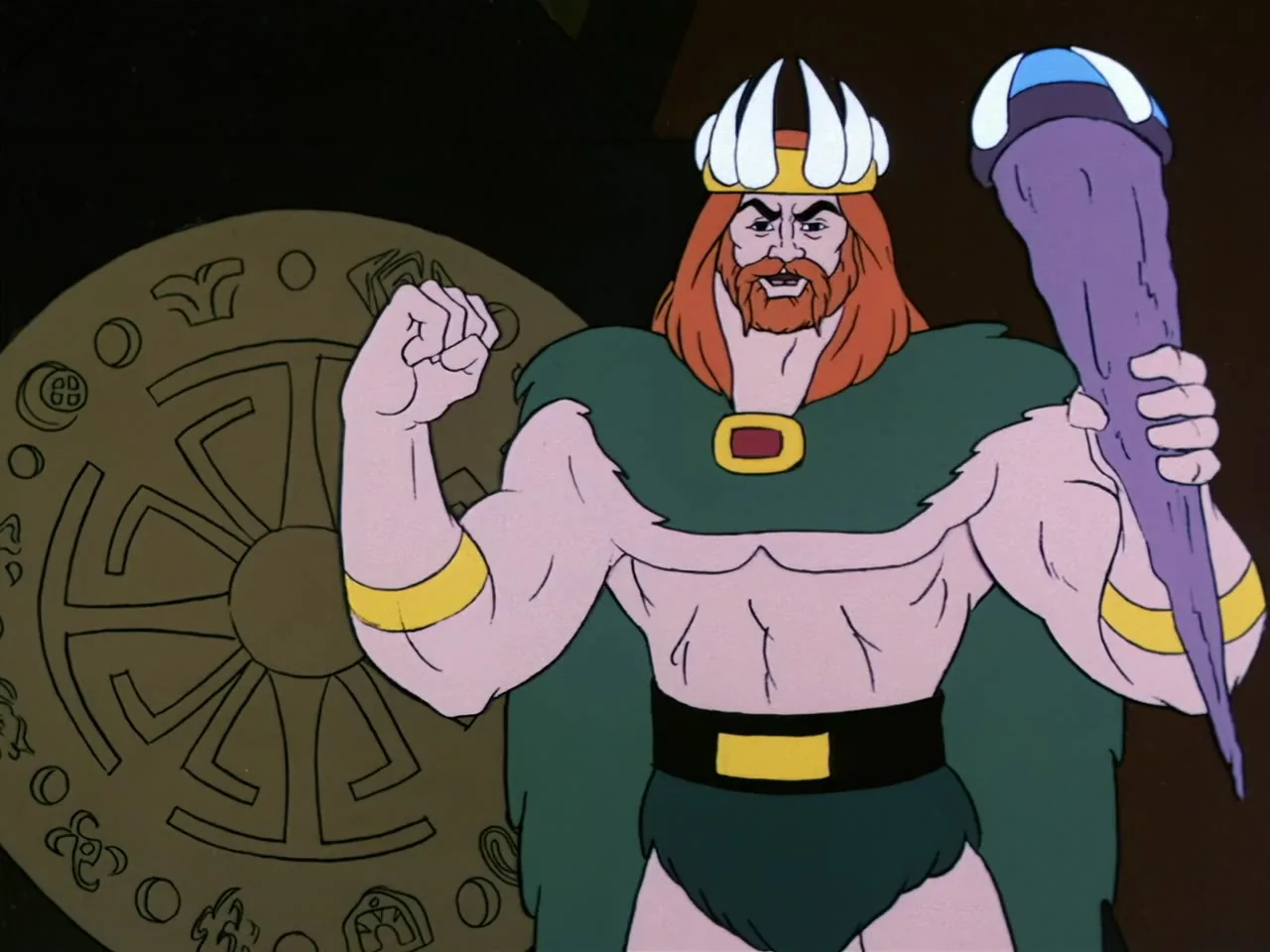
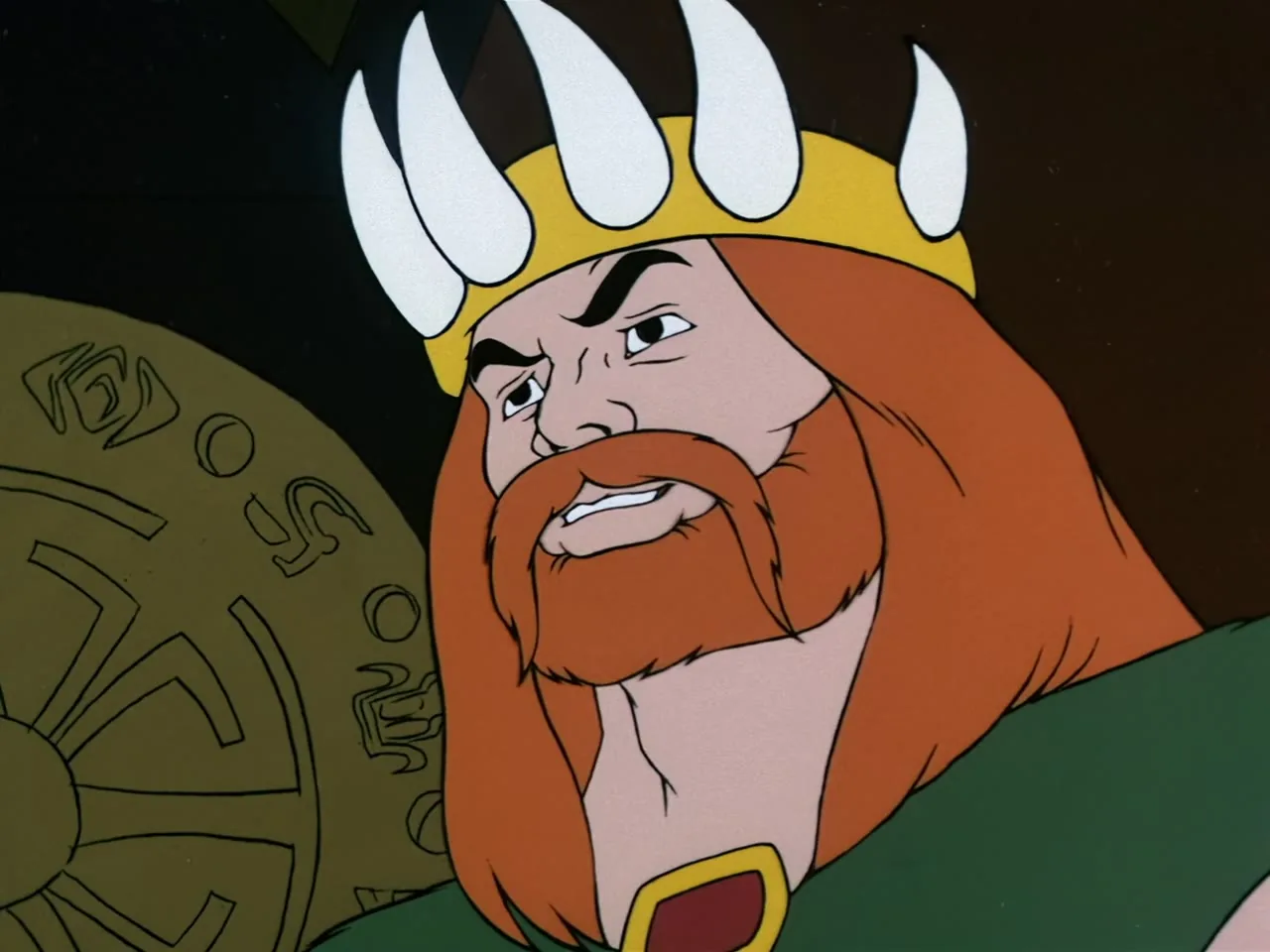
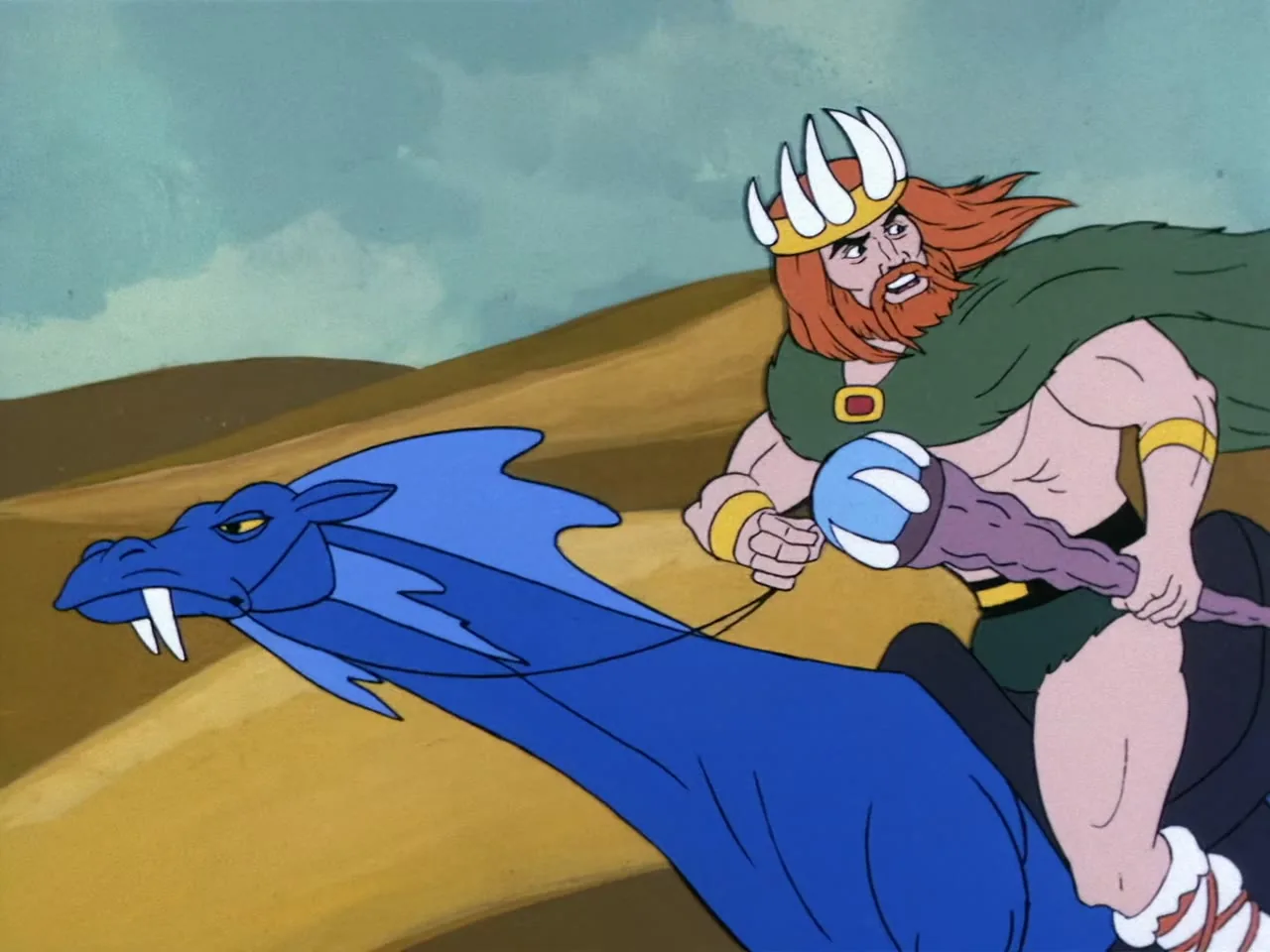
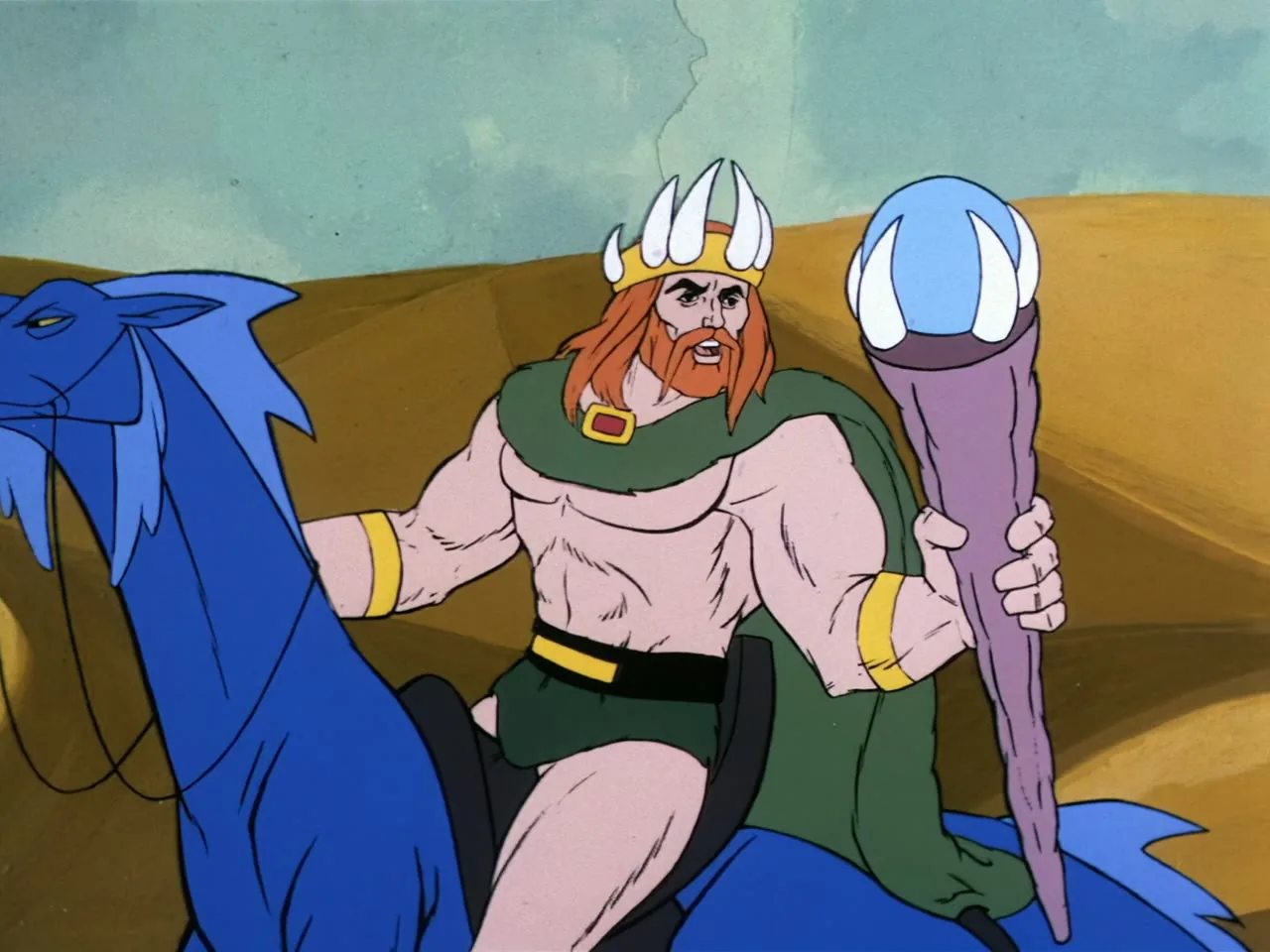
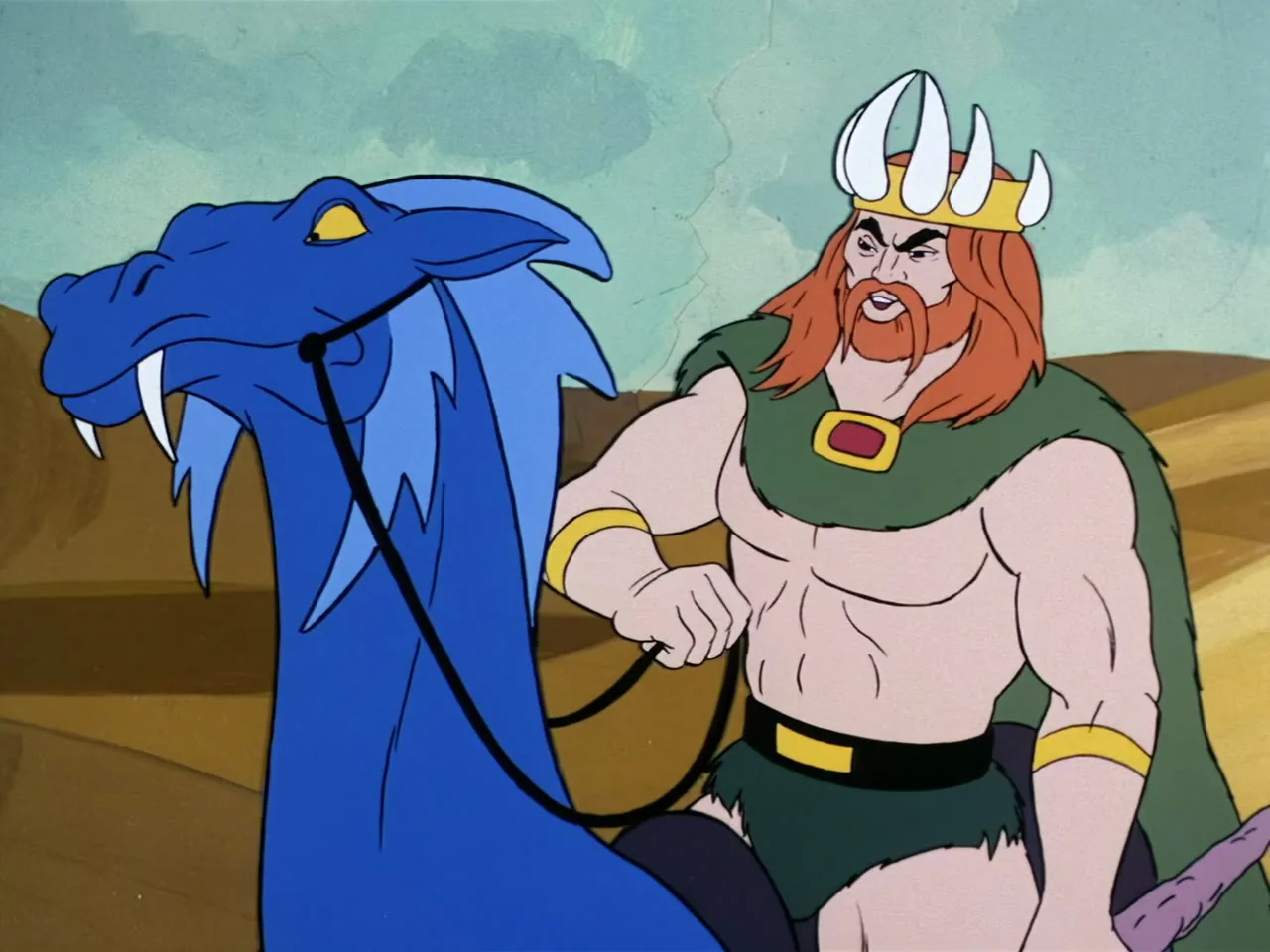
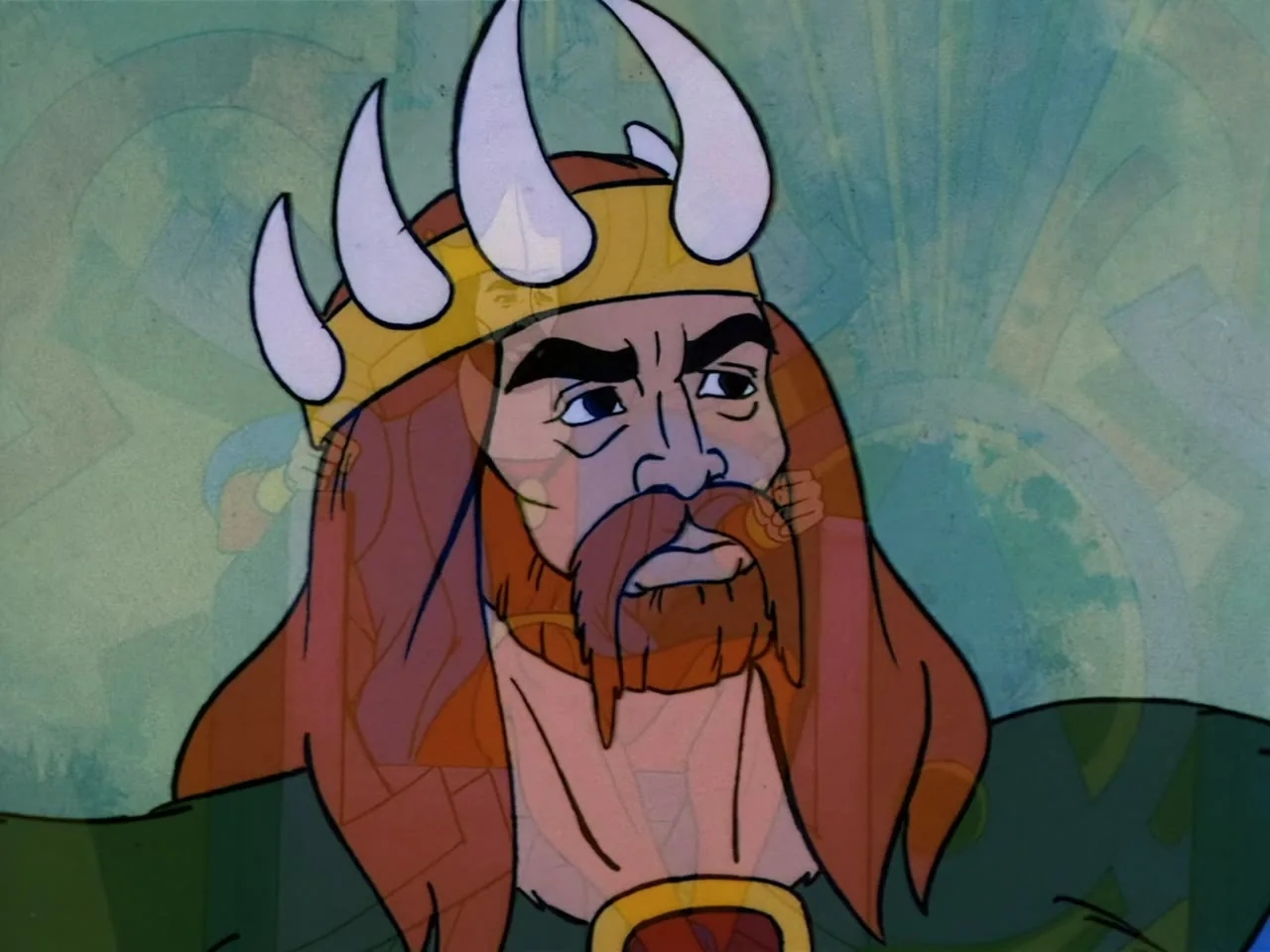
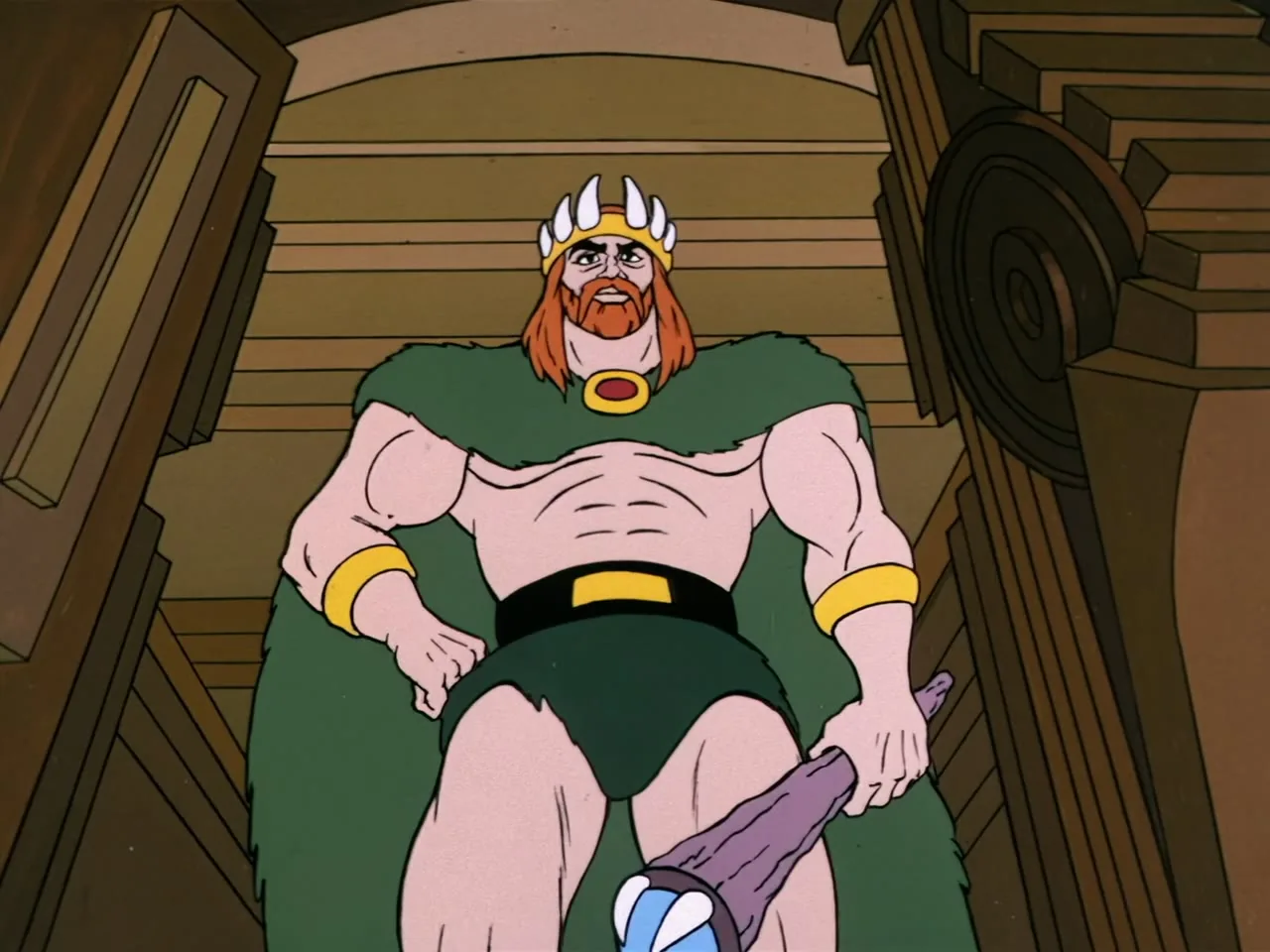
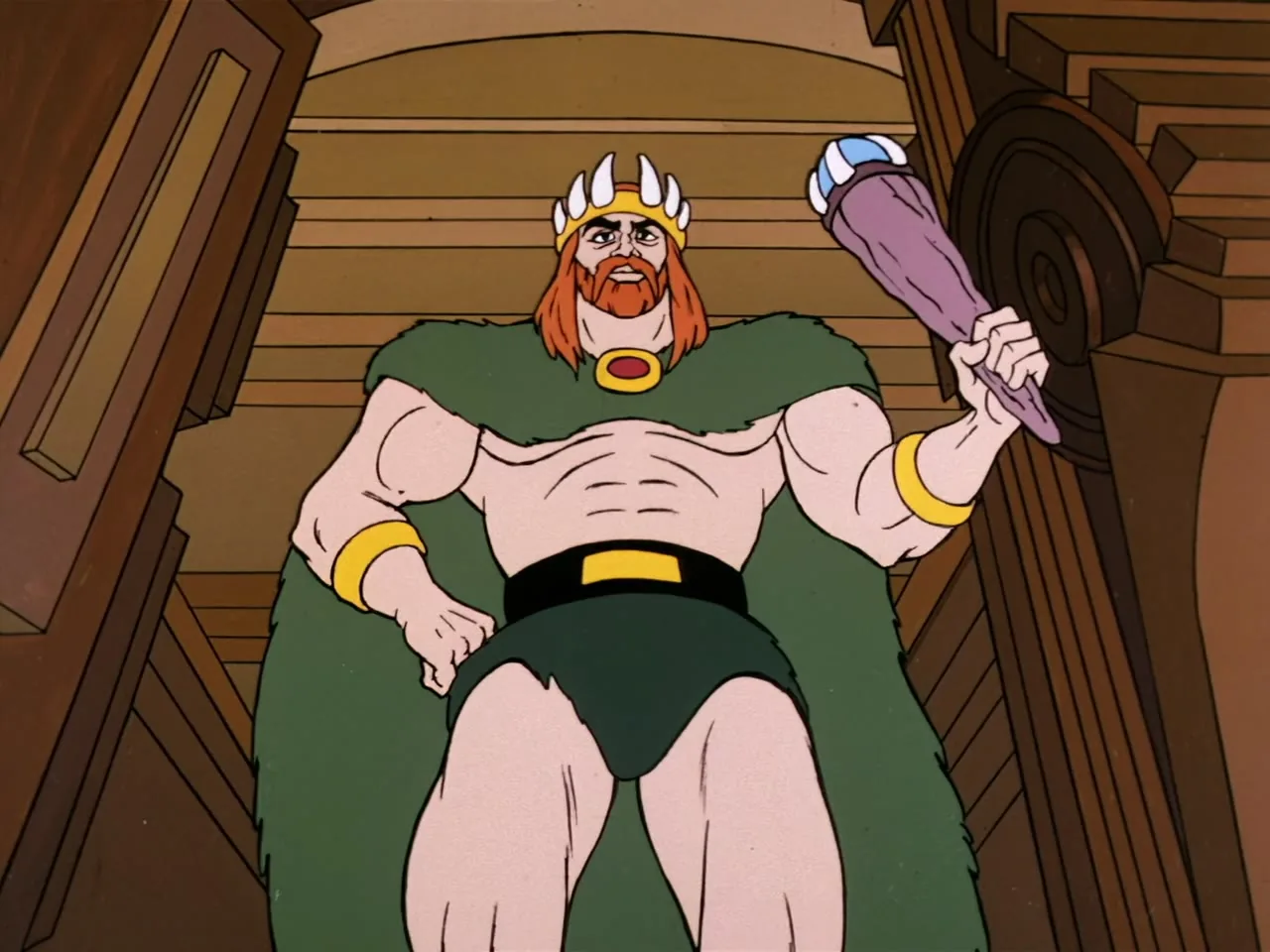
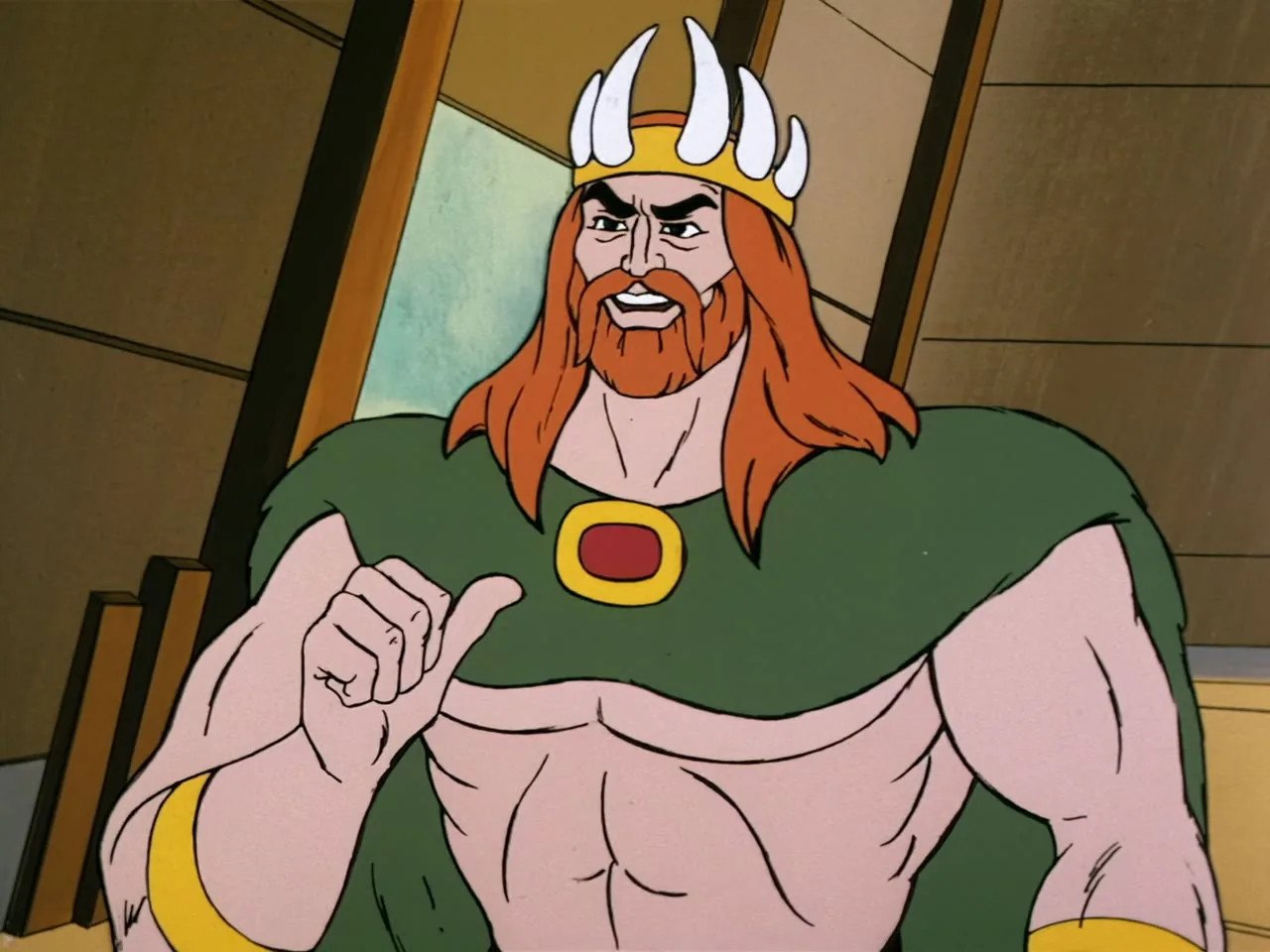
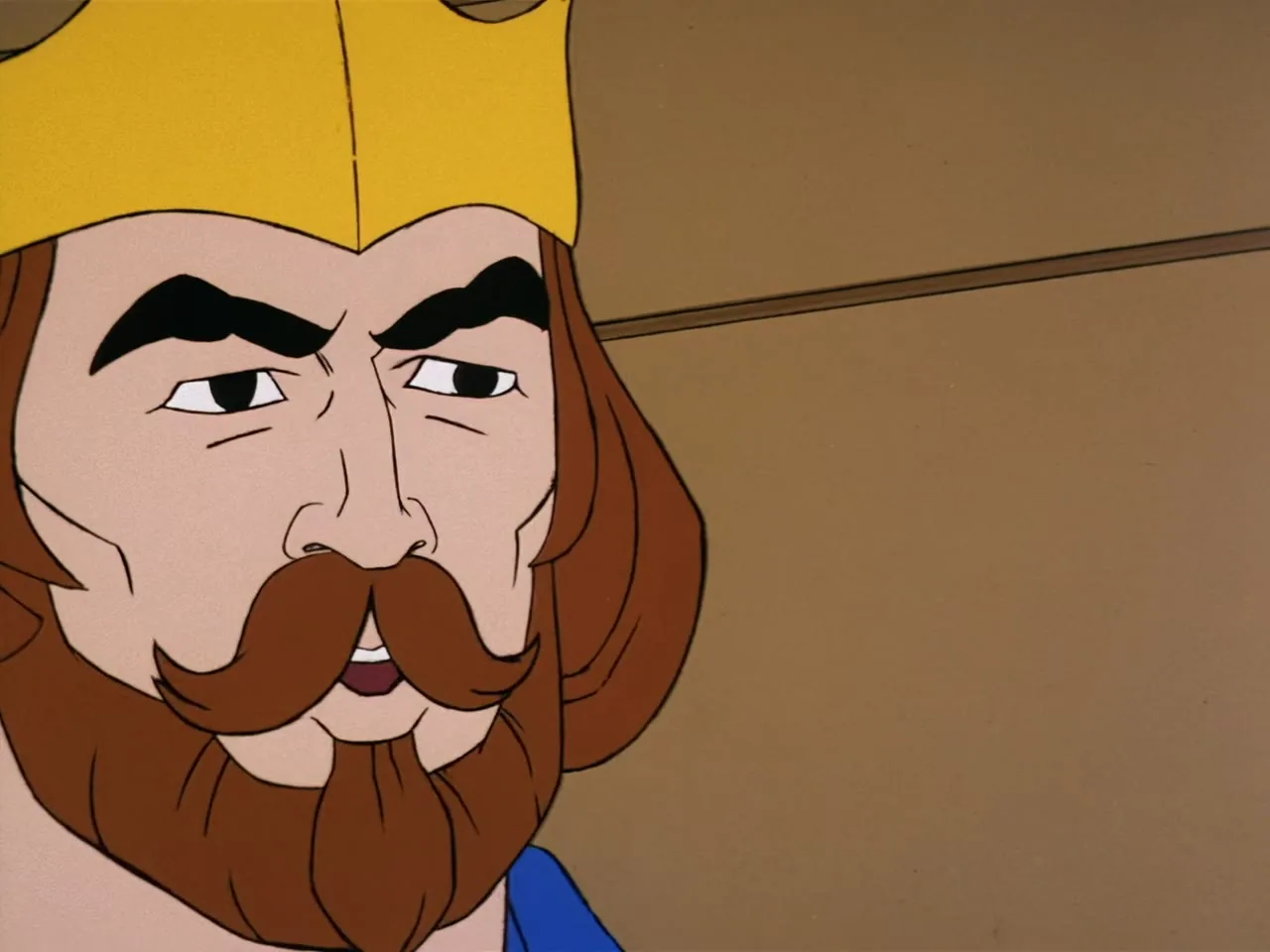
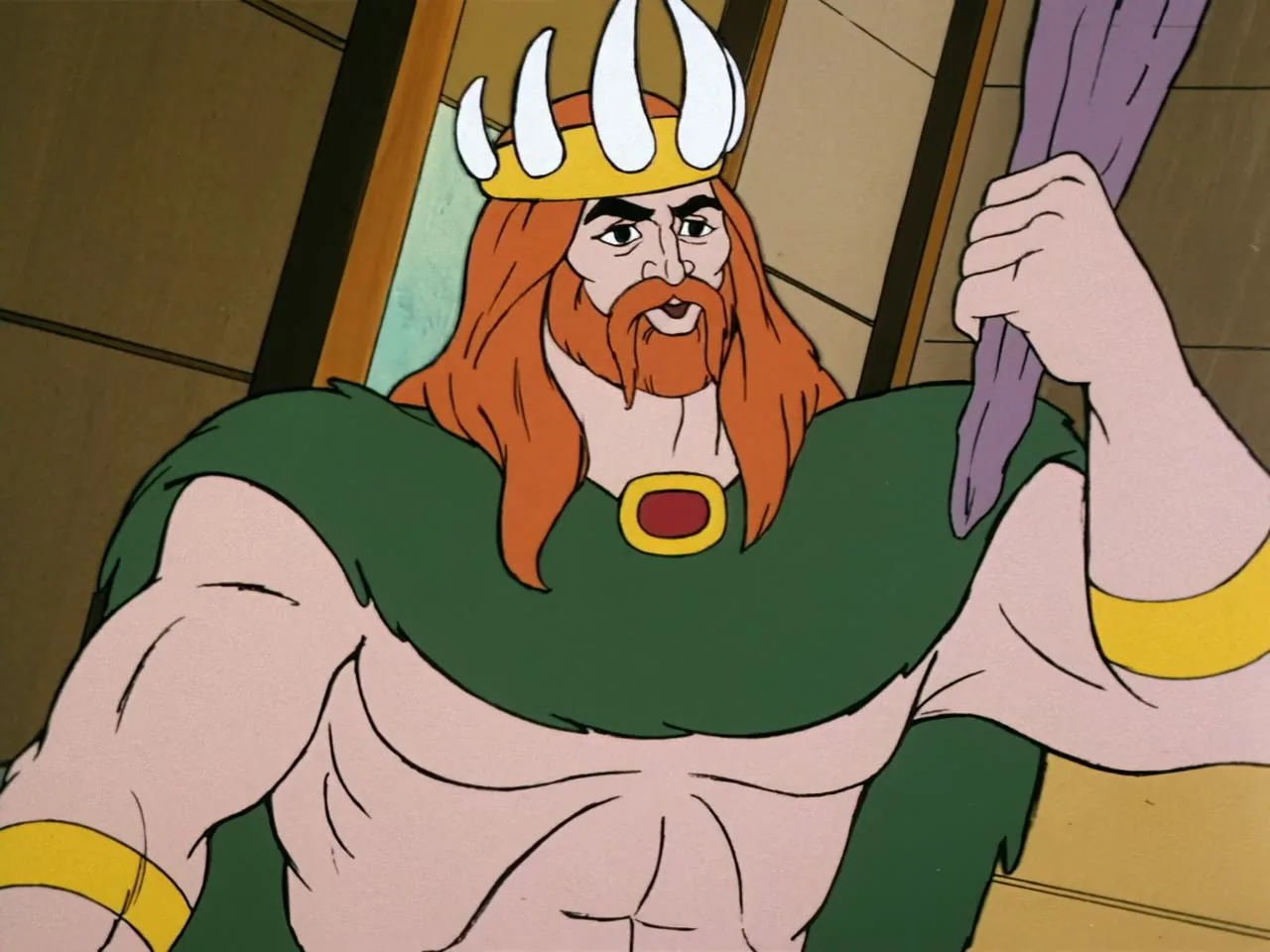
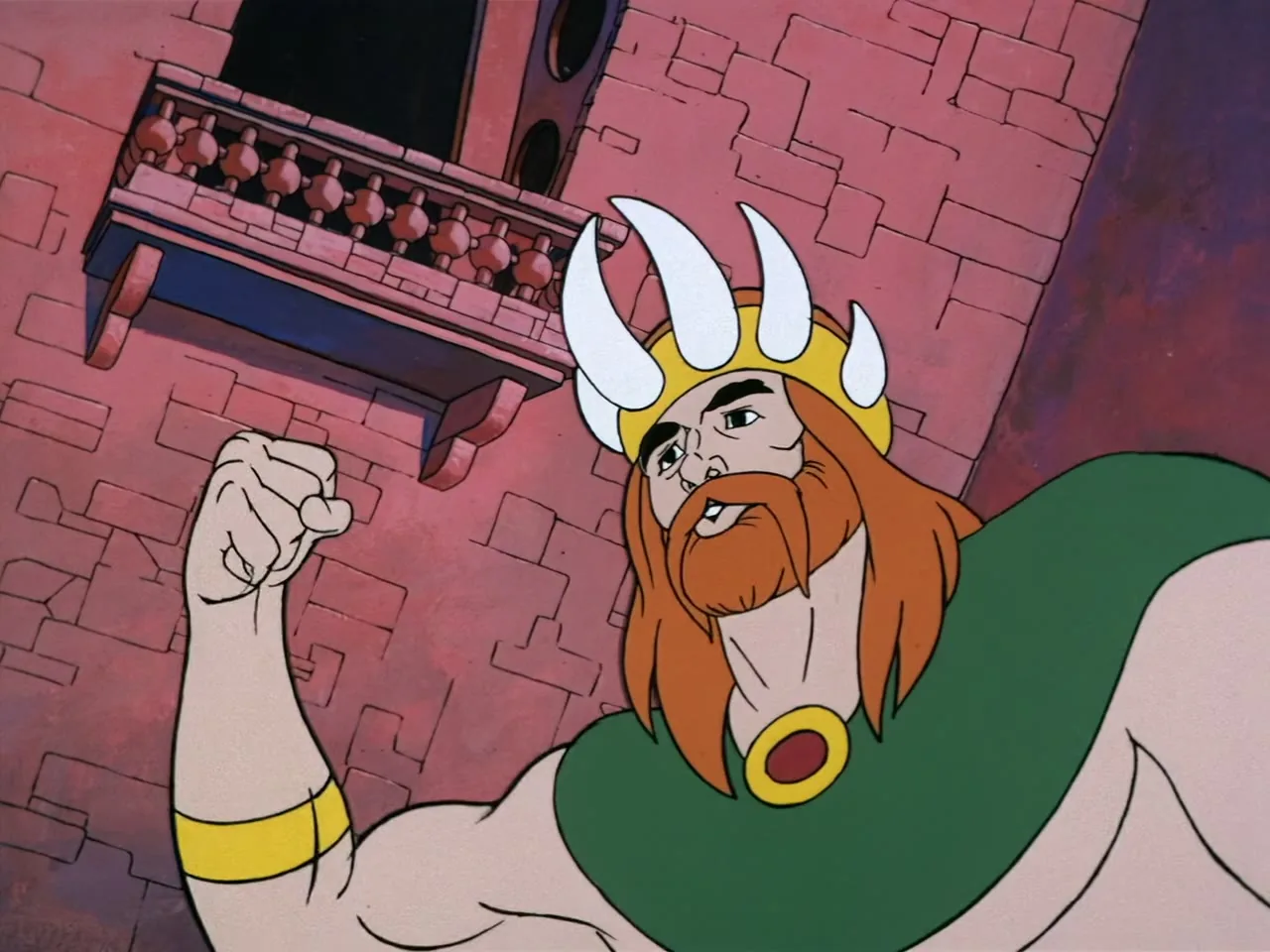
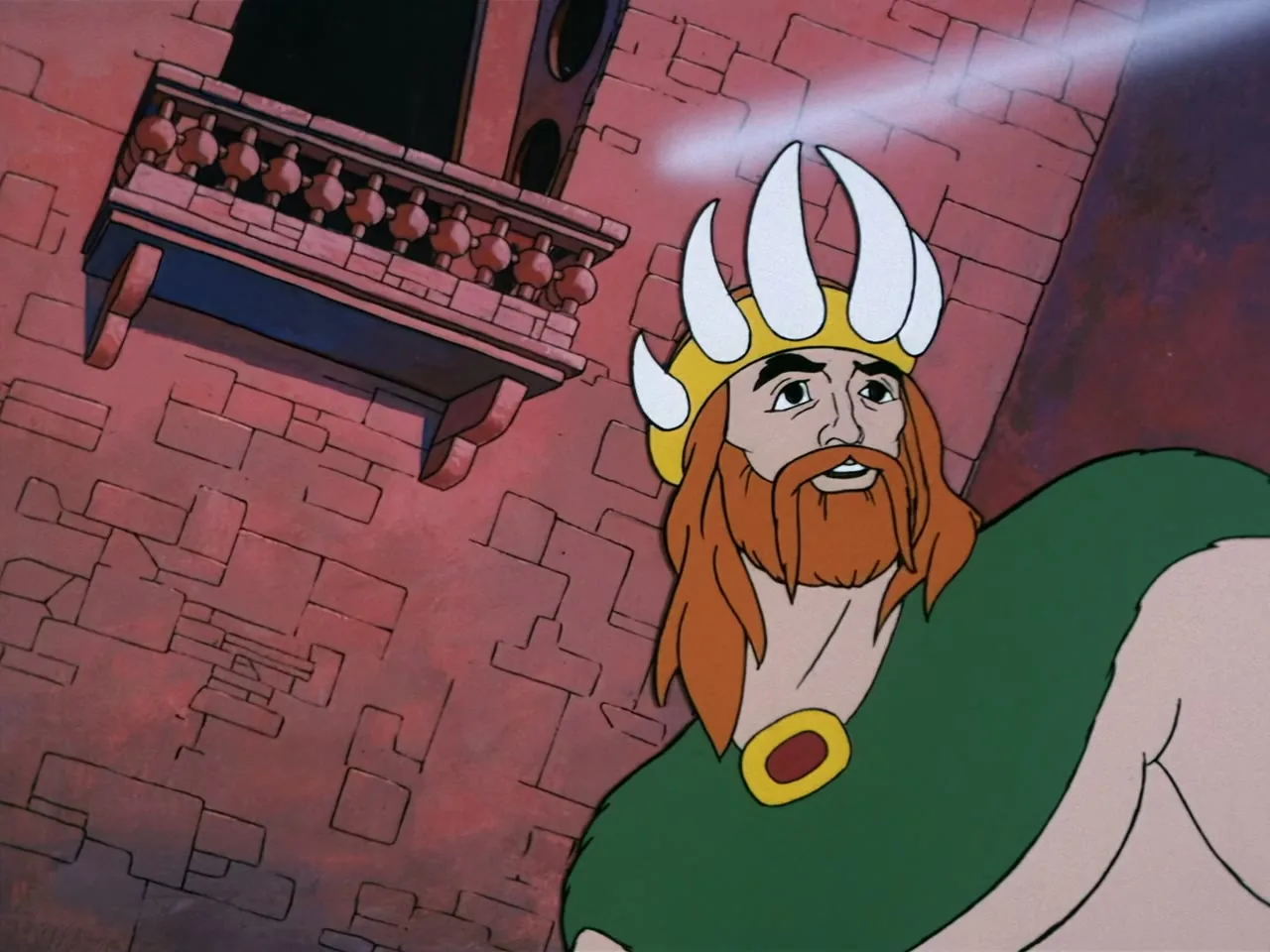
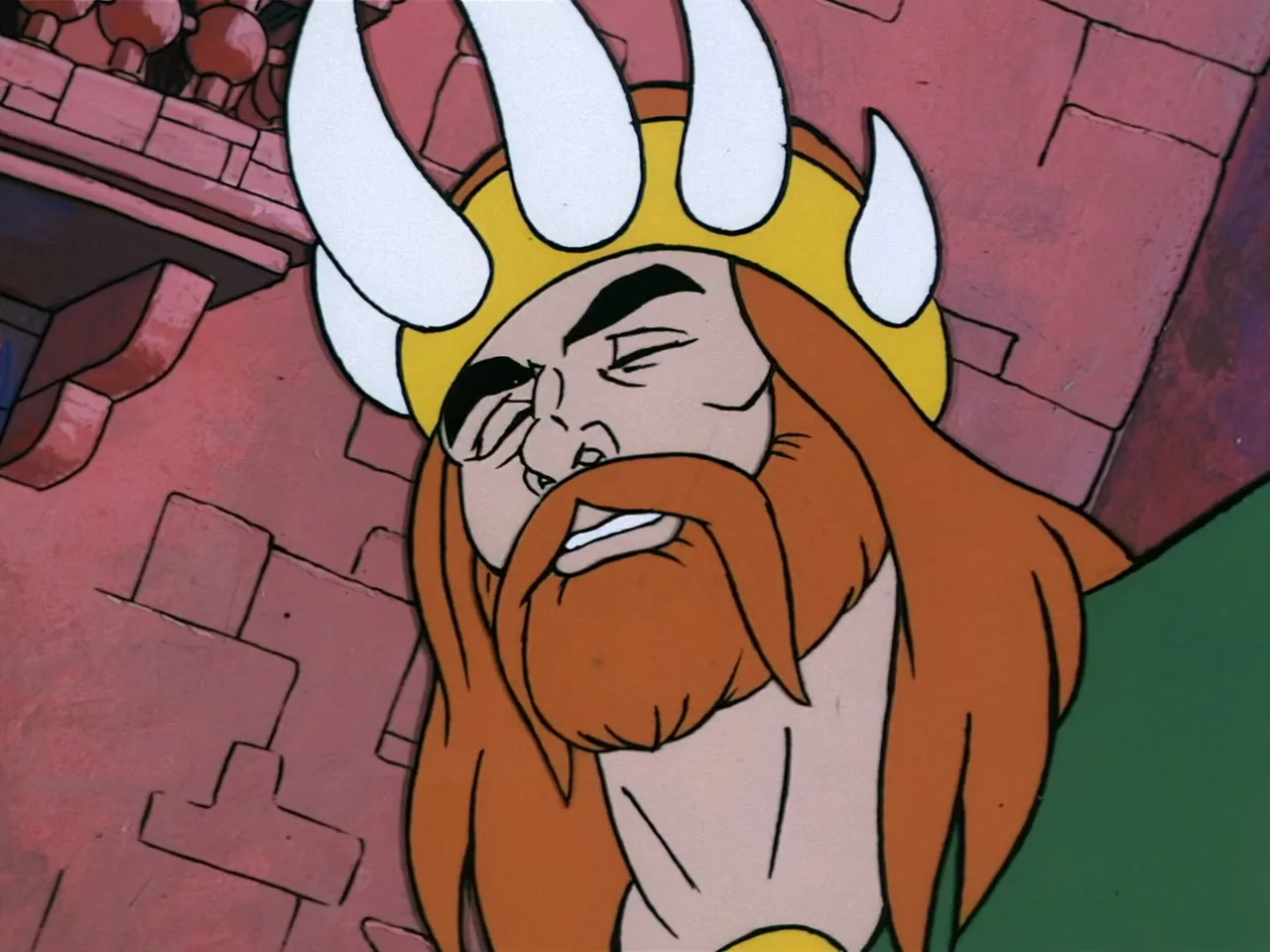
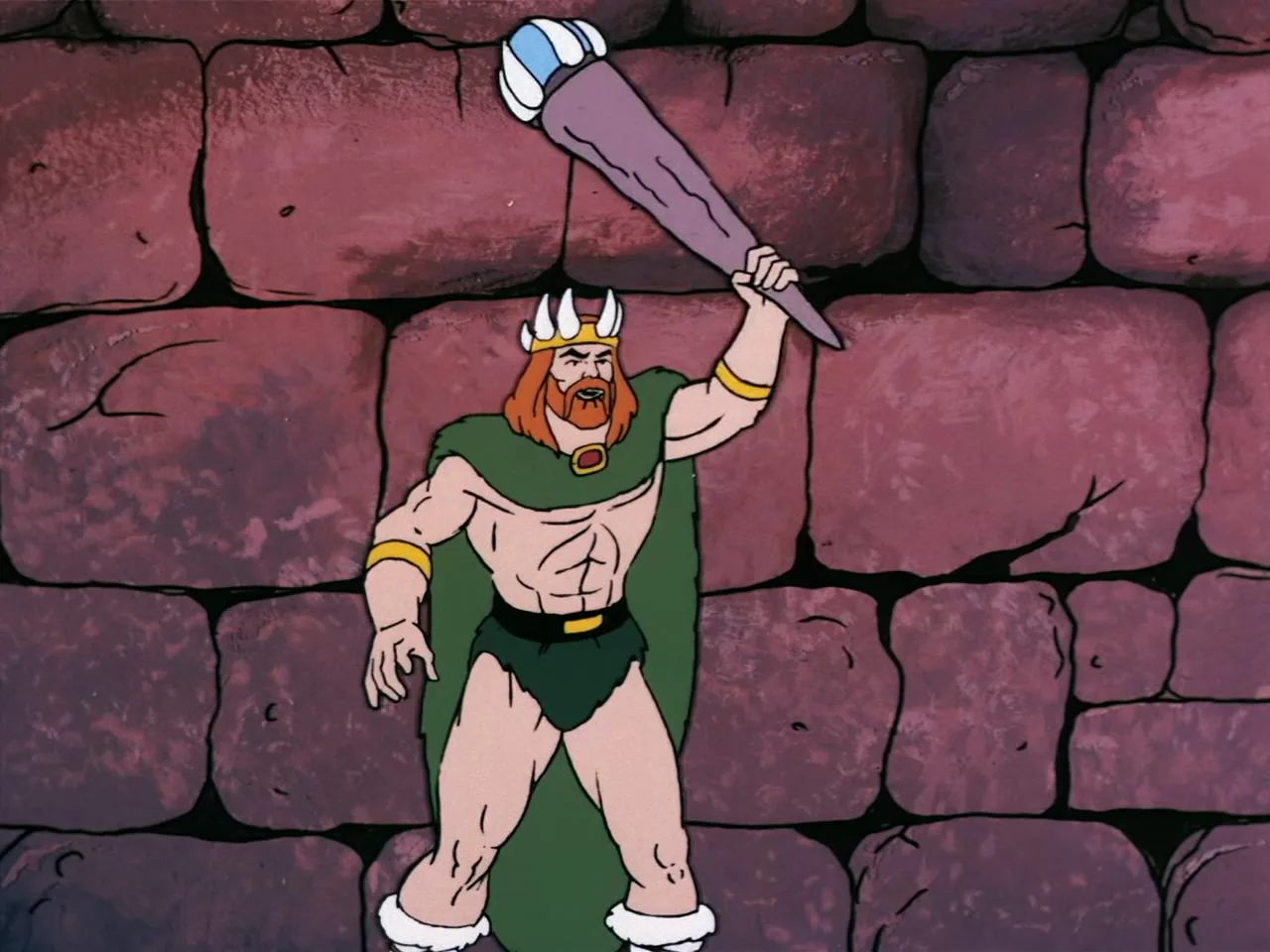
Alan Oppenheimer as King Tamusk
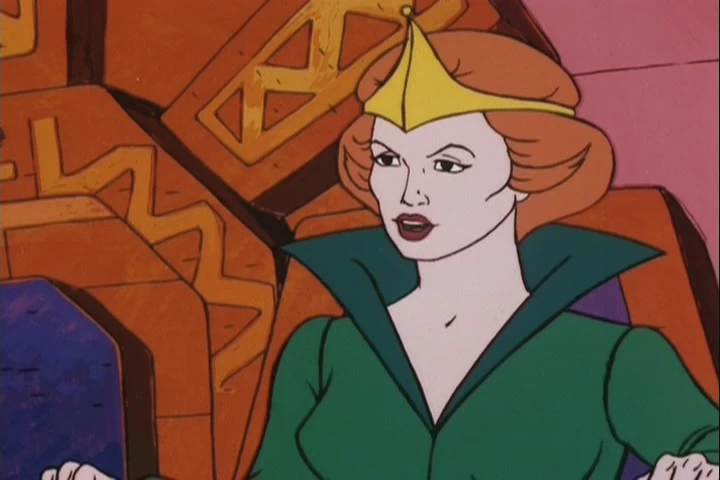
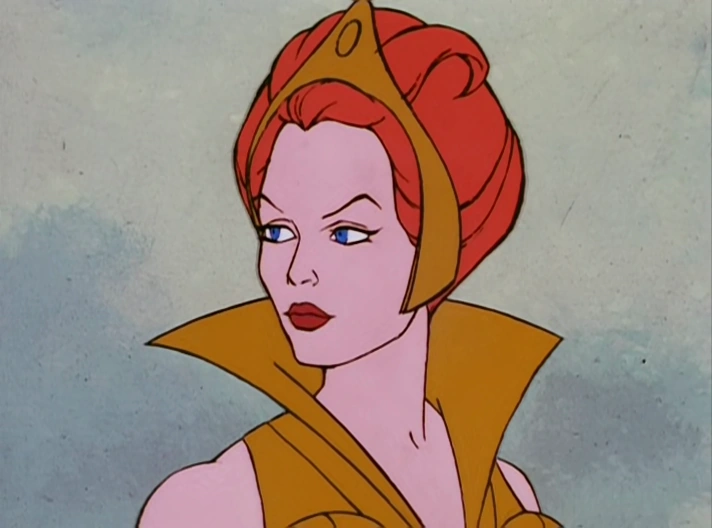
Linda Gary as Teela and Queen Marlena
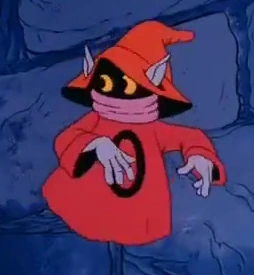
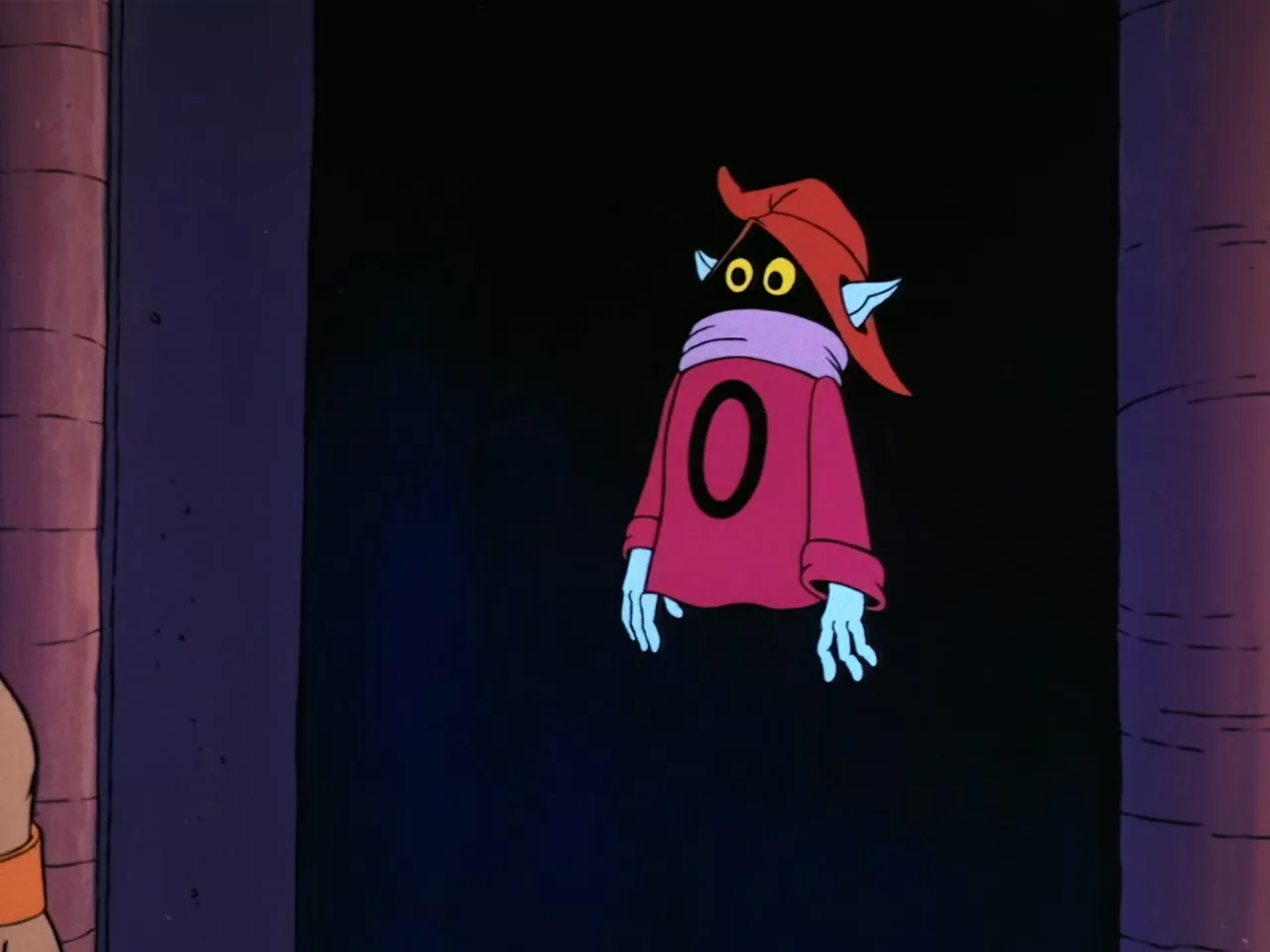
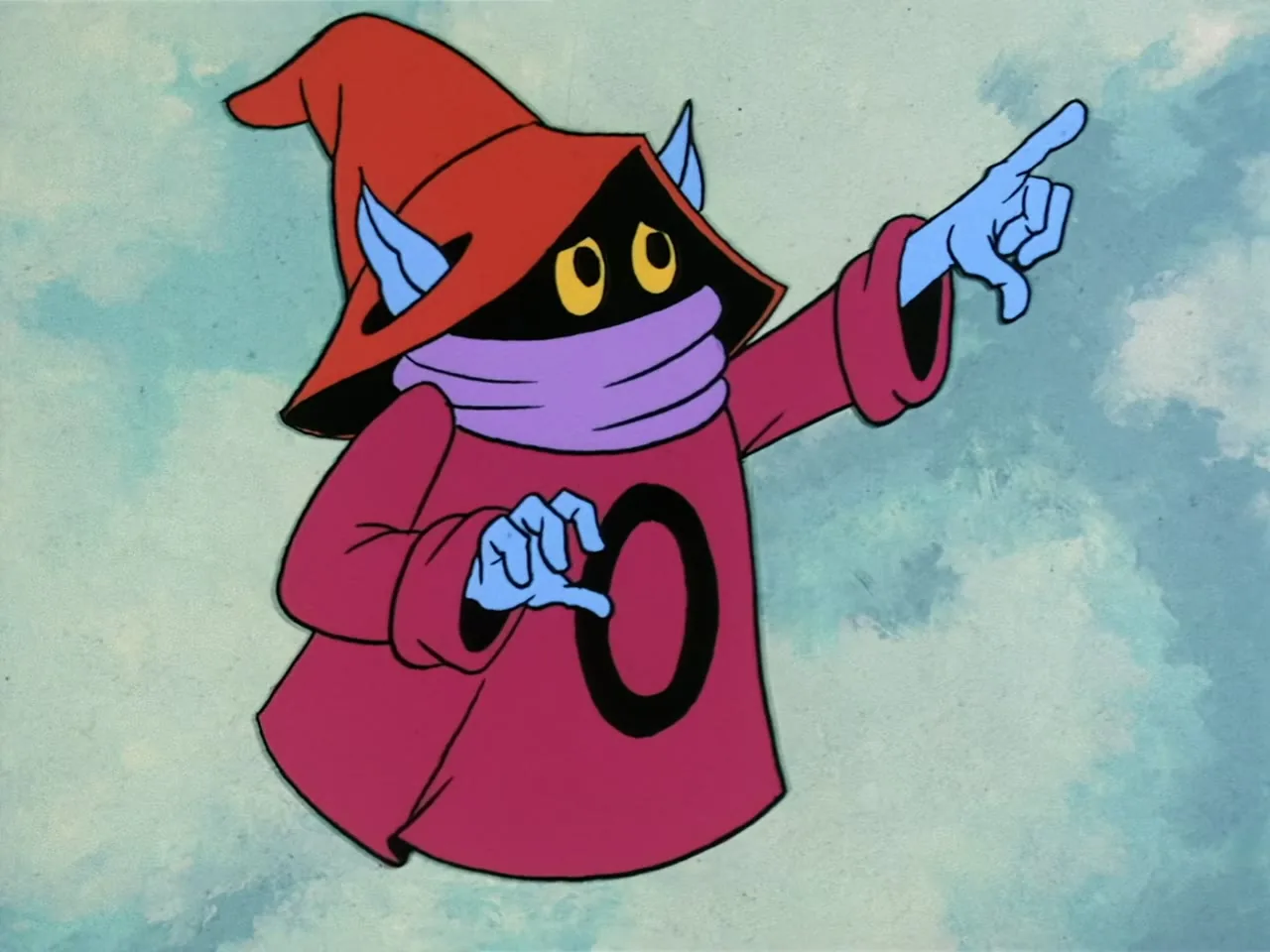
Lou Scheimer (credited as Erik Gunden) as Orko and King Randor
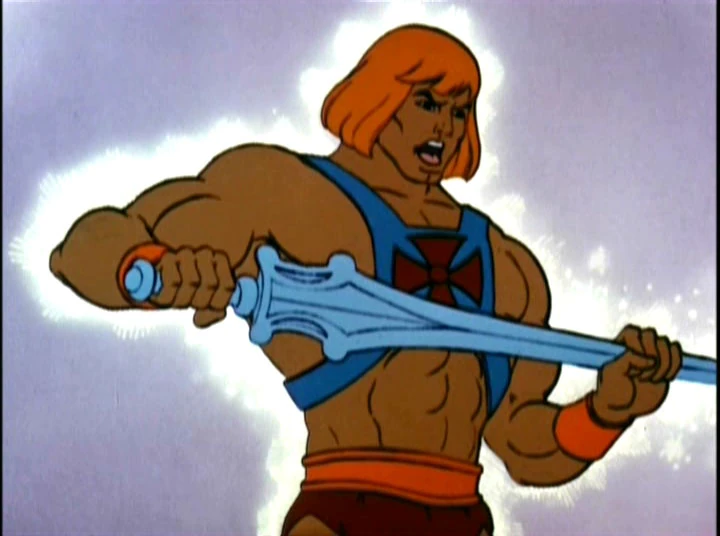
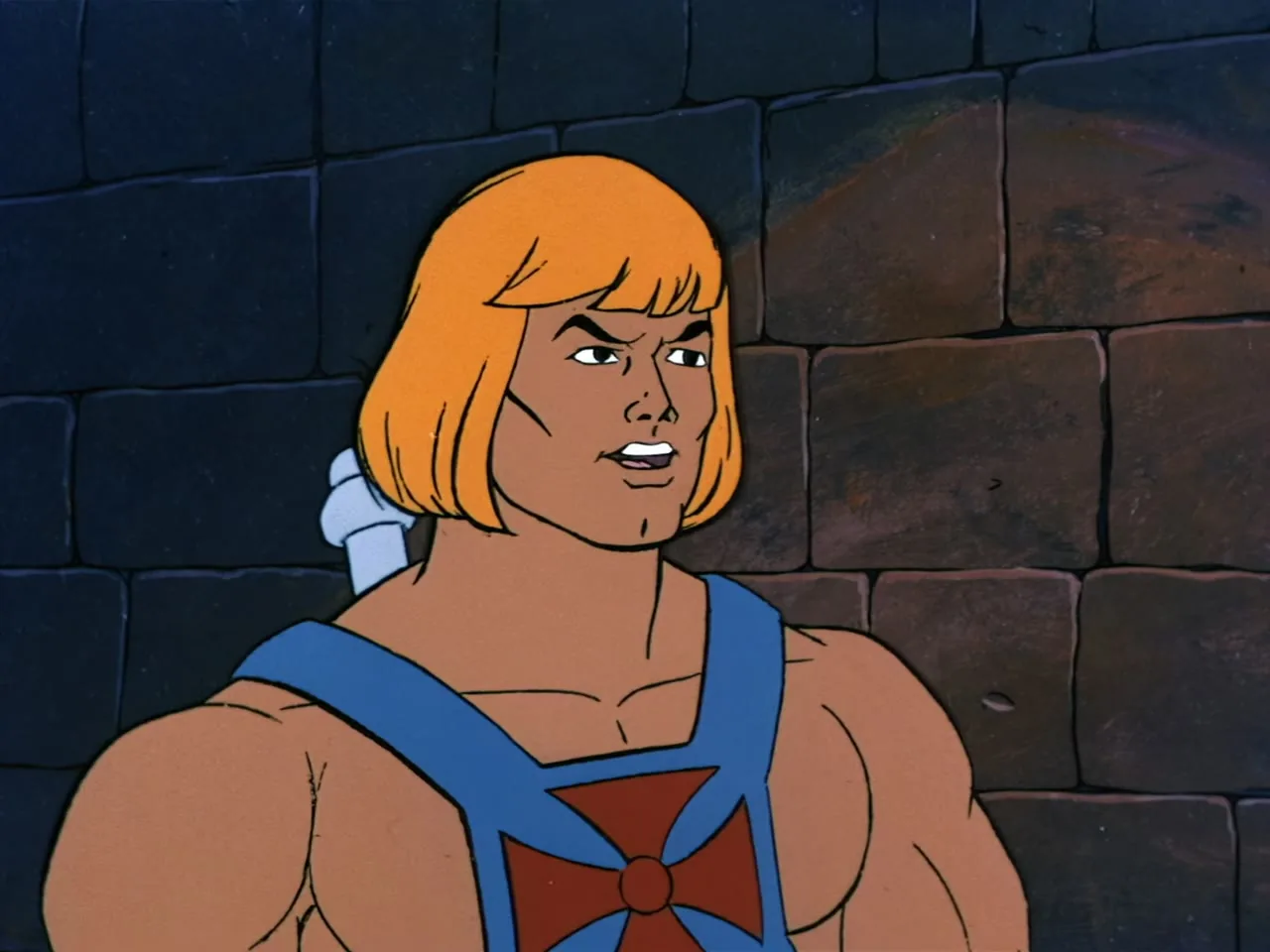
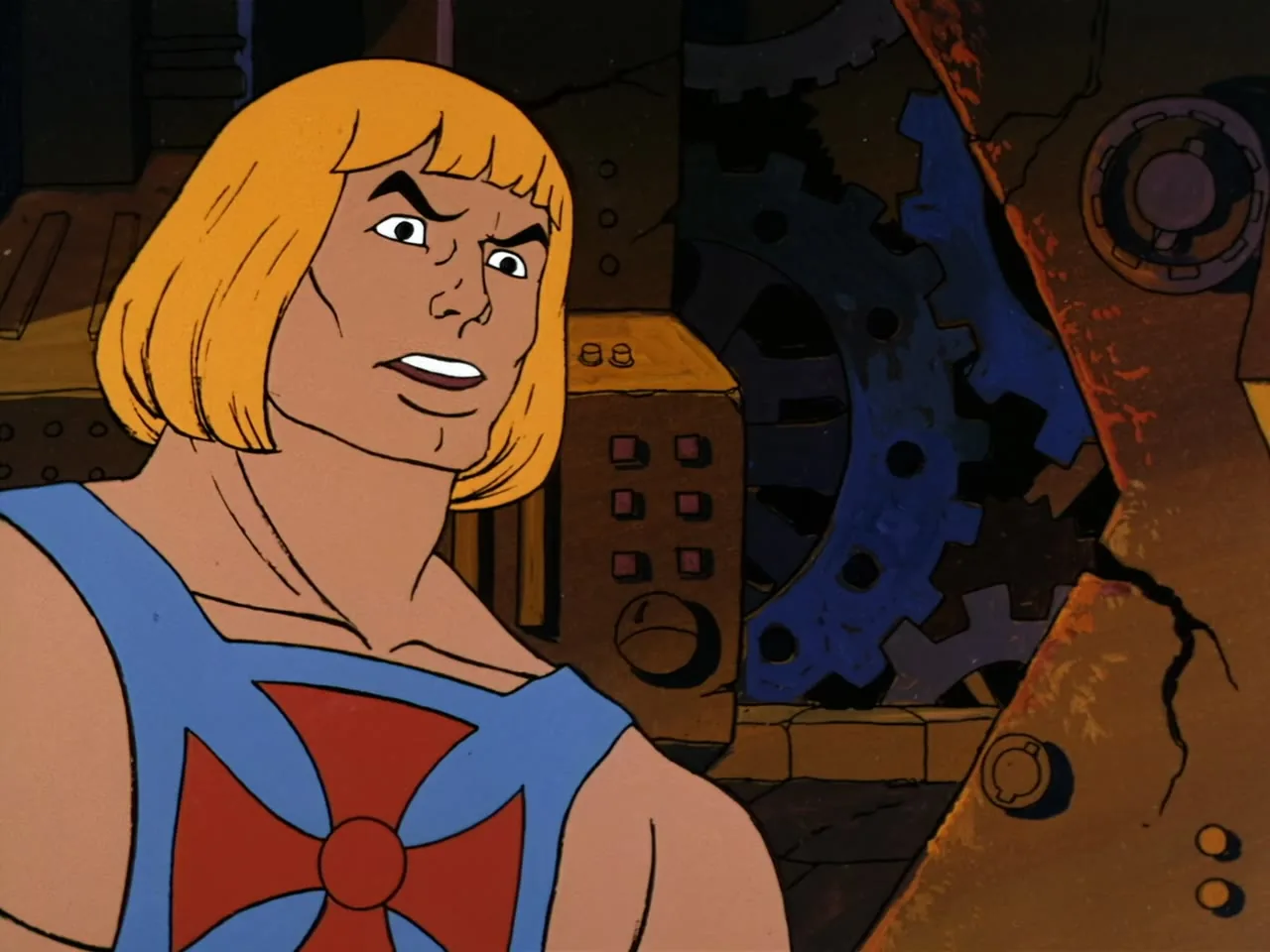
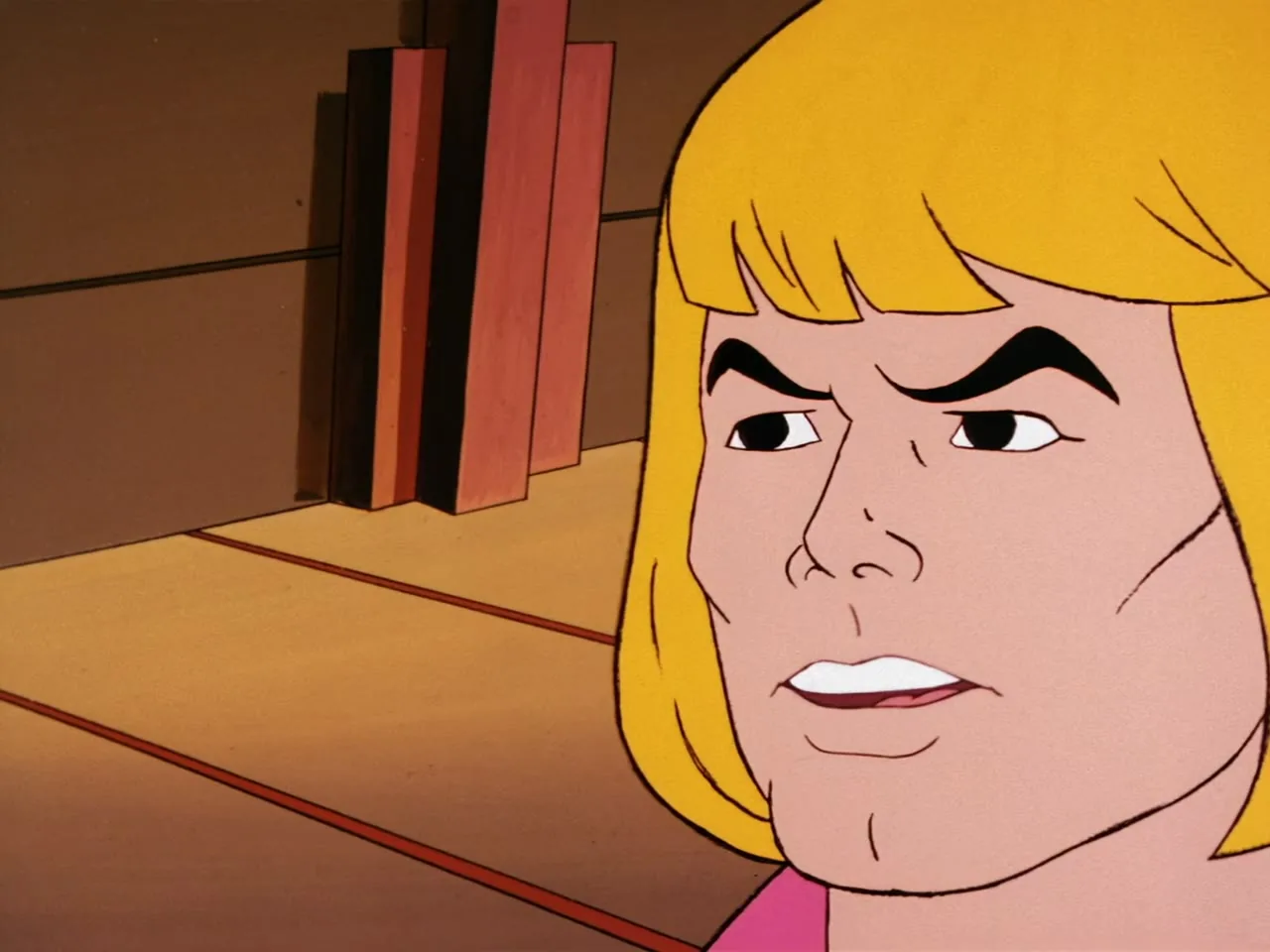
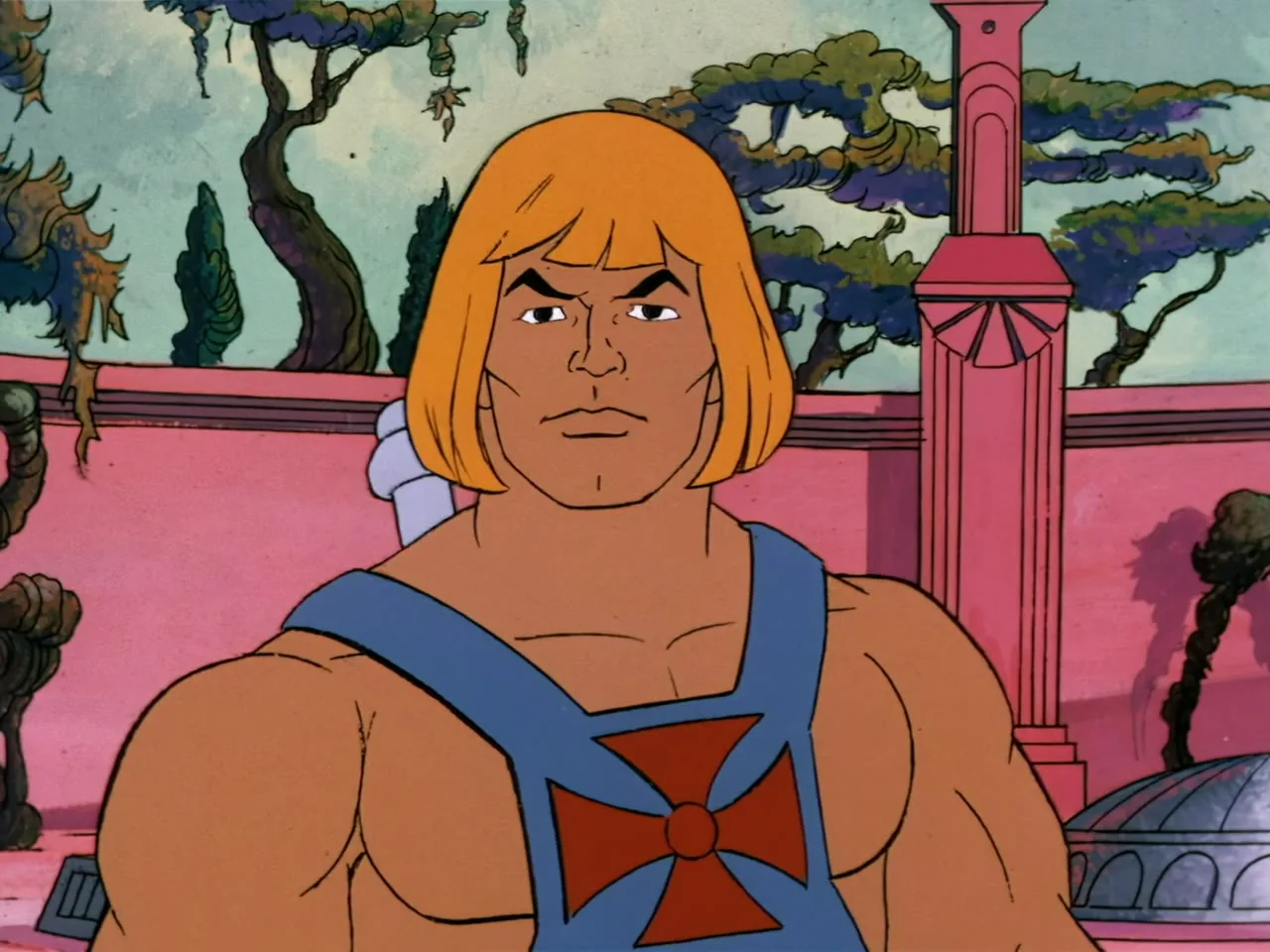
He-Man: "I only fight when I must, and each time, I hope it is the last time."
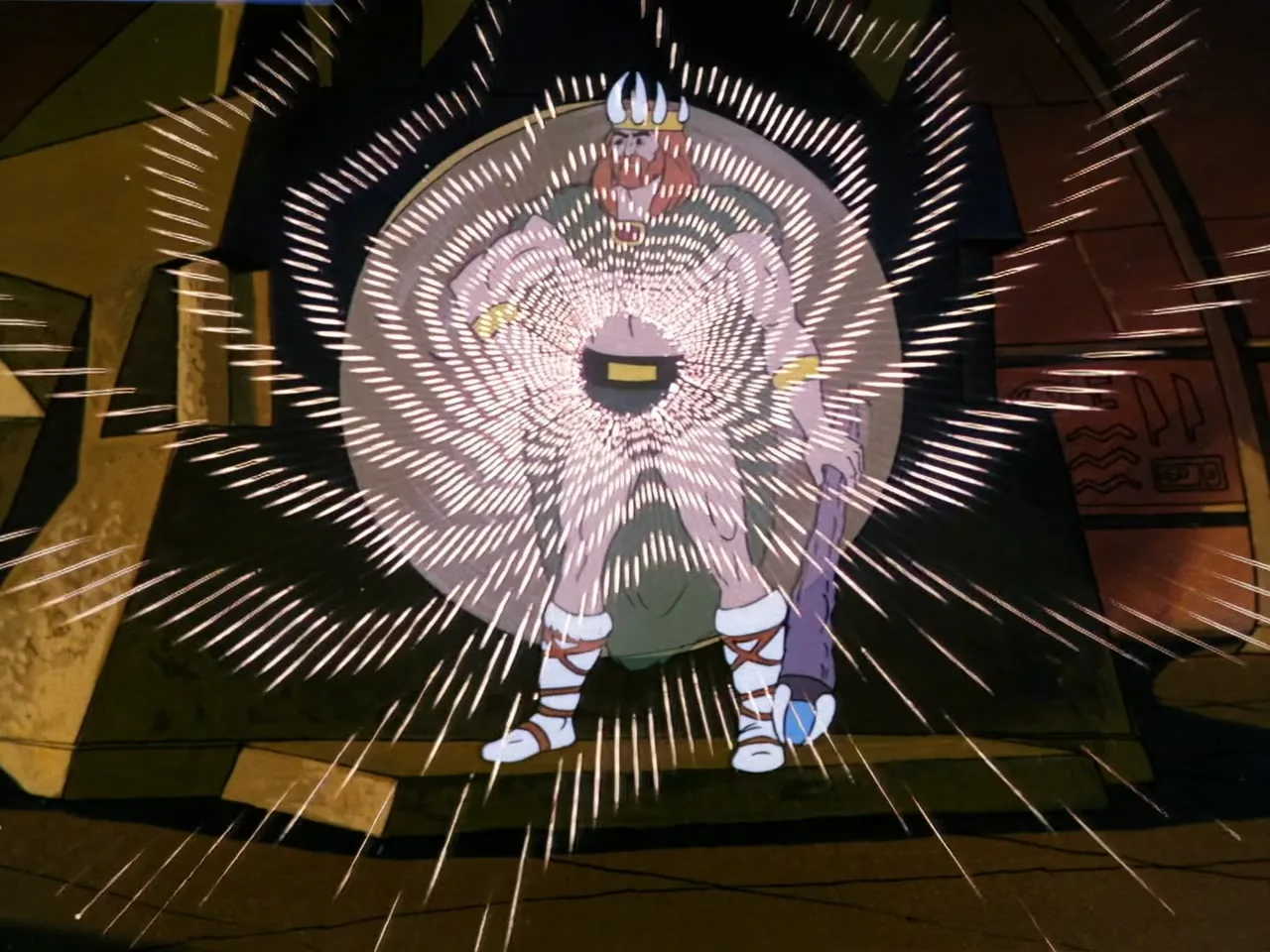
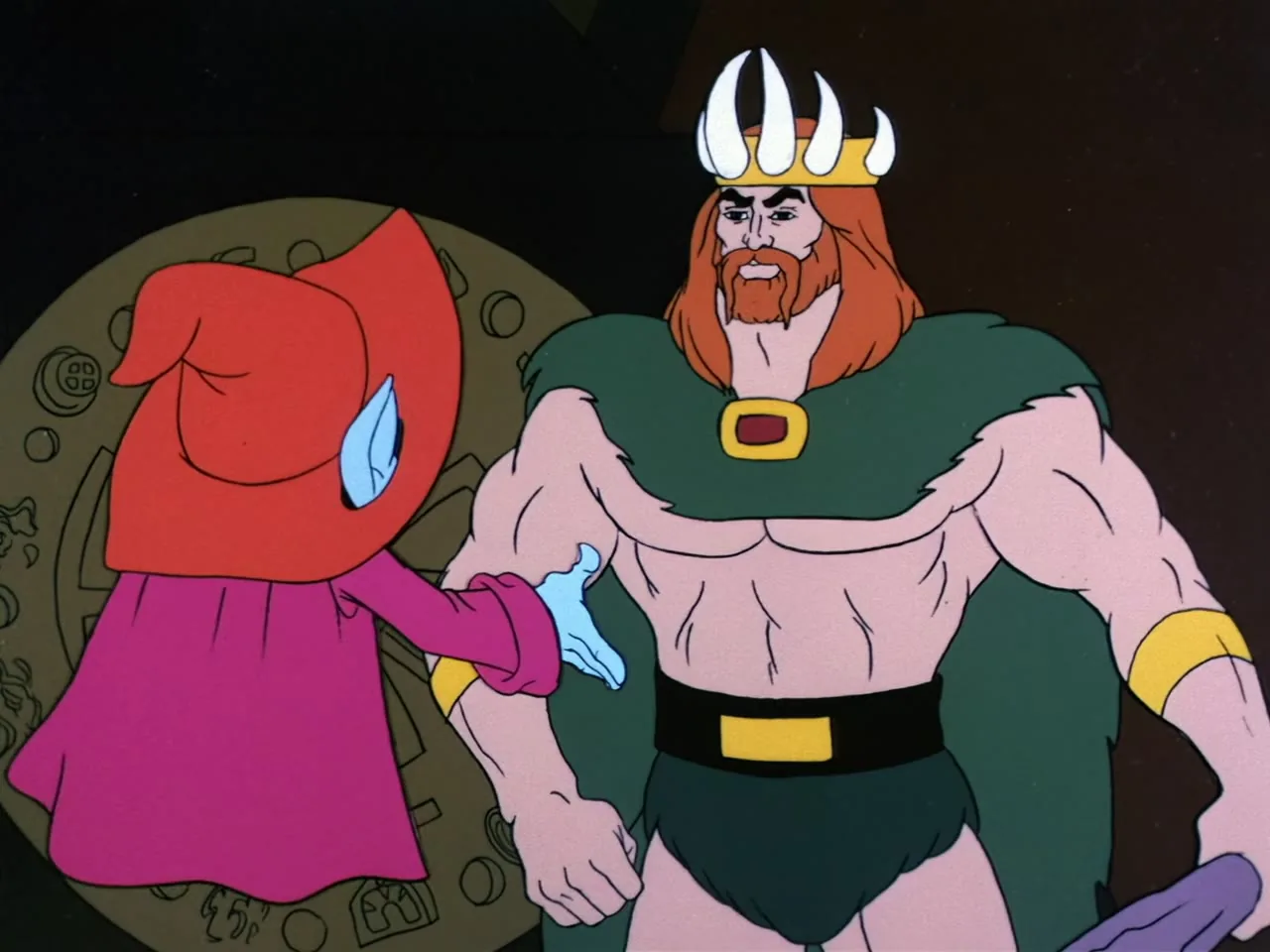
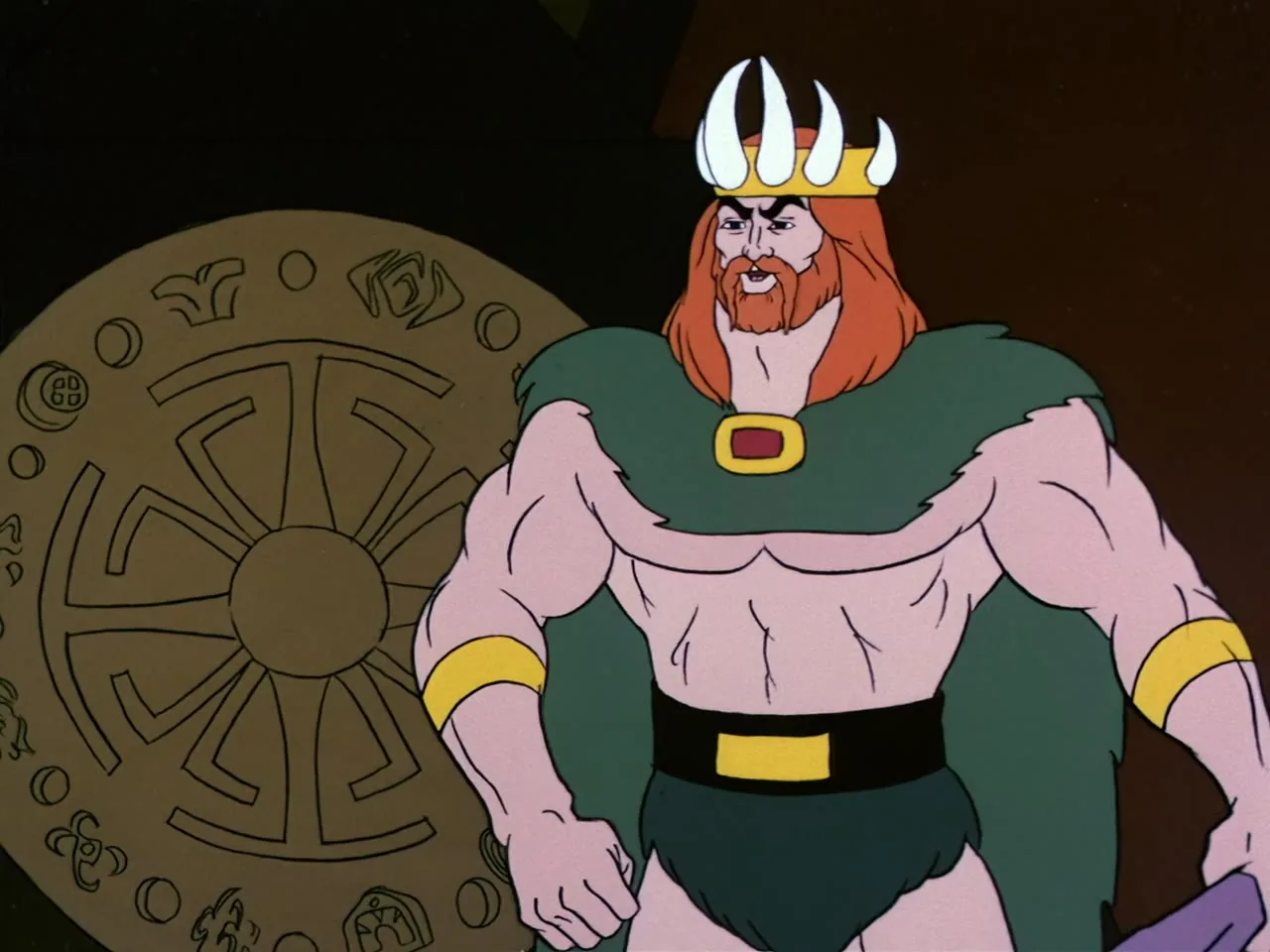
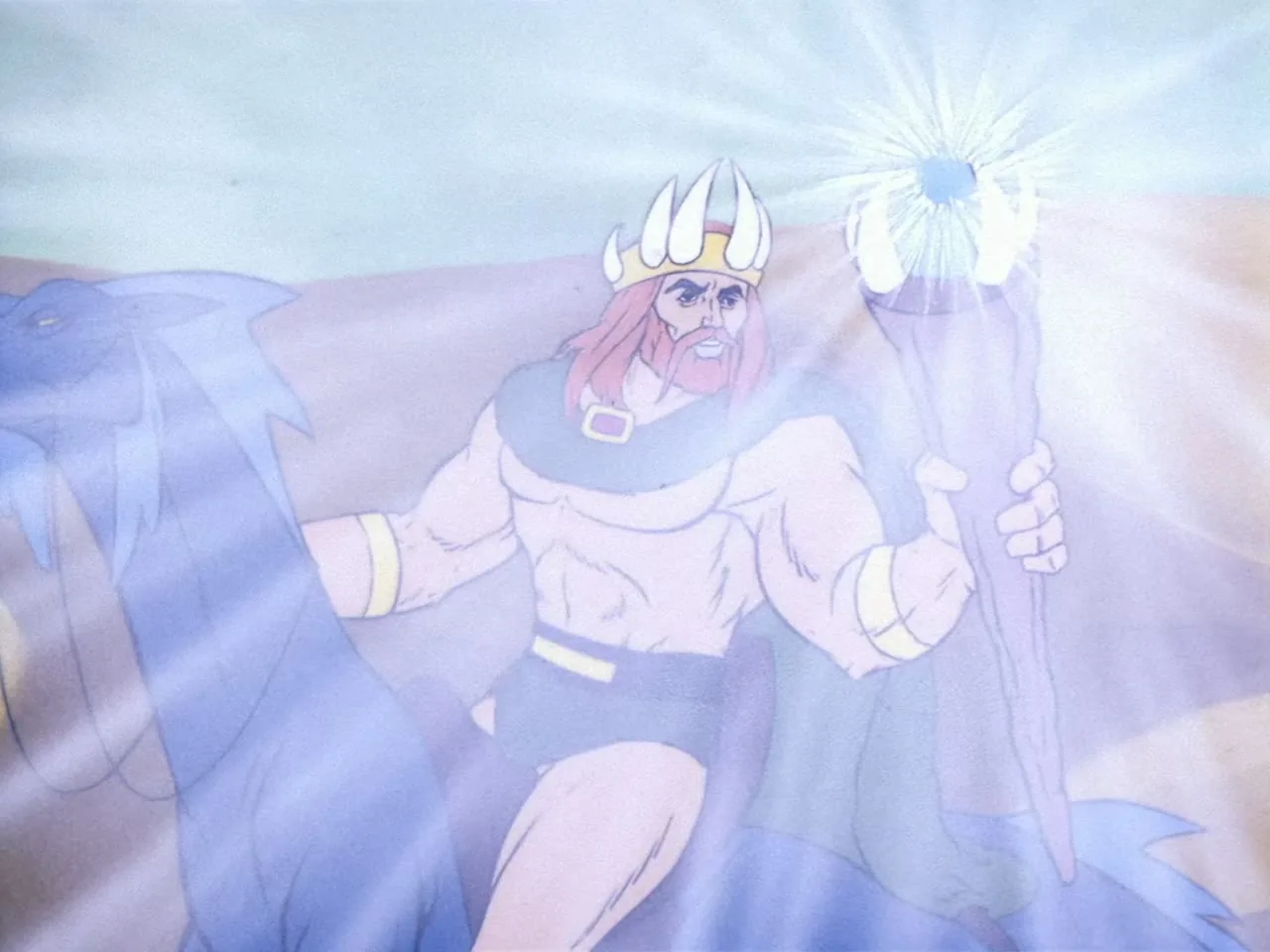
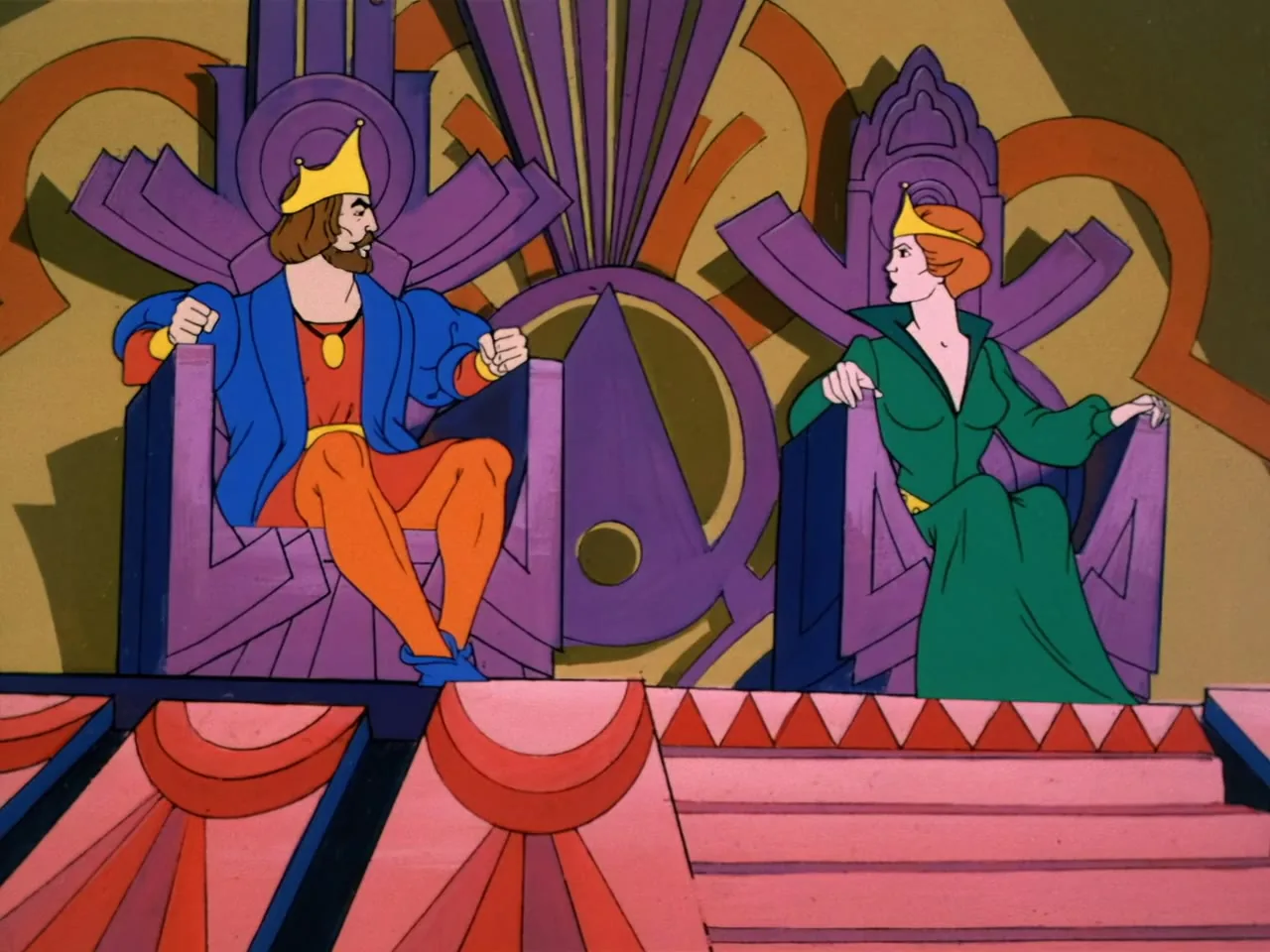
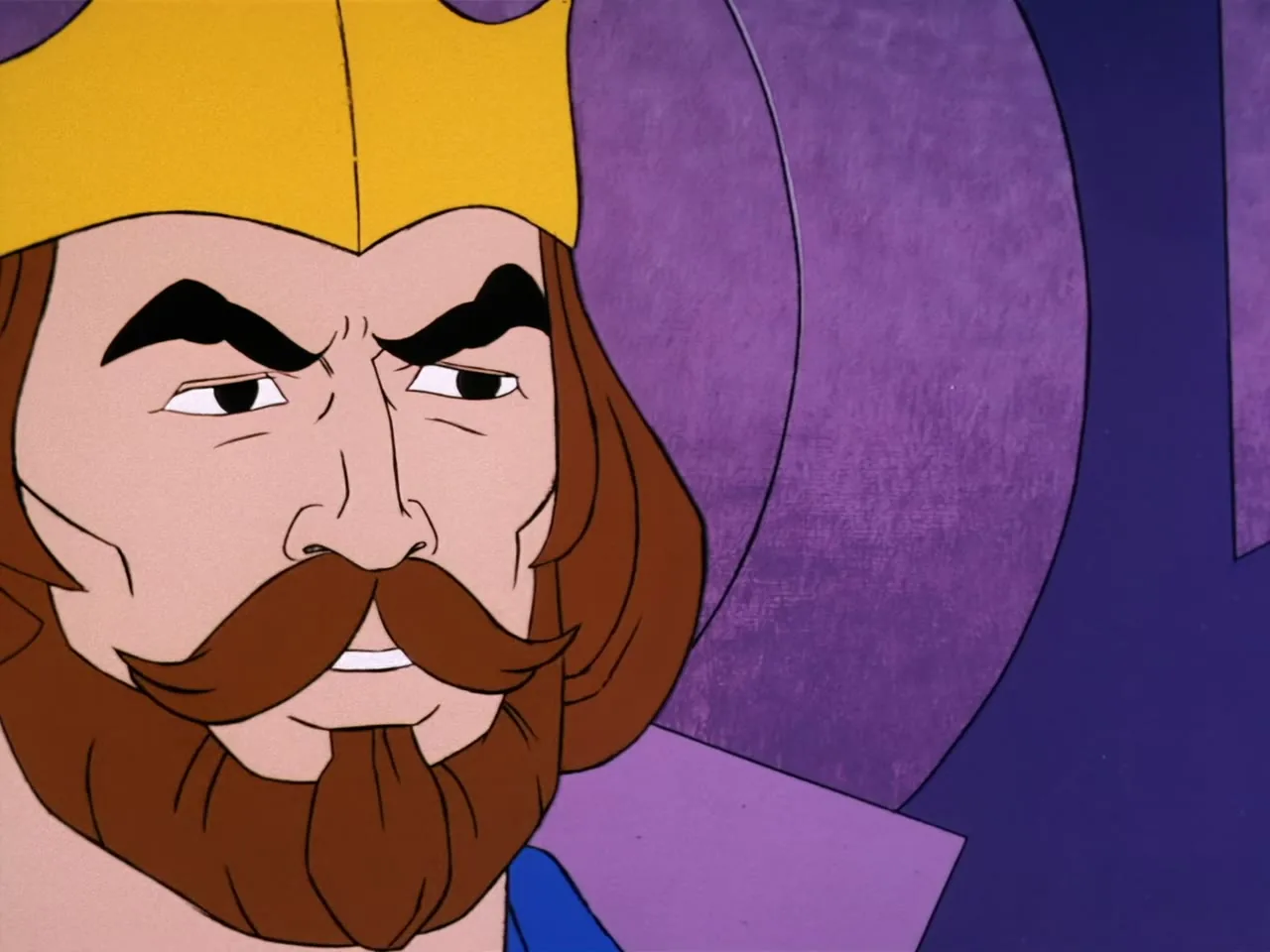
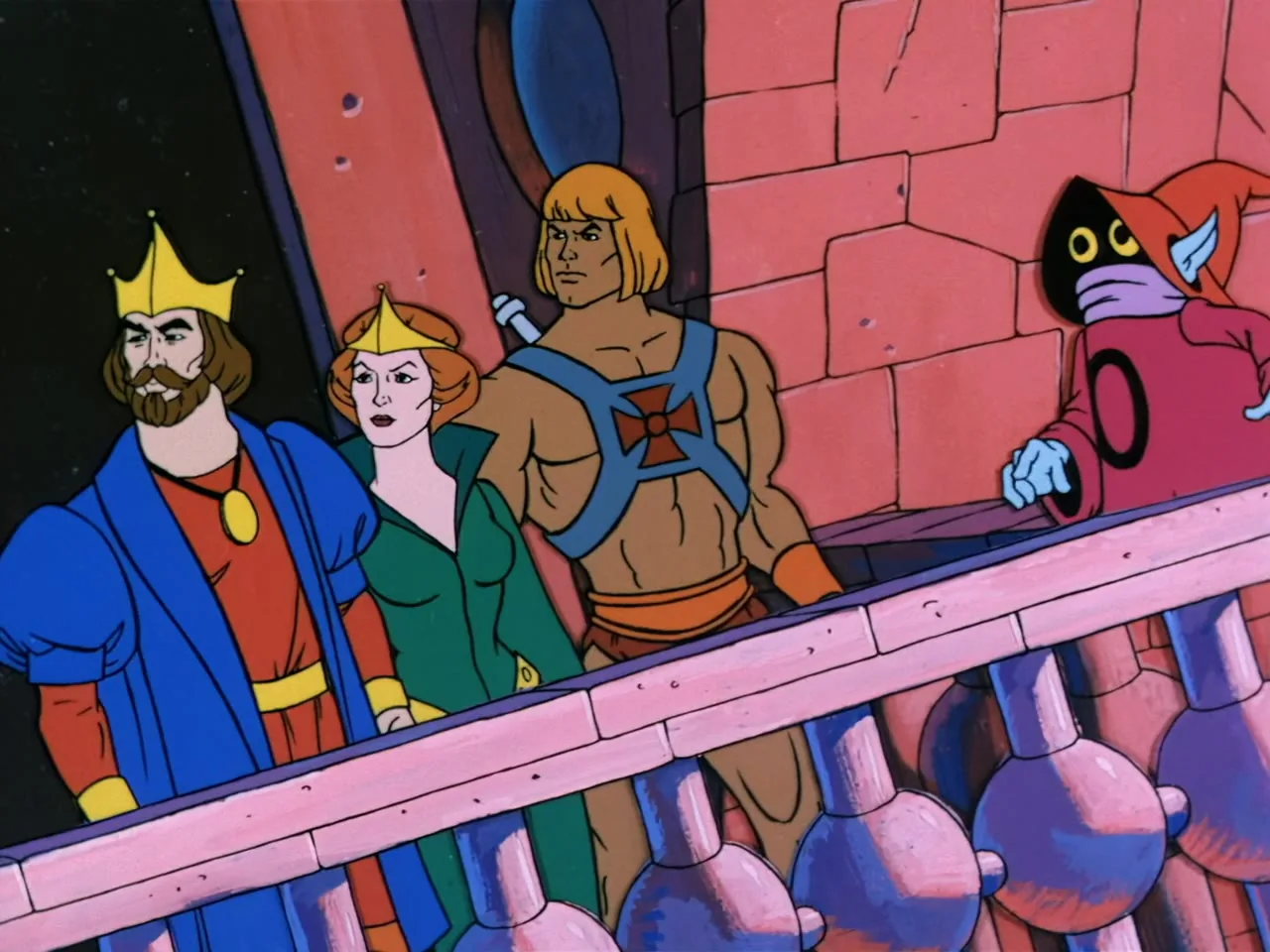
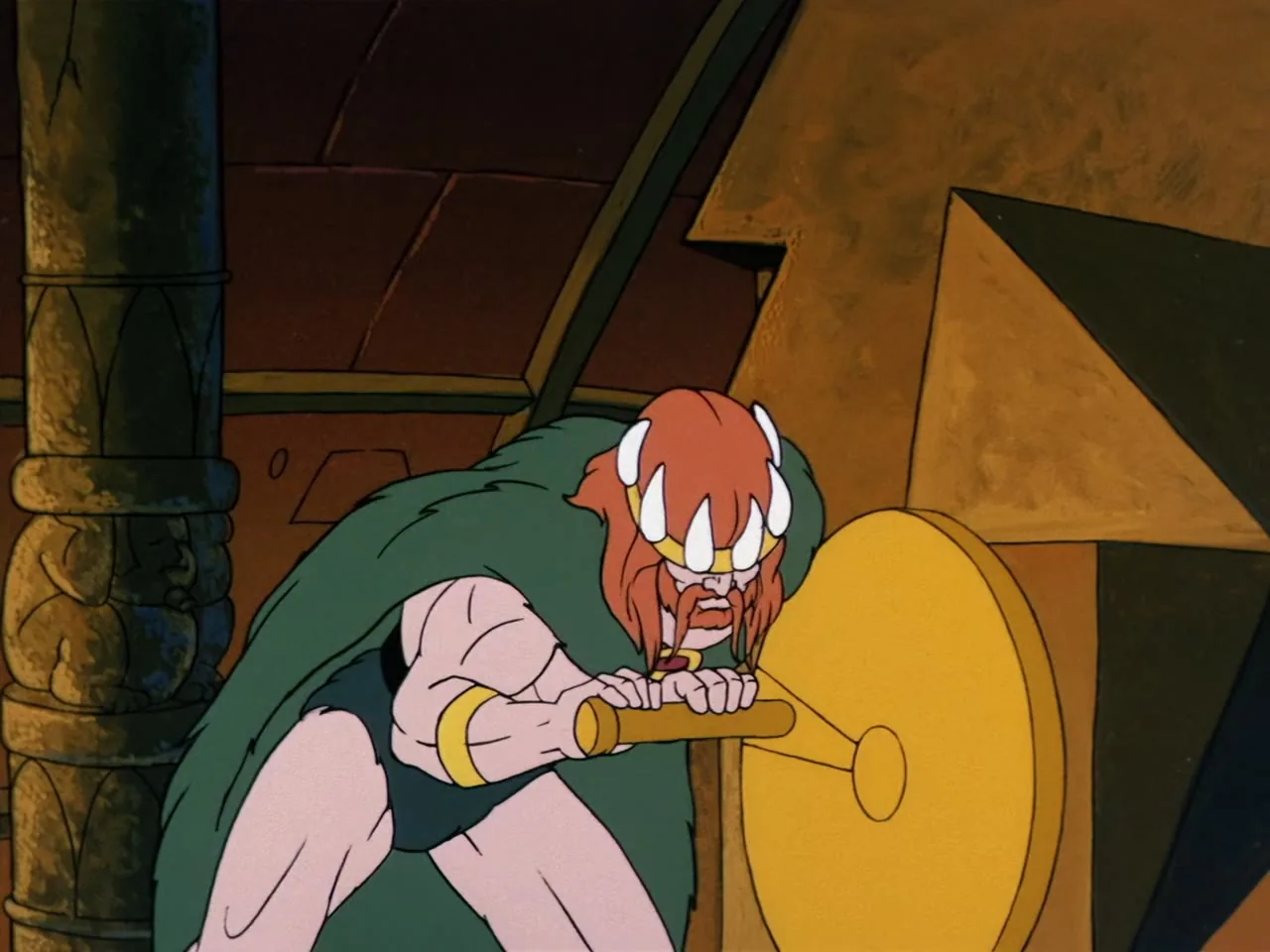
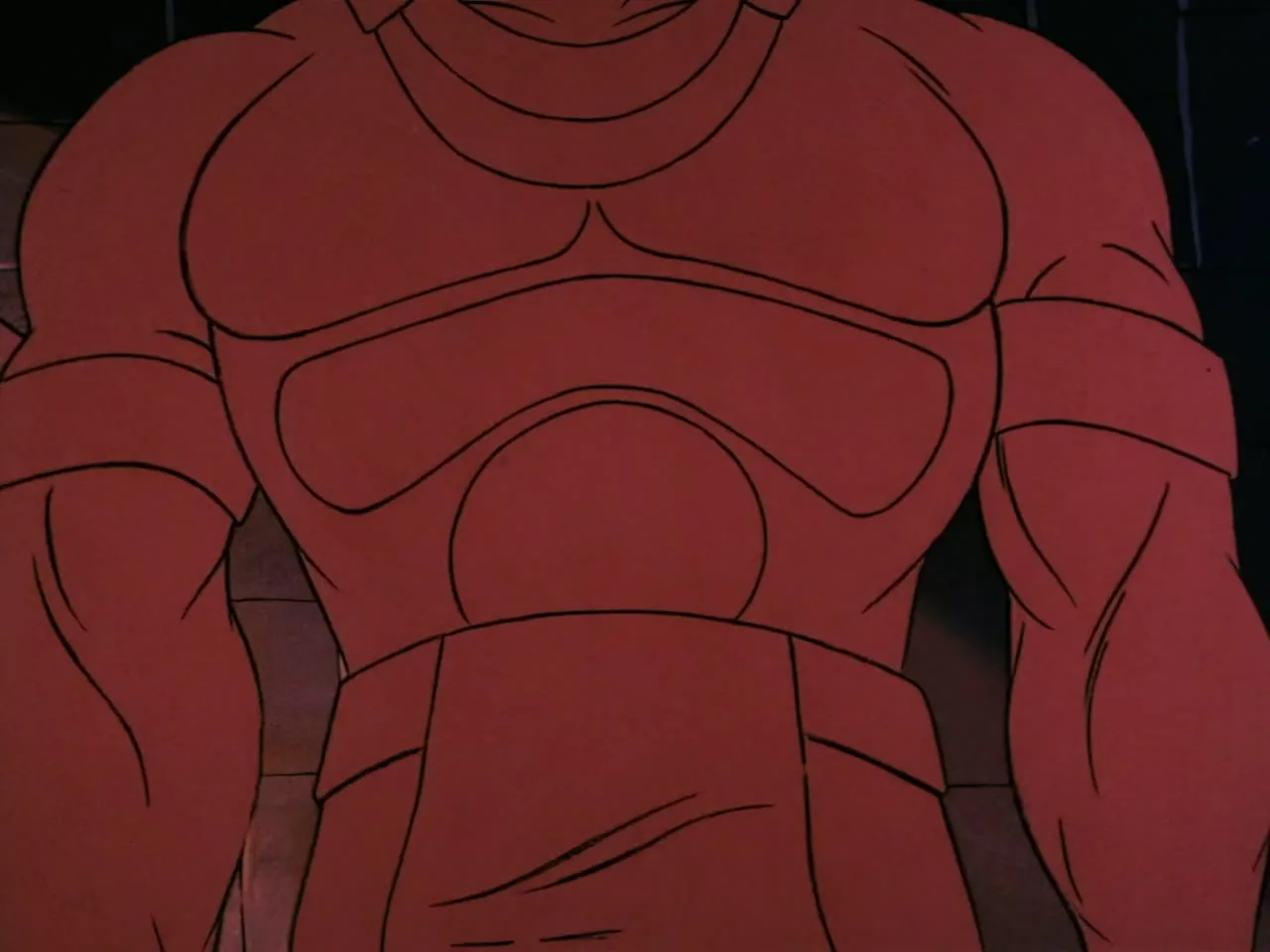
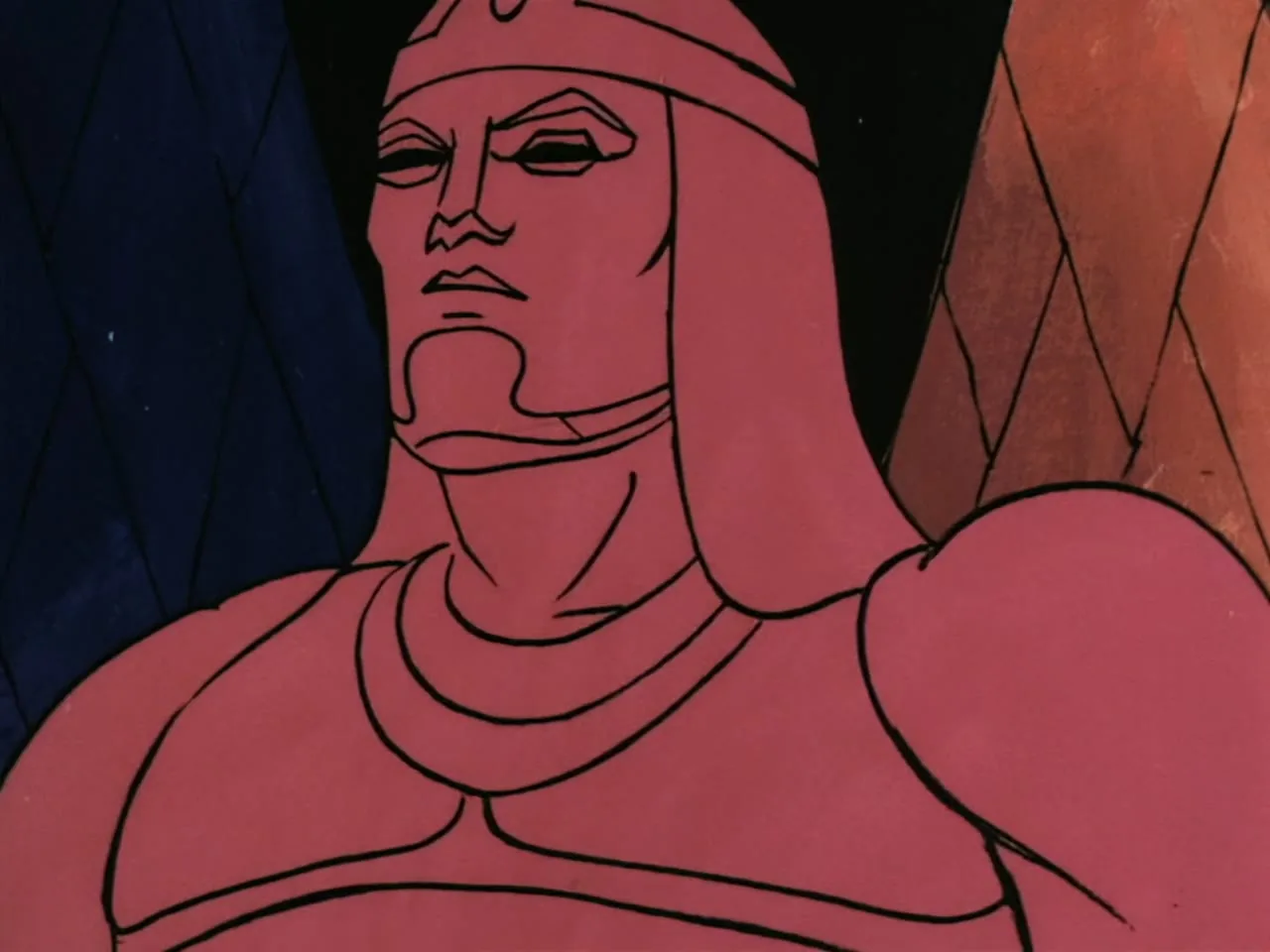
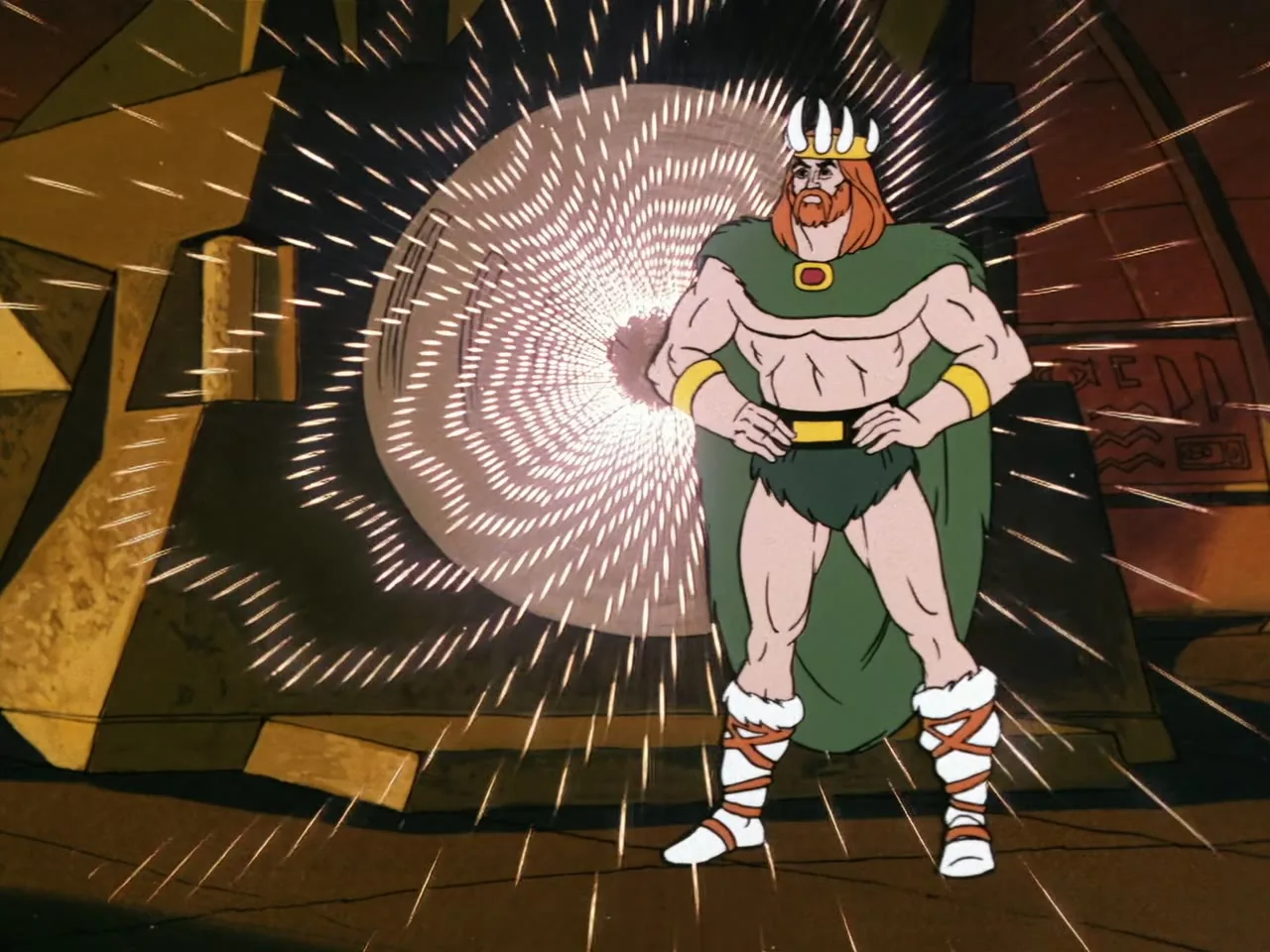
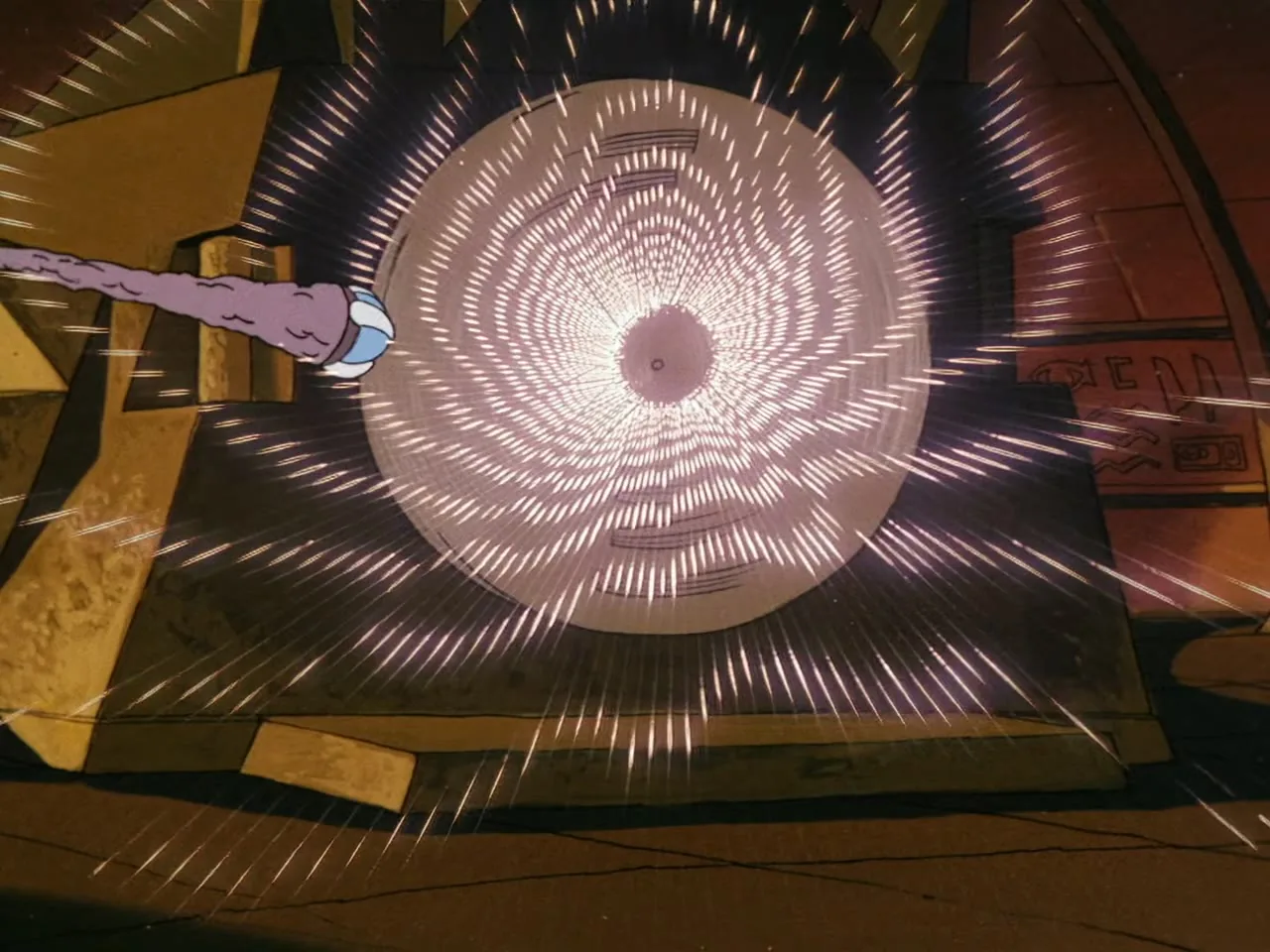
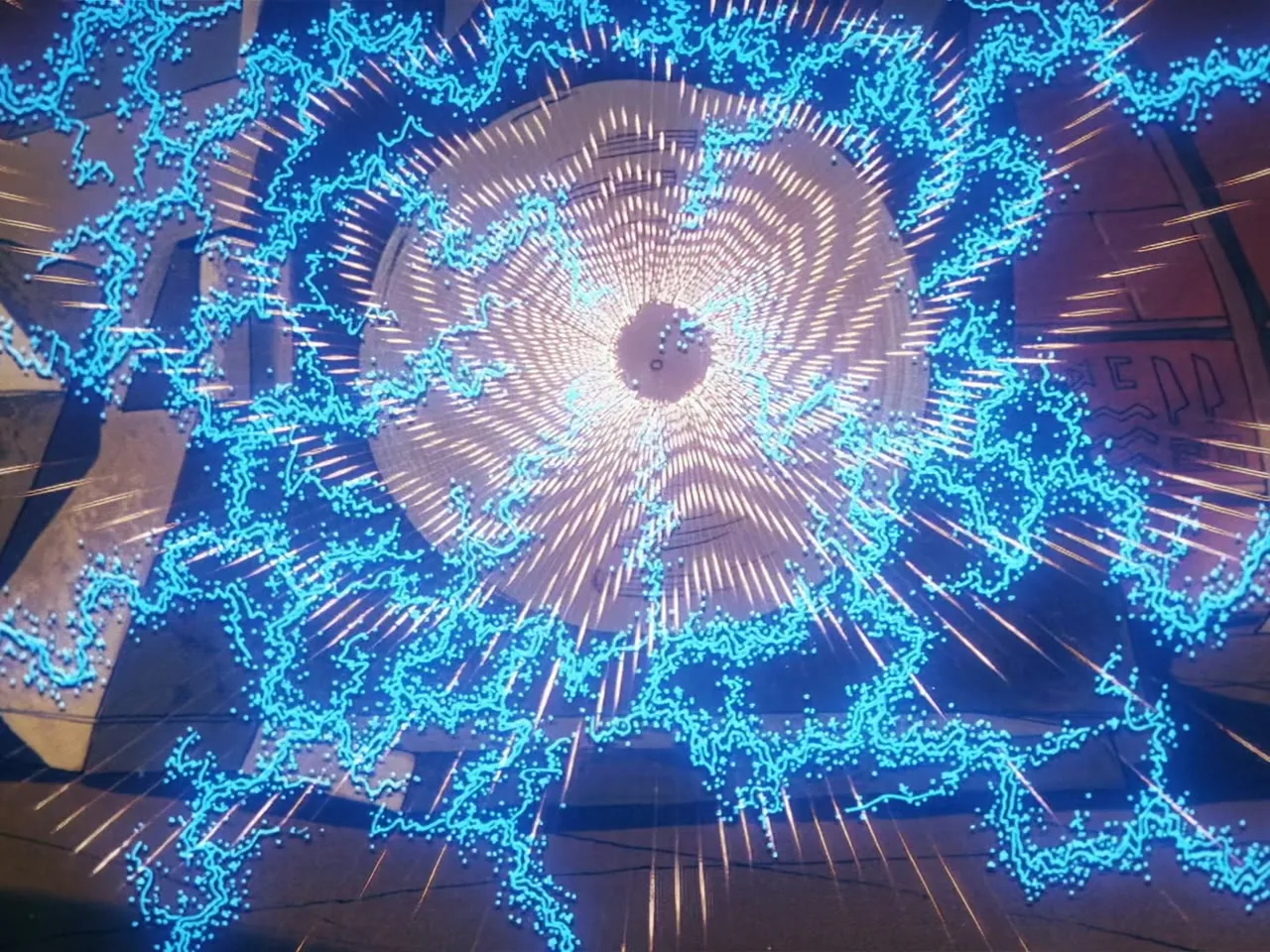
A king who has been dead for thousands of years does not know he is dead, and "The Time Wheel" spends its whole runtime on what that would actually look like. Tamusk steps out of Orko's accidental vortex still fighting a war the rest of Eternia forgot: he calls He-Man and Randor "Silkons" on sight, mistakes a palace guard for an ambush, and reads every attempt to explain the situation to him as a new trick from an old enemy. We never doubt that someone has taken his throne. He is wrong about who, and about how long ago, and the gap between those two kinds of wrong is where the episode actually lives.
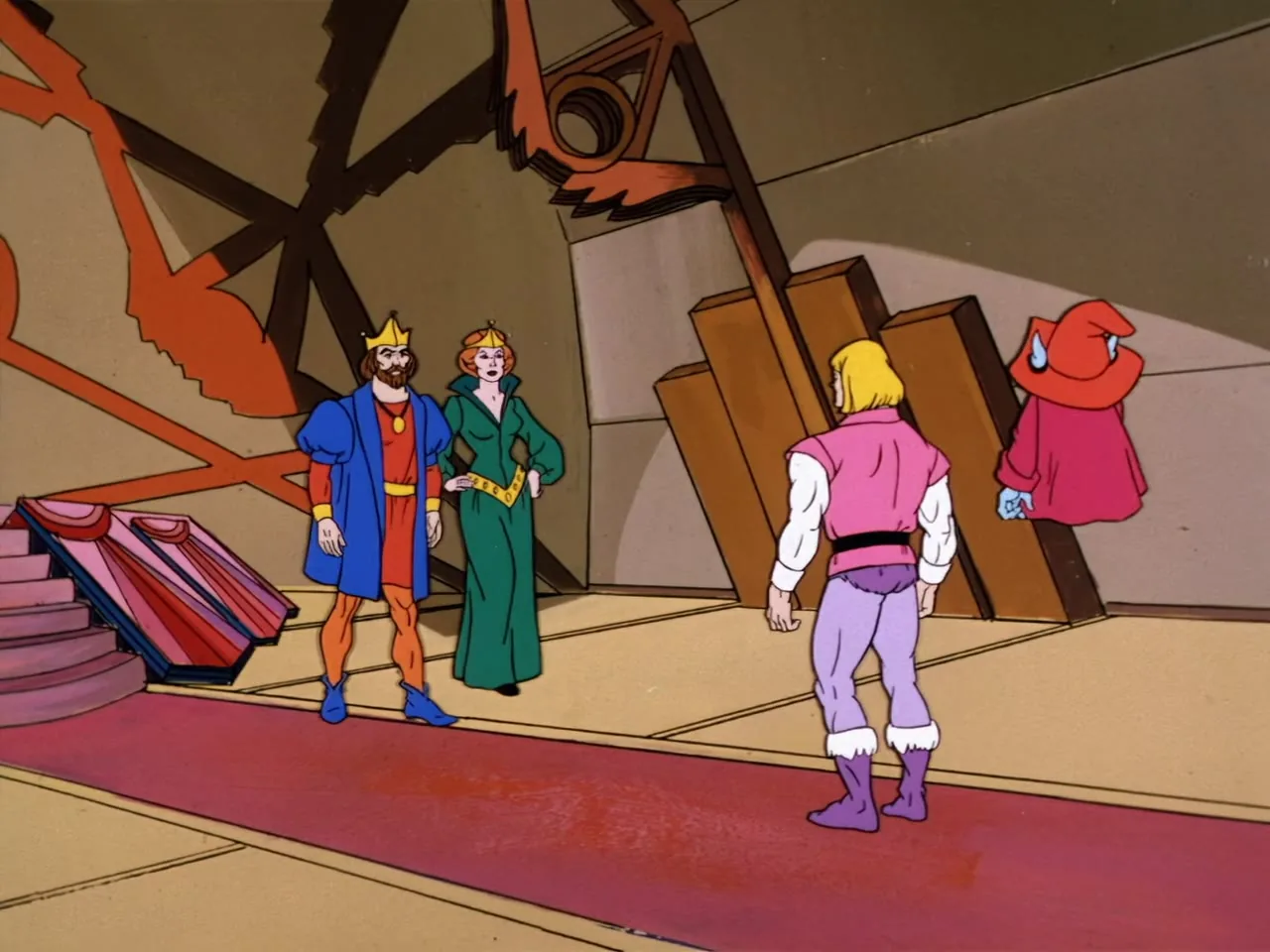
A warrior who has only ever had one answer to a threat, meeting a kingdom that has moved past needing it: that is the idea the script keeps returning to. Randor states it to Tamusk's face, as close to a thesis as the half-hour gets: "In your day, battle may have been the test of a king, but now it is wisdom, compassion and reason that rule Eternia. Fighting proves nothing." Tamusk does not believe him, not then, and the episode is patient about it, letting him lose to a stone guardian of his own summoning before he will even consider it.
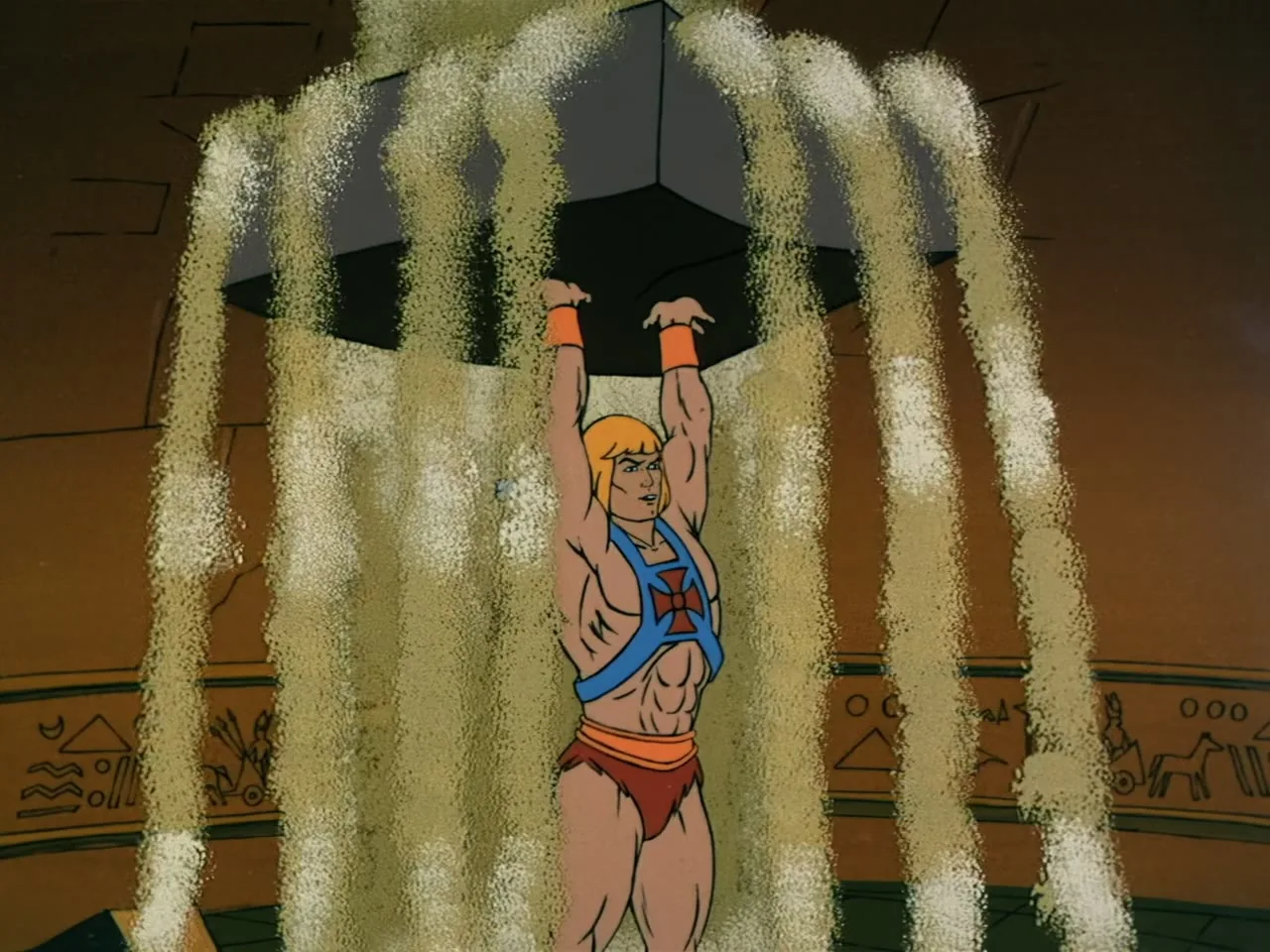
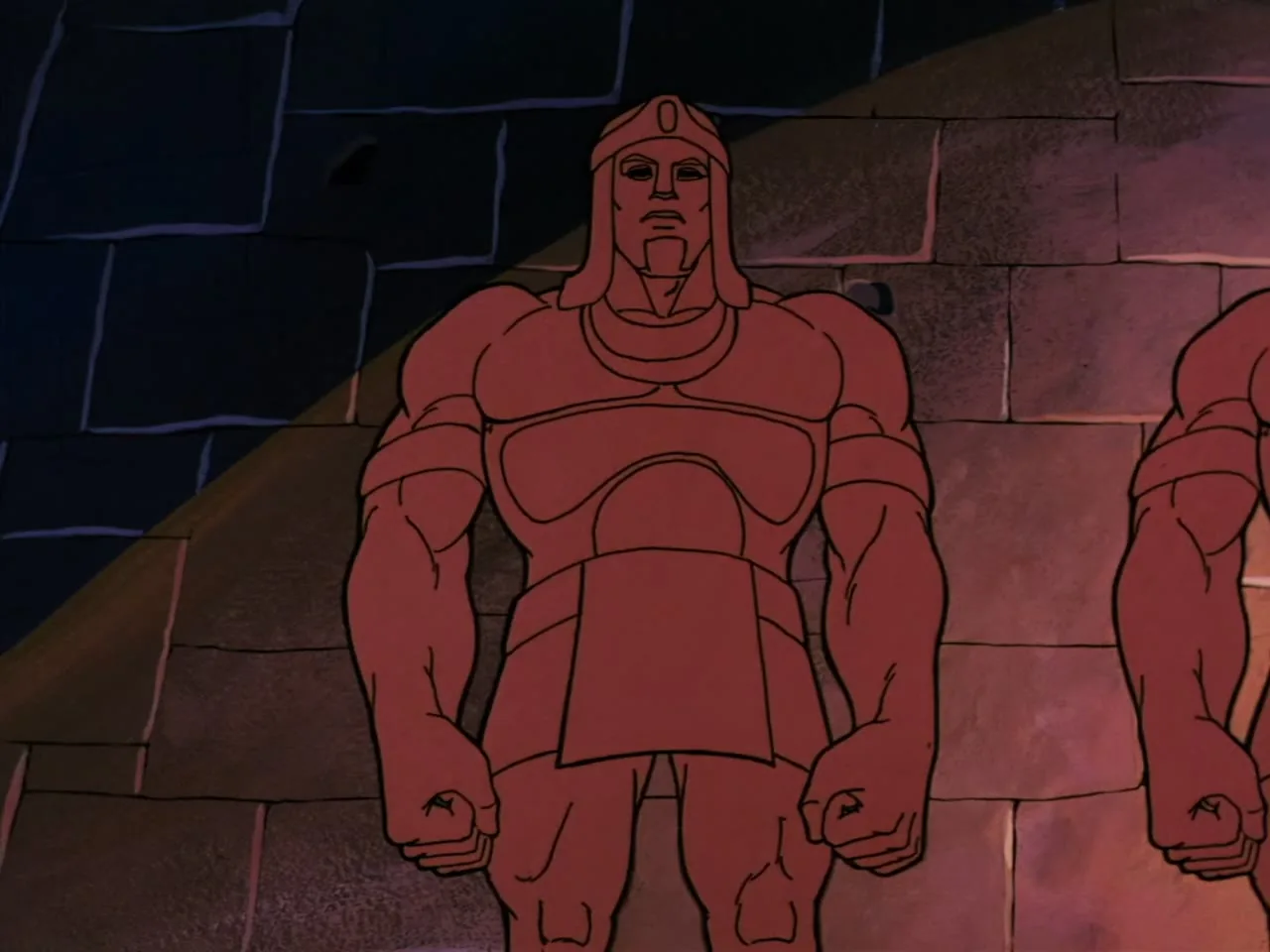
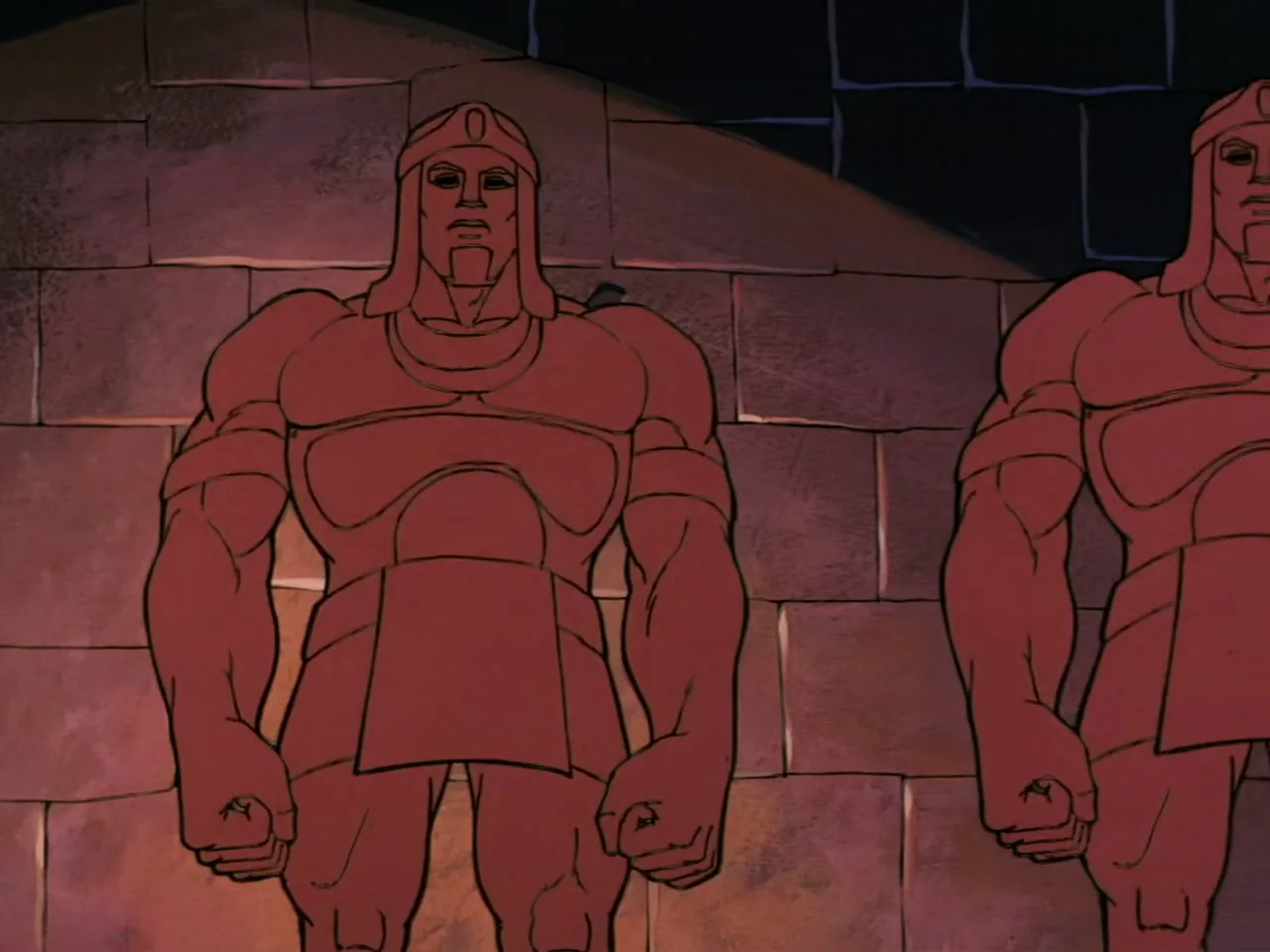
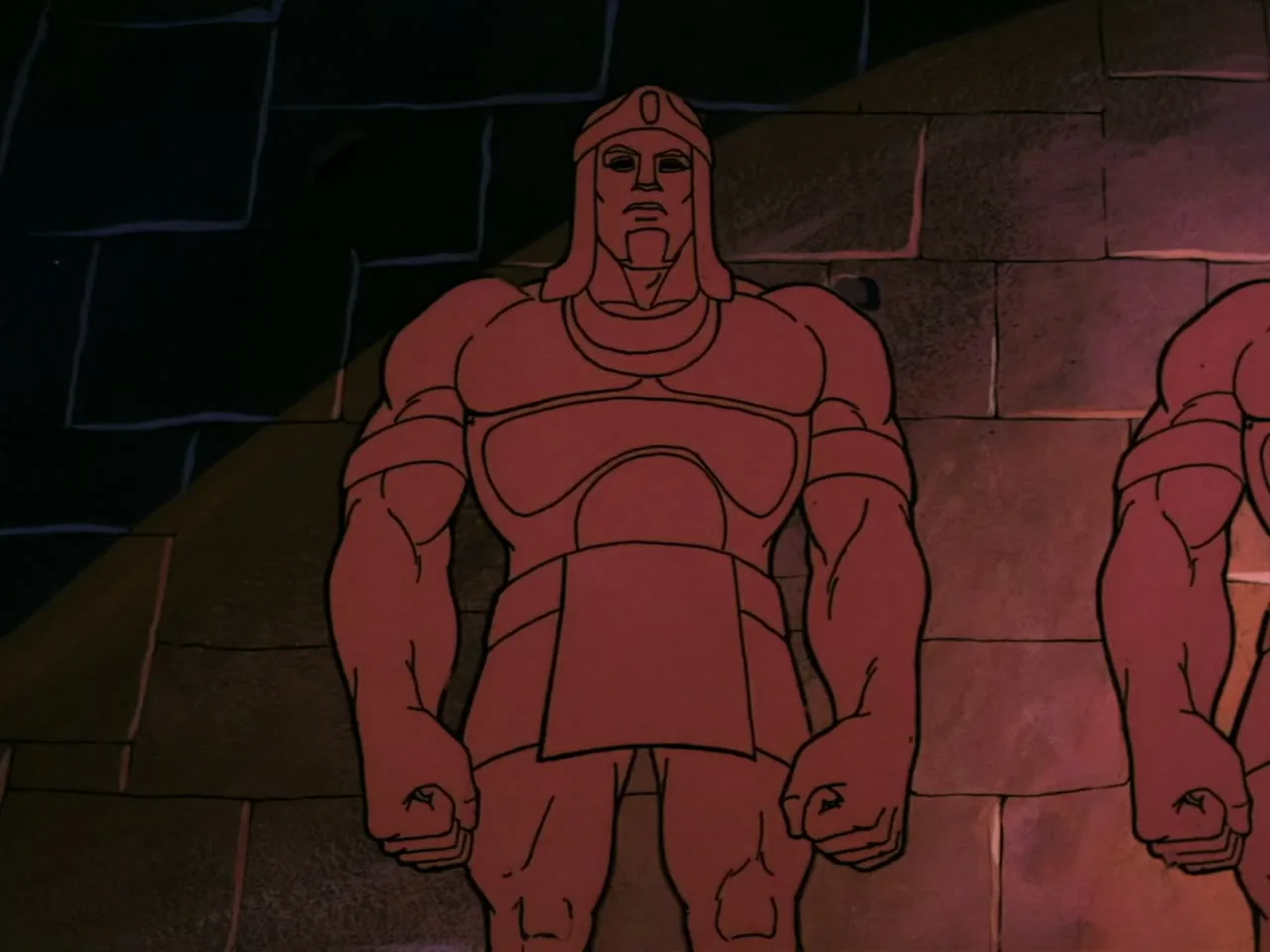
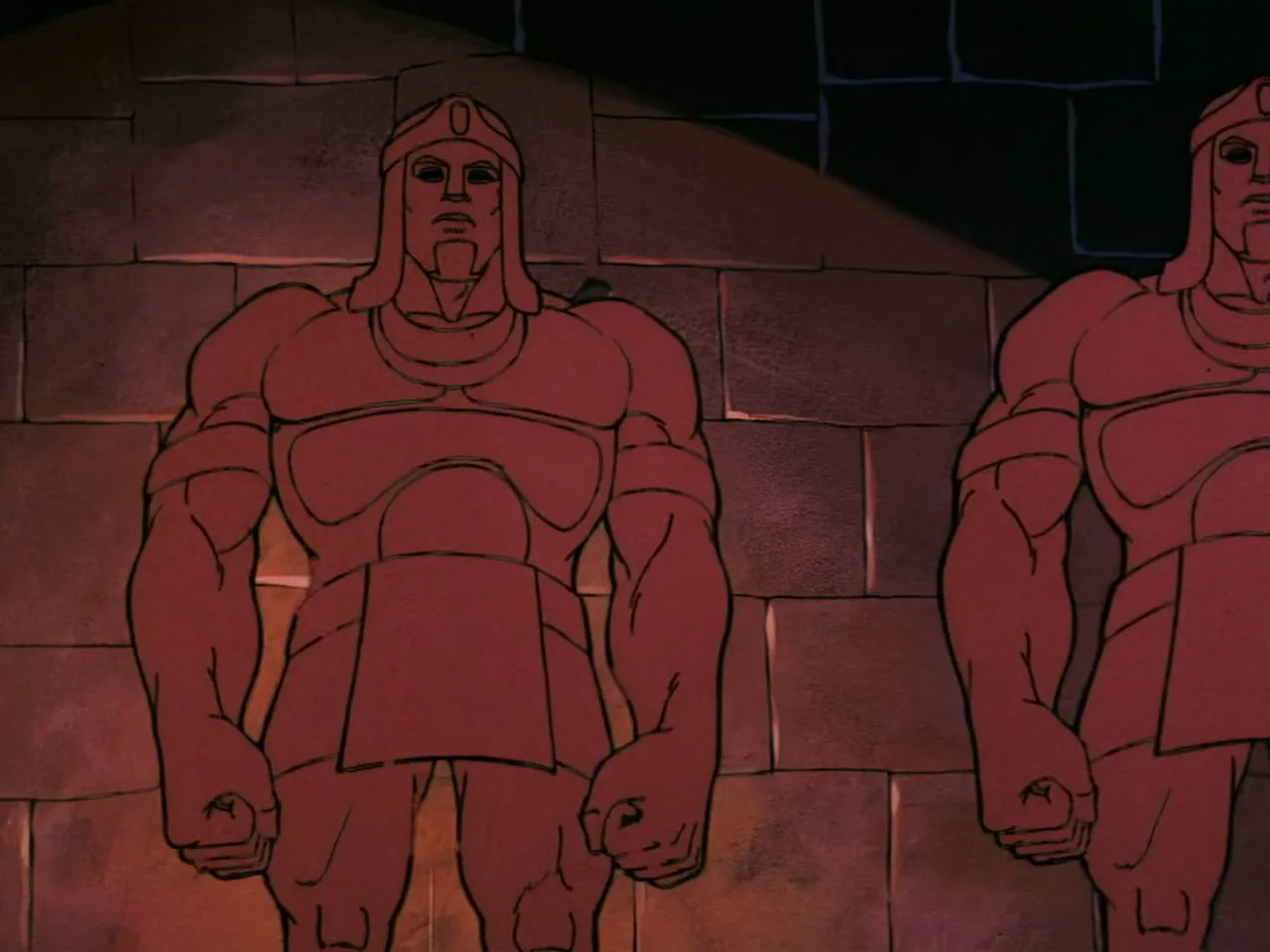
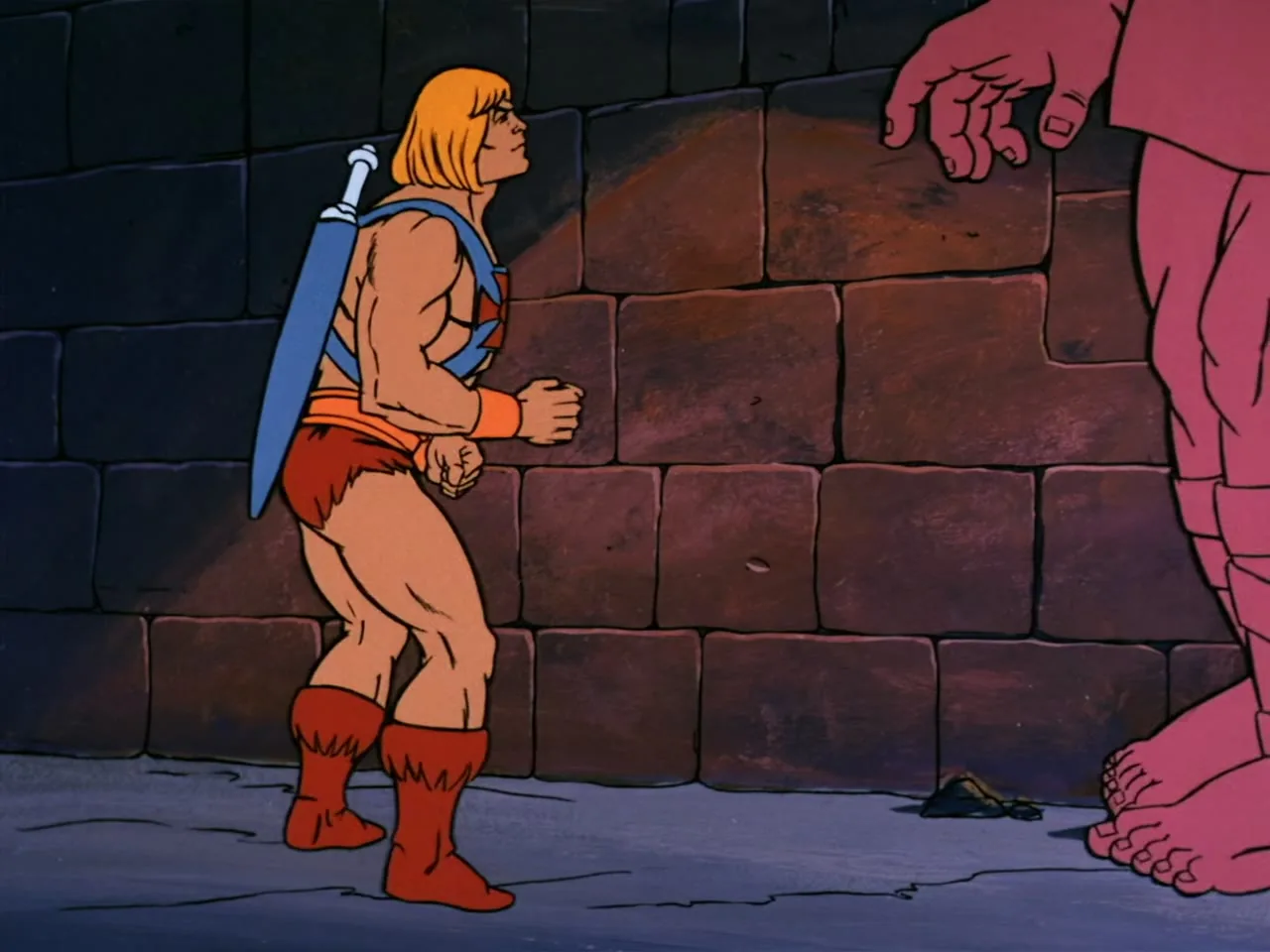
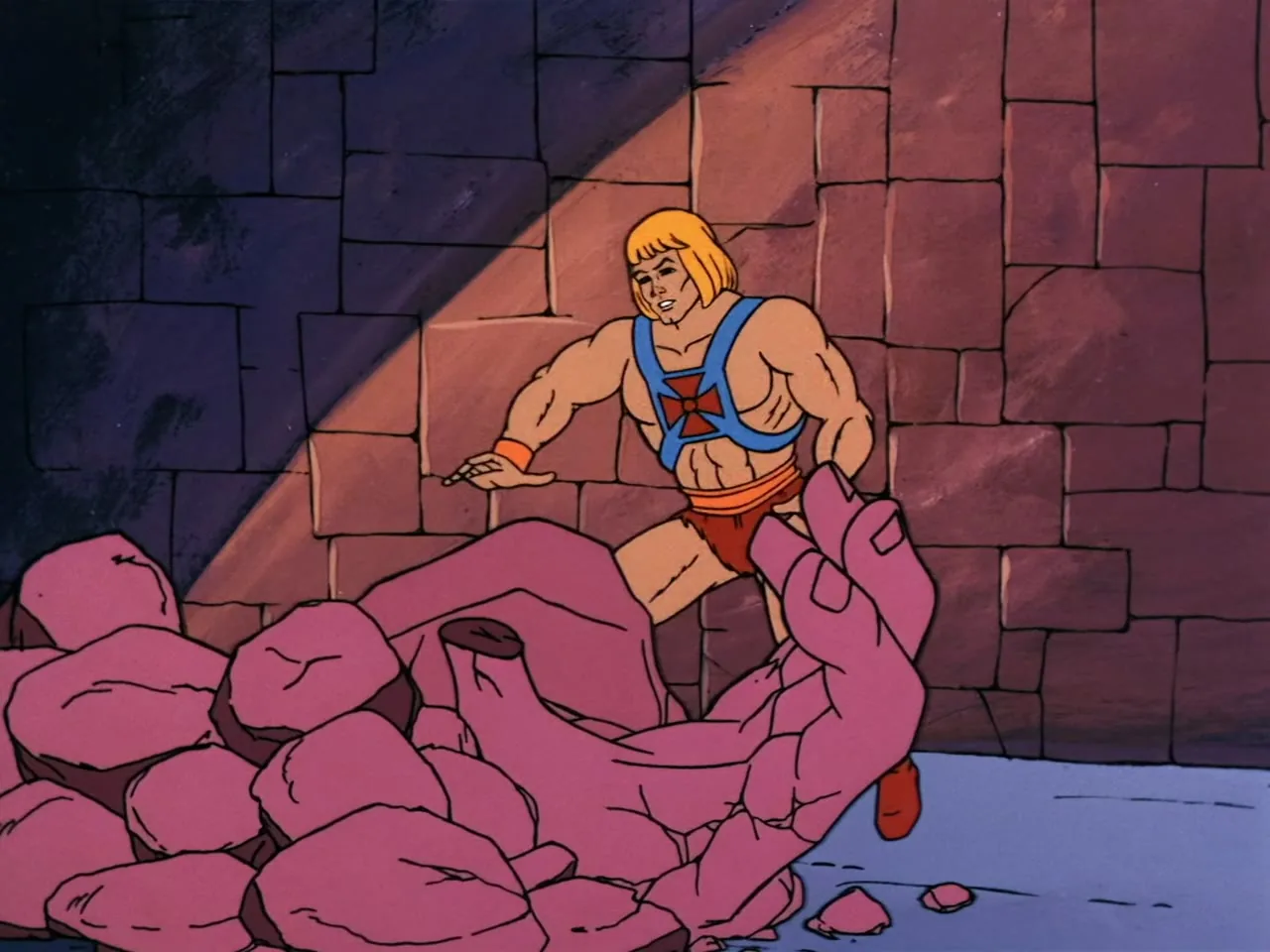
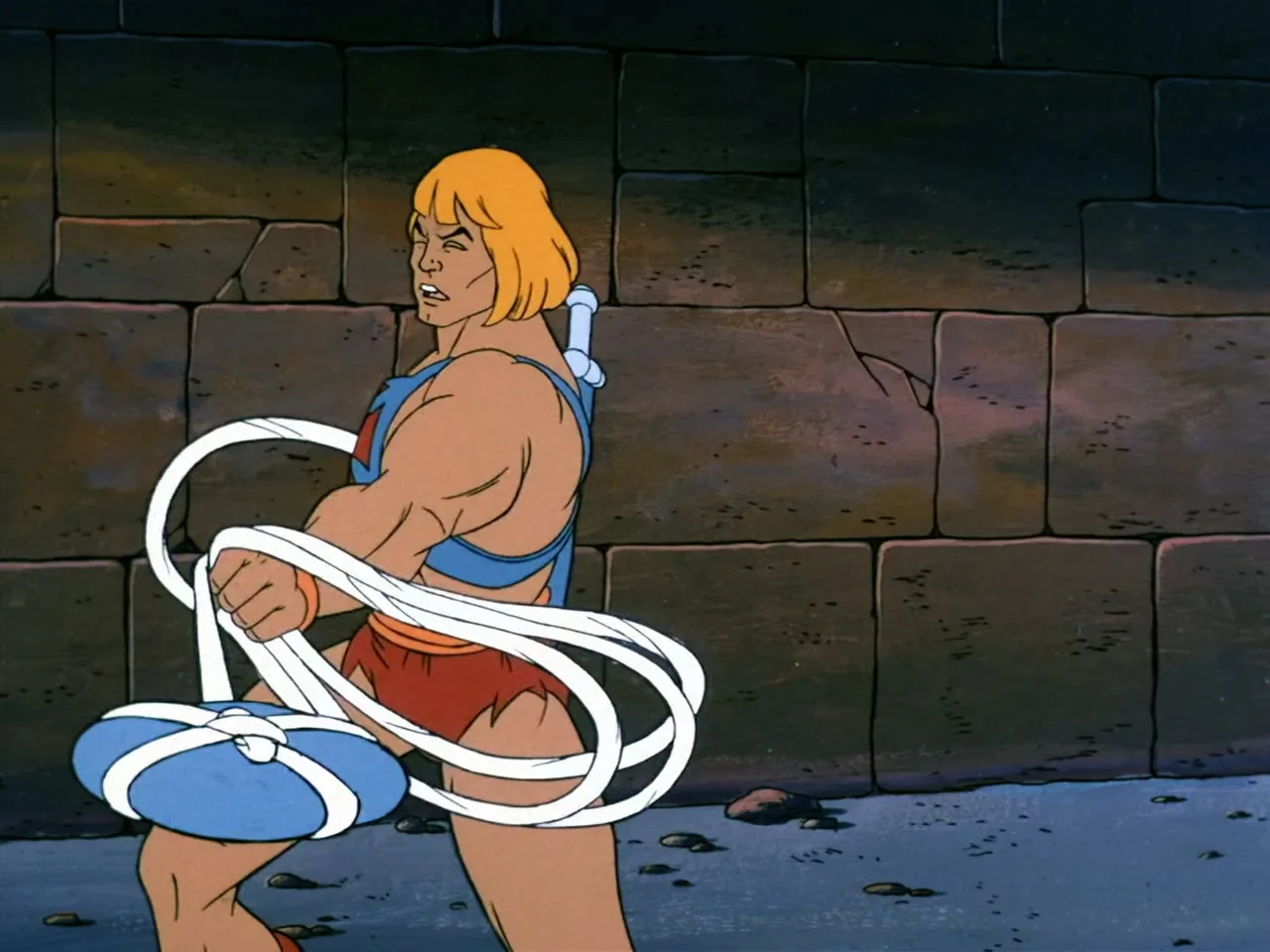
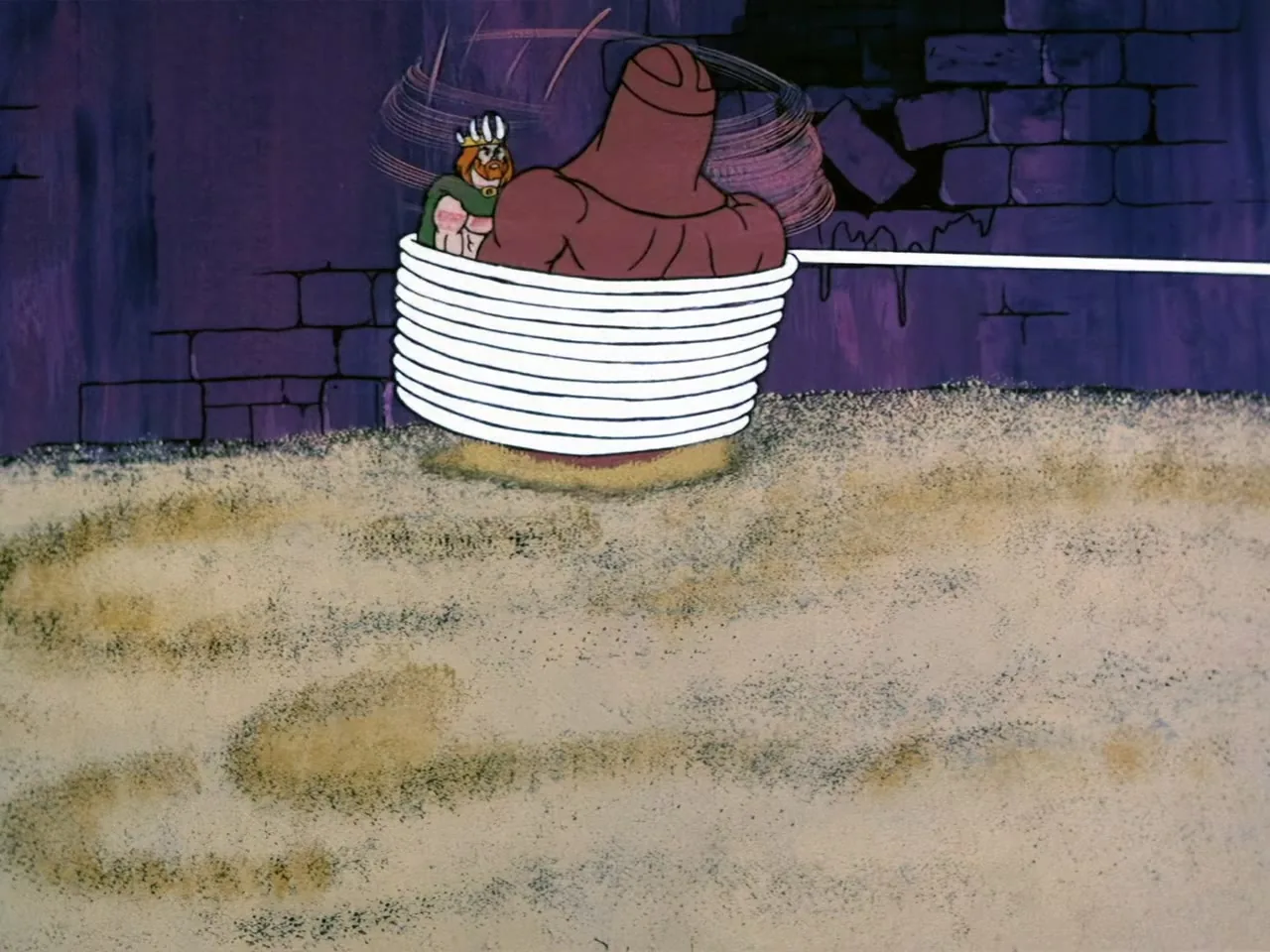
The Silkon statue fight earns its space. Tamusk, cornered in a palace corridor, animates a pair of ancient stone soldiers to do his fighting for him, convinced he has found reinforcements rather than another trap. He-Man's answer is not brute force. He baits the statue into a spin, lets the desert sand it is packed with wear it down from the inside, and the thing crumbles rather than breaks. It is a small piece of writing with a real idea underneath it: Tamusk keeps reaching for the same tool, and the episode keeps showing him a version of himself doing the reaching, right down to a Silkon statue that insults the man commanding it the same way Tamusk insults everyone he meets. He does not clock the resemblance. The audience is meant to.
What finally lands on Tamusk is a smaller fight, not a bigger one. "I only fight when I must," He-Man tells him on the way to the ruin, "and each time, I hope it is the last time." The line is delivered flat, no beat held for applause. A child audience gets a model for strength that is not measured by appetite for conflict; Tamusk gets the one argument his worldview has no answer for, because it costs him nothing and asks him to be what he already is, just pointed somewhere else. He leaves saying he will "think about this not fighting unless you must." The script does not oversell it.
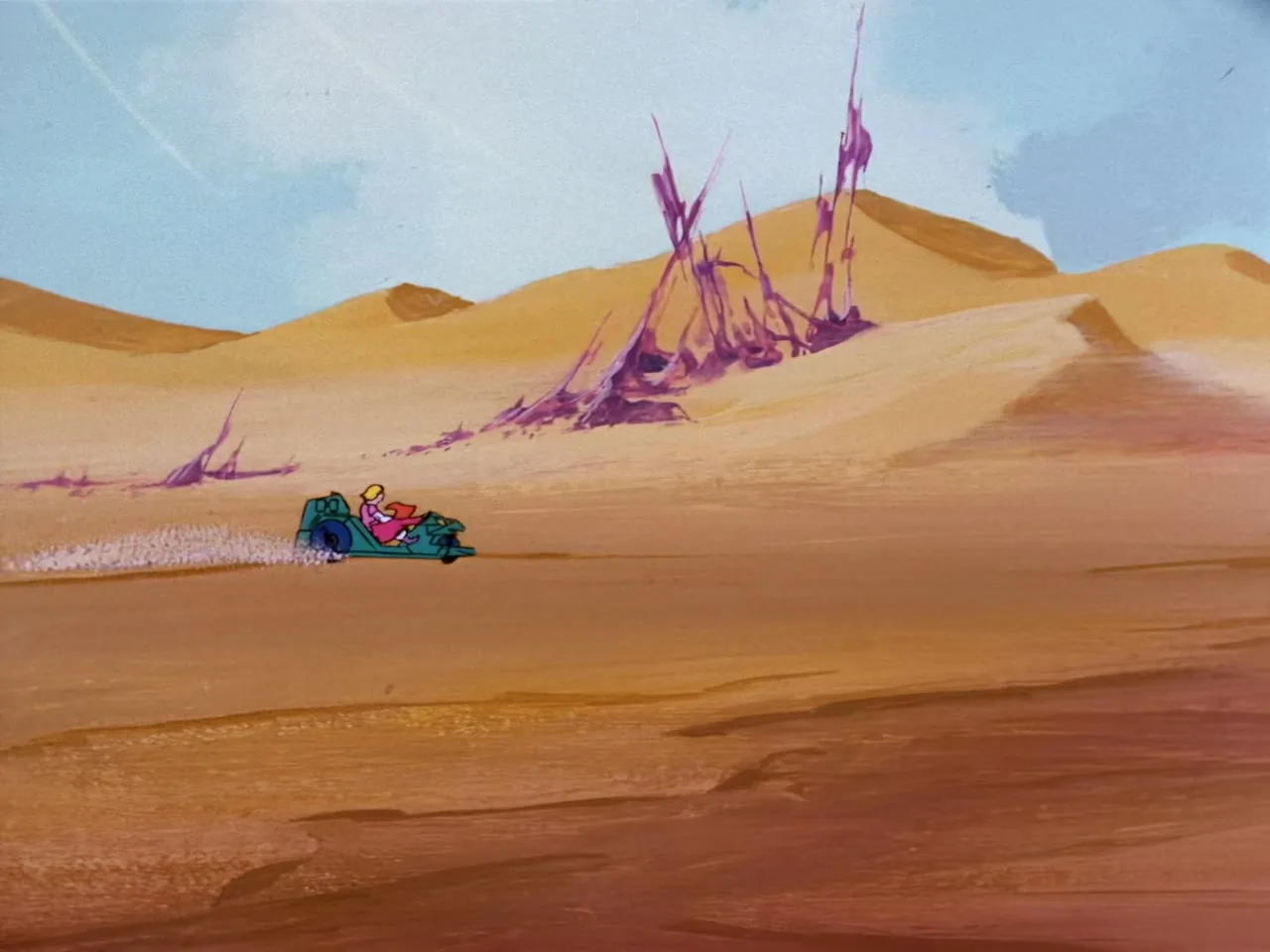
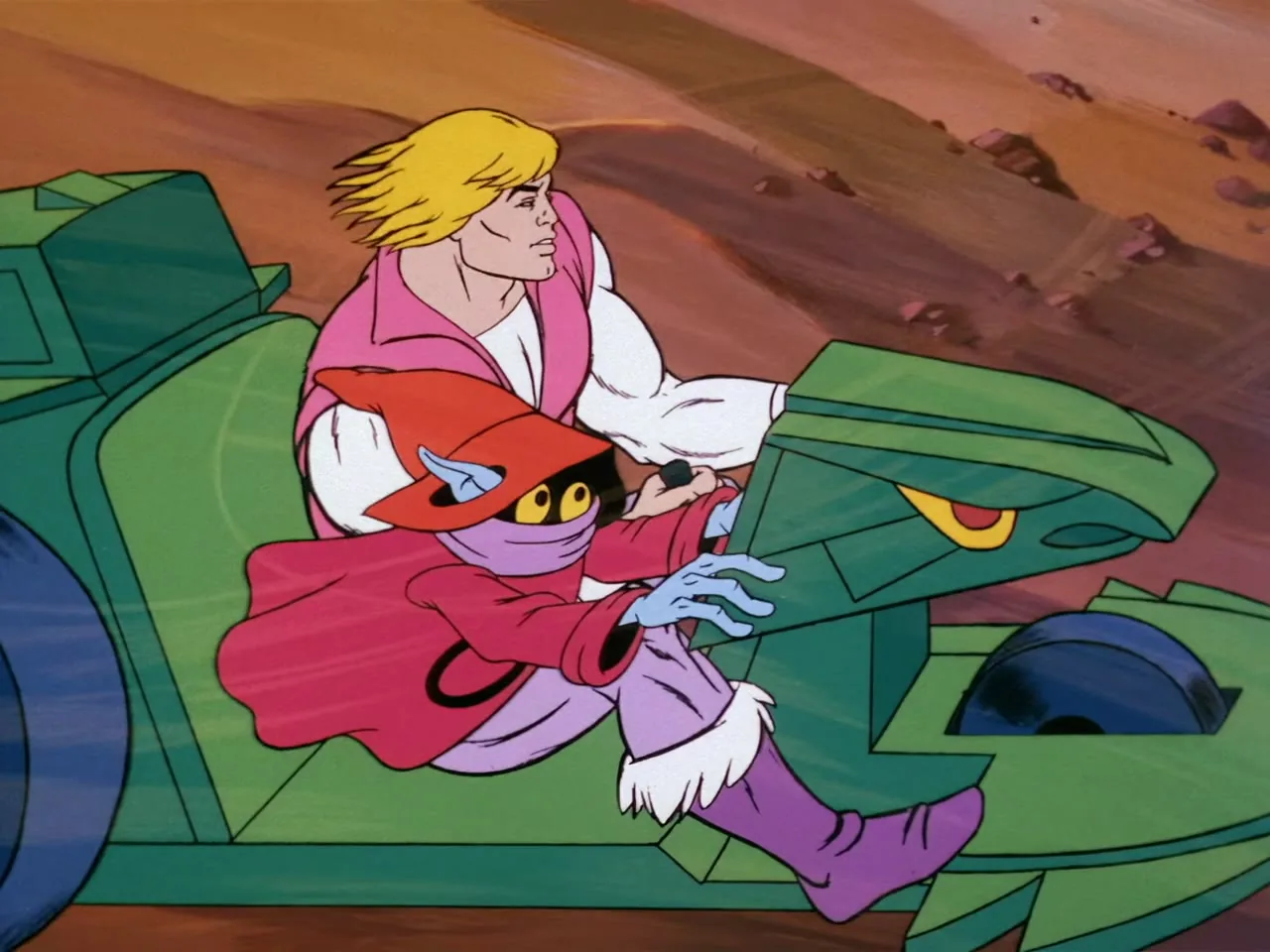
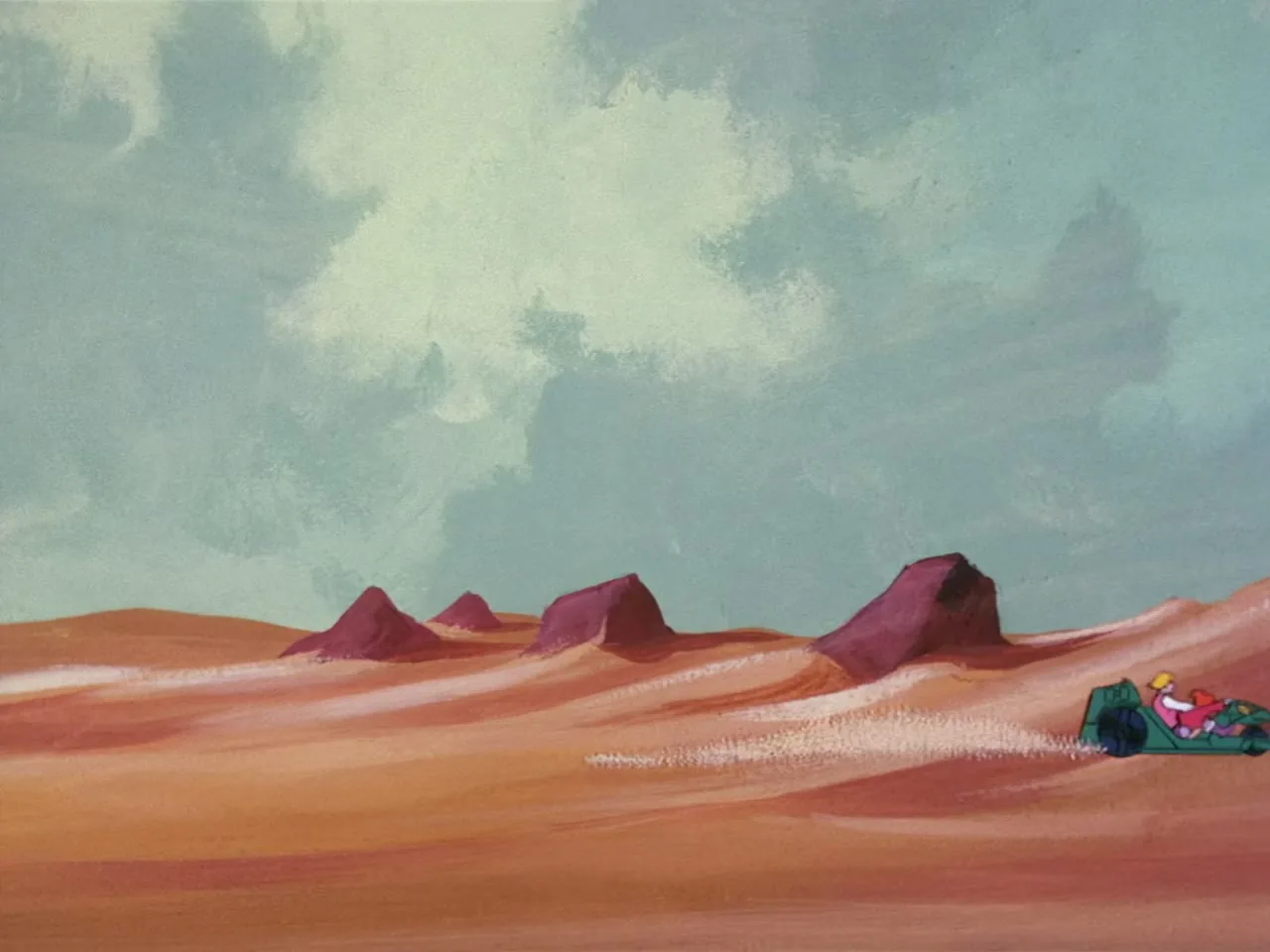
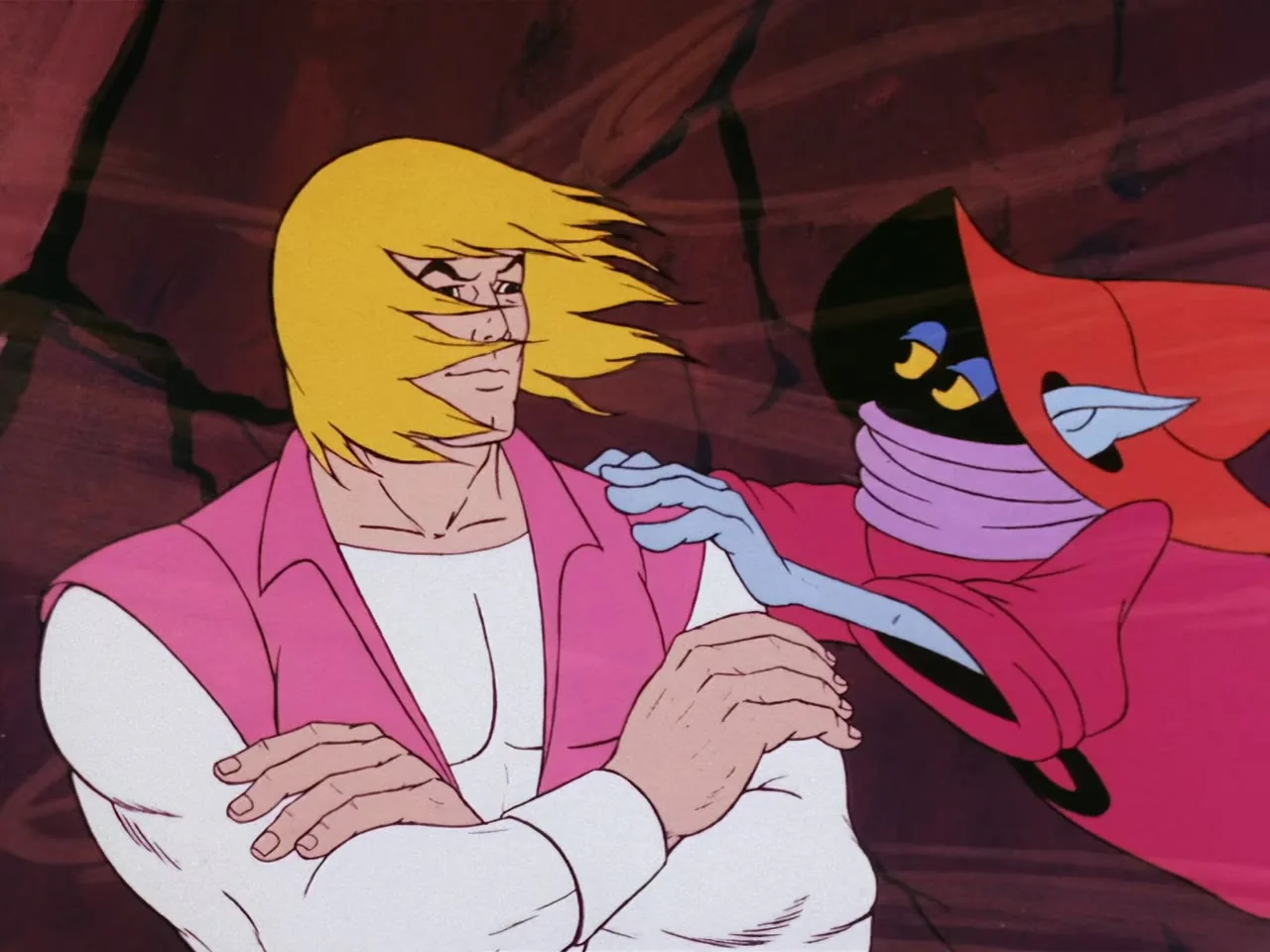
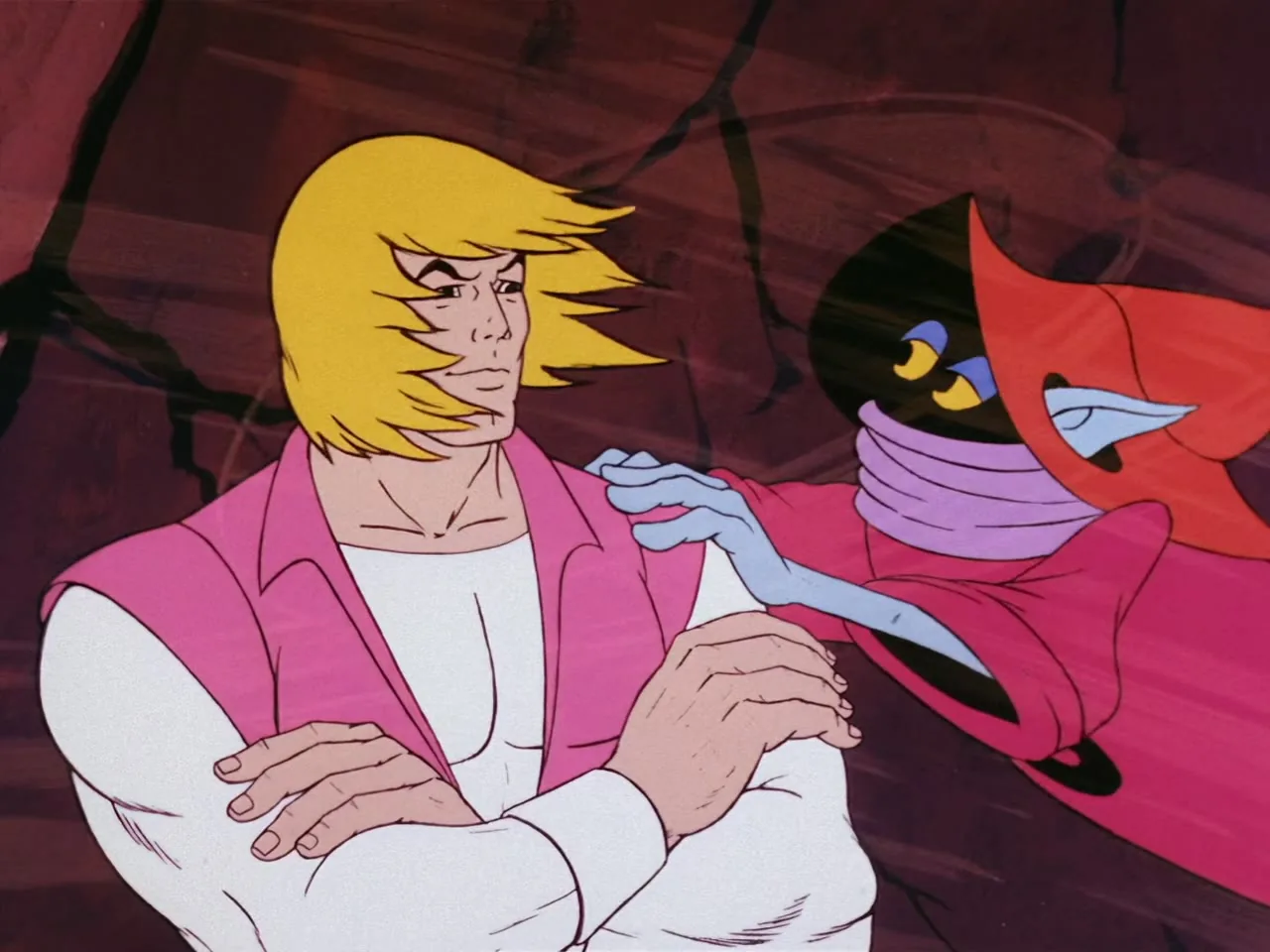
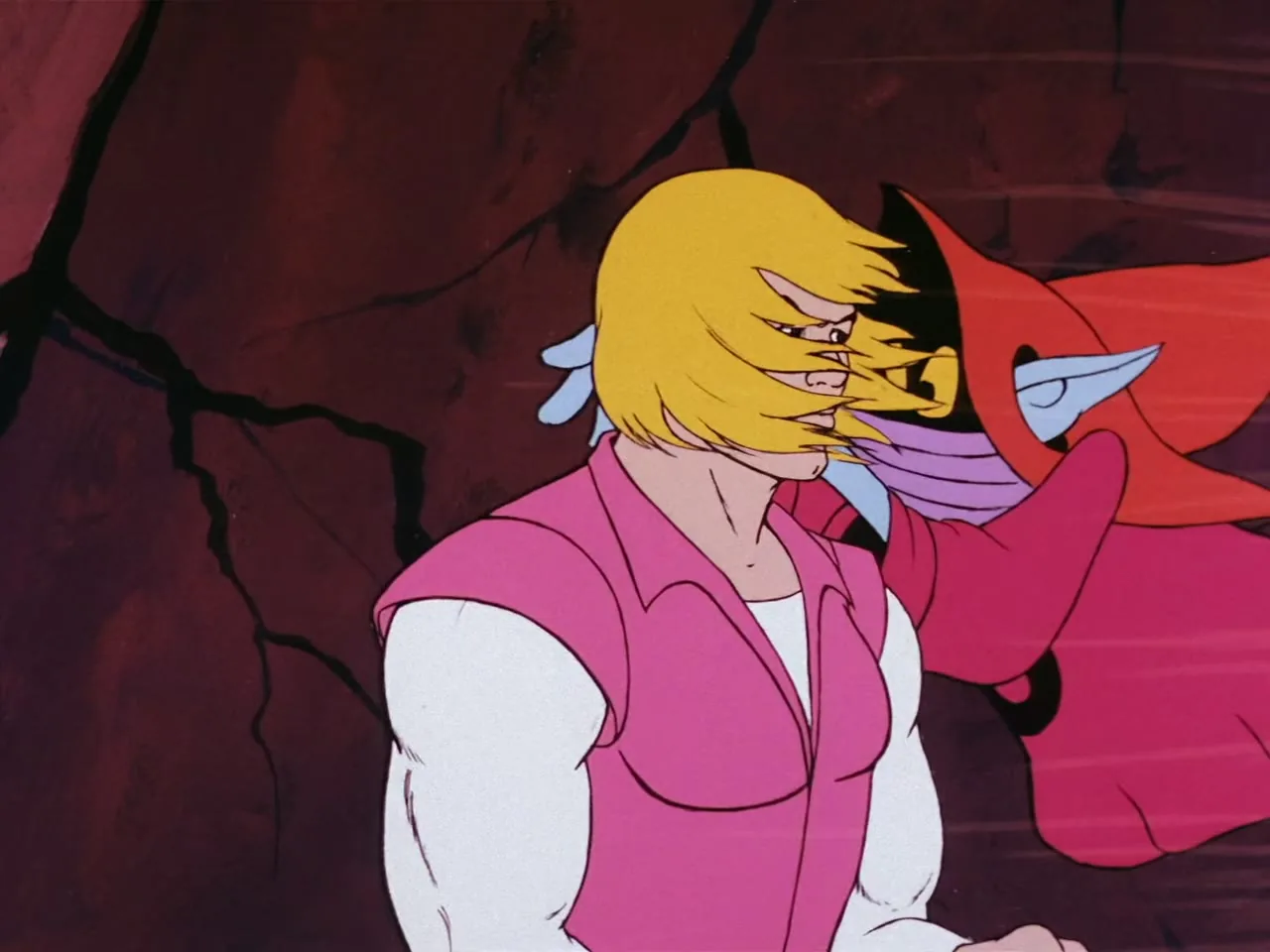
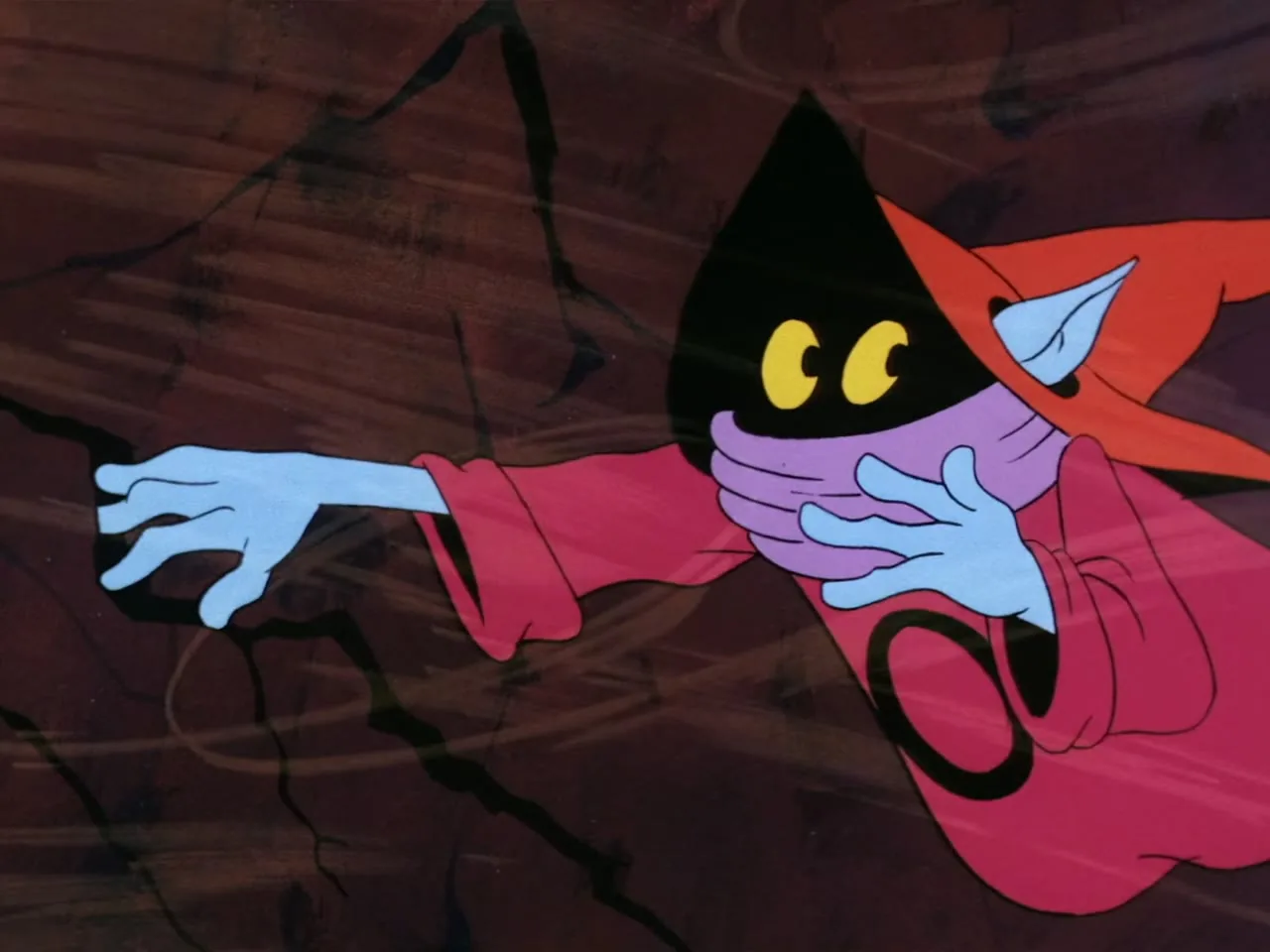
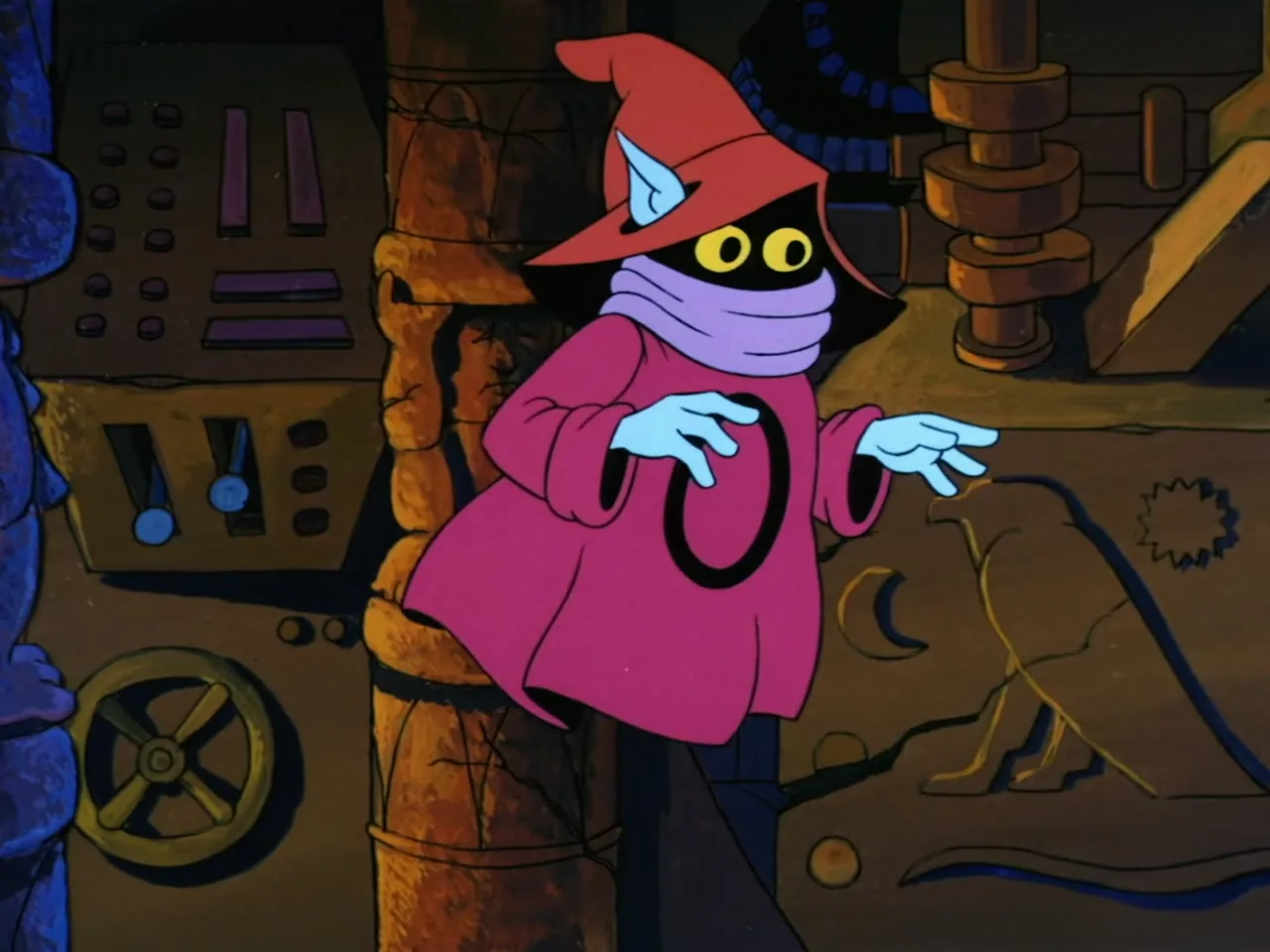
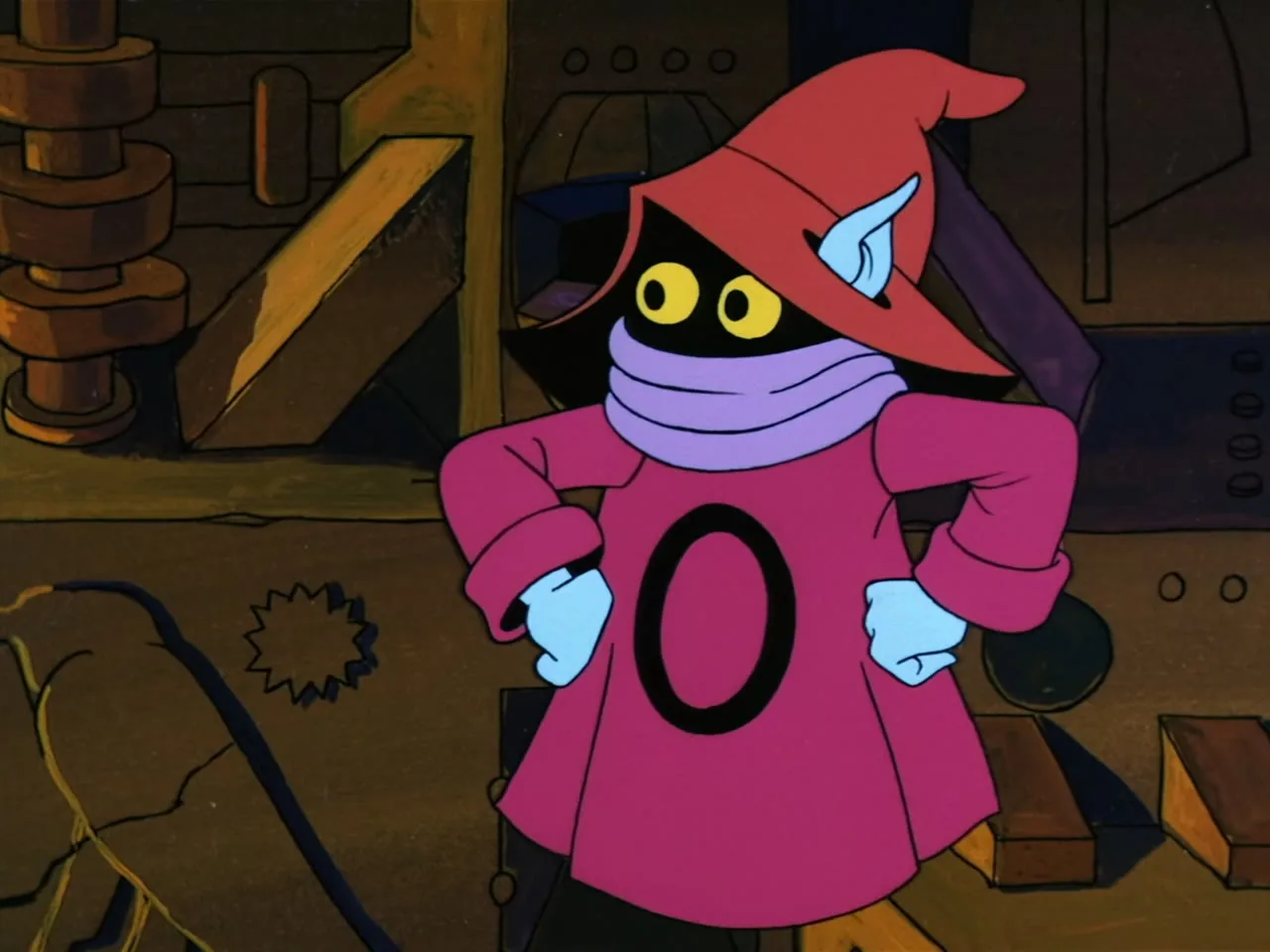
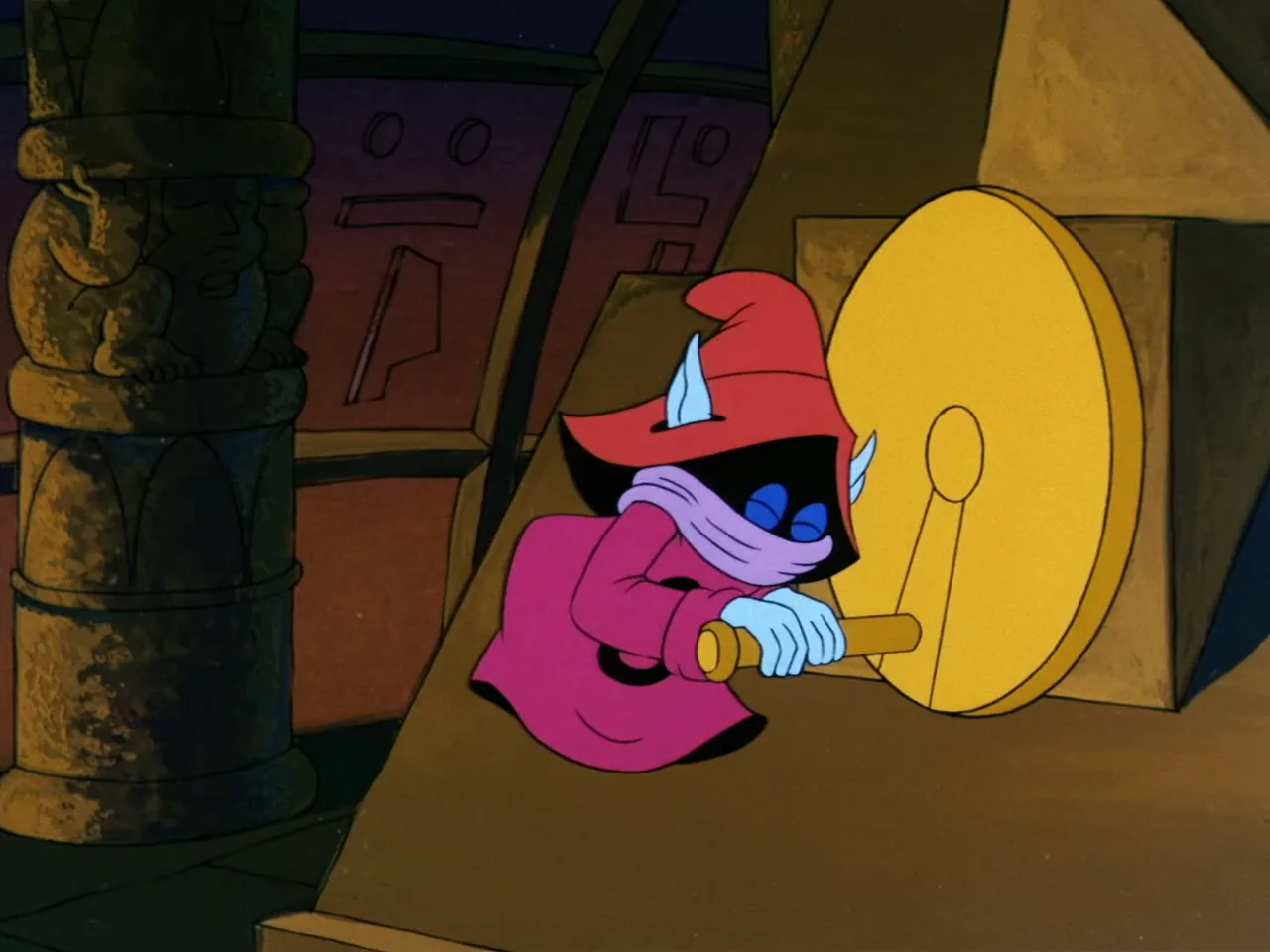
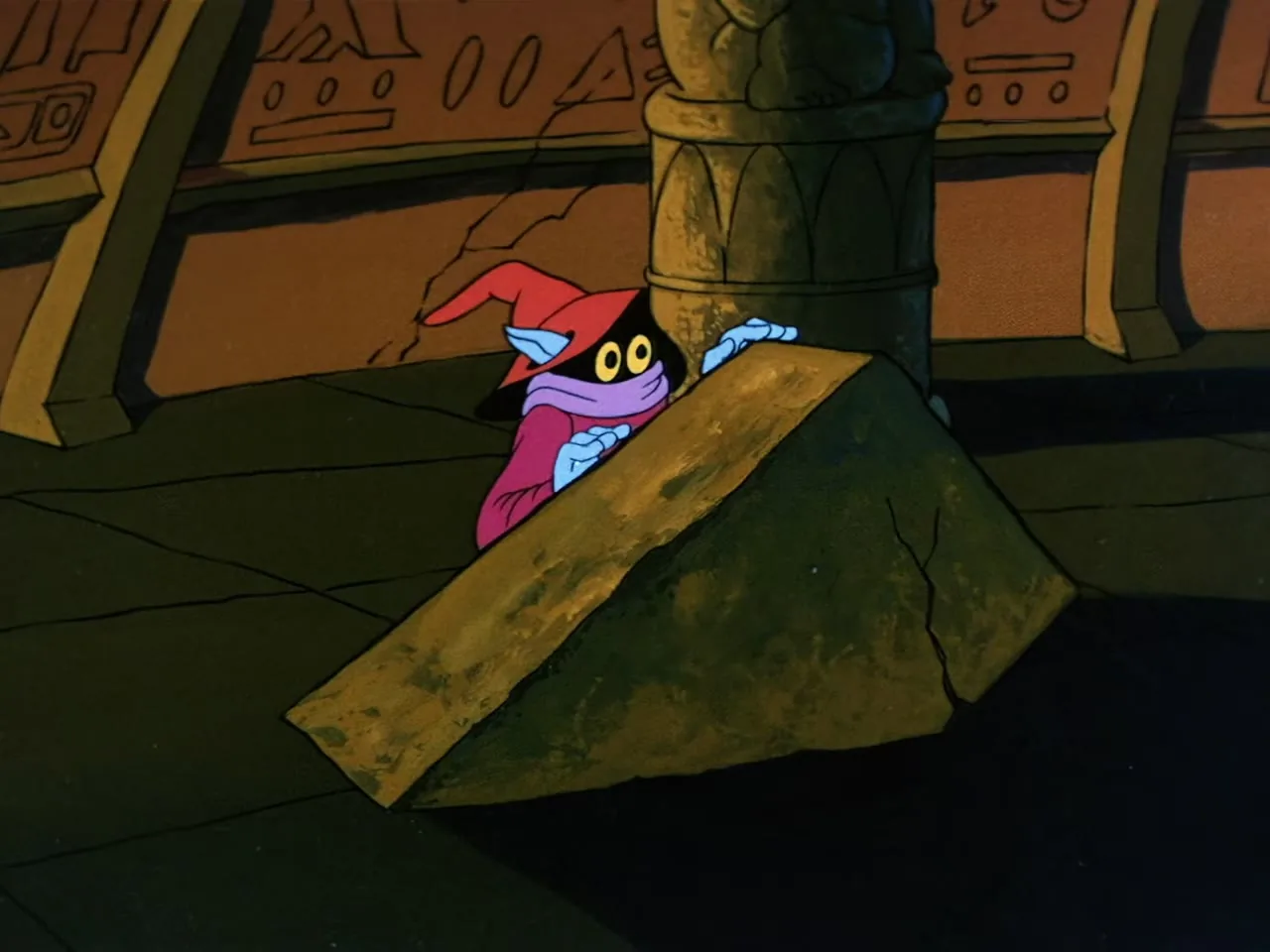
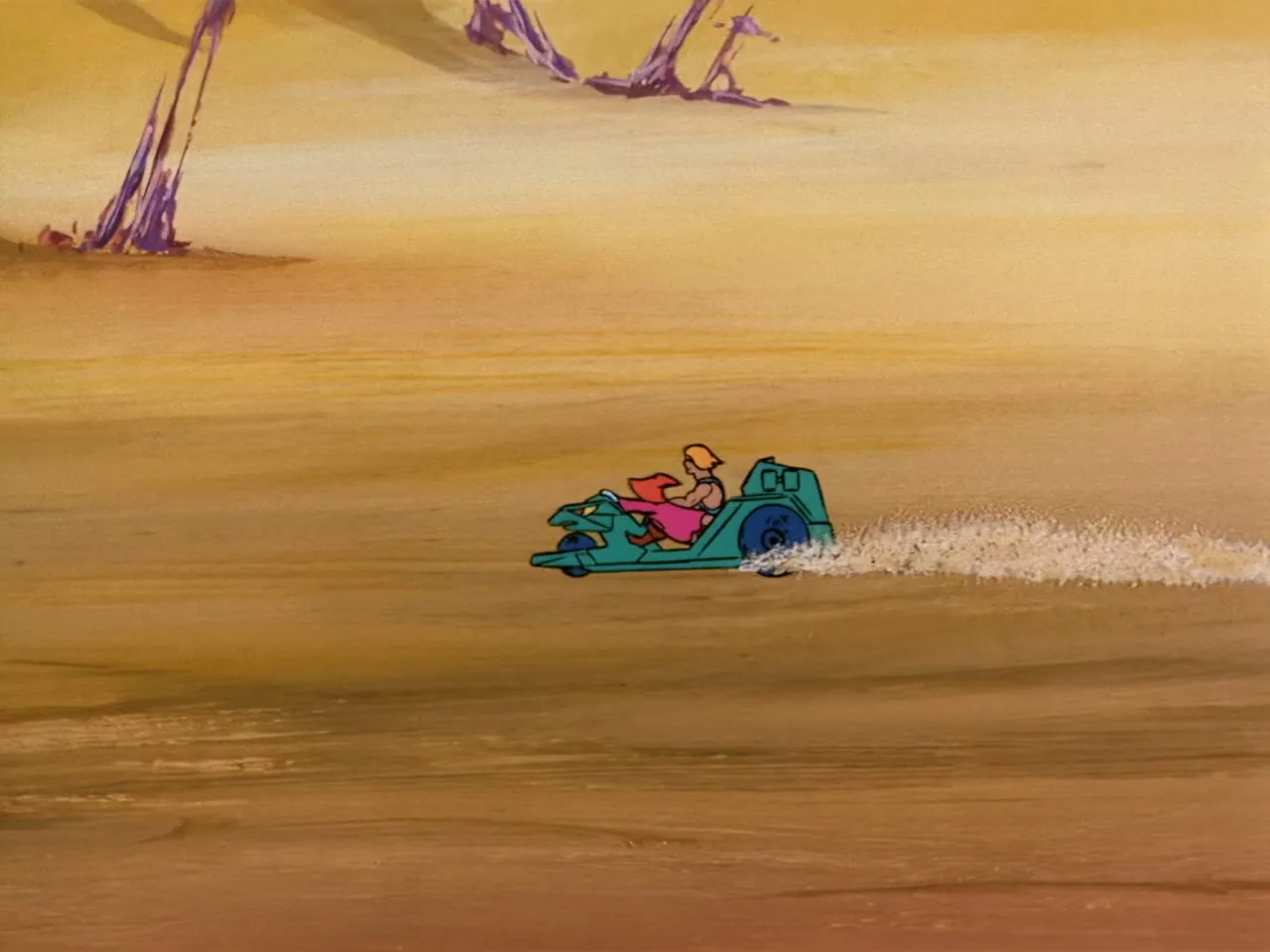
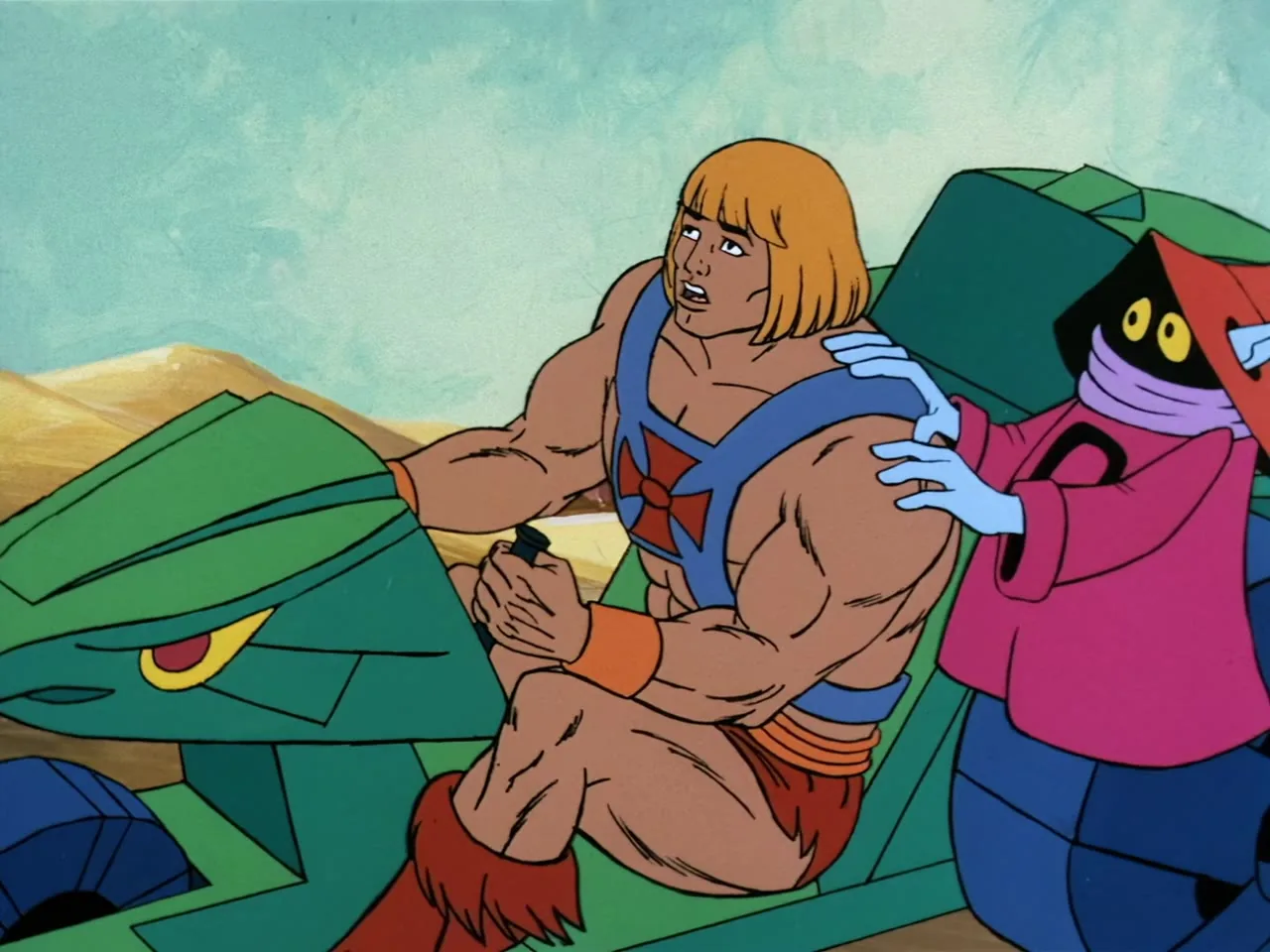
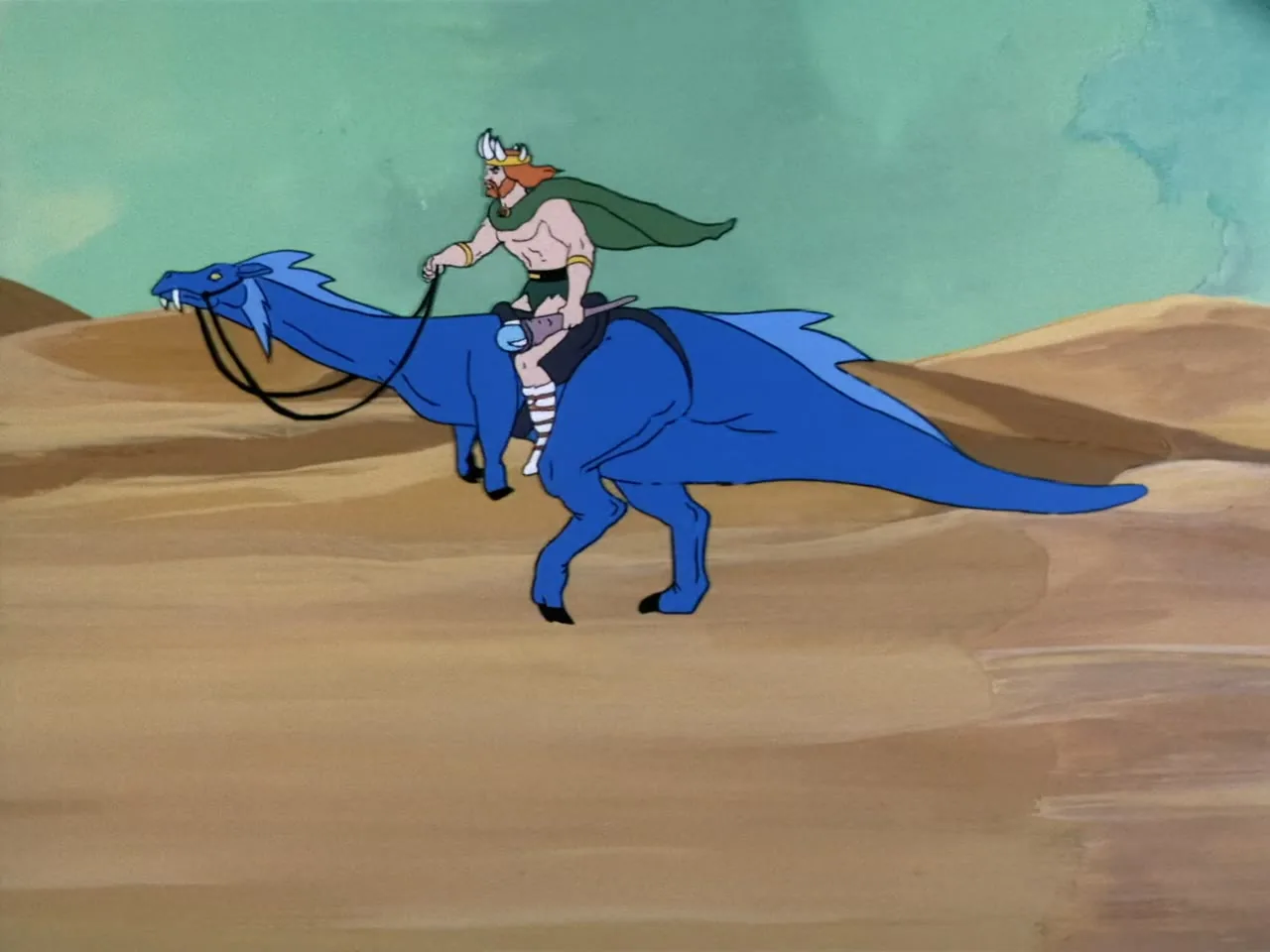
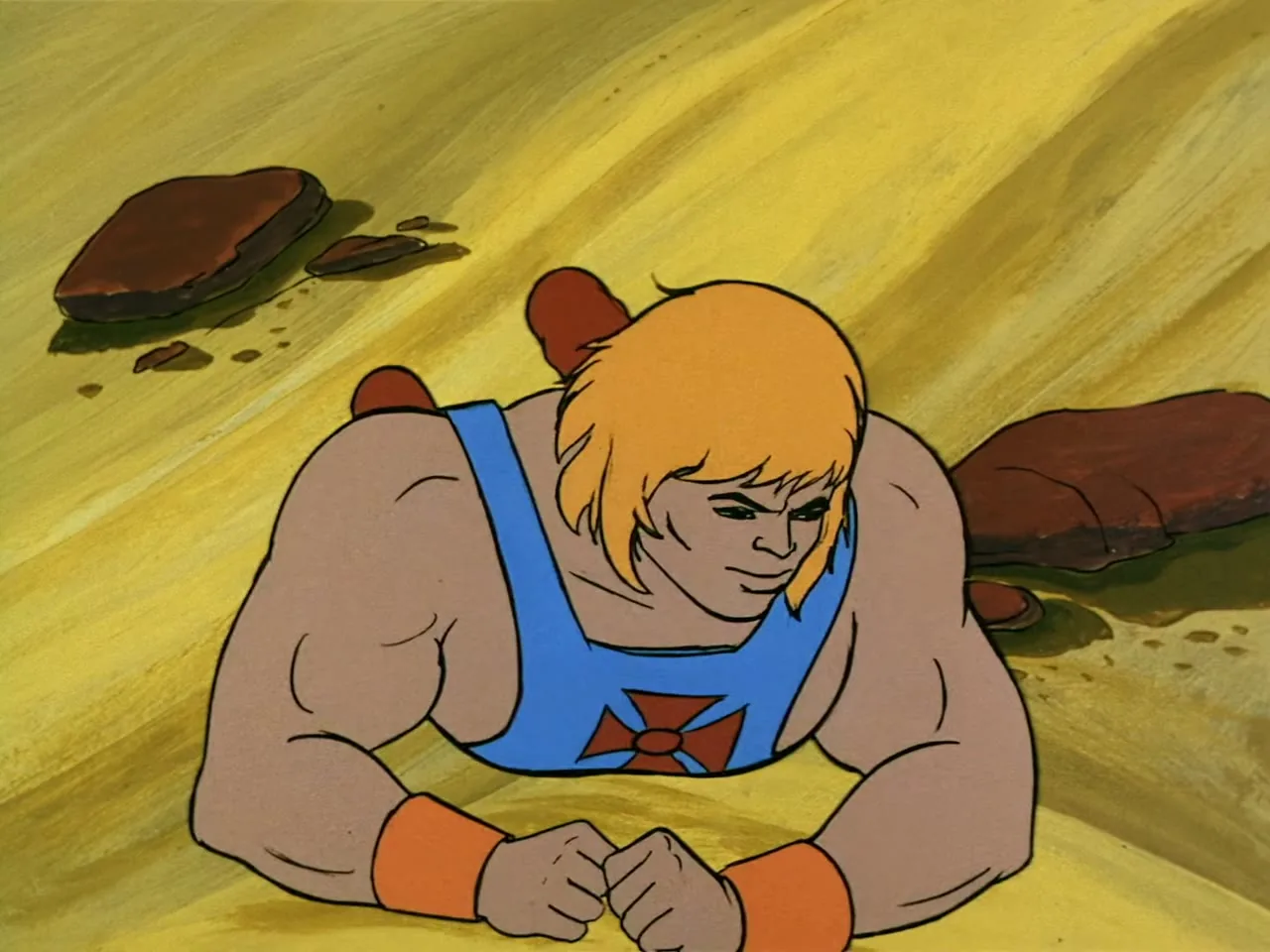
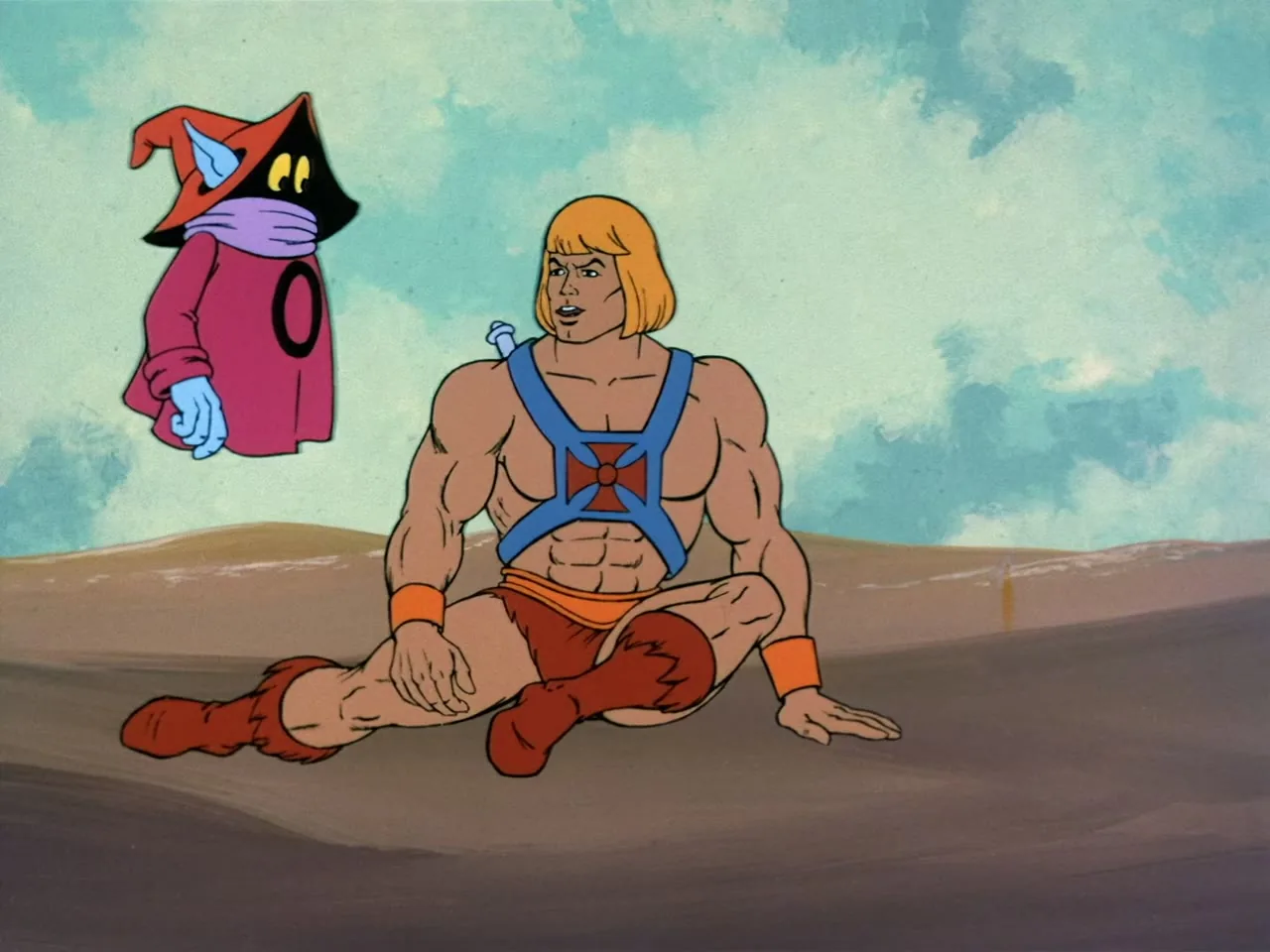
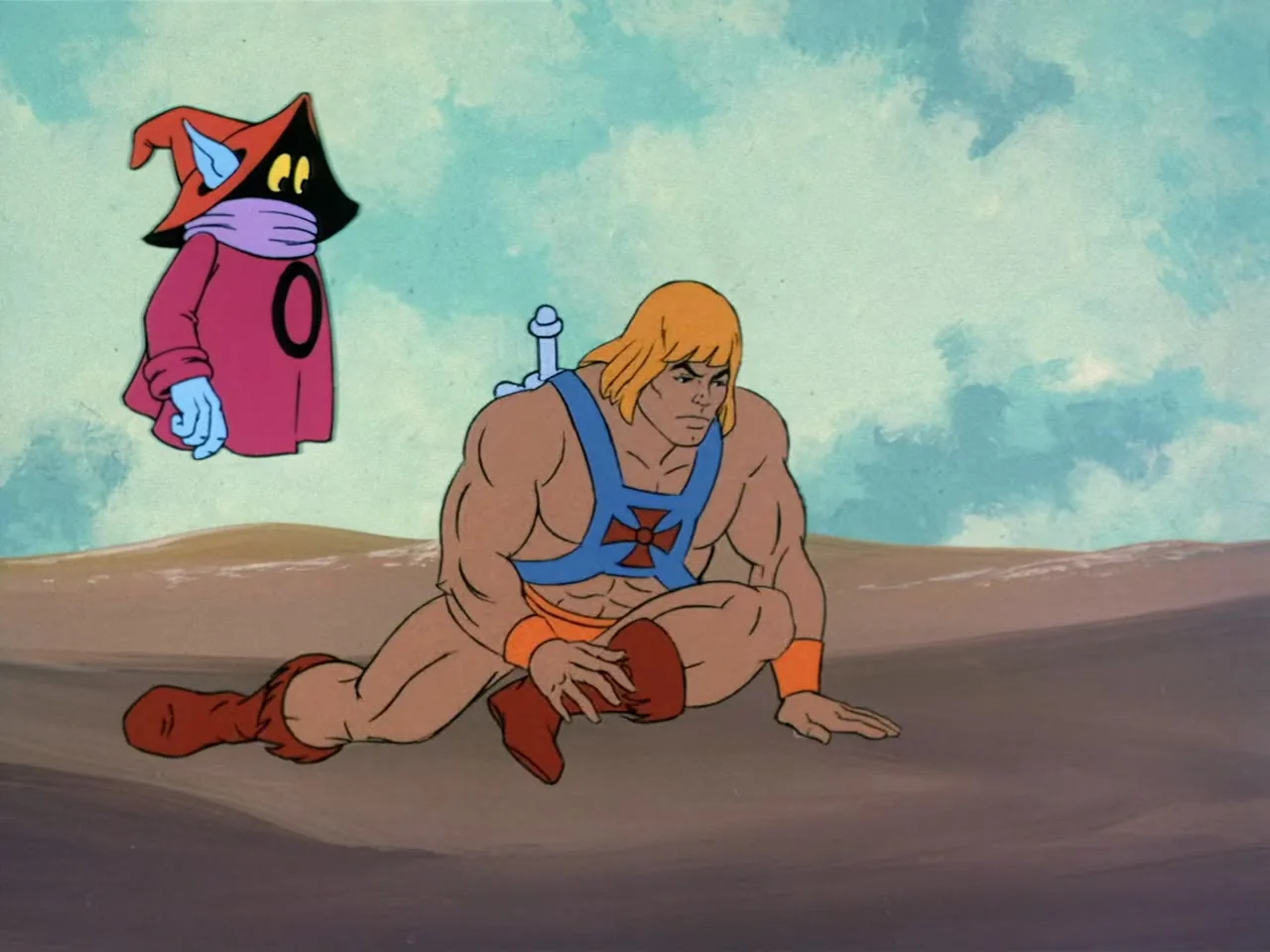
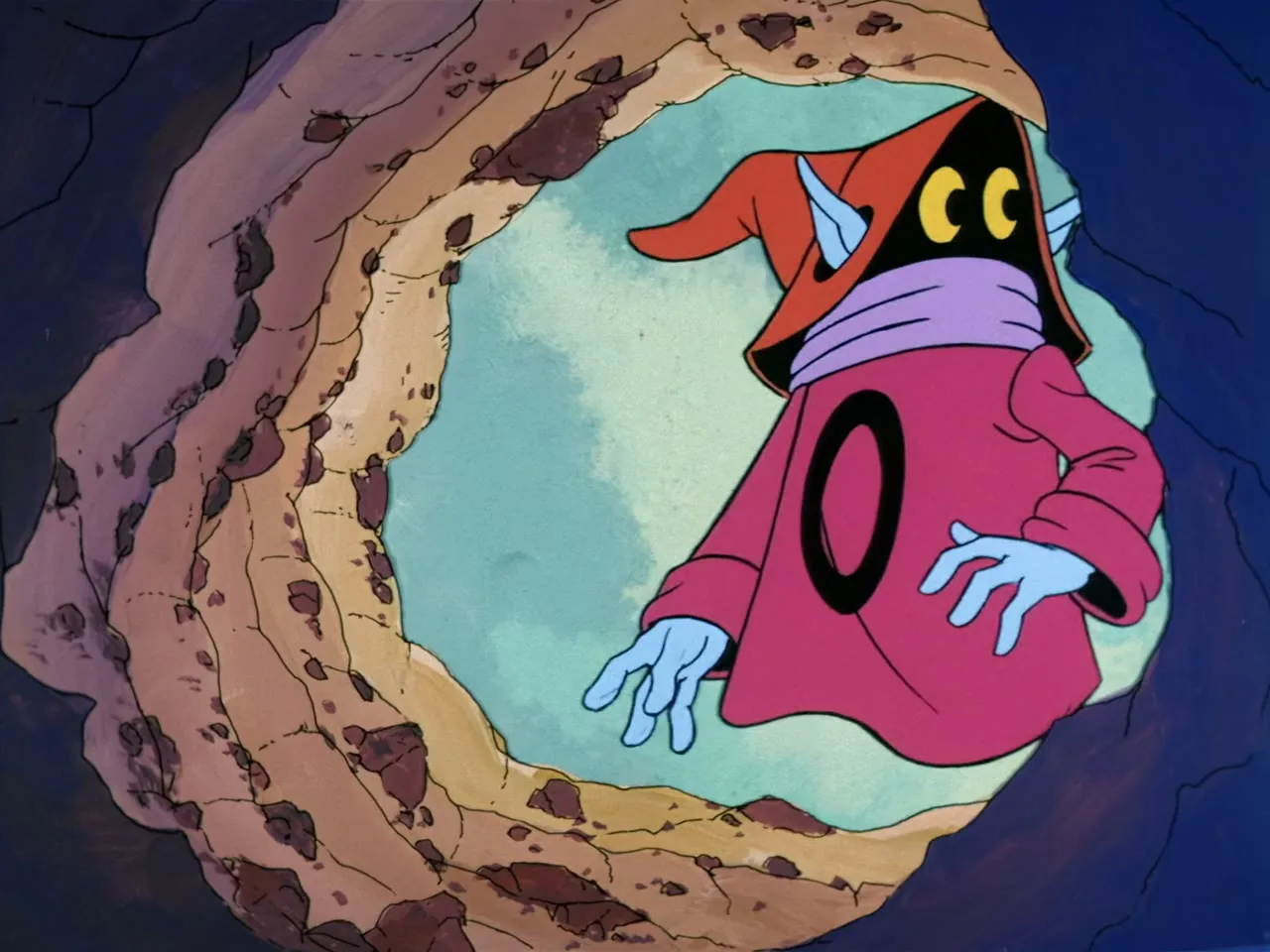
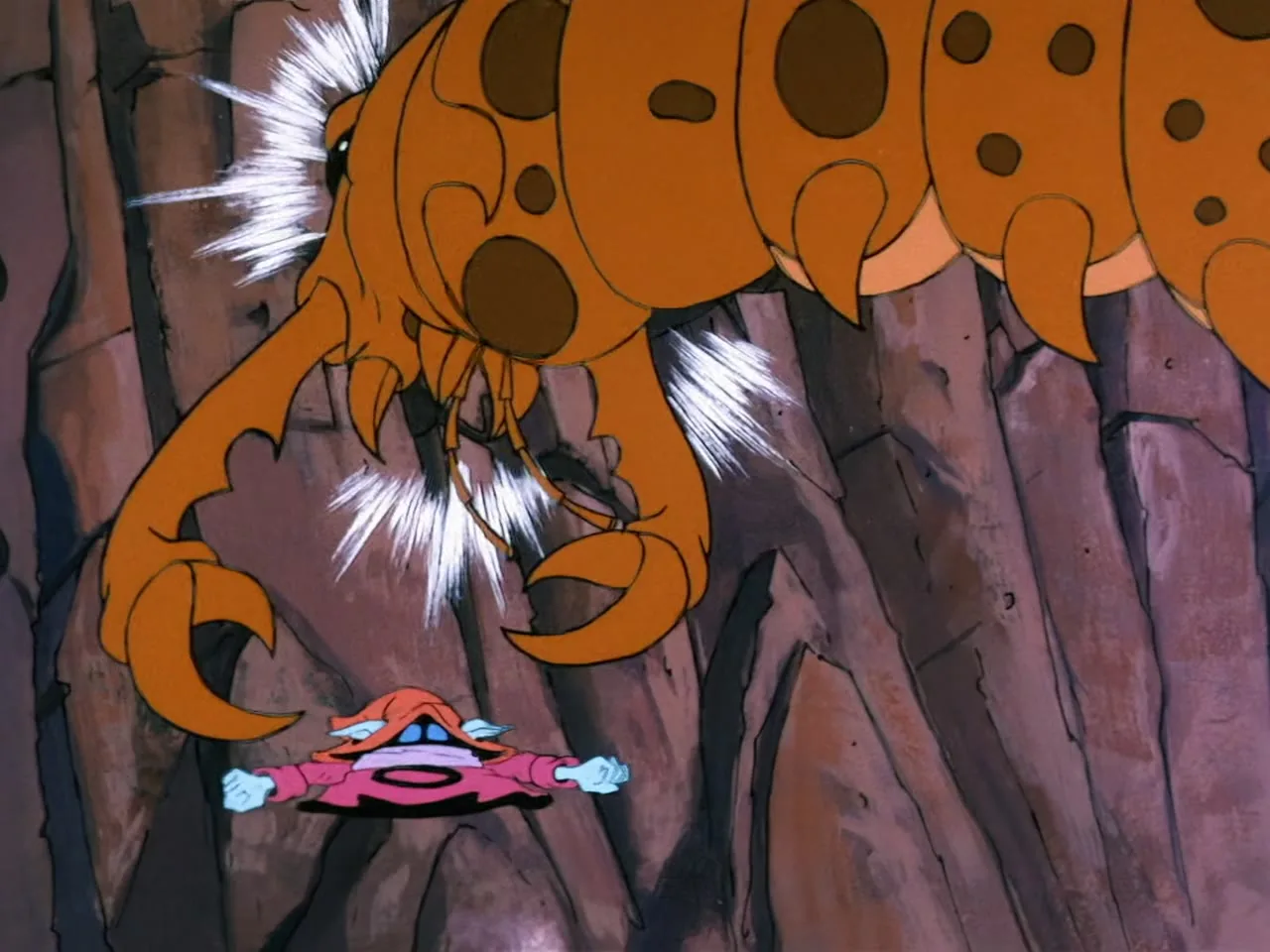
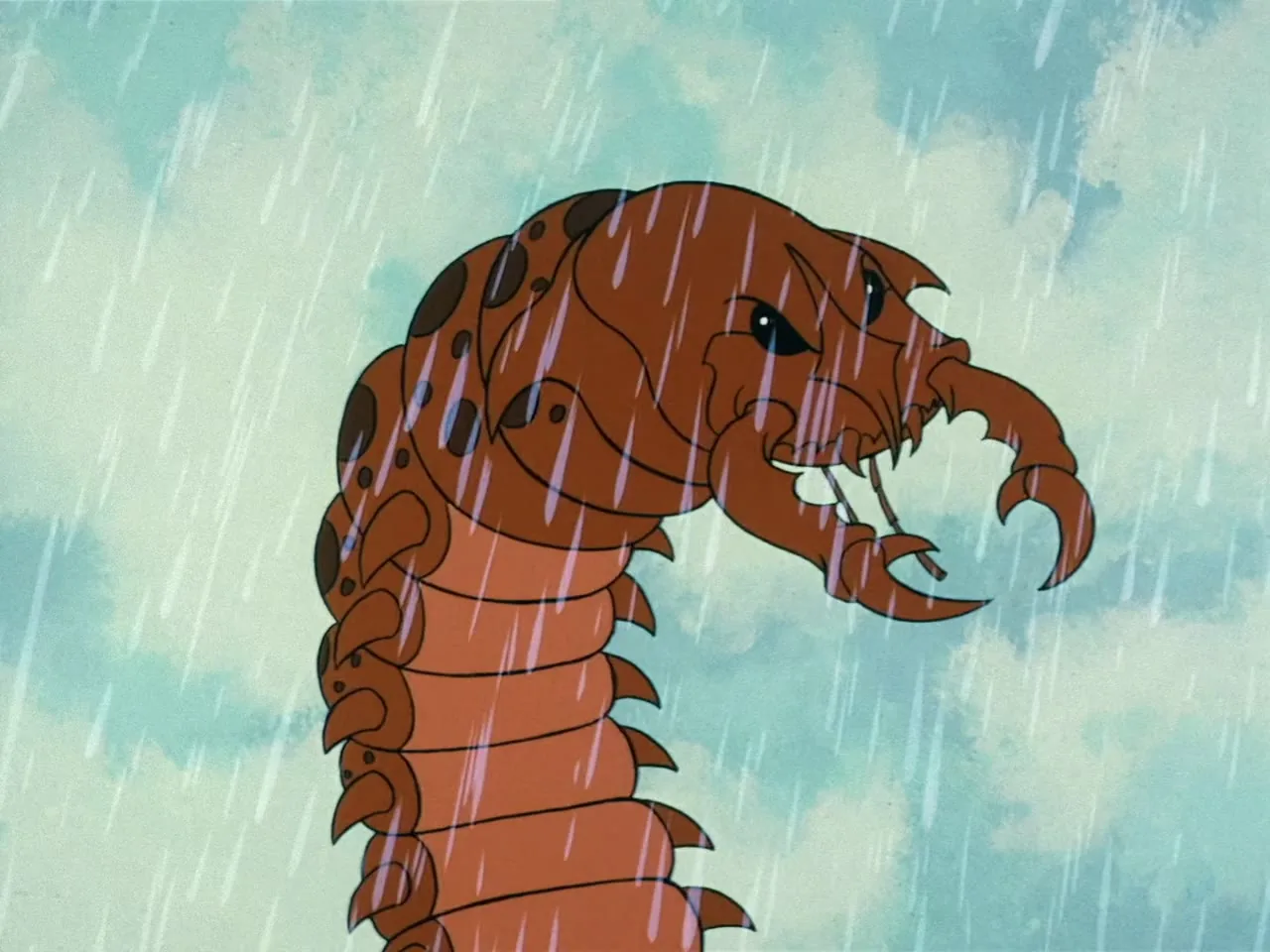
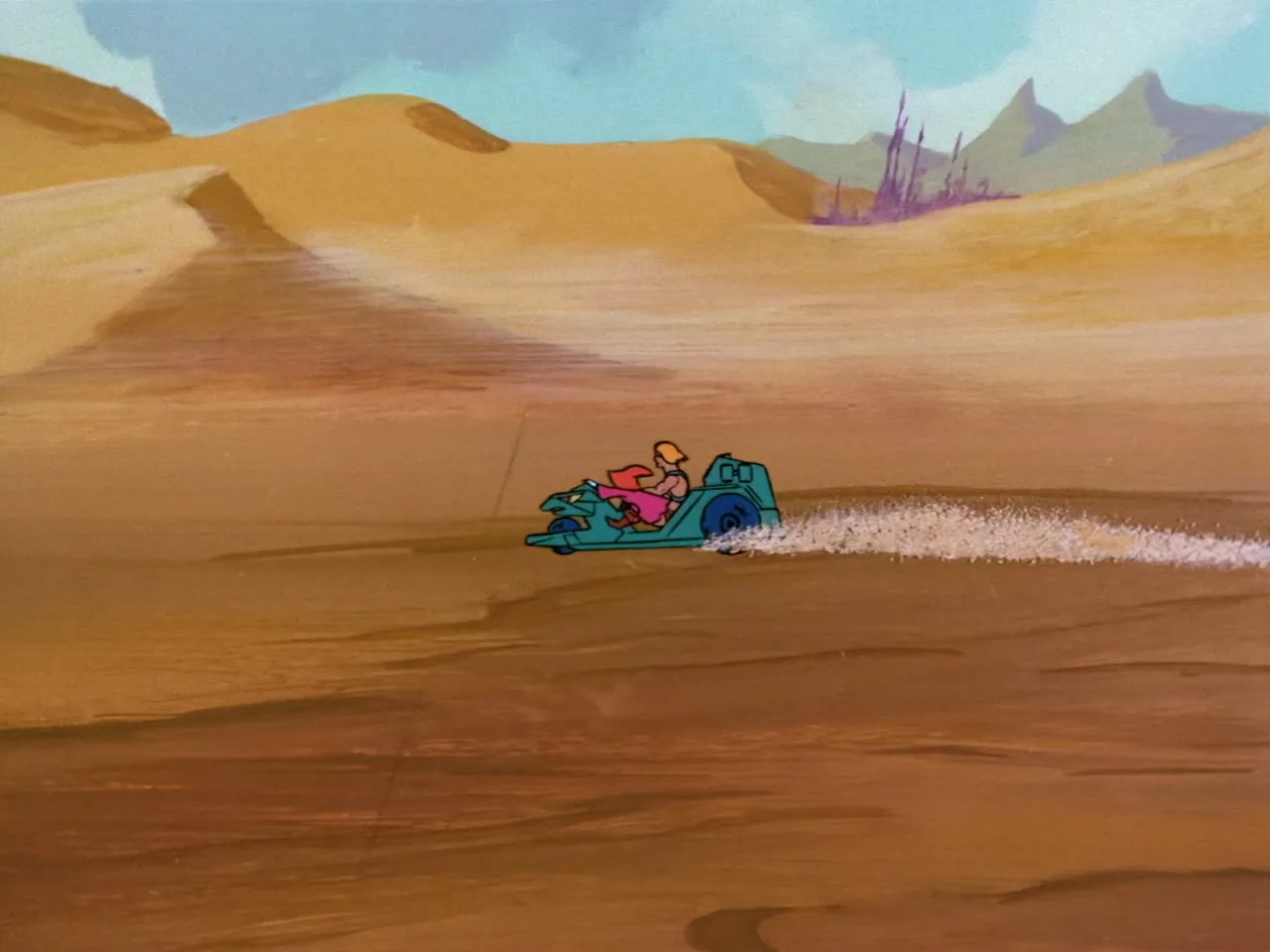
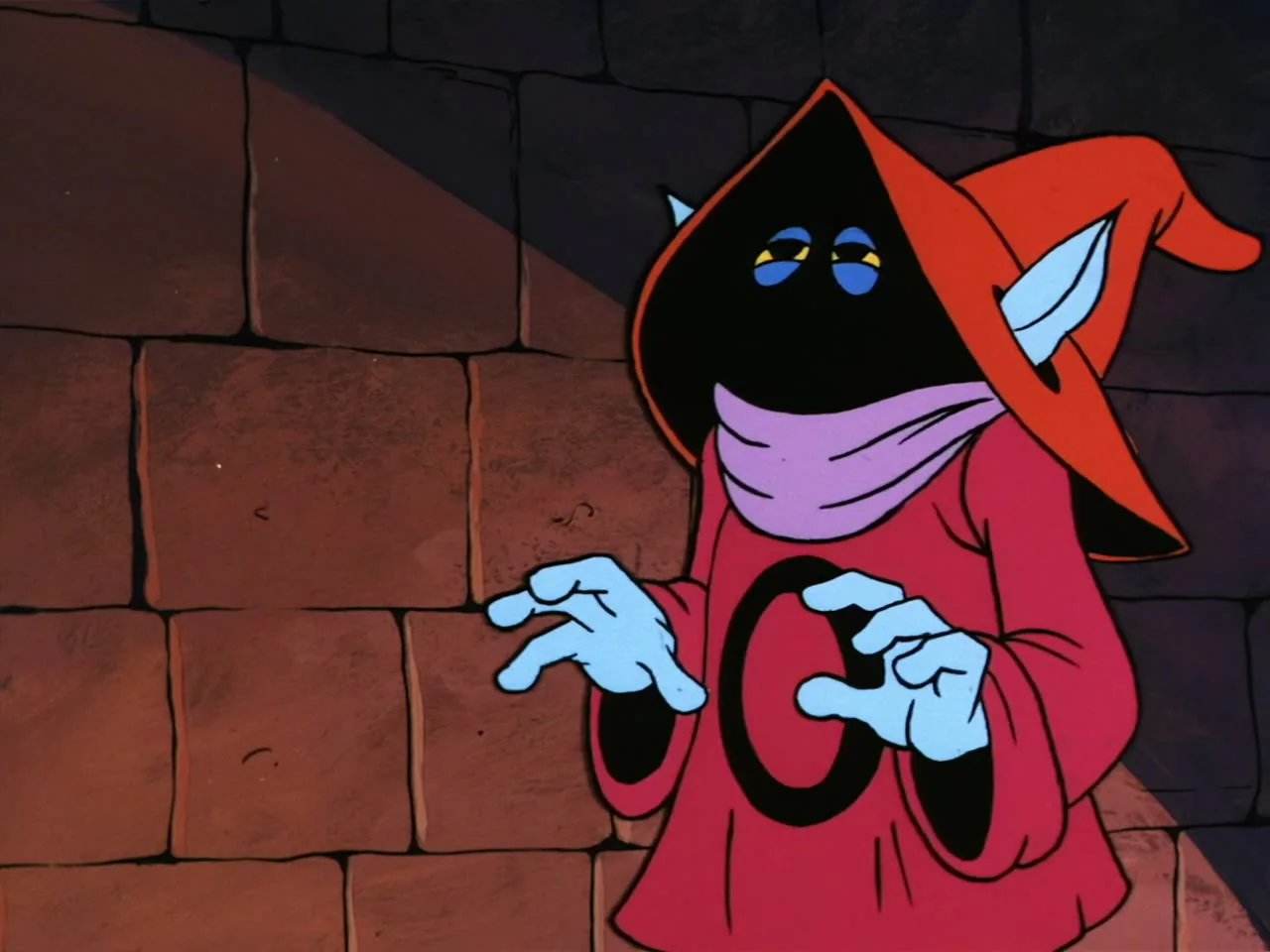
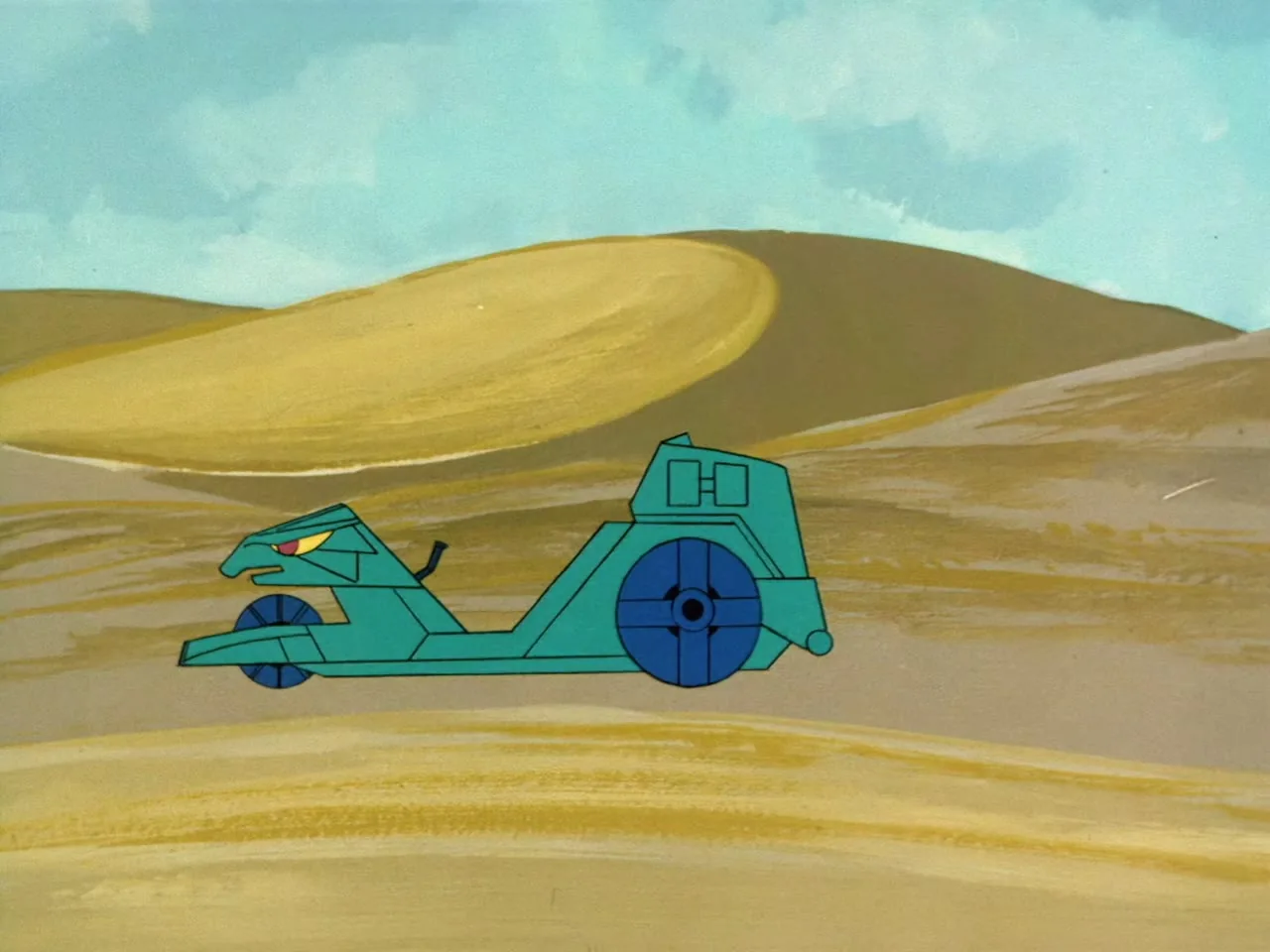
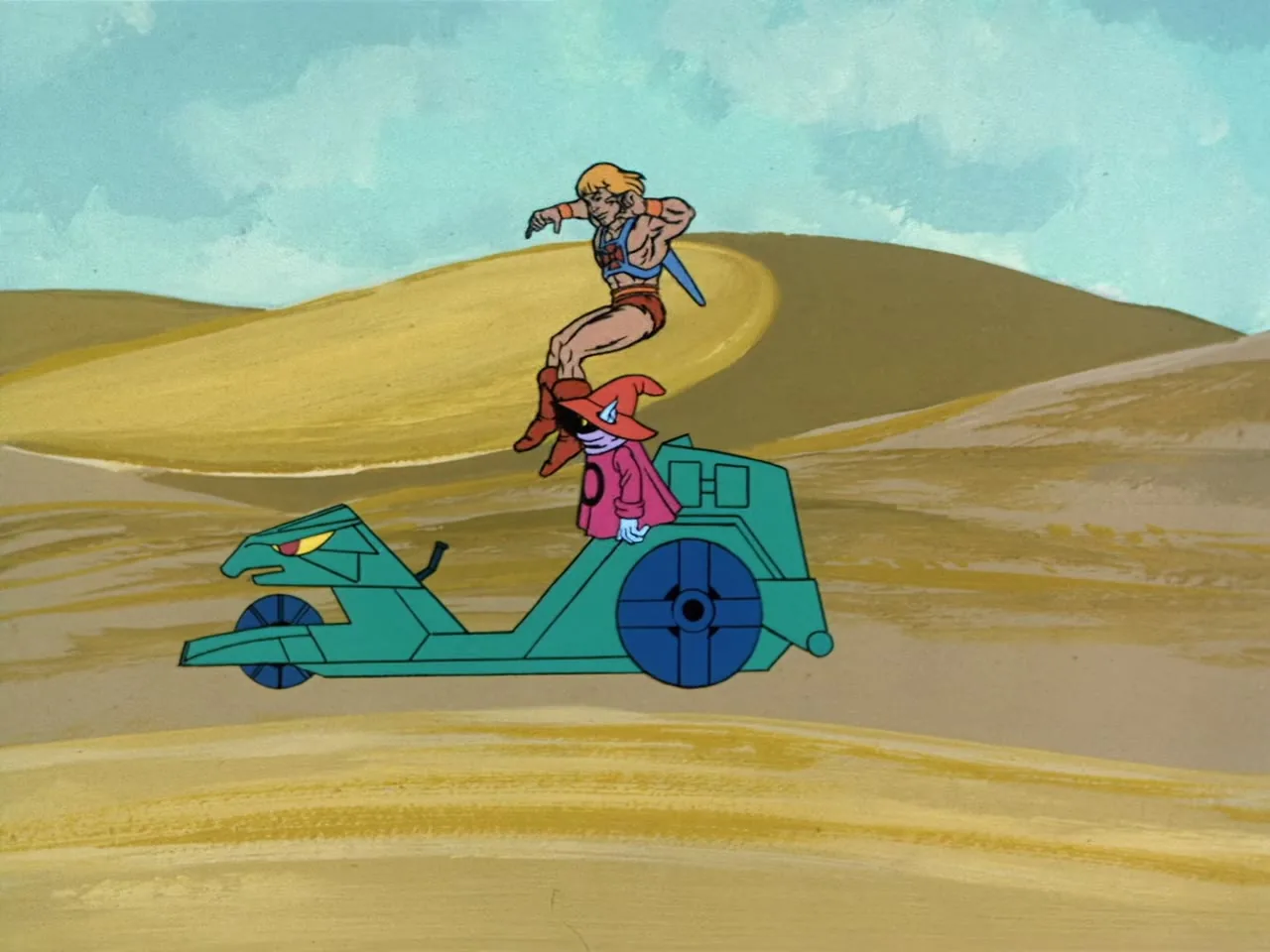
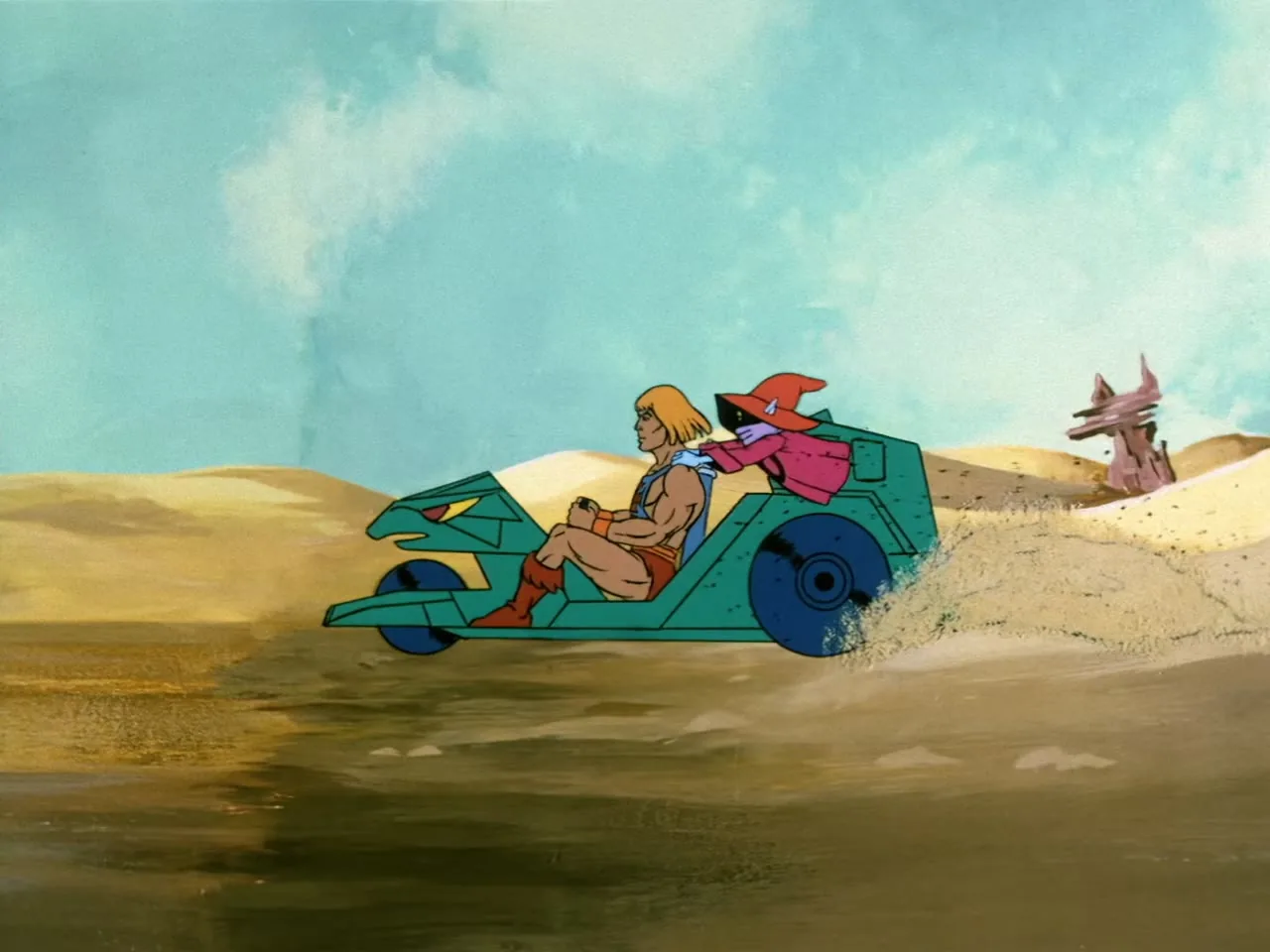
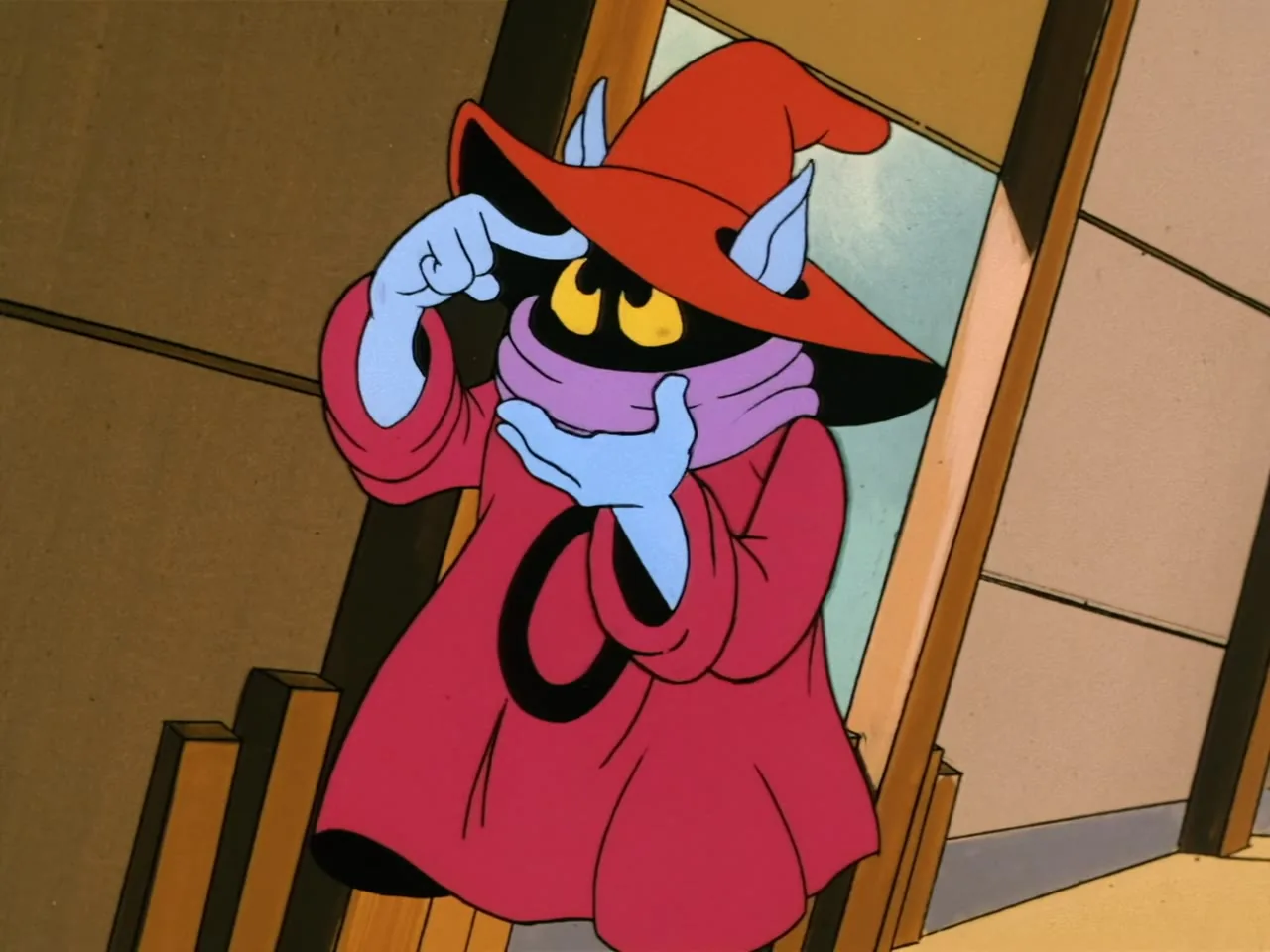
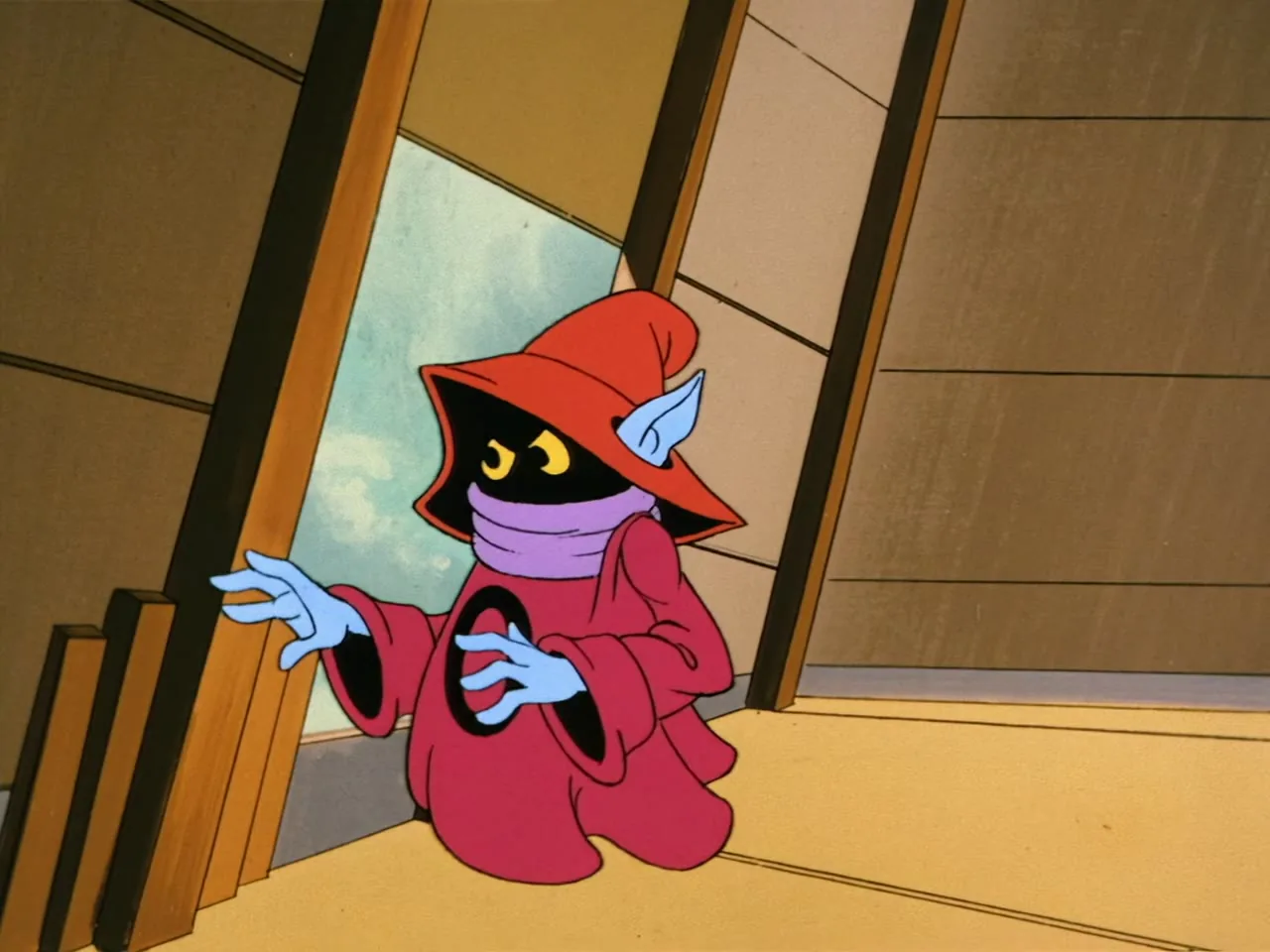
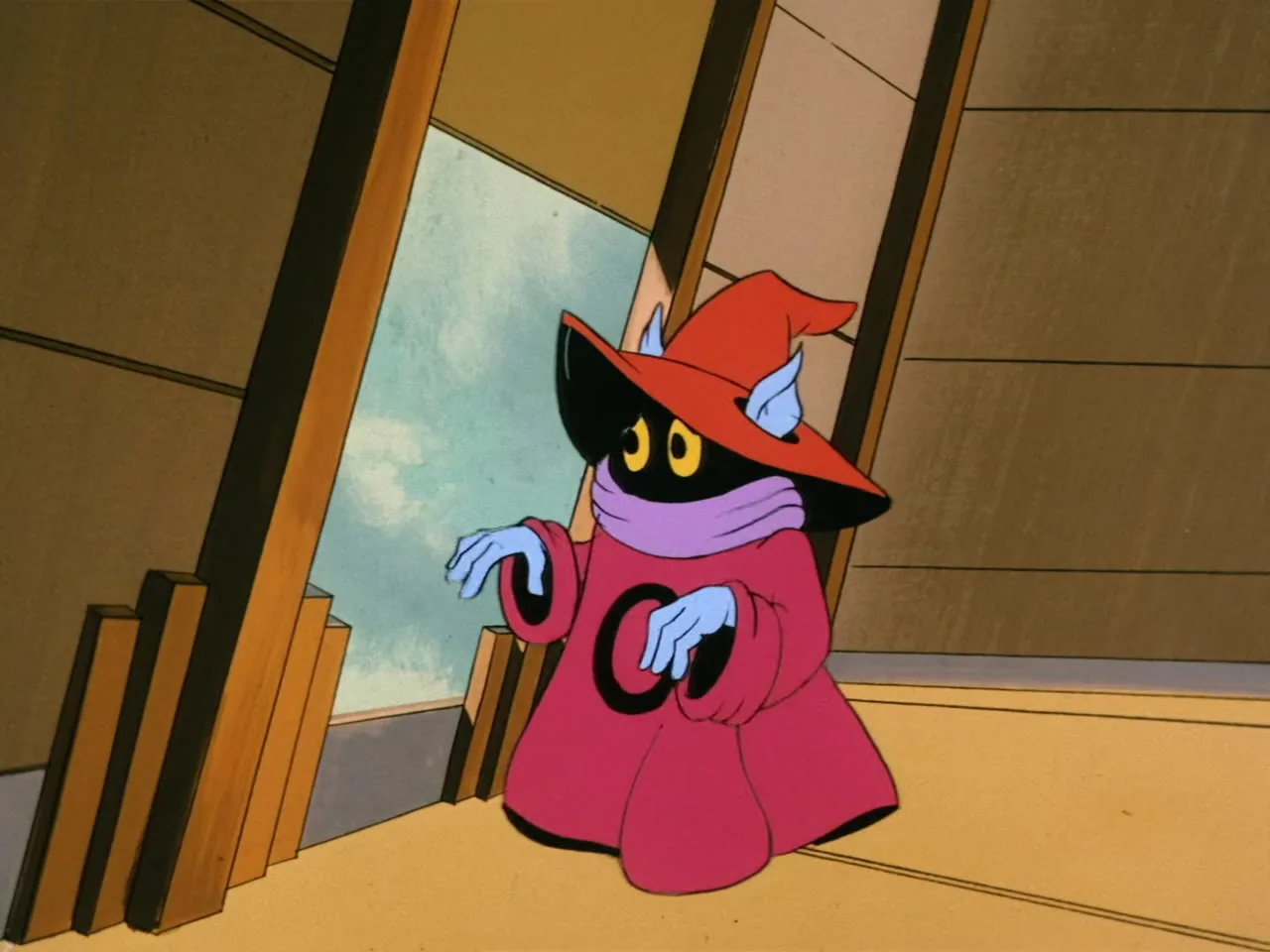
The episode's weak spot is the middle stretch, where a desert chase against a sand-dwelling creature exists mostly to cover time between the Silkon ruin and the palace. It is competently staged and forgettable, the kind of filler a show on a weekly deadline reaches for when the real plot needs forty-five more seconds somewhere to breathe [1]. Orko fares better than usual here too, not as comic relief so much as the person whose curiosity actually causes the plot, crank wheel and all, which gives his closing prank on King Randor a bit more charge than it would otherwise carry.
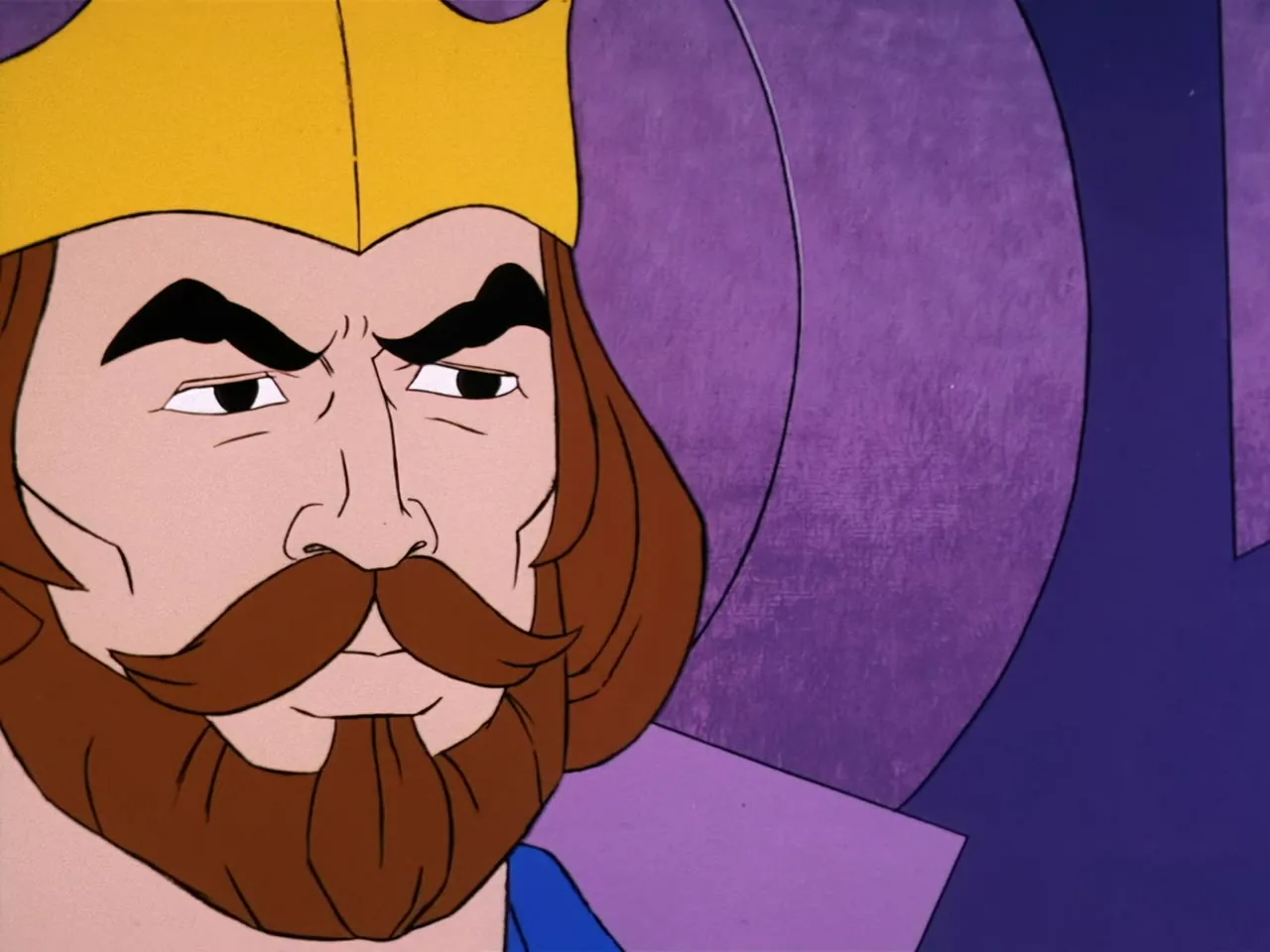
A lesser read would have made Tamusk a blowhard to be laughed at. Alan Oppenheimer plays him as someone who has never once been wrong before. The show earns the moment he finally is.
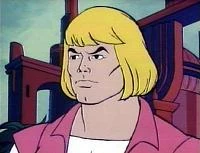
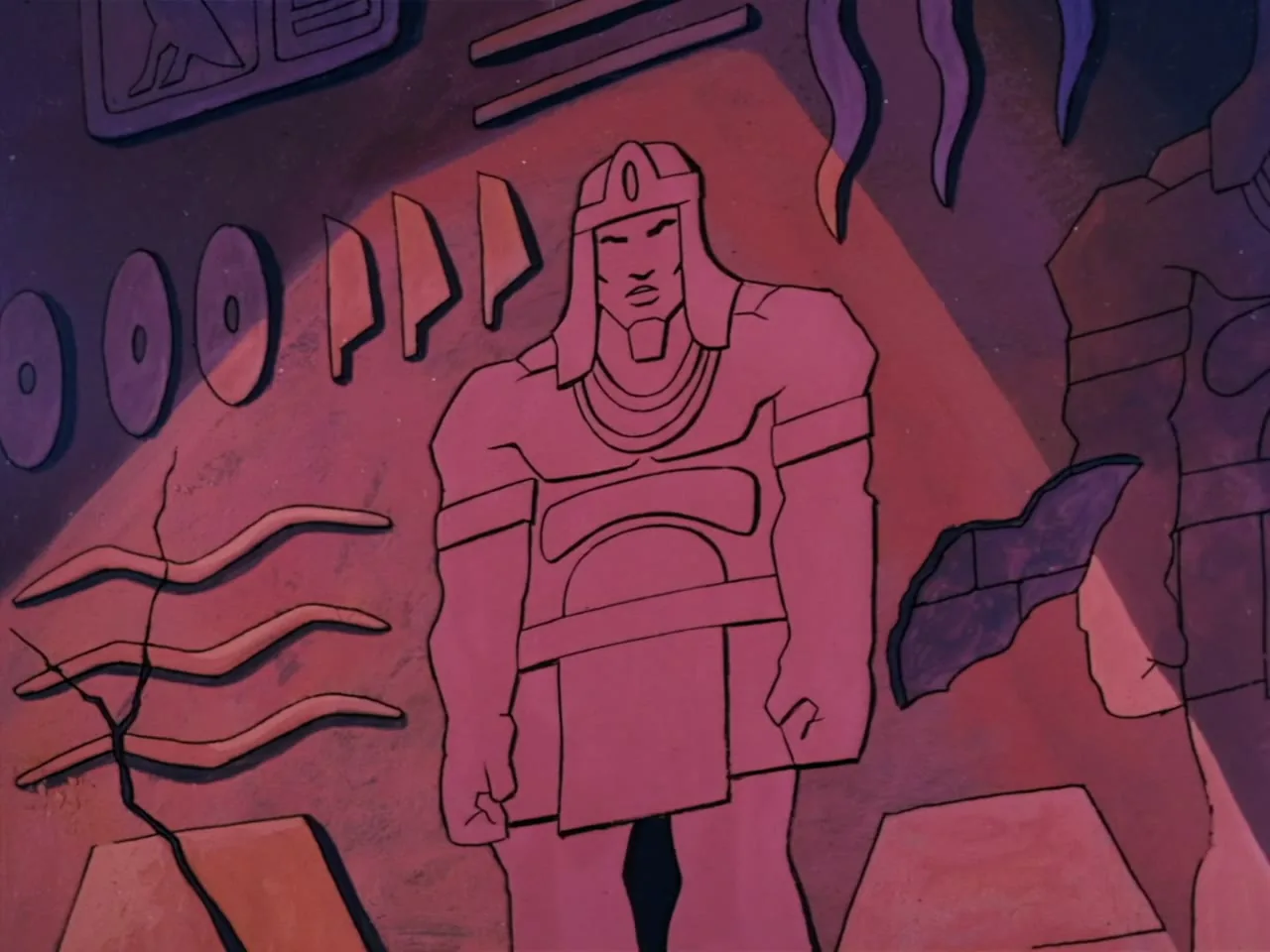
[1] A palace guard places Tamusk at once: "He does look like the statue of Tamusk in the Hall of Kings," which is the only moment the episode confirms he is a real figure from Eternia's own history rather than a random time-slip.
- The ruin He-Man and Orko break into is identified on screen as a Silkon laboratory, not a generic ancient temple. The Silkons are named as Tamusk's "bitterest enemies," which is why he spends the whole episode calling He-Man, Orko and Randor by that name and treating every attempt to reason with him as a Silkon trick.
- A palace guard places Tamusk against a statue "in the Hall of Kings," and Orko's own gasp, "Tamusk? Why, Tamusk was the last of Eternia's sorcerer kings," confirms he is a figure out of Eternia's real history rather than an invented time-slip stranger.
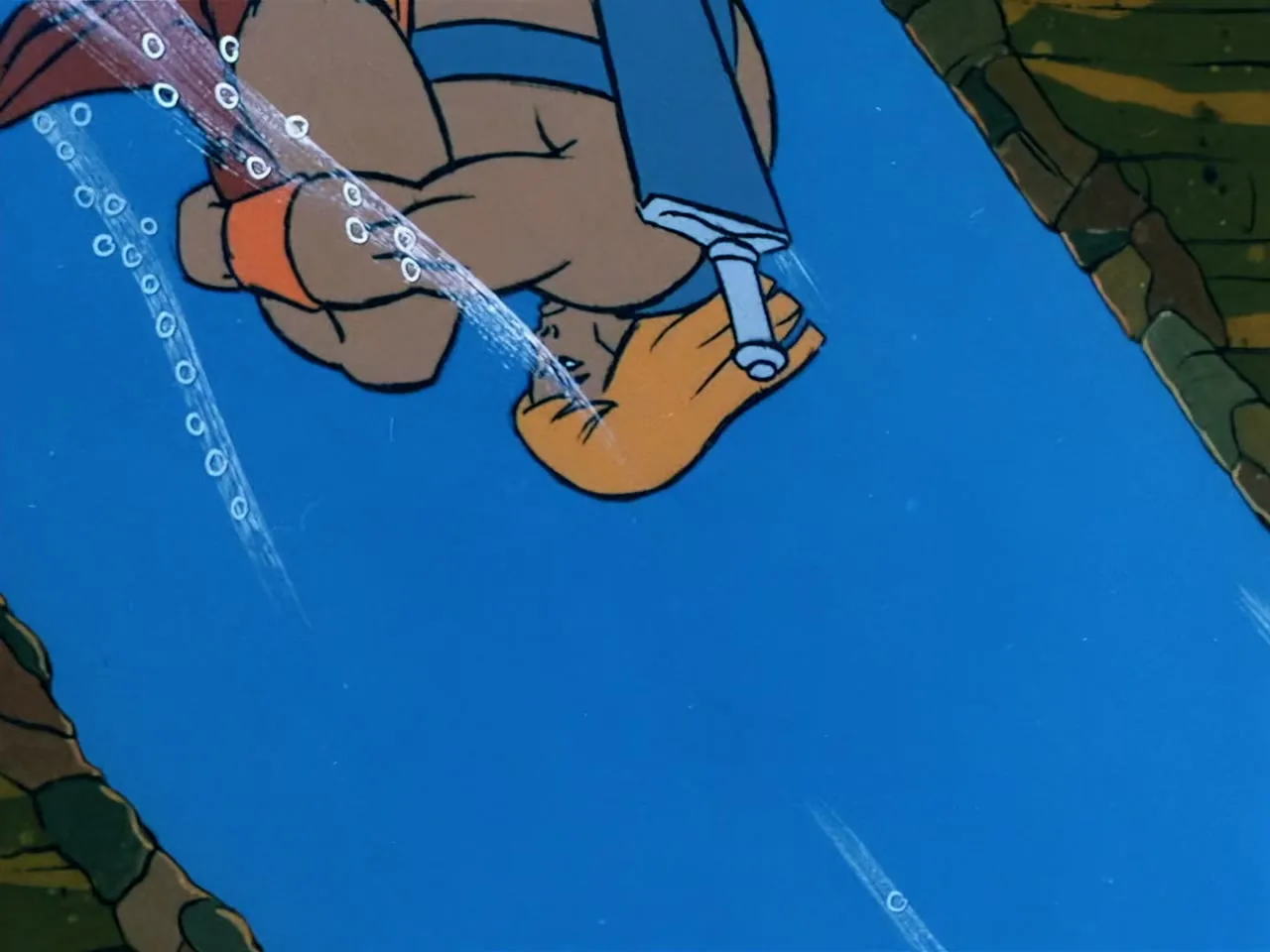
- The desert predator that corners Orko during the chase is named on screen: a Sandipede. He-Man drives it off with water rather than a fight, consistent with his restraint theme running through the episode.
- During his closing address, He-Man holds up three books by name: Huckleberry Finn, The Time Machine, and Moby Dick.
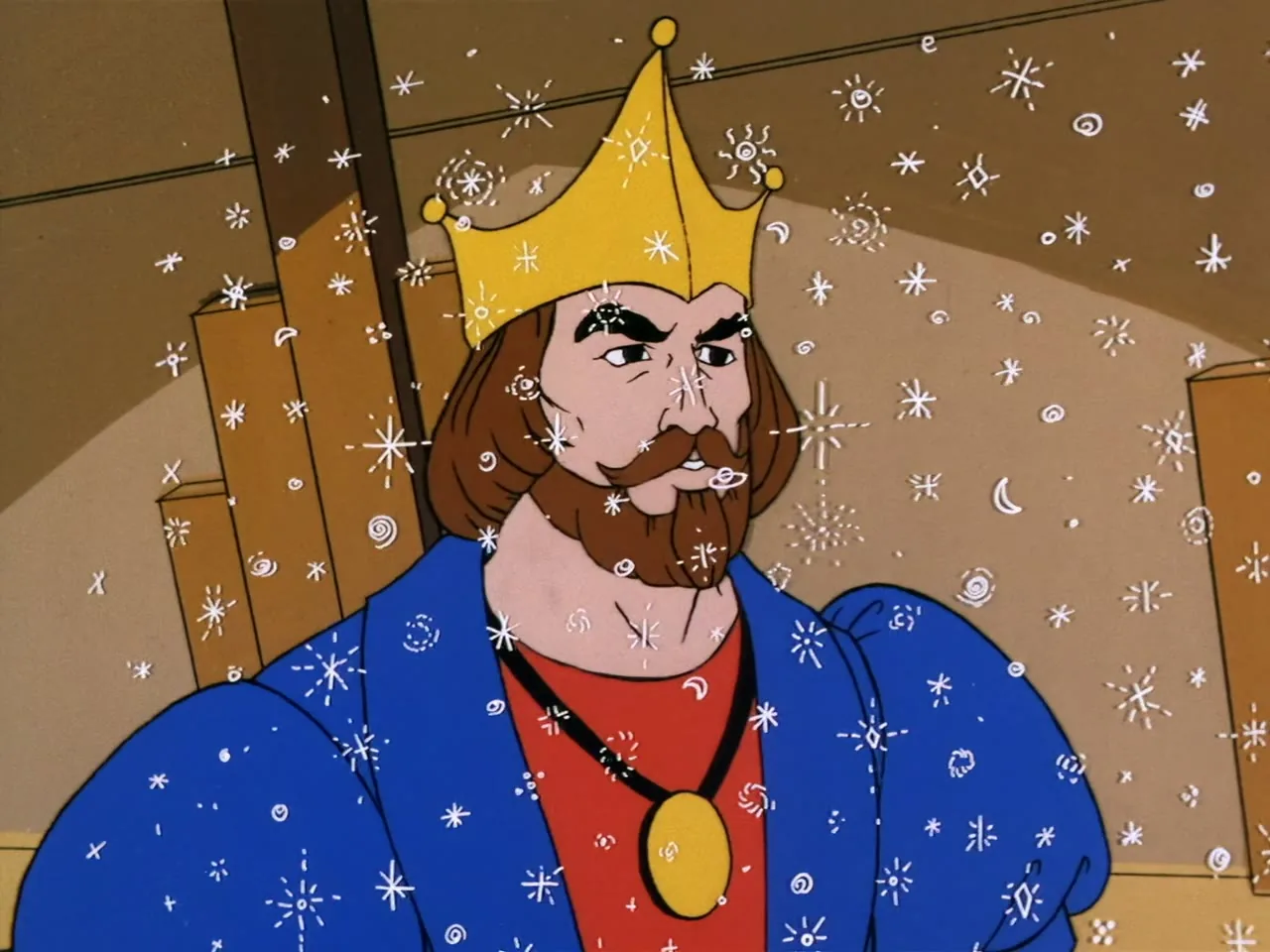
- Orko's closing prank, conjuring a series of costumes onto King Randor including a sparkling robe and a hat marked with a bold "R," plays as a lighter echo of the episode's own subject: identity, and who gets to claim a crown.

DISCUSSION
Join the conversation.
Comments below are mirrored on the heman.org forum. Sign in once, post anywhere.