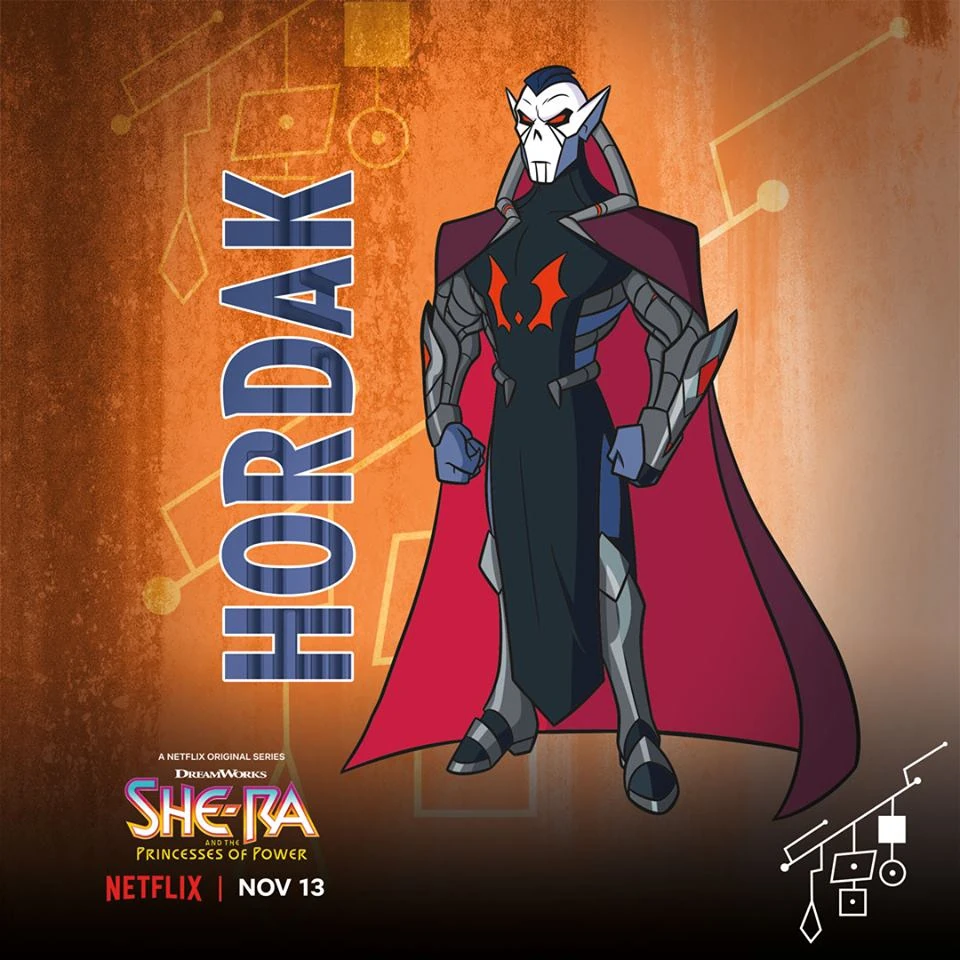
Noelle Stevenson’s She-Ra and the Princesses of Power ran for five seasons across 52 episodes on Netflix from November 2018 through May 2020. The series is the most successful complete-arc reboot in the property’s history, and the only modern MOTU production to finish its planned run on its own schedule rather than being cut short or stretched out. This episode is a retrospective on what Stevenson and her team built.
The production was a DreamWorks Animation Television commission produced for Netflix, with Stevenson serving as showrunner from inception through finale. The mandate was a soft reboot rather than a continuation: keep the character names, keep the broad mythology (Etheria, the Horde, Hordak, Castle Bright Moon, the Princesses), but rebuild the cast designs, the relationships, the political structure, and the emotional core for a 2018 to 2020 audience.
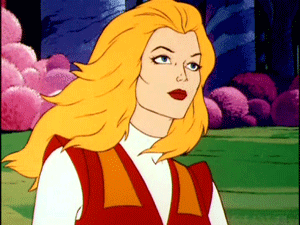
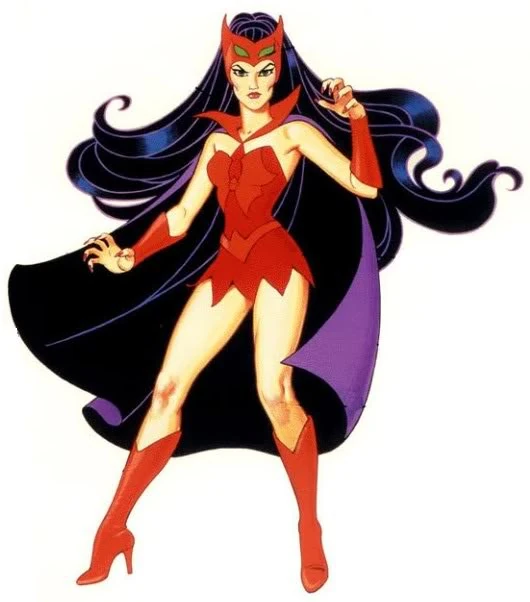
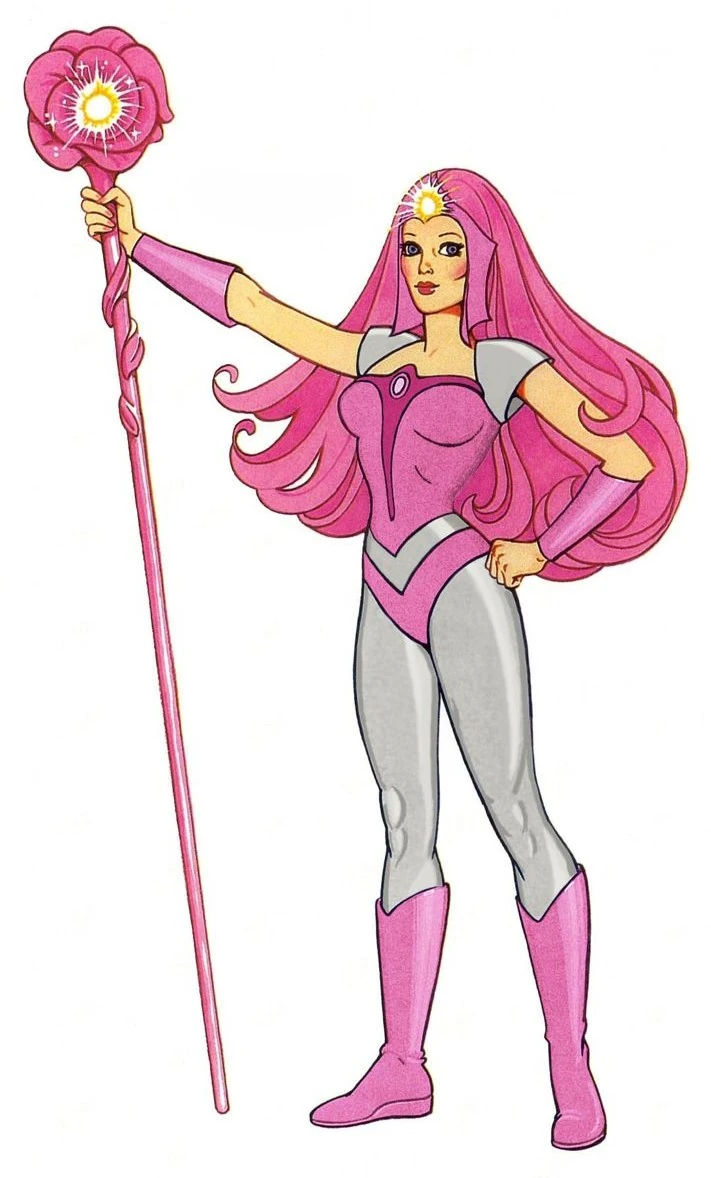
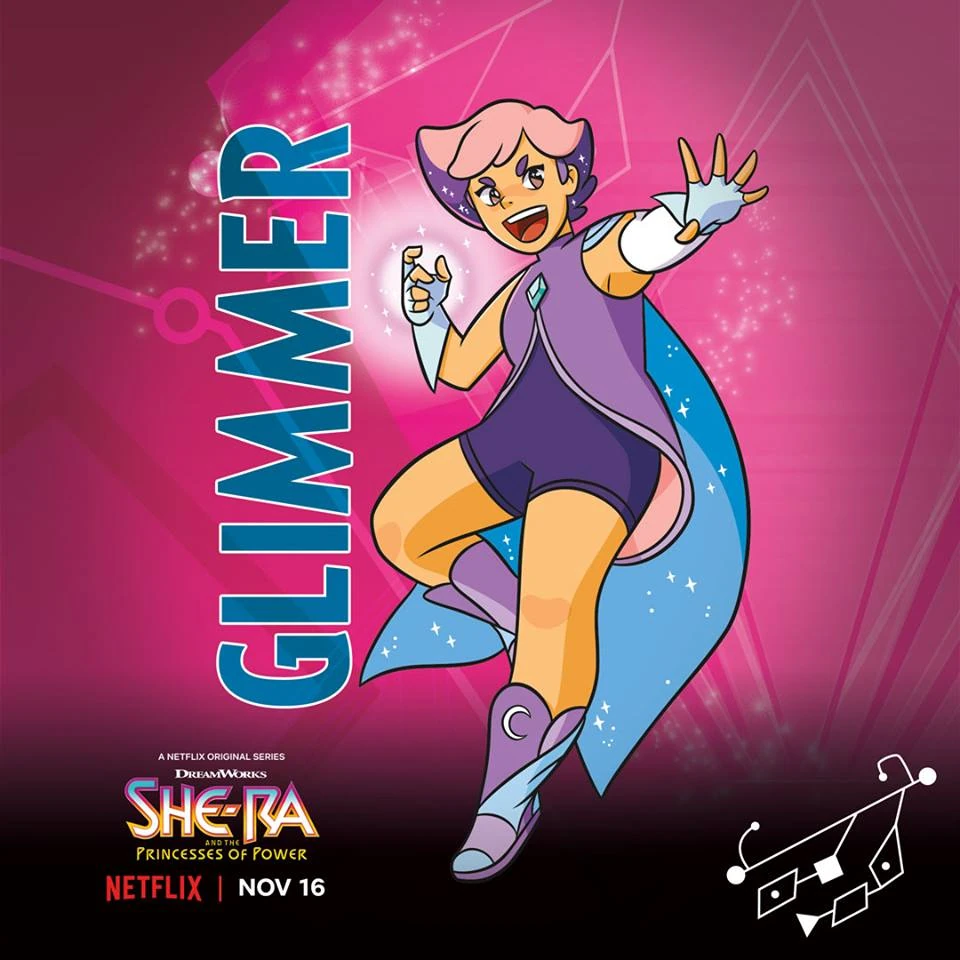
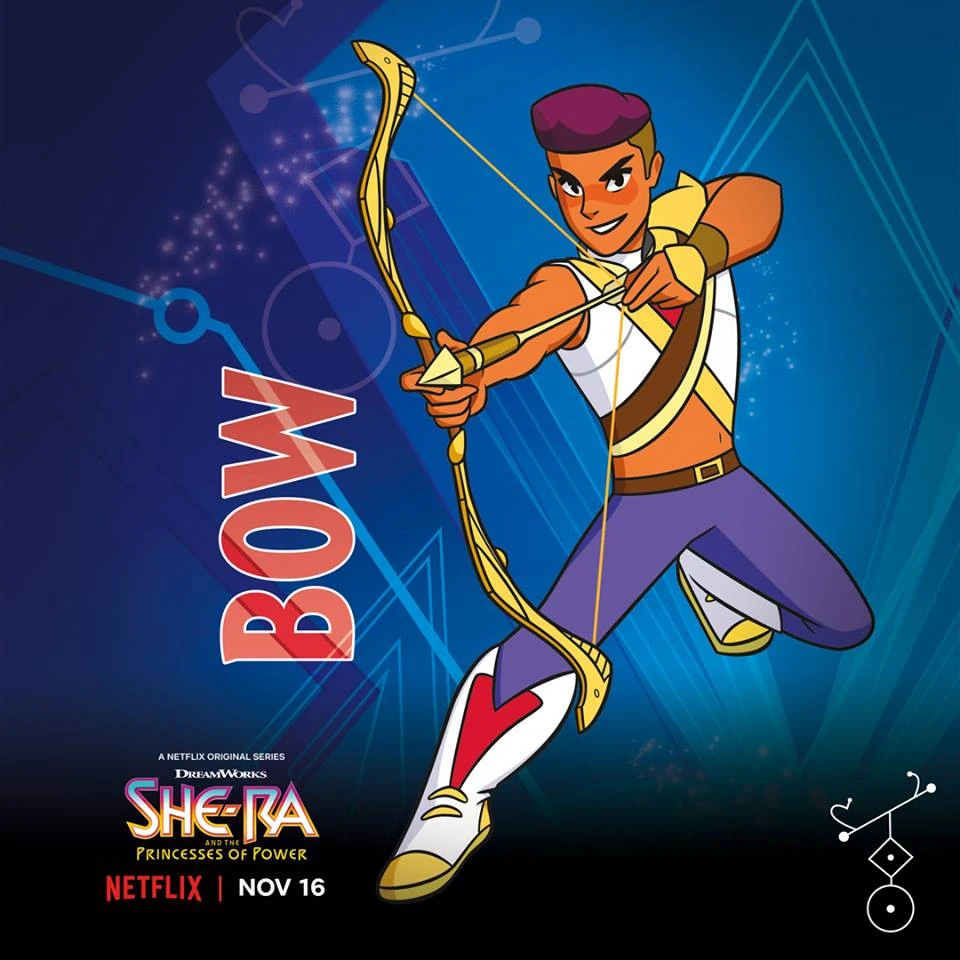
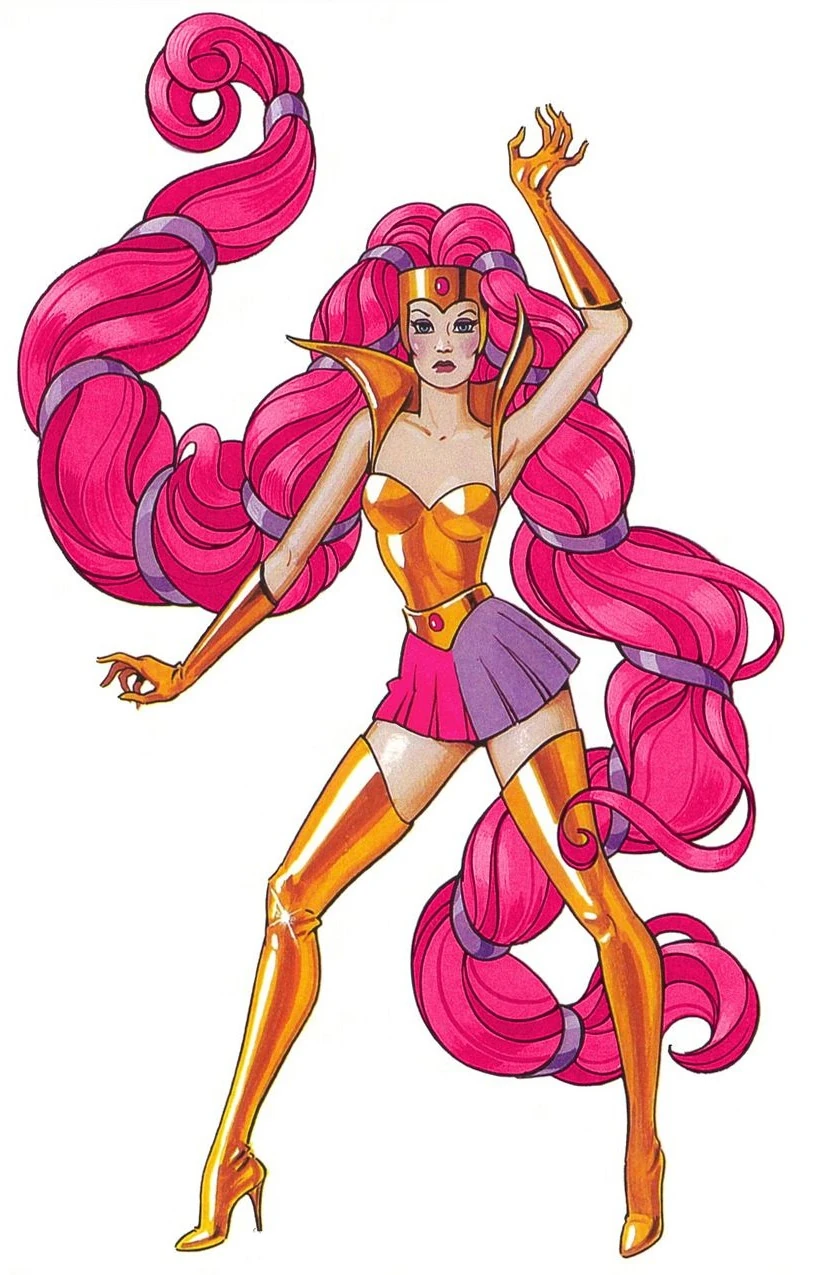
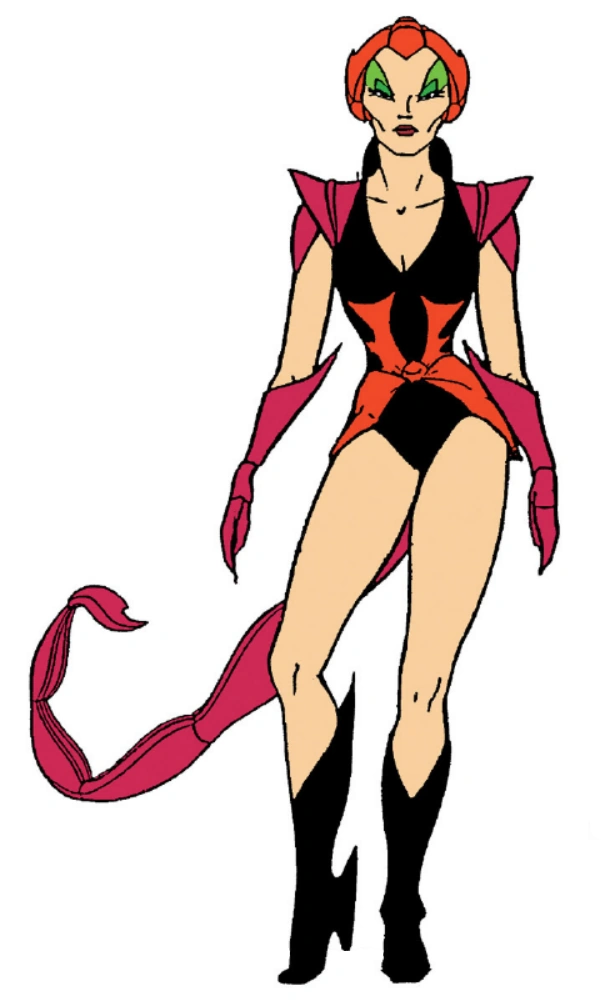
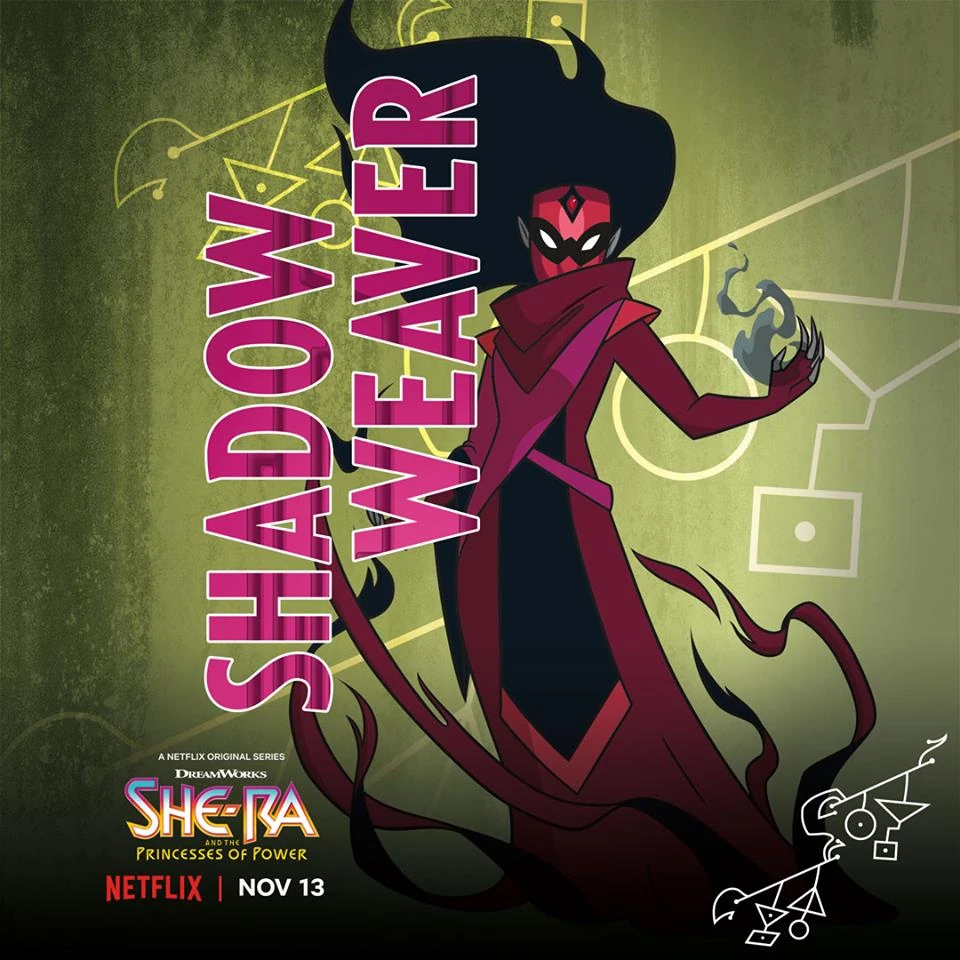
The visual identity is the first signature. The character designs by lead designer Lola Frisone moved away from the slim-waist Filmation fashion-doll proportions toward more varied body types, more diverse skin tones, and a softer rounded illustrated aesthetic that owed more to Stevenson’s own comic work (Nimona, Lumberjanes) than to the 1985 cartoon. The choice was deliberate and the reception was polarised at launch and broadly positive by the finale.
The emotional core is the Adora and Catra relationship. The 2018 series treats the two as childhood friends who have grown into opposing sides of a war, with all the unresolved love, betrayal, and self-doubt that implies. The five-season arc treats their relationship with the seriousness that the 1985 Filmation series simply did not have time for. The final-season payoff (the Catra and Adora kiss in the series finale) is one of the most-discussed beats in modern animation history.
The supporting cast also gets serious arcs. Glimmer’s growth into queen-mother responsibility. Bow’s family backstory and his “Bow’s dads” episode. Entrapta’s neurodivergent characterisation. Scorpia’s queer coming-of-age. Shadow Weaver’s redemption arc. Hordak’s complex relationship with Horde Prime. The show treats every character as worth time.
The toy-line tie-in shipped through Mattel in 2018 to 2019 but underperformed sales expectations; the merchandise side of the reboot is the part that did not work commercially. The animation, the writing, and the cultural impact, however, all landed.
The legacy: the reboot is now the entry point for younger MOTU fans, and the Mattel Origins programme has begun integrating reboot-style character designs into supplementary lines.
Length: approximately 75 minutes.