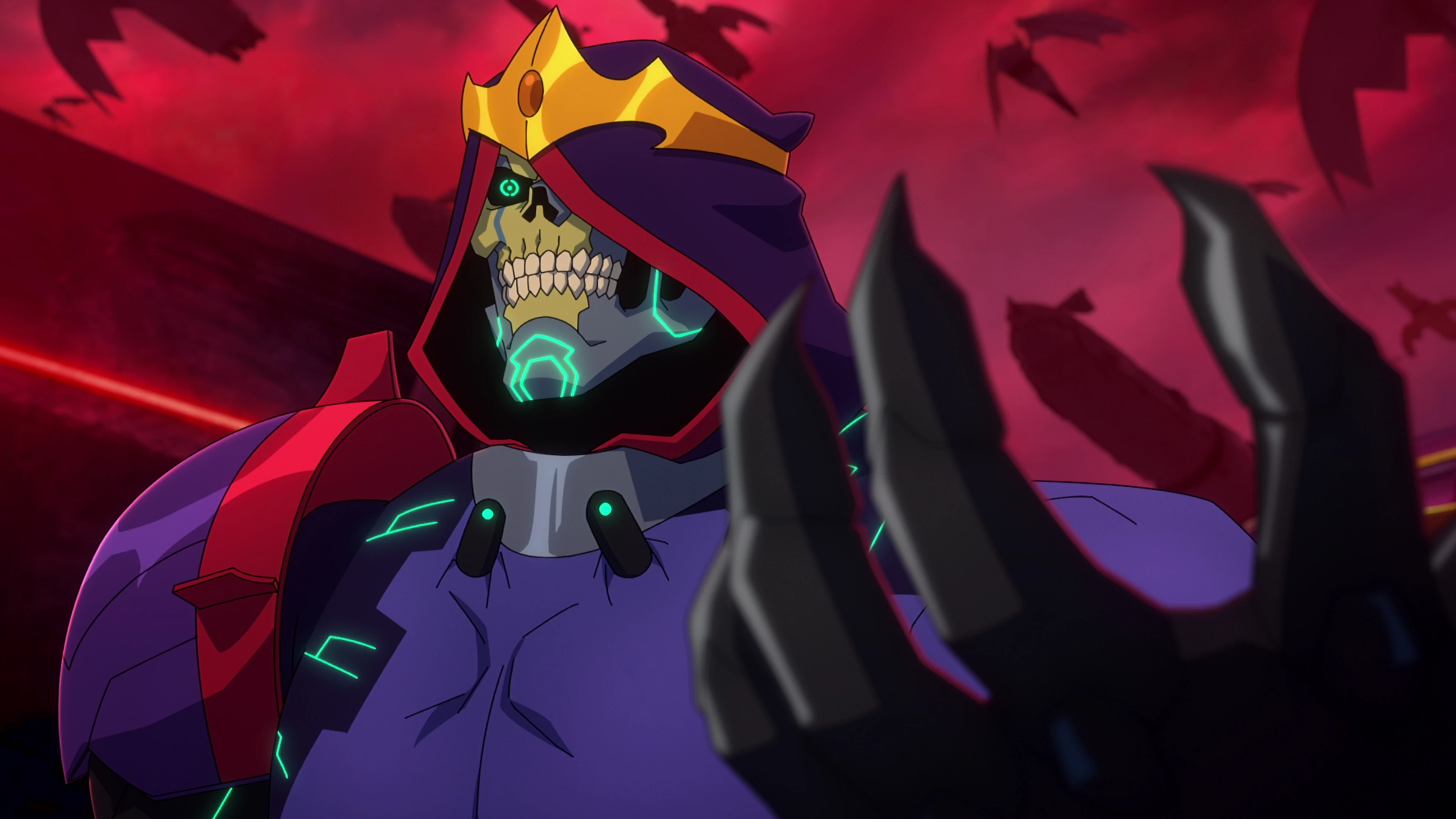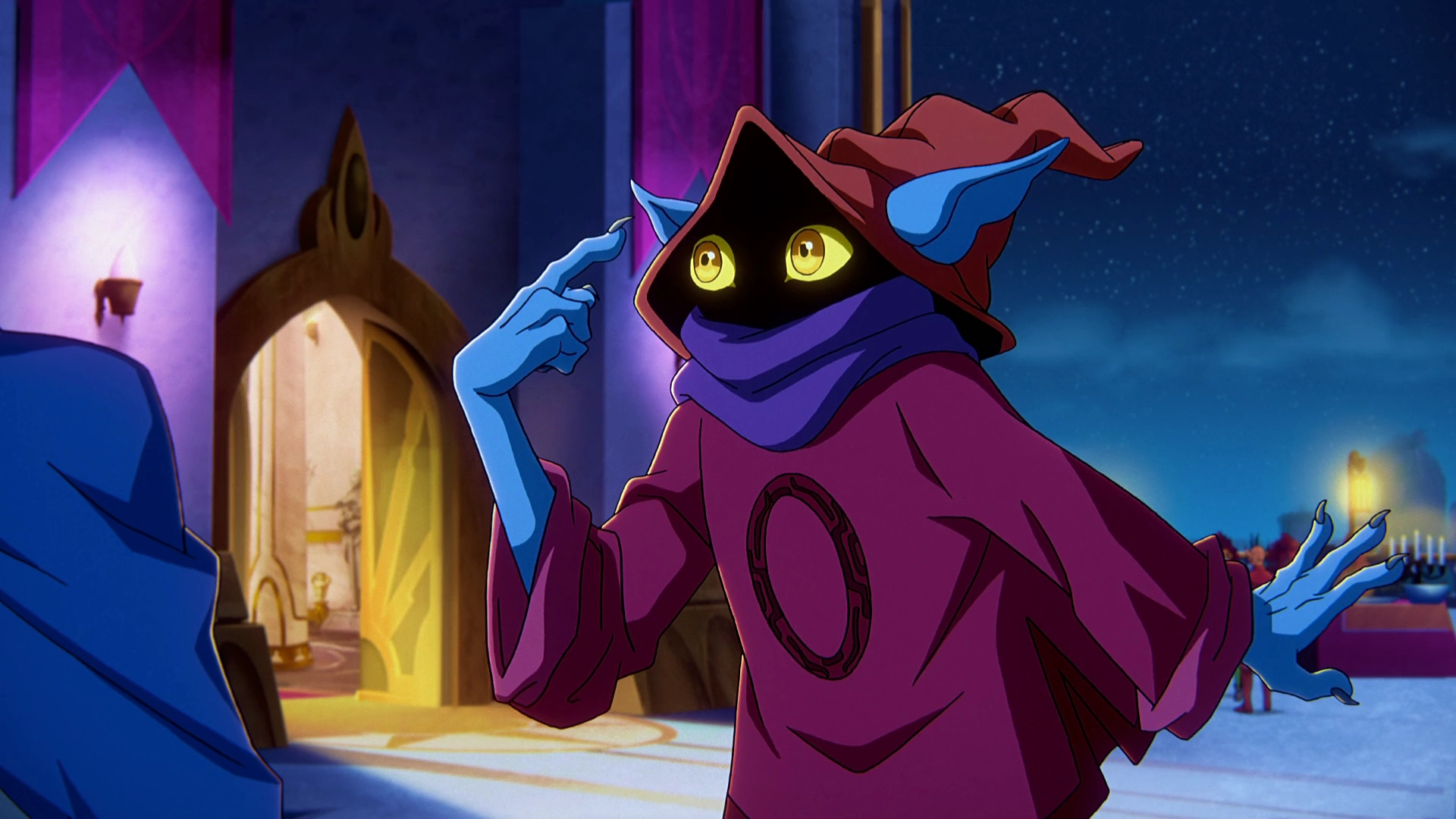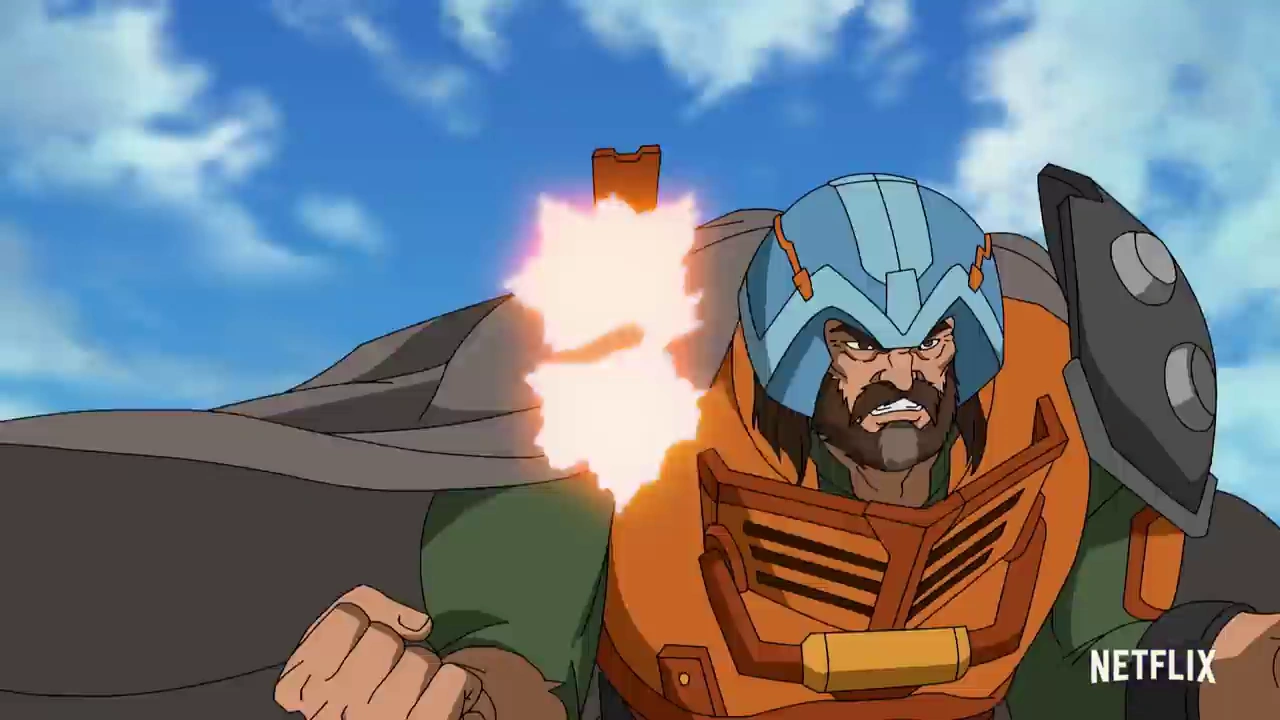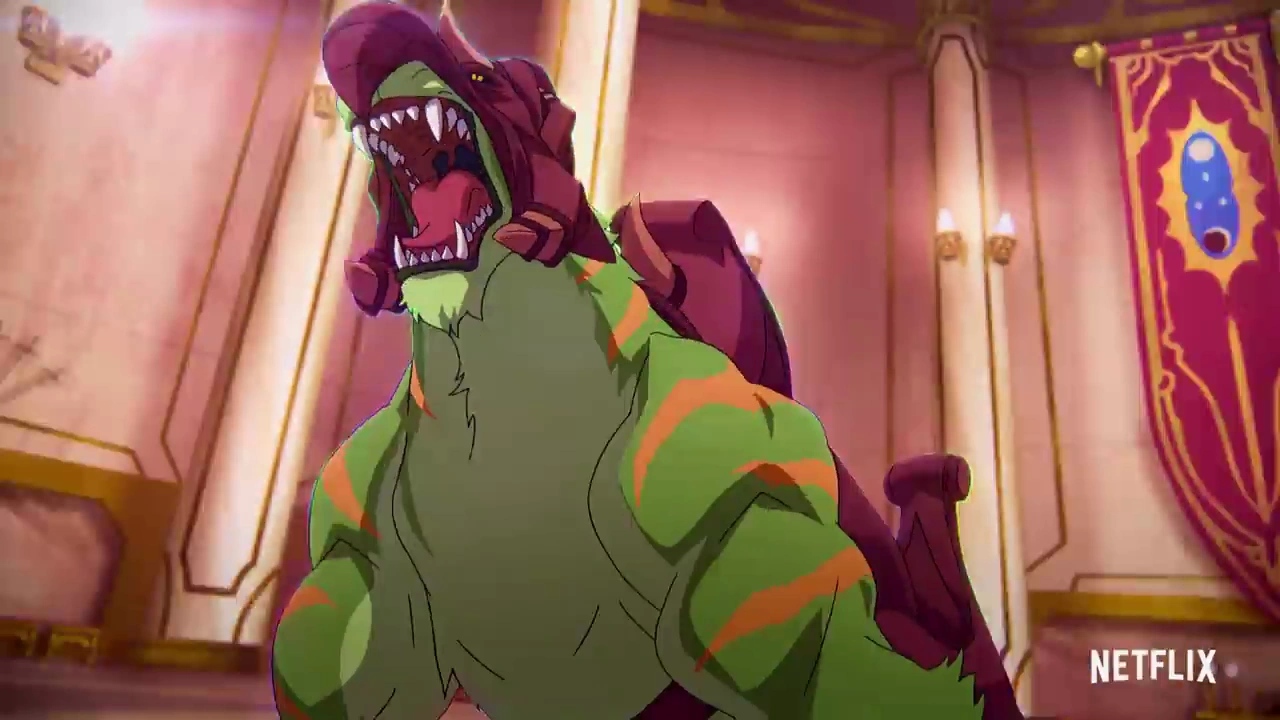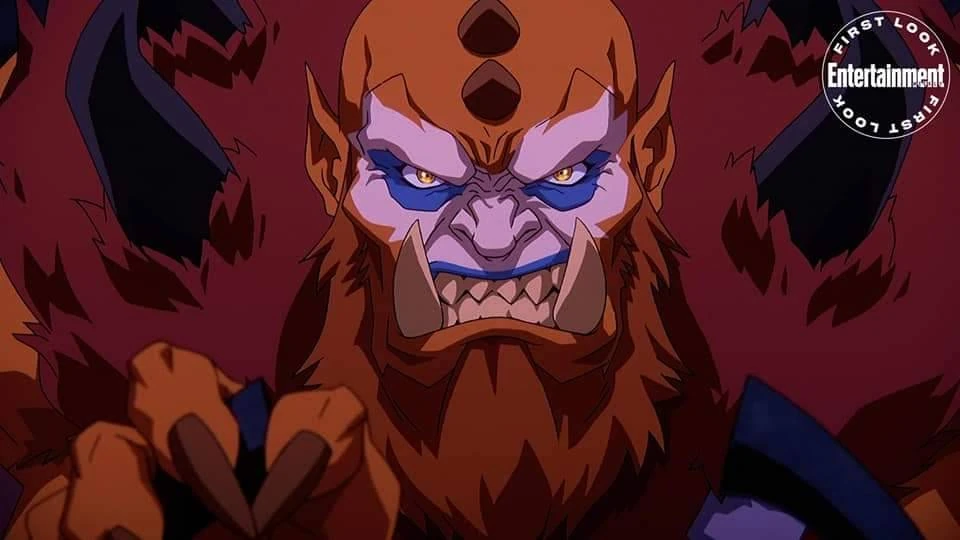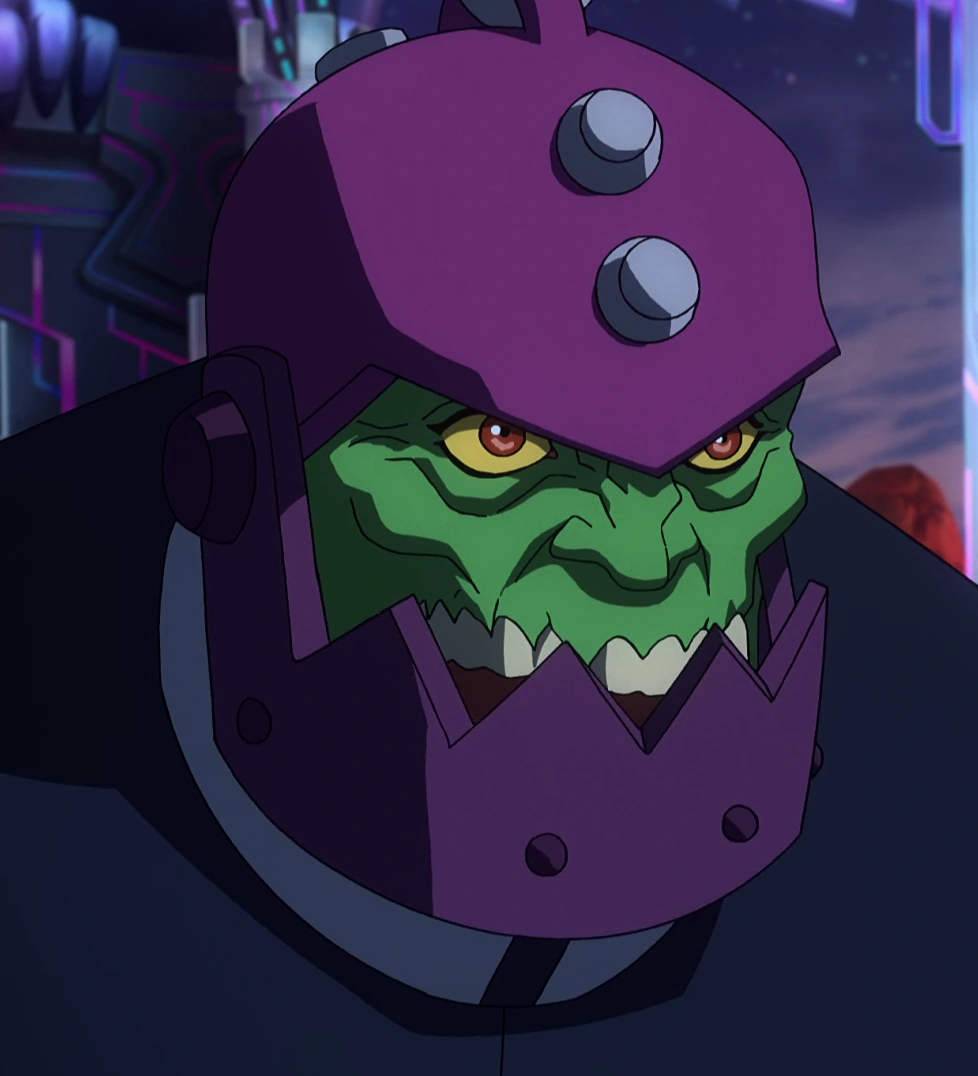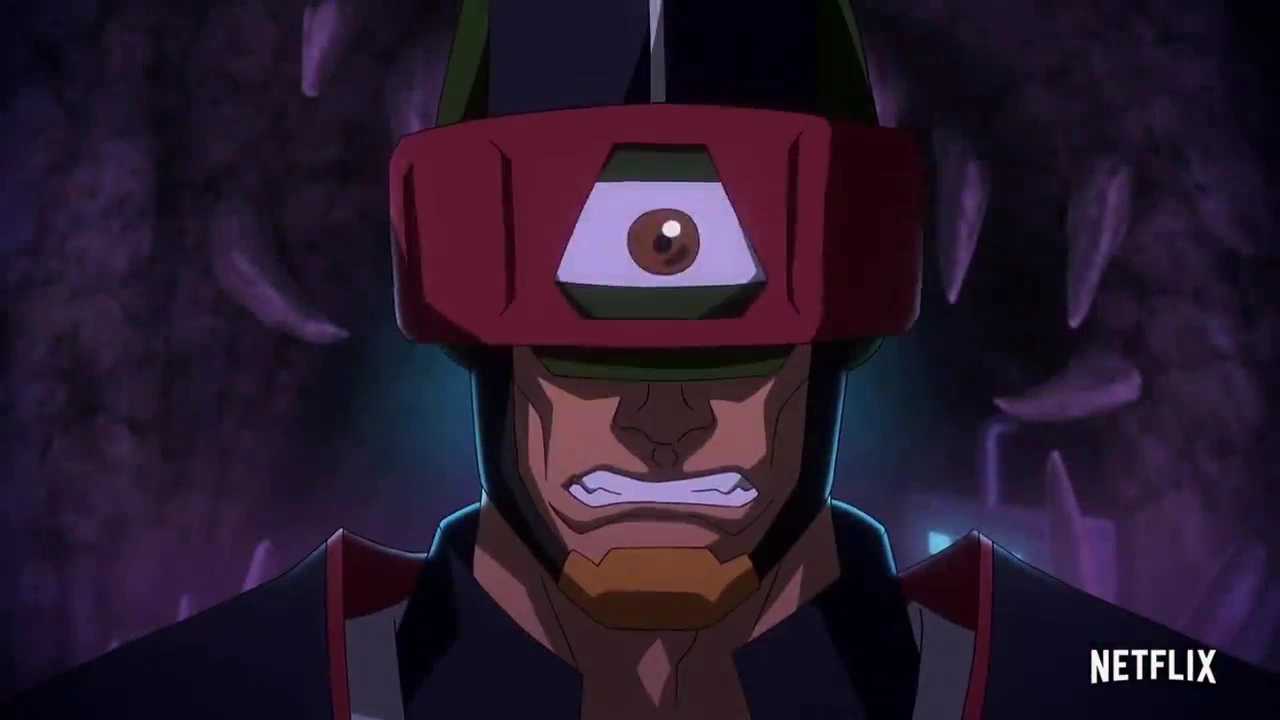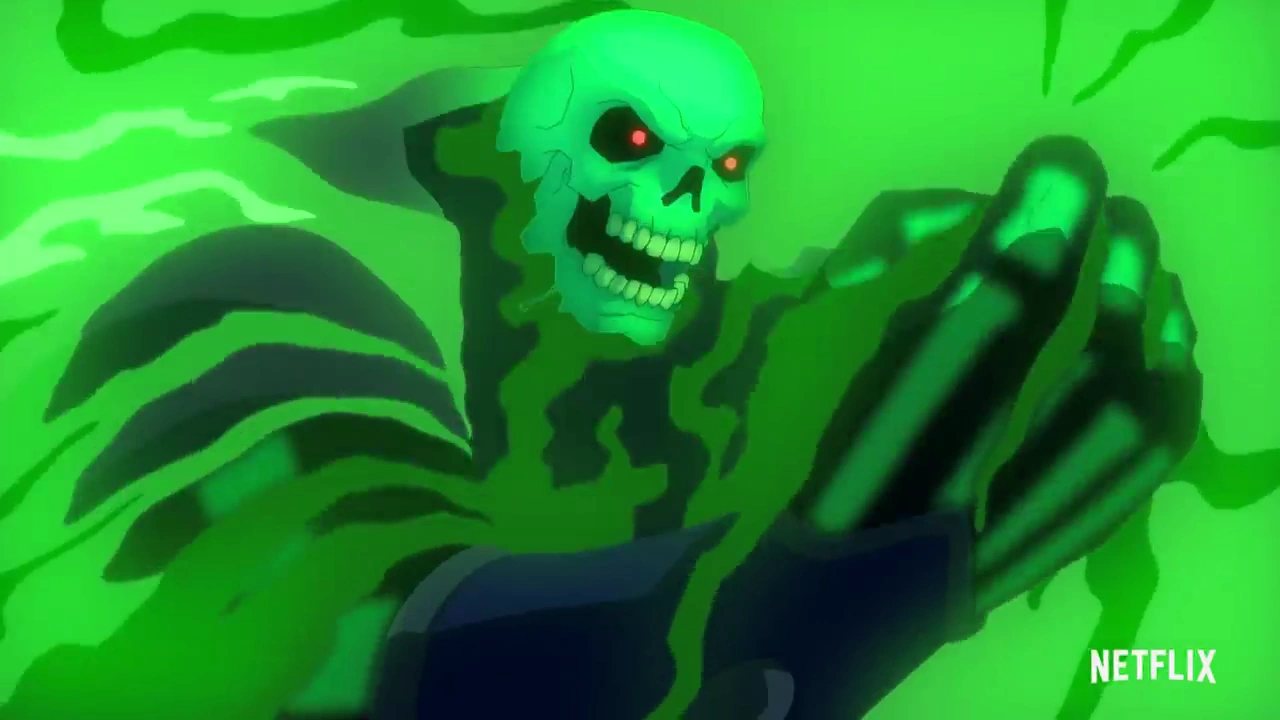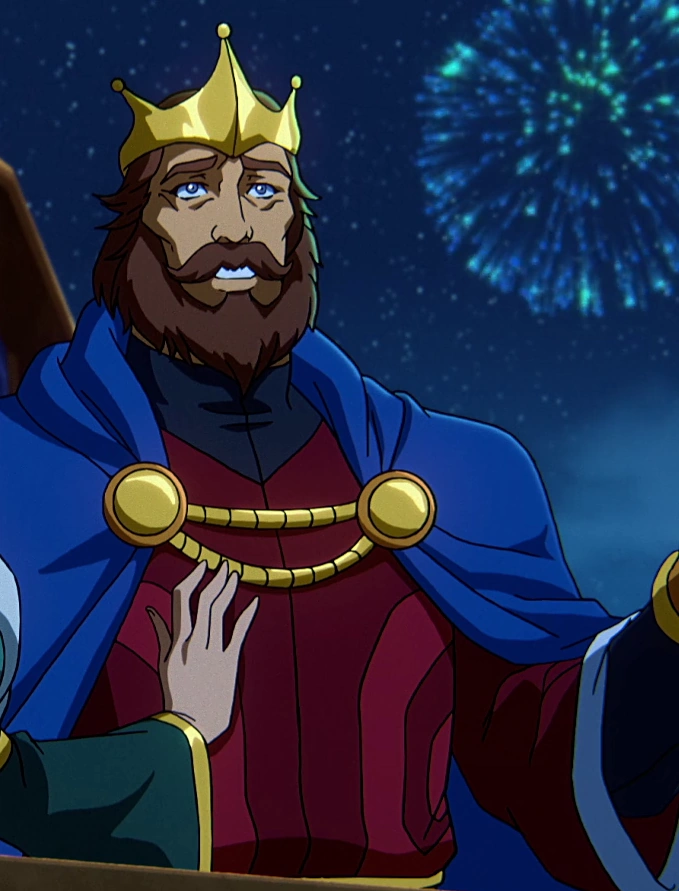
Kevin Smith’s Netflix MOTU continuation spanned 2021 to 2024 across three parts: Masters of the Universe: Revelation Part 1 (July 2021, five episodes), Revelation Part 2 (November 2021, five episodes), and Masters of the Universe: Revolution (January 2024, five episodes). The three parts together form a fifteen-episode meta-series that picks up from the end of the Filmation cartoon and pushes the lore forward in continuity. This episode asks whether the trilogy stuck the landing.
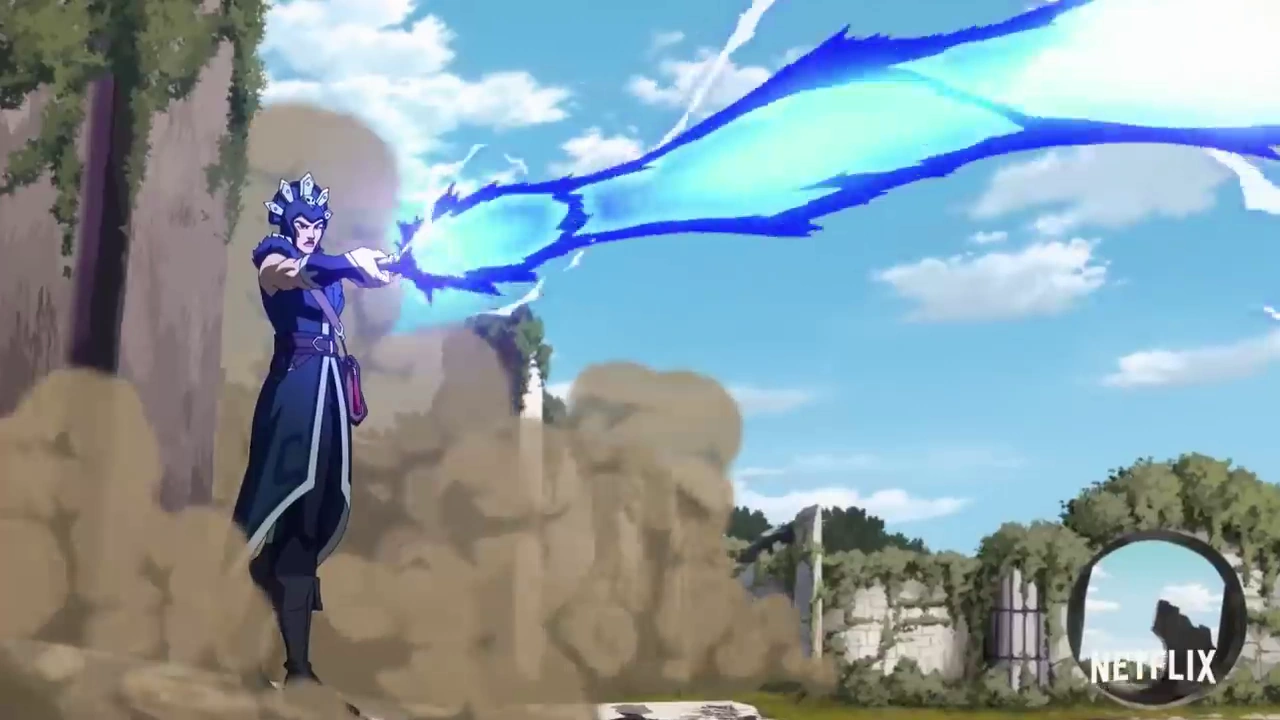
Revelation Part 1 launched in July 2021 and produced one of the most divisive Netflix releases of that year. The first five episodes pivoted away from He-Man as the central character and built the arc around Teela, with the audience meeting an Eternia in which He-Man and Skeletor had both apparently died in a Power Sword catastrophe. The pivot was technically clever and thematically defensible, but the marketing had positioned the series as a He-Man-led continuation, and the disconnect created a substantial backlash. The “He-Man is back” reveal at the end of episode five was supposed to reframe the criticism but the damage to the launch was already done.
Revelation Part 2 (November 2021) put He-Man fully back in the centre but had to absorb the audience-trust damage from the first five episodes. The five-episode arc resolved the He-Man and Skeletor conflict, repositioned the supporting cast, and set up a deliberately ambiguous Skeletor escape that would matter when Revolution arrived two years later.
Revolution (January 2024) brought the trilogy home. Five episodes that introduced Hordak and the Horde threat, escalated the Skeletor arc into full-on Keldor / Hordak alliance territory, and concluded with the kind of crowd-pleasing extended final battle that the first part of Revelation had deliberately not delivered. The reception was substantially warmer than the 2021 launch.
The retrospective question is whether the three parts work together as a single fifteen-episode arc. The answer leans yes. The Teela pivot in Part 1 reads better in hindsight because it sets up the character agency that pays off across Part 2 and Revolution. Mark Hamill’s Skeletor performance maintains across all three parts. The Powerhouse Animation art direction (the Korean-co-produced animation that gave the trilogy its distinctive painterly look) is consistently strong.
What did not work: the early Revelation marketing miscommunication, the abbreviated five-episode-per-part format that compressed beats that needed more space, and the deliberate avoidance of the modern toy line continuity in favour of building a fresh in-universe story.
Length: approximately 70 minutes.